You might throw a shoe or break a fetlock.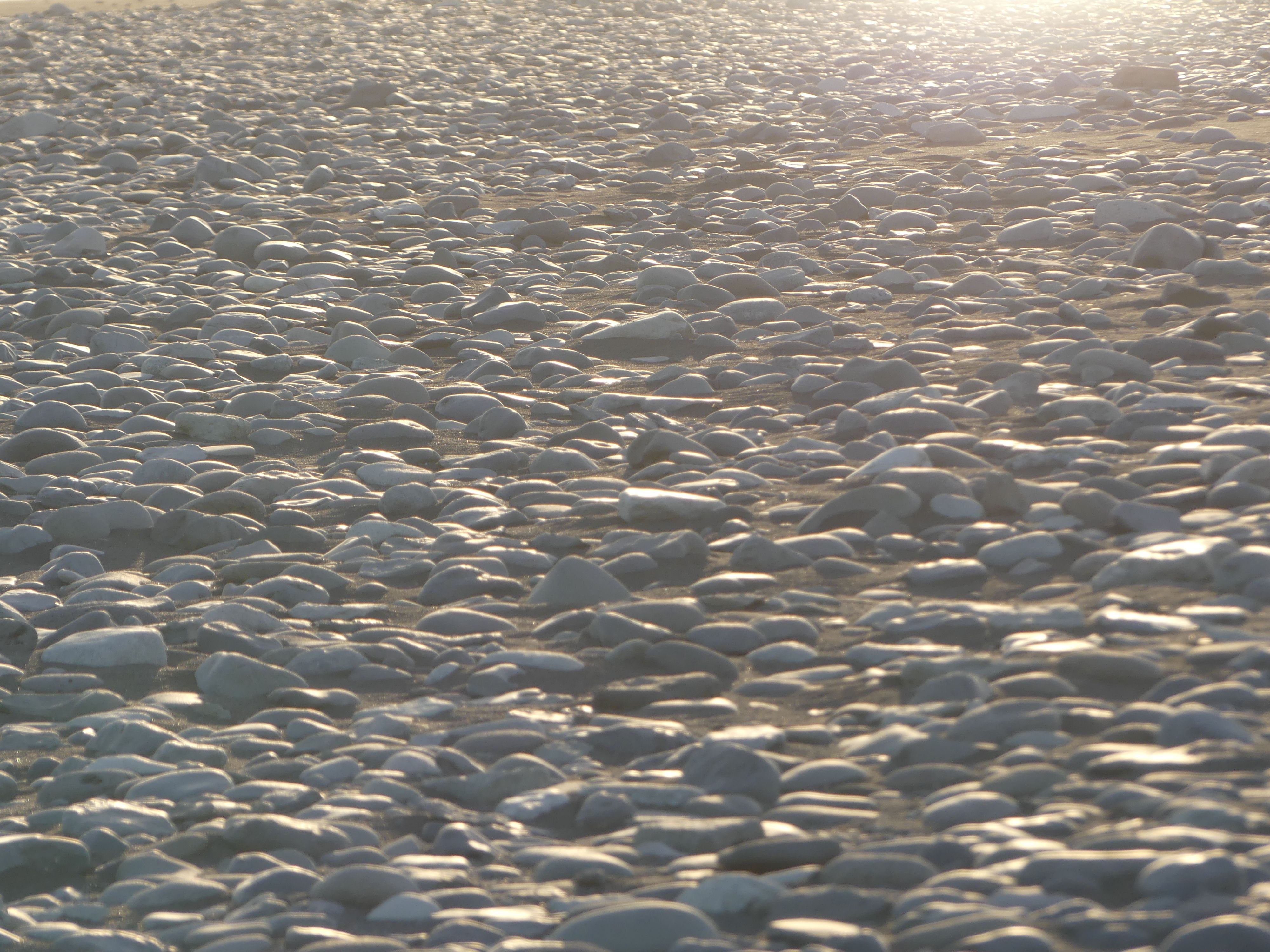
Jökulsárlón
Let the land be your guide. Where are you going to run to, anyway?
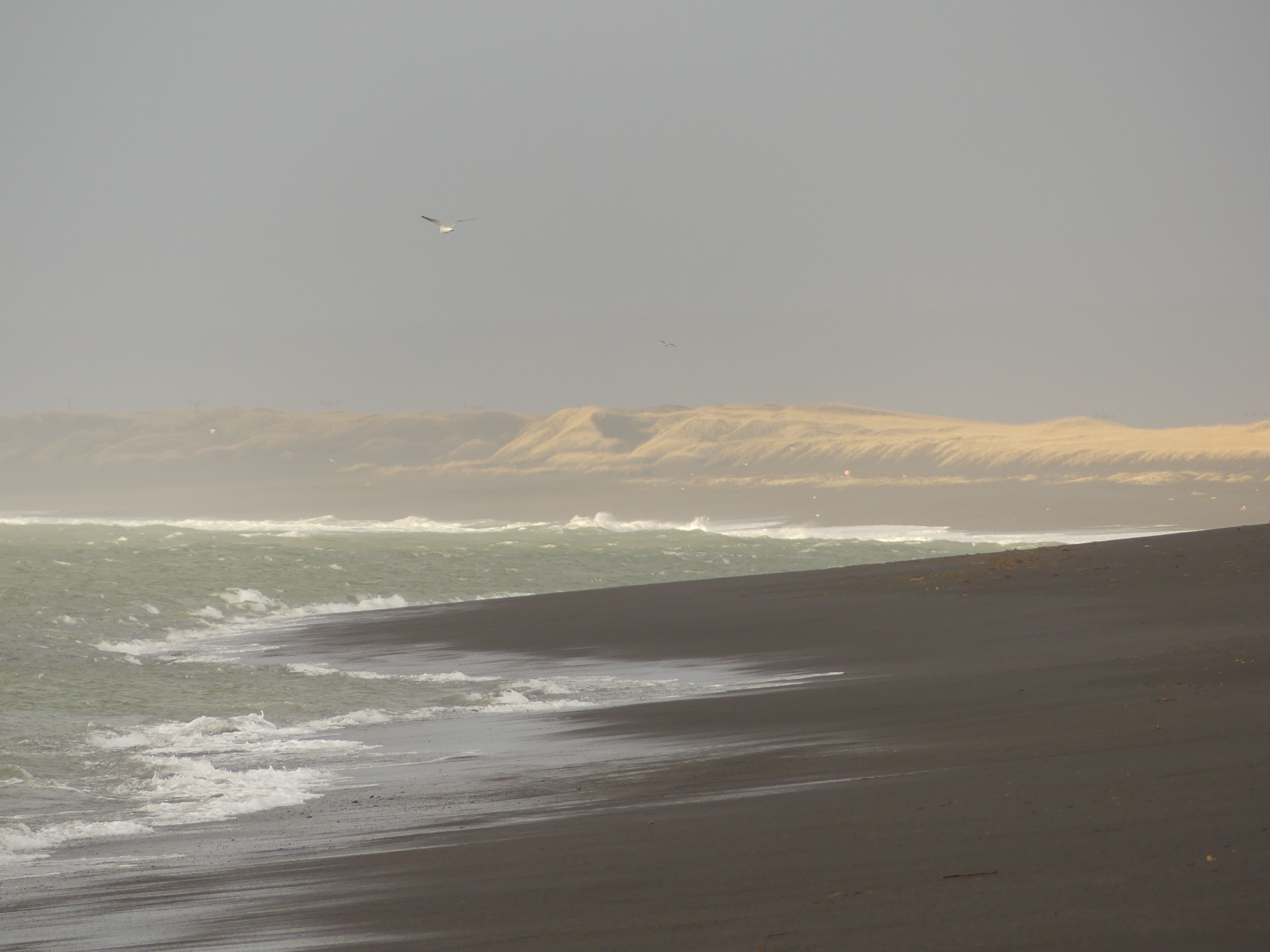
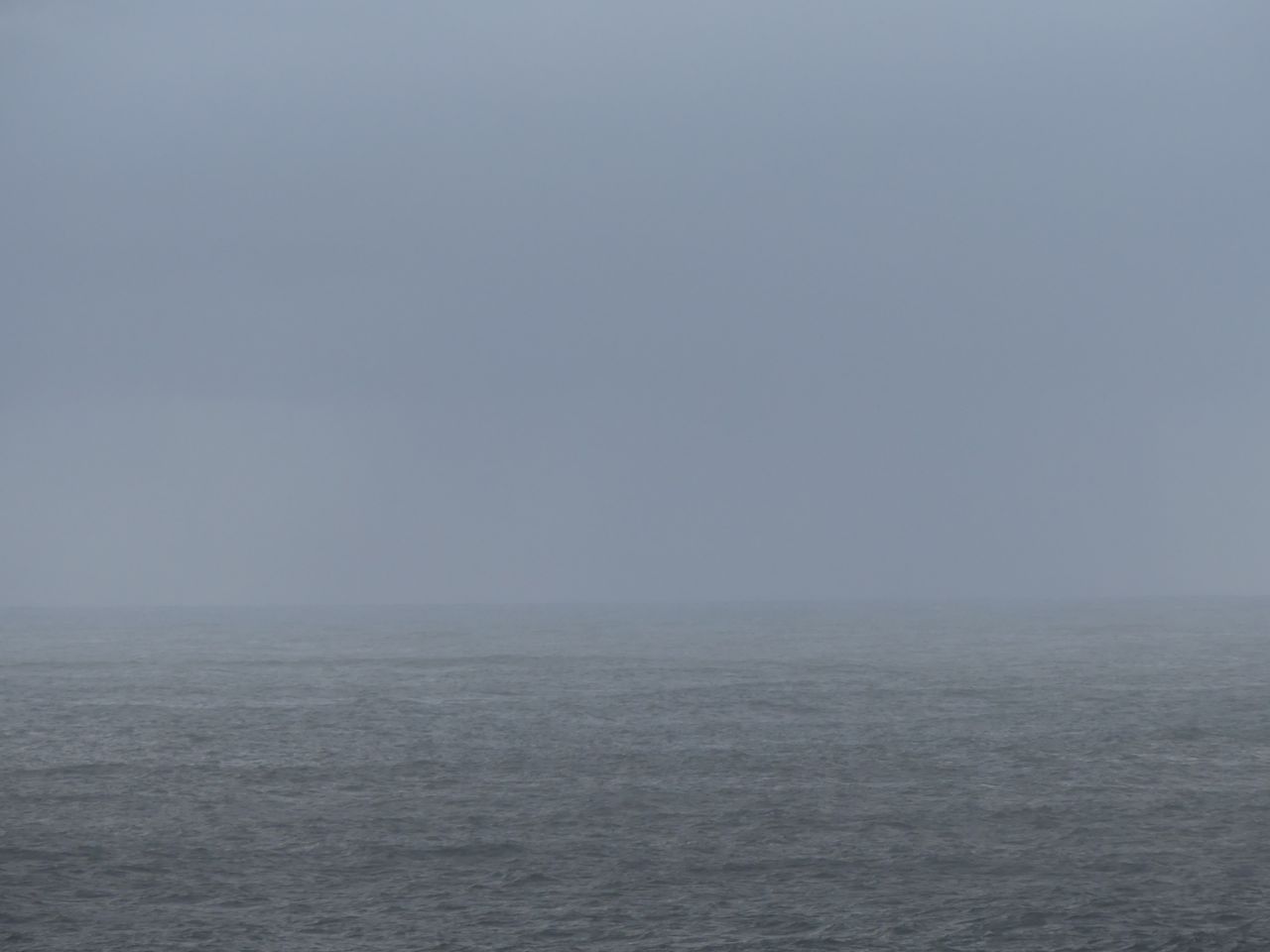 The Great Grey Sea
Gunnar went out there in 1928 to look for Atlantis.
Easy. Accept your brace now, human. Shh.

You might throw a shoe or break a fetlock.
Jökulsárlón
Let the land be your guide. Where are you going to run to, anyway?
The Great Grey Sea
Gunnar went out there in 1928 to look for Atlantis.
Easy. Accept your brace now, human. Shh.
When the god Oðin plucked out an eye to receive all the wisdom in the world, he received two ravens: Thought and Memory.
Here they are in Kerlingardalur, thinking and remembering. What else is consciousness?
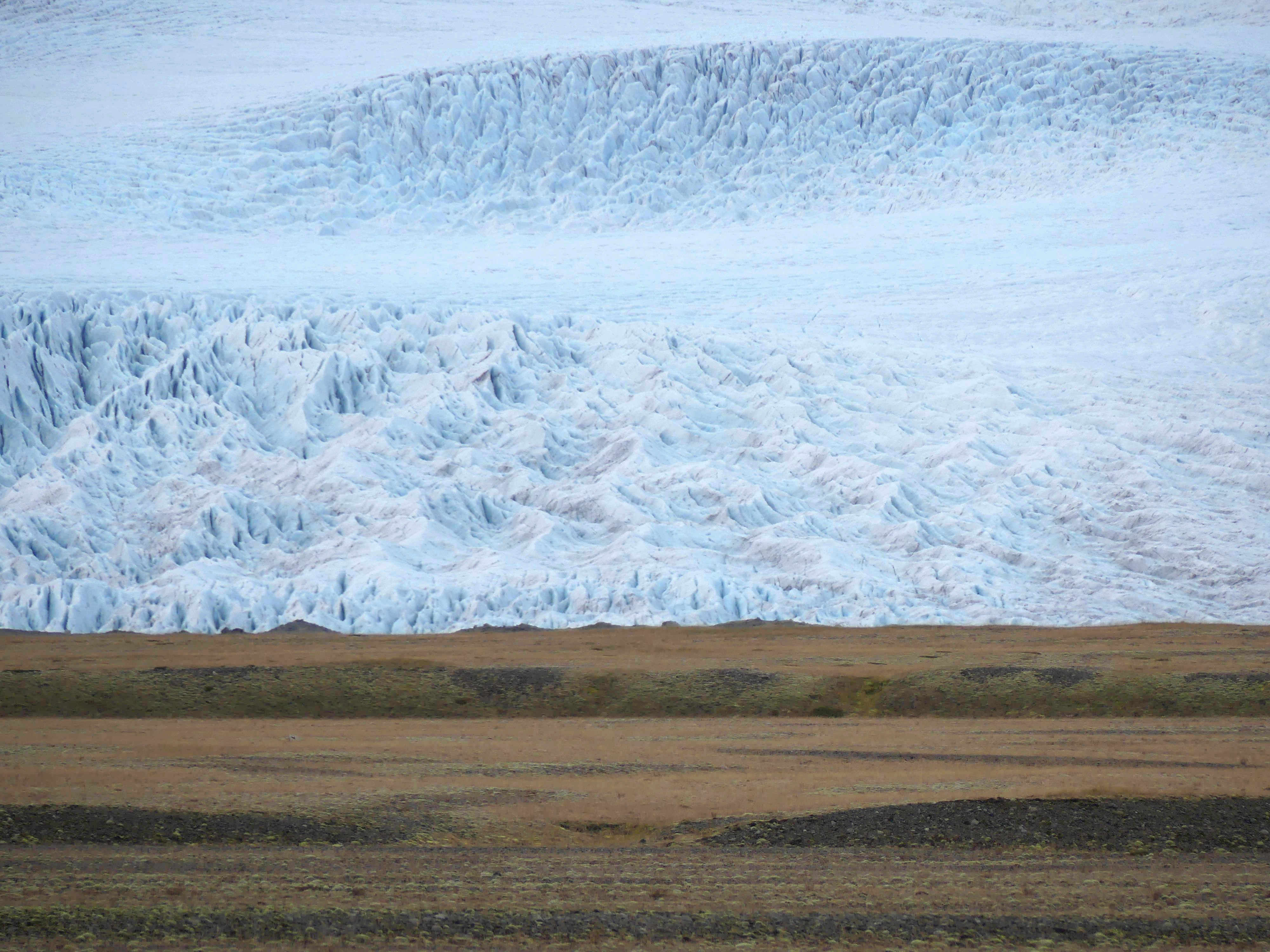 Skaftafellsjökull
Well, yes, ice, but that comes from beyond the world. That is unconsciousness. That is what you need thought and memory for, lest they have you.

That’s the way of the black road.
Myvatnsveit, in Northern Iceland is a place where you can get a view across great distance. It is a view (vita) across distance. You see (vita) it and you know it (veit.) What a sight!
In the modern world, an English speaker, trained (as we all are) in Enlightenment philosophy, would likely say “I see”, “I got a good view at last,” or “I could see a long way.” It’s the same in modern Icelandic, because Icelanders are all trained in Enlightenment philosophy, too, but the old sense in Icelandic (and English) is different. The view is there. The possibility of sight is there. We enter it, and then the sight has a centre. It is a point of movement, which we calling “walking”. We see out of it, to where we are, which is in the middle of a veit.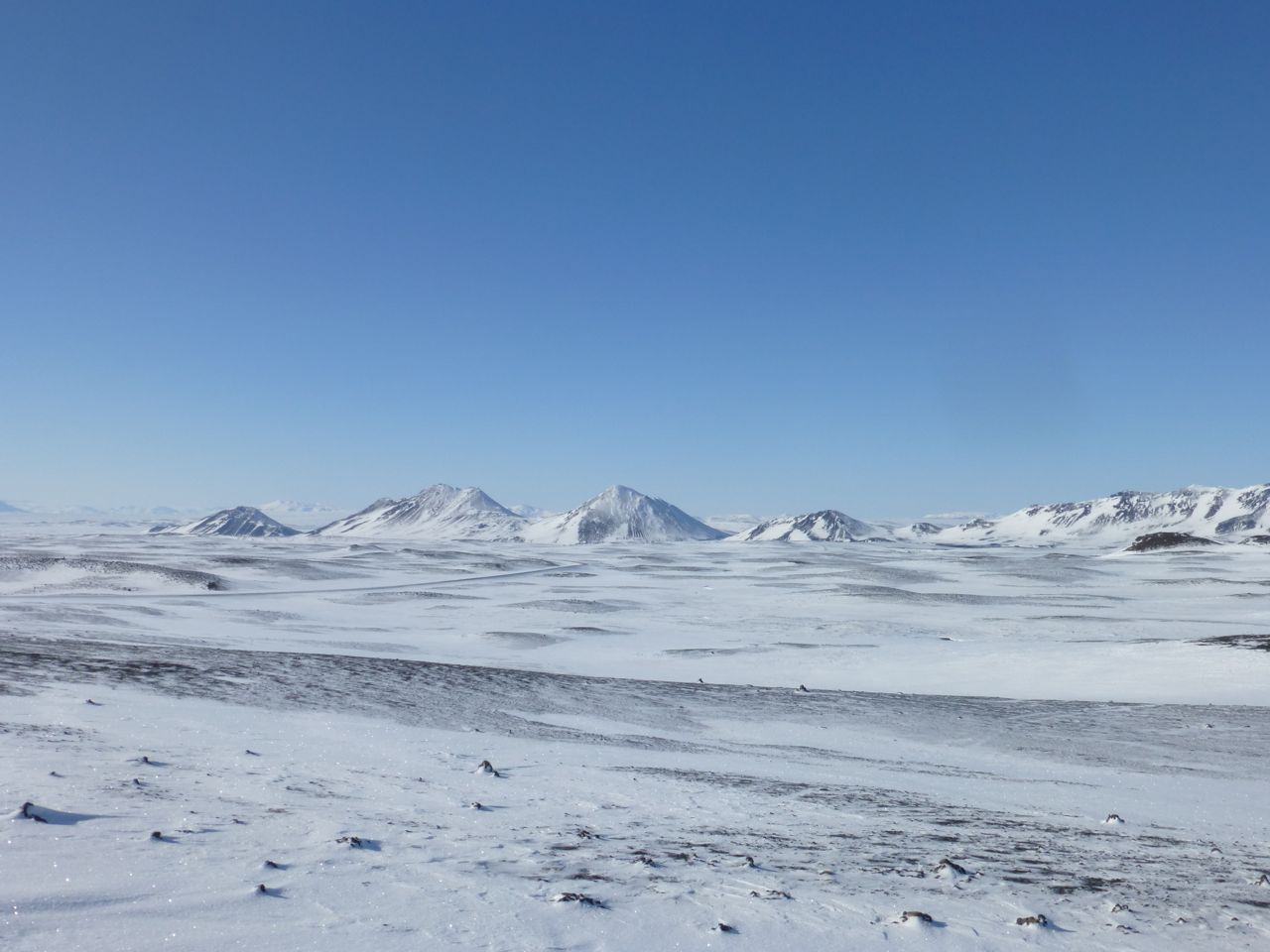
We even have a term for this in English: “I’m in the middle of nowhere.” That’s an alternate way of looking at a veit; it’s a waste, or a wasteland — a place that is not home. You’d better start walking, if you want to get out of there, but you will remain within it until the last step. In English, the word “wide” fills a related role. It is the space of a walk. It remains in material form between the walk’s beginning and end, which can only be re-experienced by another crossing, which brings it together or makes it near. (Read more on earthwords.net) If you enter this wide space, you enter that walk — the time (and place) that I, or someone else, made in the past. It comes alive in you, but only when you move.

Until you come out the other side you are in the walk; the veit fills you. Only when you come out at the other side does that life slide off of it and back to you and you can see. Whatever is on the trip is on the trip; only what you carry out doesn’t stay there.
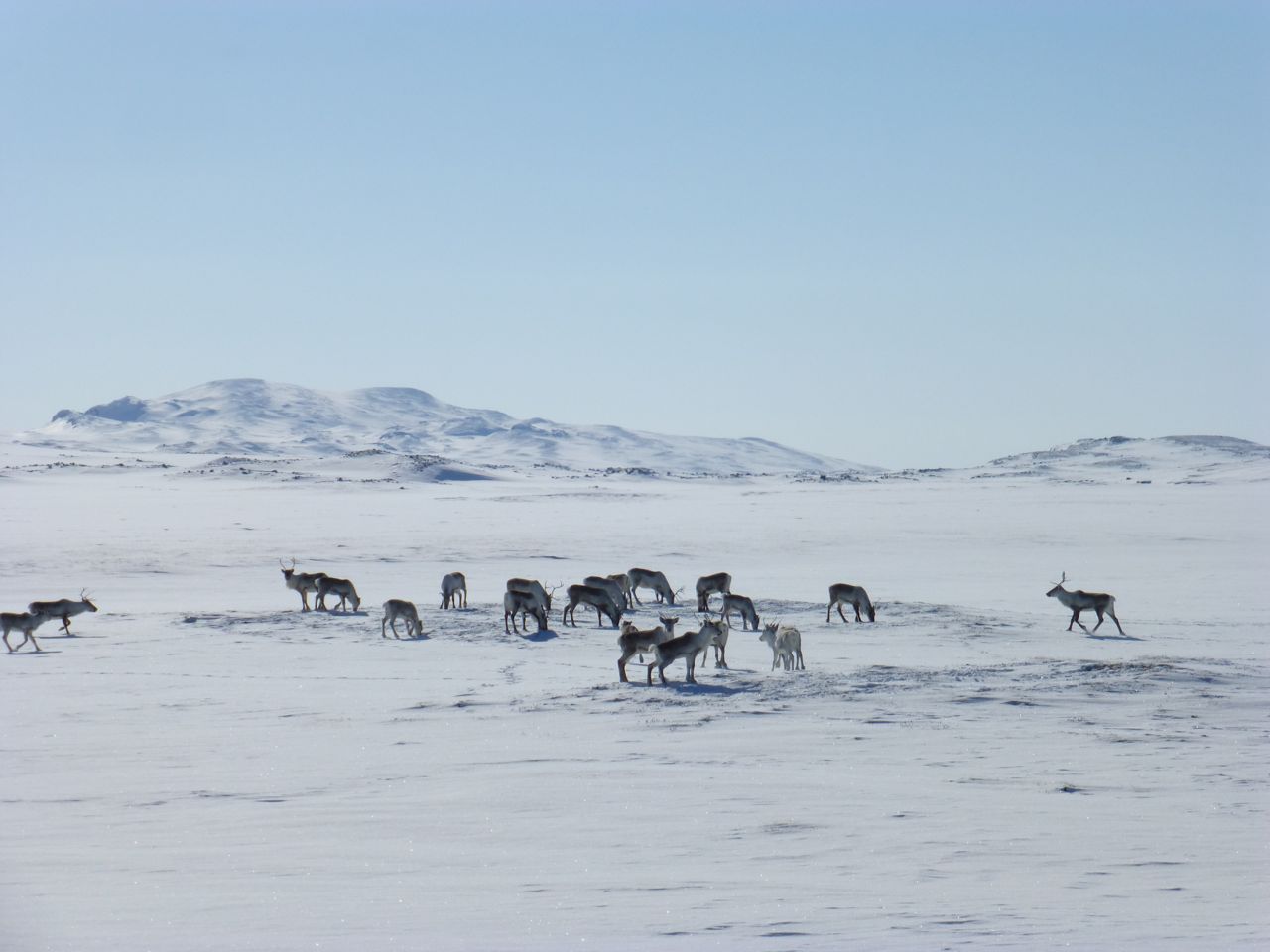
And when you look back, you see where you were, but you aren’t there. It has become something complete, which you see, and can, if you choose, reenter.
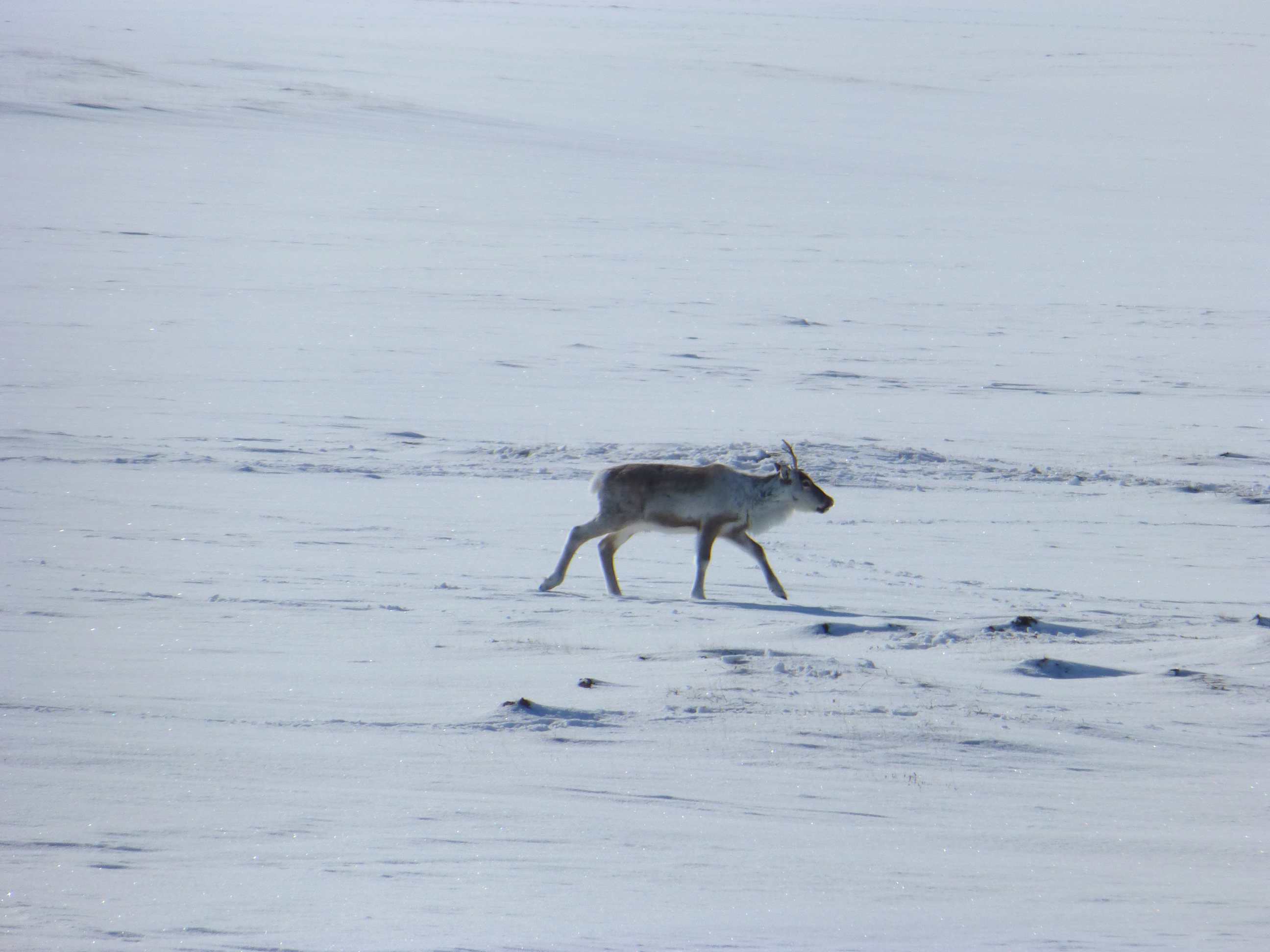
These are old word meanings, but they are the gifts of our ancestors, who knew about walking. For them, it was the communication which today is, well, taking place in this combination of words and images.
 Grundarfjörður
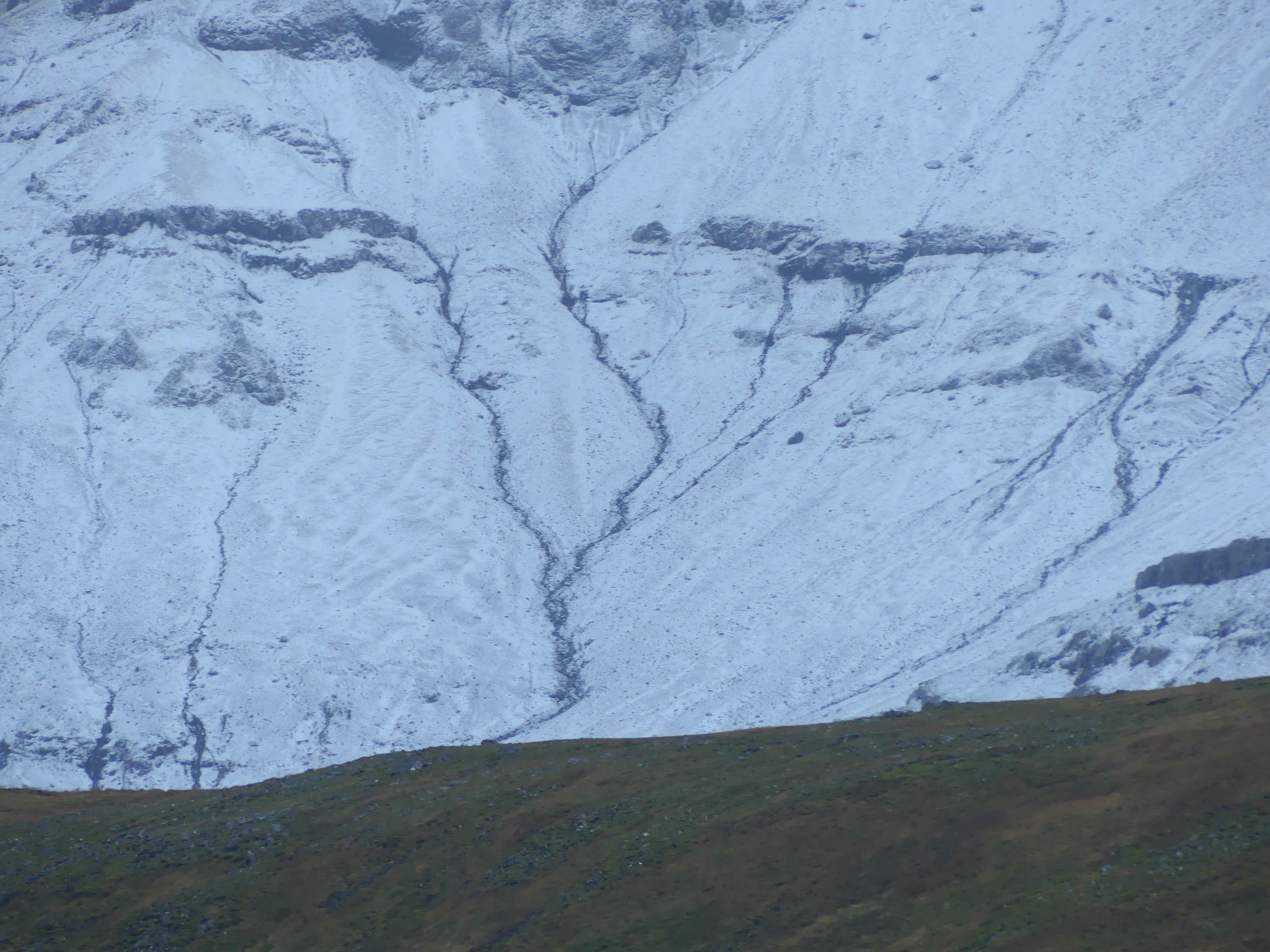
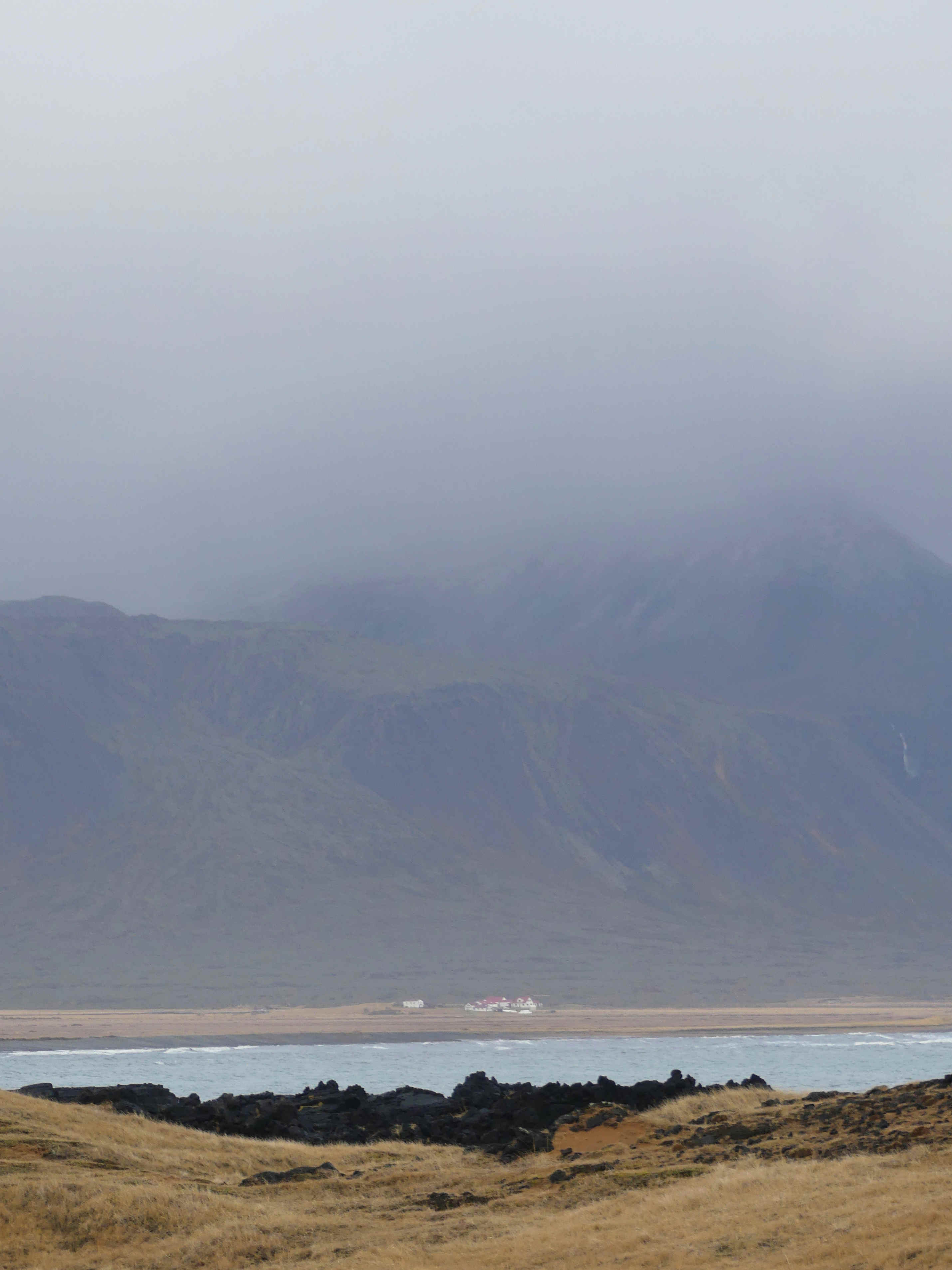
We are, in effect, walking here, in the flat light of Iceland, that shows no distance, no near or far, or, rather, shows a land made of light, quite different from the one we watch from.
Grundarfjörður
It is a cold place.
 Grundarfjörður
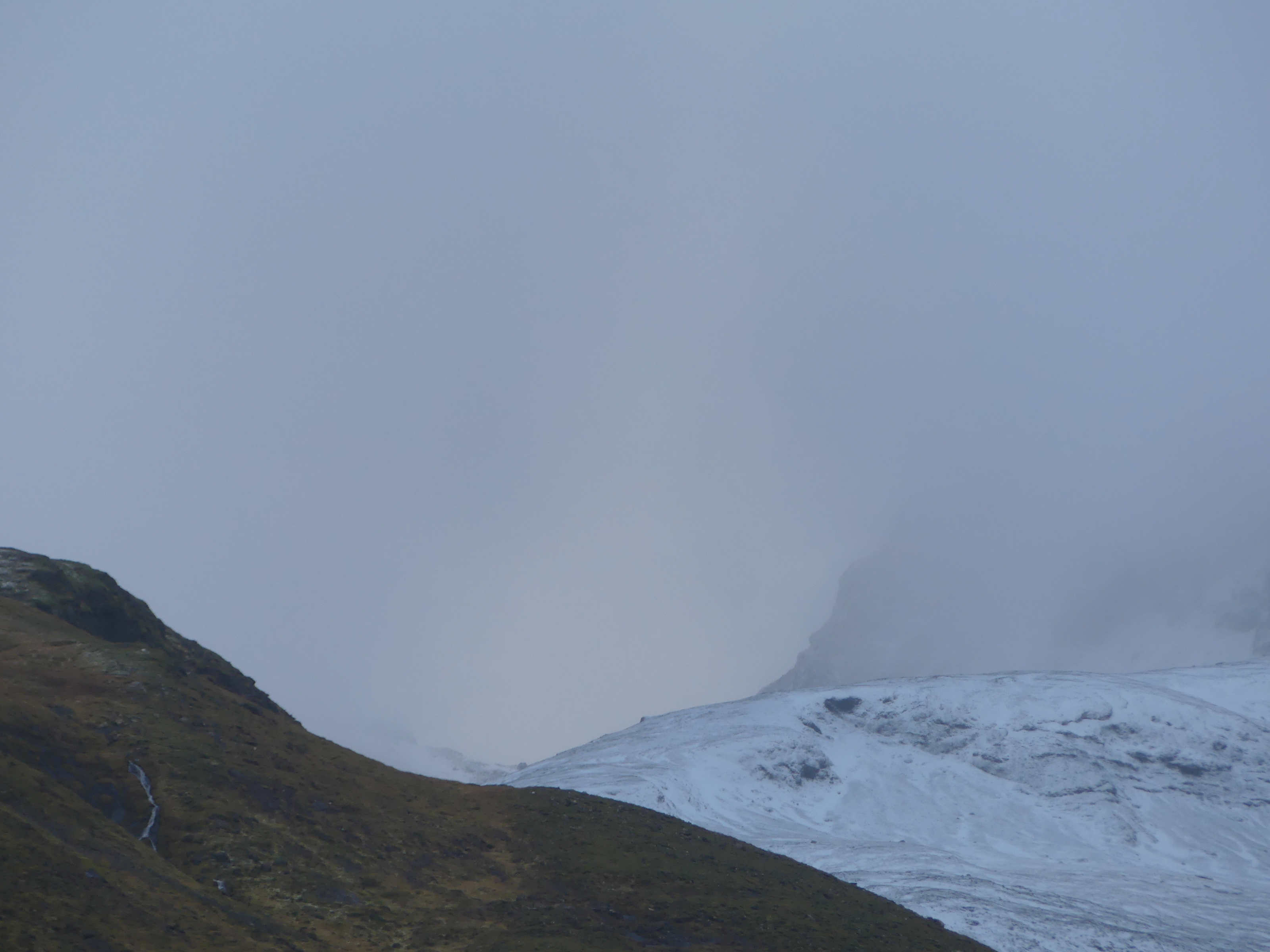
From our green fields, we can see into it. There are trolls there. Our bones ache in recognition. When we are in it, we see within it. When we approach the end of our walk, we see out of it, to the future we are walking towards.
Grundarfjörður
And then we are there.

Grundarfjörður
It is the same for every moment. We can cheat and drive a car, but if we want to be alive in a moment, we have to walk.

For creatures like us, sight is a glimpse into a possible future. Walking is being there. And when you come back the being remains there, not where you are. Amazing isn’t it. There’s a technology for binding past and future across the empty space of a walk. This is a way, or a path.

Buðir
It is a protective charm that cuts across the unknowability of a veit (the consciousness that is your body walking, not your mind thinking.) Forget sight. It’s not primary. As long as your feet don’t stray from your path, you will meet your future. Mine, as you can perhaps make out, wears a blue coat. Good to know! Well, looks like I’d better catch up. See ya!
Let me demonstrate how poetry is an indigenous form of thought.
Land…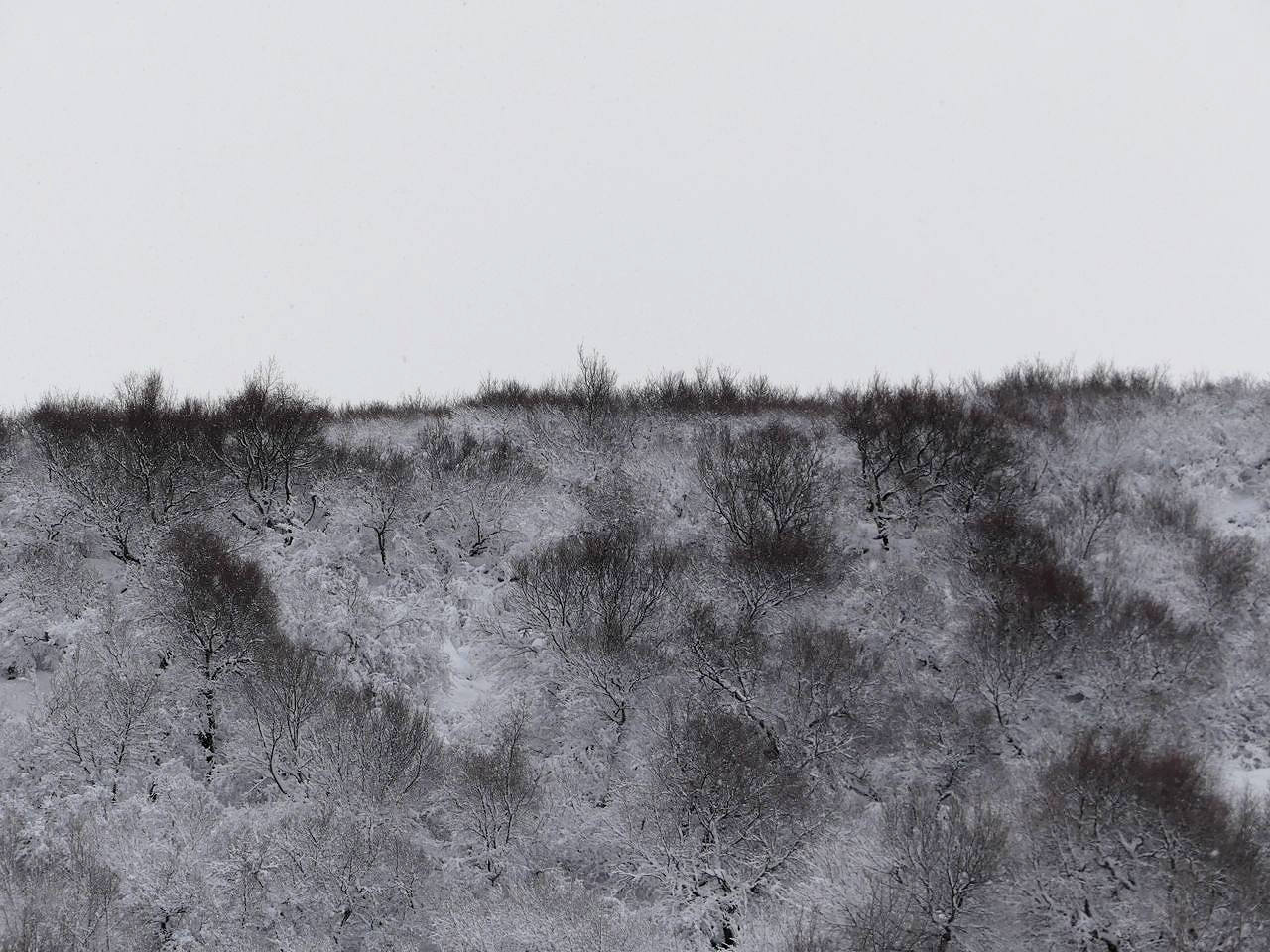
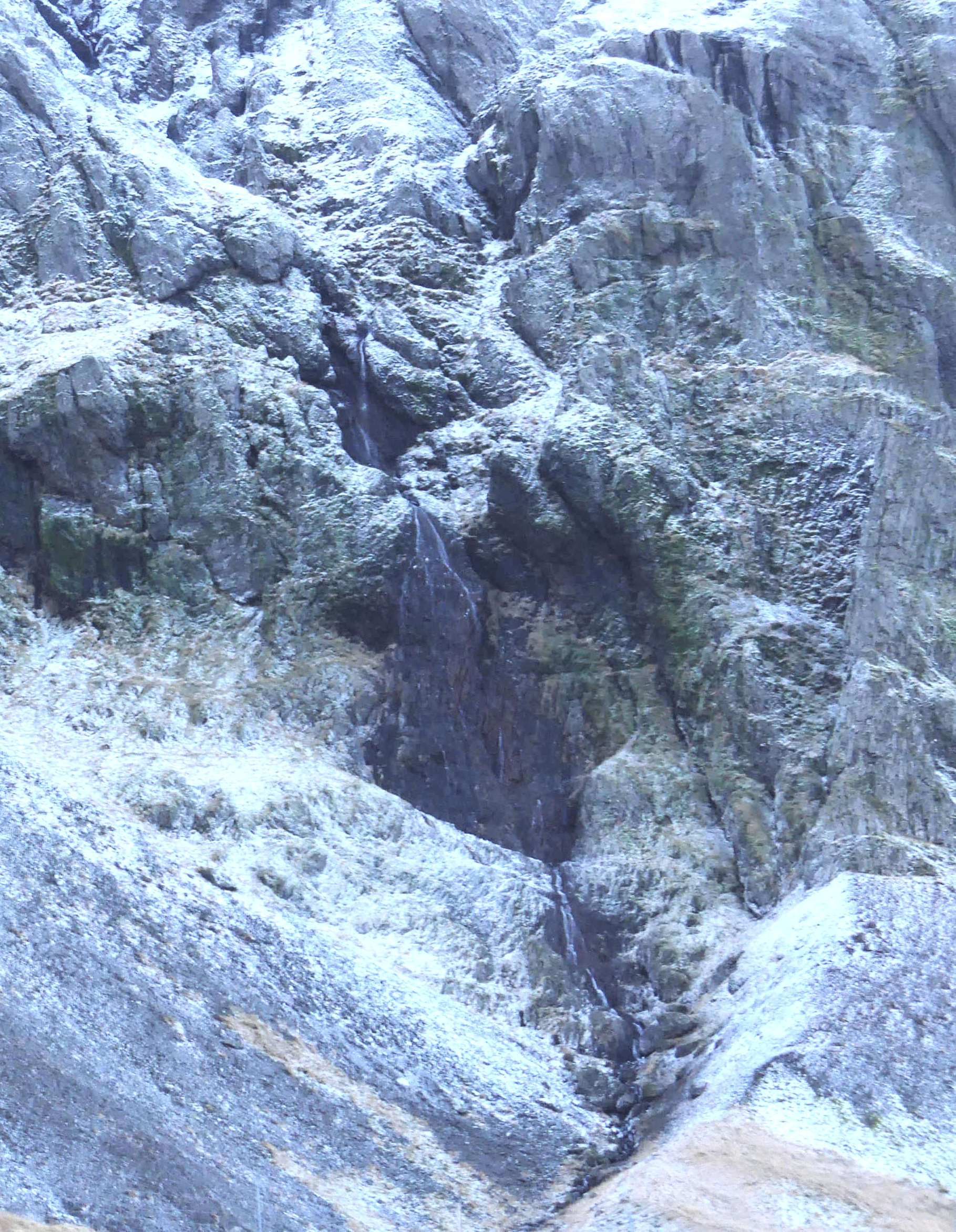
Land’s river …

Land’s liver …

Sky’s blood…

Sun.

You can only speak this language if you are at home on Earth.
Chances are you do, and are.
Iceland entered modernity with a group of artists who did nothing more or less than express their pre-modern selves in modern forms.
Sker and Stampur (?), off Dyrhólaey

Ásmundur Sveinsson’s “Music of the Ocean, Magnifier”
Icelanders did it themselves, with nothing but their rock in the ocean, in other words with everything that they had. Inspiring.
And I mean everything.


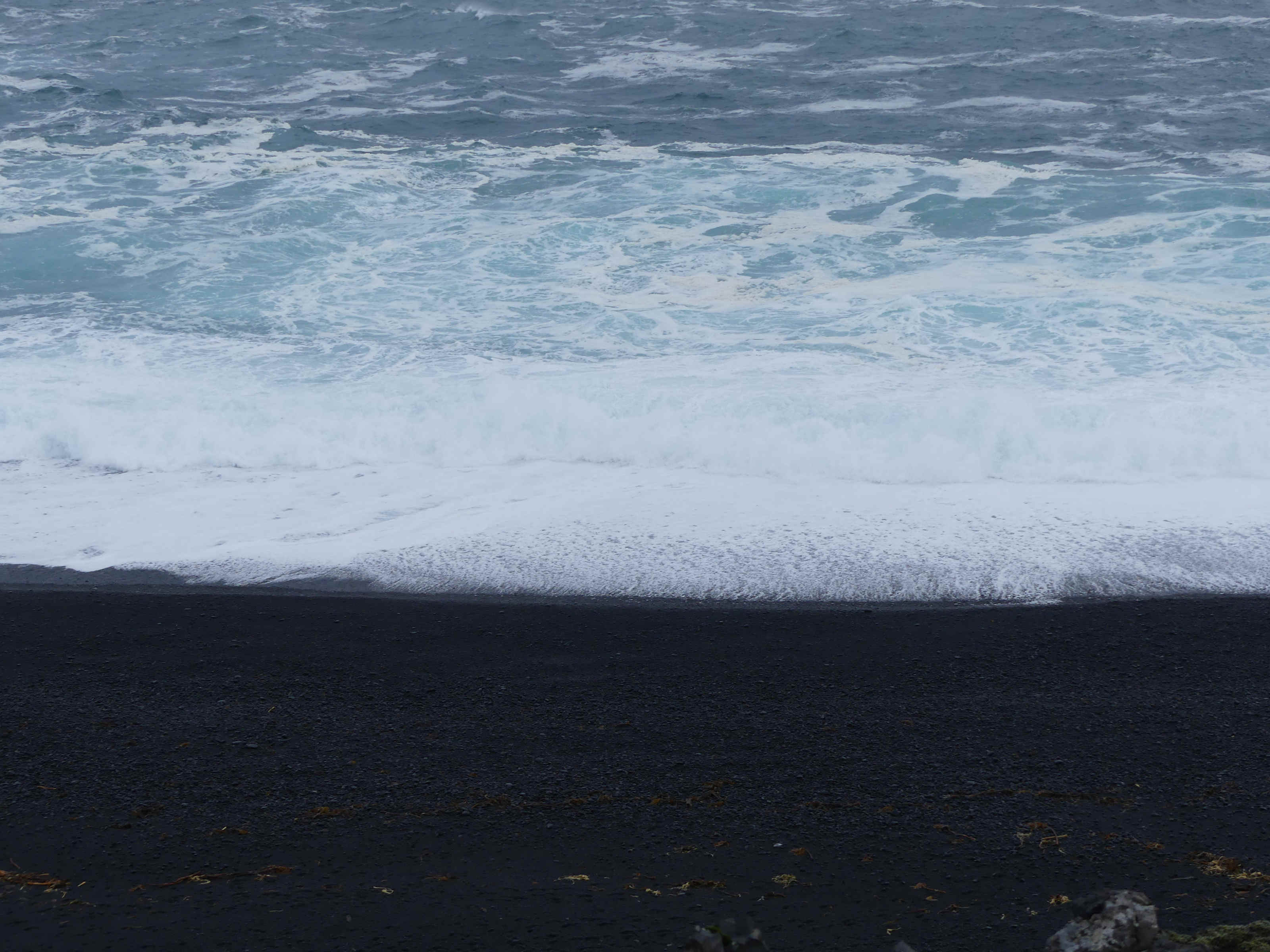


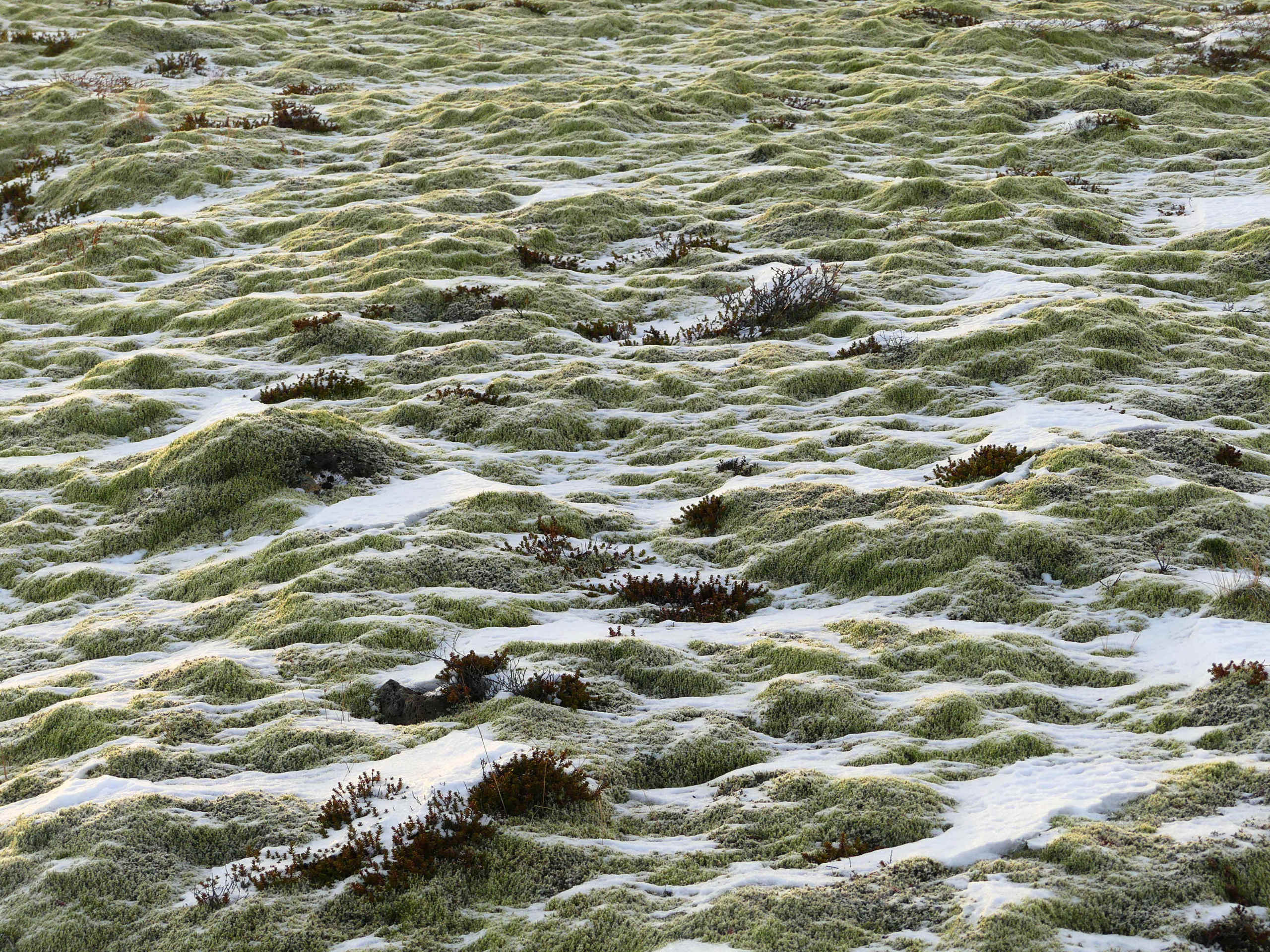
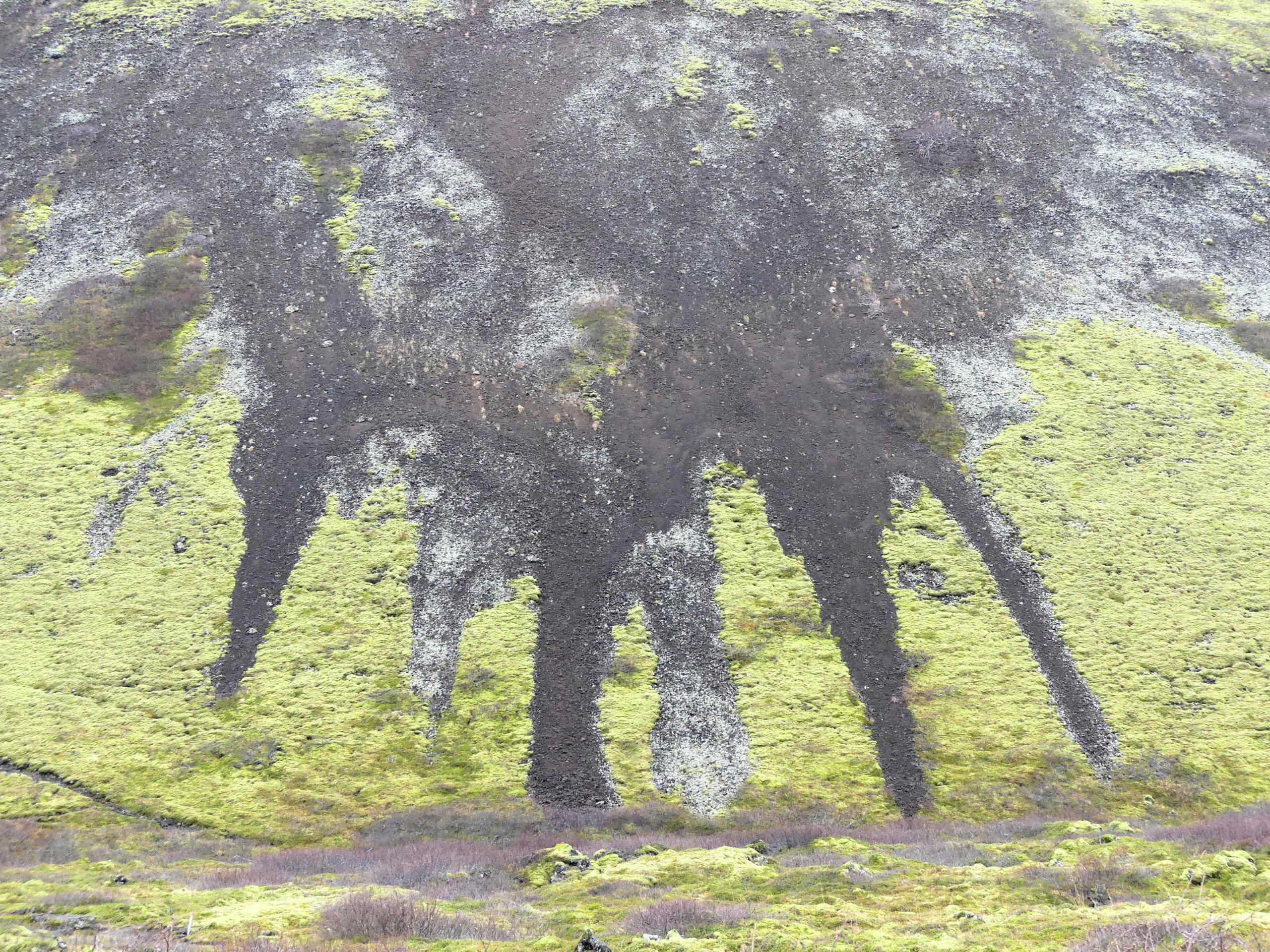
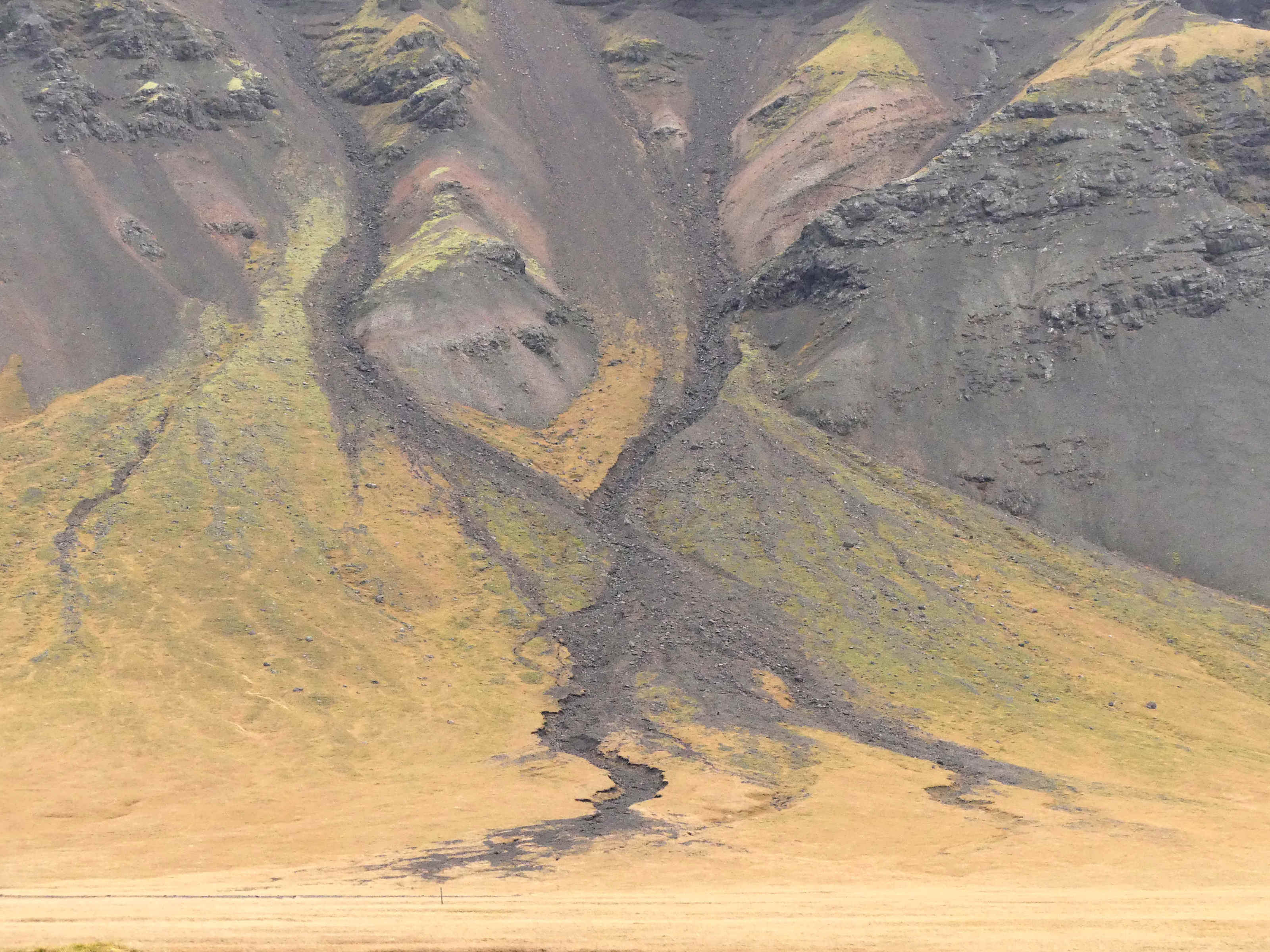





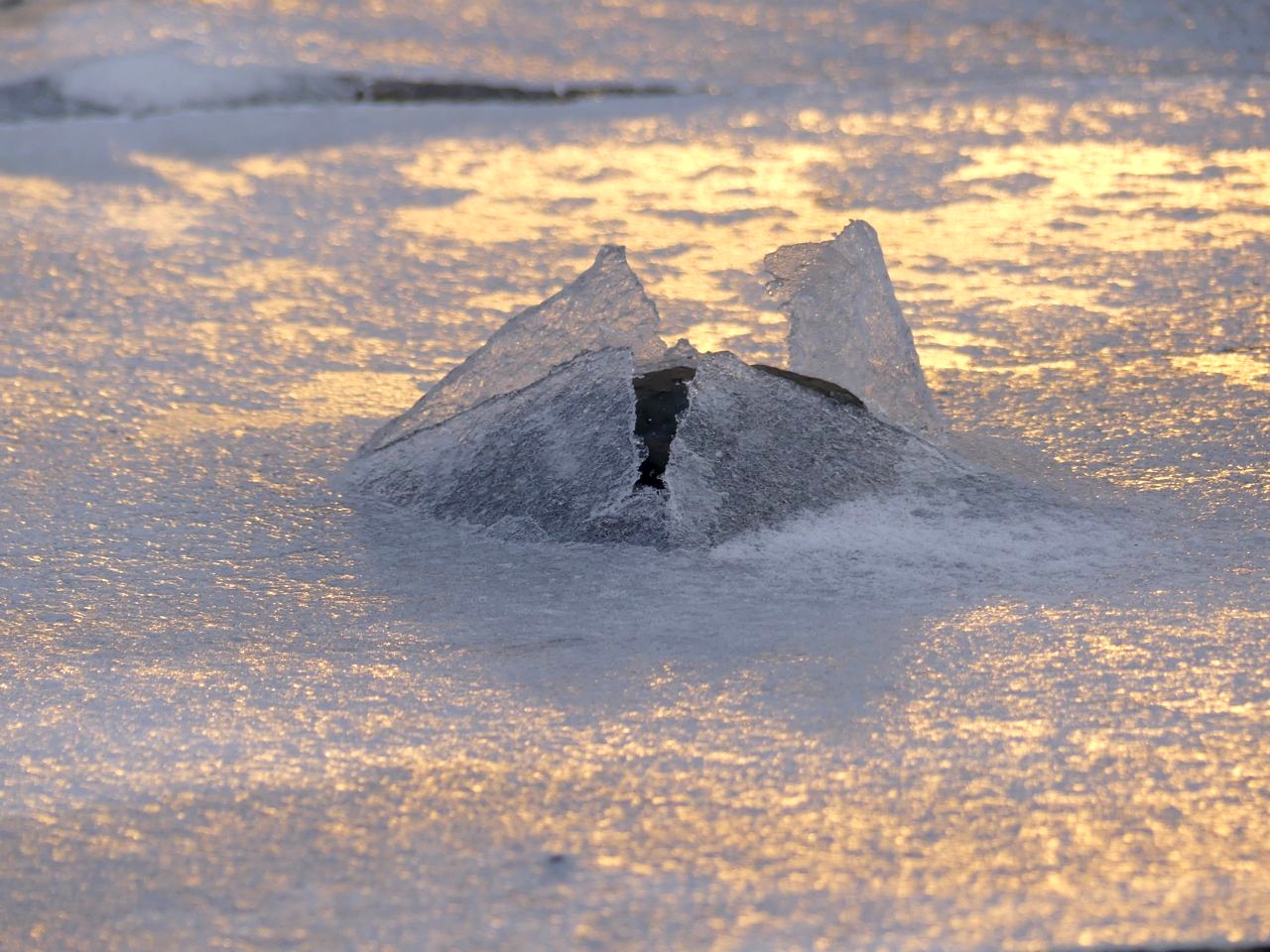

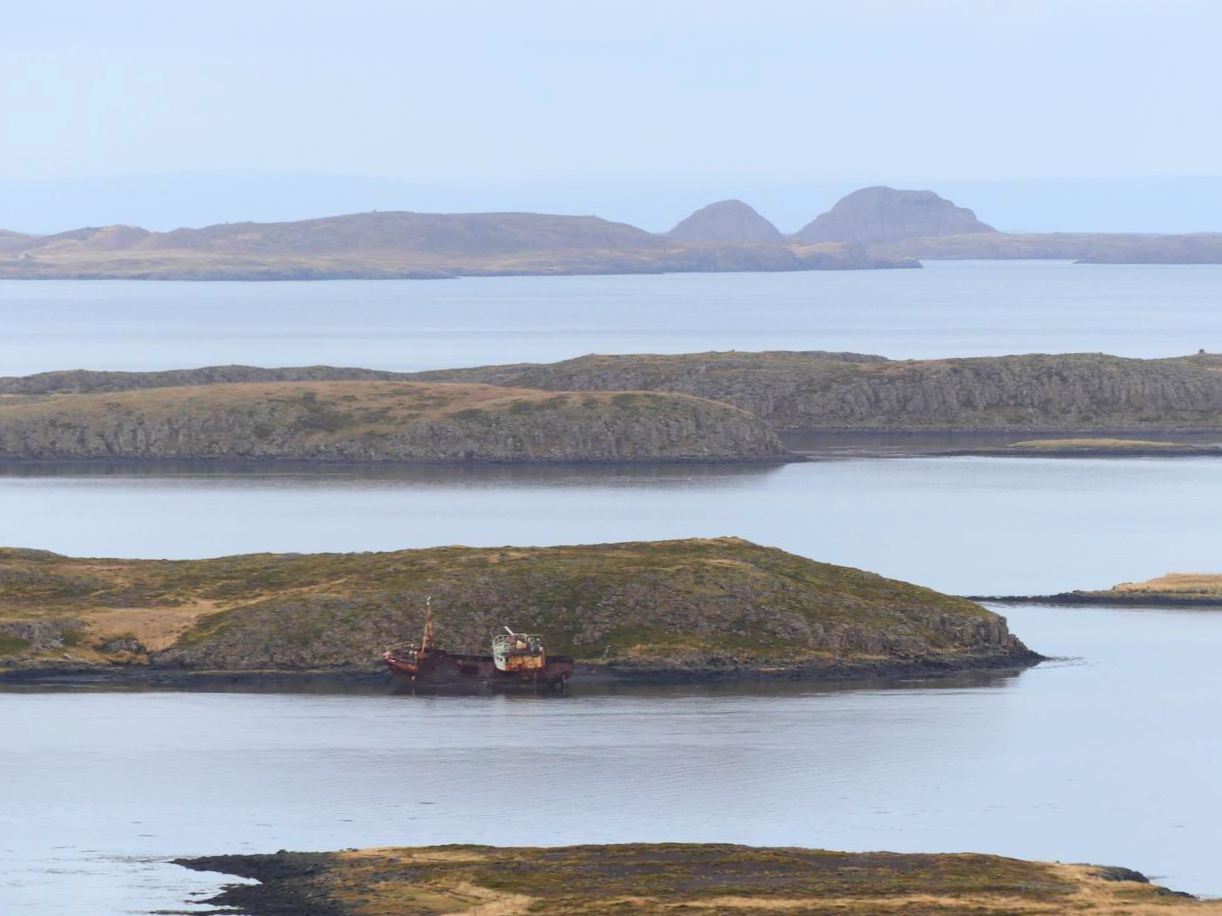
You are at sea.

This is the Grundarfjörður Water System Maintenance Team.

Some things aren’t hard.
Are you ready to feast at last?

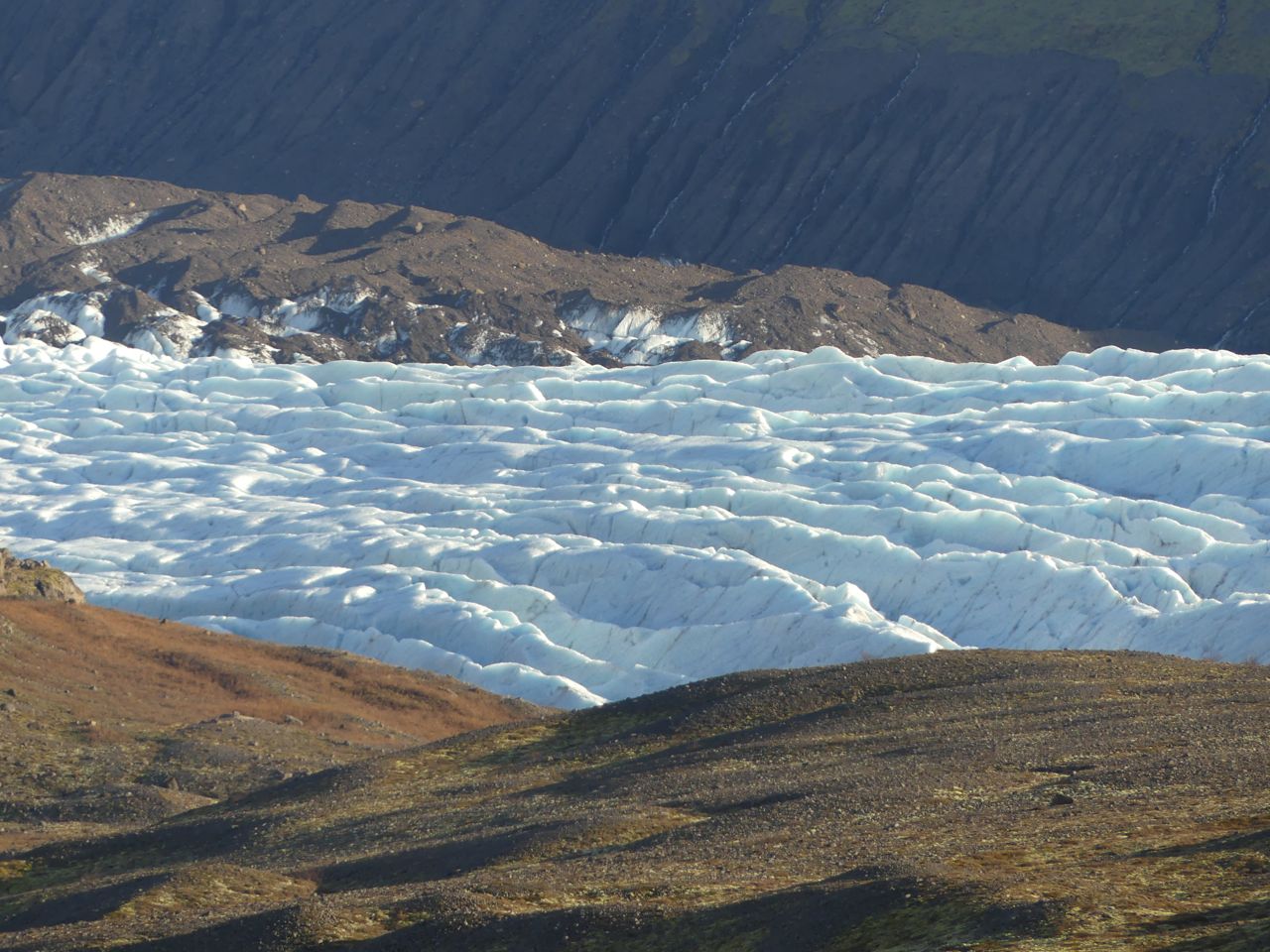
Glaciers are beautiful, as you can see.
Skaftafellsjökull
The human body extends itself into them, and is magnified, just as the sun is. Without them, we are small. With them, we are powerful…
Skeiðarárjökull
…with a power we must give over to them. Then they draw us to themselves.

Sólheimájökull
Gladly.
In the understanding of people who live off their land, water is not a substance but an expression of the live-giving quality of slopes with certain qualities: not to collect water, exactly, but to amass it, like gravity. It is this coming together of forces which is water.
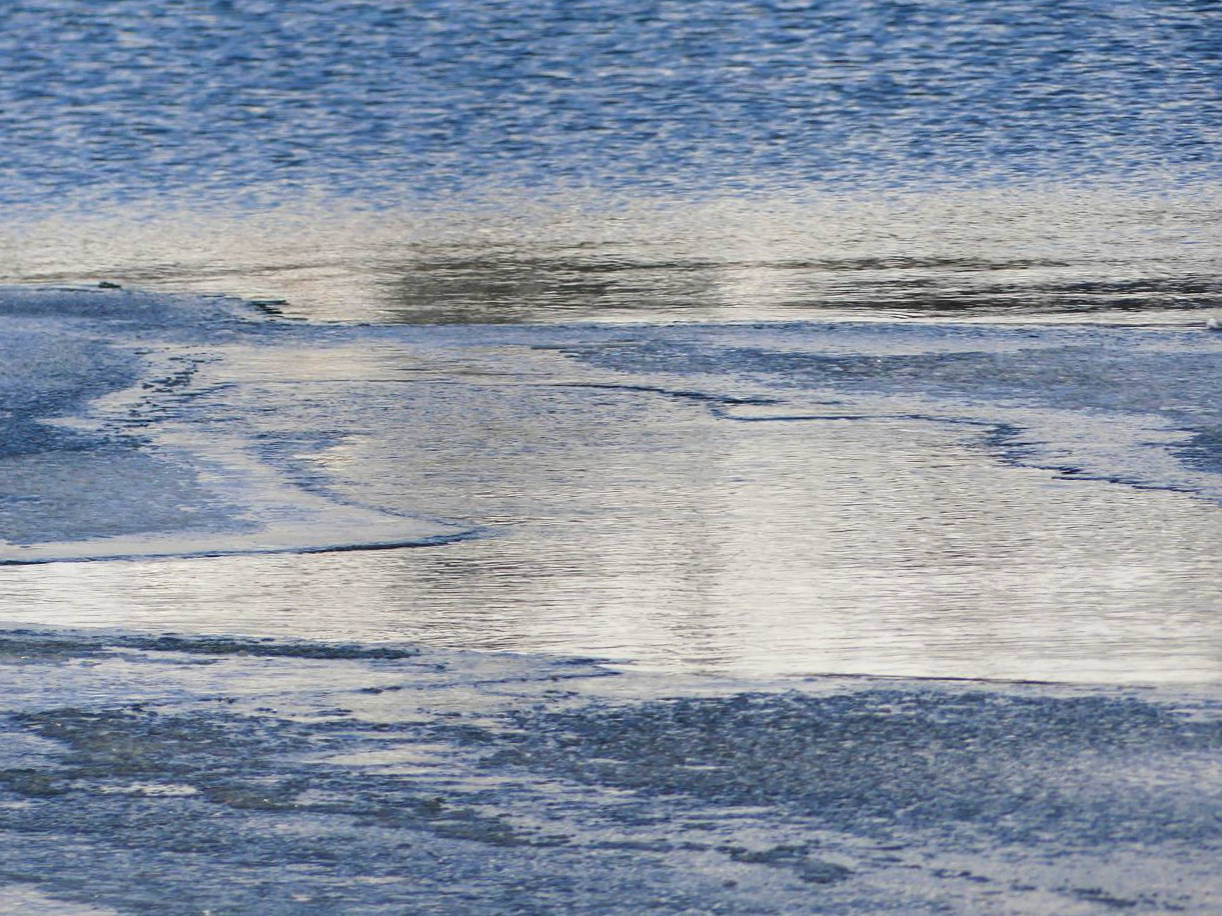
 An ocean is a different thing altogether. It, too, is not water, but, if the expression of a water out of the land can teach anything, I think it’s that the image below is identical to the one above, with one exception: in the image above, the ocean below is transformed by the lens of the land into the concentration of energy called water.
This ocean, Gunnar Pointed Out, is the great sea of undifferentiated life and death. They are only sorted by passage through a shore.
In effect, this passage is the same one created by the forms of the land that created the small lake above the sea I showed you above. Here it is again, so you can compare.
The product is the same: you are looking at human life being formed by the land.

