Category Archives: Nationalism

The Roots of Reykjavik Architecture

Do you wonder why Reykjavik looks like Reykjavik? 

For the answer, go to the Northeast.

Bustarfell, near Vopnafjörður.

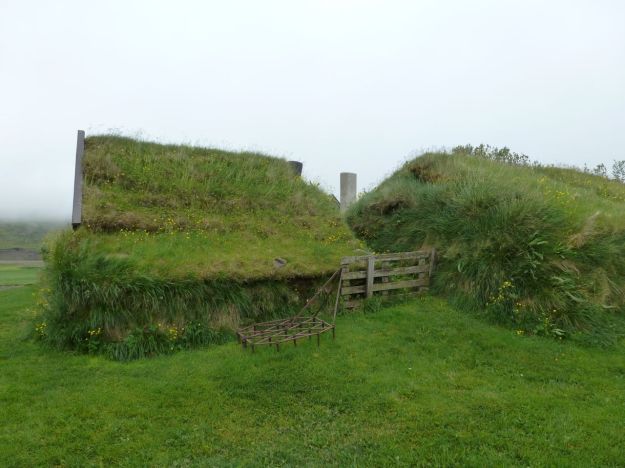
Note the multiplicity of small houses, all that turf and driftwood and the strength of a horse can manage …

… with many dark passages leading to faint light…

… sometimes brighter…

…and all joined together by spontaneous organic design…

And then back to Reykjavik you go, this time with the delight of recognition…

Splendid.

It’s improv theatre!

This is the kind of history the Icelandic National Museum doesn’t cover. Best to get lost on your way there, I think.

Haunting Iceland

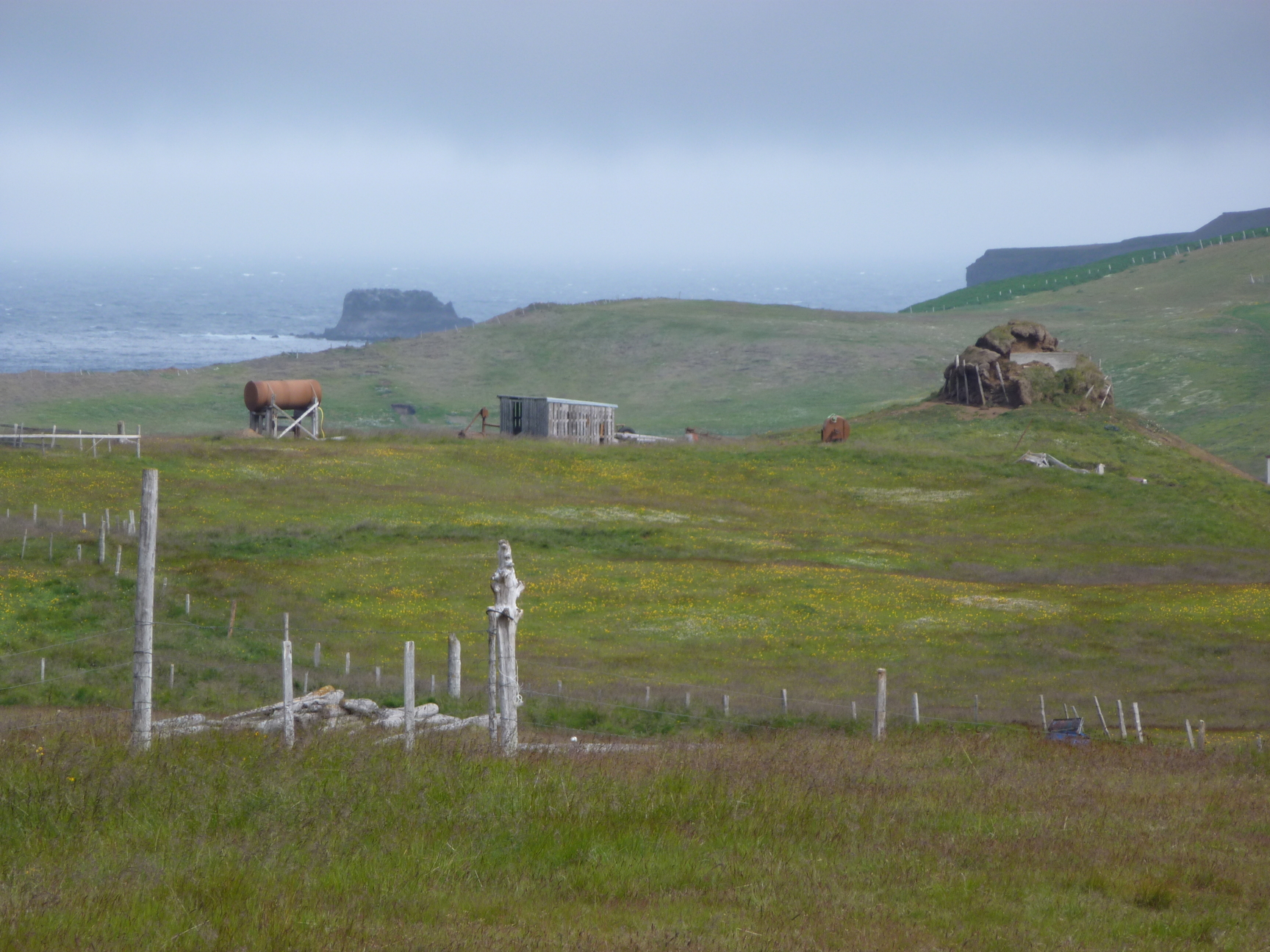
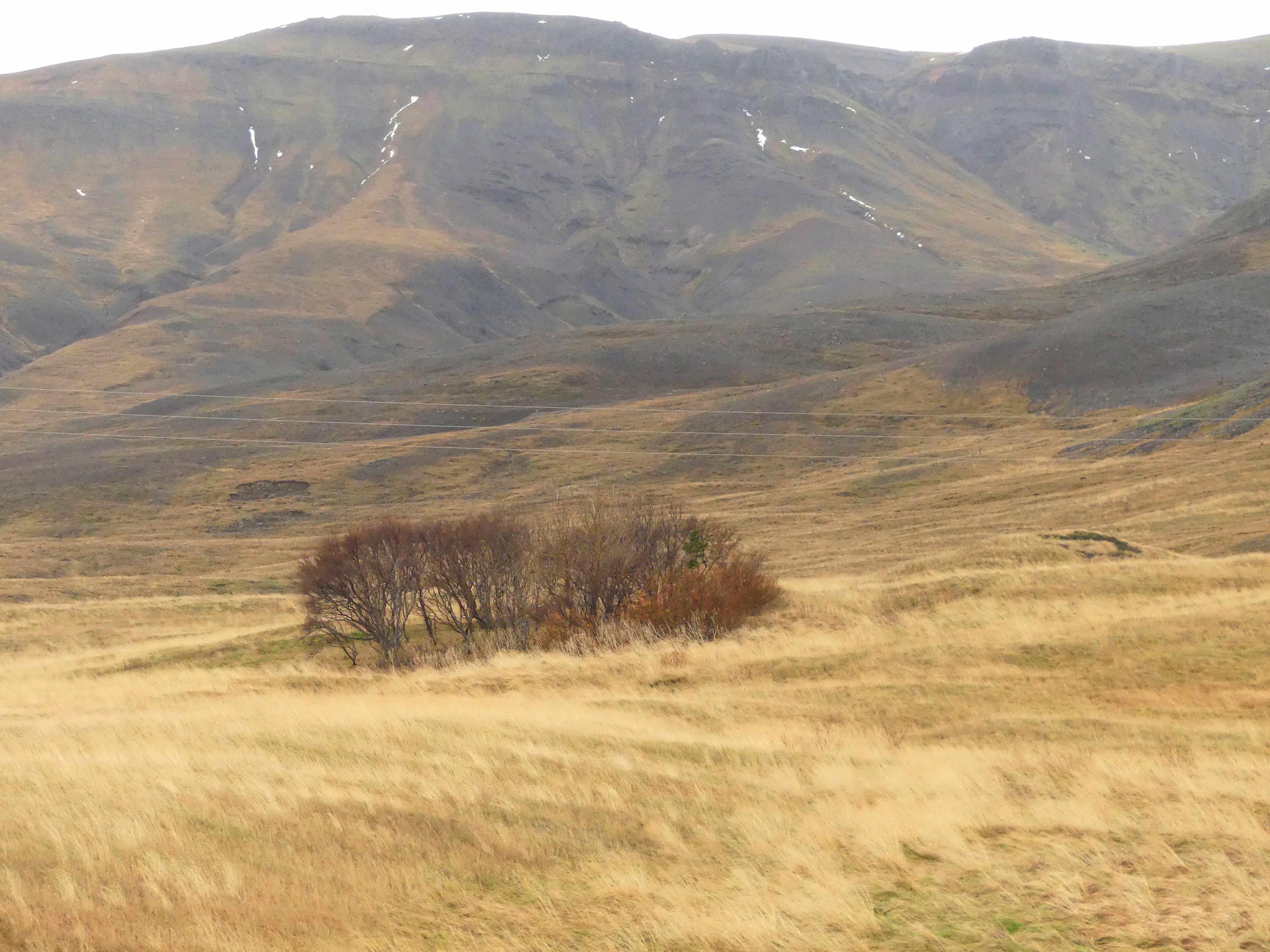
This image from North Iceland haunts me. This was once a prosperous farm, as the driftwood fence shows. In a country without wood, to have rights to pick up Siberian wood from the beach was enough to make a farm pay. Now they’re inexpensive  replacements  for more expensive metal posts, and not a cash item.

Speaking of economy, look at the tun, or house field in the centre of the image. It would have been manured with the manure from the winter sheep barn… just as far as a man could carry it with his strength. The point is, that was economy: this concentration of the energy of the land in such a way that it gave forth more richness in the year to come. This principle was applied after the Second World War, when the country embraced foreign modernity to maintain the old economy. In this case, the fuel tank, and a tractor that went with it, looked like a path to a bright future. Maybe it was for Reykjavik, but after 1,000 years no one lives here anymore. It’s still farmed, as a hayfield. The main field, the tun so to speak, is up against the ridge on the upper right of the image, bright green and fertilized with nitrogen fertilizer: an industrial product, that must be paid for with cash the land can barely spare. That’s where the edge of maintaining Iceland by bringing in foreign technology has lead now. Without it, there’d be no economy, yet if it had always been this way, there’d be no Iceland. This has always been Iceland’s bind. Gunnar Gunnarsons’s attempt to solve it by bringing modern German farming to the Fljótsdalur in 1939 lasted only a couple years, before he had to give it up. In fact, this might just be a universal human bind: one looks for permanency and must accept transience, yet the dream of permanency continues to exert its pull.

What it says is that we are haunted by the world as much as we haunt it.

Living Among the Ruins: Italy and Iceland

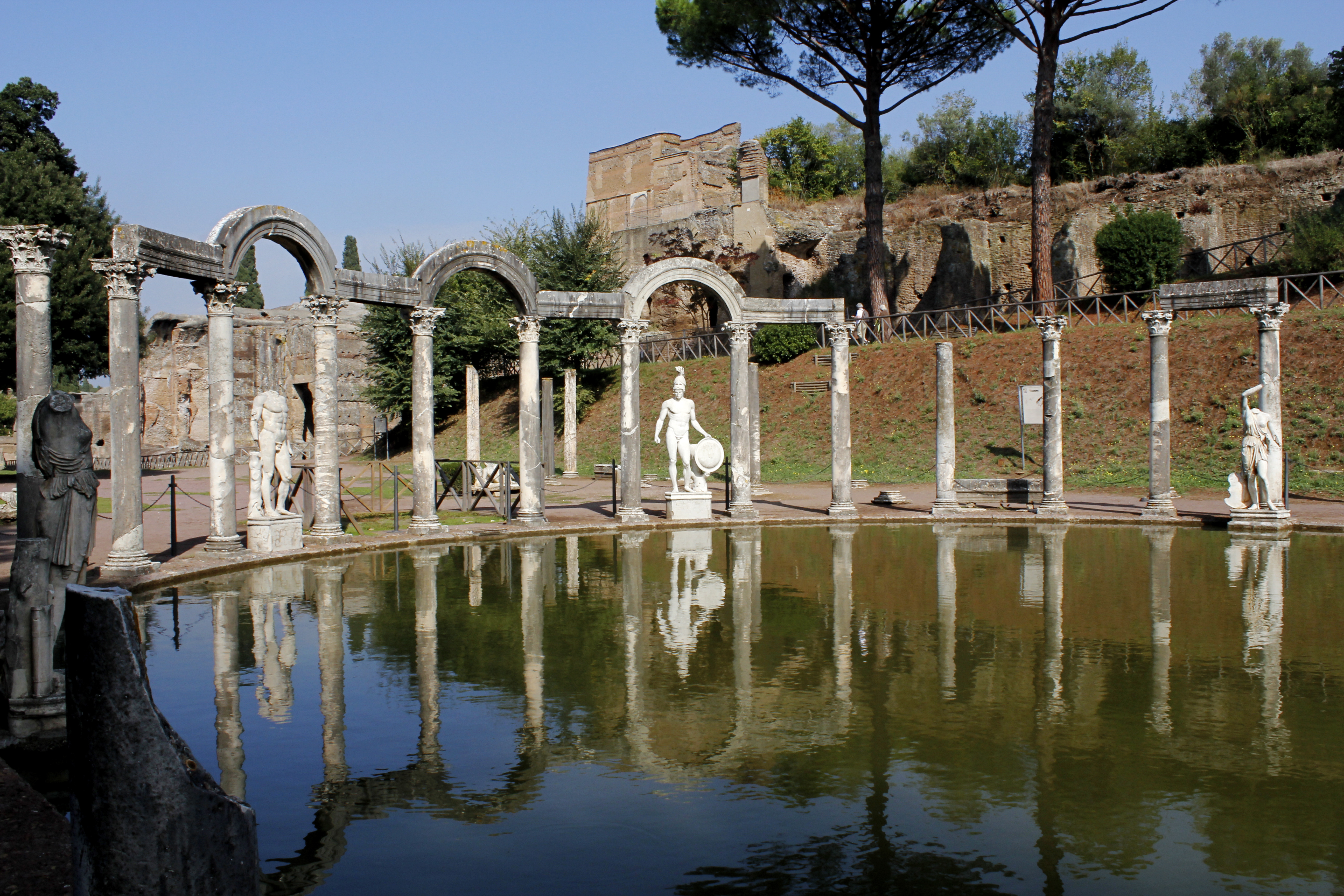
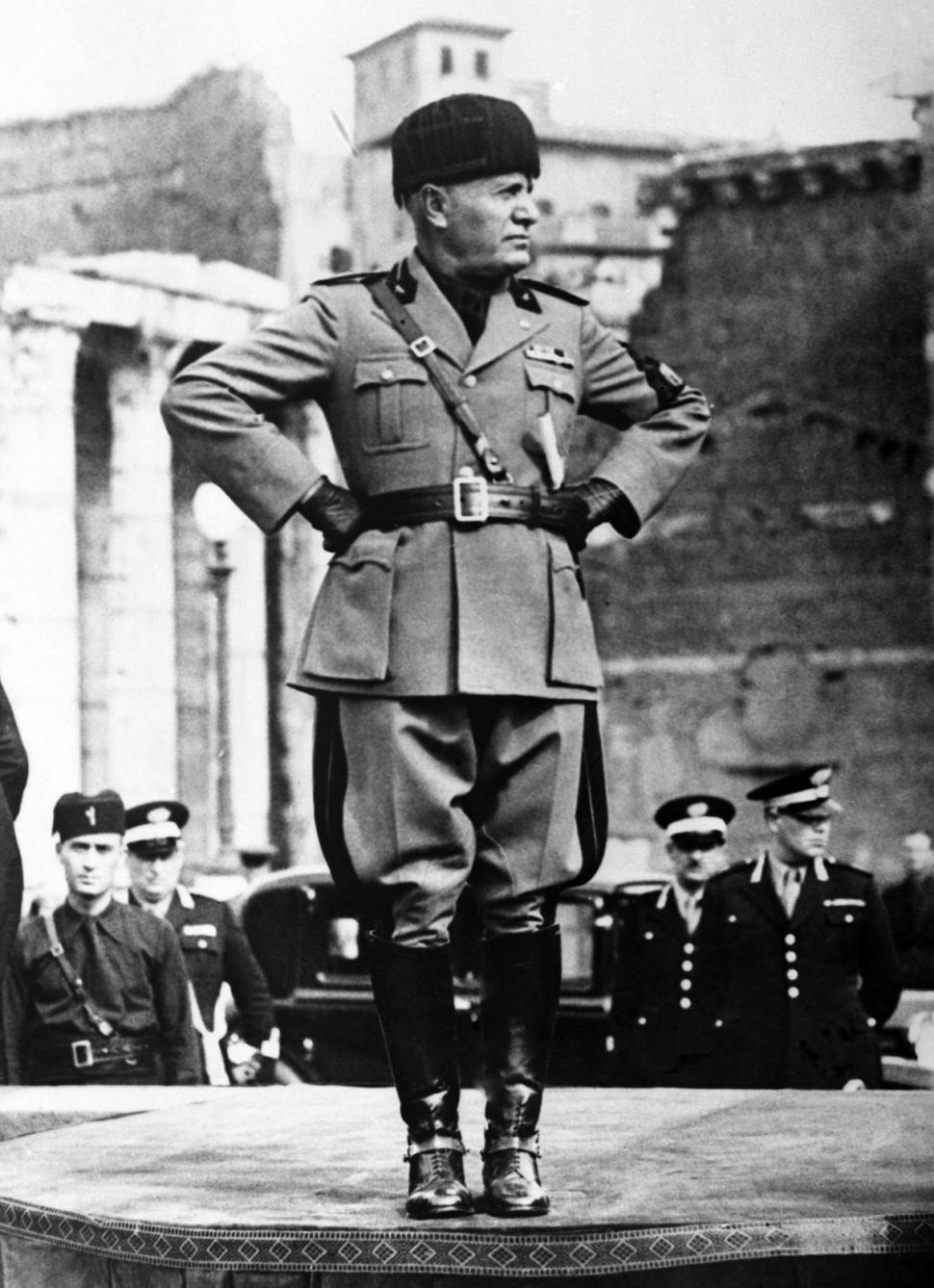
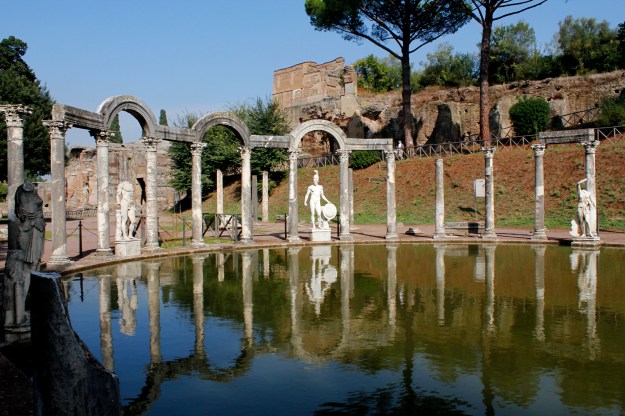
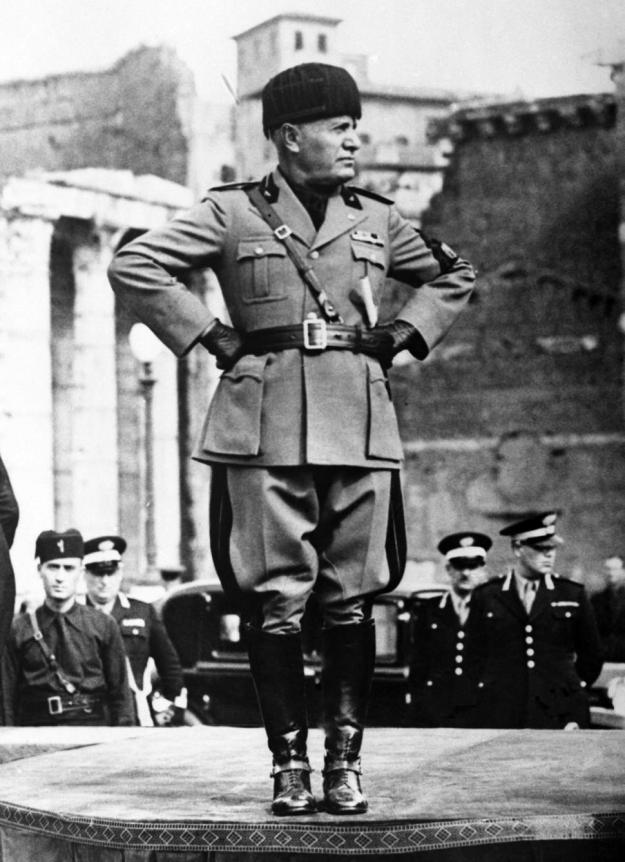
This is the kind of thing that annoyed the Icelandic writer Gunnar Gunnarsson in 1928. This is Hadrian’s Villa, built in the year 134 near Tivoli, in what is now Italy. He thought it was too bright.He meant that this man and his politics were wrong for Scandinavia (which, to him, included Baltic Germany):
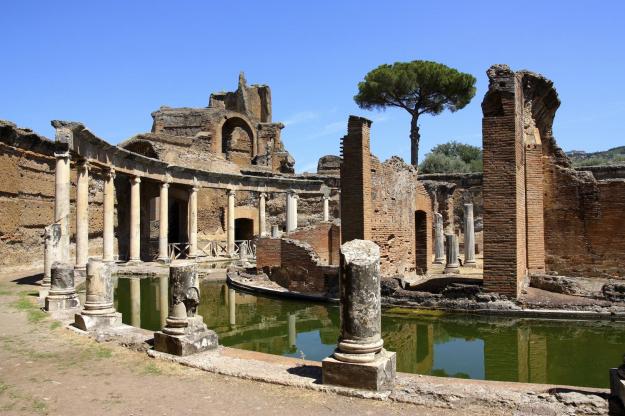
Mussolini Rejects Democratic Rule in 1928

He also meant that this version of Hadrian’s Tivoli villa was the wrong approach to art:
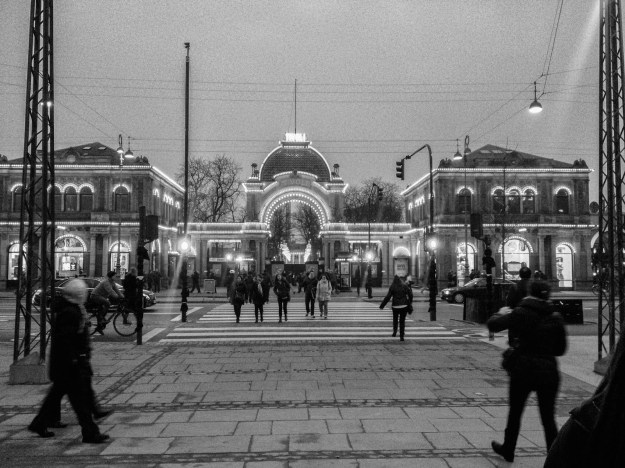
The Tivoli Gardens Amusement Park in Copenhagen

Gunnar didn’t see art as a populist entertainment. He was after something else. This is the architecture he liked:
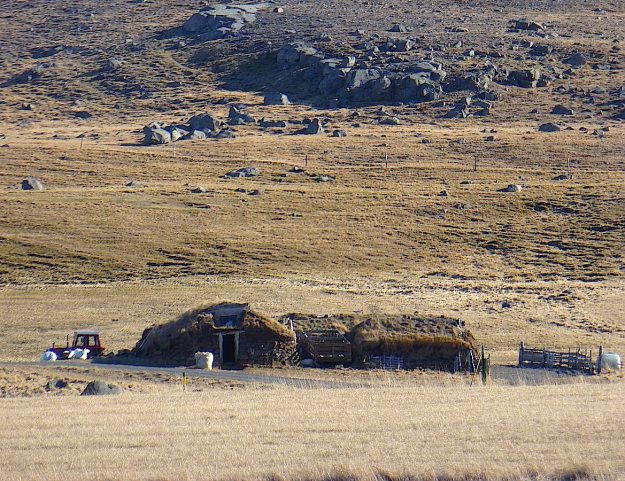
Landhus Farm, Fljótsðalur

You could consider it a part of the landscape, he said. Almost all the houses of this type are ruins now, but not like Hadrian’s ruins:
Like this:

In the 1950s onward, the Icelandic government gave away trees, as part of a nationalist program of rebuilding the eroded landscapes of the country. Out of the same impulse as Gunnar, people planted them on the sites of their former turf houses, leaving the hills, the intended recipients of the trees, bare.  The government keeps a few turf houses as museums:
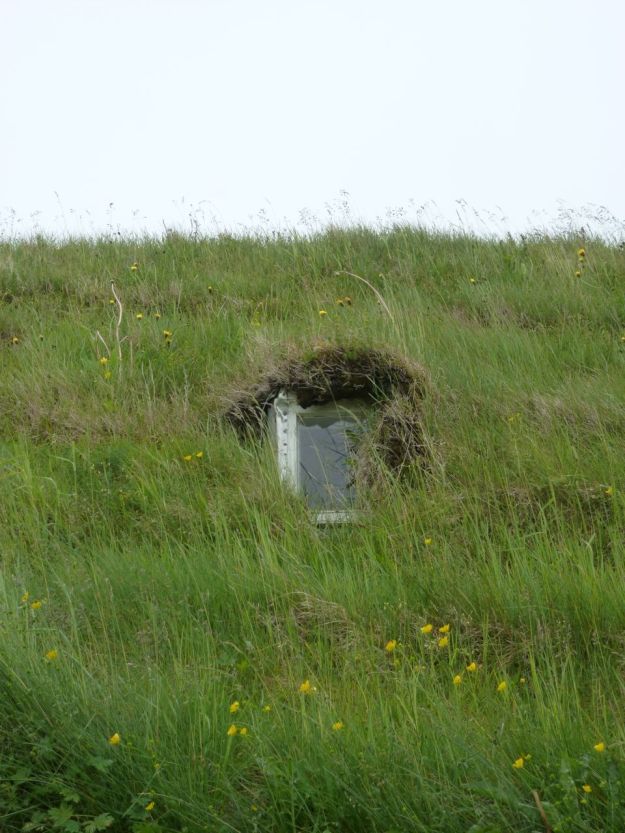
Farmhouse Window,  Bustarfell

It is the same impulse that drove Gunnar from the Tivoli Gardens. He considered that mixing northern culture, an expression of northern land and climate, with a southern one would destroy it, such as the German Reich’s turn from a people’s culture, based on farm life, to an Imperial one, as documented in the image below.
For Gunnar, independence meant to have no masters at all, and the point of modernity was to refine old folk ways. He shared that with the Italians and Germans of his day. He was more clear than they were, however, on the price of Imperialism and power exercised as force. It’s too bad he didn’t speak more clearly about this, but at least we have the ruins…
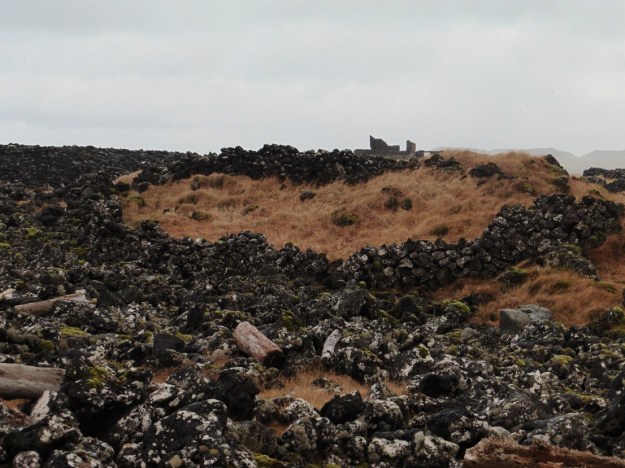
Buðahraun

… to speak…

… for him …

… now:

Sandgerði

Reykjavik is Hadrian’s Villa.
Beach Wrack in Iceland Washes High Up On Shore

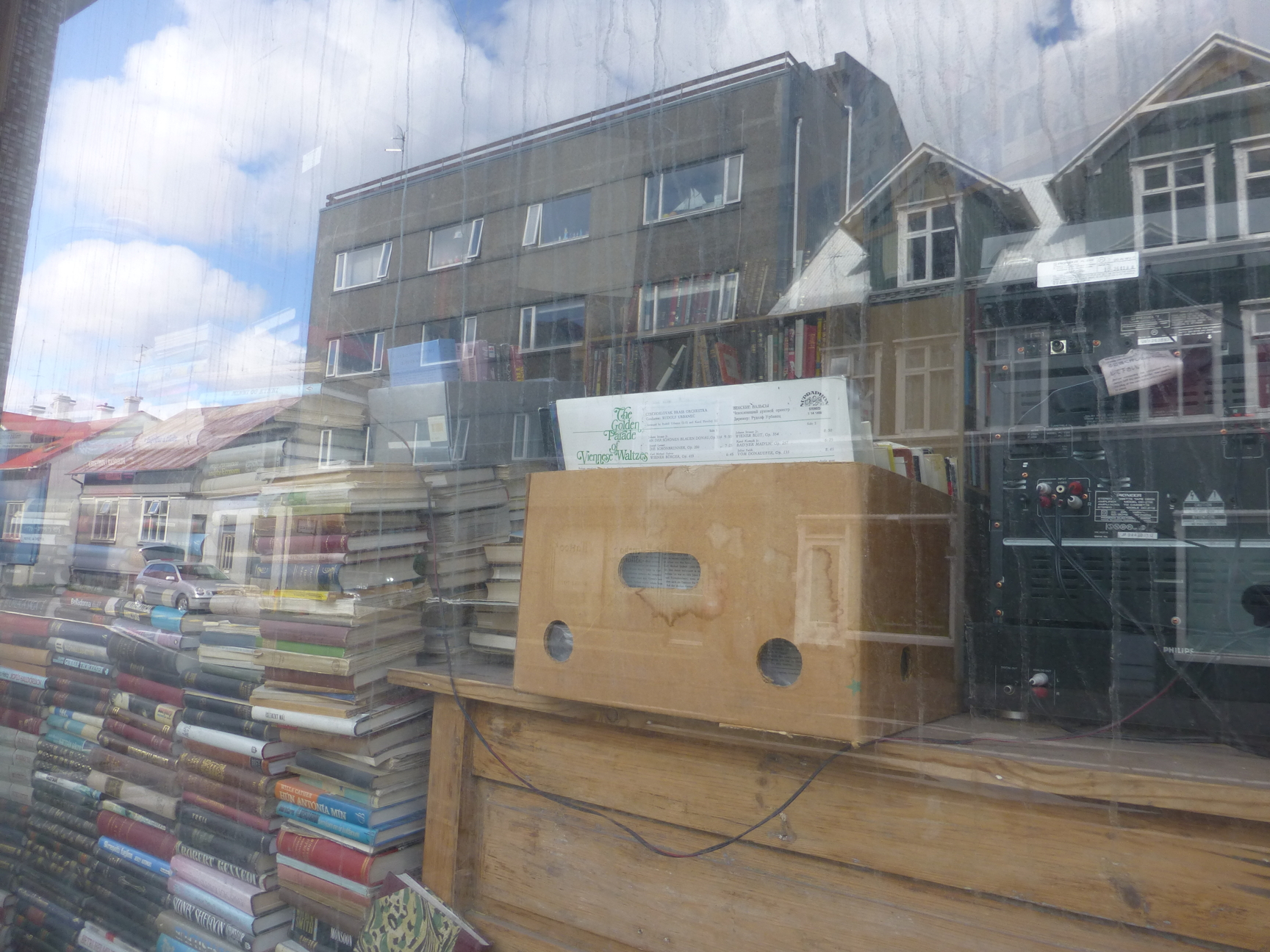
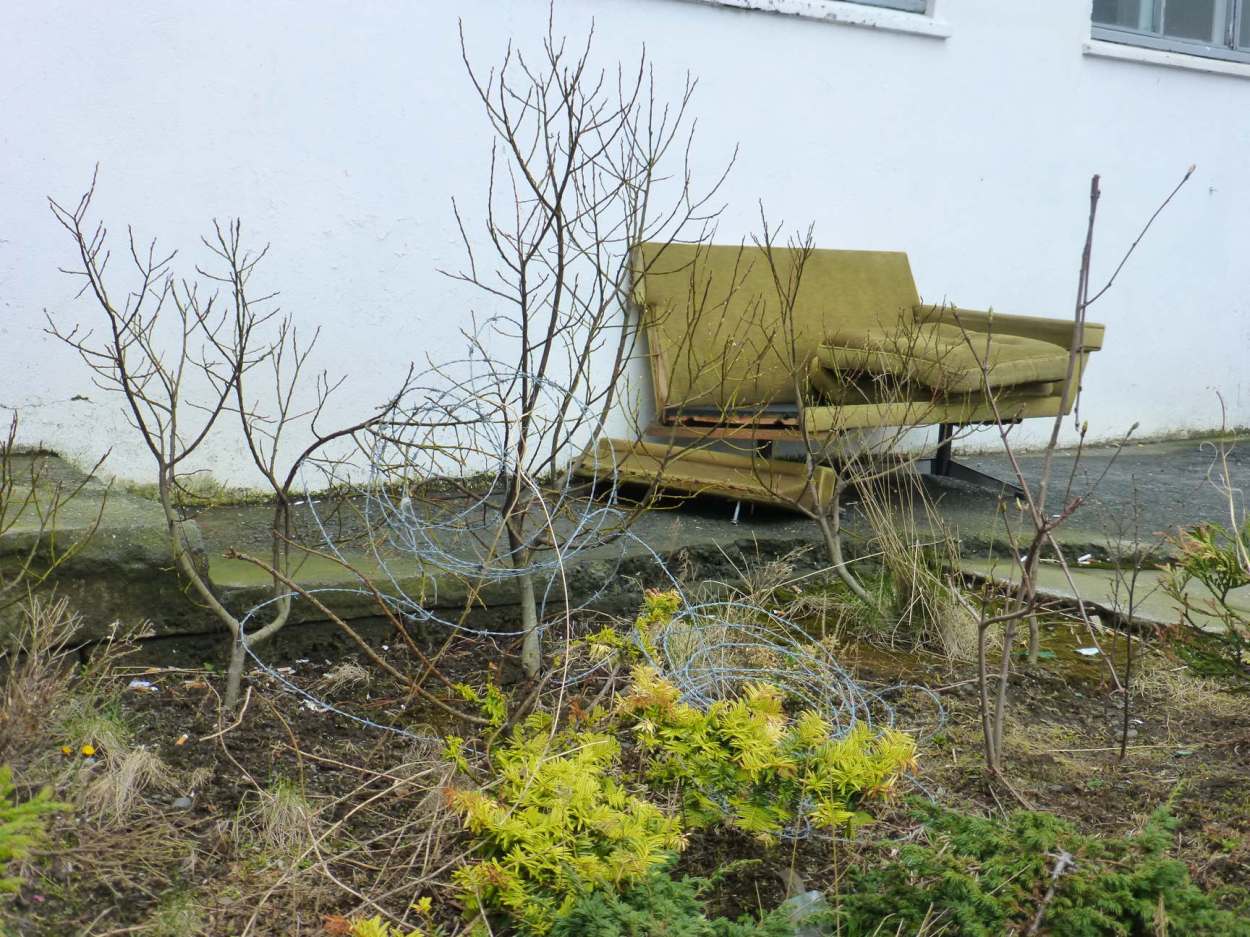
The sky cries tears in Iceland. Viennese waltzes warping in a banana box in a window, old hi-fi junk, and all the books of the world wash up on the shore otherwise called Hverfisgata.

Not much different than a knot of broken fishing nets and cast-off plastic knocking against the knees of kelp-eating sheep, really.


Maria of the Elves

Women were put to death for visiting elves here on Viðey in Reykjavik Old Harbour. Now there is a shrine to Maria made out of cut glass in their honour and in honour of birth and motherhood in general.

On the other side of the island is the John Lennon Peace Tower, which beams light up into the winter darkness.

Iceland. Giving Peace and Light a chance since 870.

Plus picnics.

The Icelandic Sagas are on CBC Radio’s “Ideas”

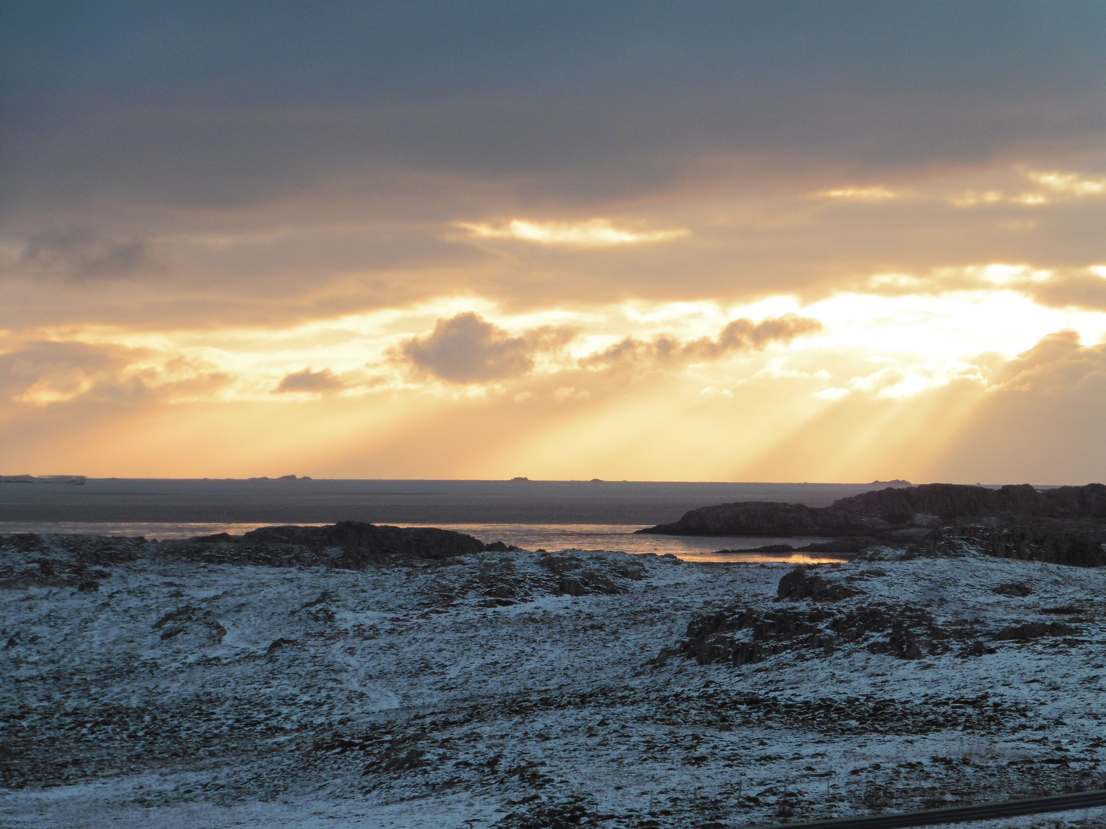
The Icelandic sagas tell the stories of the country’s settlers 1100 years ago, and mostly the stories that Snorri Sturluson, who lived at a volcanic hill called, simply, Borg (the German “Burg” for castle and “Berg” for mountain have the same root). The Icelandic town Borgarnes, or Borg Point, is just up the bay, at the mouth of the Breiðafjörd, or Broad Fjord. The view from Borg at sundown at 3 pm in November is really worth a saga in itself.

The story of these sagas and their importance to literature, Iceland and memory, are being told this week on CBC Radio. You can listen in. Here’s Part One, which played on January 1…

https://www.cbc.ca/radio/ideas/map-of-the-heart-the-icelandic-sagas-part-1-1.4702465

… and part 2 which is playing tonight:

https://www.cbc.ca/radio/ideas/a-map-of-the-heart-part-2-the-icelandic-sagas-1.4712468

Well worth a couple hours of your time. The light disappears quickly here.

It’s always good to warm yourself by a good story.

And even the ice tells stories at Borg!

Changing Iceland

Only nine years ago, Icelandic tourism was a simple thing: you drove around the country viewing the things Icelanders found interesting, and they served you coffee, put you up for the night, and cooked a lamb for you. An old bridge, for instance…

… or a waterfall.

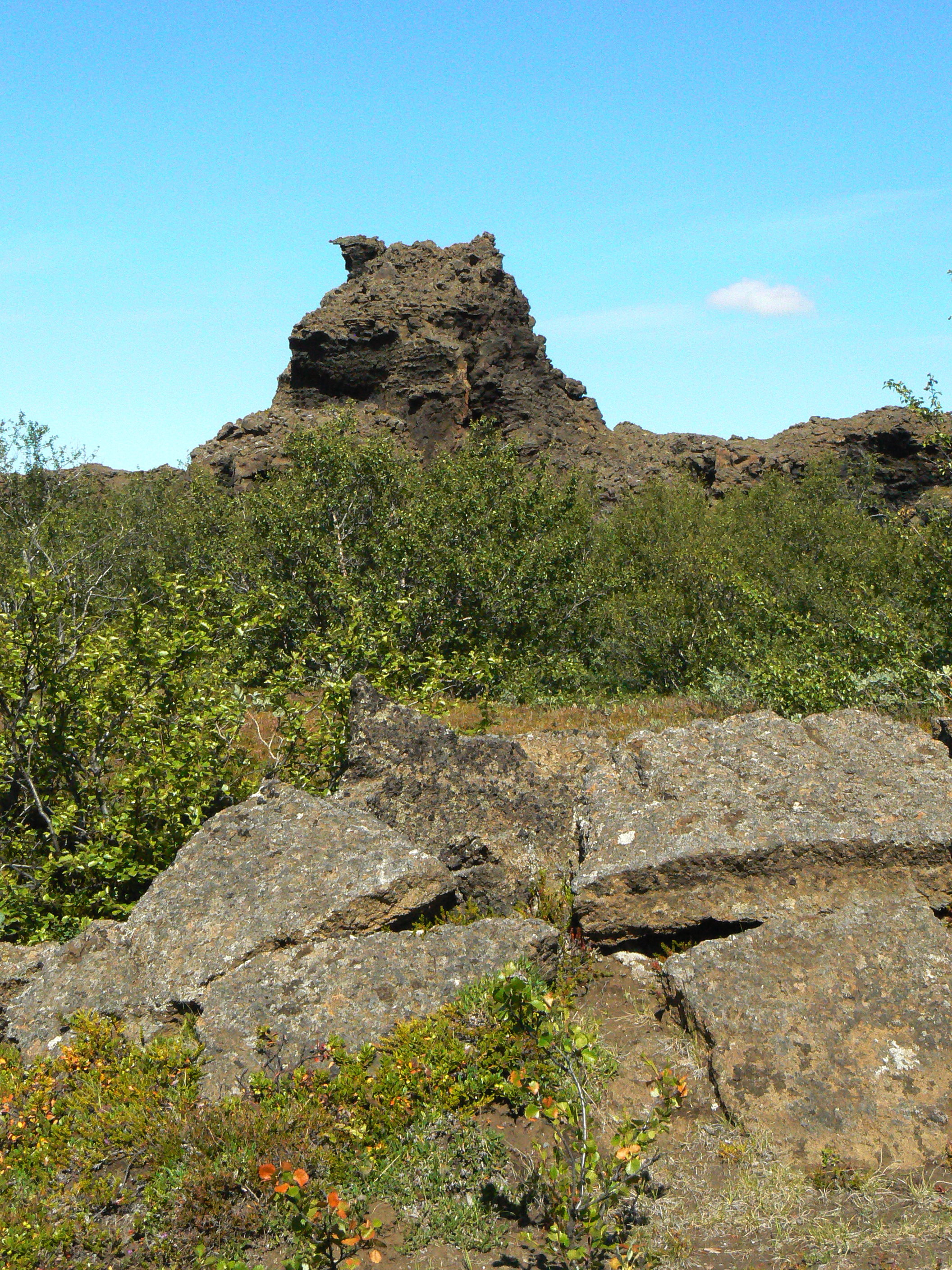
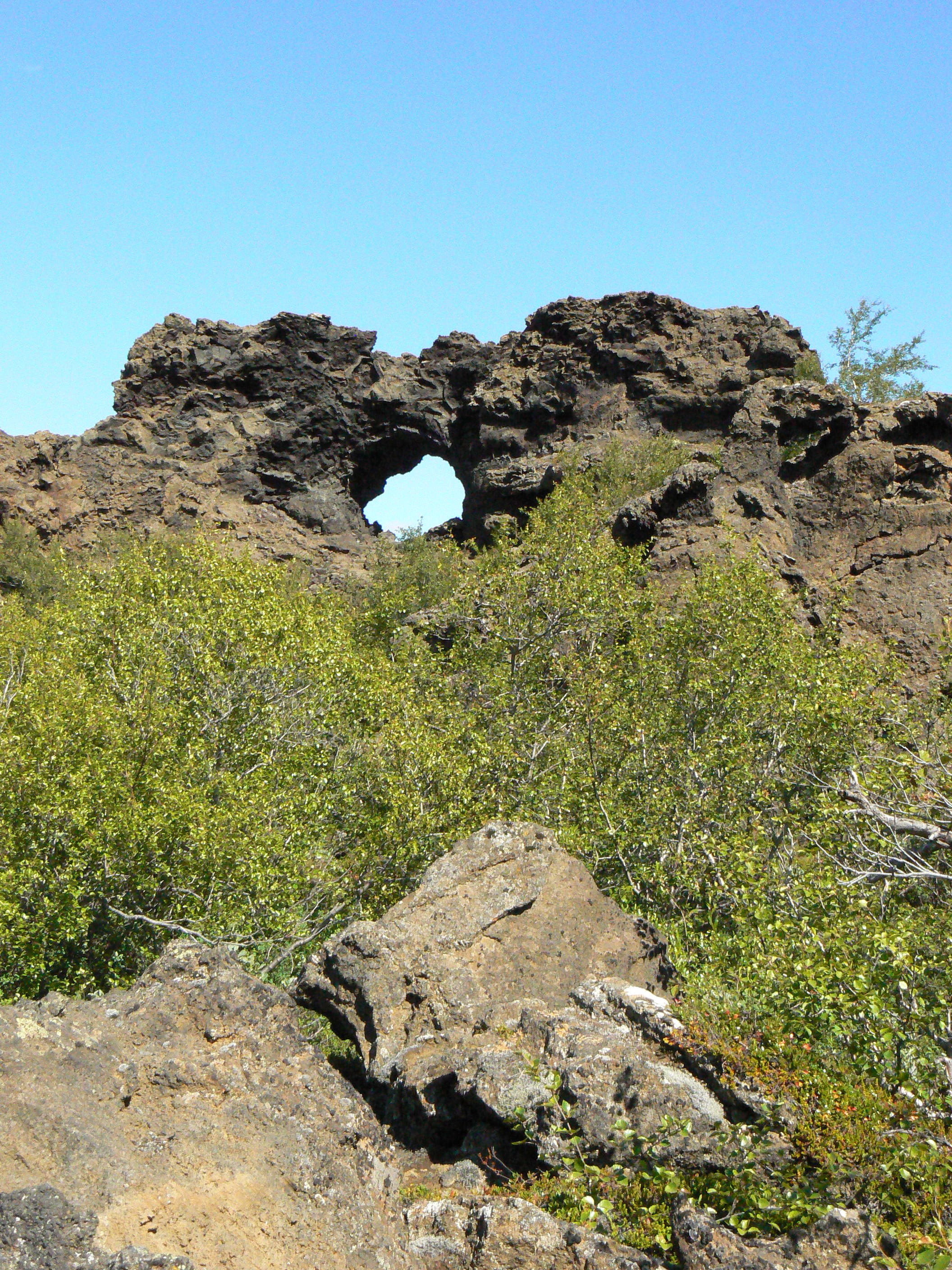
… a troll at Dimmuborgir…

… and some smooching among the birches, the trees that helped to gain them a country.

Now, pain.In the waste water from a power plant. You, dear visitor, are an industry now. Iceland shows your face in a mirror.

Yet in the small towns now, far from Reykjavik, people are tired of us all; they want us to go away. In Grindavik, an old woman even rammed me with her shopping cart in the grocery store. “Fair enough,” I thought. But I remember the generosity and gratitude that began this madness…

… and trust it will continue.

The Love Story of Gulfoss, the Golden Falls

The manly trolls of Gulfoss…


… and the worms (um, gold collecting dragons, you know the type) of Gulfoss…

…  the Golden Falls …

… look across to the female trolls across the gorge, which are riding a worm…

.. and if the worm has the head of a ram, well, this is Iceland, after all.

And the flag … this flag:

… flies between them.

So now you know, too.