Category Archives: Architecture

Beach Wrack in Iceland Washes High Up On Shore

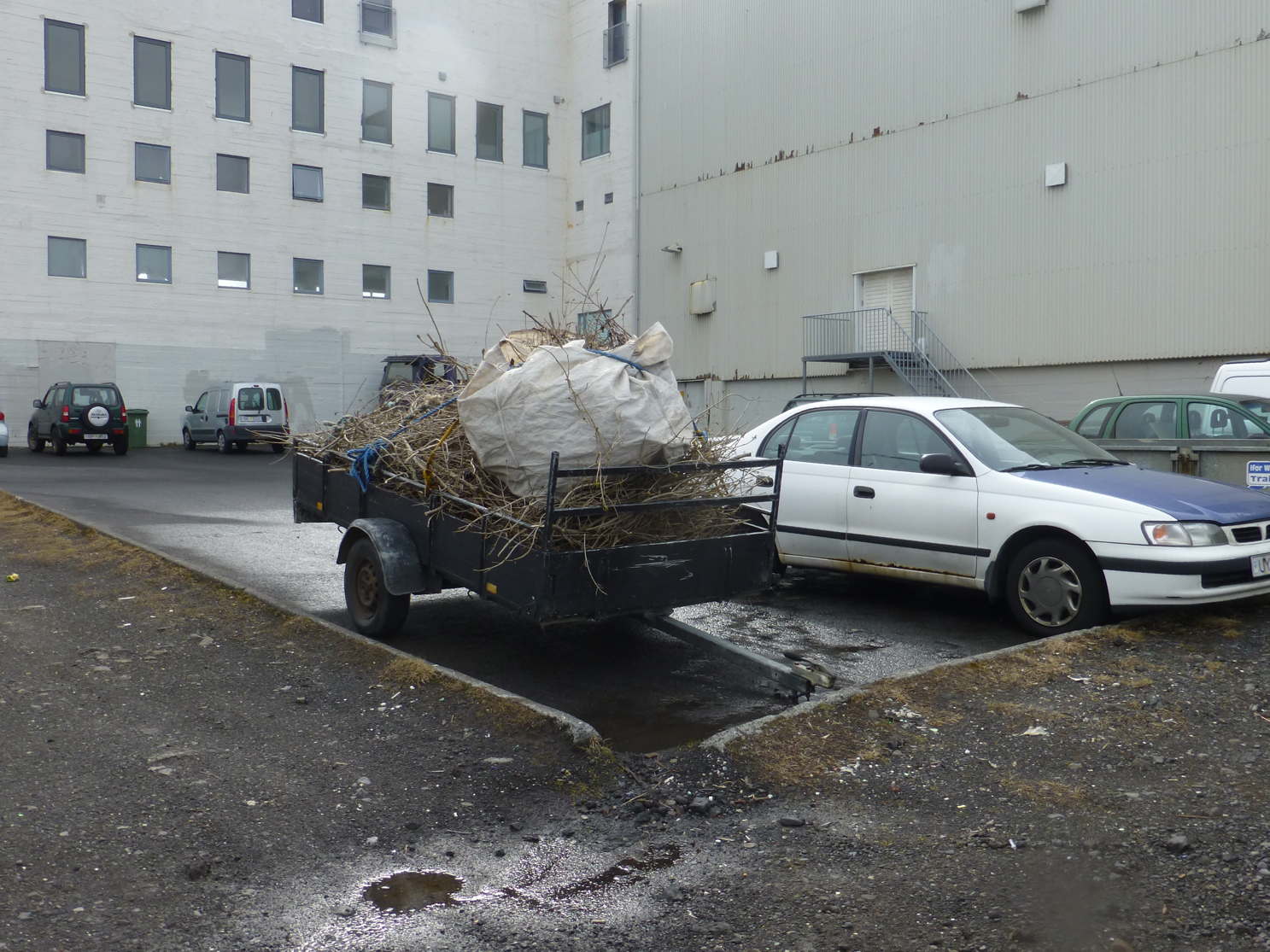
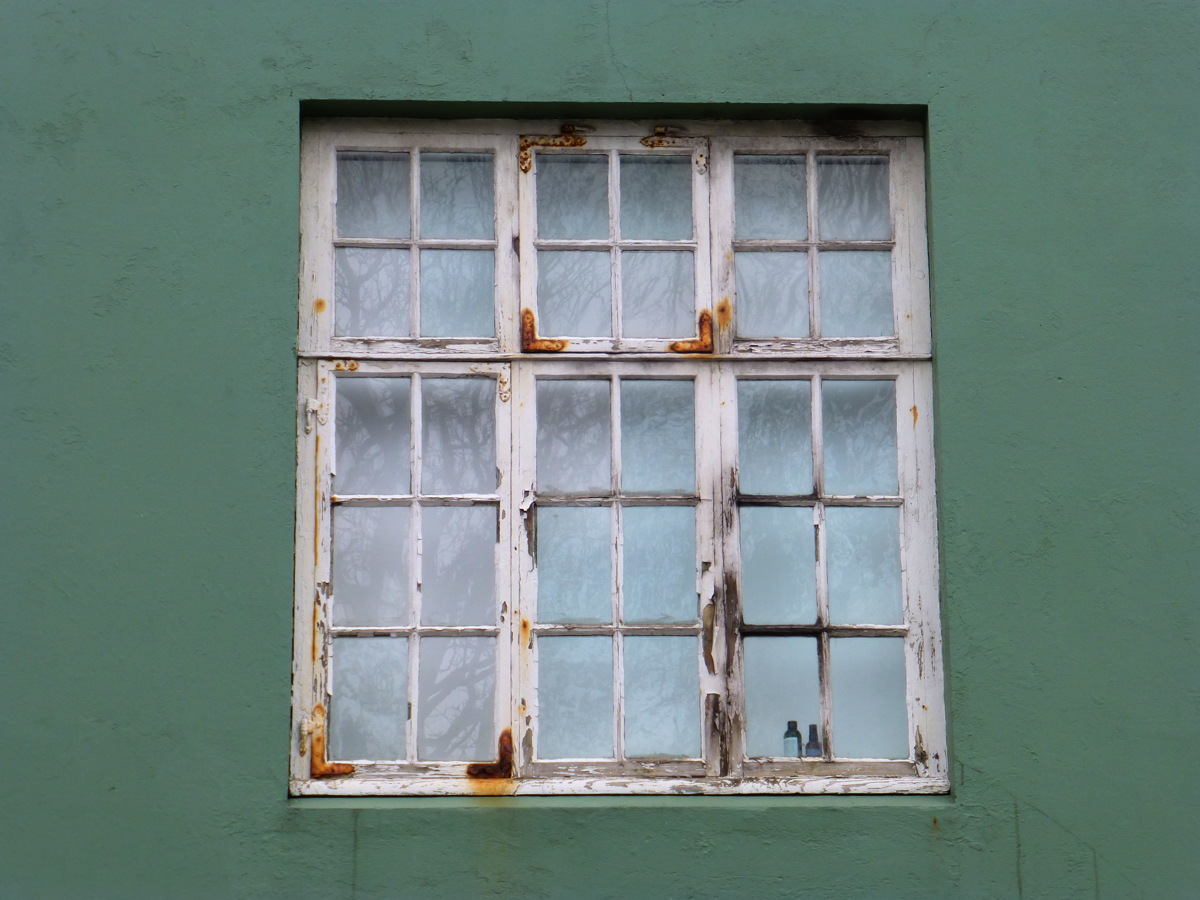
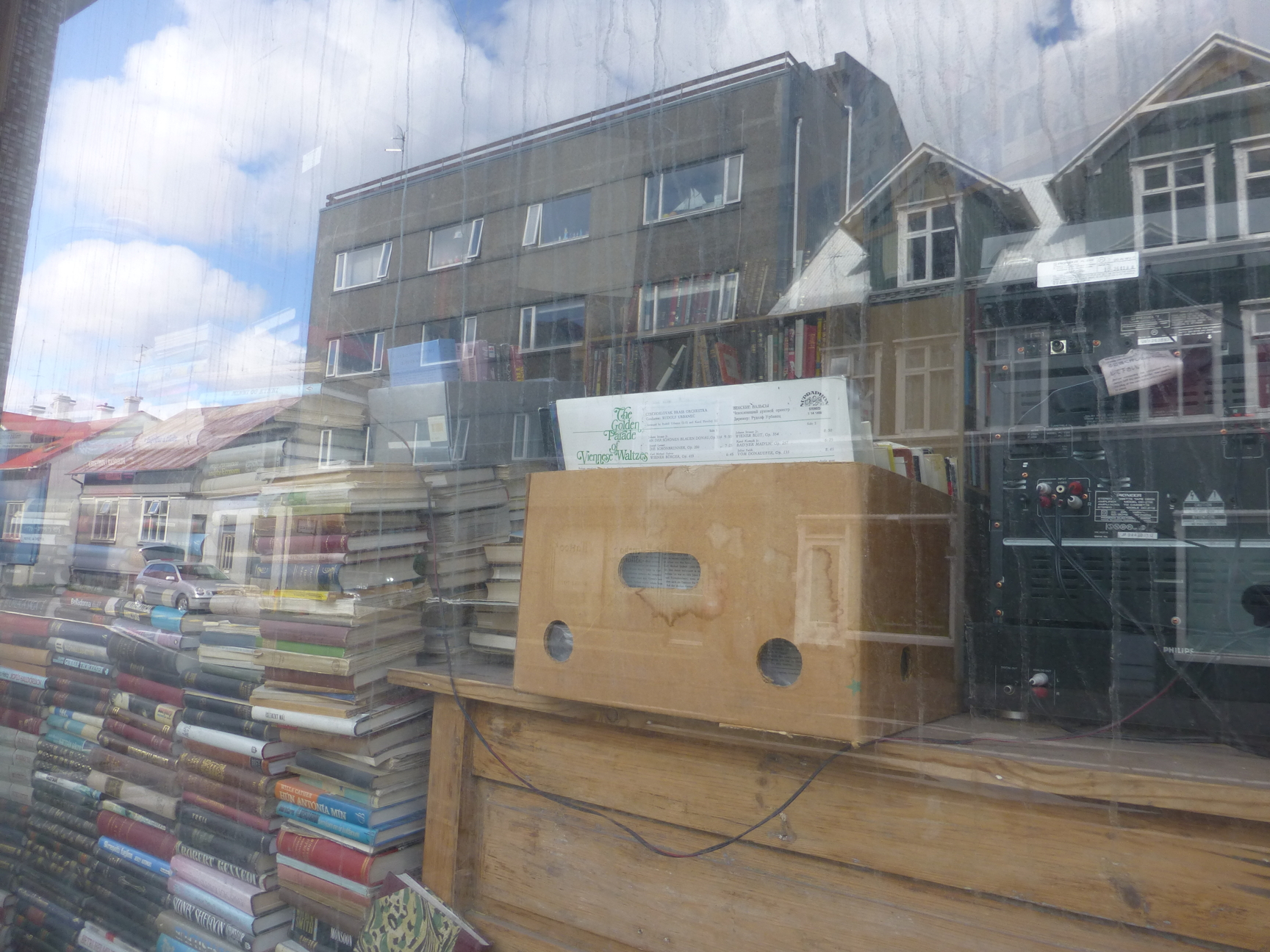
The sky cries tears in Iceland. Viennese waltzes warping in a banana box in a window, old hi-fi junk, and all the books of the world wash up on the shore otherwise called Hverfisgata.

Not much different than a knot of broken fishing nets and cast-off plastic knocking against the knees of kelp-eating sheep, really.


Isolation, Poverty and Wealth in Remote Iceland

It’s beautiful on Snaefellsnes, isn’t it, when the gales blow in and the light pulls the mountains out of another world at year’s end.

And the glacier, Snaefellsjökull, is very fine when hurricane gusts lift off its fog and the sun shines from within the ice, lighting up the sea mist, and you have to brace yourself just to stand up.

Just imagine living there!

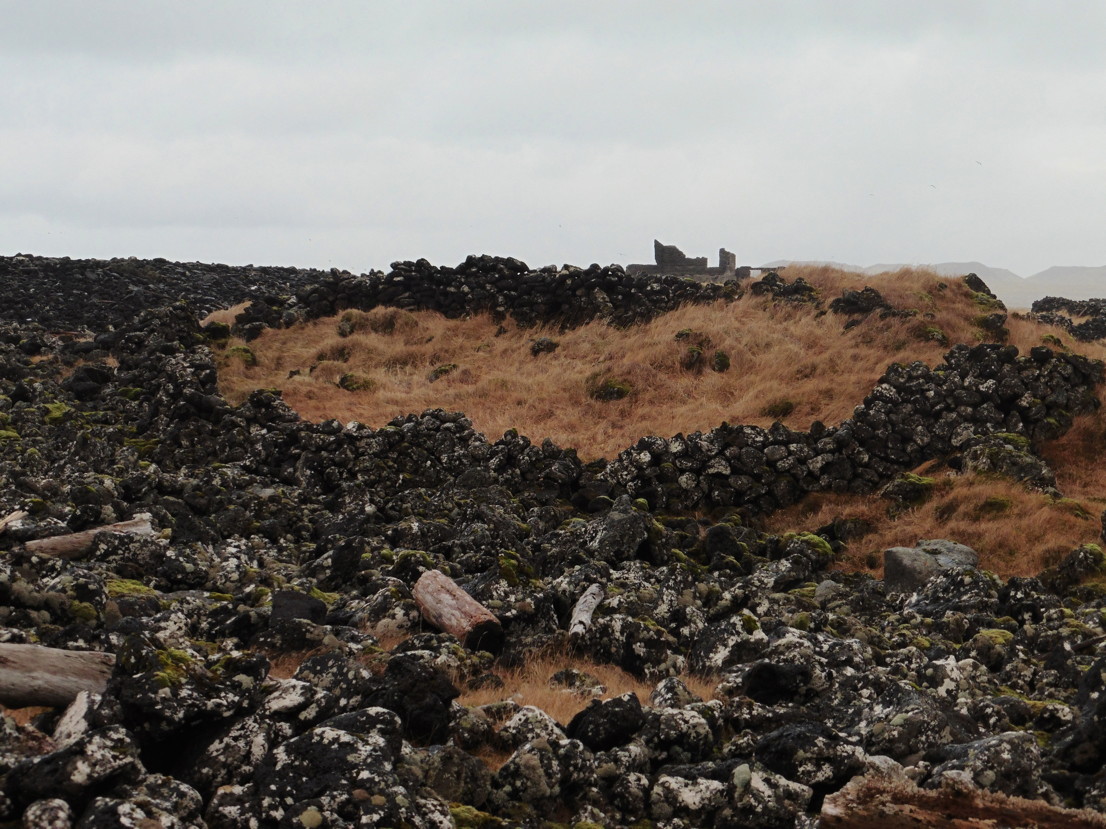
You can pick up lumps of the lava bed and make a fence, and there are ponds for your sheep and horses and the family cow, plus a little bit of Siberian driftwood.
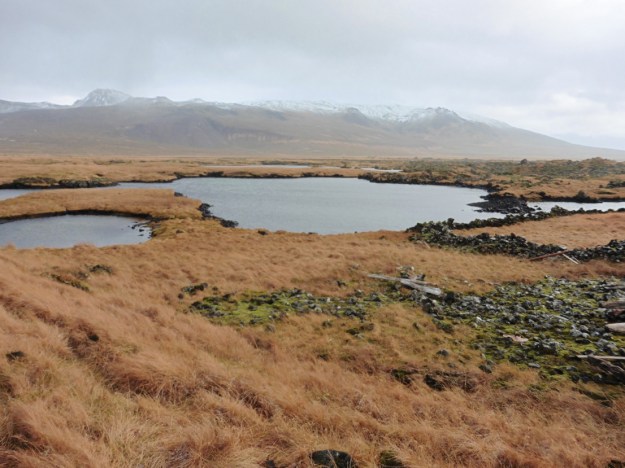
Also pieces of shipwreck you can use to build a shelter for your cow.

And if you shift enough stones, you can even have a field out of the wind!
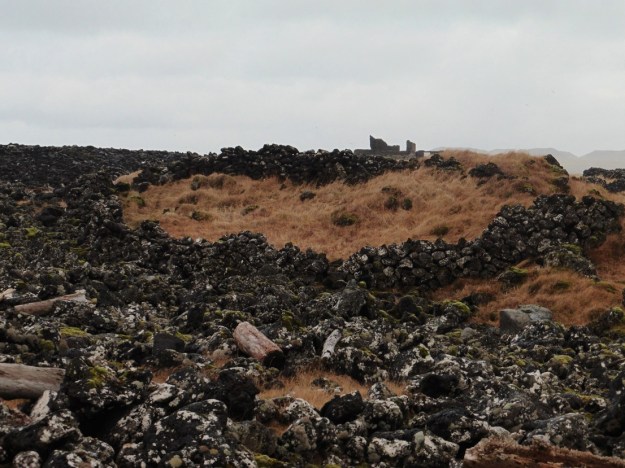
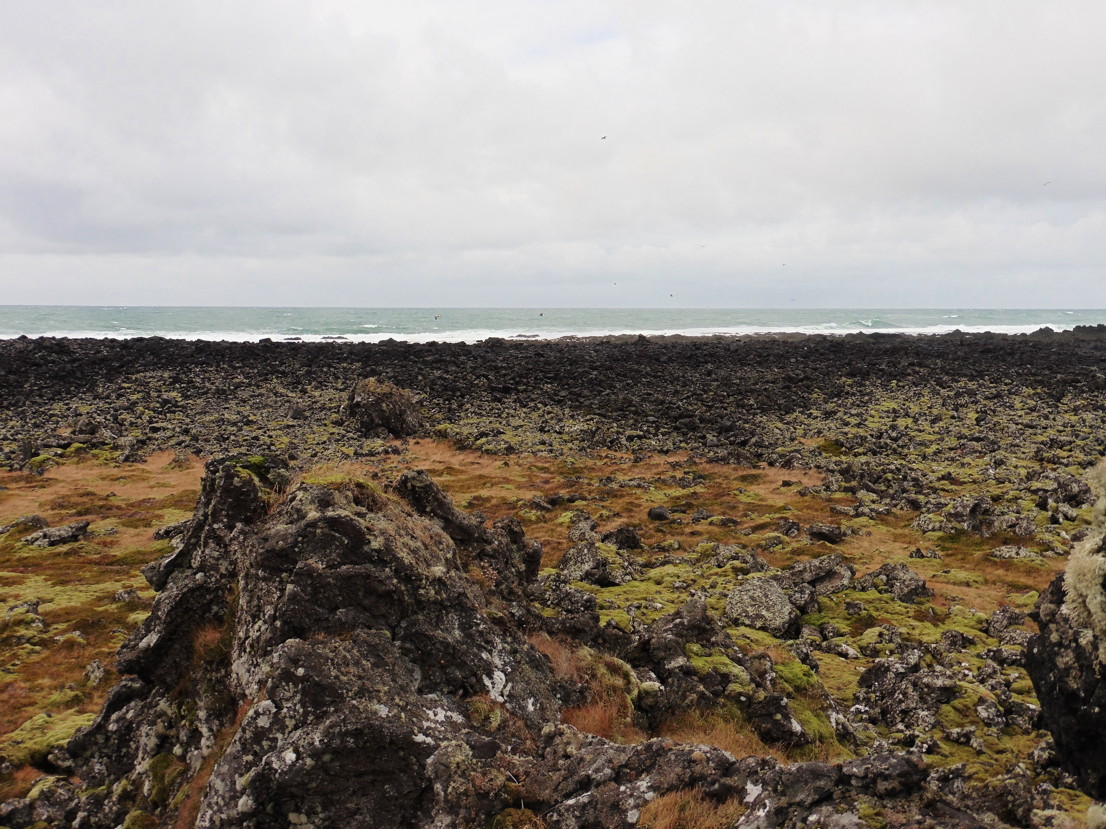
Even if you don’t shift any rocks, there’s grass for the sheep, and always the roar of the sea breaking against the lava bed.
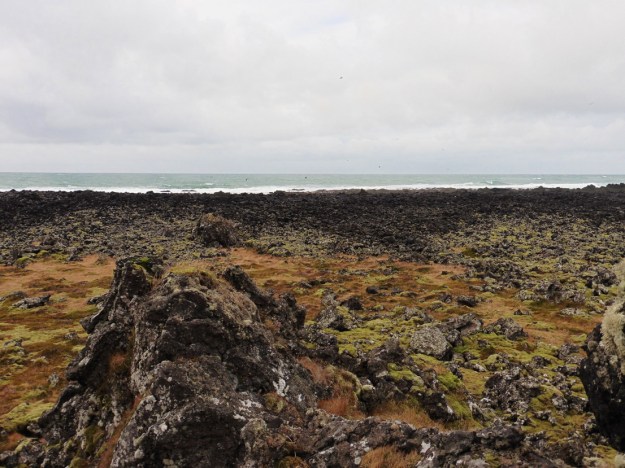
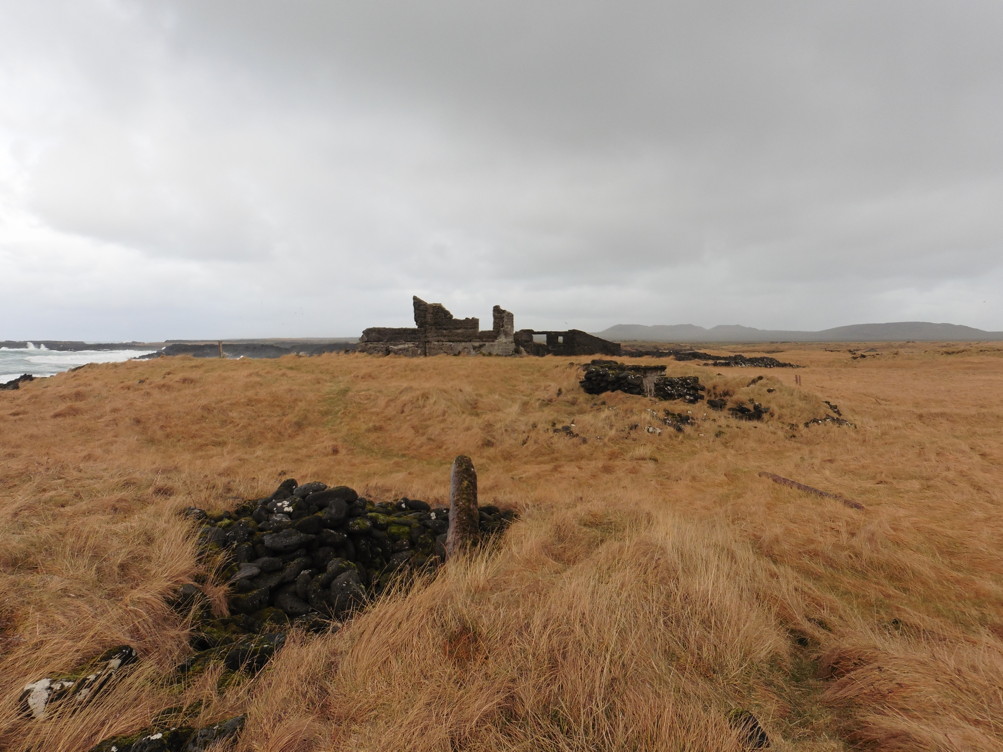
And if you lived here, this would be your view. You don’t have a “front yard”, a street, a flower bed, nothing. You step out into the North Atlantic.
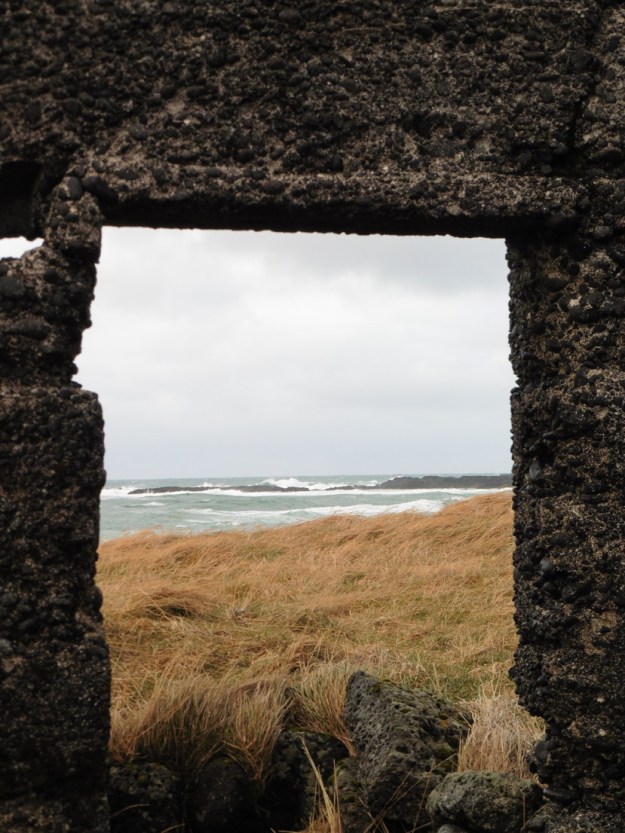
 

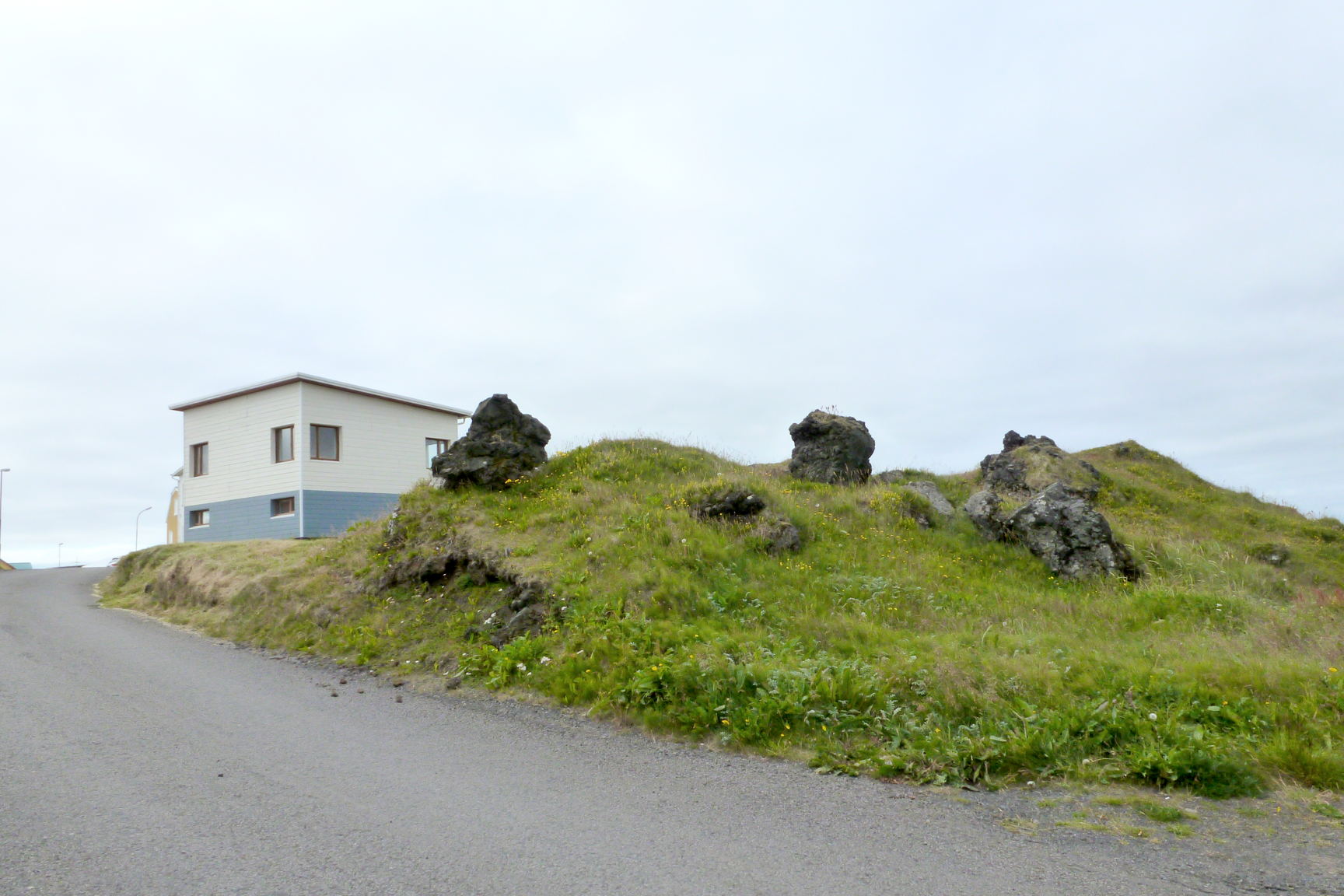
And this is the modern house, and it has been abandoned. You could only pull this off at a certain stage of technological development, when there was enough economy and technology to bring in supplies but not enough to kill off the need for people to live here and catch fish in small boats, plus not enough opportunity elsewhere to replace this fierce independence with a greater comfort. Notice how even this modern concrete house is built just like a turf house, with incredible amounts of hand labour, too: small rooms connected with odd passages, most of them through the outside air, as they were built one at a time according to time, energy and need.

And always the roar of the sea.
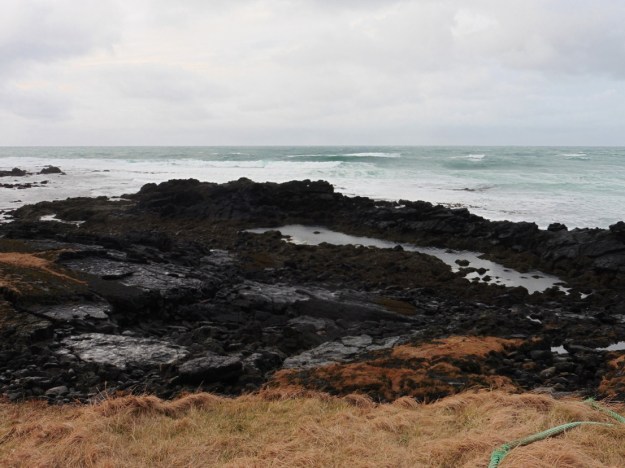
And then the children leave for the modern world that technology has made possible, and this particular modernity, brought to this fierce, remote land at the end of the Earth, is abandoned when the old people are gone.
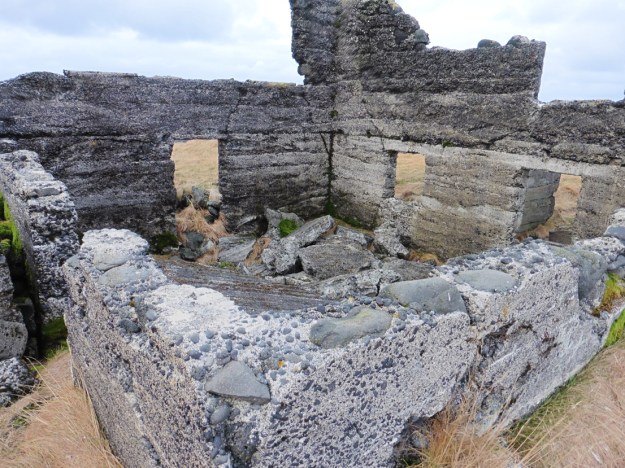
But it is out of such stubborn independence that modernity was made in Iceland.
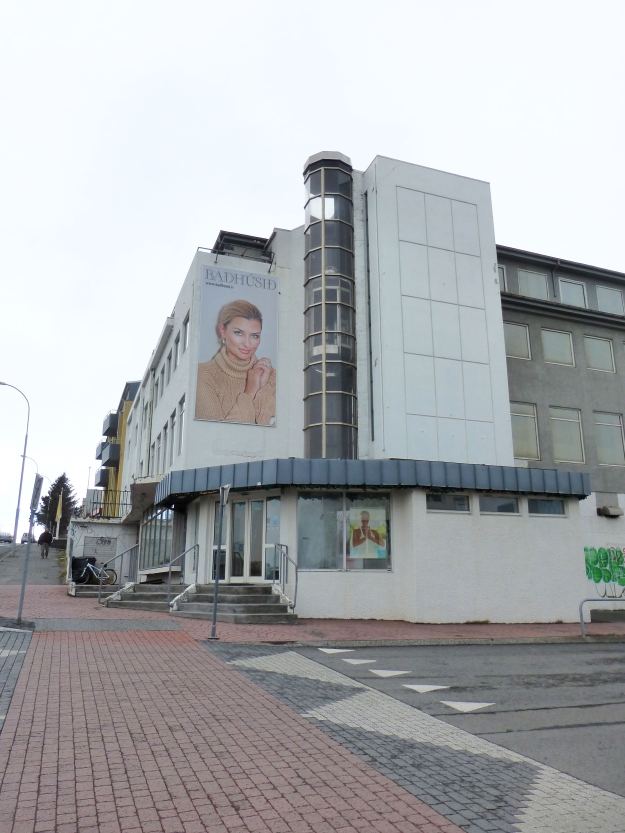
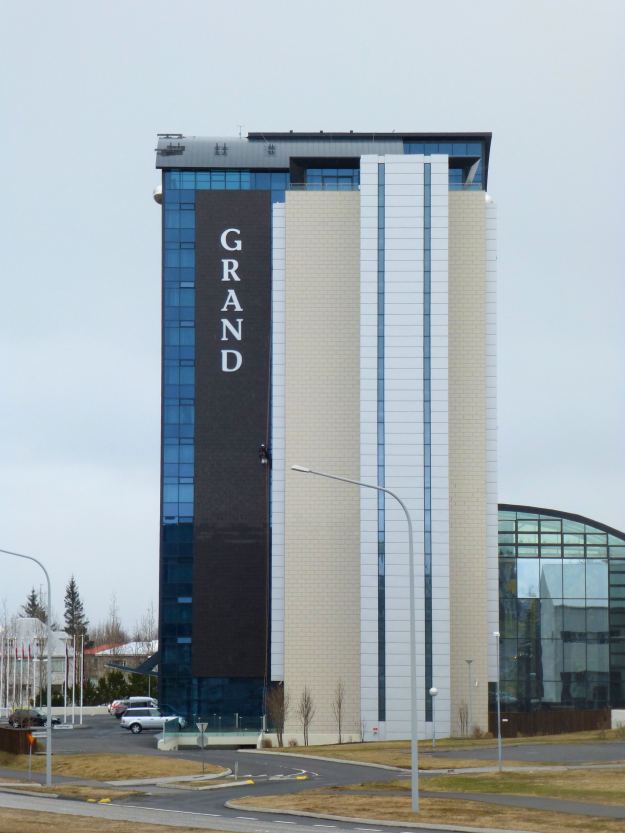
And always the roar of the sea eating the land.

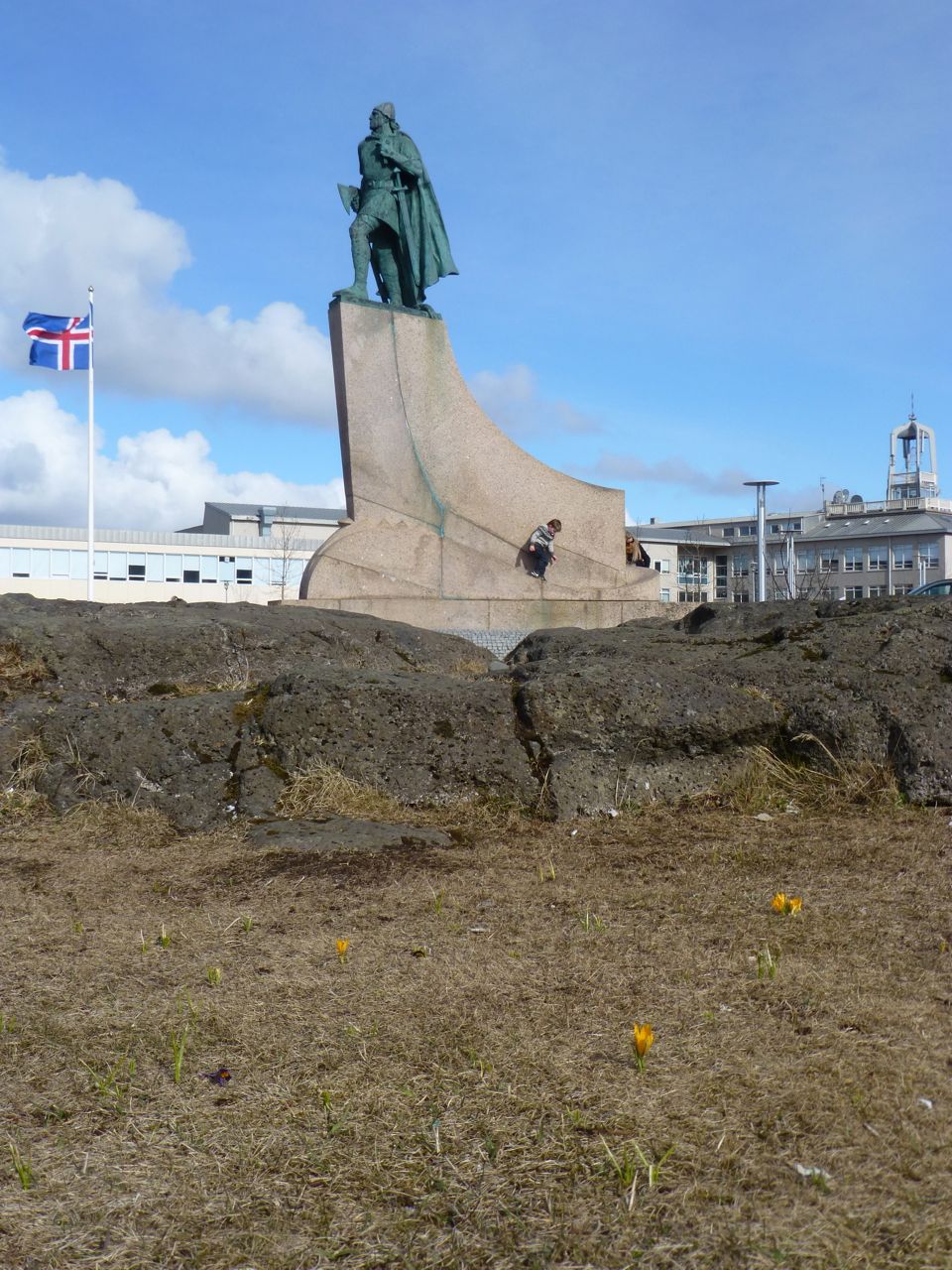
The thing to remember as a traveller is that in Icelandic culture you only need to know what you need to know. It is also a proud culture, and if that means selling you an image of vikings donated by Americans, who really like this kind of thing …
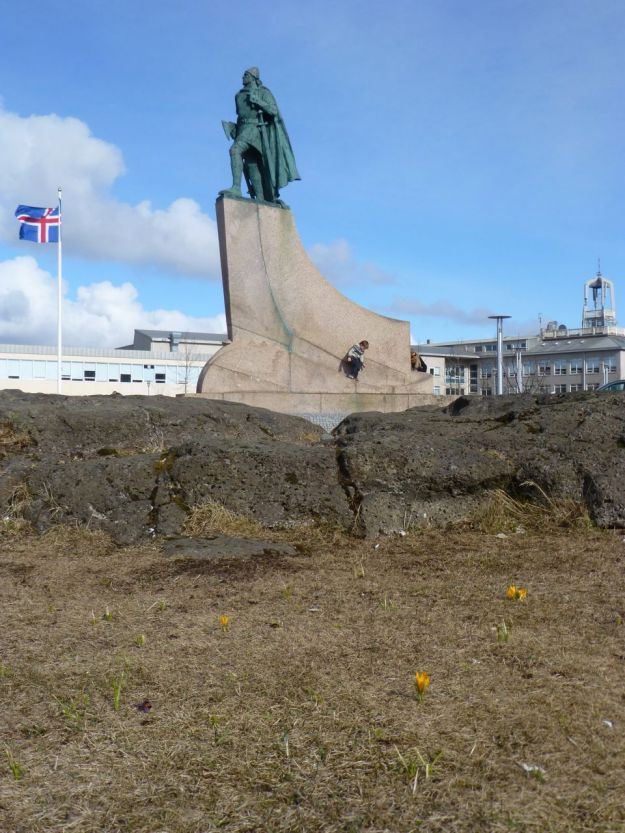
… and pride, which is real enough, instead of one of 1100 years of terrible struggle…

… really terrible struggle in more than a human world …

… and what would now be called isolation (but which wasn’t), in which the land is also a sea…
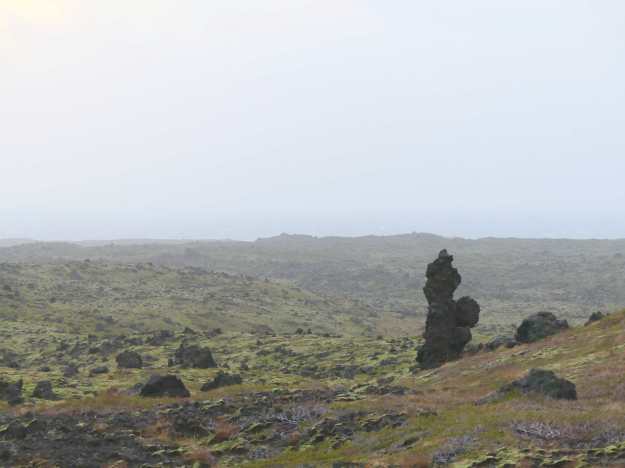
… or selling an image of bold adventure …

…instead of one in which there is nowhere to go to get in from the cold, well, they’ll do that. They are very genial hosts, the Icelanders. Just remember that even if comfort comes from each other …
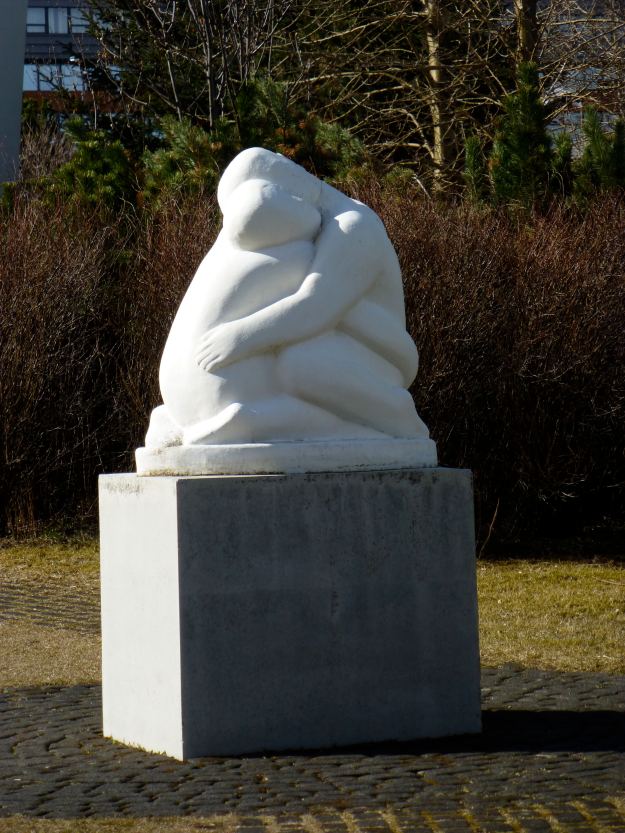
… and the images the city presents are of funkiness and crazy happiness …

… you are still on a volcano in the North Atlantic, and the sea is still eating the land from under you, the wind is still blowing …
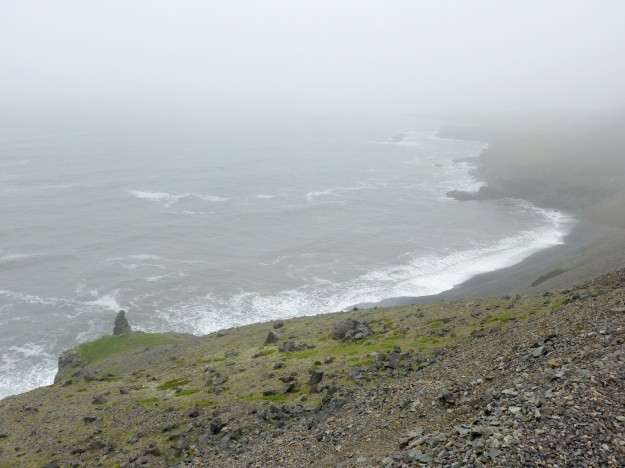
… all you have is a few sheep in an impossible place …

… and everyone around you knows this. With nothing else except each other you must begin.

Maria of the Elves

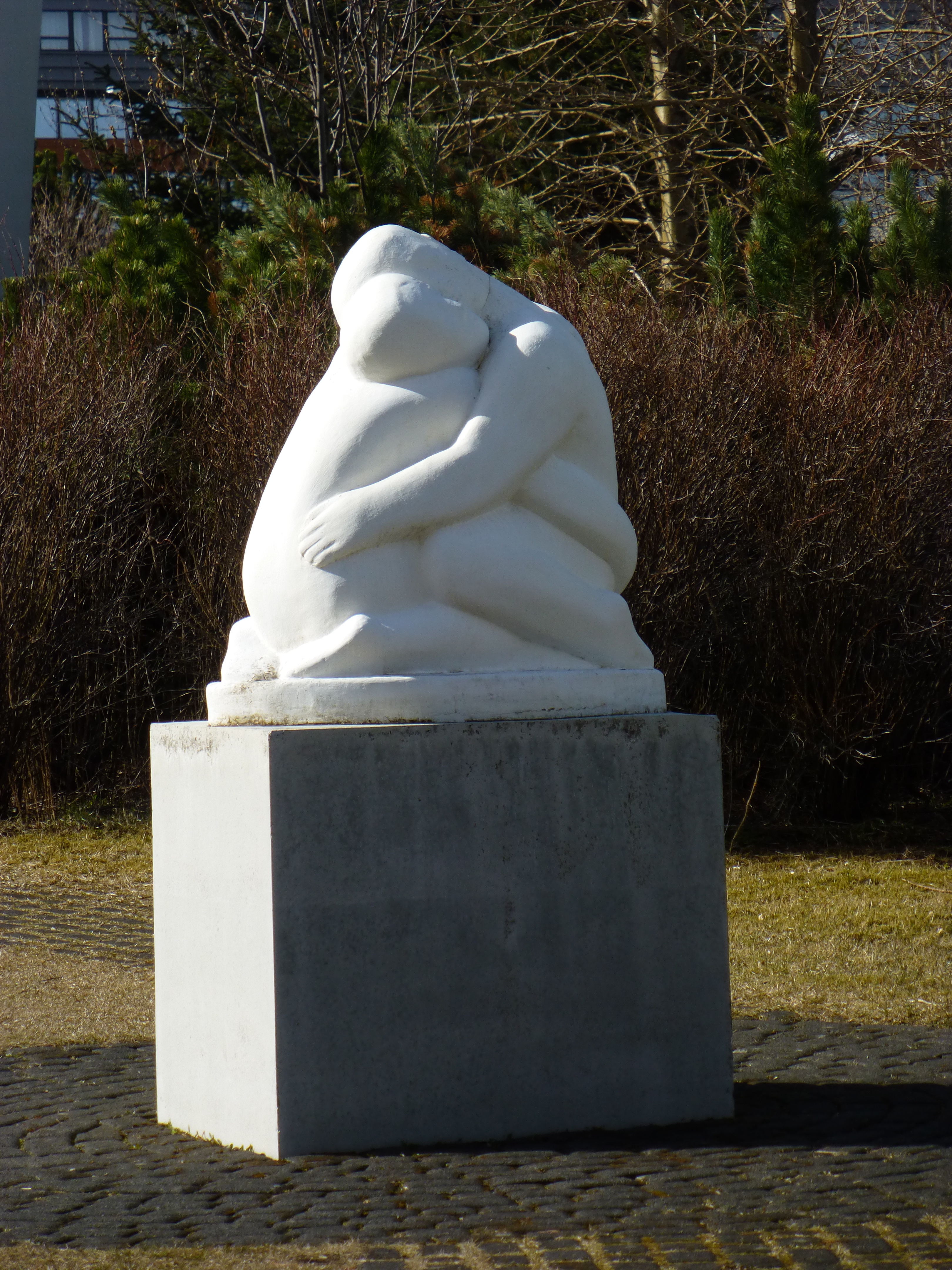
Women were put to death for visiting elves here on Viðey in Reykjavik Old Harbour. Now there is a shrine to Maria made out of cut glass in their honour and in honour of birth and motherhood in general.

On the other side of the island is the John Lennon Peace Tower, which beams light up into the winter darkness.

Iceland. Giving Peace and Light a chance since 870.

Plus picnics.

Of Elves and Sheep in Iceland


Ever wondered if there are elves who herd sheep? No point asking the elves. They’re not talking.

Elves at Home in Helissandur

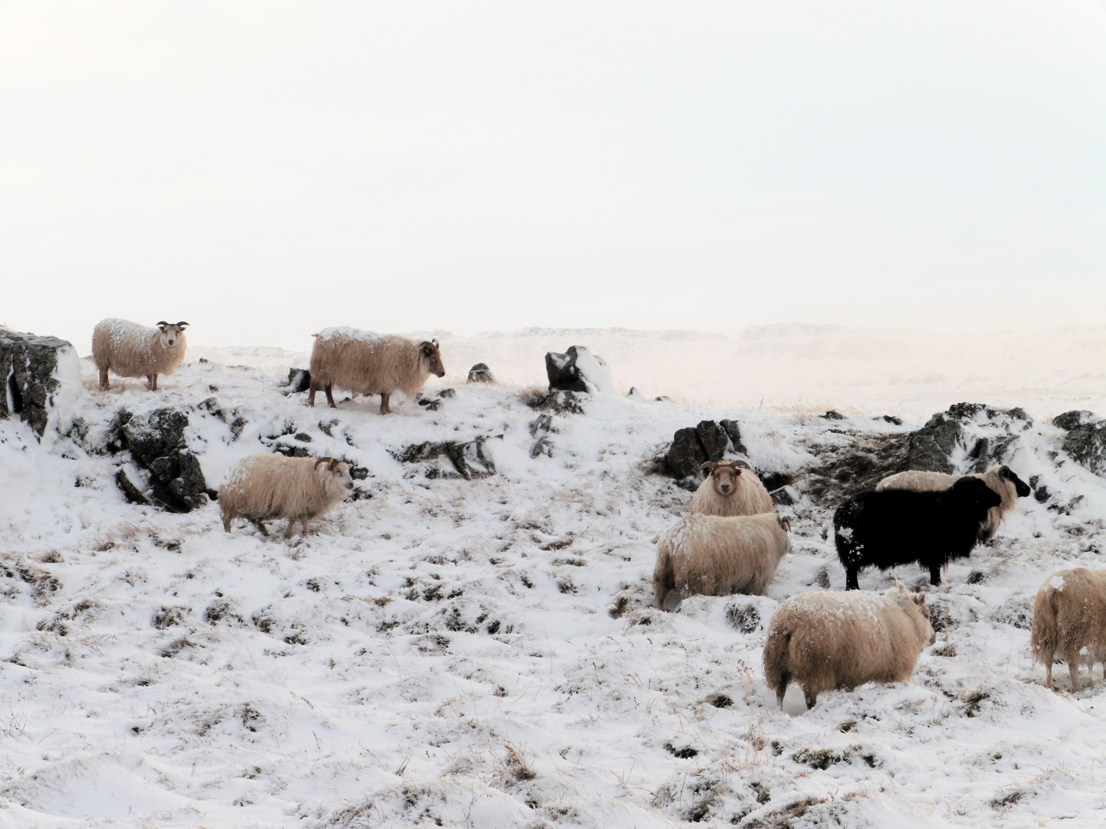
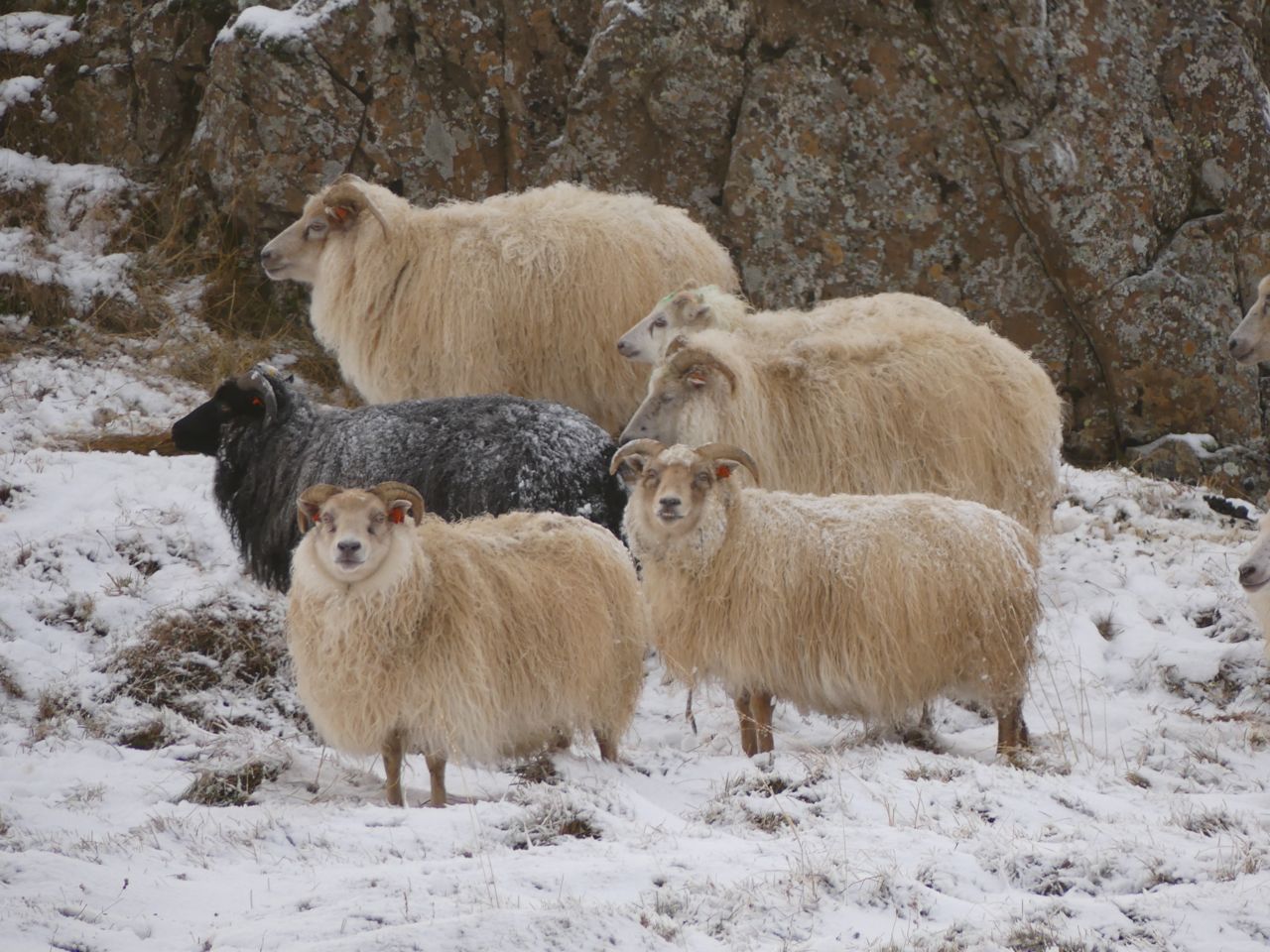
Should we ask the sheep? This guy’s at Hraunhafnartangi.

Does he look like elves are moving him from field to field? No. No point asking the trolls, who do herd sheep. Their languages are too slow.

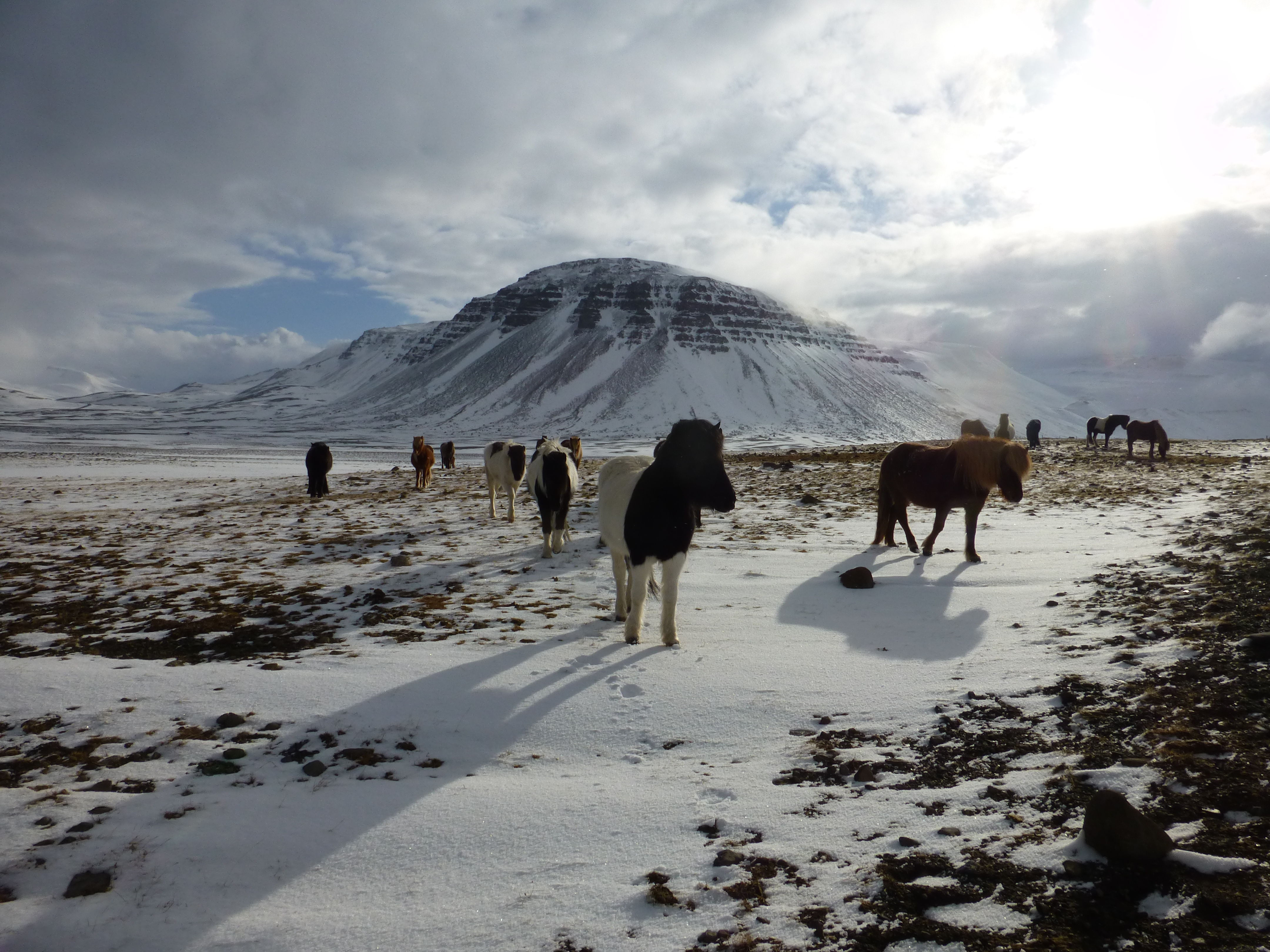
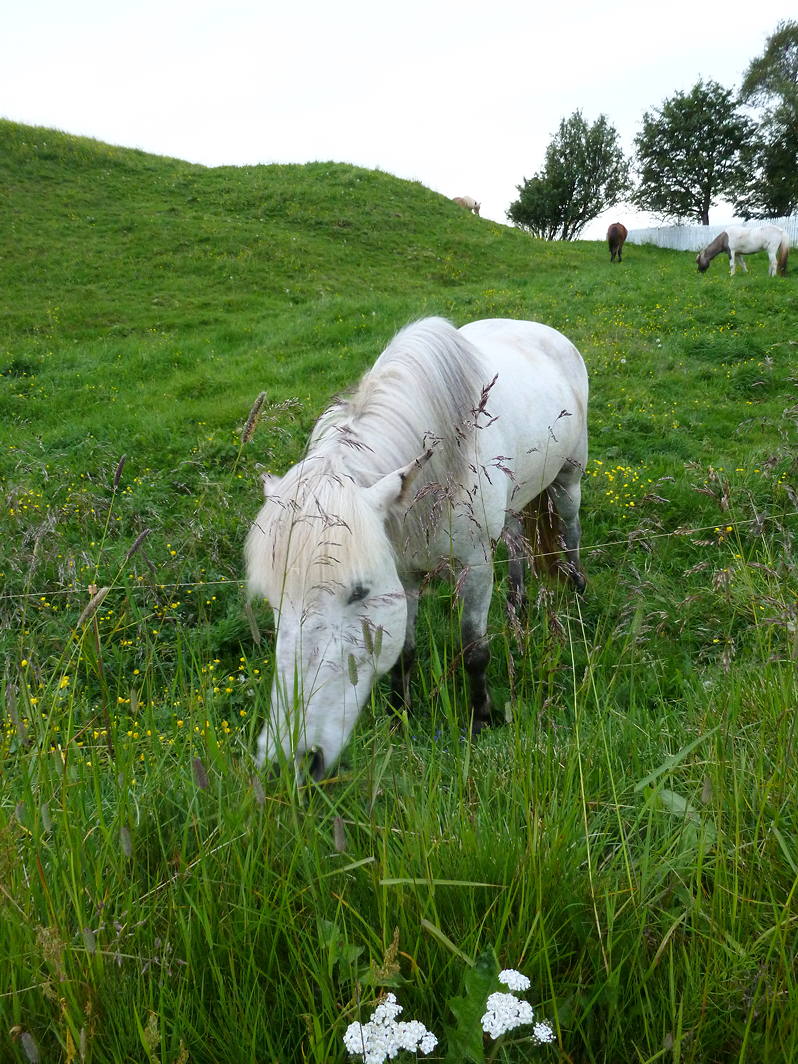
And horses, that appear mysteriously wherever you stop, and, surely, are hanging around with elves, being out there day and night and all, and elfishly mysterious, should we ask them?

Maybe not. The horses at Eiðar below are grazing on an elf city, of all things, and what are they doing? Sneaking grass from the ditch.

I mean, the elves are definitely herding grass and purslane, such as at ValÞjofsstaðir below.

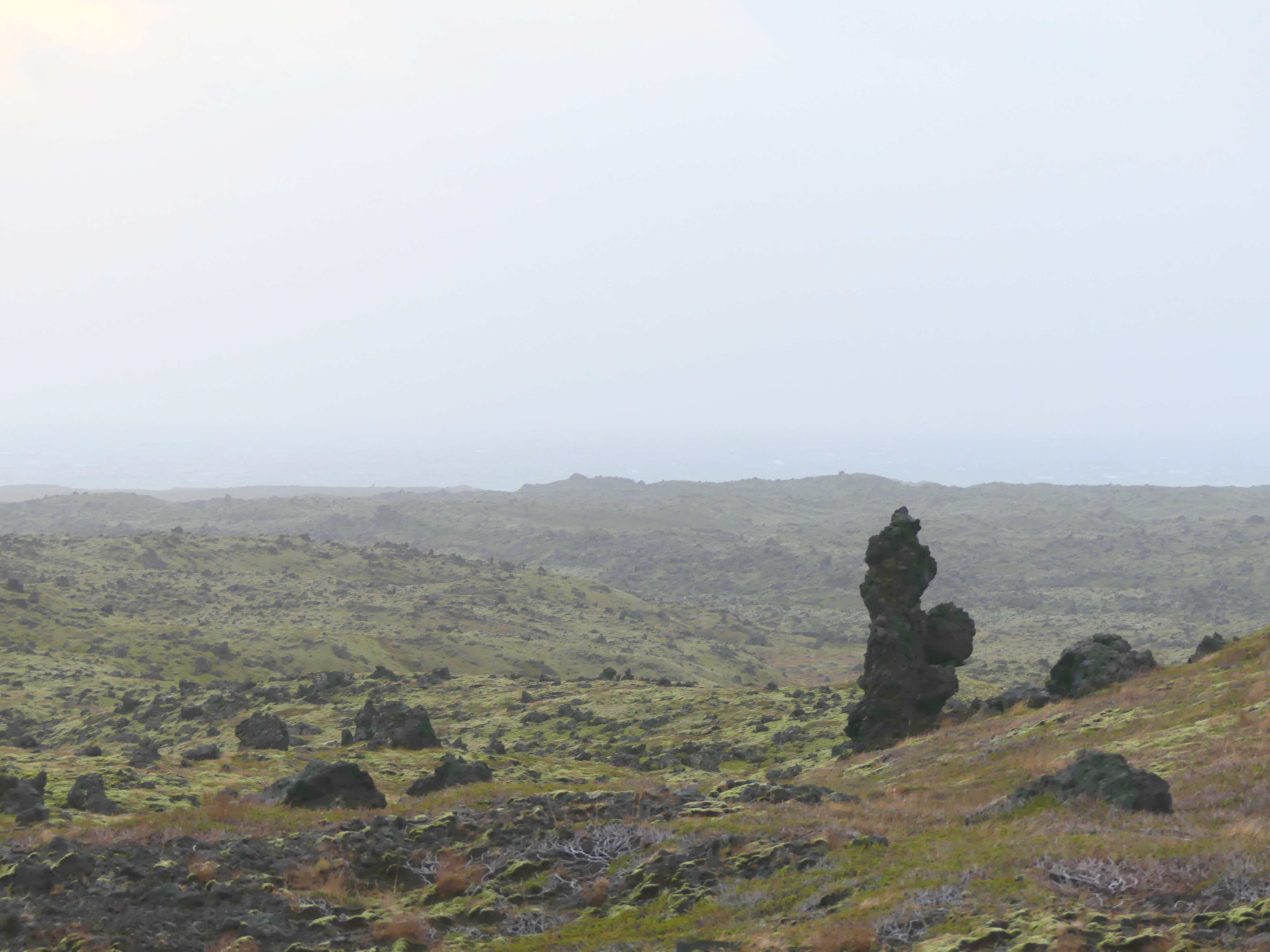
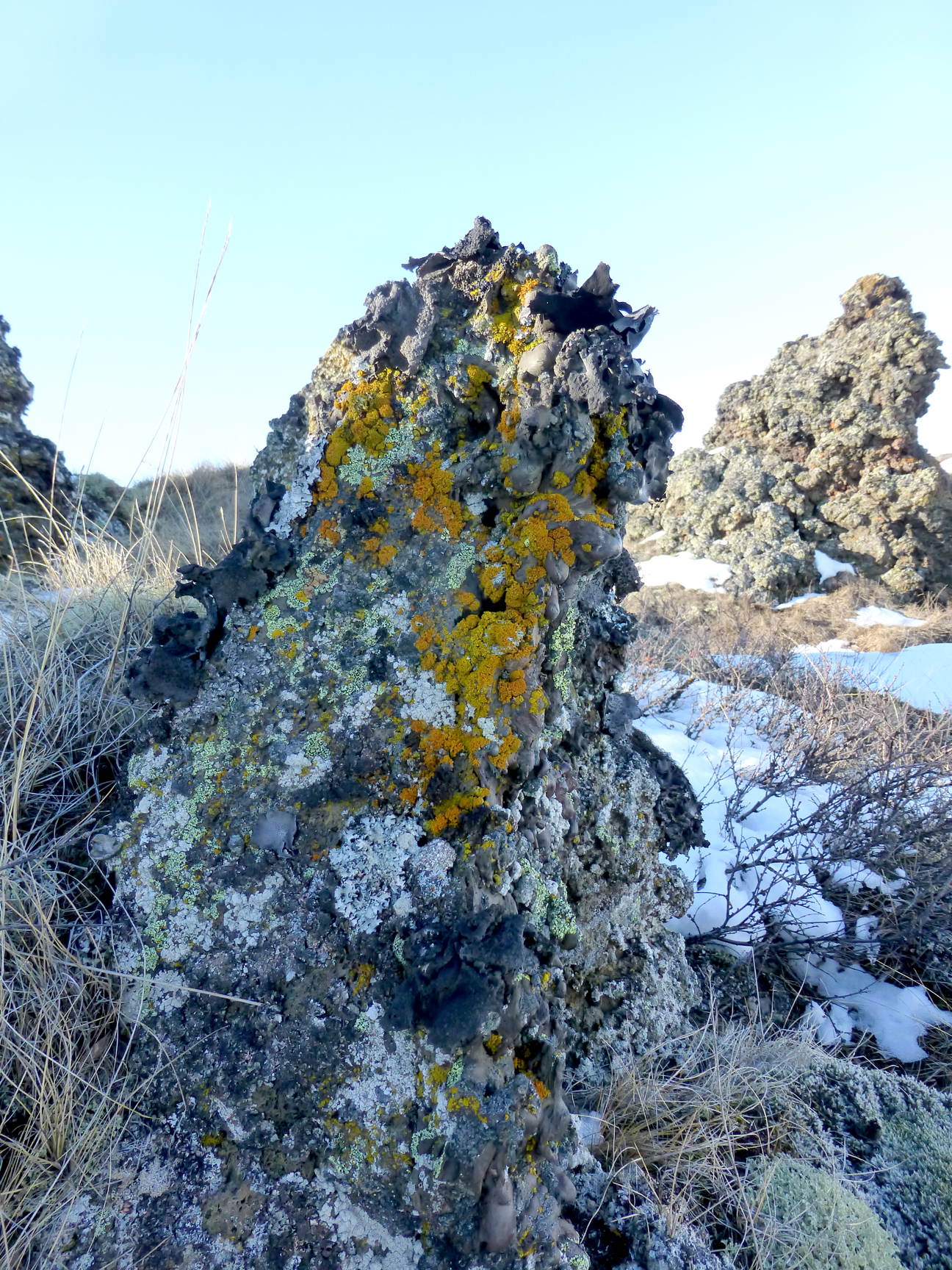
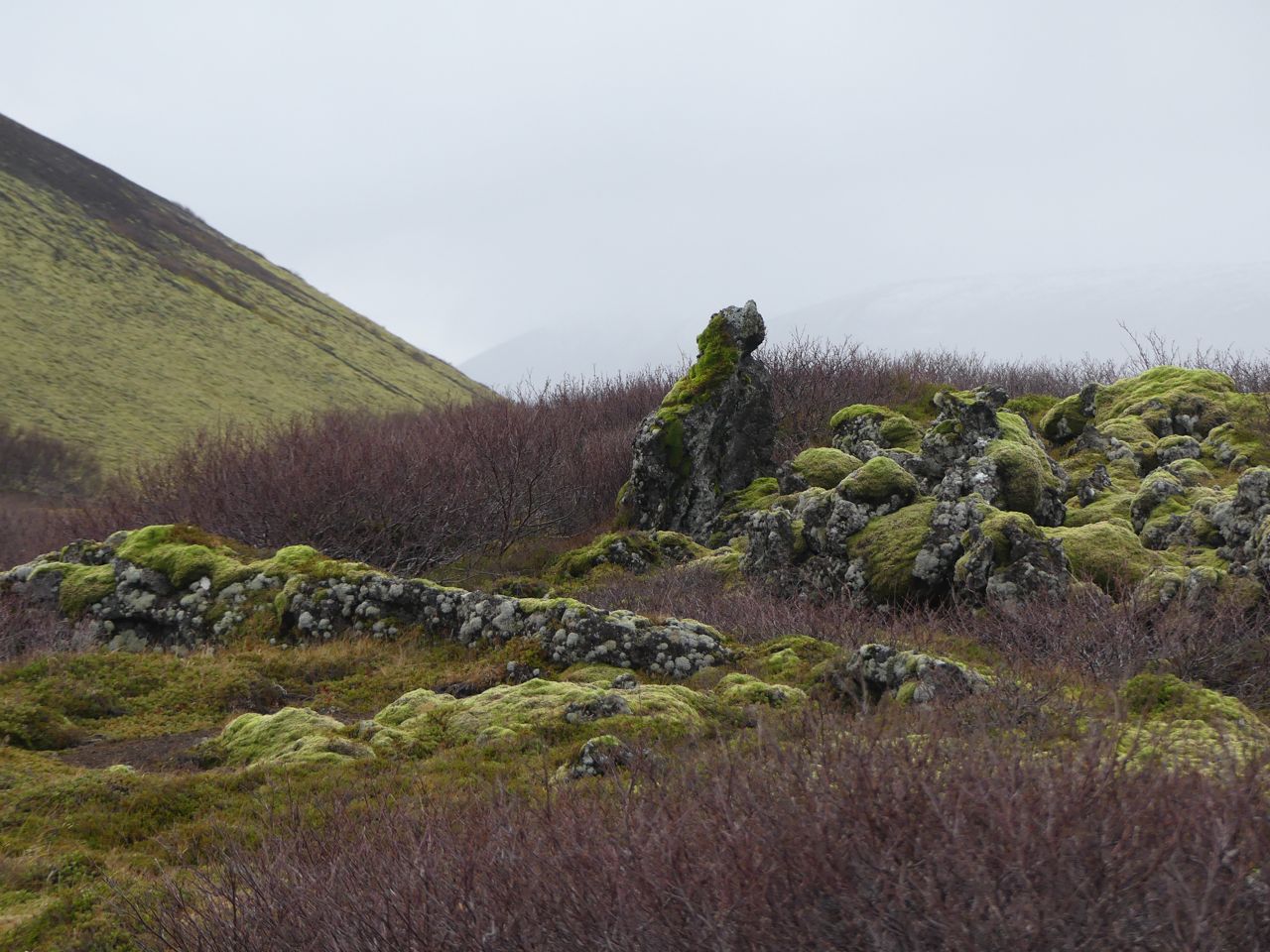
And the moss that covers the lava fields radiates elfishness.

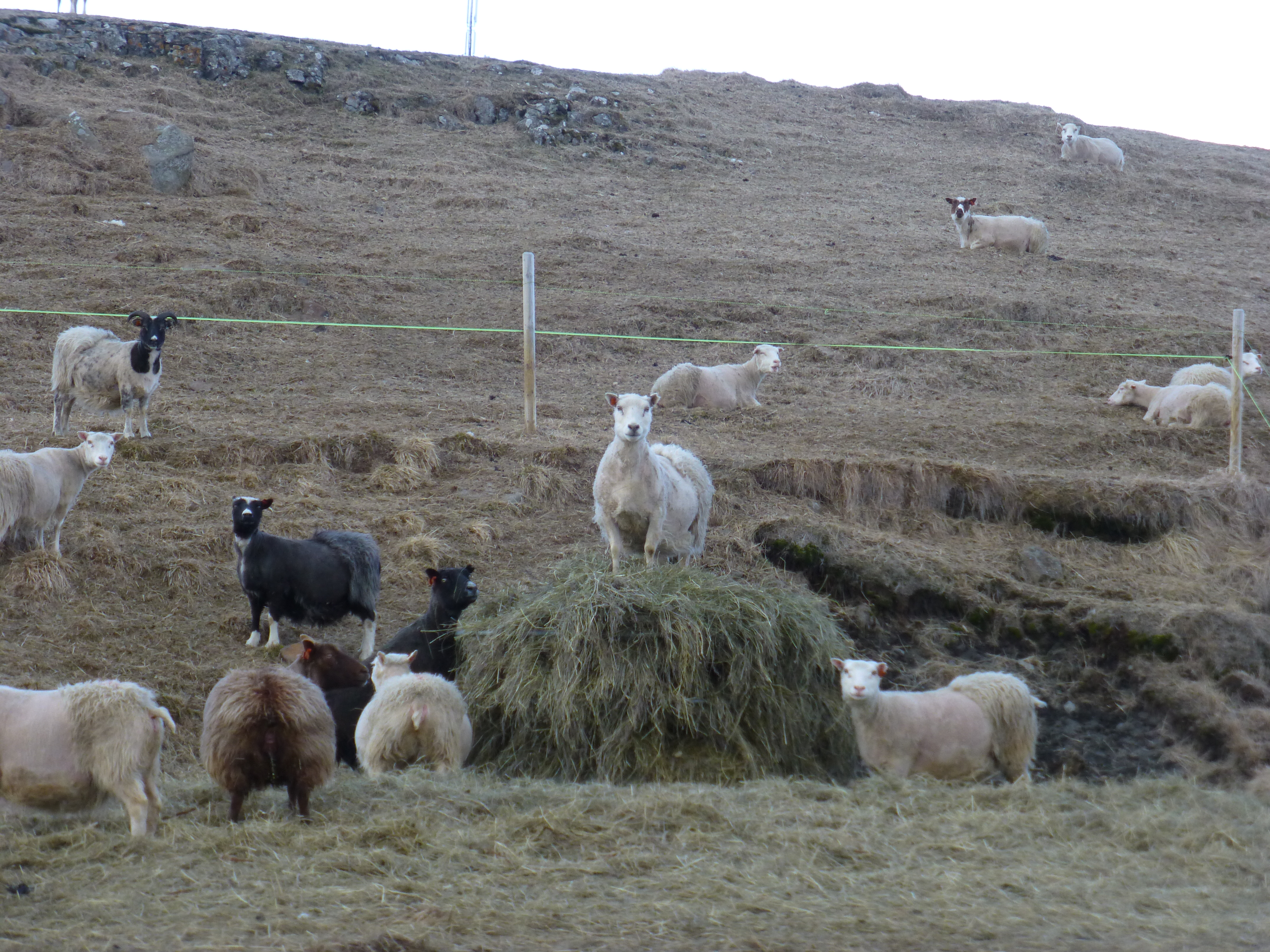
But the elves? Such as this bunch at ? Are they herding sheep?

Oh. Yeah. They are.

But, of course, the question is, really, do they heard living sheep? That humans have to romp after to collect? Well, kind of. Even the trolls, such as this dark and light pair at Klausturhamrar, send sheep on their way to left and right.

And the elf city at Álfaborg…

… leads sheep, and people both, in quite specific ways.

Do sheep see elves and take commands from them, though? Why not. Humans do.

It’s just that these commands are not the same as walking across the grass to pasture. Elves aren’t safe like that.  They lead you out of your own mind.

They can keep you on the path or lead you off it, such as at Fagurhóll, in the images above and below.

What do the sheep follow?

We might as well call it elves.


Property Ownership Rules in Iceland


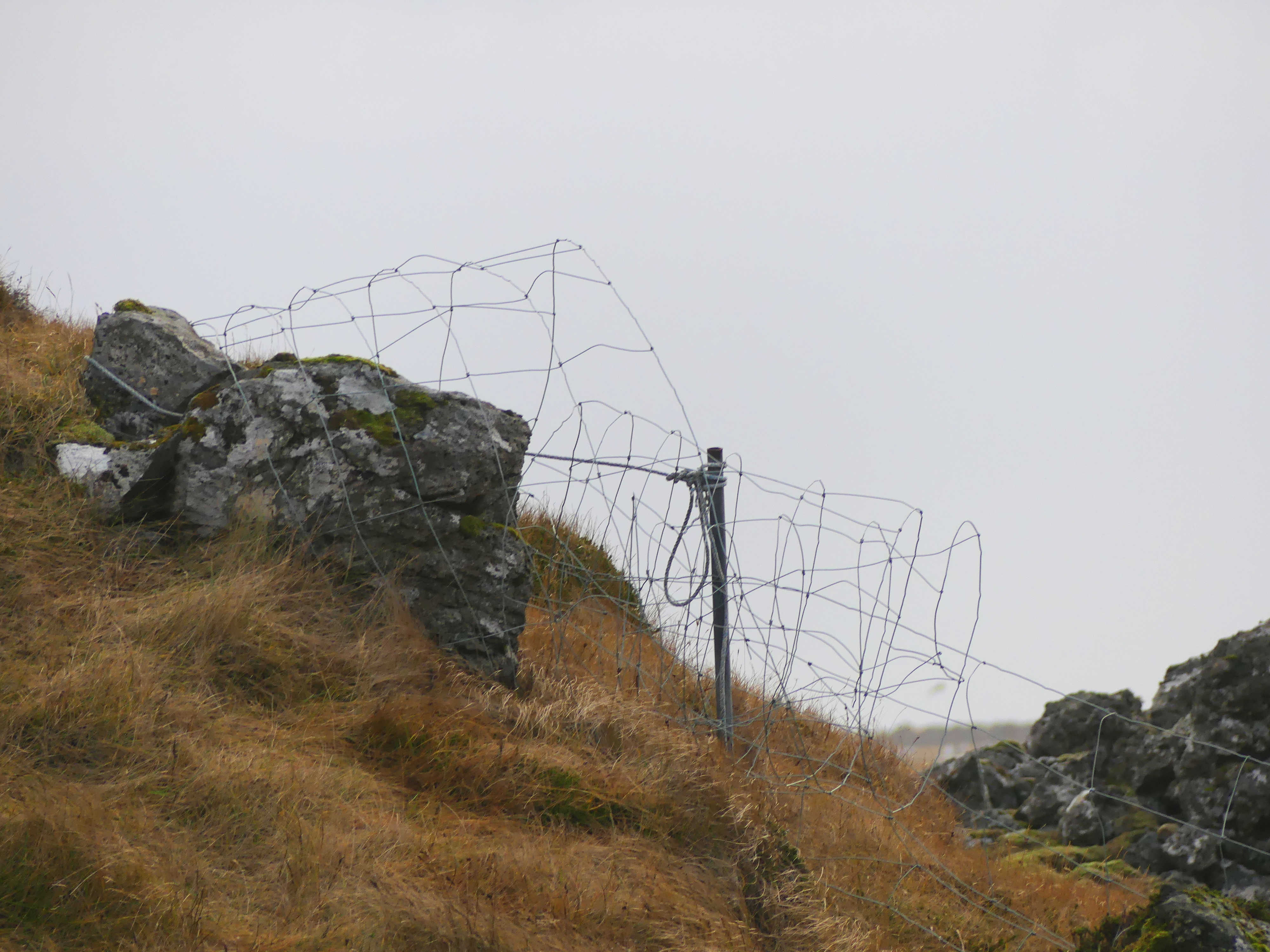
It’s not about fences, see.

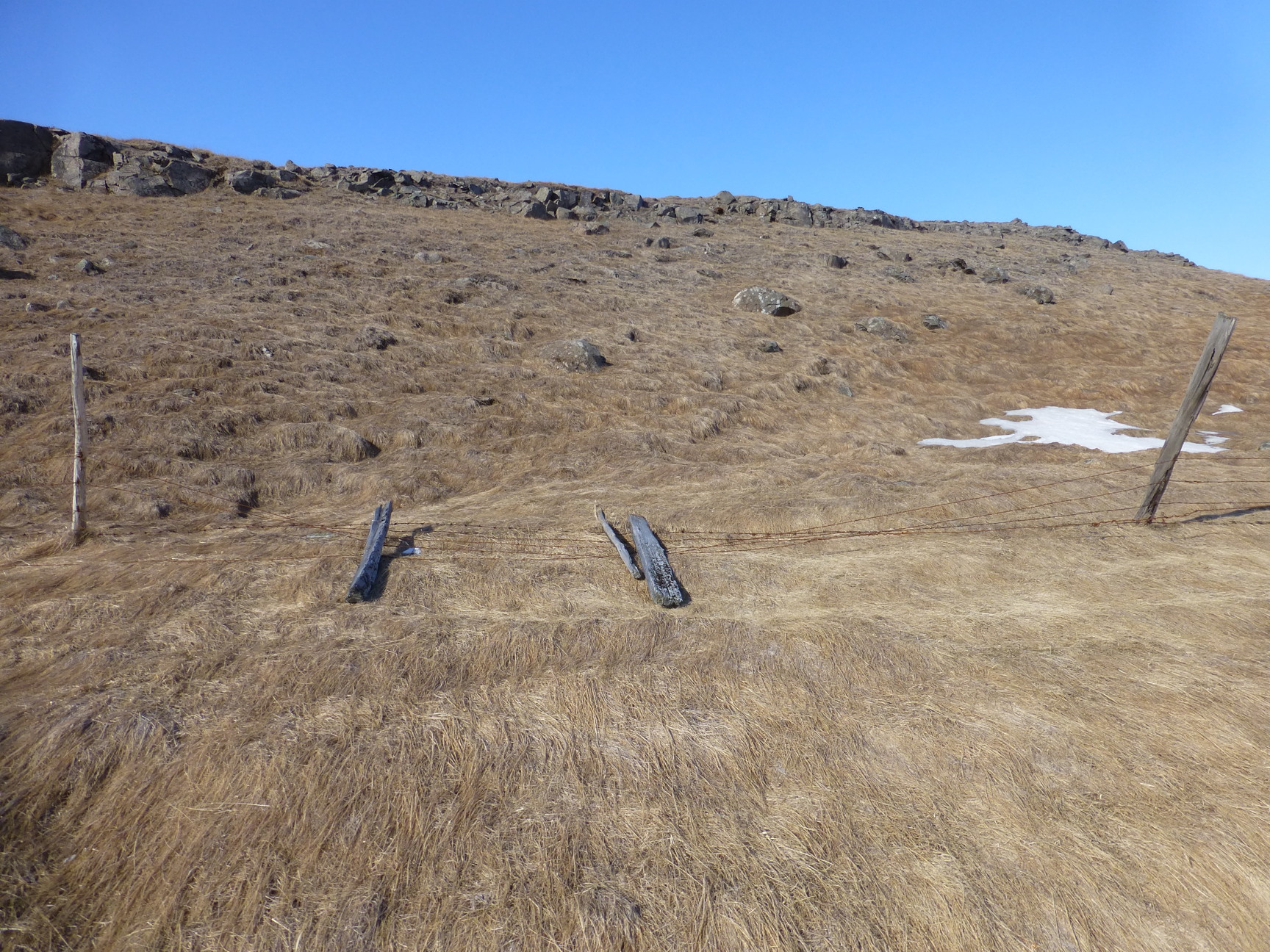
That was a fun idea, very modern, very worldly, but, you know, weird. Better to let sleeping fences lie and go out on the sheep trails.

Everything is a sheep trail. That’s because sheep own Iceland.


Right, as for fences. The same goes for gates. Best to leave weird foreign stuff like that open, so that what wants to go through can go through.

You never know.

Oh, wait, yes you do.

1,000 Icelandic Boys Having Boyish Fun

It could easily be more, but think of it: a glacial erratic perched at the top of one of the major canyons in the country, in the middle of productive farmland in the most fertile fjord in the East? 

Stekkalækur

Any boy within miles, for 1,000 years, was going to mess around by this thing. A boy takes his measure by giants. The worn stone around the monolith shows that people still do, and ravens. They are drawn to it as well and keep the rocks squeaky clean. I watched one clean up here for a half hour. And sheep. Perhaps you can see the sheep trails skittering past?  That’s how I got here, by following sheep. Those other boys the same way, perhaps. We all have our guides.
Iceland’s Stones of History

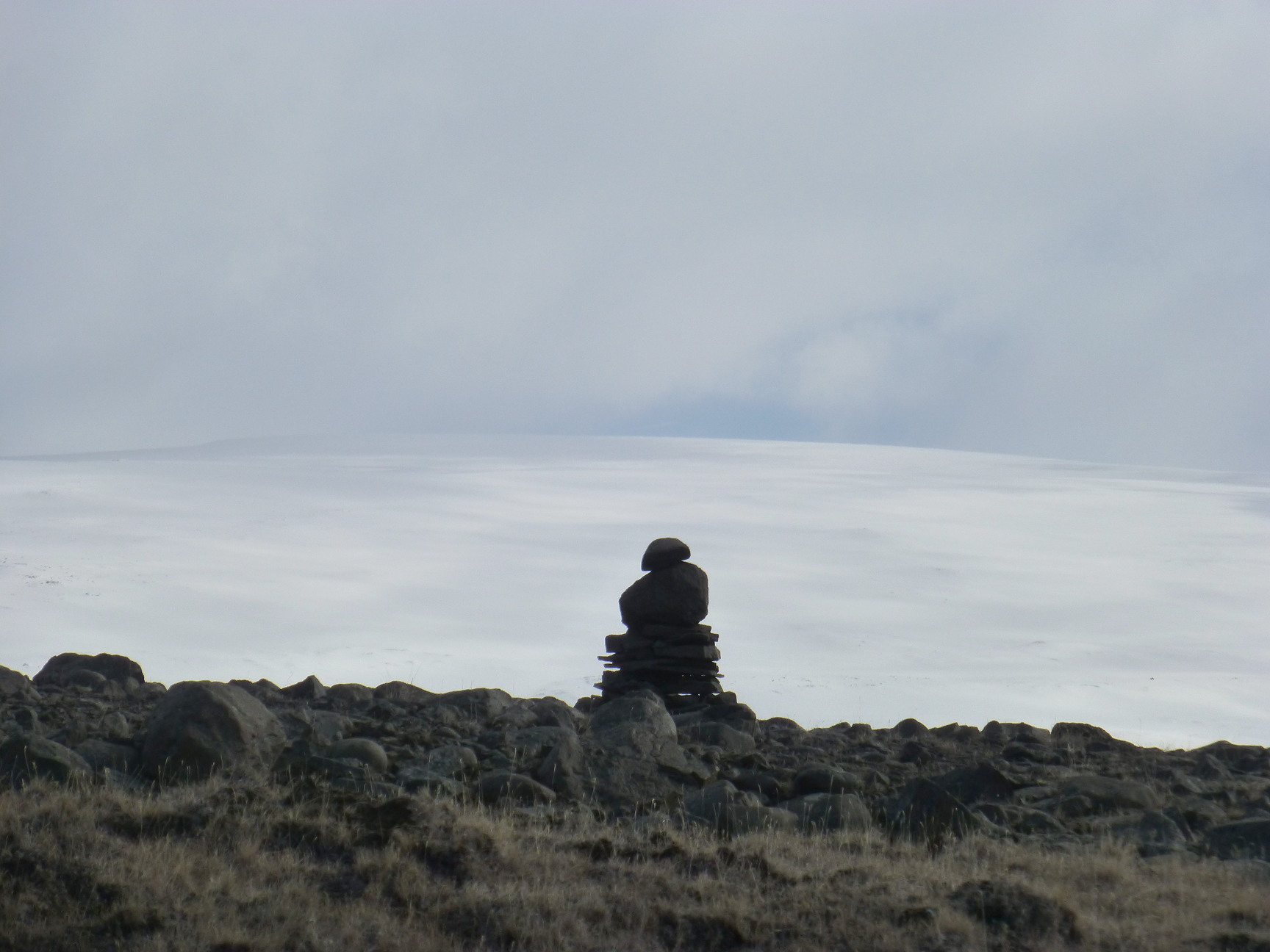
It is the horizon that marks the way across Iceland. It is there, where soft rock broken apart by fast-moving glaciers shows itself against the low, high-latitude snow, that one sees the difference between the impossible jumble of the near and the impossible formlessness of the distant.

It is the most basic cultural act to set up a human marker in that spot, in the most recognizable shape: a human guide. The jumble and the white-out become intimately more human, as a deep, psychological break between darkness and light. It clears the mind …

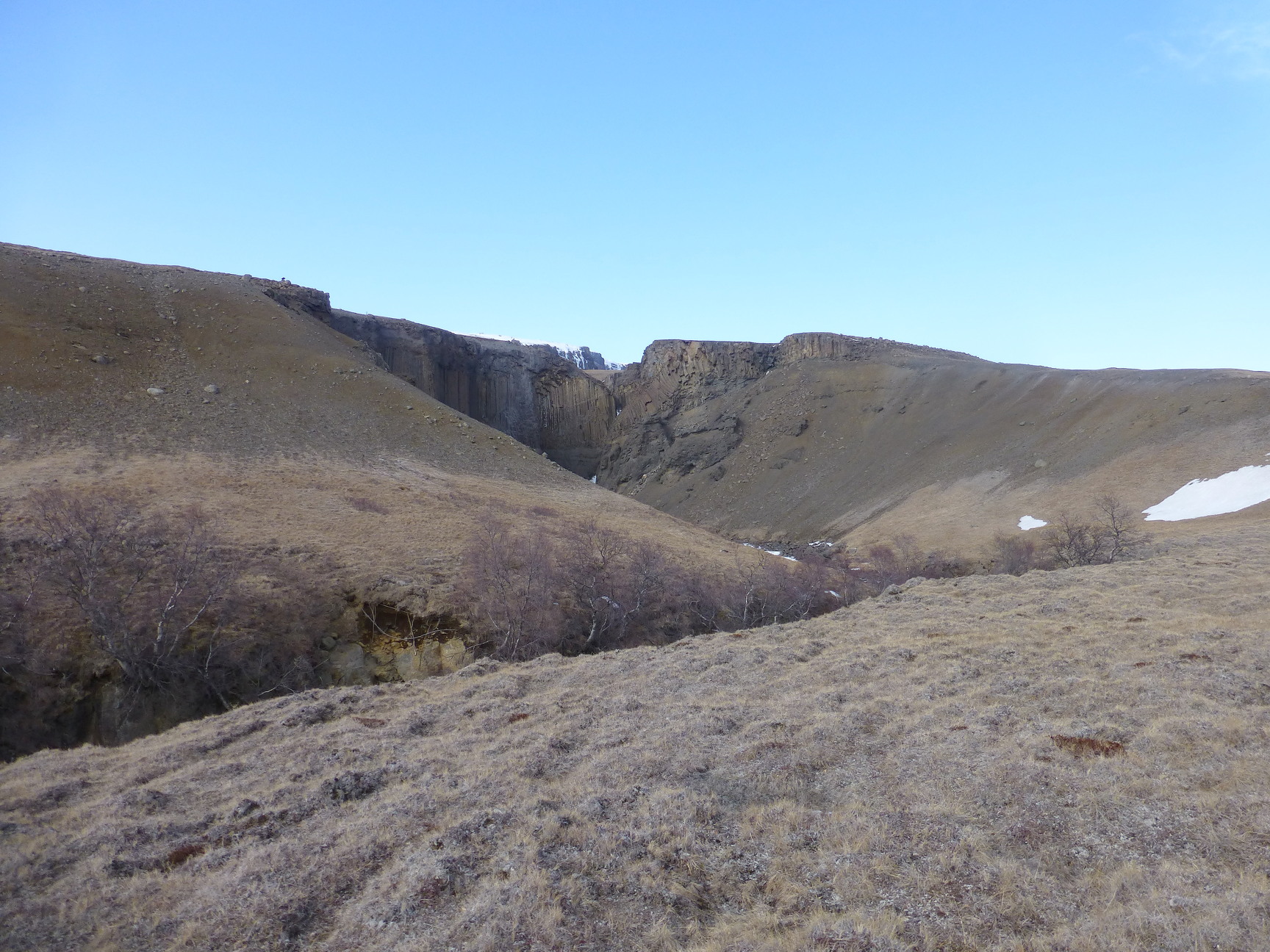
… and you find the way, exactly at the point, the ridges, where the wind blows the snow away. For most of Iceland’s history, these cairns were the difference between life and death as one travelled across country. Here at Litlafoss, it guides herdsmen out of the canyon pastures and away from the cliff where the raven nests and waits for you to slip and break your head. You can see some of these cairns on the left of the image below, although the one above was on the right and out of the image.

For Icelanders, these cairns are some of the deepest history in the land, and one of the historical markers of the creation of Icelandic culture.

They are to be approached with the reverence with which one approaches the caves at Lascaux or the Sphinx, and so are the glacial rubble fields that inspired them. Walk lightly in Iceland. Nature here is historical space.

You pass through history to get to the falls.

Litlafoss

To find the falls, you must go deep into the earth.