Category Archives: Land

Why It Took So Long to Discover Iceland

To my ancestors, blue, white and gold were one indistinguishable colour.

The Road to Rettarskard

If they had come to Iceland, they would have only seen a pink glow of the sun in the snow, so faint they might just not have found Iceland at all. And they didn’t! The colours had to be invented first. I’m glad they did, though!

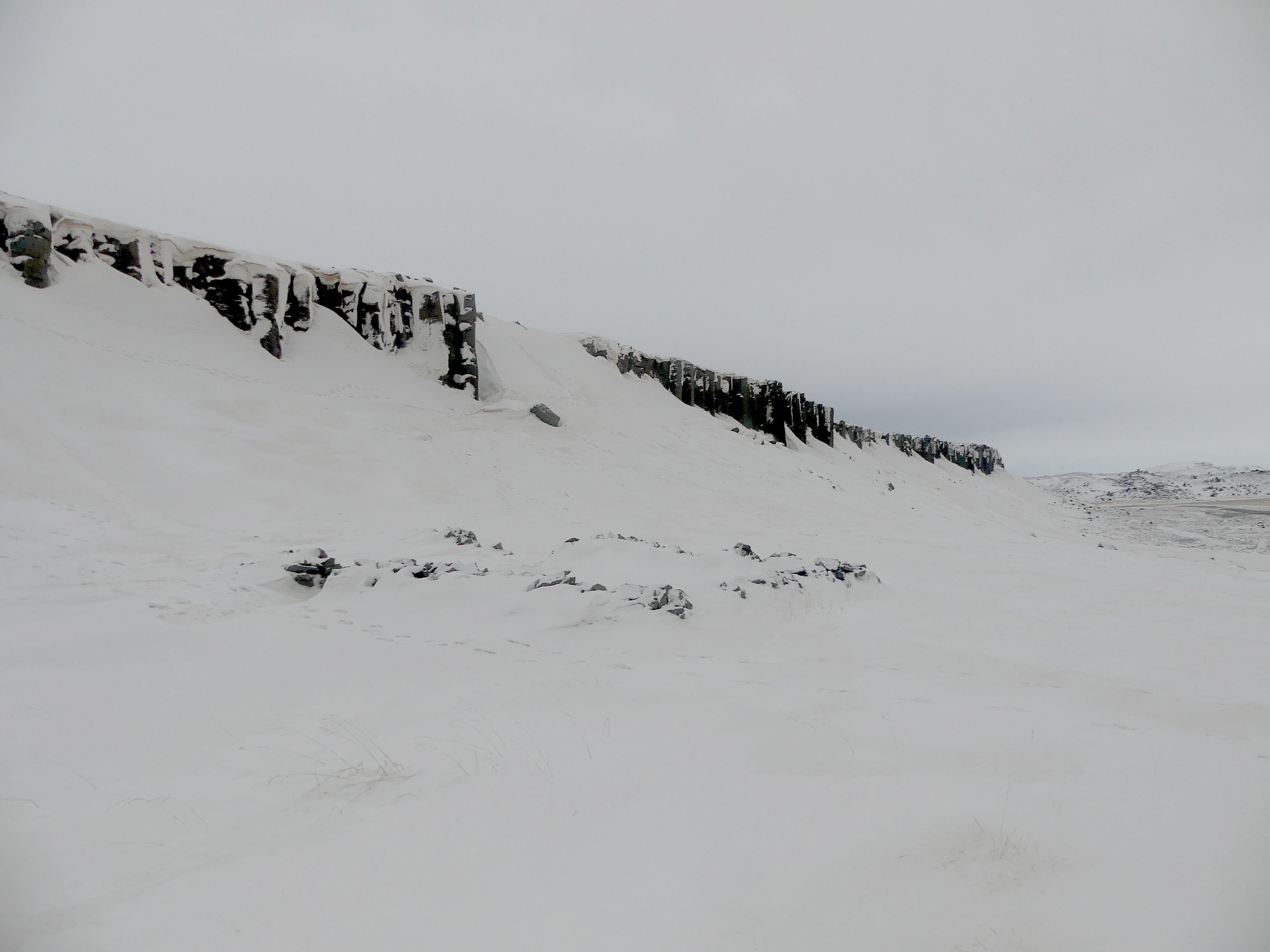
Gerduberg in Winter

This old farm building below the famous basalt cliff Gerduberg is a good reminder of a changing climate, for even here, in a remote farming district, the wind is taking the soil away. Look at how it is staining the drifts on the hilltop brown.

It means there is no plant life holding it down. No-one needs a farm shelter here any more. Touring Iceland is often a trip through ruins. It’s like a winter trip itself: one freezes terribly in the wind, but can enjoy it because one will soon go in to a cozy room in Borgarnes, with all the lights blazing. It’s a romantic image, though. This is Iceland. Here you can’t go in.

Snaefellsjökull, The Watcher

The volcano was an island-volcano off the coast, before a completely separate volcanic event raised a ridge of volcanoes out to meet it and then past it into the Atlantic. It watched them come.

It watched humans come, too. Some go there now to watch it. Others go to be watched by it. It measures the distance between those two points of view.

A Culture of Settlement

One thing that makes Iceland dramatically beautiful is that its culture and landscape look like they were just plunked there recently and haven’t really taken yet.

Looking North from Meidavellir

That’s what you get after 1100 years of cultural replacement in response to environmental erosion. With very few exceptions, the buildings are less than a century old. With very few exceptions, the living landscapes are far younger. A century ago, the scrub above would have looked much like the outwash plain below it. The people, whose memory is longer, are in a constant state of change, unsettlement and resettlement, just as it was when they first arrived, a little over 1100 years ago. Settlement was the originating impulse, but it was driven by men, who felt unsettled in Norway. These tensions are still written in every moment of the land.

Old Red Nose, a North Icelandic Tale

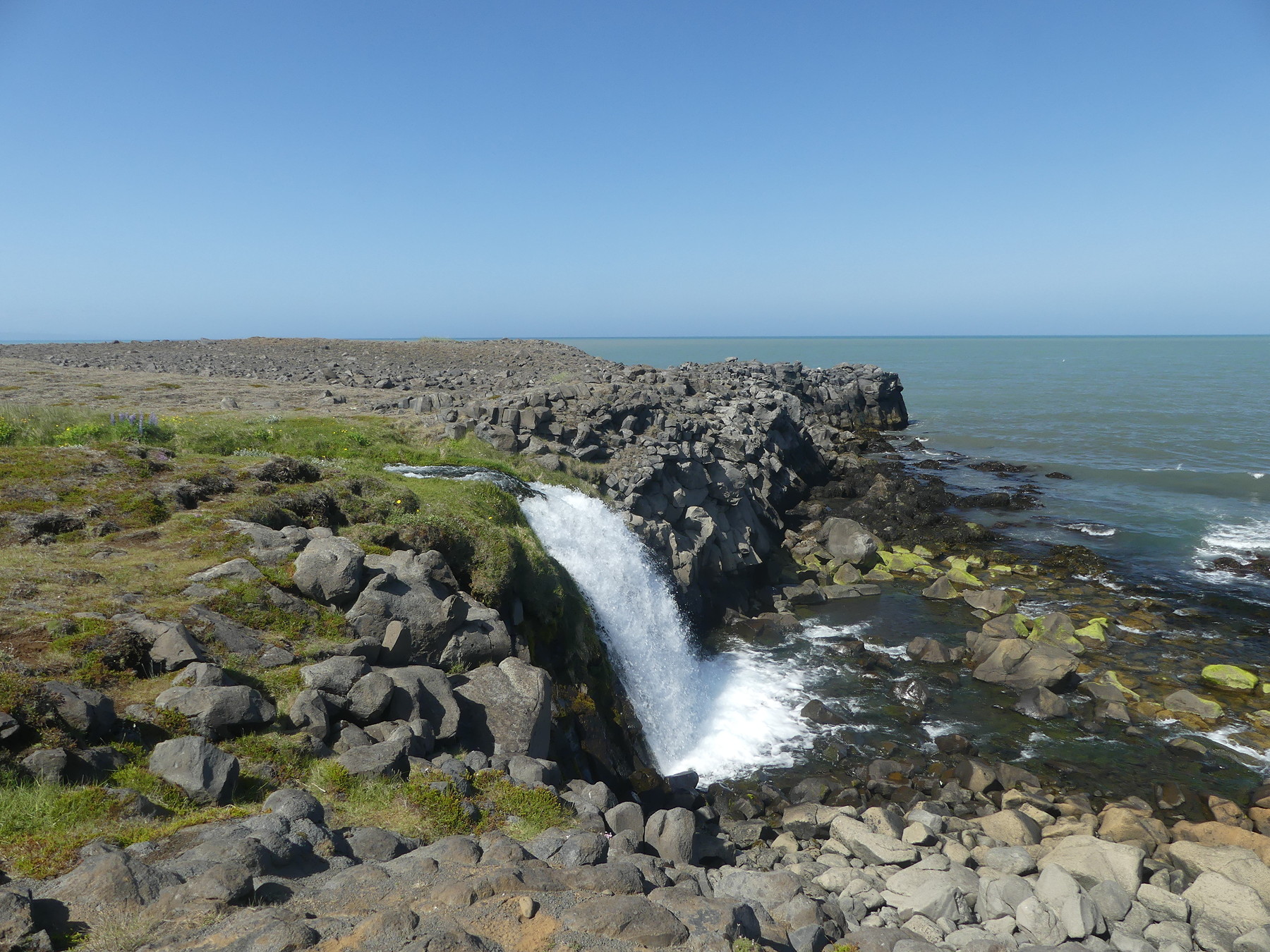
In the North East of Iceland, there is a cape with Eidars and puffins, called Raudanes, or Red Cape. “Nes” is an old term for a nes, or nose, of land, in the same way that mountains have shoulders, backs and arms, continents have icecaps, mountains have jökulls, as the Icelanders say, little jackets of ice, little land-based icebergs, or glaciers, and seacoasts, like mountains, have caps, or heads. On the coast, these caps are capes, in English, and they often have noses.

This is the nose of Red Nose itself. One notes that it is a dragon. Now, how fine is that!

Icelandic Pearls Are a Little Different Than Others

You won’t find them in the glitzy shops on Laugavegur (Laundry Road) in Reykjavik, but if you go out to the Fossá (The River of the Falls), right where it empties into the Sélvallavatn (Lake in the Valley of the Seals) in the Berserkjahraun (The Berserker Lava Field), you might.

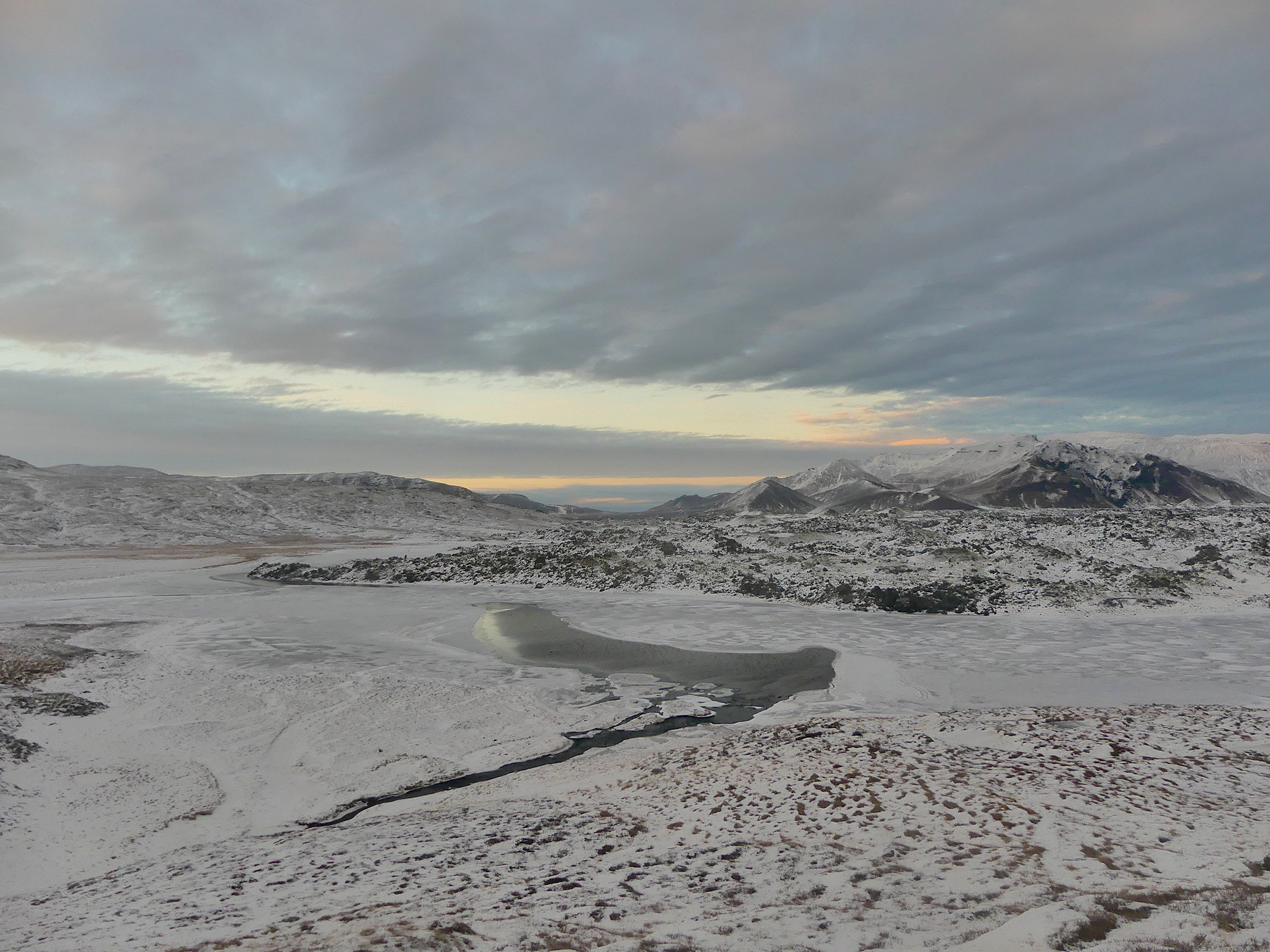
Sunrise and Dusk All at Once on December 24, 2019

See them? No? That’s because you have to stomp down through the drifts in the wind and get down on your hands and knees beside the river, just before it touches the frozen lakeshore. See them? Under the goofy elf sheep of snow?

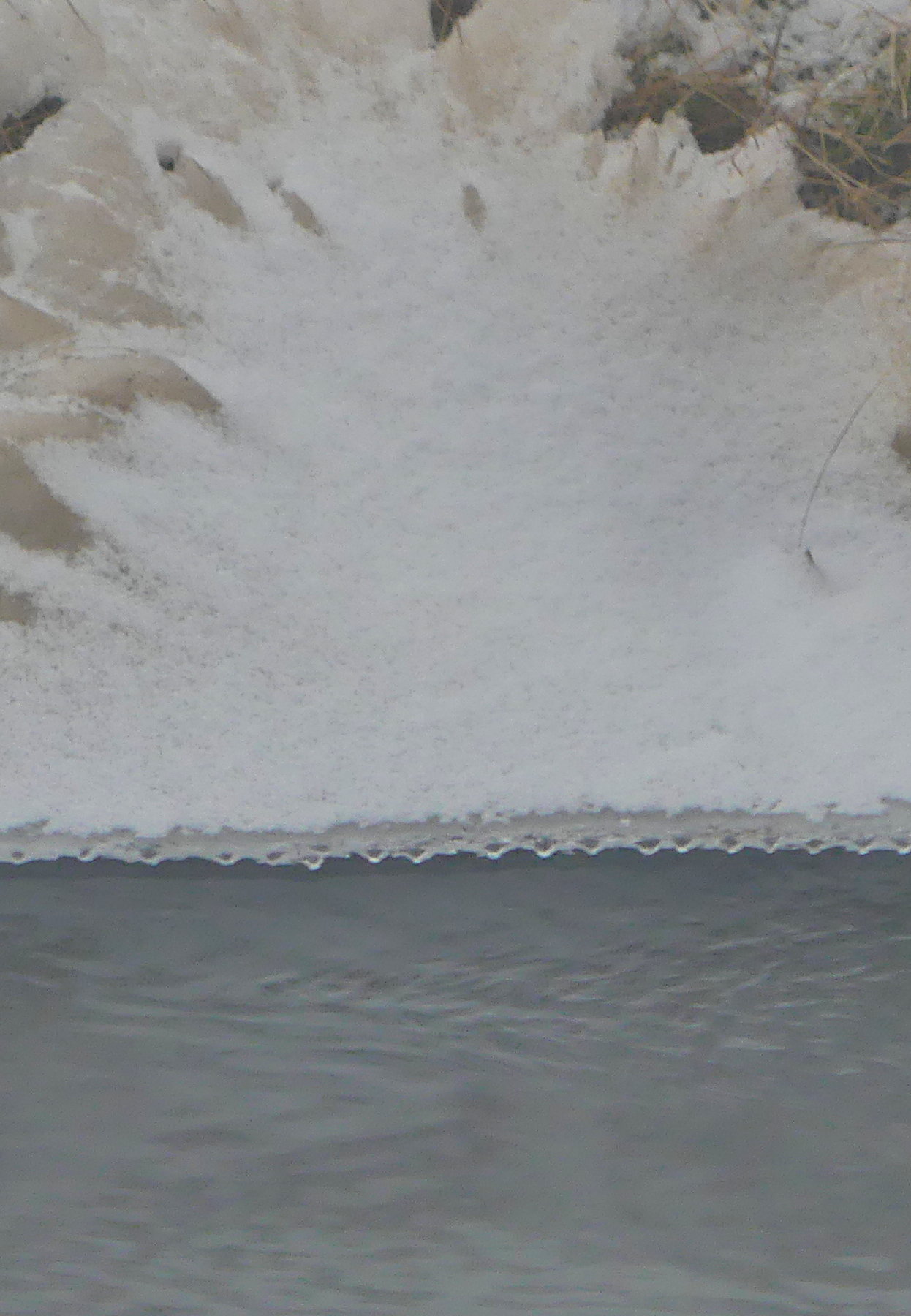
No? Then closer, it is. (Aren’t pearls worth it?)

Just like shark teeth.