Tag Archives: Iceland

Icelandic Erosion Stories of Hope and Despair

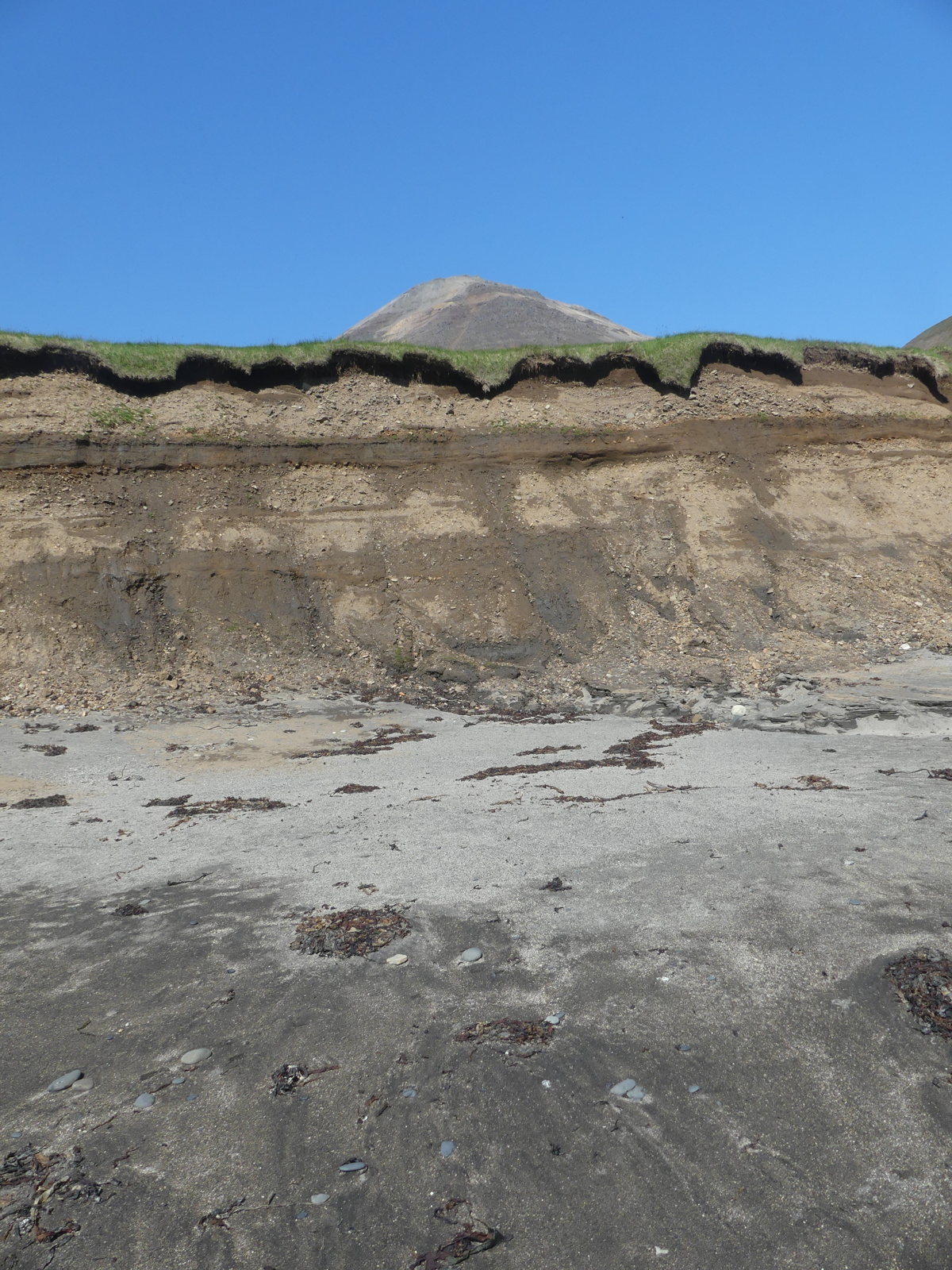
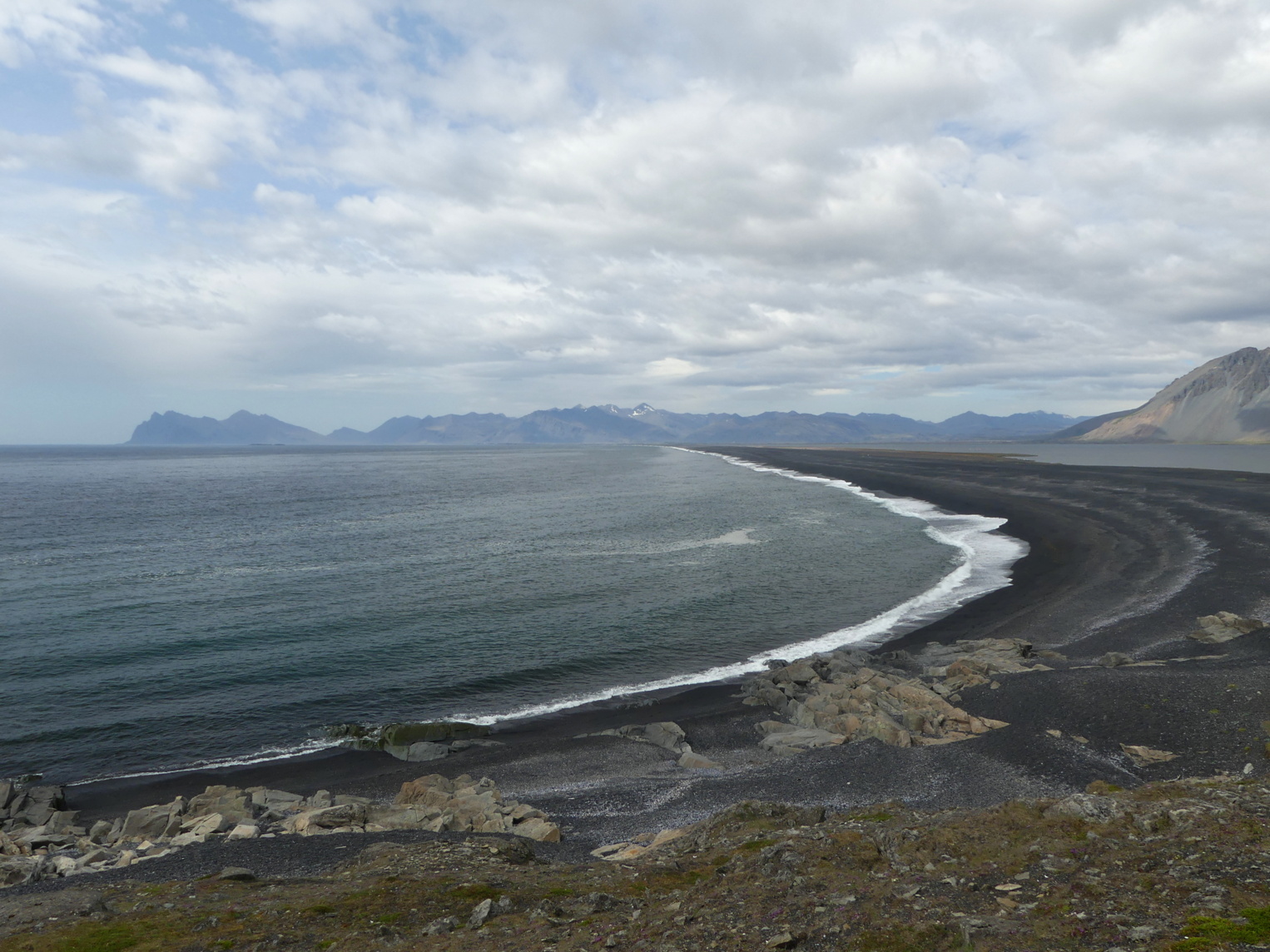
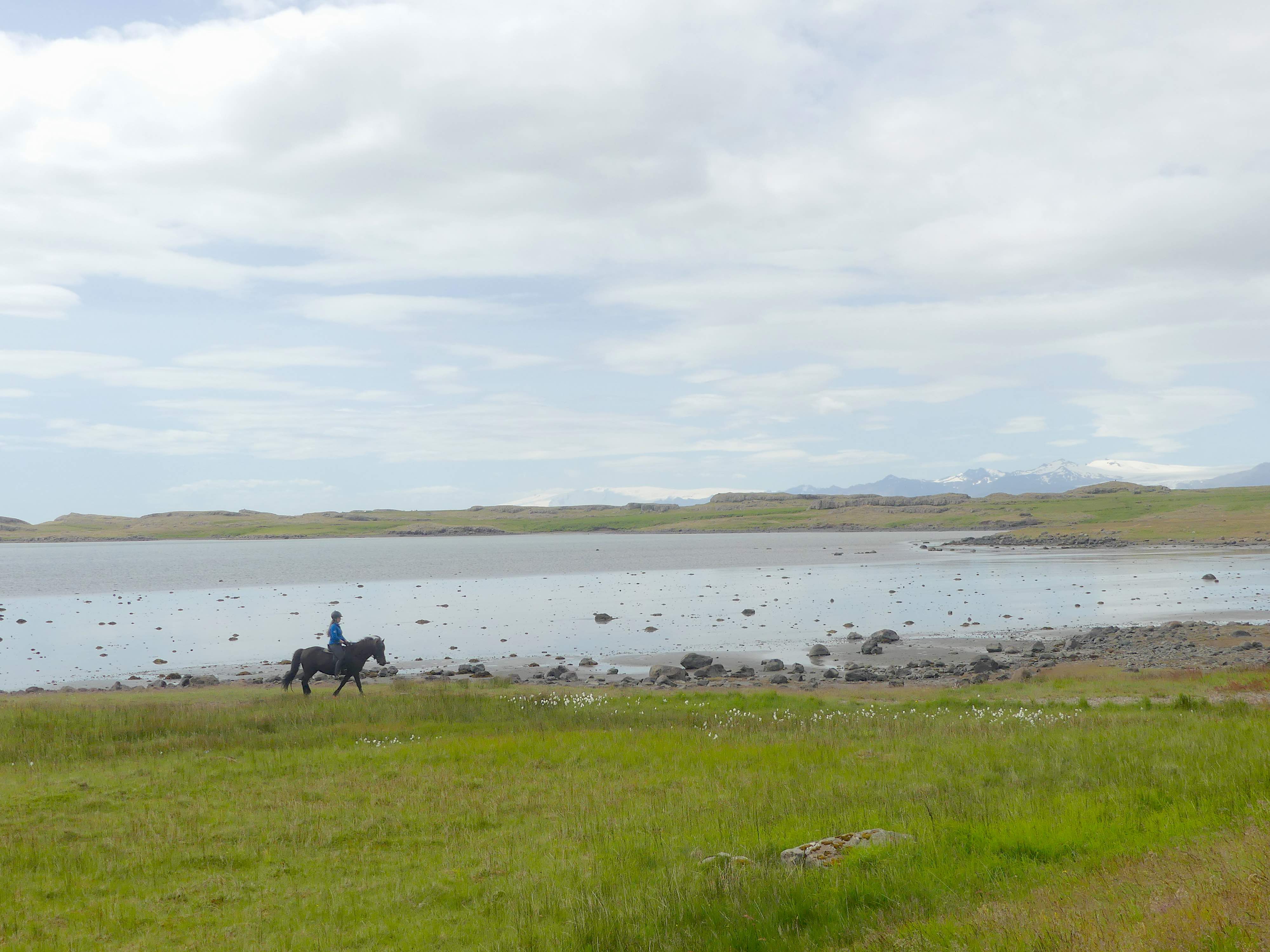
When I first went to Iceland nine years ago, the Icelanders told stories of how they lived on a new land, in the process of being made. You can see how that works, here in Njardvik, where with each storm the fjord grows smaller. It’s quite the problem, really, if you’re on one of the two farms in the fjord.

Now, Icelanders tell stories of how climate change caused Vikings (not Icelanders but Vikings yet [who were Icelanders!]) to cut down all the trees, and continues to victimize Iceland, making it pay for industrial decisions taken elsewhere. I miss the old story of hope, of rolling up the sleeves, doing something, and getting on with it. After all…

… either way, you still have to fix your fence. Might as well give your neighbour, the sea, a piece of your mind while you’re at it.

It is, after all, not a new story.

← Back

Thank you for your response. ✨

Iceland Speaks Through Her Black Sand Beaches

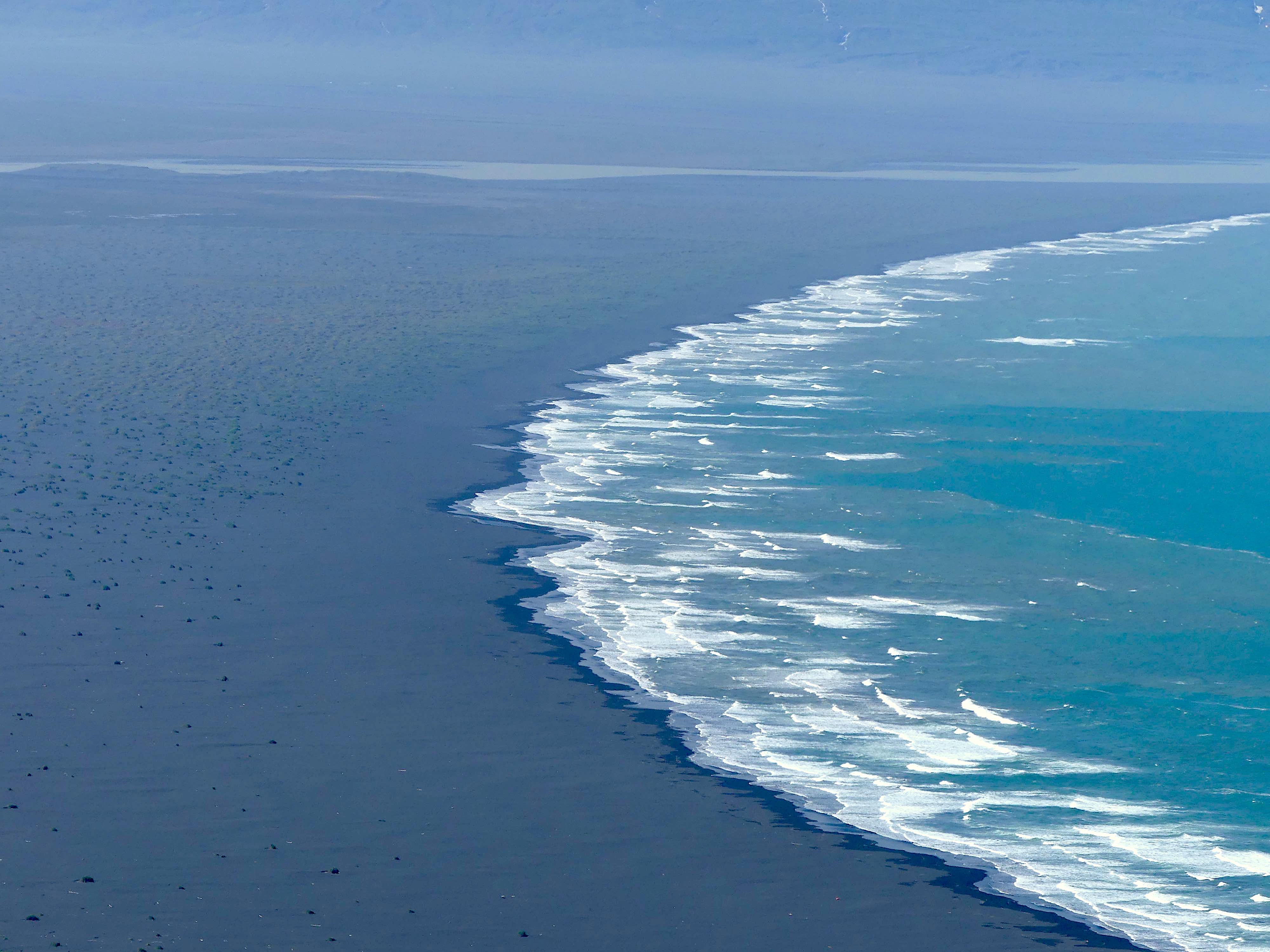
At the mouth of the Sellfljót, Iceland speaks.
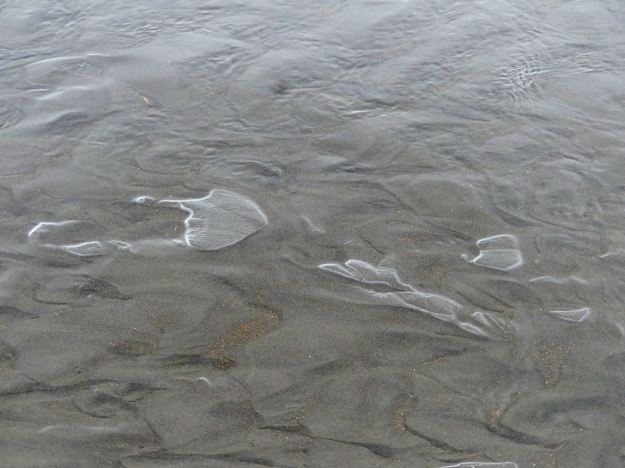
Here, human activity, such as a lost fishing float, is a glaring addition to her conversation, but remains dwarfed by it.
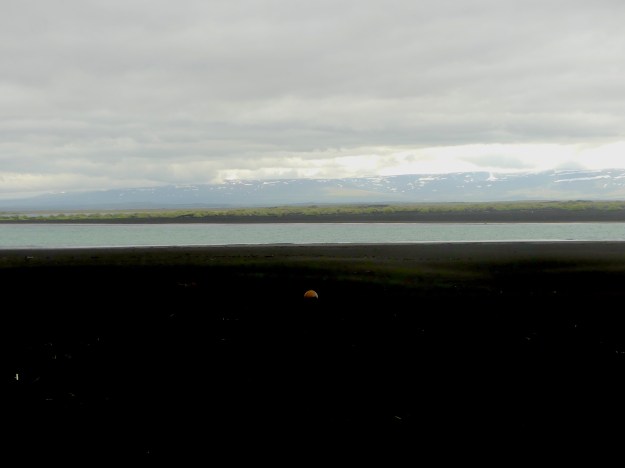
These beaches are at the end of a 30-kilometre-road and a two hour walk, so they feature in few guide books. We can shift our point of view and eliminate human dominance in the image, but looking out to sea…
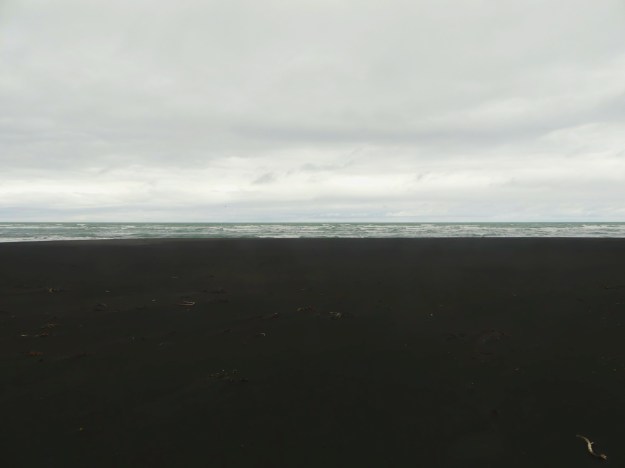
… or even climb the hill to … and look from there.

It is a different story at the mouth of the Jökullsá, just south of the famed glacial lagoon. They are in all the guide books, just footsteps away from the madness of the Ring Road.
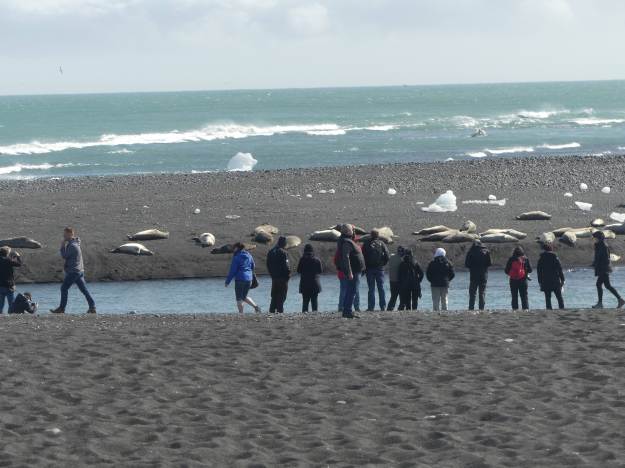
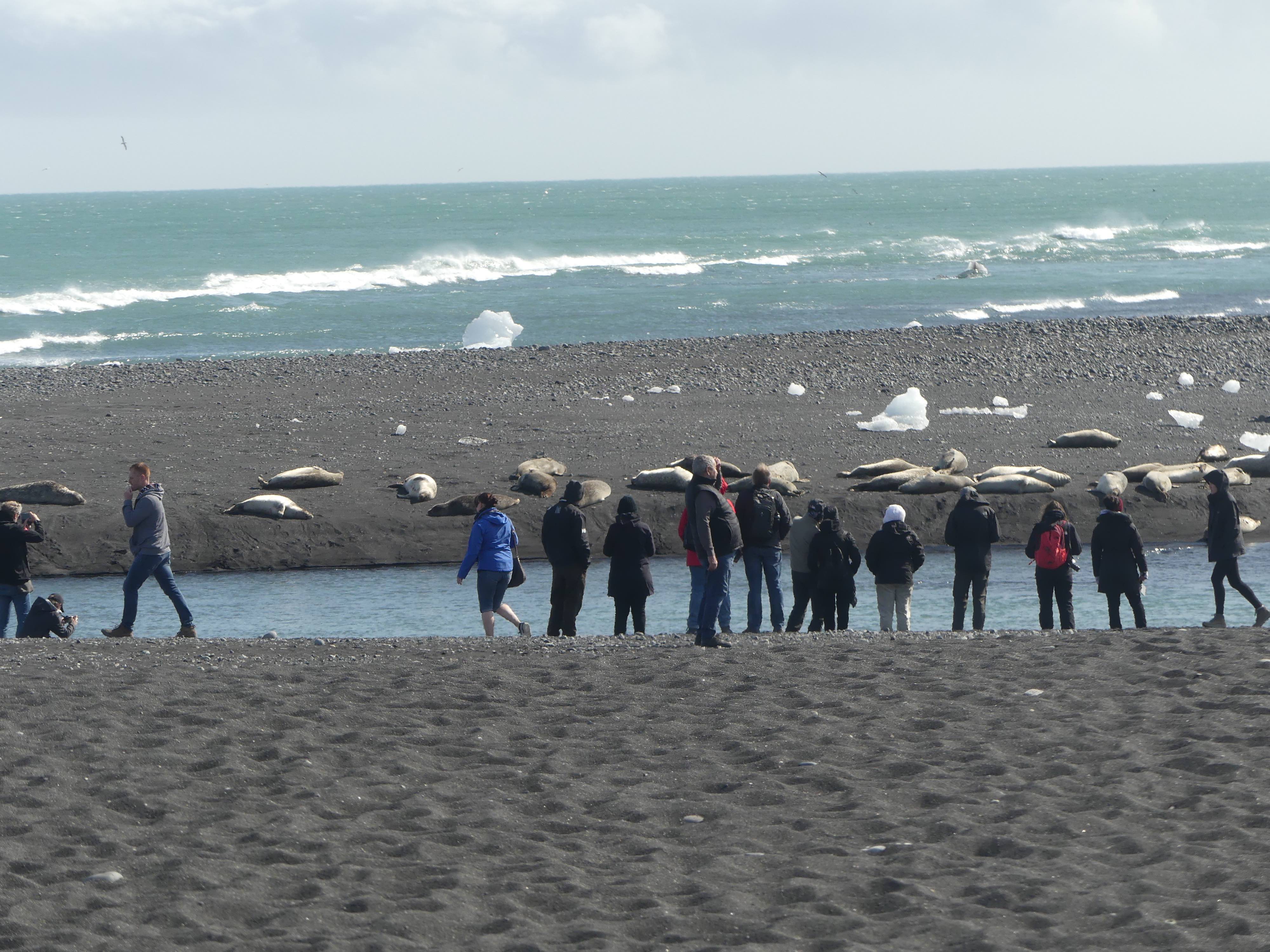
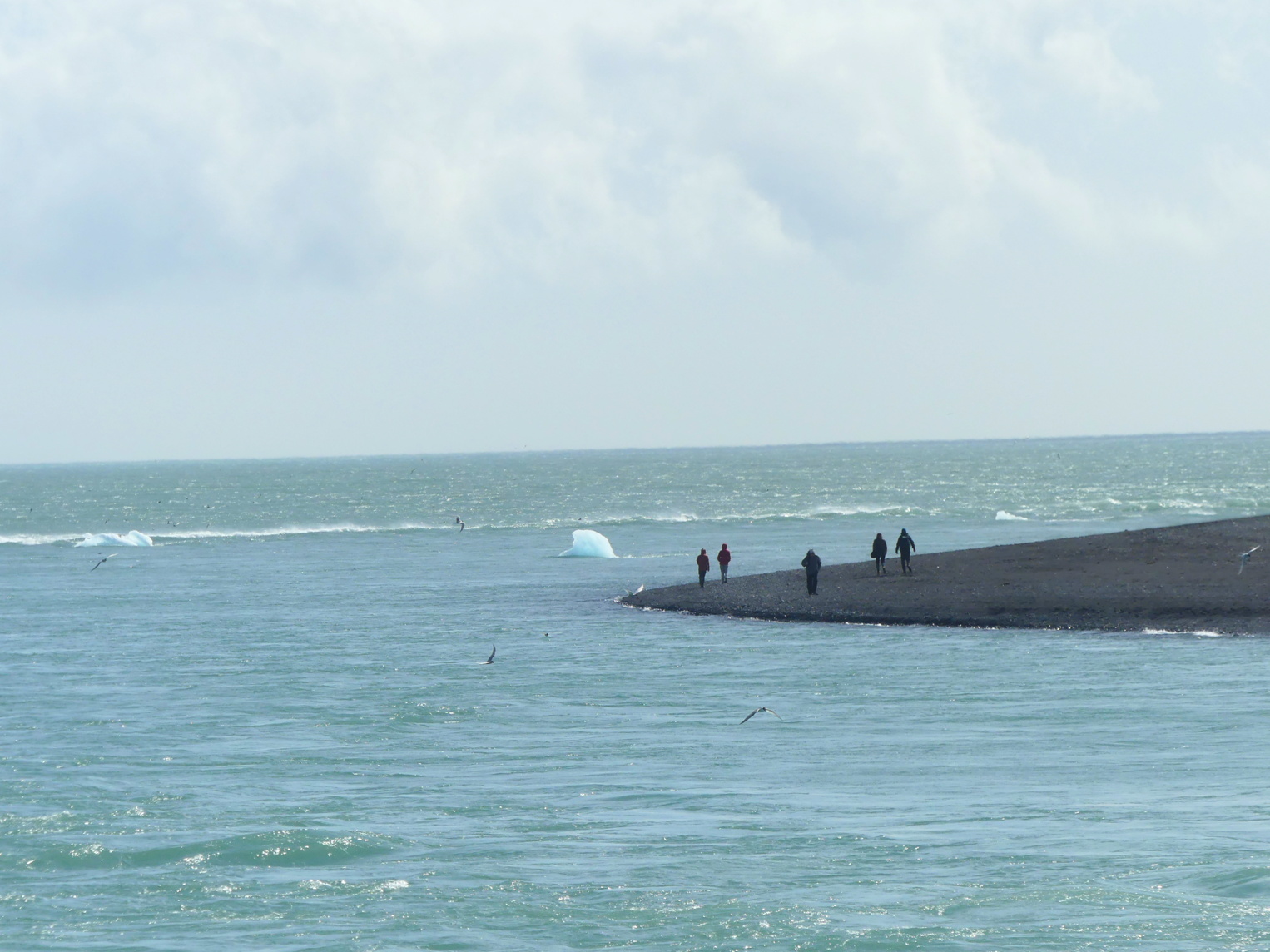
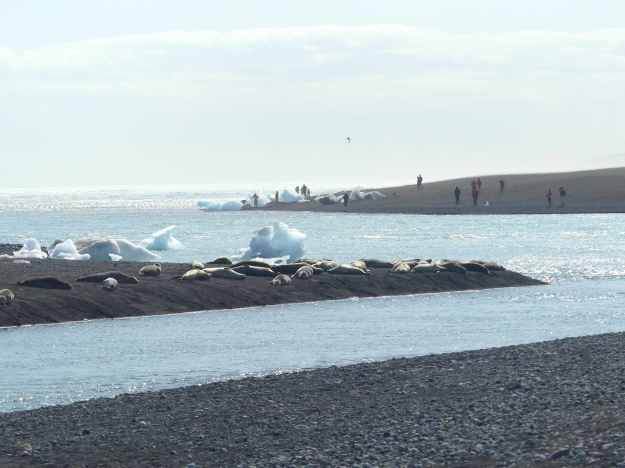
Whether the beach is really black is questionable, but, still, it’s lovely. The river has built an estuary over the last couple years, and seals have moved in. Note how the human story now dominates: the image has directionality and an object, which is more dominant than Iceland and the Atlantic themselves. It’s not just a matter of a camera’s point of view. Even if we sweep up an even larger pile of fishing garbage on the Sellfljót…
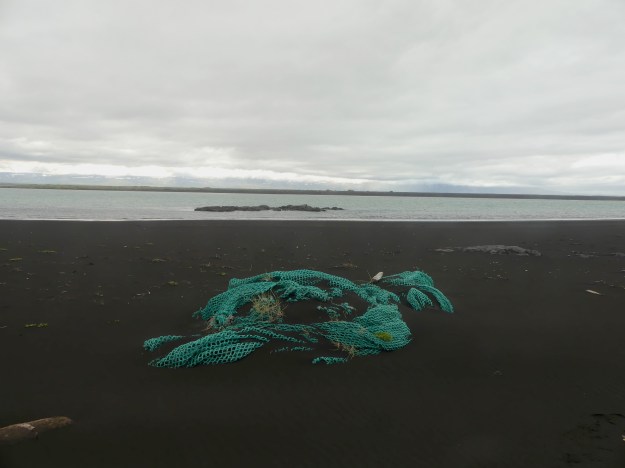
… Iceland dominates, and the human story remains foreign and intrusive, despite its beauty (which is largely in the way it catches the light.) These effects are not created. by the light, either. Back on Diamond Beach, the light reveals a story of humans on the hunt, either for seals or icebergs…
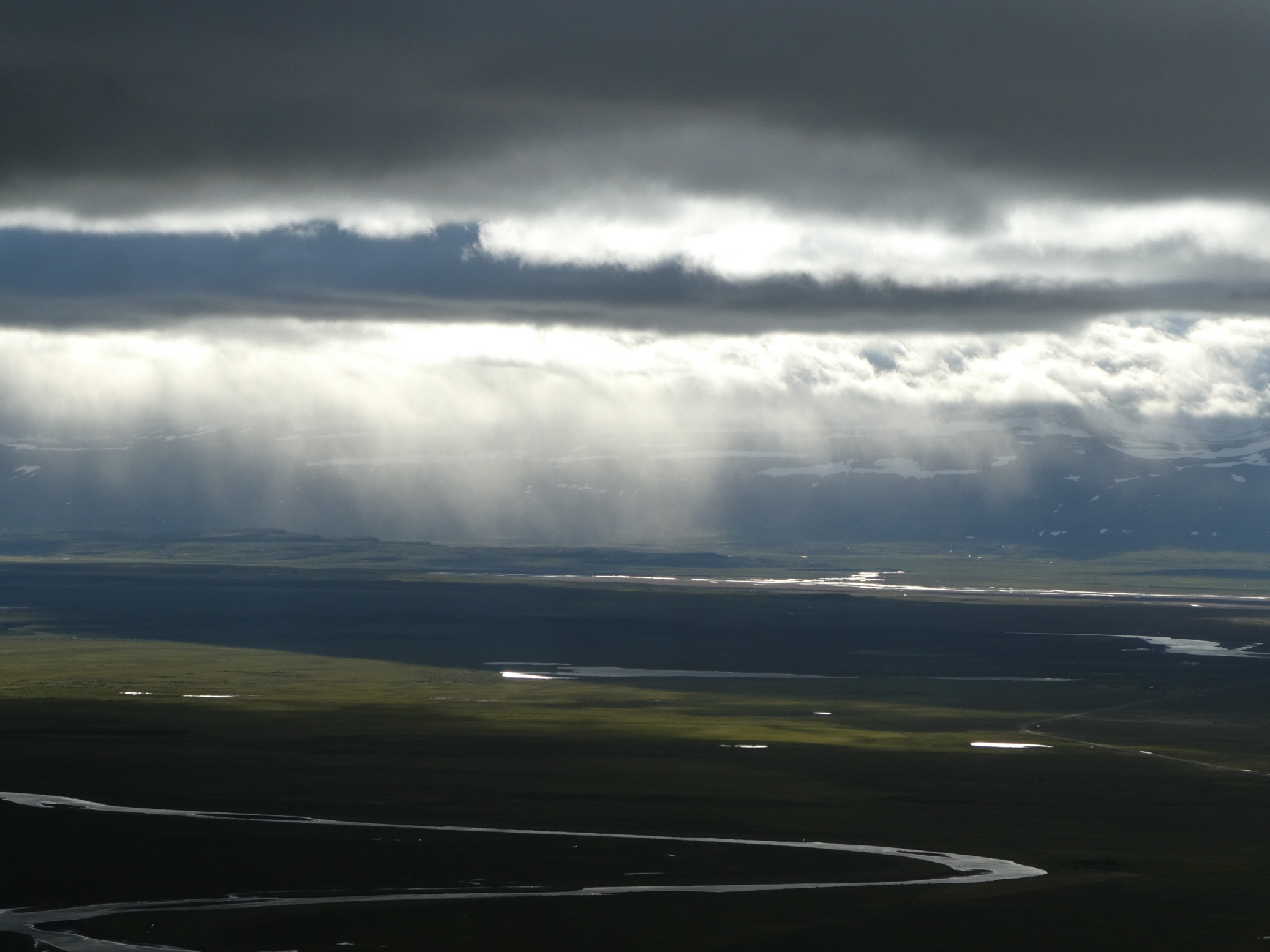
… while on the Heraðssandur…
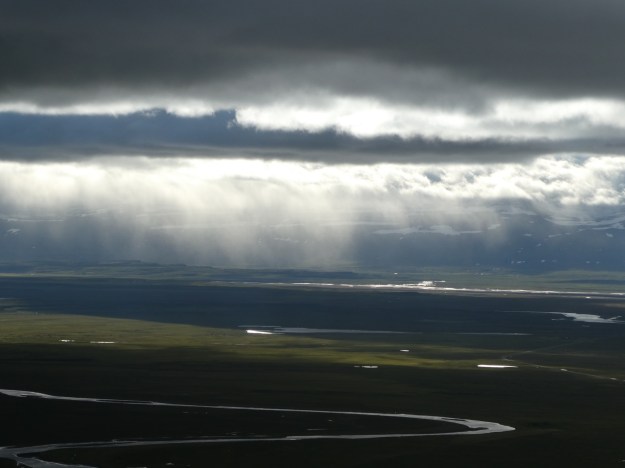
… the light and the land speak. Still, it might be that nature and humans can coexist…

… and it might be that putting nature to work, such as at the aluminum smelter on an old farm in Reyðarfjörður …

Sómastaðir

The oldest stone house in Iceland, rebuilt by Alcoa, and now a National Historic Site.

… is a comfortable form of coexistence as well, but it might not. As an example, just consider that the hydroelectric dam in the Highlands that powers the Alcoa plant at Sómastaðagerði  above required the diversion of Jöklá into the Jökullsá, and the subsequent combination of both rivers on the Heraðssandur (below) to prevent flooding, all funded by the industrial project but no doubt predating it by many centuries.
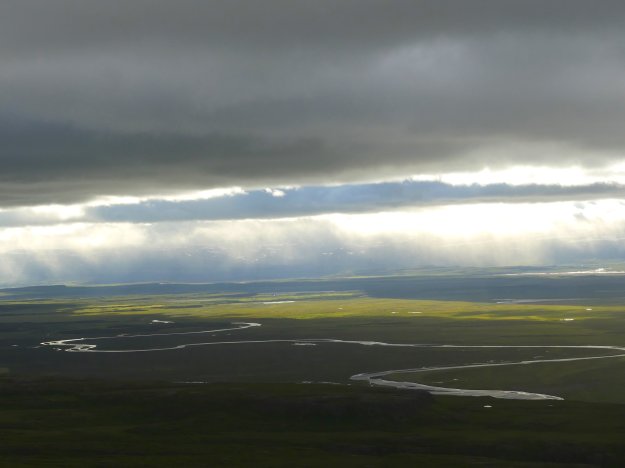
The transformation of a continually-shifting pair of estuaries into a stable beach system is a great feat of civil engineering. If you want black sand in Iceland, here it is.

However, the sand, and the shifting estuary system has only moved further south. Here you can find exquisite black sand beaches framing lagoons north of Höfn, in the Fjörur sandspit in  Álftafjörður, or on the Hvalsnesfjara in Lónsvik in Lónfjörður, cutting historically-significant and productive farms off from the sea.

The people whose ancestors have been here for 1100 years might be furious, but the resulting black sand beaches are beautiful. The madness of the Ring Road is only metres away, but is strong enough to keep people off. Not so the Atlantic, though. It is devouring the beach even as it builds it up.
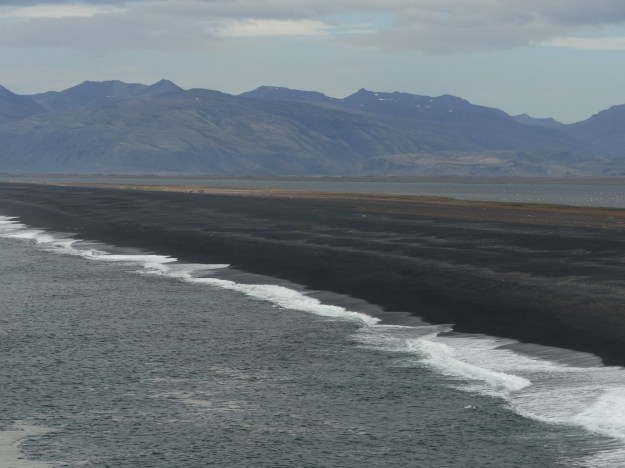

That’s just the thing, though. Back at the Glacial Lagoon, the destruction is also a dominant force. Have a look:

Even if you pull the humans and their attempts to view nature free of themselves away from the picture, what remains is destruction, because the lagoon, the river, these icebergs and the black sands of Diamond Beach are all a result of a dying glacier, melting under climate change. Nature, this is not, but what nature looks like as it corrects an industrial intervention. Of course, at that other great black sand beach, Dritvík, you can ignore the ogres, if you like, and even the ruins of Iceland’s great fishing camp, home to 500 men every summer…


… and if you forego that trail because no-one mentioned it, and the tourbus took you to the trailhead at Djupalón, you can forego the ogre there, too, if you like, and enjoy the force of the water on the black sand.
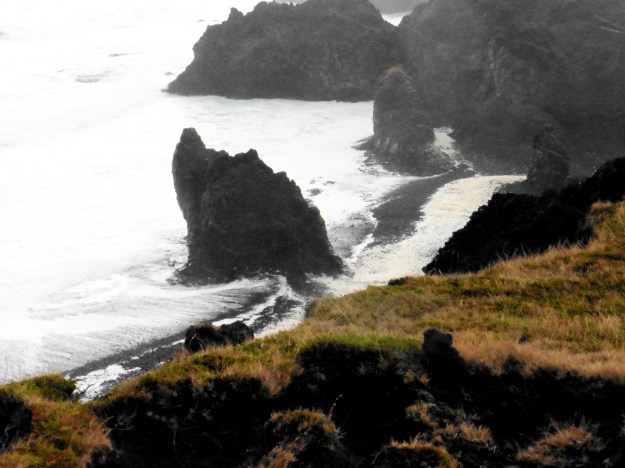
You wouldn’t be thinking like Iceland, though, nor would you in the Hvalfjörður, where the black sand beach is actually the fighter plane airbase that protected the Allied fleet during World War II…
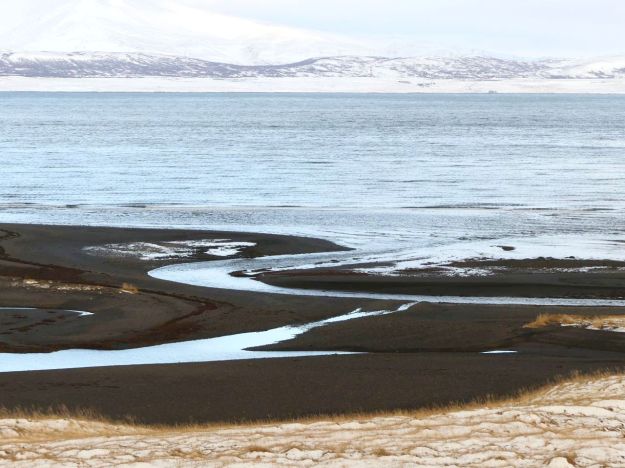
The point is, these black sand beaches are exquisitely beautiful, but it’s best not to bring one’s preconceptions of nature to them. Most of us come from countries and cultures in which history is represented in buildings and human social activity. It’s no different on Iceland, just that here the buildings are made of sand and the human social activity is usually done in conversation with the sand. When you walk those beaches, you are talking with powerful creative and destructive forces. Gunnar wrote about this in his great novel “The Shore of Life,”

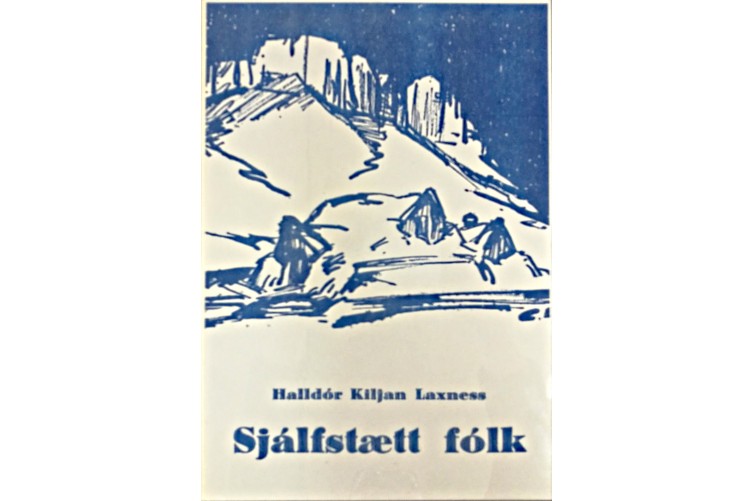
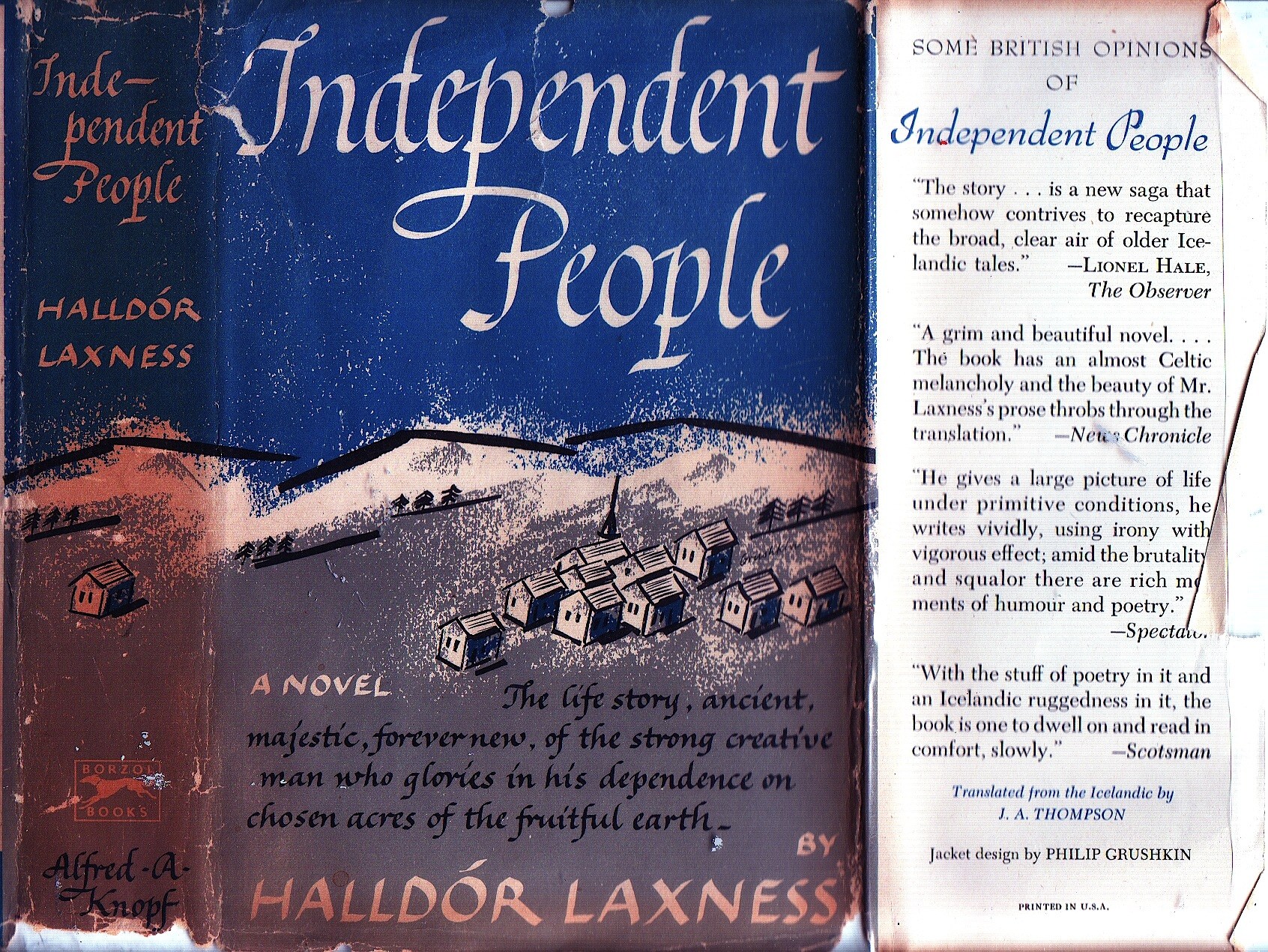
which he wrote as a cry of pain after the Battle of the Somme. It is as great a human story as Halldor Laxness’s “Independent People,”
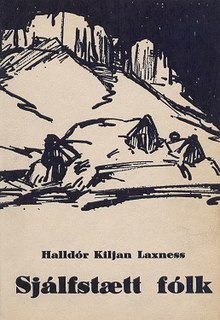
but one that gets far deeper into the soul of the land, right where it battles with the sea.

Diamond Beach

This is the land’s story.


The Politics of Farming and the Truth of Art

A century ago, most Icelanders were farmers. Now a few thousand remain.  Their Iceland is as complex as any other. For instance, the image below shows not only rich hayfields, with some drainage issues not-yet-solved by dredging, but the results of government farm-improvement subsidies (for dredging) that are one of the ways that Iceland keeps farmers on the land. Note the older style of farming in the foreground, with the sheep at pasture on the heath.

Borgarfjörður Eystri

If you travel around Iceland, you will see fields like this all the time. Few look quite like this one, though. Notice how the mounds of soil dredged out to drain the land are left beside the canals from which they came. If this were a prosperous farm, they would have been levelled out across the entire field, enriching and deepening the soil. They aren’t. Rather than enriching the land, in this remote, barely-prosperous farm, the dredging remains a political calculation at best. The view is a sobering reminder that although millions of people visit Iceland for relaxation, in most of the areas one passes through people are working at their absolute limit, and within a narrow set of political parameters. This tetchy balance between freedom and control is as much Iceland today as when Gunnar was driven off his farm when his workforce went to work for the Americans instead of under his beneficent dictatorship, or when Halldor Laxness wrote his great novel of orneriness, stubbornness and endurance,

…or  Independent People.

These things aren’t just in the imagination of novelists.

Icelandic Clarity

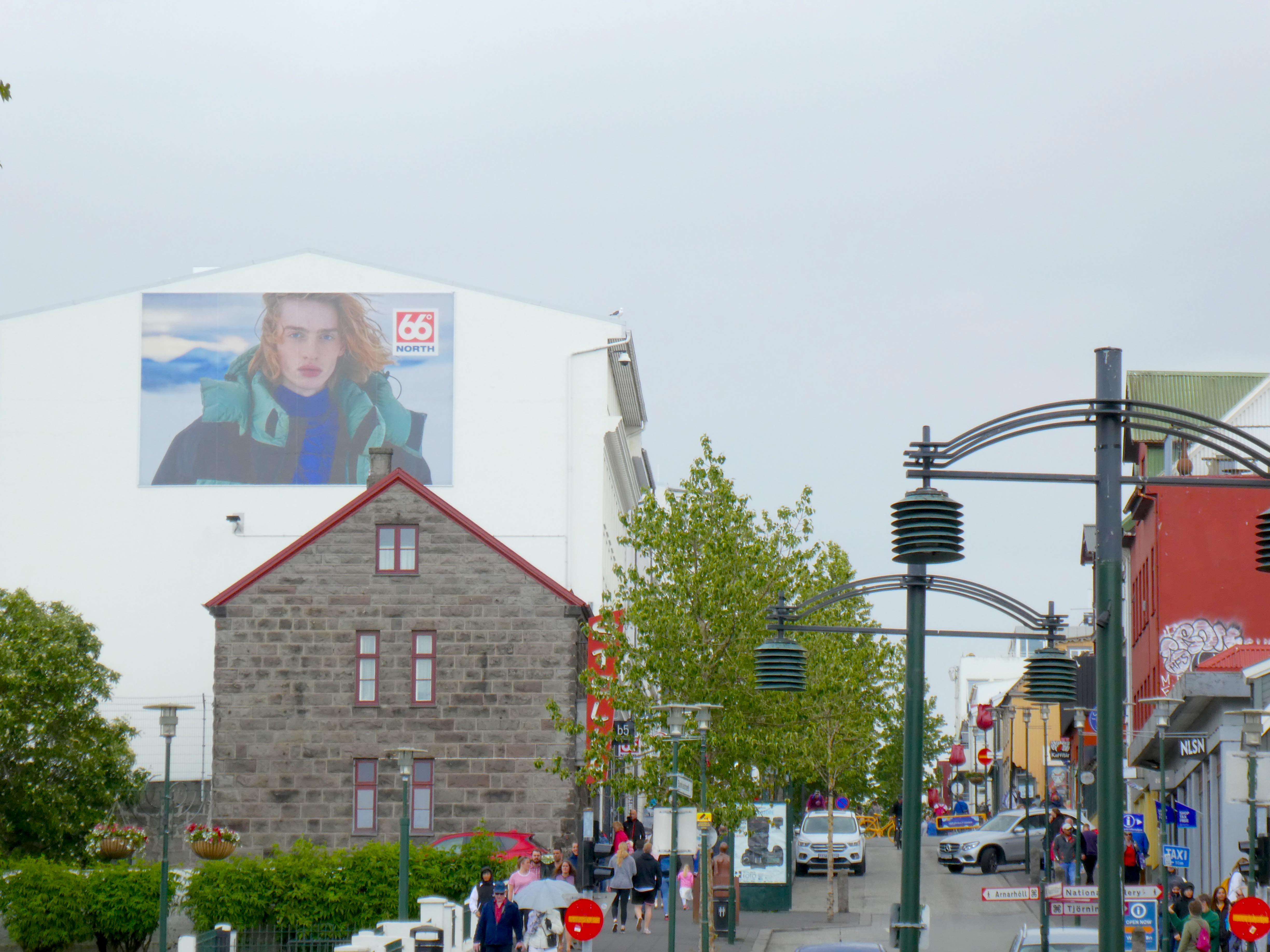
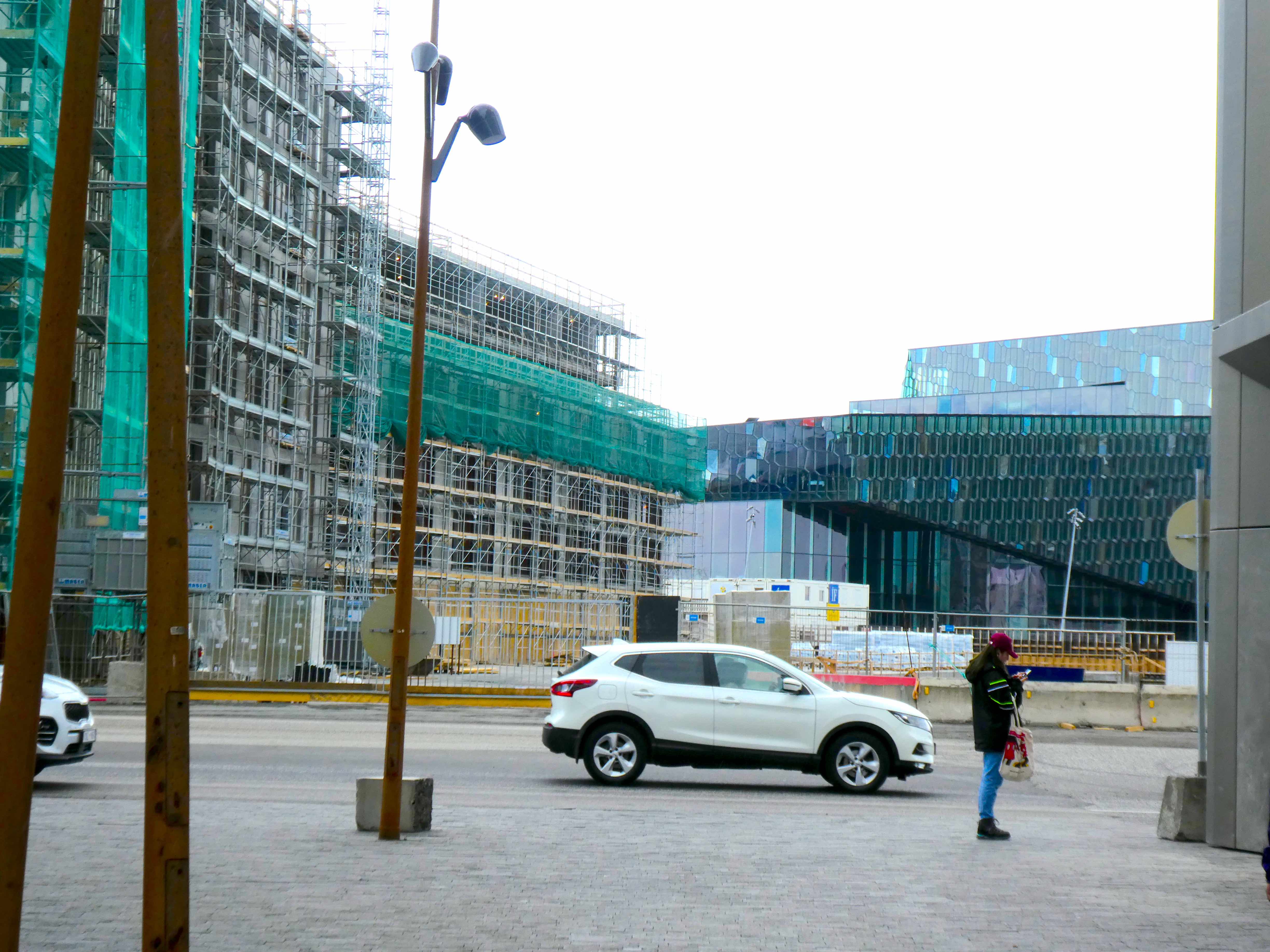
One of the tricky things about Iceland is that everything in Iceland is Iceland, even global culture’s colonial intrusions into Icelandic space…

… and even so-delicious images of vulnerability and cold set against pan-Scandinavian design…

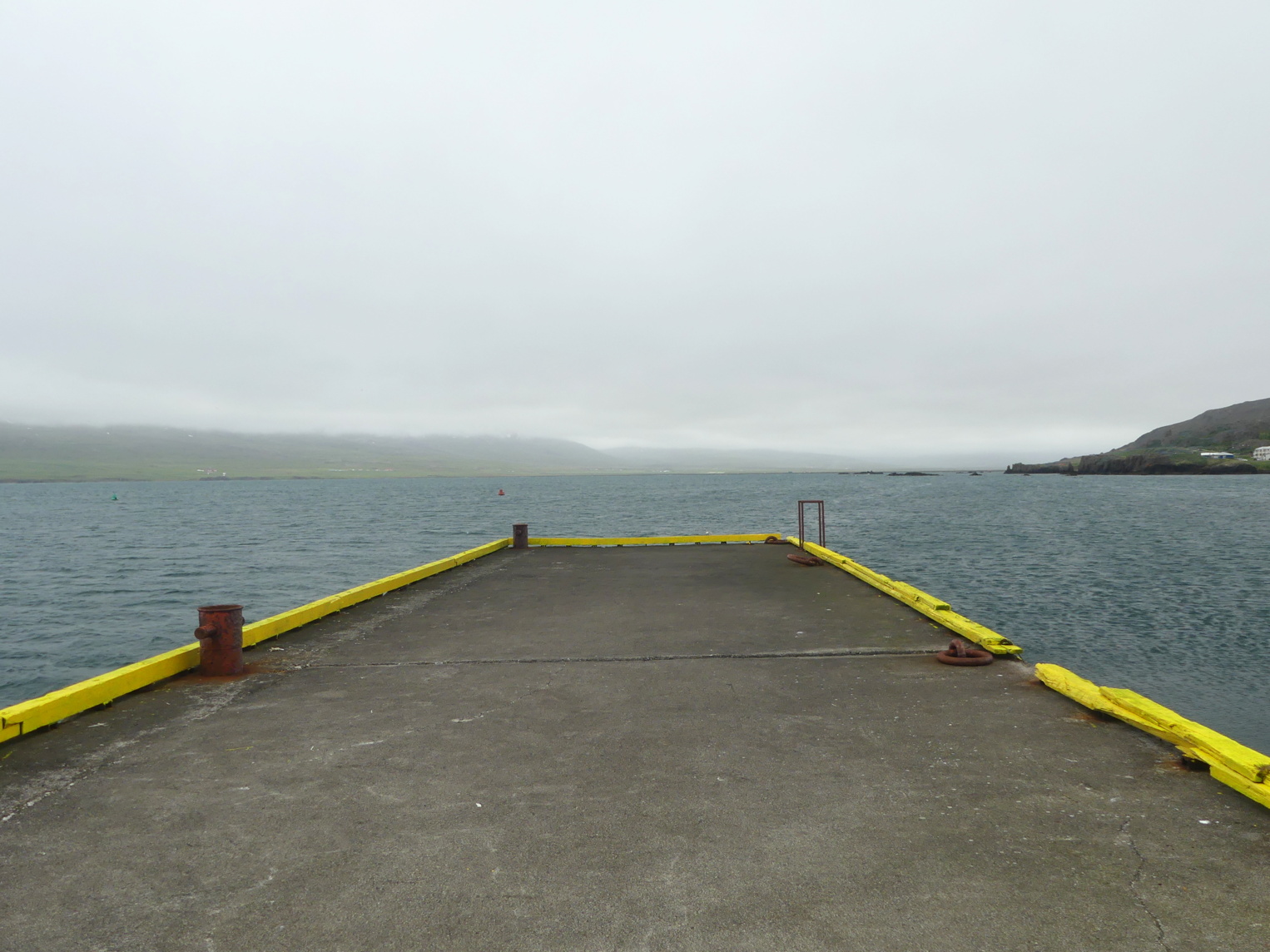
… but these distractions have a history, and you can find them in the once-busy harbour of Vopnafjörður. There, the old pier is one of the main tourist sights in town.

It’s worth the long trip, for the clarity it brings.

Gunnar and the Elves of Vopnafjörður

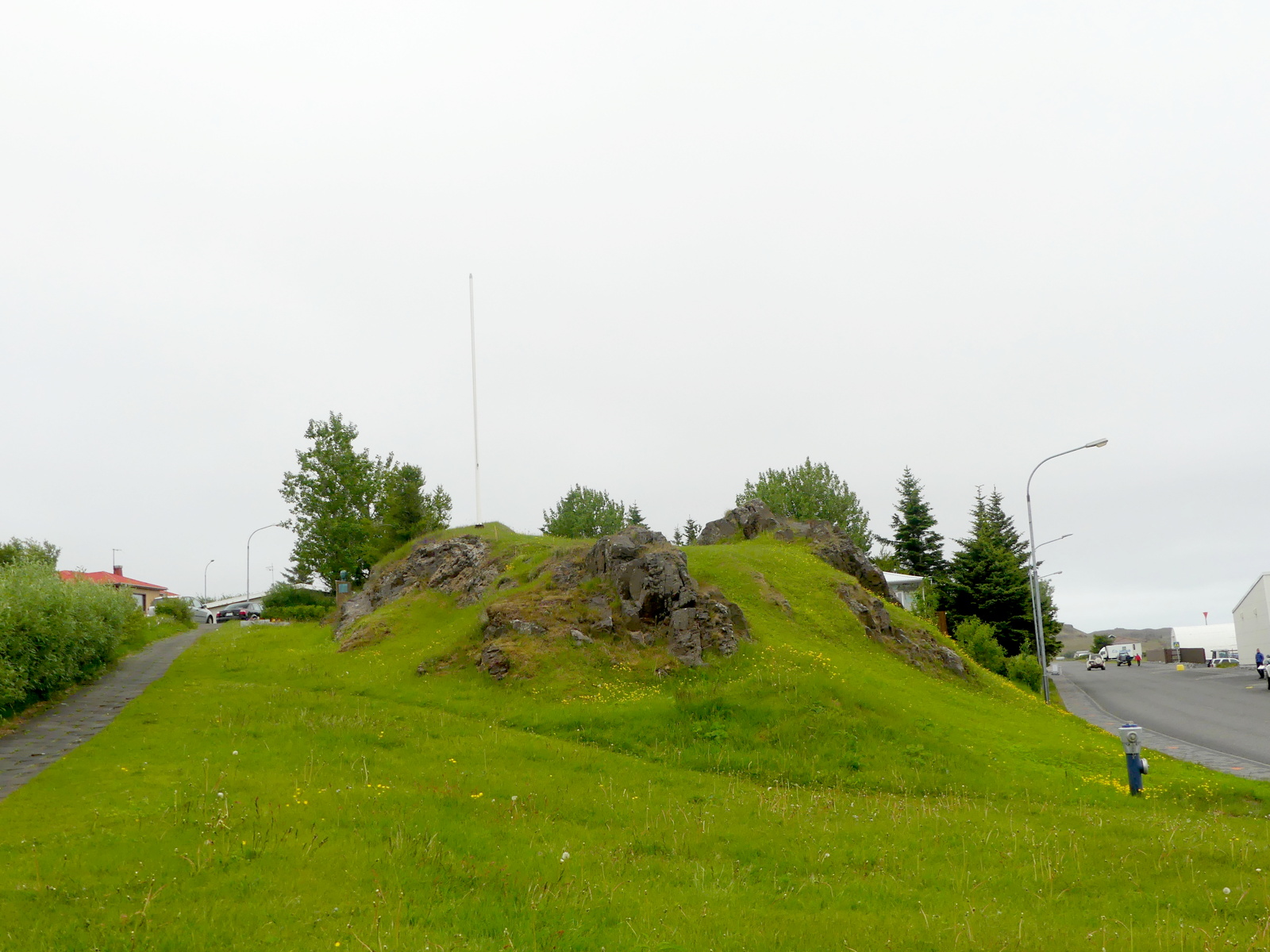
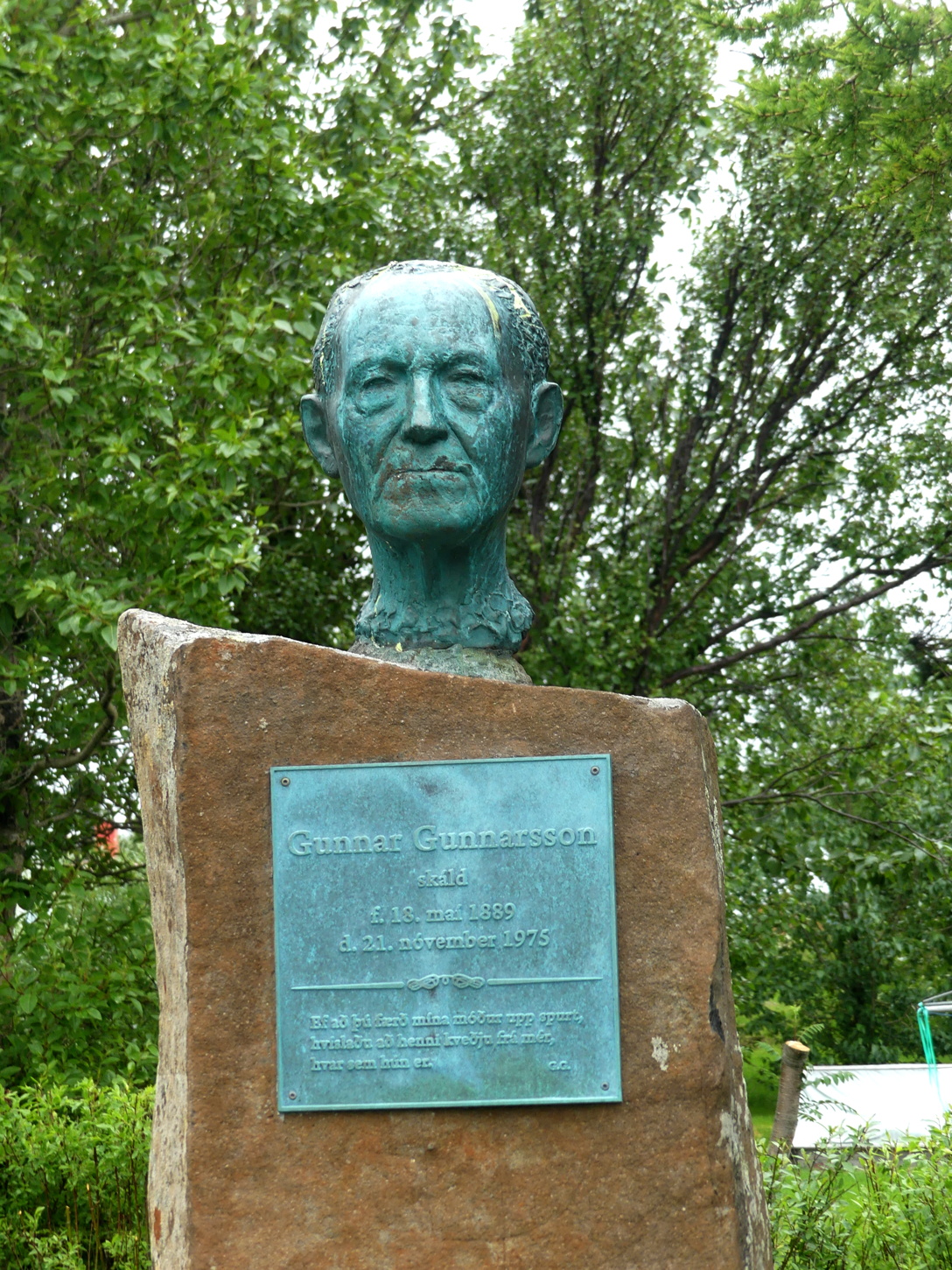
In downtown Vopnafjörður, right across from the slaughterhouse, there’s a fine elf hill. Gunnar Gunnarsson grew up in this neighbourhood. He would have seen this hill everyday, and no doubt climbed it often.

Now, it might be hard to visit a “real” elf here (at any rate, it’s out of your control), but you can visit Gunnar.

He has flowers and birds, and place for you to sit down.

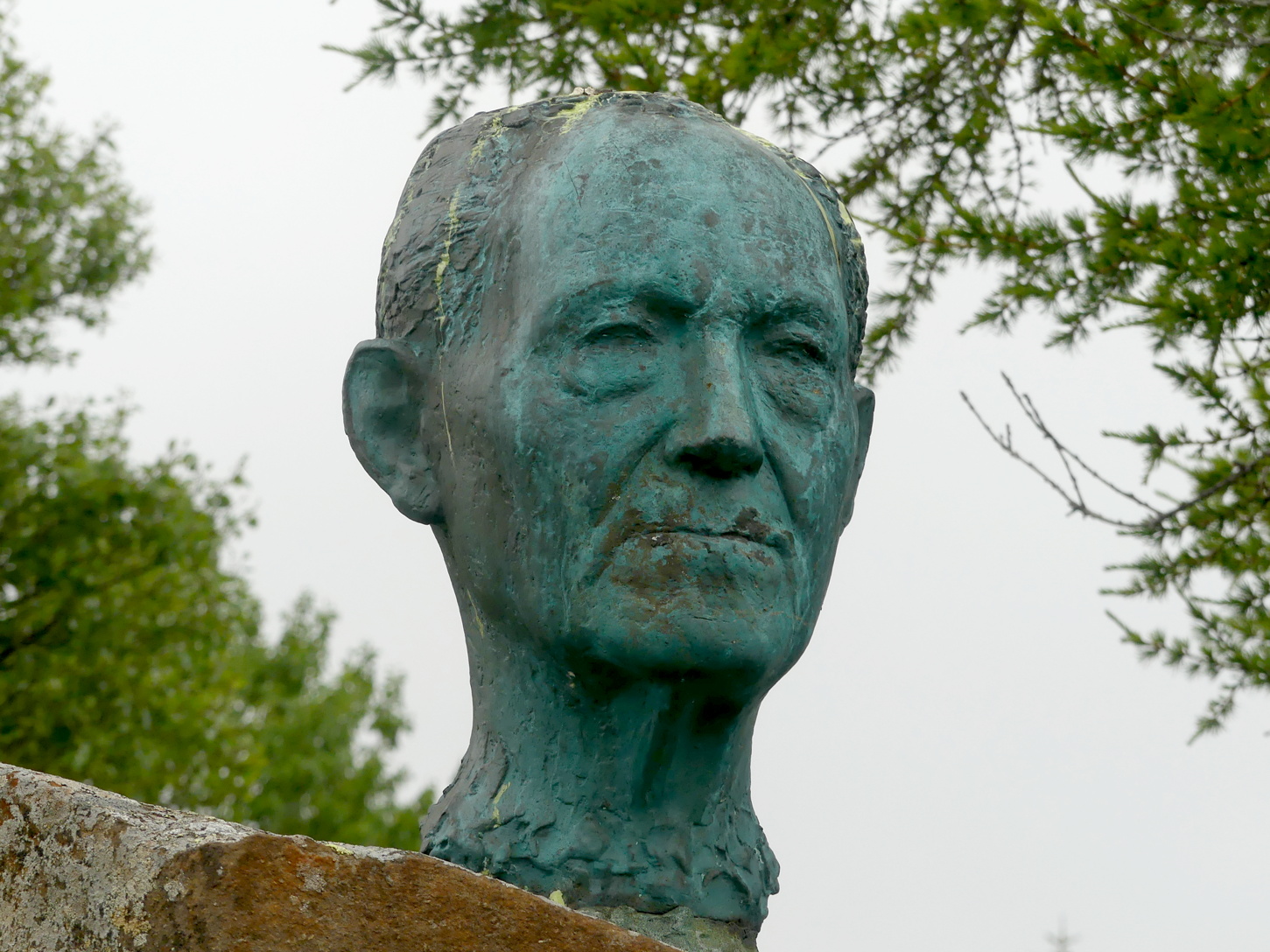
This is a pre-Happy-Camper kind of Icelandic travel. There are a lot of Icelanders honours with their very own copper head in the trees. To visit them is a kind of pilgrimage.

Hi, Gunnar.

A Trip Through Fairyland

If we can set aside the re-creation of European indigenous life

as fairytale during the romantic period, in which elves and dwarves, trolls, ogres,

witches and other organic understandings of human-Earth relationships took on sentimental human form,

and life was removed from the Earth

and given to biology,

we should still be able to read the rock as something more than mineral. It is the nature of being indigenous to be of a place.

This does not mean that one inhabits it solely as an isolated biological body,

but that the place and you are also one. One of the consequences is that you will see your mind and body around you and read your thoughts out of the land

By moving across the land, you really move through it, and really are moving through yourself.


You can stop sometimes and have a look at what you, as the Earth, are thinking.


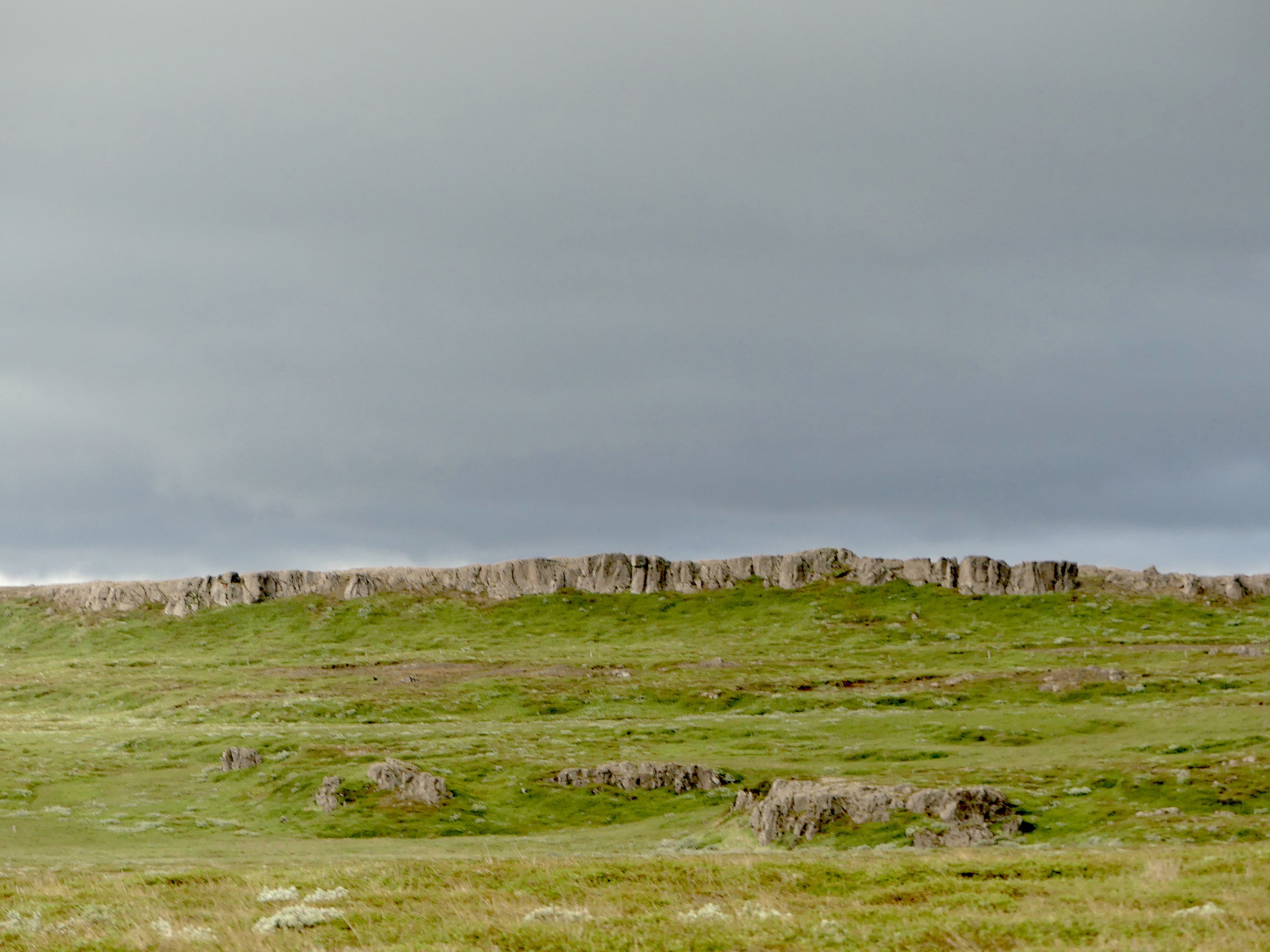
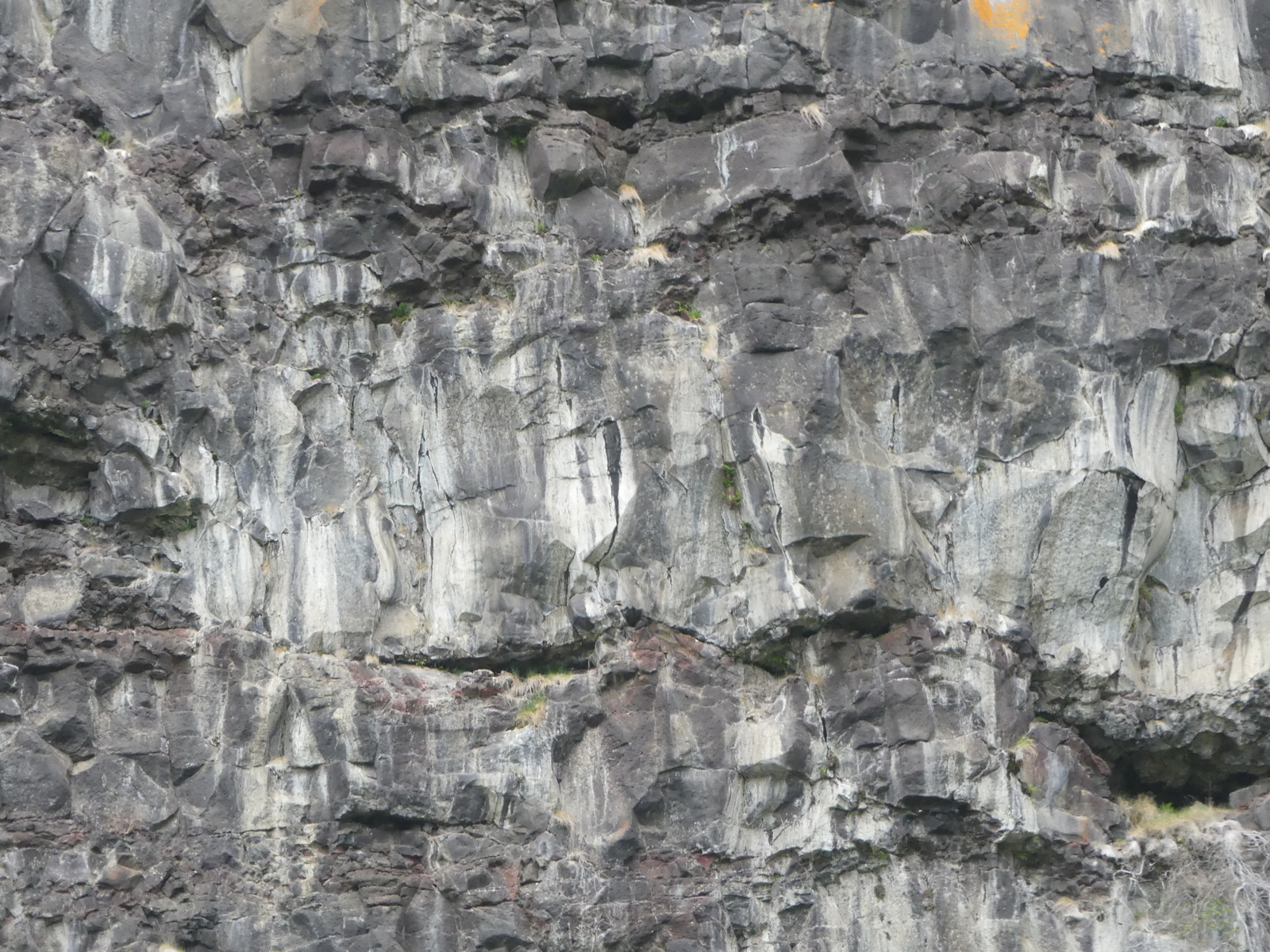
The simplest way is to read the stone, such as the cliffs at Ásbyrgi. It’s easiest if you remember that before a troll was a mythical, romantic being…

… it was a stone, or a person, anchored to a place and defining it. The understanding was that place has power.

And not just as a romantic artform called “nature”.

That is beautiful enough, but it has a lot in common with romanticized, humanized elves and looks, most of the time, like fairyland.


It is, of course, but not literally. What is literal is the rock, and how you can read your thoughts there.
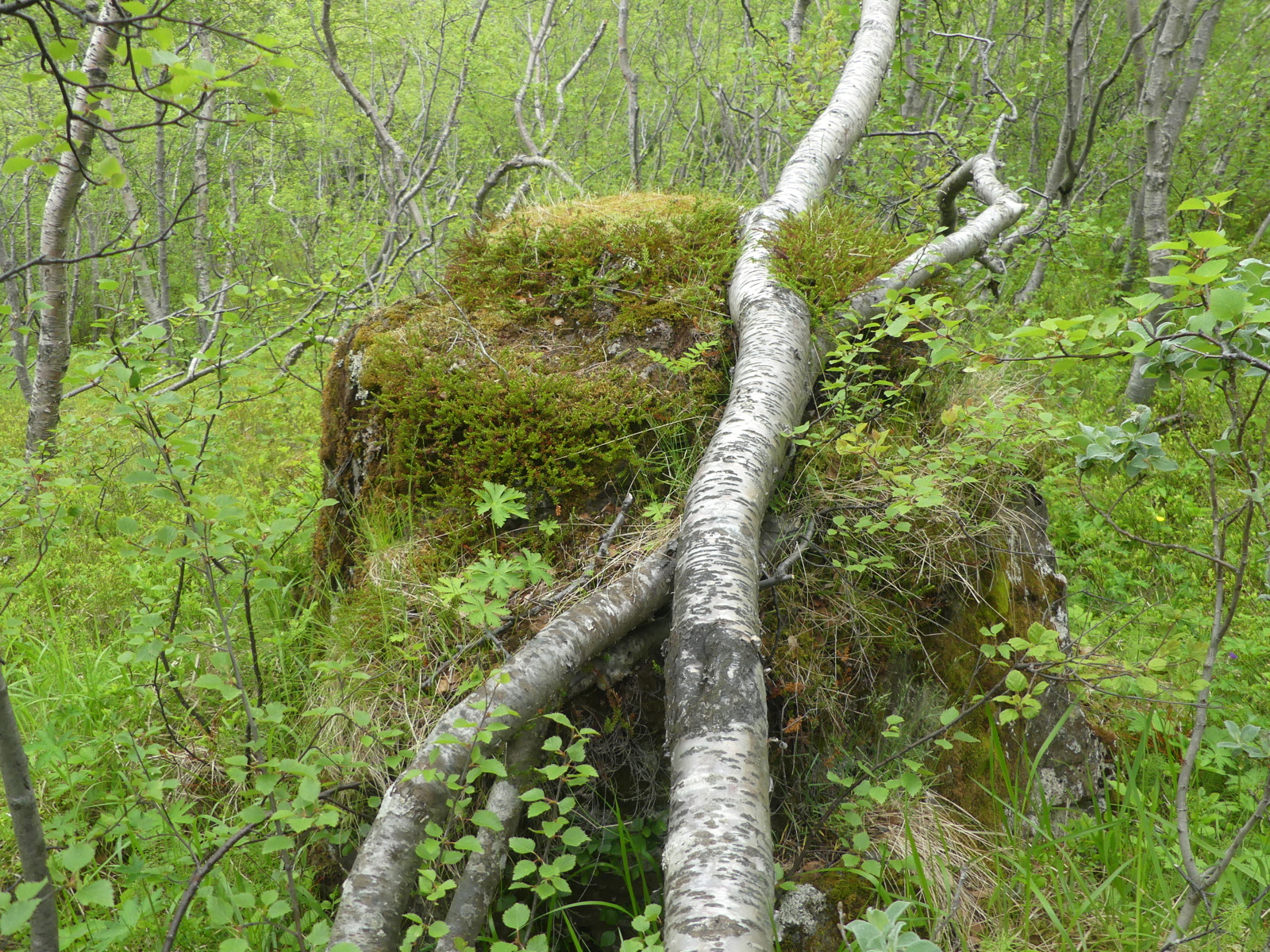

Complex thoughts of many kinds.

Once you have seen through the romantic veil to that, you can relax and read the trees.

Such observations are usually called pre-modern thinking, but it would be both more fair and more generous, more respective of human nature, to call it non-individualized consciousness, or even earth consciousness.

Not a spruce tree and not fairyland. This is your body being conscious. You can learn to speak this.

And we need that.

What Do You Call the Birches of Ásbyrgi?

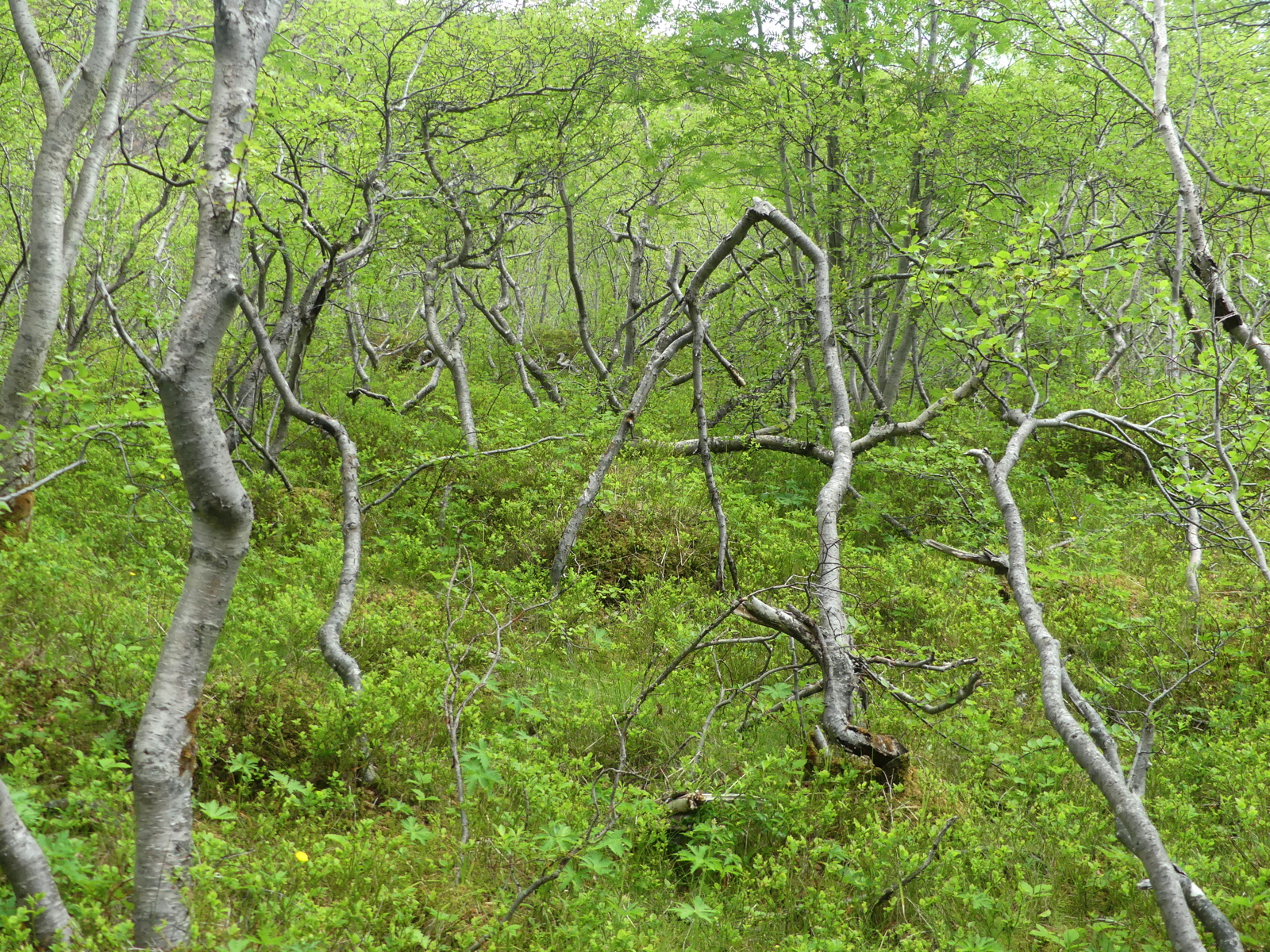
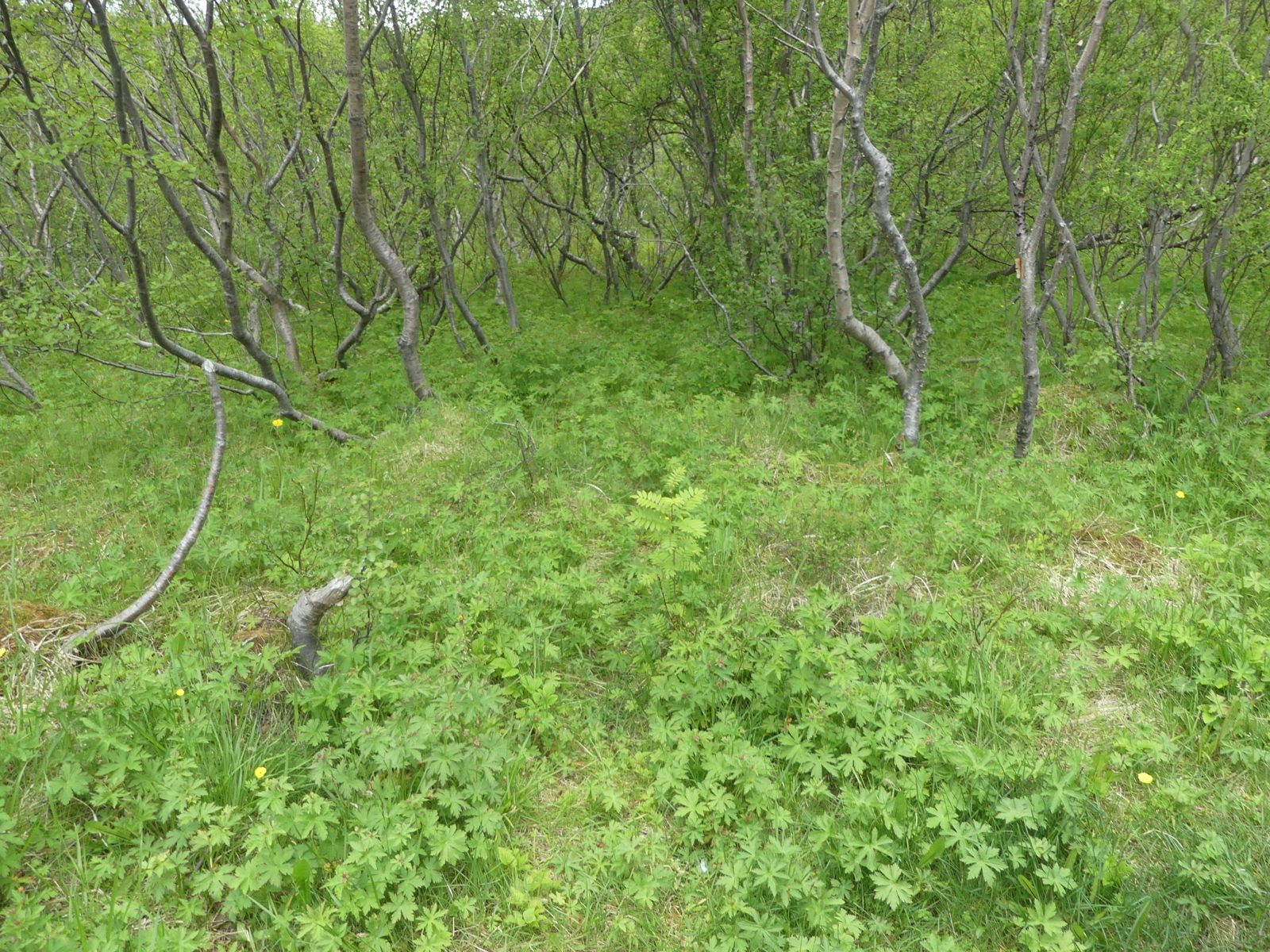
I wouldn’t exactly call these birches a forest, and “wood”, or “copse” or “grove” or “thicket” are also plain wrong. Even the Icelandic, “skogur”, can’t be right, because it applies to any kind of group of trees at all, and, well, these are very special. They’re more like people.

“Community” seems rather generalized, and “congregation” is too churchy. What about “band”? That’s more like a line, isn’t it, and not this spreading out and appearing. We could say it is a “bosk,” though. That’s an old word for a kind of thicket, with the old proto-Indoeuropean sense of “appearing.”

Any celt would have been happy with that, and there’s a lot of celtic memory in Iceland. The French are happy with it, too, and would just call this a “bois.” A gathering together, and what is a gather but a clump, or a thickening, that is held by an external force, in this case, the cliffs of Ásbyrgi.

Look how they are alive with this sense of “peopling” as well: a busk, or bois, or gather of stone. There is an energy leading all these forms to come together in this pattern, and it is this energy that is Iceland. Just ask a puffin.