Let me demonstrate how poetry is an indigenous form of thought.
Land…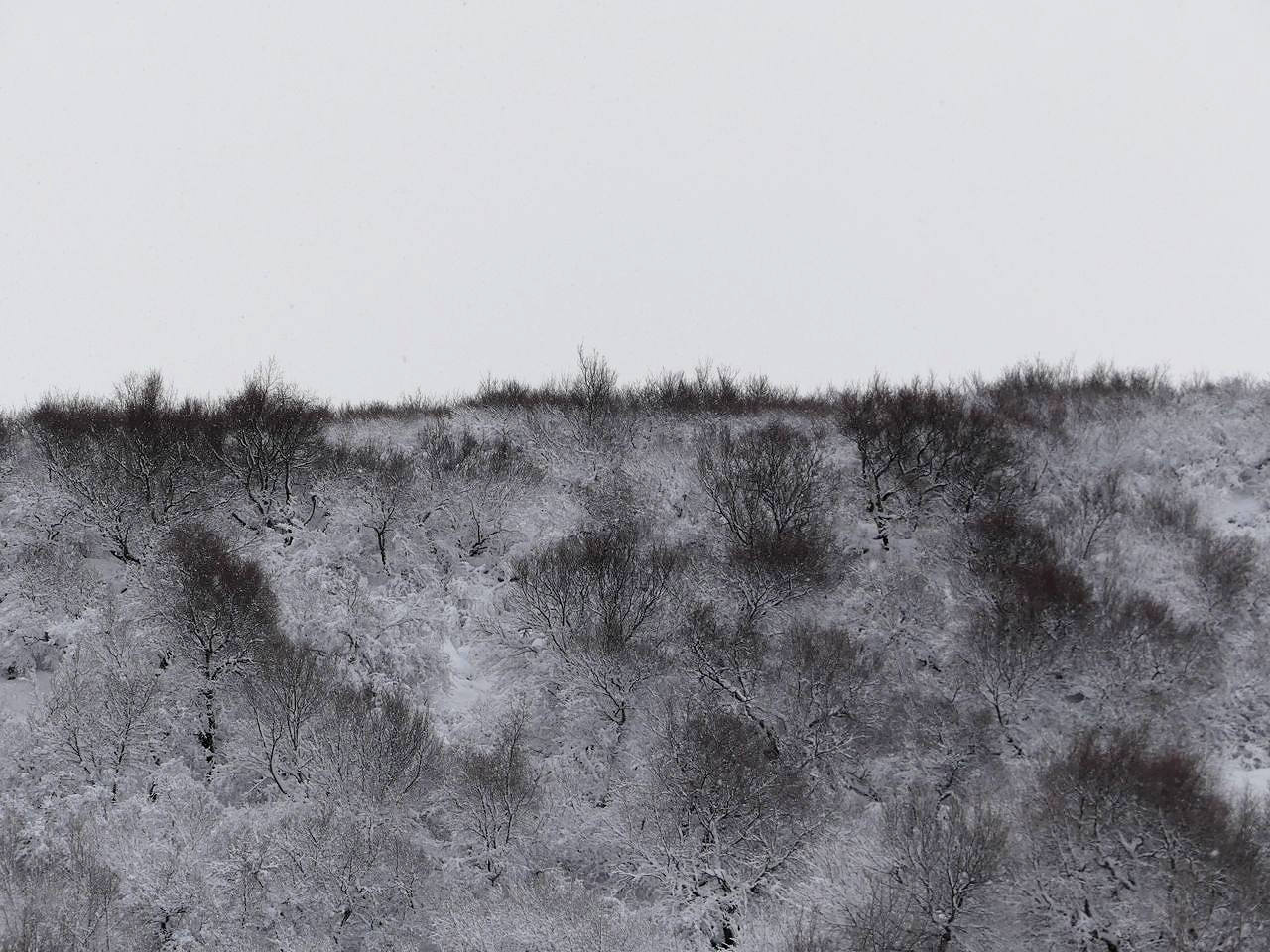
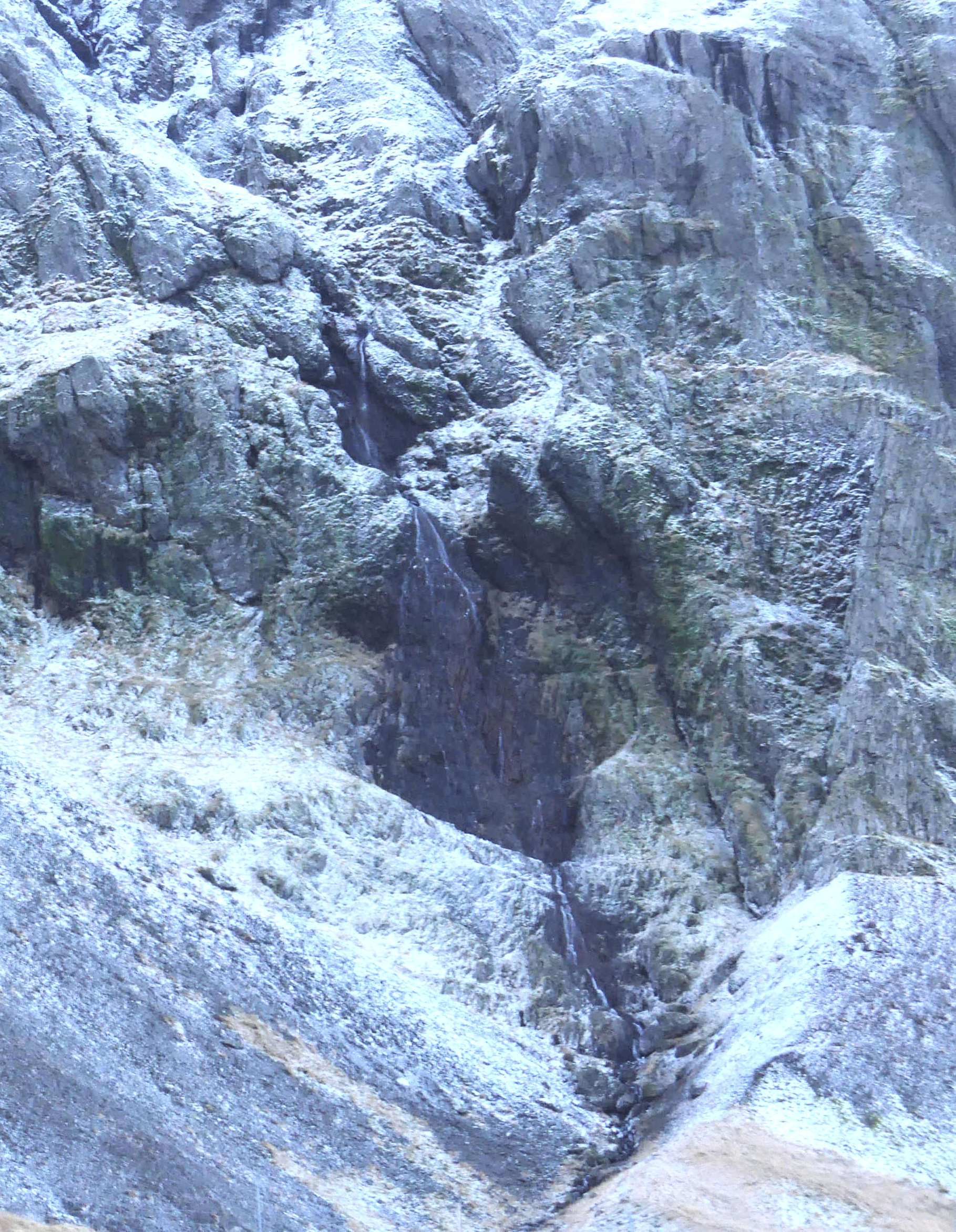
Land’s river …

Land’s liver …

Sky’s blood…

Sun.

You can only speak this language if you are at home on Earth.
Chances are you do, and are.

Let me demonstrate how poetry is an indigenous form of thought.
Land…
Land’s river …
Land’s liver …
Sky’s blood…
Sun.
You can only speak this language if you are at home on Earth.
Chances are you do, and are.
Iceland entered modernity with a group of artists who did nothing more or less than express their pre-modern selves in modern forms.
Sker and Stampur (?), off Dyrhólaey

Ásmundur Sveinsson’s “Music of the Ocean, Magnifier”
Icelanders did it themselves, with nothing but their rock in the ocean, in other words with everything that they had. Inspiring.
And I mean everything.


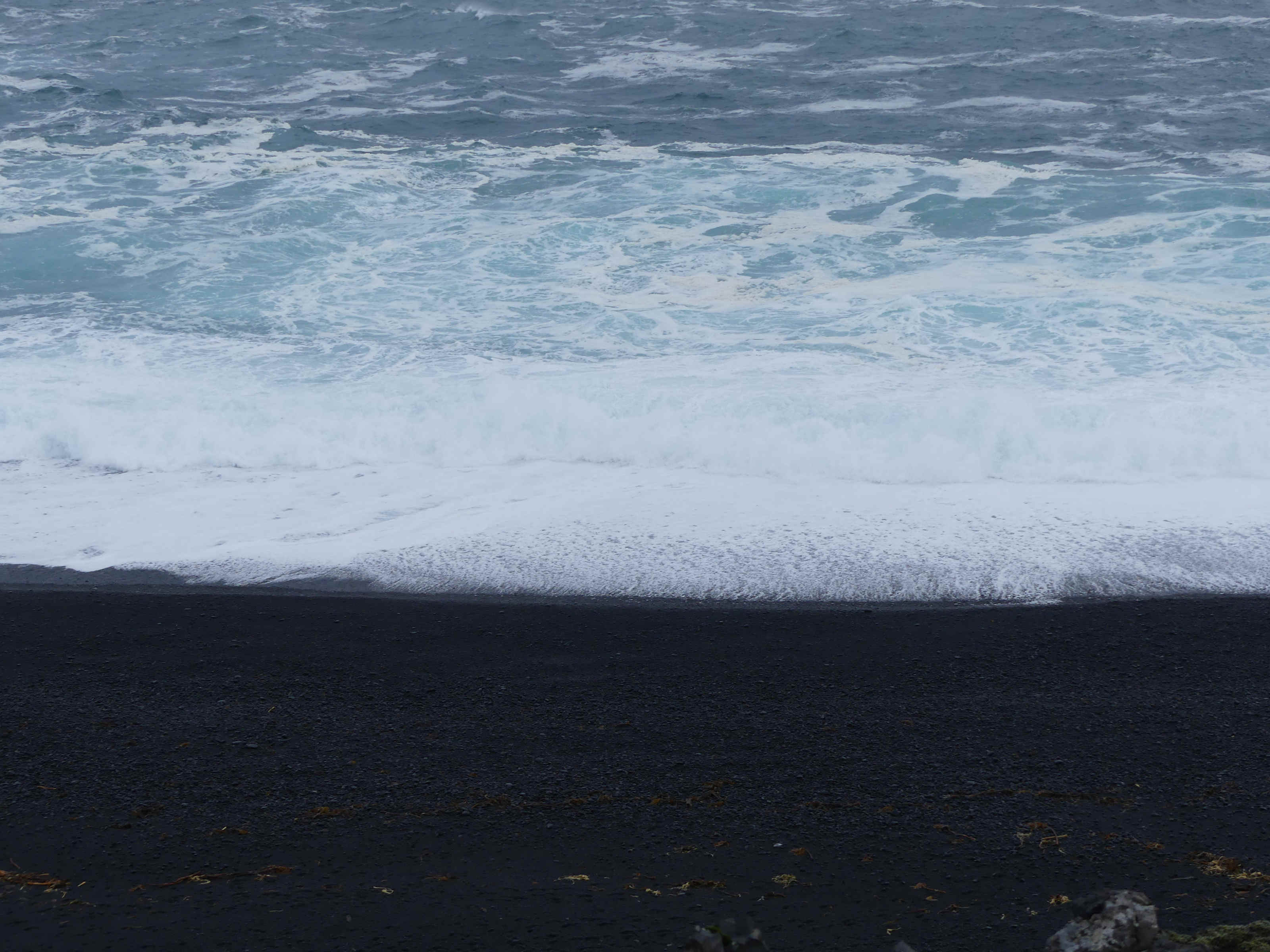


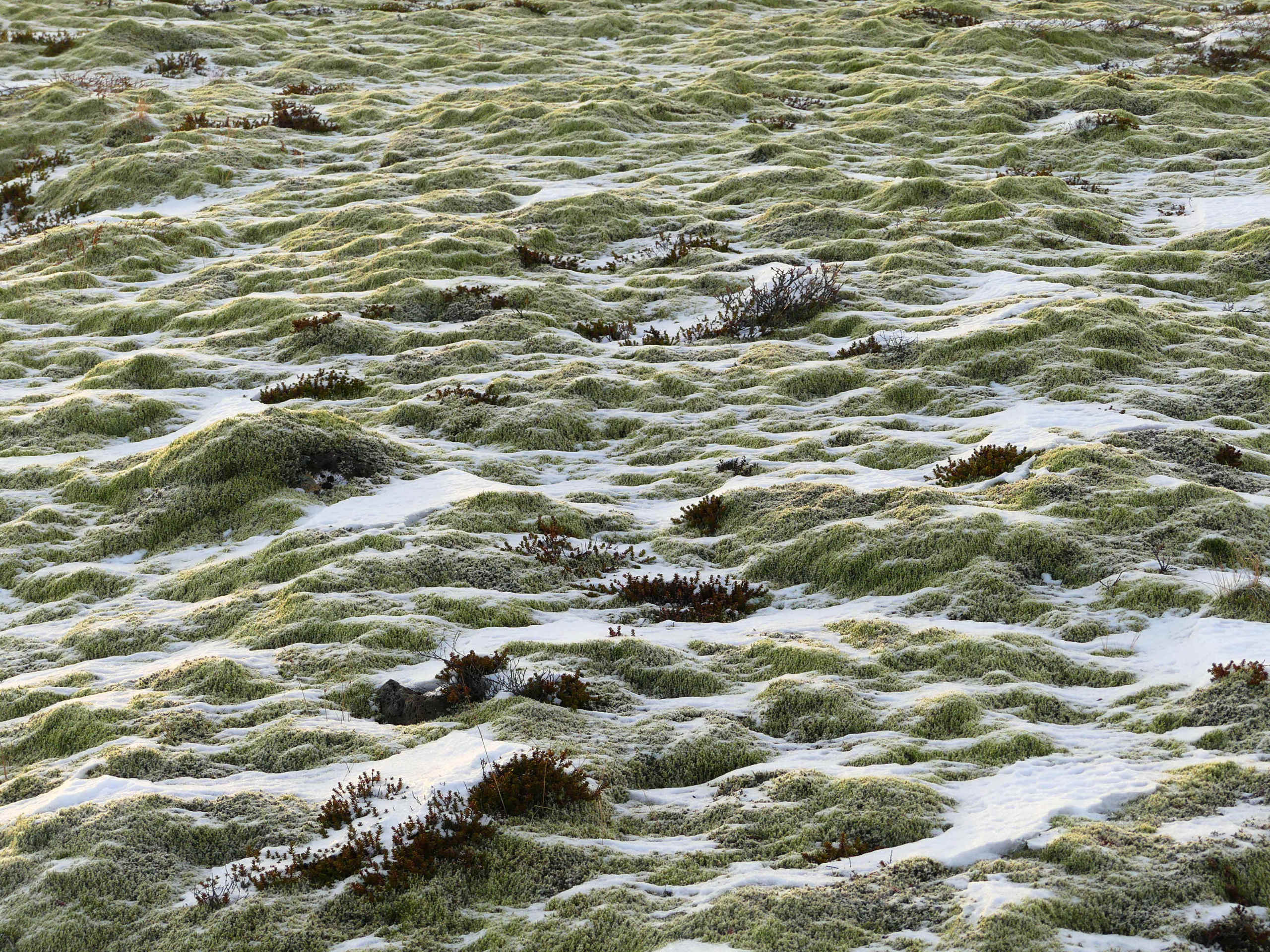
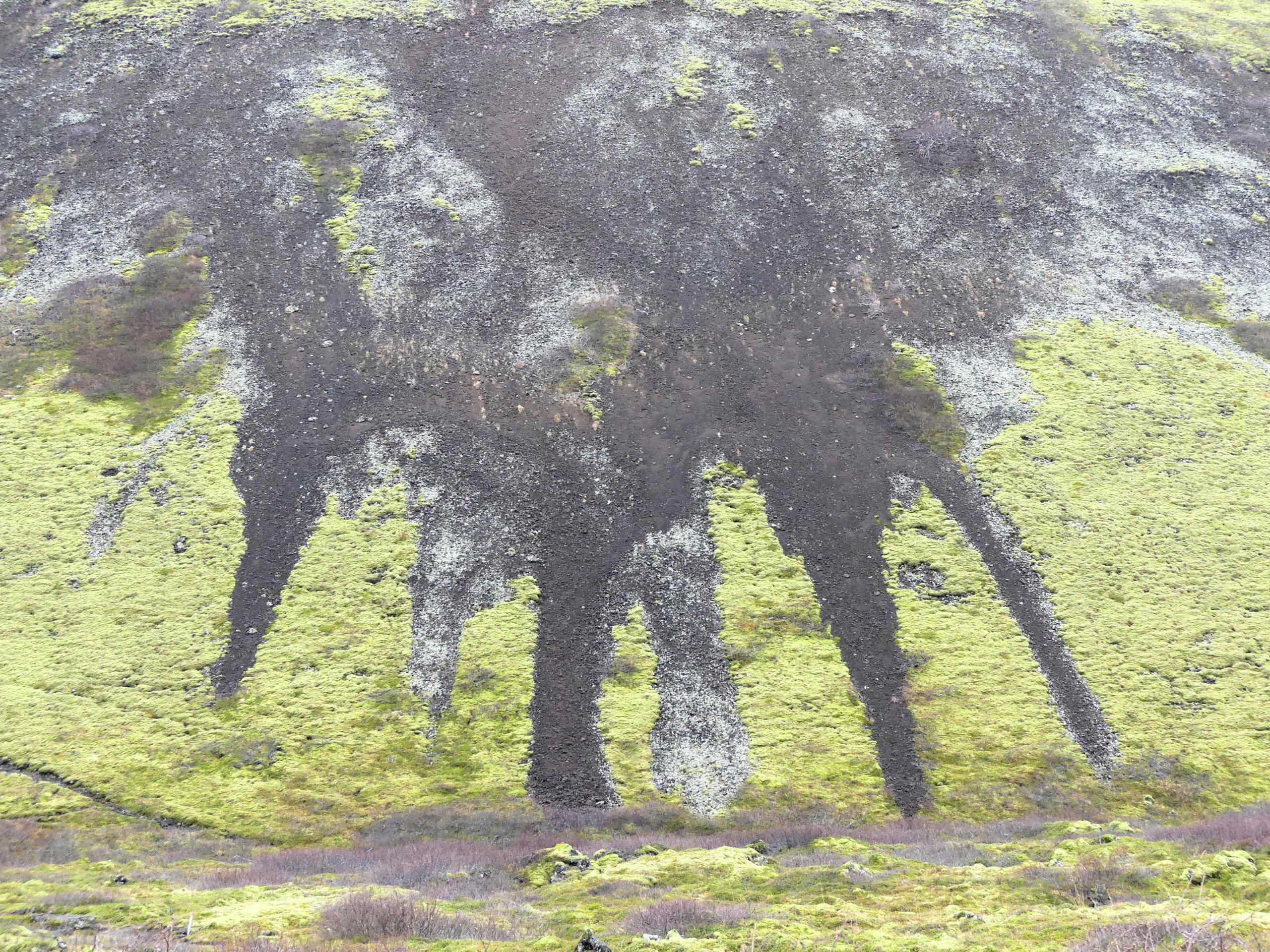
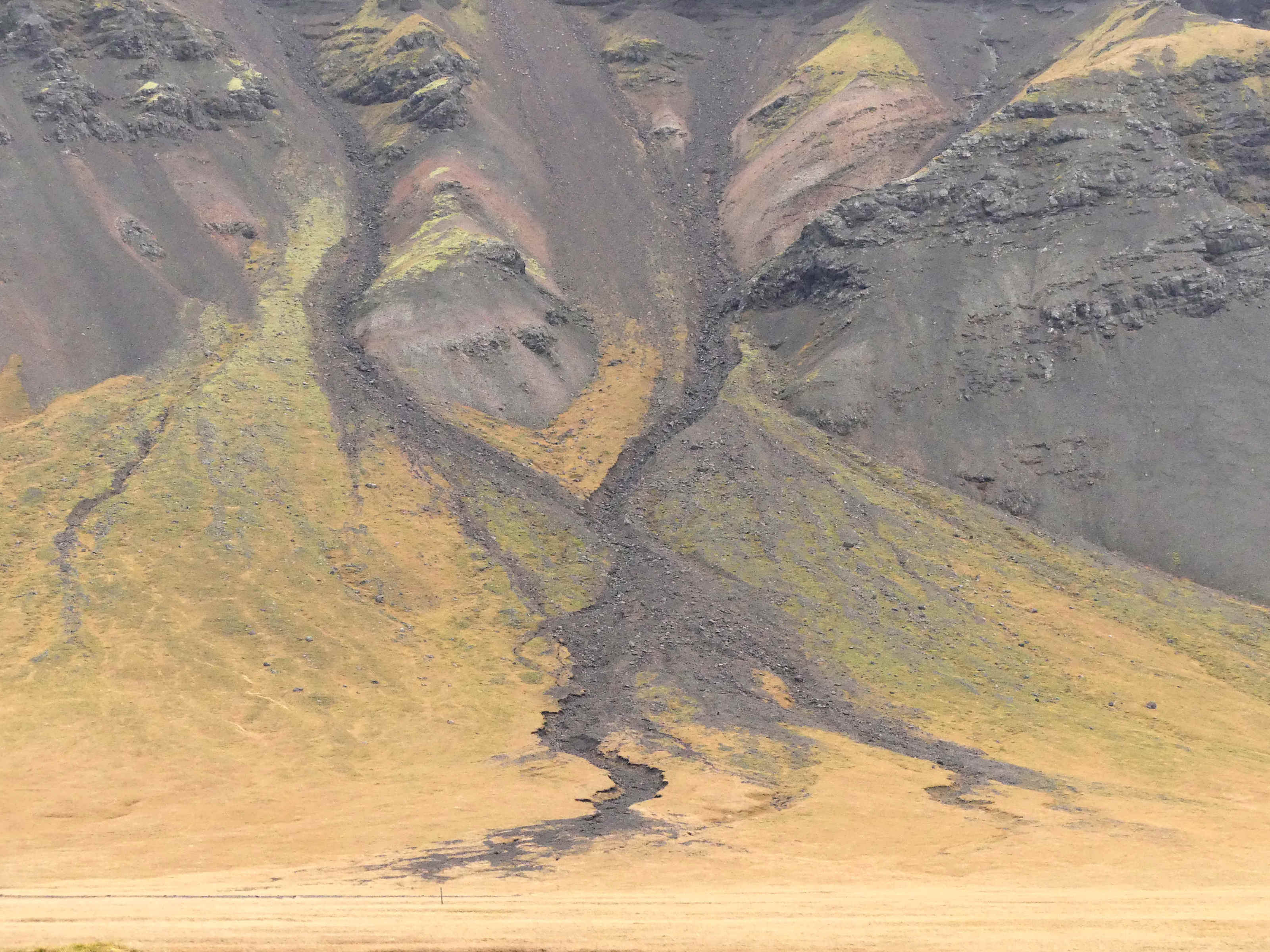


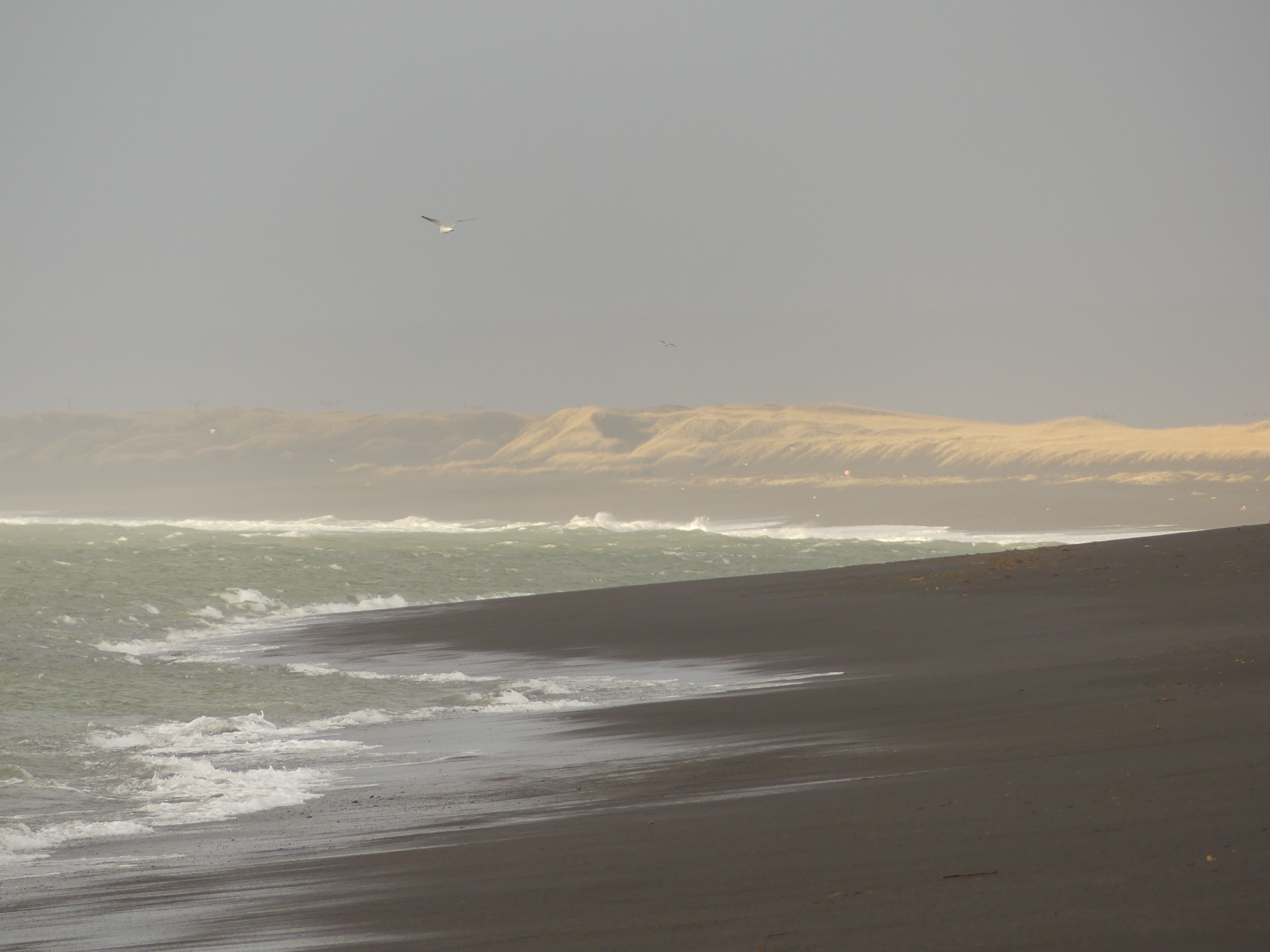

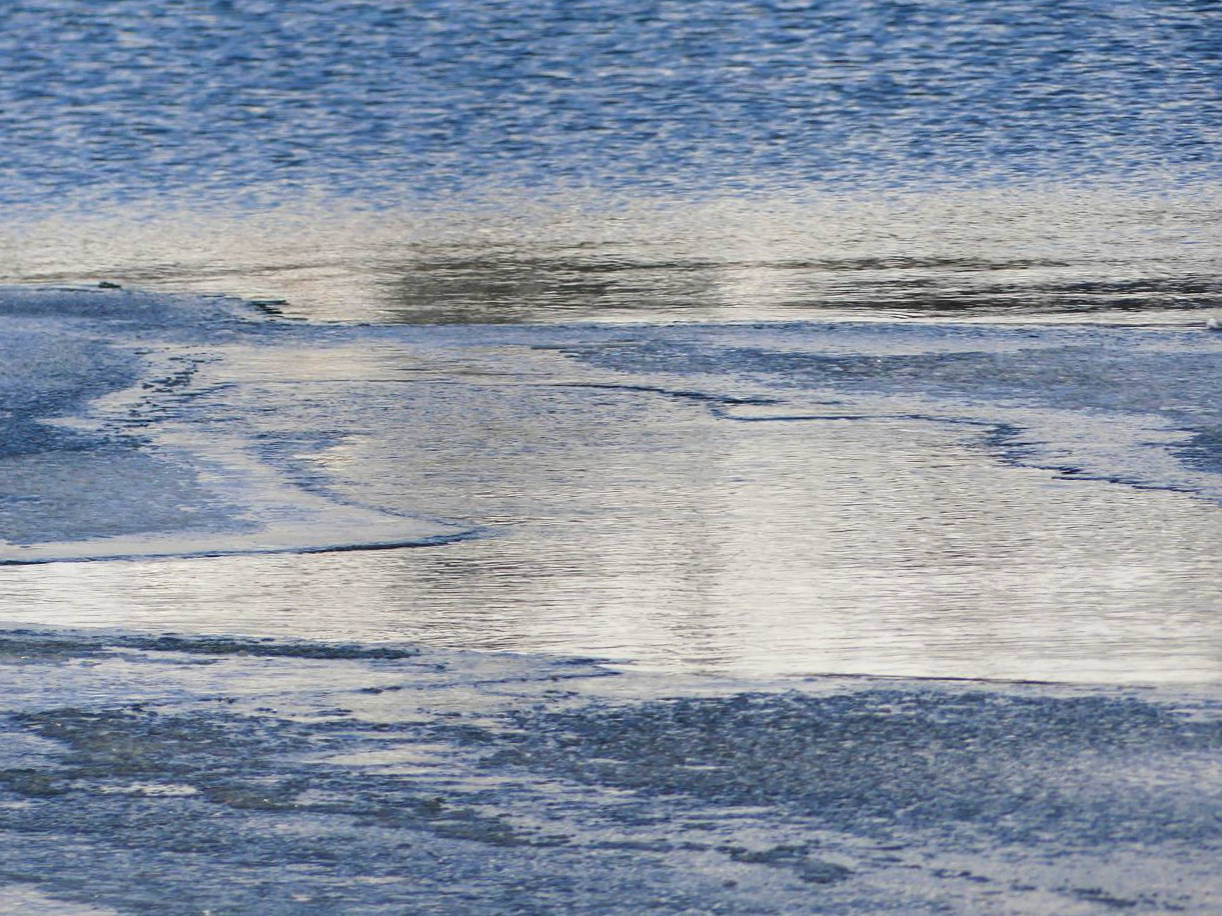
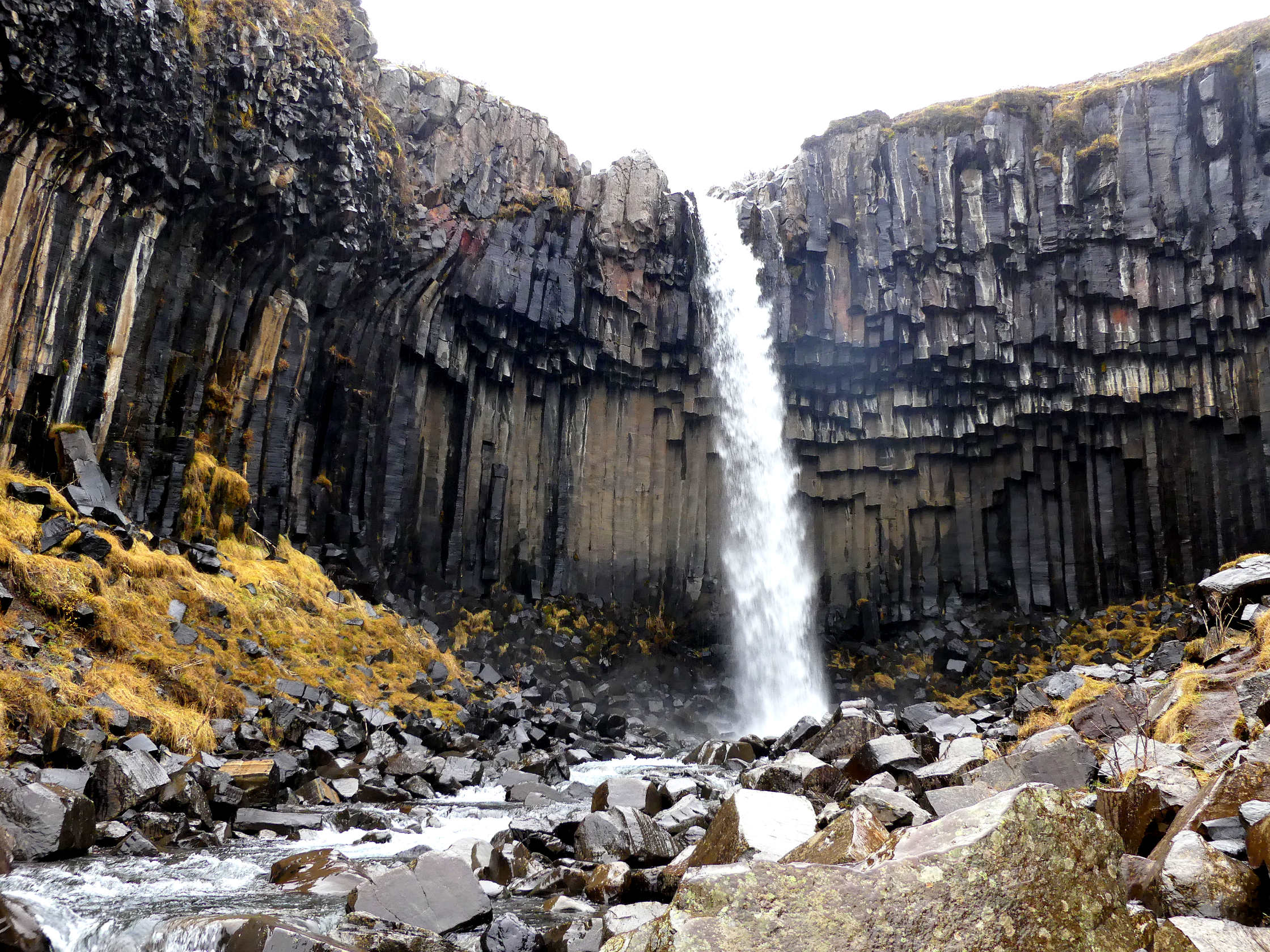
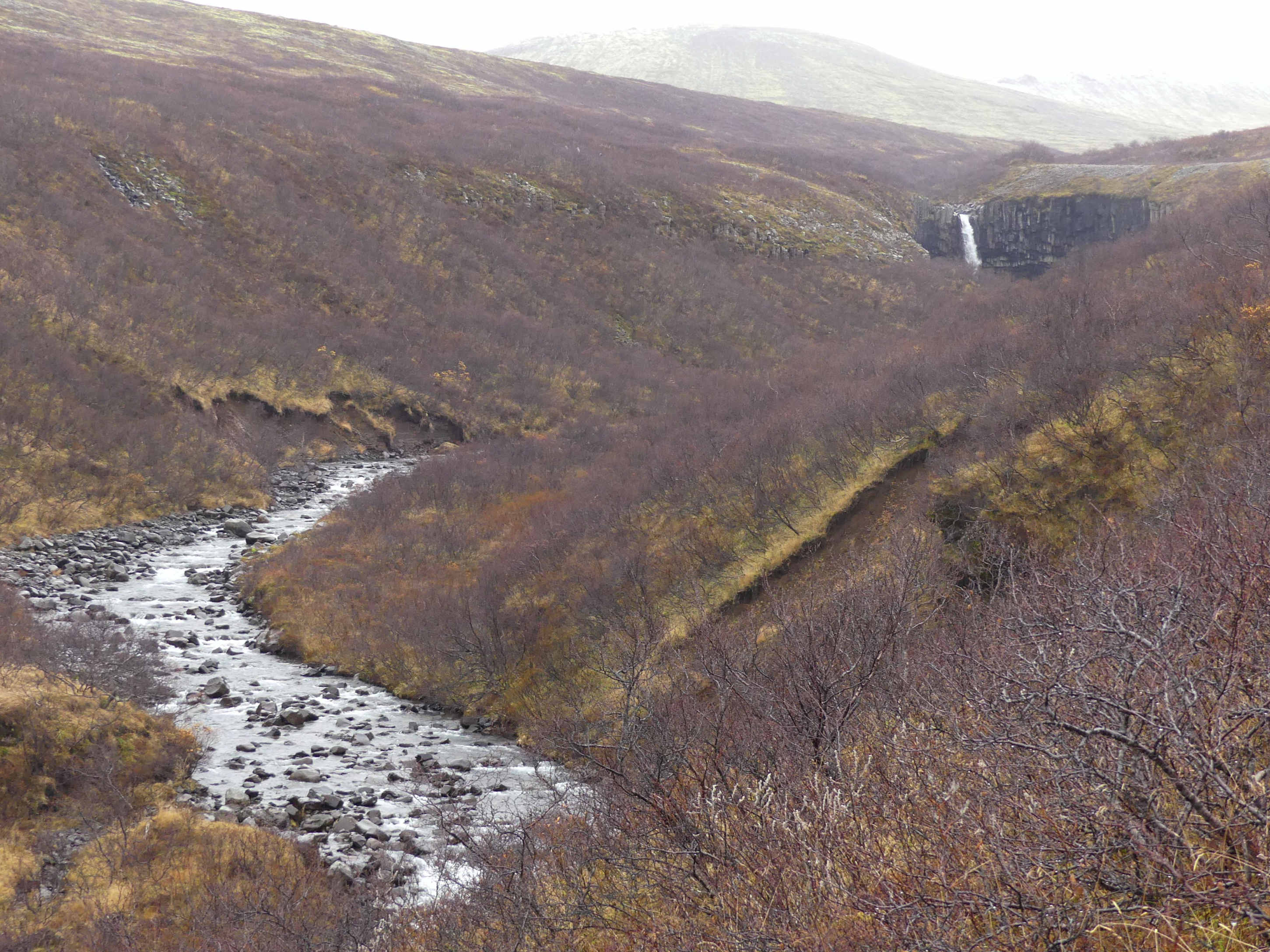


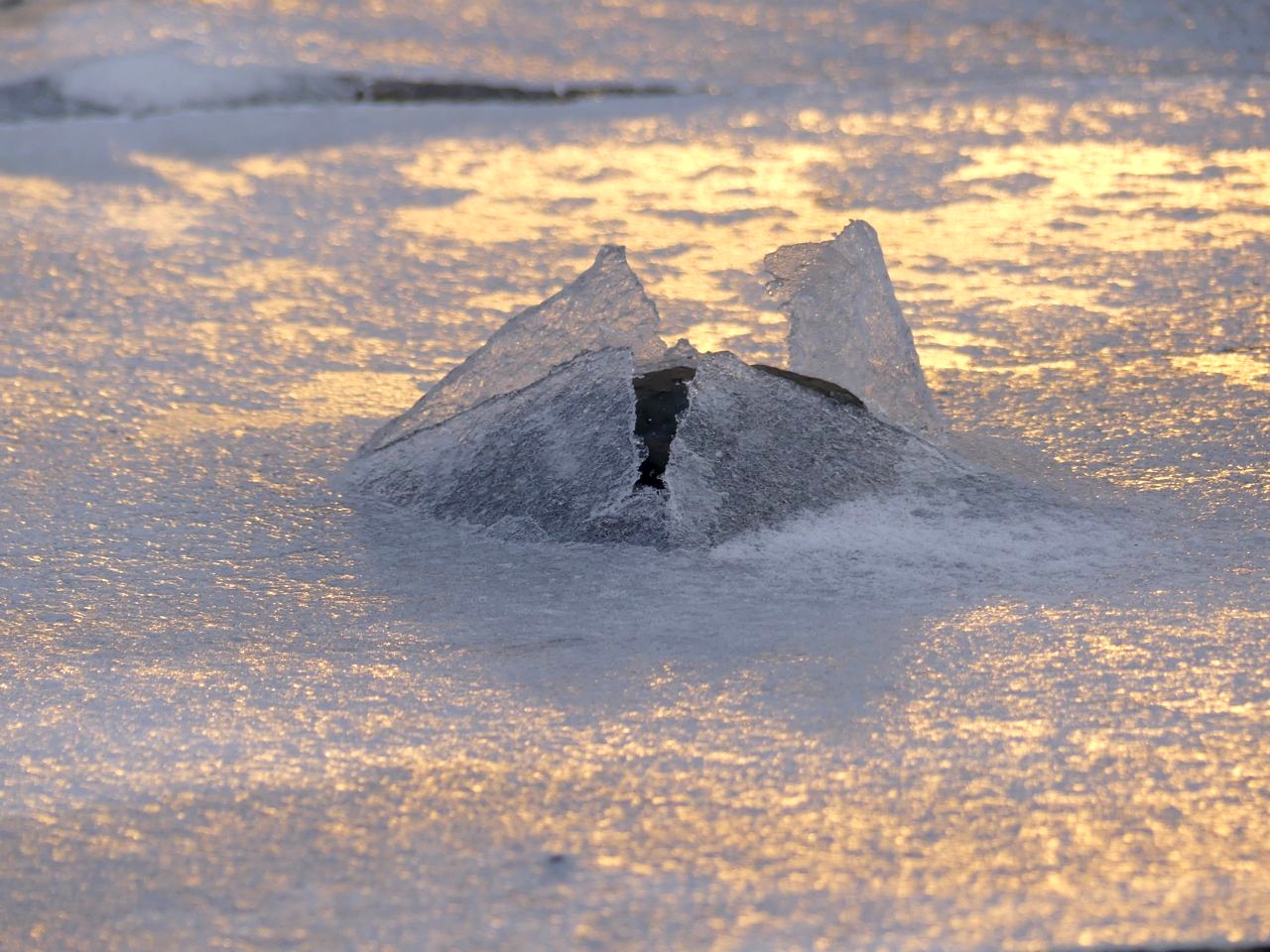

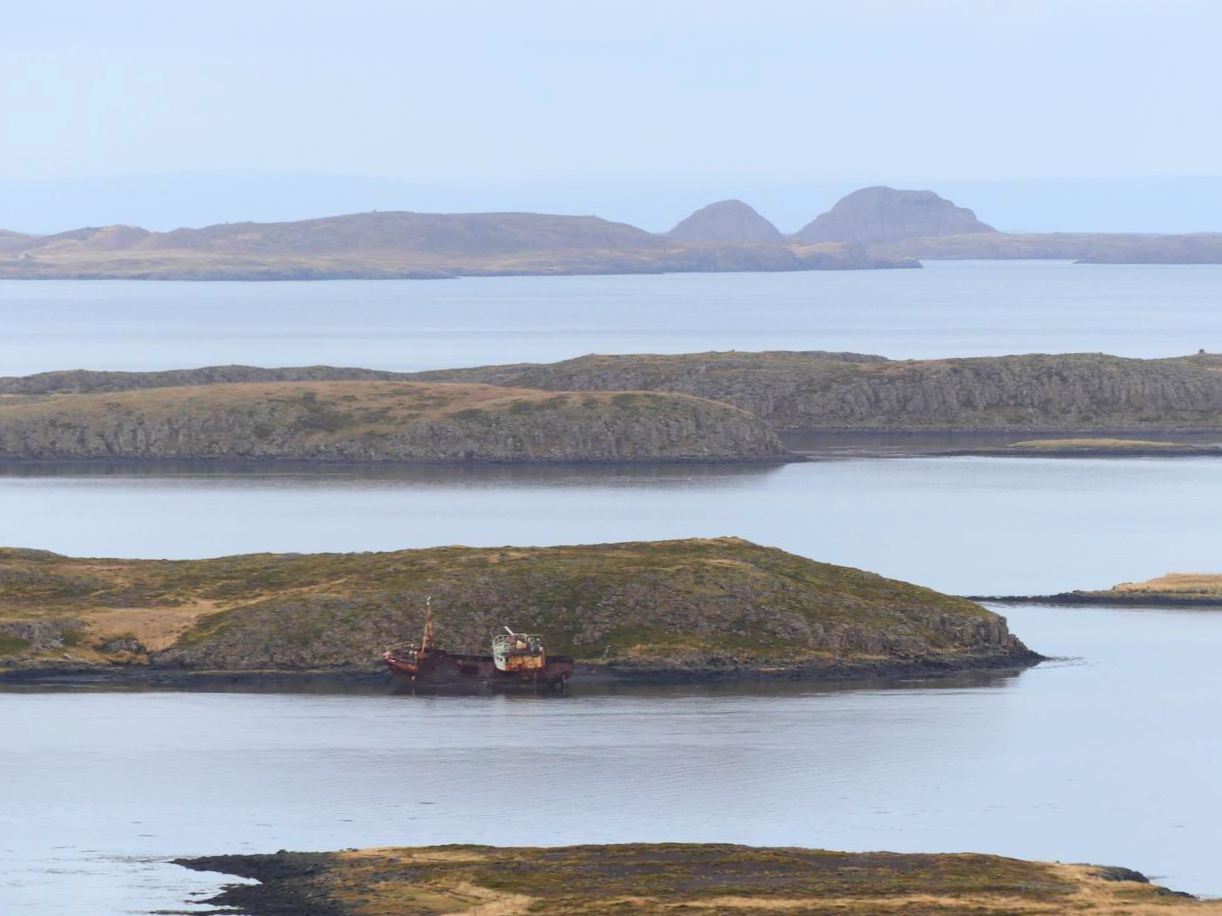
You are at sea.

This is the Grundarfjörður Water System Maintenance Team.

Some things aren’t hard.
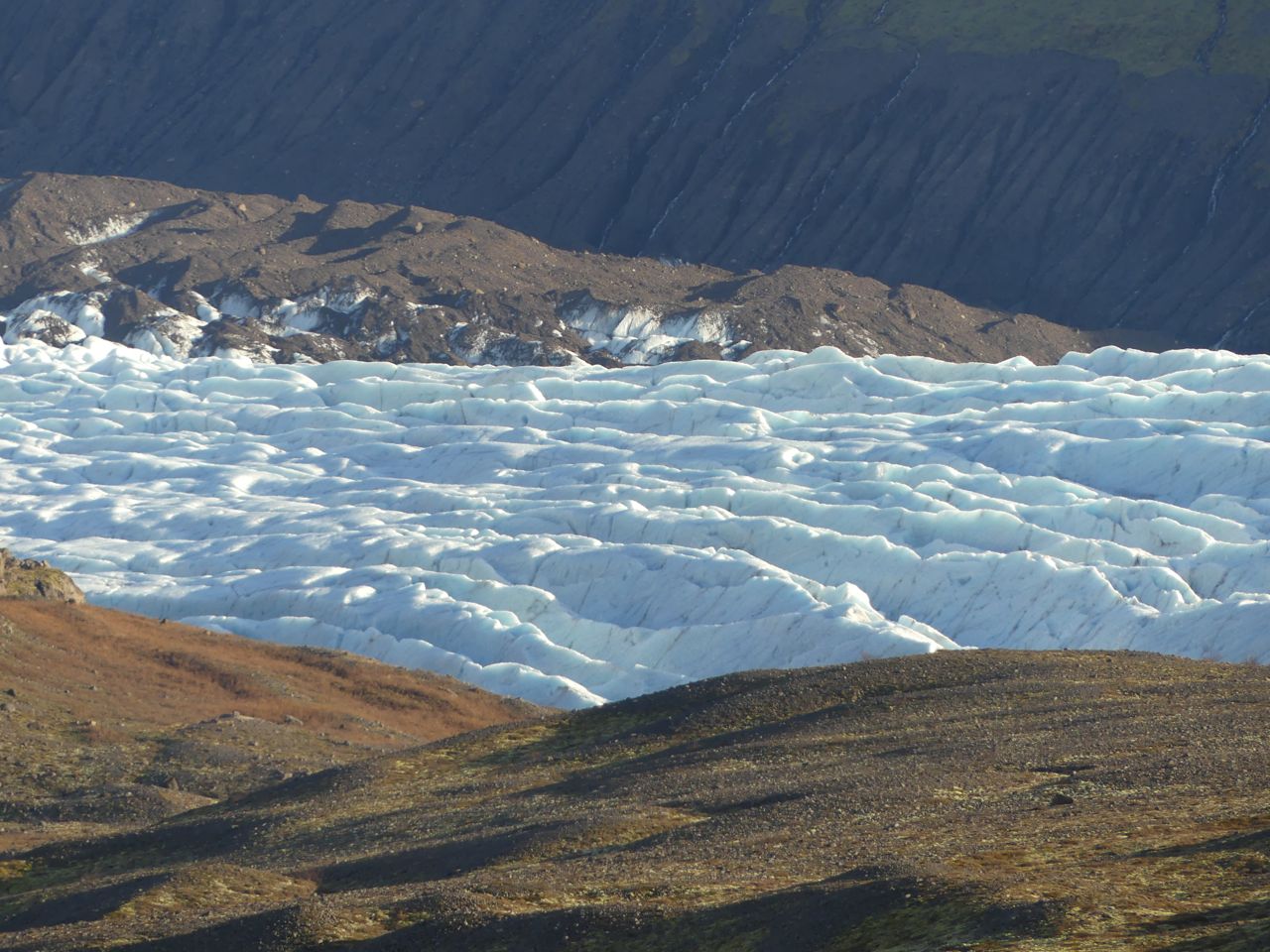
Glaciers are beautiful, as you can see.
Skaftafellsjökull
The human body extends itself into them, and is magnified, just as the sun is. Without them, we are small. With them, we are powerful…
Skeiðarárjökull
…with a power we must give over to them. Then they draw us to themselves.

Sólheimájökull
Gladly.
Groves like the one below are ever-present in Iceland. They are a cross between a will to live, a claim to land, a museum and a graveyard. They are houses for both the living and the dead, on the sites of old turf houses. Almost every farm has one.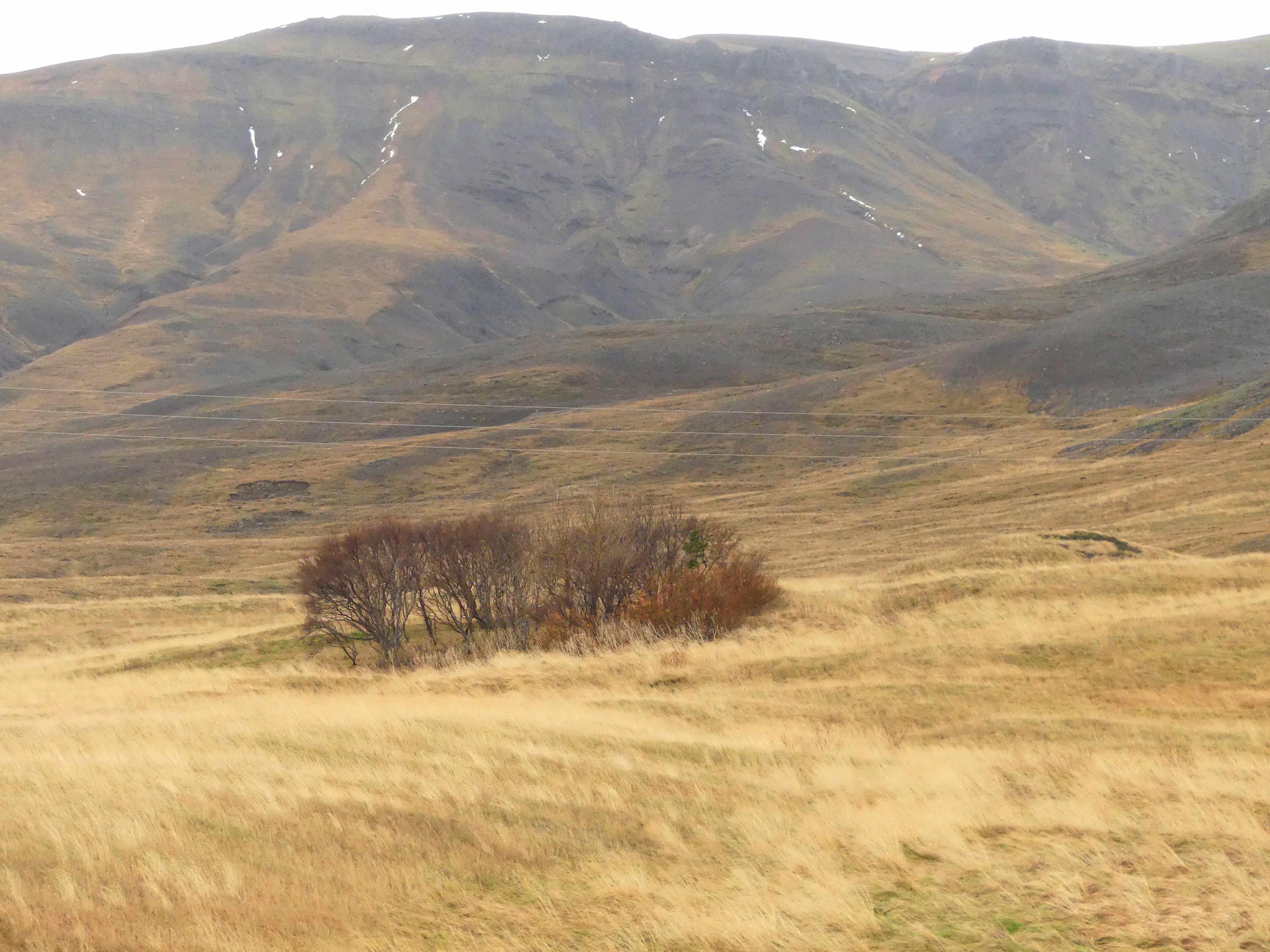
They are places of deep feeling, loss, and connection. A cathedral in France or Germany is a more expensive form of this same art form, but no more permanent, just as these groves are worthy of no less honour and respect. They are, in a sense, what viking ships become after 1000 years.
On the south coast of Iceland, the world is being made out of primary forces. It is not happening in the past. It is happening right now.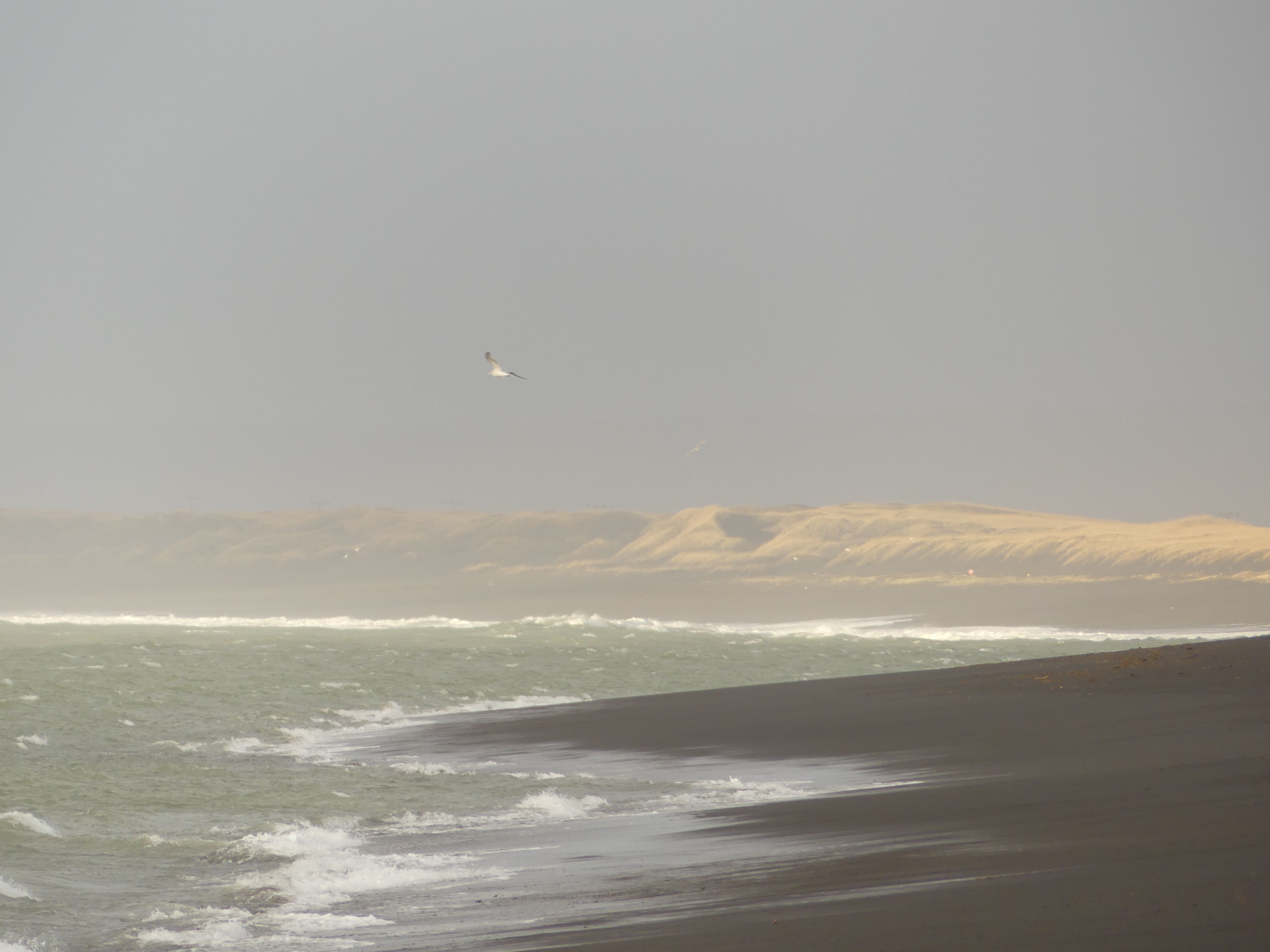
These forces of wind, water and air are like primary colours.
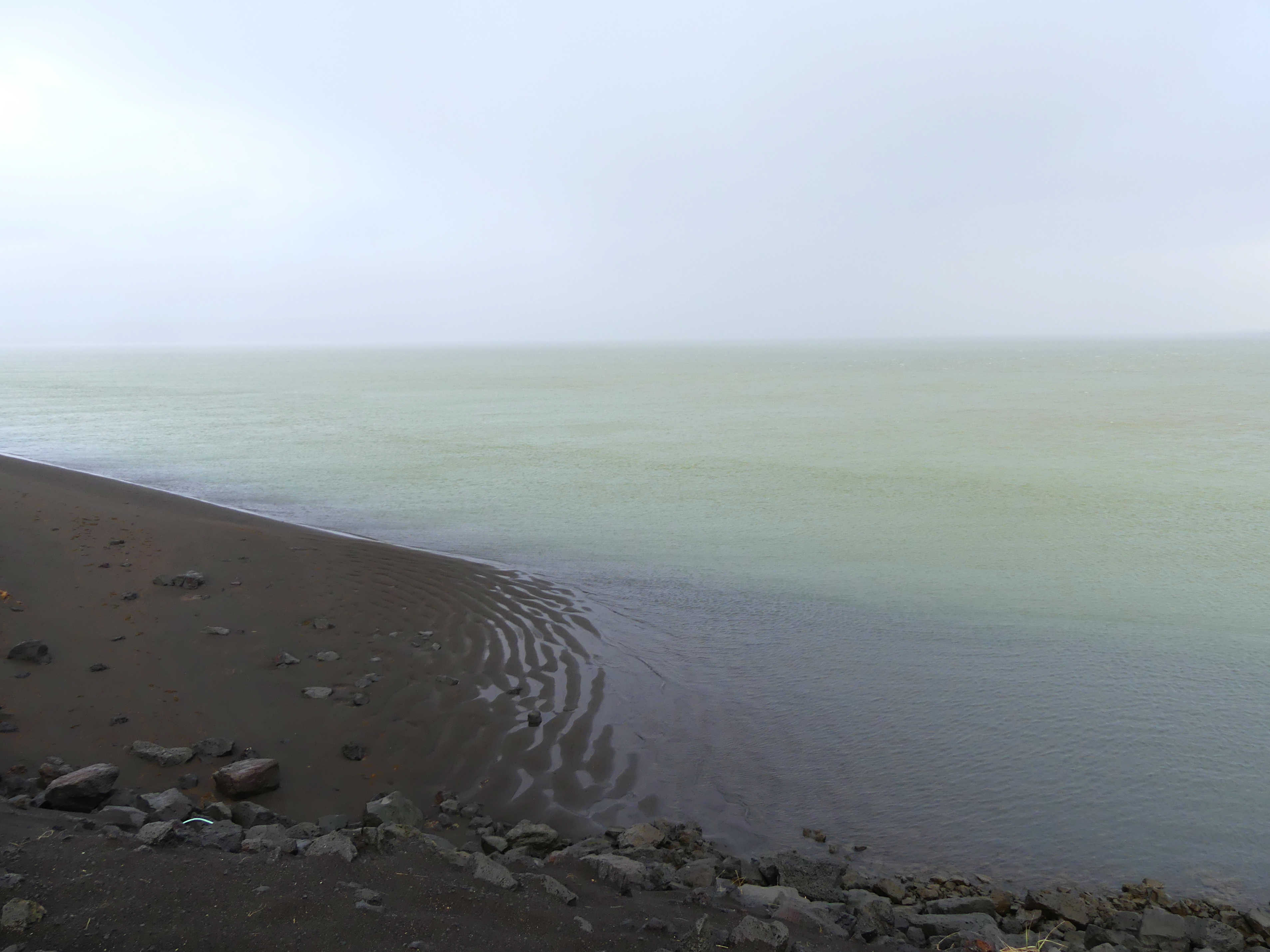 Which are primary ways of seeing: moods of the day.
It is possible to live within this palette.
Power structures will be expressed in its physical terms.

Once those terms form a new palette, they become a new language.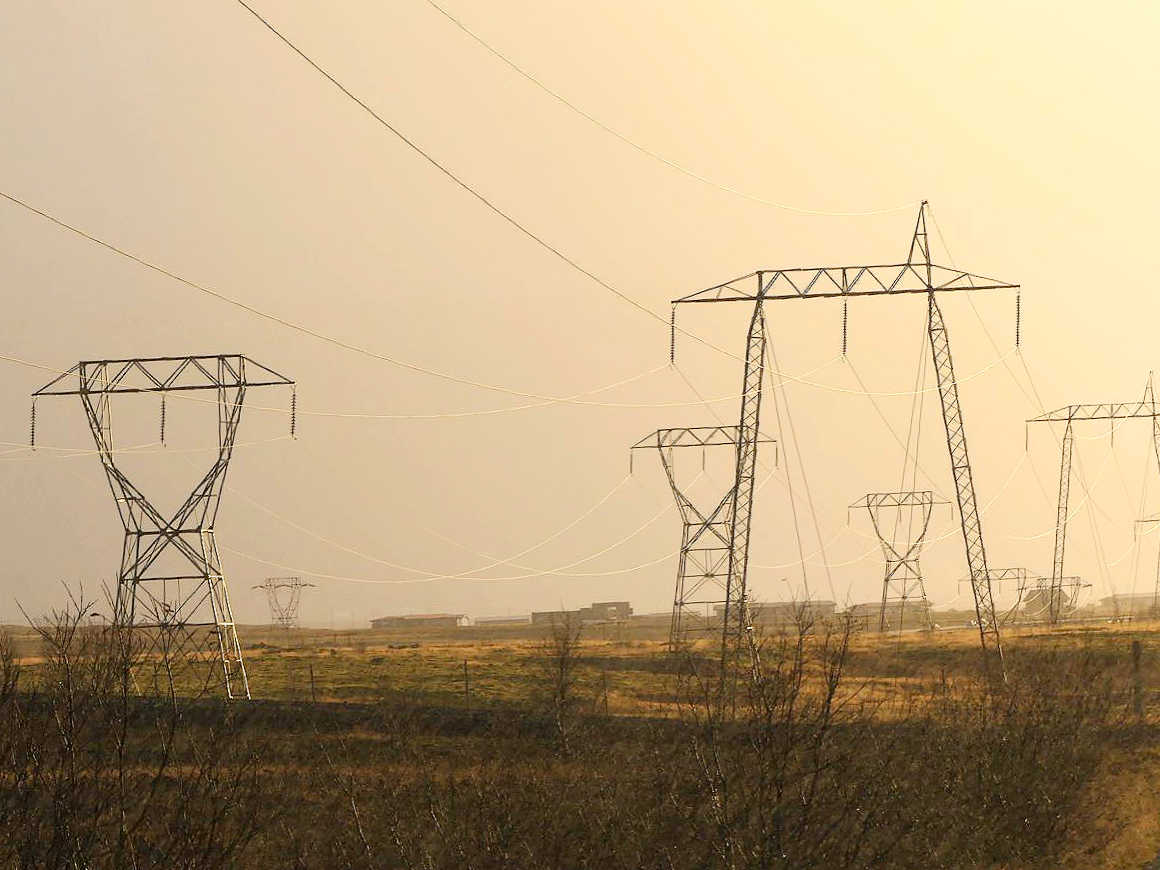
It turns the earth into a place from which technology is the shelter.

It tries to cast light on this place, because that is what it knows. There are ways.
 The world may not be approachable by language, but it is still there. In it, even water is light.
Even light is water.
Out of the loneliness where there are no words for such light, Icelanders snuggle into the dark and write novels. Then they live in them. Sensible, really. A defensive strategy, although a bit transparent.

While they are at it, they invite foreigners to meet the old world of this book…
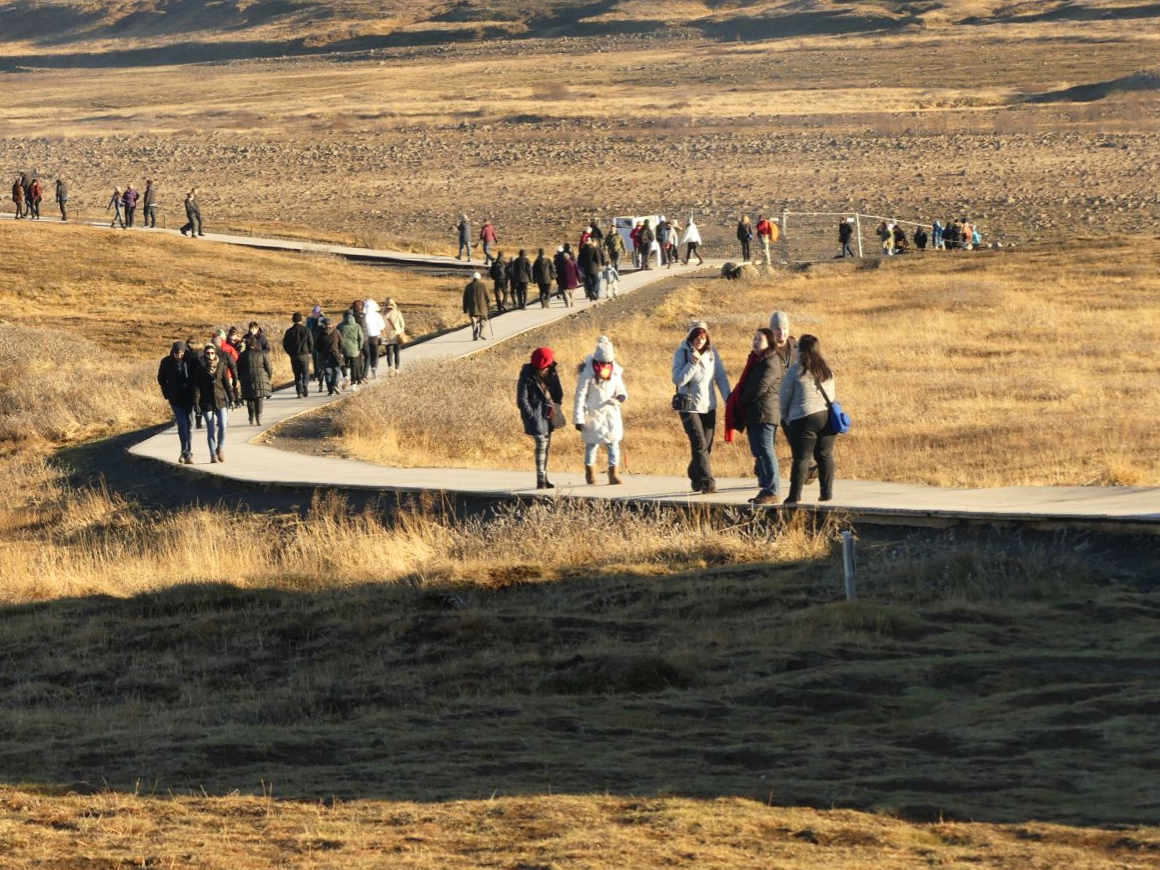
… for which they have no words except some old manufactured rubble they read in novels: nature, beauty, wonder, the old carny shows. It is enough, though. It is sweet honey.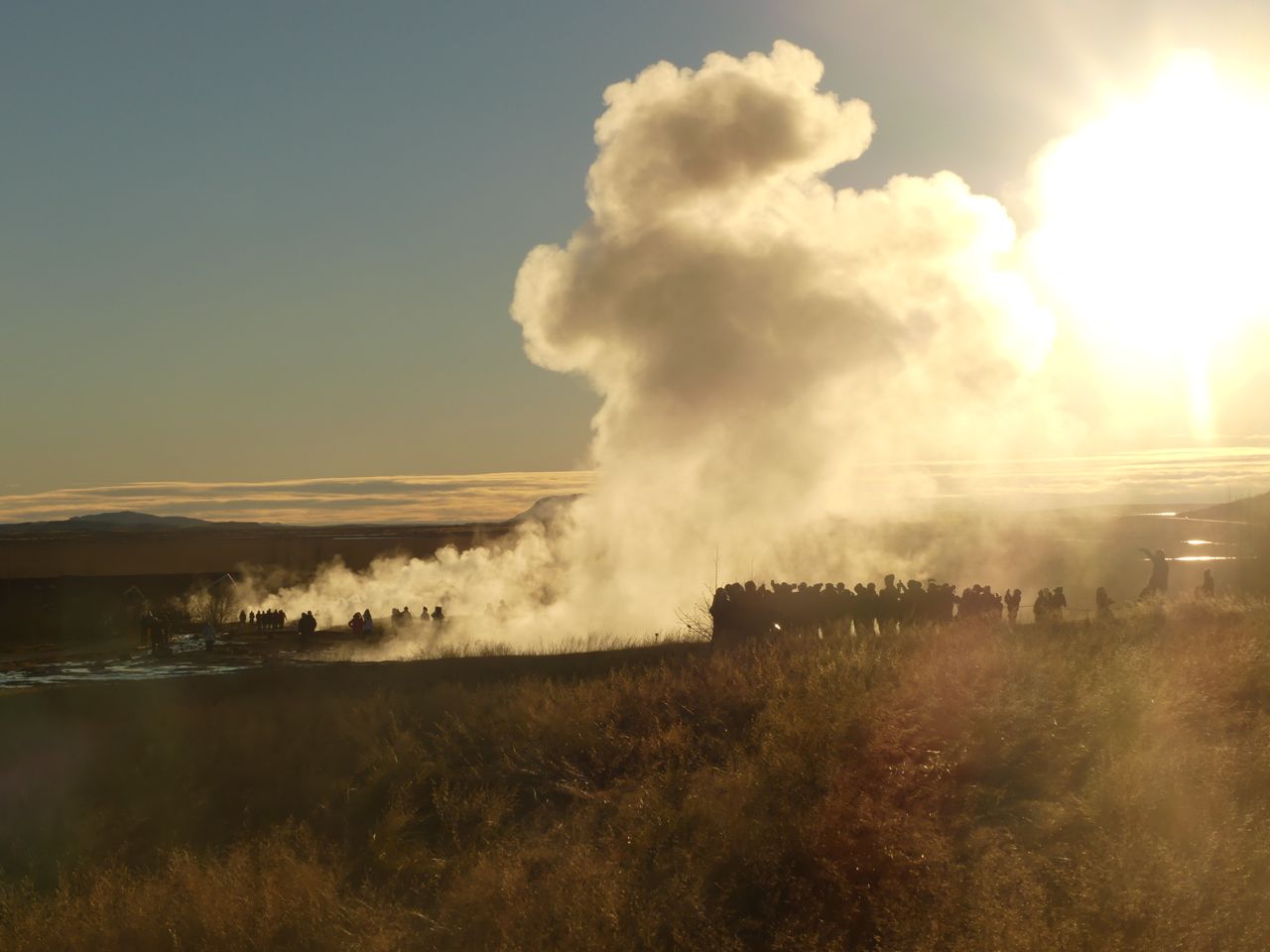
Words like this allow people to come here to meet themselves, often for the first time, between the lines or right in them.
While Icelanders wrestle with batteries in the mist then give up and go in for a cup of Nescafe.

The mixing goes on, regardless. It braids old battlefields …

… and old shores of grief and shipwreck …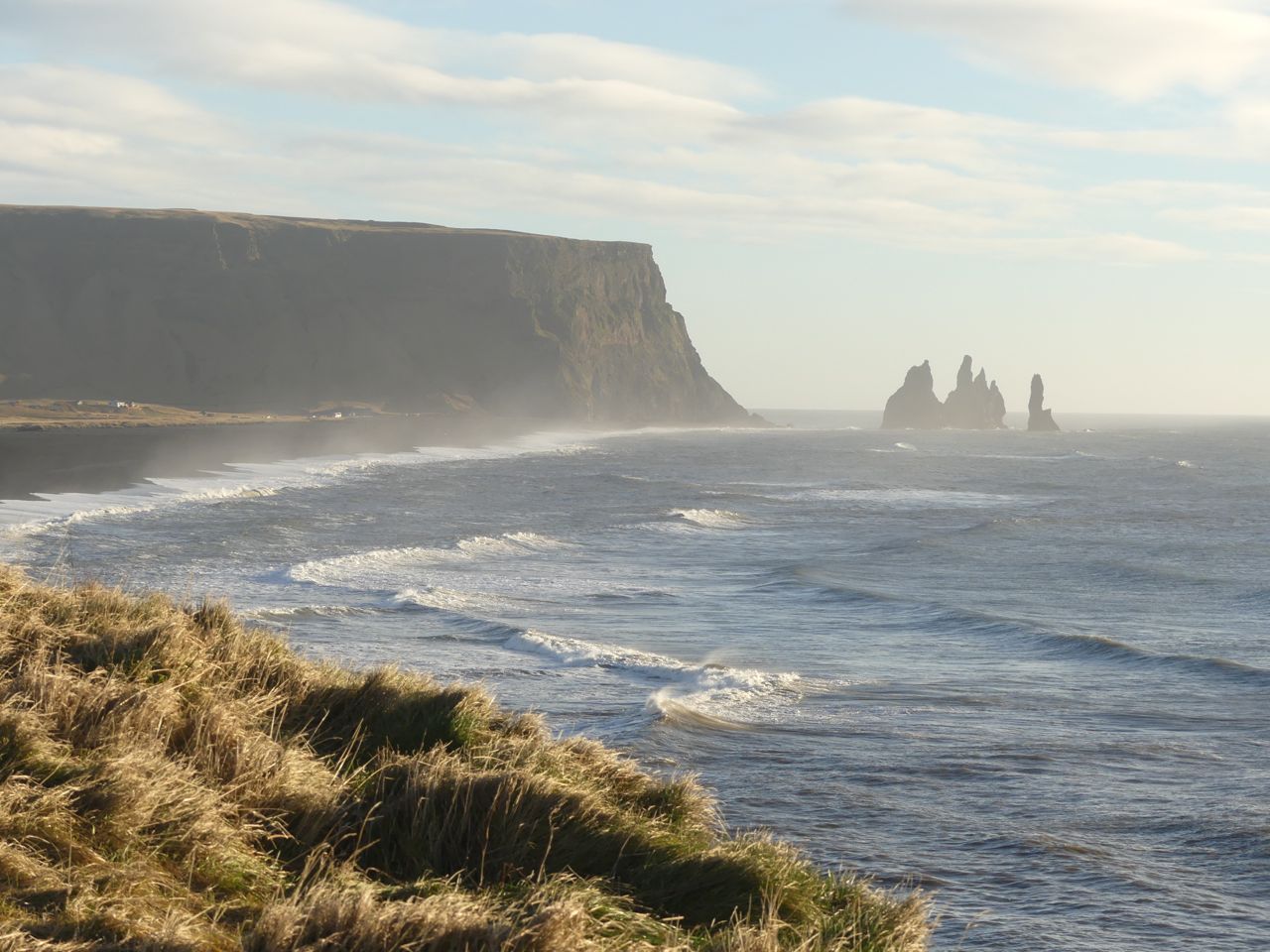
… into that place where the only difference between sea and sky is not made by land but by wind alone and the human capacity for being present in the wind.
Here a man is wind. If you want to speak with him, you will find him there in the ruins of what can no longer be spoken: like a collection of Grecian marbles in the British Museum.
 The image above and the image below are the same.
And again.
And again.

They are all books. Look at them shouting for attention.
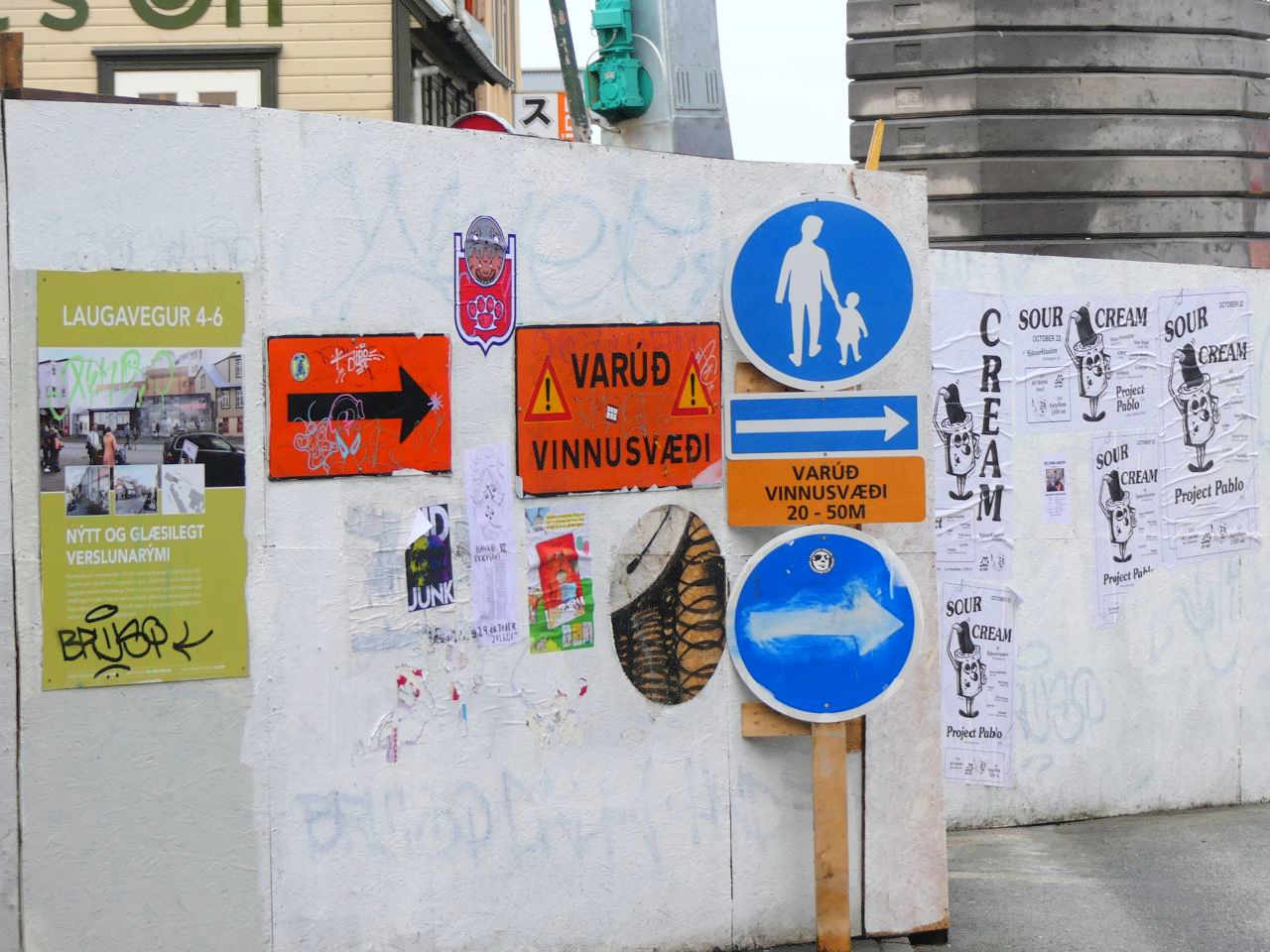
There is, however, still a world.

It’s not what we think. Let us dare to use the old word again.

The one the eye sees before the mind.
On the woman’s hill on Viðey, it is possible to walk between worlds.
It is here the stones speak a language that is neither Icelandic nor English. It is an eruption of physical presence.

Whatever words we who are human speak, it is no less and no more than this ability to walk through bodies lifted into the air until they become it, and then to breathe them in the same moment as our walking.
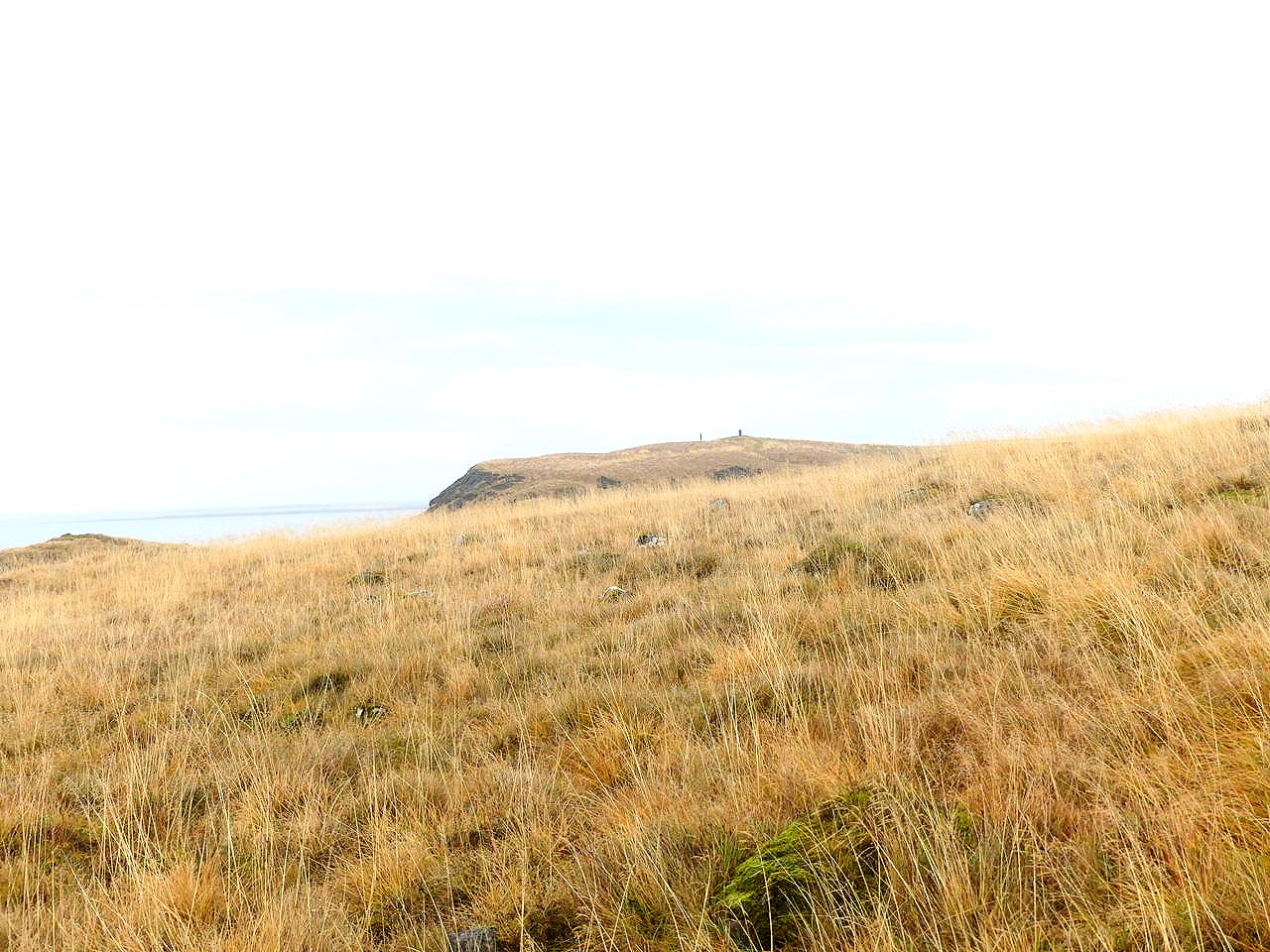
This breathing is our way of talking to our ancestors, who the living call the dead. They’re hardly dead.

Not as long as we keep walking among them.
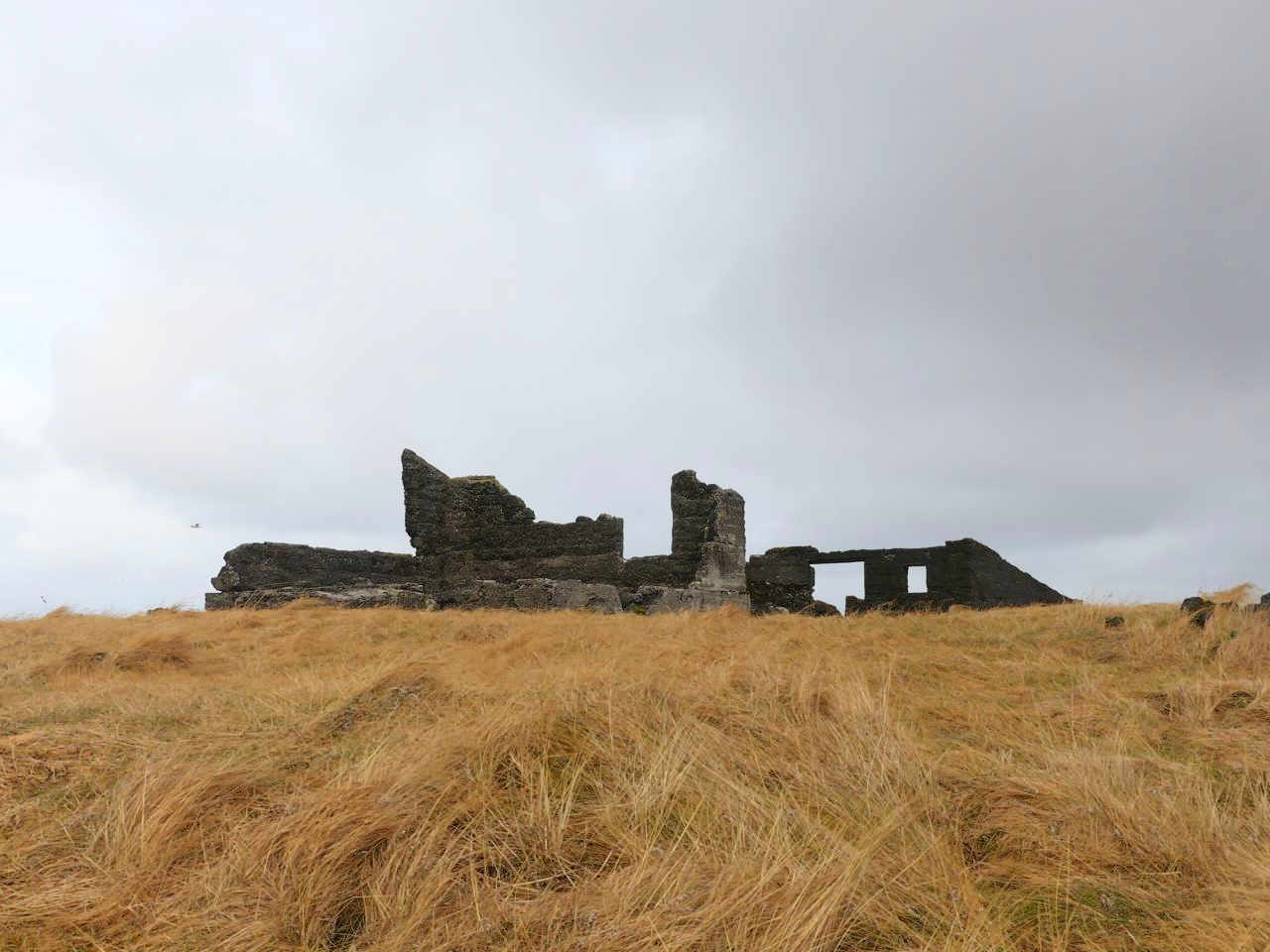
Not as long as we continue to honour them with devotion to each other.

Let us listen with all that we are.
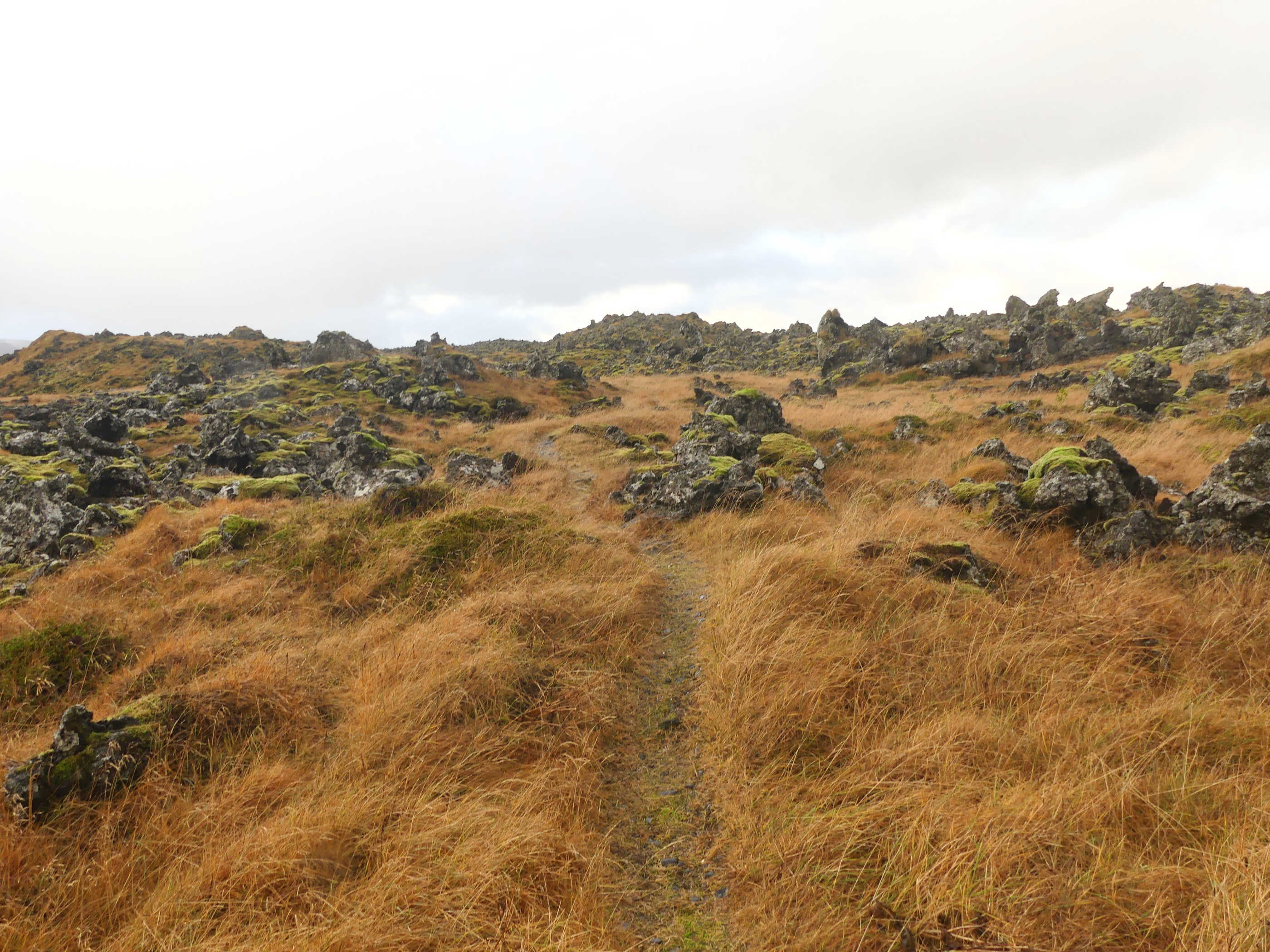
Let us trust the old paths of care.
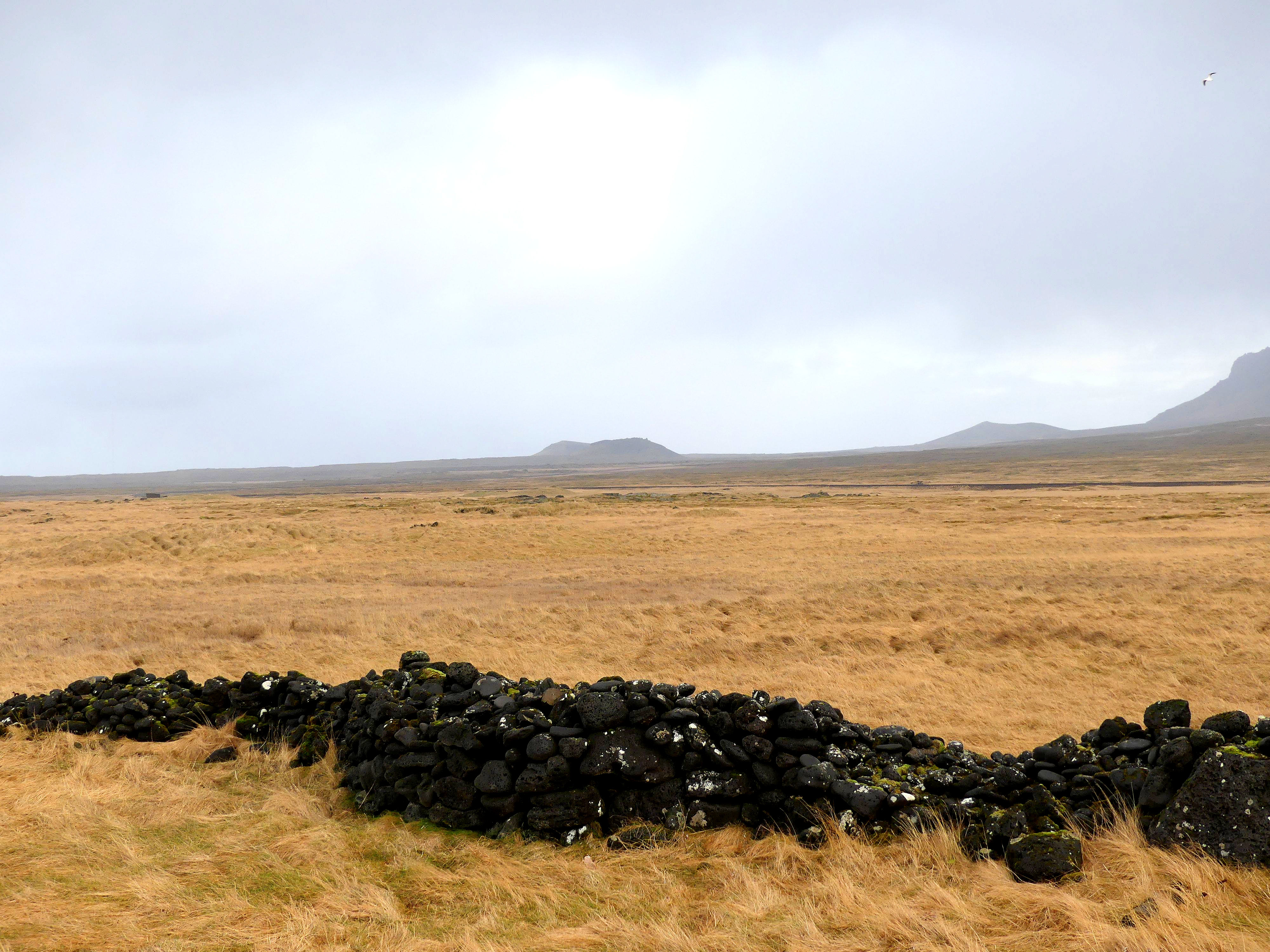
Let us honour the conversation and the giving forth and the point at which we become the earth at the point that it becomes us.
For it either goes on without us or with us, and we can so be there.

Let us go give thanks by being there.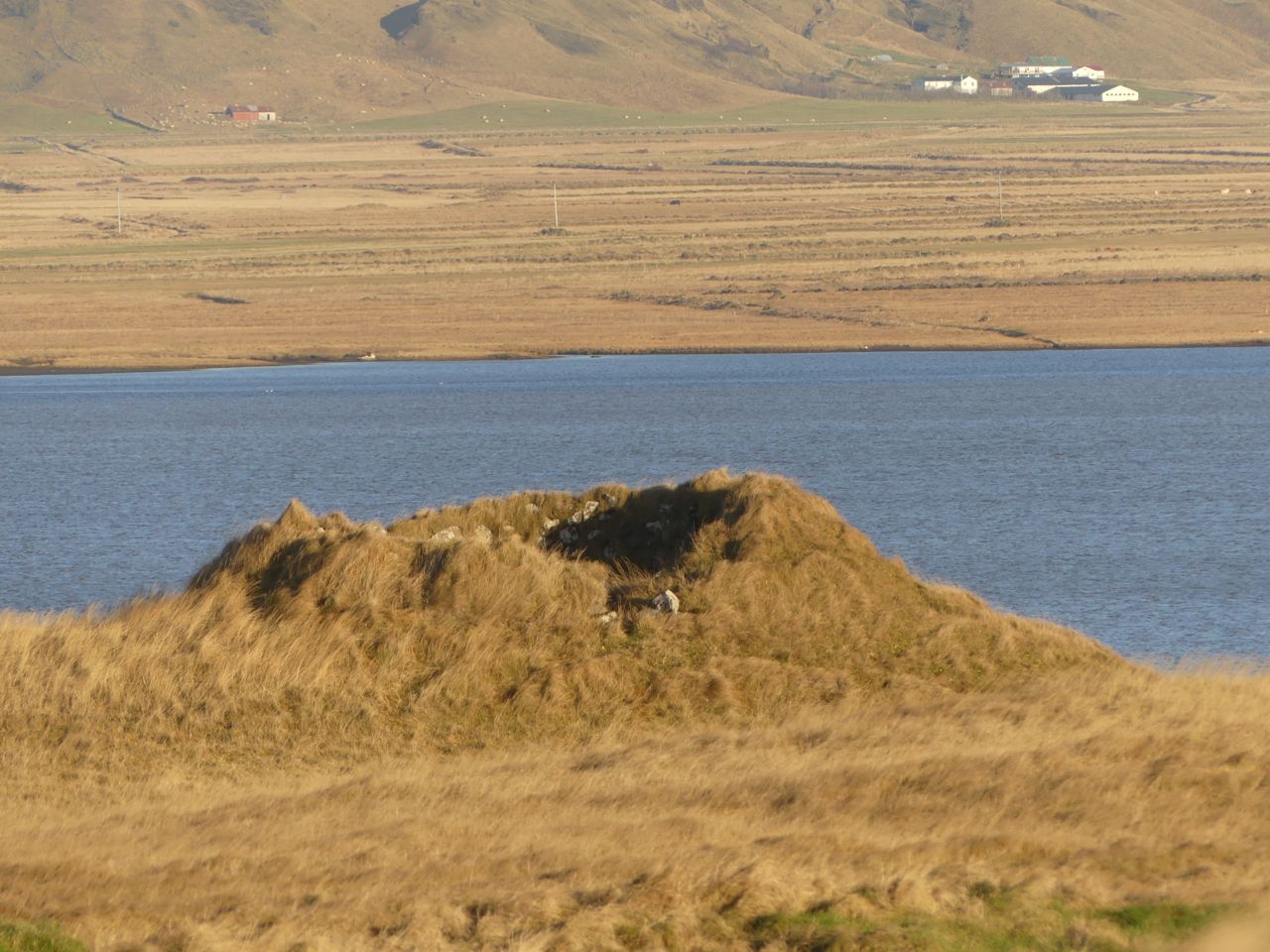
Let us be honourable children. Let us be there.
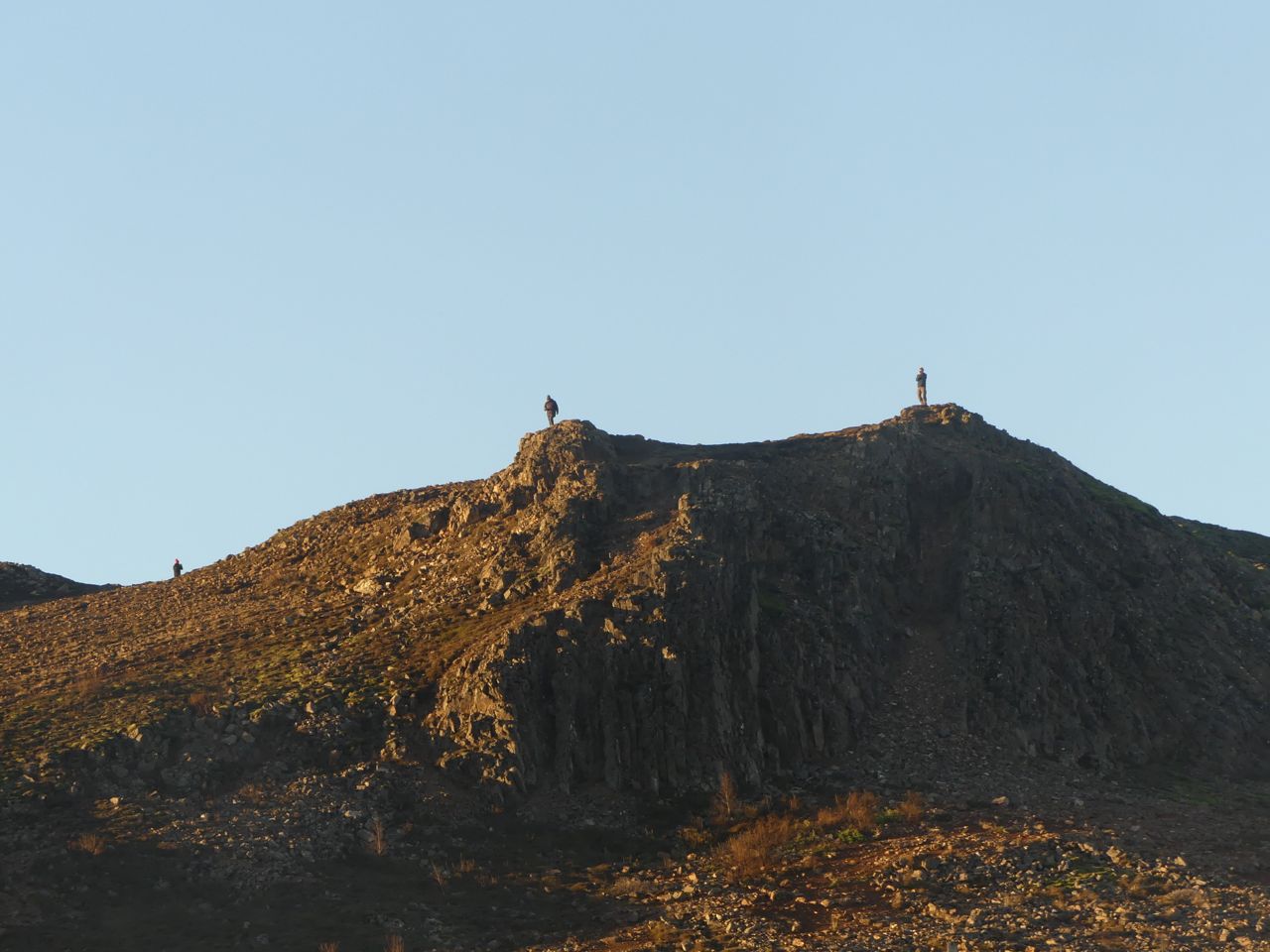
Let us give praise, however we can.
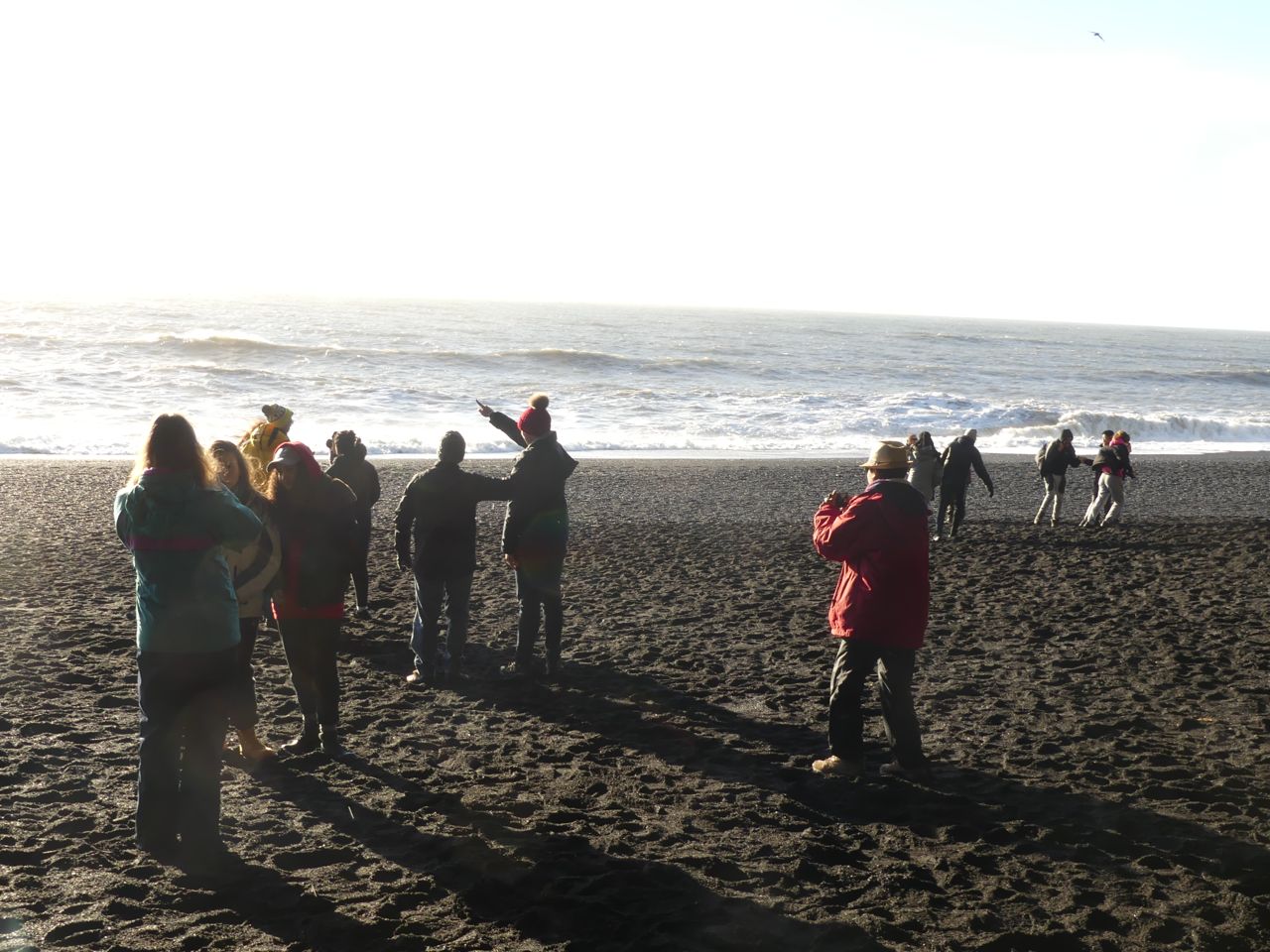 However you can, let us find the silence at the heart of speech. Let us stand aside. Let us give each other that much honour. Let us be the speech at the heart of silence. Let us be gathered in.
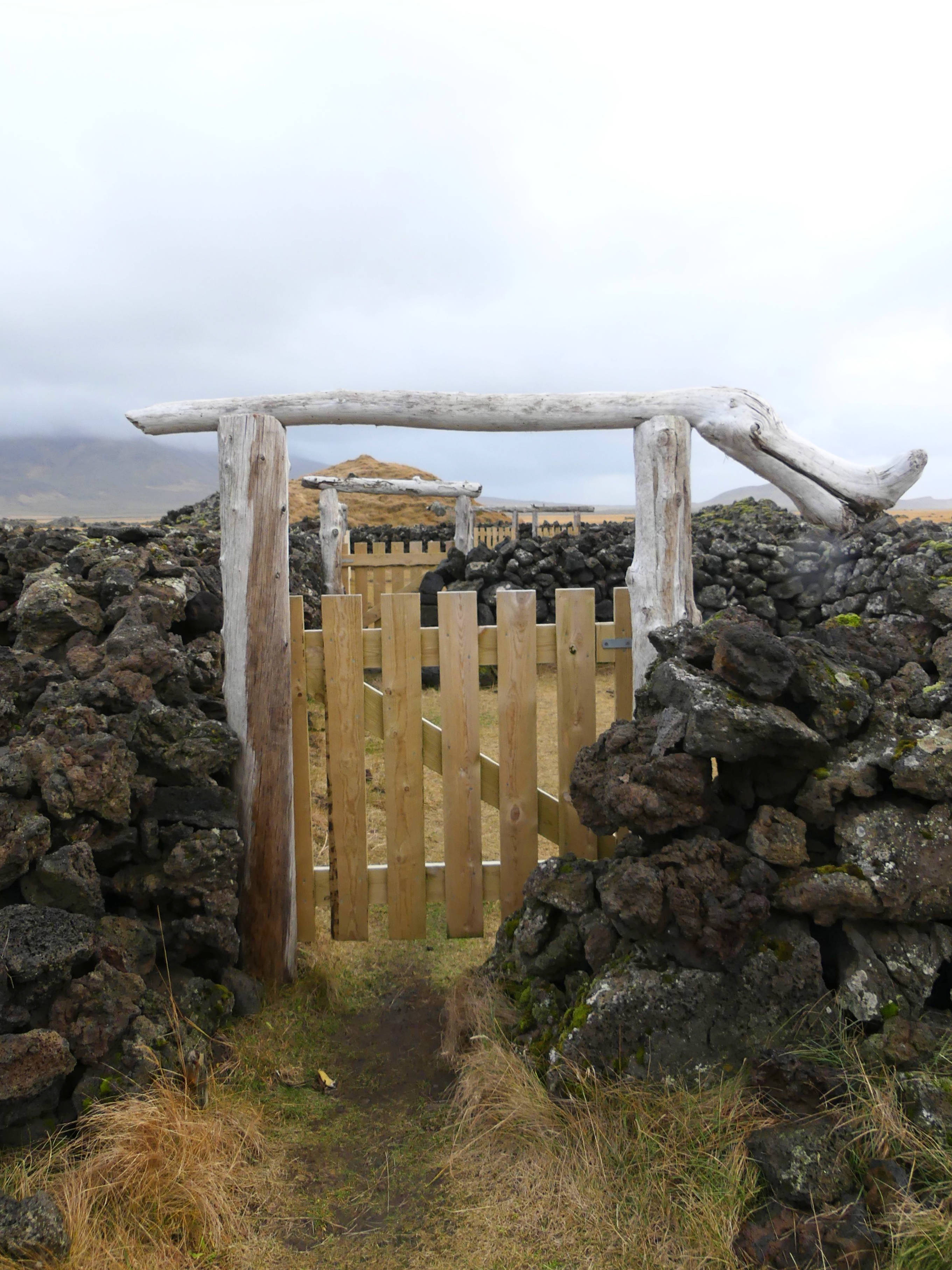
For we are all the living.

We have much to talk about. 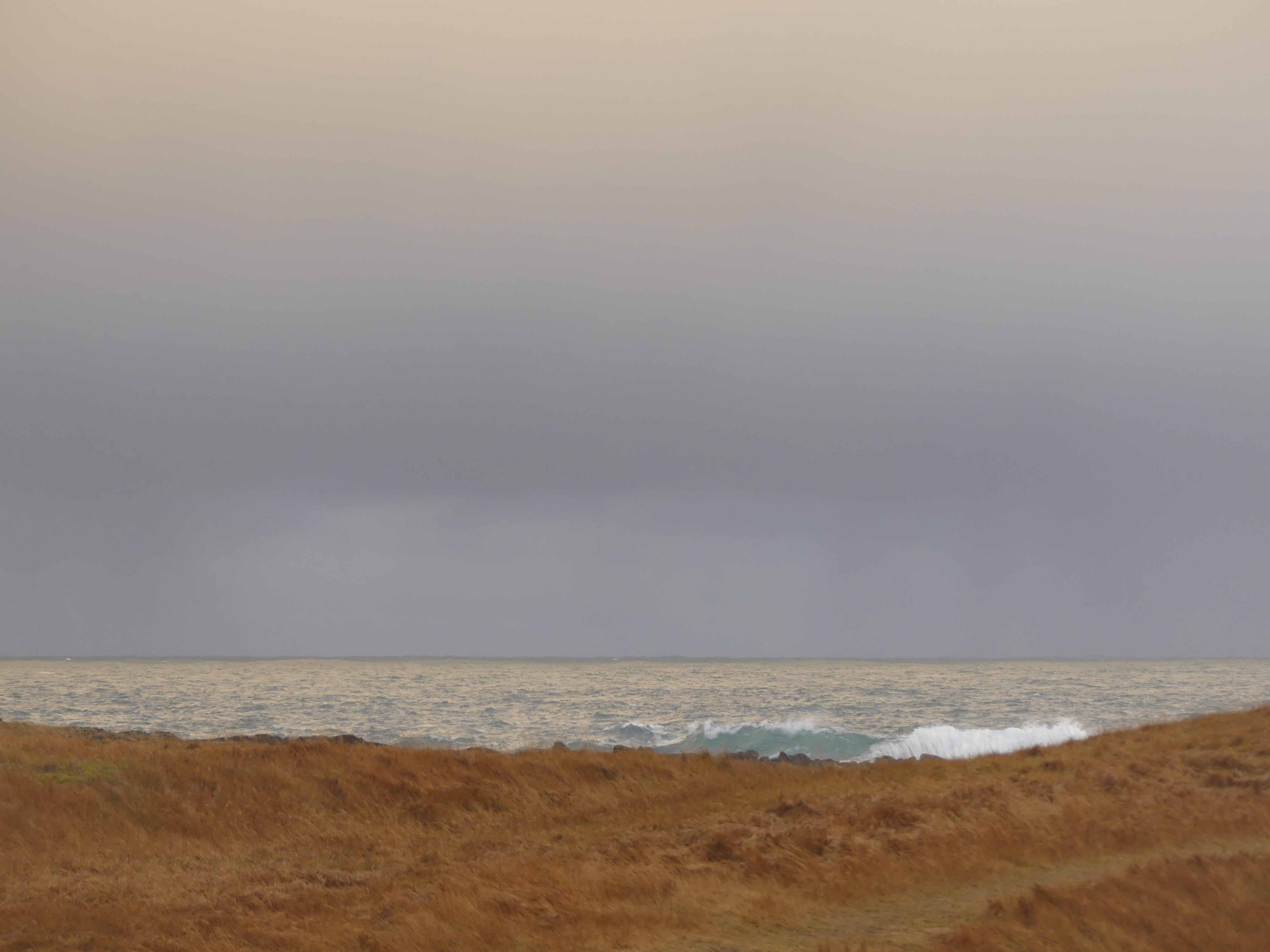
We have much to walk together through the stillness that gives us movement and stills us at the same moment.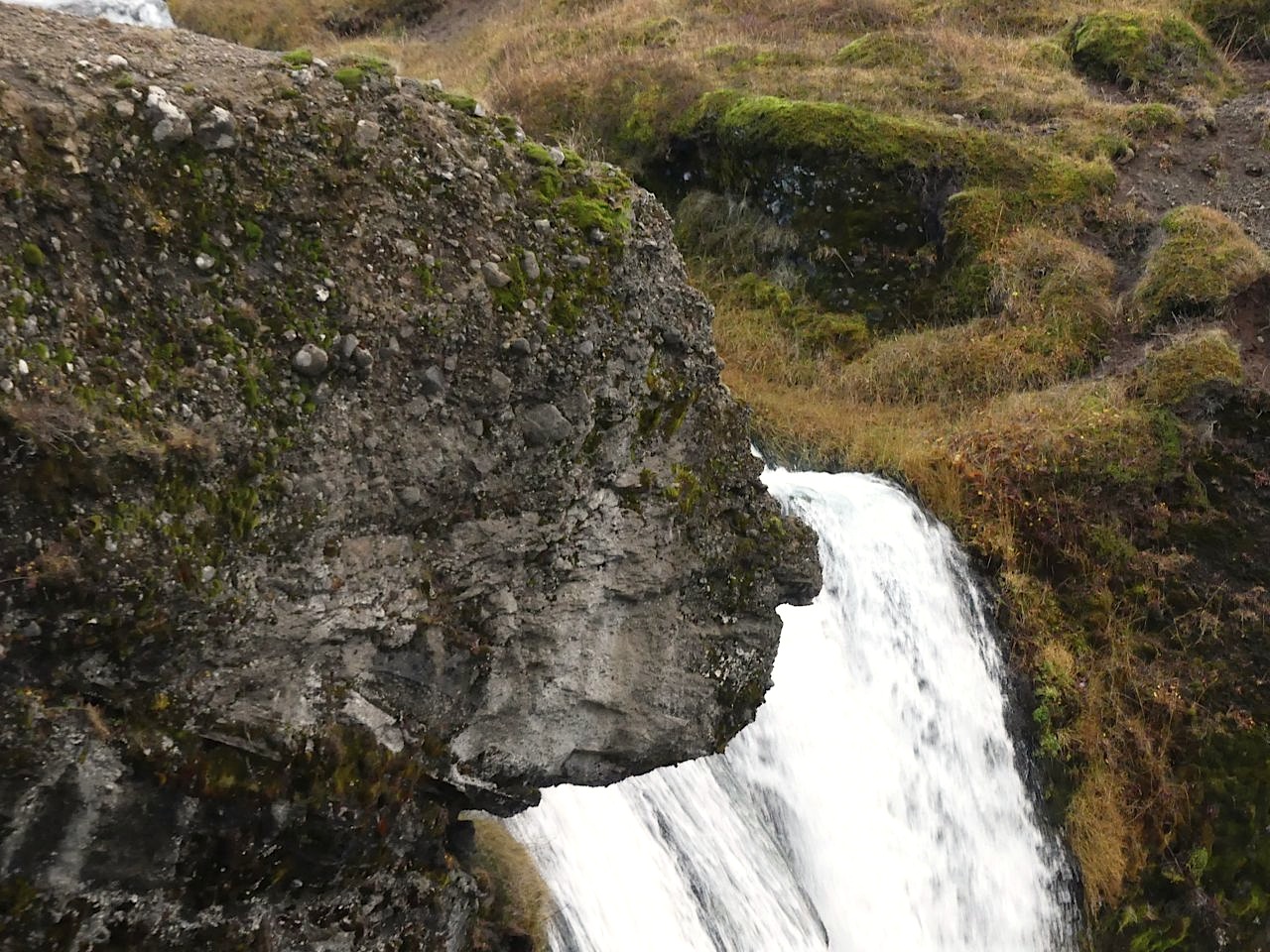
Let us rejoice.
In the understanding of people who live off their land, water is not a substance but an expression of the live-giving quality of slopes with certain qualities: not to collect water, exactly, but to amass it, like gravity. It is this coming together of forces which is water.
 An ocean is a different thing altogether. It, too, is not water, but, if the expression of a water out of the land can teach anything, I think it’s that the image below is identical to the one above, with one exception: in the image above, the ocean below is transformed by the lens of the land into the concentration of energy called water.
This ocean, Gunnar Pointed Out, is the great sea of undifferentiated life and death. They are only sorted by passage through a shore.
In effect, this passage is the same one created by the forms of the land that created the small lake above the sea I showed you above. Here it is again, so you can compare.
The product is the same: you are looking at human life being formed by the land.
Look at this lovely patterned ground on the path to the waterfall Glymur. Glymur was hidden behind a flood river, but the way that far was beautiful and austere.
Patterned ground is created near glaciers, where ground freezes and thaws dramatically. Stripes in patterned ground are created by slopes of 2 to 7 degrees. This is ice talking under the ground. Think of it as a balance between water …
… stone …
… and frost.

In Iceland, life doesn’t just come from heat.
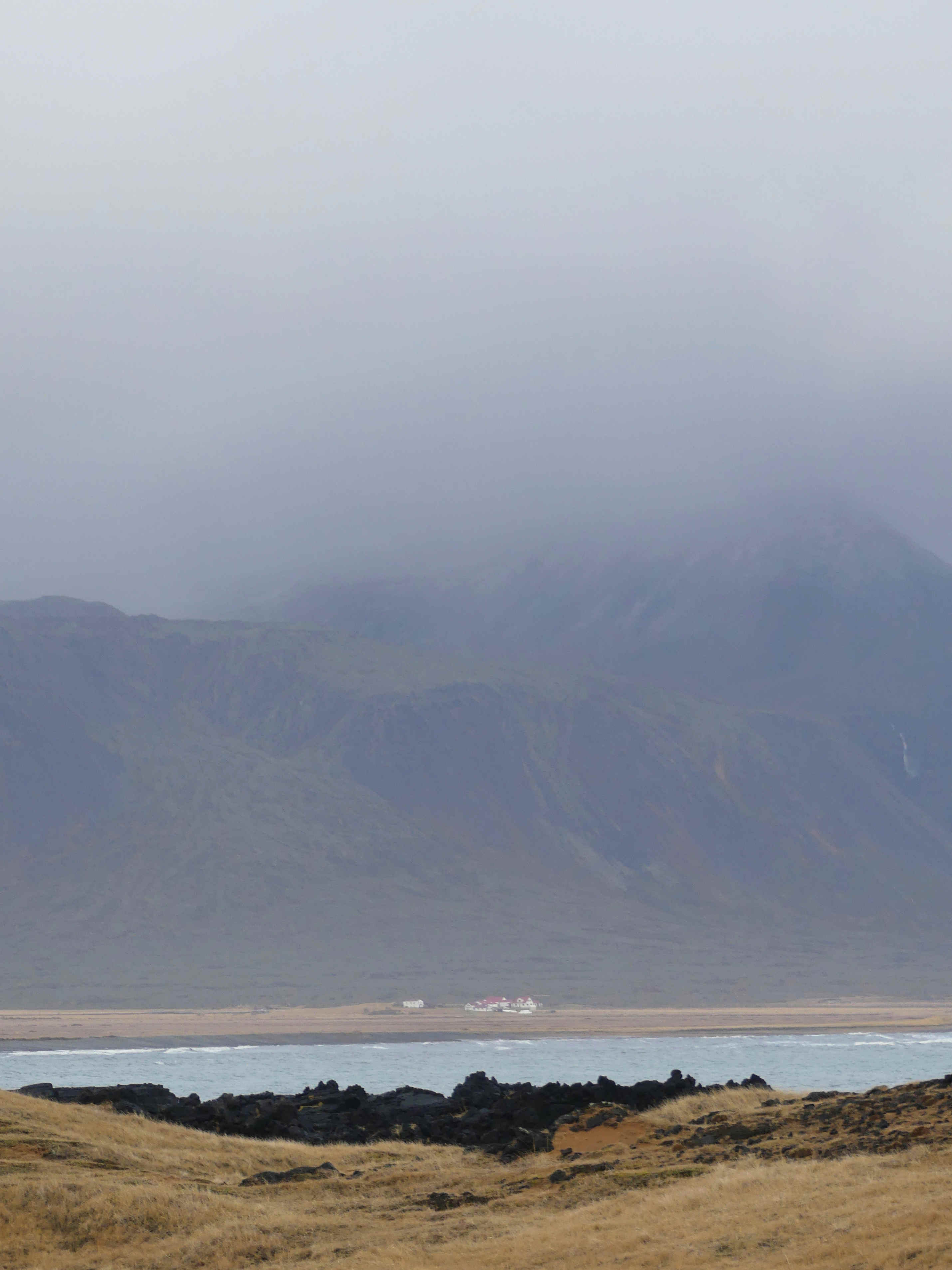
 A Farm in Iceland