As you can see from this view east from Ásbyrgi, the sun in Iceland manages to concentrate itself into little splashes of light here and there, on most days, anyway. That leaves much of it in stunning darkness.
The best thing to do is just to enjoy the darkness. When else are you going to really see it?
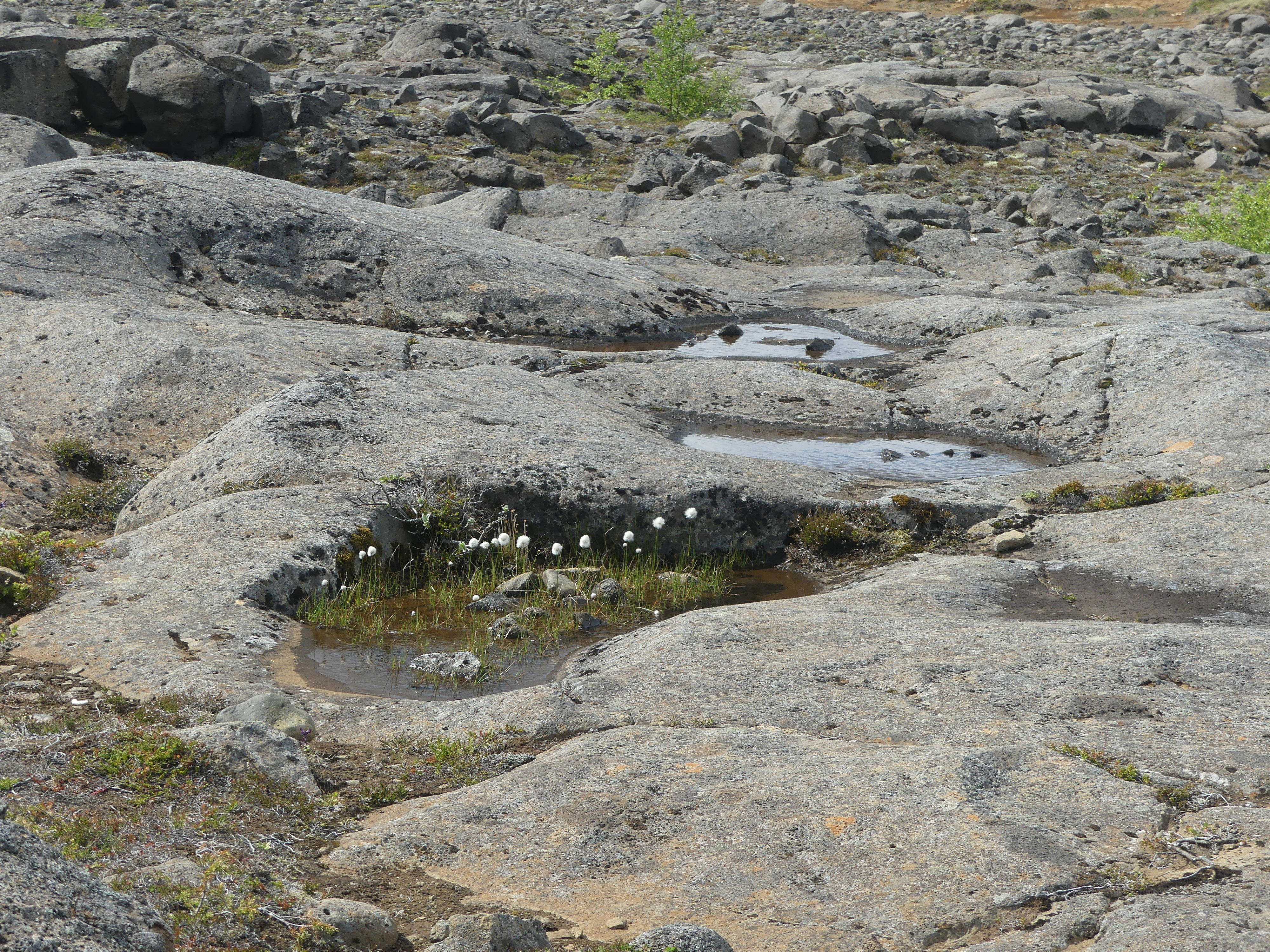
On top of the cliffs at the great dry waterfall of Ásbyrgi, high above the ocean, the tide leaves its pools. The water comes with the rain, and the pools aren’t filled with crabs and anemones, but bog cotton will do.
It’s always a thrill to come across life thriving in hostile places, including here, trod upon by so many human travellers trying to get to the cliff edge without slipping over in the muck. Perhaps the bog cotton is thinking the same thing!
If you’re looking to scry the future from a pool of rain in Iceland, you might want to be quick. The basalt breaks into natural chalices, but it’s also porous and soaks the rain up like a sponge.
If you’re going to be a prophet in Iceland, you need to be quick if you’re using rain, but if you’re using air, well, you have lots of time. Basalt also breaks off into patterns that our minds recognize as faces. These prophecies are prophecies of our moods, but are good for reading what we have noticed on the edge of perception but haven’t consciously formulated yet. The reading helps. This little chalice in Ásbyrgi holds a laughing sheep. It’s faint, but it’s there. It could be a donkey, though. That’s the thing. Prophecies of this kind are never exact! You discover them in the world, when they arrive.
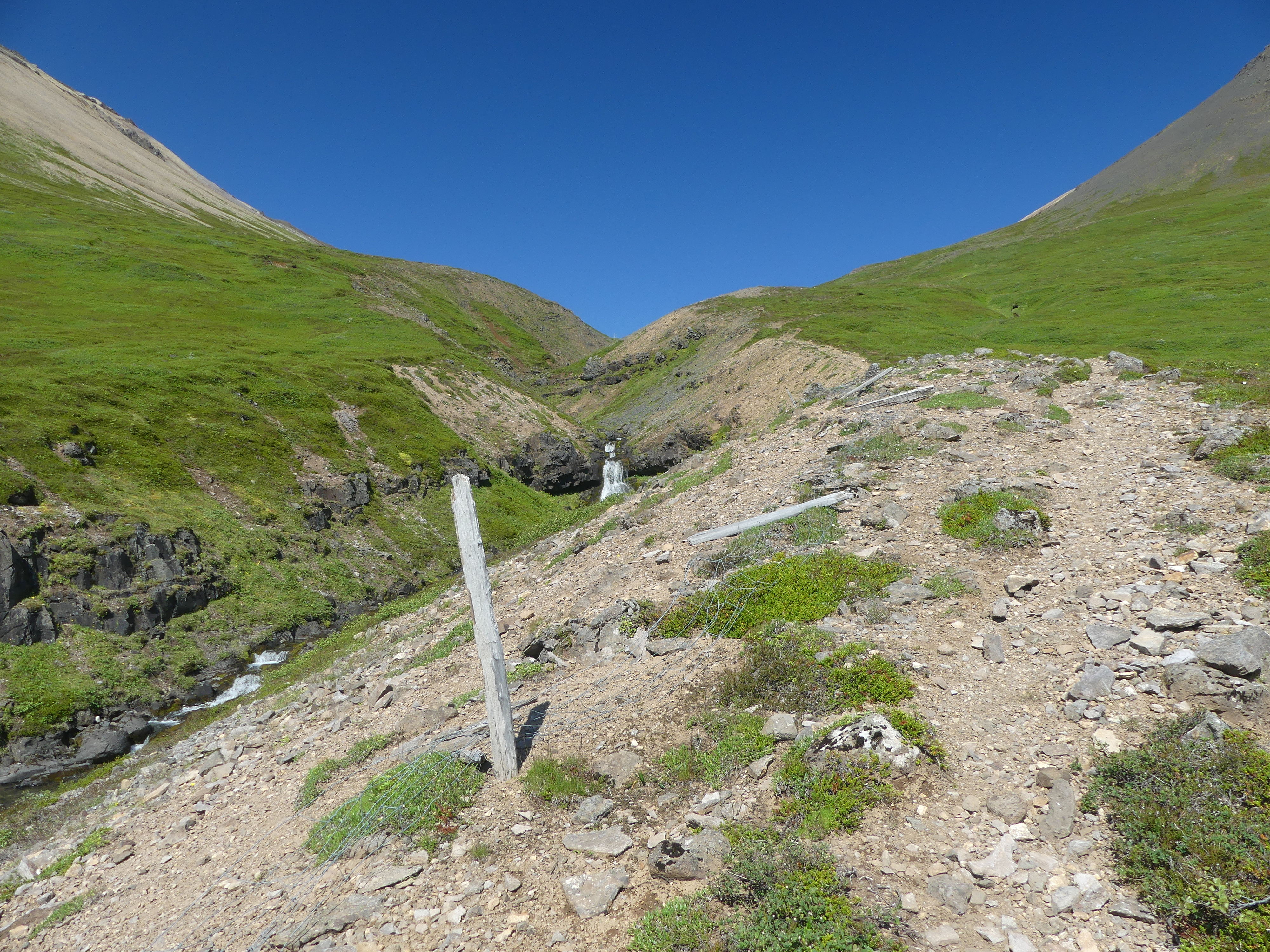
Think of Icelanders eking a living out of nearly bare soil in an inhospitable climate, and then think how much the world has profited by selling them useless things like fences. Think of how much land was eroded just to pay for this nonsense.
Fence on the Stapavik Trail, Njardvik
And then all those profits blown up in wars. Imagine what could have been.
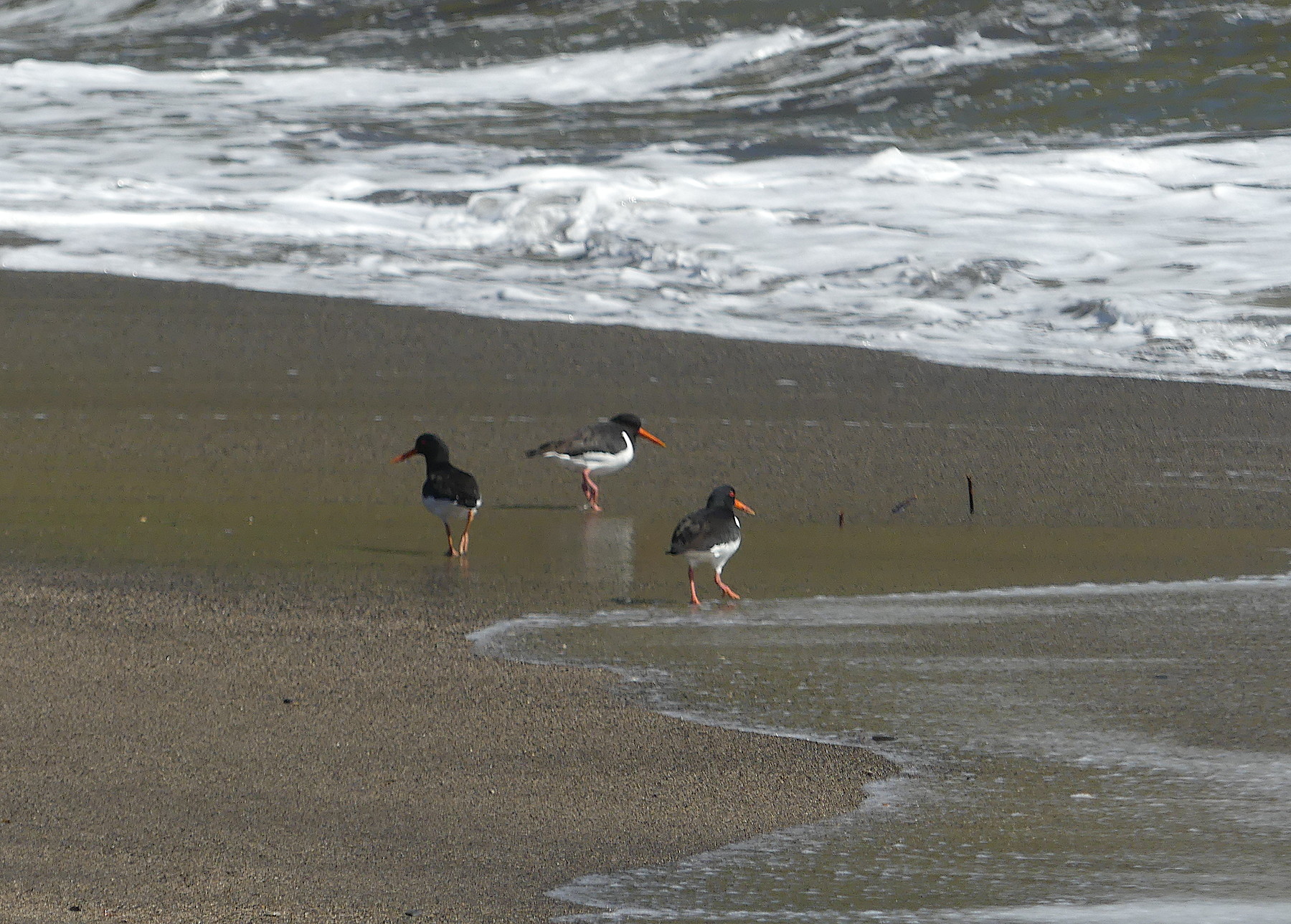
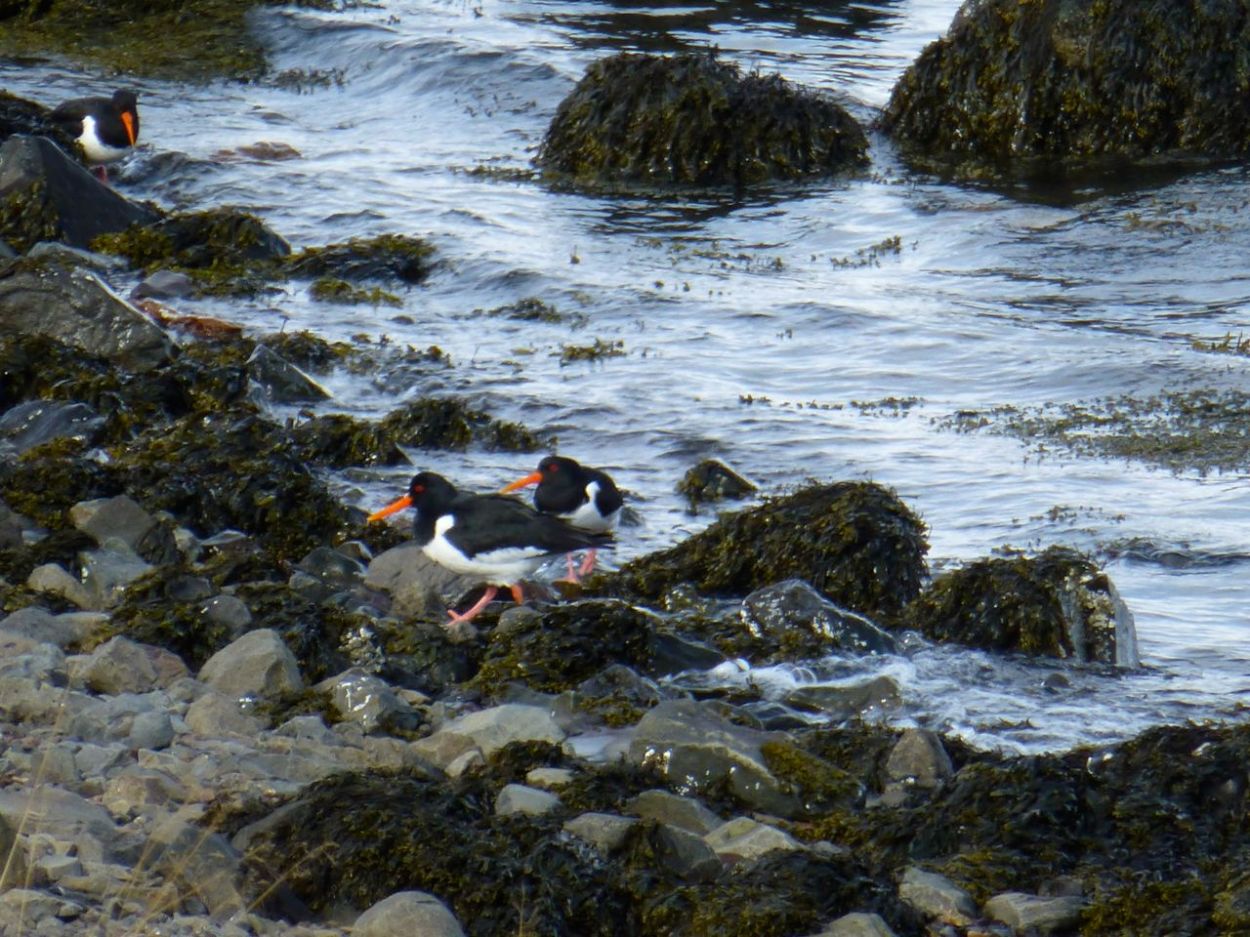
Don’t be fooled by the pounding of the surf. You don’t have to be a giant to approach the sea. You can be small, and quiet and even whisper. So much Icelandic cultural advertising approaches the world as a terrible, destructive force that wears people down, yet Iceland isn’t like that. In many ways, this approach is a marketing strategy, born in the romantic travel literature of 18th century England and the perennial problem of Icelanders feeling cut off from the world. These birds are scavenging on the shores of a powerful ocean, yes.
But to them, Icelanders the lot of them, the ocean is not destructive. This concept of “destructive” comes from human attempts to live here, despite all this energy, and failing almost as often as not. That is a human problem, though, which means you can approach the sea as a human without the limitation of fear. This is the sense of fate that Gunnar tried to tell the Germans about in 1936, that “life in the present” means “to act,” because all time is present. You can’t choose between past, present and future. You can integrate them, however, into action and be your fate. That doesn’t include romanticizing your isolation or fighting against it. Those are just cultural choices, for the most part from outside the country.
Reydarfjörður
The greatest wealth, Gunnar said, is poverty. It makes everything that has washed in from the sea a treasure.
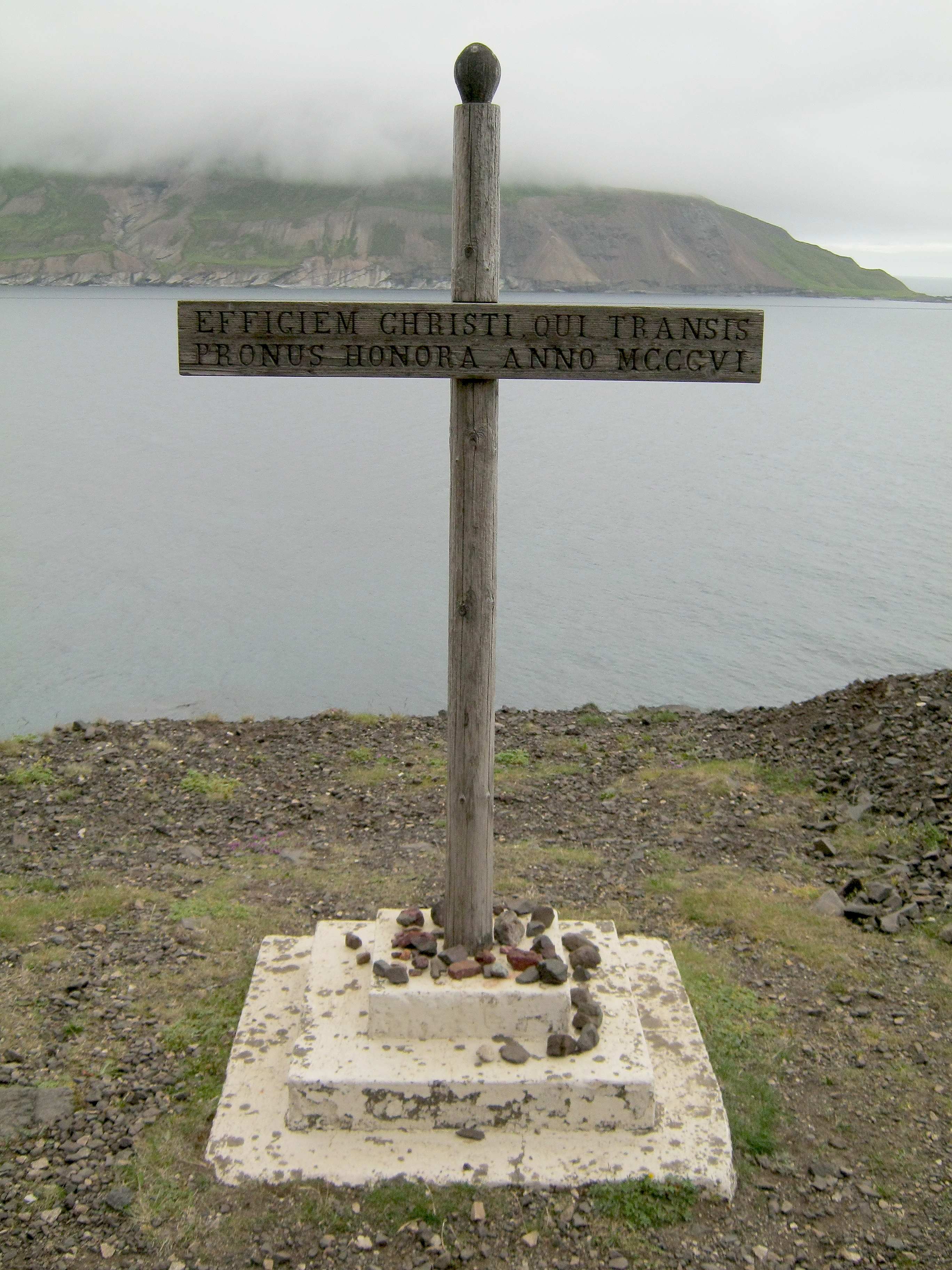
For four hundred years an ogre threw travellers over the cliff trail between Bakkagerði and Njarðvík. It was awfully steep and in the fog, dark, rain, snow and whatever else the East Fjords undoubtedly threw at them. It was terrifying and very dangerous.
A bit of Christian-Norse magic took care of that, though. The rocks at the cross’s base are funereal stones, left by travellers. The road was fixed up in 2019.
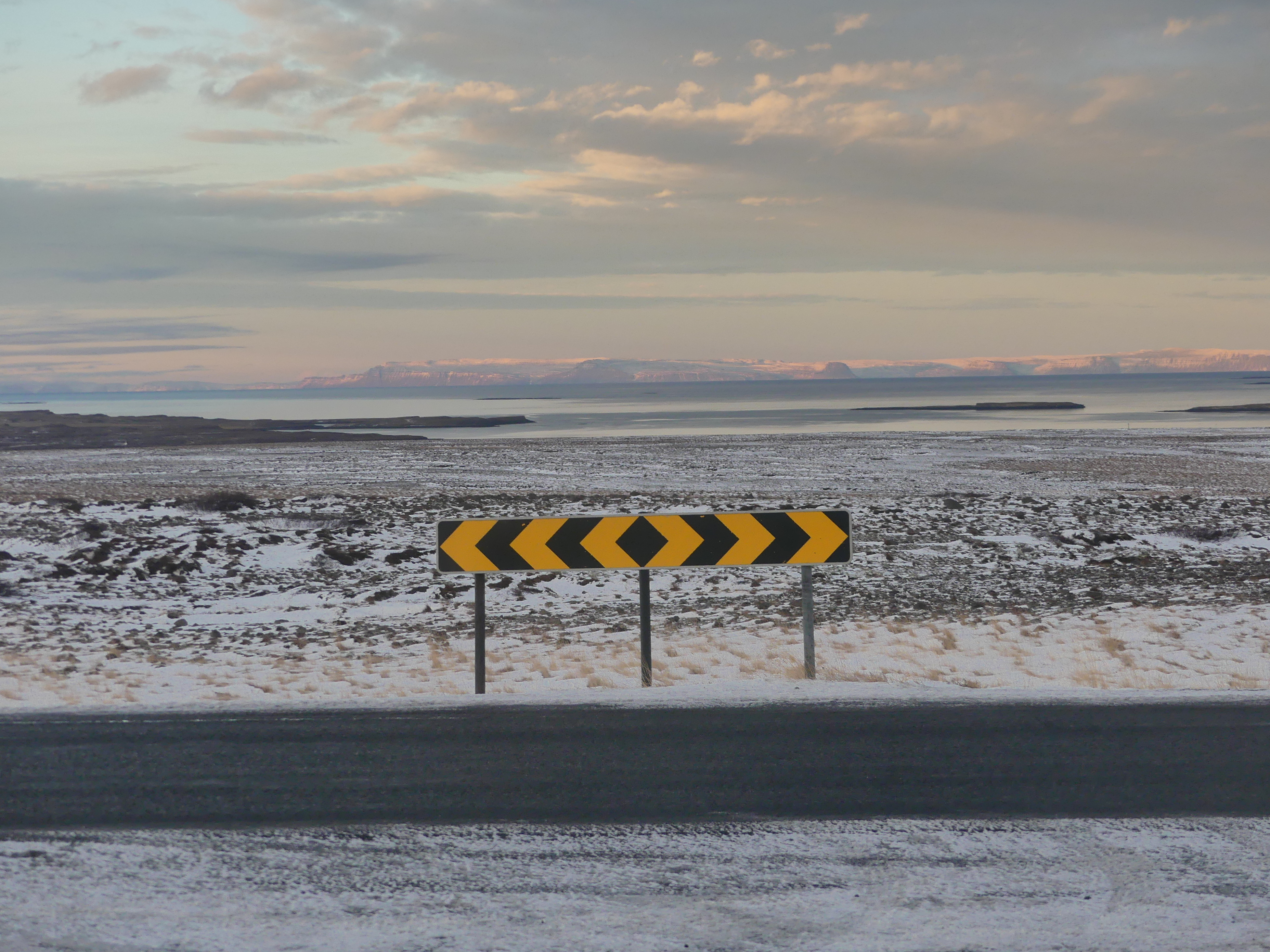
Wherever you go, you’ll still be in Iceland. However, if you want to get to the brightly lit West Fjords across the water, a right turn is the shorter way.








 A Farm in Iceland