In Iceland, you could still learn to read.
Lichen Below Hengifoss
Books pale in comparison.

In Iceland, you could still learn to read.
Lichen Below Hengifoss
Books pale in comparison.
He might be only a force of nature now, but he’s still doing good work.

Jokulsárlon
Art: the spirit of the earth breathing us alive.
Icelandic horses came over with the first settlers. They know a thing or two. Here in Eiðar, you can see the technique for getting at the good stuff: you can strrrrrrretch that border, but you never, technically, really, for honest and for true, cross the line.
Also in Eiðar, you can see just how flexible this rule is below. The Icelander on the left has one hoof back behind the line, and the one on the right has the line running right down his midline.
 No matter how you cut its, lines are lines and that’s it.
 The Gang at Nýigarður.
Sort of.
In Iceland, the major architectural monuments from the past are also way-finding cairns of stones passing across inhospitable terrain. They were essential for commerce and the maintaining of a low technology culture in a harsh environment. They are now essential links to the past, as important to Icelanders as, say, the pyramids in Egypt or the Strasbourg Cathedral in France. In other words, they led somewhere, and still lead somewhere important, even as people continue to try to read them.
 Aimlessness at Þingvellirvatn
Unfortunately, many contemporary visitors to Iceland, being humans and liking to make their own presence into lasting magical gestures, a signature of their kind, obscure the landscapes with their mark-making. Please don’t. It’s ugly and aimless. They don’t let you do it in Paris. Respect goes a long way towards creating beauty.
The National Geographic will tell you that Iceland looks like this. Kirkjufoss, they call it.
National Geographic
You will be astonished how much trespassing you have to do to get a shot from that angle. In truth, though, Iceland looks like this: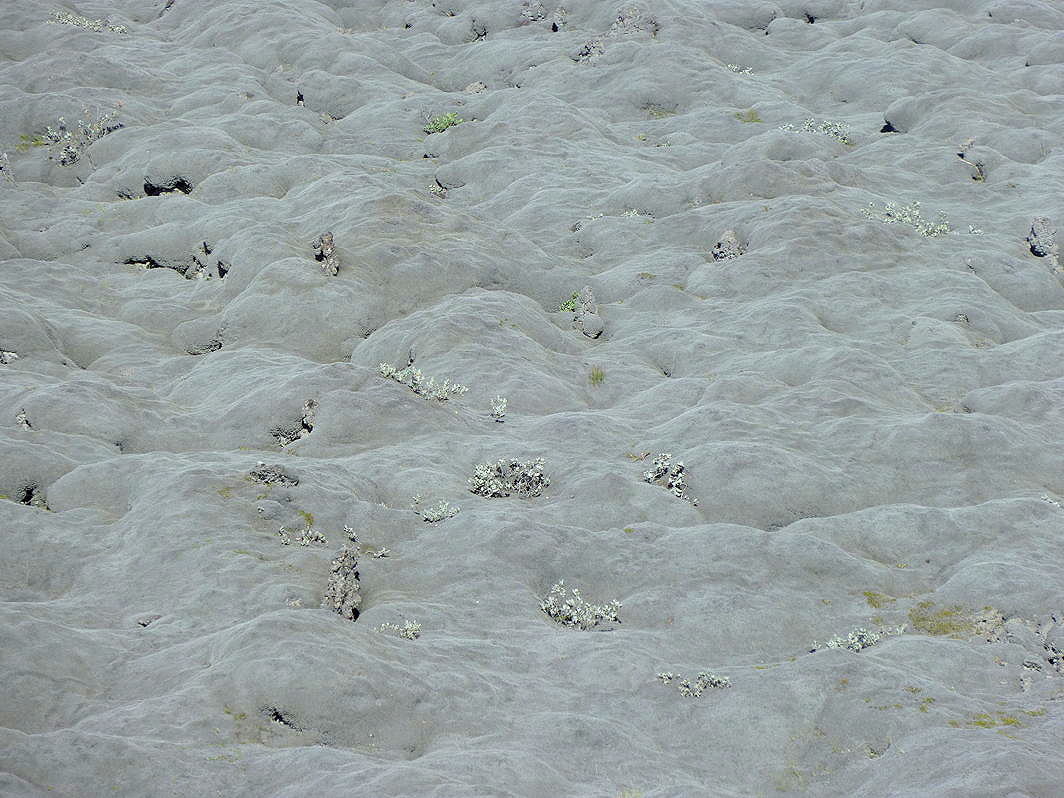
We call that moss. Those little silver plants there? That’s a forest. Please, stay on the trail. Beauty becomes photography, taken from awkward angles, with weird blurring things going on, if you don’t.

Art

Culture
Or was it the other way around? No matter, either way:
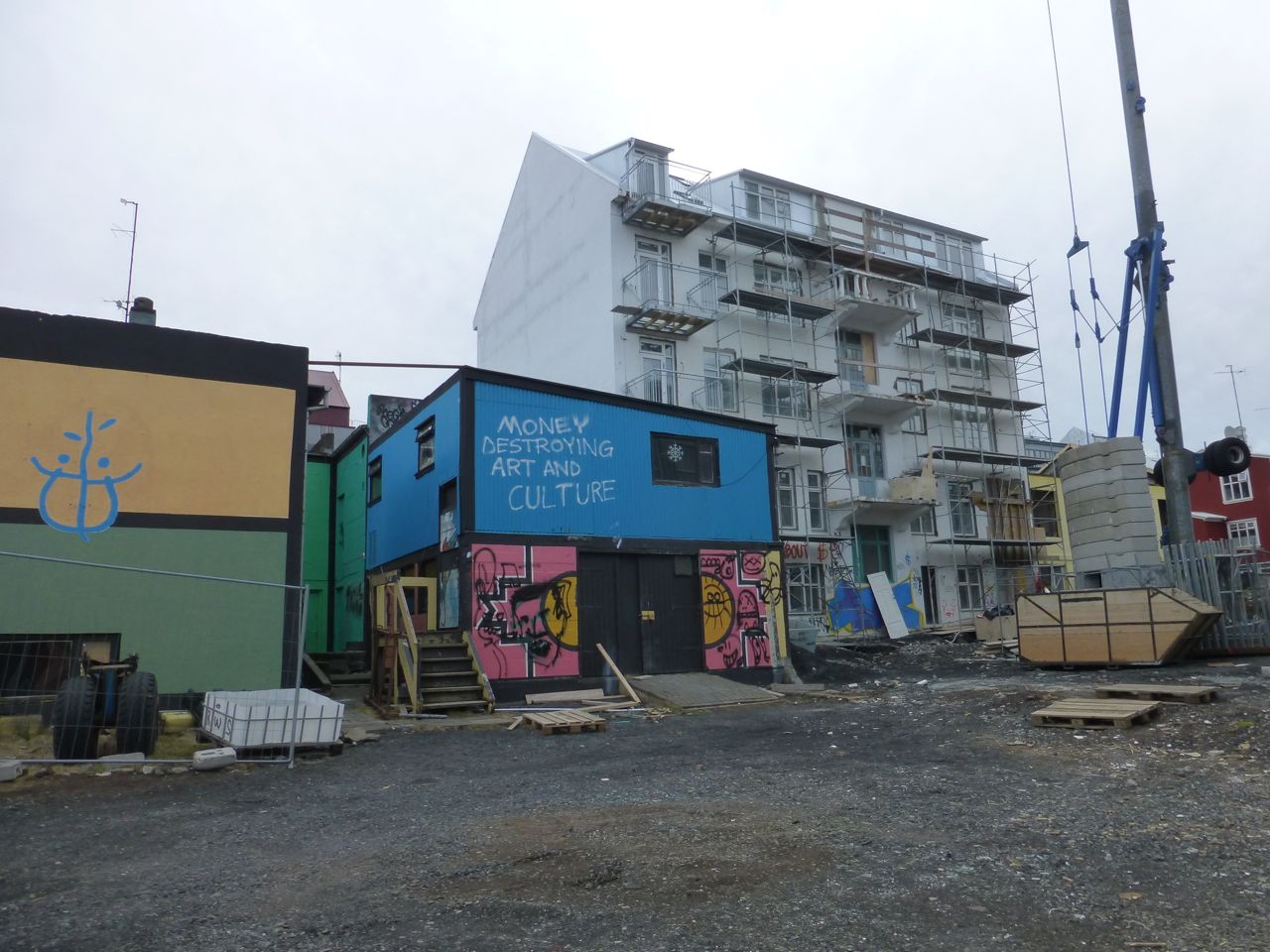 Art + Culture
The three images above are the same image.
Volcanic crystals plus water equals islands everywhere.


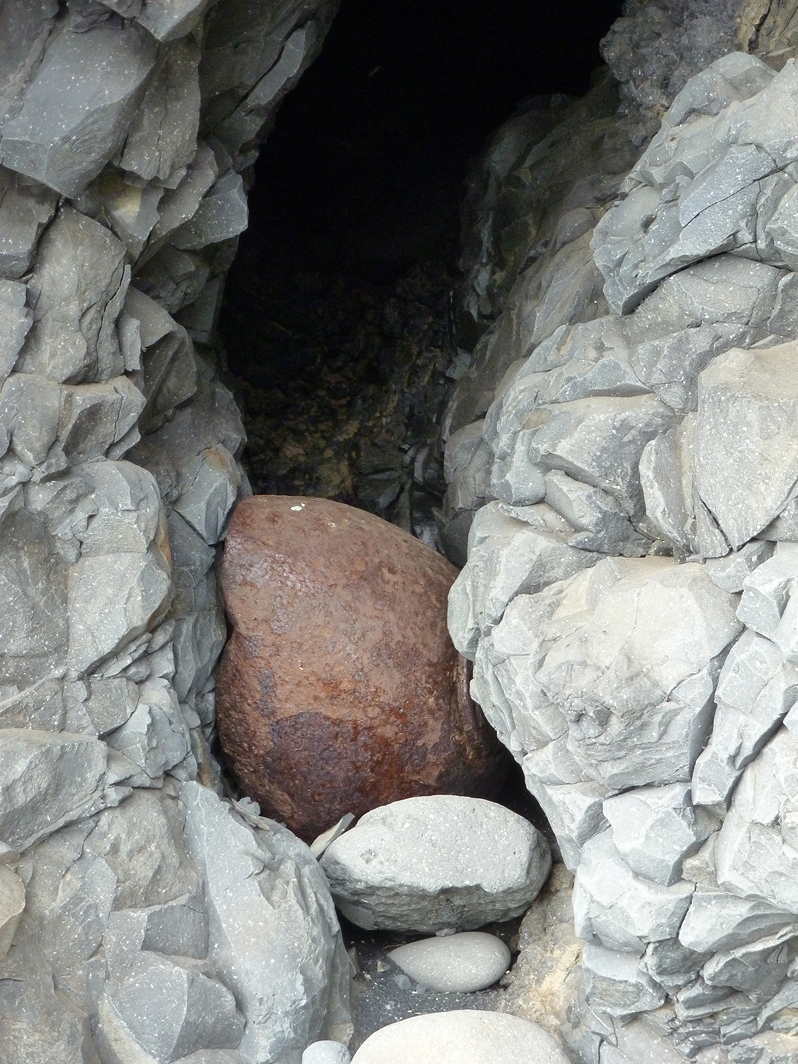 Well, OK, wind and sand, too. In that case, they make water and the stones in water. These are deep patterns.
 Even volcanic gasses and earth. In that cases, there are islands of air.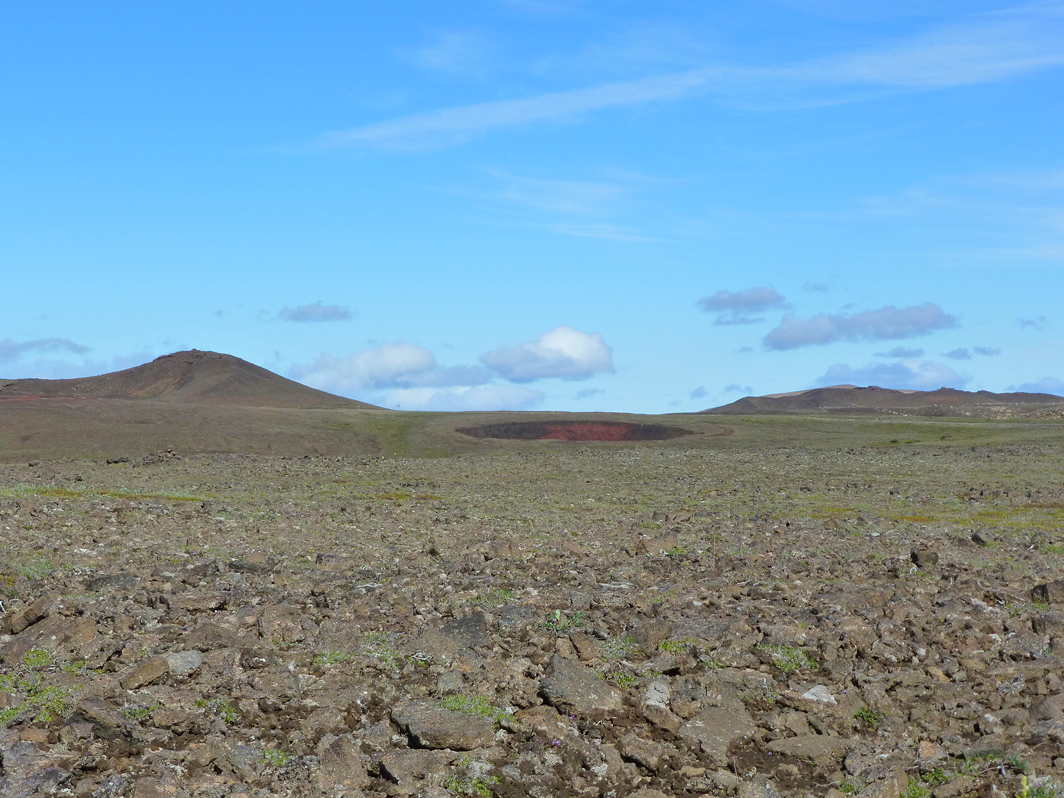
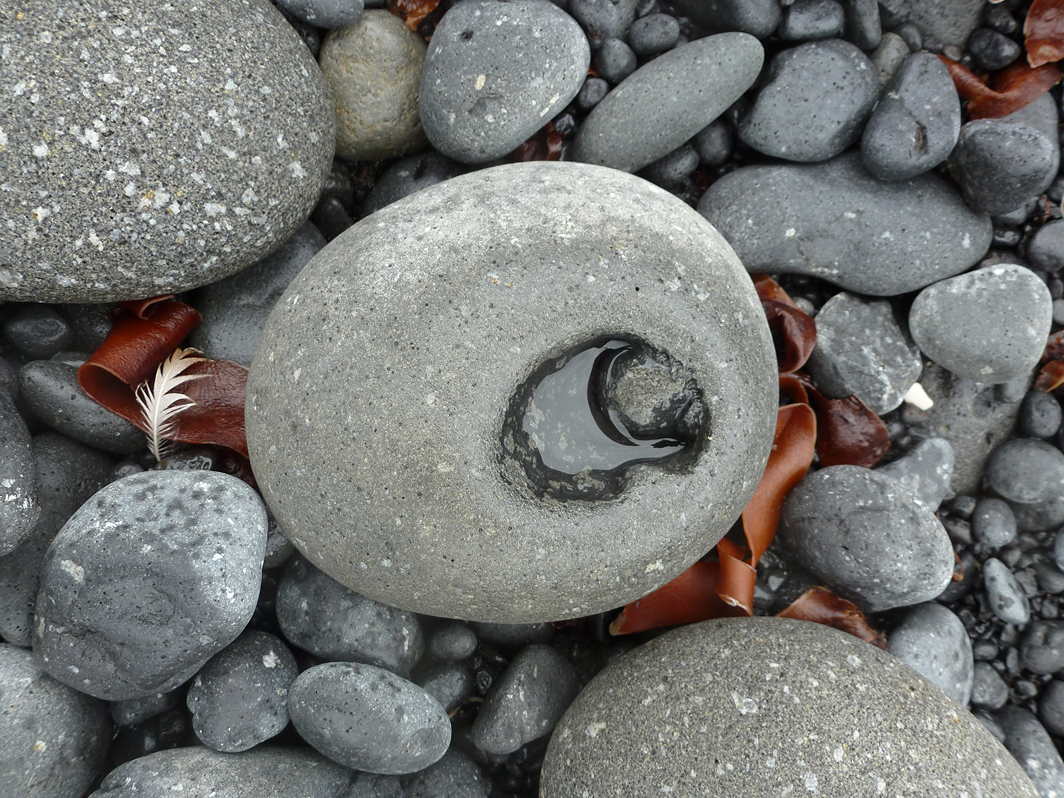
 Life follows the same patterns.
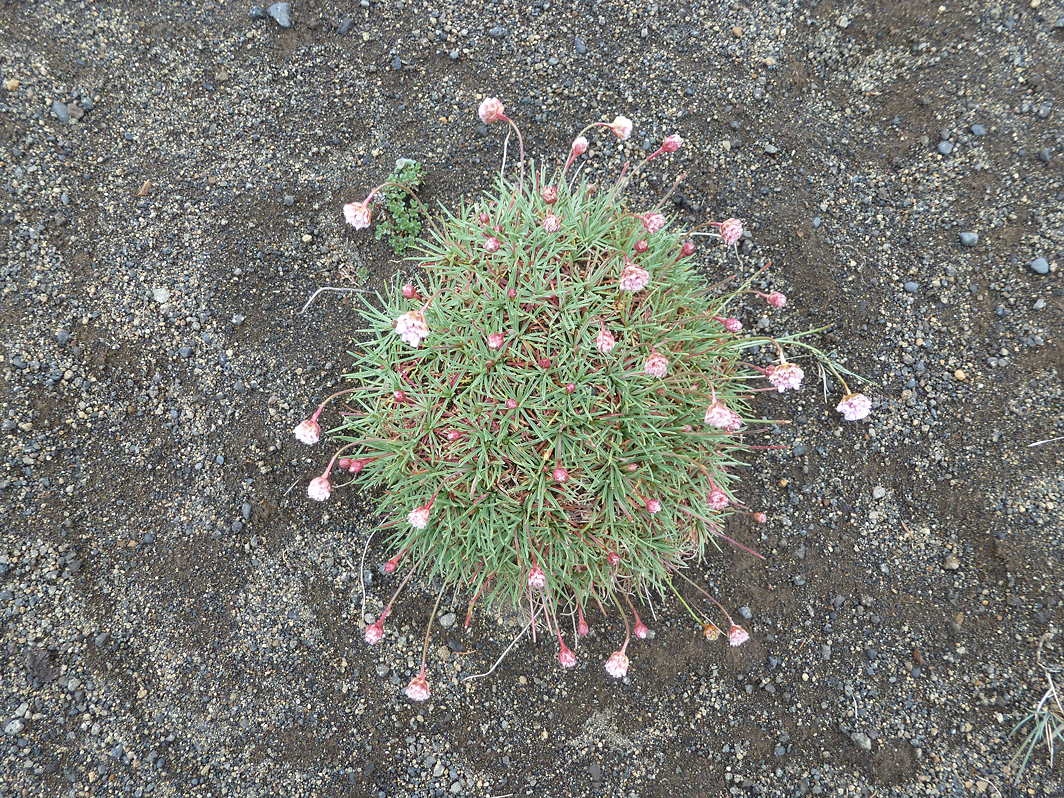 So do dwarf stones.
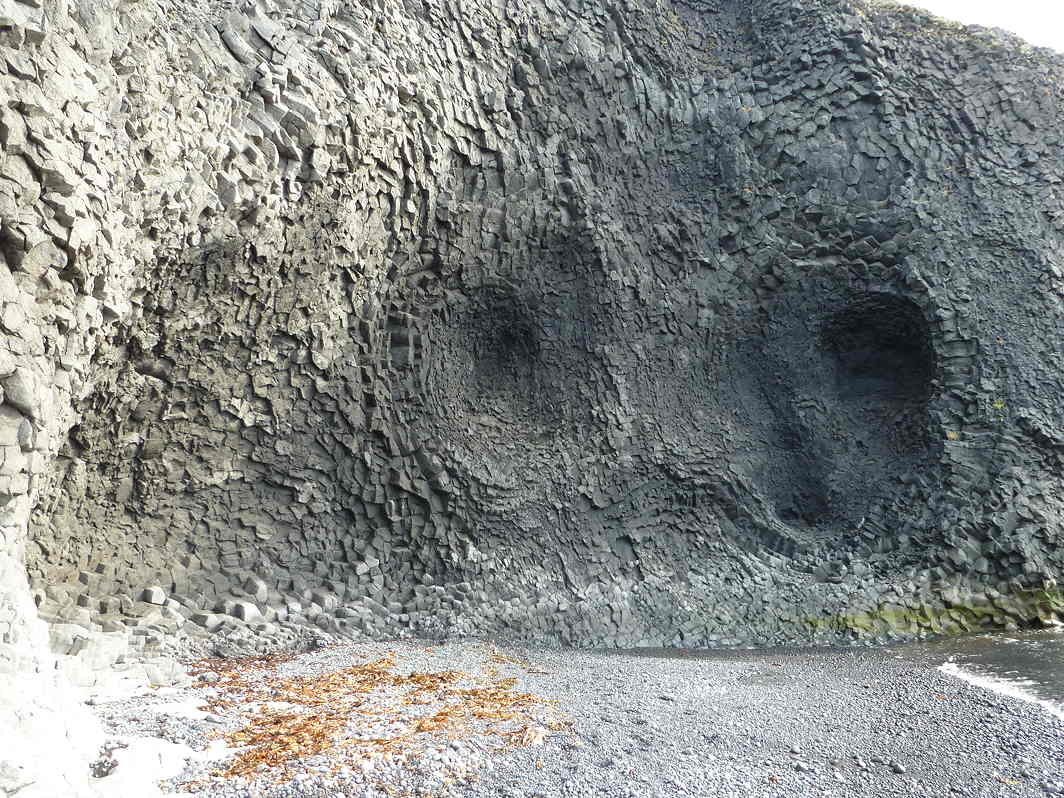 And humans? Well, look.

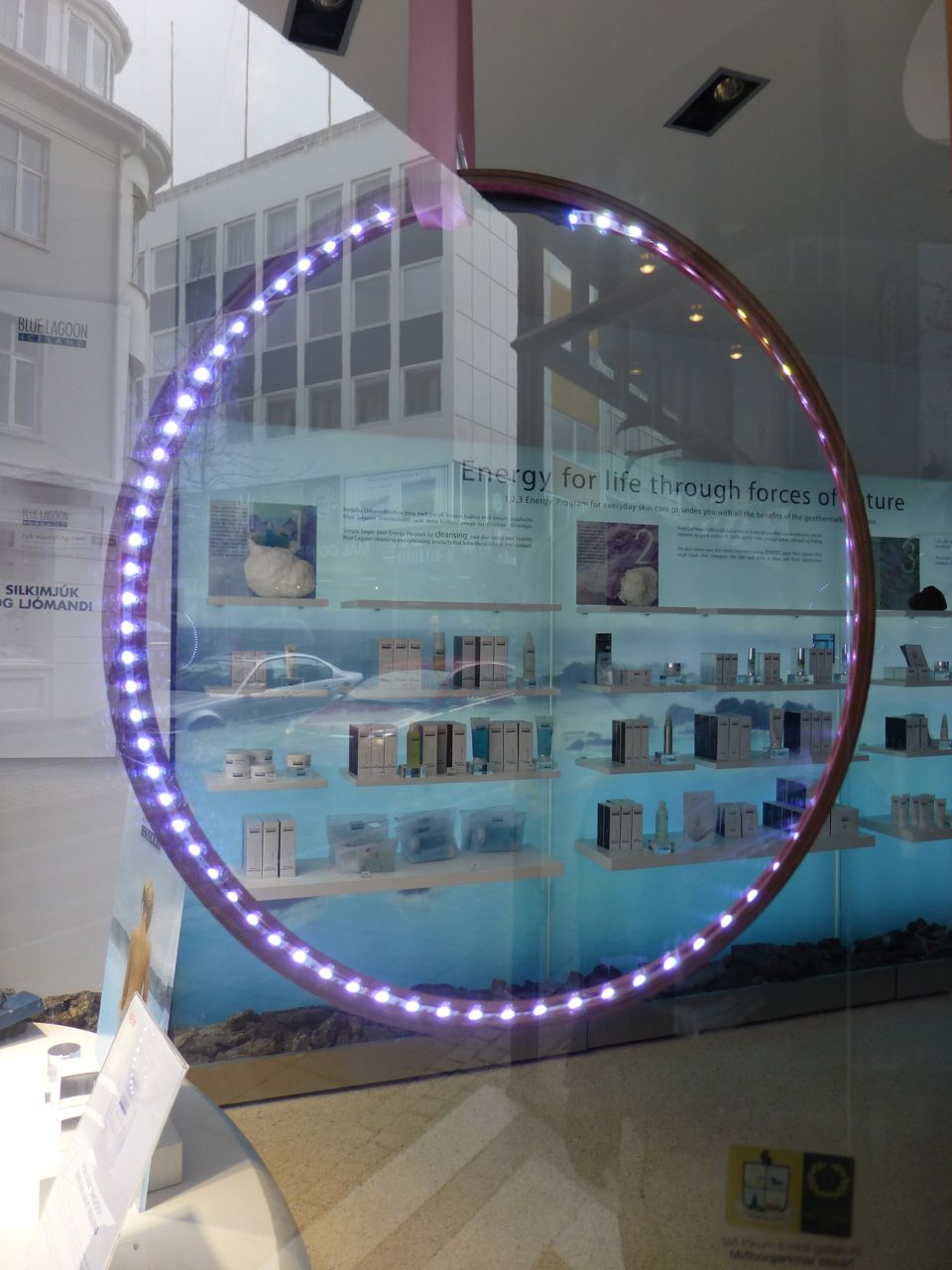


 Even when you don’t expect it, there it is.
  You can never hide in Iceland.
Houses for the mind.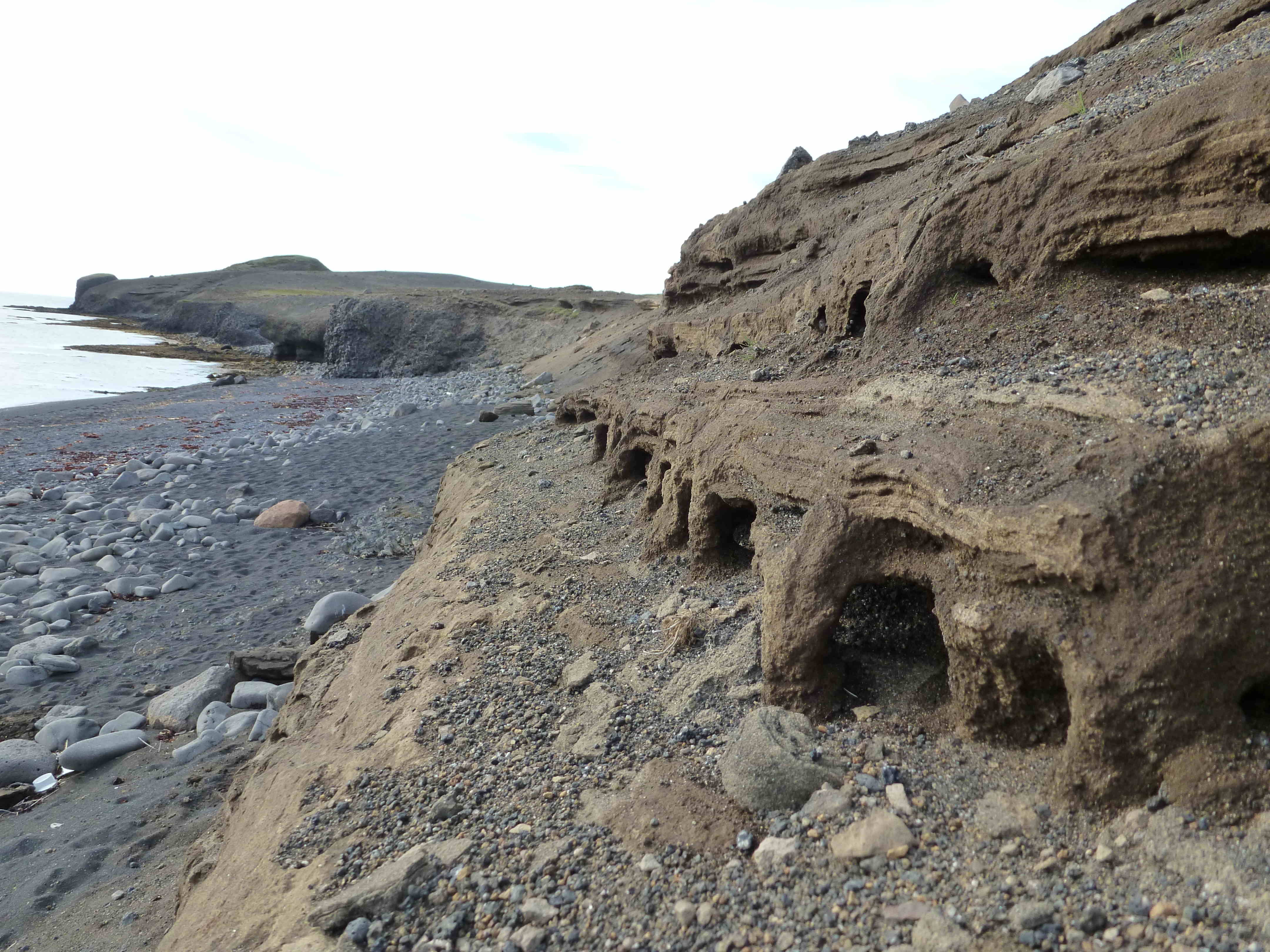 Poems for the body.

Sticking out its tongue and everything.
A troll is what your mind looks like at root level. You can walk through it and tell stories. If you look closely, there are dozens of trolls here, not just the one at the centre left, with two eyes and the broad, down-turned mouth. Look at the white, ghost-image of one at centre right. The stories are consciousness; you are more than that.
I swear, Iceland is alive.

The late season light changes so quickly that the flow of gravity and time across space, and your body, are one. Only the photograph is still. Try opening the image in a new window. I think some of that directional energy and movement is captured in it, especially when seen a bit larger than here.
Either that, or confronting elemental nature makes a human alive.
 A Farm in Iceland