Category Archives: Huldúfolk

The Two Ways of the Icelandic Thrush

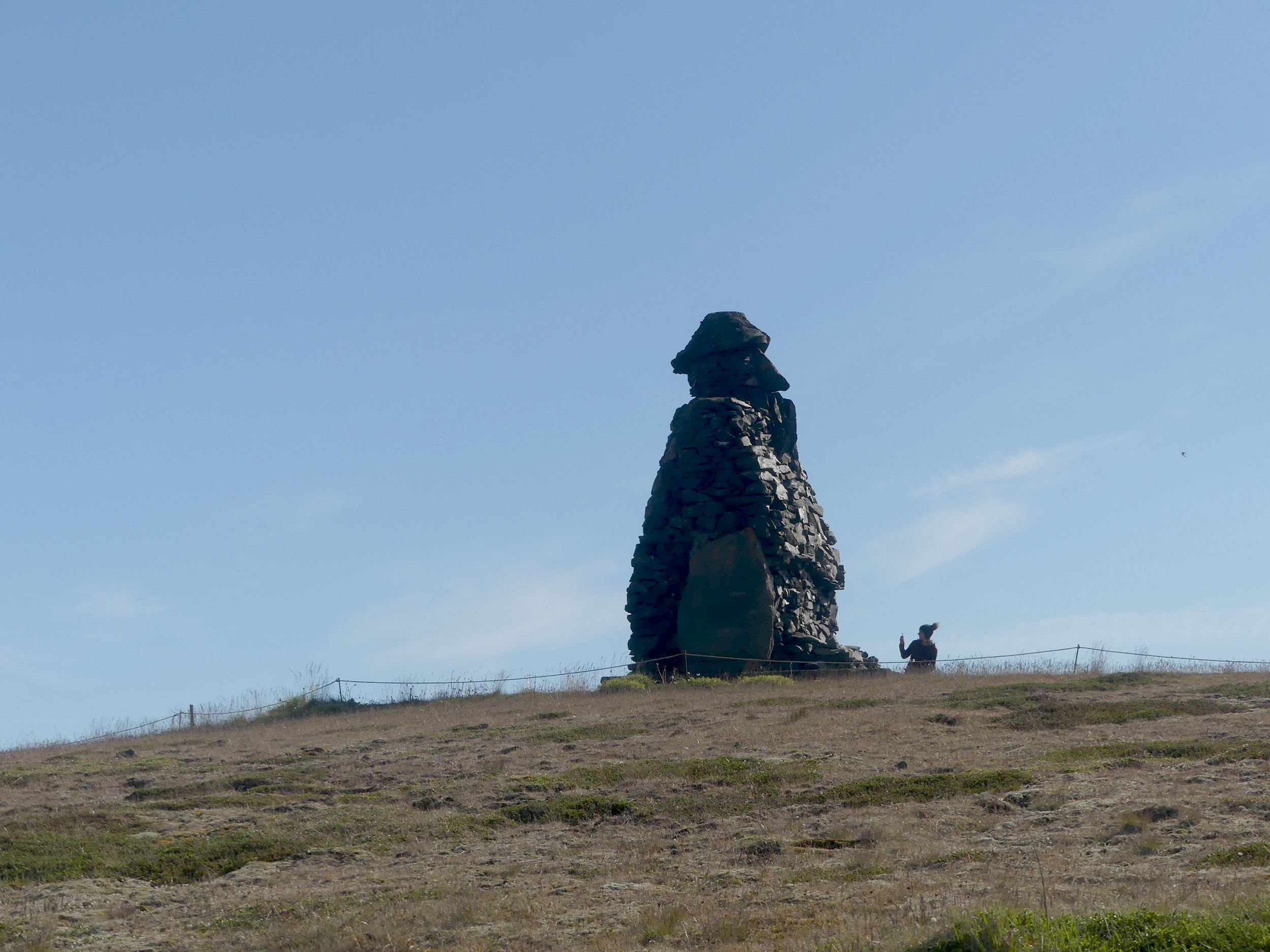
First, you sit on a troll’s head at Midsummer, when even the stones come alive. If that sounds fantastical, you should really go to Iceland at Midsummer. You’ll see. In this way of the thrush, you get to hang out with a troll. Nice.

The other way of the thrush is to be the living thought of the troll, not in words or ideas, but in thrush. Nice, too!

Remember, trolls aren’t animate beings from fairytale, but places where rocks are made into home and mind through attachment. It could be you. It could be the thrush. It could be the thrush leading you into the Earth, where you find yourself.
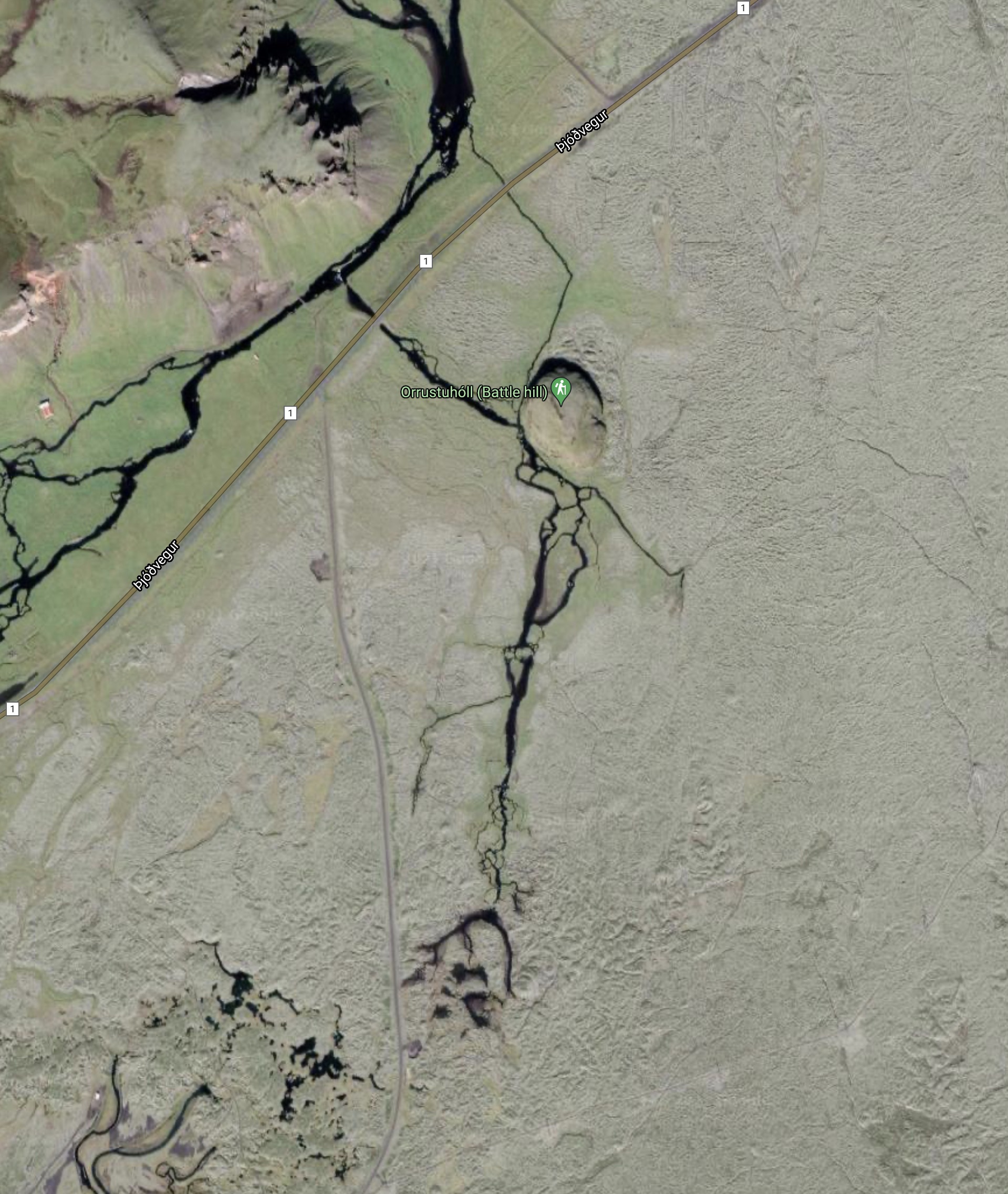
The Elves’ Horses Are On the Battlefield Still

We climbed Orrustuhóll, or Battle Hill, west of the convent and east of the Black Falls…

Looks Like a Soldier from the Sky, Doesn’t It

… and there in the lush green full of spirits ….

…in the midst of a harsh lava field …

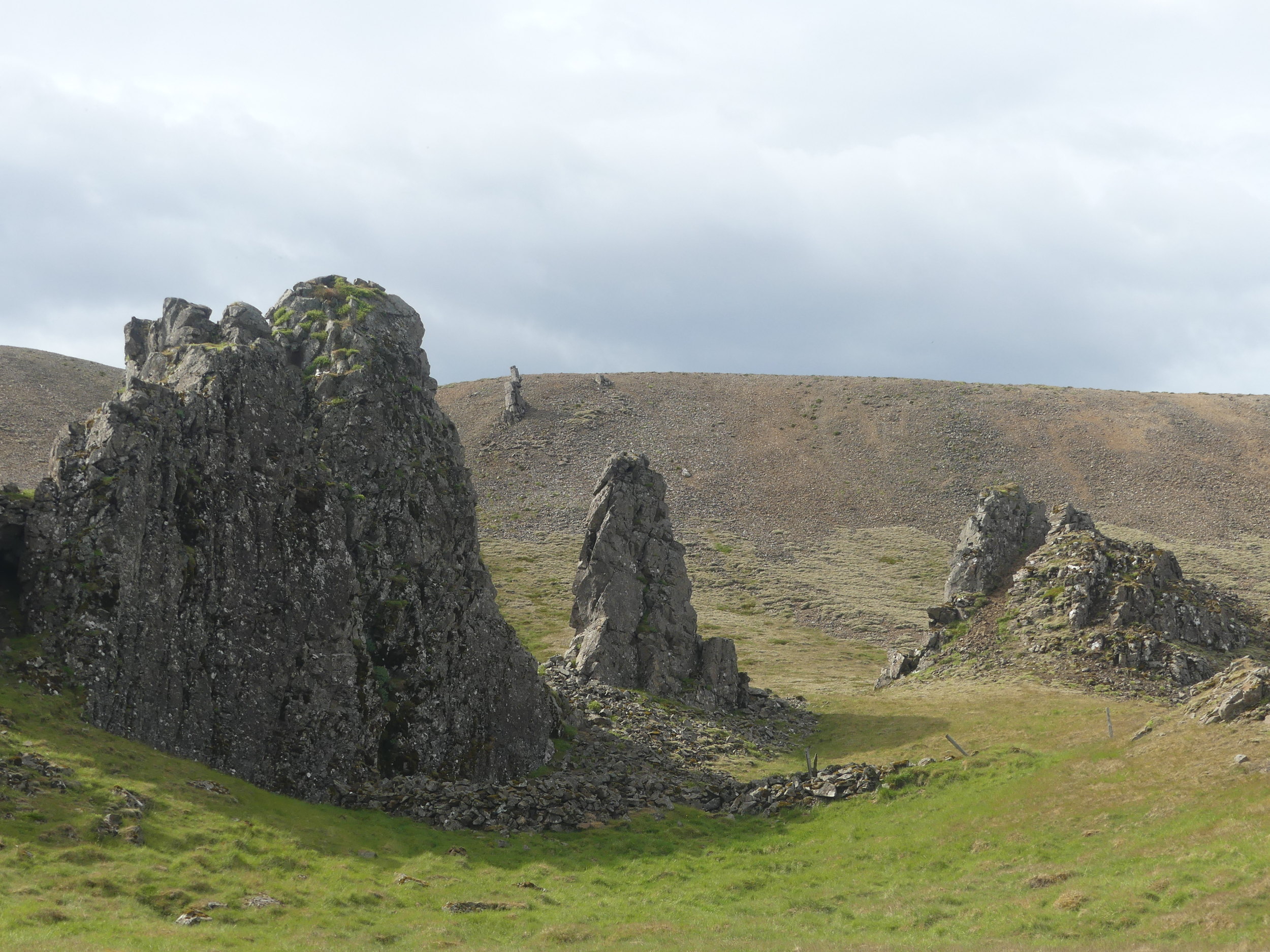
… we found the elves’ horses.

This is another hiking site in Iceland that was popular in the Golden Age of the 1950s, one of the ones that made a trip on the new Ring Road a trip through national pride. Now there is room for one car to park off the road. A million tourists a year (well, maybe not this year or last) drive past, just as the elves would like it. I am honoured to have been invited and let in.

The Dragon of Gatastapi

Most dragons in Iceland are in the West, but here’s one in the Northeast.

Nice looking wyrm! From the north side, in the mist, she looks like this:

The dragon of many faces! What does she have her eyes on? Ah, not you or I, but Gatastapi herself.

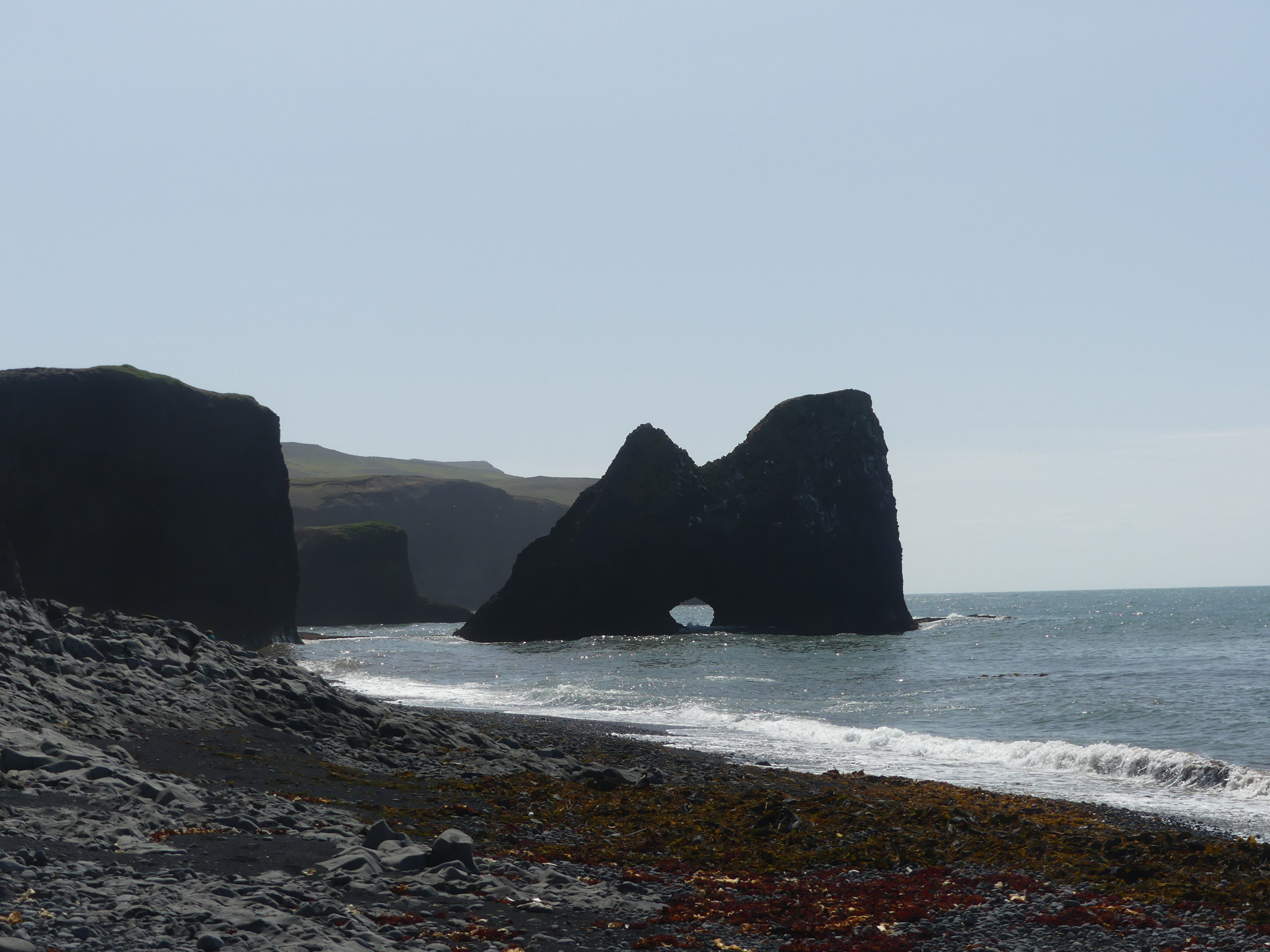
This is an old whaling station where you can look through things to the other side.

Big Game in Iceland

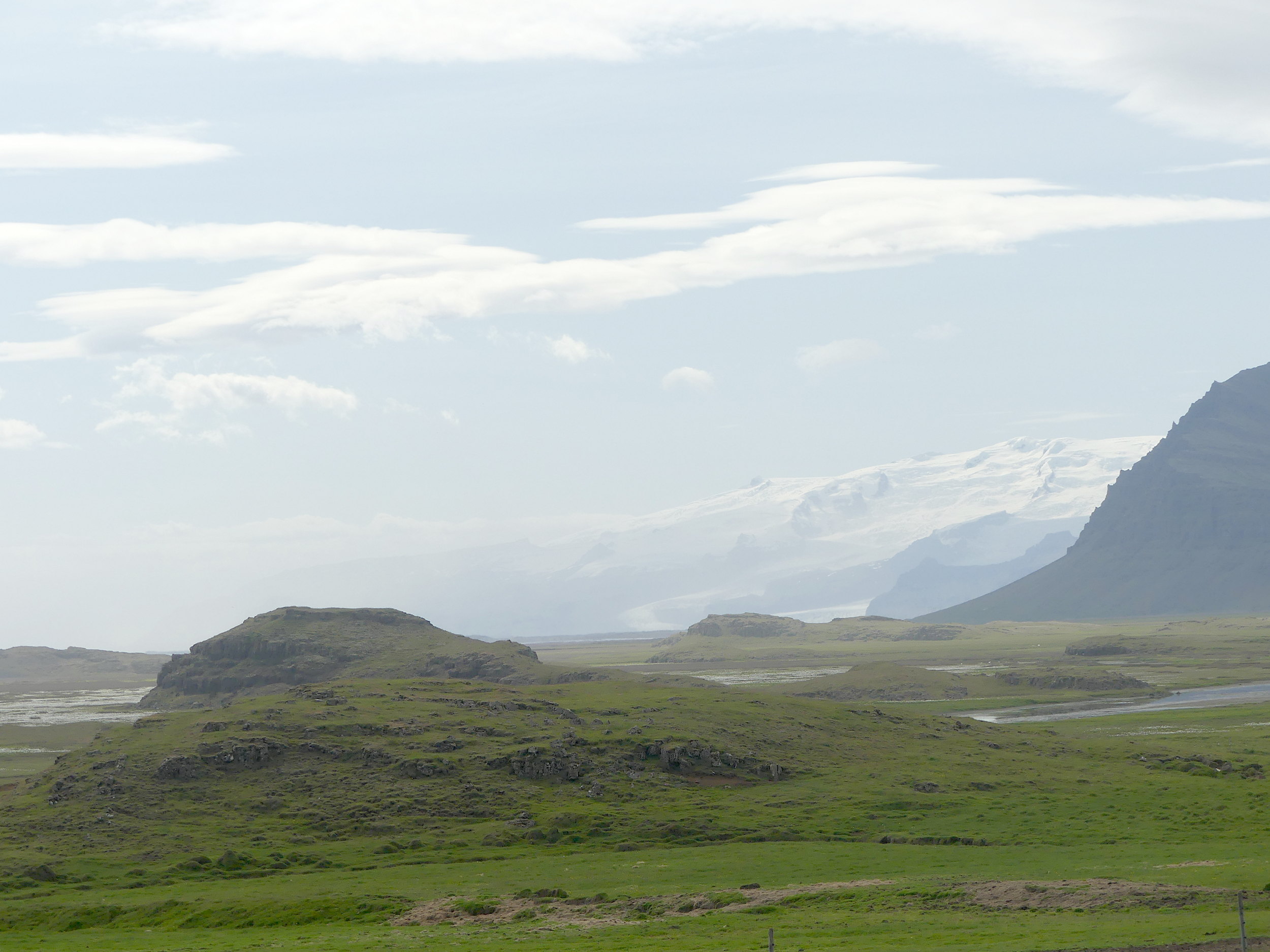
Not elephants. Bigger. You can spot one in the distance, looming down on Höfn.

Papafjörður

We call them glaciers now, but, come on. Look at it! The Icelanders call them Jöklar. It’s an interesting word. Kayak is the same word. So is a jacket. So is, believe it or not, an ice floe, or even a little iceberg floating in the fjord. A white-capped wave is also the same word. Perhaps you can see the commonality. For a sea-going people, these are waves on the land, and what is a wave but a swell, a well or a welling, and, when it approaches land, a breaker. Look at it break up there! The Germans put it very well. To them, the line of waves breaking on a shore is a Brandung, a “burning.” If you wonder why, just light a fire then throw a bucket of water on it. That’s the spirit of these big spirit animals that haunt Iceland. Humans eke out an existence at their feet, always with a view into the other world. it is never far.