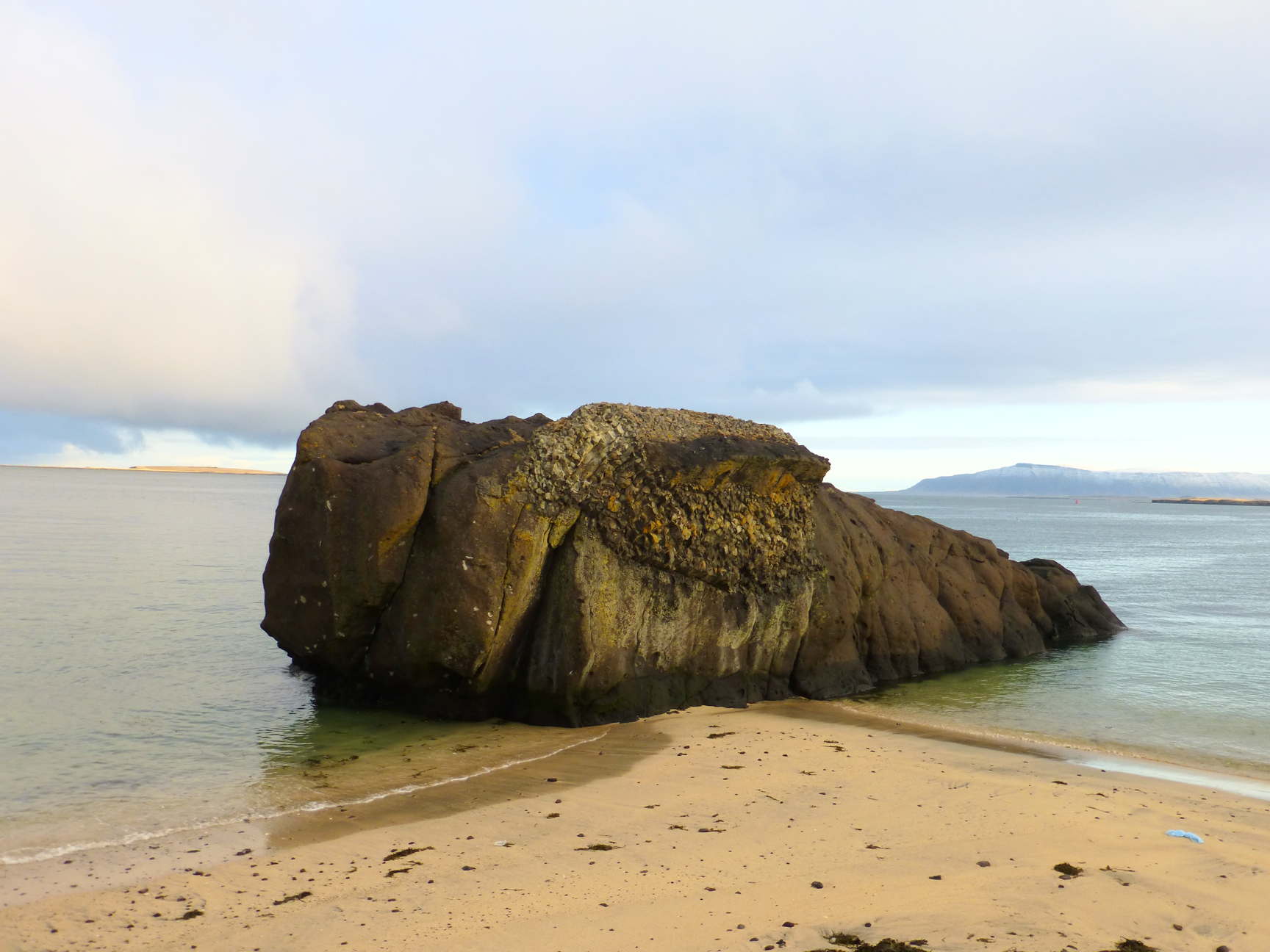
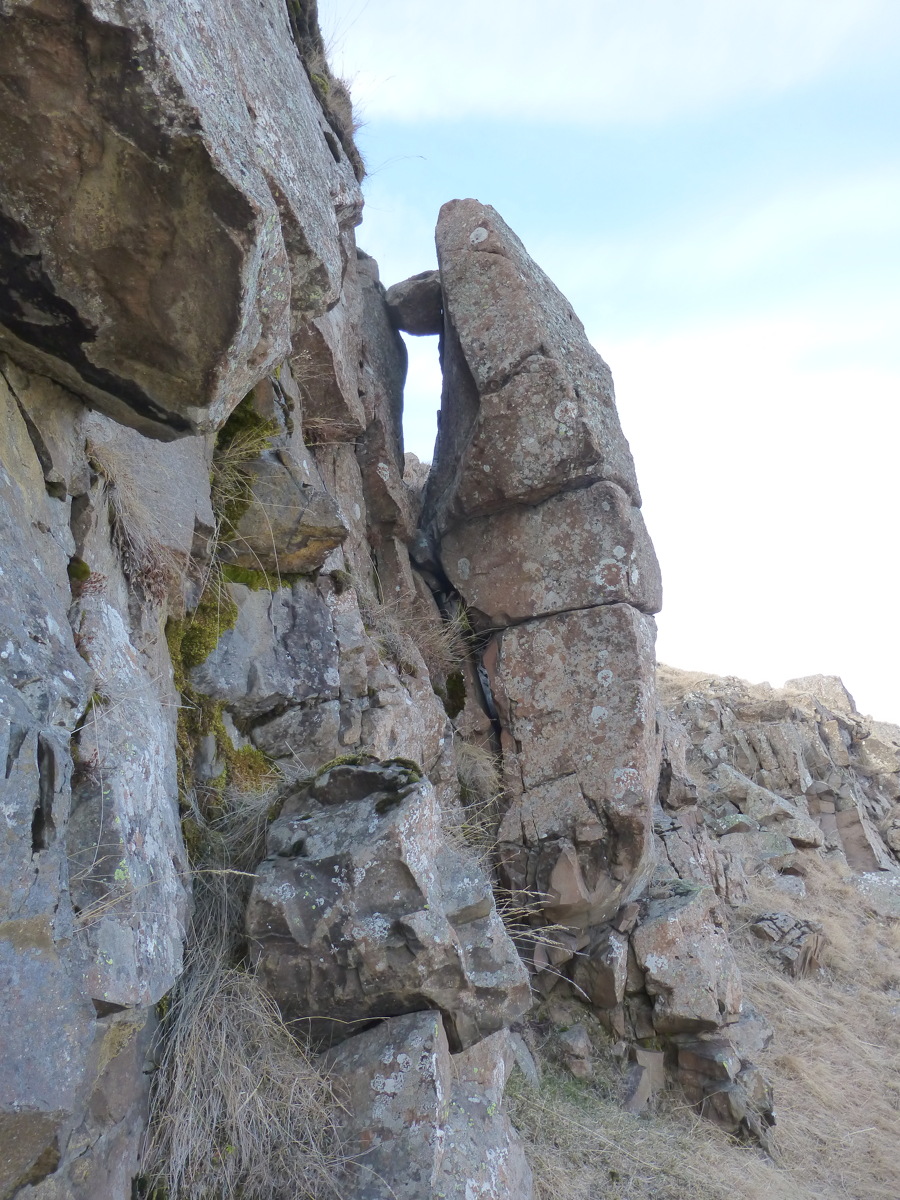
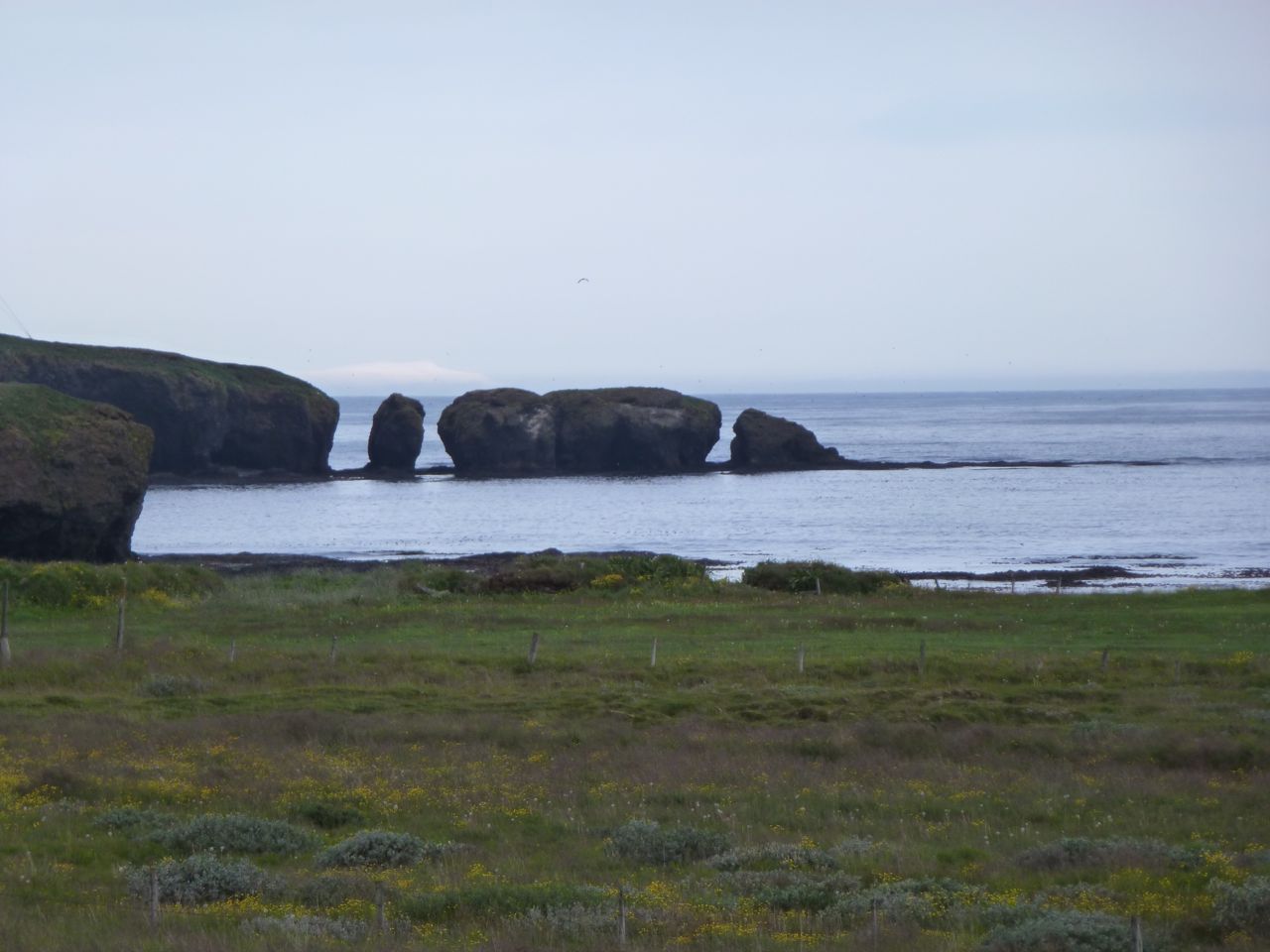
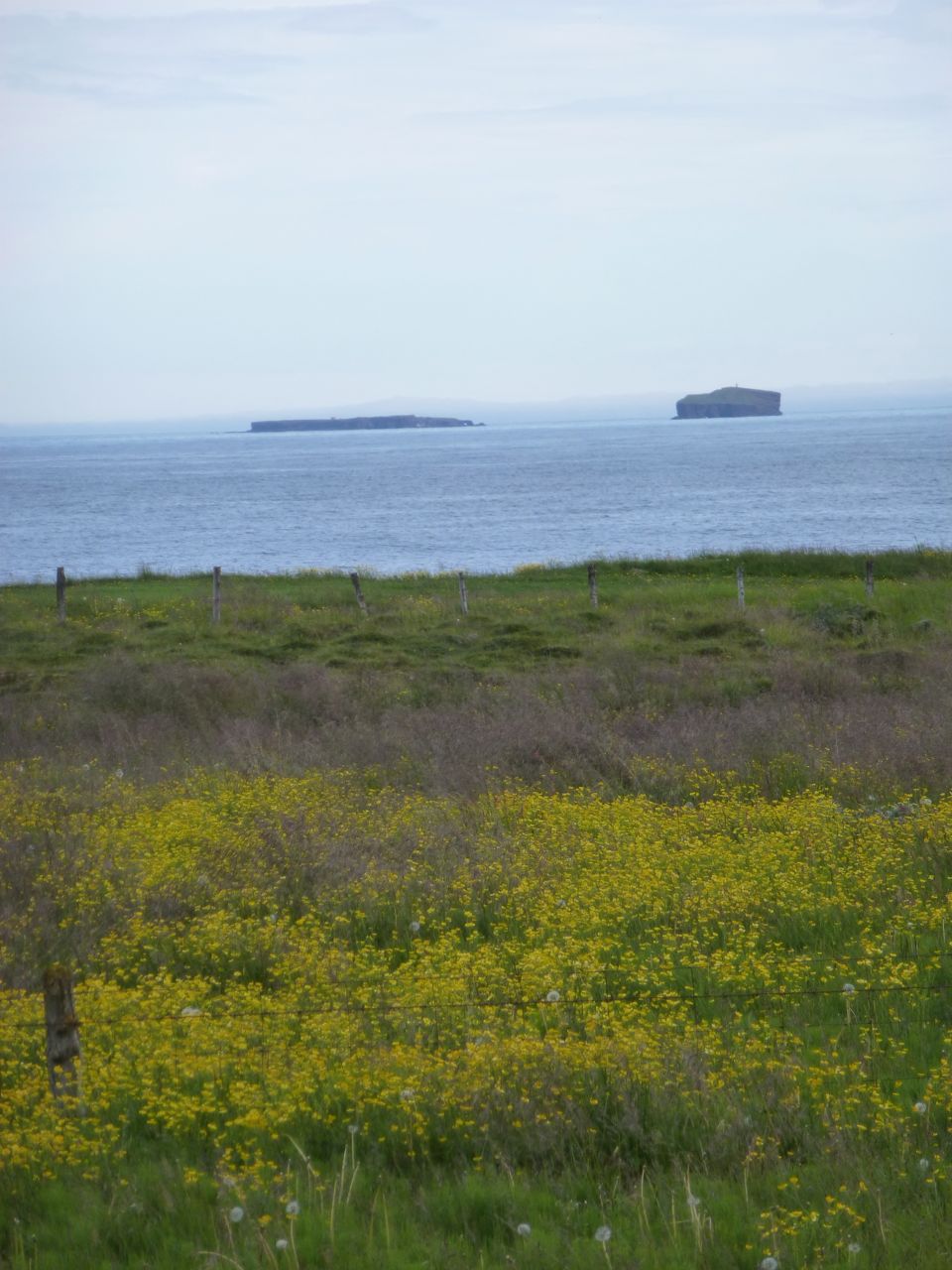
I like to think of this monolith in Reykjavik’s old harbour, near the Viðey Ferry and the industrial docks, as the mother of the city. Look at the sand she has drawn out of the sea’s currents and sheltered here…
… sand perfect for Ingólfur’s long boat in 870. In a country in which most beaches are stretches of surf or keel-ripping rock, that is no small thing. Here is the mother of the city. And look at her, isn’t she gorgeous? Wouldn’t you put into shore for her?
Category Archives: Land
Not Elves Exactly
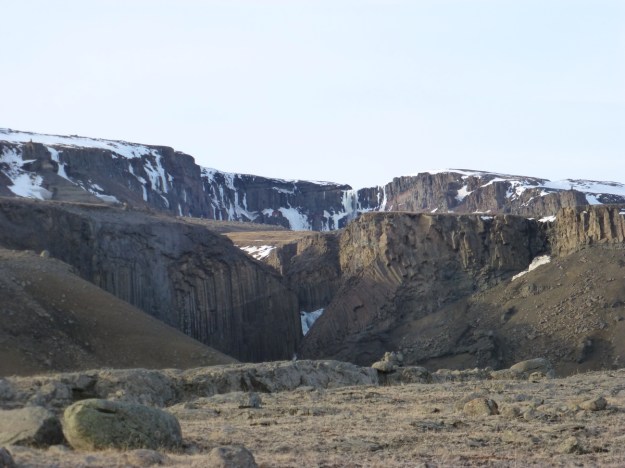
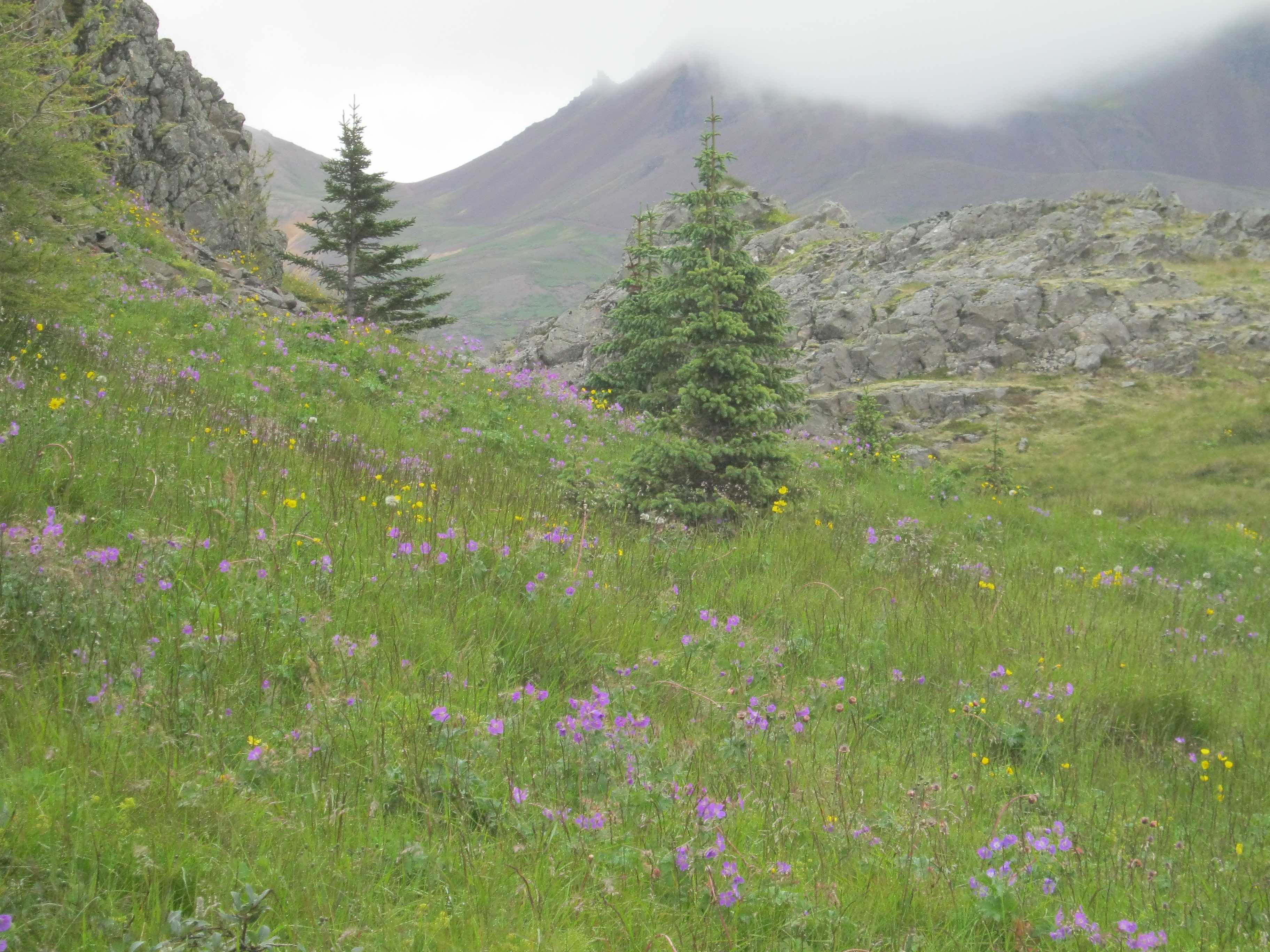
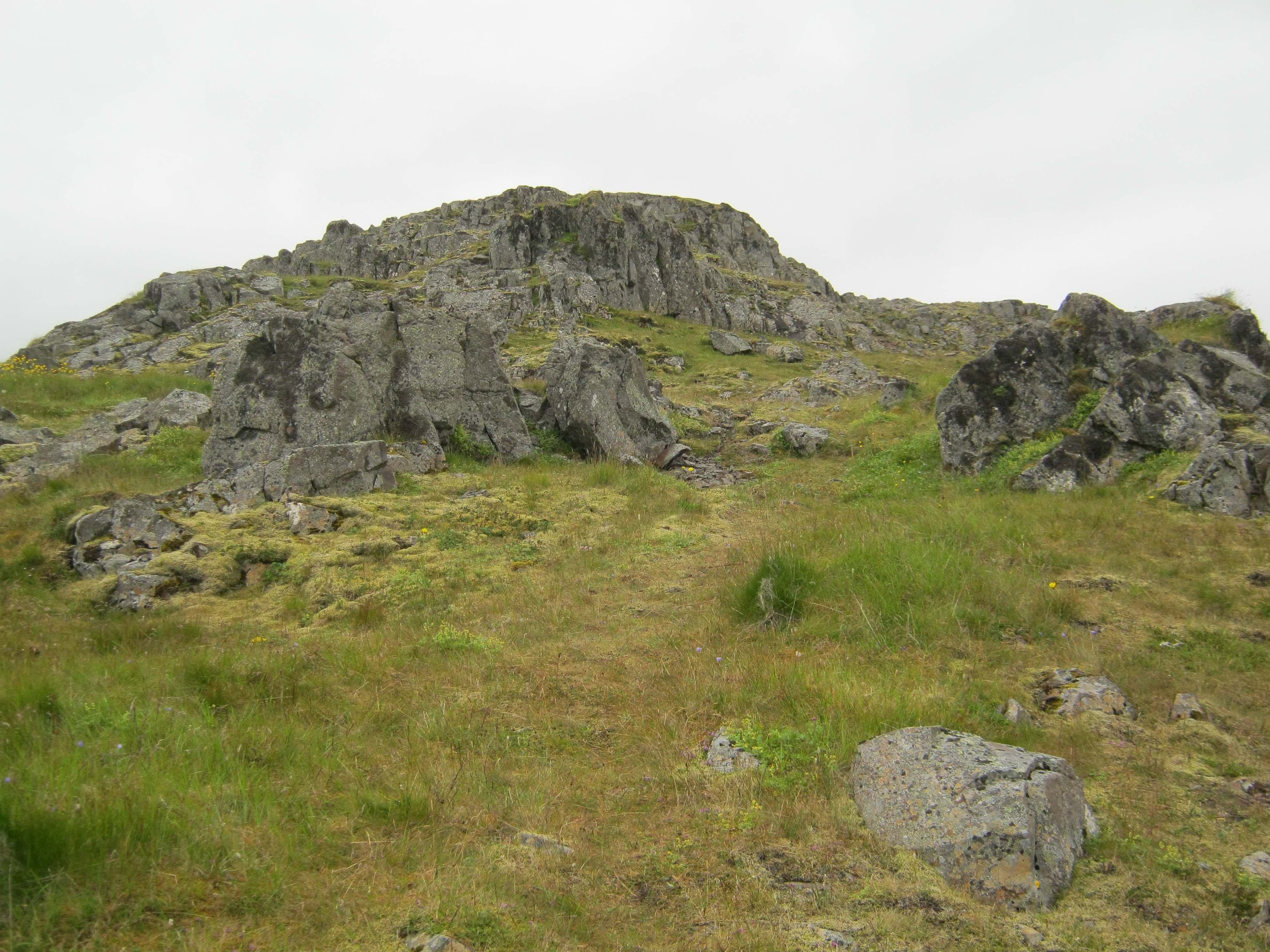
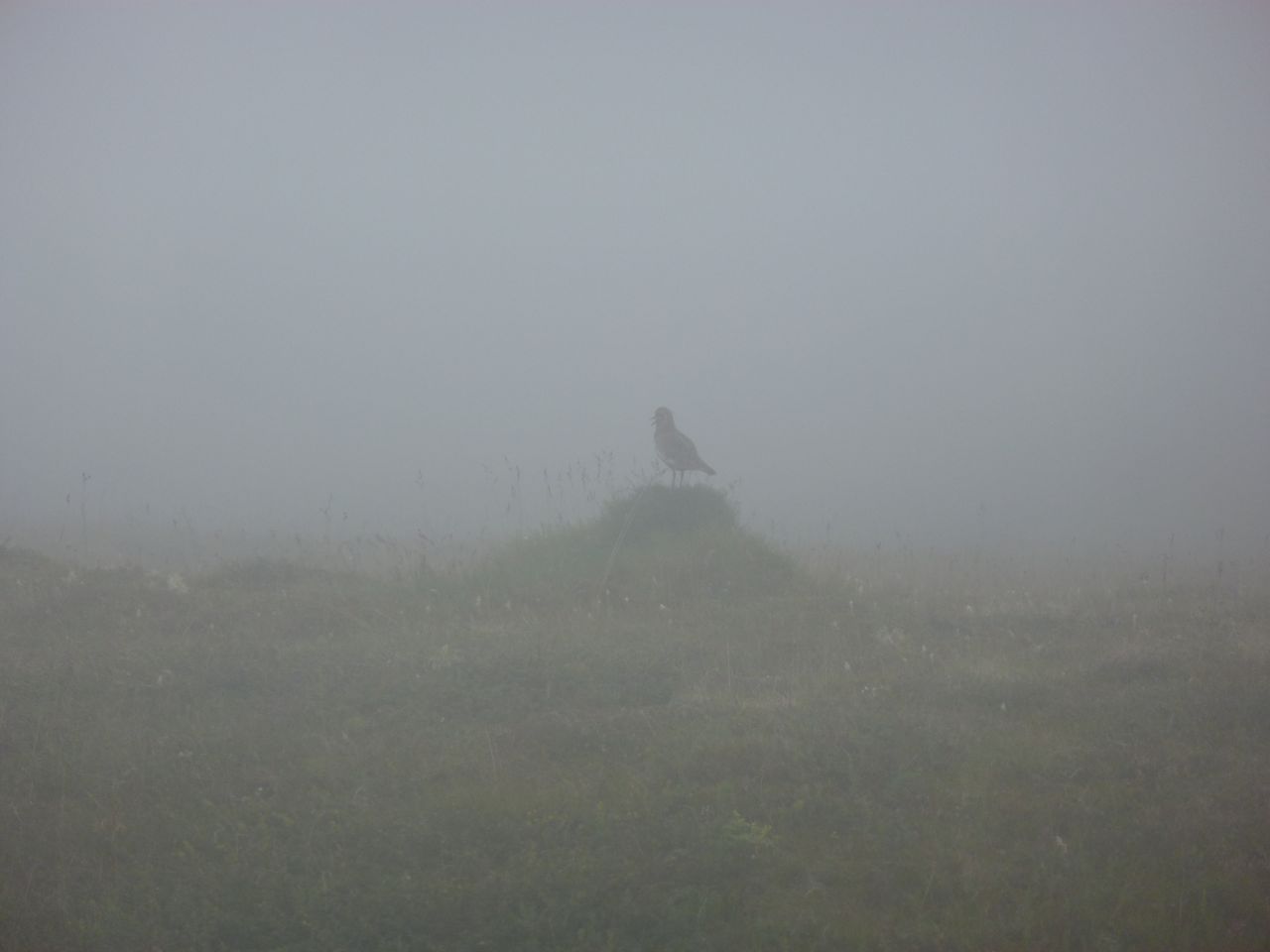
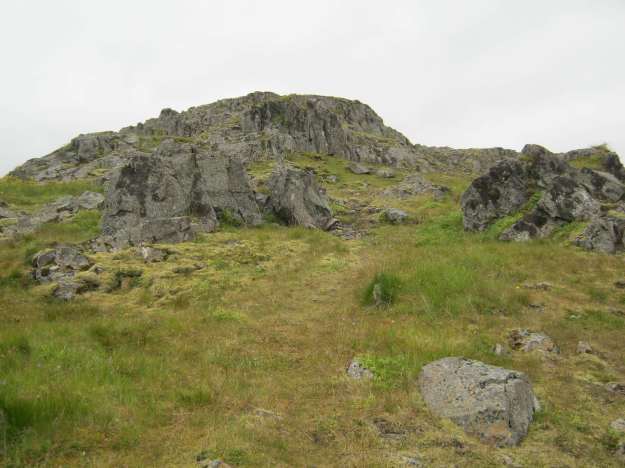
Hey, welcome to Alfaborg, the mystical city of the elves in Borgarfjörðar Estri. The Borg in the west, was the city of men. Here, completely across the country, live the elves, in their own Borg.
Except, until the twelfth century, there were no álfar, or elves. That was an idea imported from France, which was laid on folk experience of all the varied people who came to Iceland and made up its founding lines. This would have been home to the bergbúar, the rock dwellers.
East
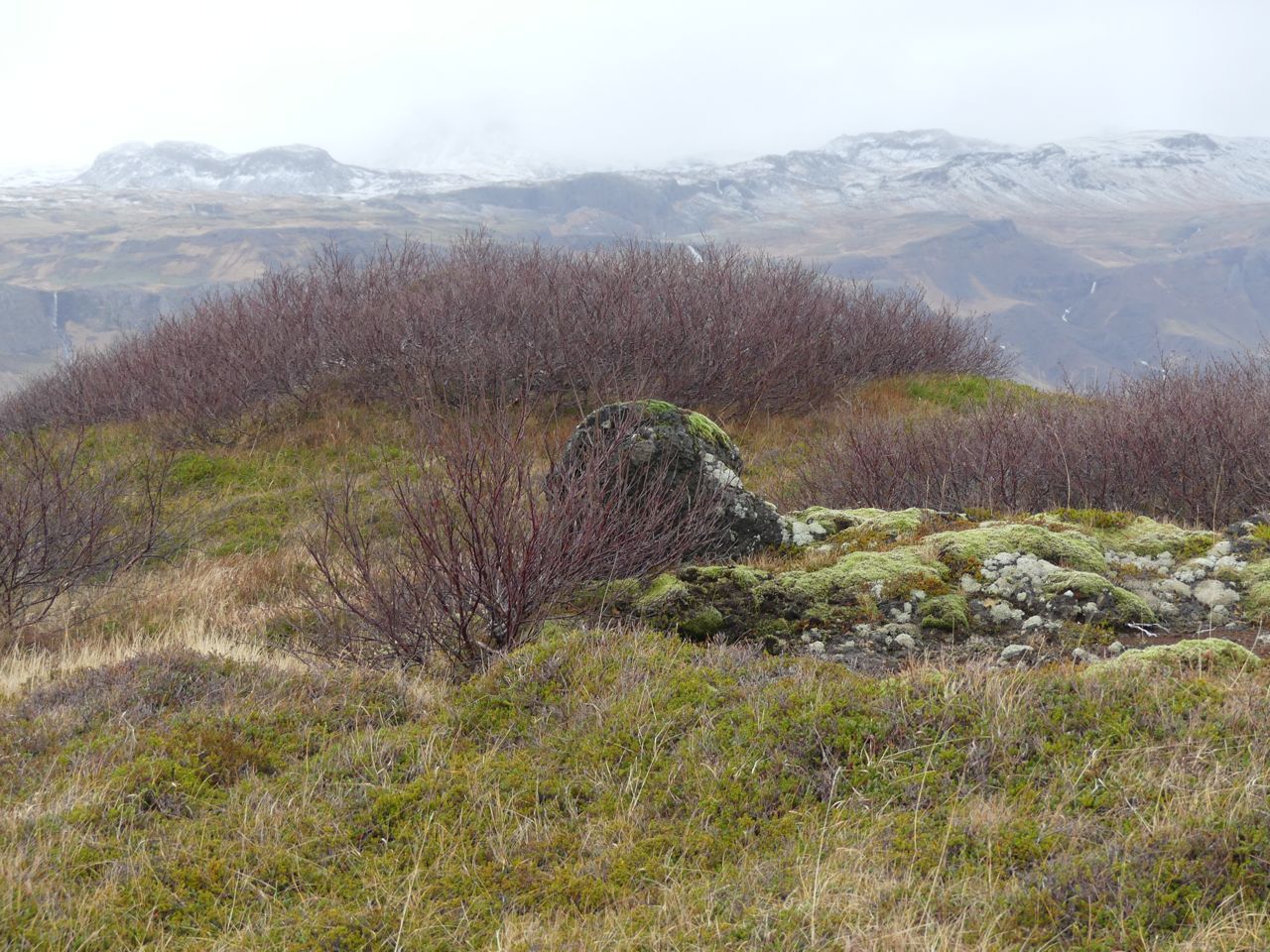
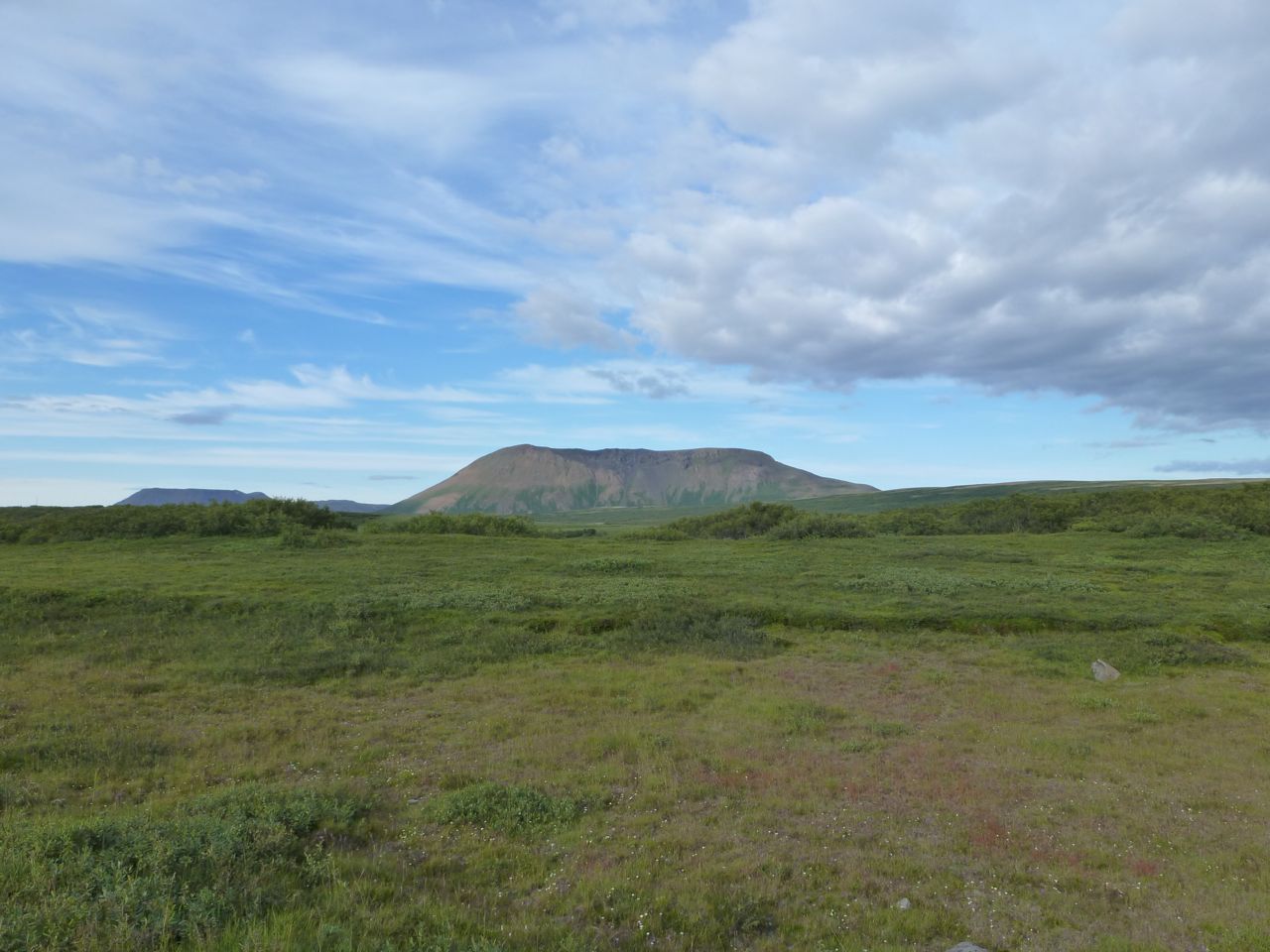
Not dwarves, exactly. That is a different folk lineage, into which several lines were folded over time, under the effects of European modernization and a half millenium of the consolidation of folk tale into unified stories onto which national narratives could be written. What became known as elves, in a process of consolidation, also originally held the landvættir, or nature spirits. They lived on the land itself. So, this is likely a home of rock dwellers.
East
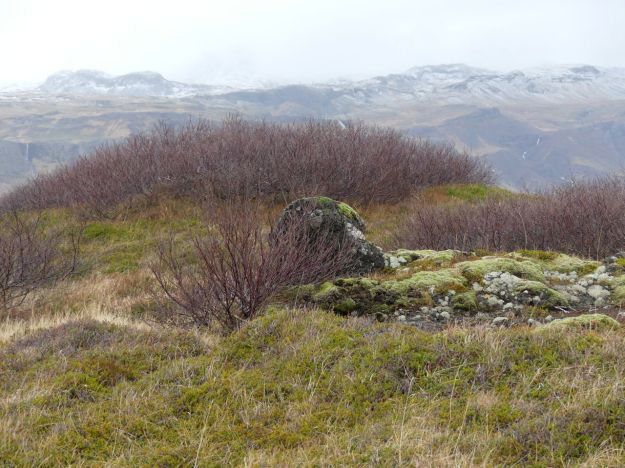
And here?
Why, landvættir. And here.
West
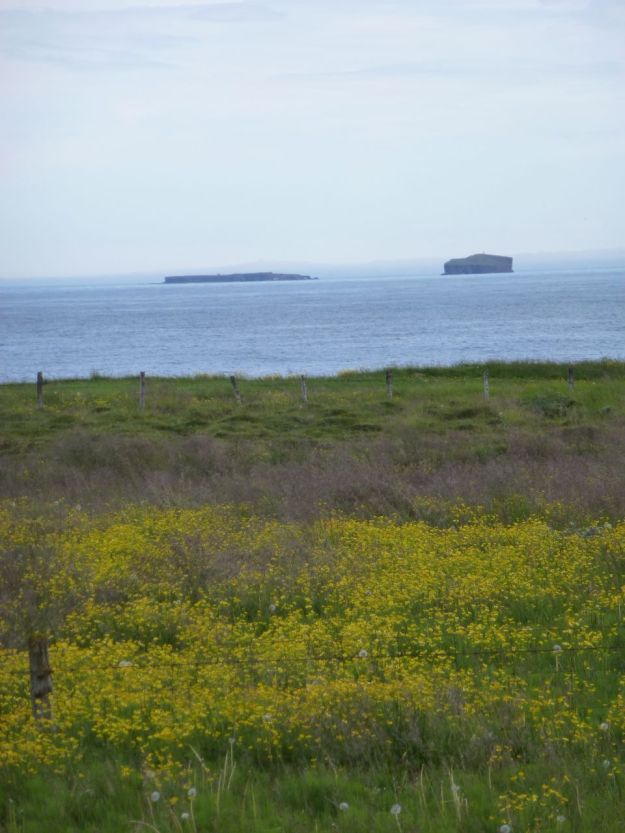
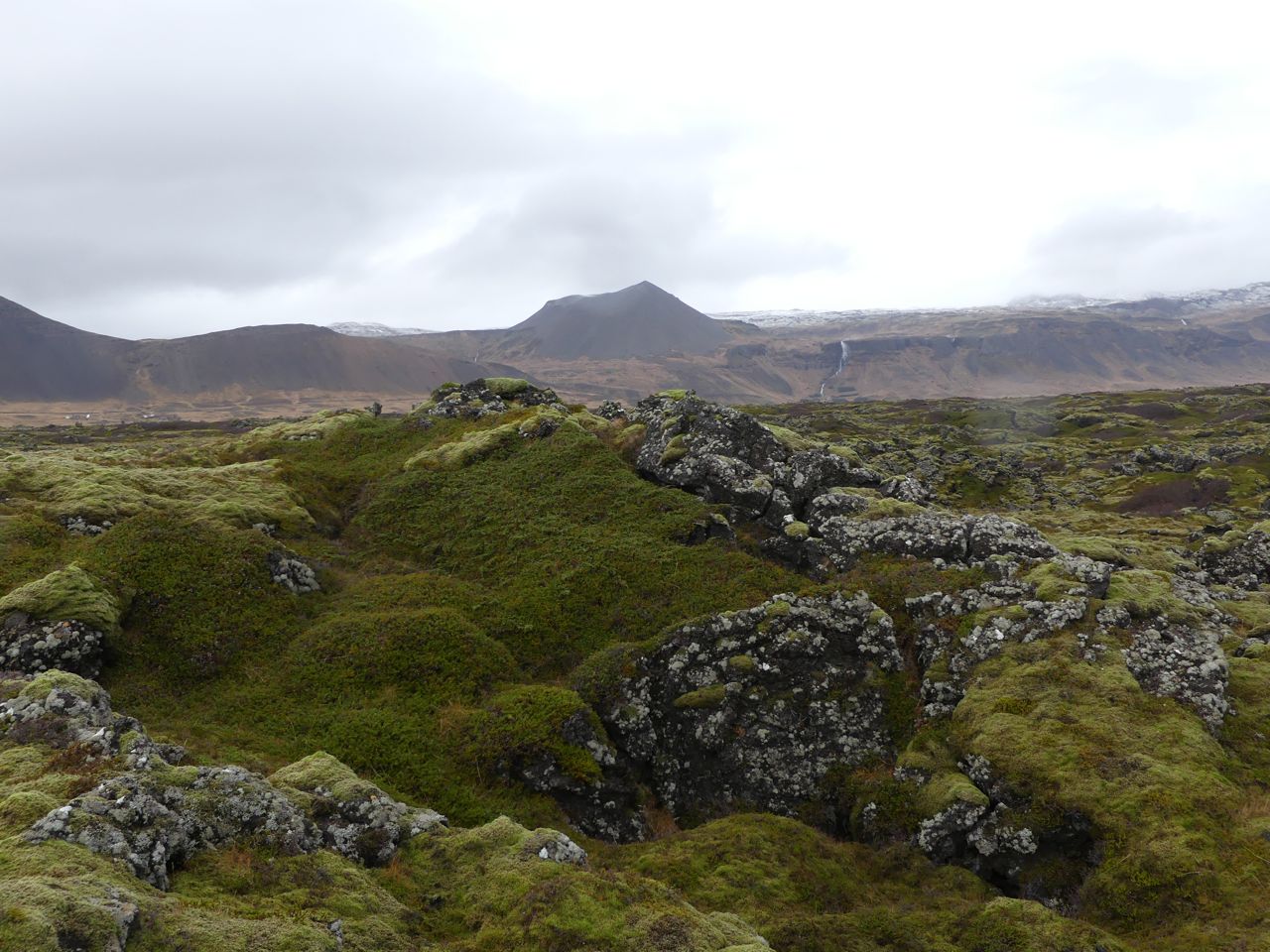
And here, a mixed population, perhaps. No doubt, a host of others who tagged along in the heads of people in the long boats.
West
No doubt, a lot from Ireland. Experiences of what was later solidified, in the same nationalizing process, as nature.
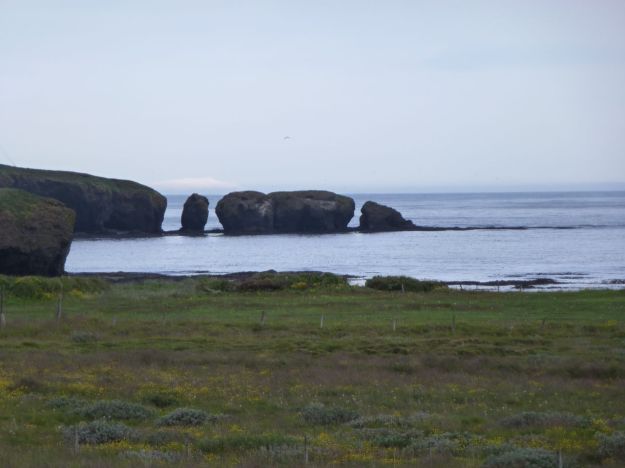
North
Luckily, there is more to history than the history of nationalism, and more to living on earth than the consolidation of diverse encounters and traditions with abstraction and consolidation.
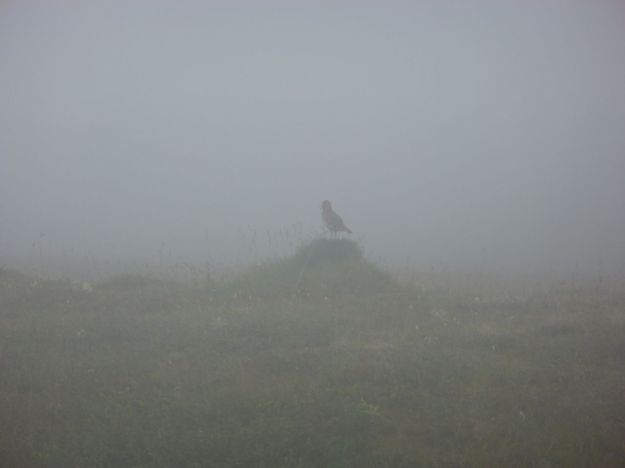
We are still bodies on earth.
North
We are still the earth dreaming.
Falling in Iceland
Fall.
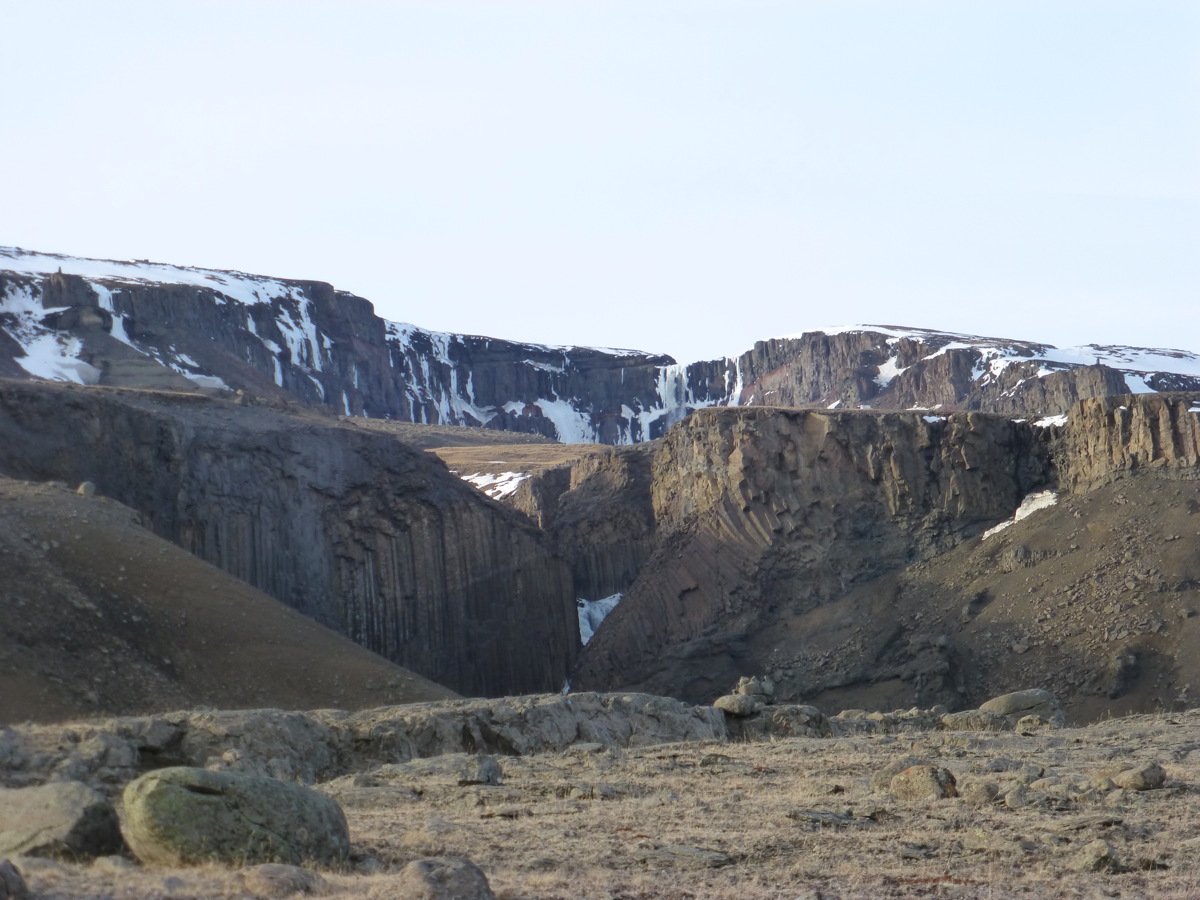
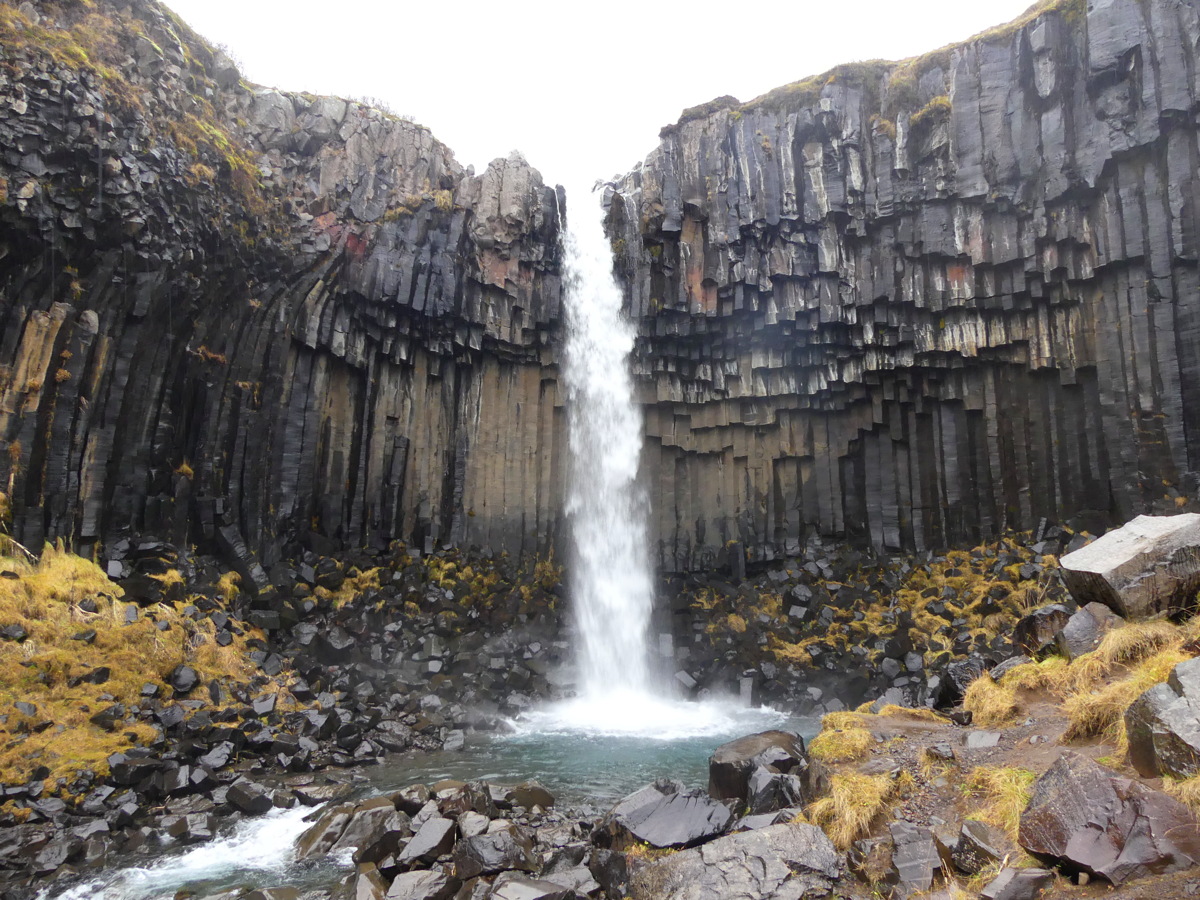
Svartifoss
Waterfall.
Svartifoss
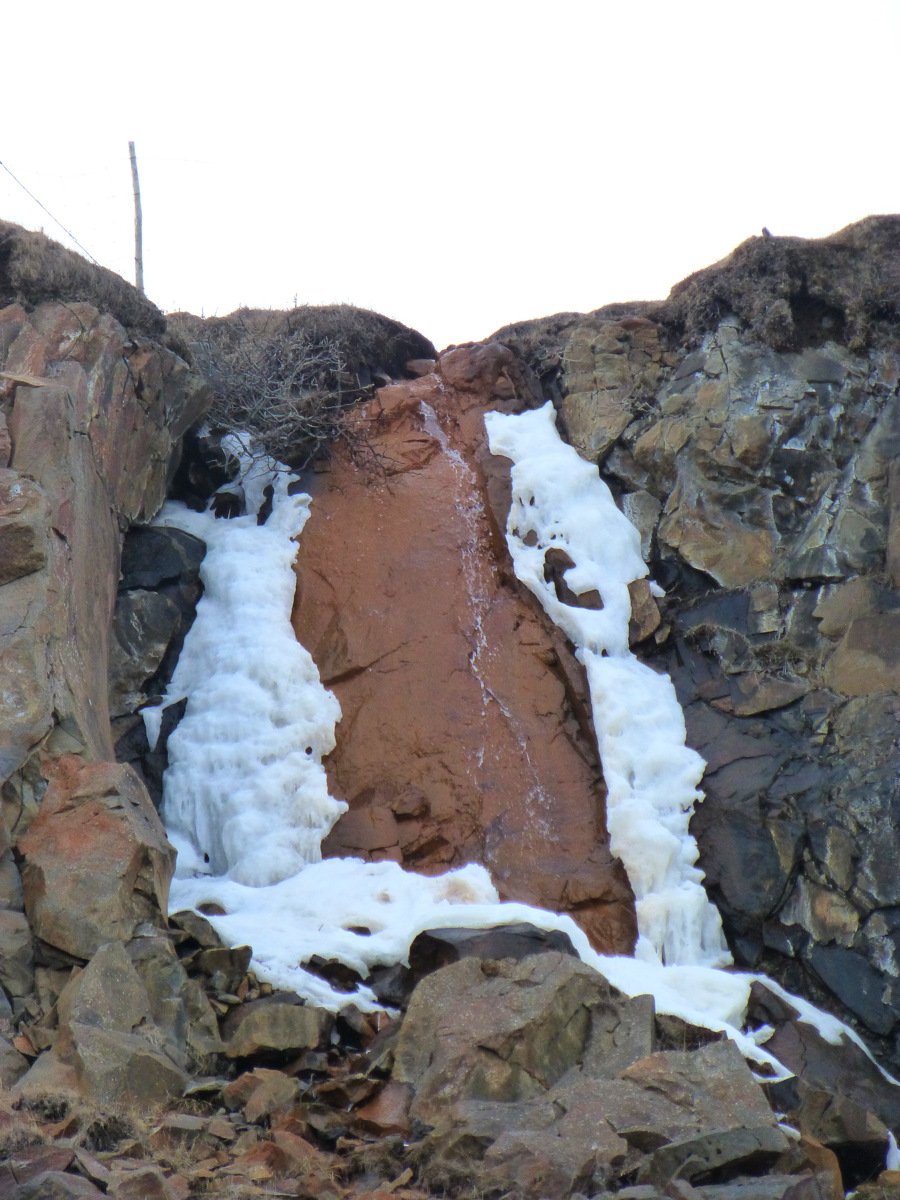
Icefall.
Screefall.
Buðaklettur
The sense of the ancient word “fall” is preserved in English today in the expression “falling away,” and the word “fell,” denoting a primitive evil. It denotes the state of entering what is not there, of suddenly having no earth holding you up, which the planet does, kindly enough.
It holds you up in all sorts of different ways. And then it lets you go.
Succulent Iceland
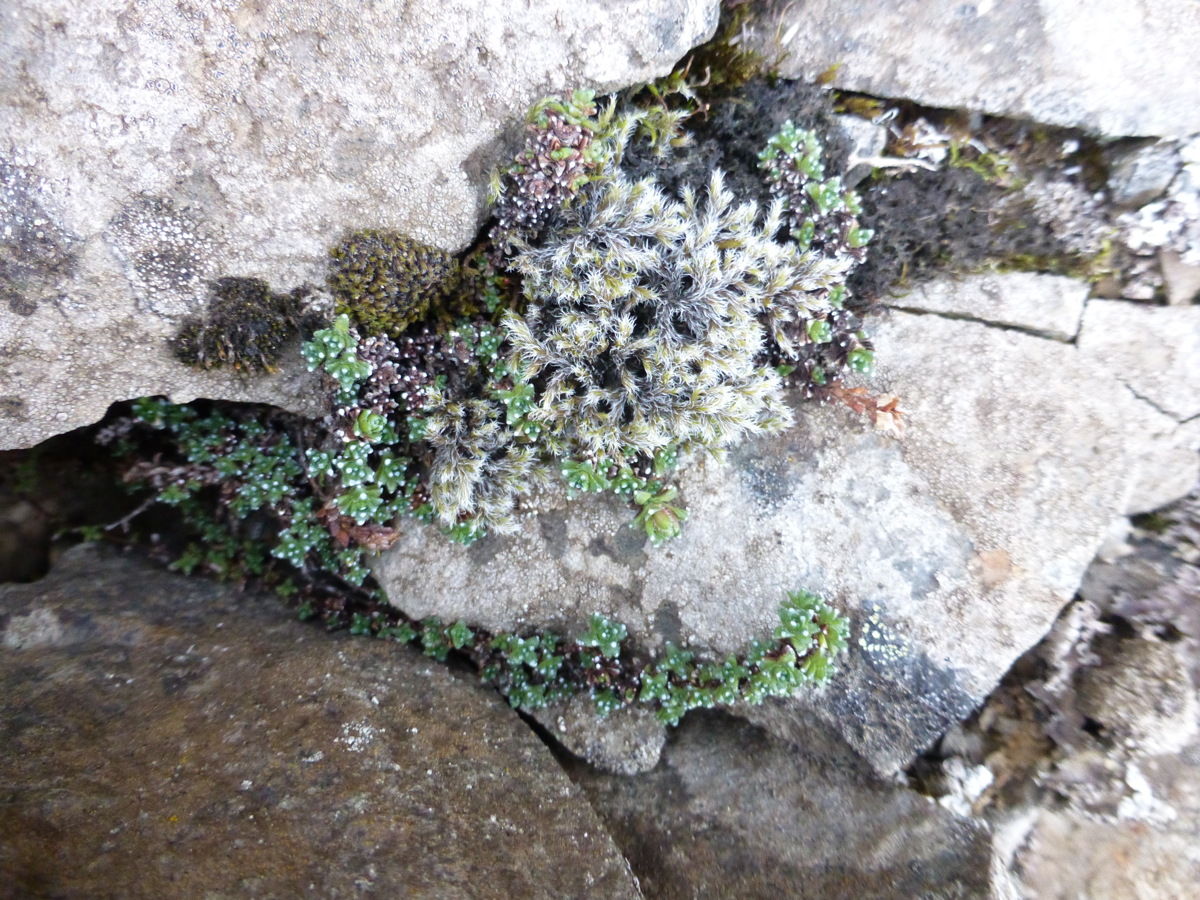
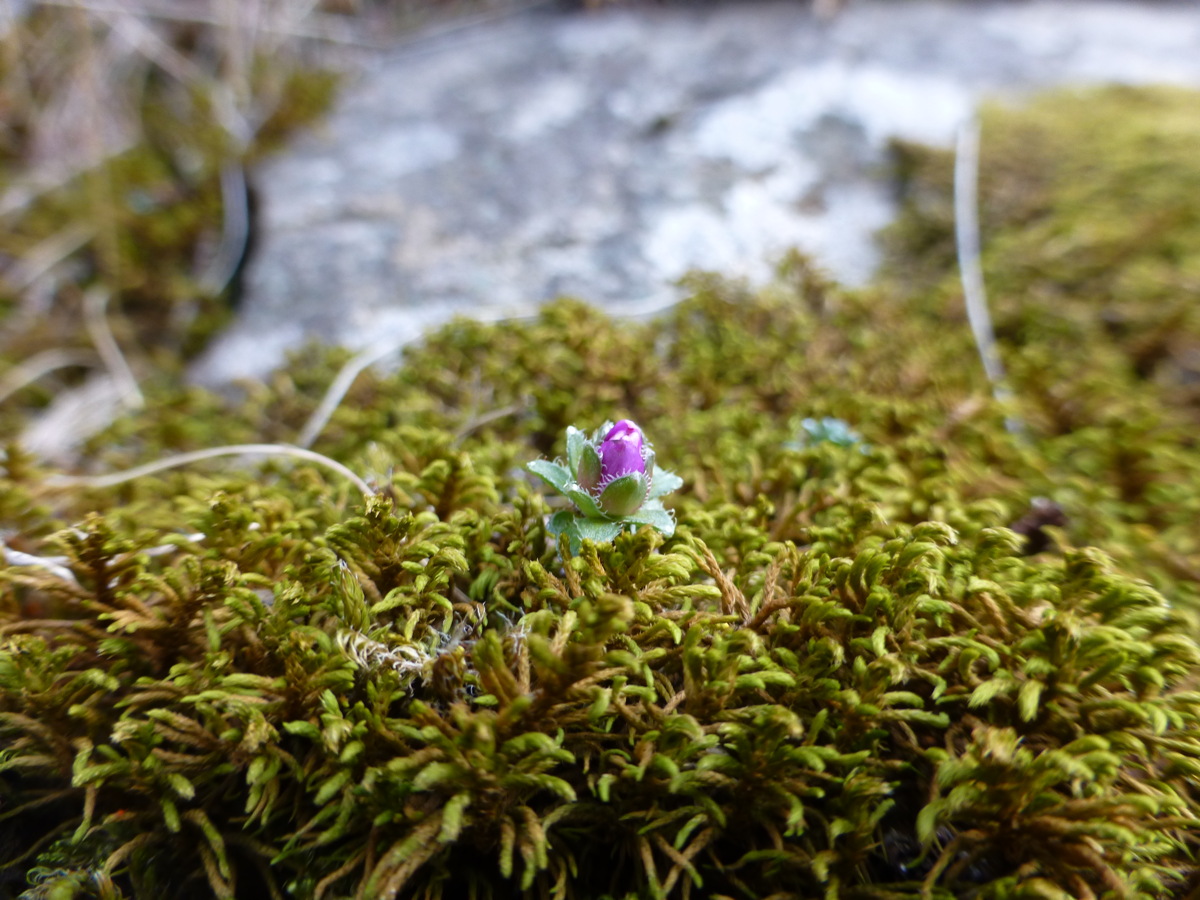
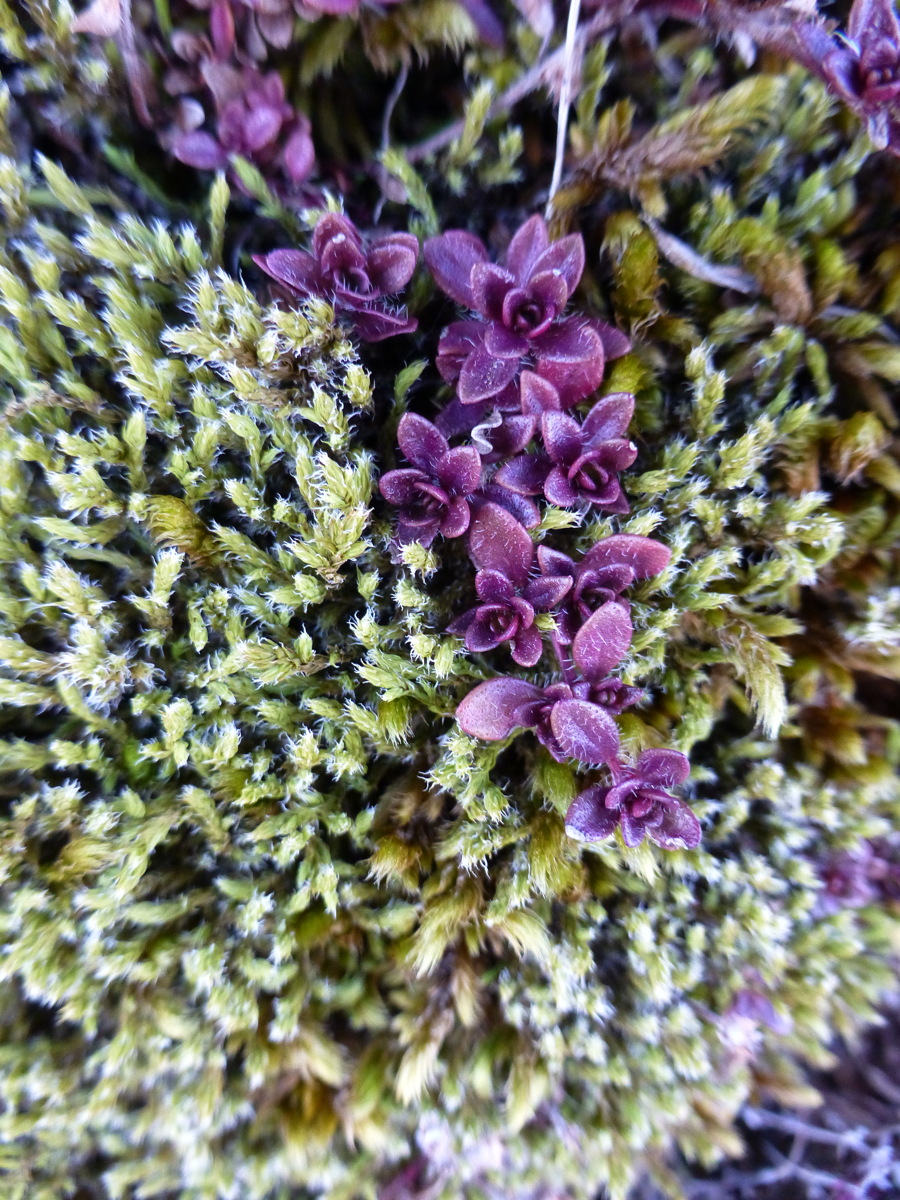
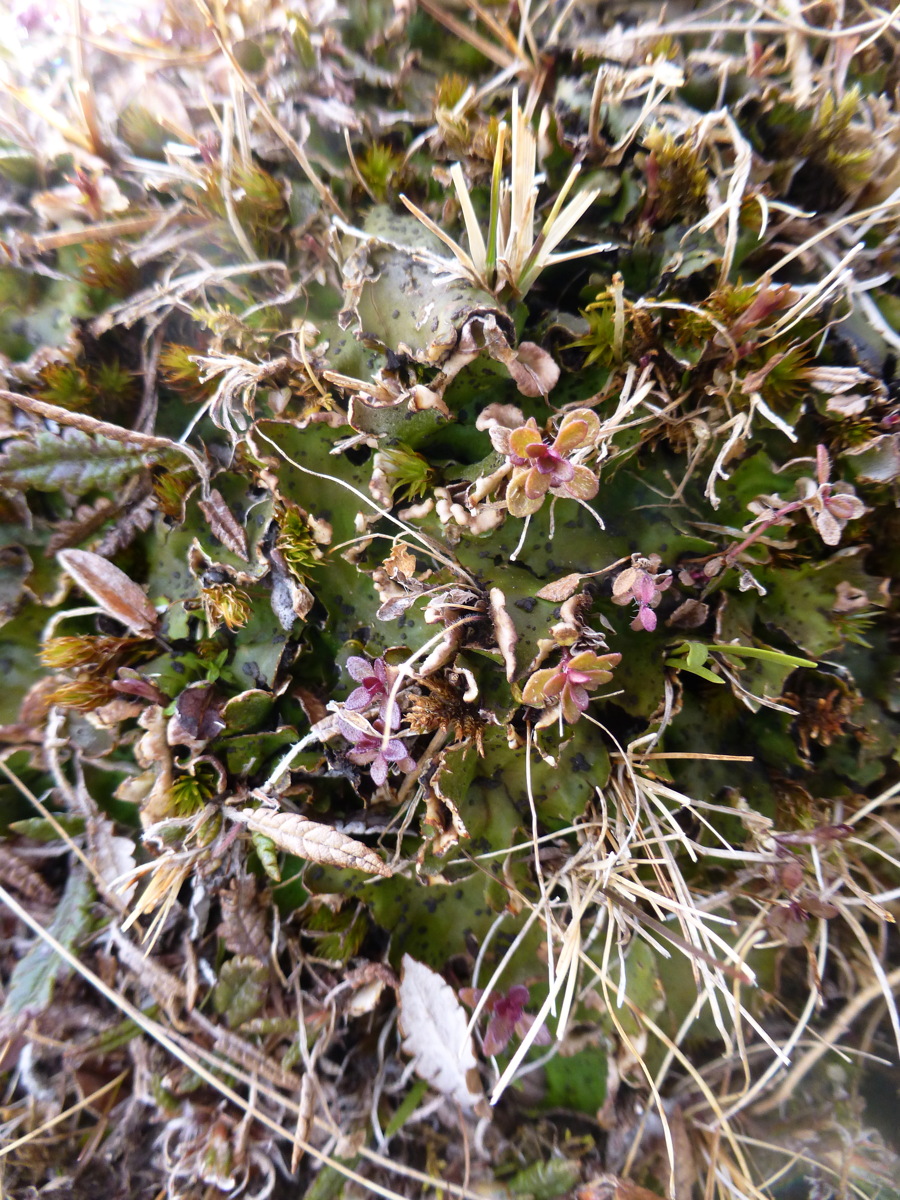
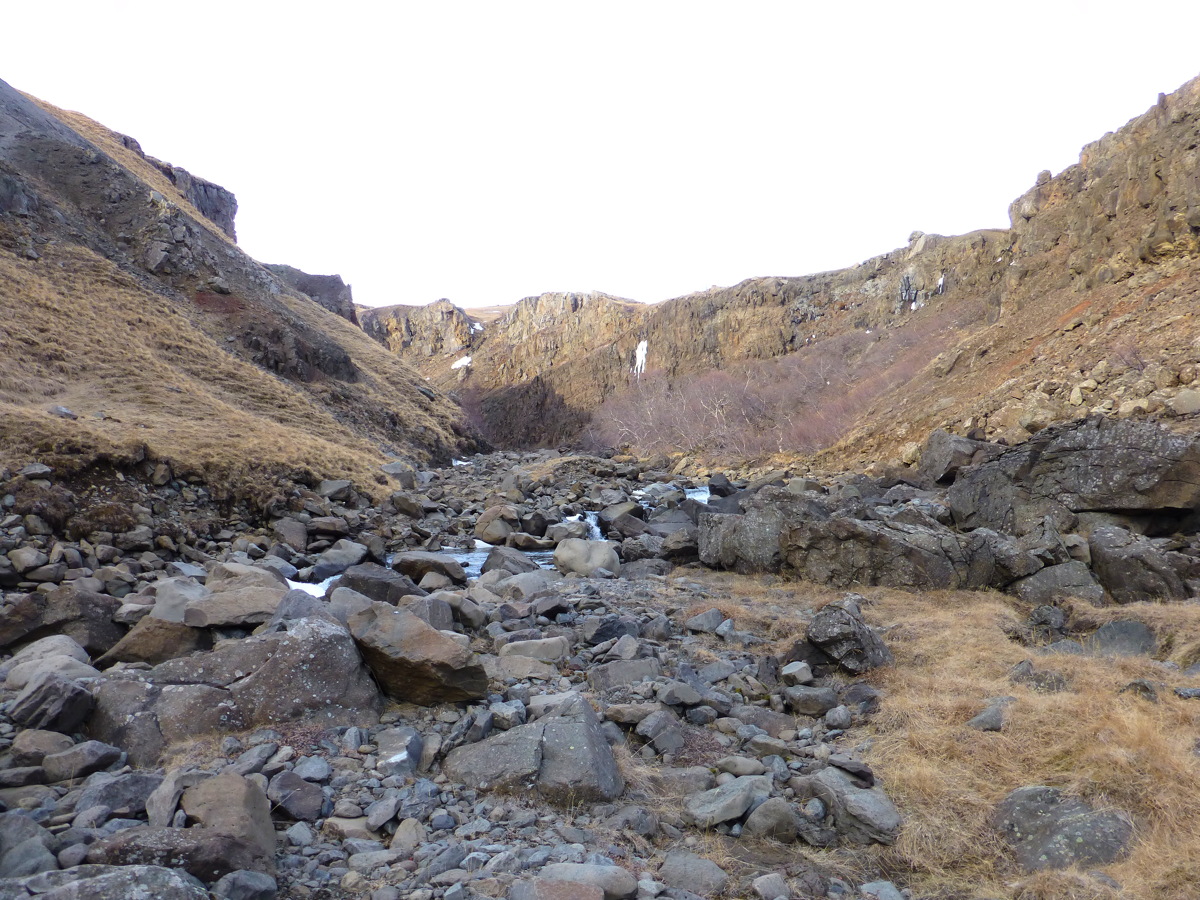
Succulents, which combat heat stress by a form of photosynthesis which allows them to store solar energy in a chemical form during the day, with their water-losing pores closed, and complete photosynthesis in the night, with their pores open, seem to be thriving in Iceland, which is not known for its heat. Luck at them here (bright green), in a colony of mosses and Icelandic purslane: a little tidal pool at the base of the wall of the Hengifossá Canyon.
I suspect that greenhouses of snow cover, left empty by the effects of the wildly-varying height of the stream nearby, play a role here, but, really, I just think there’s room for extensive study here. I’d say it’s not just lichens that live in community in this climate, but all kinds of creatures, which do better together than apart.
After all, we are talking about an island which is an edge ecosystem: warmed by the Gulf Stream while cooled by winds from the north. Anything is possible here! The whole country is a hot house!
The Out of This World Lichens of Iceland and their Gardeners
When cliff faces are too cold, lichen can do just fine by growing in a tension with heat conserving mosses.
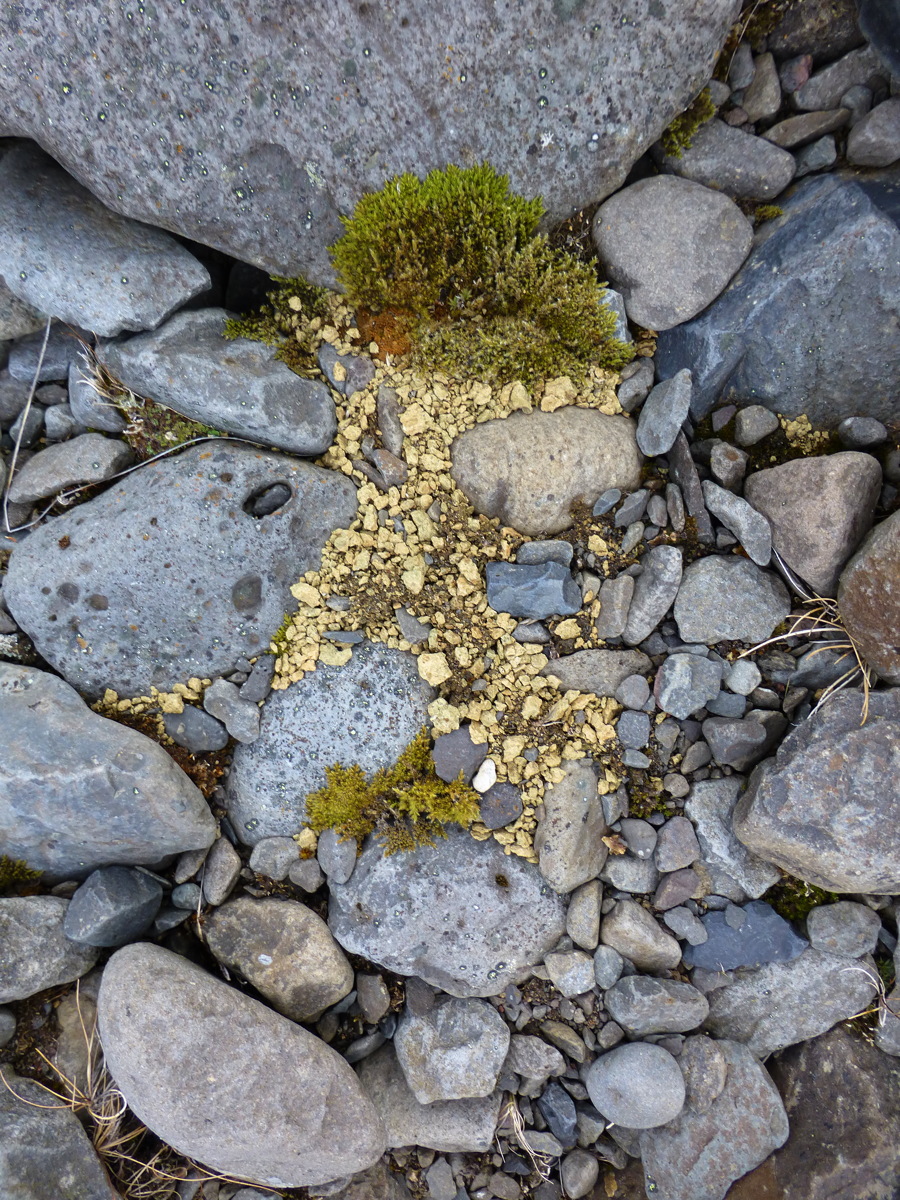
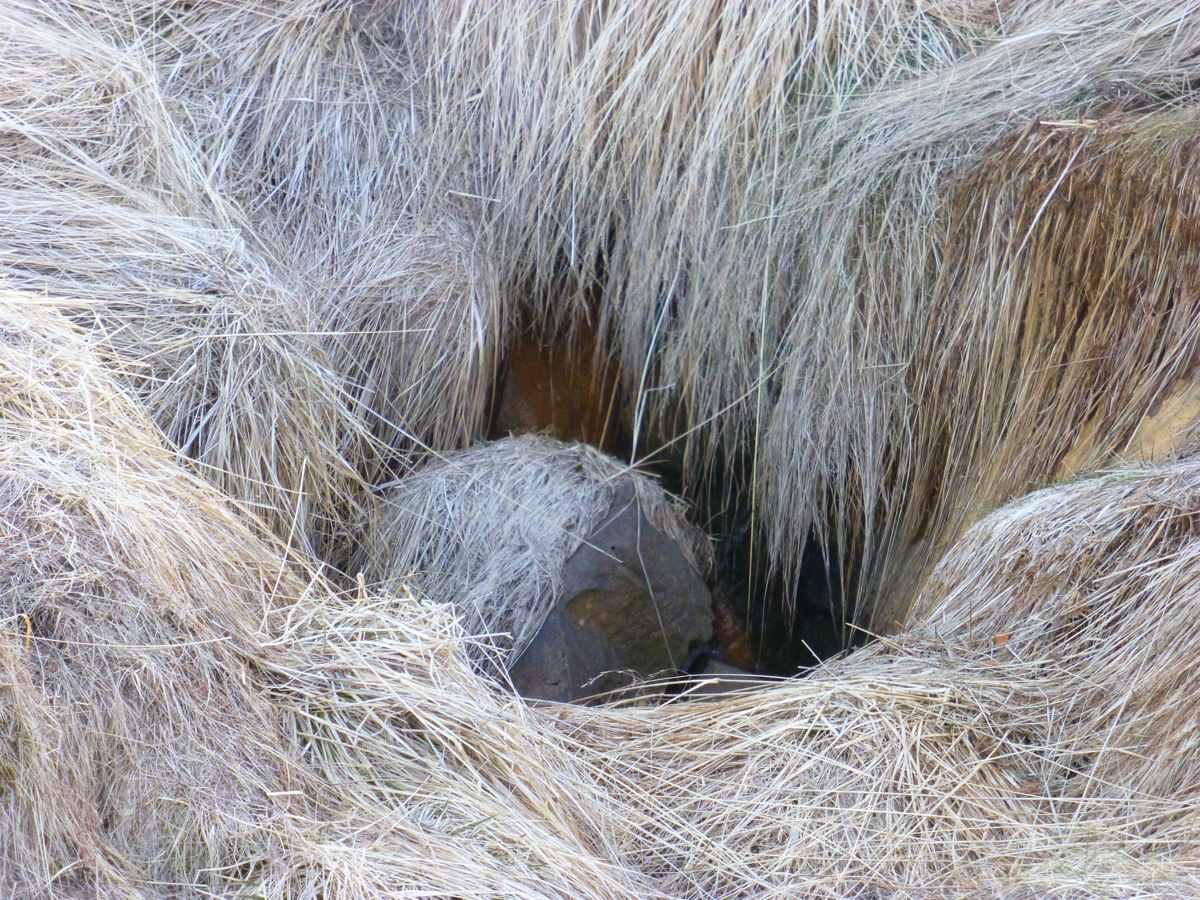
But tufts of arctic grass gnawed to mounds by sheep work just as well. Look how purslane, grass, moss and lichens all work together to create a balanced environment, conserving heat, gathering rain, relatively impervious to sheep, and even collecting soil ot of the wind.
Clumps like these, and there are billions of them in Iceland, are like reefs on a continental shelf, or miniature planets in the cold of space. The missing co-conspirators? Ah…
The Secret of Icelandic Forests
The Earth Gives Birth
Iceland is a “settlement” culture, not a “colonial” culture. This orientation continues today. There are times the Earth reminds the human body of its own birth.
At those moments, the human mind and body unite to give birth to a new self at one with the earth. That is settlement. It’s like taming a horse.
Imagine You Were a Child Without Books
Picasso Is Alive and Well in Iceland
Respect Iceland’s Internal Borders
Icelandic horses came over with the first settlers. They know a thing or two. Here in Eiðar, you can see the technique for getting at the good stuff: you can strrrrrrretch that border, but you never, technically, really, for honest and for true, cross the line.
Also in Eiðar, you can see just how flexible this rule is below. The Icelander on the left has one hoof back behind the line, and the one on the right has the line running right down his midline.
No matter how you cut its, lines are lines and that’s it.
Sort of.