Category Archives: Nationalism

An Icelandic Forest

If the trees you’re used to seeing are willows scooting down behind rocks the size of golf balls for a bit of shelter from sheep and wind, or maybe the occasional lone birch in a canyon somewhere, like this …


treerock


Hengifoss Canyon

Flótsðalur, Iceland

… imagine what trees must look like when a valley of stone and grass is turned into a forest. Would they not look like the most exotic things?

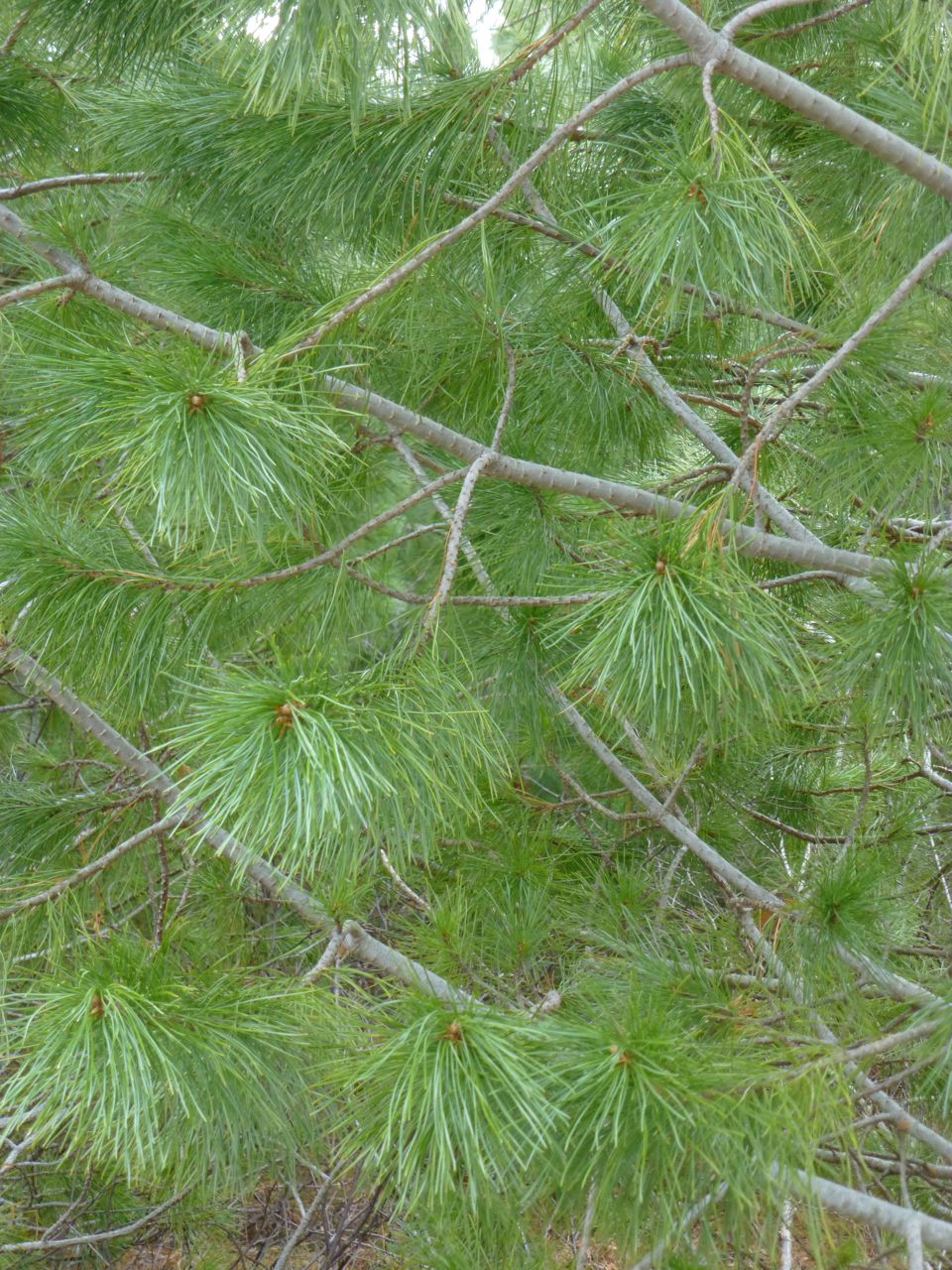
pinePines from Alaska…

…planted in the 1960s.

Now, in Canada, trees are so everyday that it often seems like a good idea to cut some down to get a view of something other than their gloomy shadows, but in Iceland, where there’s a view everywhere, from every house, farm or corner in the road or path or even just some lonesome straight length of road across a volcanic wasteland that looks like the face of a planet circling a star in space, it’s not like that. In Canada this would be, well, a nice bit of a tree plantation starting to come in nicely…

P1420236The Forest of Hallórmstaður

… but in Iceland, where the next size of tree is often like this …

fungus1The Old Ones of the Grasslands

There before the grass, and still there after it, blooming under the trees.

… a forest is a magical place, planted by human hand in a pasture, in a way like any other agricultural crop (forestry is under the aegis of the Ministry of Agriculture in Iceland), and in a way like pure poetry.

P1410975Seeing Pines for the First Time, Ever

It doesn’t matter if they’re alive or dead, because either way they are among the most exotic creatures going, ancient ones compared to the grasses …

twignet… that never cease to astound …

P1420033… and never cease to delight …

starcones2Larches from Archangelsk

When all you’ve seen in the sky are birds and stars, then that’s what you see in the trees.

And if you should ever, somehow, get tired of looking up and seeing the delight of art that people have made out of the pastures of a country they clearcut a long, long time ago, look down …

funguslargeThen, hey, look around a bit …

fungus6

…and a bit more …

fungus13

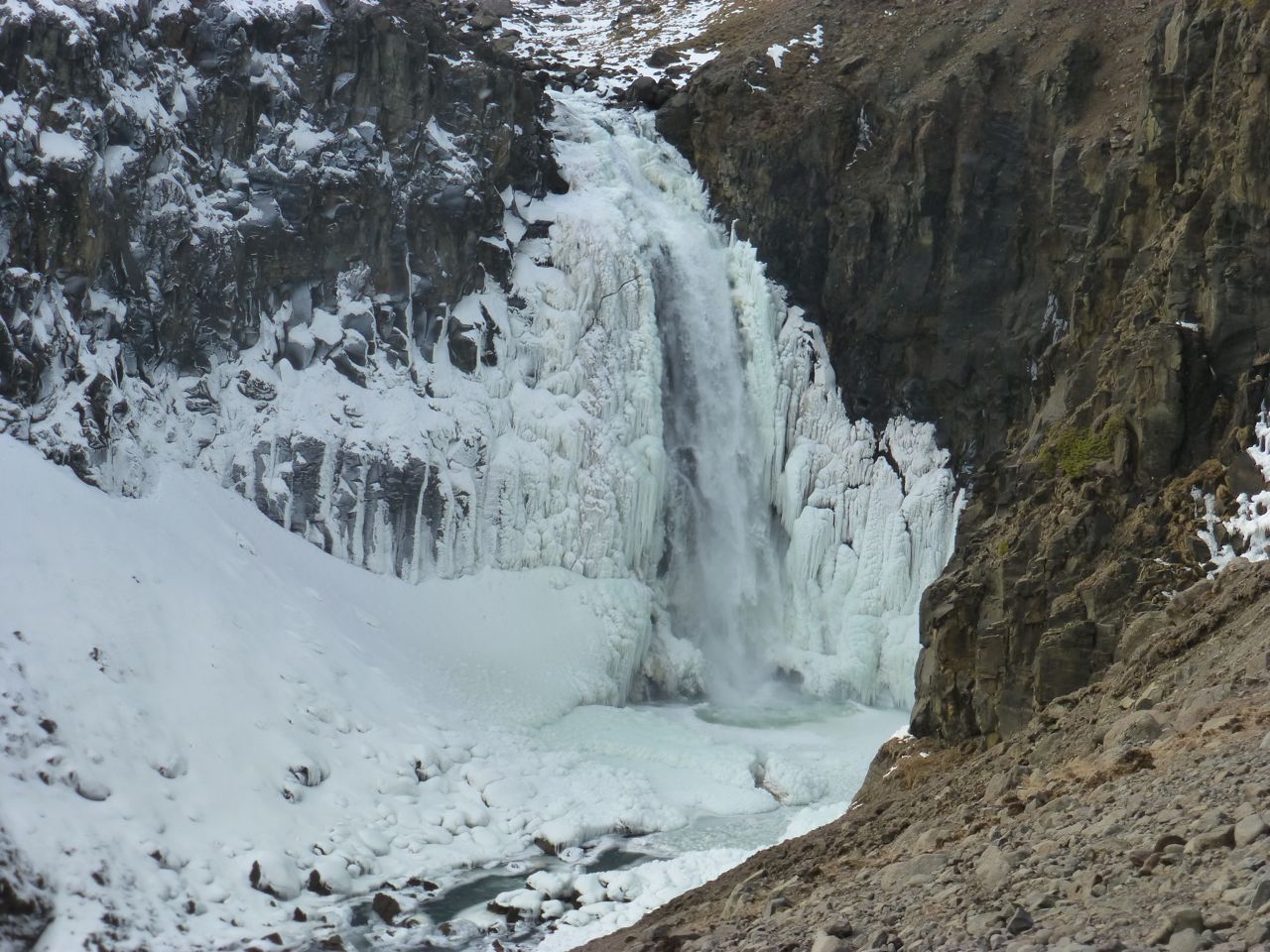
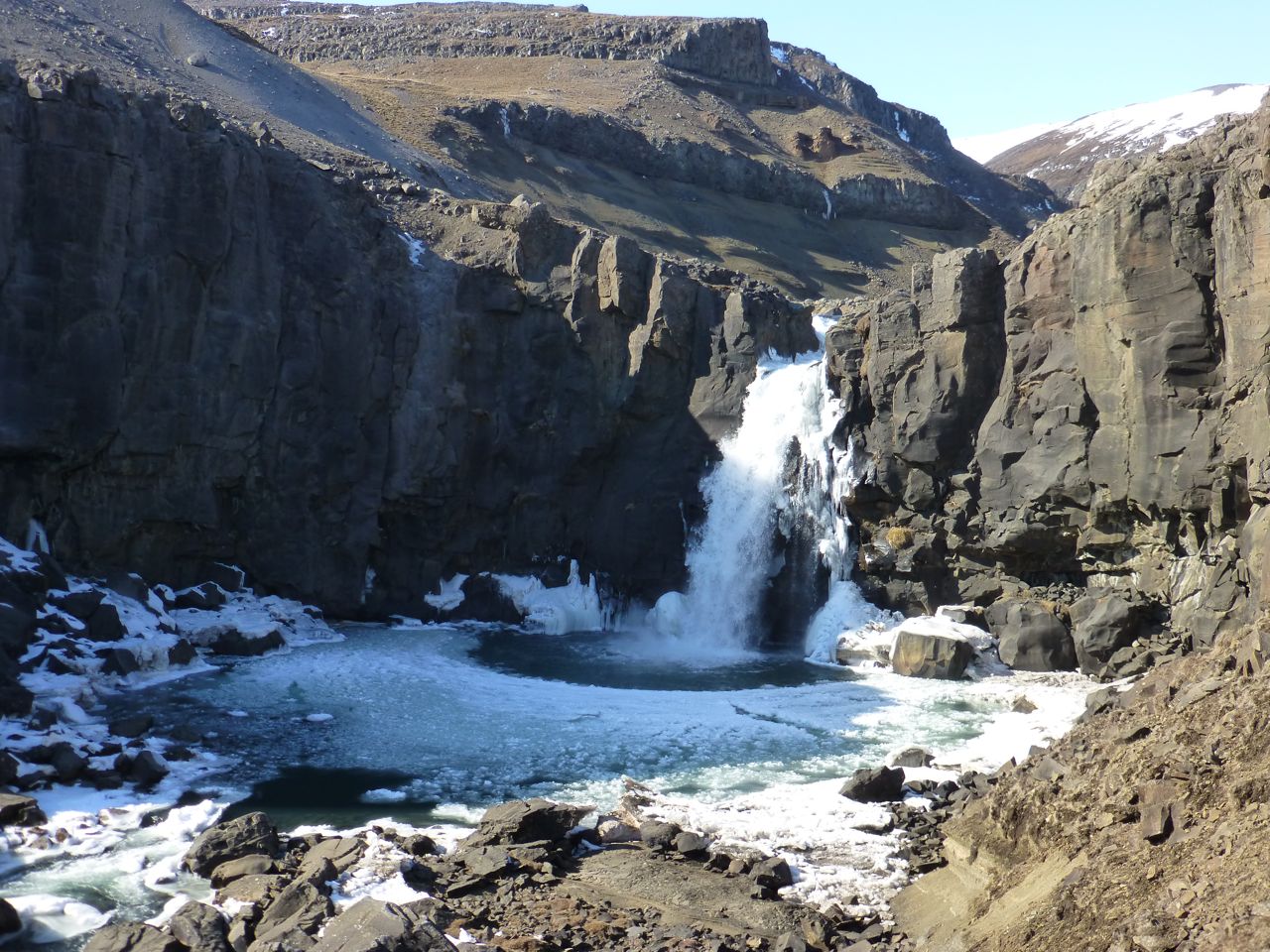
Why, you might almost forget the waterfall you hiked uphill through the snow to find …

P1420072Ljósárfoss

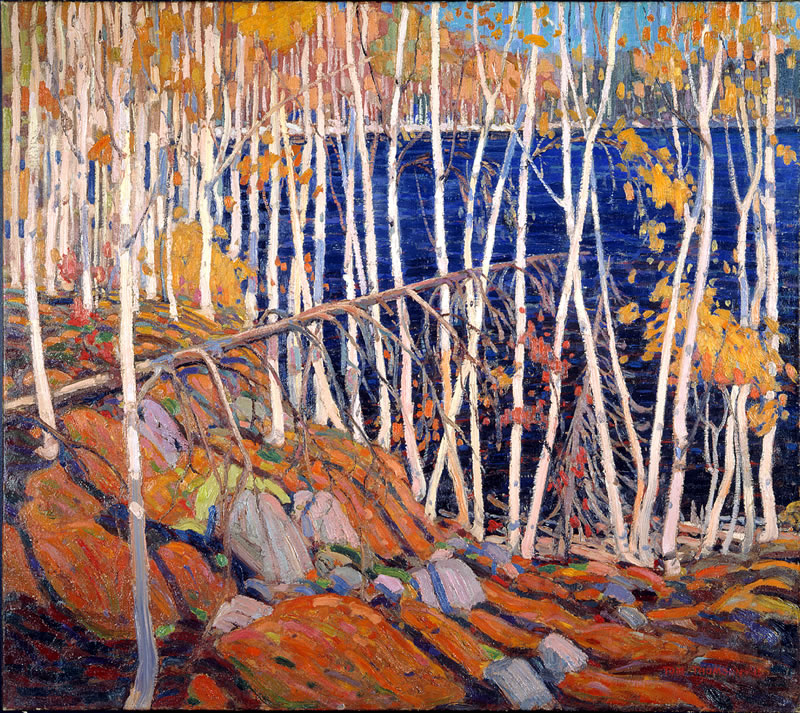
I love those Icelandic birches. Here are some Canadian aspens, in contrast…

tom-thomson-in-the-northland1Tom Thomson’s In the Northland

It was the years when Thomson was making paintings like this in Northern Ontario that Icelanders started planting trees in the Fljótsðalur. Canada and Iceland were very similar then. Both legacies remain, a century on, to haunt.


Gunnar Gunnarsson and the Nazis

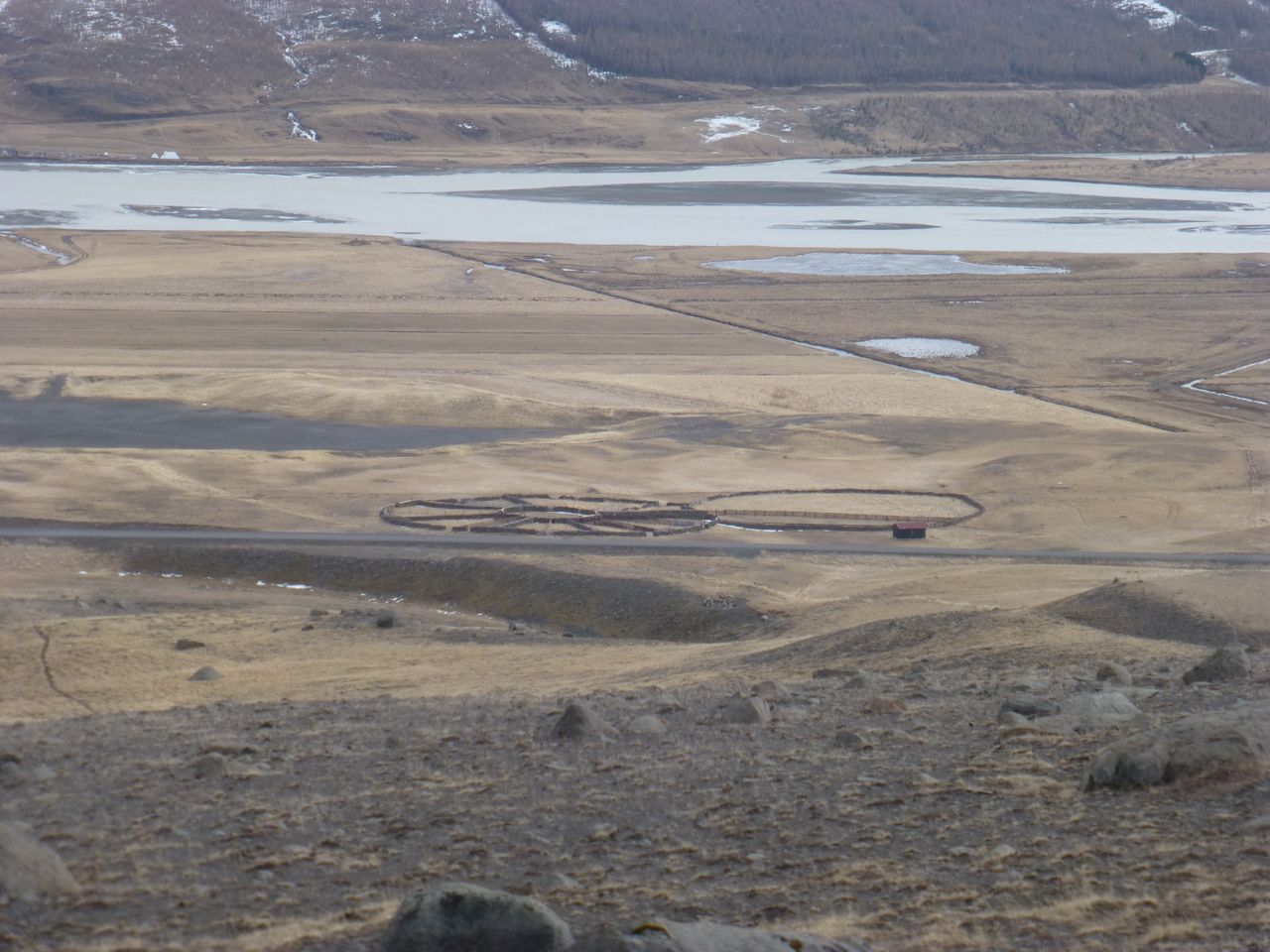
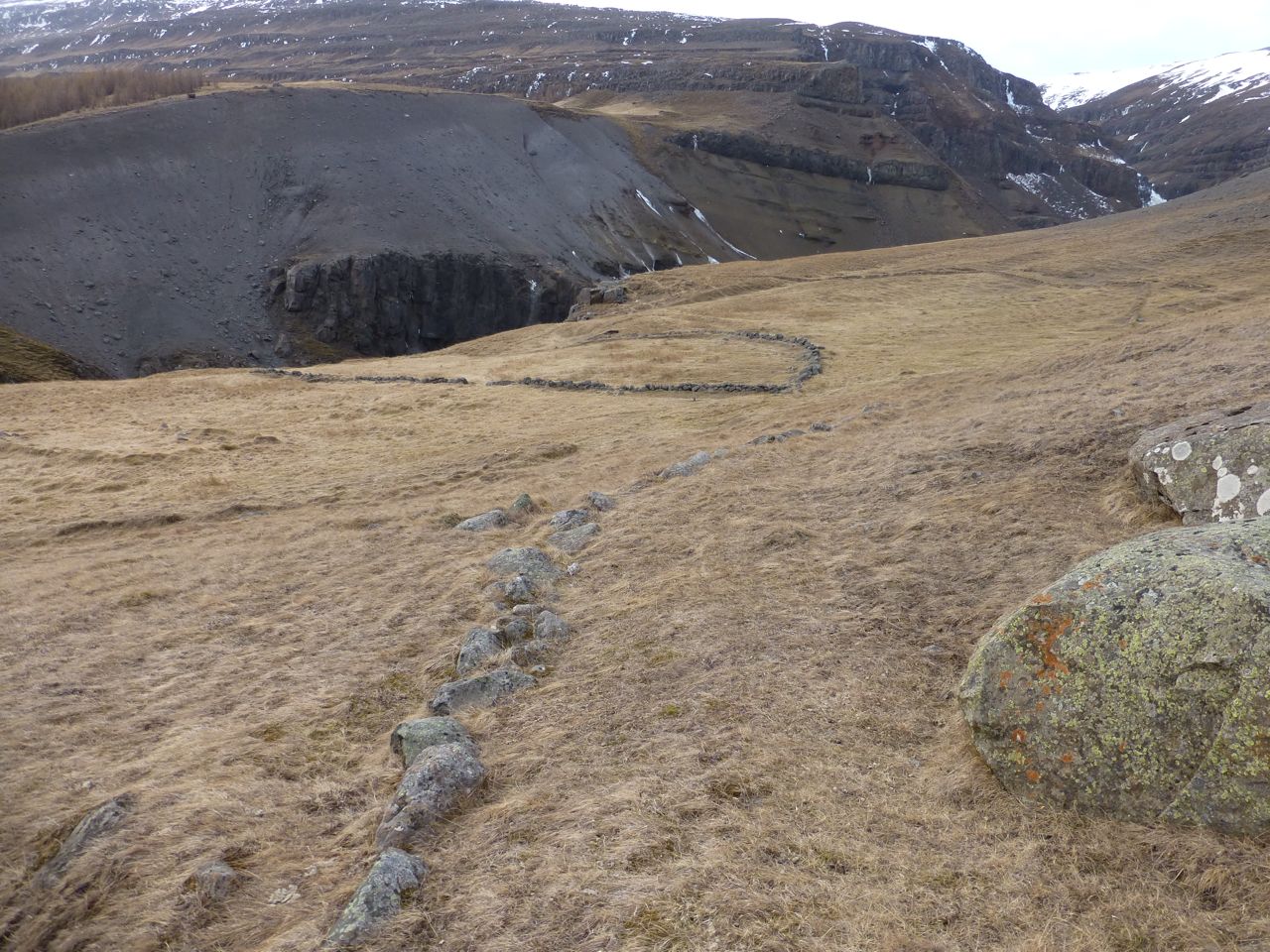
“Nazi” — the word means so many things that it is close to meaningless, and that’s a problem, because the real Nazis were a group of vicious, dangerous thugs with an ideology that continues to attract a disturbing number of people worldwide. Nazism should be strenuously guarded against, because its outcome is misery and chaos. So, let’s use it accurately, as the first line of defence against its resurgence and the first act of understanding the complexity and diversity of what went on in Germany during the 1920s, 1930s and 1940s, and what is still going on around the world. To set the record straight, Gunnar used this sheepfold …

fold

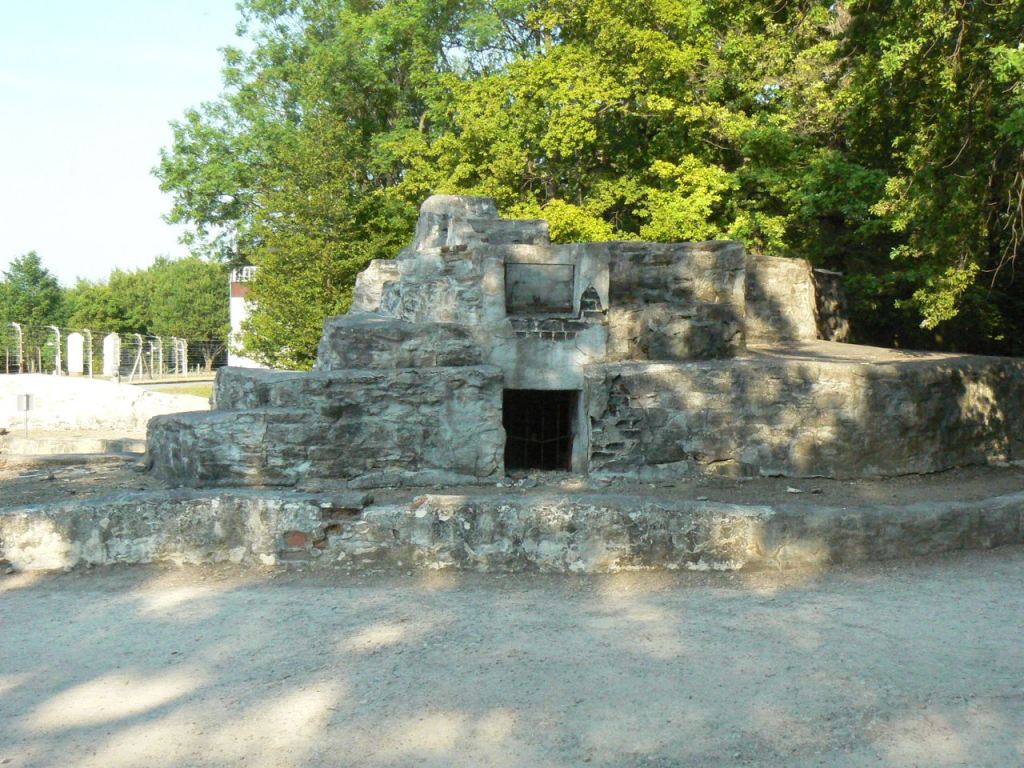
to sort sheep as part of communal activity. In contrast, Nazis used this pen …

p1140486Nazi Zoo at Buchenwald

… to stage bear fights, as a lesson to new guards about the need to have no squeamishness about violence against Russian prisoners and communists, who, after all, were “Russian bears” and “beasts” were known in Nazi ideology to be politically self destructive, and used the electrified fences of the camp (right beside the zoo and visible in the upper left of the image) to herd people and spiritually and physically destroy them. Today I am writing an essay about the complicated relationship between Gunnar and the Nazis, but, ultimately it is as simple as the difference between these two types of fences and the uses to which they were put.


Agrarian Socialism

Socialism is about people and their access to the profits from resources. Not Gunnar Gunnarsson’s. Here are some pictures of his world…

high1

Water for the Taking

There are so many waterfalls in in Iceland that these beautiful falls aren’t even on the Icelandic Waterfalls tours. 

housenadfieldLand for a Home

When it was inhabited in Gunnar’s day, this farmstead would have been made out of stone and sod. No need for socialization of those resources, either.

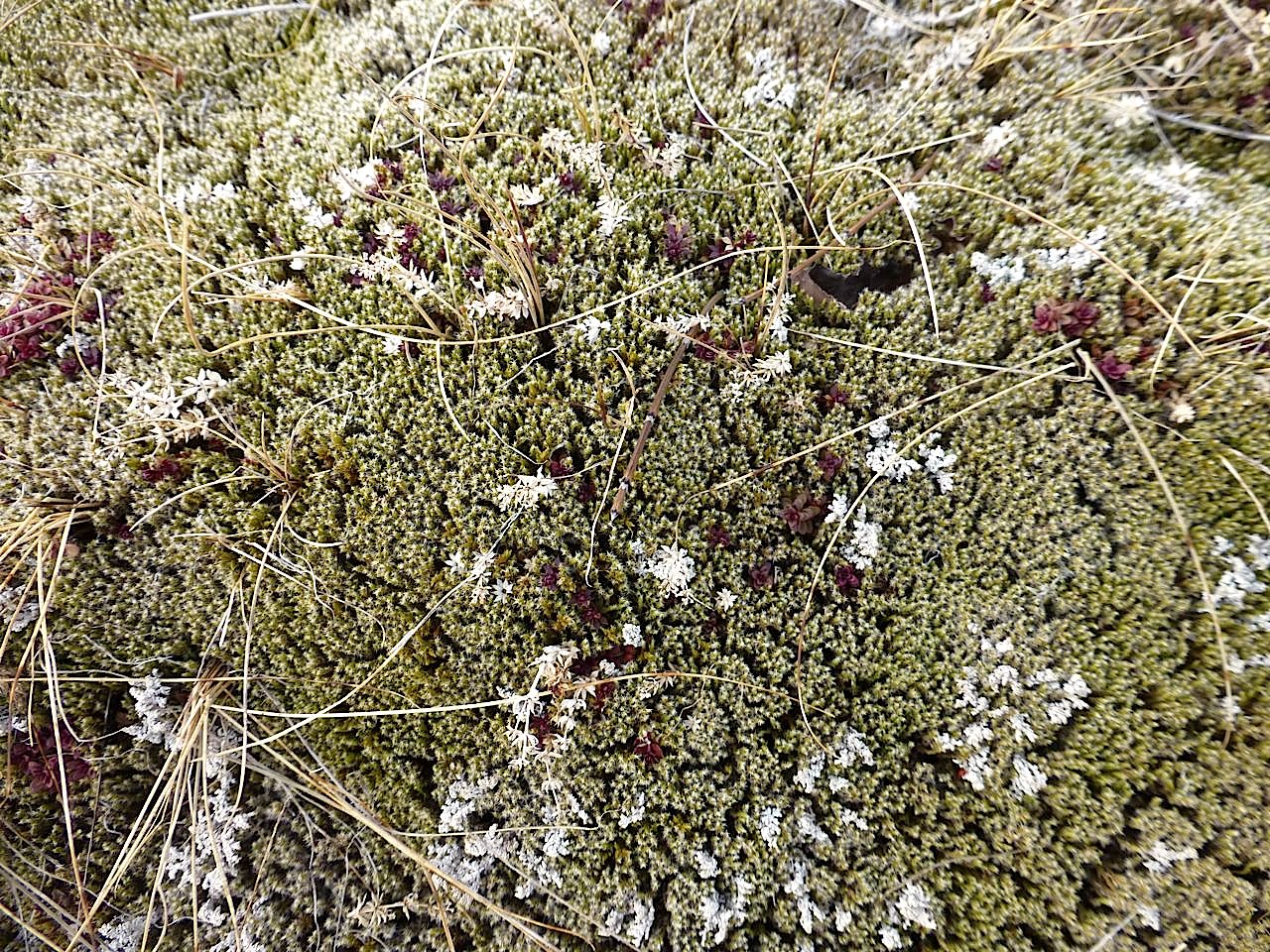
mossPretty Stuff Everywhere

No need for socialization of art. Heck, no need for art. The earth makes it a-plenty. 

Yes, these are images of poverty. Gunnar had no problem with poverty. In his eyes, it was wealth, because it had access to a greater communal wealth.

secondfalls

Water Source for that Farmstead Above

It’s a 60 minute climb from here to the first falls I showed you, if you dawdle and try to take pictures of falcons (?) with a camera viewfinder you could never see a moving falcon (?) in. Or even the ravens that laugh at you as they go by.

No doubt, the farmer in the homestead worked for the larger farms in the valley. Gunnar wanted to found the largest farm of all. That’s where socialism could, in his world, be some use: providing an interface between land and the outside world, so that the people could remain the land — not ‘on the land’, but ‘the land itself.’ His role as a landowner was to be a cultural broker, to ensure that the people stayed within the wealth of the land. That was his responsibility. Out of a community to which this was home …

housefield… society, too, was built out of the earth …

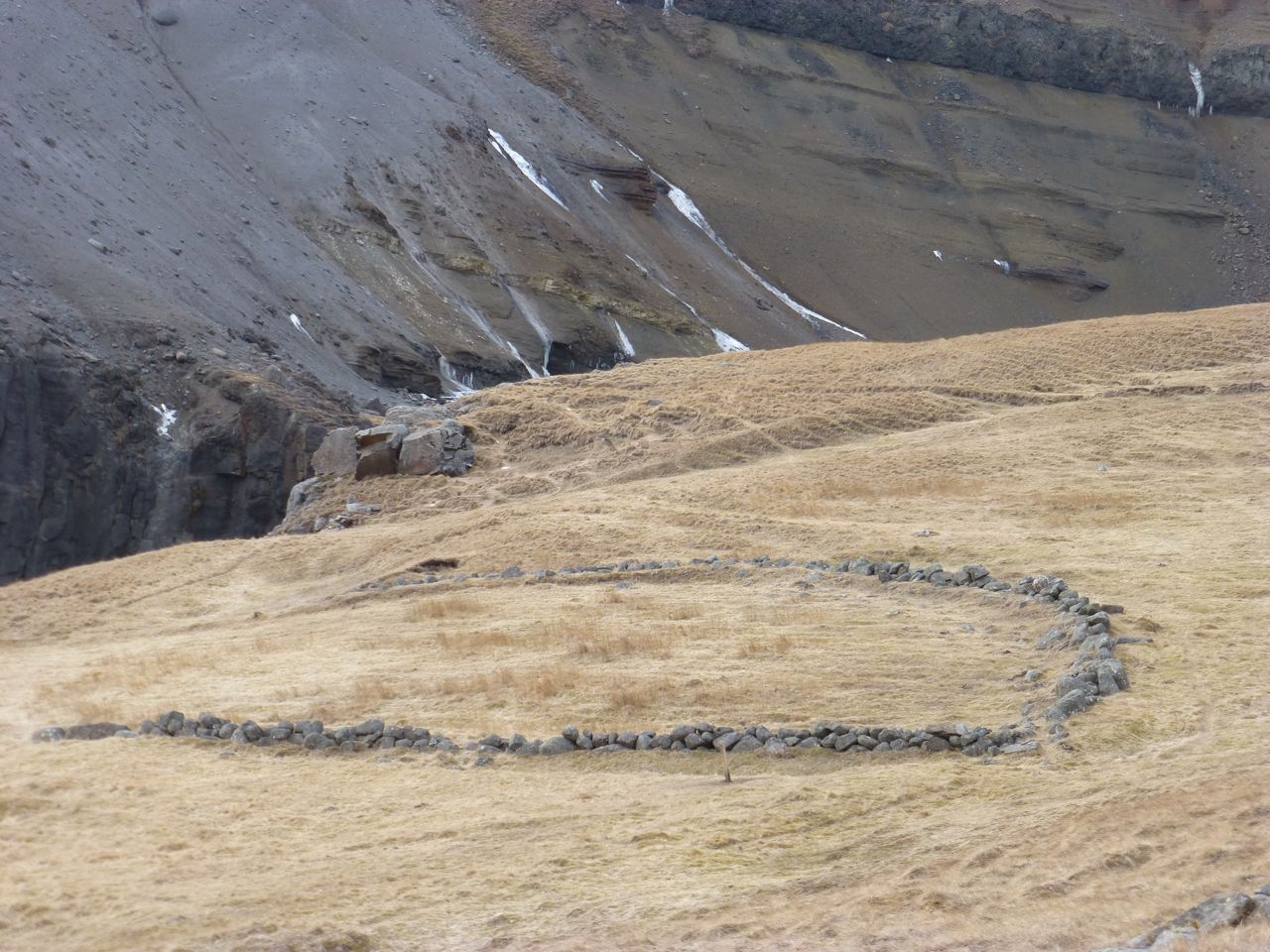
foldMelarett

The local communal sheepfold, for separating out the region’s sheep in the fall. Everyone helped, together. One didn’t need fences. One just needed a little bit of cooperative organization. The land provided for the rest. This is the image of Gunnar’s socialism.

Hitler had National Socialism. Gunnar had Land Socialism, extended from an older aristocratic land-management model. And to think, he went to Denmark for an education and found modernity instead of support for his ideas for an indigenous Enlightenment as a man of the land …

valbyDenmark’s Avante Garde Emulating the French of Twenty Years Before

Tom Kristensen brought English avante garde poetics to Denmark, and with them French ones. That looks like his wife Ruth to the left. 4 years later, Tom will be a hopeless alcoholic and will divorce her. Shortly thereafter she will bear Gunnar’s third son. That’s Gunnar standing, by the looks of it, holding forth. He was so misunderstood that he has vanished from Danish literary consciousness. One Danish Encyclopedia comes right out and says contemporary readers don’t like his poetic style or his sermons. Tom is still widely read and studied. His books are as lyrical as Gunnar’s, but in a more fractured, alienated style, without narrative.

No wonder Gunnar went home. It’s amazing it took him so long.

Colonial House Building 101, an Icelandic Novel

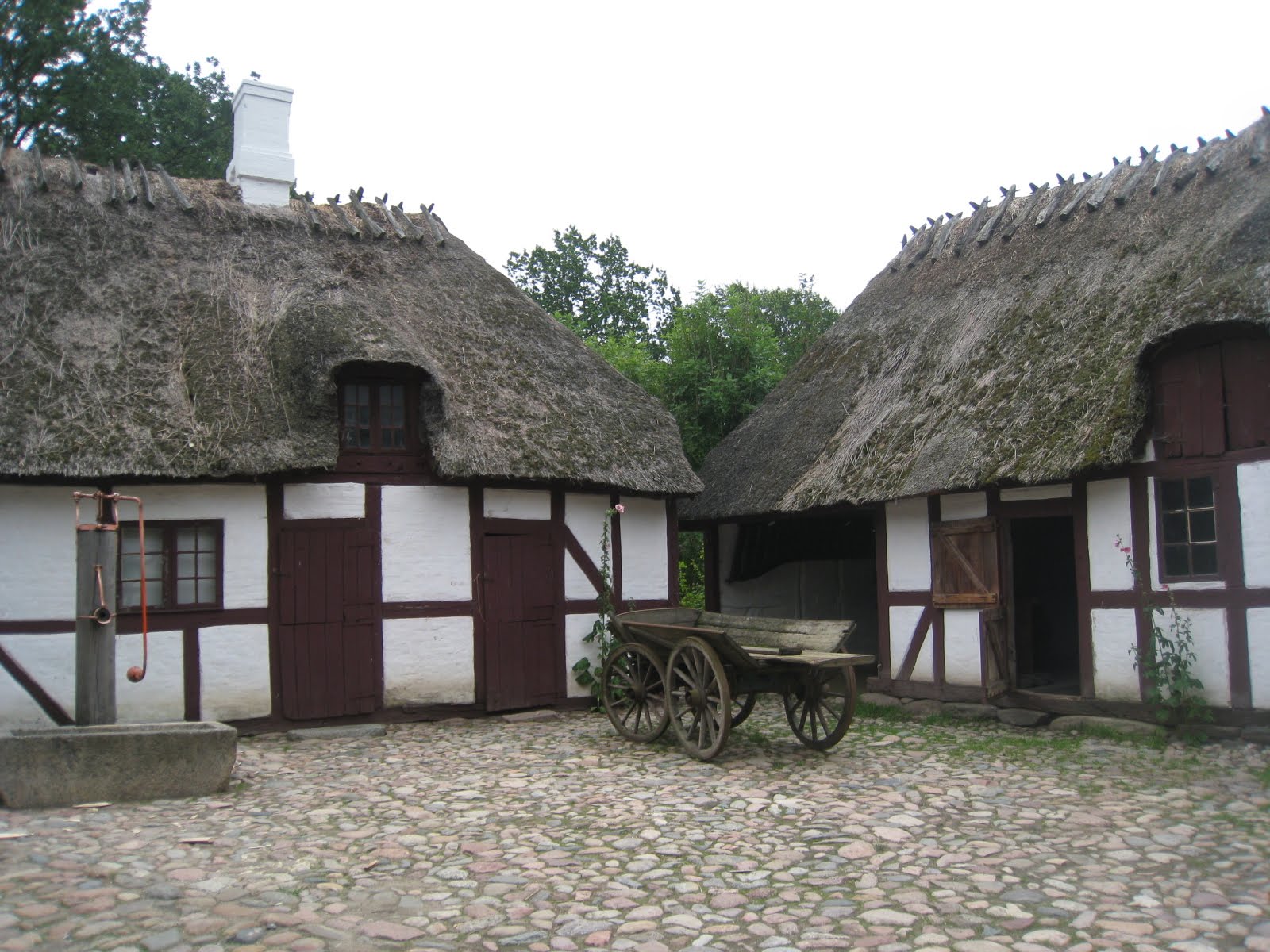
Gunnar Gunnarsson, Novelist and boy from the colonies, left Denmark (the colonial heartland) in 1939 to build a farm on Iceland (the colony) that would provide in a physical form the cultural direction of his novels. His friend the North German architect Fritz Höger, who volunteered to design Gunnar’s farmstead, had in mind something like this …

010Half-Timbered Danish Farmhouse

Den Fynske Landsby, Fyn, Danmark. The working courtyard in front follows the ancient Norse (and thereafter Icelandic) architectural model of a tun, an open air working room between buildings. Gunnar’s farmstead was to have a large an open tun between buildings, which was abandoned when the additional buildings were never constructed.

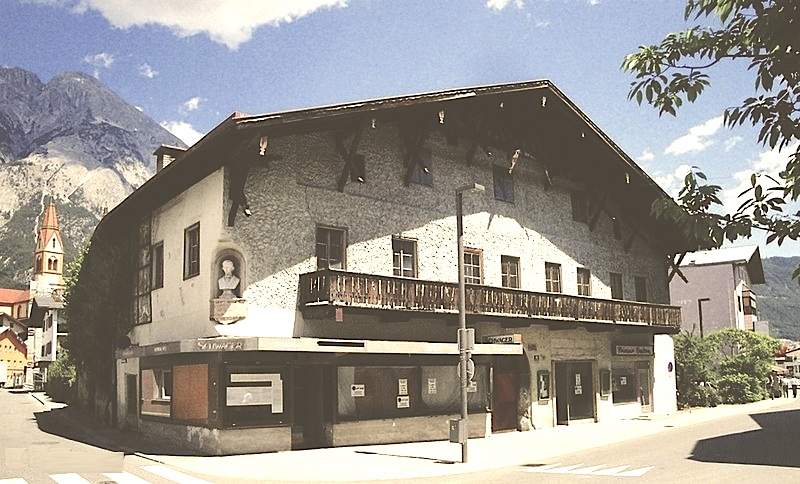
A German architect building a Danish-style building on Scandinavian soil for a man who lived his life between the German and Danish worlds would be a way of making peace with the Prussian takeover of Schleswig Holstein (Höger’s area of Germany) from the Danes. It was, of course, the time of an ascendent Nazi Germany, so the idea of a country house built by a German architect would contain some notions of German country houses, and in this case, a Tyrolian one (dominant at the time, with the annexation of Hitler’s Austria fresh in everyone’s minds, and all) …

Telfs, Untermarkt strasse, Tirol, AustriaTelfs, Austria

Note the balcony. It provides a commanding viewpoint. A central part of Höger’s design was to build a large terrace in a roman or Italian extension of this model. An absolutely key part of German culture is that Germans like to live outside. Their terraces are their summer homes. It’s not quite like that for Canadians, like myself, or Icelanders, who lives in countries a bit less amenable to lounging around in the cold. Still, what was done was done. What Gunnar had in mind was a totally different idea of living outside, much like this …

landhusLandhus Farm Barn, Fljótsðalur

This is a variation on the icelandic version of the previous two architectural methods: build the house out of the materials of the earth itself; your whole life is lived within and on the land. In such a situation, a terrace is rather redundant. Gunnar was committed to the idea of human habitation fitting into the land as if it were not even there, or as if it were an extension of it, like this…

housepointThe Foundation Walls of a Former Turf House

Overlooking the Lagarfljót

What he got is more like that than other houses in Iceland …

snugGunnar’s House Seen from Down the Hill

True to Gunnar’s vision, it changes colour with the seasons. True to Fritz’s, it is made out of cemented, rather than stacked stones. Fritz had in mind cut, square blocks of good German rock. There is no such rock in Iceland. The local boys settled on round stones from the river. Score: Germany 1; Iceland 1. A draw.

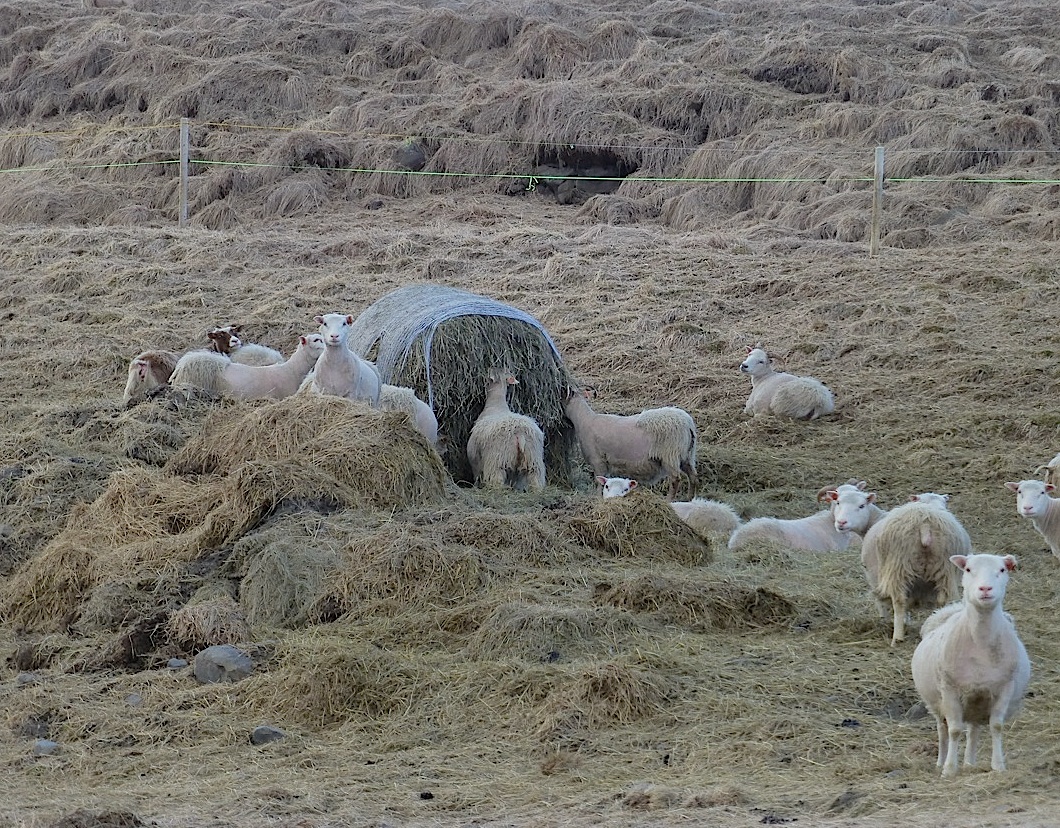
Thing is, Gunnar’s whole idea was that architecture, and especially how it fit into a landscape, determined the soul of a people and their ways of thinking. He was dead set against putting non-Icelandic architecture within Iceland, as it would, he felt, damage the people and their ability to survive. Now, one reason his farming venture failed is that there was war (started by his readers, the Germans), and a resulting invasion of Iceland by the British and the Americans, who paid so well for labourers to build their infrastructure that there were no surplus young men to care for animals like this …

top

Icelandic Ewe Demonstrating Ancestral House Roof Clambering Technique on a Hay Bale

Go, girl!

… and in this way the war ripped out the economic underpinning of Gunnar’s farm. What’s more, the rough and ready construction methods the young men learned on the American and British bases had a kind of effect that eventually led to this…

red

Definitely Not Gunnar-Approved Architecture

Thrown together for reasons of utility and nothing else. That is what farms look like throughout Iceland. There doesn’t appear to be the money on many to build anything better and, besides, it works. This kind of raw utilitarianism would not have appealed to Gunnar, and he would have feared that it would have led to sloppiness. He might have seen this, for example, as a consequence …

stuffSheep Pigging Out on a Haybale

But what Gunnar did not foresee was a permanent divorce of Icelanders from their land. A tiny fraction of the original rural population now has to grow more sheep, cows and horses than ever before … something has to give. The solution has been German, rather than Icelandic, industrial farming methods, capitalized on American industrial farming models. Has all this led to the wealth and security Gunnar was trying to create with his tun-based farmstead that would bring German agricultural models to the land and separate Iceland from colonial overlordship by teaching farmers how to get more wealth from their land, and keep it rather than giving it away to colonial capital managers?

0307-Iceland2_full_600Not quite yet. There’s more than one way to lose your sovereignity. Perhaps the process of decolonization is not complete and something can still be learned from Gunnar’s attempt. Heck, it could have been him holding that protest sign. Perhaps Gunnar’s time has come.

Gunnar Gunnarsson Secret Agent: Part III

Today I’d like to walk around within the country shared by Modernist Icelandic Writing and Hamlet, which should be fun. I’m also going to try a little experiment in adapting modernist Icelandic literary method to the journey as it unfolds. First, though, I’d like to introduce you to a literary movement and historical period called the Icelandic Enlightenment. That’s a term I coined this morning, to describe a kind of ongoing clash of worlds that followed hard on the heels of the Celtic Renaissance and the French literary genre Surrealism. It looks a bit like this some days:
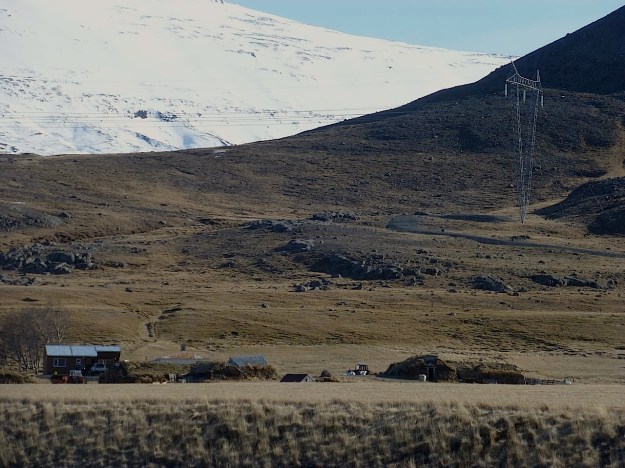
farmwithtowers

Power and Security, Old and New at Landhus Farm

First the sod house, then the enlightened version, the hydroelectric grid, the modernist Icelandic writer Gunnar Gunnarsson, who was raised across the river from this farm, was trying to keep both forms of being in the world both alive.

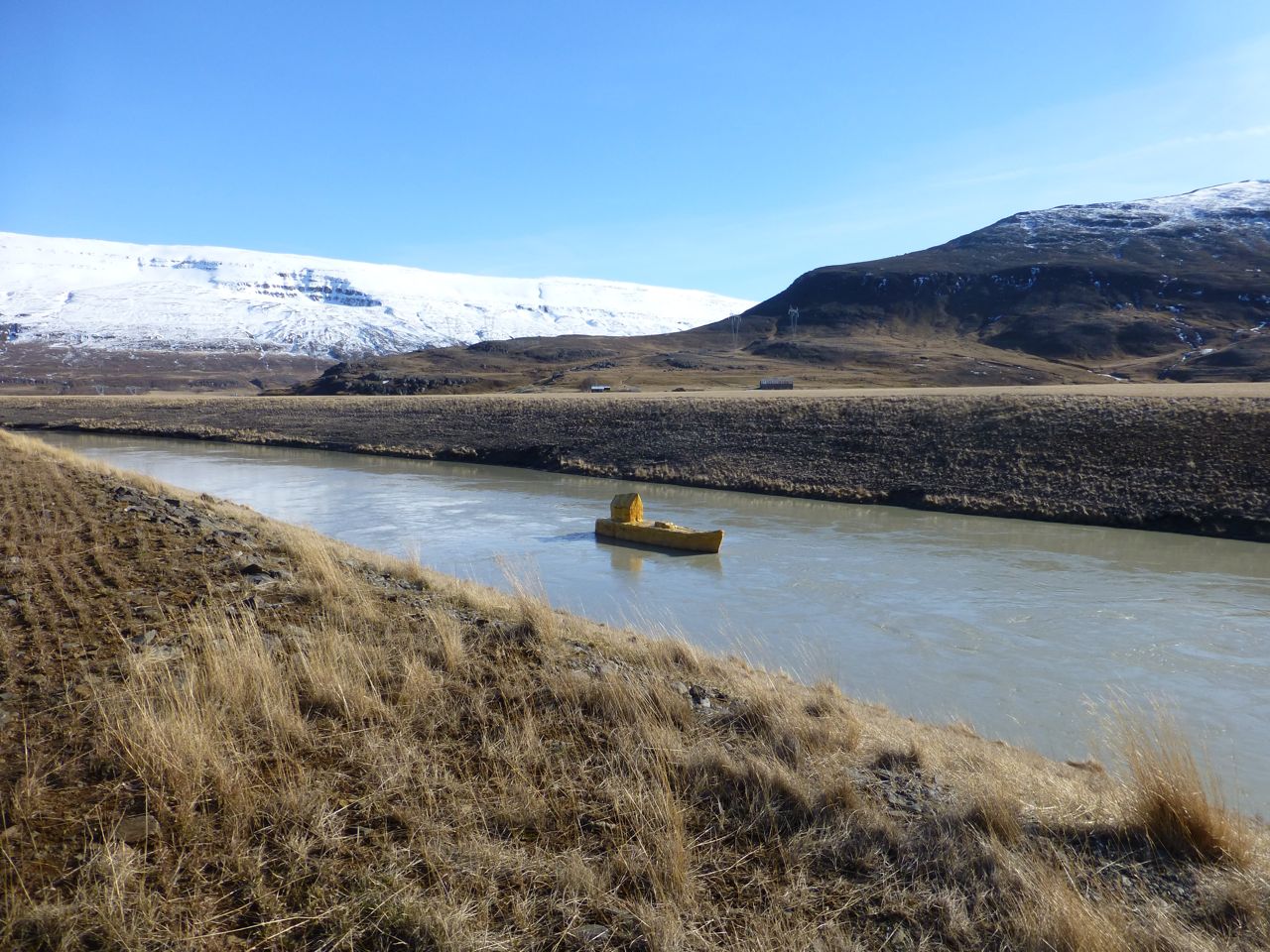
And now, an apology. I wrote river, but in this valley where the lake is a river and there’s no clear point at which the river becomes the lake that is a river, this part of the river is not a river at all but a Penstock Outrace Canal for East Iceland’s controversial Fljótsdalur hydroelectric power station, so I guess I’d better show that to you, too, and come clean from romance …

P1390138

The water, you see, descends a couple thousand metres vertically down through a tunnel bored into the mountain, drives the turbines in the power station, pours out here back into the light, and then, ta da …

P1390139

… into the canal and around this, um, this , ah… well, look …

P1390140

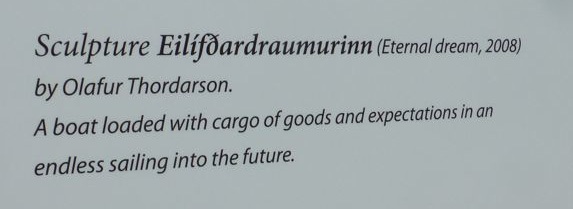
That’s art, that is. A life-sized ship, apparently made out of some approximation of strapping tape plastic-machéd together by techno-sorcery by Olaf Þorðarson, and the whole thing translates into the new Latin, the new commercial trade language of the world, English, like this …
olaf

Well, Almost English.

More like German modernist poetry, really, which explored such forms of atomic compression. More like “A boat loaded with cargo-of-“goods-and-expectations” in an endless-sailing-into-the-future. Nice to see the peoples of Northern Europe coming together in such an unexpected spot for a moment together in the sun. Thanks, Olafur!

Well, and all I wanted today was to tell you about Gunnar and the Nazis, because there’s a story for sure …

Gunnar: (Interjecting.) I was no Nazi! I am sick of people coming to my house in the country and calling me a Nazi because the house has grass on the roof, because my friend Fritz designed it and he joined the Party because it was the only way to secure work, because his design blends North-German, Danish and Tyrolean agricultural folk architecture into a statement about a farmer’s house fitting into the land rather than intruding upon it like a, like a … oh, grrrrrr.

Oh, hi, Gunnar.
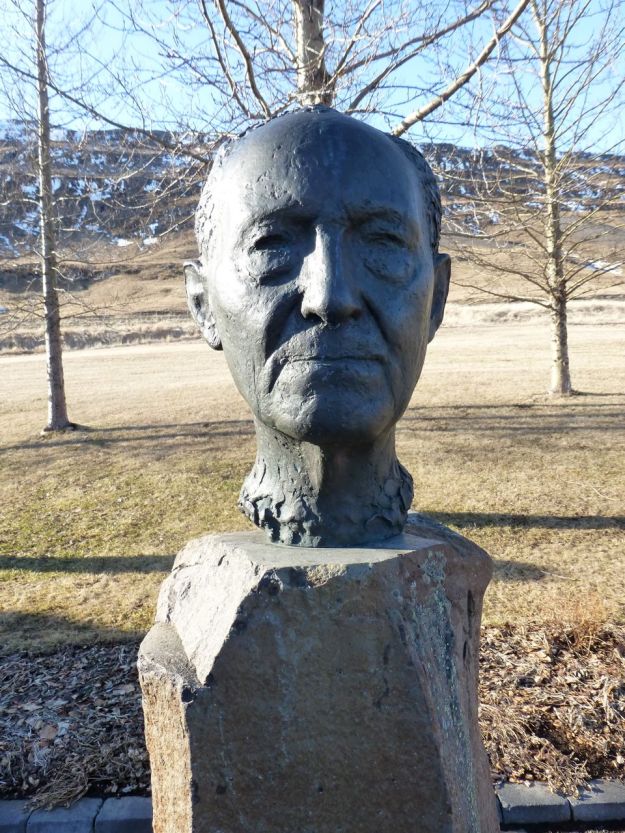
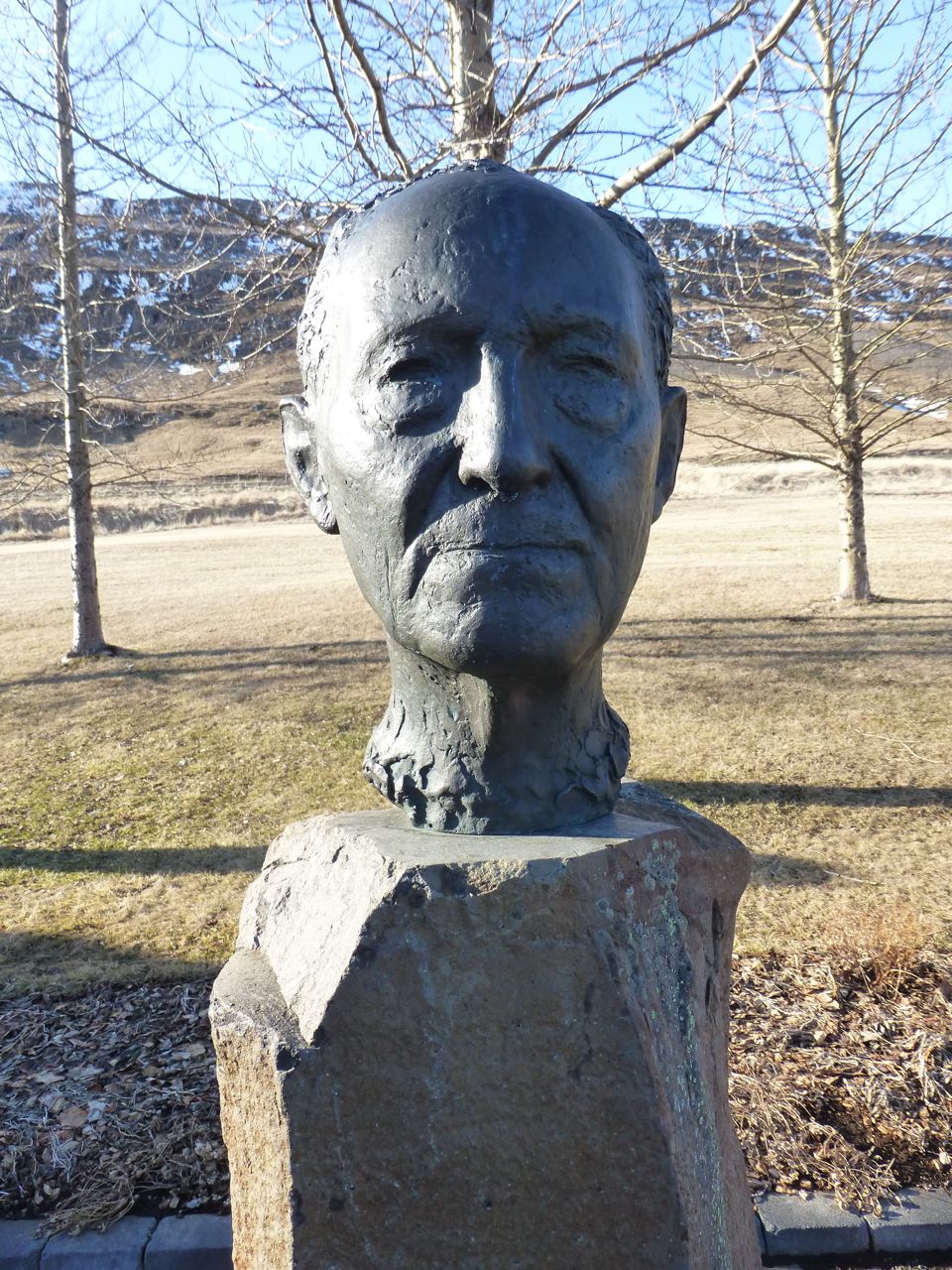
gunnar

Gunnar Gunnarsson, Skald

After that imaginary outburst, he is being a bit tight-lipped today.

A secret agent, even beyond death. Clever.

(Gunnar grumbles inaudibly.)

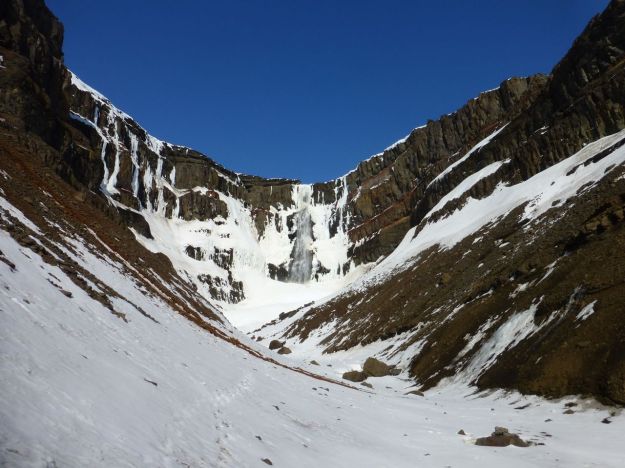
So … well… that silent battle of wills went on for awhile … no need to bore you with that, but, um, let’s face it. That is the kind of silence one gets when one attempts to talk to the dead. To hear Gunnar better, because I really did wish I could have a talk with him, on his own terms, so to speak, I started translating his book “The Northern Kingdom”, and realized, sheesh, power plants and public art notwithstanding, I forgot to set the scene. I mean, “Icelandic Enlightenment”? I reckon if I’m going to throw terms like that around like spring waterfalls split rocks from their cliffs with a sound like artillery fire…
P1380441

Hengifoss, a High Waterfall just up the Road from Gunnar’s House

Soundtrack: Roar…. BOOOOMMM! …. Roar ….. BOOOOOOOMMMMMM! It’s enough to make one start seeing trolls.

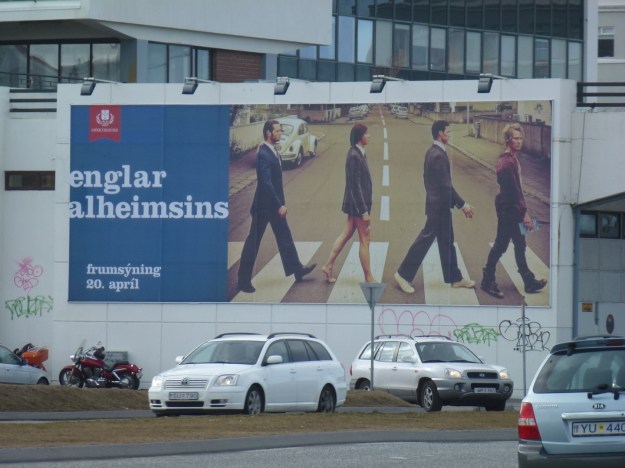
…it would be best to show you what I mean. So, to be a better host, and I do mean to make you feel at home here in my grassy house on its grassy hill nestled into its grassy island of Japanese cars in its cold blue sea, here’s another view of that Enlightenment…
angels

Angels of the Universe, Reykjavik Harbour

None of this old-fashioned monkishness and cloisterly prayer here, I tell you. Actually, I think Gunnar might have liked this. Not the graffiti, though. He would’ve sent a man out there with a bucket of white wash.

So, that was still a bit obscure, darn it, but I’m a writer, just like Gunnar, so, hey, maybe some words will help. Maybe if you could hear a Canadian writer humming and hawing out loud you’d know how things were going with the world today, here in what’s lovingly known as the Northeast, except if you’re on the Faero Islands it’s the Northwest and if you’re on Greenland it’s, um, well…. Oh, bother, we need a writer to sort these things out, that’s what we need. Ah, let me see, yes, here’s that writer, right down the hall here … ah …. yes. Here is is. Um … Harold?

Canadian Writer: (Startling awake from his writerly dreams, or maybe not awake at all.) “The Enlightenment” was the period in 17th and 18th century European history when the human capacity for reason gained cultural ground over the capacity for faith and started to create the scientific world out of a poetic one.

I know, like whew! Get a writer talking and, worse yet, thinking out loud, and words start flapping around like that, and like this, too, I might add …

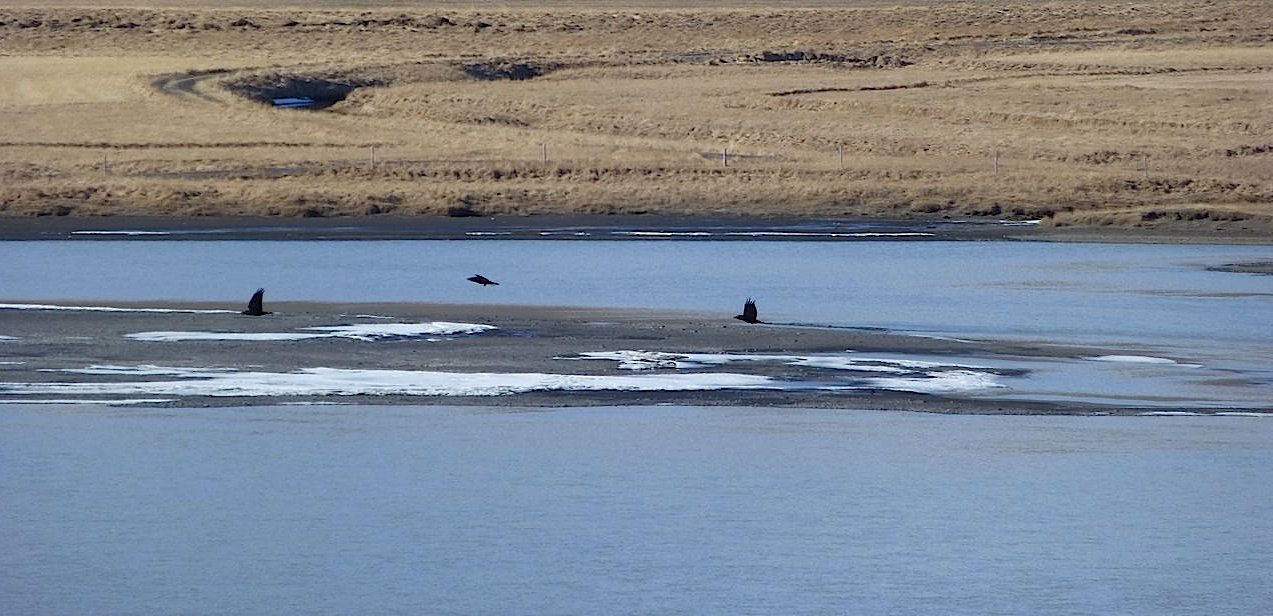
2ravens2

Black Words in the Lagarfljot…

… flying off to check out the sheep folds at the first sign of a writer pulling a camera out of his pocket.

and like this …

Canadian Writer: It was largely a French, German and English business. It hit Iceland late, in the early twentieth century, in the writings of Gunnar Gunnarsson, composer of semi-autobiographical, poetic, political “novels” that brought poetic forms of Icelandic thought into the light — with one crucial difference: this ‘light’ was modernism, not rationalism, as it had been in the original Enlightenment. Big difference, actually.

Raven 1: Aha! You mean, instead of constructing rational, scientific structures for organizing the world based upon the administrative structures of the French court, as did the philosophers and scientific pioneers of the Enlightenment …

Raven 2: Whee!

Raven 3: What a nice day for flying!

3ravens

(They fly off looking for some sheep’s entrails to read. Disappointed, the writer puts his camera away.)

Ah, writers. They’re always wandering off. I guess there’s nothing for it but to continue on bravely without them and hope for the best. As I understand it, denied by the age of his birth the benefits of emerging into a developing culture organized around rational structures, including Science, Mathematics and Engineering, Gunnar was stuck with writing “novels” instead — a kind of intellectual activity that in the post-rational world of his birth and coming of age was most often considered “entertainment” or “fantasy.” Well, actually, most often it was. Yeah. there’s that. Like this 1908 American novel about a girl from a rather hopeless, helpless farm who comes to the, um, big city of, um, God and wins out by her true heart…
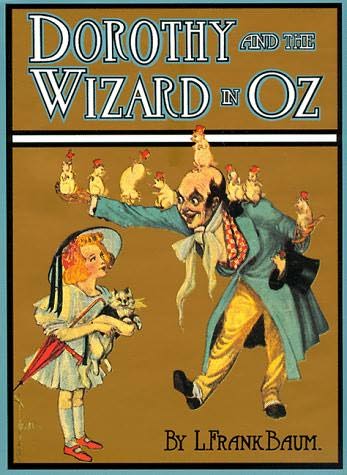
Ozbook04cover

… or this beautiful 1970s German version of the Nobel Prize-Winning 1908 Swedish novel Tösen från Stormyrtorpet (The Lass from the Stormy Croft) about a girl from the isolated poverty of the northern wilderness, who, well, look at the strength in her eyes, eh …images-2
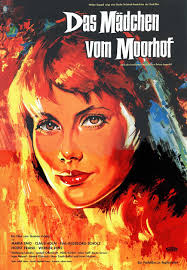
Such was Gunnar’s readership. Not the ideal one for a modernist writer, a man from the Icelandic Enlightenment, but, still, you had to buck up and start somewhere, right, trusting to luck and youth and hope? You most certainly did.
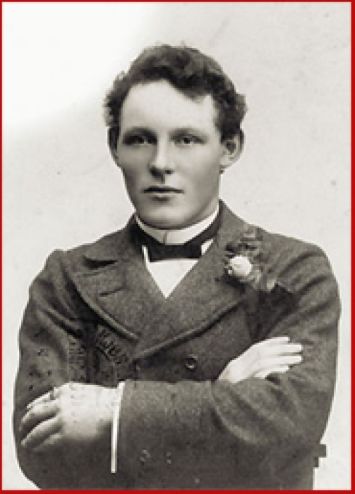
gunnarsogur

The Hopefully Uncertain Young Gunnar

With his big Scandinavian farmer’s hands, newly-planted in Denmark. I don’t know about you, but does it, um, look like his pupils have been inked in by a photographer cursed with red-eye?

Fortunately for Gunnar, it was a foundation stone of modernism (and its revolutionary and energizing core) that these entertaining objects could have political and economic ends, if a man (seemingly, men did this kind of thing) put his mind to it — and it was this that Gunnar was counting on. His contemporary, the American Ezra Pound, was as well. Pound, who was a gifted lyrical poet, was pushed by the catastrophe of the First World War to write stuff like this:

The first thing for a man to think of when proposing an economic system is; 
WHAT IS IT FOR? And the answer is: to make sure that the whole people shall be 
able to eat (in a healthy manner), to be housed (decently) and be clothed (in a 
way adequate to the climate).

Ezra Pound, "What is Money For"

A Very Upper Middle Class English Sentiment, but then, Pound had spent the War in England, and the decade before it, too, where he had gone to discuss Fairyland and the Celtic Renaissance with the poet W.B. Yeats, and had married into this class. I trust you see the pattern …
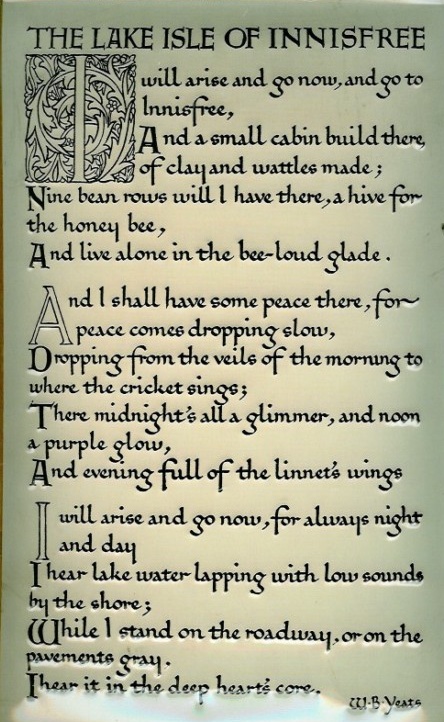
yeats

Yeats’ Dreamy Romantic Fairyland: an Unlikely Start for Ultra-Modernist Poetics

OK, Ireland is not exactly Scandinavian, but it is a green island in a cold sea, and a lot of Irish women, slaves or otherwise spoils of war, were the ancestors of a lot of contemporary Icelanders, so not that distant, really. The romanticism and the romanticized renaissance of ancient land-based ways of poetry and spirituality is, however, very much the point, indeed.

Pound’s new father-in-law did not approve of his new son-in-law’s poetic dandering around. Lawyering was more to his taste, but, still, he loved his daughter, and so did Ezra, so they were stuck with each other, circling around each other like cocks in a betting pit.

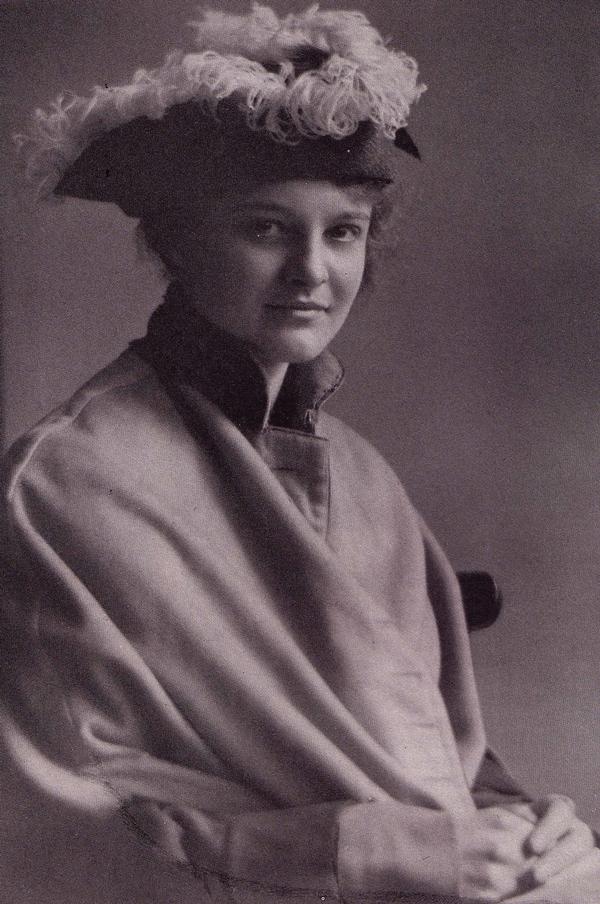
l

Dorothy Shakespear Pound

The last of the those Nordic fantasists, the pre-Raphaelites, before the World Went All to Hell.

Pound and Dorothy used to sit before the fire, where Pound declaimed his poems and his enthusiasms and a lot of spiritual stuff about jewels and the love poets of Provence and such like. They went off painting watercolours together. She was quite good at it. He fussed about, trying to get his palette mathematically perfect. Eventually, he came to hate her. Irony of ironies: later, when he was declared insane (Fascist sympathies were, by the logic of the American 1940s, insane.), she was legally declared his keeper.

Raven 1: (Flying by.) For a fuller treatment of this story, I recommend Gunnar Gunnarsson’s great, semi-autobiographical novel, “The Black Cliffs”.

Raven 2: (Doing cartwheels around him.) They’re all semi-autobiographical, dear.

Raven 3: (Bravely keeping up.) Puff puff. Yeah … Puff puff. you’re right.

(They fly off to the Black Cliffs, croaking in ravenish laughter.)

Oh, right. I have to remember that this art form, the essay-fiction-blog-drama-for-page-and-screen thing based on Gunnar’s techniques needs a bit of tweaking now and then, a bit of cognitive lens-focusing, so to speak, a bit of drawing-of-the-curtains that words are naturally heir to. Let me see. (Fiddle fiddle fiddle.) Ah. Yes. There the ravens go … see them?
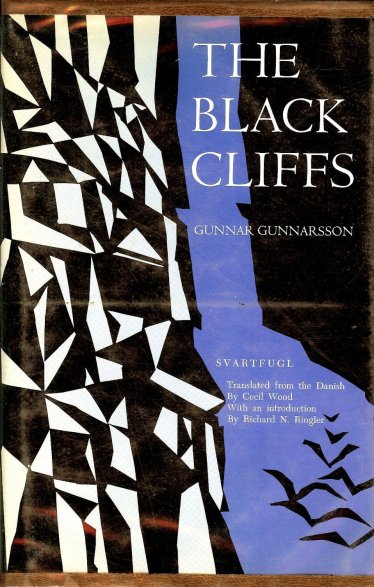
svartfugl

If you read one book by Gunnar, make it this one. Bonus: it’s in English.

Ignore the fact that the ravens look like seagulls overexposed against the sun, because, you know, maybe they are.

Raven 1: Hey! I heard that.

Shh. Here’s the plot: Two couples on a remote farm in the West Fjords (even today, it’s faster on a bicycle than a car, and a horse would be better, or a tunnel — that’s how remote the place is. It’s a good thing it’s beautiful.) run into a spot of trouble, that ends with two of them, a man and a woman, killing their spouses, who they have come to loathe, in order to be together. A lovely political allegory, with Nazi ties, which we will explore another day, that is based on a true Icelandic murder in the dark days of the past winters, before anti-depressants and solariums cheered all the Icelanders up a merry lot.

ggmynd0026

Gunnar, the Famous Writer

Still working on his cheerful look.

Pound’s solution for marrying the worlds of politics, commerce, lawyerliness and poetry was to write a poem, a lyrical entertainment, as that old way of thinking (poetry) had come to be known in the ‘modern’ world. Precisely, he hoped to write a poem that contained so many clear  and innovative connections between history, mythology, literature, philosophy and economics that all thinking men and all men in government would have to read it, if they could hope to do their jobs well, or at all. Out of close to thirty years of that, he was writing stuff like this:

toiletpapercanto

Imprisoned in the American Detention Centre in Pisa Italy in 1943 …

… Pound started his great Pisan Cantos on a sheet of toilet paper. When he won the inaugural Library of Congress Bollingen Prize for the completed sequence (among other things, mourning the death of his fascist heroes, and while still under a charge of treason, to boot), the common people of the United States were enraged (Mind you, that doesn’t really take much. It is a kind of quintessentially American entertainment that even Pound indulged in in his own way. Besides, they wanted romantic novels, not poetry.)

If Pound had only written this!
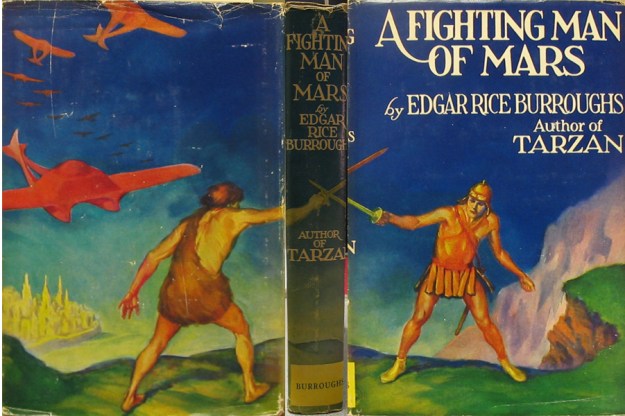
FGHTNGMNFM1948

March 3, 1948

Definitely a missed opportunity, Ez.

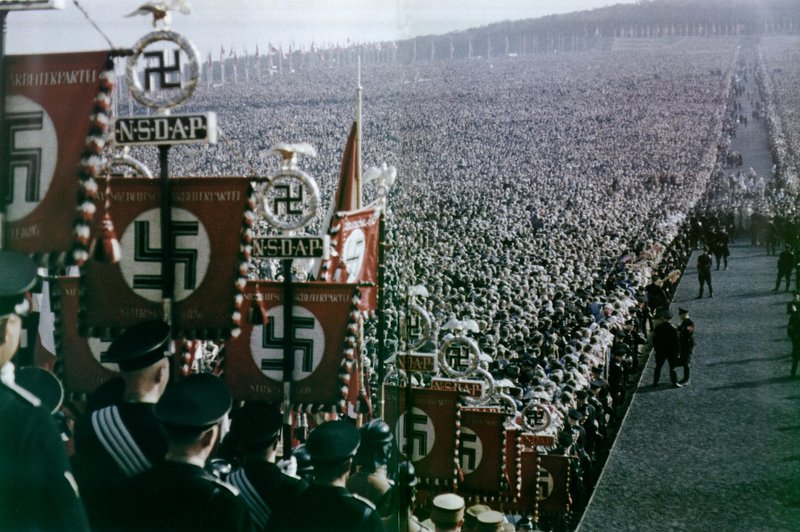
The solution of post-modernist twentieth century writers, to embrace populism and effervescent, even contradictory and illogical points of view was not Pound’s way, and not Gunnar’s, either. That is actually quite understandable, given that the great populist politician of the time used to decorate his speeches like this:
1936nurembergrally

Nuremberg Rally, 1934

Dangerous stuff. It was like shaking jars of nitroglycerine.

That is the plight of modernist writers even in countries or communities emerging into modernism today: they feel themselves the equals to kings, dictators, presidents, prime ministers and bridge engineers, yet all they are given to assert their practical status are tools that most people read as if they were the stuff of fairy tales and wall decoration.

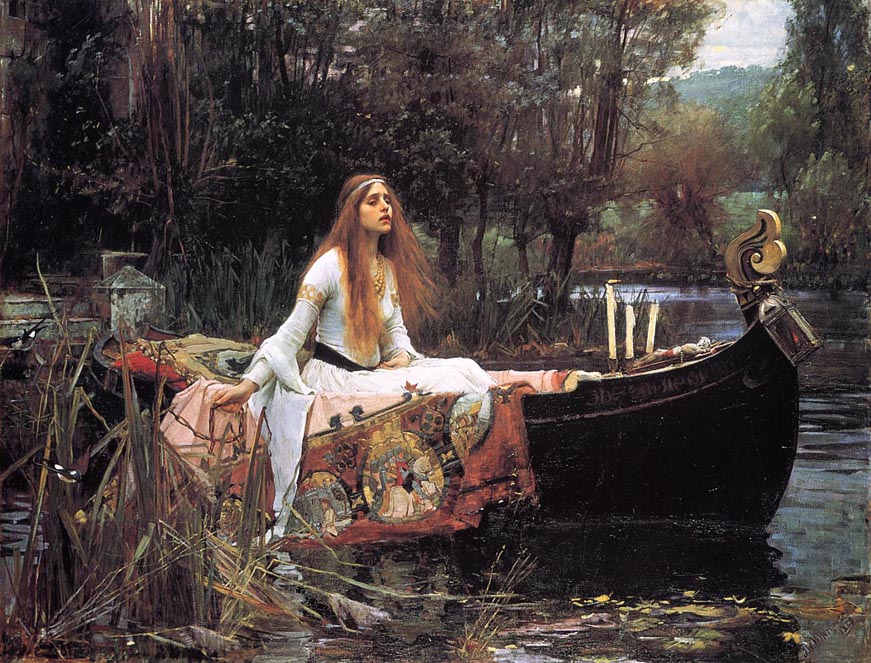
JWW_TheLadyOfShallot_1888

The Lady of  Shallot, by John William Waterhouse

In 1907, Gunnar left Iceland for Denmark. In 1908, Pound left the United States for London. Waterhouses’s painting above is the world of modernism, on a foundation of Nordic fantasy, that they stepped into. It took them into at first differing but then converging directions. It was out of beginnings like this that Pound and Gunnar tried to counter Nazisms own modernized (so to speak) versions of Nordic myth. Entire literary genres sprang up along these lines, including the great German genre of the country physician, which became a dominant art form of the German propaganda ministry during the Third Reich and lives on gloriously in German television soap opera (which played, by the way, a strong role in bringing down the Iron Curtain.) These things live on, I tell you!

What a mess the world can be for a modernist writer hoping for a bit more push and a bit less pull, though. The Swiss playwright, Friederich Dürrenmatt, who had toyed with Nazism when he was young and was wracked by guilt about it for the rest of his life, chose to deal with it by creating plays that were not dramas at all but trials, very bitterly funny trials, of his audience. He hoped to show every audience member his or her own guilt (Yes, Original Sin can be read into that. Dürrenmatt was the son of a pastor, after all — a Swiss pastor, and that means a lot.), and to leave them talking over the ethical dilemna of his plays in the coffee houses of Bern and Zürich, where they could eventually resolve them — not on the stage but in Swiss society itself. Pretty brilliant, really. He was of the generation following Gunnar’s, yet very much of Gunnar’s time and dealing with the issues from a culture and society remarkably similar in many ways to that of Iceland earlier in the century.  Everyone was becoming modern, but no one knew the rules. The rulebook of God was more or less gone. It was left to the last holders of its traditions, novelists, of all things, to make a stab at rewriting it. Here’s one of Dürrenmatt’s attempts:
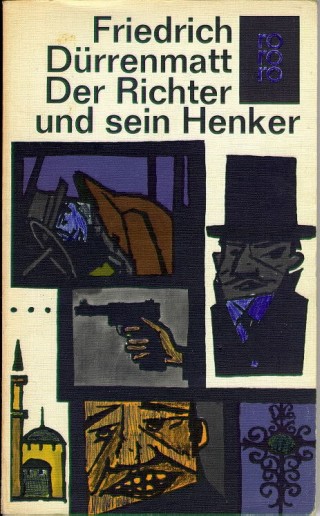
henker-b320

The Judge and His Hangman

One of Dürrenmatt’s comedic crime novel sermon adventure trial objects in a Cold War West German edition.

I hope you don’t mind my showing how Gunnar’s interests were actually central to his time and took place within a particular context, because it was that context he was responding to.

Raven 1: Get on with it. We’d rather you herded some sheep.

Raven 2: Yeah, isn’t it lambing time yet? There’s lots to eat at lambing time.

Hang on, guys, if it’s dead things you want, I think I have just the thing for you. It’s a little bit of a detour down a darker road, but …

Raven’s 1 & 2: Darkness? Oh, goody!
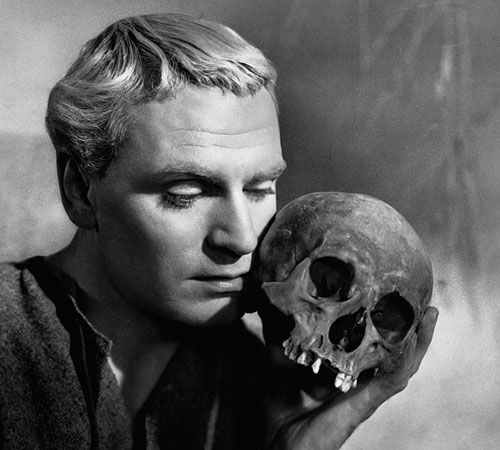
1337339357719611

Laurence Olivier, Hamlet, 1948

The actor contemplates the war just past.

I thought you’d like that.

Ravens 1 and 2: Oh we do, we do!

Raven 1: Yes, we’re glad you’ve recognized that the plight of writers trapped within words and popular impressions of what words can do is not a problem unique to the 20th Century. Modernism started long before that, in England. We should know.

Raven 2: That’s true. Shakespeare recorded the moment in his play Hamlet, he did.

Raven 1: Well said, my love!

Raven 2: Why, thank you. There he wrote the clever and blatantly literal line, “Words, words, words,” and then, to get out of his own head, made his character, Hamlet, say them out loud …

Raven 1: … the poor duff …

Raven 2: So true! A melancholy Nordic philosopher prince who had returned to conservative, pre-modern, pre-humanist and Nordic Denmark from a modernist, Lutheran, self-confessional university in Germany on the cusp of humanism and modernism.

Raven 1: Poor Hamlet.

Raven 2: Heck, poor Gunnar.

Raven 1: So true. Still, like Hamlet, he tried to make the best of it. Here’s what Gunnar had to say about that.

(Dear Reader, ravens, like actors, like writers, try to have some fun with all this grim-ness …)

skull

Kenneth Branagh Really Trying to Get Into His Role as a Melancholy Dane 

Shakespeare had more earnest designs for his character: he wanted him to read fate and receive clear answers, in the way a priest once read the Soul or the Book that was God’s World.  I mean, they were even in Capital Letters, so you could find them easily in a hedgerow of words and thoughts. In the modern world, of course, the self-confessional, Lutheran one, there are no clear answers. What was Hamlet left with? Harumph, Hamlet was busy trying to read his soul …

Soul: Definition from the Dictionary of Earth and Air, 1908 Edition

A new-fangled private thing, which had recently before been public, partly because in the world of the Medieval Church souls were public and partly because he was a Prince, and thus the state, yet whose rightful place in the social role accorded this public identity had been usurped by a murderous uncle.

Sigh, isn’t that the way. Anyway, while Hamlet was trying to read the pattern of his thoughts, like some kind of Nordic Buddha, the old courtier Polonius asked him what he was reading …

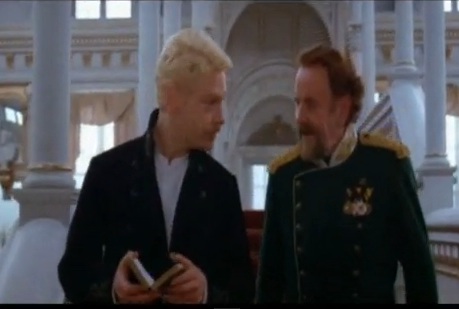
whatdoyouread

Polonius: What are you reading, my Lord?

And Hamlet? God’s minister of state on this vale of tears? Was he able to say, “Your soul, sinner?” No. He was stuck with the words of some author. There he was, a trained philosopher, in such an embarrassing position. But he was a trained philosopher, so he answered precisely, although not without frustration: “Words, words, words.” He held up his book to make his point. What were once words recording God’s creative speech that put the world into perfect order, were now just nearly inscrutable words on paper, that a man could make mean pretty well anything he wanted them to, that some “writer” was forcing him to speak, and which he had to figure out how to speak with some shard of dignity. What a task! He waved the book around for emphasis of his predicament, like this:
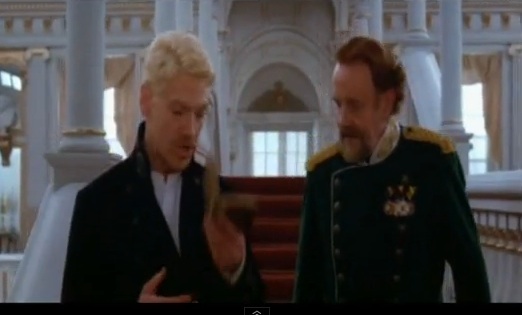
words

Polonius and Hamlet Can Hardly Believe the Embarrassment of It

It was as if Hamlet had been caught reading some kind of fantastical, titillating entertainment or something not befitting of an earnest, enlightened philosopher, like, oh…

images-1

… or this, of all things …fam200299

Actually, that was pretty much the case. Still, frustrating, right? Gunnar might have entered this story 4 centuries late (that’s how far Iceland was from England at that time), but that doesn’t mean that he didn’t rightfully feel some of the same bewilderment as Hamlet did at his own moment of crisis. As he told the students at Herthadalen on June 15, 1926 (He uses a shipping metaphor, because he has been trying to suggest that the countries of Scandinavia are naturally united and protected by the sea) …

Outside our port stands Fate. We do not see her, but she stands there. And even for those who see her, her face is veiled: no one can read in it!

(From “The Northern Kingdom”, 1927)

It’s a downer, for sure. It’s like looking off of the Icelandic shore towards Europe, or off of the Danish shore, anywhere, in the winter, and seeing only:

nord

Another Cold Writer Staring Back

This is called the height of the Icelandic summer, Arctic Circle version.

And to think that all you wanted was a bit of light. Now, to be serious. I loved my day there at the northern tip of the Icelandic mainland, and my Canada is a nordic nation as well, which I will get into on another day, and as a man of northern earth, just as Gunnar was a man of northern earth, I know well enough that the fog is its own language and is full of light. Gunnar would come to that eventually, but it would take time. After all, he had been trained in literature, as was Hamlet, in a different tradition. In his novels, as in his politics, he tried to put them together into one. During these attempts he consistently avoided Shakespeare’s solution, tragedy, or Hitler’s, smarmy romance and shell-shock, or Pound’s, rage and bitterness and impotence, and tried to find a middle way. I admire that deeply. Tomorrow, I will honour it. For now, thank you for playing along.

Gunnar Gunnarsson Secret Agent: Part II

When the Icelandic writer Gunnar Gunnarsson returned to Iceland in 1939, with fame and fortune and a reputation greater than most other North European writers, he built the house that houses me now at Skriðuklaustur farm. His goal was no less than to save Iceland. The question of “from what?” is a good one — and one important to ask and to answer in the early 21st century.
wind

Icelanders Standing Firm Against the Wind

Hofstaðir, March 20, 2013

A drive to protect his homeland had been a major motif of all Gunnar’s novels, essays, reading tours and his innumerable literary and political lectures from before the First World War up through the beginning of its sequel. They took him down roads few followed, tangled him up with German nationalist ideology, Danish communist ideology, Scandinavian pan-nationalism, nordic cultural politics and English globalism, and left him as a riddle. It’s not that hard to unravel, though, and goes to the heart of modernism and the developments that came out of it, including the time you and I live in today.

beatles

Competing Beer Signs and a Bit of 1960s Who-ha

Not exactly Gunnar’s idea. Reykjavik, March, 2013.

Gunnar was a conservative man, who in his own life climbed several social classes and learned some hard lessons about being a colonial subject along the way (and carried some of its brittleness along with him). In the new colonialisms that are springing up around the world as I write these words and you read them, including new political structures based around oil, water, religion and the melting of northern ice, Gunnar’s words of warning and mock-modesty to a gathering of students in Copenhagen in 1925 are as much to the point now as they were then.

I am embarrassed to be speaking out publicly on a matter which by many will undoubtedly be labeled as a Utopia and thus probably rendered inconsequential, despite that we and all our surroundings are nothing but former Utopias, but since I have been requested to do so I have not wanted to refuse the request. There may be as much liability in silence as in speech.

The Northern Kingdom, 1925

By this point in history, Scandinavian politicians had given up on pan -Scandinavianism. Not Gunnar. Seemingly, not some students, either. The point about silence being culpable remains a good one, however slyly it may originally have been said and however much it might be turned on its head, to say that there is as much liability in speech as in silence.

In a way, as a rural intellectual and literary artist (as was Gunnar), I know what he means. One has things to say that come from a great distance from urban intellectual structures and one must try to find a way to translate them, with words that remain elusive and at times just don’t see quite up to the job. This guy knows it, too, I suspect.

grimsstadir

Bragi Benediktsson Shelters from the Wind Behind His Weather Station in Grimsstaðir

A Chinese Billionaire wants to buy this land for a golf resort. It looks more like the setting of a Biblical parable or a northern military outpost. As a point of interest, Bragi would have been four years old when Gunnar came back home.

Still, Gunnar was worrying a bone. It’s worth looking at what he found and had sunk his teeth into. I’ll be doing that here over the next few days, as I argue that Gunnar was acting (at least in his own mind) as a secret agent, even a double agent, in Iceland’s interests (as he understood them). He was doing so in complex literary ways that fit none of the regular literary genres. Fiction? Short story? Parable? Political tract? Essay? Poetry? Saga? All of them at once is more like it. None of his literary endeavours were really fiction or literary as the terms are understood today — to our poverty, by the way, not his.

novelsandothers

Some of Gunnar’s Books in the Skriðuklaustur Artist’s Residence

And some novels on the bottom shelf. What a change in worlds.

Still, poverty. Gunnar had known incredible poverty from childhood, he had a very clear view of it, and he wanted to dispel it. Part of this poverty was the poverty of lack of access to influence structures of power, including the ruling social classes. More precisely, Gunnar knew poverty well enough to know that it could be a strength, as long as it did not lead to powerlessness, foreign occupation, exploitation, and starvation. Those were all within Icelandic experience as well, and he believed he had found a way to dispel them by writing in Danish, the colonial language, and using it and his immense popularity within Germany as springboards to influence German public opinion and ultimately German foreign policy in the crucial years leading up to World War II.

P1390067

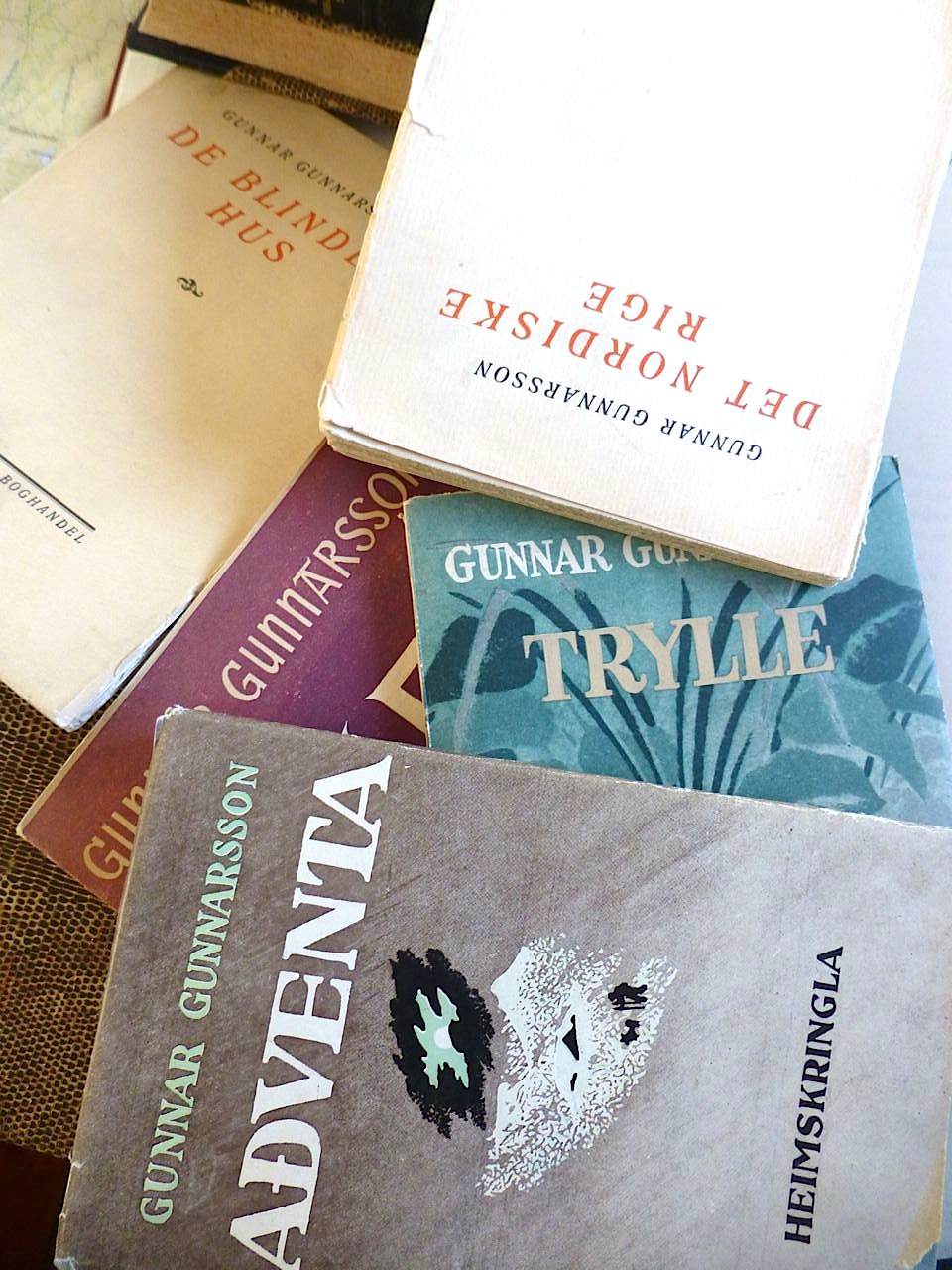
Gunnar’s Book “Advent” Was the Perfect Cover for a Secret Agent

Literary, a Christian parable, autobiographical, romantic, and heroic, Advent was first published in German in 1936, in Danish in 1937, and in English in 1939. For a book that has gone on to sell a million copies, it is intriguingly non-narrative. There is, I think, a message in that for writers everywhere.

Advent appealed to all groups of Gunnar’s audience, and had a special political message for each of them. Let me take a moment here to show you some portions of the German one. This is the story of a shepherd Benedikt who returns every year to the highlands, as Icelanders still do every year, to gather in sheep that others have abandoned to the cold. Alone except for his animal companions, he goes where no others will go, heroically overcoming the harsh elements. We should remember that no book was published in Germany during the rule of the Third Reich that did not further its political aims, and what were those in 1936? The same as the always were: the annexation of Germany’s territories divorced from it by the Treaty of Versailles after World I, firstly, as well as the annexation of Austria and all Germans to the East, secondly (for example in the Ukraine and Russia), into a Greater Germany. They were, in the sense of the Regime, lost sheep, that only a true leader dared to bring home. The imagery of the book, however, is not particularly German, as that is understood today. Take a look:

51jjvzSMACL._SL500_SS500_

Alpine Imagery in “Advent in the High Mountains”

Germany is a largely flat, rainy, foggy country. The imagery here is from its edges: Austrian, Bavarian, Czech and Polish — exactly the objects of Hitler’s eye. Not only that, but this peasant figure is a common folk motif from the Mountains of Giants in Silesia — the old man of the mountains, said to have sprung from the land and the trees themselves, the ancestor of all Germans. Accident? No, not in the Third Reich.

This kind of identification of land, heroism, personality, and politics differed little from Gunnar’s return there to set up his farm (or ideal country) in 1939. It’s a story in which his farm was a kind of novel (and political vision), just as “Advent” was a kind of farm (or political vision). There really was very little difference — they just operated in different spheres, that’s all. Well, there was one difference, of course. That difference looked a bit like this…

ski

German Mountain Troops on a Skiing Break, 1936

The photo was taken in Garmisch-Partenkirchen during the Mountain Division’s early build-up in 1936, on the site of the 1936 Winter Olympics, on the slopes of the Zugspitze, the highest mountain in the Bavarian Alps. These troops were instrumental in the assaults on Greece and Crete. Hitler sacrificed them all.

Gunnar, nationalist that he was, was not a National Socialist. His vision was nonviolent and inclusive of all points of view — and Hitler’s was neither. The German people? No, Gunnar’s audience wanted the rural ideals that Gunnar did. They wanted to return home to the land from the nightmare of exploitive urbanization and industrialization. For the most part, it was simple and sincere, rather Utopian, as Gunnar seemed to have realized deep down, and as strangely complicit in and mis-used by the National Socialist program as was Gunnar himself. The path to that realization, however, was a hard one for all.

stamp

Back to the Middle Ages: 1945, Hand-Printed Russian-Occupied German Stamp

Ironically, if such a word can even be used for such horrors, the retrogressive nature of Hitler’s agrarian-political vision, forged in the poorhouses of Vienna, hardened in the trenches of the First World War, and cynically enabled by the German military classes in the 1920s, led in the end to the simplest, physical expression of the core of its vision: destruction of modernity and the true creation of a new agricultural peasantry. So much for fantasy written as the world.

Well, that was Hitler’s vision gone wrong. Gunnar’s was far more wordly than that, and escaped  much of the tragic fate of Hitler’s. The parallels with Hitler are strong: nordic romanticism, strong central leadership, the shaking off of colonial chains, re-definition of culture on the most elementary of local terms, and so on, but it ends there. Gunnar was neither a Nazi nor a violent man. In fact, he had more in common with his American contemporary, Ezra Pound, than anything, and even in comparison to Pound, Gunnar was an angel. Pound was just a brilliant fool, caught in a hard place by his own folly and pride.

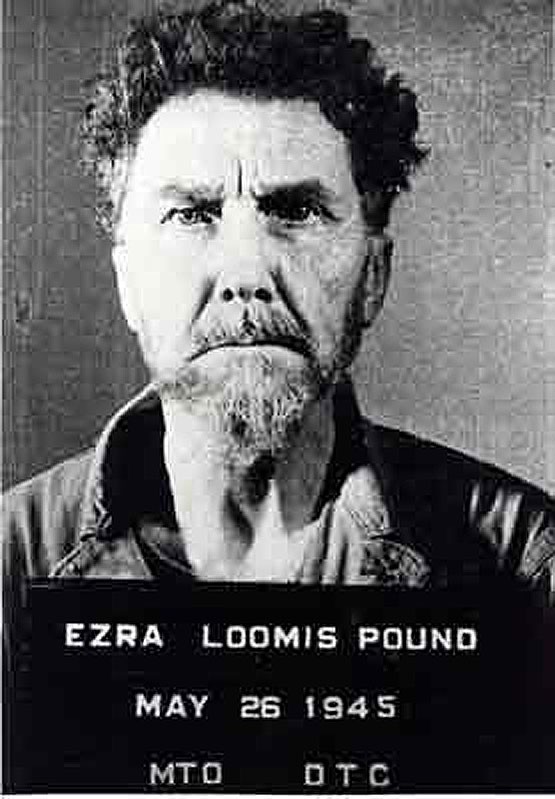
13469_Ezra_Pound_1945_May_26_mug_shot

US Army Mugshot of the Poet Ezra Pound

Pound, a staunch American nationalist and a naive supporter of Mussolini’s centralized leadership, stayed in Italy during World War II, in part to retain contact with his daughter, who was raised by peasants in the Italian alps. “What thou lovest well,” he wrote, ” remains. The rest is dross.” He paid his way during the war years by broadcasting rambling speeches over Radio Rome, encouraging American GIs to give up the war by explaining to them such things as the poetry of ee cummings. He paid for that by arrest on a charge of treason, and eventual incarceration for 13 years on a charge of insanity. Was he a fascist and a Nazi? No, not really, but even so he went miles further down the road of complicity than Gunnar ever did.

It’s important to straighten out the “nazi” word, or history will remain a cloudy pool and our collective future decisions will be made in a darkness that Gunnar and Pound, despite their failings and tom-foolery attempted, at the least, to shine light within. Gunnar’s publication in German was brave, foolish, dangerous and perhaps misguided and imperious, but was not done in any way to further Germany’s racial and military goals. It was done to further his own goals. Even the Americans did not share those. Advent went on from Germany to have a remarkable history. It even became an American Book of the Month Club selection, when the Americans needed some propaganda symbol of Icelandic independence and the heroism of lone sailors in the bitter cold of the North Atlantic, battling the German U-Boot threat from Reykjavik. Paper was rationed in the United States at that time; books were not published that without the approval of the Army. In that context, Advent must have had strong approval, indeed, as it was widely distributed.

shepherd

Now Benedikt is Young and Wearing a Fur Version of an American Military Helmet!

And the mountains look like North Atlantic Waves. Amazing.

And that was Gunnar, Icelander to the core, negotiating a path between worlds, used by all, and seeking to retain is independence in between — not always successfully, but never without stoic pride. Ironically, the American occupation of Iceland, and the more damaging German occupation of Denmark, which led to Icelandic independence in 1944, a kind of child of the United States (while Denmark was still occupied by a more sinister invader) created the climate in the mid-1950s in which Iceland was deemed worthy of reward for a Nobel Prize — a country that had come out of the Second World War with its independence (just the kind of humanism that the Nobel Prize was set up to support). A deeper irony denied the prize to Gunnar, and gave it to the Icelandic communist Haldor Laxness instead (not exactly the primary goal of the Nobel Prize Committee). The gods must be laughing.

Odin_hrafnarOdin’s and His Ravens, Thought and Memory

Sharing gossip about the world.

This conversation will continue tomorrow, with a closer look at the game Gunnar was playing with the Nazis. Thought and memory (or mind) … we’ll certainly be coming back to that, too.

Sighting The Wyrm in Lagarfljót

The lake that runs to the sea from this old monastery site in East Iceland is called the Lagarfljót. It is a long and beautiful thing that catches the light from the mountains and the sky and softens them — not that they are harsh to start with. It also has a wyrm, like the monster of Loch Ness or the “Ogopogo” of Okanagan Lake of the North America’s Pacific Northwest. Cryptozoology is good for tourism. Here in the sacred birch forests of East Iceland …

P1370240

… with the elves catching the mid-day sun …

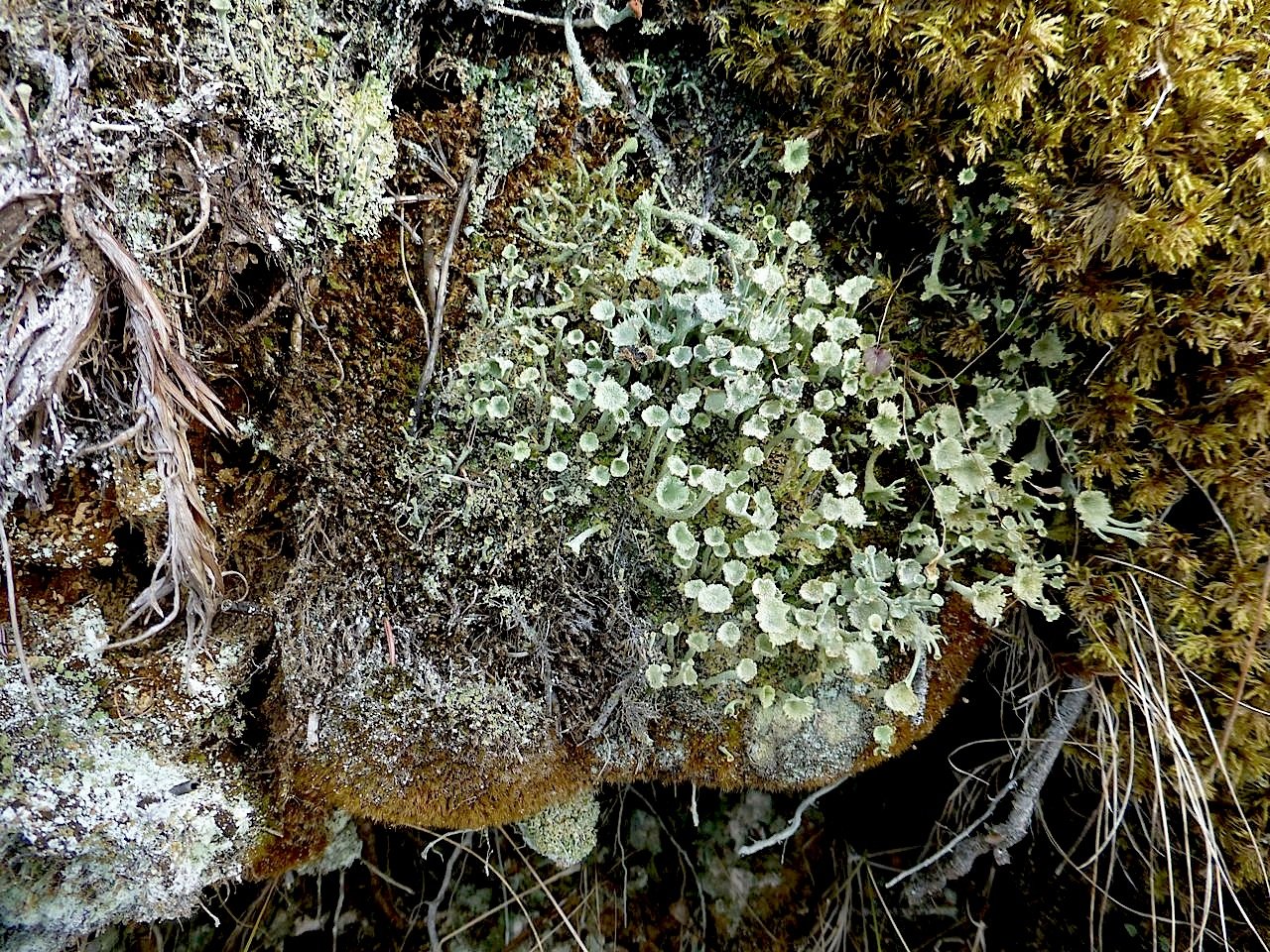
lichen

Lichen on Birch

(I hope to have the elvish connection to lichen ready for you in a couple days.)

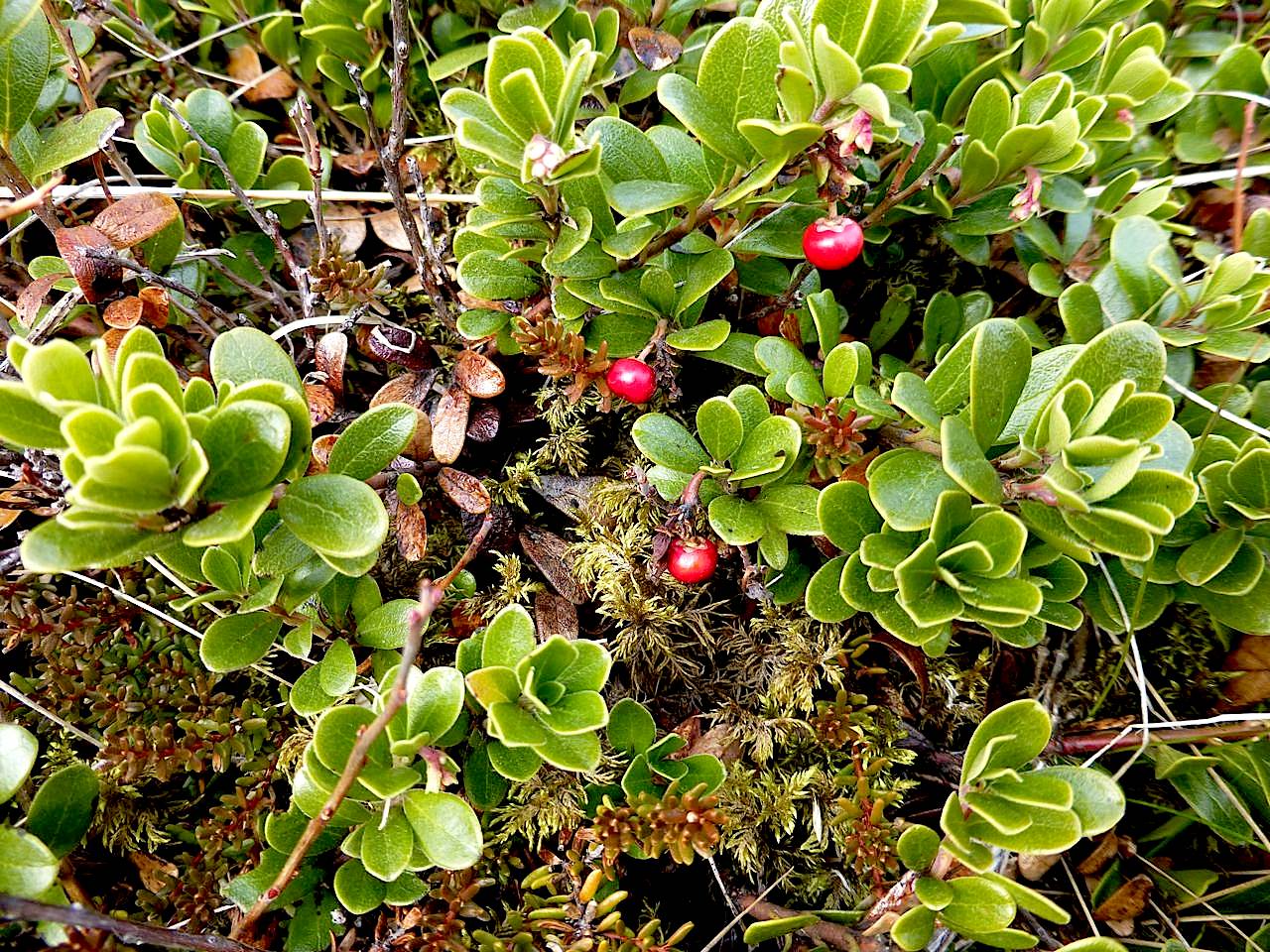
… and a moment to enjoy the red berries that the birds missed in the winter …

berries

… because I’m a poet and poets are easily distracted by pretty things (so are wyrms, whose stories are similar enough to the serpents of the Rhine and the Celtic Moselle and the Ring of the Nibelungs to raise a poet’s eyebrow or two), but finally things were looking up. The government was there first, helpful as Icelanders are …

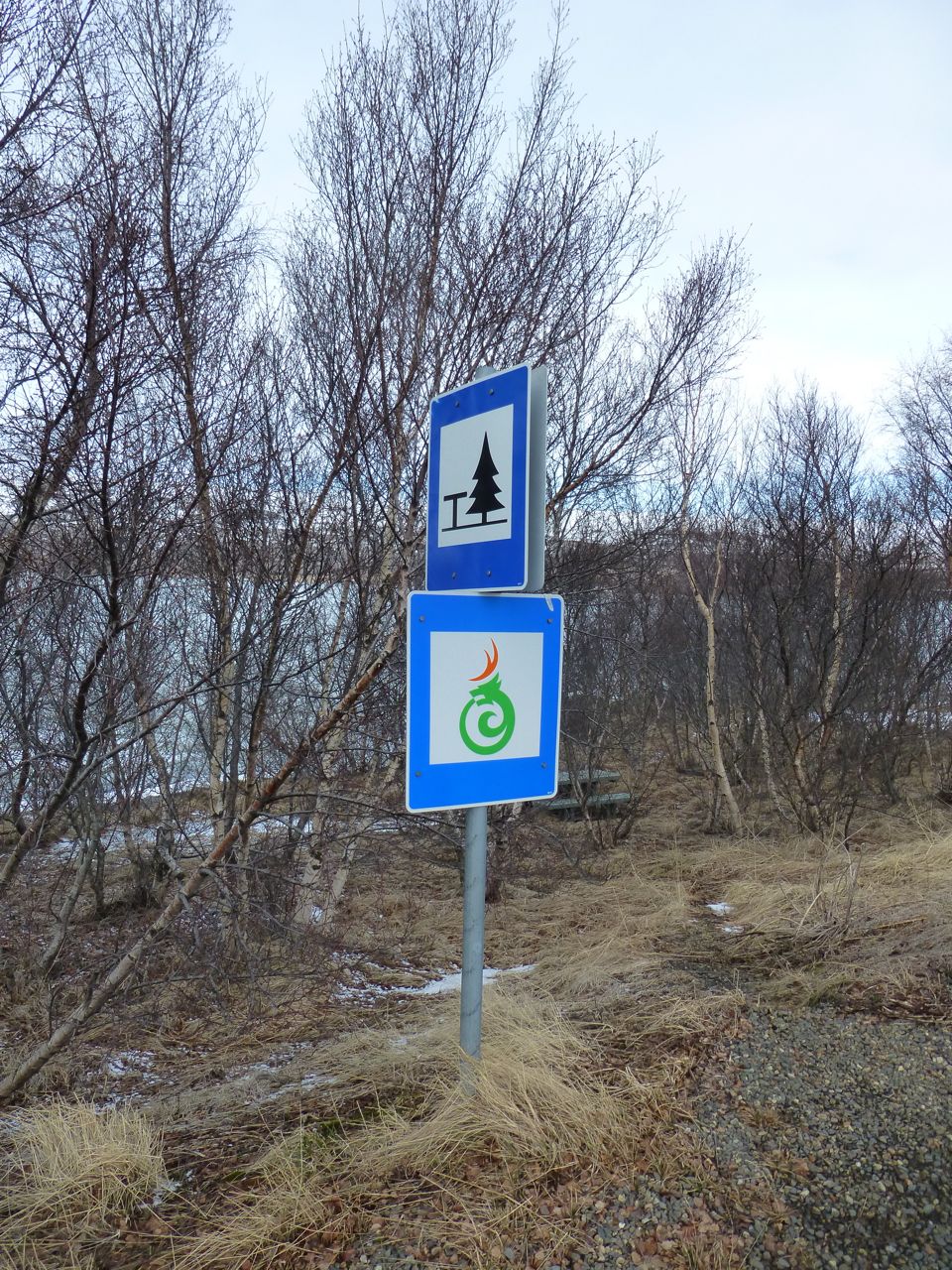
P1370118 A Good Place to See The Wyrm

Shall we? Down the trail through the old, slightly mouldering but still charming early-Nationalist picnic site, and, hey, look, already we see signs of an apex predator eating the locals…

P1370116

We Must be On the Right Track

And then I lost my doubt, because I heard the birds singing…

P1370166

See the Birds?

No, I don’t either.

There weren’t any birds, that’s why. It was the lake that was singing, like a choir of angels. That was actually better than birds.

P1370184

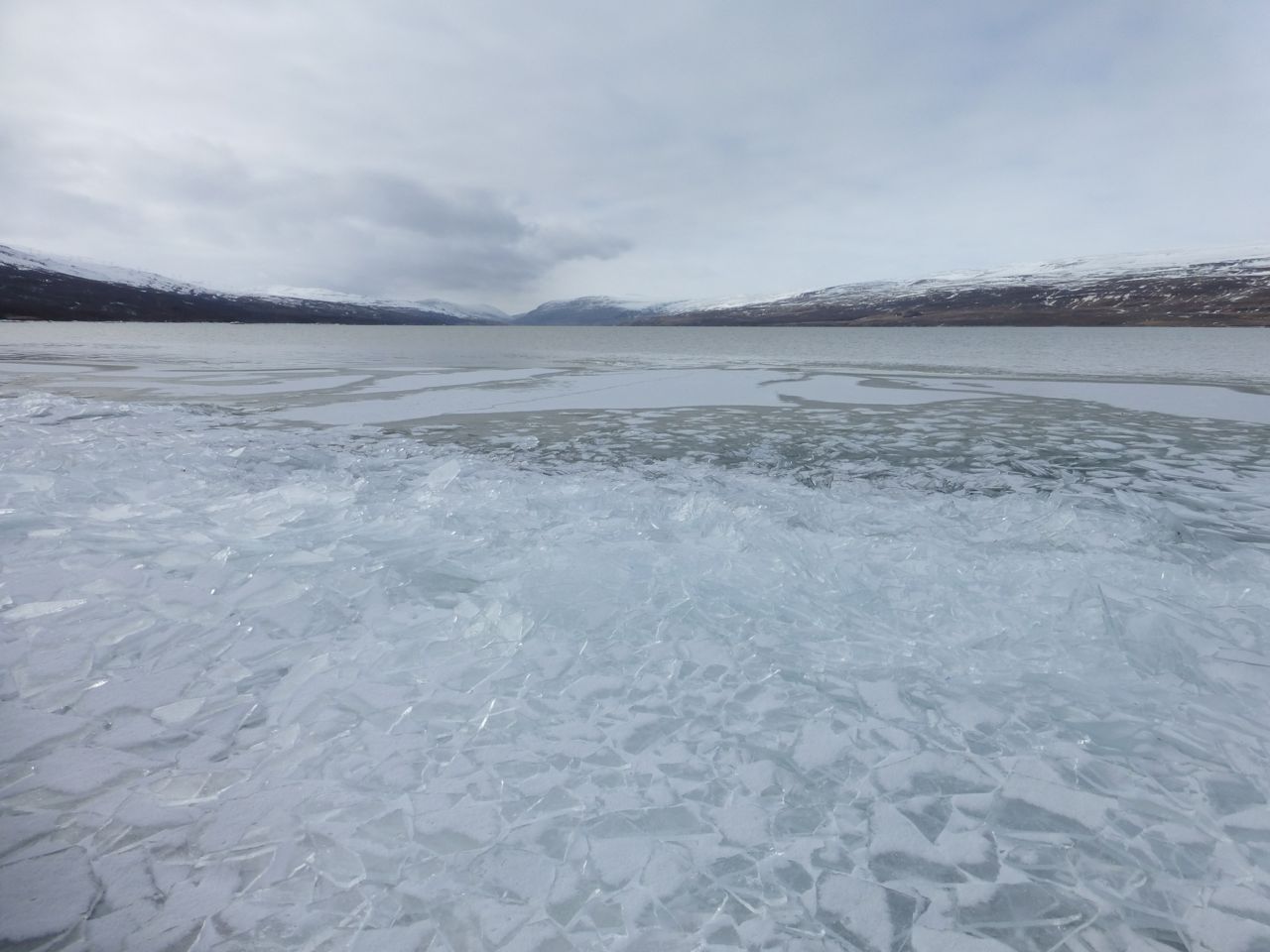
All Winter Long the Ice Has Been Singing As the Waves Break it Up and Knock it Around

Then they do it in the spring. It is haunting. What a magical lake.

And that’s when I first saw the wyrm (well, after a few more steps) …

P1360998

Wyrm

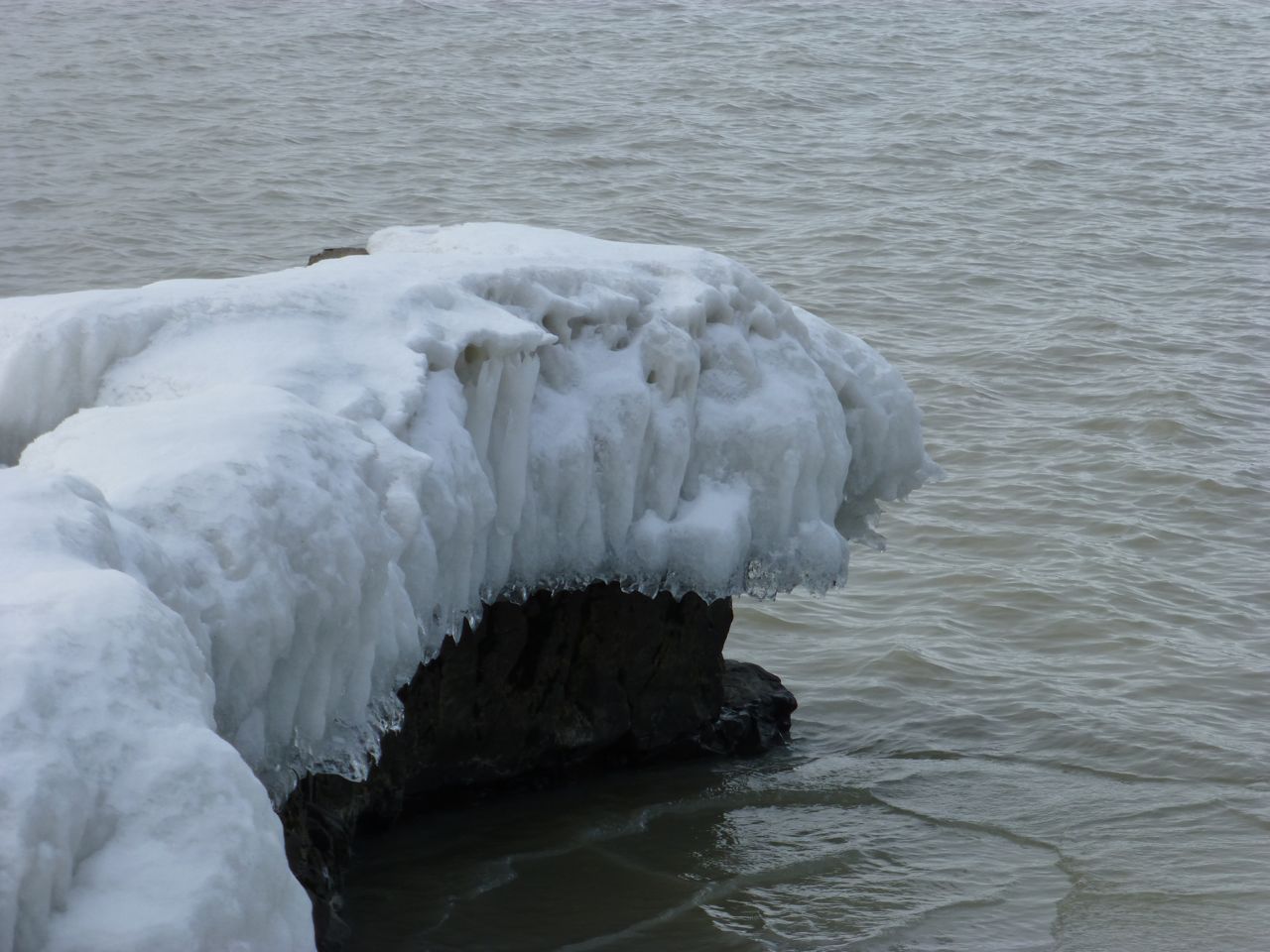
Being a Canadian and a bit biased towards polar bears, that’s what I thought it was at first. Here’s its head, so you can have a closer look …

P1370001

Wyrm Head

Note the nice ribbing. Even the Worm in Dune has that. (Look to my upcoming posting on elves and lichen for an explanation of how forms like this are cast up by stone.)

Then I turned and saw this wyrm…

wormhead3

A Dead Ringer to Tolkein’s Smaug…

… or a crocodile. Note the hump, too.

Now, to set things straight, here’s the story of the Wyrm in Lagarfljót: Read it Here. And here’s a video that played on Icelandic TV a year ago … View it Here. And here’s my warning on reading mythic imaginations literally, with photographs of the dreamtime stone that is Canada’s “Ogopogo” — or would be if there were greater general understanding of how pre-industrial people thought. Read it here. This is important stuff. A little respect for the truth of ancient story, and how it was laid down and how it was not, goes a long way towards rebuilding human relationships to the earth. To tell those stories, I am here at Skriðuklaustur.  It has been a beautiful day. Tomorrow, images of Easter in East Iceland, and if things go well the second part of my series on Gunnar Gunnarsson, Secret Agent.

Gunnar Gunnarsson, Double Agent: Part 1

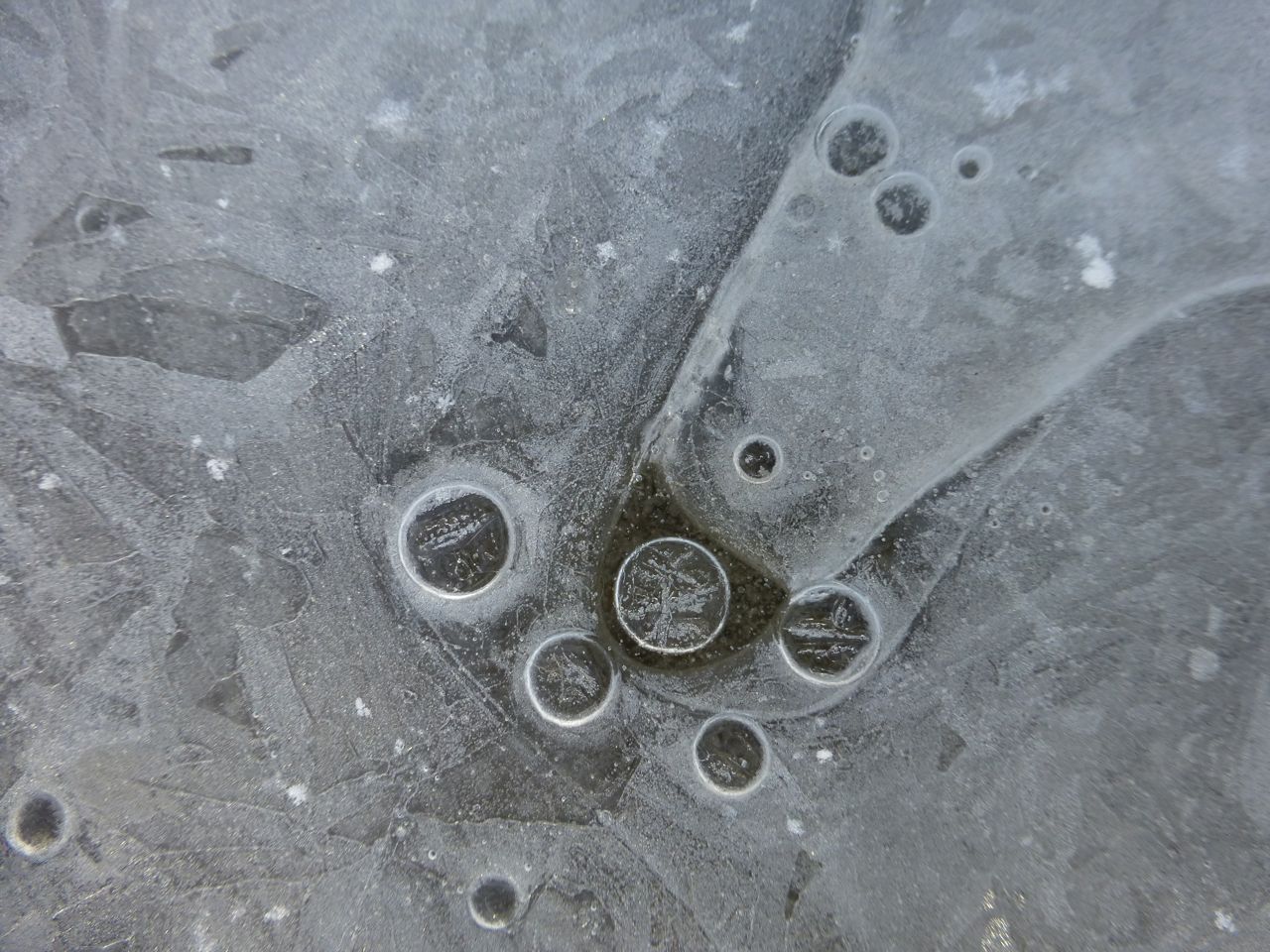
Yesterday I mused on the origins of story in lines that cut across pools of presence. Part of the story was the human response to them, that brought them together into art. (If you missed it, you can track through it right here.) Today I’d like to talk about Gunnar Gunnarsson, and how some of those lines are circles, and that they too have a story. Now, circles are very special lines. They have no beginning or end, no directionality and can can extend from every point into every conceivable shape, as long as it has no beginning and end. Circles are eternal. Their boundaries separate into inner and outer representations of … what exactly? Ah, that’s Gunnar’s game. Here’s a circle:

grassline21 Air Caught Within a Seasonal Icelandic Pond

Intersection of Highways 848 and 87

And here’s another:

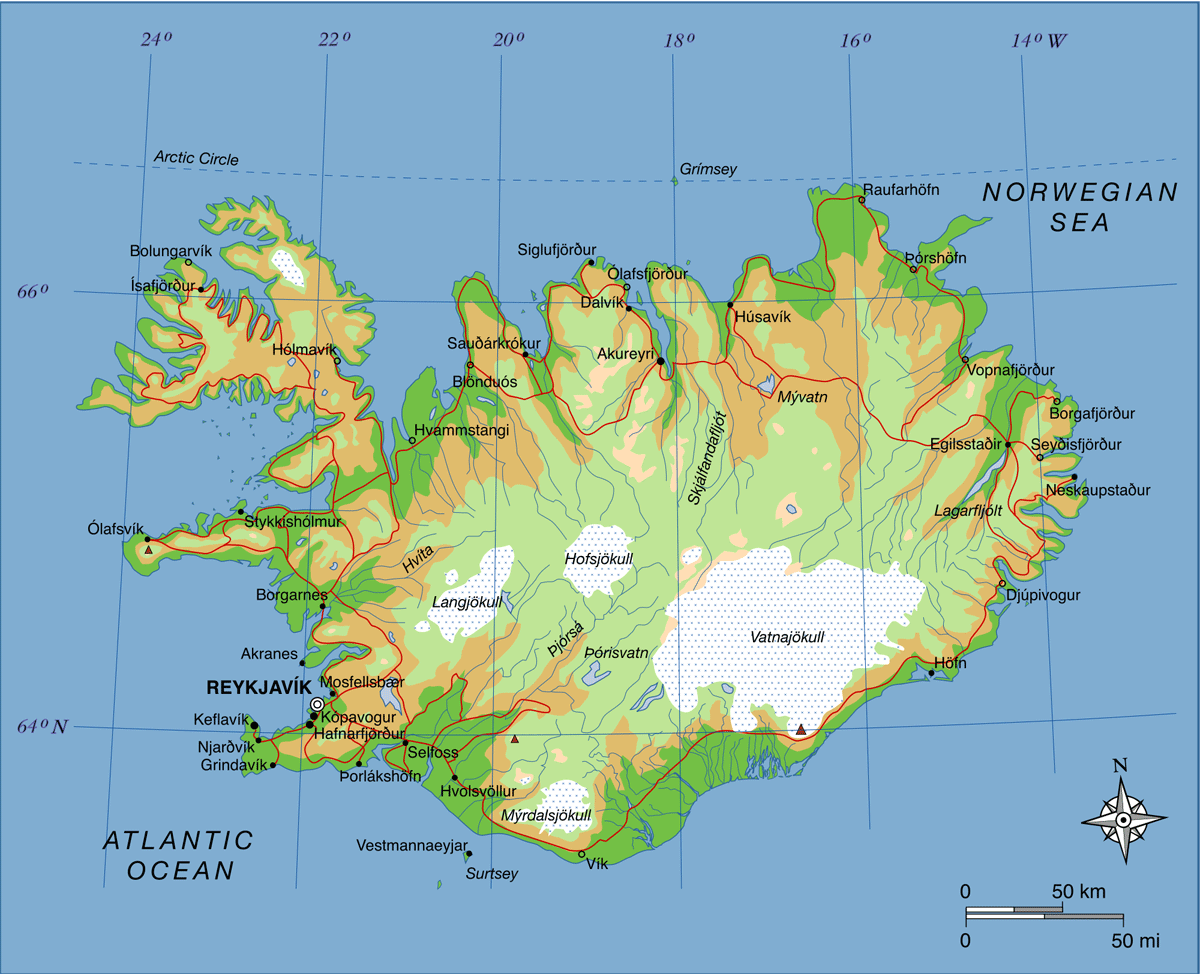
iceland-physical-map

Iceland (Source)

Well, almost a circle. Sort of. If you took off the scrunchy bits. It has a circle-like edge, at any rate. Here, this might be closer:

2maps

Three Maps of Iceland

Two for tourists and one in words to keep tourists away.

That’s a copy of the text “Unser Land” or “Our Land” that Gunnar read on his spring 1940 tour of 50 cities in Germany, immediately after the sod was laid on the roof of his house and just before the German invasion of Denmark and Norway. Here’s how Gunnar starts off:

It rises majestically out of the sea when approached from the water. It grips the heart like a heroic song, touched with eternity, sown with destiny. There is nothing small about its appearance.  Even though its face varies from place to place, it remains integral — a pure vision.

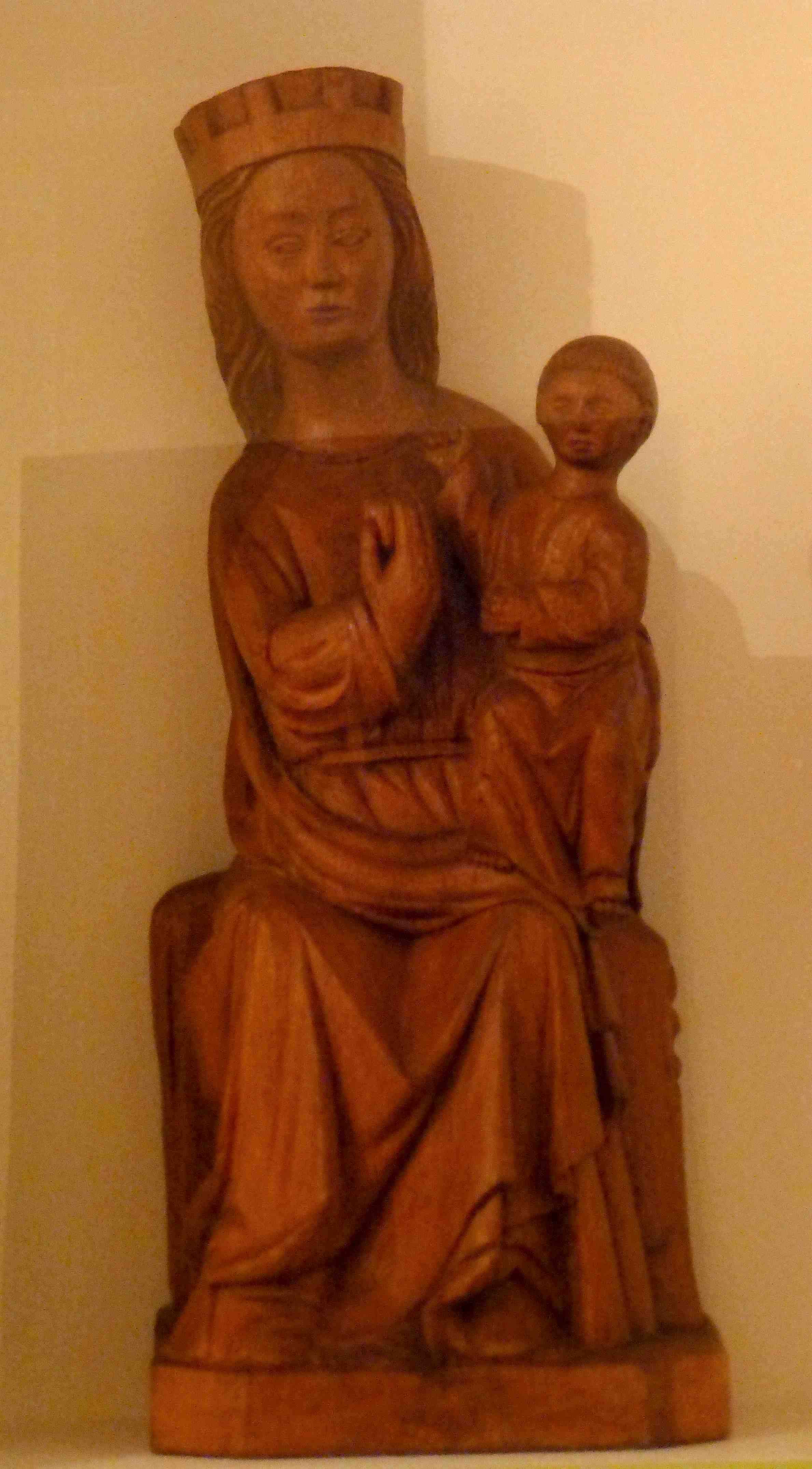
A pure (or untrammelled) vision? It’s like a shaman’s spirit stone or a statue of Mary with the Christ Child. Speaking of which, here’s one:

madonna2

The Skriðusklaustur Madonna…

… in her glass box, with reflected light, and looking very Icelandic indeed (replica).

By “pure vision” Gunnar had many things in mind, including nature in its rawest, least adapted, least, shall we say, artistically crafted, farmed, developed, urbanized or written version and the Madonna. Now, even if we accept that Gunnar idealized his mother and lost her at the age of eight, and then bought the farm next door some 45 years later and set up his writing desk where he could look up the valley and see that childhood, which he called the purest image of eternity, and even if we accept that Iceland, the land, is alive and represents human consciousness just as the consciousness of Icelanders represents the land (which, indeed, Gunnar argues in the latter part of his speech), and even if the madonna above comes from his farm in East Iceland, the Madonna and Iceland — or even Gunnar’s farm — just aren’t exactly the same thing. In his text, though, they are. The title gives us a clue as to what he means by that: “Our Land”. Whose land? Apart from raw, physical and spiritual nature, like this …

ice28here are some of the many possibilities:

ourlandThe Our Land Game

In playing this game, it’s good to remember that Gunnar was a showman and a businessman speaking to his main audience: the Germans, who had swarmed (to take a word from the German) to his books for decades. Indeed, they had done so to a whole genre of Nordic romances from Sweden, Norway and Iceland, that was fed, ultimately, into the German war machine. In other words, Gunnar was speaking to two audiences at the same time: Icelanders (himself, most specifically) and Germans who had a longing to get out of Middle Europe and to create a new centre of balance around the Baltic (somewhat removed from them by the Treaty of Versailles). If I’m right, he intended his text to be a cipher, read differently by both groups. The madonna was intended for the Germans. The pure nature for the romantics. The way of looking both ways at once, for himself. Himself, Gunnar was a boy from the fjords of East Iceland, a farm kid, from a long line of farmers. He remained so to the end. In the context of 1940, with German and Russian invasion of Poland a fait accompli and Germany reassertive along the south shore of the Baltic, “Our Land” meant several further things, which I will speak to over the following few days in this Easter season of death and rebirth, grace and forgiveness. One of them was “land to live upon,” a concept which was one of the cornerstones of Germany’s violent foreign policy, by which Germany sought to fulfill what it (or at least Hitler) saw as its “destiny” — another word that Gunnar carefully sows at the beginning of his speech. His audience would have been all ears. In my next post I will discuss the bearing this concept had on Jews and their culture and the horrific story of the Holocaust, but let’s be kind to ourselves. These things are hard and need their time and space to unfold. Until then, look at the world of Gunnar’s nature, islands of air, always different, always the same, and frozen into one picture of pure spiritual vision. Applying this boyhood observation of paradise to the divisive and self-devouring complexities of German political life in the 1930s might have been unwise on Gunnar’s part, but the boyhood observation is a thing of beauty…

iceandlines51


The question is: what does one, as a man, make out of that? And that cross we will carry tomorrow.

Home in Skriðuklaustur

The residency begins. Gunnar Gunnarson was there to greet me. The tree growing out of his head, that’s my wish for growth and spirit here. gunnarGunnar Gunnarson at Skriðuklaustur

Gunnar came here when there was nowhere else to go but to go back home. It was 1939. The war he had dreaded was on the horizon, and some of its shadow stuck to him. He resolved to go back farming.

reddoor

Skriðuklaustur Chicken Coop

The farming didn’t pan out all that well. My father and grandfather came to Canada from Germany with the same dream, and under very similar pressures, one after the first half of the Twentieth Century War and one after the second half of it. I am the dream they made, and so when I see things like this …

rustMy Father’s and Grandfather’s Tools at the Top of the World

The remains of Gunnar’s dream, Skriðuklaustur

… I know it is time to roll up my sleeves and get back farming. Tomorrow my work at Skriðuklaustur begins. I intend to farm here, but in words, and at a very deep level. Look for my discussion of the life in rock, as the first words from this new and old ground. It feels great here. I am here to honour Gunnar and my own ancestors, and to bring their stories together in the living ground of words. As I came close to the Klaustur, this is who saw me first …

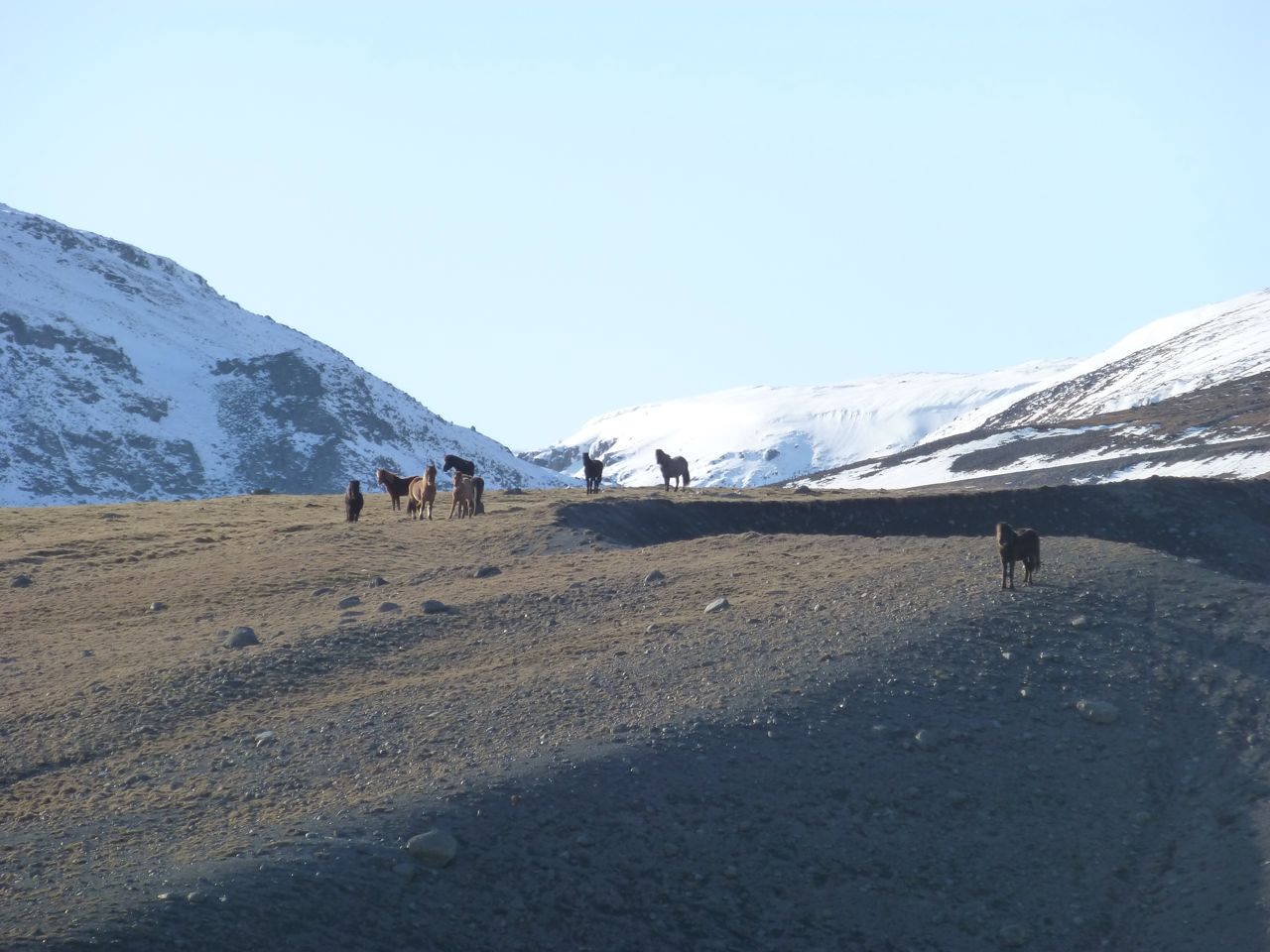
horsesHorses in Fljotsdalur

What a great welcome!

The Language of ice

Gunnar Gunnarsson’s published a fascinating ghost story called Vikivaki in 1932. Iceland is still writing them. Take a look…

P1260997

Ghosts, Öxarárfoss, Iceland

What’s a ghost? Why, something that’s neither dead nor alive and which brings a message from deep within your story.

As for people, they’re writing something else. Here’s what visitors to Iceland write upon the body of the land when they visit:

P1260717Troll People, Þingvellir

They just have to leave a record of themselves, it seems, using whatever is at hand.

For people who live within a landscape, language comes from the land, the water, the light and the air. Here’s a piece of just such a language from Iceland:

P1270050

Language Beginning, Öxarárfoss, Iceland

Forget about cuneiform and Linear B and language starting with bird tracks in sand. There is another way. Forget about writing for purely human audience and deferring the environmental costs of turning from the earth until the future. That future is now.

P1270135

Language Beginning as Art, Öxarárfoss, Iceland

Compare that to the lines in this stained glass window from the church in Reykholt, West Iceland:

window

Mary, The Christ Child, and Three Angels

Reykholt

Iceland is a country in which Christianity is uniquely bound to the soil. Unsurprisingly, Gunnar’s ghosts are a surprisingly devout bunch, called forth in a moment of nationalist zeal. This is one lesson I’m going to happily take home to Canada in 6 weeks. Sometimes the hidden people of a country can be the people themselves.

Next: I will explore these ideas further by discussing an Icelandic artist who paints with ice.