Tag Archives: farming

Sheep Don’t Forget

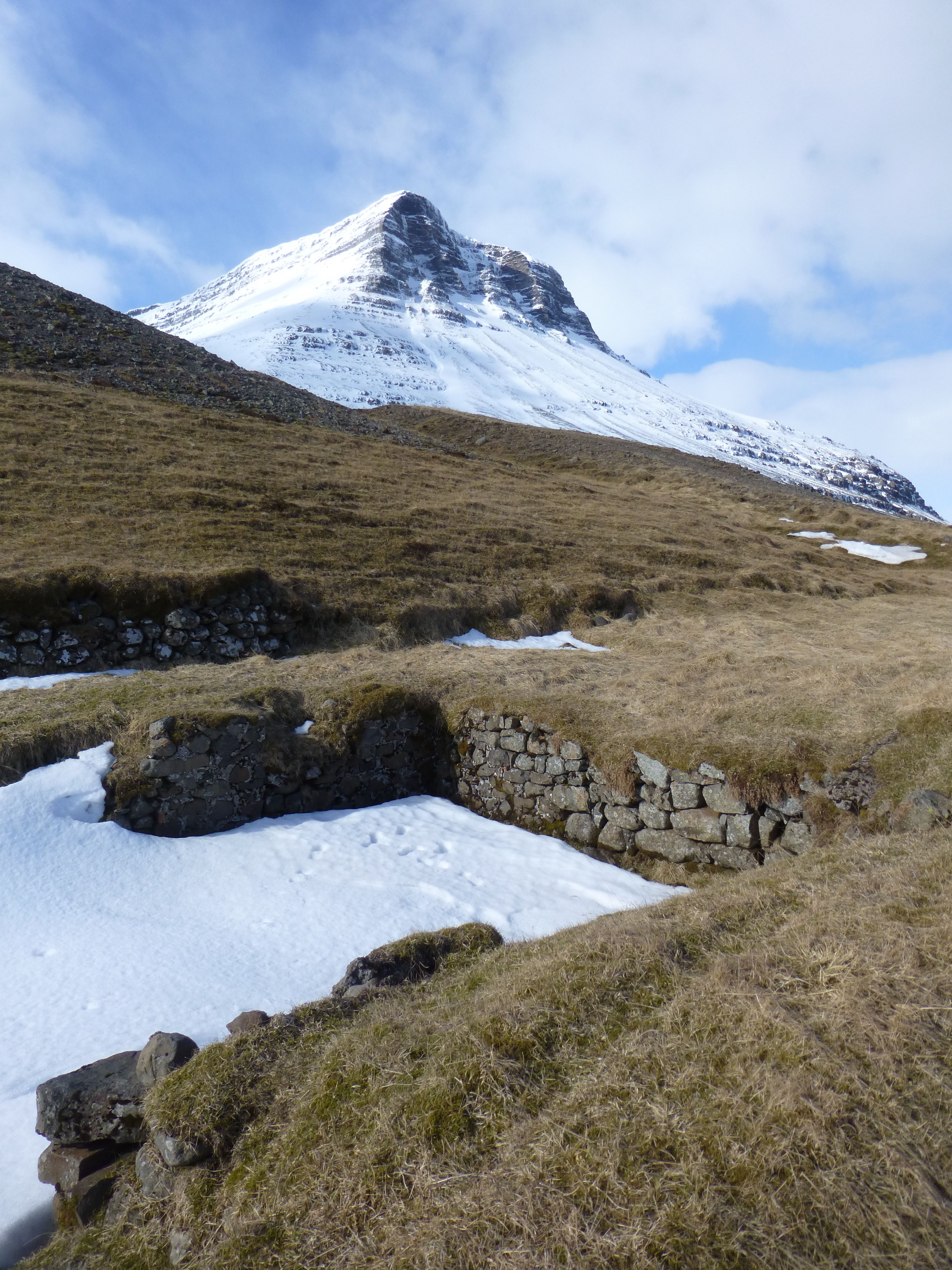
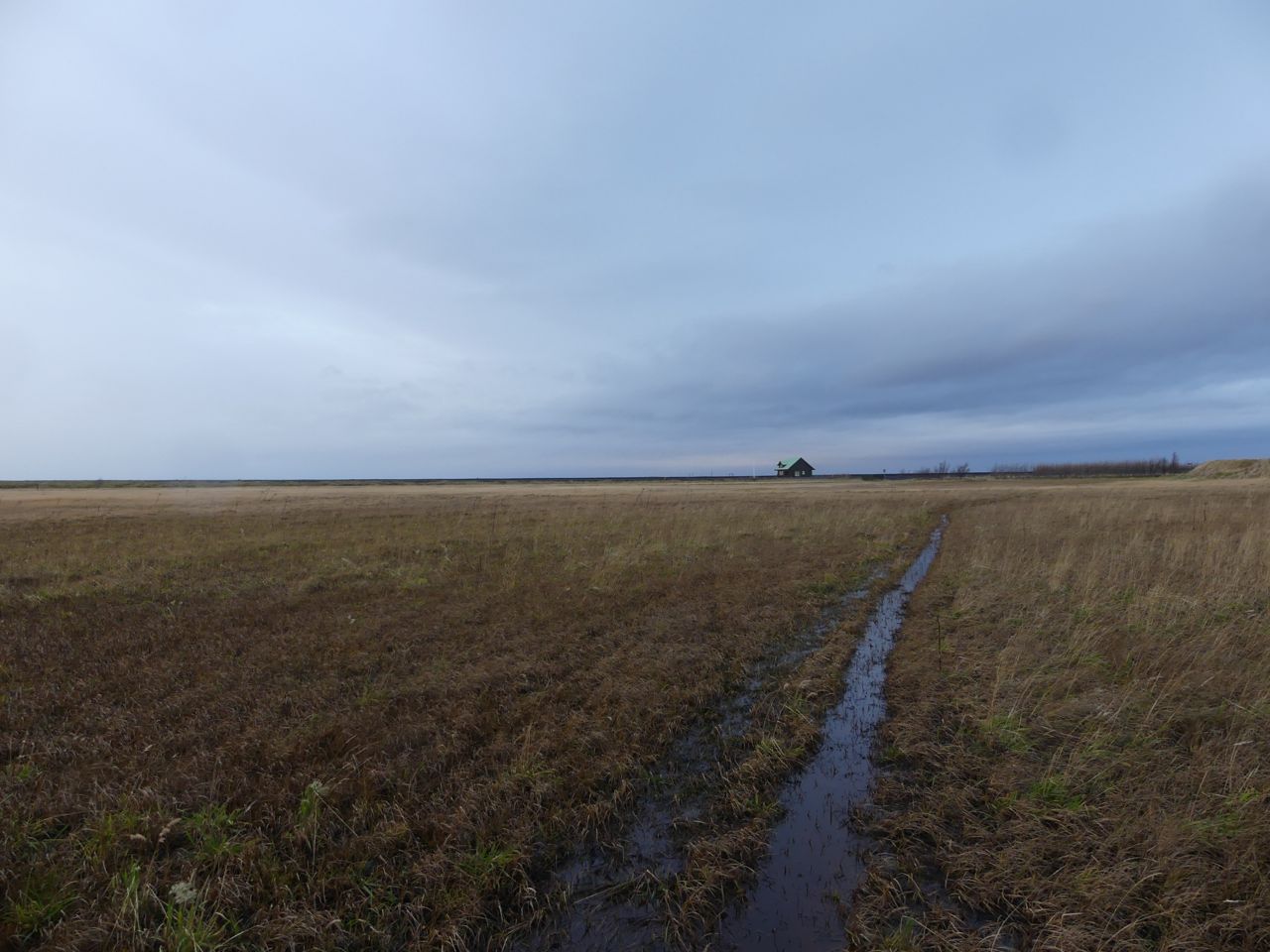
The farm is gone …

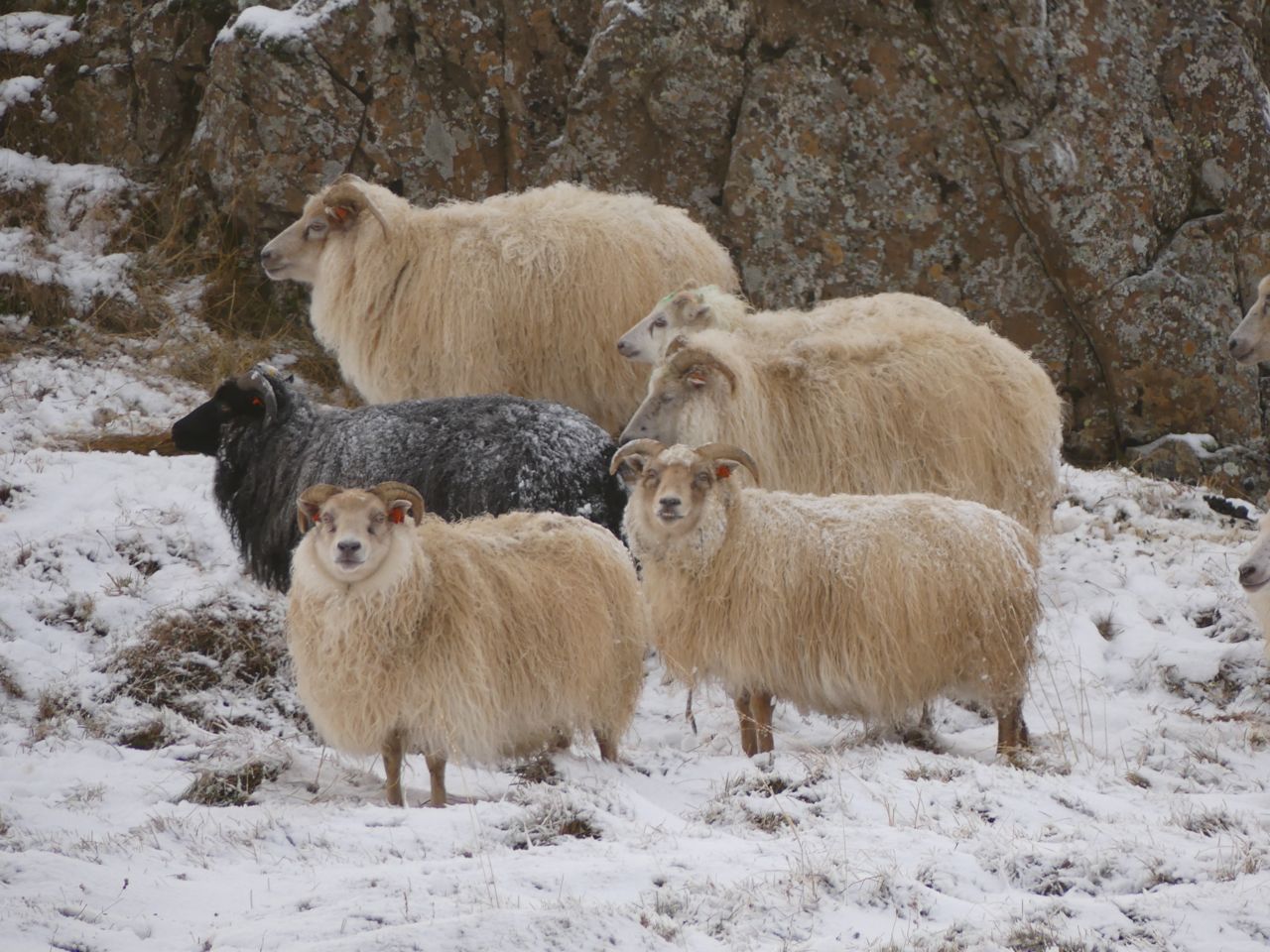
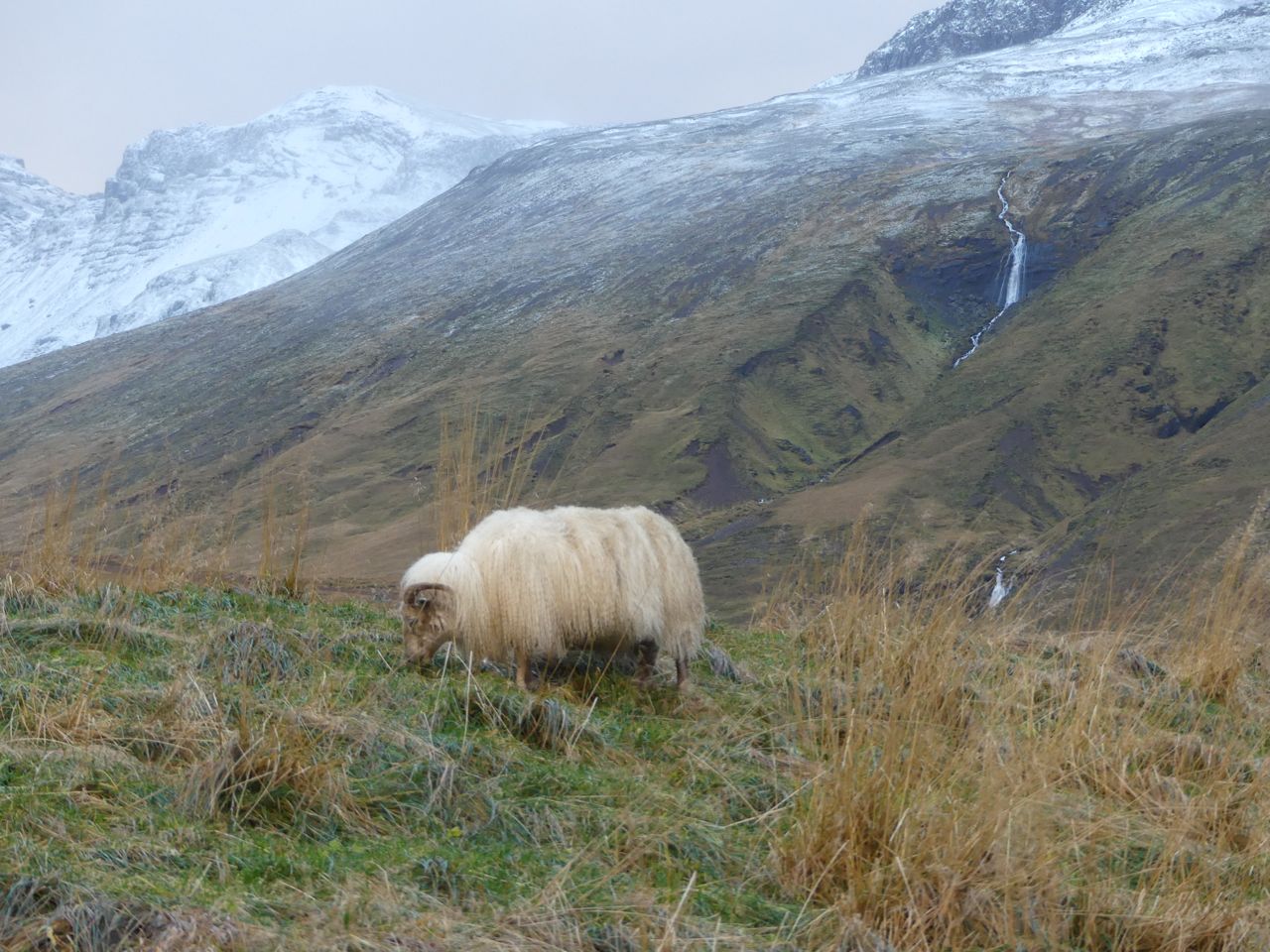
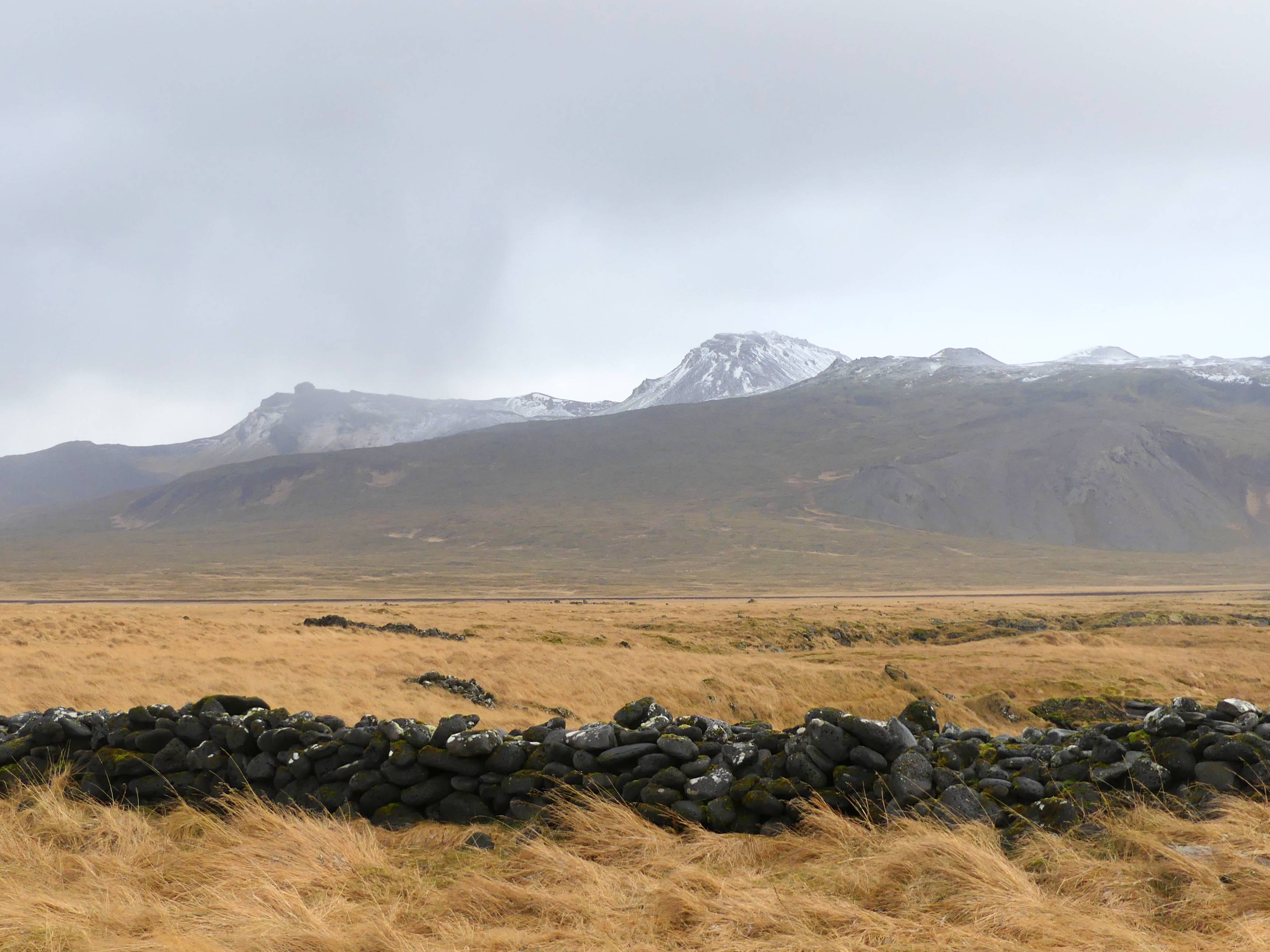
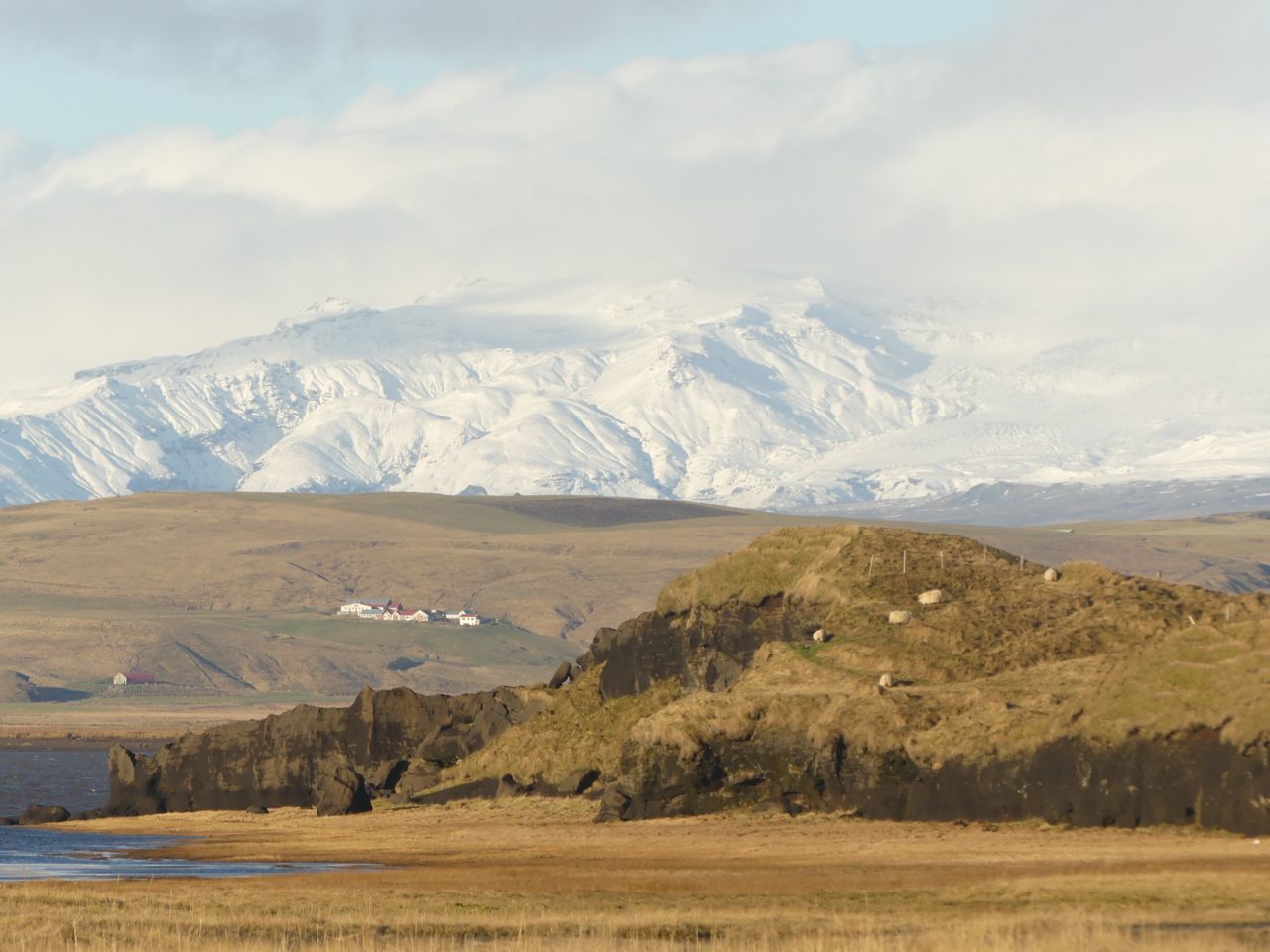
…but the sheep still come, hefted to the mountain …

… and to the sea. (To them, the road is nothing.)

The sheep of the sea? Ah yes, these are stone farms.

Very tasty.

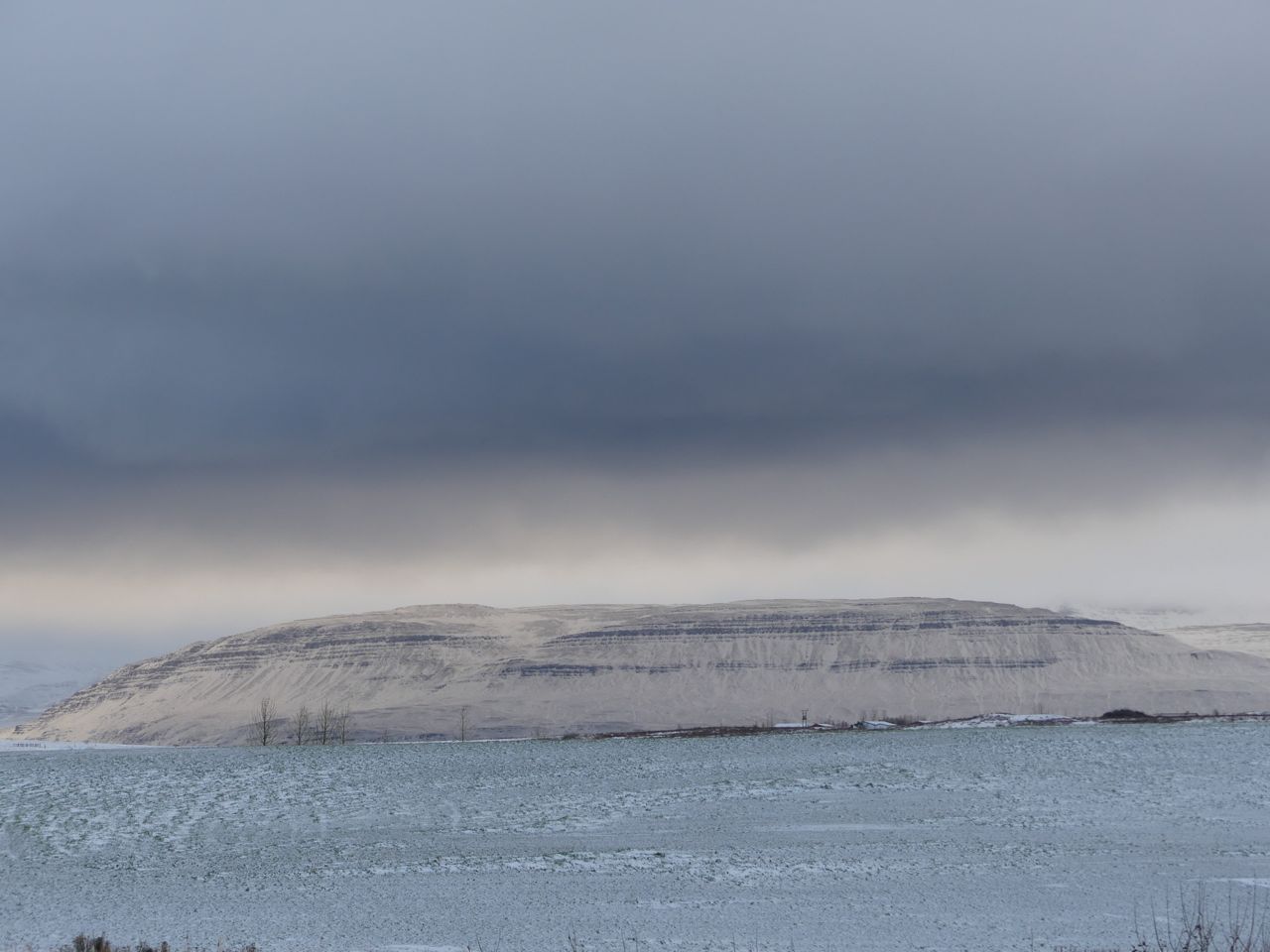
Winter barely has a grip on the Reydarfjörður shore.

But… sheep of the sea? Is that correct?

No, they are oyster catchers of the land!

If we moved back, they’d still be there to receive us.


Farming and Identity

Bervirkurhraun

Iceland was built as much on the experience of farms open to the Atlantic like the one above, and the one below.

Hofdabrekkaheiði

One is still farmed, but to experience Iceland you will need to see them, first, as the same farm, and lose the idea that a farm is something you own. There are no princes here.

Farming is universal. How you farm is the question, but a question you should ask of the land.

It owns you.
Once you’ve accepted that, you can get on with the real work.

What a conversation you can have!

Water Paths in Iceland

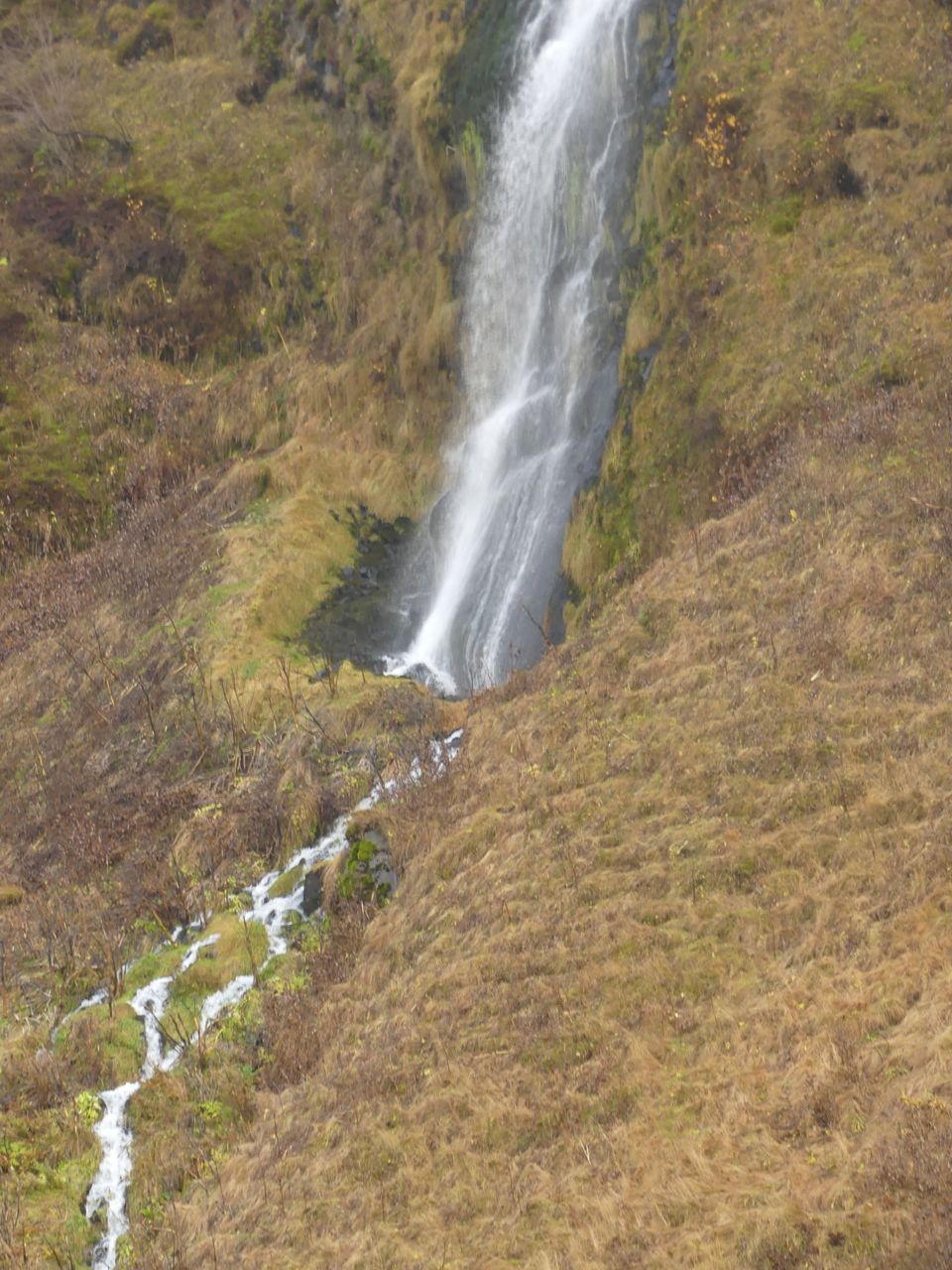
There are vertical paths.
foss

There are horizontal ones.

wetpath

In a gale, they can be both at once.

p1380745

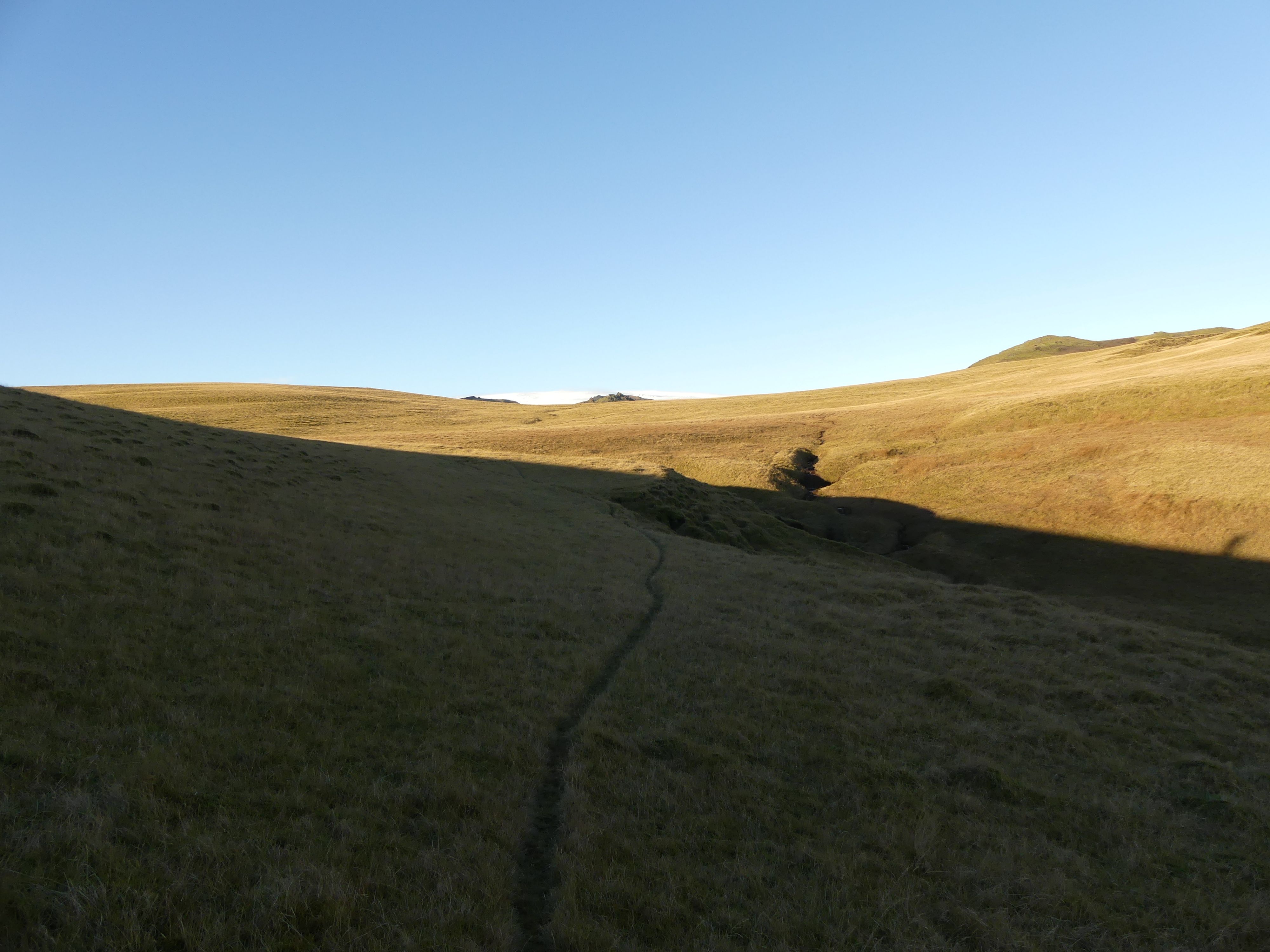
We see these falls as paths because we are pathfinders. See the path to the right in the image below? Can’t resist?

p1350291

Of course not. That is the human spiritual trace. The sheep is an elaboration, and exquisite for that. These creatures are not paths but warmth, hearth and home. Their other form is this:

house2

That is a sheep and a human family, spiritualized as one, in time. This is the water path that makes it possible:

twinfalls

It is one with them, because of human path-finding. That is the spiritual path at the edge of the known world.

Would You Make It As An Icelander

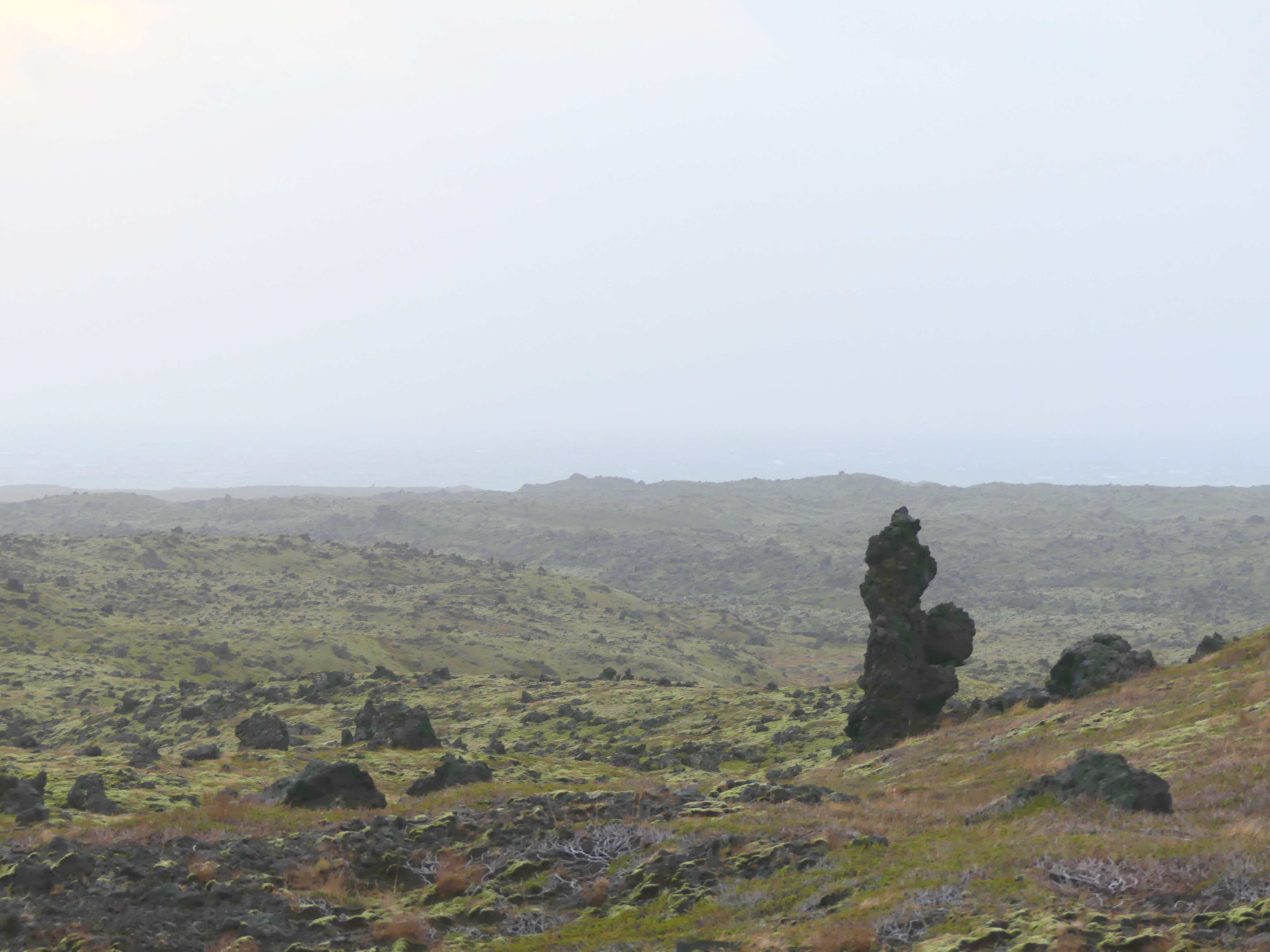
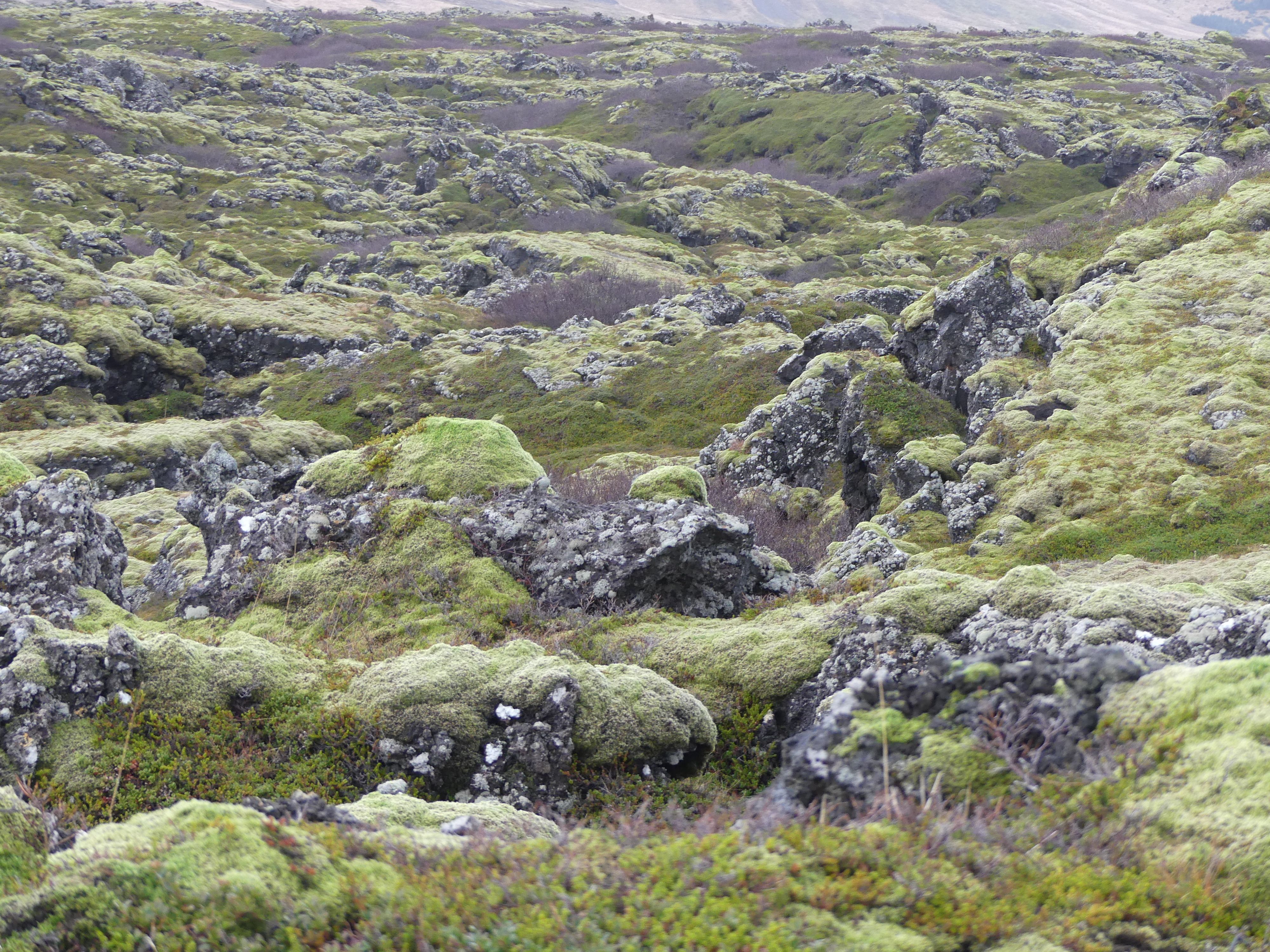
Would you be able to support a family by raising sheep on a lava field like this?
p1380744
Or would a farm on the cliff, below a waterfall blown upwards by hurricane do the trick? p1380745

Those are your choices. Not only that, but your choices view, and are viewed by, the desperate gambles of others. Try that.


How the Land and the Sea Create Men

In the understanding of people who live off their land, water is not a substance but an expression of the live-giving quality of slopes with certain qualities: not to collect water, exactly, but to amass it, like gravity. It is this coming together of forces which is water.
watersea An ocean is a different thing altogether. It, too, is not water, but, if the expression of a water out of the land can teach anything, I think it’s that the image below is identical to the one above, with one exception: in the image above, the ocean below is transformed by the lens of the land into the concentration of energy called water.lone

This ocean, Gunnar Pointed Out, is the great sea of undifferentiated life and death. They are only sorted by passage through a shore.

p1360004

In effect, this passage is the same one created by the forms of the land that created the small lake above the sea I showed you above. Here it is again, so you can compare.

watersea

The product is the same: you are looking at human life being formed by the land.

What Every Icelandic Sheep Could Tell You

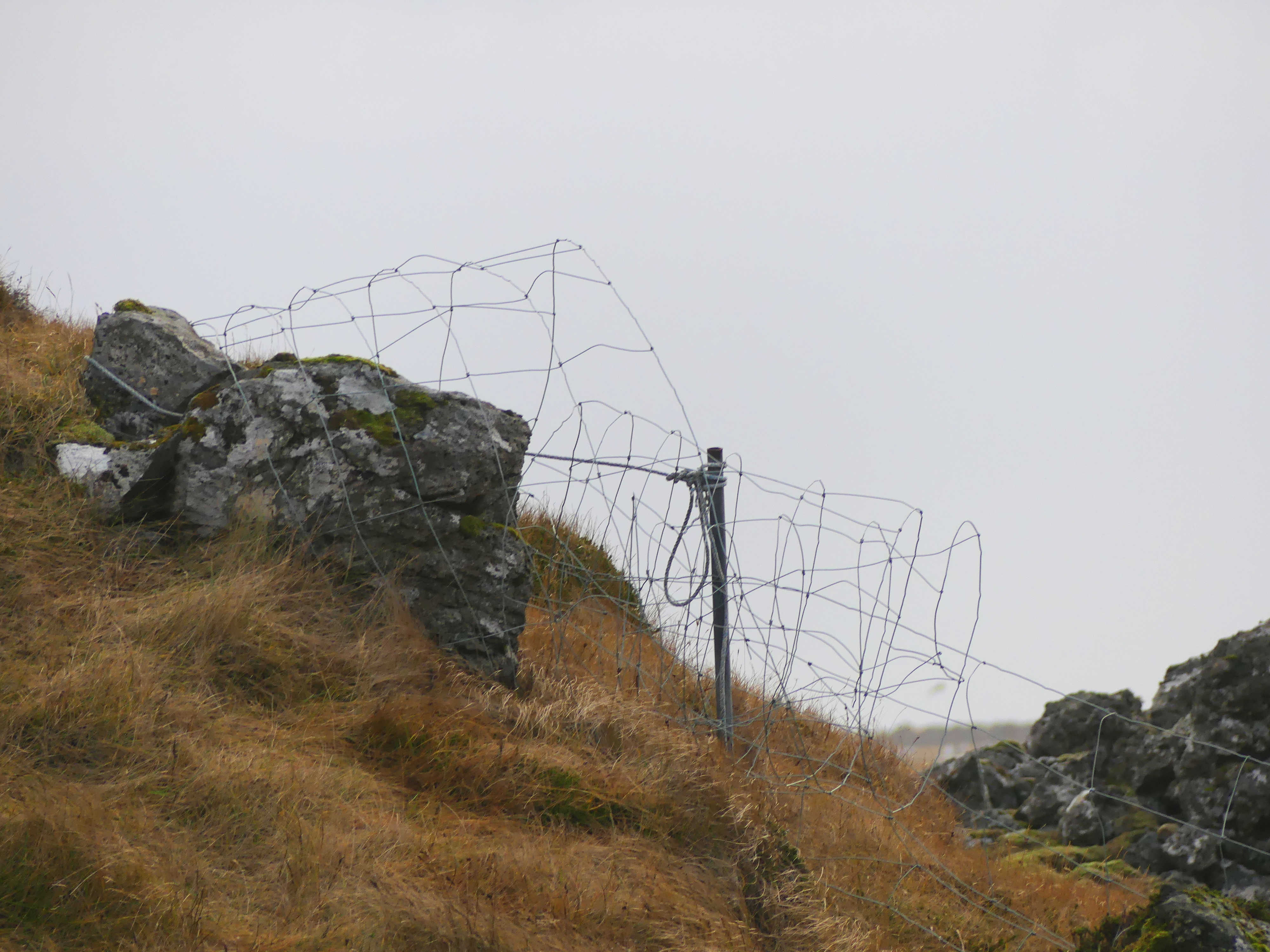
I’ve been thinking about walls. What are they for? For shelter, yes, and seemingly to keep sheep in, or out, but into or out of what? I mean, look at the pastures under the Snaefells Glacier.

p1380546

There’s precious little for sheep in the neighbouring pastures below, and any shepherd is likely to break a leg stomping after sheep in this stuff, and why? There’s as little grass on one side as on the other.dritvikwall
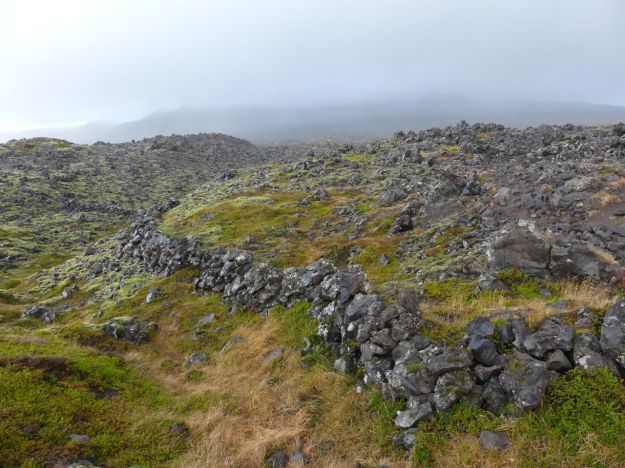
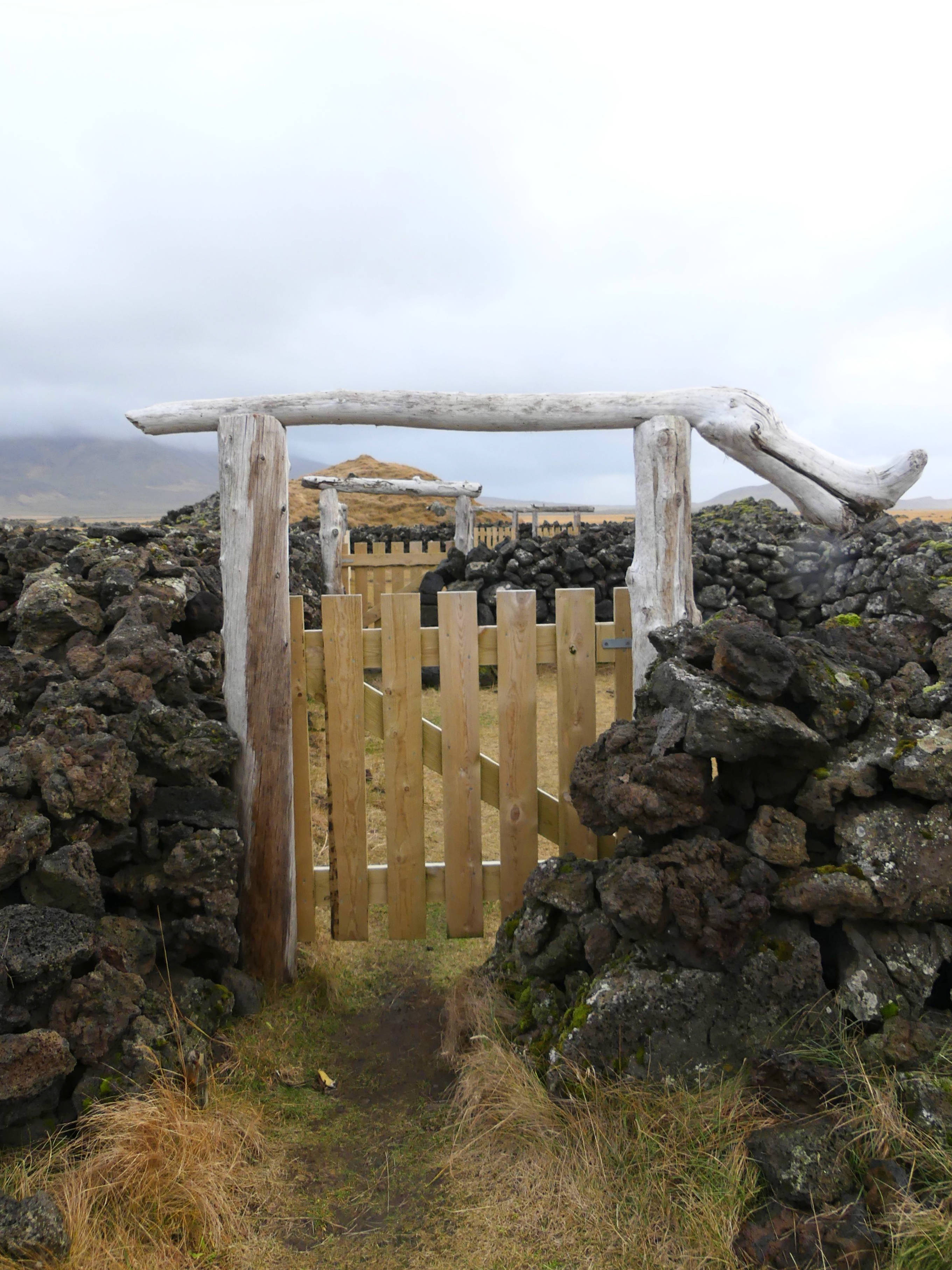
Assuming that in the past Icelandic farmers were as sensible and economical with their energy as any others, might there be a reasonable, but lost explanation? Could the walls be to direct sheep, not to make pasture but so that they herded themselves, a kind of large sheep fold, like the one at the edge of the lava (below)?

p1380448

Driftwood helps. Is drifting the principle here? To reap the benefits of summer labour in the winter, when labour is just too exposed on the open earth?

p1380464_2

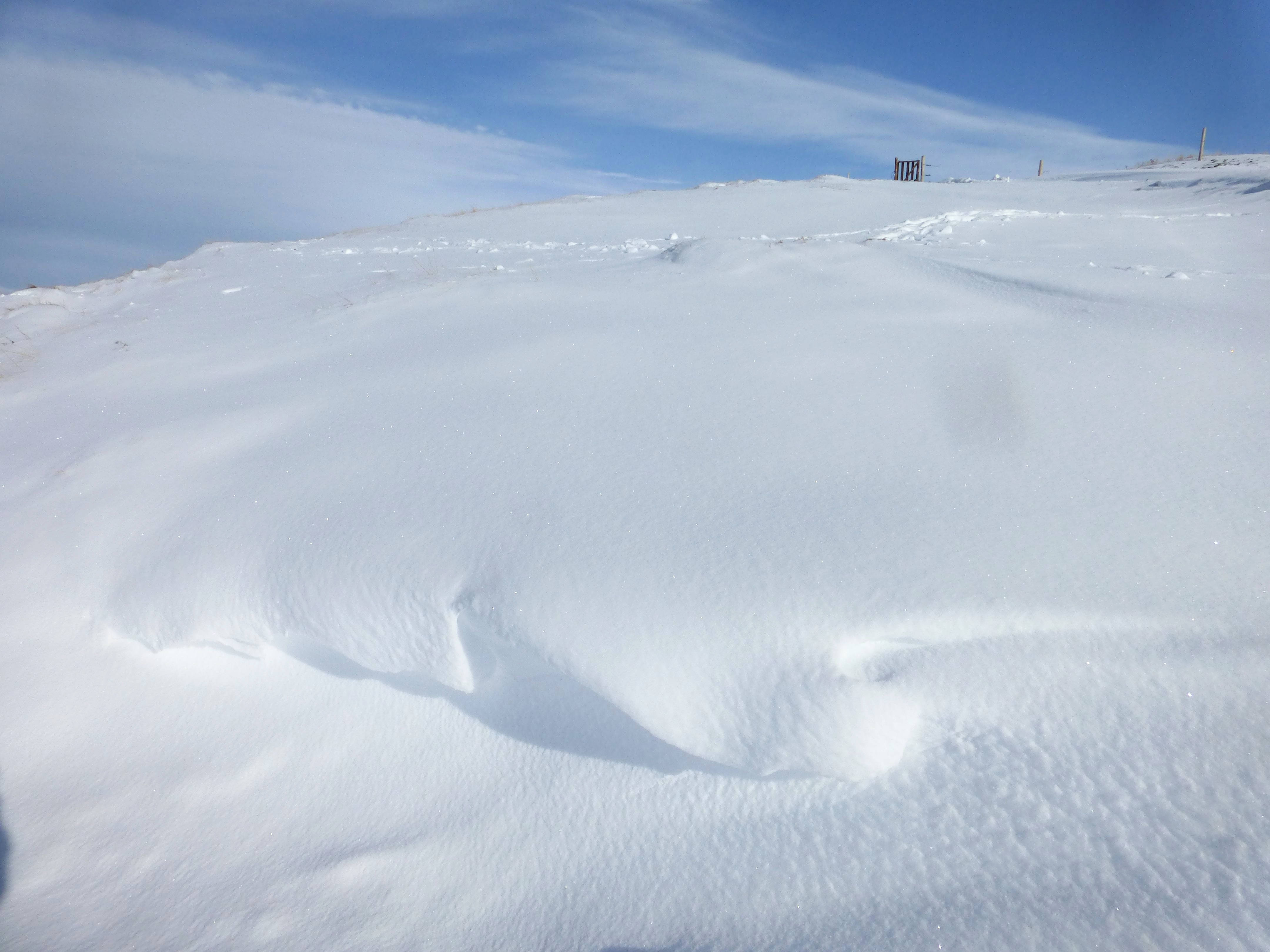
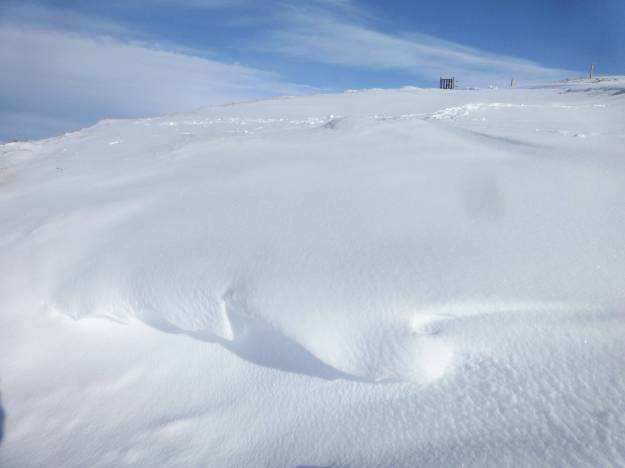
Or is it to direct the snow, to bare some slopes for sheep and to bury others with snowdrifts, to provide fresh water in the spring and early summer? It could be. I don’t know.
drifted


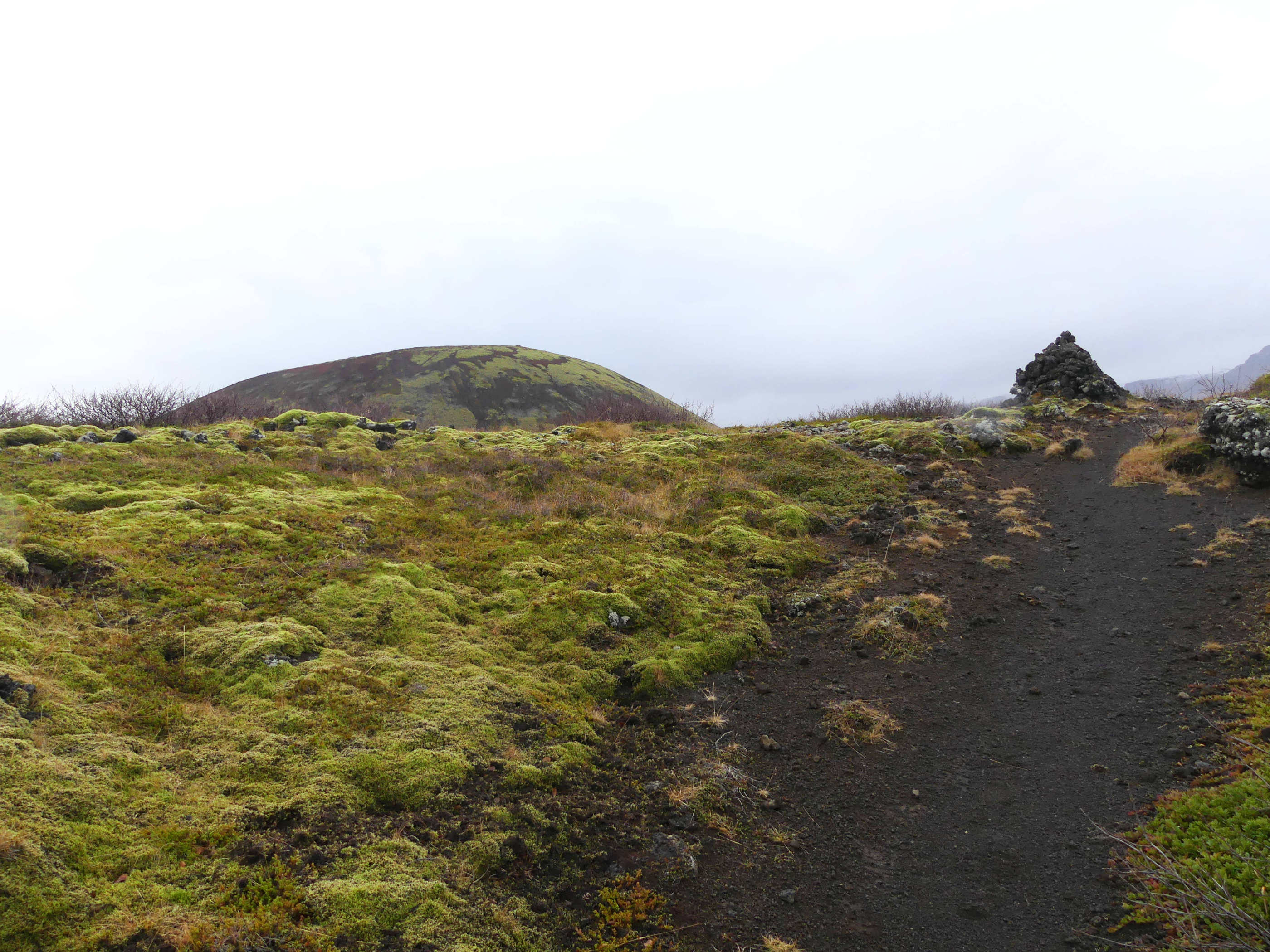
It wasn’t a fence to guide human walkers in the fog and the dark. Cairns were used for that.

p1380775

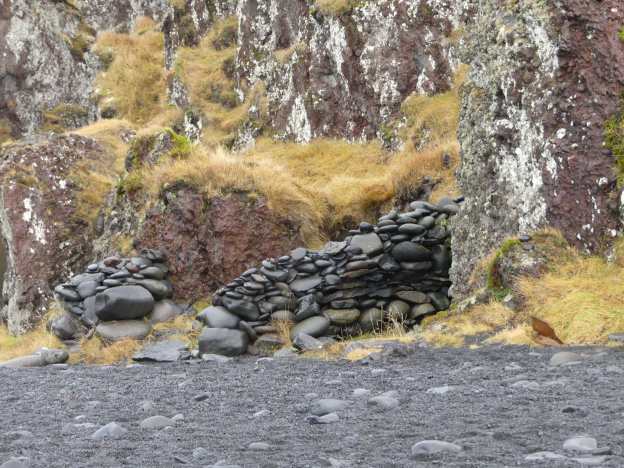
Might it have been to separate the fields by the shore from the fields by the mountain…
p1350699

… to keep sheep from drifting away from survival food, winter’s seaweed…

p1350933

Sheep Pasture at Dritvik

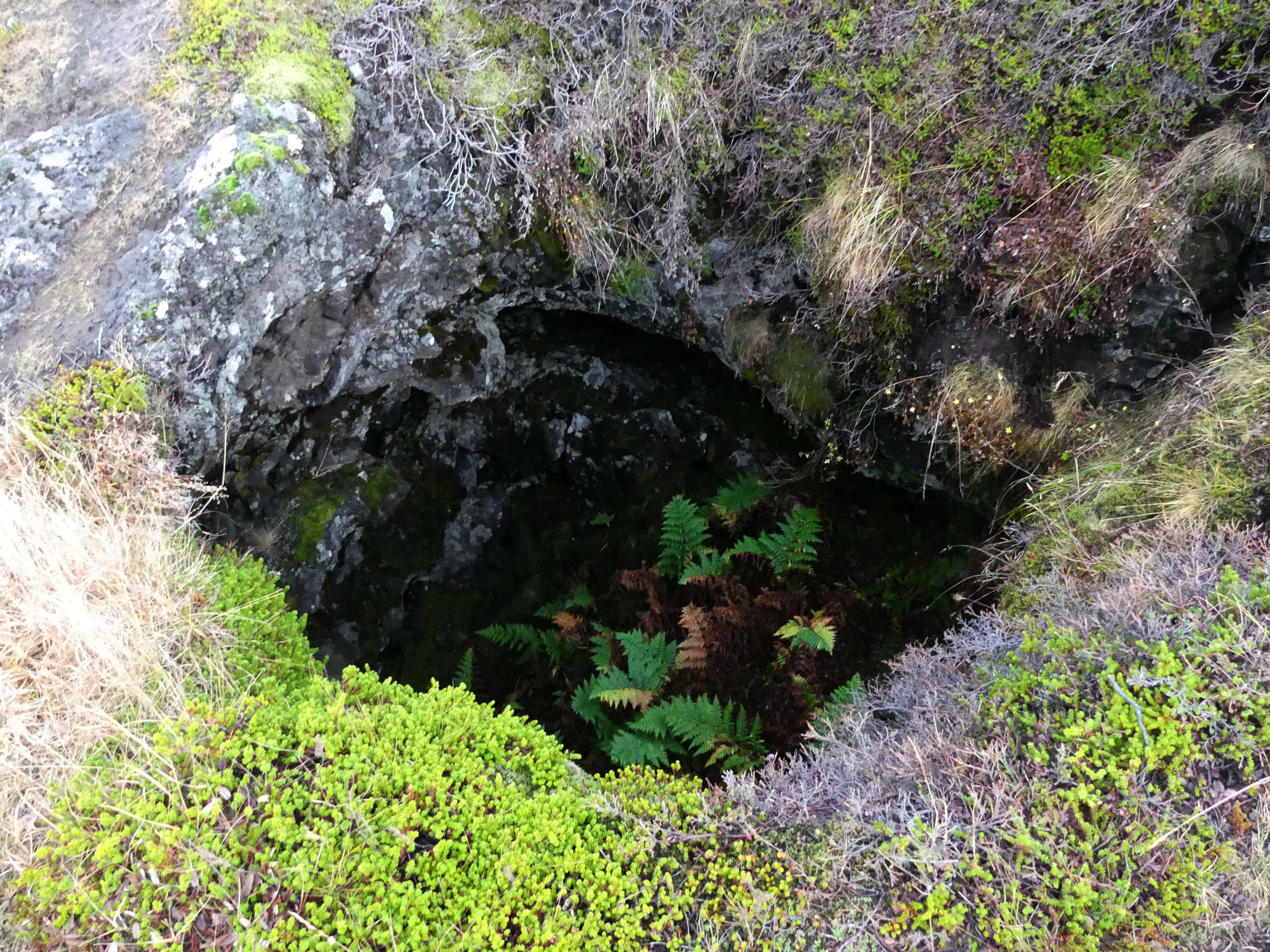
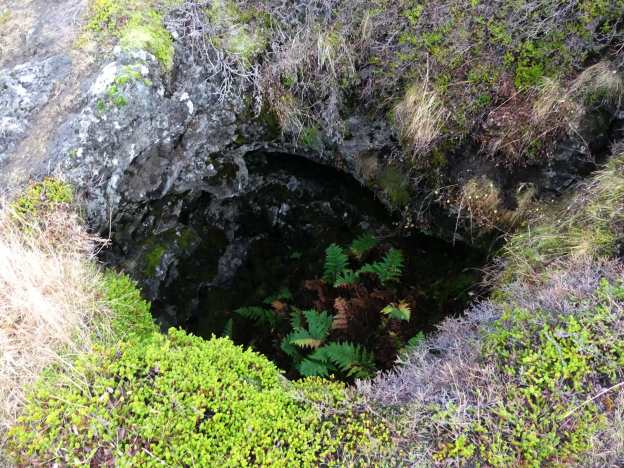
…into perilous holes in the lava?
p1380860

Is it, in other words, about thinking with the land? Is this the wealth that Gunnar Gunnarsson said was at the heart of poverty? Is this an extension of the principle “when you run out of hay anything is hay, anything at all” to land itself, on the lines of “when you run out of pasture anything is pasture,” even if it is only an extension of the poverty of one man over another? Could this be love of land?

p1310618

In a country in which only a landowner could wed and have children, the impetus to own any kind of land, in any kind of poverty whatsoever, must have been intense. Is that what we’re looking at here? Love?

p1380569

The stubbornness not to disappear of a people from whom the benefits of community were continually removed, often by foreign traders?

p1370090

Is drift a way of holding on by bending the way a path goes? I don’t know. Is it still going on?

p1330218

Is this the principle of drift? Are some fences made of the mind and duty?p1330714
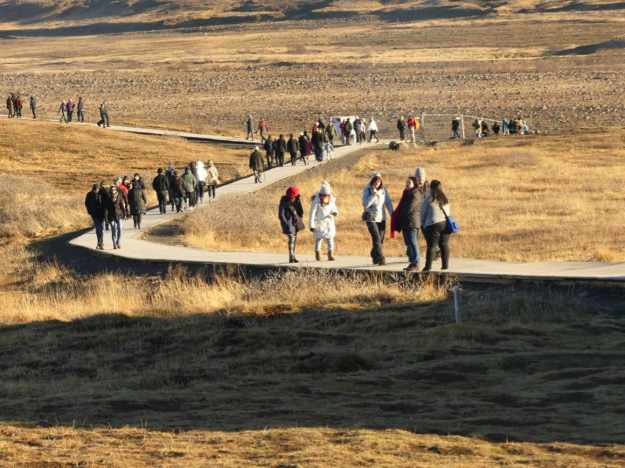
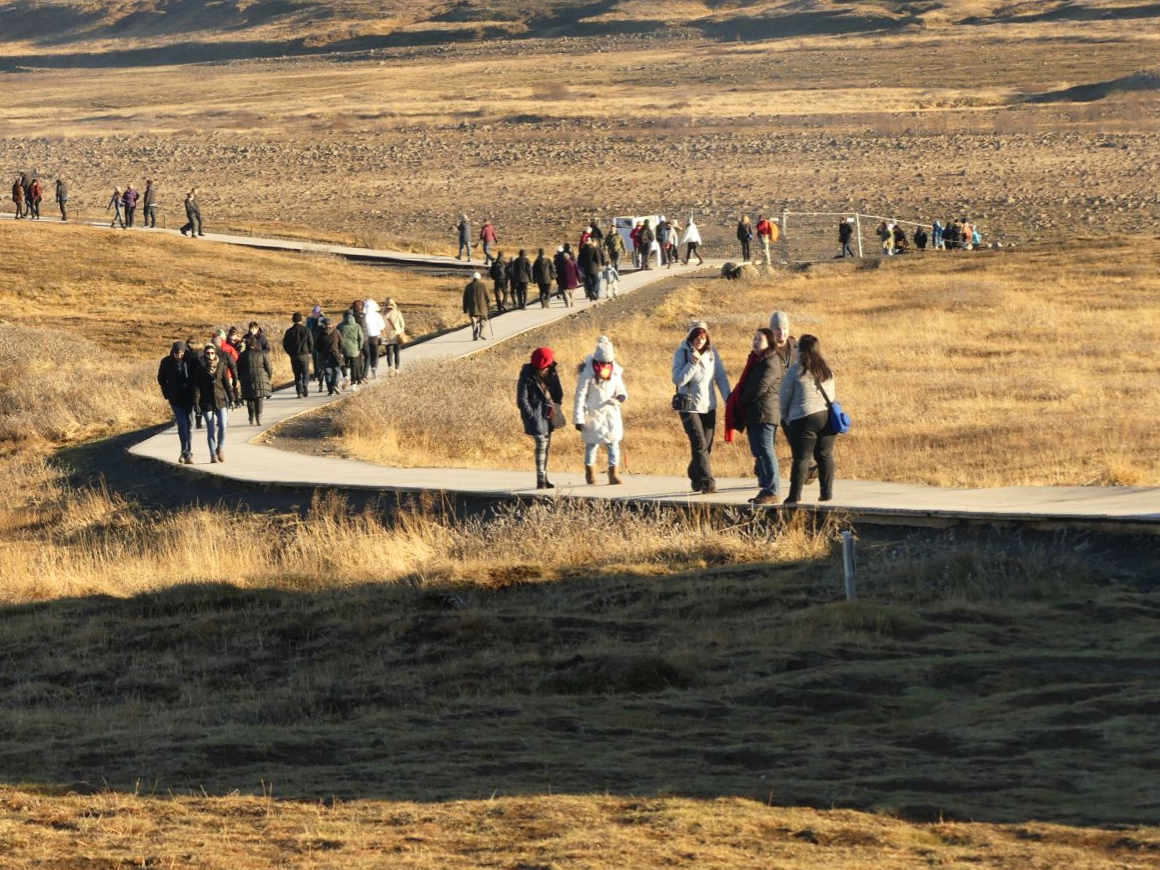
Is this how 1,500,000 tourists are safely guided through the cold every year by a few hundred front line Icelanders?

wetpair

I bet the sheep know.