Tag Archives: Iceland

Fasten Your Seat Belts! The winds are here.

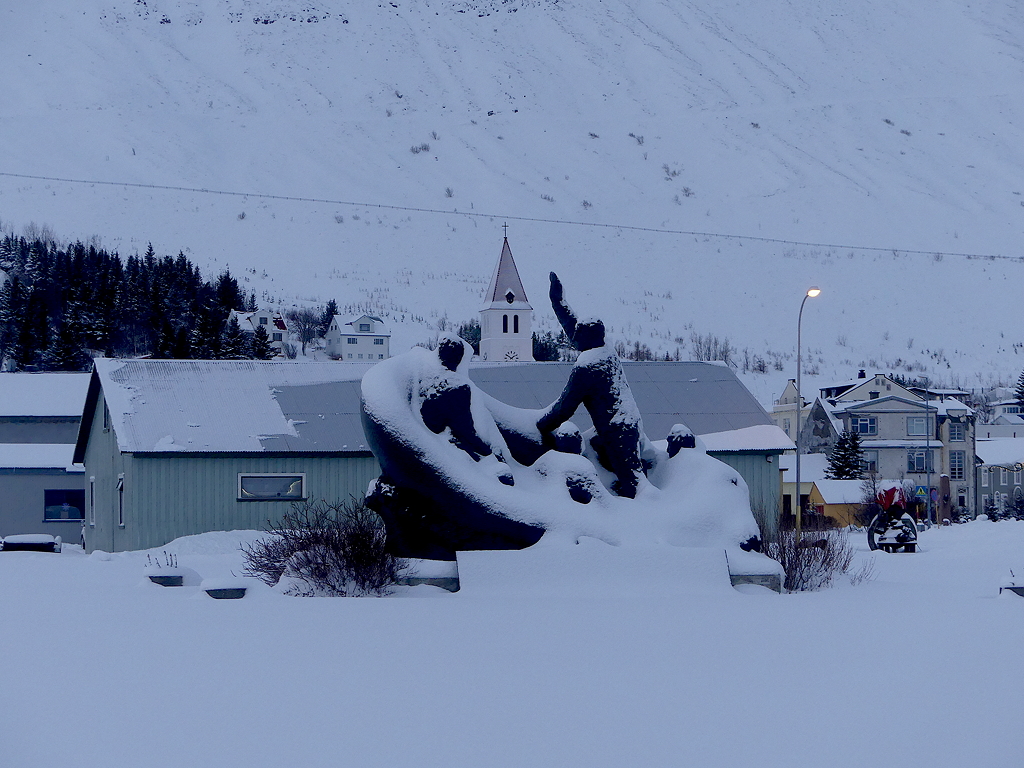
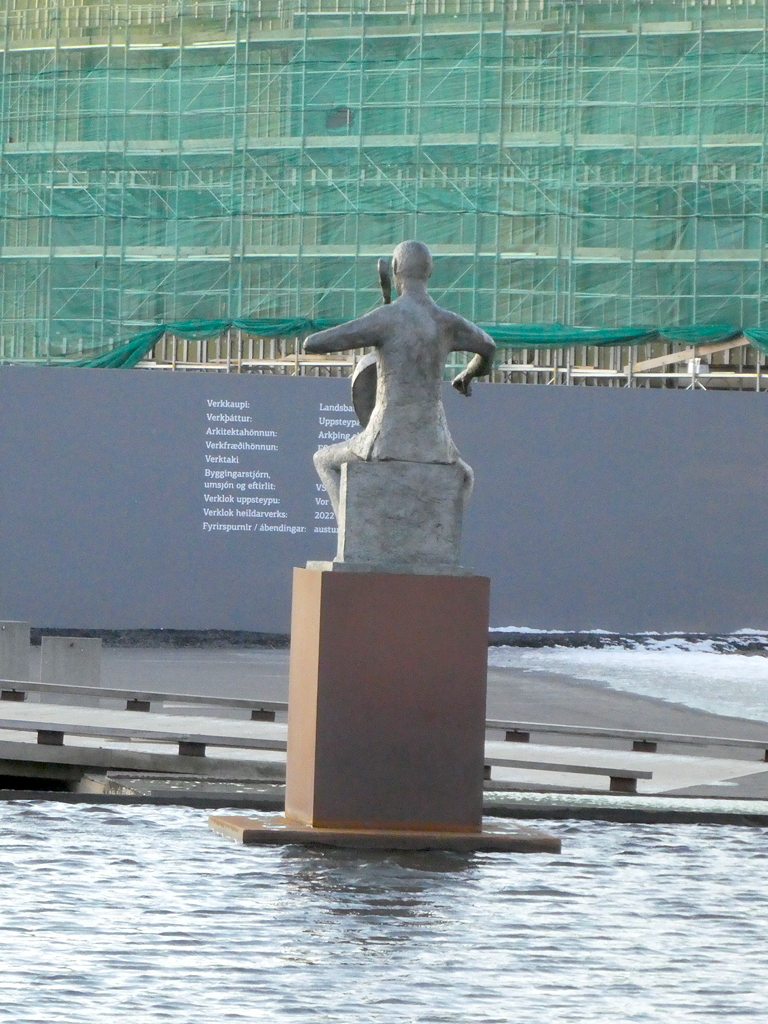
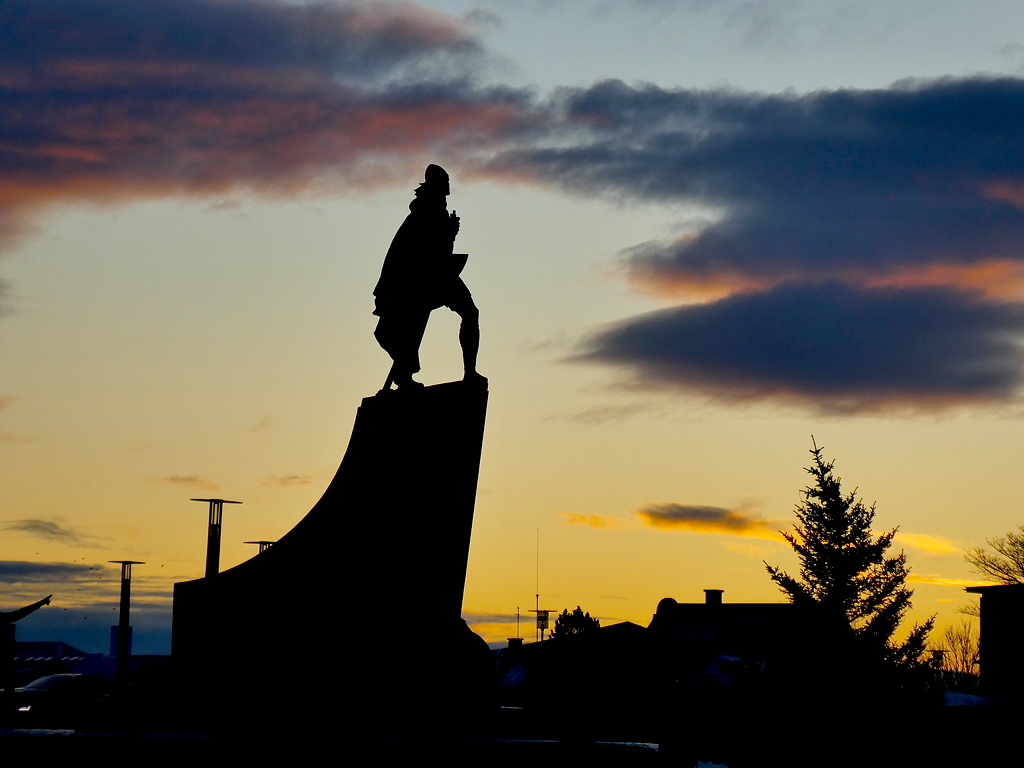
When the winds blow in the winter gales, even statues get strapped in for the ride!


Hellissandur

That’s the way it is in Hellissandur! But when the storm lifts, ah, then the whole world dances.

Above Hellissandur

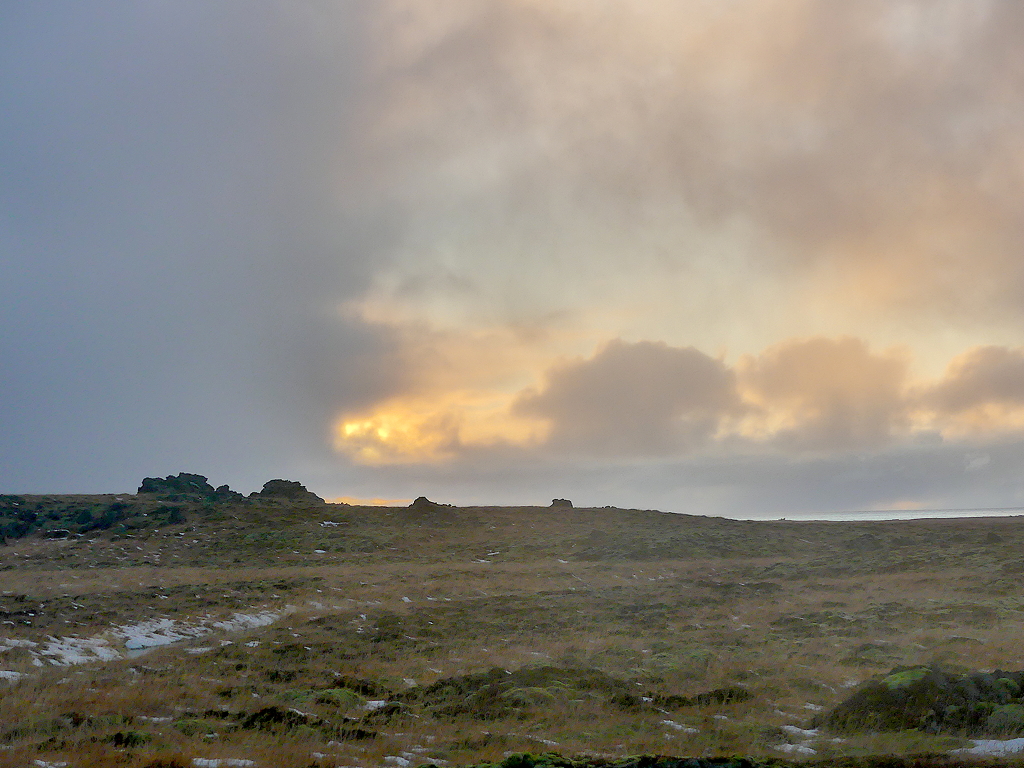
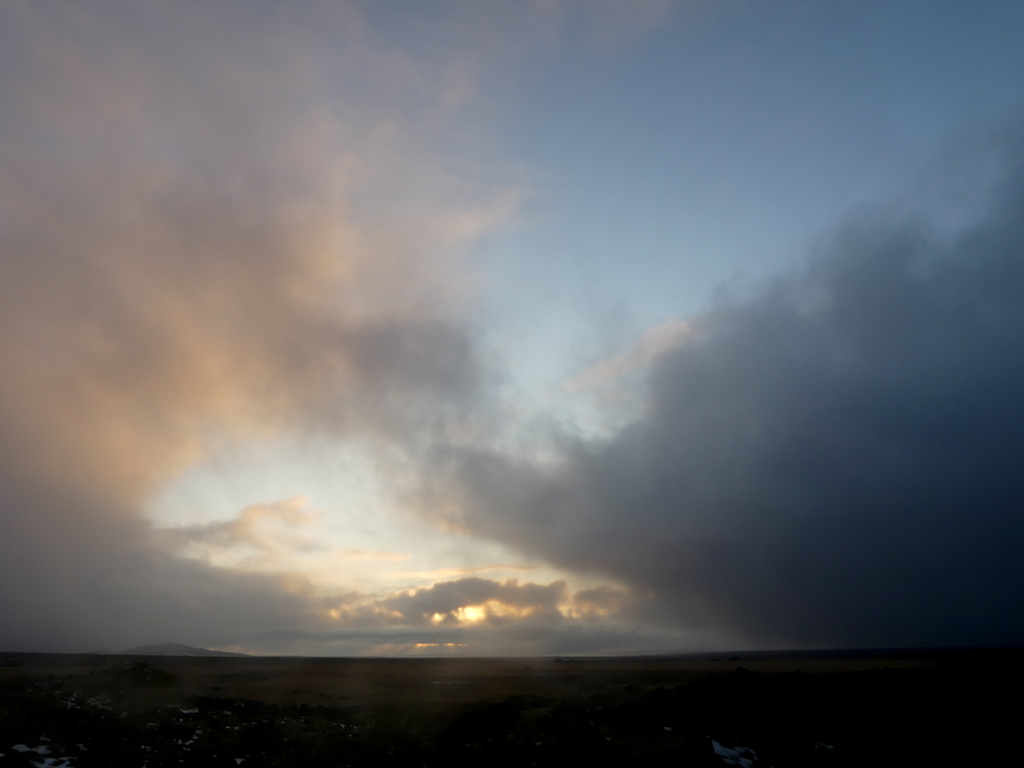
Every day, the world shifts between gold and blue.

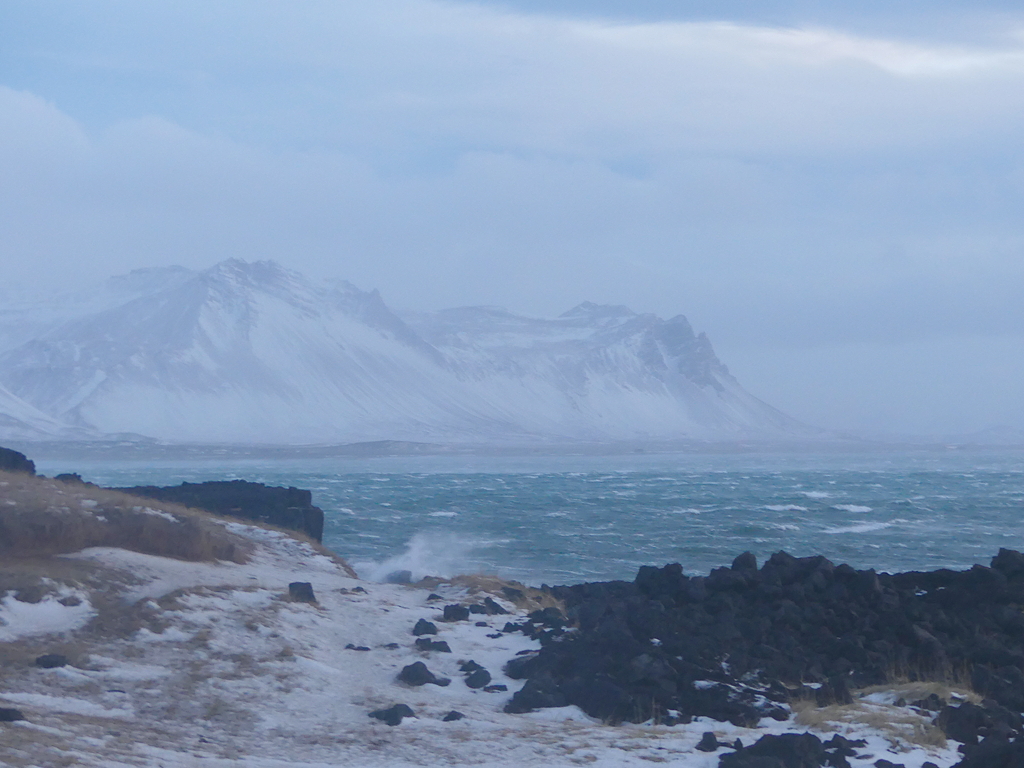
Looking East from Buðir in a Strong Gale

This is it’s great message in the wind.


Three Ways of Looking at Iceland

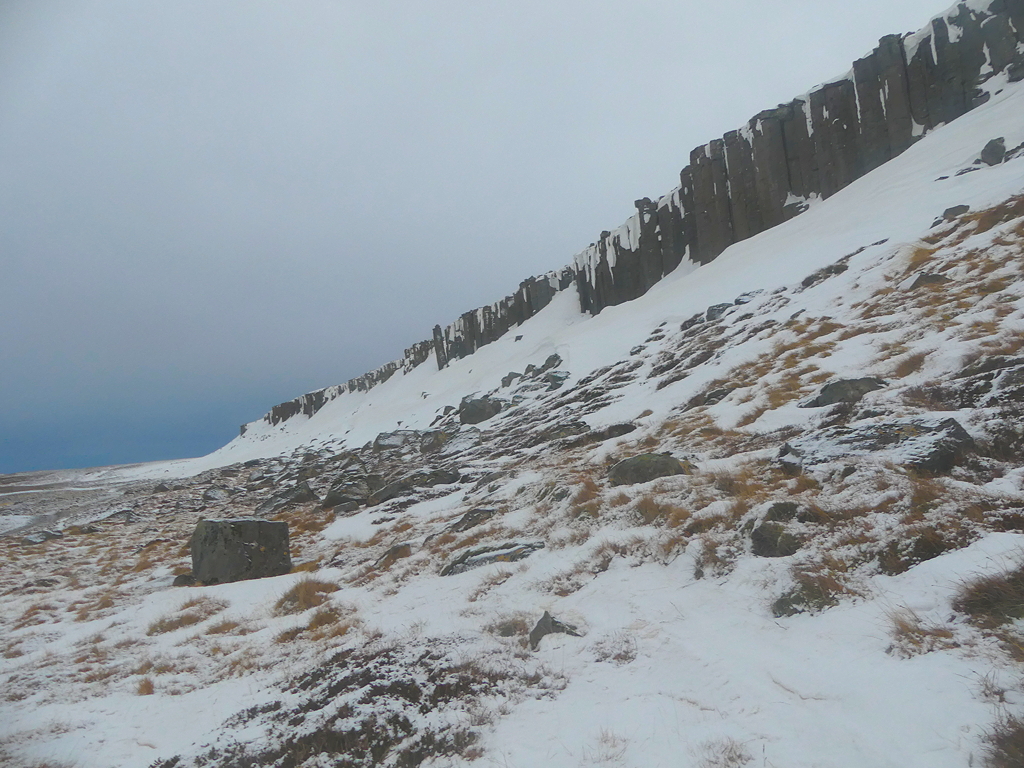
One way to look at Iceland is to visit a popular tourist site. Gerðuberg, for instance, a half-kilometre-long chain of basalt blocks.

The government sees to its popularity. The project is to keep tourists moving, and to give them a stop or two now and then to refresh. It’s a technique learned over a thousand years of sheep herding. Humans aren’t sheep, of course, but we do have physical needs. Air, for instance. Light. Spiritual purpose. That kind of thing. For that, some places are better than others. Gerðuberg is a great one: the first place you’ll stop, two hours out of Reykjavik on your one-day-long and way-too-quick way around the Snaefellsnes Peninsula. You’re going to want to stretch your legs by that time. But don’t be fooled. By the time you get to Gerðuberg’s natural wonders, you’ve already passed the second way of seeing. It was on the road in.

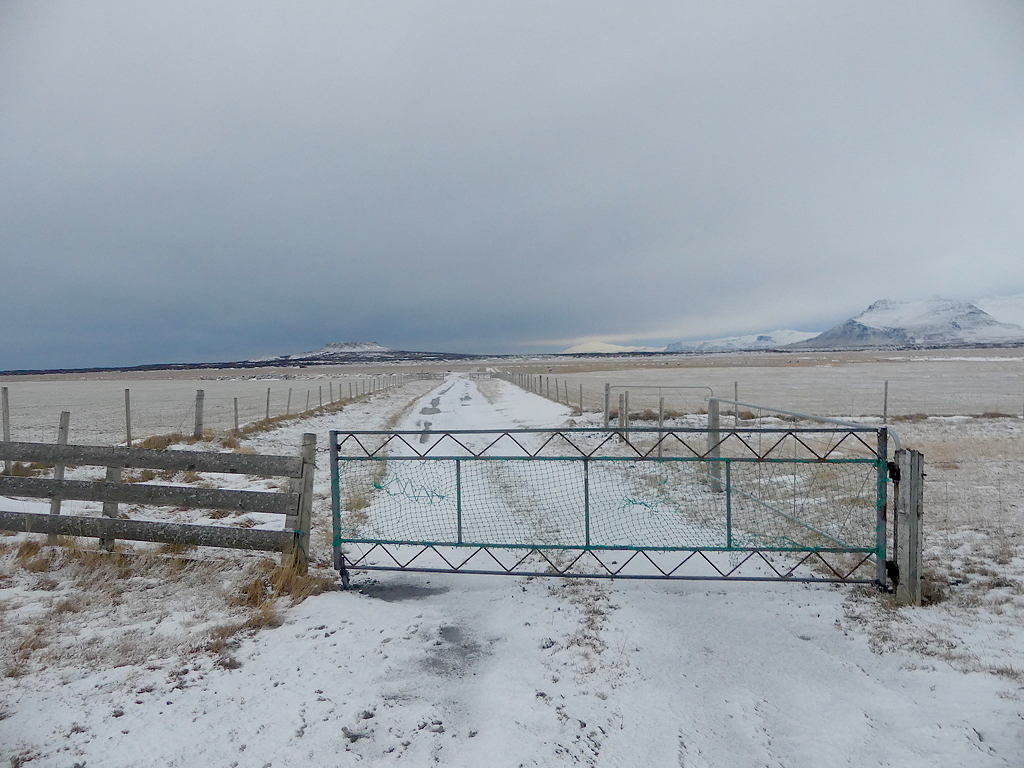
You see, every natural wonder in Iceland is framed by a long history of human struggle. These post-war North American metal sheds are used as barns everywhere. It’s no longer the fashion, but hundreds are still in use, just as they are (for instance) on the Canadian Prairies. You can see Gerðuberg and its crater in the background. You are getting closer to Iceland now. Crater? Yes.

The Third way of seeing. Well, you passed it, too, probably wondering where you could stop to take a photo.


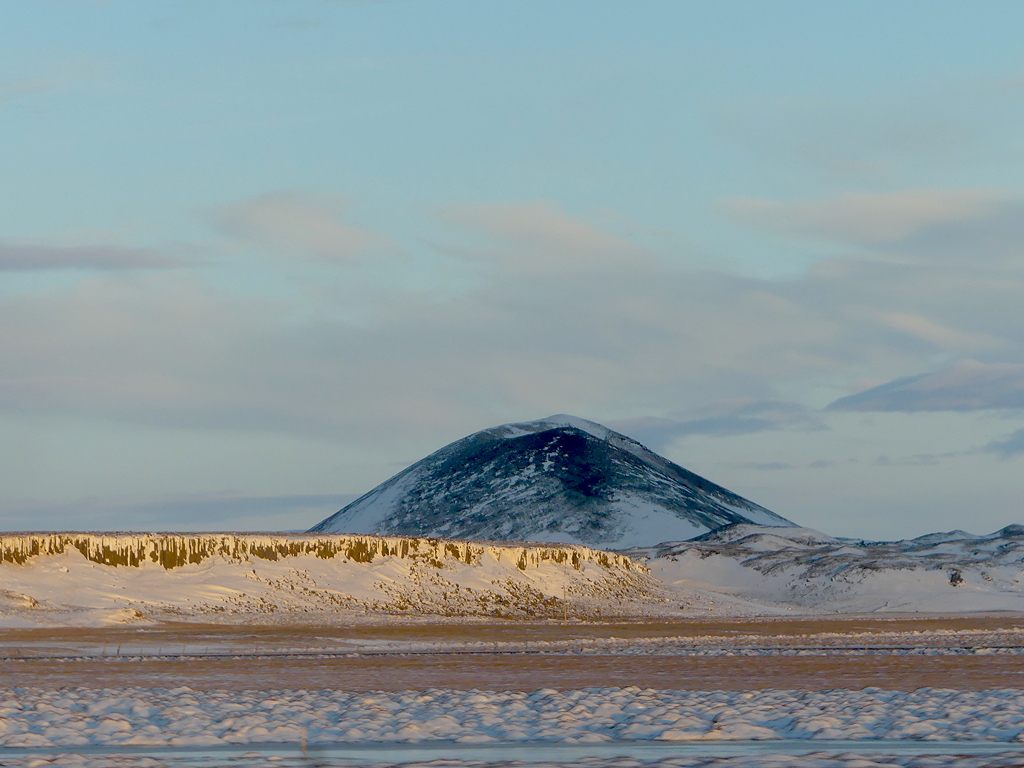
This is Eldborg, or Fire Mountain. There are numerous Eldborgs in Iceland. This is a fine one.

The answer is: off a little side road, and then along a 2.5 km trail across private land. Other than that, no-one has made a spot for you to stop, except for Gerðuberg. But there’s a trick to this third way. You will probably be lulled by Gerðuberg. You might just miss Eldborg, because you’re looking the other way. And that’s the secret to the third way of seeing in Iceland: turn around.

The Spirit of Water and Air

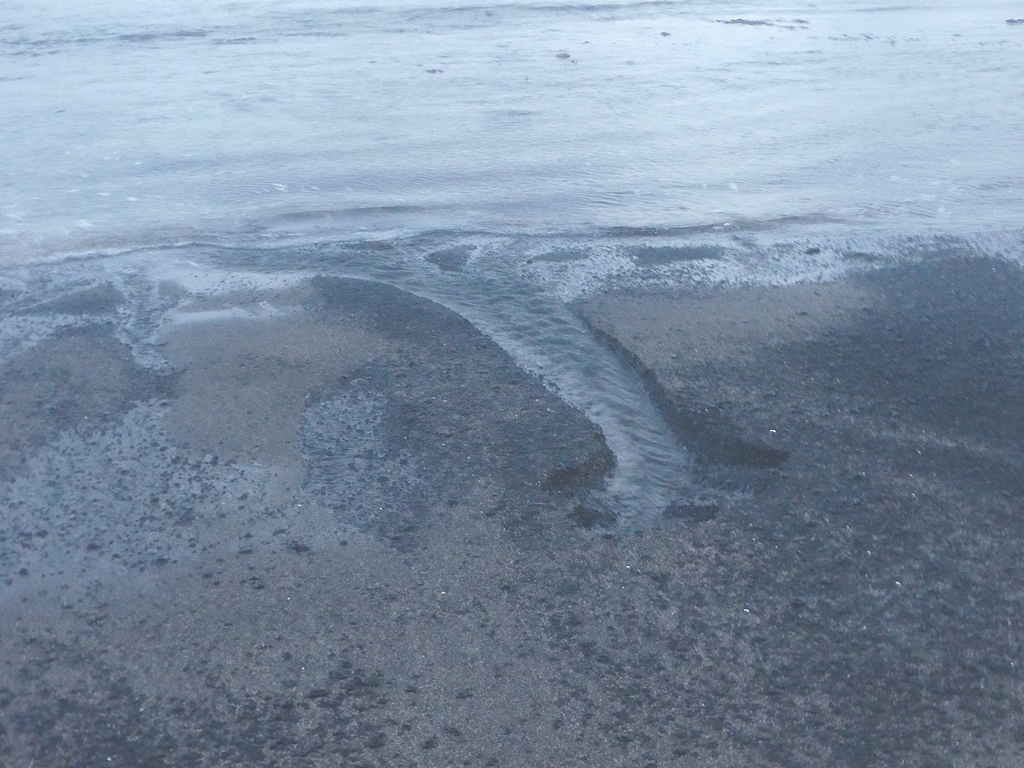
The beach at Hellissandur showed her spirit this morning.

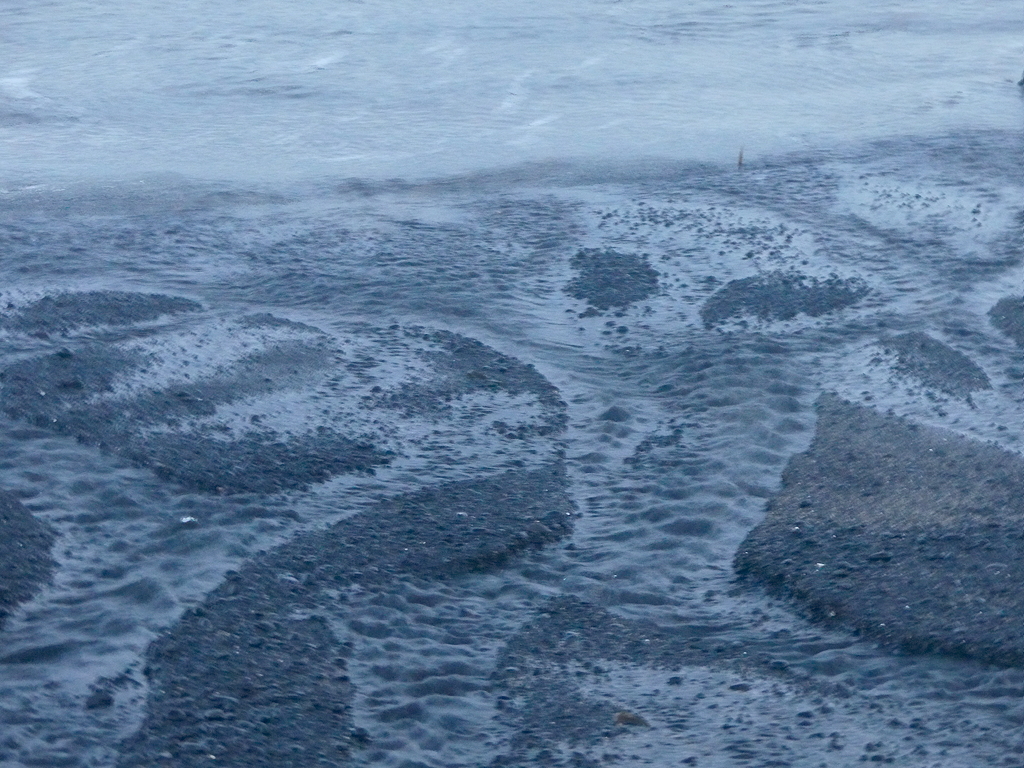
As you can see, it doesn’t take a lot of light, or, better, the light goes inward rather than out. So is it with the long, low angles of the sun on Christmas Day. Look at the water erupt from the sand and say its name in this light.

It is a day on which the whole Earth is alive. We found that around this mountain at Midsummer.

And now, this force is just as strong. What welcome energy!

What life! This time, it’s not just the Earth that is alive. Look at the sun going down over Melariff at 2:30 in the afternoon!

The view is from the 1100-year old Viking Farm at Saxhóll. A few minutes later, the sky revealed a dragon.

And just after that, many stories all at once, enough to meditate on for a year.

As the sun left and rain fell across it in the West, the energy lingered, not in the sky but in my self that was the sky.

And so we carry ourselves, just as the Earth, the Water and the Sky carry us. It is we who are spirits of Earth, Water and Sky.

The Secret Origin of Icelandic Horses Revealed at Last

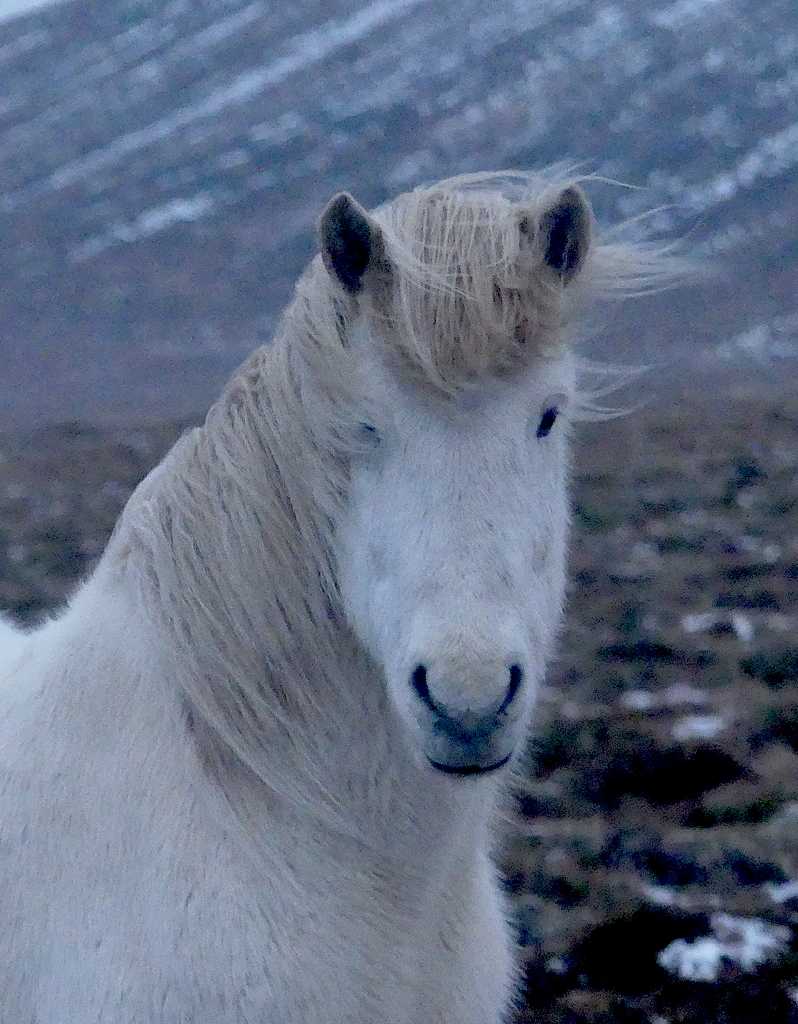
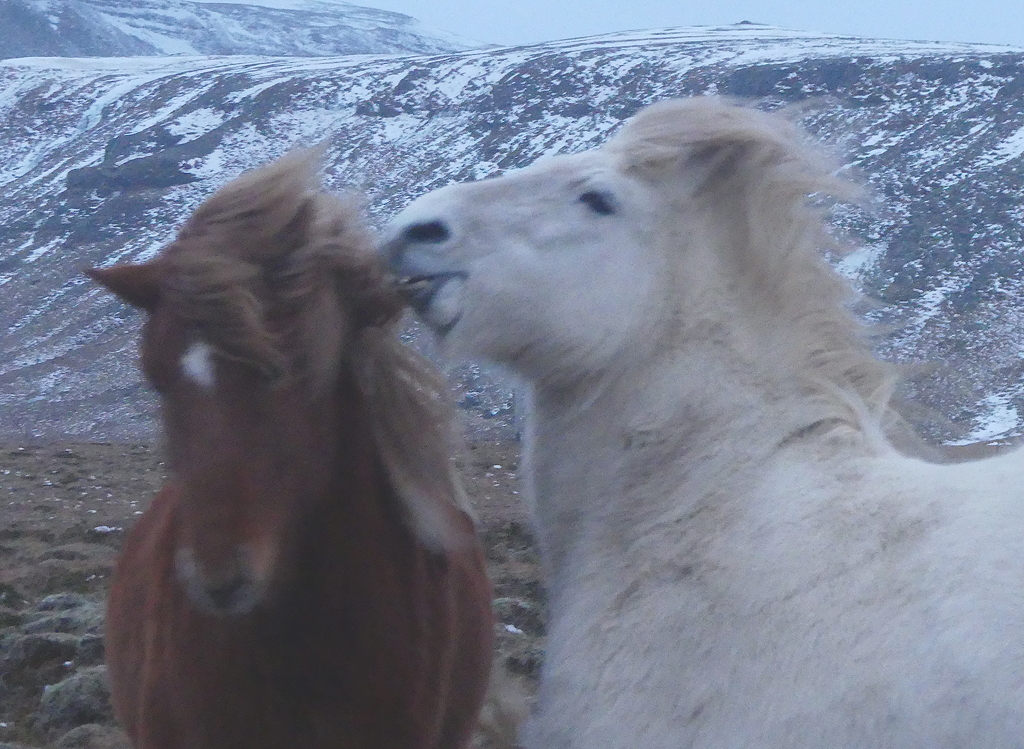
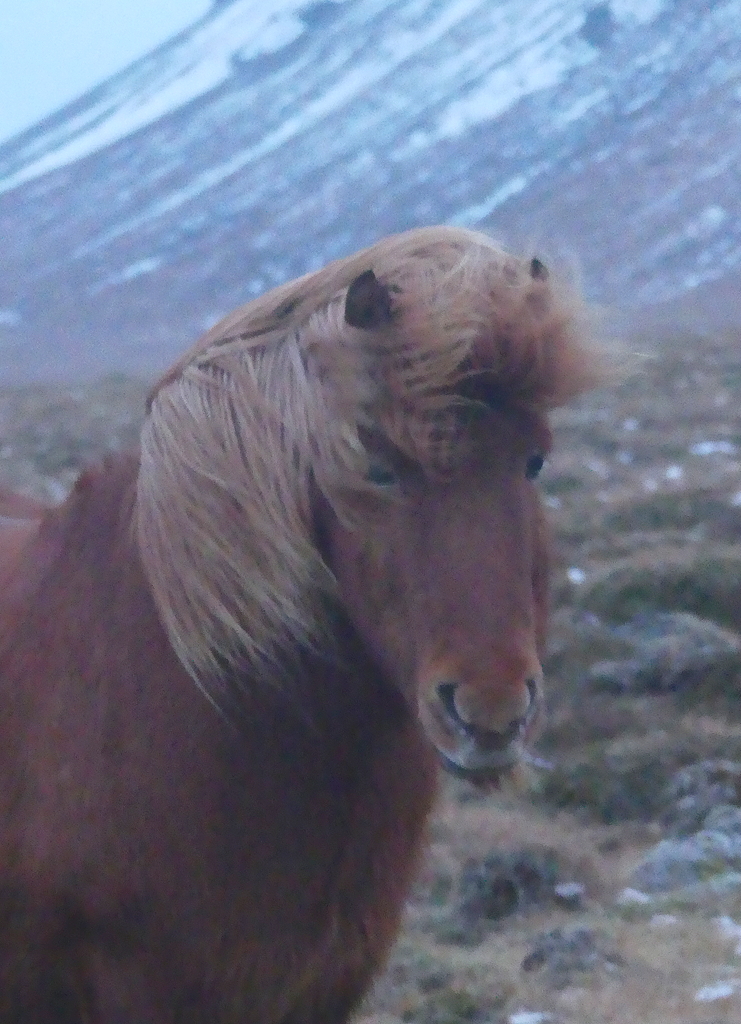
Icelandic horses are very beautiful, especially in a winter gale. Icelanders will tell you that their ancestors brought them over from Norway by ship. Sure, guys.
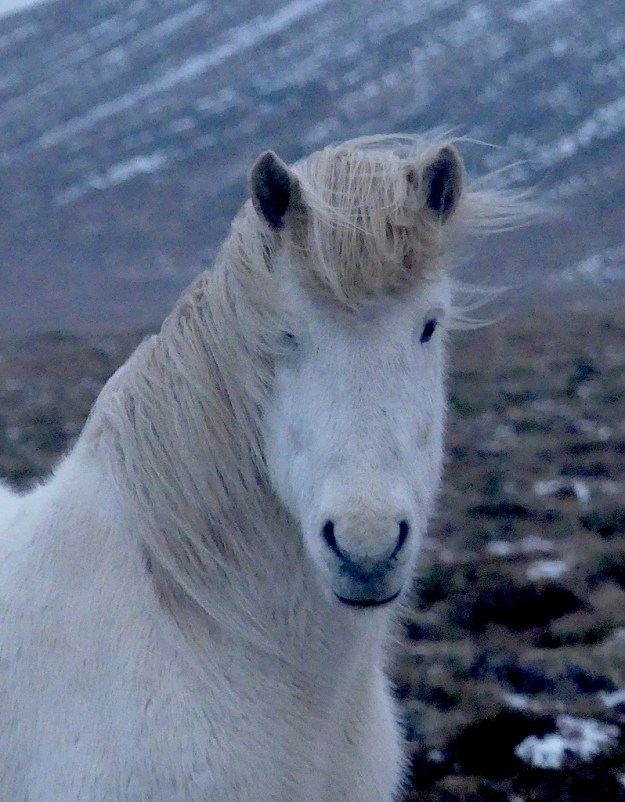
Let me take you behind the curtains of that little deception. It might look easy to be an Icelandic horse…
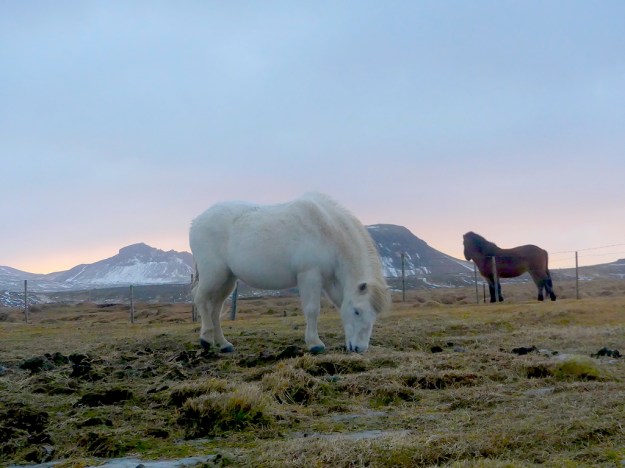
… but like being an Icelander …

… it can be a little rough. Really tough on the hair, for one.

Not only that, but tense, like.
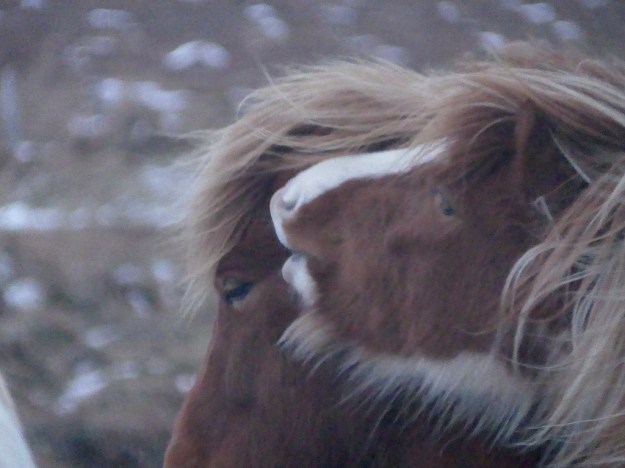
Makes a horse a little crazed, you might think.

Watch out for your ears.

Yeah, but that is all because horses didn’t come over on boats from Norway and continue on to create America out of a lump of clay…


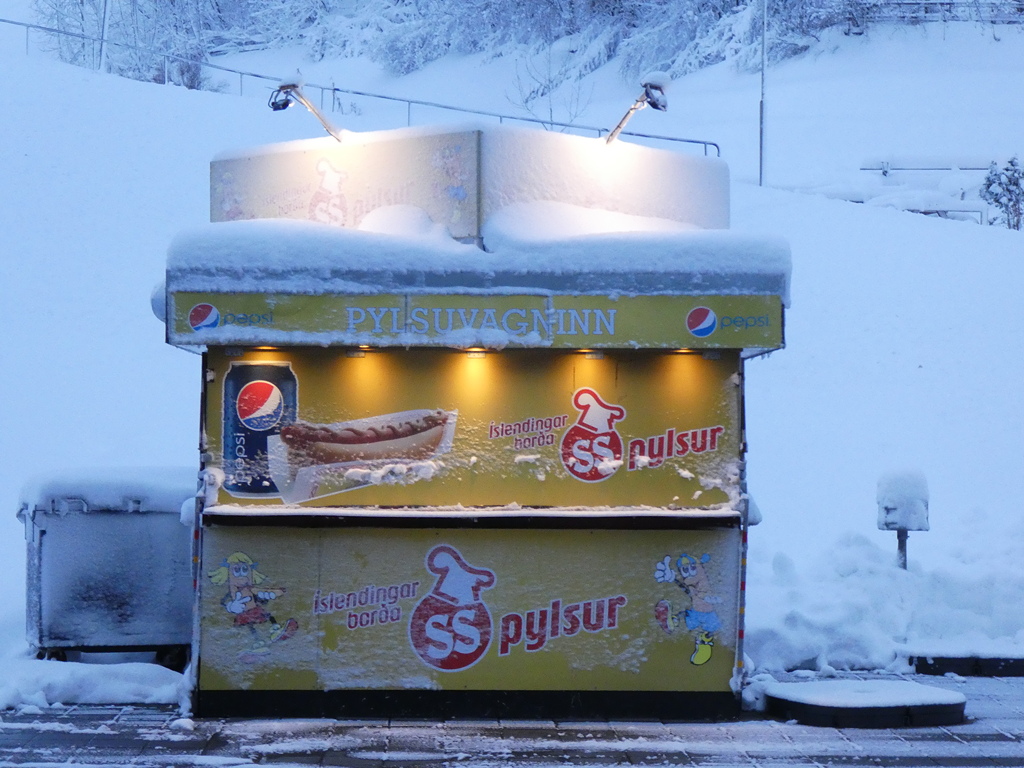
…just as Icelanders aren’t vikings but the descendants of Norwegian farmers and their Irish slaves, who came here for the good hotdogs.

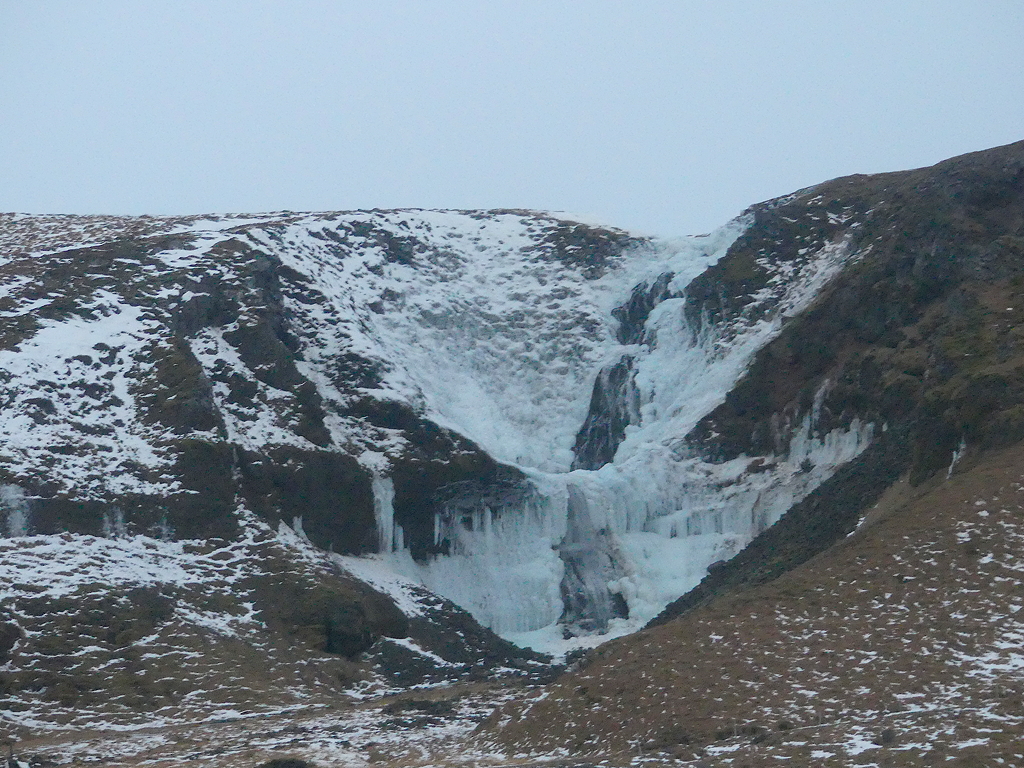
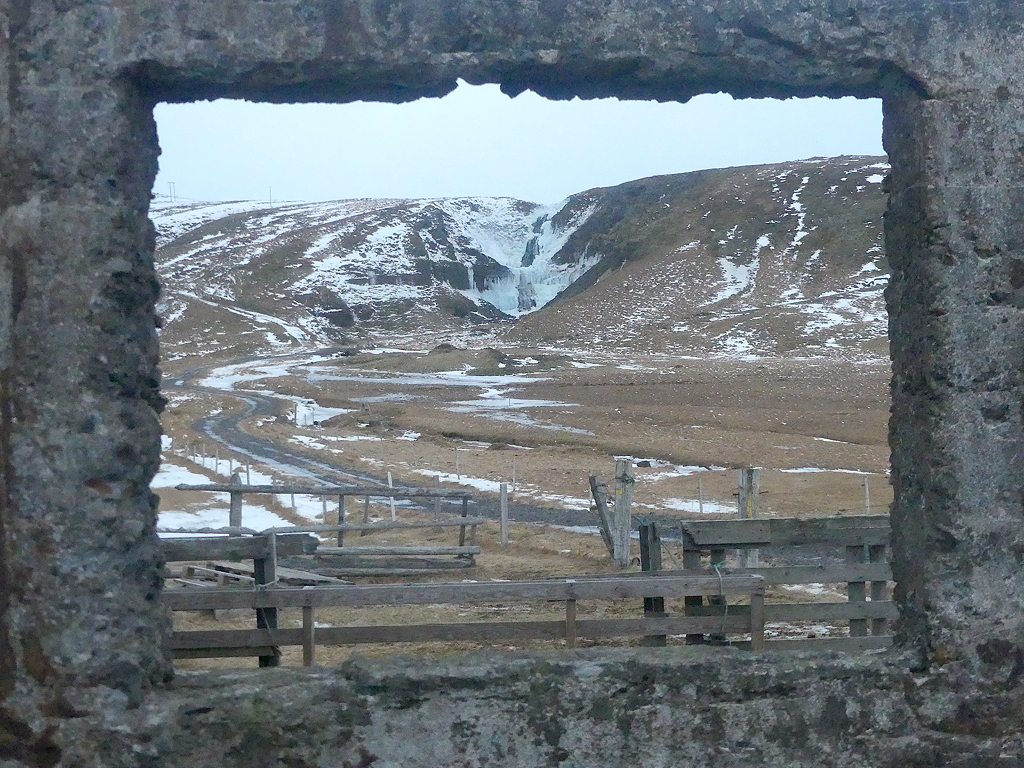
As for the horses, they live near waterfalls. It’s a thing.

Svodufoss

Note the horses being born above. You can just make them out below, too.
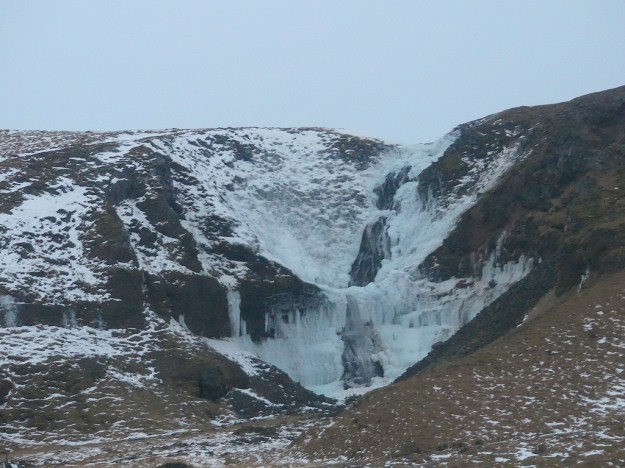
The paddock is nearby, where humans can keep an eye on the miracle.
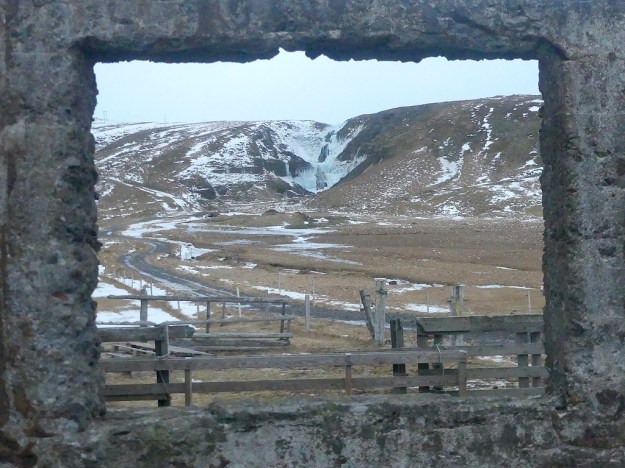
Hólmskelsárfoss

Miracle? Yes. Here’s a foal just about to be born in the stream coming down from the falls.
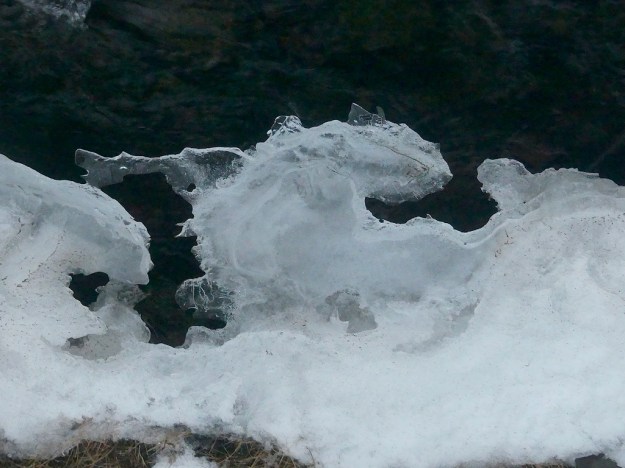
Hólmskelsá

That’s how it works in a magical country. That the resulting horses look like the horses you might meet elsewhere, well…

… that’s part of the magic, too.

Now you know.

Gathering the Living and the Dead

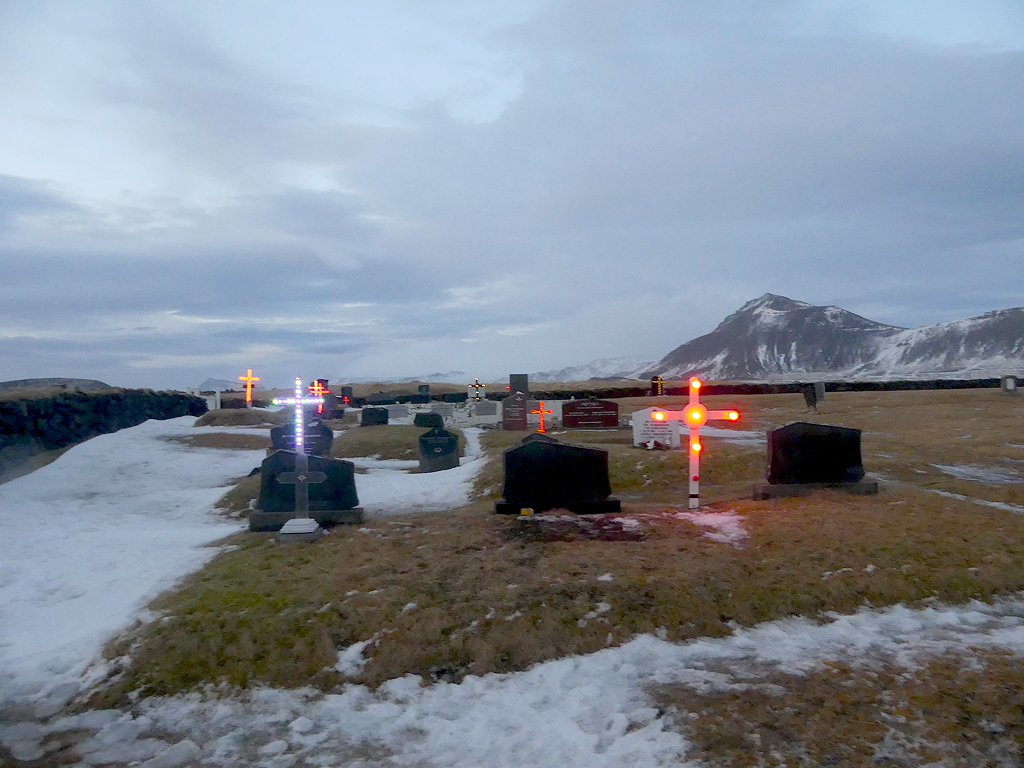
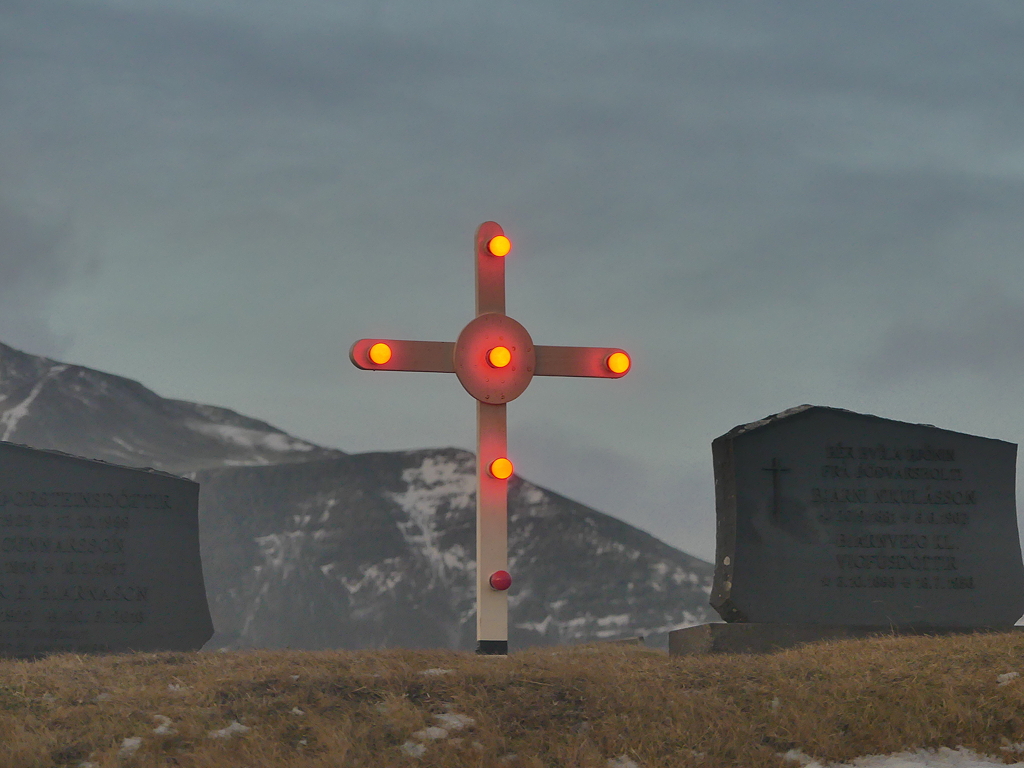
When the winds reach 125 kilometres per hour, I tell ya, the walls of a graveyard are welcome shelter.

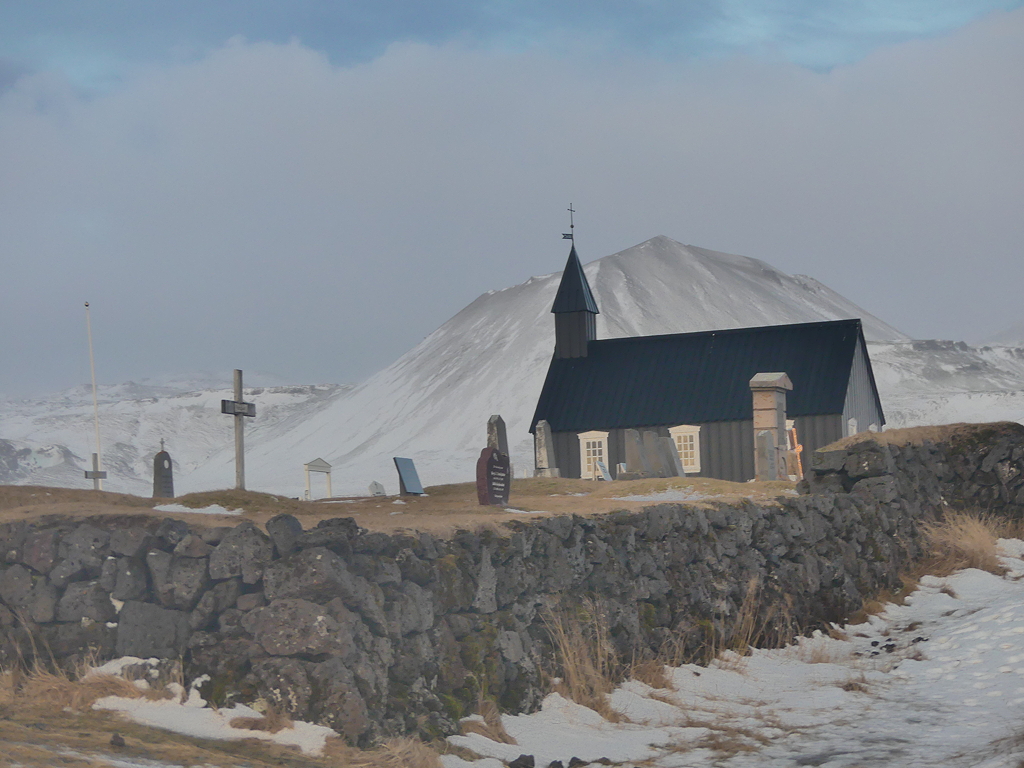
The black church at Buðir still has the power to draw people to it, even though its town pretty much vanished long ago.

When you’re out there in the midwinter wind, it’s pretty clear, though, that the church is an expression of Budir, not Budir an expression of the church.

In other words, here under the volcano (cloaked in fog of its own making), in a lava field blown with dunes of stinging orange sand, the broken bits of old scallop shells, in a wind the volcano sends out to sea like a searchlight, there is power and light that exceed our understanding.

It is good to honour them.

It is good to remember that the living have been given their life by the dead. Even our words, even these words, are the work of ancestral voices meeting the world, often in winds so strong you don’t breathe the air, it breathes you. (I am not writing these words. My ancestors are. That kind of experience. To them, I am a mouth — a door.)

Gunnar wrote a book about some of this, called Vikikvaki, a story of the dead coming to life and dancing on New Year’s Eve.

He meant Iceland.

(The wind has passed now in the mid-day solstice light)

The dead meant life. They meant the wind. It is good to enter these forces. It is also vital to have shelter.