Tag Archives: Iceland

Iron Age Iceland: An Archaeological Field Trip

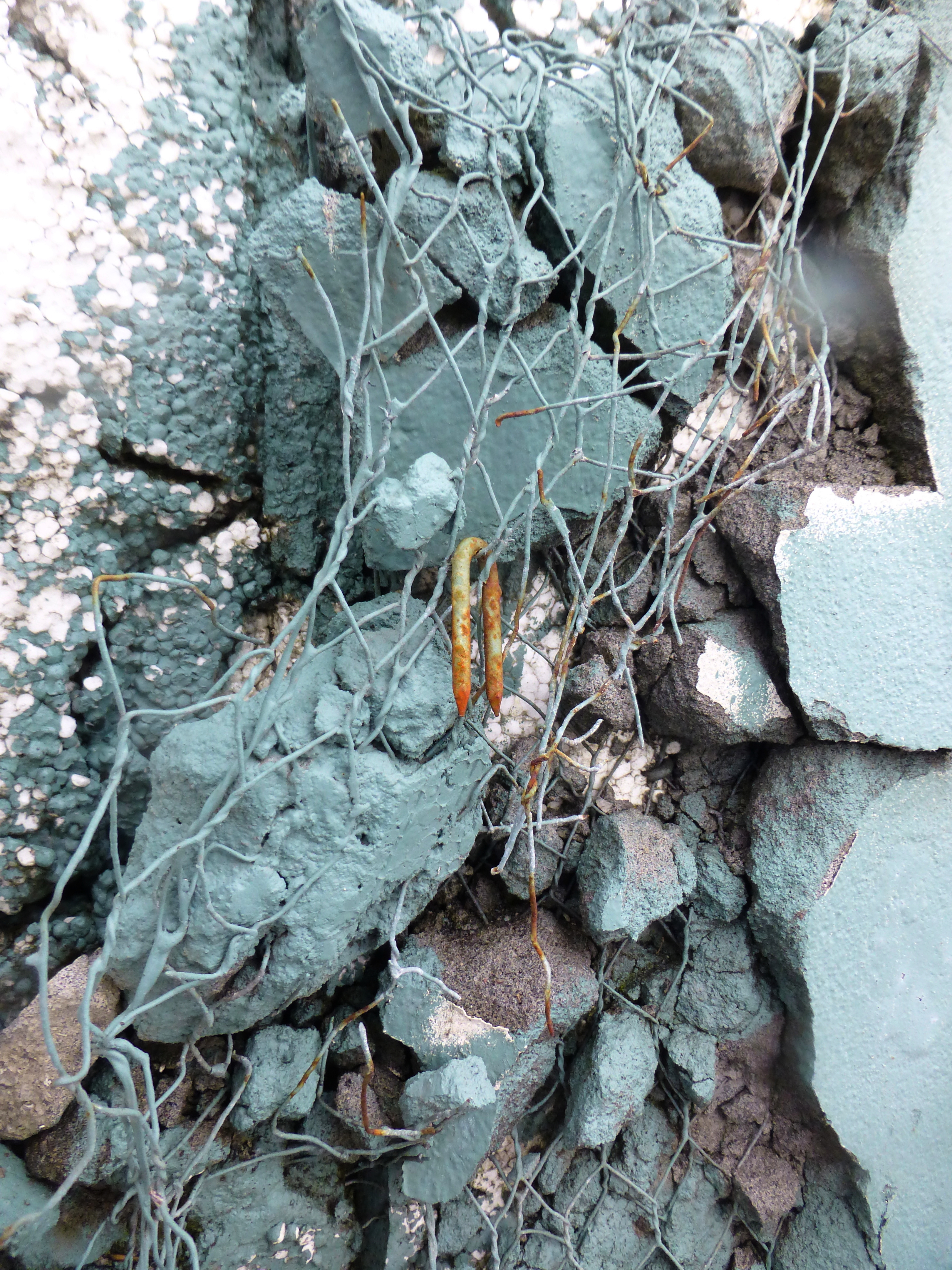
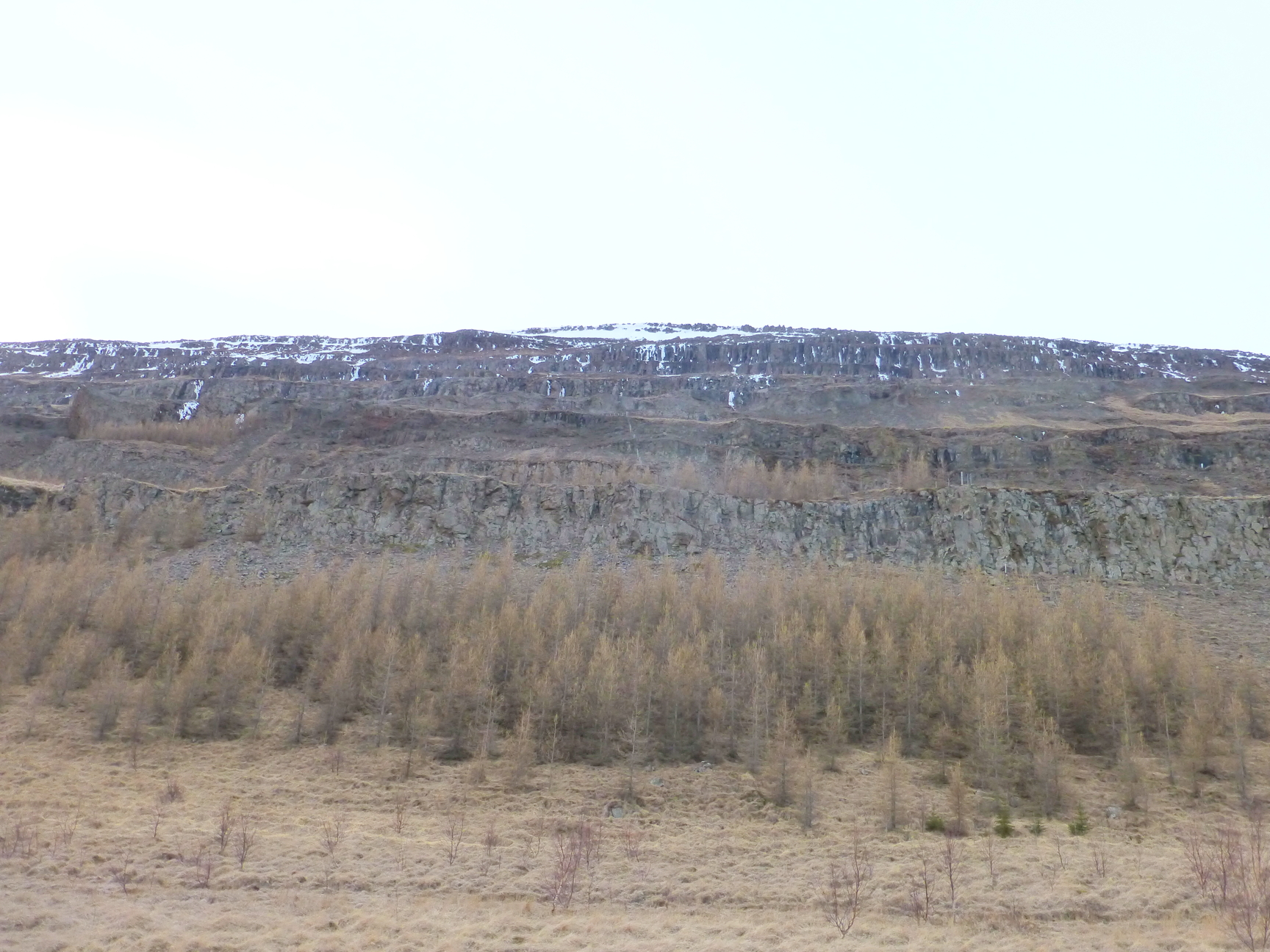
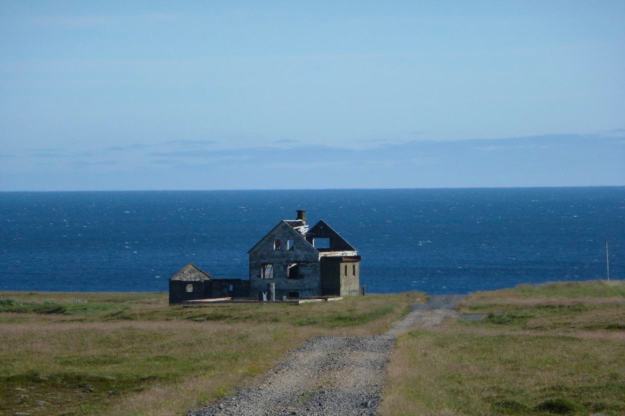
Over in Lágkotstangi, iron age ruins are not hard to spot.

Because of recent tree-planting initiatives in the North and East, it is slowly being replaced by a rudimentary Wooden Age.

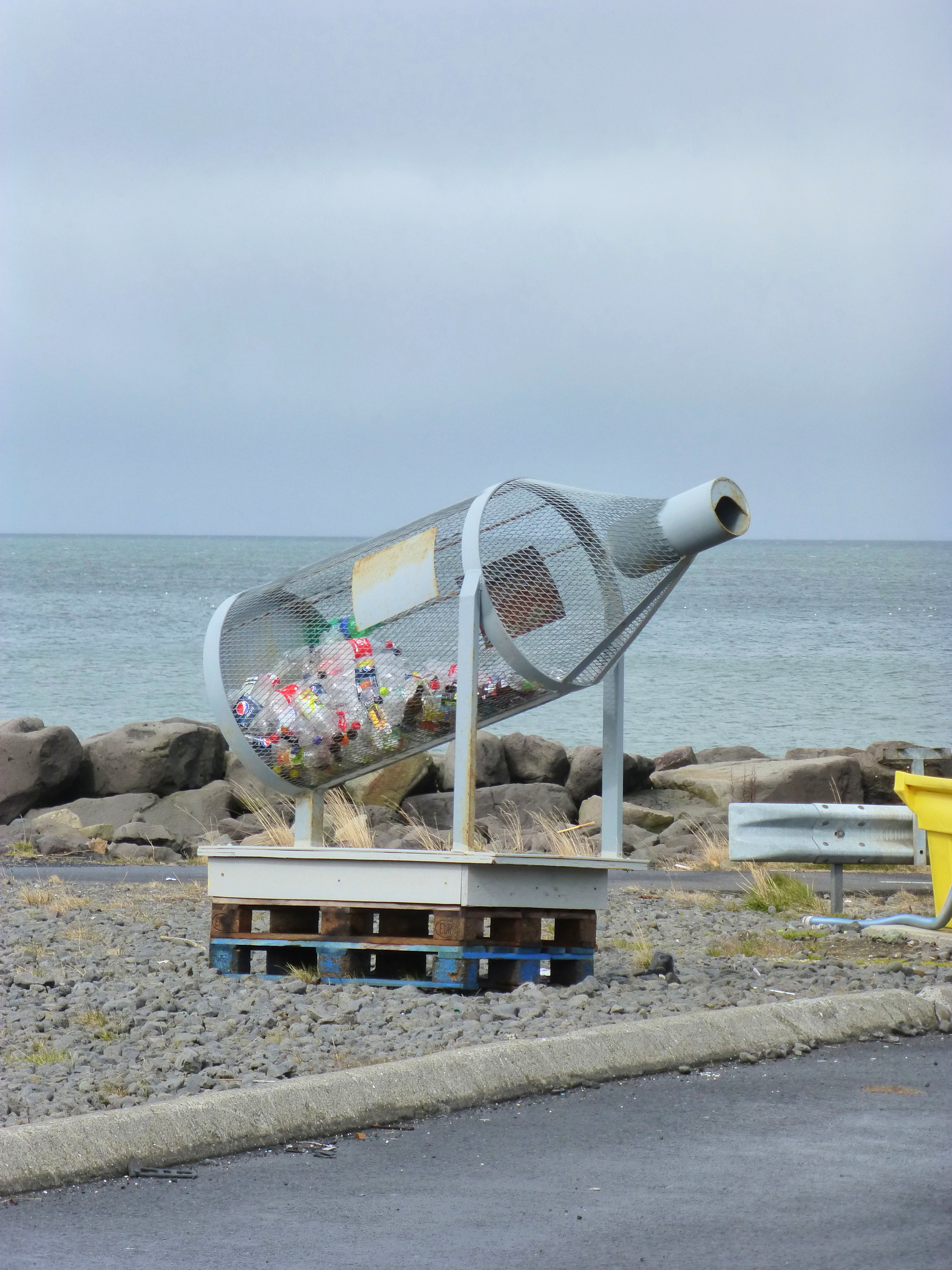
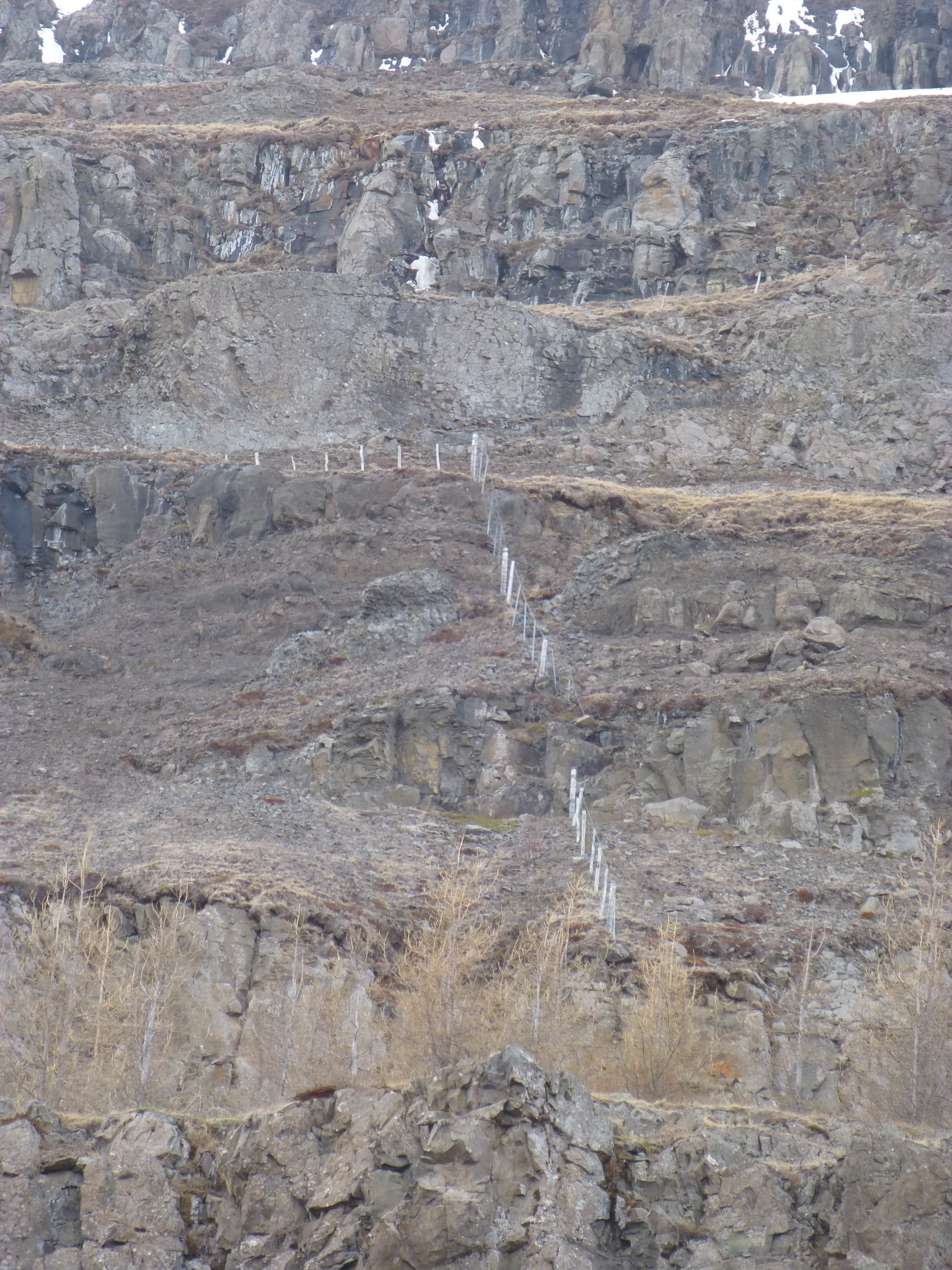
Because Iceland has been isolated so long, history is coming very quickly now. Even as we speak, both iron and wood are giving way to the Age of Plastic. They’re not going down without a fight, though.

Look at Iron and Wood trying to be useful (and sneaky) still!

Another Reason to Leave Reykjavik: Learning the Language of Water

If you stay in Reykjavik, vodka’s the thing. Drink that stuff and you might forget where you are.

But if you go halfway to the complete opposite end of the country, the water speaks at last, not with a bottle but with the words that grow still on the very bottom edge of the sky:

Lagarfljót, April

Your choice, between a bar full of travellers and the voices of trolls. Flights to Egilstaðir are cheap. Just $120 return. You could drop three times that much, just having dinner and drinks with a friend in town. Off you go.


The Mountain Twice

Snæfell, the great mountain of East Iceland (not to be confused with Snæfell, the great mountain of West Iceland), is rarely seen. She cloaks herself in weather.

Gunnar’s House is just above lake level (and just past the lake), pretty much in the centre of the image.

She is always present, however, not just in the cloud she gathers to herself out of the living air but also in the Lagarfljót, the lake that fills the valley below her. There you can walk along the shore of the water she collects out of the sky. Snæfell is one of the great transformers — much like a great white raven, really.

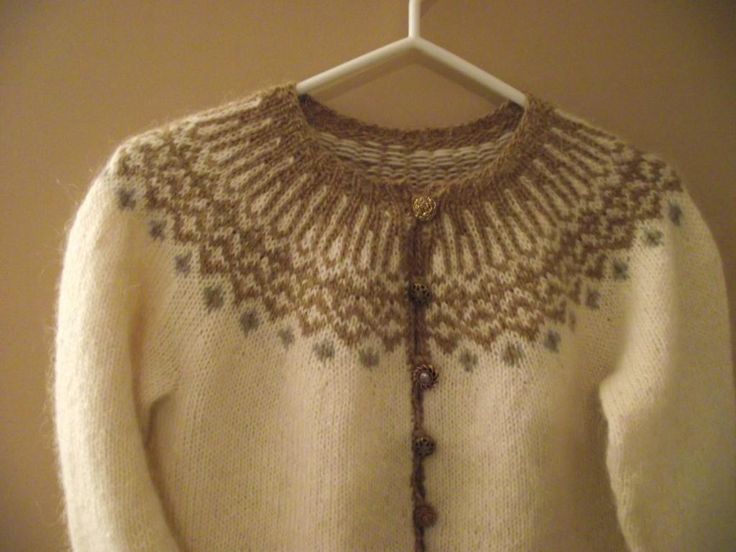
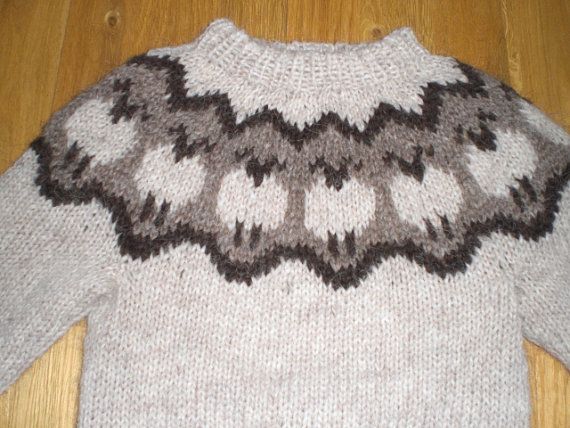
Icelandic Knitting Patterns

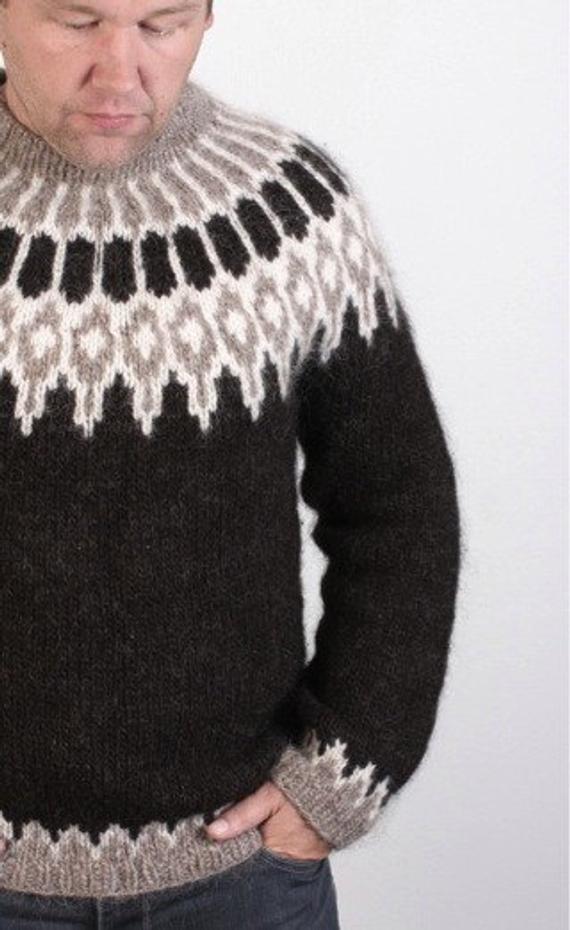
You can keep warm with a good woven sheep.

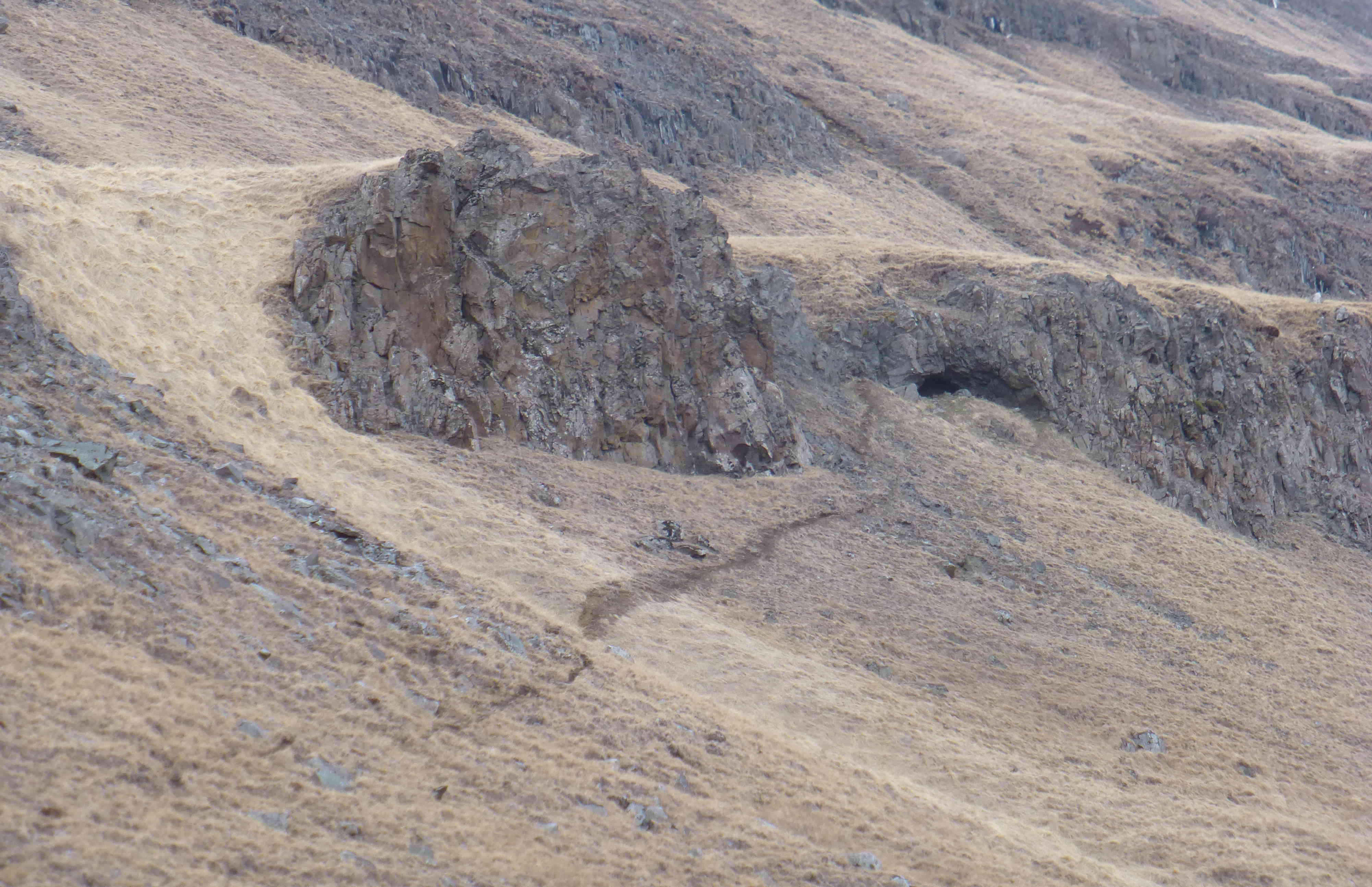
As for sheep, they knit landscapes like this, in Breiðafjörður, one stitch at a time.

Nice  banding  work!

Nice  banding  work!

Suðurdalur

A labour of love.

It requires some skill with clambering and counting stitches.

Valpjofstaður

But sheep, ah, sheep…

… they seek out tears in the knitting.

Sheep are tricksters. You can find them there.

Ásmundarstataðá

In this way, you can stay warm dressed in the cold land.

Grund, November

Learning to Tilt in Iceland

The land teaches that all falling is not vertical.

Hamrahlið, north of Grund

Good to know.

Grundarfjörður, west of Grund

When we were there, parents were being advised to walk their children under 12 to school, as the hurricane-force winds might blow them over. The older kids could tilt, it seems, like everyone else.

In Iceland, No Tree is Just a Tree

The altar at Hólar is an example of what a tree can be made into, in a form of technology imported to Iceland.

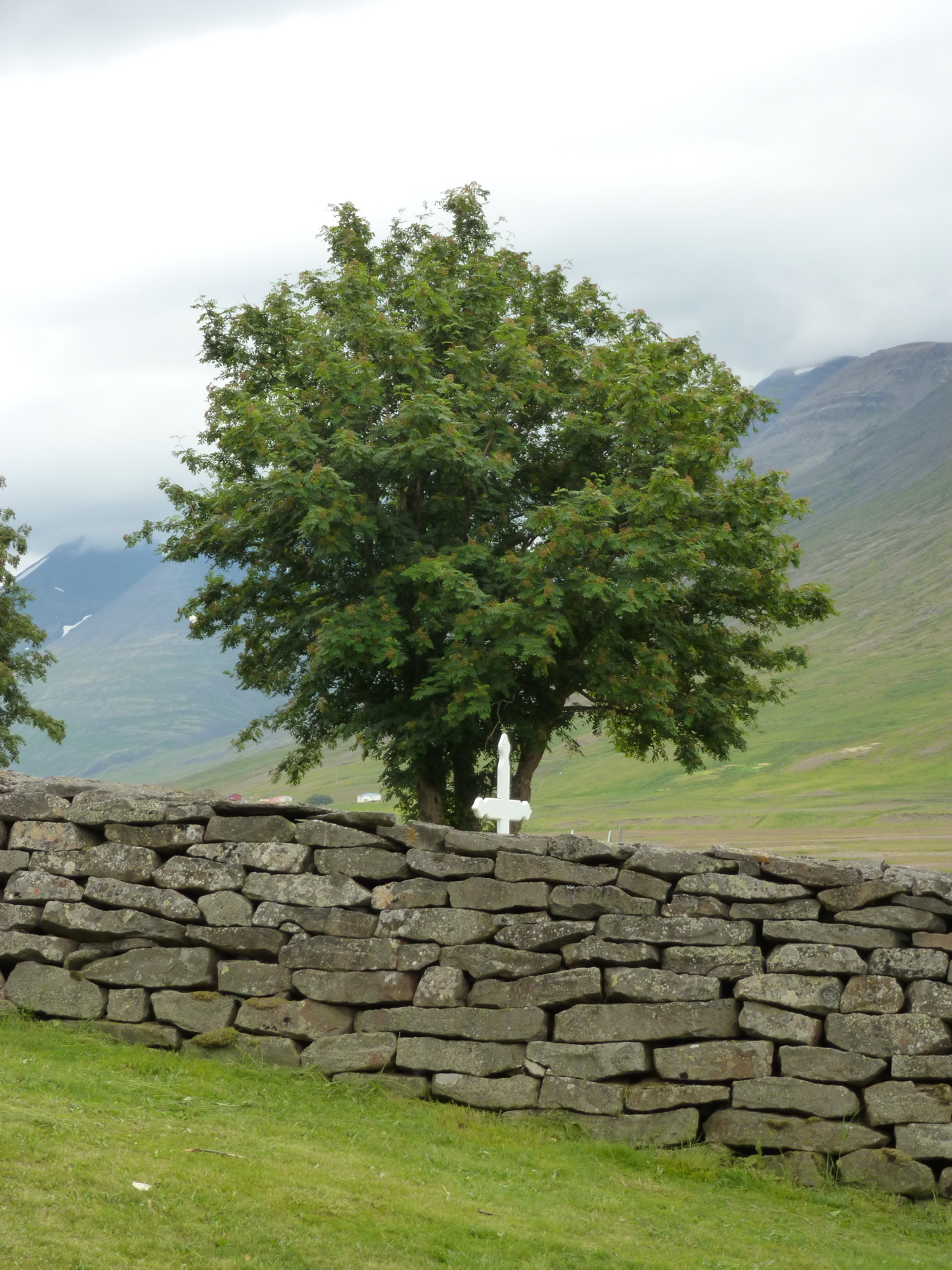
The rowan tree in the graveyard outside is an example of how pre-Christian symbols can use a tree for the same ends of contemplation and memory. The cross is a third example.

Iceland’s history walks between these poles, but always the green tree is honoured most deeply, and at the least expense. It’s good to have one’s symbols take root and look after themselves, because there’s work to do.


Haunting Iceland

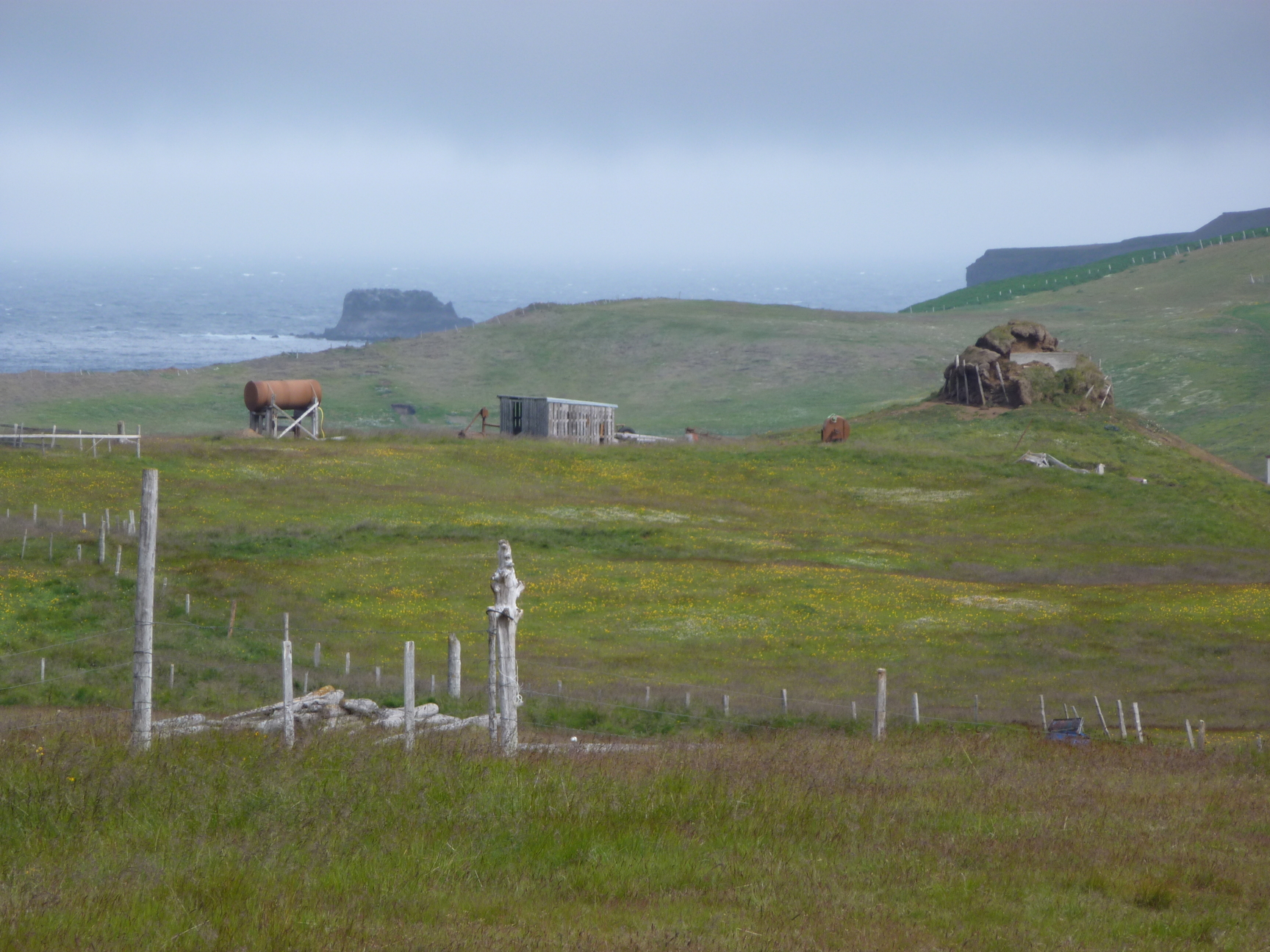
This image from North Iceland haunts me. This was once a prosperous farm, as the driftwood fence shows. In a country without wood, to have rights to pick up Siberian wood from the beach was enough to make a farm pay. Now they’re inexpensive  replacements  for more expensive metal posts, and not a cash item.

Speaking of economy, look at the tun, or house field in the centre of the image. It would have been manured with the manure from the winter sheep barn… just as far as a man could carry it with his strength. The point is, that was economy: this concentration of the energy of the land in such a way that it gave forth more richness in the year to come. This principle was applied after the Second World War, when the country embraced foreign modernity to maintain the old economy. In this case, the fuel tank, and a tractor that went with it, looked like a path to a bright future. Maybe it was for Reykjavik, but after 1,000 years no one lives here anymore. It’s still farmed, as a hayfield. The main field, the tun so to speak, is up against the ridge on the upper right of the image, bright green and fertilized with nitrogen fertilizer: an industrial product, that must be paid for with cash the land can barely spare. That’s where the edge of maintaining Iceland by bringing in foreign technology has lead now. Without it, there’d be no economy, yet if it had always been this way, there’d be no Iceland. This has always been Iceland’s bind. Gunnar Gunnarsons’s attempt to solve it by bringing modern German farming to the Fljótsdalur in 1939 lasted only a couple years, before he had to give it up. In fact, this might just be a universal human bind: one looks for permanency and must accept transience, yet the dream of permanency continues to exert its pull.

What it says is that we are haunted by the world as much as we haunt it.

Tracking Elves in the Icelandic North

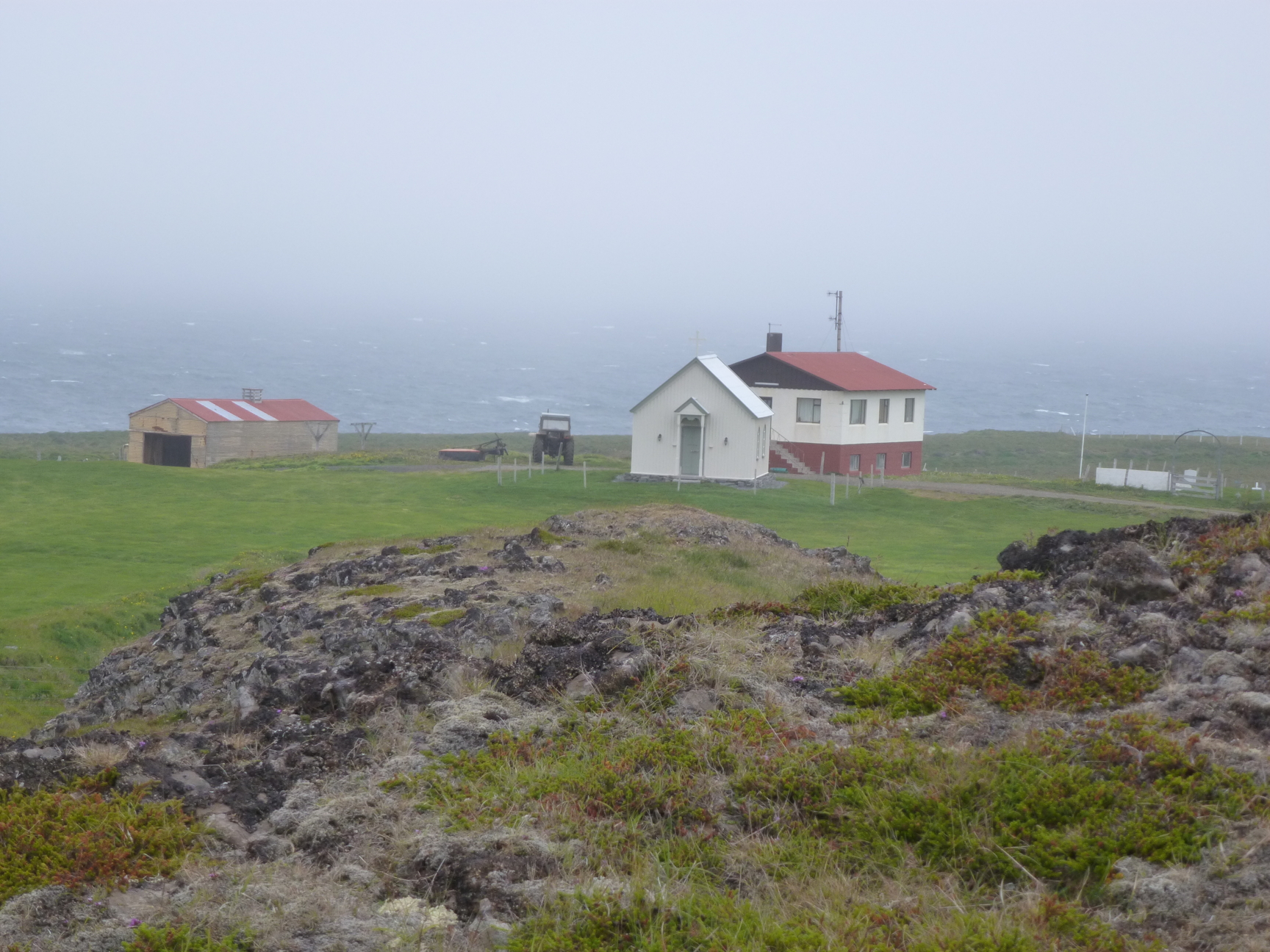
While searching for elves in North Iceland, I found this farm. It has a church and a manure spreader and a human house, so pretty well-equipped. Plus an elf house, of course.

Cold Rainy Day!

Here’s the elfin view of the, um, colonial improvements. A tractor and mower, too, as you can see, just south of the Arctic Circle. Brr.

It’s always this way. It’s not that there were elves here before humans. They came along in human heads, but they needed a place, and so houses (and churches) were allotted for them too, which means that the humans had to choose well. Here’s the view out over the human camp to the sea.

And look at the tumble of elves crowding up agains the road, unable to cross! Tut tut.

Humans are sweet. When you build a new house down by the water, in the wind, you put a graveyard in the old one, where your ancestors lived while alive. They can live on there, with their elf neighbours.

So, all in all, a good social relationship!

The True Inspiration for Icelandic Architecture, Promise

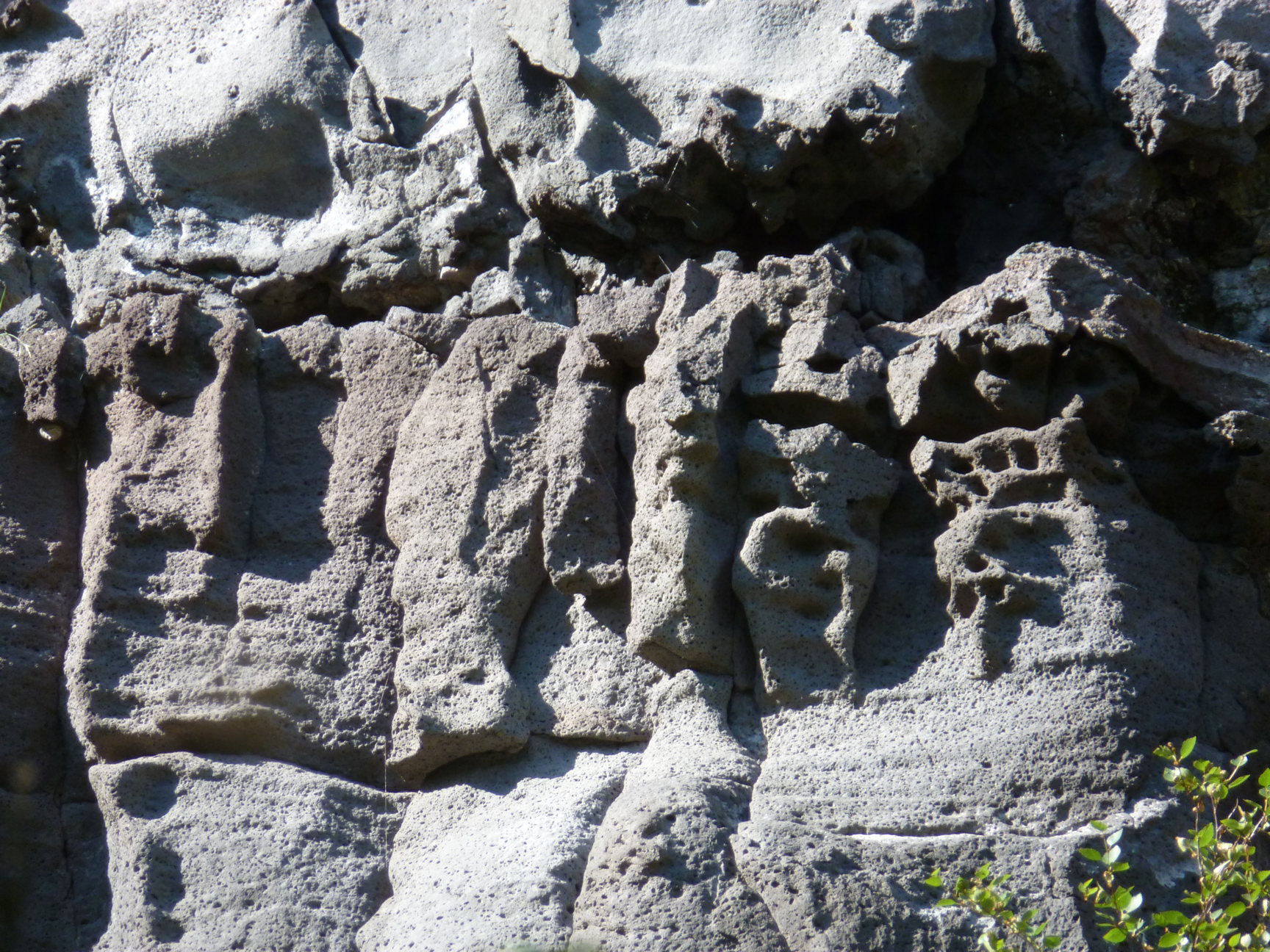
Here’s a turf house window in Iceland. You’ll still find a few here and there. Wonder where the idea came from?
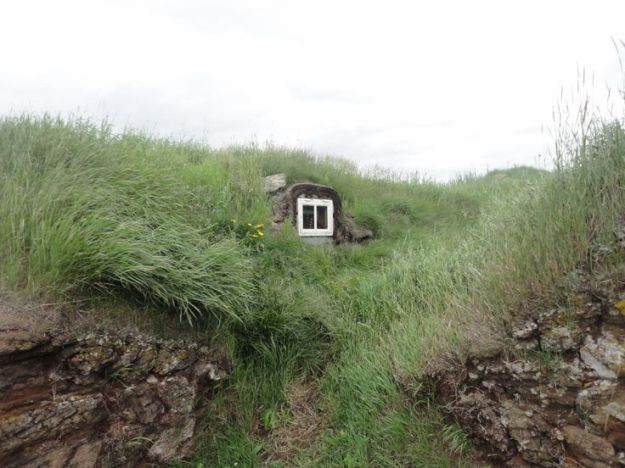
Wonder no longer.

Of course, that’s old architecture. The new stuff is, like, modern and all. Or maybe not. Here are some apartments in Reykjavik, and the elf stone in front of them, where no developer was allowed to build, because it was already occupied, and you don’t want to mess with magical rocks. Where did that idea come from?

From Snæfellsnes, that’s what. All that’s happened is that people finally got the upper hand and build houses taller than the magical rocks.
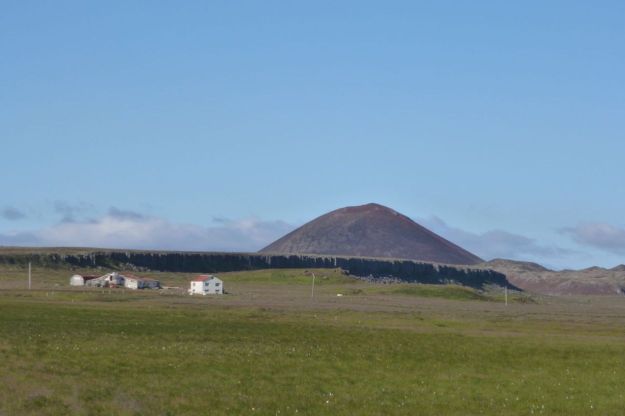
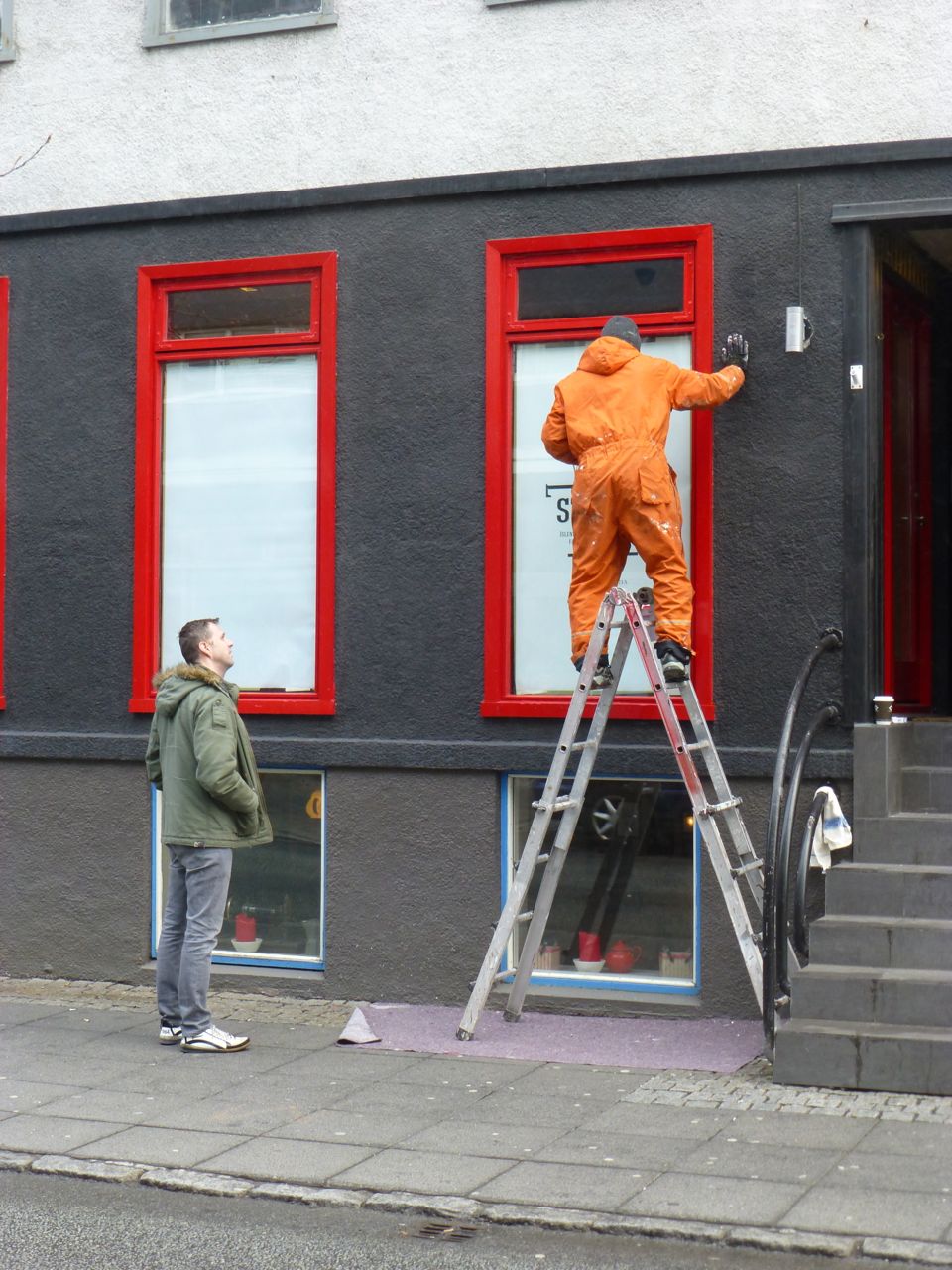
That’s simple enough, but what about finer architectural features, such as the red windows below on Laugavegur in Reykjavik. Tough one, eh?
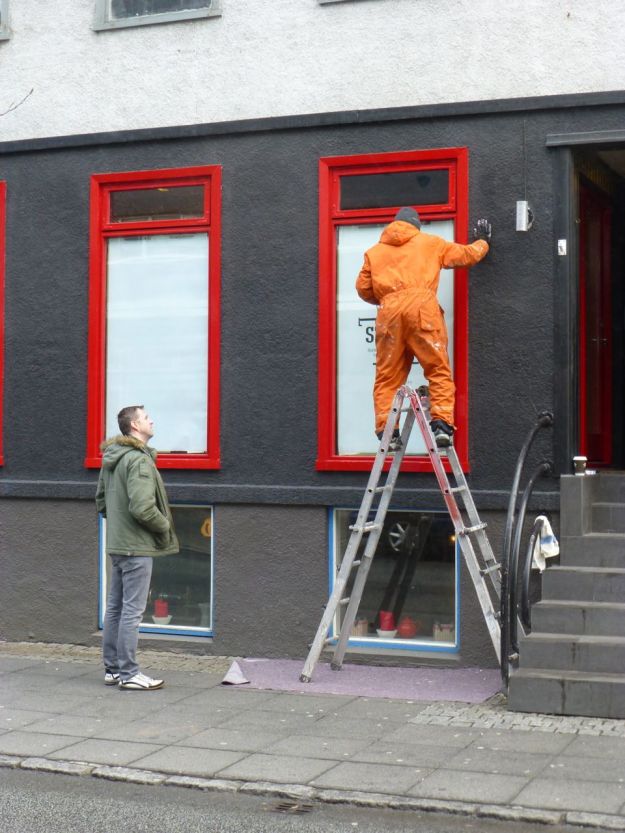
Not at all. We just need to go to the Fljotsdalur in the East and all is revealed.

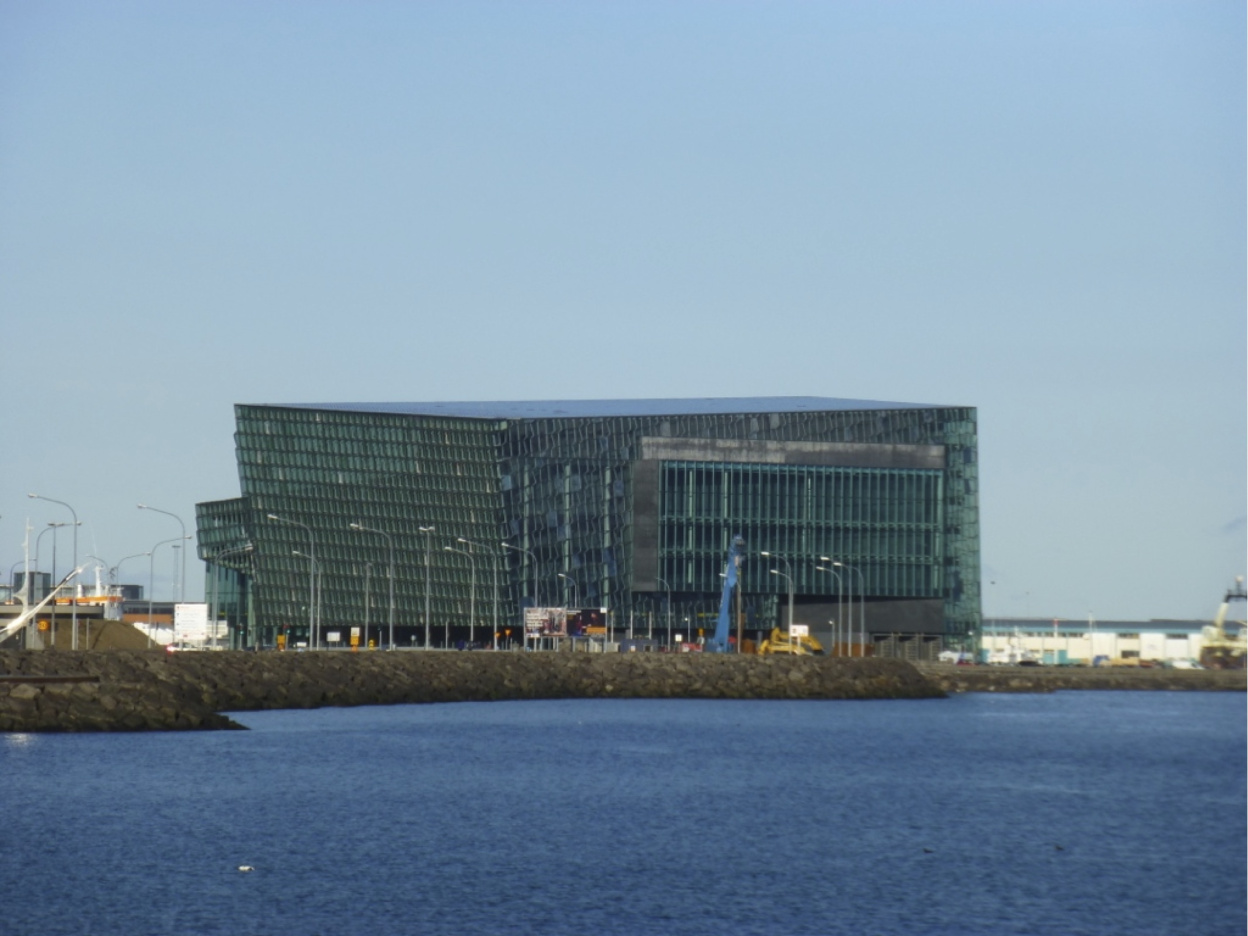
See, two red panels. Nice. Fine, but what about the really tough ones, like the Harpa concert hall?

Pshaw, nothing to it. I guess you didn’t go quite far enough out on Snæfellsnes. Here you go.
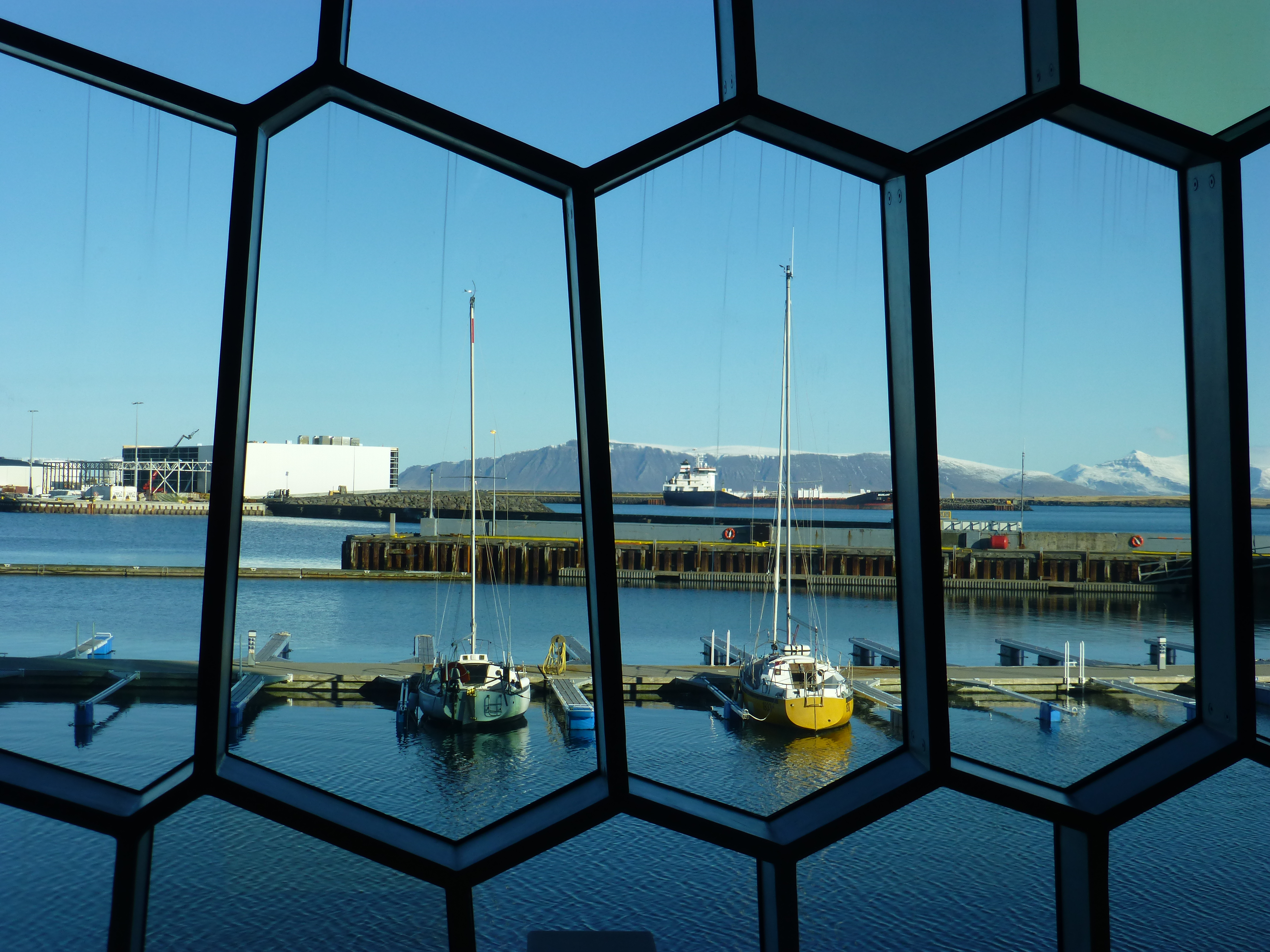
And the Harpa:

See? You can be in and out at the same time. That’s the ticket. Now, about the modern brutalism that graces the city…
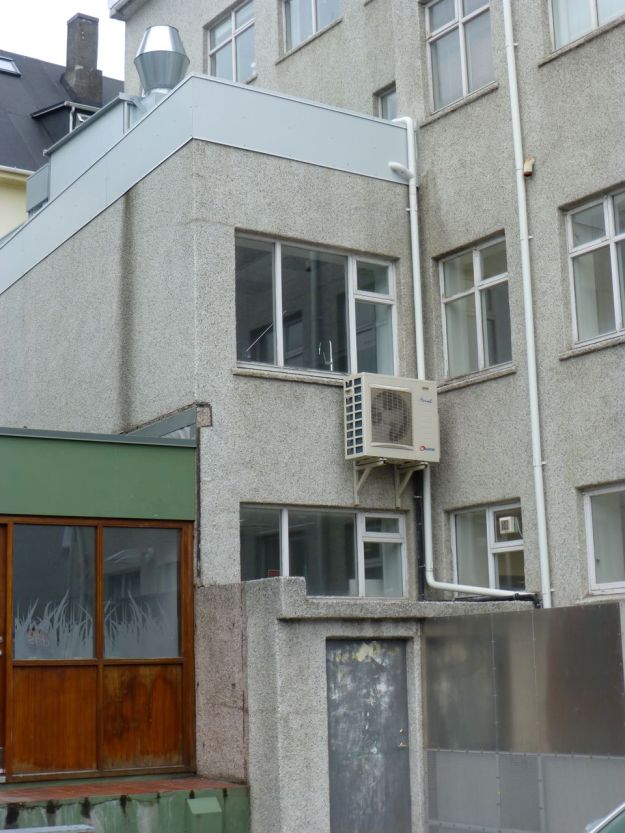
… well, not modern at all. You can see its model at Ásbyrgi, in the far North.
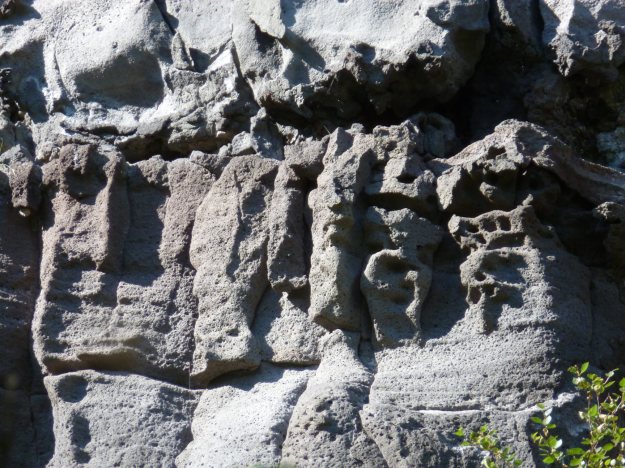
Oh, one more time. This time, note the air conditioner…

Nice, eh. Where, oh where, does that come from? Again, the far North.
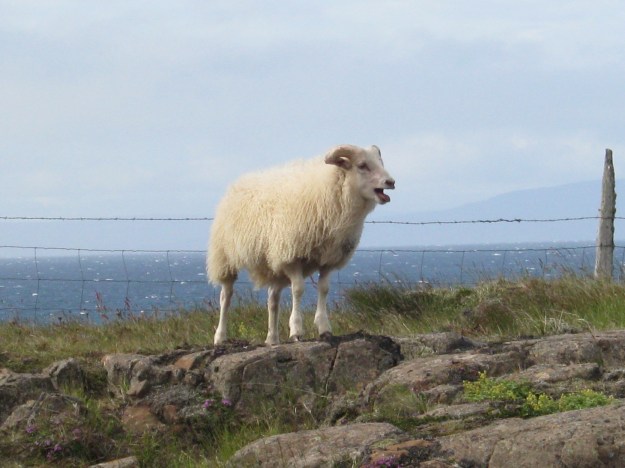
Well, just imagine the building as a flat rather than a height and you’ll see it. It is a crazy island, but if you hang around it long enough it will come into focus.
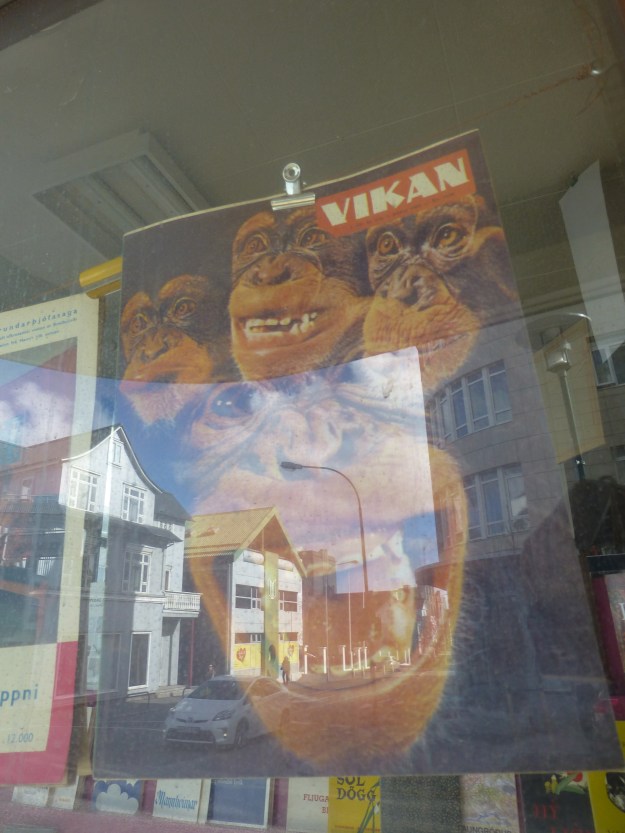
Book Laundry in Reykjavik

(Other countries launder money, but Icelanders have learned their lessons about messing with crazy stuff like that.)