One of the great things about trolls is that they have skulls for eyes, which are really other trolls.
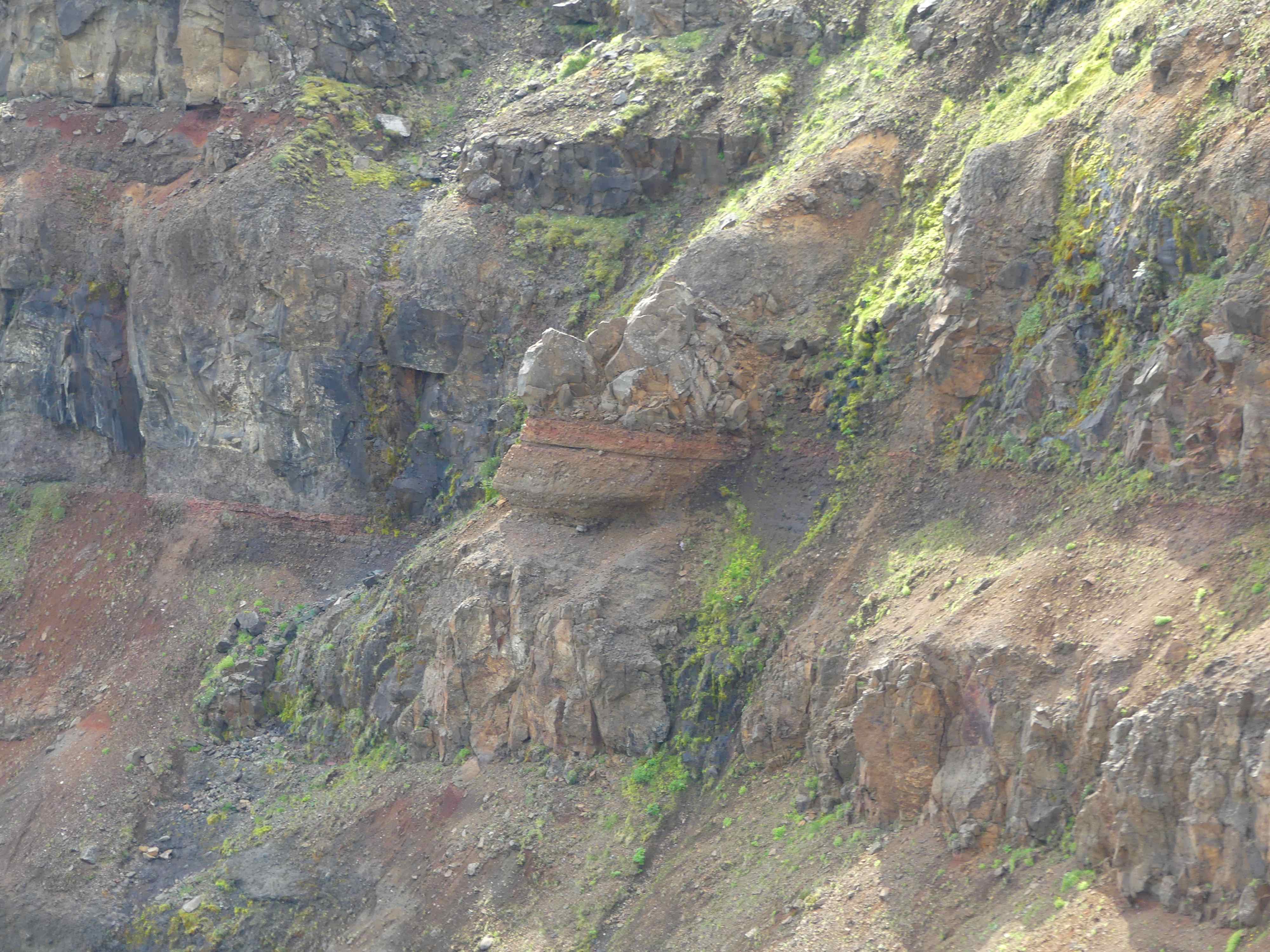
And there’s no rule that limits them to two eyes, either!

One of the great things about trolls is that they have skulls for eyes, which are really other trolls.
And there’s no rule that limits them to two eyes, either!
Go slow, don’t muss your hair, don’t touch, dominate by force of will alone (you have at least a thousand years to work it out), and, of course, don’t muss your hair.
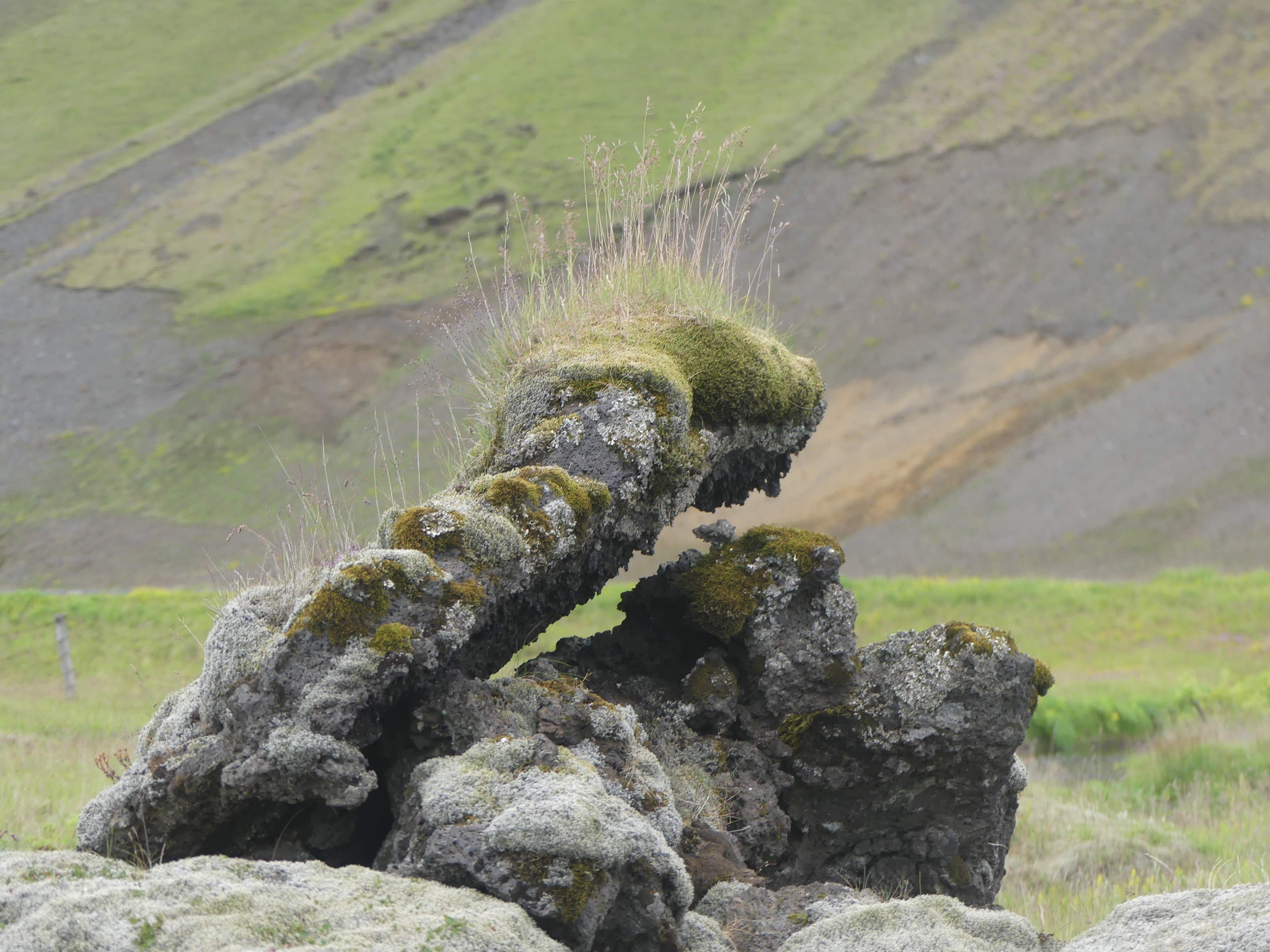
Looking good on the Brunahraun.
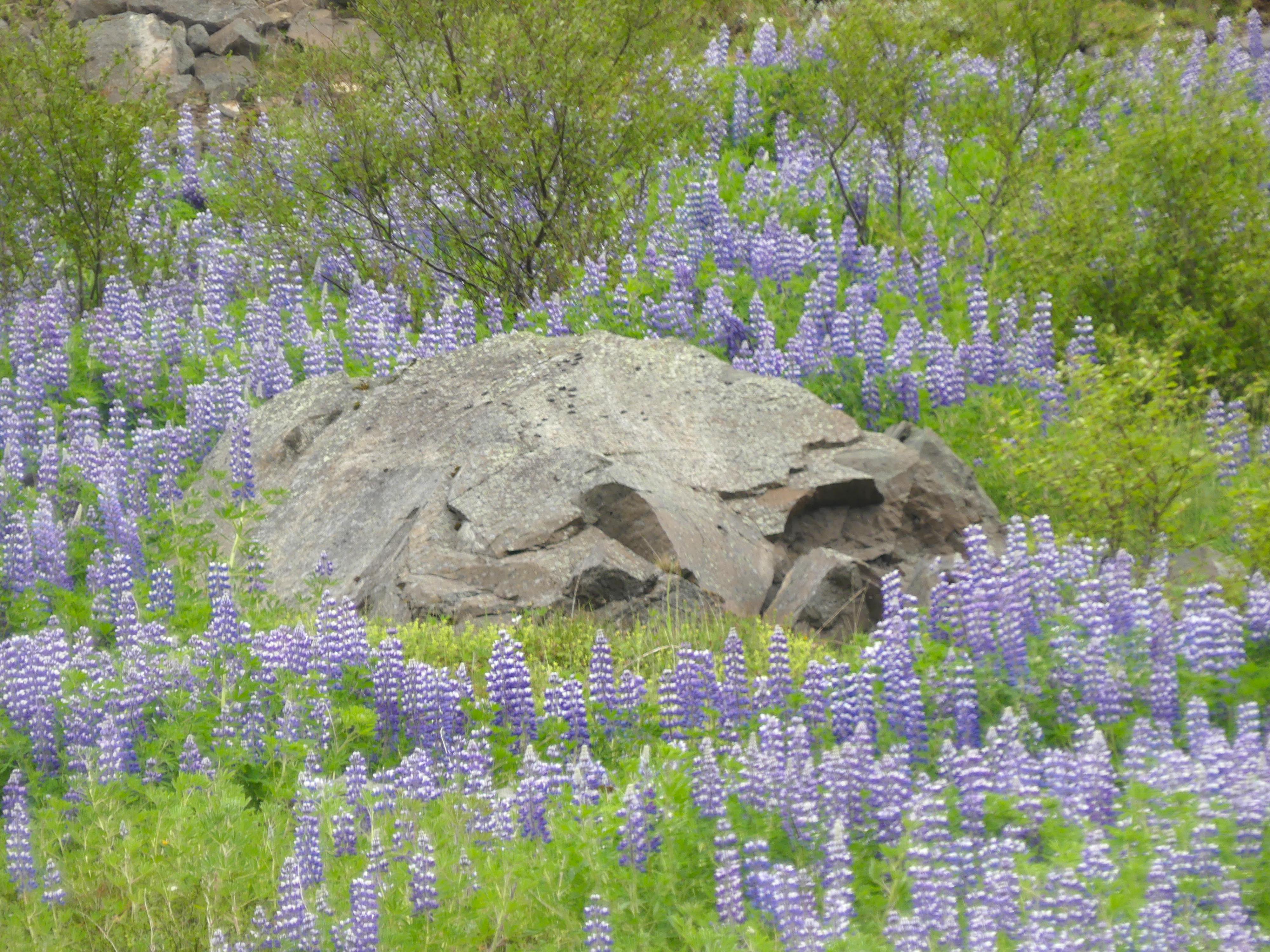
Icelanders started playing around with imported North American lupines a couple generations go, to try to stop erosion. The things do stop the land from blowing away, and they are mighty beautiful, for sure, but they’re also a bone of contention, as they change the colour palette of the landscape profoundly and reduce the number of species that can thrive. Nonetheless, it remains an uncertain tradeoff, with some people planting lupines and others tearing them out. One of the species that doesn’t mind is the Icelandic Troll. Here’s one who seems to be thriving among the beautiful weeds.
Strutágil
Behind the clouds. Of light, air, water and dust.

Skagafjörður
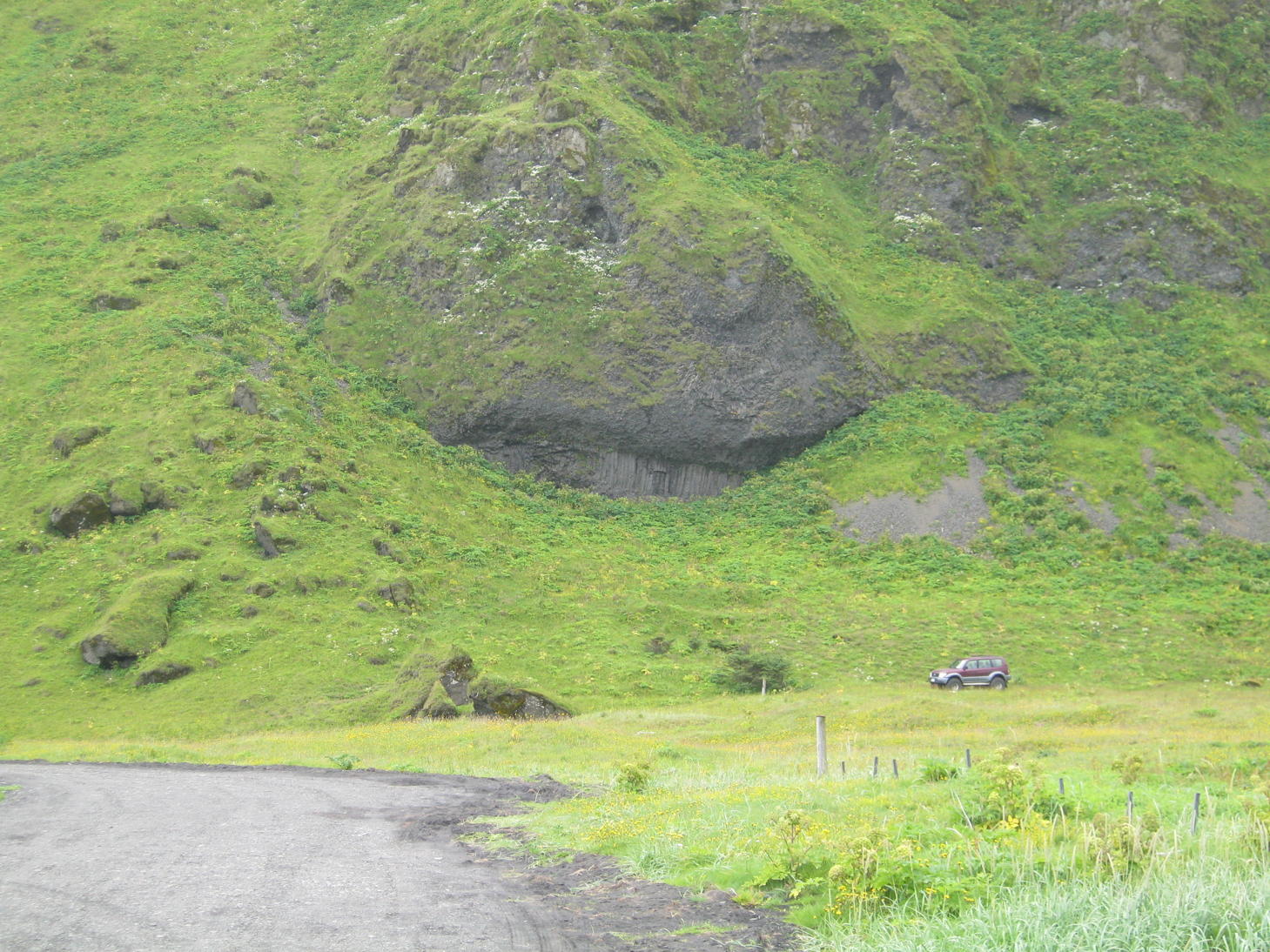
Sure, you might call it a 4×4, but, well, hey, whatever works, eh.
The trolls finance their lives by renting their kids out at the Keflavik Airport. And humans pay for the chance to babysit! Pretty clever trolls, don’t you think!
Move over, Egypt.
Iceland has a sphinx, too.
Birch copse, with path.
Shield volcano, with path.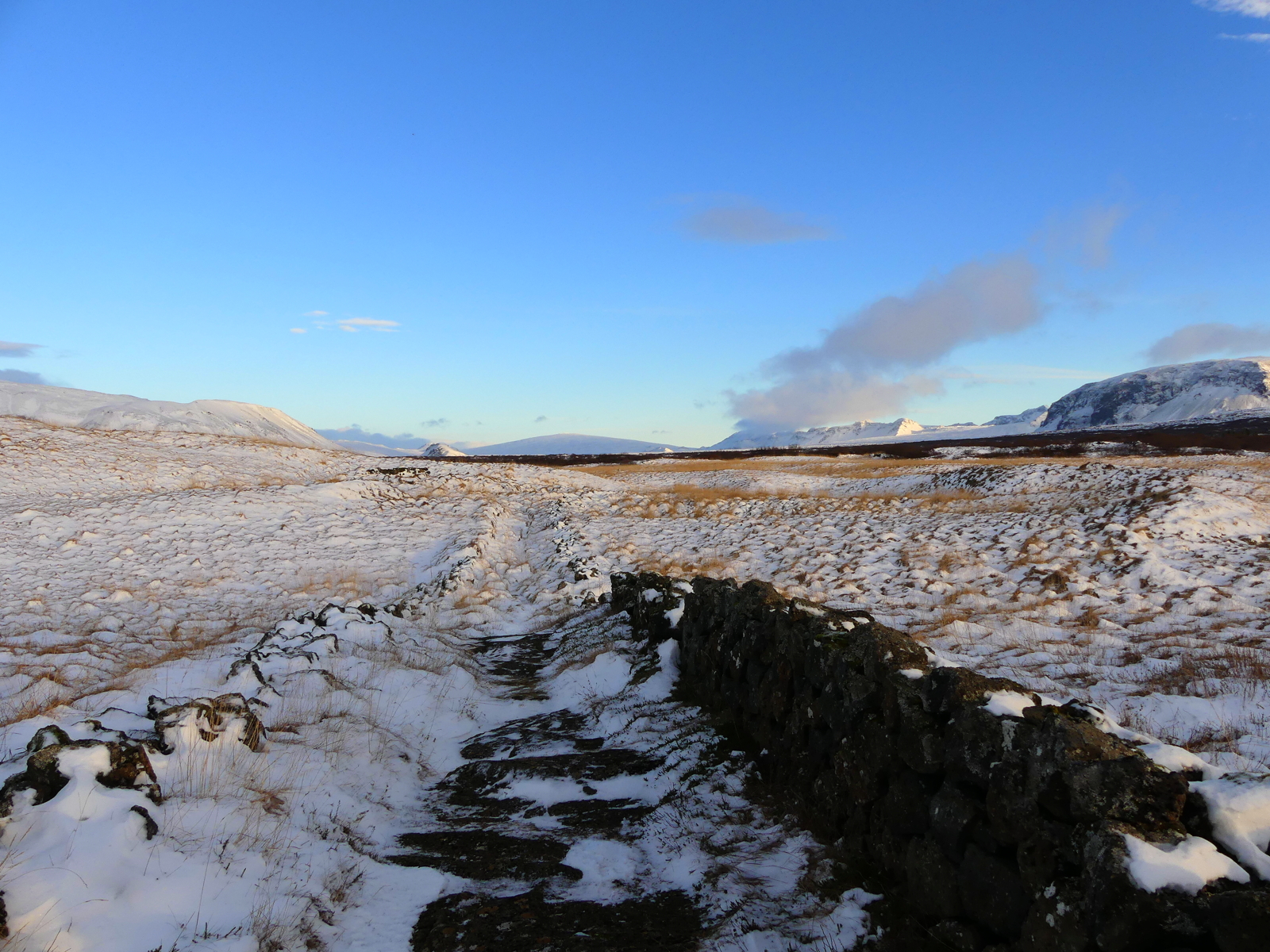 Skogarkot
Both are heads. Literally. The word remains in English as a cob, known in cobblestones (each has a round head) or a cape, which is also a headland, and that’s the Icelandic word: hæð, or head, or height. Remember that for the culture that settled this magical place, these really were heads. And so they remain.
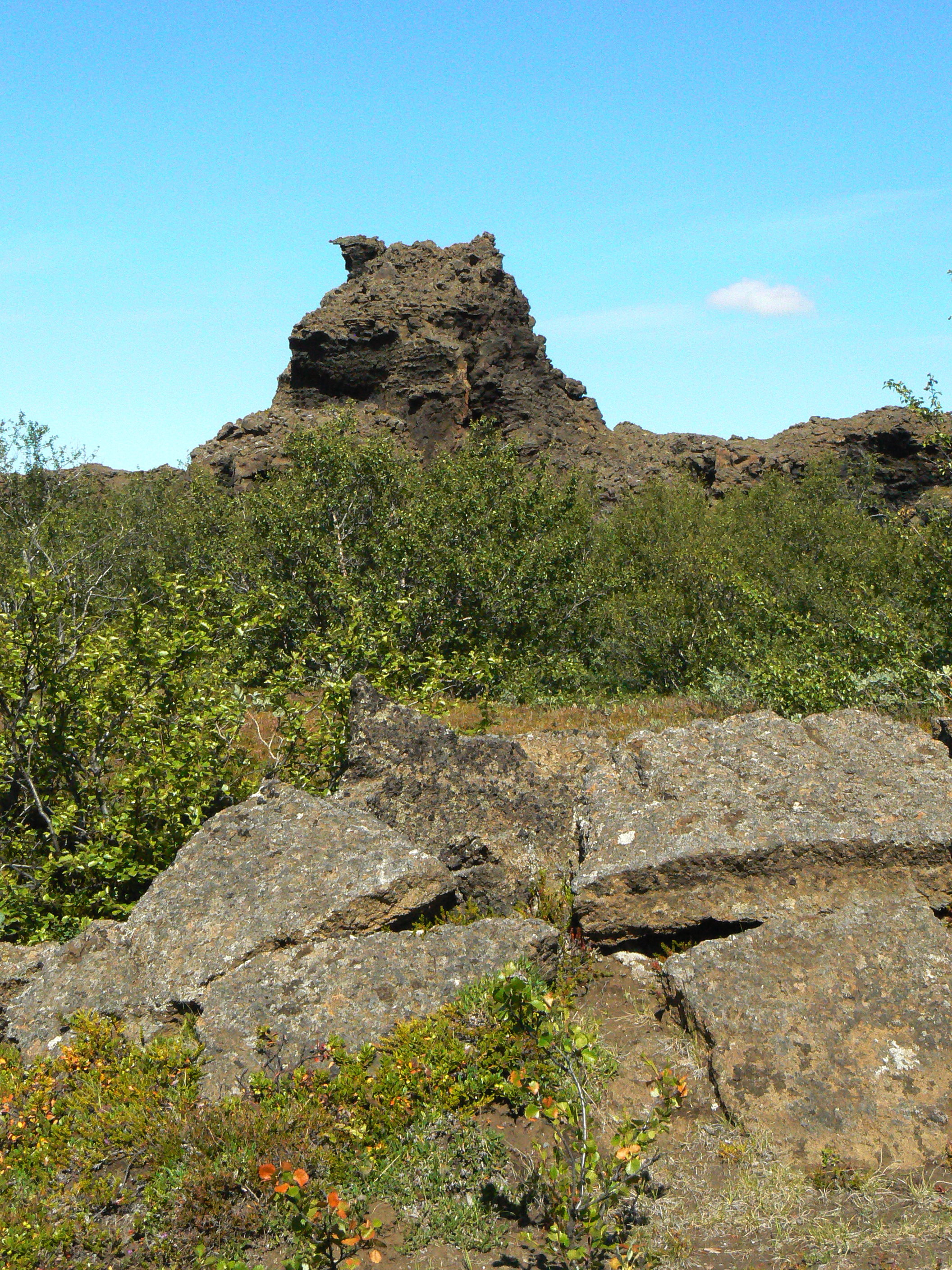
Troll, Just Hatched, at Dimmu Borgir
Iceland has pioneered the control of Jökulhlaups, catastrophic glacial outflow rivers, in Skaftafell National Park, by being familiar with the land enough to copy its models.
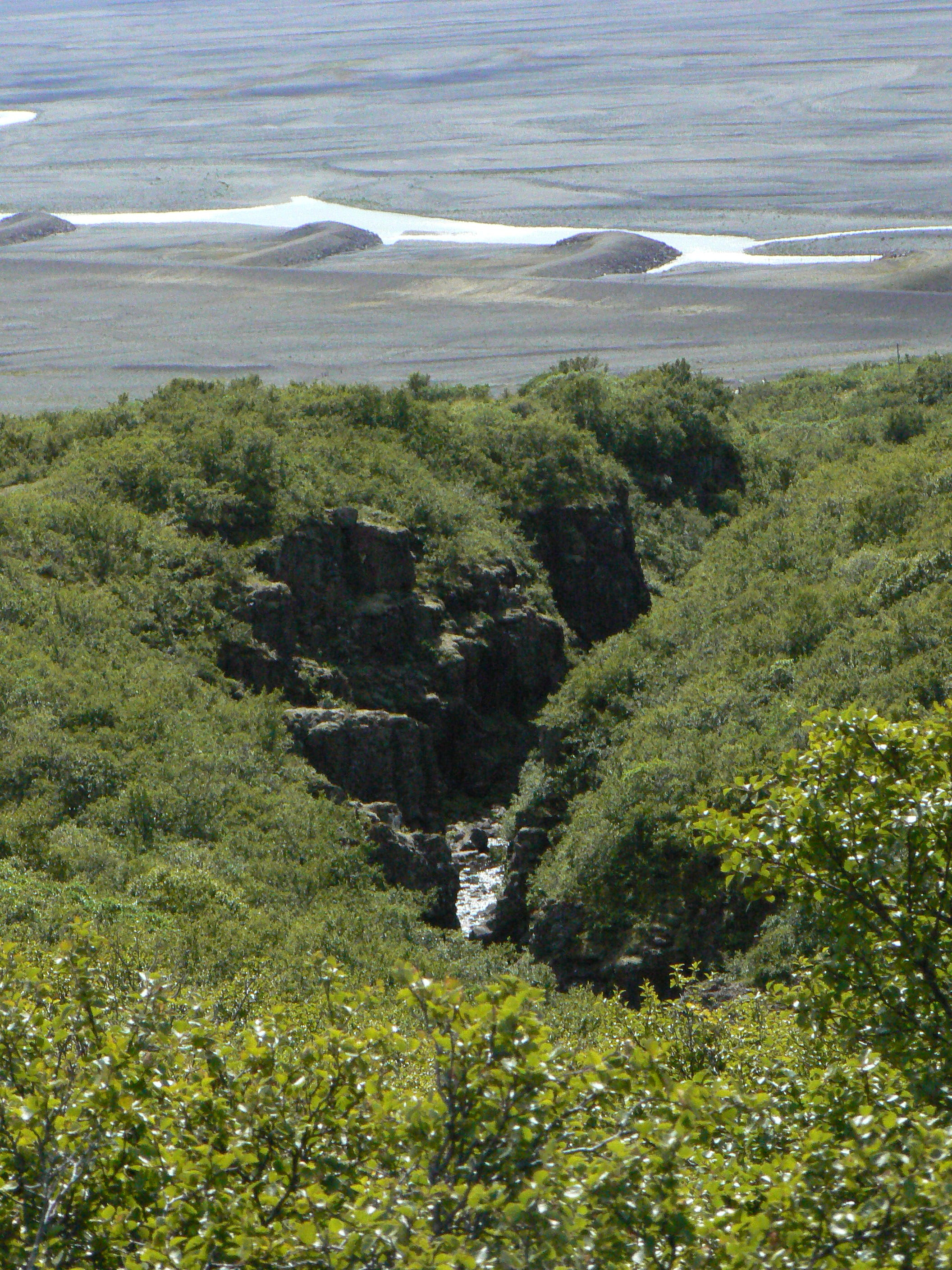
In addition to the deflective butts of rock redirecting Bæjargil as it streams down from Svartifoss, the Black Falls, there’s a troll in the stream bed. There usually is. That’s the spirit of the rock, just as the water-deflecting dikes are in the distance. What? Did someone tell you that trolls are mythological? No, they are us.
Out in the West Fjords, you can still find trolls caught in the act of being born.
And you can find Rauðasandur, the red sand beach (more like quicksand, beware), that is made out of troll stuff spread out flat as it wades out to sea.
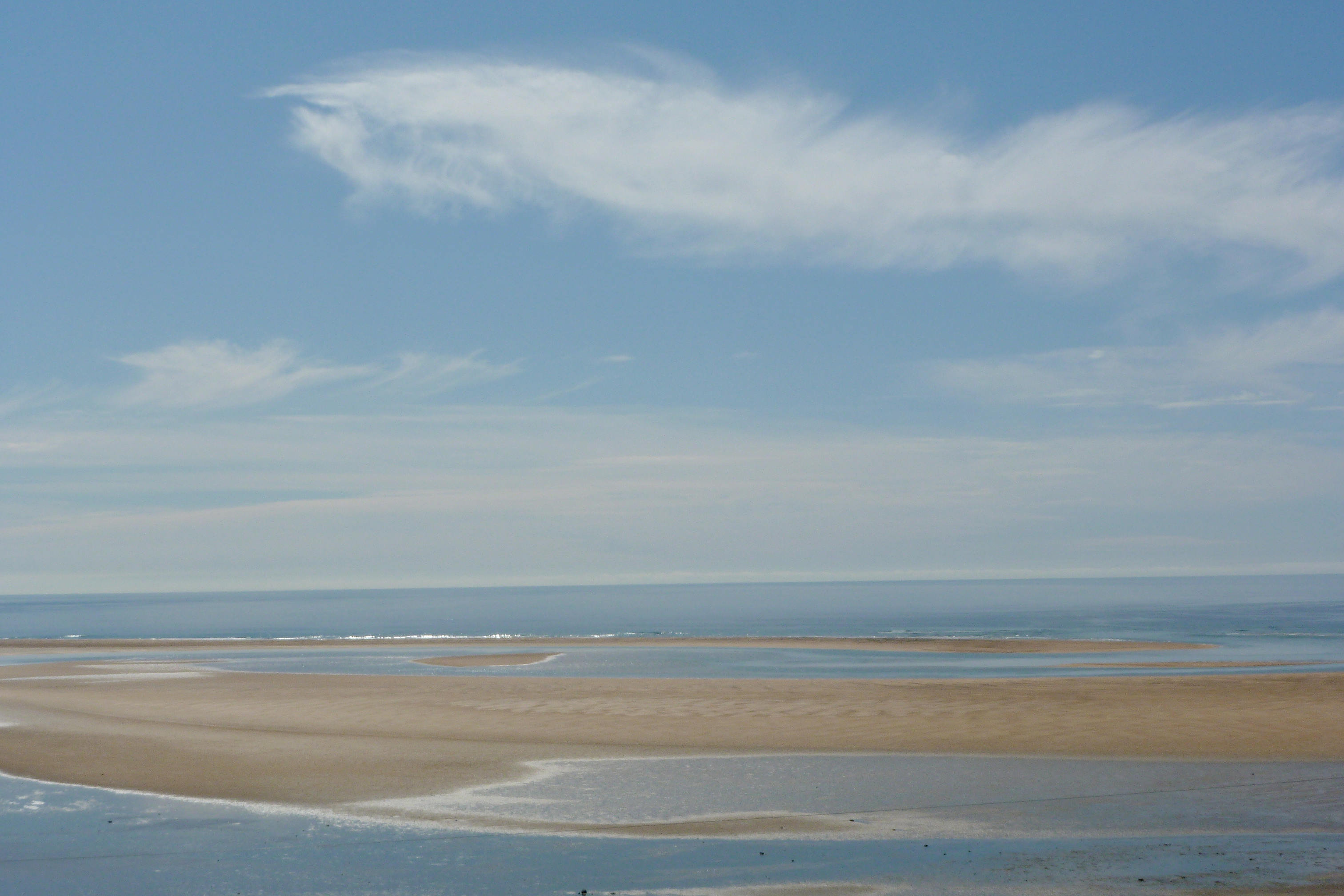
Iceland: where the fun never stops!
It’s a thing for the end of those early winter days. Never a lonely moment in Iceland!
Dyrhólaey
 A Farm in Iceland