…is light.
And colour.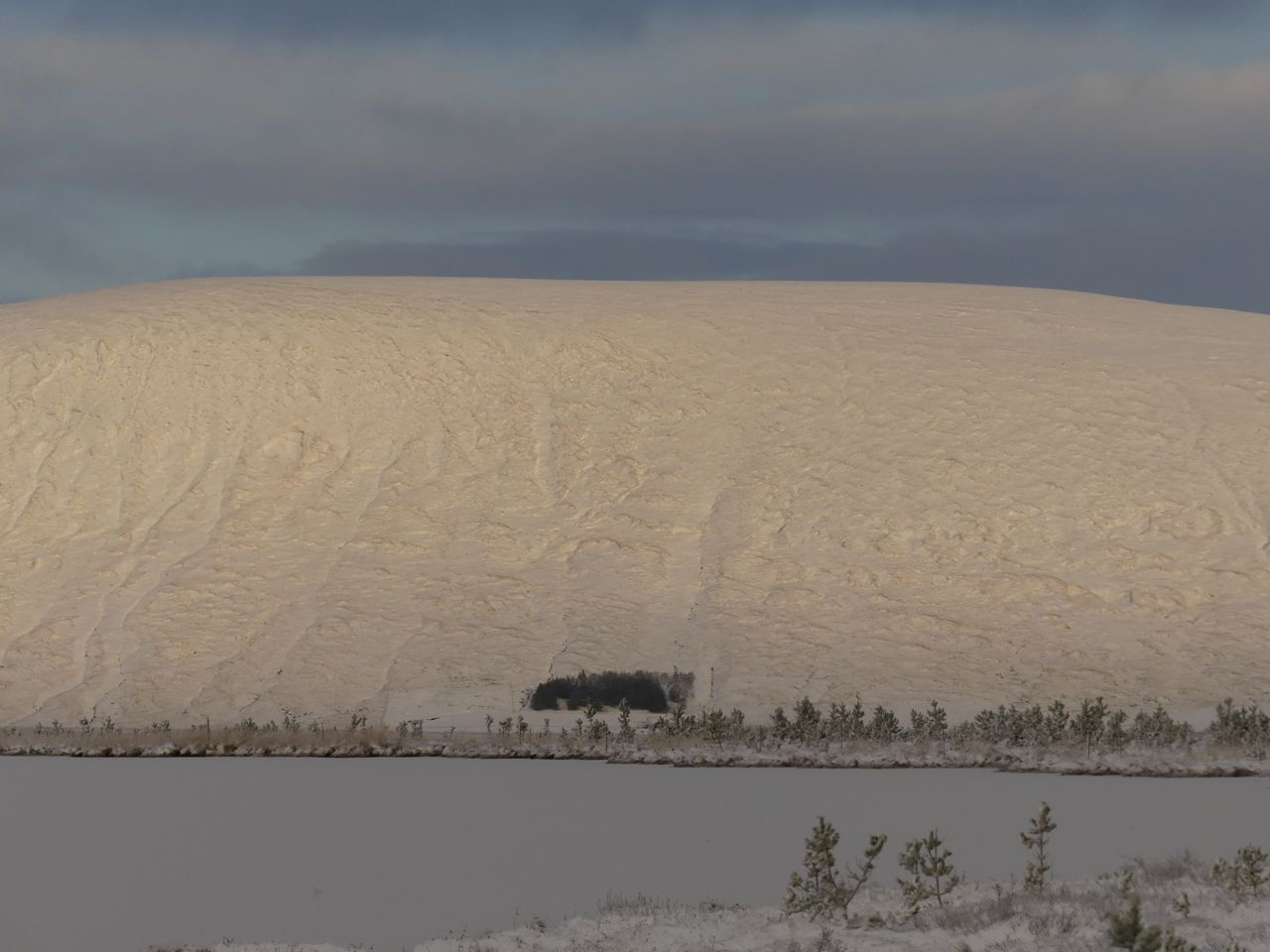
When the snow falls, then you can ask your questions.

…is light.
And colour.
When the snow falls, then you can ask your questions.

þingvellir National Park, Ísland
Forest Crown Height: 18 centimetres. November, 2016

Grundarfjörður Harbour
They drive right past.
The sun is bright inside the ancient ice of the glacial lagoon.
As the ice melts away, the sun inside is slowly revealed.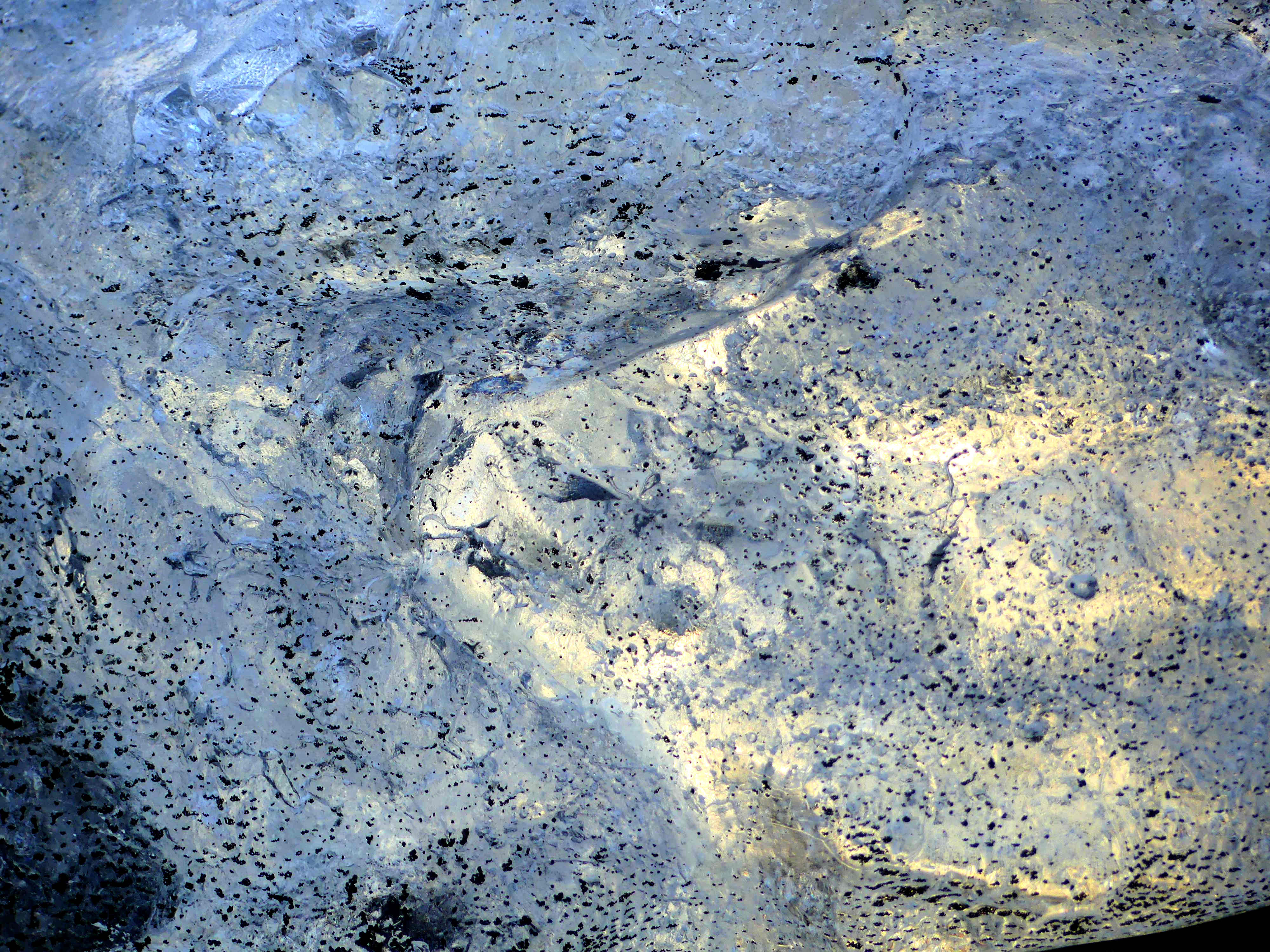
This is an artwork written with the stone the glaciers cut out of the mountains many centuries ago.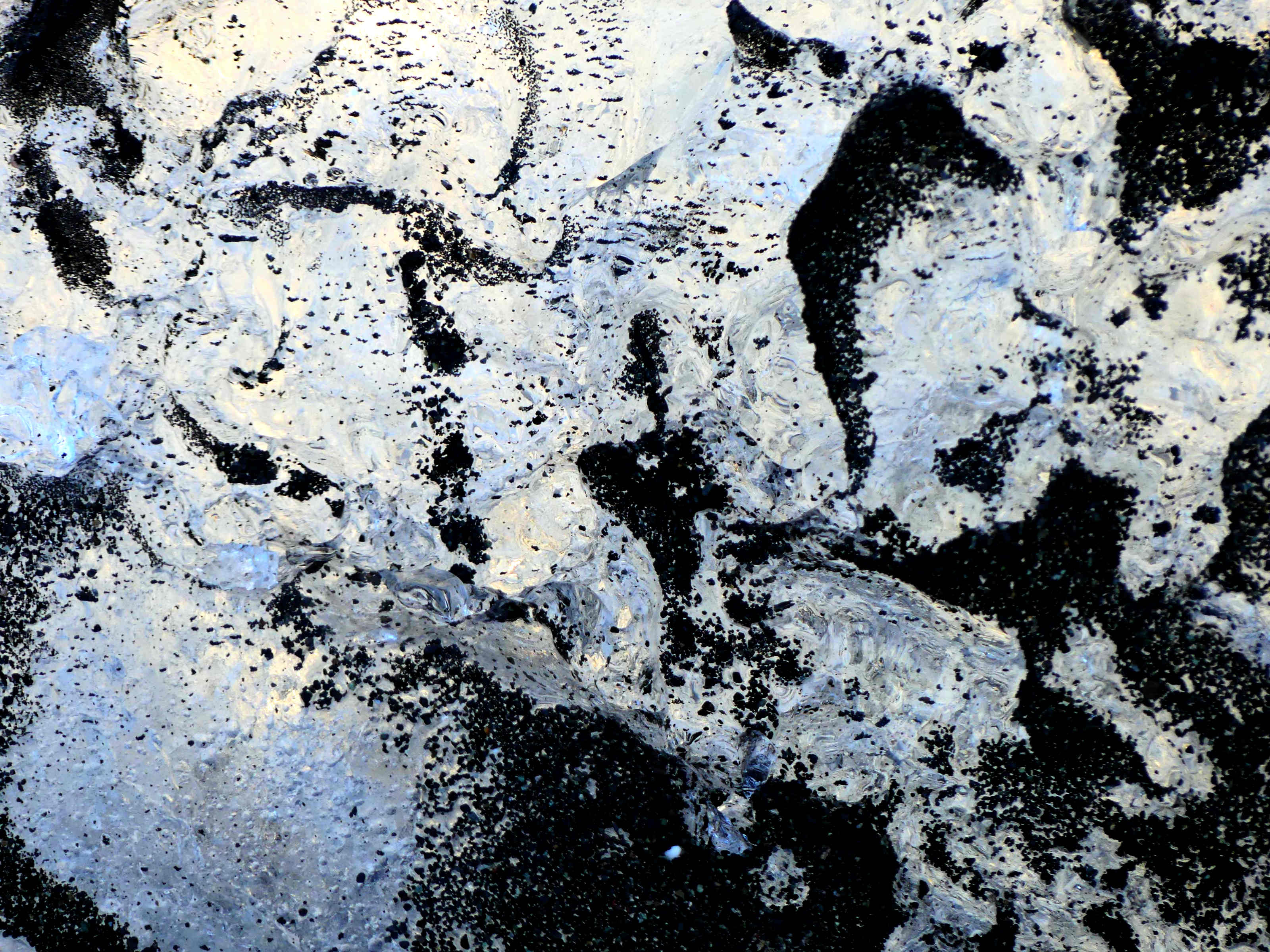
They have come together again, in beauty.
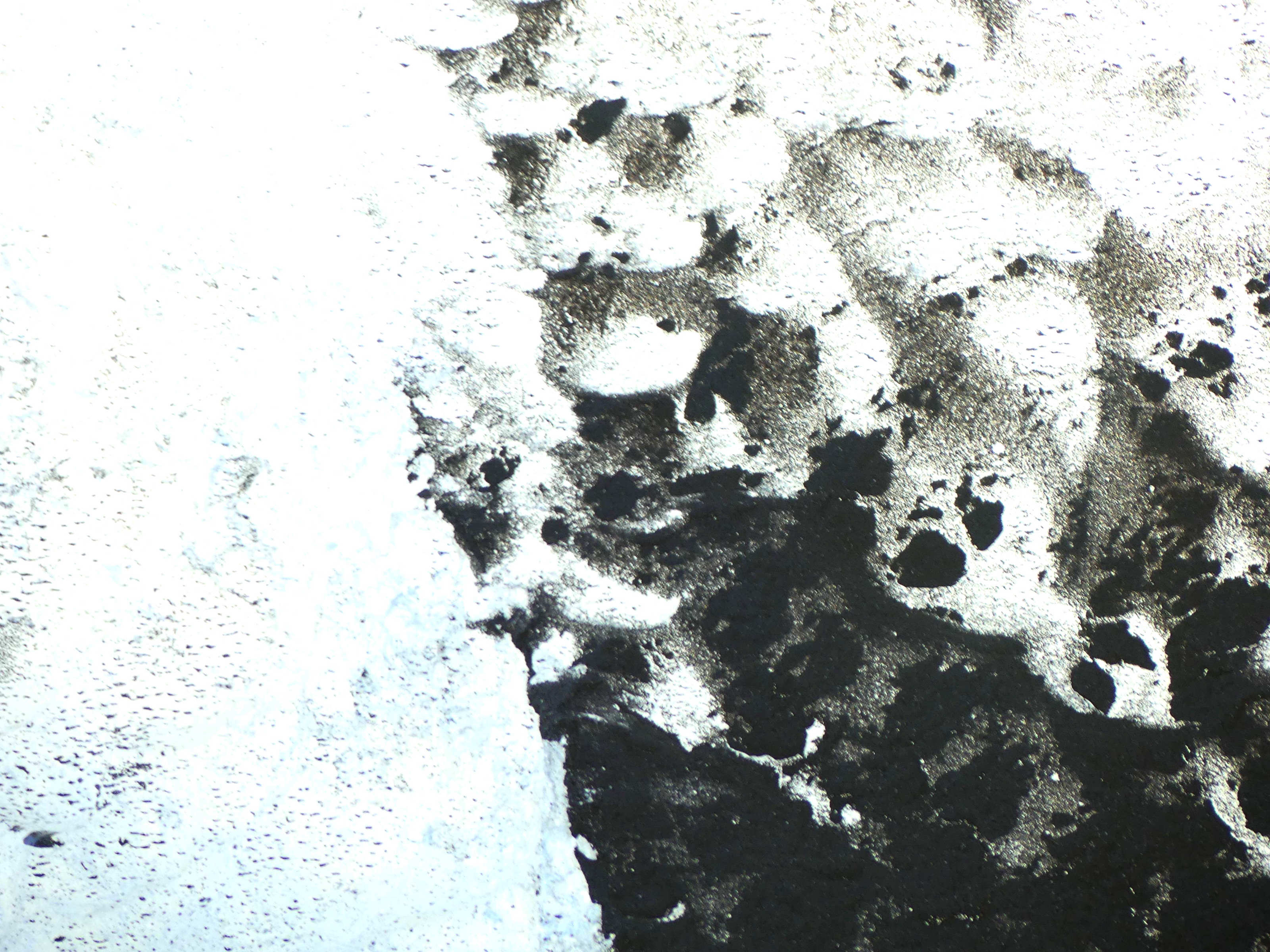
In mystery.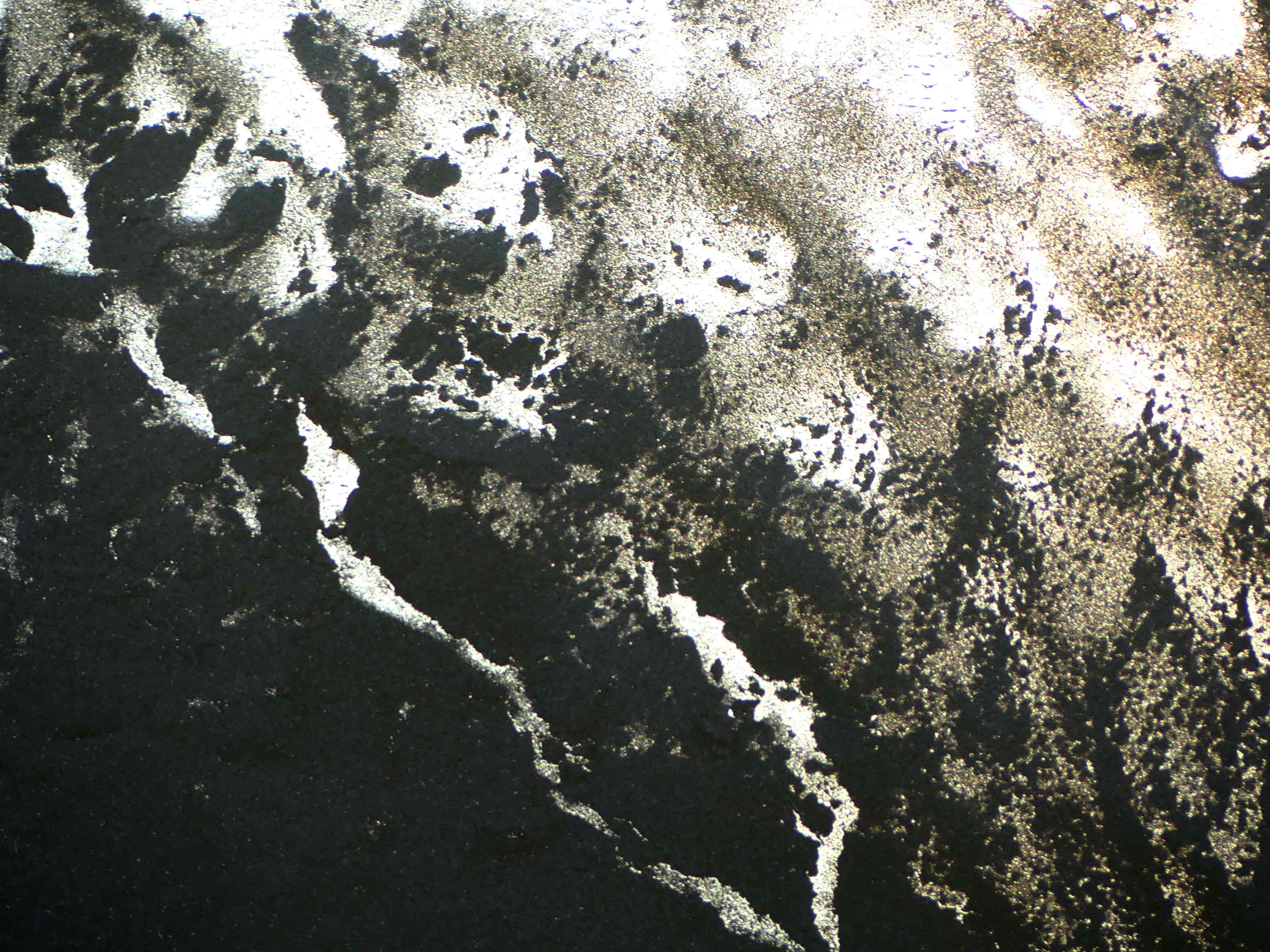
And in wonder.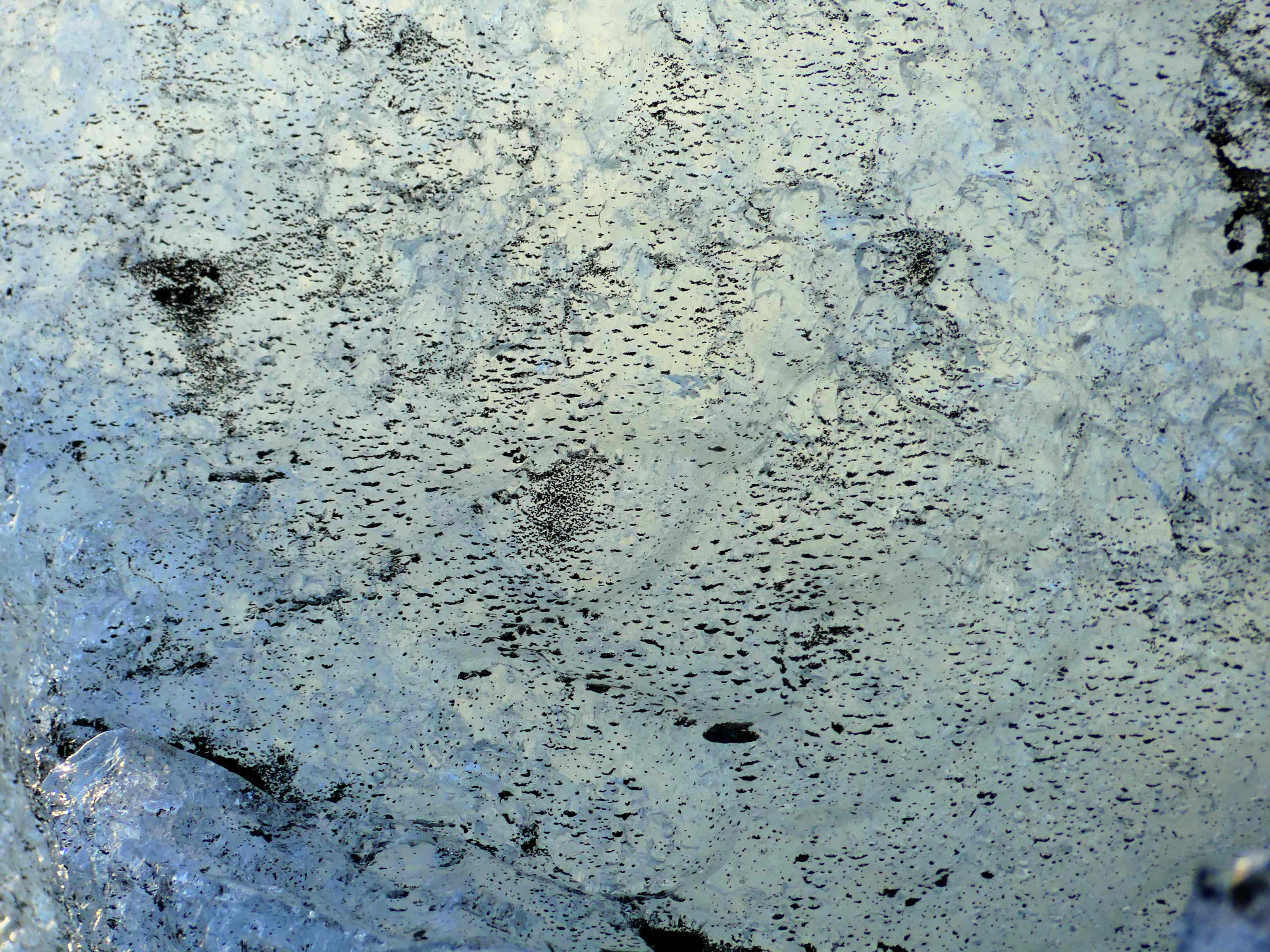
This is the glory of the world.
Its moods are 50,000 years in the making.

They are not human moods.
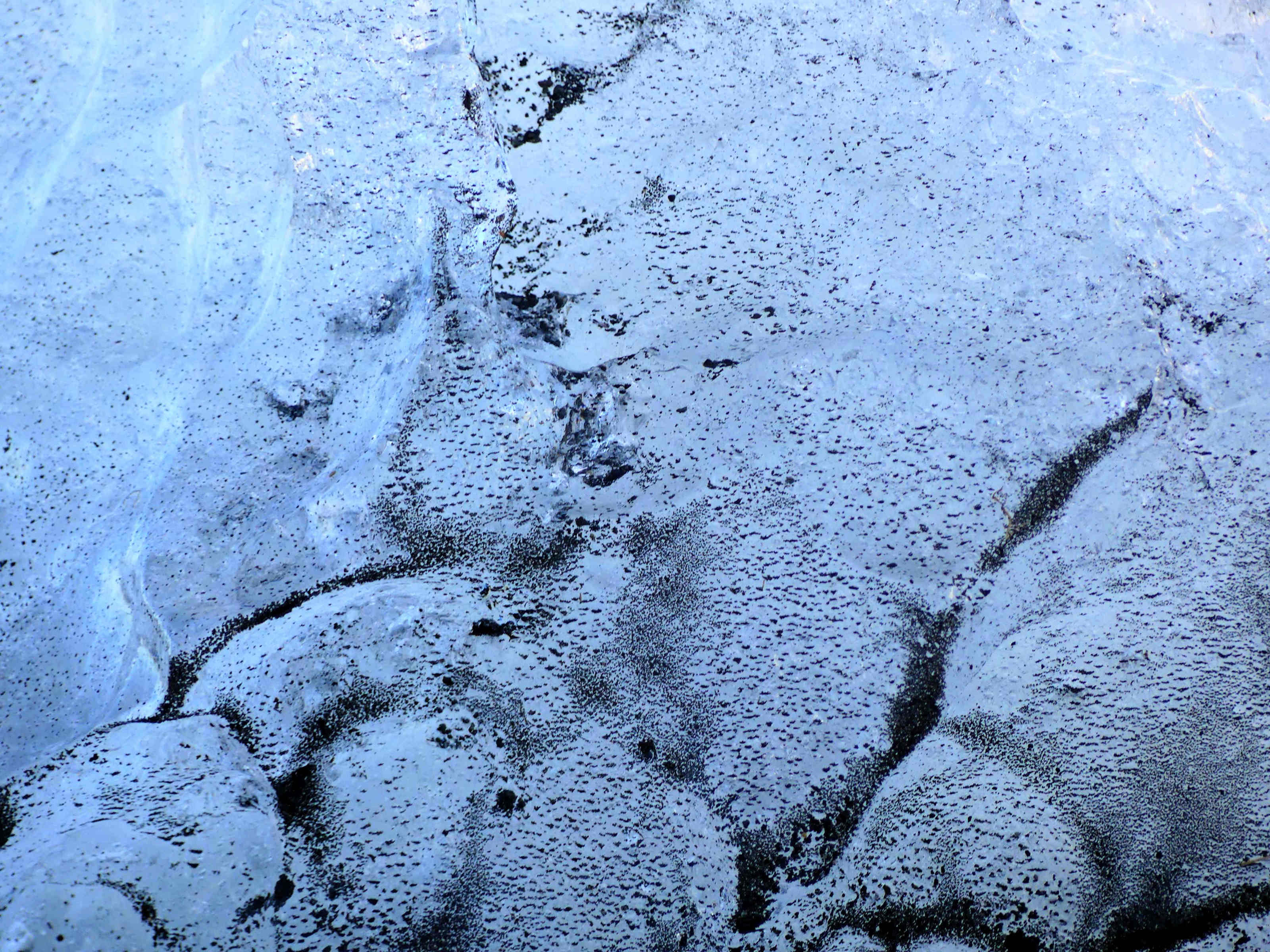
Even the darkness is light.
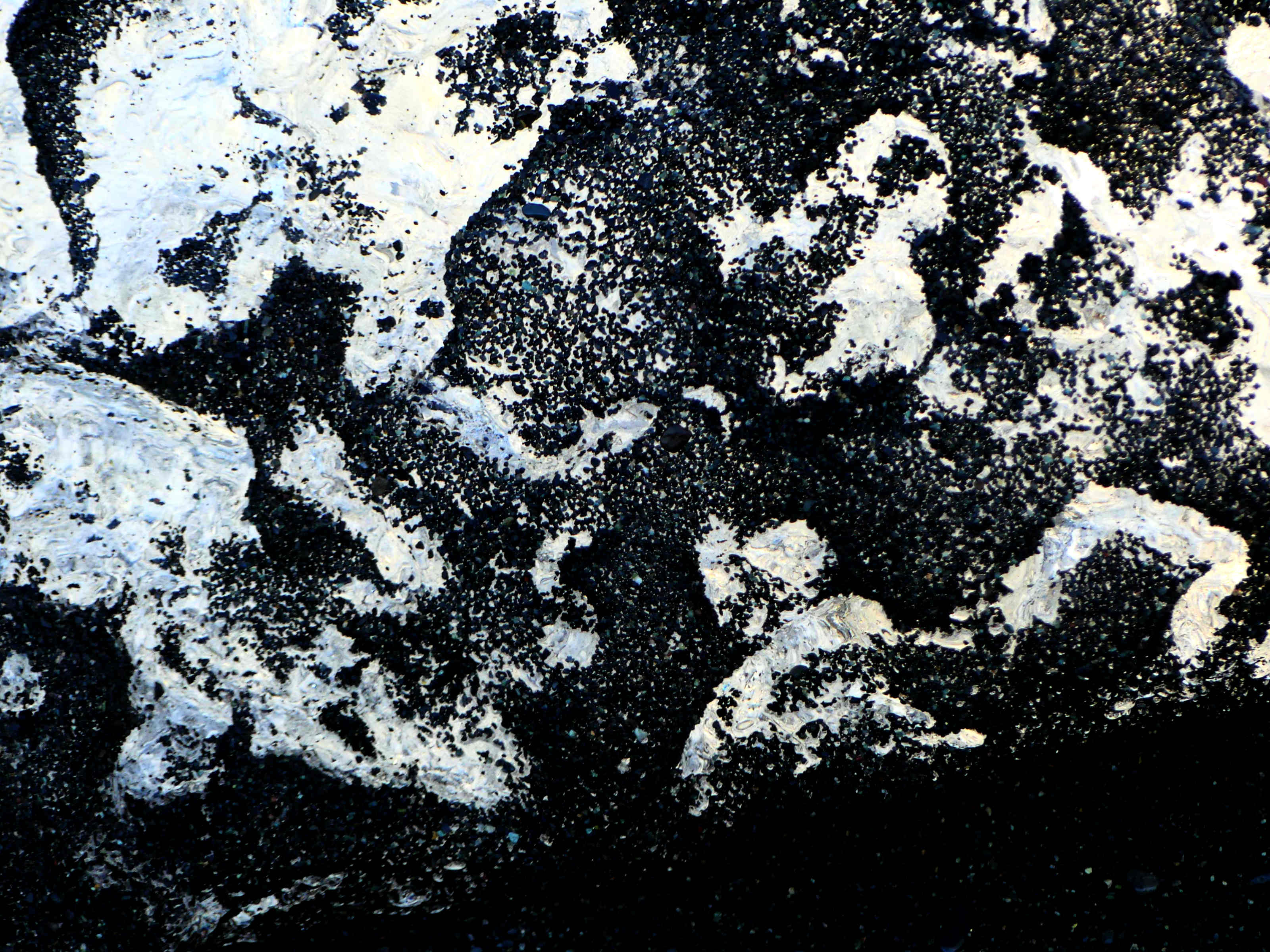
Even the light is darkness.
You can see by it.

You have only a few minutes.

Begin.
You might throw a shoe or break a fetlock.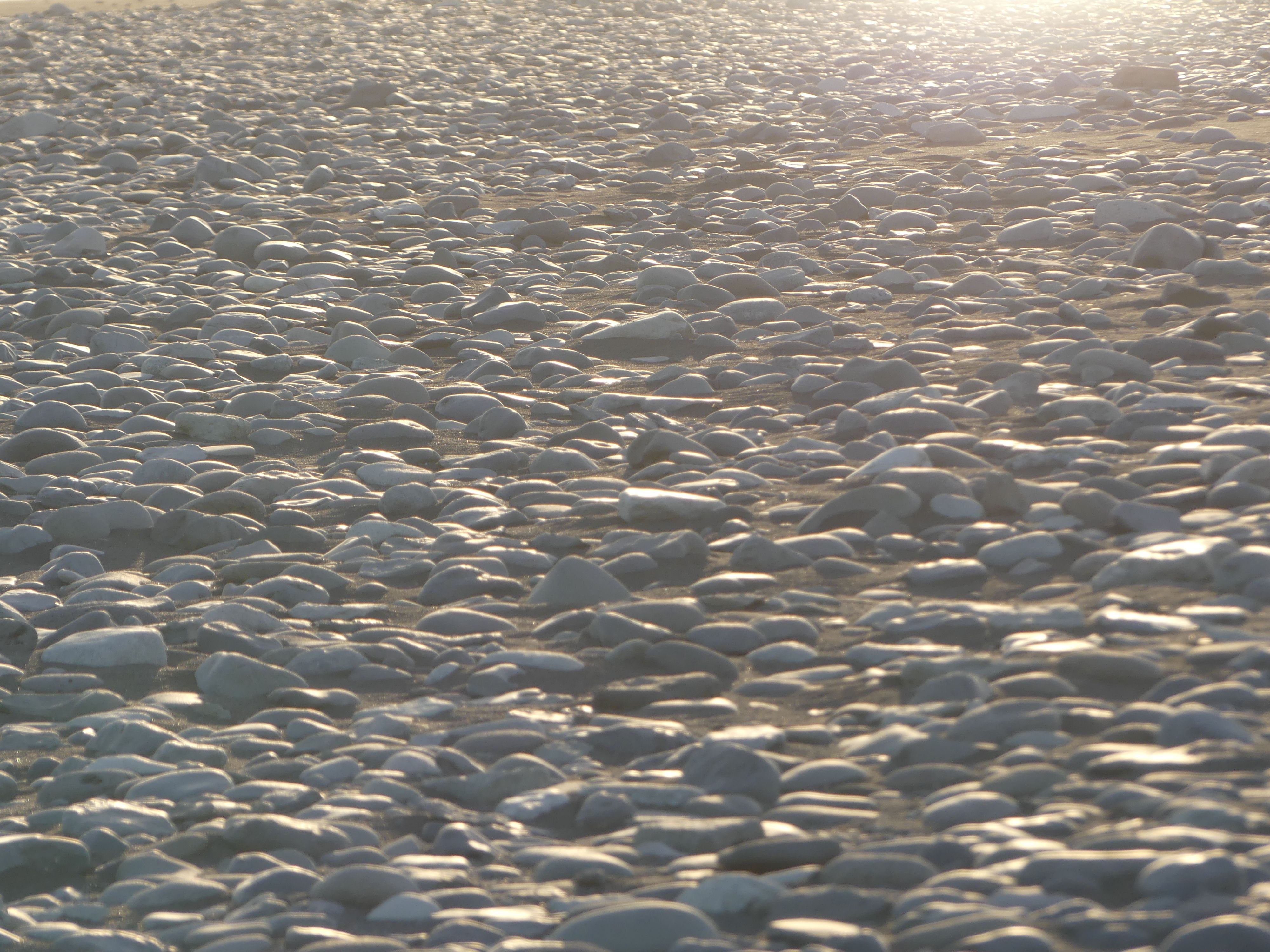
Jökulsárlón
Let the land be your guide. Where are you going to run to, anyway?
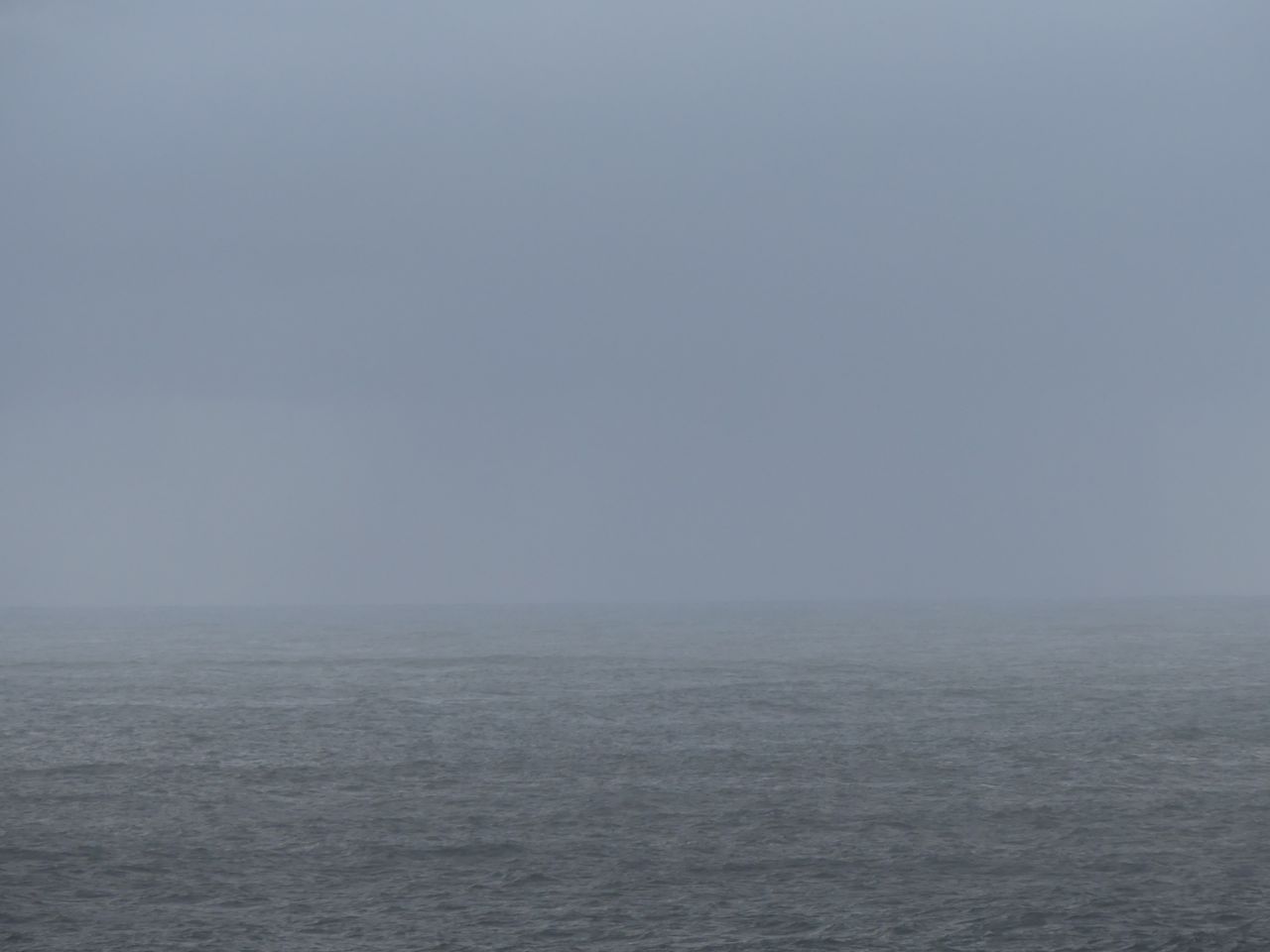 The Great Grey Sea
Gunnar went out there in 1928 to look for Atlantis.
Easy. Accept your brace now, human. Shh.
When the god Oðin plucked out an eye to receive all the wisdom in the world, he received two ravens: Thought and Memory.
Here they are in Kerlingardalur, thinking and remembering. What else is consciousness?
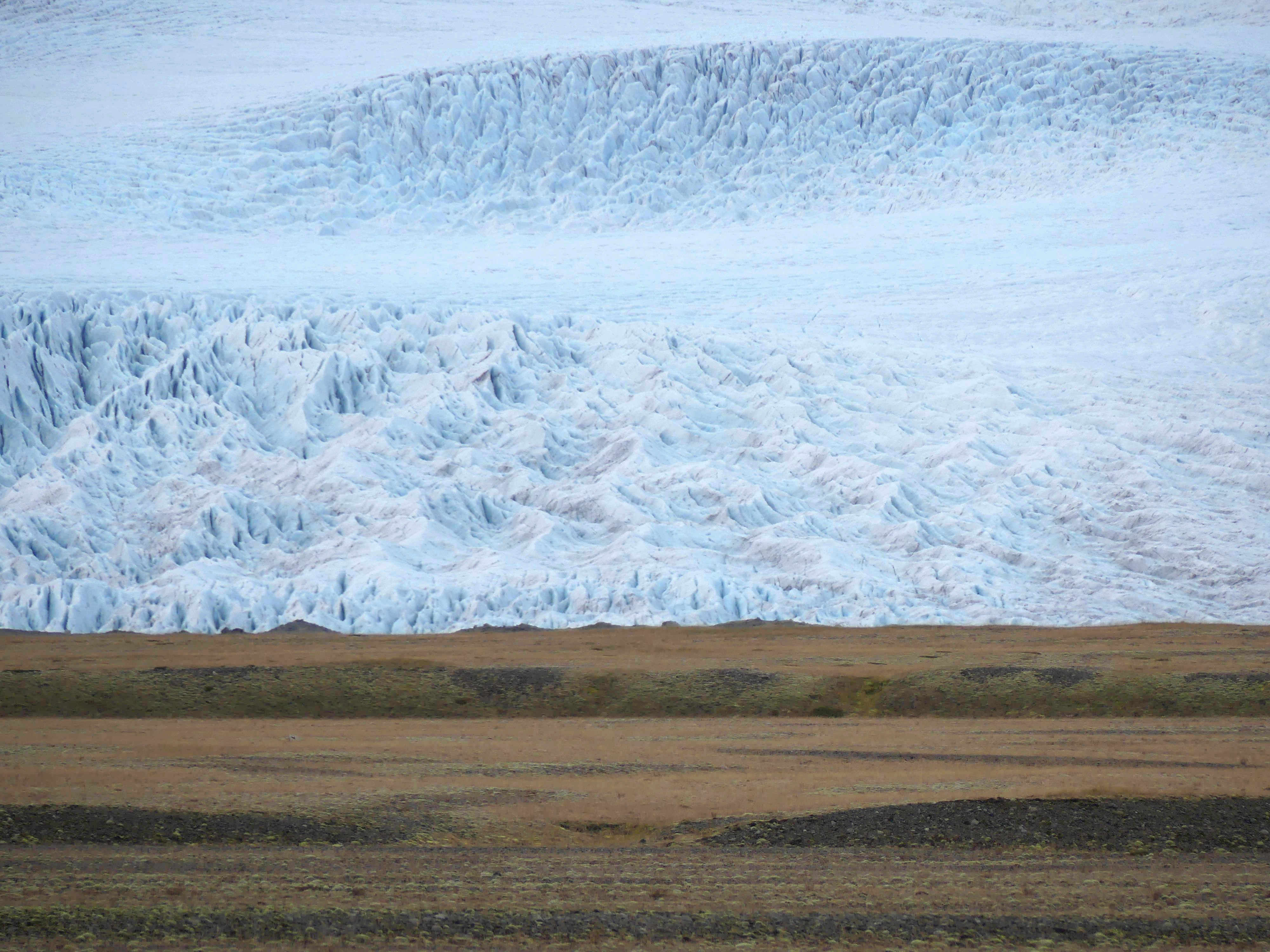 Skaftafellsjökull
Well, yes, ice, but that comes from beyond the world. That is unconsciousness. That is what you need thought and memory for, lest they have you.

That’s the way of the black road.
Note that he borrows Jacob’s Ladder, just like Gunnar did in Vikivaki.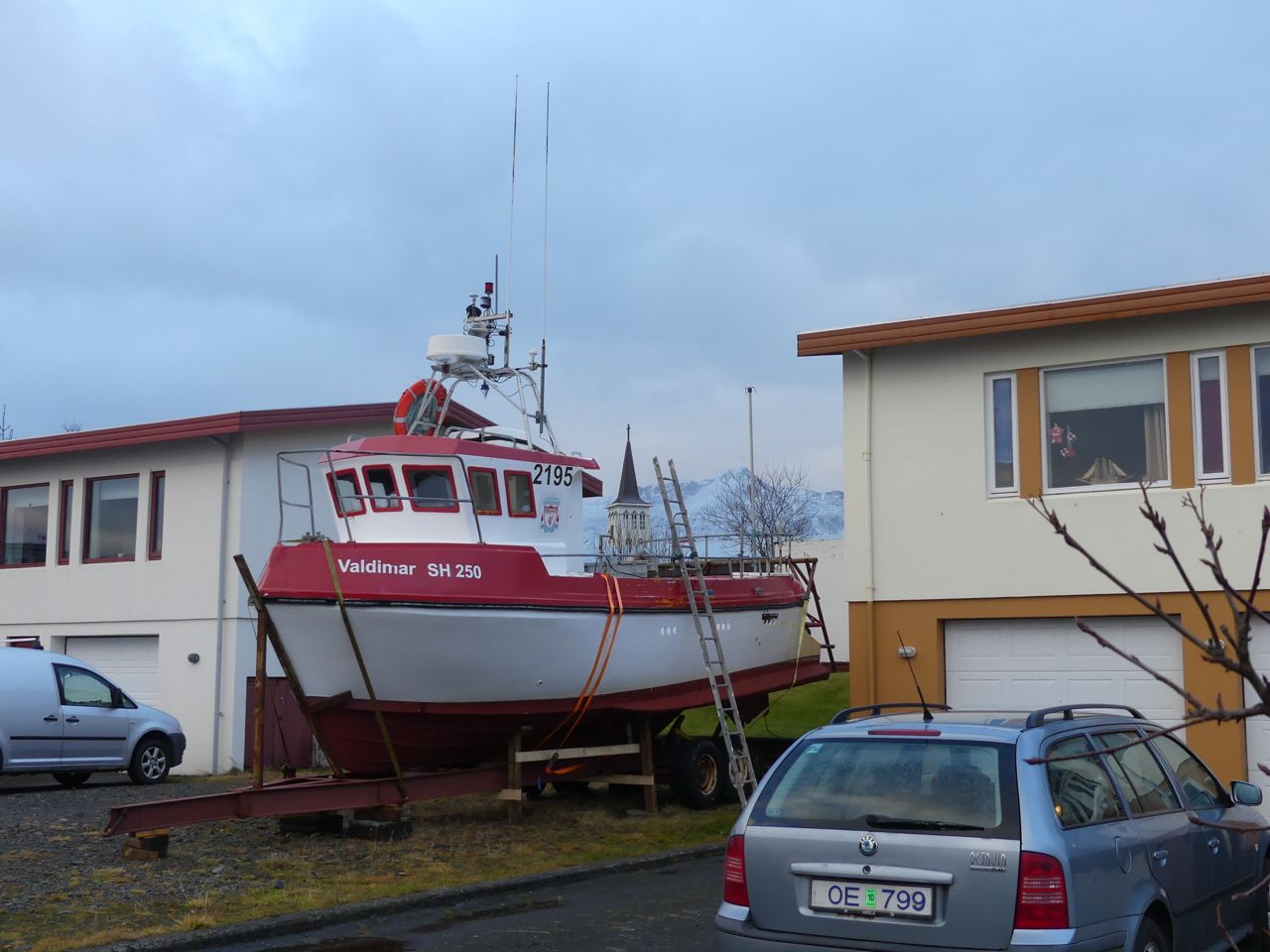
Grundarfjörður
Now Jacob went out from Beersheba and went toward Haran. So he came to a certain place and stayed there all night, because the sun had set. And he took one of the stones of that place and put it at his head, and he lay down in that place to sleep.Then he dreamed, and behold, a ladder was set up on the earth, and its top reached to heaven; and there the angels of God were ascending and descending on it….
Then Jacob awoke from his sleep and said, “Surely the Lord is in this place, and I did not know it.” And he was afraid and said, “How dreadful is this place! This is none other than the house of God, and this is the gate of heaven!” Genesis 28

At the end, you might have to jump. This is called “a leap of faith.” Good knot work to hold the ladder in place will make that easier for you.
Myvatnsveit, in Northern Iceland is a place where you can get a view across great distance. It is a view (vita) across distance. You see (vita) it and you know it (veit.) What a sight!
In the modern world, an English speaker, trained (as we all are) in Enlightenment philosophy, would likely say “I see”, “I got a good view at last,” or “I could see a long way.” It’s the same in modern Icelandic, because Icelanders are all trained in Enlightenment philosophy, too, but the old sense in Icelandic (and English) is different. The view is there. The possibility of sight is there. We enter it, and then the sight has a centre. It is a point of movement, which we calling “walking”. We see out of it, to where we are, which is in the middle of a veit.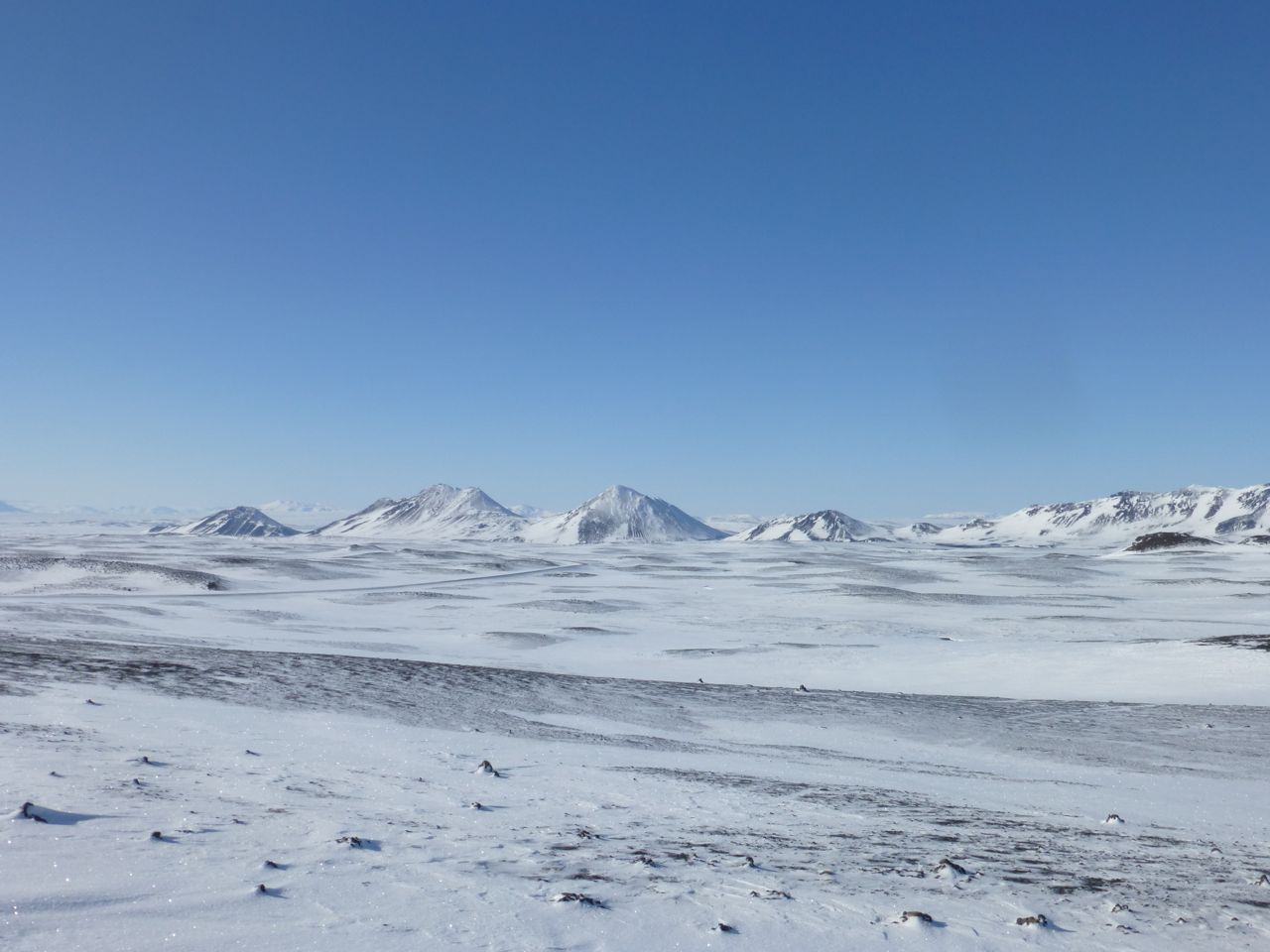
We even have a term for this in English: “I’m in the middle of nowhere.” That’s an alternate way of looking at a veit; it’s a waste, or a wasteland — a place that is not home. You’d better start walking, if you want to get out of there, but you will remain within it until the last step. In English, the word “wide” fills a related role. It is the space of a walk. It remains in material form between the walk’s beginning and end, which can only be re-experienced by another crossing, which brings it together or makes it near. (Read more on earthwords.net) If you enter this wide space, you enter that walk — the time (and place) that I, or someone else, made in the past. It comes alive in you, but only when you move.

Until you come out the other side you are in the walk; the veit fills you. Only when you come out at the other side does that life slide off of it and back to you and you can see. Whatever is on the trip is on the trip; only what you carry out doesn’t stay there.
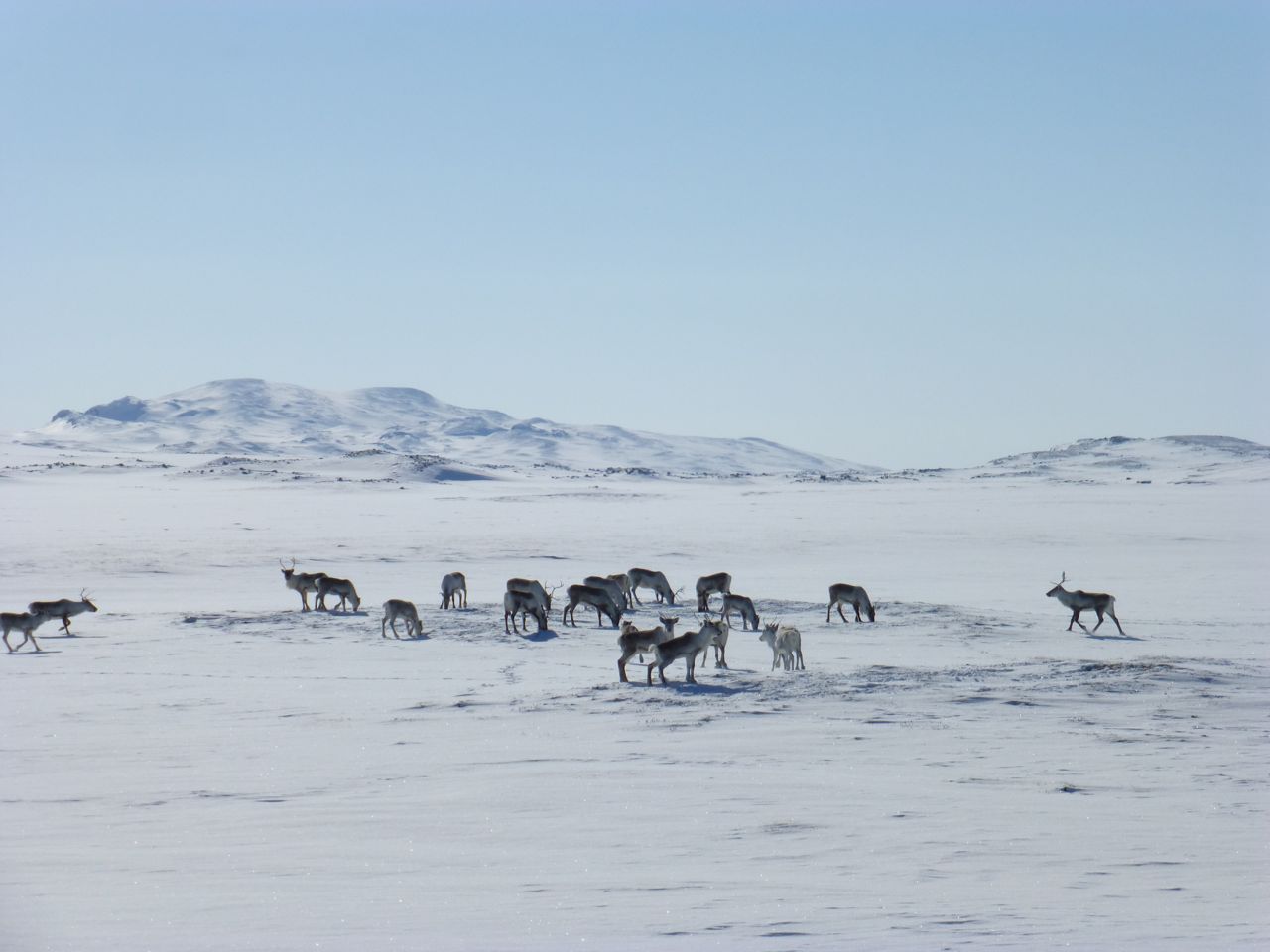
And when you look back, you see where you were, but you aren’t there. It has become something complete, which you see, and can, if you choose, reenter.
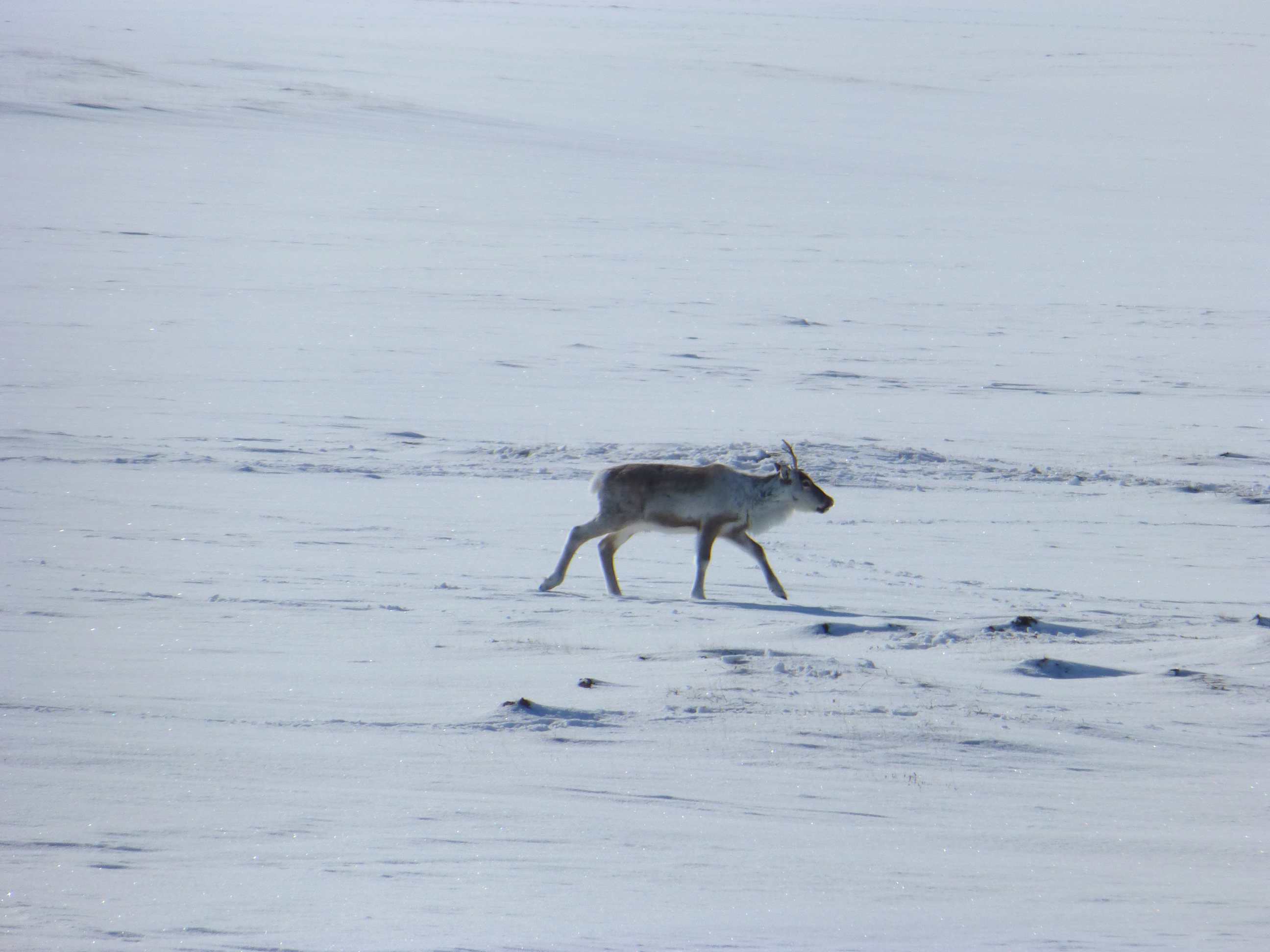
These are old word meanings, but they are the gifts of our ancestors, who knew about walking. For them, it was the communication which today is, well, taking place in this combination of words and images.
 Grundarfjörður
We are, in effect, walking here, in the flat light of Iceland, that shows no distance, no near or far, or, rather, shows a land made of light, quite different from the one we watch from.
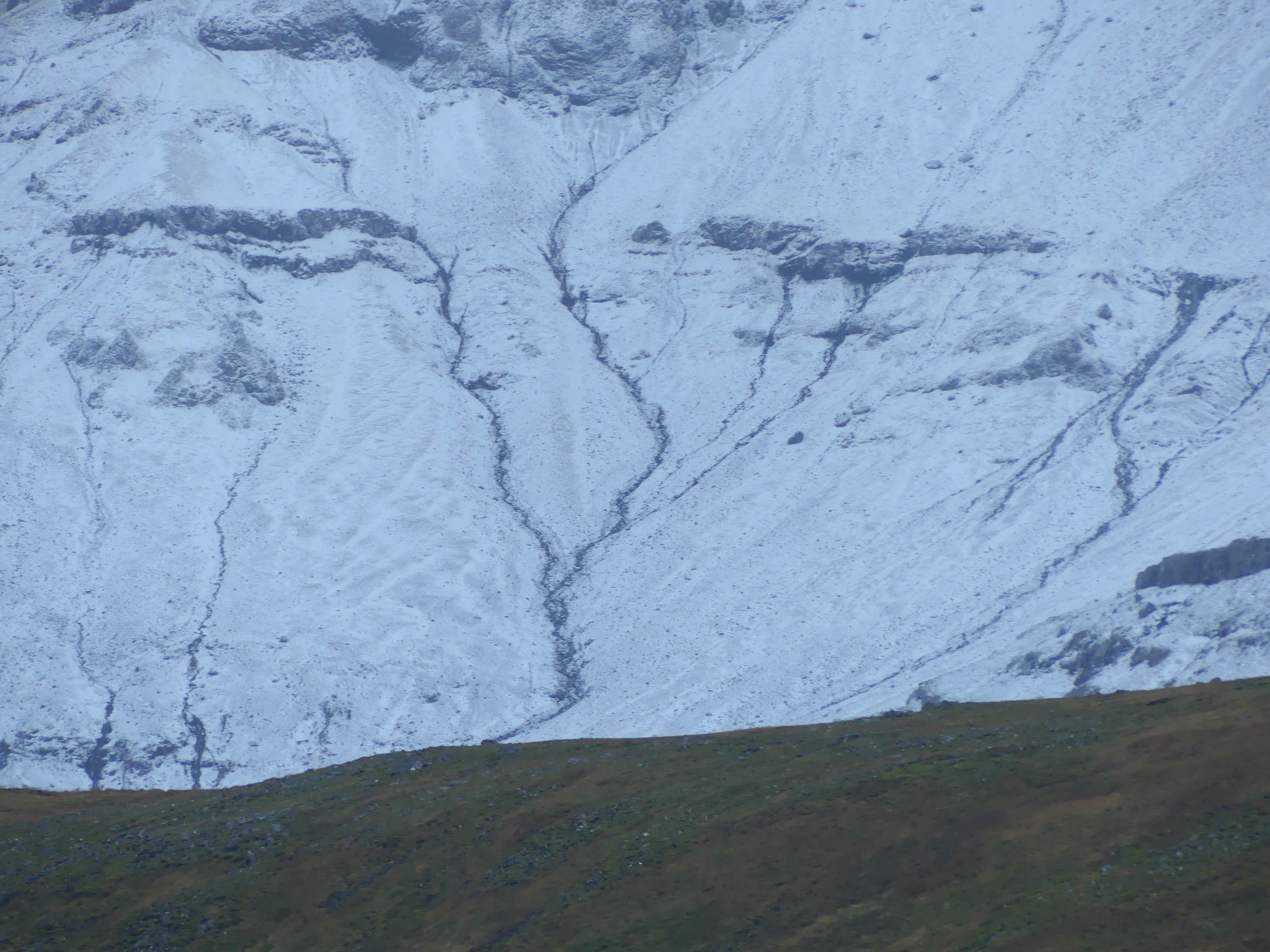
Grundarfjörður
It is a cold place.
 Grundarfjörður
From our green fields, we can see into it. There are trolls there. Our bones ache in recognition. When we are in it, we see within it. When we approach the end of our walk, we see out of it, to the future we are walking towards.
Grundarfjörður
And then we are there.

Grundarfjörður
It is the same for every moment. We can cheat and drive a car, but if we want to be alive in a moment, we have to walk.

For creatures like us, sight is a glimpse into a possible future. Walking is being there. And when you come back the being remains there, not where you are. Amazing isn’t it. There’s a technology for binding past and future across the empty space of a walk. This is a way, or a path.

Buðir
It is a protective charm that cuts across the unknowability of a veit (the consciousness that is your body walking, not your mind thinking.) Forget sight. It’s not primary. As long as your feet don’t stray from your path, you will meet your future. Mine, as you can perhaps make out, wears a blue coat. Good to know! Well, looks like I’d better catch up. See ya!
This is Öxarárfoss, diverted a thousand years ago off of the Kerlingar Lava Field to bring water to the Alþing, or parliament, at þingvellir, the meeting wall.
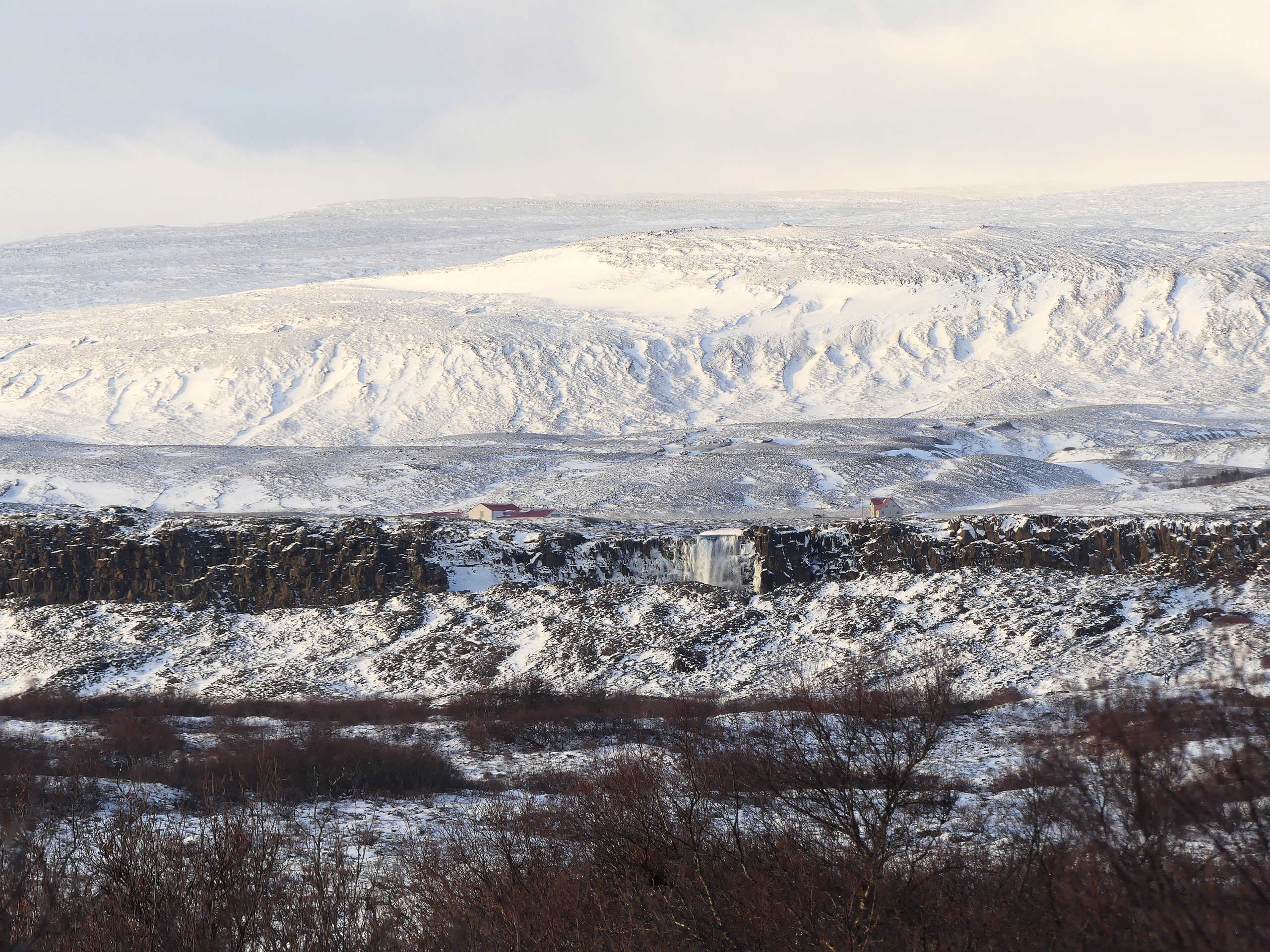
Here it is up close.

Closer? Sure!

I mention these famous falls because of Gunnar’s book Hvide Krist, or The White Christ. It appeared in 1934.

In 1935, it appeared in German, as Der Weiße Krist.
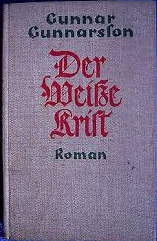
This term, “The White Christ” doesn’t mean “Racially-white Christ” in nordic culture, although I suspect it was read that way in 1935 Germany, which was attempting to convert the Christian church to its racial programs. It is, actually, obscure. Some theories are that it’s a reference to the white baptismal robes that initiates had to wear in early Icelandic Catholicism, that it’s a reference to submission, a perception of a lack of manliness in the insistence of priests not to father children, and that it’s a reference to Christ’s Origin in the Mediterranean, the White Sea of the ancient cultures at the middle of the earth (Turkey and the Caucasus), who wandered north to become the scandinavians and which the viking founders of Iceland would have known well. Here is the ancient Turkish compass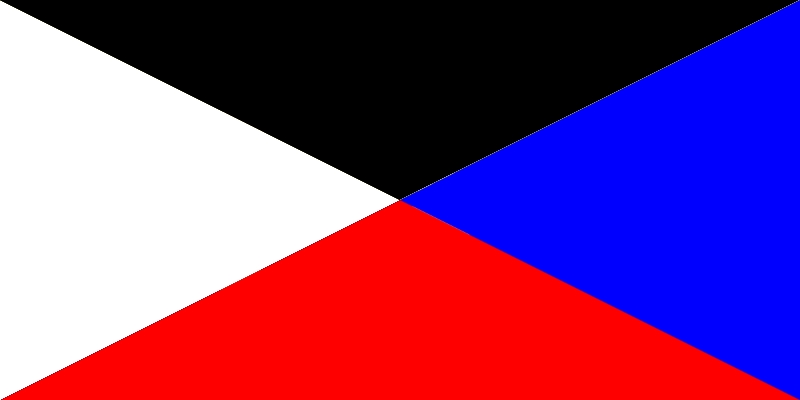
In this conception, the Red Sea is to the South, the Black Sea is to the North, the White Sea (the mediterranean) is to the West, and the blue waters of the Caspian Sea to the East. The map comes into even better focus when overlaid over Jerusalem:

This is the compass. Christ is the eastern direction, towards the rising sun. Now, with that in mind, let’s look again at the Meeting Wall and its waterfall.
From the blood of the birches, bleeding out of the earth, the landscape rises to white heights in the east. The falls are in balance, in the centre. The white mountains can also be viewed as purity, ascension to Heaven, wisdom, or the bald head of an old man, who also signifies wisdom, but that’s likely a stretch. The red blood …

Hvalfjörður
…can be seen as both Christ’s sacrifice and the blood law of the pagans who shared early Iceland with its early Christians. A balance was found at the Alþing of 999-1000; Christianity was adopted, to end vicious, counter-productive blood feuds; paganism was permitted, but not in public. In other words, the Church became the public face of the state; what happened in a man’s house or his heart was his own affair. This dual nature of the country was rearranged violently over the centuries, but that’s another story. In this one, one more issue is important. It’s this:
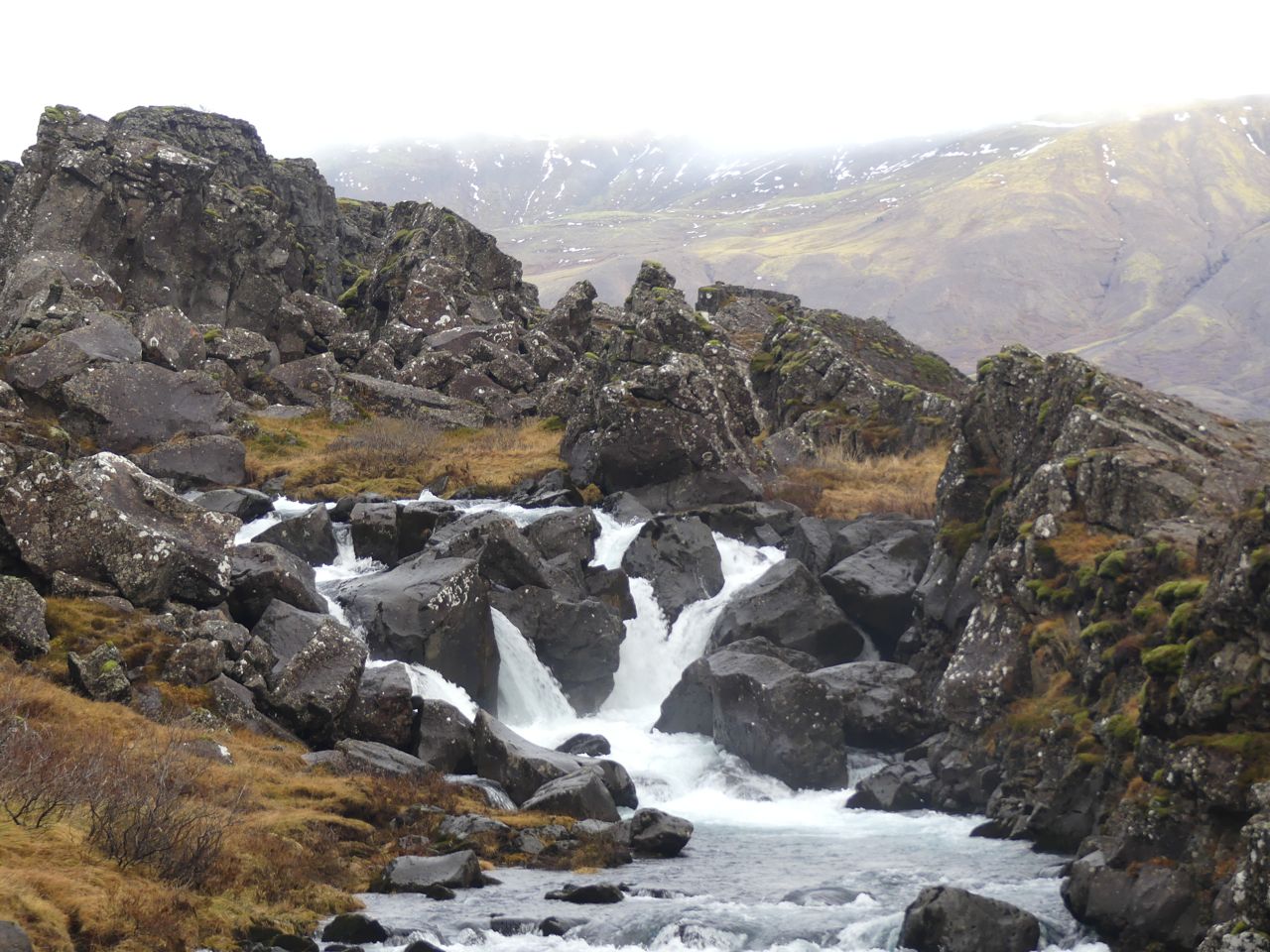
This is the Oxá, the Ox River, after it breaches the upper rift of the Alþing and enters the parliamentary centre proper. It was here that in the violent history of Iceland’s colonialization witches were drowned and criminals were beheaded, right here…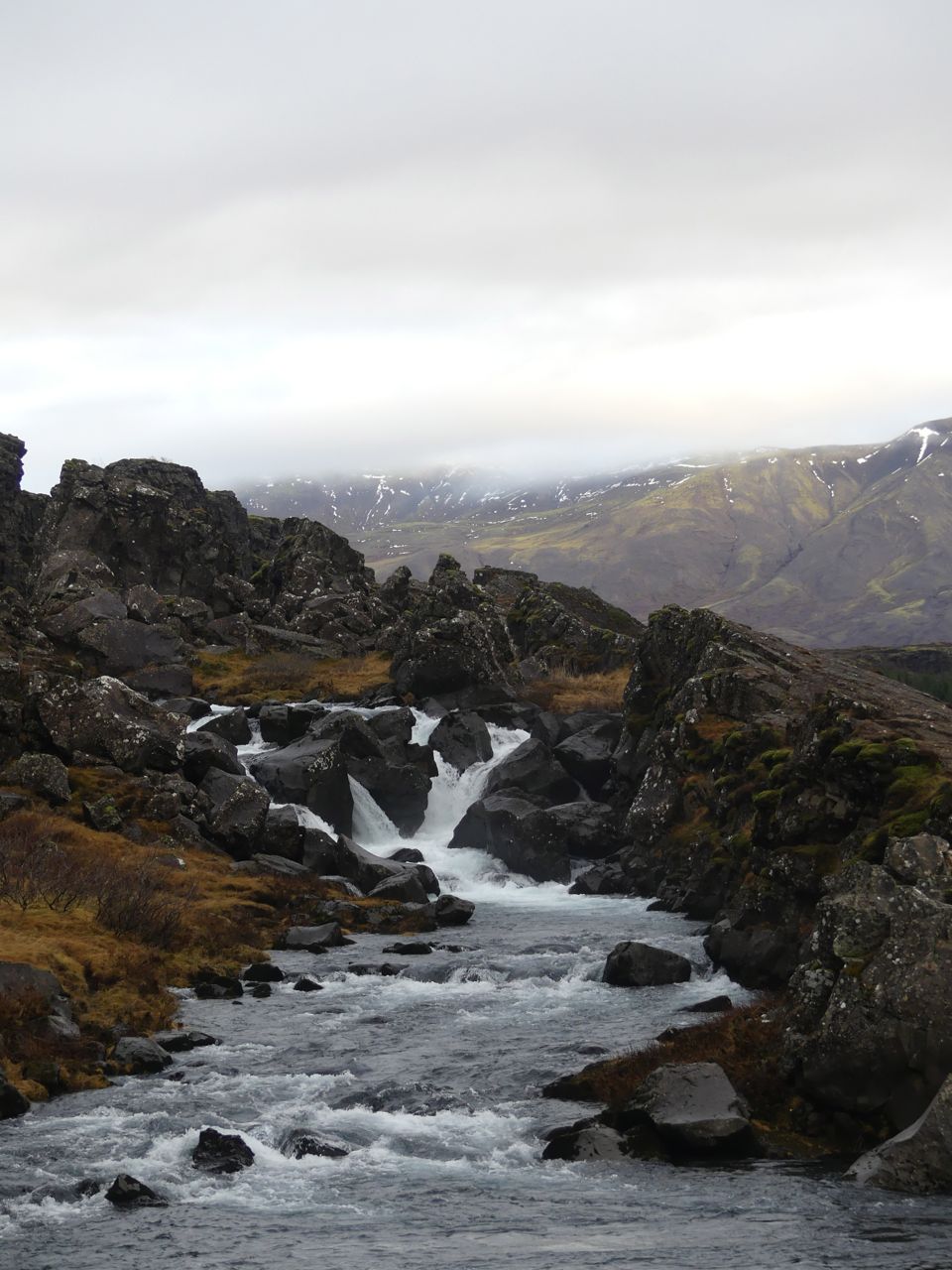
… right where the white blood of the glaciers enters Christian law before spilling out onto a plain of blood. An accident? I hardly think so. So, what was Gunnar up to in this book published by the Propaganda Ministry of the Third Reich?
Just telling a Christian story in early iceland? Giving a warning that could be read any way his readers wanted? As a parable of a populist Lutheran belief in a satanic pope at the head of a bloody church, the roman emperor himself and thus the man who threw Christians to lions for sport? As a warning about the dangers of assuming a messianic role, and the blood that would follow? All of them? None? Some for the Germans perhaps, even if not for Gunnar?
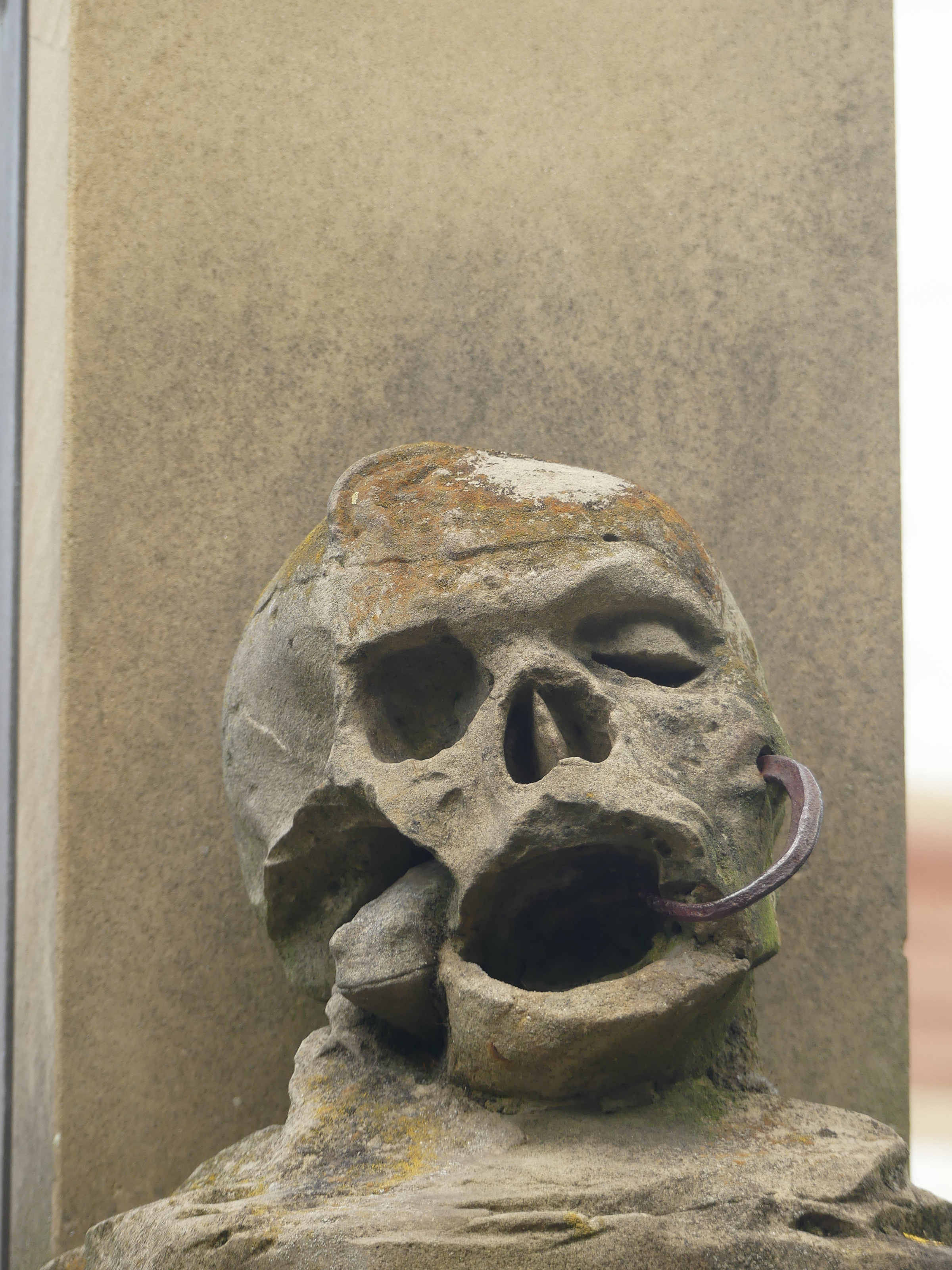
Grave Figure, Freiburg, Germany
The Christian Philosopher Martin Heidegger was running the ancient university of Freiburg for the Nazis in that year. He would have known this sculpture well. It wasn’t a year for staying on the sidelines.
1934 was the year that the Third Reich, under its ‘messiah’ Adolf Hitler, who believed in blood as a mystical force, attempted to unify Nazism and Christianity under a nationalist banner: truly a Western and not an Eastern anti-Christ. Only a close reading of Gunnar’s book will unpack Gunnar’s method. Until I get to that, here’s the Christ who glances to the east at death, and, just out the window behind me as I took this image, Gunnar’s grave on Viðey.
 Has this figure been whitewashed? I leave you with this contemplation of the point at which Christianity and the land meet. Is this not, in a land-sense, the cross?
Let me demonstrate how poetry is an indigenous form of thought.
Land…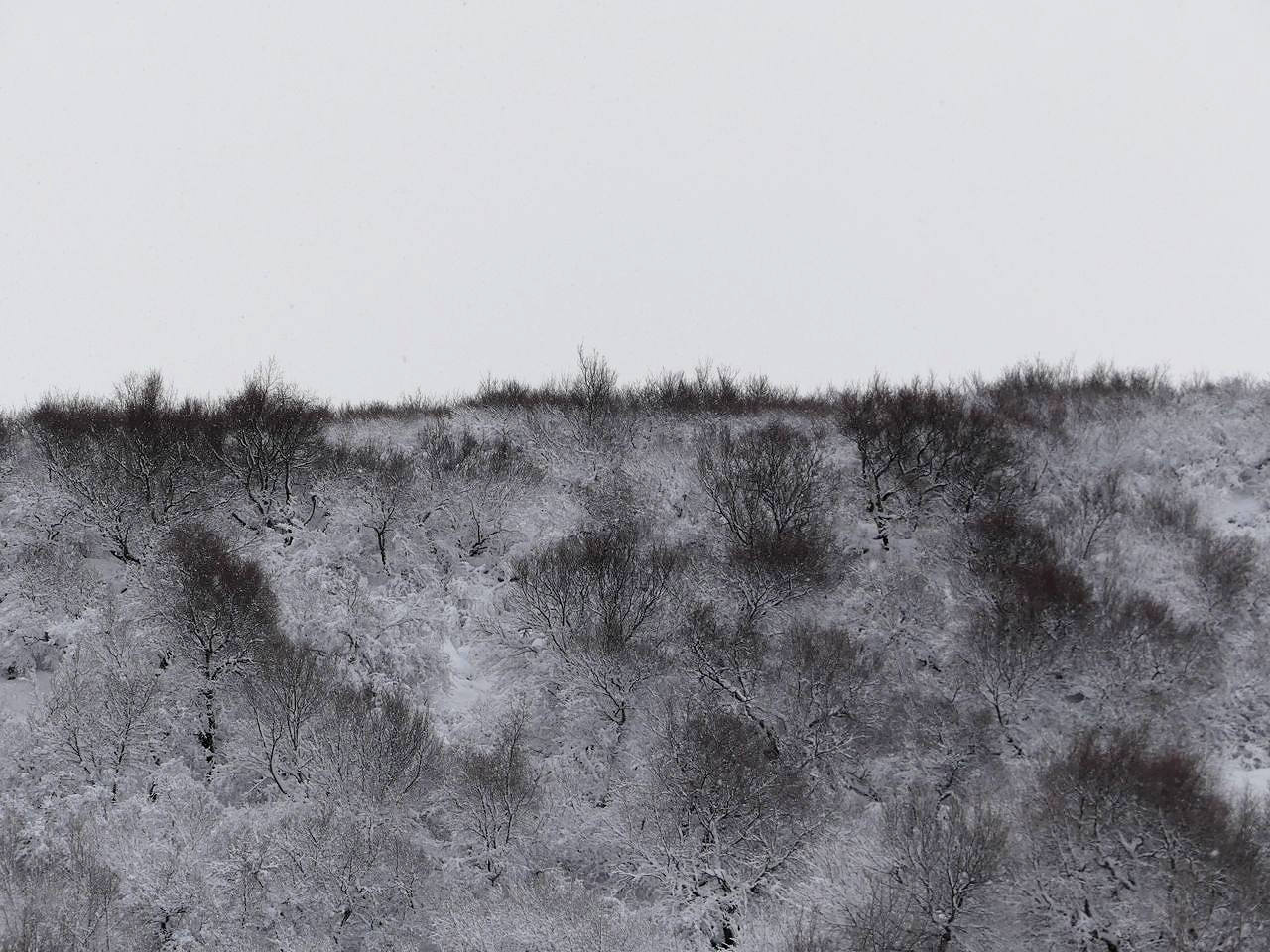
Land’s river …

Land’s liver …

Sky’s blood…

Sun.

You can only speak this language if you are at home on Earth.
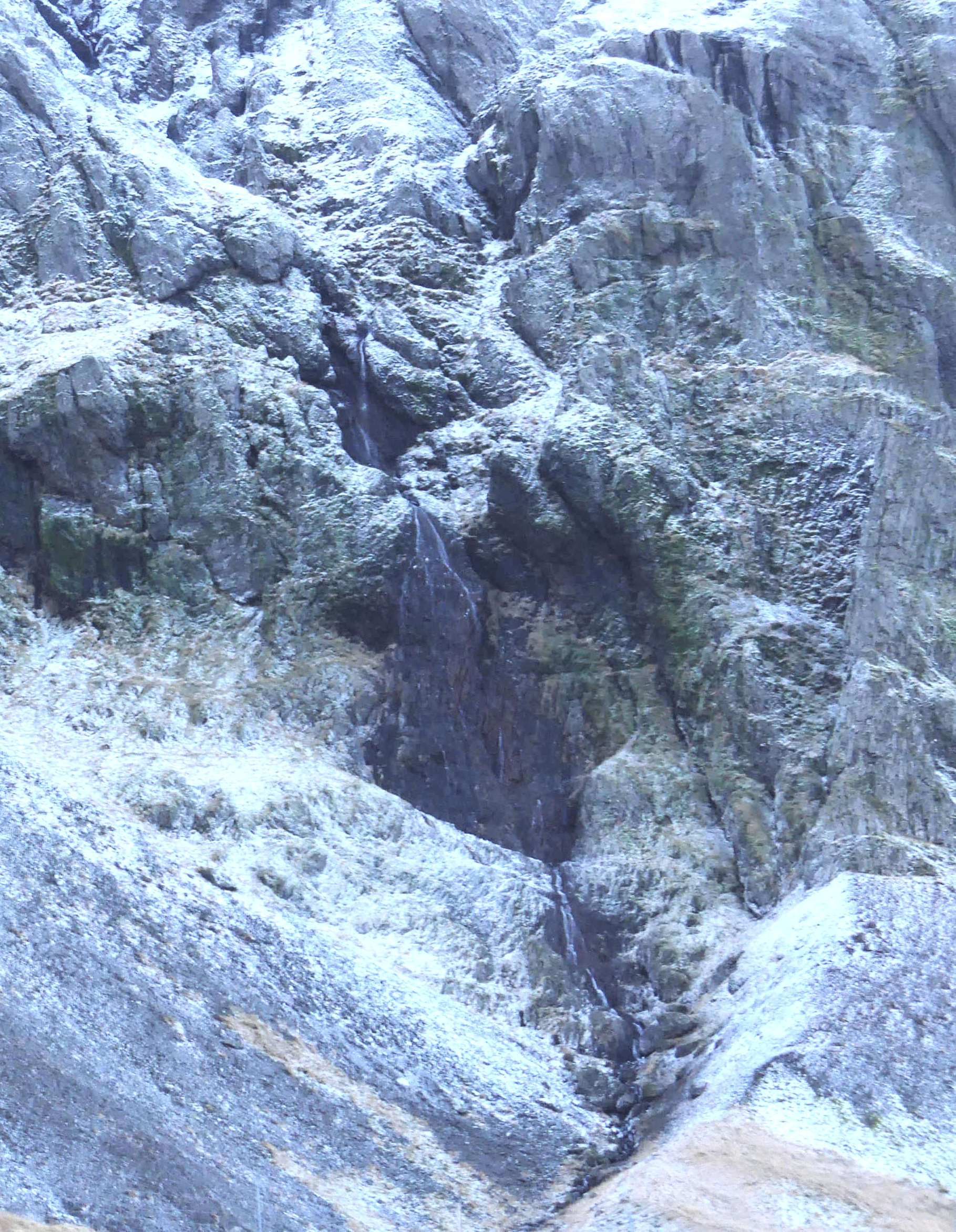
Chances are you do, and are.

 A Farm in Iceland