
What are fences for? In some countries, fences are to separate herds from grain land, or to divide pasture land, for successive grazing over a season, or just to keep the stock off the road. In Iceland, it’s a bit different. It’s something people learned from the land and tried out.
Now to figure out what is being fenced in, or fenced out! Not these reindeer. They just walk over fences.

Not these horses.
 No fence required! Not the people below…
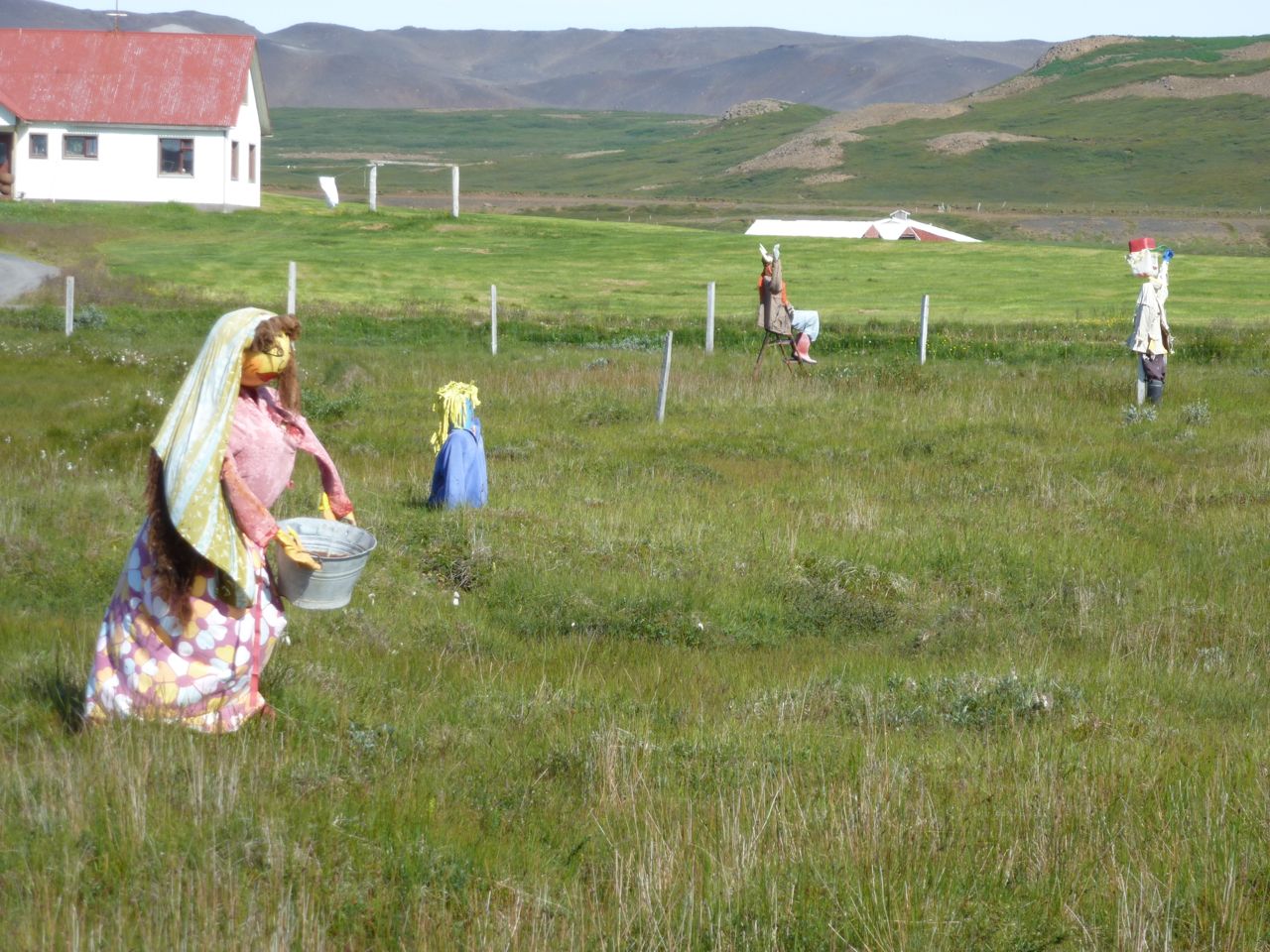 That’s not a fence, just posts to keep the people from falling over into the grass. It’s a mystery!

Perhaps it’s the dead? Such as here at Kirkjubærjarklaustur? 
Na. They can get out on the other side. 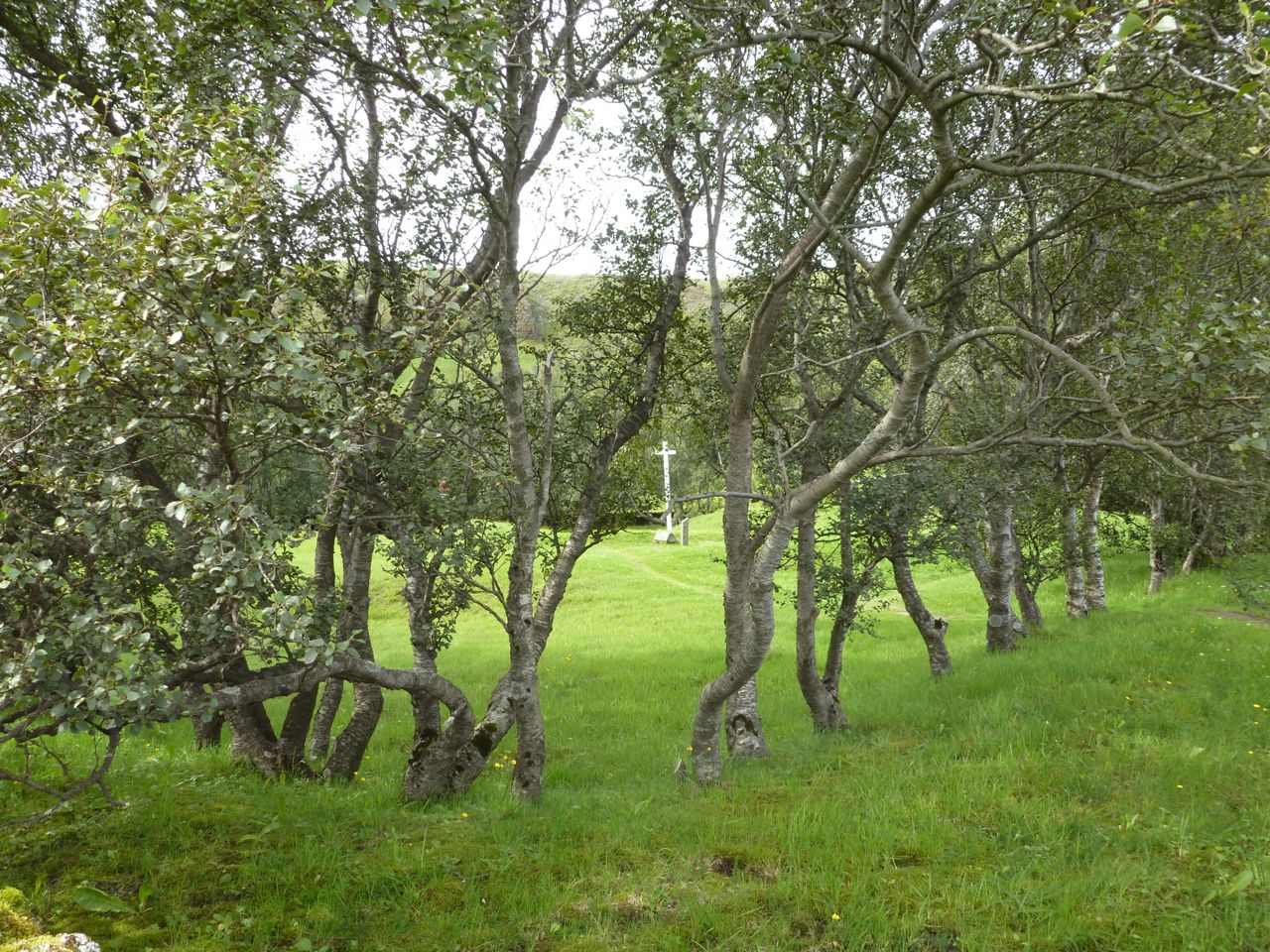 I think it’s just a gesture, to show the mind its limits.
 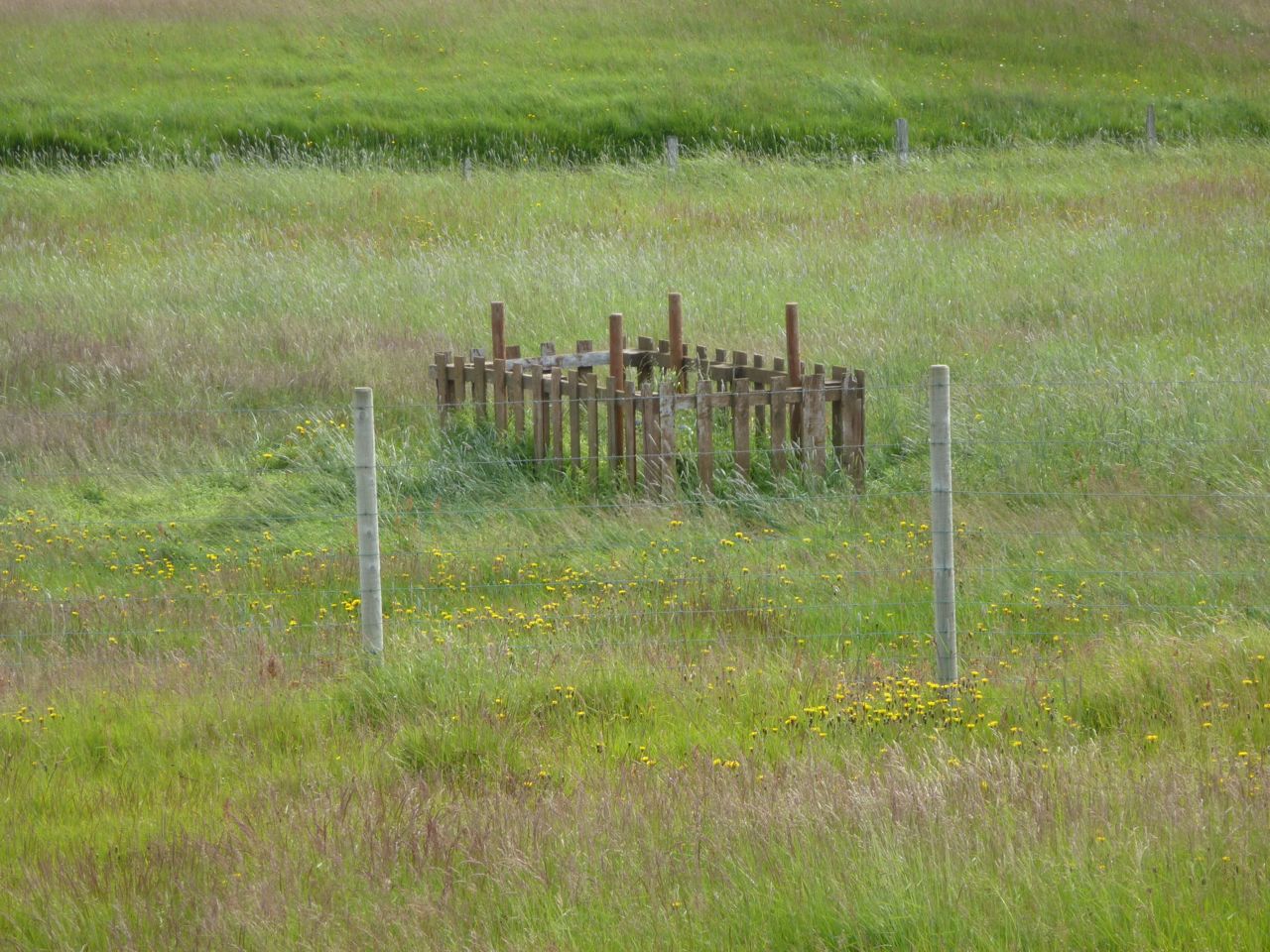 This too:

So, like, a halter for the human will!

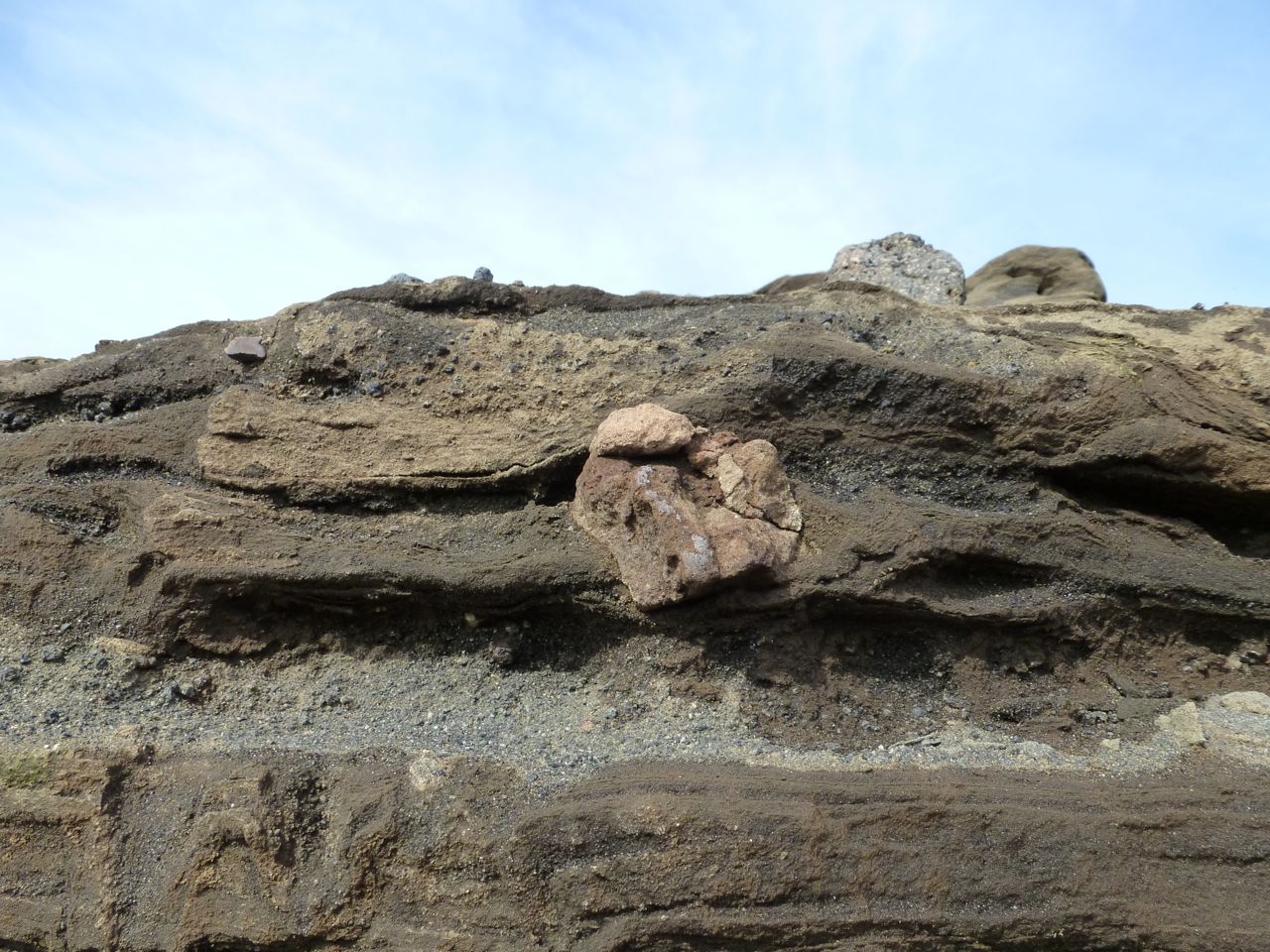

 I suggest sticking in your toe before committing yourself completely.
  Even if your horse has gone ahead.
  It can wait.

 Here are some in the very process of being washed from the land.
 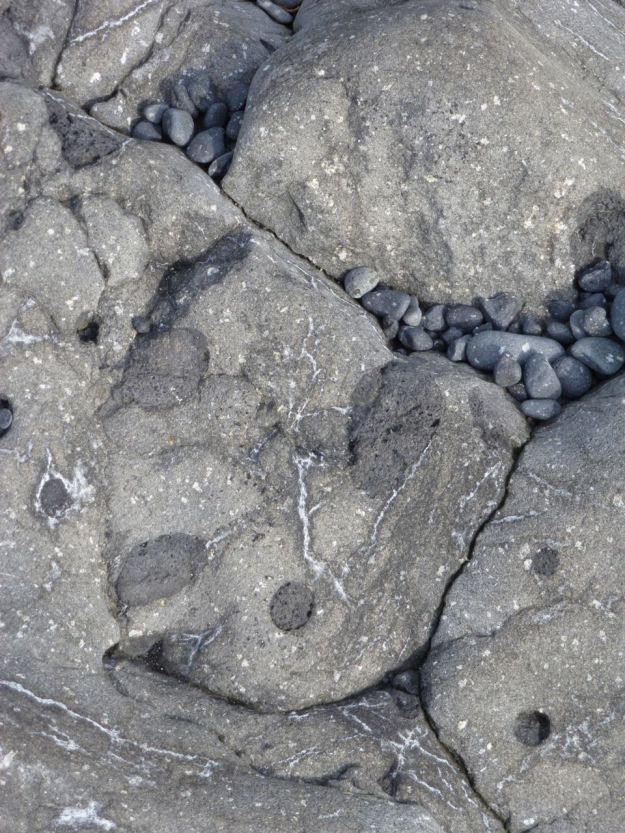 Perhaps you can see a clutch lying in a young sea in the middle of the image?
 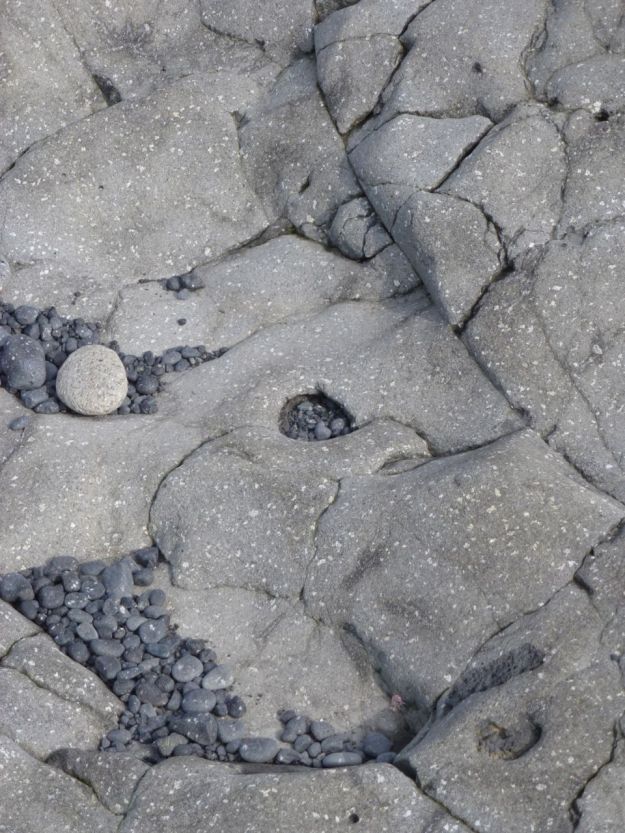 Of course, the sea’s eggs are the land’s eggs, too.
 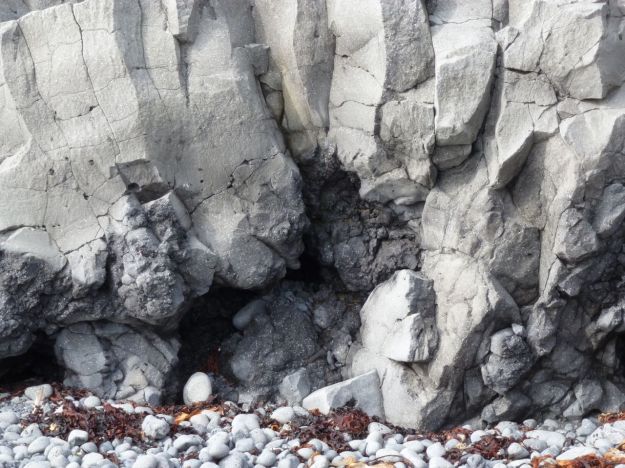 They do it together!
 Above Hrafragilsfoss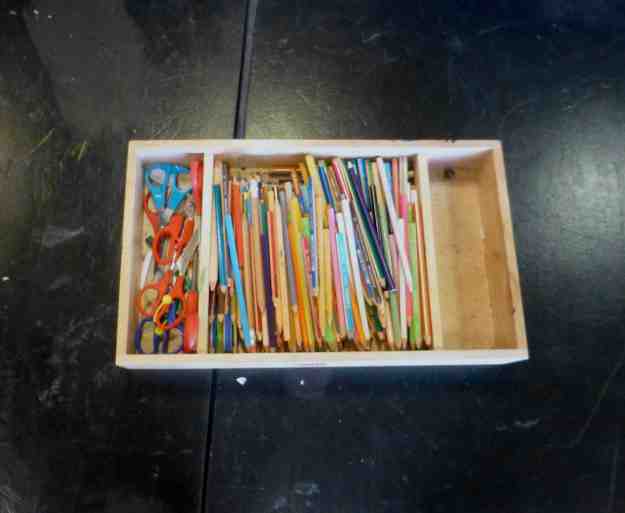
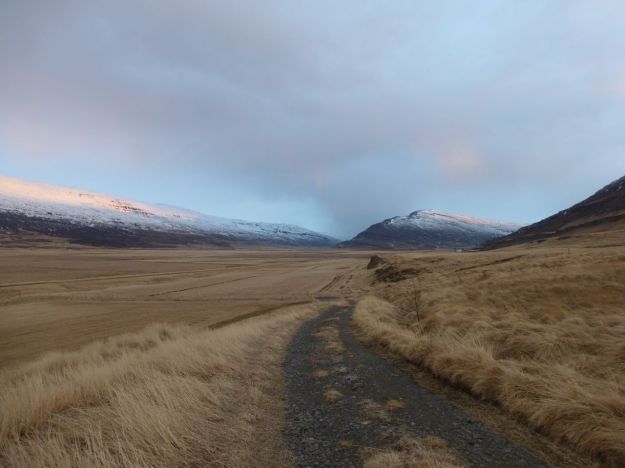 Then a reinforcing lesson in applying foreign tools as training mechanisms.
 And some of the cut-and-paste consequences.
 And again, this time in downtown Reykjavik.
 A closer view of early art education is shown below. Please compare it to the image above. Note how the colours are used to train young minds into cut-and-paste and construction techniques. The stuff is even called “construction paper.” Keep your eye on the black stuff. An adult helped with that!
 And, finally, an image of that black diamond above, when written out on the land.
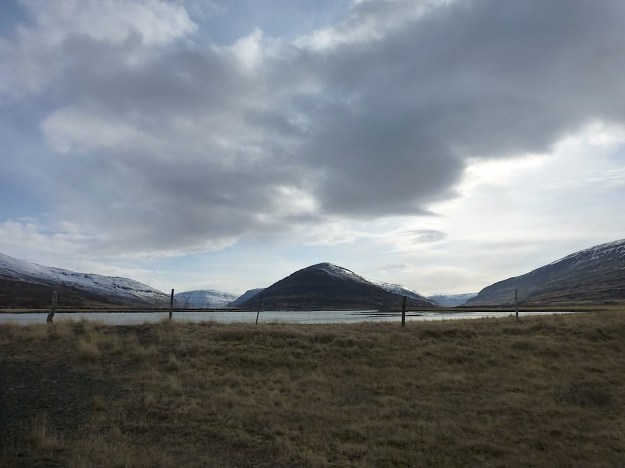 In Iceland, children are herded, and in their herds they are free. 1100 years of herding culture drove this lesson home.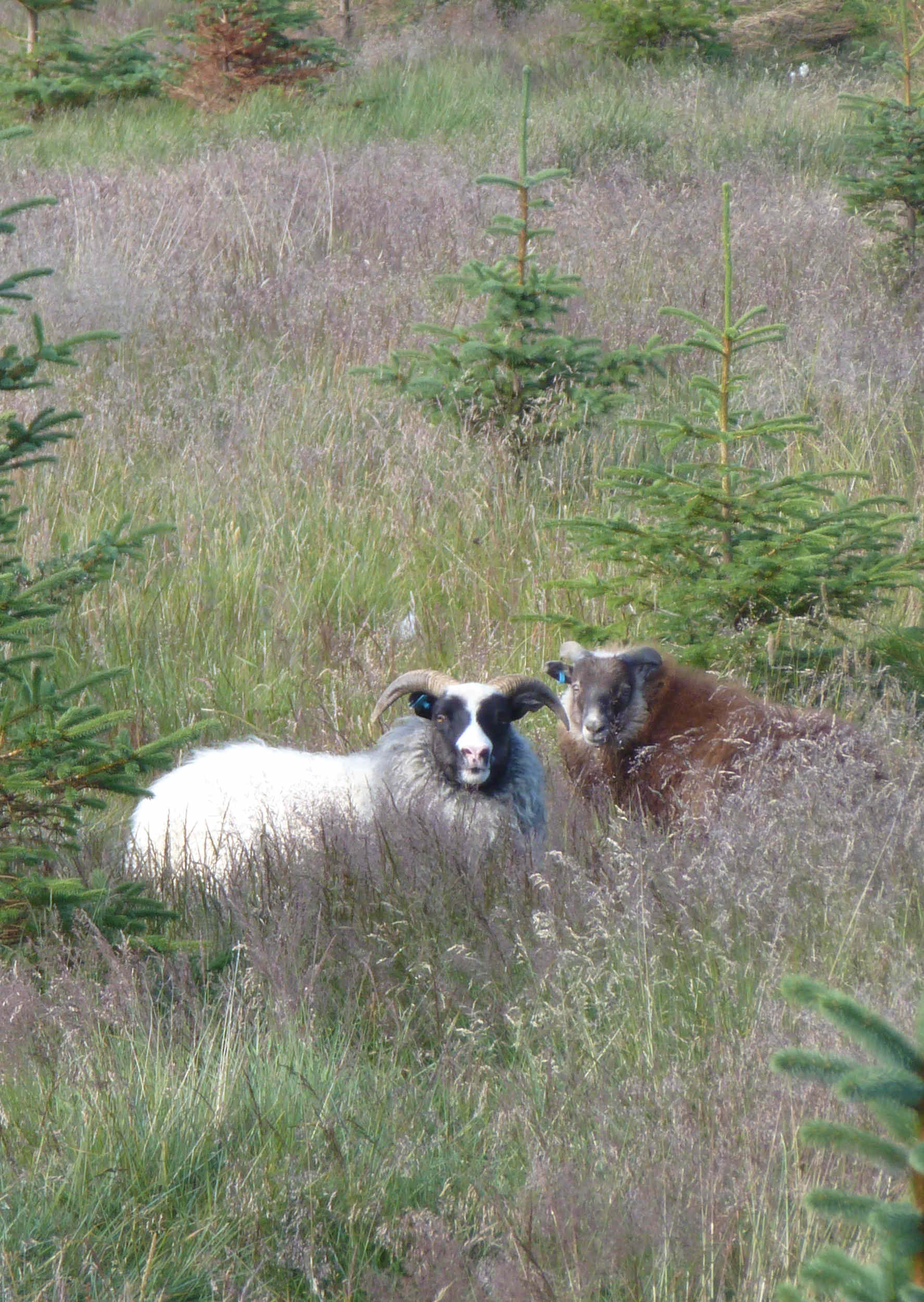
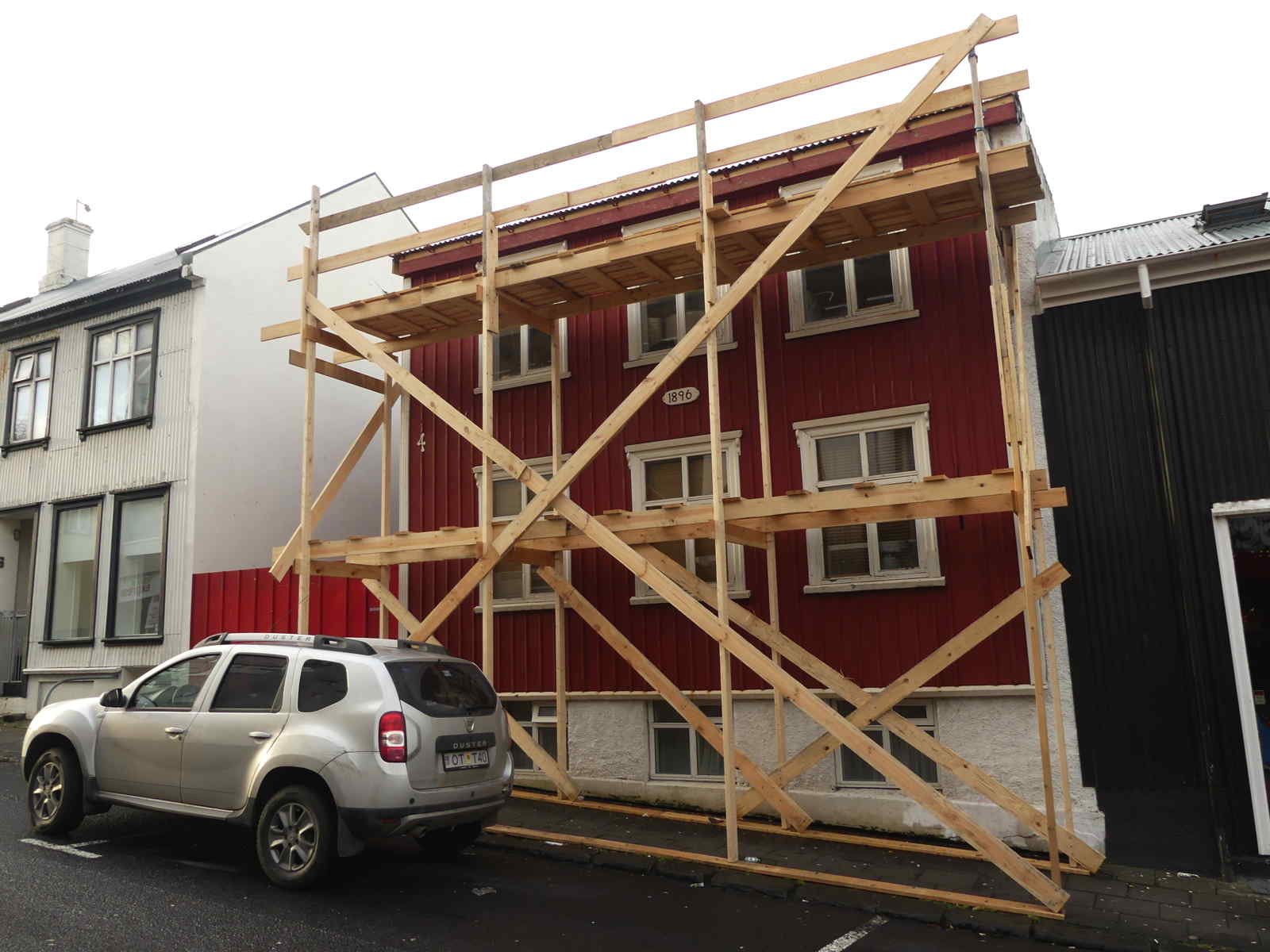









 A Farm in Iceland