Settlement is the foundational theology of Iceland. In countries such as mine, Canada, or that of my ancestors, Germany, foundational theologies tend to be about colonization, either of the land and bodies of other people or of the self. Not in Iceland.
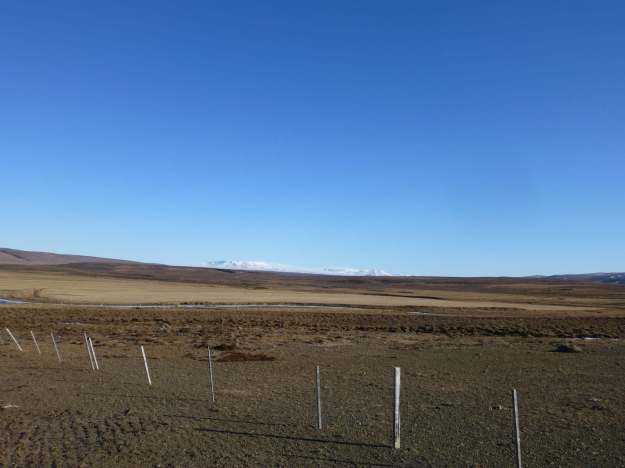
In Reykholt, Snorri Sturluson wrote the texts that define Norse theology. If you visit Reykholt, you will soon see that these books represent the landscape around Reykholt more than any historical theology.

In short, they are more a way of settling the land the of claiming it.
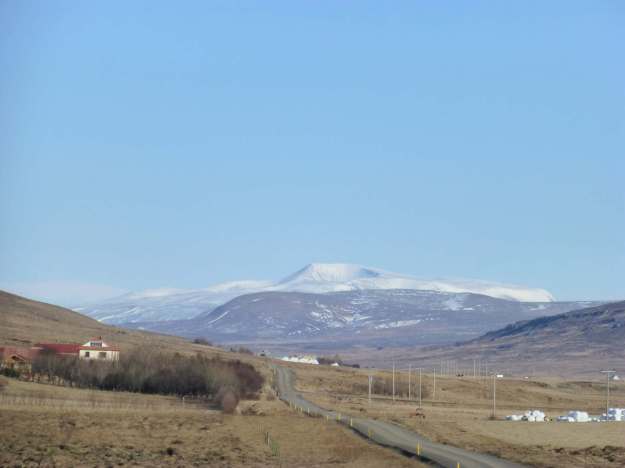
Witness the chosen motif for the altar of the old church in Reykholt. The White Christ rises as the sun…

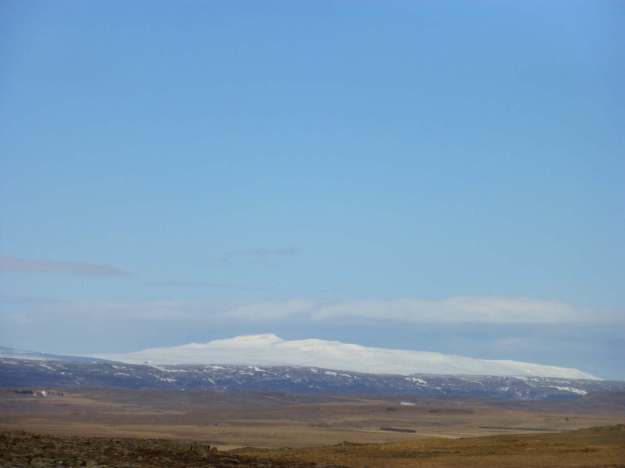
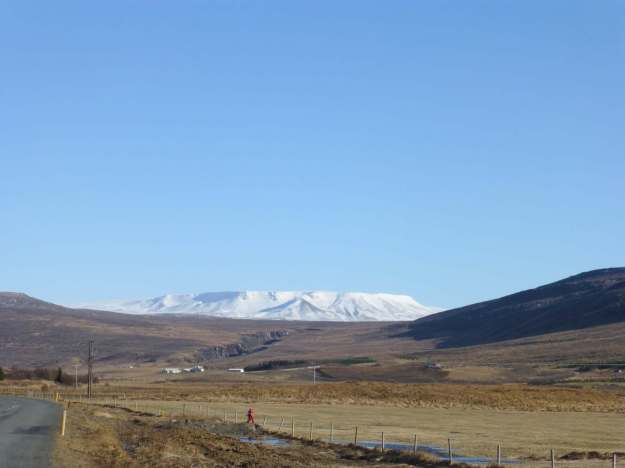
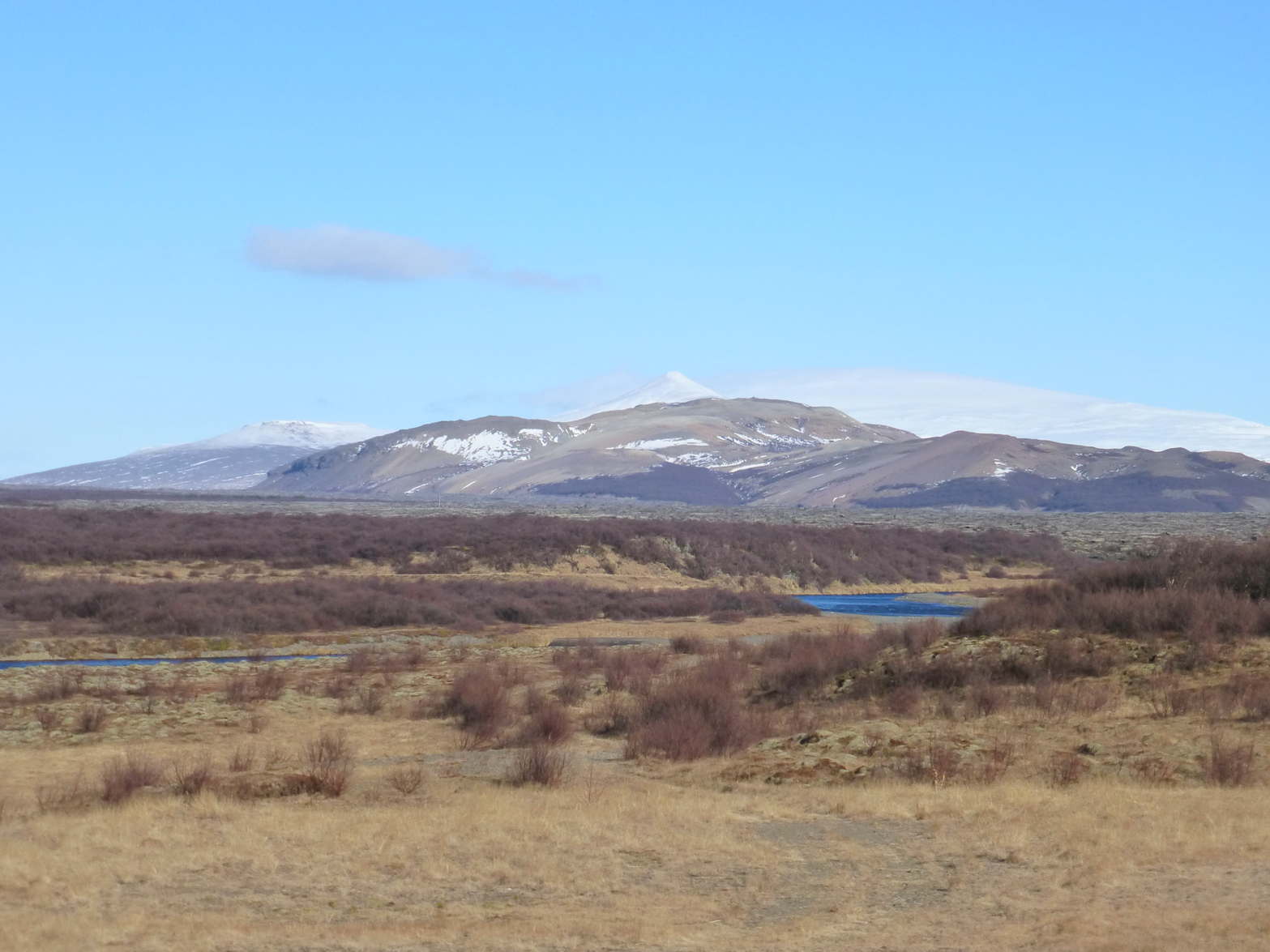
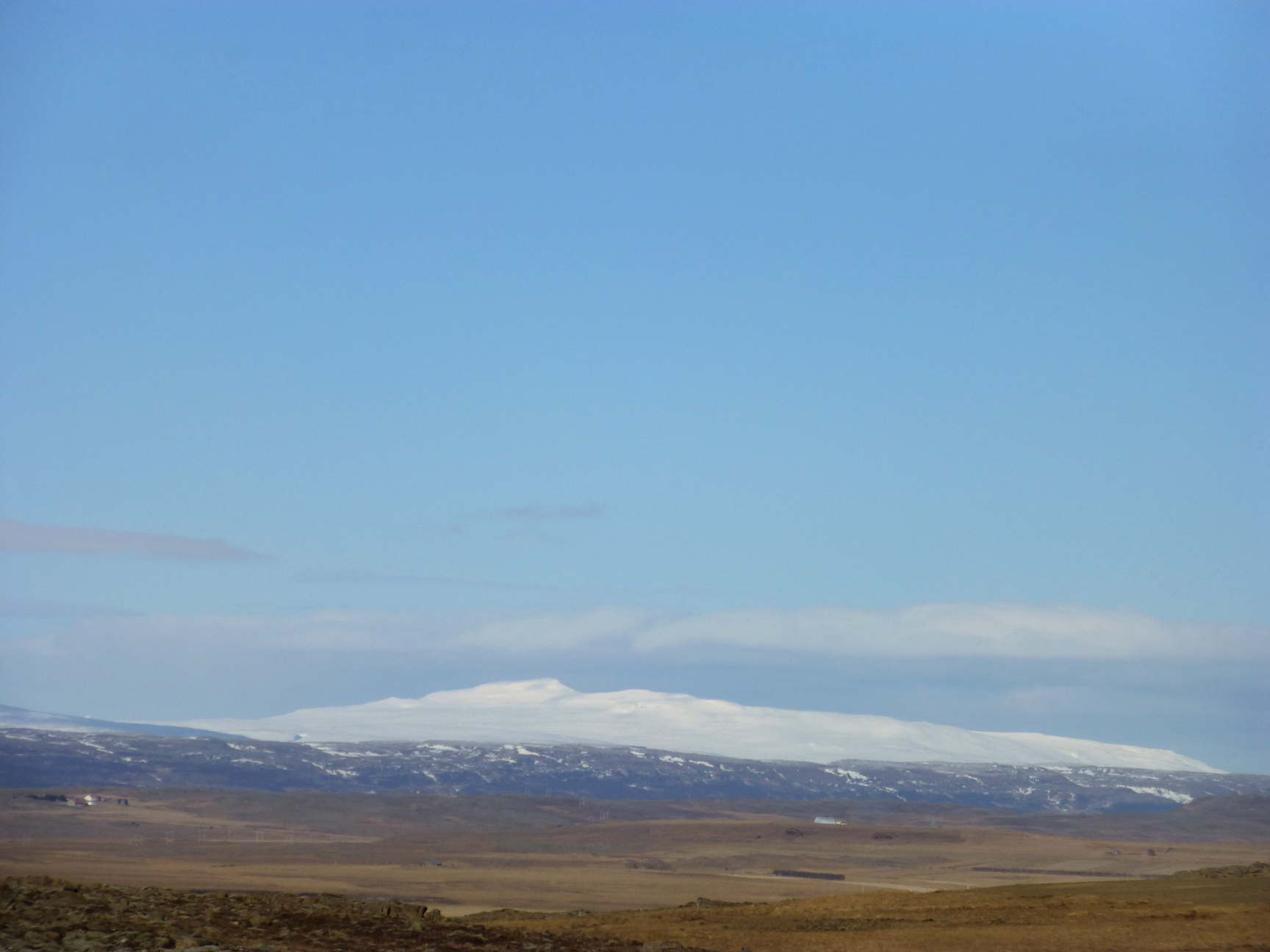
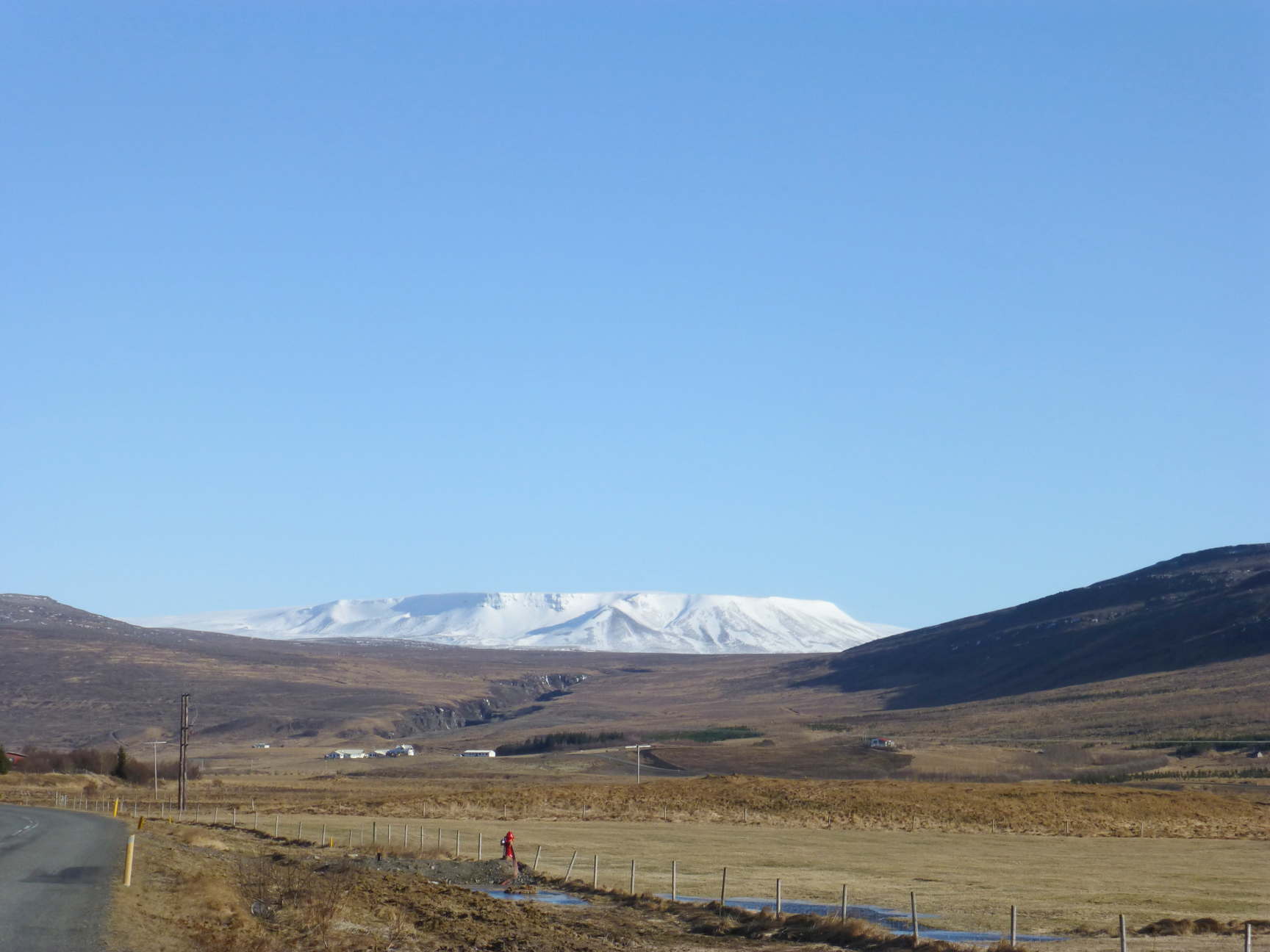
… much like the mountain up the valley, capped with its glacier from before human time.

It is a world in which ancient binary forces, ice and fire, create a human habitat, the world, which is a kind of whirlpool in the sea of the universe, which is, really, the sea.

Human activity has eroded the primal world, but that pre-human time still delivers water and the power that defines humans.
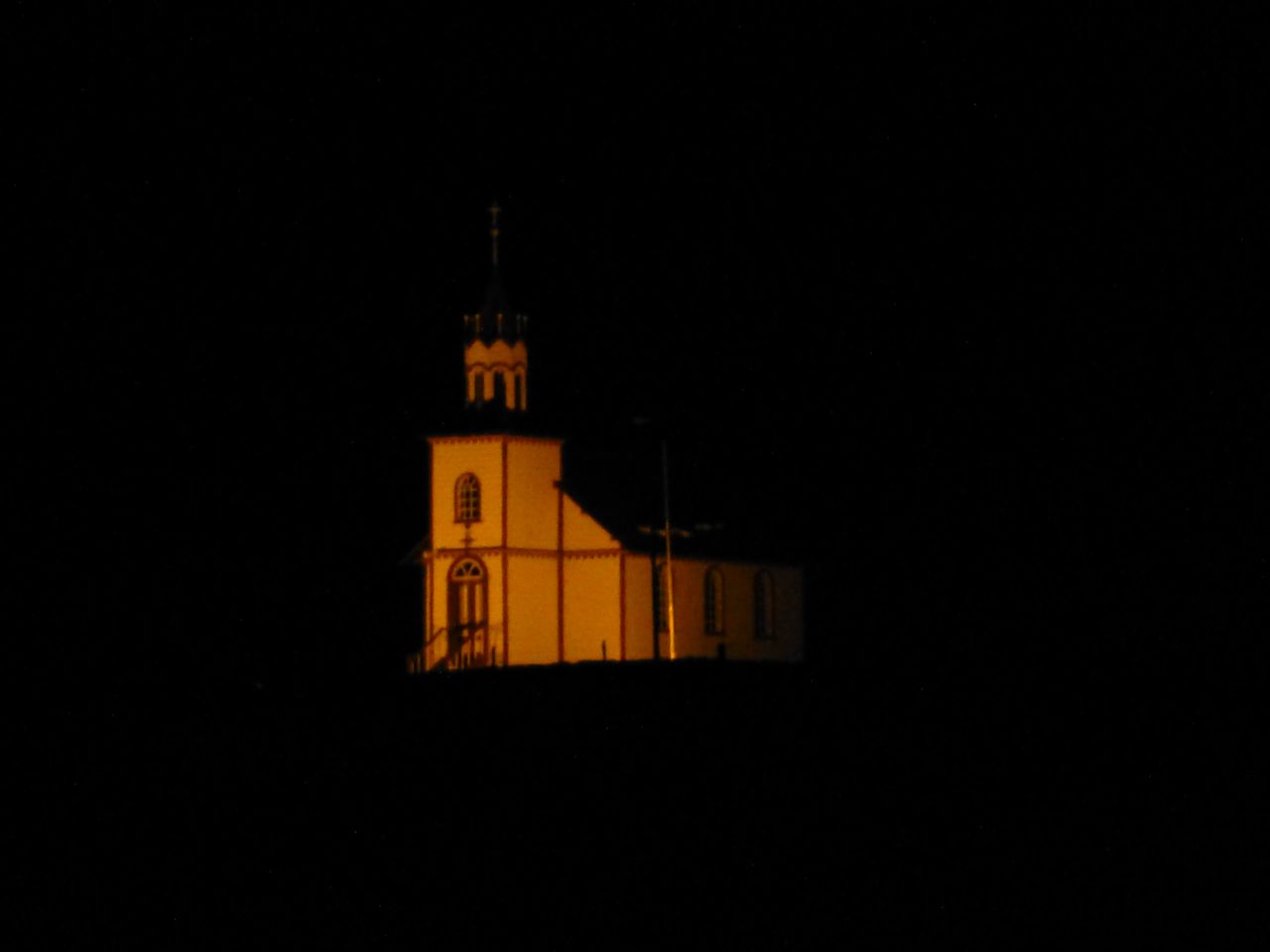
The church itself, exists within an ancient, pagan forest, blessed as the source of nationalism. It is an accurate depiction of Icelandic culture. Sure, it’s planted, but that’s part of the point of living within a settlement.
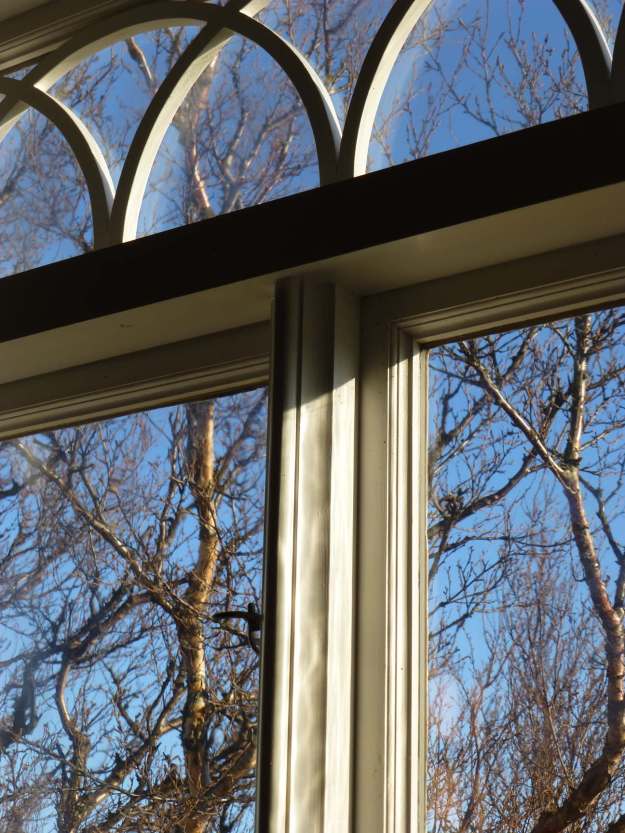
When summer comes, Icelanders don’t take to the sea, they take to the forests. They already live in the sea. It is settlement they celebrate, and that includes placing them within the forest like the old church at Reykholt. Tourists drive through the birch forests below, take a few pictures, and drive back and away to claim that they were there, but Icelanders turn off into them and settle for the summer.

Just to the north, at Bifröst, they do it right at the bridge between worlds, and that’s the key to Iceland: this settlement right at the point at which power erupts from the land. It’s stubborn.

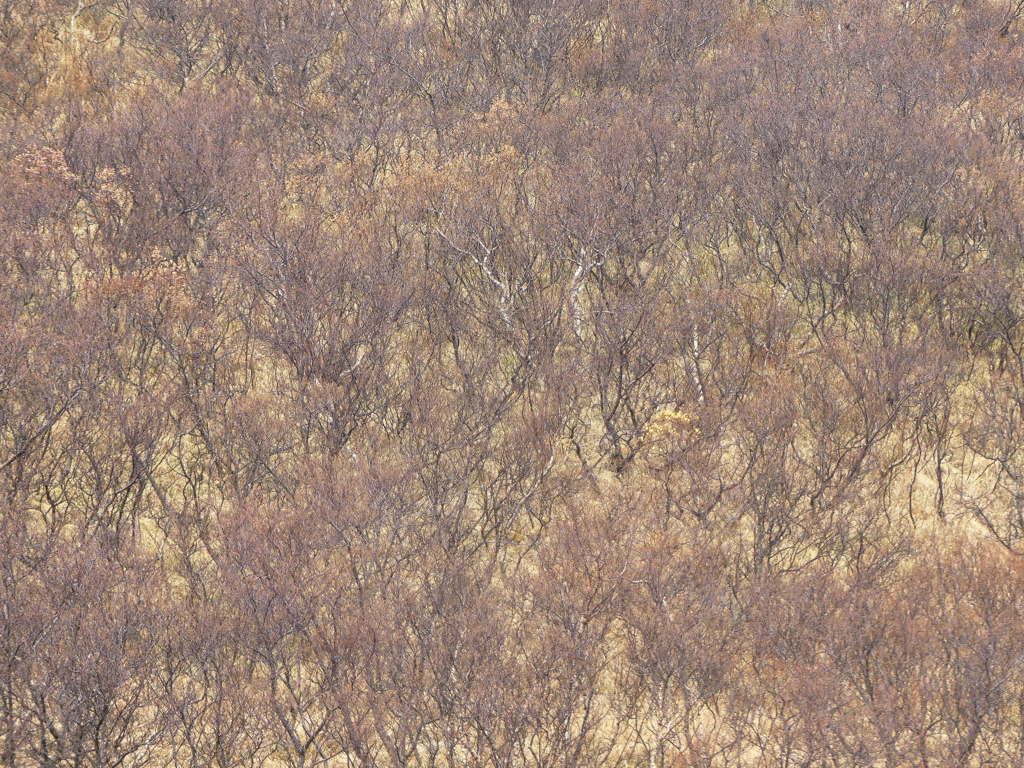
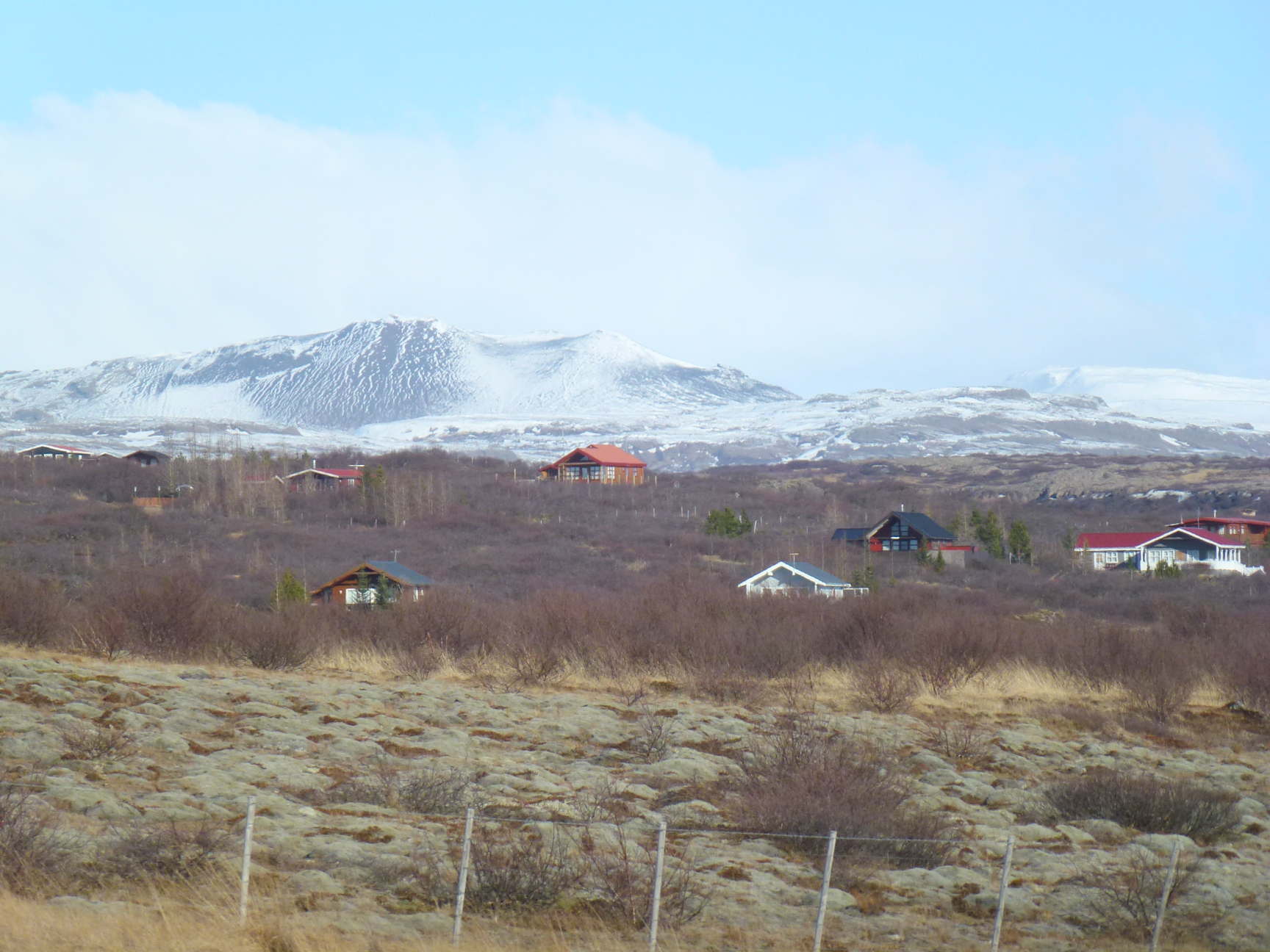
Perhaps, travellers to Iceland see a forest in the image below (taken at Geysir to the south east).
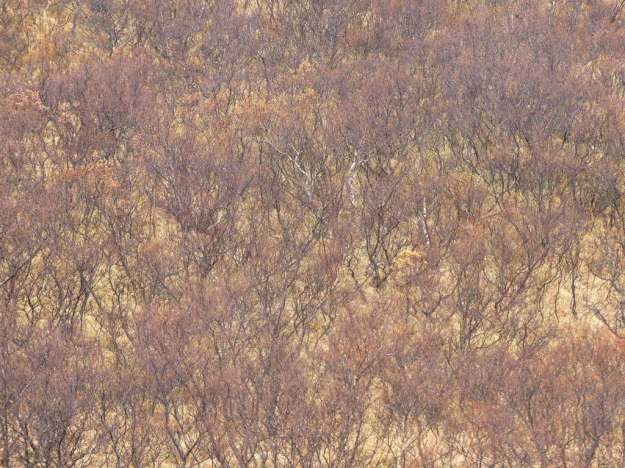
Perhaps they will call the old pre-human world nature …
… perhaps they will even realize, in a breathless moment, that this nature is not the Garden of Eden…
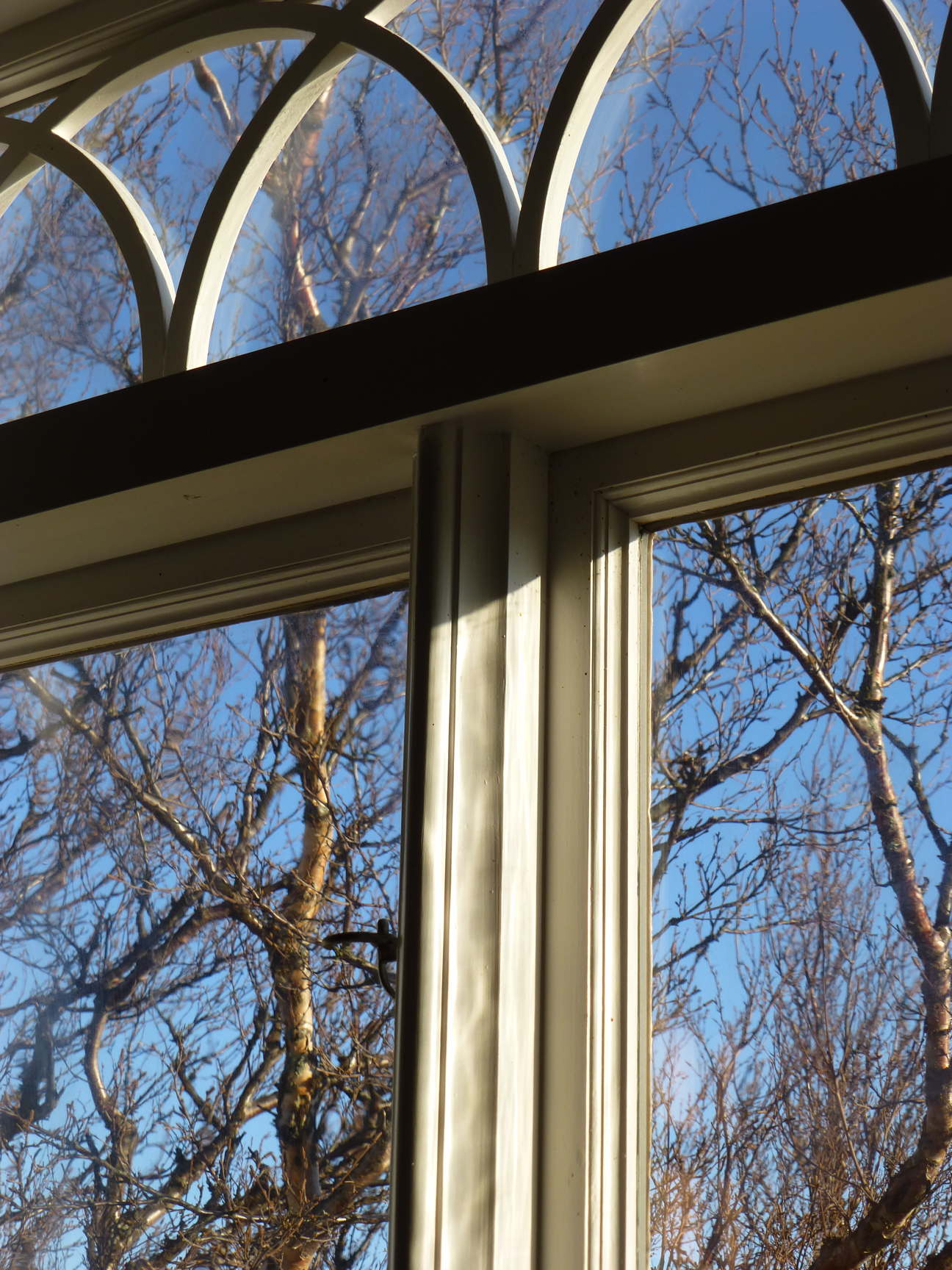
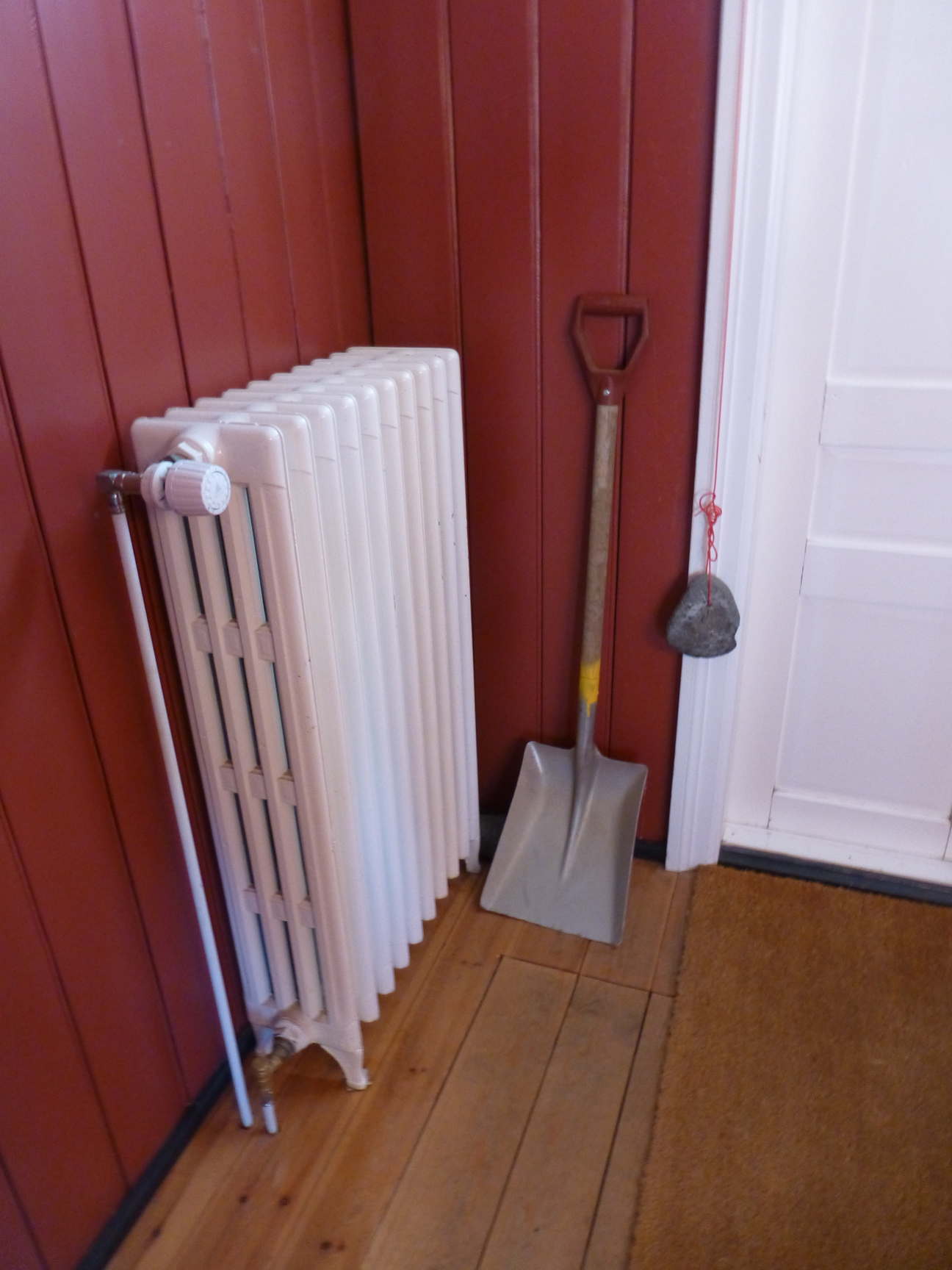
…and realize that you need tools to settle your panic in the face of such power, such as the fire hydrant in downtown (!!) Reykholt above, one of Iceland’s major urban centres, or in the pre-Christian tools facing the altar from the door to the world of the Reykholt Church below.

Balance, that’s the thing.
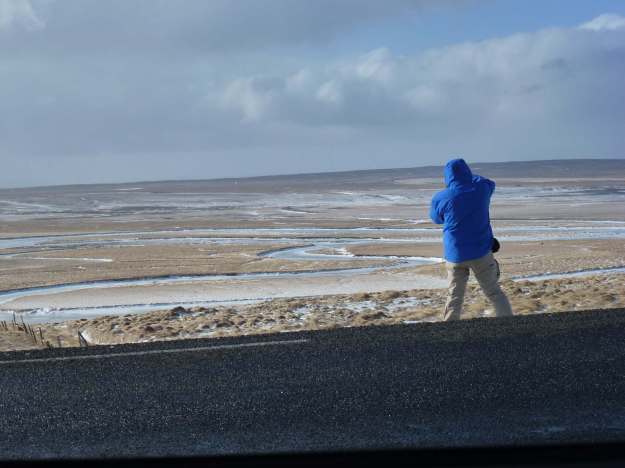
I mean, for those of you who can’t just drive on, because when you are at the intersection of all power in the world, either here at Bifröst …

… or here at Reykholt …

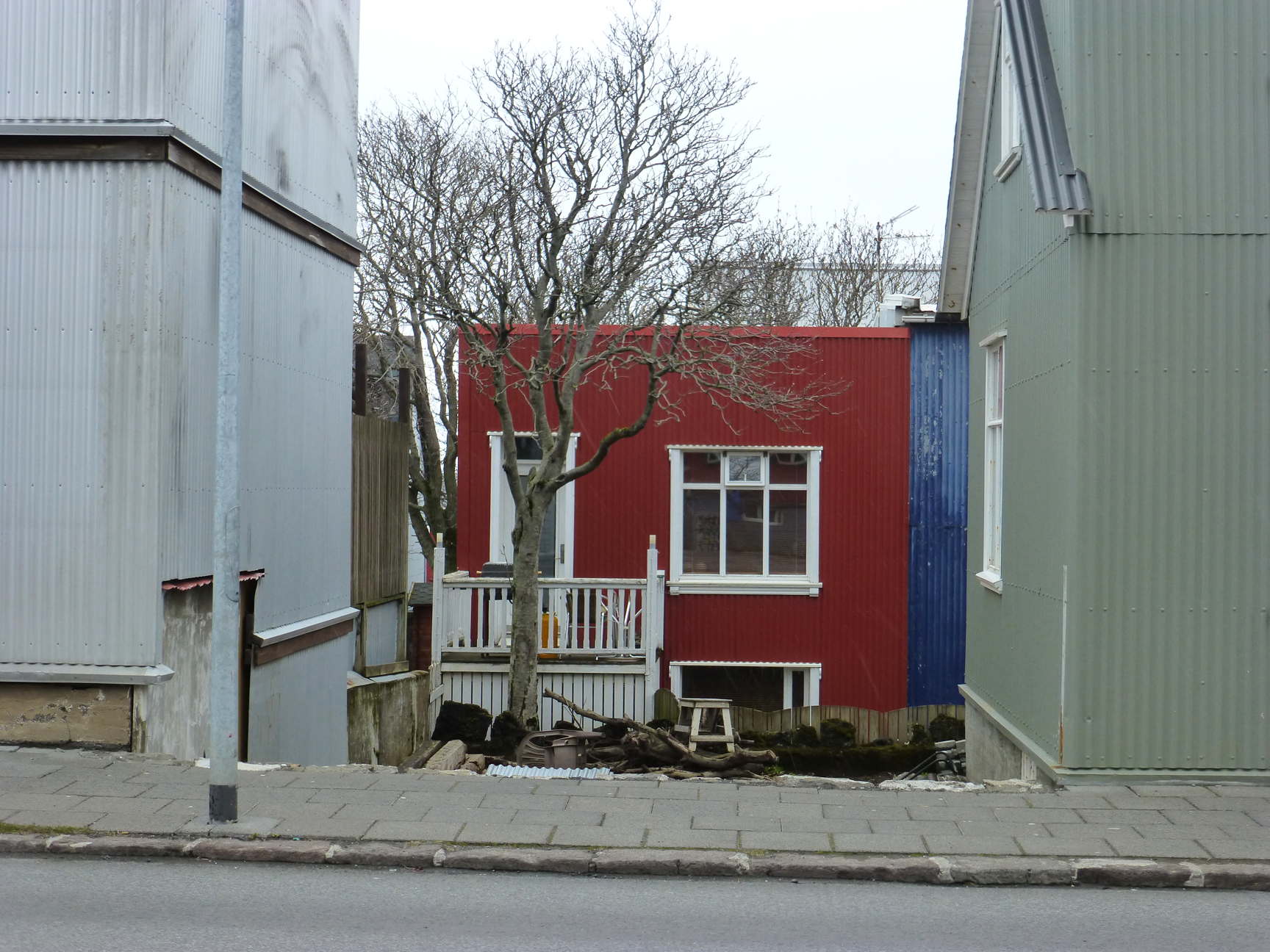
… or here in Reykjavik…
… the frame is not the golden power and will of God coming to the world out of nothing …

… but immediate and present power without symbols at all.

It’ll change you. Do you dare settle, within, in a point of balance?
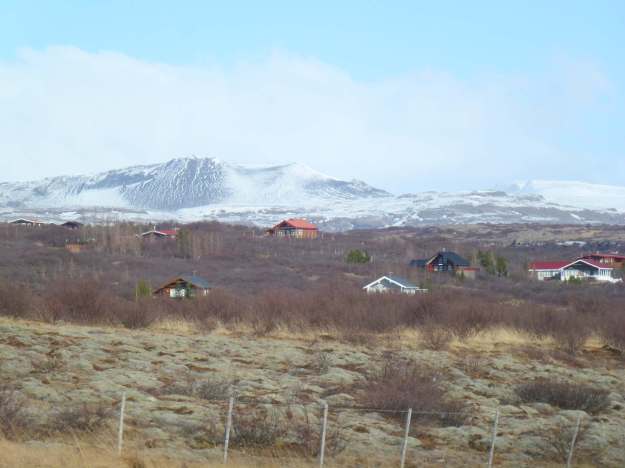
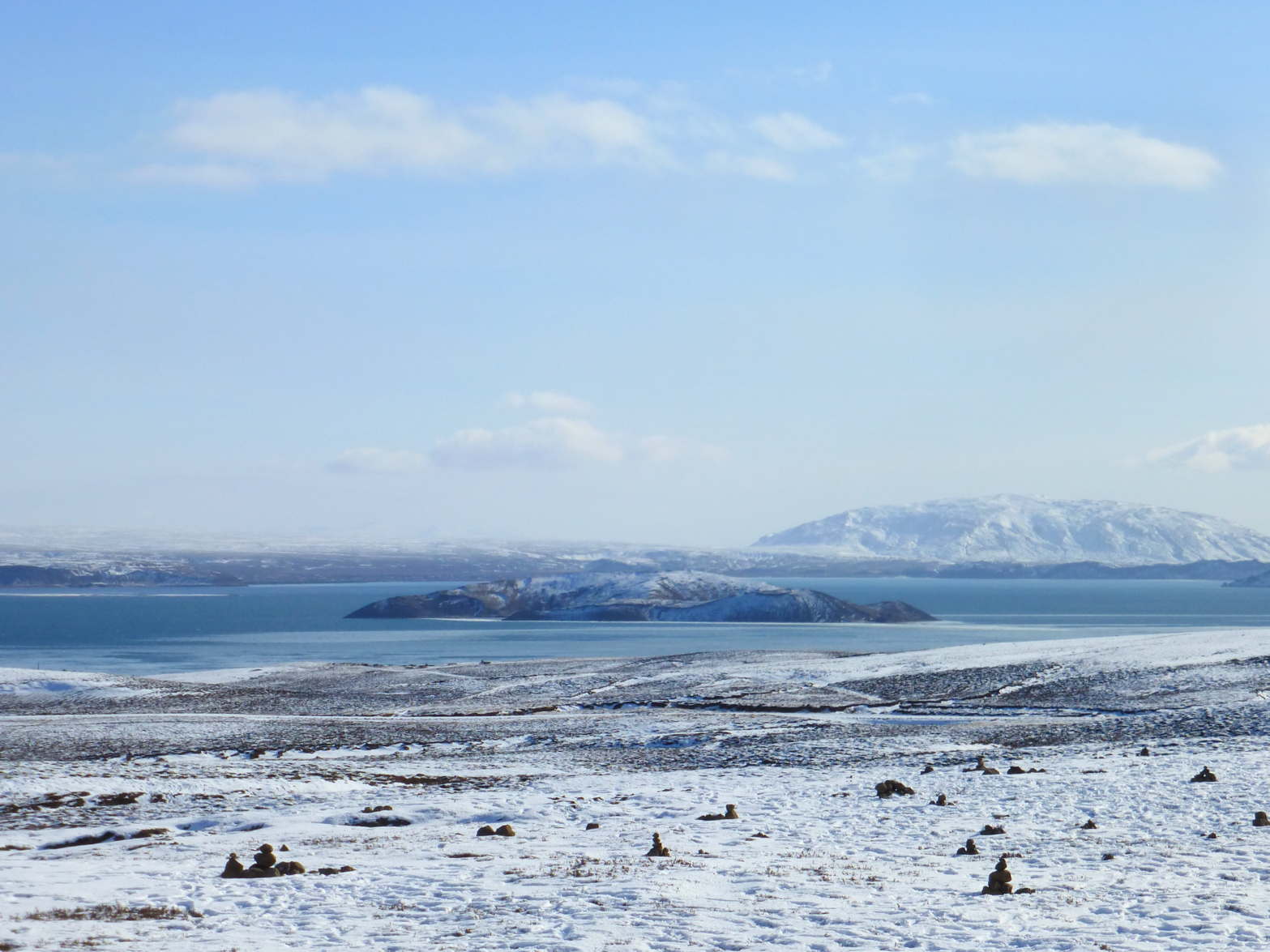
Or will you make a claim, to display your presence, such as these (illegal) tourists cairns below, above an Icelandic summer village at þingvellavatn?
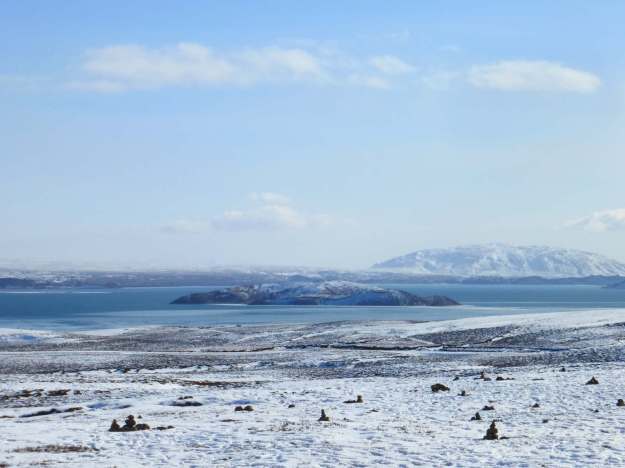
Or will you turn the ancient forest into the outflow for a hydroelectric dam?

Lagarfljot at Hallormstaðir
Don’t expect the Icelanders to tell you. They don’t have to decide these things. They already live here.
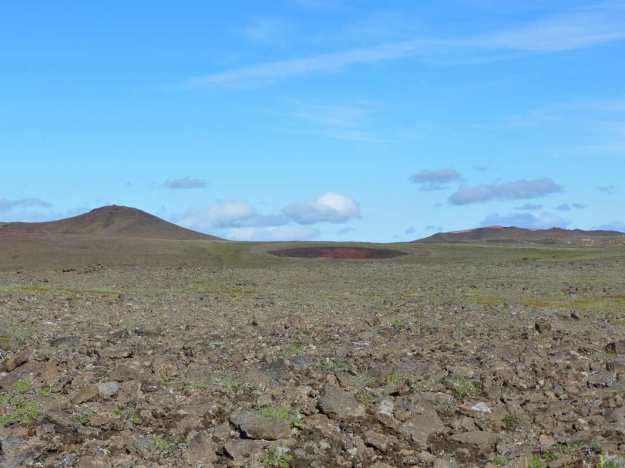
On Middle Earth.


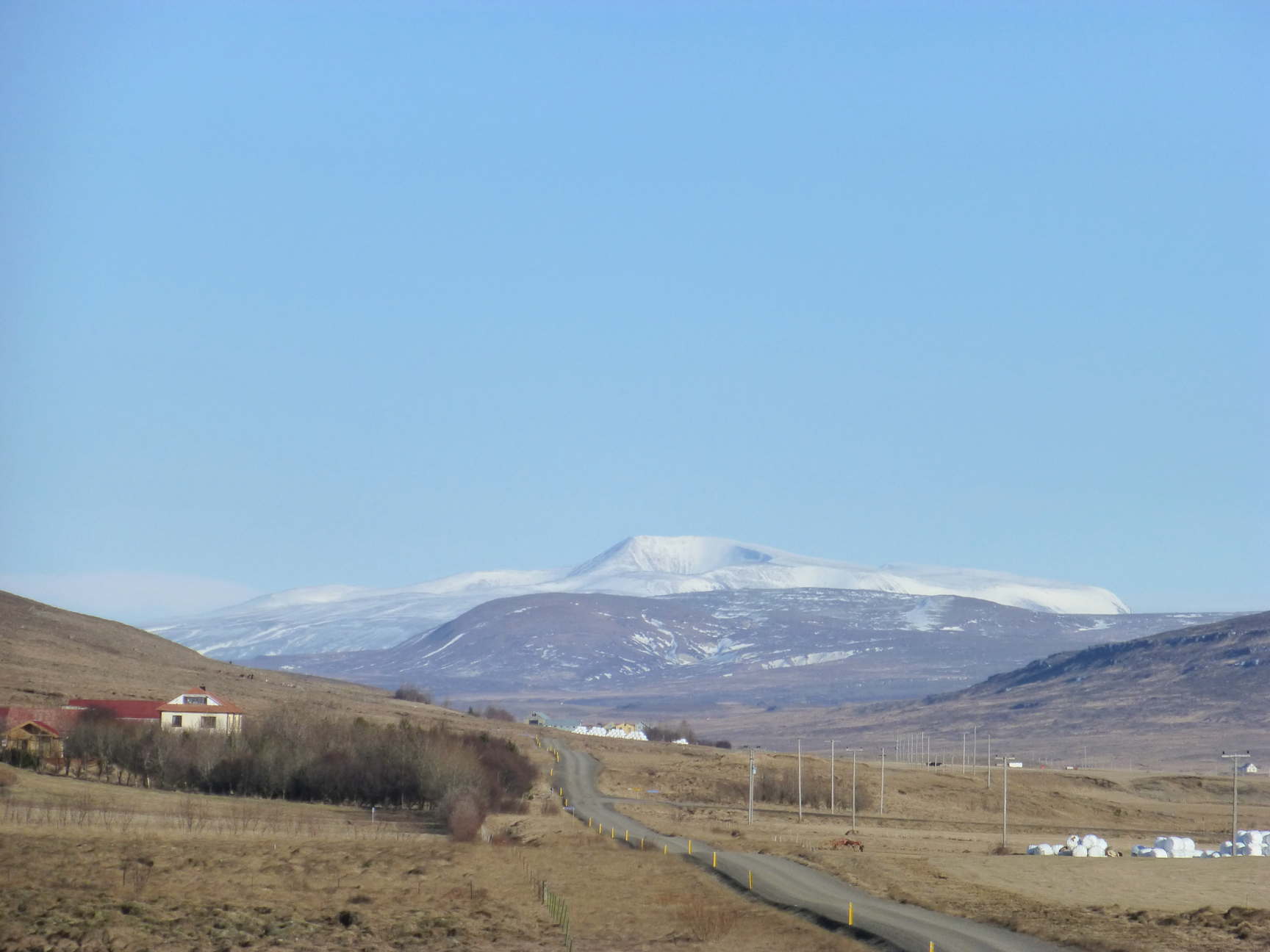




















 A Farm in Iceland