Category Archives: Architecture

Creativity in Iceland

Iceland was long isolated from the rest of Europe and maintained ancient, pre-industrial modes of creativity, economics and land use long after they had been rendered obsolete elsewhere. (What follows is an extended version of a post that appeared here a year ago, with new insights, text and images. It is part of a series on creativity I am exploring on my site www.okanaganokanogan.com, as part of an exploration of repairing human-earth relationships.)
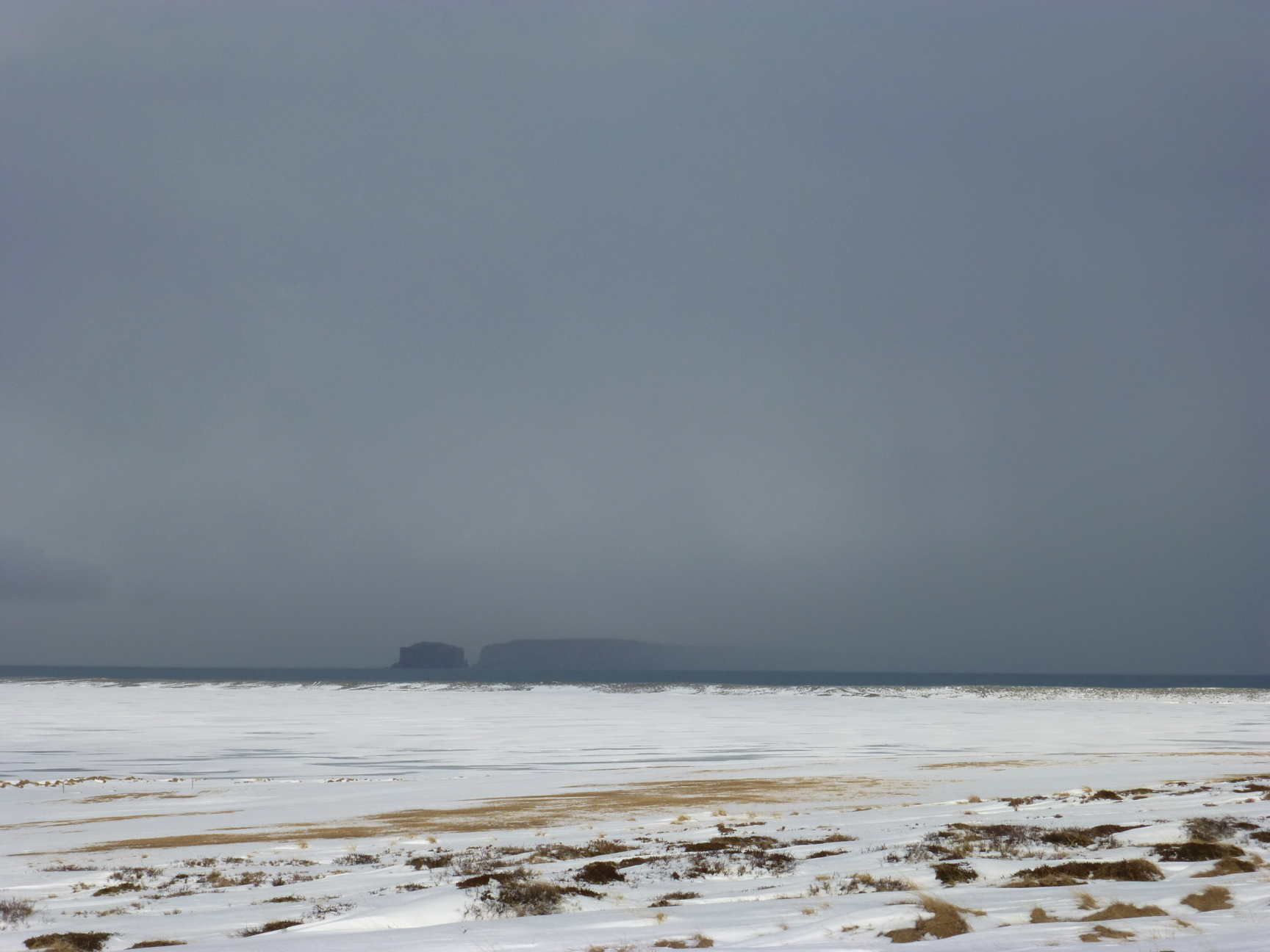
north

The Beauty of the North, Skagafjörður

Many parts of Icelandic culture did not leave an indigenous sense of land until the Second World War, when occupation by American and British military forces completely transformed the economy.

ruin

Abandoned Turf House, North Iceland

The wind, I promise, is unforgiving here. The house is built directly in it, on the crest of a hill above the Greenland Sea, so that the wind will take the winter snow away. The rest of the year is scarcely warmer. I would have left, too. And I love the wind!

For one thing, in Iceland you’re always under the observant eyes of ravens, who range out to the left and right of the god Oðin, acting as the harbingers and scouts of all identity: thought and memory. Here’s one keeping an eye on me.
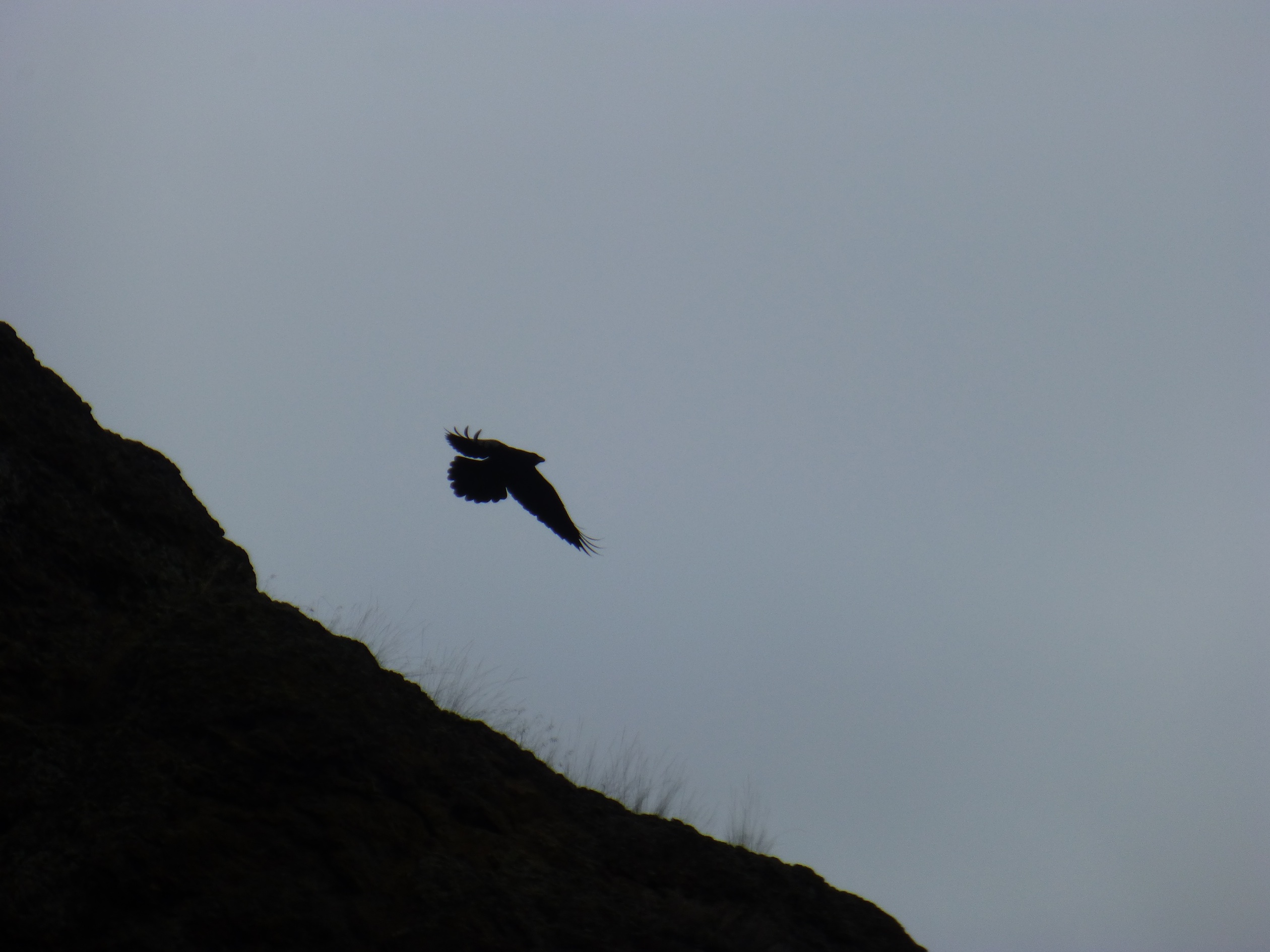
fly

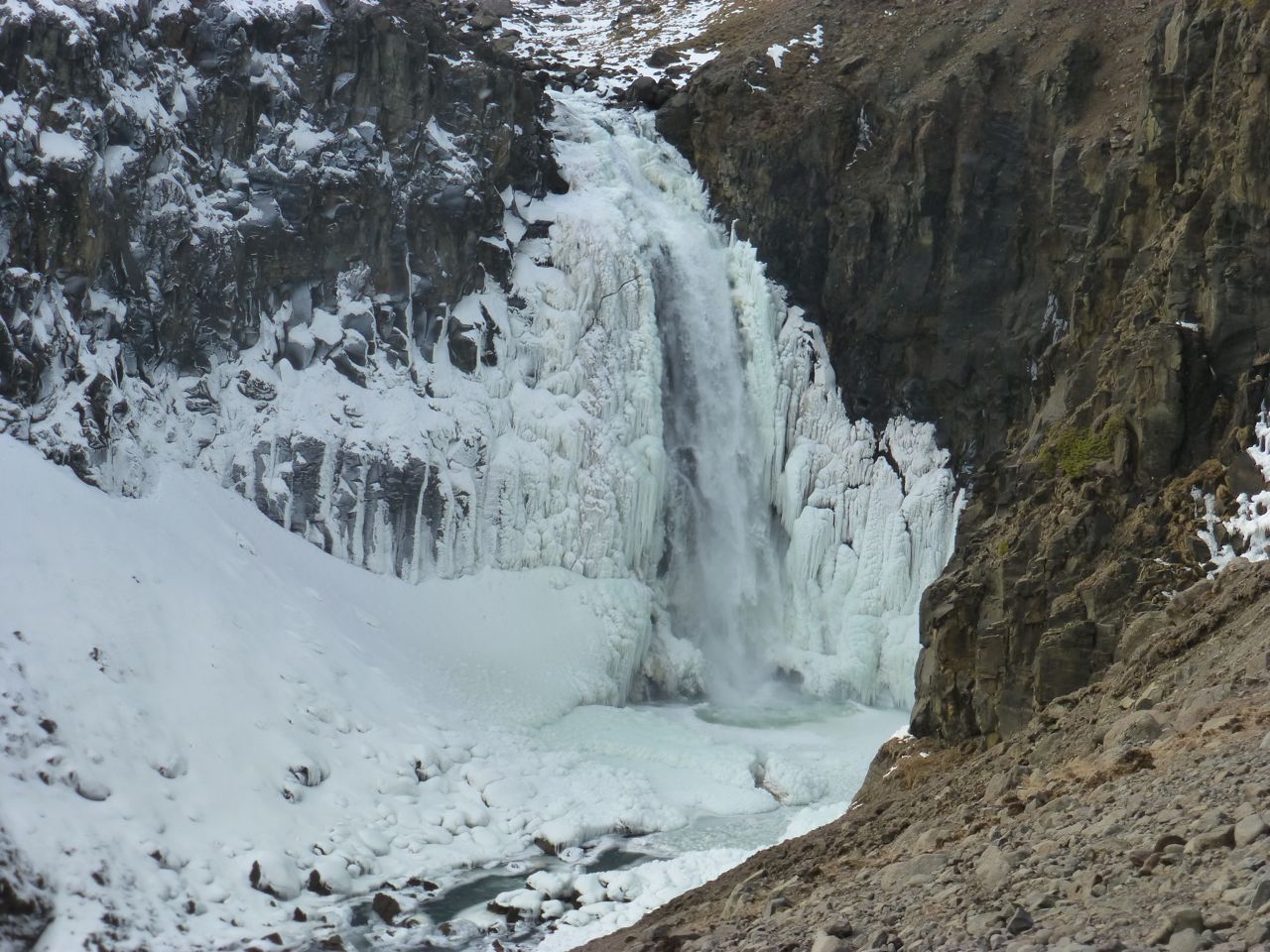
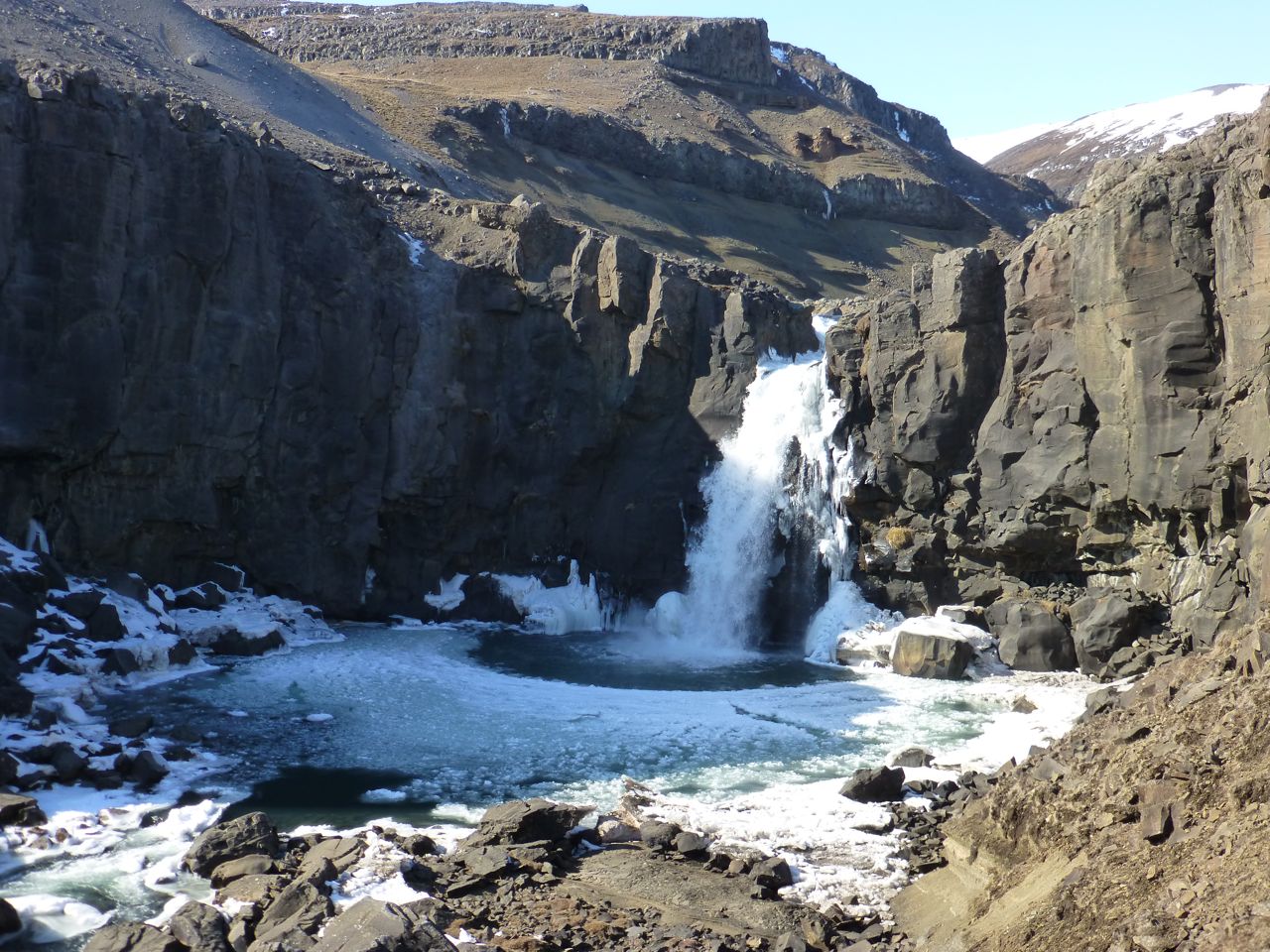
You Are Never Alone in Iceland, Hengifossá

One of the technologies that Iceland brought forward into the present is Nordic Mythology. It was preserved here, although lost everywhere else, and provides an alternate world view to all others. For one thing, it has humans dwelling on Middle Earth, between worlds of Fire and Ice. Middle earth is where they battle for dominance. The fire …

cone

… and ice are never far, and come from beyond the world.

skaftafell

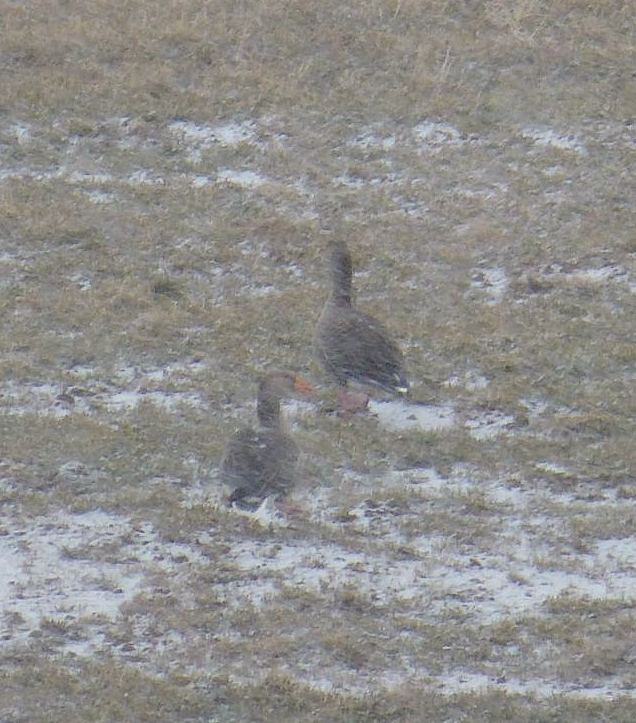
Snæfells, with Reindeer and Geese

This is a complex and deep heritage, which contains such creative technologies as haying …

hay


Haying is the Art of Creating a Book out of the Sun

You can read it all winter long, or your sheep can. My book The Art of Haying explores these mysteries.

… the string …

horsefences

Icelandic Horse Obeying The String That is a Human Will

… non-human personhood …

scratch

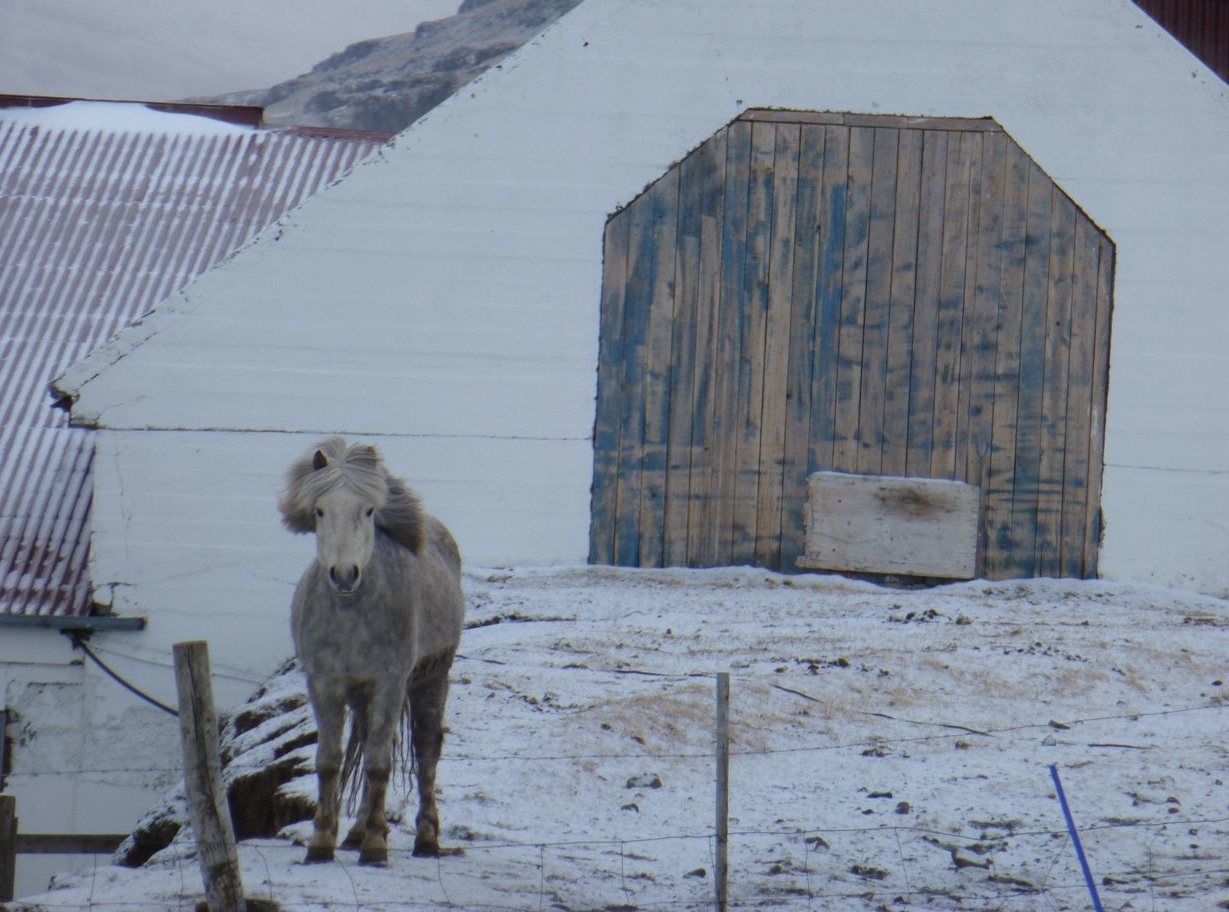
Icelandic Horse Scratching Its Head at the Mystery of It All

… the self living in the forms of the land…

holl

Elf City, South Iceland

…in union with ancient story …

hrafn

Raven Mountain, North East Iceland

… and creativity rising not from person but from space, in an ancient conception called the Tun.

page171

Cow, Calf and Tun

 All these technologies and many more meet in the culture of Iceland. The culture is their expression. Humans pass through this culture’s forms, in the same way they ride (or walk) across the land.

golfing


Golfing With Elves and the Dead, Too

In Iceland, nothing gets thrown away.

It’s the tun I’d like to talk about in terms of creativity today. A tun is something that you can observe (and take part in) everywhere in Iceland (and in the North). Here’s a tun in Denmark (the former colonizing power, grrr):
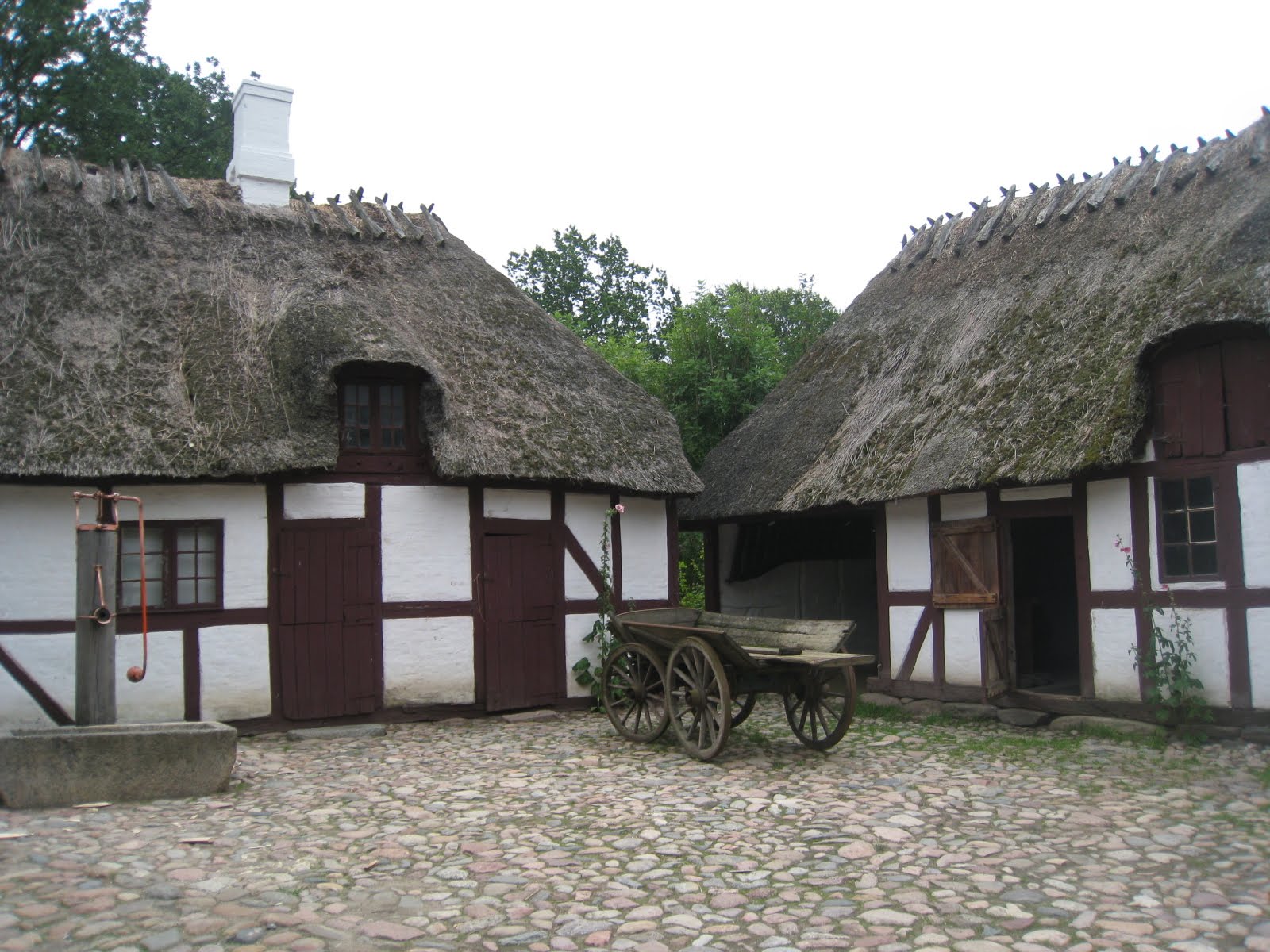
010Half-Timbered Danish Farmhouse

Den Fynske Landsby, Fyn, Danmark. The working courtyard in front follows the ancient Norse (and thereafter Icelandic) architectural model of a tun, an open air working room between buildings. 

A tun is a building without walls or roof, where the money-making activity of the farm took place, and where the manure (the dung, a variant of the word “tun”) was stored, which could be spread on the fields to create future wealth. It is the source of economy.
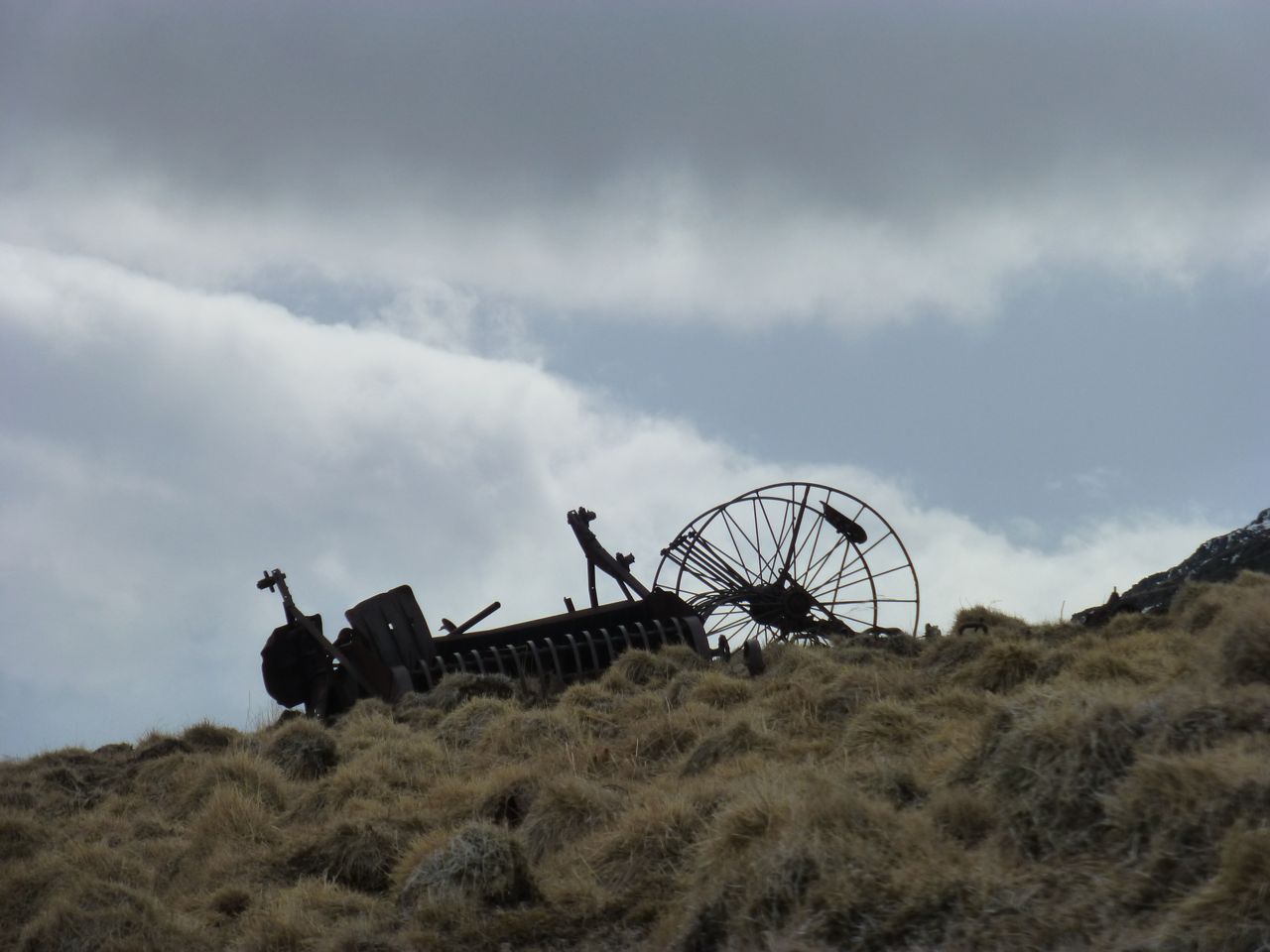
P1460930

Horse-drawn Wealth Spreader Waiting for Re-use

Hedge fund version 1.0.

The tun usually connected to the track to the next farm, or out to the world of trade. Here’s a variant on a tun, from East Iceland…

landhusLandhus Farm Barn, Fljótsðalur

In this case, the tun is the road itself. It’s the architectural space (within the landscape rather than the farmyard) that carries forth the energy of the tun.
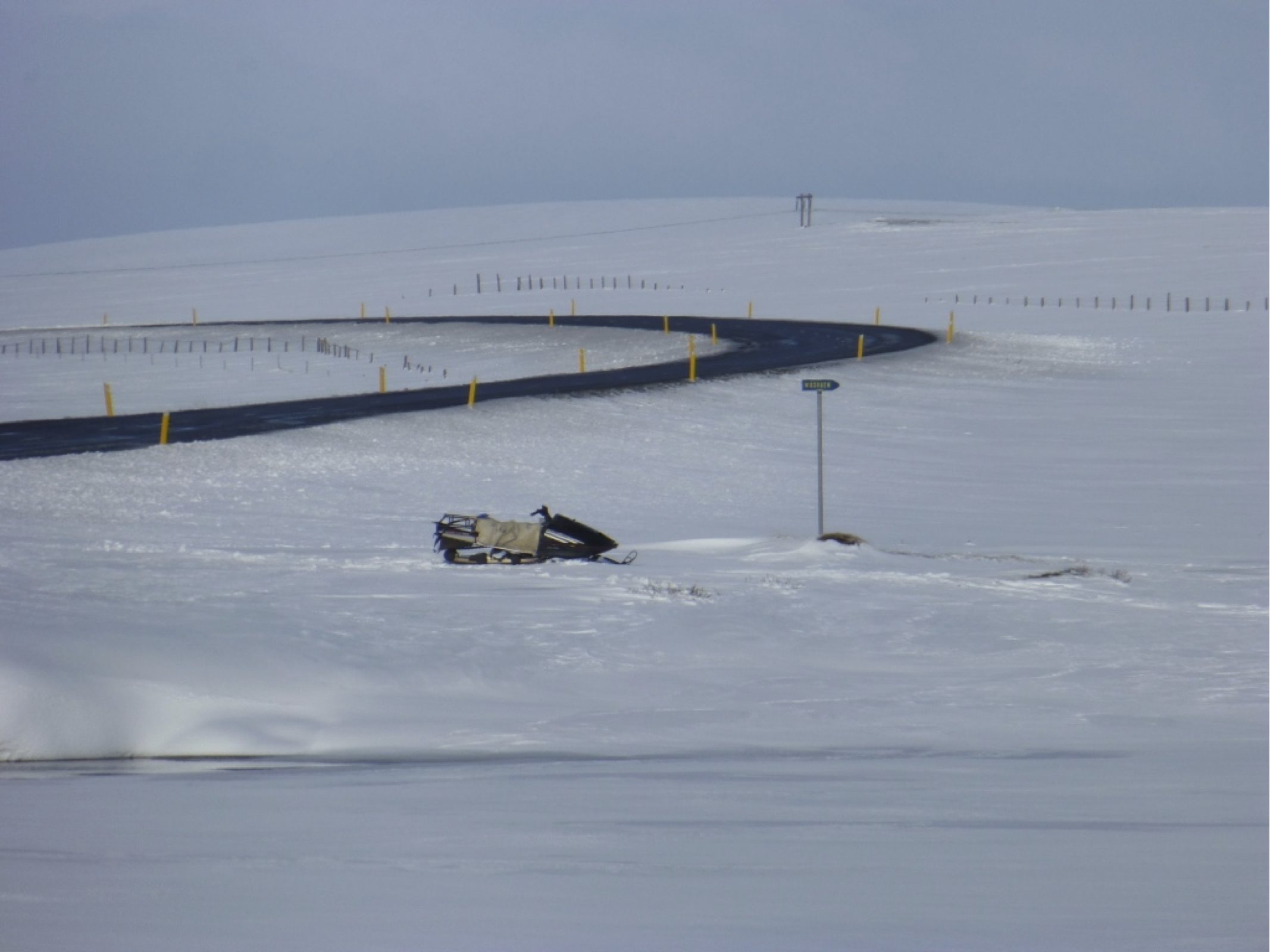
road

Icelandic Highway 1 in March, Mývatnssveit

Park your car here on the way back home from work. 

The word “tun” is the German for “to do”. The English word is “doing.” 

tundungdoing

A nice triad!

It is a place of energy that creates the economy and trade and activity of a country (or a farm), or lets it efficiently take place. It is the place where the future is created. Without it, the activity of humans would not be as organized as it is, nor could it be efficiently packed up and exported from the farm (or the country.) Iceland, of course, is a sophisticated modern country, so we can expect this source of energy to take many forms today. Here are a few:

Parking Strip.
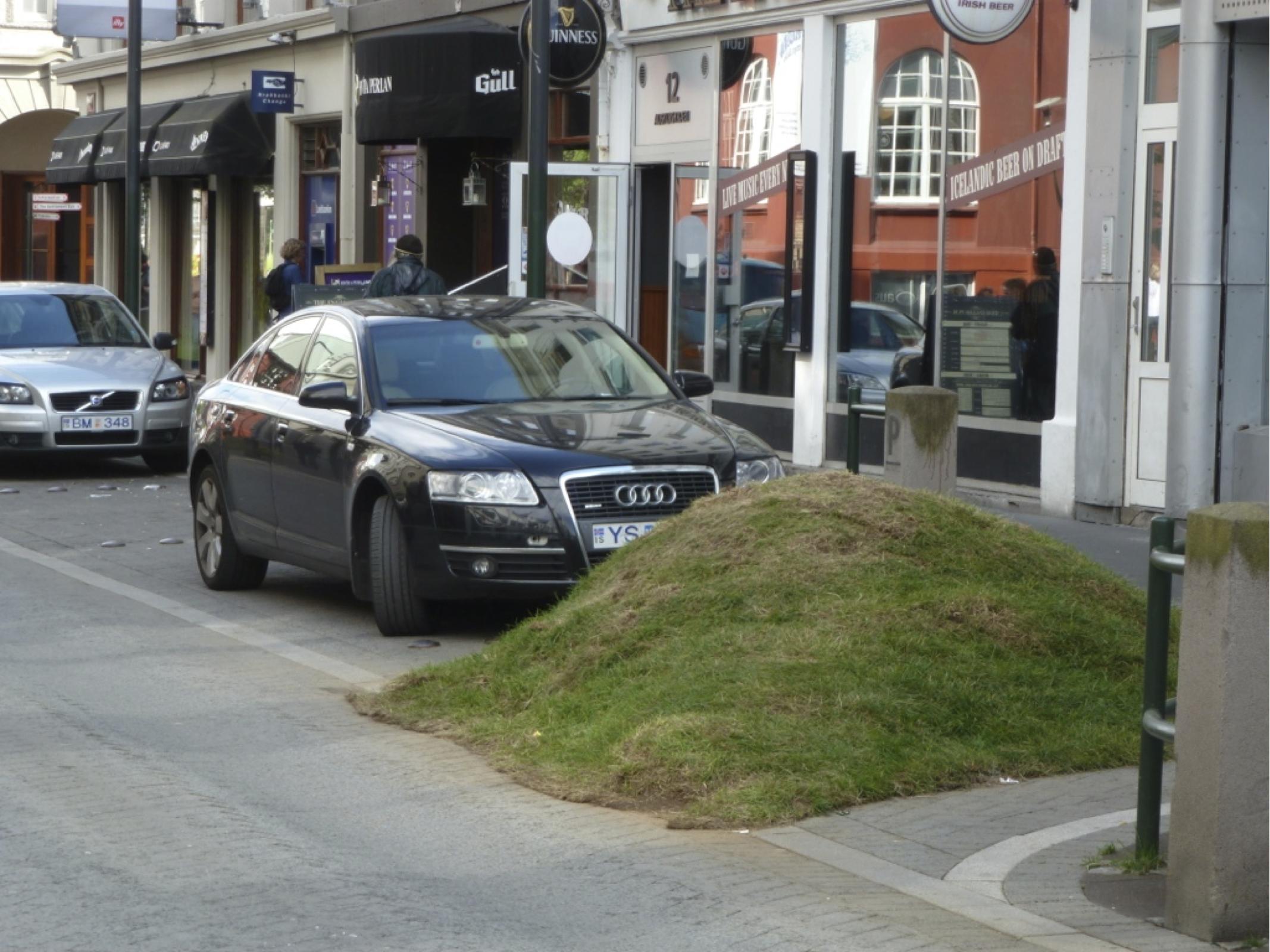
streetArt Project in Downtown Reykjavik

The pattern of tun-in-the-pasture is reversed to pasture-in-the-tun. (The tun is Reykjavik.) This pasture, though, is in the shape of a disused turf house. Clever stuff!

Movie theatre.
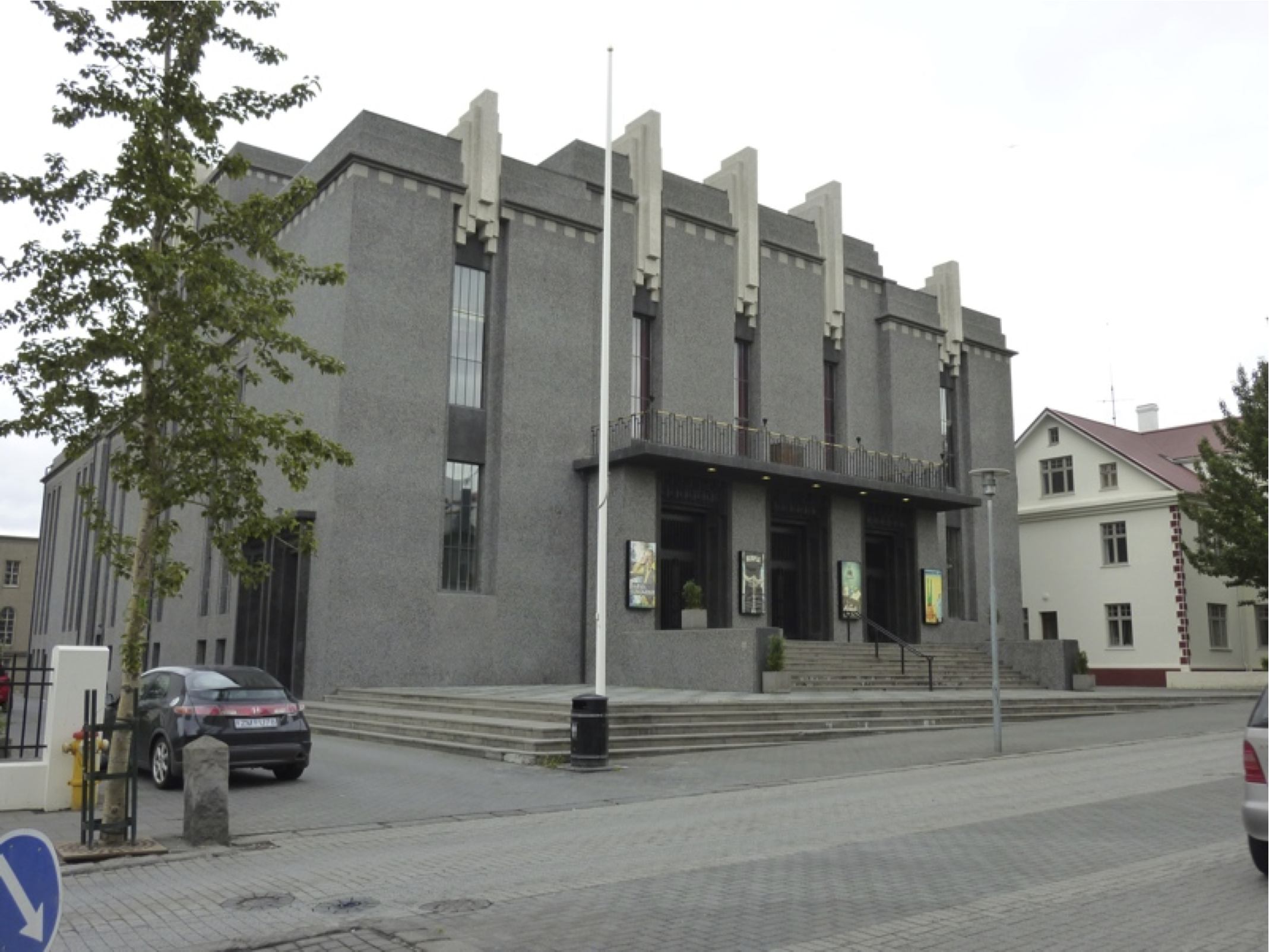
theatreThe Reykjavik Movie Theatre is Also a Place of Exchange.

Note that this is a re-purposed building. In other words, not only is the movie theatre a contemporary tun, but the building acts as one as well.

Church.

church2Vik Church, South Iceland

 A very useful tun for work with souls. In this case, the houses of the village take the place of the buildings of a farmyard.

Forest.

treehouseSummerhouse in Kirkjubærjarklaustur

The trees are part of a nation building program of the Icelandic government. They represent not only shelter and beauty, but future money in the bank. In this sense, they operate as a dung heap in a tun. The land itself has been separated from itself into a special tun space here. Here’s something different…

Youth.

truckA Movable Tun

This tun represents a combined cognitive, social and bodily space. It moves around and around through Reykjavik, invading people’s dreams and re-shaping them into effervescent images of mineral water. Not into the dance scene? No problem…

Farm.
farm

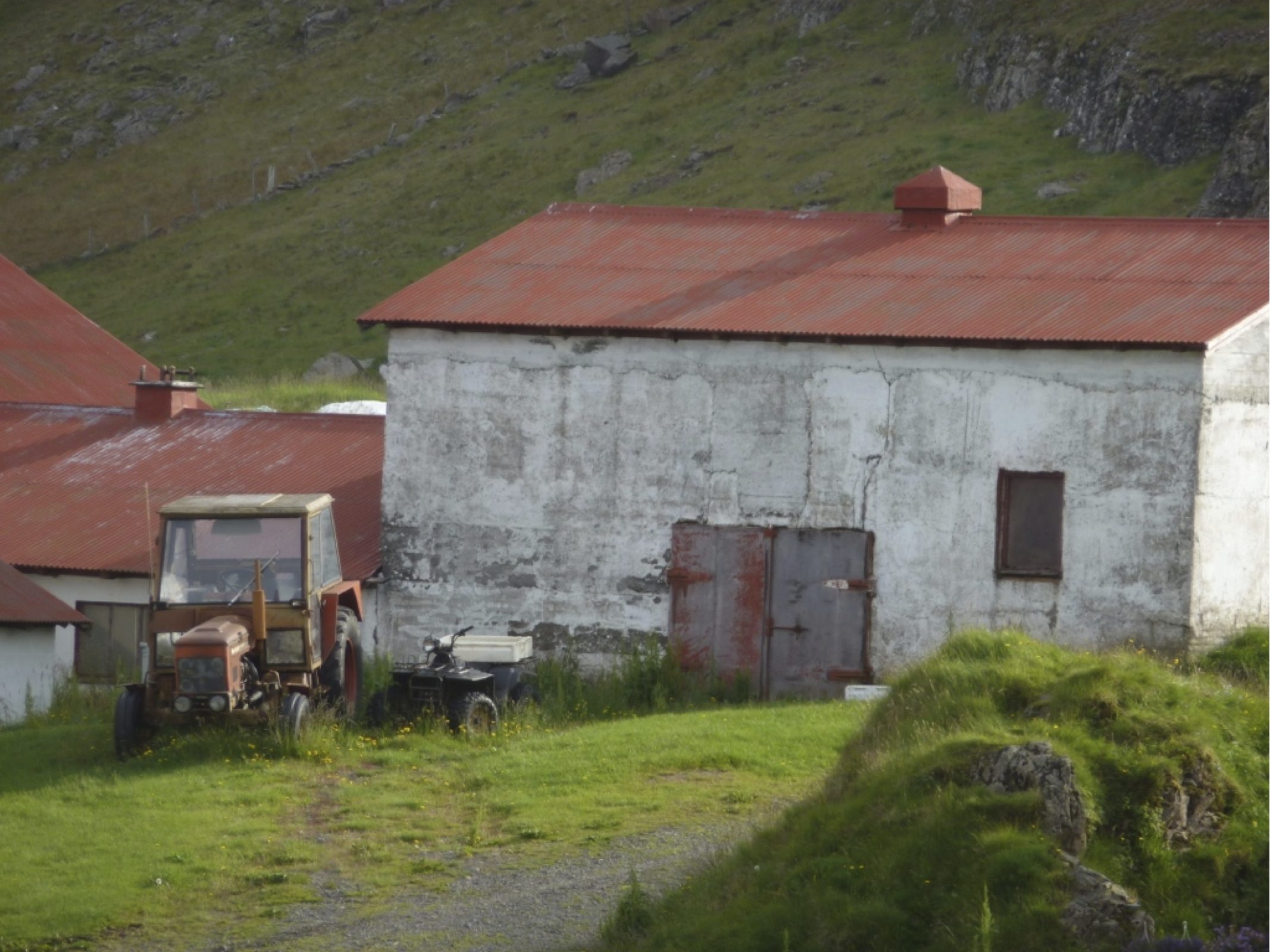
Icelandic Farmstead. 

Note the elf house in the foreground. It’s good to live close to your neighbours.

From the perspective of a capital economy, this capital has depreciated to the point of needing to be replaced with a new depreciation sequence paid for with interest. In a tun-based economy, the expense of taking wealth from the land in order to build structures upon it is a debt that will be erased only when the creative (tun-ish) potential given from the land and embodied in the building and the tractor are mined dry and these materials (dung-wise) rot back into the earth. They are, in other words, a fertilizer. You don’t paint fertilizer. You also don’t throw it away. Want something more adventuresome? Iceland has that too.

Glacier.
skaftafell

Svinafellsjokul, Skaftafell National Park

A glacier is part of the common wealth of a country, that which belongs to all of the people and brings water and energy to all. It’s not just the people, either. It also brings energy to the land itself. Here, you can see what that looks like, on the other side of the glaciers.
blue

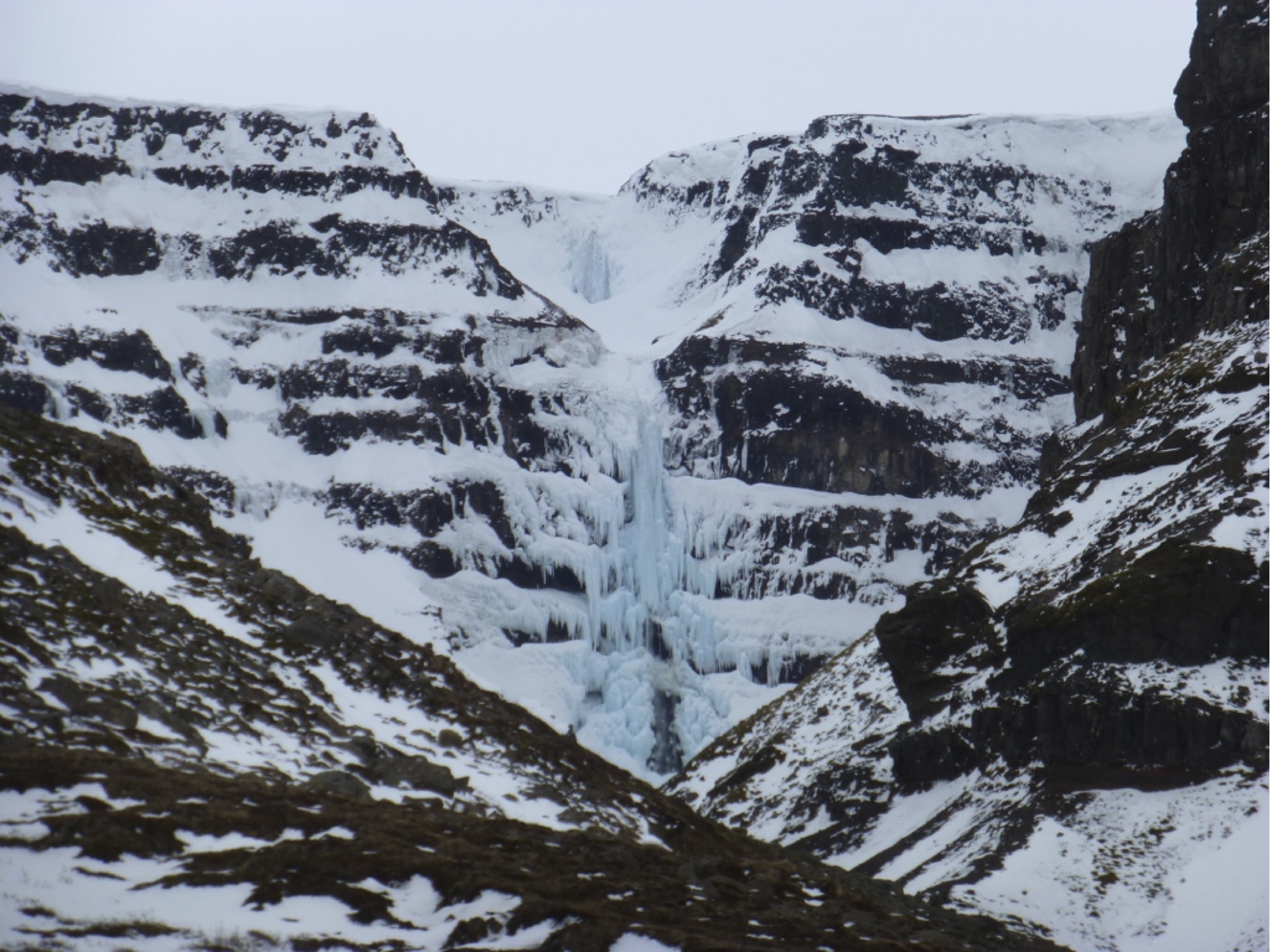
Strutfoss

Aka glacier turning into light. Very good for the soul.

A glacier can attract tourists (and mine them for wealth), provide healthy recreation for the people (an idea of nature, imported from coal-smoke-choked industrial England), and even provide habitat for fish …

snaefels

The Laugarfljót, with a view to Snæfells

These are both tun spaces. The mountain generates snow, which generates water. The lake collects the water, to provide habitat for fish. By concentrating energy in this way, mountain and lake make it available for human harvest. (Not that this is their plan.)

Unfortunately, capital-intensive economic systems can mess with that and simplify the idea of a tun almost to unrecognizability, like this:

P1390140 This is propaganda in the service of art.

Or art in the service of propaganda. Or a statue in the middle of a hydroelectric dam outflow channel that has diverted the water from Snæfells into the wrong fjord. Something like that. Here, here’s another look: P1390165 See that? The ship steams upriver, loaded with generic manufactured goods, towards the economy created by turning Snæfells’ life-giving properties into cash, that can pay for electric toasters and Swedish toilet paper. It never, of course, arrives. Here’s its goal…P1390138
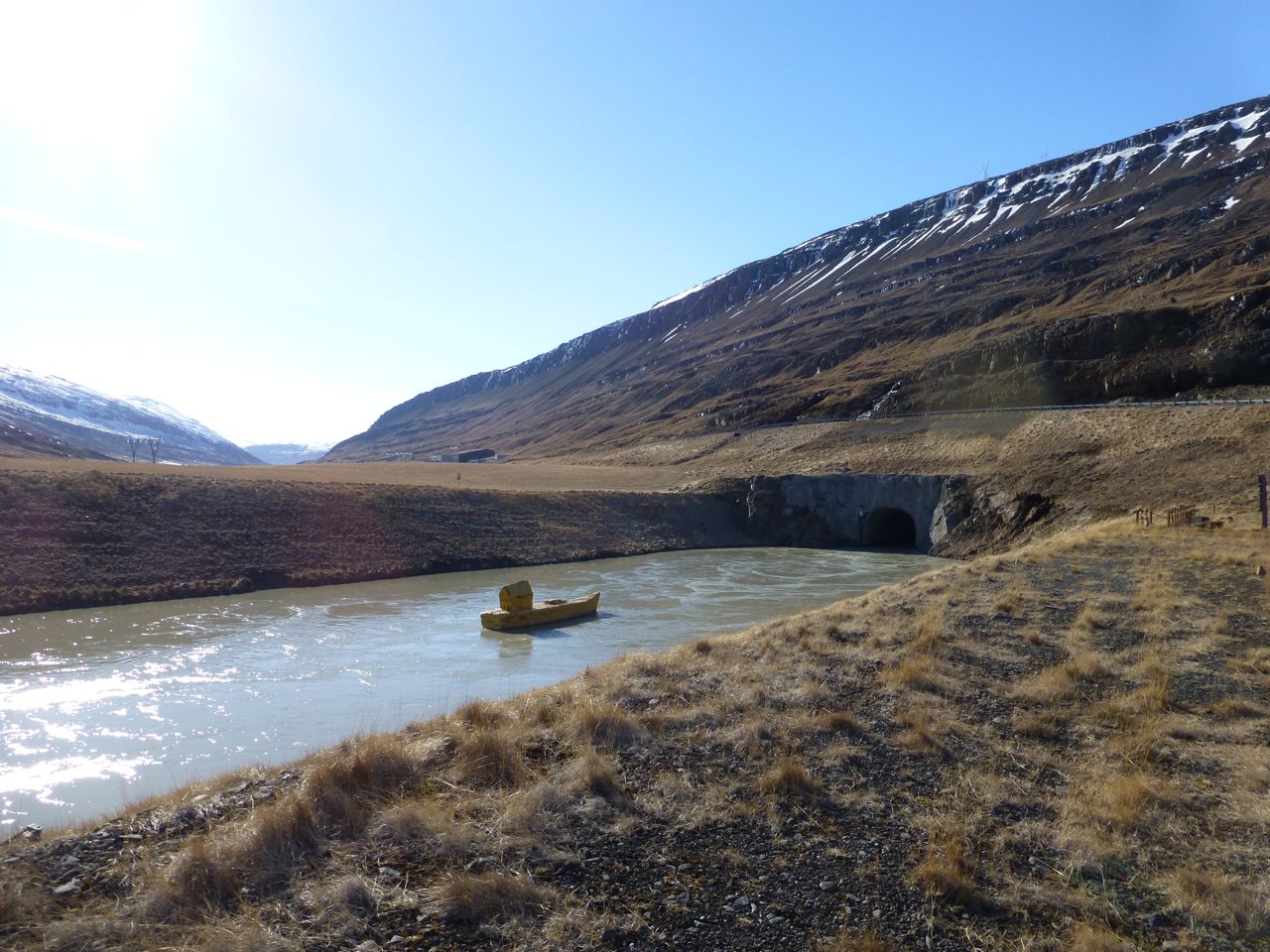
The Heart of the Mountain

The statue was erected on the notion of eternal wealth, just before the economic collapse made the whole notion questionable. Here’s a construction site (abandoned) in Reykjavik, based upon the economic version of this dam …

evolution

OK, So Maybe Not Such a Great Idea After All

If you get too abstract with your tun, you run the risk of running out of manure. Good to know.

Ah, perhaps you’re tired of farms by now? Well, here you go, way up in the north…

Boat.boat

A Sea-Going Tun Space

Powered by human energy (doing). Any fish brought into the boat (the tun) are instantly converted into wealth. Well, as long as your arms are strong and the weather holds.

This particular moveable tun has been sitting on the shore for a long time, but the principle still holds. When you start powering that boat with diesel, then a good chunk of the fish you bring in are not wealth, but payment for an operating debt, and, if you bought the boat on credit, a capital debt as well. If you’re not careful, the whole thing becomes a debt. Instead of organizing the wealth of your labour on the sea (very wet common space) for delivery to social space, the tun organizes social relationships for delivery to you. You have, in other words, lost your tun (doing.) Here’s a solution:

Garden.

garden

The Akureyri Botanical Garden

This garden is planted in Iceland’s northern capital to see what plants will grow in a cold, northern climate. The concentration is on decorative plants. That is part of Icelandic nationalism, a way of dunging the country so that it brings forth wealth (in the sense of a tun economy, organized around human relationships to common space (land and water, mostly), beauty and fecundity are both forms of wealth.) So is this:

School.
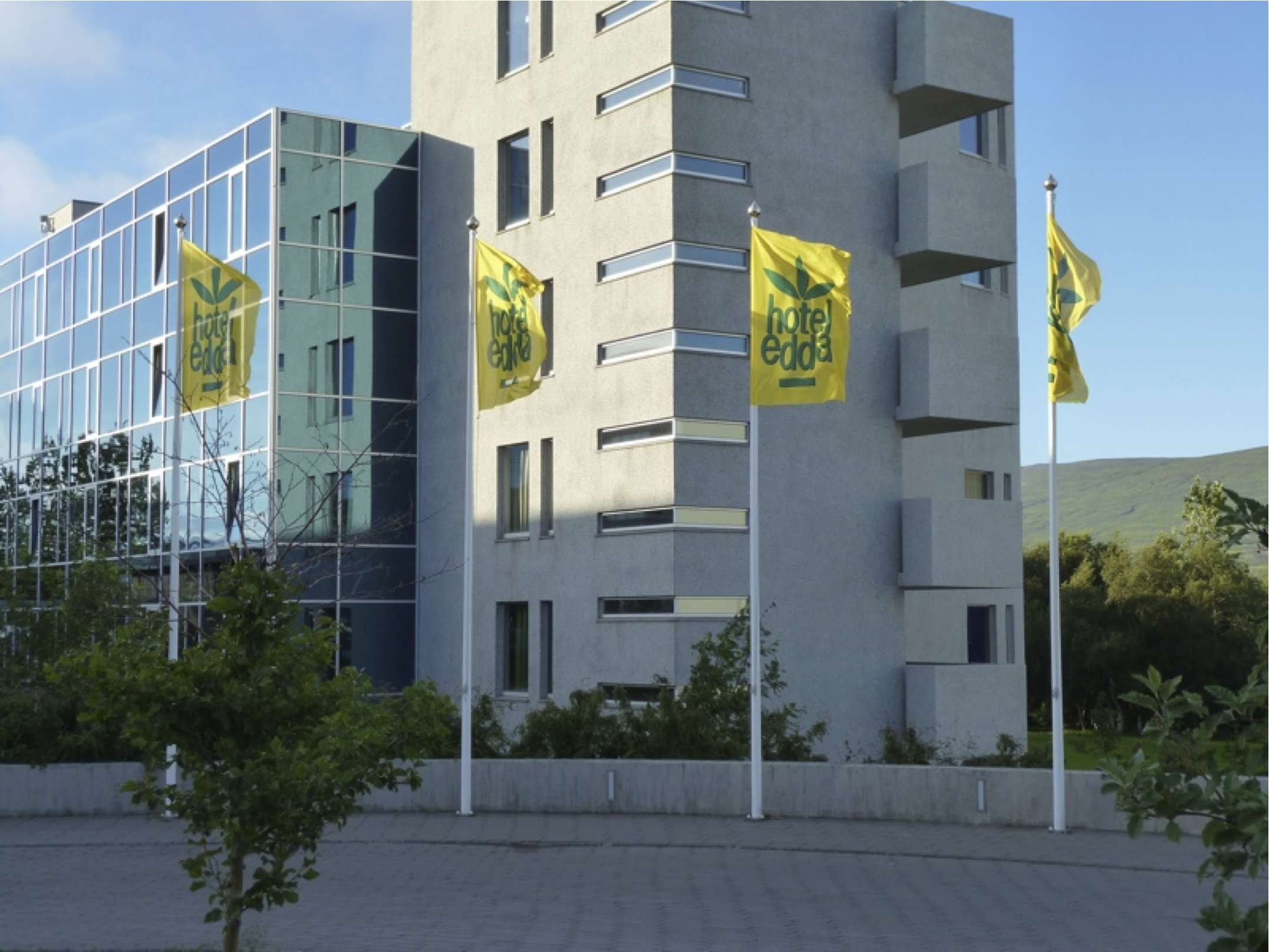
edda

Hotel Edda, Akureyri

In the summer, the richly-endowed residential high schools of Iceland are converted into hotels, serving travellers. This doing (tun) allows for them to be sheltered and fed without capital-intensive infrastructure on the land, that would not turn a profit (dung) and would be a drain on the community (a kind of field.) In other words, without the Hotel Edda concept, travel in Iceland would be greatly reduced. That is pure tun! In the winter, the schools are tuns of a different kind, gathering Icelandic youth together for their common education. It would be best, however, not to think of these multi-use spaces as either schools or hotels, but as a space which allows for and serves both relationships to the land. See? Pure tun! Similarly…

gas2

N1 Gas Station in Blondüos

In sparcely-populated Iceland, a gas station is like a city in itself (Icelandic Staður, German Stadt [city] or Staat [country], English State, and in land terms a Stead, as in a farmstead. Here it’s a gas stead.) Everyone stops (where else?). Everyone eats (hamburgers, chicken, pizza and hot dogs, the national dishes of Iceland, and for the lucky soul a liquorice ice cream bar [available only in Iceland] if you root around long enough in the freezer.) The places so interrupt the roads in a tun-ish kind of way that even the police stop here. Rather than waiting at the side of the road trying to nab people of interest, they just hang out at the N1 and interrogate people while they’re filling up with gas.

Here’s a somewhat more esoteric tun from Kirkjubærjarklaustur:
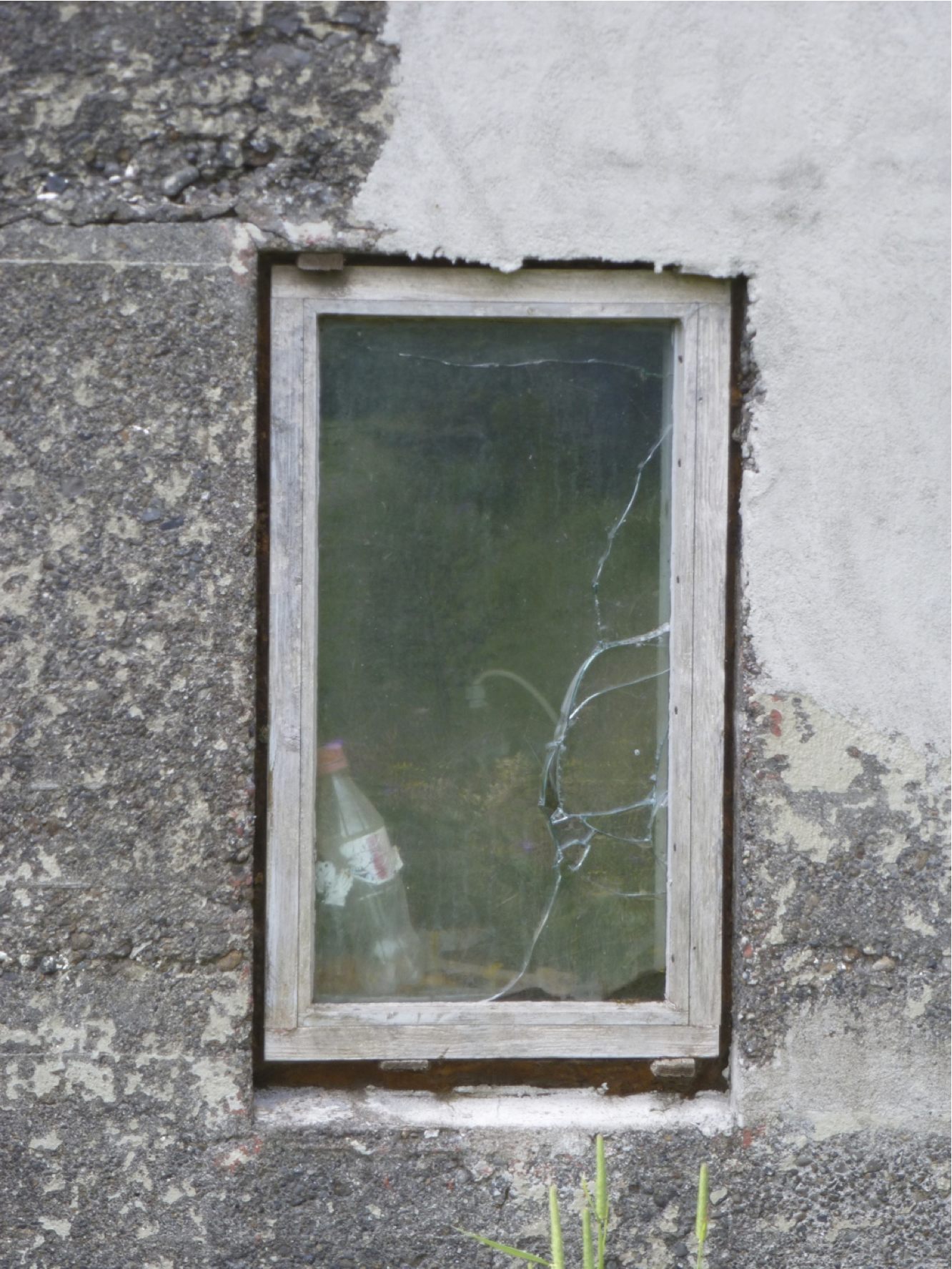
window

A Window on the Tun …

… is part of the function of the tun, even when it’s a bit wonky from a stone cast up by a weed eater or, perhaps (judging from the repaired state of the wall) earthquake.

Similarly, a piece of propaganda-art (or is it art-propaganda?) in downtown Reykjavik provides an anchor point for tourists wandering down to the waterfront (very tun-ish, that)…

Tourism.aluminum2

Leif the Lucky’s Aluminum Ship, with Modern Adventurers

If I was crossing the North Atlantic in a longboat, I’d want it to be a made out of aluminum, too.

… while reminding the Reykjavikers that the money that built their glittering waterfront…

City.
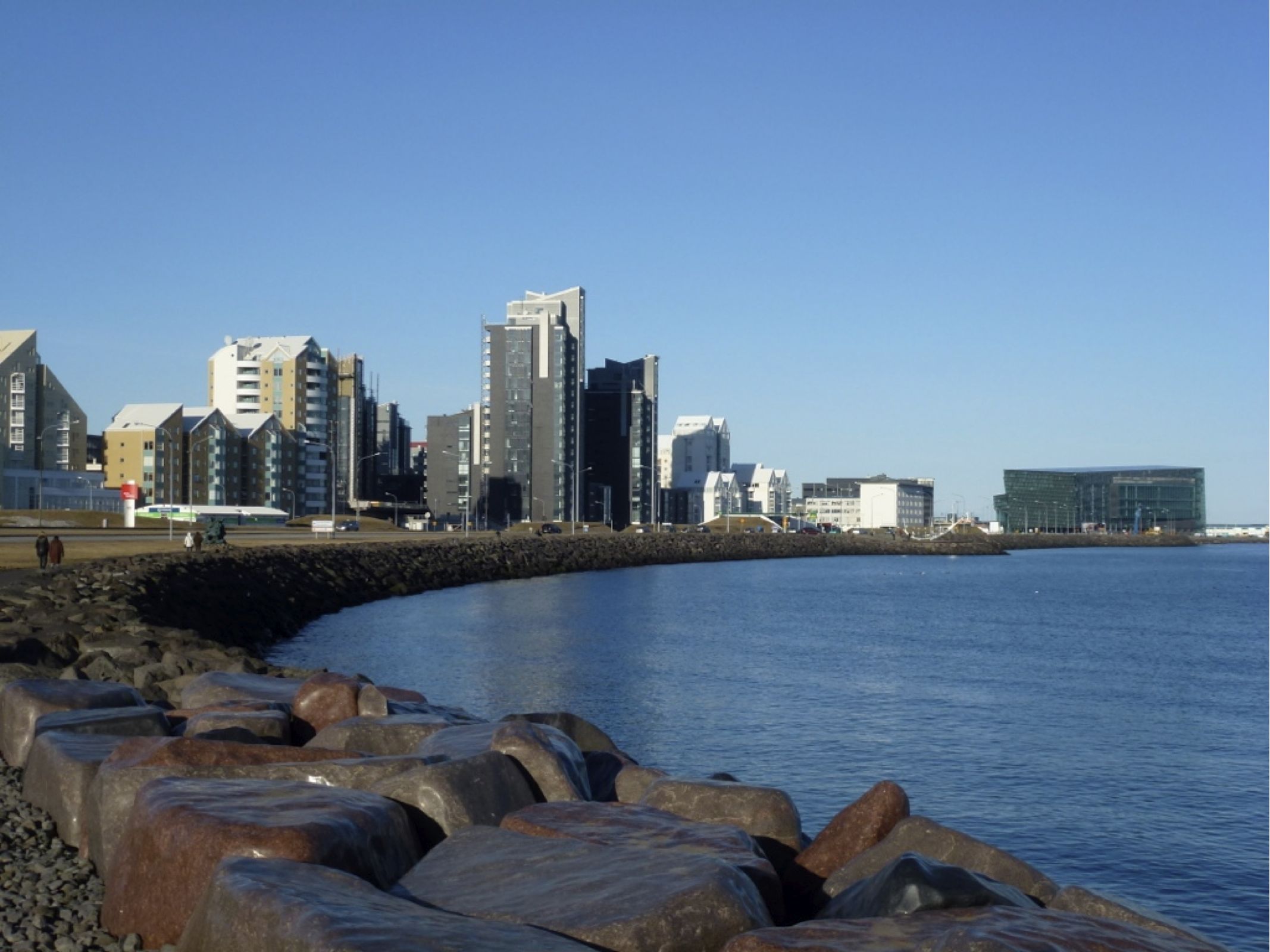
city

Reykjavik: Iceland’s Tun

It interacts with other national tuns to create the worldwide tun network.

… came from the aluminum smelter (and glacial-melt electricity) across the mountain in Whale Fjord.

Smelter.
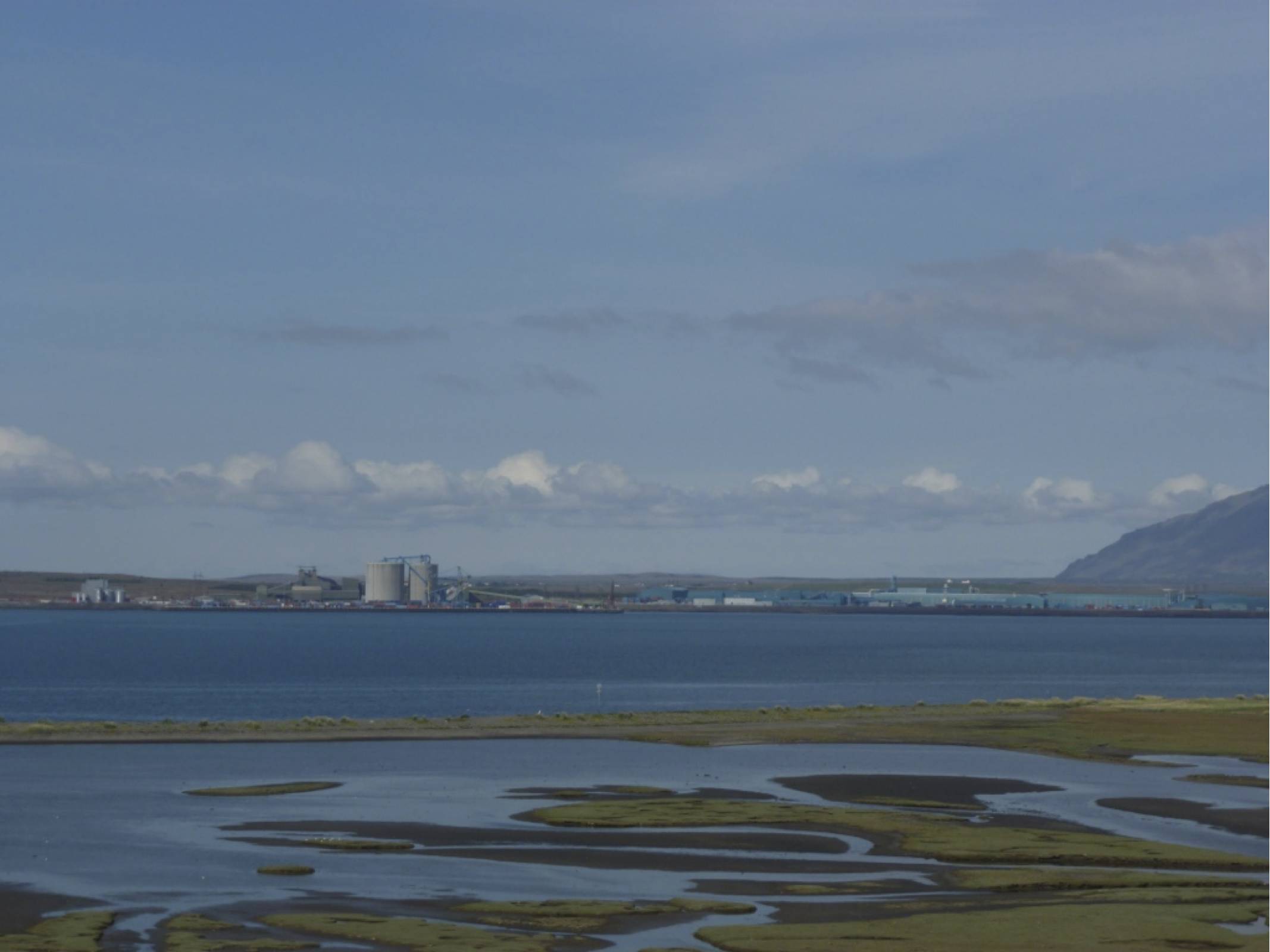
aluminum

Aluminum Smelter with World War II Airstrip (aka bird sanctuary), Hvalfjörður

Leif’s ship points straight this way. This is a capital tun. That it needs space (Iceland) is rather incidental. It might have been British Columbia. Oh, wait, they’ve dammed rivers and diverted them through tunnels and extirpated salmon for an aluminum smelter in British Columbia, too! Like tuns, capital is everywhere. Sometimes it flows right through a tun and obliterates it.

Here’s Reykjavik’s most interesting tun, right on the waterfront …

Harpa.harpa

Harpa

The Reykjavik opera house and performance centre. It also houses a CD shop, a cafe, exhibition space, practice space for dancers, fashion shows and classical, folk and rock concerts. In other words, it provides a space for the concentration of cultural activity of all kinds in sufficient quantity and quality that it can be delivered to the people, the country, and the world. It’s also a beautiful piece of architecture that captures the sun light and casts it in coloured rectangles on the concrete plaza at its base, like sketchings made out of chalk. Tun all the way.

Not all tuns are so complex. Here’s one of the most basic (and powerful) of them all…

Graveyard.

graves

Right Between Church and House

Note the road that comes directly to it. The tithes that came to a church accrued to the landowner who had built the tun space for the people and were, as such, a major form of wealth for Icelandic farms. The byproduct was the dead, who were planted in the tun — a kind of social dung, fertilizing the future (Heaven) or the present (built as it is on human memory, the more the memory the richer the present.)

In this conception of wealth, capital (and money) aren’t exactly the goal, but a product of the tun space. The carefully-bounded space below, on the other hand, added to the tun space…

Field.

field Stallions at Skriðuklaustur

Without the line that bounds this field, there would be no inputs to a tun space. It would only be a potential space. Never underestimate a line, in Iceland or anywhere else.

Here, this image may illustrate that more dramatically. Here we are at Myvatn (you may recognize this image)…
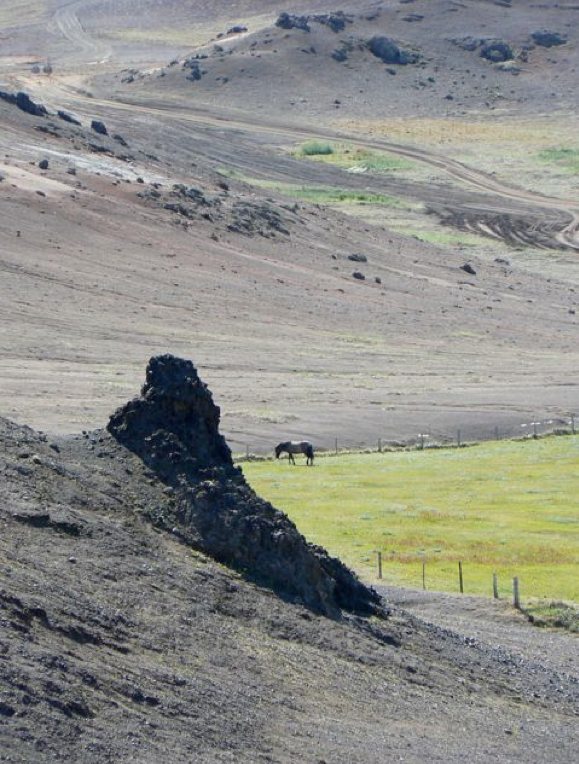
horsefield

Volcanic Slag, fenced and dunged = Field = Horse 

Simple math.

If we lift the camera just a teensy bit, we get some perspective…
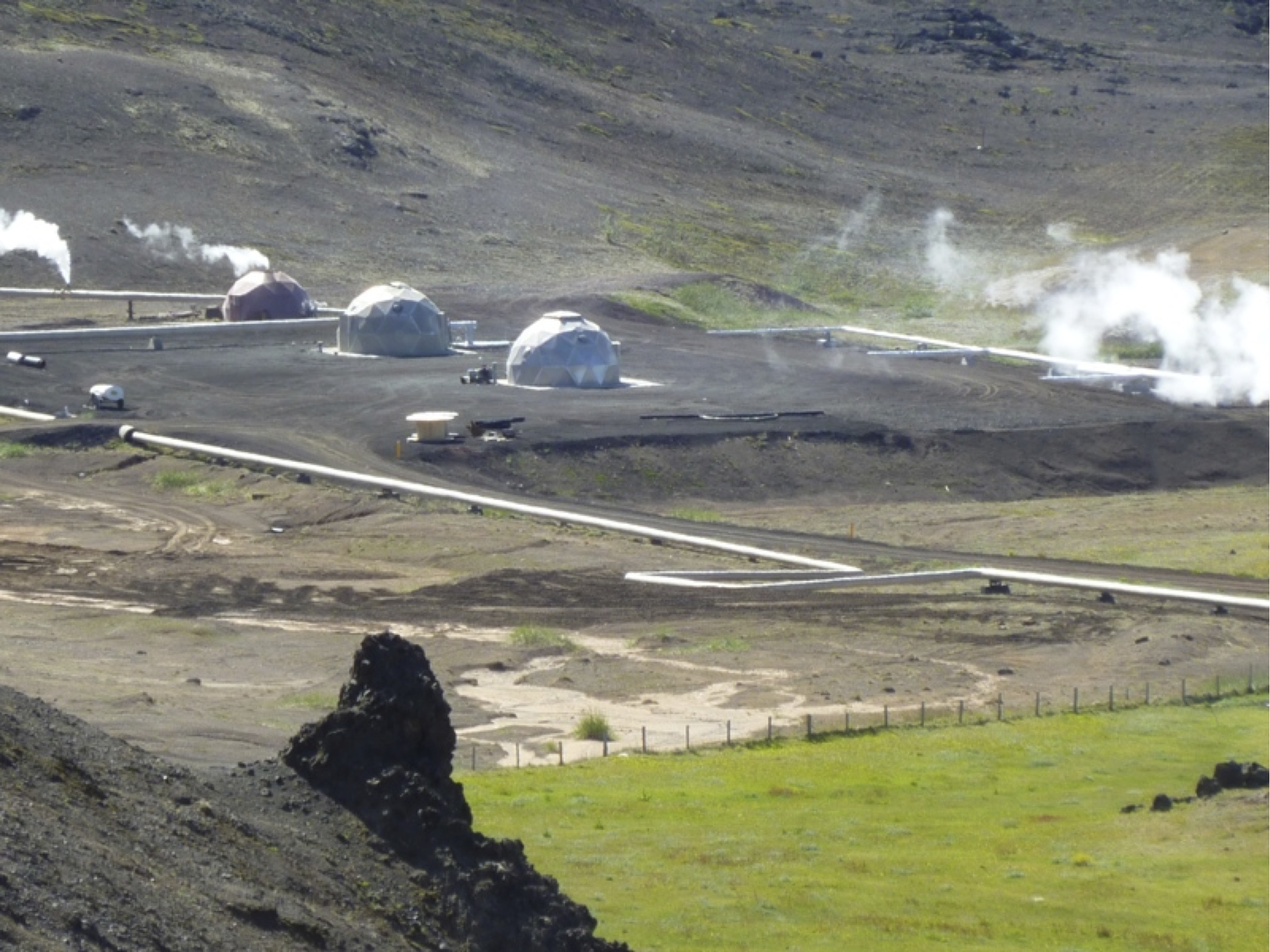
myvatn

Volcanic Slag + Capital + Cleverness = Geothermal Power

Our horse is behind the rock.

You see how that works? The land has potential. It has a form of potential energy. The application of a particular technological approach towards defining it as space allows for different forms of energy to come out of it. A line gives us a field, gives us a horse. It will be brought into a tun, where this elementary relationship is retained. Capital gives us a geothermal power station. It will be brought into a city, where it’s own elementary relationships are retained. In the first case, the earth is full of life and living relationships. In the second, humans are separated from the earth, which is a field of energy, that can be harvested. The interrelationship between these two ways of being is complex, but at all times the elementary principle remains: creativity comes from the space that is outlined by technology; the outcomes are predetermined. In other words, we who are humans are not separate from technology and cannot just direct it to our will. All we can hope for is to create spaces, which create energy flows that lead to where we wish to go, but we should be very clear as to where they might lead. Here’s a kind of tun that got its start in Iceland over a thousand years ago:

Thing.

thingvaellir

The Thing Place in Þingvællir

The world’s first parliament convened on this spot at the confluence of the walking trails of Iceland in the year 930. All the people came and collectively decided their social arrangements, then followed the trails back to their home farms. This is the tun of tuns.

On the principle that space creates function and energy is latent in the land, some tuns are geographical spaces. Like this…

Fjord.

hrafnseyrie2

Arnarfjörður, from Hrafnseyrie

This was the view that Jon Sigurdson, father of Icelandic independence, took in as a child.

Here’s a slightly altered version:

Harbour.

harbour

Stikkishólmur Harbour

Here’s an example of a common Icelandic tun: a ruin of a lost farm.  The people of Reykjavik come from places like this that were no longer tenable in a capital-fueled society. They do, however, remain.

Ruin.

ruin

Ruined Farmhouse near Arnarstapi

The mistake should not be made, despite the astute and chilling observations of Iceland’s Nobel Laureate, Halldór Laxness, that such buildings were a betrayal of the debt of humans to their land, as they were too capital intensive and not constructed within the flow of seasons and fate. Instead, it’s better to think of them as graveyards and memory artefacts, that continue to bind people to the land, although only in potential, and offer the chance of return. The energy that was squandered (as Laxness saw it) on these buildings, remains in them, as it also remains in the land, and can be mined again. Only in the sense of capital is it lost.

Well, there are many other forms of doings in Iceland. Cataloguing them won’t add to that appreciably. But perhaps this image might sum it up:

Bridge.
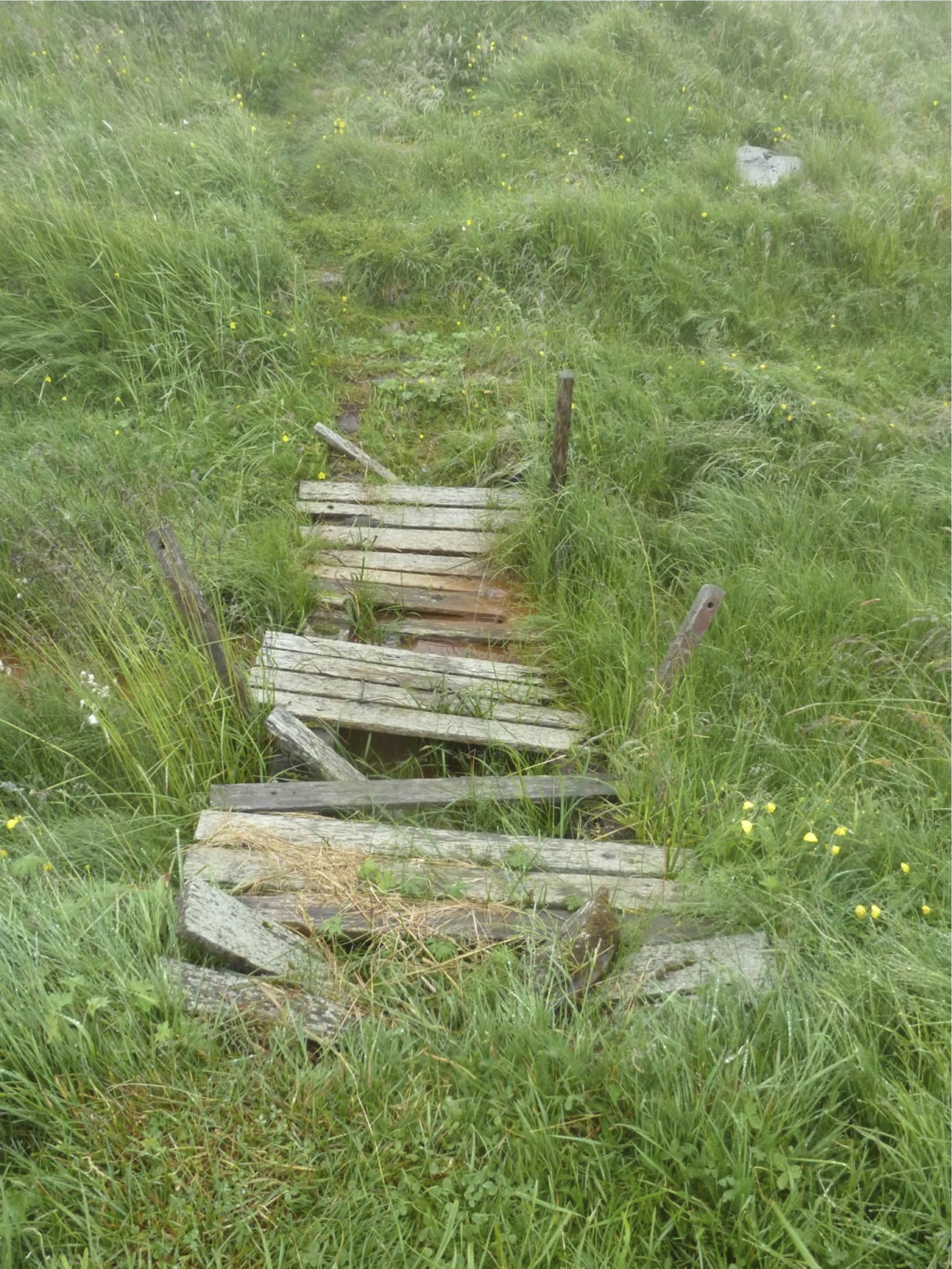
bridgeLike the string that defines a field and allows for concentrated activity, a bridge is another technology both similar to a tun and connected to its energy. It allows for improved delivery of material to the tun, without the contamination of important water sources with the mud generated by foot traffic. In this case, perhaps not so well, but, hey, I used this bridge on my way to the Dwarf Church in Seyðisfjörður, and it did its thing. Oh, and as for bridges, here’s one…

Golf Course.

golfSlowly, a people who have lost their connection to tun space are refinding it, in the golf course surrounding a church which was set up next to an elf city in the lava fields south of Reykjavik. Humans are like horses in a field. They really can’t wander that far.

Well, that’s the tun (our contemporary ton, or town), in many of its forms. It is in this space that Icelandic creativity takes place, because the tun (not the individual self, not God but focussed activity rising from location, here in Middle Earth, between cataclysmic forces) is where creativity takes place. In Iceland, it is Middle Earth, Miðgarðr, that is creative space. A similar set of illustrations can be worked out for the other technologies (string, etc) with which I introduced this post, but for now, I think you get the point: in Iceland there is a form of creativity and a corresponding land sense with little if any connection to American, French or German land senses. The culture, however, is more creative than those others. That’s worth sitting down in for awhile and getting to know. So, until next time when I will speak about Indigenous creativity on the Columbia Plateau, thank you for spending some quality time with me among the elves.
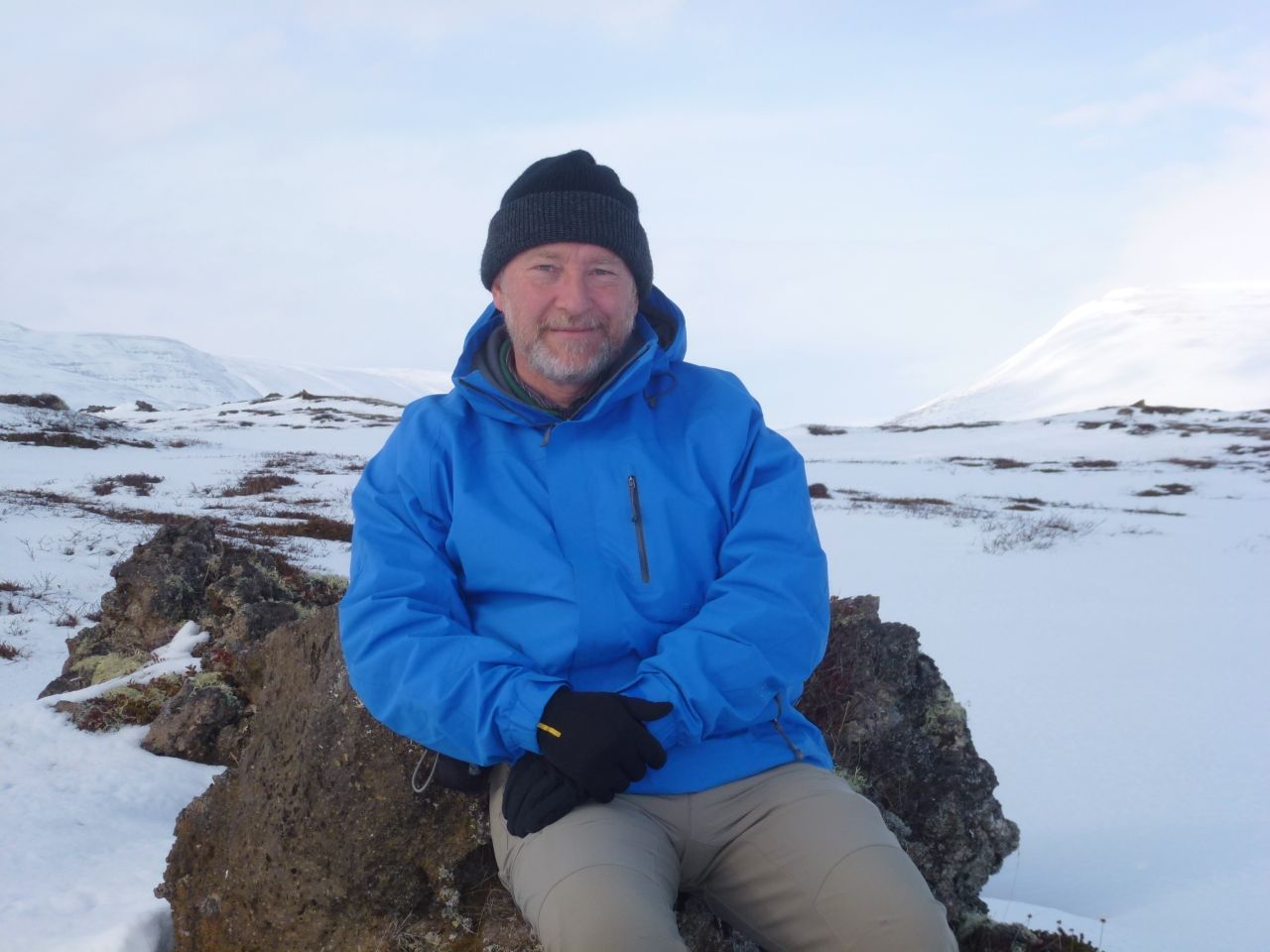
Godafoss and Lake Myvtan 342

Harold Among the Elves on Miðgarðr

Goðafoss

Creative Space in Iceland

I started this blog a year ago, talking about tuns. Here’s the result of a year exploring them or just wandering through them (under the observant eyes of ravens.)

fly

You Are Never Alone in Iceland, Hengifossá

(Well, unless you’re always looking for humans for company. In that case, it might be best to stay in Reykjavik.)

Today, I’d like to illustrate an observation that it’s not people who are creative, but space. Ah, you might ask, what is a tun that it might lead to an observation like that?

scratch

Icelandic Horse Scratching Its Head

A tun is something that you can observe (and take part in) everywhere in Iceland (and in the North). Here’s a tun in Denmark (the former colonizing power, grrr):

010Half-Timbered Danish Farmhouse

Den Fynske Landsby, Fyn, Danmark. The working courtyard in front follows the ancient Norse (and thereafter Icelandic) architectural model of a tun, an open air working room between buildings. 

A tun is a building without walls or roof, where the money-making activity of the farm took place, and where the manure (the dung, a variant of the word “tun”) was stored, which could be spread on the fields to create future wealth. It is the source of economy.

P1460930

Horse-drawn Wealth Spreader Waiting for Re-use

Hedge fund version 1.0.

The tun usually connected to the track to the next farm, or out to the world of trade. Here’s a variant on a tun, from East Iceland…

landhusLandhus Farm Barn, Fljótsðalur

In this case, the tun is the road itself. It’s the architectural space (within the landscape rather than the farmyard) that carries forth the energy of the tun.

road

Icelandic Highway 1 in March, Mývatnssveit

Park your car here on the way back home from work. 

The word “tun” is the German for “to do”. The English word is “doing.” 

tundungdoing

A nice triad!

It is a place of energy that creates the economy and trade and activity of a country (or a farm), or lets it efficiently take place. It is the place where the future is created. Without it, the activities of humans would not be as organized as it is, nor could it be efficiently packed up and exported from the farm (or the country.) Iceland, of course, is a sophisticated modern country, so we can expect this source of energy to take many forms today. Here are a few:

Parking Strip.

streetArt Project in Downtown Reykjavik

The pattern of tun-in-the-pasture is reversed to pasture-in-the-tun. (The tun is Reykjavik.) This pasture, though, is in the shape of a disused turf house. Clever stuff!

Movie theatre.

theatreThe Reykjavik Movie Theatre is Also a Place of Exchange.

Note that this is a re-purposed building. In other words, not only is the movie theatre a contemporary tun, but the building acts as one as well.

Church.

church2Vik Church, South Iceland

 A very useful tun for work with souls. In this case, the houses of the village take the place of the buildings of a farmyard.

Forest.

treehouseSummerhouse in Kirkjubærjarklaustur

The trees are part of a nation building program of the Icelandic government. They represent not only shelter and beauty, but future money in the bank. In this sense, they operate as a dung heap in a tun. The land itself has been separated from itself into a special tun space here. Here’s something different…

Youth.

truckA Movable Tun

This tun represents a combined cognitive, social and bodily space. It moves around and around through Reykjavik, invading people’s dreams and re-shaping them into effervescent images of mineral water. Not into the dance scene? No problem…

Farm.
farm

Icelandic Farmstead. 

Note the elf house in the foreground. It’s good to live close to your neighbours.

From the perspective of a capital economy, this capital has depreciated to the point of needing to be replaced with a new depreciation sequence paid for with interest. In a tun-based economy, the expense of taking wealth from the land in order to build structures upon it is a debt that will be erased only when the creative (tun-ish) potential given from the land and embodied in the building and the tractor are mined dry and these materials (dung-wise) rot back into the earth. They are, in other words, a fertilizer. You don’t paint fertilizer. You also don’t throw it away. Want something more adventuresome? Iceland has that too.

Glacier.
skaftafell

Svinafellsjokul, Skaftafell National Park

A glacier is part of the common wealth of a country, that which belongs to all of the people and brings water and energy to all. It’s not just the people, either. It also brings energy to the land itself. Here, you can see what that looks like, on the other side of the glaciers.

blue

Strutfoss

Aka glacier turning into light. Very good for the soul.

A glacier can attract tourists (and mine them for wealth), provide healthy recreation for the people (an idea of nature, imported from coal-smoke-choked industrial England), provide habit for fish …

snaefels

The Laugarfljót, with a view to Snæfells

These are both tun spaces. The mountain generates snow, which generates water. The lake collects the water, to provide habitat for fish. By concentrating energy in this way, mountain and lake make it available for human harvest. (Not that this is their plan.)

Unfortunately, capital-intensive economic systems can mess with that and simplify the idea of a tun almost to unrecognizability, like this:

P1390140 This is propaganda in the service of art.

Or art in the service of propaganda. Or a statue in the middle of a hydroelectric dam outflow channel that has diverted the water from Snæfells into the wrong fjord. Something like that. Here, here’s another look: P1390165 See that? The ship steams upriver, loaded with generic manufactured goods, towards the economy created by turning Snæfells’ life-giving properties into cash, that can pay for electric toasters and Swedish toilet paper. It never, of course, arrives. Here’s it’s goal…P1390138

The Heart of the Mountain

The statue was erected on the notion of eternal wealth, just before the economic collapse made the whole notion questionable. Here’s a construction site (abandoned) in Reykjavik, based upon the economic version of this dam …

evolution

OK, So Maybe Not Such a Great Idea After All

If you get too abstract with your tun, you run the risk of running out of manure. Good to know.

Ah, perhaps you’re tired of farms by now? Well, here you go, way up in the north…

Boat.boat

A Sea-Going Tun Space

Powered by human energy (doing). Any fish brought into the boat (the tun) are instantly converted into wealth. Well, as long as your arms are strong and the weather holds.

This particular moveable tun has been sitting on the shore for a long time, but the principle still holds. When you start powering that boat with diesel, then a good chunk of the fish you bring in are not wealth, but payment for an operating debt, and, if you bought the boat on credit, a capital debt as well. If you’re not careful, the whole thing becomes a debt. Instead of organizing the wealth of your labour on the sea (very wet common space) for delivery to social space, the tun organizes social relationships for delivery to you. You have, in other words, lost your tun (doing.) Here’s a solution:

Garden.

garden

The Akureyri Botanical Garden

This garden is planted in Iceland’s northern capital to see what plants will grow in a cold, northern climate. The concentration is on decorative plants. That is part of Icelandic nationalism, a way of dunging the country so that it brings forth wealth (in the sense of a tun economy, organized around human relationships to common space (land and water, mostly), beauty and fecundity are both forms of wealth.) So is this:

School.

edda

Hotel Edda, Akureyri

In the summer, the richly-endowed residential high schools of Iceland are converted into hotels, serving travellers. This doing (tun) allows for them to be sheltered and fed without capital-intensive infrastructure on the land, that would not turn a profit (dung) and would be a drain on the community (a kind of field.) In other words, without the Hotel Edda concept, travel in Iceland would be greatly reduced. That is pure tun! In the winter, the schools are tuns of a different kind, gathering Icelandic youth together for their common education. It would be best, however, not to think of these multi-use spaces as either schools or hotels, but as a space which allows for and serves both relationships to the land. See? Pure tun! Similarly…

gas2

N1 Gas Station in Blondüos

In sparcely-populated Iceland, a gas station is like a city in itself (Icelandic Staður, German Stadt [city] or Staat [country], English State, and in land terms a Stead, as in a farmstead. Here it’s a gas stead.) Everyone stops (where else?). Everyone eats (hamburgers, chicken, pizza and hot dogs, the national dishes of Iceland, and for the lucky soul a liquorice ice cream bar [available only in Iceland] if you root around long enough in the freezer.) The places so interrupt the roads in a tun-ish kind of way that even the police stop here. Rather than waiting at the side of the road trying to nab people of interest, they just hang out at the N1 and interrogate people while they’re filling up with gas.

Here’s a somewhat more esoteric tun from Kirkjubærjarklaustur:

window

A Window on the Tun …

… is part of the function of the tun, even when it’s a bit wonky from a stone cast up by a weed eater or, perhaps (judging from the repaired state of the wall) earthquake.

Similarly, a piece of propaganda-art (or is it art-propaganda?) in downtown Reykjavik provides an anchor point for tourists wandering down to the waterfront (very tun-ish, that)…

Tourism.aluminum2

Leif the Lucky’s Aluminum Ship, with Modern Adventurers

If I was crossing the North Atlantic in a longboat, I’d want it to be a made out of aluminum, too.

… while reminding the Reykjavikers that the money that built their glittering waterfront…

City.

city

Reykjavik: Iceland’s Tun

It interacts with other national tuns to create the worldwide tun network.

… came from the aluminum smelter (and glacial-melt electricity) across the mountain in Whale Fjord.

Smelter.

aluminum

Aluminum Smelter with World War II Airstrip (aka bird sanctuary), Hvalfjörður

Leif’s ship points straight this way. This is a capital tun. That it needs space (Iceland) is rather incidental. It might have been British Columbia. Oh, wait, they’ve dammed rivers and diverted them through tunnels and extirpated salmon for an aluminum smelter in British Columbia, too! Like tuns, capital is everywhere. Sometimes it flows right through a tun and obliterates it.

Here’s Reykjavik’s most interesting tun, right on the waterfront …

Harpa.harpa

Harpa

The Reykjavik opera house and performance centre. It also houses a CD shop, a cafe, exhibition space, practice space for dancers, fashion shows and classical, folk and rock concerts. In other words, it provides a space for the concentration of cultural activity of all kinds in sufficient quantity and quality that it can be delivered to the people, the country, and the world. It’s also a beautiful piece of architecture that captures the sun light and casts it in coloured rectangles on the concrete plaza at its base, like sketchings made out of chalk. Tun all the way.

Not all tuns are so complex. Here’s one of the most basic (and powerful) of them all…

Graveyard.

graves

Right Between Church and House

Note the road that comes directly to it. The tithes that came to a church accrued to the landowner who had built the tun space for the people and were, as such, a major form of wealth for Icelandic farms. The byproduct was the dead, who were planted in the tun — a kind of social dung, fertilizing the future (Heaven) or the present (built as it is on human memory, the more the memory the richer the present.)

In this conception of wealth, capital (and money) aren’t exactly the goal, but a product of the tun space. The carefully-bounded space below, on the other hand, added to the tun space…

Field.

field Stallions at Skriðuklaustur

Without the line that bounds this field, there would be no inputs to a tun space. It would only be a potential space. Never underestimate a line, in Iceland or anywhere else.

Here, this image may illustrate that more dramatically. Here we are at Myvatn…

horsefield

Volcanic Slag, fenced and dunged = Field = Horse 

Simple math.

If we lift the camera just a teensy bit, we get some perspective…

myvatn

Volcanic Slag + Capital + Cleverness = Geothermal Power

Our horse is behind the rock.

You see how that works? The land has potential. It has a form of potential energy. The application of a particular technological approach towards defining it as space allows for different forms of energy to come out of it. A line gives us a field, gives us a horse. It will be brought into a tun, where this elementary relationship is retained. Capital gives use  geothermal power station. It will be brought into a city, where it’s own elementary relationships are retained. In the first case, the earth is full of life and living relationships. In the second, humans are separated from the earth, which is a field of energy, that can be harvested. The interrelationship between these two ways of being is complex, but at all times the elementary principle remains: creativity comes from the space that is outlined by technology; the outcomes are predetermined. In other words, we who are humans are not separate from technology and cannot just direct it to our will. All we can hope for is to create spaces, which create energy flows that lead to where we wish to go, but we should be very clear as to where they might lead. Here’s a kind of tun that got its start in Iceland over a thousand years ago:

Thing.

thingvaellir

The Thing Place in Þingvællir

The world’s first parliament convened on this spot at the confluence of the walking trails of Iceland in the year 930. All the people came and collectively decided their social arrangements, then followed the trails back to their home farms. This is the tun of tuns.

On the principal that space creates function and energy is latent in the land, some tuns are geographical spaces. Like this…

Fjord.

hrafnseyrie2

Arnarfjörður, from Hrafnseyrie

This was the view that Jon Sigurdson, father of Icelandic independence, took in as a child.

Here’s a slightly altered version:

Harbour.

harbour

Stikkishólmur Harbour

Here’s an example of a common Icelandic tun: a ruin of a lost farm.  The people of Reykjavik come from places like this that were no longer tenable in a capital-fueled society. They do, however, remain.

Ruin.

ruin

Ruined Farmhouse near Arnarstapi

The mistake should not be made, despite the astute and chilling observations of Iceland’s Nobel Laureate, Halldór Laxness, that such buildings were a betrayal of the debt of humans to their land, as they were too capital intensive and not constructed within the flow of seasons and fate. Instead, it’s better to think of them as graveyards and memory artefacts, that continue to bind people to the land, although only in potential, and offer the chance of return. The energy that was squandered (as Laxness saw it) on these buildings, remains in them, as it also remains in the land, and can be mined again. Only in the sense of capital is it lost.

Well, there are many other forms of doings in Iceland. Cataloguing them won’t add to that appreciably. But perhaps this image might sum it up:

Bridge.

bridgeLike the string that defines a field and allows for concentrated activity, a bridge is another technology both similar to a tun and connected to its energy. It allows for improved delivery of material to the tun, without the contamination of important water sources with the mud generated by foot traffic. In this case, perhaps not so well, but, hey, I used this bridge on my way to the Dwarf Church in Seyðisfjörður, and it did its thing. Oh, and as for bridges, here’s one…

Golf Course.

golfSlowly, a people who have lost their connection to tun space are refinding it, in the golf course surrounding a church which was set up next to an elf city in the lava fields south of Reykjavik. Humans are like horses in a field. They really can’t wander that far.

A Farm in Iceland is in the Iceland Review

When the Iceland Review asked its readers for 15 reasons why they loved Iceland, I thought: “15? Only 15? How is that possible?” Still, I was very brave and limited myself to 15, and they’re in the magazine online today, complete with photos from my time in Skriðuklaustur. You can read my 15 reasons for loving Iceland here:

Harold’s Fifteen Reasons for Loving Iceland.

Here’s an image of some of those lovingly-respected trees of Reykjavik, mentioned in the article:

P1540894Tree House on Nóatun, Reykjavik

Fantastic!


Kjarval and the Children of Iceland

Today I’m walking through the social ecology of Iceland, by way of the popular artist Kjarval. Here’s a hint of what’s coming later in the post…

scary

Beautiful Human Monster, Kjarvalstaðir

Recycled, too. With teeth!

In Iceland things are what they are. For the earth, this is a pretty standard state of affairs. Luckily for all humans, it can be pretty beautiful, too. Like this:

P1590091

4×4 Jeep at Church, Hallgrímskirkja, Reykjavik

Great matching colours at Reykjavik’s showpiece church! I think this approach might clash at the Vatican if you tried it there, though.

In Iceland, things are usually a little different than they first look. That red vehicle above, for instance, is not a 4×4 in the sense that its Japanese designers intended it. It’s more like a cross between an American military runabout and an Icelandic horse…

scratch

Pre World War II 4×4 Vehicle Putting a Fence to Good Use

These specifically Icelandic rules of social sculpture are largely unvoiced. I find them liberating — as another creature awkwardly domesticated by a colonial legacy: a Canadian.

P1010656

Second Hand Furniture Emporium with Droopy Flag, Vernon, Canada

In Canada as well as in Iceland, the remnants of past economies provide fertile ecological niches for new economies. The land (often talked about but always distant) is not the point.

The kind of social sculpture in the above image is found wherever humans settle down, of course. What makes it different in former colonies (such as Iceland and Canada) is that the technologies are all foreign. That might sound a bit obvious, but consider it this way: at installations like this …

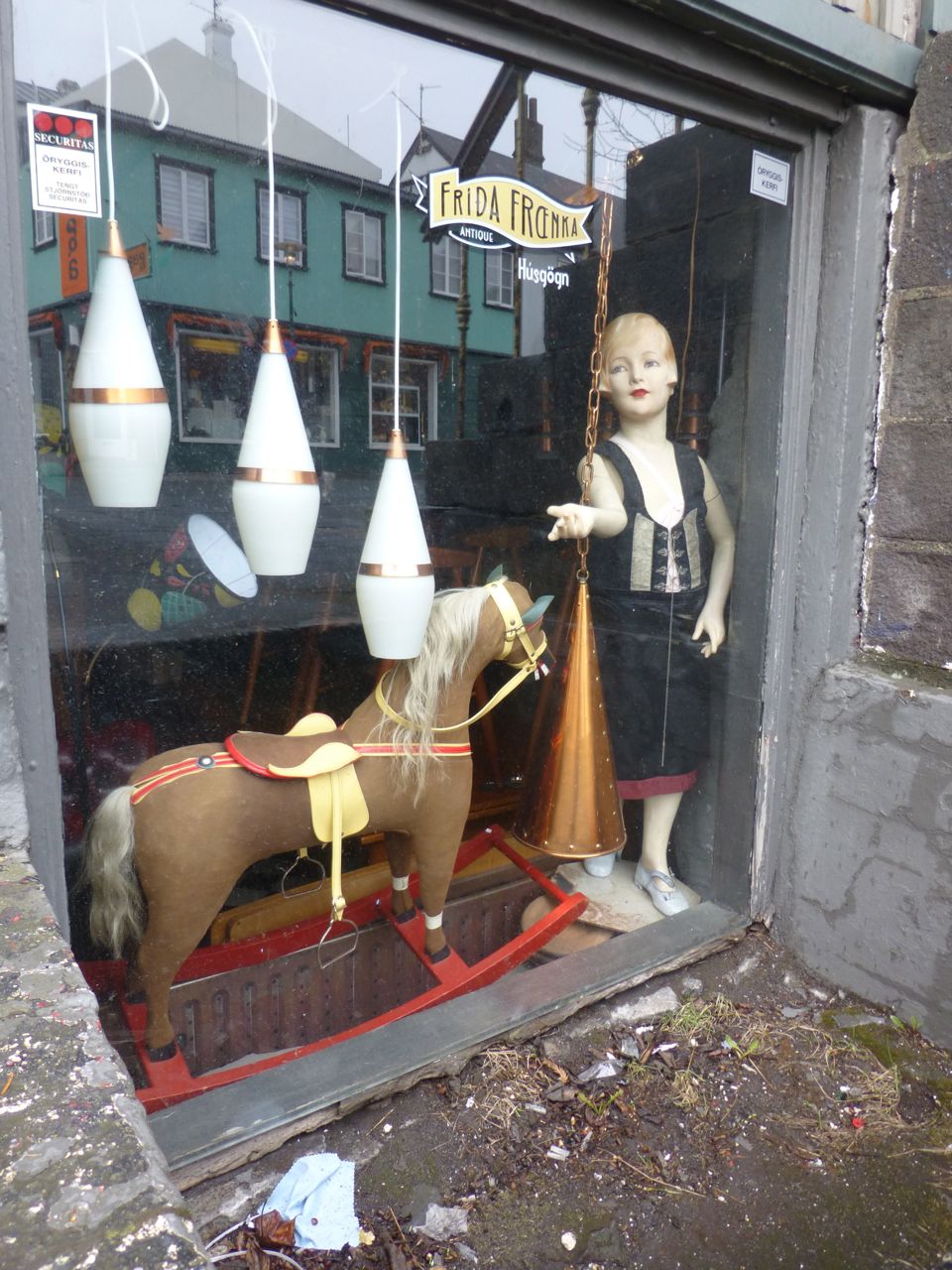
antique

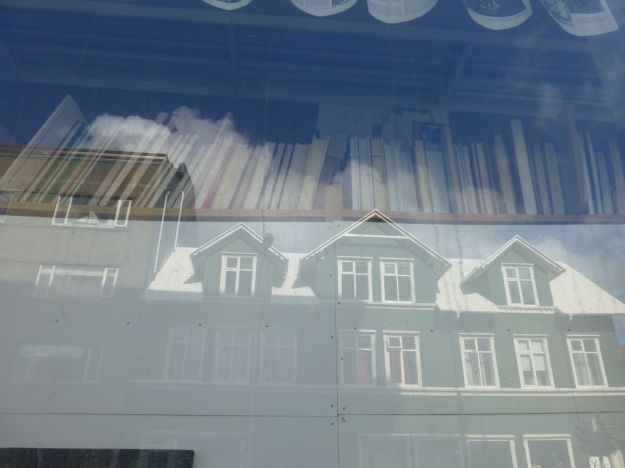
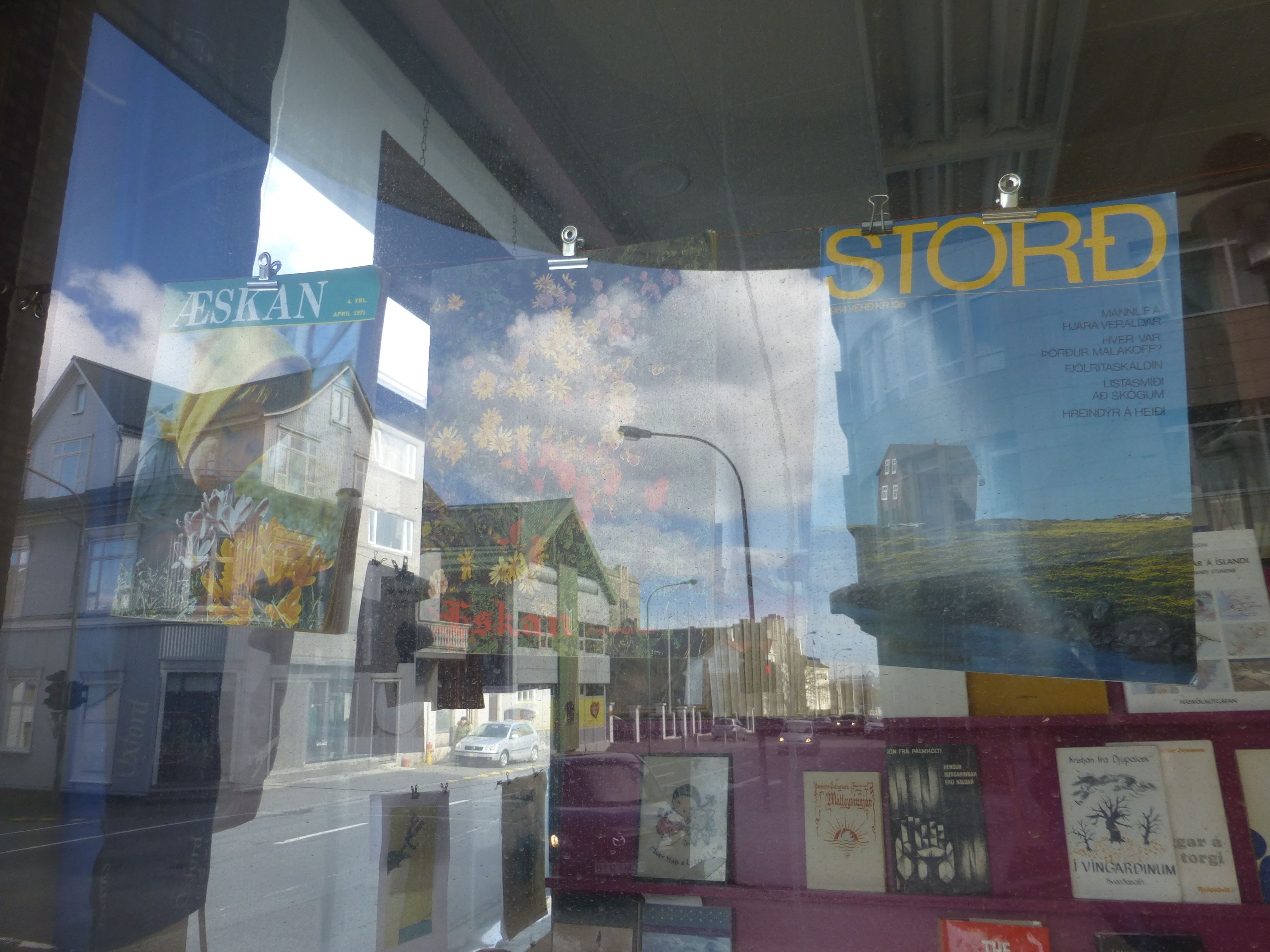
Antique Store Window, Vesturgata

Selling the world’s junk back to the world.

…in France, French people get to largely root around in their own heads. In Iceland or Canada, people are largely rooting around in someone else’s head. Not the same thing.

hair

Store Window, Reykjavik

Lures for humans looking for a new image for their bodies. Important note if you want to try this at home: the realization that the human is the body is not part of this aesthetic. You can only do that with impunity in colonial centres, not at their peripheries.

Canada has its own approaches to power and to its colonial legacy (Largely, Canada is a social rather than a geographical location. It has replaced social and economic growth in “geographical place” by luring immigrants from other former world colonies, whose comfort with living in dis-placed lines of force is more attractive to Canada’s elites than is the costly rootedness of former immigrants). Iceland, too…

P1590059

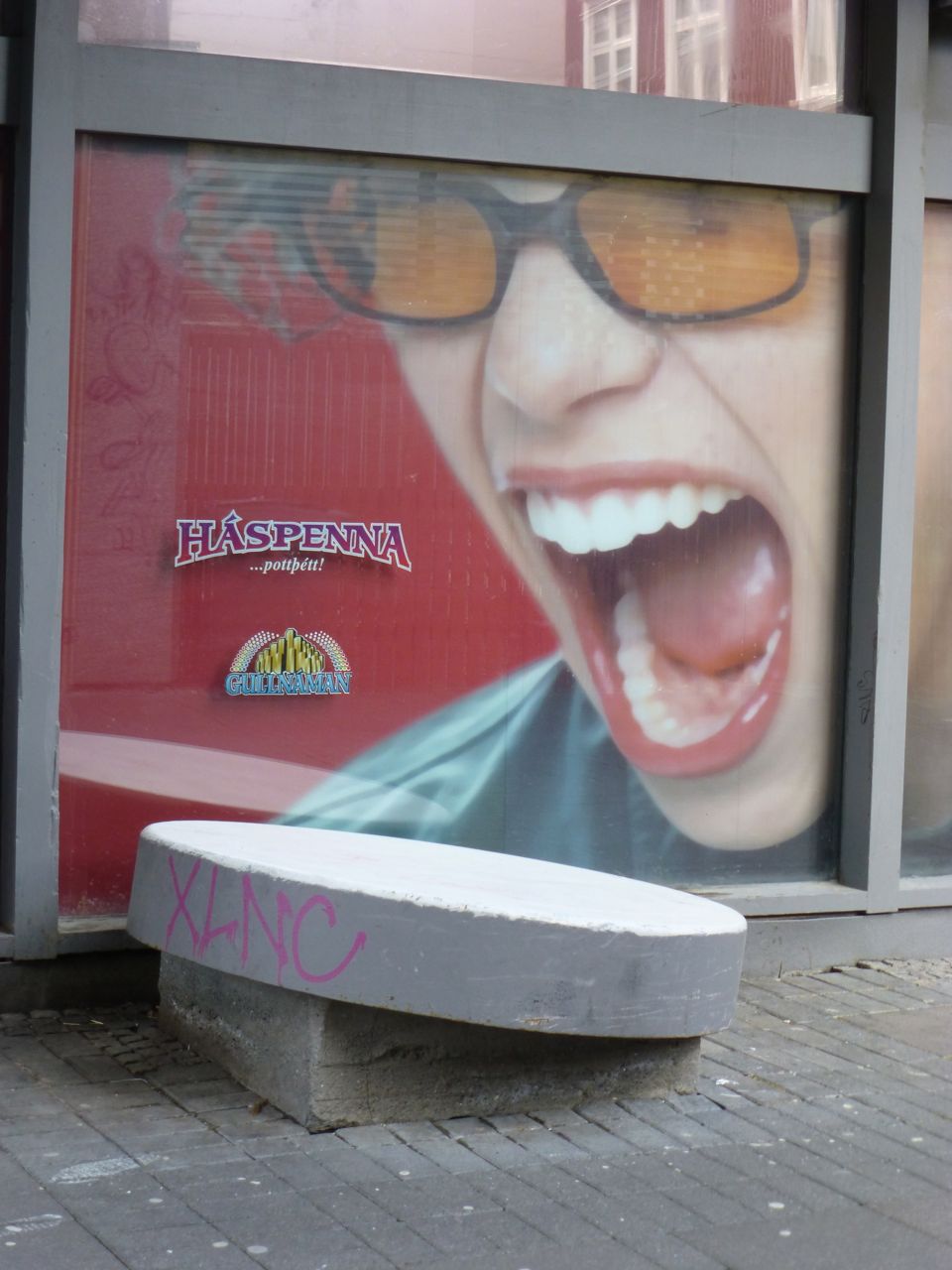
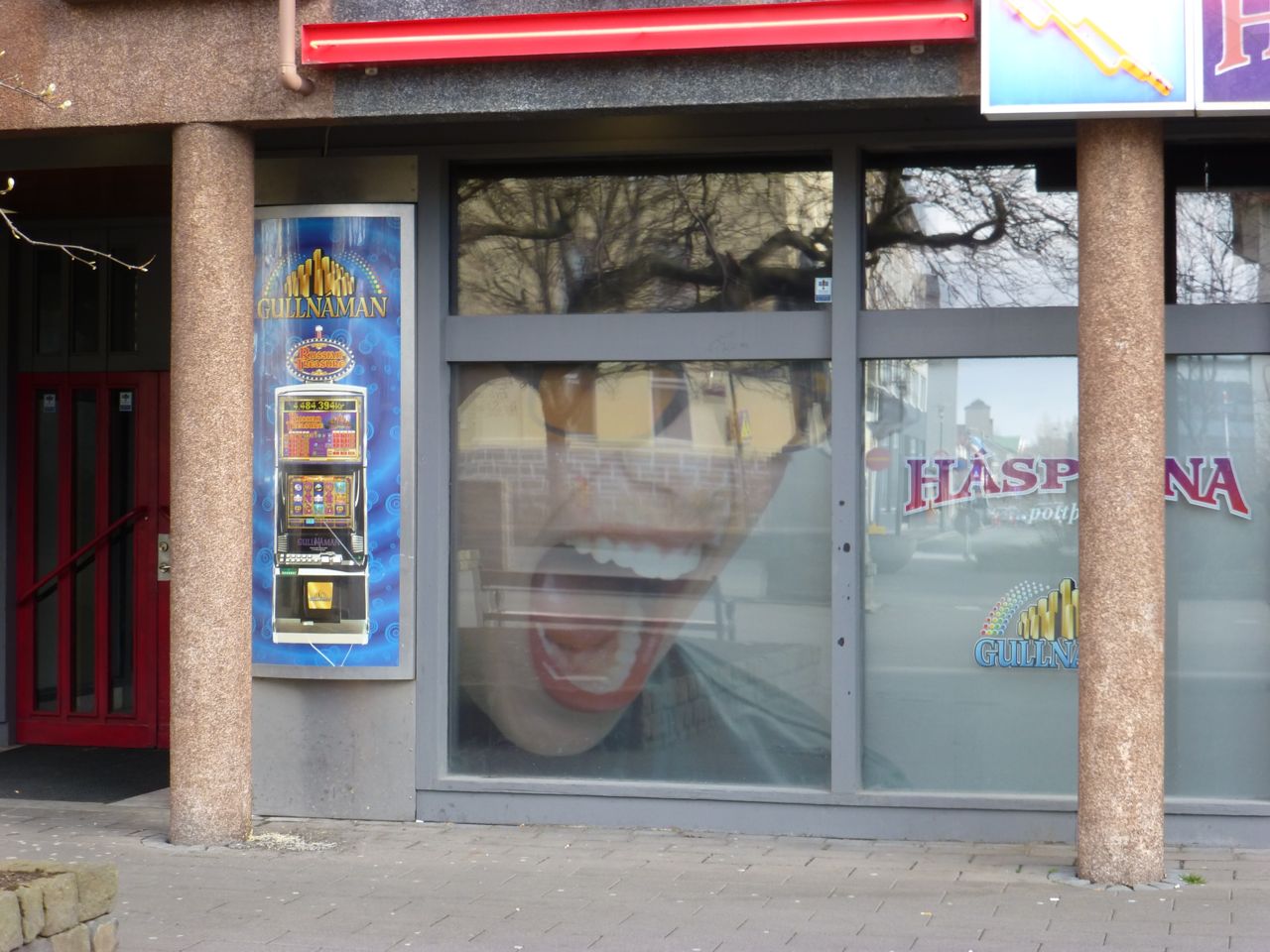
Slot Machine Casino Window Advertisement, Reykjavik

Giant drugs? Concrete money? A clever nordic pun for “real money”, I’d say, and presented in a colourful larger-than-life artifice, too. Top marks for this dynamically-energized street art-political installation and its recycling of images of contemporary global colonialism. Note the pink paint — a kind of dog-like territorial marking made by humans partially resistant to the human entrapment technology called “advertising” and its tried-and-true sexual lures. Imagine: wild humans, among us, even now in 2013. One hardly dare breathe, lest one scare them away!

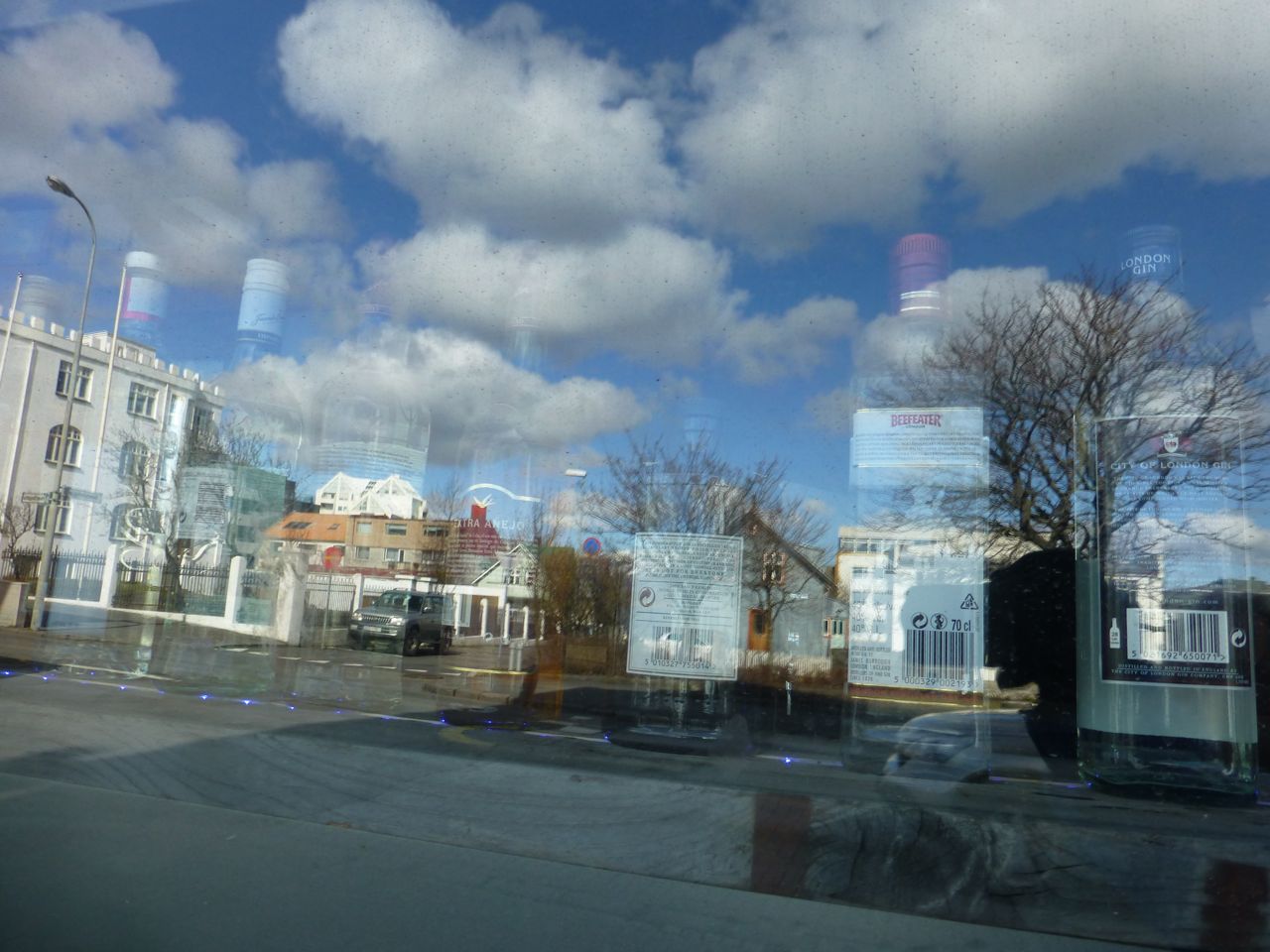
Just as in Canada, human political elites (the A-type power personalities that usually dominate human relationships) really like this kind of stuff. It supports their power structures well. There are variations on this model, though. In Canada, as I mentioned, they experiment with mass immigration as a means of forestalling change. In Iceland, however, they lure people foreign to the culture for temporary visits (tours), during which they are offered images of their own culture, such as this street-side bar offering English drinks for English visitors (seen here through its window) …

gin

… and, still on the English theme, this other bar, up the street and down the hill towards the water…

fab

England, Denmark, and the United States in One!, Reykjavik

(American beer slogan graffiti, English musical icons, and Danish Carlsberg beer.)

The key to colonial societies is the almost random recombination of multiple foreign influences, none of which are home-grown. It leads to exquisite and exciting (and beautiful) temporary art exhibits like this…

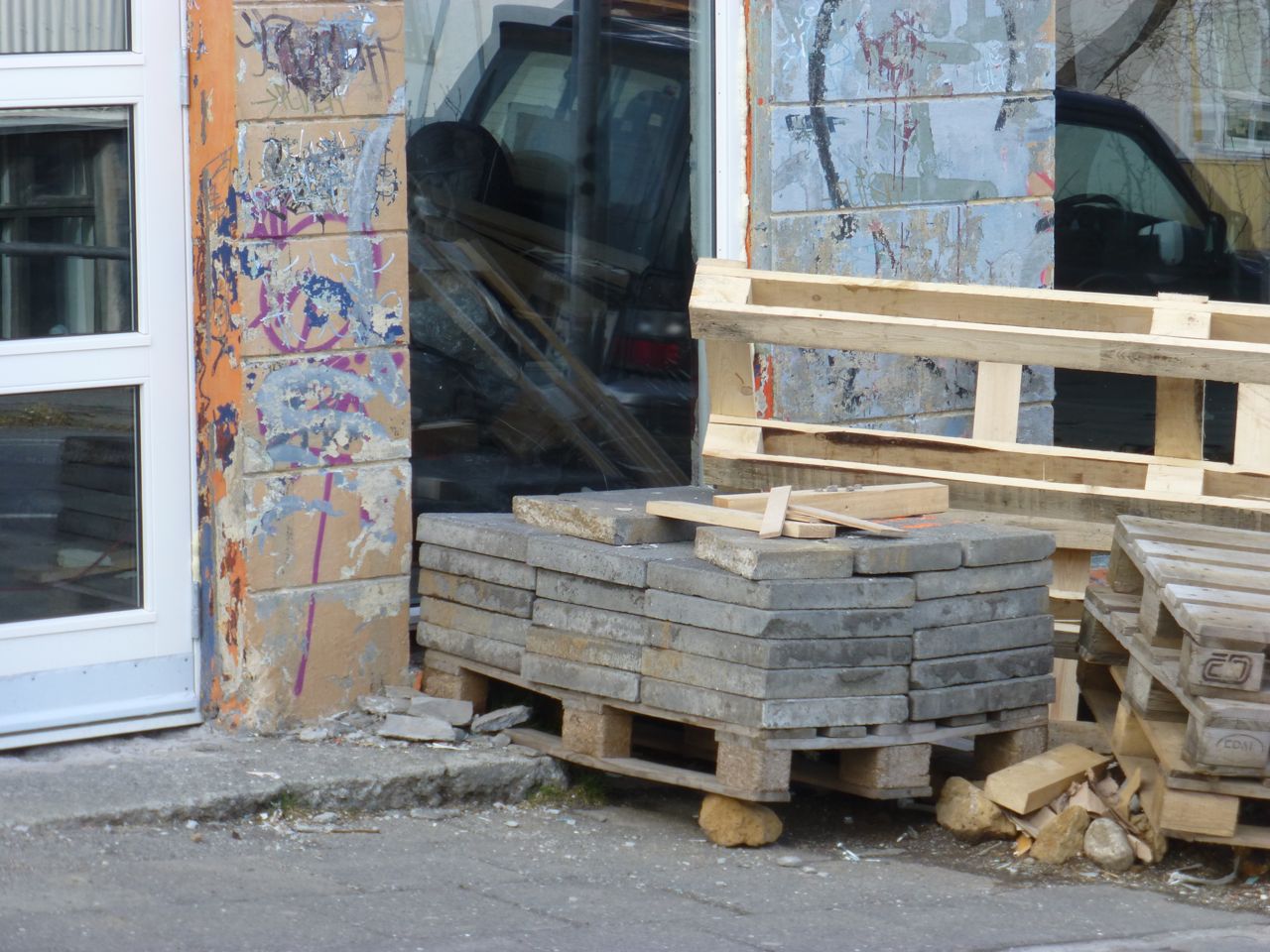
bricks

Construction Site, Reykjavik

Although only the most powerful of these sculptural objects is Icelandic (the rock holding up the corner of the palette), the combination of elements is pure Icelandic (in the sense of Iceland as a social space.) One learns to navigate one’s own colonization. One makes a home in it, so to speak.

This, the wisdom of urban people worldwide, finds its perfection in colonialism (including its new face, migration.) Intriguingly, in this art form mechanized reproduction is not an infringement on individuality. You can repeat the same Háspenna advertisement on all sides of the same building (and probably, if Coca Cola is any example, around the world) with impunity.

P1590069

Aren’t you glad, though, you can’t hear the screaming?

As a part of global culture, this casino (and its copy writers) is relying on the concept that an individual human is a moment of emotional and biological energy — a wordless animal that delights in colour and scripts that it can move into, inhabit and ‘flesh out’. It is up to dominant social humans to write those scripts in such a way that when biological humans enter them, their accompanying social humans believe they have written them themselves. It is best to maintain such illusions of individual identity. Humans are a little touchy when it comes to identity issues.

To recap, I’ll try to simplify that into an image. It shows a couple biological humans in a piece of performance art directed on the fly by the social humans who fill them like spiritual water. Here it is:

ladder

Humans are Mightily Attracted to Work, Laugarvegur

Excellent colour work here, especially the inner hallway carpet’s lush mauve, pulled out to protect the concrete from paint spills. The bubble gum that already has used it as an abstract expressionist canvas shouldn’t be spoiled carelessly, should it. No, it should not. That’s deep respect, that’s what that is.

Now I’ll try to return that to words: because human identities are crafted by contemporary political elites to appear as attractive homes for social and biological humans alike, such art as the Háspenna advertisement above is a form of sculpture or building. If you think “stable”, you’re pretty much on the mark. Here is its physical corollary:

P1550021

Biological Care Facility (Apartment or Stable), Reykjavik

Complete with climate control. No price is too great. After all, no social life forms are possible without the biological humans they carry around with them. Such complicated art works! So delightful!

Simply, you just can’t have social power, or a national state and the benefits of security it brings, without socialized (domesticated) humans. Wild ones are just trouble.

money

Wild Humans Causing Trouble in a Bankrupt Construction Site, Reykjavik

They missed the socialization that was supposed to teach them that domestication and culture are the same thing. Poor things.

For the purposes of nationalizing humans, art is absolutely essential. It is a kind of engineering much akin to the construction of bridge girders. Here, for example, are some temporary Icelandic residents (tourists) training themselves in this technology …

P1180937_2

Skógafoss (Forest Falls), Iceland

This beautiful waterfall is in the process of successfully luring these humans to its lair. Don’t let the lack of a forest spoil your experience with that exquisite retro-art form, “nature”. There was a forest once. People got cold. They burnt it. Wouldn’t you do the same for your body? I know I would.

I’d like to introduce a term which describes this effect. It is this: Photographic Acclimatization. You use it in a sentence like this:

The people in the above image are training themselves in the contemporary art technique of Photographic Acclimatization.

Here are some more humans hard at work at just that …

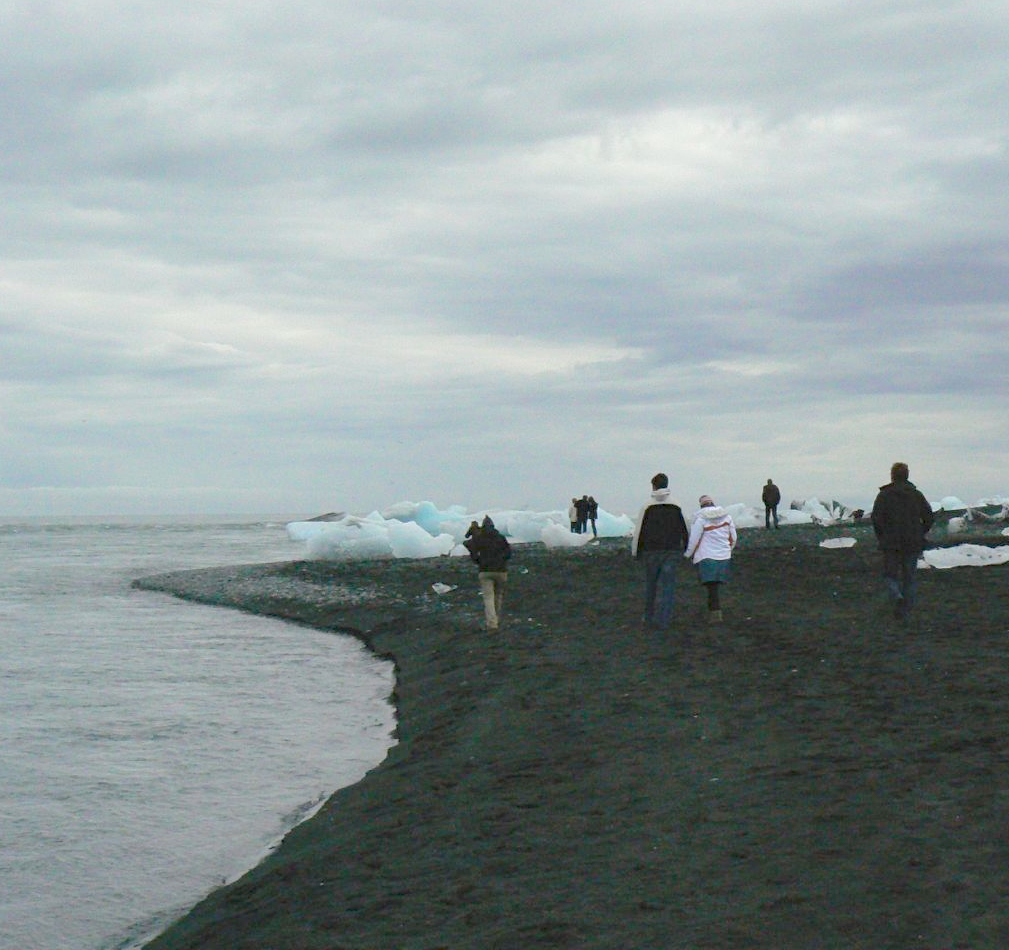
ice2

World Humans Meet the Earth

And then stand there, far, far past where language can lead them, staring. Sometimes they meet their biological selves for the first time in this way. Being generous and merciful, Icelandic tour bus drivers bring them here by the busload. If you drive real fast, you can make it from Reykjavik to here and back in a day, which is, frankly, wayyyyyy too far and hard on the bus drivers, but, as I say, they are generous and merciful.

The popular art form of photographic acclimatization is an updated version of the 19th century  science of butterfly collecting, something which I’ve been trying to make into a new science of late, although without a net.

P1020564Western Swallowtail in Some Feral Alfalfa

This turkish forage plant was left behind in the faeces of some cattle, back when this part of Oregon Territory was an updated version of the Wild West. The alfalfa decided to stay. In the 19th century, I would have had to catch this beauty with a net and pin it on a card. It would then be usable by modern human art-makers, as an image of past human-earth interfaces. As a wild butterfly, it is relatively invisible, as is the undocumented weed ecosystem it now inhabits. It is like a brand new earth out there!

Photographic Acclimitization is based on the principle of traveling the country (or the world) to capture images of things that you have seen before in advertising material. It is absolutely essential to modern society. It allows socialization processes to ‘gel’ into the complex social sculptures without which the society could not exist in a stable form.

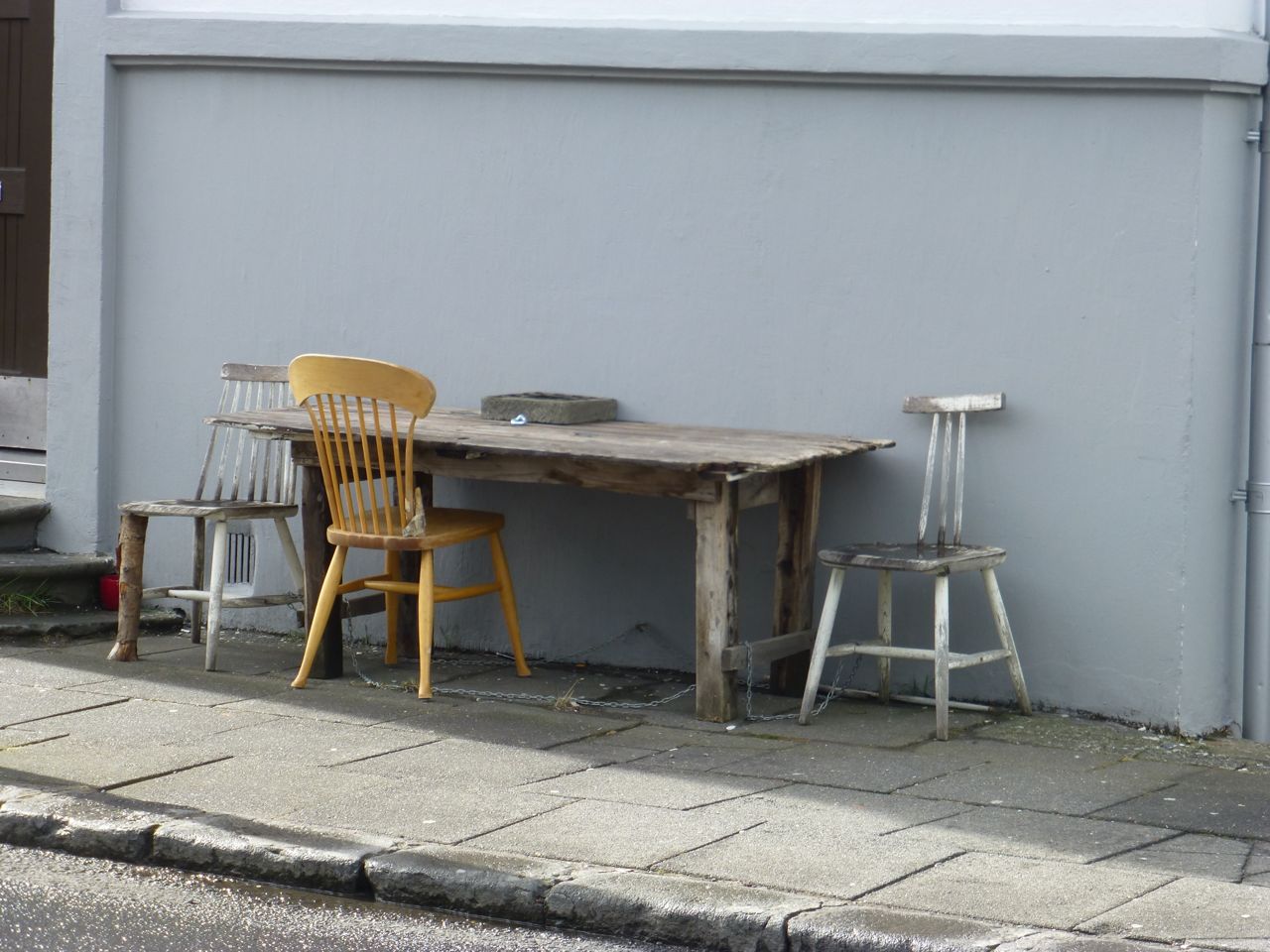
chairsWhat Happens When Photography and Other Furniture Are Used for Asocial Purposes: Rogue Art!

Look at how these poor beasts are chained up night and day. Poor things.

Plato, the Greek philosopher who pointed out that each chair is a projection of a perfect chair in Heaven, would turn over in his grave. This approach will not lead to nationalism. The following is a more appropriate photographic subject:

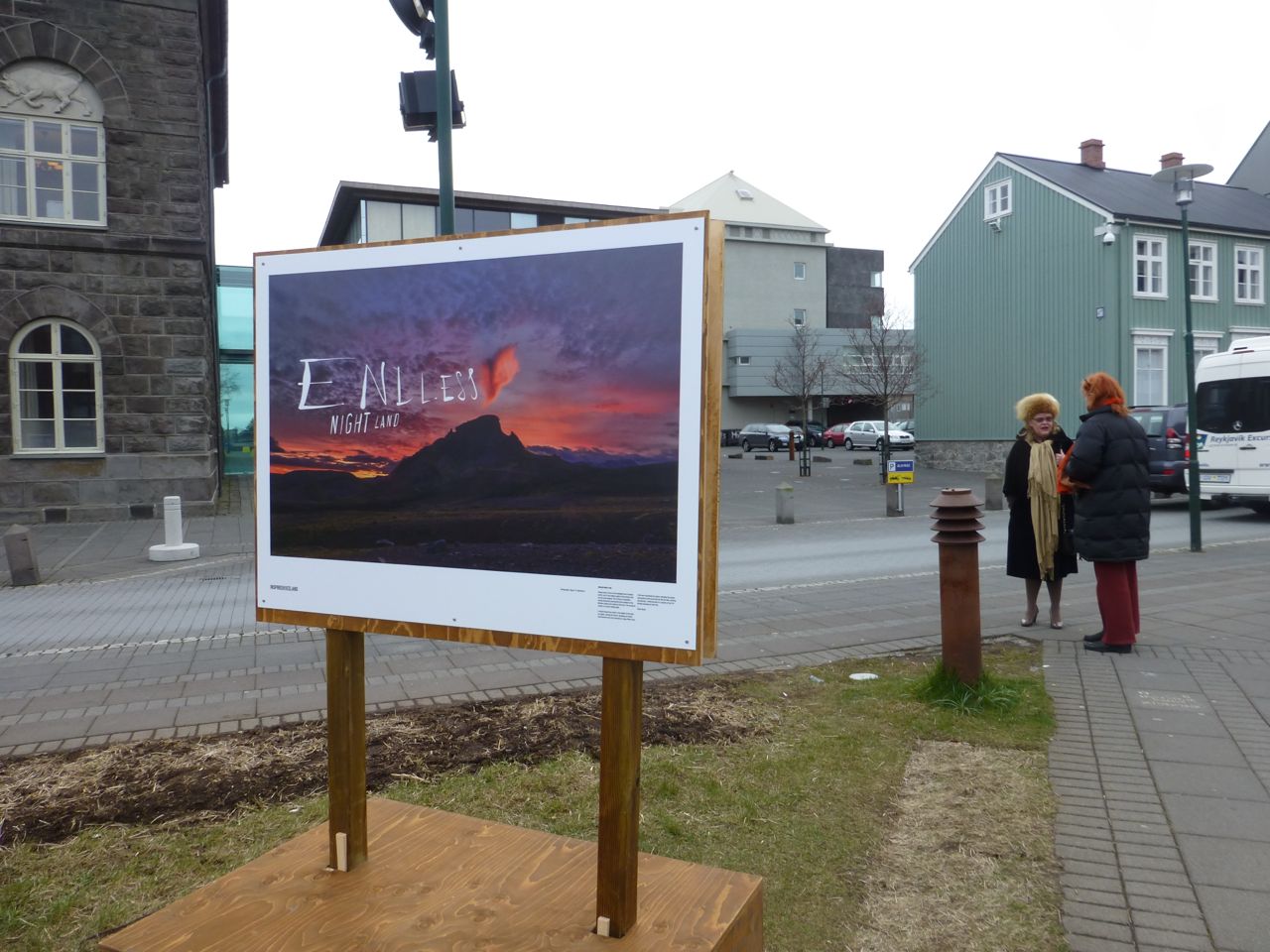
endless

Icelandic Tourism Display: Endless Night Land

This will lead to nationalism. A year ago, tourists from around the world were asked to submit their photographs of Iceland and to coin a new term for the country which expressed their experience. The ones in keeping with the promotional goals of Iceland’s copywriters were chosen, lavishly photographed, and turned into a “new” (or at least re-cycled) promotional package. It’s the casino all over again!

After all, it’s not just horses, sheep and cattle who are domesticated in the process of creating a society out of farmers.

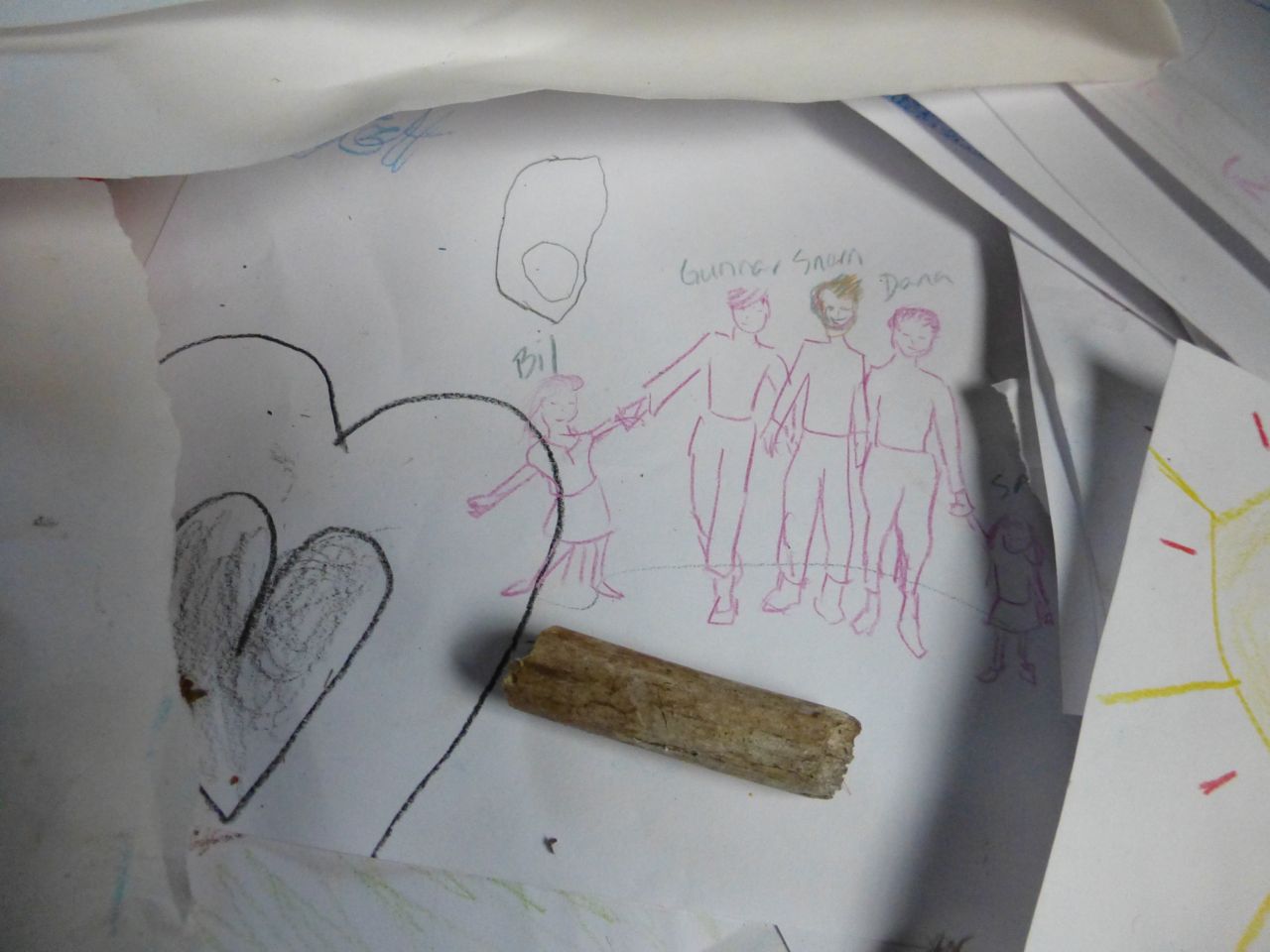
P1450642

Teenage Art, Hallórmstadur

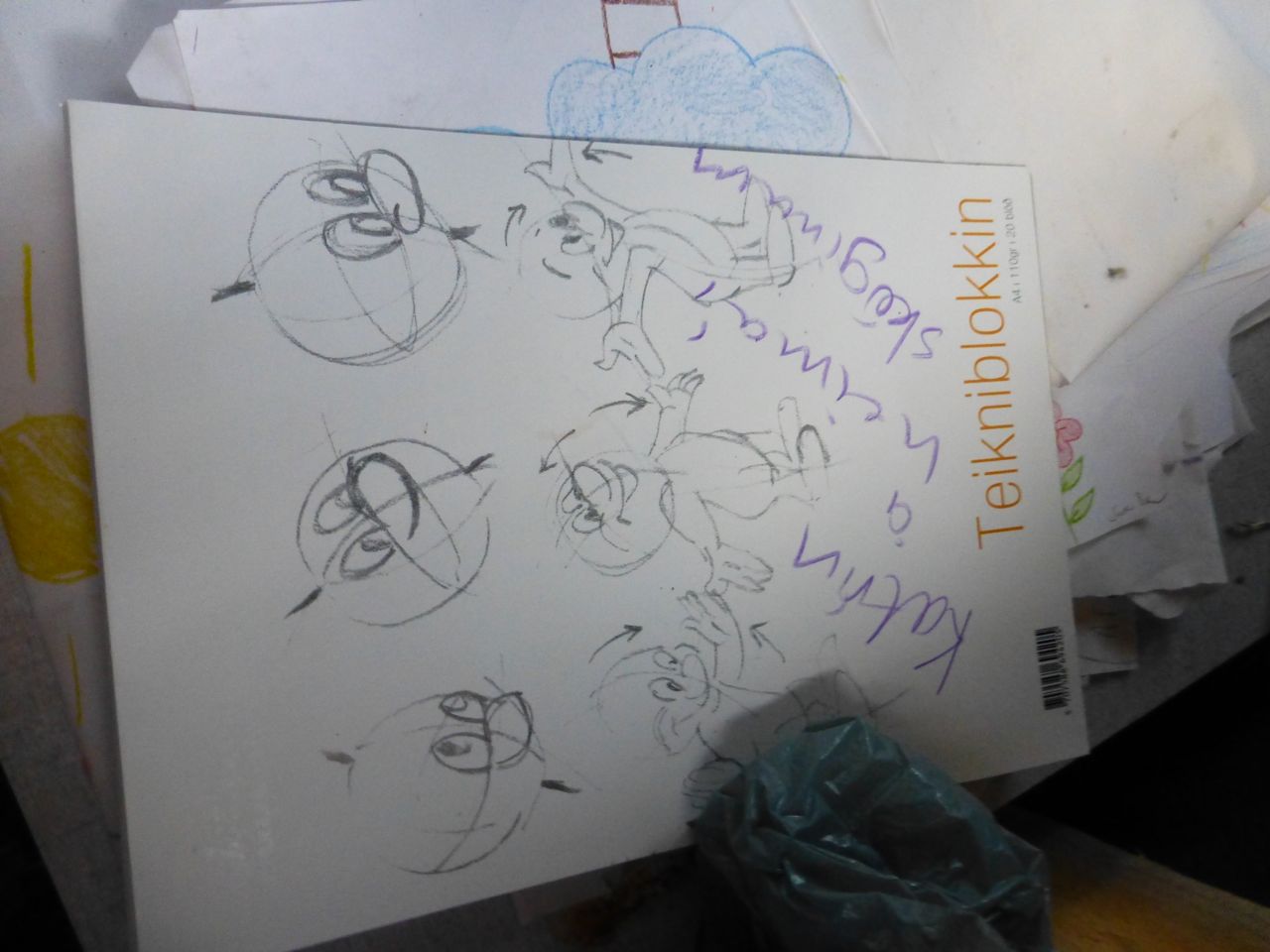
Tasked with the job of leading young children to exploration of art in a wooden hut in Iceland’s national forest, teenagers practice the social art instructions of their Walt Disney-style drawing pad.

P1450636

Note the Arrows

They aid in the process of refining the complexity of the human body into simple, infinitely reproducible lines.

The goal is the sculpting of readily portable masks, called identities …

fantasyIdentity Creation Materials  Skólavörðustigur

… which can be worn as display objects in public.

peak

Checking for Traffic. Vesturgata

Individually sited, using a mass-produced stencil. Now that’s about as good a definition of colonialism and migration as I’ve ever heard.

Identity masks for human bodies come in many types, all attractive to social humans. They include clothing, hair styles, facial expressions, language, apartment furnishings, art and, of course, footwear. You don’t want your favourite human to wander the streets unshod. He or she might step on a nail, right? And, besides, they’d have a hard time getting into restaurants to be wined and dined, and then where would you, a social human, be with a cranky, hungry animal tethered to you?

P1550060

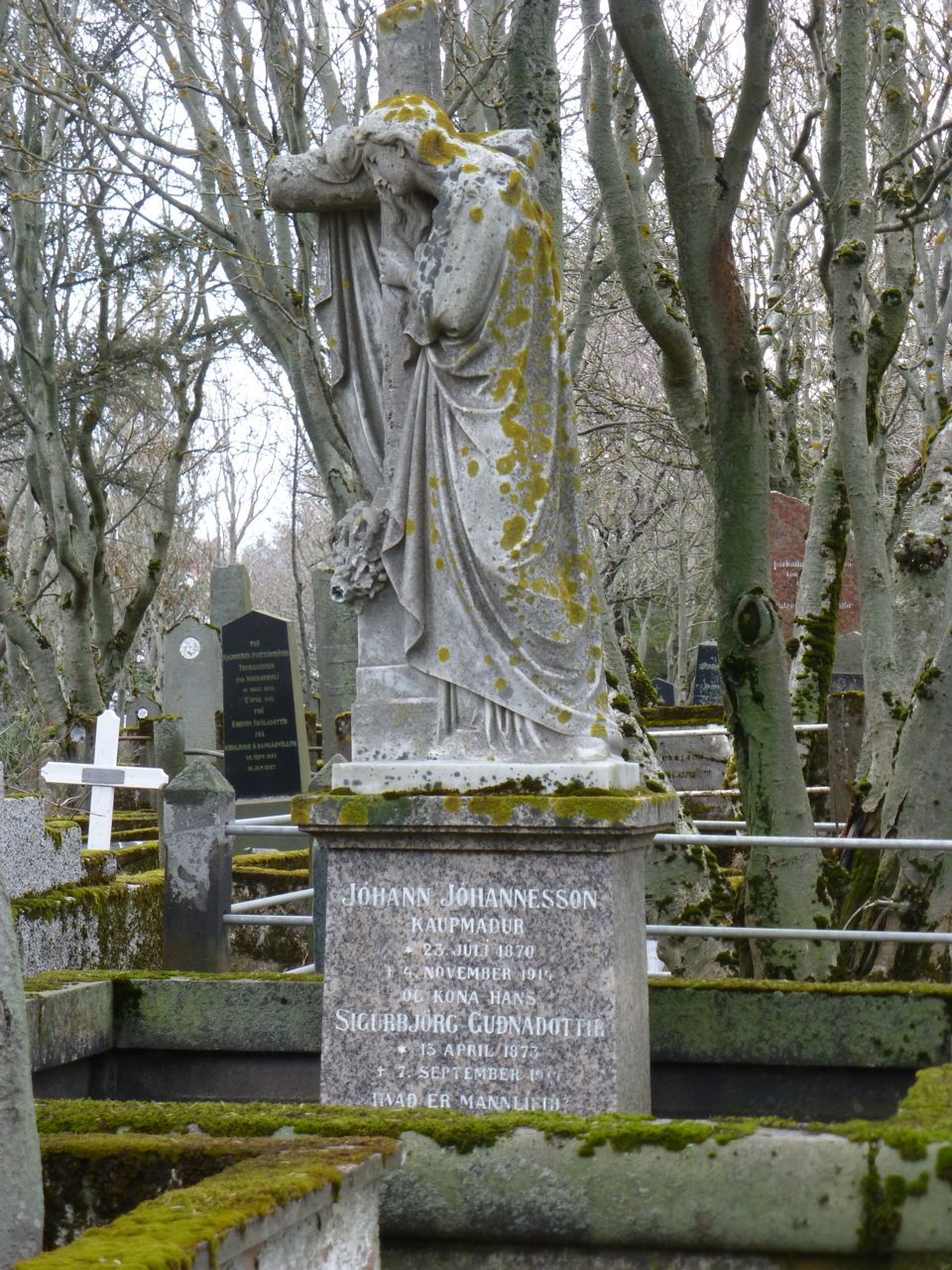
Reykjavik Graveyard

A reason to keep your body shod.

The image above looks like the mass-produced, flippy-flappy Swedish flat-packed style shoe racks that can be found in houses, apartments and closets worldwide. It’s not. It’s Icelandic art.

shoes2

Icelandic Shoe Choosing Rack for Two

A pair for each identity mask. 

No doubt, the other millions of shoe racks worldwide are also completed with a sterling collection of globally-sourced, mass-produced shoes, but that’s not the point. The point is, of course, the flare, or gesture, with which one installs it. For example, construction sites are also part of artistic display worldwide …

P1540339 Reykjavik Harbour Art Installation

This is a form of process art. It is, after all, called a “building”, not a “built.” In such subtle ways, a language directs the humans that it occupies.

… but turning them into playgrounds for children, complete with turf, tires, and repurposed fish boat tubs, well, now that takes flare. Lots of flare.

P1540336 Imitation Elf Village, Reykjavik Harbour

This Icelandic art form incorporates such a keen eye for the beauty of artistic line and colour that it makes the fantasy character creation materials window (art supplies store) above seem a lot like a visit to the dentist. I mean, don’t just gawk at all this beauty … walk around in it!

P1540314_2

Reykjavik Harbour Construction Site

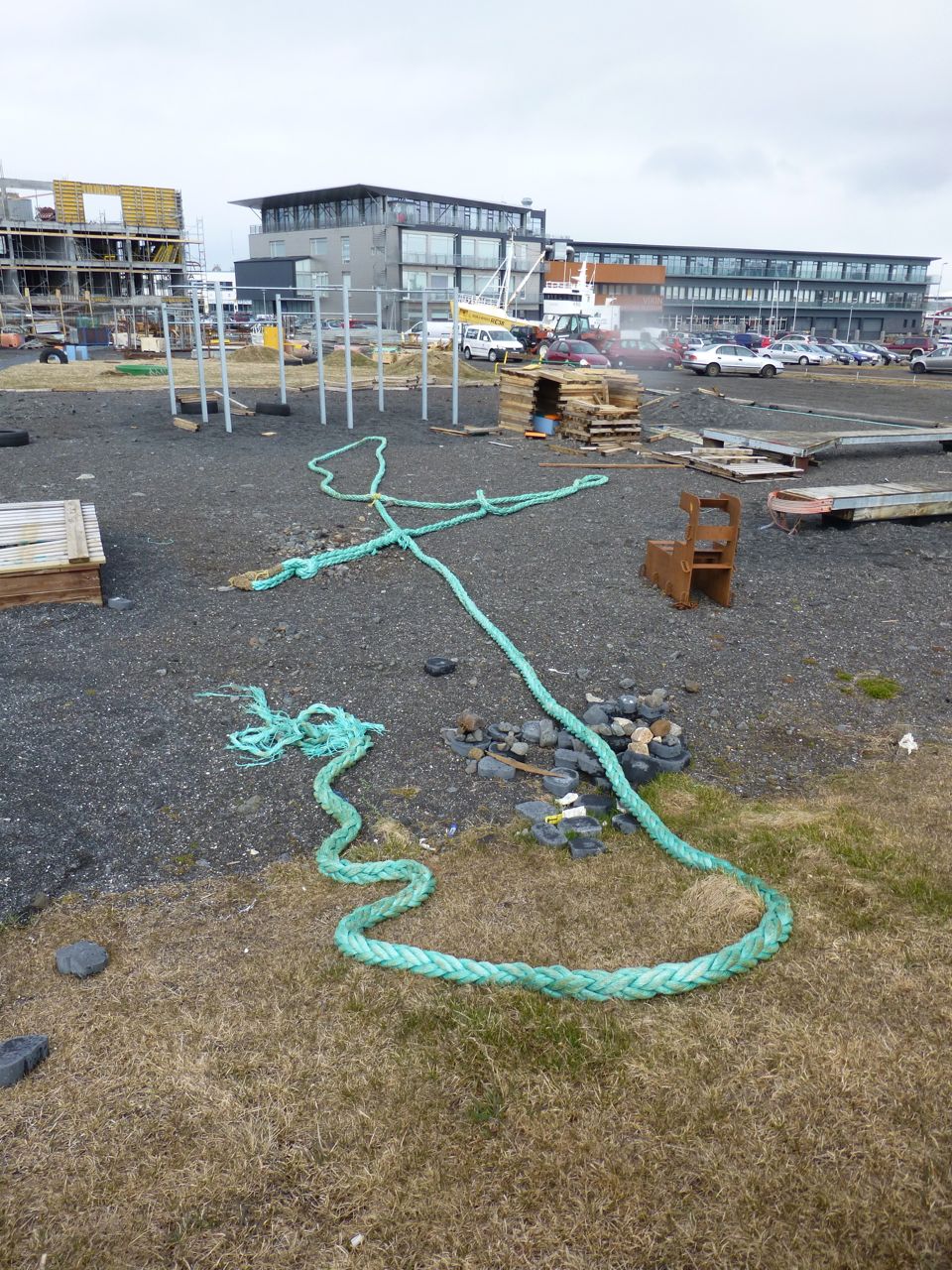
Children encouraged. Look at the magical rope boat anchor cross angel talisman, eh! Such an exquisite turquoise. There’s no way you could squeeze colour like that out of a tube.

If you walk around long enough, you might find the materials to build a sculptural representation of your body, like a ghost from long ago, and even move into it and sleep and dream…

P1540327

A Good Place to Go on a Rainy Day

The children, however, are all in school. Poor things.

school

Neighbourhood School and Canadian-Style Child Socialization Device, Seljavegur

Like many play places in Iceland, the playground and its accompanying school (socialization device) are situated on a plot of land set aside for “the other people”. In most cases, this means elves. In this particular case, dwarves. 

It is socially acceptable in Iceland to allow children to play and learn among the other people. This is a primary rule in Iceland, and why not. After 1100 years of crippling poverty, the Viking settlers of Iceland lost so much — almost everything, in fact. What remains are a few sturdy humans, horses, dogs, sheep and the other people. All are granted almost unbridled respect as the spiritual creatures that they are. Accordingly, a village of the other people is also a good place to build a church  …

alf

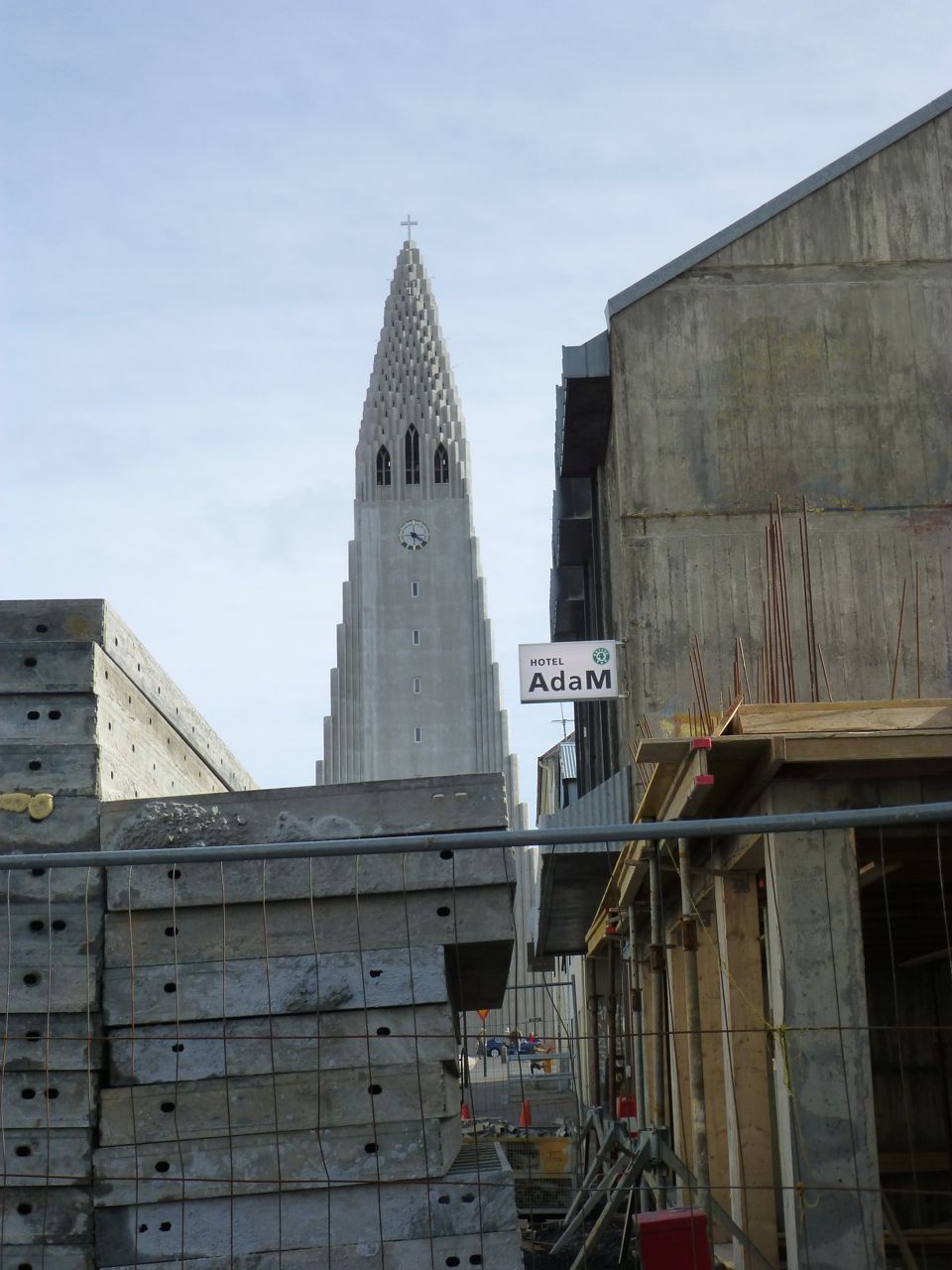
Elf Houses Among the Crocusses in front of Hallgrímskirkja, Reykjavik

That’s a statue of Leif the Lucky, donated by “The People of the United States of America” after World War II. Excellent playground! Sadly, the dutch crocuses and the elves, which have both gone native here, don’t get a plague. 

… but you can never build a house on elf rock …

houseAlf House and Human Housing, Reykjavik

It’s tricky to decide who has the better deal. 

A popular saying in Iceland is “You never know.” It’s used to describe the Icelandic love of slapdash construction and the lack of interest in cleaning up old junk. The reason for it is “you never know” whether elves exist or not, or even God, so you keep churches and elves around because it might prove useful some day. You also “never know” when the economy is going to collapse or a volcano is going to blow its top, so there’s no point in settling down too comfortably, either. One’s home is Iceland, not some particular private property within it, because “you never know.” Actually, you do…

boom

Farm on the Snæfells Peninsula

Once very nearly wiped out by a) a lava flow, b) a cinder cone, and c) the ash that came along with them. In Iceland, this kind of thing happens all too often. Icelanders know this.

As a result, in Iceland one’s home is not in a ‘place’ but in a community. In the past, displacement was so rampant in Iceland that most people were less than indentured servants, continually on the move from one side of the country to the other, looking for some point of entrance into secure social structures (Hint: there were none.) Icelanders tell themselves (and the world) that they created their country for themselves by throwing off the yoke of Danish colonization. As the above examples of contemporary colonization should demonstrate, it wasn’t the Danes (or any other country) that was the real yoke. The yoke was separateness. It was broken when Icelanders gained enough perspective on their situation to realize that to be properly socialized they would have to participate in their own socialization, so they took to it with great enthusiasm and earnestness.

P1530939_2

One Manager (Labouring) and Two Workers (Supervising) Spend Two Hours Fixing a Door to Nowhere Reykjavik Skate Park

One Canadian is most enchanted. No skaters, mind you. Lots of Italian graffiti art, though.

This basic rule of human socialization applies as much to individual as to group humans (families, communities, corporations and other social identities, not all of them friendly.) In capitalist societies, it takes the form of “economy”, a kind of language that attempts to profit from exchange and, indeed, makes an entire artistic language out of it, all the way from the Icelandic banking industry (a form of gambling) to the Icelandic gambling industry (a form of banking).

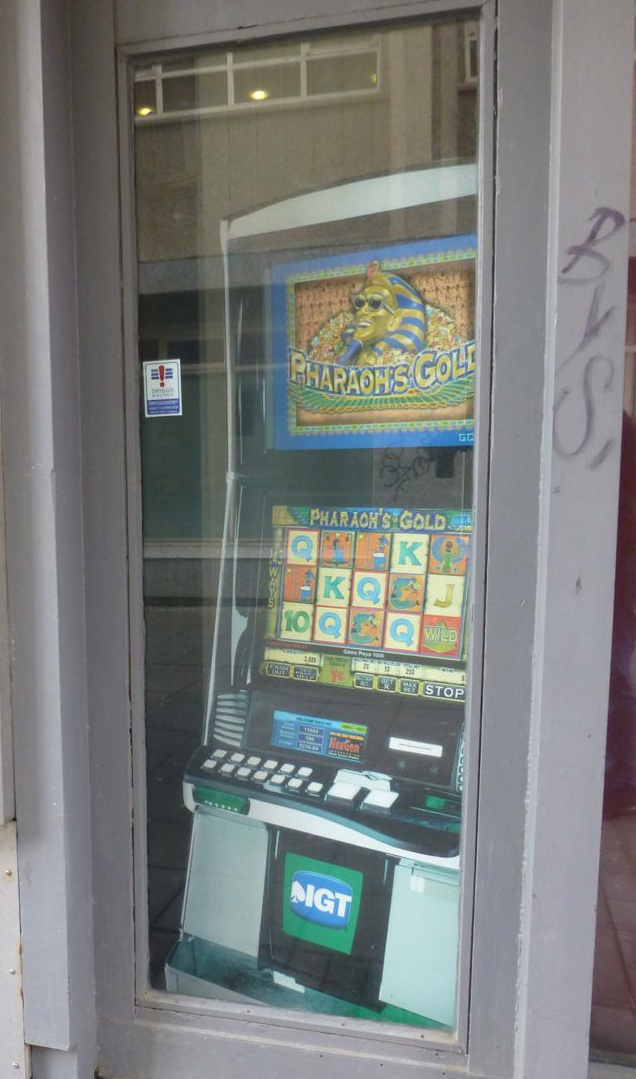
pharoah1

I Bet You Were Wondering Where That Gold Got To!

This would be tricky for iguanas, but fortunately it’s dead simple for humans. As you (a social sculpture) and your biological human (‘your’ body) explore this art form, do keep in mind that self sculpture is often built around sculpture designed to shape you, and if you’re anything like normal you’ll chafe a bit at that.

P1430180

Abandoned Farmhouse, Suðurdalur

“What? Me stay poor in the middle of nowhere, while everyone else in Reykjavik has television and Wienerbrød (a Danish, colonial pastry)? No way, Jóni!

And what do half wild humans do in Reykjavik? They learn the ropes. And the half-wild children of domesticated humans, what do they do? Most of them live in places like this …

blue The Hamburger Factory Cow…

… and her people going to work. Later they’ll come back for some hamburgers with the family, while she, in her lovely Icelandic sweater, looks bovinely on.

… and then get restless, which looks like this …

art

Art, Open Air Gallery, Frakkastigur

These restless humans are intent on adding a touch of wildness to the contemporary city, using the very elements (imported technologies, concepts and rituals) which they appear to be rejecting. Such is the paradox of people whose cultures have grown in colonial situations.

P1530252 Tractor Hiding Behind a Fence, Ingólfstræti, Reykjavik

Like the troll under the bridge in The Three Billy Goats Gruff. Note the excellent use of colour and the rather fraught respect given to the rowan trees — once a potent symbol of nationalism and now a no-less-potent symbol of ‘home’ and ‘place’. 

For most Icelanders, the tension between the 19th century romantic story (the imported concepts of wild nature, wildflowers, waterfalls, beauty, landscapes, nationalism, and all that fine stuff, which enabled Icelanders to see their country as something larger than a net of social relationships, and which eventually led to the kind of post-colonial independence it has today) …

foss

Strutsfoss, Suðurdalur

The invention of the colour blue. Pure 19th Century! Yes, it is possible to travel in time in Iceland. Wear sturdy shoes. A walking stick helps. Watch out for snow drifts (5 feet deep).

… is easily enough merged with newer imported technologies and old forms of social integration, into their communal village, contemporary Reykjavik…

P1540944

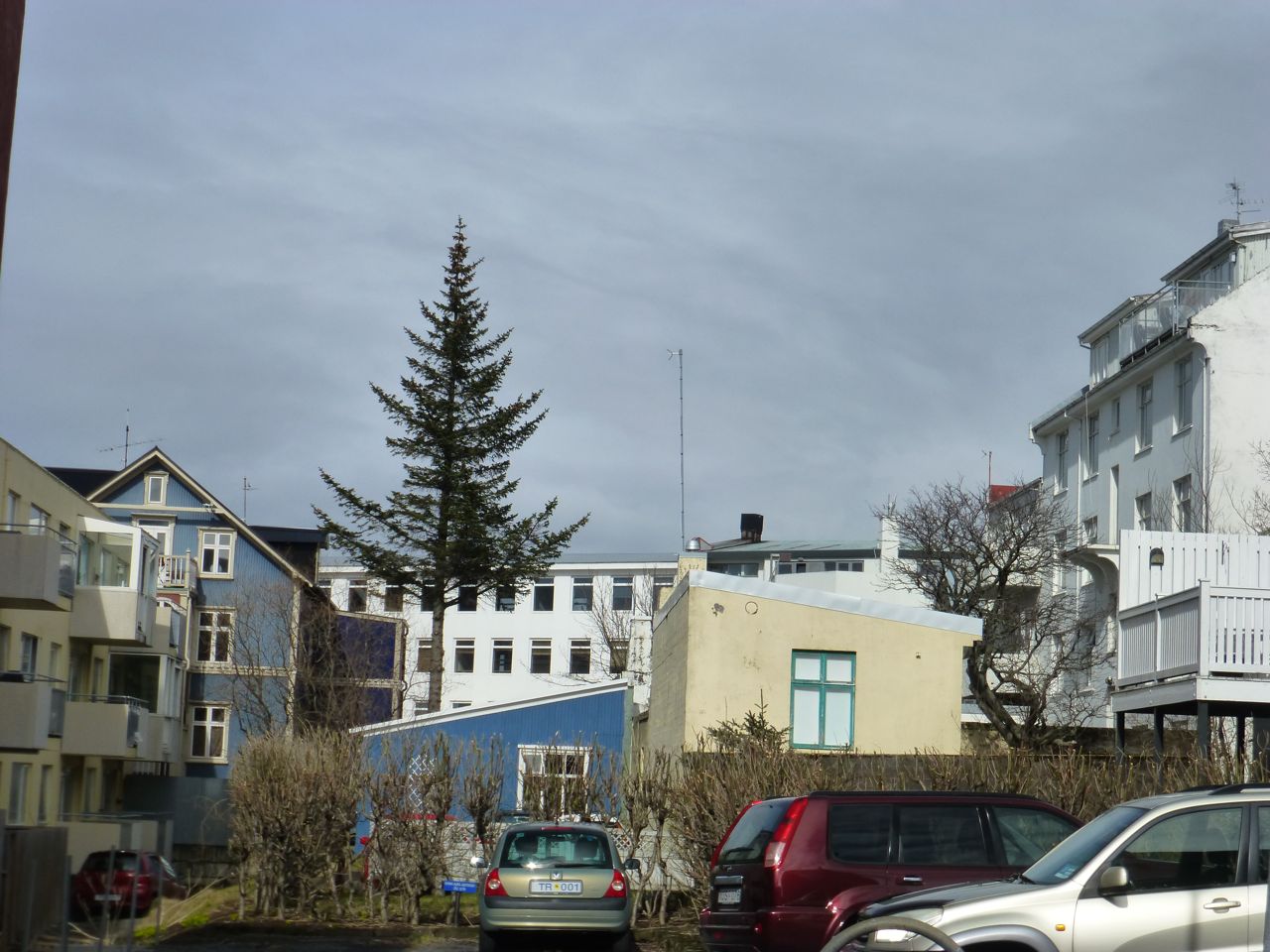
Reykjavik, Old Town

A typical neighbourhood view. This is what time (1945-2013) looks like when viewed all at once.

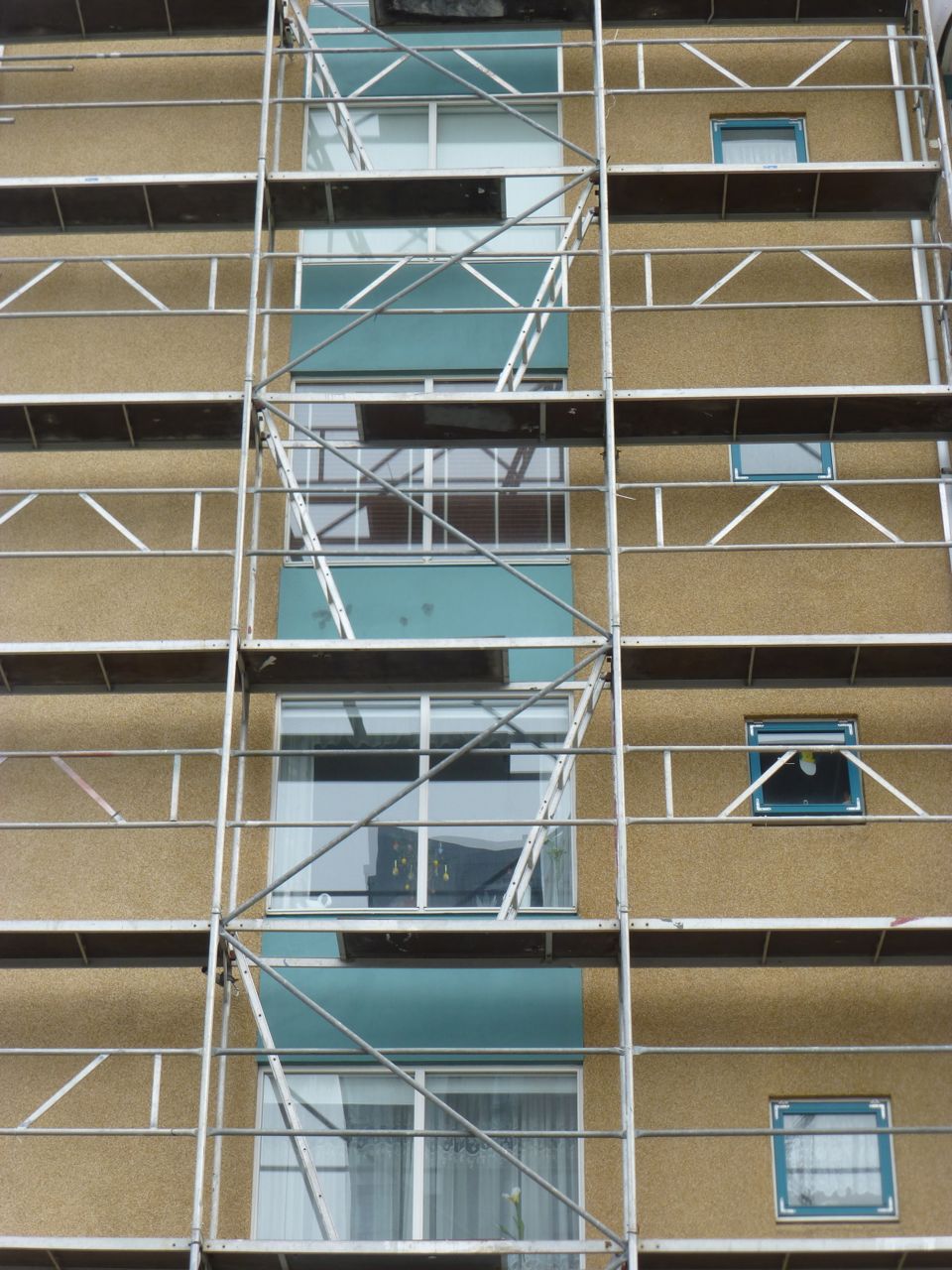
Culture creates a form of time that doesn’t move. Instead, it sculpts it into a complex dynamic. In the Icelandic case, this dynamic  is a series of modernized replacements for turf houses for biological humans.

gold

Two Kinds of Modernized Turf House, Reykjavik

The social decisions of humans over time and the ways in which they choose to animate space with their bodies and minds, including what they retain and what they discard, is a form of art.

In this case, the genre might be called: Stairways to Heaven. Or even, Jacob’s Ladder:

ladders

New Edition of the Holy Bible, from the Period Before the Banking Collapse, Skúlagata

There’s so much to learn and celebrate, but, as I said, it’s not always what it seems. Take this older art form, for instance:

litla Litlafoss, Hengifossá

Nice waterfall, for sure. The raw power of nature. Pure beauty. Etcetera. We all know this romantic, 19th century story, and it’s worth telling and walking into. But there’s another story. About a century ago, there were five poles to North European culture: Nordic, Anglo-American, Middle European (including German and Jewish), Eastern European and French. Today, there is largely just a rump of the Anglo-American and a sliver of French. War will do that. In the forgotten Nordic version, though, the earth of men, or Middle Earth, was a point of balance between an earth of fire and an earth of ice. The waterfall above is just this balance. So is the one below:kjarvaldetail Detail of Waterforms by Kjarval

His friend, the writer Gunnar Gunnarsson, was also deeply attentive to Middle Earth.

Another way of looking at Middle Earth is to describe it as The Middle Way. For example, Iceland chooses to support certain of its artists, musicians and writers for life, as they are considered important parts of the national fabric, as essential for the support of the people as roads and electrical transmission lines and law courts.

wire

Icelandic Artists Pointing the Way to to the Aluminum Plant

Make no mistake: this too is nature.

To support the arts in Iceland, sometimes you build an art gallery for a popular artist, such as Kjarval, which includes living quarters for both the man and his paintings. Such museums are scattered around Reykjavik. With the passing of the artist, they become full-fledged galleries … based around the achievements of an individual who serves as a model for citizens of the national state. If you were a poet, though, you’re more likely to get this:

poet

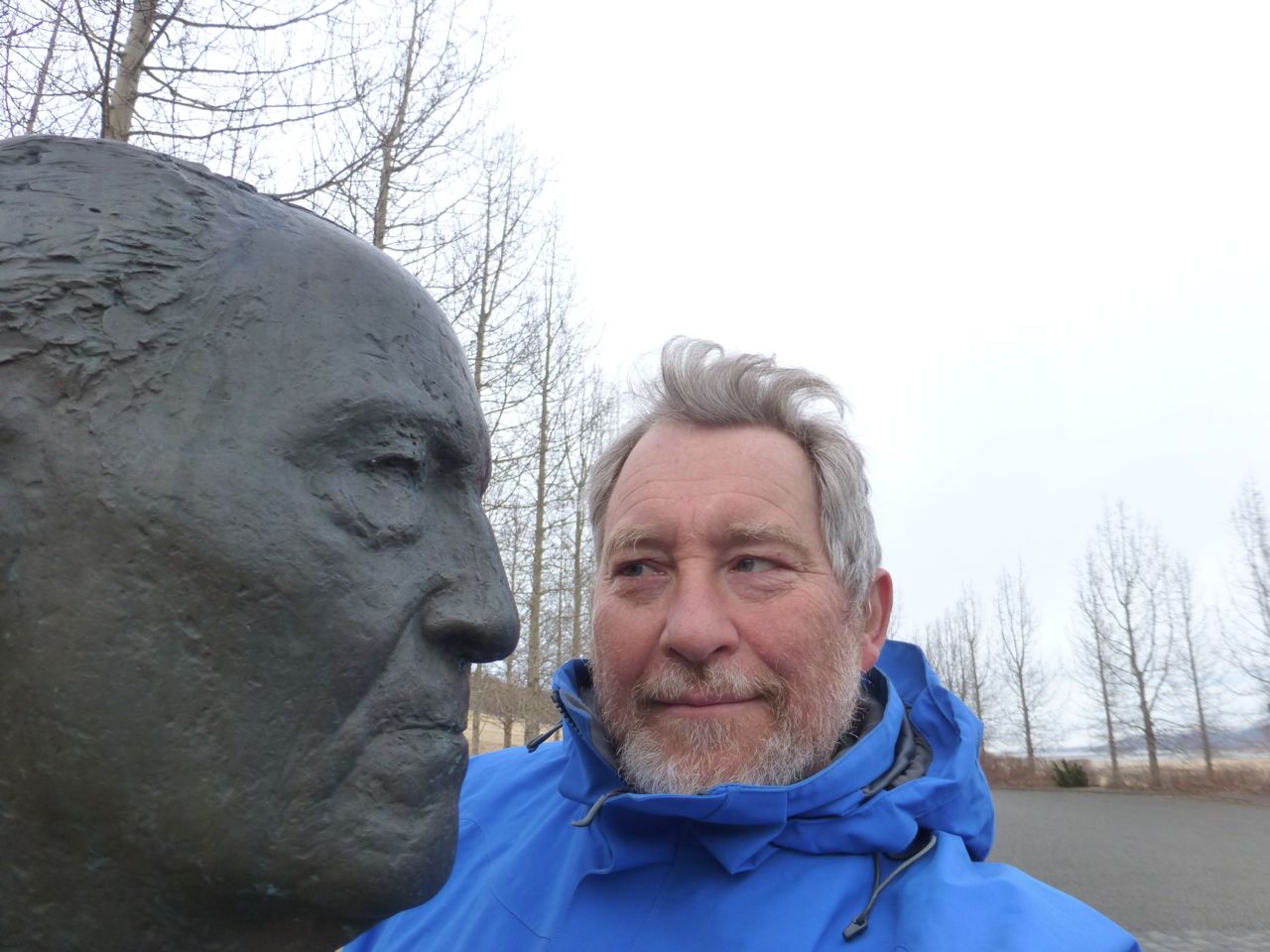
Memorial to Jónas Hallgrímmson, Öxnadal

Long before Gunnar Gunnarsson, Jónas went to Denmark for an education. He came back with the idea of planting trees — an important contribution to Icelandic independence, as it helped Icelanders start to create their landscape, rather than just experience it. As a reward, Jónas has been planted among the trees. That’s his bust on the rock, there, within sight of the turf house of his childhood, high on the mountain in behind.

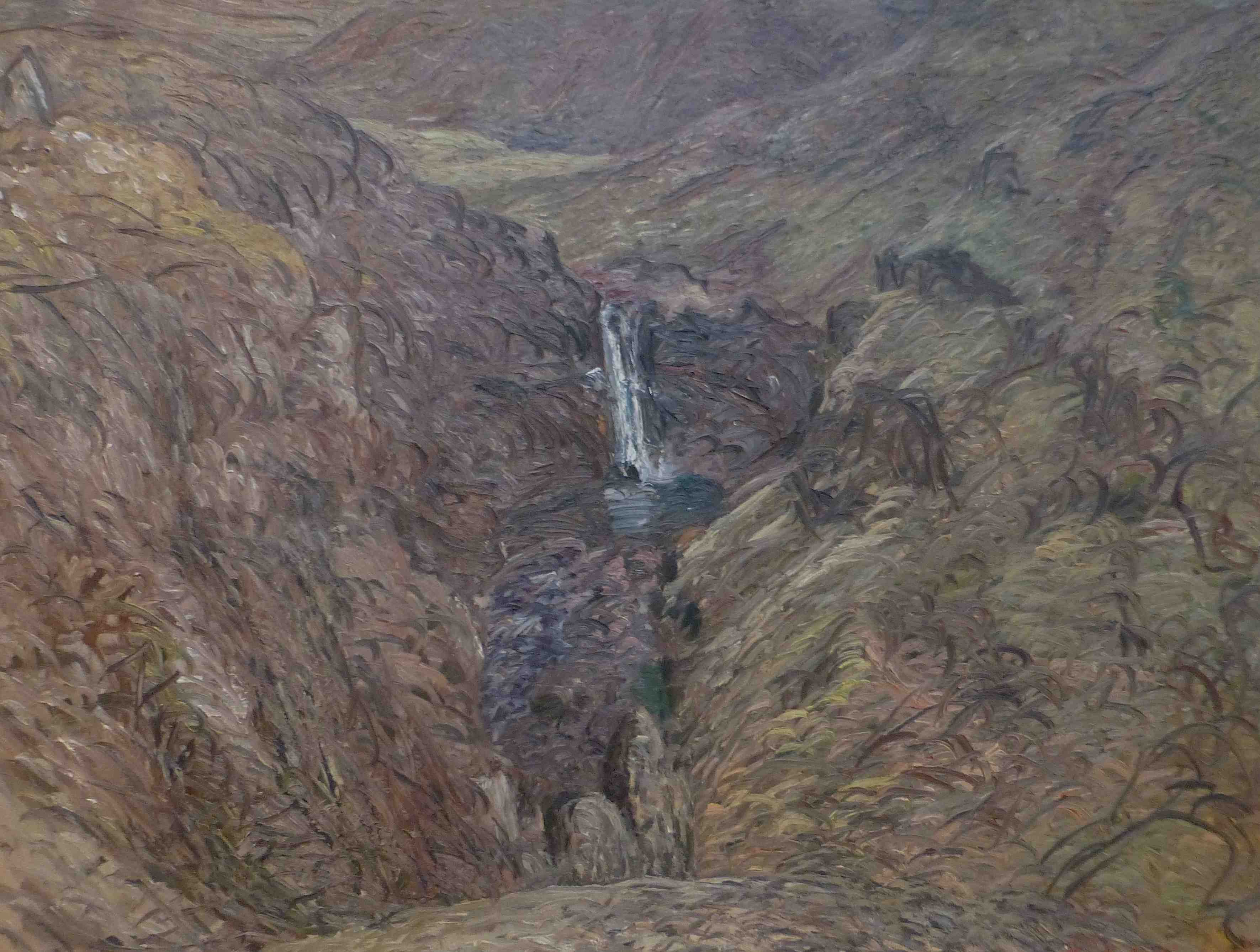
Artists have been a bit luckier. In the case of Kjarval, he got a museum. It is even called Kjarvalstaðir, or Kjarval City. In it, you will find this (waterless) waterfall…

fussyfoss

Detail of Kjarval’s Technique

You get the idea: oil paint on canvas, brush strokes, and all the markings of modern art. Except, it’s not what it seems. It’s not really modern art at all. It’s folk painting that looks like modern art.

Now, before you read why I think this is an example of an old Nordic tradition living on into the present global art installation, let’s pull back a bit and look at the waterfall in its context.

fossdetail Kjarval’s Waterfall

Pardon my camera’s wonky understanding of light and colour. Luckily it’s the lines that are intriguing here. Look at them all. All kinds of squiggly this and that, eh.

Critically, Kjarval is an enigma. From the point of view of modern art, he was obviously a skilled practitioner (although it’s usually mentioned that he was self-taught — which is code-word for “Hunh? Whah? Why?”).

hall

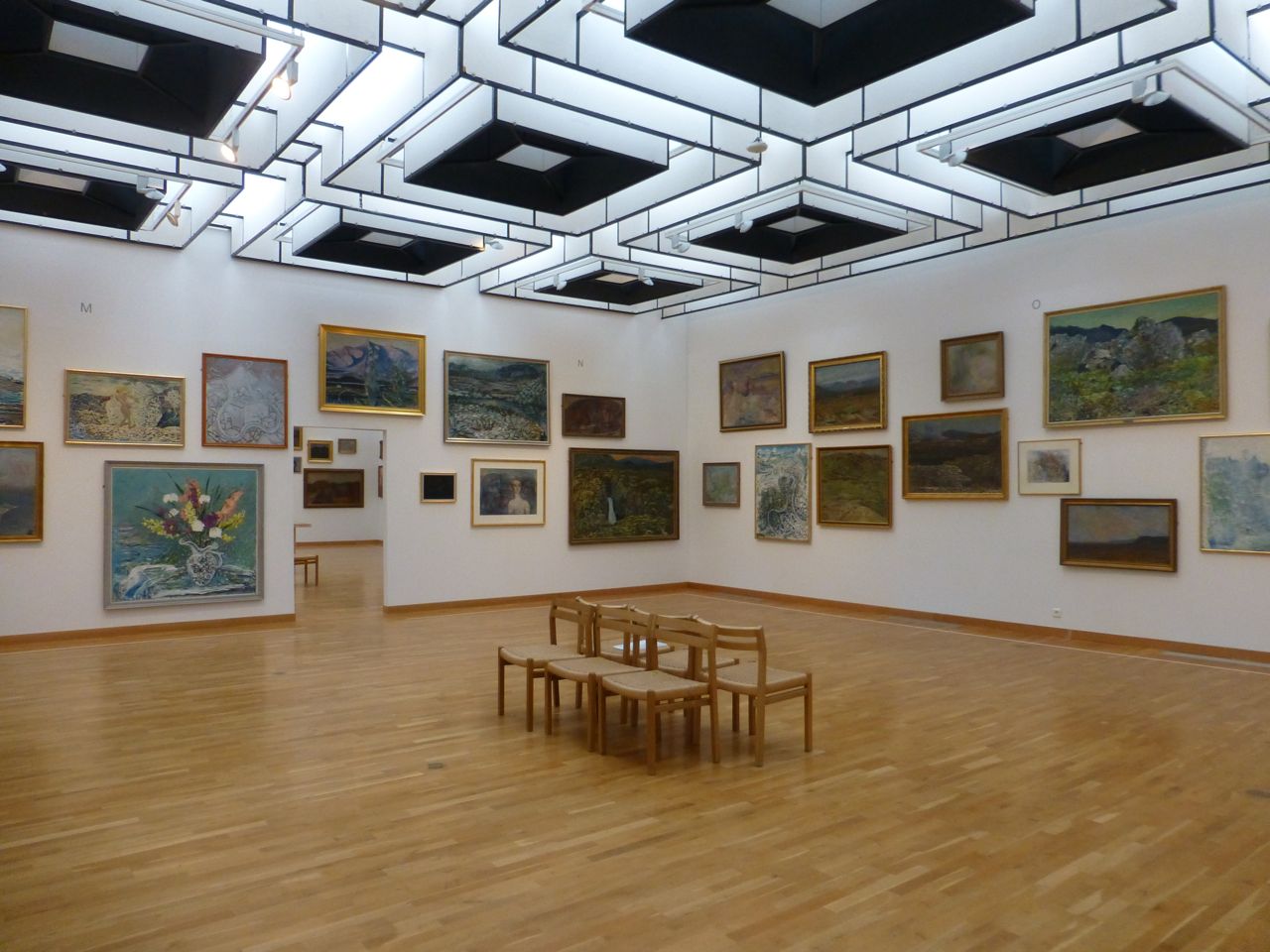
Church Bazaar Art Elevated to World Gallery Status

That’s Kjarvalstaðir for you! If you think this is a criticism, think again. It is, among other things, a form of deep respect. For another thing, there is no Platonic law that states that a work of art by an individual can’t find its fullest expression socially (such as in the social frame of an art gallery.)

Kjarval is also frequently described in the art world as an oddity, because he never settled on a personal style, nor developed all of his skilful interpretations of world art traditions and techniques into a language of his own, which is de rigeur for a modern-art-scientist-individual type, like, say, Klee or Picasso. Kjarval remained colonial to the end, as in this energy diagram resulting from a cross between Gaugin and a German woodcut (Without wood, the medium of choice became paint imitating wood’s recording of solar and water energy — very clever.)

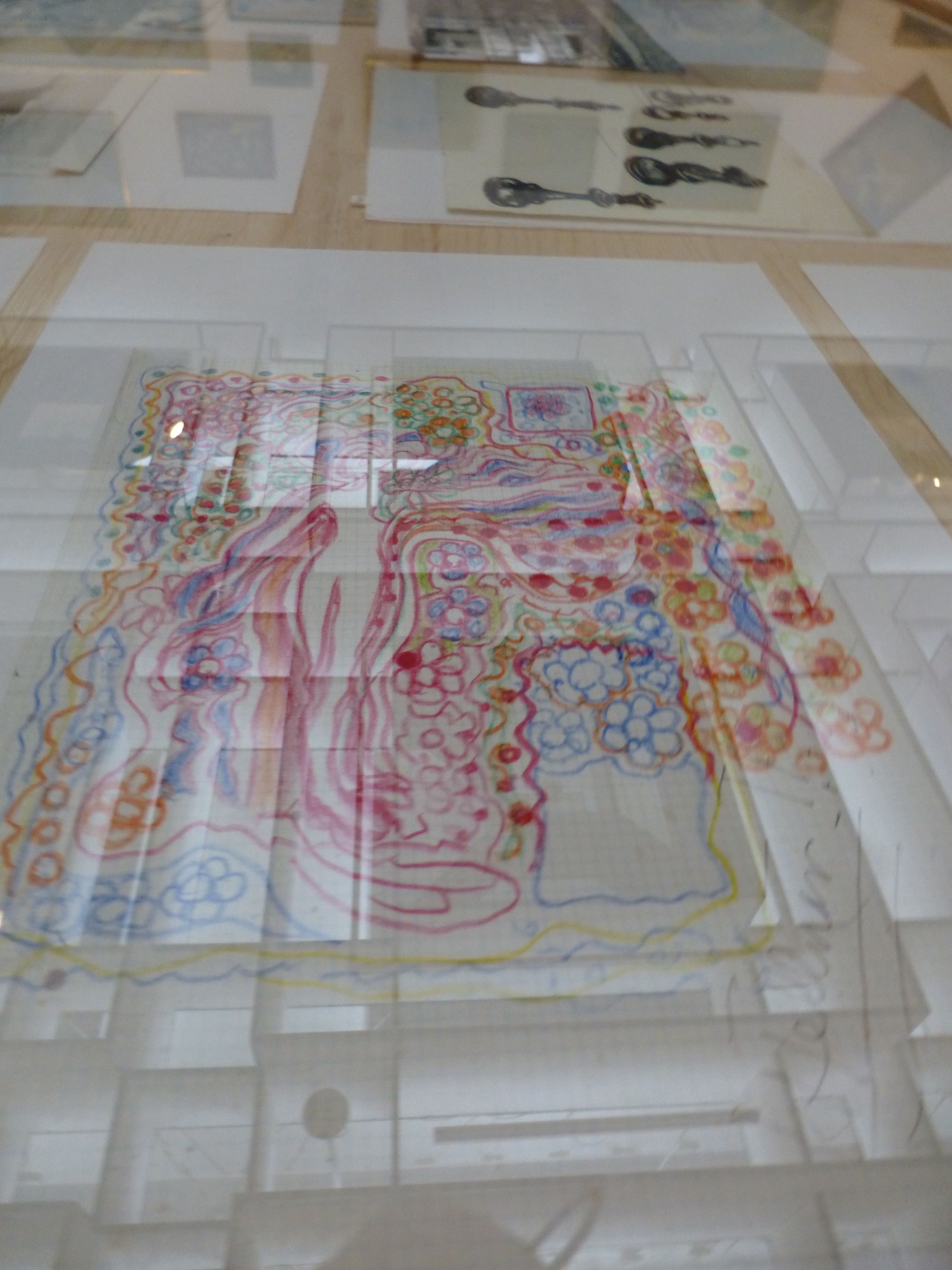
swimfly … or this incomplete pencil crayon fun, lovingly framed by the gallery’s architecture and lighting …sketch

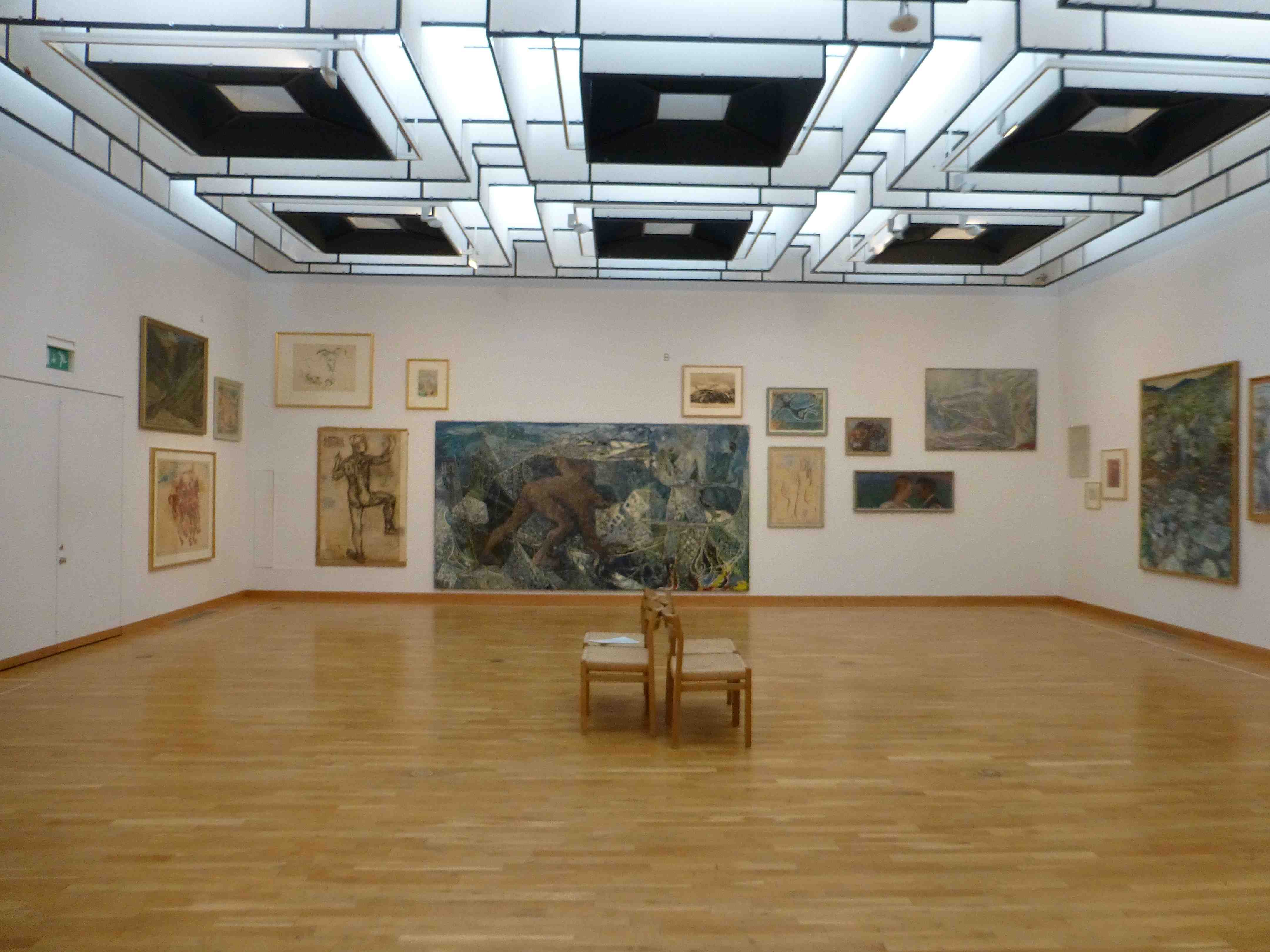
In terms of the art world, these deviations from an elaborate intellectual language are the signs of an amateur, even a child or even, gasp, a non-artist. Now, that just can’t be. How are you going to have a national artist, when there’s no art? It does certainly leave the Icelanders with a bit of a problem: not only is Kjarval the most popular of all Icelandic artists, bar none, but there’s a whole architecturally beautiful museum plunked down in Reykjavik devoted largely to his work, and in a display as sophisticated as any small town display of amateur works by a local painting club, too…

hall2

Bit of an embarrassment, really. Ah, but it’s not what it seems. For one thing, you can serve food. That works. Keep the bodies fed and magic may follow. You never know! Actually, you do…

dine

Viewing the Art is Not the Point.

Living with it, and within its display, is. Why, one can be as easily framed by the gallery as is the art. That is, actually, a pretty profound experience. Icelanders know this.

For another thing, take a look at some of those marks below and to the right of that waterfall I showed you above…

fossfaceKjarval’s Paint Gouging

It’s like he set his cat onto it, with claws. Or let his pet raven wander over it, scritchy-scratching, or started playing x’s and o’s with his subconscious. I wonder who won.

Now we’re getting somewhere. In the world of individualistic, über-scientific modern art, child of the Enlightenment, god daughter of the intelligentsia, brush strokes, scratches, gouges, lines and other marks are part of a sophisticated texture … which somehow doesn’t include these. These look rather formless. They’re not, but the impression holds, nonetheless. That’s because, they’re really this:

slide2 Kjarval’s Elves

…and this…

facesdetail

Kjarval’s Trolls !

Poor art critics! The Icelandic people love looking for the faces within Kjarval’s paintings. The art critics just scratched their heads at the childishness of it all.

Well, one can forgive the art critics. For one thing, they didn’t go to school in an elf village, did they. For another, no one built them a playground in the harbour. For another, they might not have seen this:

trolls2

Trolls, þingvællir

Looking down over the World’s first parliament (965 AD).

So, let’s recap: a country that retains its folk animals and its folk beliefs because the land is unstable and “you never know” (although they do), does not build houses on fairyland but raises and educates and plays with its children on it instead — and not because they’re children; because they’re equally valued and are socialized by exposure to non-human energy. The country’s favourite artist interprets world artistic mark-making within this context and replaces sophisticated intellectual mark with sophisticated folk marks, in which the non-visible energies of the other people are everpresent and revealed …

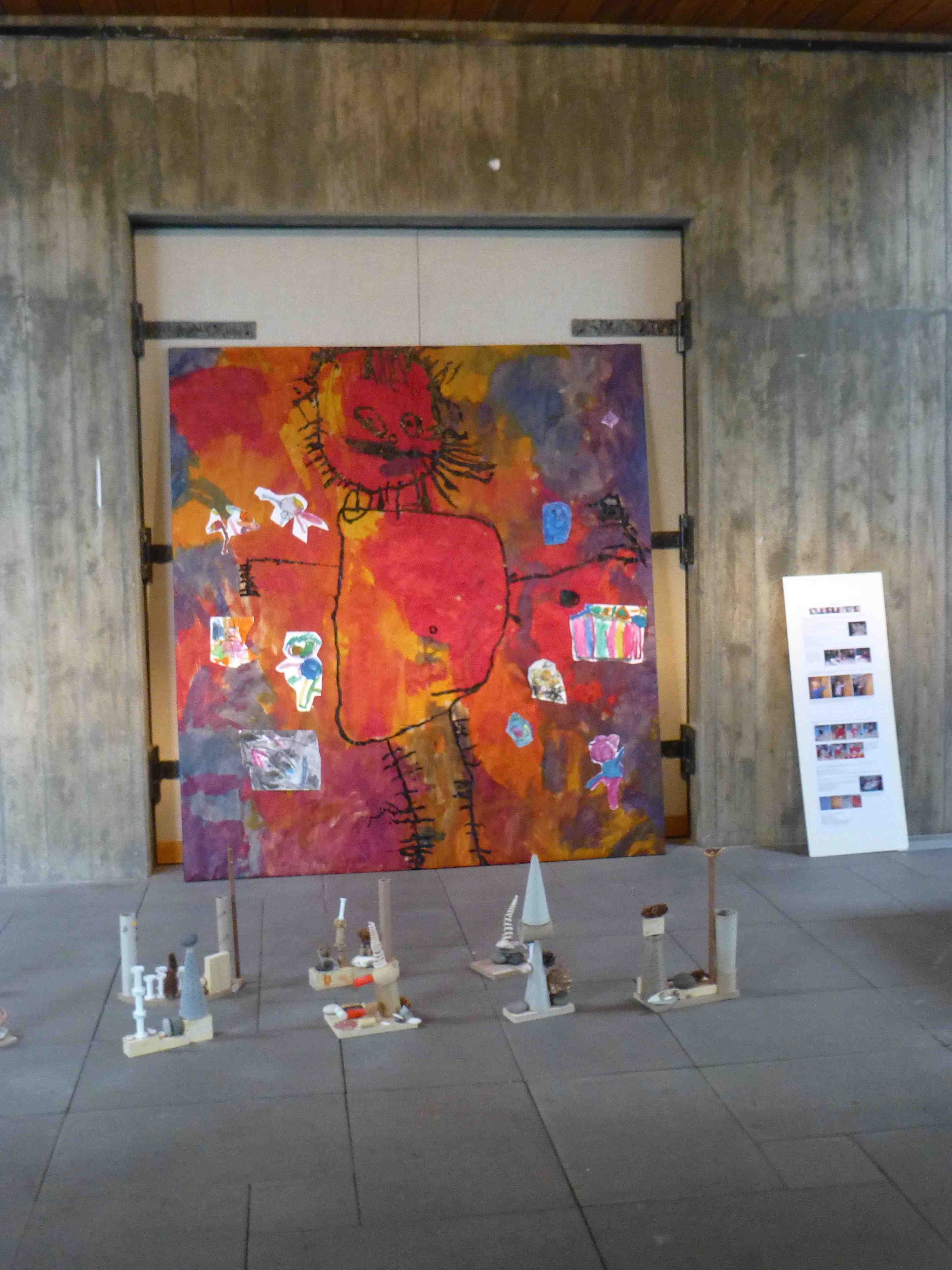
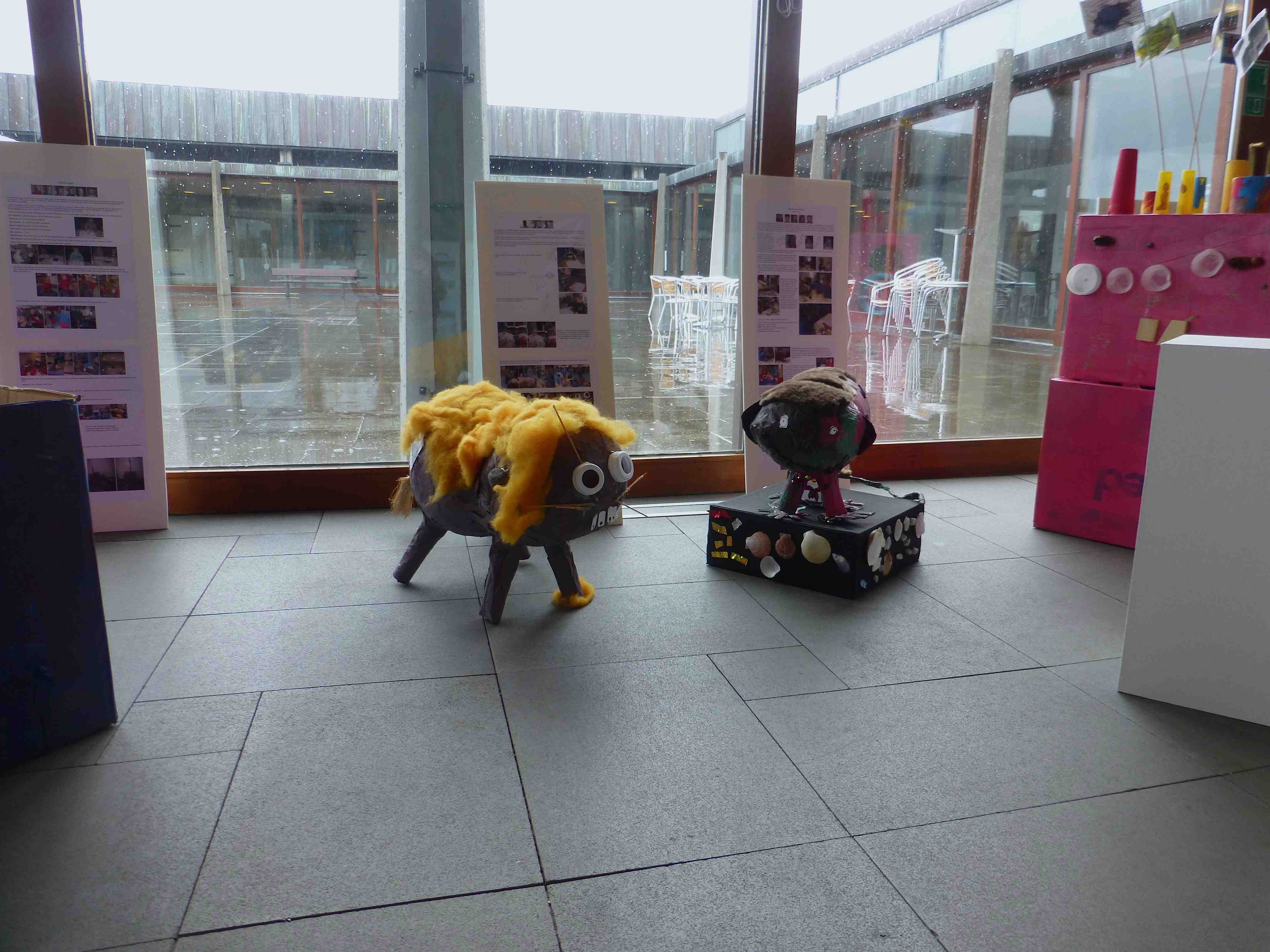
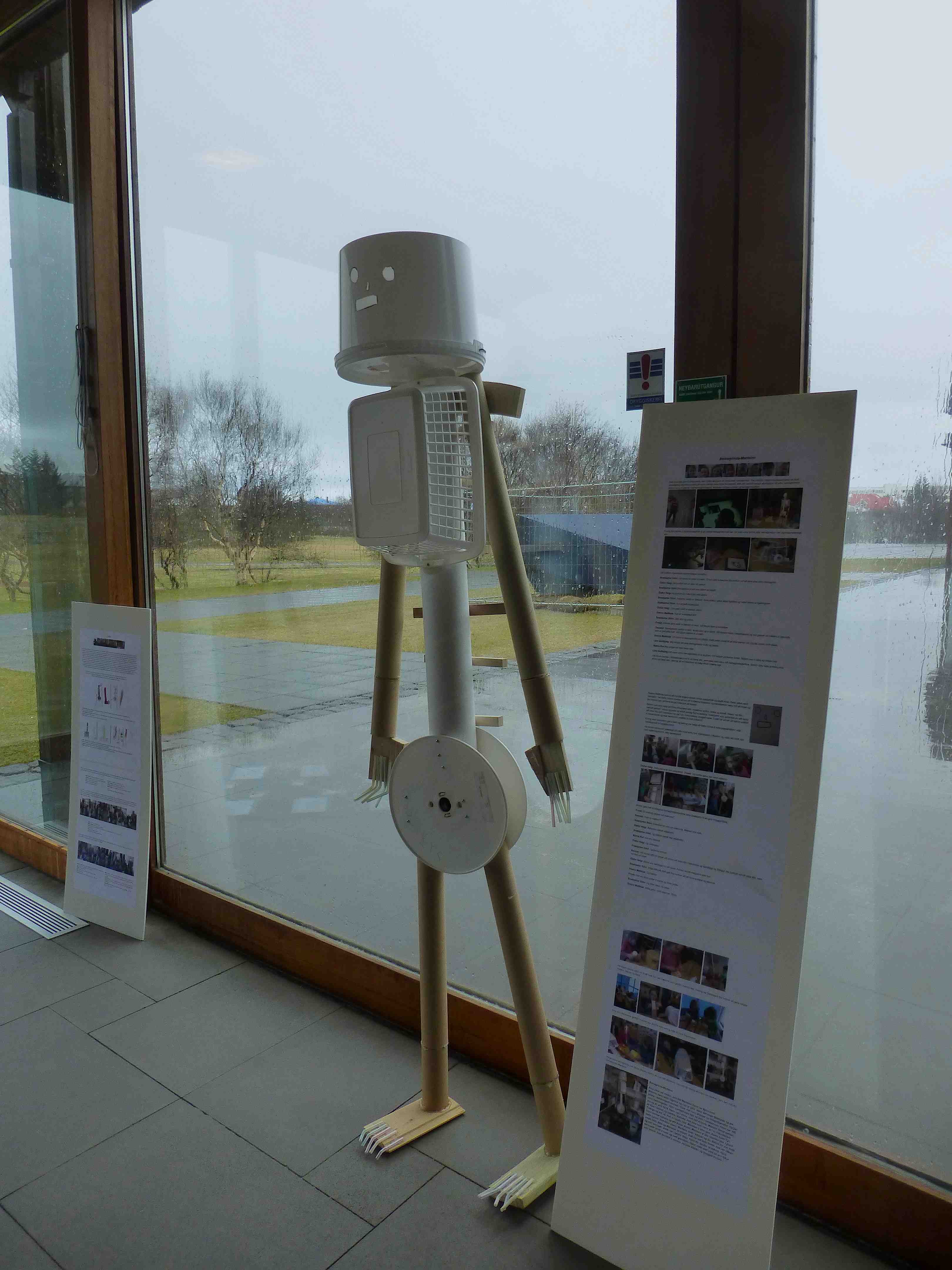
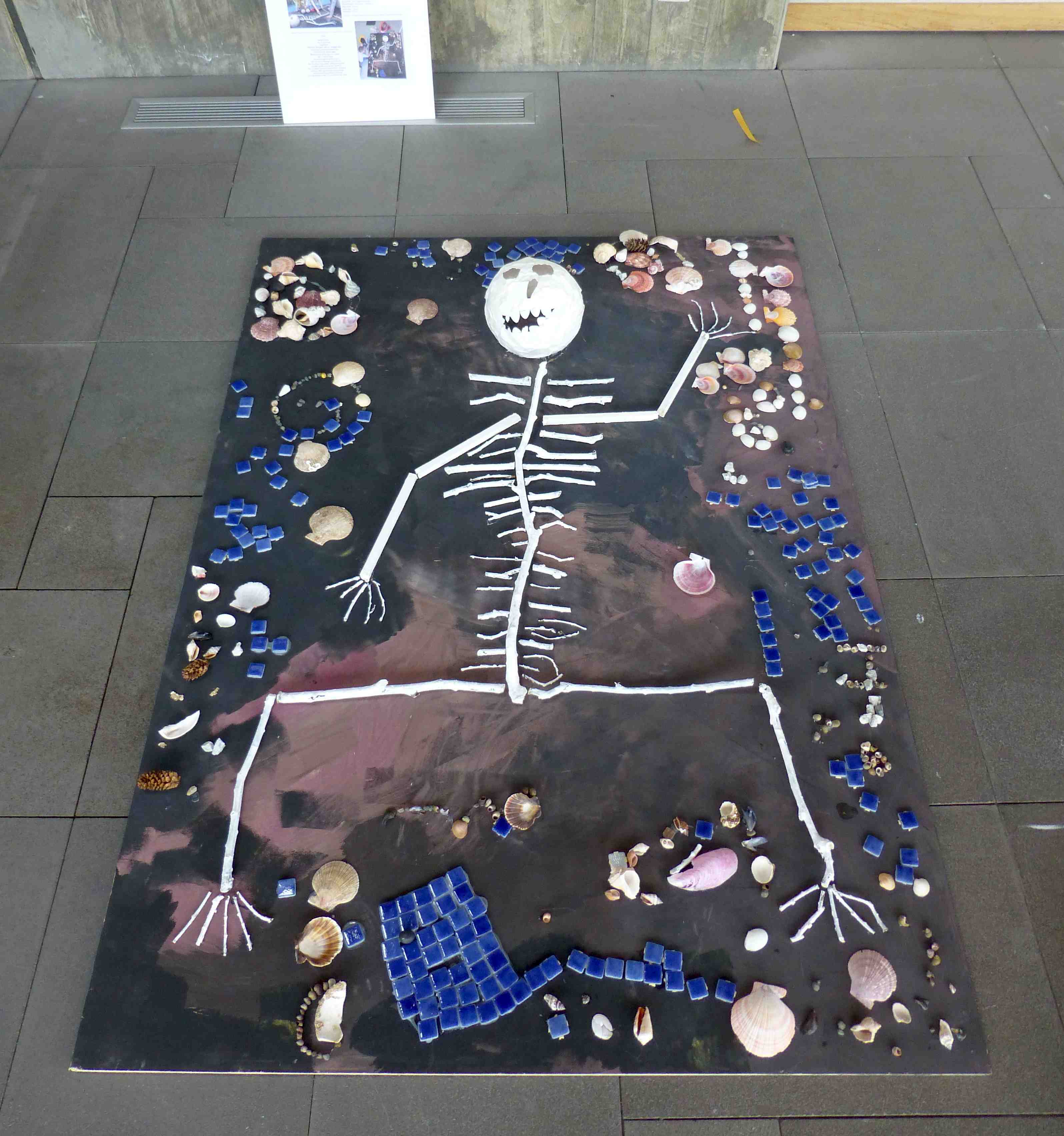
yellowscritch… as if they were a language (a spiritual language, which is one step up the ladder from a. physical, b. individual, and c. social). The country responds by completing the art work in a social context and then proceeds to do a most amazing thing. It brings its children here, a place now as sacred and powerful as the elf houses themselves, and proceeds to educate them into sophisticated artistic responses. Method includes a room for parents and their children to make art together and post it into frames on the wall after viewing the galleries, in a process as capable of social completion and change as Miro, say, or Klee, within their non-colonial contexts (and which would function as colonizers here, if not released from that role by this truly Icelandic process, with its roots in the Middle Way of ancient Nordic culture) …

diamond… and a project in making art out of recycled materials, which includes small people less than three years old, whose innate art-making has not been otherwise rewritten by elite codes …

simplecollage

Icelandic Artist’s Collage

(Name with-held for privacy. Available on request.) Age 2 yrs, 11 months.

… sophisticated portraits …

bigred

… elaborate portraits of dwarves …

sproing

… a Coast Guard Ship …

teaboat… the family cat …

yellowfoot

… Diaper Day Mom …

bucketman

… Enough ribs to make ribs fun again …

pencilskeleton

… and an elaborate, high-art contribution by parents and teachers, helping to stage the show …

tools

Beautiful! It Almost Upstages the Kids…

… but not quite.

This is what the Canadian approach to a colonial past misses: a past before the colonial past that it can reach into and transform the colonial experience into merely a passing fancy. In Canada, cultures are continually replaced. In Iceland, children are brought to make art in the country’s national galleries, and the art they are asked to view there is of exactly the same kind of material, intent, and subject matter as what they produce in response to it. And so the cultural loop is closed — partly because “children” are viewed as equals to adults, if not superior to them, which is definitely not the Canadian way. In Canada, they are educated to be adults. In Iceland, they are already adults, just very special ones. Is Kjarval’s art “world class”. No, not in the way that is meant. But does “world class” art find fulfillment in the following image? (Hint: no, it does not. It might look like modernist Dutch art, but it is not.)

P1550865Typical Reykjavik Housing 

1000 years of clustering together in the Bath Hall (the only heated space) in their houses have made Icelanders eager to live very closely together. It also helps to keep out Nature, which is great retro stuff for attracting money from tourists who grew up within its 19th and 20th century images …

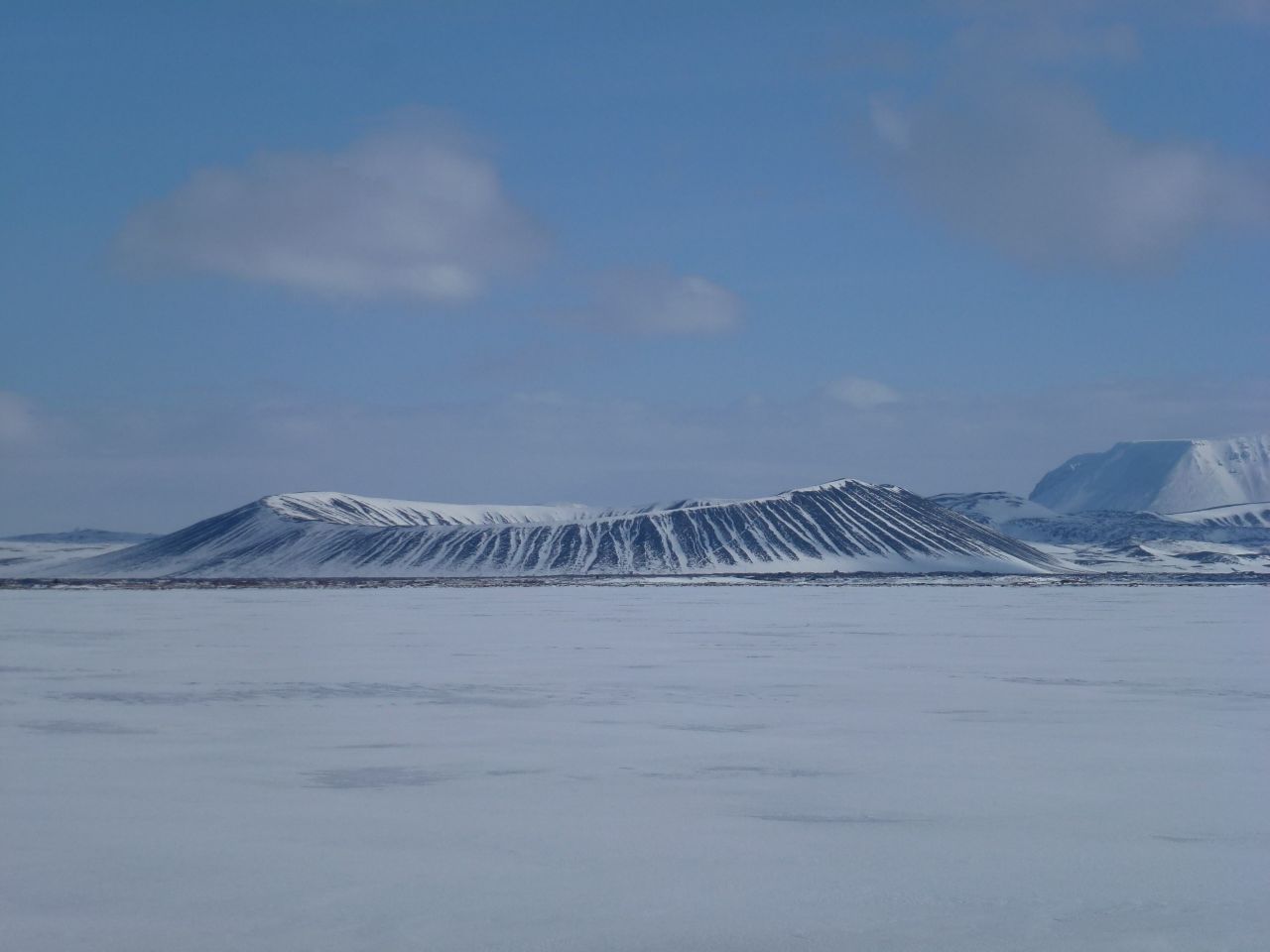
Lake Myvatn and HVirer 250Hverfjall

… but it can kill you. It is best to make something out of it.

barn

Turf Barn, Landshús, Norðurdalur

So, Icelandic art and literature can sometimes appear childish and a bit awkward (Gunnar’s sure does, at times, and the contemporary situation is no different), but they work within a very specific social context, that is still in touch with the Nordic roots of contemporary Western life, roots which most of the literary and art worlds have completely lost. Next, I’ll explore those roots a little, but for now, thank you for spending some quality time with me among the elves.

Godafoss and Lake Myvtan 342

Harold Among the Elves

Goðafoss

Constructing Iceland

For the last month, I have devoted almost my entire time to completing my Iceland project about Gunnar in World War II. The whole effort is like fitting together a puzzle, or the way in which on my last day in Reykjavik, I witnessed some Icelanders attempting to build a forest in the middle of the city …P1590085

A Forest in Process

Sometimes words just won’t do.

Canada is not a country in which art is so closely combined with public and private life, and that’s too bad for Canada. It speaks to the kind of wealth that comes from a colonial history of buying things, rather than building them. Iceland has a good dose of the same colonial disease, but, the outcome of the election this project was designed to influence aside, has a better chance, I think, of coming out the other side into the earth and greater human richness than does Canada.

P1590078 Danish Post-Colonial Dining Room Furniture Taken Outside for Some Fresh Air

Over time, this forest construction effort brought many thoughtful and happy onlookers. The whole process filled people with delight. And why not. Look at how trees and scrap wood are brought together to make a model (a kind of 3D map) of Iceland itself, right in the middle of the city…

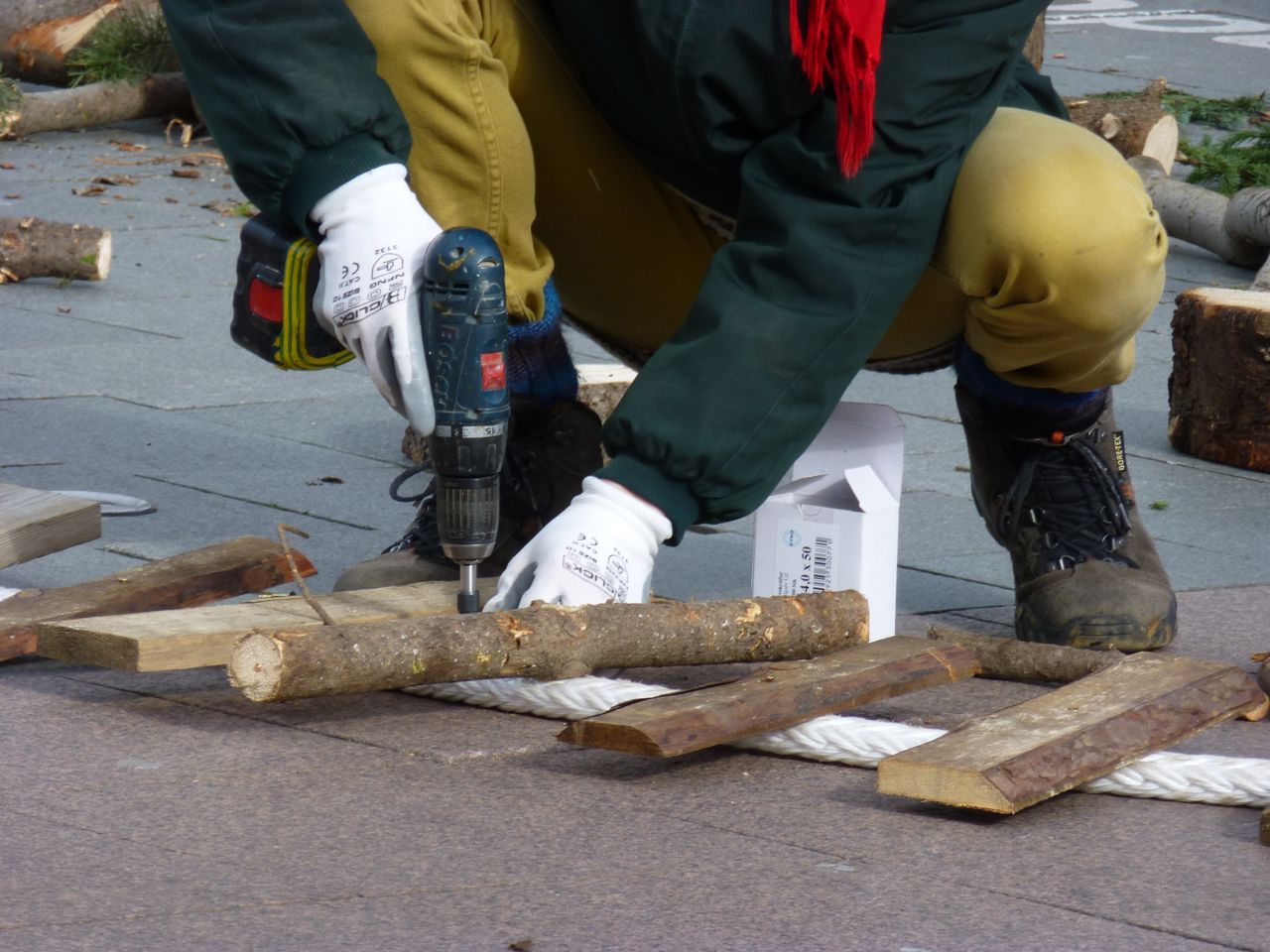
P1590027 Look as well how the effort requires fashionista colour coordination between man and tool, and the union of hiking footwear with workman’s gloves. Reykjavik mornings can be like that in the spring time! In fact, isn’t that an image of the Icelandic economy as a whole?

P1590015It is also the work of a community, of which there appeared to me to be no leader. It was as if the sculpture itself, the new forest, was directing the humans…
P1590016I had to get on a plane and leave, but these are the images I took away with me, and which I continue to expand in the work. I believe that the images show something uniquely Icelandic. It is a kind of creative energy, with very specific roots deep in Nordic culture, on the one hand, and in the Icelandic settlement experience on the other, which is ongoing, and not historical. “History” is just a word. This is a living thing. In the next few weeks, I plan to show some other examples of this energy at work in modern Iceland, and by then I think it’ll be time to show you how I have been fitting them together, like a delightful jigsaw puzzle, into my story about Gunnar. Bless bless!


The View from Canada

This is a post from my Okanagan, Canada blog. It shows some of the lessons I have drawn from my recent stay in East Iceland, and explores what Gunnar Gunnarsson meant by poverty and wealth.

P1530046Harold and Gunnar

Sharing a last windy debate in the East.

What passes for environmentally sound practices today are deep reflections of an economic system, but they’re not green, and they’re not going to ensure either the survival of the earth or of our children. Right now, the City of Vernon, British Columbia is debating whether to keep spraying treated sewage water over indigenous grasslands, golf courses and soccer fields in infilled wetlands or to just pour it into Okanagan Lake. The issue is cost. The reason for that is that “land” and “water” are considered “raw materials”, which are “capital” in an economic system that mines the earth’s creative potential, without ever replenishing it. What I learned in Iceland over the last two months is that “land” and “water” are not raw materials, and creative potential is the only potential there is. An economic system that is complacent about wasting that potential has no future. The one green option in Vernon, to rebuild the grasslands so that the water is moved by the sun and gravity again, at reduced cost and leading eventually to no cost at all, or true wealth, is not part of the debate, although it should be leading it. Here, let me show you. Below is an image of Okanagan Landing, taken this morning, looking Southwest from the Bella Vista Hills.

P1590773

Now, let me show you the image again in an annotated version, so you can see clearly the story it tells.

annotate

A Story of a Lost Environment

The indigenous grassland in the foreground has retained at least some of its capacity to move and store water and to process it into food. The vineyard to the right has mined this environment for three raw materials: “sun”, “land” and “water”, in order to increase the sale prices of the houses on the subdivision above them. The water in the lake is fossil water, left over from the melting of the glaciers 10,000 years ago. It regulates the climate, and ensures that life can live on the hills. It is not for use. The infilled wetlands and the lost grasslands above them are irrigated with water removed from the system that feeds the lake through its forests, grasslands and wetlands. It costs millions of dollars to do, against the millions of dollars of free profit from the land that the earth would otherwise have provided. What’s more, almost all of this earth has been alienated from public use, for now and forever in the future. Now, let me show you a different economic model. This one’s from Iceland.

waterfallhut

Just one of the Kazillion Un-named Waterfalls in Iceland, Suðurdalur

Now, take a look at the annotated version below, to see the story this piece of earth tells.

annotatedturf

This was once home. Although the over-grazing induced by poverty led to the depletion of the original birch forests here, the Icelandic system of retaining the creative capital of the environment has allowed for reforestation, without impacting future creative uses of the land, including such public uses as tourism or recreation. Future wealth has been created. What wealth was there in the past has been retained. This isn’t always quite what it seems. Here’s what that waterfall above looks like from the current road below …

junkEvery bit of wealth that has been removed from the cycle of this piece of earth, in the form of capitalized equipment of one form or another, has been used until it is out-dated, in the fashion of such products, and then is banked, so that the creative potential within it can continue to benefit the farm. It was never the product that was important, but what went into the product. The shape of a piece of metal is more valuable than the metal itself. Here’s that reservoir of creativity again, this time with my little rented Yaris. Someday, it will retire to a farmyard like this — where it will be no less valuable than it is today, ready for its creative energy to be mined for new purposes.
lotsajunk

None of this is junk. In a fully capitalized system, such as the one in Vernon, this material would be melted down and recapitalized as new material, and all of the human ingenuity it contains would be lost, as would the original investment, which came from sheep grazing these hills. As such, the above image is actually an image of environmental sustainability and green thinking. So is this…

hut

Ruined Farm, Reyðarfjörður, Iceland

Notice that the old turf-wall system has been incorporated into the new Post-World-War II system of using discarded American military materials. Ingenuity is something that Icelanders are loathe to waste, and which Canadians discard readily because in Canada’s economic system that ingenuity and the creative potential of the land it draws upon has long ago been mined, capitalized, and replaced. That all costs money. Not only that, it costs earth. I’m not romanticizing here. I mean, there are ruins in Iceland. For example, here’s a ruined turf house in Reyðarfjörður…

turfhouse And here’s the ruin of the post-War concrete house it was replaced with …

window Like the turf house, it was not built to last, because it was not removed from a natural process. It spent no creative energy. It only gave it form for a time. The thinking that went into the construction of this house utilized old scraps, such as the iron bar that used to tie the wall together above this window that looked out from the kitchen, next to the stove.P1440496

Over and over and over, the Icelandic writer Gunnar Gunnarsson pointed out that poverty is the greatest wealth. Those are the words of a man whose mother died of poverty when he was eight and who had so little economic wealth when he was young that it wasn’t a part of life at all. What then did Gunnar mean? Among other things, he meant this:

ropeBeach Wrack, Reyðarfjörður, Iceland

To any man who lived on what he could scrounge from land or sea, this rope would have been great wealth. It is now garbage, because it has no capital potential and thus, in a capitalized system cannot be exchanged for wealth. The seaweed that would have once fed the man’s sheep, is also now waste upon the shore — although it is as fully wealth as it was once in the past, and perhaps will be some day again. Gunnar meant more than that, though. He also meant this:

wallhouseMultiple Generations 

Stock buildings (foreground), fence, turf house, and boat shed by the water … this was Gunnar’s Iceland: a country where wealth that came from human creative energy meeting the creative energy of the land was built up over time. Its products (wool, lambs, children and so forth), were created directly out of this energy. In other words, they were creative products, not the physical ones that capitalization demands. As such, they could be sold without diminishing the land’s capacity to provide more creative energy — something impossible in a capitalized system, in which the wealth follows them, extracted continually from the earth, which is compensated only with money that can only be spent on products that lie outside of the land’s cycles and which must be continually replaced, generation by generation. This is what the Vernon model has done by removing water from the earth’s own economy and placing it in a technical framework, which must nonetheless be paid for by the land. These price includes a social cost, as real as any other economic input. Not only is the transformation of water into a utility economically unviable in the long term, but it costs this:

iceClose up of the Water Fall I Showed You Above, Suðurdalur

Without beauty and mystery, there is only enslavement and poverty. Let me put that another way: once the creative potential of earth has been spent, it loses all beauty and mystery and ceases to be earth. It becomes a product, and the people who live upon it become products as well. In the economic system in Vernon, British Columbia, every piece of earth gets removed at a certain point in history and “developed” — usually into subdivisions, and is no longer a part of the earth’s economy. Building that economy, however, is the goal of environmental sustainability. As the Icelandic model shows, it can be done in a couple ways, at least: one is to maintain an economy built on creative physical energy rather than on capitalization; another, perhaps more practical in our present age, is maintain that creative physical energy within the products already paid for and developed, such as this:

silhouetteHorse-Drawn Manure Spreader, Skriðuklaustur, Iceland

This piece of antiquated machinery represents the lives of hundreds of sheep and many men and women and horses who lived and worked here. It also represents the energy of its designers and creators, and of the men who mined the ore and the others that smelted it into the iron that made it, and the others that shipped it here. Withdrawals can be made from this bank of energy in the form of useful pieces of fabricated steel, which represent the social and creative energy that went into them, and which can be recombined into articles of new cleverness, not new machines, per se. Withdrawals can also be made more directly on the social capital of this machine, by turning it into art, or history, or tourism, or a deep sense of belonging, or respect, or a connection with one’s ancestors. That is what it is to be a human on this earth and of this earth. It is not a world of things. It is not a world of raw materials. It is a world of creative potentials, in which the economy is creation. The earth keeps giving us chances. It’s time to run with some of them. Here’s one…

yellowNot Green but Yellow and Blue

The photo doesn’t show it, but that’s a wild bee with a neon blue abdomen, on a dandelion growing in an overflow beach parking lot near Okanagan Lake. The bee lives on wild land, while domesticated bees are dying out. The dandelion has colonized land that humans have thrown away from their capital plans. It has, in other words, brought creation to it, and holds within it the potential for several new industrial ventures, which will enrich the creative potential of the land in the same way that the flower has by growing here, rather than than making withdrawals from it that it never intends to repay. Well, the earth is telling us that it is time to repay our debts. It doesn’t want our money. It wants us to create within its own economy. Rebuilding the earth would be a use of economic capital that would show a tremendous return on investment. Here, for instance:

sask3 Saskatoons in Full Flower

Another industry in potential. These lush, fruiting bushes live on free water.

… and here …

P1590753

Remains of Indigenous Gardens, Bella Vista

Yet more industry in potential.

And what are our politicians talking about? Sewage and money.

True Love in Reykjavik

The ideal woman of Reykjavik, c. 1400…
P1540907

Mary of the Hallgrímmskirja

Note that she is on life support with an artificial power source.

… and in the modernist period …

P1550132Woman at the Picnic Site

Still with a child. The houses in behind look like Nordhausen. Statues like this show up in Germany at nationalist sites, such as the Dornbürger Schlösser north of Jena. There, though, she has no child.

… and today …

P1550133

Green Party Election Candidate on a Bus Shelter

What a journey! There’s more …

greenGreen Party Window, Reykjavik

This an unfolding story. The oldest telling of it and the newest are still alive together at the same time. Look …
P1530638Adam’s Hotel for Travellers

Right by the Hallgrímmskirja, too.

At first, it looks like a clever pun, in the old Icelandic tradition, but look, right next door, in a passageway, amidst the tagging …

P1530643Green’s a great colour, but it’s the details that matter. Look inside that tag …

P1530644

Adam, we blush. In this context …

P1550124

See What I Mean about Nordhausen, that DDR ruin?

Maybe not. You had to be there in that DDR mining town abandoned by reunification, I guess.

Still, her beau is here…

stand

Adam? Is that You, Bro?

I wish the lovers well.

Reykjavik: City of Books

Like Gunnar,

P1530030

I had to leave the farm  …

snaefells… (It was hard for us both), and go to the city of books …

bookcity2… which, as you can see, centre

… has, like my Canada, adopted a new colonial master. Colonies do that, of course. It’s all they know. Still, in this city where everyone is a poet, some of this poetry is illegal…P1530675


… while some of it, identical to an eye from the farm, is legal…

P1530676 … which is weird. Copyright squabbles can be like that. But, hey, it’s a city, with its own sense of the commons and its own intrusions into it, but even so some, of it is beautiful…cracked … and the horses still have powerful things to say …bike


… there are still meadows full of flowers …

light


… and I would almost be tempted to say that we writers are guilty of something for which there is no possible absolution, except that even here we are children of God …

agnes

Agnes, Child of God

… and he has kept the light on. We may be for sale, and a little hounded by traffic …

wheels


… but that’s the book business for you. At any rate …

drink


The Lesson of Spring Snow

All day I’ve been having enormous fun with books and making a book dance out of nothingness, about things that are among the most important to me in the world, things like the world, and how words are a very old magic given from people who lived with the earth and knew some things about it. By the time I was ready to go out a-walking, a spring snow had hit, although there was no shortage of light.

twogeeseinsnow

Migrating Geese Sitting it Out in a Pasture Field

I thought I had a found a bit of nature. Ah, such a naive Canadian fellow. You must be smiling — if you’re not shaking your head. The geese, mind you, had a clear idea about things…

P1420252

Don’t Worry. When I Walked Away They Came Back

Still, a rickety little camera and a lot of zoom in the snow, boring, right, so I walked on, and on and on, enjoying the snow. I tell you, things looked pretty good in the light. I thought that was the story. New snow acts like a lens for light, which brings up contrast, which makes things look, well, fantastic, like this…

snowcanyon

Nature. The Canadian is at It Again

And waterfalls. And ones that no one goes to, yet. Secret waterfalls. Oh, Canada, or what!

And true Canadian that I am, raised on the Canadian myth that things start best with nothing, thought, well, nature, eh, and photography, whoa, and working together yet, huh, and that was pretty inarticulate, wasn’t it. Sheesh. The wind was nice, though, and it was good to feel cold after so many days of sun. So, horses, right. Always friendly and ready to pose…

P1420260

Well, Actually, Telling Me That It’s Time for Hay

But I thought, you know, the fence, ugh. We want the wild land, the earth, her own face, and what do we have? A fence. What a bust. But then the walking started doing its magic and I started to see, not because of the light, or the camera focussing my mind, but because the world was starting to sink into me after 5000 words of some pretty crazy writing, and this is what I remembered looking at just a minute before when I took a picture by reflex …

P1420257

Horses at Home

There are no prettily arranged farms in iceland, because they’re not farms. They’re cities. 

And I got to thinking, what if I stopped looking for the earth, would I find it? So I looked around …

road

A Fence, a Crop of Larches, a 4×4 Track

In Canada, this would be considered a portrait of intrusion on a landscape. Here, it doesn’t feel like that.

What is going on? I wondered. So I looked around some more…

flat

The Neighbourhood Sheep Fold

Of course, by this time I was being observed, because it was still hay time …

bluehorse

The world is physical, and humans are among its recorders. So are horses. 

The idea of nature, as a universal quality, spread across the earth and observable by all humans equally, especially through photography, is just not true. The word ‘Nature’ might be a word whose meaning has been twisted and lost.

P1420274

Nature? 

Nature is not the wild world? Then what is it?

That horse seems to know, doesn’t it.

Agrarian Socialism

Socialism is about people and their access to the profits from resources. Not Gunnar Gunnarsson’s. Here are some pictures of his world…
high1

Water for the Taking

There are so many waterfalls in in Iceland that these beautiful falls aren’t even on the Icelandic Waterfalls tours. 

housenadfieldLand for a Home

When it was inhabited in Gunnar’s day, this farmstead would have been made out of stone and sod. No need for socialization of those resources, either.

mossPretty Stuff Everywhere

No need for socialization of art. Heck, no need for art. The earth makes it a-plenty. 

Yes, these are images of poverty. Gunnar had no problem with poverty. In his eyes, it was wealth, because it had access to a greater communal wealth.
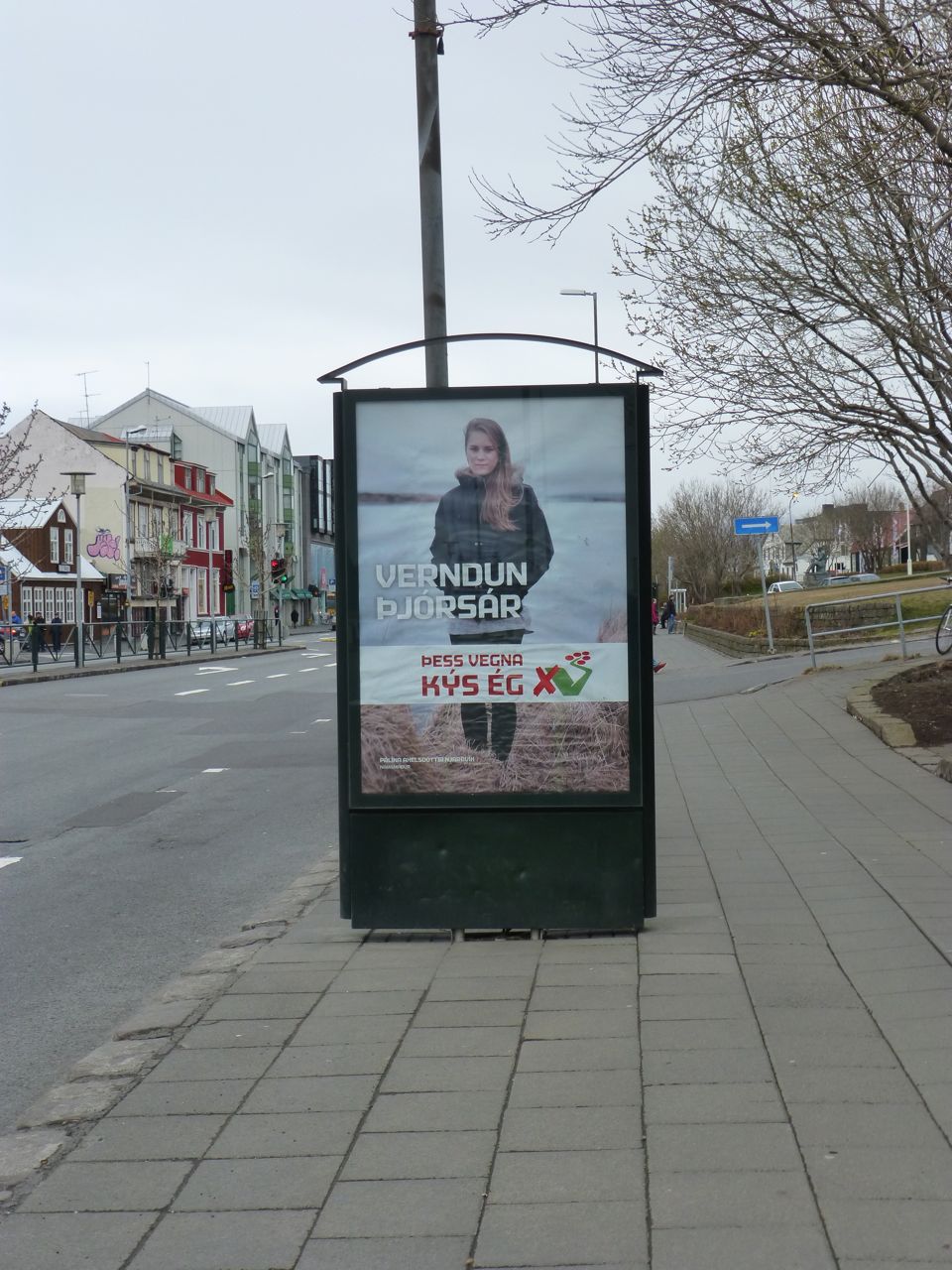
secondfalls
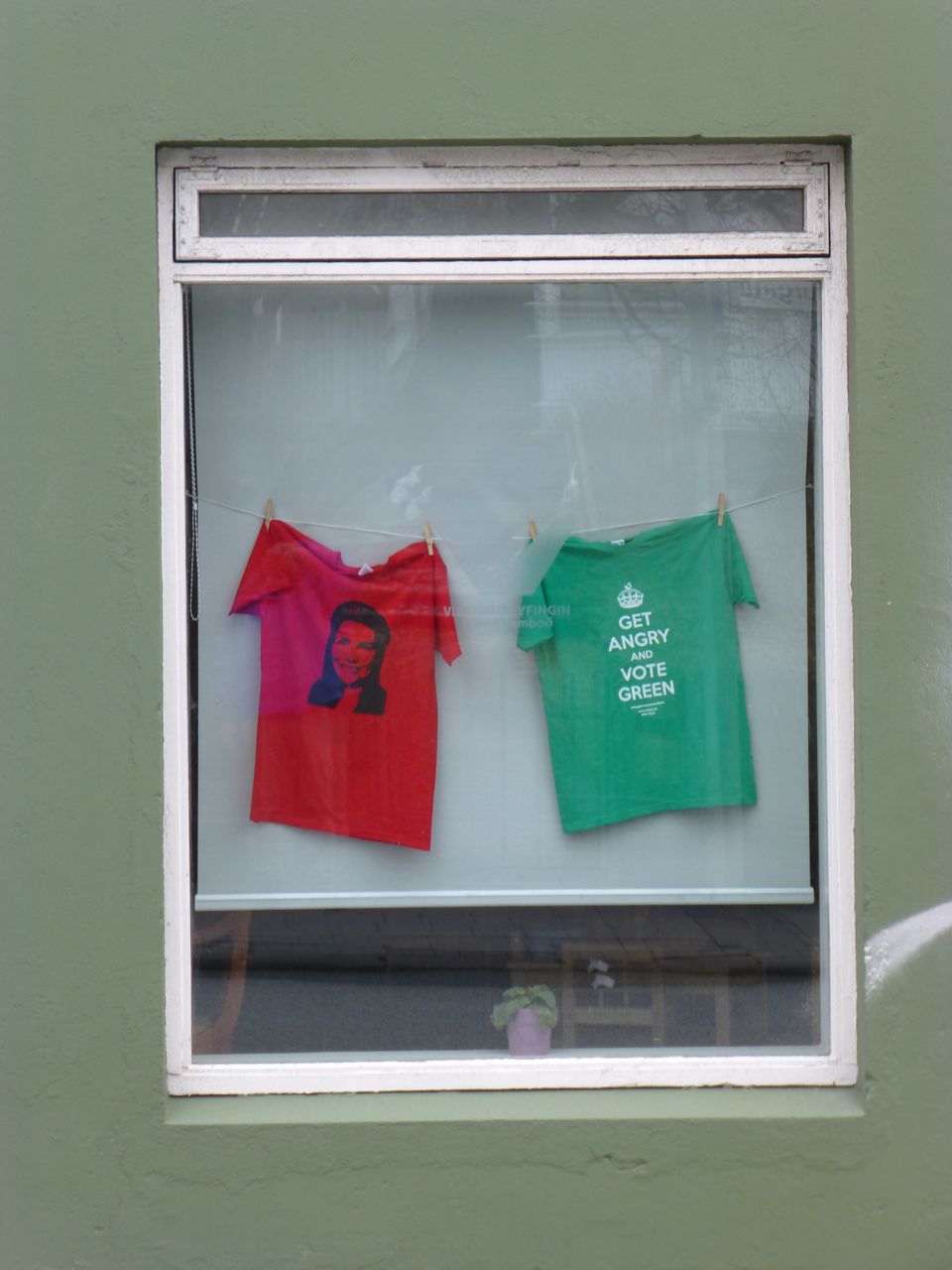
Water Source for that Farmstead Above

It’s a 60 minute climb from here to the first falls I showed you, if you dawdle and try to take pictures of falcons (?) with a camera viewfinder you could never see a moving falcon (?) in. Or even the ravens that laugh at you as they go by.

No doubt, the farmer in the homestead worked for the larger farms in the valley. Gunnar wanted to found the largest farm of all. That’s where socialism could, in his world, be some use: providing an interface between land and the outside world, so that the people could remain the land — not ‘on the land’, but ‘the land itself.’ His role as a landowner was to be a cultural broker, to ensure that the people stayed within the wealth of the land. That was his responsibility. Out of a community to which this was home …

housefield… society, too, was built out of the earth …

foldMelarett

The local communal sheepfold, for separating out the region’s sheep in the fall. Everyone helped, together. One didn’t need fences. One just needed a little bit of cooperative organization. The land provided for the rest. This is the image of Gunnar’s socialism.

Hitler had National Socialism. Gunnar had Land Socialism, extended from an older aristocratic land-management model. And to think, he went to Denmark for an education and found modernity instead of support for his ideas for an indigenous Enlightenment as a man of the land …

valbyDenmark’s Avante Garde Emulating the French of Twenty Years Before

Tom Kristensen brought English avante garde poetics to Denmark, and with them French ones. That looks like his wife Ruth to the left. 4 years later, Tom will be a hopeless alcoholic and will divorce her. Shortly thereafter she will bear Gunnar’s third son. That’s Gunnar standing, by the looks of it, holding forth. He was so misunderstood that he has vanished from Danish literary consciousness. One Danish Encyclopedia comes right out and says contemporary readers don’t like his poetic style or his sermons. Tom is still widely read and studied. His books are as lyrical as Gunnar’s, but in a more fractured, alienated style, without narrative.

No wonder Gunnar went home. It’s amazing it took him so long.