When the dead aren’t dead, they keep an eye on the living.

Strandarkirkja
Those ones are unpredictable and need to be kept as close as sheep. A little herding never hurt, on both sides of the divide.

When the dead aren’t dead, they keep an eye on the living.
Strandarkirkja
Those ones are unpredictable and need to be kept as close as sheep. A little herding never hurt, on both sides of the divide.
What do you do with all those industrial plastic fish bins after they have been used to empty out the sea?

Egilsstaðir
You make a beach, that’s what you do — into a lake that is now severely compromised by hydroelectric dam run-off, and then you sell it.
Something’s Fishy
I love Egilsstaðir, truly, precisely because it is not romantic.
In the 1970s, A-Frame housing, cheap and easy to build, was all the rage in Canada. We were being very modern and Scandinavian back in those years, two things we’ve given up. We also soon grew tired of living at a slant and having half our floor space unusable (not to mention bonking our heads). I lived in a house like the one below for two years.

After that, we all gave it up and invented the 1980s, which was all about rectangular solids painted to look like California, with Tudor trim. In Egilsstaðir, however, the 1970s are still alive and well, because, well, it’s Scandinavia and, also, they couldn’t afford to throw anything away. And it’s still modern! A lesson for us all.
Ruins in other countries don’t look…
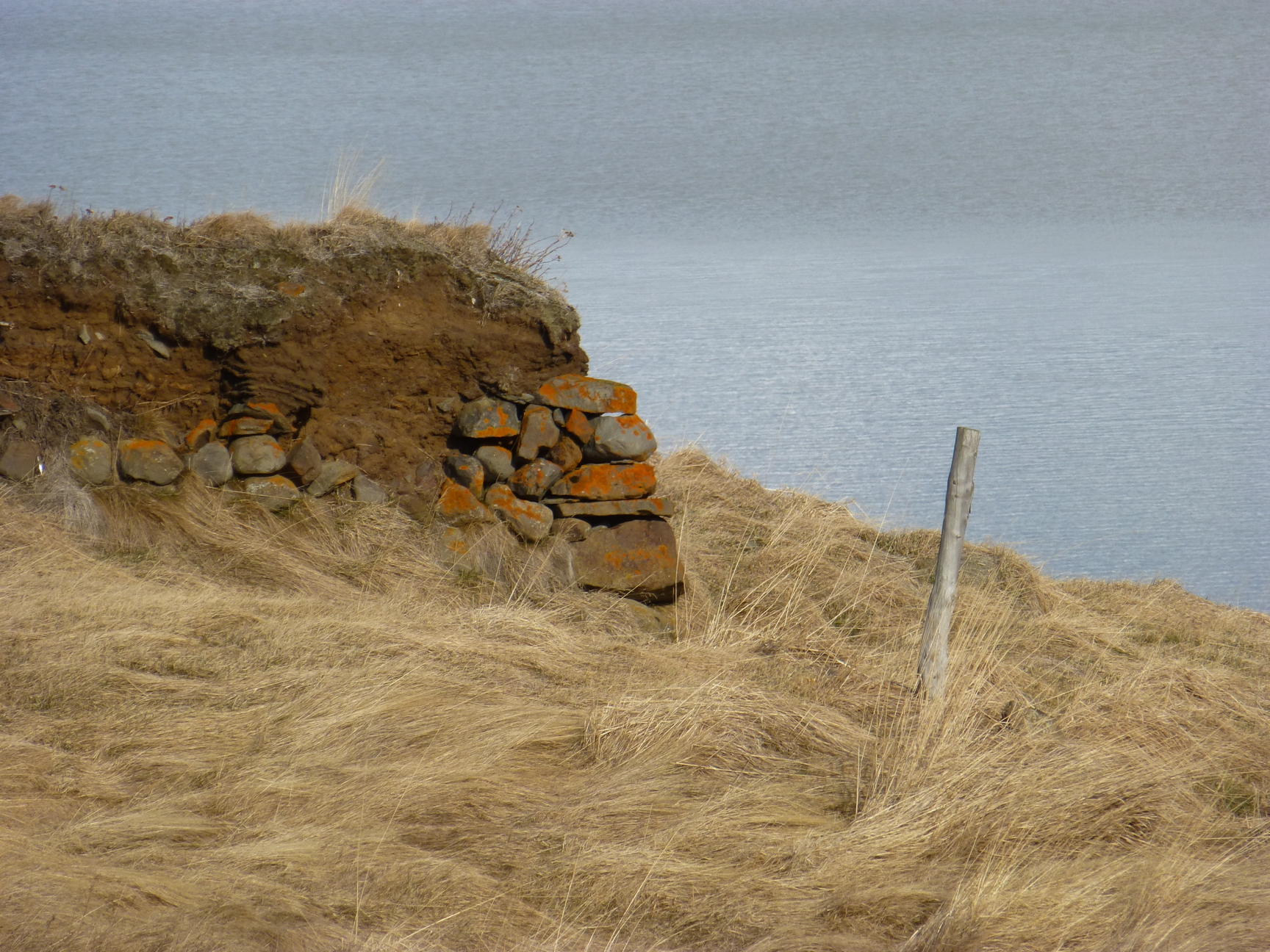
…well, so alive!
But, that’s what building with the earth will do for you!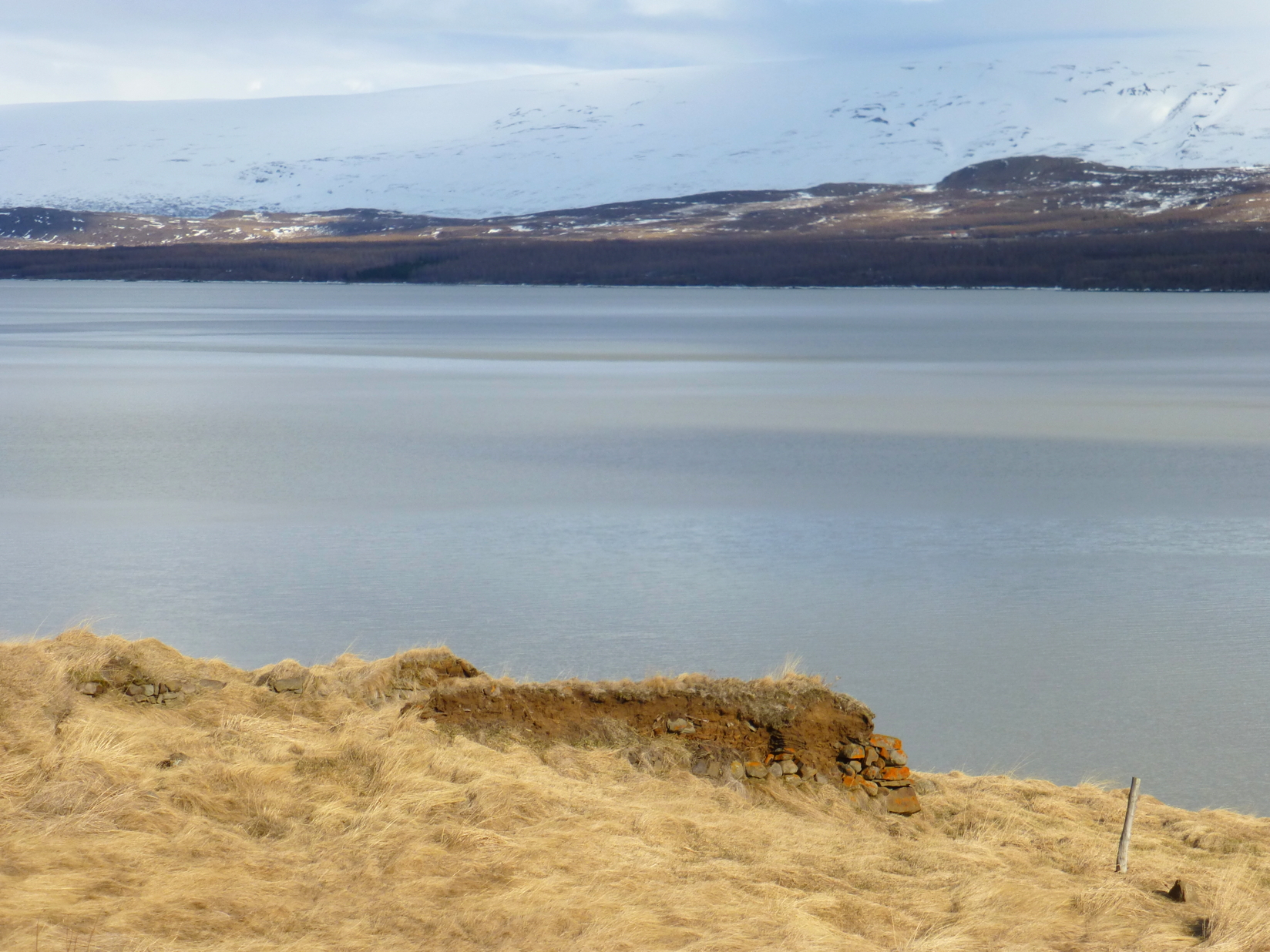
Lagarfljót.
Forests are a new thing in Iceland, and must all be planted by hand, just as this group of Siberian larch at Gunnar’s birthplace above the Jokulsá.
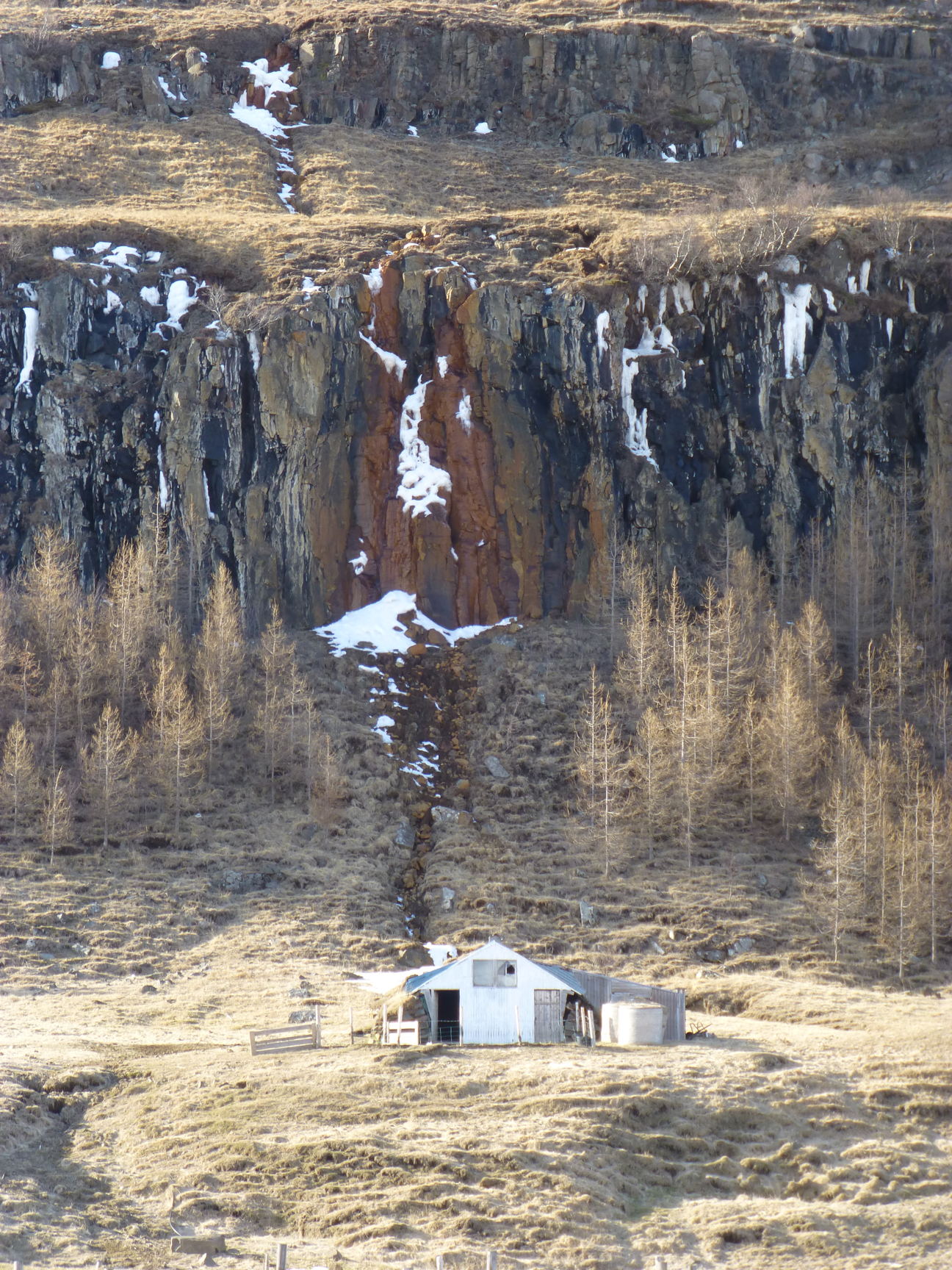
And no-one’s quite sure what to do with them. At the moment, they are chopped up into that staple of all harbour cities, shipping palettes, and then reassembled in familiar forms from there. It’s a little wobbly, but all shipping palette construction is.

But there’s definitely a keen-ness in the air. All the tools of the trade are readily available for working out the kinks at home or in the woods.
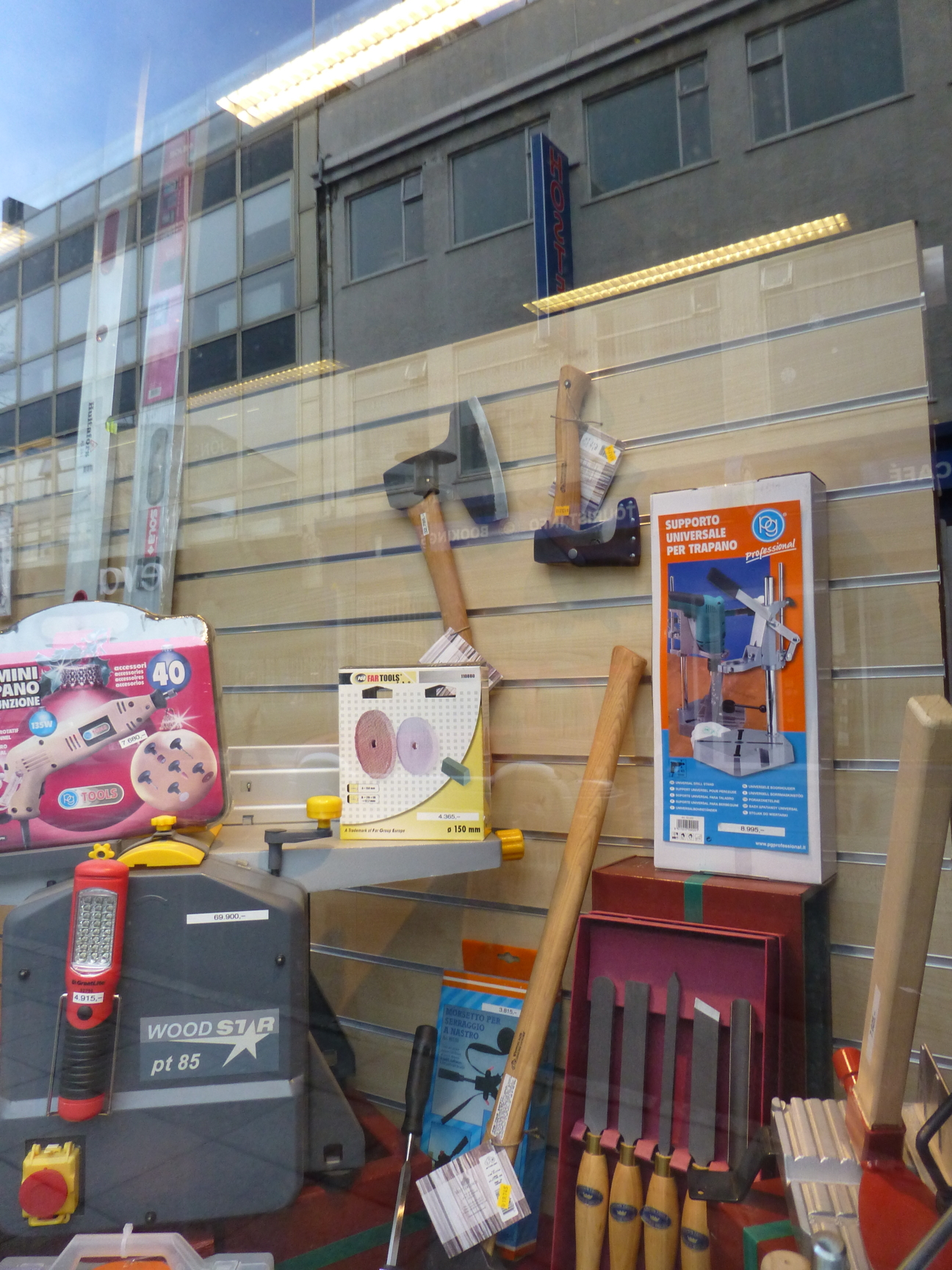
You did spot Thor’s battle axe there on the wall, right?
It’s in the East.
Across the lake from Hallormsstaðir. I wonder if Gunnar would have stayed at the end of the lake if he’d had neighbours like this.
Over in Lágkotstangi, iron age ruins are not hard to spot.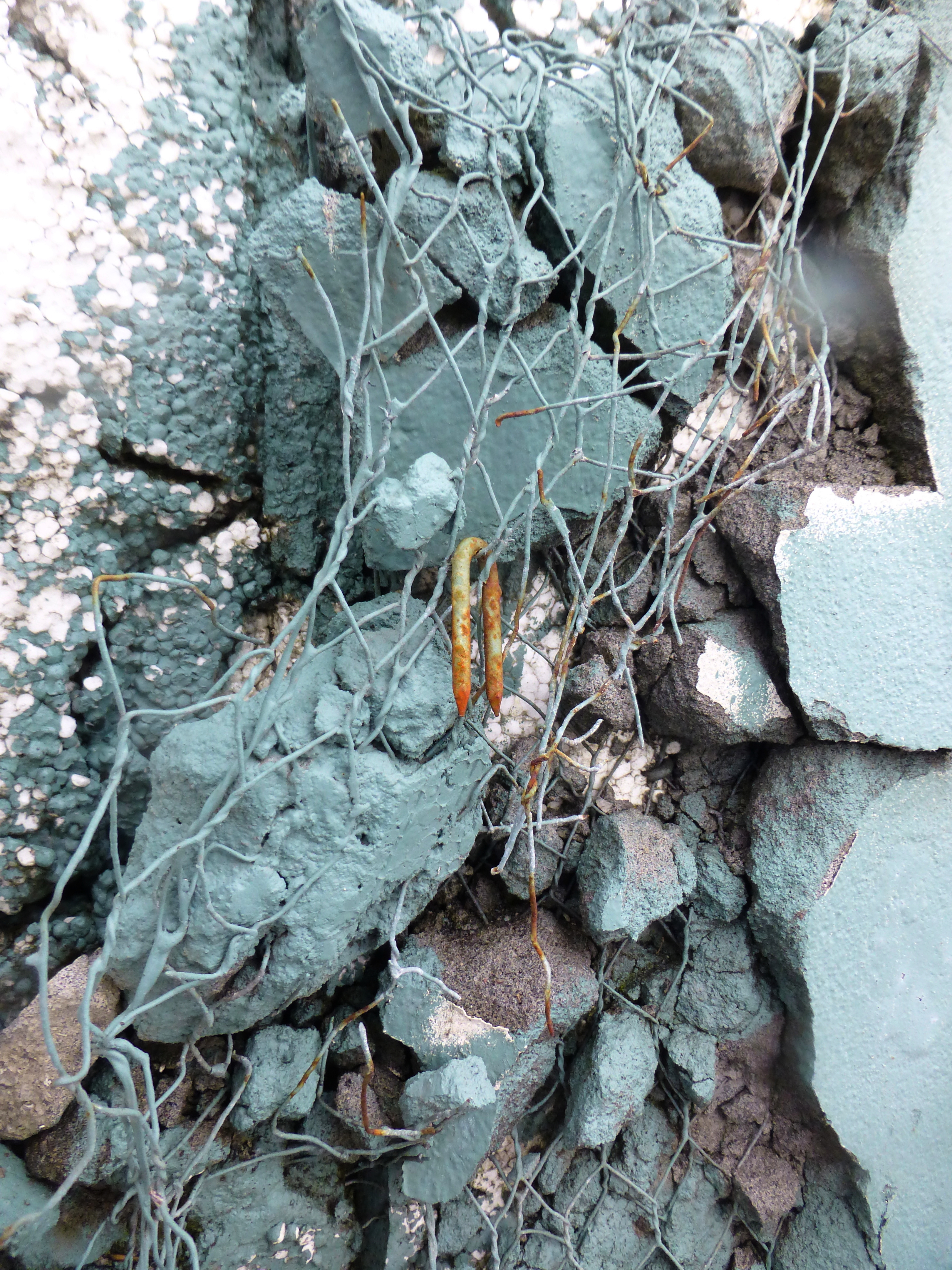
Because of recent tree-planting initiatives in the North and East, it is slowly being replaced by a rudimentary Wooden Age.

Because Iceland has been isolated so long, history is coming very quickly now. Even as we speak, both iron and wood are giving way to the Age of Plastic. They’re not going down without a fight, though.
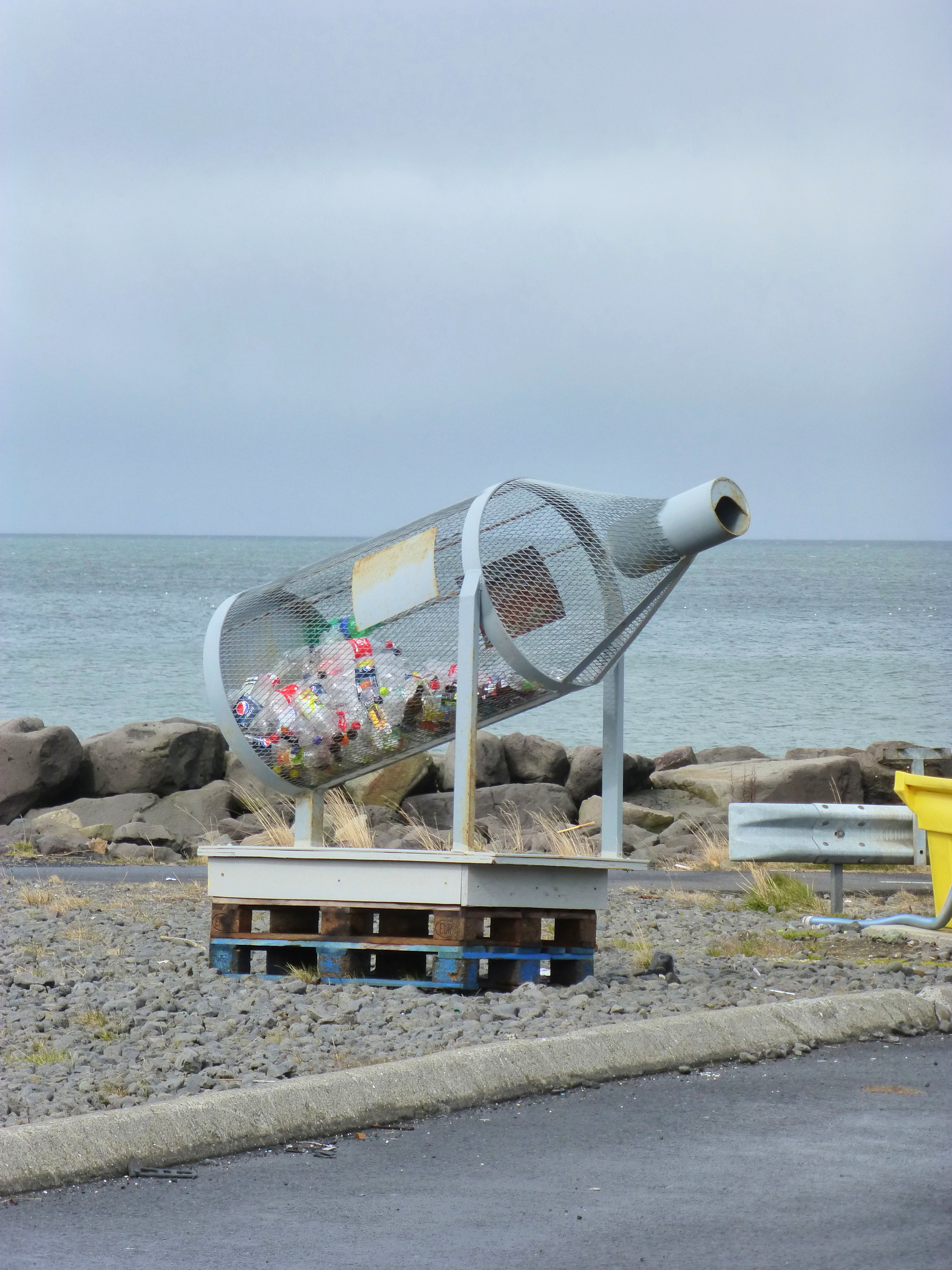
Look at Iron and Wood trying to be useful (and sneaky) still!
The land teaches that all falling is not vertical.

Hamrahlið, north of Grund
Good to know.

Grundarfjörður, west of Grund
When we were there, parents were being advised to walk their children under 12 to school, as the hurricane-force winds might blow them over. The older kids could tilt, it seems, like everyone else.
While searching for elves in North Iceland, I found this farm. It has a church and a manure spreader and a human house, so pretty well-equipped. Plus an elf house, of course.
Cold Rainy Day!
Here’s the elfin view of the, um, colonial improvements. A tractor and mower, too, as you can see, just south of the Arctic Circle. Brr.
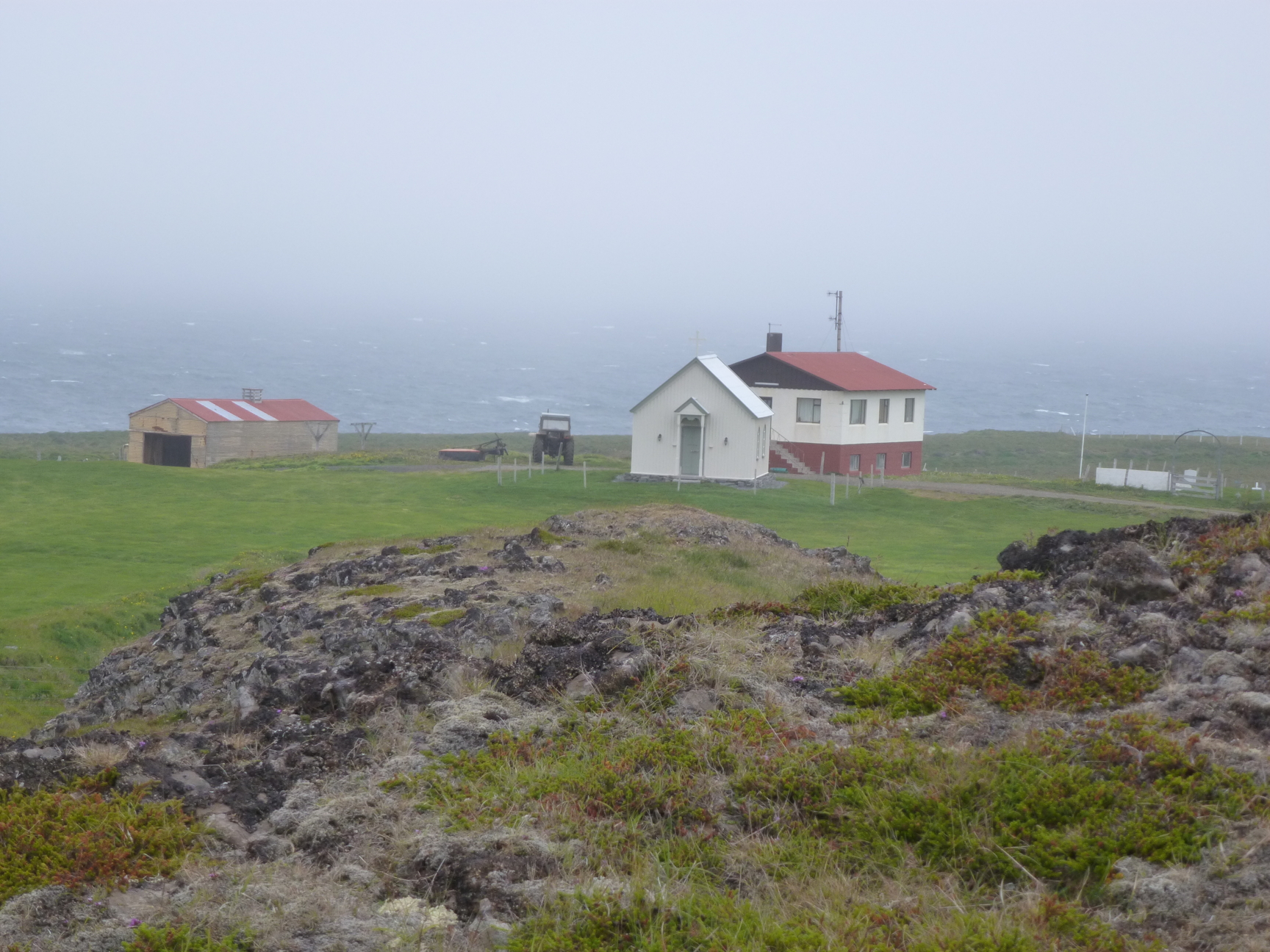
It’s always this way. It’s not that there were elves here before humans. They came along in human heads, but they needed a place, and so houses (and churches) were allotted for them too, which means that the humans had to choose well. Here’s the view out over the human camp to the sea.

And look at the tumble of elves crowding up agains the road, unable to cross! Tut tut.

Humans are sweet. When you build a new house down by the water, in the wind, you put a graveyard in the old one, where your ancestors lived while alive. They can live on there, with their elf neighbours.
So, all in all, a good social relationship!
Here’s a turf house window in Iceland. You’ll still find a few here and there. Wonder where the idea came from?
Wonder no longer.

Of course, that’s old architecture. The new stuff is, like, modern and all. Or maybe not. Here are some apartments in Reykjavik, and the elf stone in front of them, where no developer was allowed to build, because it was already occupied, and you don’t want to mess with magical rocks. Where did that idea come from?

From Snæfellsnes, that’s what. All that’s happened is that people finally got the upper hand and build houses taller than the magical rocks.

That’s simple enough, but what about finer architectural features, such as the red windows below on Laugavegur in Reykjavik. Tough one, eh?
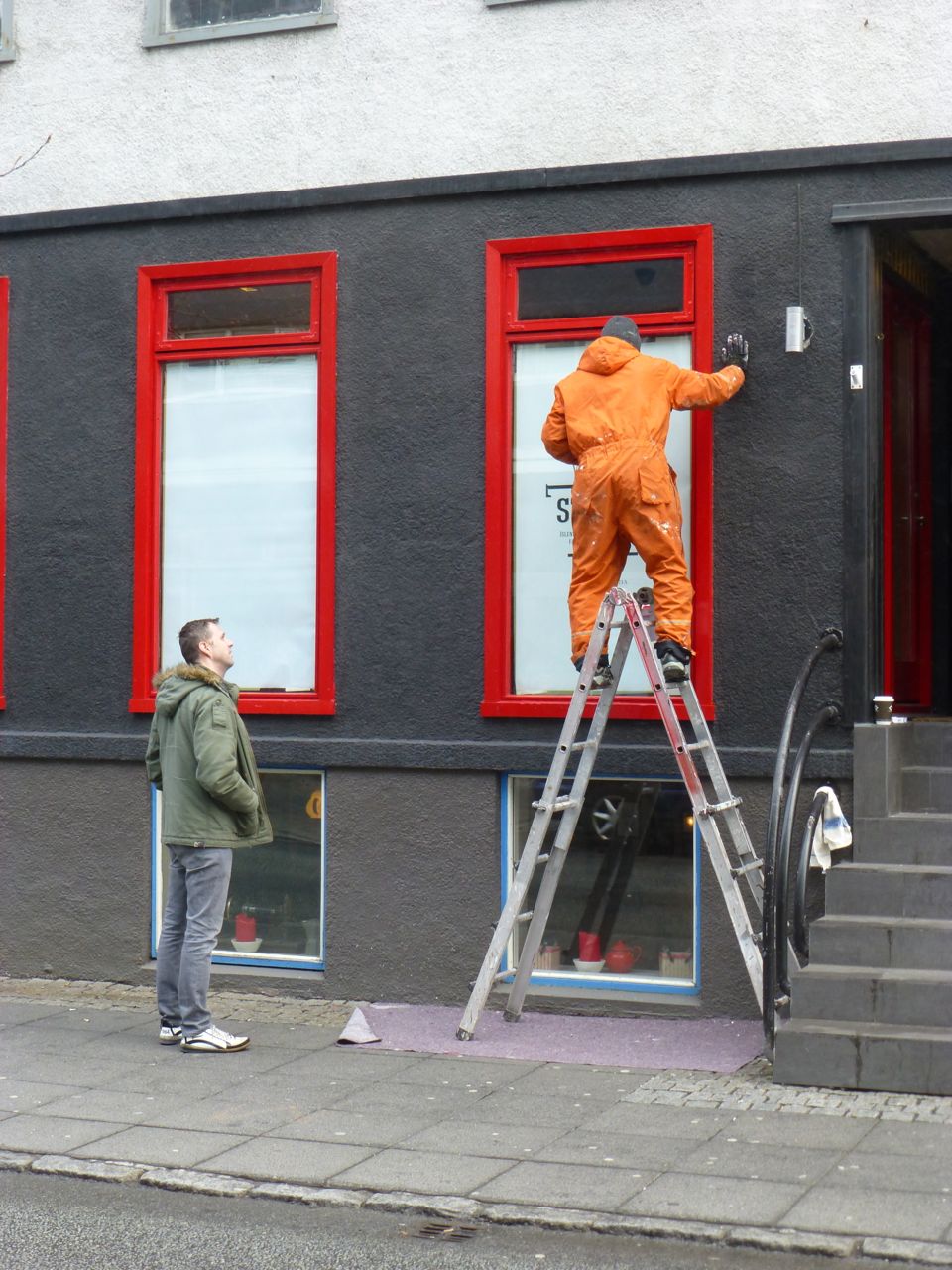
Not at all. We just need to go to the Fljotsdalur in the East and all is revealed.

See, two red panels. Nice. Fine, but what about the really tough ones, like the Harpa concert hall?
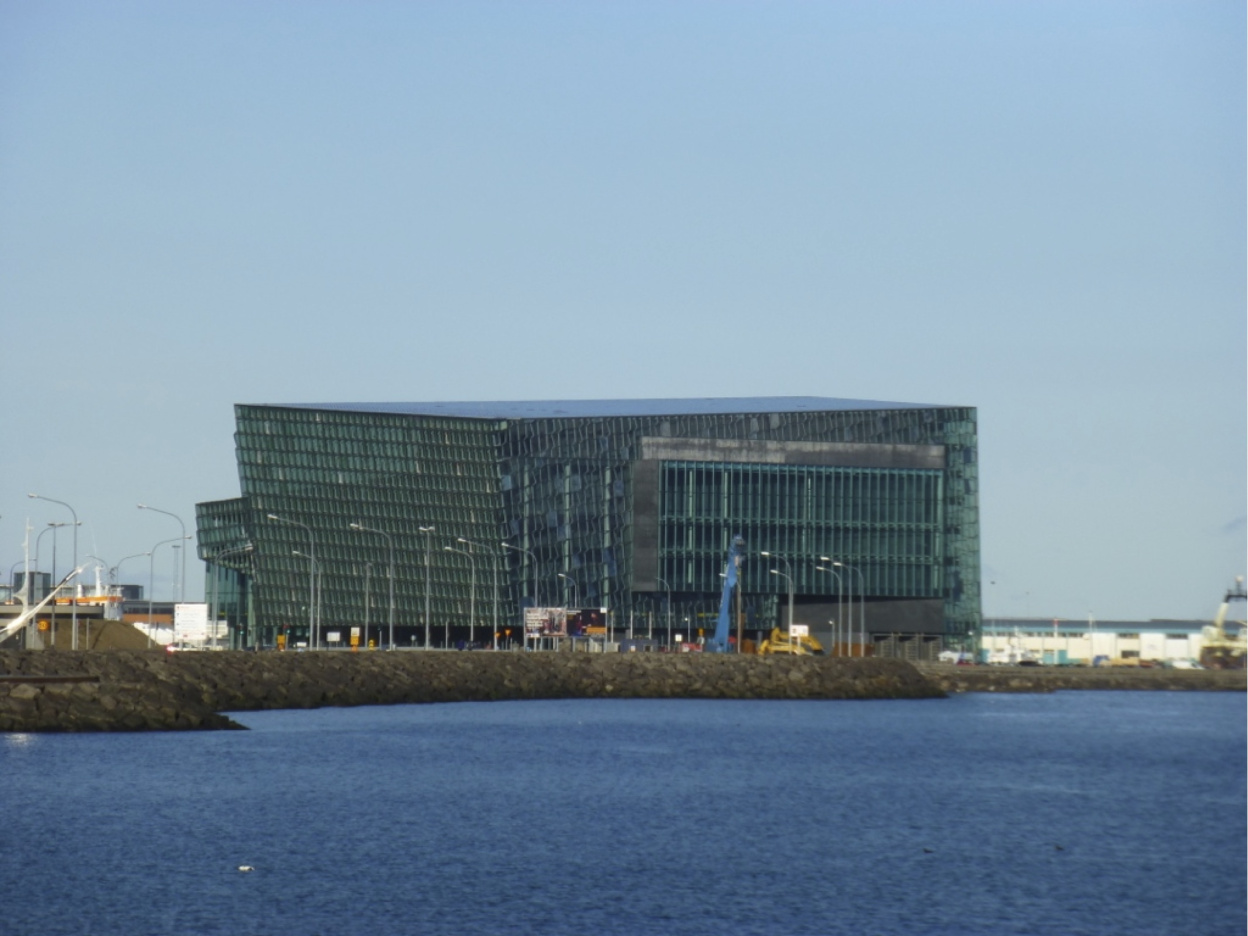
Pshaw, nothing to it. I guess you didn’t go quite far enough out on Snæfellsnes. Here you go.

And the Harpa:
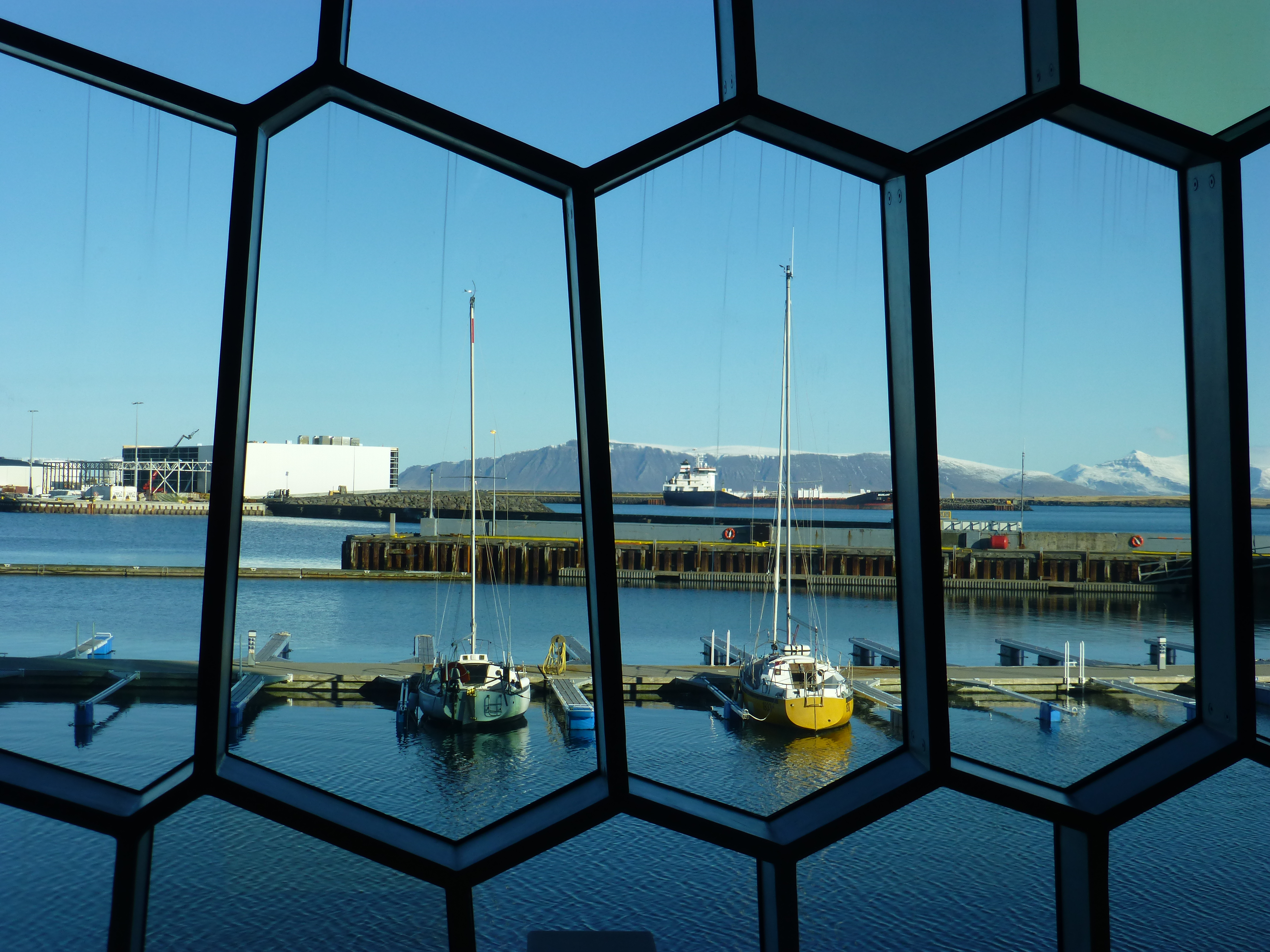
See? You can be in and out at the same time. That’s the ticket. Now, about the modern brutalism that graces the city…

… well, not modern at all. You can see its model at Ásbyrgi, in the far North.
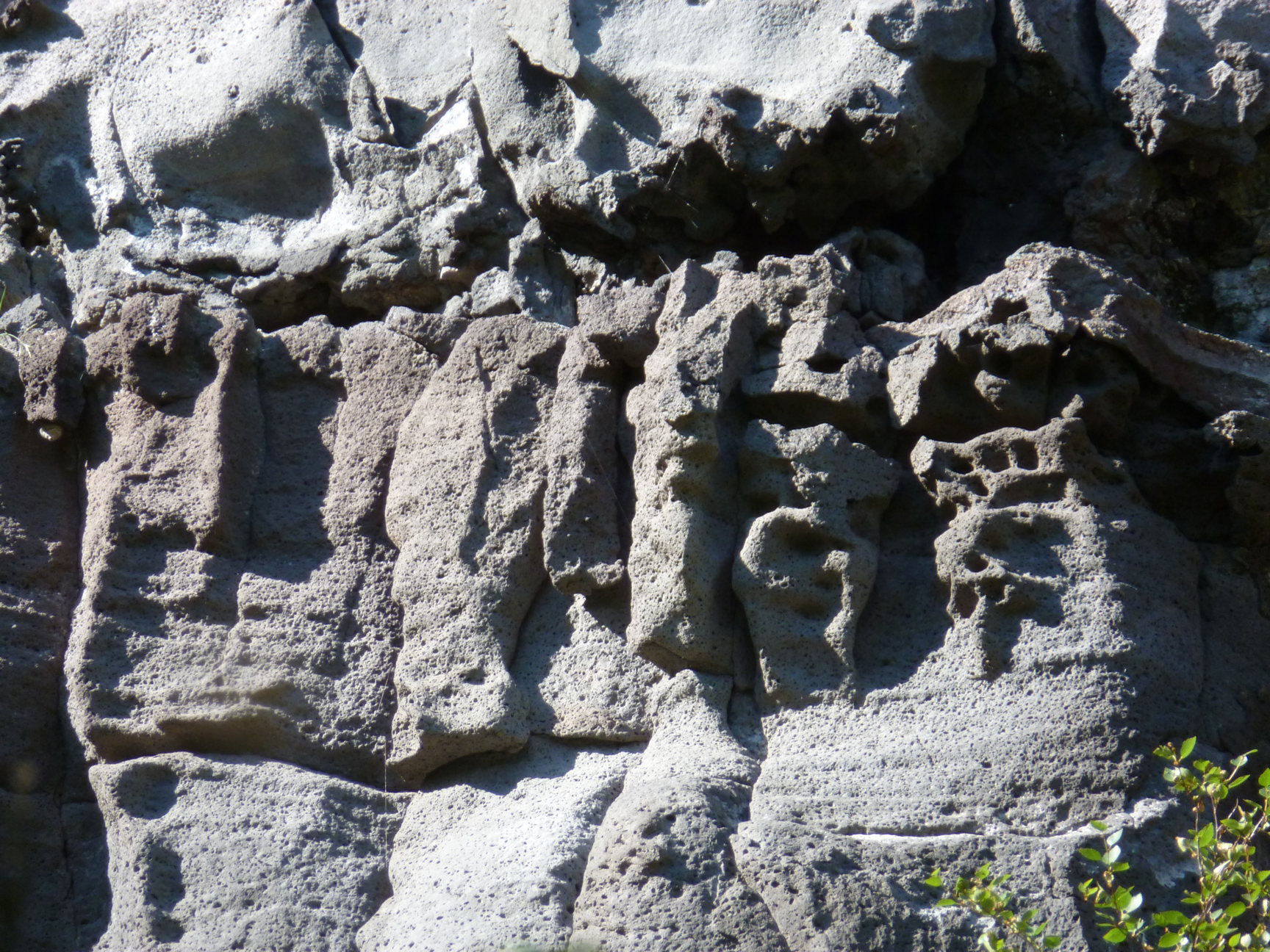
Oh, one more time. This time, note the air conditioner…
Nice, eh. Where, oh where, does that come from? Again, the far North.

Well, just imagine the building as a flat rather than a height and you’ll see it. It is a crazy island, but if you hang around it long enough it will come into focus.

Book Laundry in Reykjavik
(Other countries launder money, but Icelanders have learned their lessons about messing with crazy stuff like that.)
 A Farm in Iceland