Category Archives: Industry

Living Among the Ruins: Italy and Iceland

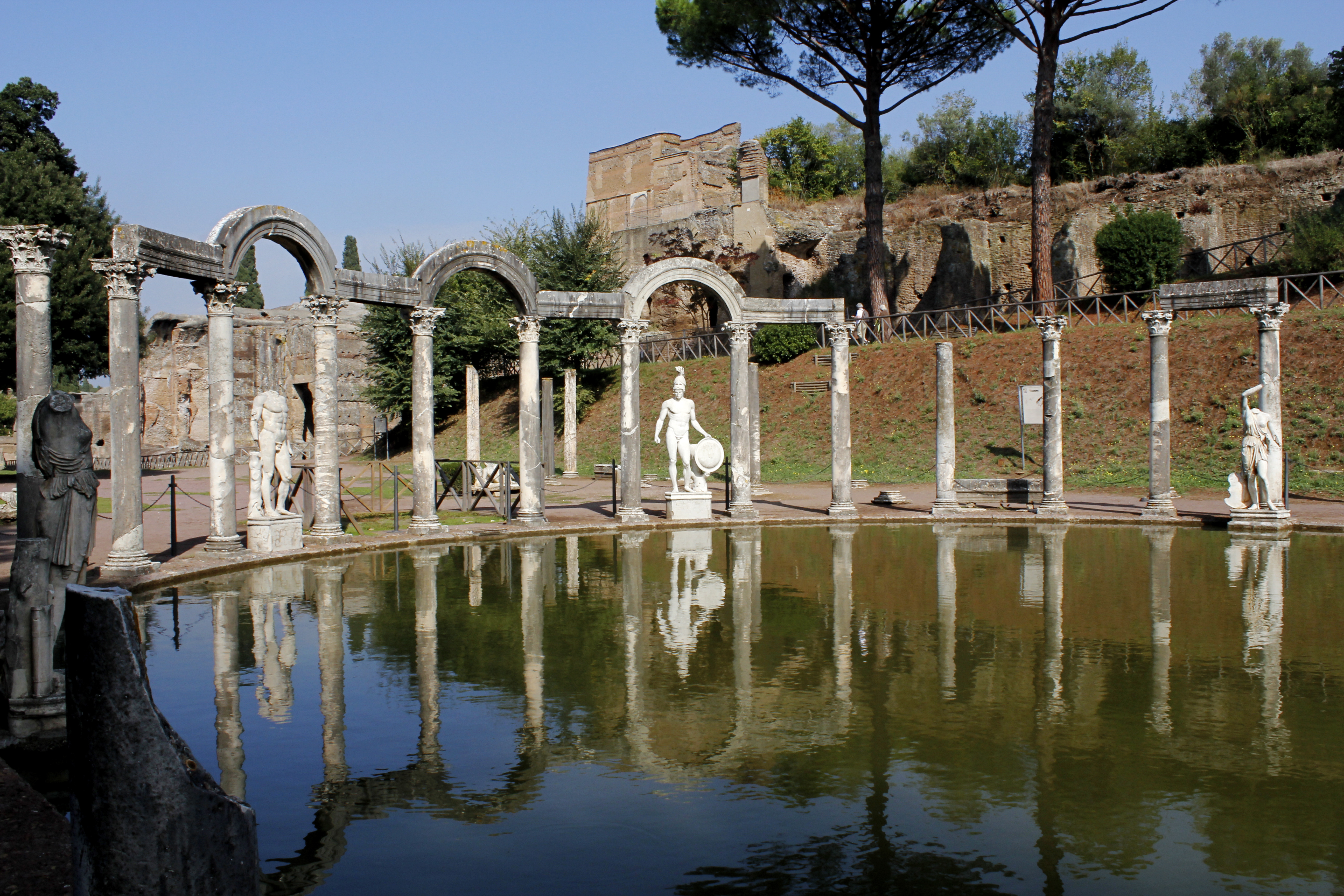
This is the kind of thing that annoyed the Icelandic writer Gunnar Gunnarsson in 1928. This is Hadrian’s Villa, built in the year 134 near Tivoli, in what is now Italy. He thought it was too bright.He meant that this man and his politics were wrong for Scandinavia (which, to him, included Baltic Germany):
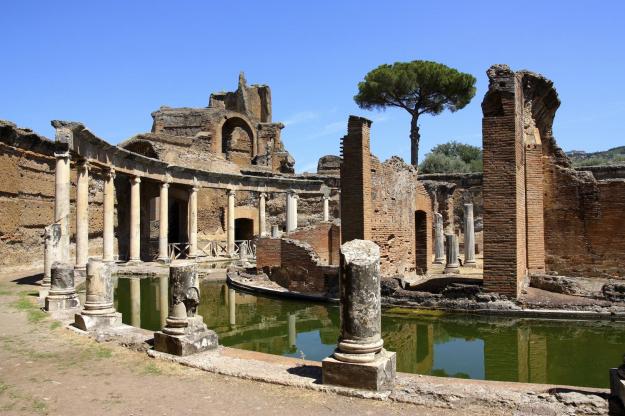
Mussolini Rejects Democratic Rule in 1928

He also meant that this version of Hadrian’s Tivoli villa was the wrong approach to art:

The Tivoli Gardens Amusement Park in Copenhagen

Gunnar didn’t see art as a populist entertainment. He was after something else. This is the architecture he liked:
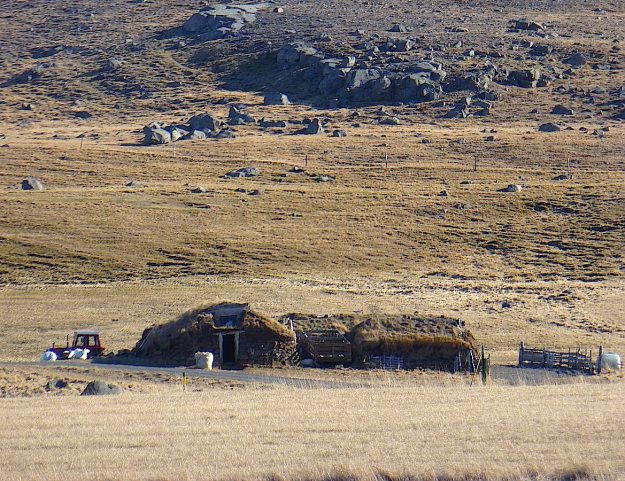
Landhus Farm, Fljótsðalur

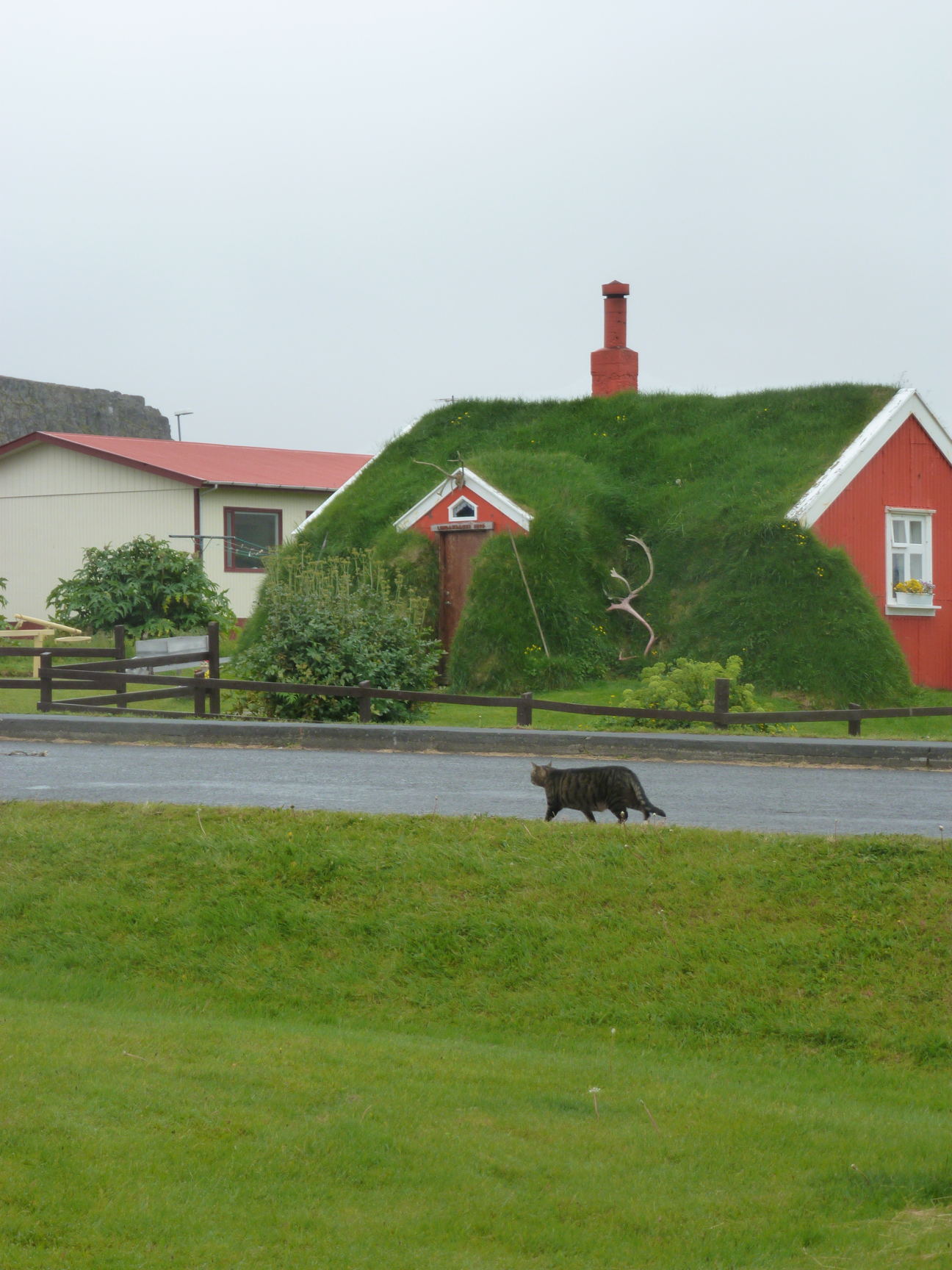
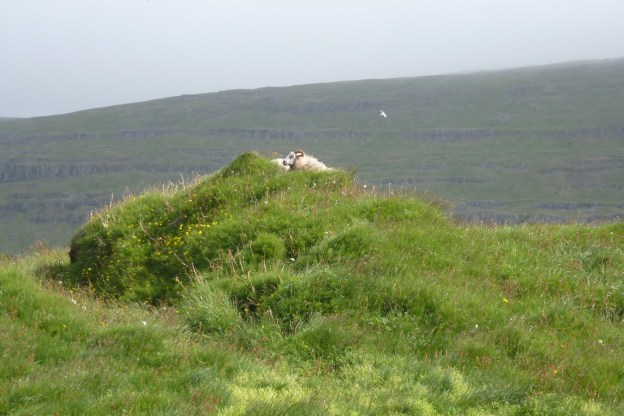
You could consider it a part of the landscape, he said. Almost all the houses of this type are ruins now, but not like Hadrian’s ruins:
Like this:

In the 1950s onward, the Icelandic government gave away trees, as part of a nationalist program of rebuilding the eroded landscapes of the country. Out of the same impulse as Gunnar, people planted them on the sites of their former turf houses, leaving the hills, the intended recipients of the trees, bare.  The government keeps a few turf houses as museums:
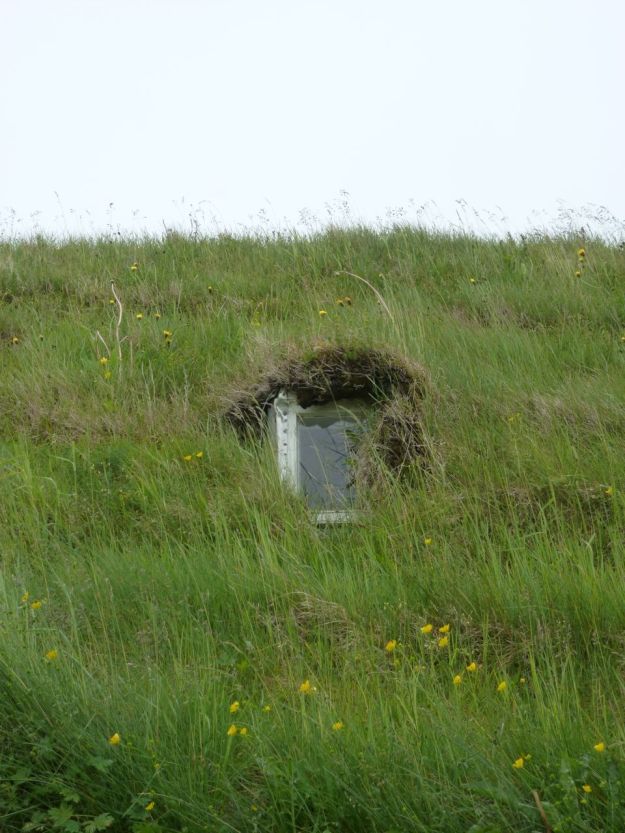
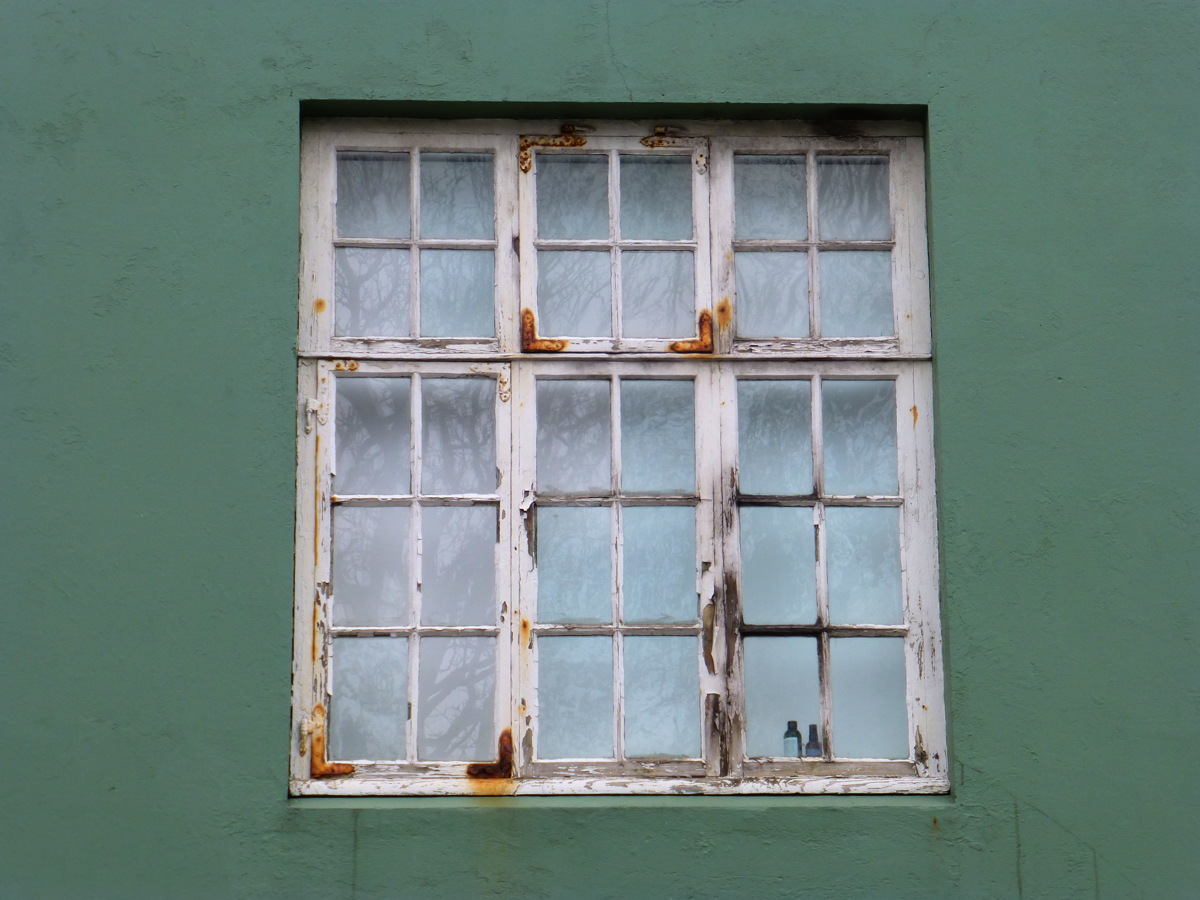
Farmhouse Window,  Bustarfell

It is the same impulse that drove Gunnar from the Tivoli Gardens. He considered that mixing northern culture, an expression of northern land and climate, with a southern one would destroy it, such as the German Reich’s turn from a people’s culture, based on farm life, to an Imperial one, as documented in the image below.
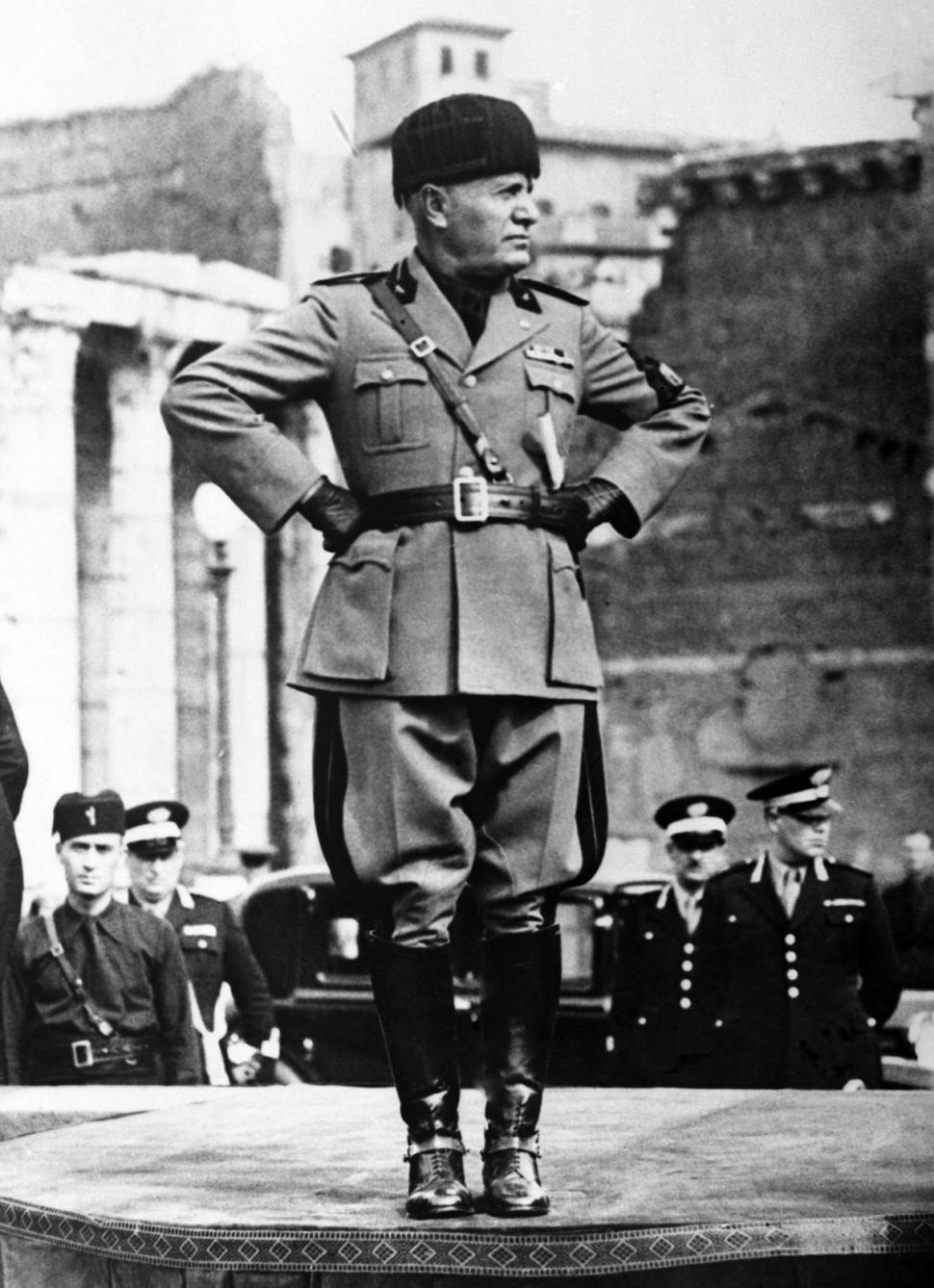
For Gunnar, independence meant to have no masters at all, and the point of modernity was to refine old folk ways. He shared that with the Italians and Germans of his day. He was more clear than they were, however, on the price of Imperialism and power exercised as force. It’s too bad he didn’t speak more clearly about this, but at least we have the ruins…
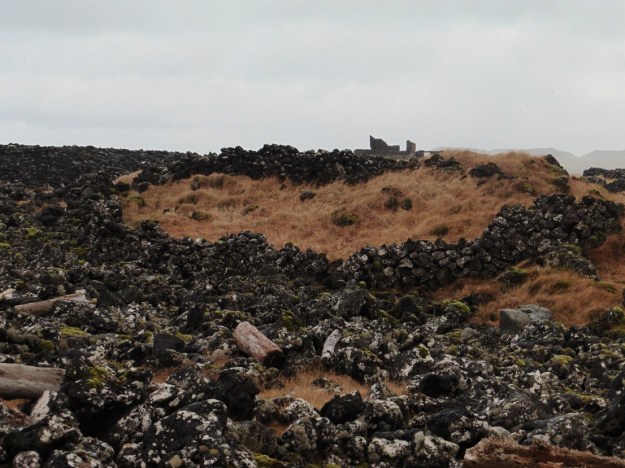
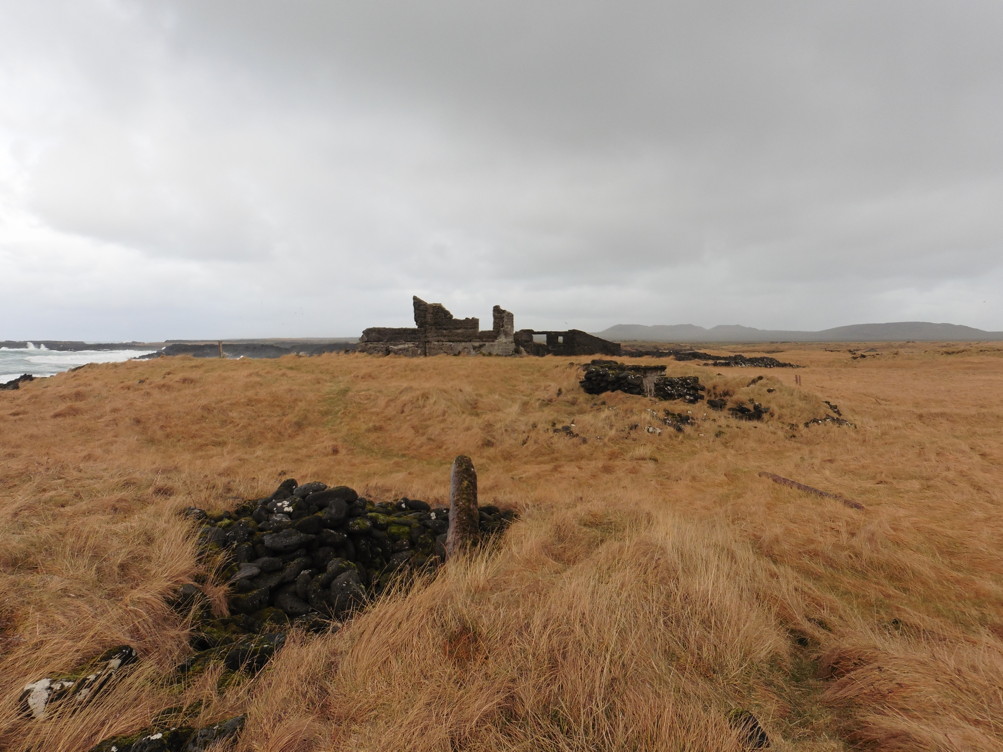
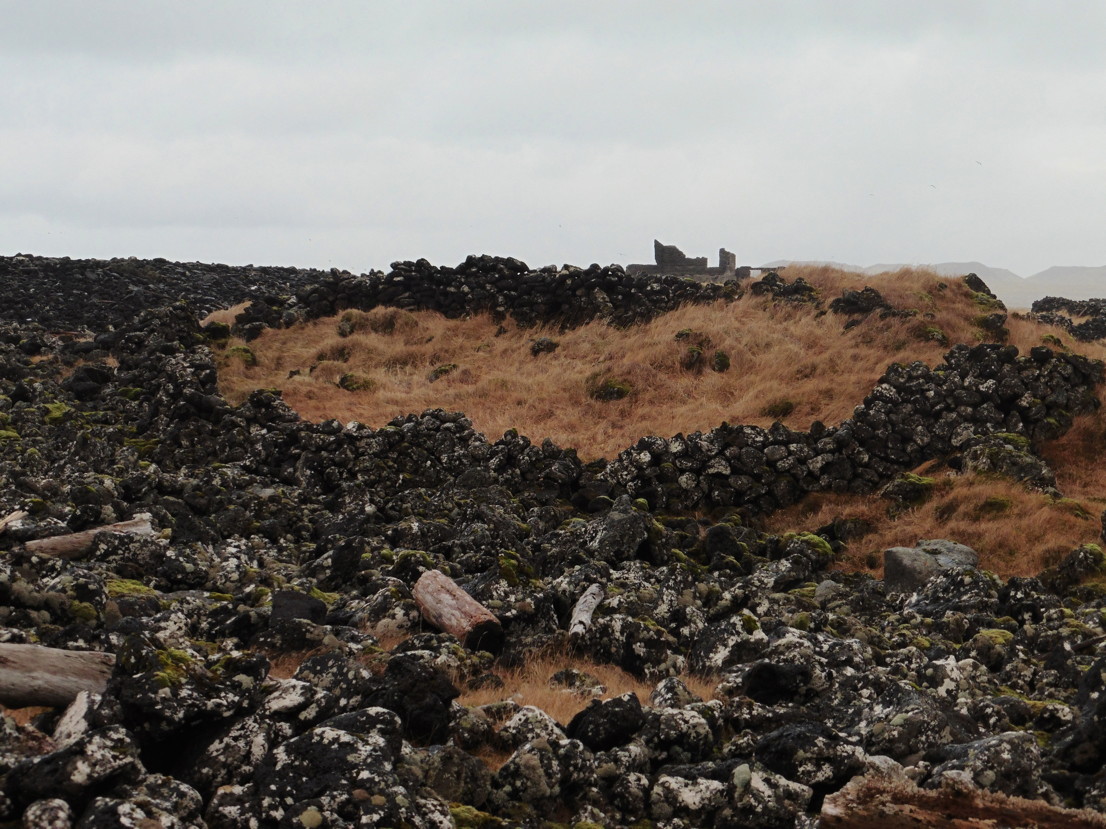
Buðahraun

… to speak…

… for him …

… now:

Sandgerði

Reykjavik is Hadrian’s Villa.
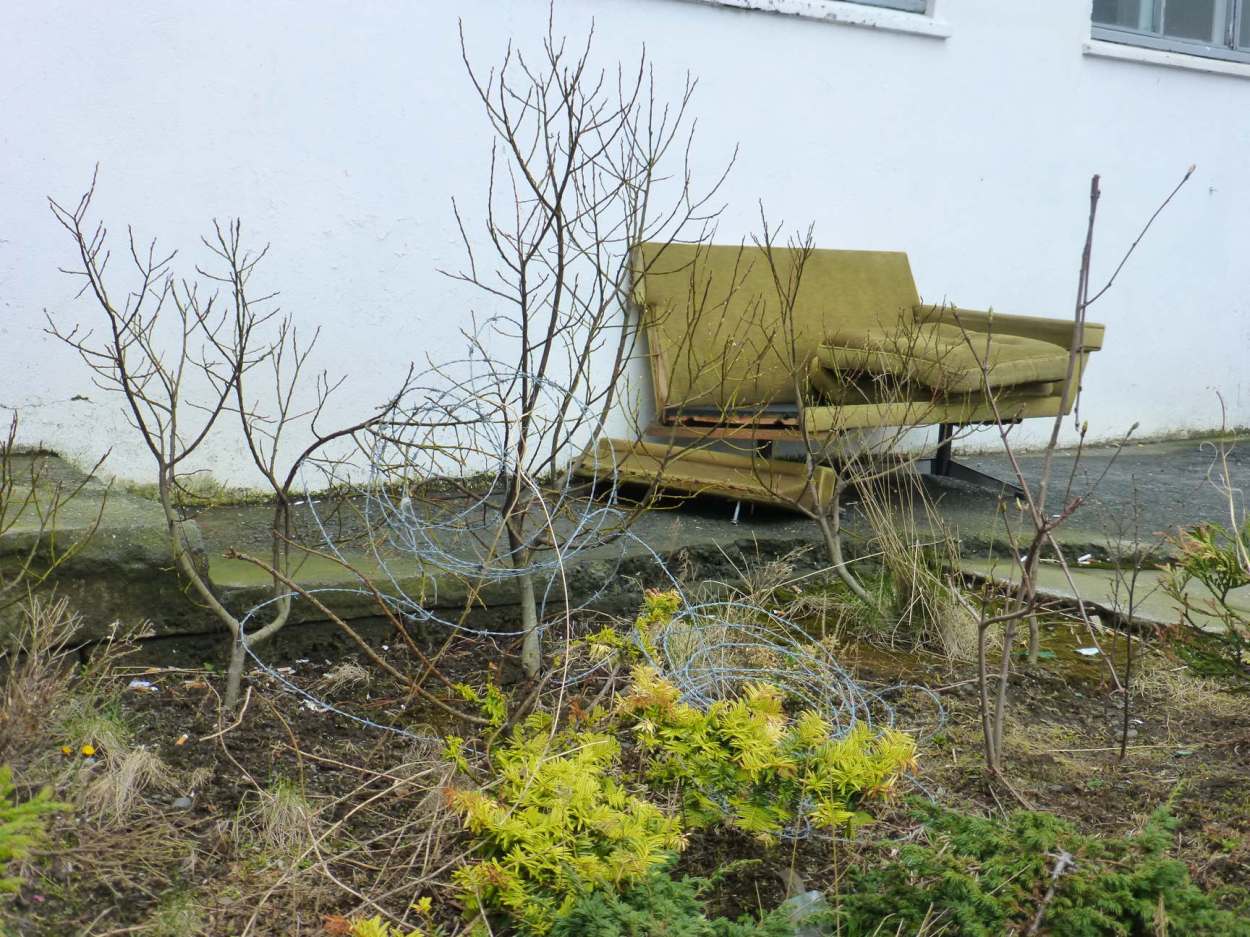
Iceland Travel Tip #2: Instead of Reykjavik 101

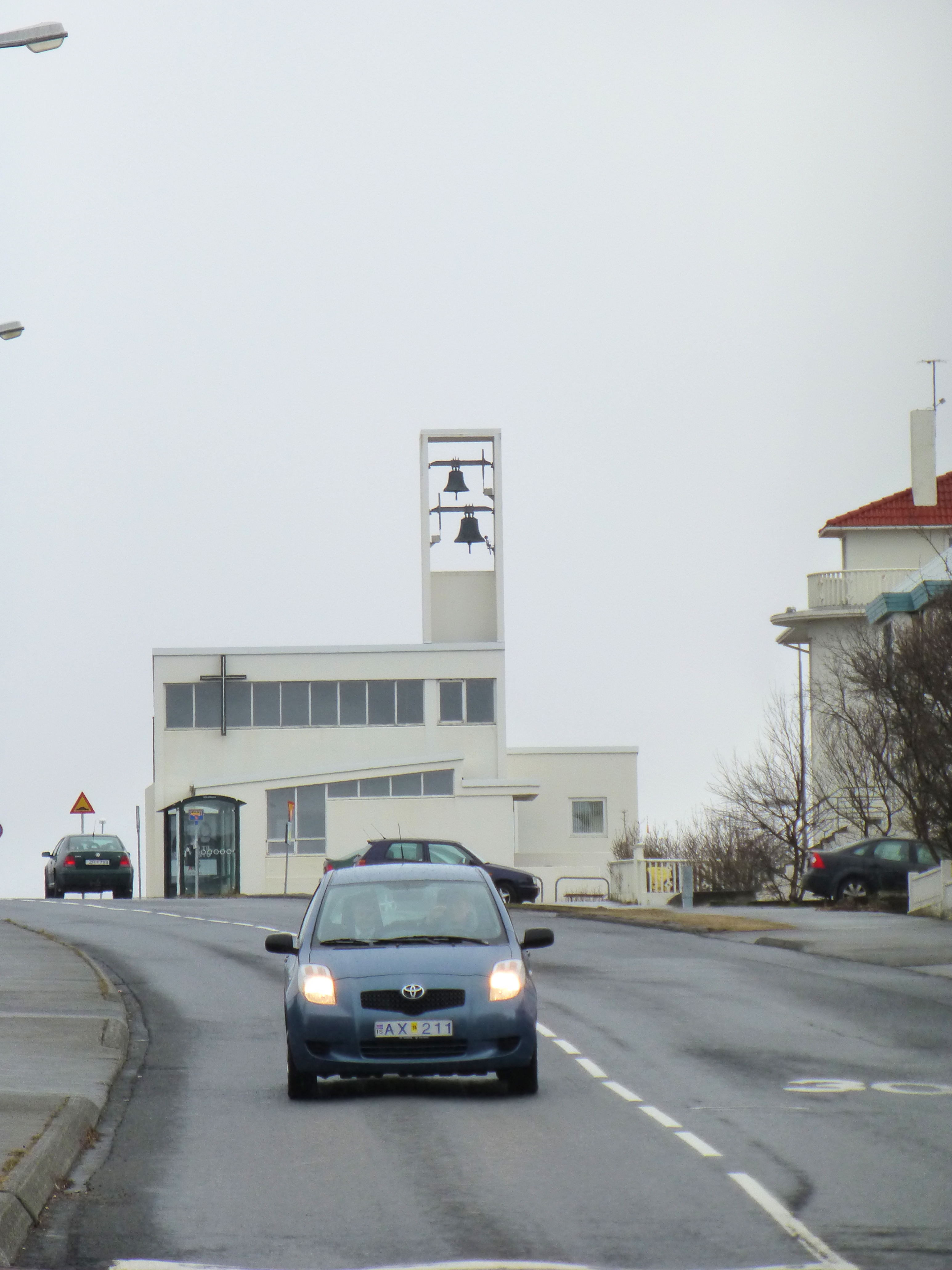
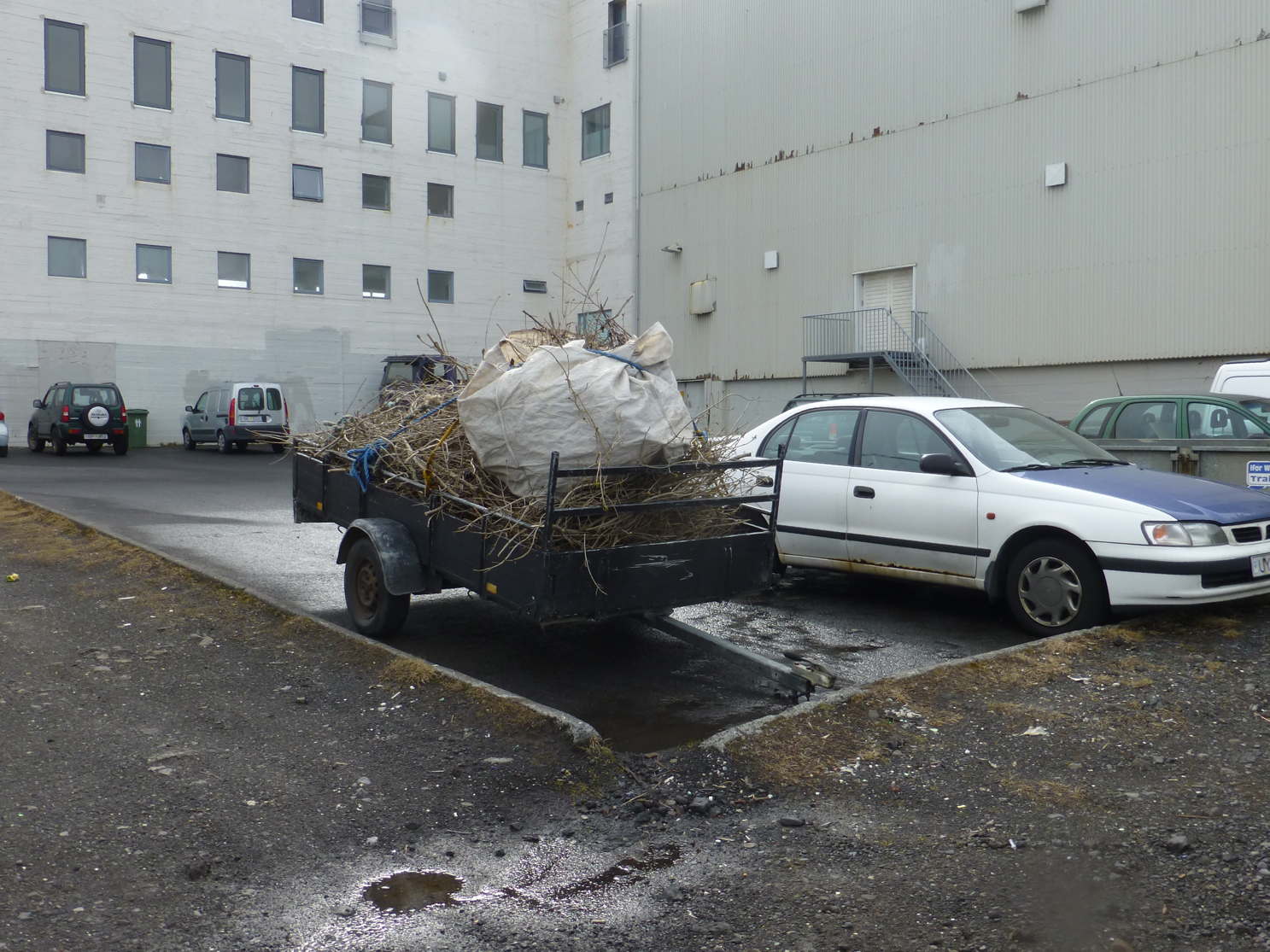
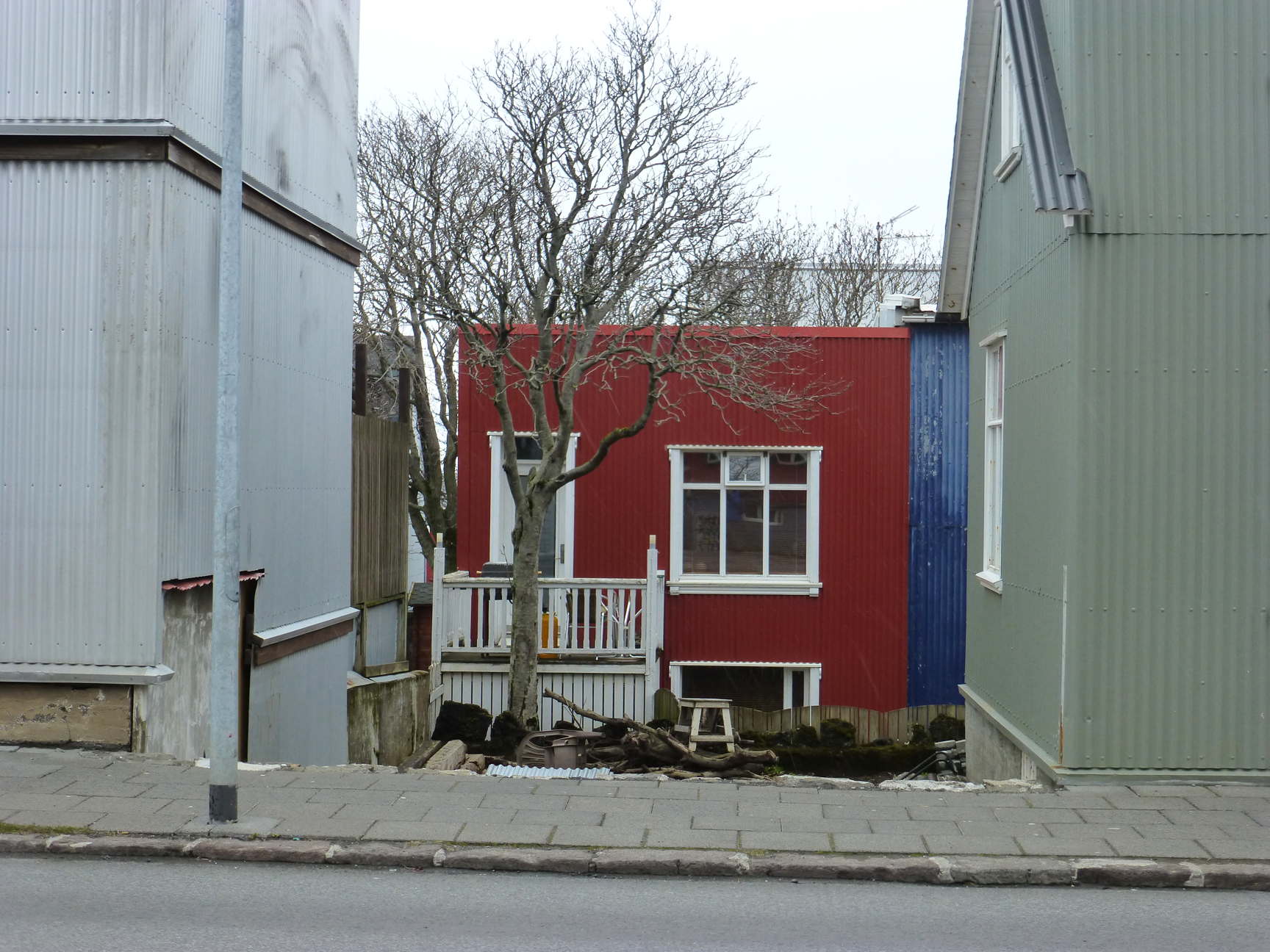
The  101 district of Reykjavik is famous for being trendy. It is, admittedly, a great place to stare at the architecture that replaces a view, in generic spaces full of cars, dumpsters and starlings, all most familiar and comforting…

…but  you could go to Frambuðír and have a view deep into the Atlantic and Iceland’s heart.

Easy to get to. Just fight your way out of the city, north on Highway 1, turn left at Borgarnes, and before dinner time, with the Snaefell glacier looming over you, turn left to the little church at Buðir. Park, and walk west on the path closest to the sea. Within an hour, you will be staring out of this old farmhouse.  Because you won’t want to leave, there is, conveniently, a hotel right beside the church. You can shelter there.
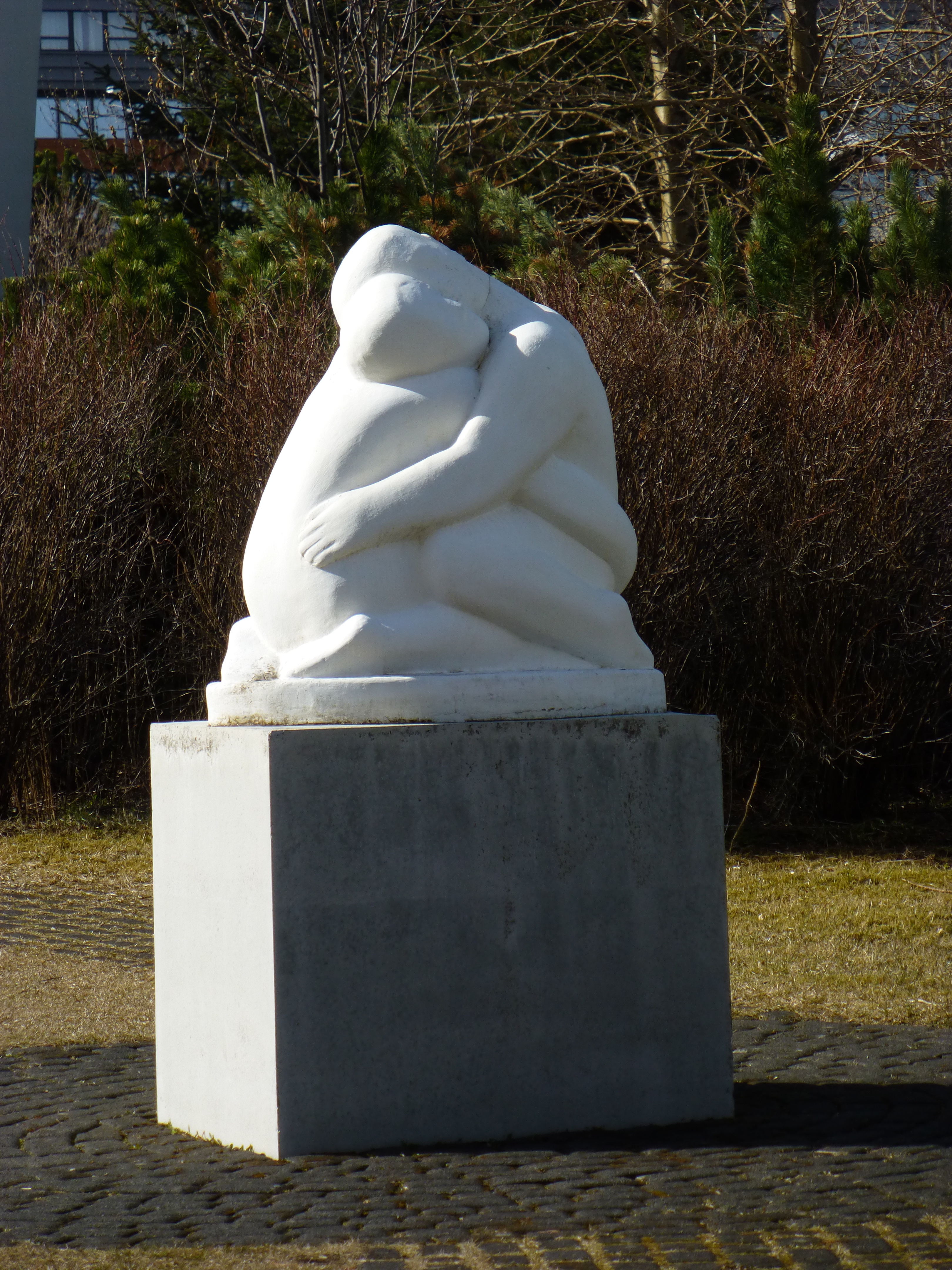
When you come back to Reykjavik, if you come back, you might see it more directly.

Just saying.

Icelandic Travel Trip 1: Instead of Gulfoss

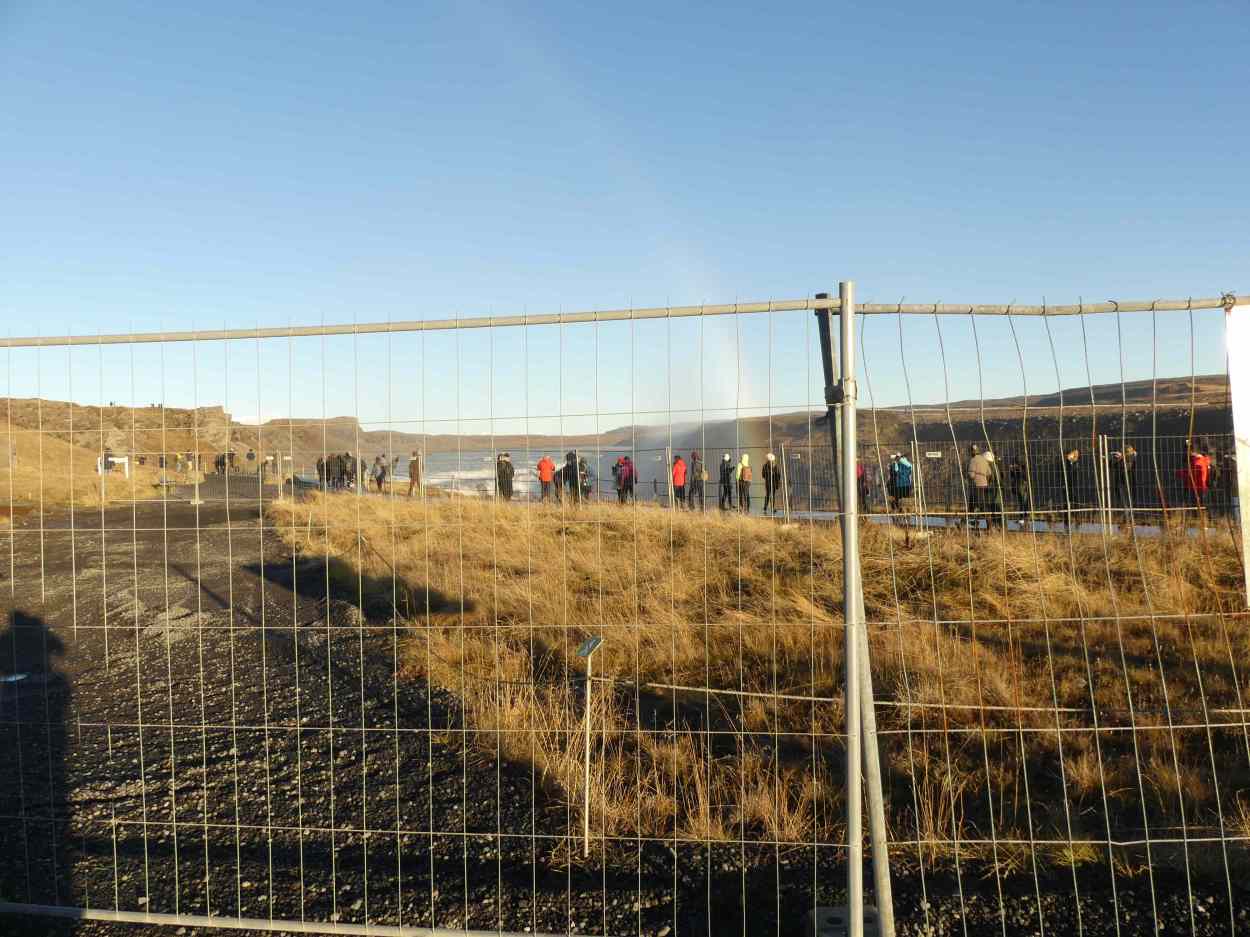
Well, you can go to Gullfoss …

…with the crowds.

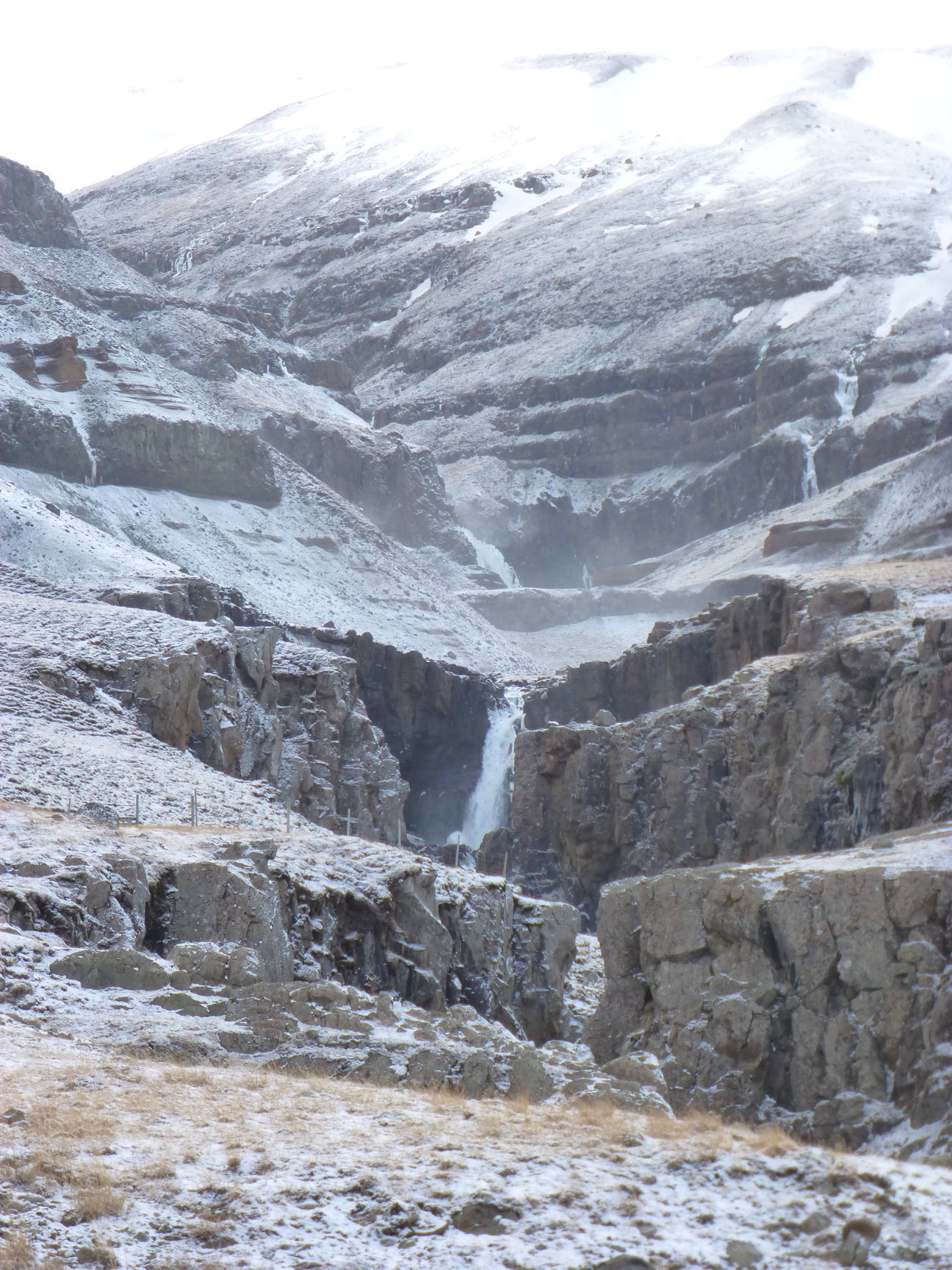
Or you can go to Gilsáfoss. It’s not so large, but it has spirit, and an ice troll, if you go in April.

Gilsáfoss

Easy to get to, too. Drive east from the airport for 8 hours, turn left at Egilstadir, follow the lake through Hallomrstadir, and then, 30 minutes later, if you don’t stop to let the reindeer pass along the way, which is a fine reason to stop, for sure …


You’ll find it at the end of the lake, just upstream from the old bridge in the middle of this image. It’s the last stream before you cross the lake to the north side.  Have a nice trip! The ice troll is waiting. Gulfoss will thank you.

Learning from the Land

Iceland has pioneered the control of Jökulhlaups, catastrophic glacial outflow rivers, in Skaftafell National Park, by being familiar with the land enough to copy its models.

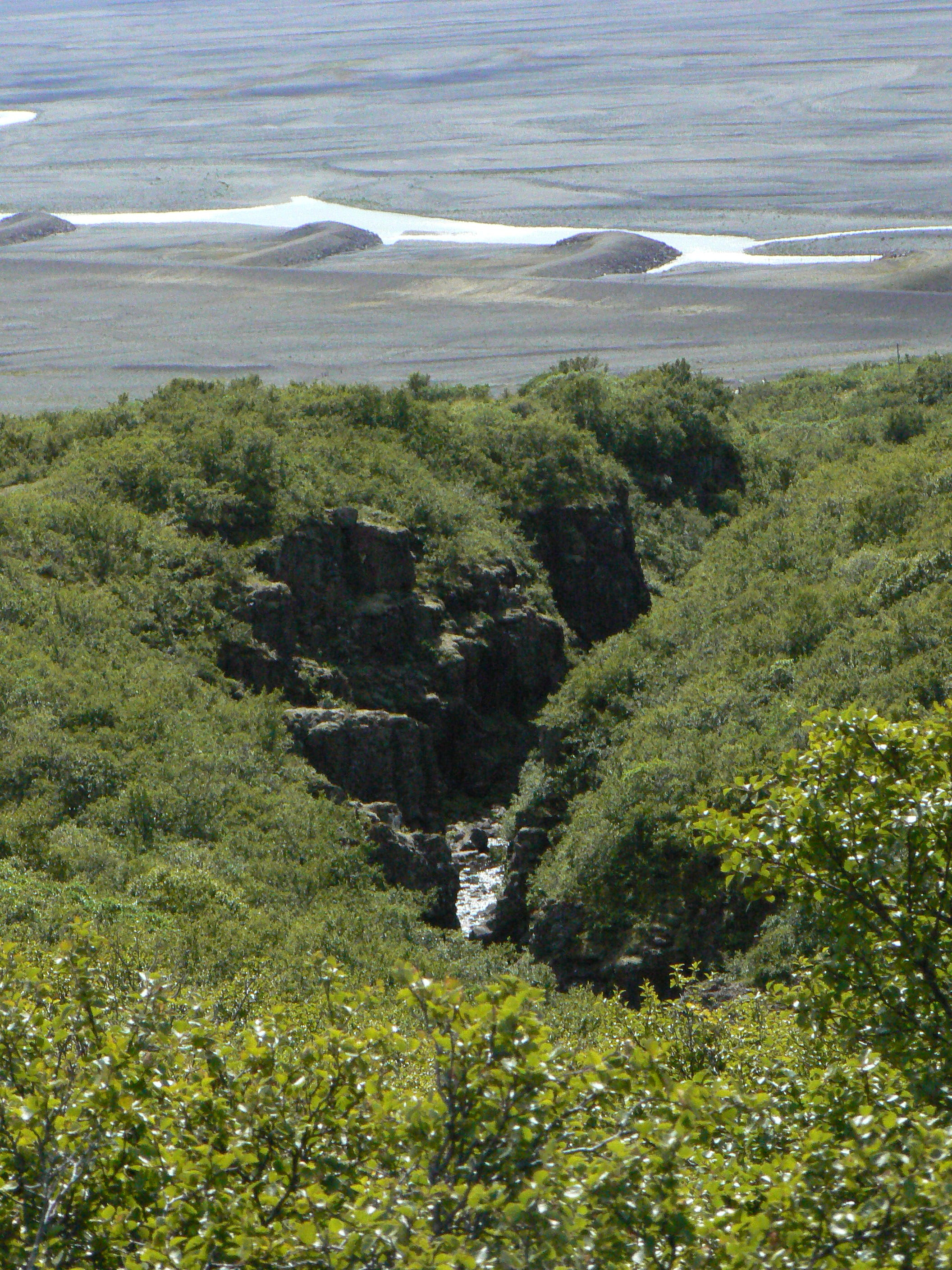
In addition to the deflective butts of rock redirecting Bæjargil as it streams down from Svartifoss, the Black Falls, there’s a troll in the stream bed. There usually is. That’s the spirit of the rock, just as the water-deflecting dikes are in the distance. What? Did someone tell you that trolls are mythological? No, they are us.

Isolation, Poverty and Wealth in Remote Iceland

It’s beautiful on Snaefellsnes, isn’t it, when the gales blow in and the light pulls the mountains out of another world at year’s end.

And the glacier, Snaefellsjökull, is very fine when hurricane gusts lift off its fog and the sun shines from within the ice, lighting up the sea mist, and you have to brace yourself just to stand up.

Just imagine living there!

You can pick up lumps of the lava bed and make a fence, and there are ponds for your sheep and horses and the family cow, plus a little bit of Siberian driftwood.

Also pieces of shipwreck you can use to build a shelter for your cow.

And if you shift enough stones, you can even have a field out of the wind!

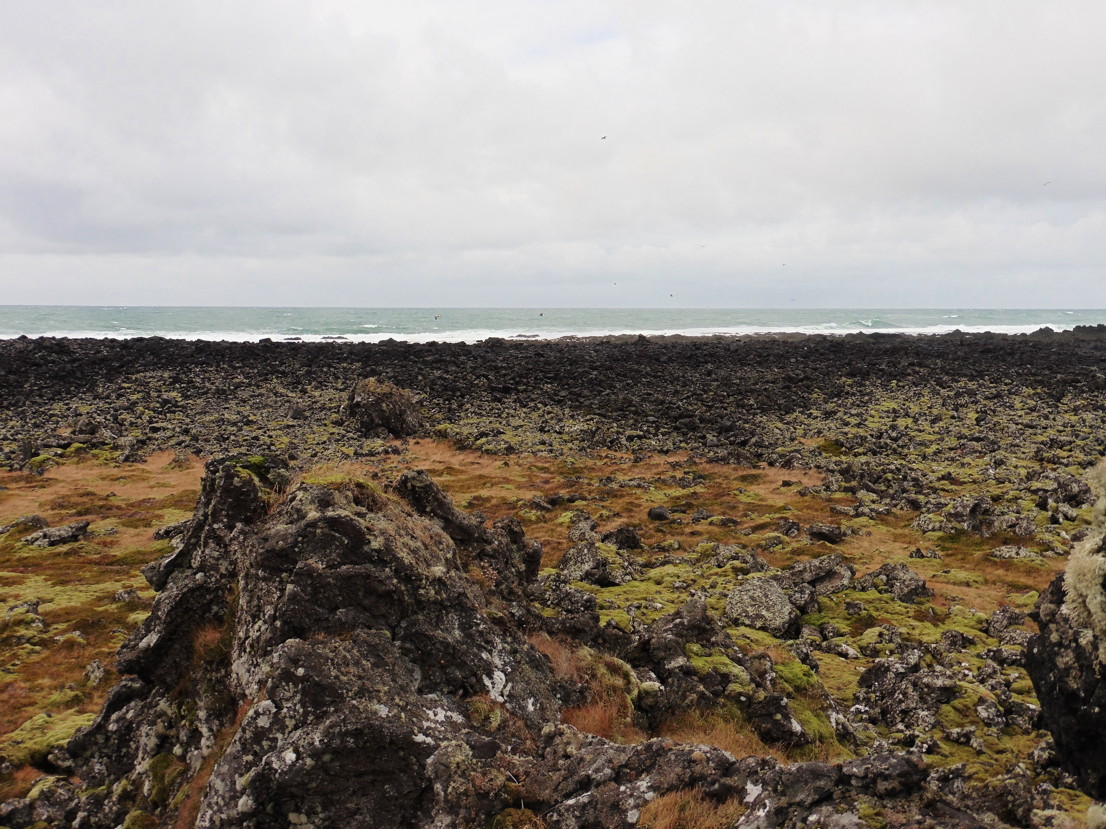
Even if you don’t shift any rocks, there’s grass for the sheep, and always the roar of the sea breaking against the lava bed.

And if you lived here, this would be your view. You don’t have a “front yard”, a street, a flower bed, nothing. You step out into the North Atlantic.


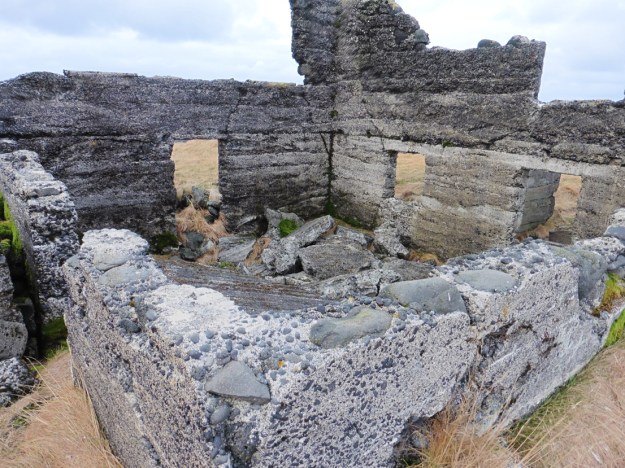
And this is the modern house, and it has been abandoned. You could only pull this off at a certain stage of technological development, when there was enough economy and technology to bring in supplies but not enough to kill off the need for people to live here and catch fish in small boats, plus not enough opportunity elsewhere to replace this fierce independence with a greater comfort. Notice how even this modern concrete house is built just like a turf house, with incredible amounts of hand labour, too: small rooms connected with odd passages, most of them through the outside air, as they were built one at a time according to time, energy and need.

And always the roar of the sea.

And then the children leave for the modern world that technology has made possible, and this particular modernity, brought to this fierce, remote land at the end of the Earth, is abandoned when the old people are gone.

But it is out of such stubborn independence that modernity was made in Iceland.

And always the roar of the sea eating the land.

The thing to remember as a traveller is that in Icelandic culture you only need to know what you need to know. It is also a proud culture, and if that means selling you an image of vikings donated by Americans, who really like this kind of thing …

… and pride, which is real enough, instead of one of 1100 years of terrible struggle…

… really terrible struggle in more than a human world …

… and what would now be called isolation (but which wasn’t), in which the land is also a sea…

… or selling an image of bold adventure …

…instead of one in which there is nowhere to go to get in from the cold, well, they’ll do that. They are very genial hosts, the Icelanders. Just remember that even if comfort comes from each other …

… and the images the city presents are of funkiness and crazy happiness …

… you are still on a volcano in the North Atlantic, and the sea is still eating the land from under you, the wind is still blowing …
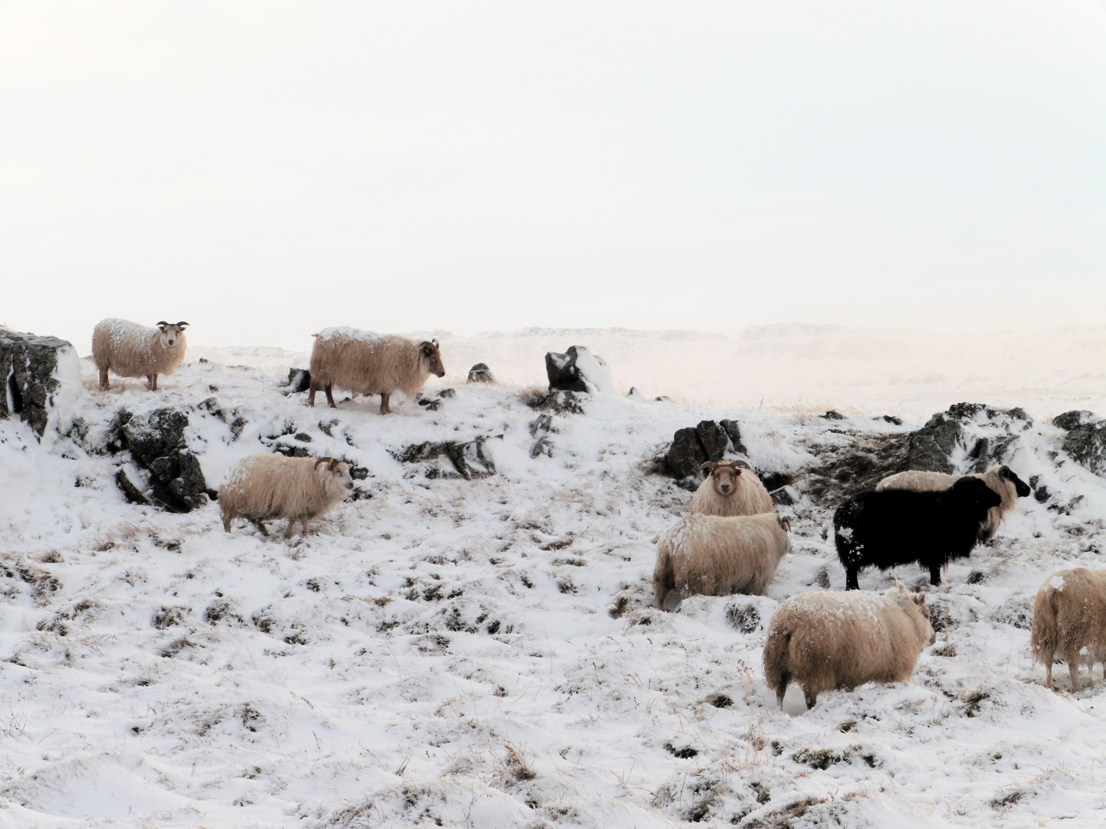
… all you have is a few sheep in an impossible place …

… and everyone around you knows this. With nothing else except each other you must begin.

Changing Iceland

Only nine years ago, Icelandic tourism was a simple thing: you drove around the country viewing the things Icelanders found interesting, and they served you coffee, put you up for the night, and cooked a lamb for you. An old bridge, for instance…

… or a waterfall.

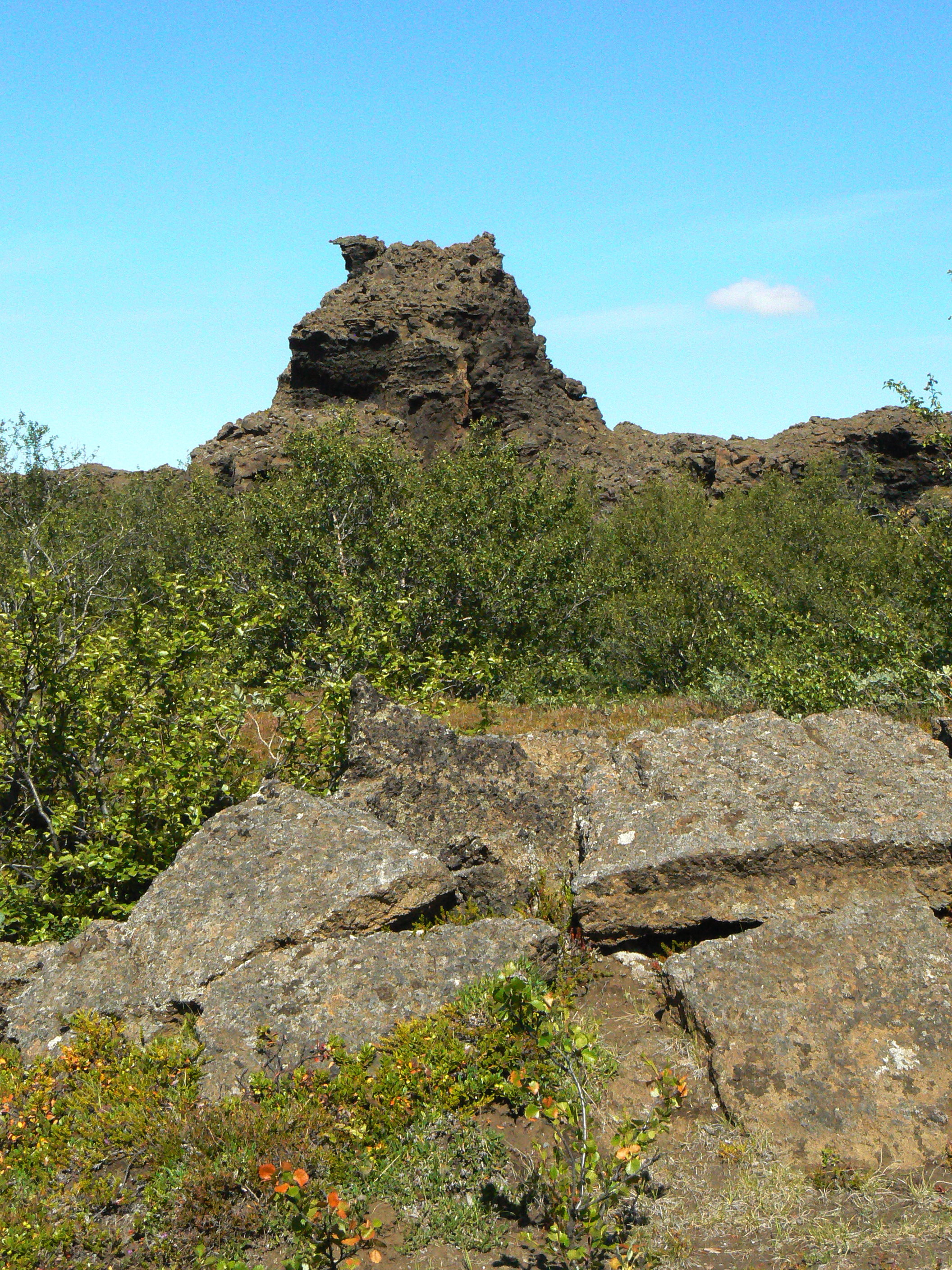
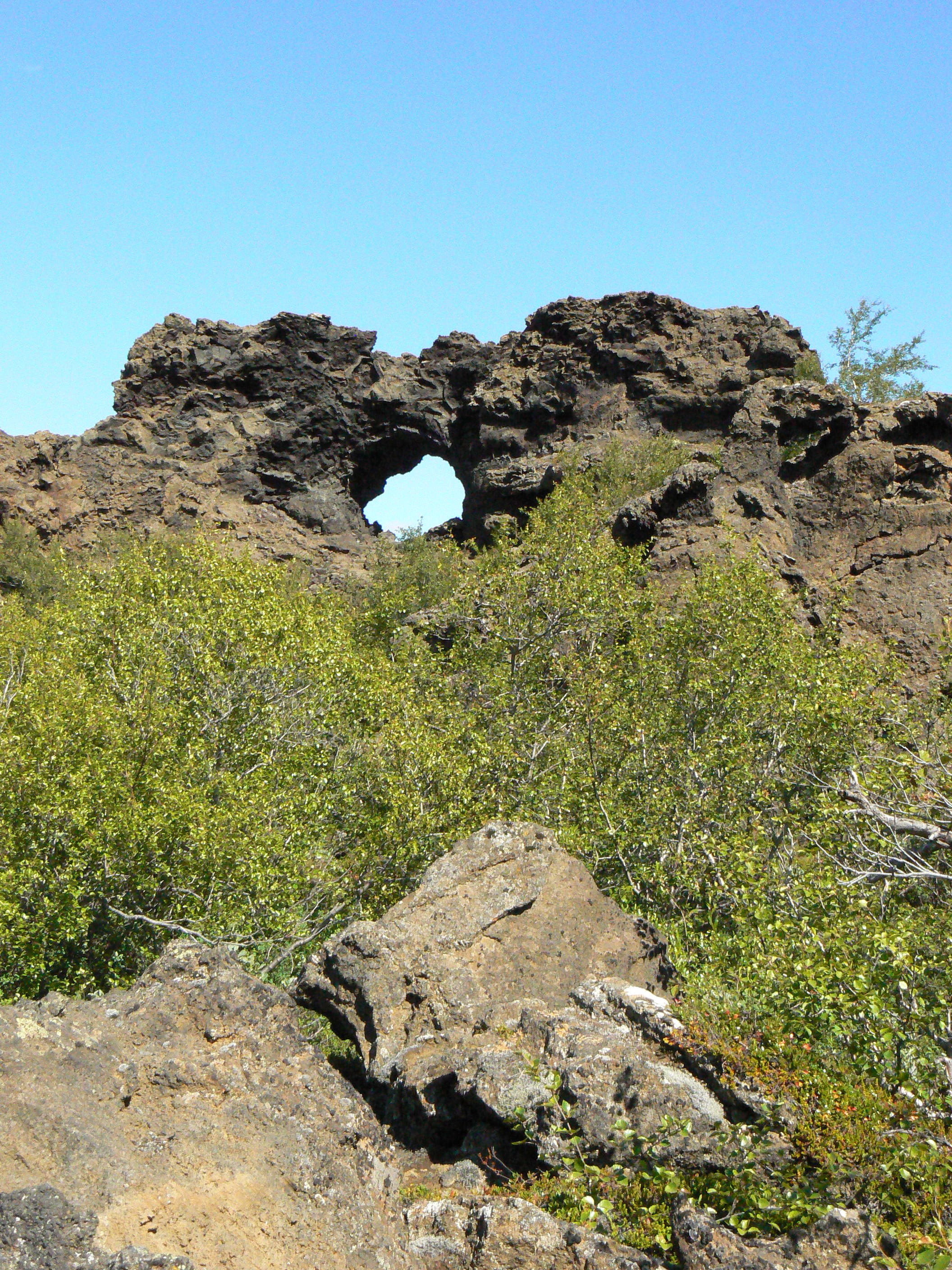
… a troll at Dimmuborgir…

… and some smooching among the birches, the trees that helped to gain them a country.

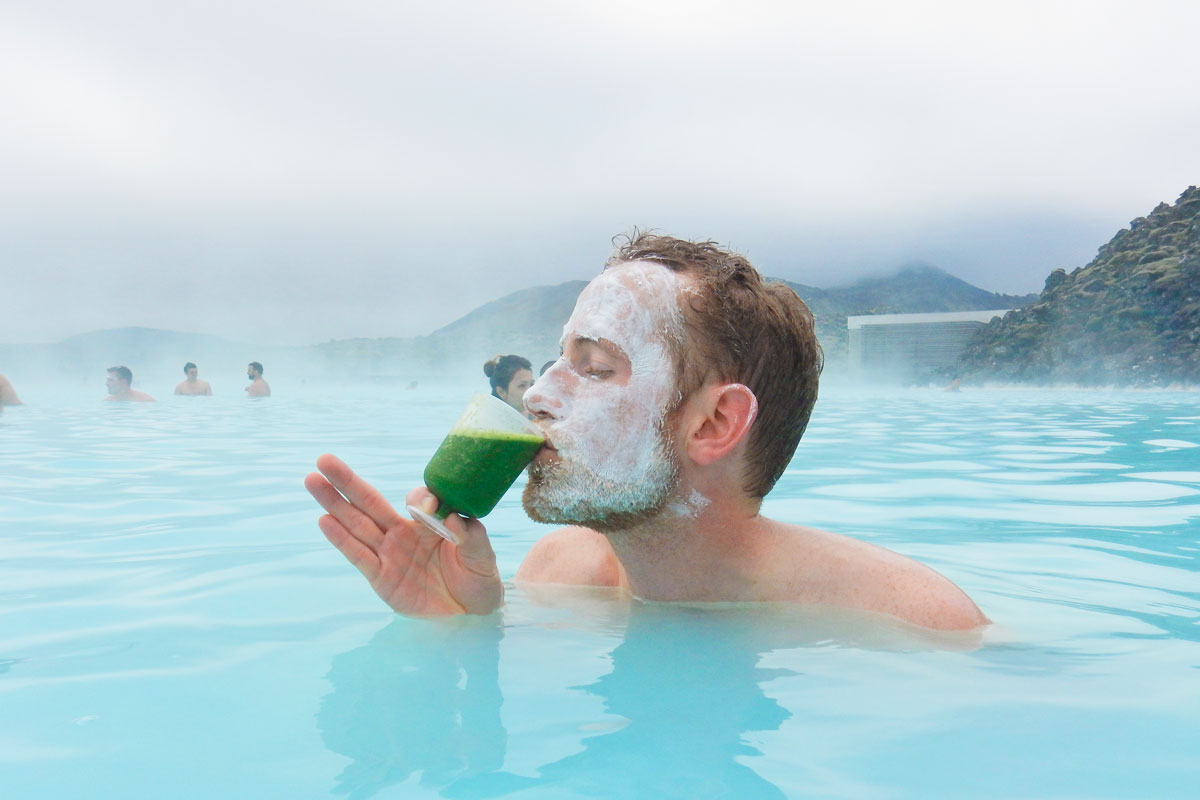
Now, pain.In the waste water from a power plant. You, dear visitor, are an industry now. Iceland shows your face in a mirror.

Yet in the small towns now, far from Reykjavik, people are tired of us all; they want us to go away. In Grindavik, an old woman even rammed me with her shopping cart in the grocery store. “Fair enough,” I thought. But I remember the generosity and gratitude that began this madness…

… and trust it will continue.

Human Nature at Geysir

Geysirs are fun for humans, but look at them, trekking up hill.


Making new humans is funner.

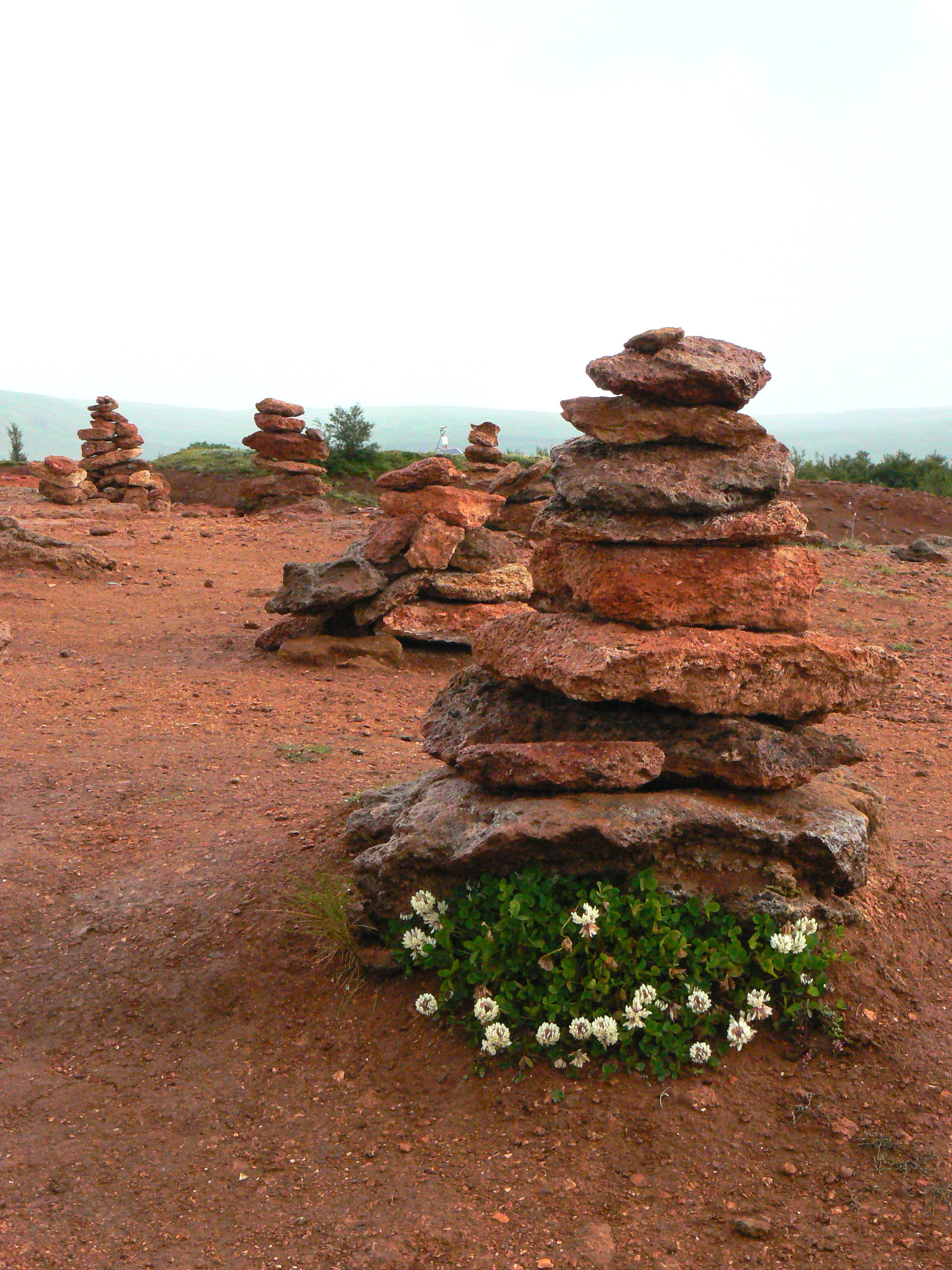
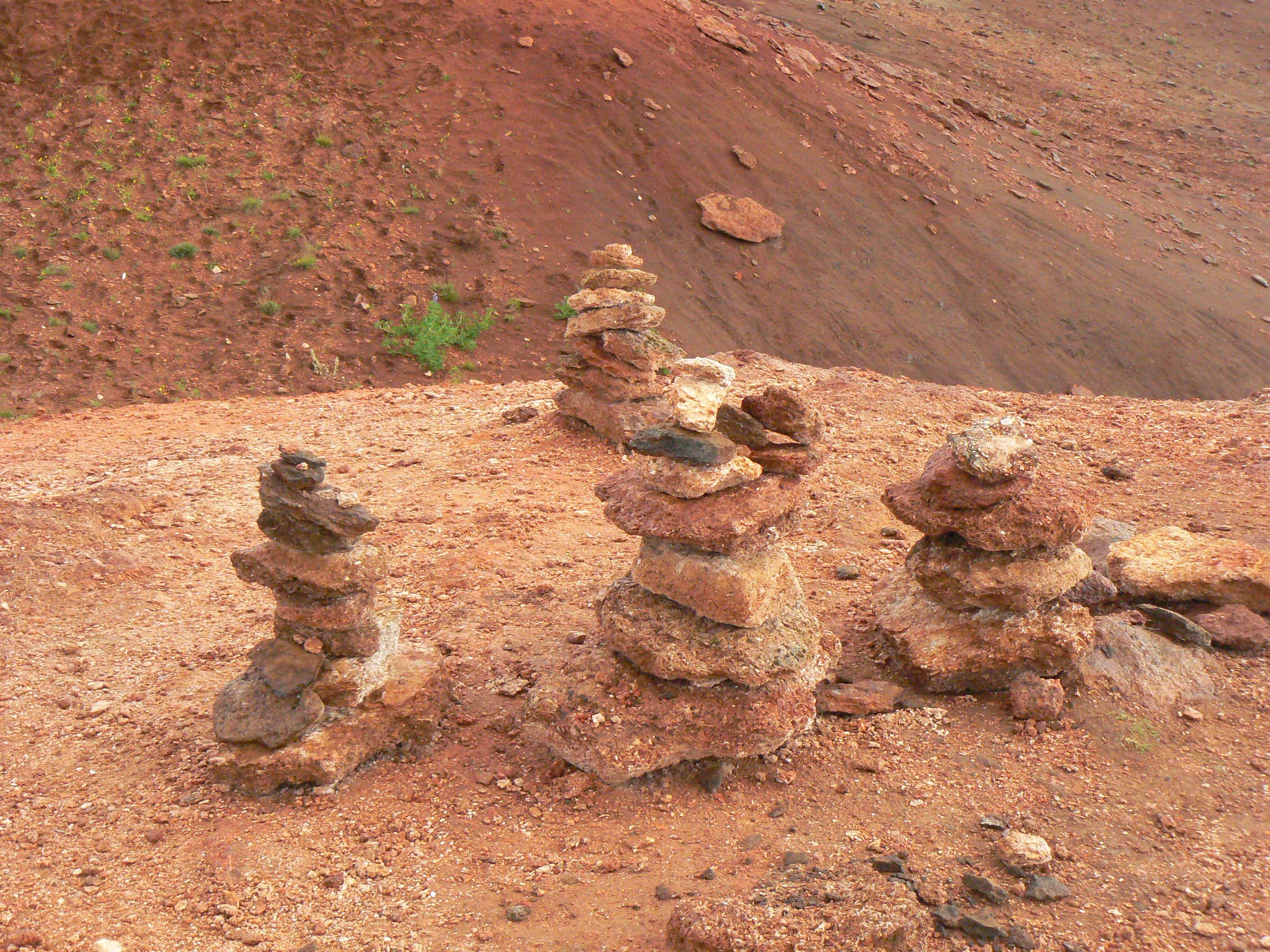
The question is: who has the right to erode Iceland? The Icelanders, by inviting rock stackers?

Or the rock stackers themselves? Iceland invites visitors to view nature.

Human nature is what the modern world can deliver instead.

Be careful what you wish for. Ethical dilemmas don’t go away by wishing so.

Gunnar Weaves the World with the Stony Face of Traditional Icelandic Verse

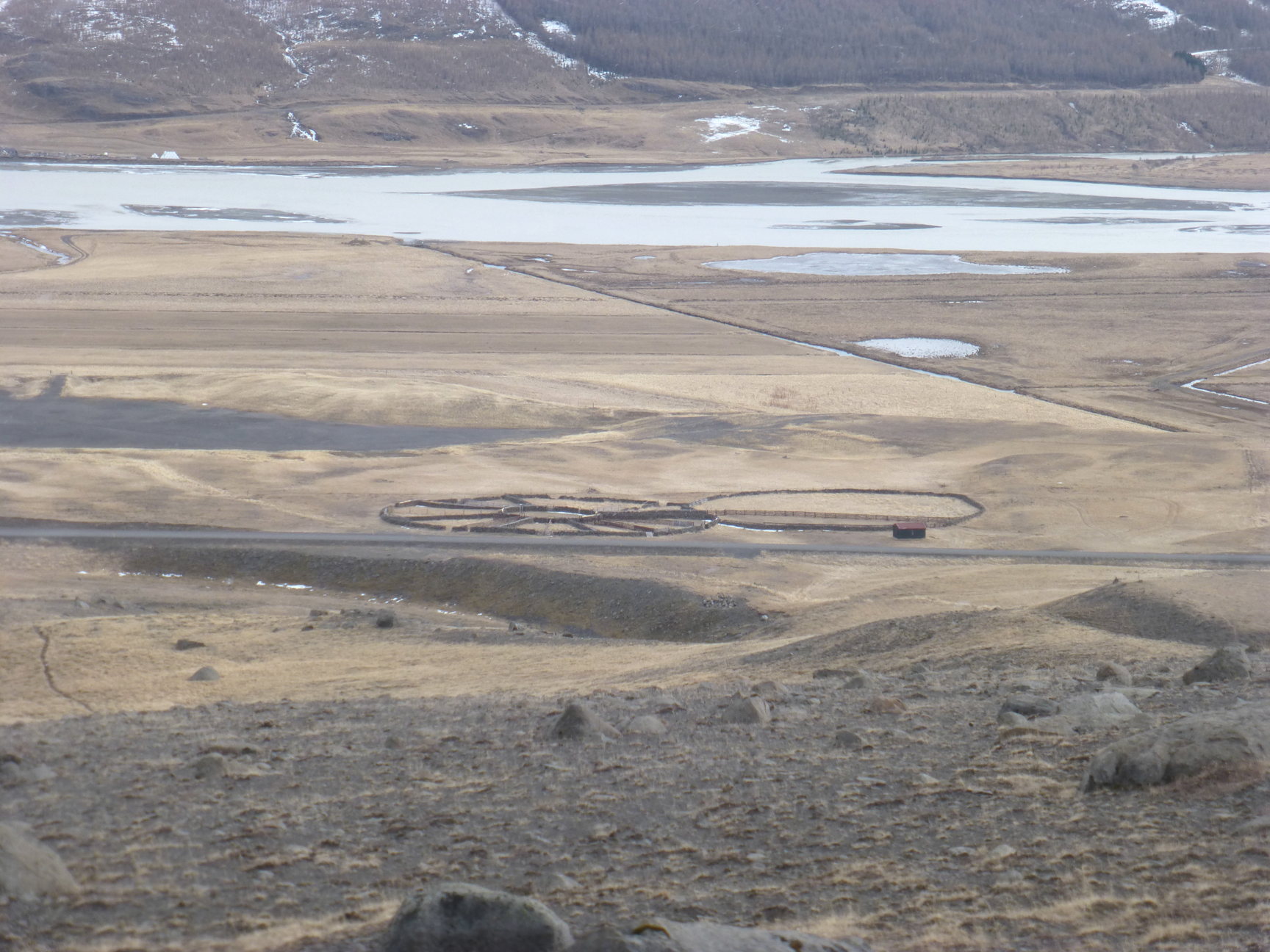
In the speech he read throughout the Third Reich in the spring of 1940, “Our Land” Gunnar spoke of how Icelandic rock rose in the chain-linked stanzas of traditional Icelandic verse. Here’s the gorge outside his house.

At its foot lies Melárett, the fold that was the largest public building in Iceland in his time, used to gather flocks in winter and separate them out, farm by farm: a place for people to work in unison, come together, and then separate by choice into their own private affairs.

I’m sure the two concepts were intimately linked in series in his mind. Hitler didn’t enjoy the suggestion, by the way.

The Two Icelands (Well, Really Three)


There’s the pretty one.


Borgarfjörður Eystri

And across the street, the rusty one. All the fish are gone. Beautiful, though.


With ruins in the foreground.


And weird driftwood art.

Neither is Iceland, though. That’s something the Icelanders keep to themselves. What they present to you in its place are charms and gestures.

You know, stuff you remember from the world.