Category Archives: Land

The Mountain Twice

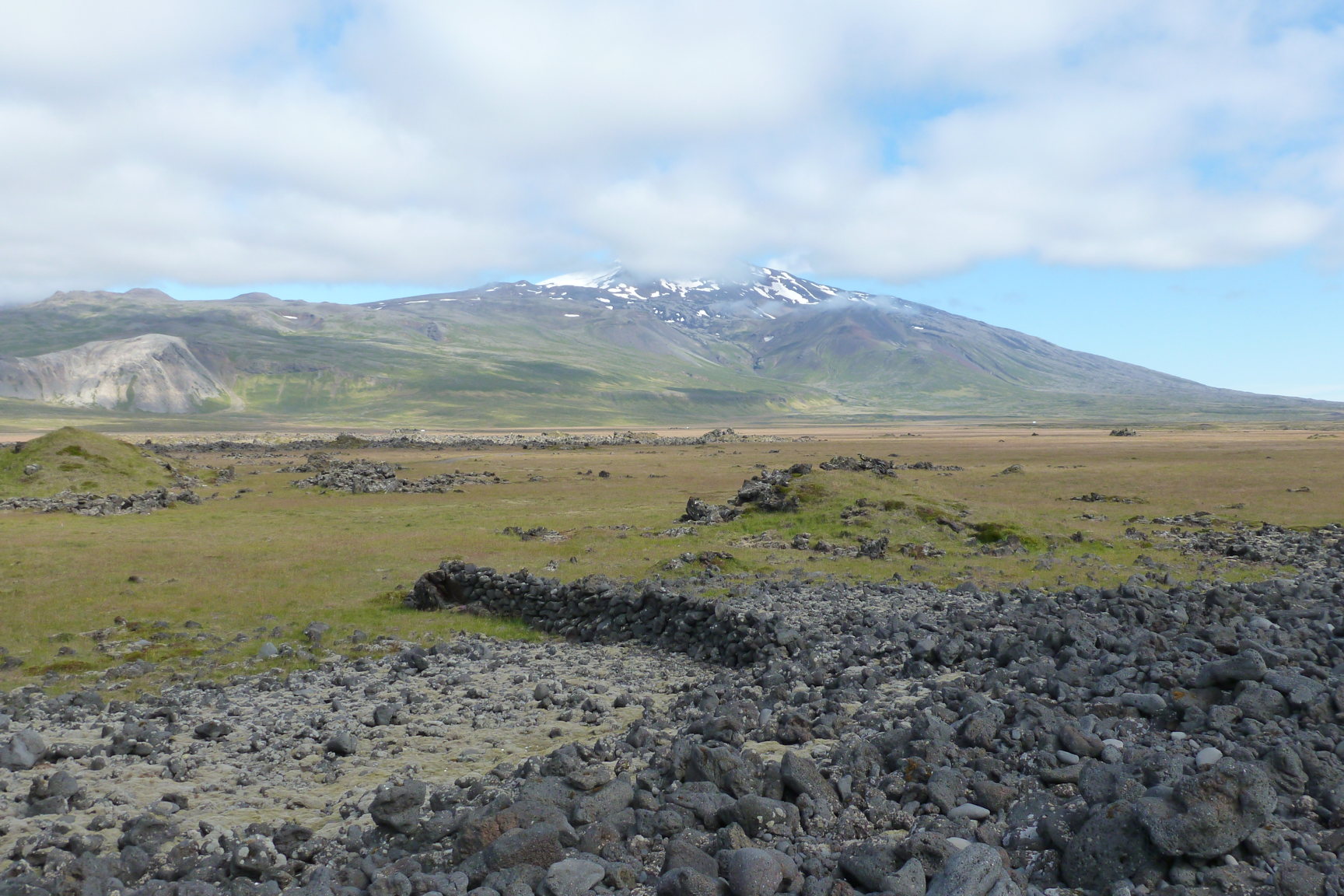
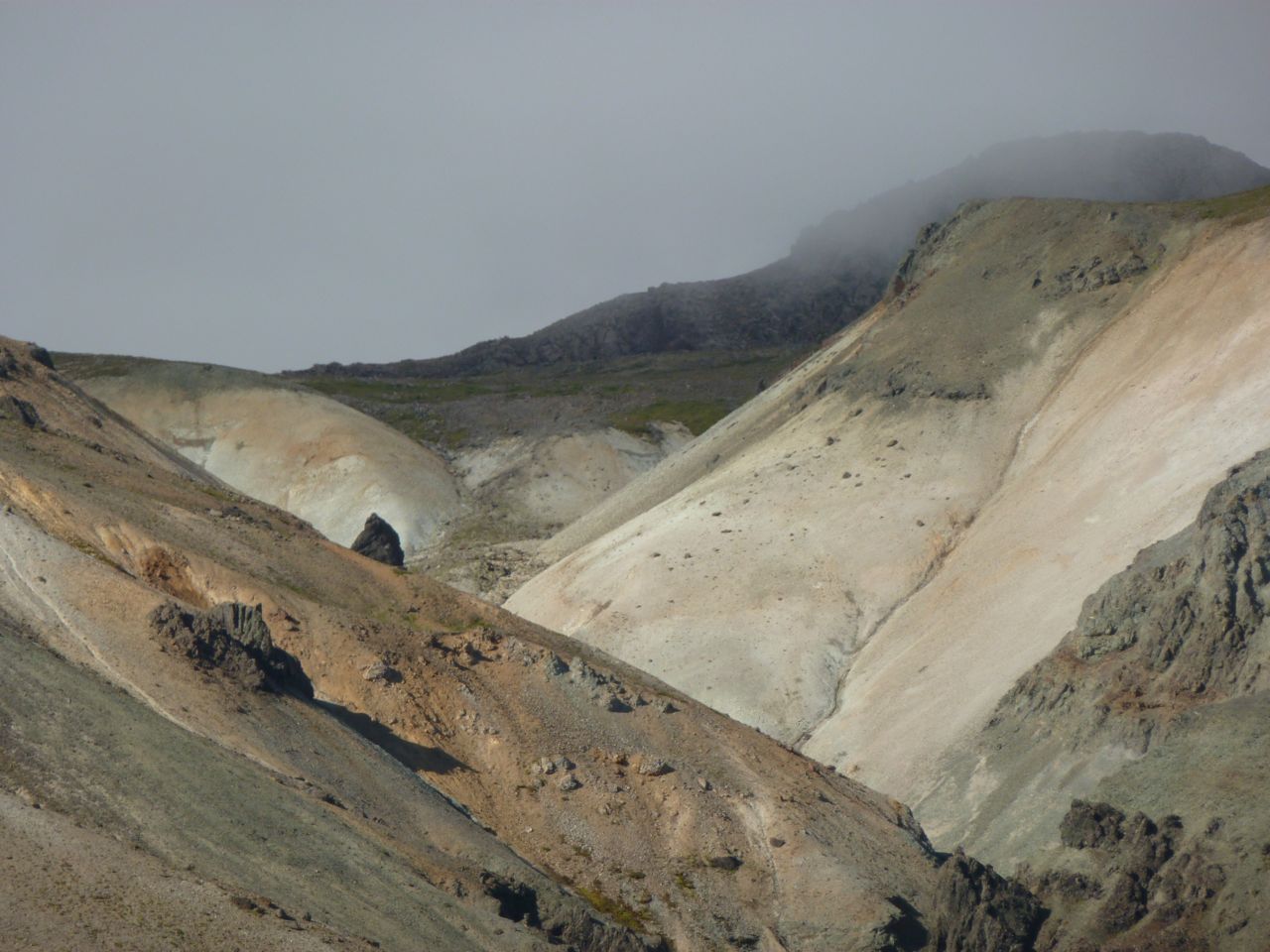
Snæfell, the great mountain of East Iceland (not to be confused with Snæfell, the great mountain of West Iceland), is rarely seen. She cloaks herself in weather.

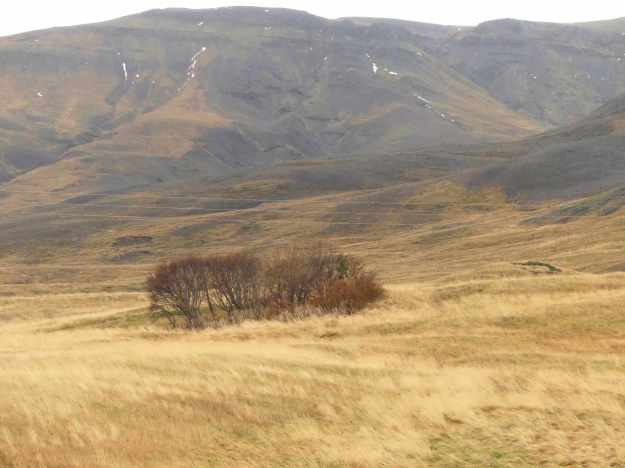
Gunnar’s House is just above lake level (and just past the lake), pretty much in the centre of the image.

She is always present, however, not just in the cloud she gathers to herself out of the living air but also in the Lagarfljót, the lake that fills the valley below her. There you can walk along the shore of the water she collects out of the sky. Snæfell is one of the great transformers — much like a great white raven, really.

Haunting Iceland

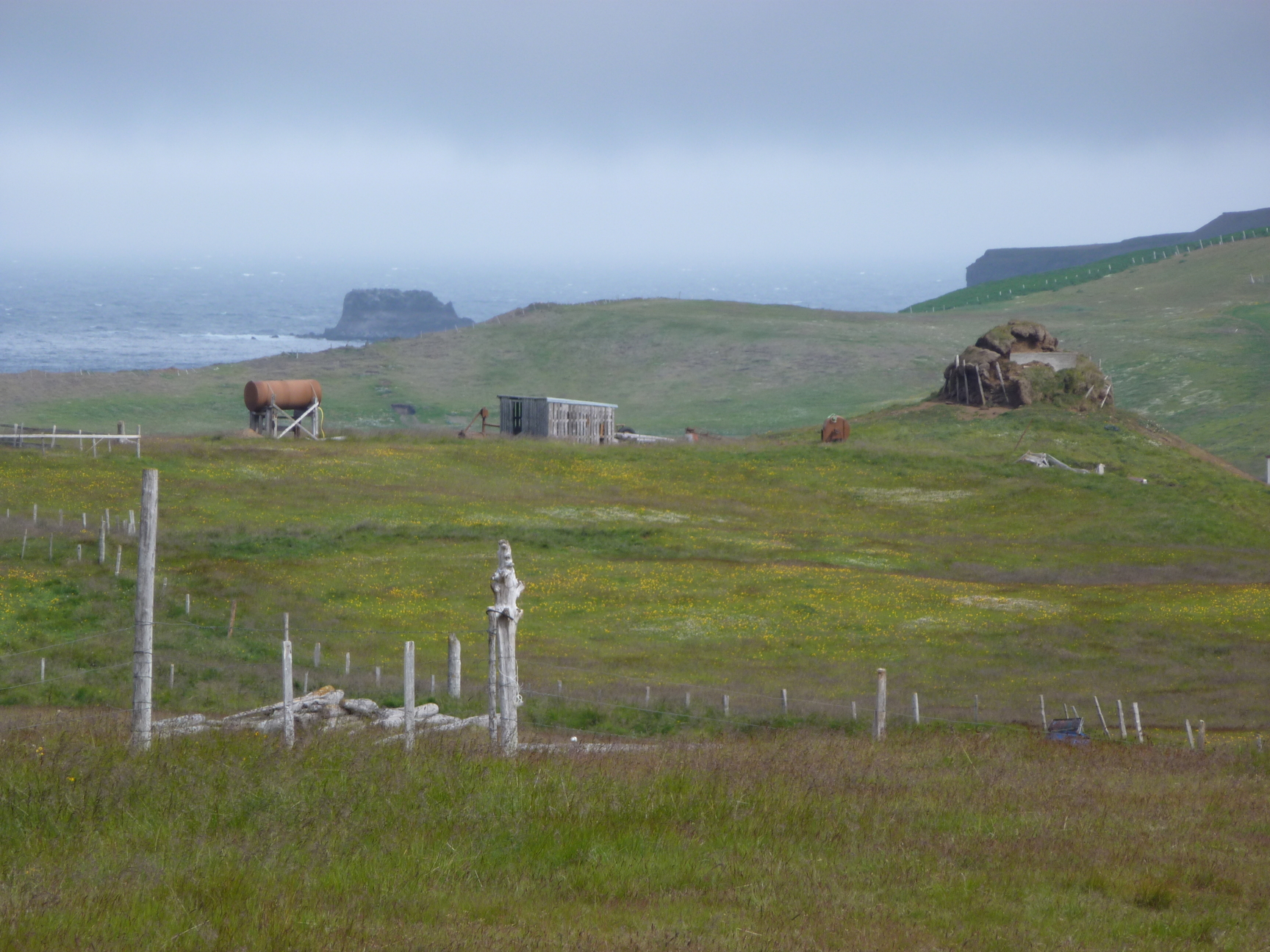
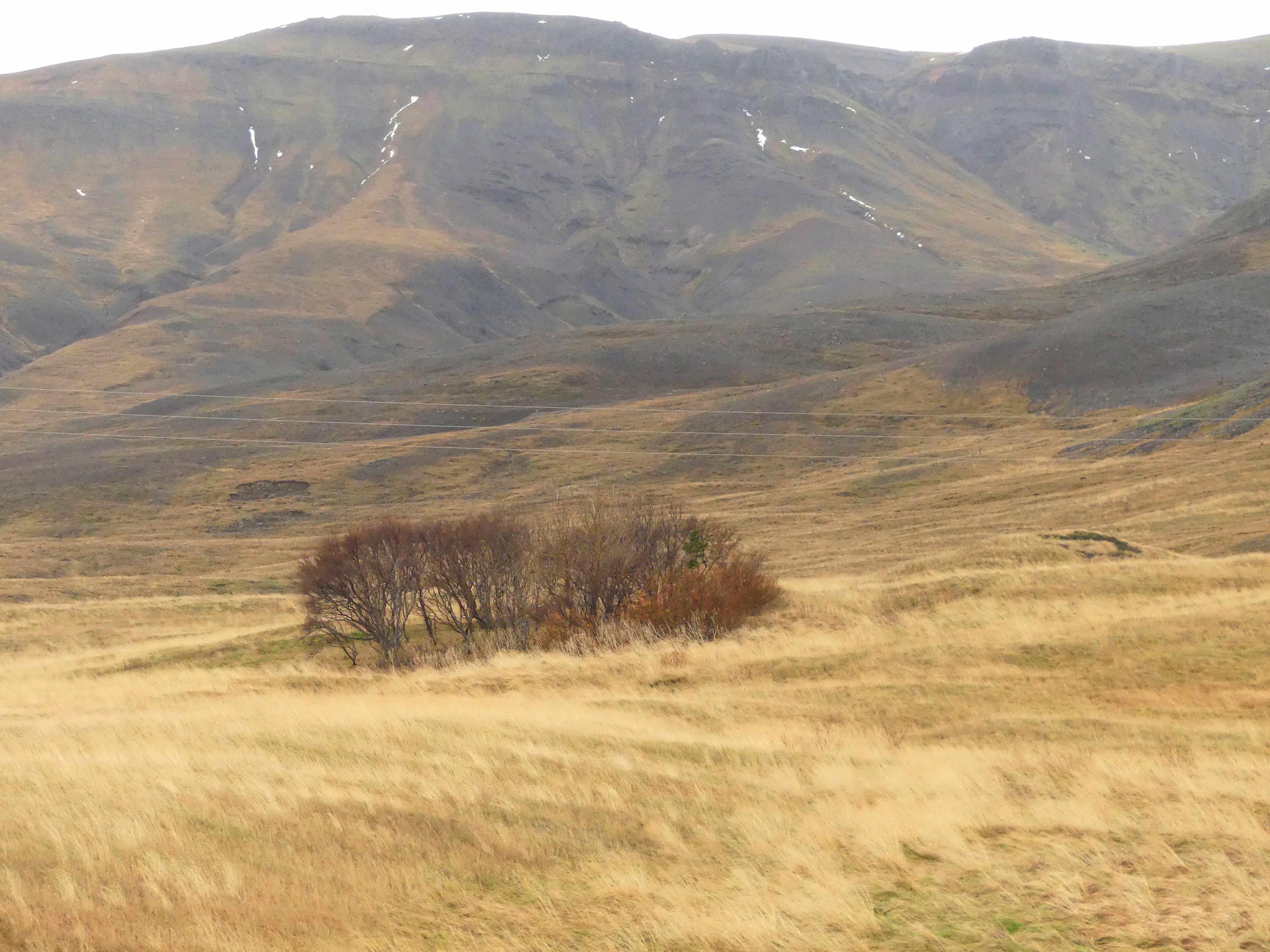
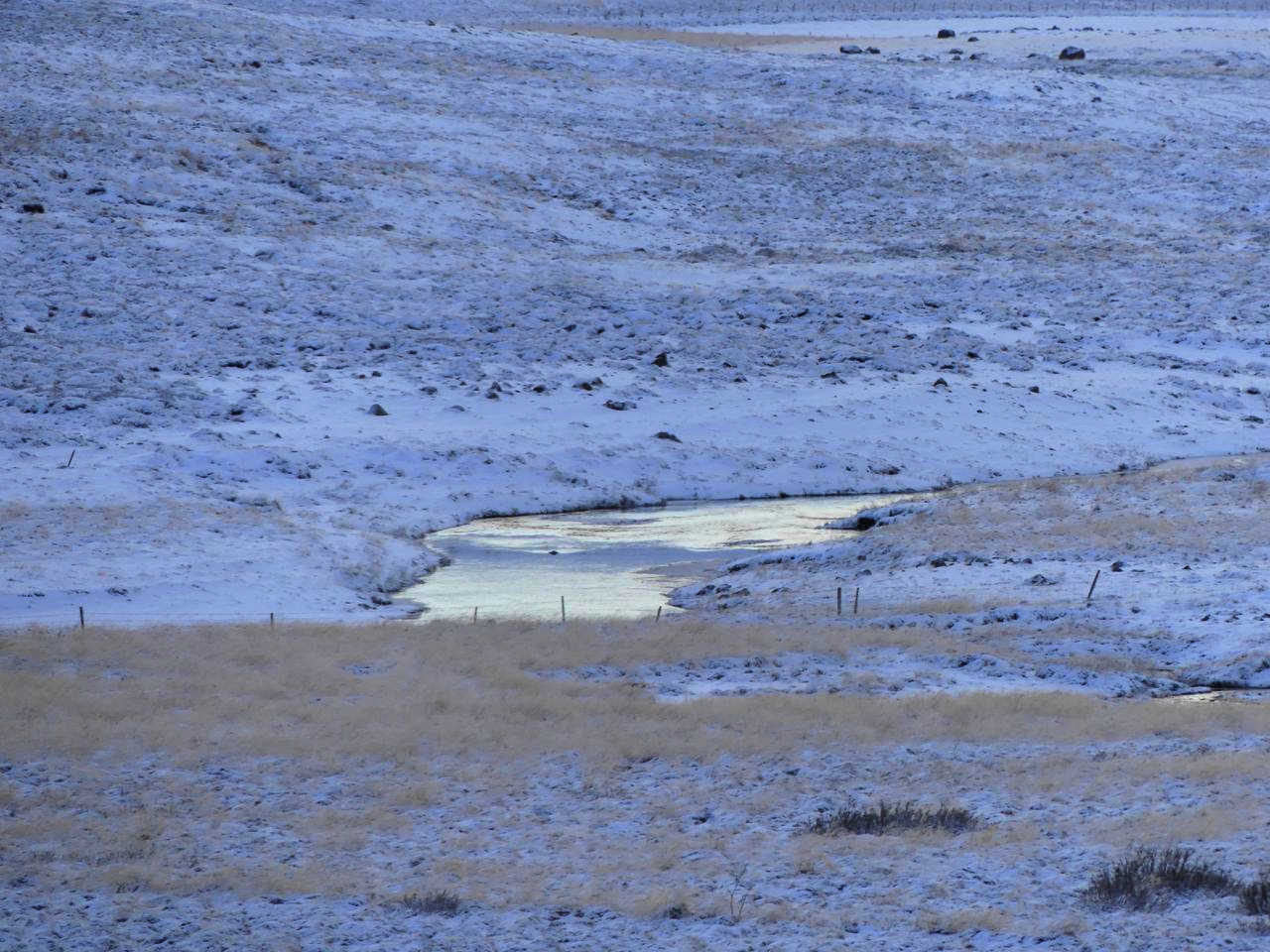
This image from North Iceland haunts me. This was once a prosperous farm, as the driftwood fence shows. In a country without wood, to have rights to pick up Siberian wood from the beach was enough to make a farm pay. Now they’re inexpensive  replacements  for more expensive metal posts, and not a cash item.

Speaking of economy, look at the tun, or house field in the centre of the image. It would have been manured with the manure from the winter sheep barn… just as far as a man could carry it with his strength. The point is, that was economy: this concentration of the energy of the land in such a way that it gave forth more richness in the year to come. This principle was applied after the Second World War, when the country embraced foreign modernity to maintain the old economy. In this case, the fuel tank, and a tractor that went with it, looked like a path to a bright future. Maybe it was for Reykjavik, but after 1,000 years no one lives here anymore. It’s still farmed, as a hayfield. The main field, the tun so to speak, is up against the ridge on the upper right of the image, bright green and fertilized with nitrogen fertilizer: an industrial product, that must be paid for with cash the land can barely spare. That’s where the edge of maintaining Iceland by bringing in foreign technology has lead now. Without it, there’d be no economy, yet if it had always been this way, there’d be no Iceland. This has always been Iceland’s bind. Gunnar Gunnarsons’s attempt to solve it by bringing modern German farming to the Fljótsdalur in 1939 lasted only a couple years, before he had to give it up. In fact, this might just be a universal human bind: one looks for permanency and must accept transience, yet the dream of permanency continues to exert its pull.

What it says is that we are haunted by the world as much as we haunt it.

Homecoming in Iceland

This year I will be going to Iceland for my fifth time. People are already making fun. “Why don’t you go somewhere new?” they ask. “It’s a big world.”

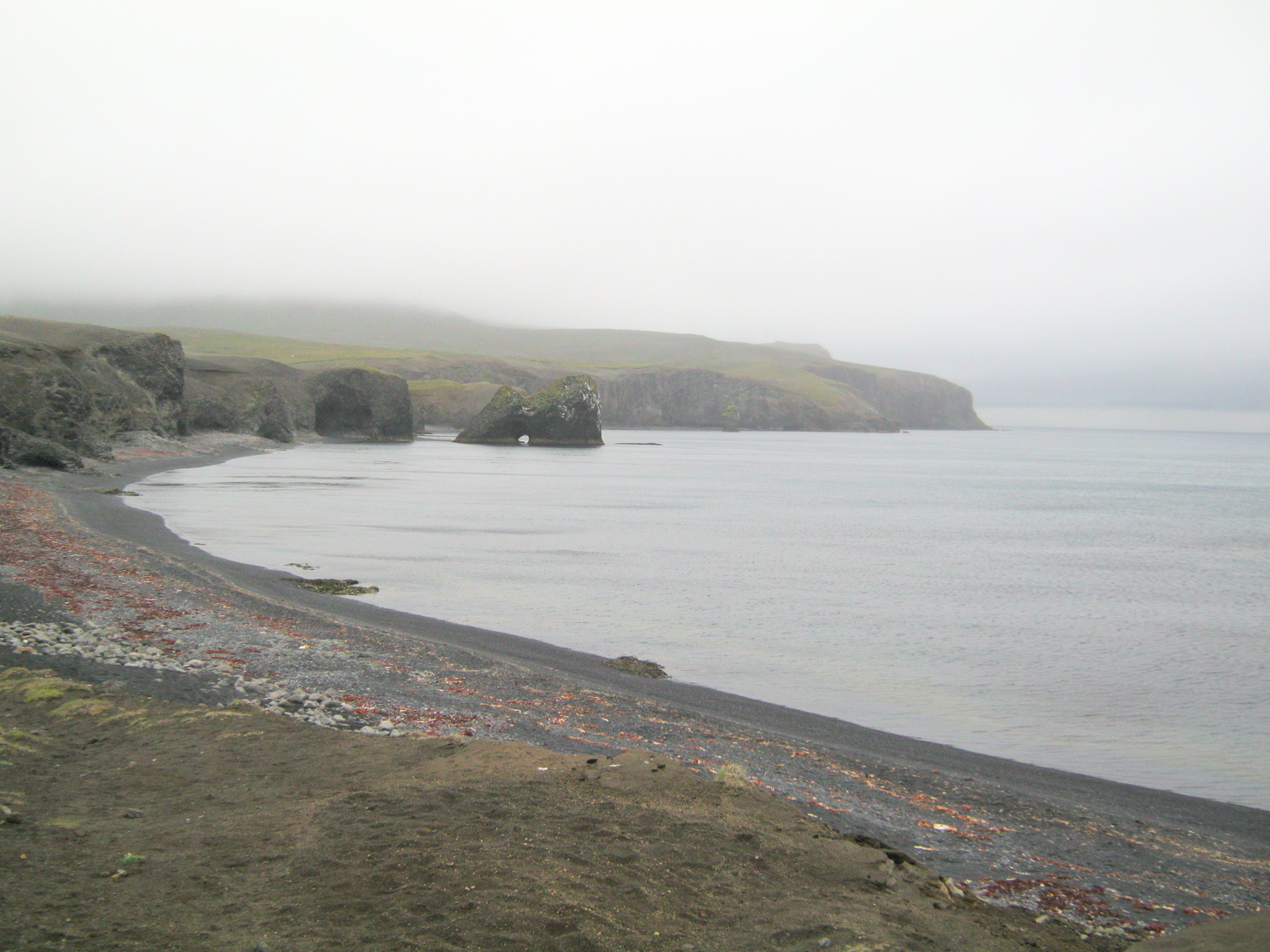
Yes, but the bay above called to me. Without seeing it, I suddenly drove off the road, parked in a meadow and started walking into the wind. Soon, I crested a headland and was here. Soon after that, I discovered that the beach was watching me as closely as I was watching it.

Seeing new things often means going home.  The land welcomes one with speech, when one is patient and listens.

When You’re on the Road to Nowhere, Get Off

Then you’ll be somewhere.

Most visitors to Iceland land at Keflavik Airport, just north of this beautiful landscape, and then race northwest to Reykjavik, missing out on the opportunity to hear the land speak.


The Icelanders have arranged it this way. Have you ever wondered why?

Reykjanes is calling!

Living Among the Ruins: Italy and Iceland

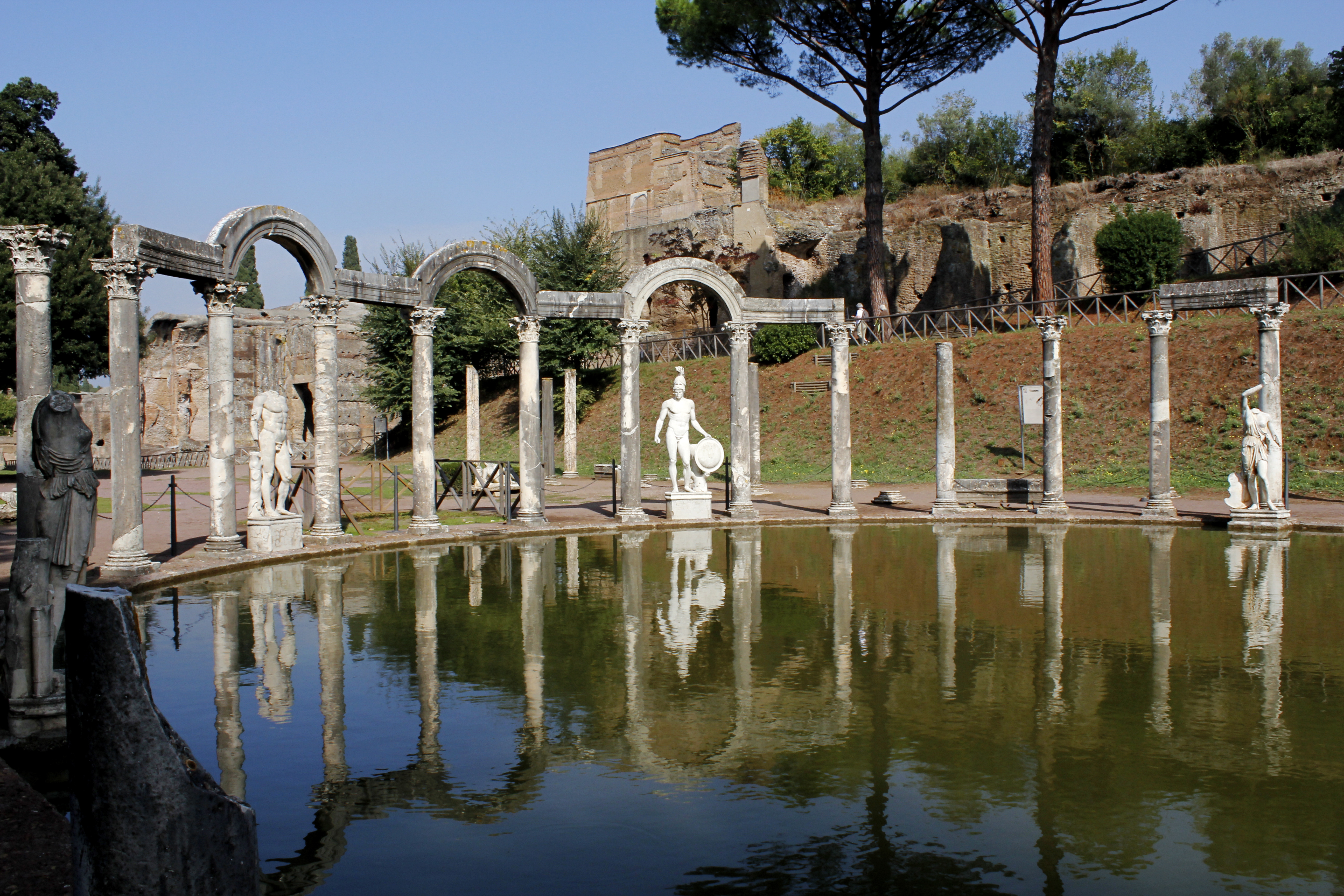
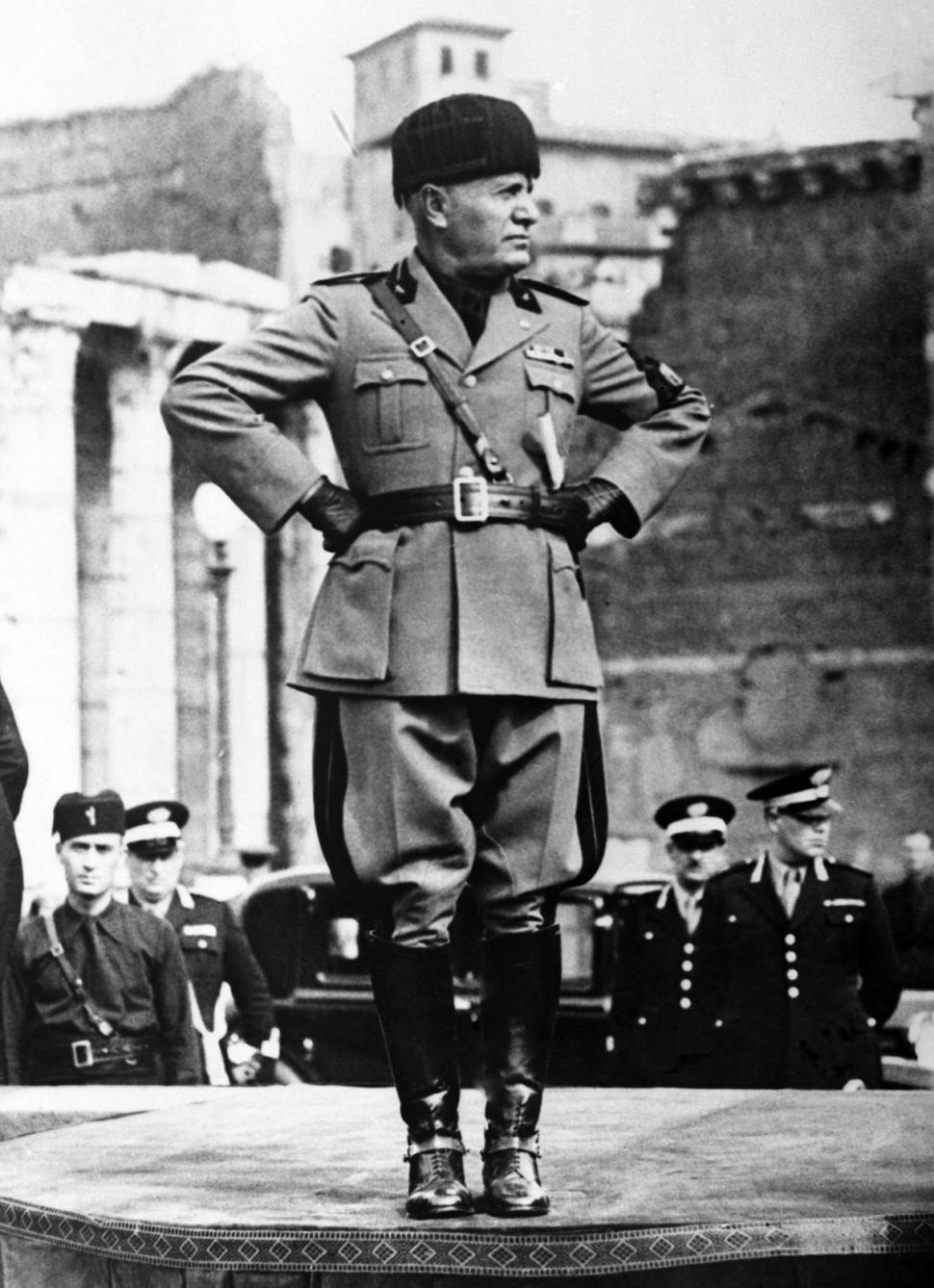
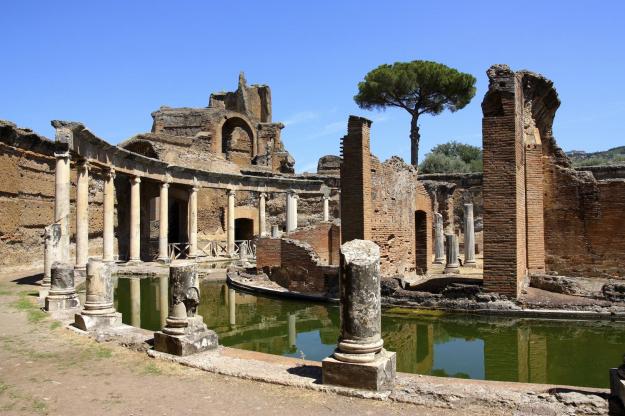
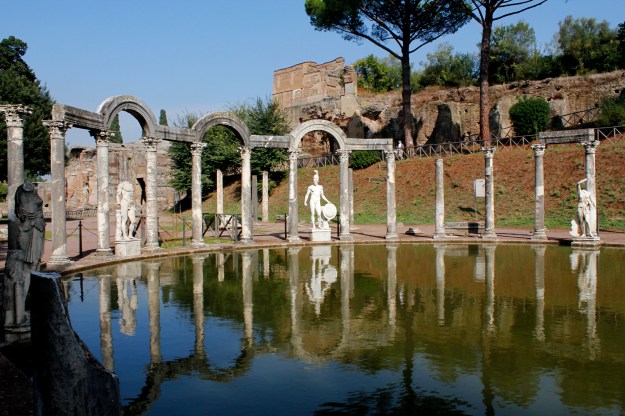
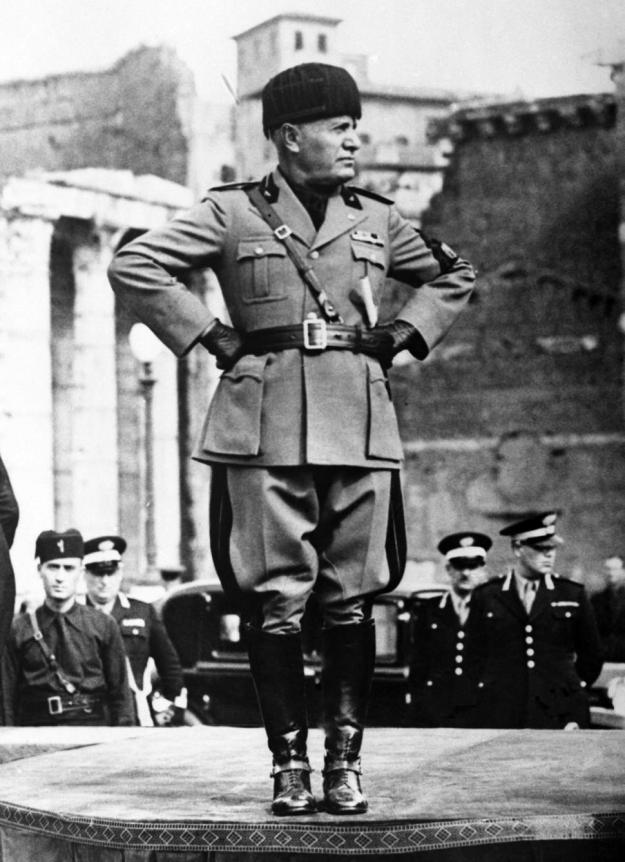
This is the kind of thing that annoyed the Icelandic writer Gunnar Gunnarsson in 1928. This is Hadrian’s Villa, built in the year 134 near Tivoli, in what is now Italy. He thought it was too bright.He meant that this man and his politics were wrong for Scandinavia (which, to him, included Baltic Germany):
Mussolini Rejects Democratic Rule in 1928

He also meant that this version of Hadrian’s Tivoli villa was the wrong approach to art:
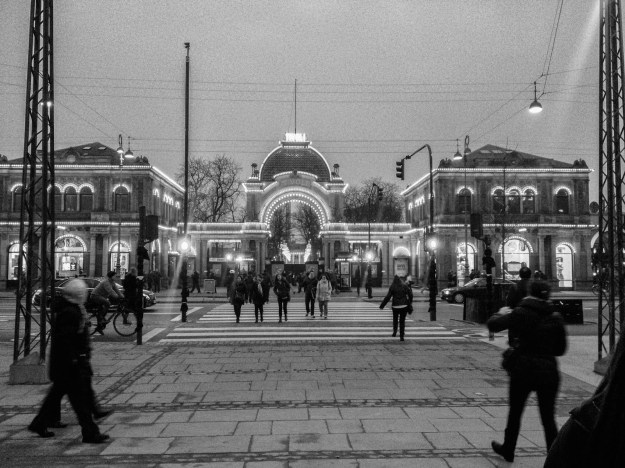
The Tivoli Gardens Amusement Park in Copenhagen

Gunnar didn’t see art as a populist entertainment. He was after something else. This is the architecture he liked:
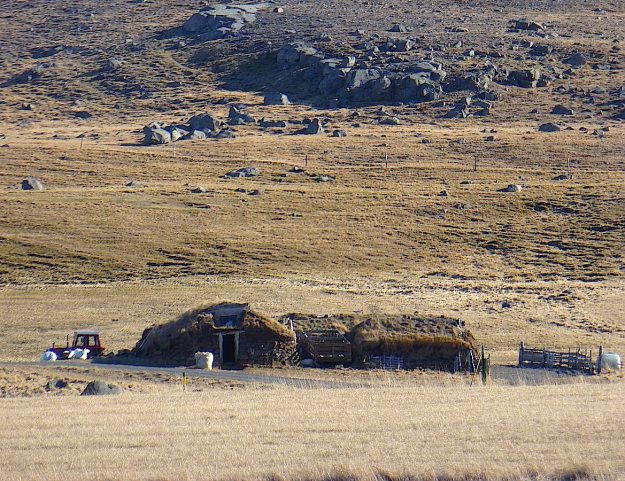
Landhus Farm, Fljótsðalur

You could consider it a part of the landscape, he said. Almost all the houses of this type are ruins now, but not like Hadrian’s ruins:
Like this:

In the 1950s onward, the Icelandic government gave away trees, as part of a nationalist program of rebuilding the eroded landscapes of the country. Out of the same impulse as Gunnar, people planted them on the sites of their former turf houses, leaving the hills, the intended recipients of the trees, bare.  The government keeps a few turf houses as museums:
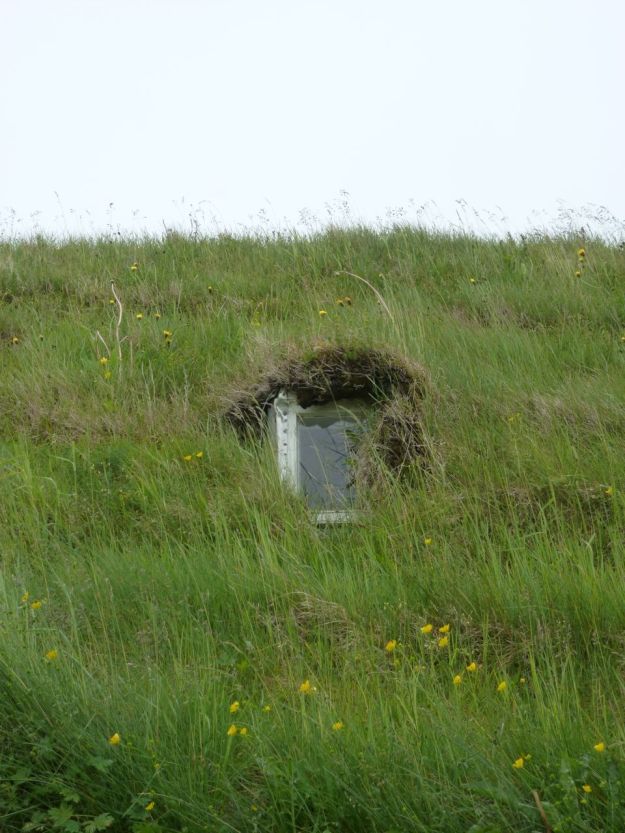
Farmhouse Window,  Bustarfell

It is the same impulse that drove Gunnar from the Tivoli Gardens. He considered that mixing northern culture, an expression of northern land and climate, with a southern one would destroy it, such as the German Reich’s turn from a people’s culture, based on farm life, to an Imperial one, as documented in the image below.
For Gunnar, independence meant to have no masters at all, and the point of modernity was to refine old folk ways. He shared that with the Italians and Germans of his day. He was more clear than they were, however, on the price of Imperialism and power exercised as force. It’s too bad he didn’t speak more clearly about this, but at least we have the ruins…
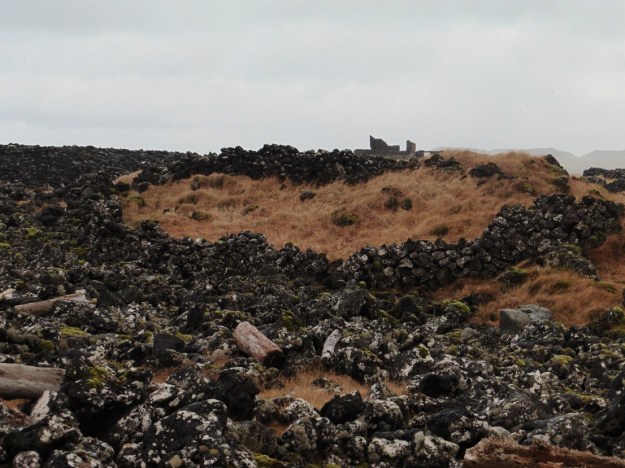
Buðahraun

… to speak…

… for him …

… now:

Sandgerði

Reykjavik is Hadrian’s Villa.
Sitting Down With the Mountain

The glacier…

Snæfellsjökull

… makes its own weather…

Stapafell

… in its own shape, just faster.

Snæfell

And then wraps itself in it. So does the land give voice to the sea.

So many travellers spend a week, or less, driving around Iceland to see everything, in the pattern of a modern “grand tour.” A more-authentic Icelandic experience would be to sit down with a mountain and learn …

… it’s not just sitting there.

If That’s Not Magic, What Is?

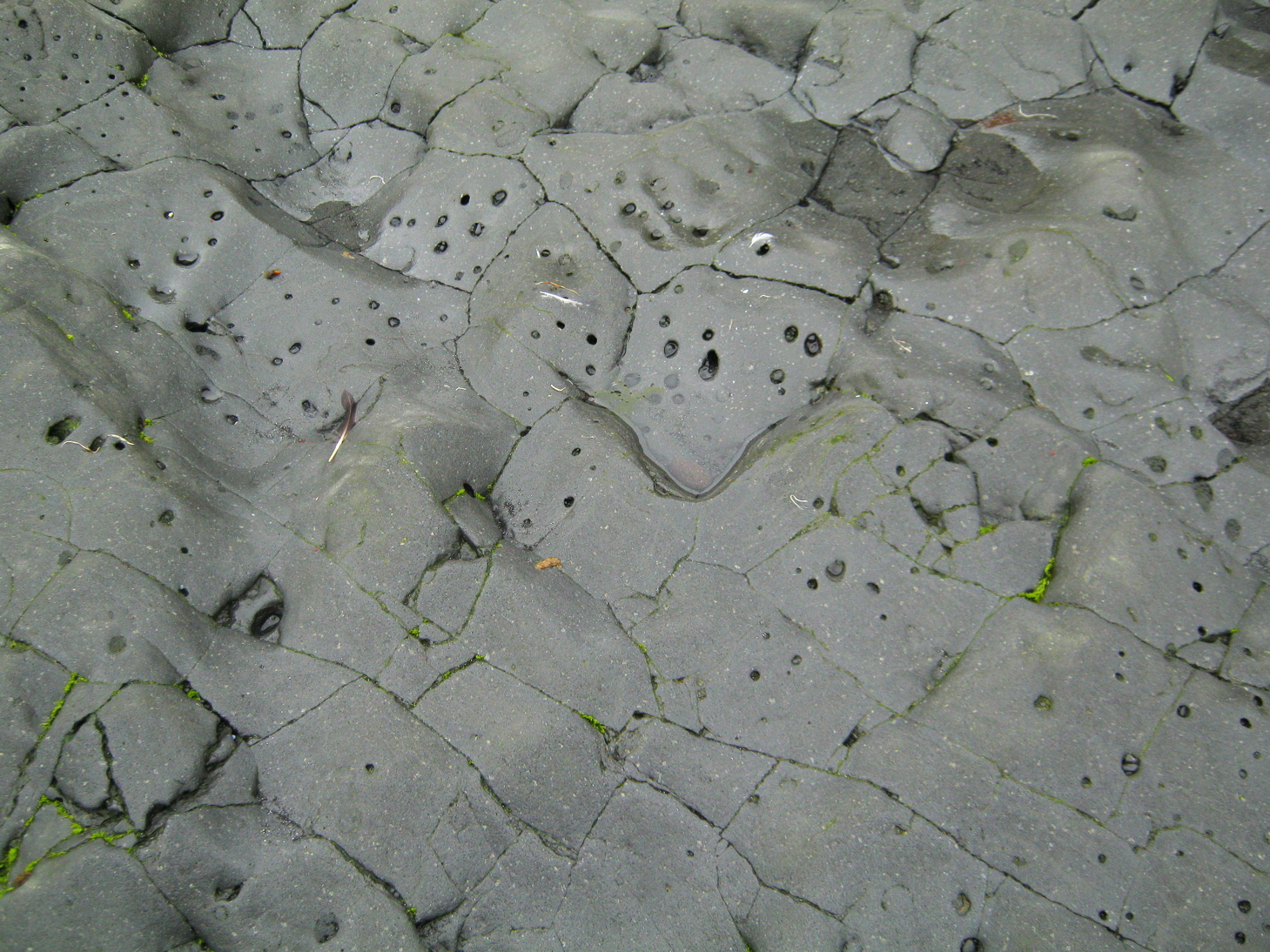
The energy that can cup water …

… leaves stones as the energy shadows of the cupped air.

Never underestimate the power of an open bowl!

The above 3 images are from Dritvik.

Bowls radiate energy and hold it at the same time.


Hvalfjörður (WWII fighter base)

Every one is a head.

Ásmundarsafn

In Iceland, pretty soon you start thinking with the world. Don’t fight it. It’s the way it was meant to be.

Breiðafjörður