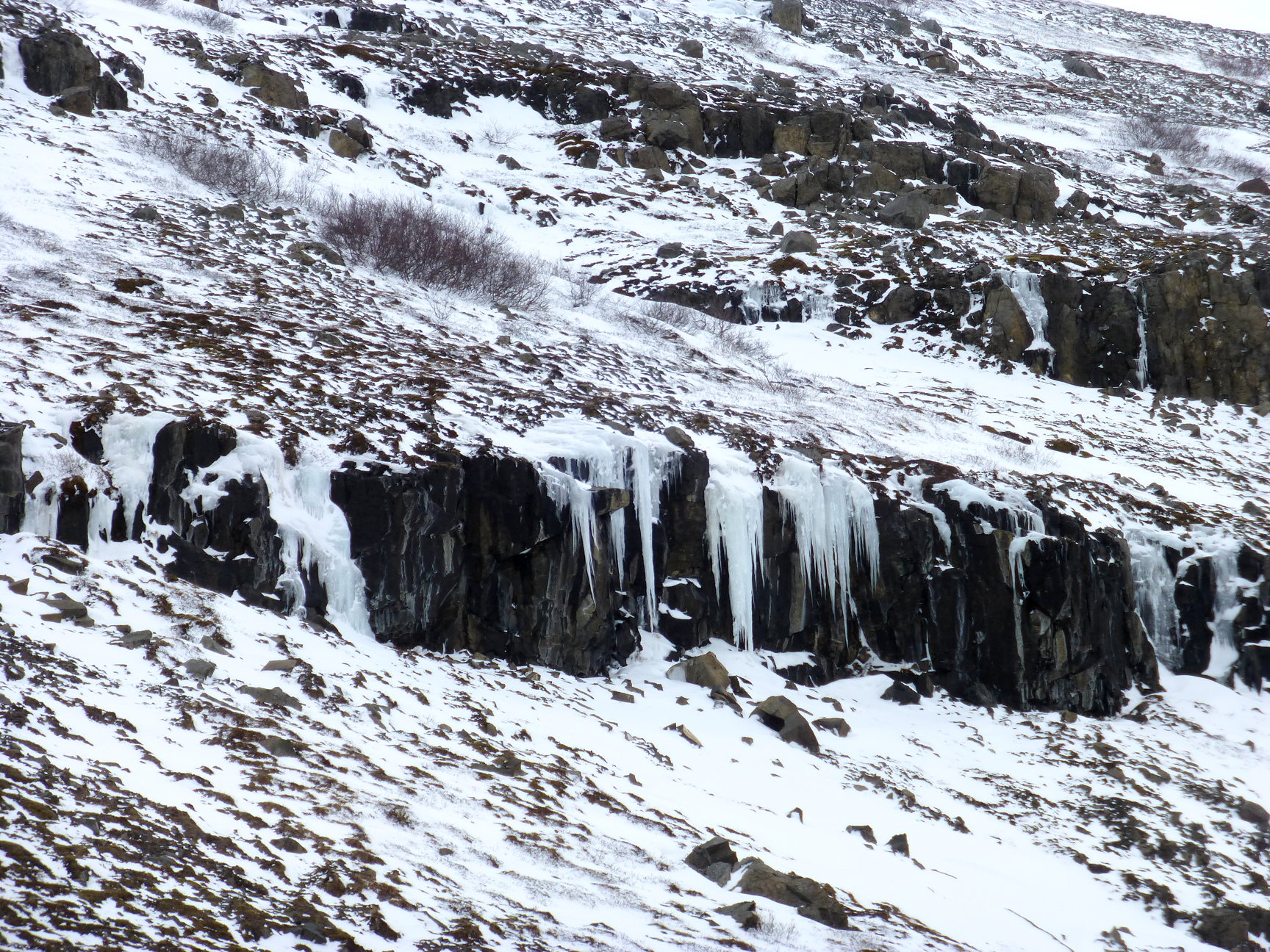
Sure, in some other country it would be a waterfall, but on Snæfellsnes it’s just a babbling brook. Without a name.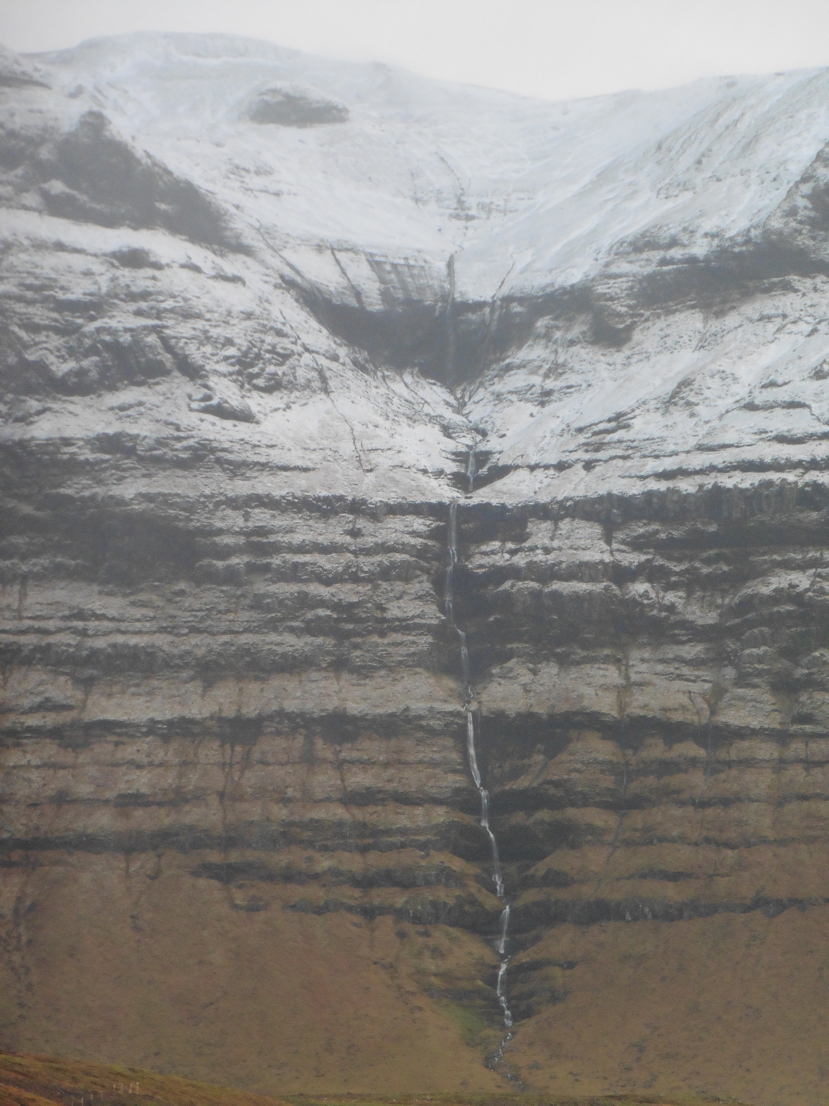
Un-named Stream on the Kerling, Grundarfjörður
It’s like a rope anchoring the sky!

Sure, in some other country it would be a waterfall, but on Snæfellsnes it’s just a babbling brook. Without a name.
Un-named Stream on the Kerling, Grundarfjörður
It’s like a rope anchoring the sky!
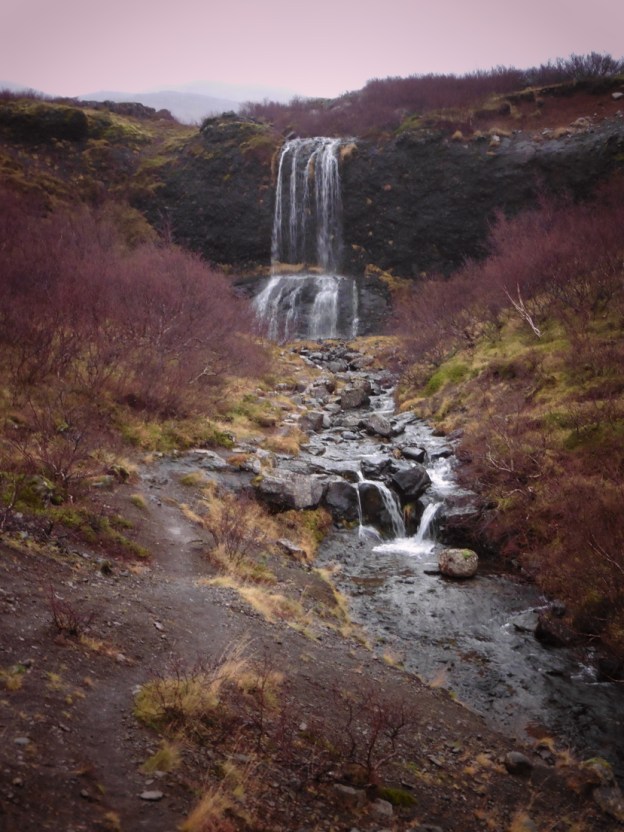
When you turn off onto Road 5001 at the head of the Havalfjörður to visit the high waterfall Glymur, make note of the gravel parking area to your left. When you come back soggy and disappointed that Glymur is unattainable because of bad weather and high water and muck, why not stop and hike a hundred metres up the stream to Paradisarfoss? She’s a pretty little one, with a fine little forest of wild birches. You need never be disappointed in Iceland.
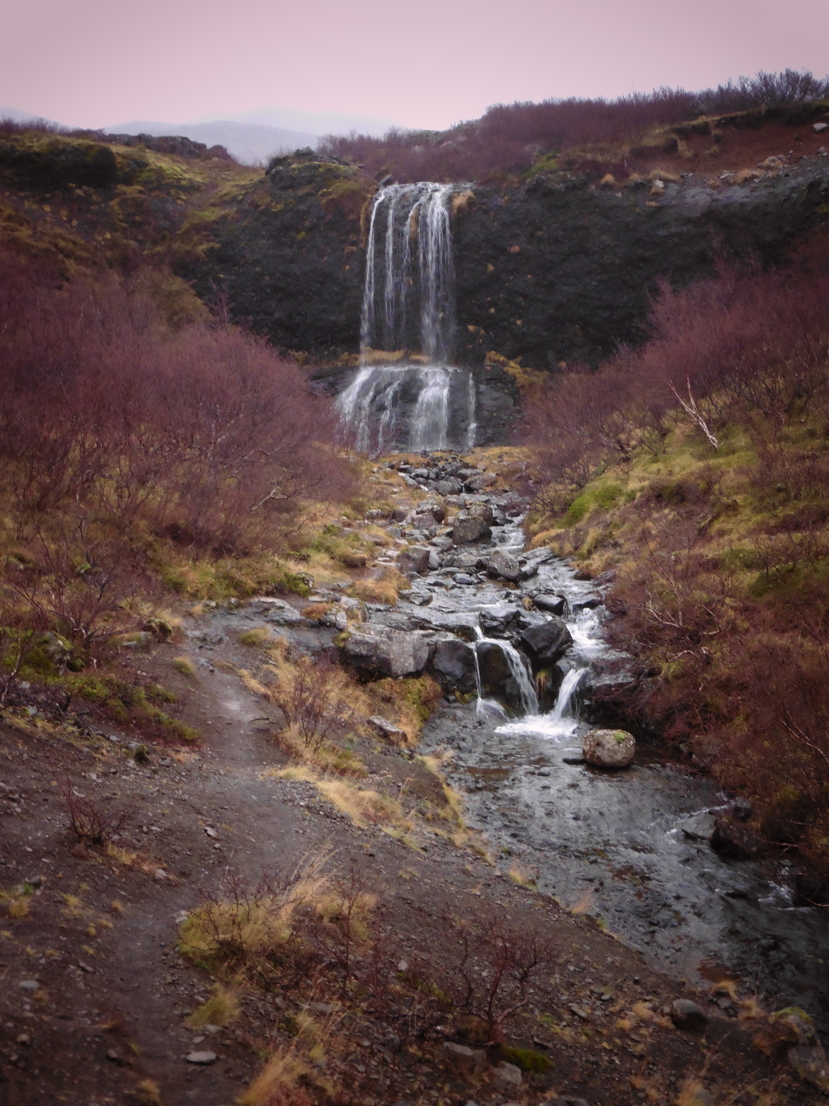
By Icelandic standards, that’s a very good trail there.
Well worth the trip! And no, this was not sunset. And, yes, the sky was that pink. It was just November 5, that’s all, when a stroll through the rain is like a walk through laughter.
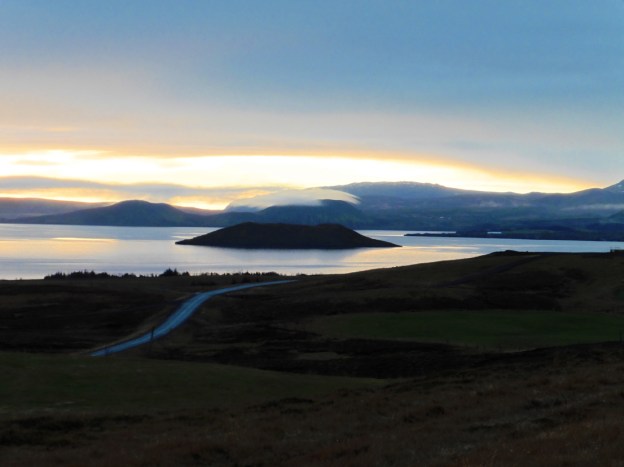
It is best to leave the city in the dark and strike east. If you time it right, you’ll be right on time. Be right on time. You can sleep later. Now is not the time for sleep.

Heiðarbærjarhólmi
There is a special hour on Þingvallavatn. Right after darkness, it is light. Then the light extinguishes and the world begins without illusion: blue.

The soul rises early. Everything that follows is just light.


A trained eye will see trolls In Iceland by looking past the rock. A world of appearances is a world of doors. The country is a folktale. That is not a metaphor.

Some trolls, such as the one at Kirkjubærjarklaustur below, are less retiring, but look more closely. More trolls appear the longer you look.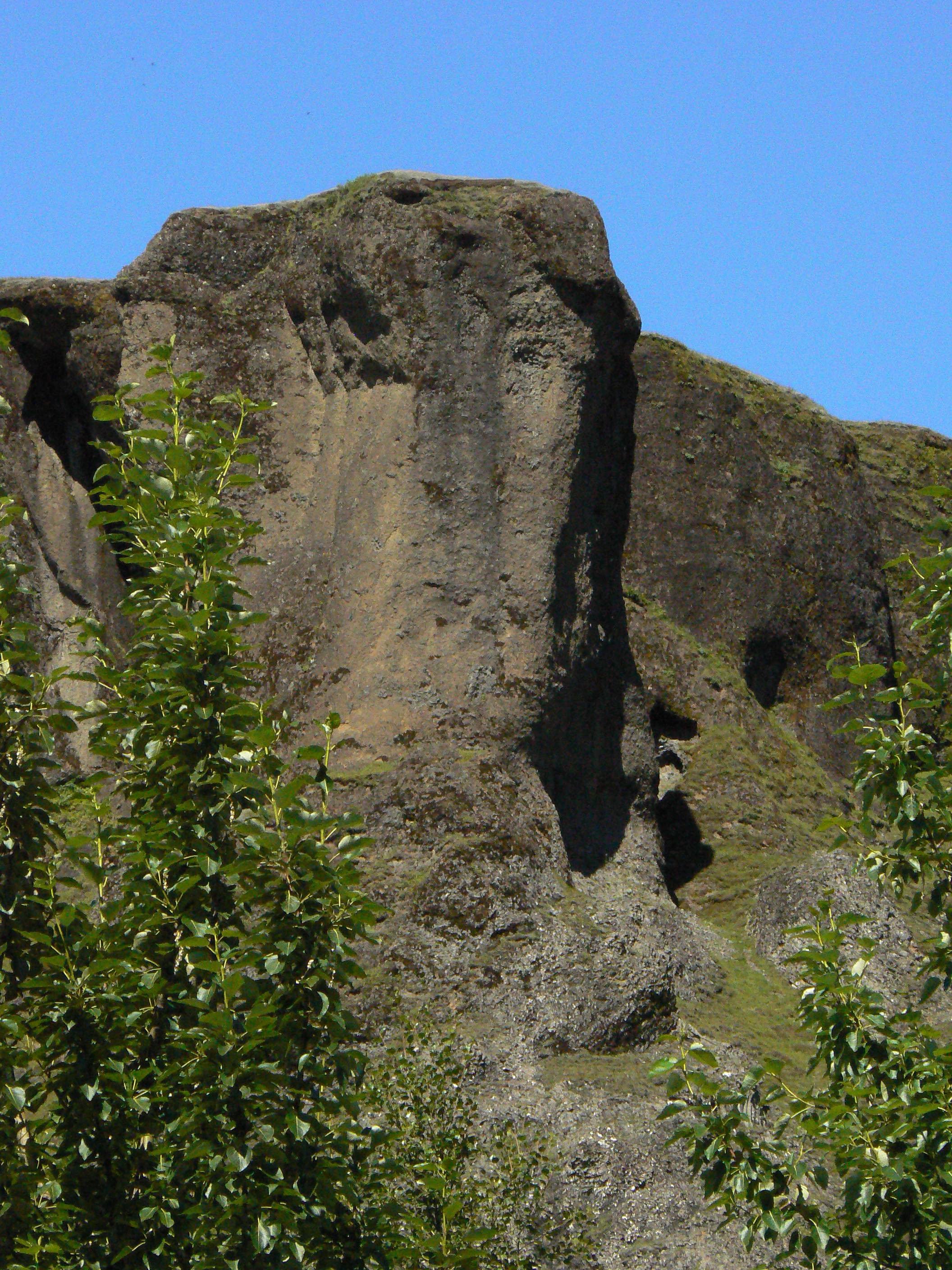
Here too, to the east, along the South Coast.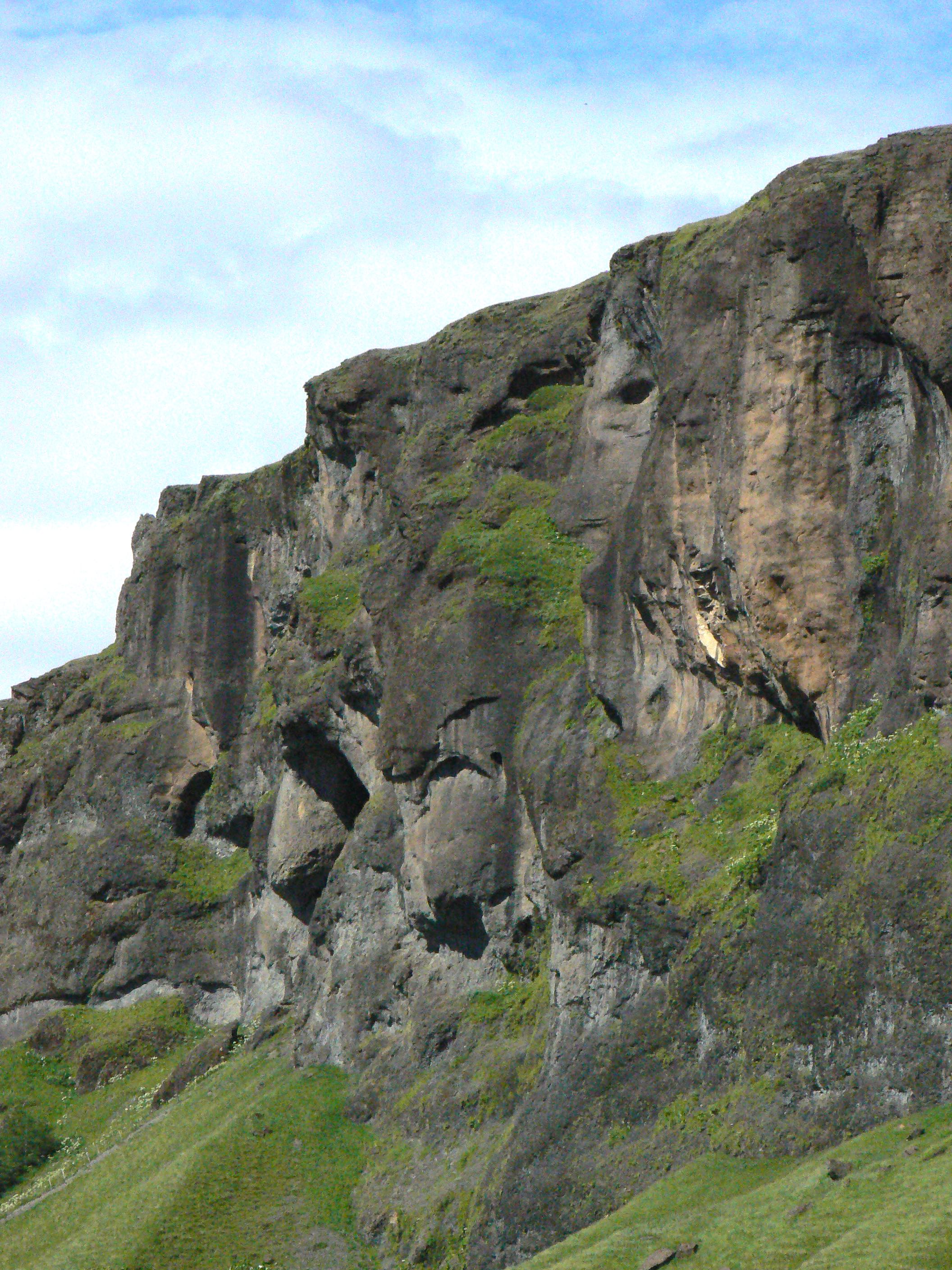
And farther to the east. Here you can clearly see the bones from a previous troll meal, that have been tossed below them. Folklore holds that when the sun comes up, trolls are turned into stone. No, that’s not it. They are still there, behind the appearances, which is to say, in the darkness, behind the light.
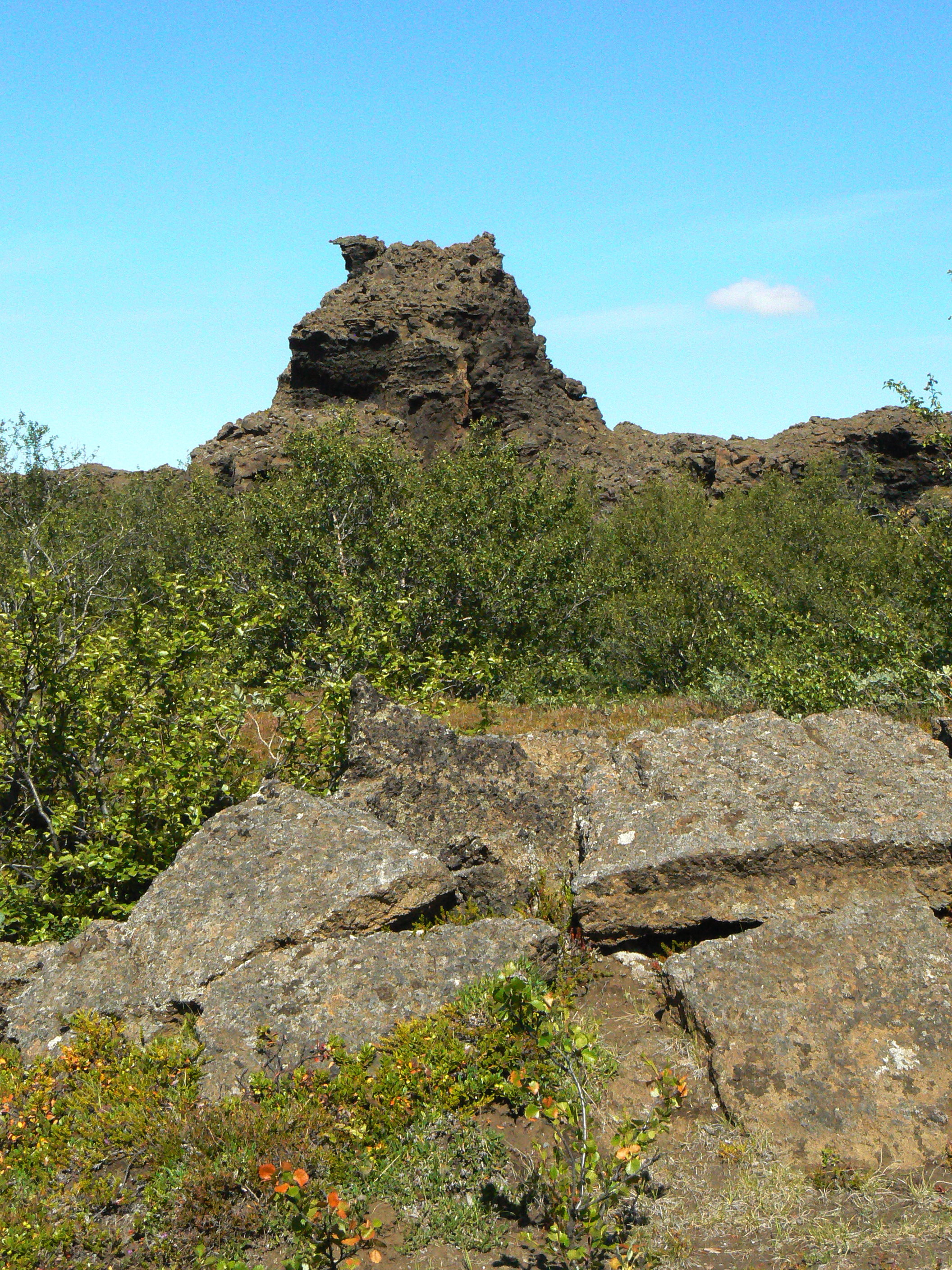
And yes, trolls keep troll sheep, such as the one below at Dimmuborgir.
The one below at Skriðuklaustur may not appear to do so at first …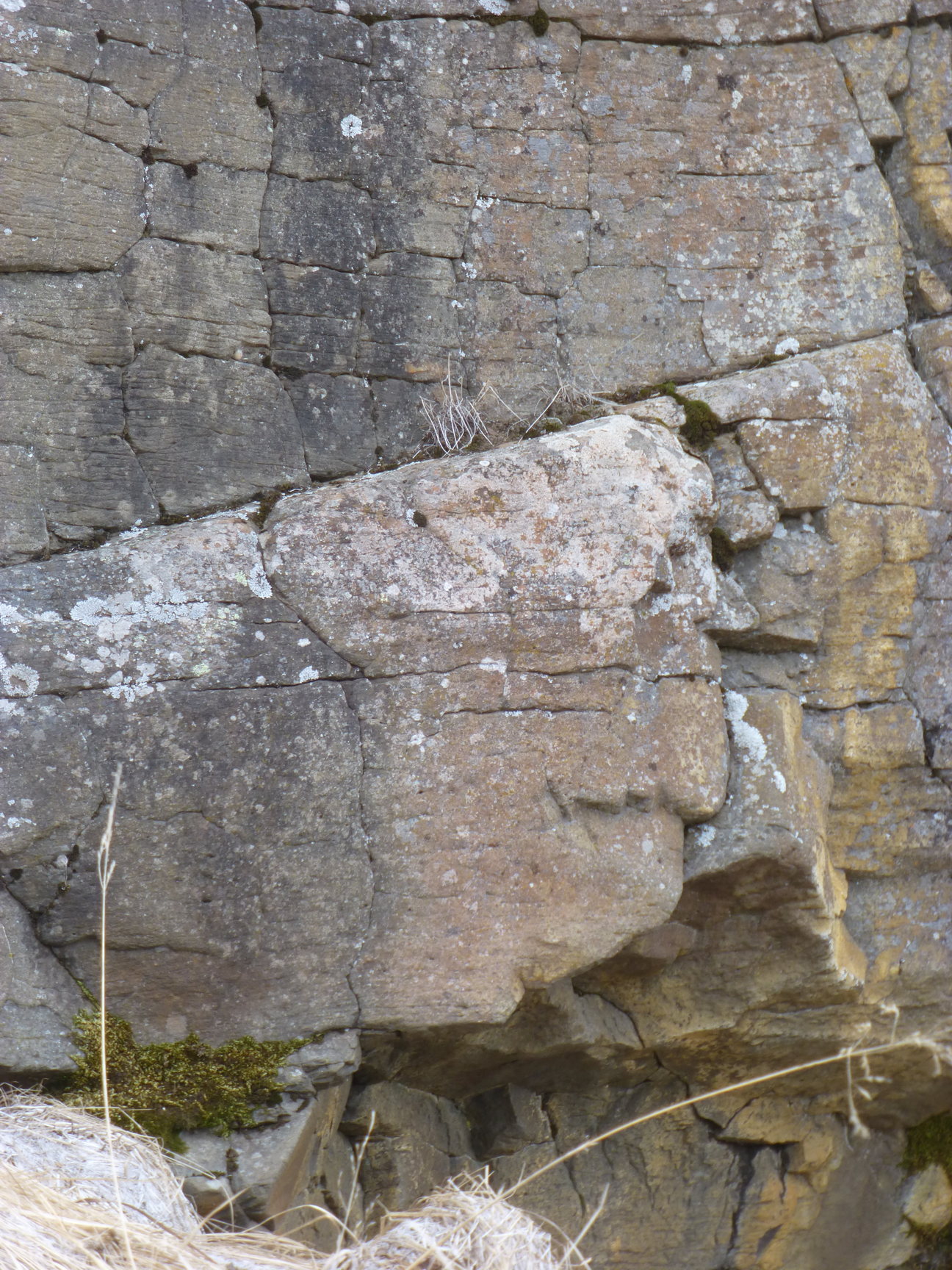
… but do turn around. Ah, there they are.
Here’s one at Litlafoss, carrying a sheep on its back.

Are these really “trolls” and “troll sheep”? Well, are the meanings of these words really “things”? We live in a world of appearances, and use language to navigate between them, but the appearances are separate from the language.

To date, there is no other language for these appearances, such as here at Stekkalækur: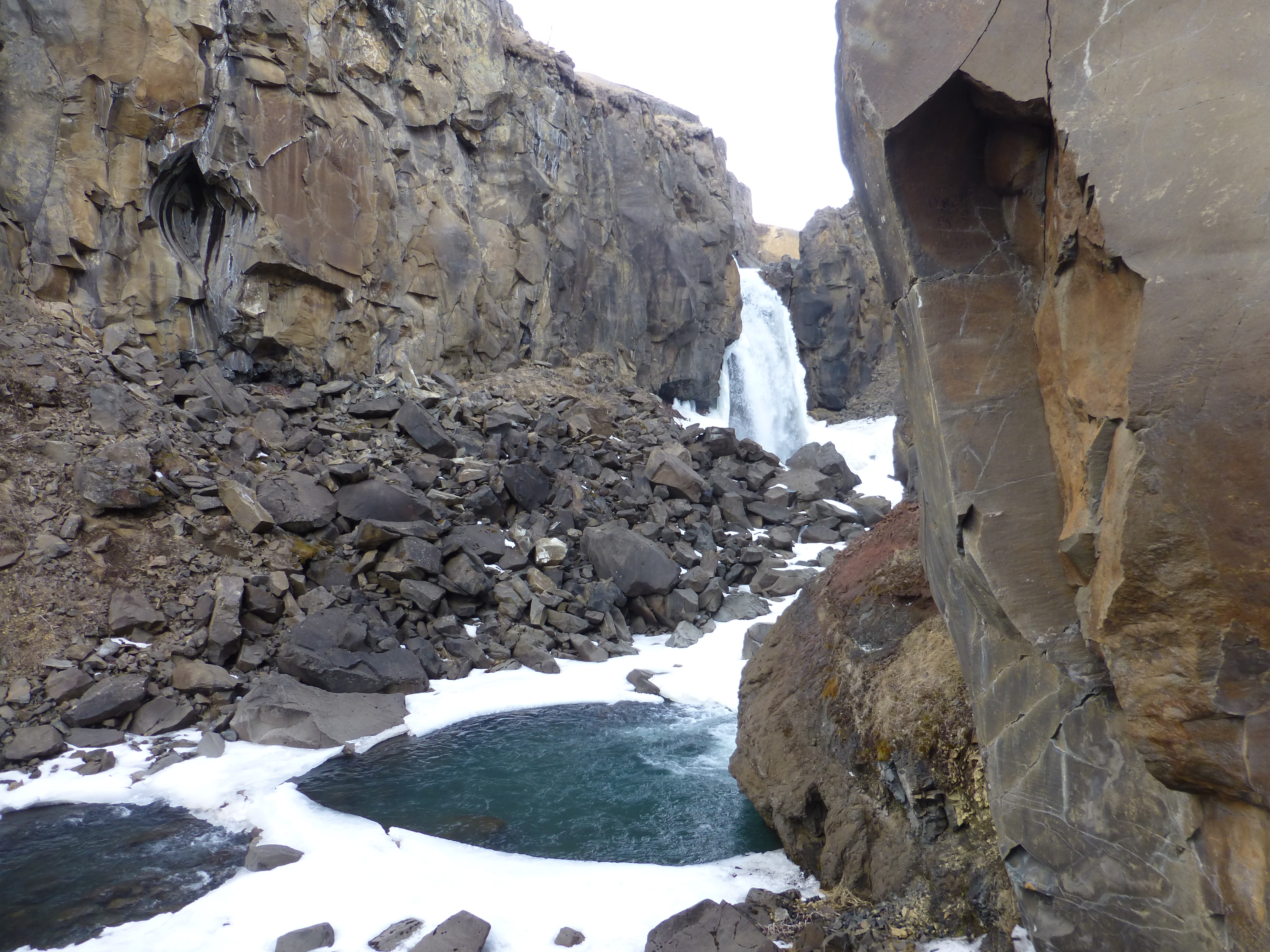
And calling this view of the troll environment at Litlafoss geology doesn’t help much, except to produce awe, which is to say, to drive you away, when you might need to learn how to get close.
Truth is, volcanic rock breaks in patterns that matches the patterning of the human mind. This is our environment. The alternative would be to call the appearances an error, which is just too tidy and elitist.
Behaviour like that is enough to make you imagine cartoon trolls …
… above a waterfall full of real ones.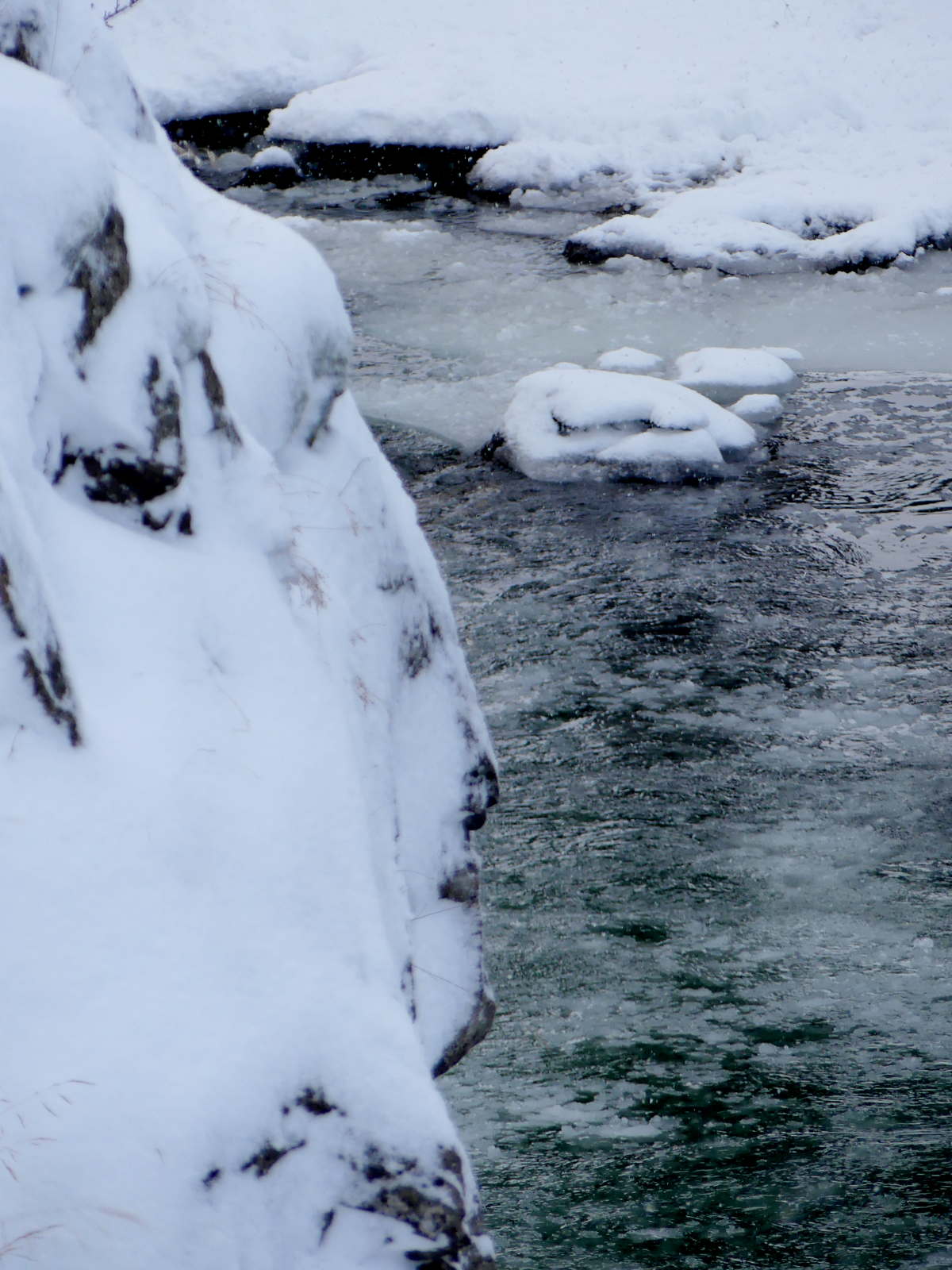
Fossatún
That is a betrayal of the appearances. It makes the world safe. It isn’t.
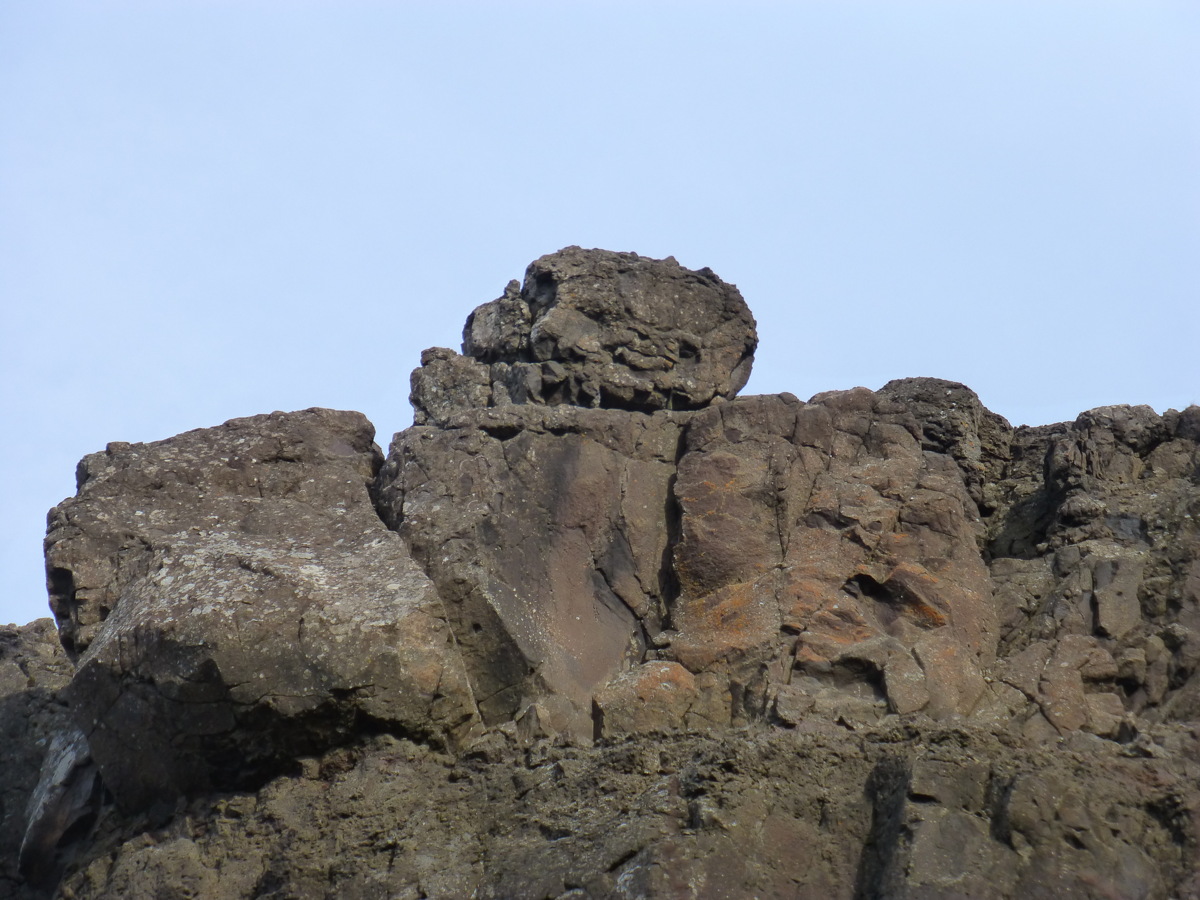
Stekkalækur
If not honoured, trolls prey on us.

And it is this world.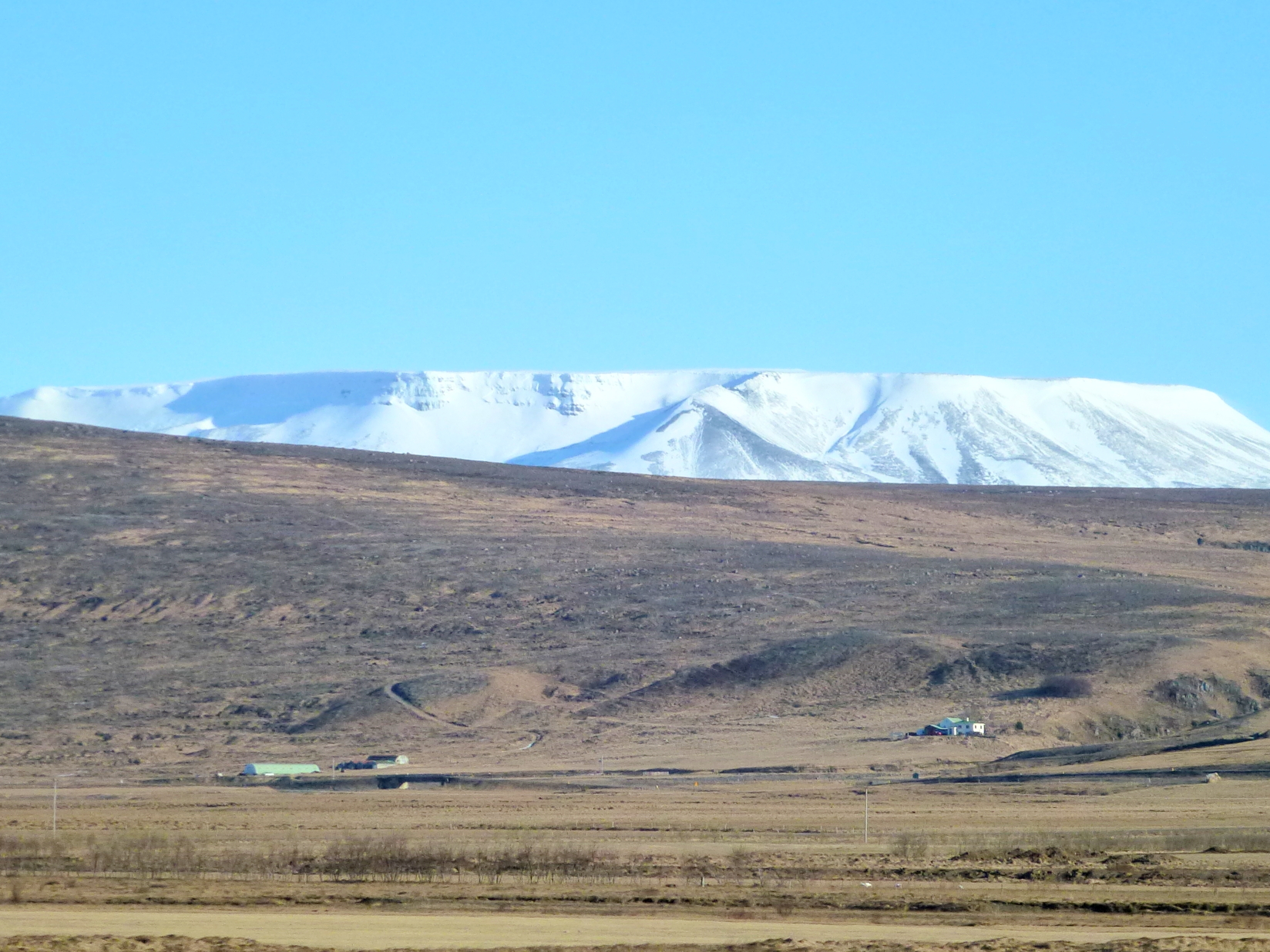
Looking East from Reykholt
That’s the part that makes the hair stand up on the back of my neck.

East of Reykholt
This makes Icelanders people of another world. Or at least of two worlds at once. There is also the world of darkness.
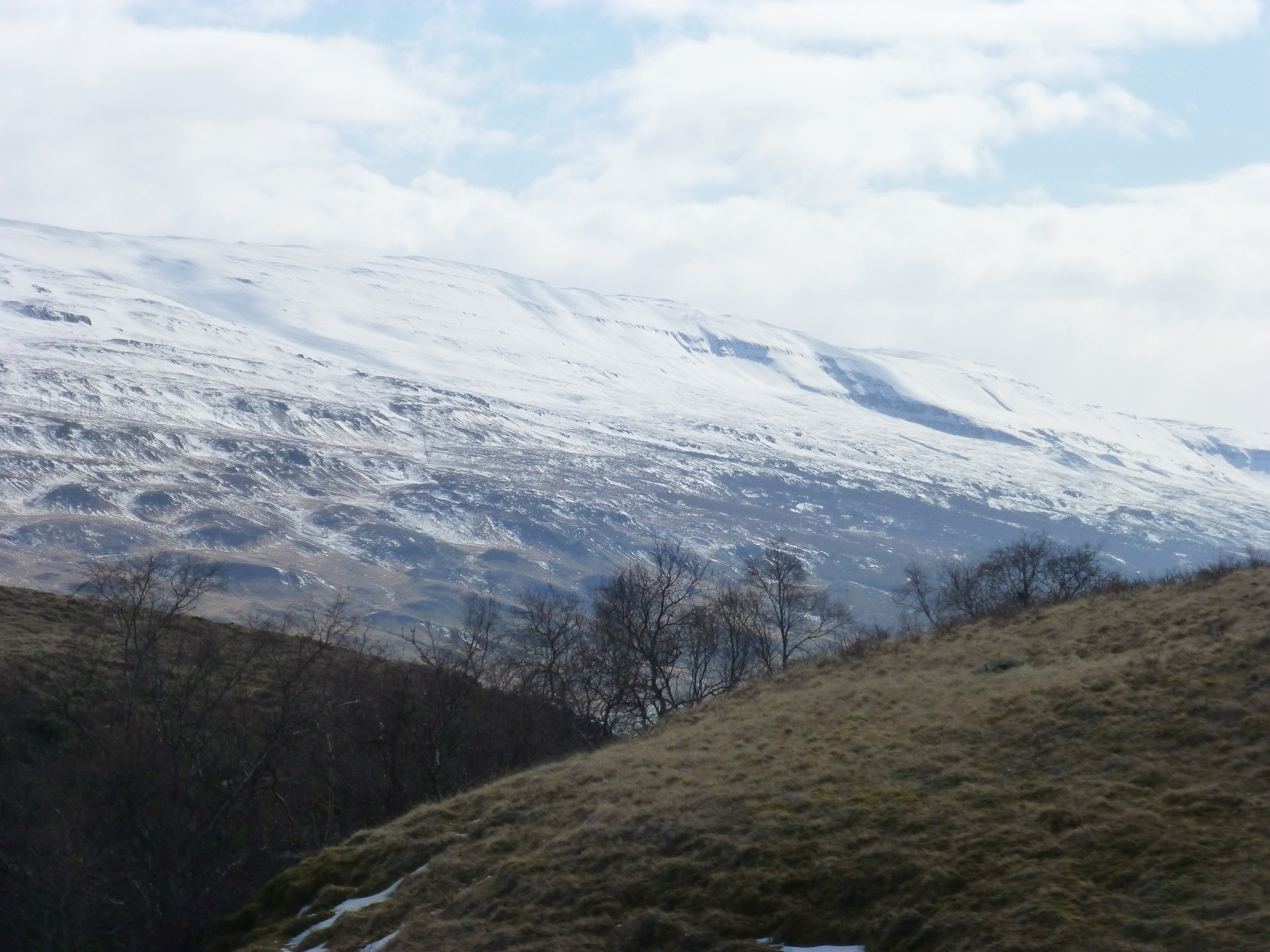
Stekkaækur

It’s not about fences, see.
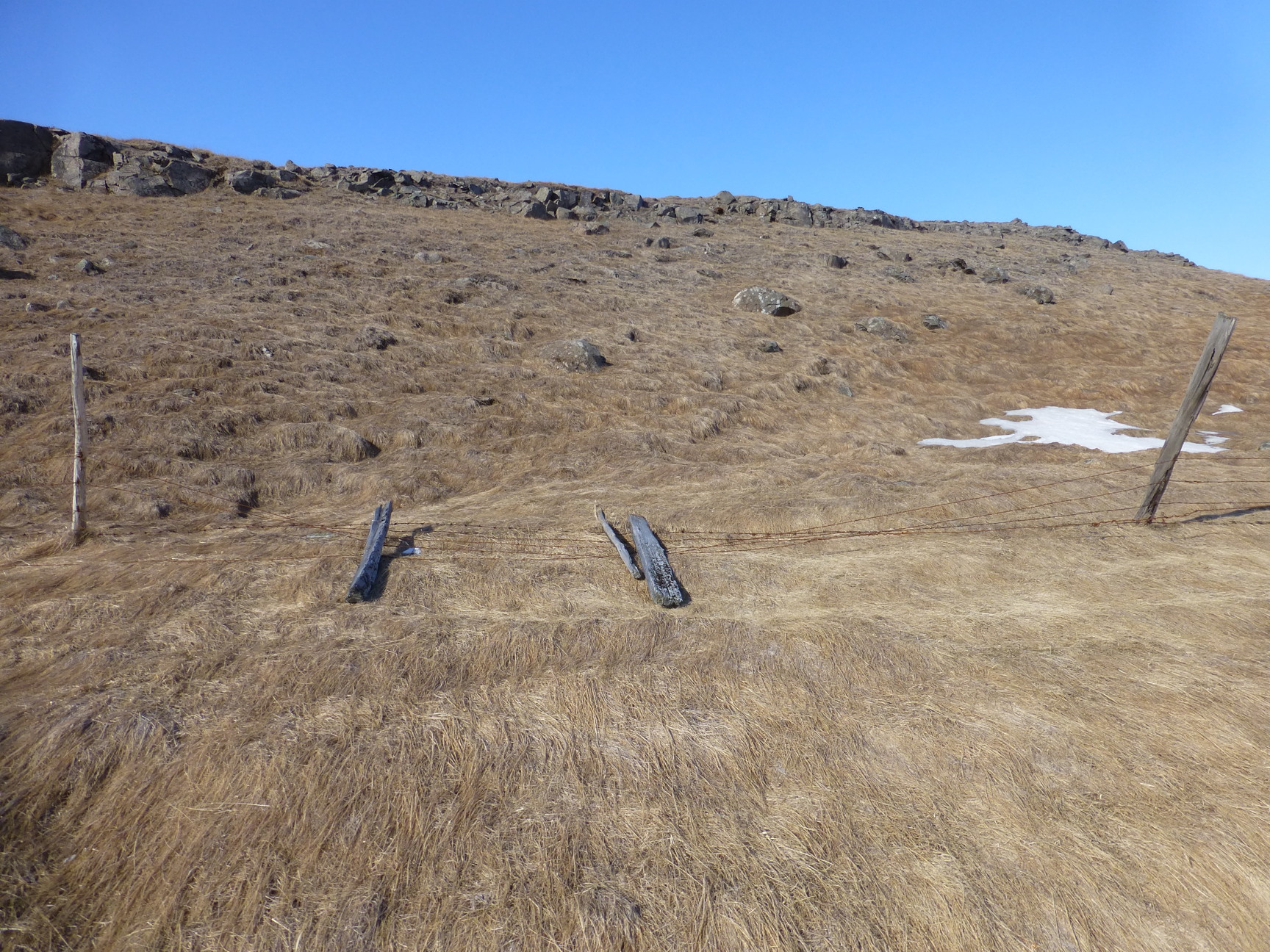
That was a fun idea, very modern, very worldly, but, you know, weird. Better to let sleeping fences lie and go out on the sheep trails.
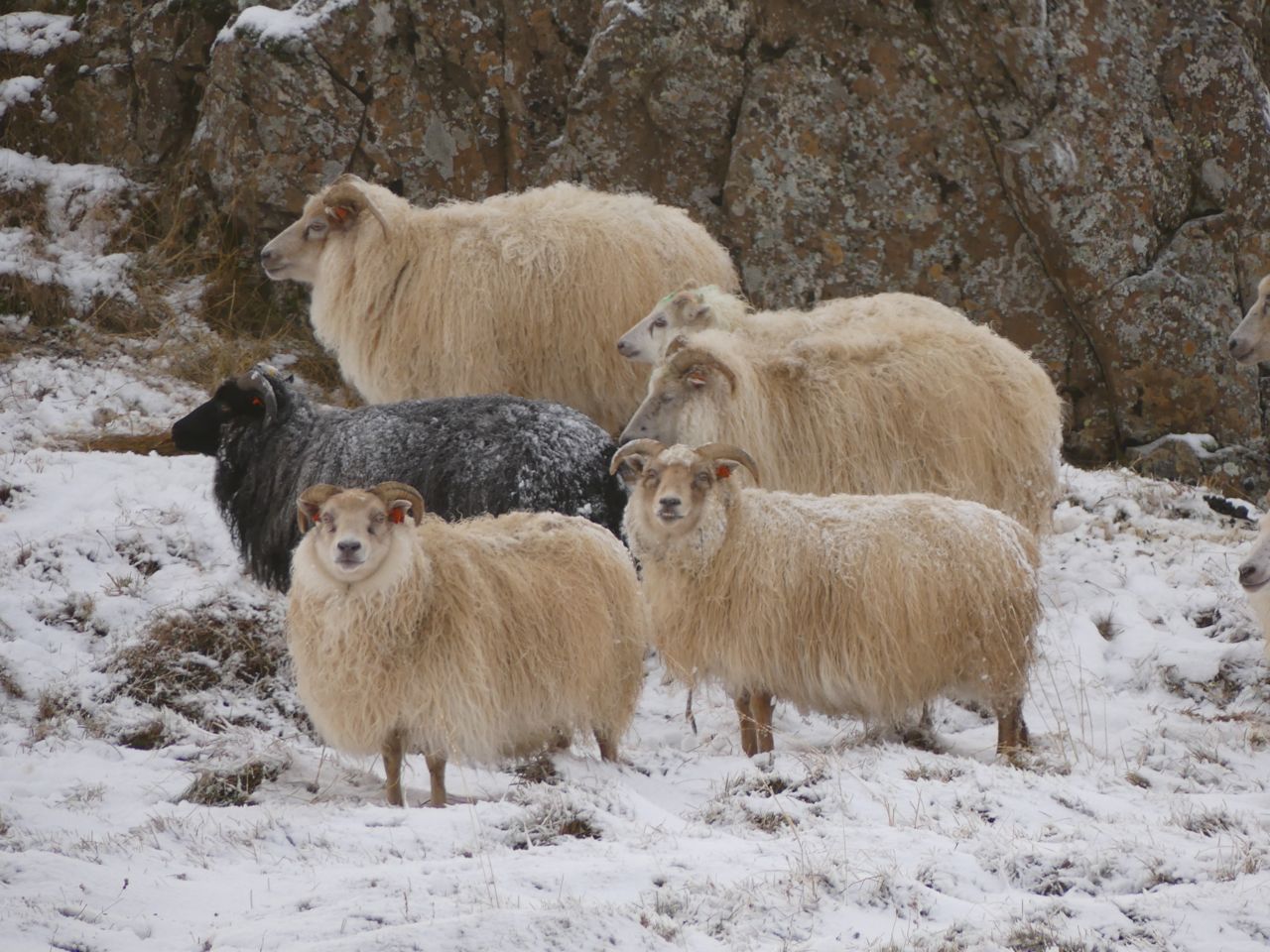
Everything is a sheep trail. That’s because sheep own Iceland.
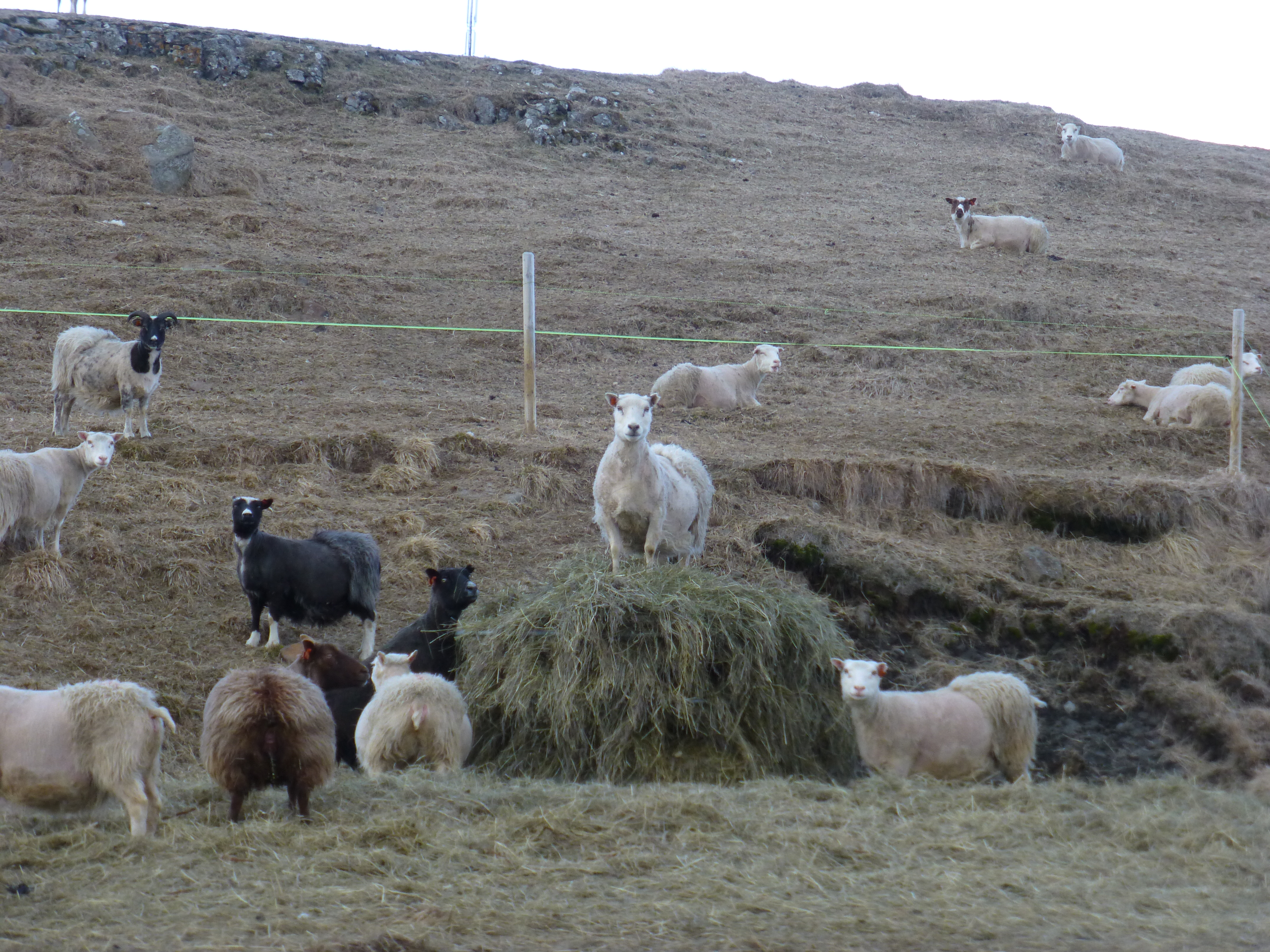
Right, as for fences. The same goes for gates. Best to leave weird foreign stuff like that open, so that what wants to go through can go through.

You never know.
Oh, wait, yes you do.

In winter, they don’t!
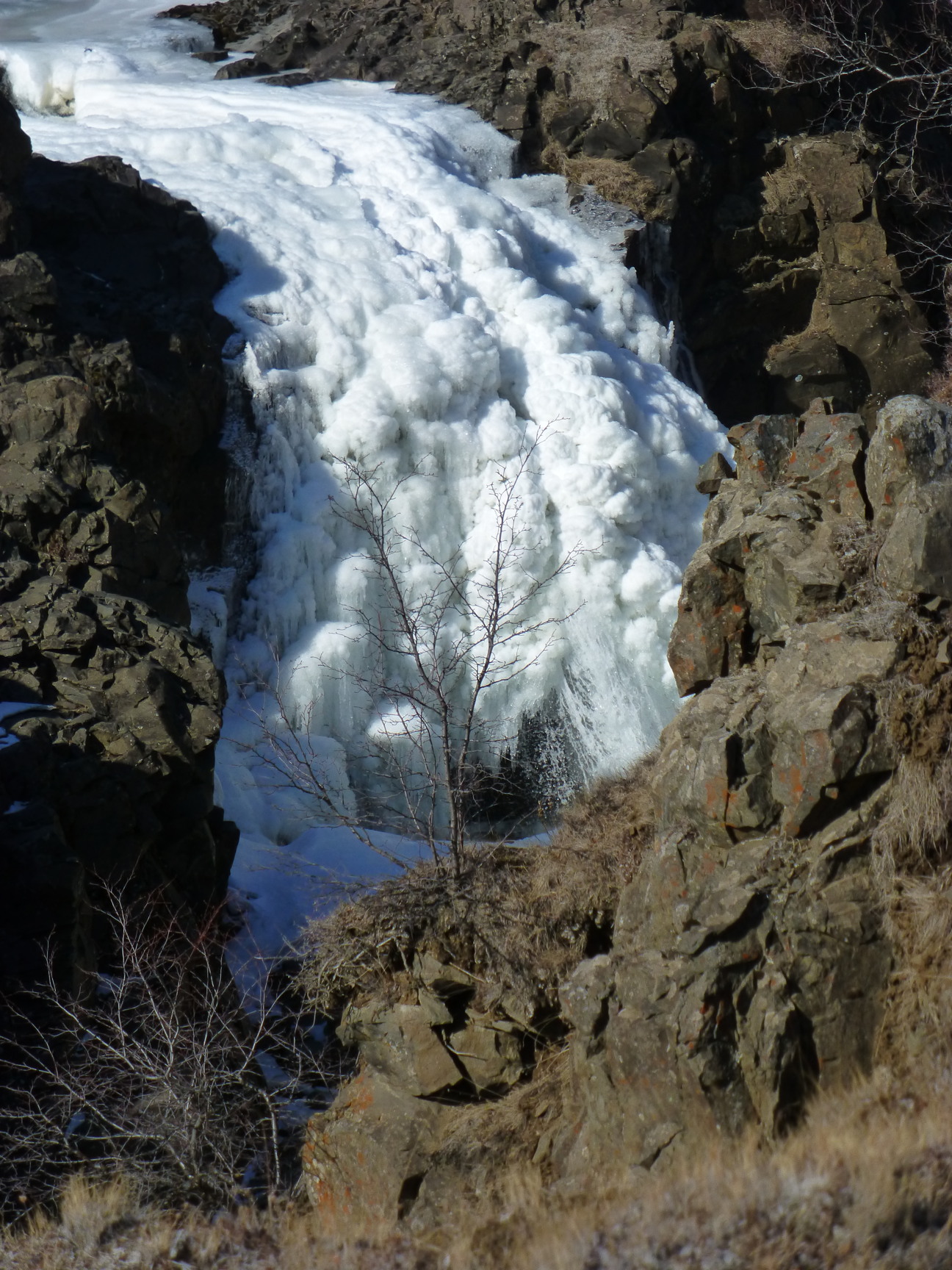
Stekkalækur
How crazy fun is that!


It could easily be more, but think of it: a glacial erratic perched at the top of one of the major canyons in the country, in the middle of productive farmland in the most fertile fjord in the East? 
Stekkalækur
Any boy within miles, for 1,000 years, was going to mess around by this thing. A boy takes his measure by giants. The worn stone around the monolith shows that people still do, and ravens. They are drawn to it as well and keep the rocks squeaky clean. I watched one clean up here for a half hour. And sheep. Perhaps you can see the sheep trails skittering past? That’s how I got here, by following sheep. Those other boys the same way, perhaps. We all have our guides.

It is the horizon that marks the way across Iceland. It is there, where soft rock broken apart by fast-moving glaciers shows itself against the low, high-latitude snow, that one sees the difference between the impossible jumble of the near and the impossible formlessness of the distant.

It is the most basic cultural act to set up a human marker in that spot, in the most recognizable shape: a human guide. The jumble and the white-out become intimately more human, as a deep, psychological break between darkness and light. It clears the mind …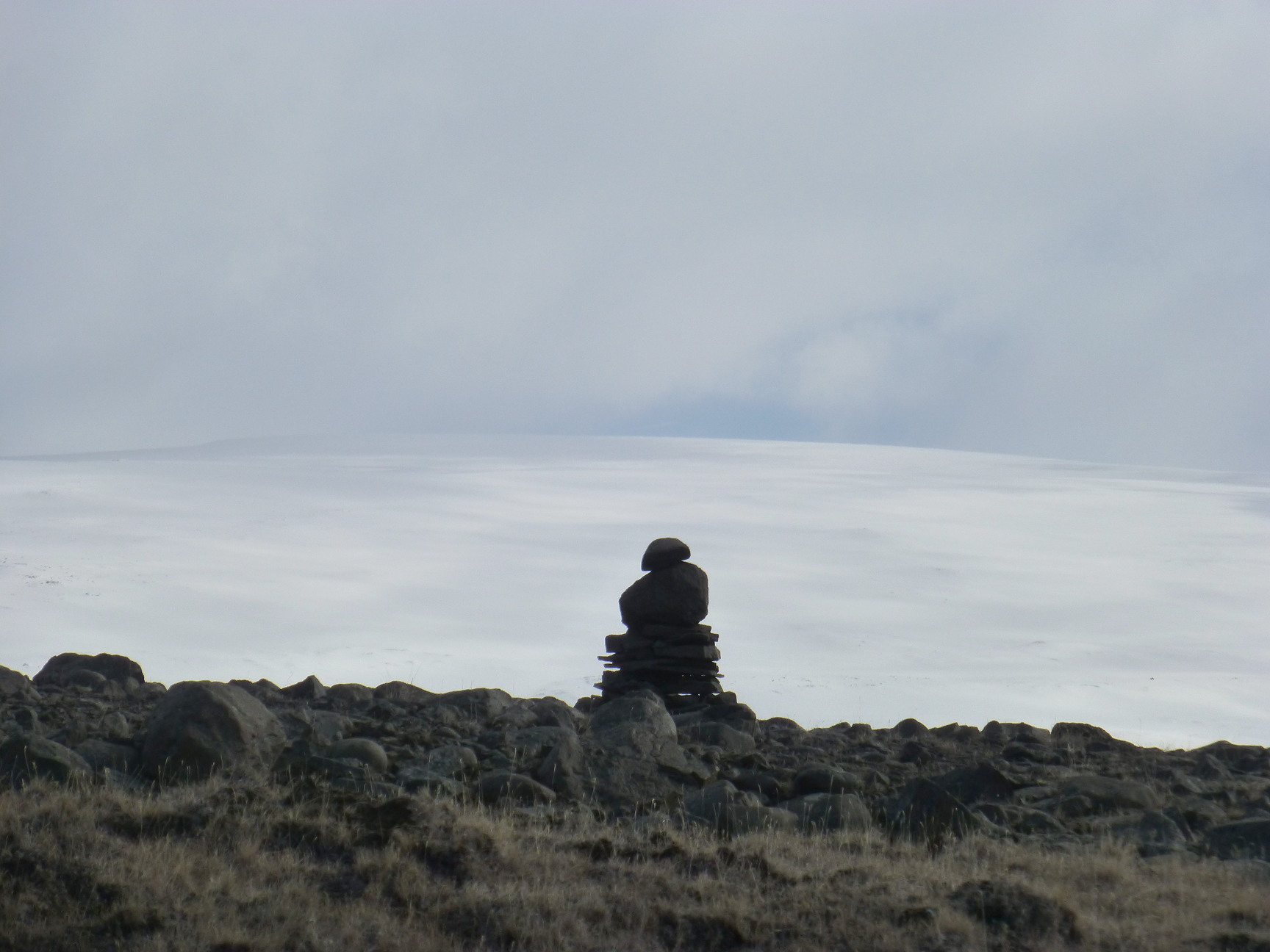
… and you find the way, exactly at the point, the ridges, where the wind blows the snow away. For most of Iceland’s history, these cairns were the difference between life and death as one travelled across country. Here at Litlafoss, it guides herdsmen out of the canyon pastures and away from the cliff where the raven nests and waits for you to slip and break your head. You can see some of these cairns on the left of the image below, although the one above was on the right and out of the image.

For Icelanders, these cairns are some of the deepest history in the land, and one of the historical markers of the creation of Icelandic culture.
They are to be approached with the reverence with which one approaches the caves at Lascaux or the Sphinx, and so are the glacial rubble fields that inspired them. Walk lightly in Iceland. Nature here is historical space.
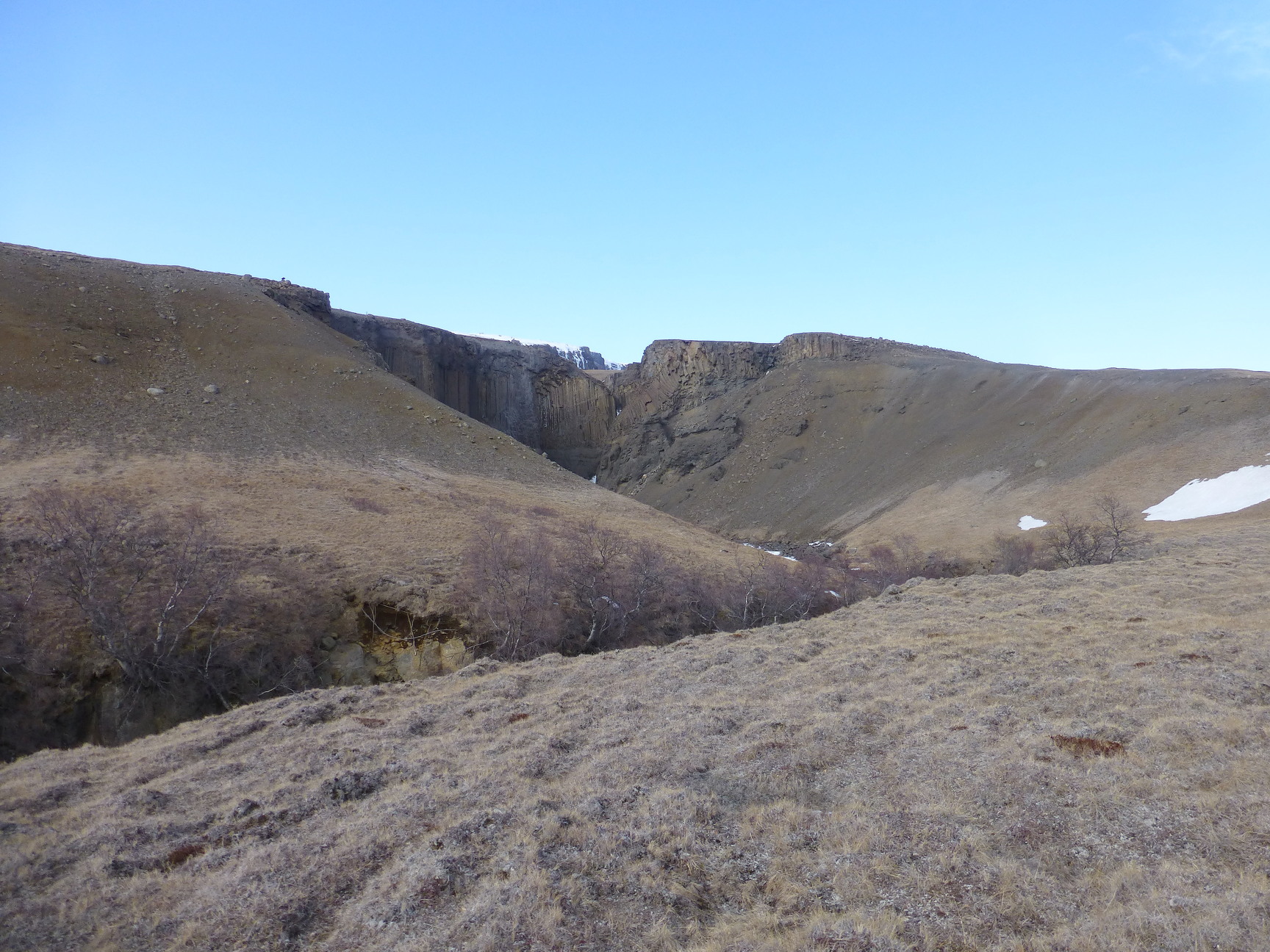
You pass through history to get to the falls.

Litlafoss
To find the falls, you must go deep into the earth.

 A Farm in Iceland