There are too many!
Öldulón

There are too many!
Öldulón
Time is a tricky thing, even in Iceland. On the South Coast, for instance, where lava has taken many farms away since settlement over 1000 years ago, and where people with no better means to independence eked out a subsistence living between the moss and basalt, power poles walk across the landscape towards Reykjavik. It’s there, in “modernity”, that most Icelanders now live, yet the power that sustains them and guarantees them the wealth to maintain their independence in a global world, walks across their past to get there and turns it into nature. In other words, to look at this landscape is to look at time, over a thousand years of social time included, through the lens of a great emptying. This sense of time is the price Icelanders must, perhaps, pay to belong to the world, but the cost is emptiness. It empties out the land, and empties out the past and empties out the soul. In short, one becomes dependent on the present and can no longer live in the fullness of time. This is not just an Icelandic issue. Today, as the Earth empties of life, we are all paying the price for this defense against each other. What a tricky balance!
Lagoons remind us that the “shore” is a zone made as much by the sea as by the earth.
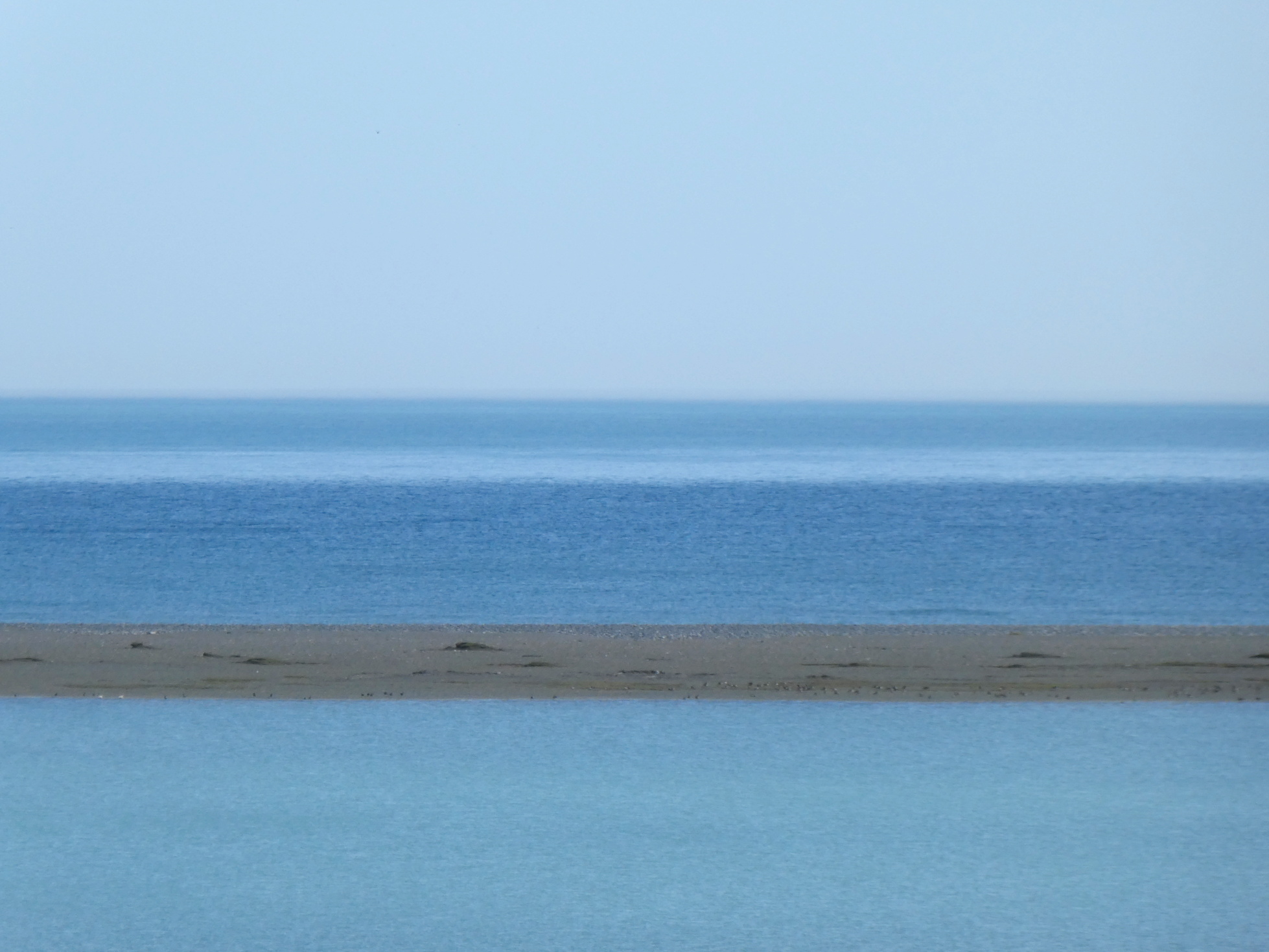
And no place for humans. It is a dangerous place, where energies are not settled.

We can visit, but to live there? No, we’re too fragile. And yet, from them we draw life. No, not this one: That’s the effluent of a geothermal power plant, sexed up. Don’t be fooled.
Farmer Art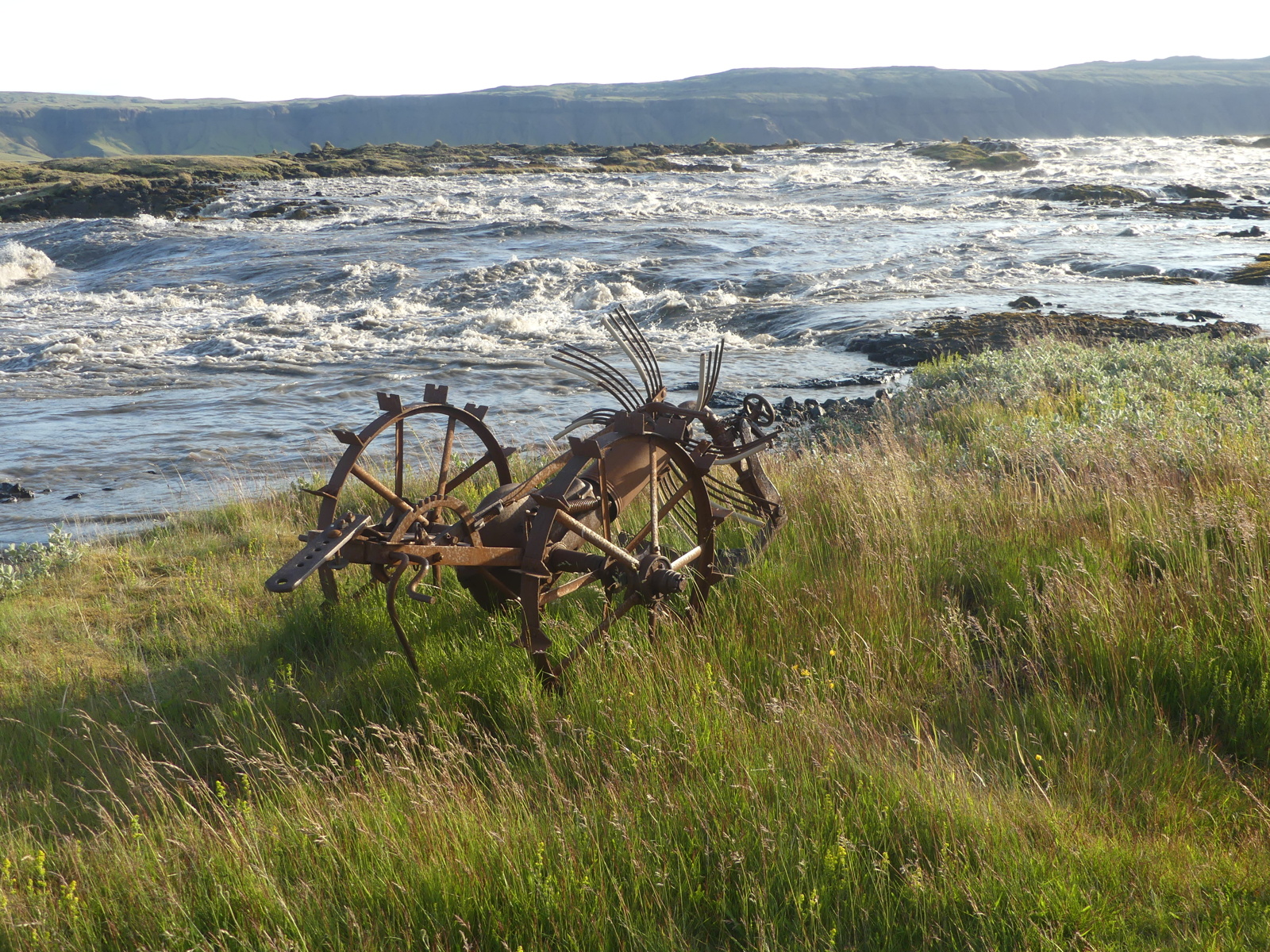
Tourist Art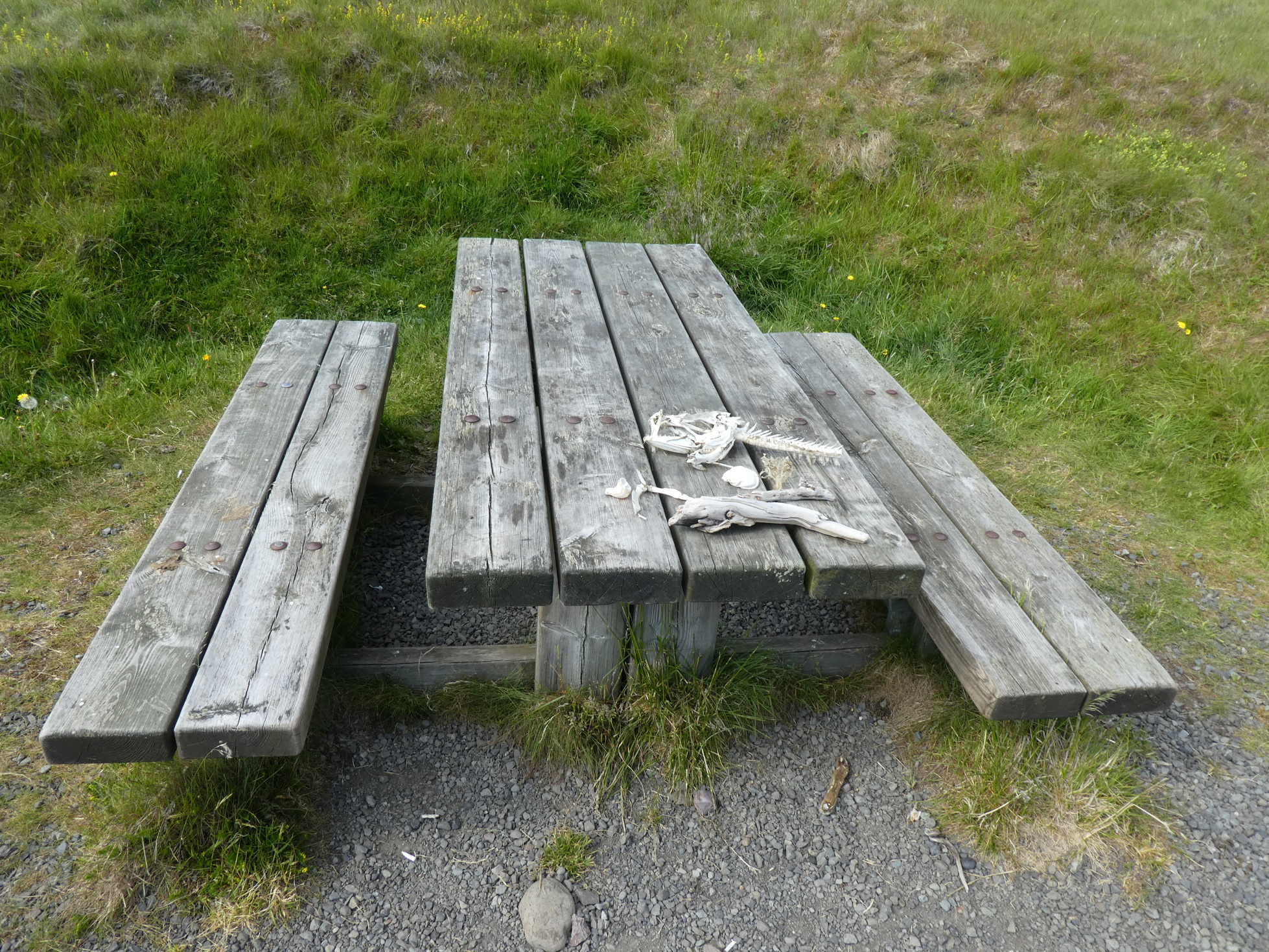
Guesthouse Art Government Art

Really!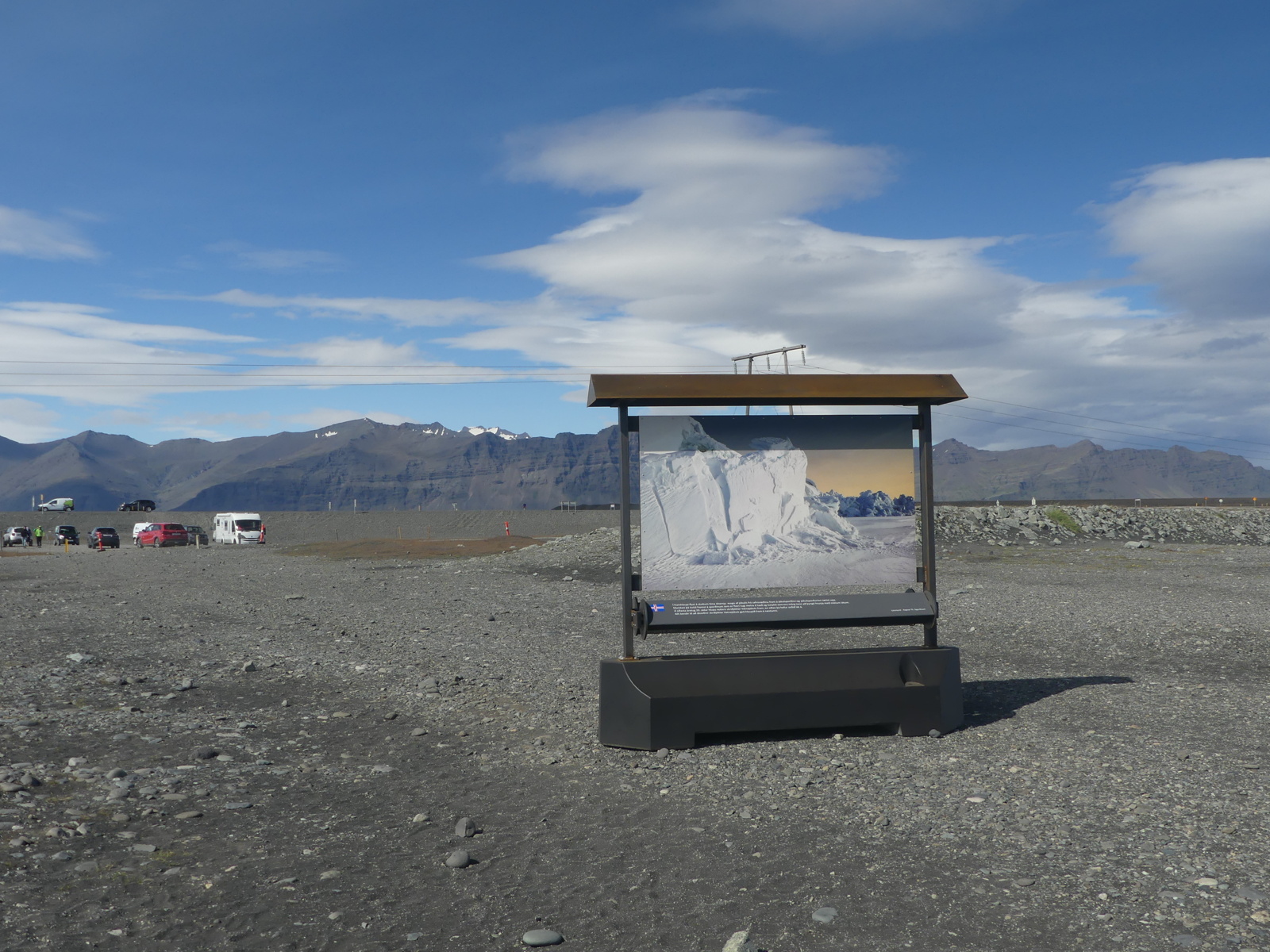
Ewe making art.
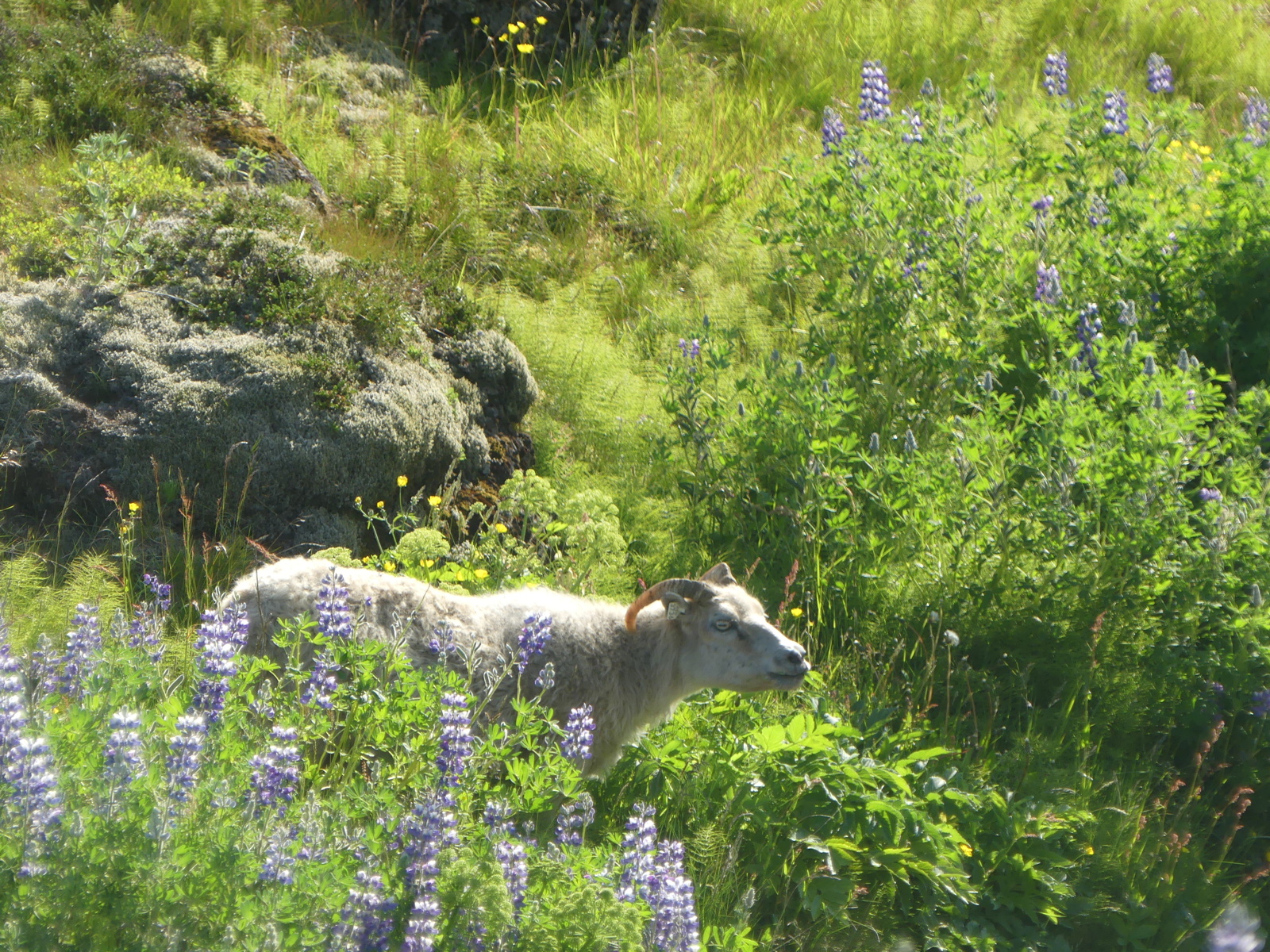
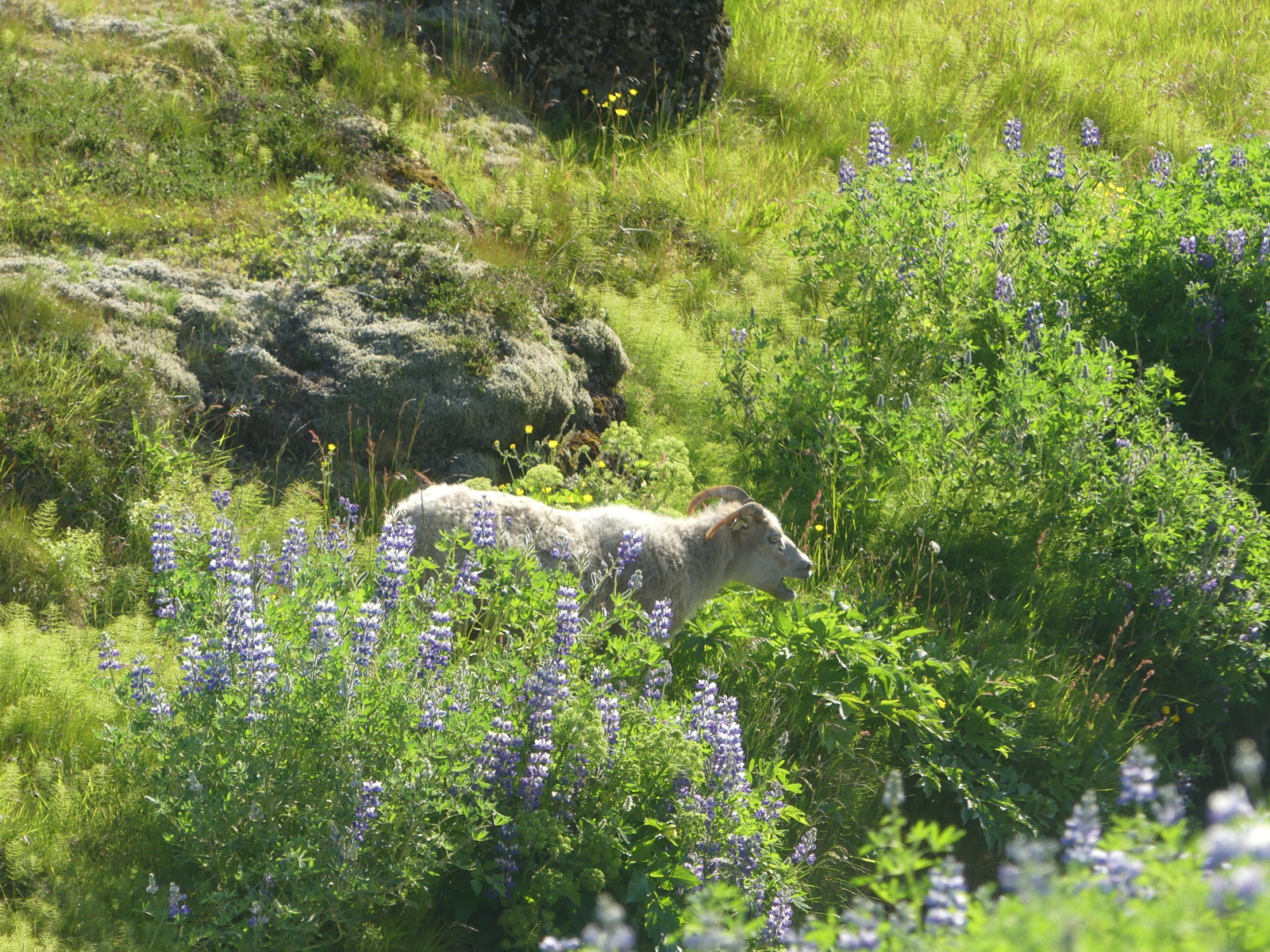
Elvish art viewer.
Tern art.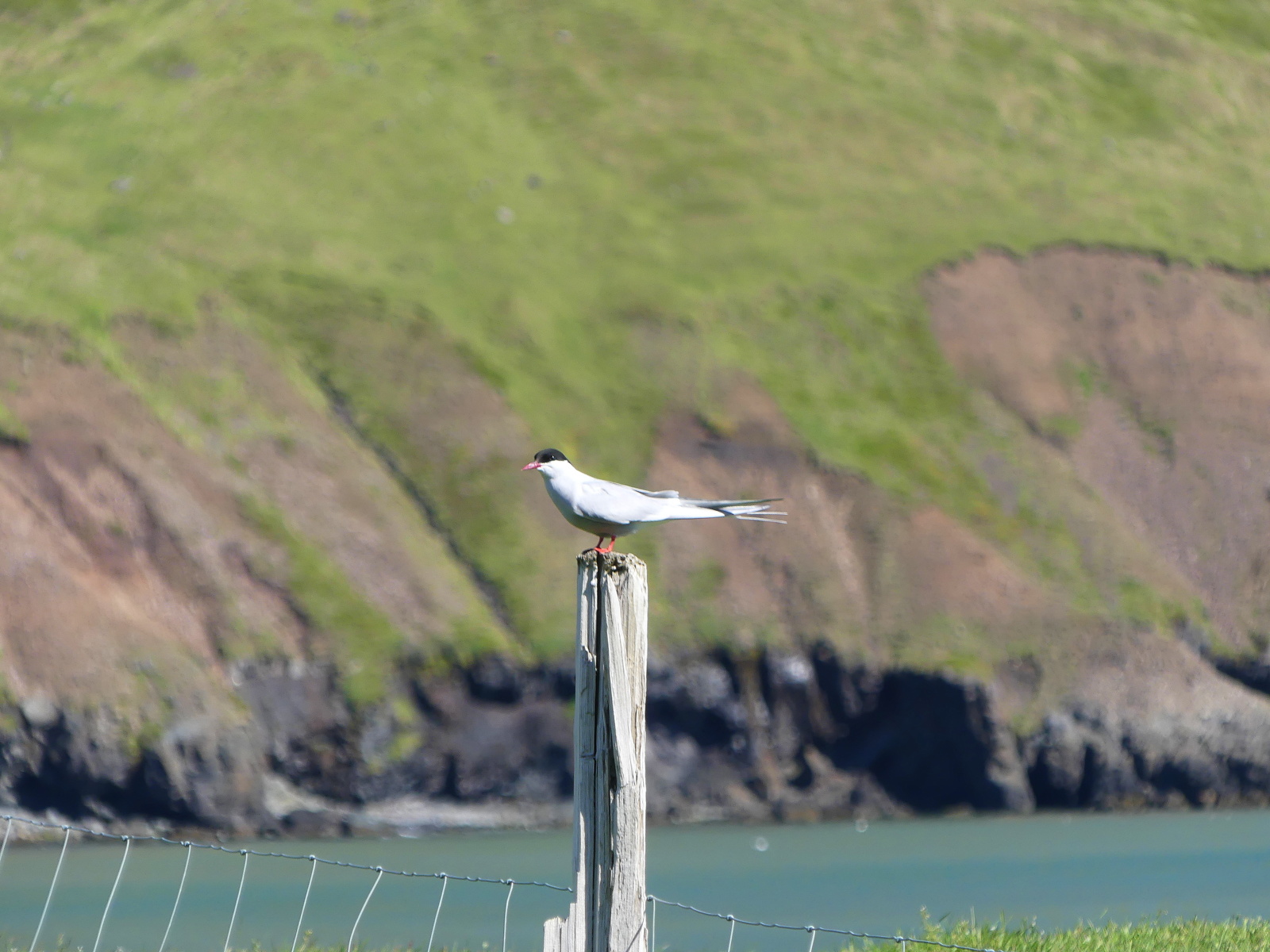
Tourists who think they are in Köln art.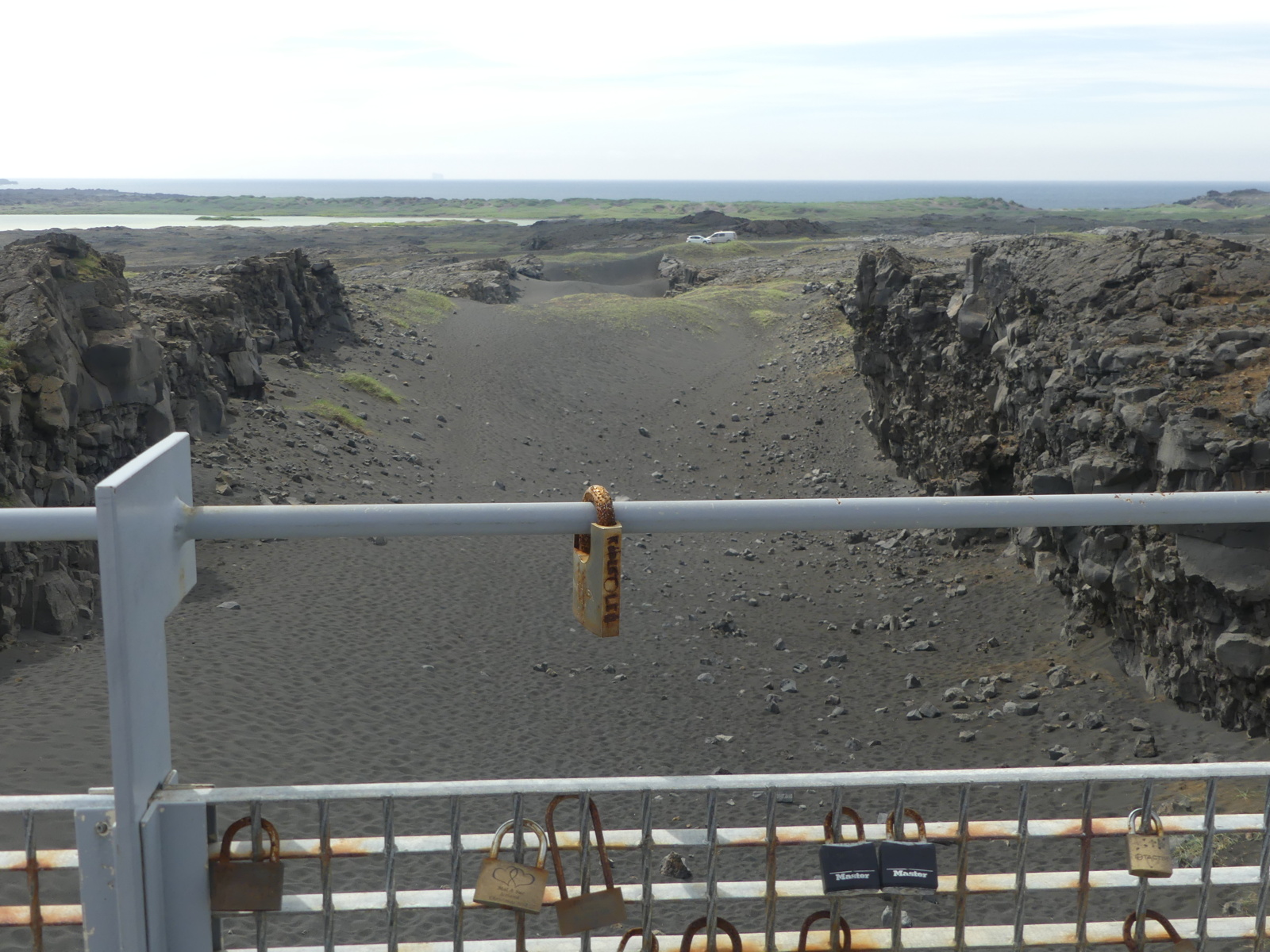
Tourist art.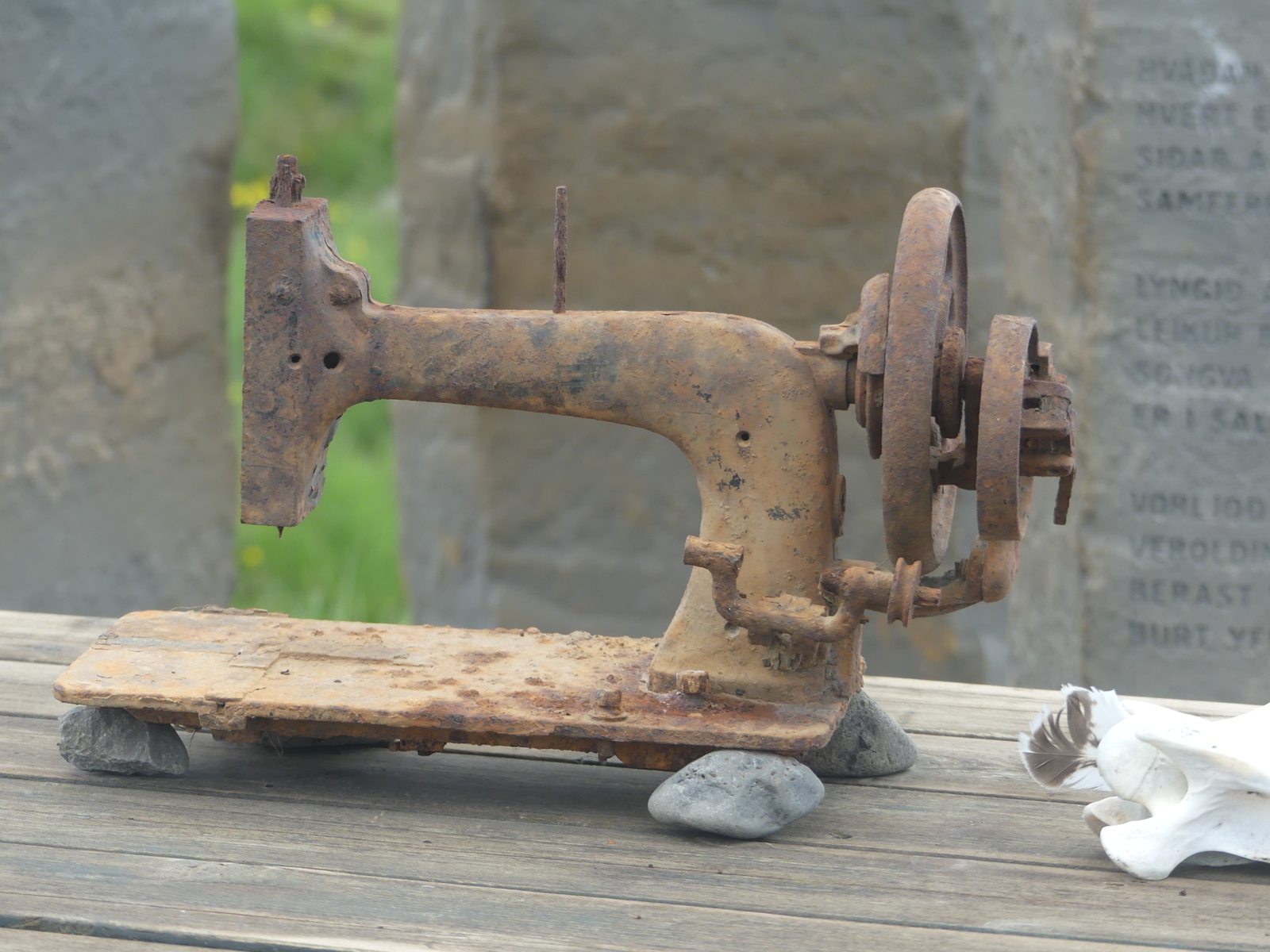
4×4 Art
Elf art.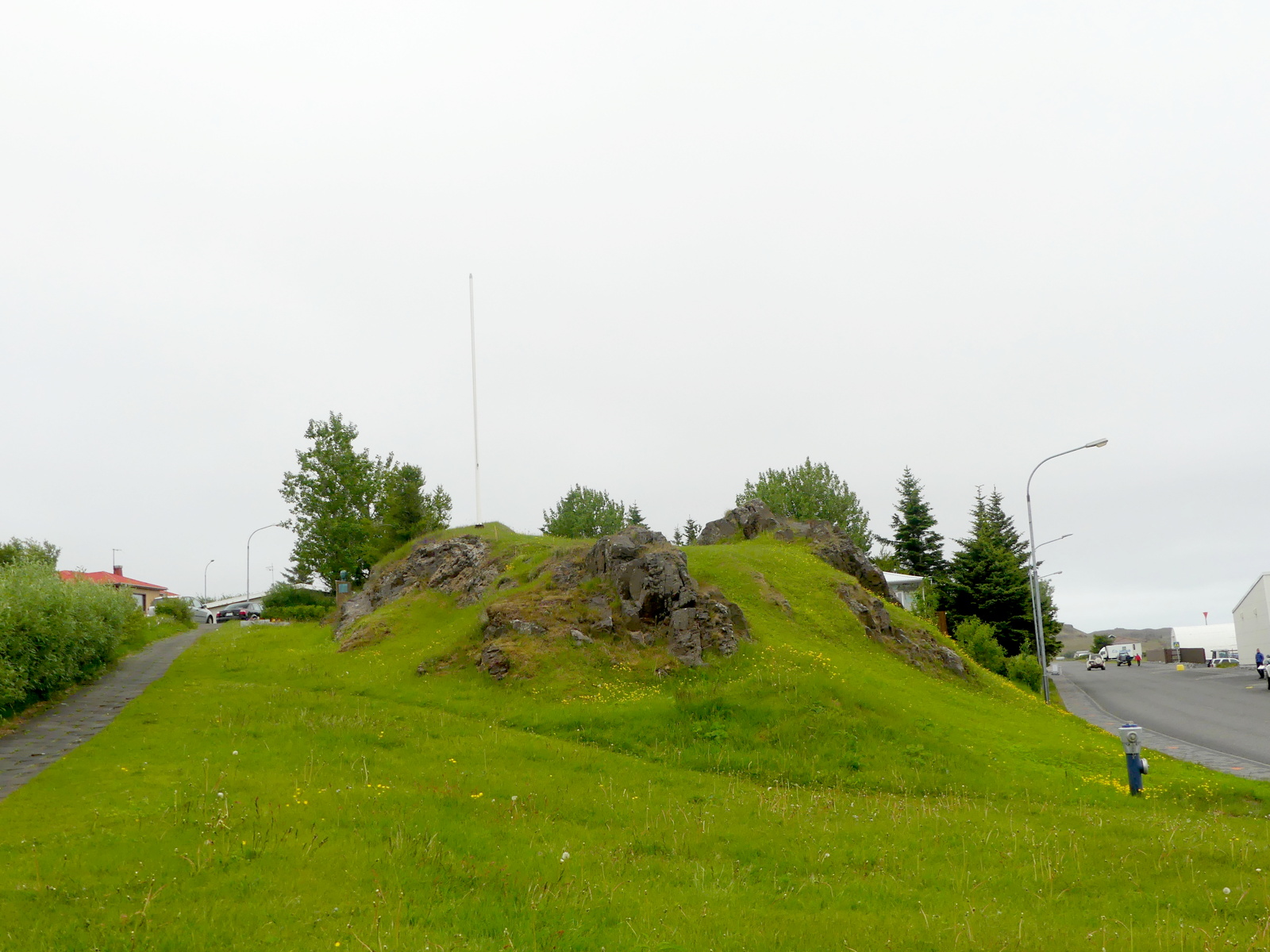
Local tourist board art. (Really. They lay down netting to prevent overpopulation and erosion, the bane of puffin sociability.)
Teenagers running the wool shop and campground art.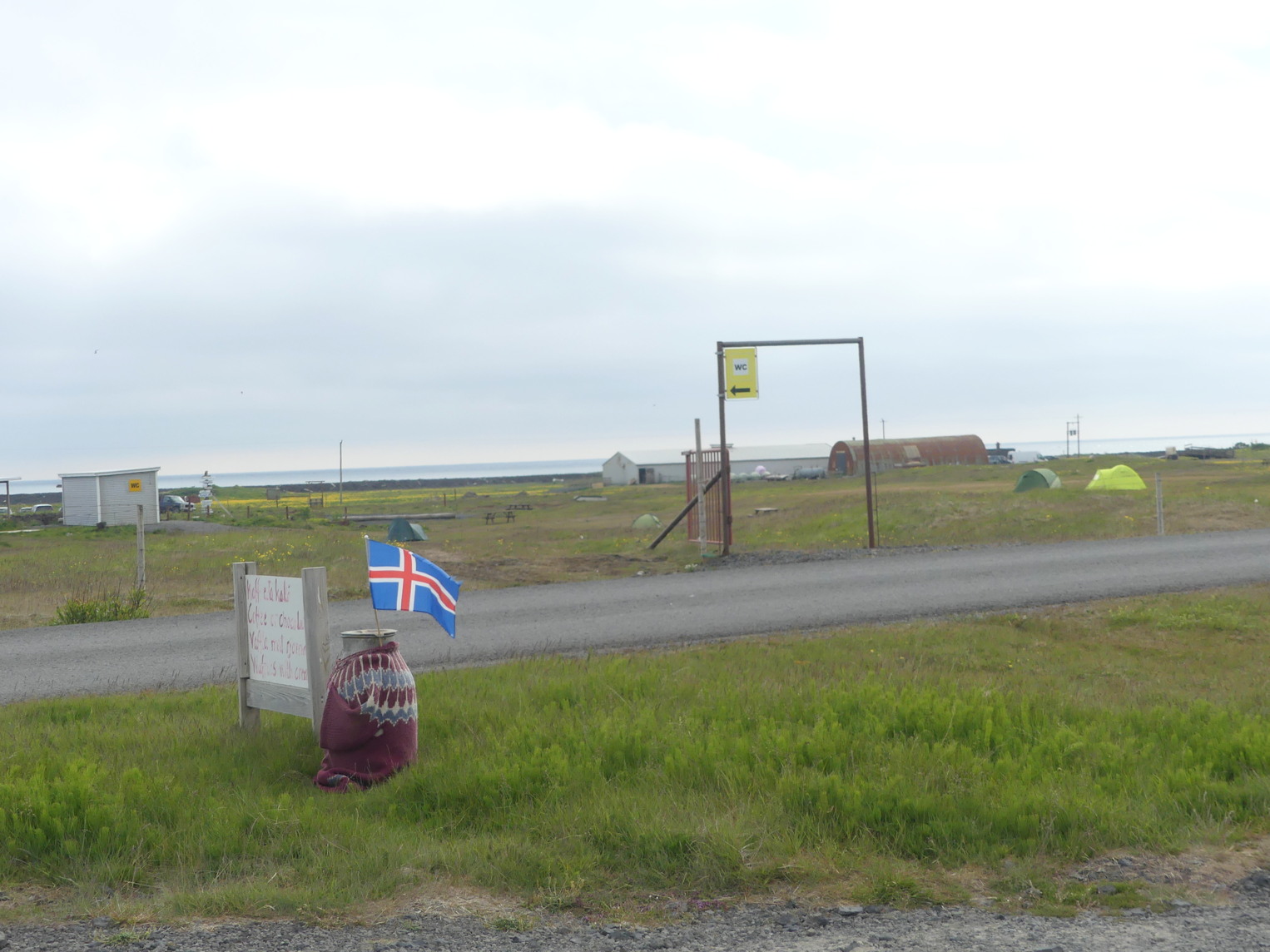
Tourist stacking art, with tern artist.
Iceland is art!
A luxury hotel for the Northern Lights Crowd on the South Coast, and in front of the construction site, surely, the most carbon-wasteful billboard imaginable. The amount of rubber that wears off those tires joins the rubber that wears off the hundreds of thousands of cars rushing past every summer, too.
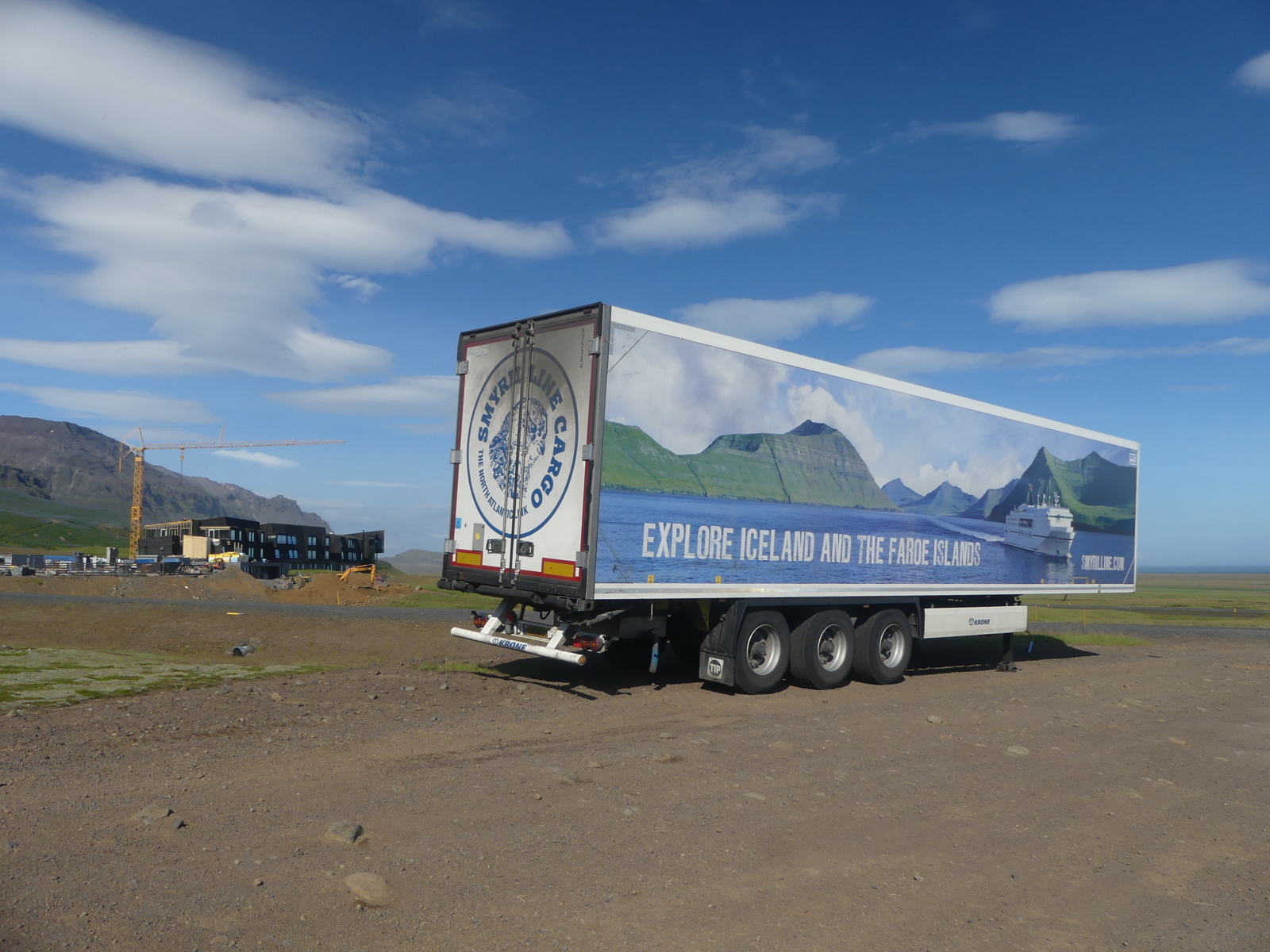
But I bet the hotel is planning on letting you keep your towels for an extra day without laundering them. Truth is, the carbon footprint of the concrete that goes into every building in Iceland can hardly be paid for by being “green” for a lifetime.
The clouds are strange…
… the ice lies on its side …
… there is dust …
 … and the world camera industry survives for another day.
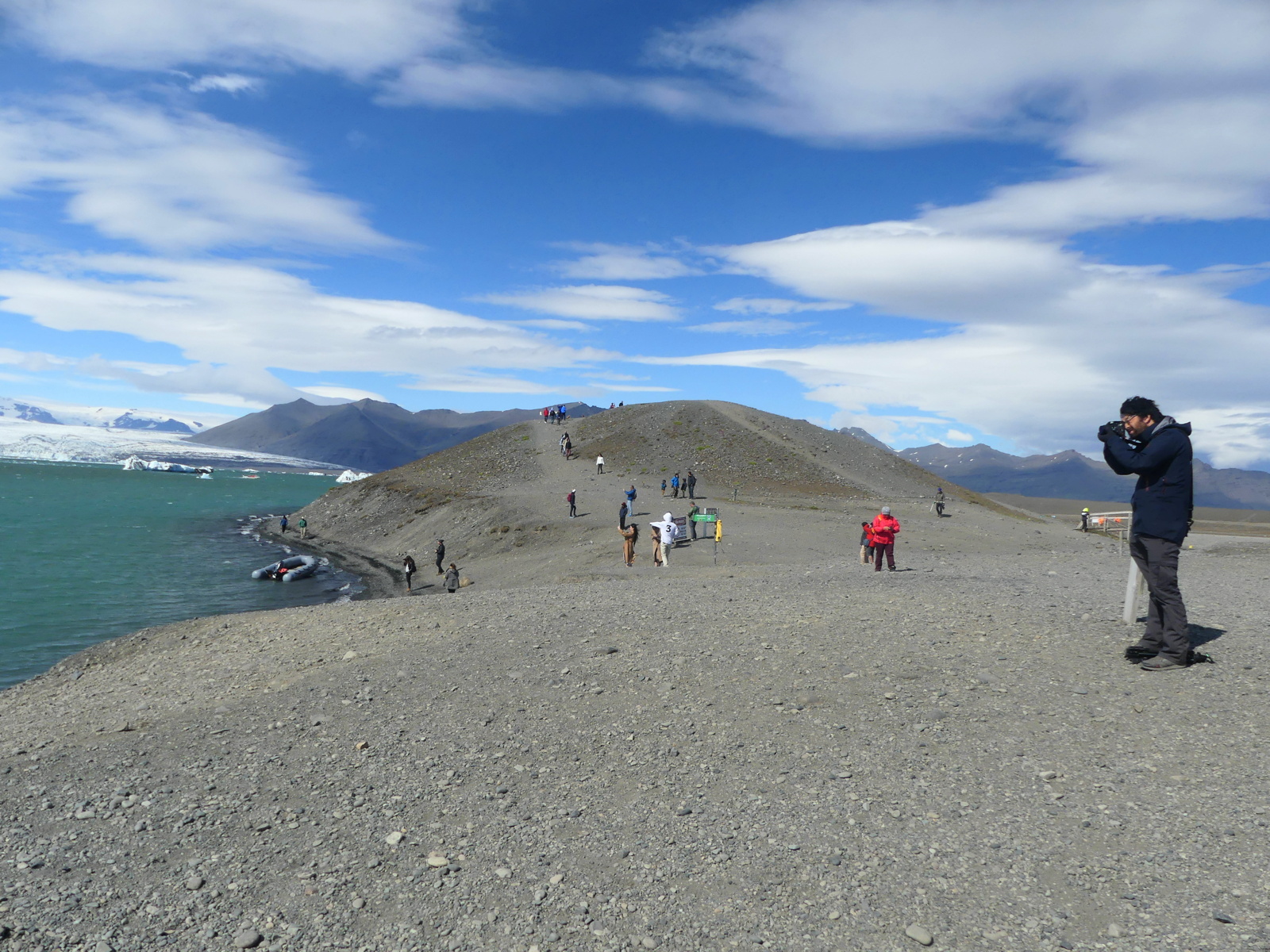 A great place to get away from it all!
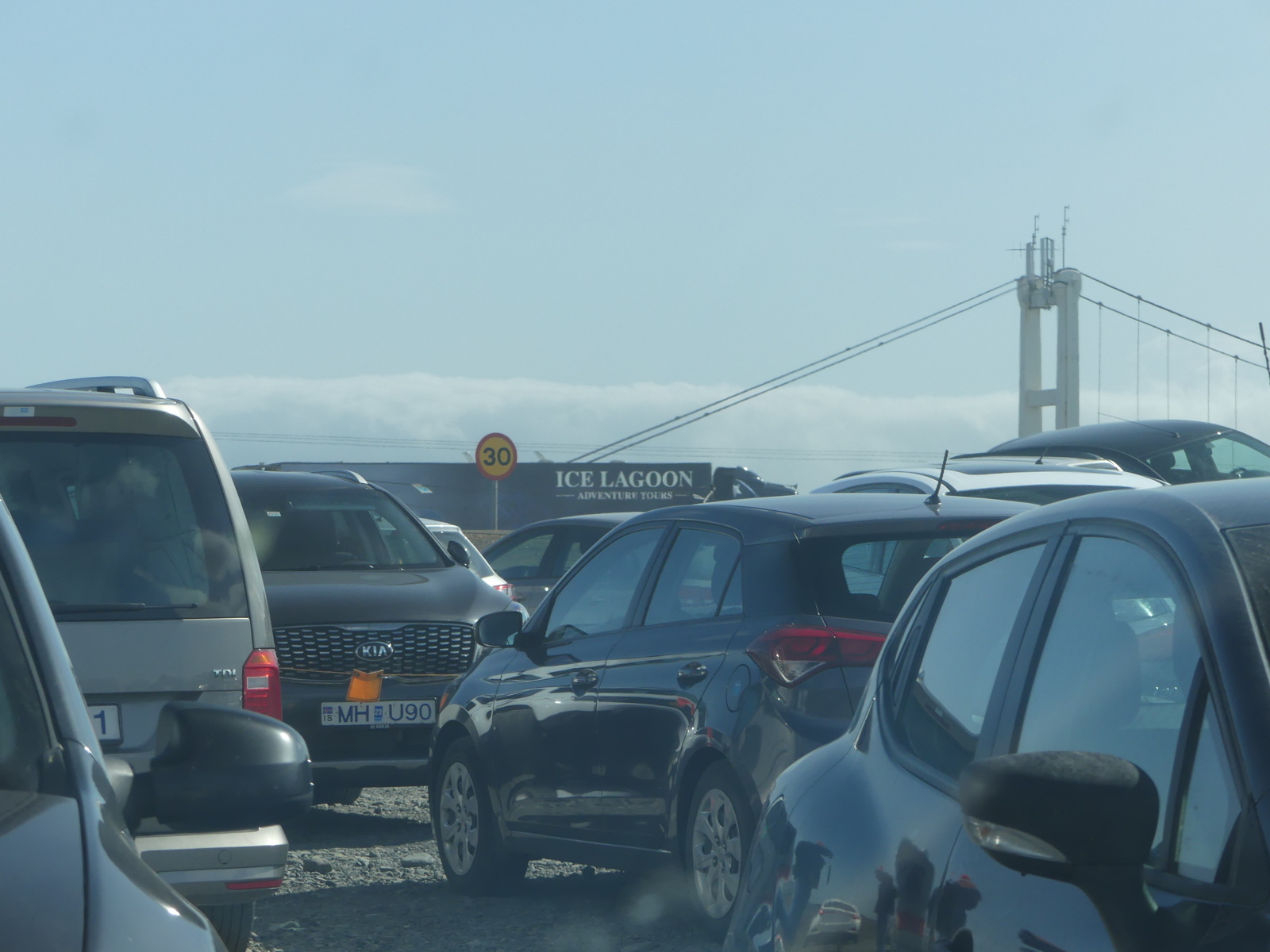 …or maybe you could keep driving for awhile.
There are tall, soaring birch forests, like these in Ásbyrgi, some five metres tall, that shelter sheep…
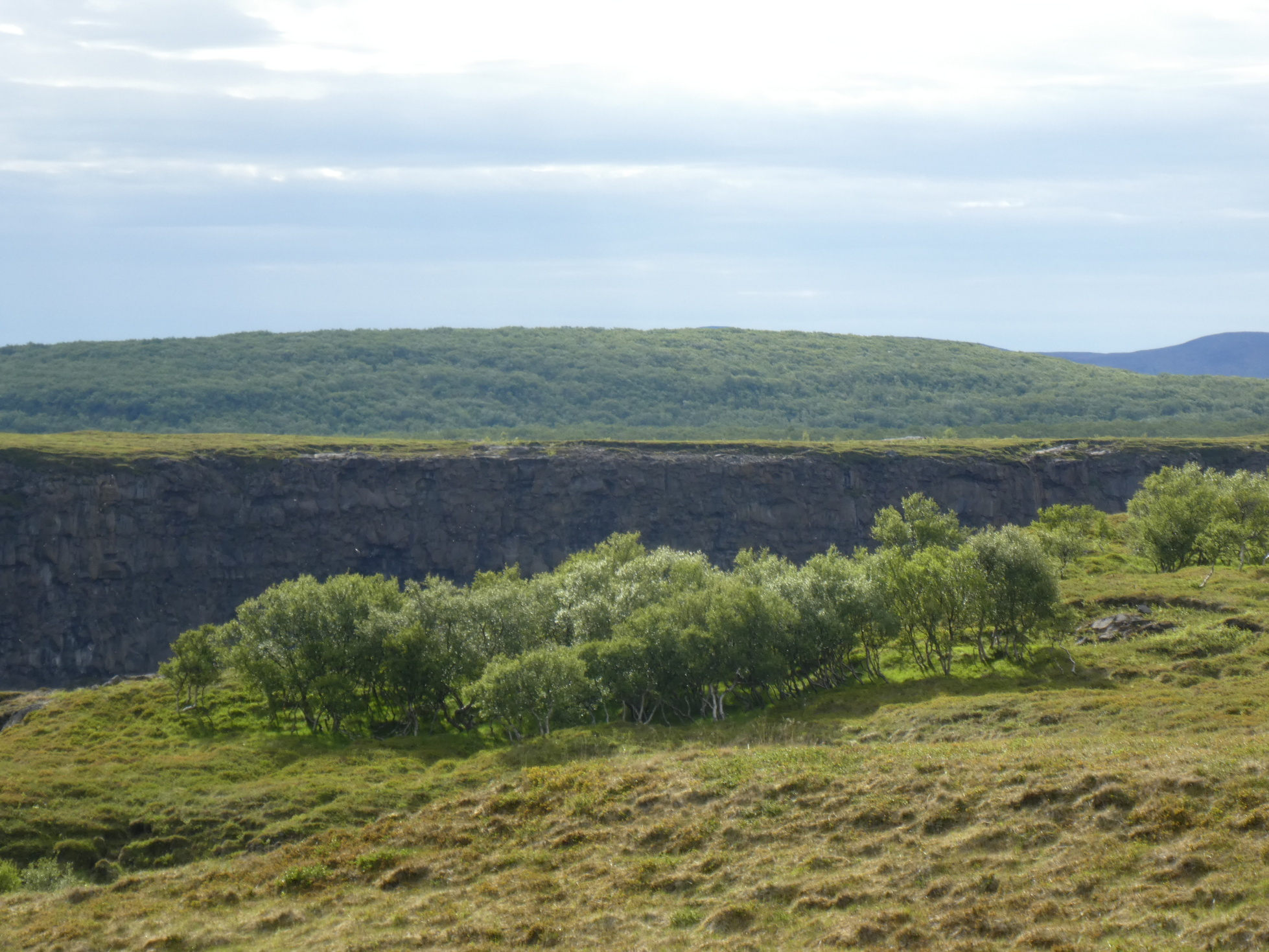
…and their are small, intimate forests you have to lie down in a pasture to see, which shelter flies. The forest below in Neskaupstaðir might be short, and might fade and rise annually with the sun, but its trees are surely exotic and wondrous. Some of the trees are even copses of flowers.

They offer different kinds of intimacy and bring you differently into the land. In both cases, when you look up again, or step out, you are a different person. That’s because forests are persons. You become them.
Sure, the sunset looking north to Djúpivogur at midnight, mid-July, as the perennial day of solstice starts to fade, are most splendid…
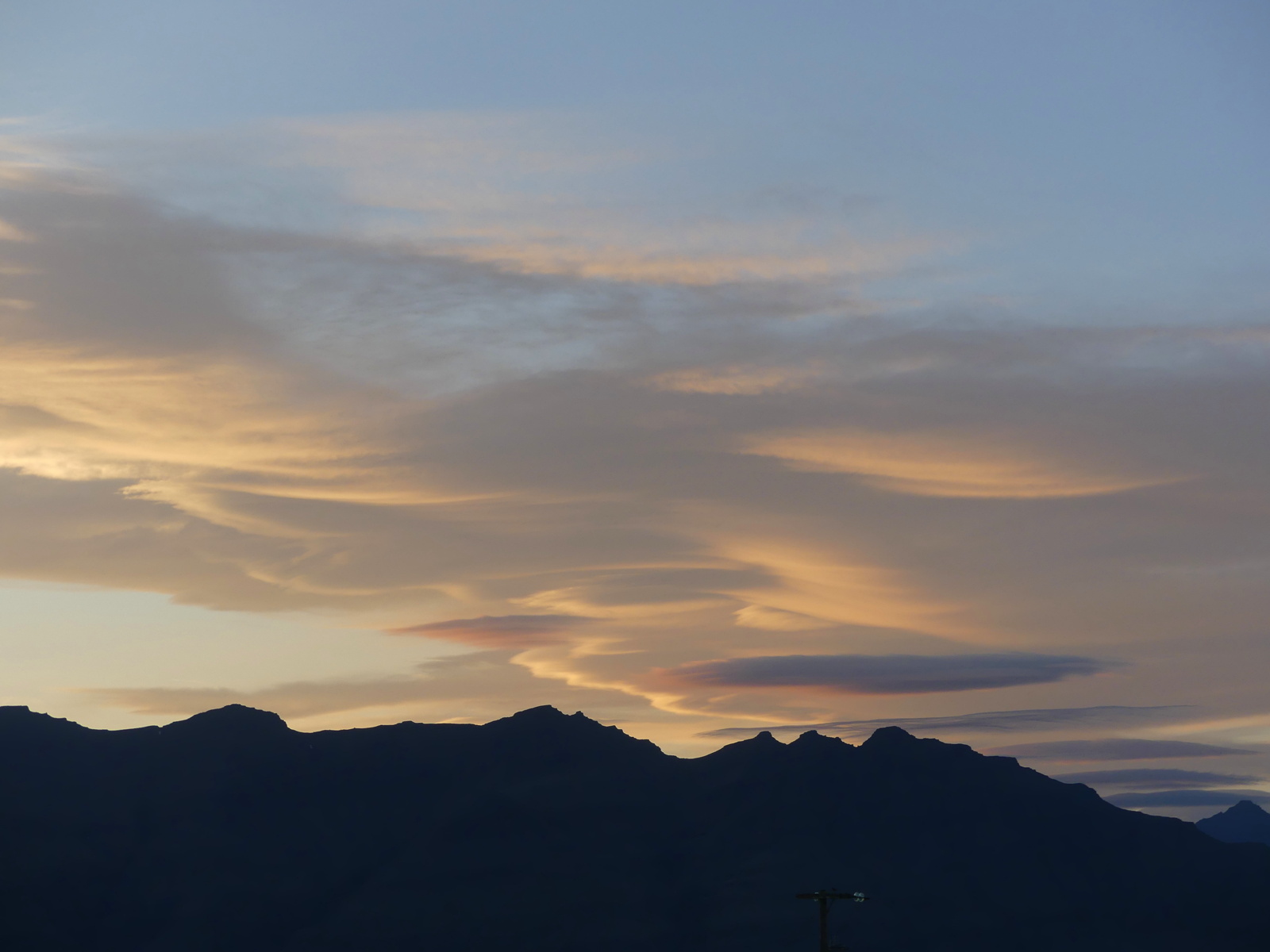
… but the real story here is the black land. It’s what gives the sky its light. It is here that you see it for the first time.
When Icelanders converted to Christianity after the decision of þorgeier the Lawgiver at the þing in 999, they allowed for private worship of pagan beliefs; public worship was reserved for Christianity. This view south from Starmyri, in the East of Iceland…

… shows just what remains of that decision, as it has worked itself out over 1,000 years +. The trolls are still watching out to sea! They’re not public, of course. That’s reserved for the separation into logical categories that is the Christian legacy, and yet there they are, only remaining in the land, where the Norse settlers placed them, after they brought them with them. Only 4% of Icelanders profess a belief in the other people, the Huldúfolk, but privately, well, that’s another matter. You simply can’t help it. That’s quite the story of survival!
Think of it. Peter Handke, perhaps the greatest writer of the last fifty years…

peter handke
No, not in translation, but in his native German, won the prize that eluded Gunnar Gunnarsson…

… but has been spat upon for his politics, with many saying he should be stripped of his prize for his support of Serbia in the Bosnian War. Gunnar fell into the same kind of mess. In his case, he met with Hitler on the day Hitler was planning the invasion of Norway and Denmark. Gunnar had just completed a 40 city reading tour in the German Reich, including its new European colonies. In Gunnar’s case, his politics were too right wing to remain popular. The charge was laid against him that he knew of the invasion but didn’t warn anyone. Well, we’ll never know, but we do know that he invented a kind of writing that attempted to be relevant to all combatants, a mix of biography, nonfiction, fiction and fairytale. It didn’t work, but it is more than anyone else did, and is a model of possibility. His works, Inseln im Großen Meer, The Black Cliffs, Vikivaki, “Our Land”, and Advent (still in print), are a model of what we could still achieve. Now Handke has done it again, with a series of books showing how it is possible to confront right wing politics without losing one’s individuality and humanity — pressing issues for modern Europe, and no doubt why the Nobel Academy awarded him the prize — is being dismissed for his politics. What a shame to have a second guide stripped from us. They don’t come often. I’m not saying that Milosevic was not a war criminal. I’m saying that Handke showed us a path for displaced persons, a path of multilevel emotional sensitivity that included history but not its making. There’s more than one form of humanism. Did both men make huge mistakes? Yes. The choice is before us: to dismiss them for the mistakes, or to accept them as brothers for their achievements, achievements we need.
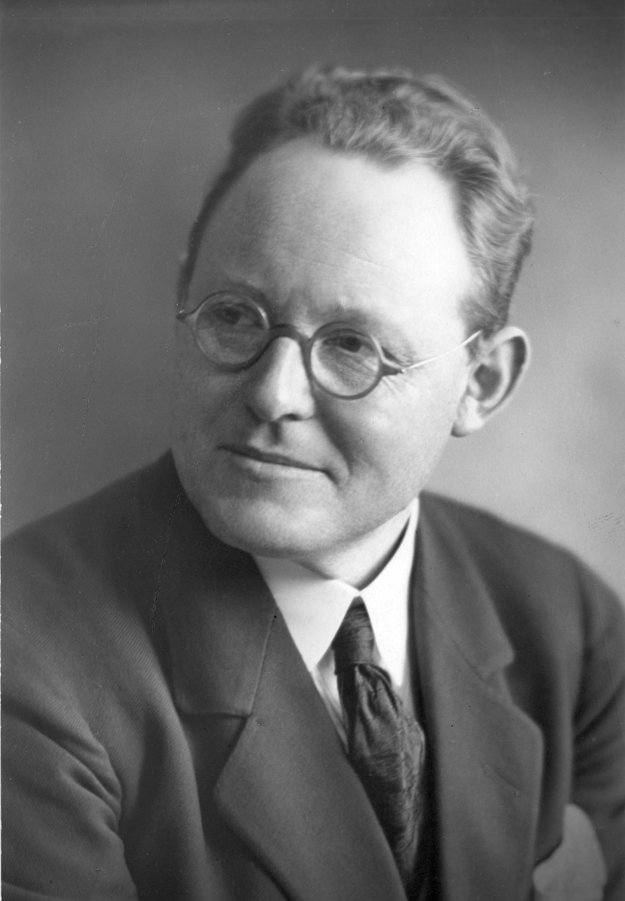
Rejecting the achievements of these writers diminishes us. The time for a new one to come with the same message appears to be about fifty years.
 A Farm in Iceland