Tag Archives: East Iceland

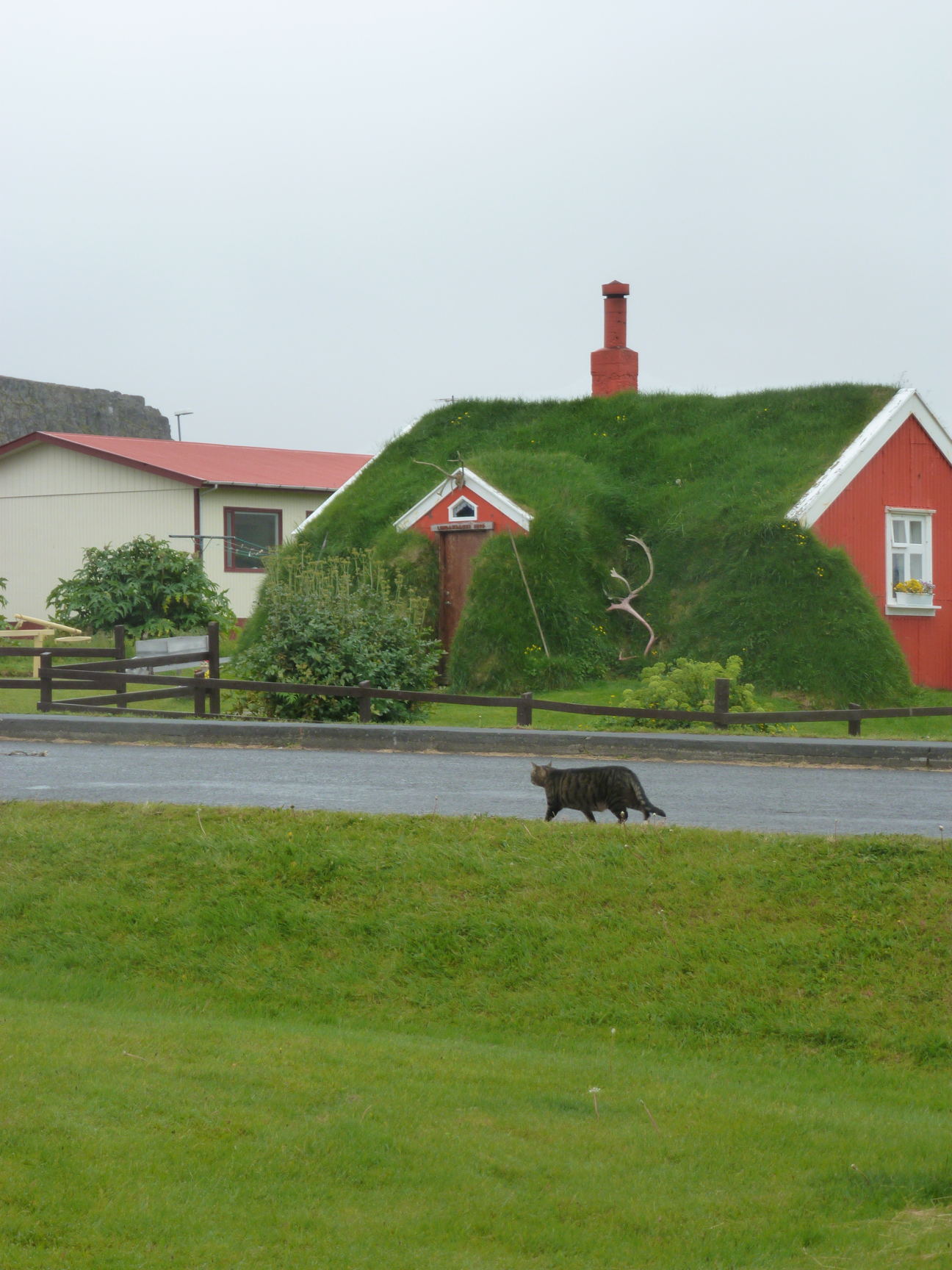
Sheep in the City

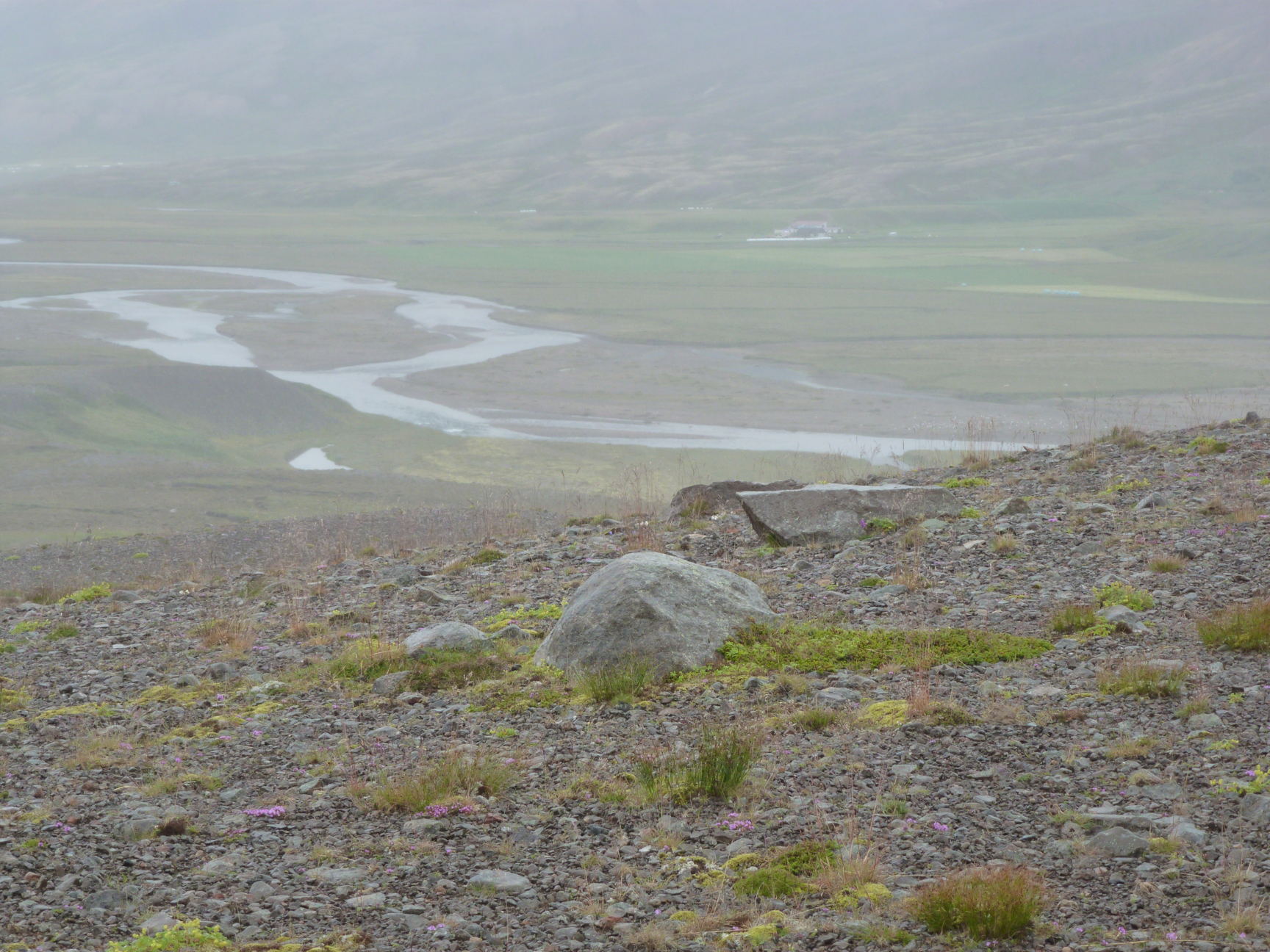
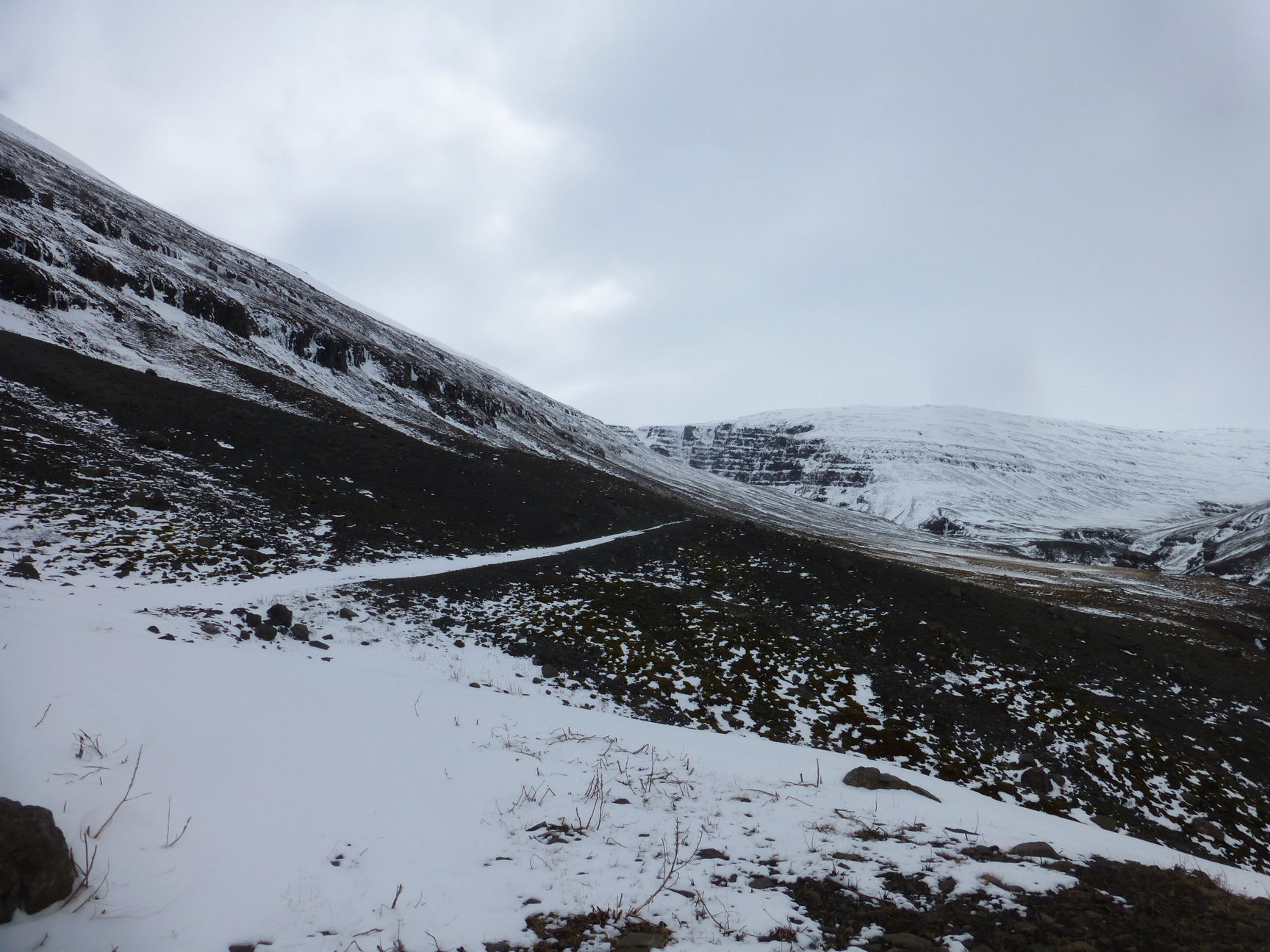
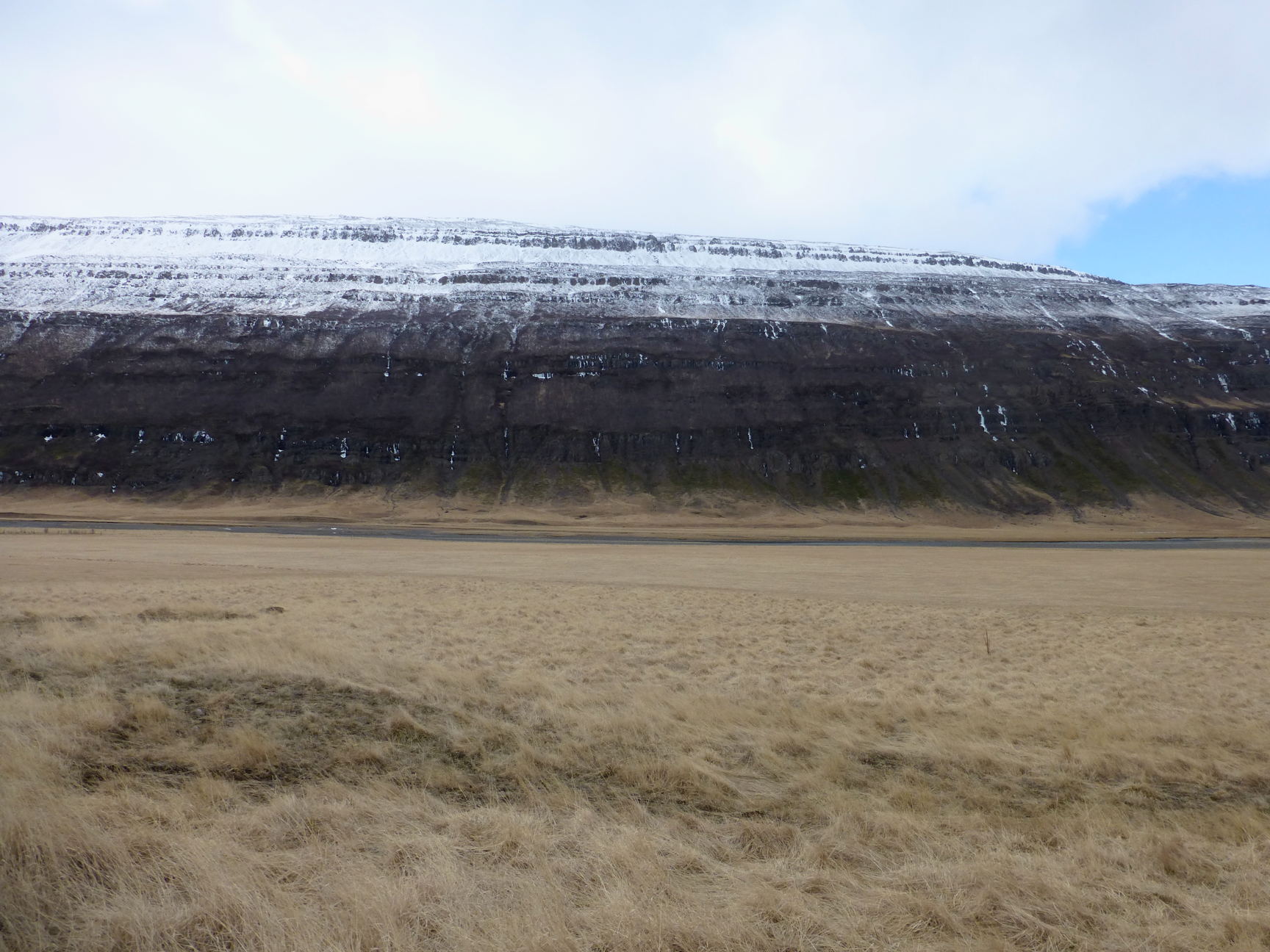
In Canada, the trail running across the foot of this face would have been made by deer, but in Iceland it’s made by sheep.

In Canada, this would be called wild land. In Iceland, it’s a farm. It is an intimate social and political space that turns wildness into civil life. In Canada, that is done as either an industrial or an aesthetic experience, capitalized and individual. Here it is just common space. In other words, this stretch of the Bessastaðaá is a city.

Getting into the Flow in East Iceland

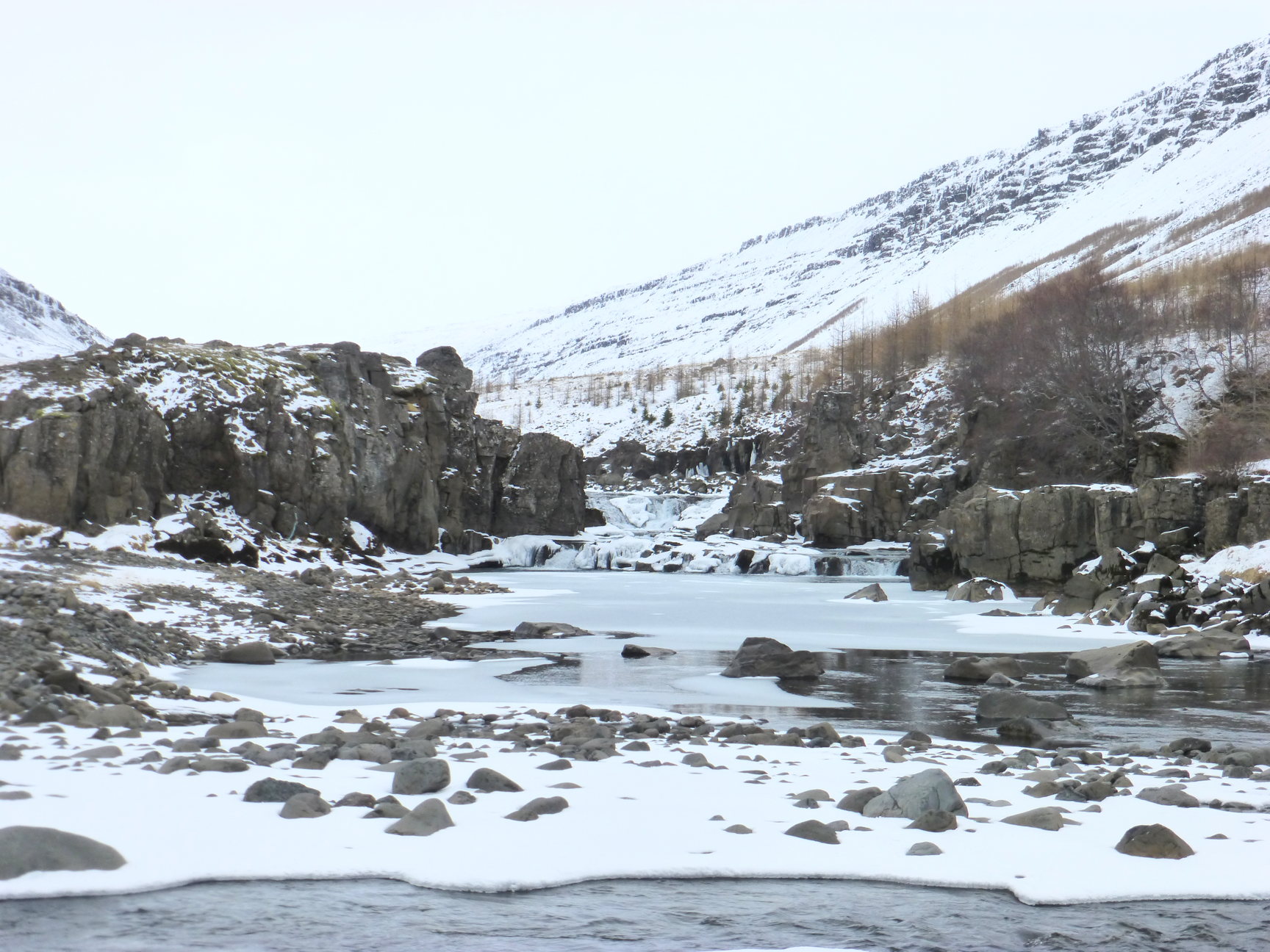
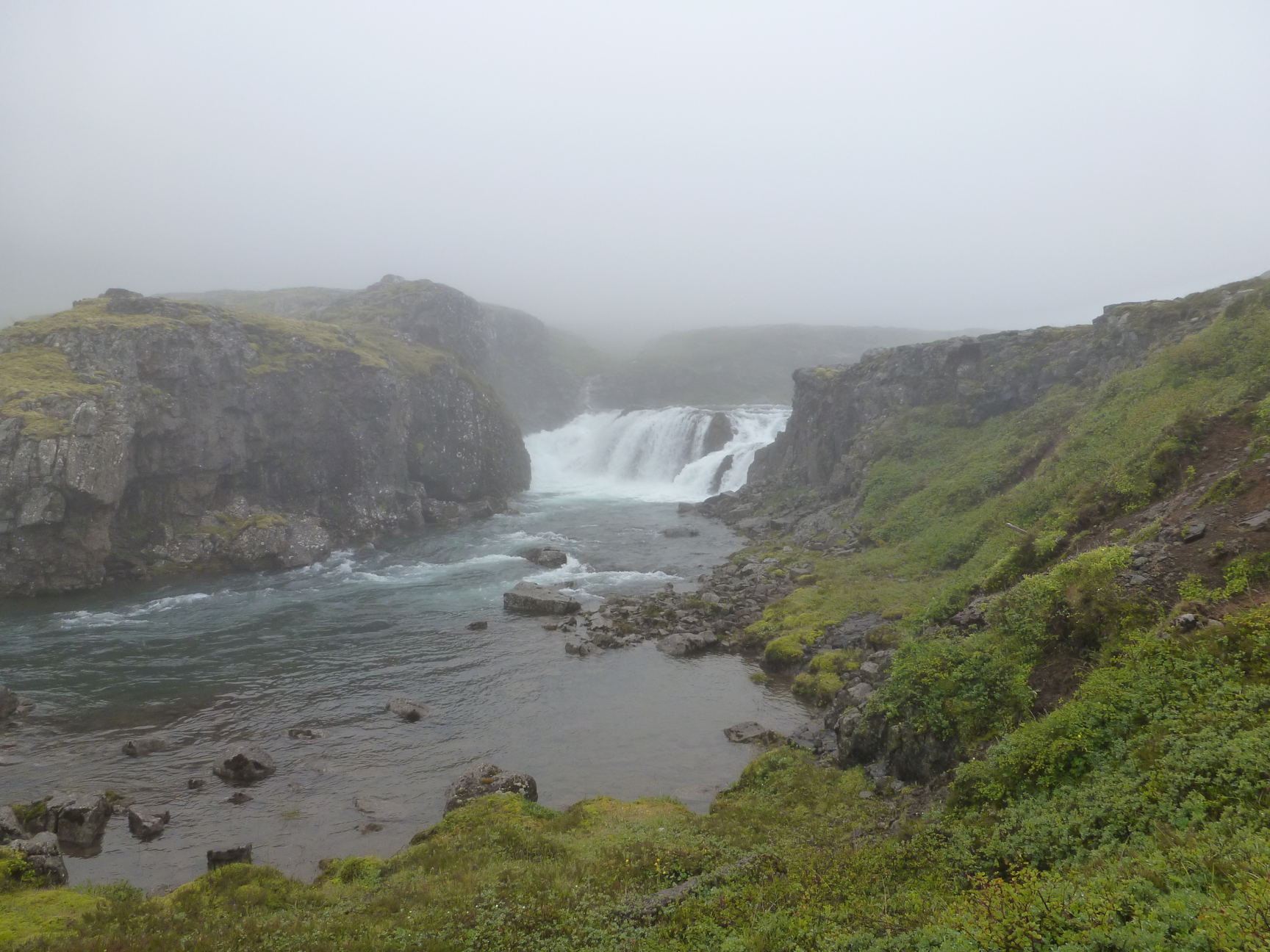
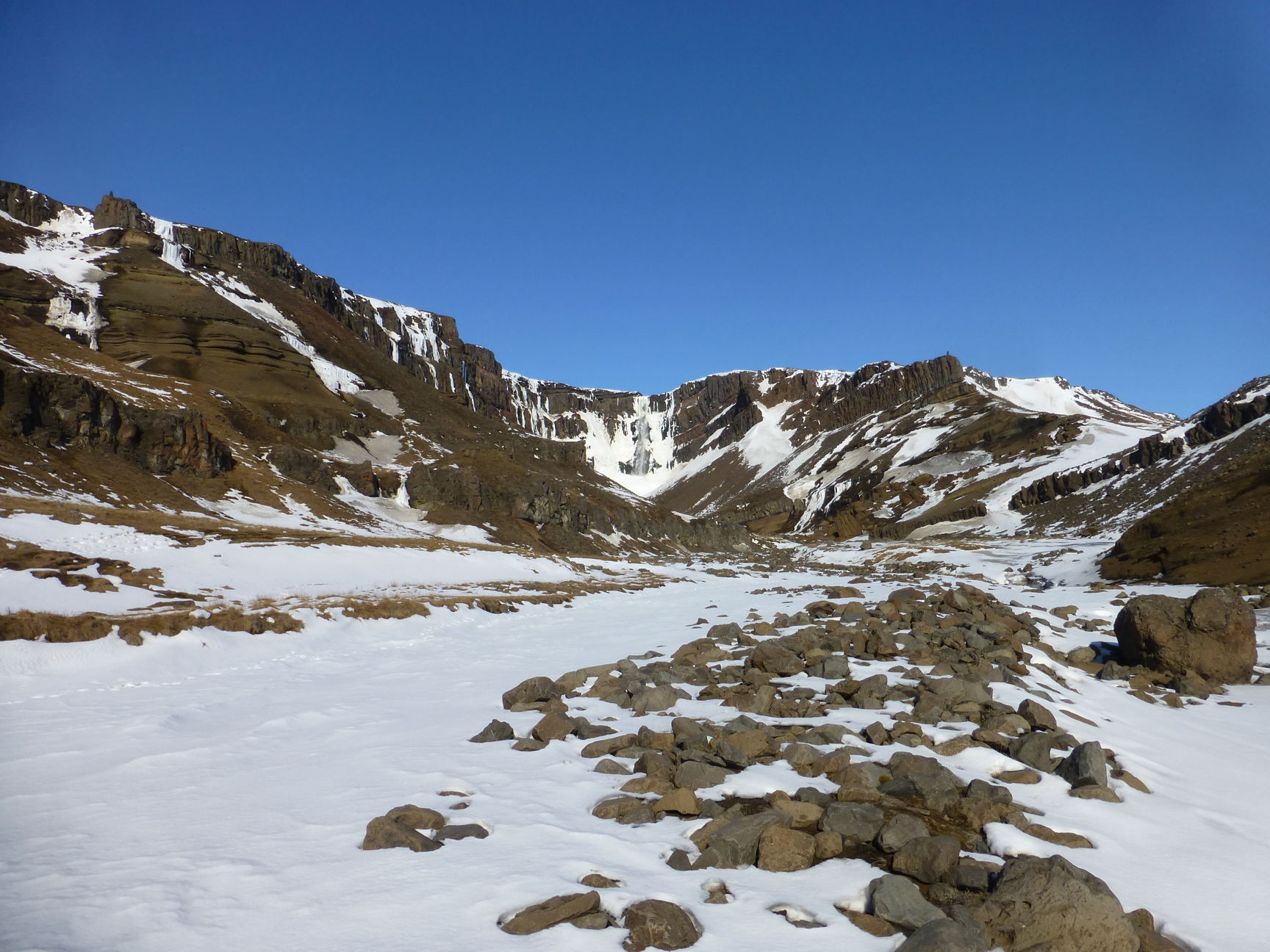
Look at the Kelduá emerge from its valley. Here in the remote East, water turns to stone and back to water, and stone flows like water, then freezes, then breaks apart and flows like water again.

It is why a river in Iceland is an á: not a substance but a flow (aqua), not water but the energy that materializes as water and, as you can see, as stone. And jumbles them all up together. And breaks them apart. When you stand there and see beauty, it is that energy that you sense. The freezing energy, that is the business of frost. Keep your distance from that stuff! It’s lethal.

The Two Icelands (Well, Really Three)


There’s the pretty one.


Borgarfjörður Eystri

And across the street, the rusty one. All the fish are gone. Beautiful, though.


With ruins in the foreground.


And weird driftwood art.

Neither is Iceland, though. That’s something the Icelanders keep to themselves. What they present to you in its place are charms and gestures.

You know, stuff you remember from the world.

The Secret of Álfaborg

You can go visit the elves in Borgarfjörður Estri, if you like.
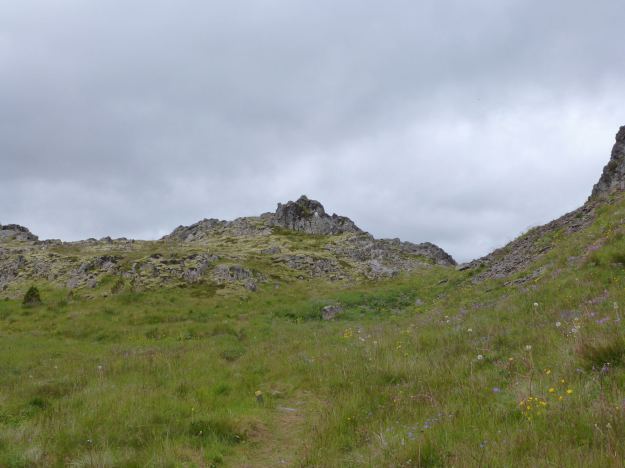
Off to Álfaborg with you!
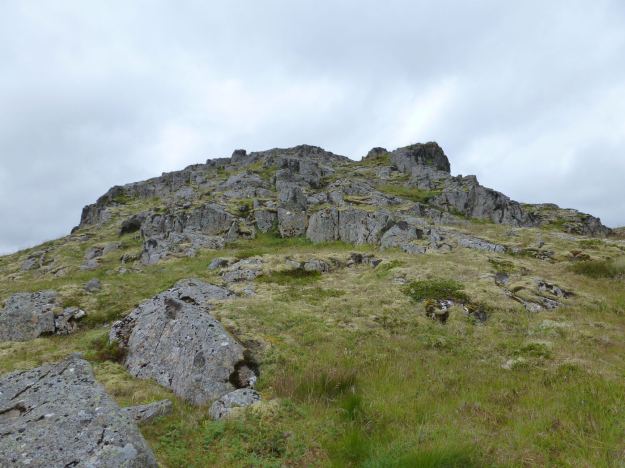
You can read all the magical traditions about this rock here: The Alfaborg Story.

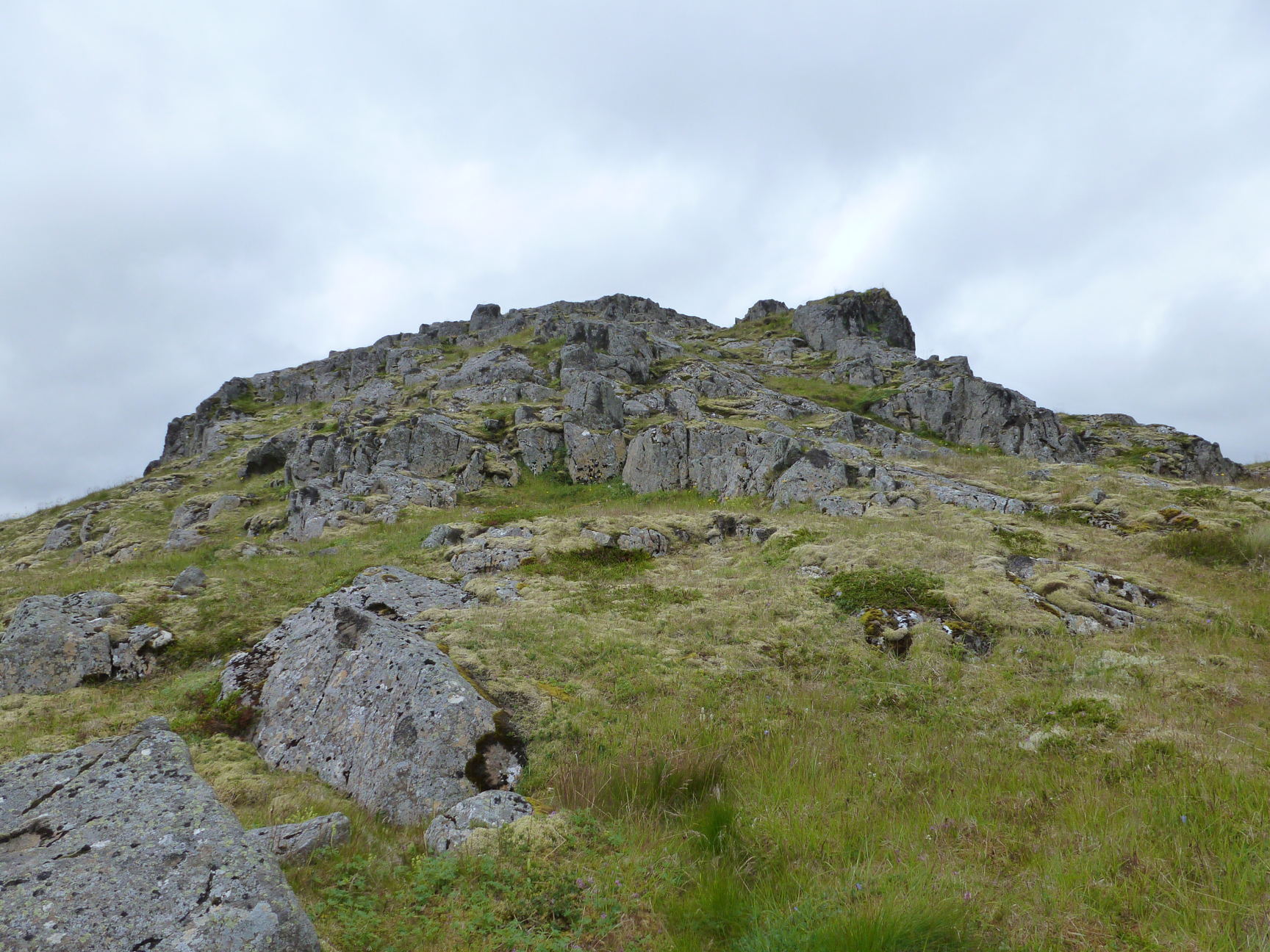
Still, it would do your mind well to forget all that and go walking among the stone heads in the rain.
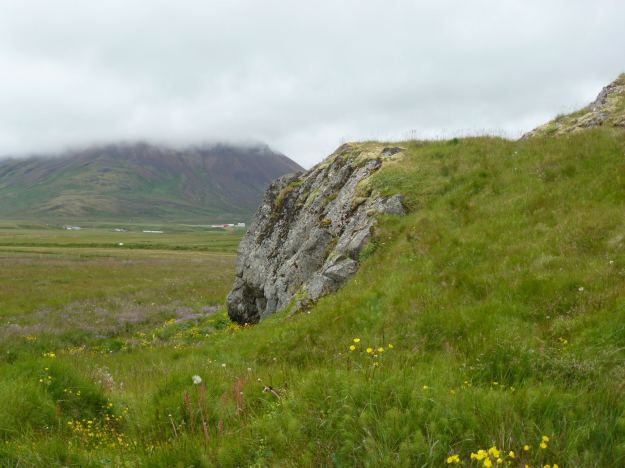
You will find magic enough as the fog rolls in.
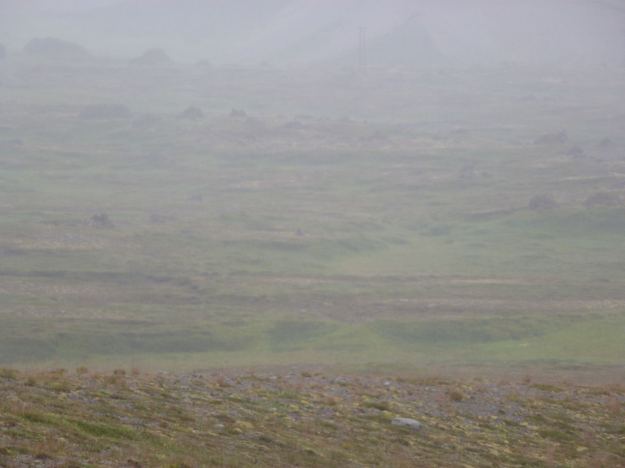
As the contours of the land turn to air and water, you will  begin to feel like rain yourself.

Every stone takes on great significance as the sky vanishes.
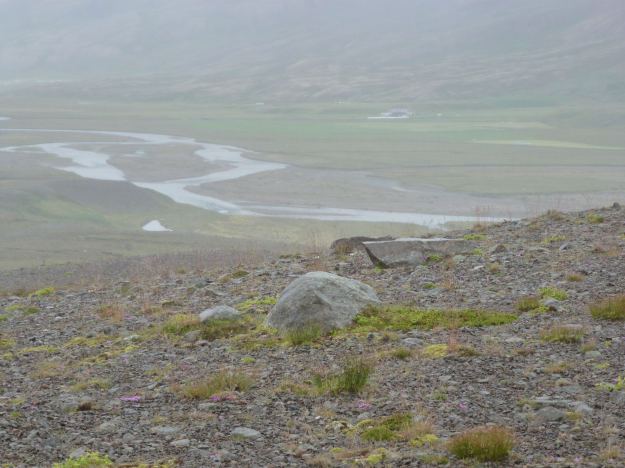
And that’s the point. The fjords south of here have been abandoned. The weather is just too terrible. You are alone with rock. There is no sky, only earth that has become it, and maybe a homestead you can scratch together out of mud.

The stones, though, are a kind of sight. You see them because out of this dissolving world, they stand out. Birds use them to see. They are, in face, eyes, or islands of sight in the rain.

They are shelter. Whether they are rising from the earth or sinking into it, is not the point, because both are true at once.
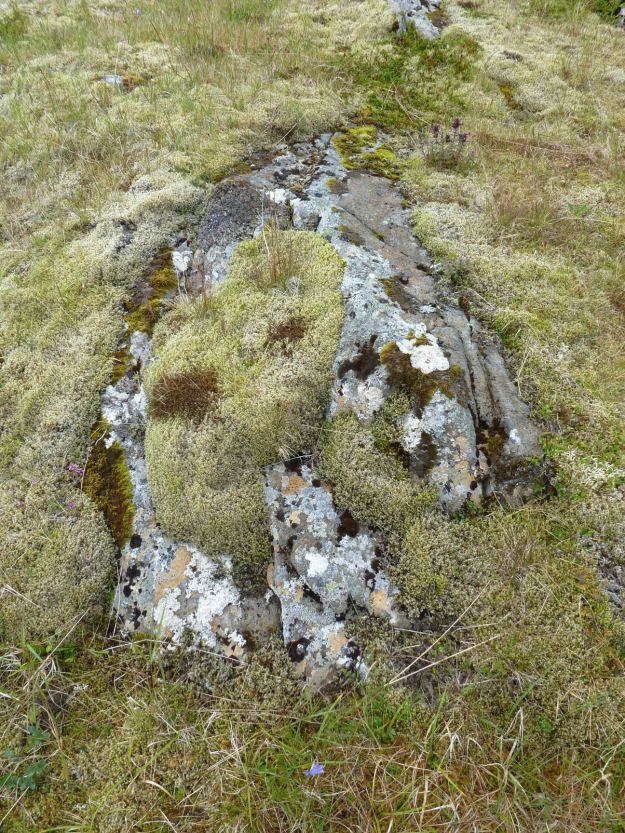

On Álfaborg, one sees in at the same time one sees out. It is you who becomes the person of the stone, as you gain its vision, and see with more-than-human eyes.
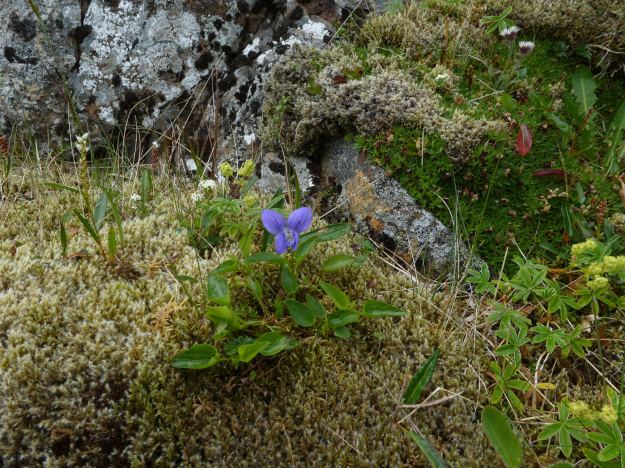
Don’t even try to come home.

Baaaaaaad Icelandic Sheep Need No Sherpas

The newest shoot of grass growing on a bit of volcanic wasteland for the first time ever in the history of the world, that’s the one that tastes best to a sheep, and they will risk life and hoof to get it.

Marauders in Stekkalækur

They’re Icelandic, hence very independent. No sherpas needed.


Lunch in Iceland? It Doesn’t Have to Break the Bank

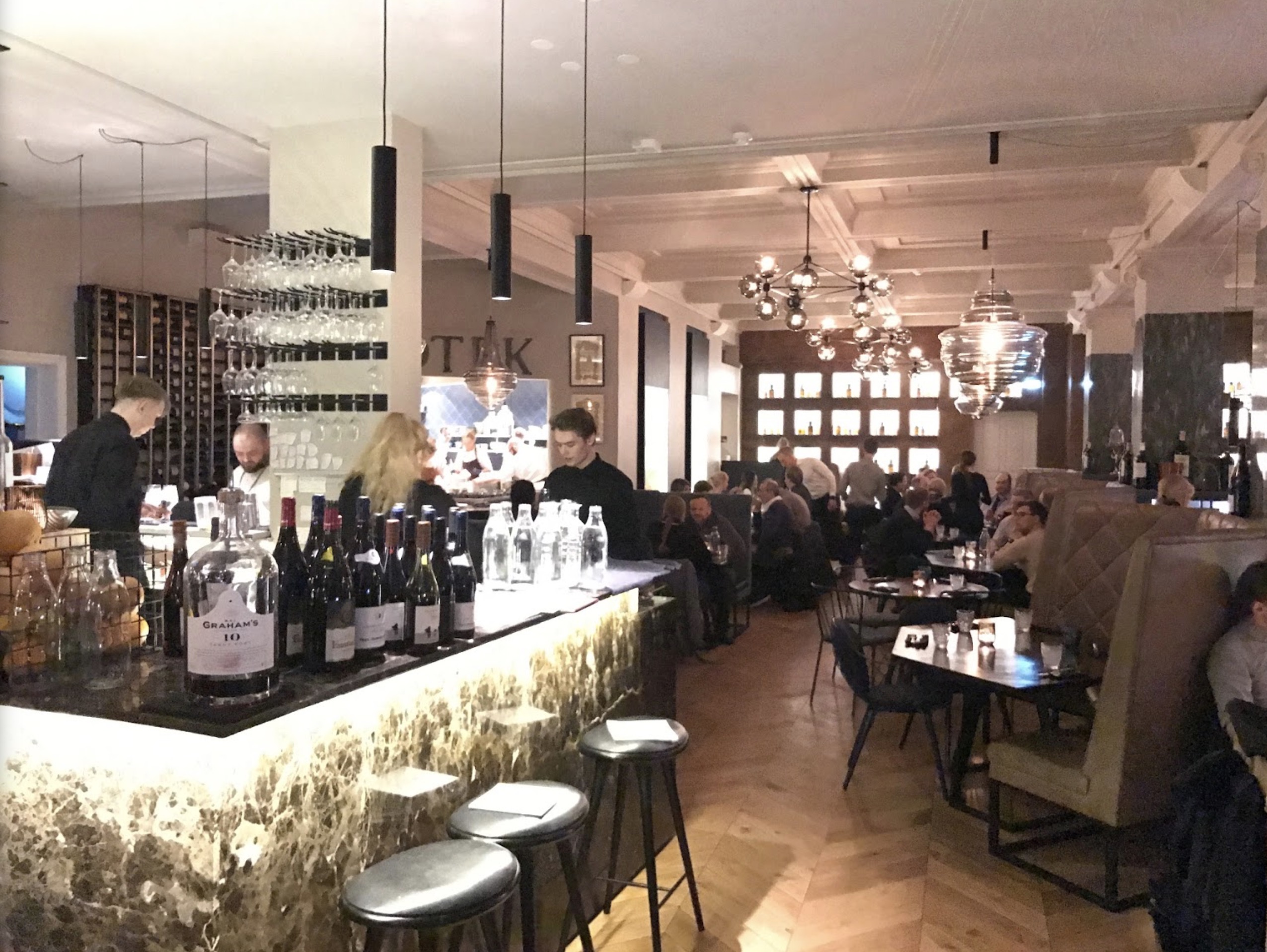
So, lunch. That would be nice. Why not the Apotek in Reykjavik?Highly rated. A rather desolate environment, sure…

… but you came here for desolate, right? The bracing subarctic! And there is a fine menu. Why, the hamburger is only about CAD$40. Add a Gull, of course, and it’ll be around $55.

What? That was a whole day’s food budget? Not to worry. There are other options. The road to Seyðisfjörður, for example, or just off to the side, in case there’s a car. Serving travellers for 1100 years.

Neðri Uðafoss

The menu is simple.

Bilberries and Rainwater

Add a Skyr for CAD$2.00…


15 grams of protein!

It even comes with a clever little Chinese folding spoon, which you can keep as a souvenir! And you can wander while you eat.


Efri Selfoss

Bring a coat, though. It’s Iceland! Oh, and dessert is the same as lunch.

But that’s OK, right?


What You Need Right Now Might Just Be an Icelandic Rock

After a long time between languages, it’s time to go down to the shore.


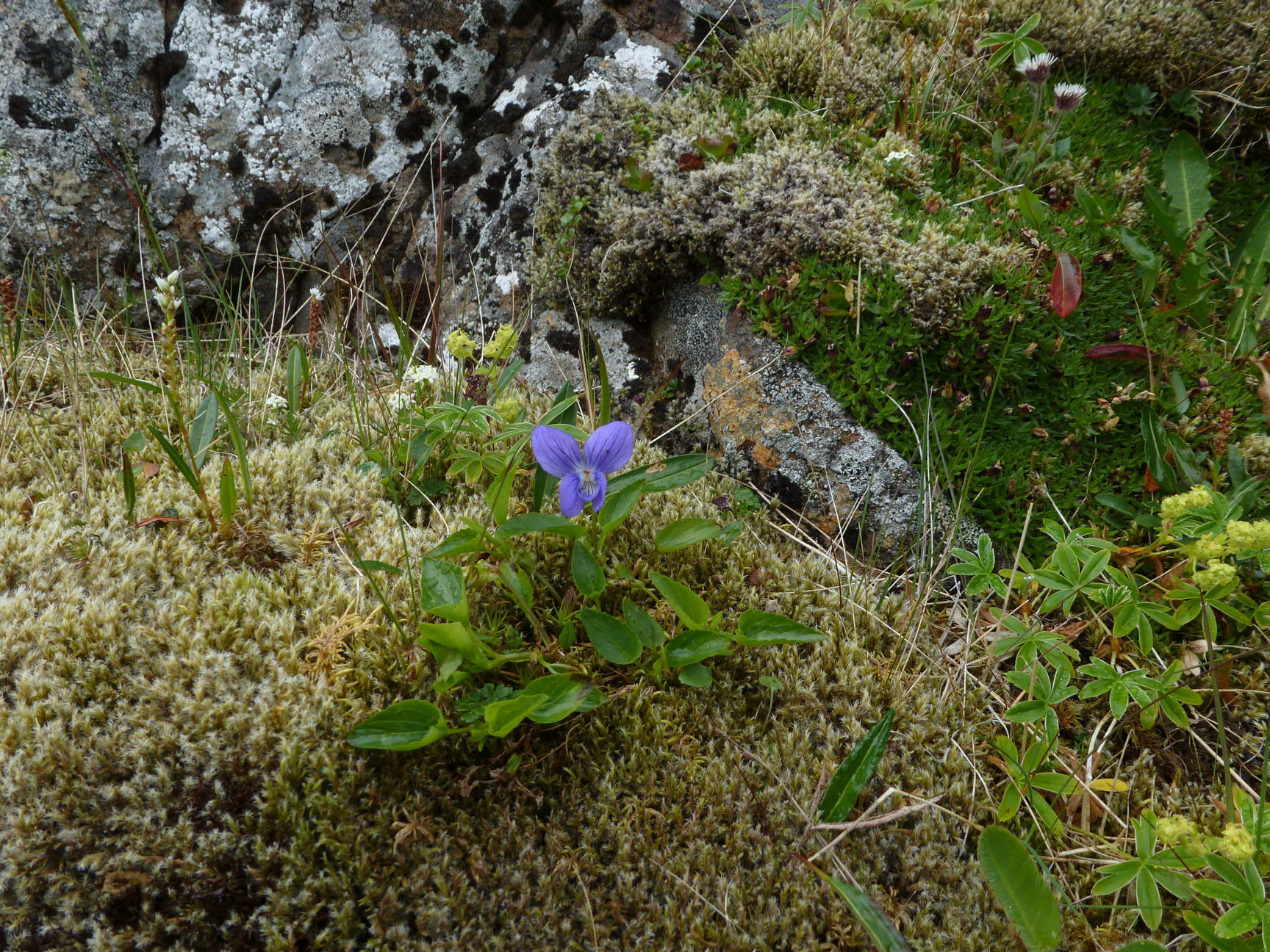
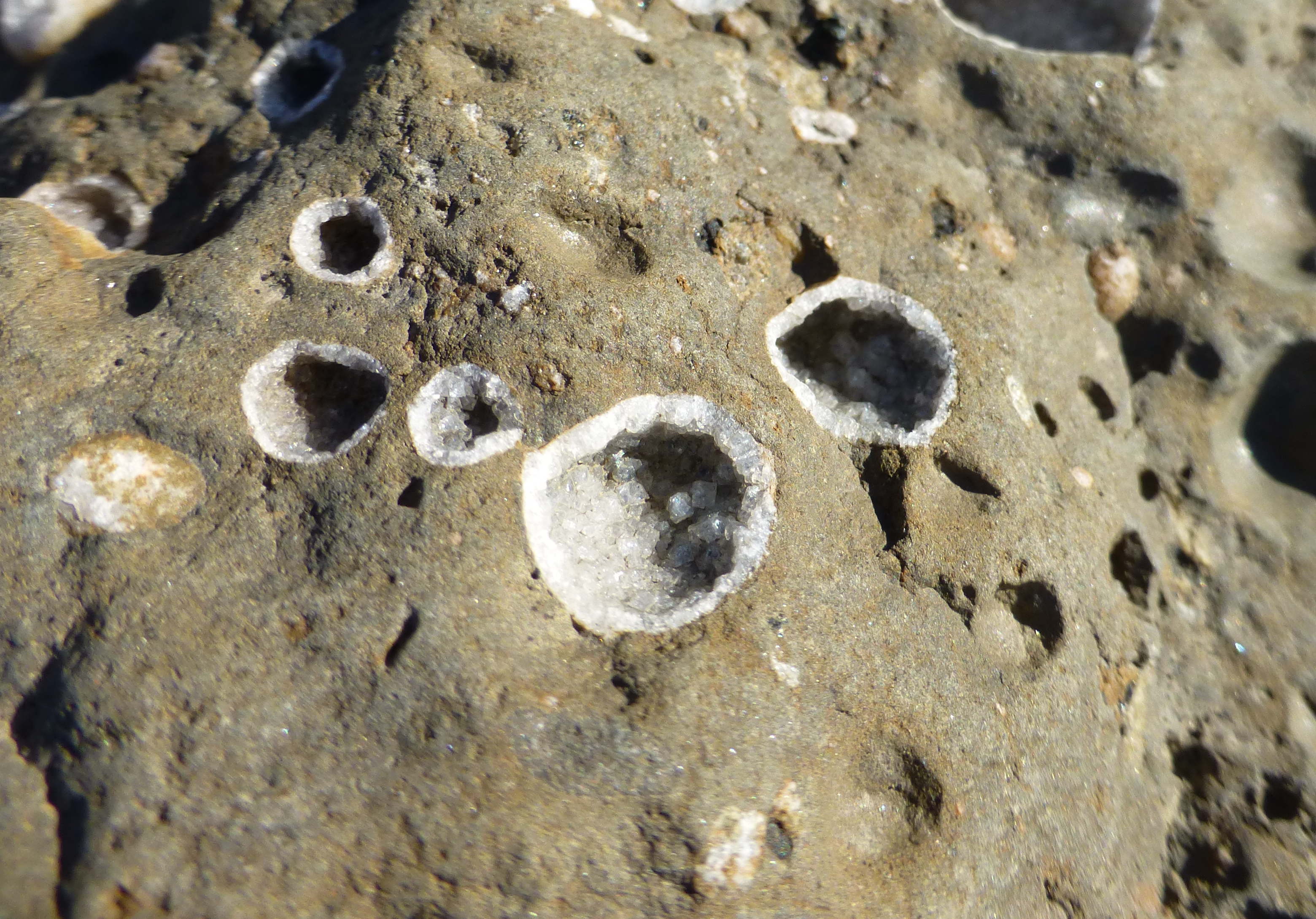
And pick up magic rocks and hold them in. your hand.

And put them down.

And leave them there to talk to the sun in their nonhuman tongues.

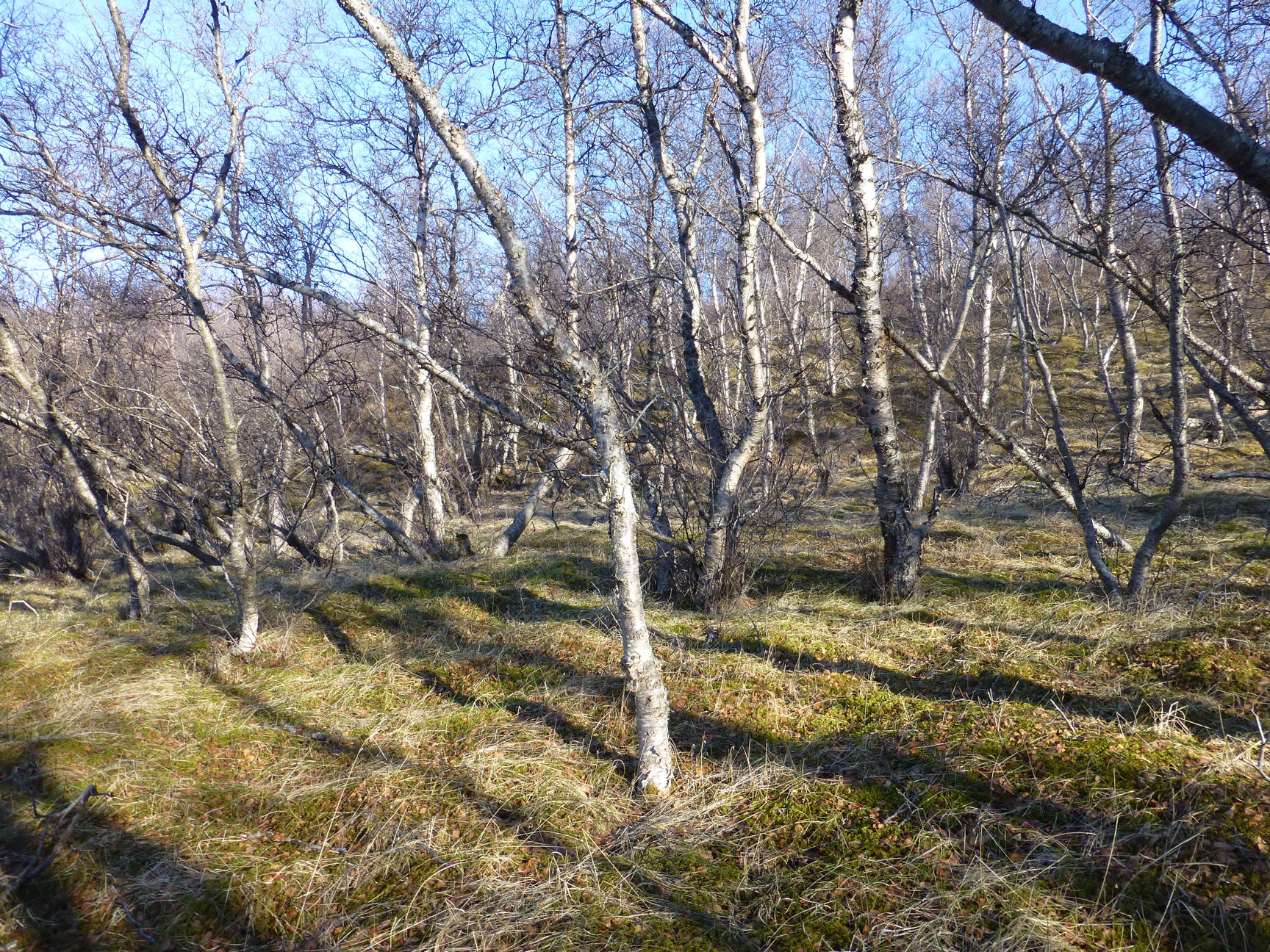
And walk back up through the library of the birch forest.

And the lair of dragons.

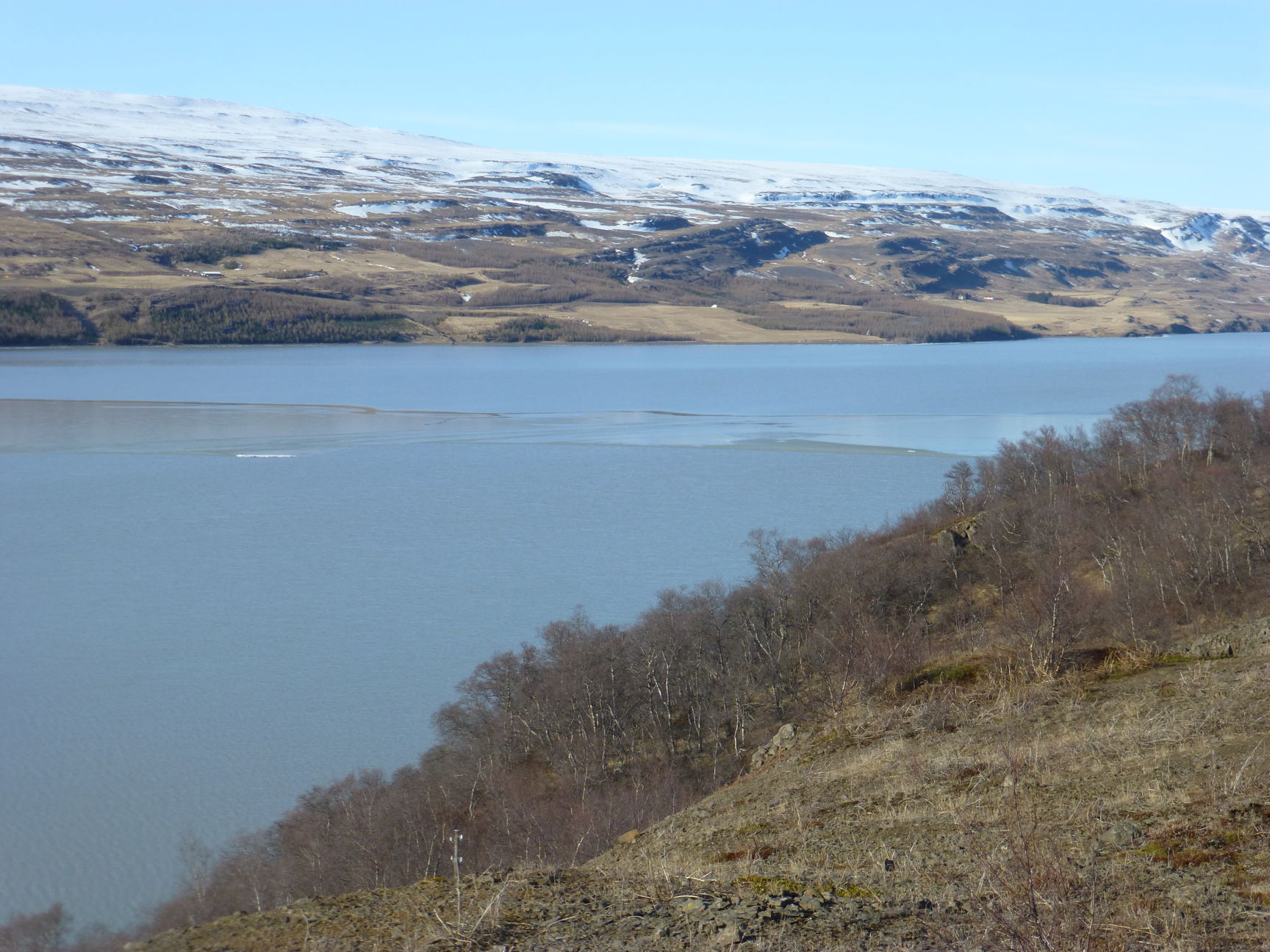
Give one last glance to the lake.

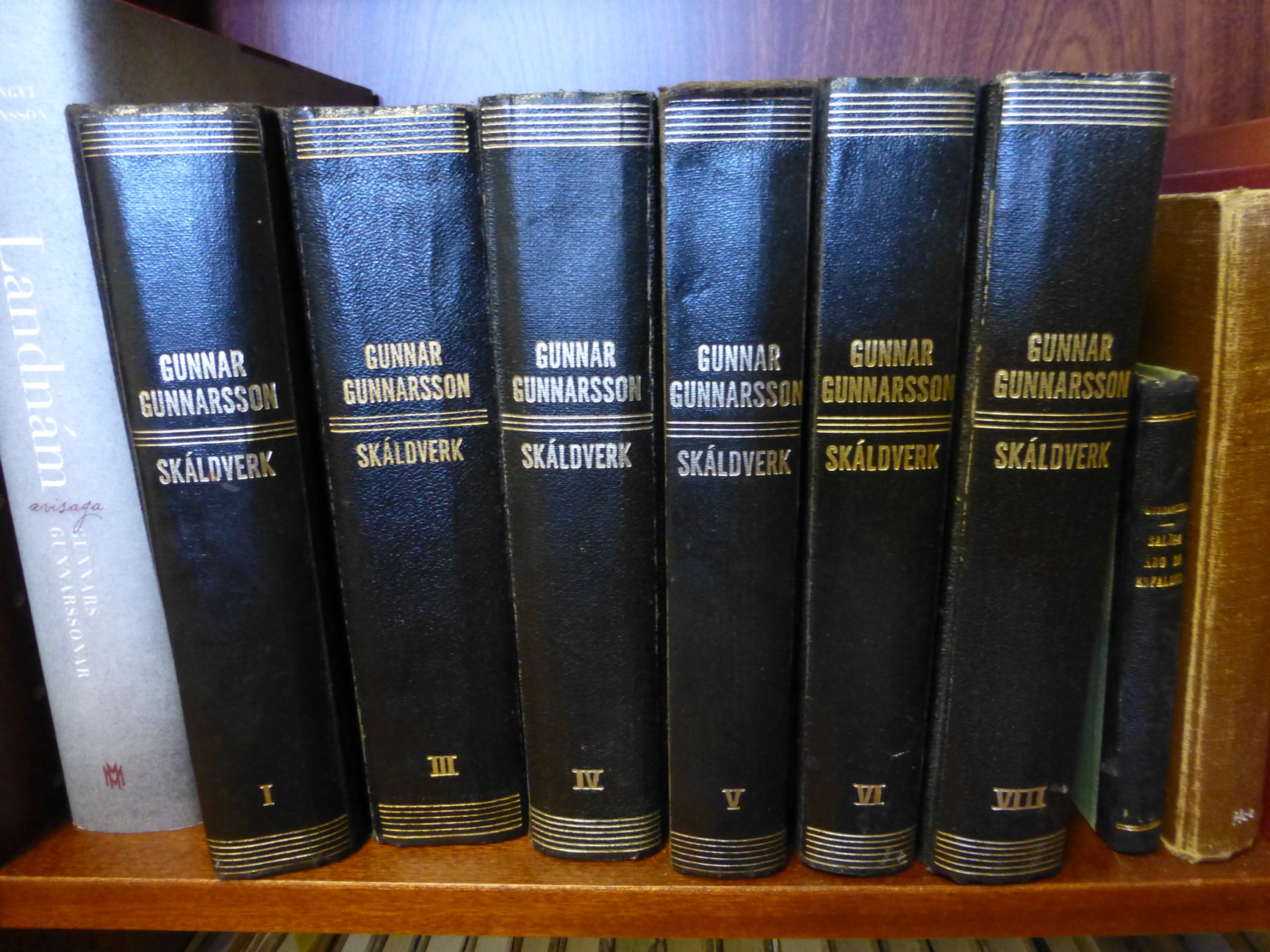
And go back to the skáldverk in silence.

And begin again.

The Tangled Relationship of Humans and Ravens

Humans, it is commonly said, live on Earth and ravens in the air. Not so in Iceland. Look below.

Humans: Hjarðaból

See that? The humans have a nice farm with lots of light and air, although they walk about on the land like old rocks. The ravens, though, who fly through the air with the greatest of flashiness, have a home deep in a dark, opened crack of the earth, where they hunker down. See it there? If not, I’ve highlighted it below.

Ravens: Stekkalækur

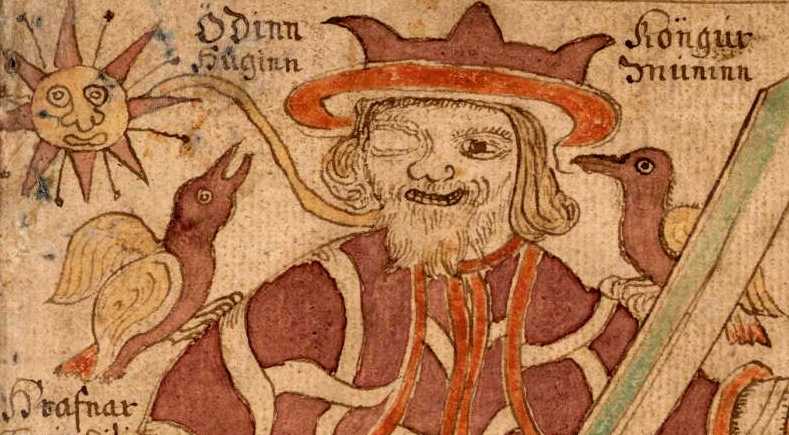
Humans and ravens: the perfect pair. Just ask Oðin.


More Icelandic Fences Gone Rogue!

Just up the valley from Gunnar’s house, on the ancient road to the South, yet another Icelandic fence demonstrates the Icelandic idea that a fence is a kind of net. You cast it when there is something to catch.Sturluflöt, Villingadalur

Otherwise, it’s likely to be tangled up on the deck. Sometimes, I know, it’s hard to remember that the island is not a boat!


The Four-Directional Icelandic Cross

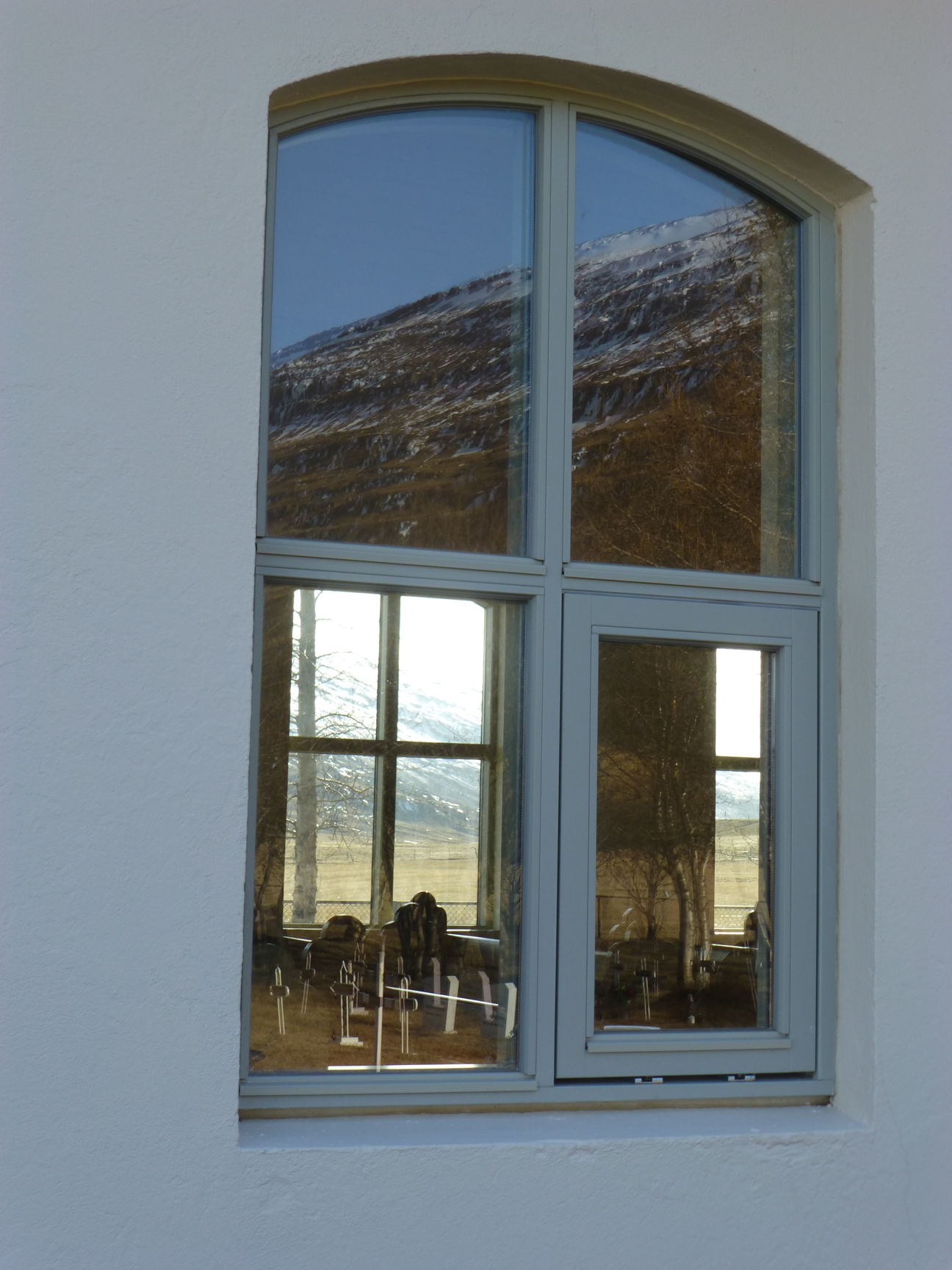
Following the Old Norse prototypes that long ago divided Iceland into the quadrants of a compass (Still used by the Icelandic Government’s tourism promotion board to label the country as West, North, East and, South Iceland [and don’t you dare travel around the country in the other direction; it only works poorly]), the Icelandic Cross is not divided into two axes, the vertical Heaven axis and the horizontal Earth axis, meeting at the heart, or Christ, but into four quadrants, blending the living and the dead with the action of the mind. It’s why Lazarus is so popular as a figure on Icelandic altars (Christ raised him from the dead, maggots and all), and why the Valþfjófstaðurkirkja looks like this, drawing its graveyard deep into thought.

The pre-Christian rowan trees of the graveyard are welcome as well.