Tag Archives: Gunnar Gunnarsson

How Icelandic Writing Fell out of Fashion in the Age of the Volkswagen

So, what happens to best-selling author Gunnar Gunnarsson’s public after his archetypal stories of Icelanders living in a raw, Nordic landscape …

P1390066

… fall out of fashion in the new, post-war Germany that is partly an American colony and partly a Soviet one …

index

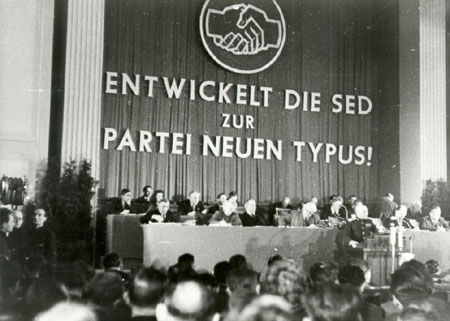
The Social Unity Party of Germany Grows into a New Kind of Party

Well, that’s what they thought back in the 1950s.

… looking to the future because the past is probably a pile of bricks out in the street?

24123-3x2-original

Downtown Berlin in the Early 1950s: a Cold War Battleground

With Baltic Gemany lost, there’s not really much interest in looking to the North anymore.

This is the era of re-imagining Germany on a European cultural, rather than a nordic cultural foundation (Well, in the West, at any rate,) and especially not on the military or racial foundation of the 1930s and 1940s.

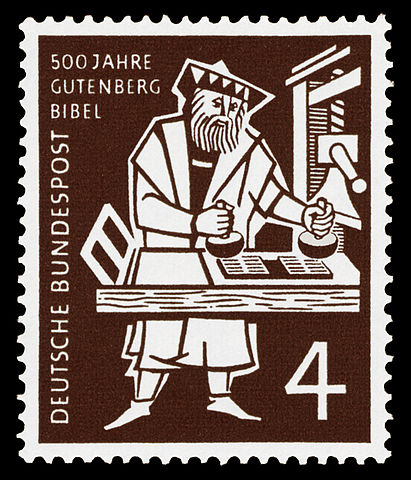
411px-DBP_1954_198_Gutenberg

500 Years of the Gutenberg Bible

Stamp from the New Post-War State of the German Communities (West Germany)

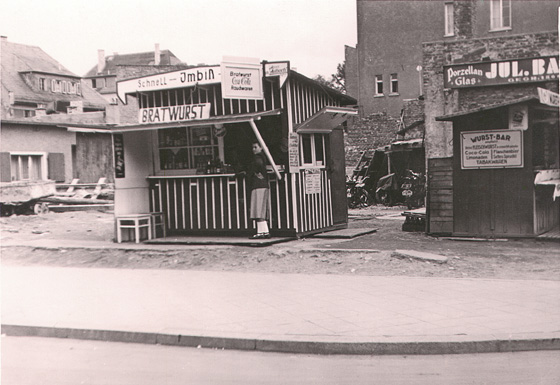
This is the era of sausage stands springing up in the ruins.

Wurstbudchen-1950-560

Bratwürst Stand, 1952

Women start to take charge of things, after the men messed up big time.

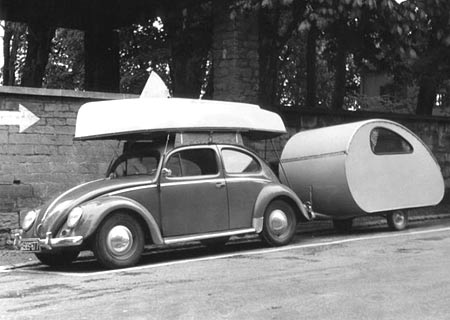
This is the era of the canoe on top of the Volkswagen and the first communist cardboard car.

Intro_camping_kaefer_g

The Height of Modernity

What you get for reading too many Westerns. Especially after trying to drive to Smolensk in much the same get-up (The Volkswagens of the early 1940s were kitted out as amphibious assault vehicles … i.e. jeeps!)

This is the 1950s. Here’s what Gunnar’s readers are snapping up at kiosks little different from that sausage stand above.

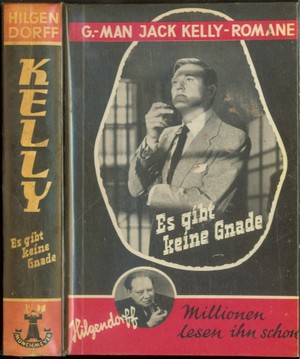
jackkellyFBI Agent Jack Kelly: There is No Mercy

Hilgendorff: Millions Have Already Read Him

Herman Hilgendorff (Actually, H.C. Müller or Kurt Müller) wrote nearly 1000 books (!!!): most of them Westerns, FBI crime novels and British spy novels. (Long before the World War II Agent Ian Fleming spoofed the genre with his James Bond pulp novels.) Müller was one of the few crime novelists not banned by the Third Reich. And what is in these books that drew the Germans to them, and away from Gunnar’s more thoughtful, physical and eternal visions? This alternate book title (a cheap 60 cent edition) ought to show you …

44033835Jack Kelly, FBI Agent, at the Controls of the Robot that is Trying to Shoot Him

Does the robot look like a man? 100% Only Jack Kelly can tell the difference.

And who has constructed these robots? Why, a so-called Mr. Carefree, who promises to remove pain and suffering from people’s lives, for cash, in a process which usually involves underhanded death and destruction to someone else, a man who remains hidden and unknown, because he fronts even himself as a robot. And who is he? A hateful man. A theatrical agent from the 1930s. Yeah, this guy, you got it:

joseph-goebbels-640

Joseph Goebbels, Third Reich Propaganda Minister

Any film made in the Third Reich was cleared by him.

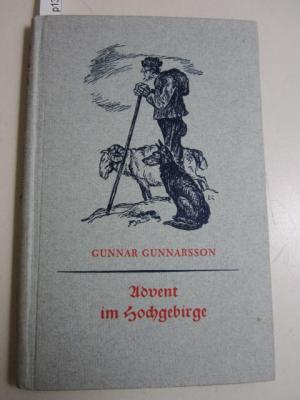
Any book published in the Third Reich was published by Goebbels. Here’s one of those books:

51853700

Advent in the Highlands, by Gunnar Gunnarsson

This is the edition approved by Joseph Goebbels.

Here is “Mr. Carefree” with with one of his robots.

TvTVrLU

Ah, But Which is the Robot and Which is the Real Mr. Carefree?

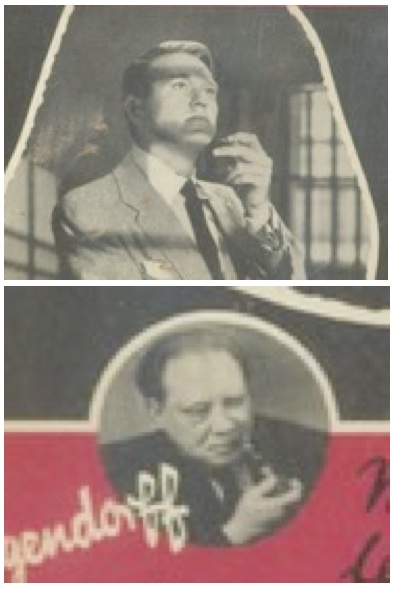
And then there’s the artist who sculpted the robots. Is he the German everyman? Is he a resurrected Jew, freed from the camps? Is he this man?

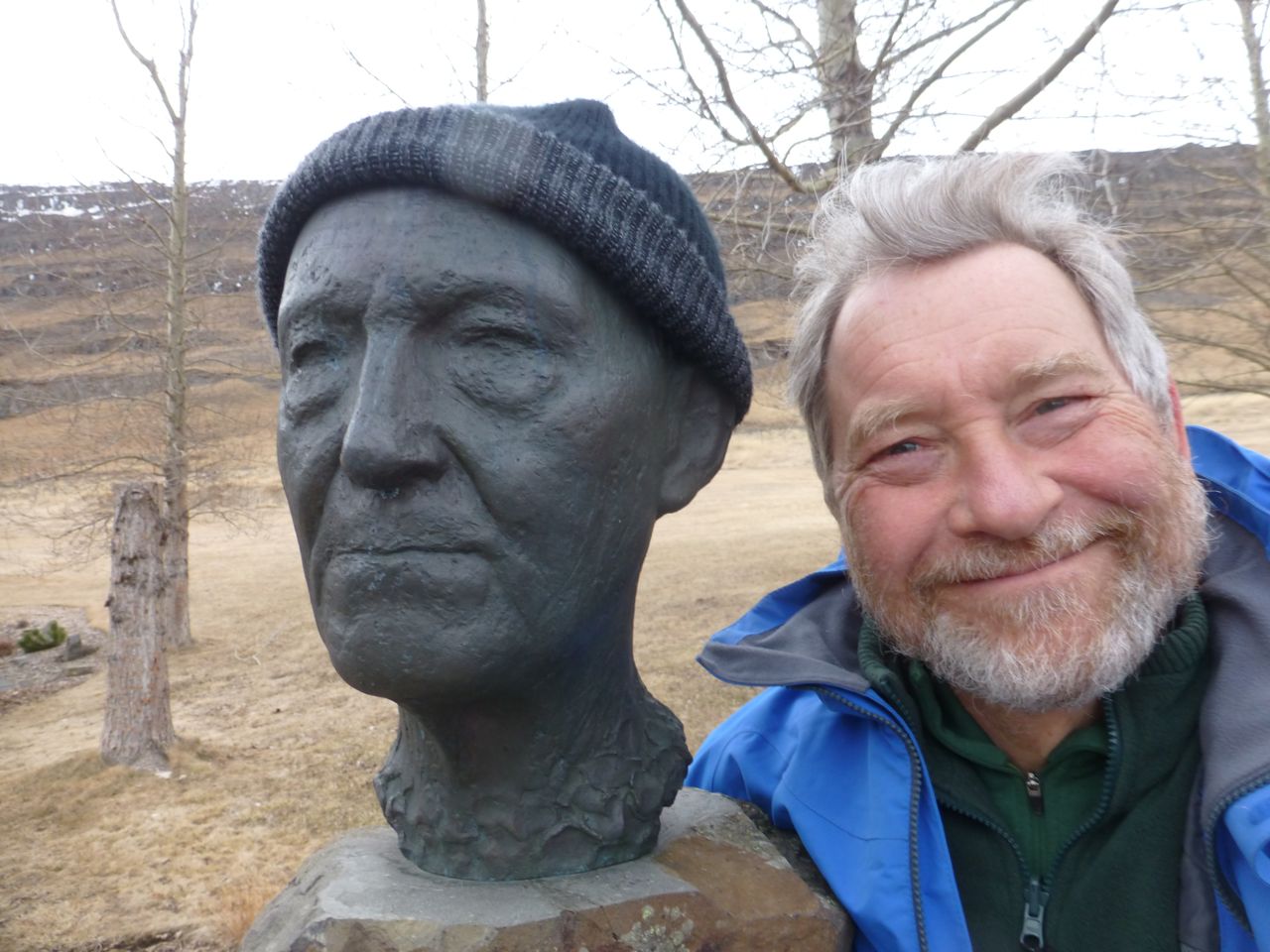
220px-Gunnar_GunnarssonNo, that’s just Gunnar, living on in a Europe that had left its own images for ones from Asia and America. Meanwhile, HIlgendorff continued to rewrite the Nazi period in his pulp novels, under the concealment of  the popular images of a new, non-European age. It’s fascinating to watch modern Europe birthing itself in the darned things. Oh, and who is Jack Kelly, really? Aha, look again:

jackkellyhermanntoo

I bet he loved sausages.


Constructing Iceland

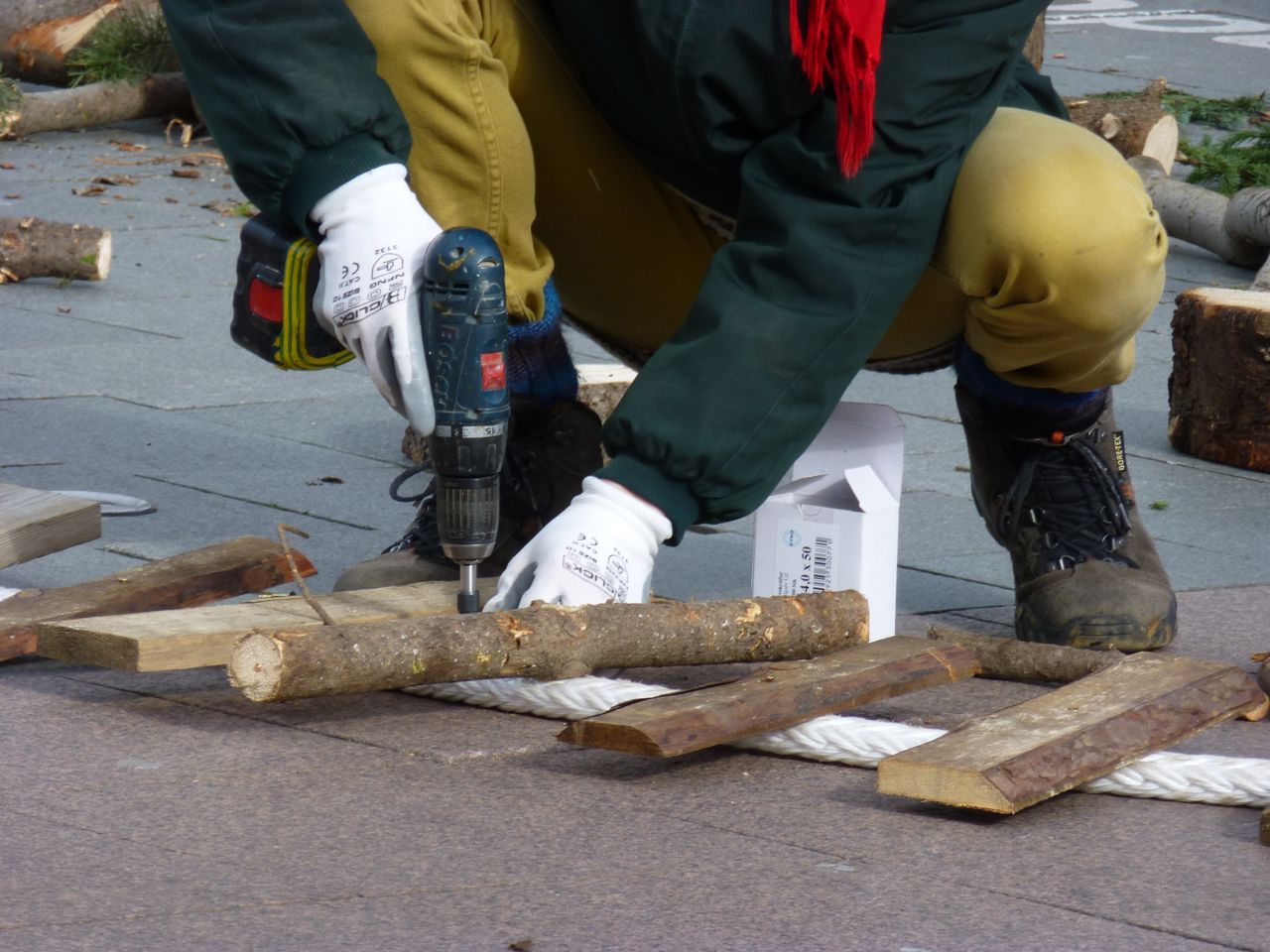
For the last month, I have devoted almost my entire time to completing my Iceland project about Gunnar in World War II. The whole effort is like fitting together a puzzle, or the way in which on my last day in Reykjavik, I witnessed some Icelanders attempting to build a forest in the middle of the city …P1590085

A Forest in Process

Sometimes words just won’t do.

Canada is not a country in which art is so closely combined with public and private life, and that’s too bad for Canada. It speaks to the kind of wealth that comes from a colonial history of buying things, rather than building them. Iceland has a good dose of the same colonial disease, but, the outcome of the election this project was designed to influence aside, has a better chance, I think, of coming out the other side into the earth and greater human richness than does Canada.

P1590078 Danish Post-Colonial Dining Room Furniture Taken Outside for Some Fresh Air

Over time, this forest construction effort brought many thoughtful and happy onlookers. The whole process filled people with delight. And why not. Look at how trees and scrap wood are brought together to make a model (a kind of 3D map) of Iceland itself, right in the middle of the city…

P1590027 Look as well how the effort requires fashionista colour coordination between man and tool, and the union of hiking footwear with workman’s gloves. Reykjavik mornings can be like that in the spring time! In fact, isn’t that an image of the Icelandic economy as a whole?

P1590015It is also the work of a community, of which there appeared to me to be no leader. It was as if the sculpture itself, the new forest, was directing the humans…
P1590016I had to get on a plane and leave, but these are the images I took away with me, and which I continue to expand in the work. I believe that the images show something uniquely Icelandic. It is a kind of creative energy, with very specific roots deep in Nordic culture, on the one hand, and in the Icelandic settlement experience on the other, which is ongoing, and not historical. “History” is just a word. This is a living thing. In the next few weeks, I plan to show some other examples of this energy at work in modern Iceland, and by then I think it’ll be time to show you how I have been fitting them together, like a delightful jigsaw puzzle, into my story about Gunnar. Bless bless!


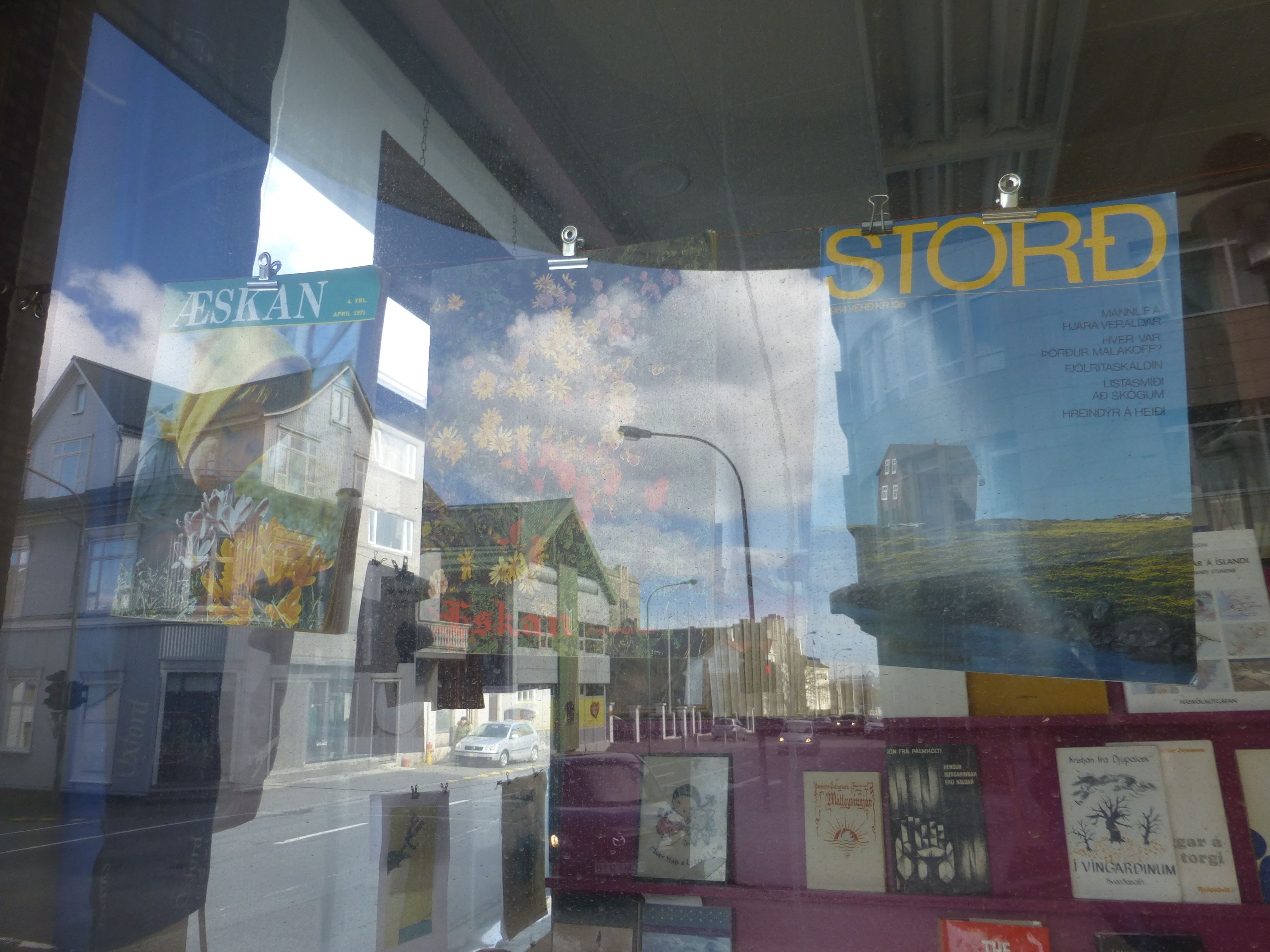
Reykjavik: City of Books

Like Gunnar,

P1530030

I had to leave the farm  …

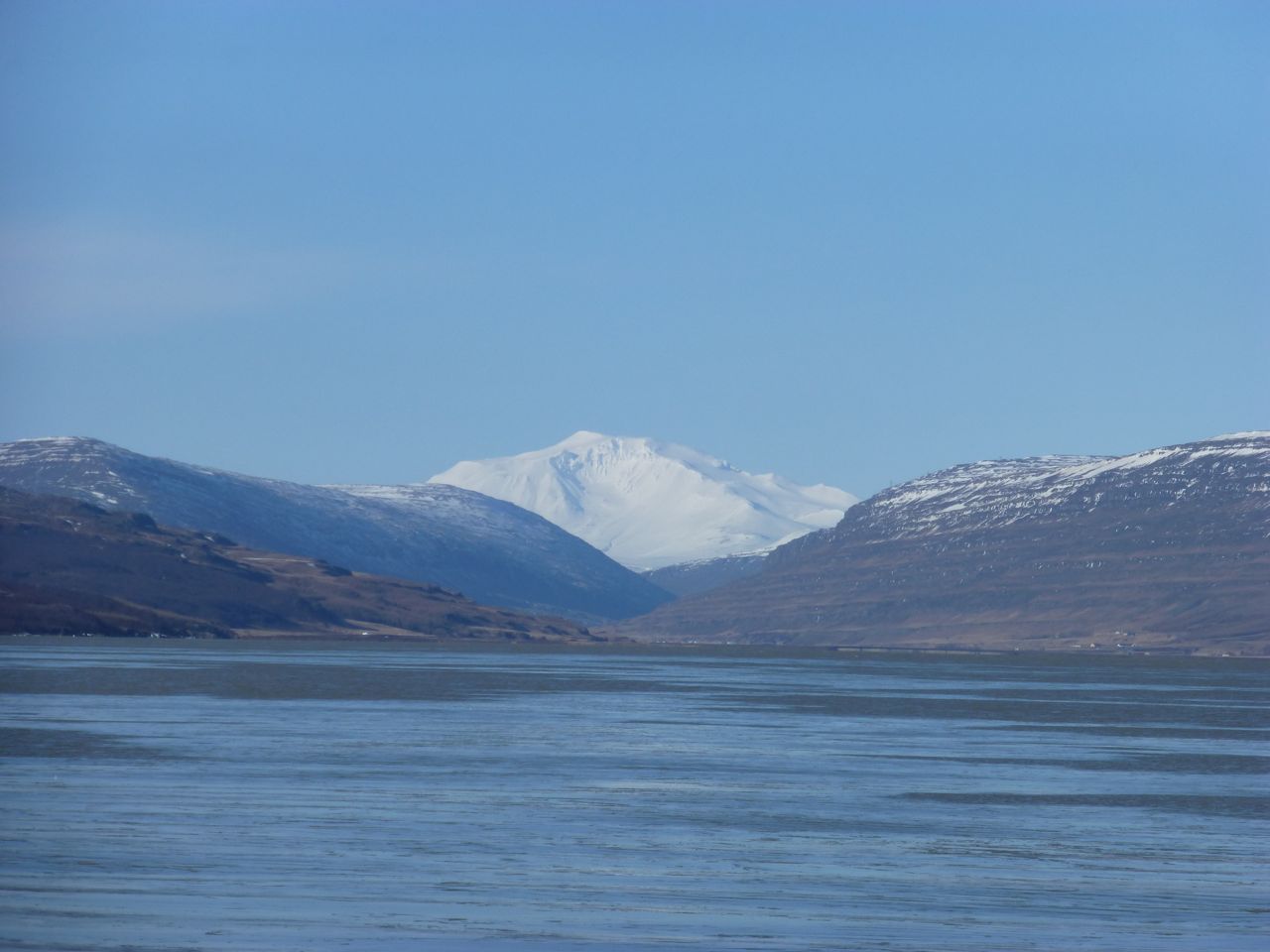
snaefells… (It was hard for us both), and go to the city of books …

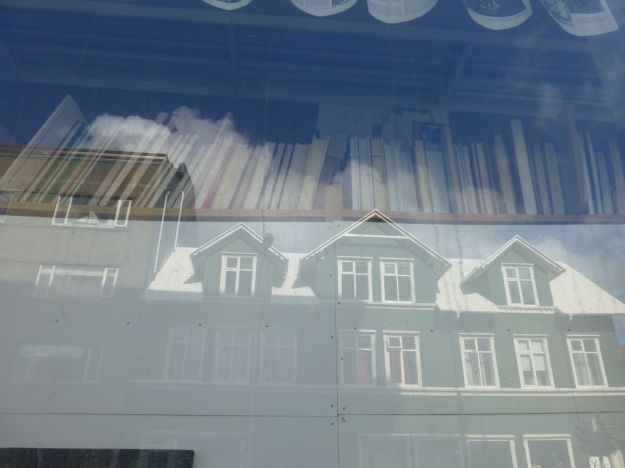
bookcity2… which, as you can see, centre

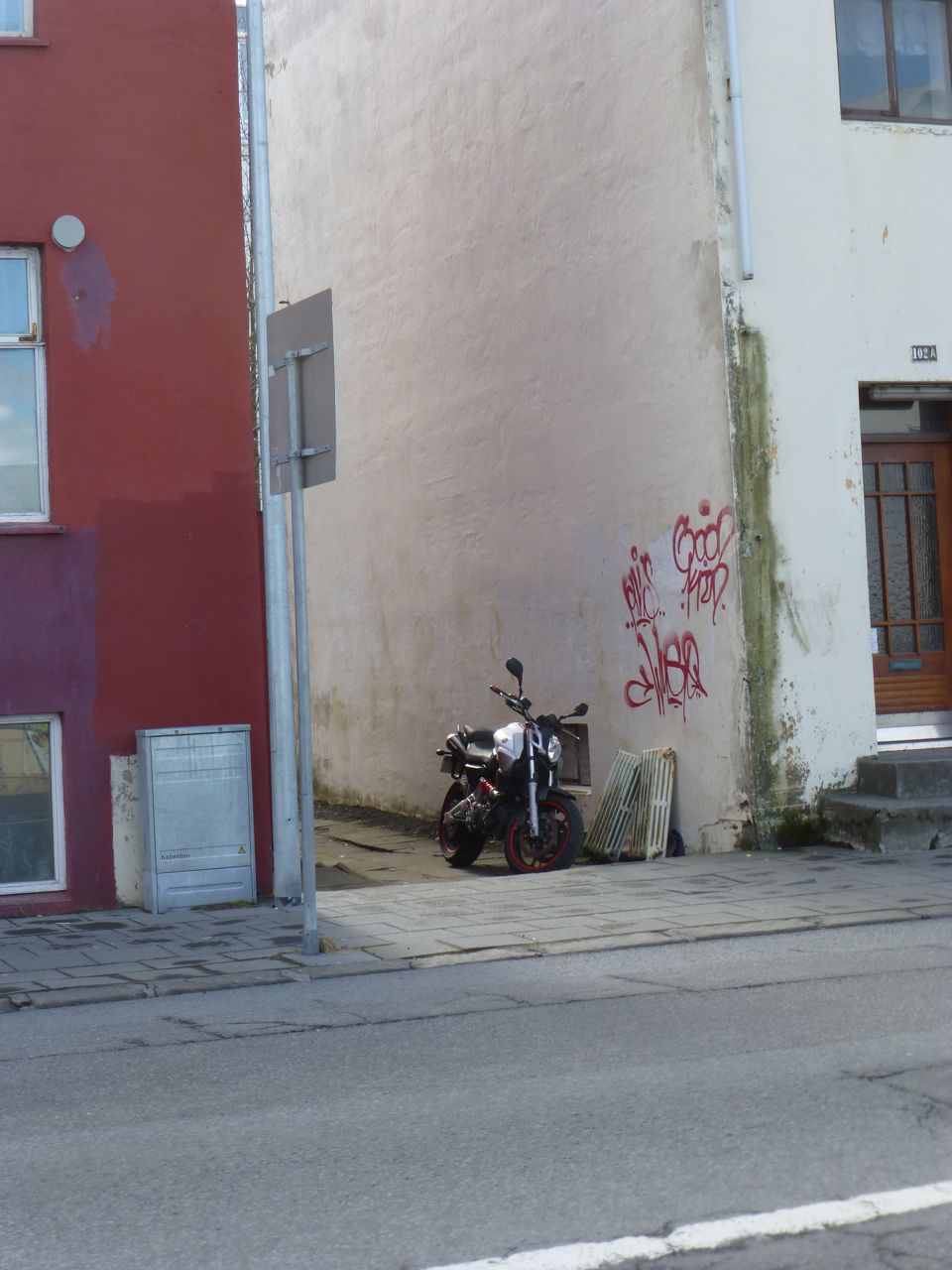
… has, like my Canada, adopted a new colonial master. Colonies do that, of course. It’s all they know. Still, in this city where everyone is a poet, some of this poetry is illegal…P1530675


… while some of it, identical to an eye from the farm, is legal…

P1530676 … which is weird. Copyright squabbles can be like that. But, hey, it’s a city, with its own sense of the commons and its own intrusions into it, but even so some, of it is beautiful…cracked … and the horses still have powerful things to say …bike


… there are still meadows full of flowers …

light


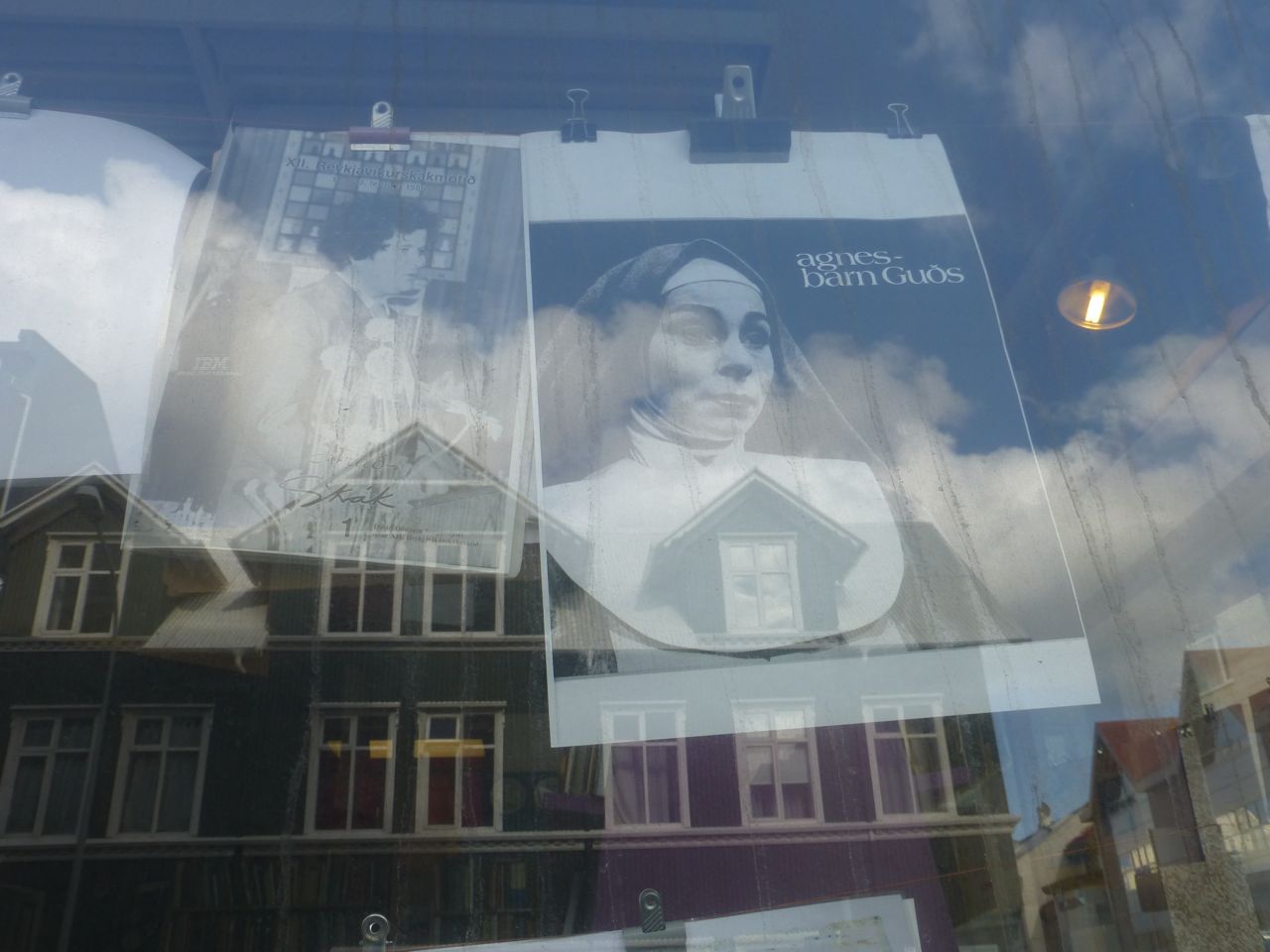
… and I would almost be tempted to say that we writers are guilty of something for which there is no possible absolution, except that even here we are children of God …

agnes

Agnes, Child of God

… and he has kept the light on. We may be for sale, and a little hounded by traffic …

wheels


… but that’s the book business for you. At any rate …

drink


Gunnar Gunnarsson Secret Agent: the Transcripts

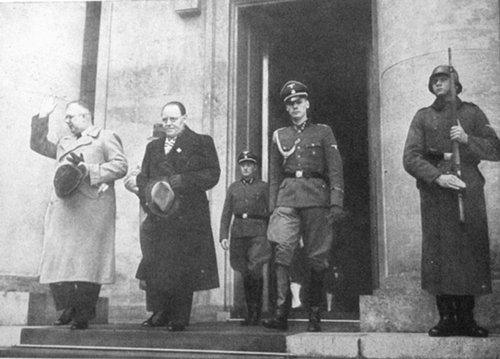
In 1940, the writer Gunnarsson went to Germany on a book tour, for which, among other things, he has been called a Nazi. I’ve been giving you photography that will be the heart of the book I’m writing about him, but there is a point at which his story as a man of the land clashes with the affairs of the world, and it was here, in the moment just before this photograph was taken …

gunnar_hittir_hitler_1a_lille_1172715

Iceland-Danish Author Gunnar Leaving his March 1940 Meeting with Hitler 3 Weeks Before the  Invasion of Denmark and Norway Source: http://fornleifur.blog.is/blog/fornleifur/entry/1257968/

From left, Hinrich Lohse, Gauleiter of Schleswig-Holstein, Head of the Nazified Nordic League Literary and Film Club of Lübeck, of which Gunnar was a member and under whose auspices he was on this tour (Lohse was soon to become Kommissar of the Baltic States as well), a hidden man in civilian clothes, Gunnar, two SS Officers (likely Werner Best, later the Nazi administrator of Denmark, and Otto Baum, later head of the Das Reich Division of the Waffen SS), and an SS guard.

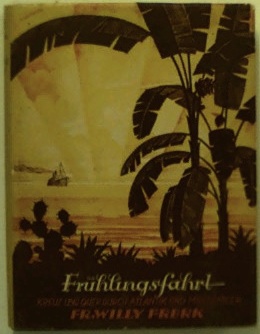
What was said inside that building that could make Gunnar so upset? I have been working on this for a few days now. Here’s my theory: in 1928, Gunnar went on a cruise to Atlantis (Ireland, Madeira, Teneriffe, Lisbon, Morocco, Seville, Mallorcca) along with, I believe, this soon-to-be-prominent Nazi-era photographer and photographic pioneer …
frerk

Frerk’s 1928 Book About a Cruise to Madeira, Tenerife, Lisbon, Morocco, Seville, Mallorcca…

There’s a big story about the Atlantis idea, but let’s just say that it was a huge fad at the time in many circles, including Nazi ones, that the continent of Atlantis (and its ‘advanced spiritual civilization’) had sunk into the mid-Atlantic in a volcanic explosion, leaving only the islands and cities mentioned above, plus Iceland. This isn’t that story. It is, however, the story of Gunnar’s decision to become a spy, without mentioning it to anyone, and to do so by writing cables back to Denmark that used literary language that could easily double as criticisms of the Third Reich’s racial policy. I believe that  Herman Wirth, one of the architects of that policy, may have been on the cruise, and I believe it was that voyage that the “non-existent” Luftwaffe installed and tested a prototype ship-launched fighter plane, disguised as a mail-delivery plane. At any rate, read Gunnar:

 “It’s good for one’s health to get off the ship. From the cool of the ship and the shadows of the quay, one rises on smooth, wave-beaten steps of stone into the deafening sunshine. The humming of the sun and the murmuring of the sea boil together in one’s head; one becomes dizzy. Out of the boiling light, a pair of heavy palms suddenly cut themselves; there they stand, with their blank green, sharply drawn against a blinding white wall.”

Gunnar, Islands in a Great Big Sea, 1936 (originally published in Copenhagen’s Politikken, 1928)

Sure, it could just be the words of a man on a romantic cruise with a woman who was not his wife, enchanted with the landscape, in love, and catching a glimpse of exotic green trees in a stunning landscape, not the need to escape from the odd, racist environment of the ship’s dining room conversation, or the security personnel in plain clothes (or not). Still, the book doesn’t really read like that, and his next books, Vikivaki (1932) and “The Good Shepherd” (1936) read as parables, which can be read anyway you want, depending on your prejudices. “The Good Shepherd” certainly was. It was used as propaganda by the Germans, the British and the Americans, and then at the close of the war was among the books that suddenly read as secret condemnations of the Nazis, published from within the Nazi Propaganda Ministry. At any rate, more on that story later. There is a third text, even less widely distributed, and that’s the speech Gunnar gave in 44 Third Reich Cities before meeting Hitler, whose support of Gunnar’s books [albeit as propaganda material for a Scandinavian annexation] had made Gunnar very rich. I believe this speech, called “Our Land”, was a correction to the message in “The Good Shepherd”, and was intended to correct the propaganda aims to which that book had been put despite Gunnar’s efforts to keep it as a message of peace extended to all men, regardless of their politics. A passage from this text is just below. When you read it, remember that Gunnar’s friend from the pre-Nazi Nordic League, Fritz Höger, who had wanted to be the Reich’s leading architect and redesign its buildings along North German (ie Danish) lines, had lost out to Albert Speer, who was responsible for the monumental, kitschy architecture that came to represent the Reich (including the building in the image above). Here goes:

“What is necessary is to open the eyes of Icelandic youth to Icelandic nature and its beauty. Not as if they don’t see it; but do they know what they see? Have our youth been lead to understand clearly for themselves, what goes well within our Icelandic landscape and what less so? At the very least one sees no sign of it in the newest of Icelandic buildings and the way people carry on through the country and even, at times, in the villages themselves. It pains one to see the way the land is mishandled and alienated through tastelessness, through kitsch, which will lead only to a a weight on the people themselves and bring disrepute to our land and our people. It is far better to view the inner life of people in the way it views itself, without outside direction, than to do so with words and discipline. To see the right path from these roots is more important than one might think from a distance. And, at any rate, one sacrifices little if one holds to taste and good manners. And if it ever should be time to talk of sacrifice, our land has already earned it completely, and our joy at its beauty will never be complete, so long as these things are not put into an order that no longer give any cause for rebuke.”

I believe that Hitler heard that exactly as he was meant to, behind his tiny desk in its huge room like a concert hall in the Chancery in Berlin, where he usually greeted heads of state. He would have heard this…

“What is necessary is to open the eyes of German youth to German nature and its beauty. Not as if they don’t see it; but do they know what they see? Have your youth been lead to understand clearly for themselves, what goes well within their German landscape and what less so? At the very least one sees no sign of it in the newest of German buildings, built by that idiot Speer, with his head in Italian clouds, and the way people carry on through the country and even, at times, in the villages themselves. It pains one to see the way the land is mishandled and alienated through tastelessness, through kitsch, which will lead only to a weight on the people themselves and bring disrepute to our land and your people. It is far better to view the inner life of people in the way it views itself, without outside direction, than to do so with words and discipline. To see the right path from these roots is more important than one might think from a distance. And, at any rate, one sacrifices little if one holds to taste and good manners. And if it ever should be time to talk of sacrifice, your land has already earned it completely, and Höger’s and my joy at its beauty will never be complete, so long as these things are not put into an order that no longer give any cause for rebuke.”

After all, both Gunnar and Hitler shared a believe in the identity of Iceland and Germany as Nordic states united in brotherhood — they just understood that differently. Here’s Gunnar a little later in the speech (Remember, at this time the British and the Americans hadn’t invaded Iceland and there were no appreciable building projects of any kind, but there were in Germany)…

Few lands that can call themselves populated are so little touched by the traces of time. Here it’s not, as it is in richer territories, buildings and the works of man that make a land appear all-powerful. On the contrary. In the past, the houses stood so simply and artlessly in the land that they were hardly to be reckoned as houses, and human habitation snuggled into the landscape and passed well with it. In recent times, a massive change has stepped in to this relationship, and sadly not for the best. It is sad to see how foreign so many of the new houses appear above their home meadows and how ugly and gauche they clash with the Icelandic valleys, among its rivers and against the strata of its mountains. Regrettably, out of tastelessness, which they are also anchored within, springs only decline and bad fortune.

Again, neither of these two men were stupid (That Hitler was evil is another matter), they shared a symbolic language, and I believe that what Hitler heard went much like this:

Few lands that can call themselves populated are so little touched by the traces of time as Germany. Here it’s not, as it is in France and Italy, buildings and the works of men [the Nazi Party] that make a land appear all-powerful. On the contrary. In the past, the houses stood so simply and artlessly in the land that they were hardly to be reckoned as houses, and human habitation snuggled into the landscape and passed well with it. In recent times, a massive change has stepped in to this relationship, and sadly not for the best. It is sad to see how foreign so many of Speer’s Greek palaces and your new Autobahn bridges appear above their home meadows and how ugly and gauche they clash with the German valleys, among its rivers and against the strata of its mountains. Regrettably, out of tastelessness, which they are also anchored within, springs only decline and complete and utter defeat and destruction.

In both of these speeches, a tiny change, well within the compass of the title “Our Land” and Gunnar’s relationship with the audience to which he was speaking, bring out an amazing subtext. Gunnar’s 1930 novel “The Black Cliffs” demonstrate that he had the depth of writing skill and the depth of psychological understanding to attempt to pull this off. Can any of this be proven? No, hardly. It does, however, make absolute sense. If it is in any way true, however, Gunnar’s reputation as a early-to-mid-twentieth century writer needs to be reassessed. If this is what Hitler got out of those speeches, the conversation inside that building, of which Gunnar never mentioned a word, would not have gone well. Any other writer who had tried to use his authority as a writer (and none were more famous or sold better or were more beloved than Gunnar) to trump Hitler’s had wound up in Buchenwald, even Ernst Wiechert, whose Baltic folktale novels were very similar to Gunnar’s nordic  ones. If such a half-veiled threat had been made, and was accepted bluntly and openly rather than as the psychological suggestion I think it was intended as, Gunnar’s expression would have been understandable, especially given the company he has on those steps. Here is that photo again:
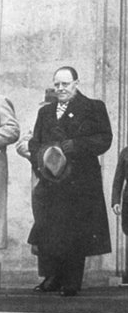
gunnargrimaceGunnar Gunnarsson: A Man Trying to Broker Peace?


The Lesson of Spring Snow

All day I’ve been having enormous fun with books and making a book dance out of nothingness, about things that are among the most important to me in the world, things like the world, and how words are a very old magic given from people who lived with the earth and knew some things about it. By the time I was ready to go out a-walking, a spring snow had hit, although there was no shortage of light.

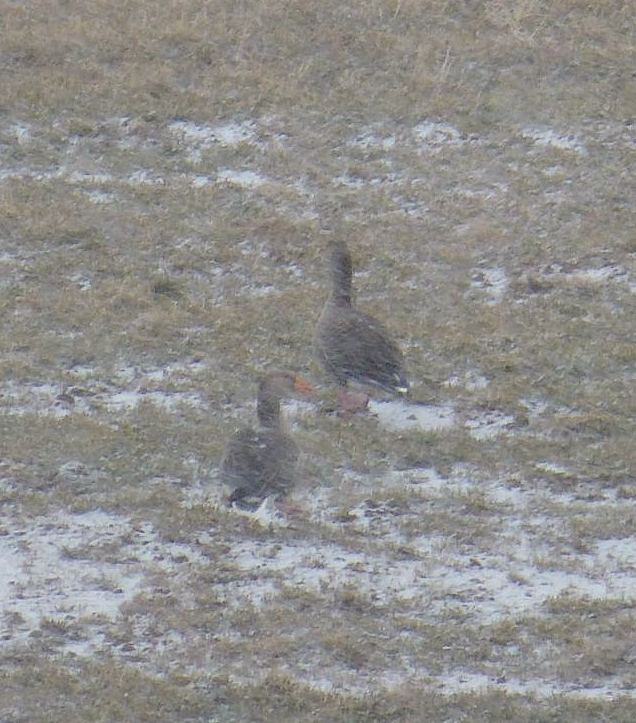
twogeeseinsnow

Migrating Geese Sitting it Out in a Pasture Field

I thought I had a found a bit of nature. Ah, such a naive Canadian fellow. You must be smiling — if you’re not shaking your head. The geese, mind you, had a clear idea about things…

P1420252

Don’t Worry. When I Walked Away They Came Back

Still, a rickety little camera and a lot of zoom in the snow, boring, right, so I walked on, and on and on, enjoying the snow. I tell you, things looked pretty good in the light. I thought that was the story. New snow acts like a lens for light, which brings up contrast, which makes things look, well, fantastic, like this…

snowcanyon

Nature. The Canadian is at It Again

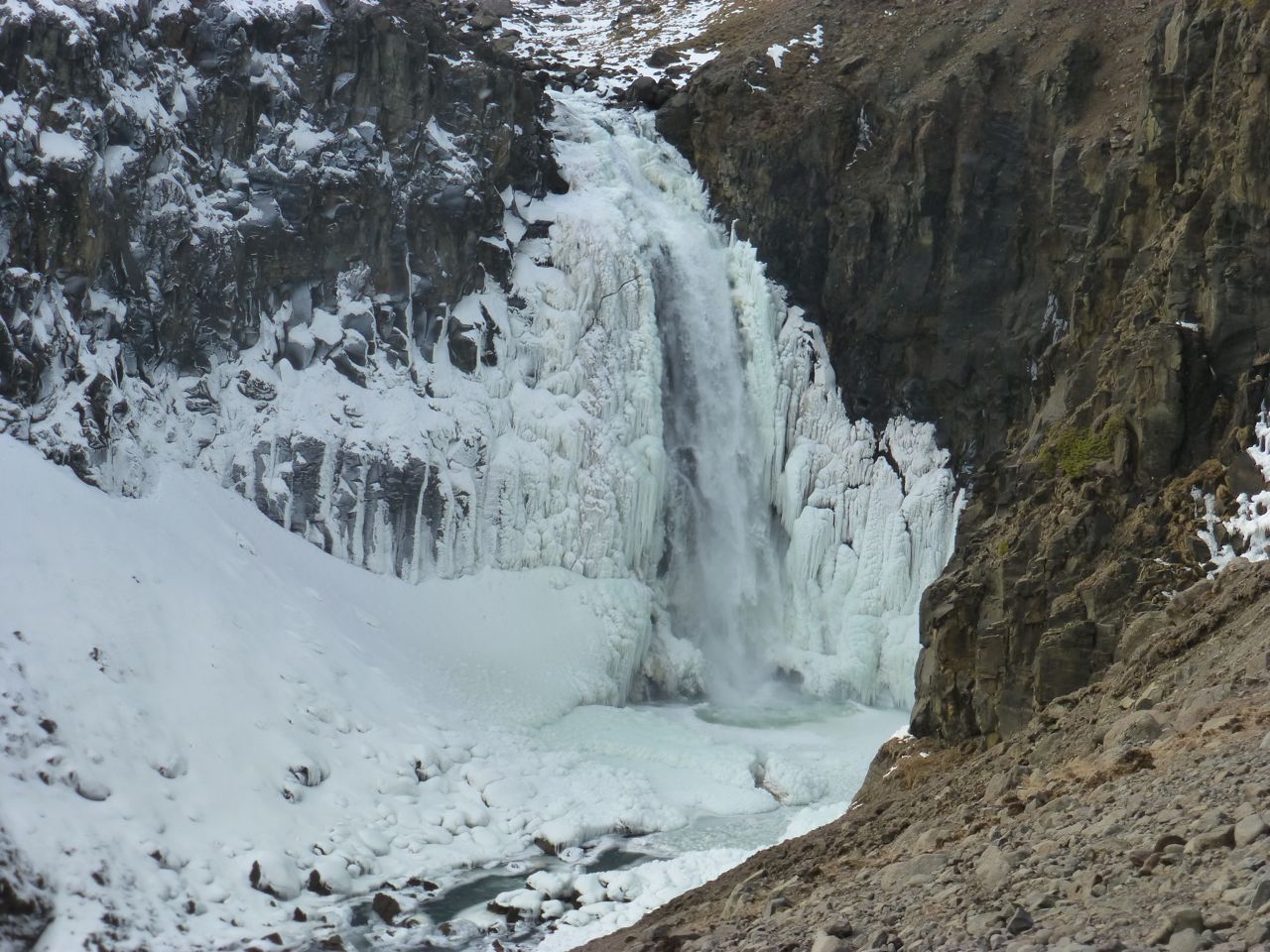
And waterfalls. And ones that no one goes to, yet. Secret waterfalls. Oh, Canada, or what!

And true Canadian that I am, raised on the Canadian myth that things start best with nothing, thought, well, nature, eh, and photography, whoa, and working together yet, huh, and that was pretty inarticulate, wasn’t it. Sheesh. The wind was nice, though, and it was good to feel cold after so many days of sun. So, horses, right. Always friendly and ready to pose…

P1420260

Well, Actually, Telling Me That It’s Time for Hay

But I thought, you know, the fence, ugh. We want the wild land, the earth, her own face, and what do we have? A fence. What a bust. But then the walking started doing its magic and I started to see, not because of the light, or the camera focussing my mind, but because the world was starting to sink into me after 5000 words of some pretty crazy writing, and this is what I remembered looking at just a minute before when I took a picture by reflex …
P1420257

Horses at Home

There are no prettily arranged farms in iceland, because they’re not farms. They’re cities. 

And I got to thinking, what if I stopped looking for the earth, would I find it? So I looked around …

road

A Fence, a Crop of Larches, a 4×4 Track

In Canada, this would be considered a portrait of intrusion on a landscape. Here, it doesn’t feel like that.

What is going on? I wondered. So I looked around some more…

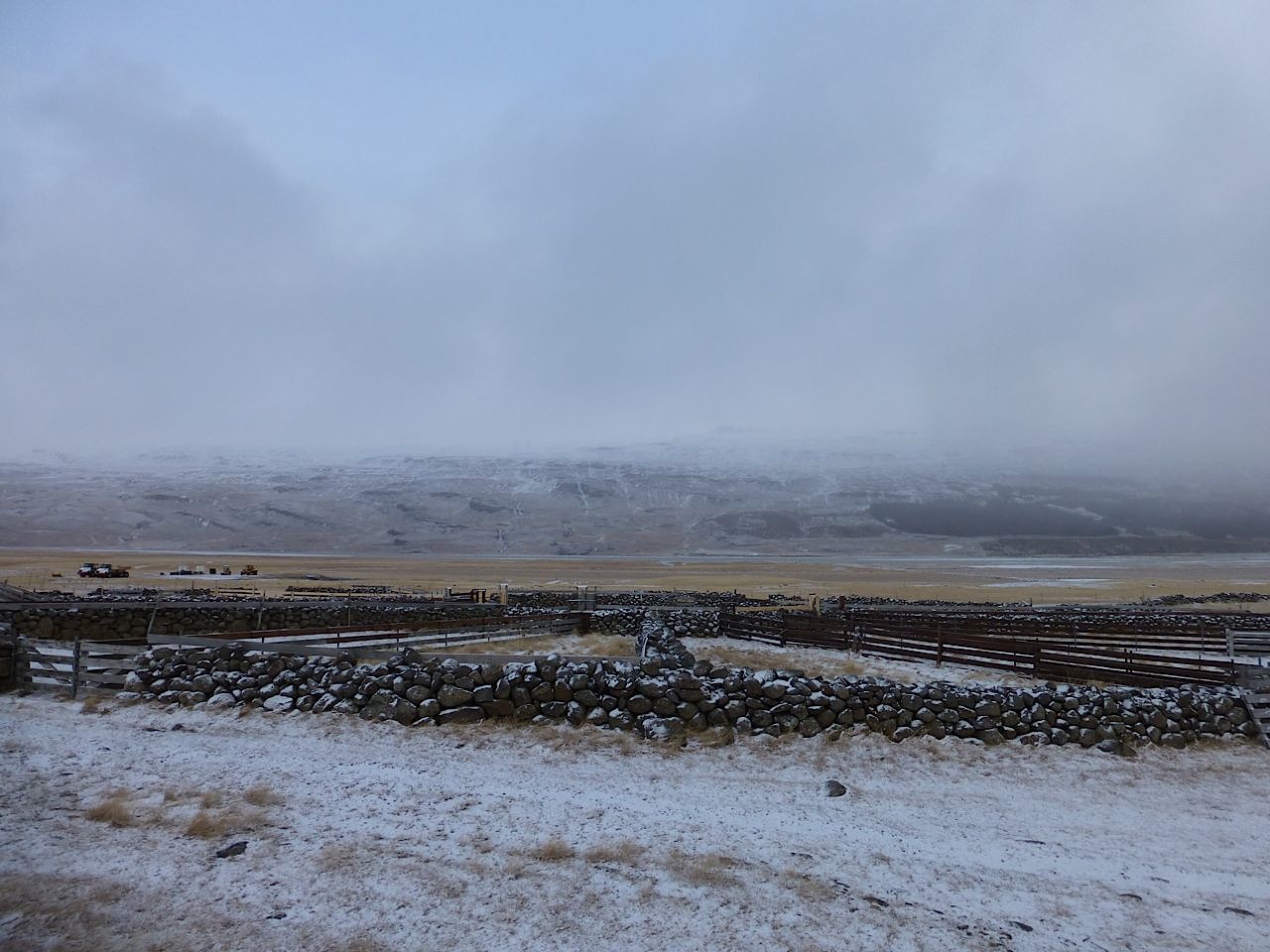
flat

The Neighbourhood Sheep Fold

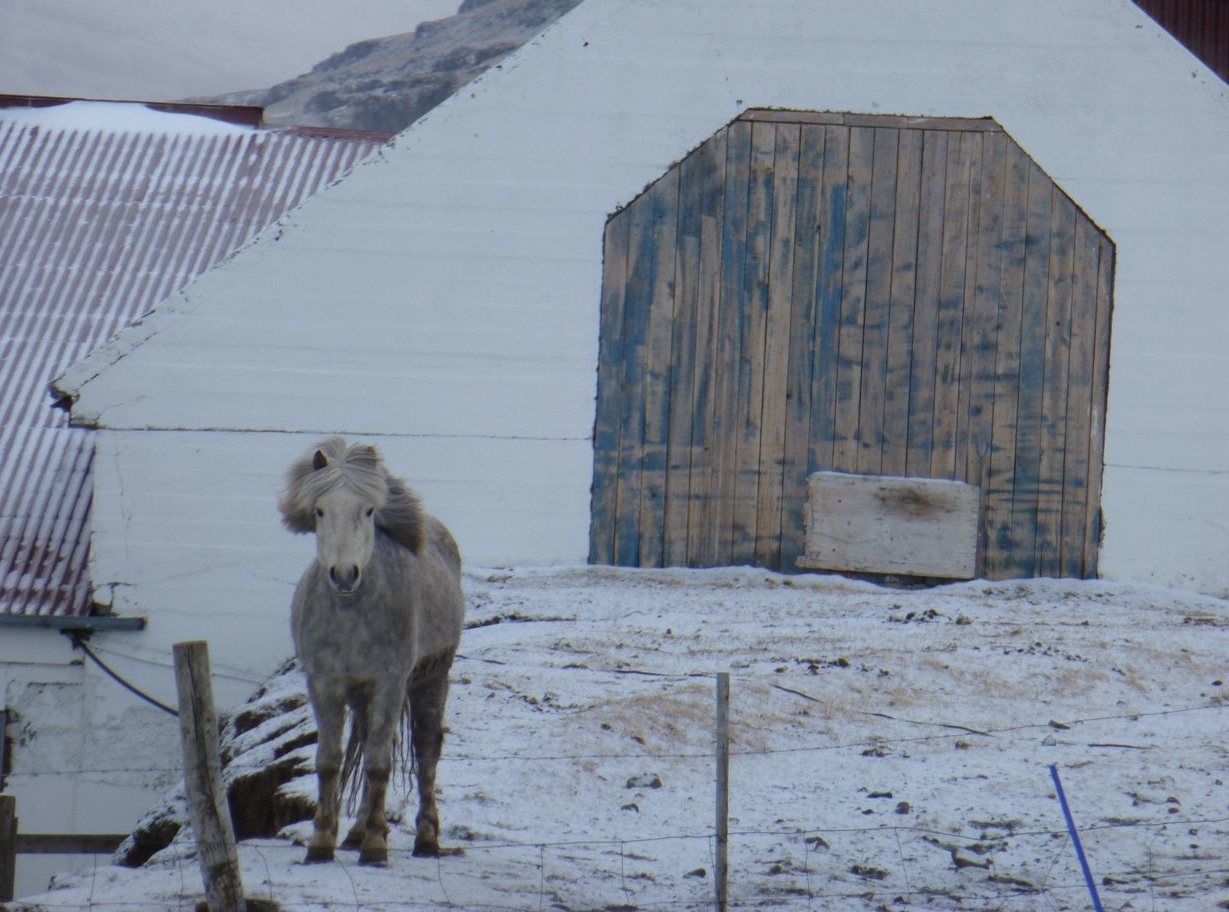
Of course, by this time I was being observed, because it was still hay time …

bluehorse

The world is physical, and humans are among its recorders. So are horses. 

The idea of nature, as a universal quality, spread across the earth and observable by all humans equally, especially through photography, is just not true. The word ‘Nature’ might be a word whose meaning has been twisted and lost.

P1420274

Nature? 

Nature is not the wild world? Then what is it?

That horse seems to know, doesn’t it.

Gunnar Gunnarsson and the Nazis

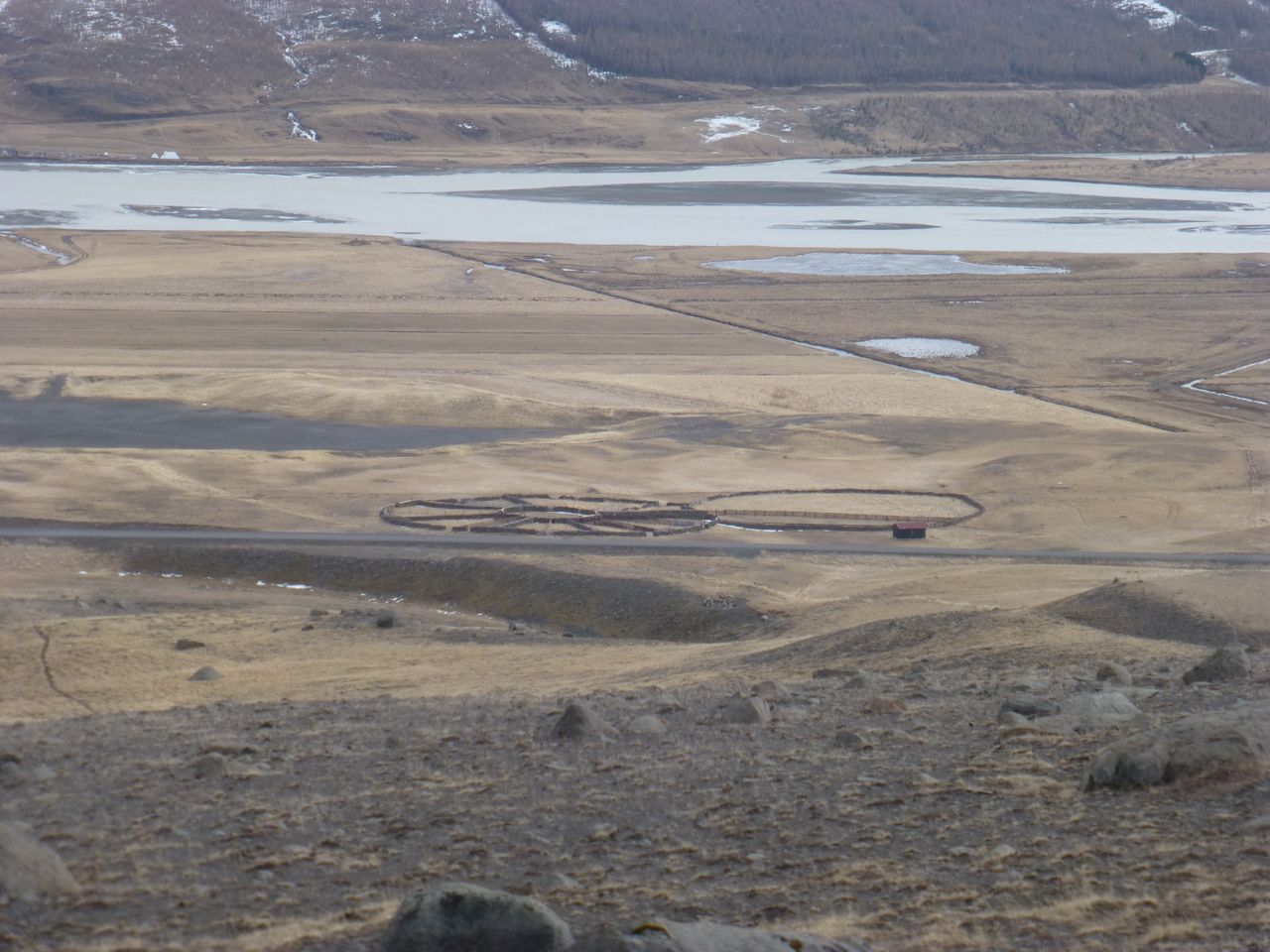
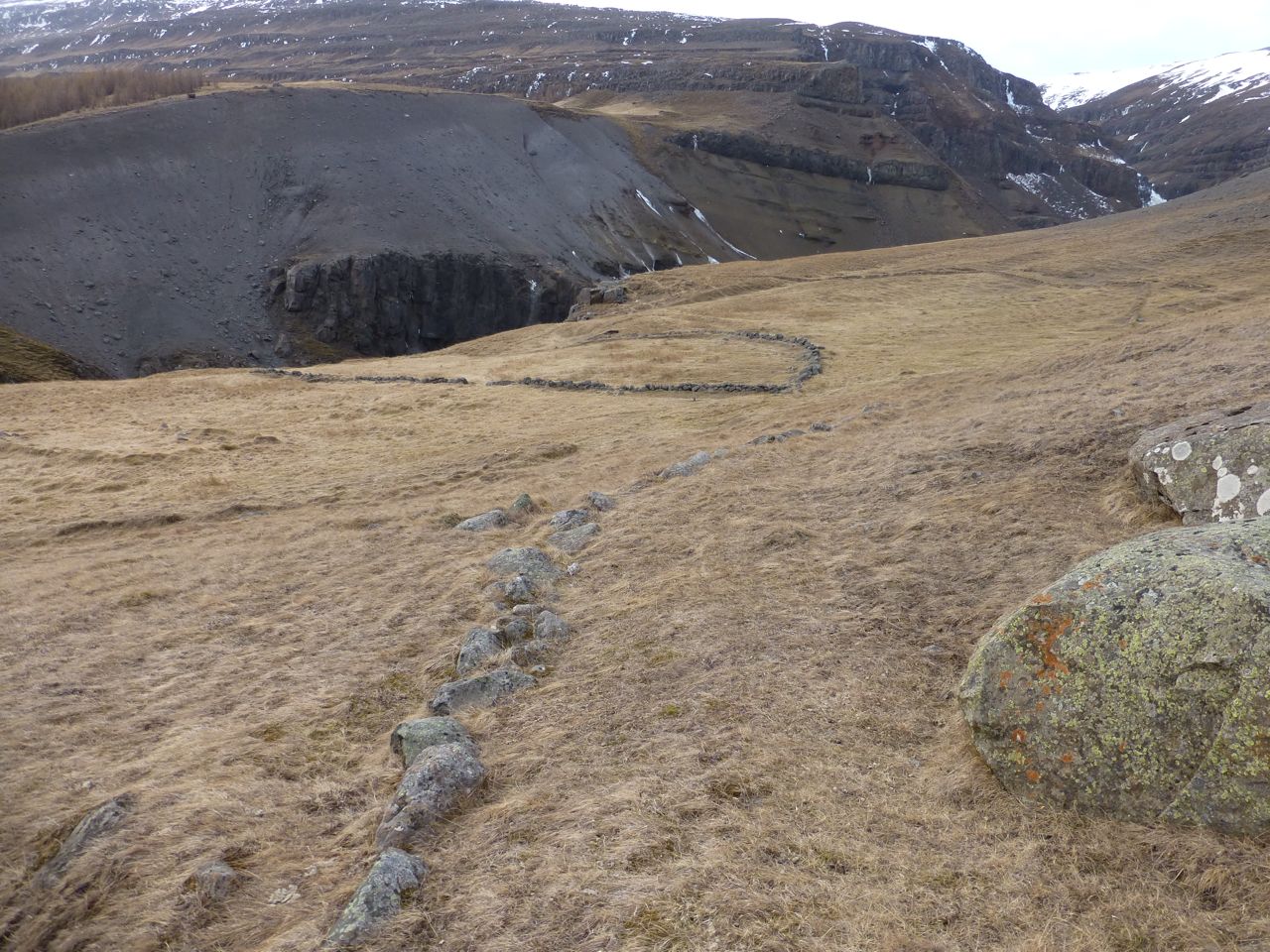
“Nazi” — the word means so many things that it is close to meaningless, and that’s a problem, because the real Nazis were a group of vicious, dangerous thugs with an ideology that continues to attract a disturbing number of people worldwide. Nazism should be strenuously guarded against, because its outcome is misery and chaos. So, let’s use it accurately, as the first line of defence against its resurgence and the first act of understanding the complexity and diversity of what went on in Germany during the 1920s, 1930s and 1940s, and what is still going on around the world. To set the record straight, Gunnar used this sheepfold …

fold

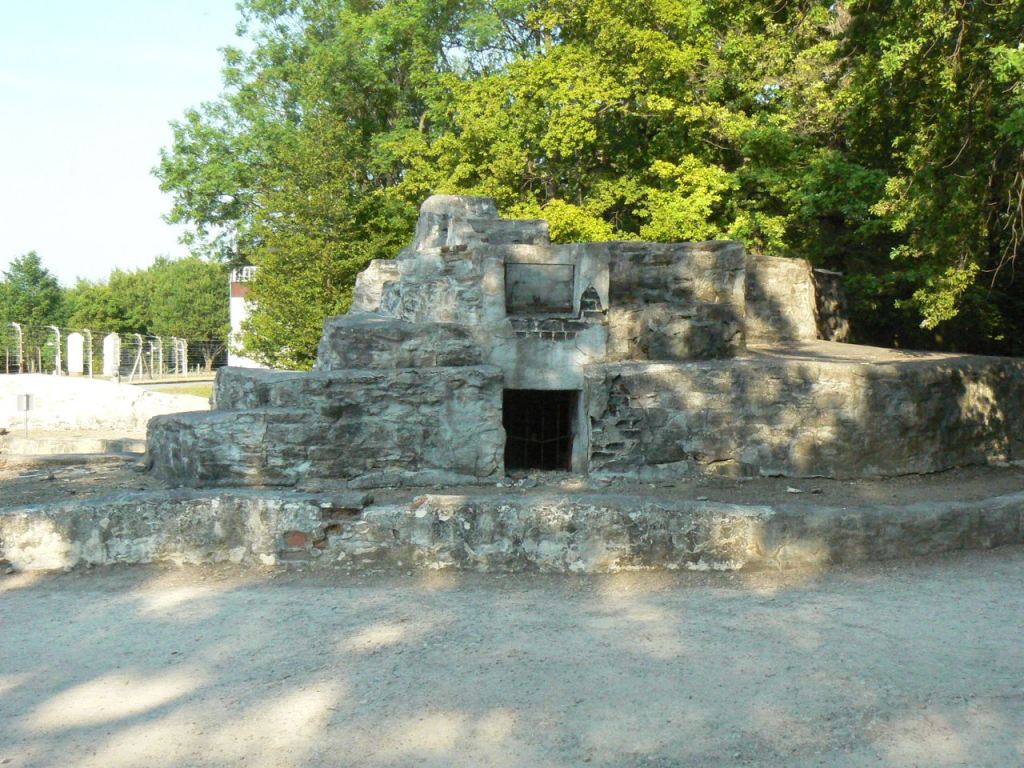
to sort sheep as part of communal activity. In contrast, Nazis used this pen …

p1140486Nazi Zoo at Buchenwald

… to stage bear fights, as a lesson to new guards about the need to have no squeamishness about violence against Russian prisoners and communists, who, after all, were “Russian bears” and “beasts” were known in Nazi ideology to be politically self destructive, and used the electrified fences of the camp (right beside the zoo and visible in the upper left of the image) to herd people and spiritually and physically destroy them. Today I am writing an essay about the complicated relationship between Gunnar and the Nazis, but, ultimately it is as simple as the difference between these two types of fences and the uses to which they were put.


Agrarian Socialism

Socialism is about people and their access to the profits from resources. Not Gunnar Gunnarsson’s. Here are some pictures of his world…

high1

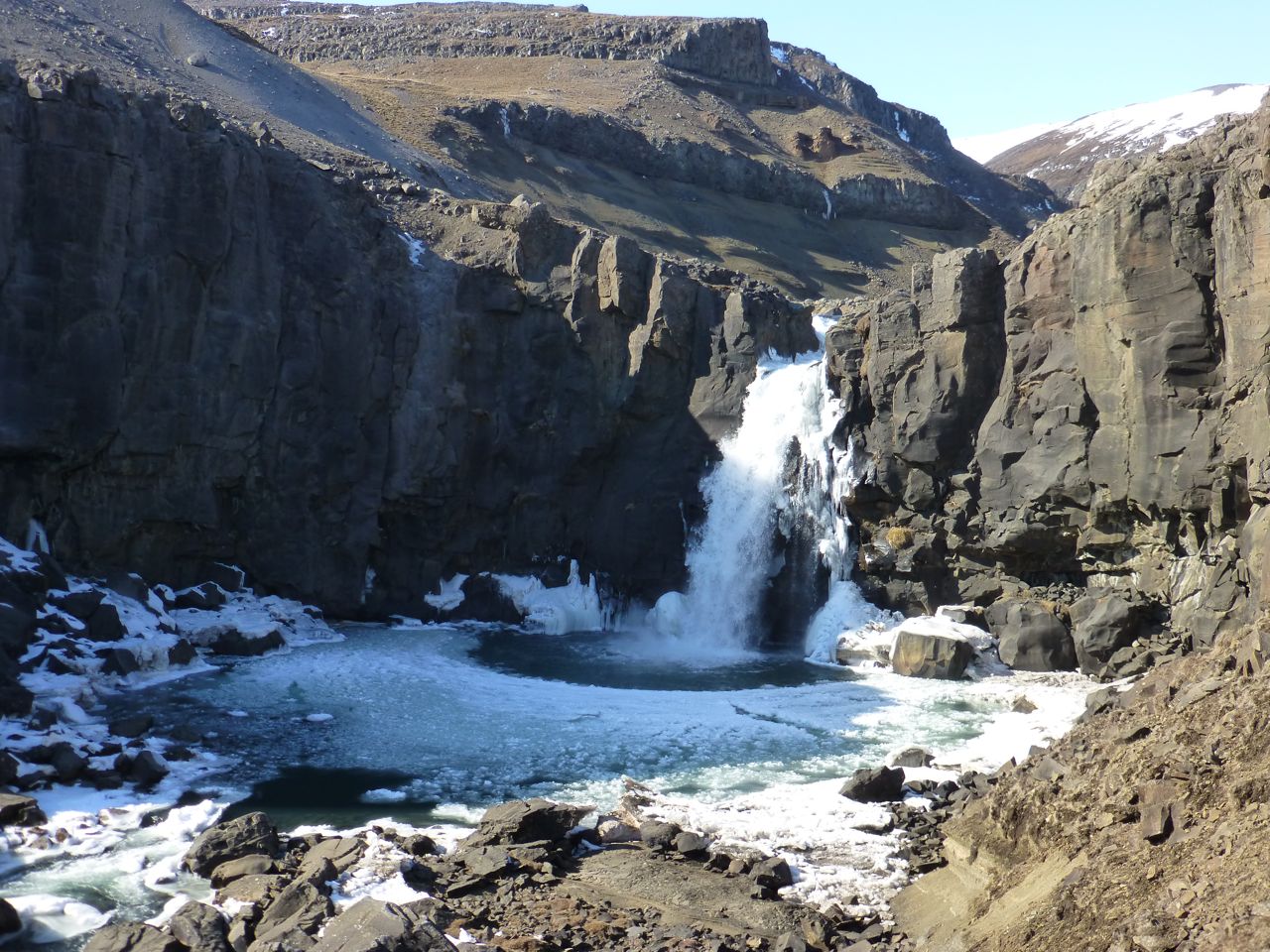
Water for the Taking

There are so many waterfalls in in Iceland that these beautiful falls aren’t even on the Icelandic Waterfalls tours. 

housenadfieldLand for a Home

When it was inhabited in Gunnar’s day, this farmstead would have been made out of stone and sod. No need for socialization of those resources, either.

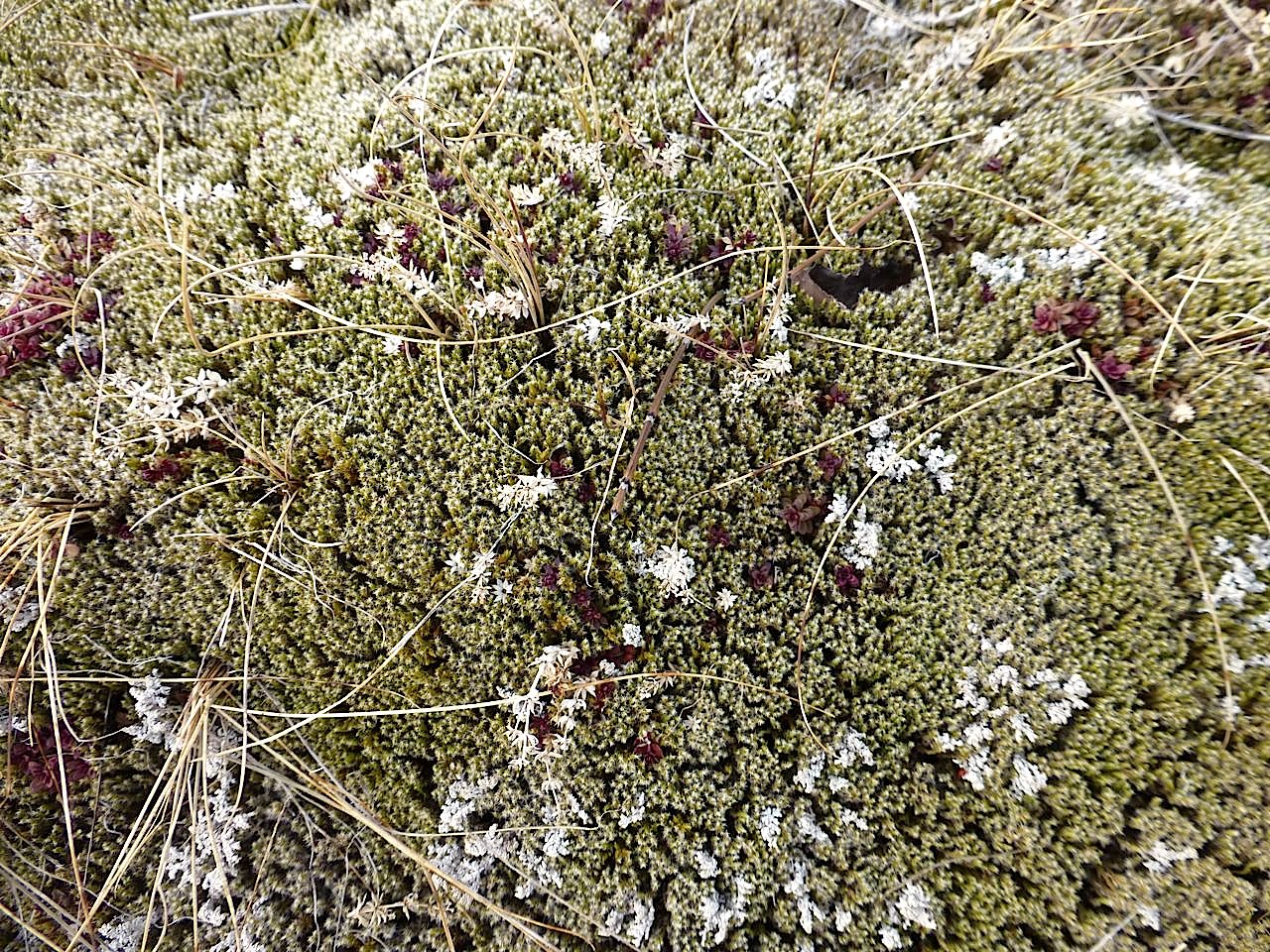
mossPretty Stuff Everywhere

No need for socialization of art. Heck, no need for art. The earth makes it a-plenty. 

Yes, these are images of poverty. Gunnar had no problem with poverty. In his eyes, it was wealth, because it had access to a greater communal wealth.

secondfalls

Water Source for that Farmstead Above

It’s a 60 minute climb from here to the first falls I showed you, if you dawdle and try to take pictures of falcons (?) with a camera viewfinder you could never see a moving falcon (?) in. Or even the ravens that laugh at you as they go by.

No doubt, the farmer in the homestead worked for the larger farms in the valley. Gunnar wanted to found the largest farm of all. That’s where socialism could, in his world, be some use: providing an interface between land and the outside world, so that the people could remain the land — not ‘on the land’, but ‘the land itself.’ His role as a landowner was to be a cultural broker, to ensure that the people stayed within the wealth of the land. That was his responsibility. Out of a community to which this was home …

housefield… society, too, was built out of the earth …

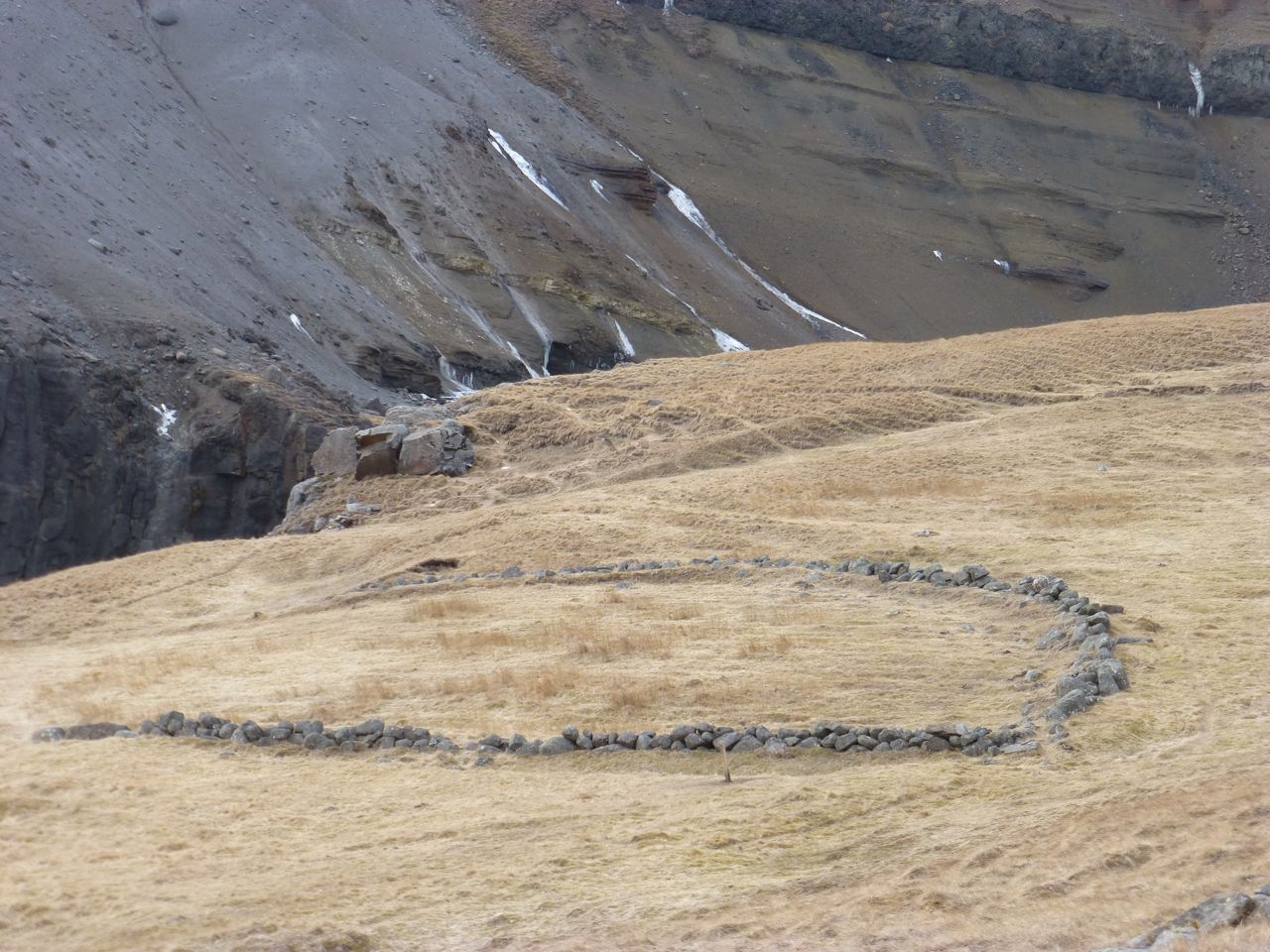
foldMelarett

The local communal sheepfold, for separating out the region’s sheep in the fall. Everyone helped, together. One didn’t need fences. One just needed a little bit of cooperative organization. The land provided for the rest. This is the image of Gunnar’s socialism.

Hitler had National Socialism. Gunnar had Land Socialism, extended from an older aristocratic land-management model. And to think, he went to Denmark for an education and found modernity instead of support for his ideas for an indigenous Enlightenment as a man of the land …

valbyDenmark’s Avante Garde Emulating the French of Twenty Years Before

Tom Kristensen brought English avante garde poetics to Denmark, and with them French ones. That looks like his wife Ruth to the left. 4 years later, Tom will be a hopeless alcoholic and will divorce her. Shortly thereafter she will bear Gunnar’s third son. That’s Gunnar standing, by the looks of it, holding forth. He was so misunderstood that he has vanished from Danish literary consciousness. One Danish Encyclopedia comes right out and says contemporary readers don’t like his poetic style or his sermons. Tom is still widely read and studied. His books are as lyrical as Gunnar’s, but in a more fractured, alienated style, without narrative.

No wonder Gunnar went home. It’s amazing it took him so long.

A New Map of Iceland

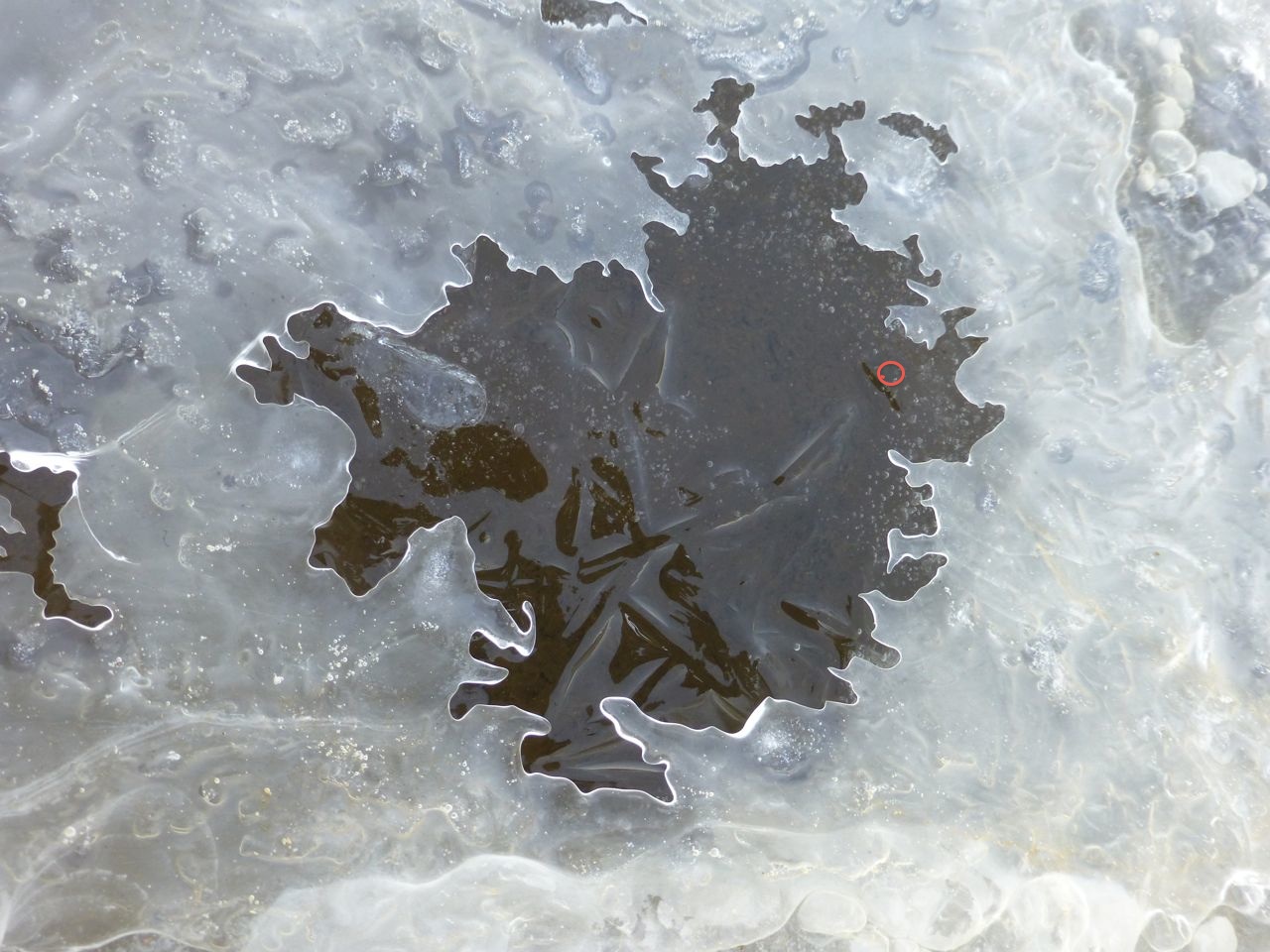
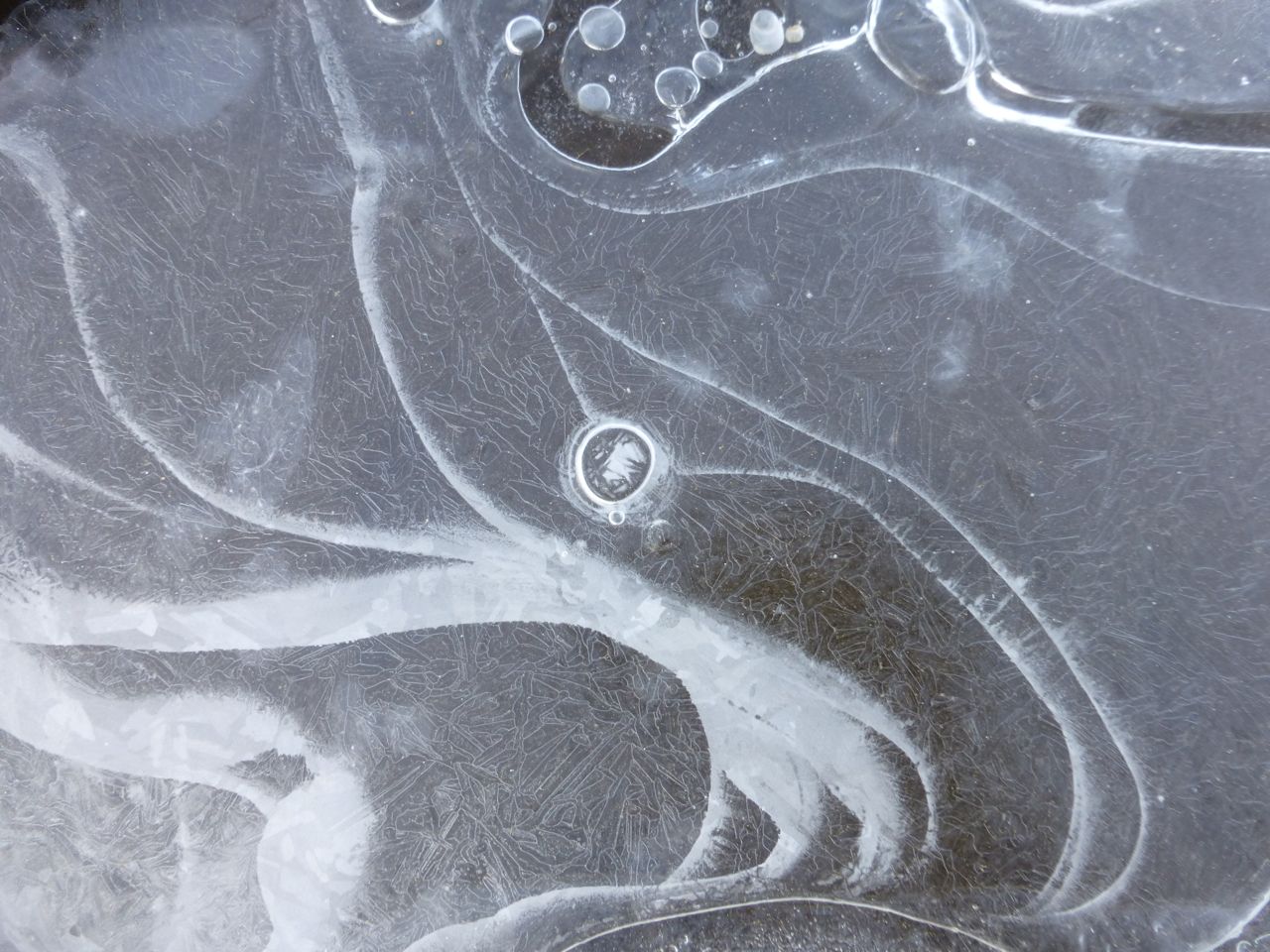
When I landed in Reykjavik three weeks ago, I found a map of Iceland made of stone and ice, frozen in the harbour. It was cold that day, with a strong wind. Now I am in the East Fjords and the wind came up again, and look what I found …

P1400396A Map of Iceland in Water and Ice

Still not perfect, but getting there.

Oh, and where am I sending this image from? Here…

whereAll day I’ve been working on Gunnar’s book Inseln im Großen Meer, or Islands in the Wide Sea, which chronicled Gunnar’s trip to the Islands of the Atlantic and the Spanish Mediterranean in 1928.  It is a beautiful book, with islands of light appearing out of the great dark sea, which is not just water but childhood and paradise, changing as the light and his mood changes, and always foreboding and dangerous, with the kind of awe usually reserved for God. Today, in East Iceland, though, all that water is more like this …

P1400580Last Night’s Photograph of the Night by the Night…

… on a retina of ice.

This, too…

P1400548See what Gunnar means?


Colonial House Building 101, an Icelandic Novel

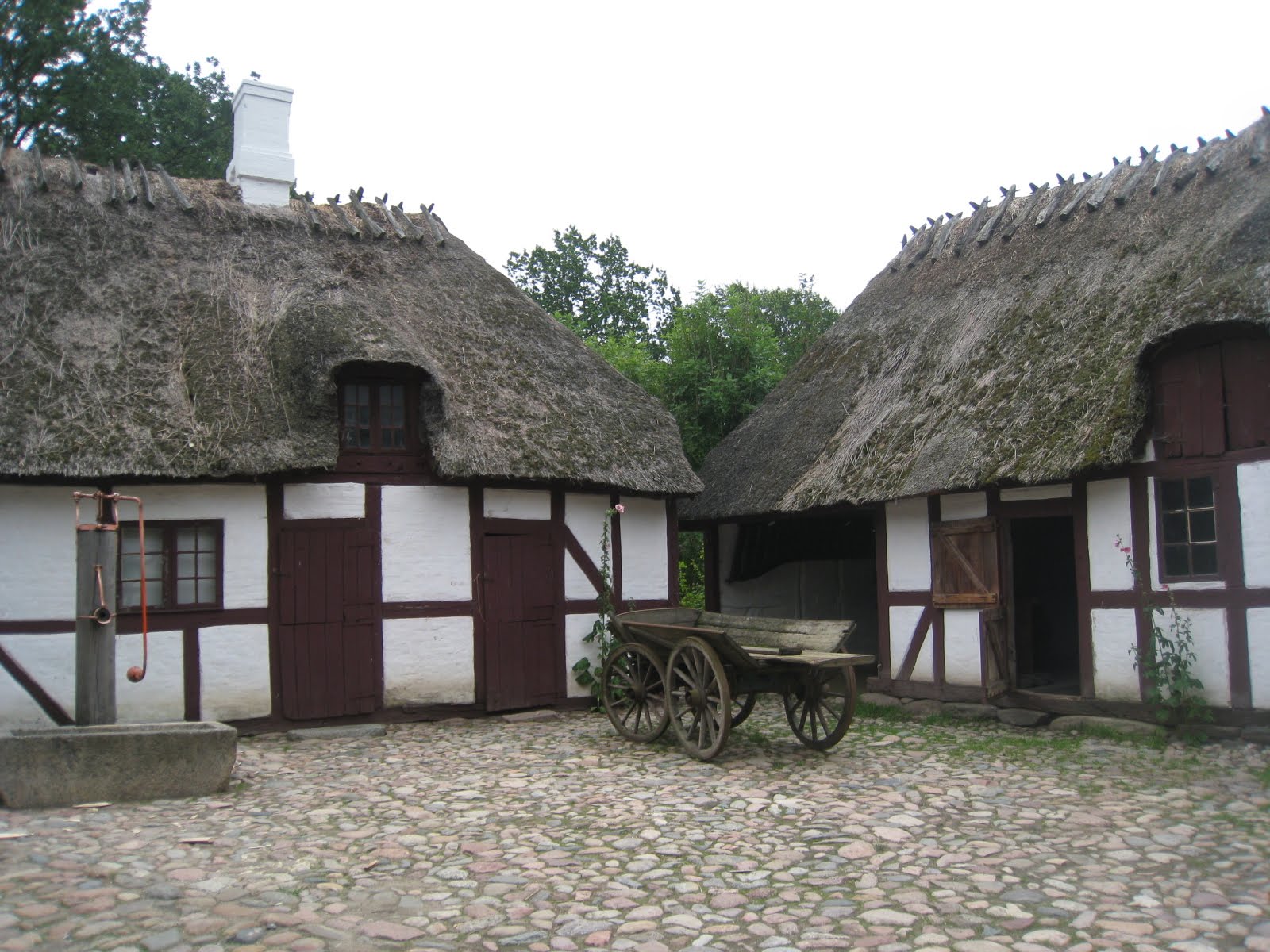
Gunnar Gunnarsson, Novelist and boy from the colonies, left Denmark (the colonial heartland) in 1939 to build a farm on Iceland (the colony) that would provide in a physical form the cultural direction of his novels. His friend the North German architect Fritz Höger, who volunteered to design Gunnar’s farmstead, had in mind something like this …

010Half-Timbered Danish Farmhouse

Den Fynske Landsby, Fyn, Danmark. The working courtyard in front follows the ancient Norse (and thereafter Icelandic) architectural model of a tun, an open air working room between buildings. Gunnar’s farmstead was to have a large an open tun between buildings, which was abandoned when the additional buildings were never constructed.

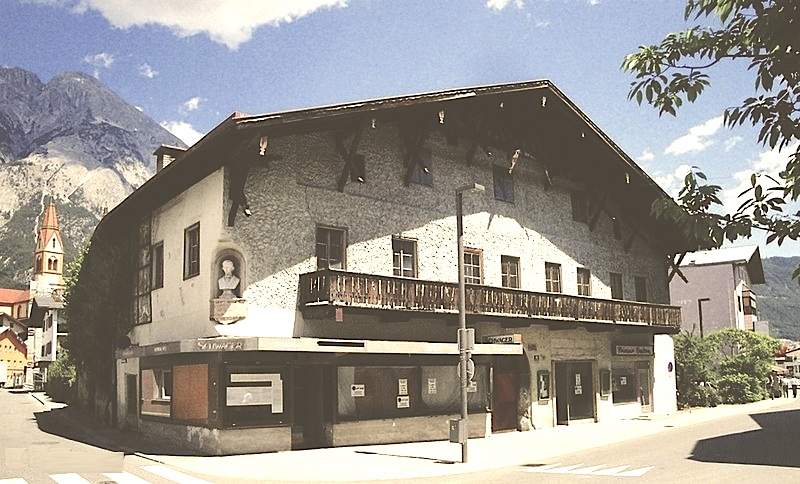
A German architect building a Danish-style building on Scandinavian soil for a man who lived his life between the German and Danish worlds would be a way of making peace with the Prussian takeover of Schleswig Holstein (Höger’s area of Germany) from the Danes. It was, of course, the time of an ascendent Nazi Germany, so the idea of a country house built by a German architect would contain some notions of German country houses, and in this case, a Tyrolian one (dominant at the time, with the annexation of Hitler’s Austria fresh in everyone’s minds, and all) …

Telfs, Untermarkt strasse, Tirol, AustriaTelfs, Austria

Note the balcony. It provides a commanding viewpoint. A central part of Höger’s design was to build a large terrace in a roman or Italian extension of this model. An absolutely key part of German culture is that Germans like to live outside. Their terraces are their summer homes. It’s not quite like that for Canadians, like myself, or Icelanders, who lives in countries a bit less amenable to lounging around in the cold. Still, what was done was done. What Gunnar had in mind was a totally different idea of living outside, much like this …

landhusLandhus Farm Barn, Fljótsðalur

This is a variation on the icelandic version of the previous two architectural methods: build the house out of the materials of the earth itself; your whole life is lived within and on the land. In such a situation, a terrace is rather redundant. Gunnar was committed to the idea of human habitation fitting into the land as if it were not even there, or as if it were an extension of it, like this…

housepointThe Foundation Walls of a Former Turf House

Overlooking the Lagarfljót

What he got is more like that than other houses in Iceland …

snugGunnar’s House Seen from Down the Hill

True to Gunnar’s vision, it changes colour with the seasons. True to Fritz’s, it is made out of cemented, rather than stacked stones. Fritz had in mind cut, square blocks of good German rock. There is no such rock in Iceland. The local boys settled on round stones from the river. Score: Germany 1; Iceland 1. A draw.

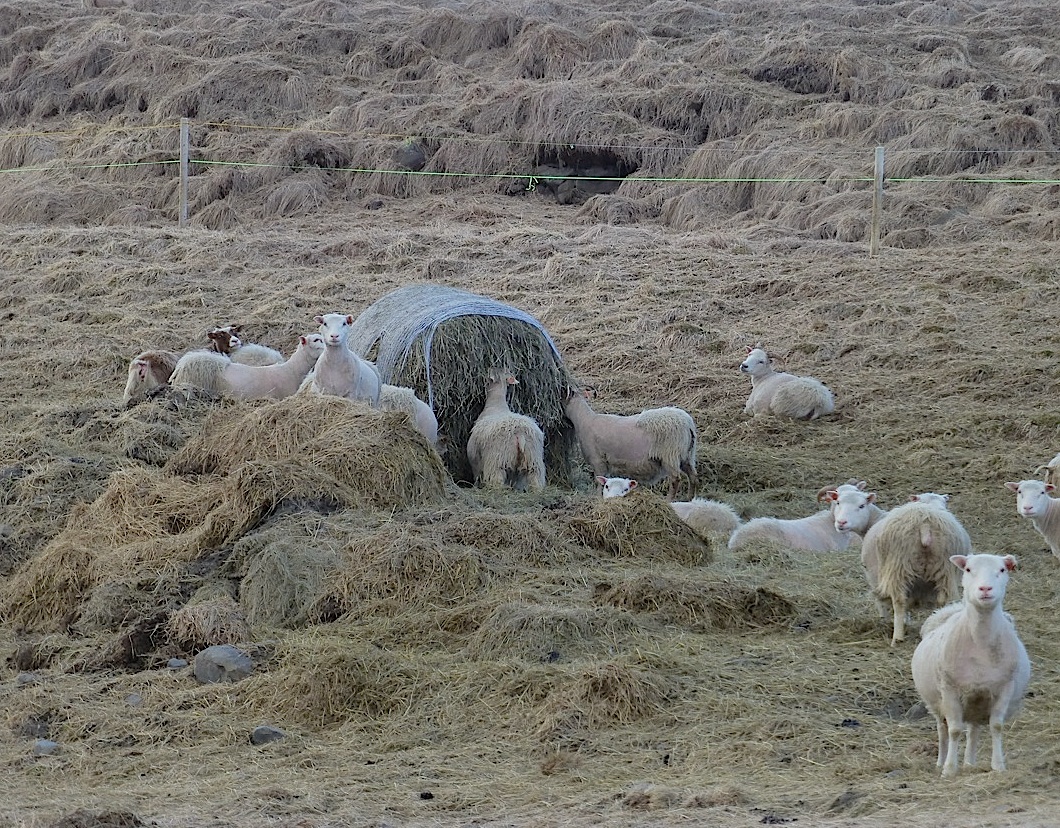
Thing is, Gunnar’s whole idea was that architecture, and especially how it fit into a landscape, determined the soul of a people and their ways of thinking. He was dead set against putting non-Icelandic architecture within Iceland, as it would, he felt, damage the people and their ability to survive. Now, one reason his farming venture failed is that there was war (started by his readers, the Germans), and a resulting invasion of Iceland by the British and the Americans, who paid so well for labourers to build their infrastructure that there were no surplus young men to care for animals like this …

top

Icelandic Ewe Demonstrating Ancestral House Roof Clambering Technique on a Hay Bale

Go, girl!

… and in this way the war ripped out the economic underpinning of Gunnar’s farm. What’s more, the rough and ready construction methods the young men learned on the American and British bases had a kind of effect that eventually led to this…

red

Definitely Not Gunnar-Approved Architecture

Thrown together for reasons of utility and nothing else. That is what farms look like throughout Iceland. There doesn’t appear to be the money on many to build anything better and, besides, it works. This kind of raw utilitarianism would not have appealed to Gunnar, and he would have feared that it would have led to sloppiness. He might have seen this, for example, as a consequence …

stuffSheep Pigging Out on a Haybale

But what Gunnar did not foresee was a permanent divorce of Icelanders from their land. A tiny fraction of the original rural population now has to grow more sheep, cows and horses than ever before … something has to give. The solution has been German, rather than Icelandic, industrial farming methods, capitalized on American industrial farming models. Has all this led to the wealth and security Gunnar was trying to create with his tun-based farmstead that would bring German agricultural models to the land and separate Iceland from colonial overlordship by teaching farmers how to get more wealth from their land, and keep it rather than giving it away to colonial capital managers?

0307-Iceland2_full_600Not quite yet. There’s more than one way to lose your sovereignity. Perhaps the process of decolonization is not complete and something can still be learned from Gunnar’s attempt. Heck, it could have been him holding that protest sign. Perhaps Gunnar’s time has come.