Tag Archives: Iceland

A Social Lesson in Climate Change from Iceland

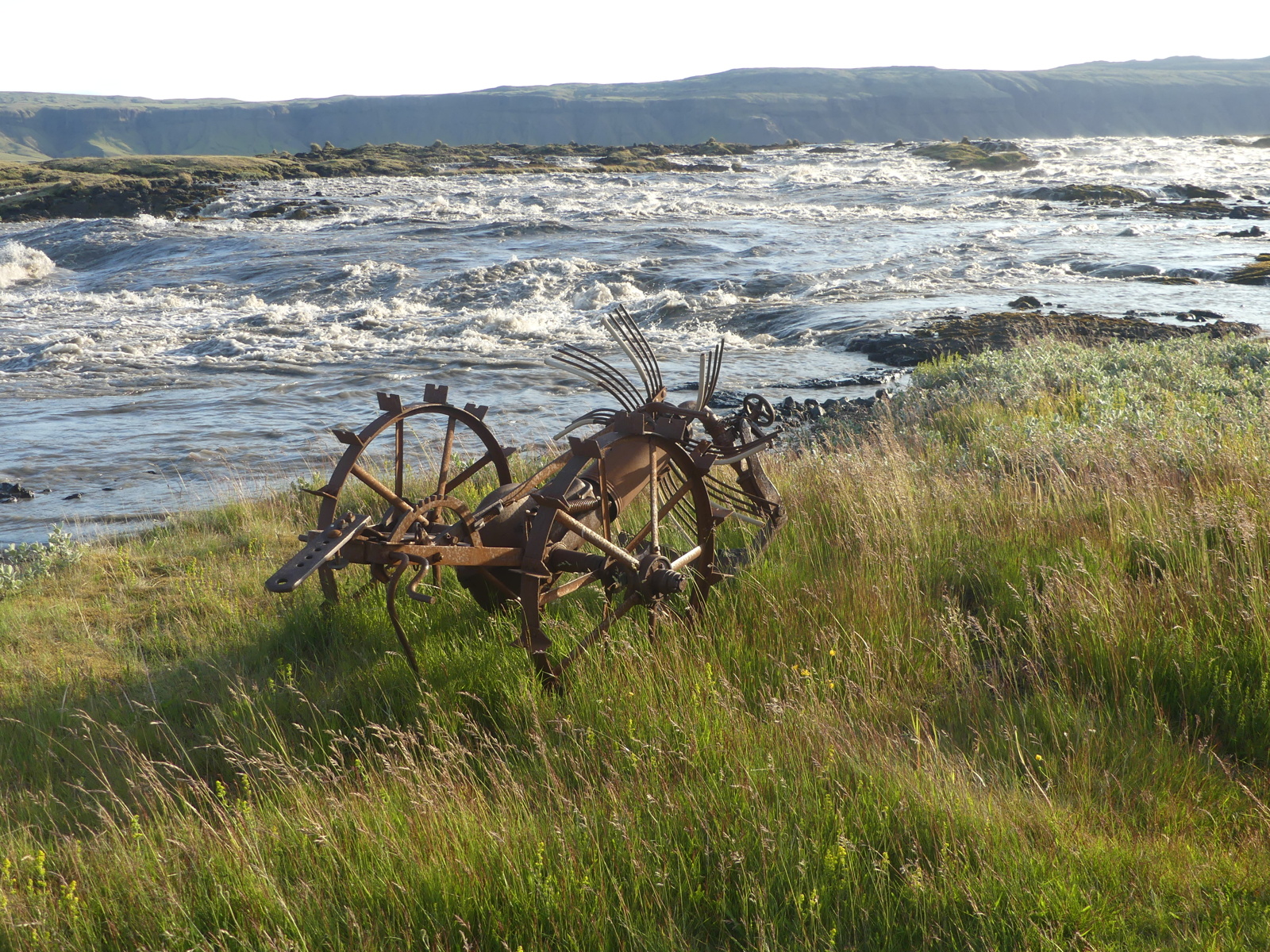
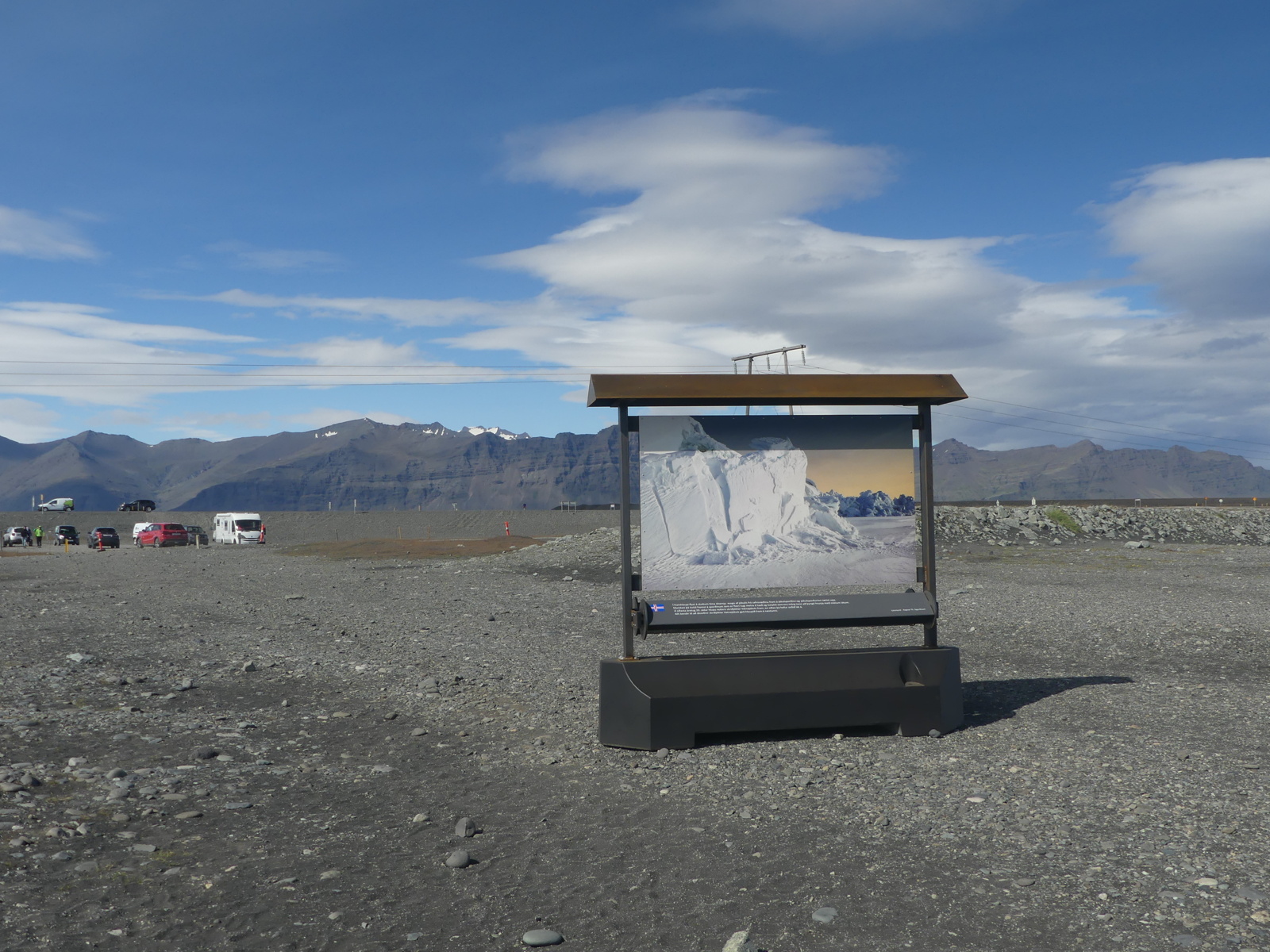
Time is a tricky thing, even in Iceland. On the South Coast, for instance, where lava has taken many farms away since settlement over 1000 years ago, and where people with no better means to independence eked out a subsistence living between the moss and basalt, power poles walk across the landscape towards Reykjavik. It’s there, in “modernity”, that most Icelanders now live, yet the power that sustains them and guarantees them the wealth to maintain their independence in a global world, walks across their past to get there and turns it into nature.In other words, to look at this landscape is to look at time, over a thousand years of social time included, through the lens of a great emptying. This sense of time is the price Icelanders must, perhaps, pay to belong to the world, but the cost is emptiness. It empties out the land, and empties out the past and empties out the soul. In short, one becomes dependent on the present and can no longer live in the fullness of time.  This is not just an Icelandic issue. Today, as the Earth empties of life, we are all paying the price for this defense against each other. What a tricky balance!

Dangerous Icelandic Lagoons

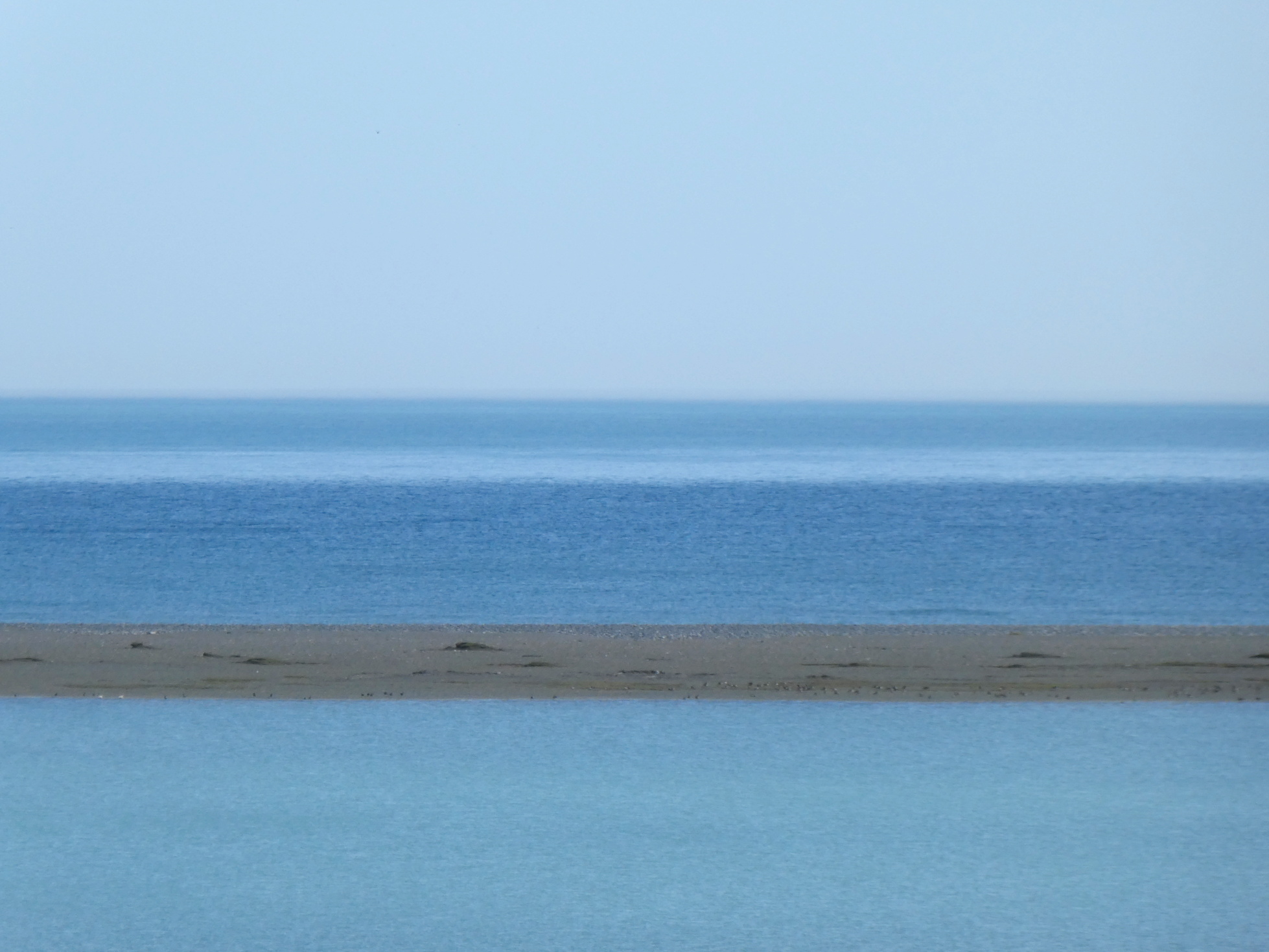
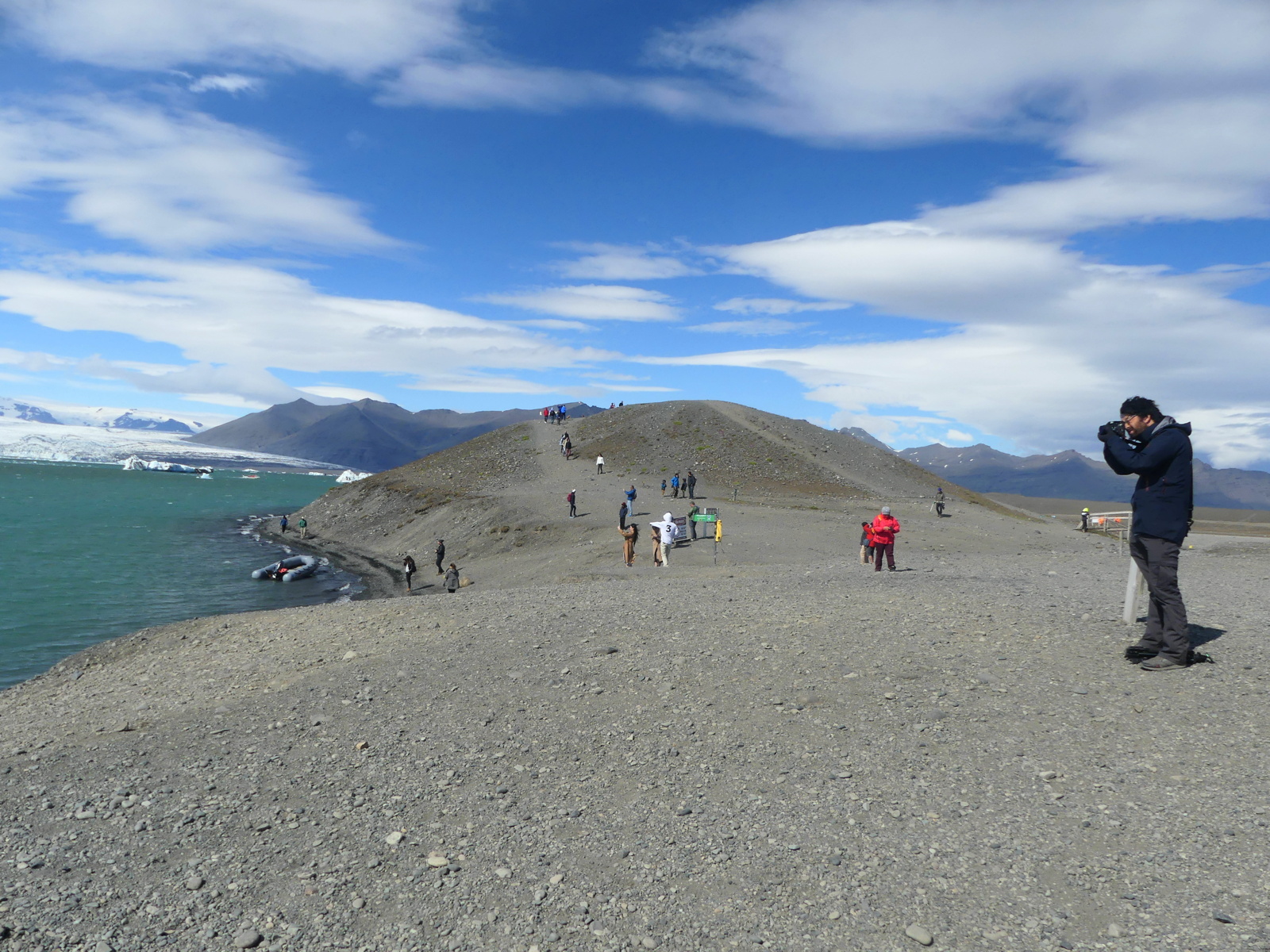
Lagoons remind us that the “shore” is a zone made as much by the sea as by the earth.

And no place for humans. It is a dangerous place, where energies are not settled.

We can visit, but to live there? No, we’re too fragile. And yet, from them we draw life. No, not this one:That’s the effluent of a geothermal power plant, sexed up. Don’t be fooled.

The Impromptu Art Galleries of Iceland

Farmer Art

Tourist Art

Guesthouse ArtGovernment Art

Really!

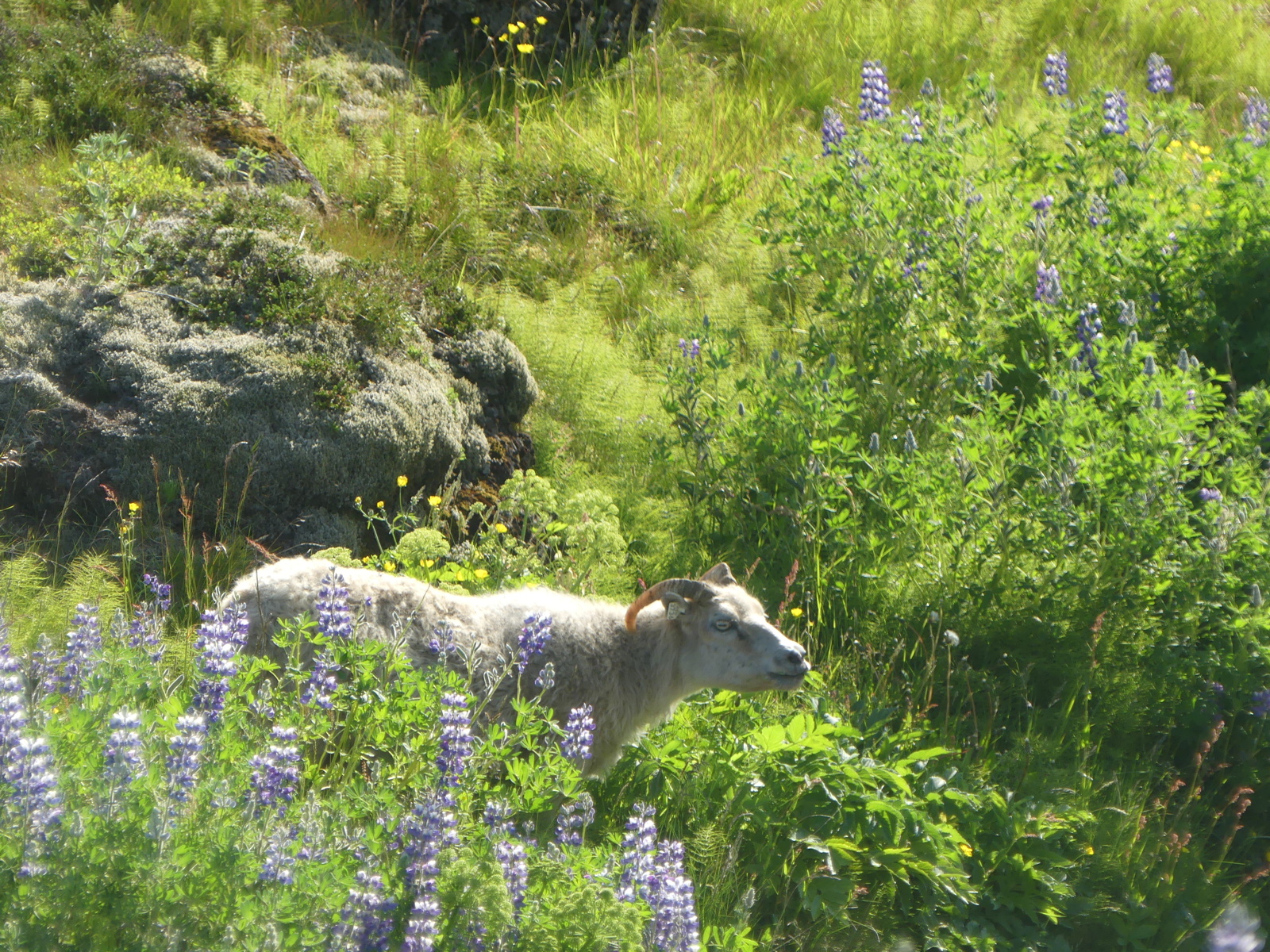
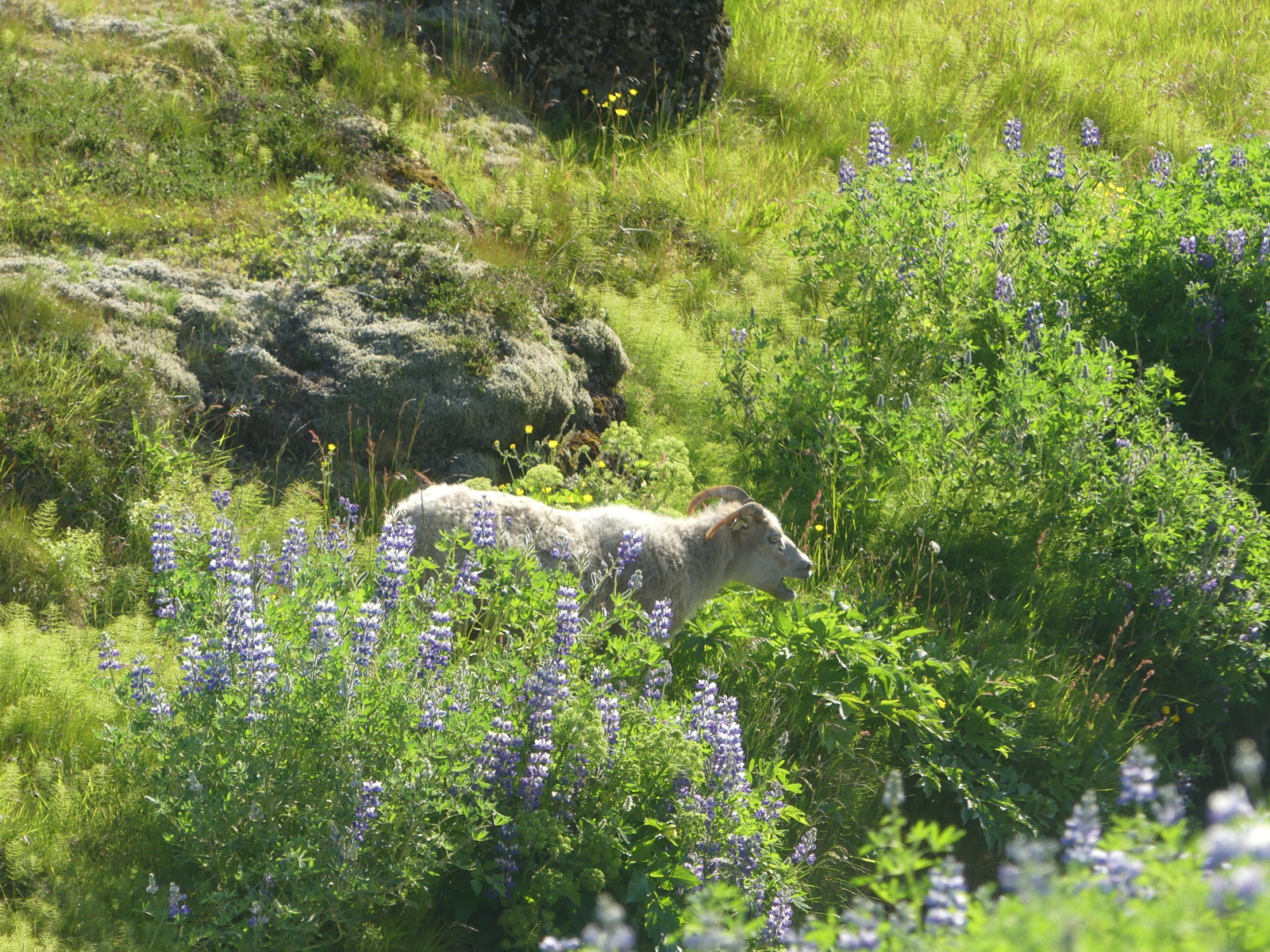
Ewe making art.

Elvish art viewer.

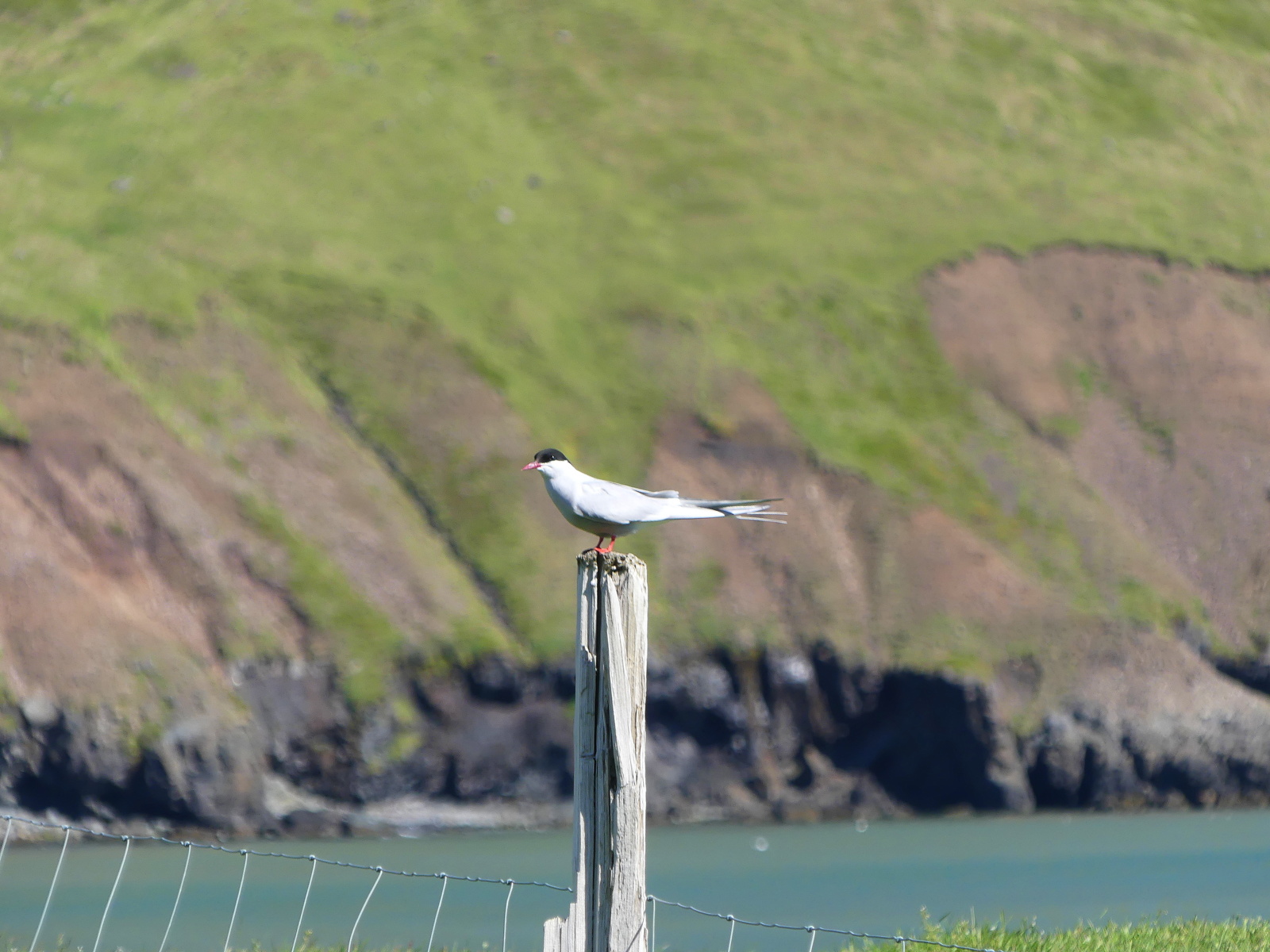
Tern  art.

Tourists who think they are in Köln art.

Tourist art.

4×4 Art

Elf art.

Local tourist board art. (Really. They lay down netting to prevent overpopulation and erosion, the bane of puffin sociability.)

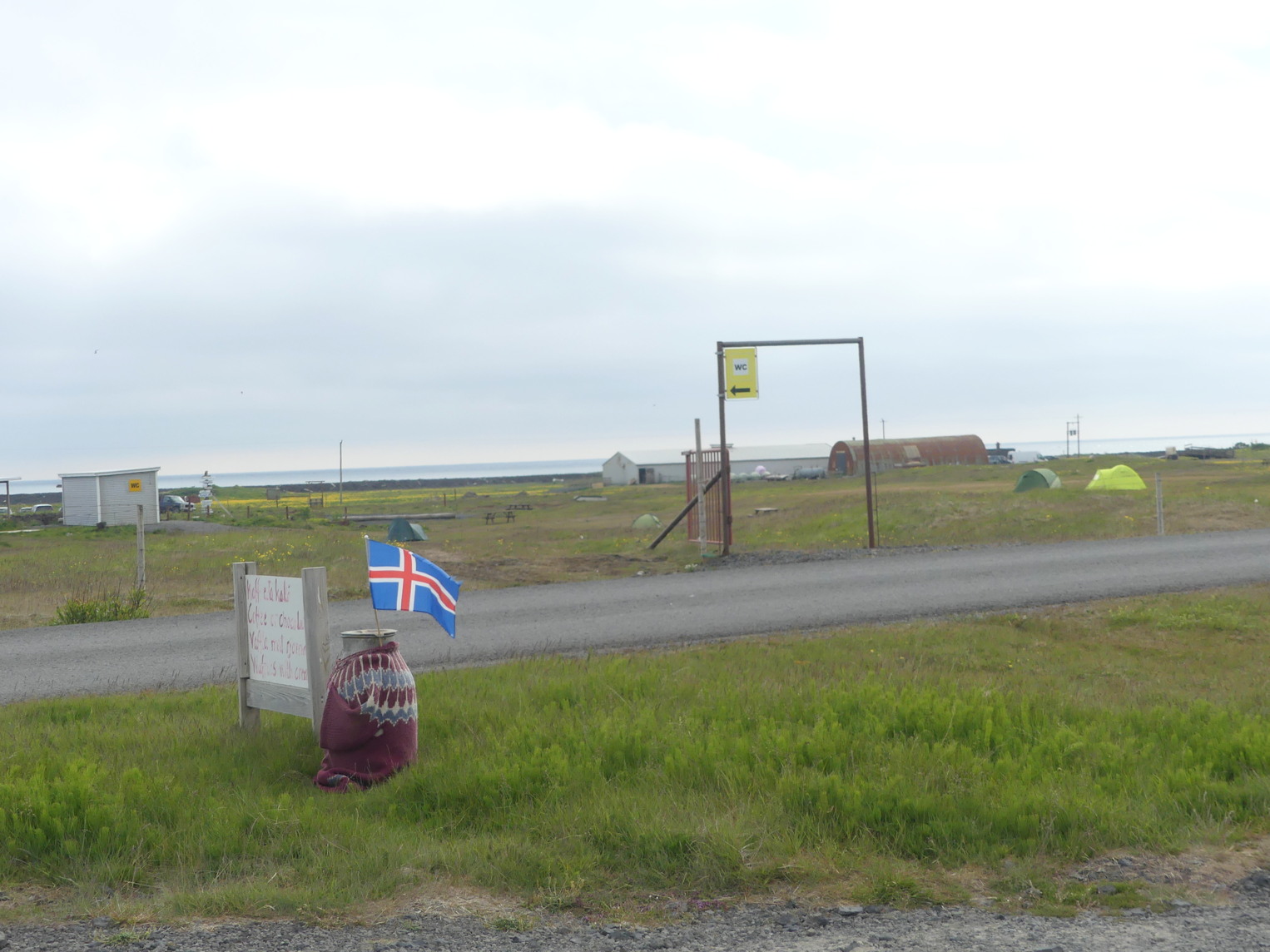
Teenagers running the wool shop and campground art.

Tourist stacking art, with tern artist.

Iceland is art!

Iceland: Not Always “Green”

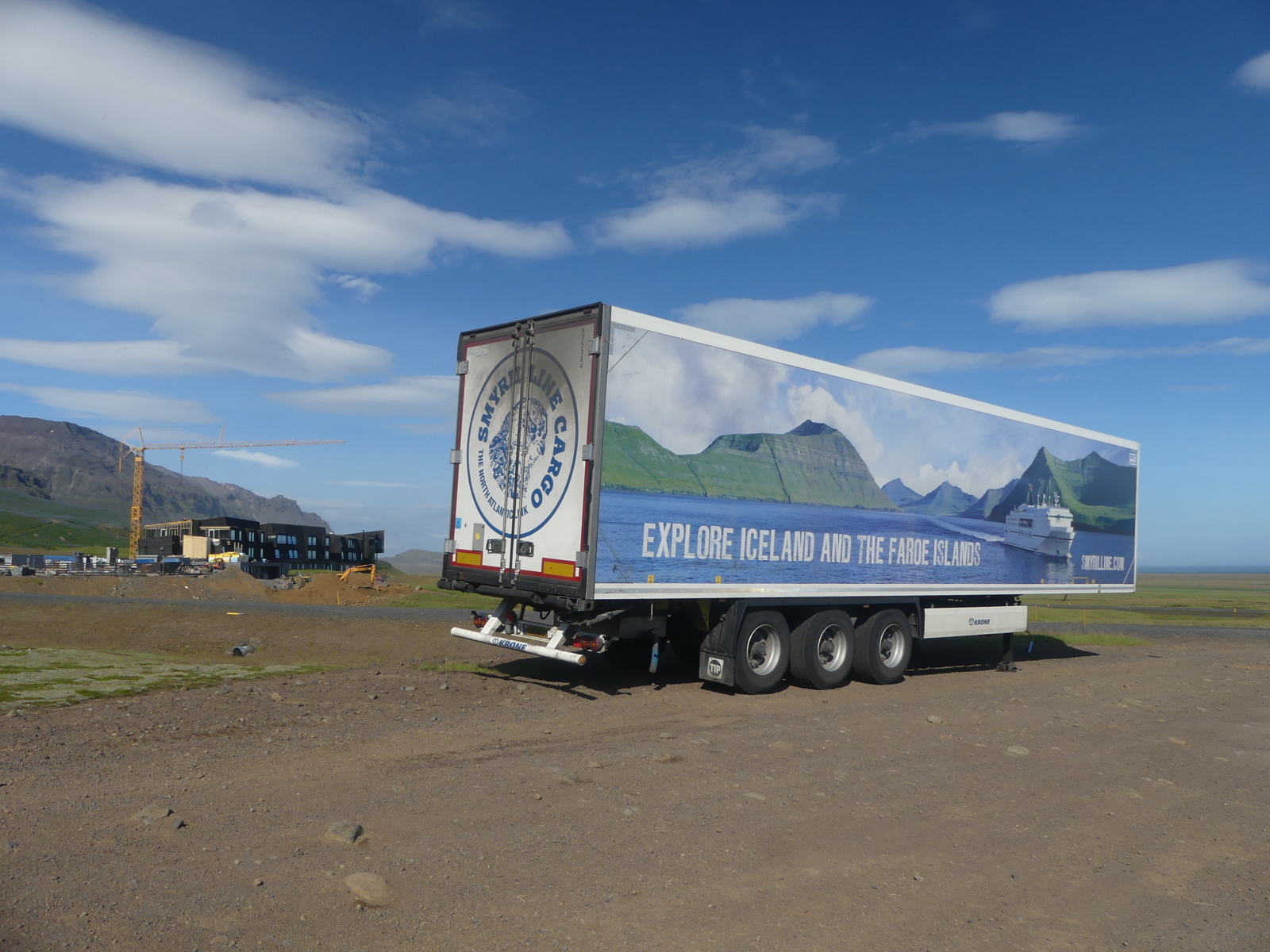
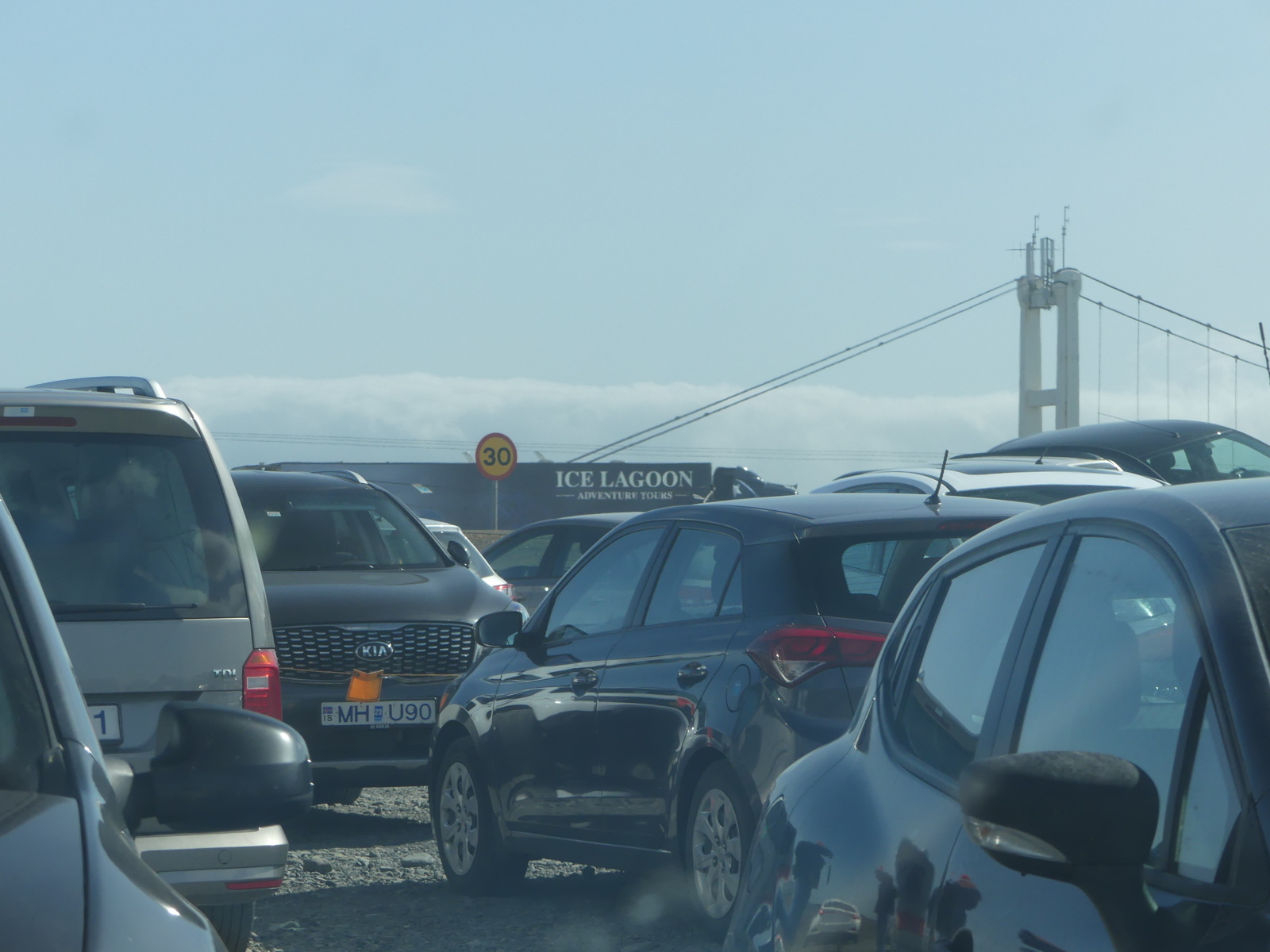
A luxury hotel for the Northern Lights Crowd on the South Coast, and in front of the construction site, surely, the most carbon-wasteful billboard imaginable. The amount of rubber that wears off those tires joins the rubber that wears off the hundreds of thousands of cars rushing past every summer, too.

But I bet the hotel is planning on letting you keep your towels for an extra day without laundering them. Truth is, the carbon footprint of the concrete that goes into every building in Iceland can hardly be paid for by being “green” for a lifetime.

Two Kinds of Icelandic Forests, Both Magical

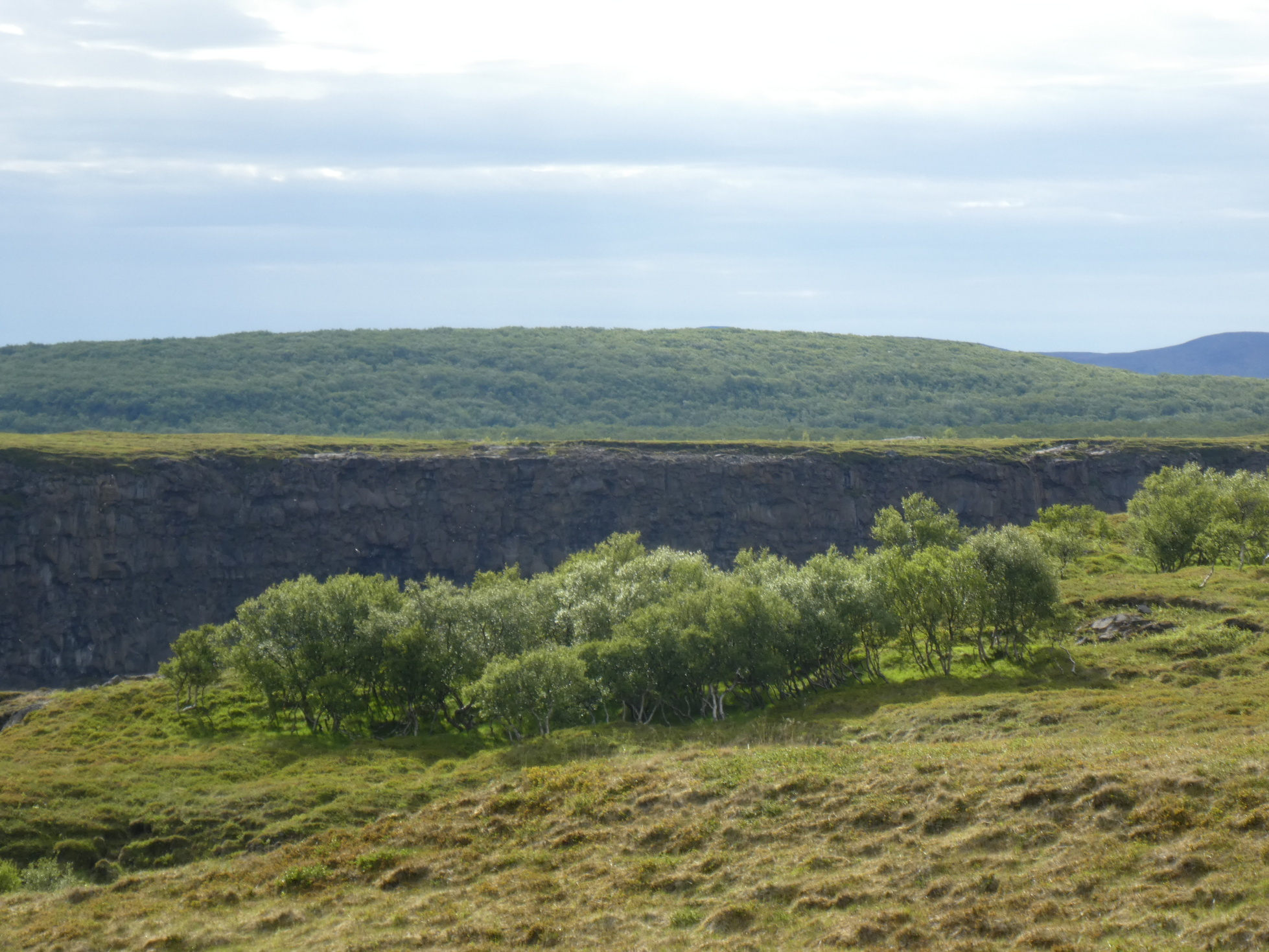
There are tall, soaring birch forests, like these in Ásbyrgi, some five metres tall, that shelter sheep…

…and their are small, intimate forests you have to lie down in a pasture to see, which shelter flies. The forest below in Neskaupstaðir might be short, and might fade and rise annually with the sun, but its trees are surely exotic and wondrous. Some of the trees are even copses of flowers.

They offer different kinds of intimacy and bring you differently into the land. In both cases, when you look up again, or step out, you are a different person. That’s because forests are persons. You become them.

The Survival of Paganism in Iceland

When Icelanders converted to Christianity after the decision of þorgeier the Lawgiver at the þing in 999, they allowed for private worship of pagan beliefs; public worship was reserved for Christianity. This view south from Starmyri, in the East of Iceland…


… shows just what remains of that decision, as it has worked itself out over 1,000 years +. The trolls are still watching out to sea! They’re not public, of course. That’s reserved for the separation into logical categories that is the Christian legacy, and yet there they are, only remaining in the land, where the Norse settlers placed them, after they brought them with them. Only 4% of Icelanders profess a belief in the other people, the Huldúfolk, but privately, well, that’s another matter. You simply can’t help it. That’s quite the story of survival!

Gunnar Gunnarsson and Lichen Poetry: the Price of Literacy

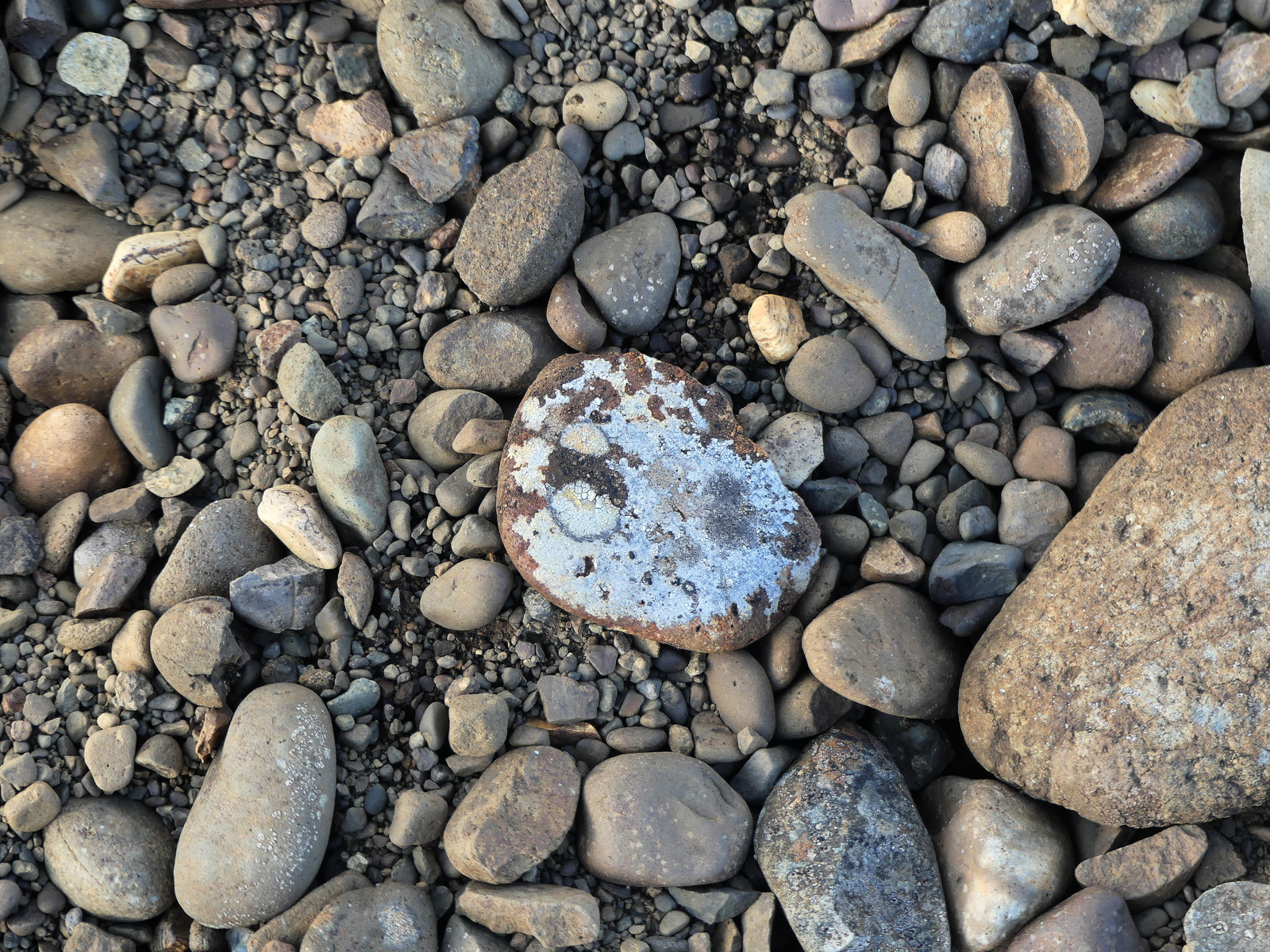
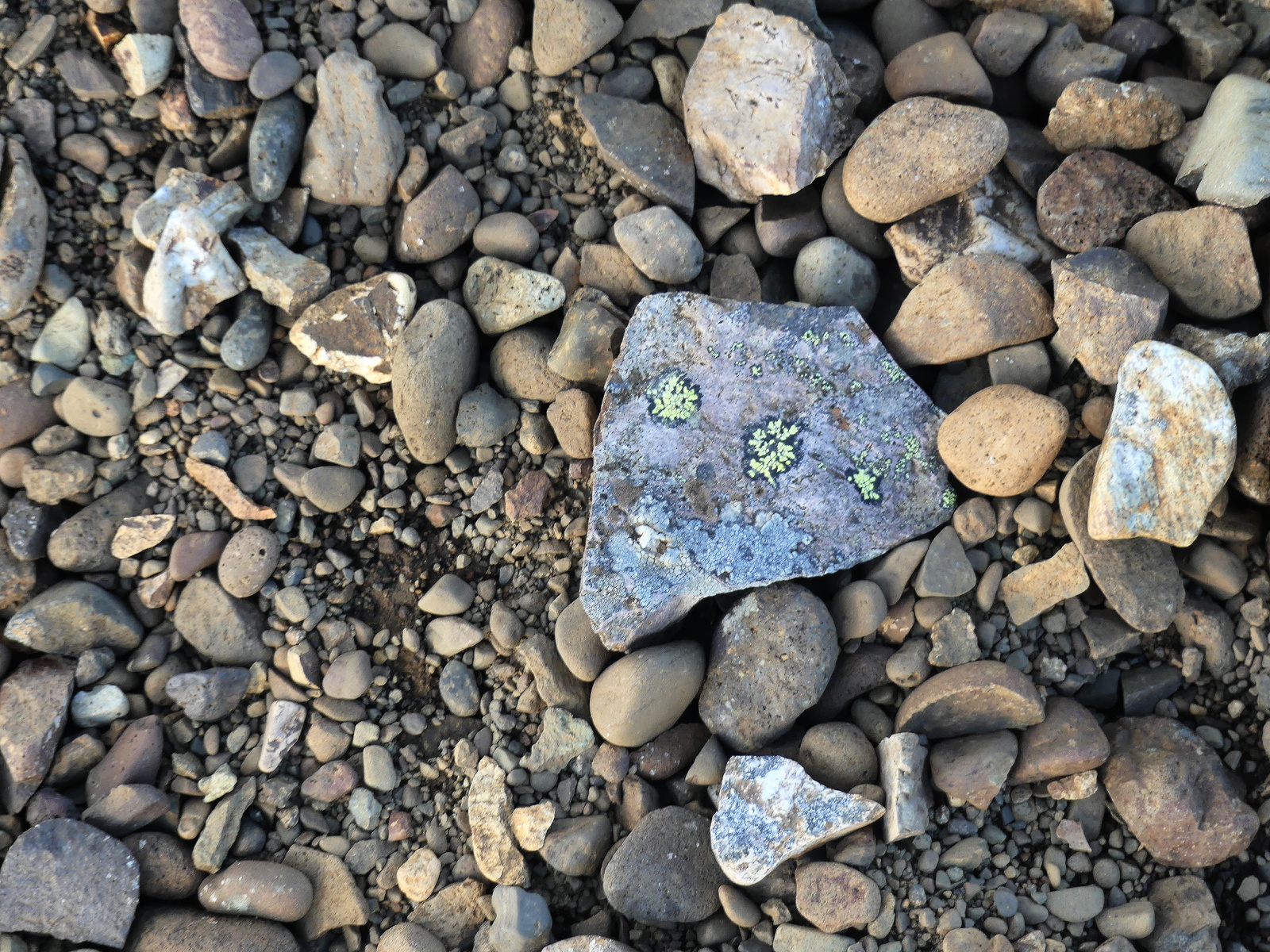
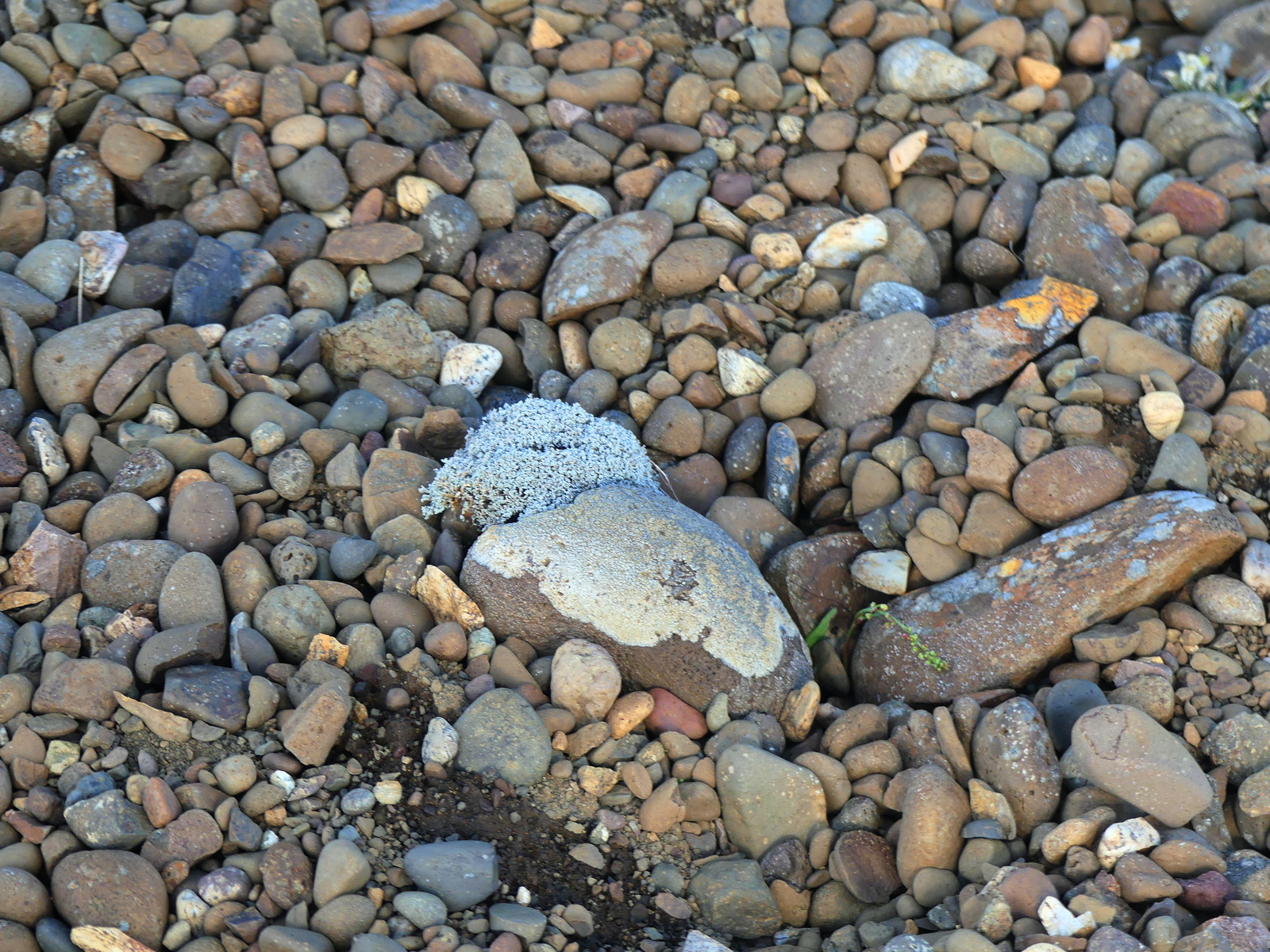
In 1907, Gunnar Gunnarsson left this.Under the spell of universal education and the promise made to all country boys that through book literacy they could be a part of the world of power, Gunnar Gunnarsson accepted a scholarship to study at the Askov School in Denmark. It ran a program for colonial boys, as a means of building belief in a unified Scandinavian country, the United States of Scandinavia, so to speak. It seemed a better idea than conquest by the Germans (again) or the violent revolutions of Nationalism that were, even then, sweeping through Europe, and which would bring their tragic consequences in 1914, the year the world ended. All that is repeating itself in the struggles between nationalism, liberalism, immigration and military alliance that is shaking Europe (and the world) right now, so it’s timely to look at what Gunnar left. Especially since the power he sought was denied, because it was always a ruse. What he left, as I said above, is this.
This is lichen, the little lick, the little læk or stream, or as we put it in English today, the little lake where the streams gather (and where we can come to lick. In fact, we are drawn to do so by a shared nature across states of be-ing.) It is a little world, or the big one in miniature.

In Gunnar’s Iceland, the one his education took him from, it was also an art form: a form of poetry.

Intriguingly, it was not written by humans; only found and read by them.

I suspect that the reading was not a matter of words, or at least the kind that appear in books.

It’s been 112 years now. The poetry is still here.


The whole literary discussion, now much out-dated, as to whether poetry is given or created by poets, replaced this art form. The readers of it knew the answer.

It still looks very fine.

~

Images from Starmyri.

The Green Spirit Stone of East Iceland

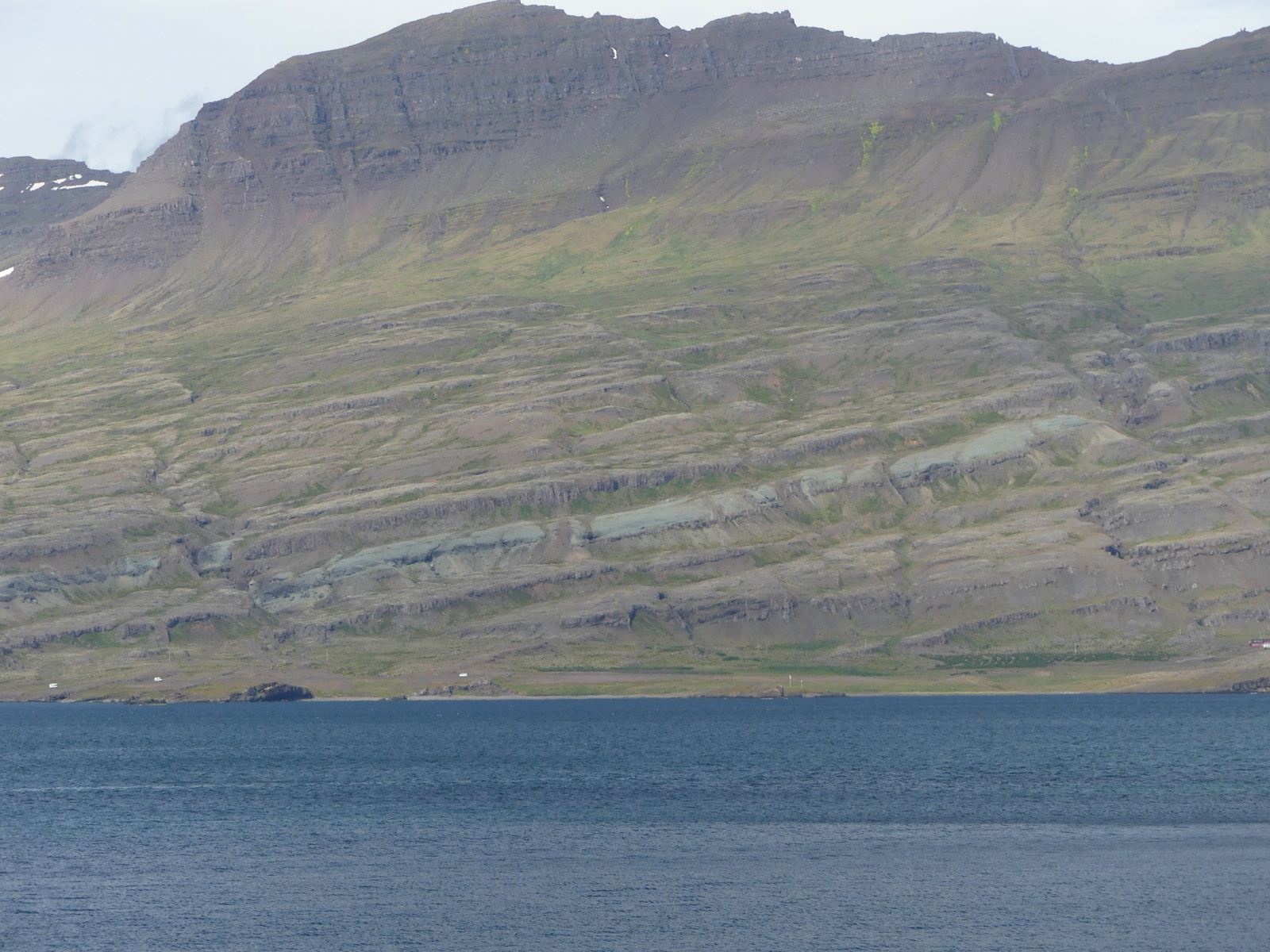
The view from Blábjörg.

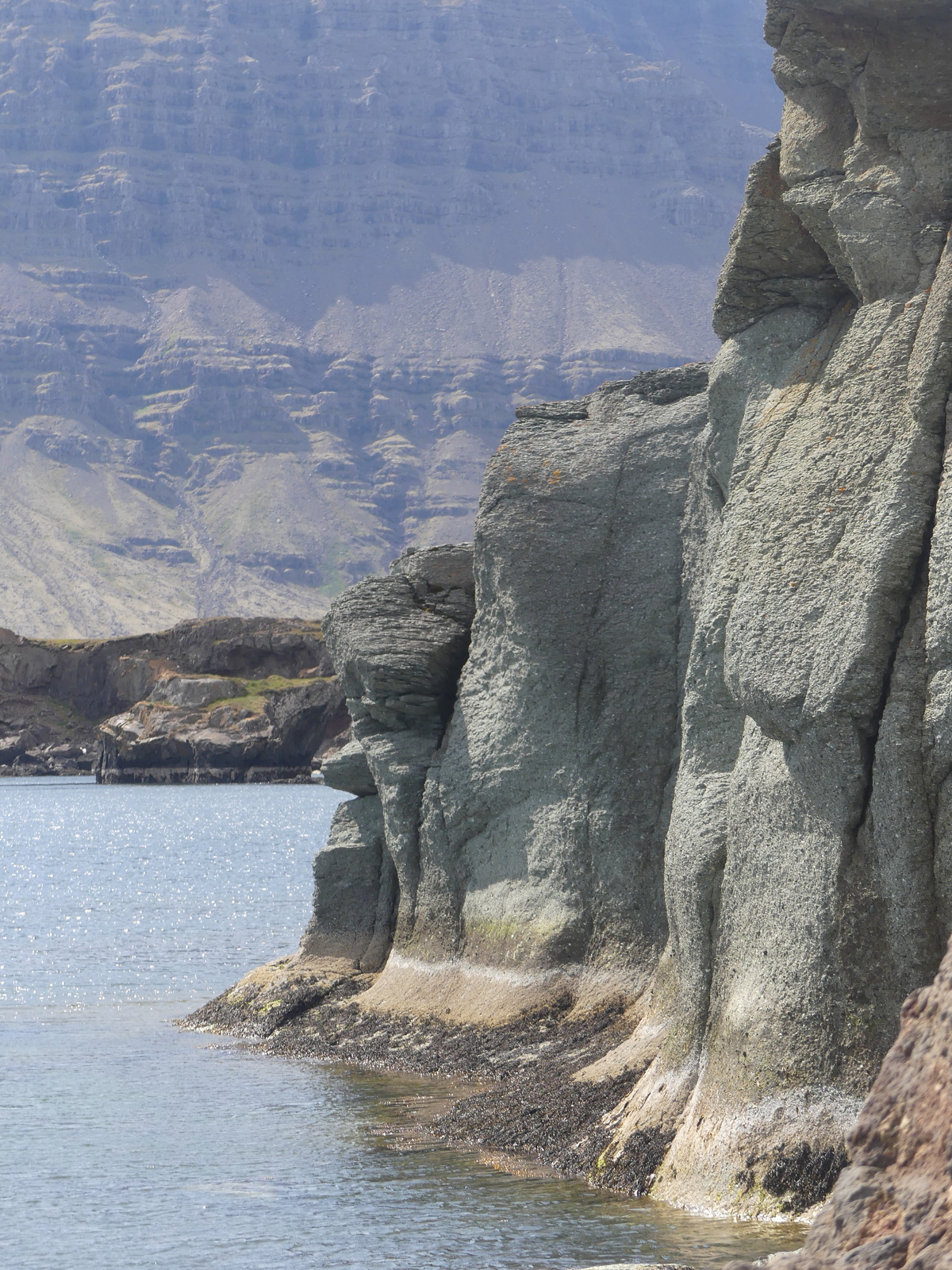
You don’t see green lava everyday. It looks like it came from the bottom of the sea, but it came from deeper, flowed across the land…

Notice the Campers Rushing Past to See All of Iceland in Three Days

… and into the sea, which has been talking with it ever since.

The thing about land and sea is they don’t rush past.