Tag Archives: nature photography

Giving Thanks in Iceland

Here’s a stone marked by human tools in Neskaupstaðir. It is broken from the old sea cliff behind me, and lying on the old underwater shelf below. Note, too that it sits in a hollow.

That’s not a given. Here’s a sister rock, showing a more natural face to the world.
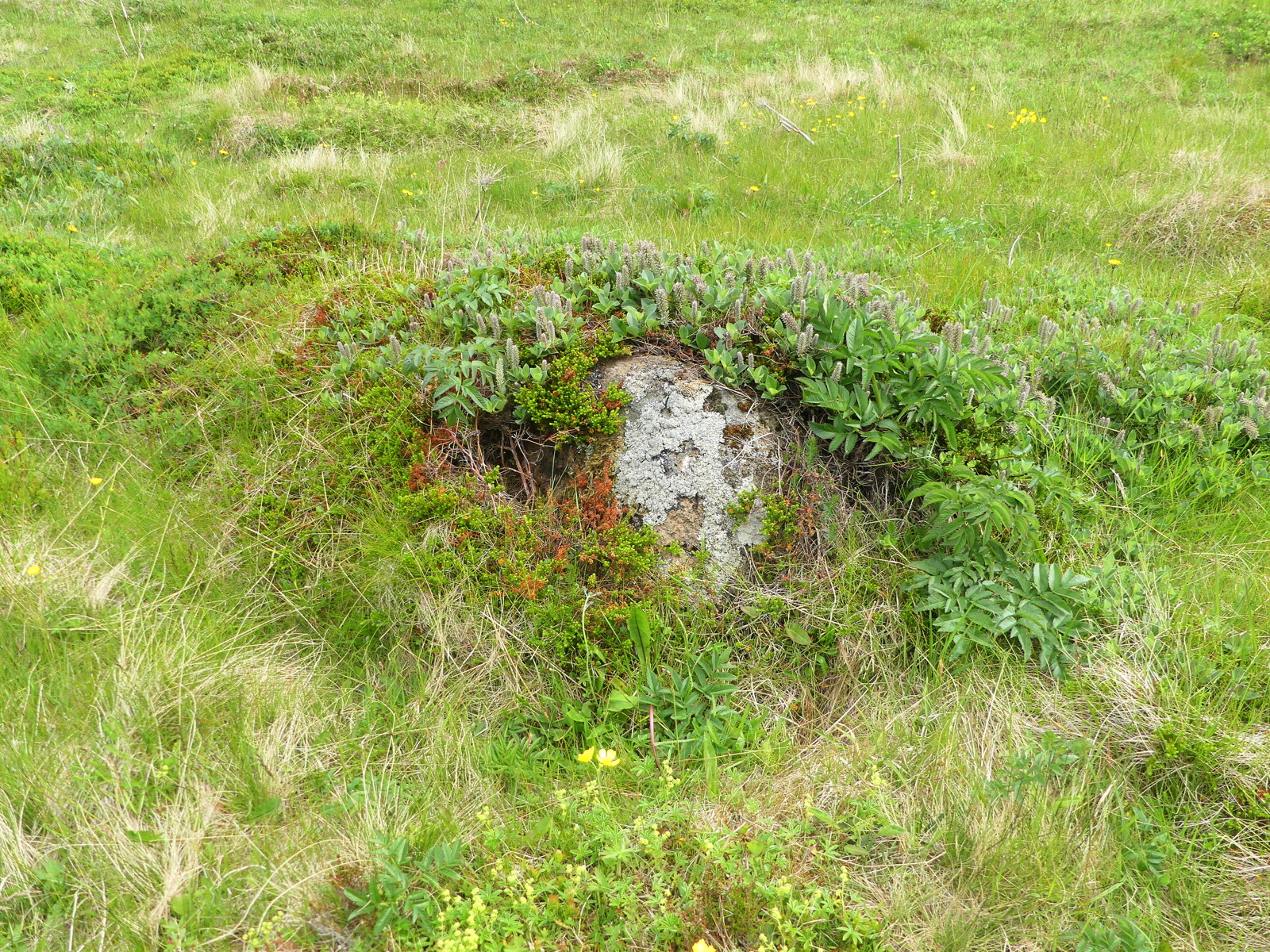
The thing is, in a country without trees, people burned peat to try to get a little warmth. Peat came from mountain bogs, such as the one that surrounded this rock…

… or this untouched one, in Njardvik, a few fjords to the North.
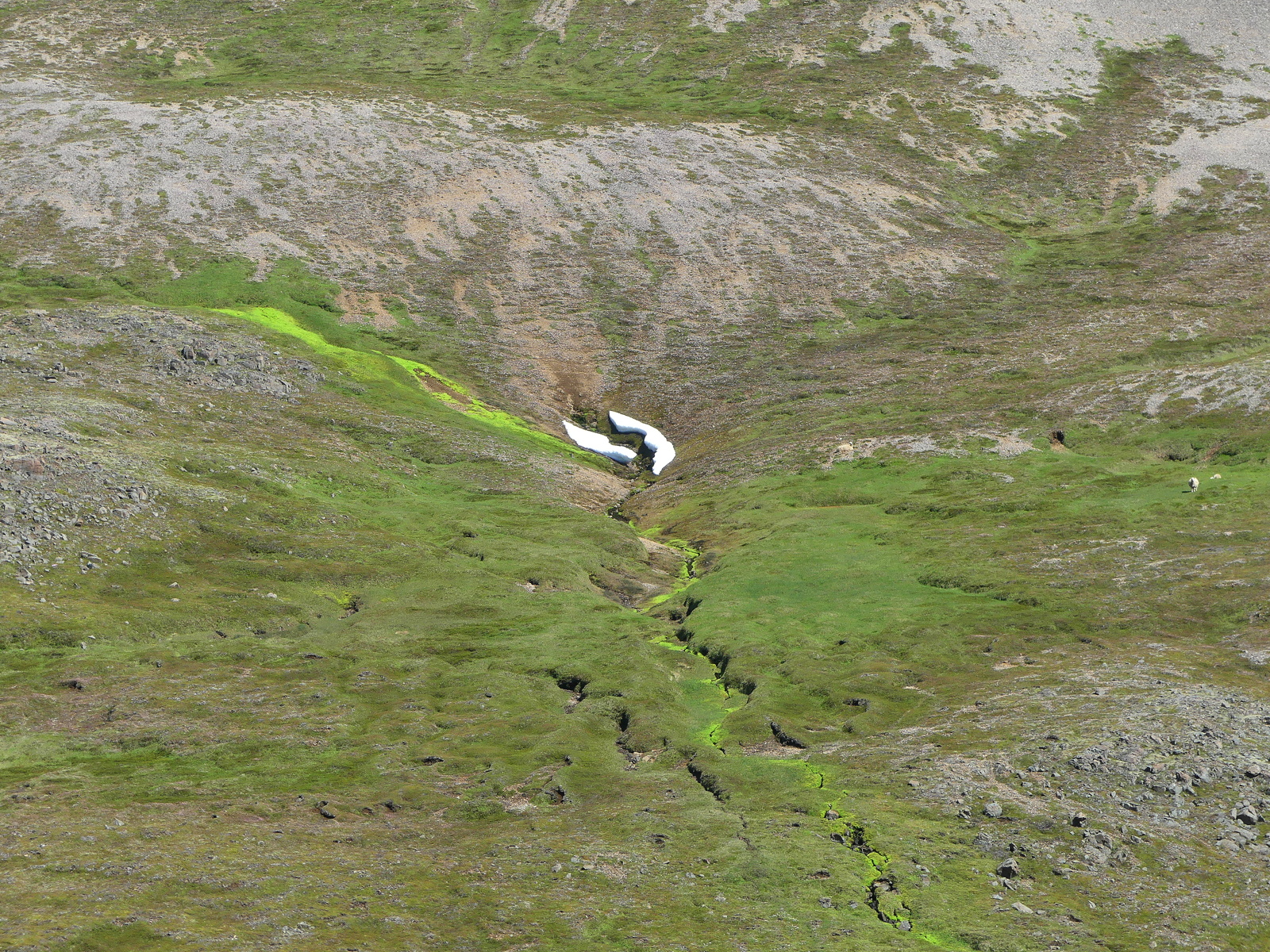
These bogs are lush, exotic environments. You could say they are the life of the mountain.
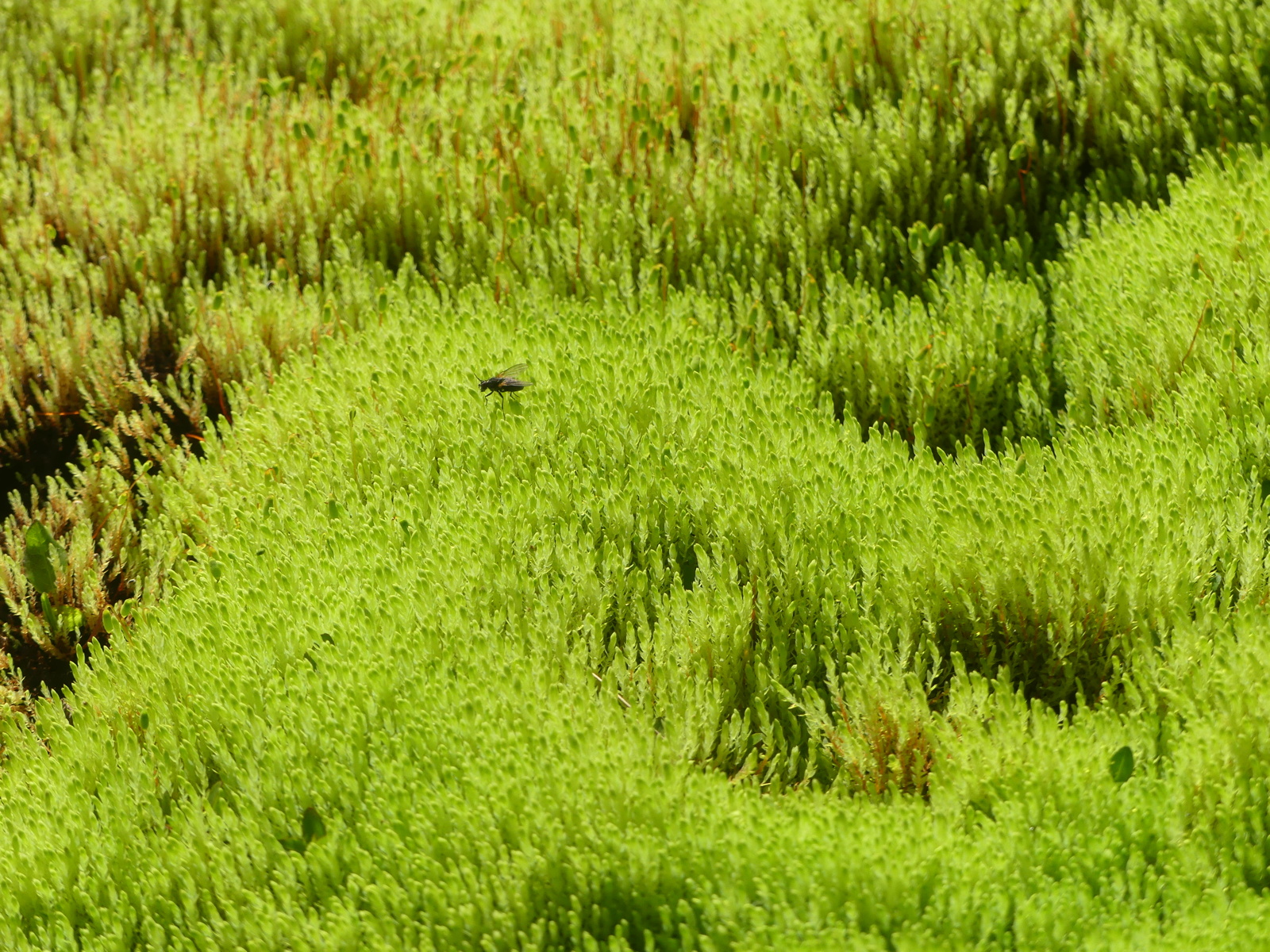
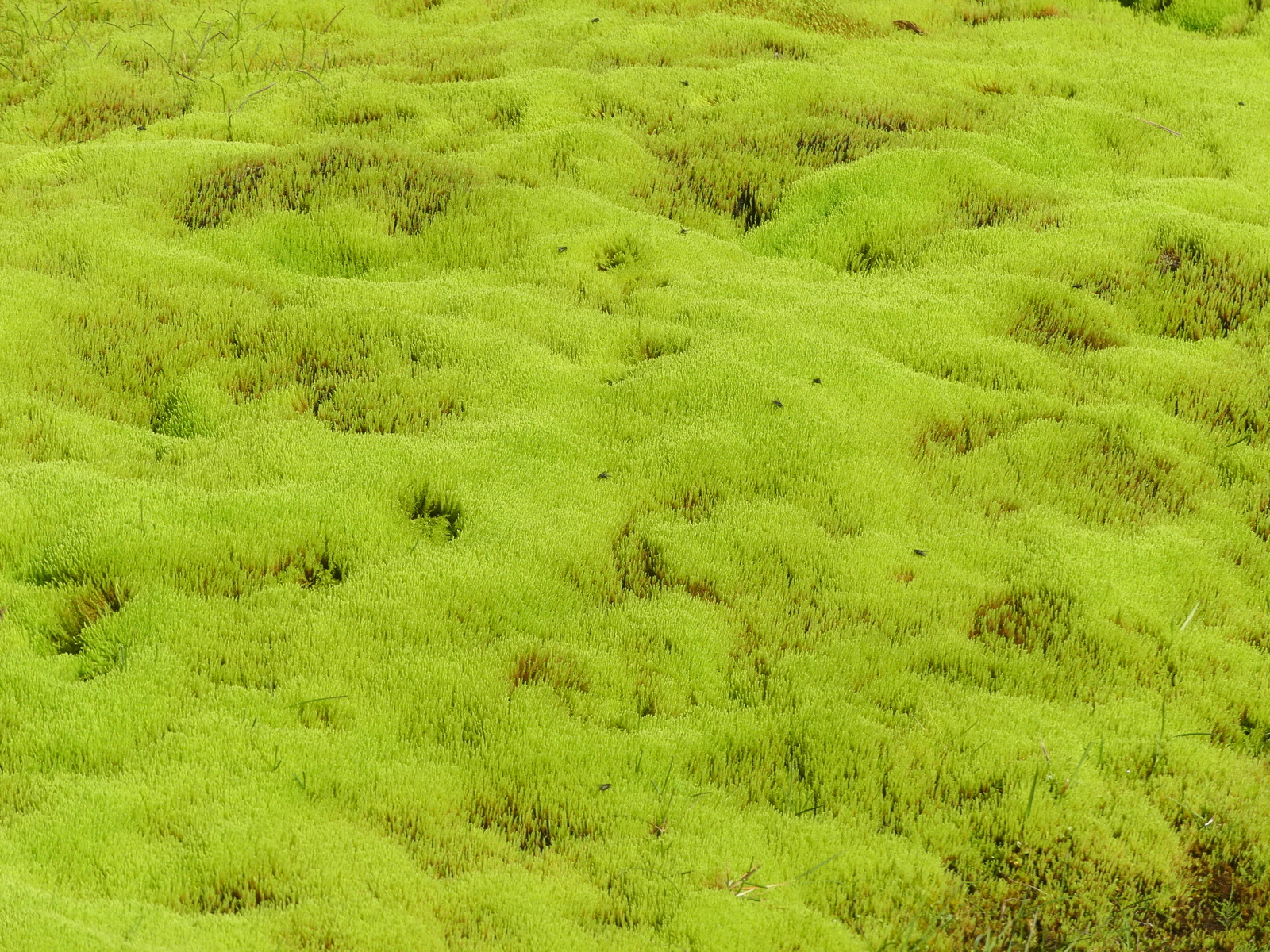
When you dig them, though, you are left with a hole and a simplified ecosystem.
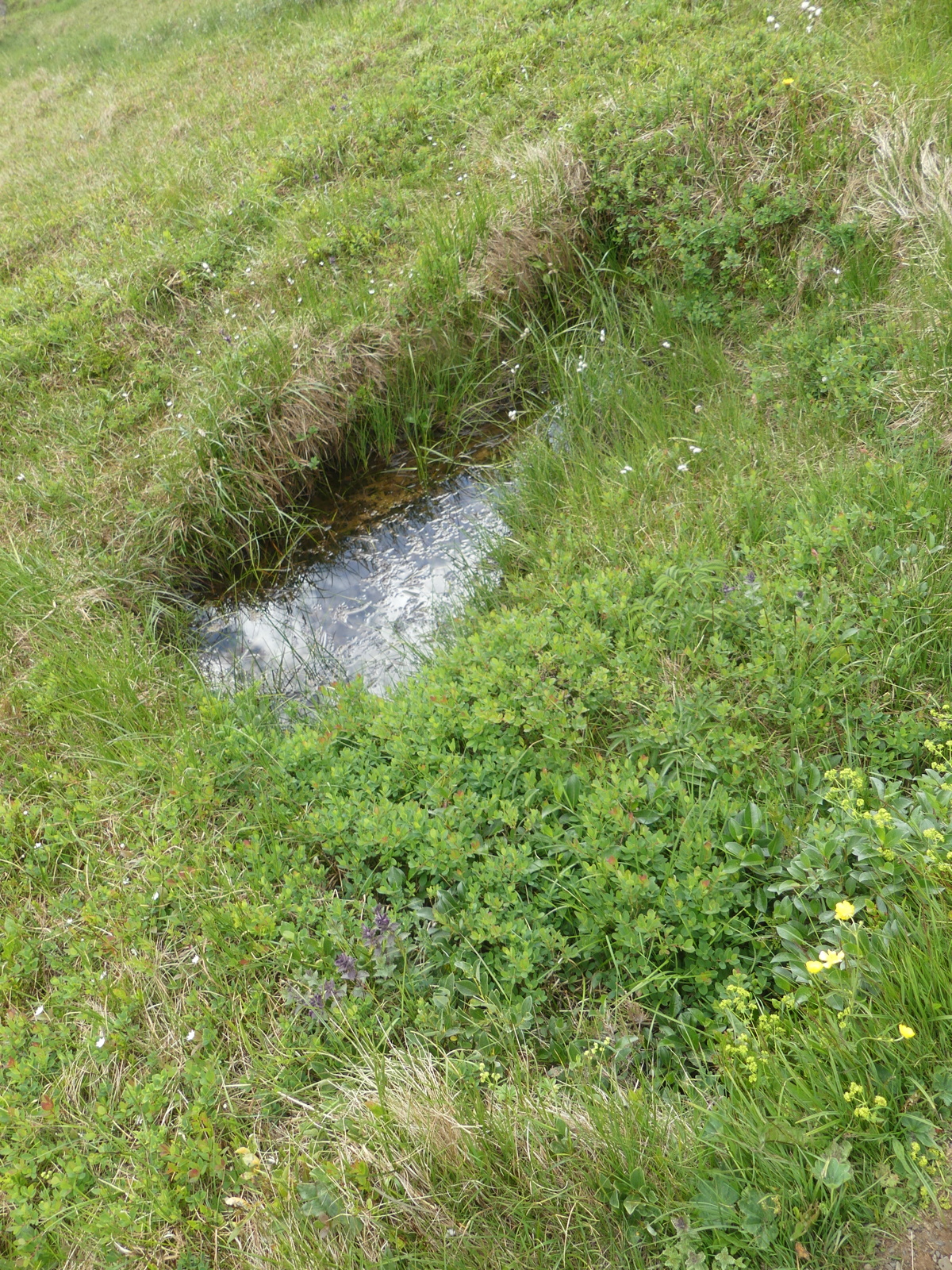

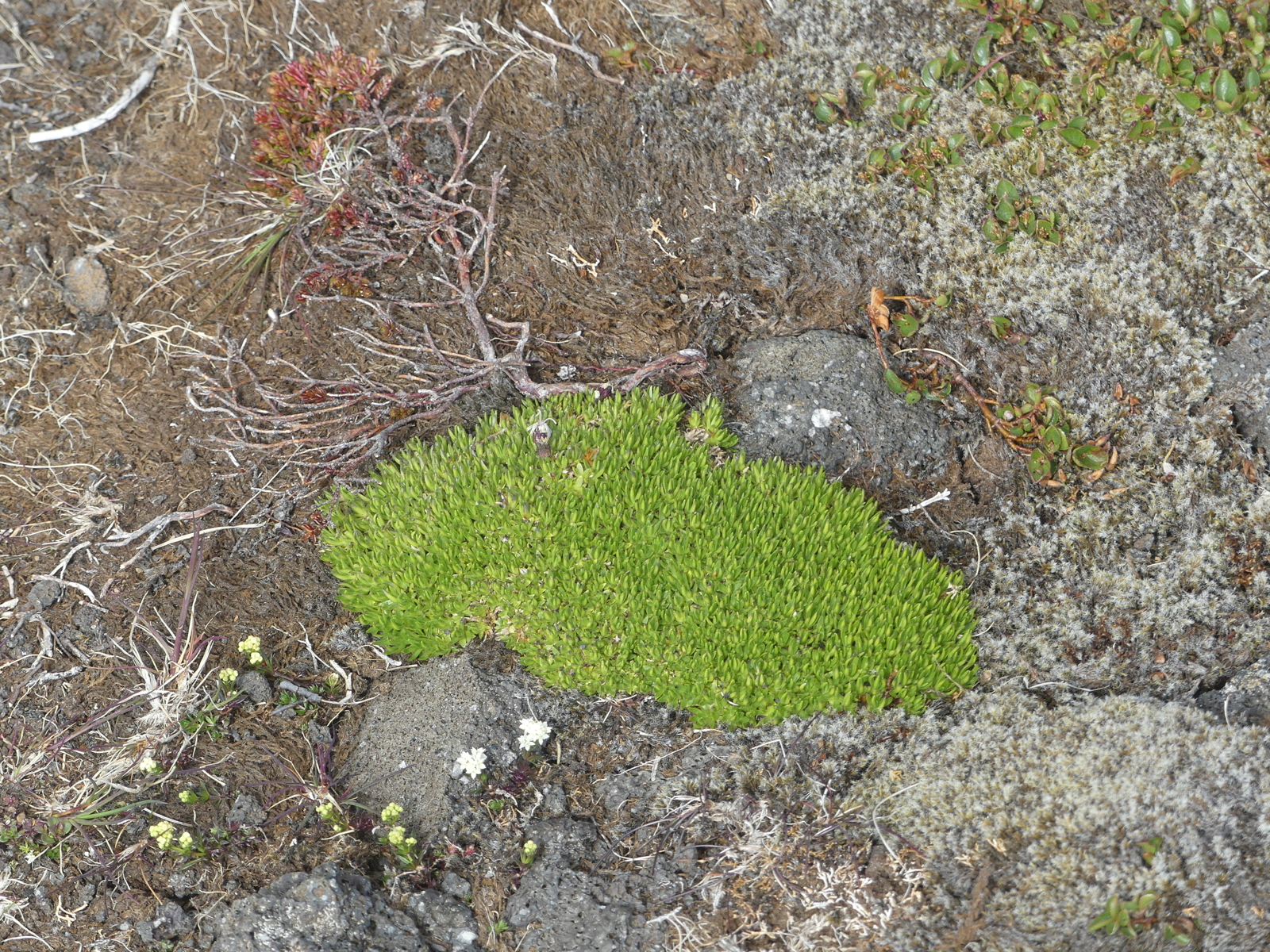
They do have the potential to rebuild, however. Here’s one in Neskaupstaðir, hard at it. A photographer could do worse than peer into holes where the Earth is healing the wounds of limited human technology and understanding.

When these bogs run with water, it is often red with iron. It’s hard not to think of them as the blood of the land.

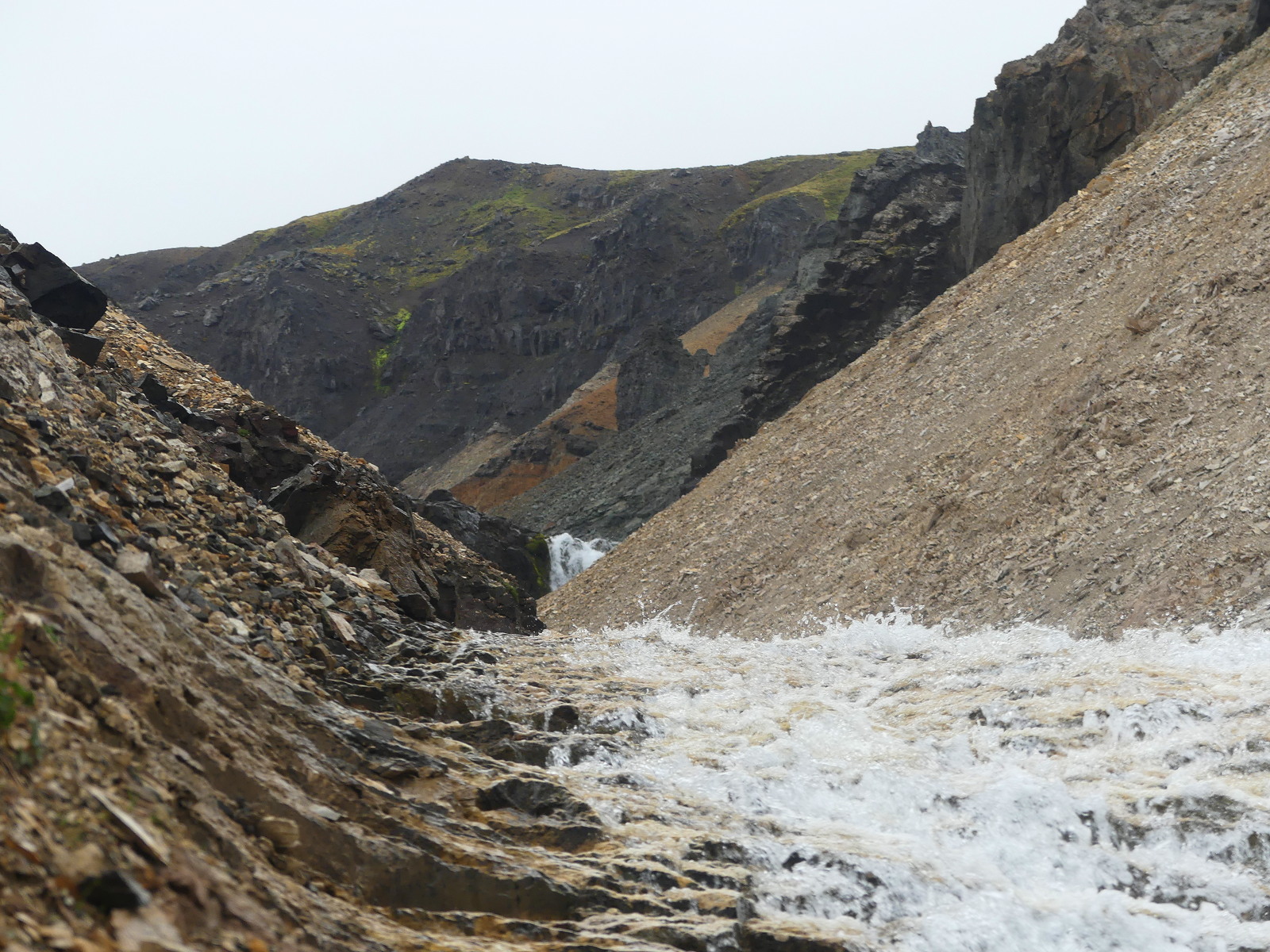
They’re quite wondrous when they spill their blood over the old sea cliffs.

And quite forlorn when, stripped of peat, they run dry out to sea.

And harder yet, when you see them give birth to fantastical creatures.

These now-rare environments are the survivors of a time in which they gave life to humans in the cold. You could say, easily enough, without the long, long life and sacrifice made by these bogs, there would be no Iceland today.

That’s why the mined-out bogs in Neskaupstaðir have been a nature preserve for nearly fifty years now. It is a way of giving thanks for life.

There’s an art to it.
Icelandic Erosion Stories of Hope and Despair

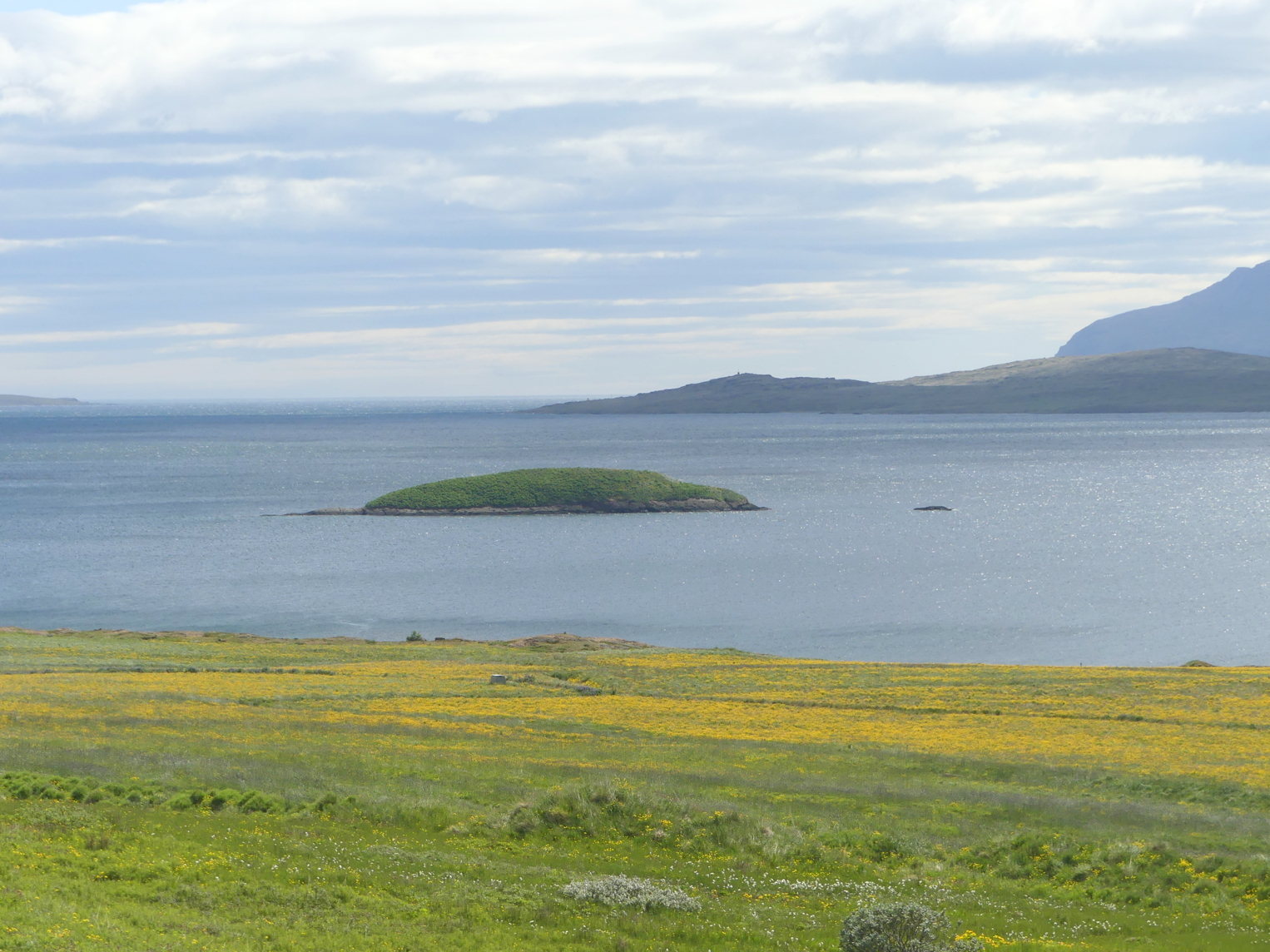
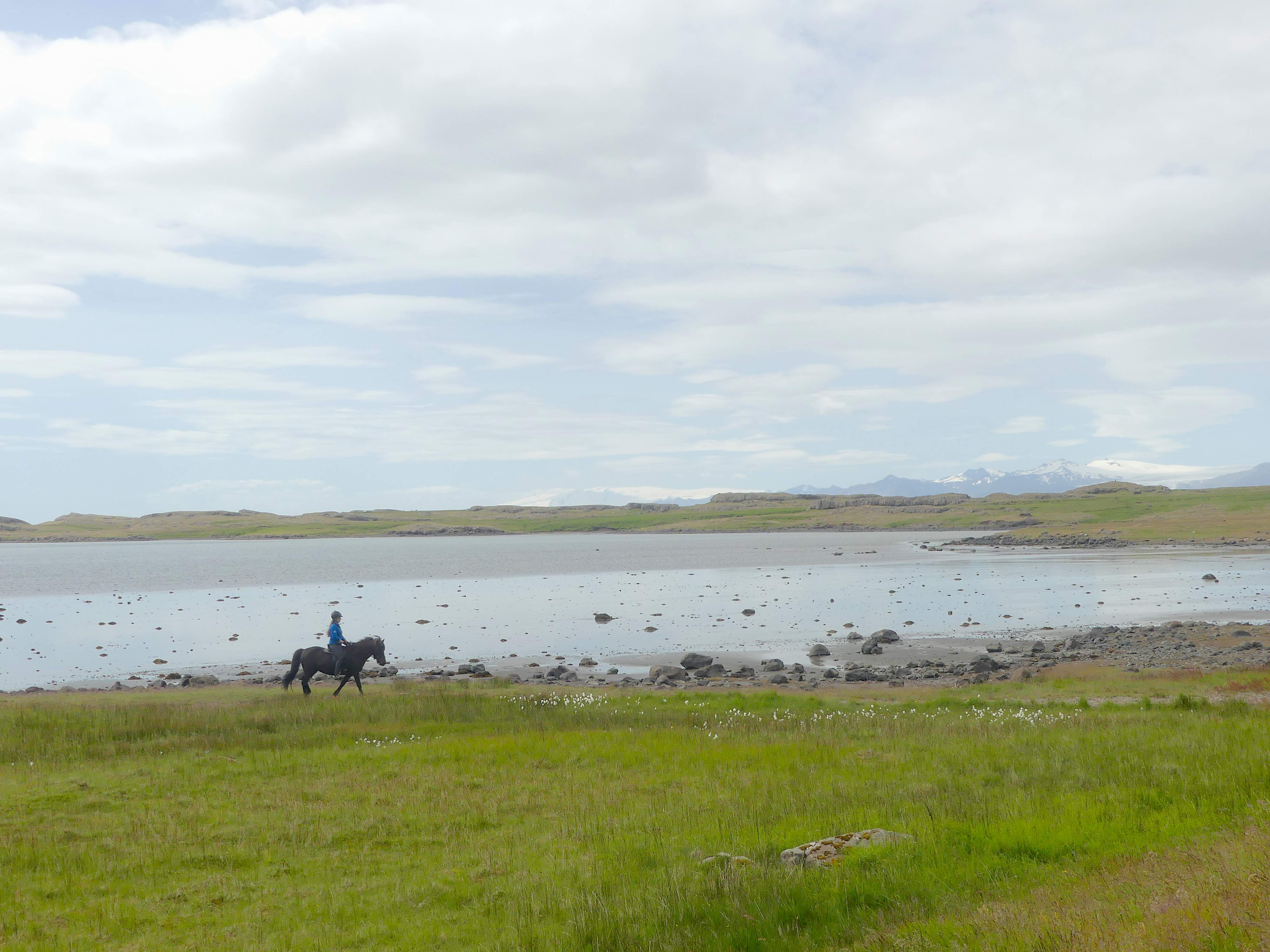
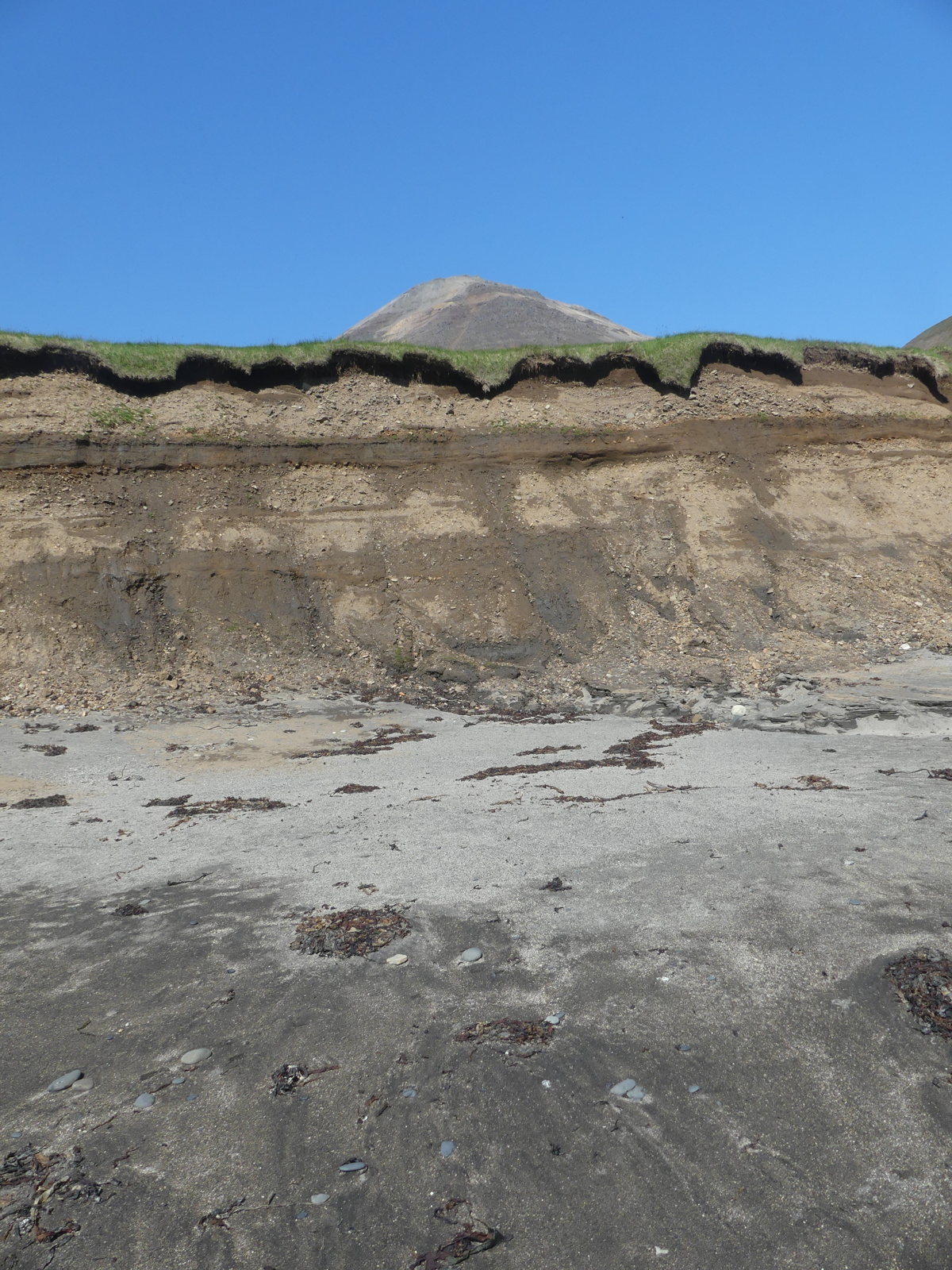
When I first went to Iceland nine years ago, the Icelanders told stories of how they lived on a new land, in the process of being made. You can see how that works, here in Njardvik, where with each storm the fjord grows smaller. It’s quite the problem, really, if you’re on one of the two farms in the fjord.

Now, Icelanders tell stories of how climate change caused Vikings (not Icelanders but Vikings yet [who were Icelanders!]) to cut down all the trees, and continues to victimize Iceland, making it pay for industrial decisions taken elsewhere. I miss the old story of hope, of rolling up the sleeves, doing something, and getting on with it. After all…

… either way, you still have to fix your fence. Might as well give your neighbour, the sea, a piece of your mind while you’re at it.

It is, after all, not a new story.

Go back

Your message has been sent

Warning
Warning
Warning
Warning

Warning.

The Dancing Stones of Ytri-Hvannagil

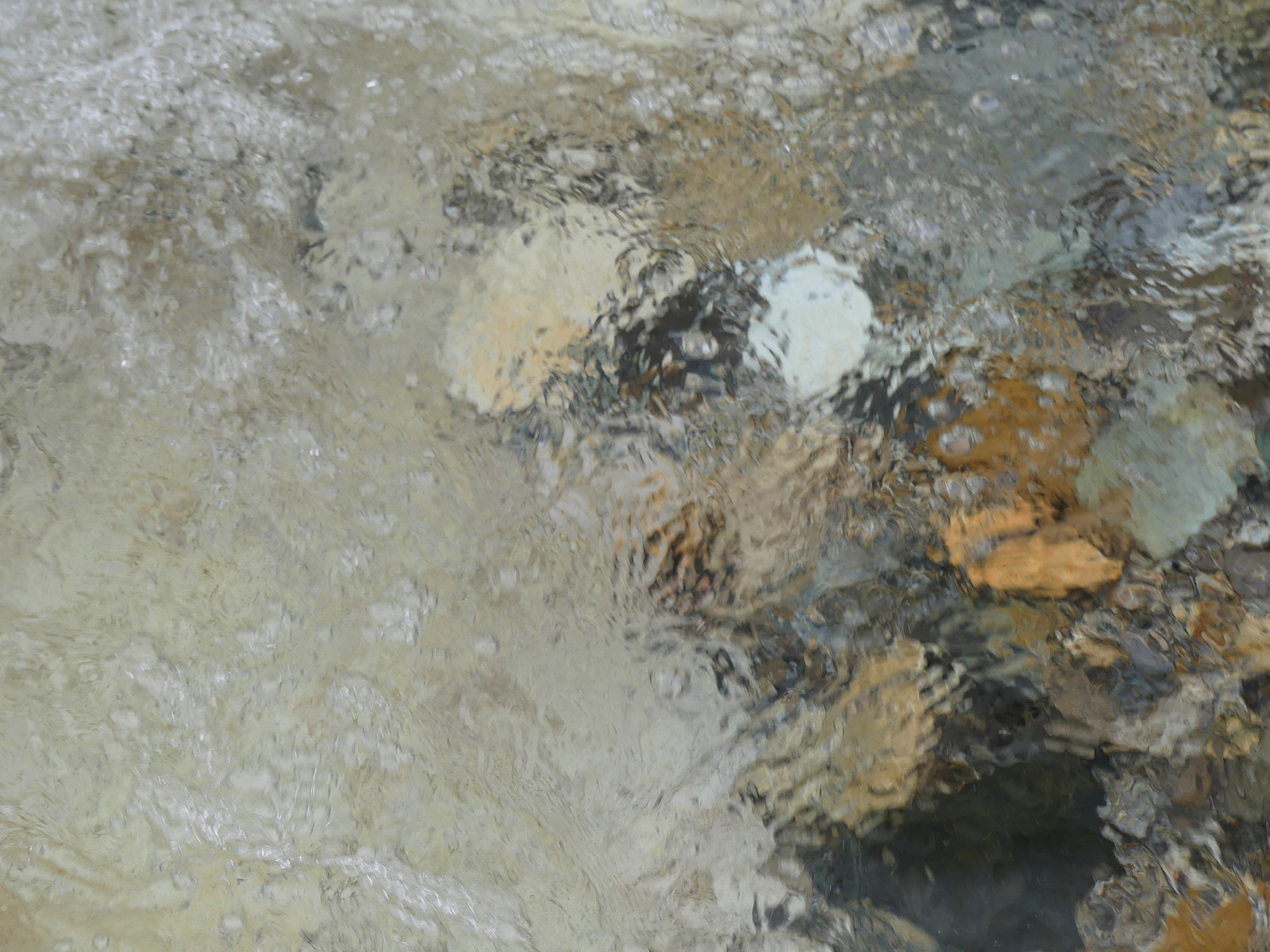
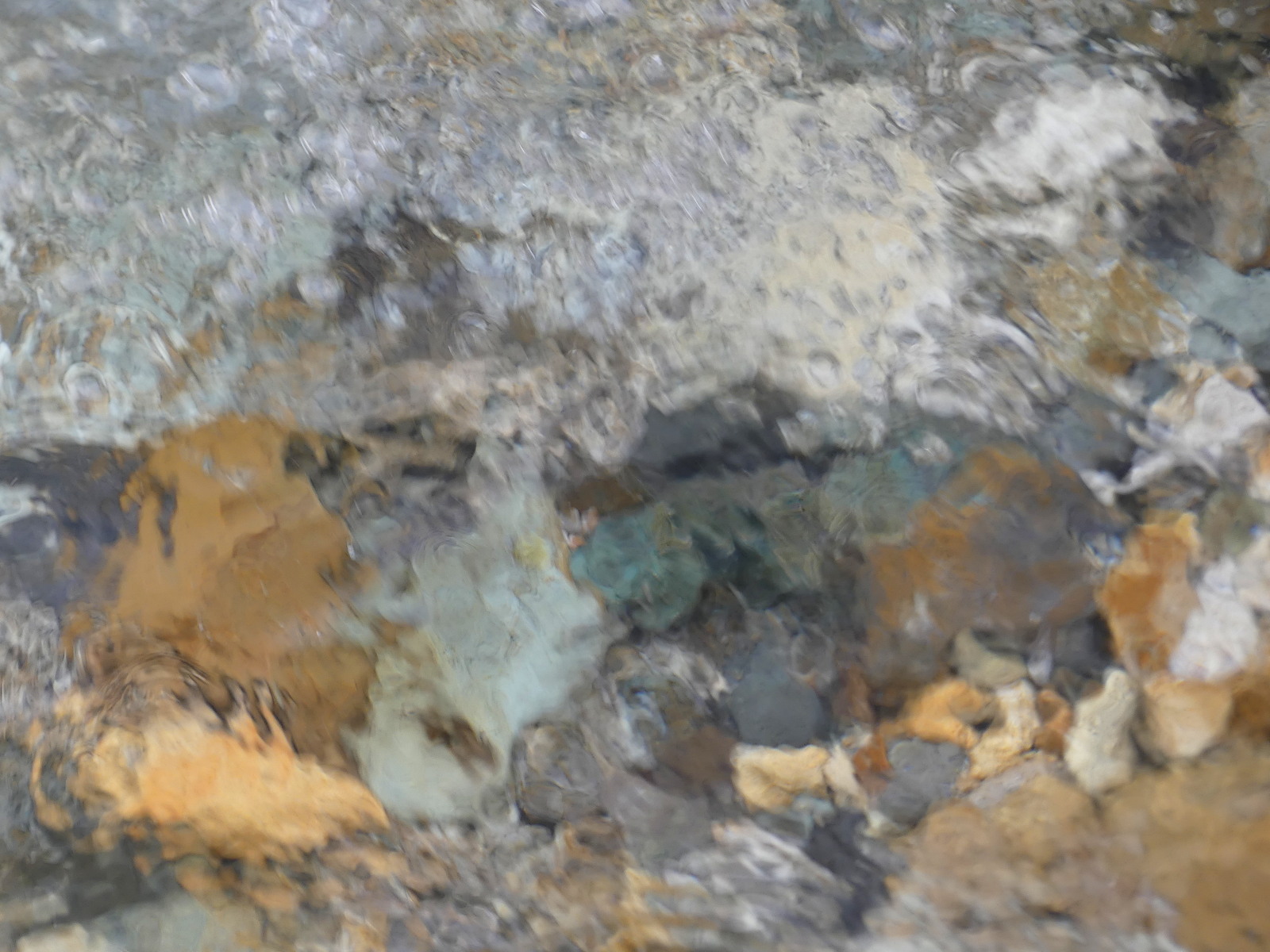
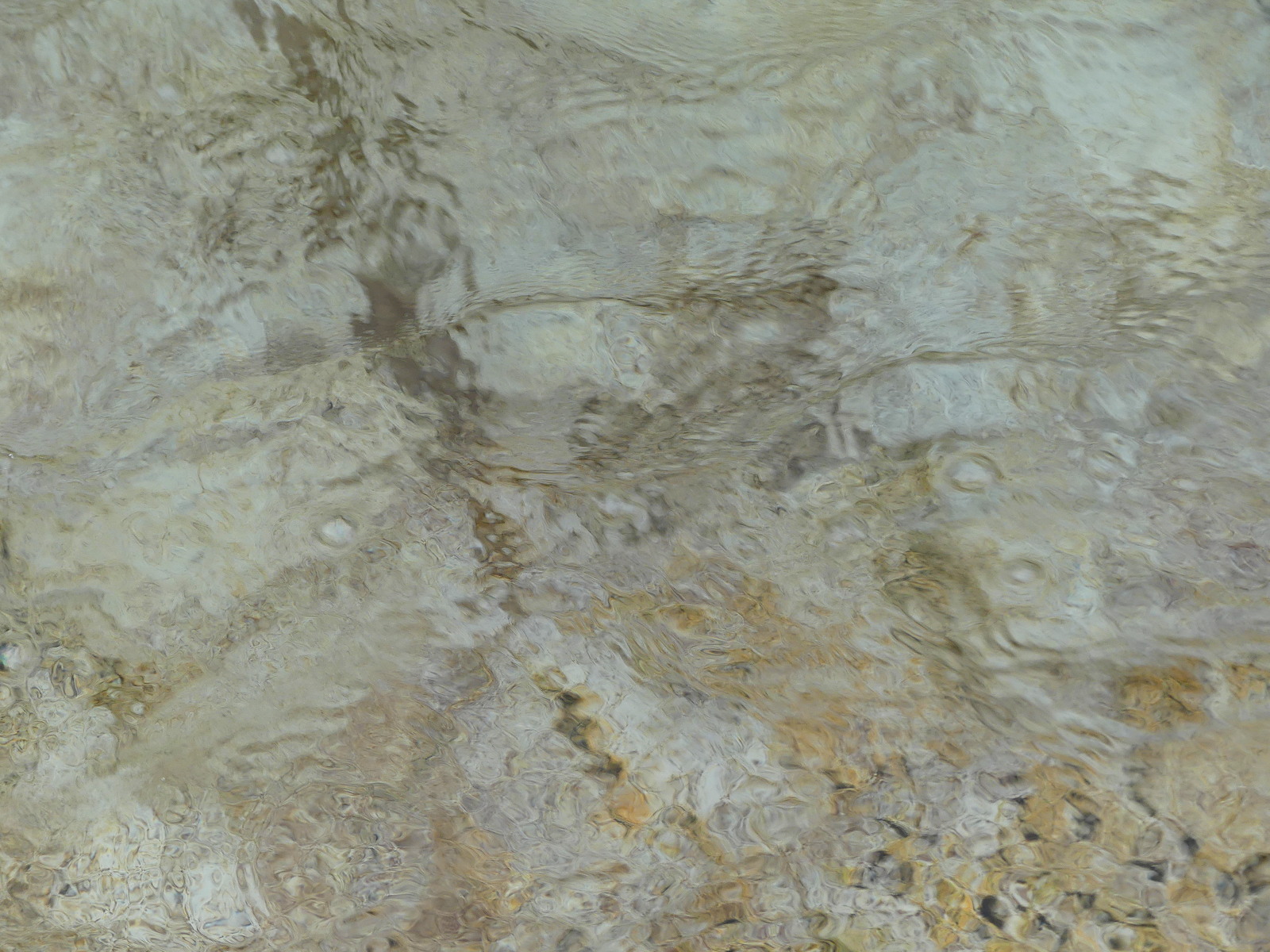
Water or vatn, these are just words.

A trip out to Njardvik and Ytri-Hvannagil is the thing to put those behind you.

This stuff is alive.

The secret of writing books in Iceland is to stop writing them.

Here, one is written.

Note, as Gunnar did, the chain-linked rhymes of Icelandic epic verse rising from the stone itself. Atlantis, he called it.

Fair enough. Iceland, too, is only a name.

This is more.


The Hidden People of Ásbyrgi

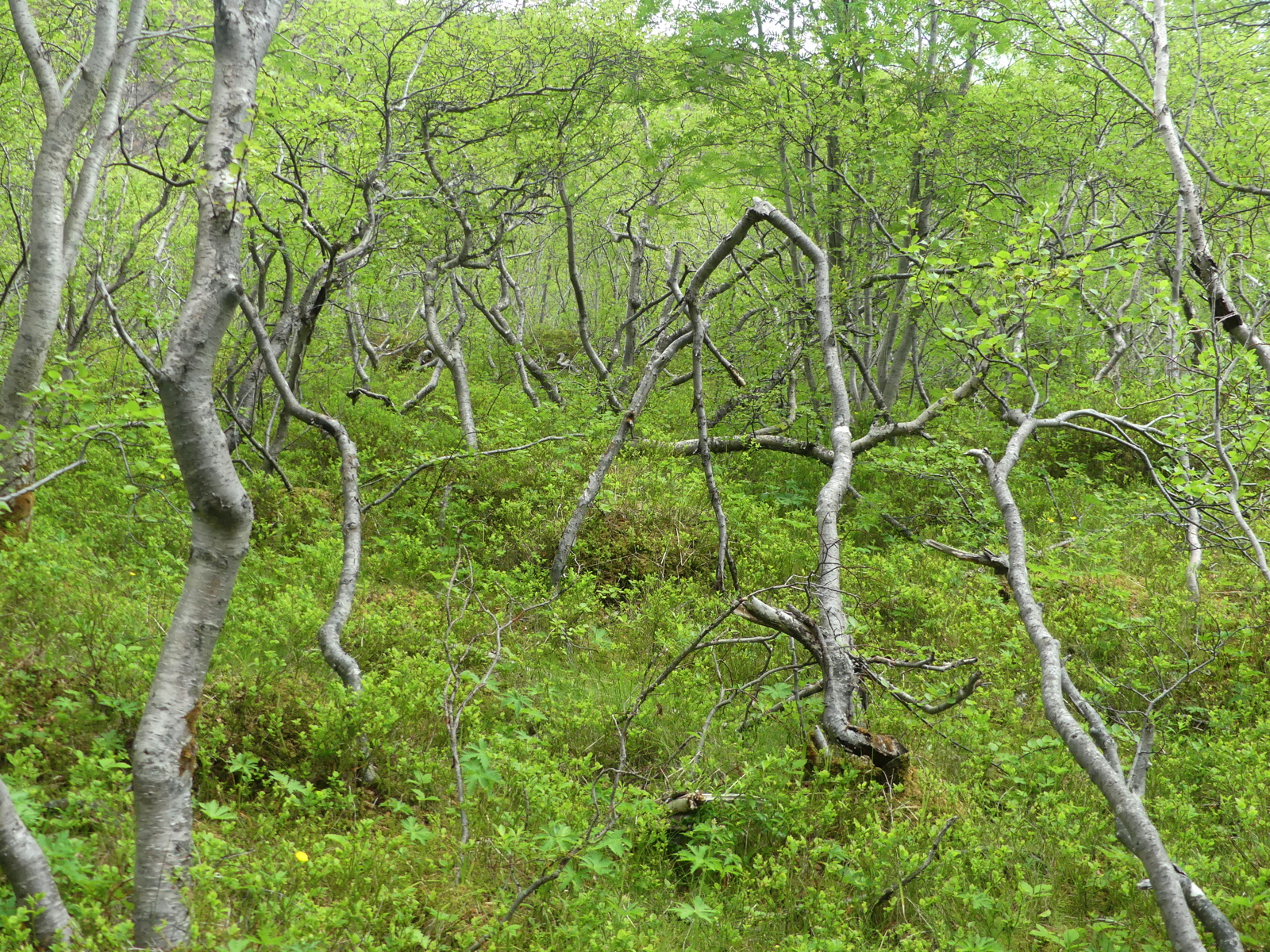
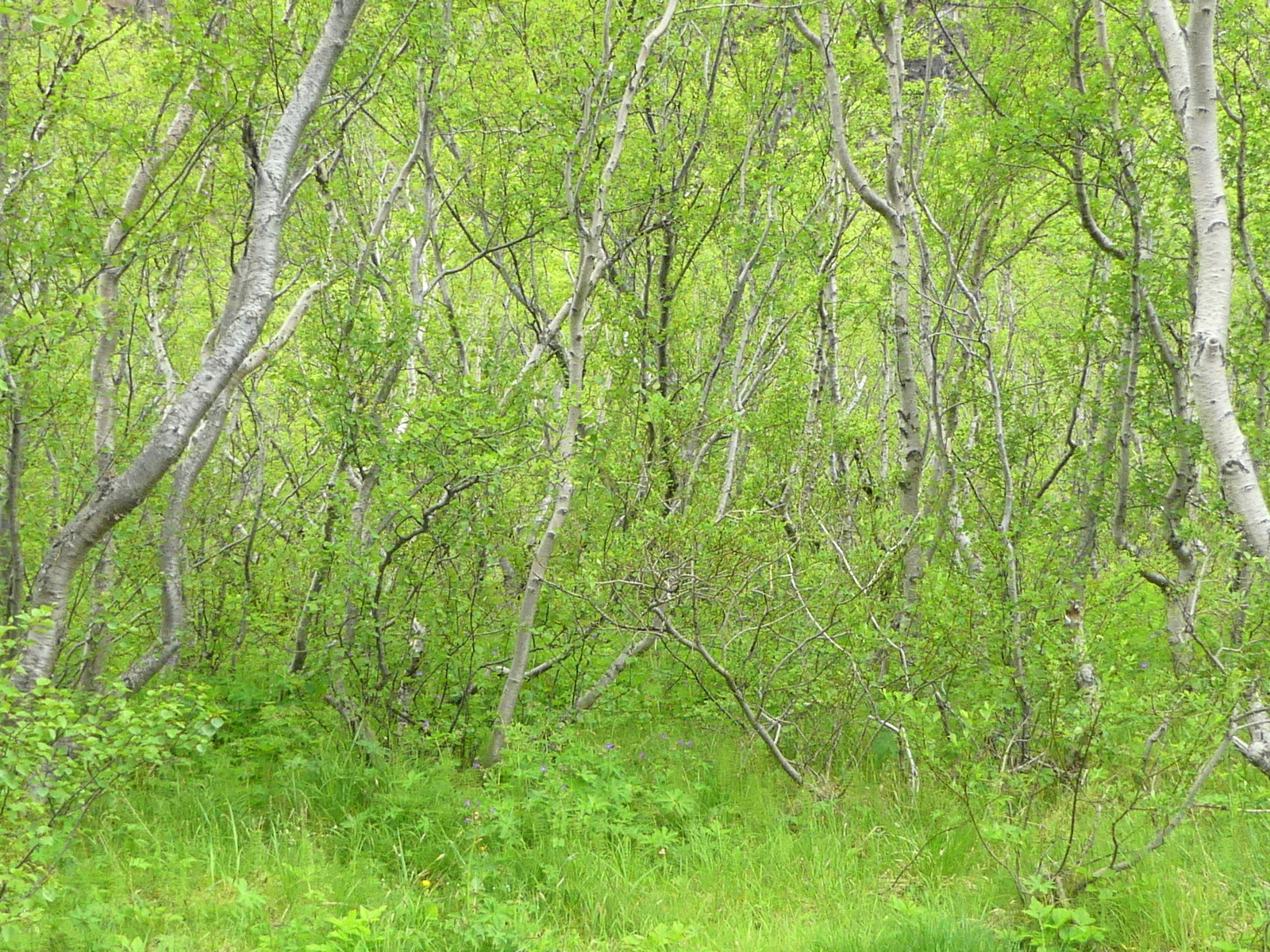
The birch forests of Ásbyrgi are not passable, except slowly and in no direction not directed by the trees.

The words for human bodies come from trees like this: body, belly, bone, arm, branch, and so on. Only after these properties were named were the names applied to humans. Before that, our ancestors saw only the trees. In that sense, we are the hidden people, just as much as we are the boughs, beams, trunks and bodies reaching here.

The Dwarf Castle of Skardsvik

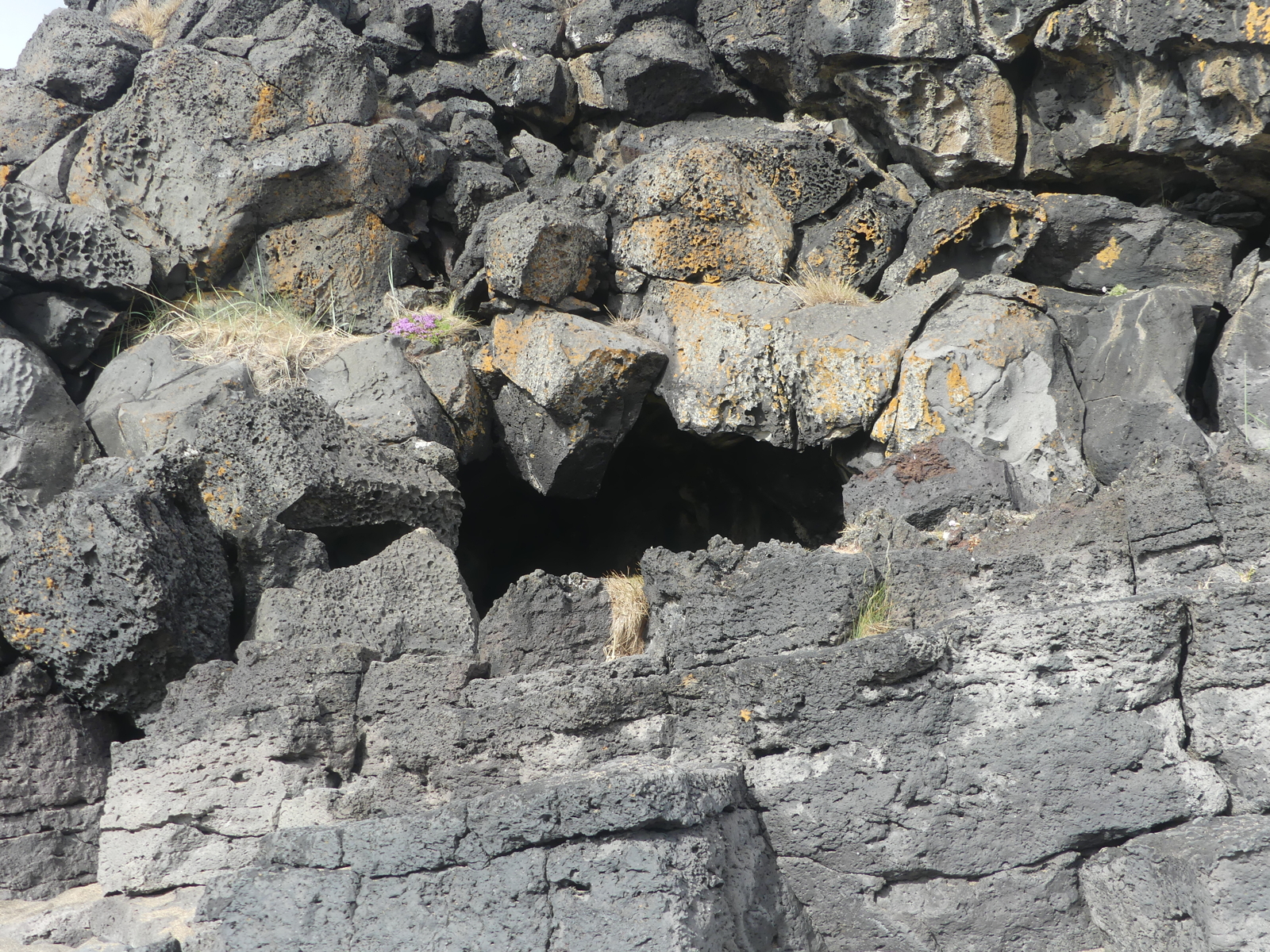
We went to Seyðisfjörður to visit the dwarf church, one of our favourite places in Iceland, but sadly it is no longer accessible except by boat. However, we had the good fortune to walk down to the beach at Skardsvik, on the complete other side of the country, and there was a whole dwarf fortress. Hurrah!

Here’s  the gate.

Note the red stone to the right of the opening.

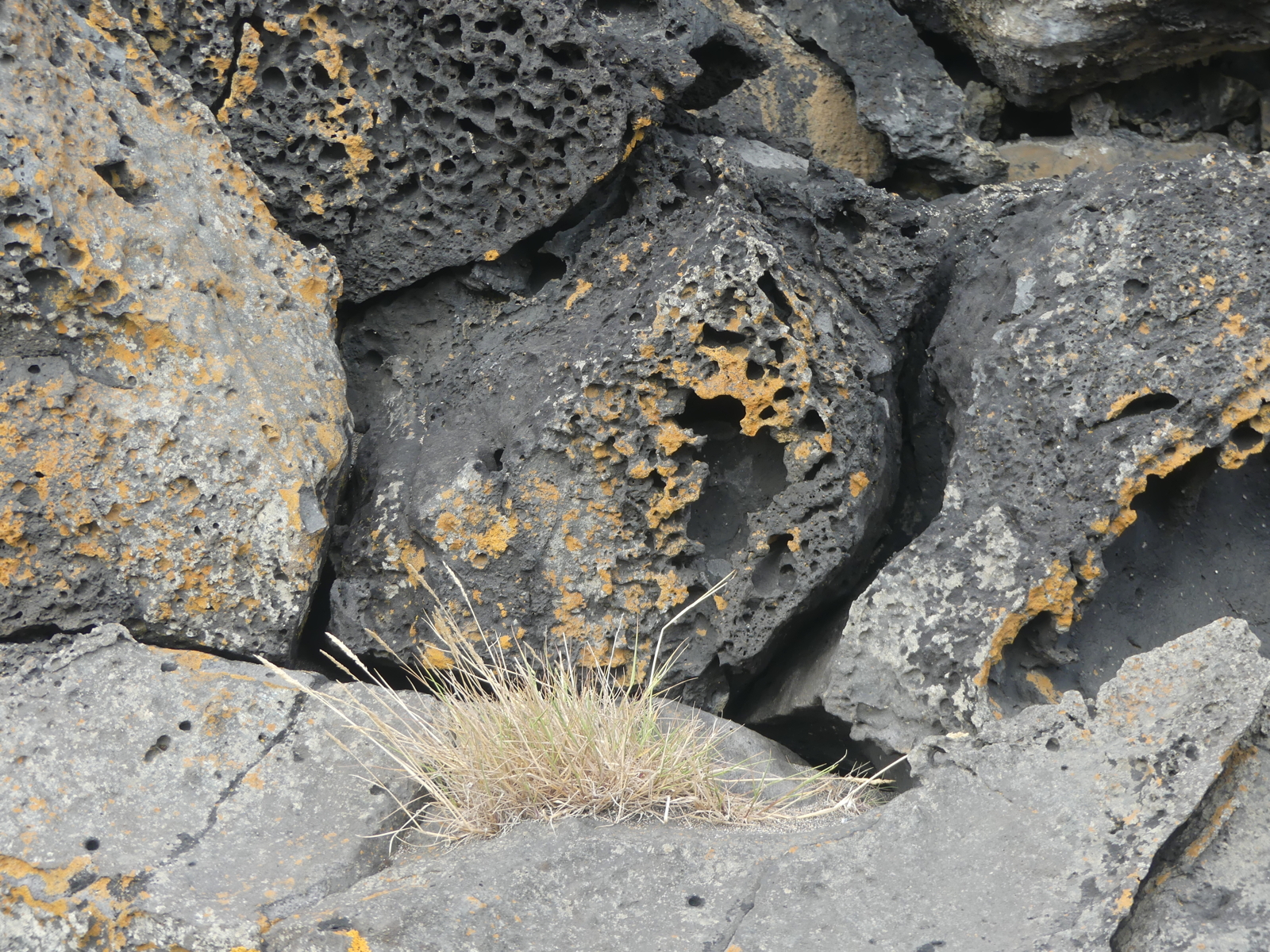
And  some  of the  finer  details…

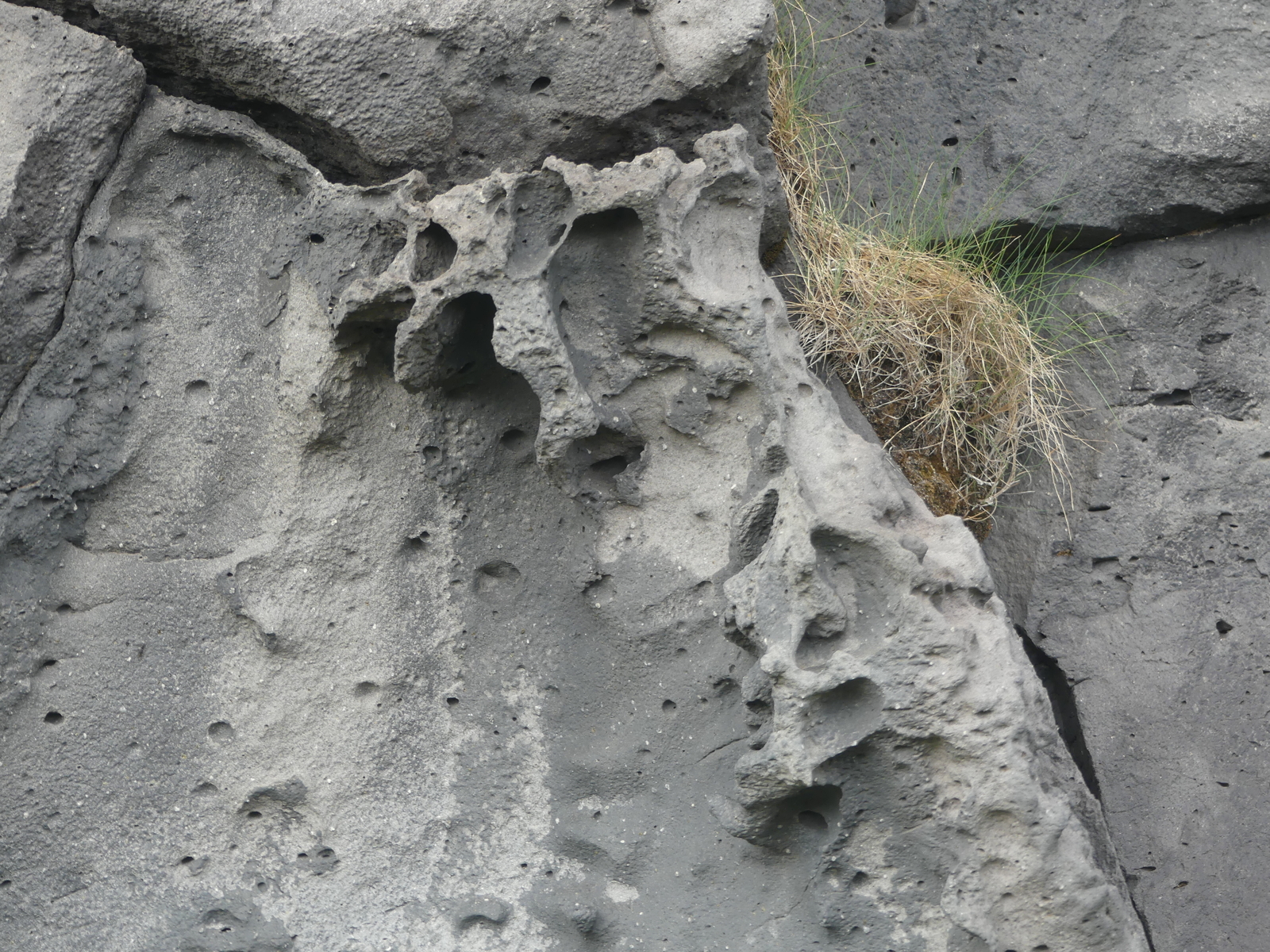
I  really  love  the  next  one.

Here it is close up.

Always leave a gift. I left a pink flower, as I had no coins in my pocket. (Always carry coins in your pocket. That’s a new rule.) And then, on the road again:

In this way, the land is never empty. In this way, the land is always a gift and never full.