… and when to leave it at home.
Reykjavik
No tractors at rush hour on workdays.
Sorry.

… and when to leave it at home.
Reykjavik
No tractors at rush hour on workdays.
Sorry.
Before the Ring Road, this was the highway to the East.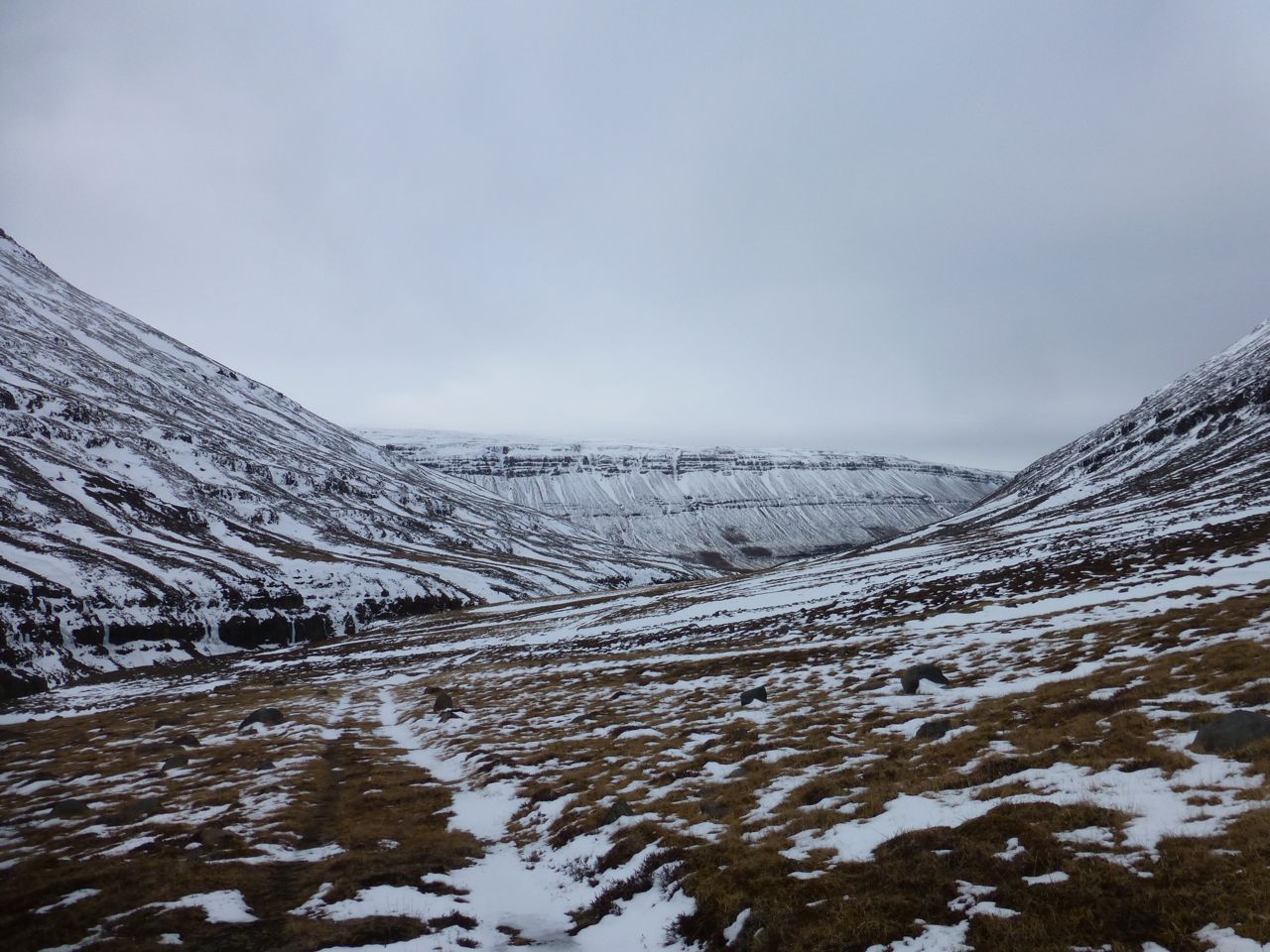
It is now easy to forget that Iceland is many different countries united by isolation. Sometimes the way forward is the way back.
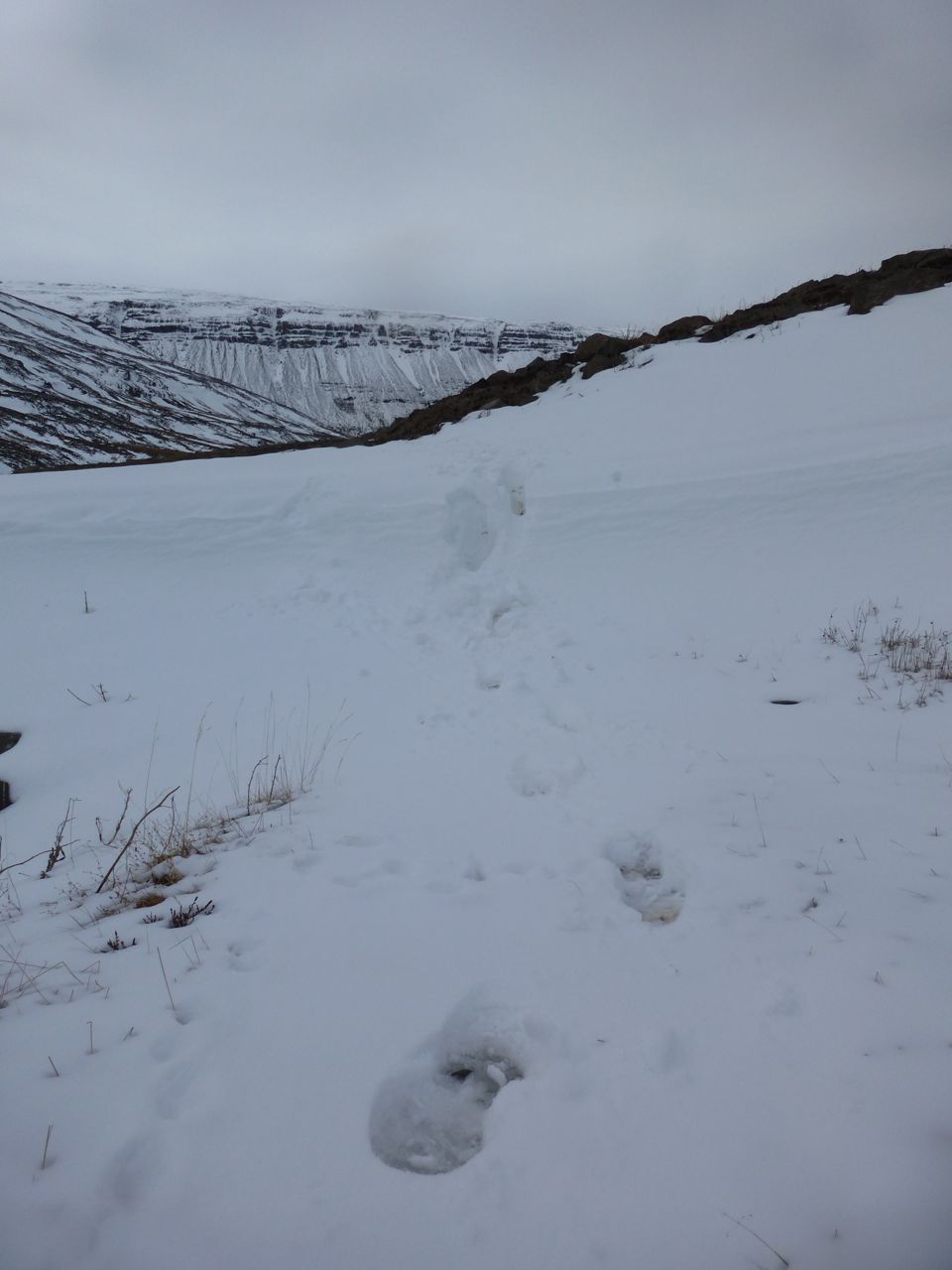
And this is the high-tech version.

Road crew.

Watch your step.

If isolation can be connection, can connection be isolation?
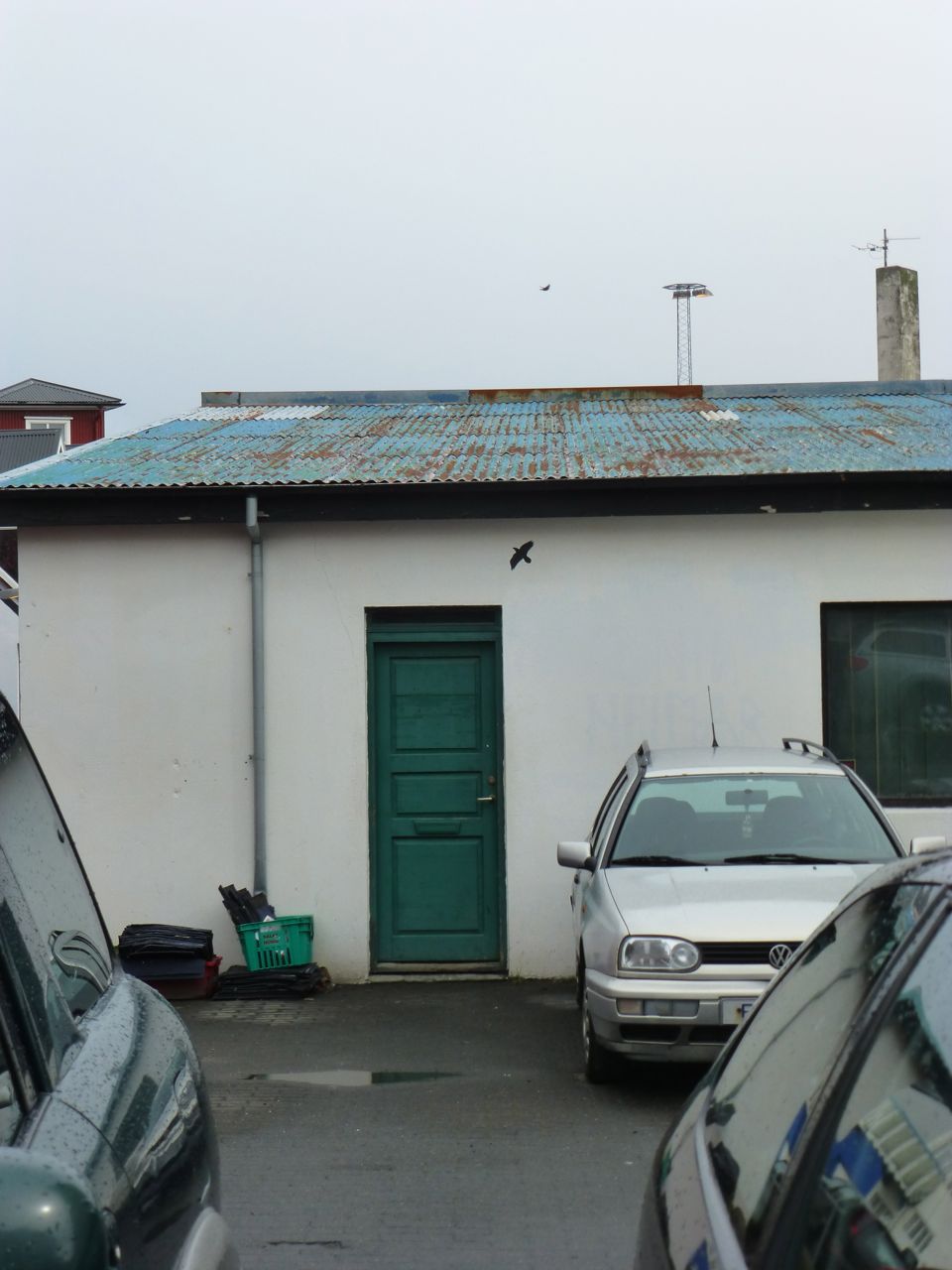
Roadside Inn.
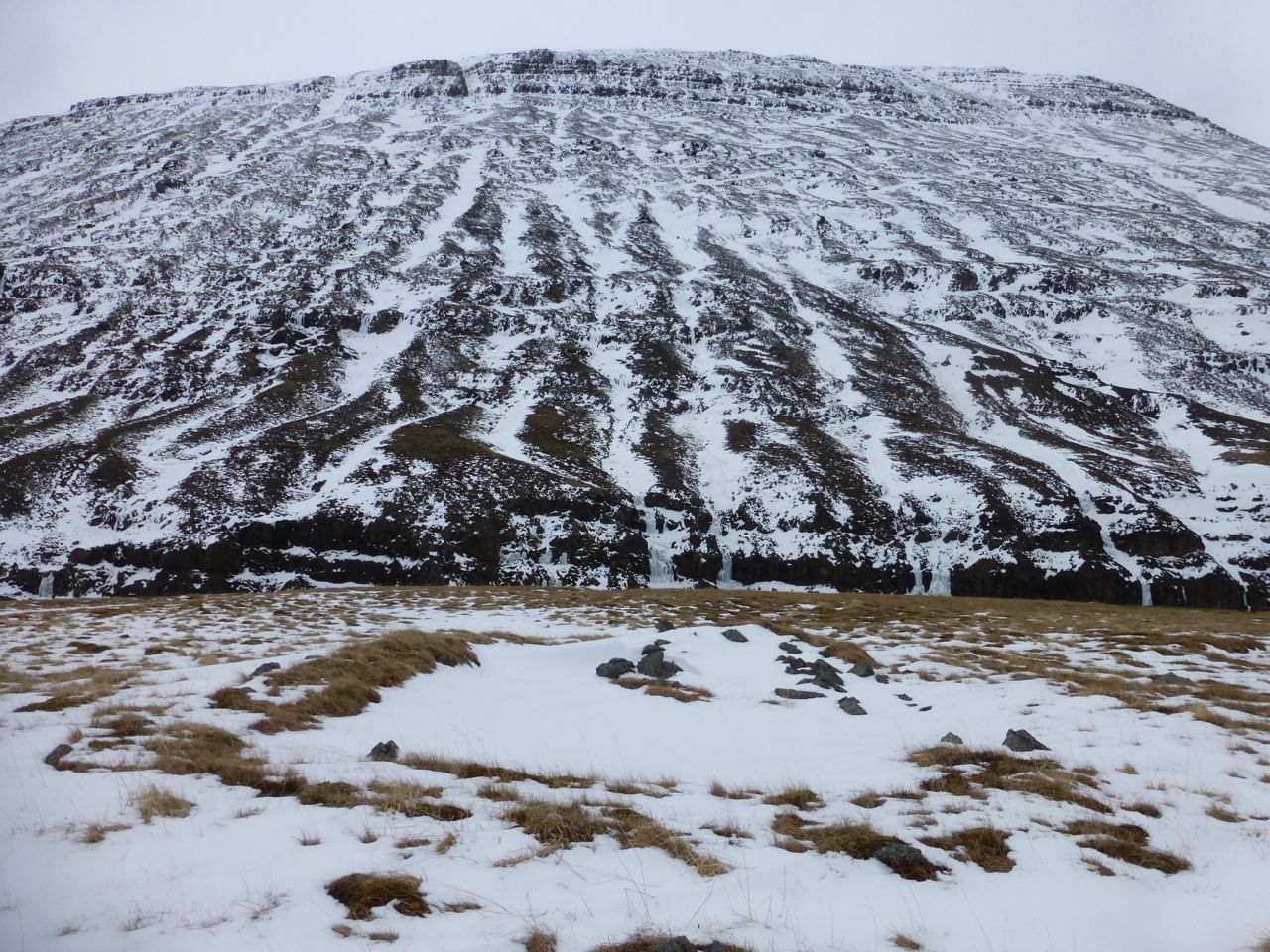
When a country becomes a road…

… what then?
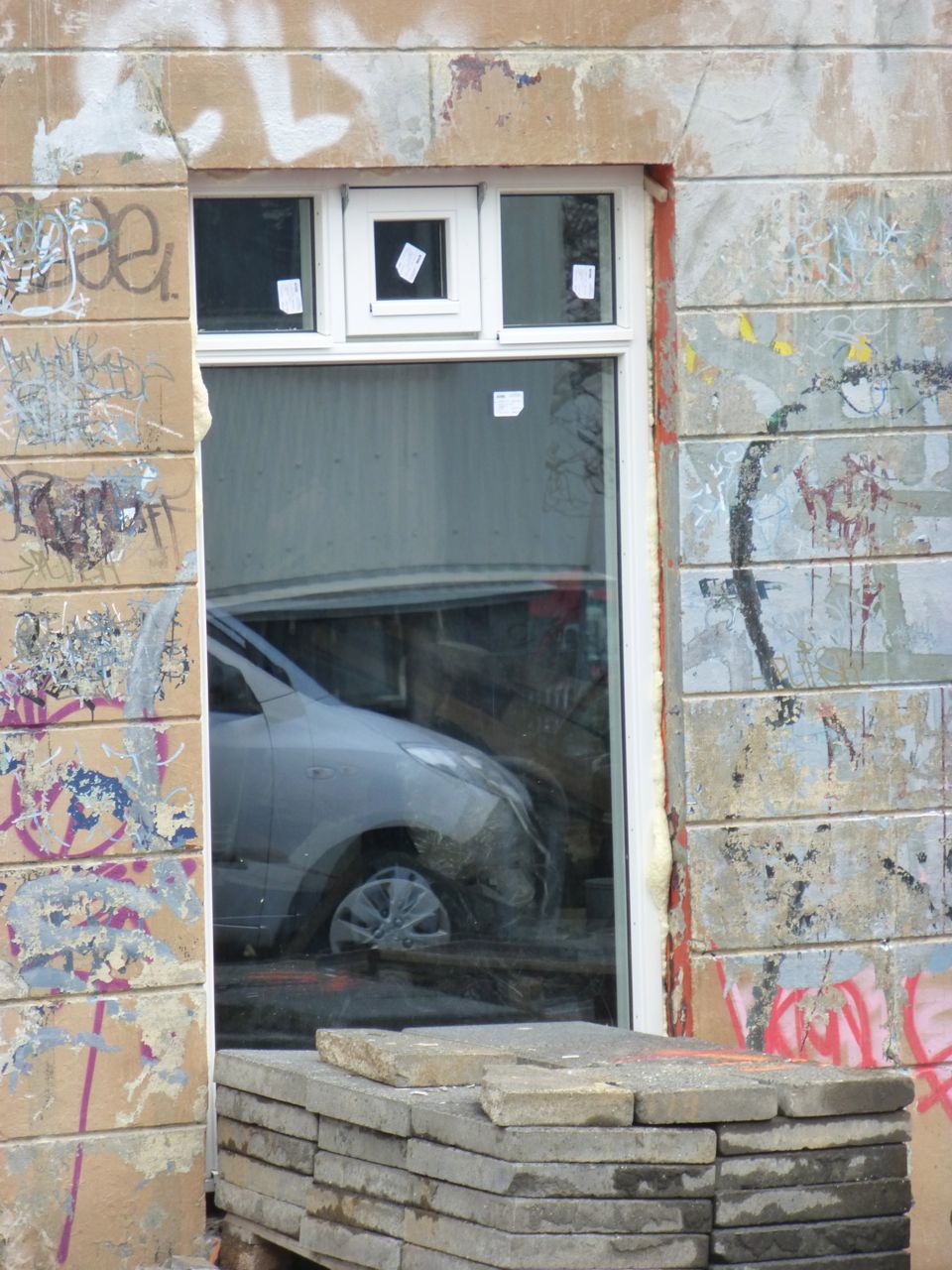
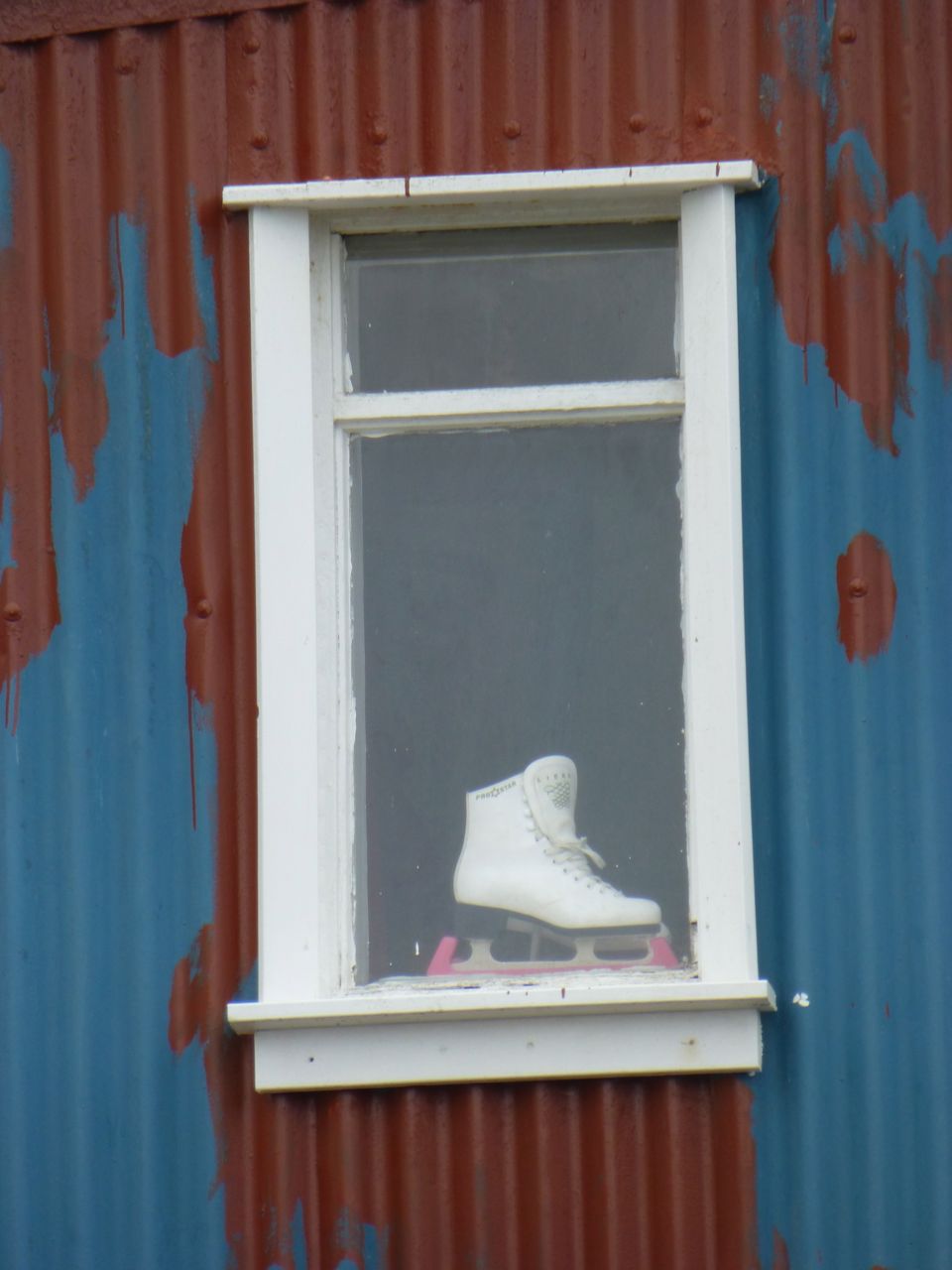
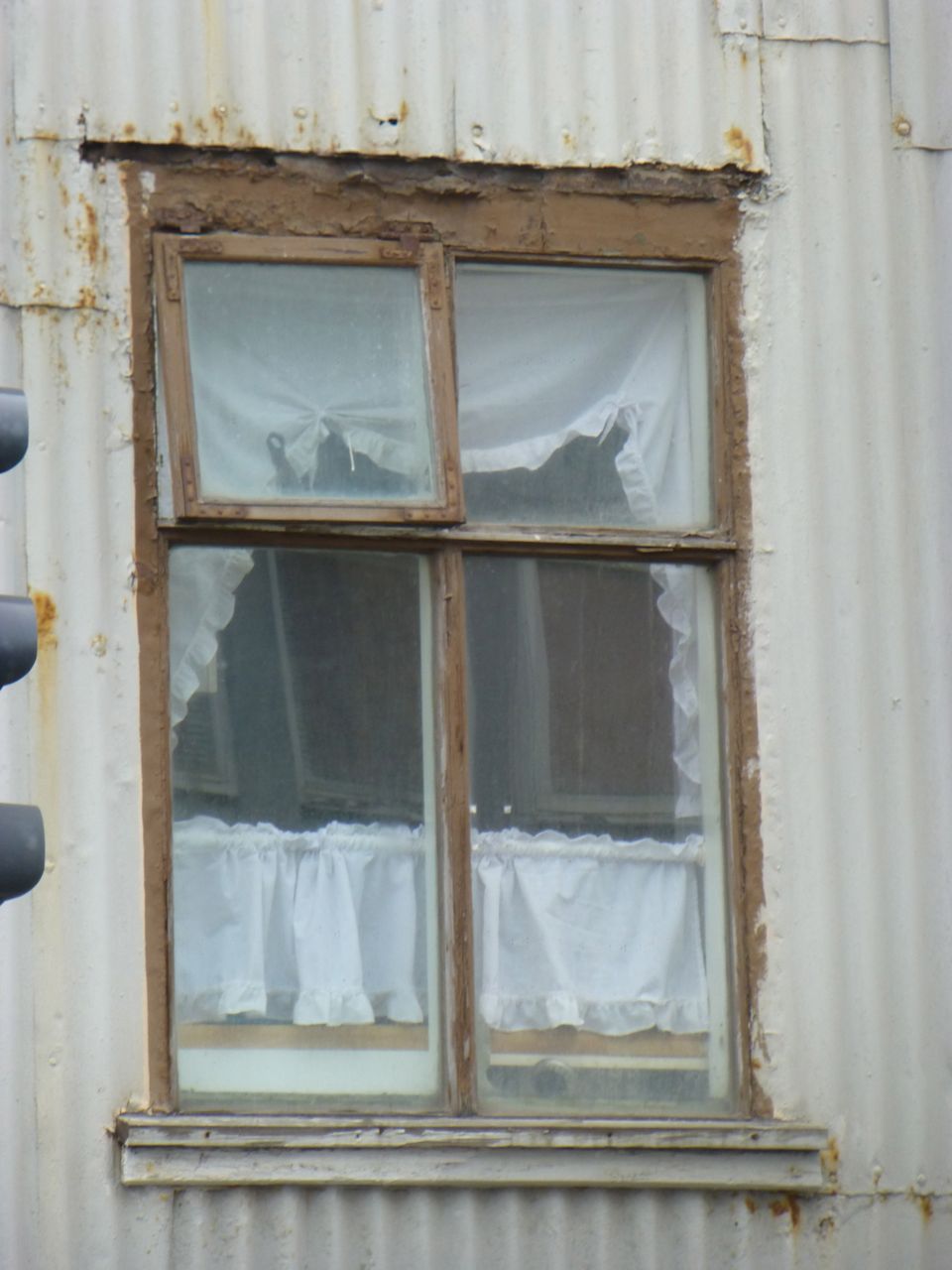
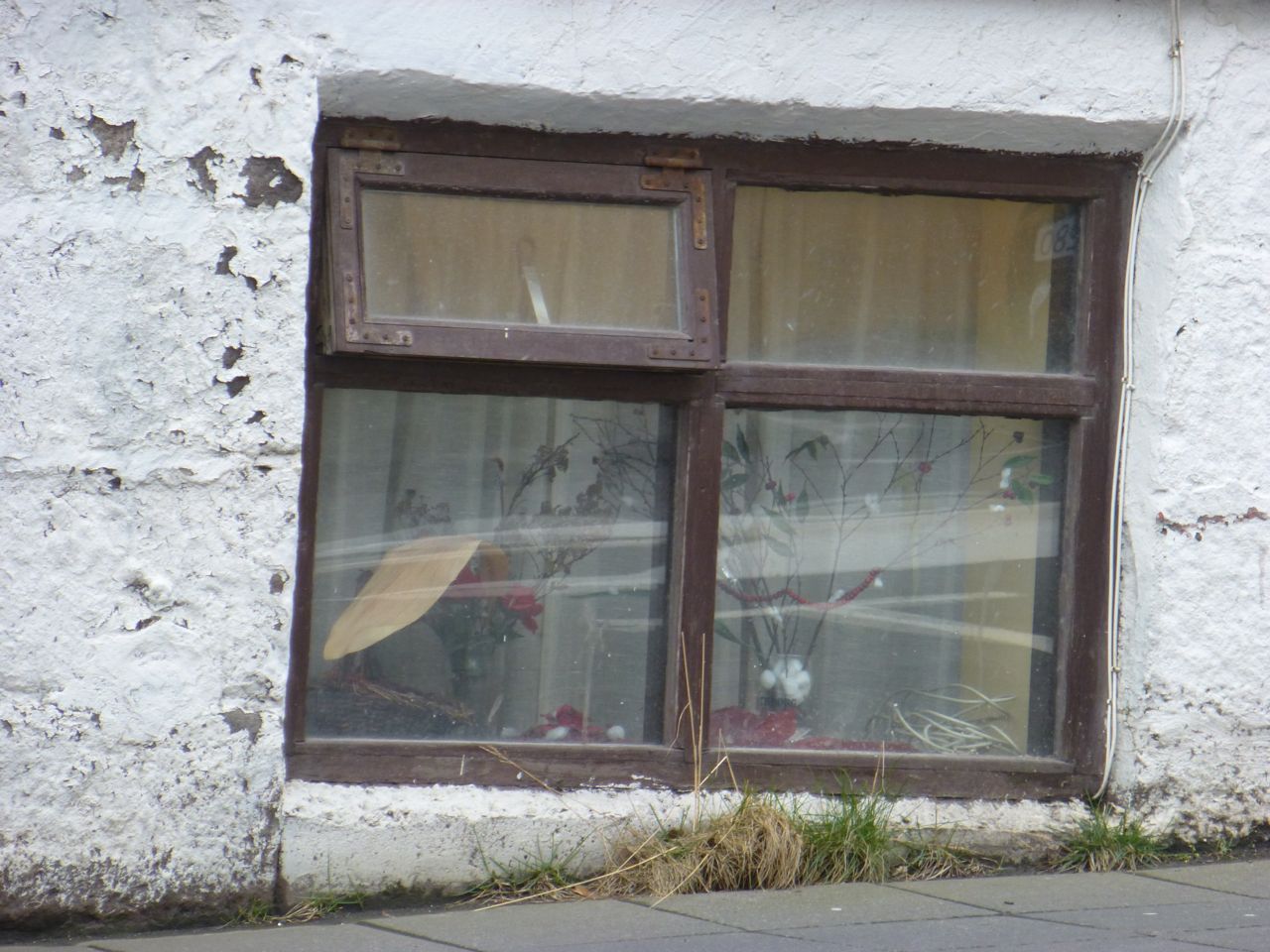
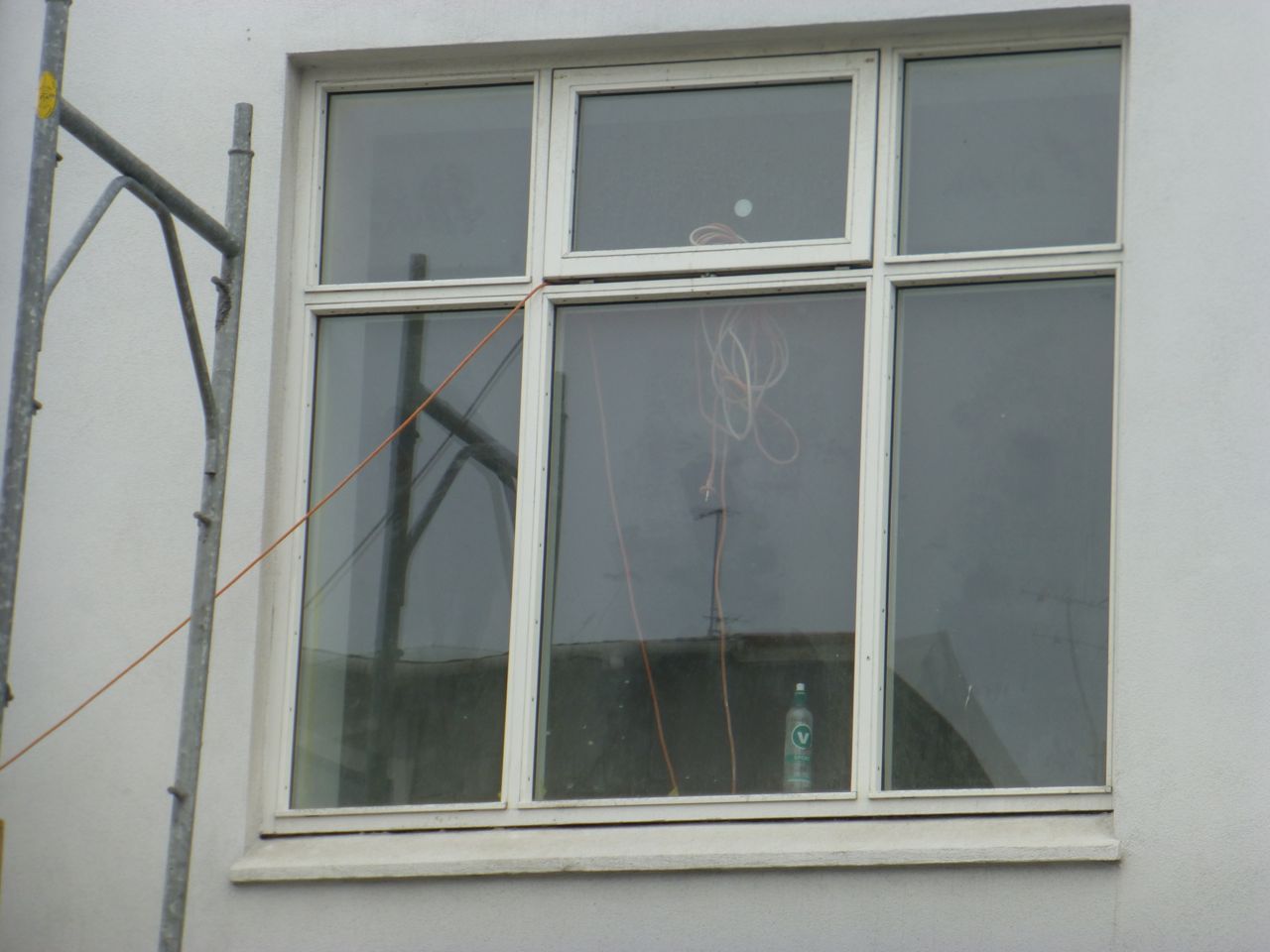
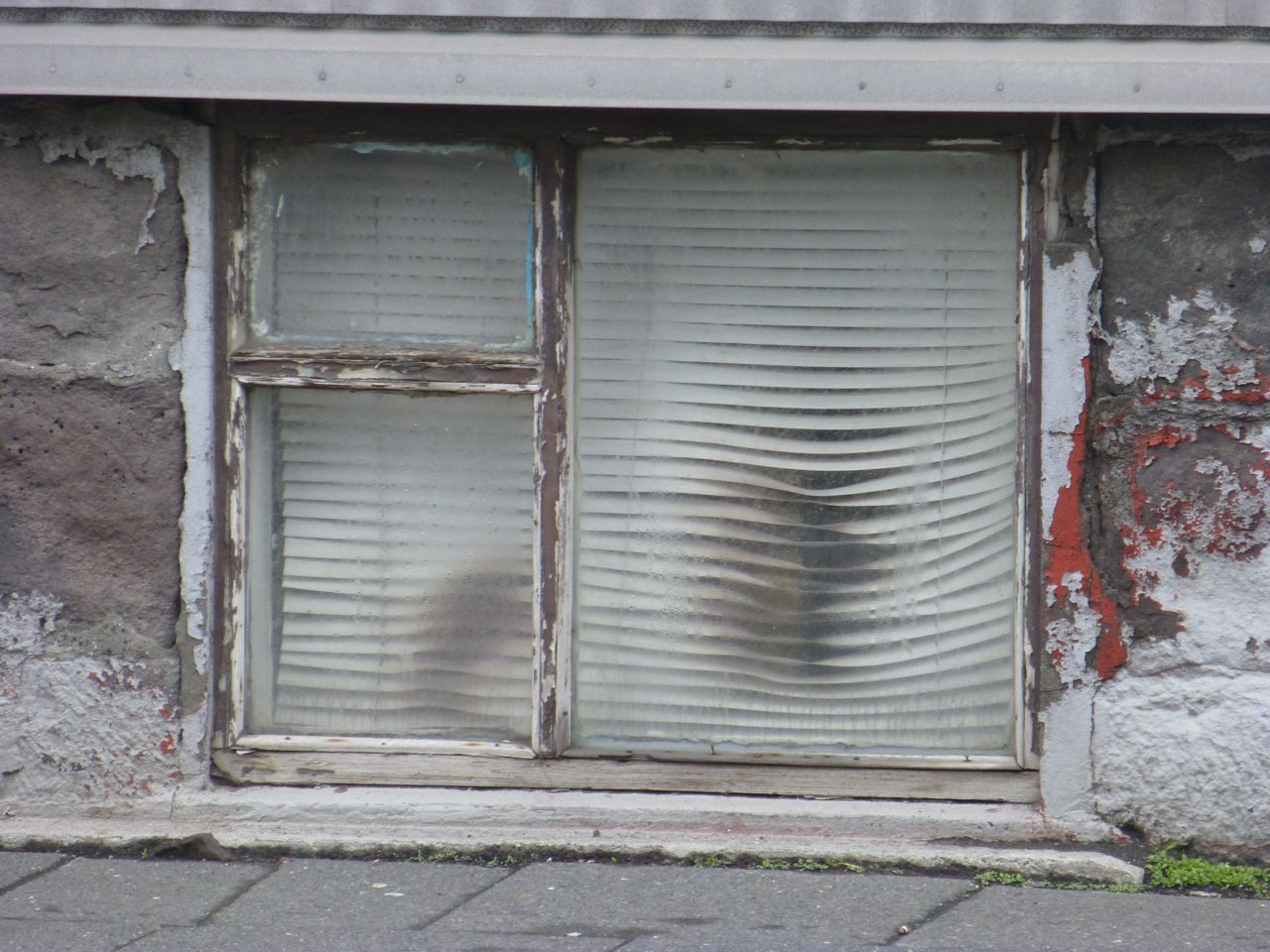
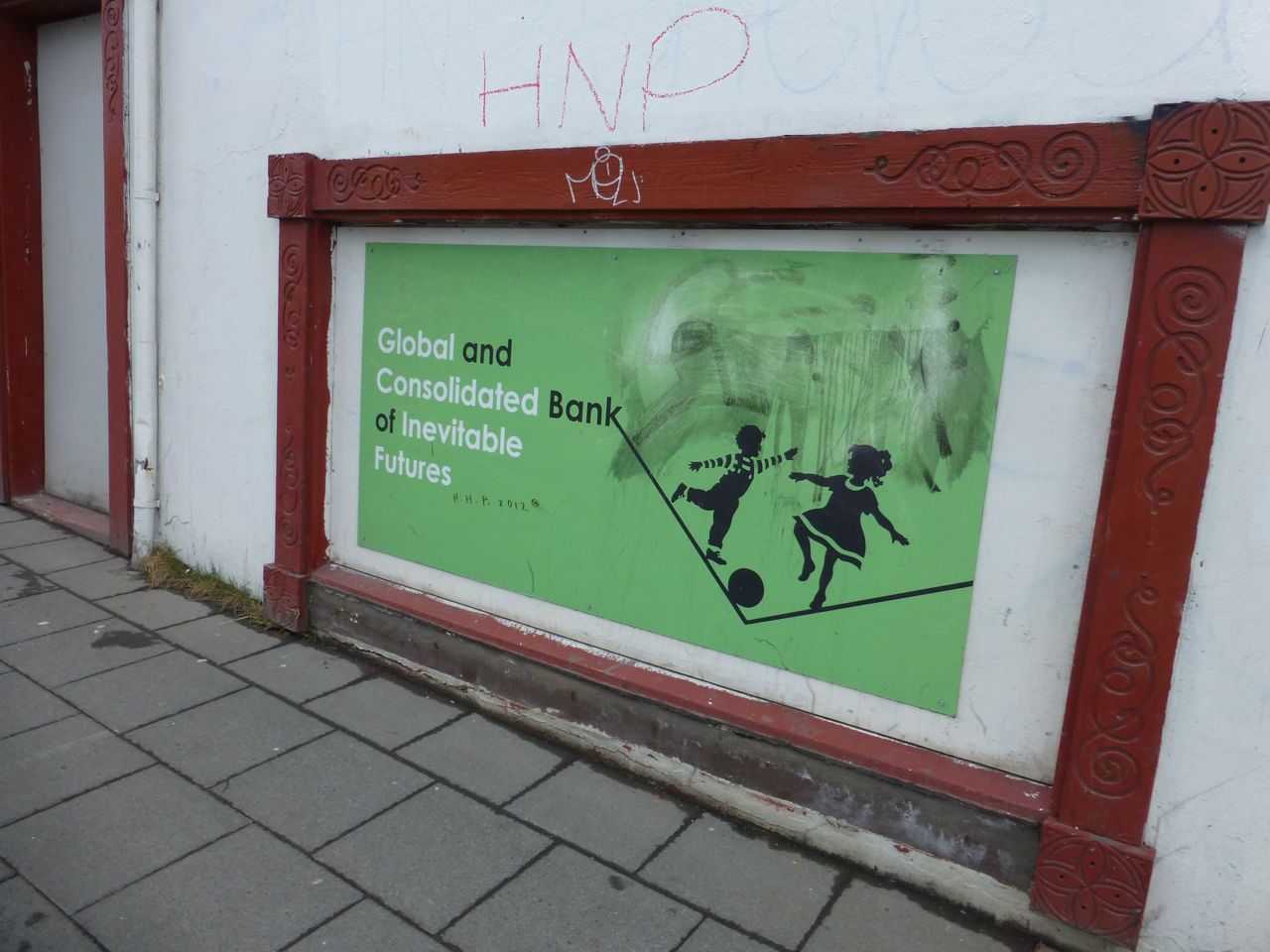
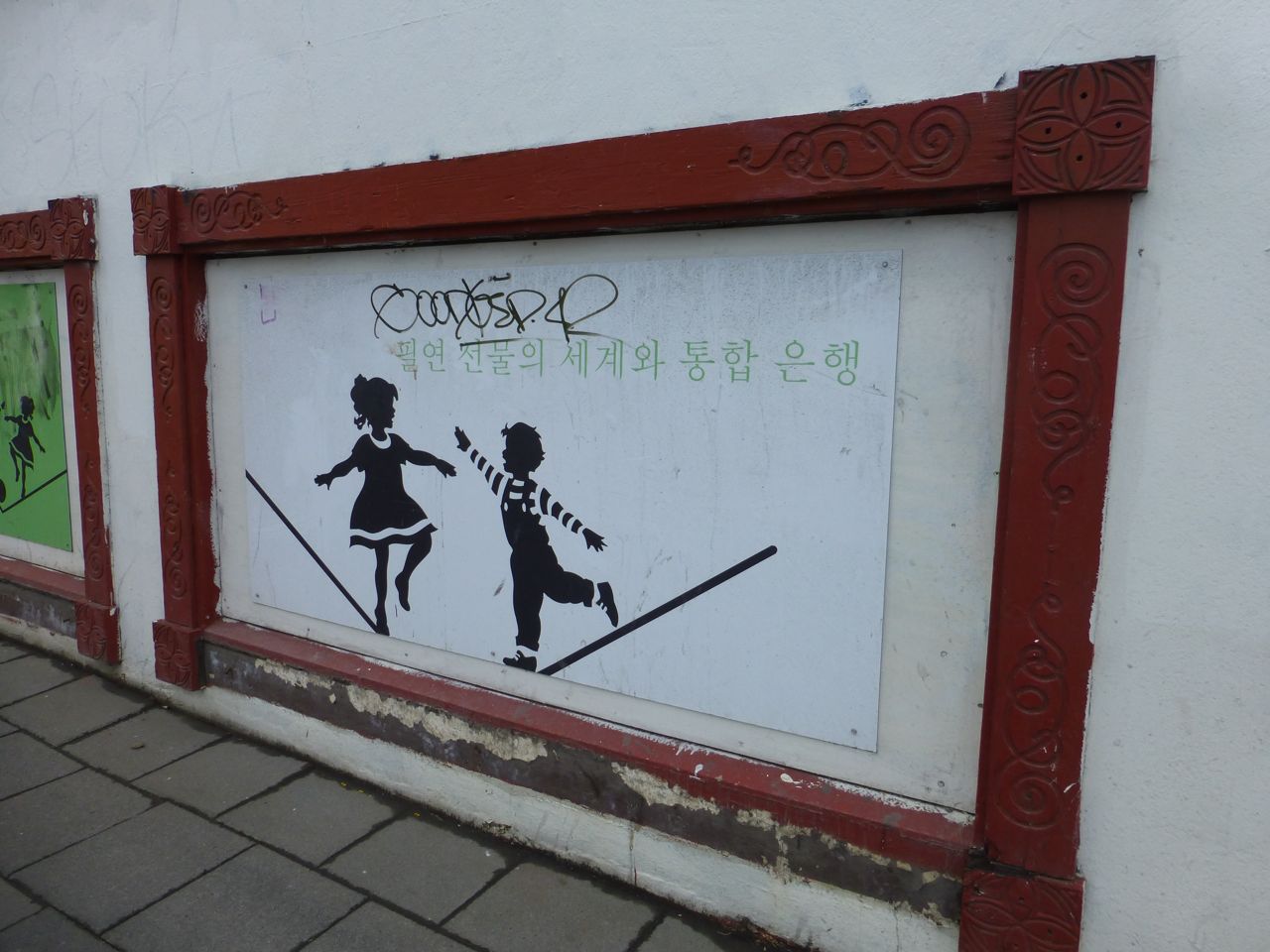
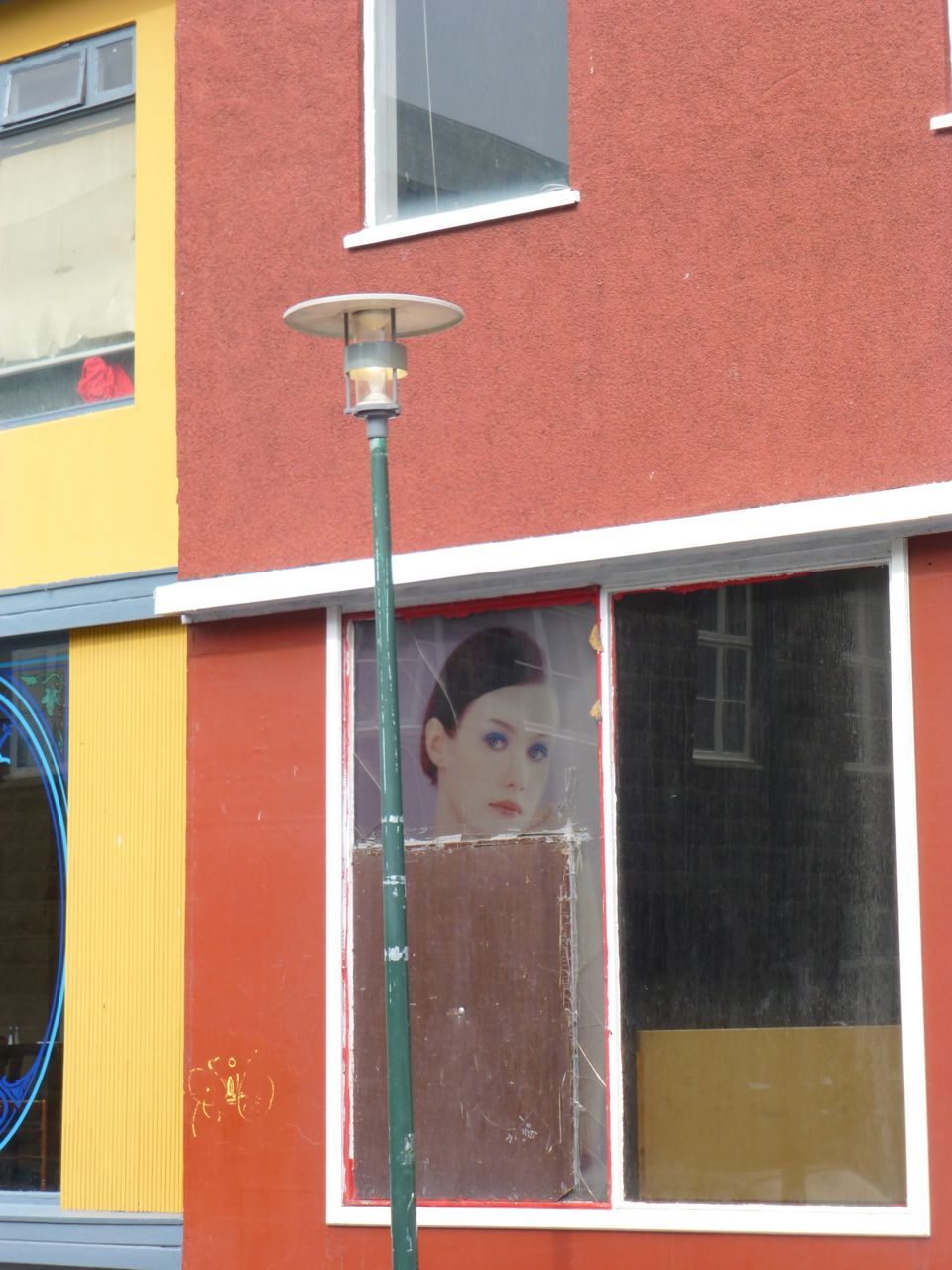
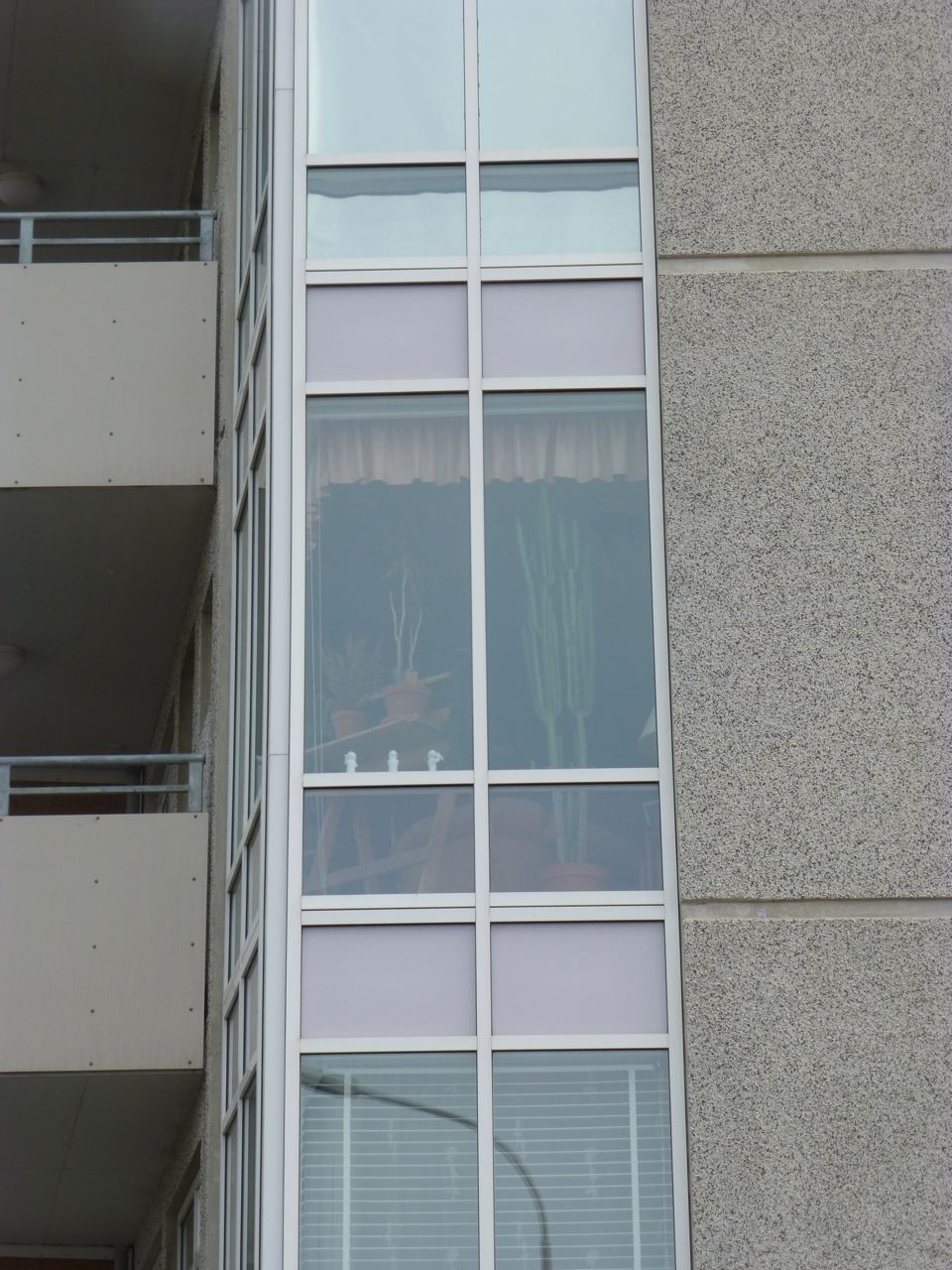
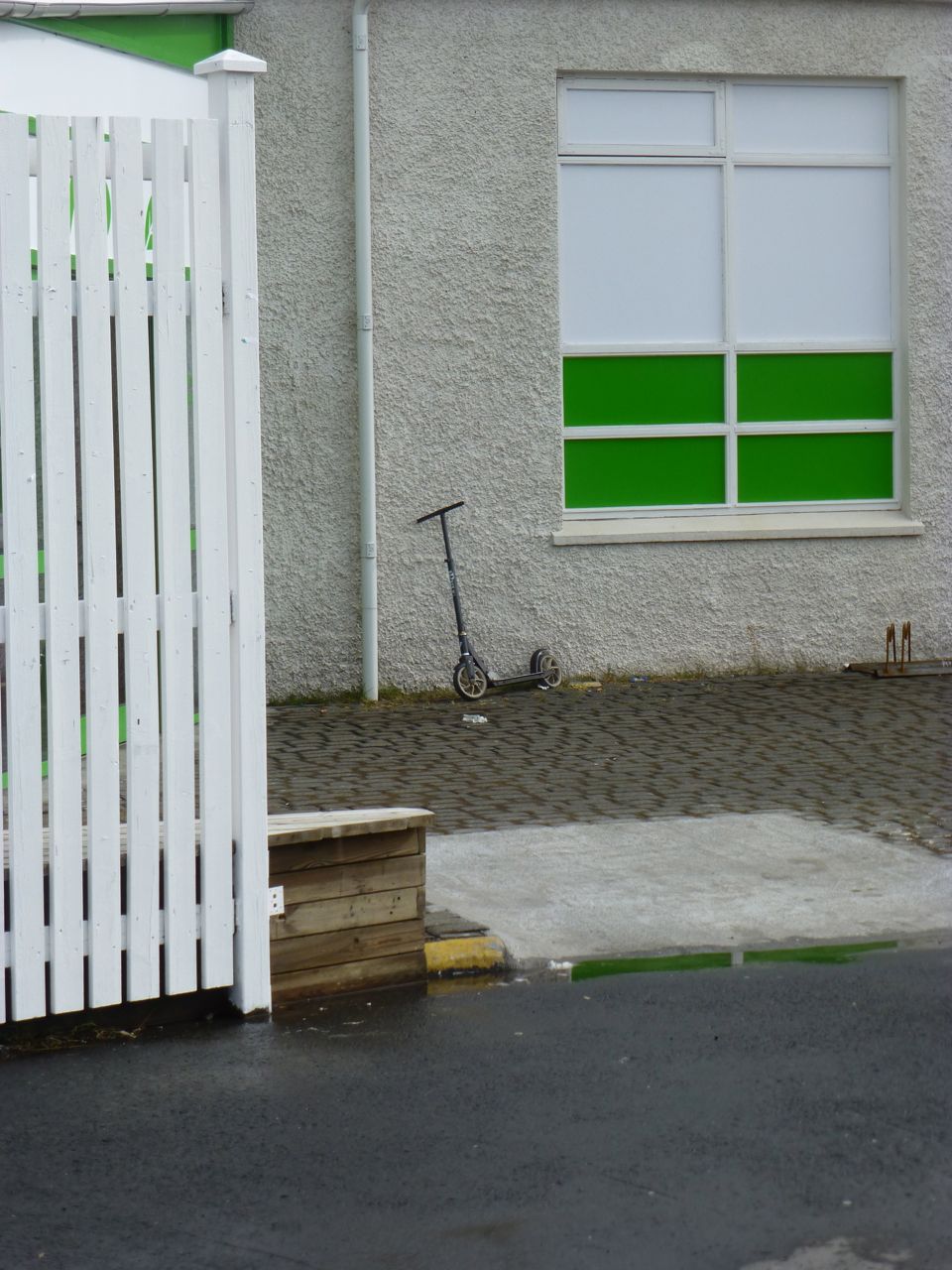
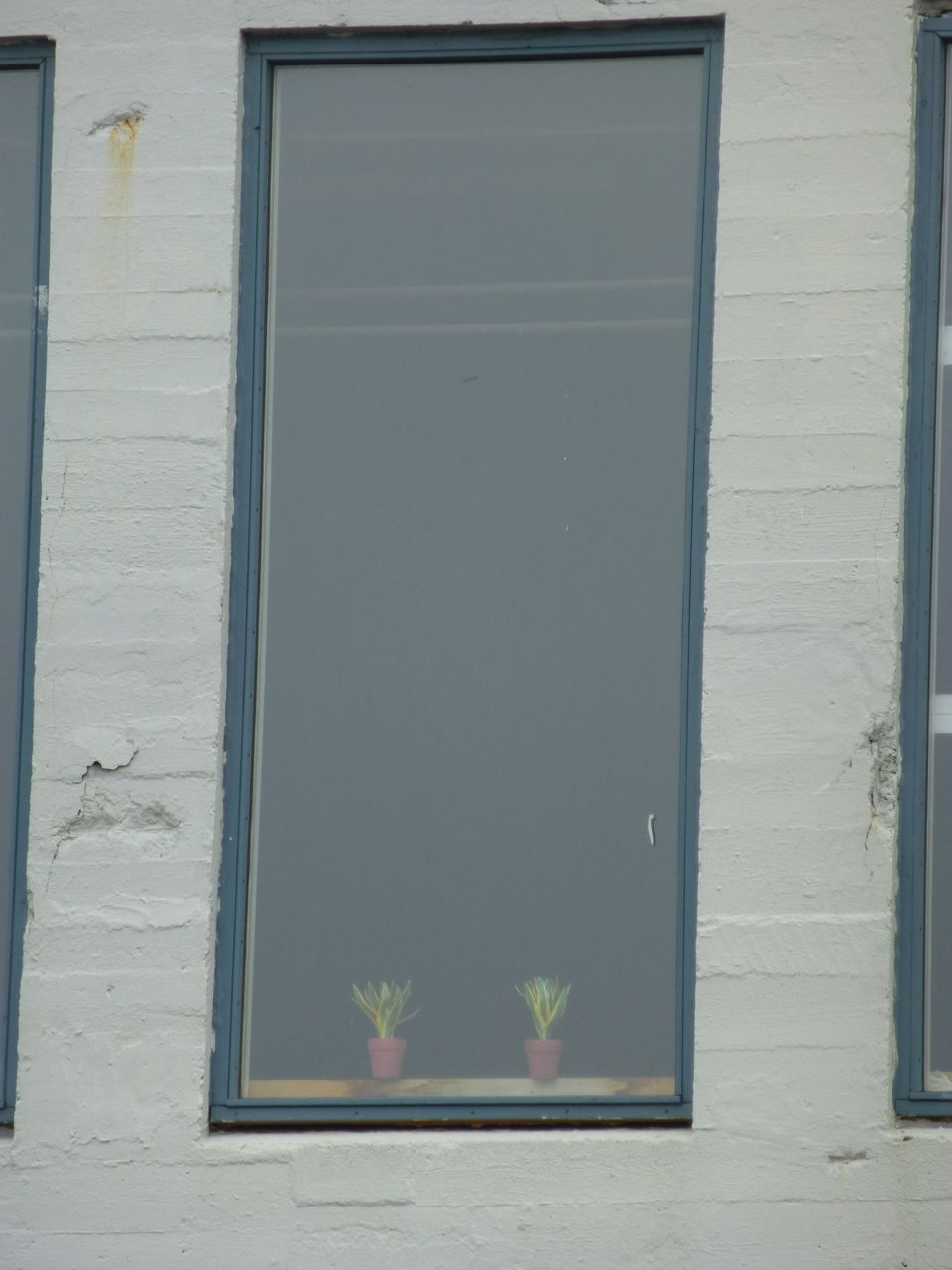
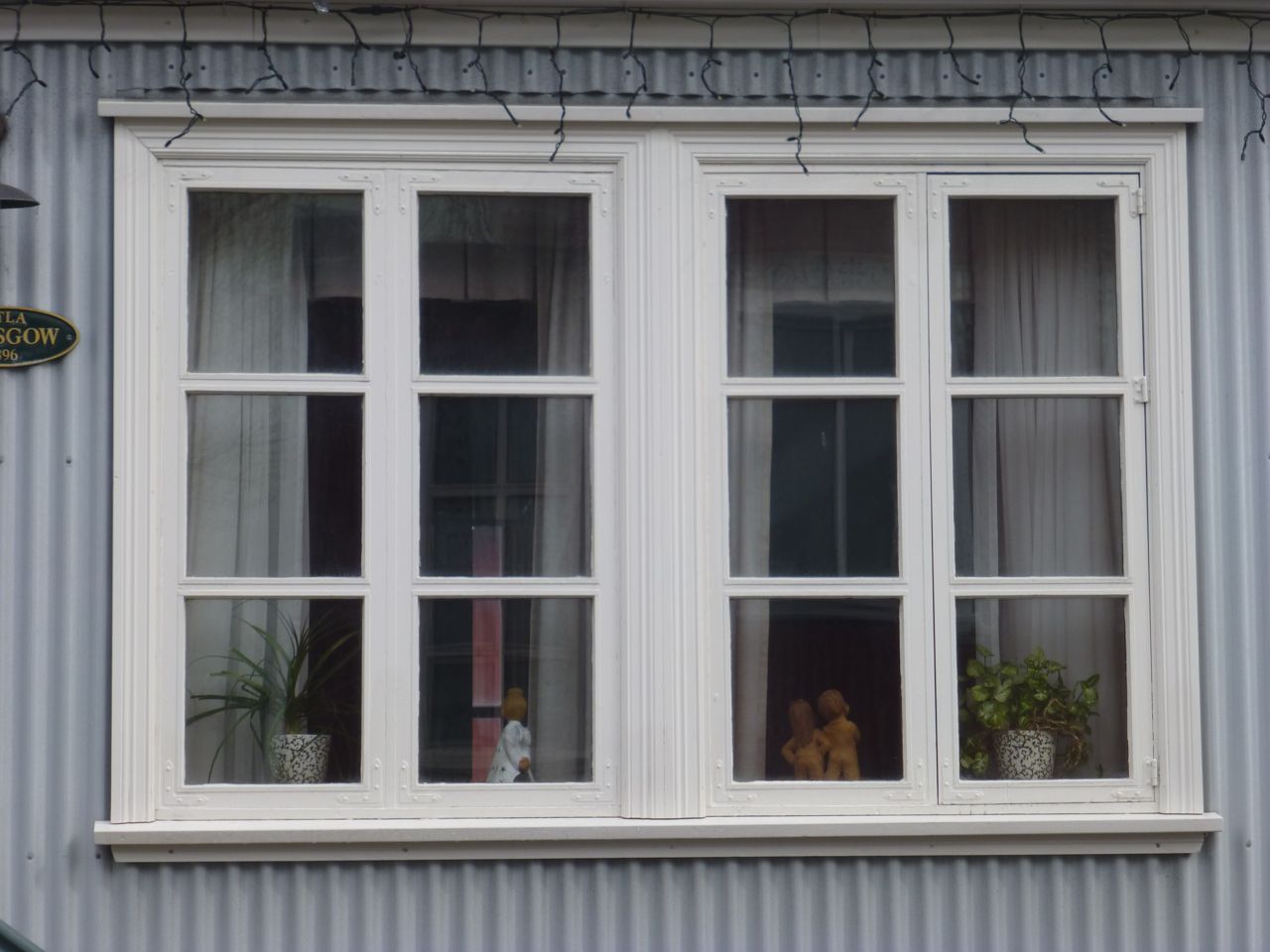
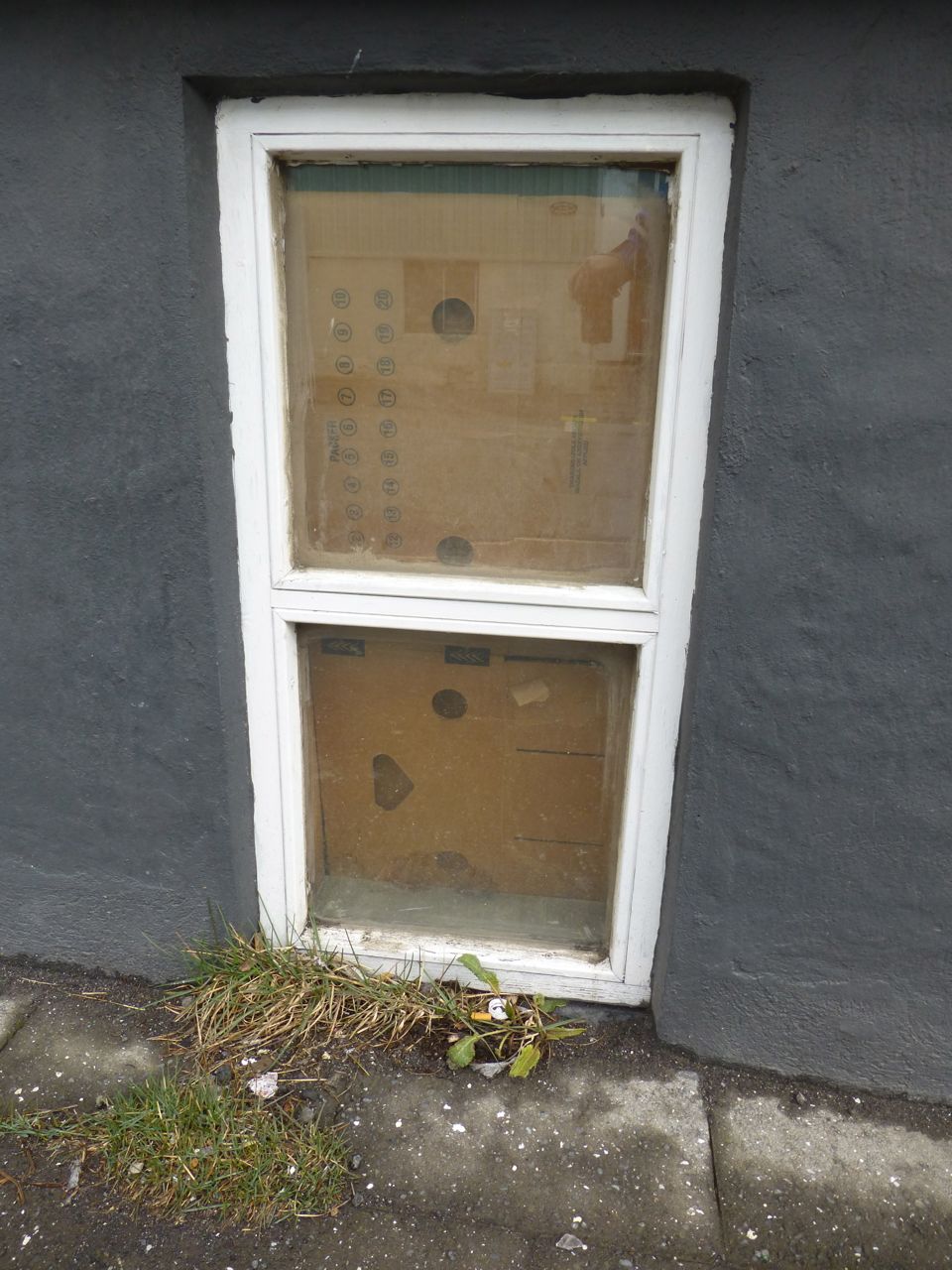
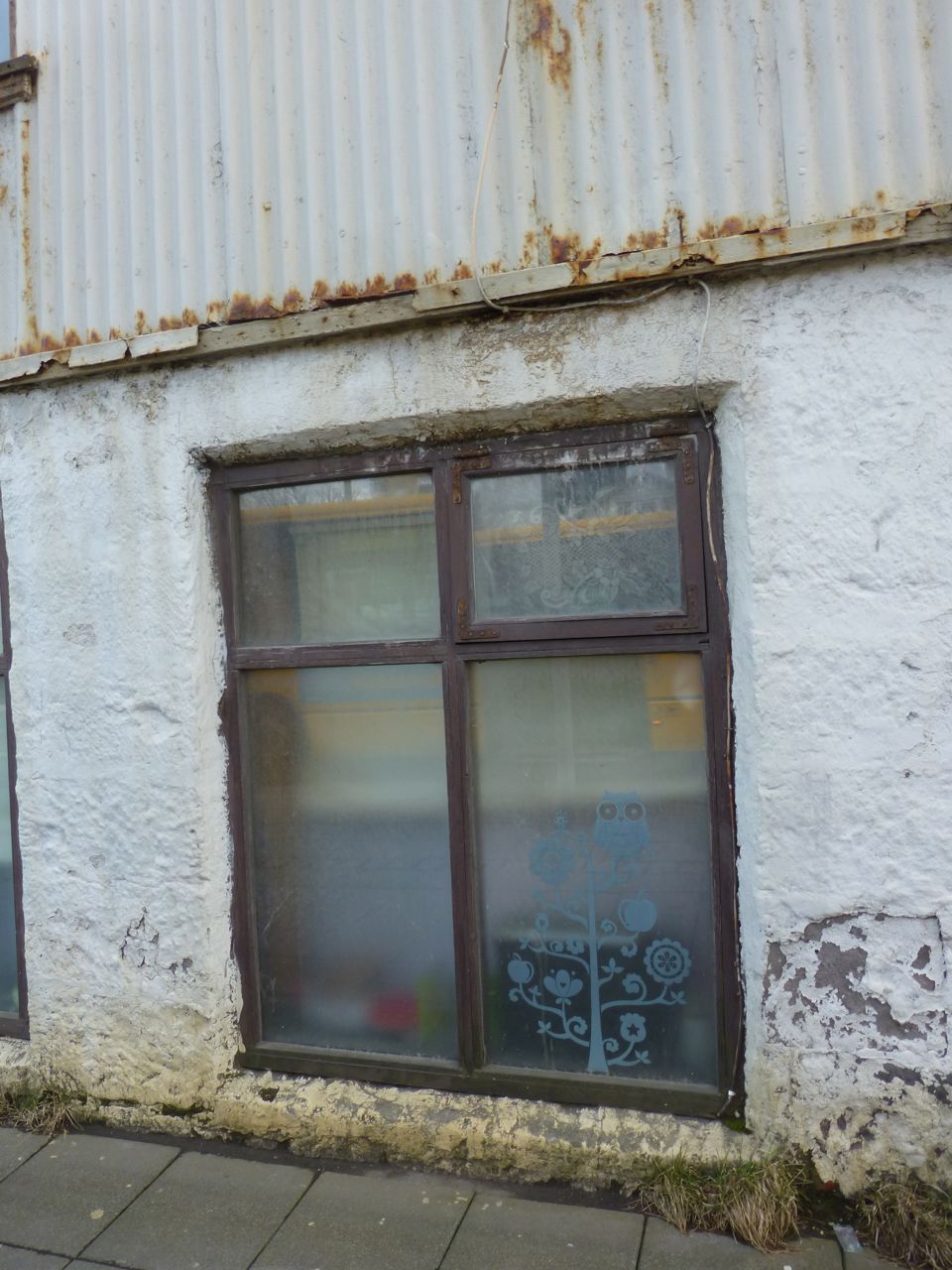
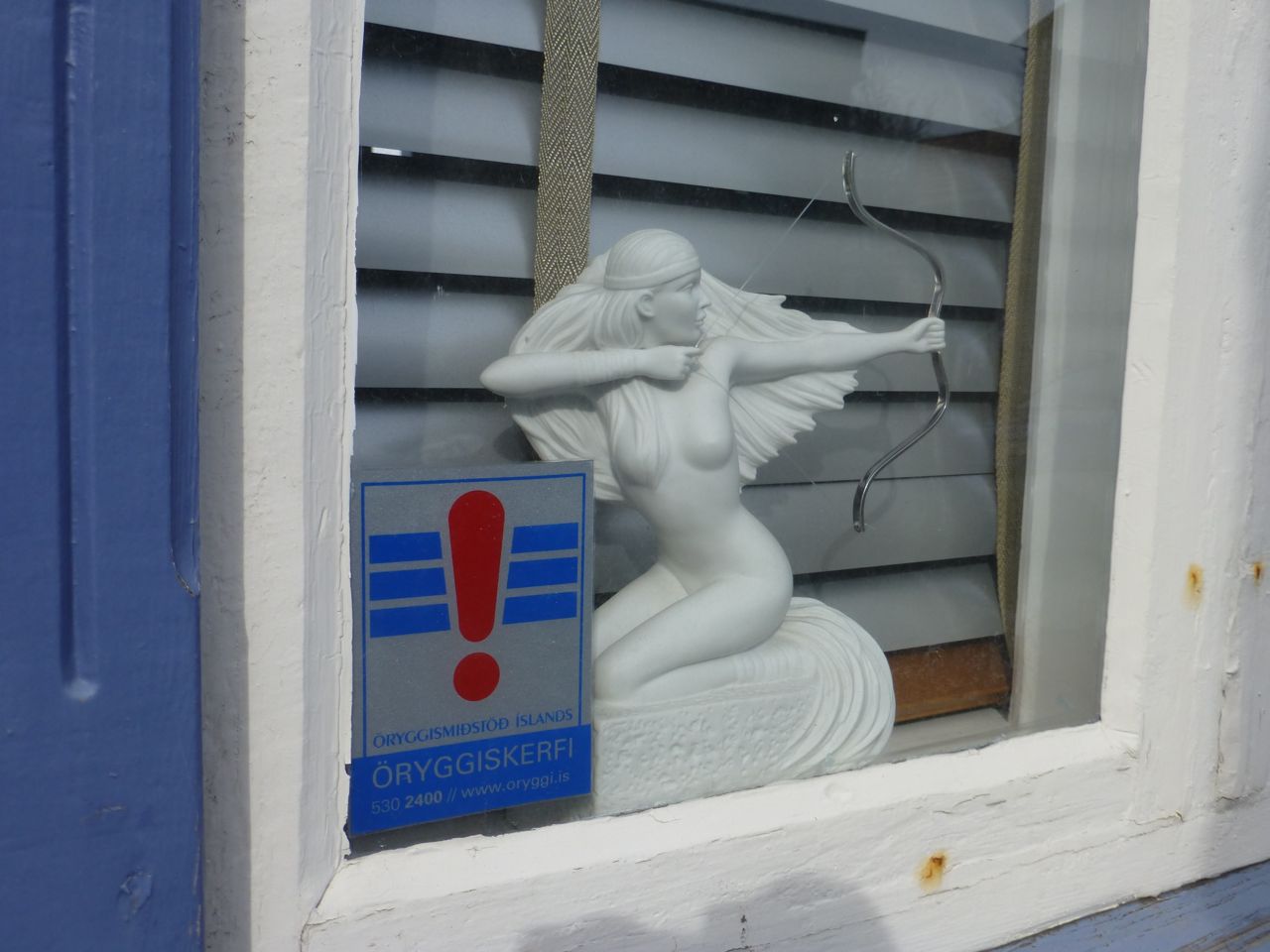
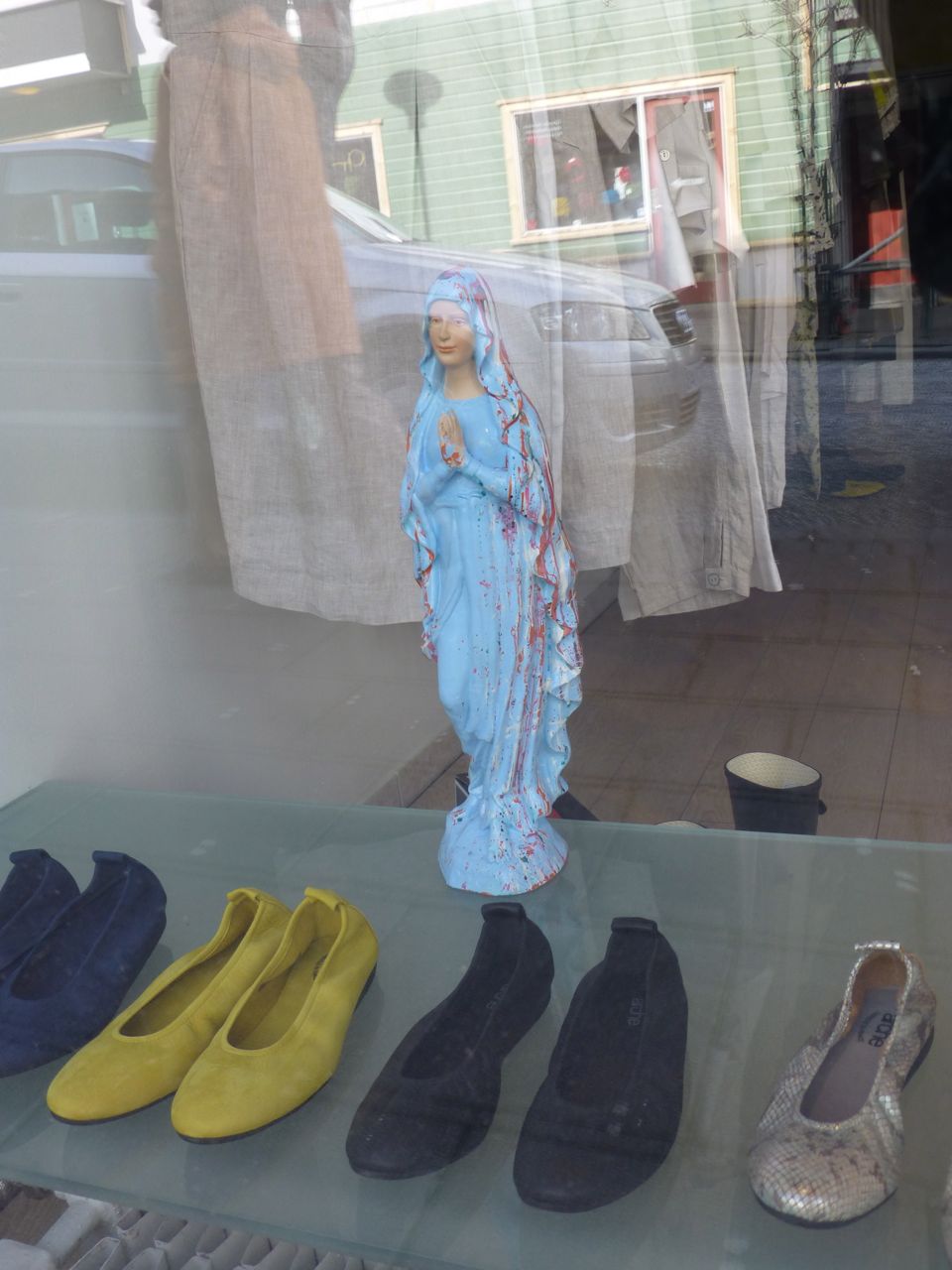
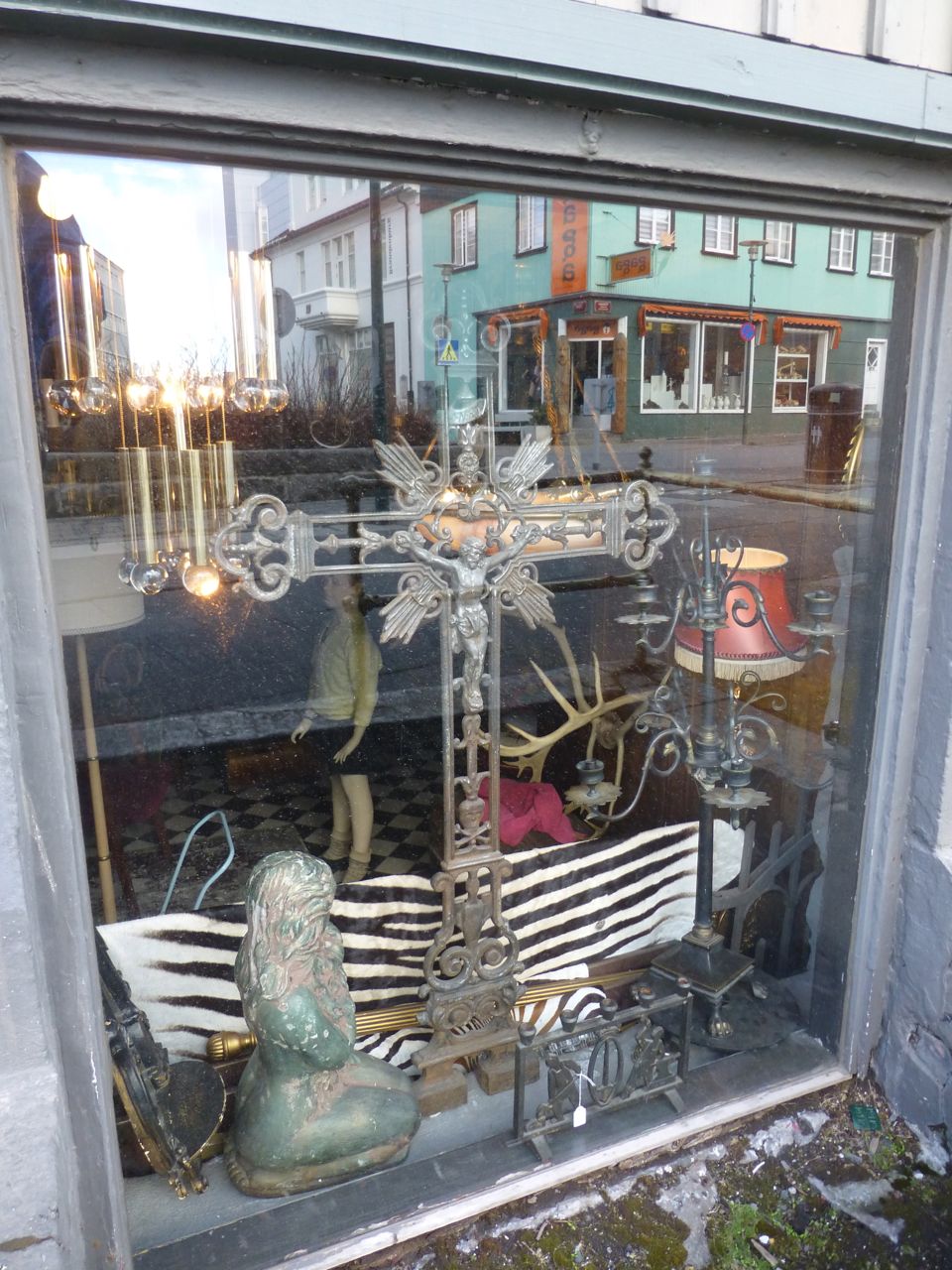
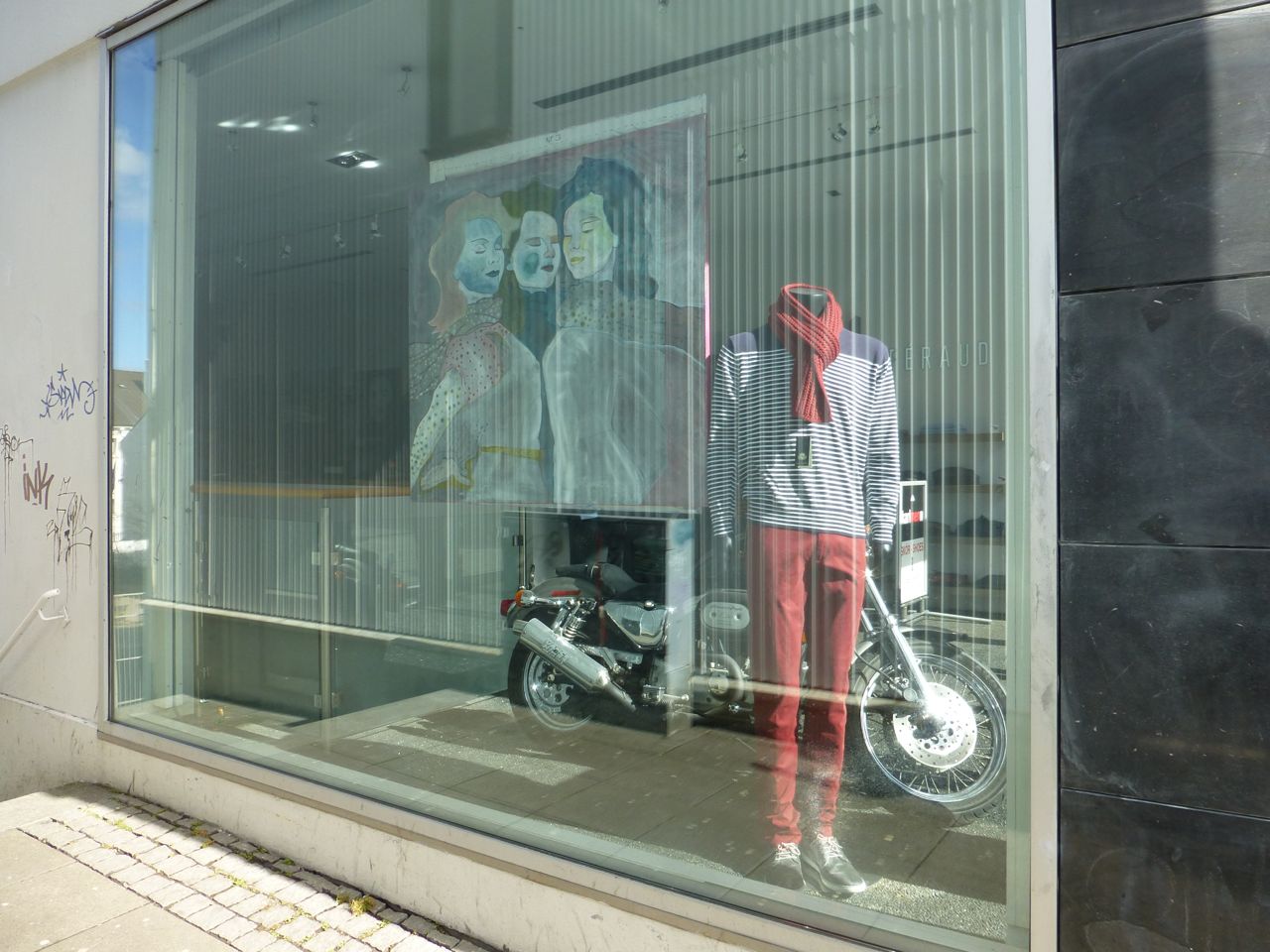
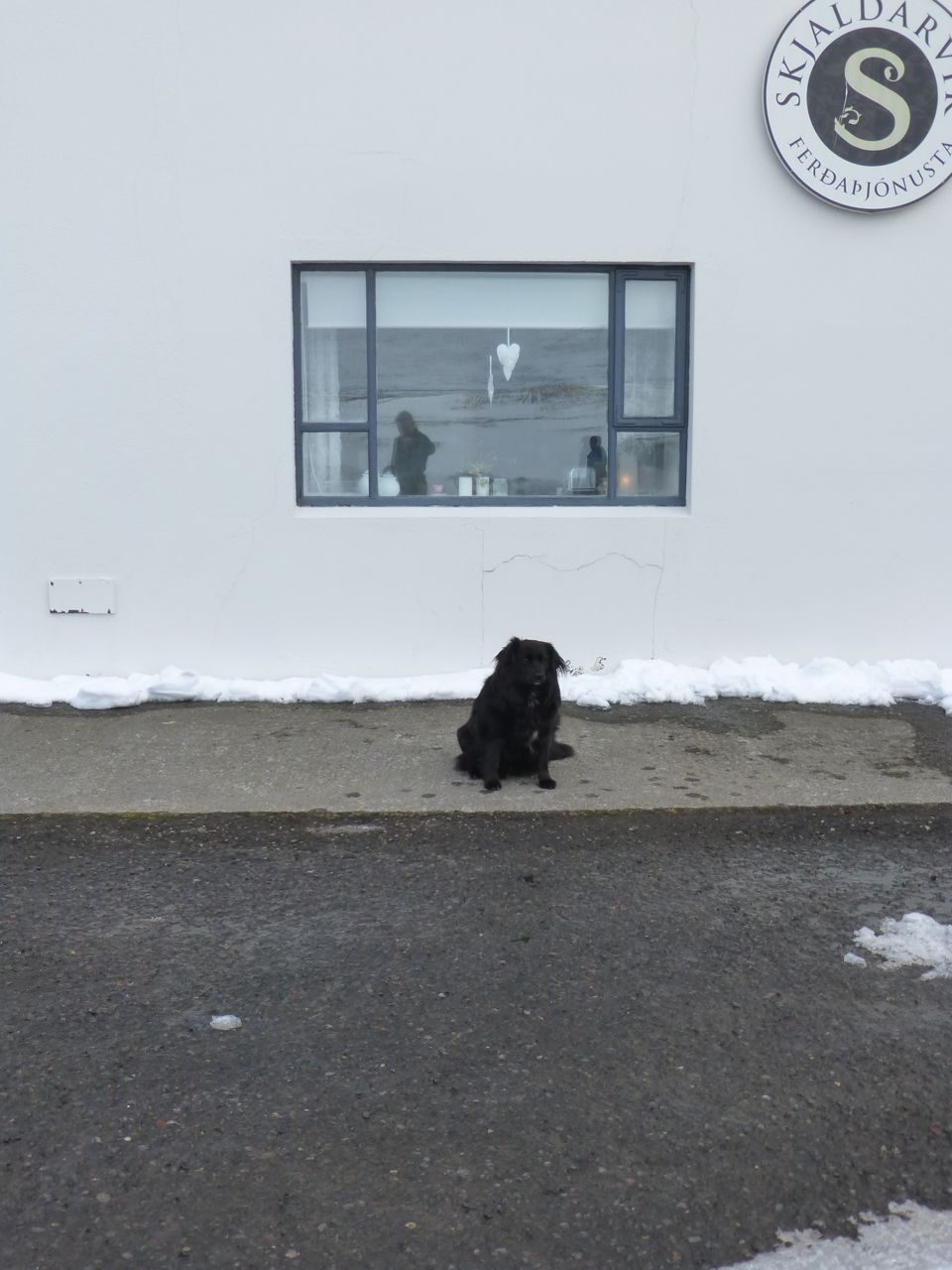
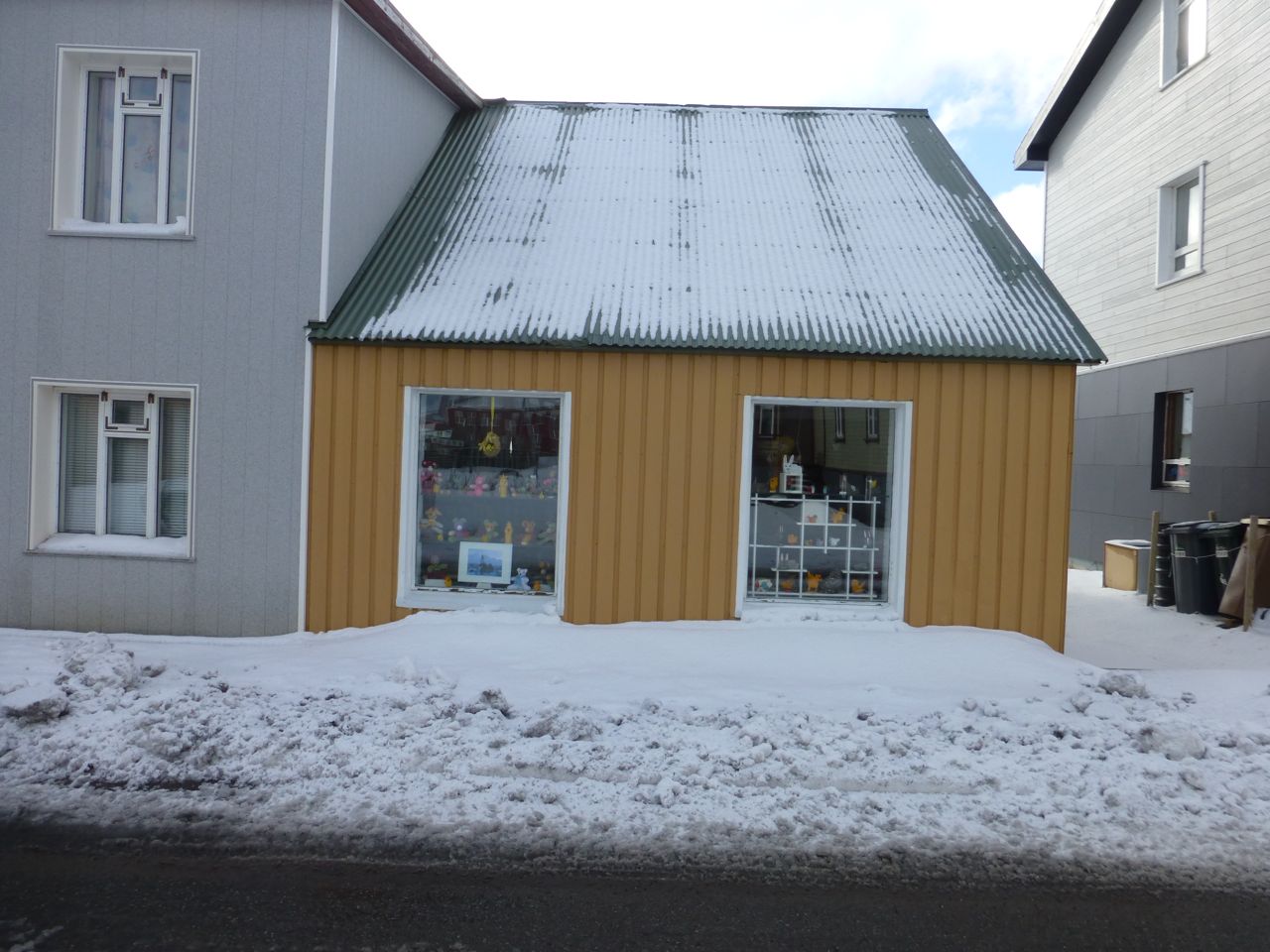
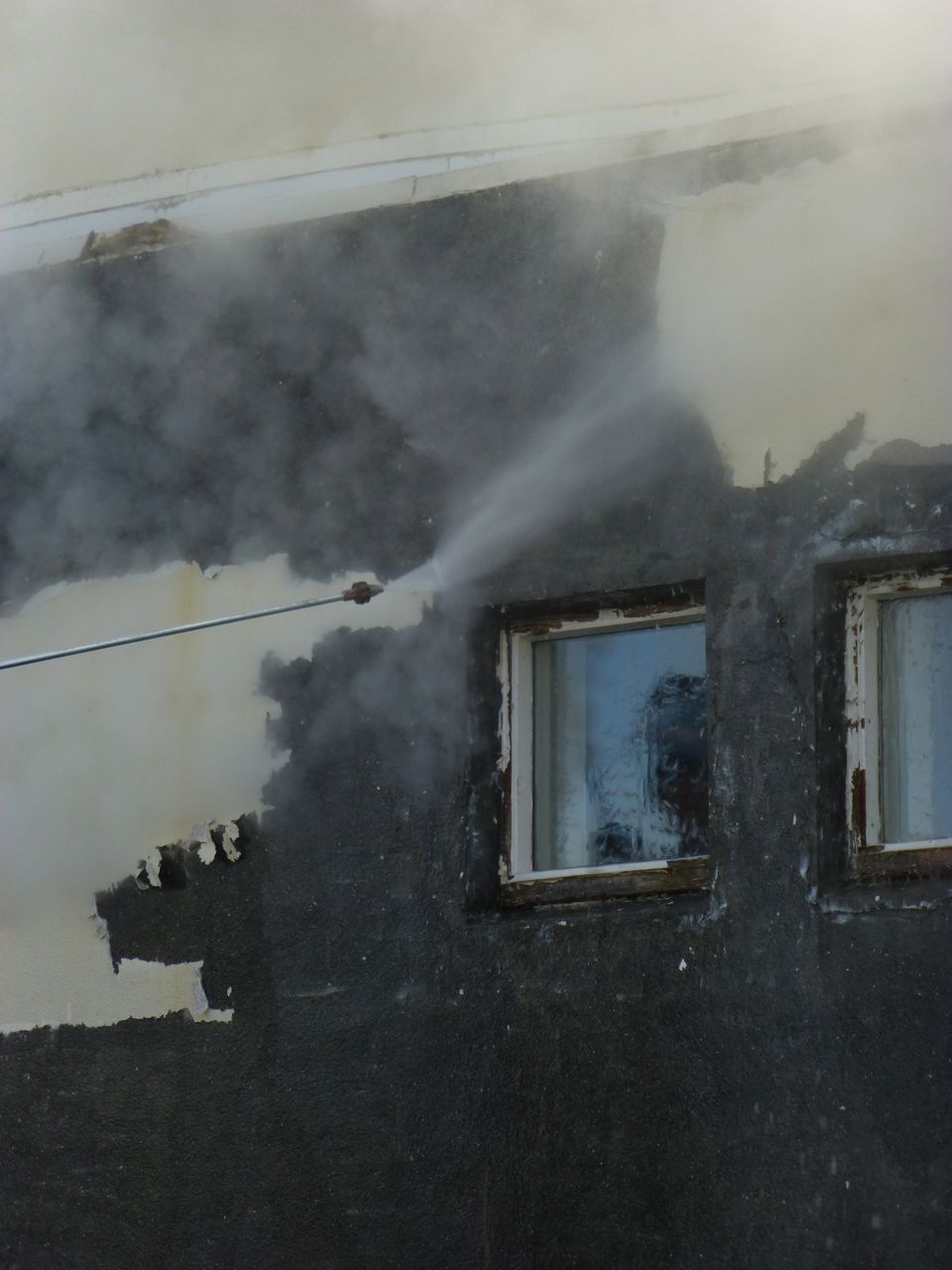
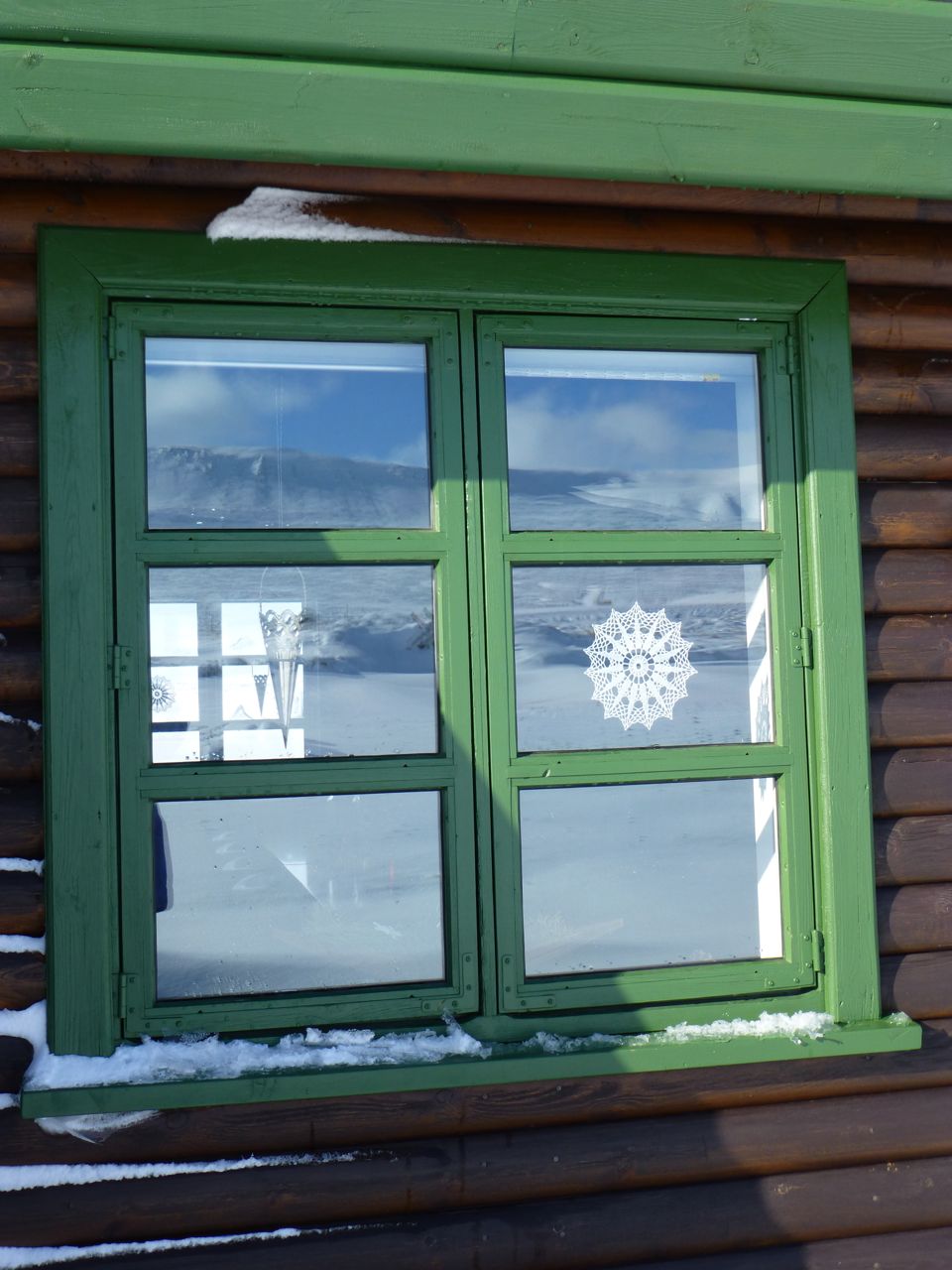
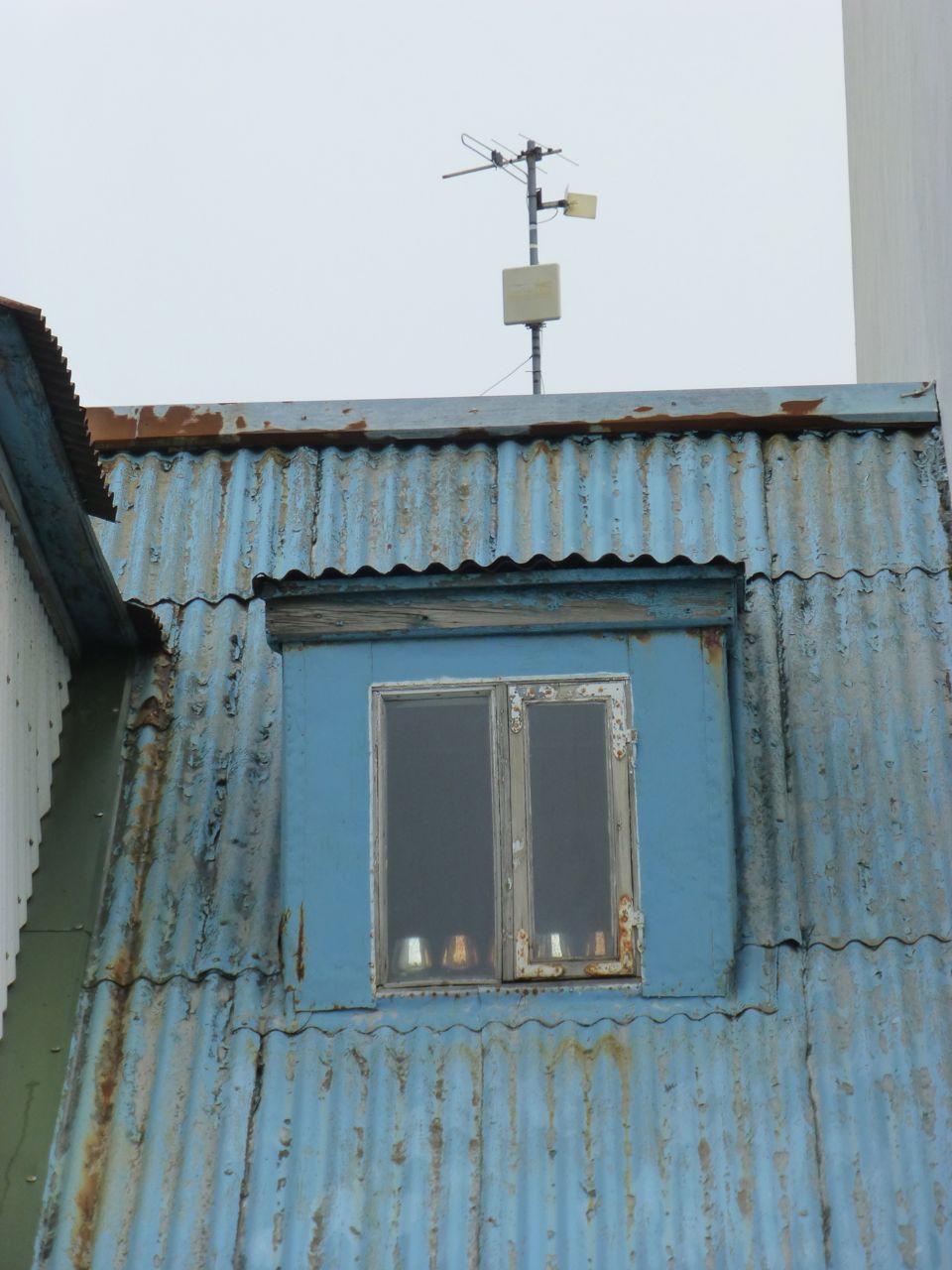
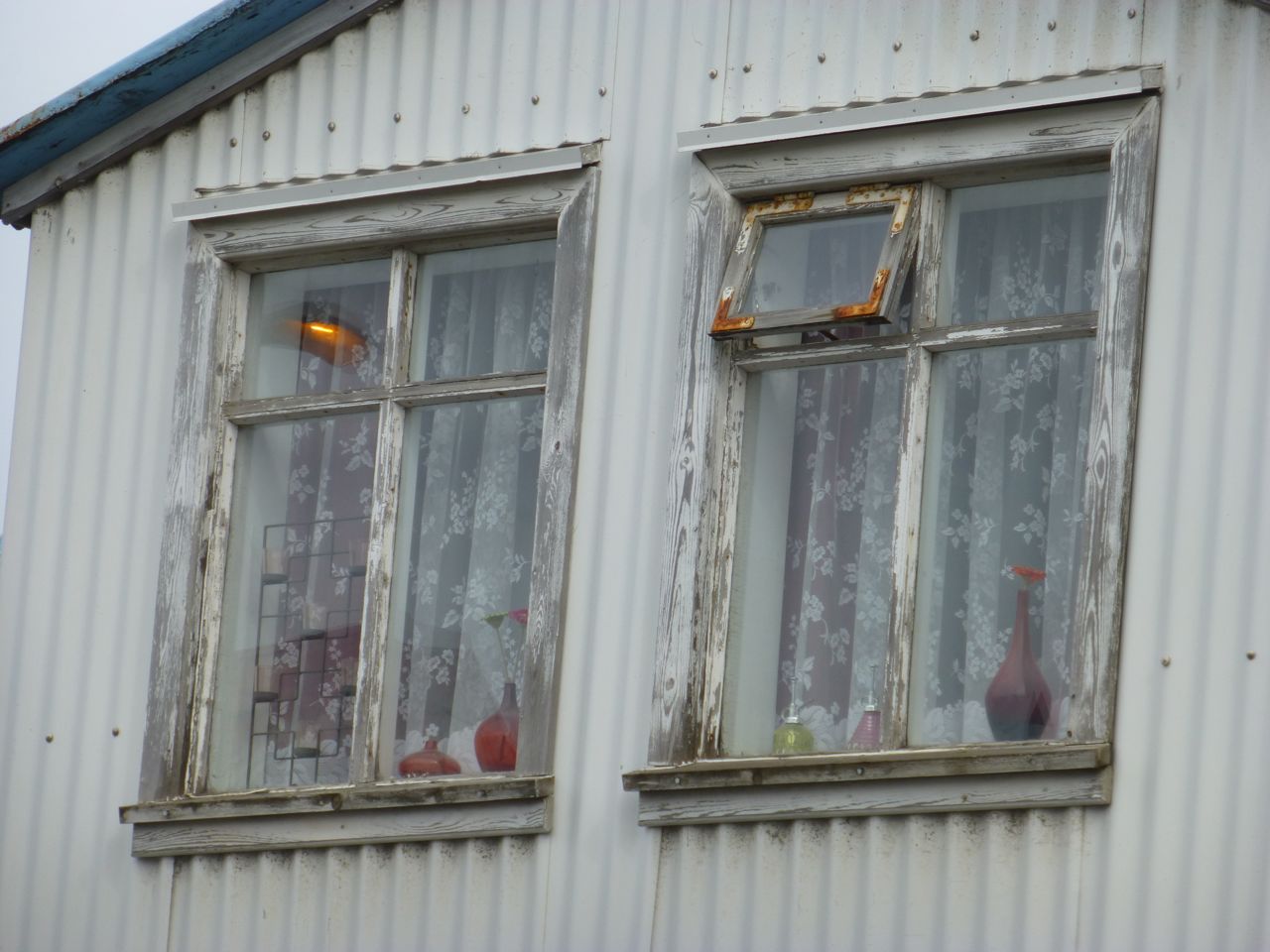
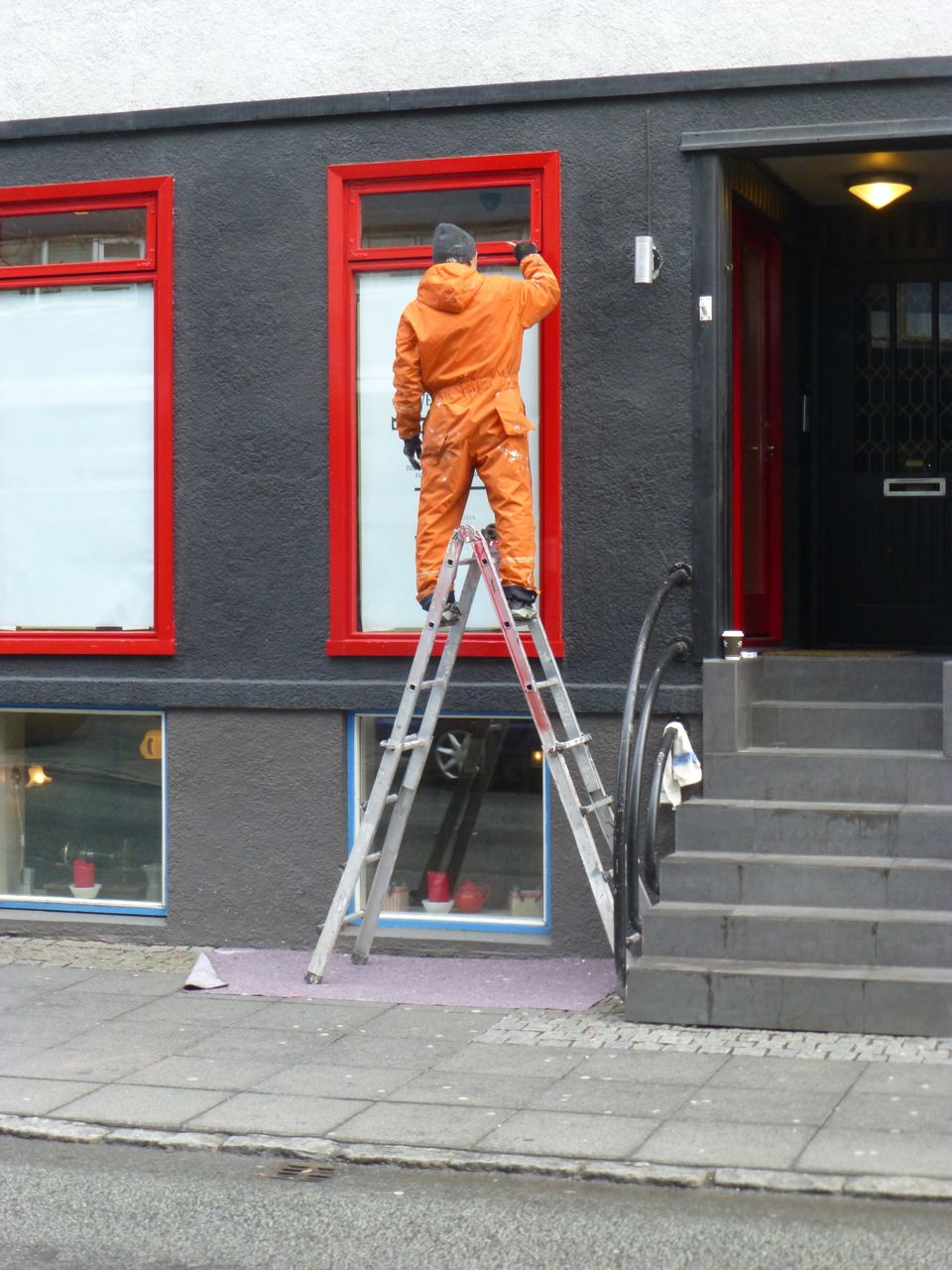
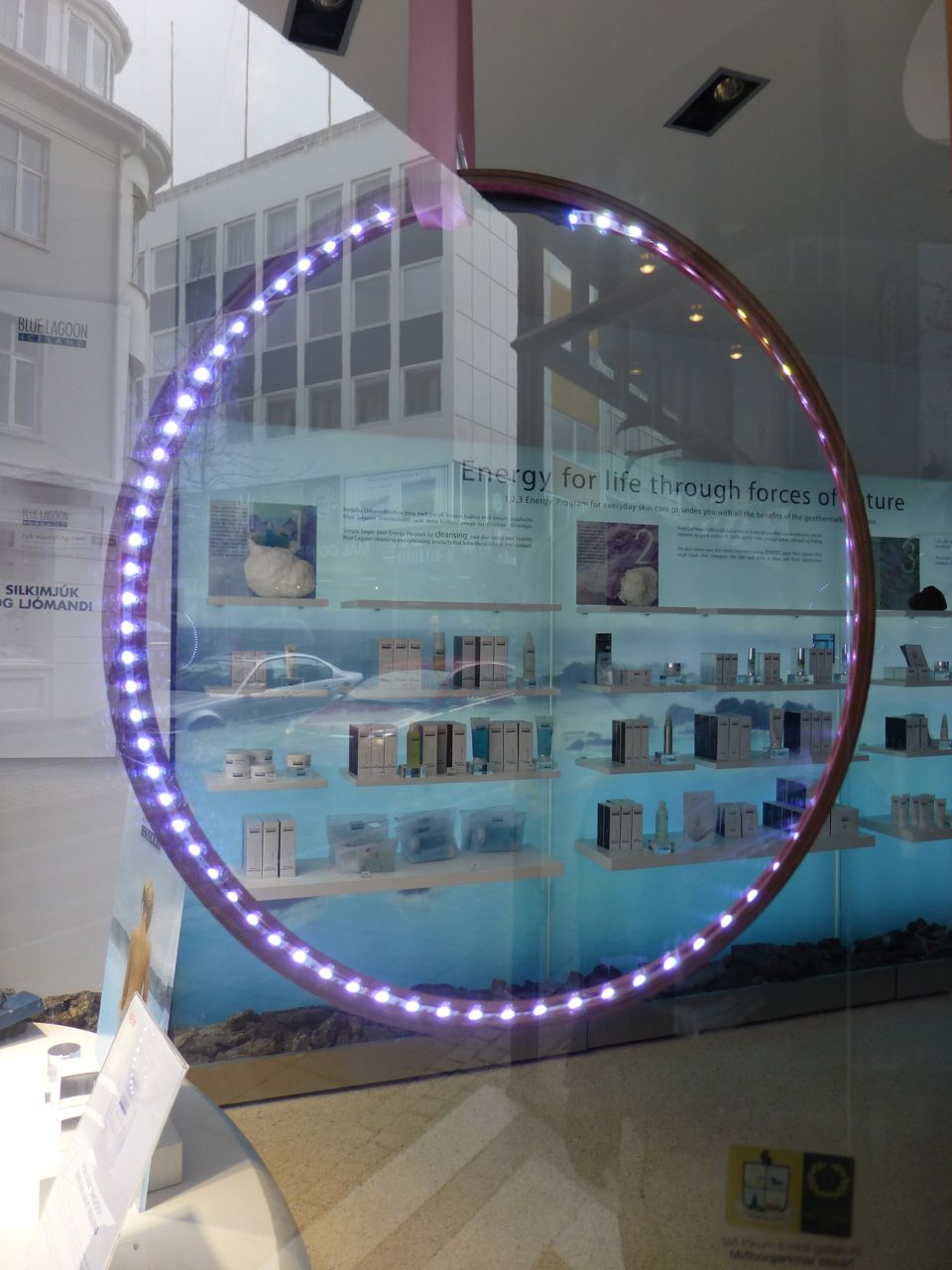
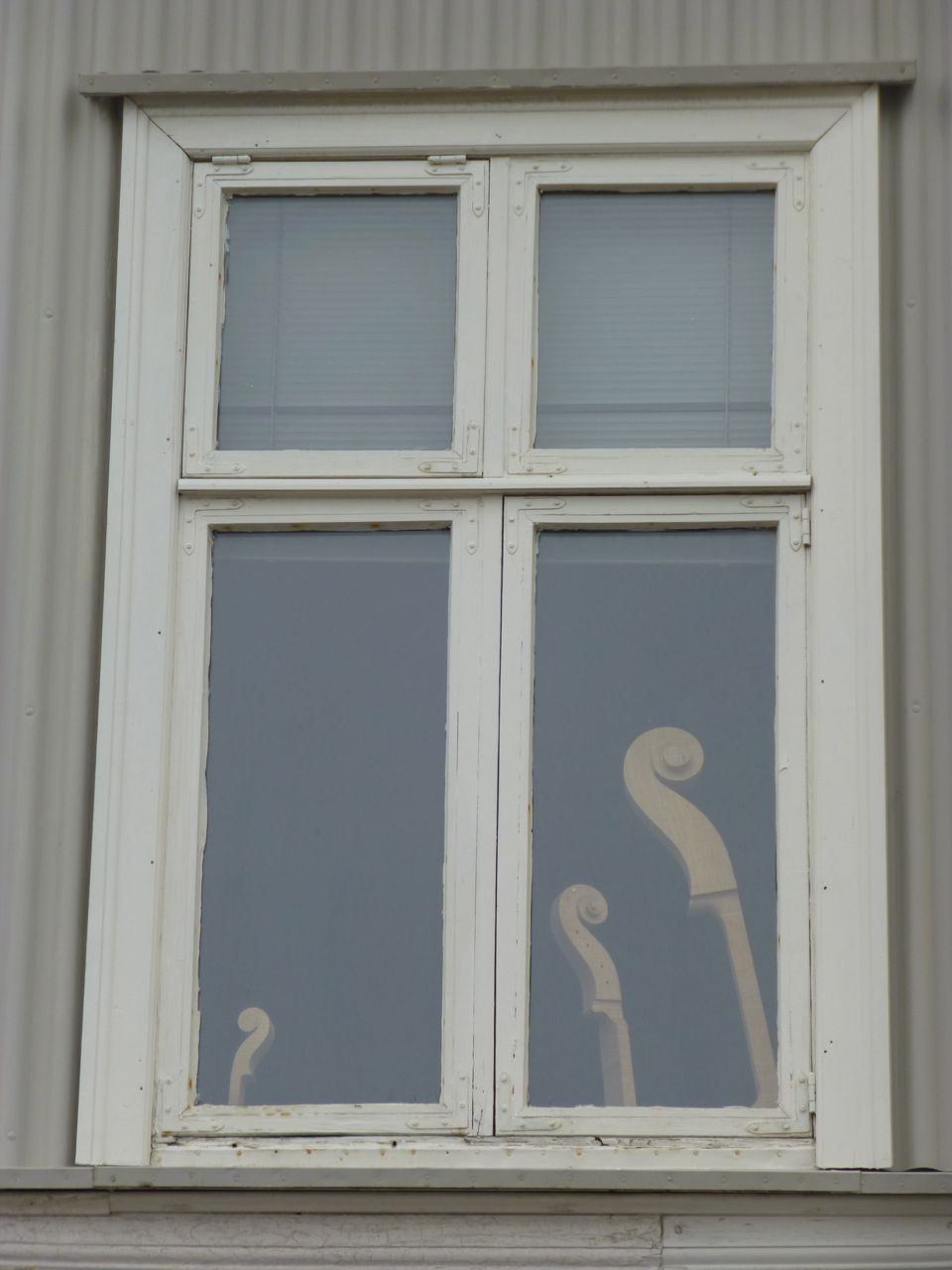
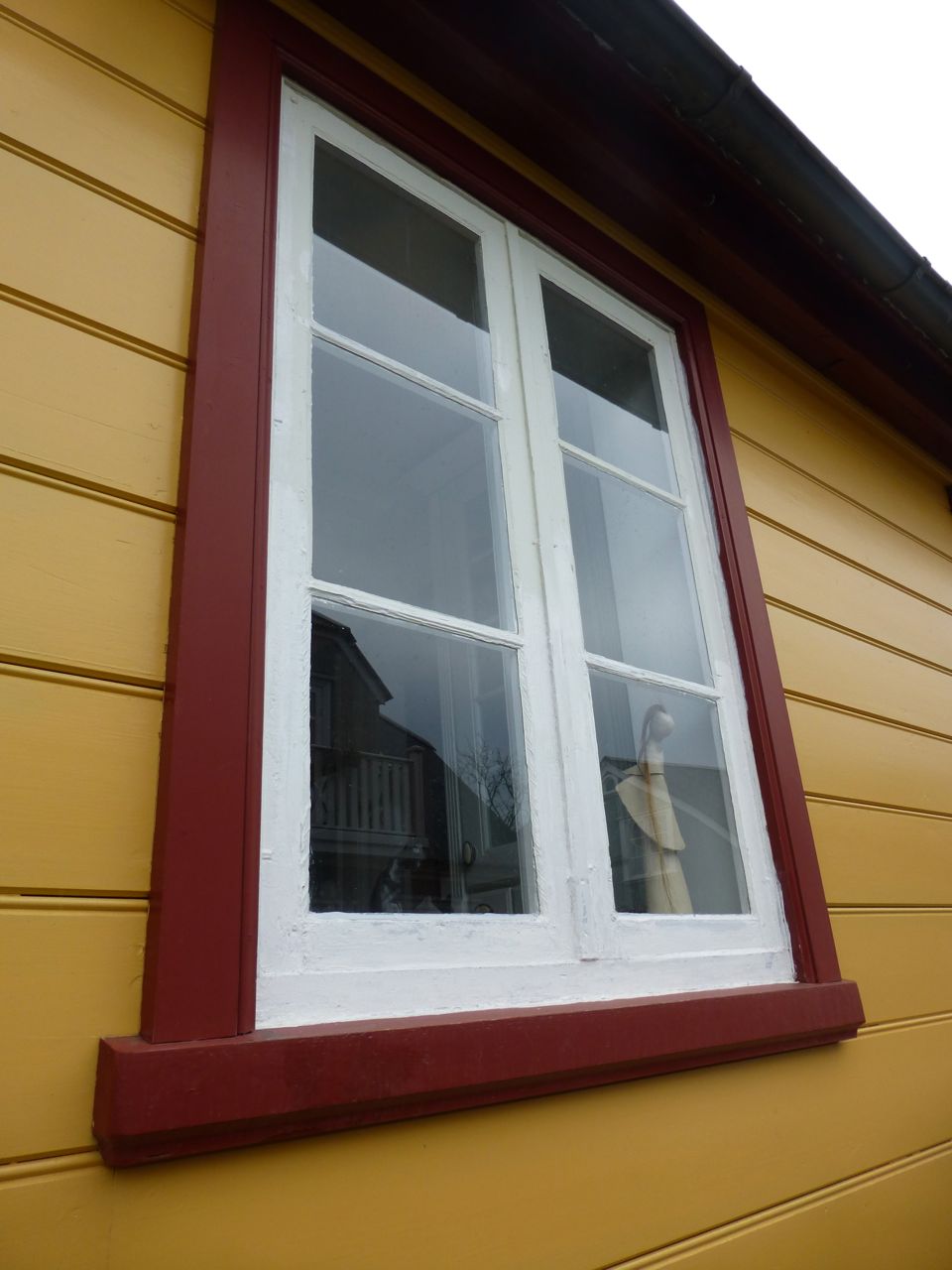
The windows of Iceland are for neither looking in nor looking out, but for display of earthly objects in the light of the sun, which makes them sacred: talismans, spells, and prayers. It is an exquisite and complex art form, quite separate from the 1960s New York art that saturates the Harbour Gallery (and which is also beautiful.) In their windows, the people speak; in their galleries, they create a window for the world, based on this style.

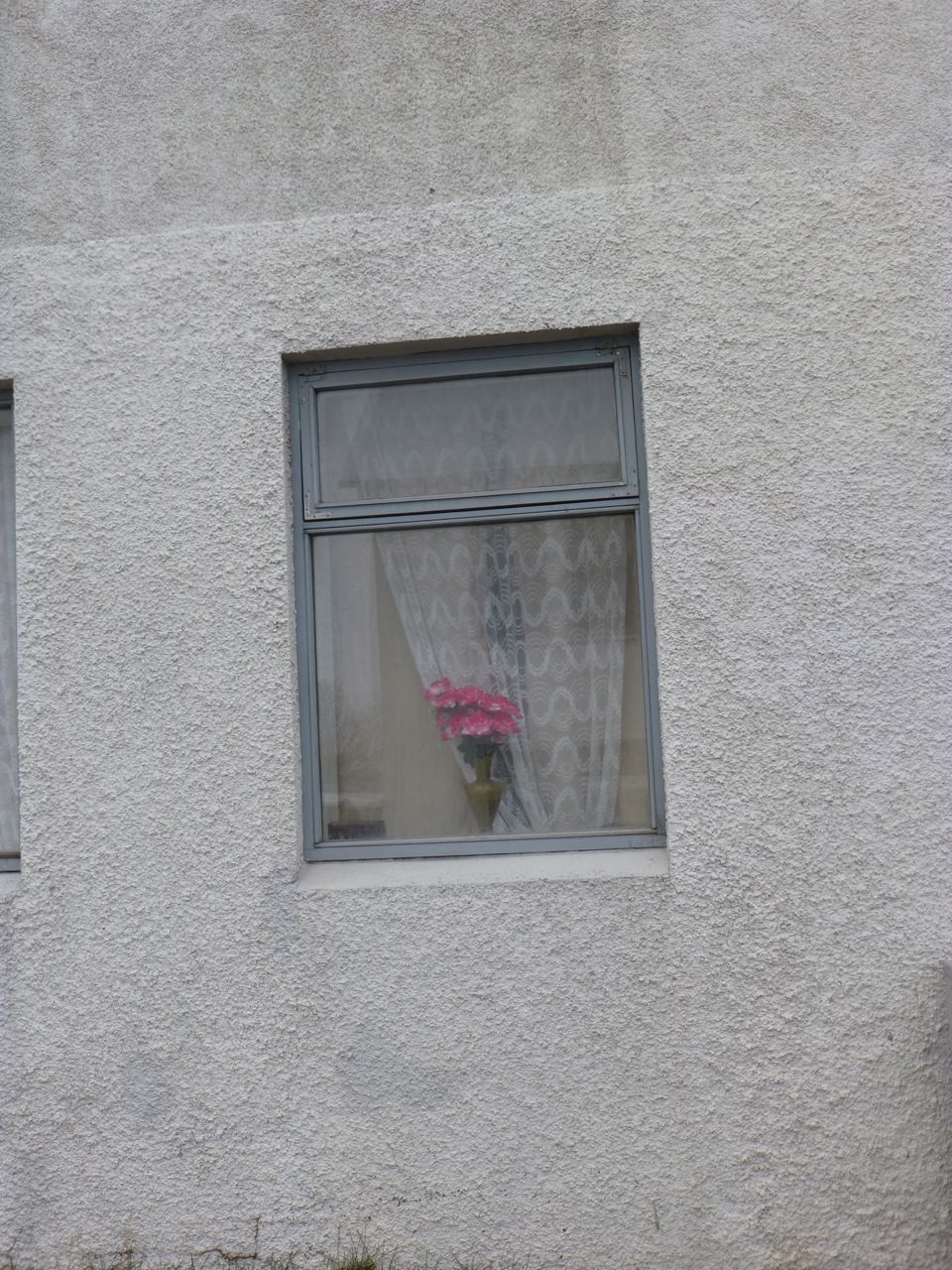

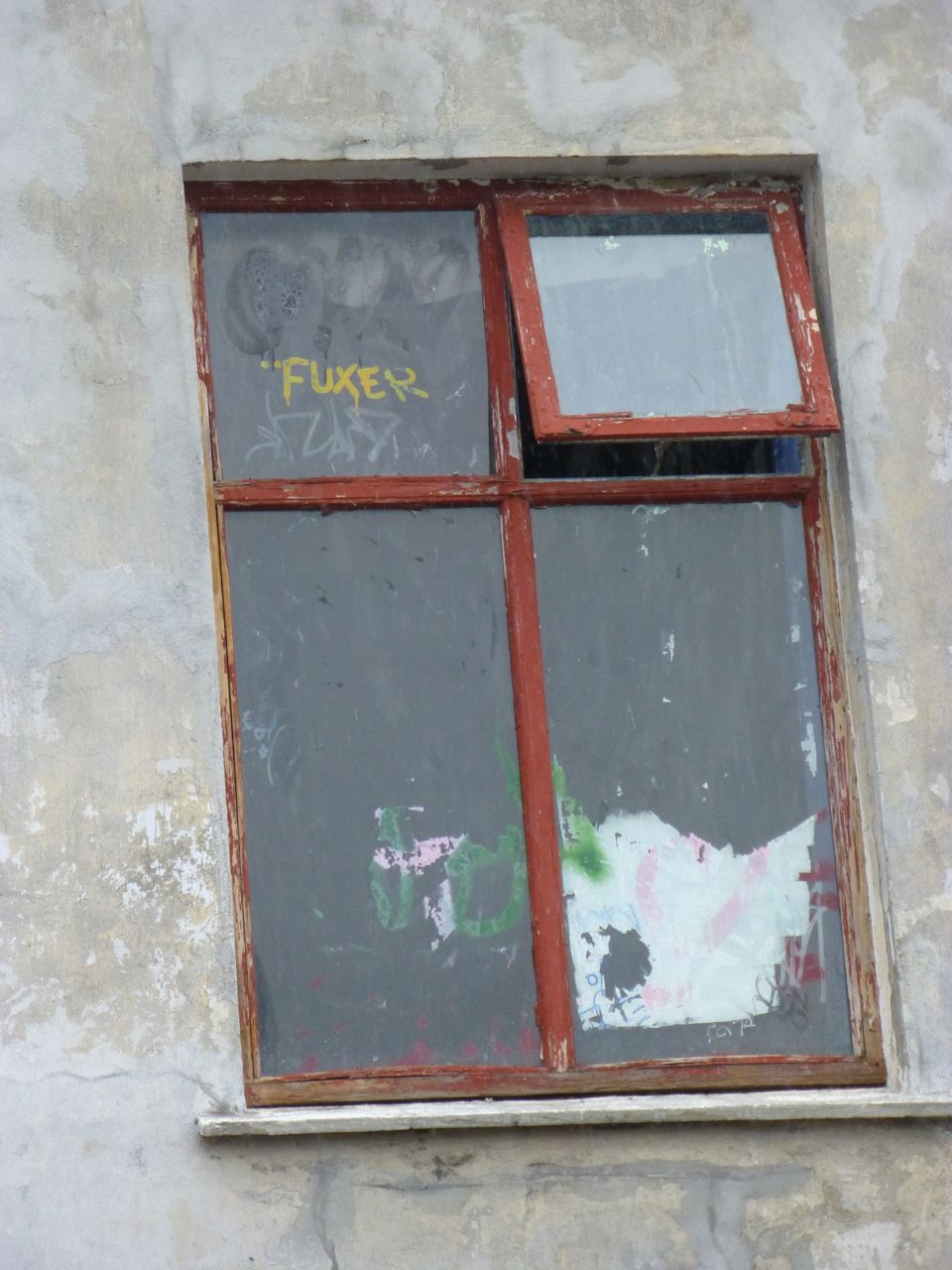
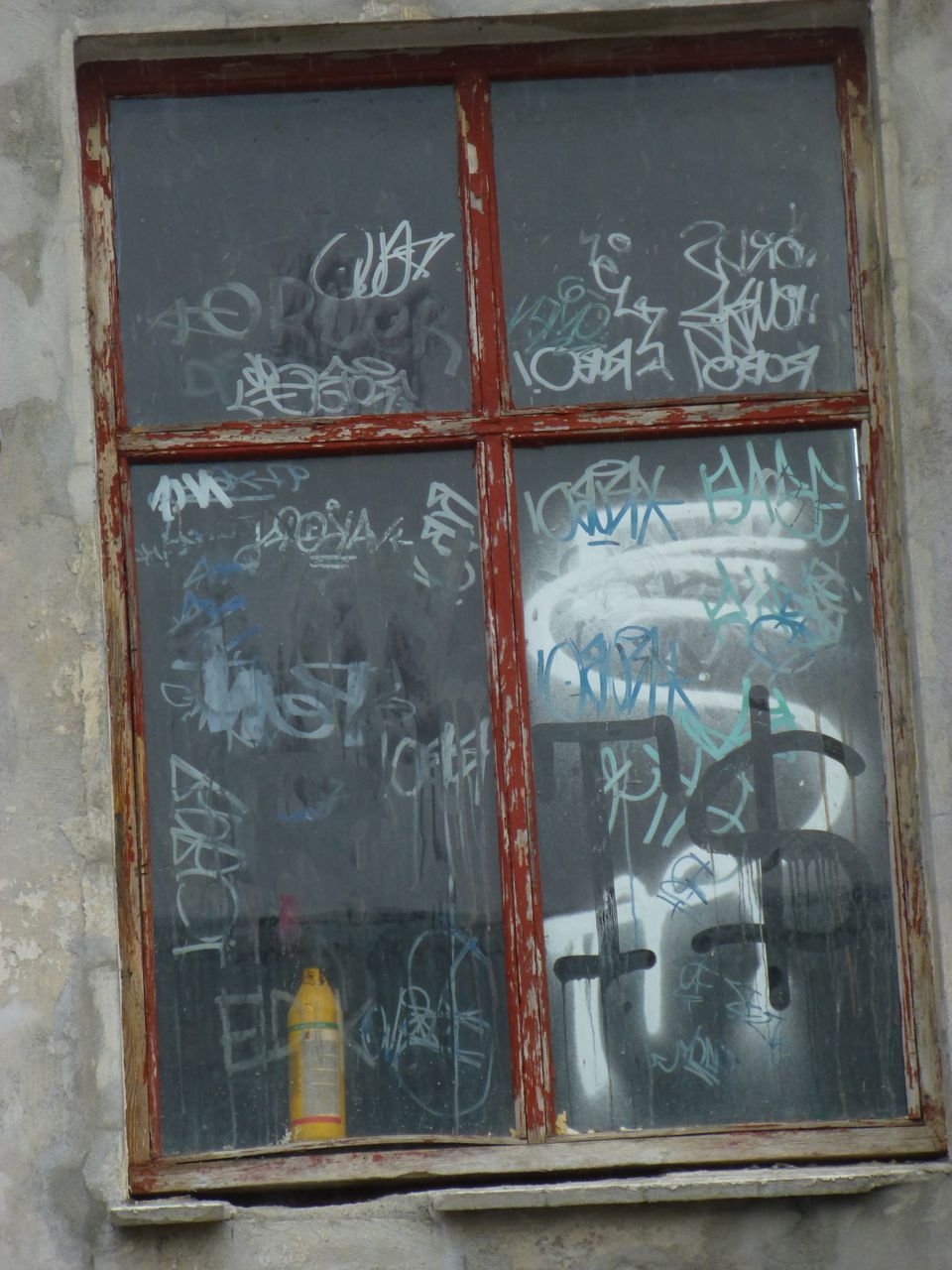

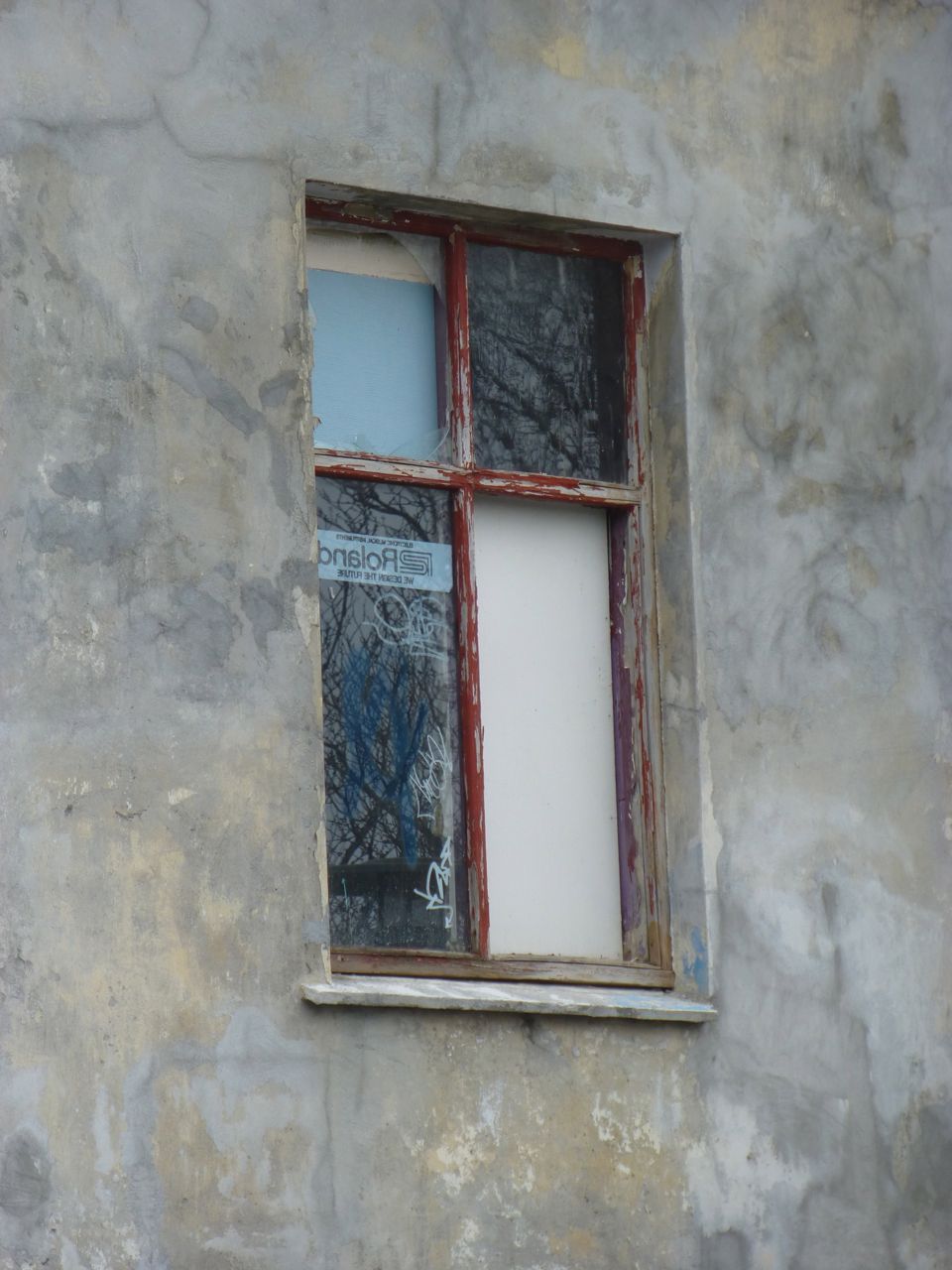
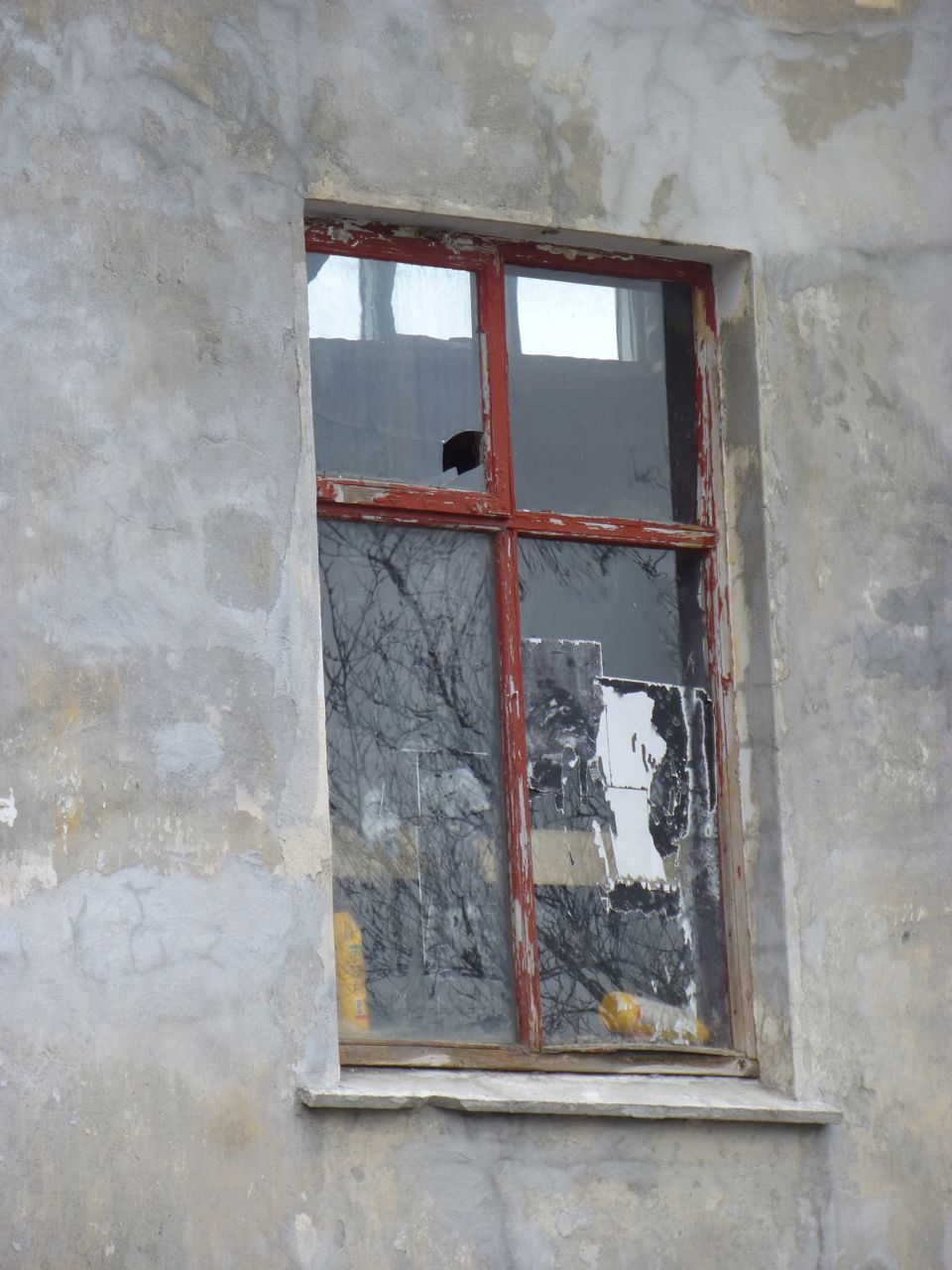


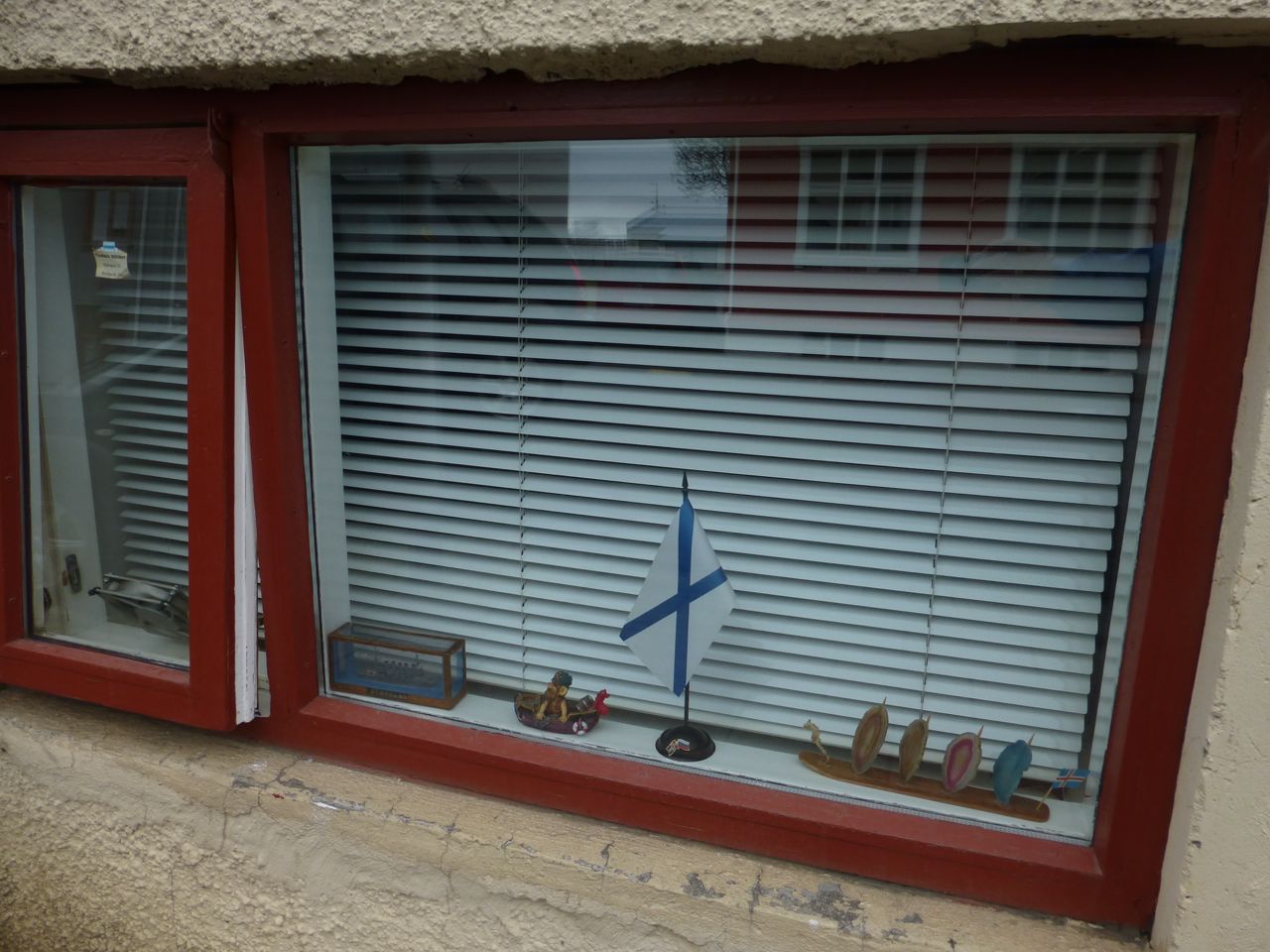
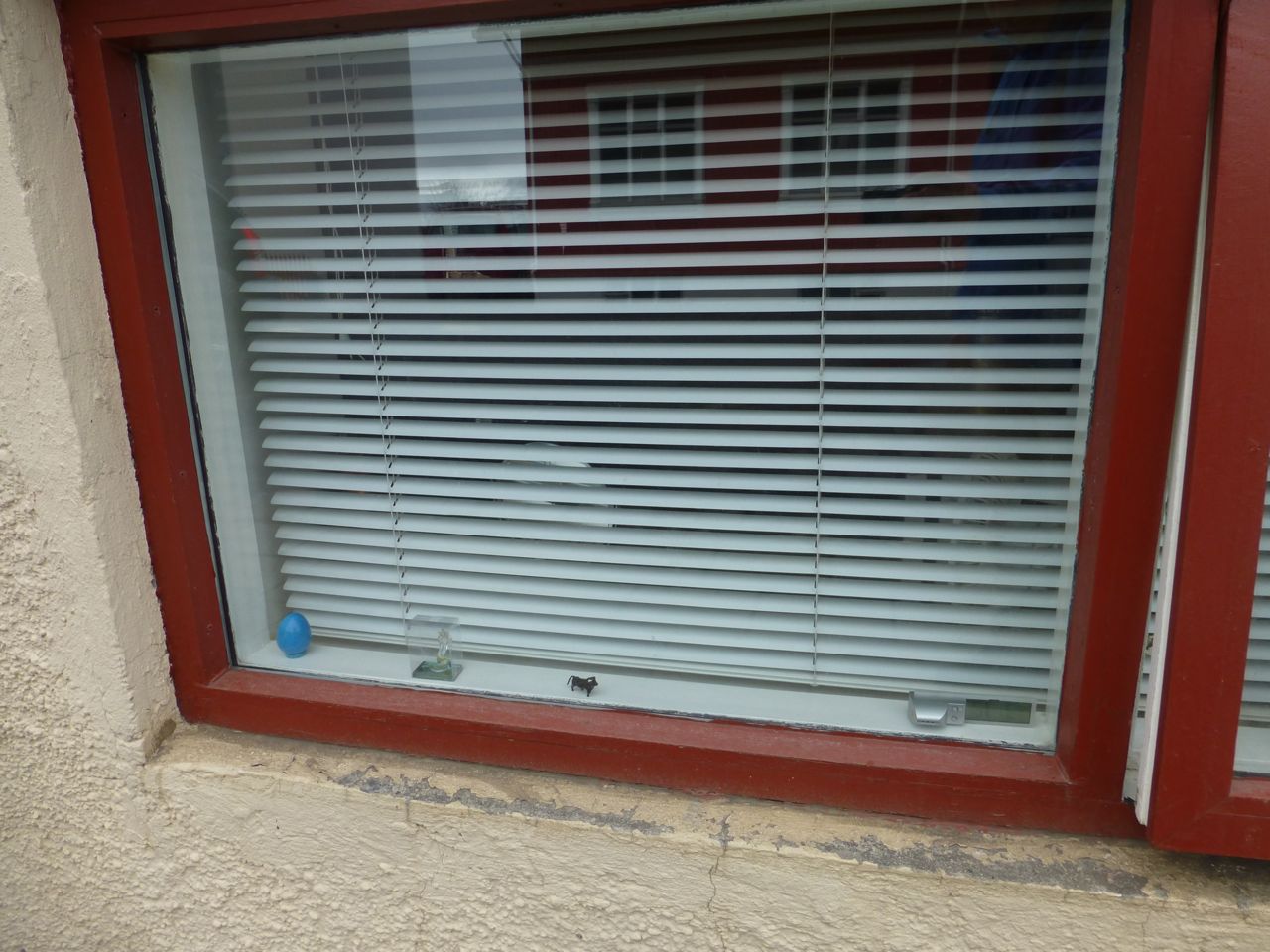
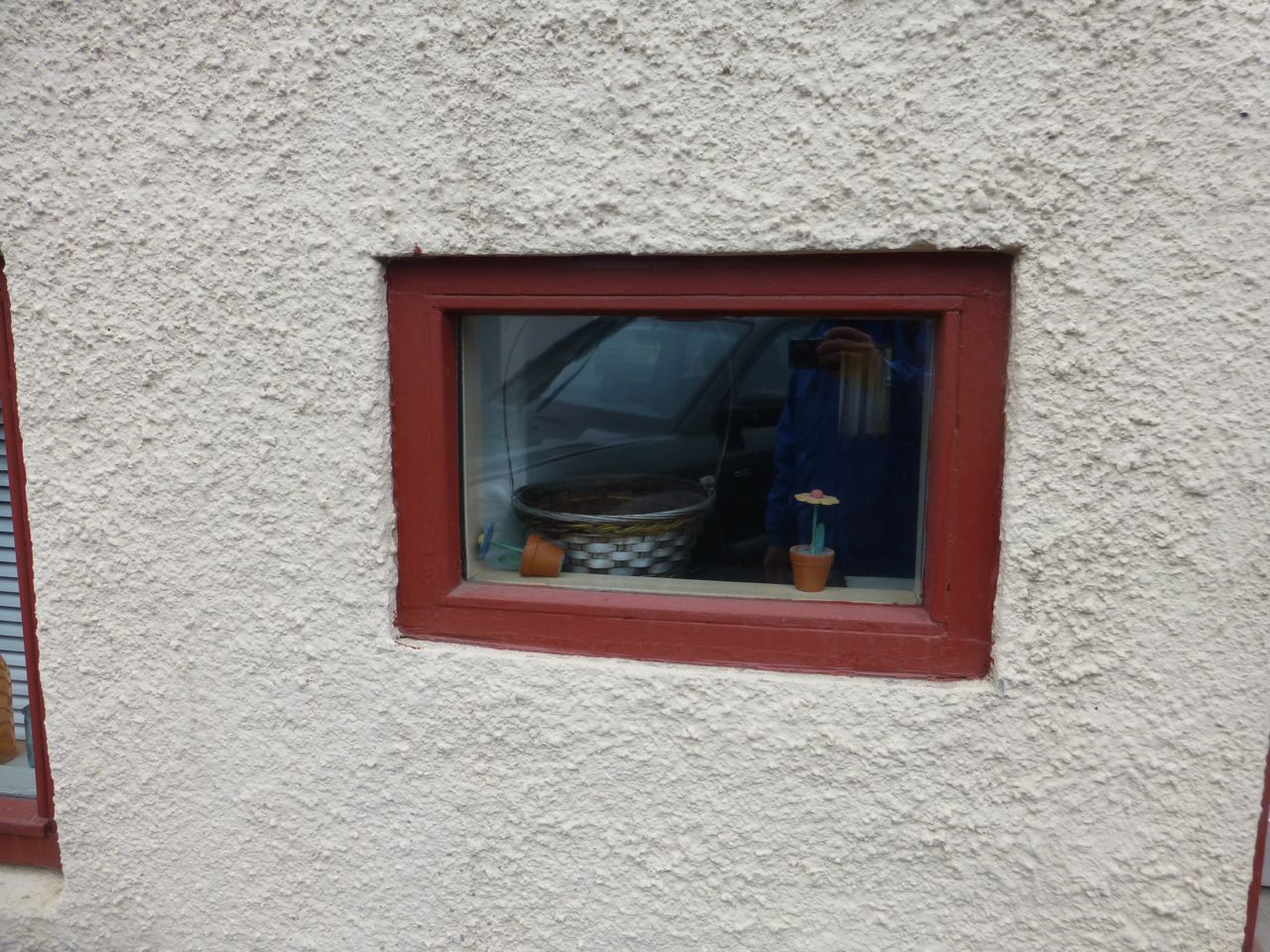
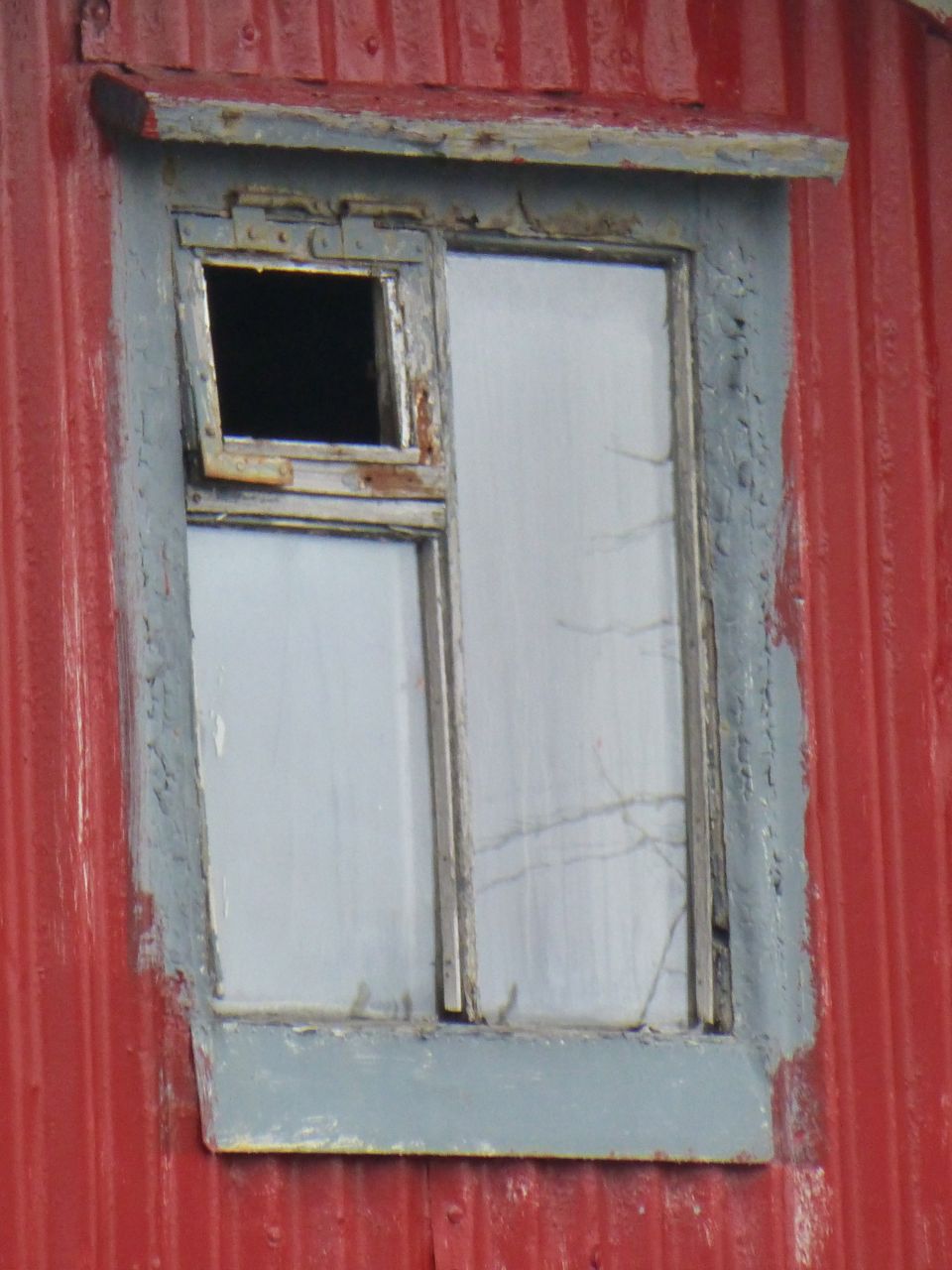
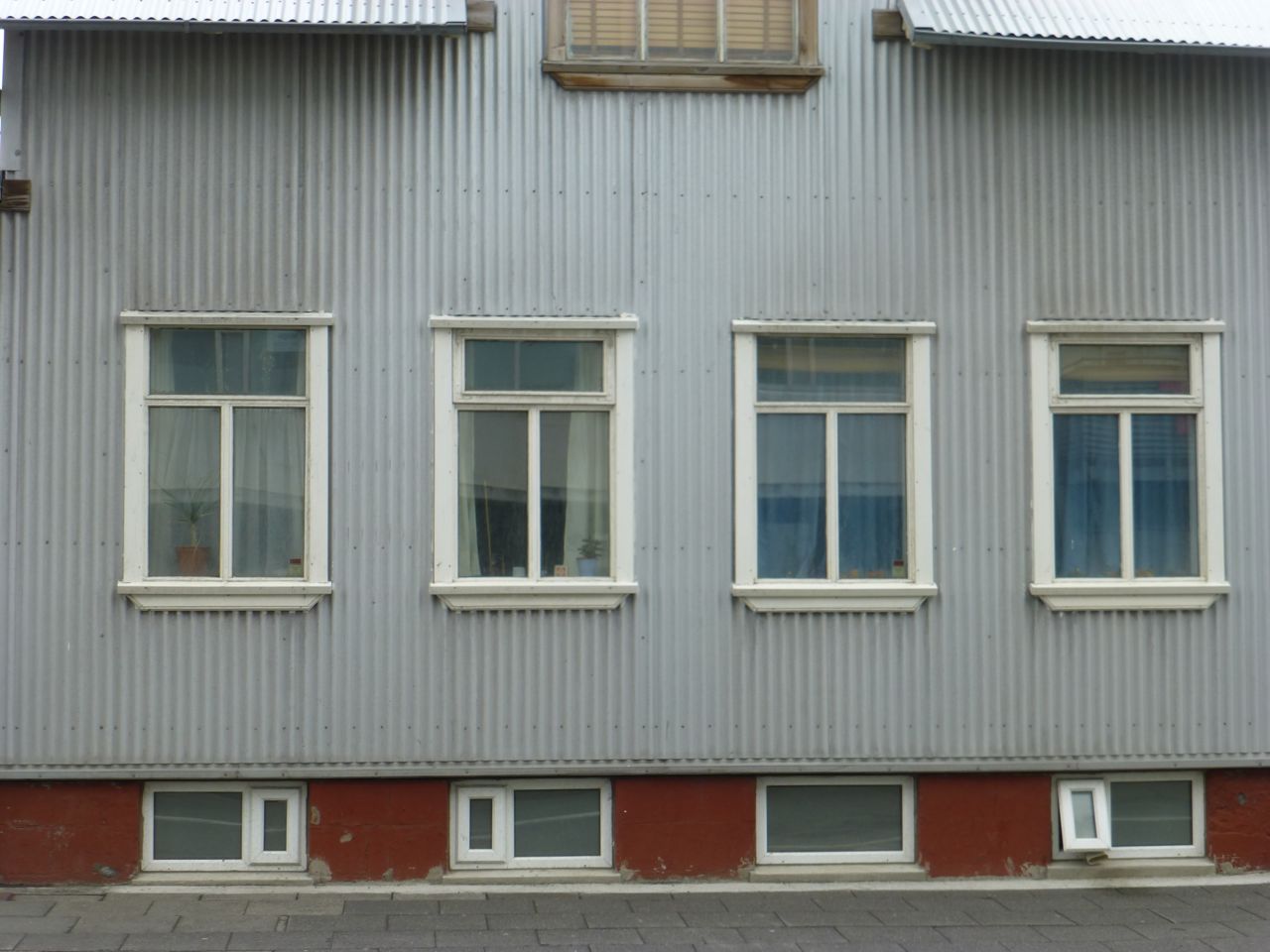
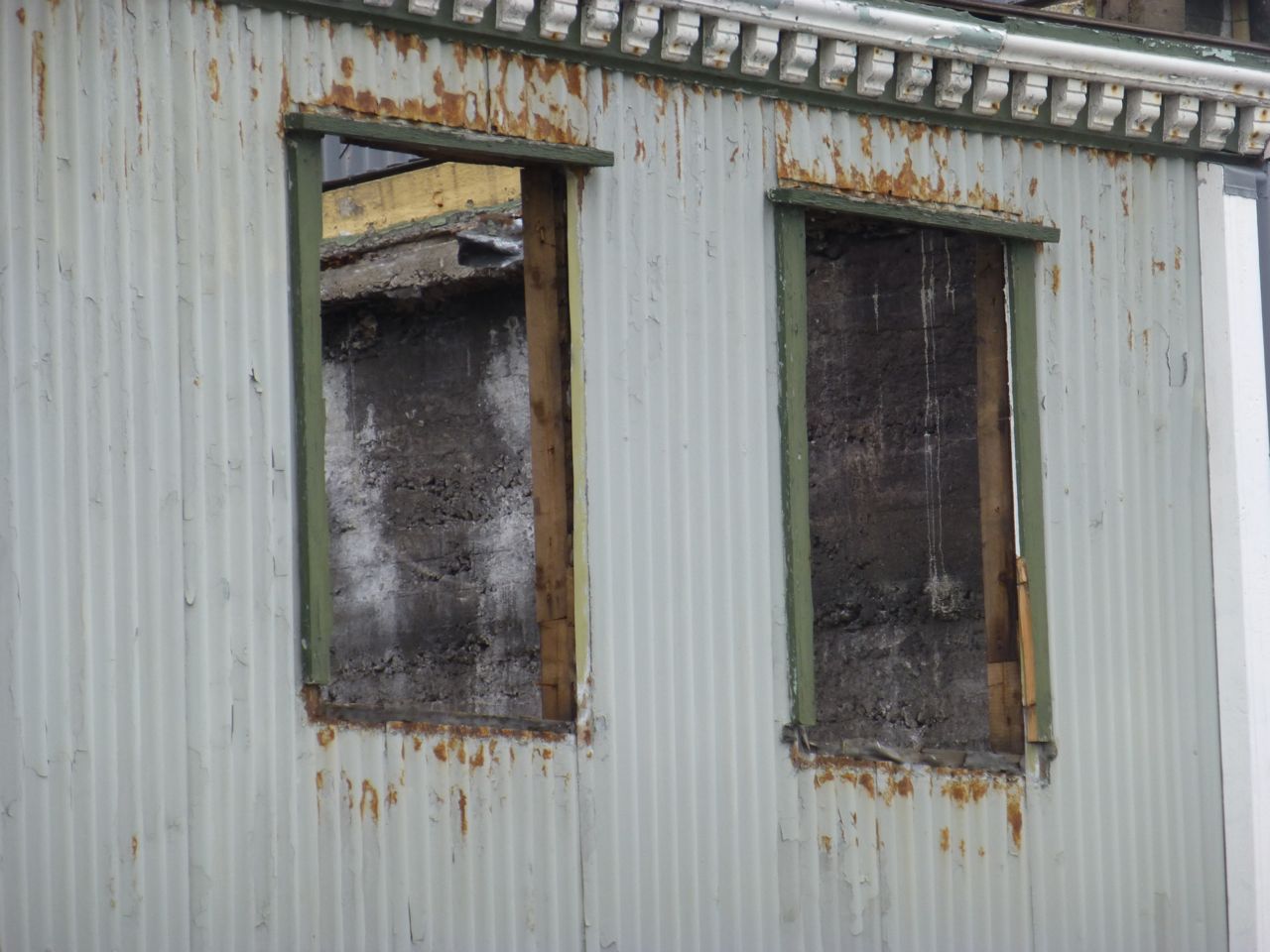












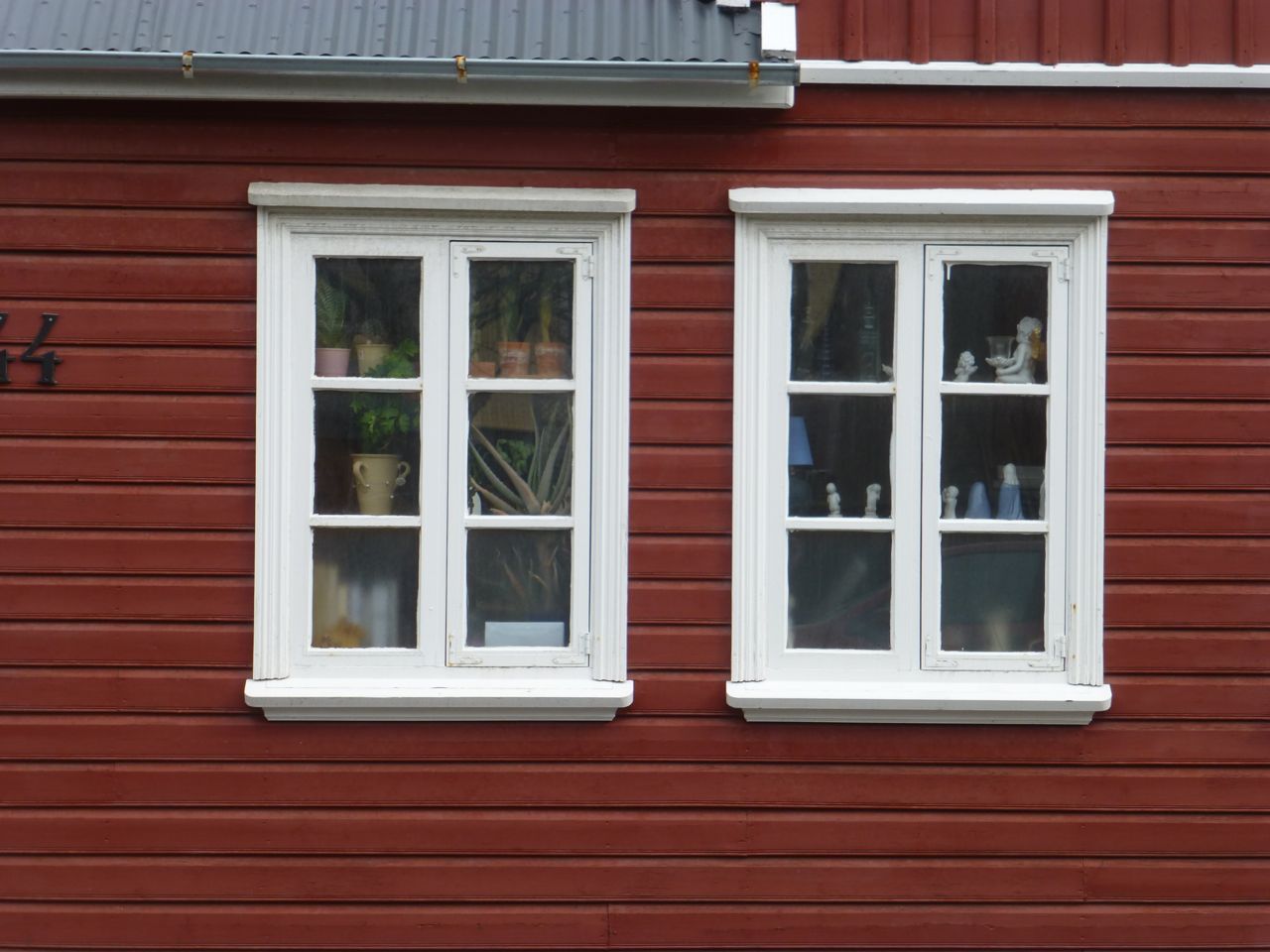
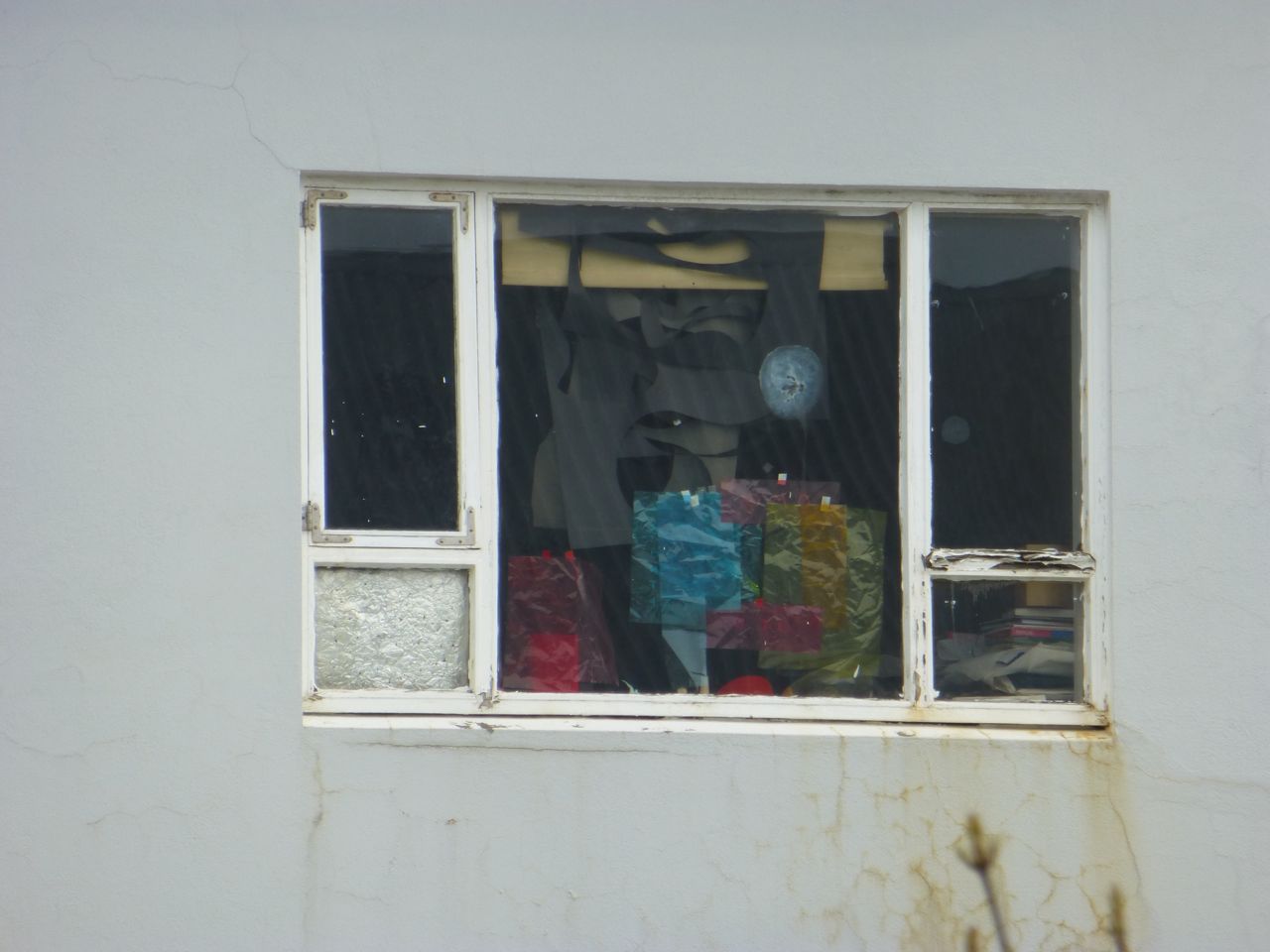
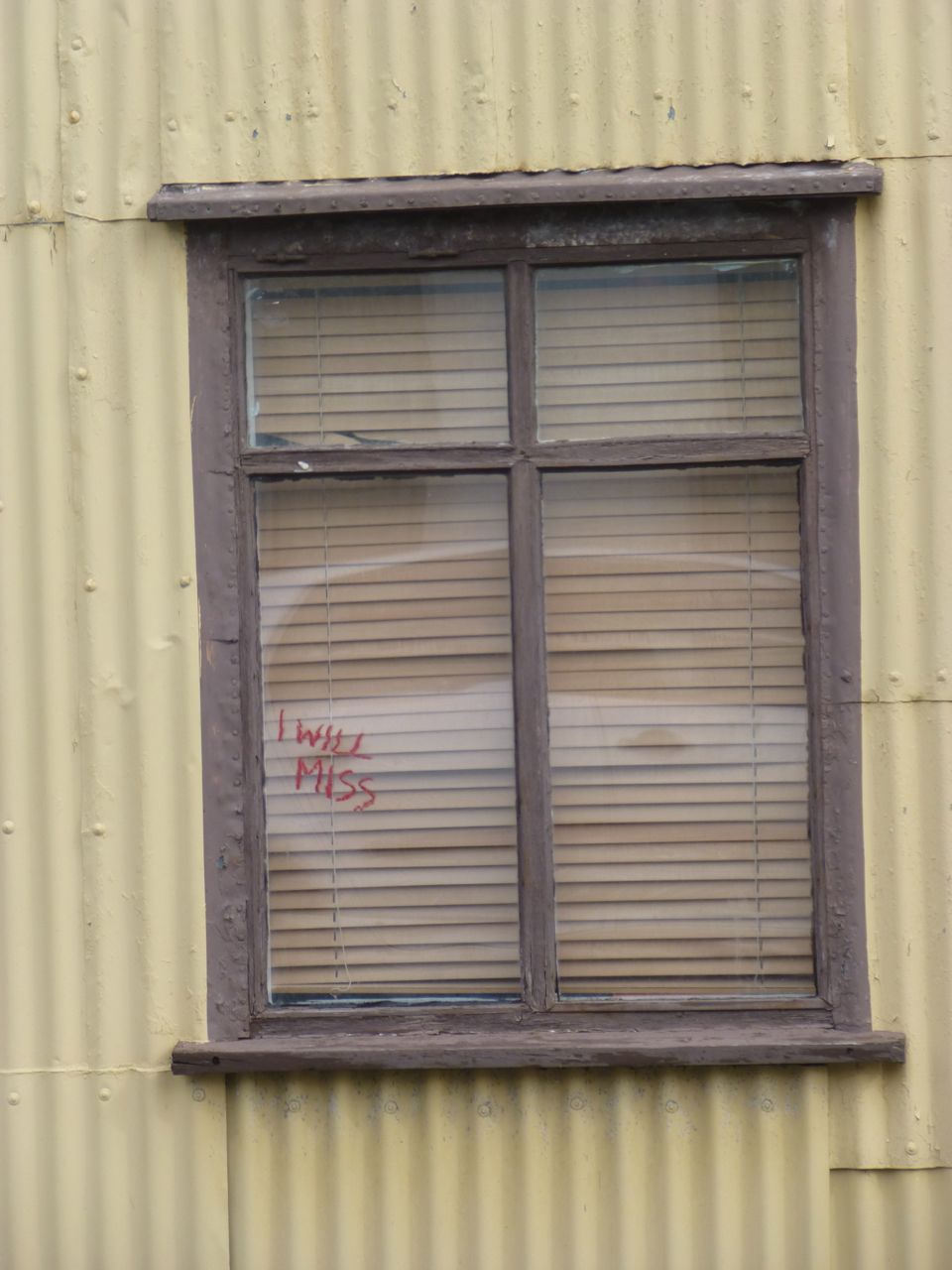

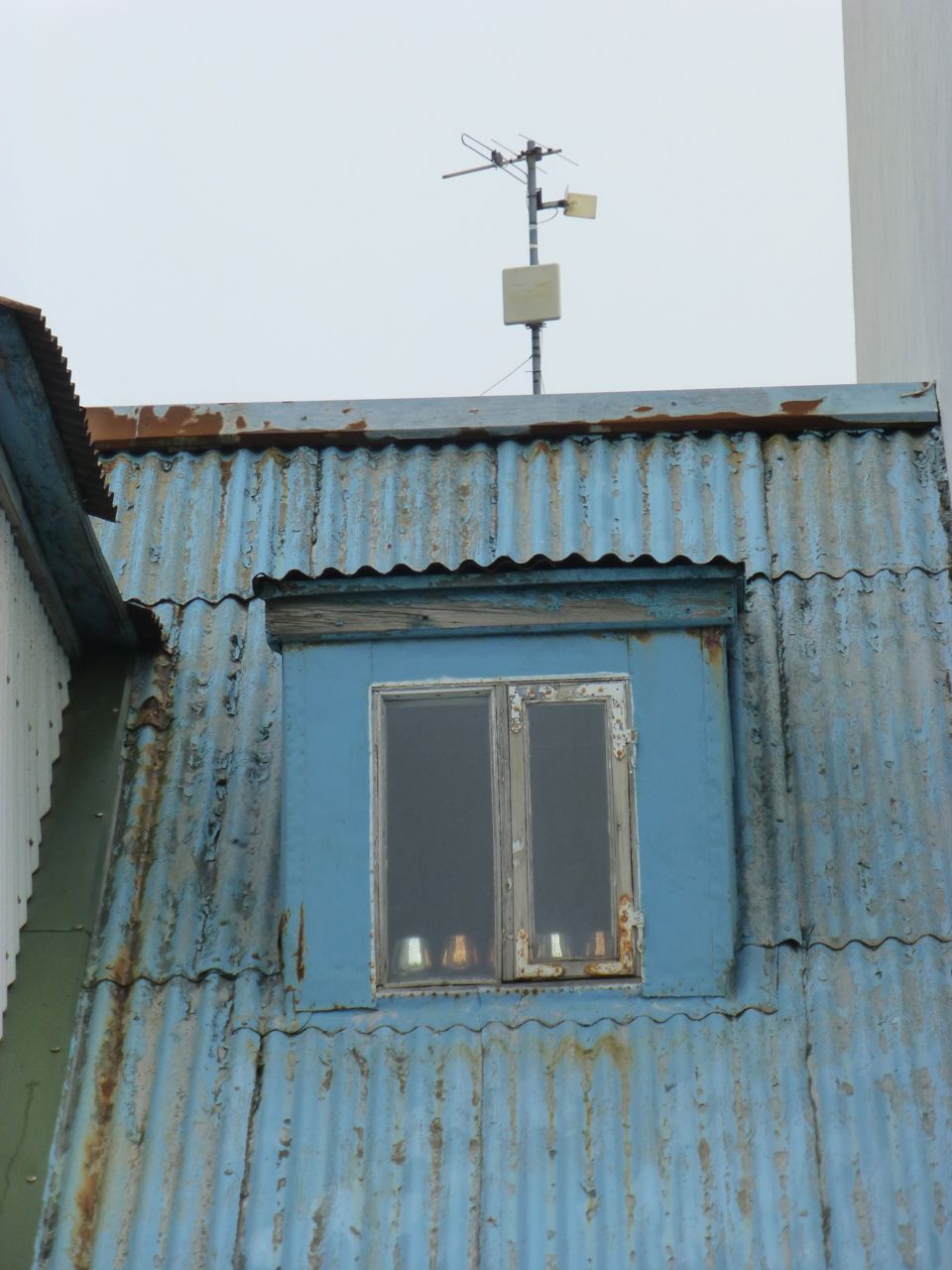











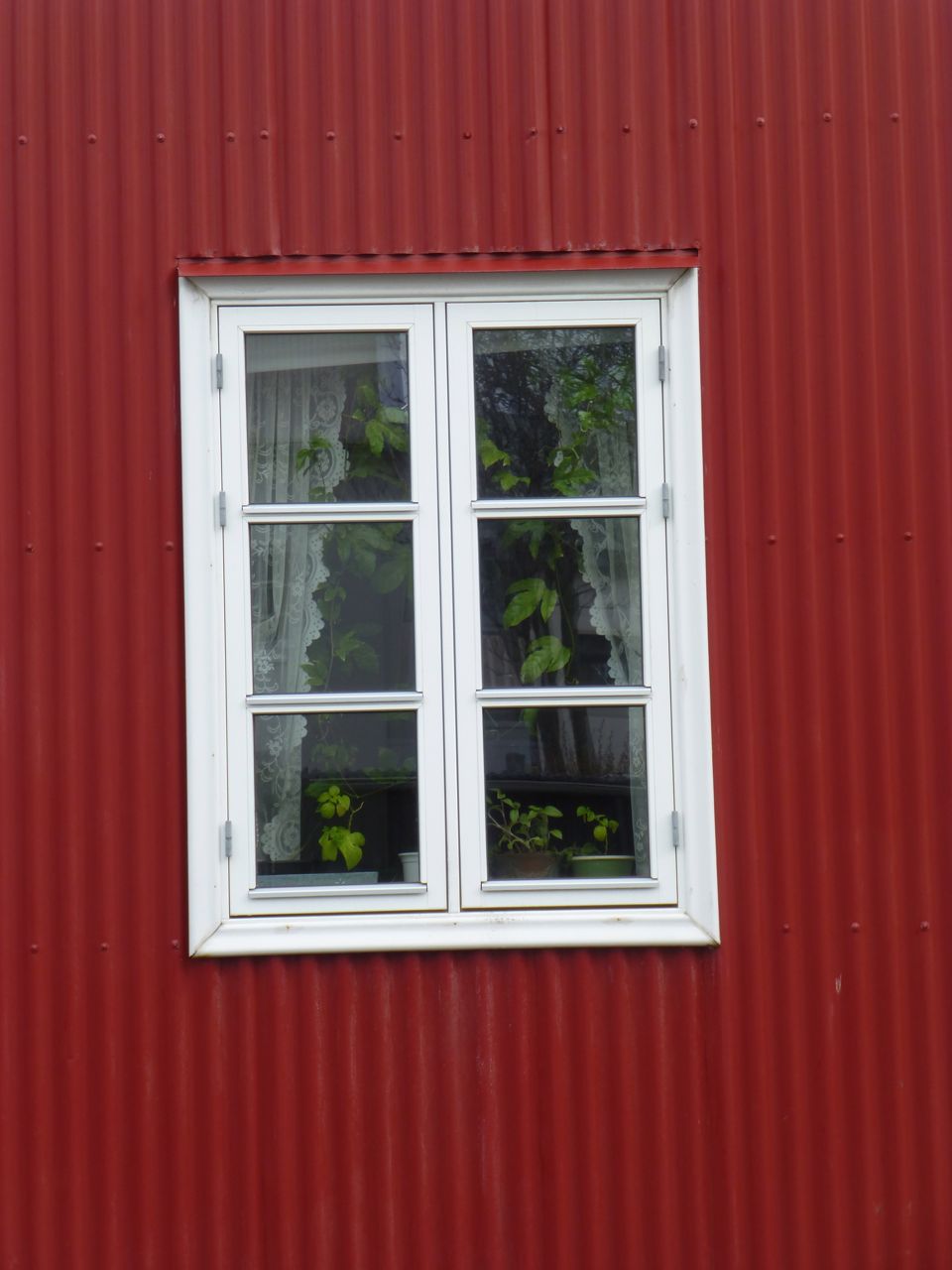


Tomorrow, let’s go for a gallery tour.
It is a form of poetry. This is the oh-so-secret, oh-so-public favoured art form of Iceland. Here’s a sample anthology.
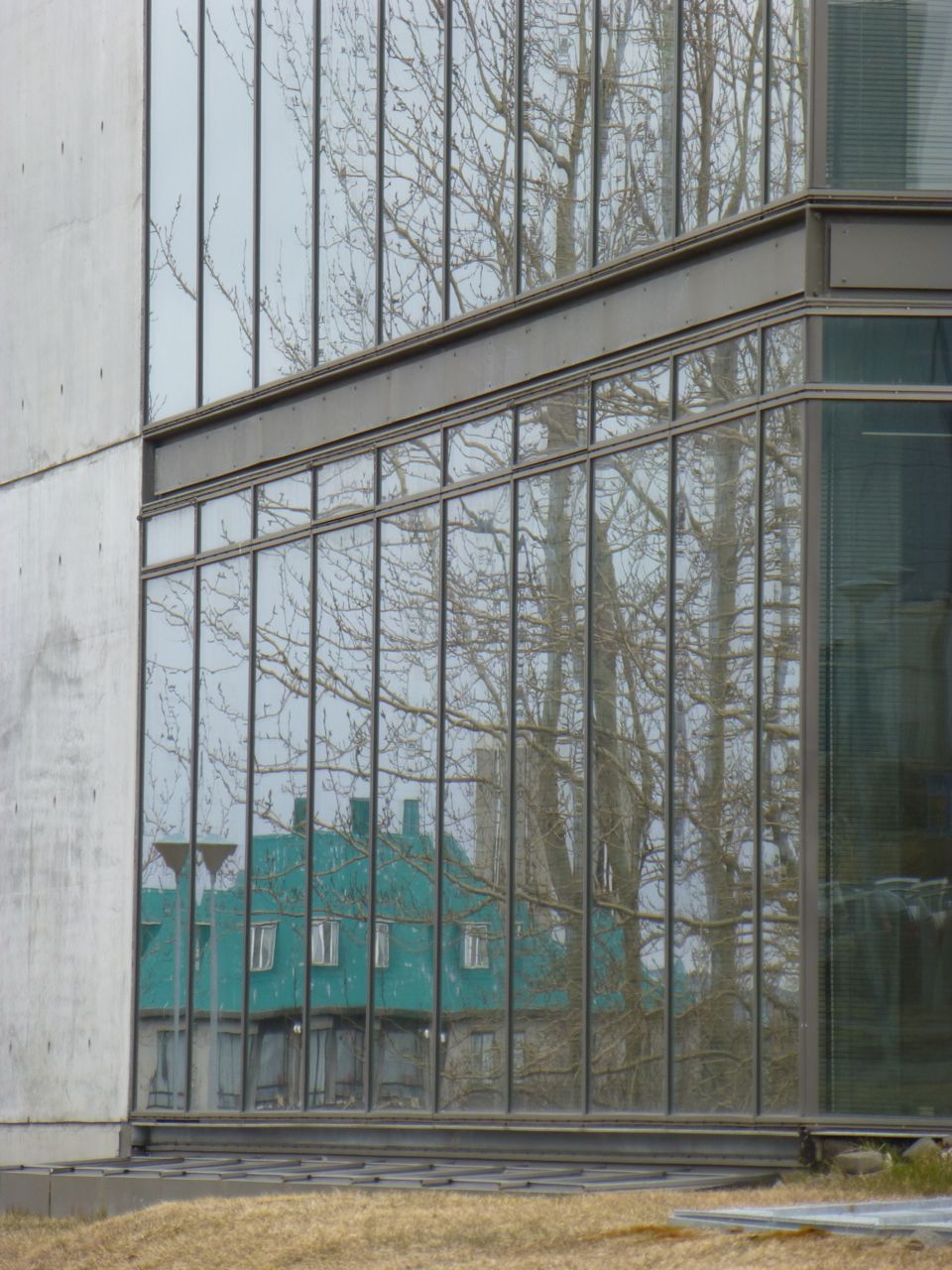

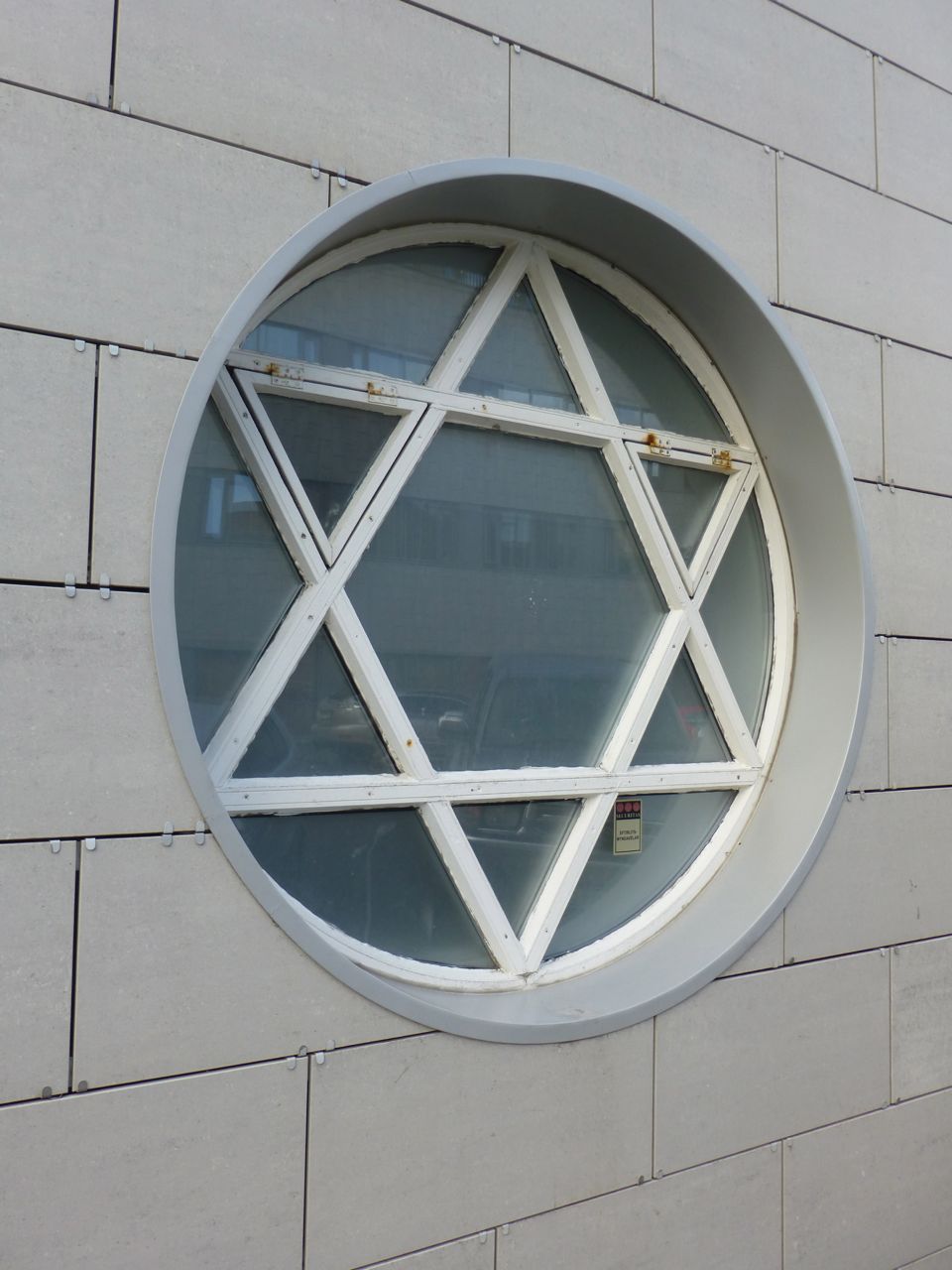


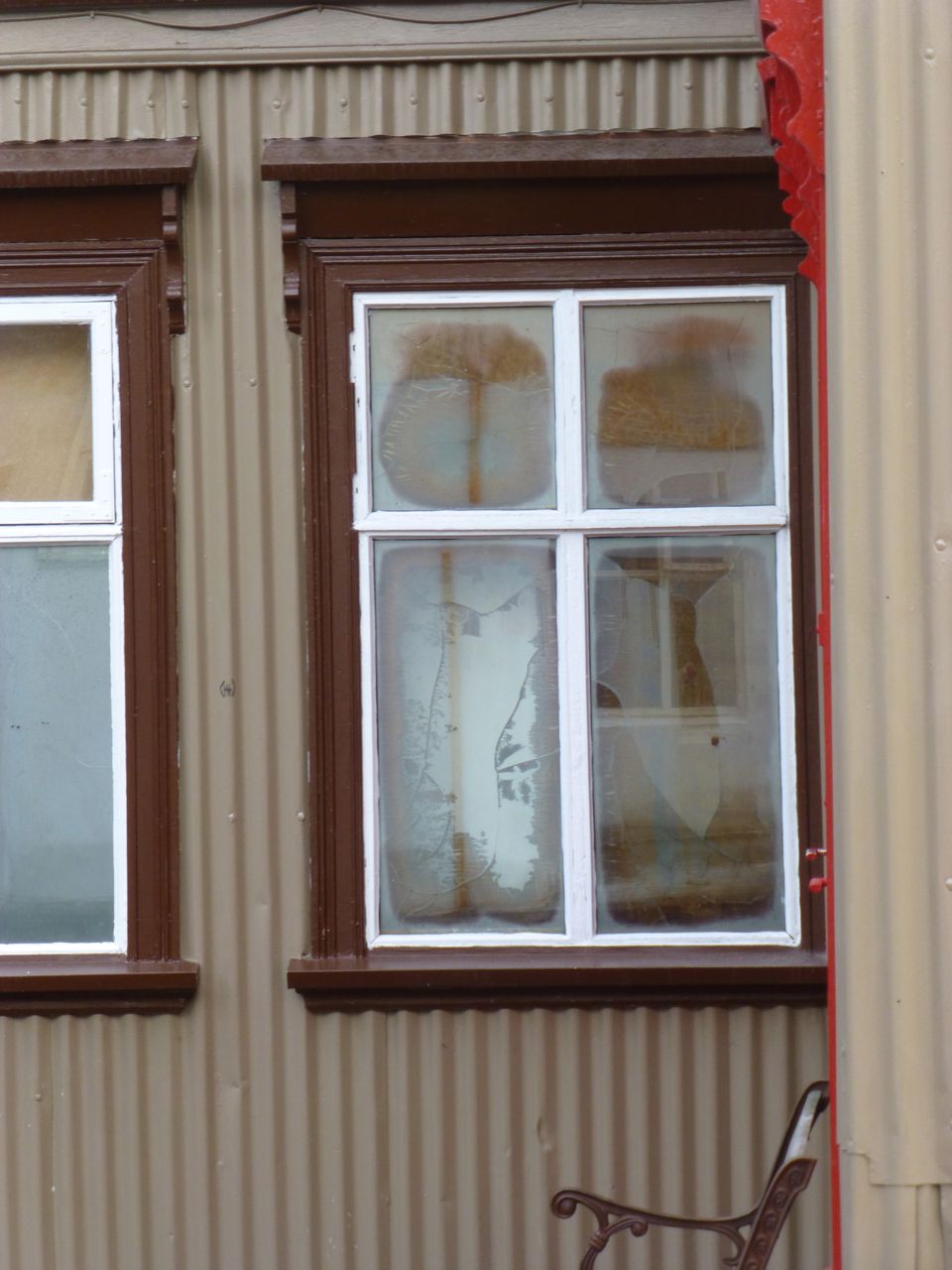

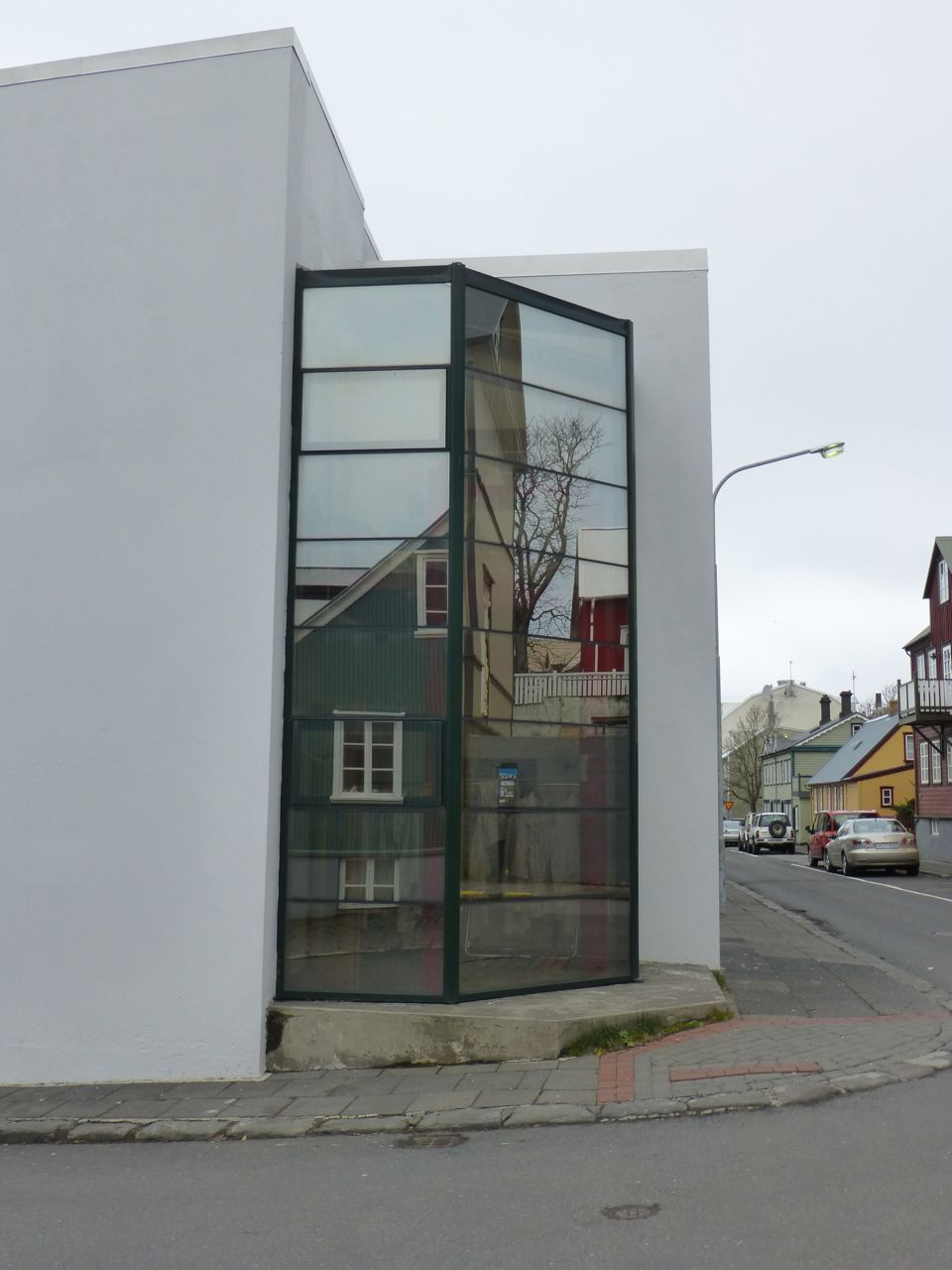

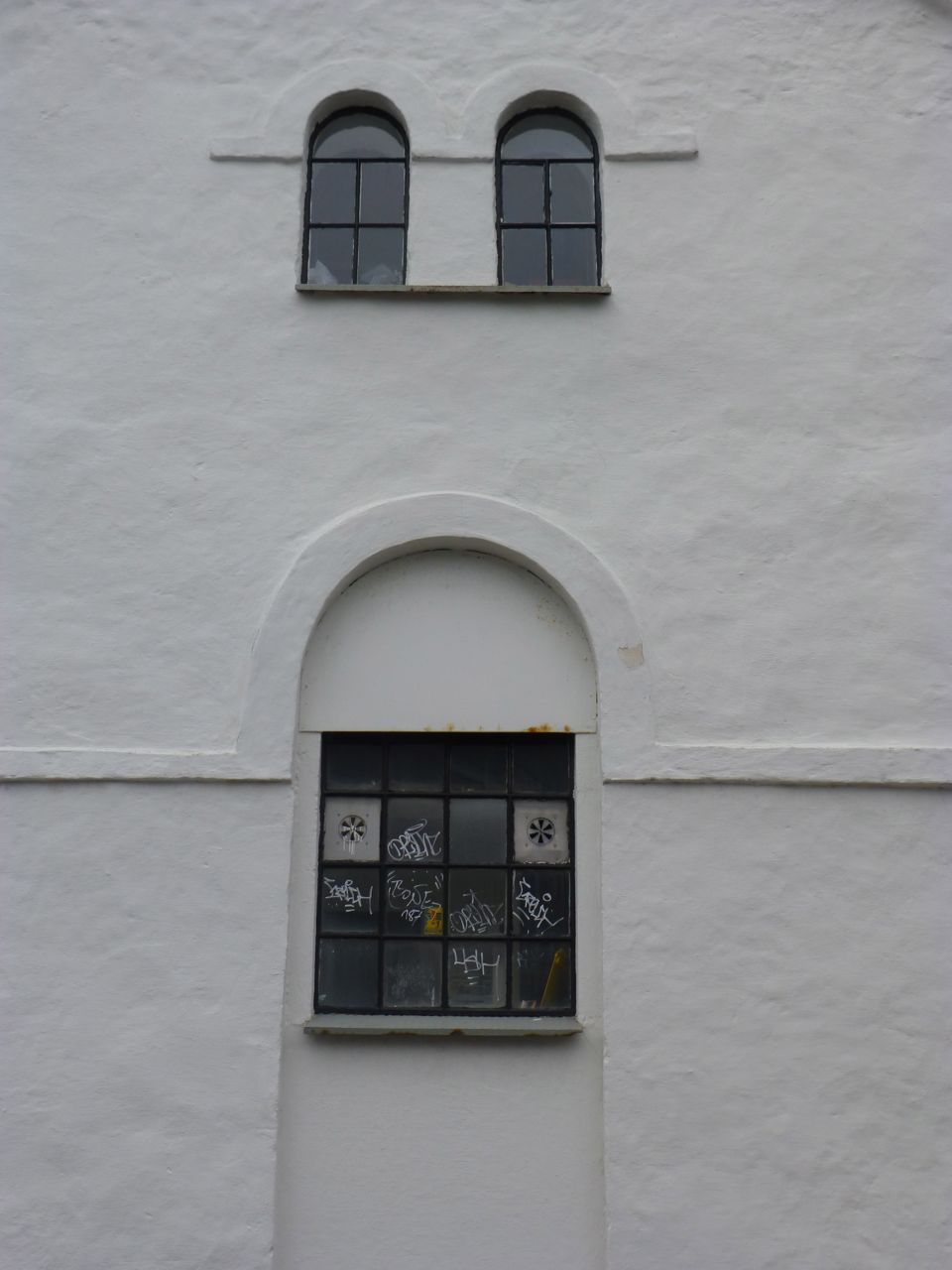
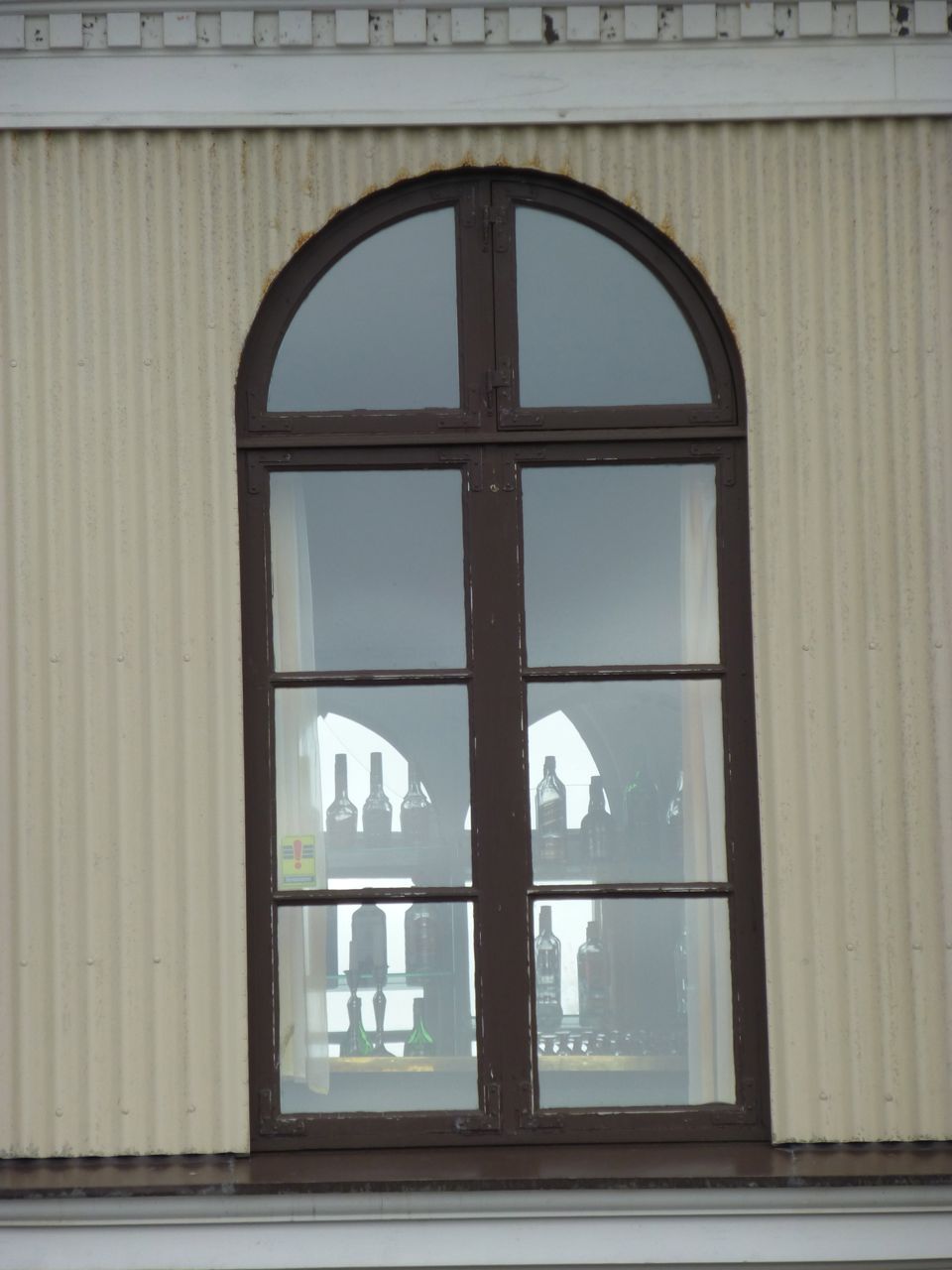

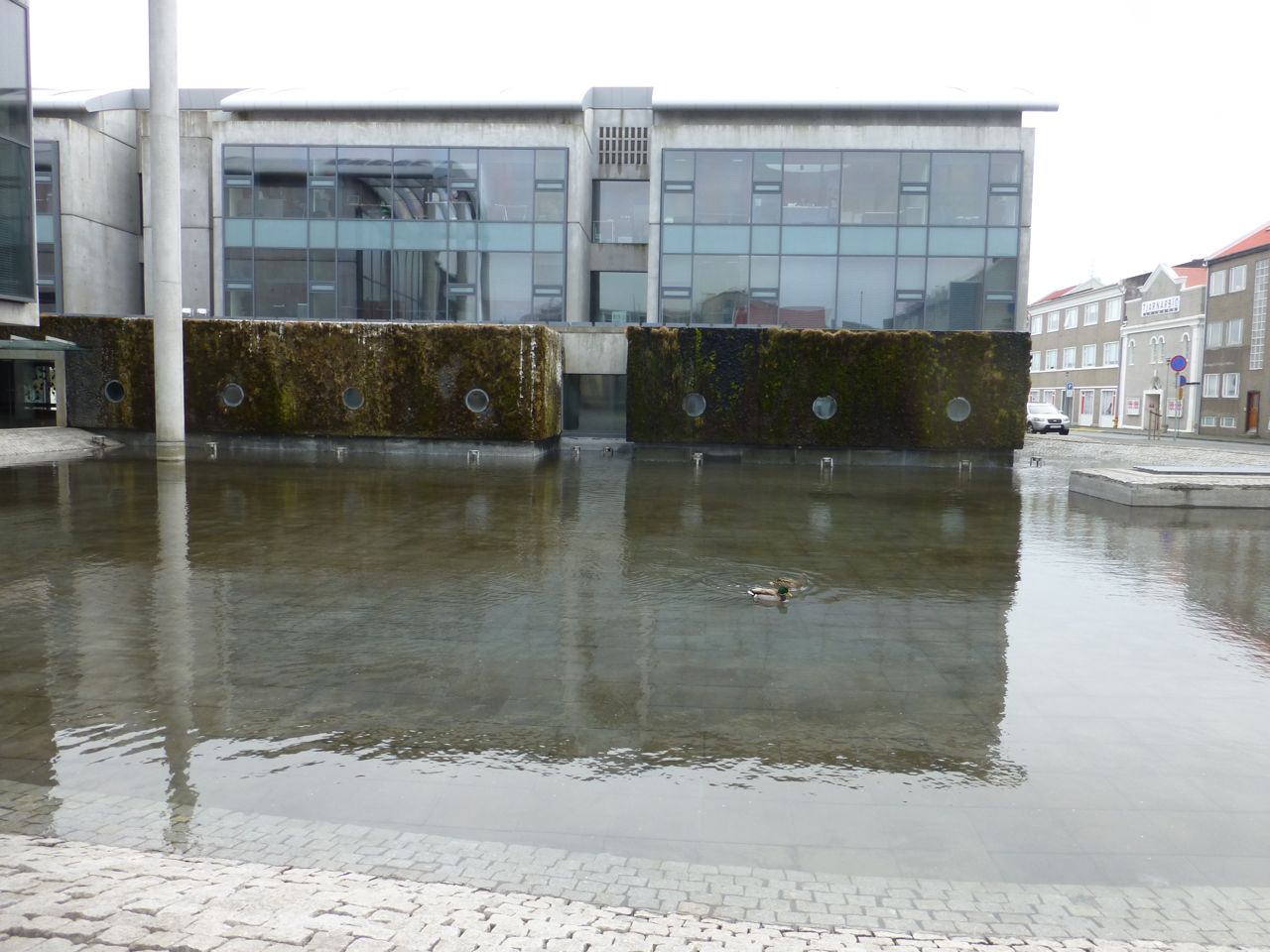

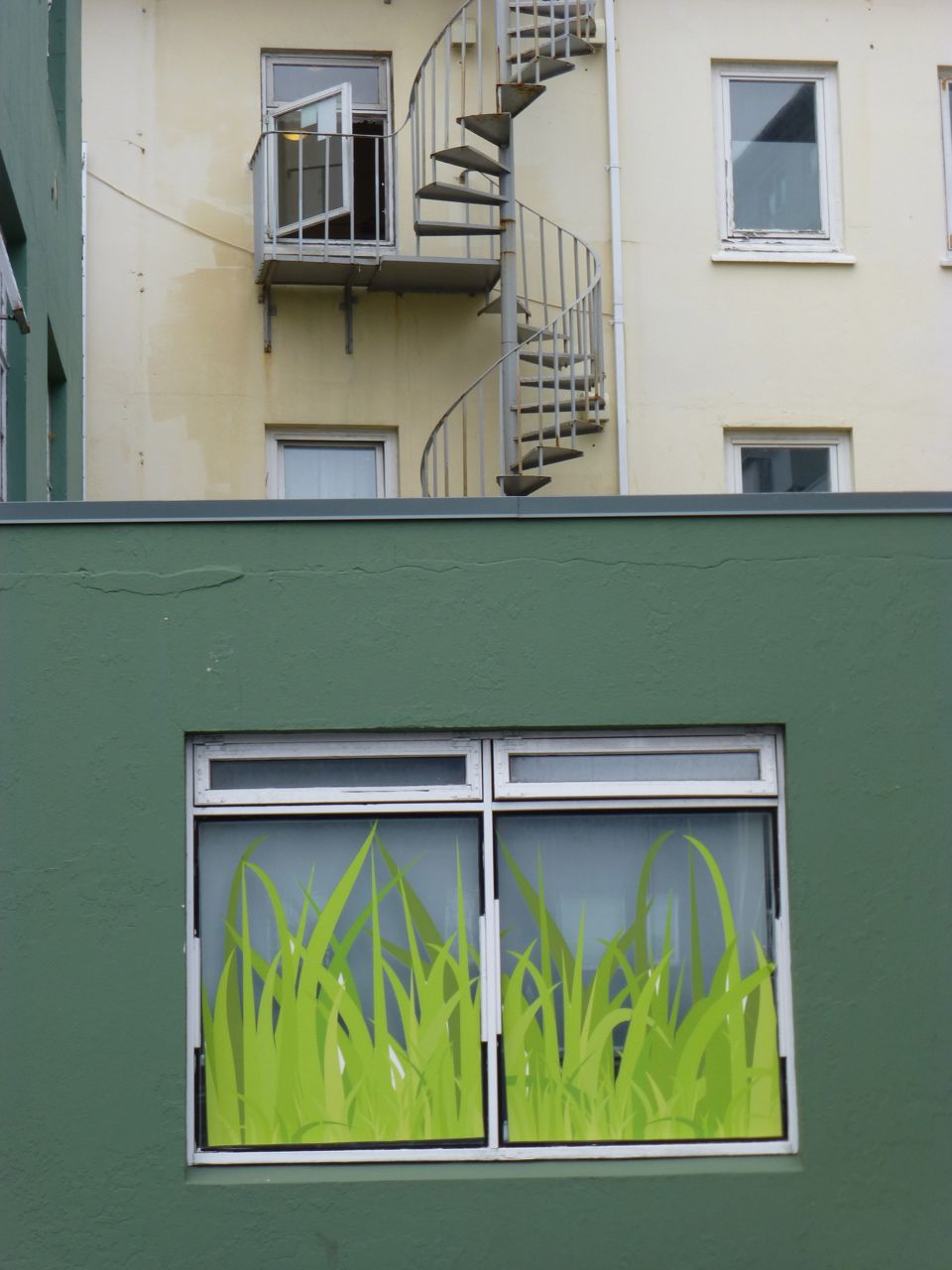
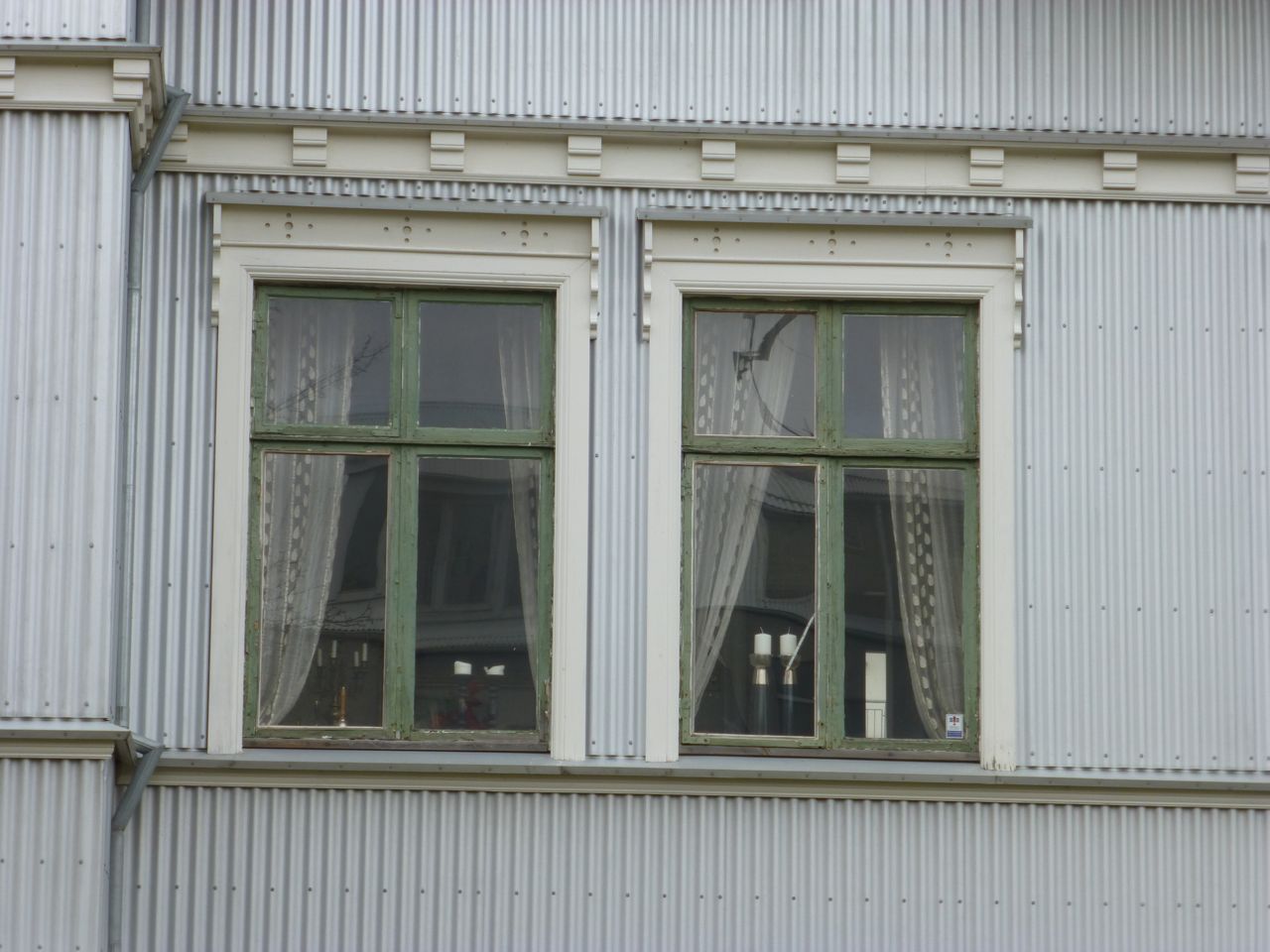
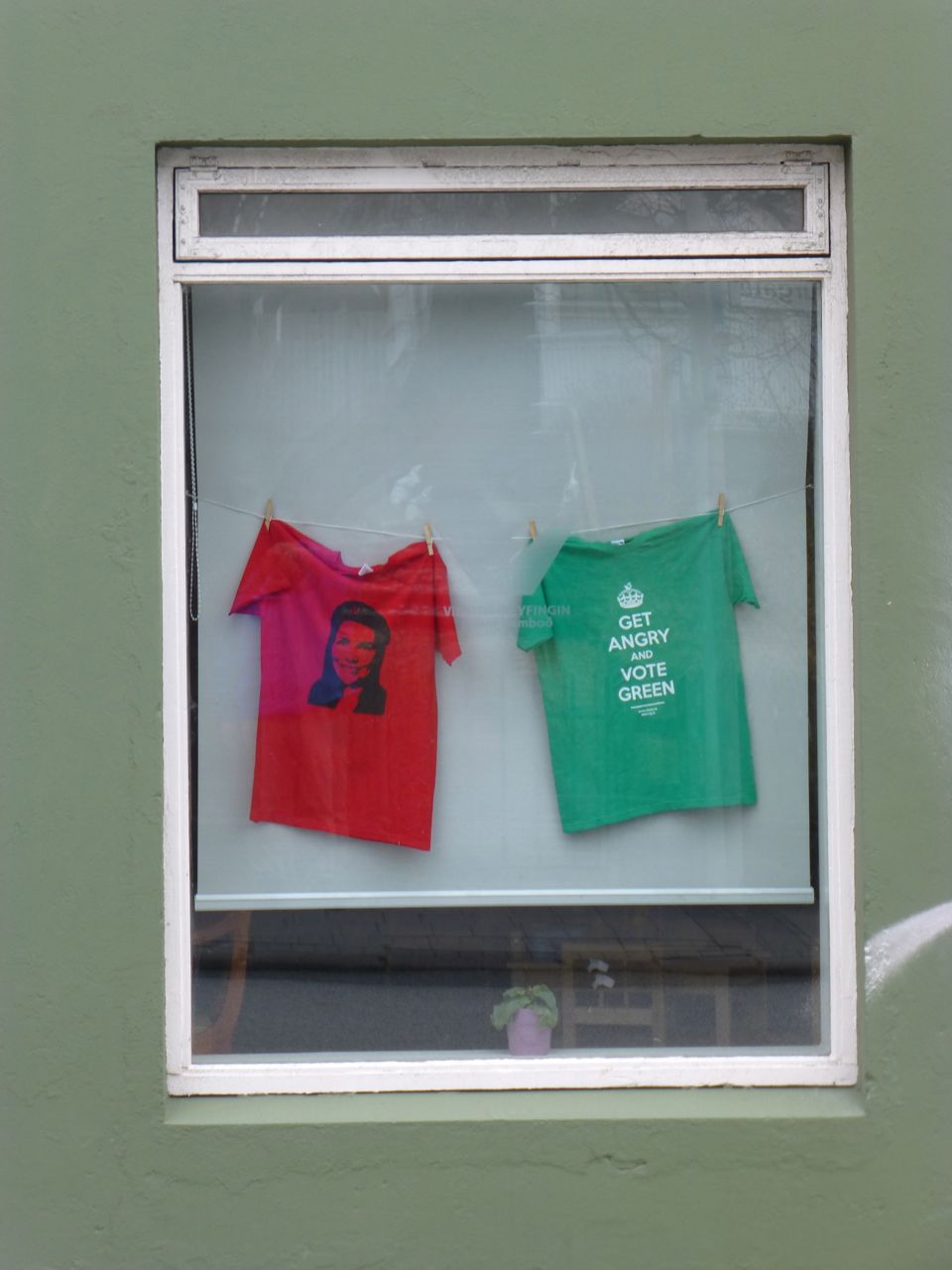

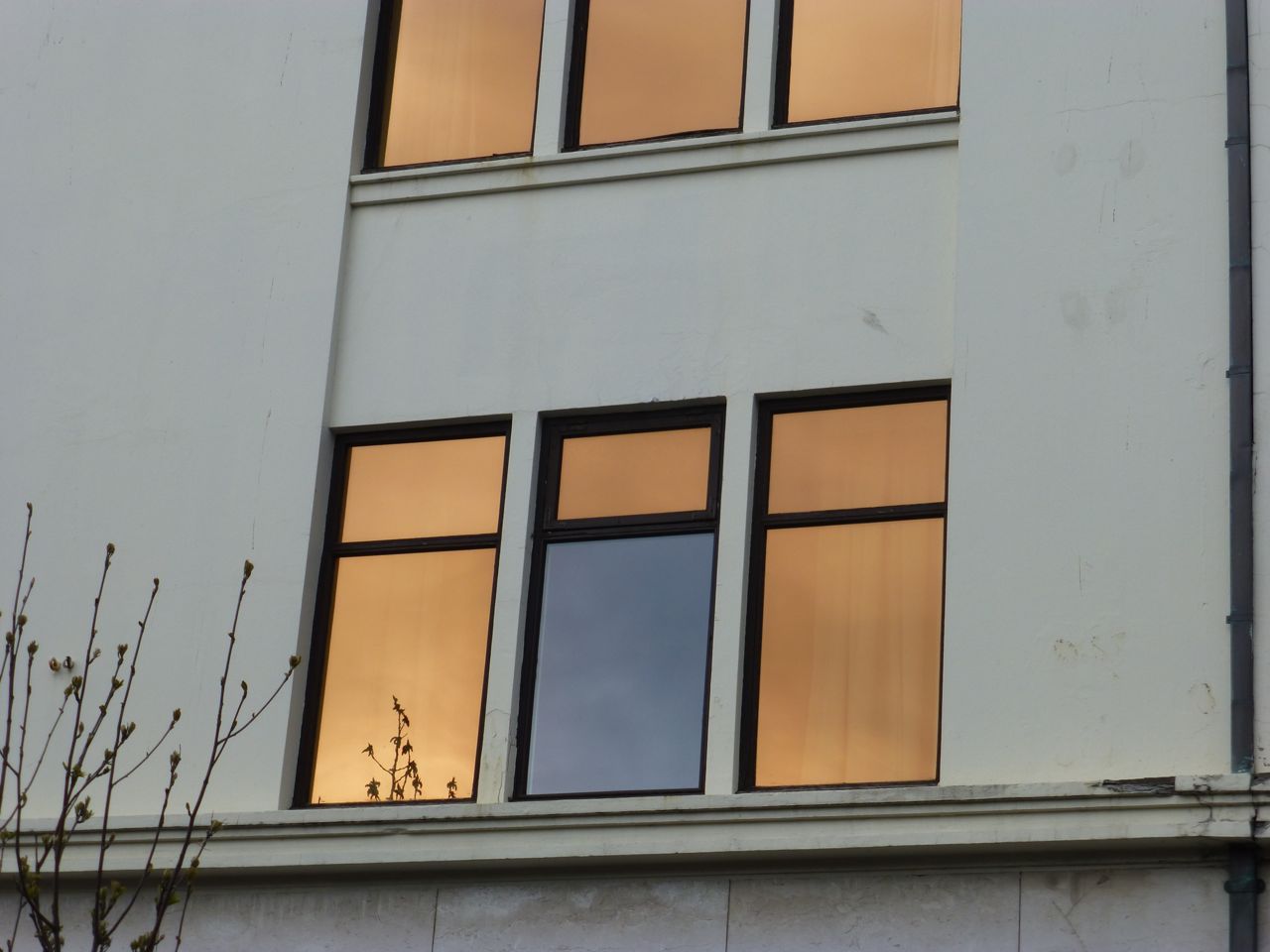

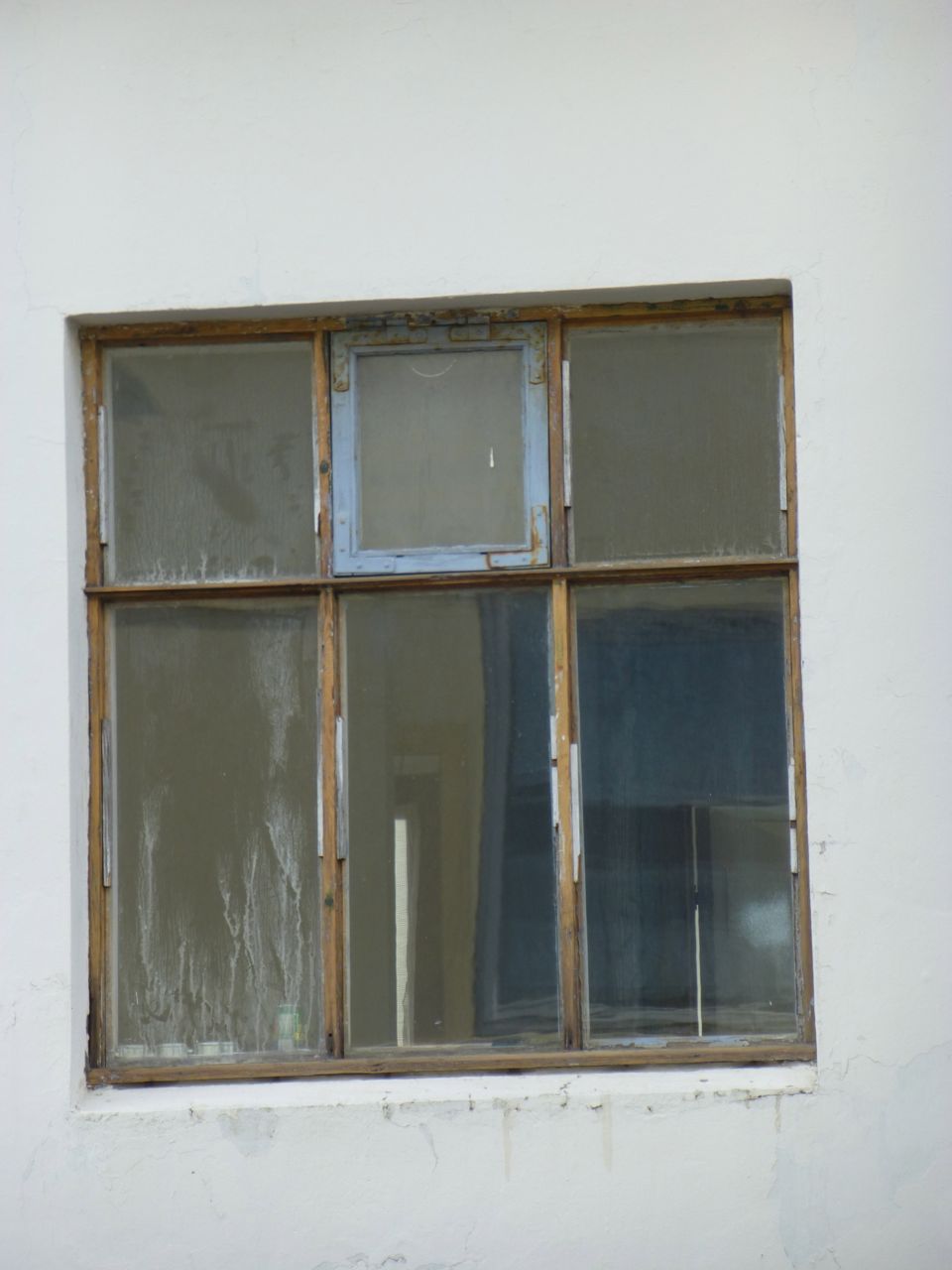


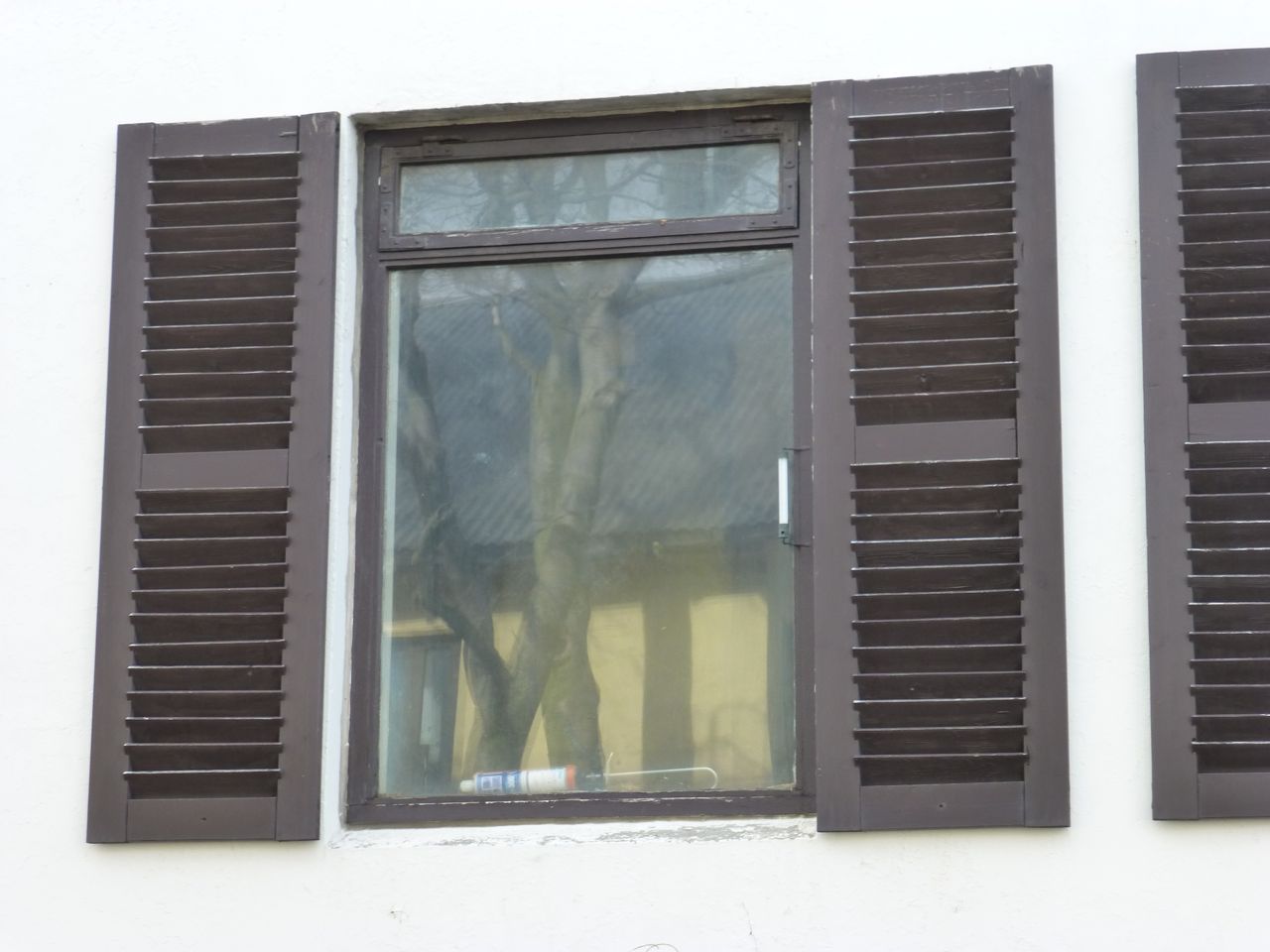


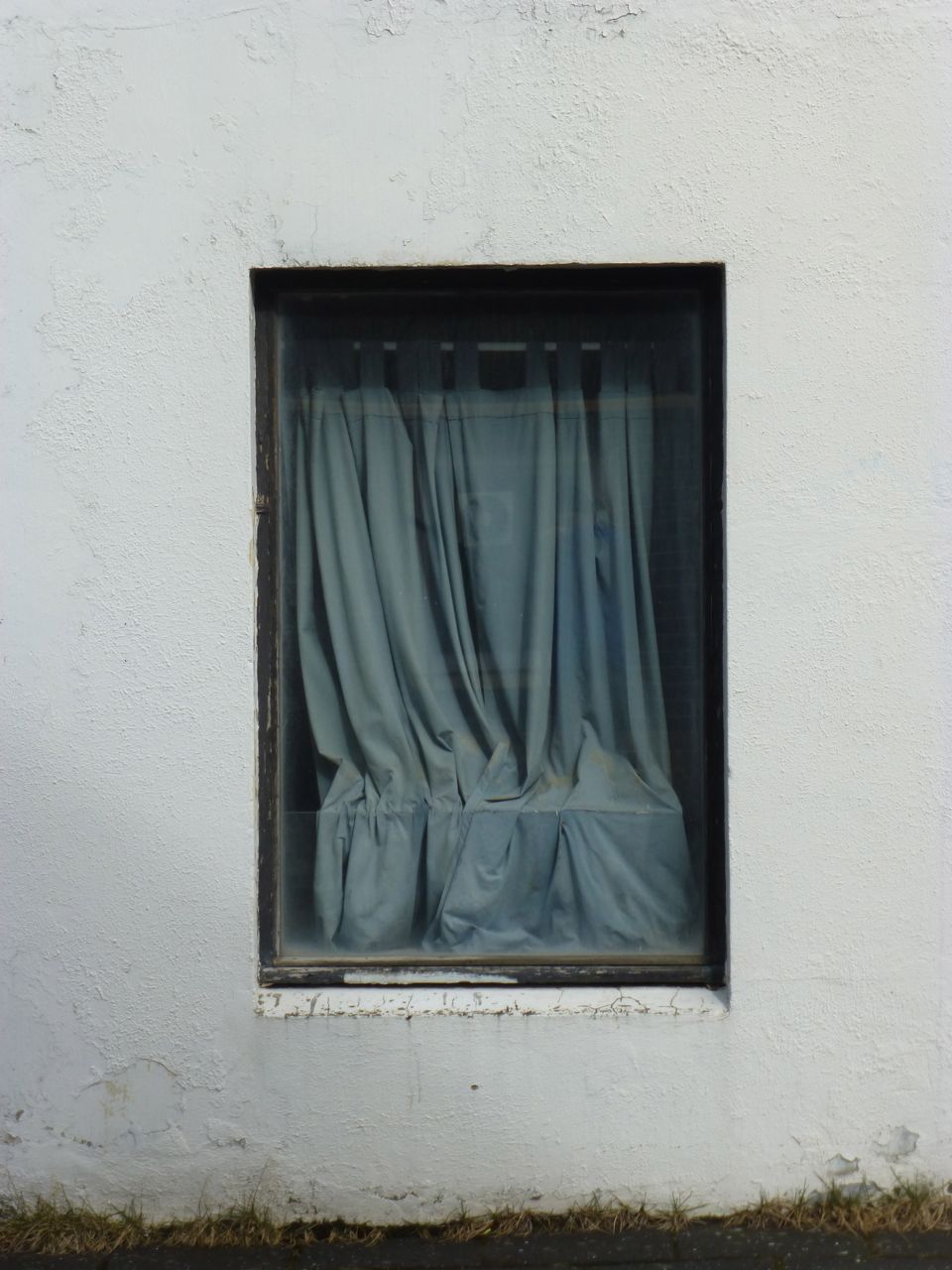
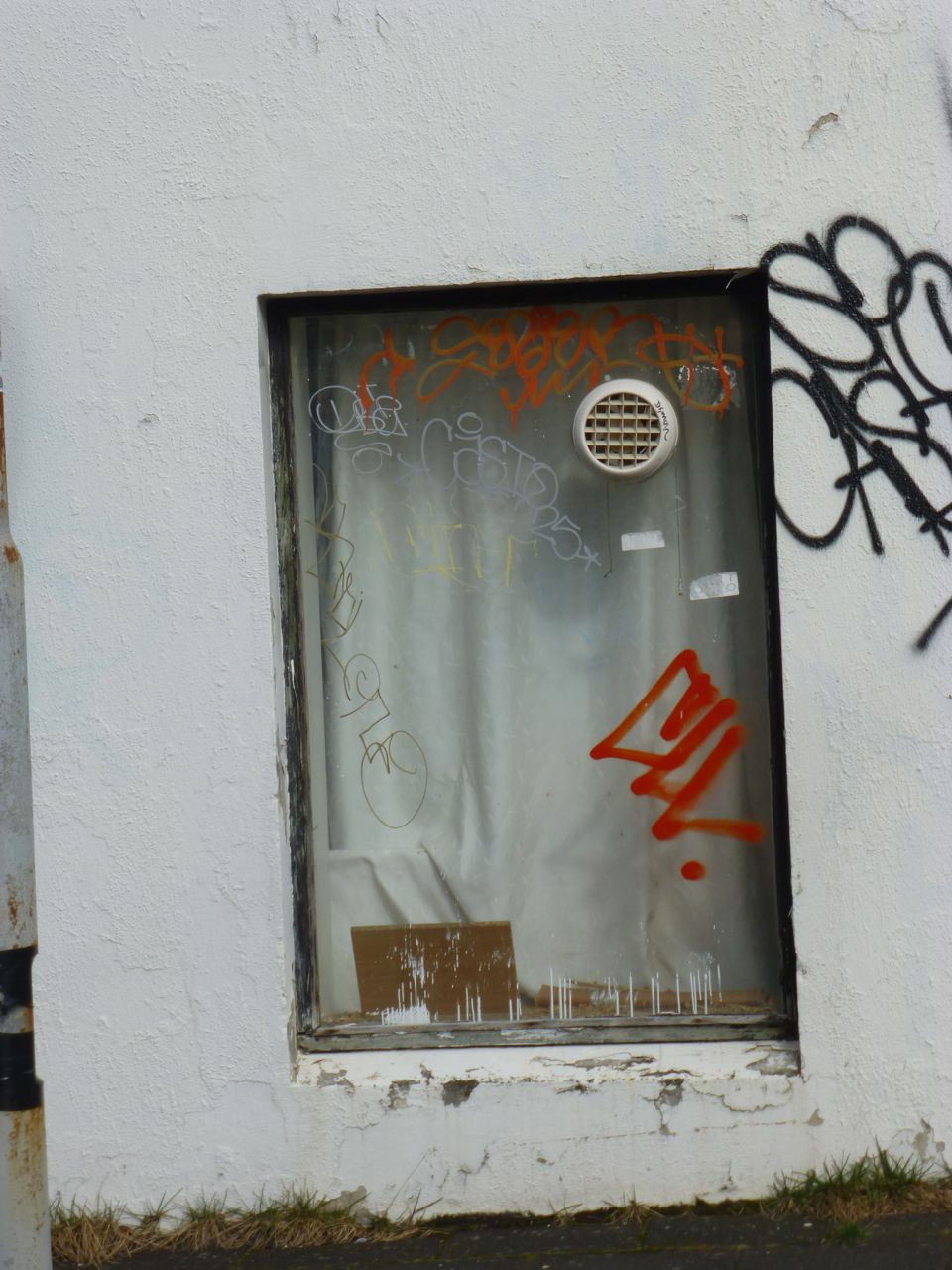

Here, the human church …
 … and political mythologies…
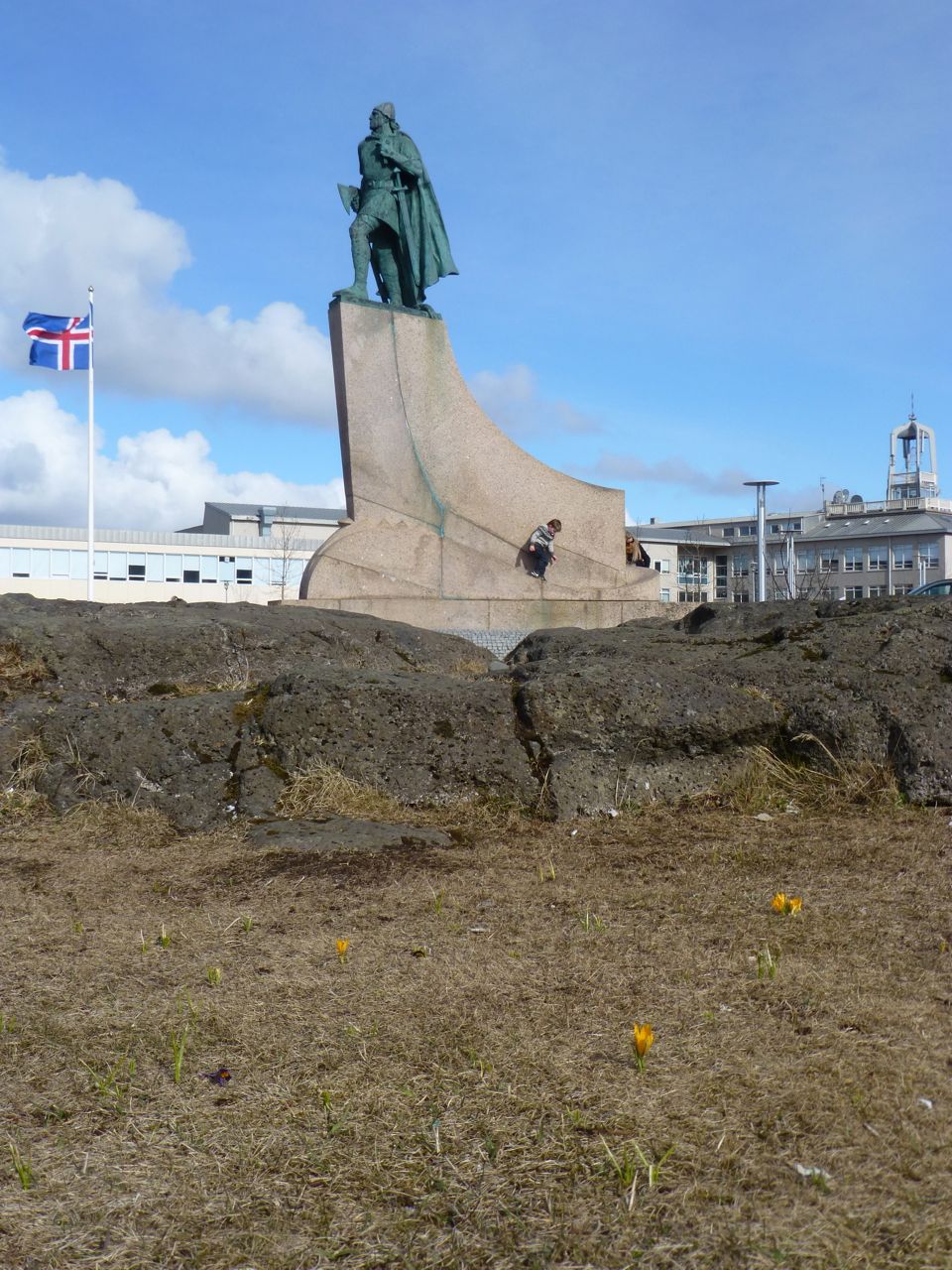 … are built on older foundations.
 Life is the breath of stone.
Private life in Iceland is often an improvisation. Many people are just camping. 
Reykjavik, Downtown
This misfit between built environments and how people fit into them is profound and nearly universal. It looks like poverty. It probably feels like it. It’s probably a profound resistance, the very one that Gunnar, in a more rural Iceland, called wealth.
I present this image as an example of the current state of traditional Norse skaldic shield poetry — a traditional form of defensive armour, to verbally accompany intricate, interwoven carvings on shields, which told truth to a chieftain; if told intricately and wittily enough, it could change a chieftain’s path without forfeiting the skald’s head. It’s good to see the tradition continue, and with disposable beer glasses for all, too.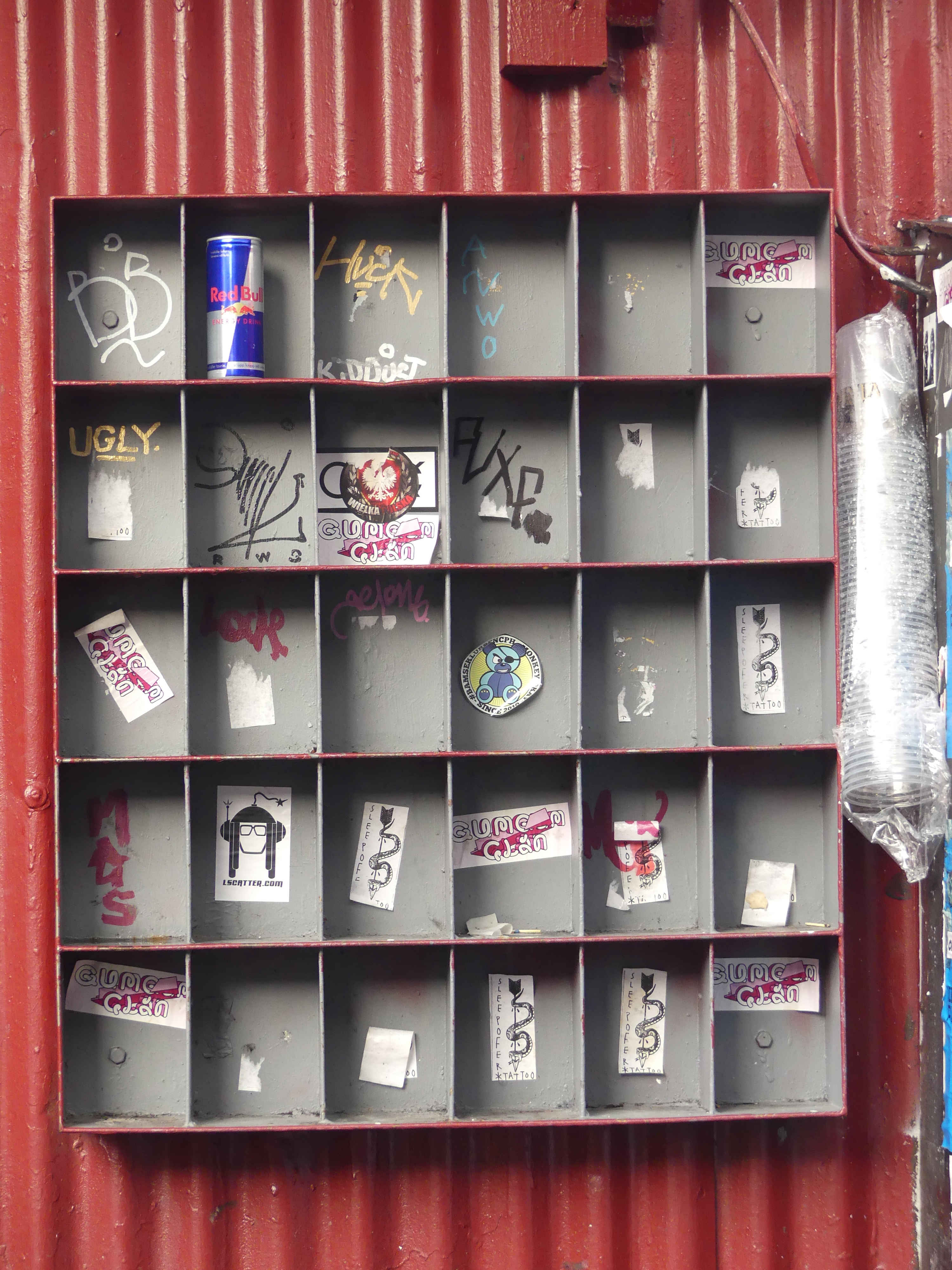
On an island there is only the sea and an eye in the midst of it. Things wash up on the eye. They are magical emblems of a distant world. It doesn’t matter what they are, their magic haunts you. Purses…. …religions…
… cheap junk from China.
It is all the same. By displaying it, you become part of the world, through display. Each piece is an amulet that calls forth the notion of travel, which, because you are an island, you can only achieve by standing still.

Soon, you dress yourself in these amulets, and the style with which you disguise yourself, just enough so you aren’t completely hidden, becomes your ‘self’. In this way you are revealed, as if you are naked.
You are. Deep down, you are an island, where the idea of human occupation is just another piece of driftwood washed up on your skin, and everything you do will not erase the foreignness of the world, not even 1100 years of improvisation.
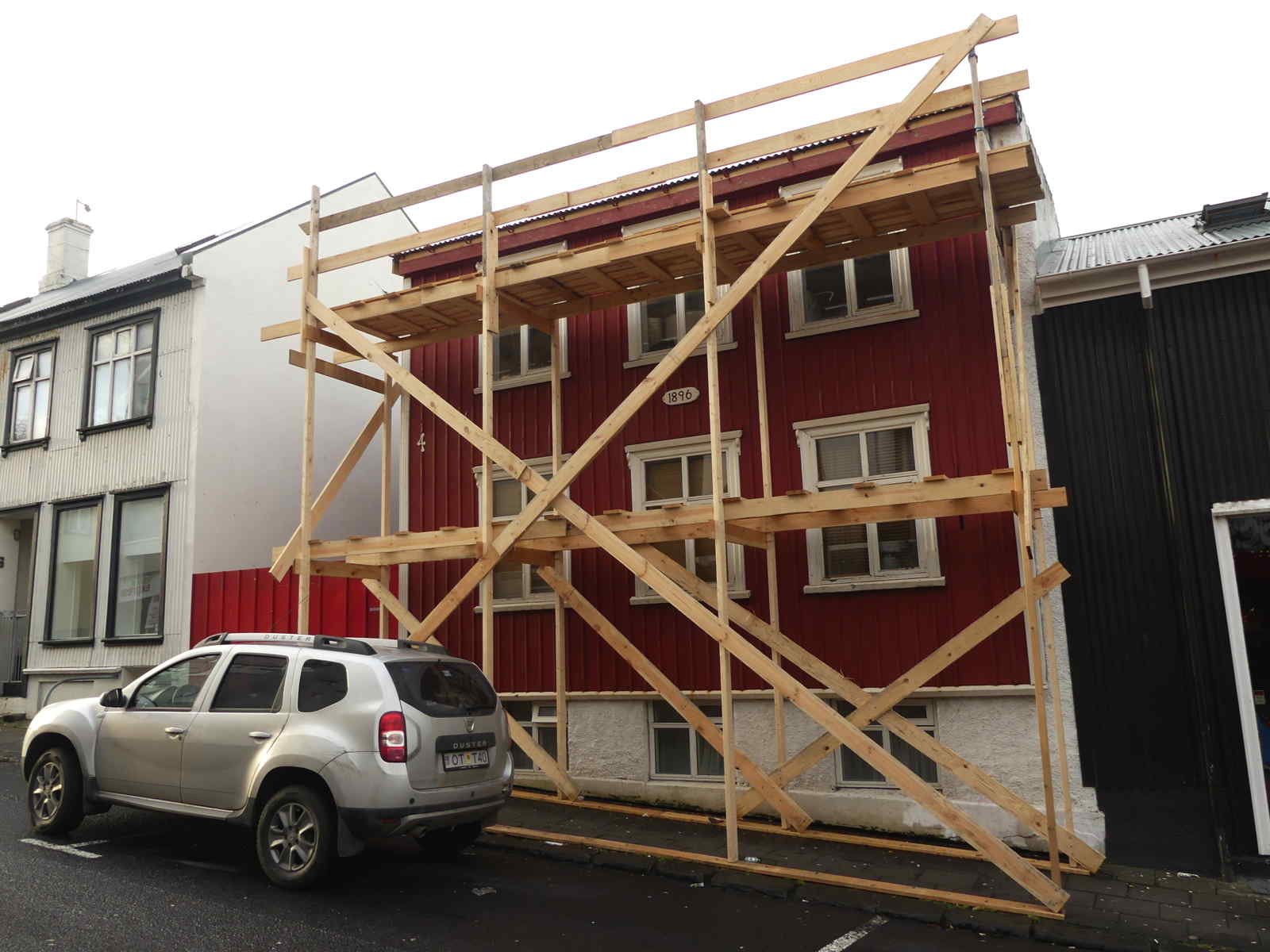
It becomes your voice, as you drag whatever home you can, thinking, “Ya, I bet I can find a use for that someday…”

or “Hmmm, I could wear that.” 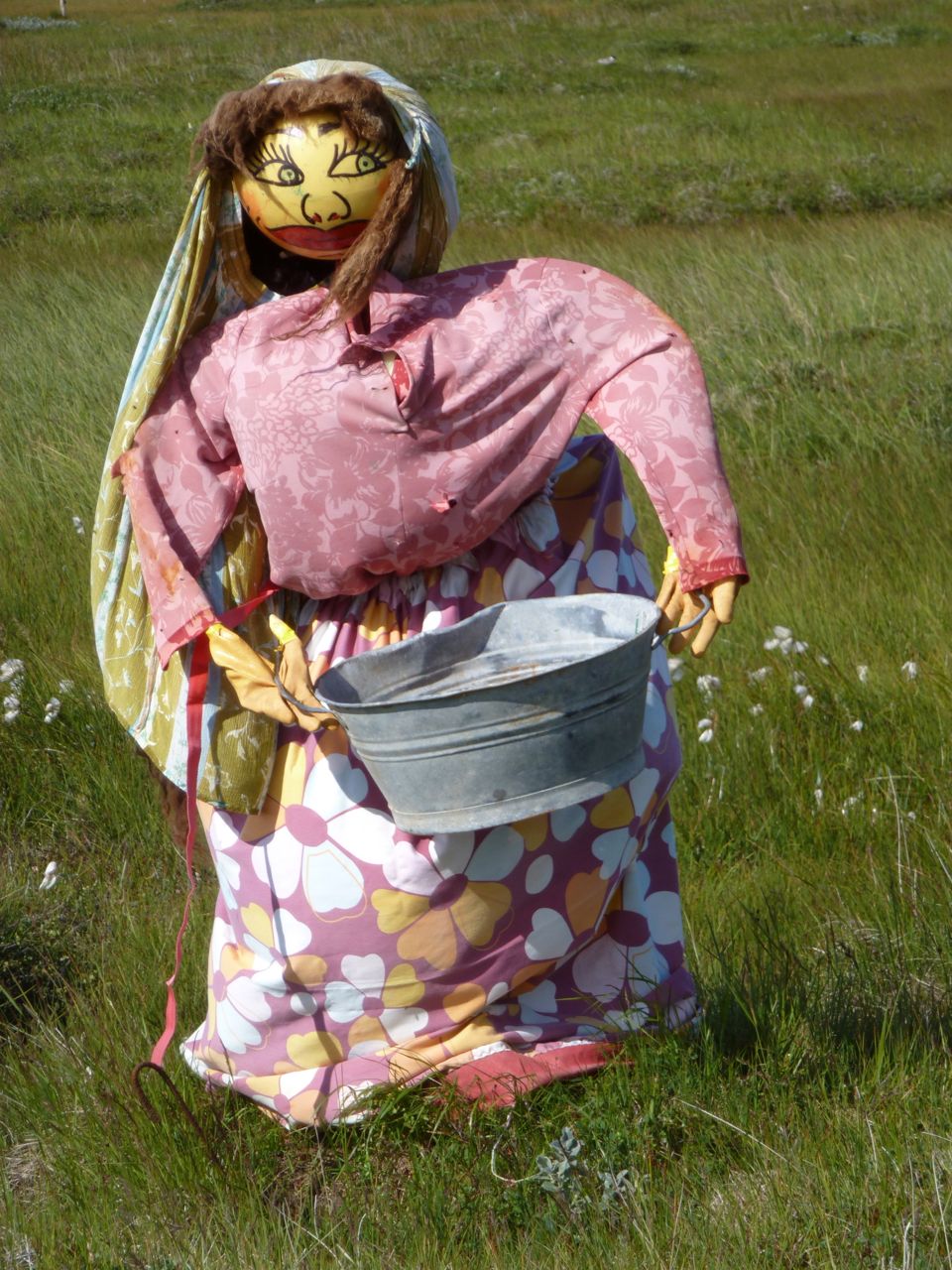
One can make combinations, for example. 
Really, anything goes because everything is equal. Everything comes from the world.This is an island. It is not the world. It is a place of finding land, and, slowly, being found by it.
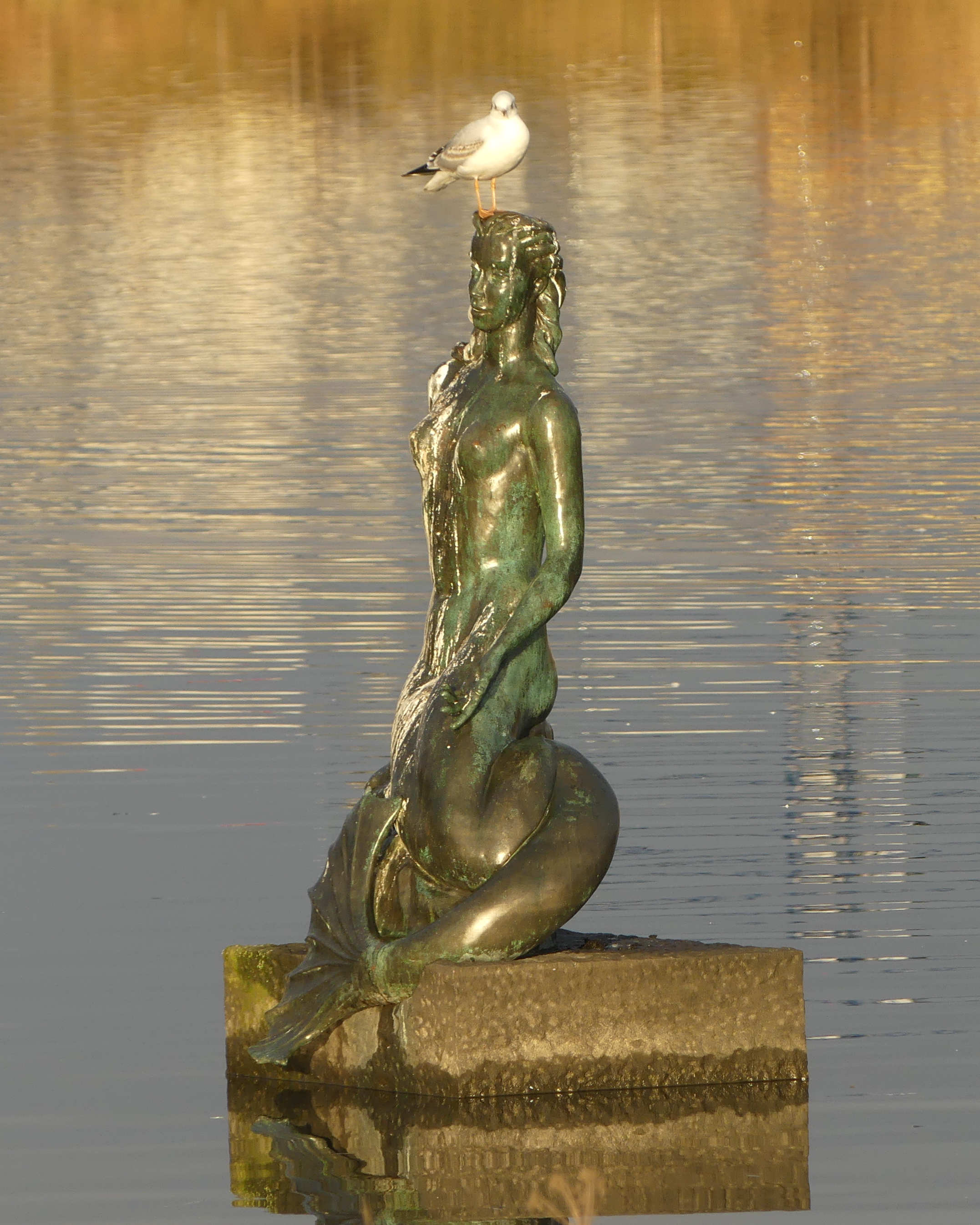
And then being the land on which others land.
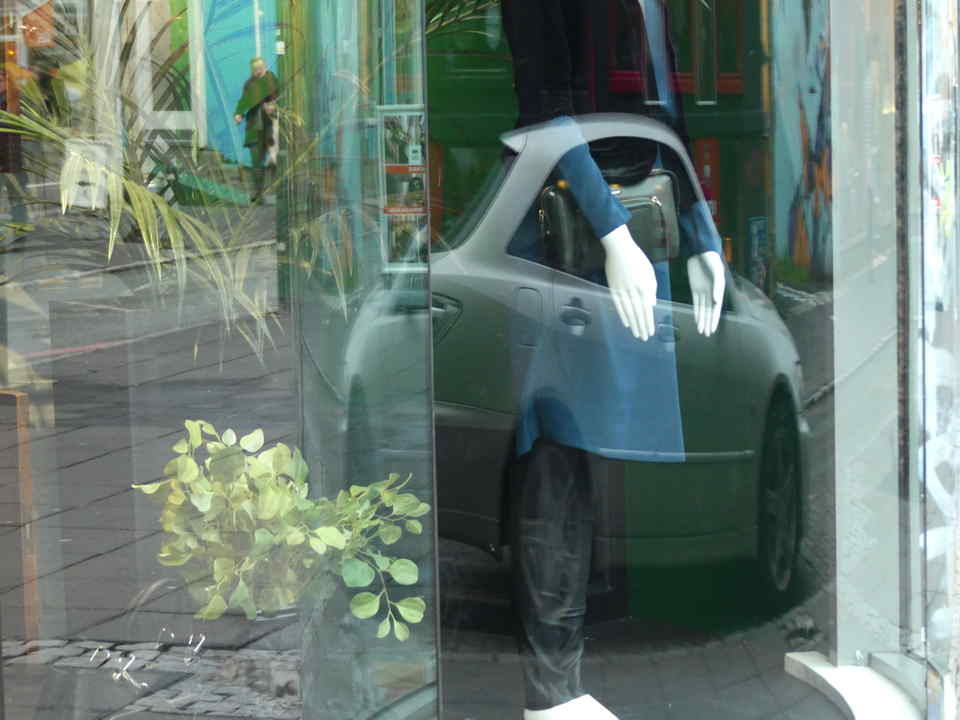
Here, every window is the sea.
It comes over the mountains from the glaciers, who draw it from the sky and send it back to the sea as an image of themselves.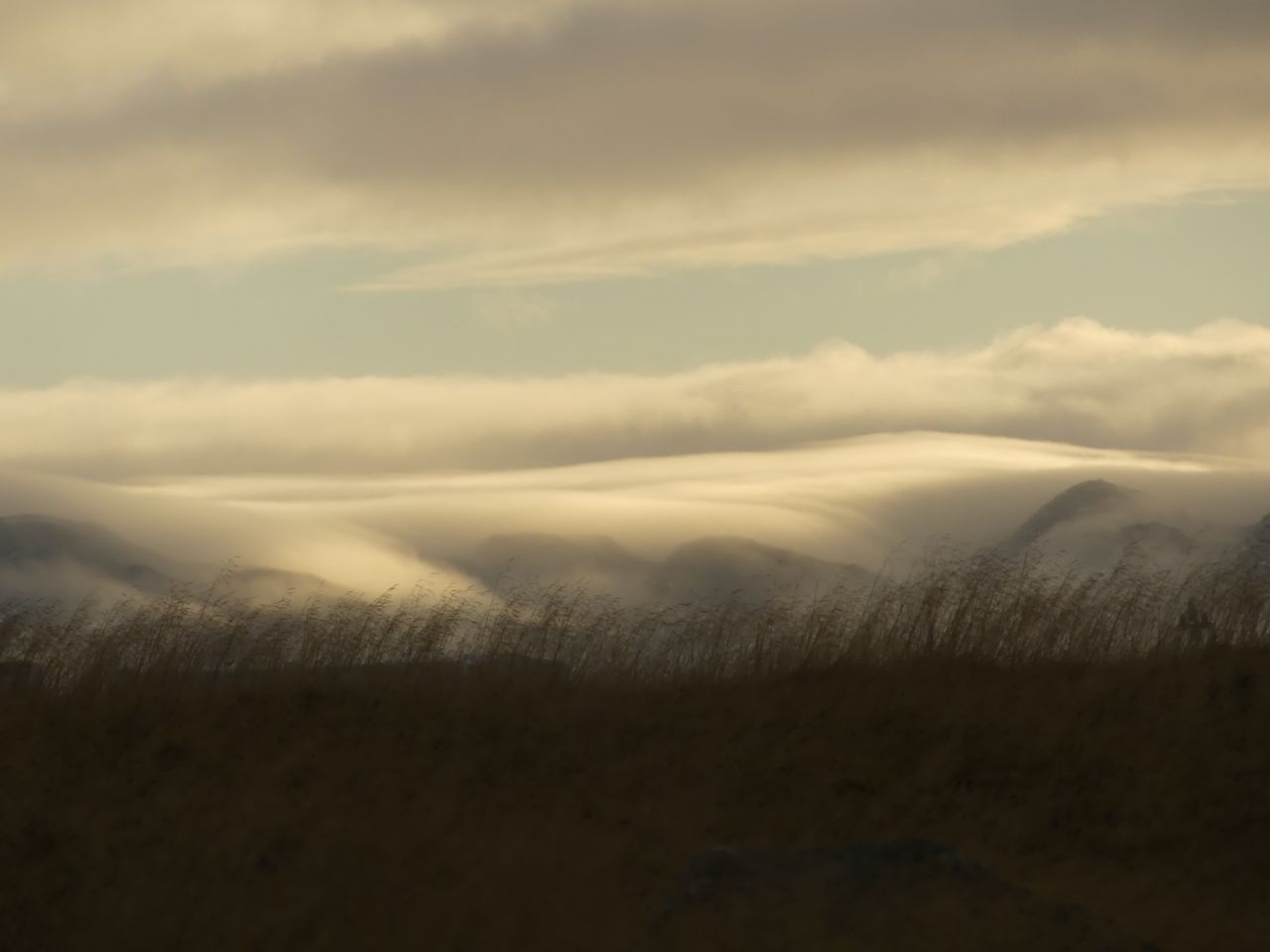
November 5, 2016, Viðey
It comes as a flood. It comes in a fog river many kilometres in width. It doesn’t come from the Atlantic. That is Caribbean water out there. Up in the sky, well, that is a far different thing. That is not this world at all.
On the south coast of Iceland, the world is being made out of primary forces. It is not happening in the past. It is happening right now.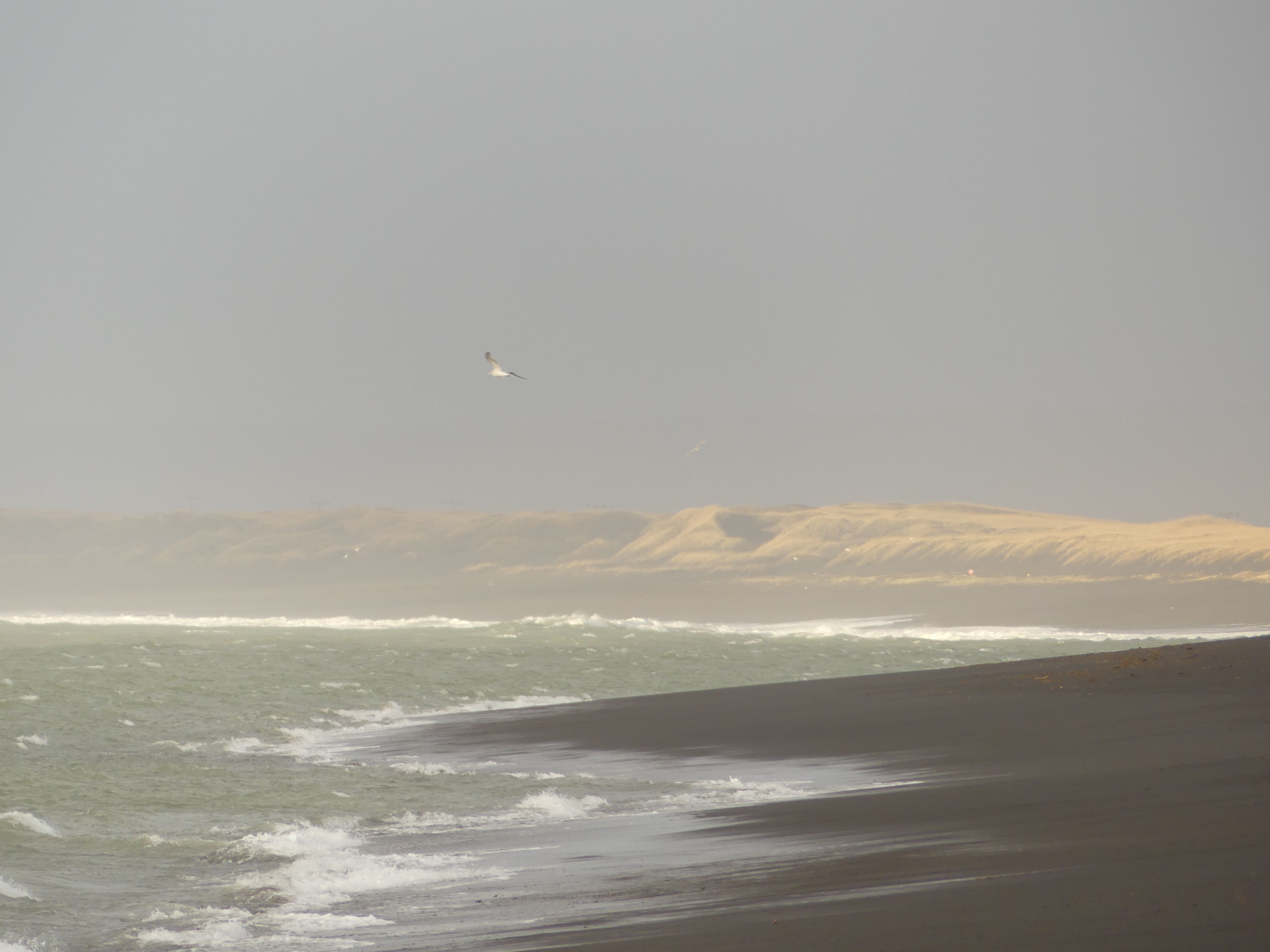
These forces of wind, water and air are like primary colours.
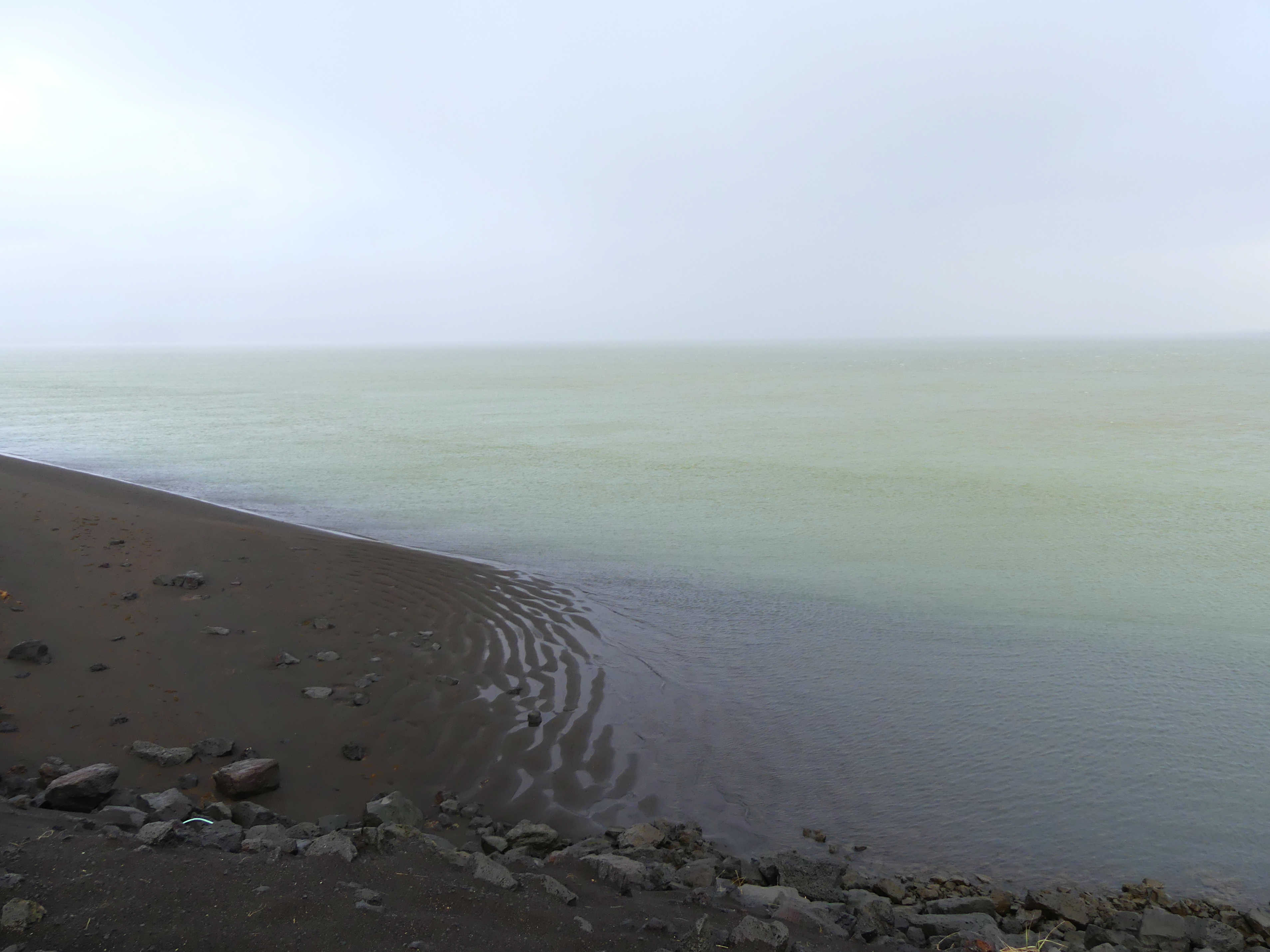 Which are primary ways of seeing: moods of the day.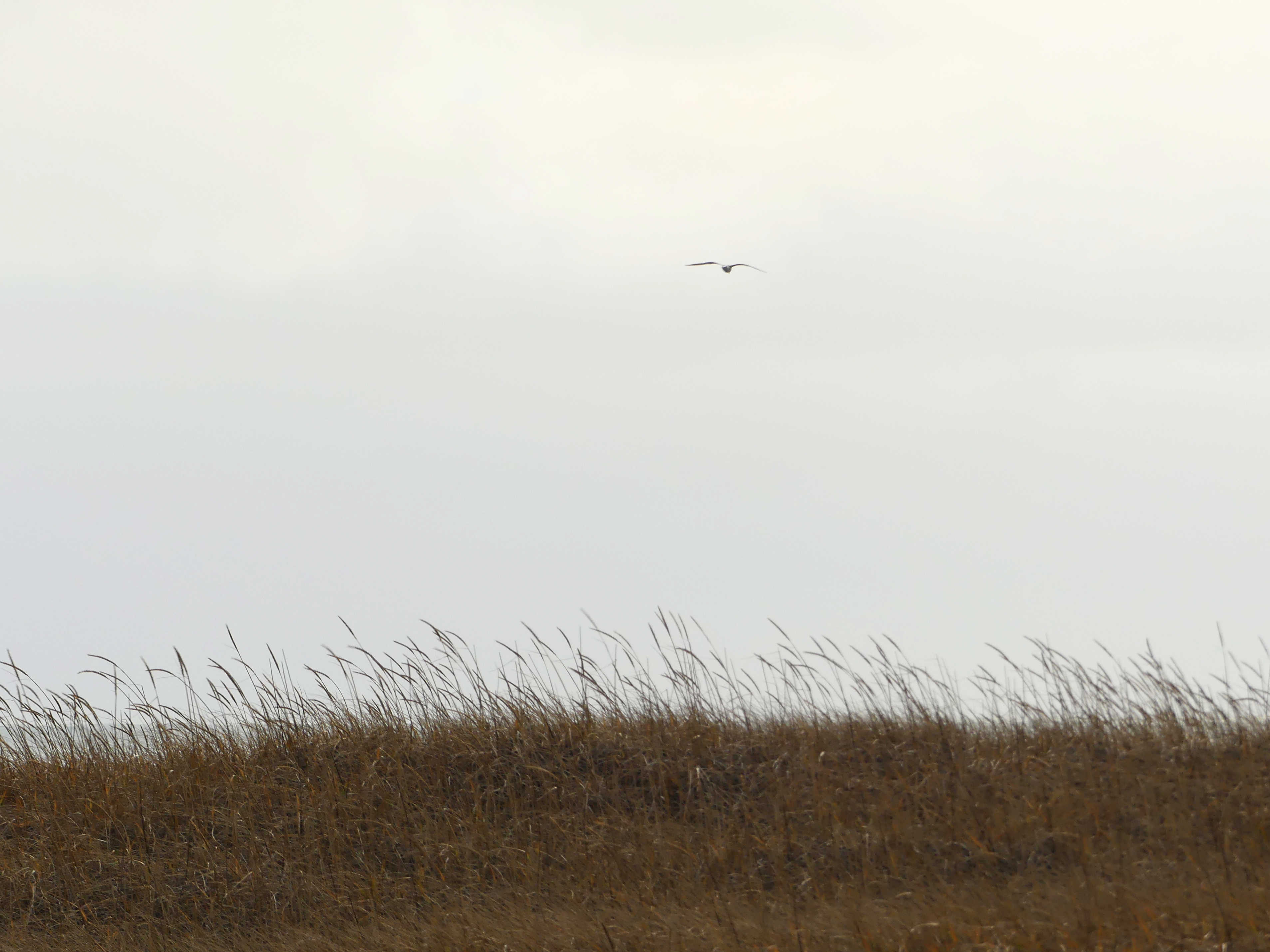
It is possible to live within this palette.
Power structures will be expressed in its physical terms.

Once those terms form a new palette, they become a new language.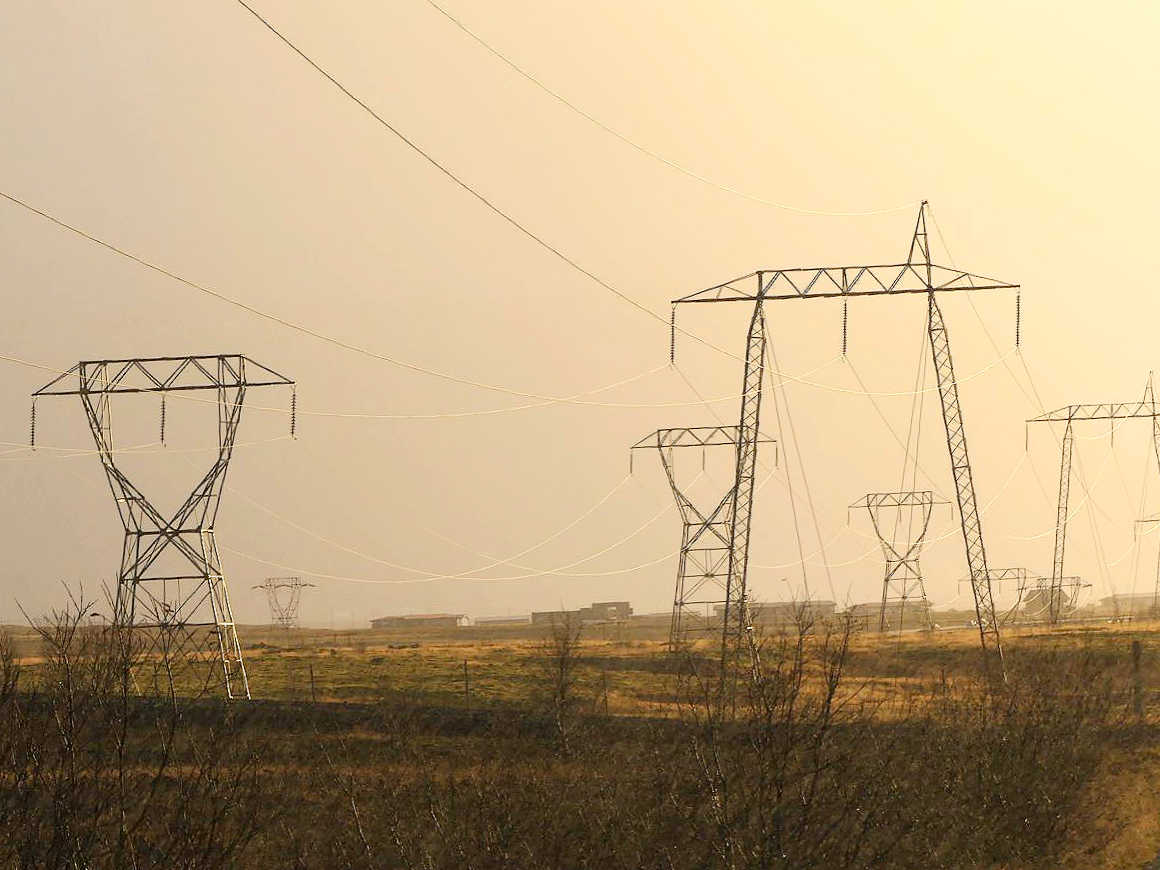
It turns the earth into a place from which technology is the shelter.

It tries to cast light on this place, because that is what it knows. There are ways.
 The world may not be approachable by language, but it is still there. In it, even water is light.
Even light is water.

Out of the loneliness where there are no words for such light, Icelanders snuggle into the dark and write novels. Then they live in them. Sensible, really. A defensive strategy, although a bit transparent.

While they are at it, they invite foreigners to meet the old world of this book…
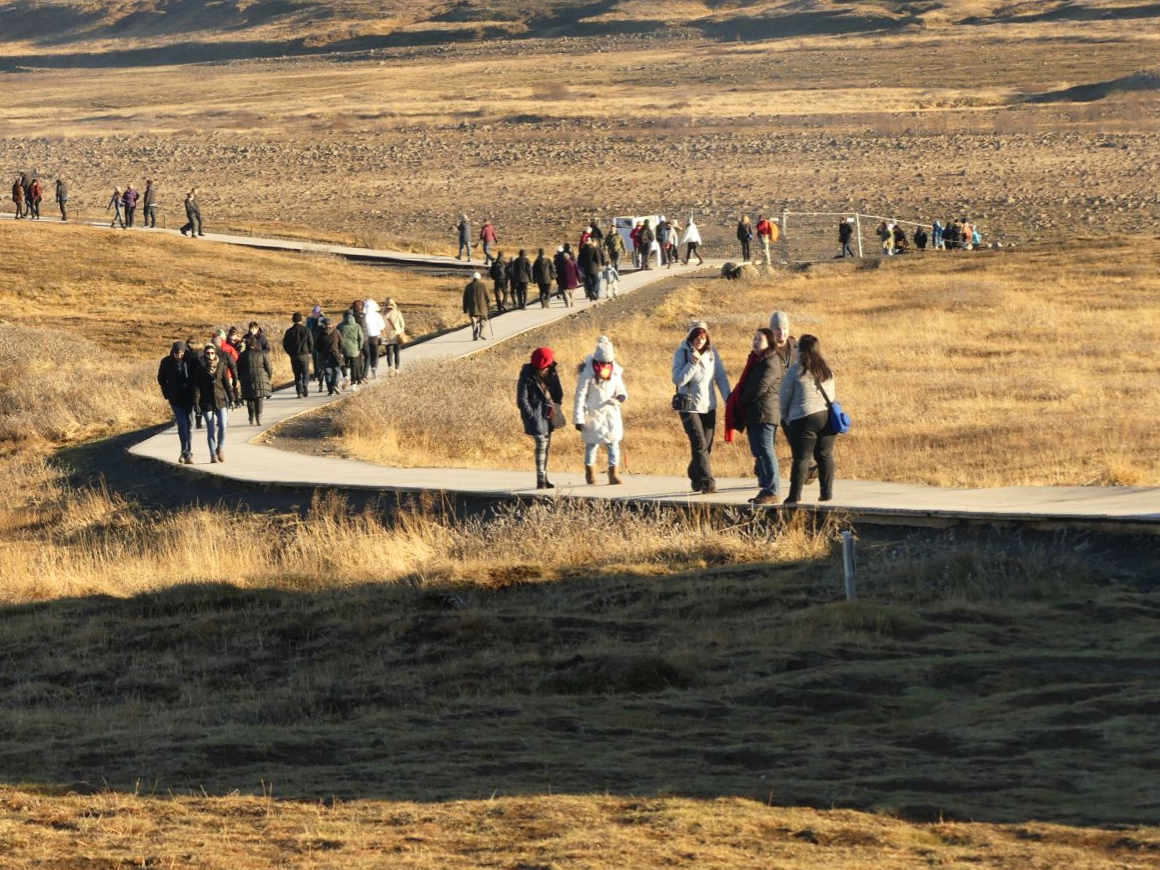
… for which they have no words except some old manufactured rubble they read in novels: nature, beauty, wonder, the old carny shows. It is enough, though. It is sweet honey.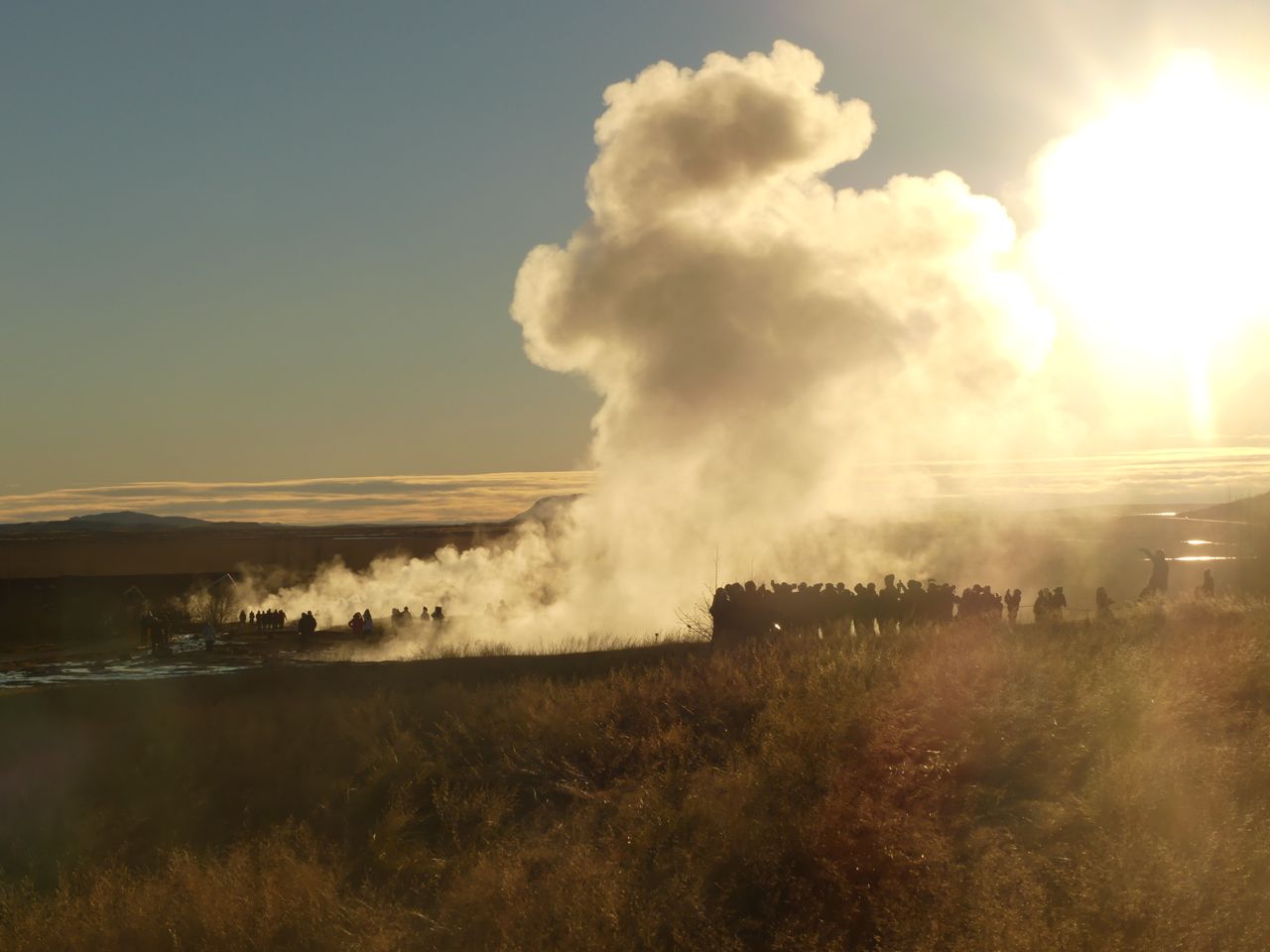
Words like this allow people to come here to meet themselves, often for the first time, between the lines or right in them.
While Icelanders wrestle with batteries in the mist then give up and go in for a cup of Nescafe.

The mixing goes on, regardless. It braids old battlefields …

… and old shores of grief and shipwreck …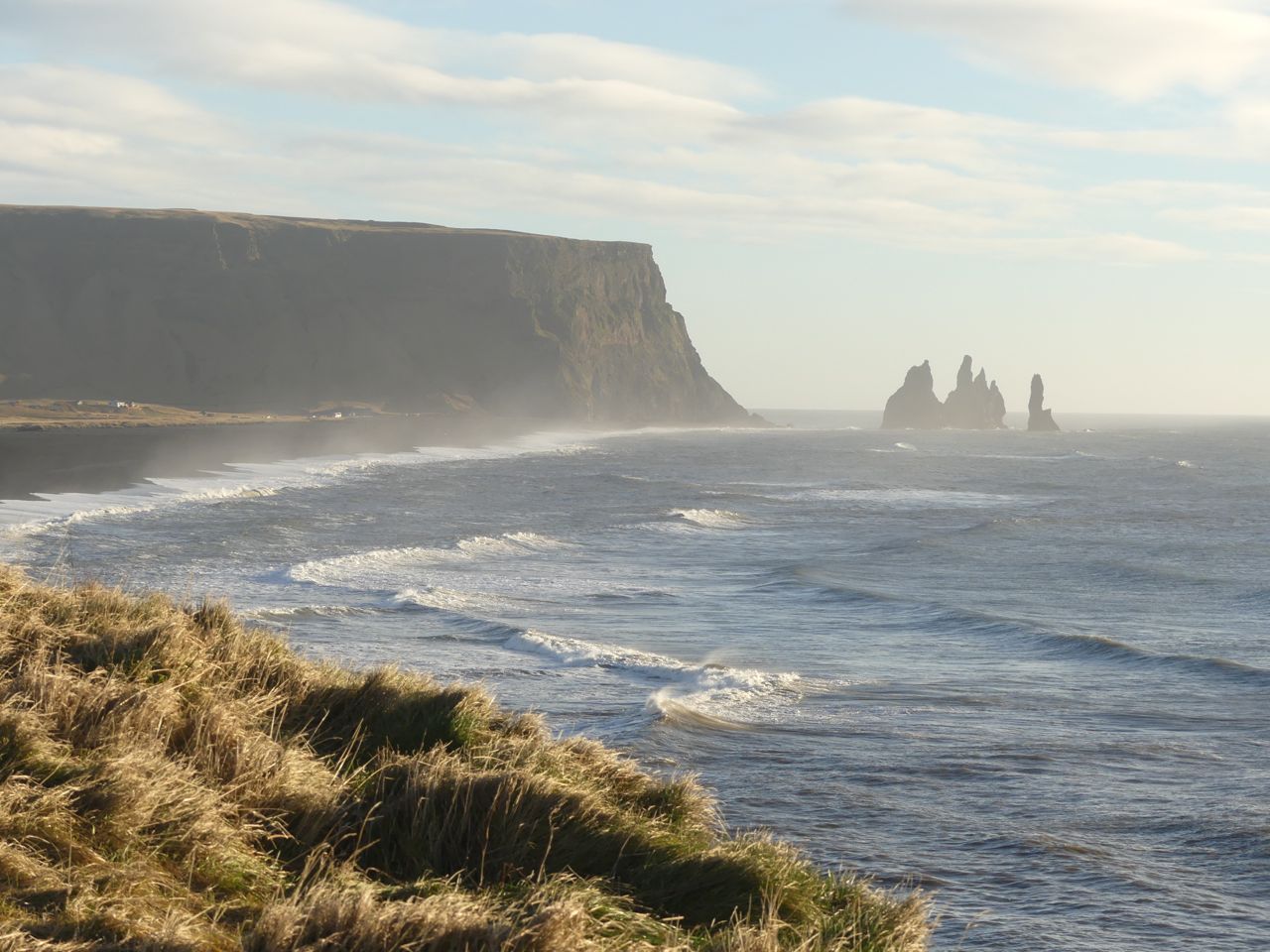
… into that place where the only difference between sea and sky is not made by land but by wind alone and the human capacity for being present in the wind.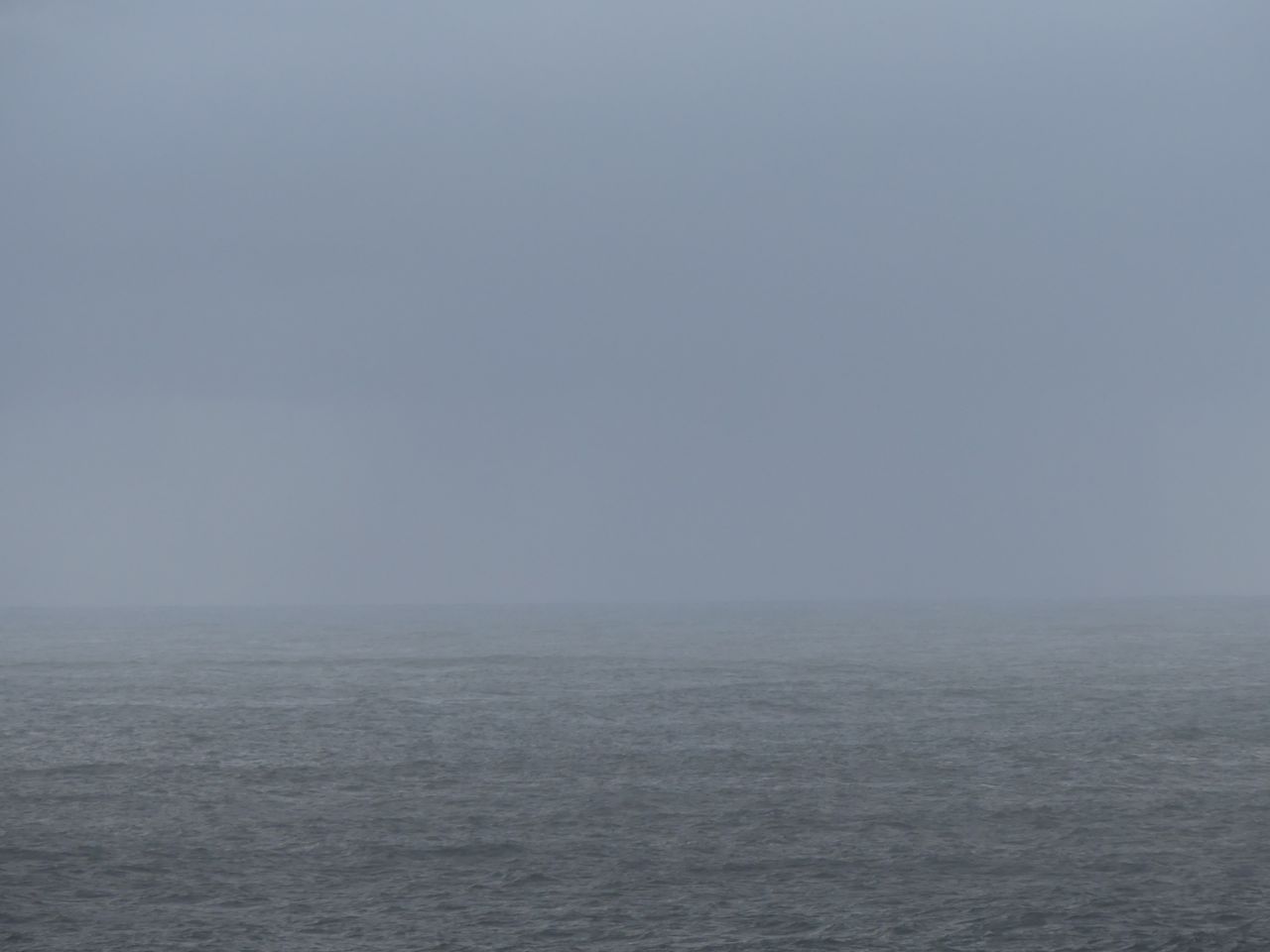
Here a man is wind. If you want to speak with him, you will find him there in the ruins of what can no longer be spoken: like a collection of Grecian marbles in the British Museum.
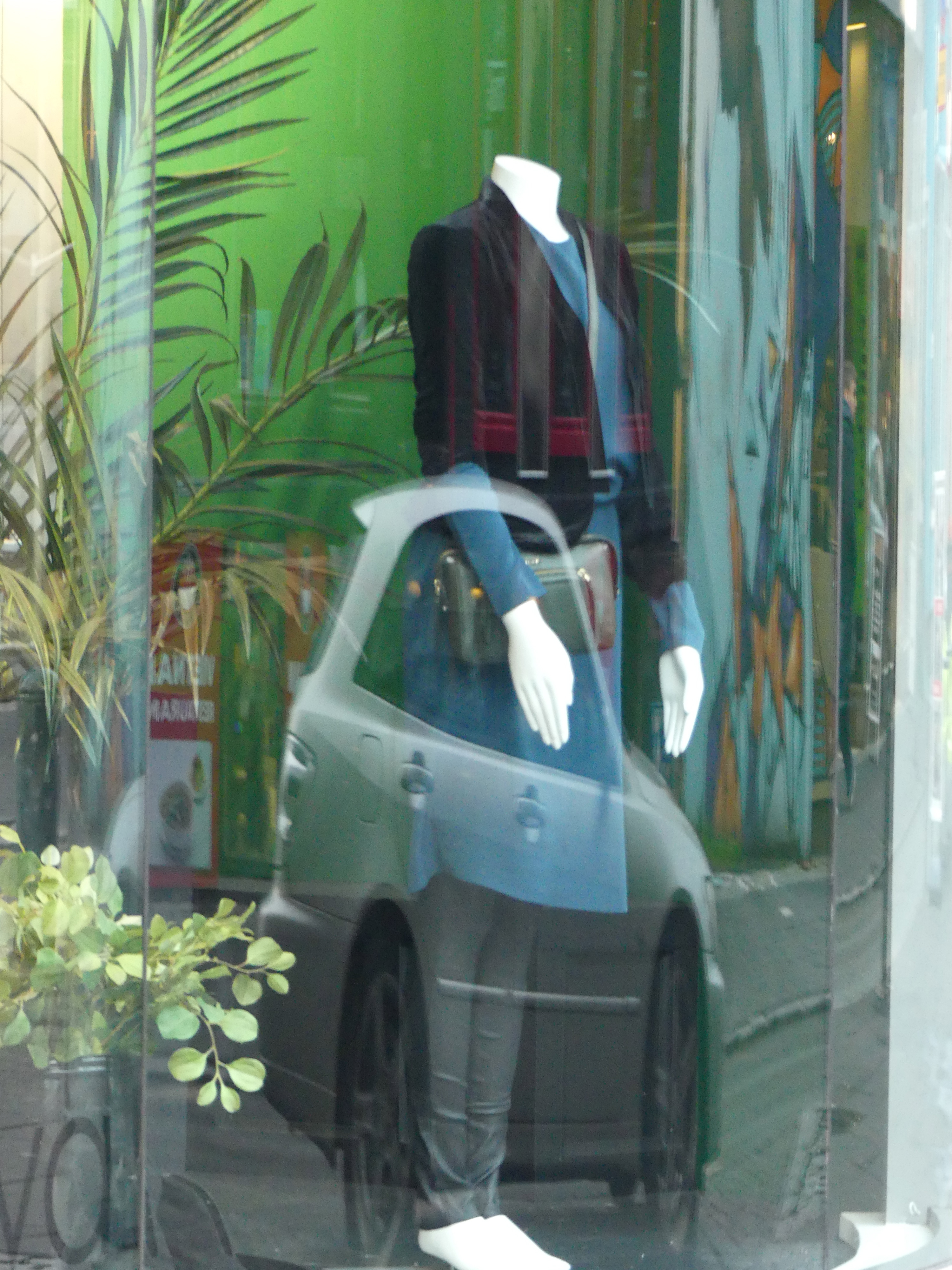 The image above and the image below are the same.
And again.
And again.

They are all books. Look at them shouting for attention.
There is, however, still a world.

It’s not what we think. Let us dare to use the old word again.

The one the eye sees before the mind.
 A Farm in Iceland