Author Archives: Harold Rhenisch

Unknown's avatar

About Harold Rhenisch

www.haroldrhenisch.com

Gunnar Gunnarsson, Double Agent: Part 1

Yesterday I mused on the origins of story in lines that cut across pools of presence. Part of the story was the human response to them, that brought them together into art. (If you missed it, you can track through it right here.) Today I’d like to talk about Gunnar Gunnarsson, and how some of those lines are circles, and that they too have a story. Now, circles are very special lines. They have no beginning or end, no directionality and can can extend from every point into every conceivable shape, as long as it has no beginning and end. Circles are eternal. Their boundaries separate into inner and outer representations of … what exactly? Ah, that’s Gunnar’s game. Here’s a circle:

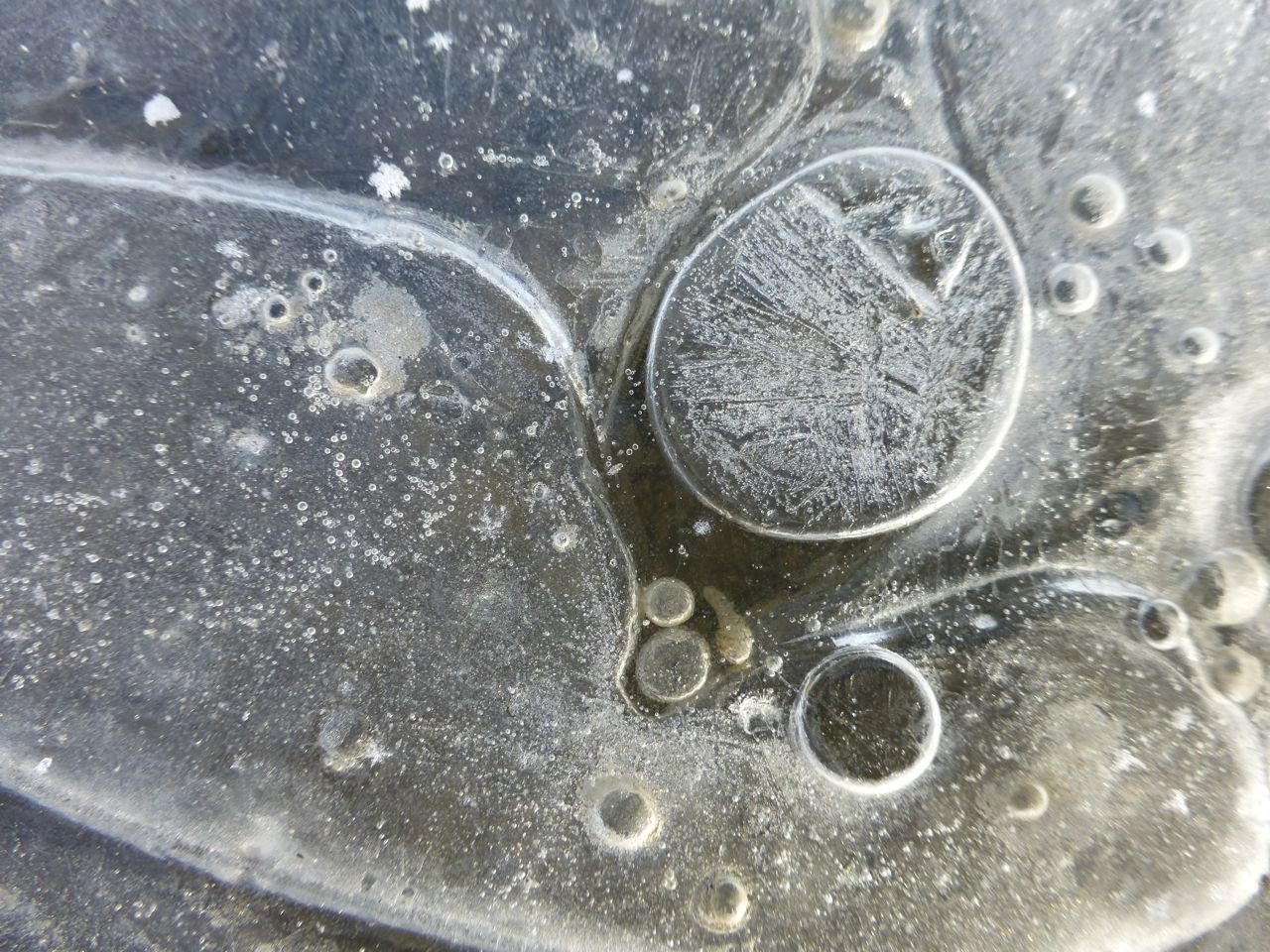
grassline21 Air Caught Within a Seasonal Icelandic Pond

Intersection of Highways 848 and 87

And here’s another:
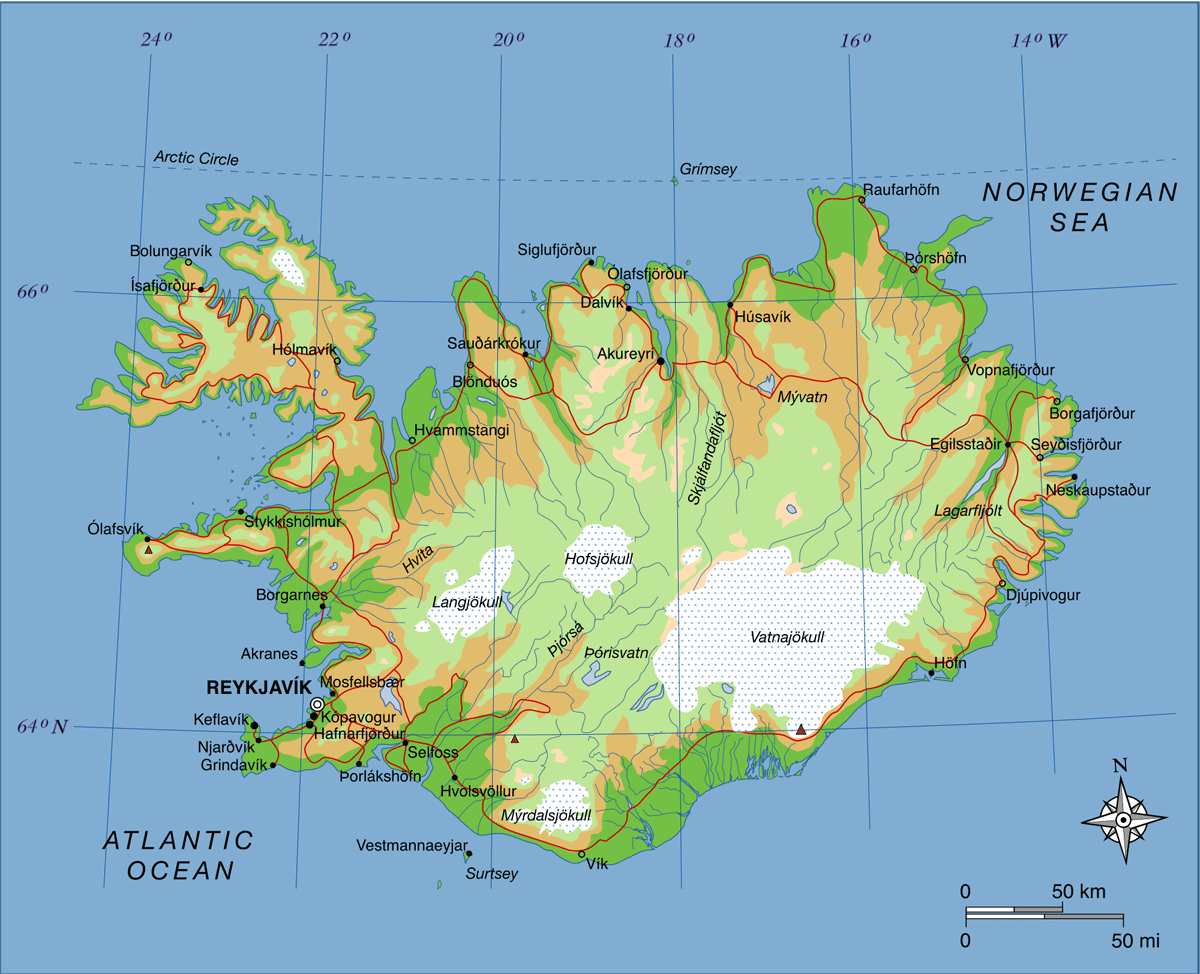
iceland-physical-map

Iceland (Source)

Well, almost a circle. Sort of. If you took off the scrunchy bits. It has a circle-like edge, at any rate. Here, this might be closer:

2maps

Three Maps of Iceland

Two for tourists and one in words to keep tourists away.

That’s a copy of the text “Unser Land” or “Our Land” that Gunnar read on his spring 1940 tour of 50 cities in Germany, immediately after the sod was laid on the roof of his house and just before the German invasion of Denmark and Norway. Here’s how Gunnar starts off:

It rises majestically out of the sea when approached from the water. It grips the heart like a heroic song, touched with eternity, sown with destiny. There is nothing small about its appearance.  Even though its face varies from place to place, it remains integral — a pure vision.

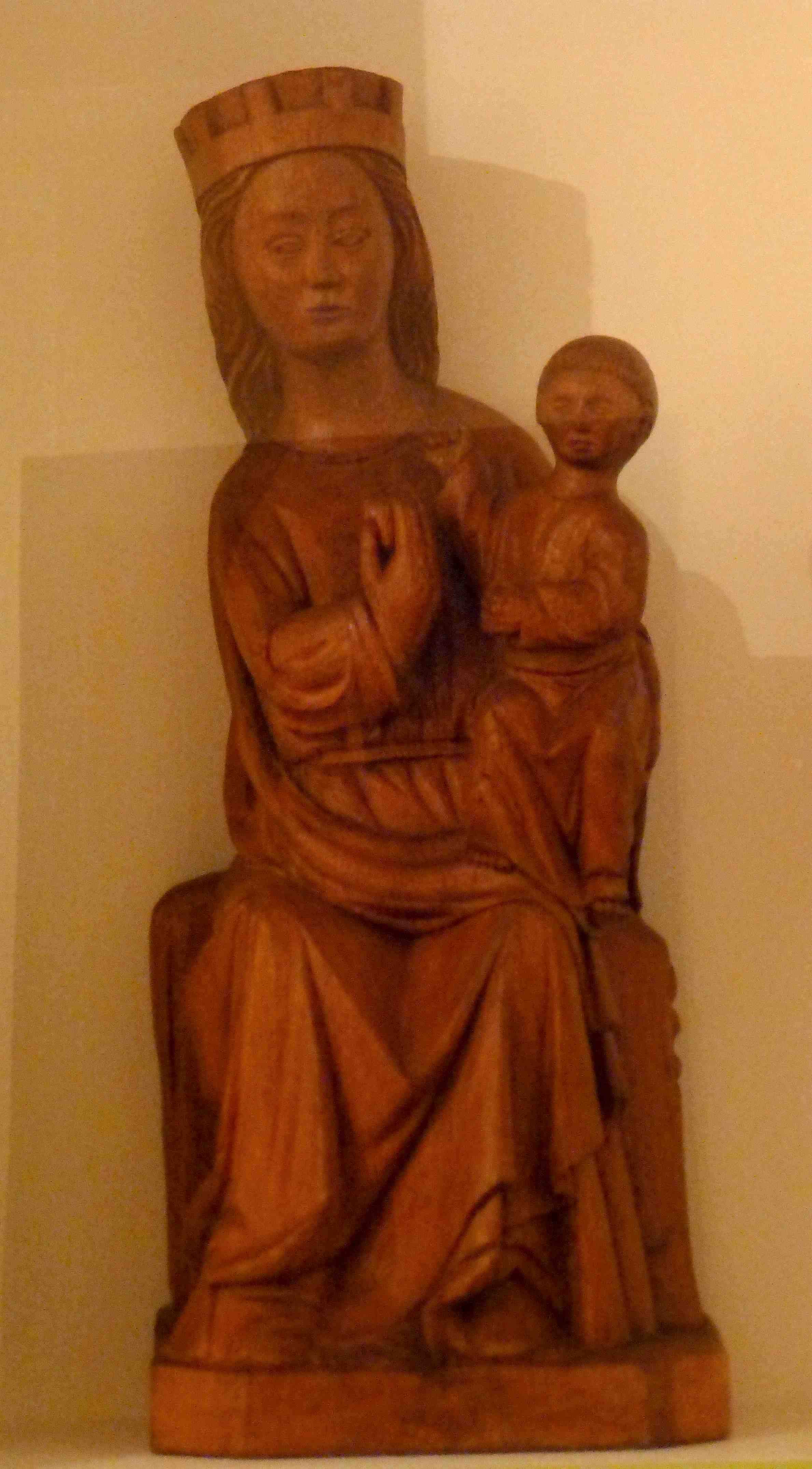
A pure (or untrammelled) vision? It’s like a shaman’s spirit stone or a statue of Mary with the Christ Child. Speaking of which, here’s one:
madonna2

The Skriðusklaustur Madonna…

… in her glass box, with reflected light, and looking very Icelandic indeed (replica).

By “pure vision” Gunnar had many things in mind, including nature in its rawest, least adapted, least, shall we say, artistically crafted, farmed, developed, urbanized or written version and the Madonna. Now, even if we accept that Gunnar idealized his mother and lost her at the age of eight, and then bought the farm next door some 45 years later and set up his writing desk where he could look up the valley and see that childhood, which he called the purest image of eternity, and even if we accept that Iceland, the land, is alive and represents human consciousness just as the consciousness of Icelanders represents the land (which, indeed, Gunnar argues in the latter part of his speech), and even if the madonna above comes from his farm in East Iceland, the Madonna and Iceland — or even Gunnar’s farm — just aren’t exactly the same thing. In his text, though, they are. The title gives us a clue as to what he means by that: “Our Land”. Whose land? Apart from raw, physical and spiritual nature, like this …

ice28here are some of the many possibilities:

ourlandThe Our Land Game

In playing this game, it’s good to remember that Gunnar was a showman and a businessman speaking to his main audience: the Germans, who had swarmed (to take a word from the German) to his books for decades. Indeed, they had done so to a whole genre of Nordic romances from Sweden, Norway and Iceland, that was fed, ultimately, into the German war machine. In other words, Gunnar was speaking to two audiences at the same time: Icelanders (himself, most specifically) and Germans who had a longing to get out of Middle Europe and to create a new centre of balance around the Baltic (somewhat removed from them by the Treaty of Versailles). If I’m right, he intended his text to be a cipher, read differently by both groups. The madonna was intended for the Germans. The pure nature for the romantics. The way of looking both ways at once, for himself. Himself, Gunnar was a boy from the fjords of East Iceland, a farm kid, from a long line of farmers. He remained so to the end. In the context of 1940, with German and Russian invasion of Poland a fait accompli and Germany reassertive along the south shore of the Baltic, “Our Land” meant several further things, which I will speak to over the following few days in this Easter season of death and rebirth, grace and forgiveness. One of them was “land to live upon,” a concept which was one of the cornerstones of Germany’s violent foreign policy, by which Germany sought to fulfill what it (or at least Hitler) saw as its “destiny” — another word that Gunnar carefully sows at the beginning of his speech. His audience would have been all ears. In my next post I will discuss the bearing this concept had on Jews and their culture and the horrific story of the Holocaust, but let’s be kind to ourselves. These things are hard and need their time and space to unfold. Until then, look at the world of Gunnar’s nature, islands of air, always different, always the same, and frozen into one picture of pure spiritual vision. Applying this boyhood observation of paradise to the divisive and self-devouring complexities of German political life in the 1930s might have been unwise on Gunnar’s part, but the boyhood observation is a thing of beauty…
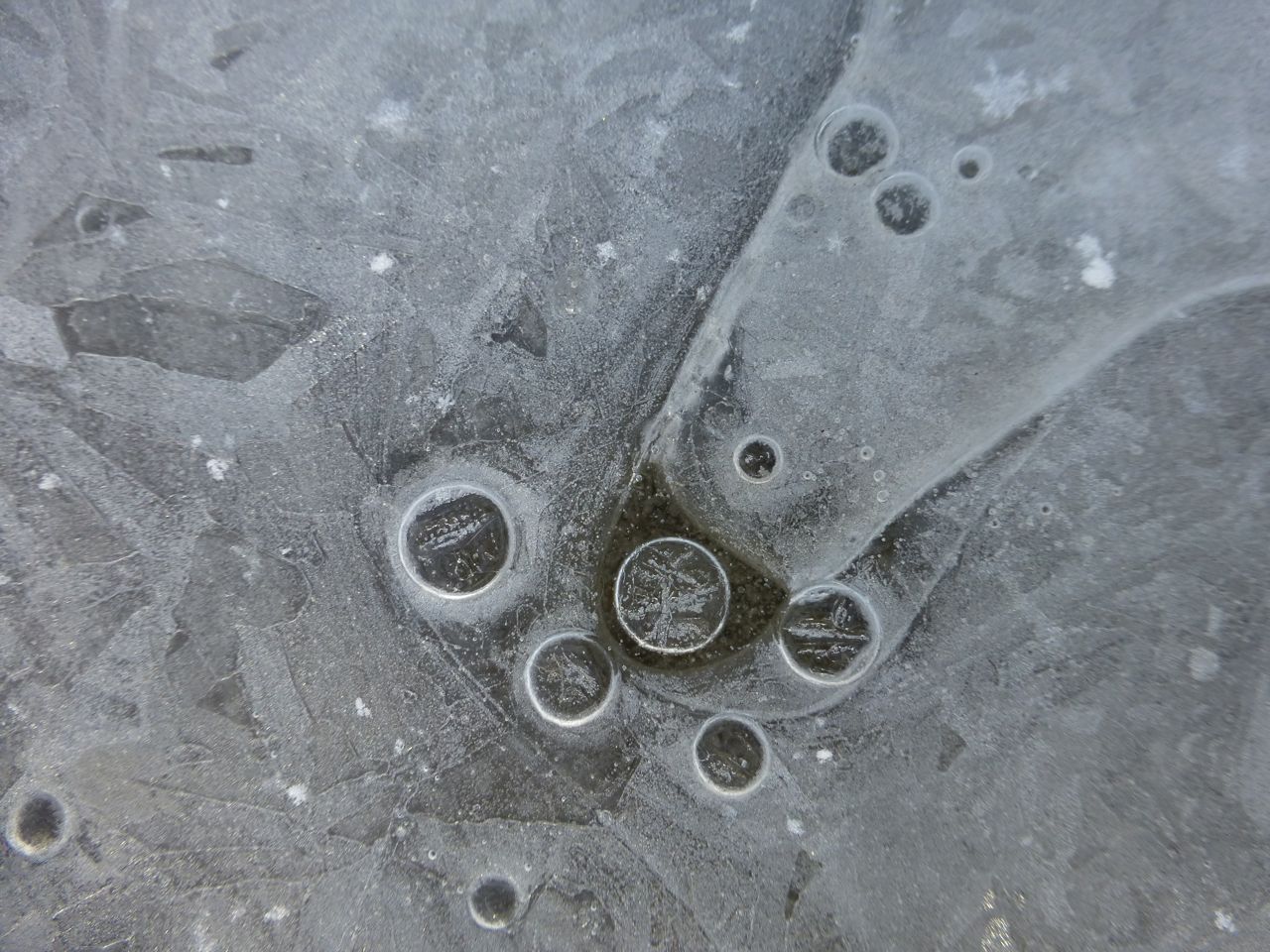
iceandlines51


The question is: what does one, as a man, make out of that? And that cross we will carry tomorrow.

The Sculptural Path to Story: an Icelandic Saga

Today, a meditation on lines, and the art and society that sprout from them, as a branch to this…

rowan2Gunnar Gunnarsson’s Rowan Tree, Skriðuklaustur, Iceland

Bending to the earth and throwing her branches into the sky. To say that these branches and twigs were hair, or a mane, or arms and fingers would be a kenning, or a skaldic pun. She has her own dignity, though, I’d say. After all, rowans are sacred to the Goddess. Their red berries glow like drops of blood in the snow, or, if you wish, the strawberry coloured lips of the Goddess of the English celts, or, if your mind wanders so far, to the lips of your first love, or your deepest. They are also a symbol of Icelandic nationalism.

Yesterday I started this meditation by talking about elves, to suggest that the earth is very much alive with human imagination, and not in a fantastical way, either. If you missed that, it’s here. Today, I’d like to talk about lines, to show how story rises from that same imagination. A couple weeks ago, I introduced this thought on my Canadian blog, Okanaganokanogan.com, with a thought from the sculptor and painter Ken Blackburn, that all writing and imagery, indeed all artistic culture, begins with a line. Here’s that post, if you’d like to see Ken and his strawberry-coloured raven. I’ve had many joyful arguments with Ken. He represented lines with panache. I argued for knots, deep wells, pools and other points of intersection between worlds. Well, look, maybe we were both right:

bubbleline1Icelandic Pool with Line, Skutustaðir
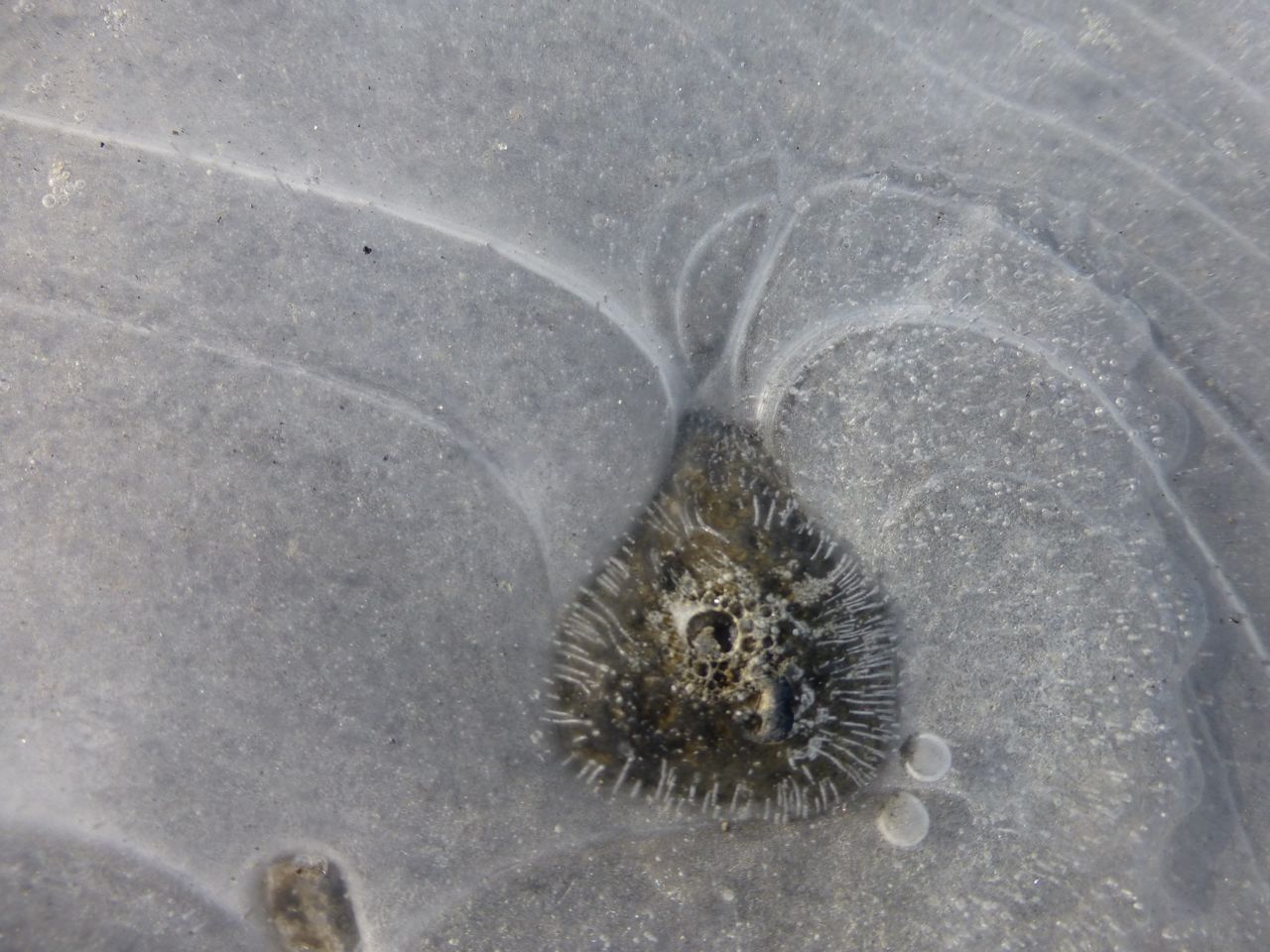
If you take the line away, you have a field, but no story.

I learned the skills for that kind of erasure by pruning fruit trees by starlight (I do not exaggerate) in the German Nordic Canadian dream that was my childhood, and learned to adapt it to the crafting of objects made out of words, which I thought for decades was writing, although it was really a form of sculpture. The addition of a line to a field, however complex, creates a tension, which human minds, structured to track game across grass and sand and to recognize the nuance and significance of the tiniest of plant forms and deviations, naturally follow. In terms of the craft which I track as a sculptor and many others lay down somewhat differently as trail makers, or writers, this is the root of story.

lakeelvesandice16

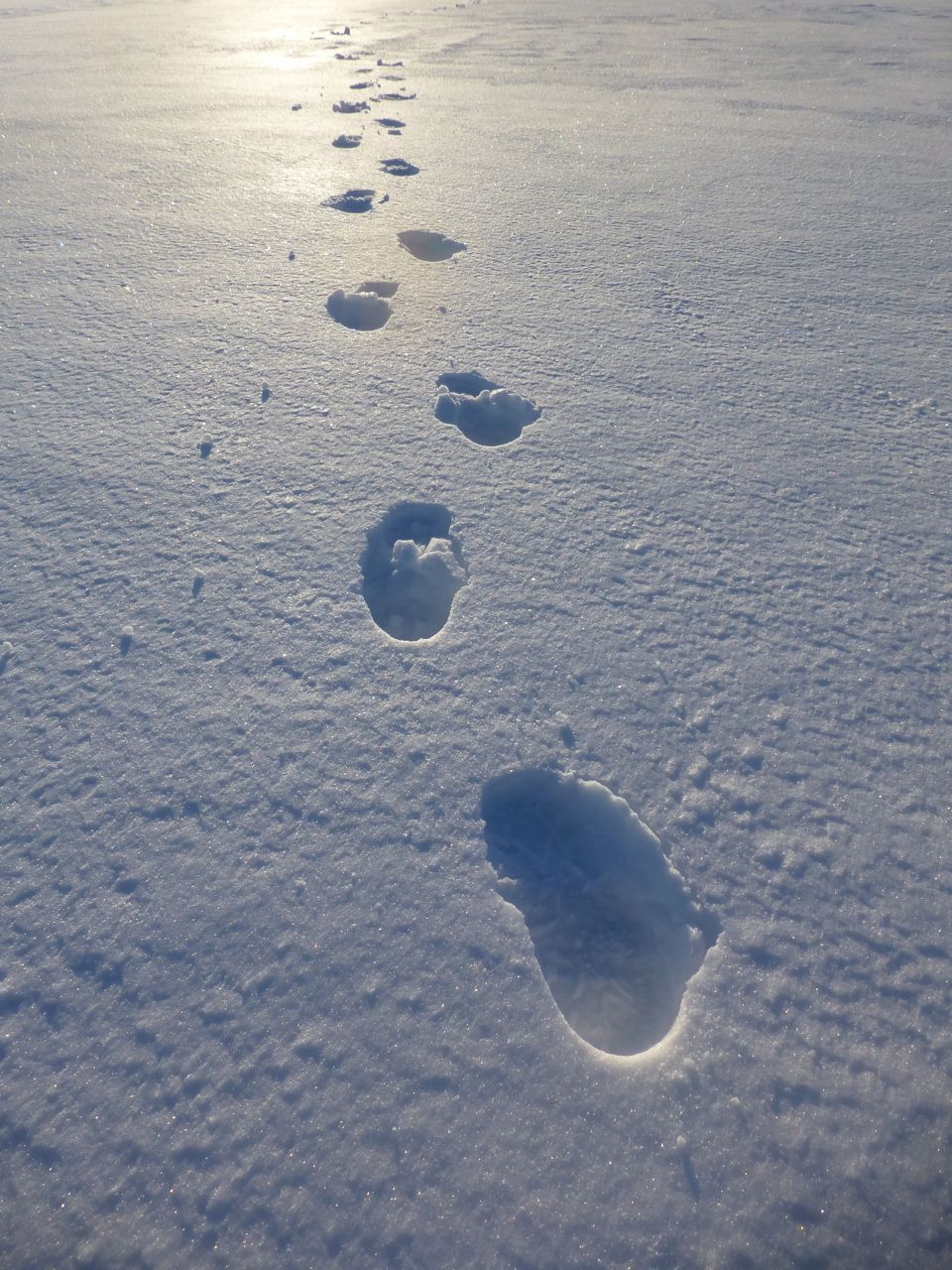
Footsteps on Lake Mývatn, Iceland

With the late afternoon sun rolling around on the horizon, like an eye. A writer looks forward here, into empty snow. A sculptor looks back into its story.

Before the line, there is indeed a pool (or a lake, a pond, a puddle, a sky, a moon, a well, a field, a face, or a room, and so on). It is endlessly fascinating but engages only one half of the split human mind. In storytelling, this is called a situation. To create story out of a situation, there must be two characters, who exchange powers at a point of transfer. That point of interchange transforms them.

ice16

Lines of Cosmic Energy Entering and Departing a Vortex …

… or rising from it. Driveway Puddle in the Early Morning, Skutustaðir
This kind of tension (and this unresolvable paradox), will continue to generate story as long as humans last on earth. This ability to read story into the earth’s processes is the signature of humans. It is the same tension that creates a poem within the boundaries of metre, or the balance that humans call beauty, which is a coming together in complex relationship to lines…

Lineice2

Beauty

Driveway Puddle at 9:30 a.m. on a March Morning, Skutustaðir

Lines, of course, don’t always have to be simple. The one above, for instance, was taken while men with orange vests were fussing over the lone gas pump a few metres away, a woman was driving around crouching me on her way to take her kids to school, and the hotel cook was banging the snow off his boots after sucking the fire out of his morning cigarette before work. Lines, or story, shall we say, can be as complex as this…

energy21

… or this …

ice28

… or this …

iceandlines09

… or this (you can probably surmise that a number of people had to drive around excited me) …

iceandlines44

… or this…

redhorse

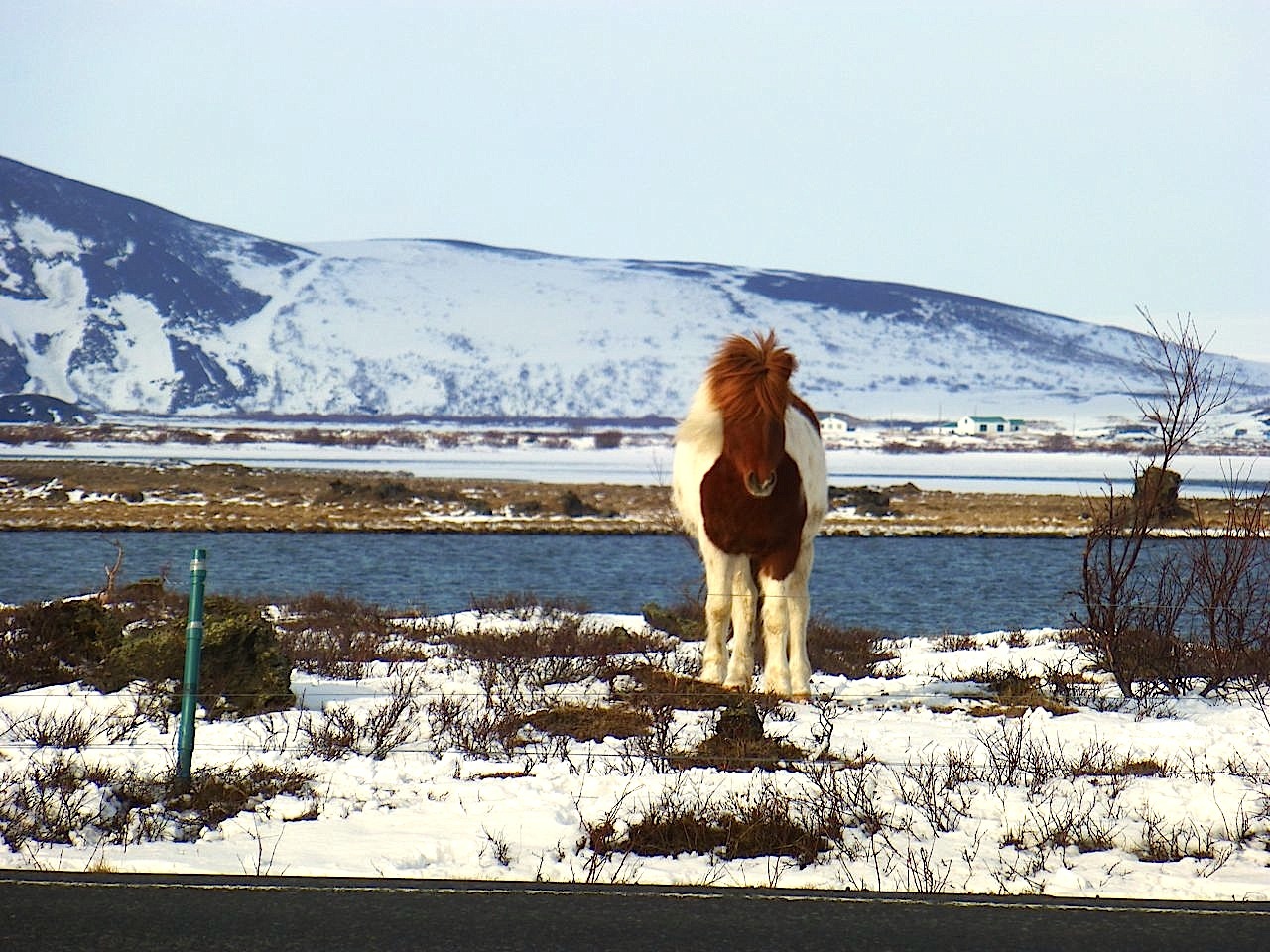
Icelandic Horse Held in Its Field by a Line of Human Will …

… and continually at tension, between running free and being led (and fed). Notice the line in the foreground that humans have built in order to move past at speed, without stopping.

Sculptors stop. They get out of their narratives and find their stories telling themselves. The imagination that reads the human body into the sculptural forms of the land, also reads, and indeed creates, story, not as narrative but as something complete and whole in the world, that one can follow without moving at all. Pretty beautiful, I’d say. What does all this have to do with Gunnar Gunnarsson? Ah, I was getting to that. That is where you’ll find me tomorrow: in that story.

Elves and Men in Iceland

In his Book Livet’s Strand (The Shore of Life), written in 1915 during the height of the Great War that destroyed Western Civilization and left us all trying to make sense of the ruins, Gunnar Gunnarsson explored the idea (to heartbreaking length) that the earth is a shore on which life crashes again and again and again. On this shore, life is rescued and lost, celebrated and lost again, and in the end only endured. Today, 98 years later, I’d like to rescue that earth from this apocalyptic image — without denying its truth and the very real anguish which gave birth to it. To set the scene, two posts ago I gave this image of the living sea in the Skaga Fjord, in which I suggested that the sea was life itself and all other life is only a replication of it …

aliveThe Greenland Sea

Very much alive in Skagafjörður

Today I’d like to modify Gunnar’s rather black and white statement with the observation that the land has its own life. For evidence of it, a journey to Skudustaðir on Myvatn (The Lake of the Midges), is well advised. There is life within the stone there — life intimately connected with human consciousness, too. Here, for example …

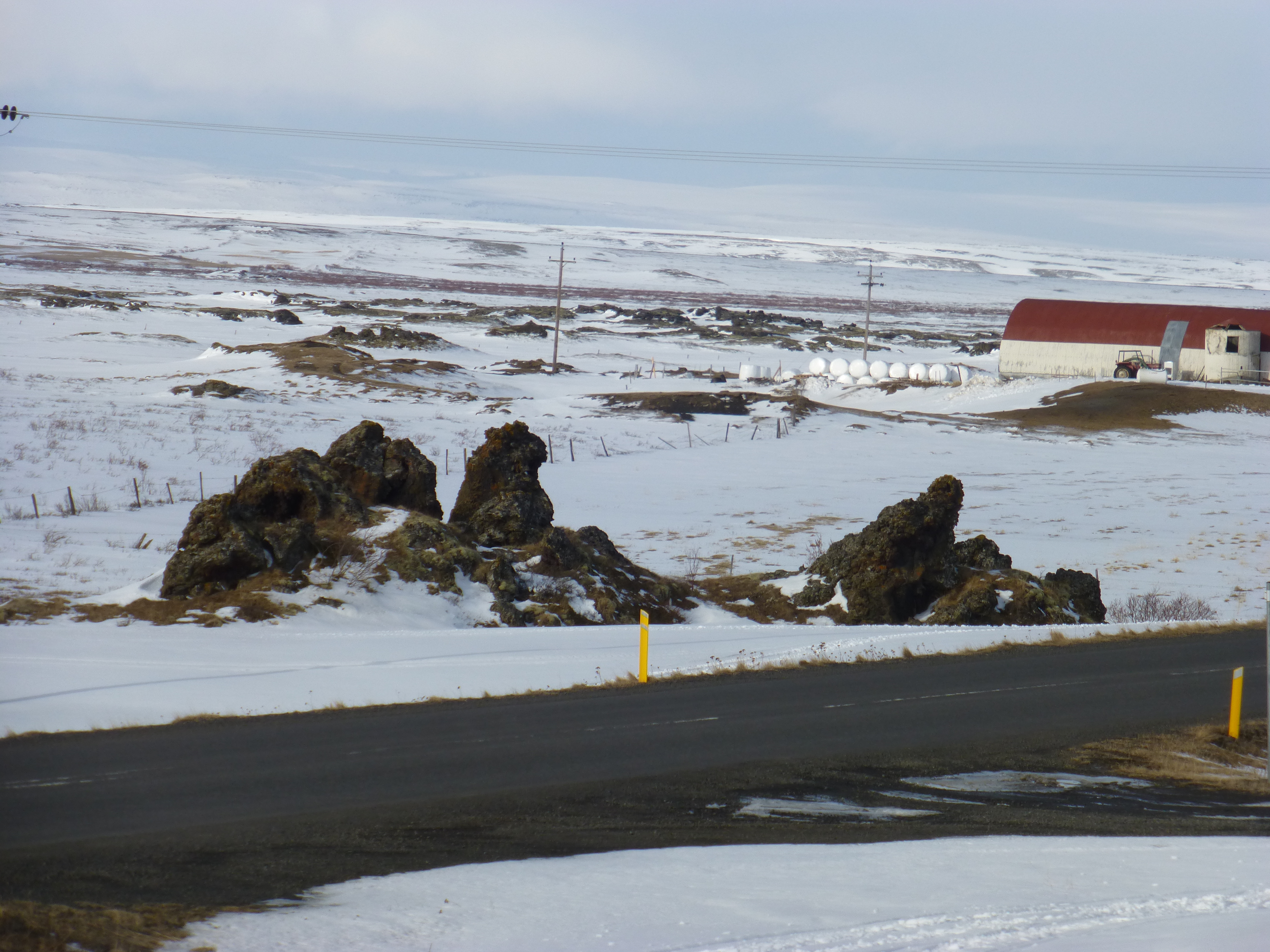
P1320873House and Barn

That’s Elf House and Human Barn, actually, and the road going north and south. Folk wisdom holds that elves are more beautiful than people and reveal themselves only when they wish. No argument there.

Sure, Tolkein dreamed of his elves and so did the Victorian fabulists, but these are not those elves. Those ones are social and linguistic constructs and physical animations rising from the literalism of Christian civilization. I have deep respect for Christian tradition, but would like to show that in the North it has a very specific and illuminating context. These “elves” or “other people” are bodily perceptions that humans brought here from older continental traditions stretching back into the deep stone age. Here’s some charmed rock …

innerelves

The Other World

Or, to give life to an old phrase that now is a name for bedrock: the living rock. It is not a metaphor, but neither is it one of Tolkein’s stories.

There is, for one thing, a world within the rock, with faces frozen into stone. Now, I will be following up on those faces in the next few days, but today I’m laying down words about the rock as the sculpture that it is …

elfin5

Rock Entrails in Skutustaðir

Open up a human body and you get much the same thing.

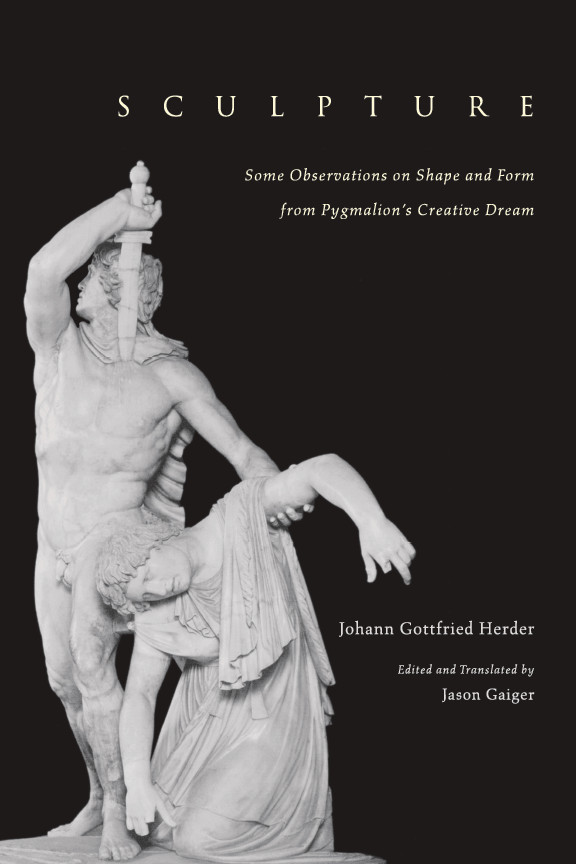
In the 18th Century, the German philosopher Johann Gottfried Herder wrote a vital book on aesthetics that shows light on this kind of art. It has been impeccably translated in a new edition from the University of Chicago.

978-0-226-32755-6-frontcover

The Publisher’s Page on this Book is Here.

In this book, Herder argues that sculpture is a representation of the human body, seen at the intersection of time and space — that three-dimensionality is just this intersection. Intriguingly, to observe this form of mirror, a human must walk around the sculpture, to see it unfold in time. It is a way of movement that anyone knows who has gone walking in the hills and seen their story unfold with each footstep, and sensed them moving behind one’s back. And what does a human see when his or her body is glimpsed within the earth, rather than within the sea, or on Gunnar’s shore?

elfin4Elves in the Their Kingdom

One also sees their sheep…

elfinElvin Ram

These effects are not just observable in the intestines of the stone, mind you. Even the surface stone, it’s skin, the shape it takes on exposure to the sun and human sight, is alive …

elfin6Elvin Sheep Skull with A Halo of LIchen

What do I mean by “alive” in this context? I mean that the stone has the power to cast forth shapes within the observing mind. It is a kind of template. The mind I’m talking about is a point of intersection between humans, earth …

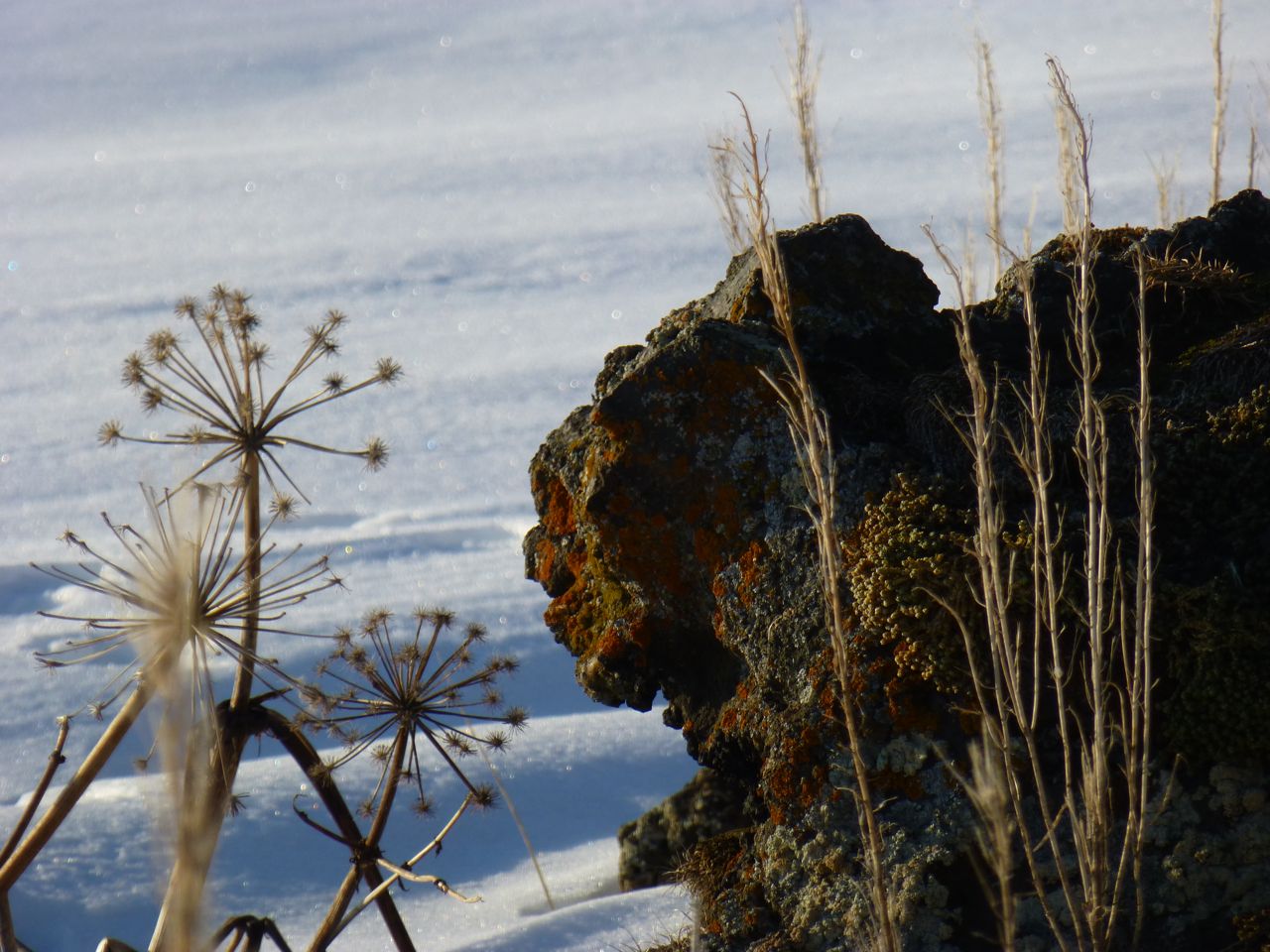
lakeelves1 Lake Elf in the Spring Sun

Skutustaðir, Iceland

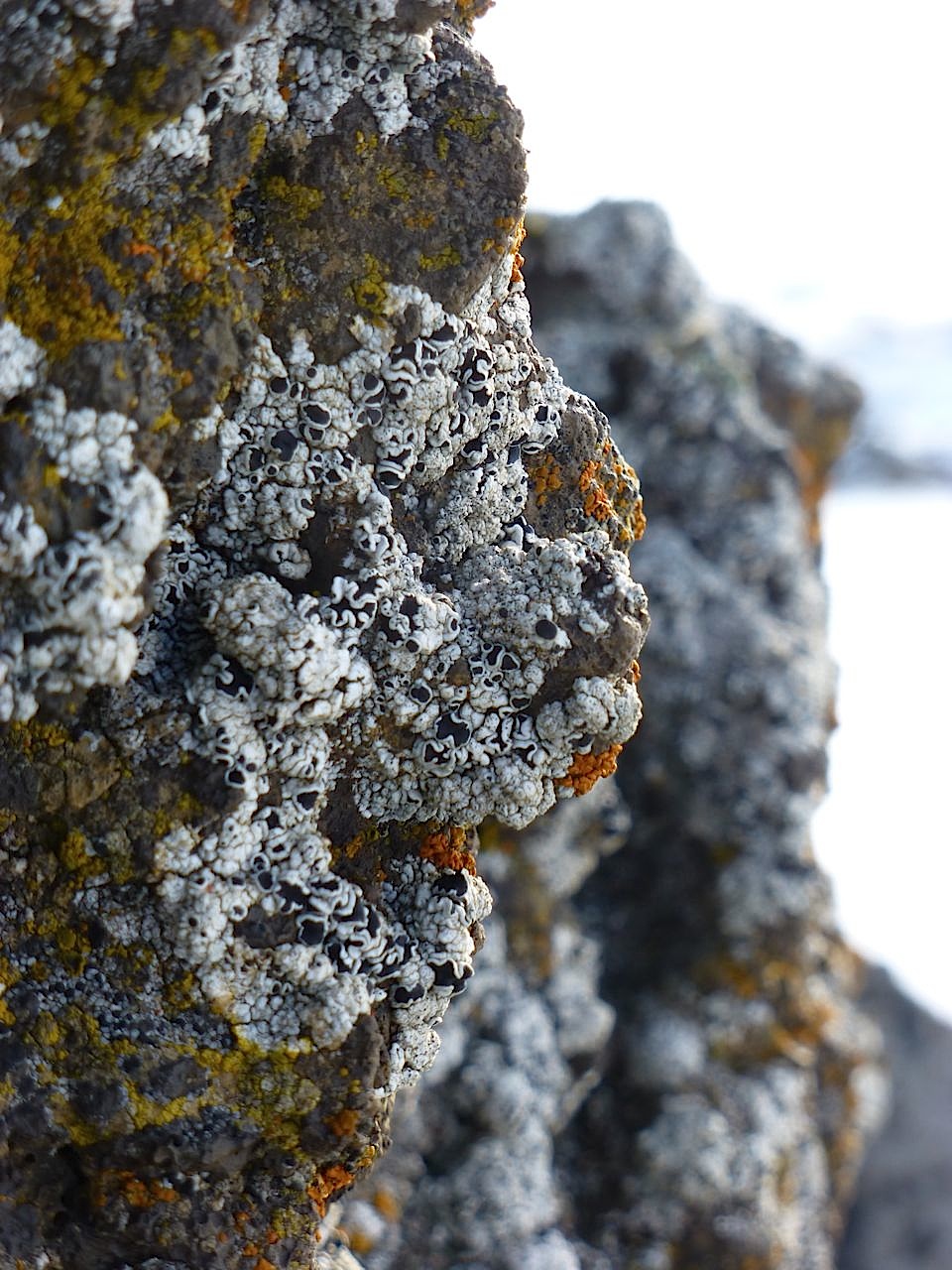
 … and with other wanderers from the sea, like these lichens …

head2Lake Elf with Jewels of Lichen

The orange lichen blooms in the faeces of birds. Cool!

Even more dramatically …

elfsnow2Lake Elf Replicated in Lichen

Sometimes the patterns laid down by the stone allow for these type of human readings to rise directly from the lichens themselves, as the stone is read in time …

elflichen3Lichen Elf

Skutustaðir, Iceland

This is the way the human mind reads the earth. In contemporary terms, ‘reading’ refers to decoding marks on paper, which spell out words, which encapsulate ideas and signify the things of the world, all coloured by human “spells”, traditions, conventions, and cognitive biases. Reading the earth operates on the same principle, with the difference that it came long before spells and words, and is a way of “reading” or participating in the earth with the body, rather than with the mind. Gunnar’s anguish during the Great War was that the link to God had been lost, and that God cared nothing for his people, and was remorseless — as remorseless as nature. That is, in itself, a very modern reading, but in no way does it negate the physical context in which it stands, in which humans stand upon and within the earth, bring forth children upon it, and tell this most ancient story, not of earth as a shore of death on which life, or God, shall we say, crashes and breaks again and again like waves of untrained and disastrously led soldiers marching into the machine guns of the Somme, but is alive. Who are the other people? The question is absurd. They are our selves, built upon the forms of the earth, continually springing to life, indominatable, and enduring.

elfsnow

Tomorrow I will continue this discussion by extending it into the forms of human sight, the line, and the basics of art. Now, I’m going out to walk among the horses of Iceland. Bless bless!

Home in Skriðuklaustur

The residency begins. Gunnar Gunnarson was there to greet me. The tree growing out of his head, that’s my wish for growth and spirit here. gunnarGunnar Gunnarson at Skriðuklaustur

Gunnar came here when there was nowhere else to go but to go back home. It was 1939. The war he had dreaded was on the horizon, and some of its shadow stuck to him. He resolved to go back farming.

reddoor

Skriðuklaustur Chicken Coop

The farming didn’t pan out all that well. My father and grandfather came to Canada from Germany with the same dream, and under very similar pressures, one after the first half of the Twentieth Century War and one after the second half of it. I am the dream they made, and so when I see things like this …

rustMy Father’s and Grandfather’s Tools at the Top of the World

The remains of Gunnar’s dream, Skriðuklaustur

… I know it is time to roll up my sleeves and get back farming. Tomorrow my work at Skriðuklaustur begins. I intend to farm here, but in words, and at a very deep level. Look for my discussion of the life in rock, as the first words from this new and old ground. It feels great here. I am here to honour Gunnar and my own ancestors, and to bring their stories together in the living ground of words. As I came close to the Klaustur, this is who saw me first …

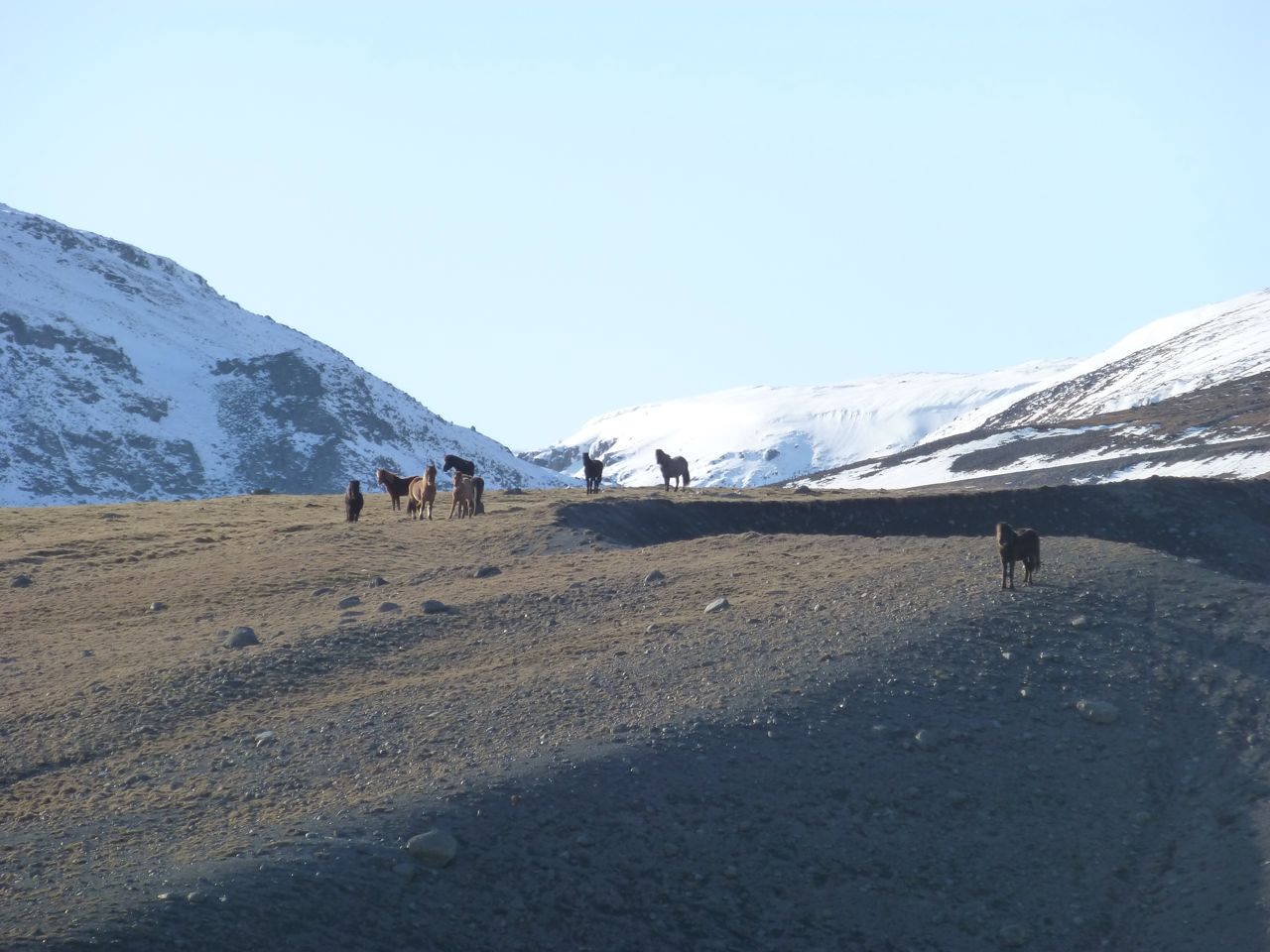
horsesHorses in Fljotsdalur

What a great welcome!

The Sea is A Living Thing

aliveMeeting Life Itself, Skagafjörður

All the rest? The trees, the horses, the humans, the cod, the arctic terns, the chickens? They are all carrying a replica of life within them, but the sea is life itself. Instead of saying “life”, we could just say “sea”. And the land? Ah, now, now that is a story of humans and other people. I’ll tell it tomorrow. Here’s a hint to haunt your dreams while the night falls and the sun rises again …

e1Elf Stone, Goðafoss


The Architecture of Souls

If you look at mountains on a human scale, they have presence.

blue22Volcanic Glass, Skjaldsvik, Iceland

If you look at mountains on the scale of a mountain, they have presence.

mtn2

Mountain in Late Afternoon, Skagafjörður, Iceland

If you look at mountains from a cultural point of view (in this case, Nordic mythology), they have presence…

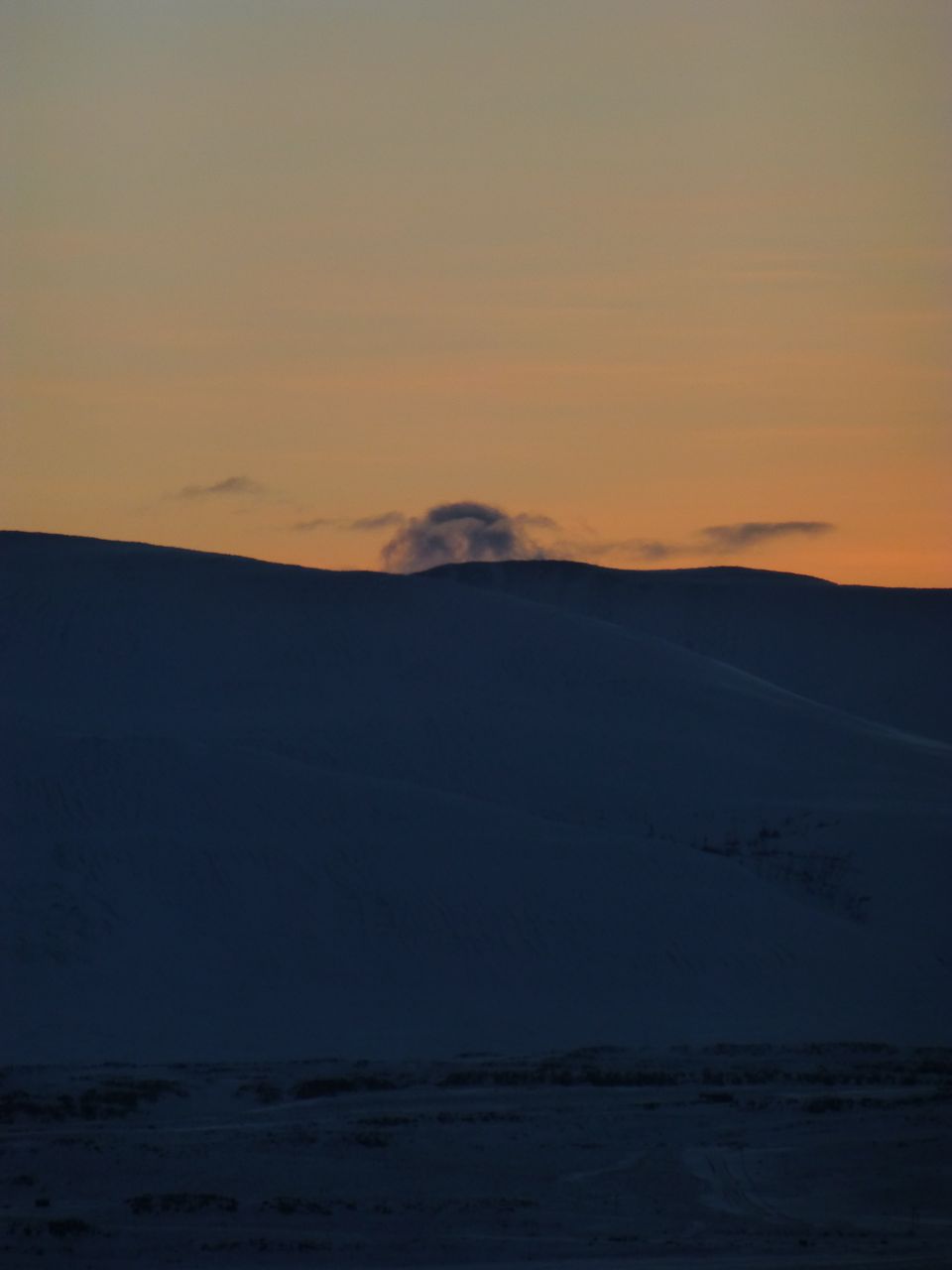
sunset

Spring Sunset, Skagafjörður

In this case, story unfolds in time, as the earth turns from the sun, which is just below the ridgeline. Here is the same mountain a couple minutes later …sunset2

Spring Sunset, Skagafjörður

And a half hour later, when the sun is behind the shoulder of the Arctic Ocean?

sunset4

Spring Sunset, Skagafjörður

The story continues through the northern lights at night, and on into the next day. Light is writing on stone and ice. If the mountains are viewed through Christian eyes, perhaps this is the spot for the centre of Christian life in Iceland.

holar2Holar in the Distance

The Heart of Christian Iceland, Skagafjörður

If you’re thinking of print making or writing, you might as well think big. When your technology is the earth itself, it’s easy to think of the architecture of souls.

Salt Lithography

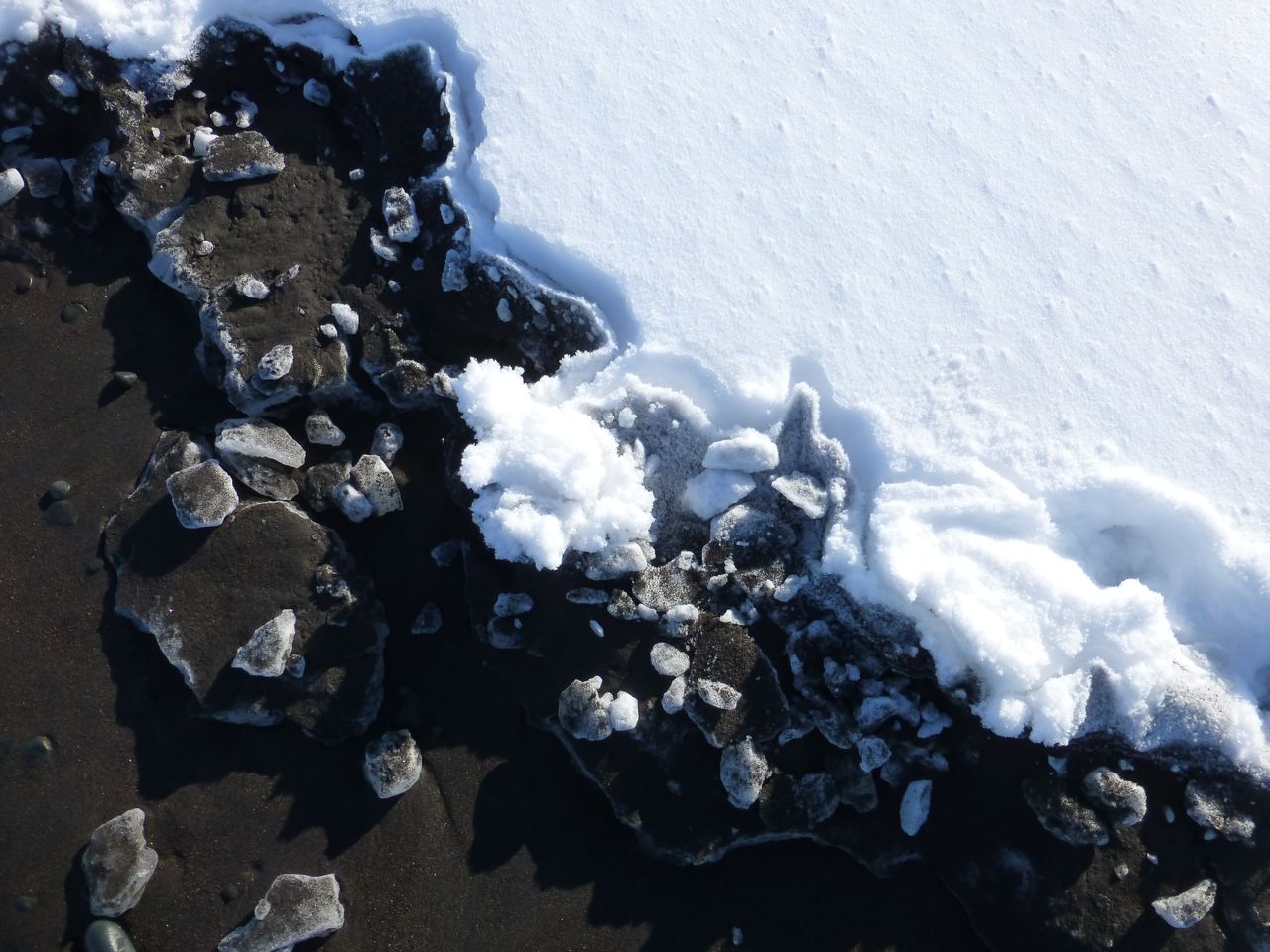
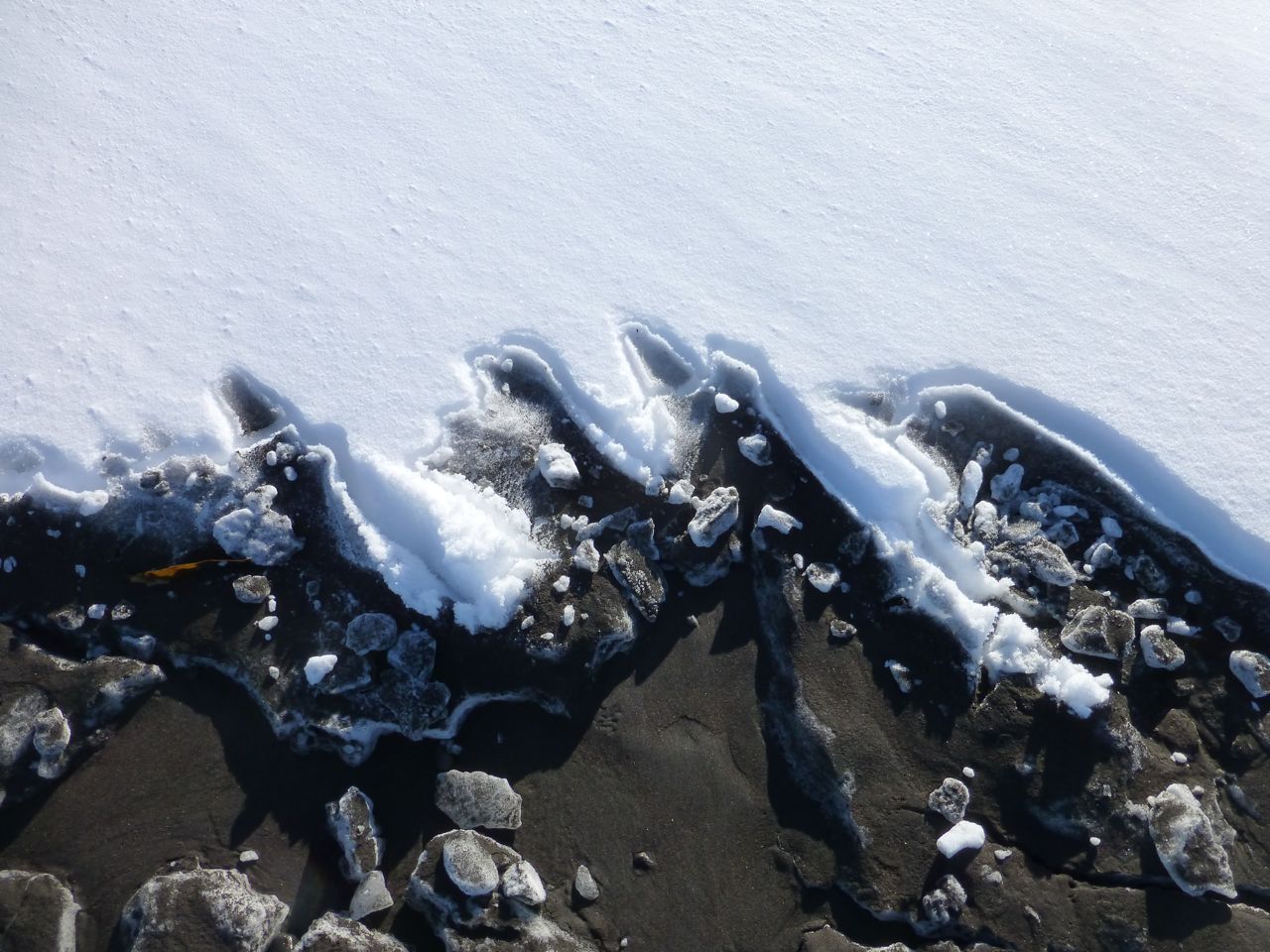
Here’s another variation on lithography from Iceland. This is one that the sea writes upon the snow, with the land (in this case ground volcanic basalt). I found these transitory prints written in a heavy spring snowfall as the tide was coming in at Sauðarkrokur in the Skaga Fjord.s3


I see the beginnings of a language here, and here …


s2


Contemporary artists search for the lack of signification, yet this is the universe …


s1


It’s just that it’s not a humanist meaning. Look at how the snow erupts in volcanoes when pressured from the sides! Stunning.

Next: A Language of Light and Shadow from Hofstaðir

Painting with Ice

The Icelandic artist Páll Guðmundsson of Húsafell does a lot of work with rock. Sometimes he makes faces on boulders and scatters them in streams, where they look a lot like the boulders with natural faces that are already scattered there. It is like adding extra cards to a deck, and makes life a worthwhile adventure. On December 1st, 2008, however, the Church of Reykholt, Iceland, put on a display of prints of St. Cecilia, which Páll created by painting ice with images with pigments made of ground local stone, then allowing the ice to print them onto paper as it melted. They are inscribed with poems by Thor Vilhjálmsson. Here is one…  

cecilia

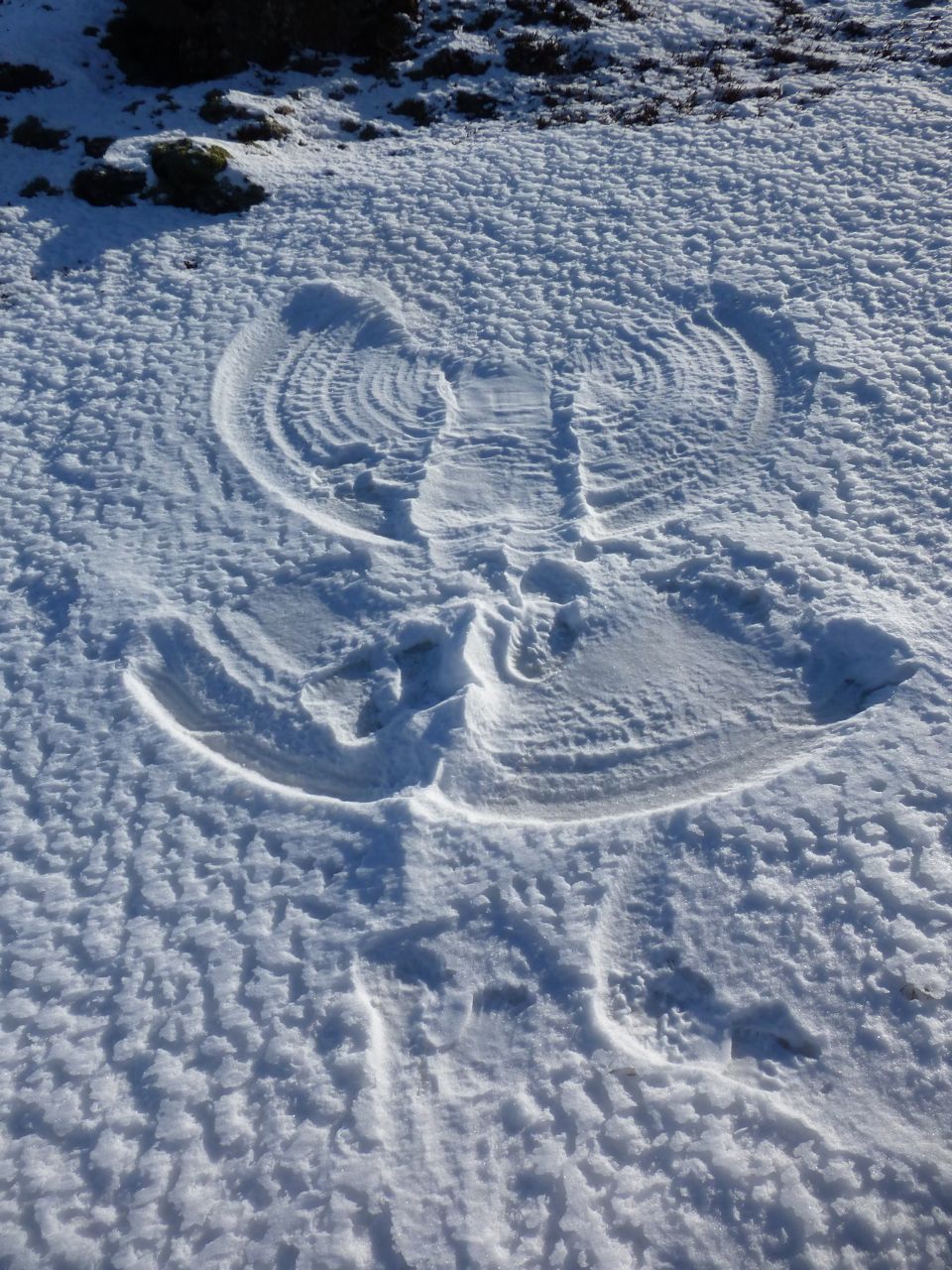
What an inspiring transformation of the art of lithography! Páll is not the only artist in Iceland playing around with the interface between faith, ice and stone. Here’s a spontaneous piece of folk art I found at the sheep fold on the cinder cone, Grabrok …P1280259The angels are among us. Good to know.

Next: snow meets the sea at Sauðarkrokur.

The Language of ice

Gunnar Gunnarsson’s published a fascinating ghost story called Vikivaki in 1932. Iceland is still writing them. Take a look…

P1260997

Ghosts, Öxarárfoss, Iceland

What’s a ghost? Why, something that’s neither dead nor alive and which brings a message from deep within your story.

As for people, they’re writing something else. Here’s what visitors to Iceland write upon the body of the land when they visit:

P1260717Troll People, Þingvellir

They just have to leave a record of themselves, it seems, using whatever is at hand.

For people who live within a landscape, language comes from the land, the water, the light and the air. Here’s a piece of just such a language from Iceland:

P1270050

Language Beginning, Öxarárfoss, Iceland

Forget about cuneiform and Linear B and language starting with bird tracks in sand. There is another way. Forget about writing for purely human audience and deferring the environmental costs of turning from the earth until the future. That future is now.

P1270135

Language Beginning as Art, Öxarárfoss, Iceland

Compare that to the lines in this stained glass window from the church in Reykholt, West Iceland:

window

Mary, The Christ Child, and Three Angels

Reykholt

Iceland is a country in which Christianity is uniquely bound to the soil. Unsurprisingly, Gunnar’s ghosts are a surprisingly devout bunch, called forth in a moment of nationalist zeal. This is one lesson I’m going to happily take home to Canada in 6 weeks. Sometimes the hidden people of a country can be the people themselves.

Next: I will explore these ideas further by discussing an Icelandic artist who paints with ice.

Rebirth in the Trees

Every Western church has a window much like this …

P1270834

Christ Risen

This is a window painted with the art of the mind. Reykholt Church Altar, Iceland

Not many churches, though, have this for a view while you’re sitting in a pew …

P1270831
Church Window, Reykholt, Iceland

The other cross.

Imagine if a people had cut down all their trees to stay warm in the cold, until the poets came along and started planting trees again, until memory was a live and growing year by year, and you could walk through it. Imagine a people who found their liberty in this way, rather than by war or revolution: by planting trees. Well, it’s the kind of country that might build a road like this…

P1270659

If You’re Going to Go Through All the Trouble of Building a Road …

… you might has well have it lead somewhere.

Putting towns at the ends of roads is so expensive. There are other places people need to go. Even Gunnar Gunnarsson found his way home.