Author Archives: Harold Rhenisch

Unknown's avatar

About Harold Rhenisch

www.haroldrhenisch.com

White Iceland

The Iceland the Icelanders send you to on the bus is magical. 

Seljalandsfoss

So is the one they live in, across the road.

One has water blowing in the wind. One has volcanic ash blowing in the wind. These are the big choices. Hmm. OK, also the Atlantic Ocean blowing in the wind.

Snaefelsnes

And, right, fog and rain blowing in the wind.
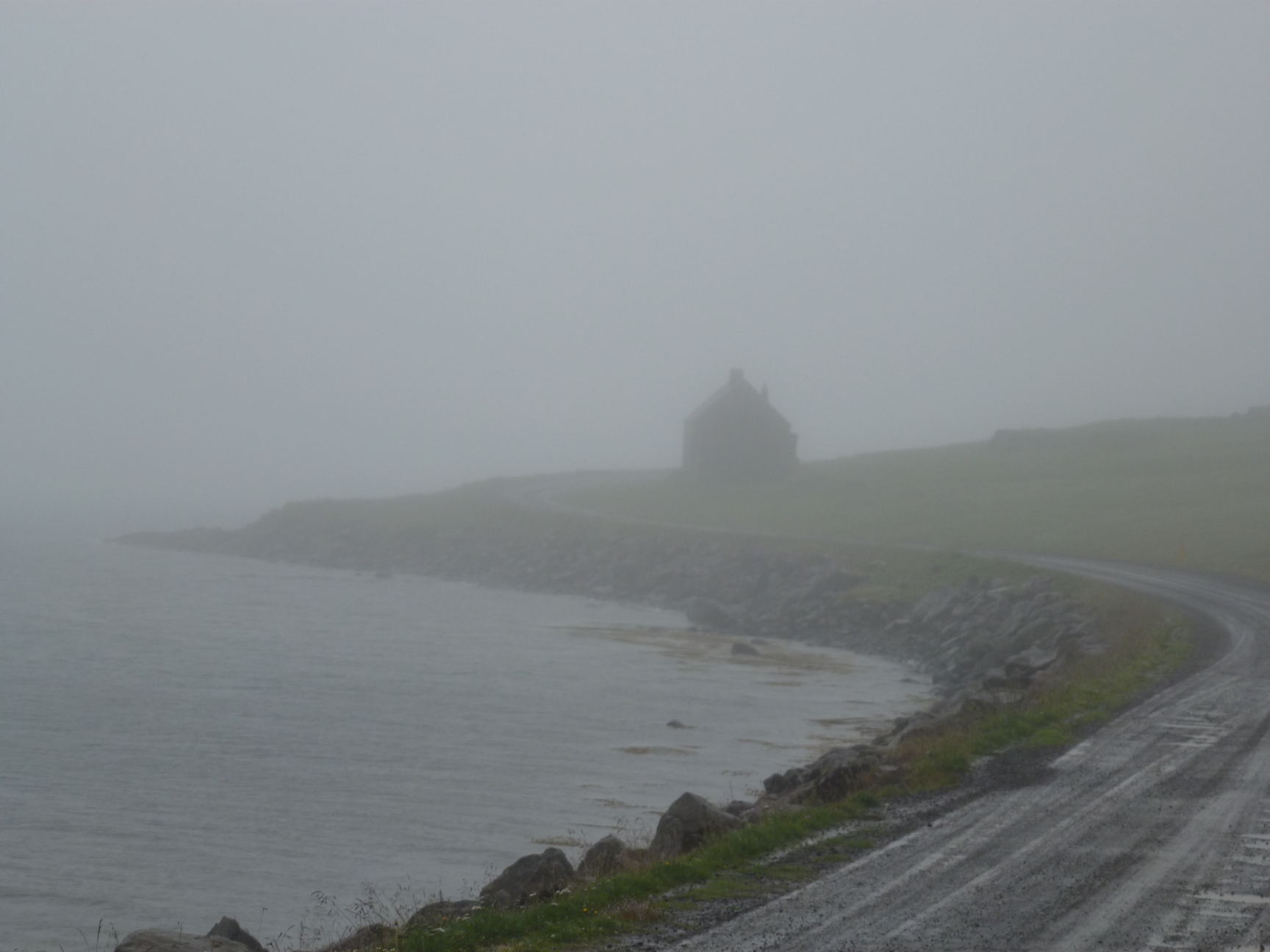
Seydisfjörður

Do they tell you about that? No, they do not. They tell you about the Blue Lagoon:
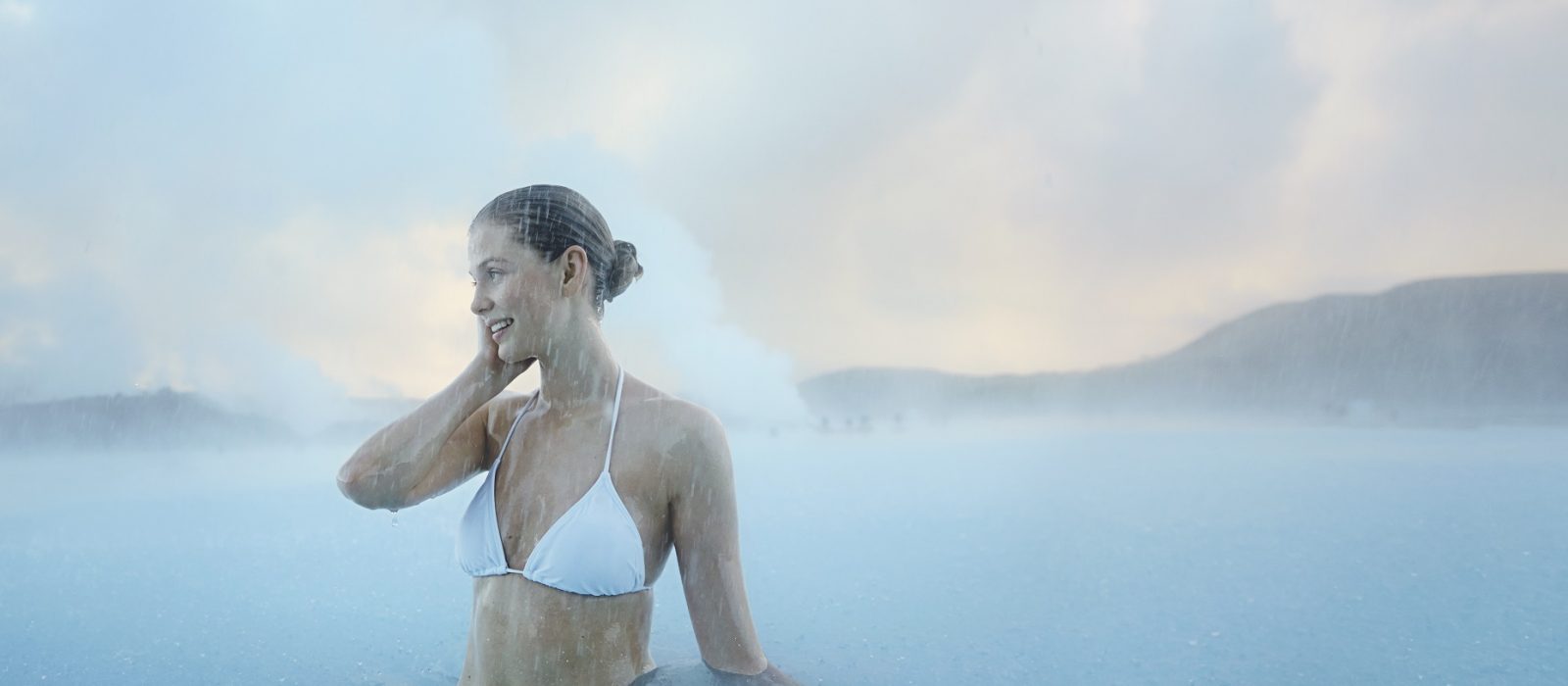
Not your style? Well, there’s this story, too.
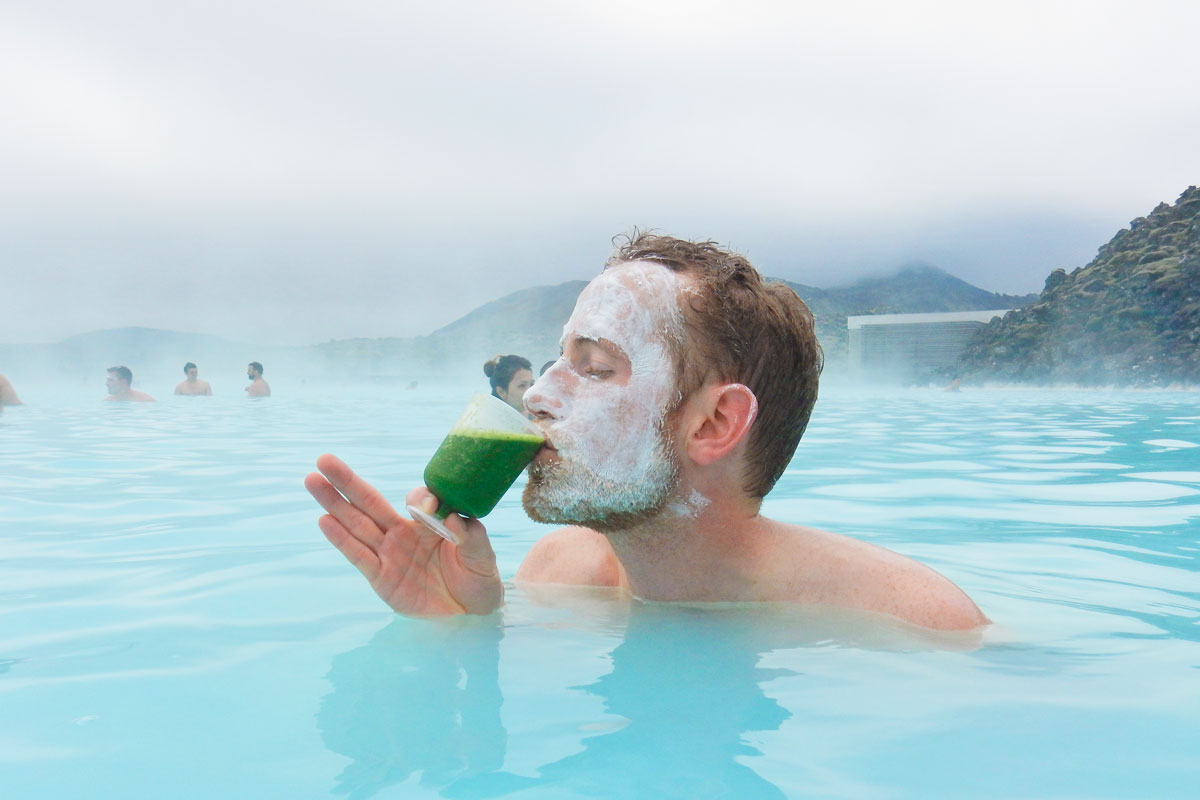
Did you notice the consistent use of white? It’s a message. Let me show you again. One …

…two…

…three.

Icelanders know about whiteness.
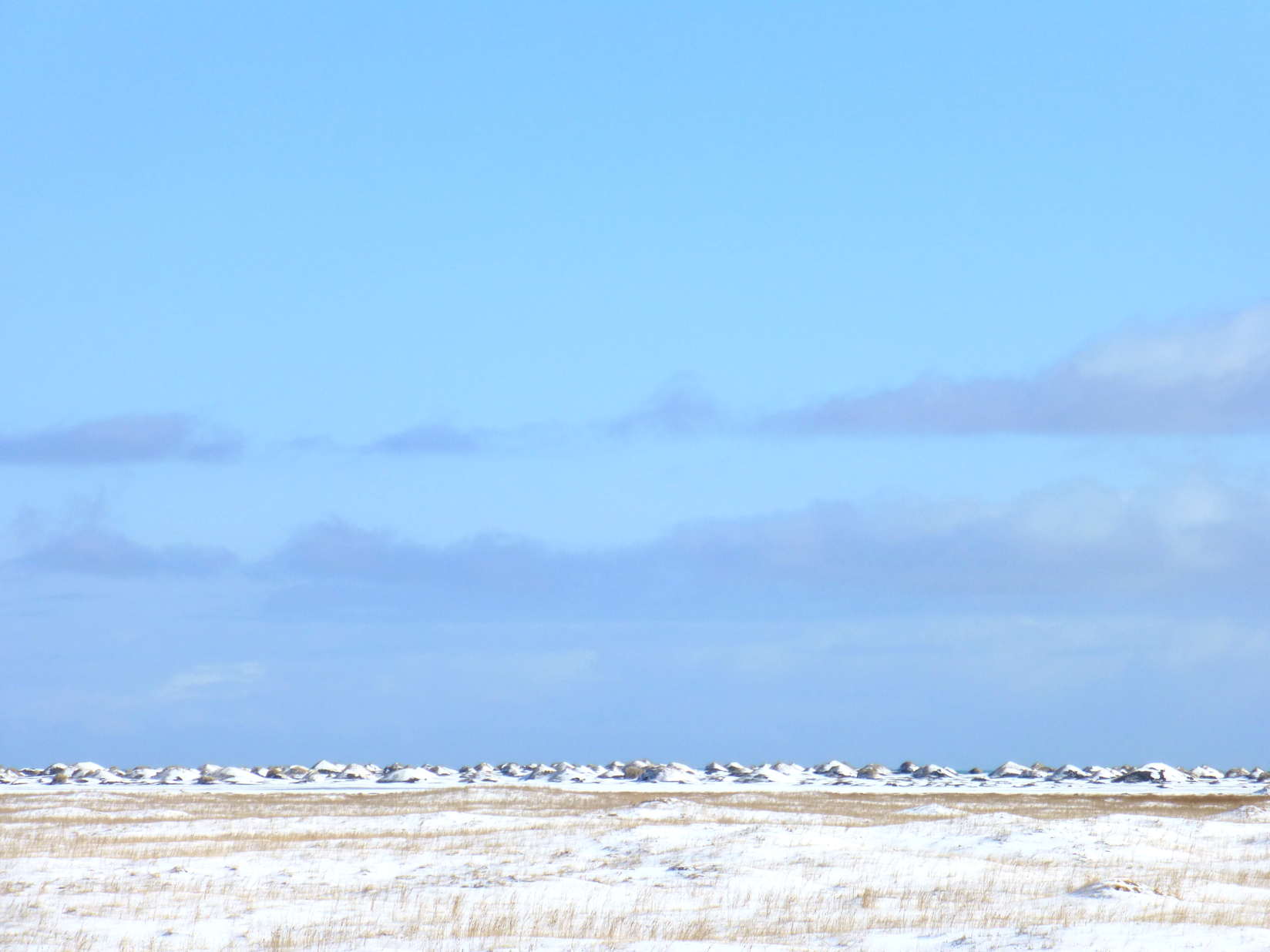
How blue it is.
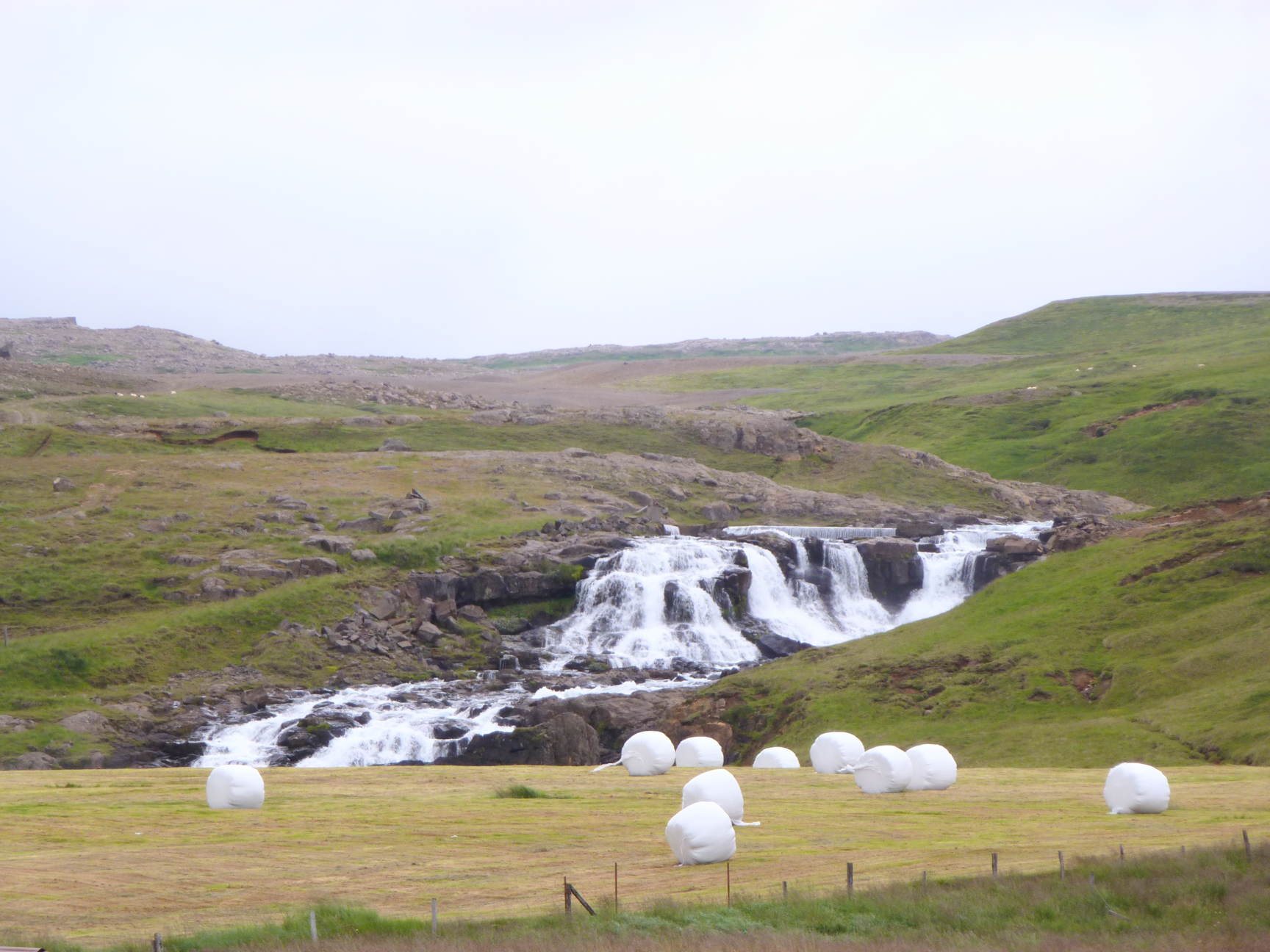
How watery.

And how it covers everything with illusion. OK, well, a backdrop for illusions.

And that in Iceland ghosts are everywhere.

And they are white.

Well, white and red. And white.

Right, and snow blows in the wind, too.

So, off you go!

People Come to Iceland for the Nature, but…

… I come for the cities.

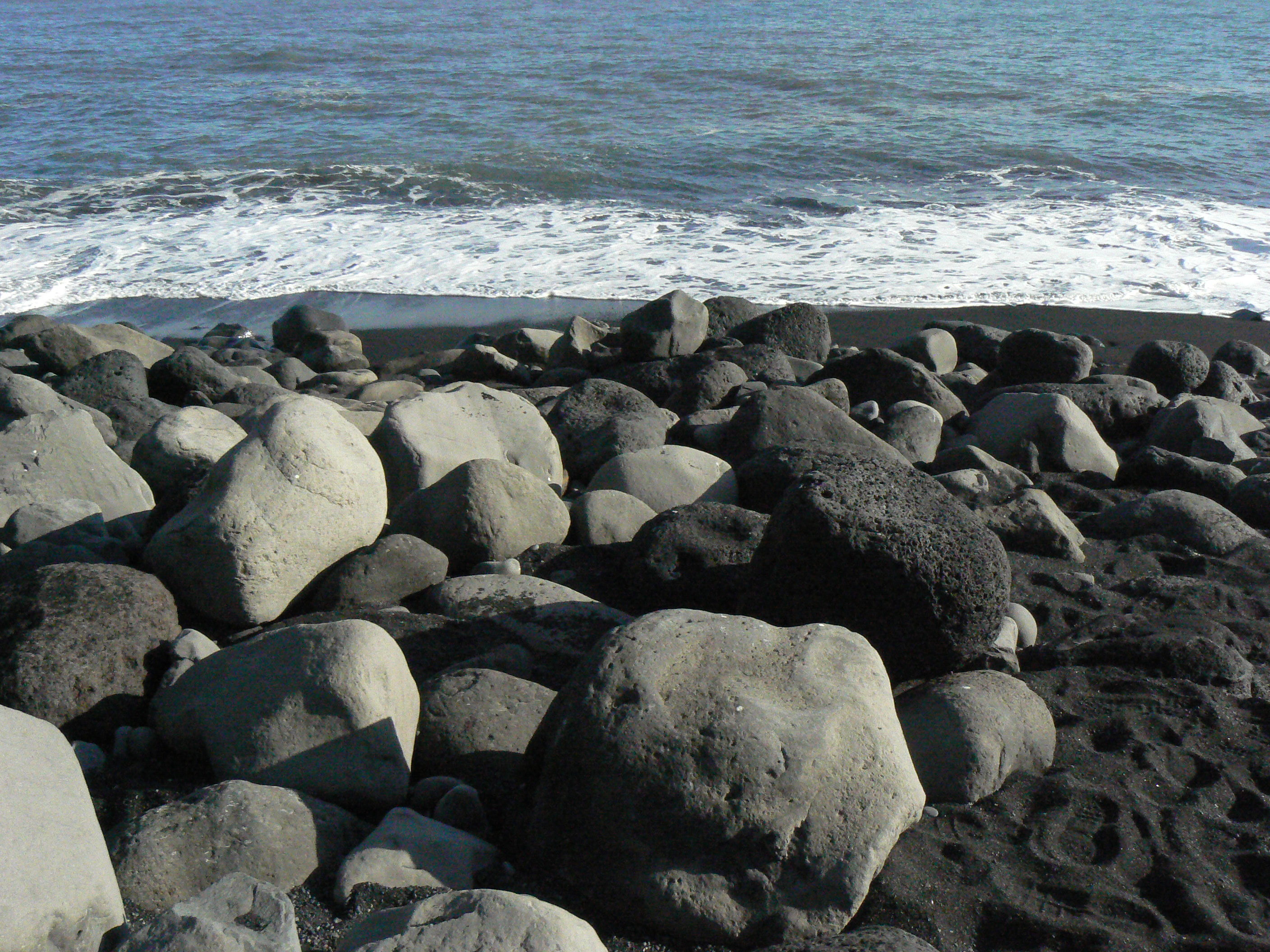
Welcome to Vik, sprawling metropolis of 291 people on the floor of the sea. For Gunnar, this was a last remnant of Atlantis.

Welcome to the Vik suburbs! Well, urban sprawl, eh, but, still, the Atlantic drop straight off and smells only of iodine and salt, so that’s ok, then.

And the waves of the Sea of Atlantis splash up over the bones of the world.

I like it that it does that. I just wanted you to know that tonight. Whatever ladder you use…

… to climb out of the surf…


… and make land.

Gunnar Turns Over in His Grave

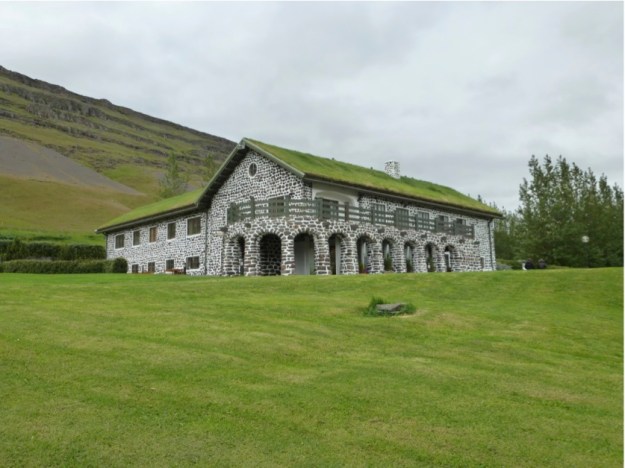
In March 1940, Gunnar told Nazi Germany about Icelandic architecture that blended with the land. He meant a mixture of German and Icelandic styles, such as his house at Skriðuklaustur, designed by the Hamburg architect Fritz Höger and, well, countrified by its Icelandic workmen, who substituted Icelandic river stones for square cut German ones. Ooops. Nice turf roof, though. Blending in.

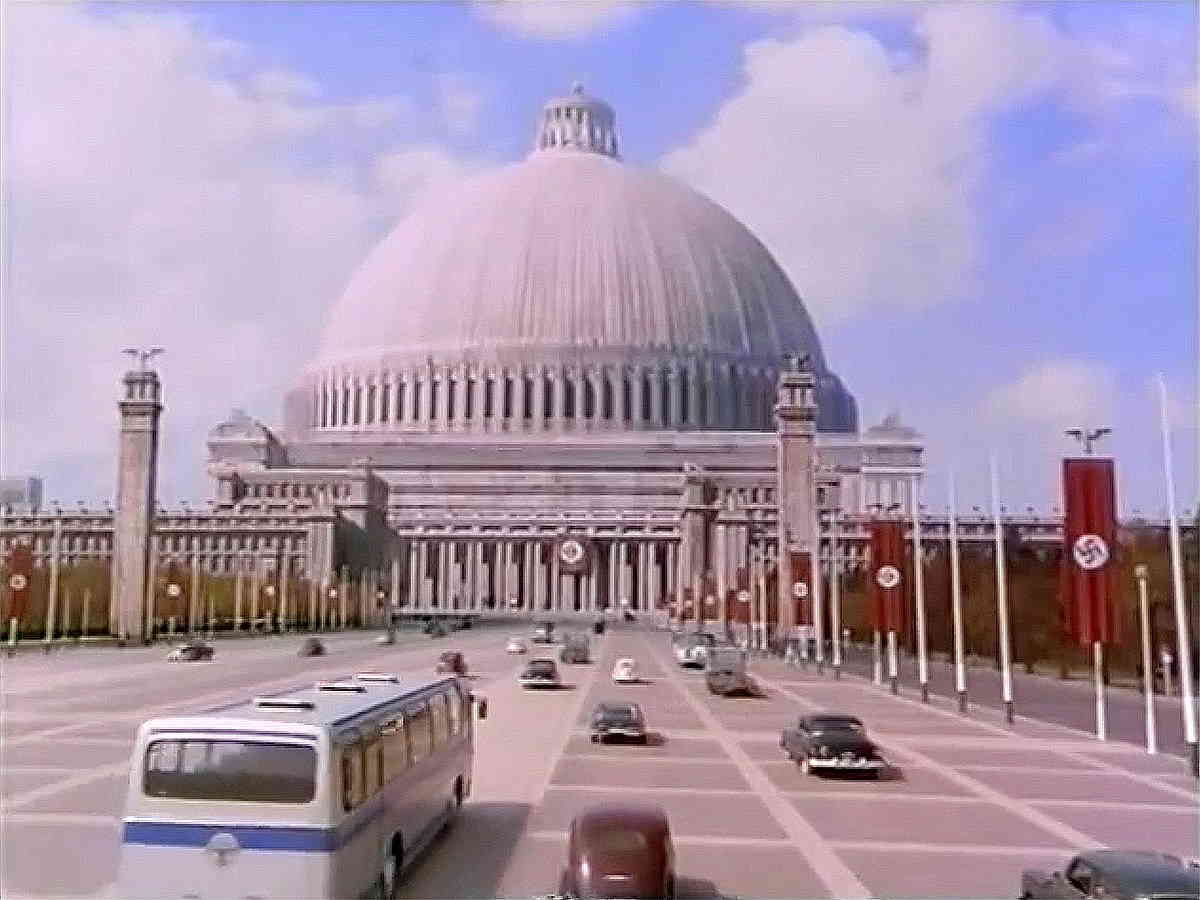
He was trying to avoid this:

Albert Speer’s Volkshalle (Hall of the People): architecture that luckily never was.

What the American occupation of the war gave Gunnar’s East Iceland was this:

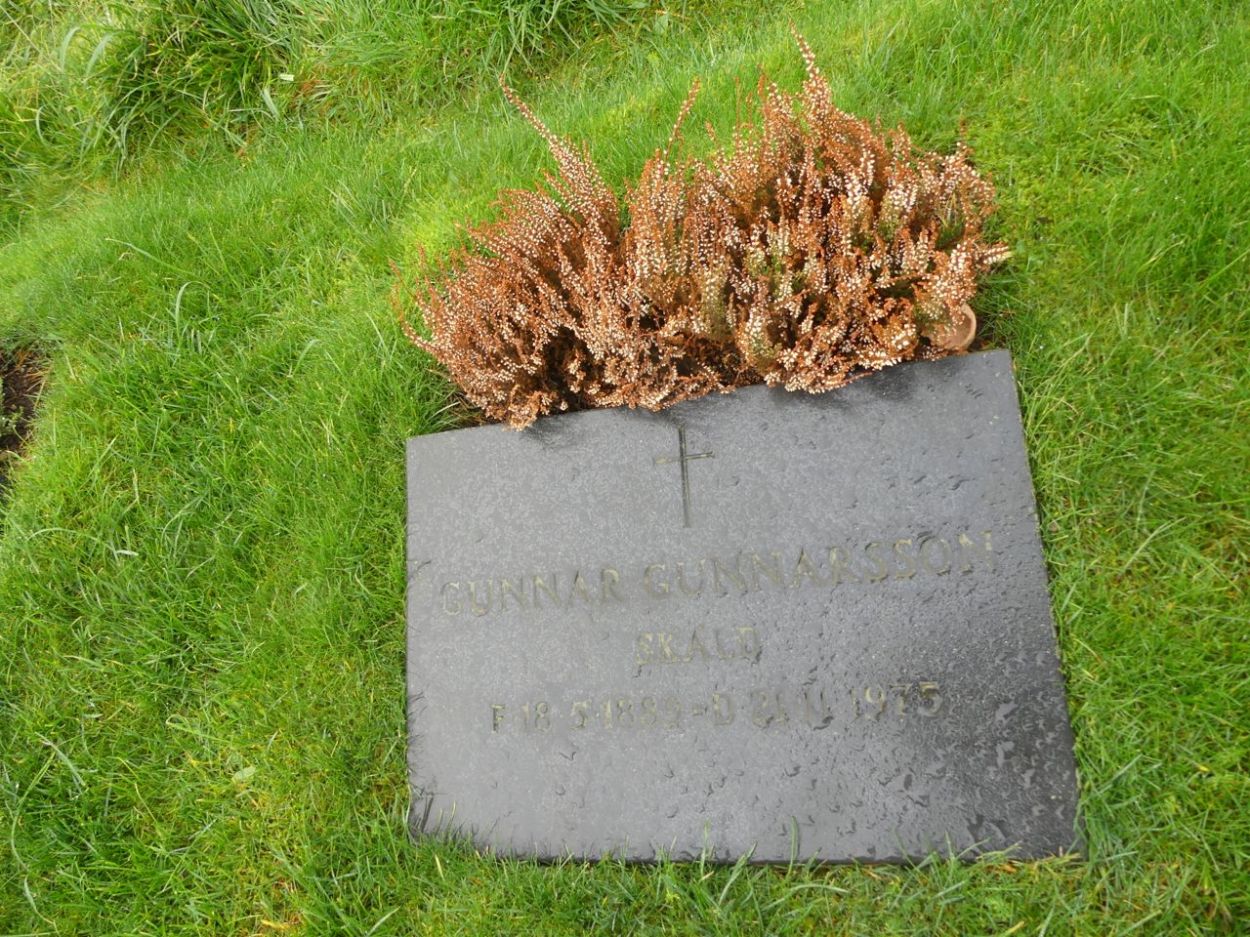
Dang. The poor man is turning over in his grave.

Got the turf right, though.

Gunnar Weaves the World with the Stony Face of Traditional Icelandic Verse

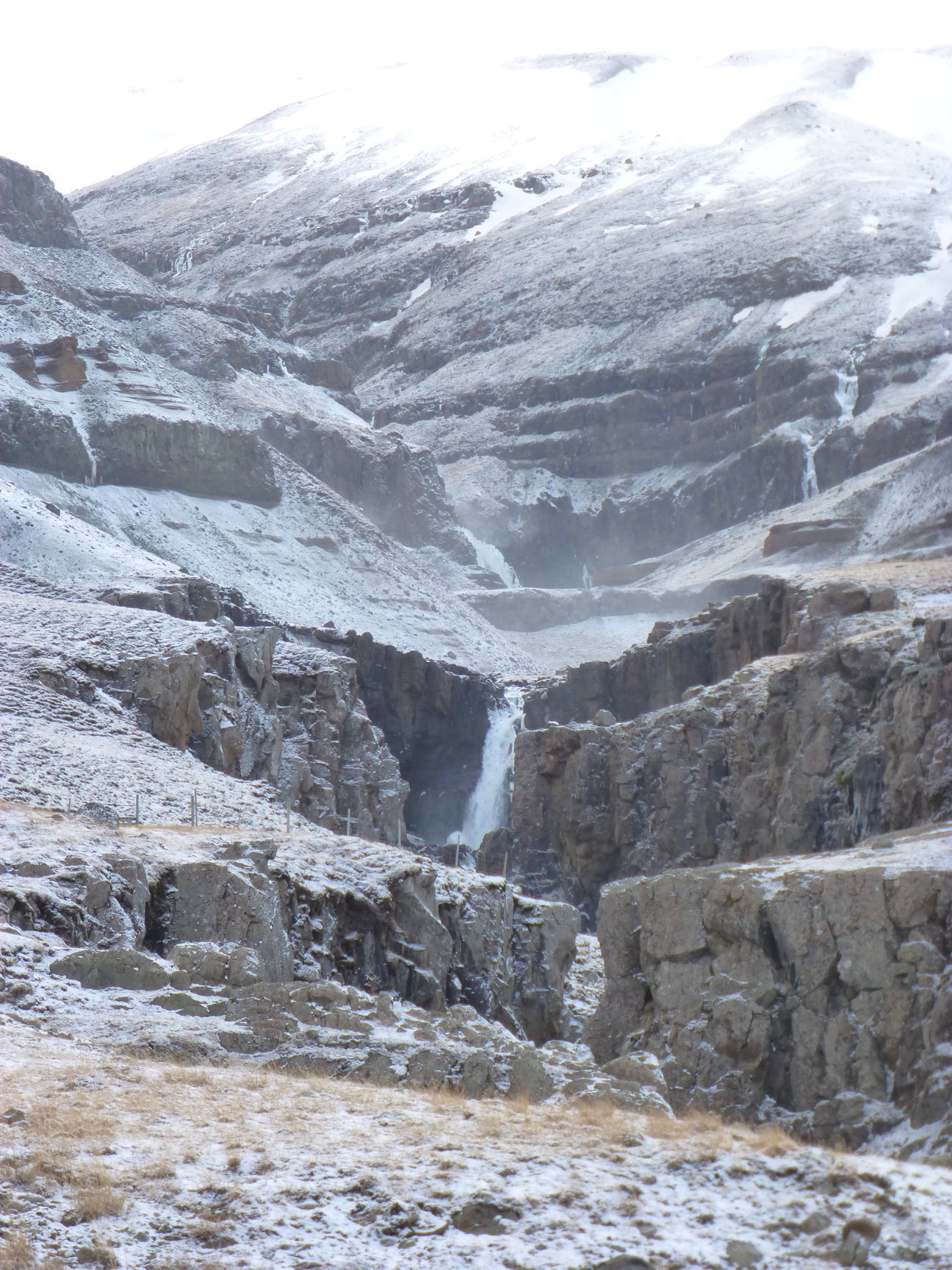
In the speech he read throughout the Third Reich in the spring of 1940, “Our Land” Gunnar spoke of how Icelandic rock rose in the chain-linked stanzas of traditional Icelandic verse. Here’s the gorge outside his house.

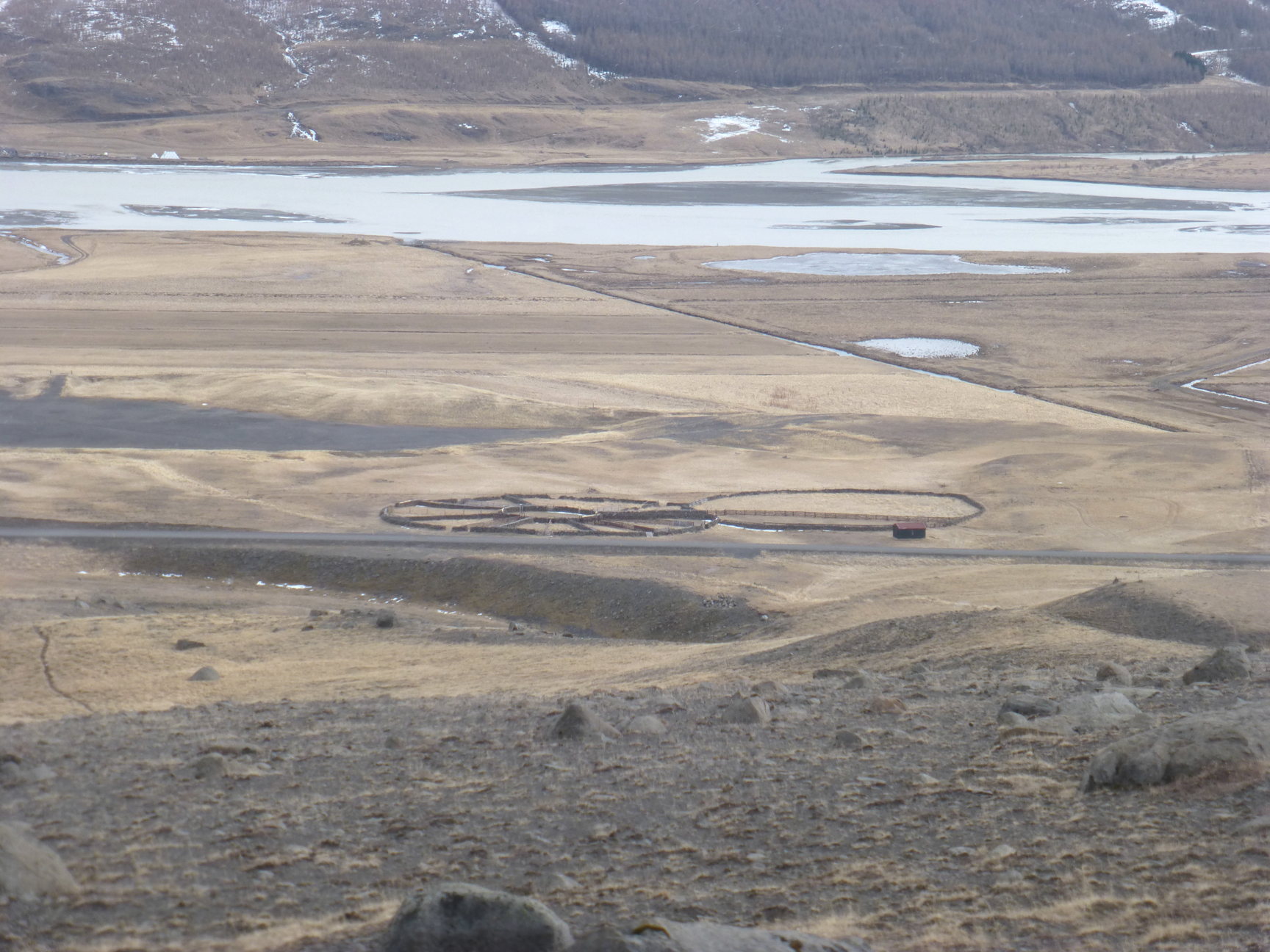
At its foot lies Melárett, the fold that was the largest public building in Iceland in his time, used to gather flocks in winter and separate them out, farm by farm: a place for people to work in unison, come together, and then separate by choice into their own private affairs.

I’m sure the two concepts were intimately linked in series in his mind. Hitler didn’t enjoy the suggestion, by the way.

Farming the Hard Way

All farming is hard.

Abandoned Farm, Borgarfjörður Eystri

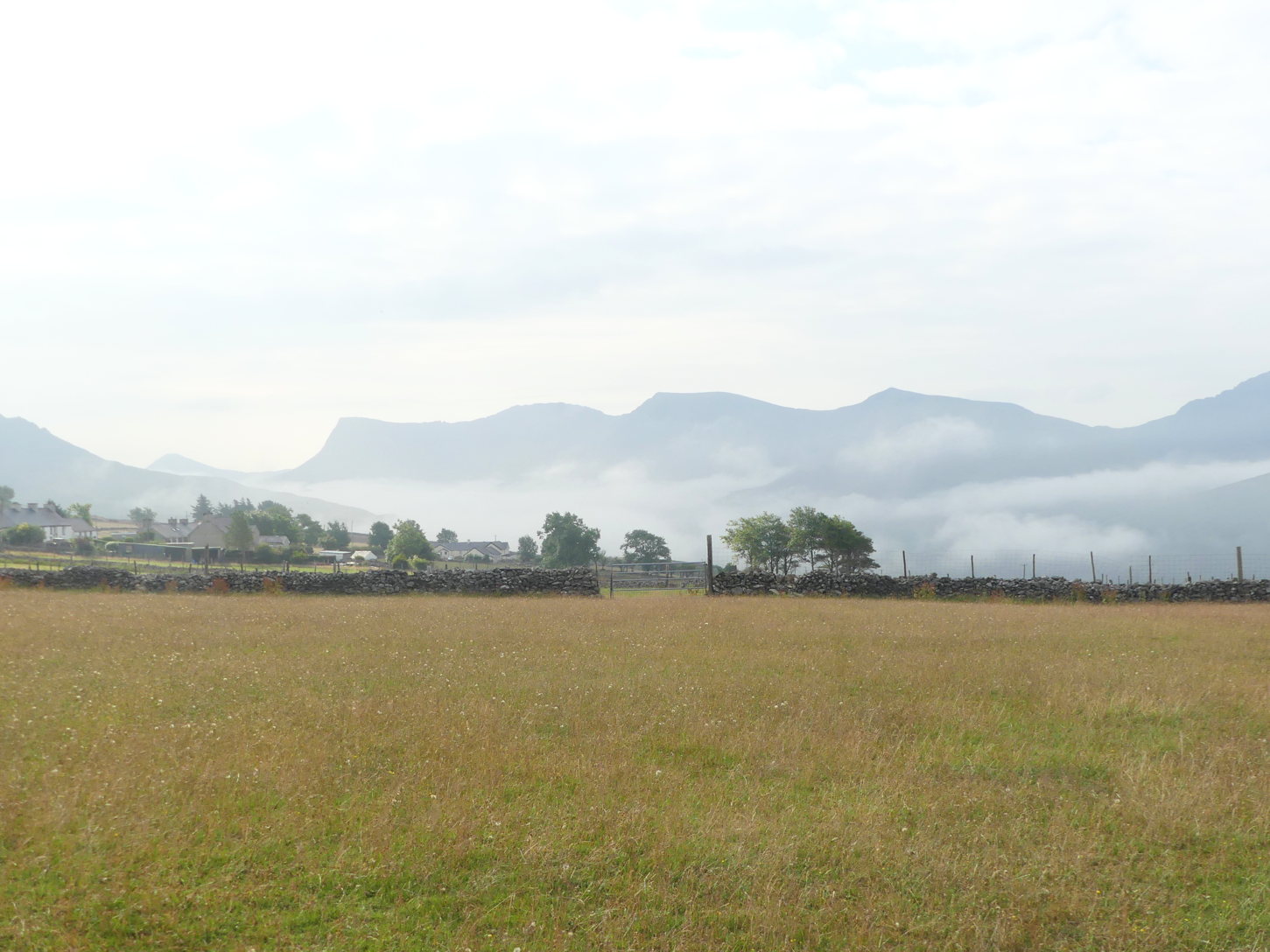
Everywhere. Here’s a farm in Wales.

Hayfield, Y Fron, Wales

And a farm in Canada.

New Orchard, Vernon, Canada

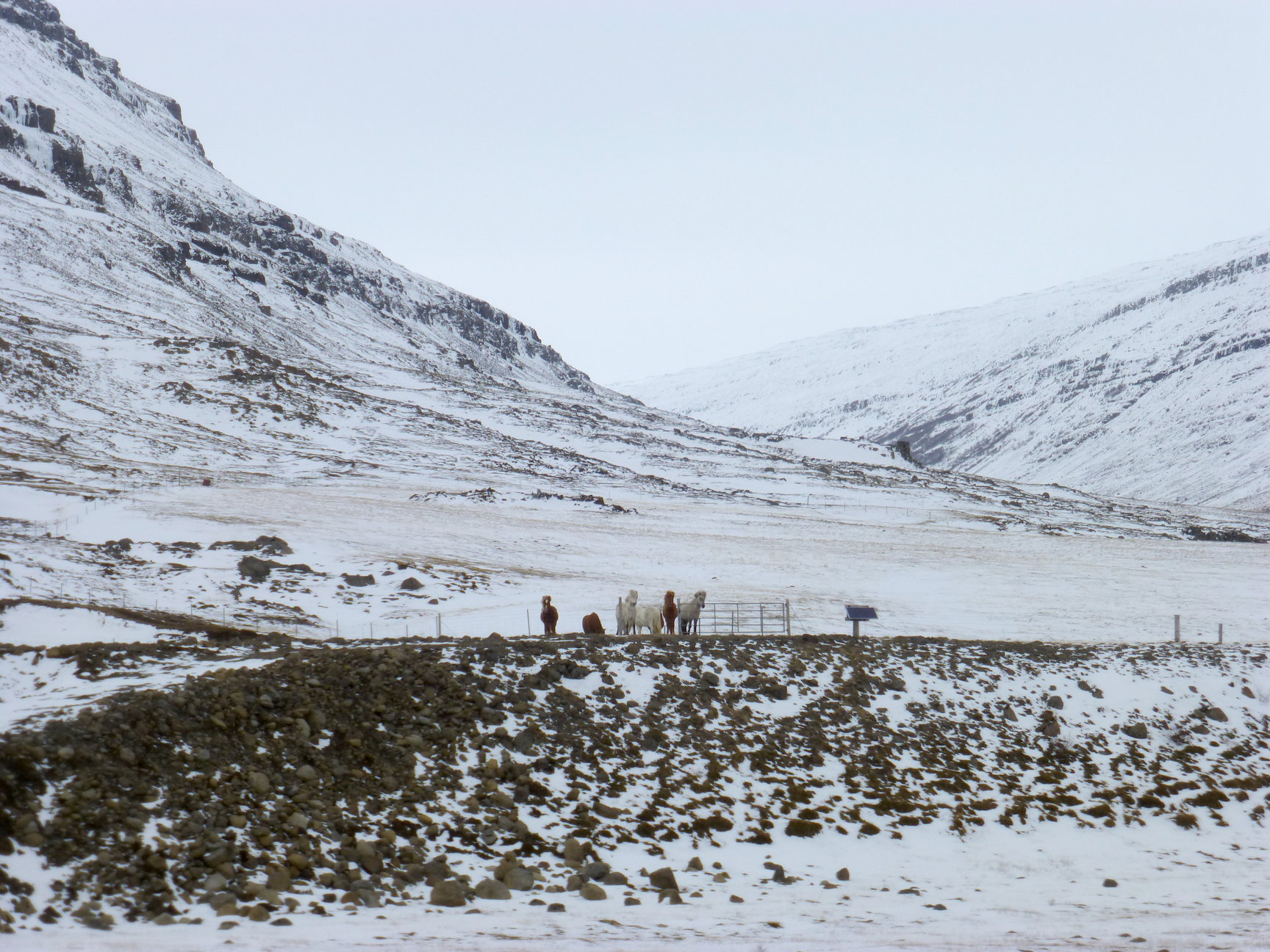
And a farm in Iceland. This one is still working!

Sturluflöt, Iceland

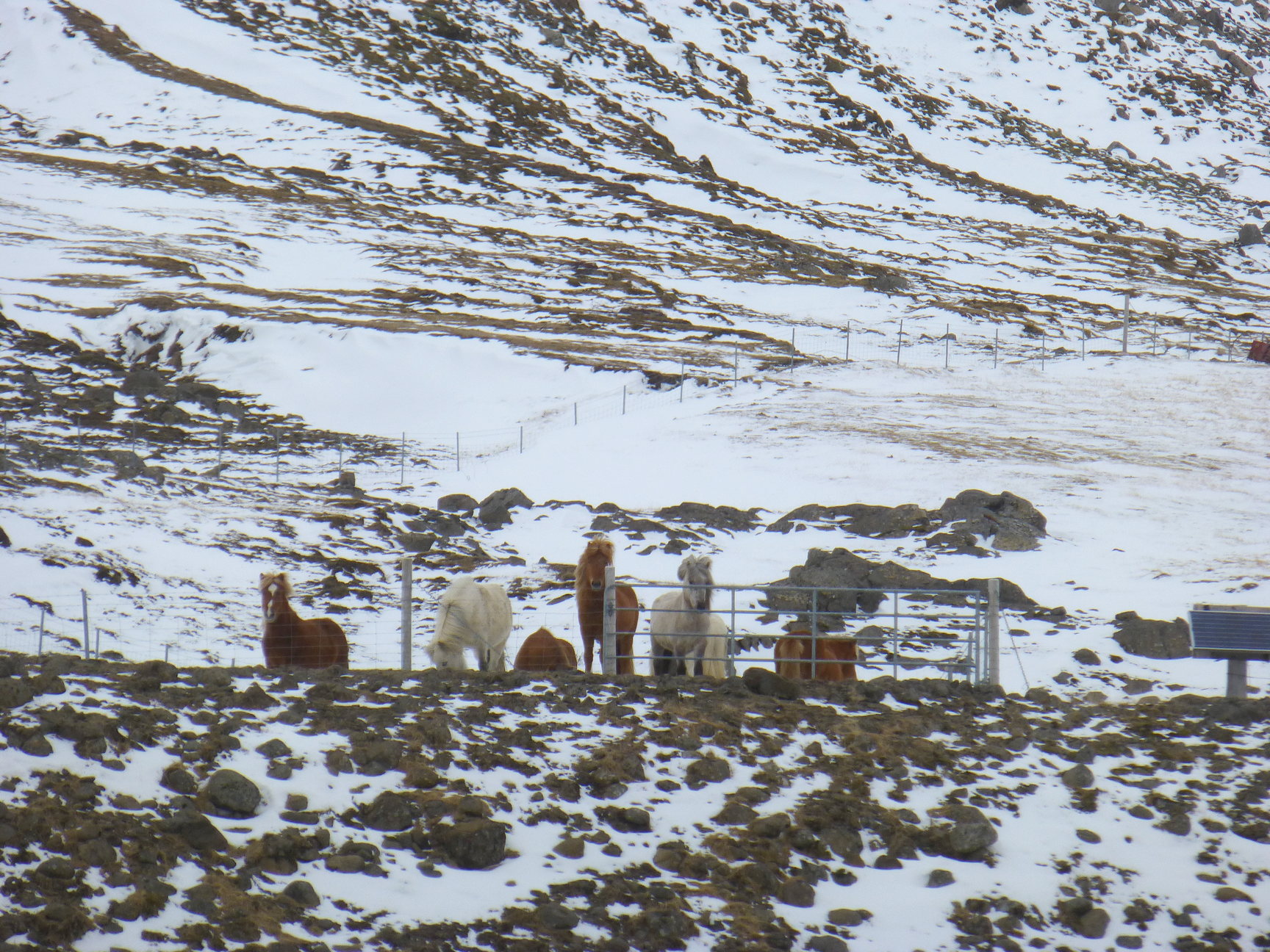
I think the last is the most beautiful. Team? What do you think?

Hmmm. It’s hard to say if they agree or not. Closer?

Ah. The silent type.

Sheep in the City

In Canada, the trail running across the foot of this face would have been made by deer, but in Iceland it’s made by sheep.

In Canada, this would be called wild land. In Iceland, it’s a farm. It is an intimate social and political space that turns wildness into civil life. In Canada, that is done as either an industrial or an aesthetic experience, capitalized and individual. Here it is just common space. In other words, this stretch of the Bessastaðaá is a city.

Getting into the Flow in East Iceland

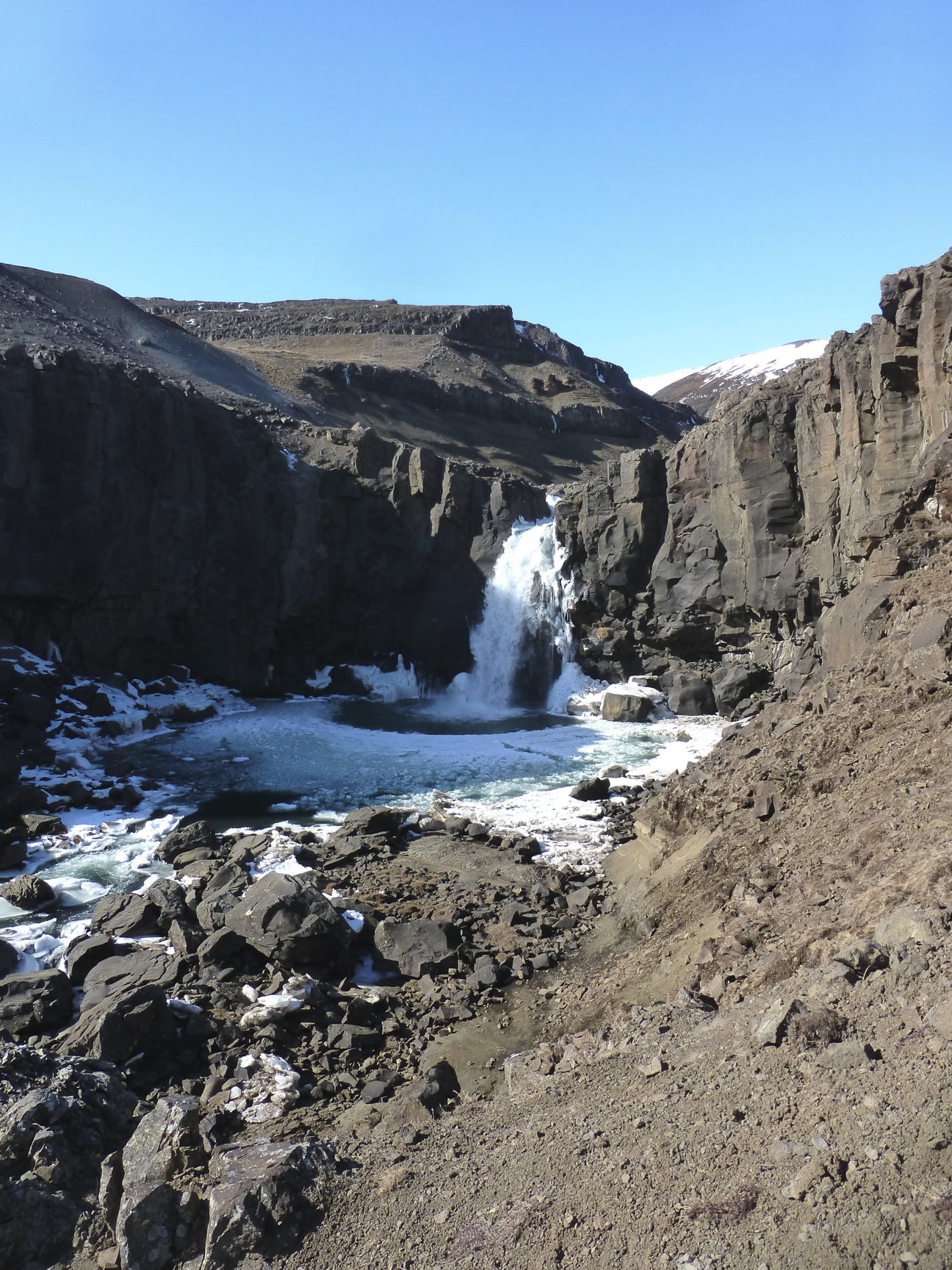
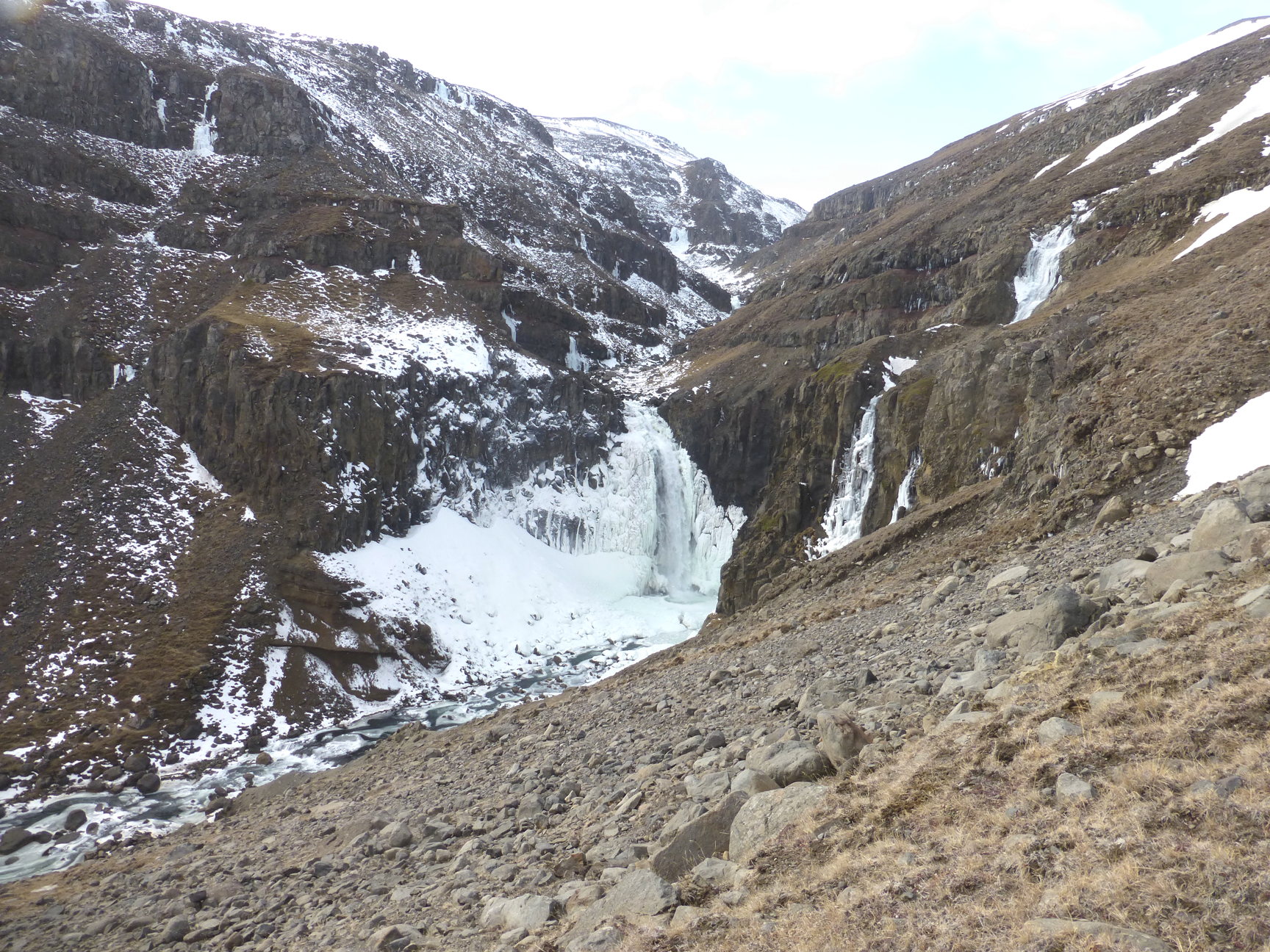
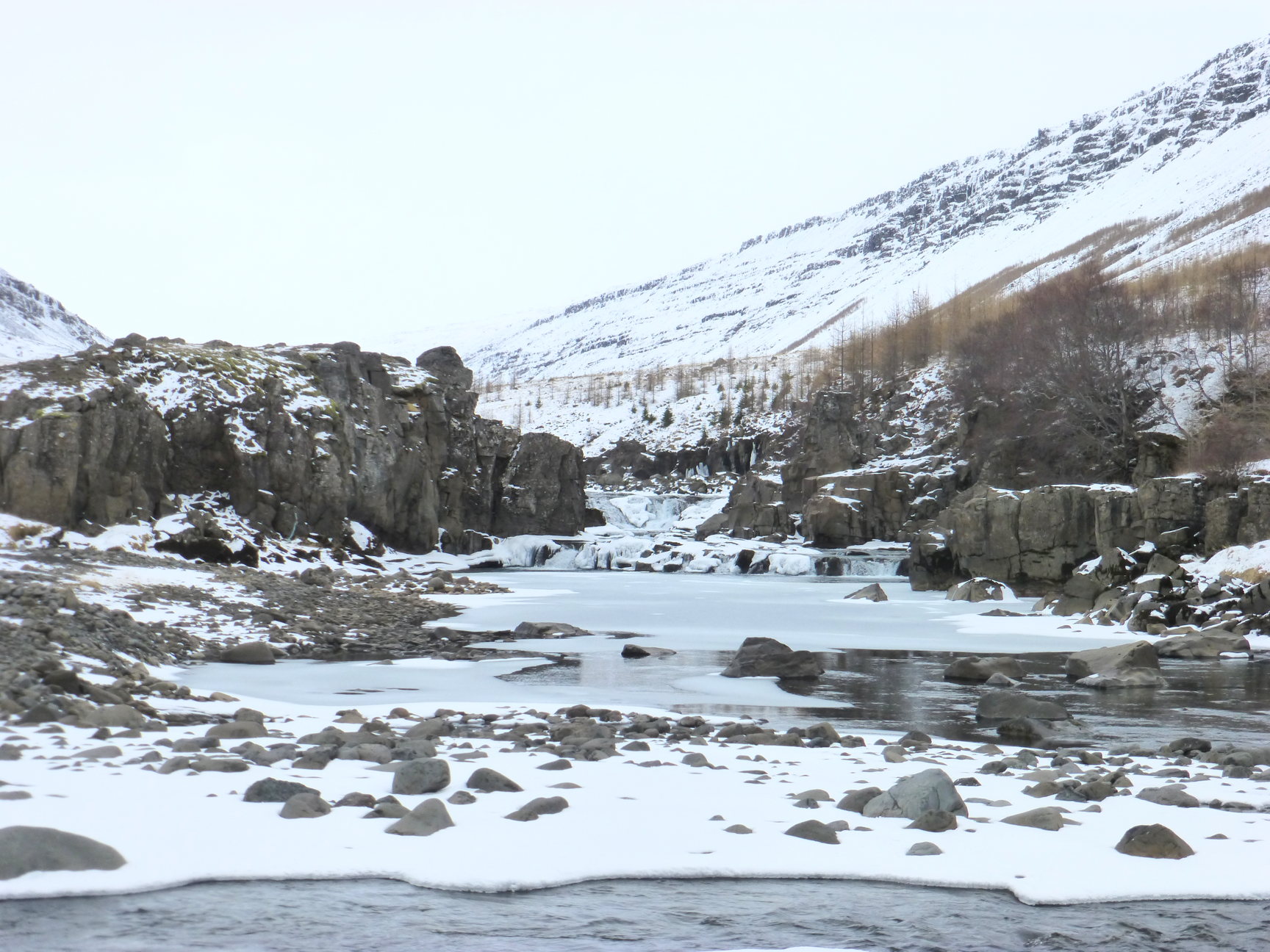
Look at the Kelduá emerge from its valley. Here in the remote East, water turns to stone and back to water, and stone flows like water, then freezes, then breaks apart and flows like water again.

It is why a river in Iceland is an á: not a substance but a flow (aqua), not water but the energy that materializes as water and, as you can see, as stone. And jumbles them all up together. And breaks them apart. When you stand there and see beauty, it is that energy that you sense. The freezing energy, that is the business of frost. Keep your distance from that stuff! It’s lethal.

100 Years of Trolls

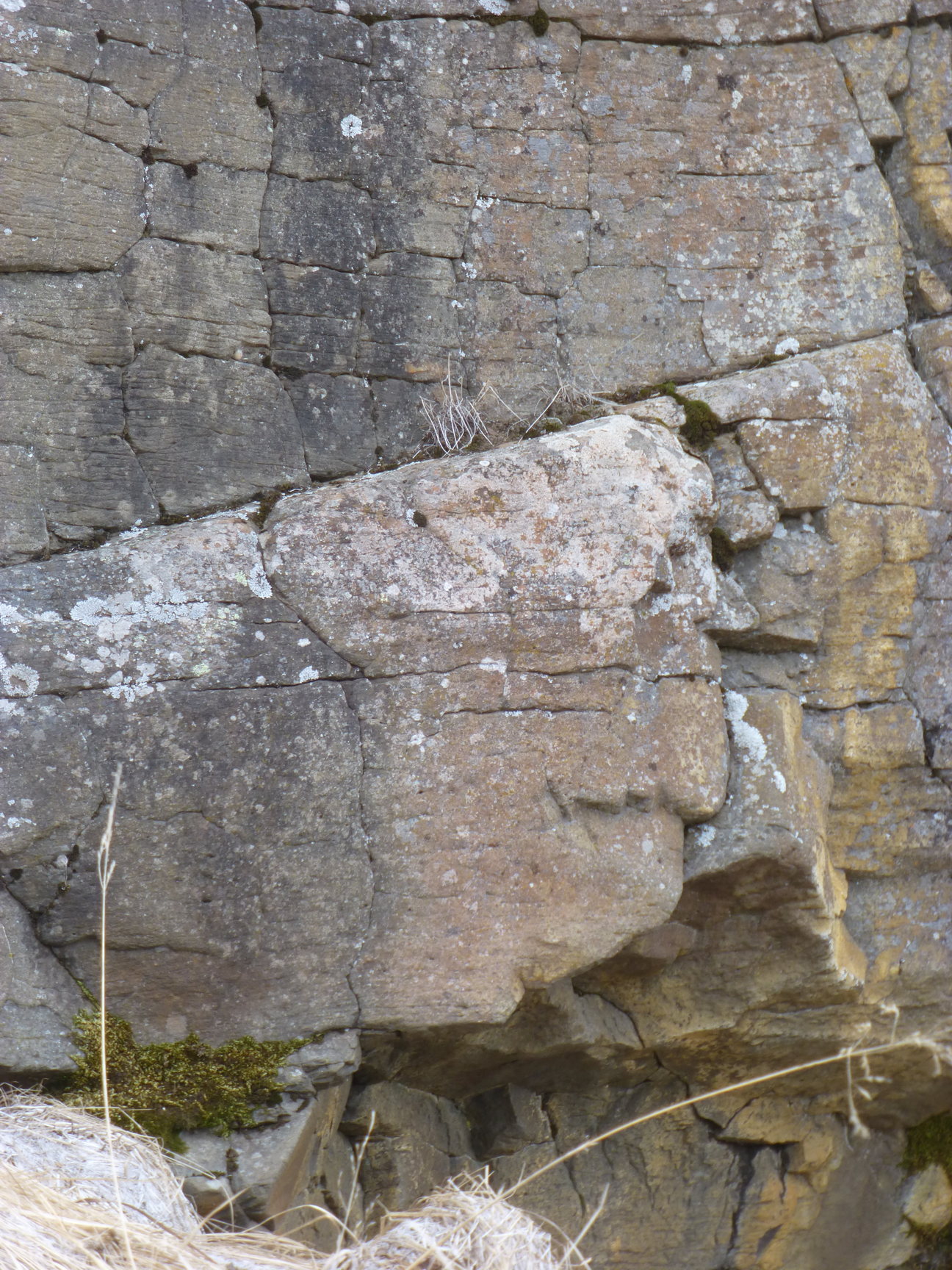
When you’re in Iceland, it’s good to get off the beaten track. No tour guide will lead you to this troll at Skriðuklaustur.

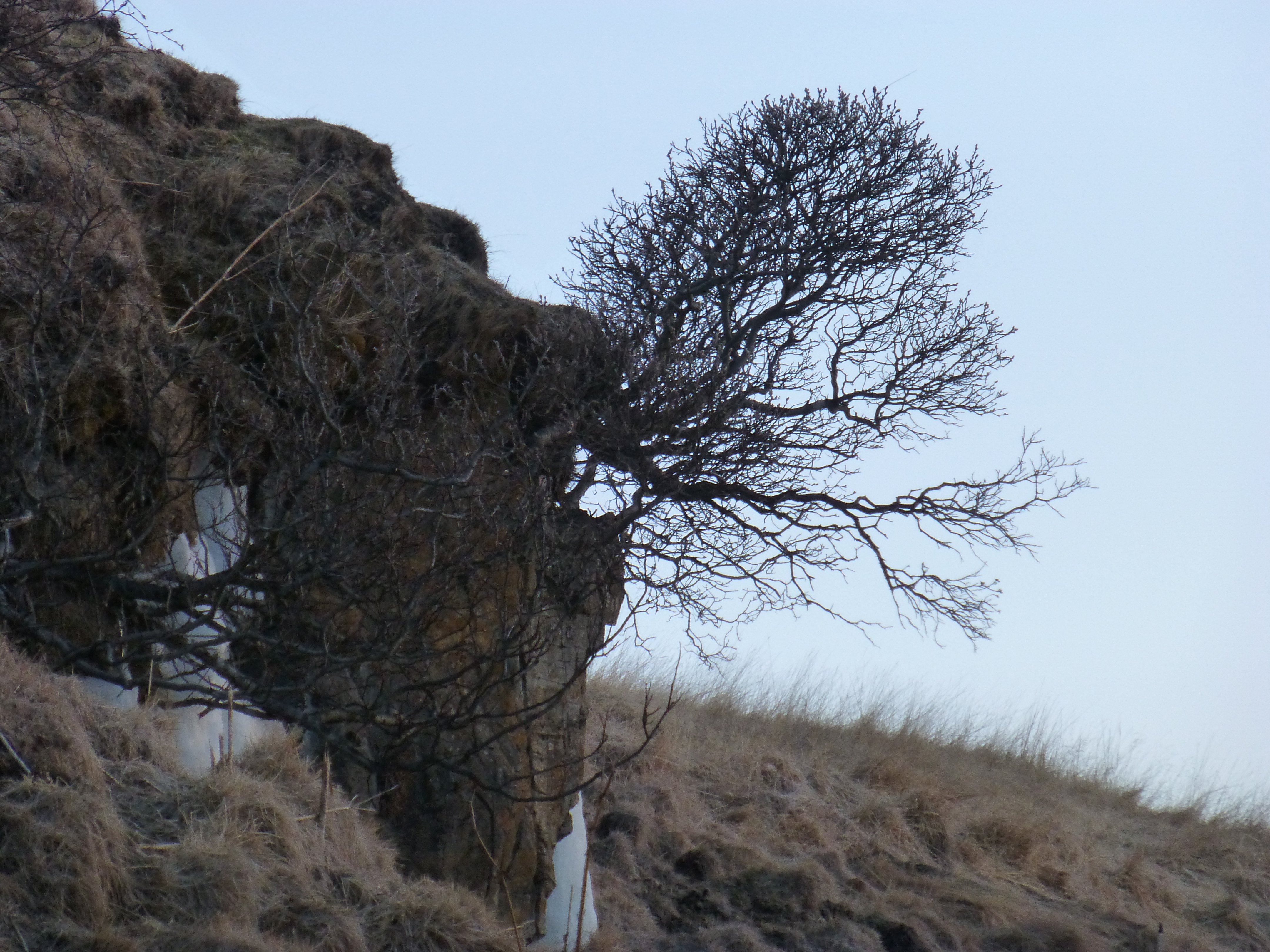
Or this one. If people laugh about your troll finds, does that really matter?

You might even find an entire troll narrative. What does it matter if there are no physical entities called trolls?

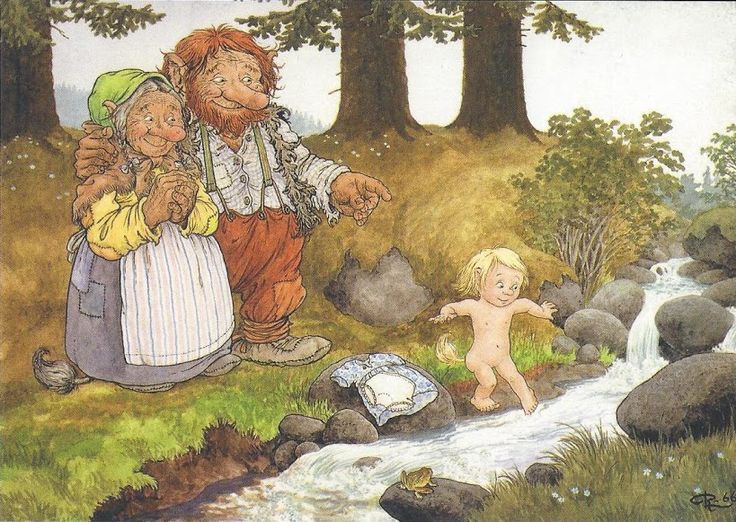
You can find pictures of those things in bookshops, for children, without an explanation of the politics behind them. What is that politics? Guess.

Contemporary ecology is based on stories of trolls from Norway in the 1920s. I think it’s possible that ecology in the 2120s will be based on stories of trolls found today.