Category Archives: Architecture

Camping and Poverty in Iceland

Private life in Iceland is often an improvisation. Many people are just camping. p1400630

Reykjavik, Downtown

This misfit between built environments and how people fit into them is profound and nearly universal. It looks like poverty. It probably feels like it. It’s probably a profound resistance, the very one that Gunnar, in a more rural Iceland, called wealth.

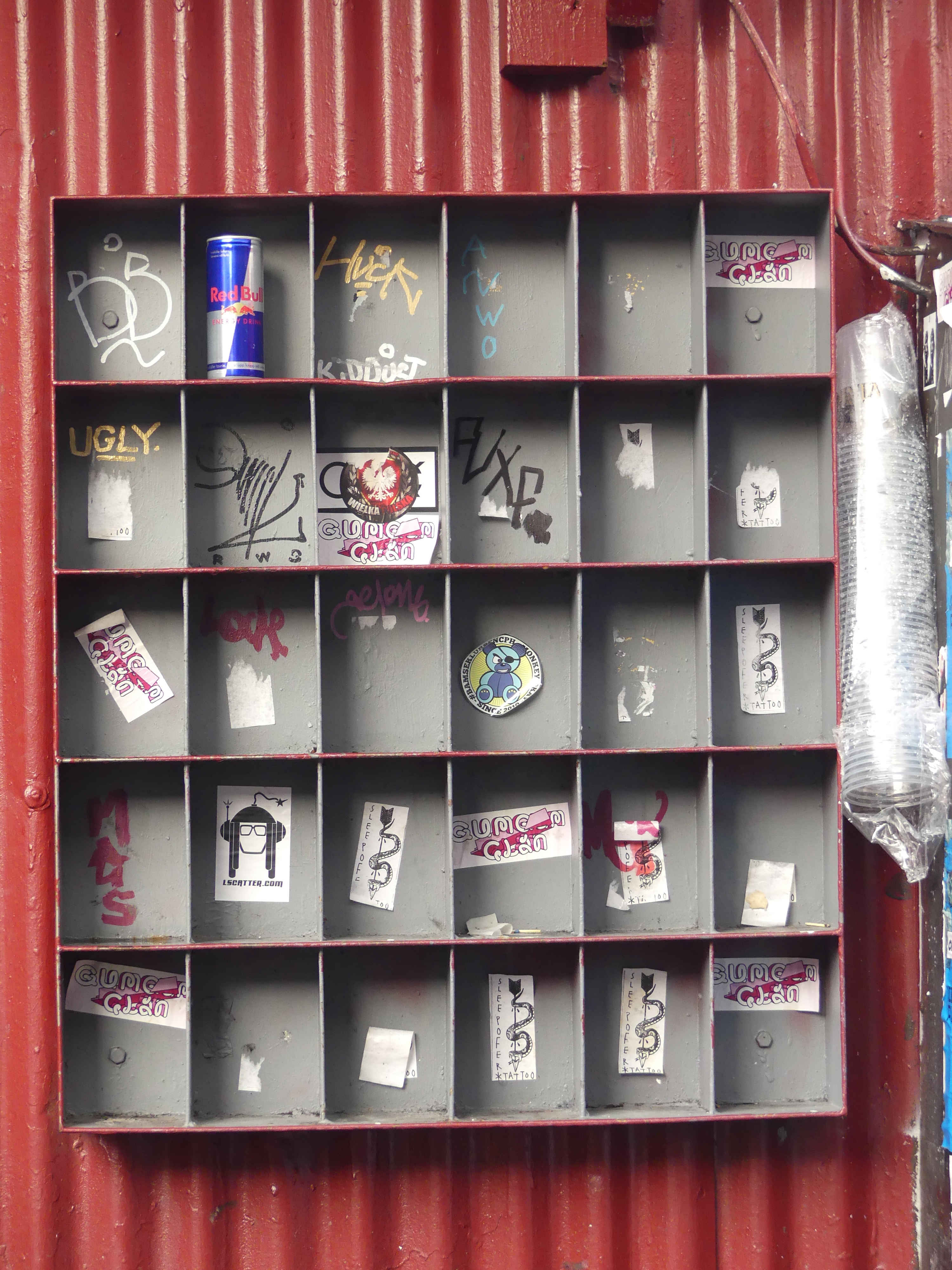
Street Taggers Mailbox in Reykjavik

I present this image as an example of the current state of traditional Norse skaldic shield poetry — a traditional form of defensive armour, to verbally accompany intricate, interwoven carvings on shields, which told truth to a chieftain; if told intricately and wittily enough, it could change a chieftain’s path without forfeiting the skald’s head. It’s good to see the tradition continue, and with disposable beer glasses for all, too.p1330410


Iceland’s Lonely Shrines

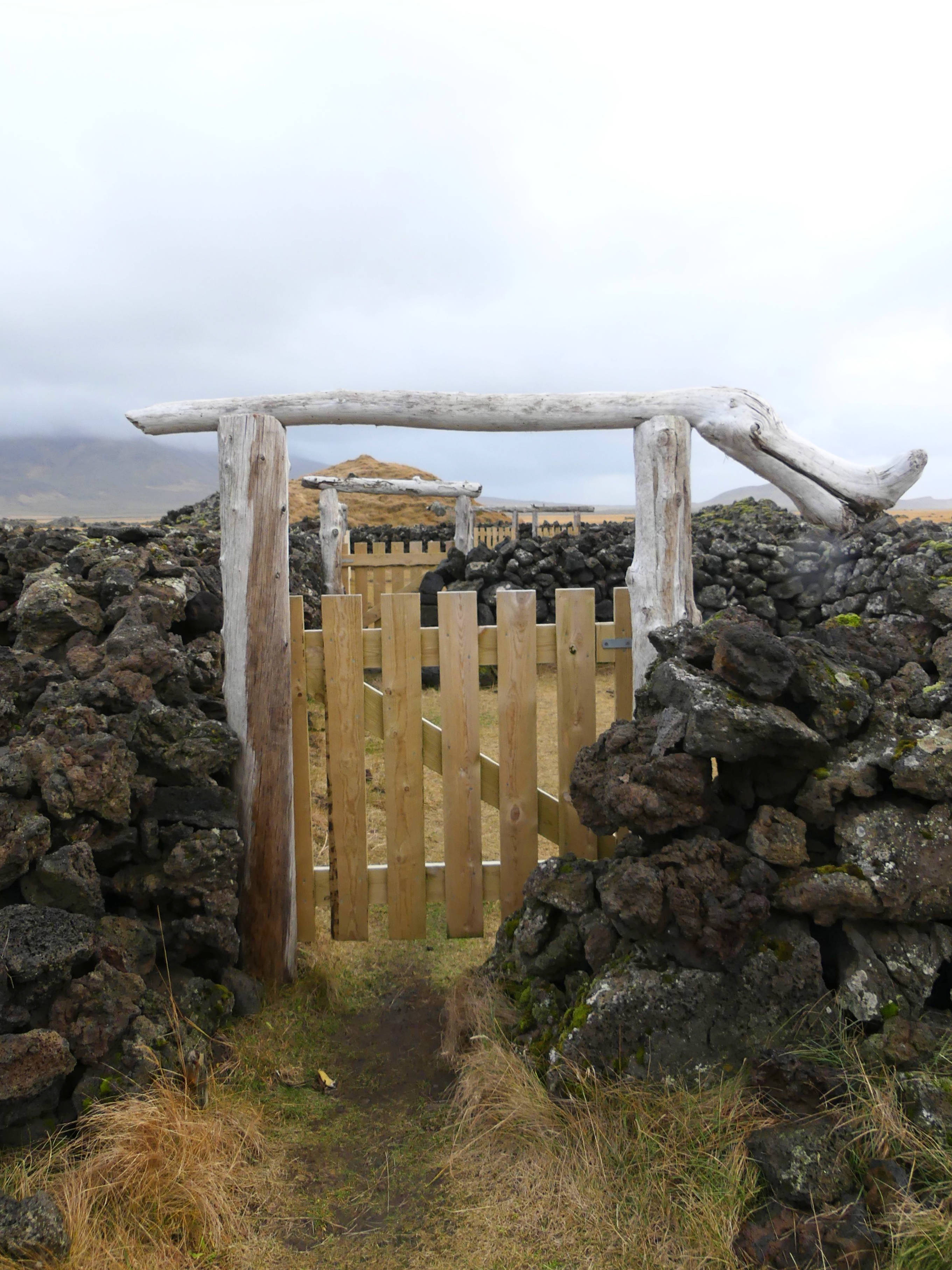
Groves like the one below are ever-present in Iceland. They are a cross between a will to live, a claim to land, a museum and a graveyard. They are houses for both the living and the dead, on the sites of old turf houses. Almost every farm has one.p1340417

They are places of deep feeling, loss, and connection. A cathedral in France or Germany is a more expensive form of this same art form, but no more permanent, just as these groves are worthy of no less honour and respect. They are, in a sense, what viking ships become after 1000 years.

What Every Icelandic Sheep Could Tell You

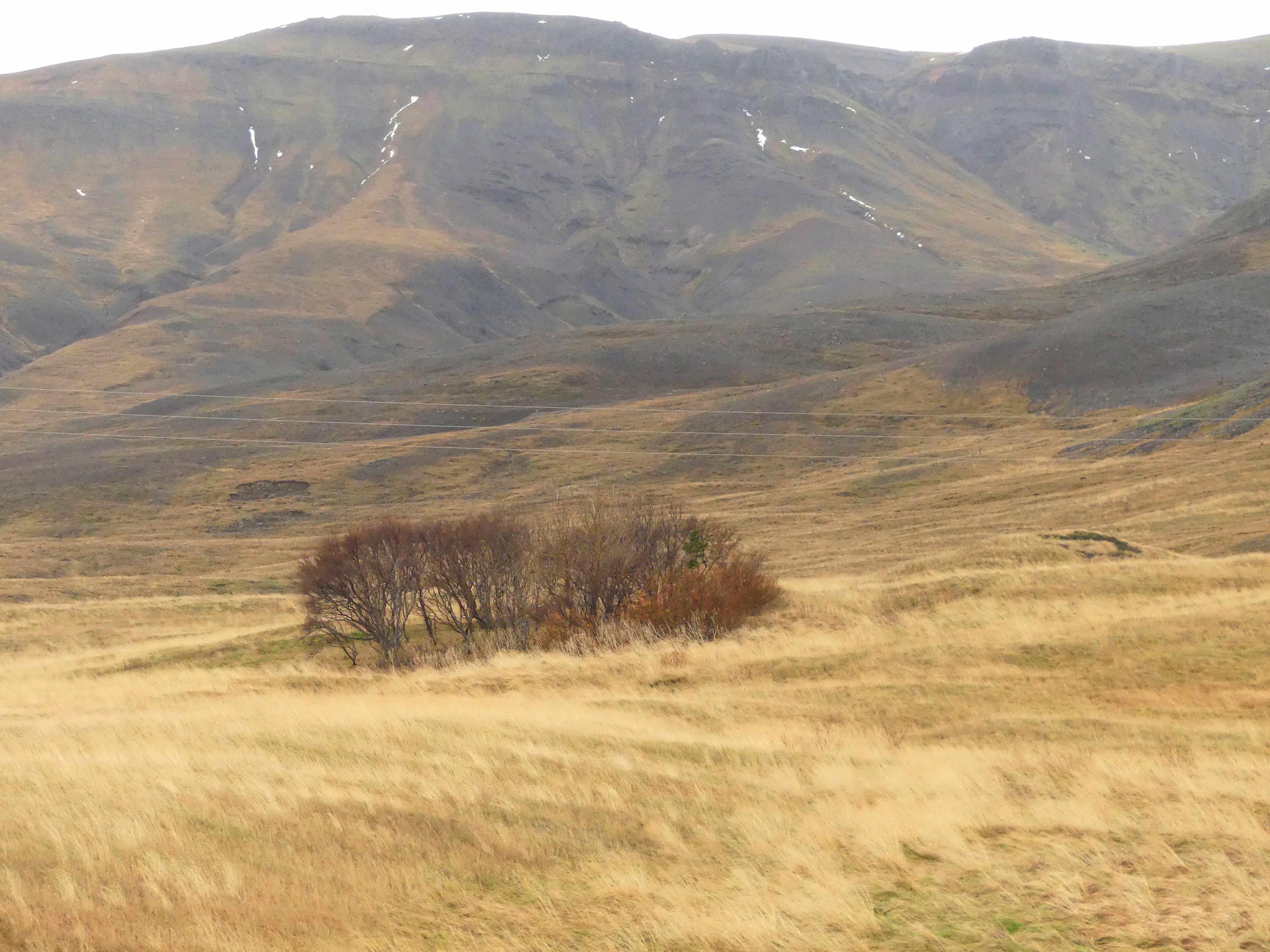
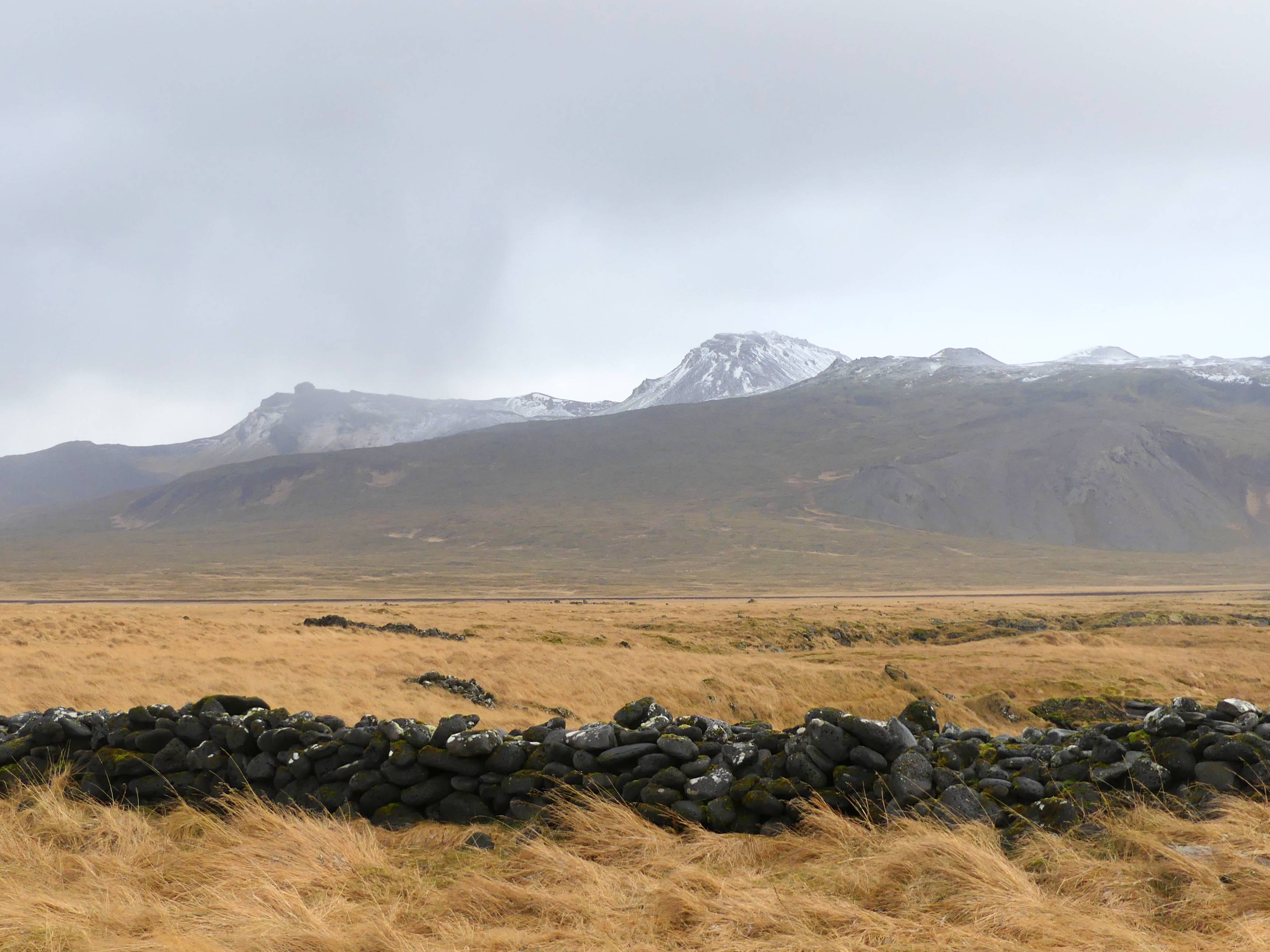
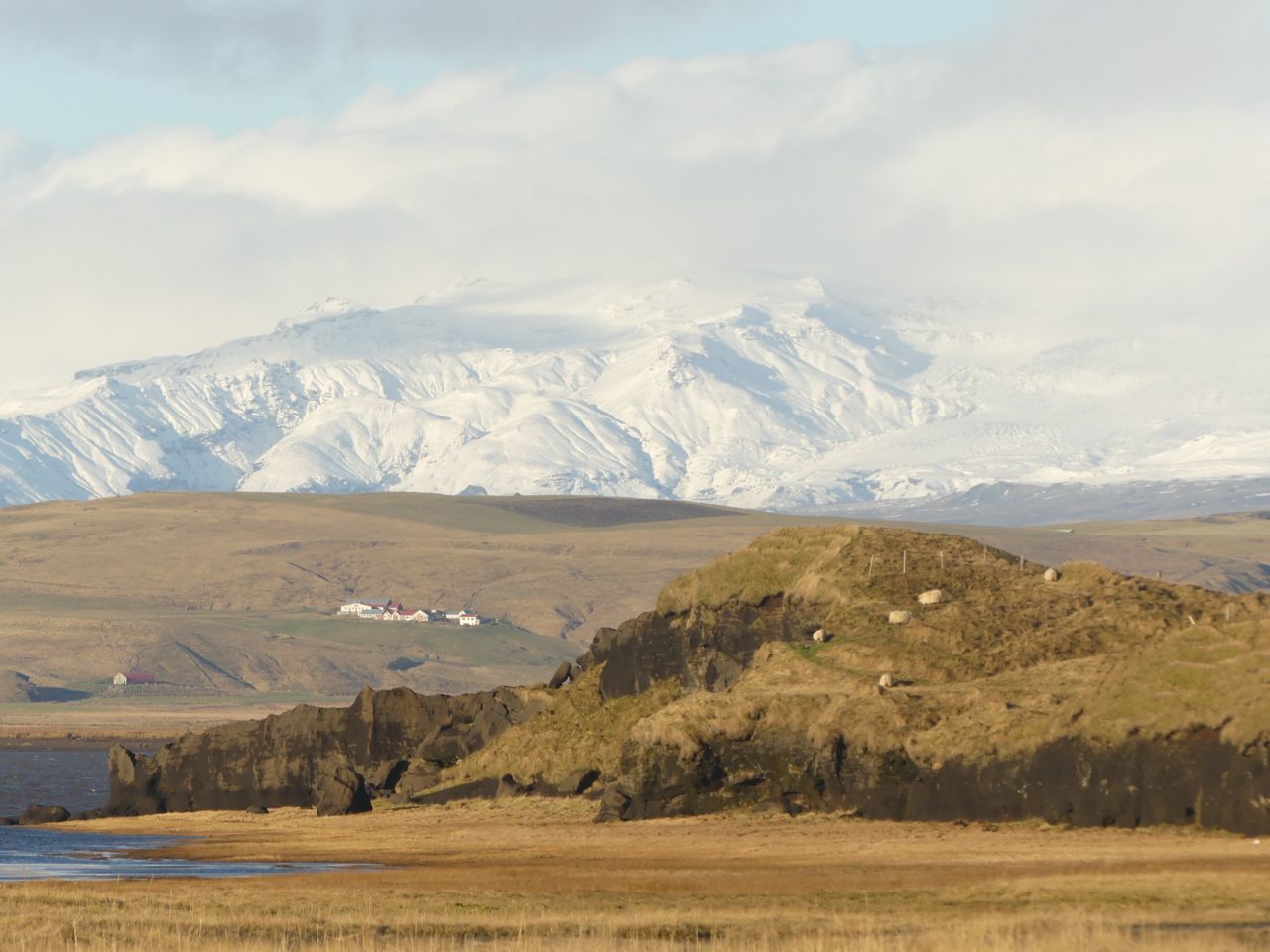
I’ve been thinking about walls. What are they for? For shelter, yes, and seemingly to keep sheep in, or out, but into or out of what? I mean, look at the pastures under the Snaefells Glacier.

p1380546

There’s precious little for sheep in the neighbouring pastures below, and any shepherd is likely to break a leg stomping after sheep in this stuff, and why? There’s as little grass on one side as on the other.dritvikwall
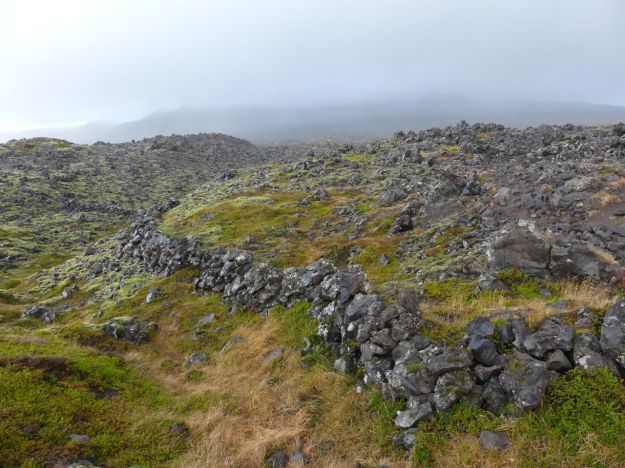
Assuming that in the past Icelandic farmers were as sensible and economical with their energy as any others, might there be a reasonable, but lost explanation? Could the walls be to direct sheep, not to make pasture but so that they herded themselves, a kind of large sheep fold, like the one at the edge of the lava (below)?

p1380448

Driftwood helps. Is drifting the principle here? To reap the benefits of summer labour in the winter, when labour is just too exposed on the open earth?

p1380464_2

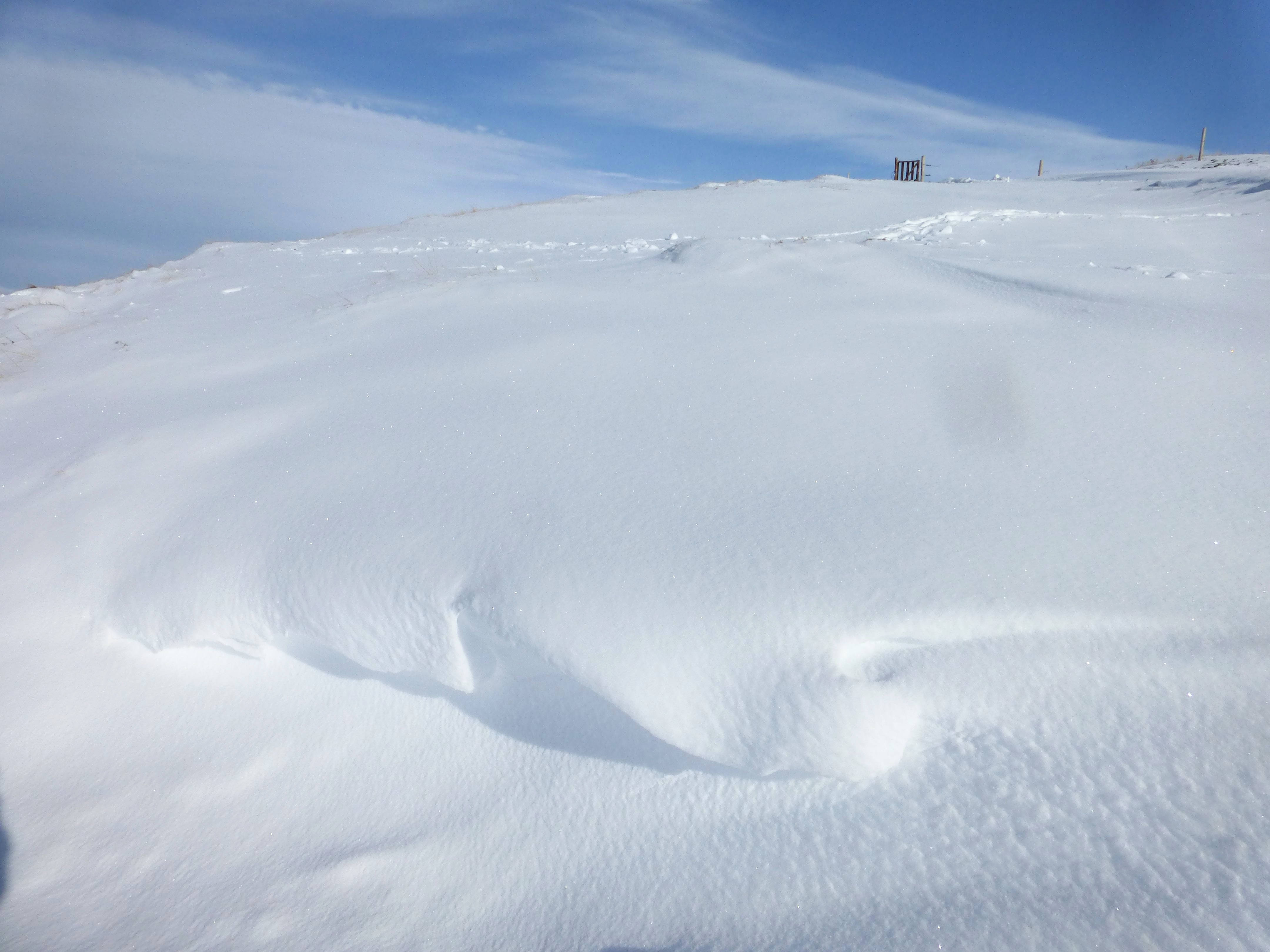
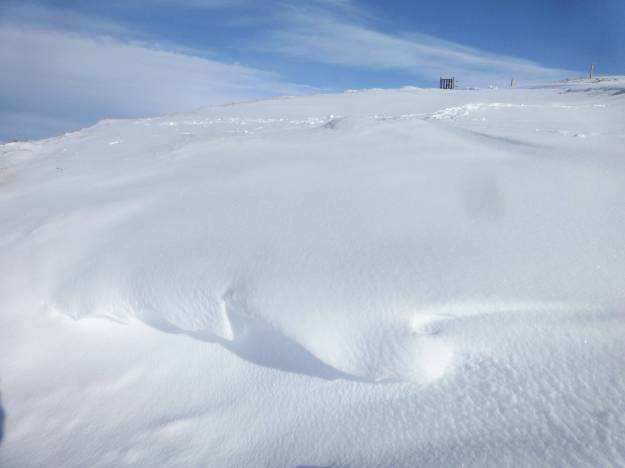
Or is it to direct the snow, to bare some slopes for sheep and to bury others with snowdrifts, to provide fresh water in the spring and early summer? It could be. I don’t know.
drifted


It wasn’t a fence to guide human walkers in the fog and the dark. Cairns were used for that.

p1380775

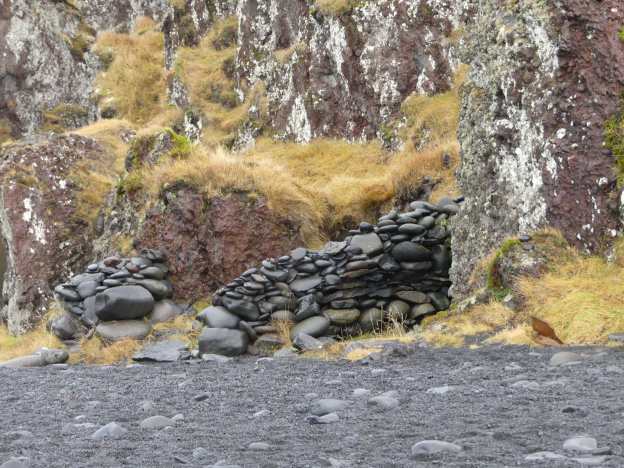
Might it have been to separate the fields by the shore from the fields by the mountain…
p1350699

… to keep sheep from drifting away from survival food, winter’s seaweed…

p1350933

Sheep Pasture at Dritvik

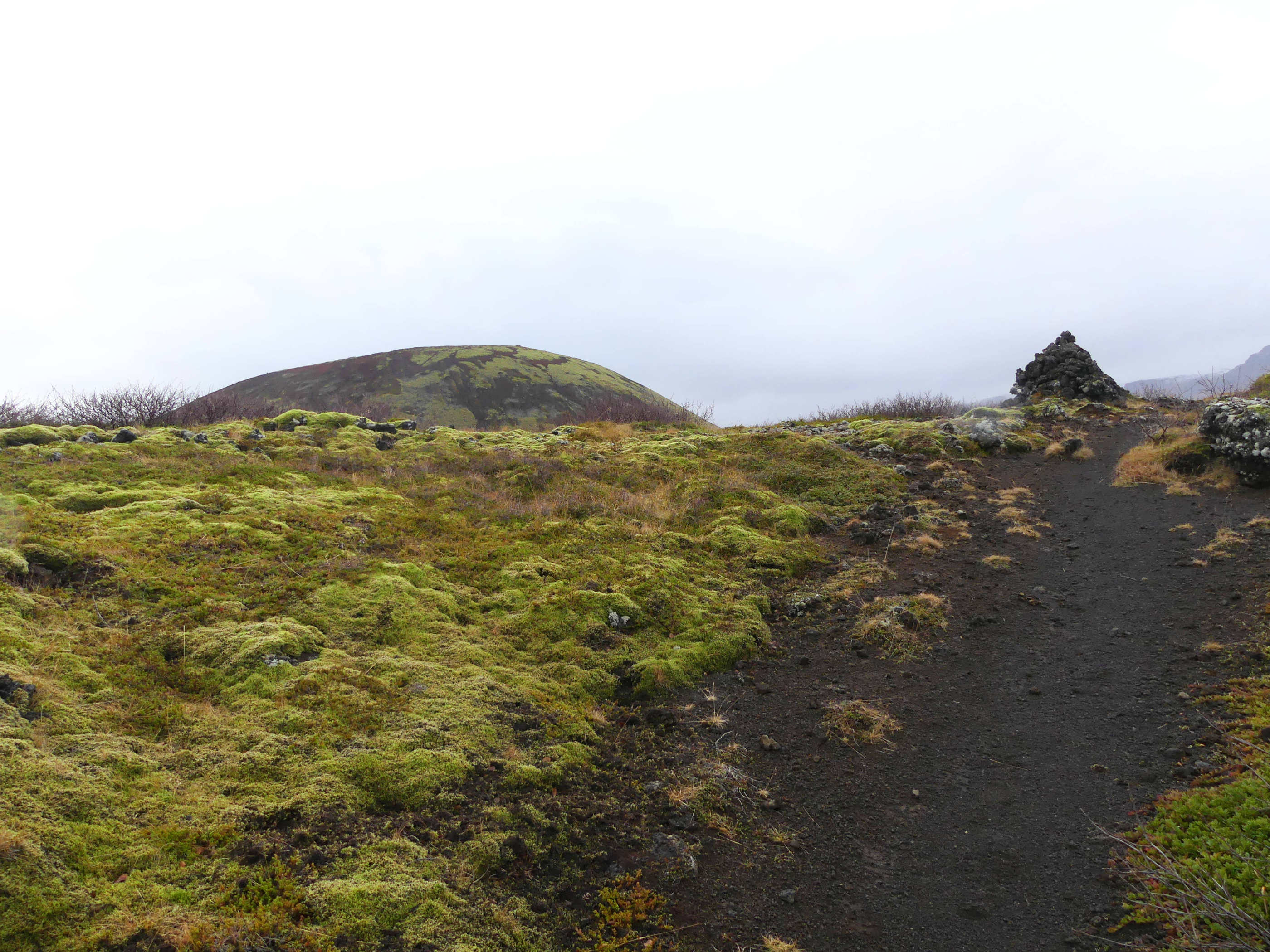
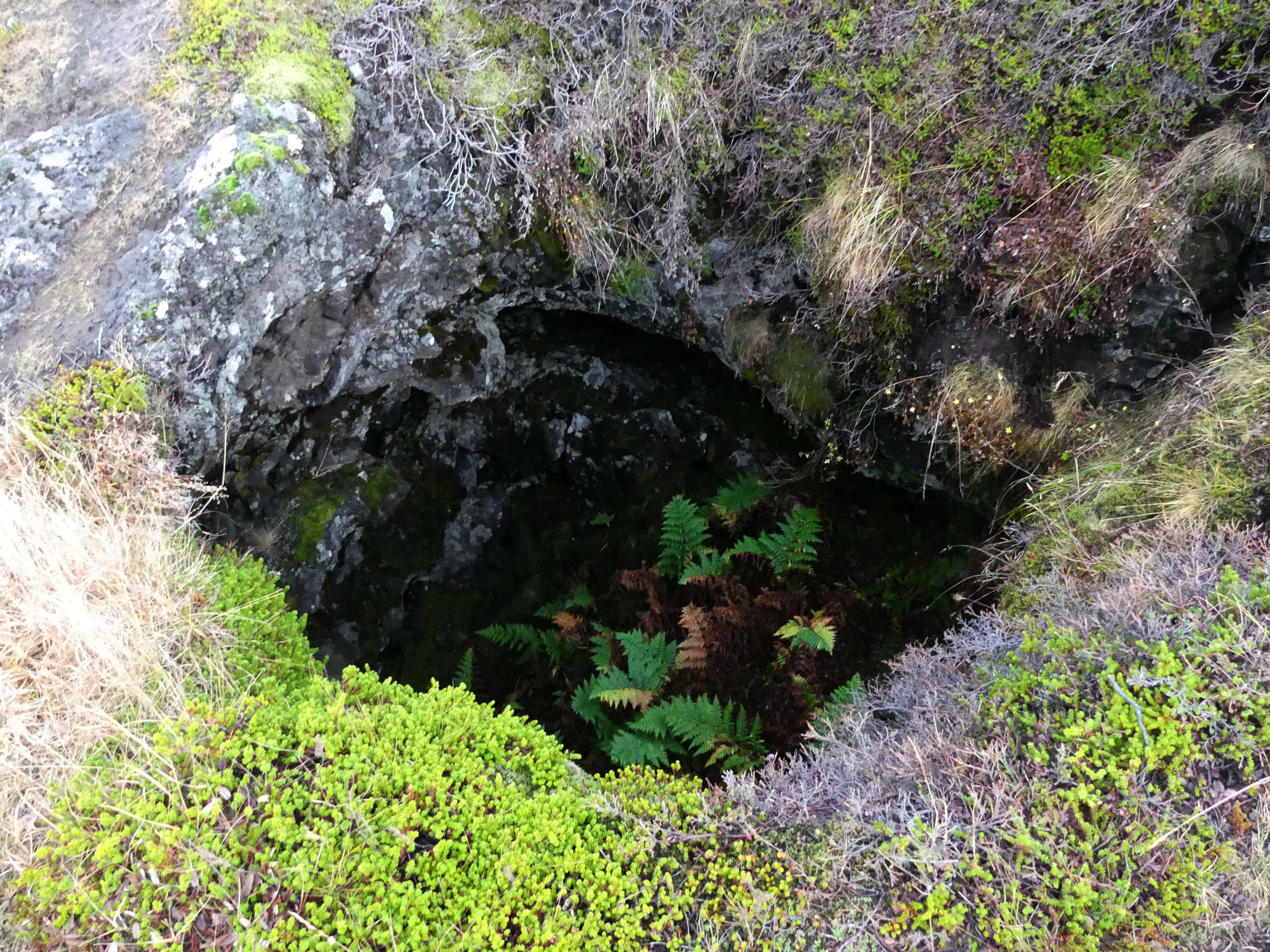
…into perilous holes in the lava?
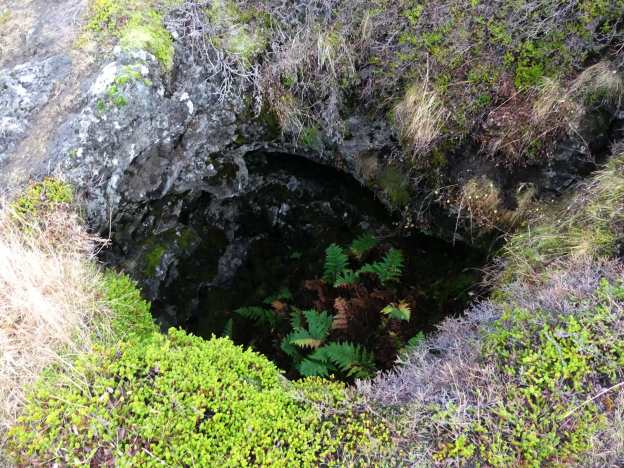
p1380860

Is it, in other words, about thinking with the land? Is this the wealth that Gunnar Gunnarsson said was at the heart of poverty? Is this an extension of the principle “when you run out of hay anything is hay, anything at all” to land itself, on the lines of “when you run out of pasture anything is pasture,” even if it is only an extension of the poverty of one man over another? Could this be love of land?

p1310618

In a country in which only a landowner could wed and have children, the impetus to own any kind of land, in any kind of poverty whatsoever, must have been intense. Is that what we’re looking at here? Love?

p1380569

The stubbornness not to disappear of a people from whom the benefits of community were continually removed, often by foreign traders?

p1370090

Is drift a way of holding on by bending the way a path goes? I don’t know. Is it still going on?

p1330218

Is this the principle of drift? Are some fences made of the mind and duty?p1330714
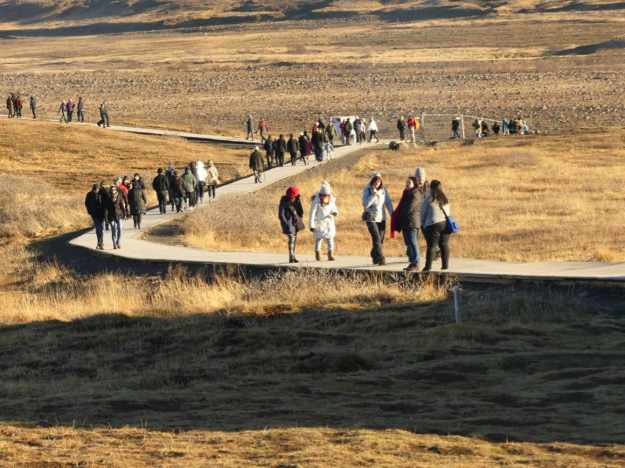
Is this how 1,500,000 tourists are safely guided through the cold every year by a few hundred front line Icelanders?

wetpair

I bet the sheep know.
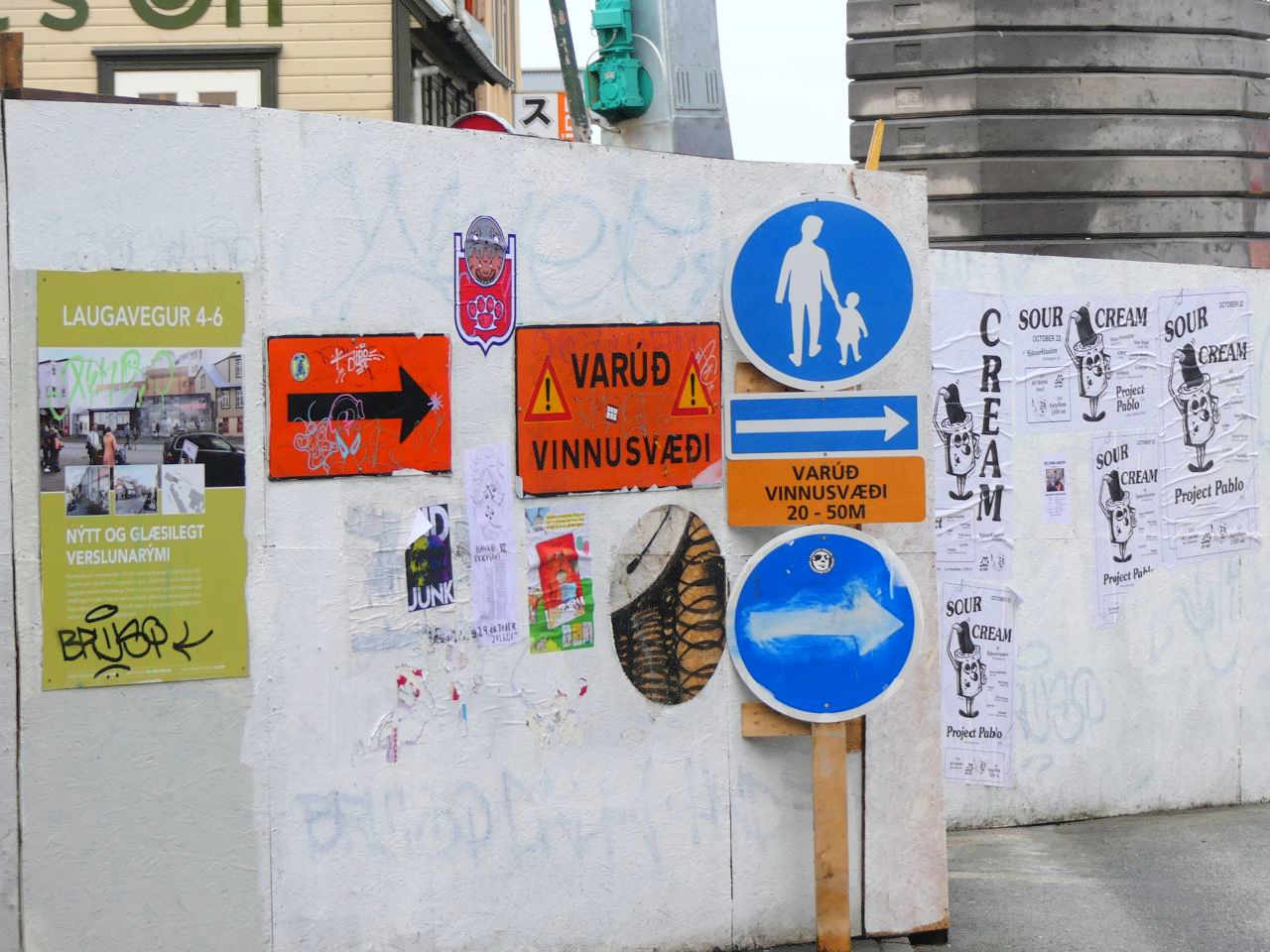
 

Cool Life in Reykjavik

In the global city, money is made and stuff is imported from the world. This stuff is often cheap, as a representation of Icelandic global economic clout, although it does represent wealth and connection.
p1330196
Often the process of Icelandization is to treat this adopted material with humour born of poverty. Jokes of this kind are serious business. They warm a cold world.

Living With the Volcano

Some farms in Iceland are in the most marginal patches of grass in the midst of lava fields. Here’s Thor’s Shield, the mother of all shield volcanoes, at the peak of the Mid-Atlantic Ridge, where it crashes into land underfoot. There’s a little bit of grass here in Thingveillir, but not much.p1400536

Lots of wind, though, which makes it a great place to take some of that grass and build a house.

p1400500

Sandgerði

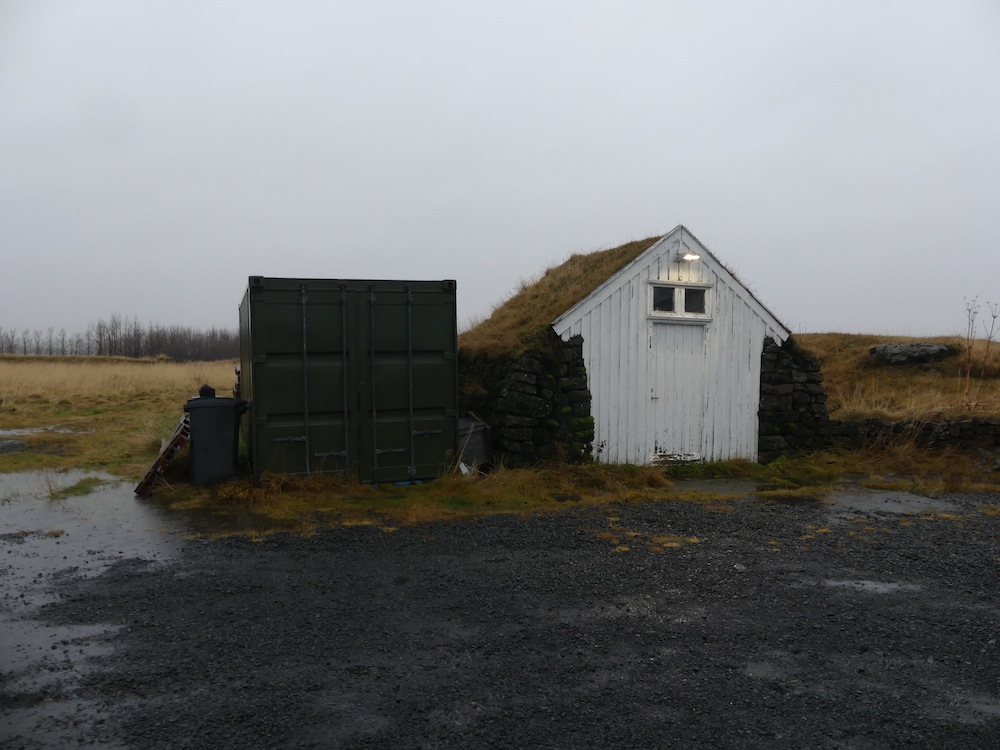
Beautiful, isn’t it. Every farm in the country has ruins of turf houses like this. That’s the thing about Icelandic views: it’s the fact that people live on this land that makes it beautiful. The hard work of warming the land has been done. After all, the story here is one of settlement, not of conquest.

Nationalism in Iceland

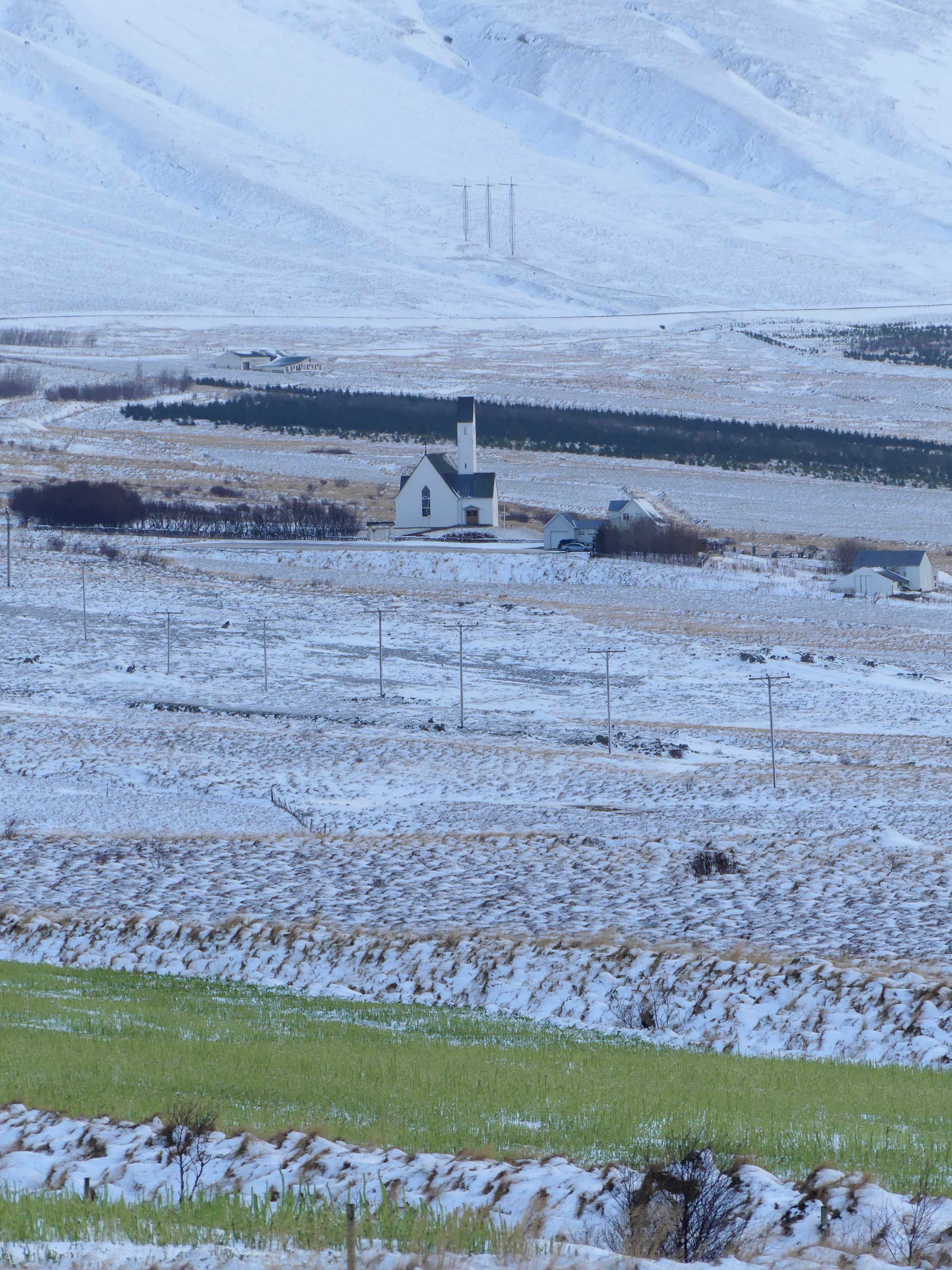
A pretty pastoral scene in Hvaljördur, right?

p1400354Saubæjarkirkja

The barren hills are caused by the sheep that make a nation possible here. The birches in the churchyard would have been all over them 1100 years ago. More trees would be desirable, but lamb is already $35 a kilo. That’s a hard practical choice. The church is a symbol of many things, including the parliament of 999-1000 that made Christianity the country’s public religion (without denying private paganism), the loss of nationalism to the Norwegian Crown a half millennium ago, the power of land-owners to collect church tithes, and the cementing of Christian values (and at times oppression) in communities of itinerant labourers, almost serfs, in continual movement around the country. The forest behind the church is part of the late 19th century and early 20th century movement to re-settle the land and reclaim nationalism from Denmark. The long distance transmission line is part of the support network for the American aluminum plant behind me when I made this image. The reservoir that supplies these lines with power drowned some of Iceland’s most beautiful wilderness, yet, arguably, provides the funds that allow Iceland to remain independent. The green field crop represents the heavy industrialization of agriculture which enables a people, in love with the power of American urban values and who have left to land, to eat off the labour of 4500 people. The ditches across the field, for drainage, allow for increased yields for this industrialized agriculture. Everything you see here is a technology for survival. Everything is a carefully calculated choice. Nothing is frivolous. So, yes, if you call that pastoral, this is. Gunnar Gunnarsson would have said it was. I do, too.