Category Archives: Art

White Iceland

The Iceland the Icelanders send you to on the bus is magical. 

Seljalandsfoss

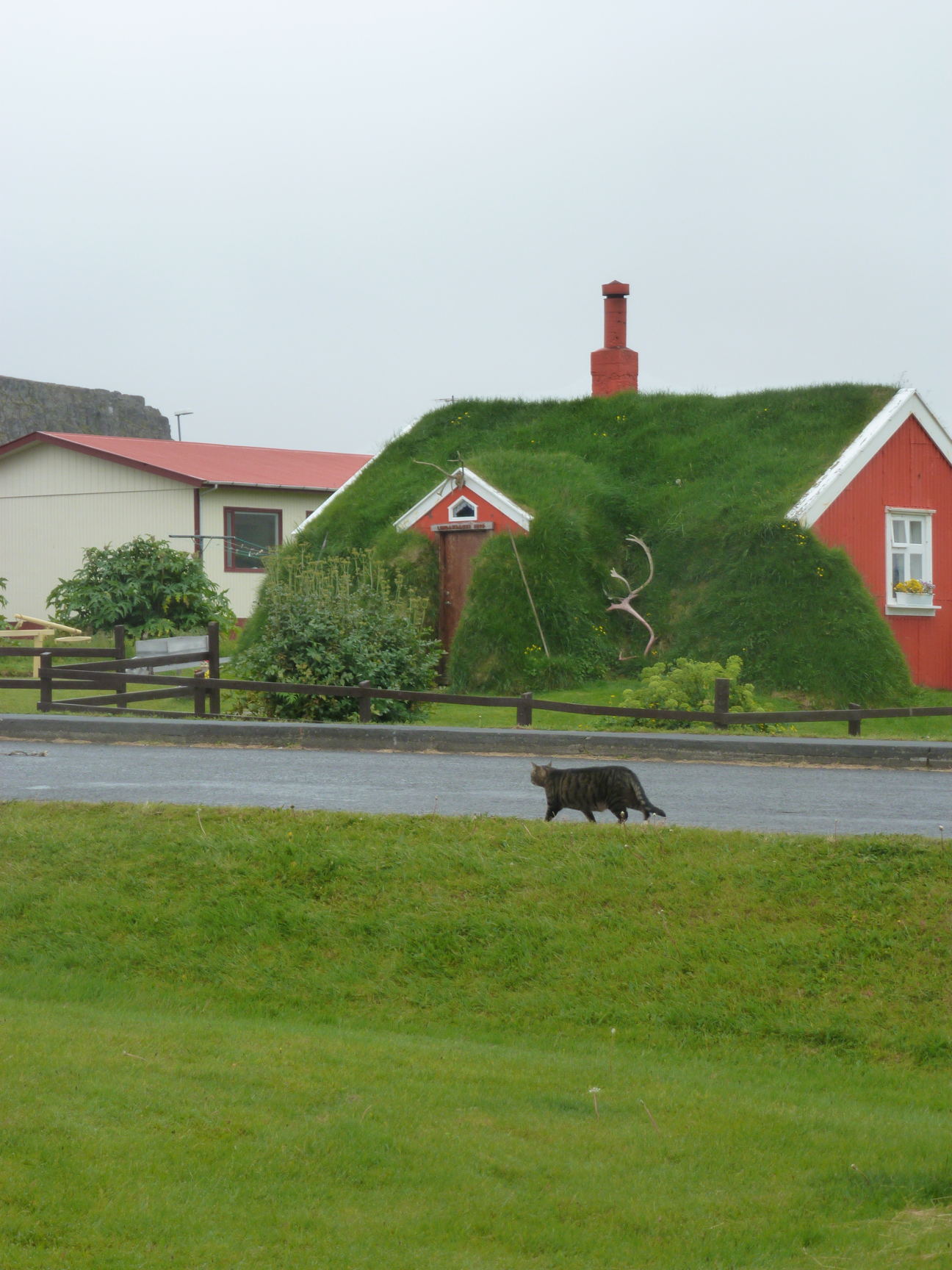
So is the one they live in, across the road.

One has water blowing in the wind. One has volcanic ash blowing in the wind. These are the big choices. Hmm. OK, also the Atlantic Ocean blowing in the wind.

Snaefelsnes

And, right, fog and rain blowing in the wind.
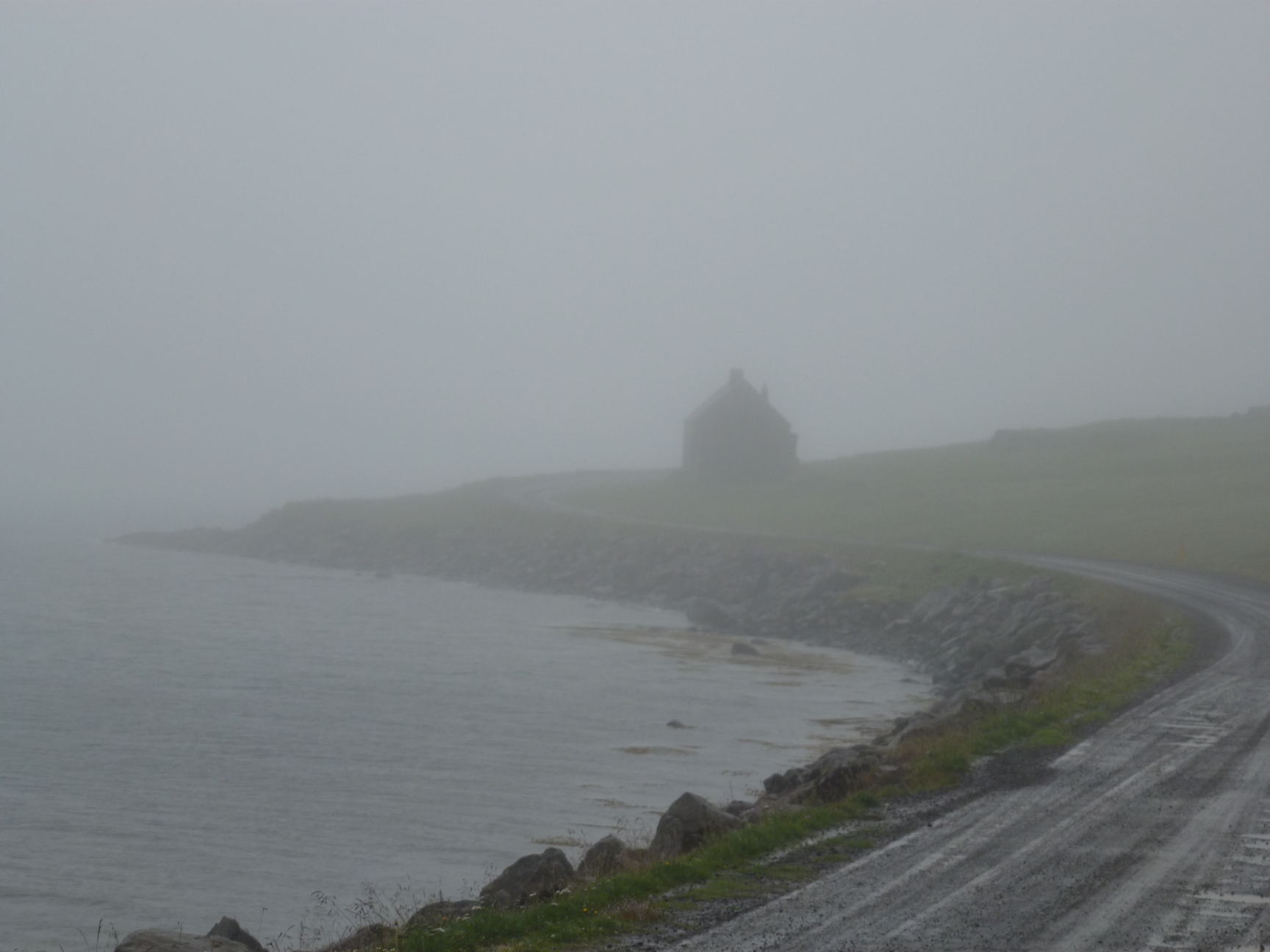
Seydisfjörður

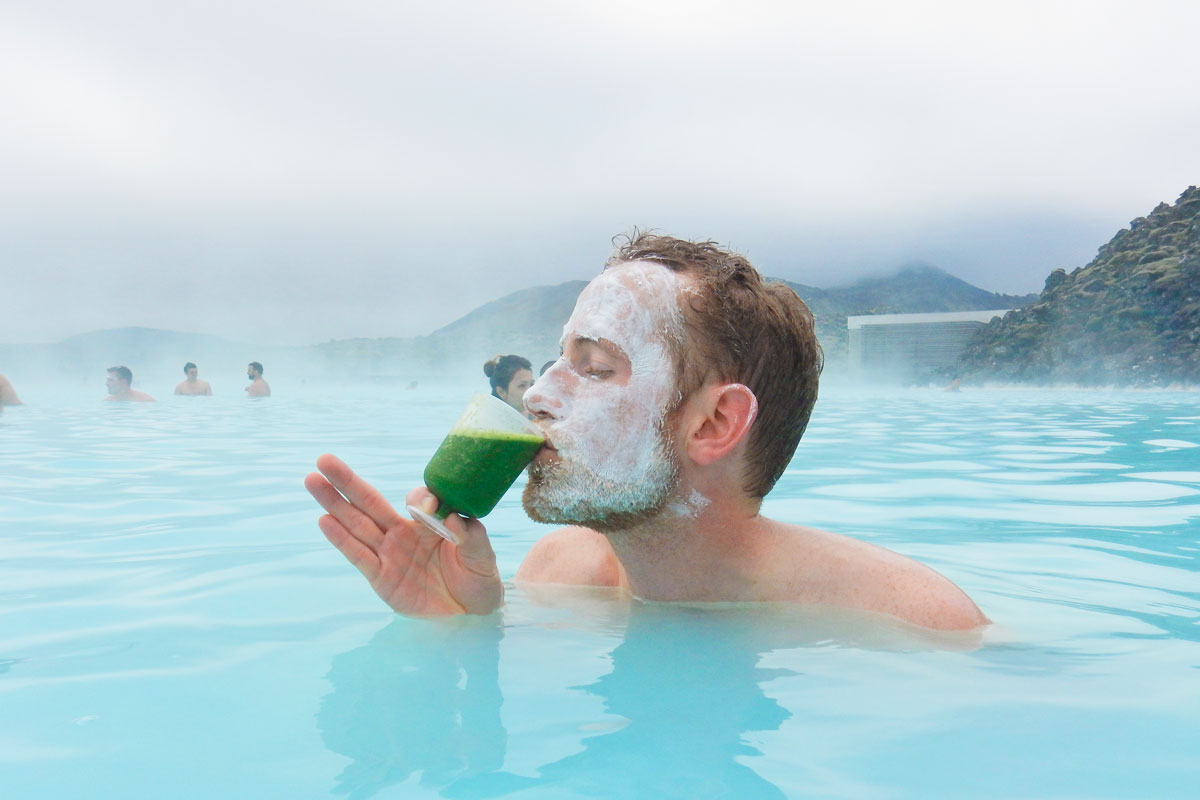
Do they tell you about that? No, they do not. They tell you about the Blue Lagoon:
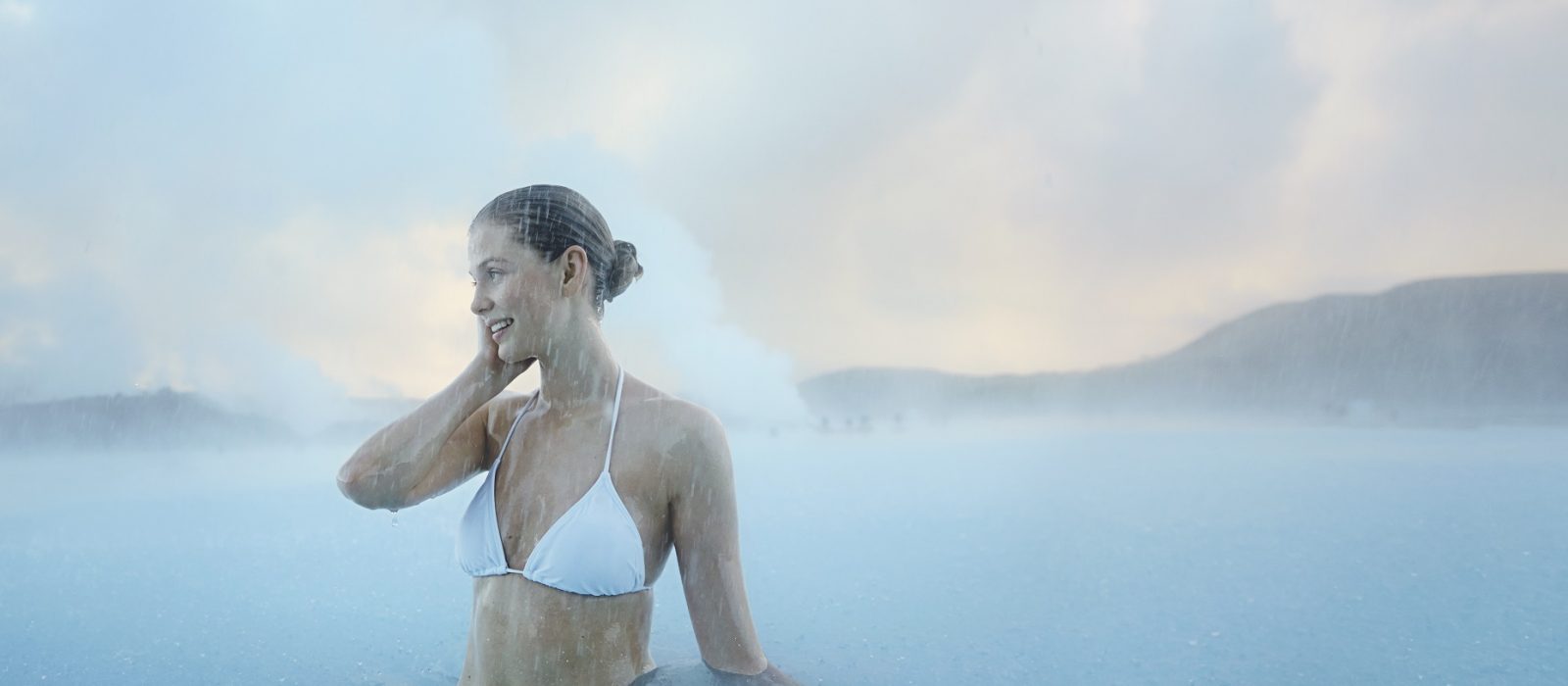
Not your style? Well, there’s this story, too.
Did you notice the consistent use of white? It’s a message. Let me show you again. One …

…two…

…three.

Icelanders know about whiteness.
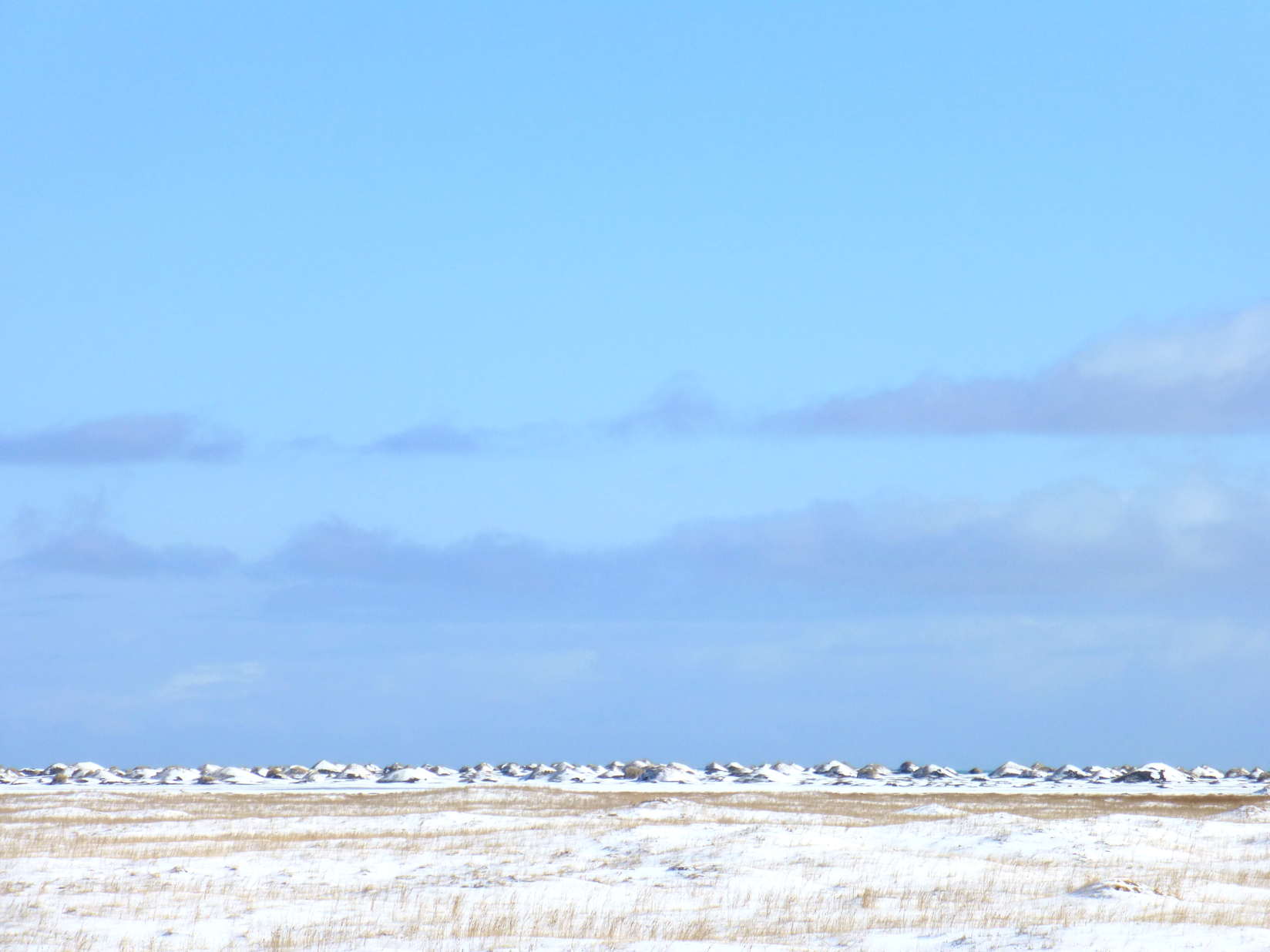
How blue it is.
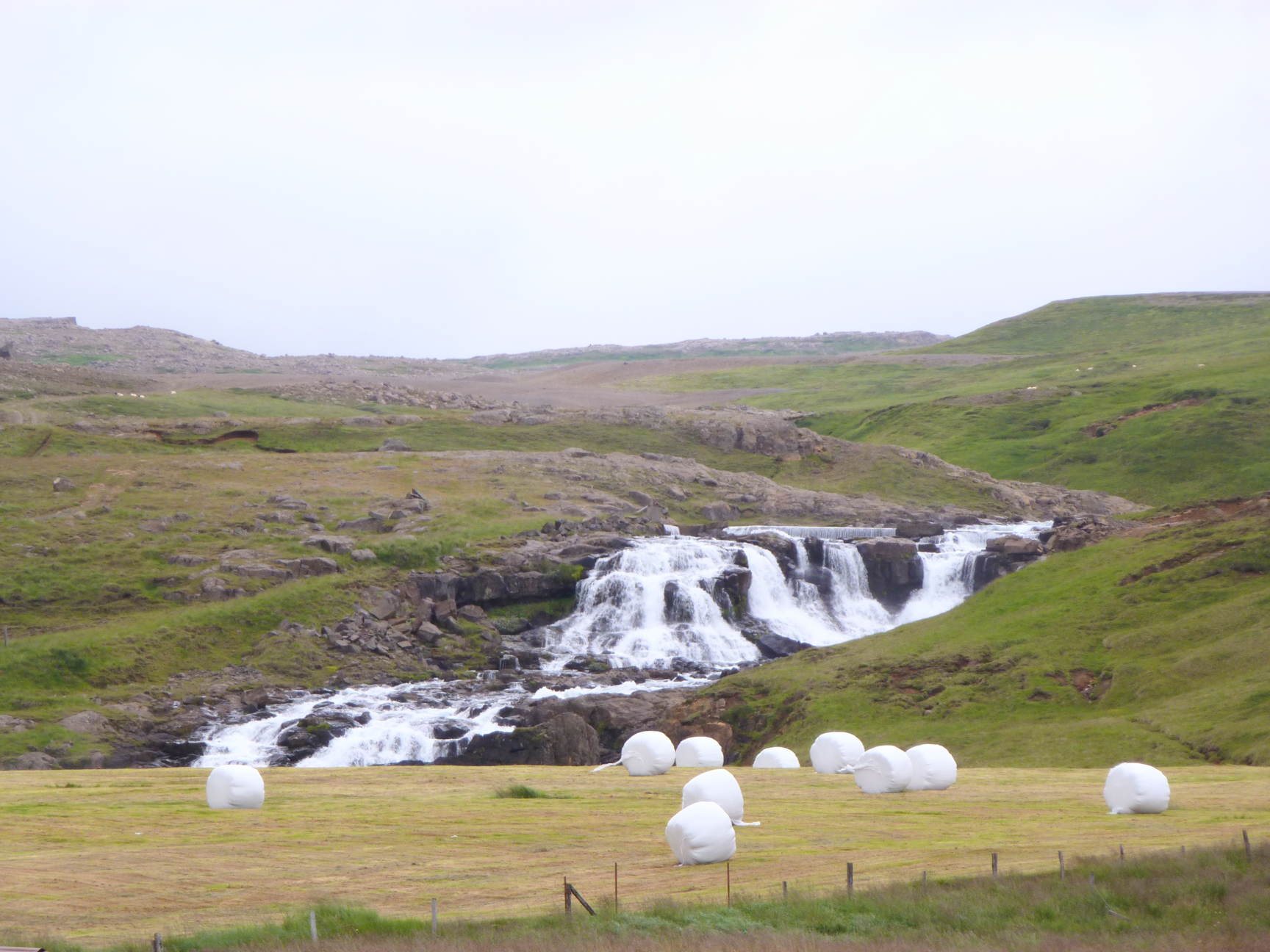
How watery.

And how it covers everything with illusion. OK, well, a backdrop for illusions.

And that in Iceland ghosts are everywhere.

And they are white.

Well, white and red. And white.

Right, and snow blows in the wind, too.

So, off you go!
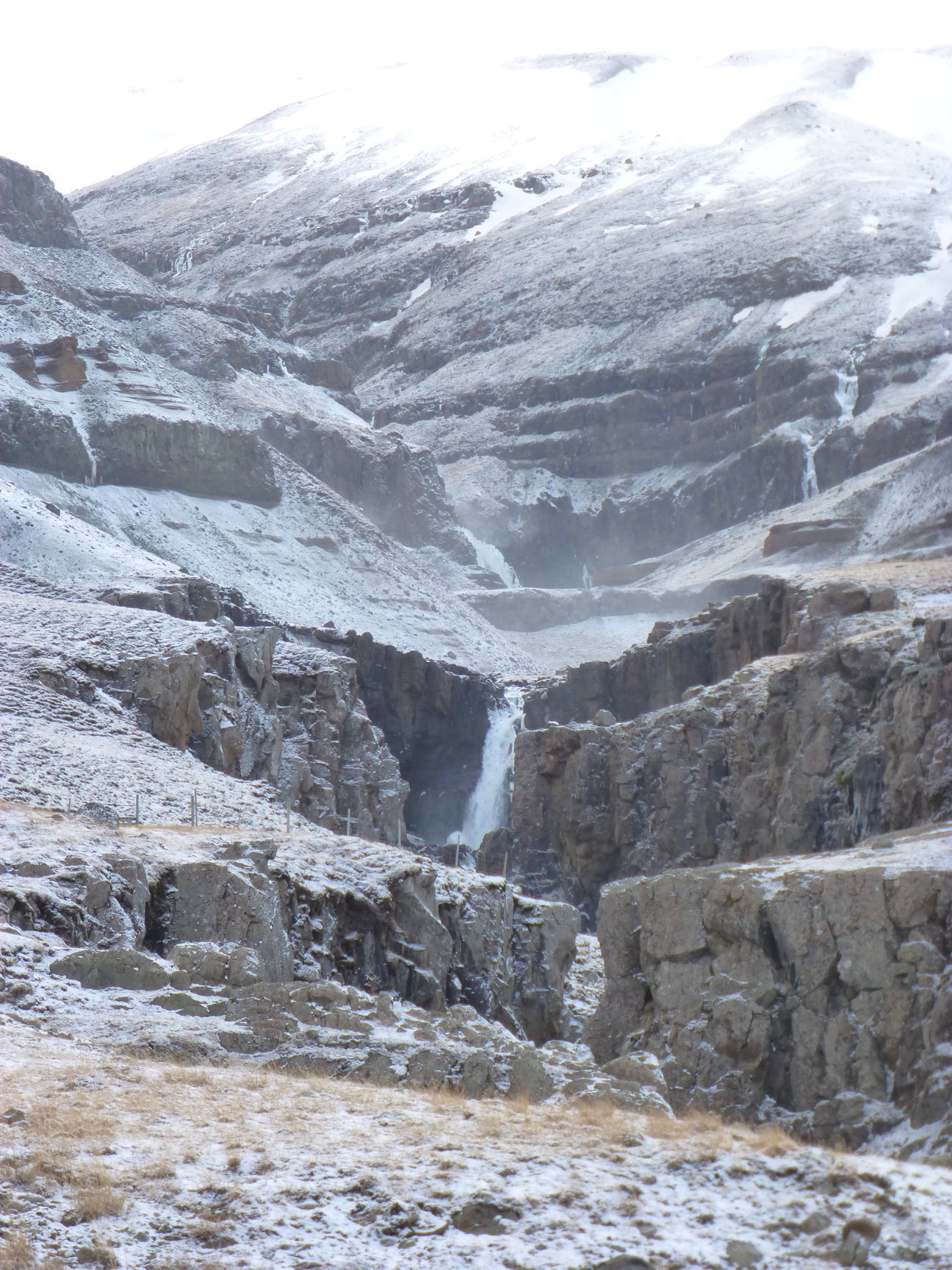
Gunnar Weaves the World with the Stony Face of Traditional Icelandic Verse

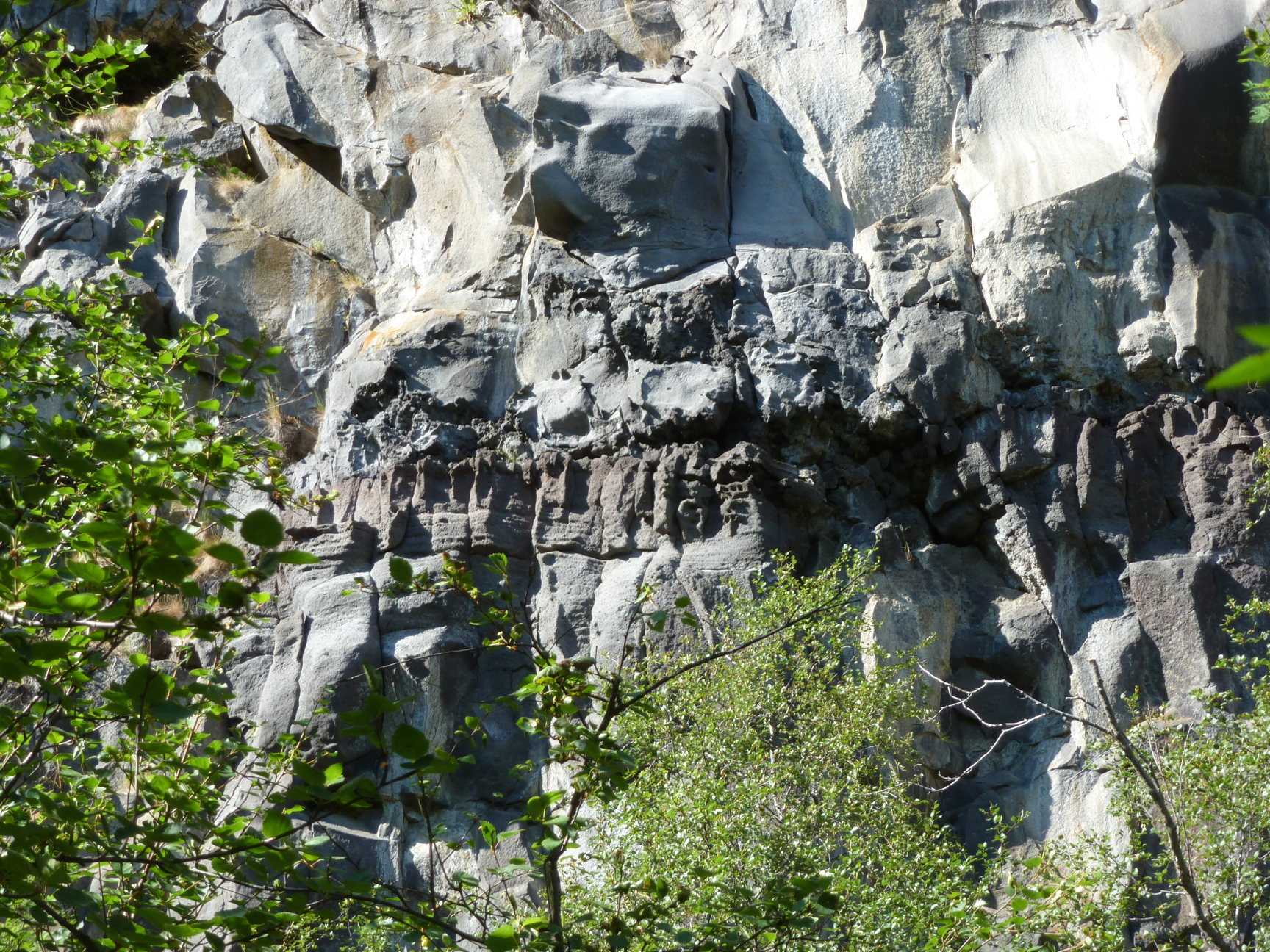
In the speech he read throughout the Third Reich in the spring of 1940, “Our Land” Gunnar spoke of how Icelandic rock rose in the chain-linked stanzas of traditional Icelandic verse. Here’s the gorge outside his house.

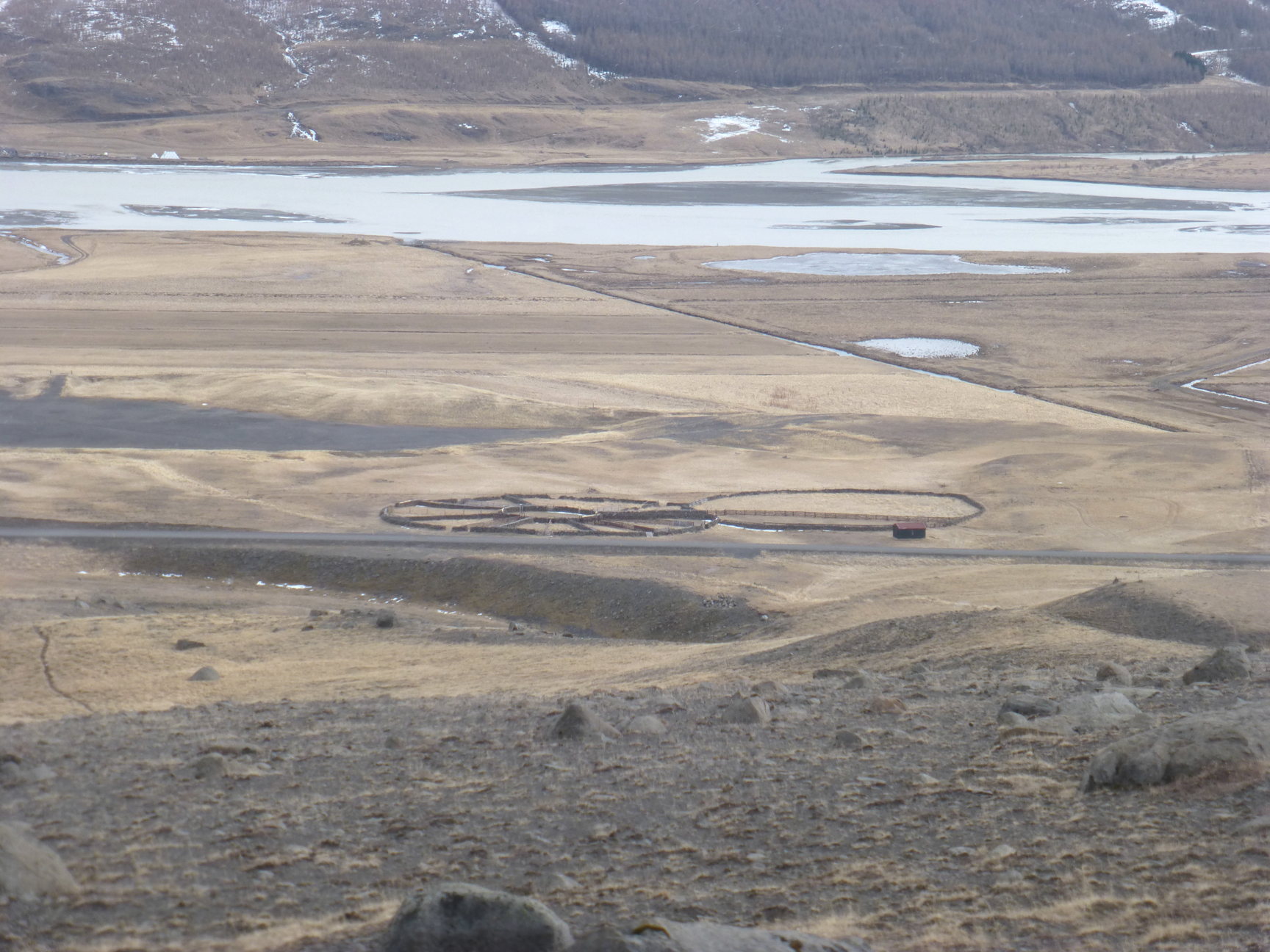
At its foot lies Melárett, the fold that was the largest public building in Iceland in his time, used to gather flocks in winter and separate them out, farm by farm: a place for people to work in unison, come together, and then separate by choice into their own private affairs.

I’m sure the two concepts were intimately linked in series in his mind. Hitler didn’t enjoy the suggestion, by the way.

The Secret Runes of the North

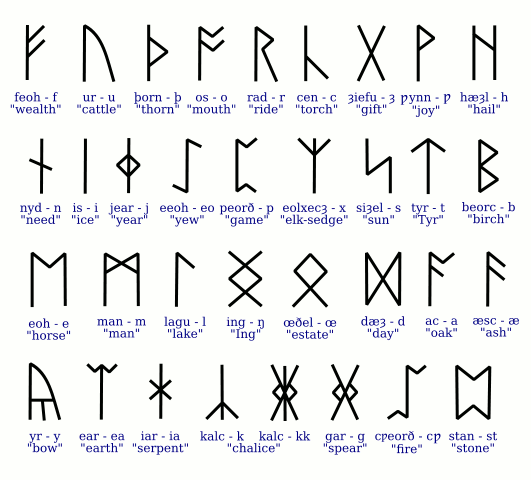
The old Norse runes are well known.


They were repeated many times and developed shared symbolic meaning, aside from their use as an alphabet suitable for carving in stone.

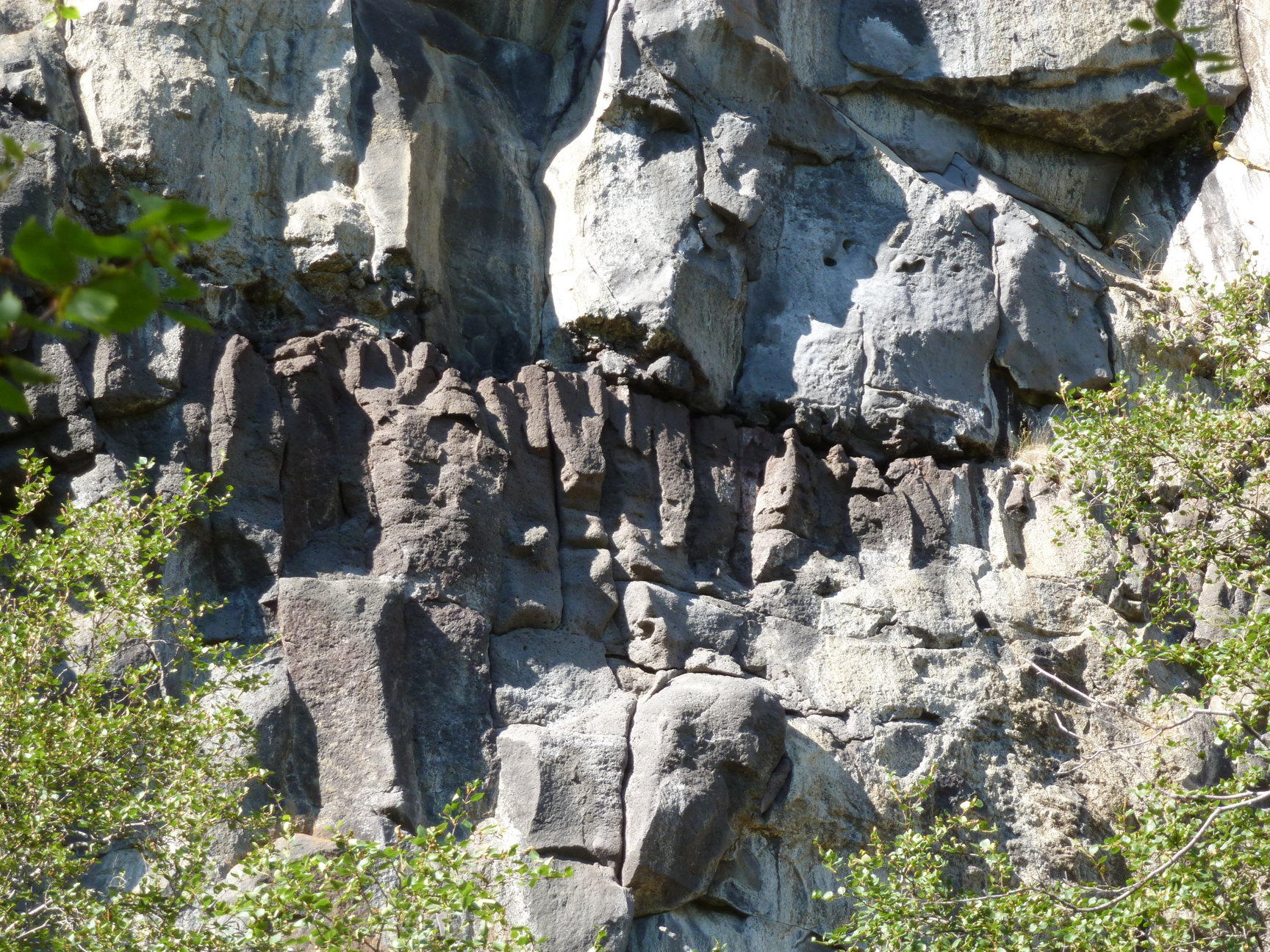
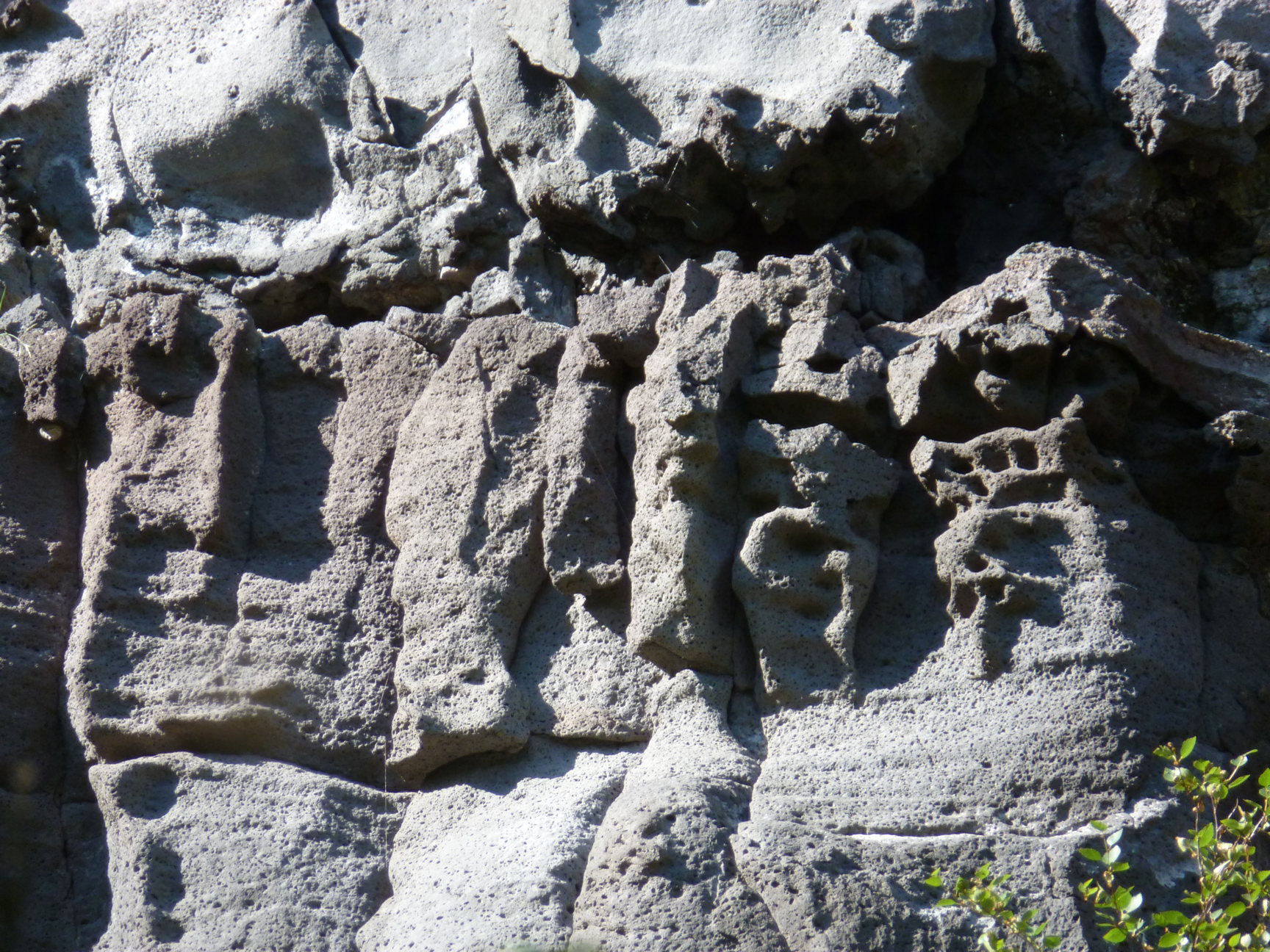
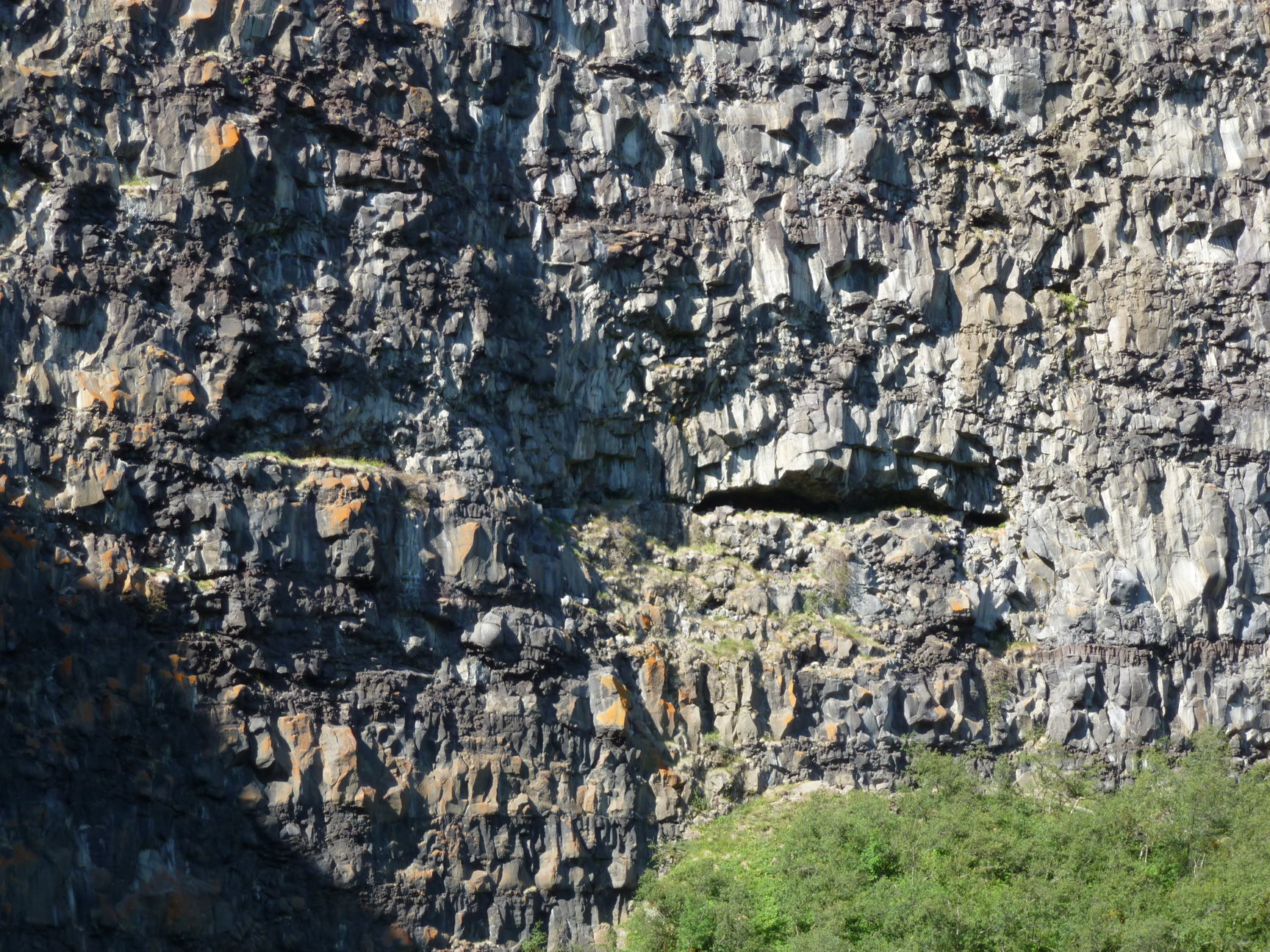
Nonetheless, there are other runes. At Ásbyrgi, for example, long strings of runes, alphabets essentially, written in a bodily script, are written in long lines across the faces of the cliffs.

The more you stare at them, the more they make sense, although each is written one time only, in constant modifications of basic patterns, no two the same.

The pleasure gained from spending a day reading them is no different from that in a gallery on the European continent, in the face of Rembrandt, Vermeer or Van Dyk, or in a vault in Mainz with Gutenberg’s Bible, or in front of Shakespeare’s First Folio in the British Library.

These are masterworks never repeated, but no less masterworks, and no less languages and texts, for being so.

You can’t read them in the pubs of Reykjavik. You are going to have to go north, so far off of Highway 1 that when you learn to read these runes you won’t tell anyone what they say.

The Two Icelands (Well, Really Three)


There’s the pretty one.


Borgarfjörður Eystri

And across the street, the rusty one. All the fish are gone. Beautiful, though.


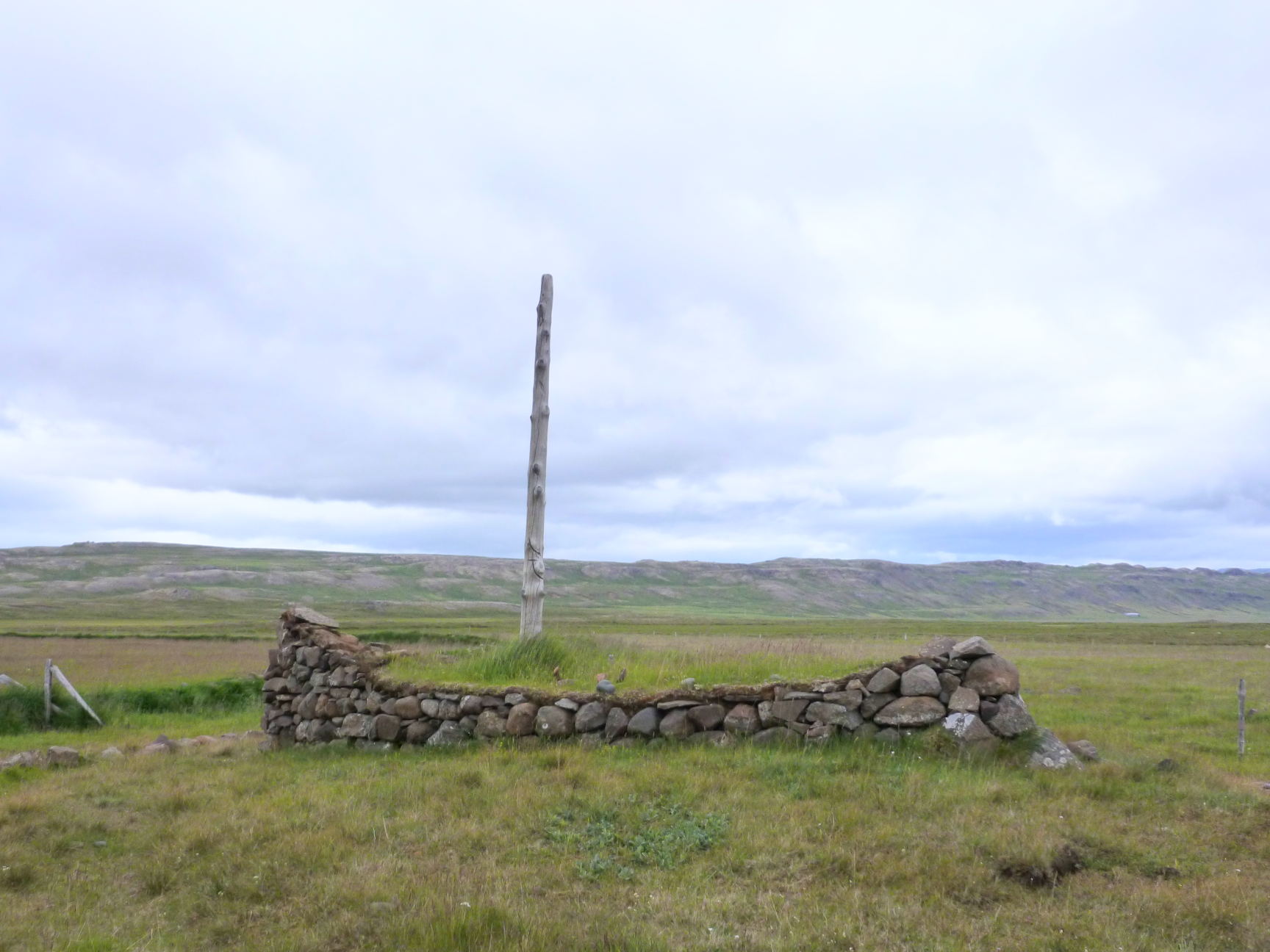
With ruins in the foreground.


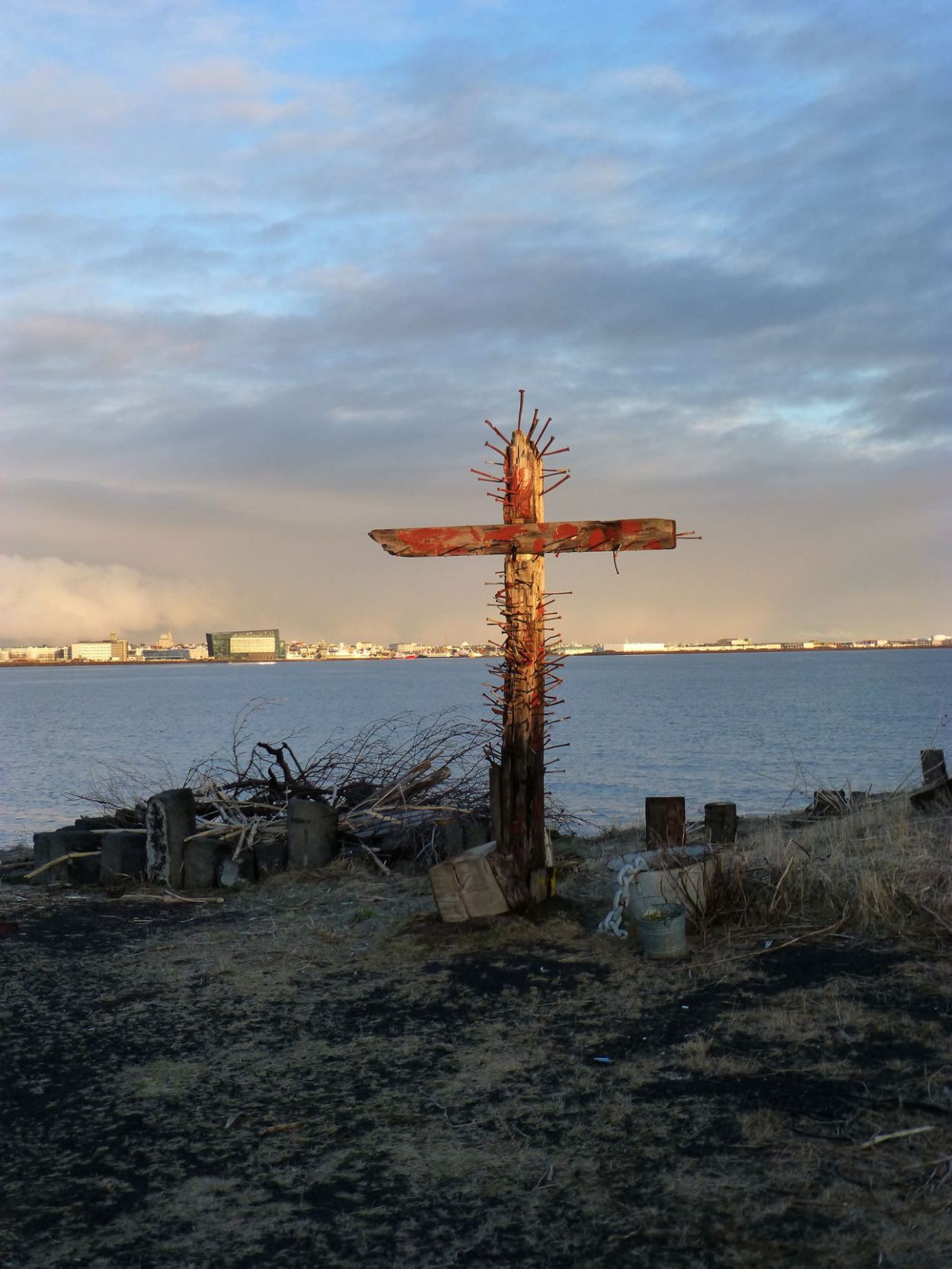
And weird driftwood art.

Neither is Iceland, though. That’s something the Icelanders keep to themselves. What they present to you in its place are charms and gestures.

You know, stuff you remember from the world.

Splitting the Earth Wide Open

In his novel Sworn Brothers, Gunnar writes engagingly of opening the green skin of the earth, forming it into an arch, and swearing an oath beneath it, before the sod is closed again, taking the oath into deep memory and deep time. So was the voyage that led to the founding of Iceland undertaken, with a few nudges from Oðin, that clever wanderer. One can see signs of this story throughout Iceland today. Have a look. The cairns will guide you to the opening.

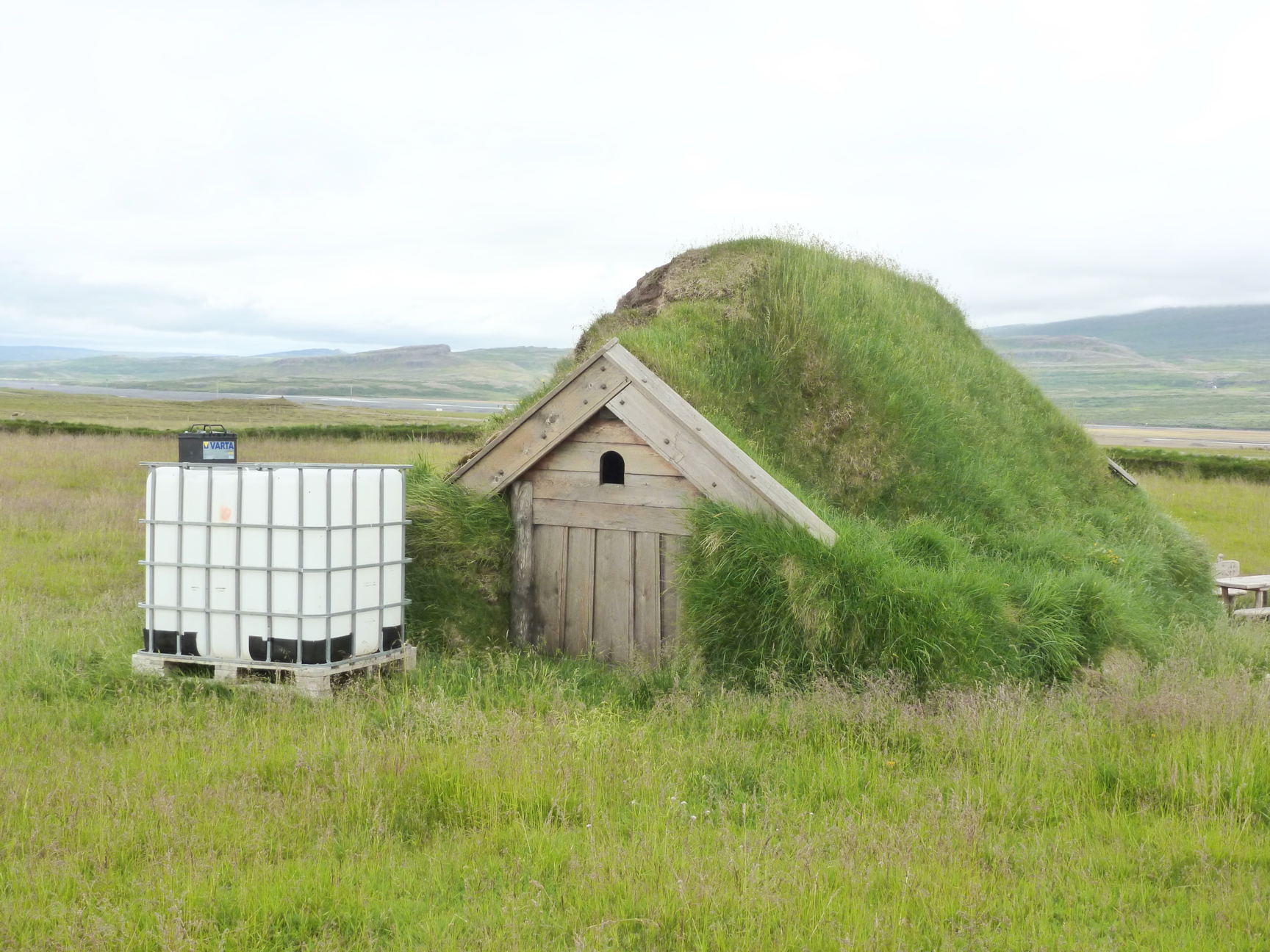
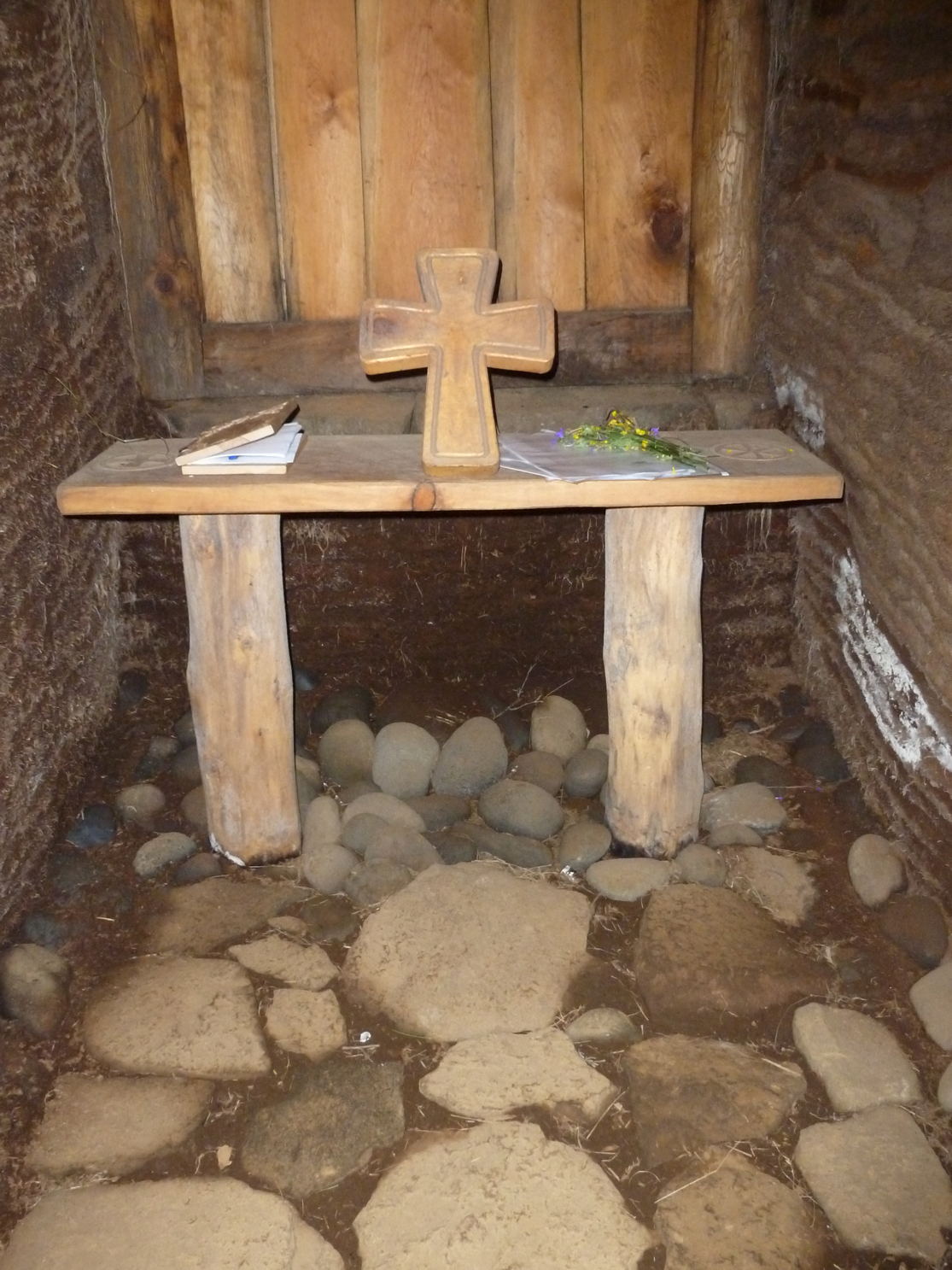
Here we are at Geirstaðakirkja. Romantic, huh. Sturdy Viking stuff, machine-planed and the works. Note how the earth is split around the church, in traditional Icelandic turf house style. It’s a thing.

Note as well, that it’s not as romantic as it looks. Whew.

Even a Viking-Christian God needs some water for his sheep and a spare battery for his truck, and where to put that stuff, why, in behind the altar. Naturally. Power is power. But I jest. Look more closely at the surroundings. Here is Gunnar’s split Earth again. This time, a boulder broken by frost, and frost in Iceland is a force from beyond the world and deadly to humans.

Ironically, it also opens the Earth for them, and who steps forth but Lazarus drawn forth by the hand of Christ. You can go into their shared grave in the Earth…

… and you can step out again as a different person, into a different world, one cleansed by the journey…

… and then you can feast.

And then? Why, cross the sea.


With grass breaking across your prow and the wind for a sail.

The University of North Iceland Graduation Exam for Everyone

In Iceland, so the story goes, you knew you were old enough to go fishing in a small boat on the big grey sea by how heavy of a stone you could lift. A pile of stones was much like a university examination is today. Here is the examination set at Skriðuklaustur, more for fun than anything.

Today no one goes to sea for cod in little wooden ships, but there are still lots of rocks to lift and measure yourself by, and, what’s harder, you can lift the with your mind…


The University of North Iceland

… to learn the language of the rain, now that gravity has torn them from their original story. Much fun can still be had.

The Purpose of Trees in Iceland

In Iceland, trees wash up on the beach after swimming over from Siberia, which is fun.

Borgarnes

Their purpose is much like that of moose antlers in Canada or Alaska: nail them to the front door to honour wilderness… or a viking ship mast. Or a viking curse.

This is why Icelanders are such fine film makers. They are good at staging dramas in real time.

Every Kid Needs a Sea Monster Today

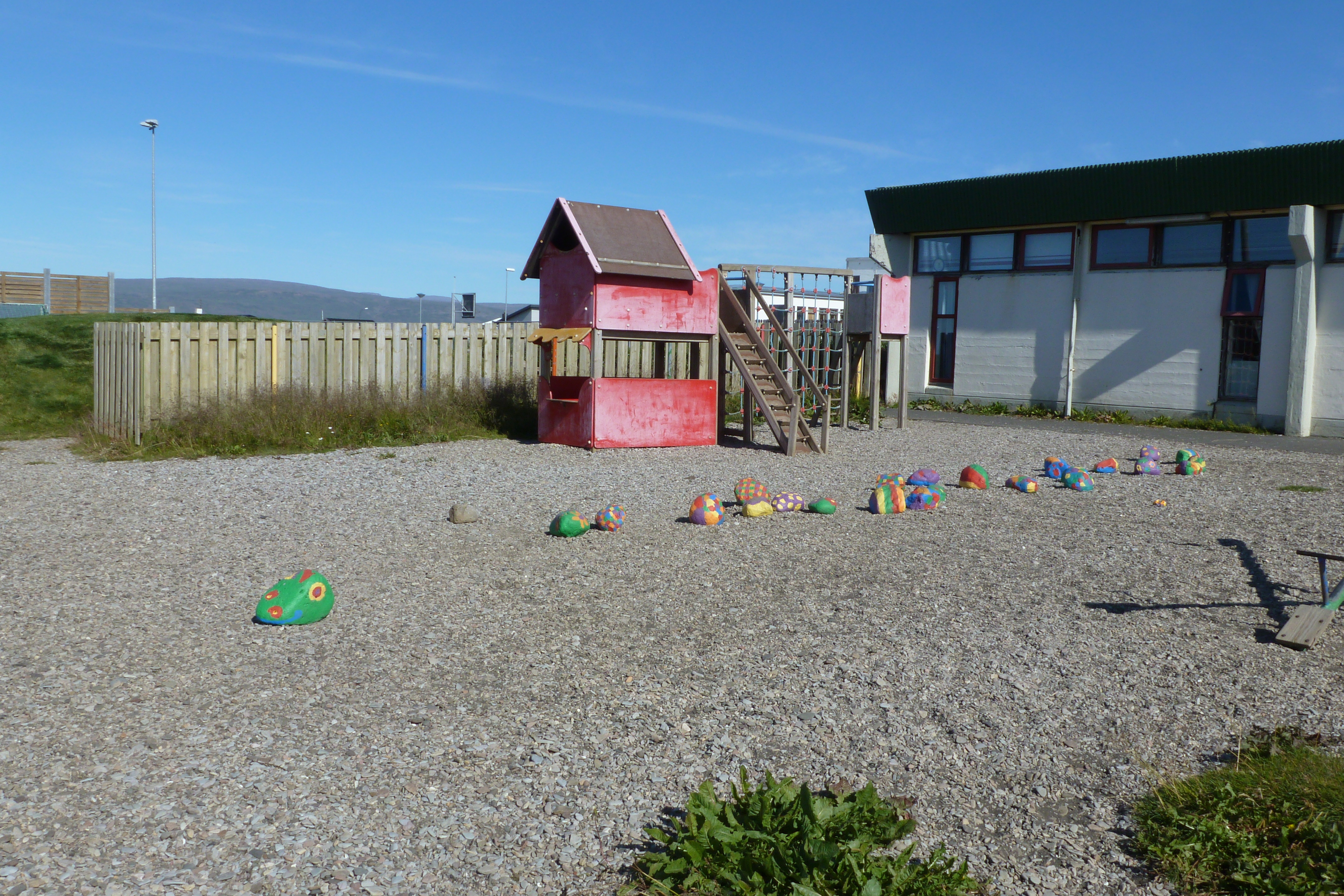
I love this kindergarten playground. Rocks that Icelandic kids have coloured, that they can cart around, roll around, or trip over as they make the monster any way they wish. How splendid!

In many countries such a dangerous thing would be banned. And people wonder why Icelanders are collectively so creative. Sea monsters. That’s the trick.

The Strength of the Icelandic North

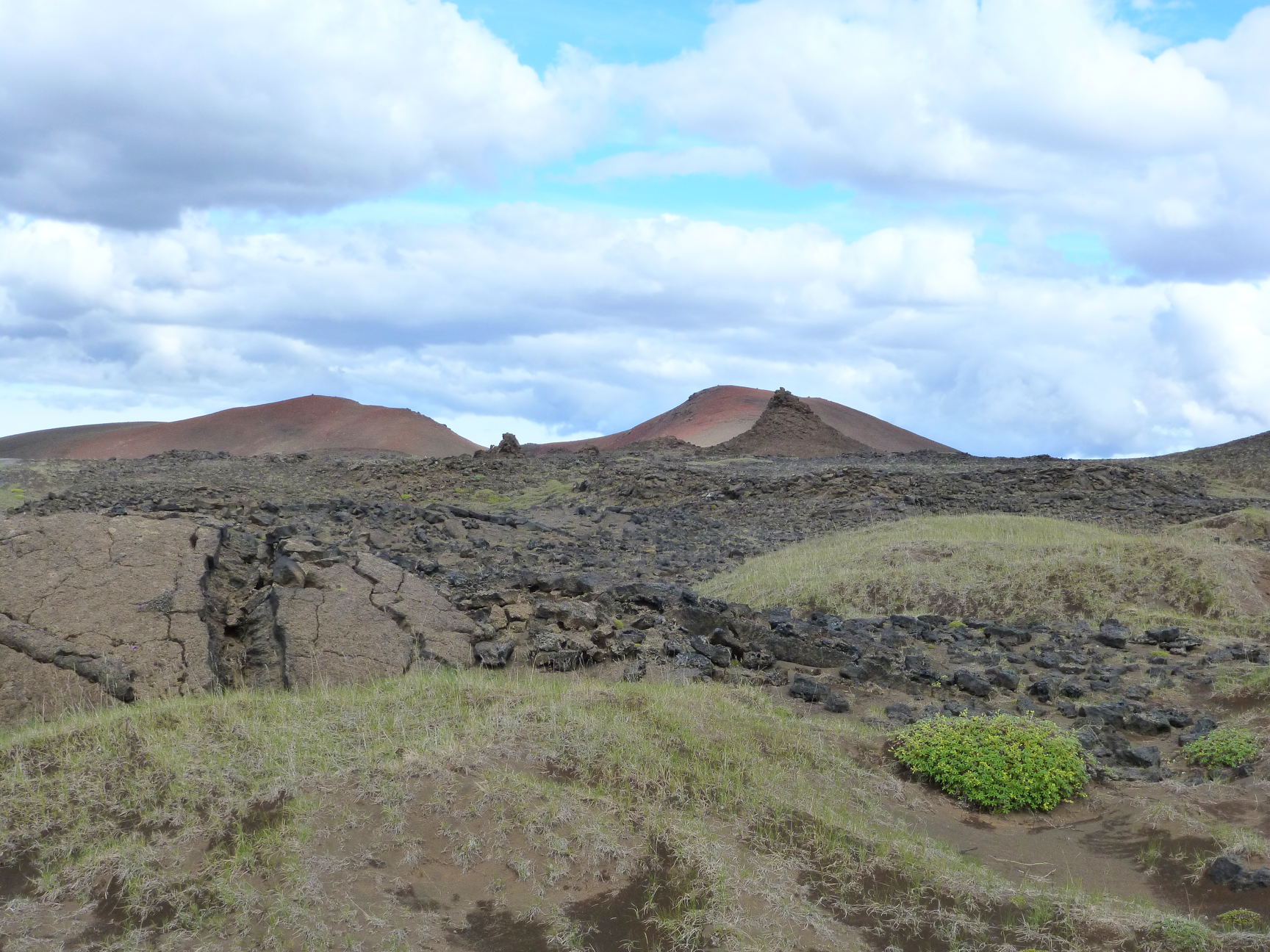
There is a richness in the North that the lush green of the South can’t touch.

Somewhere North of Dettifoss

(Even the Icelandic map doesn’t name this place.)

It’s stark, and “stark”, we know, is “strong.” You feel your strength here. And clambering over all this broken stone let’s you feel your tendons too!