Poet: A smith who works with words and the spirit that attaches to them and flows through them between humans and the world. Often, poets approach this work from a book tradition. When they do, their real audience is either the book they write for and which readers read to see how the completion of this book is getting along or the readers who approach the intersection of the book and its society with the same reverence. Within such cultures, a poet is often seen romantically, as a worker with one of the decorative arts.
 A Poetic Interpretation of Egil Writing His First Verses at Age Three
Borgarnes, Iceland
By book, I mean the book that duplicates the world. Some cultures call that the Bible. Some the Koran. Others the Periodic Table of the Elements. Some might call it a Doppelgänger, a mysterious double. It is so powerful, it can even look like these birch twigs. In this manner of thinking, they are considered to be natural and living in a state called “nature”. This state is the book.
 Yes, You Too Can Read These Twigs
Dichter: a smith who works with Dicht, the thickening of the world into densities of intelligence, distinct from poet by a desire to create unified points of power rather than large tapestries. This is an art form in the German-speaking world, and represents the grammatical structure of the German language, which looks for unity where English looks for precise difference. Where a poet, in service of the Book, might look for a world of nature, that came before the book, and called it a (primary) world, with the emphasis on an abstract category, a dichter would look for an Urwelt, a root-world, which is distinct from a world but contains the time that opened up into a world. This slight difference is profound, and leads to the image below being seen complete in all the time in the world, and before language. It is a thickening, a dicht, out of which language evolves, right now, in all of its time:
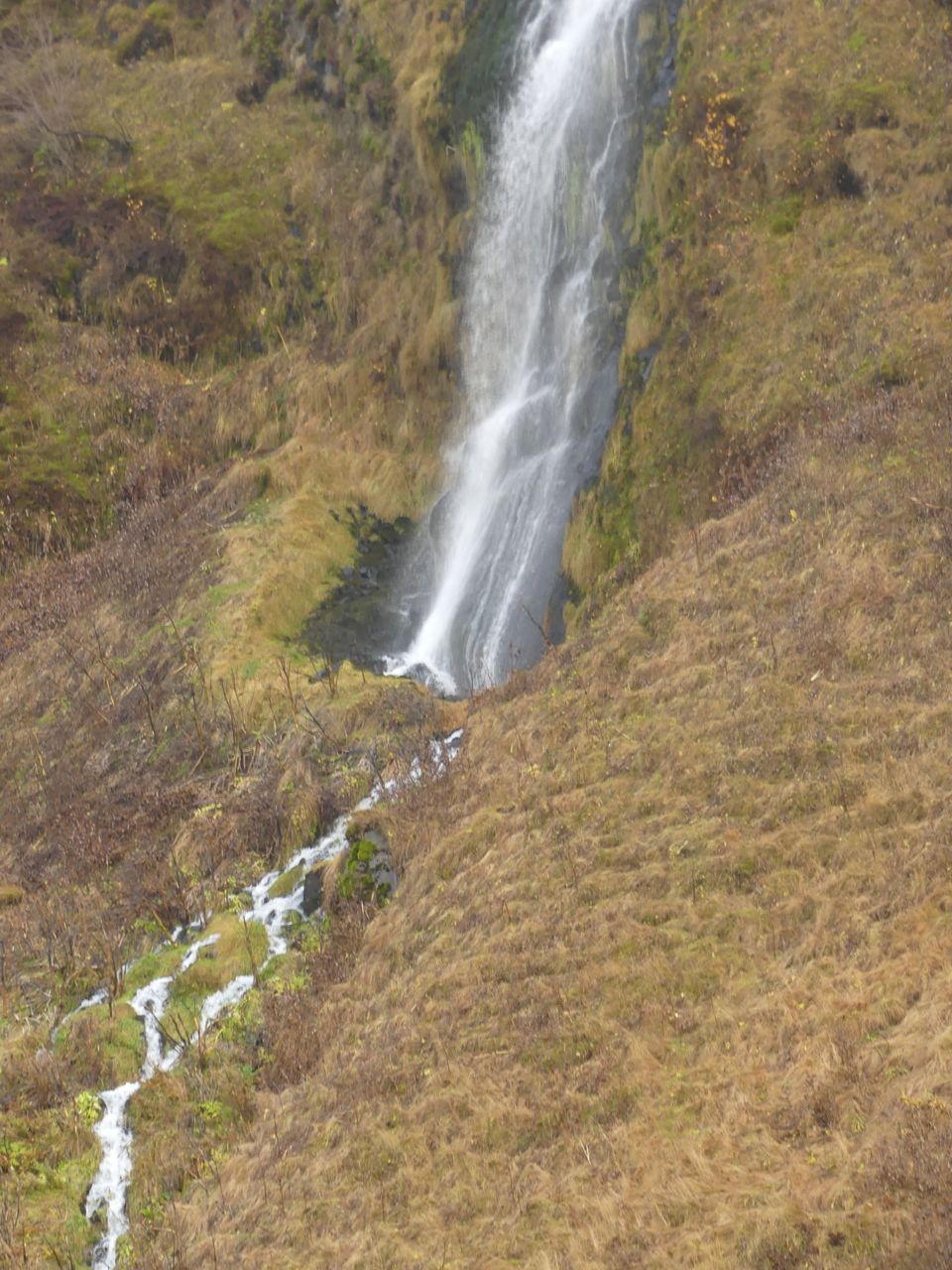
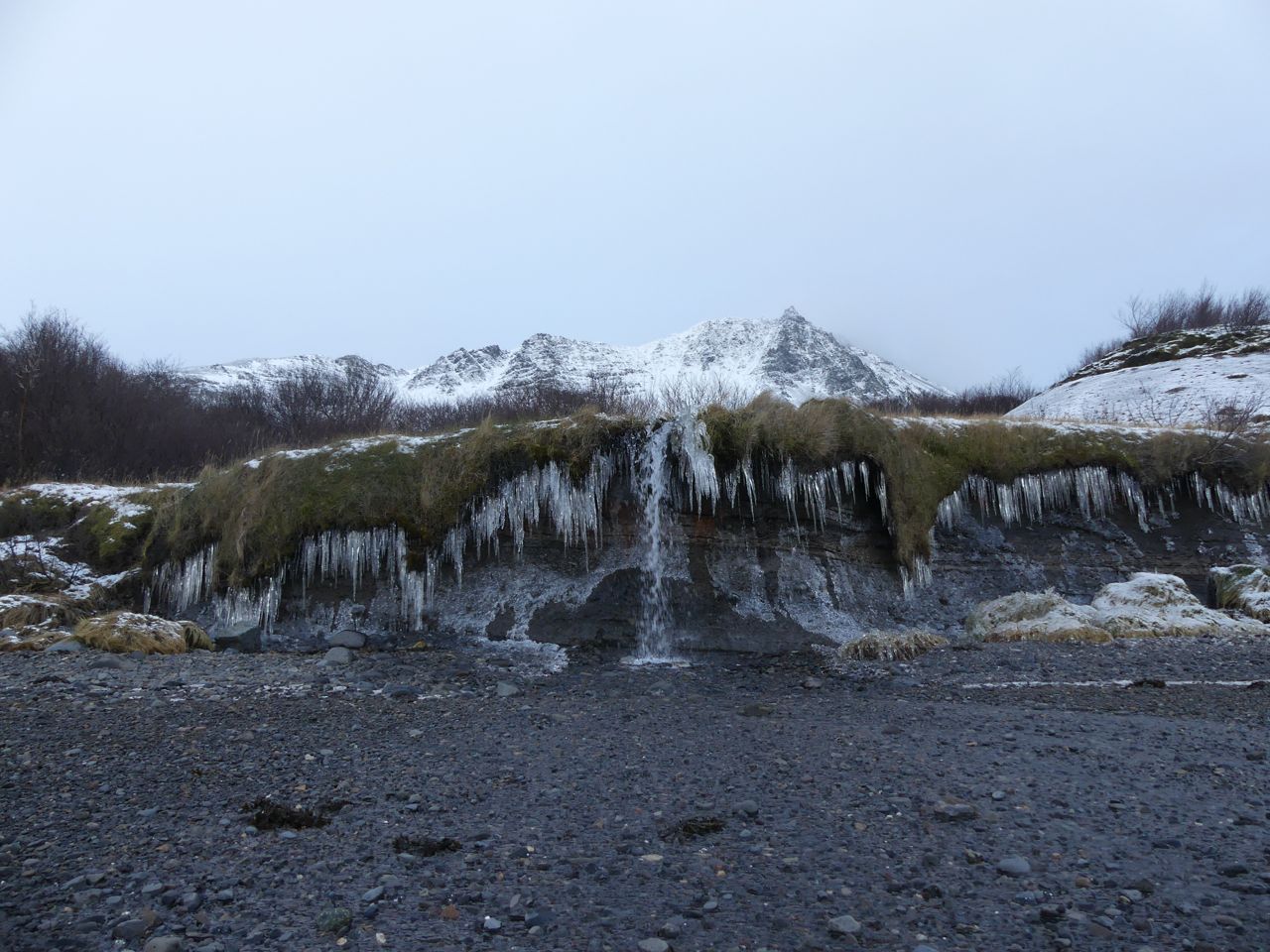
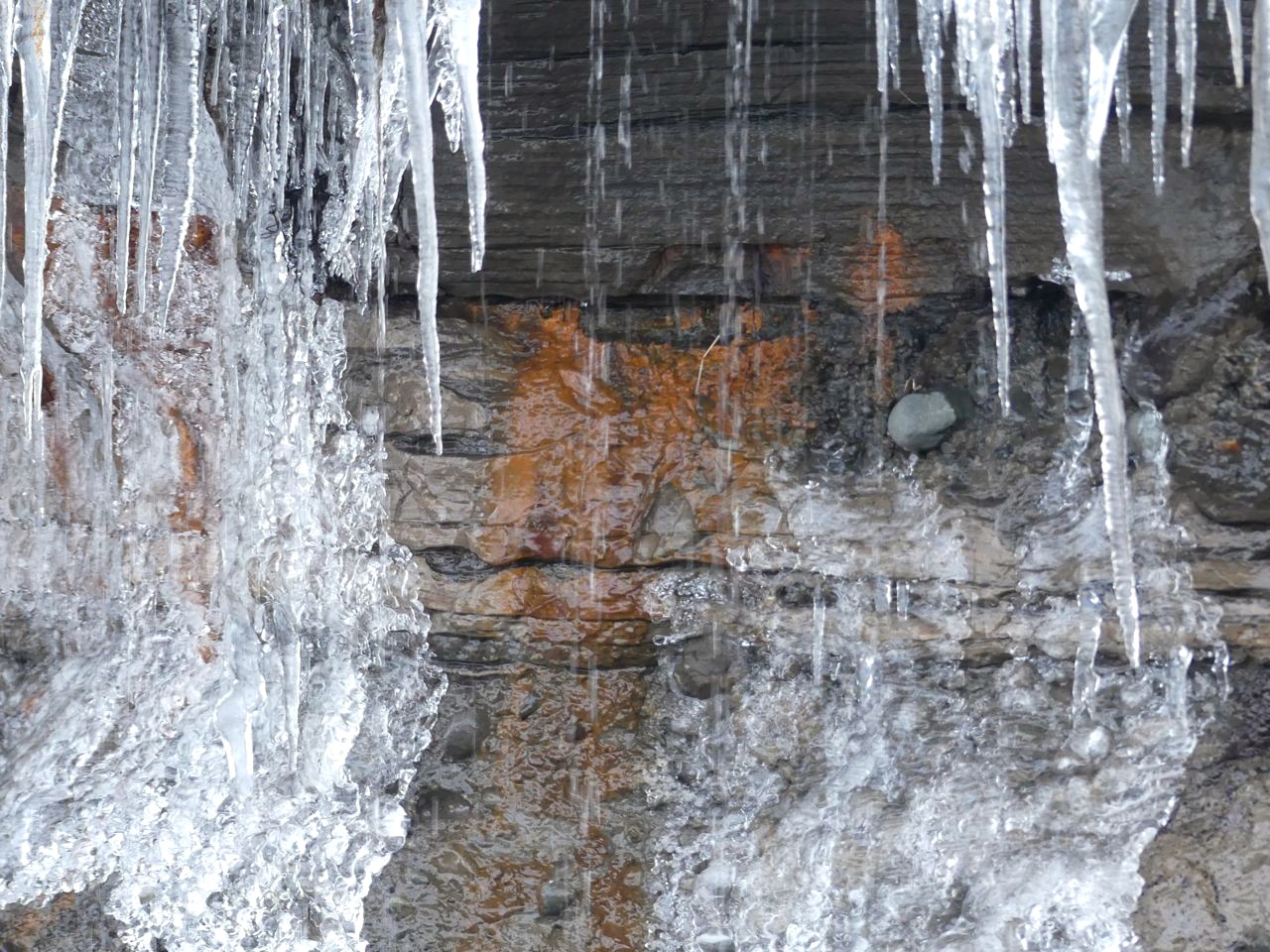
 Skjald: a smith who works with social relationships within the world that contains both poets and dichters, and for whom the world is one of the social players. This is a northern concept, from the old iron age cultures of Scandinavia. Typically, a skjald (as the name suggests) is a shield, a scold, a scalder (the contemporary expression is a roast-er, one who sends up a revered figure in an honouring ceremony that doesn’t hold its punches), a kind of Nordic court jester who praised a god, king or chieftain in rhymed, witty verses several layers deep in riddles or riddle-like tricks of language as ornate as the intertwined patterns of serpents on a viking shield or the infolded edges of language in a viking curse. The result: a scolded, or scalded, king, chieftain or god, as red in the face as a lobster or a berserker about to do battle — except with anger deflected by wit and turned instead to social good. The contemporary translation for skjald is “poet.” I think it’s better to keep the triad of terms alive: poet, dichter, and skjald. They do similar but different work, and it’s useful to keep them clear. Neither the work of the poet or the dichter precisely describes the work of a skjald. The image below, however, is close. The image shows the spirits of a small waterfall in Iceland.
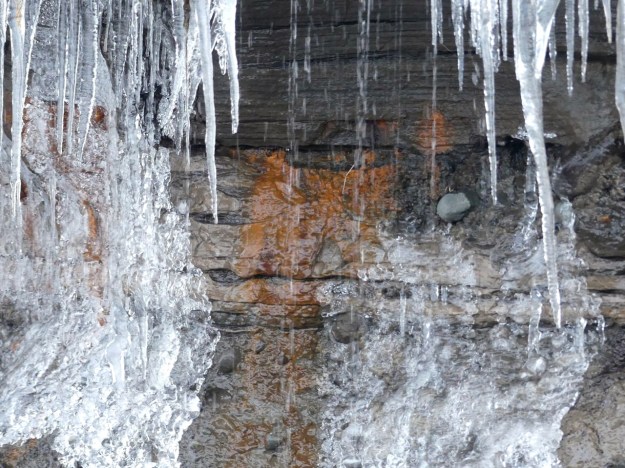 This is skjald work, because it is deeply layered, in ways which combine the world and the acts of men and gods into a tapestry of the mind, which can’t be unravelled, nor should be. Instead, the connections, especially the complexity, duplication and patterning of the connections, and the challenge it proposes to the human ego, is exactly the point: connections rather than distinctions. Is that a red demon in the centre? Is it the god Oðin, with his missing eye wandering off to his left? Is the red figure behind the ice to the left of the image man or beast? Or the white ones in the ice? They are all imaginary, of course, but this imaginary projection, woven with history, society, science, the earth, psychology and spirit, and the challenge it proposes to dominant world views, is exactly the work of a skjald. Now, let me show you something a little closer to poetry, to help draw this discussion closer to its centre. In the first image below, the trinity is represented in some contemporary norse knotwork. Note the interwined, yet closed nature of the flowering of the pattern as it moves through the world. A skjald wrote verses as interlocked as this.
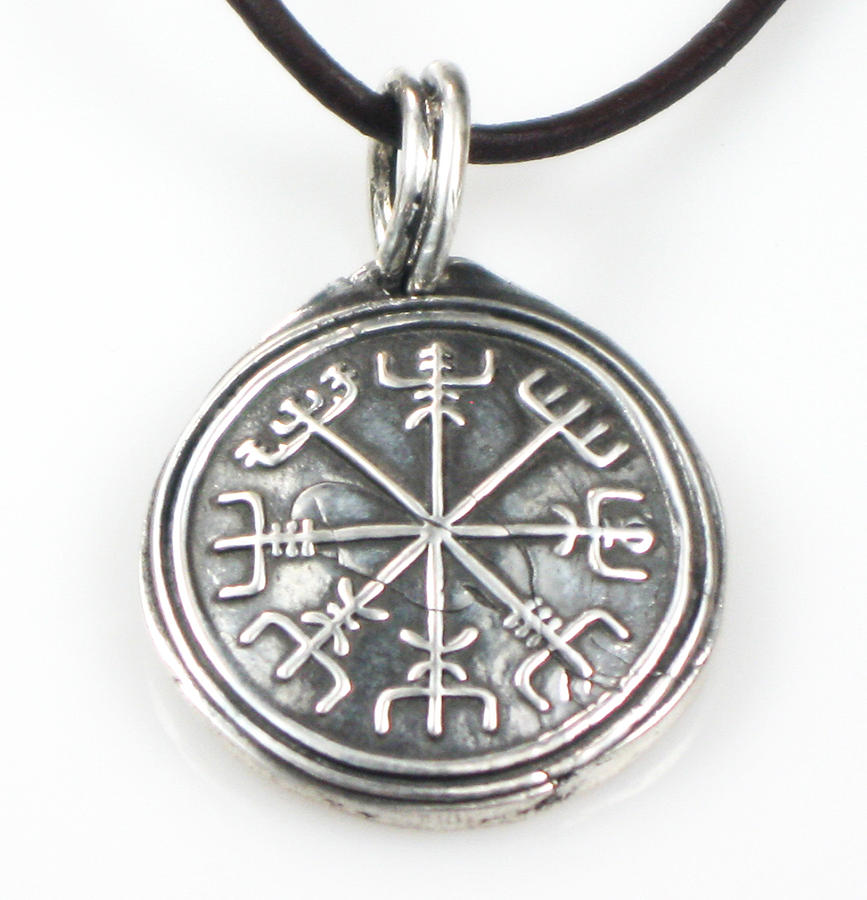
 In my second example (in the image below) a contemporary Icelandic charm or curse, based on a medieval model displays interwining ropes, knots and lines of energy tied to the world with many different lines of approach, all of which are closed off to entry from outside spirits by crosses, or curses. This is the other side of a skjald’s work: a skjald helped to direct the king’s policy, but he had to be sly about it.
 Traditionally, a skjald could say things that would lead to the death of anyone else, and so guide a king, when he was not in the mood for counsel, or deflect the build-up of violence in a court disagreement by leading it into laughter or finding layers of pride within layers of shame, or any other complex, interwoven knot. All in all, a skjald was a shield for the king, and so had the rights of a shield: to be first in battle and to always be at the king’s side, with an honour matched only by the sword or the hammer, the weapons of the king’s other hand. Gunnar Gunnarsson, who wrote two early books of poems and many novels, made it clear that he was a skjald. Note his clenched lips. He’s not talking.
 It would be a mistake to read him as an epic poet, or even a novelist, even though he wrote few poems and many novels. Those novels are strange, though, and that’s the thing: they are deeply layered, deeply entangled with history, and challenged standard ways of thinking about identity and politics by talking in the code we recognize today as poetry. What’s more, most of these novels were published in huge editions by the Propaganda Ministry of the Third Reich. Many, with their tales of idealized, heroic farmers in Iceland were sent to the Russian Front to stiffen up the resolve of young men to fight the Russians and to prepare them to bring Scandinavia into the Reich. As the war progressed and the Scandinavian program and victory became impossible, dissidents working in the Propaganda Ministry continued to publish these novels, to show young men how to come back home after violence. Those are pretty amazingly contradictory roles for any set of novels, or for any writer. Only a skjald could pull that off. Unfortunately, this story has largely been missed in Gunnar Gunnarsson’s work, because the literary culture that received these books read them as literary works. They’re not. Put it this way: in the spirit of Gunnar, the following image is neither art nor nature:
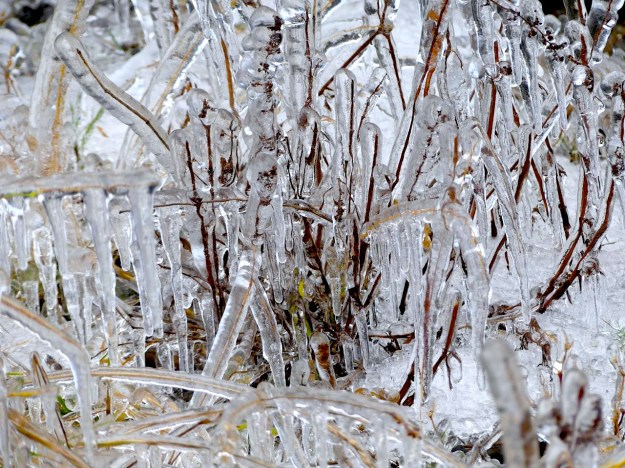 What it is, exactly, apart from grass, moss and birch twigs in the spray from a waterfall, is the question we must all answer as we work towards coming home. There is, however, one clue in the world:
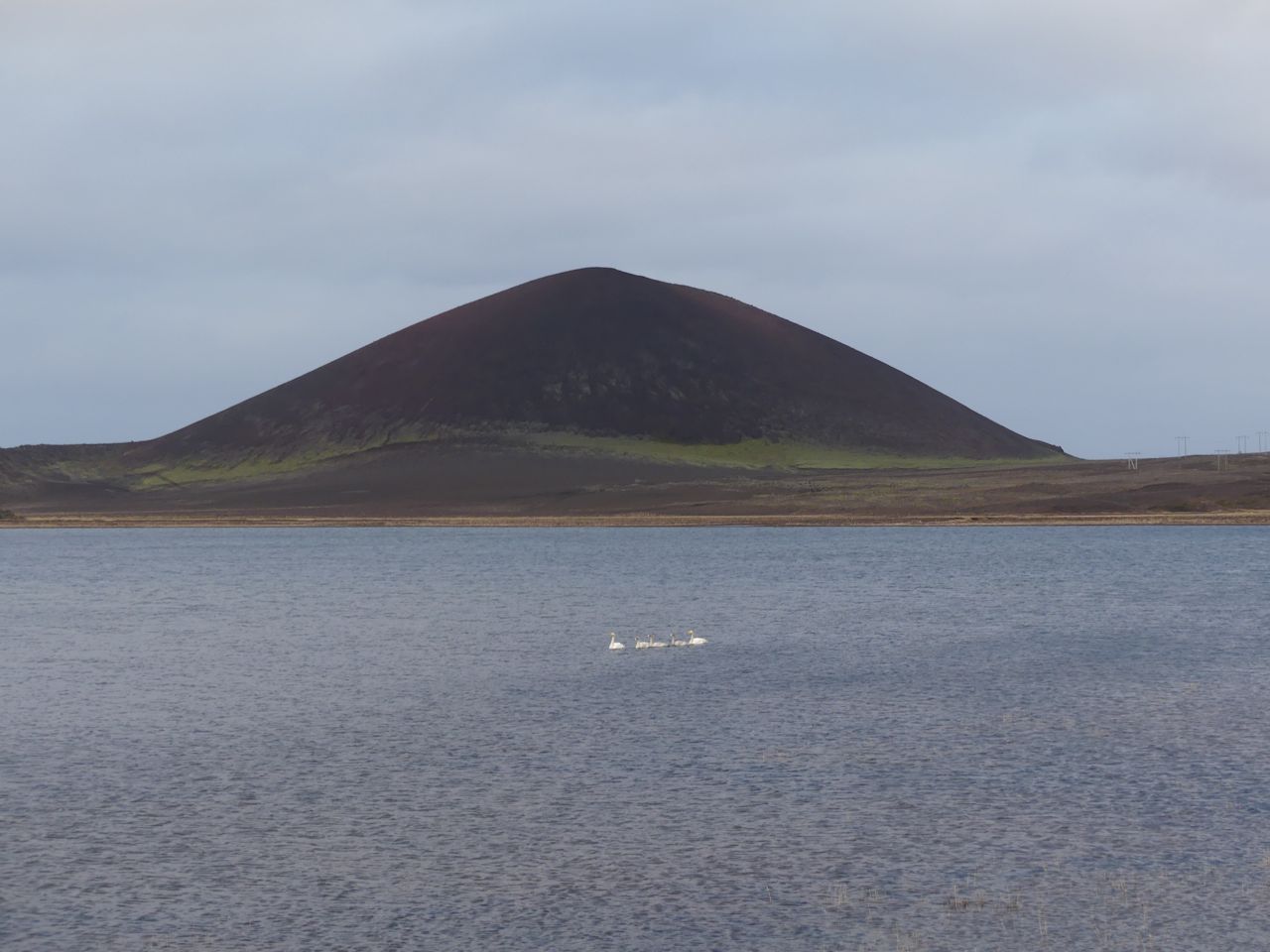
 The world has pattern, it is physical, and it contains pairs of males and females, who come together to form something else: a family, as with the swans above, or, what this family expresses, a coming together that forms a centre to the world. When those young swans leave this birth family to form families of their own, it’s not the leaving that is central to them, but the reforming. In a culture with its roots in the iron age, this reforming is done in fire, heat and violence, beaten into linked shape by the skjald’s word-forge. In skjald work, that dynamism, and the relationship between its parts, is what it is to be human. Poetry and dicht come later to a skjald, just as dicht and skjald work come later to a poet and poetry and skjalding come later to a dichter. All three together, however, provide a full picture of the vital work they can do. Confusing the terms just muddies the waters.

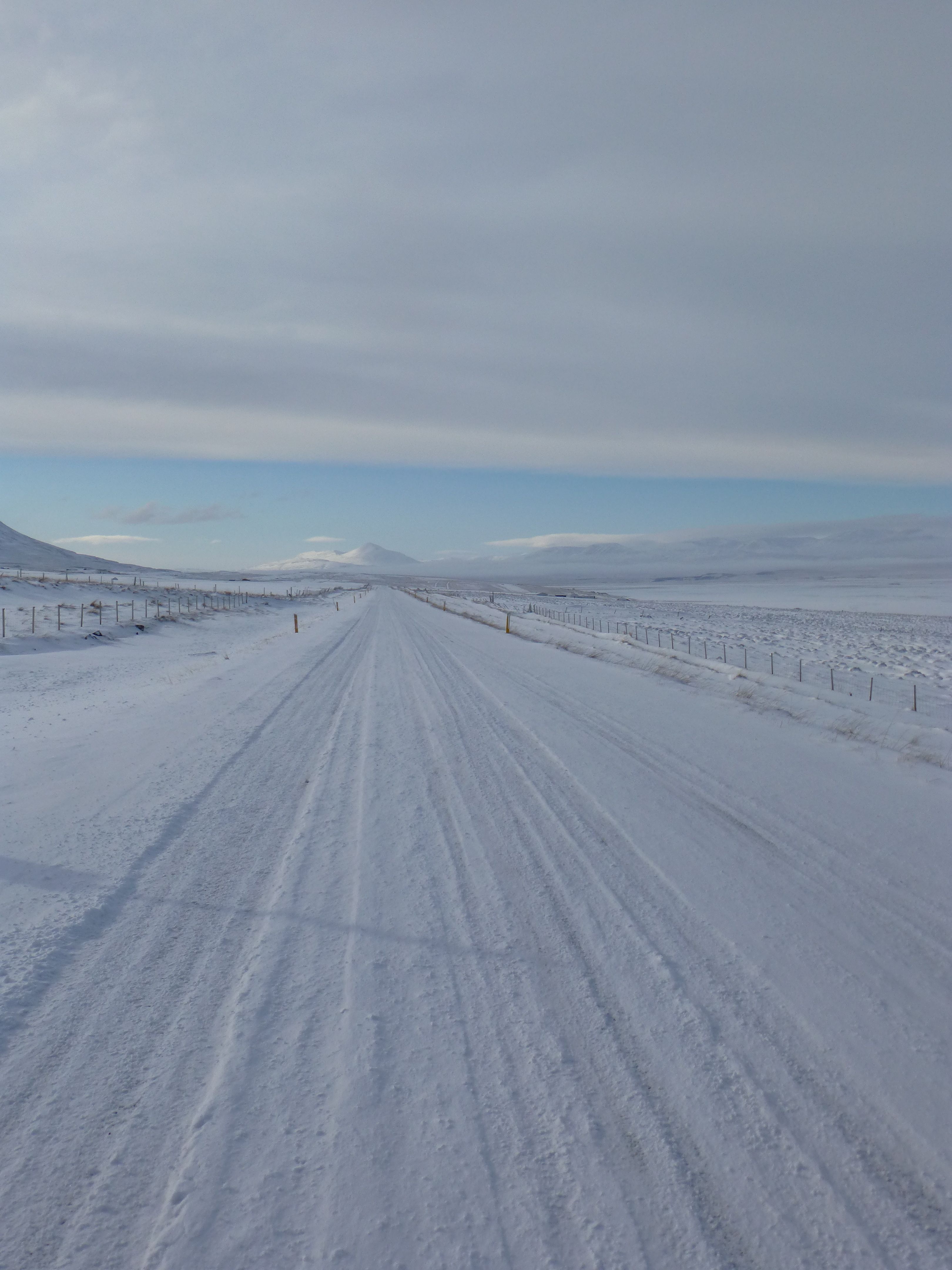
 Hofstaðir Kirkja
 Sometimes where you want to go is not on this earth.
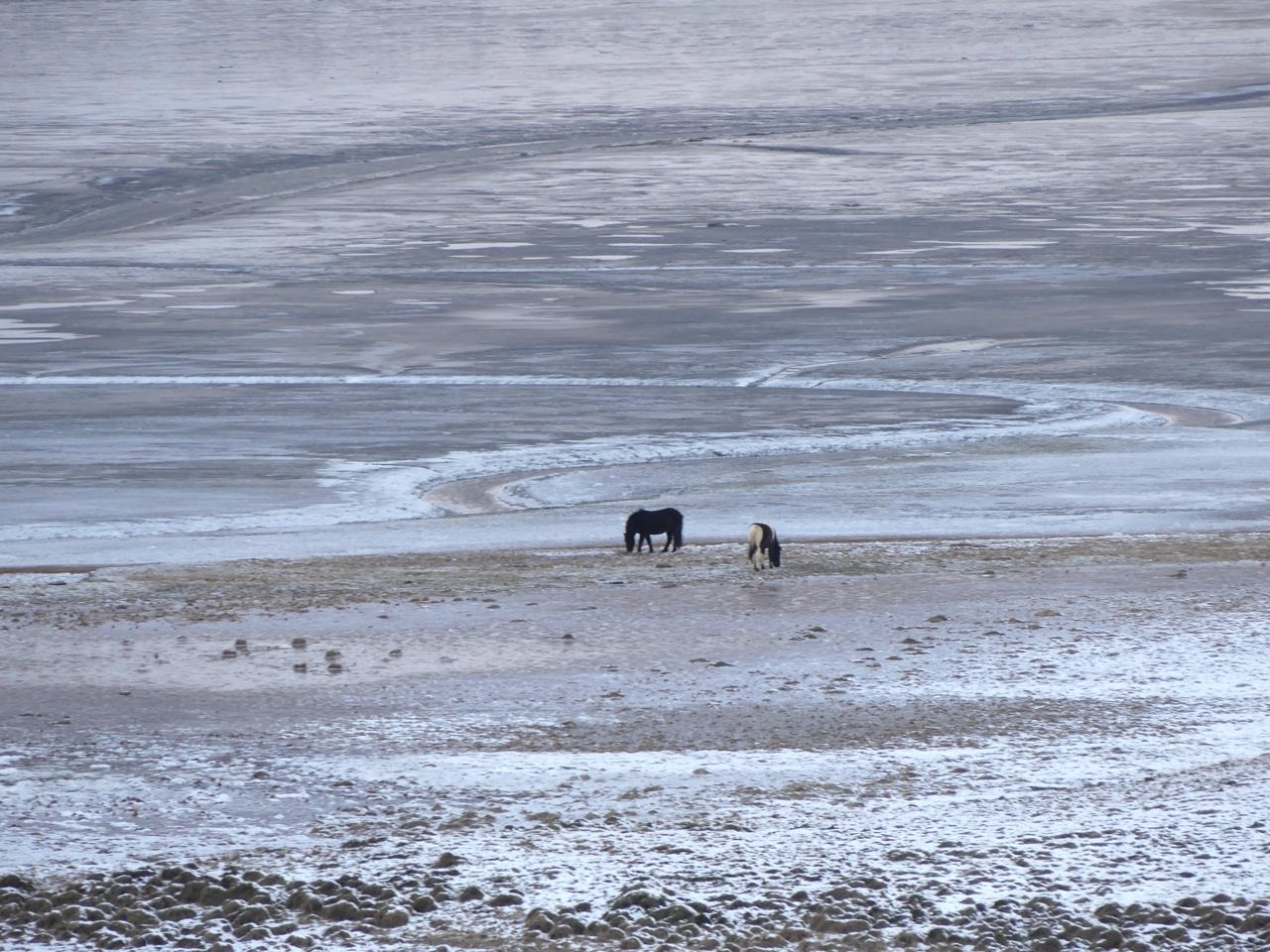
 Sometimes even walking is out of the question.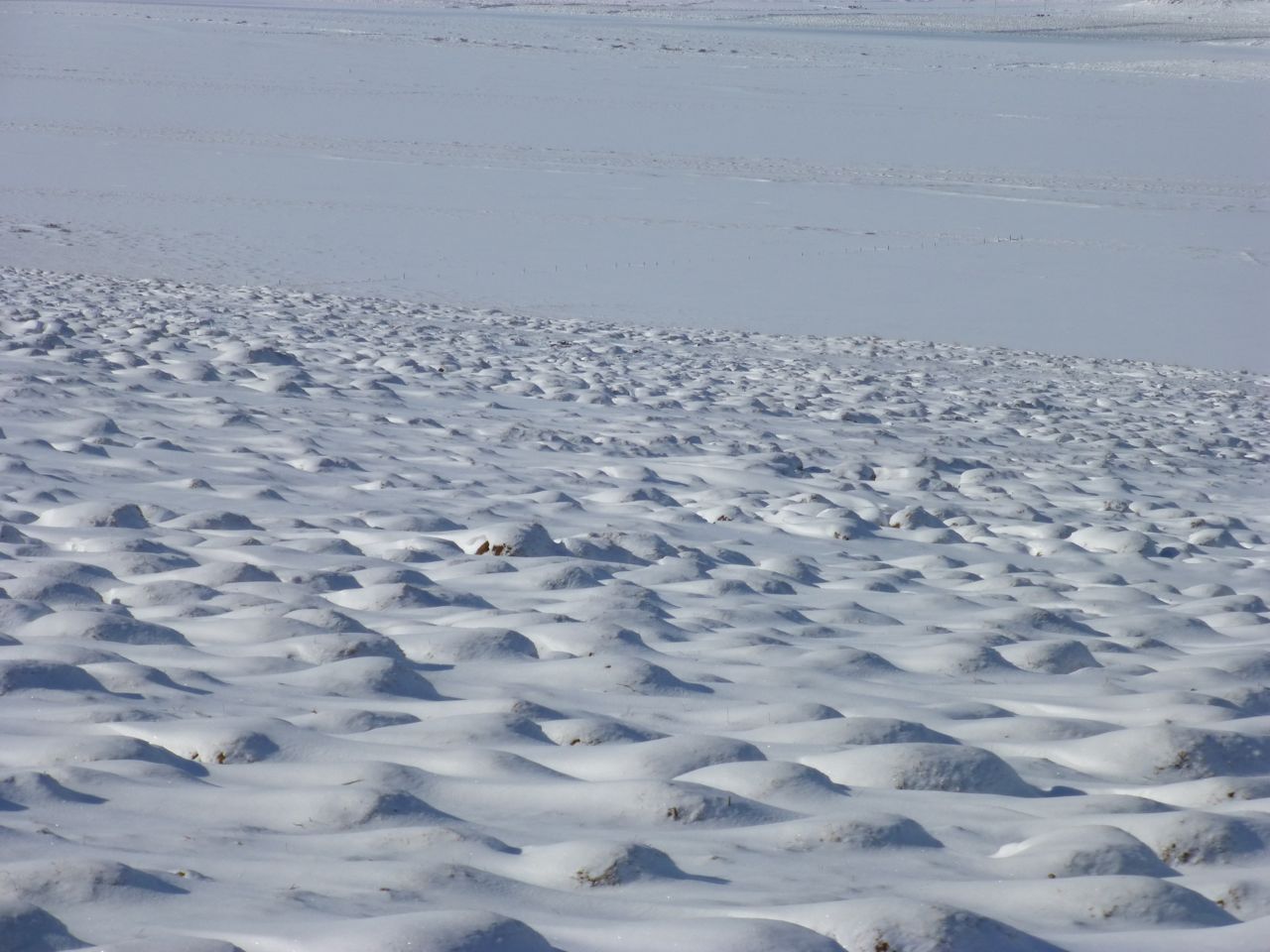












 A Farm in Iceland