Category Archives: Enlightenment

The Art of Haying

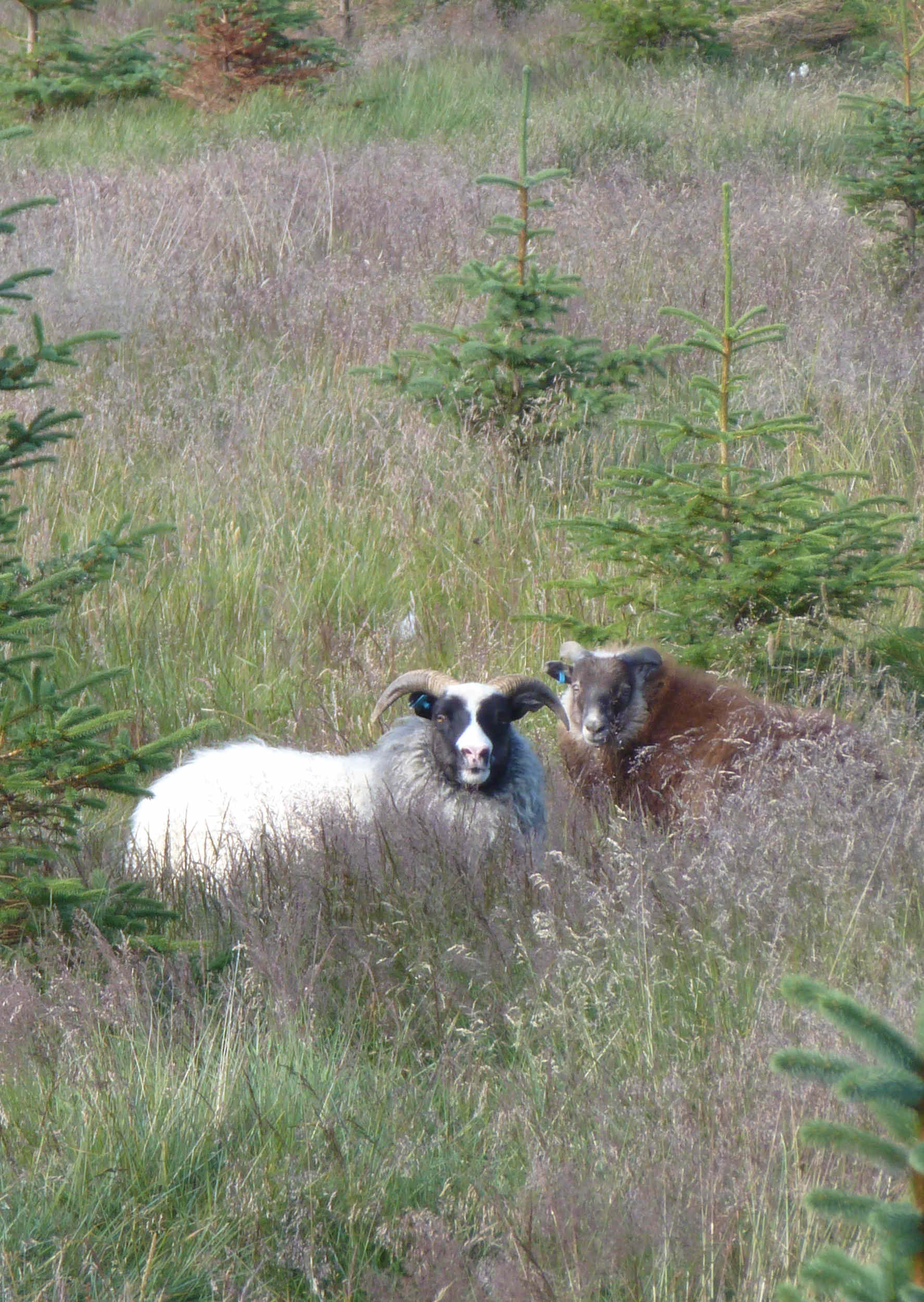
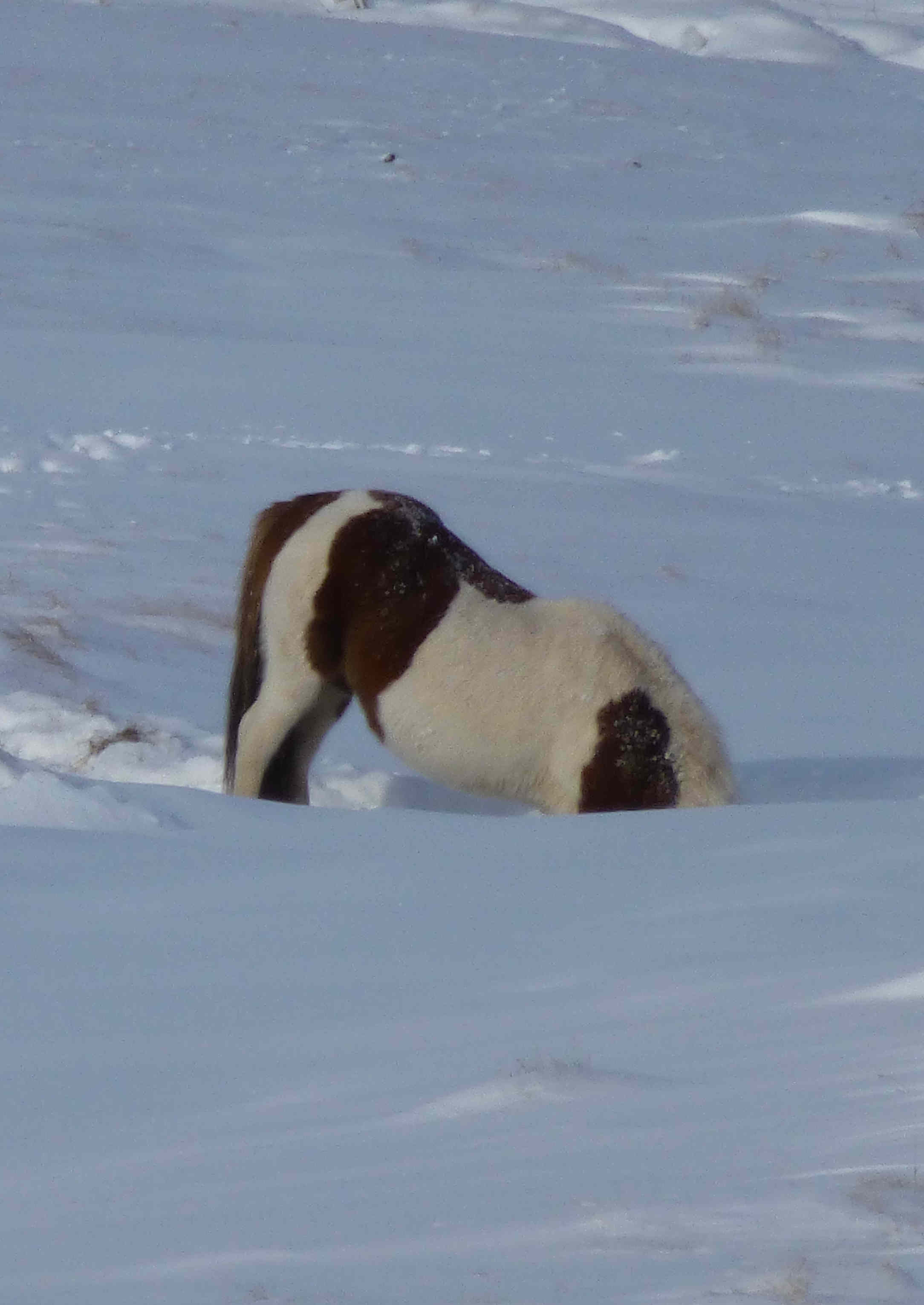
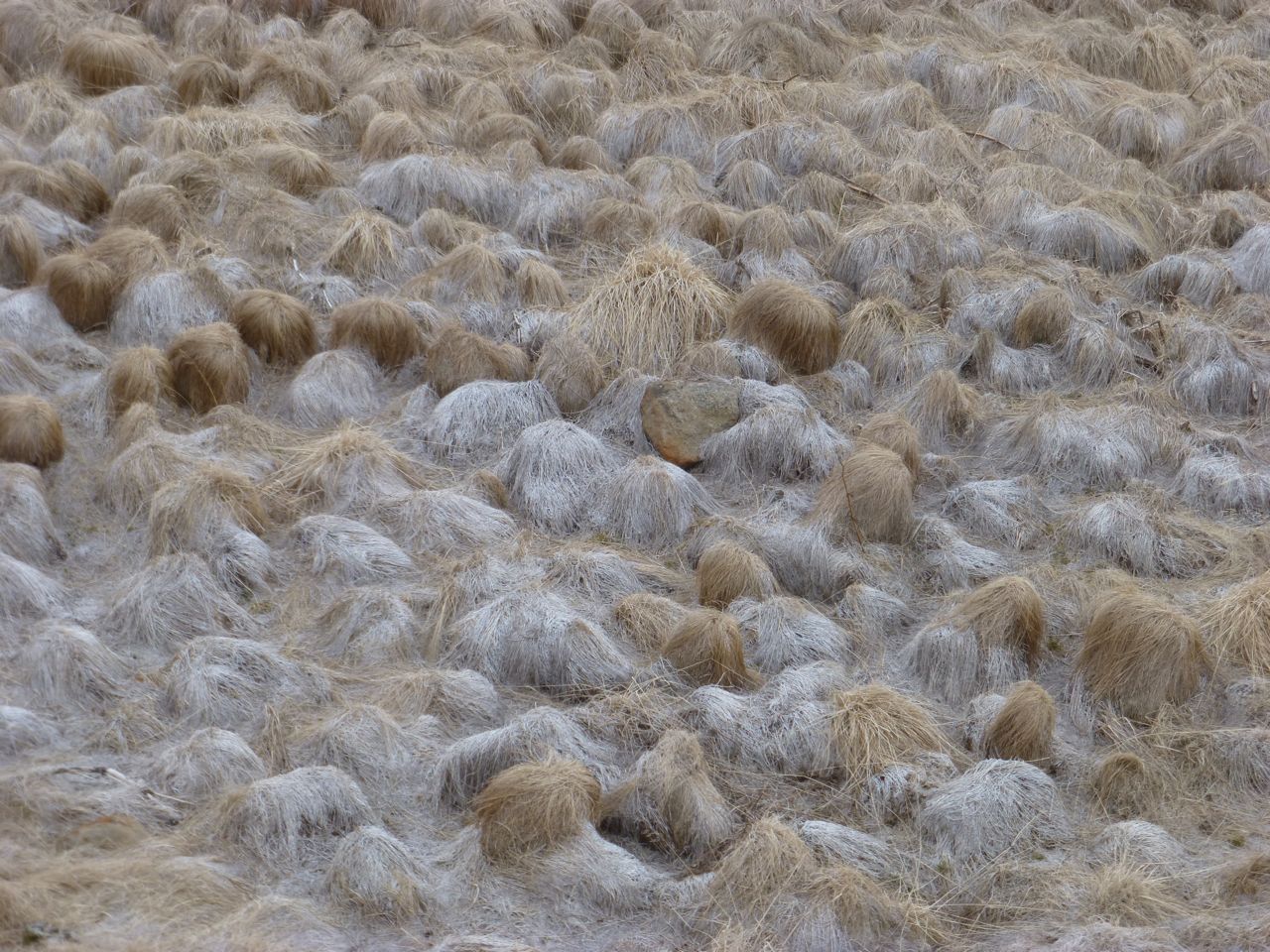
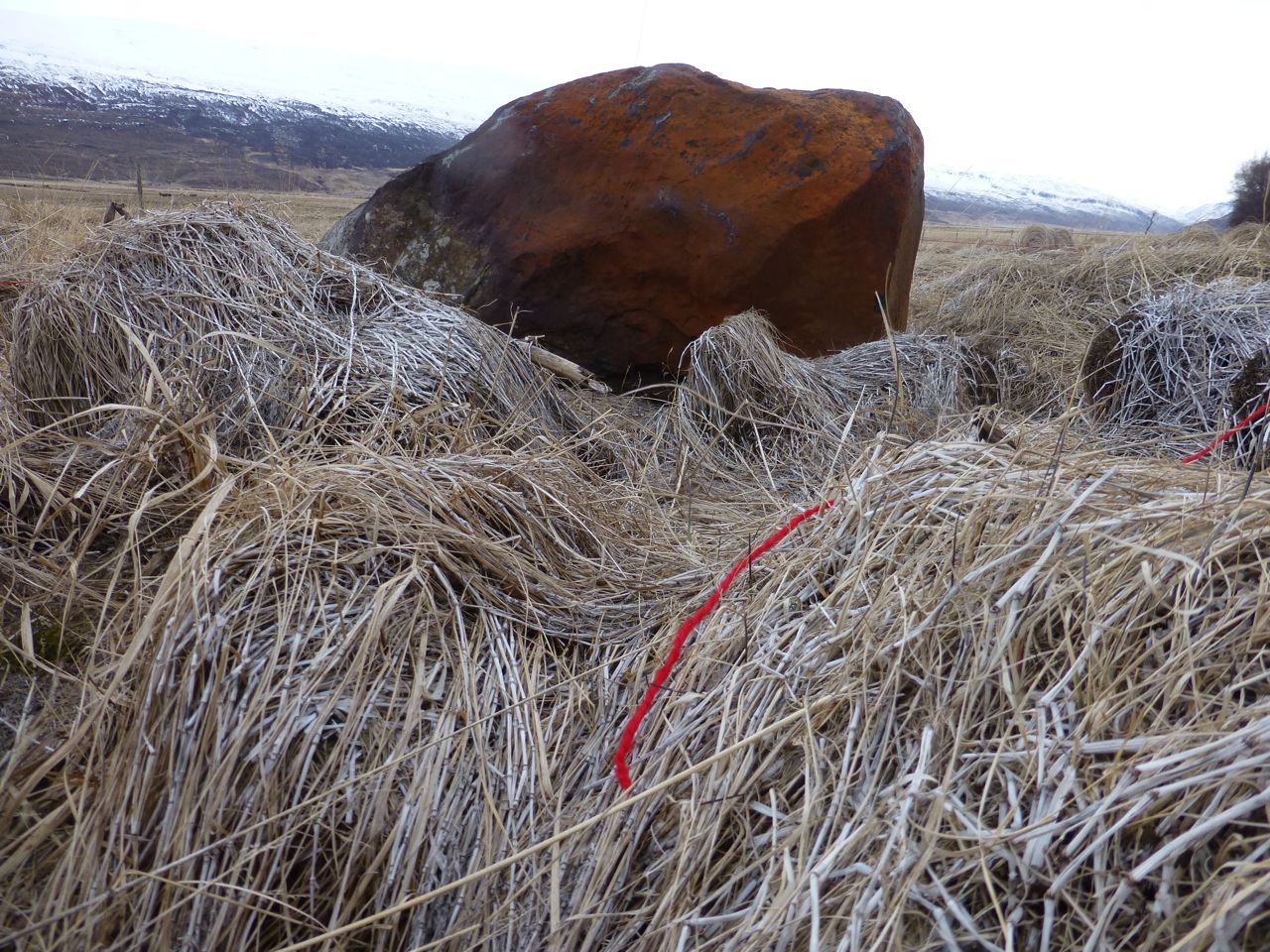
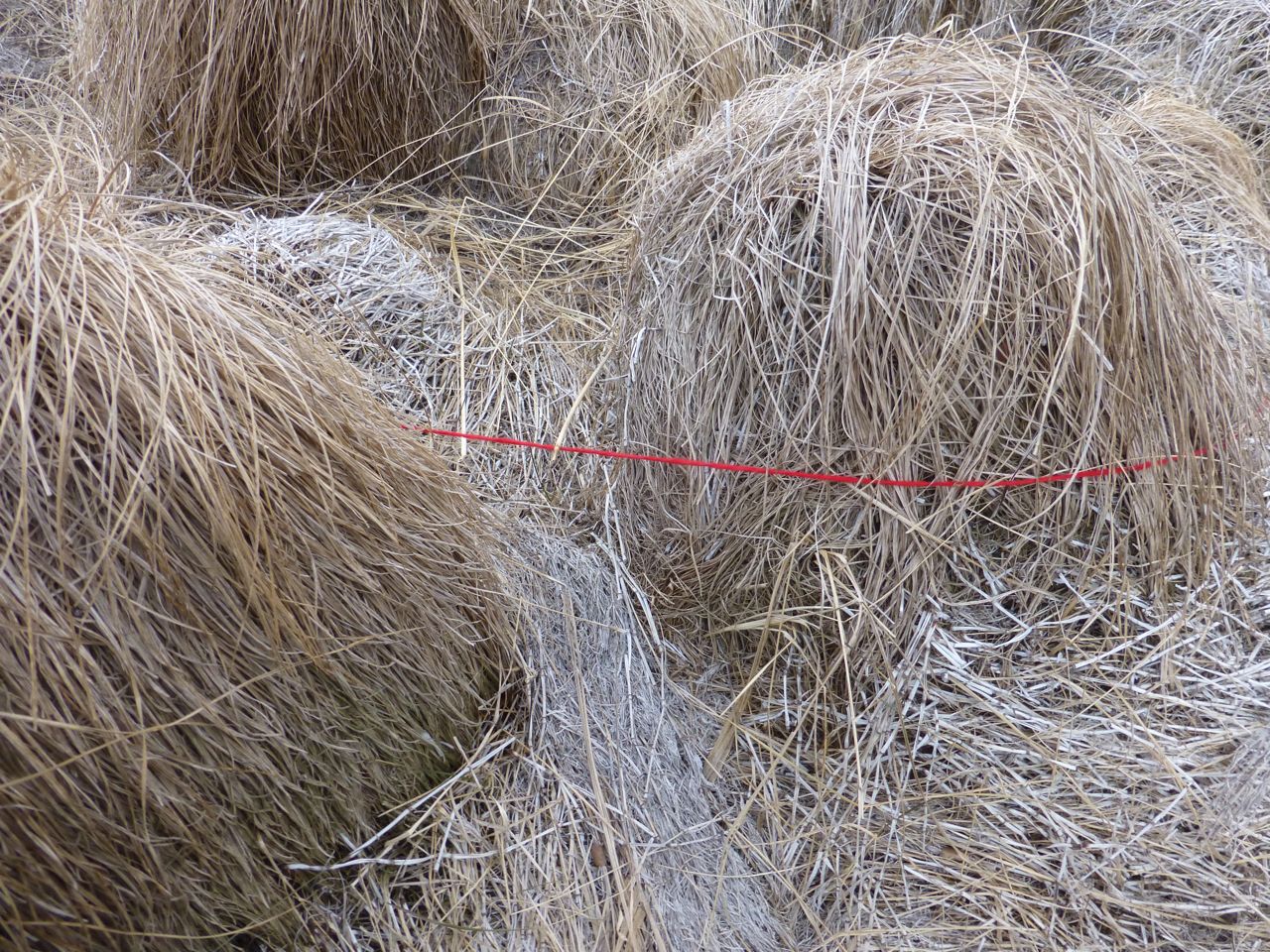
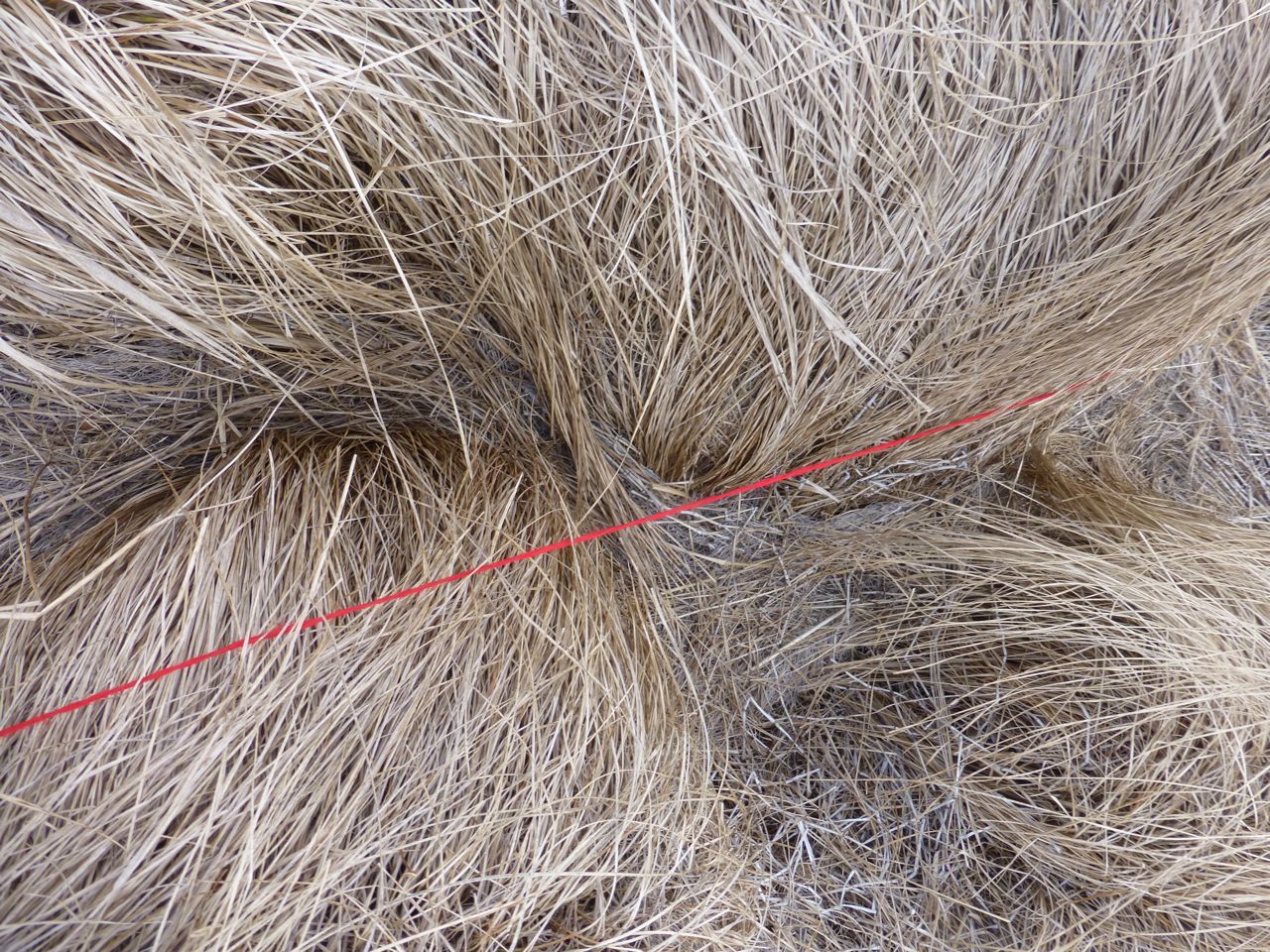
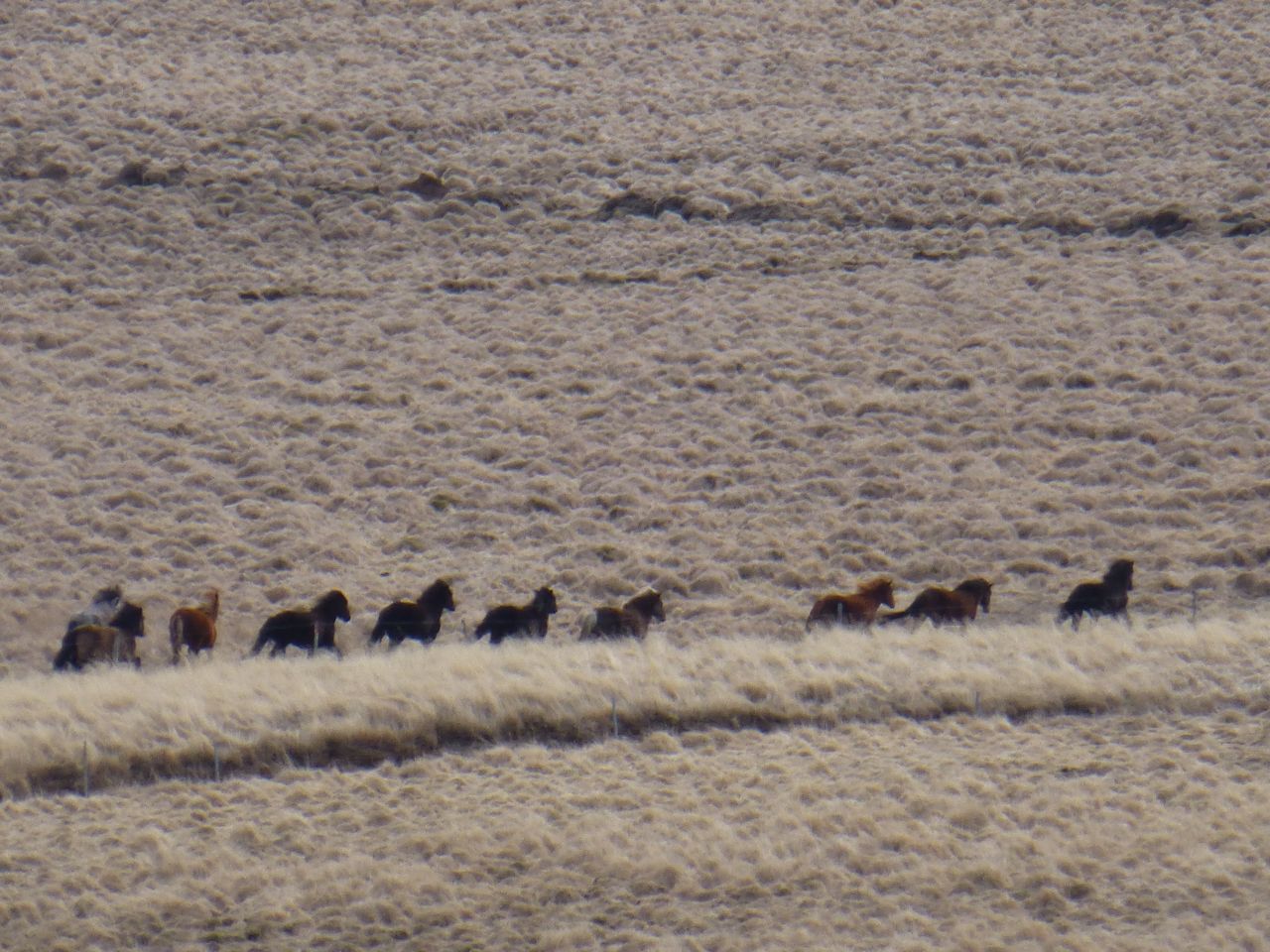
This is about a book, that has come out of this blog, and Iceland. In Iceland, I learned that one of the ancient arts, older than poetry but as old as the art of knitting, is the art of haying. Here are a couple of Icelandic sweaters in their natural form outside of Stykkishólmur, hard at work turning hay into yarns. I was picking bilberries for lunch. They seem kindly, I think.
cover1

And here is the cover of my new book, The Art of Haying: A Journey to iceland (Ekstasis Editions, 2015), which is all about that, and the future of books, and a lot more. No bilberries. That will have to wait until my next Iceland book. A few bilberries on a Stykkishólmur park bench, a tub of Skyr, and thou. That kind of thing.

Haying Cover

This is a love story, for a country, for a woman, and for a way of life in which the old is new and the new is old and a man frees himself from the walls that books have made in his mind — walls that he previously didn’t know were there. It’s a scary thing, to have been kept by books my whole life, and then, one day, to step outside their pastures, but that’s what happened. The Art of Haying, is about drawing a line through grass and making a new beginning from it, not just for me but for culture on the northern shoulder of the world. Here’s a glimpse of one of the books I talk about in The Art of Haying.cover5

The book is gorgeous, and contains over 200 photographs from three seasons around all of Iceland. It has the mare of the sun on the Reykjanes Peninsula..

cover21 copy

… and a Keltie in Kopasker, luring Icelandic fishermen in to the books’ pastures.

cover16

It has so much more. Don Quixote of Reykjavik, for example.

cover23

Sometimes it’s worth getting up before dawn! The veils of the world are lifted and pushed aside!  The Icelandic imagination was formed from life in houses such as the turf house at Hólar below, and the scripts of darkness and light they wrote for the body and the mind that followed it like a hand.

cover12

The Art of Haying is a travel book, a book of gentle, playful philosophy and wit, a love story, and a story of spirit. Horses are human souls here, like this one in its bookish pastures in Reykjahlíð.

cover14

If you’ve never met an Icelandic horse, that might seem merely a poetic device, but if you have, well, I’ll let this horse at Hófstaðir in the Skagafjörður show you how to drink at that trough.

cover24

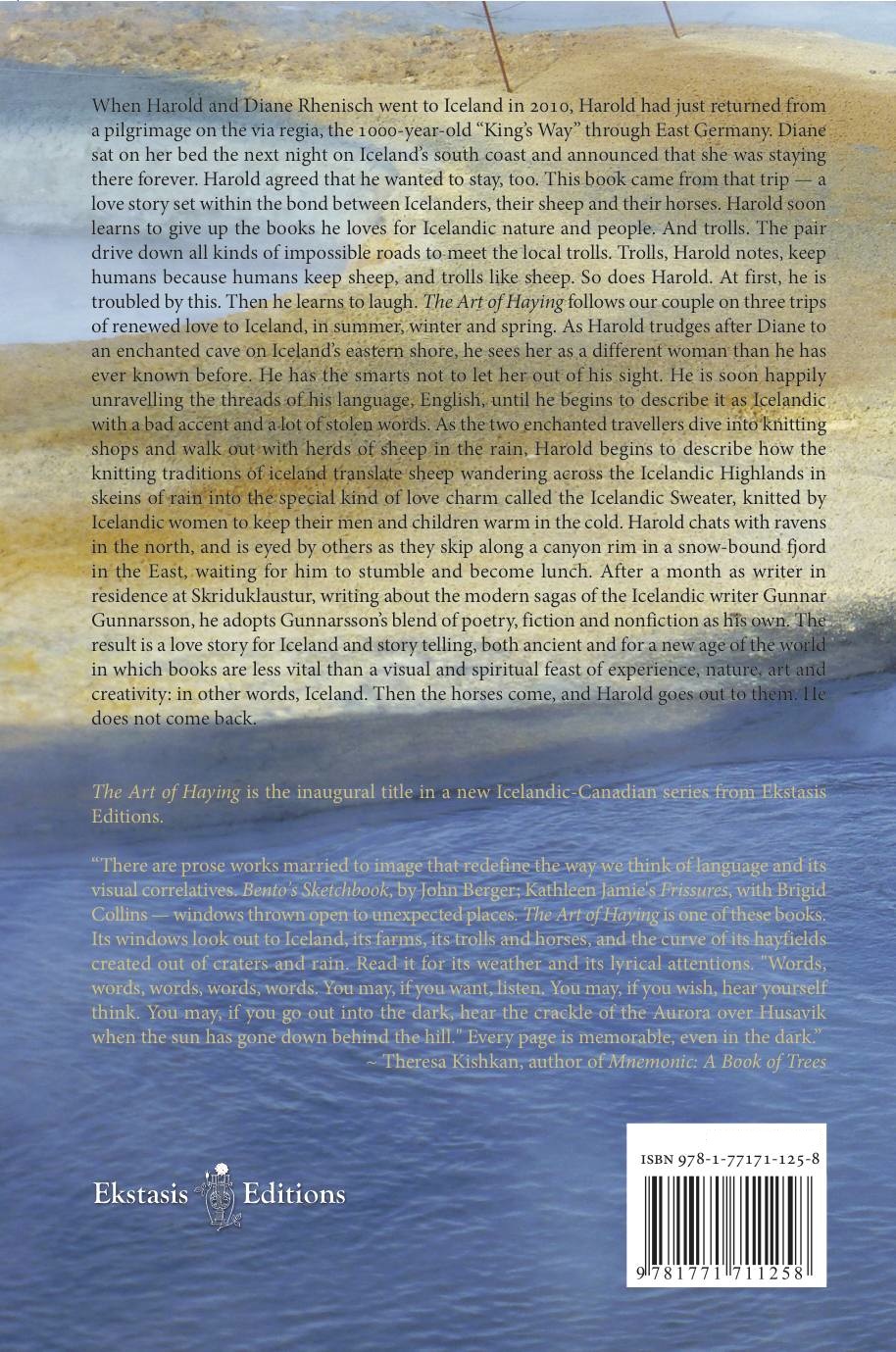
And, of course, it’s a real book, told in the play between words and photographs, so it has a back cover too…

hayingbackcover2
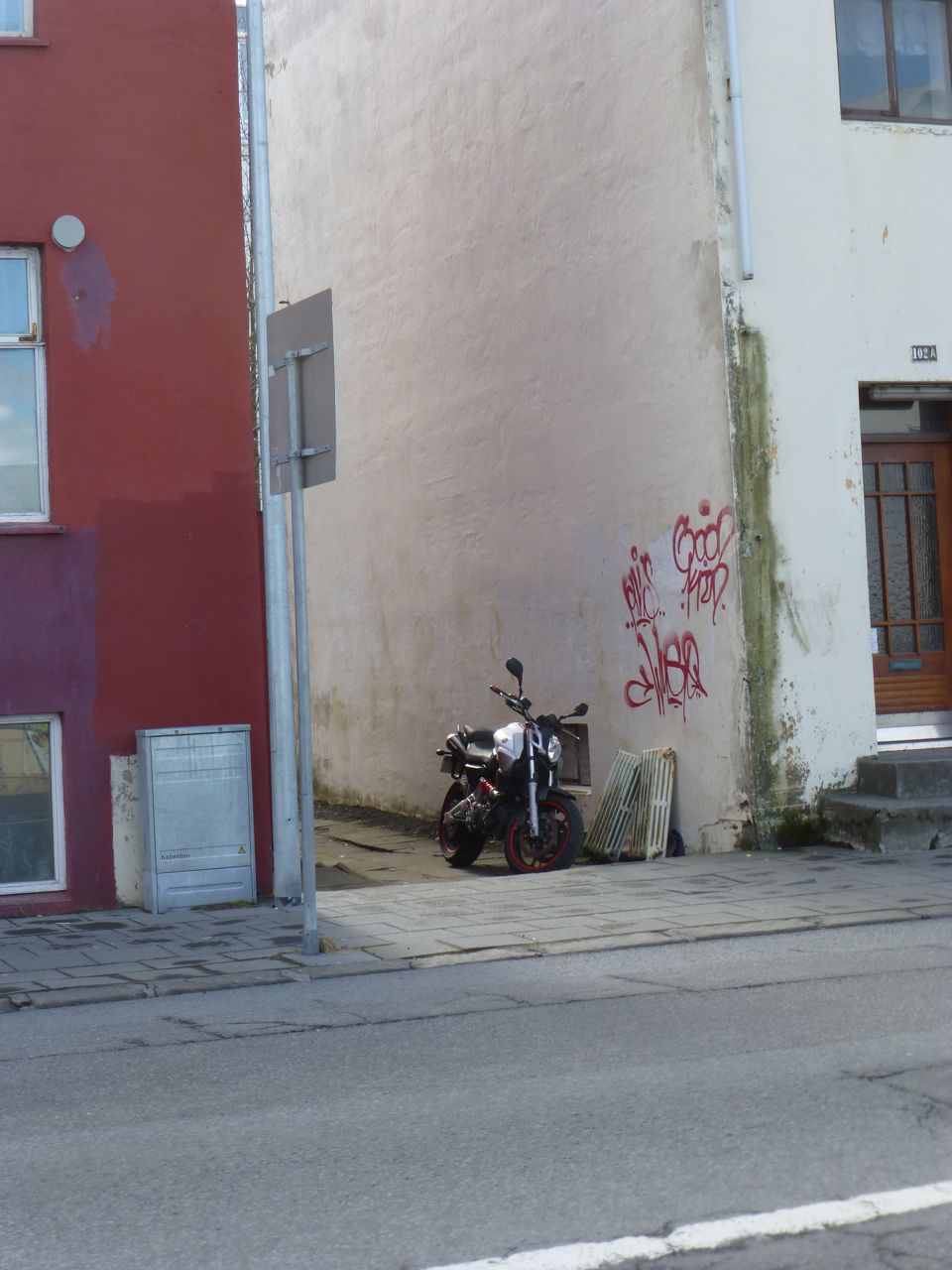
There is a unique form of creativity on Iceland, that in my three visits I had the privilege of glimpsing and at times even walking within. It’s a kind of playfulness within things giving their full dignity, not as objects of commerce, but as presences with which one shares the world, and which have within them creative energy, always ready for release, if one leads them to the right pastures, or out of them. Here’s the god Oðin’s horse Sleipnir, for example, waiting for his master on the Hverfisgata in Reykjavik.

bike

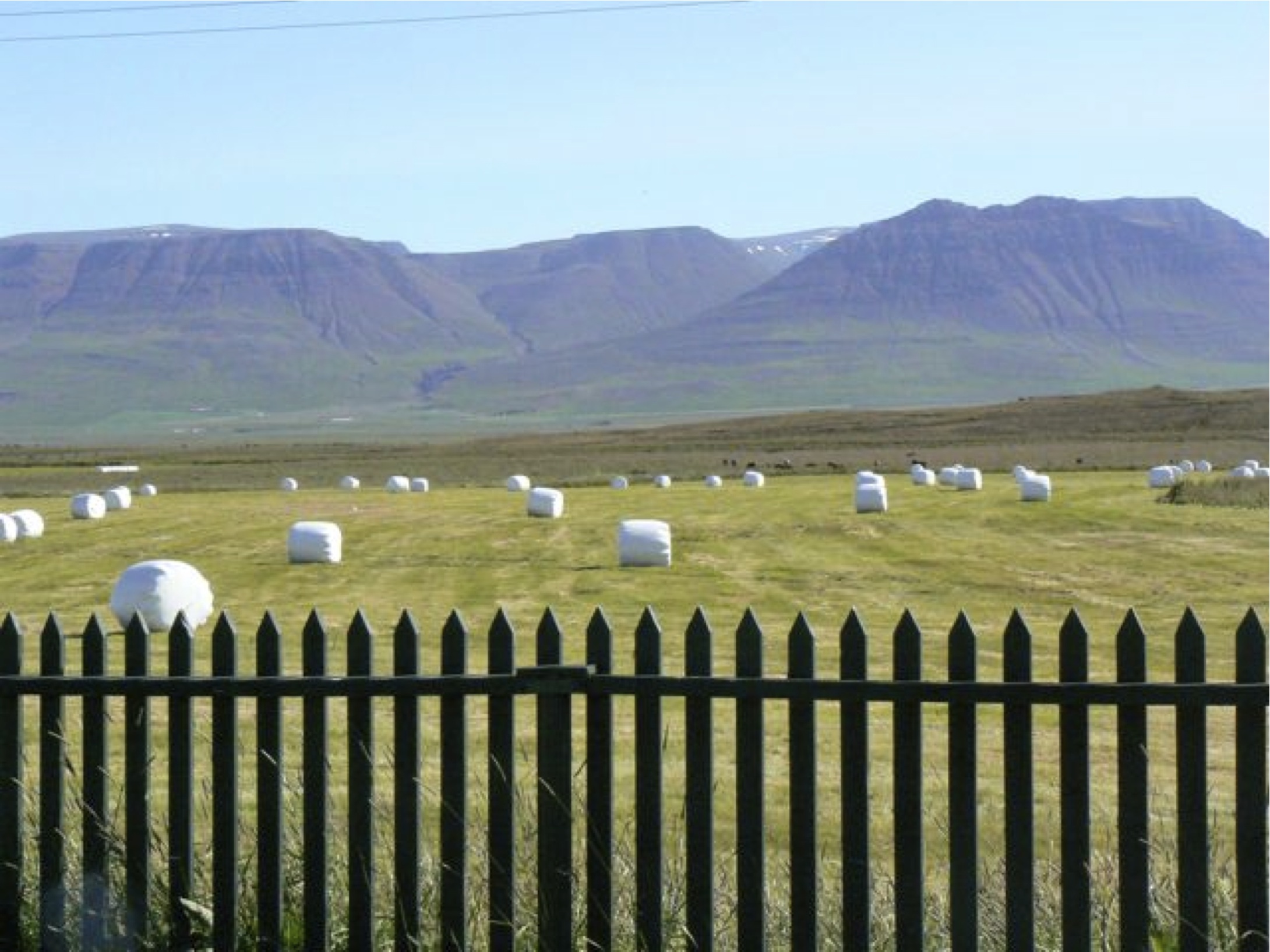
What is a world beyond books like? Well, I think you’ve guessed it: much like the one with books but completely different. Books are not going away. The Art of Haying is one, after all, but it is a different sort of book, one which escapes the barbed wire fences of textual dominance and does what the horses of Iceland do. All summer men work round the clock to put up hay for them, such as here, out the back of the Víðimyri sod church …

field2

… and all winter the horses live in societies of their own, fed by men and women. This is considered by all a solid foundation for an economy. Here’s a group of Icelandic literary critics up to their own business on a spring day by Sóleyjarbotnar Farm in the Sturlufljöt, for example.

cover19
And here’s what Theresa Kishkan, the author of some of the most exquisite essays and lyrical novels in English or any other language, has to say about the dance that is this book:

There are prose works married to image that redefine the way we think of language and its visual correlatives. Bento’s Sketchbook, by John Berger; Kathleen Jamie’s Frissures, with Brigid Collins — windows thrown open to unexpected places. The Art of Haying is one of these books. Its windows look out to Iceland, its farms, its trolls and horses, and the curve of its hayfields created out of craters and rain. Read it for its weather and its lyrical attentions. “Words, words, words, words, words. You may, if you want, listen. You may, if you wish, hear yourself think. You may, if you go out into the dark, hear the crackle of the Aurora over Husavik when the sun has gone down behind the hill.” Every page is memorable, even in the dark.

Ah, yes, there are trolls here, in a place where the human imagination is not bound but is out on the land itself and is read there. Here’s one at Klausturhamrar early on Easter morning.

P1380053

There’s a secret about the trolls in the book, but you’ll find that out when you read it. Here, though, I’d like to introduce you to the incident that sparked The Art of Haying. I joined my wife in Reykjavik on the second of two trips across the old Iron Curtain into the former East Germany. It was that experience, which broken down the walls that the Twentieth Century gave to me, and all of us who lived through it. When I arrived in Iceland, I was ready to see, and I did. A part of that two-way pilgrimage on the Northern Camino is in my new book of poems Two Minds, because it’s there I met Khezr, the Sufic Green Man, who graces the cover of my book.

twominds

The story of that remarkable encounter is here: http://haroldrhenisch.com/2015/10/06/khezr-the-hidden-prophet-and-my-two-minds/. So, there you have it, two journeys that become one, and two minds united, outside the walls, by attention to words and what is more than words.

A Crown of Rowan’s for St. Brigid’s Day

Today, I praise the rowan tree. This is her season, as ice breaks to the season of water and birds.

ice1

Rowans with Elf Stone, Eyjafjörðursveit, Ísland

She’s a tree, yes, but look how she wants to lie on the ground. None of the towering heights for her.P1350817

Rowan, Skriðuklaustur, Ísland

And when the light comes, ah, then she is a torch.

P1360608

 Good Friday Rowan, Valpjofstaður, Ísland

The Rowan is sacred to Brigid, Saint of Holy Ireland, and to Bride (or Brigid), who came before her (and was no saint), and to Mary, Mother of Christ, and to Thor, god of lightning and thunder. The gender crossover is no big thing. Don’t give it a second’s thought. There was a time on earth when all things that signified the earth’s power most strongly were considered hermaphroditic, neither male nor female, and, after all, don’t humans, who come in several genders, tend to unite and make unions that are neither but are one?

wildfull

Male and Female Fruit From a Hermaphroditic Pacific Mountain Ash

Wells, British Columbia

Unlike those sly sumacs and gingkos, a rowan has neither male nor female trees.She knows where she is. Look at her, earth tree, reaching up for the spring moon, with her feet planted firmly on the ground.

P1310293

Skjaldarvik, Ísland

Wherever a rowan is found, it signifies the presence of her deities, who might have many names but are also one.

wild6

Thor, Brigid, Bride

For all of you who are of an empirical bent, don’t worry. Gods are just names for powers of the earth. The powers are present, even without the names, although perhaps not yet empirically defined. It’s just a kind of short hand. For those of you who follow the stories of the gods and goddesses, you know what I don’t have to say.

P1020767

 Rowan in the Birthplace of the Gods, Ásbyrgi, Ísland

Much of (nearly treeless) Iceland was one treed like this: a few rowans, and a lot of willows and birches. Then people got cold. 

There’s more to the story of the rowan than is written down in history books, but not more than meets the eye. A lot of it has to do with environmental sustainability. A lot of it has to do with her name: in English, rowan, for red; in German, Eberasche, or red ash, or, more precisely, “red spear”. More on the spears in a sec. First, here she is, surprising us and all.

IMG_1630

 Pacific Mountain Ash, Quesnel Forks, British Columbia

Mountain Ash, Rowan, Eberesche, Bird Berry, Thrush Berry, Sorbier, well, you get the idea: a rose all dressed up.

She is glorious in summer, but look at her in her winter time, just last week…

rowan1

Rowan has a profound story. Don’t look for it on Google, though. This is one you have to learn from the birds.

P1630109

 Yes, Today the Cedar Waxwings Have Come Back Home to the Rowans! Yay!

The story of rowans is a story of sacrifice, androgyny, magic, Christianity, nationalism, survival, life and hope — always hope. It is also one of the oldest stories of all. It begins with a Himalayan god of the air, Thor. He’s known today as a Nordic god, from Iceland, Sweden, Norway, Denmark and Germany at the north of the world, but he started out far to the east and south, and migrated with his believers across the continent. Thor has a hammer, that’s sometimes an axe, and, as you can see below, blood spatter, a phallic spear, and a weird right hand, and, yes, he’s been repainted with good old-fashioned wheelbarrow paint. Hällristningar_Lilla_Flyhov-1

Thor at Lilla Flyhov, Sweden (c. 1000 – 1500 BC) Source

That blood spatter? Well, look:

P1620825

Rowan Berries in the Snow

They don’t call these bird berries for nothing!

That weird right hand? Here:

P1620895

Rowan Berry Cluster After the Feast

And that axe? Well, Thor, remember, is a thunder god, from a time when thunder and lightning were the same thing. This is where he lives:

ertical

Dragon Tales in the Sky

People used to be able to read this language. It was a kind of writing not in words.

Thor used the axe to split that sky apart, so that out of its unity came lightning (on the one hand) and thunder (on the other). That is the moment in which consciousness is born. Into this air, that is all one (and out of which thunder and lightning come)…

sky

… a spear …

p1490467

Rowans Were Traditionally Used to Make Spear Shafts

… is thrust. It’s a curious kind of spear…

P1620936

You wouldn’t want to thrust something like that at a wild boar or something. I mean, how pointless (literally). Sure, if you’re thinking of weapons being physical things, with pointy sharp bits, ya, but weapons are also extensions of the mind, and for Thor, and people who believe in him, this is mind, given body in the world…

P1620918

You might want to have that magic and balance on your side when you go out to stick a wild pig that’s intent on sticking you (especially if you have the other kind of spear from the other, straighter, kind of ash (spear) tree. The darned things grow in thickets, ready made. You just need an axe to cut one from the ground and you have a weapon that extends your range and does your will at a safe distance from your body. A rowan spear, though? It’s both the thrust and the moment of reception, which is to say that it is a kind of symbolism or visioning, which practitioners call magic. Look how the boar’s blood and the spear are both present at once, and how the weight of the blood lowers the spear.

P1620913


The tree is the embodiment of action. The mountain ash doesn’t make a great spear, but it certainly is a great way of focussing mind and body on the act of spearing.

spear

There is, however, another angle to this story (as there always is in the world of indigenous thought and the language that speaks it best, poetry.) The red blood is the blood of a victim, the blood of a virgin, menstrual blood, and both life and death in one. Thor of Lilla Flyhov said it perhaps as simply as it needs to be said: the spear and a phallus are one. It thrusts upward, pierces the belly of the sky, and rains bloodwild10


Wells, British Columbia

Sacrifice and birth, male and female, action and reaction, in one representation: this is Thor’s presence, the concept of creating action out of stillness and seeing in stillness the potential for action. It is consciousness, for sure, but it’s also the body. Look again at that weird right hand. rowan

It’s a placenta.rowant The tree has many of them. It bursts out into them all over. P1620927The rowan is drenched in the blood of life and death. It is Bride and Groom, or Thor, in one. He cleaves unity to bring it together in a different form. This is the ladder one climbs to the stars.P1620928I hope those of you reading this post for science aren’t scratching your heads at all this poetry and wondering when the science is coming. It’s coming. It’s just that this poetry thing, well, that was science once. I don’t mean bad science, full of childish explanations of the root of physical processes, the ones that science has done such an amazing job of parsing, or cutting part, after Thor. I mean, poetry’s way of finding correlations and moments of doubling, uniting seeming opposites or creating them out of thin air, applied to the world, is a powerful tool for understanding it and for manipulating it — not through manipulating its physical stuff, as contemporary applied science does, but through manipulating the minds of the people acting and living within it, and changing the earth through that energy. I know so many scientists with such deep concern for the earth, all looking for a way to bring their message across and effect meaningful change. Poetry, written out of the earth and with the language of the earth and human bodies, has always been able to do that. The other kind of poetry, the one written with words on a page, can do it among people highly trained to cast their selves within books and to bring back, so to speak, the fish of thought, but it’s not completely the same thing, and might just be the reaction to a passing technology. The thing about these sky gods, though, like Thor, is that they are embodiments of a central knot within hunting, butchering, and its ritual form, sacrifice: the act of killing in order to bring life. Thor’s not the only one. Christ stands in this tradition. The god Mithras, who also came from the East, and whose cult very nearly won Rome over in place of Christianity, was one. With his dagger, he slayed the sacred bull and created the universe. We are sprung from the drops of the bull’s blood.

P1620826And, like Thor, he had an axe (and a dagger, which is kind of a short spear, but does the trick.)

Mithrasrelief-NeuenheimMithras Killing and Creating

Relief from Heidelberg-Neuenheim, Germany, 2nd Century AD Sourcerowan8These placentas, though. That’s where Bride comes in, the Goddess. If the spear is androgynous, and holds in time both the fertilizing thrust of a phallus and the blood quickening in a placenta, then this is as much the goddess’s tree as the god’s. It has that power of transporting one from one state to another, like the Roman god Janus, who was a doorway, that went both ways equally and transported you from one state to another every time you passed through him (and who, dear scientists, wasn’t a god in a simplistic sense but a way of remembering that cognitive power, and focussing it, for what could come from its development), and, more than Janus, of being both states, male and female, killer and victim, at once. rowan1It is also, as you can see, drawn to the sky, and bowed down to the earth as a consequence of this grasping, which always ends in feminine fruitfulness. That is a good lesson. Another is how this tree’s lightning bolt shape …P1620839…ends in a flowing (quite the different thing), which is a hand, that has the capability of grasping. P1620843

 What does it grasp? The easy answer would be that the early church, needing to gain converts from celtic practitioners (the Celts, too, came from the East), simply replaced Bride (or Brigid) the goddess with Brigid, the Saint of Kildare.

329px-Saint_Non's_Chapel_-_Fenster_3_St-1.Bride

Brigid, Saint of Kildare Source

St. Non’s Chapel, St. Davids, Wales 

The better answer would be that the Christian shepherd’s staff, and the rowan were recognized as one …

P1360606 P1620953 P1620535


The crook is there, with Christ’s blood, at the intersection of Earth and Heaven, life and death, and Christ cleaves them with his presence and the axe of his love, so to speak. This is no distance at all. The movement to Christianity wasn’t a conversion but an enlightenment, like the scientific Enlightenment of the 17th and 18th centuries, a kind of purification, extension, or manifestation of what was already known.


rowansummer


For this reason as well, rowans were considered an effective charm against witches — not against practitioners of the old arts, but against practitioners who hadn’t moved over to the new understandings of them, finding flower and fruit in the Christian story.

ice10

Rowan, Hólar, Ísland

I’ve shown you all these images of Iceland for a reason here, beyond my love of rowans and the beauty of the place. In Iceland, where the trees were all eaten and grazed away, independence from centuries of exploitation and misery under a regime of Danish traders came about through poetry, and the replanting of lost birches and rowans in Iceland. The attempt was to make the country a poem again, to rebuild, so to speak, the first moment of settlement, and reclaim that creative potential and independence. It worked, or at least it helped. Today, Reykjavik is still rich with these nationalist trees …

ice6 … that are kind of in the way, but no-one wants to cut down such magic.ice5

They might try, but they just can’t go through with it. The trees have that much of a hold.

P1540852_2

Reykjavik

The churchyards are rich with rowans, too. They signify not only the transfer of energy from pagan to Christian understandings of Thor’s axe and Christ’s Word …

800px-Mårten_Eskil_Winge_-_Tor's_Fight_with_the_Giants_-_Google_Art_Project


Mårten Eskil Winge’s Thor (1872) Source

Note that cross that Thor is wielding there, the clever lad.

… but the balance struck between them …

ice12


Icelandic Stallion Grazing on an Elf Hill Under a Nationalist Agricultural School Churchyard Rowan (Laugar, Ísland)

In Iceland, you throw nothing away, because it is all alive in time. That is the balance, too. 

The result is a way of being in balance in the world we live in and the world to come.


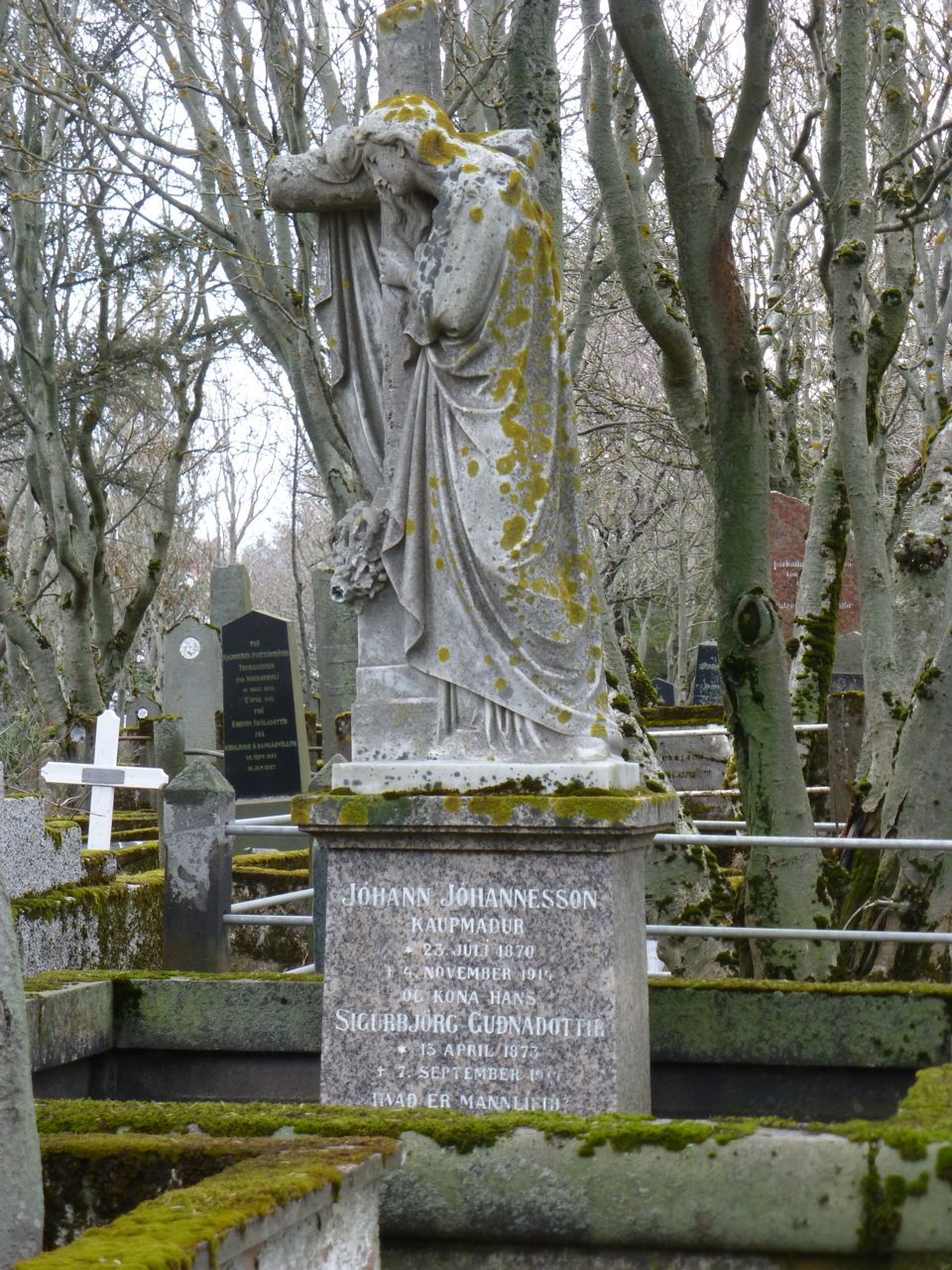
p1550060The Rowans of the Reykjavik Graveyard

Graveyards aren’t for the dead. They’re for the living. They focus the mind and so change the world. Every rowan does that …

wild8


… not just to those who know its stories, but to all who know how to read its language in the wild. By bringing that into our social structures, we become the world. We become changed, and the world we imagine becomes changed in turn, and so it comes to pass by the action of our hands. The ancients knew this, and worked hard to protect these relationships. For young men, Thor’s axe might have been there to gain advantage by cutting through the wisdom of the world and recreating it as action, but there were large social structures to guide that strength into productive and ultimately feminine forms.

P1360606


In historical terms, it means that in the lands of the rowan, the Christian staff can be a magical one at the same time, with no contradiction. The rowan’s staff, or bloody spear, has led to such concrete social acts as the creation of states, science, and female power.

P1620912


I hope you will find a rowan on Brigid’s Day and find your balance by being in its presence —for personal development, if you need that, for spiritual purposes, certainly, and for social development and renewal of the principles embodied in this tree and in the powerful, earth-altering symbolic life to which it has been dedicated.

Kjarval and the Children of Iceland

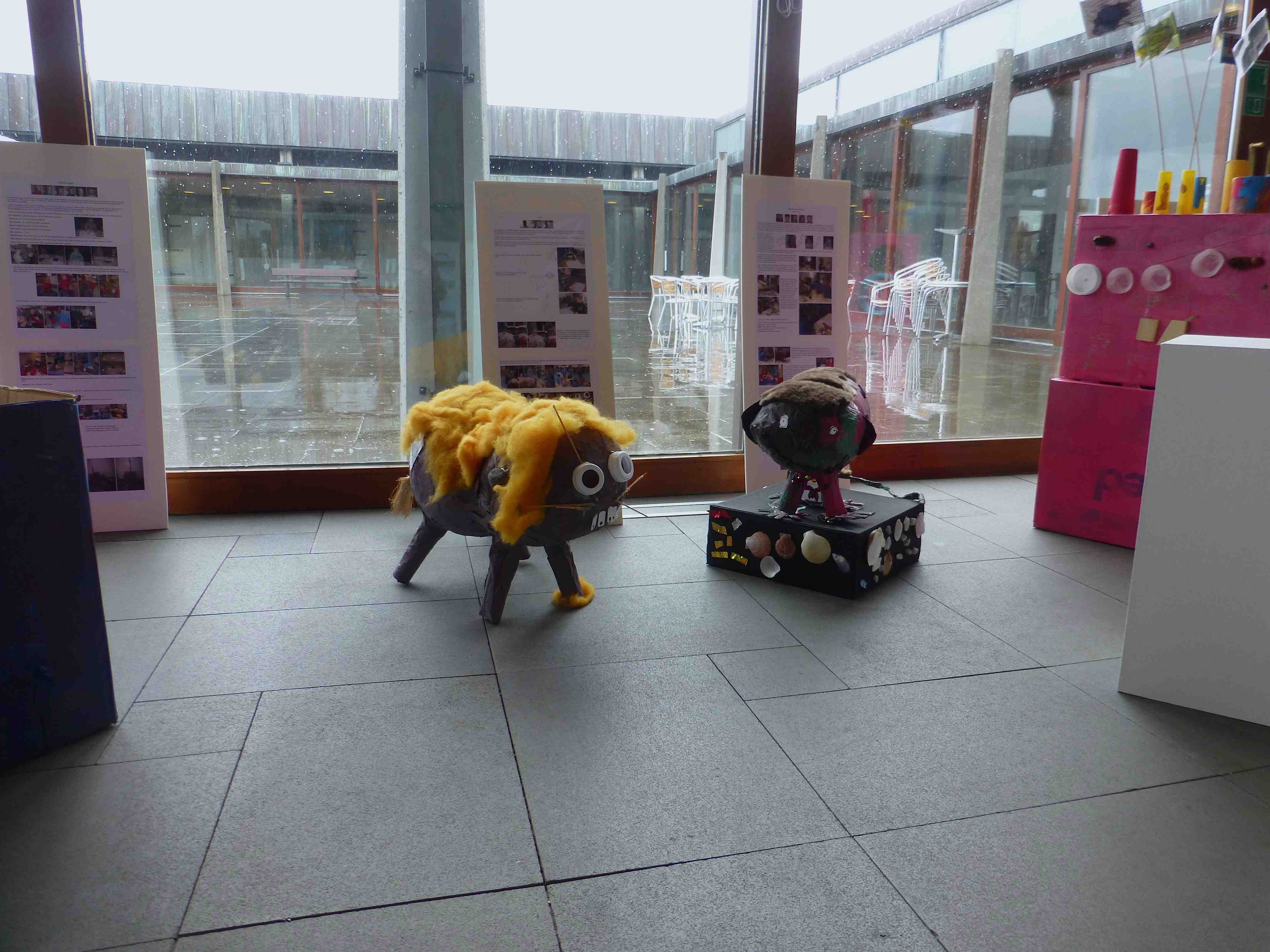
Today I’m walking through the social ecology of Iceland, by way of the popular artist Kjarval. Here’s a hint of what’s coming later in the post…
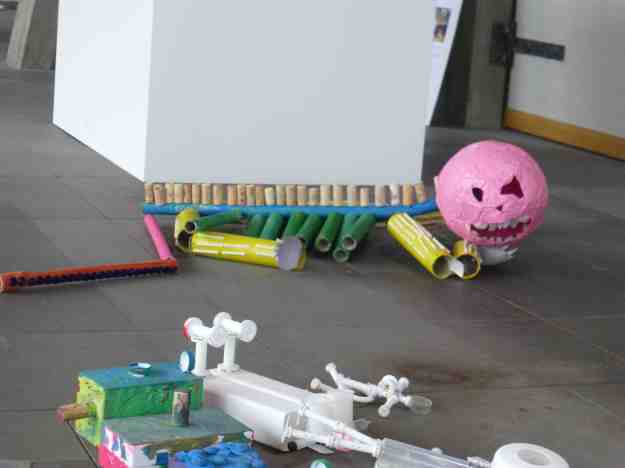
scary

Beautiful Human Monster, Kjarvalstaðir

Recycled, too. With teeth!

In Iceland things are what they are. For the earth, this is a pretty standard state of affairs. Luckily for all humans, it can be pretty beautiful, too. Like this:
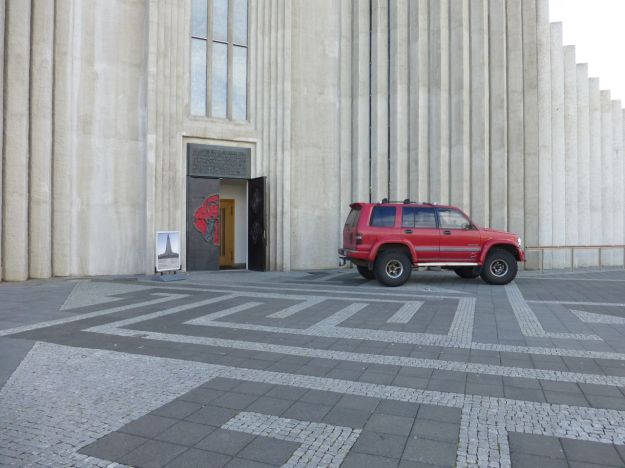
P1590091

4×4 Jeep at Church, Hallgrímskirkja, Reykjavik

Great matching colours at Reykjavik’s showpiece church! I think this approach might clash at the Vatican if you tried it there, though.

In Iceland, things are usually a little different than they first look. That red vehicle above, for instance, is not a 4×4 in the sense that its Japanese designers intended it. It’s more like a cross between an American military runabout and an Icelandic horse…

scratch

Pre World War II 4×4 Vehicle Putting a Fence to Good Use

These specifically Icelandic rules of social sculpture are largely unvoiced. I find them liberating — as another creature awkwardly domesticated by a colonial legacy: a Canadian.

P1010656

Second Hand Furniture Emporium with Droopy Flag, Vernon, Canada

In Canada as well as in Iceland, the remnants of past economies provide fertile ecological niches for new economies. The land (often talked about but always distant) is not the point.

The kind of social sculpture in the above image is found wherever humans settle down, of course. What makes it different in former colonies (such as Iceland and Canada) is that the technologies are all foreign. That might sound a bit obvious, but consider it this way: at installations like this …

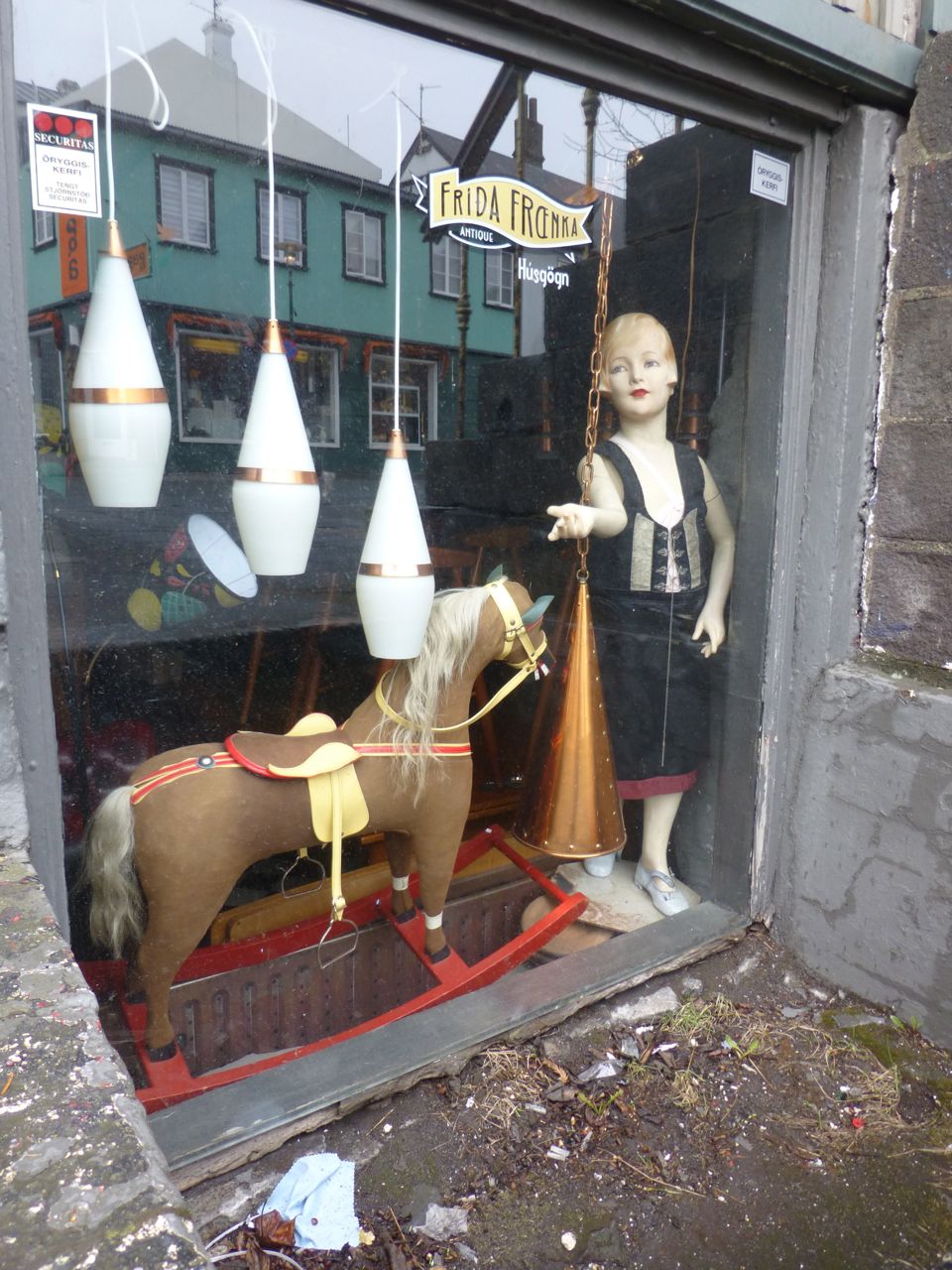
antique

Antique Store Window, Vesturgata

Selling the world’s junk back to the world.

…in France, French people get to largely root around in their own heads. In Iceland or Canada, people are largely rooting around in someone else’s head. Not the same thing.

hair

Store Window, Reykjavik

Lures for humans looking for a new image for their bodies. Important note if you want to try this at home: the realization that the human is the body is not part of this aesthetic. You can only do that with impunity in colonial centres, not at their peripheries.

Canada has its own approaches to power and to its colonial legacy (Largely, Canada is a social rather than a geographical location. It has replaced social and economic growth in “geographical place” by luring immigrants from other former world colonies, whose comfort with living in dis-placed lines of force is more attractive to Canada’s elites than is the costly rootedness of former immigrants). Iceland, too…
P1590059

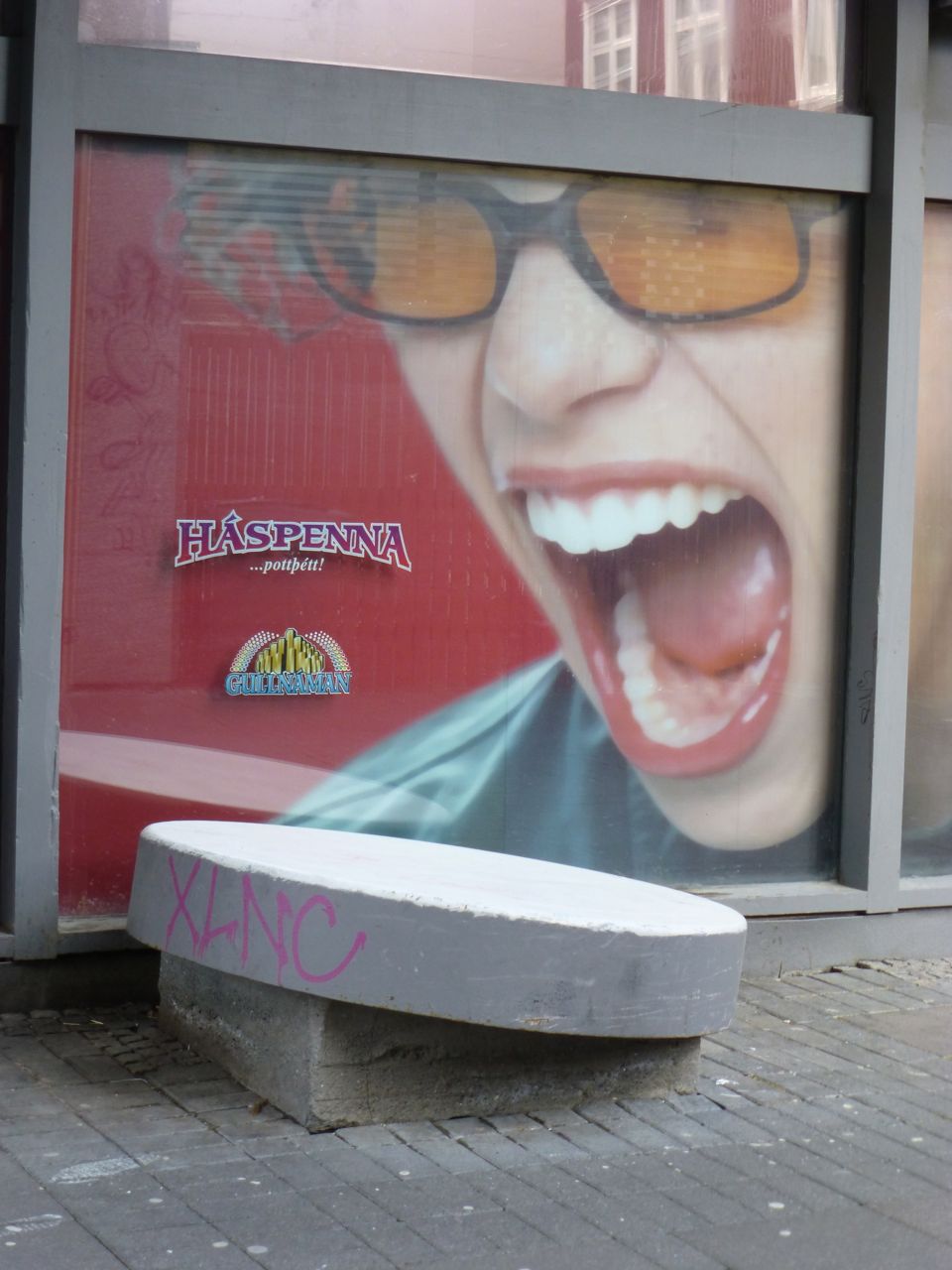
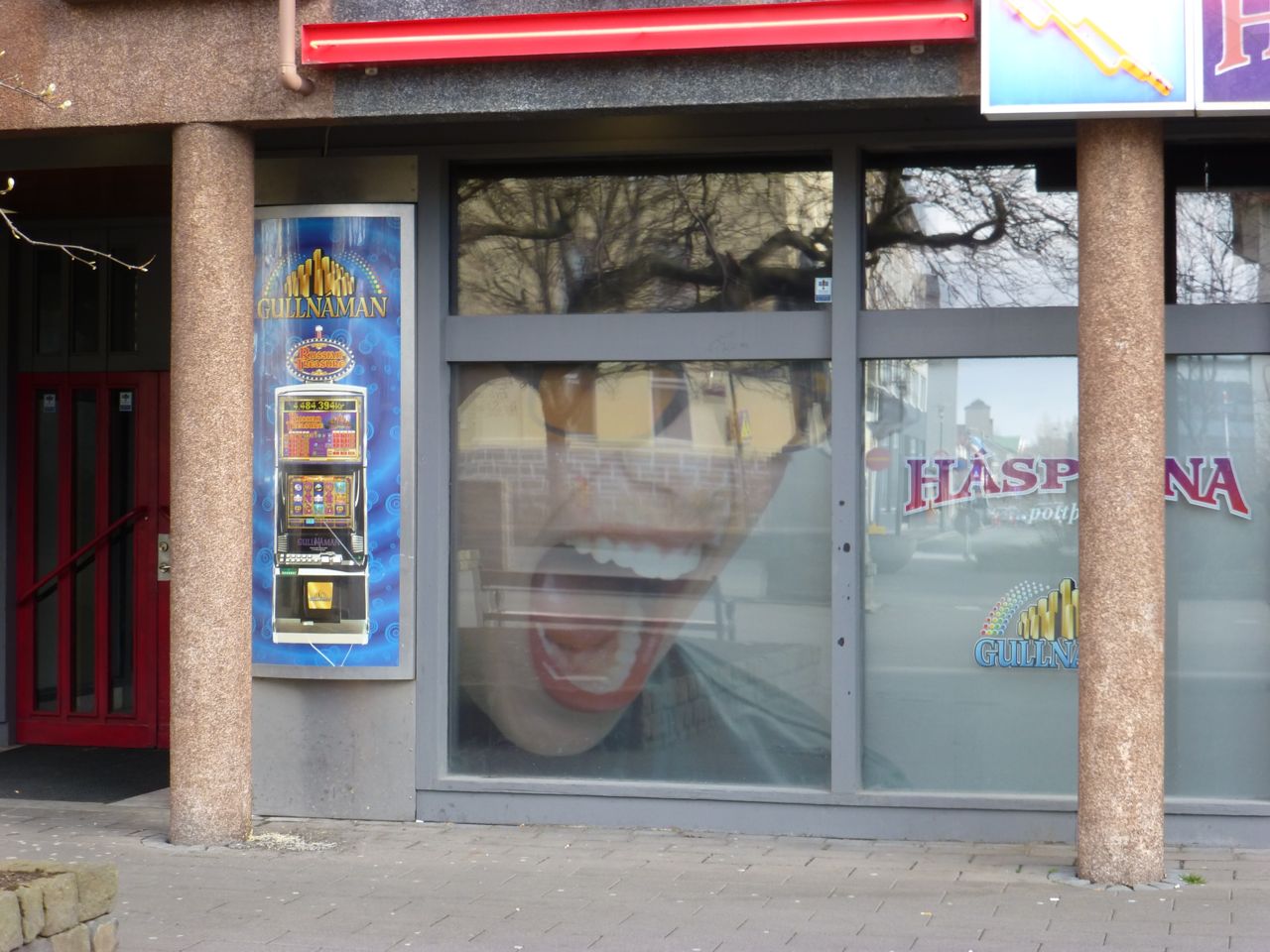
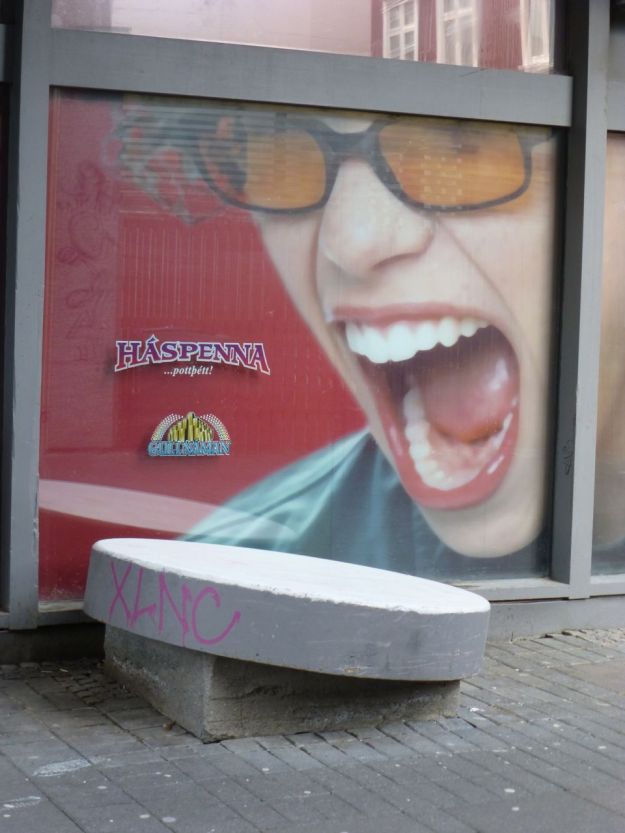
Slot Machine Casino Window Advertisement, Reykjavik

Giant drugs? Concrete money? A clever nordic pun for “real money”, I’d say, and presented in a colourful larger-than-life artifice, too. Top marks for this dynamically-energized street art-political installation and its recycling of images of contemporary global colonialism. Note the pink paint — a kind of dog-like territorial marking made by humans partially resistant to the human entrapment technology called “advertising” and its tried-and-true sexual lures. Imagine: wild humans, among us, even now in 2013. One hardly dare breathe, lest one scare them away!

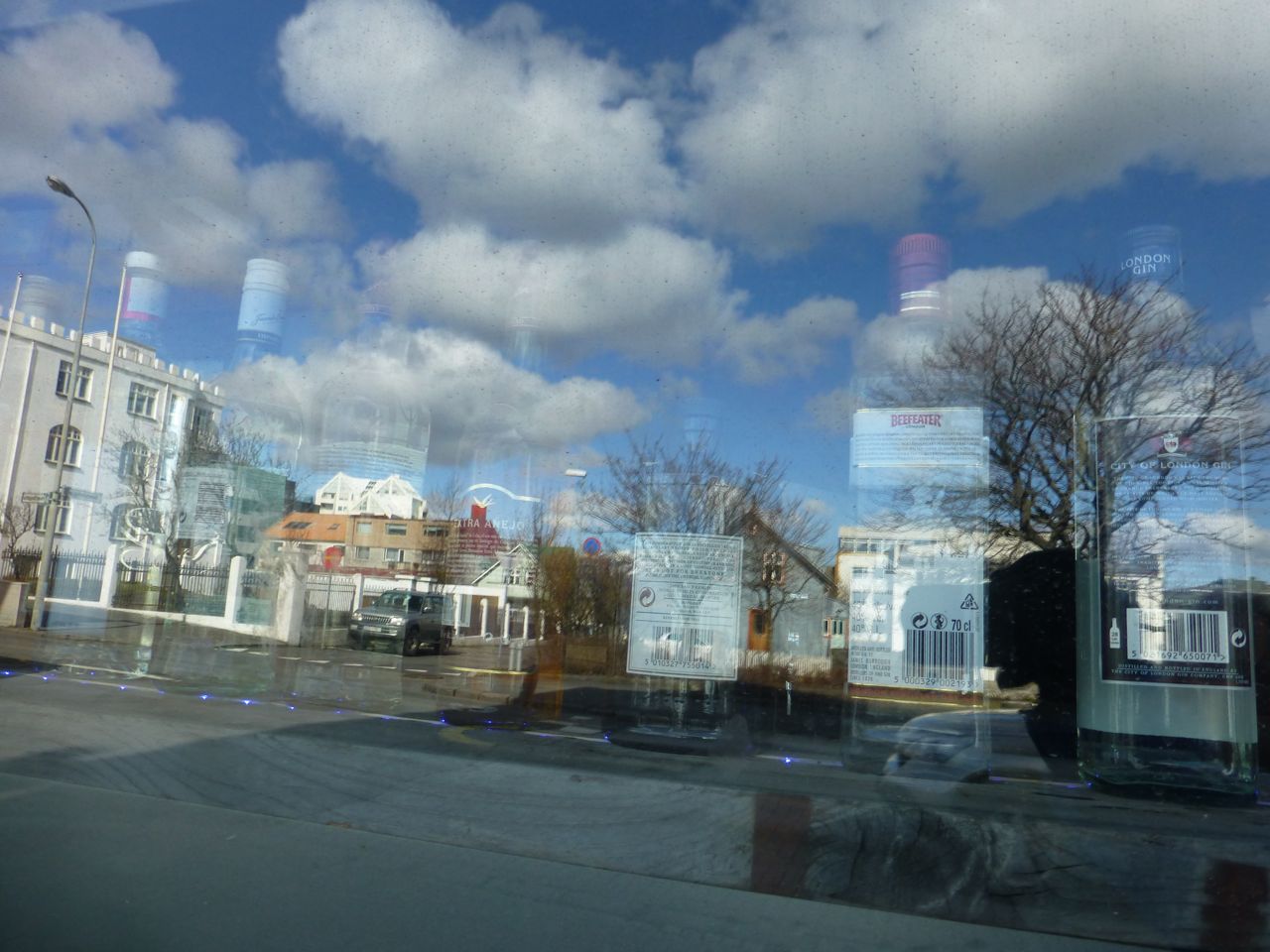
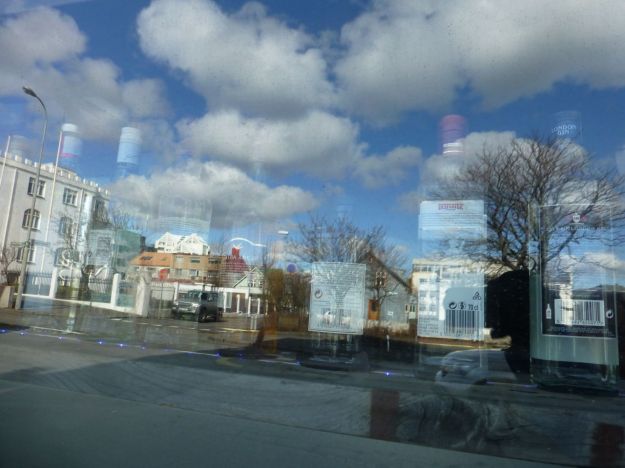
Just as in Canada, human political elites (the A-type power personalities that usually dominate human relationships) really like this kind of stuff. It supports their power structures well. There are variations on this model, though. In Canada, as I mentioned, they experiment with mass immigration as a means of forestalling change. In Iceland, however, they lure people foreign to the culture for temporary visits (tours), during which they are offered images of their own culture, such as this street-side bar offering English drinks for English visitors (seen here through its window) …
gin

… and, still on the English theme, this other bar, up the street and down the hill towards the water…

fab

England, Denmark, and the United States in One!, Reykjavik

(American beer slogan graffiti, English musical icons, and Danish Carlsberg beer.)

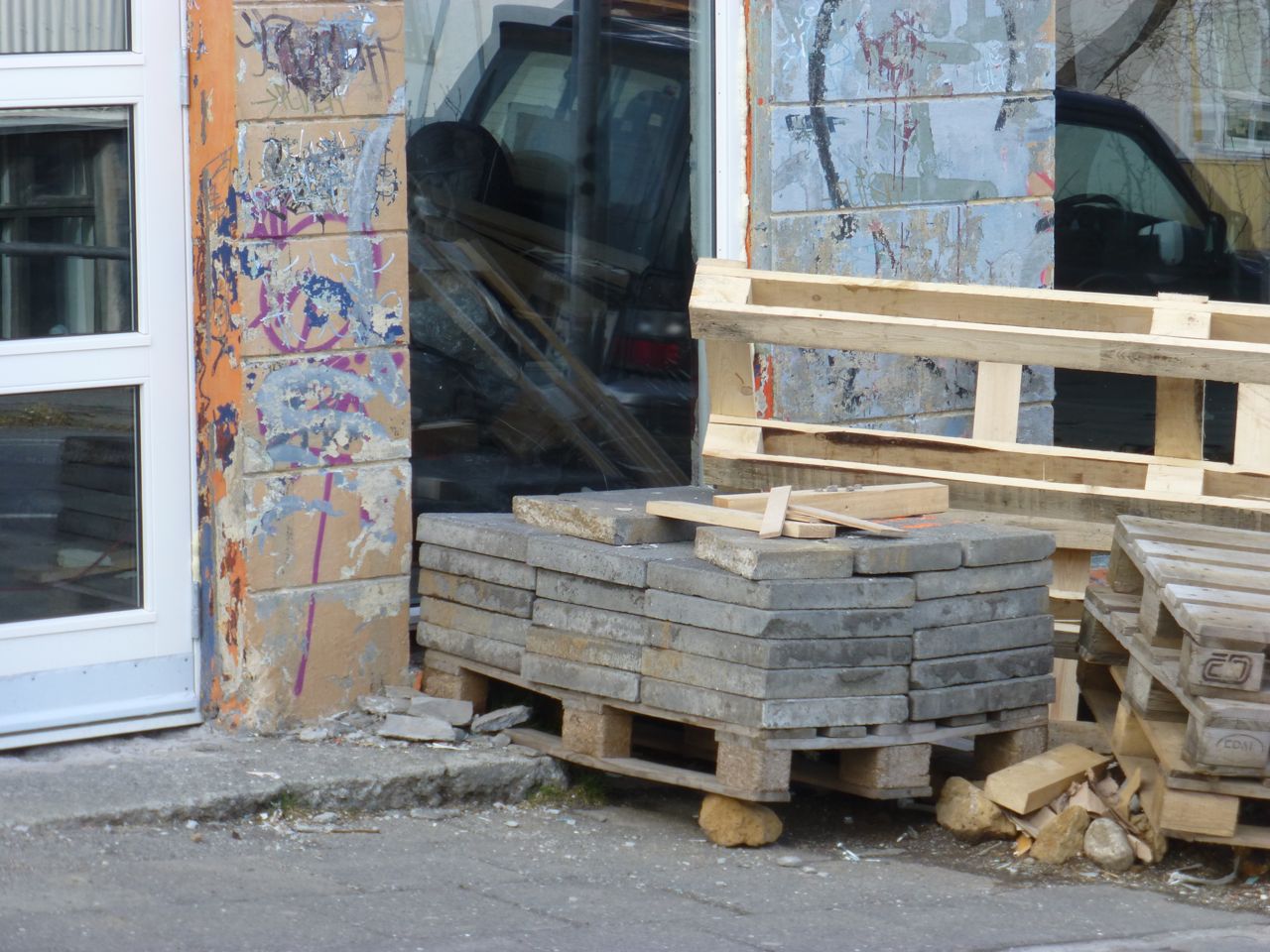
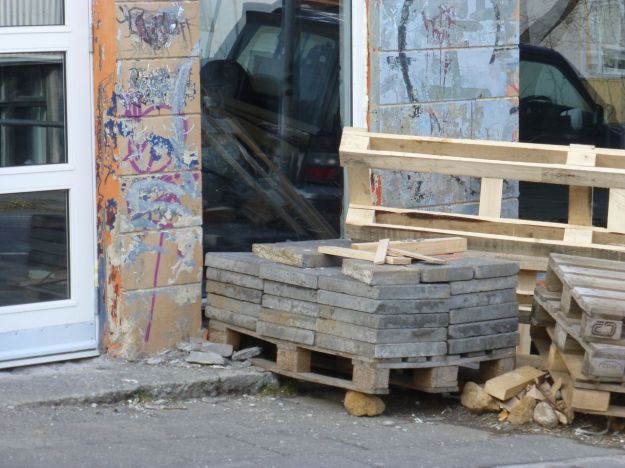
The key to colonial societies is the almost random recombination of multiple foreign influences, none of which are home-grown. It leads to exquisite and exciting (and beautiful) temporary art exhibits like this…
bricks

Construction Site, Reykjavik

Although only the most powerful of these sculptural objects is Icelandic (the rock holding up the corner of the palette), the combination of elements is pure Icelandic (in the sense of Iceland as a social space.) One learns to navigate one’s own colonization. One makes a home in it, so to speak.

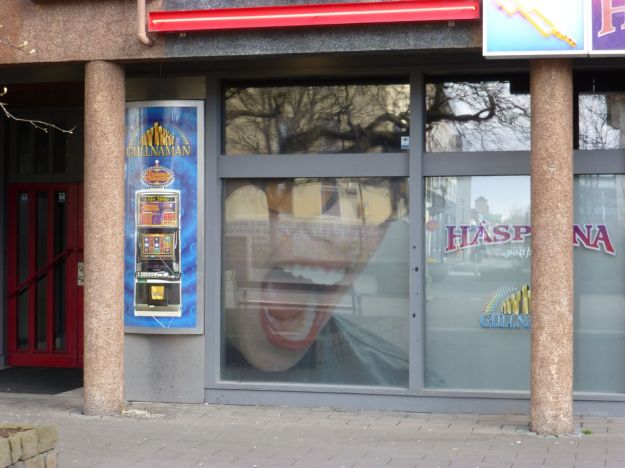
This, the wisdom of urban people worldwide, finds its perfection in colonialism (including its new face, migration.) Intriguingly, in this art form mechanized reproduction is not an infringement on individuality. You can repeat the same Háspenna advertisement on all sides of the same building (and probably, if Coca Cola is any example, around the world) with impunity.
P1590069

Aren’t you glad, though, you can’t hear the screaming?

As a part of global culture, this casino (and its copy writers) is relying on the concept that an individual human is a moment of emotional and biological energy — a wordless animal that delights in colour and scripts that it can move into, inhabit and ‘flesh out’. It is up to dominant social humans to write those scripts in such a way that when biological humans enter them, their accompanying social humans believe they have written them themselves. It is best to maintain such illusions of individual identity. Humans are a little touchy when it comes to identity issues.

To recap, I’ll try to simplify that into an image. It shows a couple biological humans in a piece of performance art directed on the fly by the social humans who fill them like spiritual water. Here it is:

ladder

Humans are Mightily Attracted to Work, Laugarvegur

Excellent colour work here, especially the inner hallway carpet’s lush mauve, pulled out to protect the concrete from paint spills. The bubble gum that already has used it as an abstract expressionist canvas shouldn’t be spoiled carelessly, should it. No, it should not. That’s deep respect, that’s what that is.

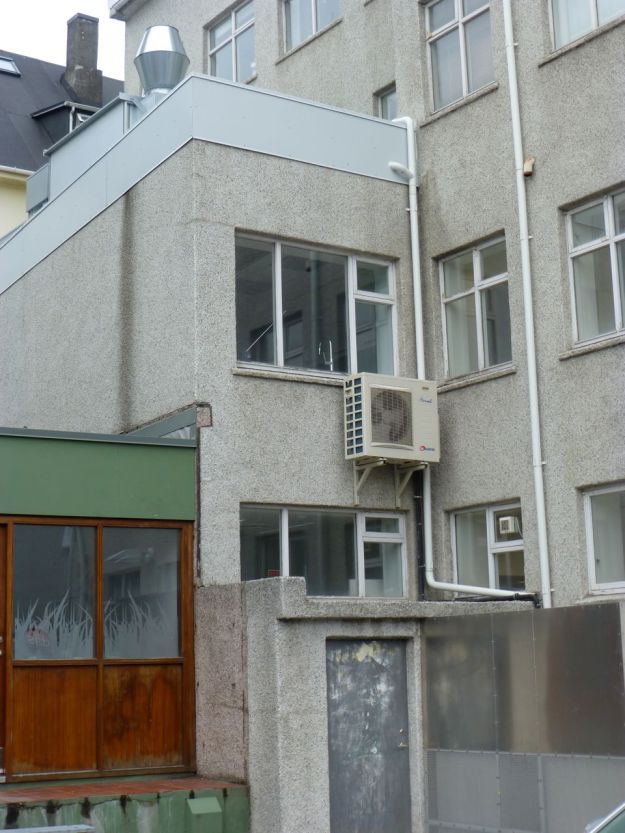
Now I’ll try to return that to words: because human identities are crafted by contemporary political elites to appear as attractive homes for social and biological humans alike, such art as the Háspenna advertisement above is a form of sculpture or building. If you think “stable”, you’re pretty much on the mark. Here is its physical corollary:
P1550021

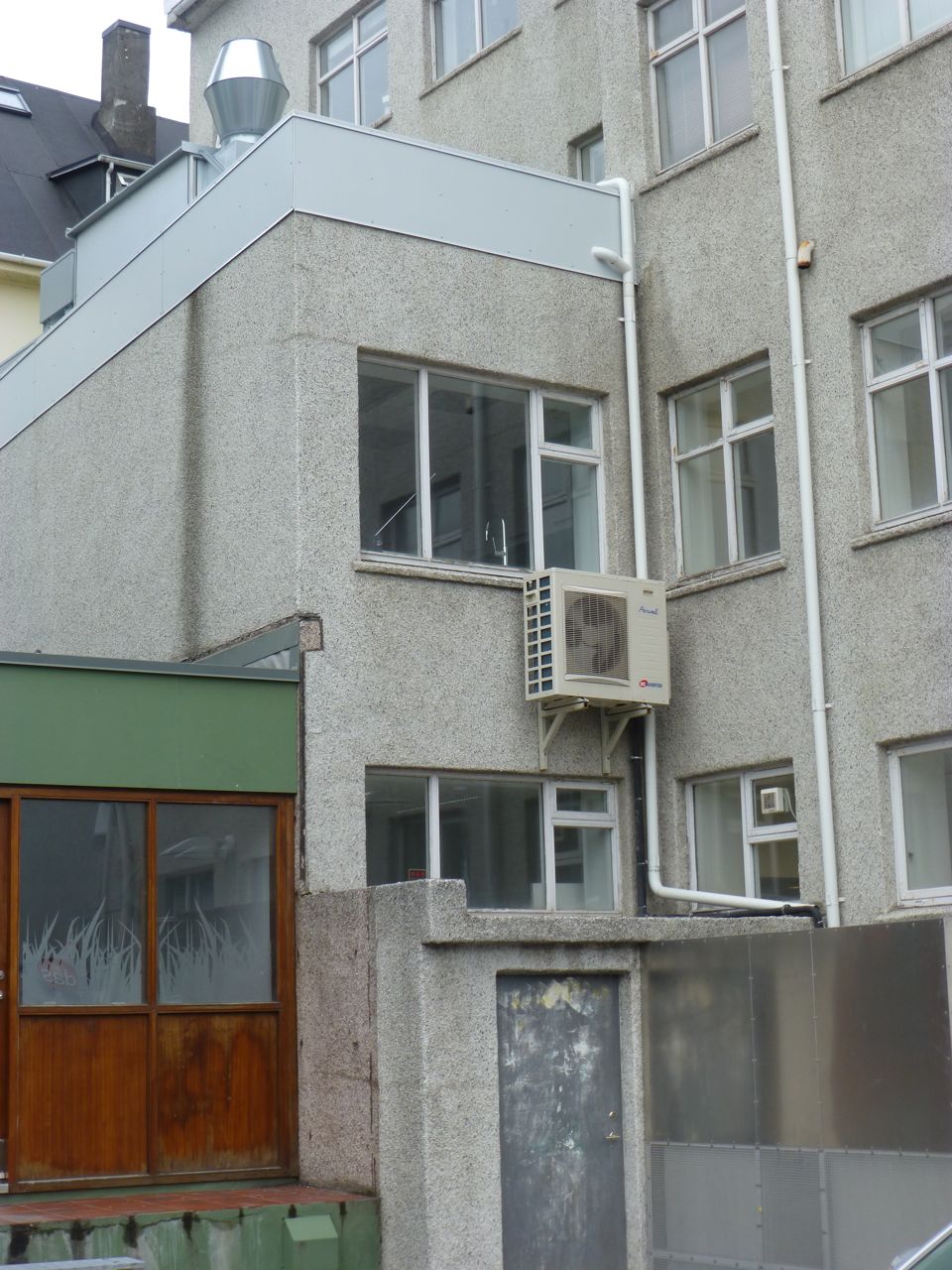
Biological Care Facility (Apartment or Stable), Reykjavik

Complete with climate control. No price is too great. After all, no social life forms are possible without the biological humans they carry around with them. Such complicated art works! So delightful!

Simply, you just can’t have social power, or a national state and the benefits of security it brings, without socialized (domesticated) humans. Wild ones are just trouble.
money

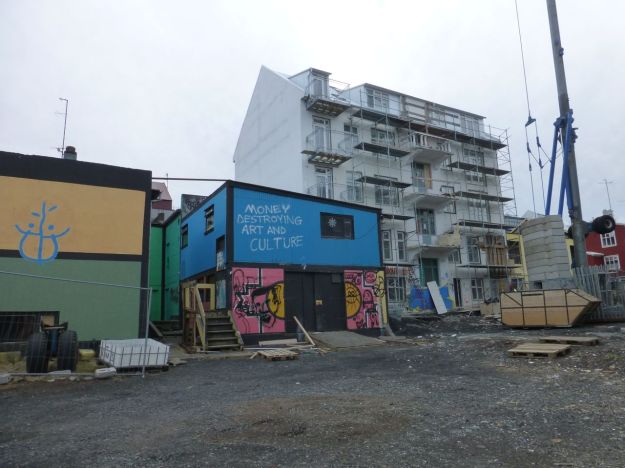
Wild Humans Causing Trouble in a Bankrupt Construction Site, Reykjavik

They missed the socialization that was supposed to teach them that domestication and culture are the same thing. Poor things.

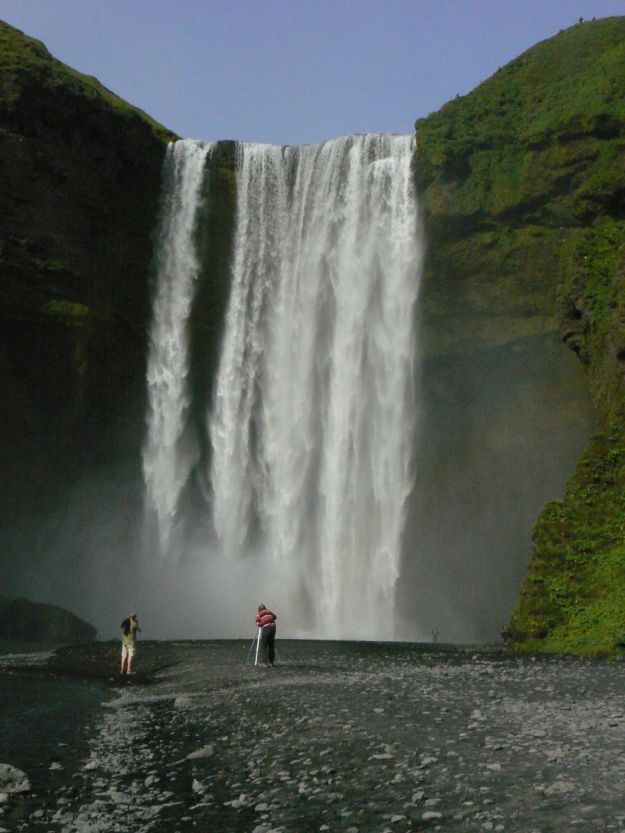
For the purposes of nationalizing humans, art is absolutely essential. It is a kind of engineering much akin to the construction of bridge girders. Here, for example, are some temporary Icelandic residents (tourists) training themselves in this technology …
P1180937_2

Skógafoss (Forest Falls), Iceland

This beautiful waterfall is in the process of successfully luring these humans to its lair. Don’t let the lack of a forest spoil your experience with that exquisite retro-art form, “nature”. There was a forest once. People got cold. They burnt it. Wouldn’t you do the same for your body? I know I would.

I’d like to introduce a term which describes this effect. It is this: Photographic Acclimatization. You use it in a sentence like this:

The people in the above image are training themselves in the contemporary art technique of Photographic Acclimatization.

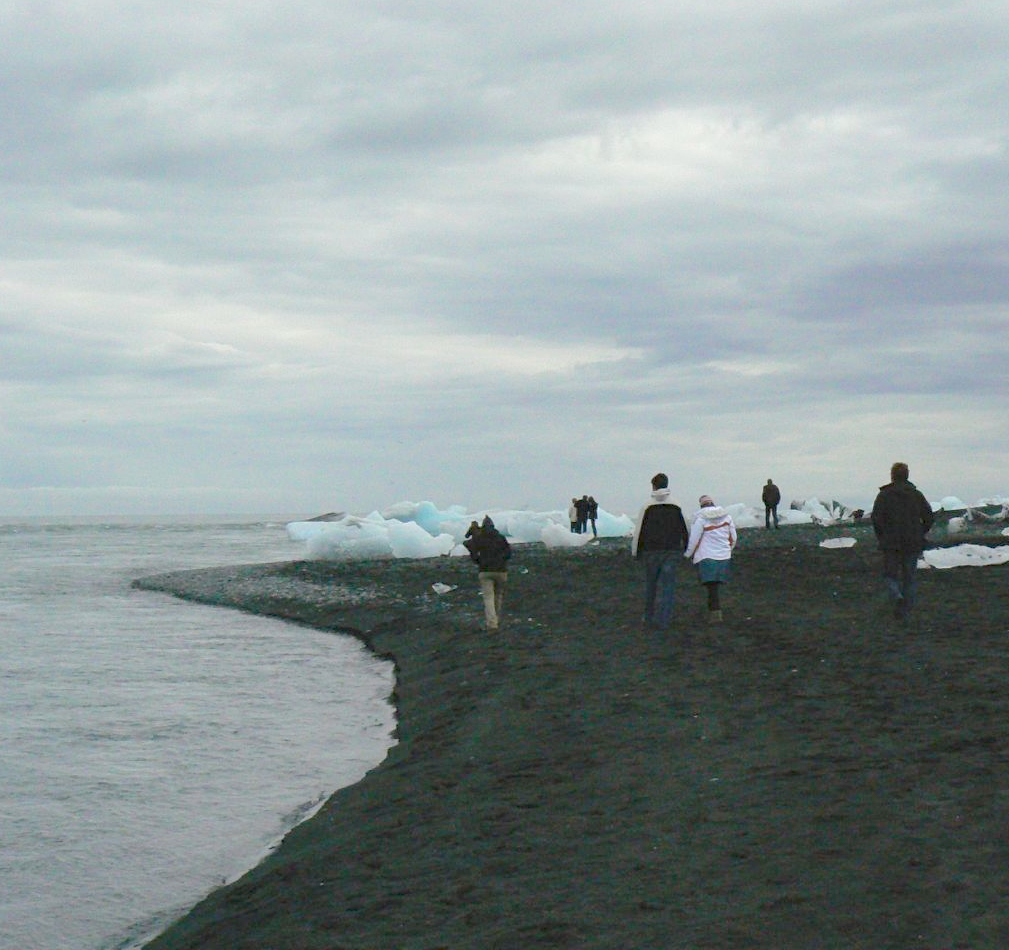
Here are some more humans hard at work at just that …

ice2

World Humans Meet the Earth

And then stand there, far, far past where language can lead them, staring. Sometimes they meet their biological selves for the first time in this way. Being generous and merciful, Icelandic tour bus drivers bring them here by the busload. If you drive real fast, you can make it from Reykjavik to here and back in a day, which is, frankly, wayyyyyy too far and hard on the bus drivers, but, as I say, they are generous and merciful.

The popular art form of photographic acclimatization is an updated version of the 19th century  science of butterfly collecting, something which I’ve been trying to make into a new science of late, although without a net.
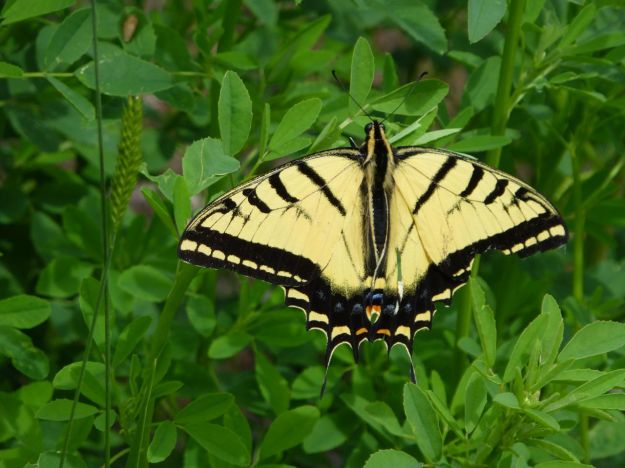
P1020564Western Swallowtail in Some Feral Alfalfa

This turkish forage plant was left behind in the faeces of some cattle, back when this part of Oregon Territory was an updated version of the Wild West. The alfalfa decided to stay. In the 19th century, I would have had to catch this beauty with a net and pin it on a card. It would then be usable by modern human art-makers, as an image of past human-earth interfaces. As a wild butterfly, it is relatively invisible, as is the undocumented weed ecosystem it now inhabits. It is like a brand new earth out there!

Photographic Acclimitization is based on the principle of traveling the country (or the world) to capture images of things that you have seen before in advertising material. It is absolutely essential to modern society. It allows socialization processes to ‘gel’ into the complex social sculptures without which the society could not exist in a stable form.
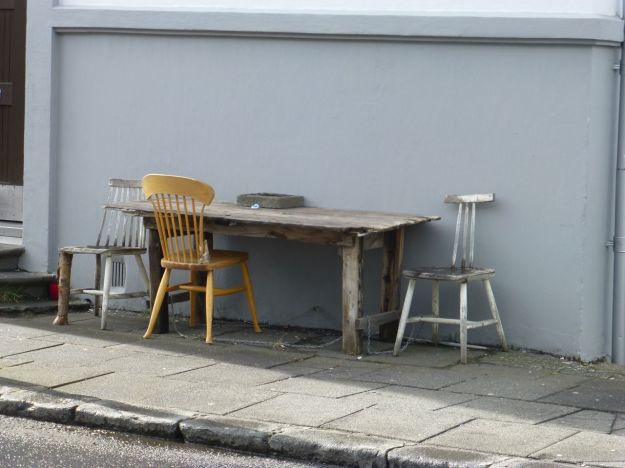
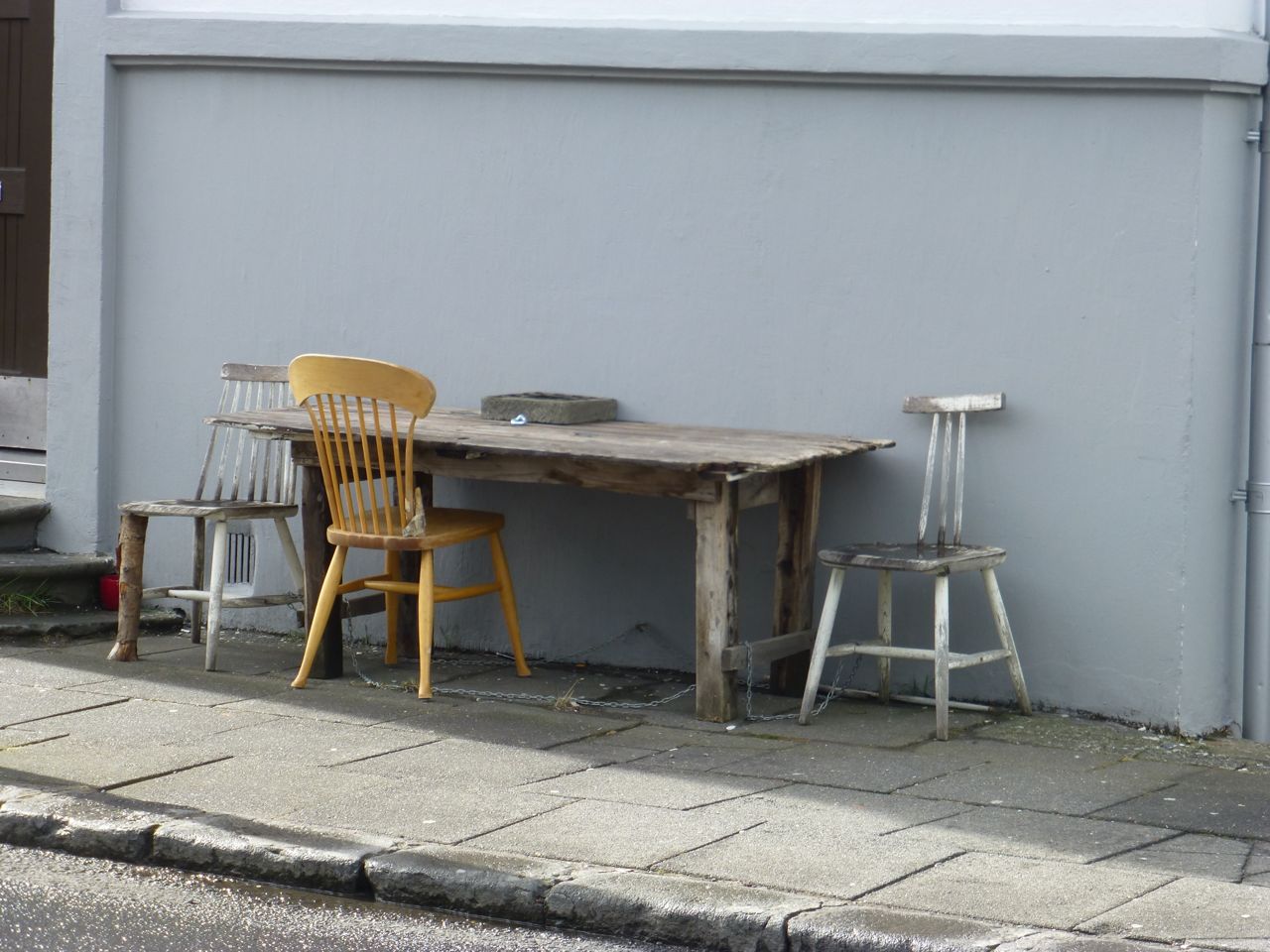
chairsWhat Happens When Photography and Other Furniture Are Used for Asocial Purposes: Rogue Art!

Look at how these poor beasts are chained up night and day. Poor things.

Plato, the Greek philosopher who pointed out that each chair is a projection of a perfect chair in Heaven, would turn over in his grave. This approach will not lead to nationalism. The following is a more appropriate photographic subject:

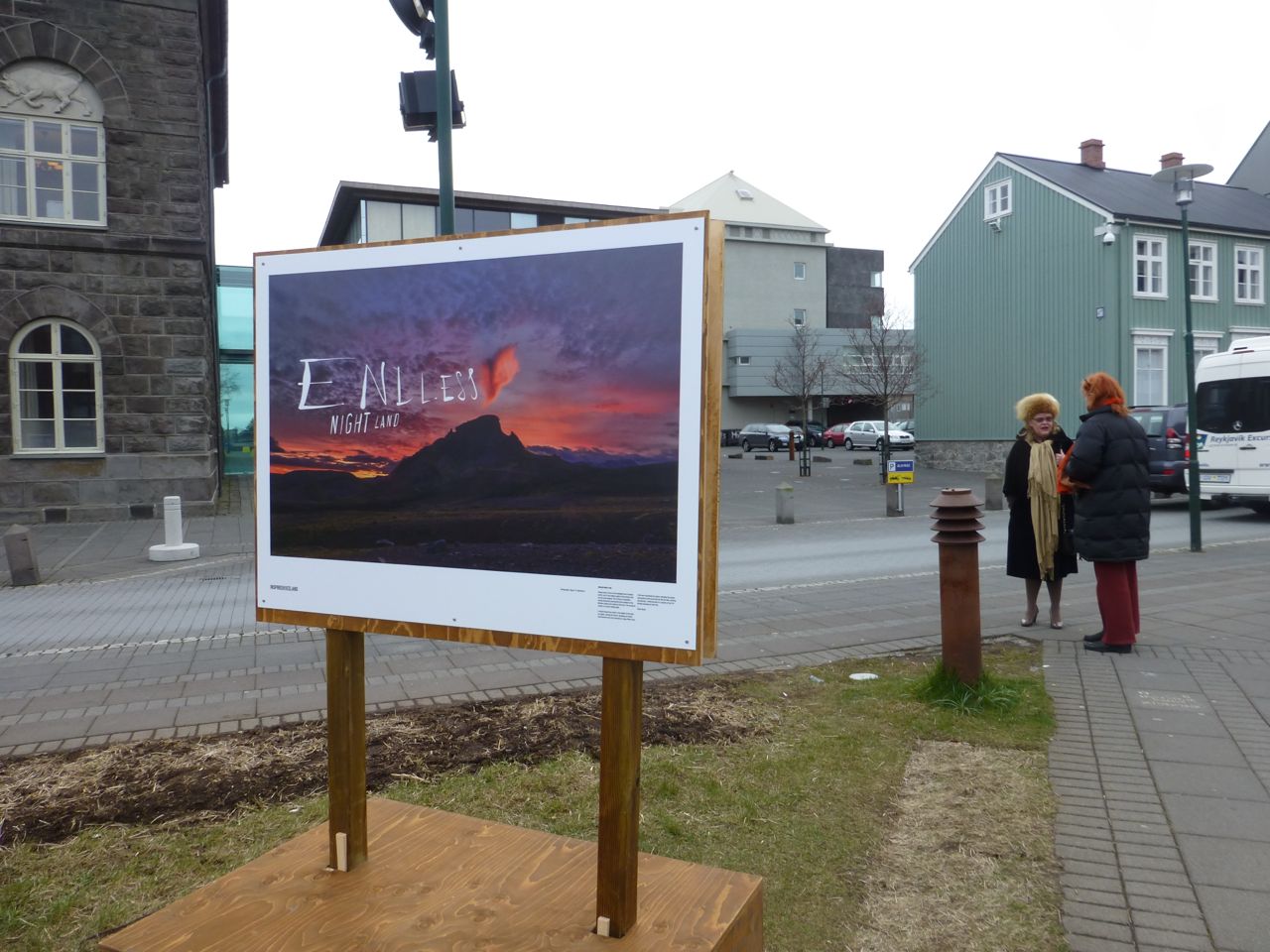
endless

Icelandic Tourism Display: Endless Night Land

This will lead to nationalism. A year ago, tourists from around the world were asked to submit their photographs of Iceland and to coin a new term for the country which expressed their experience. The ones in keeping with the promotional goals of Iceland’s copywriters were chosen, lavishly photographed, and turned into a “new” (or at least re-cycled) promotional package. It’s the casino all over again!

After all, it’s not just horses, sheep and cattle who are domesticated in the process of creating a society out of farmers.
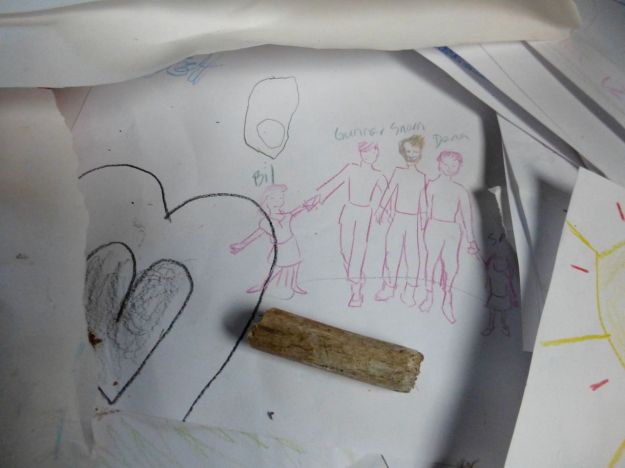
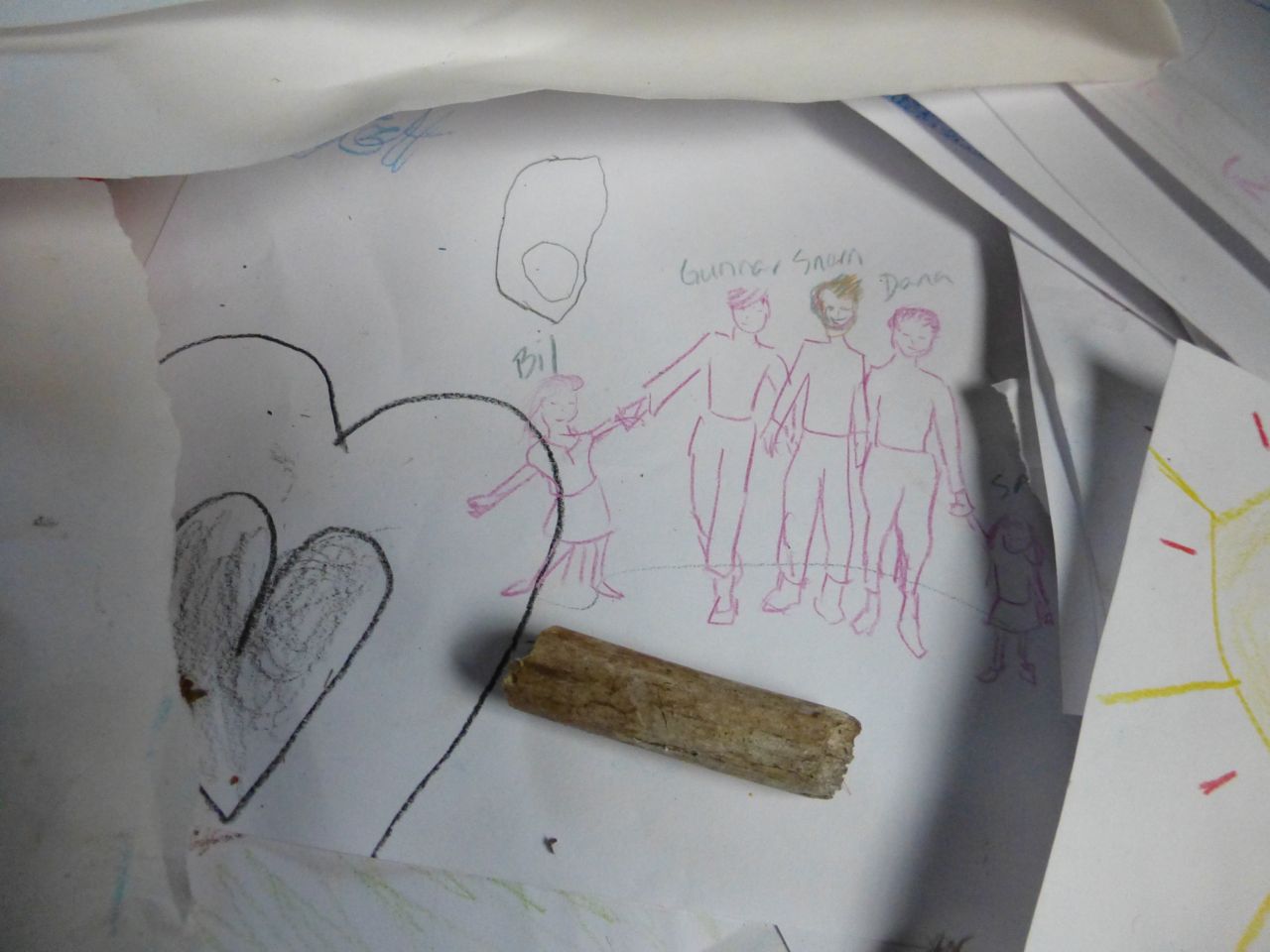
P1450642

Teenage Art, Hallórmstadur

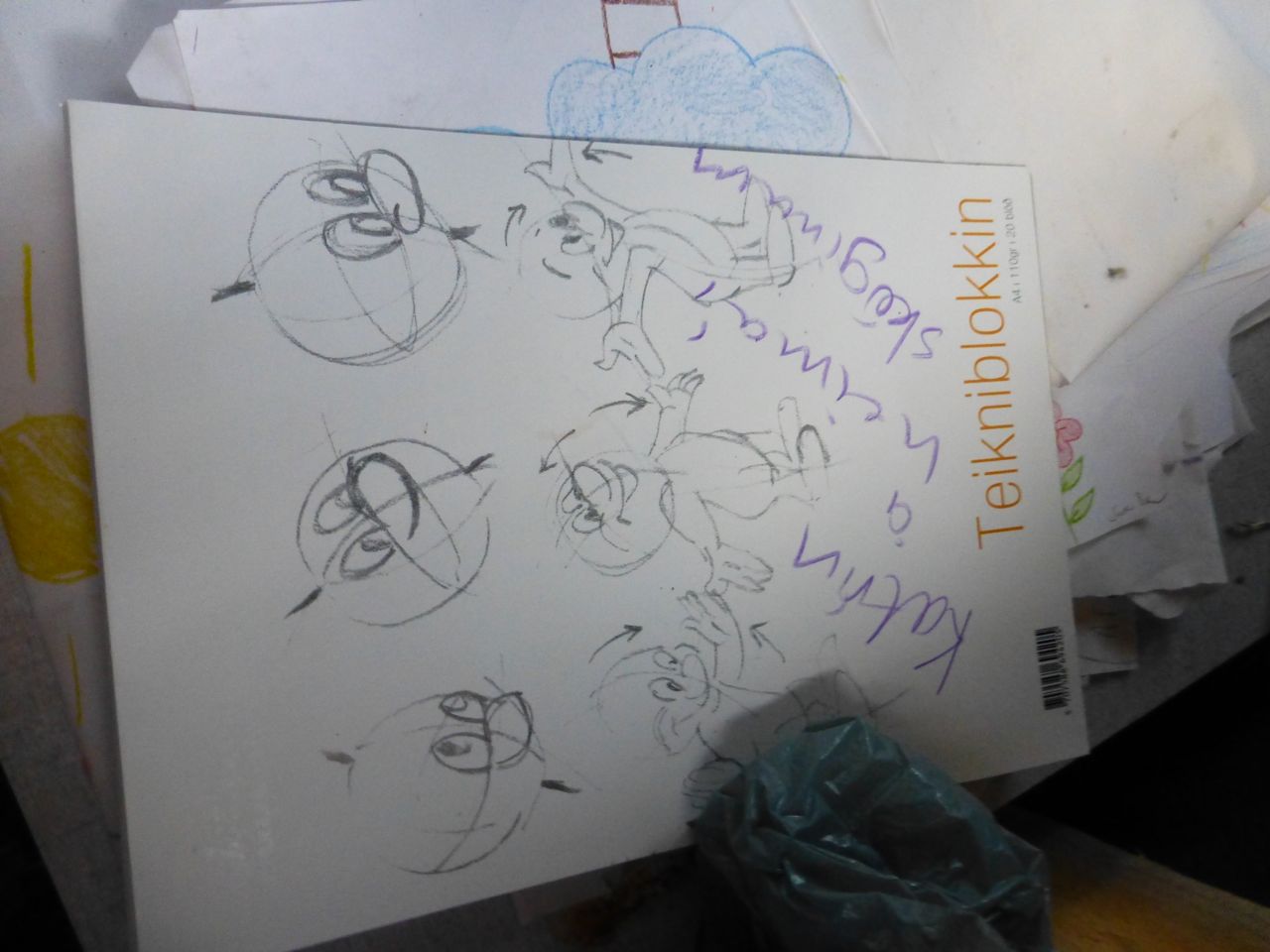
Tasked with the job of leading young children to exploration of art in a wooden hut in Iceland’s national forest, teenagers practice the social art instructions of their Walt Disney-style drawing pad.
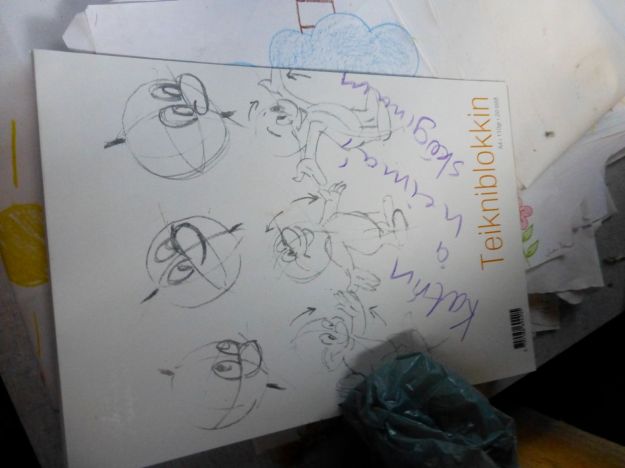
P1450636

Note the Arrows

They aid in the process of refining the complexity of the human body into simple, infinitely reproducible lines.

The goal is the sculpting of readily portable masks, called identities …

fantasyIdentity Creation Materials  Skólavörðustigur

… which can be worn as display objects in public.

peak

Checking for Traffic. Vesturgata

Individually sited, using a mass-produced stencil. Now that’s about as good a definition of colonialism and migration as I’ve ever heard.

Identity masks for human bodies come in many types, all attractive to social humans. They include clothing, hair styles, facial expressions, language, apartment furnishings, art and, of course, footwear. You don’t want your favourite human to wander the streets unshod. He or she might step on a nail, right? And, besides, they’d have a hard time getting into restaurants to be wined and dined, and then where would you, a social human, be with a cranky, hungry animal tethered to you?

P1550060

Reykjavik Graveyard

A reason to keep your body shod.

The image above looks like the mass-produced, flippy-flappy Swedish flat-packed style shoe racks that can be found in houses, apartments and closets worldwide. It’s not. It’s Icelandic art.

shoes2

Icelandic Shoe Choosing Rack for Two

A pair for each identity mask. 

No doubt, the other millions of shoe racks worldwide are also completed with a sterling collection of globally-sourced, mass-produced shoes, but that’s not the point. The point is, of course, the flare, or gesture, with which one installs it. For example, construction sites are also part of artistic display worldwide …

P1540339 Reykjavik Harbour Art Installation

This is a form of process art. It is, after all, called a “building”, not a “built.” In such subtle ways, a language directs the humans that it occupies.

… but turning them into playgrounds for children, complete with turf, tires, and repurposed fish boat tubs, well, now that takes flare. Lots of flare.

P1540336 Imitation Elf Village, Reykjavik Harbour

This Icelandic art form incorporates such a keen eye for the beauty of artistic line and colour that it makes the fantasy character creation materials window (art supplies store) above seem a lot like a visit to the dentist. I mean, don’t just gawk at all this beauty … walk around in it!

P1540314_2

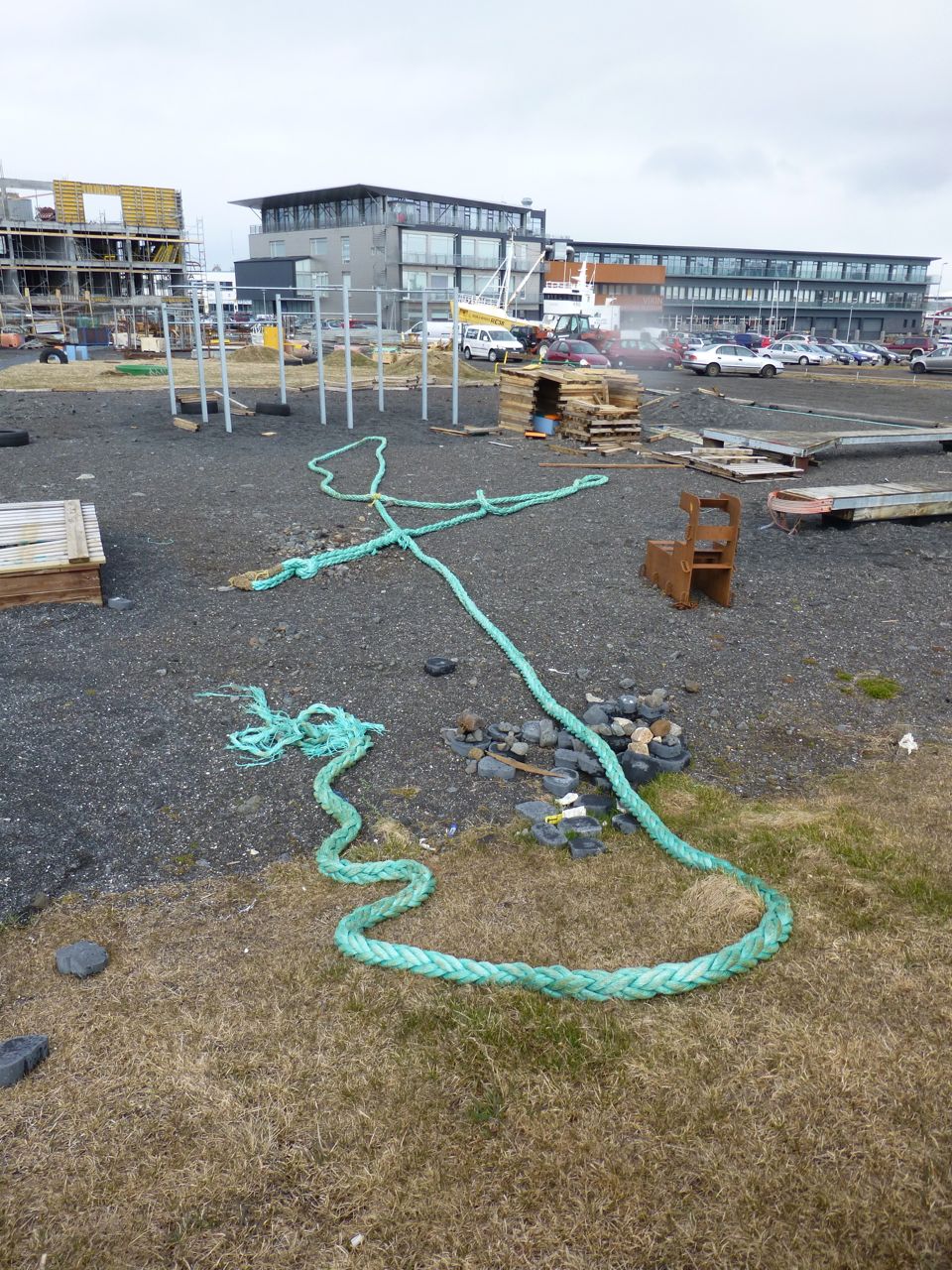
Reykjavik Harbour Construction Site

Children encouraged. Look at the magical rope boat anchor cross angel talisman, eh! Such an exquisite turquoise. There’s no way you could squeeze colour like that out of a tube.

If you walk around long enough, you might find the materials to build a sculptural representation of your body, like a ghost from long ago, and even move into it and sleep and dream…
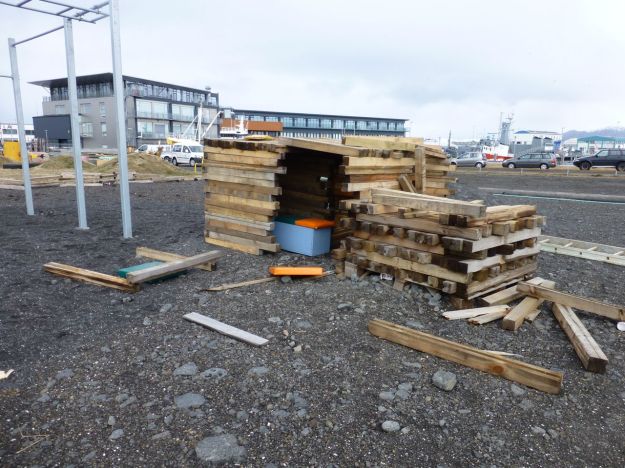
P1540327

A Good Place to Go on a Rainy Day

The children, however, are all in school. Poor things.

school

Neighbourhood School and Canadian-Style Child Socialization Device, Seljavegur

Like many play places in Iceland, the playground and its accompanying school (socialization device) are situated on a plot of land set aside for “the other people”. In most cases, this means elves. In this particular case, dwarves. 

It is socially acceptable in Iceland to allow children to play and learn among the other people. This is a primary rule in Iceland, and why not. After 1100 years of crippling poverty, the Viking settlers of Iceland lost so much — almost everything, in fact. What remains are a few sturdy humans, horses, dogs, sheep and the other people. All are granted almost unbridled respect as the spiritual creatures that they are. Accordingly, a village of the other people is also a good place to build a church  …

alf

Elf Houses Among the Crocusses in front of Hallgrímskirkja, Reykjavik

That’s a statue of Leif the Lucky, donated by “The People of the United States of America” after World War II. Excellent playground! Sadly, the dutch crocuses and the elves, which have both gone native here, don’t get a plague. 

… but you can never build a house on elf rock …

houseAlf House and Human Housing, Reykjavik

It’s tricky to decide who has the better deal. 

A popular saying in Iceland is “You never know.” It’s used to describe the Icelandic love of slapdash construction and the lack of interest in cleaning up old junk. The reason for it is “you never know” whether elves exist or not, or even God, so you keep churches and elves around because it might prove useful some day. You also “never know” when the economy is going to collapse or a volcano is going to blow its top, so there’s no point in settling down too comfortably, either. One’s home is Iceland, not some particular private property within it, because “you never know.” Actually, you do…

boom

Farm on the Snæfells Peninsula

Once very nearly wiped out by a) a lava flow, b) a cinder cone, and c) the ash that came along with them. In Iceland, this kind of thing happens all too often. Icelanders know this.

As a result, in Iceland one’s home is not in a ‘place’ but in a community. In the past, displacement was so rampant in Iceland that most people were less than indentured servants, continually on the move from one side of the country to the other, looking for some point of entrance into secure social structures (Hint: there were none.) Icelanders tell themselves (and the world) that they created their country for themselves by throwing off the yoke of Danish colonization. As the above examples of contemporary colonization should demonstrate, it wasn’t the Danes (or any other country) that was the real yoke. The yoke was separateness. It was broken when Icelanders gained enough perspective on their situation to realize that to be properly socialized they would have to participate in their own socialization, so they took to it with great enthusiasm and earnestness.

P1530939_2

One Manager (Labouring) and Two Workers (Supervising) Spend Two Hours Fixing a Door to Nowhere Reykjavik Skate Park

One Canadian is most enchanted. No skaters, mind you. Lots of Italian graffiti art, though.

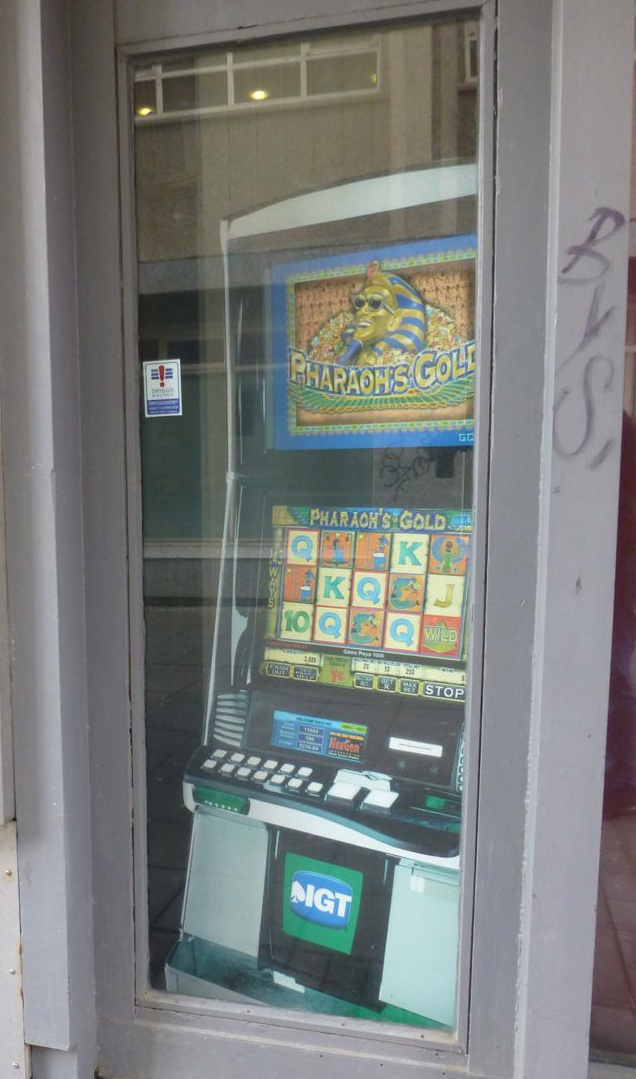
This basic rule of human socialization applies as much to individual as to group humans (families, communities, corporations and other social identities, not all of them friendly.) In capitalist societies, it takes the form of “economy”, a kind of language that attempts to profit from exchange and, indeed, makes an entire artistic language out of it, all the way from the Icelandic banking industry (a form of gambling) to the Icelandic gambling industry (a form of banking).

pharoah1

I Bet You Were Wondering Where That Gold Got To!

This would be tricky for iguanas, but fortunately it’s dead simple for humans. As you (a social sculpture) and your biological human (‘your’ body) explore this art form, do keep in mind that self sculpture is often built around sculpture designed to shape you, and if you’re anything like normal you’ll chafe a bit at that.

P1430180

Abandoned Farmhouse, Suðurdalur

“What? Me stay poor in the middle of nowhere, while everyone else in Reykjavik has television and Wienerbrød (a Danish, colonial pastry)? No way, Jóni!

And what do half wild humans do in Reykjavik? They learn the ropes. And the half-wild children of domesticated humans, what do they do? Most of them live in places like this …
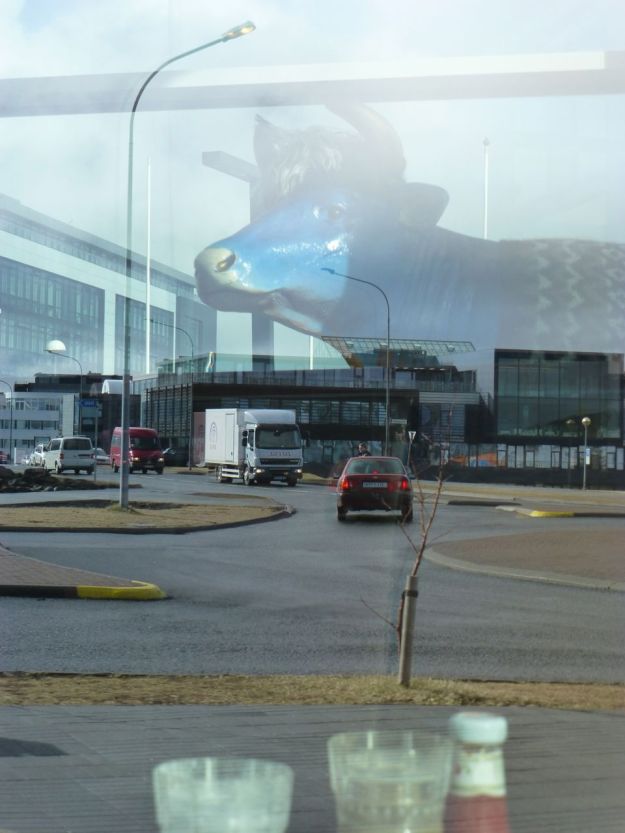
blue The Hamburger Factory Cow…

… and her people going to work. Later they’ll come back for some hamburgers with the family, while she, in her lovely Icelandic sweater, looks bovinely on.

… and then get restless, which looks like this …

art

Art, Open Air Gallery, Frakkastigur

These restless humans are intent on adding a touch of wildness to the contemporary city, using the very elements (imported technologies, concepts and rituals) which they appear to be rejecting. Such is the paradox of people whose cultures have grown in colonial situations.

P1530252 Tractor Hiding Behind a Fence, Ingólfstræti, Reykjavik

Like the troll under the bridge in The Three Billy Goats Gruff. Note the excellent use of colour and the rather fraught respect given to the rowan trees — once a potent symbol of nationalism and now a no-less-potent symbol of ‘home’ and ‘place’. 

For most Icelanders, the tension between the 19th century romantic story (the imported concepts of wild nature, wildflowers, waterfalls, beauty, landscapes, nationalism, and all that fine stuff, which enabled Icelanders to see their country as something larger than a net of social relationships, and which eventually led to the kind of post-colonial independence it has today) …

foss

Strutsfoss, Suðurdalur

The invention of the colour blue. Pure 19th Century! Yes, it is possible to travel in time in Iceland. Wear sturdy shoes. A walking stick helps. Watch out for snow drifts (5 feet deep).

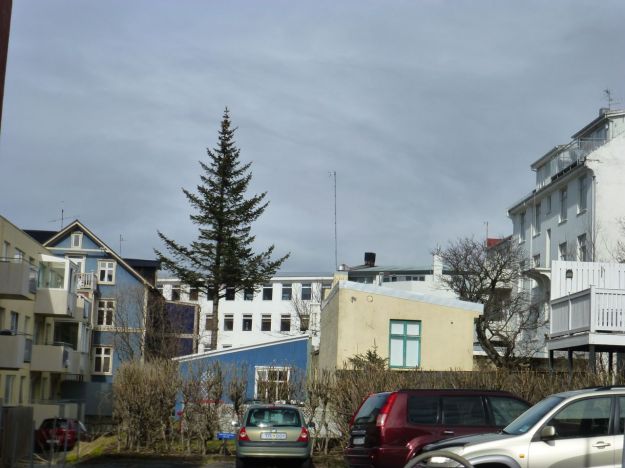
… is easily enough merged with newer imported technologies and old forms of social integration, into their communal village, contemporary Reykjavik…
P1540944

Reykjavik, Old Town

A typical neighbourhood view. This is what time (1945-2013) looks like when viewed all at once.

Culture creates a form of time that doesn’t move. Instead, it sculpts it into a complex dynamic. In the Icelandic case, this dynamic  is a series of modernized replacements for turf houses for biological humans.

gold

Two Kinds of Modernized Turf House, Reykjavik

The social decisions of humans over time and the ways in which they choose to animate space with their bodies and minds, including what they retain and what they discard, is a form of art.

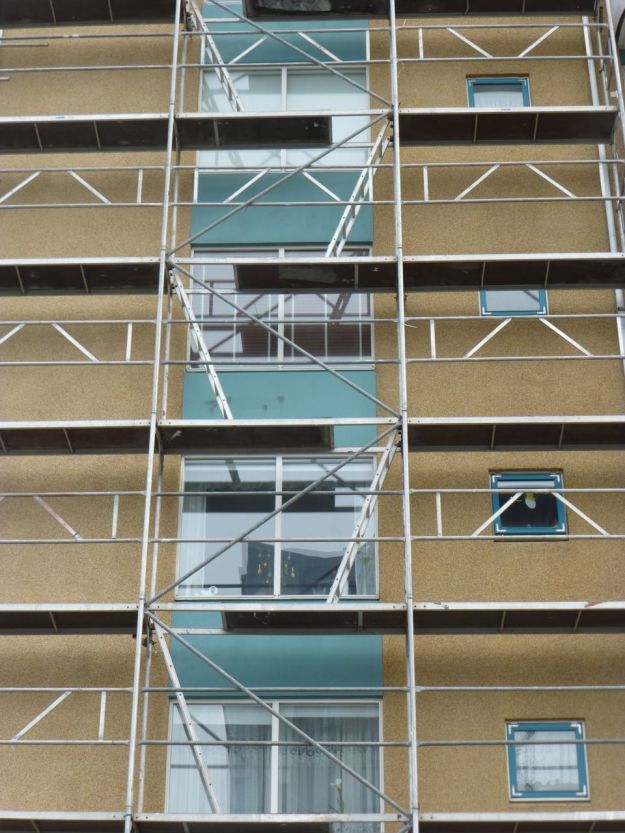
In this case, the genre might be called: Stairways to Heaven. Or even, Jacob’s Ladder:
ladders

New Edition of the Holy Bible, from the Period Before the Banking Collapse, Skúlagata

There’s so much to learn and celebrate, but, as I said, it’s not always what it seems. Take this older art form, for instance:
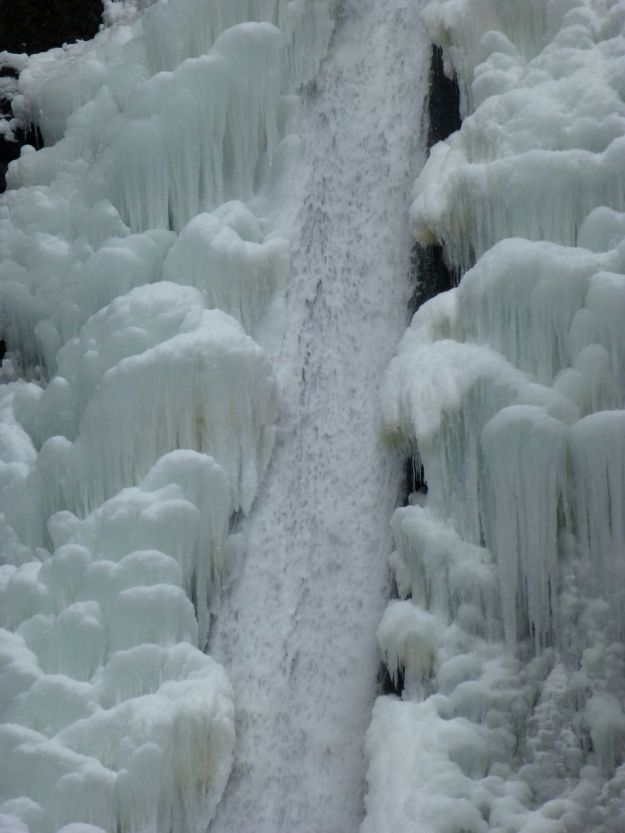
litla Litlafoss, Hengifossá

Nice waterfall, for sure. The raw power of nature. Pure beauty. Etcetera. We all know this romantic, 19th century story, and it’s worth telling and walking into. But there’s another story. About a century ago, there were five poles to North European culture: Nordic, Anglo-American, Middle European (including German and Jewish), Eastern European and French. Today, there is largely just a rump of the Anglo-American and a sliver of French. War will do that. In the forgotten Nordic version, though, the earth of men, or Middle Earth, was a point of balance between an earth of fire and an earth of ice. The waterfall above is just this balance. So is the one below:kjarvaldetail Detail of Waterforms by Kjarval

His friend, the writer Gunnar Gunnarsson, was also deeply attentive to Middle Earth.

Another way of looking at Middle Earth is to describe it as The Middle Way. For example, Iceland chooses to support certain of its artists, musicians and writers for life, as they are considered important parts of the national fabric, as essential for the support of the people as roads and electrical transmission lines and law courts.

wire

Icelandic Artists Pointing the Way to to the Aluminum Plant

Make no mistake: this too is nature.

To support the arts in Iceland, sometimes you build an art gallery for a popular artist, such as Kjarval, which includes living quarters for both the man and his paintings. Such museums are scattered around Reykjavik. With the passing of the artist, they become full-fledged galleries … based around the achievements of an individual who serves as a model for citizens of the national state. If you were a poet, though, you’re more likely to get this:

poet

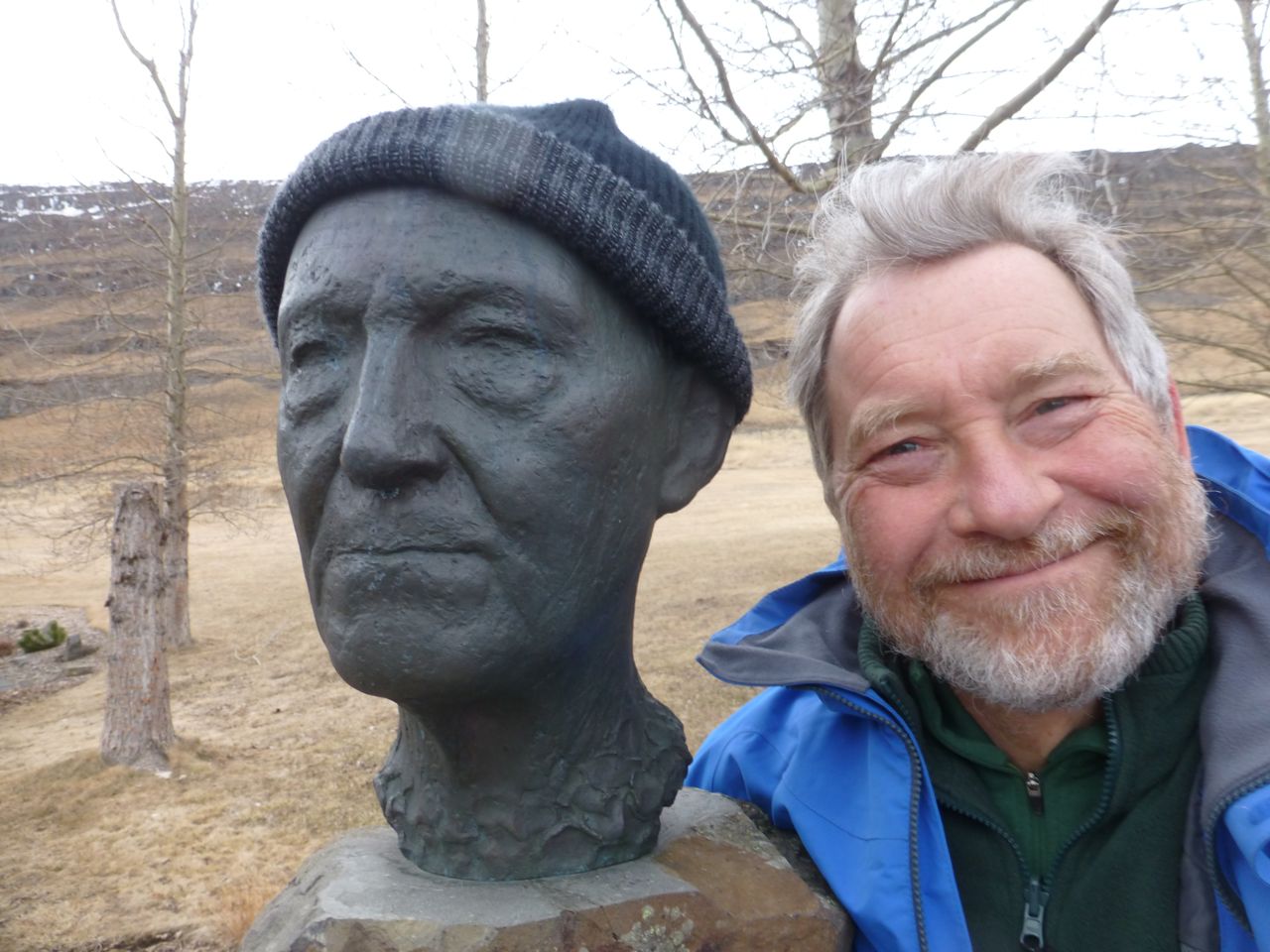
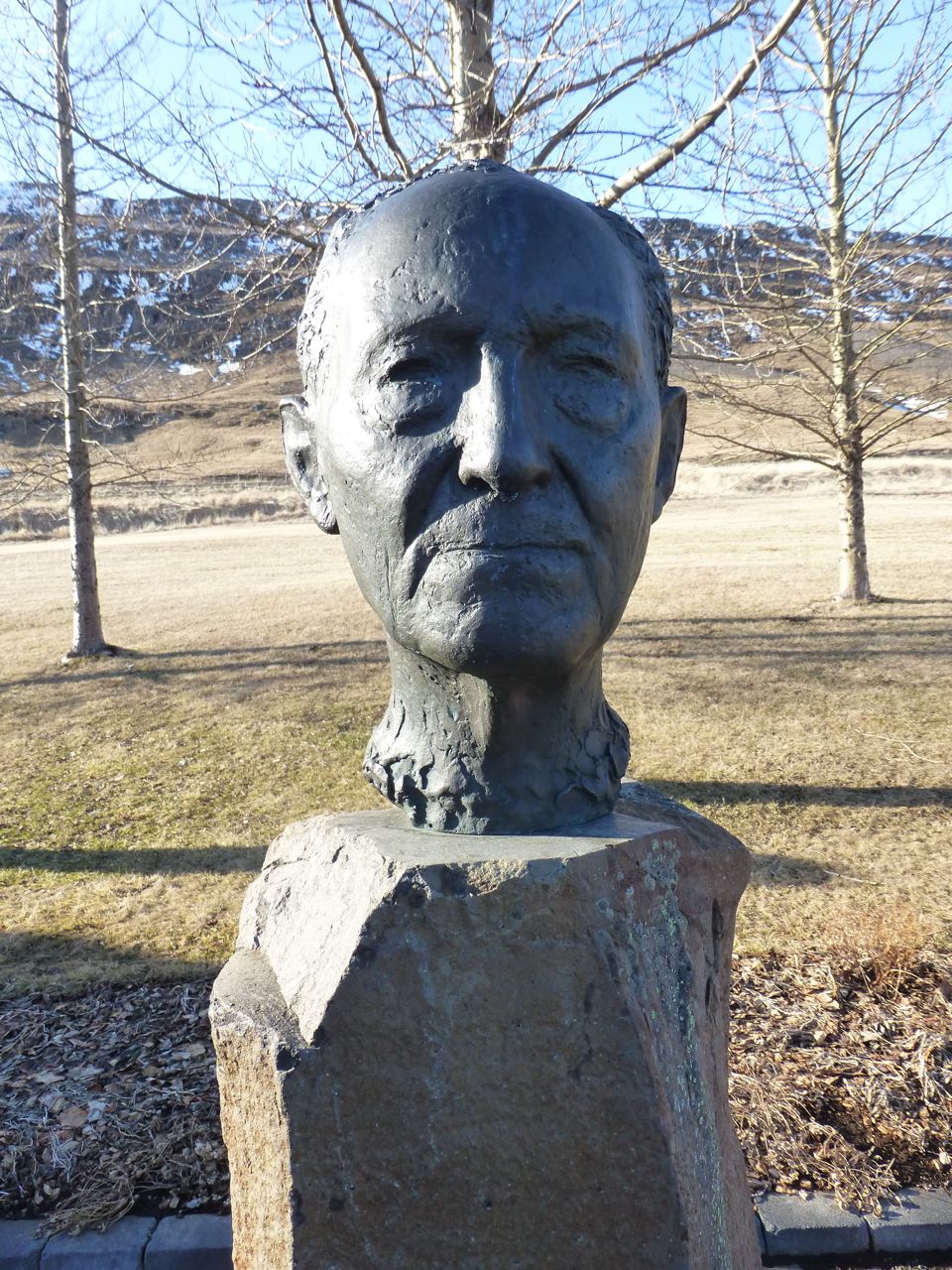
Memorial to Jónas Hallgrímmson, Öxnadal

Long before Gunnar Gunnarsson, Jónas went to Denmark for an education. He came back with the idea of planting trees — an important contribution to Icelandic independence, as it helped Icelanders start to create their landscape, rather than just experience it. As a reward, Jónas has been planted among the trees. That’s his bust on the rock, there, within sight of the turf house of his childhood, high on the mountain in behind.

Artists have been a bit luckier. In the case of Kjarval, he got a museum. It is even called Kjarvalstaðir, or Kjarval City. In it, you will find this (waterless) waterfall…

fussyfoss

Detail of Kjarval’s Technique

You get the idea: oil paint on canvas, brush strokes, and all the markings of modern art. Except, it’s not what it seems. It’s not really modern art at all. It’s folk painting that looks like modern art.

Now, before you read why I think this is an example of an old Nordic tradition living on into the present global art installation, let’s pull back a bit and look at the waterfall in its context.

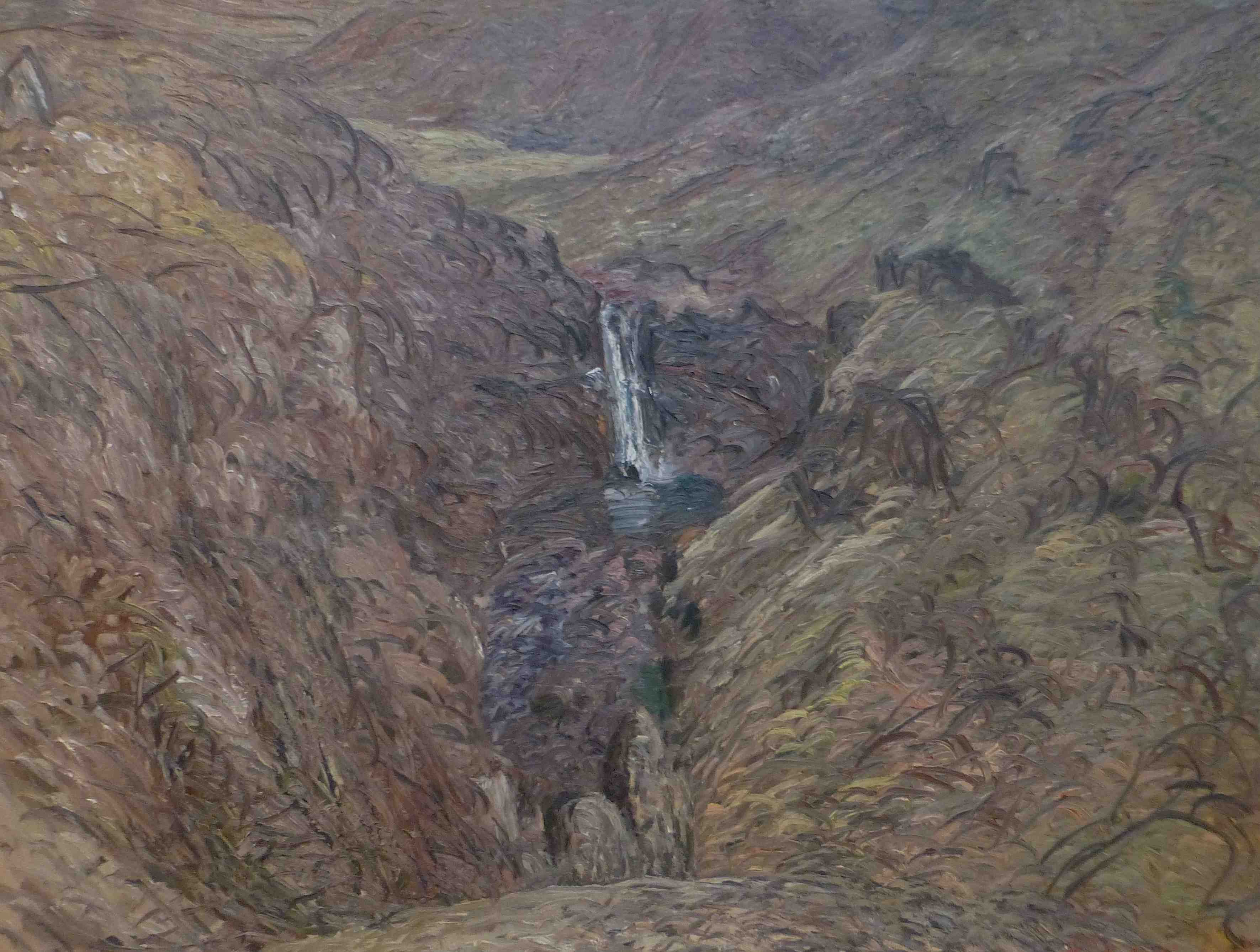
fossdetail Kjarval’s Waterfall

Pardon my camera’s wonky understanding of light and colour. Luckily it’s the lines that are intriguing here. Look at them all. All kinds of squiggly this and that, eh.

Critically, Kjarval is an enigma. From the point of view of modern art, he was obviously a skilled practitioner (although it’s usually mentioned that he was self-taught — which is code-word for “Hunh? Whah? Why?”).
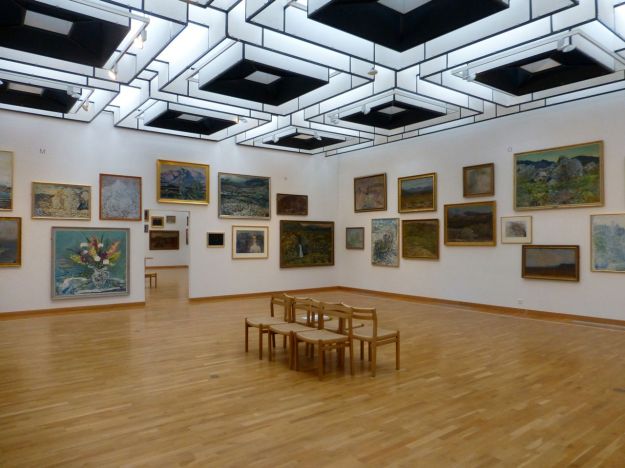
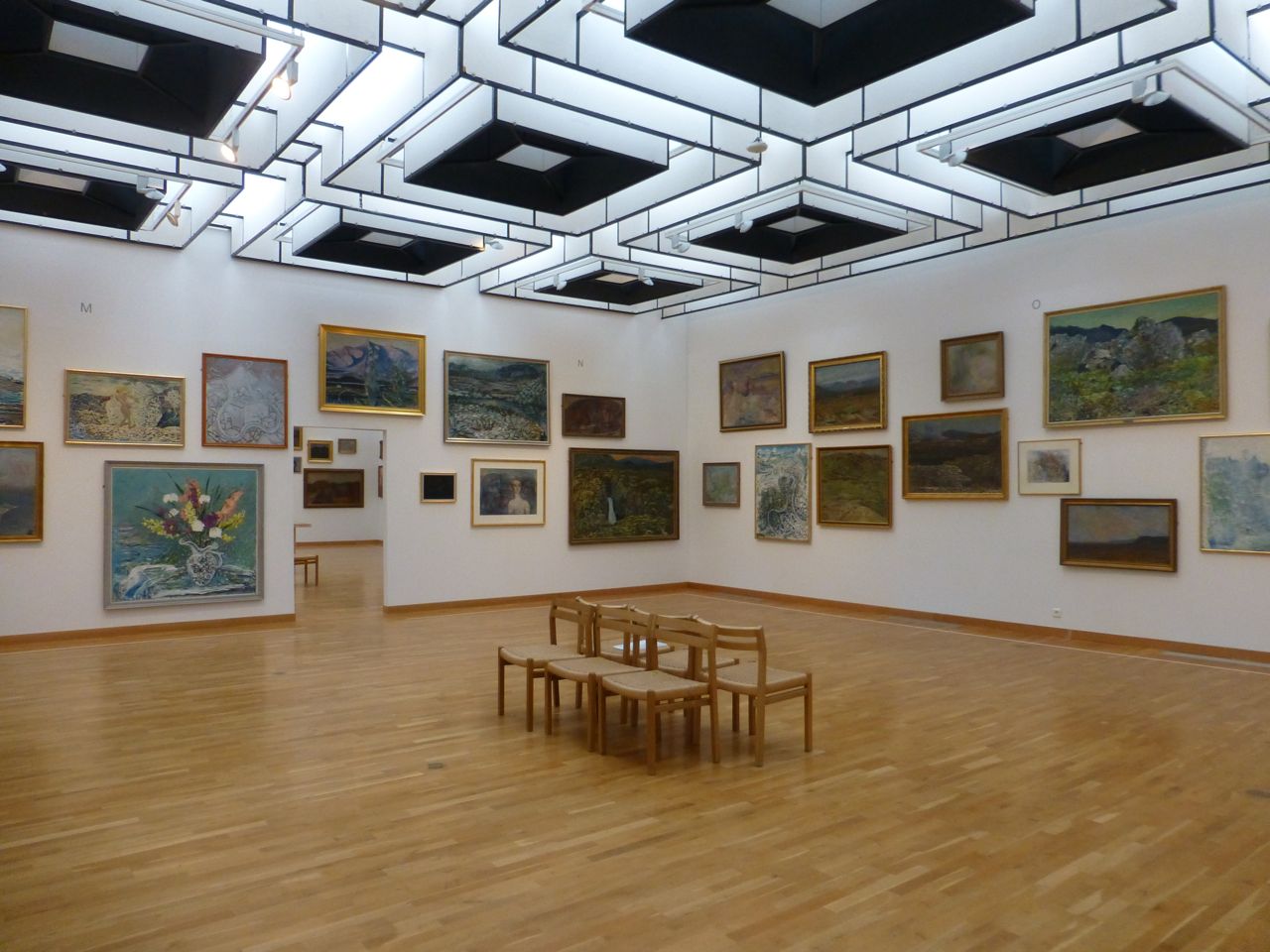
hall

Church Bazaar Art Elevated to World Gallery Status

That’s Kjarvalstaðir for you! If you think this is a criticism, think again. It is, among other things, a form of deep respect. For another thing, there is no Platonic law that states that a work of art by an individual can’t find its fullest expression socially (such as in the social frame of an art gallery.)

Kjarval is also frequently described in the art world as an oddity, because he never settled on a personal style, nor developed all of his skilful interpretations of world art traditions and techniques into a language of his own, which is de rigeur for a modern-art-scientist-individual type, like, say, Klee or Picasso. Kjarval remained colonial to the end, as in this energy diagram resulting from a cross between Gaugin and a German woodcut (Without wood, the medium of choice became paint imitating wood’s recording of solar and water energy — very clever.)
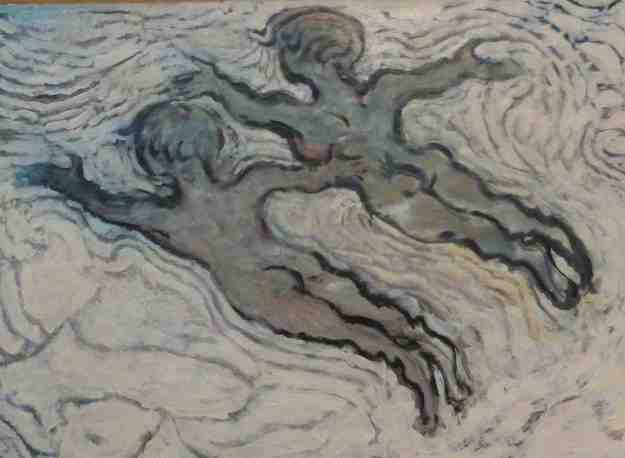
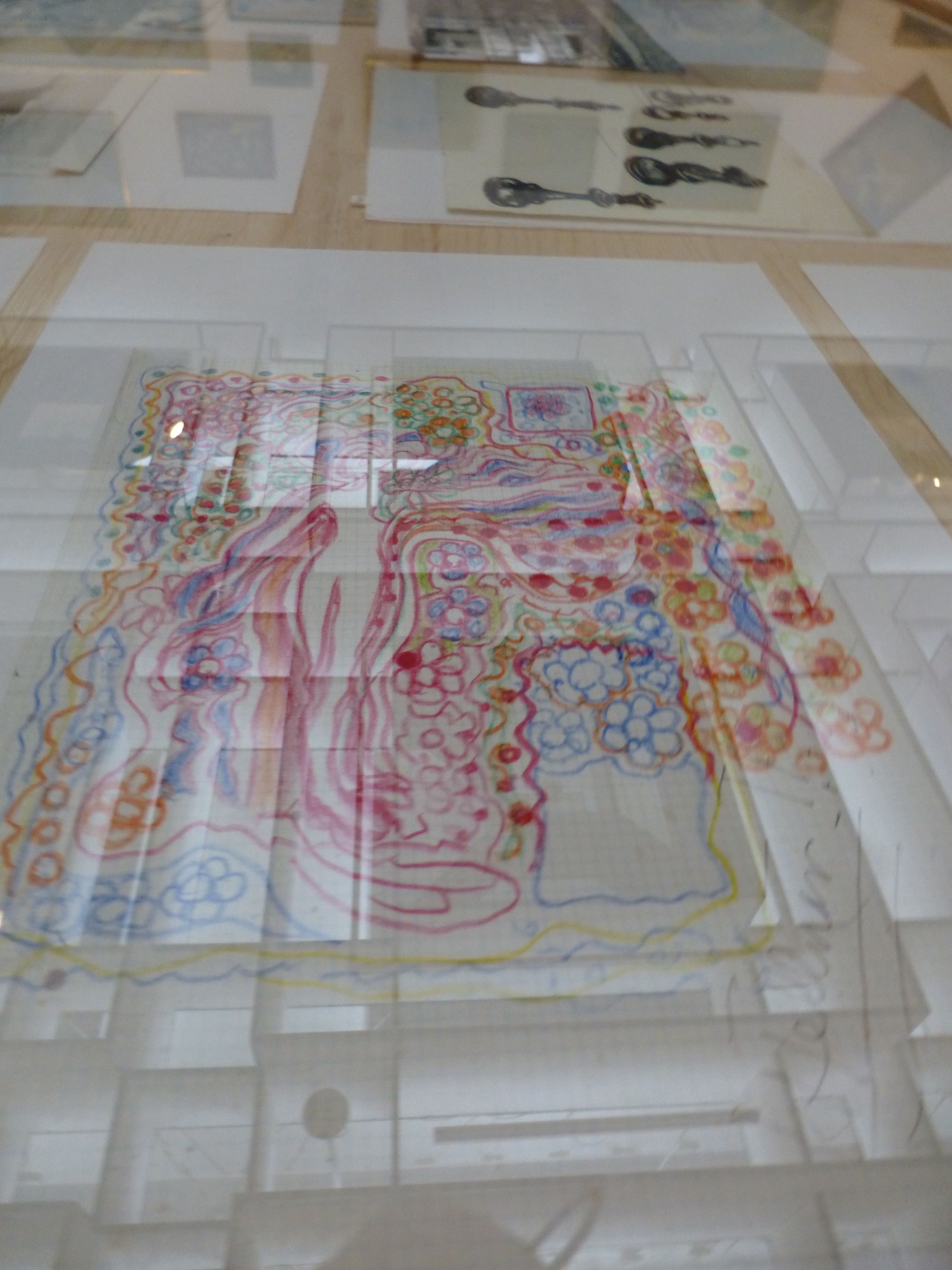
swimfly … or this incomplete pencil crayon fun, lovingly framed by the gallery’s architecture and lighting …sketch

In terms of the art world, these deviations from an elaborate intellectual language are the signs of an amateur, even a child or even, gasp, a non-artist. Now, that just can’t be. How are you going to have a national artist, when there’s no art? It does certainly leave the Icelanders with a bit of a problem: not only is Kjarval the most popular of all Icelandic artists, bar none, but there’s a whole architecturally beautiful museum plunked down in Reykjavik devoted largely to his work, and in a display as sophisticated as any small town display of amateur works by a local painting club, too…

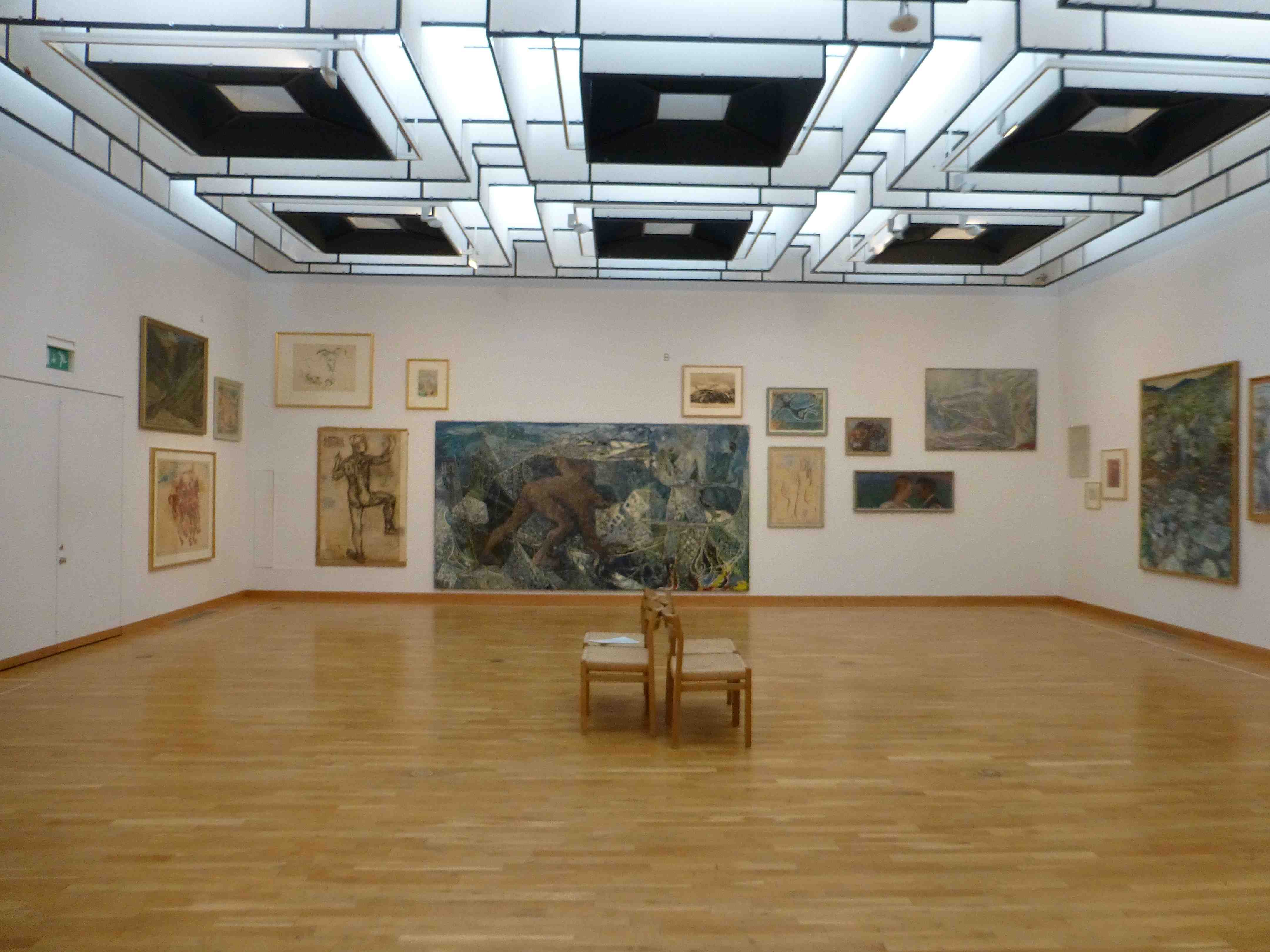
hall2

Bit of an embarrassment, really. Ah, but it’s not what it seems. For one thing, you can serve food. That works. Keep the bodies fed and magic may follow. You never know! Actually, you do…

dine

Viewing the Art is Not the Point.

Living with it, and within its display, is. Why, one can be as easily framed by the gallery as is the art. That is, actually, a pretty profound experience. Icelanders know this.

For another thing, take a look at some of those marks below and to the right of that waterfall I showed you above…
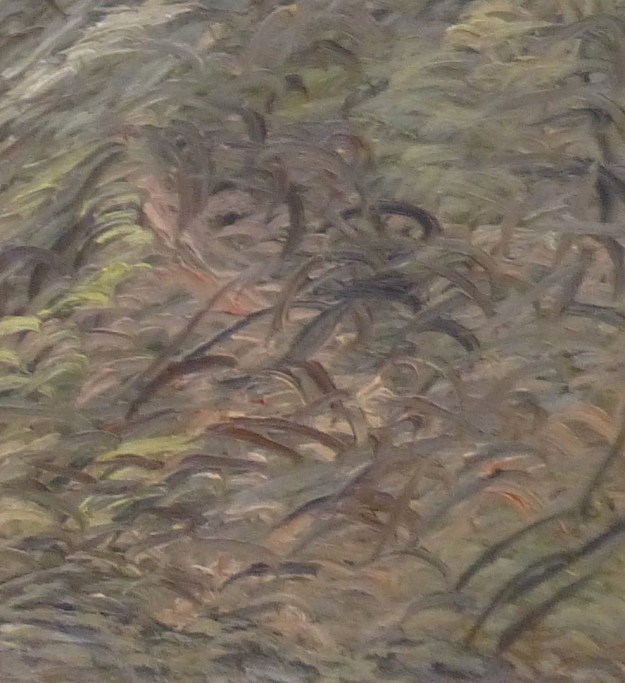
fossfaceKjarval’s Paint Gouging

It’s like he set his cat onto it, with claws. Or let his pet raven wander over it, scritchy-scratching, or started playing x’s and o’s with his subconscious. I wonder who won.

Now we’re getting somewhere. In the world of individualistic, über-scientific modern art, child of the Enlightenment, god daughter of the intelligentsia, brush strokes, scratches, gouges, lines and other marks are part of a sophisticated texture … which somehow doesn’t include these. These look rather formless. They’re not, but the impression holds, nonetheless. That’s because, they’re really this:

slide2 Kjarval’s Elves

…and this…

facesdetail

Kjarval’s Trolls !

Poor art critics! The Icelandic people love looking for the faces within Kjarval’s paintings. The art critics just scratched their heads at the childishness of it all.

Well, one can forgive the art critics. For one thing, they didn’t go to school in an elf village, did they. For another, no one built them a playground in the harbour. For another, they might not have seen this:
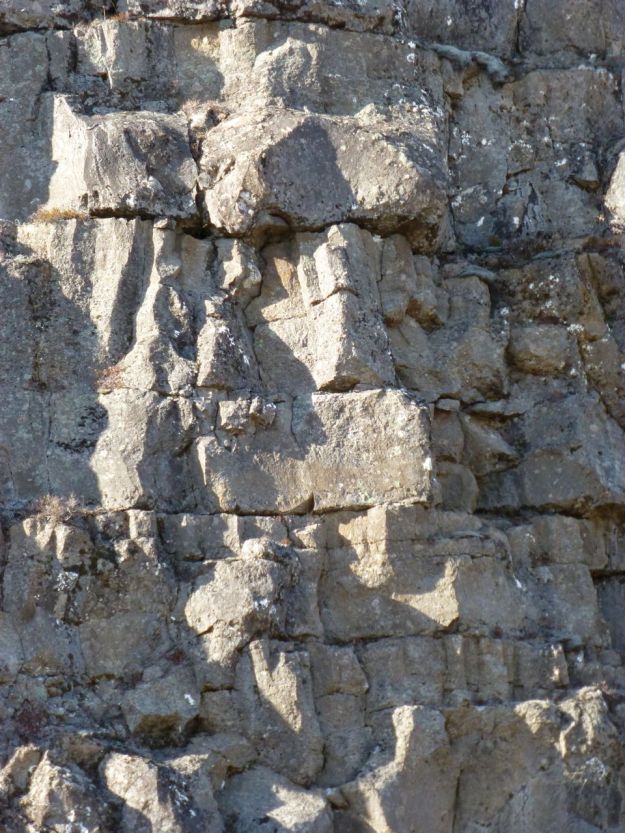
trolls2

Trolls, þingvællir

Looking down over the World’s first parliament (965 AD).

So, let’s recap: a country that retains its folk animals and its folk beliefs because the land is unstable and “you never know” (although they do), does not build houses on fairyland but raises and educates and plays with its children on it instead — and not because they’re children; because they’re equally valued and are socialized by exposure to non-human energy. The country’s favourite artist interprets world artistic mark-making within this context and replaces sophisticated intellectual mark with sophisticated folk marks, in which the non-visible energies of the other people are everpresent and revealed …
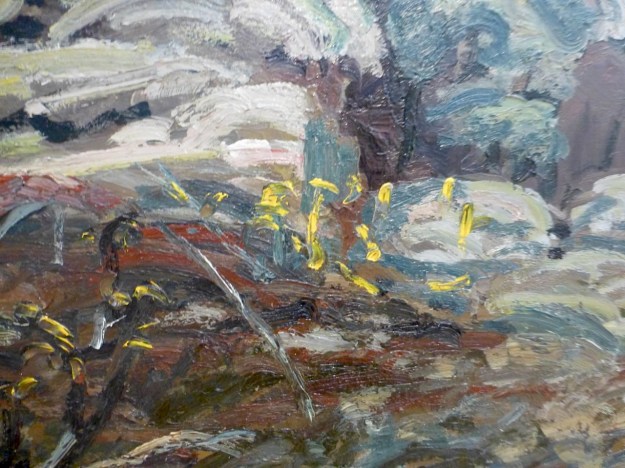
yellowscritch… as if they were a language (a spiritual language, which is one step up the ladder from a. physical, b. individual, and c. social). The country responds by completing the art work in a social context and then proceeds to do a most amazing thing. It brings its children here, a place now as sacred and powerful as the elf houses themselves, and proceeds to educate them into sophisticated artistic responses. Method includes a room for parents and their children to make art together and post it into frames on the wall after viewing the galleries, in a process as capable of social completion and change as Miro, say, or Klee, within their non-colonial contexts (and which would function as colonizers here, if not released from that role by this truly Icelandic process, with its roots in the Middle Way of ancient Nordic culture) …

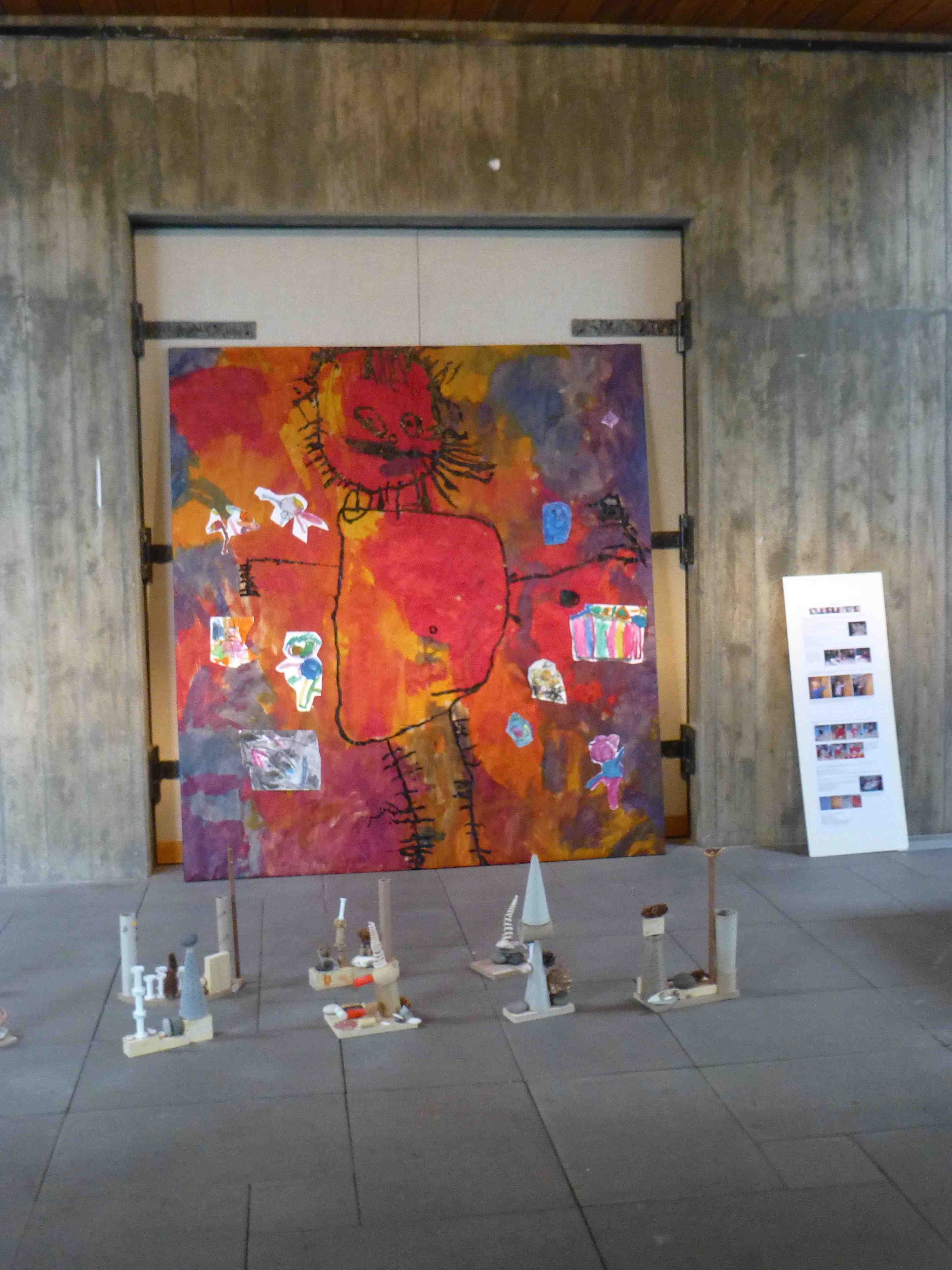
diamond… and a project in making art out of recycled materials, which includes small people less than three years old, whose innate art-making has not been otherwise rewritten by elite codes …

simplecollage

Icelandic Artist’s Collage

(Name with-held for privacy. Available on request.) Age 2 yrs, 11 months.

… sophisticated portraits …
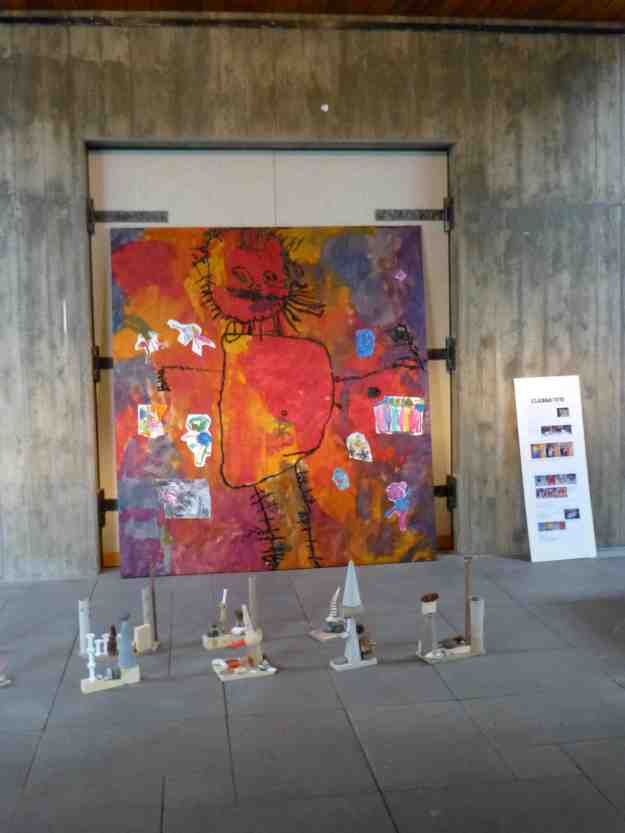
bigred

… elaborate portraits of dwarves …

sproing

… a Coast Guard Ship …

teaboat… the family cat …

yellowfoot

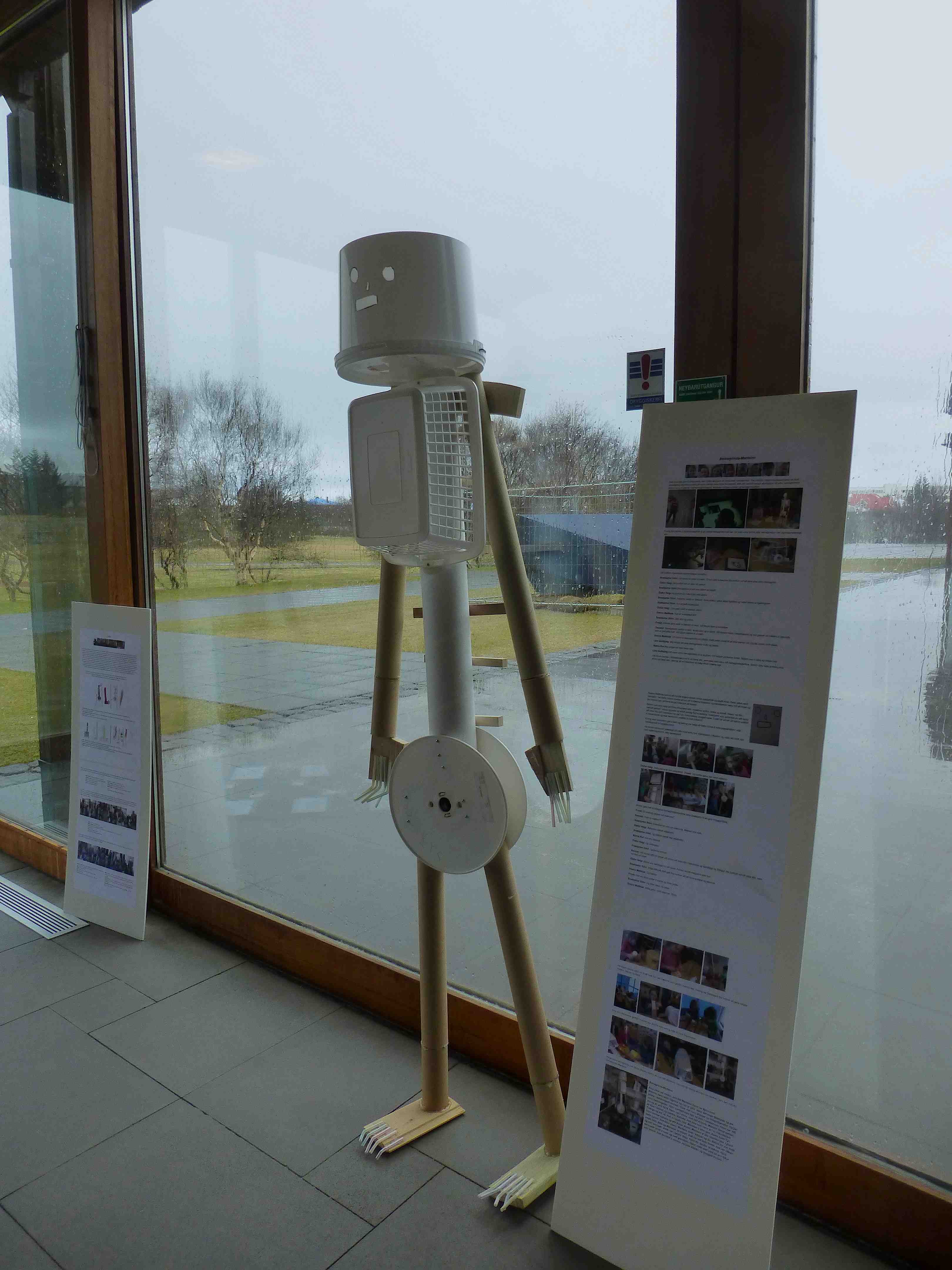
… Diaper Day Mom …

bucketman

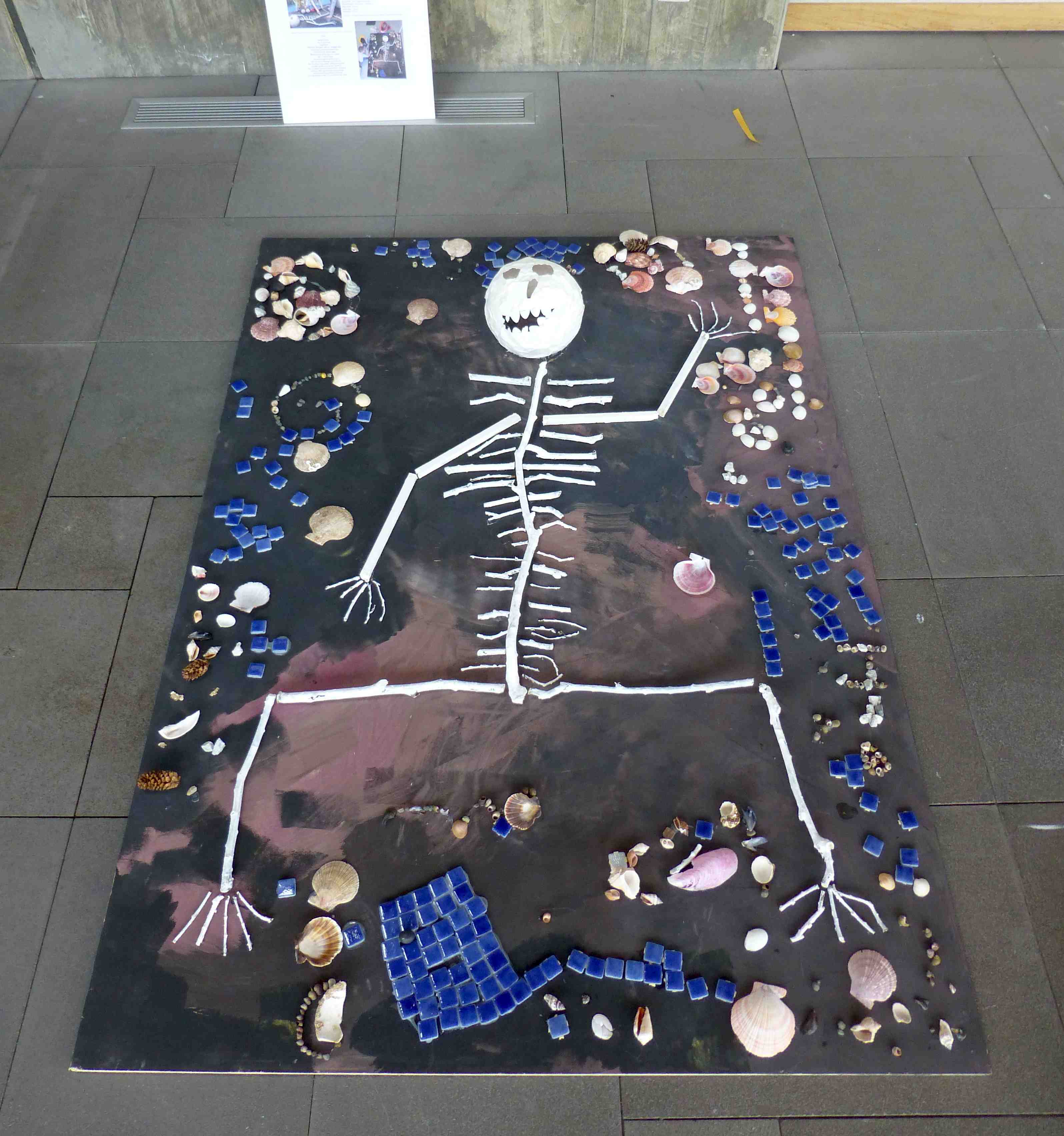
… Enough ribs to make ribs fun again …

pencilskeleton

… and an elaborate, high-art contribution by parents and teachers, helping to stage the show …
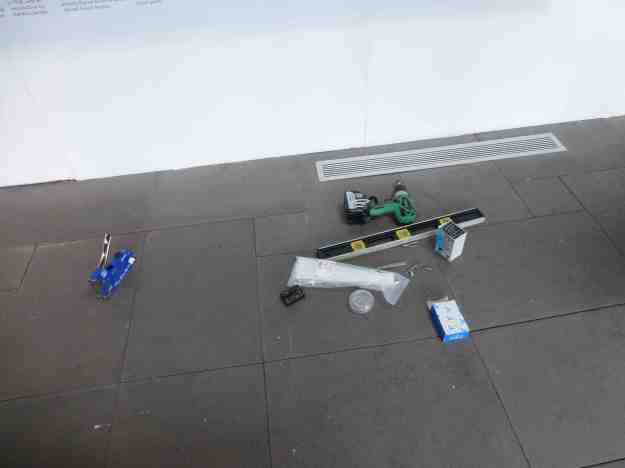
tools

Beautiful! It Almost Upstages the Kids…

… but not quite.

This is what the Canadian approach to a colonial past misses: a past before the colonial past that it can reach into and transform the colonial experience into merely a passing fancy. In Canada, cultures are continually replaced. In Iceland, children are brought to make art in the country’s national galleries, and the art they are asked to view there is of exactly the same kind of material, intent, and subject matter as what they produce in response to it. And so the cultural loop is closed — partly because “children” are viewed as equals to adults, if not superior to them, which is definitely not the Canadian way. In Canada, they are educated to be adults. In Iceland, they are already adults, just very special ones. Is Kjarval’s art “world class”. No, not in the way that is meant. But does “world class” art find fulfillment in the following image? (Hint: no, it does not. It might look like modernist Dutch art, but it is not.)
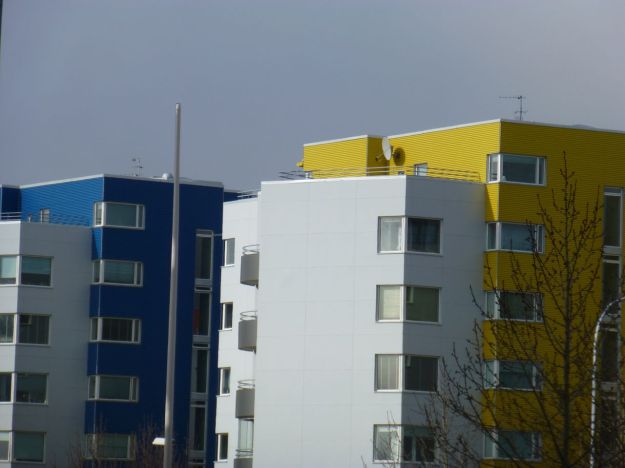
P1550865Typical Reykjavik Housing 

1000 years of clustering together in the Bath Hall (the only heated space) in their houses have made Icelanders eager to live very closely together. It also helps to keep out Nature, which is great retro stuff for attracting money from tourists who grew up within its 19th and 20th century images …

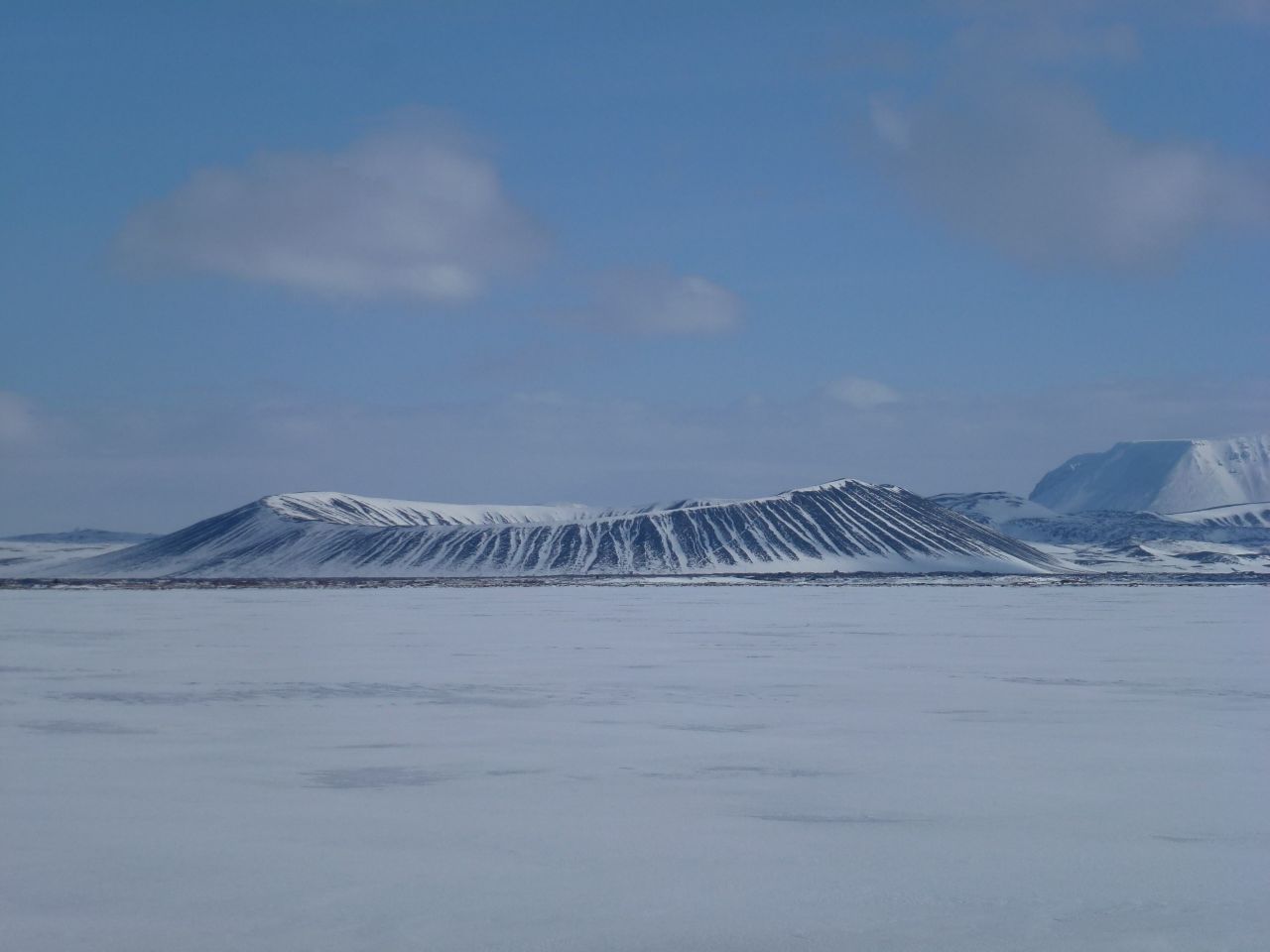
Lake Myvatn and HVirer 250Hverfjall

… but it can kill you. It is best to make something out of it.
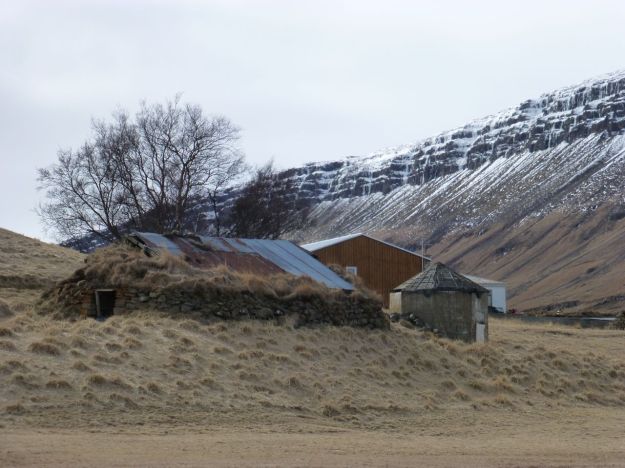
barn

Turf Barn, Landshús, Norðurdalur

So, Icelandic art and literature can sometimes appear childish and a bit awkward (Gunnar’s sure does, at times, and the contemporary situation is no different), but they work within a very specific social context, that is still in touch with the Nordic roots of contemporary Western life, roots which most of the literary and art worlds have completely lost. Next, I’ll explore those roots a little, but for now, thank you for spending some quality time with me among the elves.
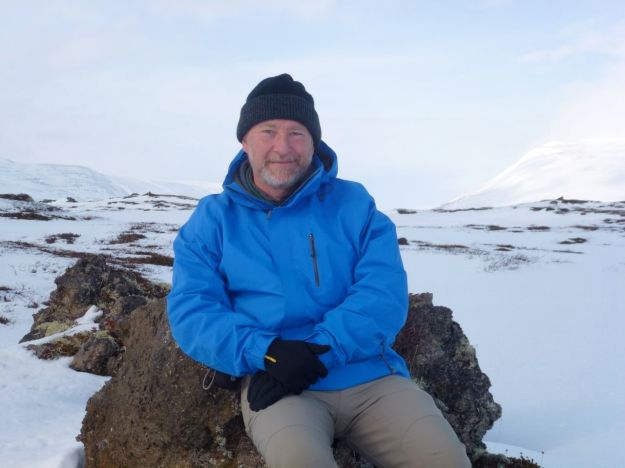
Godafoss and Lake Myvtan 342

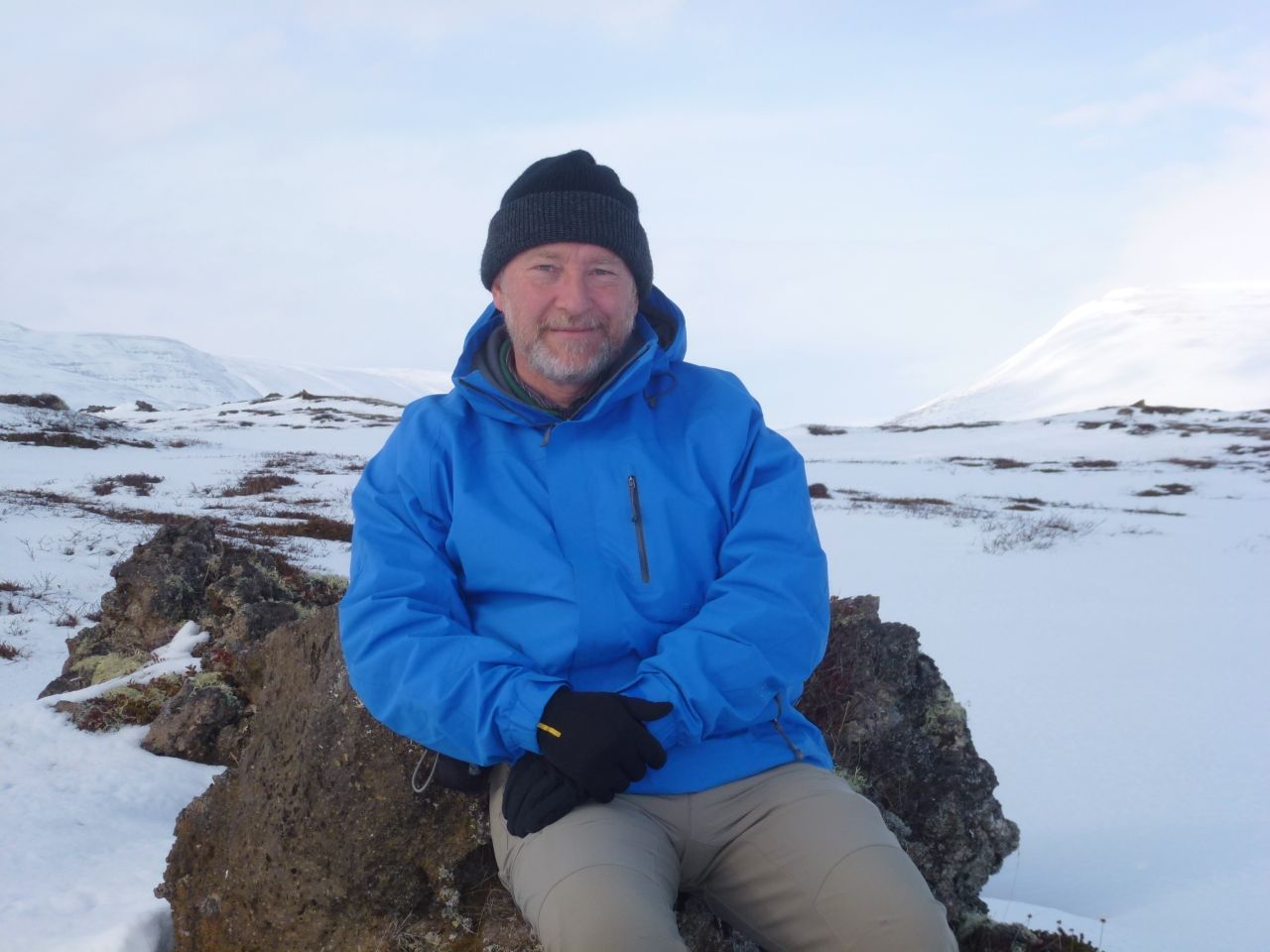
Harold Among the Elves

Goðafoss

Constructing Iceland

For the last month, I have devoted almost my entire time to completing my Iceland project about Gunnar in World War II. The whole effort is like fitting together a puzzle, or the way in which on my last day in Reykjavik, I witnessed some Icelanders attempting to build a forest in the middle of the city …P1590085

A Forest in Process

Sometimes words just won’t do.

Canada is not a country in which art is so closely combined with public and private life, and that’s too bad for Canada. It speaks to the kind of wealth that comes from a colonial history of buying things, rather than building them. Iceland has a good dose of the same colonial disease, but, the outcome of the election this project was designed to influence aside, has a better chance, I think, of coming out the other side into the earth and greater human richness than does Canada.

P1590078 Danish Post-Colonial Dining Room Furniture Taken Outside for Some Fresh Air

Over time, this forest construction effort brought many thoughtful and happy onlookers. The whole process filled people with delight. And why not. Look at how trees and scrap wood are brought together to make a model (a kind of 3D map) of Iceland itself, right in the middle of the city…

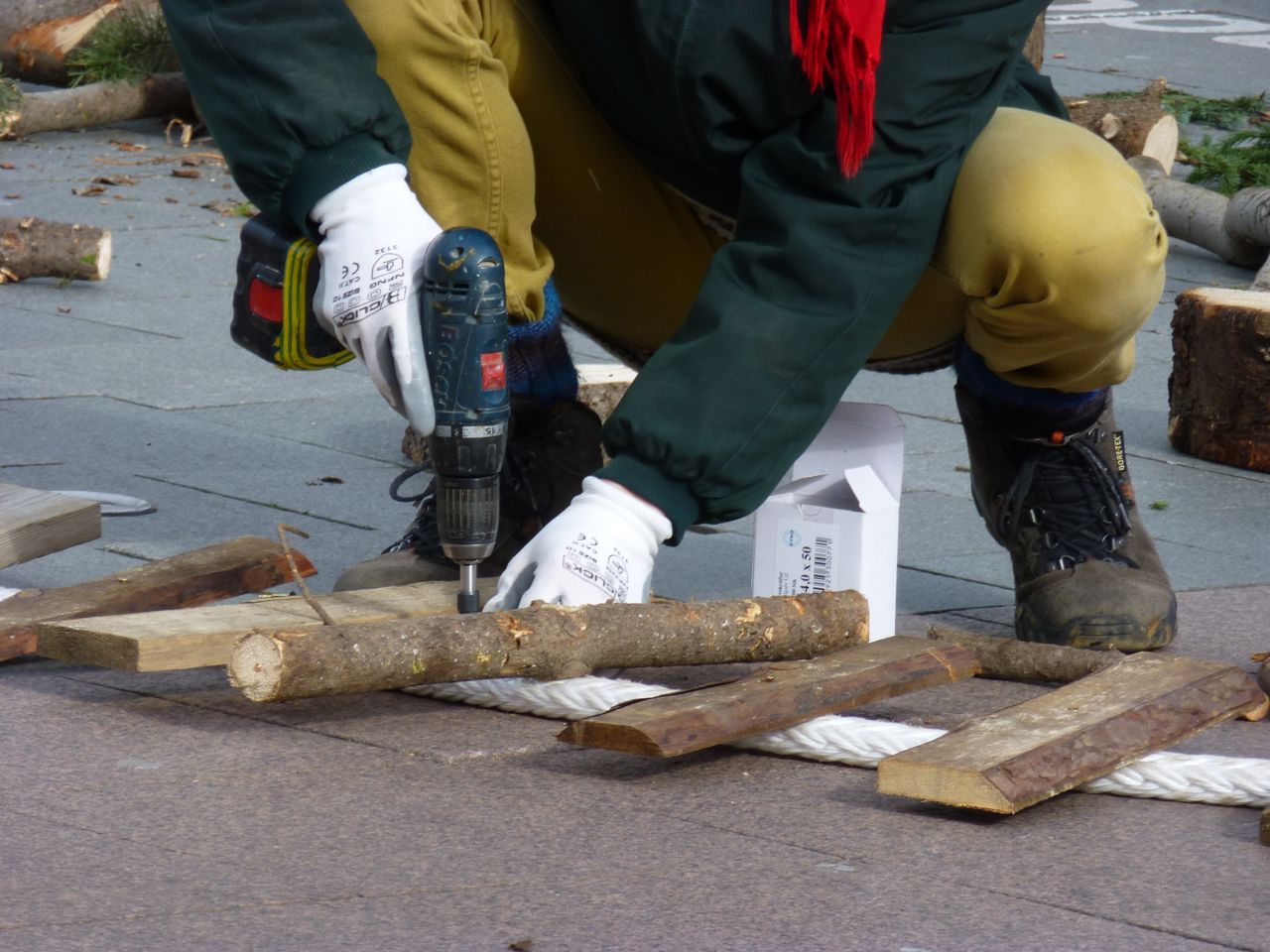
P1590027 Look as well how the effort requires fashionista colour coordination between man and tool, and the union of hiking footwear with workman’s gloves. Reykjavik mornings can be like that in the spring time! In fact, isn’t that an image of the Icelandic economy as a whole?

P1590015It is also the work of a community, of which there appeared to me to be no leader. It was as if the sculpture itself, the new forest, was directing the humans…
P1590016I had to get on a plane and leave, but these are the images I took away with me, and which I continue to expand in the work. I believe that the images show something uniquely Icelandic. It is a kind of creative energy, with very specific roots deep in Nordic culture, on the one hand, and in the Icelandic settlement experience on the other, which is ongoing, and not historical. “History” is just a word. This is a living thing. In the next few weeks, I plan to show some other examples of this energy at work in modern Iceland, and by then I think it’ll be time to show you how I have been fitting them together, like a delightful jigsaw puzzle, into my story about Gunnar. Bless bless!


True Love in Reykjavik

The ideal woman of Reykjavik, c. 1400…
P1540907

Mary of the Hallgrímmskirja

Note that she is on life support with an artificial power source.

… and in the modernist period …

P1550132Woman at the Picnic Site

Still with a child. The houses in behind look like Nordhausen. Statues like this show up in Germany at nationalist sites, such as the Dornbürger Schlösser north of Jena. There, though, she has no child.

… and today …

P1550133

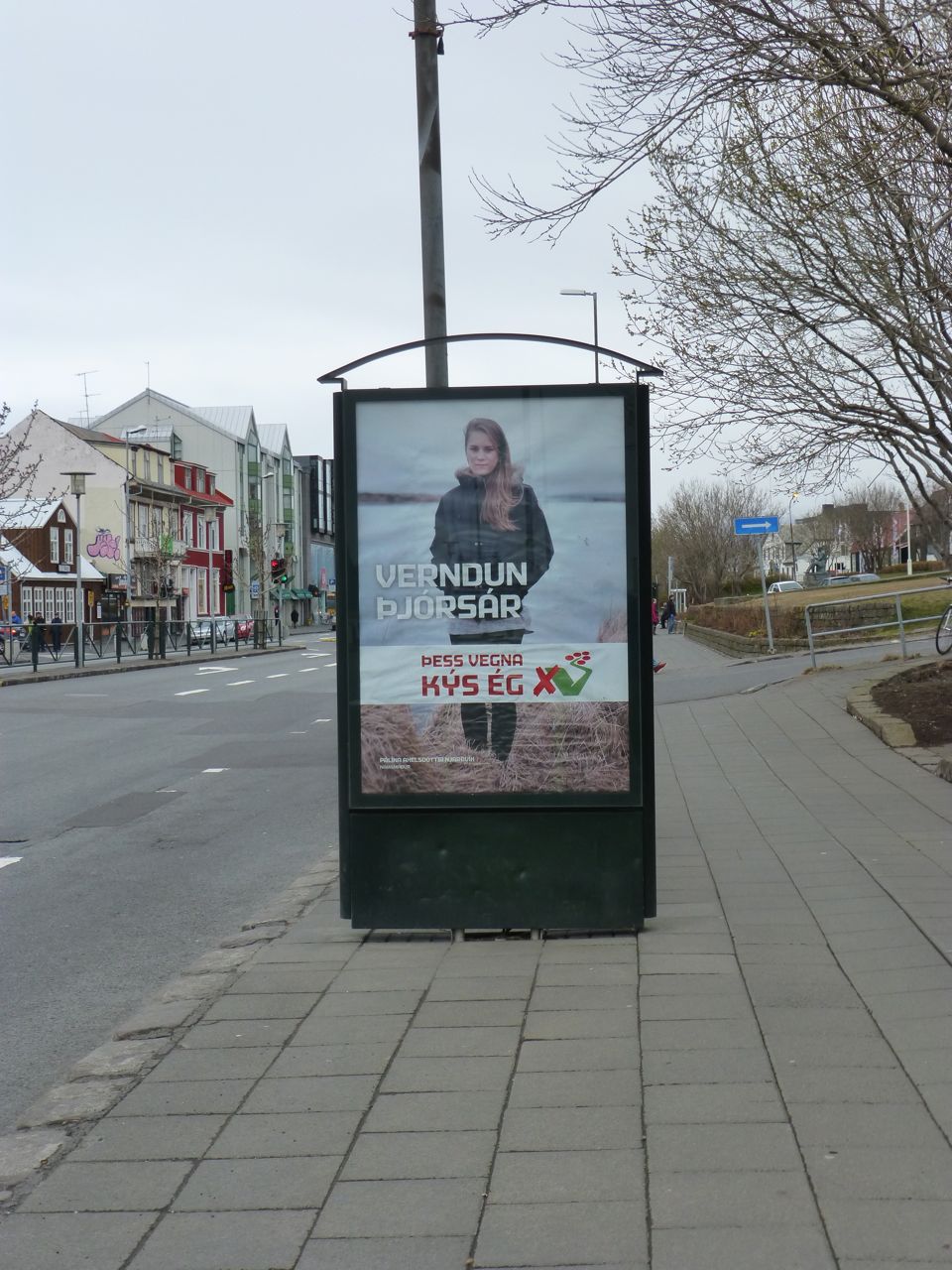
Green Party Election Candidate on a Bus Shelter

What a journey! There’s more …

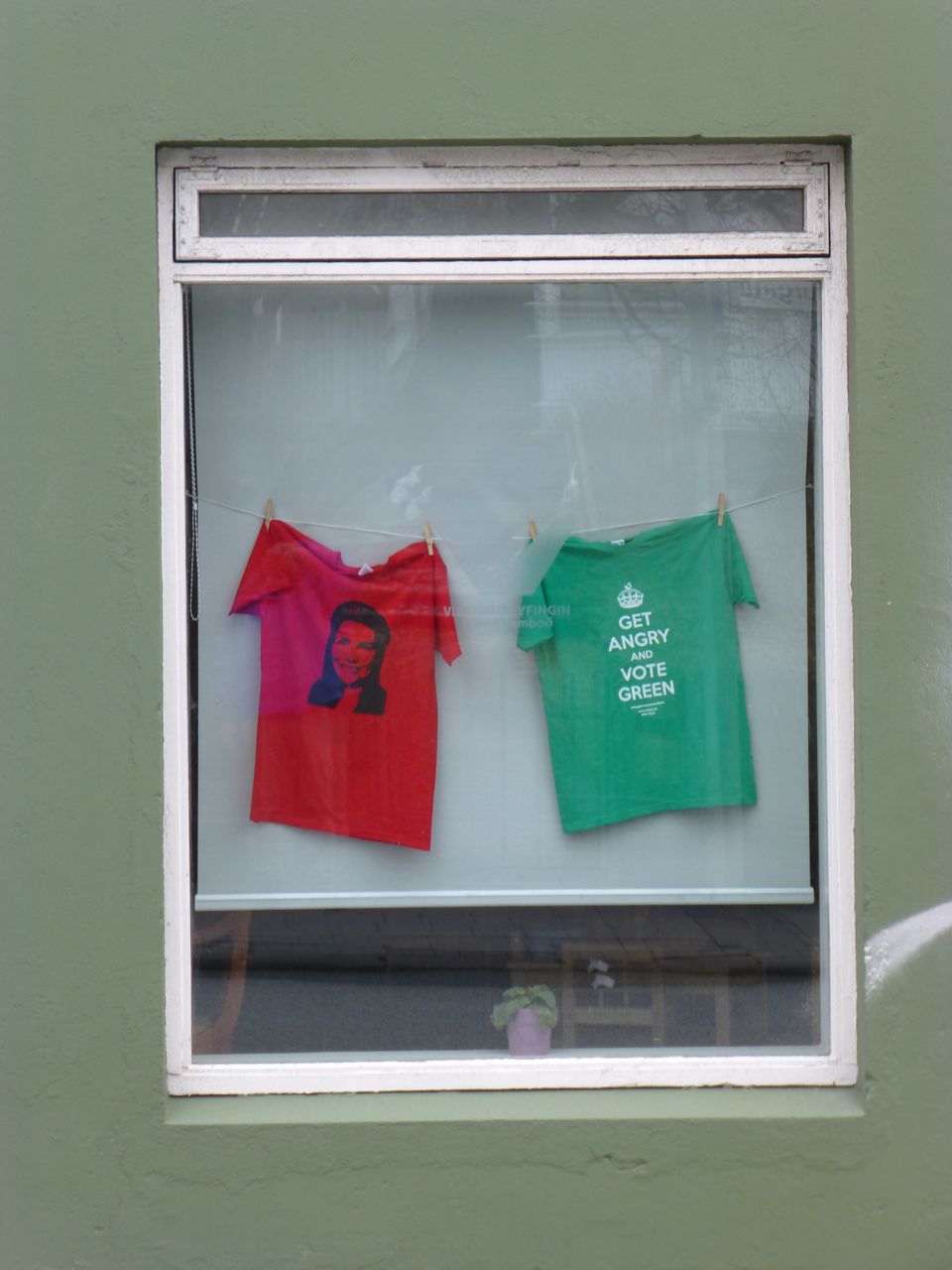
greenGreen Party Window, Reykjavik

This an unfolding story. The oldest telling of it and the newest are still alive together at the same time. Look …
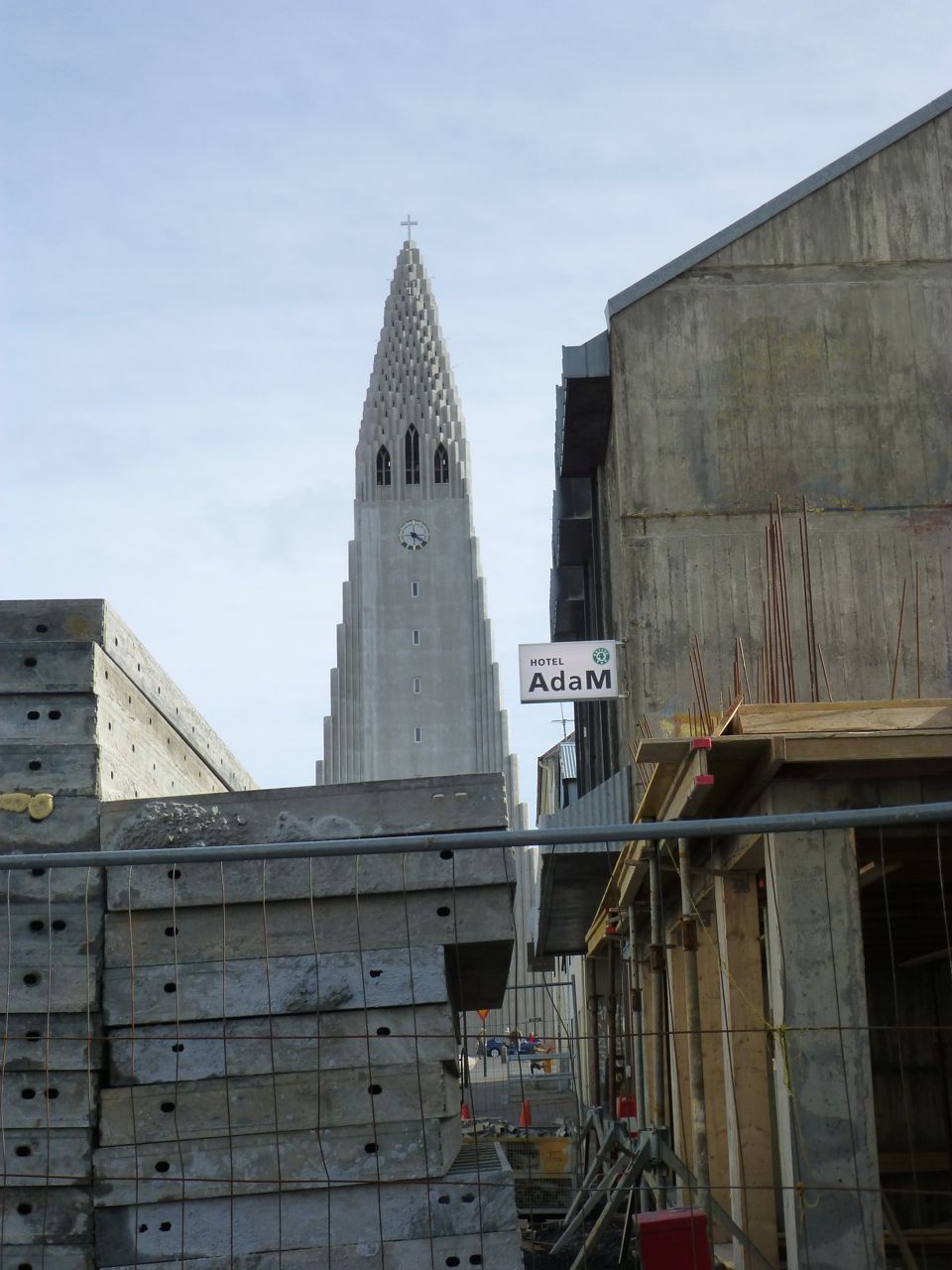
P1530638Adam’s Hotel for Travellers

Right by the Hallgrímmskirja, too.

At first, it looks like a clever pun, in the old Icelandic tradition, but look, right next door, in a passageway, amidst the tagging …

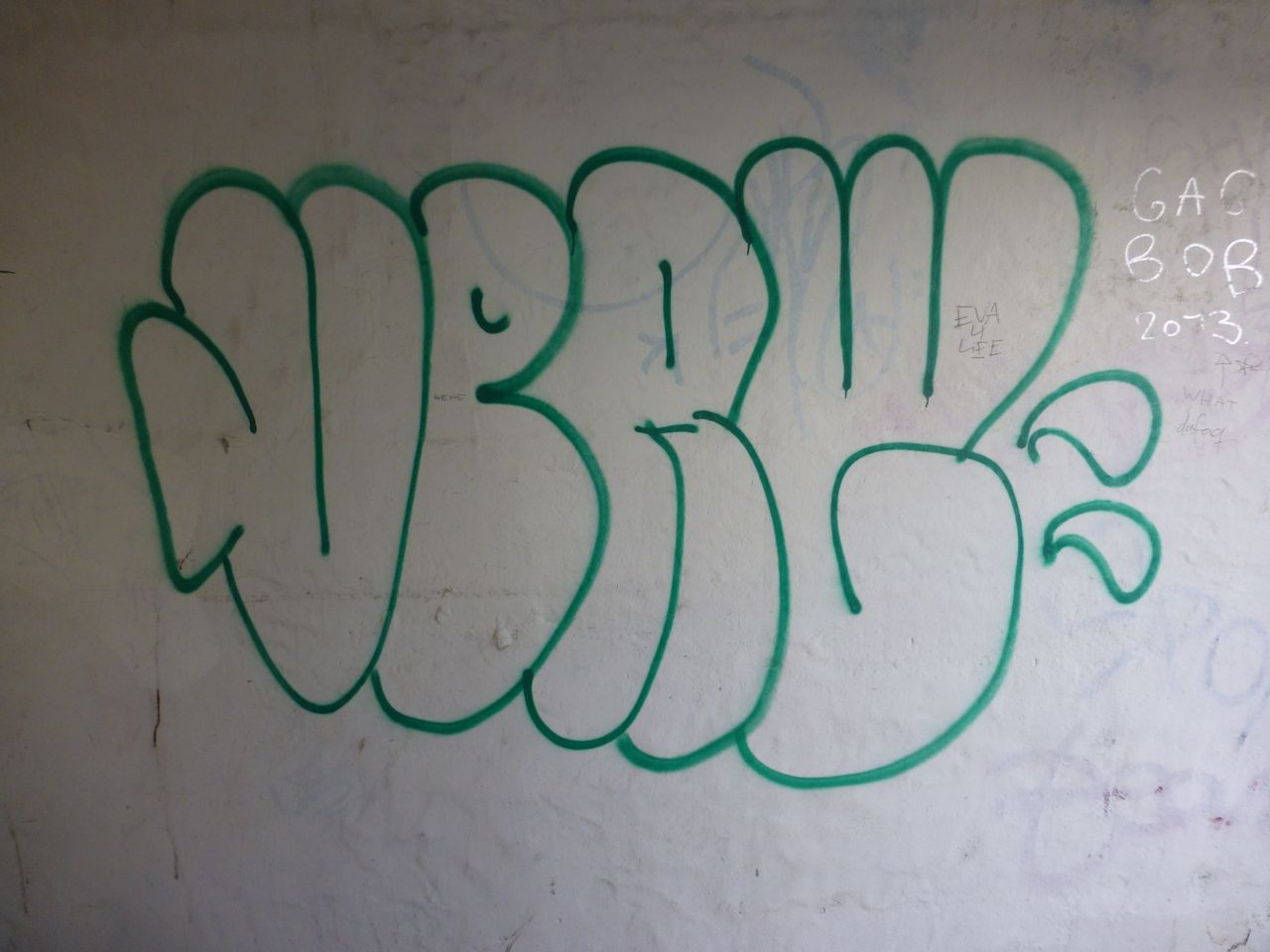
P1530643Green’s a great colour, but it’s the details that matter. Look inside that tag …

P1530644

Adam, we blush. In this context …

P1550124

See What I Mean about Nordhausen, that DDR ruin?

Maybe not. You had to be there in that DDR mining town abandoned by reunification, I guess.

Still, her beau is here…

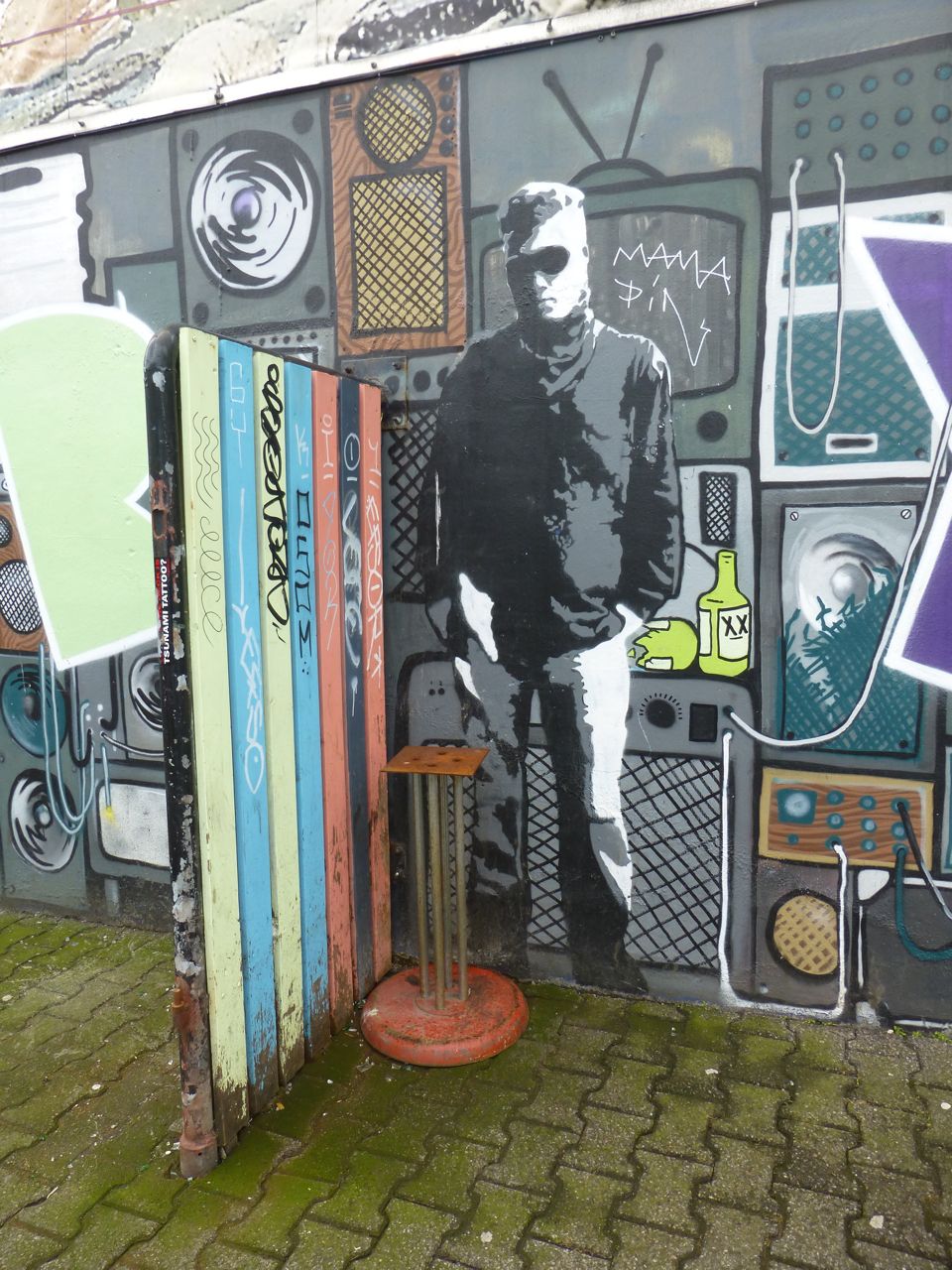
stand

Adam? Is that You, Bro?

I wish the lovers well.

The Trolls’ Sheep and the Gods’ Horses

One of the attractive parts of being a human is the innocence that comes along with that. I like that. In the face of the truth (Trolls keep humans because humans keep sheep and trolls like sheep.), the myth still persists that humans keep sheep because it’s a human world. That’s sweet. Another bit of this truth thing is that humans build churches on top of elves, or, in Iceland, next door, because in Iceland things are never black and white.

myvatnsveit

Black and White and Blue, too. Mývatnssveit.

Kodak went bust because they didn’t invent a film for this.

But I jest. The thing about the elves, though, and the churches, that matters. It’s not too many cultures that don’t see such a big problem with a strata title arrangement. Gunnar comes from that land-use plan. In a strong way, his writing is an attempt to put it down in black and white print. He, of course, missed this:

twogeese

Black and Blue

Not just a blind spot for Gunnar, but for Kodak, too.

But, again, I jest. This, however, is not a jest. This is serious. If you want to understand how humans can see elves in the world science, great grand daughter of the church, is positive contains no elves and never did, there are books you can buy for that in Iceland, and they will send you here (for example)…

elves

The View up to Tofúfoss and Jonsfoss from Melarett

Well, you didn’t need a guidebook for that. The thing is, the elves aren’t in the rock so much as in the human mind that is completely anchored to rock and that is an awfully hard thing to explain and shouldn’t be explained. Still, one can talk around the idea, because one consequence of it is that these elves are liable to show up anywhere, and, because people used to be really anchored to the rock, most likely around churches …

klaustur

Skriðuklaustur on the Day the Geese Chose to Come and Stay

… and pretty much twenty-four hours a day, everything that goes on between those churches and those rocks is under constant surveillance. These are the people who know the truth of the matter…

horse… but we’re not listening. So, that leaves a bit of time and wondering. Where are the elves? And, while we’re at it, the trolls? Well, here are some of the elves …

elf2Elves, Underneath the Monastery Viewing Deck

A nice new roof!

Lots of them …

elf1

A Whole City of Elves

So, if you were going to build a monastery in the East of Iceland, and it had to be near here, where the trails to the north, south, east and west crossed, then beside the elves would probably be a good idea. Now, I’m not going to get into what I think has been done to these rocks or what their secrets are (give me a couple days), but I’d like to point out that down below the monastery, there are worse things than elves.

P1470106 Things like trolls, and … P1470121… elves under a troll enchantment. Now, to be clear: these are not Tolkein-style elves and trolls. These are some form of the human subconscious, seen through the things of the world. In this picture of psychology, however, trolls keep sheep …

P1470099

Lots of Sheep!

They are a flock that roams in a time inaccessible to human vision, but just on the edge of it. Sometimes that edge seems very close …

trollsheep

Pride of the Flock

At any rate, they are beautiful sheep …

trollsheep5… with a faithful shepherd …

P1470093

… that just happens to actually be …

P1470439… more elves.  How can you take a photograph of such a story? Cameras are tools of a scientific world, and record it well, but they’re no good at the tenuous world of perceptions, mixed with emotions and a sense of place that come to people when the land and themselves meet in a physical place that is really a kind of fire. So… time to bring out the wool again, and see where it leads.

P1470410

I started in the flock, in the grass, with the idea of winding between the sheep and around the shepherd in a ring, but the wind kept me from that. Sometimes, my wool (and among the sheep, and worn from three times on and off the spindle of the world, it really was feeling like tiny lines of sheep wool now, wound and bound together as the birds were when they flew upriver and over me some 15 kilometres up the valley just a couple days ago) did go among the sheep, making a trail …

P1470399

… and wandered and wove between them in the same way that sheep wander and weave the hills…

P1470390

…but more often it seemed to want to hurry along over their backs …

P1470372

Looking back after all my careful stepping between the sheep, I was amazed to see this pure straight line, and so I followed it as I unwound it off the spindle of the world, followed the thousands of hairs wound into its strands, reading them off with my fingers, playing them out, in a kind of tension between me and the wool and the grass and the wind, and when I felt the spindle was thinning, and knew the wool was leading me somewhere, I thought, no, this is not a story of giving it the trolls, and giving it to the elves, where would that lead? More immobility. They were, after all, in thrall. I thought, again, of the birch trees, and headed for a couple five year old saplings on the hill. Before I got there, though, I was stopped by a raven …

P1470339… who took my wool and all its weaving into his beak. As you can see, he stands on the shoulders of a family of elves. So, I was amazed … my story that had started in the grass, and I thought would lead to a prayer for light, led to something quite different. It lead to Raven, my old friend, Odin’s memory and thought, carrying the fire away, and flying. Not only that, when I went back with my birch twig and wound my wool back on the spindle of the world, through the grass and the flock …

P1470388

… under the eyes of the trolls (I felt like I was walking between worlds and needed to exercise some care, but I had my line of blood) …

P1470109

No, Not One of Tolkein’s Trolls

This is the mind in it’s own earthen eye. Or a part of it.

… and under the eye of the horses, who see everything, and never go in, and walk along a different line of blood (or maybe the same one) …

horses4

… and sometimes spook, for what I now feel is good reason …

horses

… wound my way slowly around the years of my spindle up to the rocks …

P1470474Killing Fields or What

… carefully …
P1470386

… and began to feel the line tug at me, as if I were a fish and the raven was reeling me in …

P1470371

… and our fate was blowing in the wind, bound together by a living thread of will and fire …

P1470489

… and yet free …

P1470488All the years were blowing in the wind. It wasn’t going anywhere. Like the birds in their flock, like the sheep in their meadow, like the elves in their stone, like the men in their church, like their prayers and the touch of their fingers to the natural crosses in the rock that wrote, I think, over time their story and now, it’s plain, writes them still…

P1470487

… I enjoyed this moment of energy, and didn’t want to let it go, but all this must be set loose into their life, and so just as I went to pull my wool from the stone raven’s mouth, it broke…

P1470508 … and he flew off with the end of it …P1470502

… or maybe its beginning. For four weeks now here, ravens have been following me and calling whenever they passed overhead, and I have called back in greeting, everytime. Here’s one, dealing a bit with the wind …

P1430001

Sure, it’s all poetry. Yeah, it is. Tomorrow morning, I leave the Klaustur, and go to Reykjavik, where there are far more humans than ravens and poems. This afternoon, I’m going out for a word with the horses, but in my heart, well, let’s just say this, if you come here and leave the viewing platform, and walk for a month through the cloister and down through the birches and over the hill, and a horse comes out to share a word with you …

P1410626

… it might be me. At any rate, enough sadness at leaving and enough joy at having been found, and think of this. When you go to those horses, and find they’ve come to you before you’ve arrived, remember, in your coming, you spoke, they heard, and in their coming, they answered.

P1410665

There, a little poetry for you. I’ll be summing up in the next few days. Next, I want to show you how the sun and time and a  human walking make a story out of stone. No, not one of Tolkein’s stories. Sorry. Those are written by reading books. Beautiful stories, and great for telling around a fire. Here I’ve found ones that I can walk through, and never stop walking. A fancy? There might be some fun in the telling, yes, but a fancy? No.  I’ve stepped right out of the world, and into it. A riddle, that’s what, but a beautiful one. And windy.

Agrarian Socialism

Socialism is about people and their access to the profits from resources. Not Gunnar Gunnarsson’s. Here are some pictures of his world…

high1

Water for the Taking

There are so many waterfalls in in Iceland that these beautiful falls aren’t even on the Icelandic Waterfalls tours. 

housenadfieldLand for a Home

When it was inhabited in Gunnar’s day, this farmstead would have been made out of stone and sod. No need for socialization of those resources, either.

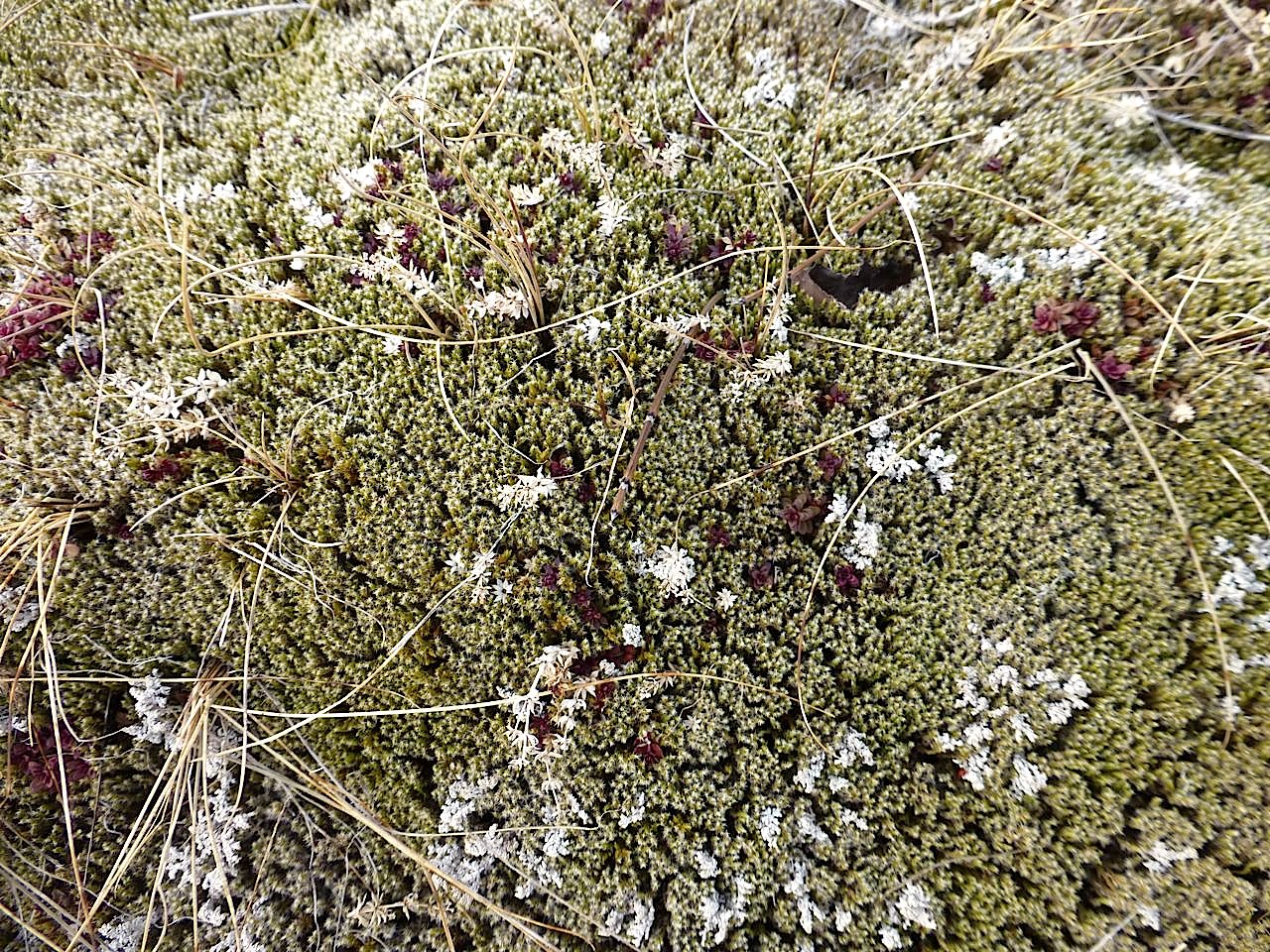
mossPretty Stuff Everywhere

No need for socialization of art. Heck, no need for art. The earth makes it a-plenty. 

Yes, these are images of poverty. Gunnar had no problem with poverty. In his eyes, it was wealth, because it had access to a greater communal wealth.

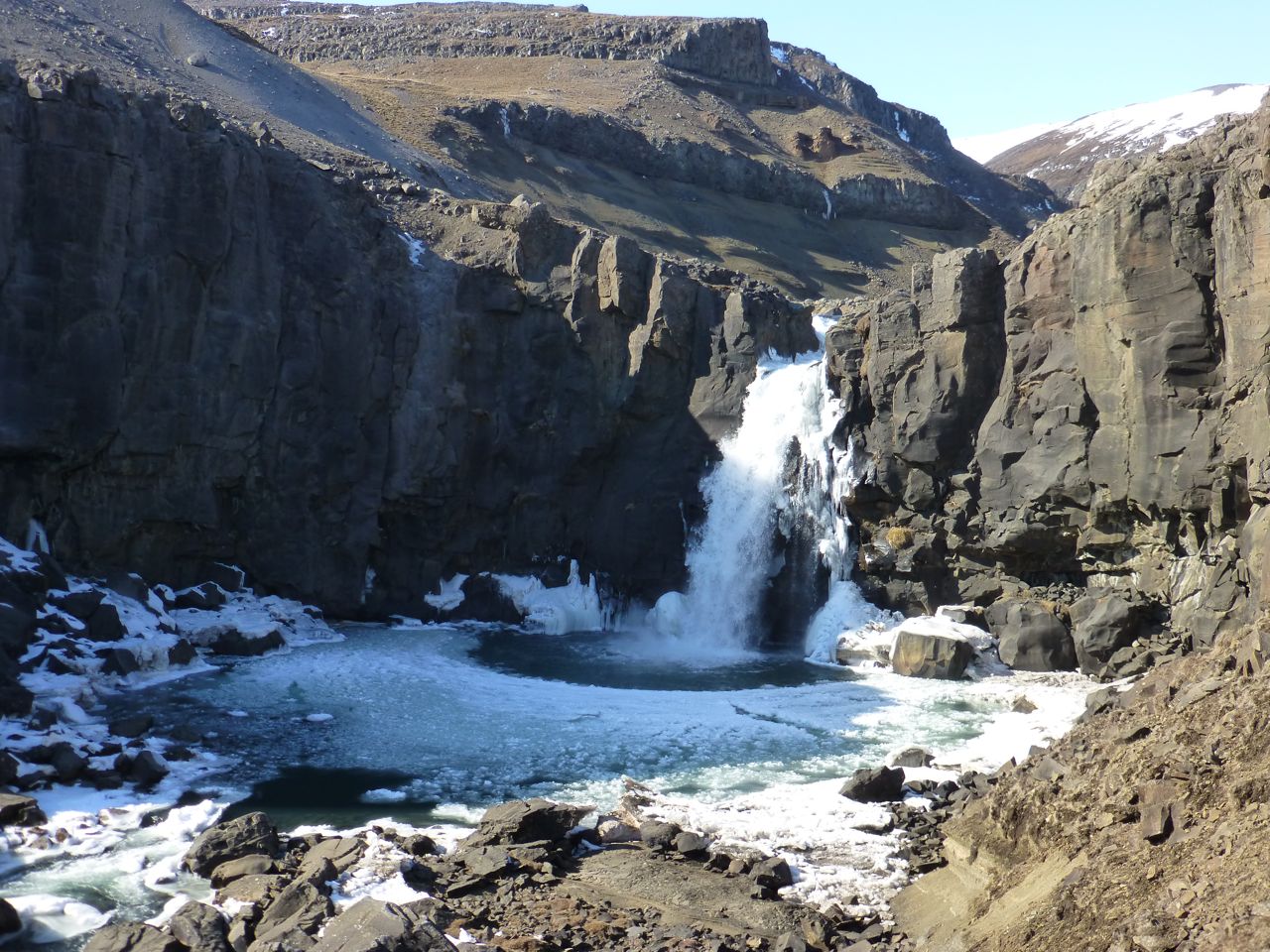
secondfalls

Water Source for that Farmstead Above

It’s a 60 minute climb from here to the first falls I showed you, if you dawdle and try to take pictures of falcons (?) with a camera viewfinder you could never see a moving falcon (?) in. Or even the ravens that laugh at you as they go by.

No doubt, the farmer in the homestead worked for the larger farms in the valley. Gunnar wanted to found the largest farm of all. That’s where socialism could, in his world, be some use: providing an interface between land and the outside world, so that the people could remain the land — not ‘on the land’, but ‘the land itself.’ His role as a landowner was to be a cultural broker, to ensure that the people stayed within the wealth of the land. That was his responsibility. Out of a community to which this was home …

housefield… society, too, was built out of the earth …

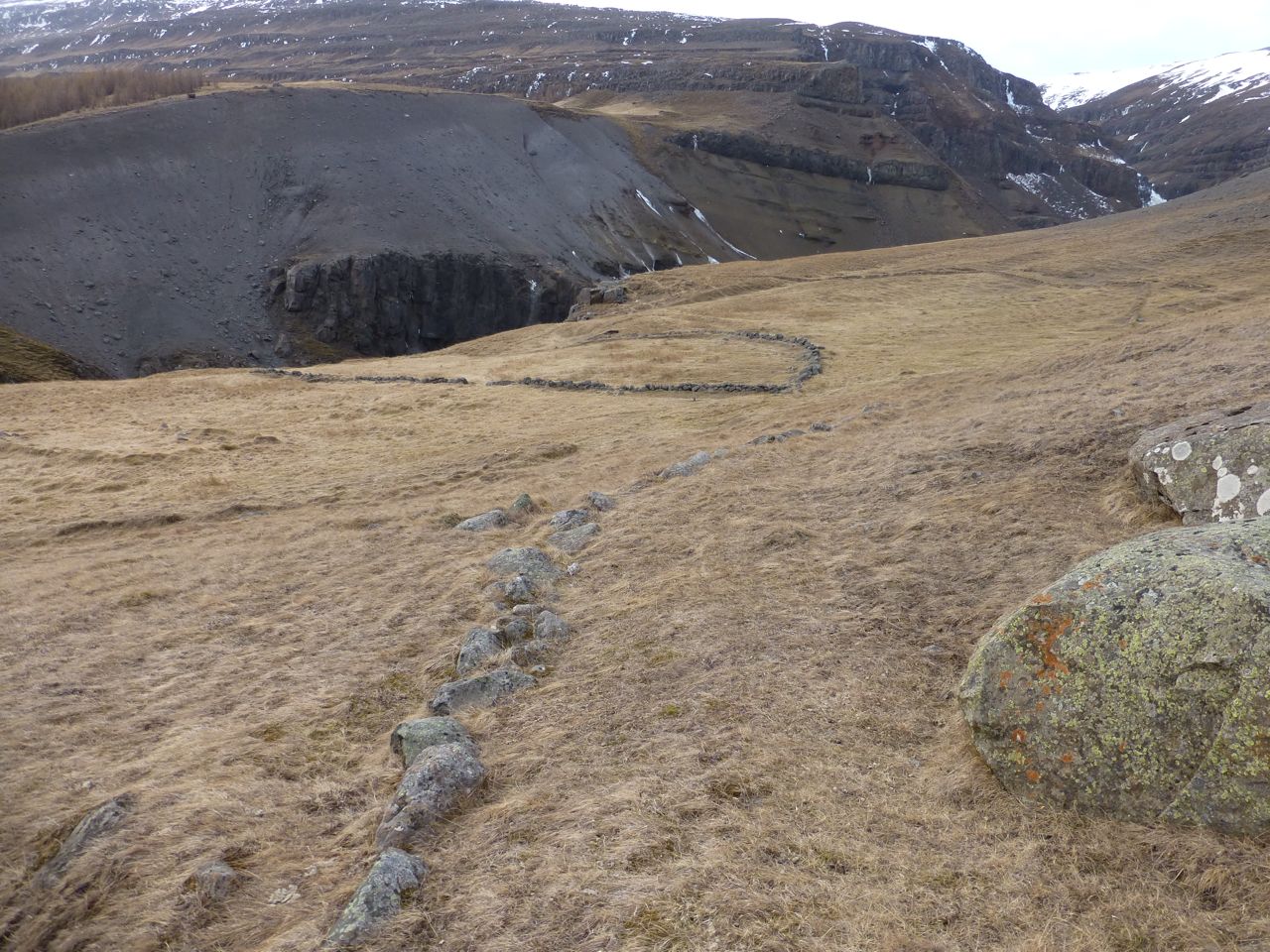
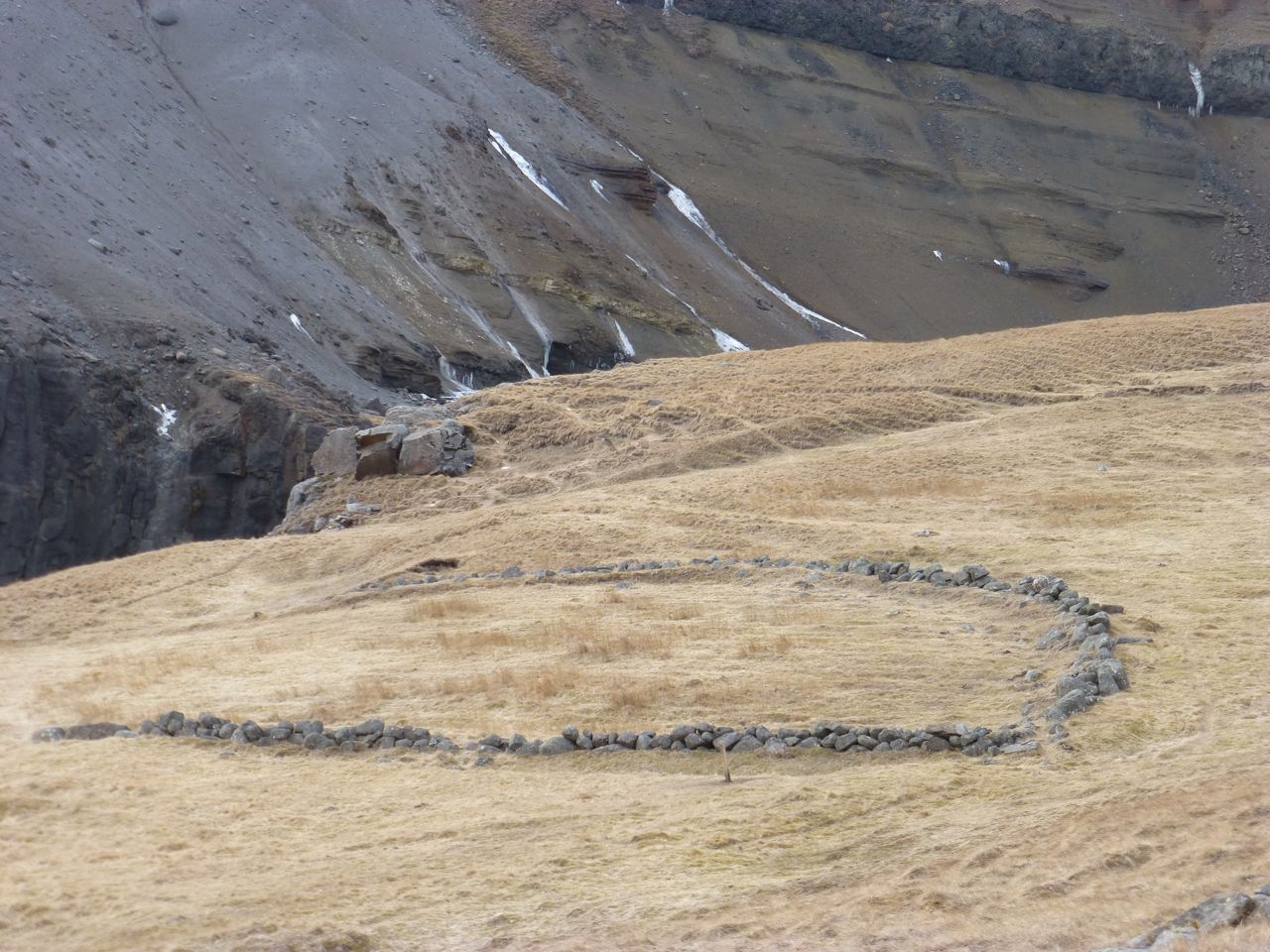
foldMelarett

The local communal sheepfold, for separating out the region’s sheep in the fall. Everyone helped, together. One didn’t need fences. One just needed a little bit of cooperative organization. The land provided for the rest. This is the image of Gunnar’s socialism.

Hitler had National Socialism. Gunnar had Land Socialism, extended from an older aristocratic land-management model. And to think, he went to Denmark for an education and found modernity instead of support for his ideas for an indigenous Enlightenment as a man of the land …

valbyDenmark’s Avante Garde Emulating the French of Twenty Years Before

Tom Kristensen brought English avante garde poetics to Denmark, and with them French ones. That looks like his wife Ruth to the left. 4 years later, Tom will be a hopeless alcoholic and will divorce her. Shortly thereafter she will bear Gunnar’s third son. That’s Gunnar standing, by the looks of it, holding forth. He was so misunderstood that he has vanished from Danish literary consciousness. One Danish Encyclopedia comes right out and says contemporary readers don’t like his poetic style or his sermons. Tom is still widely read and studied. His books are as lyrical as Gunnar’s, but in a more fractured, alienated style, without narrative.

No wonder Gunnar went home. It’s amazing it took him so long.

Gunnar Gunnarsson Secret Agent: Part III

Today I’d like to walk around within the country shared by Modernist Icelandic Writing and Hamlet, which should be fun. I’m also going to try a little experiment in adapting modernist Icelandic literary method to the journey as it unfolds. First, though, I’d like to introduce you to a literary movement and historical period called the Icelandic Enlightenment. That’s a term I coined this morning, to describe a kind of ongoing clash of worlds that followed hard on the heels of the Celtic Renaissance and the French literary genre Surrealism. It looks a bit like this some days:

farmwithtowers

Power and Security, Old and New at Landhus Farm

First the sod house, then the enlightened version, the hydroelectric grid, the modernist Icelandic writer Gunnar Gunnarsson, who was raised across the river from this farm, was trying to keep both forms of being in the world both alive.

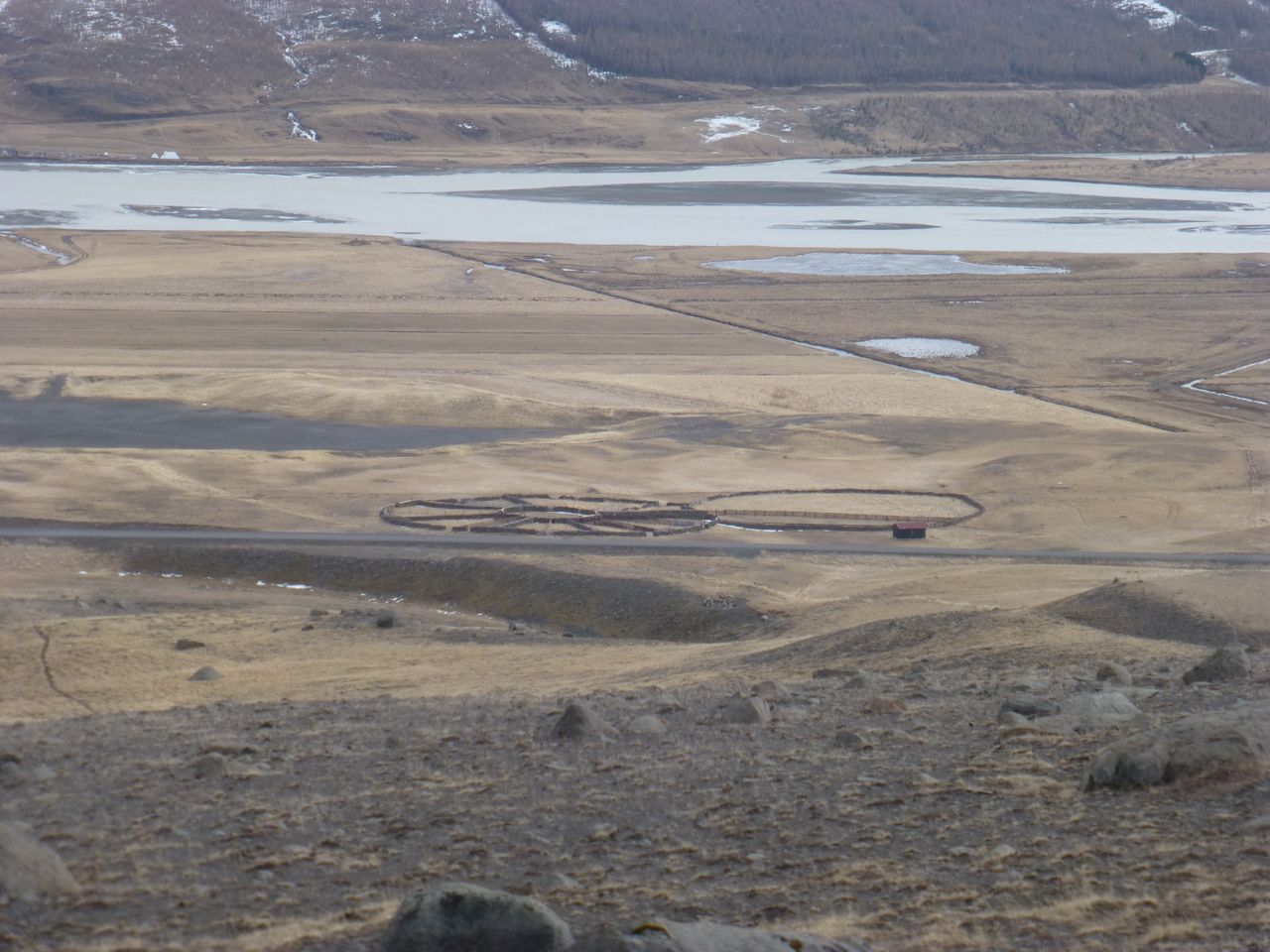
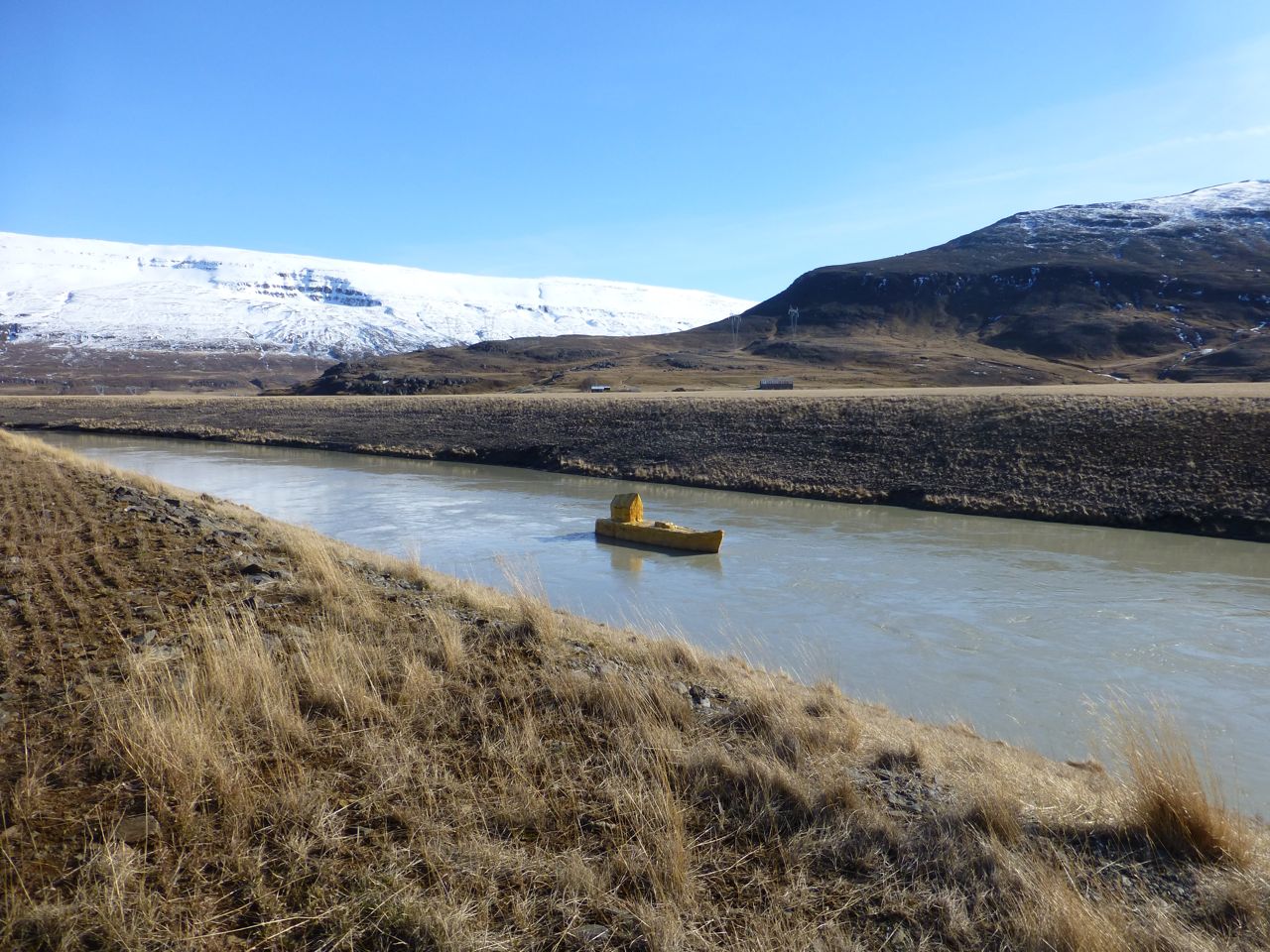
And now, an apology. I wrote river, but in this valley where the lake is a river and there’s no clear point at which the river becomes the lake that is a river, this part of the river is not a river at all but a Penstock Outrace Canal for East Iceland’s controversial Fljótsdalur hydroelectric power station, so I guess I’d better show that to you, too, and come clean from romance …

P1390138

The water, you see, descends a couple thousand metres vertically down through a tunnel bored into the mountain, drives the turbines in the power station, pours out here back into the light, and then, ta da …
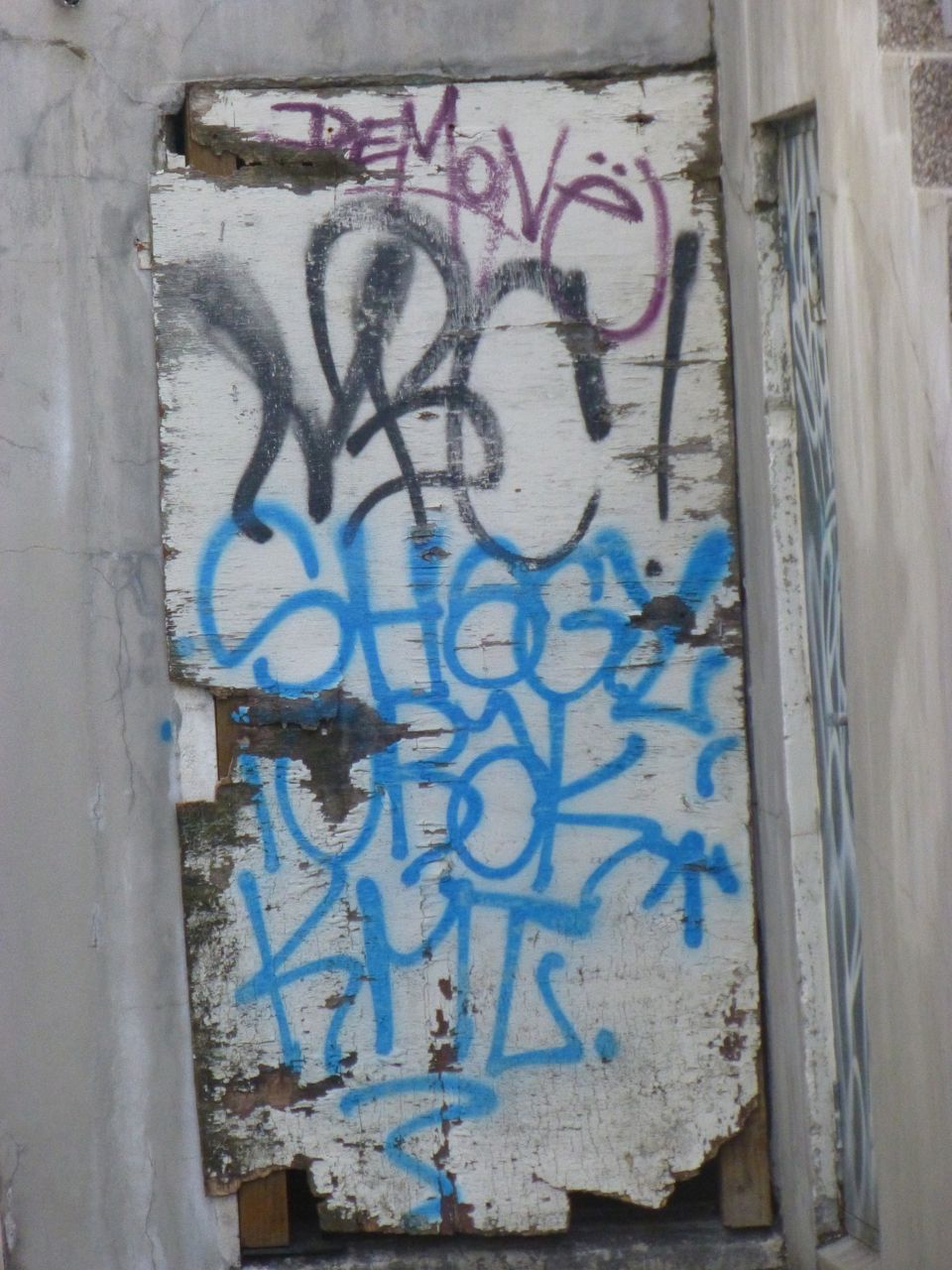
P1390139

… into the canal and around this, um, this , ah… well, look …

P1390140

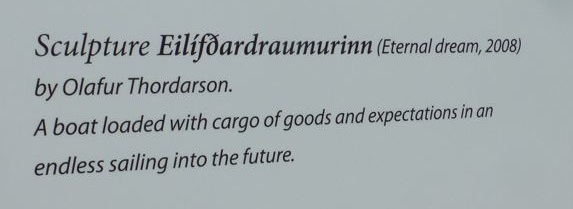
That’s art, that is. A life-sized ship, apparently made out of some approximation of strapping tape plastic-machéd together by techno-sorcery by Olaf Þorðarson, and the whole thing translates into the new Latin, the new commercial trade language of the world, English, like this …

olaf

Well, Almost English.

More like German modernist poetry, really, which explored such forms of atomic compression. More like “A boat loaded with cargo-of-“goods-and-expectations” in an endless-sailing-into-the-future. Nice to see the peoples of Northern Europe coming together in such an unexpected spot for a moment together in the sun. Thanks, Olafur!

Well, and all I wanted today was to tell you about Gunnar and the Nazis, because there’s a story for sure …

Gunnar: (Interjecting.) I was no Nazi! I am sick of people coming to my house in the country and calling me a Nazi because the house has grass on the roof, because my friend Fritz designed it and he joined the Party because it was the only way to secure work, because his design blends North-German, Danish and Tyrolean agricultural folk architecture into a statement about a farmer’s house fitting into the land rather than intruding upon it like a, like a … oh, grrrrrr.

Oh, hi, Gunnar.

gunnar

Gunnar Gunnarsson, Skald

After that imaginary outburst, he is being a bit tight-lipped today.

A secret agent, even beyond death. Clever.

(Gunnar grumbles inaudibly.)

So … well… that silent battle of wills went on for awhile … no need to bore you with that, but, um, let’s face it. That is the kind of silence one gets when one attempts to talk to the dead. To hear Gunnar better, because I really did wish I could have a talk with him, on his own terms, so to speak, I started translating his book “The Northern Kingdom”, and realized, sheesh, power plants and public art notwithstanding, I forgot to set the scene. I mean, “Icelandic Enlightenment”? I reckon if I’m going to throw terms like that around like spring waterfalls split rocks from their cliffs with a sound like artillery fire…

P1380441

Hengifoss, a High Waterfall just up the Road from Gunnar’s House

Soundtrack: Roar…. BOOOOMMM! …. Roar ….. BOOOOOOOMMMMMM! It’s enough to make one start seeing trolls.

…it would be best to show you what I mean. So, to be a better host, and I do mean to make you feel at home here in my grassy house on its grassy hill nestled into its grassy island of Japanese cars in its cold blue sea, here’s another view of that Enlightenment…

angels

Angels of the Universe, Reykjavik Harbour

None of this old-fashioned monkishness and cloisterly prayer here, I tell you. Actually, I think Gunnar might have liked this. Not the graffiti, though. He would’ve sent a man out there with a bucket of white wash.

So, that was still a bit obscure, darn it, but I’m a writer, just like Gunnar, so, hey, maybe some words will help. Maybe if you could hear a Canadian writer humming and hawing out loud you’d know how things were going with the world today, here in what’s lovingly known as the Northeast, except if you’re on the Faero Islands it’s the Northwest and if you’re on Greenland it’s, um, well…. Oh, bother, we need a writer to sort these things out, that’s what we need. Ah, let me see, yes, here’s that writer, right down the hall here … ah …. yes. Here is is. Um … Harold?

Canadian Writer: (Startling awake from his writerly dreams, or maybe not awake at all.) “The Enlightenment” was the period in 17th and 18th century European history when the human capacity for reason gained cultural ground over the capacity for faith and started to create the scientific world out of a poetic one.

I know, like whew! Get a writer talking and, worse yet, thinking out loud, and words start flapping around like that, and like this, too, I might add …

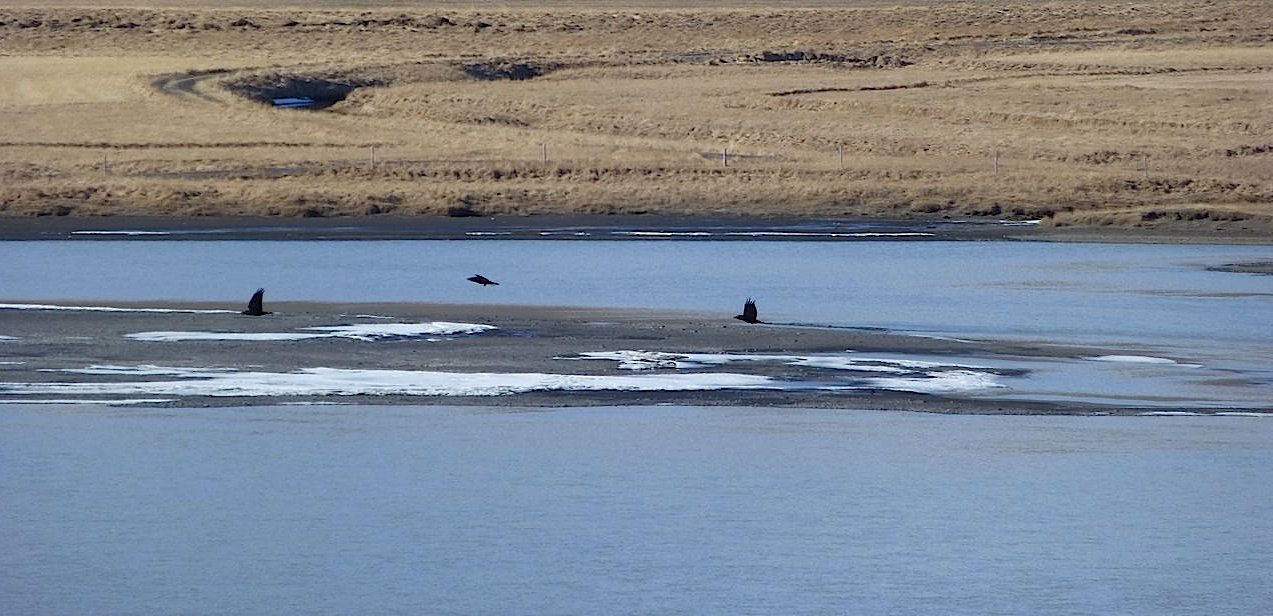
2ravens2

Black Words in the Lagarfljot…

… flying off to check out the sheep folds at the first sign of a writer pulling a camera out of his pocket.

and like this …

Canadian Writer: It was largely a French, German and English business. It hit Iceland late, in the early twentieth century, in the writings of Gunnar Gunnarsson, composer of semi-autobiographical, poetic, political “novels” that brought poetic forms of Icelandic thought into the light — with one crucial difference: this ‘light’ was modernism, not rationalism, as it had been in the original Enlightenment. Big difference, actually.

Raven 1: Aha! You mean, instead of constructing rational, scientific structures for organizing the world based upon the administrative structures of the French court, as did the philosophers and scientific pioneers of the Enlightenment …

Raven 2: Whee!

Raven 3: What a nice day for flying!

3ravens

(They fly off looking for some sheep’s entrails to read. Disappointed, the writer puts his camera away.)

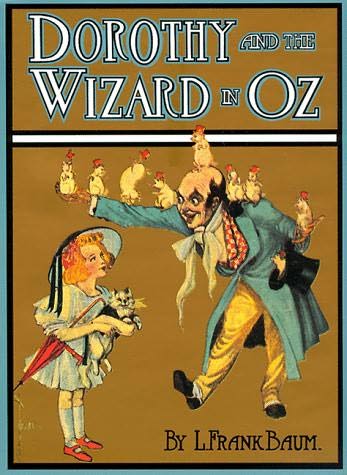
Ah, writers. They’re always wandering off. I guess there’s nothing for it but to continue on bravely without them and hope for the best. As I understand it, denied by the age of his birth the benefits of emerging into a developing culture organized around rational structures, including Science, Mathematics and Engineering, Gunnar was stuck with writing “novels” instead — a kind of intellectual activity that in the post-rational world of his birth and coming of age was most often considered “entertainment” or “fantasy.” Well, actually, most often it was. Yeah. there’s that. Like this 1908 American novel about a girl from a rather hopeless, helpless farm who comes to the, um, big city of, um, God and wins out by her true heart…

Ozbook04cover

… or this beautiful 1970s German version of the Nobel Prize-Winning 1908 Swedish novel Tösen från Stormyrtorpet (The Lass from the Stormy Croft) about a girl from the isolated poverty of the northern wilderness, who, well, look at the strength in her eyes, eh …images-2

Such was Gunnar’s readership. Not the ideal one for a modernist writer, a man from the Icelandic Enlightenment, but, still, you had to buck up and start somewhere, right, trusting to luck and youth and hope? You most certainly did.

gunnarsogur

The Hopefully Uncertain Young Gunnar

With his big Scandinavian farmer’s hands, newly-planted in Denmark. I don’t know about you, but does it, um, look like his pupils have been inked in by a photographer cursed with red-eye?

Fortunately for Gunnar, it was a foundation stone of modernism (and its revolutionary and energizing core) that these entertaining objects could have political and economic ends, if a man (seemingly, men did this kind of thing) put his mind to it — and it was this that Gunnar was counting on. His contemporary, the American Ezra Pound, was as well. Pound, who was a gifted lyrical poet, was pushed by the catastrophe of the First World War to write stuff like this:

The first thing for a man to think of when proposing an economic system is; 
WHAT IS IT FOR? And the answer is: to make sure that the whole people shall be 
able to eat (in a healthy manner), to be housed (decently) and be clothed (in a 
way adequate to the climate).

Ezra Pound, "What is Money For"

A Very Upper Middle Class English Sentiment, but then, Pound had spent the War in England, and the decade before it, too, where he had gone to discuss Fairyland and the Celtic Renaissance with the poet W.B. Yeats, and had married into this class. I trust you see the pattern …

yeats

Yeats’ Dreamy Romantic Fairyland: an Unlikely Start for Ultra-Modernist Poetics

OK, Ireland is not exactly Scandinavian, but it is a green island in a cold sea, and a lot of Irish women, slaves or otherwise spoils of war, were the ancestors of a lot of contemporary Icelanders, so not that distant, really. The romanticism and the romanticized renaissance of ancient land-based ways of poetry and spirituality is, however, very much the point, indeed.

Pound’s new father-in-law did not approve of his new son-in-law’s poetic dandering around. Lawyering was more to his taste, but, still, he loved his daughter, and so did Ezra, so they were stuck with each other, circling around each other like cocks in a betting pit.

l

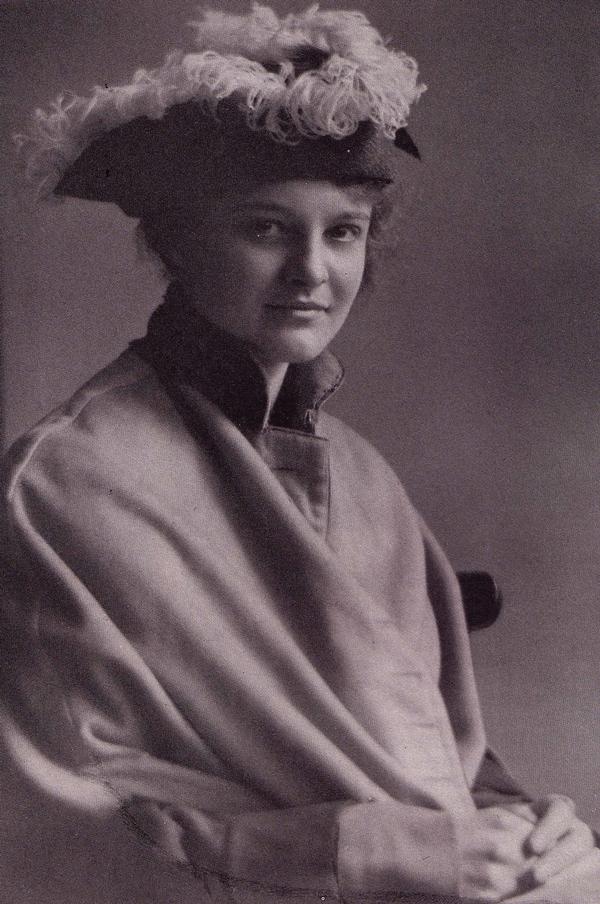
Dorothy Shakespear Pound

The last of the those Nordic fantasists, the pre-Raphaelites, before the World Went All to Hell.

Pound and Dorothy used to sit before the fire, where Pound declaimed his poems and his enthusiasms and a lot of spiritual stuff about jewels and the love poets of Provence and such like. They went off painting watercolours together. She was quite good at it. He fussed about, trying to get his palette mathematically perfect. Eventually, he came to hate her. Irony of ironies: later, when he was declared insane (Fascist sympathies were, by the logic of the American 1940s, insane.), she was legally declared his keeper.

Raven 1: (Flying by.) For a fuller treatment of this story, I recommend Gunnar Gunnarsson’s great, semi-autobiographical novel, “The Black Cliffs”.

Raven 2: (Doing cartwheels around him.) They’re all semi-autobiographical, dear.

Raven 3: (Bravely keeping up.) Puff puff. Yeah … Puff puff. you’re right.

(They fly off to the Black Cliffs, croaking in ravenish laughter.)

Oh, right. I have to remember that this art form, the essay-fiction-blog-drama-for-page-and-screen thing based on Gunnar’s techniques needs a bit of tweaking now and then, a bit of cognitive lens-focusing, so to speak, a bit of drawing-of-the-curtains that words are naturally heir to. Let me see. (Fiddle fiddle fiddle.) Ah. Yes. There the ravens go … see them?

svartfugl

If you read one book by Gunnar, make it this one. Bonus: it’s in English.

Ignore the fact that the ravens look like seagulls overexposed against the sun, because, you know, maybe they are.

Raven 1: Hey! I heard that.

Shh. Here’s the plot: Two couples on a remote farm in the West Fjords (even today, it’s faster on a bicycle than a car, and a horse would be better, or a tunnel — that’s how remote the place is. It’s a good thing it’s beautiful.) run into a spot of trouble, that ends with two of them, a man and a woman, killing their spouses, who they have come to loathe, in order to be together. A lovely political allegory, with Nazi ties, which we will explore another day, that is based on a true Icelandic murder in the dark days of the past winters, before anti-depressants and solariums cheered all the Icelanders up a merry lot.

ggmynd0026

Gunnar, the Famous Writer

Still working on his cheerful look.

Pound’s solution for marrying the worlds of politics, commerce, lawyerliness and poetry was to write a poem, a lyrical entertainment, as that old way of thinking (poetry) had come to be known in the ‘modern’ world. Precisely, he hoped to write a poem that contained so many clear  and innovative connections between history, mythology, literature, philosophy and economics that all thinking men and all men in government would have to read it, if they could hope to do their jobs well, or at all. Out of close to thirty years of that, he was writing stuff like this:

toiletpapercanto

Imprisoned in the American Detention Centre in Pisa Italy in 1943 …

… Pound started his great Pisan Cantos on a sheet of toilet paper. When he won the inaugural Library of Congress Bollingen Prize for the completed sequence (among other things, mourning the death of his fascist heroes, and while still under a charge of treason, to boot), the common people of the United States were enraged (Mind you, that doesn’t really take much. It is a kind of quintessentially American entertainment that even Pound indulged in in his own way. Besides, they wanted romantic novels, not poetry.)

If Pound had only written this!

FGHTNGMNFM1948

March 3, 1948

Definitely a missed opportunity, Ez.

The solution of post-modernist twentieth century writers, to embrace populism and effervescent, even contradictory and illogical points of view was not Pound’s way, and not Gunnar’s, either. That is actually quite understandable, given that the great populist politician of the time used to decorate his speeches like this:
1936nurembergrally

Nuremberg Rally, 1934

Dangerous stuff. It was like shaking jars of nitroglycerine.

That is the plight of modernist writers even in countries or communities emerging into modernism today: they feel themselves the equals to kings, dictators, presidents, prime ministers and bridge engineers, yet all they are given to assert their practical status are tools that most people read as if they were the stuff of fairy tales and wall decoration.

JWW_TheLadyOfShallot_1888

The Lady of  Shallot, by John William Waterhouse

In 1907, Gunnar left Iceland for Denmark. In 1908, Pound left the United States for London. Waterhouses’s painting above is the world of modernism, on a foundation of Nordic fantasy, that they stepped into. It took them into at first differing but then converging directions. It was out of beginnings like this that Pound and Gunnar tried to counter Nazisms own modernized (so to speak) versions of Nordic myth. Entire literary genres sprang up along these lines, including the great German genre of the country physician, which became a dominant art form of the German propaganda ministry during the Third Reich and lives on gloriously in German television soap opera (which played, by the way, a strong role in bringing down the Iron Curtain.) These things live on, I tell you!

What a mess the world can be for a modernist writer hoping for a bit more push and a bit less pull, though. The Swiss playwright, Friederich Dürrenmatt, who had toyed with Nazism when he was young and was wracked by guilt about it for the rest of his life, chose to deal with it by creating plays that were not dramas at all but trials, very bitterly funny trials, of his audience. He hoped to show every audience member his or her own guilt (Yes, Original Sin can be read into that. Dürrenmatt was the son of a pastor, after all — a Swiss pastor, and that means a lot.), and to leave them talking over the ethical dilemna of his plays in the coffee houses of Bern and Zürich, where they could eventually resolve them — not on the stage but in Swiss society itself. Pretty brilliant, really. He was of the generation following Gunnar’s, yet very much of Gunnar’s time and dealing with the issues from a culture and society remarkably similar in many ways to that of Iceland earlier in the century.  Everyone was becoming modern, but no one knew the rules. The rulebook of God was more or less gone. It was left to the last holders of its traditions, novelists, of all things, to make a stab at rewriting it. Here’s one of Dürrenmatt’s attempts:

henker-b320

The Judge and His Hangman

One of Dürrenmatt’s comedic crime novel sermon adventure trial objects in a Cold War West German edition.

I hope you don’t mind my showing how Gunnar’s interests were actually central to his time and took place within a particular context, because it was that context he was responding to.

Raven 1: Get on with it. We’d rather you herded some sheep.

Raven 2: Yeah, isn’t it lambing time yet? There’s lots to eat at lambing time.

Hang on, guys, if it’s dead things you want, I think I have just the thing for you. It’s a little bit of a detour down a darker road, but …

Raven’s 1 & 2: Darkness? Oh, goody!

1337339357719611

Laurence Olivier, Hamlet, 1948

The actor contemplates the war just past.

I thought you’d like that.

Ravens 1 and 2: Oh we do, we do!

Raven 1: Yes, we’re glad you’ve recognized that the plight of writers trapped within words and popular impressions of what words can do is not a problem unique to the 20th Century. Modernism started long before that, in England. We should know.

Raven 2: That’s true. Shakespeare recorded the moment in his play Hamlet, he did.

Raven 1: Well said, my love!

Raven 2: Why, thank you. There he wrote the clever and blatantly literal line, “Words, words, words,” and then, to get out of his own head, made his character, Hamlet, say them out loud …

Raven 1: … the poor duff …

Raven 2: So true! A melancholy Nordic philosopher prince who had returned to conservative, pre-modern, pre-humanist and Nordic Denmark from a modernist, Lutheran, self-confessional university in Germany on the cusp of humanism and modernism.

Raven 1: Poor Hamlet.

Raven 2: Heck, poor Gunnar.

Raven 1: So true. Still, like Hamlet, he tried to make the best of it. Here’s what Gunnar had to say about that.

(Dear Reader, ravens, like actors, like writers, try to have some fun with all this grim-ness …)

skull

Kenneth Branagh Really Trying to Get Into His Role as a Melancholy Dane 

Shakespeare had more earnest designs for his character: he wanted him to read fate and receive clear answers, in the way a priest once read the Soul or the Book that was God’s World.  I mean, they were even in Capital Letters, so you could find them easily in a hedgerow of words and thoughts. In the modern world, of course, the self-confessional, Lutheran one, there are no clear answers. What was Hamlet left with? Harumph, Hamlet was busy trying to read his soul …

Soul: Definition from the Dictionary of Earth and Air, 1908 Edition

A new-fangled private thing, which had recently before been public, partly because in the world of the Medieval Church souls were public and partly because he was a Prince, and thus the state, yet whose rightful place in the social role accorded this public identity had been usurped by a murderous uncle.

Sigh, isn’t that the way. Anyway, while Hamlet was trying to read the pattern of his thoughts, like some kind of Nordic Buddha, the old courtier Polonius asked him what he was reading …

whatdoyouread

Polonius: What are you reading, my Lord?

And Hamlet? God’s minister of state on this vale of tears? Was he able to say, “Your soul, sinner?” No. He was stuck with the words of some author. There he was, a trained philosopher, in such an embarrassing position. But he was a trained philosopher, so he answered precisely, although not without frustration: “Words, words, words.” He held up his book to make his point. What were once words recording God’s creative speech that put the world into perfect order, were now just nearly inscrutable words on paper, that a man could make mean pretty well anything he wanted them to, that some “writer” was forcing him to speak, and which he had to figure out how to speak with some shard of dignity. What a task! He waved the book around for emphasis of his predicament, like this:

words

Polonius and Hamlet Can Hardly Believe the Embarrassment of It

It was as if Hamlet had been caught reading some kind of fantastical, titillating entertainment or something not befitting of an earnest, enlightened philosopher, like, oh…

images-1

… or this, of all things …fam200299

Actually, that was pretty much the case. Still, frustrating, right? Gunnar might have entered this story 4 centuries late (that’s how far Iceland was from England at that time), but that doesn’t mean that he didn’t rightfully feel some of the same bewilderment as Hamlet did at his own moment of crisis. As he told the students at Herthadalen on June 15, 1926 (He uses a shipping metaphor, because he has been trying to suggest that the countries of Scandinavia are naturally united and protected by the sea) …

Outside our port stands Fate. We do not see her, but she stands there. And even for those who see her, her face is veiled: no one can read in it!

(From “The Northern Kingdom”, 1927)

It’s a downer, for sure. It’s like looking off of the Icelandic shore towards Europe, or off of the Danish shore, anywhere, in the winter, and seeing only:

nord

Another Cold Writer Staring Back

This is called the height of the Icelandic summer, Arctic Circle version.

And to think that all you wanted was a bit of light. Now, to be serious. I loved my day there at the northern tip of the Icelandic mainland, and my Canada is a nordic nation as well, which I will get into on another day, and as a man of northern earth, just as Gunnar was a man of northern earth, I know well enough that the fog is its own language and is full of light. Gunnar would come to that eventually, but it would take time. After all, he had been trained in literature, as was Hamlet, in a different tradition. In his novels, as in his politics, he tried to put them together into one. During these attempts he consistently avoided Shakespeare’s solution, tragedy, or Hitler’s, smarmy romance and shell-shock, or Pound’s, rage and bitterness and impotence, and tried to find a middle way. I admire that deeply. Tomorrow, I will honour it. For now, thank you for playing along.

Easter on Middle Earth

Christ has arisen. This isn’t just a bit of a ghost story with a happy ending. If your imagination is rooted in the earth, or even in books, should that be your fate, it is mathematics and geometry.  Here’s the middle view of Christ’s ascension, in this stopping house, this alms house, this shelter from storm, this cloister between worlds:

churchforfarm

ValÞjofsstadur Church, Fljótsdalur

Note the mathematical precision of its construction. Note as well the Father, the Son and the Holy Ghost of the entrance, and how one enters through the Middle Way, Christ, the Son. That’s not an accident.

The Church makes eternal order out of temporary beauty. That’s kind of its point. It is a form of intellectual activity.

crossforfarm

The Point

It’s not just a cross. It’s an entire intellectual tradition. All Western peoples today stand within it. It’s inescapable. Nor should it be escaped from. It is.

Gunnar Gunnarsson’s childhood farm, that guided much of his writing, faced out over the graveyard where the church now stands. Here’s how it looks today, with the old turf houses gone but the old trees remaining.

valpjofsstadur

ValÞjofsstadur

This is the week that the farmer brings the manure out by the wheelbarrow load and dumps it in his field. You can see some of it there in the centre of the image, just in front of the buildings. Sweet springtime!

Easter is a celebration of rebirth and renewal from the dead (and the stink of closed winter barns full of way too many animals). Another way of putting that is to say that the dead don’t leave the living, nor do the living leave the dead, but that they’re all travelling together on one road that leads out into the fields and the light after a long, cold winter. Here, then, is the real church, in its wild state …

ahnenValÞjofsstadur Graveyard

The ancestors lie quietly in their pews, most with a form of mathematical perfection rising from their souls. It is a joyous place, a sanctuary from the work of the world, a kind of retirement, shall we say, a waiting.

I have been writing poems about Easter, so forgive my mind for wandering like this through the trunks of these trees, but look, both churches are standing together in communion, the church among the ancient trees, the ancestral church, and the new one rising from the mind …

twochurchesChurch, Ancestors, and the Ancient Trees, ValÞjofsstadur

All travelling together into the sky, all tied to the earth, on the middle way.

When the earth and its peoples are stood with organically, as Gunnar stood with them and that farmer with his manure still does, rather than under-stood, or standing under, as a priest might put it (especially in the past), looking down from his or her pulpit and speaking the Words of God to his or her “flock”, its patterns flow like water and light and know no bounds. A boy, or a man, such as Gunnar, perhaps, could learn to write books just by walking in the world with his eyes open.

treewindow

The Church, the Cross, Chairs like Tombstones, the Mountains and the Ancient, Sacred Trees

Are all woven from light, from the inside and the outside, from reflection and what is seen through.

A window, now that’s an ancient word. Consider this, every river in Iceland has the same name. It’s an á, pronounced ‘ow’. In German, that would be an “au”, a meadow, a place of particular fruitfulness, naturally fed by wetland water — and usually the place at which Irish monks set up their missionary churches in the 9th century. That’s not far from Iceland, really, where the early farms were set up along river bottoms, which could produce the abundance of grass necessary for 10th century Norse farming practices, and these rivers were all variations on an á. One just down the road from Skriðuklaustur, for example, is the Hengifossá …

hengifossaHengifossá Mouth

And the river of the wind? Ah, here it is …

windowquadrants

The Four Cardinal Directions

Notice how the Wind’s Á, its meadow, opens from inside, so the outside can come in. First, though, one has to go inside.

The tradition of the church and its remarkable magical buildings constructed to ancient conceptions of mathematical balance and beauty go very deep, with roots in the world. Here’s the pulpit …

pulpitThis is a Book

But not just a paper one. The world is part of the spiritual picture. It is through it that one finds the light. And the Word. And the word.

By “world” here, I don’t mean the usual thing. I don’t mean “the community of men and women and their children” and the national and international relationships they build up between themselves, as the word is often understood, but the world as stood with, which is often called the earth. There’s an old book in Nordic tradition, called Volvens Spådom (The Prophecy”, which in one of its opening passages goes like this…

volvensThe Middle Way from Volvens Spådom

Without a world, the sun and stars have no anchor. That is to say, no tether, no home, which is to say that they are not at-home, or, to use the old word, they are not haunting. In the middle way, on Middle Earth, things haunt.

Things haunt like the reflections in the windows above, like the trees growing from hallowed ground, and like this image that has been made from them, purified in the manner of making wine (in this case, making wine from light and the world) …

eyewindow2

The Eye of God and the Mountains of ValÞjofsstadur…

…seen through the wind’s oh, its á, its au, its river of ValÞjofsstadur Church. The mind streams in with it. That’s the kind of spiritual place this world is, witnessing the mathematical beauty that streams through it, because, after all, a window opens two ways. It is, in fact, not a mouth or an eye, but a passage, a path, a way.

I took those images yesterday. Today, I went out to witness the sun rise, and I discovered that on this holy morning, before the first planes started flying to Keflavik from Europe, the Middle Earth was clear for all to see who were awake and walking. In the West …

P1370820

The Moon, Setting

… and in the East, across the sky …

P1370776

The Sun, Rising

… and in between …

P1370850The Horses of the World

The horses are spiritual creatures. Here they are in the words of the scottish poet Edwin Muir, best known for translating Kafka into English. This is written after the devastating war that Gunnar had hoped to prevent by uniting all Nordic peoples on the Middle Way. Ironically, it ws Muir, who endured more directly the anguish and fear of that conflict who found, in the horses of the world, the horses of God’s Grace, his Eden, his au…

(Dear Readers, it’s a longish poem, but not a difficult one, and it is one of the best in all of human tradition. If reading poetry is not your thing, why not scroll down to the images or listen to my reading of it here. The link will take you to a new page. When done, please press the back button to continue …

The Horses.

I hope you’ll listen and read and look at the images. That would be like being together on this day.)

Here’s am image to set the scene …

P1370886

The Horses

Barely a twelvemonth after
The seven days war that put the world to sleep,
Late in the evening the strange horses came.
By then we had made our covenant with silence,
But in the first few days it was so still
We listened to our breathing and were afraid.
On the second day
The radios failed; we turned the knobs; no answer.
On the third day a warship passed us, heading north,
Dead bodies piled on the deck. On the sixth day
A plane plunged over us into the sea. Thereafter
Nothing. The radios dumb;
And still they stand in corners of our kitchens,
And stand, perhaps, turned on, in a million rooms
All over the world. But now if they should speak,
If on a sudden they should speak again,
If on the stroke of noon a voice should speak,
We would not listen, we would not let it bring
That old bad world that swallowed its children quick
At one great gulp. We would not have it again.
Sometimes we think of the nations lying asleep,
Curled blindly in impenetrable sorrow,
And then the thought confounds us with its strangeness.
The tractors lie about our fields; at evening
They look like dank sea-monsters couched and waiting.
We leave them where they are and let them rust:
‘They’ll molder away and be like other loam.’
We make our oxen drag our rusty plows,
Long laid aside. We have gone back
Far past our fathers’ land.
And then, that evening
Late in the summer the strange horses came.
We heard a distant tapping on the road,
A deepening drumming; it stopped, went on again
And at the corner changed to hollow thunder.
We saw the heads
Like a wild wave charging and were afraid.
We had sold our horses in our fathers’ time
To buy new tractors. Now they were strange to us
As fabulous steeds set on an ancient shield.
Or illustrations in a book of knights.
We did not dare go near them. Yet they waited,
Stubborn and shy, as if they had been sent
By an old command to find our whereabouts
And that long-lost archaic companionship.
In the first moment we had never a thought
That they were creatures to be owned and used.
Among them were some half a dozen colts
Dropped in some wilderness of the broken world,
Yet new as if they had come from their own Eden.
Since then they have pulled our plows and borne our loads
But that free servitude still can pierce our hearts.
Our life is changed; their coming our beginning.

Edwin Muir
P1370898An Icelandic Blue in the Skriðuklaustur Pasture
Middle Earth contains not just humans and horses on their spirit paths, but, of course, our trees …
P1370752
Poplar on Easter Morning
… elves (more on that, soon) …
P1370763Easter Sunrise Through Frosted Glass
… sacred space …
P1370767The Cloister at First Light
… trolls, charmed …
P1380048
… the dead, of all kinds …
P1370860
Giant’s Skull in a Cave in the Skriðuklaustur Cliff
Turned to stone, I may point out by the rising sun … which, on this day, is Christ ascending. Accident? Coincidence? No. It is part of the sacred order of things viewed as things. After all, a “Thing” is a meeting place, in the old languages, a parliament, a place of talking and coming together, of all the people … including, I presume, the sheep which shelter in this cave in summer.
… because even though it is a Christian world, it is built upon the bones of an older one, and does not dishonour them and is not dishonoured by their presence. How could it be? If it were so, God would be made by men. It is to this world that Gunnar returned when he left Denmark in 1939. All during his time on Mainland Europe, he was walking the Middle Path, living between worlds, trying to be a broker between them, trying to be a writer, which in the pre-modern Icelandic tradition of his birth and youth meant to be a pastor, to write sacred texts and to present them to the people, to stand among them but slightly apart, and to look both ways, like a wind’s á. This is the character we meet in his 1932 novel Vivivaki, a reclusive writer in the Icelandic highlands, to whom the Dead awake on New Year’s Eve, to the sound of the Danish National Hymn on the radio, and who look to this rebirth as the Resurrection and look to him as God. Next, I’ll unravel the rest of Gunnar’s life as a Secret Agent, but first, the blessings of this day of rebirth and ascension and grace, from the blind earth …
P1370782
… to the light of the sky …
P1380096
Blessings, all, from Skriðuklaustur.