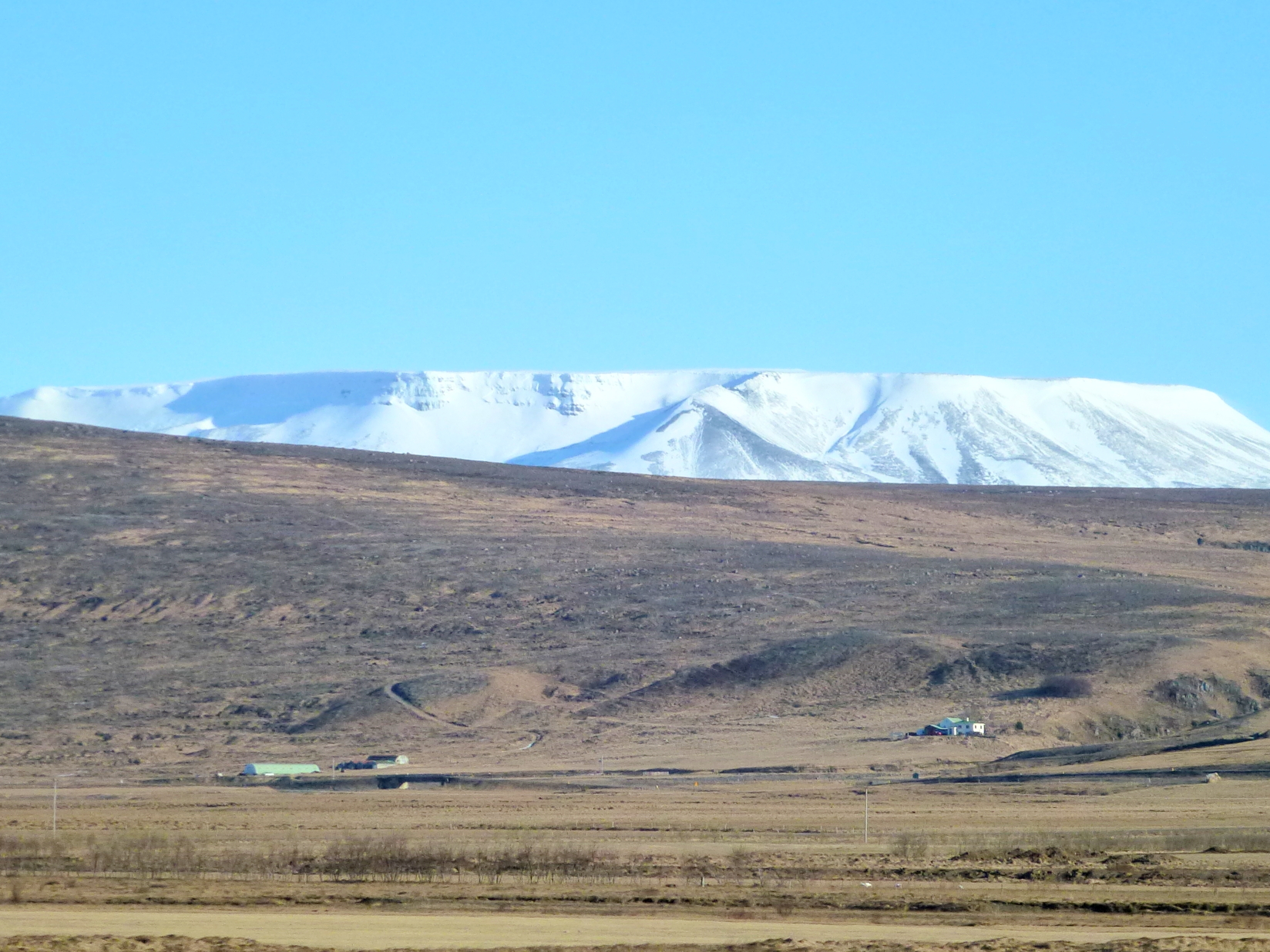
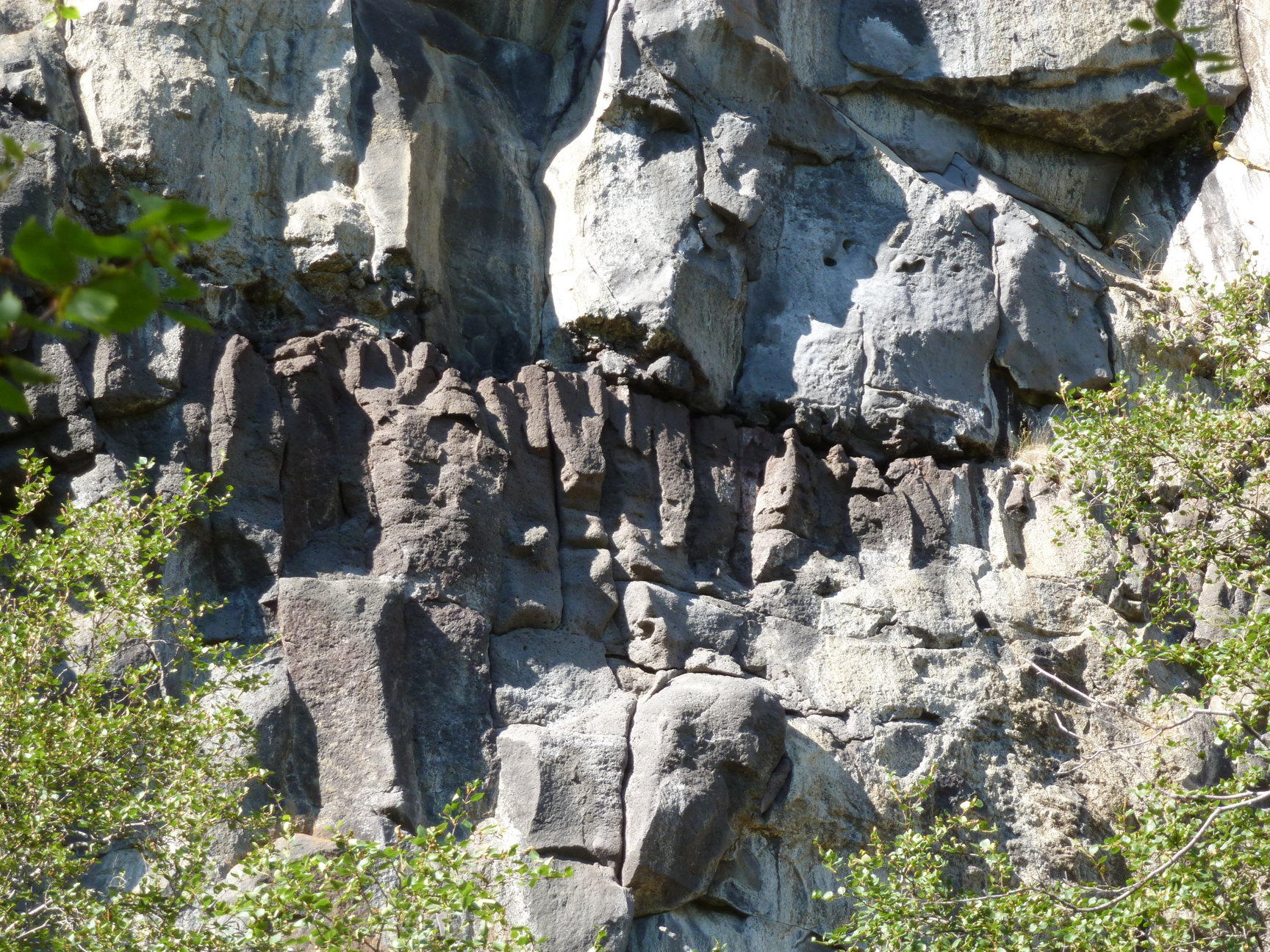
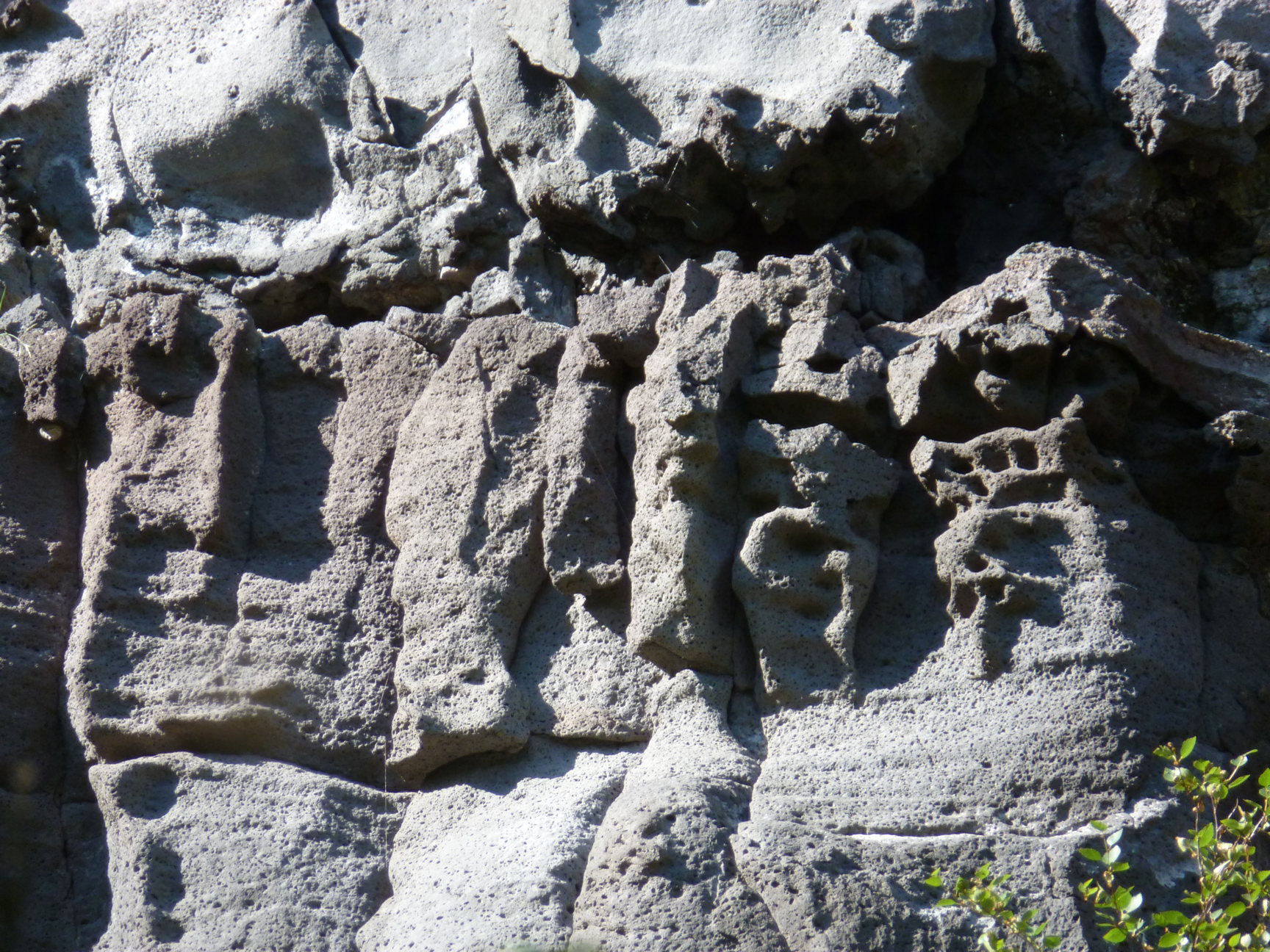
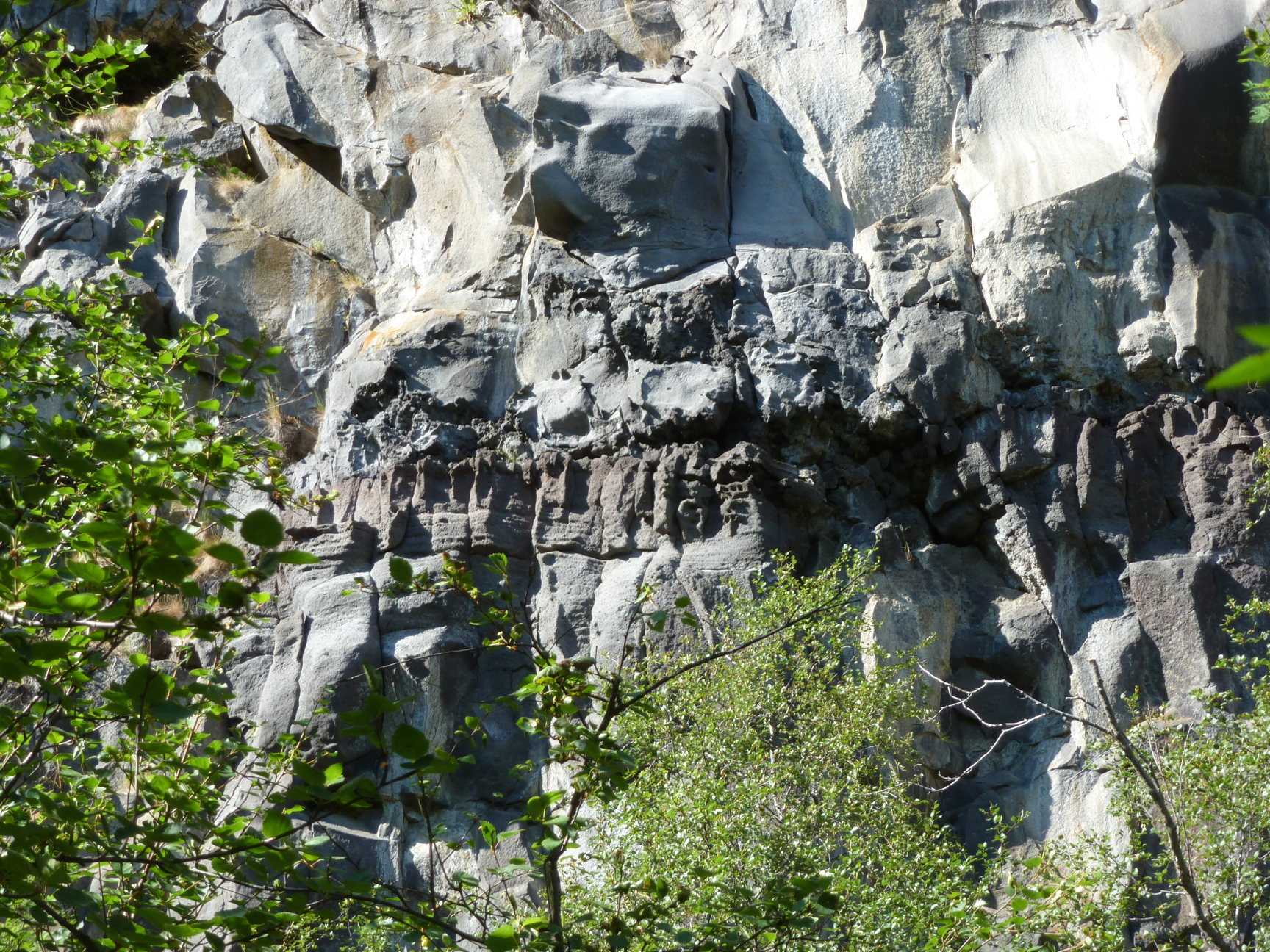
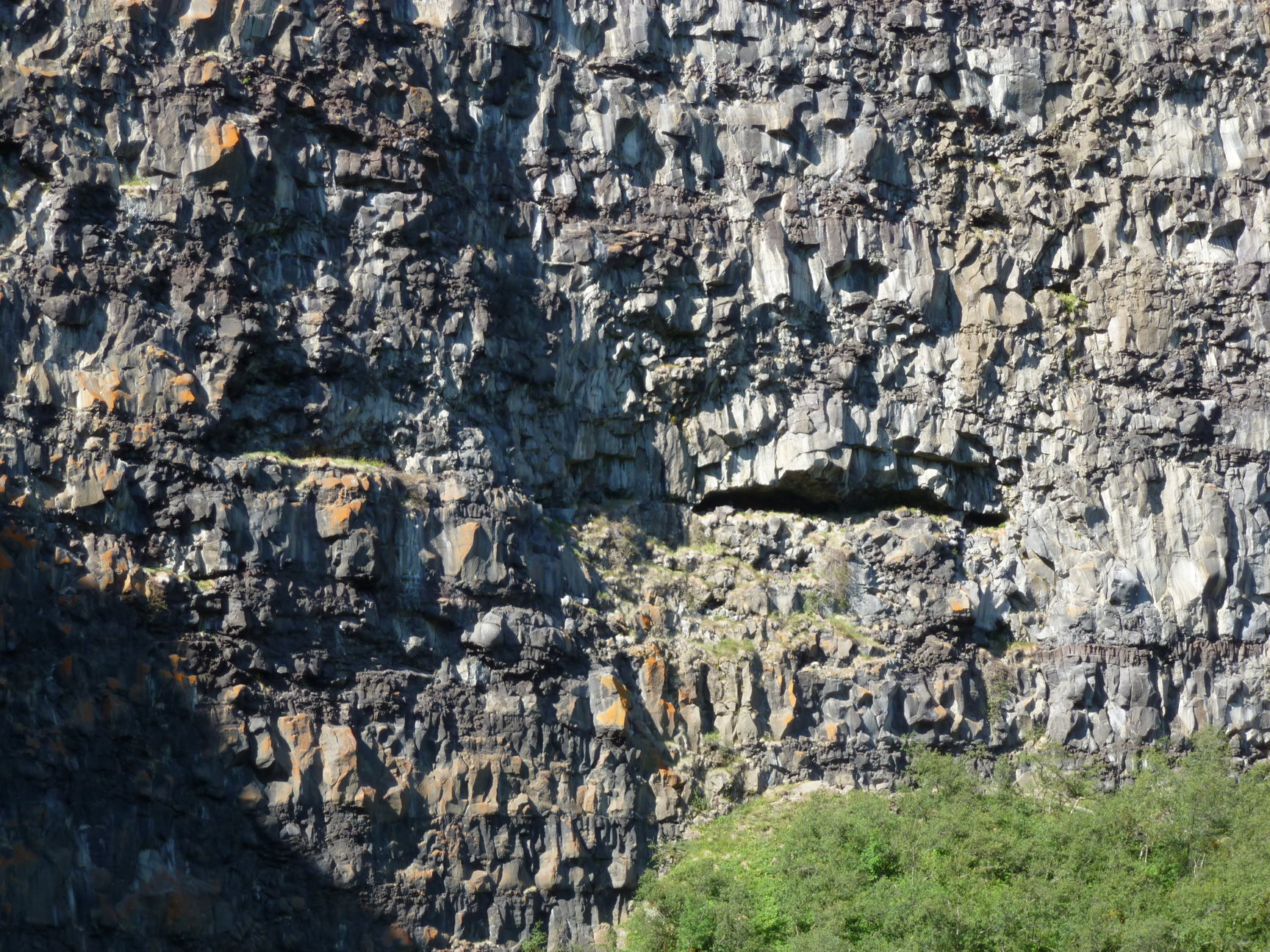
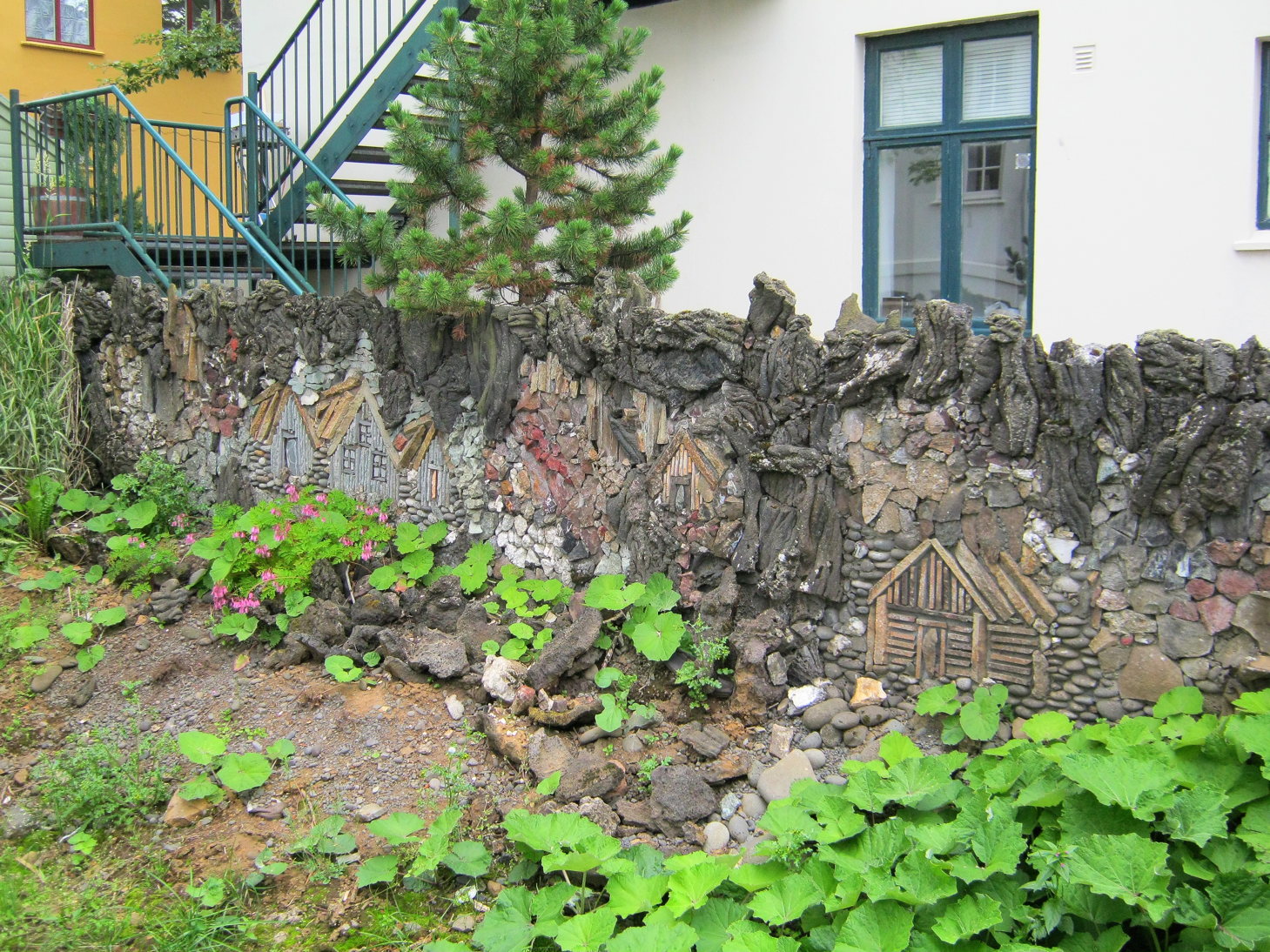
Looking East from Reykholt
That’s the part that makes the hair stand up on the back of my neck.
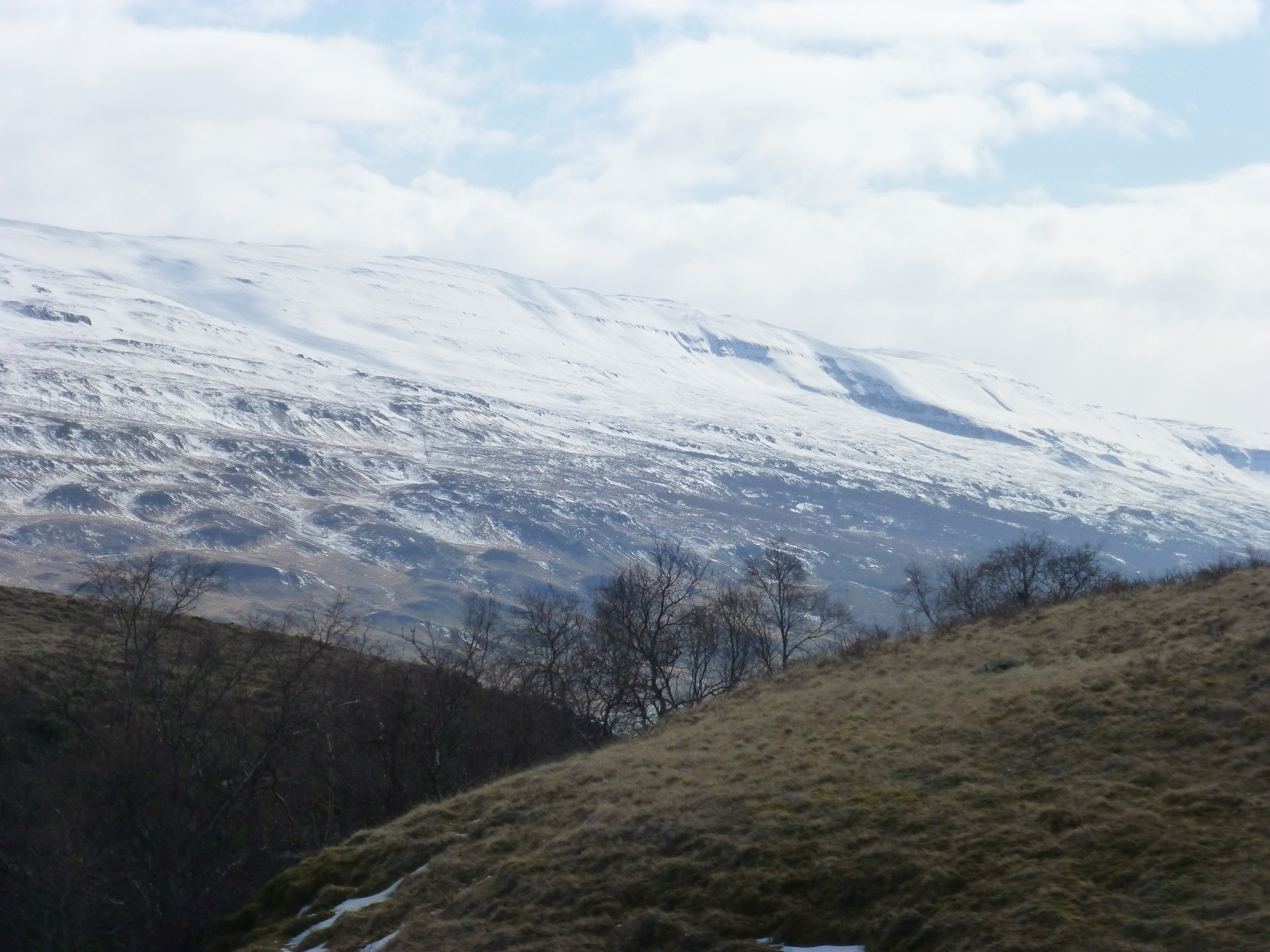
East of Reykholt
This makes Icelanders people of another world. Or at least of two worlds at once. There is also the world of darkness.
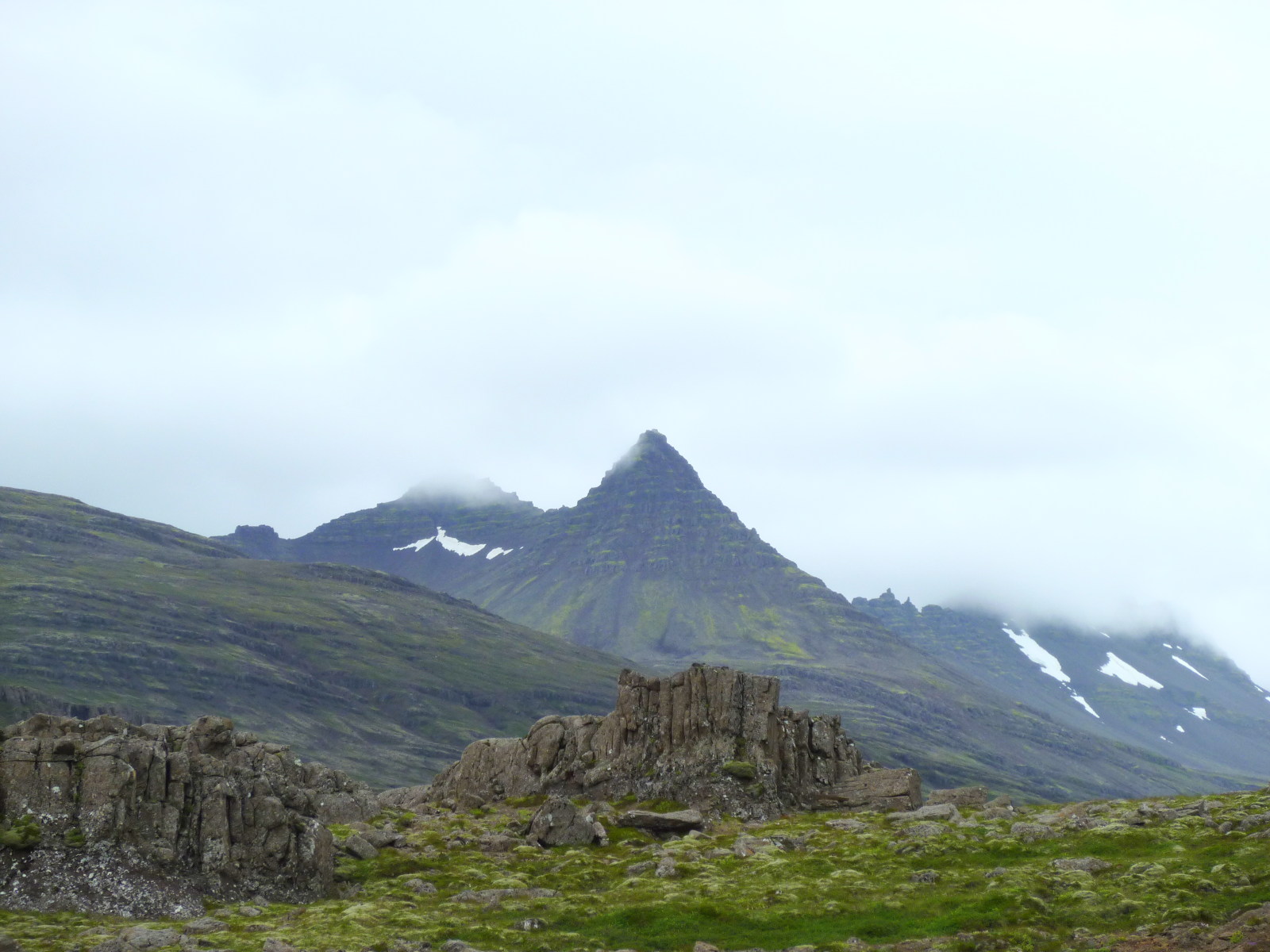
Stekkaækur
It could easily be more, but think of it: a glacial erratic perched at the top of one of the major canyons in the country, in the middle of productive farmland in the most fertile fjord in the East? 
Stekkalækur
Any boy within miles, for 1,000 years, was going to mess around by this thing. A boy takes his measure by giants. The worn stone around the monolith shows that people still do, and ravens. They are drawn to it as well and keep the rocks squeaky clean. I watched one clean up here for a half hour. And sheep. Perhaps you can see the sheep trails skittering past? That’s how I got here, by following sheep. Those other boys the same way, perhaps. We all have our guides.
The manly trolls of Gulfoss…
… and the worms (um, gold collecting dragons, you know the type) of Gulfoss…
… look across to the female trolls across the gorge, which are riding a worm…

.. and if the worm has the head of a ram, well, this is Iceland, after all.
And the flag … this flag:
… flies between them.
So now you know, too.
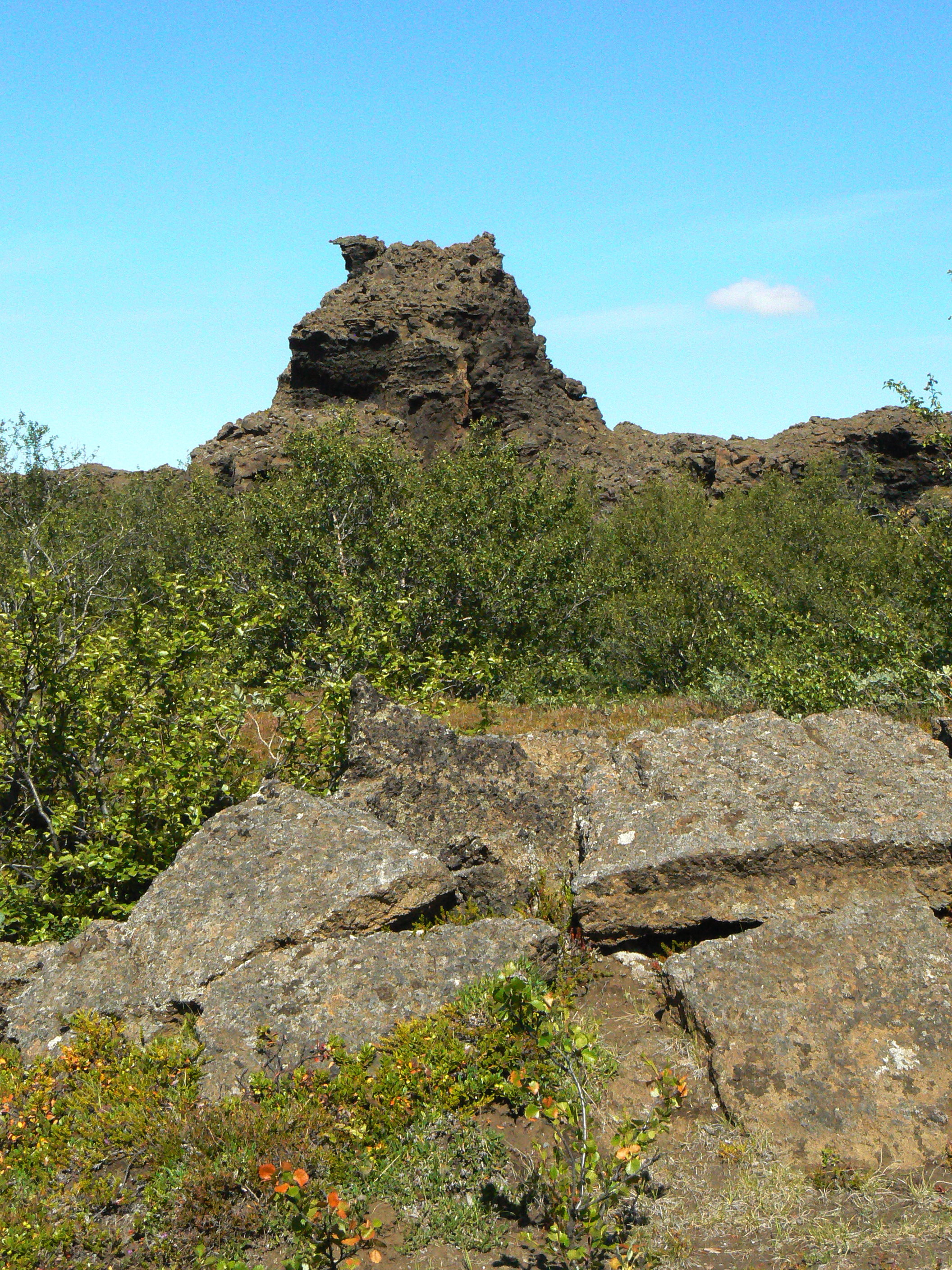
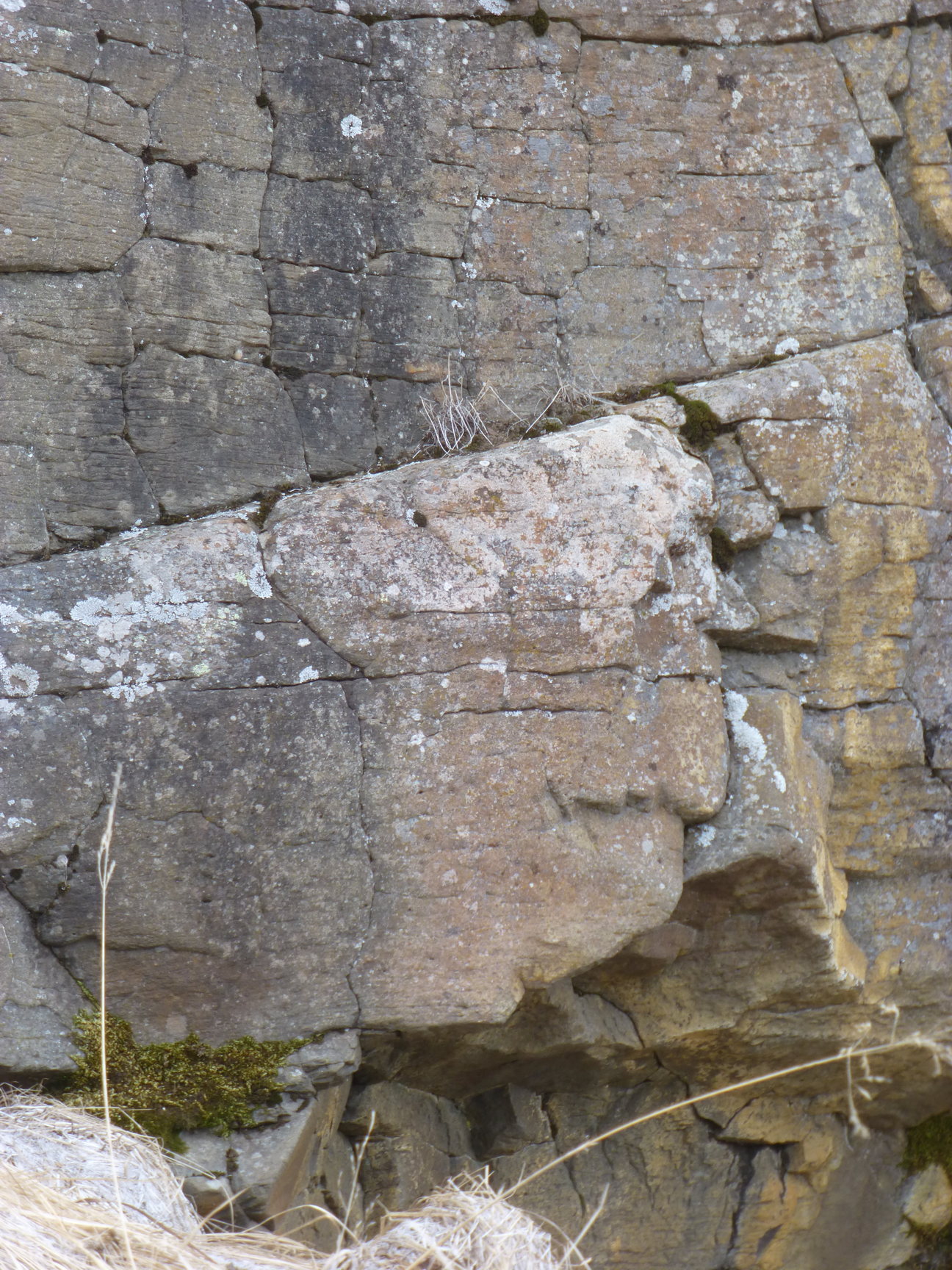
When you’re in Iceland, it’s good to get off the beaten track. No tour guide will lead you to this troll at Skriðuklaustur.
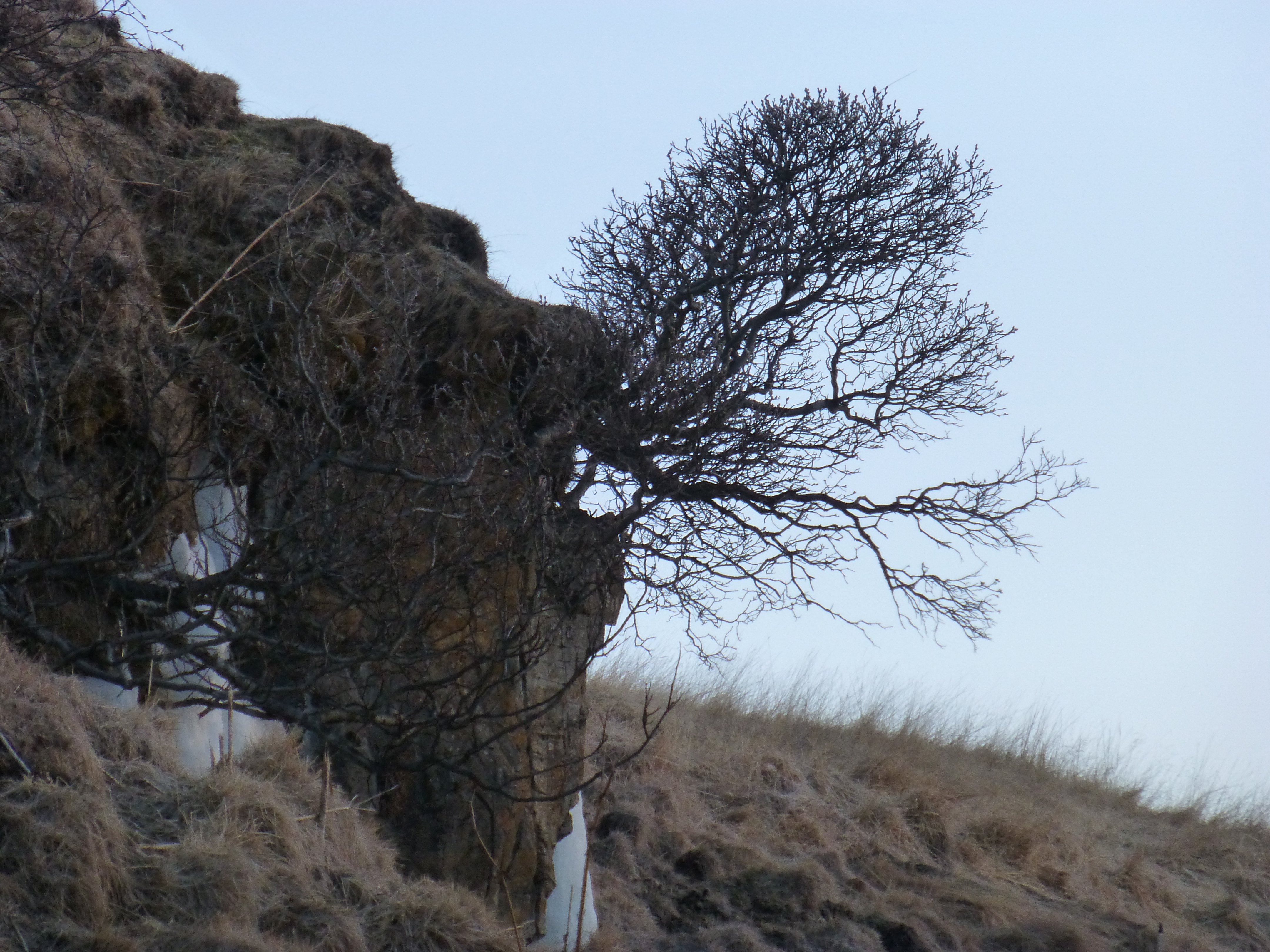
Or this one. If people laugh about your troll finds, does that really matter?
You might even find an entire troll narrative. What does it matter if there are no physical entities called trolls?
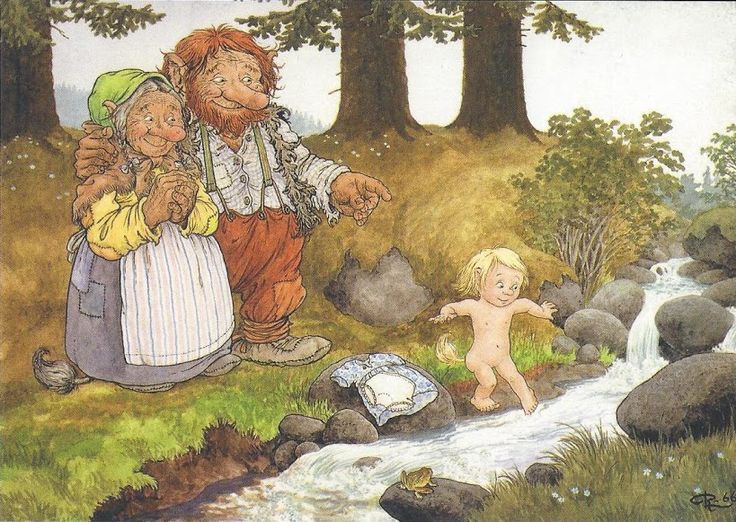
You can find pictures of those things in bookshops, for children, without an explanation of the politics behind them. What is that politics? Guess.
Contemporary ecology is based on stories of trolls from Norway in the 1920s. I think it’s possible that ecology in the 2120s will be based on stories of trolls found today.
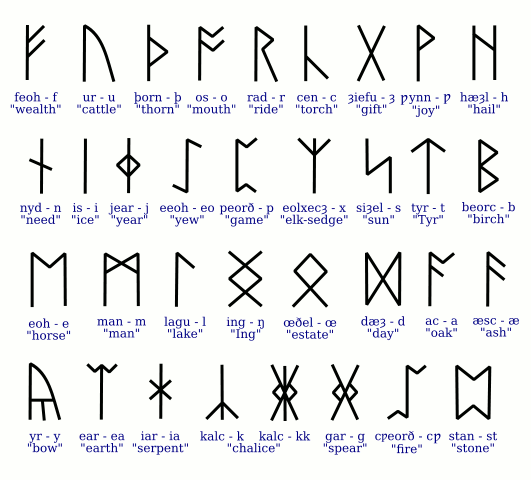
The old Norse runes are well known.
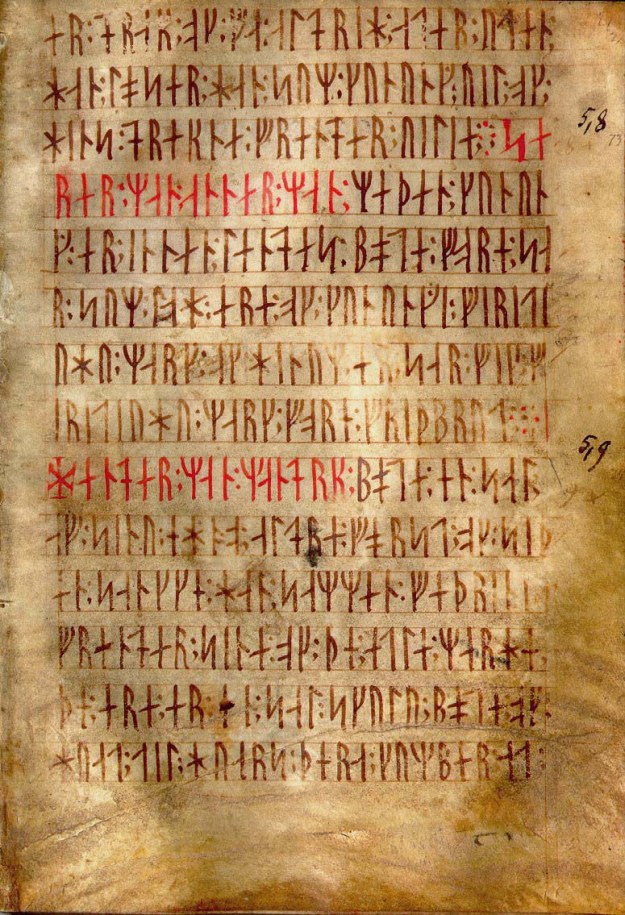
They were repeated many times and developed shared symbolic meaning, aside from their use as an alphabet suitable for carving in stone.
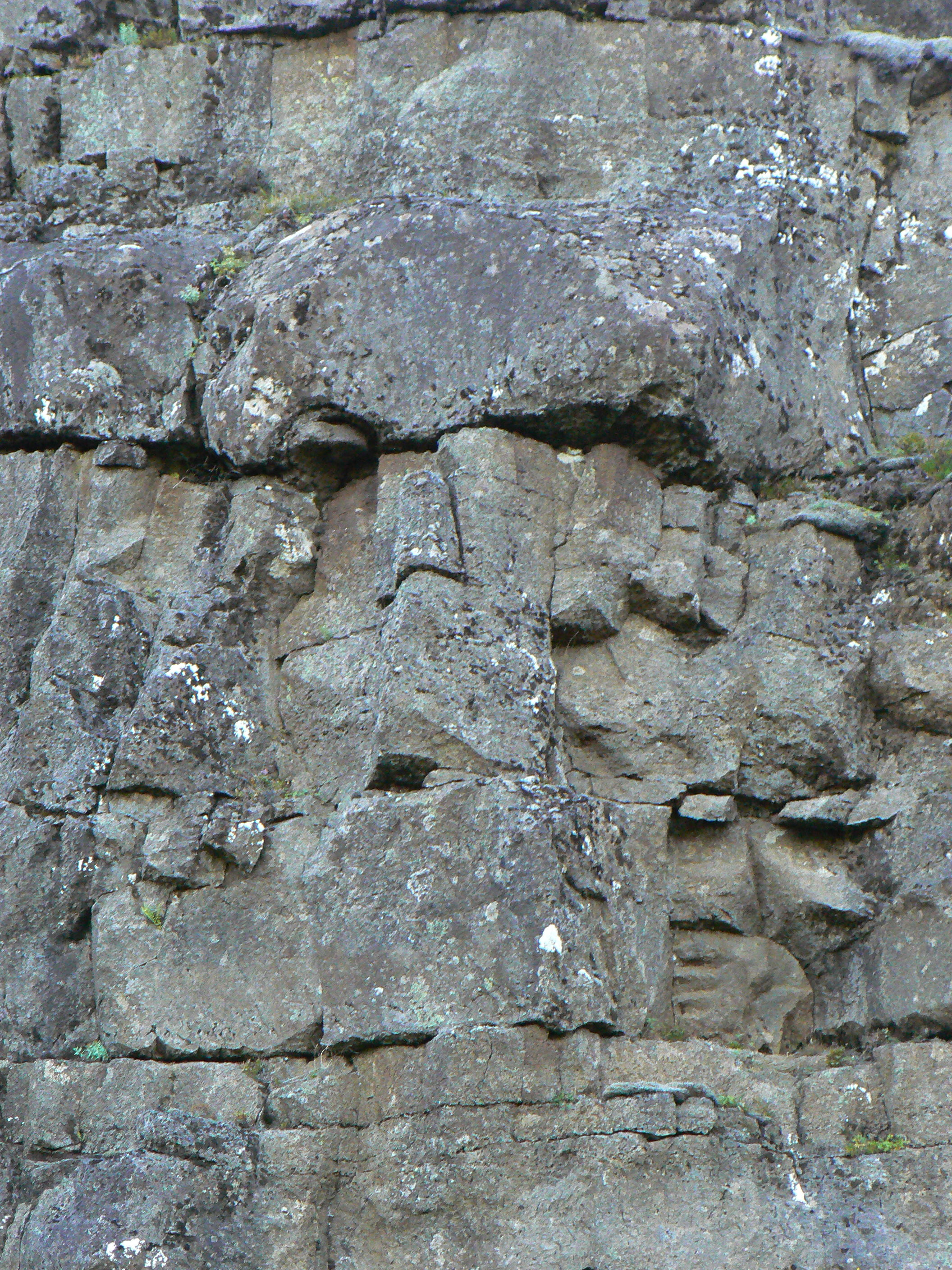
Nonetheless, there are other runes. At Ásbyrgi, for example, long strings of runes, alphabets essentially, written in a bodily script, are written in long lines across the faces of the cliffs.
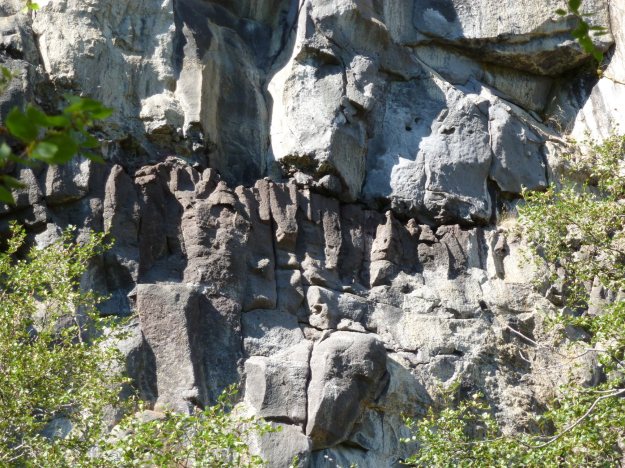
The more you stare at them, the more they make sense, although each is written one time only, in constant modifications of basic patterns, no two the same.
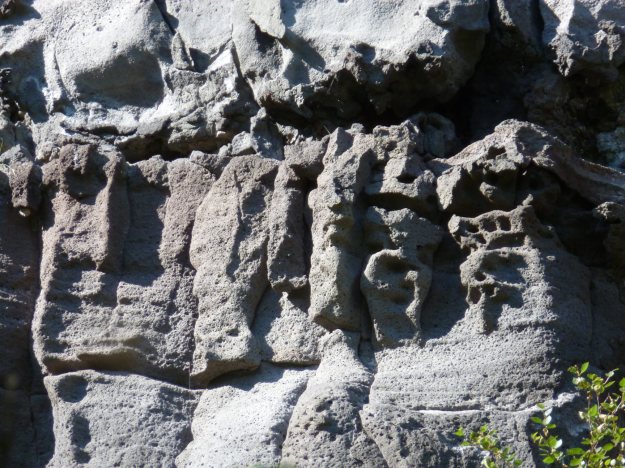
The pleasure gained from spending a day reading them is no different from that in a gallery on the European continent, in the face of Rembrandt, Vermeer or Van Dyk, or in a vault in Mainz with Gutenberg’s Bible, or in front of Shakespeare’s First Folio in the British Library.
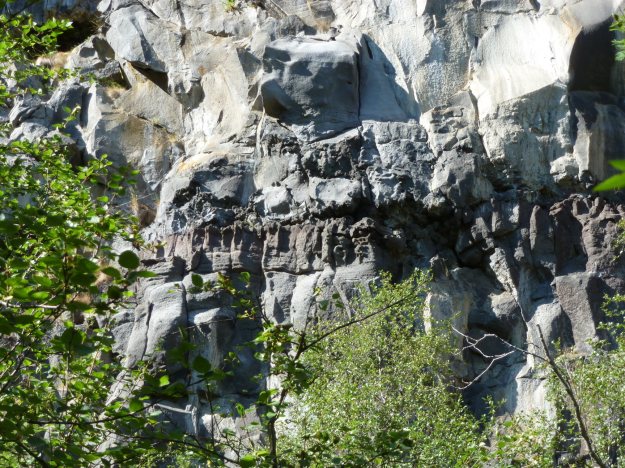
These are masterworks never repeated, but no less masterworks, and no less languages and texts, for being so.
You can’t read them in the pubs of Reykjavik. You are going to have to go north, so far off of Highway 1 that when you learn to read these runes you won’t tell anyone what they say.
The cliff at Ásbyrgi, in the far northeast, is full of ravens, trolls and elves. They’ve been camping out there (if you have eyes to see them) from the beginning of the world. If you don’t have such eyes, they are lovely lava flows cut by a paraglacial flood, with a birch, willow and rowan forest worth a trip across Iceland or around the world.
Or, you can just go to Reykjavik.
Now, that’s love for the land! Well done!