Category Archives: Land

The Politics of Farming and the Truth of Art

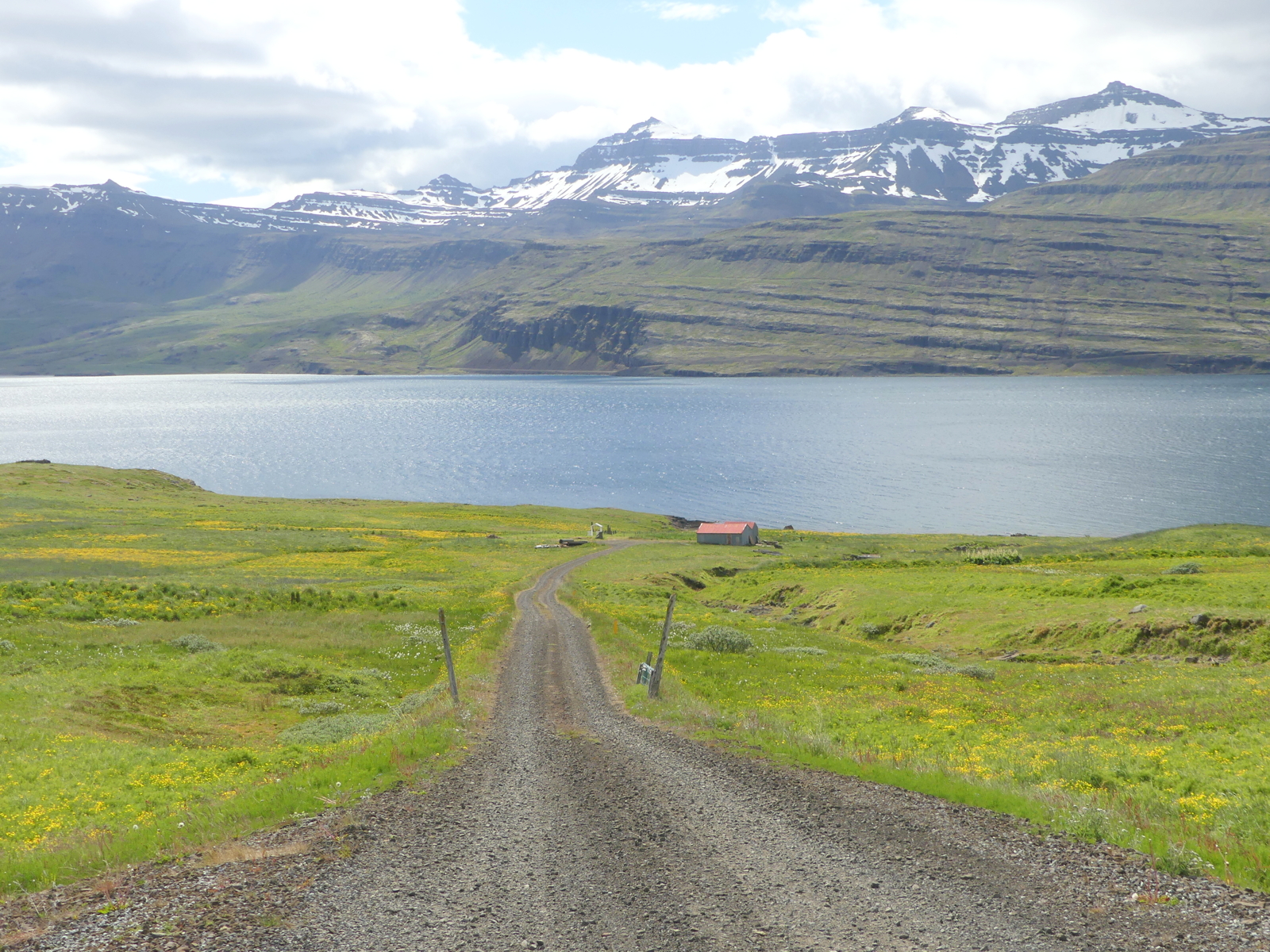
A century ago, most Icelanders were farmers. Now a few thousand remain.  Their Iceland is as complex as any other. For instance, the image below shows not only rich hayfields, with some drainage issues not-yet-solved by dredging, but the results of government farm-improvement subsidies (for dredging) that are one of the ways that Iceland keeps farmers on the land. Note the older style of farming in the foreground, with the sheep at pasture on the heath.

Borgarfjörður Eystri

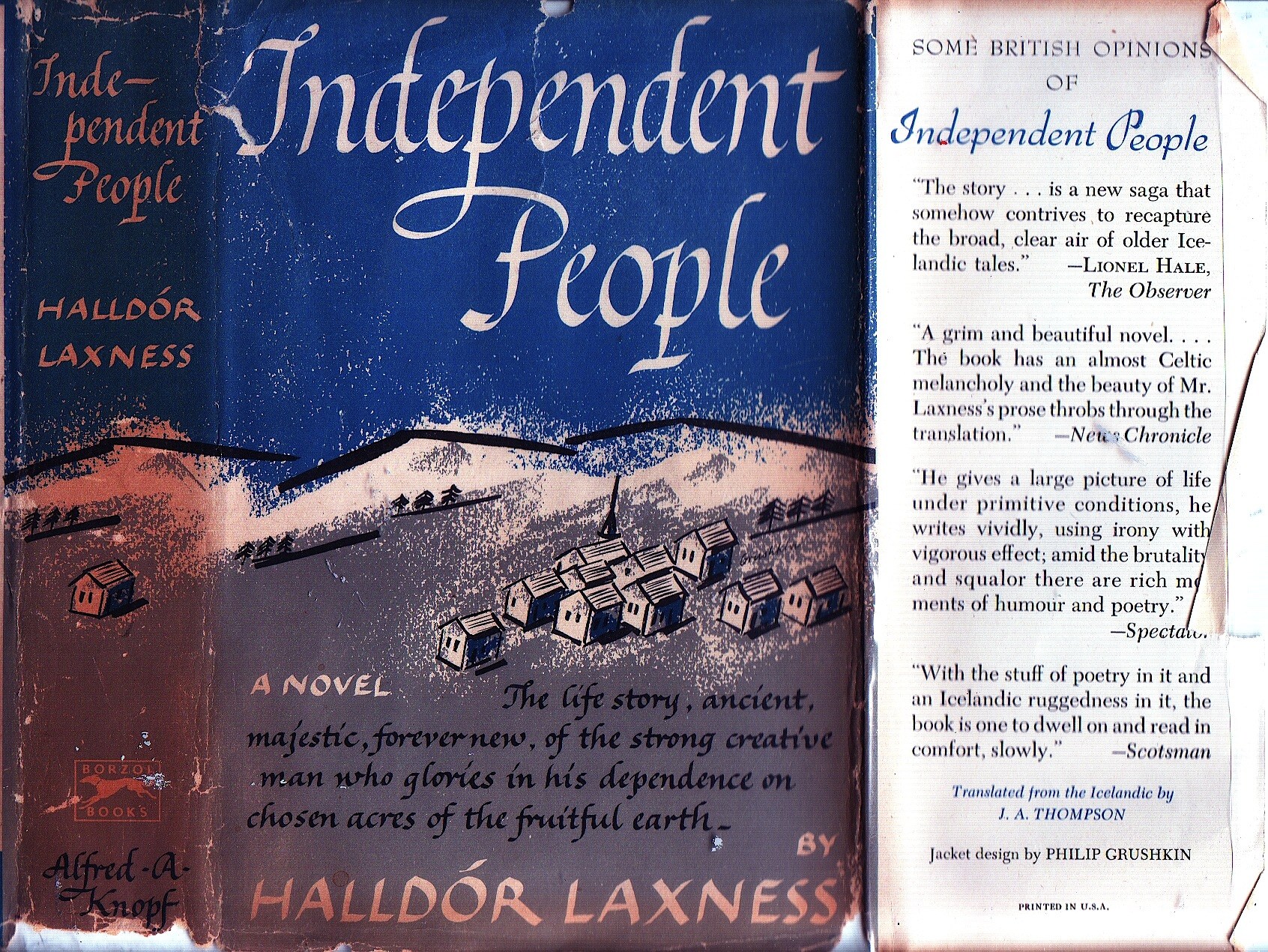
If you travel around Iceland, you will see fields like this all the time. Few look quite like this one, though. Notice how the mounds of soil dredged out to drain the land are left beside the canals from which they came. If this were a prosperous farm, they would have been levelled out across the entire field, enriching and deepening the soil. They aren’t. Rather than enriching the land, in this remote, barely-prosperous farm, the dredging remains a political calculation at best. The view is a sobering reminder that although millions of people visit Iceland for relaxation, in most of the areas one passes through people are working at their absolute limit, and within a narrow set of political parameters. This tetchy balance between freedom and control is as much Iceland today as when Gunnar was driven off his farm when his workforce went to work for the Americans instead of under his beneficent dictatorship, or when Halldor Laxness wrote his great novel of orneriness, stubbornness and endurance,
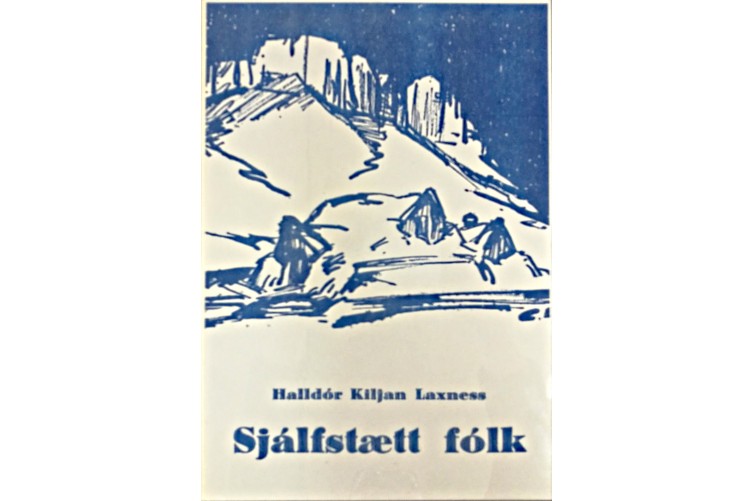
…or  Independent People.
These things aren’t just in the imagination of novelists.
A Trip Through Fairyland

If we can set aside the re-creation of European indigenous life

as fairytale during the romantic period, in which elves and dwarves, trolls, ogres,

witches and other organic understandings of human-Earth relationships took on sentimental human form,

and life was removed from the Earth

and given to biology,

we should still be able to read the rock as something more than mineral. It is the nature of being indigenous to be of a place.

This does not mean that one inhabits it solely as an isolated biological body,

but that the place and you are also one. One of the consequences is that you will see your mind and body around you and read your thoughts out of the land

By moving across the land, you really move through it, and really are moving through yourself.


You can stop sometimes and have a look at what you, as the Earth, are thinking.


The simplest way is to read the stone, such as the cliffs at Ásbyrgi. It’s easiest if you remember that before a troll was a mythical, romantic being…

… it was a stone, or a person, anchored to a place and defining it. The understanding was that place has power.

And not just as a romantic artform called “nature”.

That is beautiful enough, but it has a lot in common with romanticized, humanized elves and looks, most of the time, like fairyland.


It is, of course, but not literally. What is literal is the rock, and how you can read your thoughts there.


Complex thoughts of many kinds.

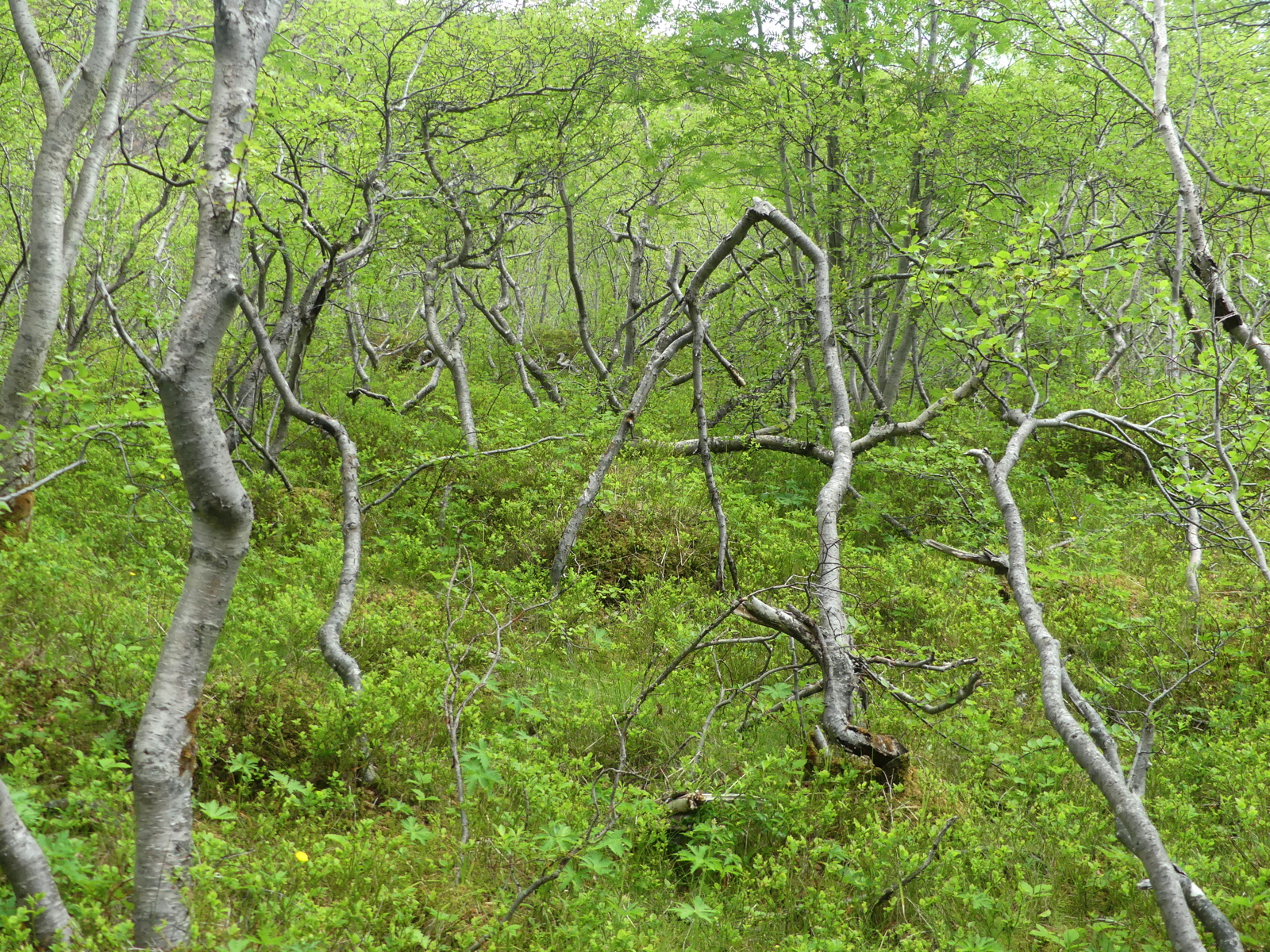
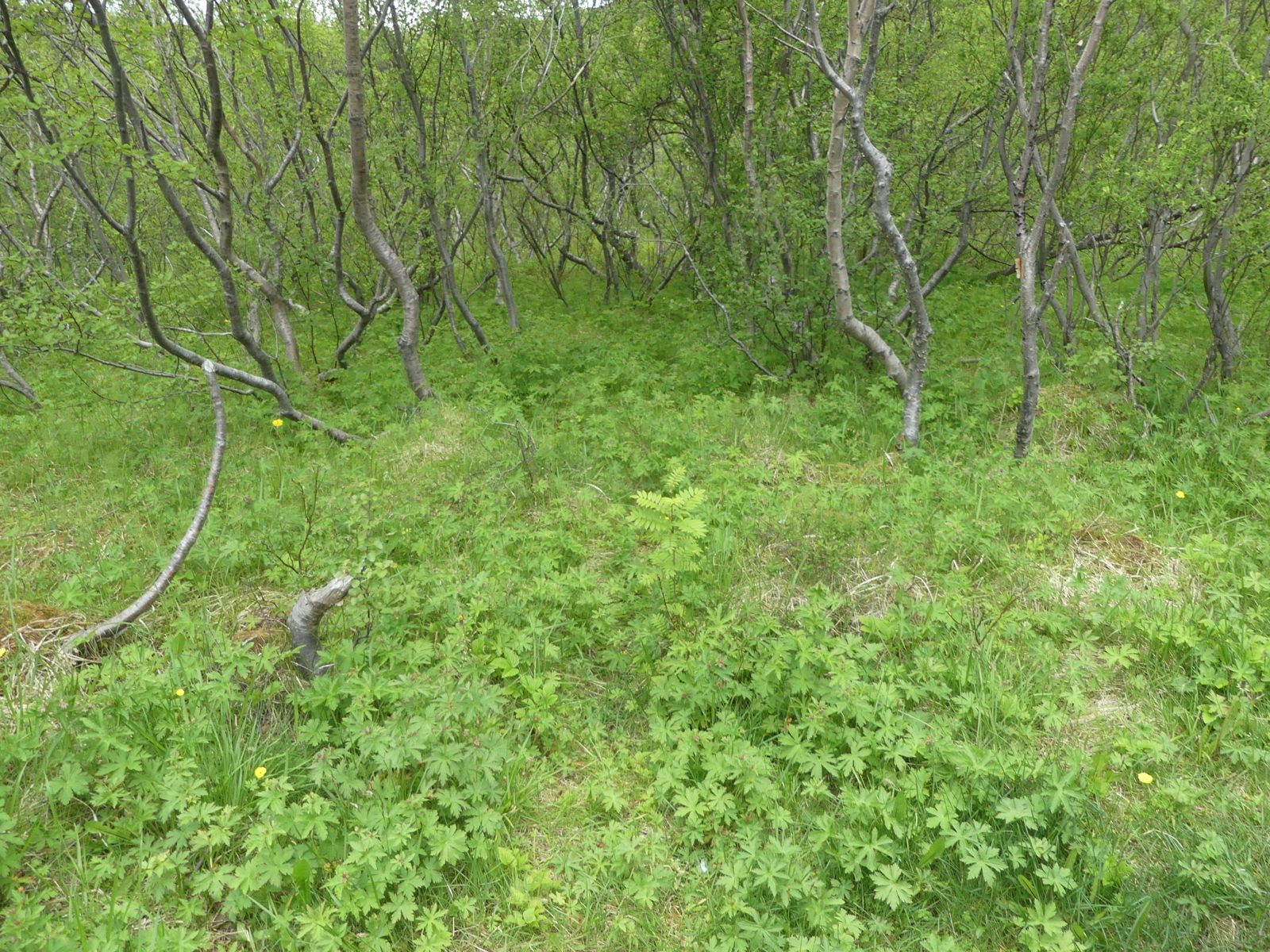
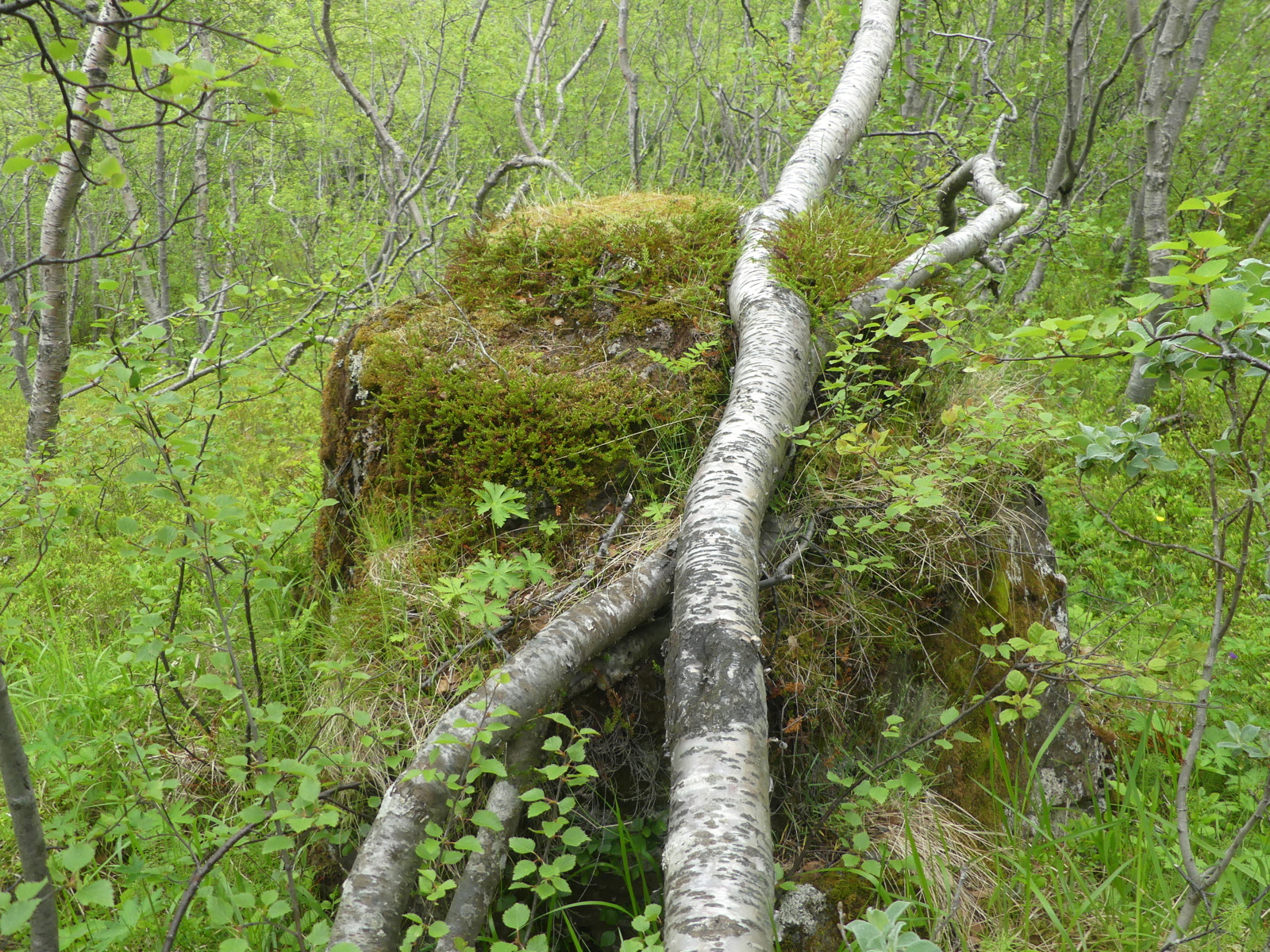
Once you have seen through the romantic veil to that, you can relax and read the trees.

Such observations are usually called pre-modern thinking, but it would be both more fair and more generous, more respective of human nature, to call it non-individualized consciousness, or even earth consciousness.

Not a spruce tree and not fairyland. This is your body being conscious. You can learn to speak this.

And we need that.

What Do You Call the Birches of Ásbyrgi?

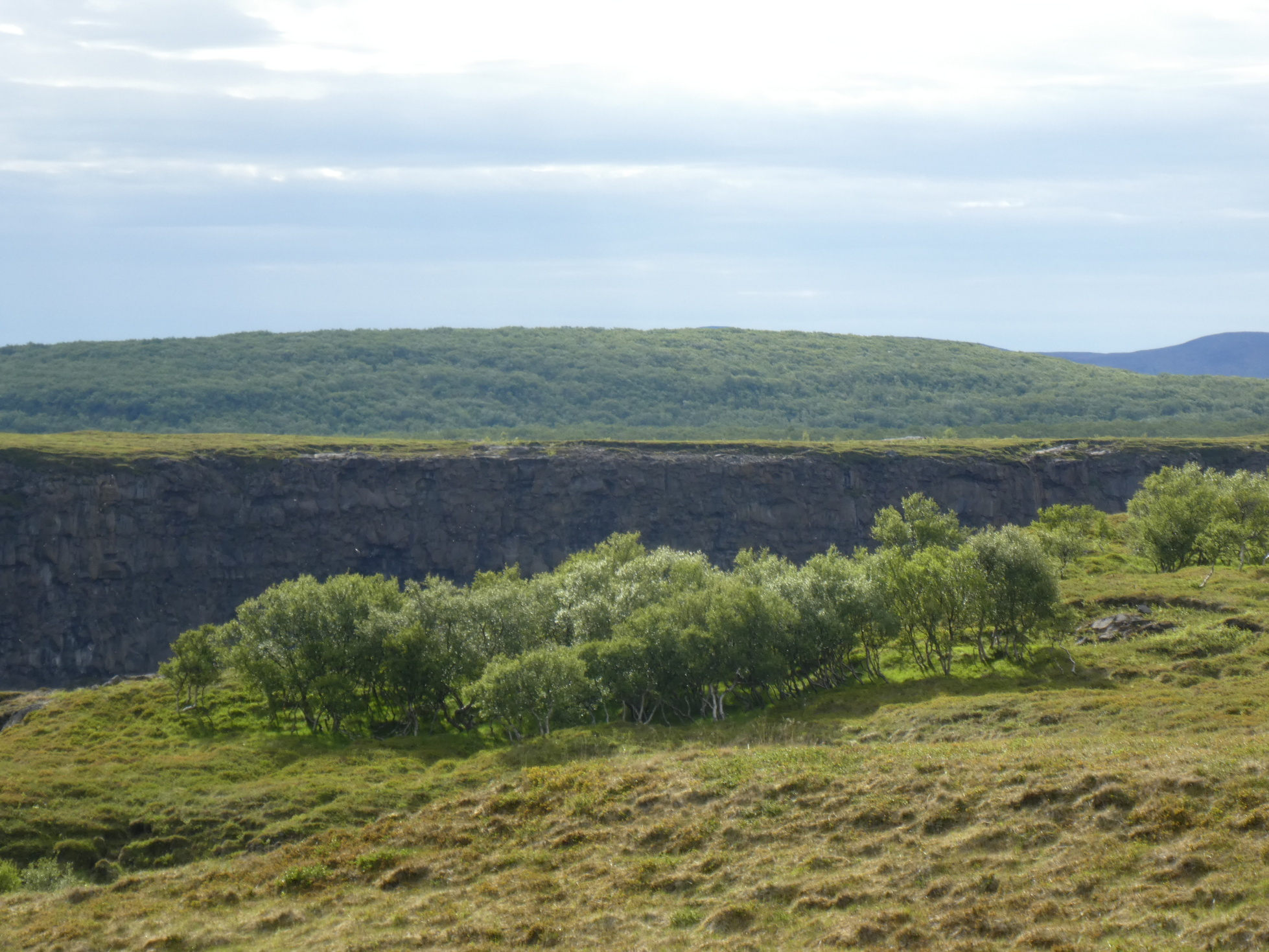
I wouldn’t exactly call these birches a forest, and “wood”, or “copse” or “grove” or “thicket” are also plain wrong. Even the Icelandic, “skogur”, can’t be right, because it applies to any kind of group of trees at all, and, well, these are very special. They’re more like people.

“Community” seems rather generalized, and “congregation” is too churchy. What about “band”? That’s more like a line, isn’t it, and not this spreading out and appearing. We could say it is a “bosk,” though. That’s an old word for a kind of thicket, with the old proto-Indoeuropean sense of “appearing.”

Any celt would have been happy with that, and there’s a lot of celtic memory in Iceland. The French are happy with it, too, and would just call this a “bois.” A gathering together, and what is a gather but a clump, or a thickening, that is held by an external force, in this case, the cliffs of Ásbyrgi.

Look how they are alive with this sense of “peopling” as well: a busk, or bois, or gather of stone. There is an energy leading all these forms to come together in this pattern, and it is this energy that is Iceland. Just ask a puffin.

What Is Puffin Philosophy Anyway?

Yesterday I showed an image of a couple of puffin philosophers in Borgarfjörður Eystri. Now a glimpse of some of their concerns. Because puffins erode their hillsides (and have to move on), the  community has laid down netting to prevent them from digging just a wee bit too much. The result is a near perfect mathematical placement, likely related to the reach of a human’s arms.

A puffin could complain, but the alternative is to be gobbled up by invasive minks, also brought by humans. The project is financed by people donating to this benevolent intervention. Not that that will stop the puffins from deliberating over it for years, of course.

The Dancing Stones of Ytri-Hvannagil

Water or vatn, these are just words.

A trip out to Njardvik and Ytri-Hvannagil is the thing to put those behind you.

This stuff is alive.

The secret of writing books in Iceland is to stop writing them.

Here, one is written.

Note, as Gunnar did, the chain-linked rhymes of Icelandic epic verse rising from the stone itself. Atlantis, he called it.

Fair enough. Iceland, too, is only a name.

This is more.


What Happens to a Farm Over Time is a Variable Thing

Some farms that no one lives on anymore are still being farmed for hay. Note the fine tractor road here in Reydisfjörður.

Others have gone wild, although they are still farms and can be claimed again. This one, in Neskaupstaðir, is accessible only by foot. A boat looks out of the question.

I bet there are eiðars, though!