Trolls have almost human faces. Almost.

And long tongues that snake out underfoot.
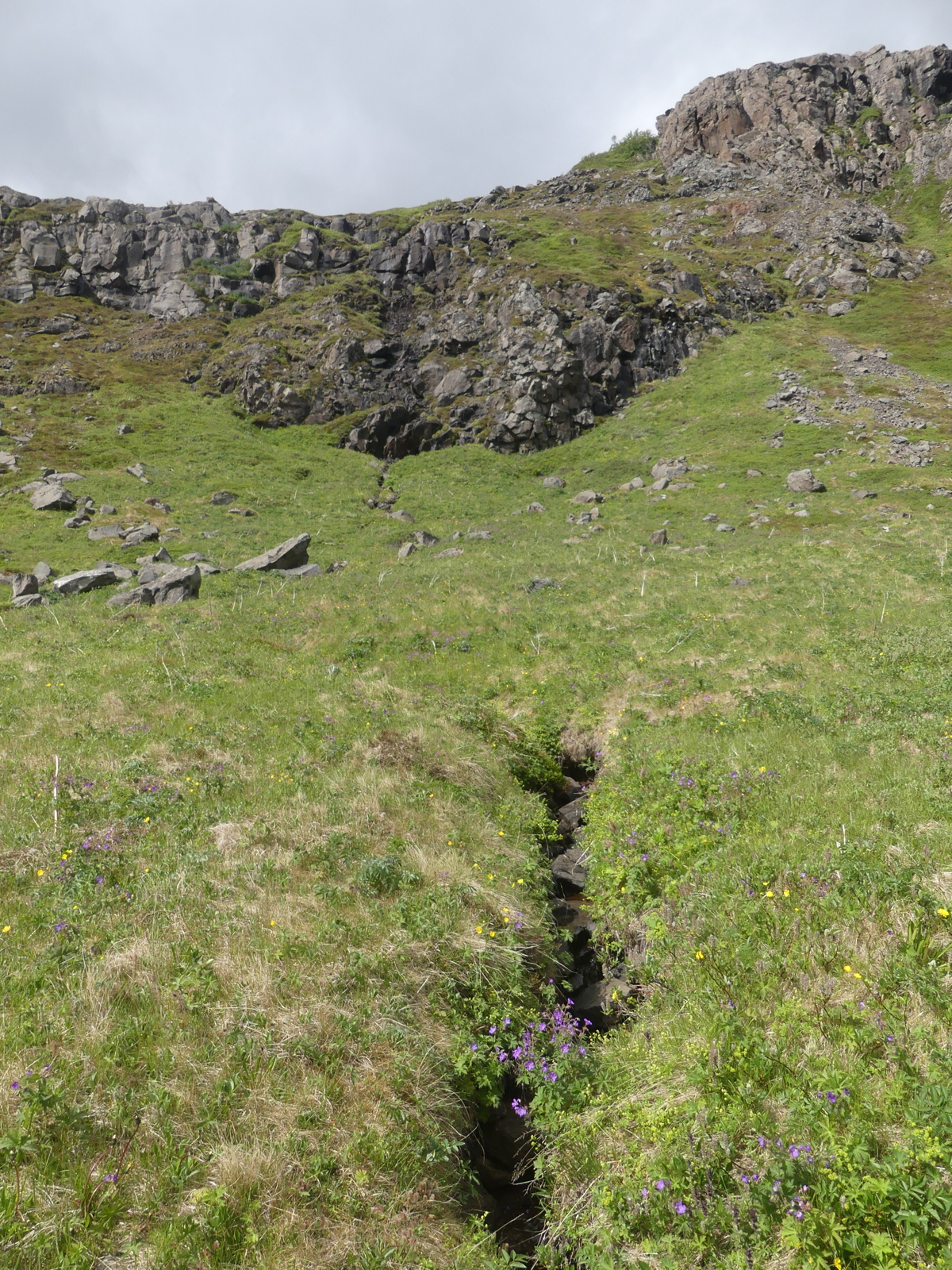
That fall over the cliff and make the sea.

Neskaupstaðir Nature Conservancy
That’s right. The sea is troll spit, full of fish and dreams.

Trolls have almost human faces. Almost.
And long tongues that snake out underfoot.
That fall over the cliff and make the sea.
Neskaupstaðir Nature Conservancy
That’s right. The sea is troll spit, full of fish and dreams.
If you are in the Easter Cave at Neskaupstaðir at sunrise on Easter…
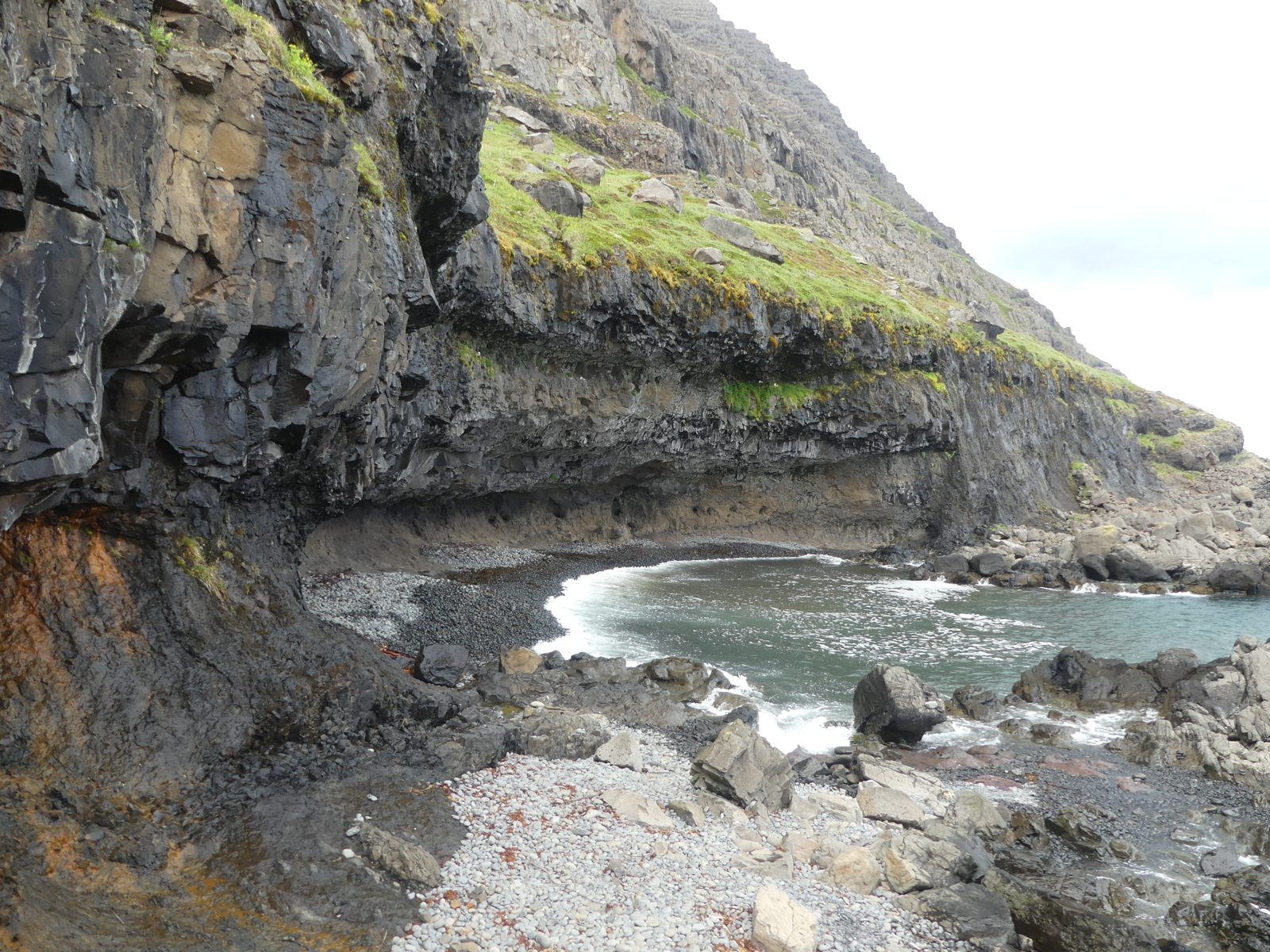
…not only will you be wet and cold (or drowning) …
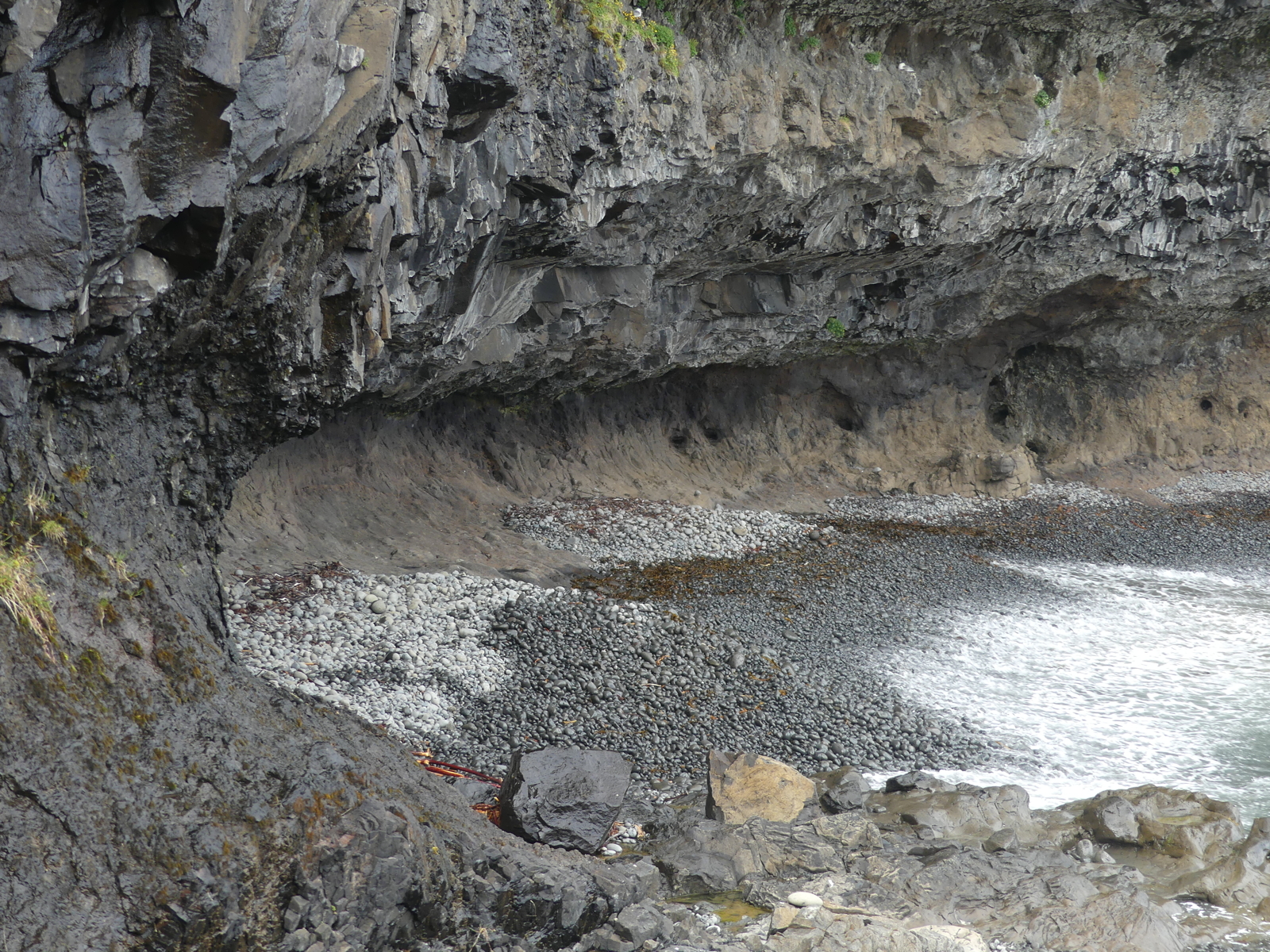
… but you will see the sun rise straight out of the cave’s mouth, where seals, it is said, turn into men.

And men, presumably, into seals.
One of the deepest pleasures of travelling in Iceland, is reading the books of sagas told by the mountains. Times of transition and movement are best, when the writing reveals itself in its non-human script.
 The Saga of July, Reydarfjörður.
Some farms that no one lives on anymore are still being farmed for hay. Note the fine tractor road here in Reydisfjörður.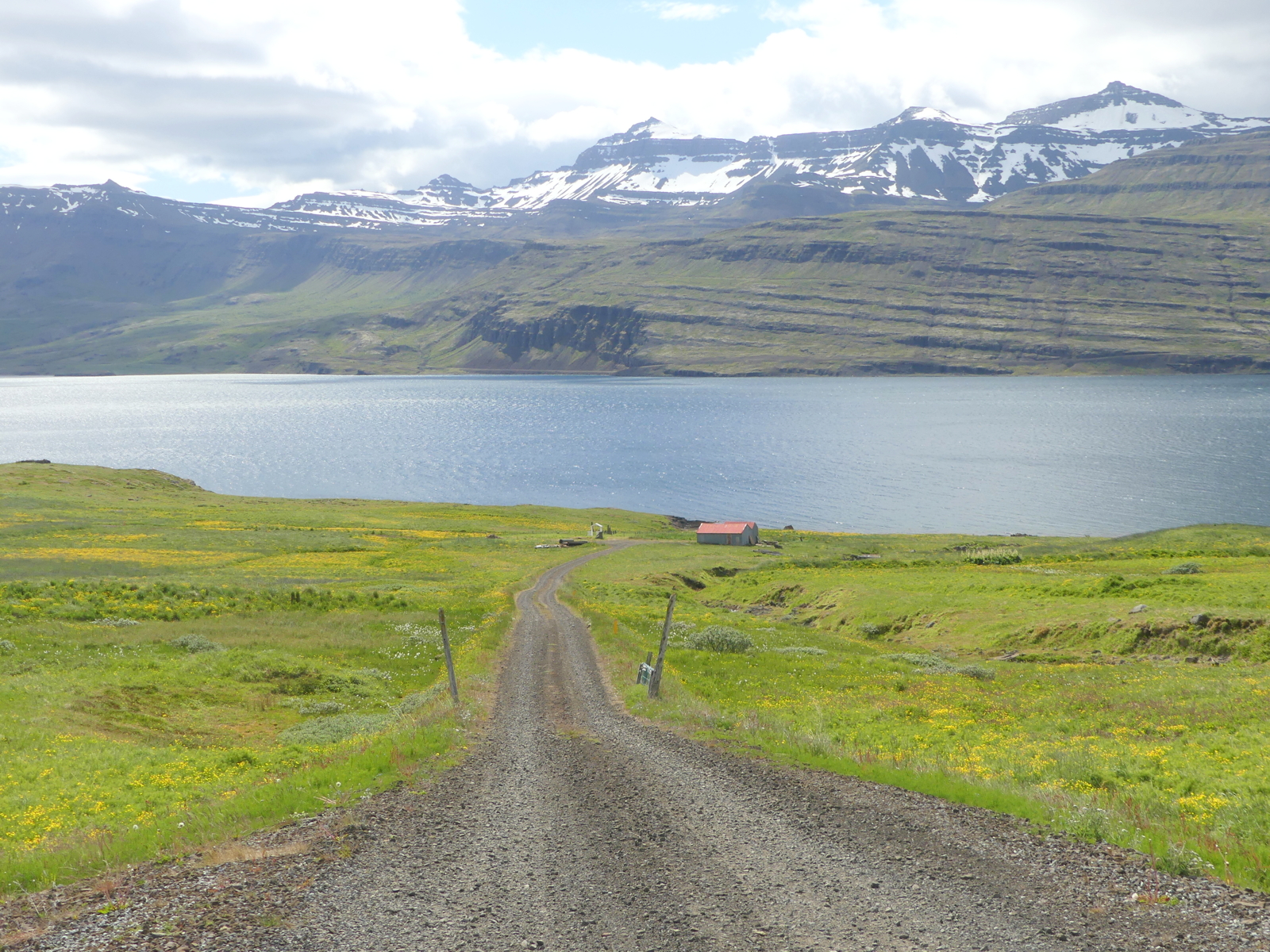
Others have gone wild, although they are still farms and can be claimed again. This one, in Neskaupstaðir, is accessible only by foot. A boat looks out of the question.

I bet there are eiðars, though!
Which is the most beautiful, an unnamed fall in the summer at Neskaupstaðir?
Or famous Litlafoss below Hengifoss in April?

What a tough choice!
Oh, others are showy, but, over time, after wandering over and through many lava fields and stony wastes, the willow’s stunning, low-level, never-repeated poetic lines win out.

Neskaupstaðir
As this rowan in the birch forest at Ásbyrgi shows, it’s about the darkness, and how that is woven with light.

See?
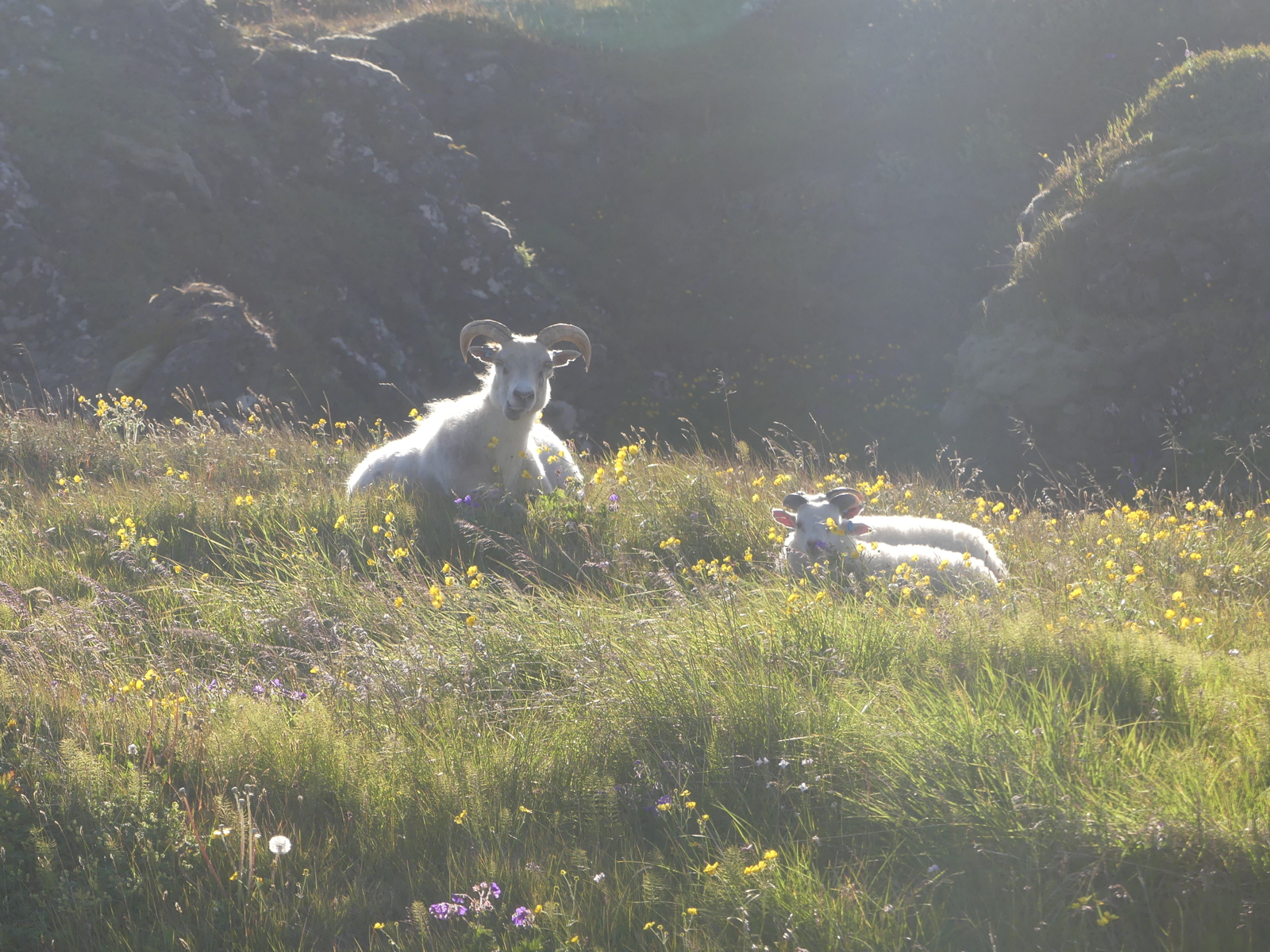
Ewe With Her Lambs, Buðir, Midsummer’s Night 2019
The birch forests of Ásbyrgi are not passable, except slowly and in no direction not directed by the trees.
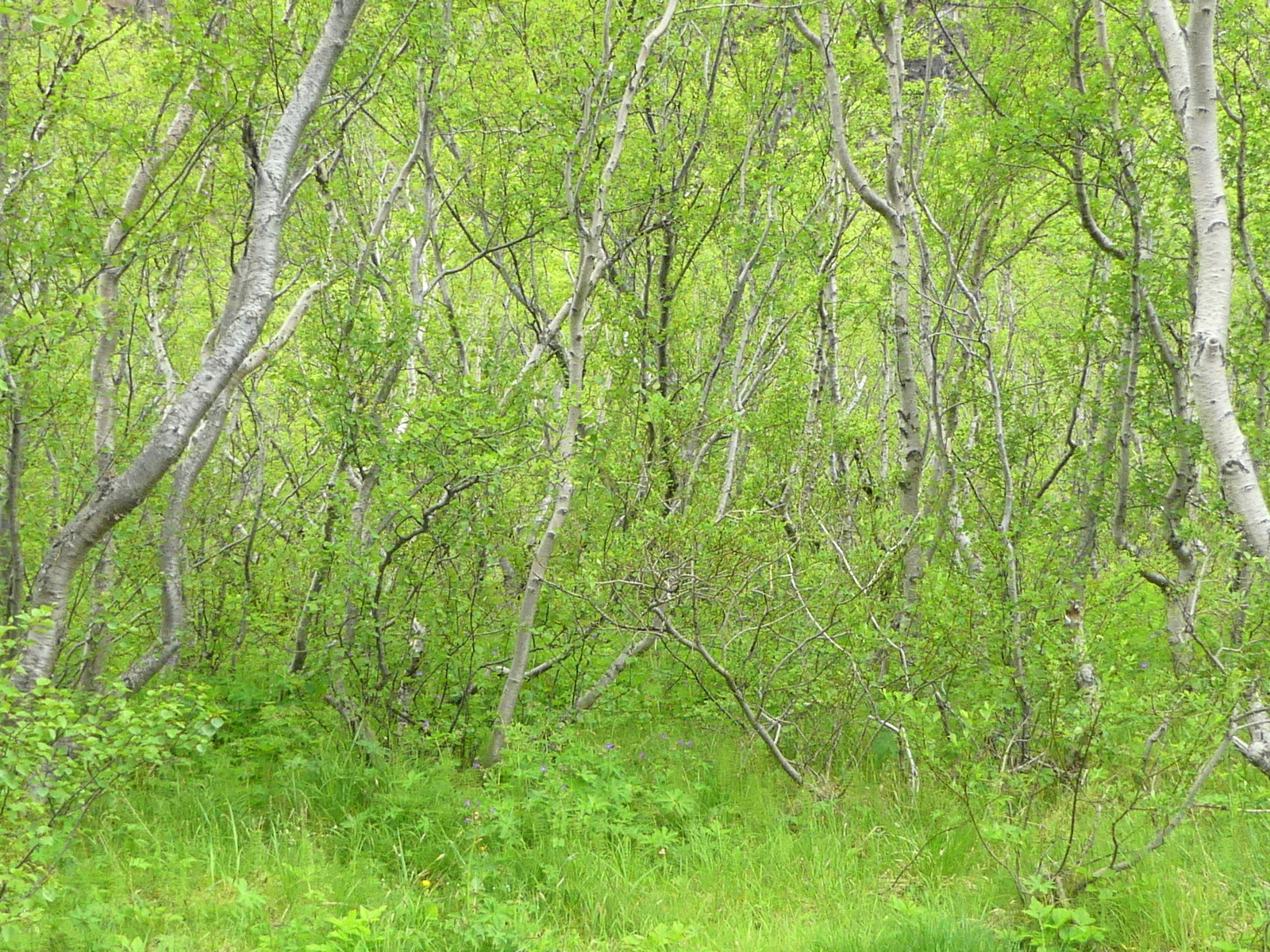
The words for human bodies come from trees like this: body, belly, bone, arm, branch, and so on. Only after these properties were named were the names applied to humans. Before that, our ancestors saw only the trees. In that sense, we are the hidden people, just as much as we are the boughs, beams, trunks and bodies reaching here.
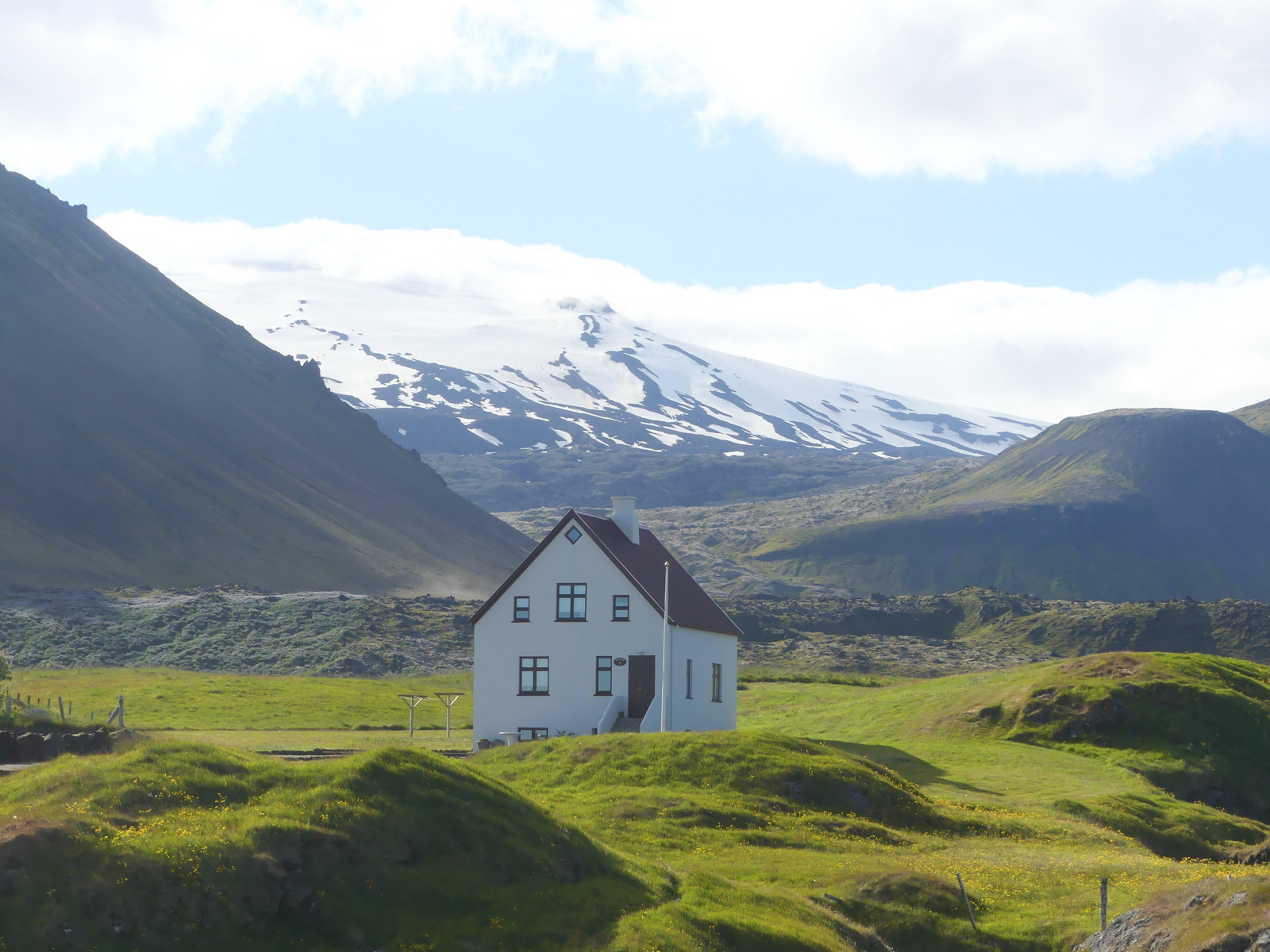
Beautiful Arnarstapi!
We went to Seyðisfjörður to visit the dwarf church, one of our favourite places in Iceland, but sadly it is no longer accessible except by boat. However, we had the good fortune to walk down to the beach at Skardsvik, on the complete other side of the country, and there was a whole dwarf fortress. Hurrah!
Here’s the gate.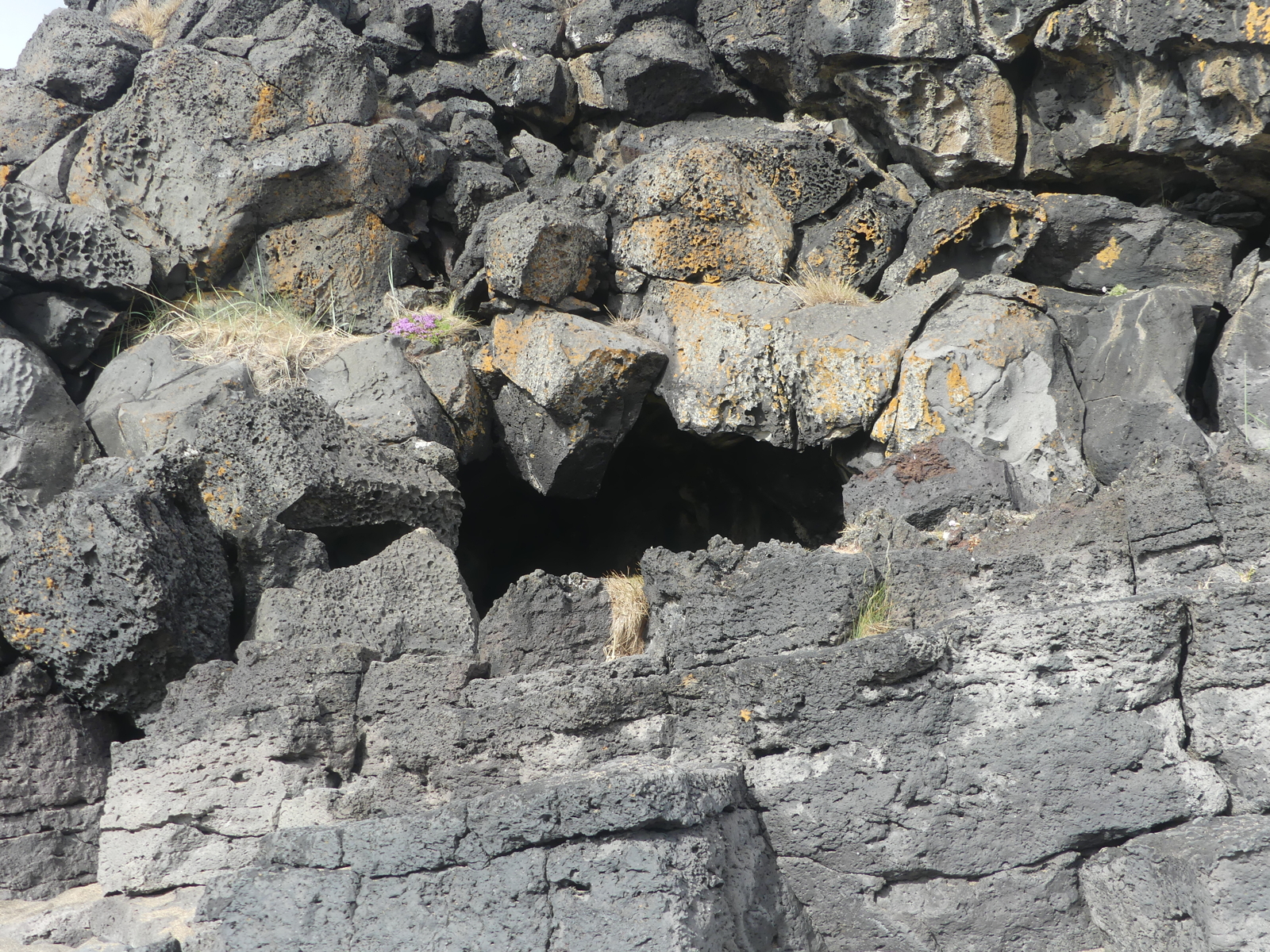
Note the red stone to the right of the opening.
And some of the finer details…

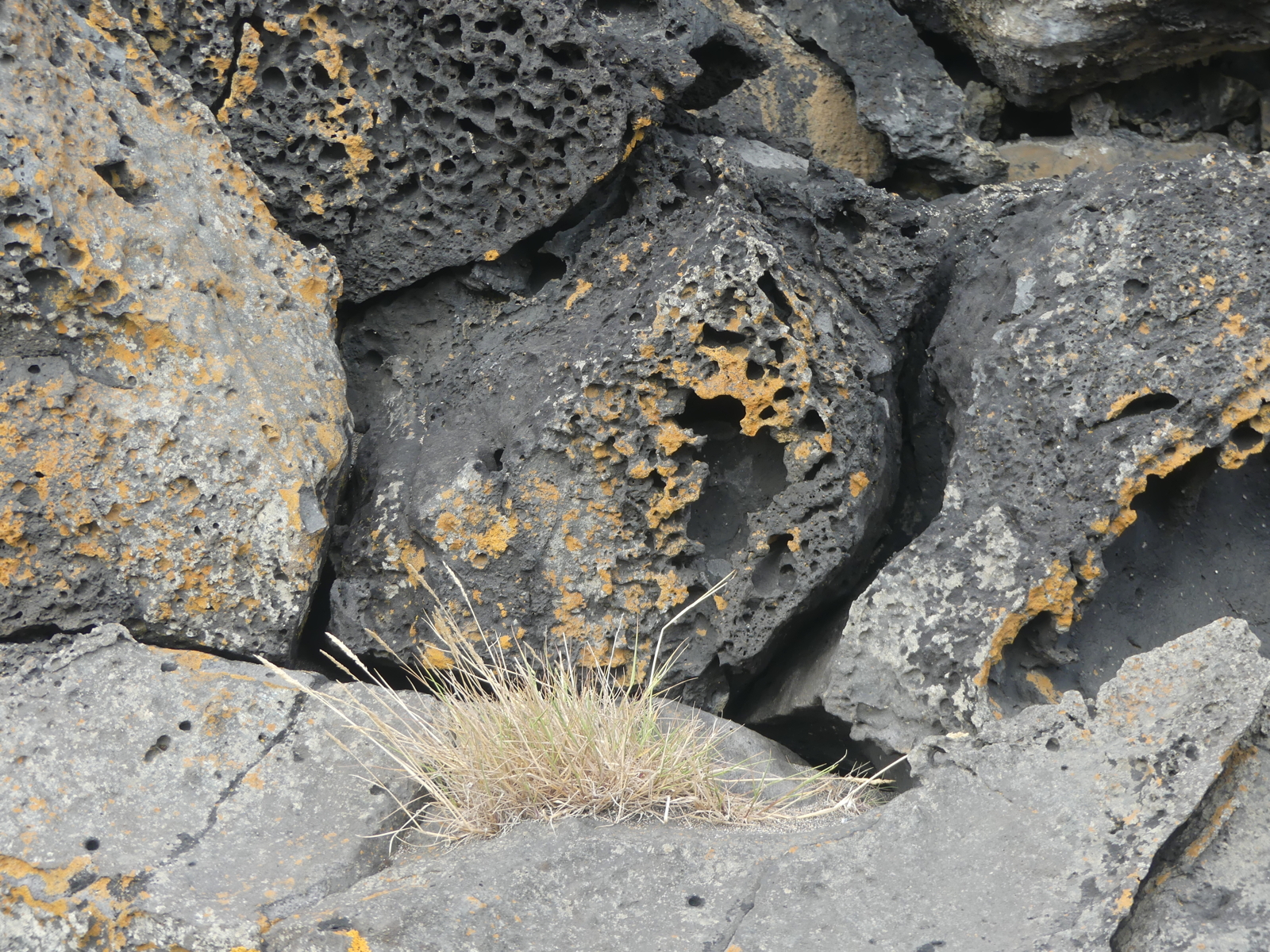
I really love the next one.

Here it is close up.
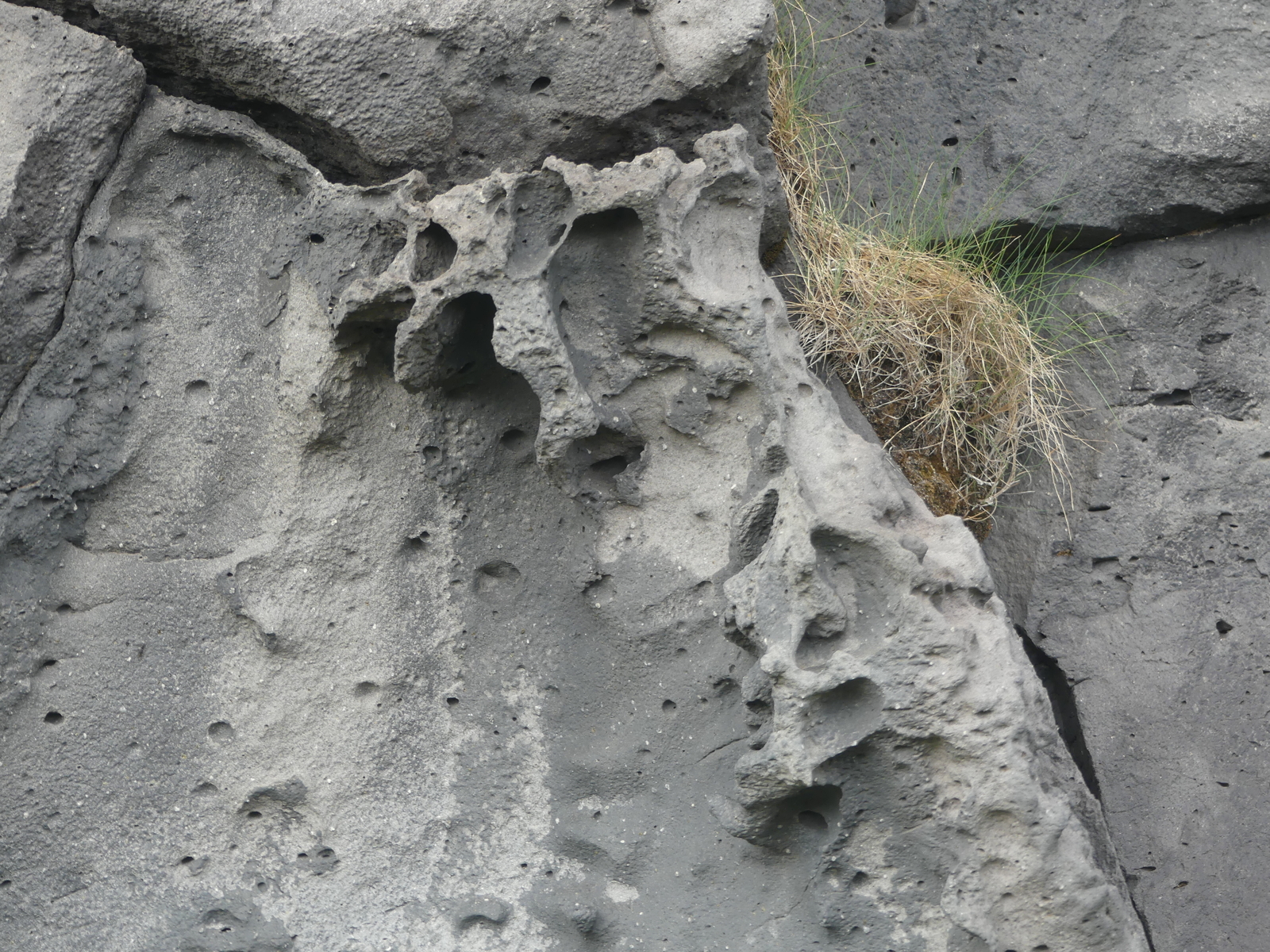
Always leave a gift. I left a pink flower, as I had no coins in my pocket. (Always carry coins in your pocket. That’s a new rule.) And then, on the road again:

In this way, the land is never empty. In this way, the land is always a gift and never full.
 A Farm in Iceland