Tag Archives: Beauty

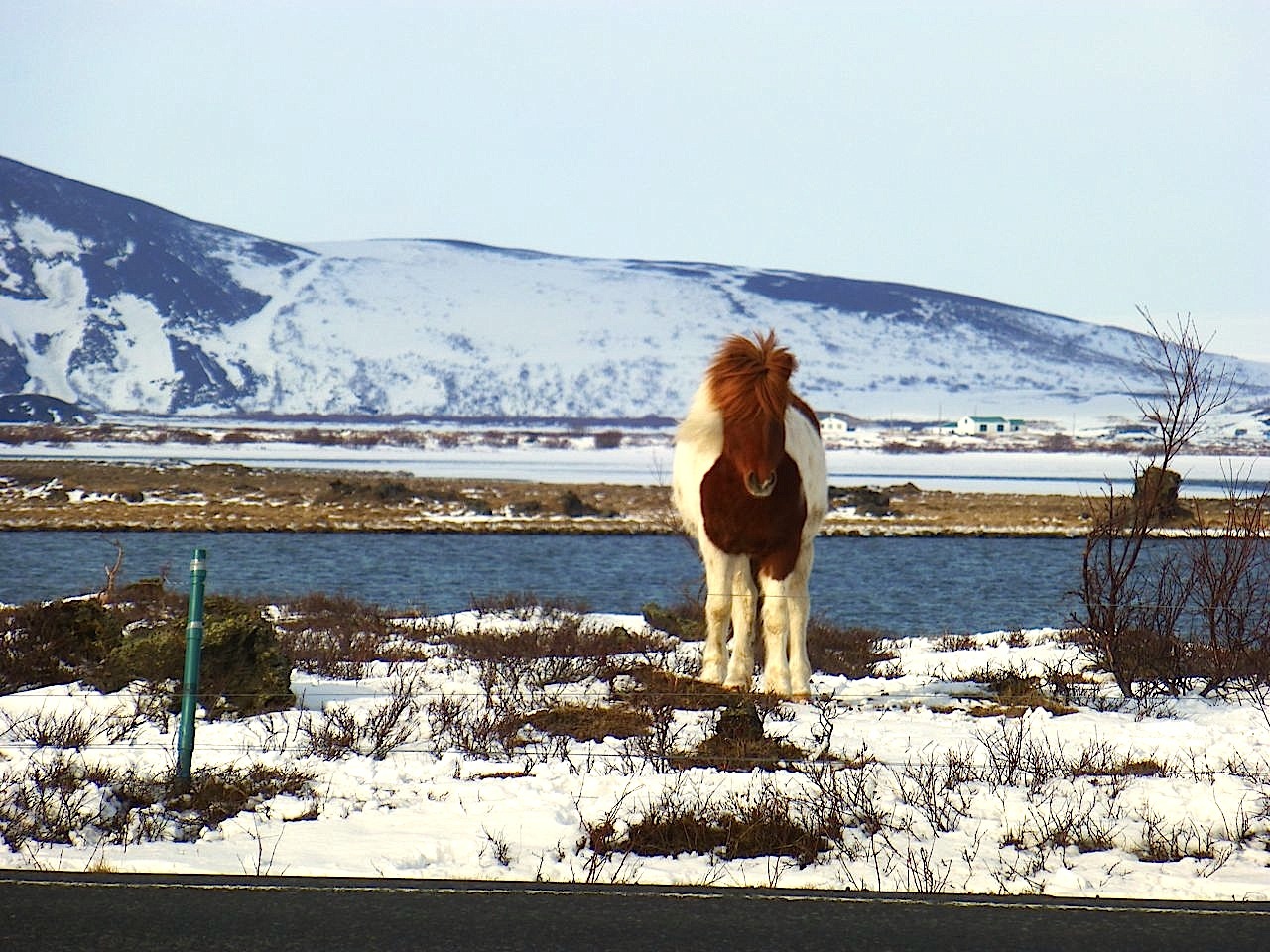
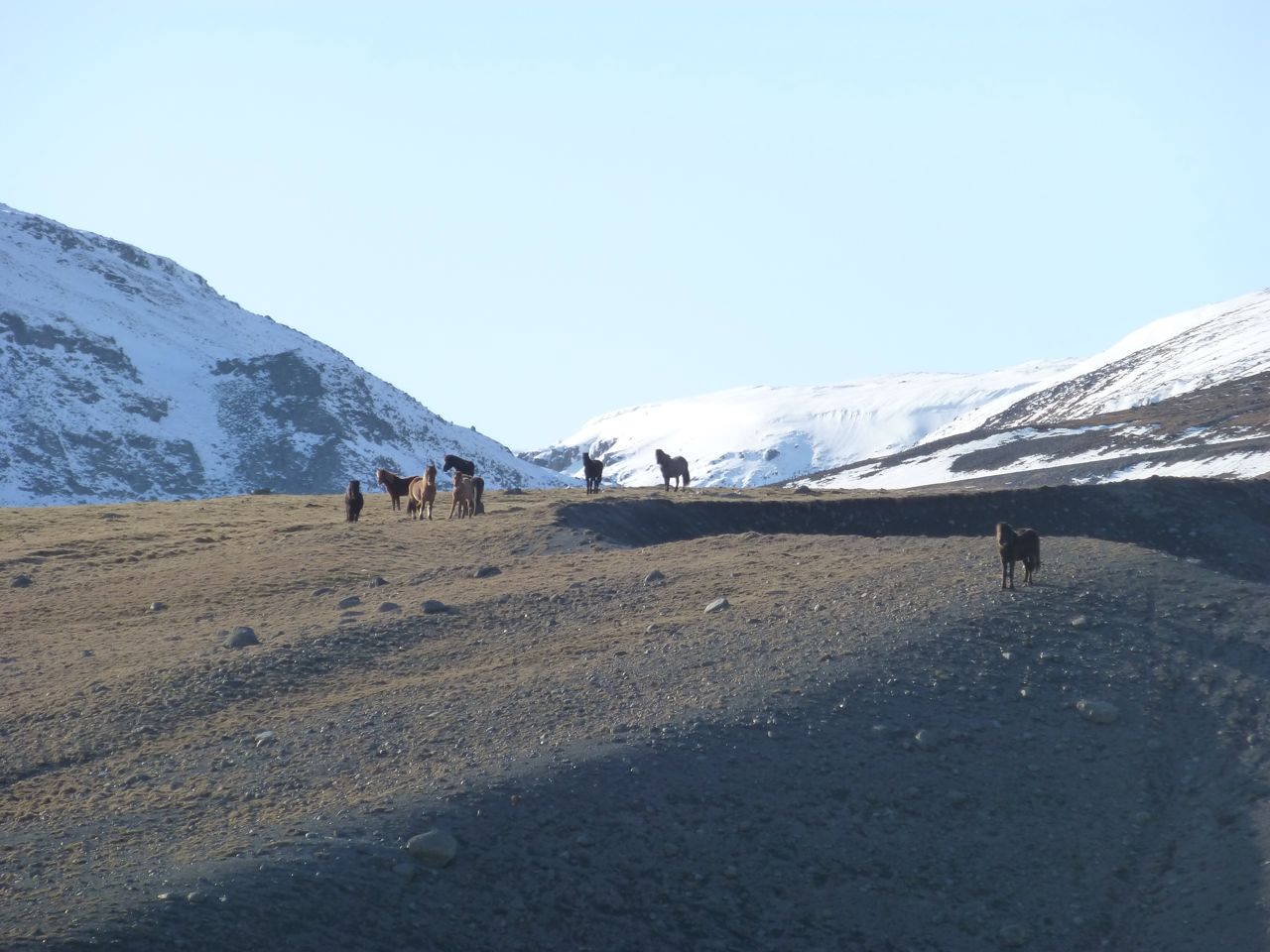
Rush Hour in Iceland

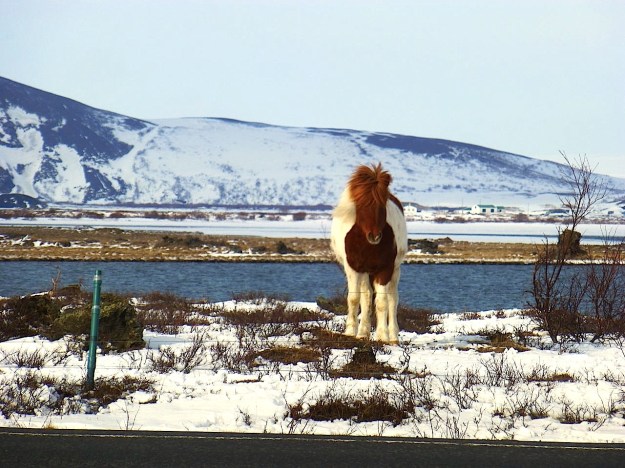
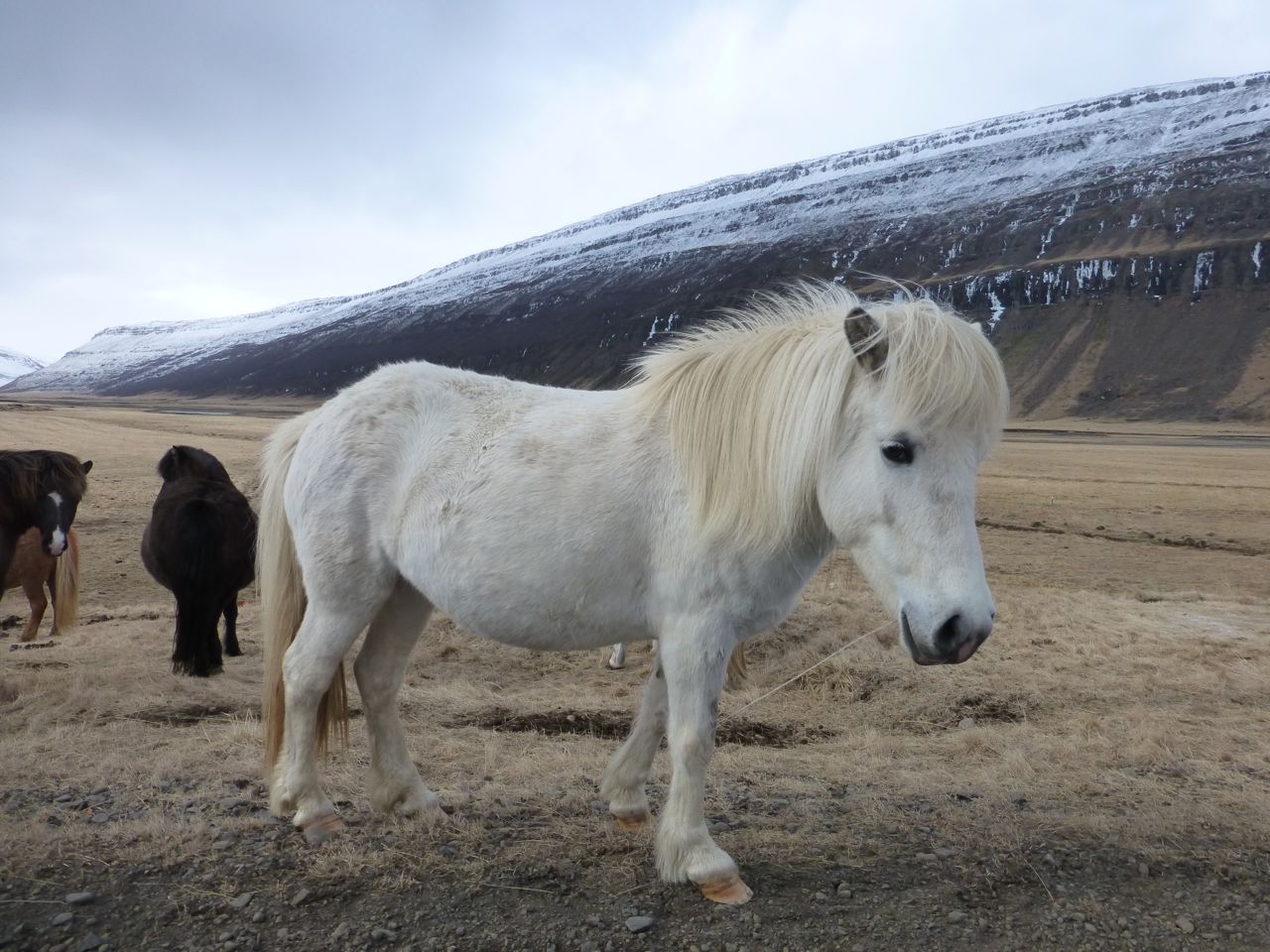
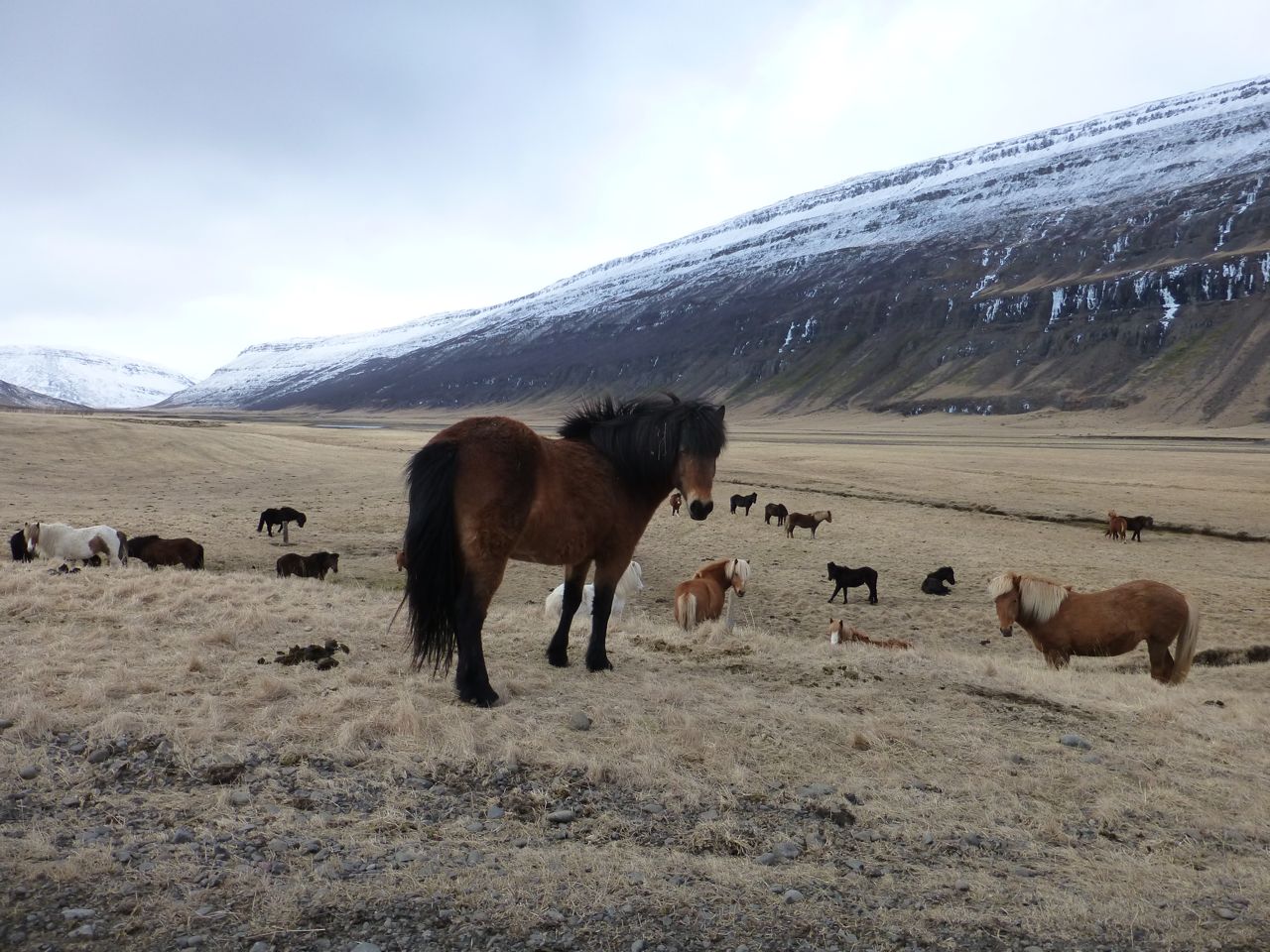
Finally the weather clears, and everyone is out on the road. Sheesh!

P1430160


Begrudgingly, they shift aside to let you go wherever you think you’re going to…

P1430161 … and keep their eye on you, because you’re not from around these parts. It takes a while to get through the traffic jam. Easy does it…P1430162


And the road is free…

P1430164… just in time to think about getting rid of the car. I mean, if traffic is going to be that heavy, what use is a car?

~

Suðurdalur, Iceland


A Line of Prayer and Poetry Made with Norwegian Wool

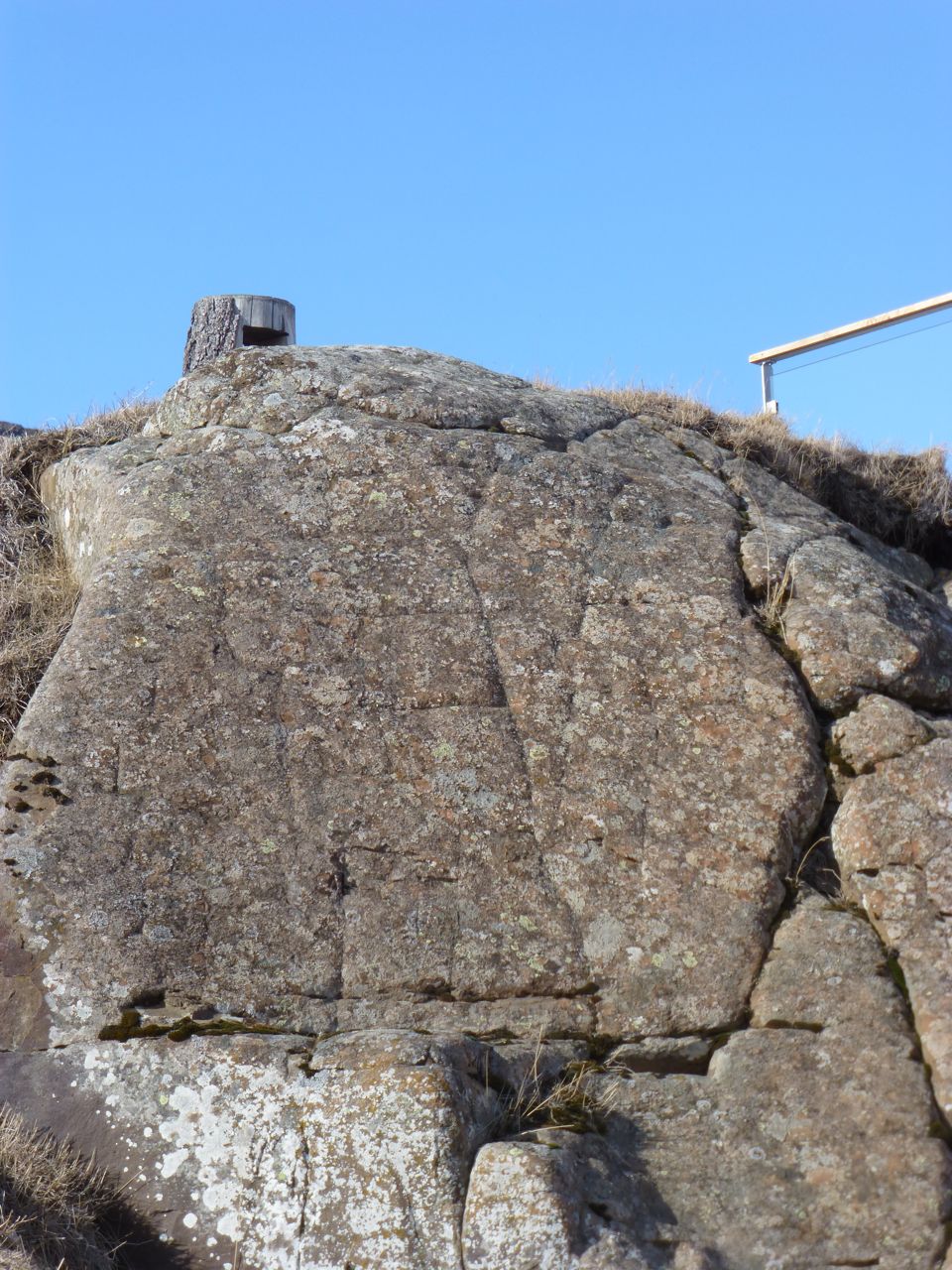
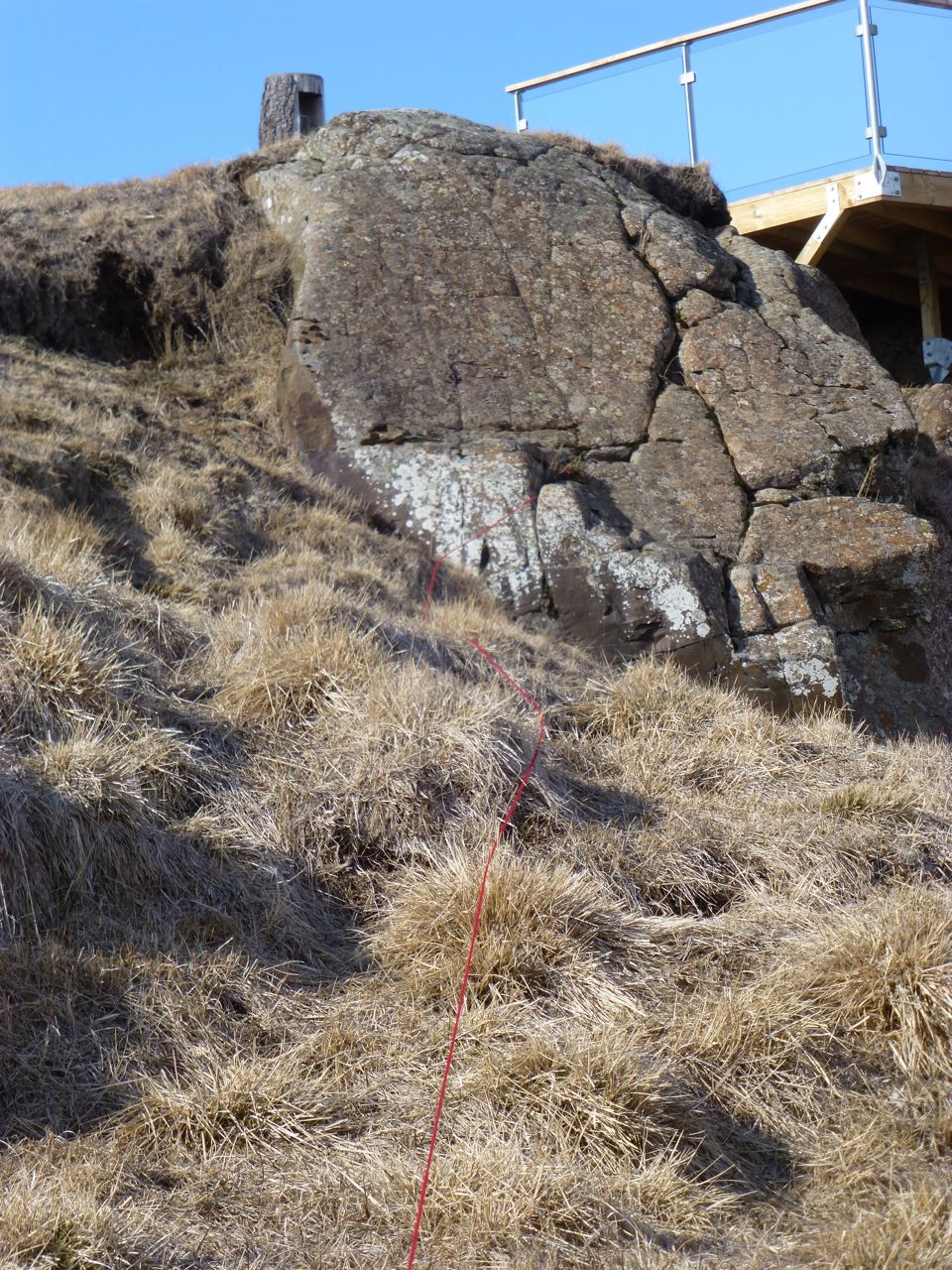
The geologists came and declared all rock forms here at this East Icelandic cloister site to be naturally occurring. I believe them. Still, were the natural shapes enhanced 500 years ago? Was the cloister built here because something was recognized in the stone? I think that’s quite likely. Is there a lost art of stonework that is built on the premise of deepening natural forms until they take on meaning? It would make sense: if one were to rub a natural cross over and over again, that would be an intense, and physical, act of prayer. Still, scientists can’t answer questions like that. Likely, no one can. One can, however, enter the spirit of stone with an open mind. That much every human has, if he or she wishes it. So, what do you think: is the image below a group of eroded basalt crystals (certainly) or is it an image of Mary and the Infant Jesus?

P1420857Skriðuklaustur Monolith

Fljótsdalur, Iceland

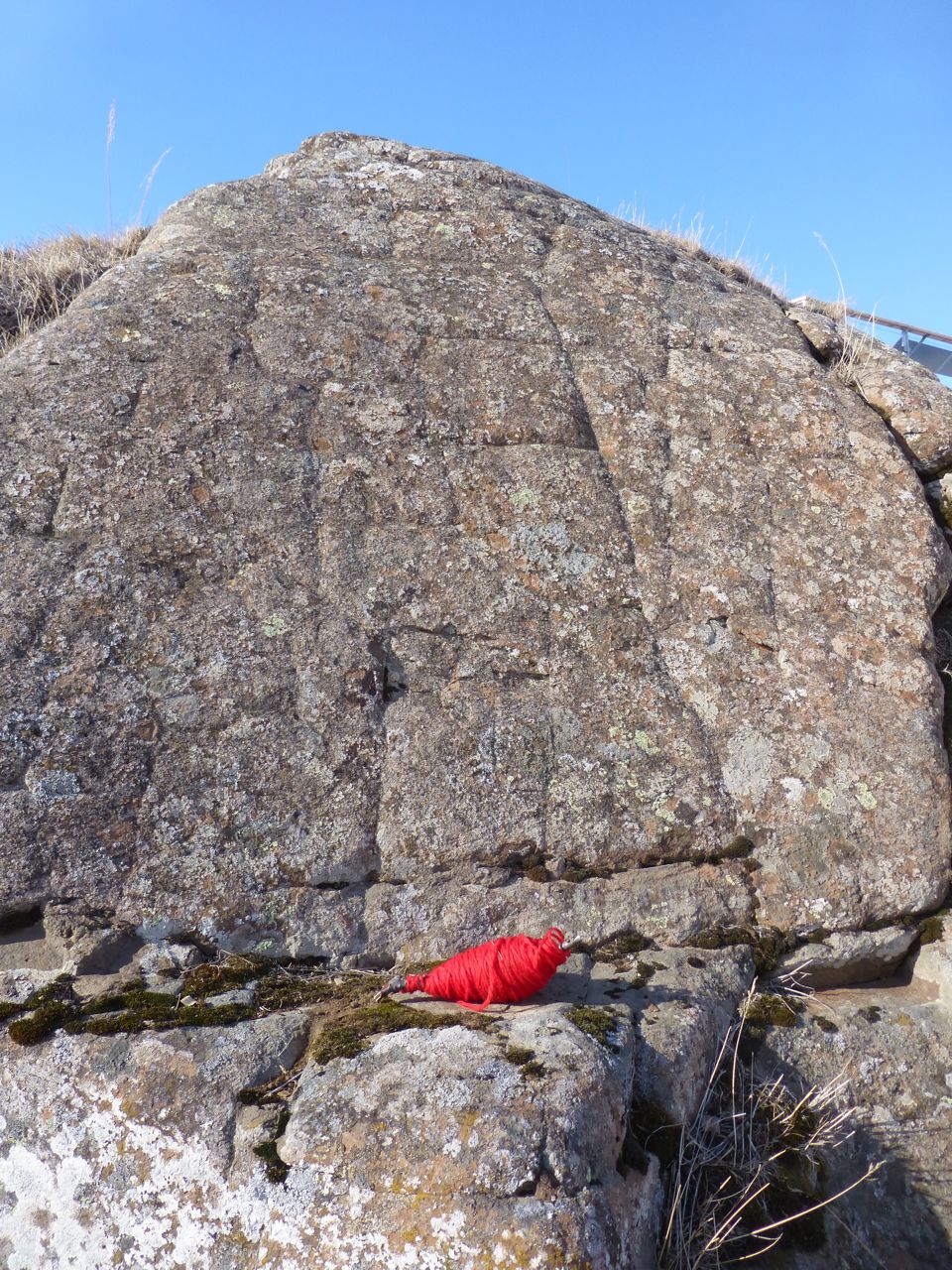
Or something else that the monks tried to rub off? Or a painting of light that only showed up when the light was at certain angles (true)? Or St. Barbara (possibly the patron saint here)? Or nothing? Maybe it doesn’t matter. This was, however, the stone that the monks saw directly in front of them when they left the entrance to the cloister church and looked, as the landscape directs one here, uphill. That, I thought, was worth thinking on. What I did to help me think on it, not being a geologist or an archaelogist but being a poet (which is an honourable thing, with deep roots of its own) was to go 40 kilometres into town in a snowstorm to buy a ball of wool and to make a line with my hands, to help me think. As a farmer (long ago, and in my heart, still), I know that the hands are a powerful tool for thinking. So, I anchored the line in a crack at Mary’s (?) feet …

angelclose
… kind of following it where I felt it was leading me…

angel

… which was, downhill, and into the church (it’s a natural flow) …

flag

… past the baptismal font and into the nave, where I discovered that I didn’t want to walk through the walls …

church

… so back again to the font (I was lost on this spiritual journey for a moment and thought about circling the font, and even tried to walk back up to Mary (?) and link her with a ribbon of life blood blowing around in the wind (ah, it was hard to keep this stuff on earth, did I mention that?), but that felt wrong, and suddenly I saw where I needed to go, drew my line of life back past the font …

font

… and through the monk’s doorway into the church (instead of the public doorway I had entered before) …

step

… and through the adjoining doorway into the cloister garden (I’ve always liked gardens, especially church ones and their Edens) …

well3

… and as you can see, to the garden well …

well

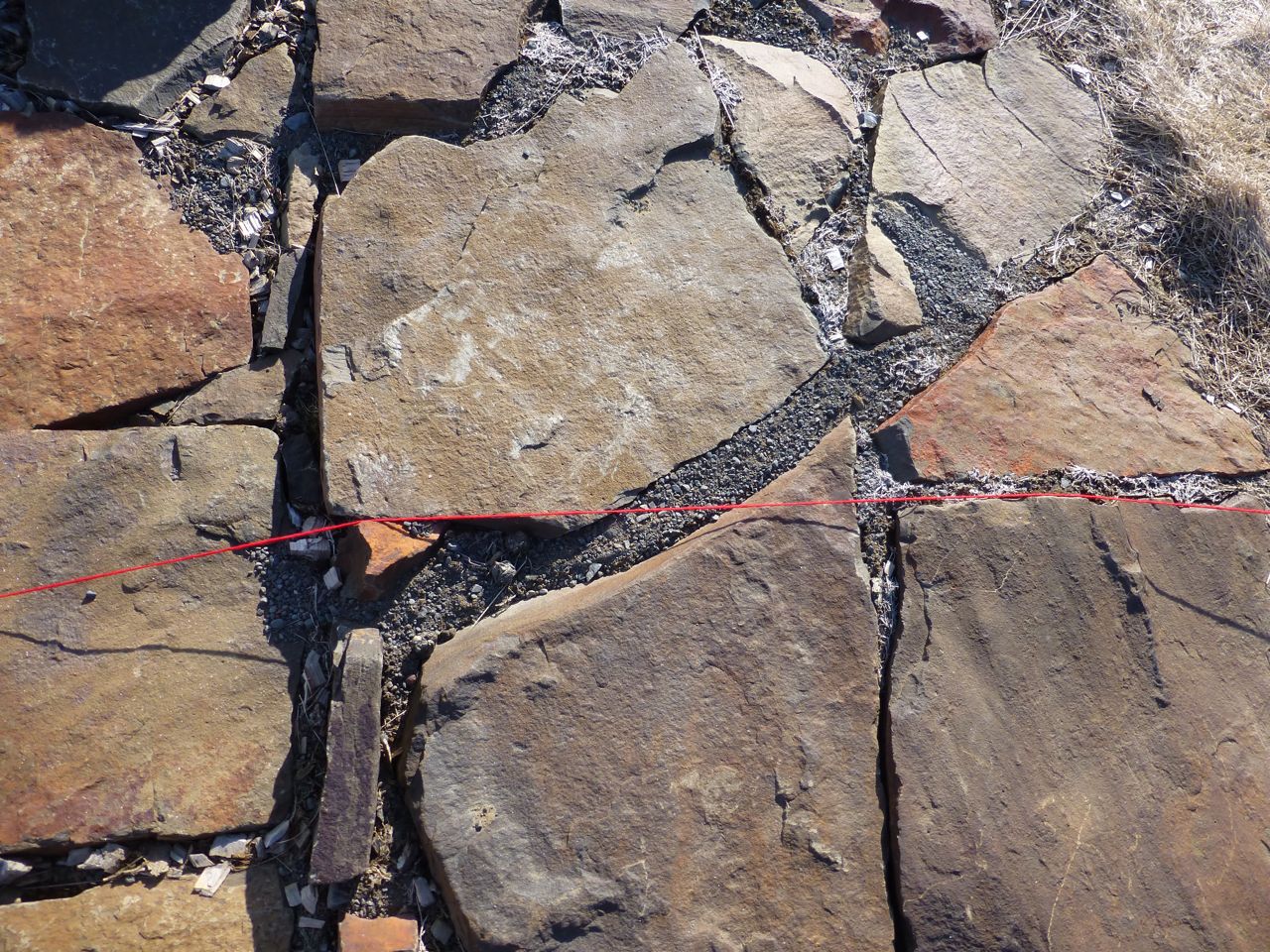
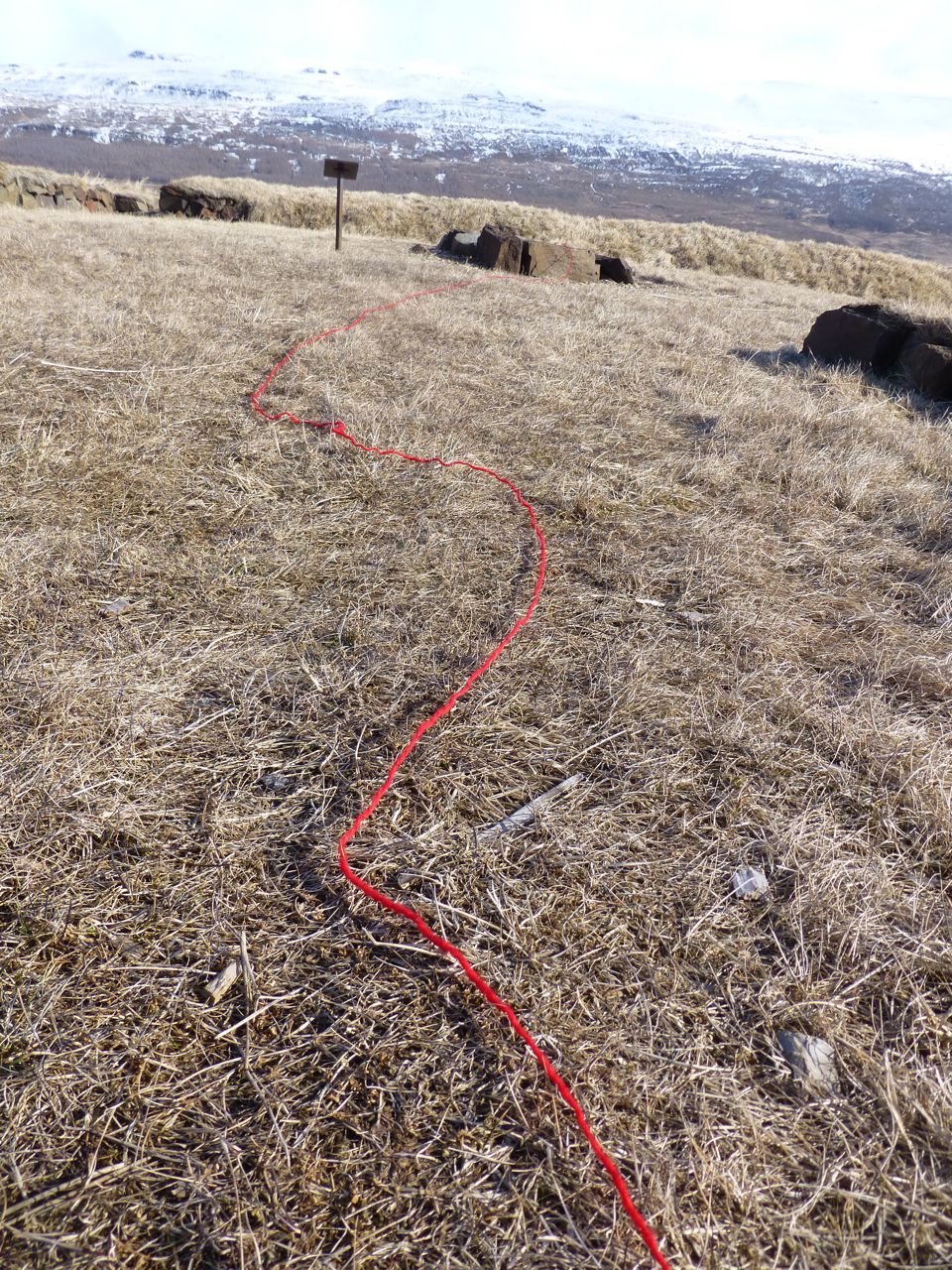
My 70 metres of Norwegian darning wool, purchased for 460 Icelandic Crowns (around $4) was just the right length to drop to the bottom. I thought that was a good sign. I then took these images, so you could walk with me and share the moment of my thinking with my hands. At this point, my Mary was joined to the well in the Garden by passing through the church and the monk’s residence… a beautiful path, I thought. Next, I went to the hillside, picked a birch twig from the grass as a spindle (among the earliest images we have of men and women are made from birch twigs, and in German the word for bone and the word for birch are the same, and my family is German, so, hey) and, starting at the well, rolled the now-charged string back up, and as I wound that 70 metres around a tiny axle, over the wood chips …

floor

… past the stones that once supported the church walls …

stone2… and through the grass …

grass… I felt that I was winding life on the axle of the universe or the pole of the earth, day by day by day, that with each twist of the birch twig to accept the string, a year passed, and I felt life in that string, not just the life the wind gave it, but energy from the universe; I felt that I was weaving with an ancient craft, in a small physical prayer, from the well up to … well, let’s just say Mary, who after all, was a spiritual fire in a human form, until all that energy was there, wound up on its spindle, at her feet …

wound

… and that was my prayer. Not an approved Christian prayer, but, then, I am not a Christian, only a man who walks in a world of spirit, with the sense to know that if you stay at a monastery, do the work. Did I learn anything about the material reality of that stone? No. That’s for geologists and archaeologists. But I did learn this: when I carried that bobbin of yarn back up to my roomI felt that I was carrying a living heart, and carried it with the reverence and care that seemed fitting to that, next to my own, and I realized that if I unwound this thread, anywhere, let’s say tomorrow, or the day after that, or a year after that even, the energy that I had wound with the motion of my body onto that birch twig, would be there and join the points of that new story back to that stone (and my questions of it) and the church and the well. The line was a journey, that I could now carry anywhere, and have to unwind and walk. Whatever that stone is at the cloister, it’s power came from a sense of devotion not far from that. Is poetry anything else? Well, I don’t think so anymore. Now the bobbin sits on my kitchen windowsill (I thought Mary might like the warmth of the hearth) …

woolwindow… (and the steam from my potatoes), waiting for me to think some more, in this fashion of thinking that is not done with words but with the body and in the world. Poetry had its roots there. I have learned here that it has not left them. For me, that stone is not the same.

The Lesson of Spring Snow

All day I’ve been having enormous fun with books and making a book dance out of nothingness, about things that are among the most important to me in the world, things like the world, and how words are a very old magic given from people who lived with the earth and knew some things about it. By the time I was ready to go out a-walking, a spring snow had hit, although there was no shortage of light.

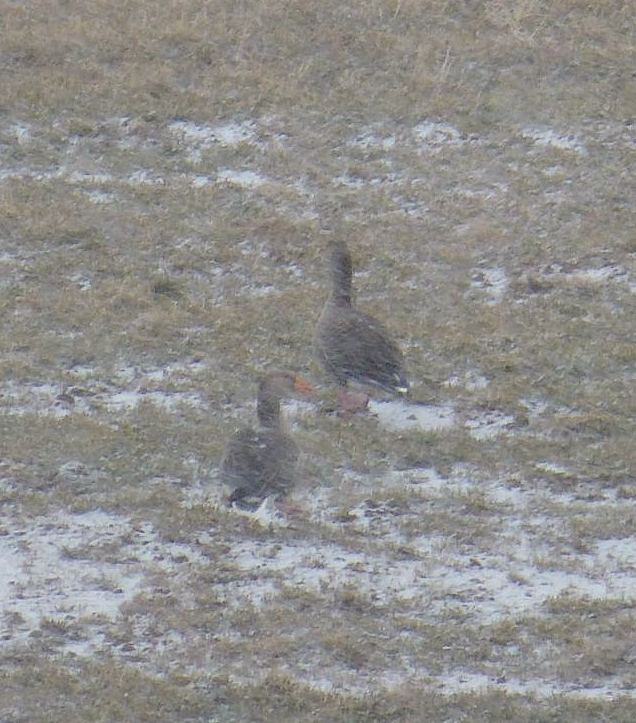
twogeeseinsnow

Migrating Geese Sitting it Out in a Pasture Field

I thought I had a found a bit of nature. Ah, such a naive Canadian fellow. You must be smiling — if you’re not shaking your head. The geese, mind you, had a clear idea about things…

P1420252

Don’t Worry. When I Walked Away They Came Back

Still, a rickety little camera and a lot of zoom in the snow, boring, right, so I walked on, and on and on, enjoying the snow. I tell you, things looked pretty good in the light. I thought that was the story. New snow acts like a lens for light, which brings up contrast, which makes things look, well, fantastic, like this…

snowcanyon

Nature. The Canadian is at It Again

And waterfalls. And ones that no one goes to, yet. Secret waterfalls. Oh, Canada, or what!

And true Canadian that I am, raised on the Canadian myth that things start best with nothing, thought, well, nature, eh, and photography, whoa, and working together yet, huh, and that was pretty inarticulate, wasn’t it. Sheesh. The wind was nice, though, and it was good to feel cold after so many days of sun. So, horses, right. Always friendly and ready to pose…

P1420260

Well, Actually, Telling Me That It’s Time for Hay

But I thought, you know, the fence, ugh. We want the wild land, the earth, her own face, and what do we have? A fence. What a bust. But then the walking started doing its magic and I started to see, not because of the light, or the camera focussing my mind, but because the world was starting to sink into me after 5000 words of some pretty crazy writing, and this is what I remembered looking at just a minute before when I took a picture by reflex …

P1420257

Horses at Home

There are no prettily arranged farms in iceland, because they’re not farms. They’re cities. 

And I got to thinking, what if I stopped looking for the earth, would I find it? So I looked around …

road

A Fence, a Crop of Larches, a 4×4 Track

In Canada, this would be considered a portrait of intrusion on a landscape. Here, it doesn’t feel like that.

What is going on? I wondered. So I looked around some more…

flat

The Neighbourhood Sheep Fold

Of course, by this time I was being observed, because it was still hay time …

bluehorse

The world is physical, and humans are among its recorders. So are horses. 

The idea of nature, as a universal quality, spread across the earth and observable by all humans equally, especially through photography, is just not true. The word ‘Nature’ might be a word whose meaning has been twisted and lost.

P1420274

Nature? 

Nature is not the wild world? Then what is it?

That horse seems to know, doesn’t it.

An Icelandic Forest

If the trees you’re used to seeing are willows scooting down behind rocks the size of golf balls for a bit of shelter from sheep and wind, or maybe the occasional lone birch in a canyon somewhere, like this …


treerock


Hengifoss Canyon

Flótsðalur, Iceland

… imagine what trees must look like when a valley of stone and grass is turned into a forest. Would they not look like the most exotic things?

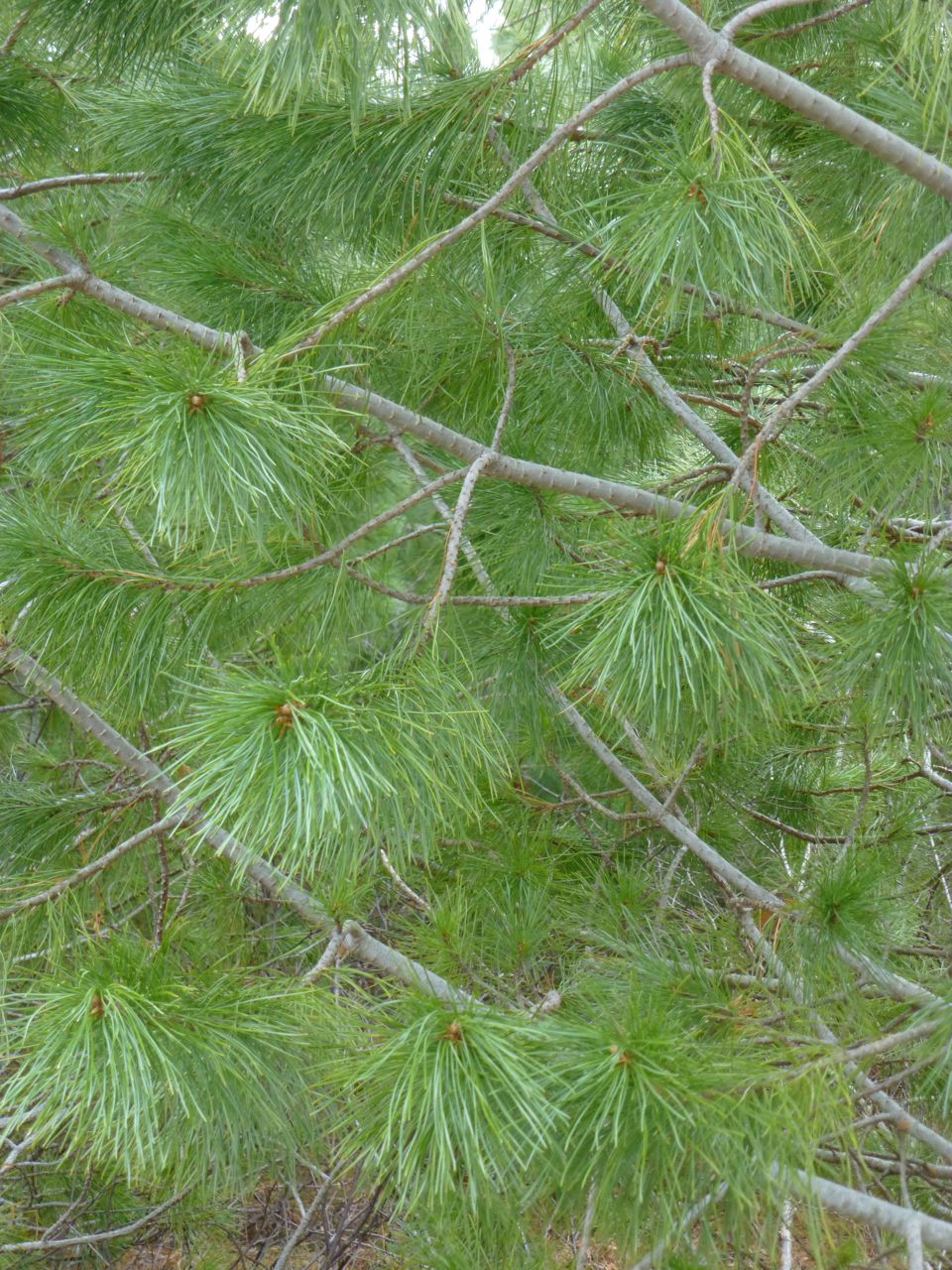
pinePines from Alaska…

…planted in the 1960s.

Now, in Canada, trees are so everyday that it often seems like a good idea to cut some down to get a view of something other than their gloomy shadows, but in Iceland, where there’s a view everywhere, from every house, farm or corner in the road or path or even just some lonesome straight length of road across a volcanic wasteland that looks like the face of a planet circling a star in space, it’s not like that. In Canada this would be, well, a nice bit of a tree plantation starting to come in nicely…

P1420236The Forest of Hallórmstaður

… but in Iceland, where the next size of tree is often like this …

fungus1The Old Ones of the Grasslands

There before the grass, and still there after it, blooming under the trees.

… a forest is a magical place, planted by human hand in a pasture, in a way like any other agricultural crop (forestry is under the aegis of the Ministry of Agriculture in Iceland), and in a way like pure poetry.

P1410975Seeing Pines for the First Time, Ever

It doesn’t matter if they’re alive or dead, because either way they are among the most exotic creatures going, ancient ones compared to the grasses …

twignet… that never cease to astound …

P1420033… and never cease to delight …

starcones2Larches from Archangelsk

When all you’ve seen in the sky are birds and stars, then that’s what you see in the trees.

And if you should ever, somehow, get tired of looking up and seeing the delight of art that people have made out of the pastures of a country they clearcut a long, long time ago, look down …

funguslargeThen, hey, look around a bit …

fungus6

…and a bit more …

fungus13

Why, you might almost forget the waterfall you hiked uphill through the snow to find …

P1420072Ljósárfoss

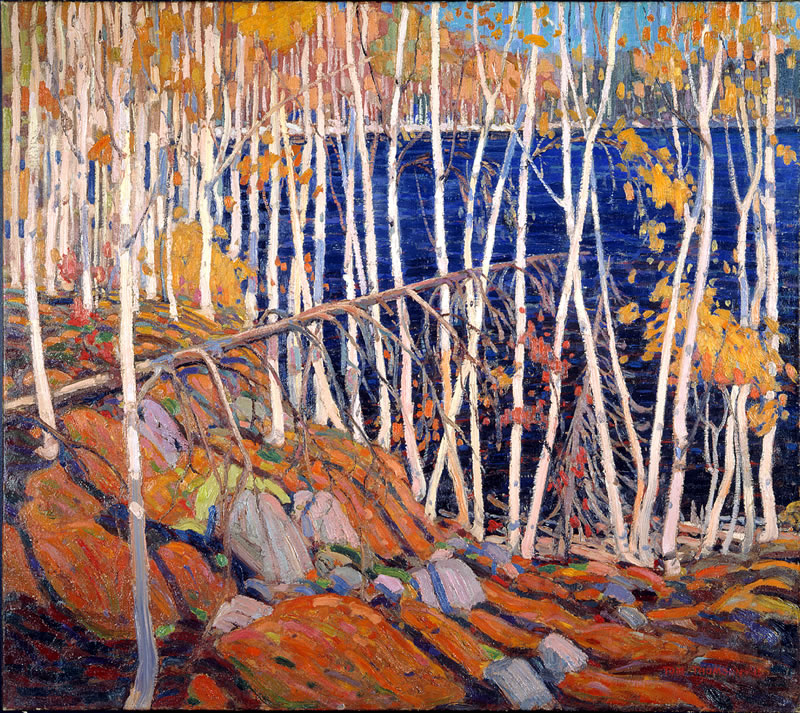
I love those Icelandic birches. Here are some Canadian aspens, in contrast…

tom-thomson-in-the-northland1Tom Thomson’s In the Northland

It was the years when Thomson was making paintings like this in Northern Ontario that Icelanders started planting trees in the Fljótsðalur. Canada and Iceland were very similar then. Both legacies remain, a century on, to haunt.


A New Map of Iceland

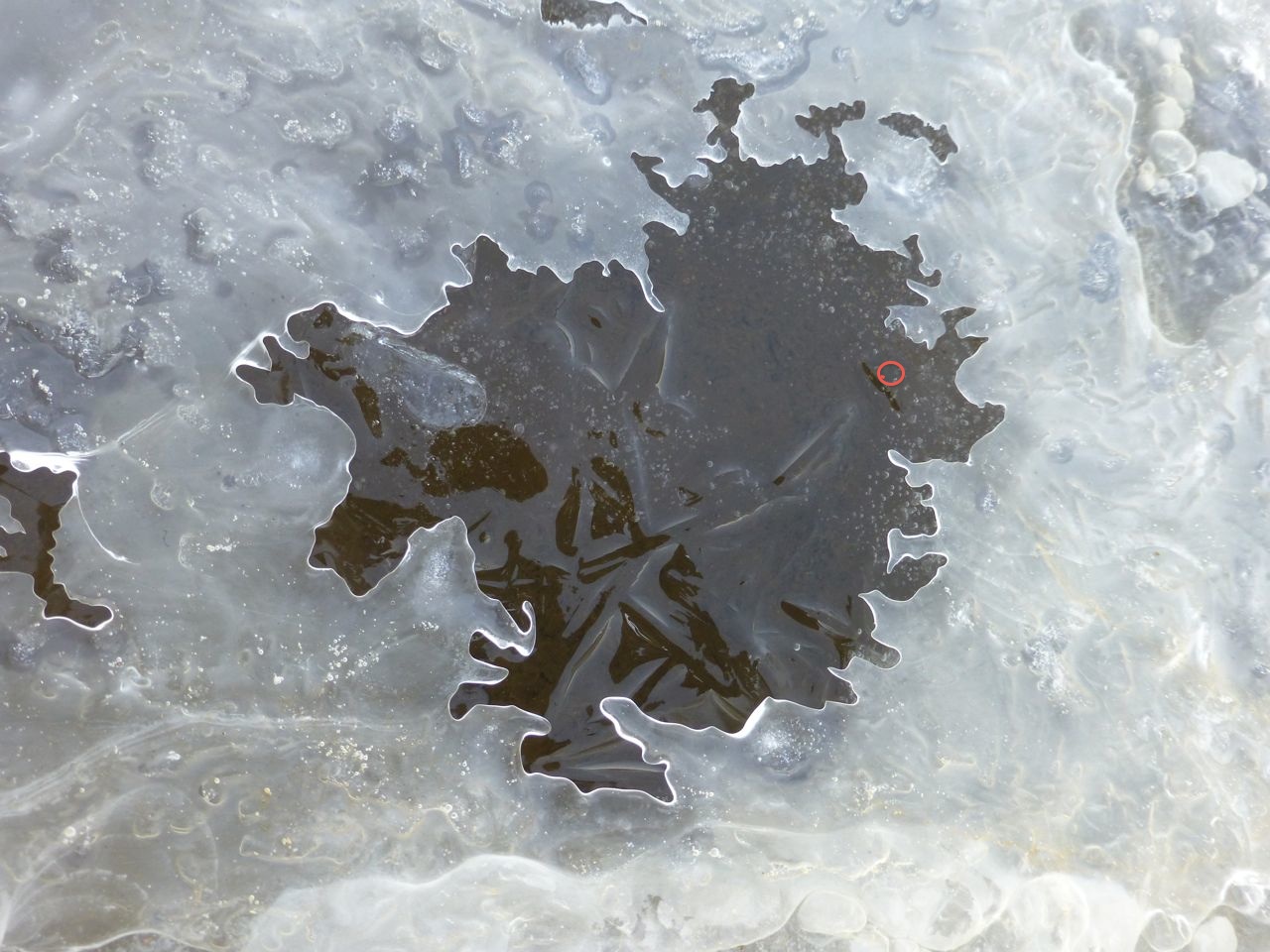
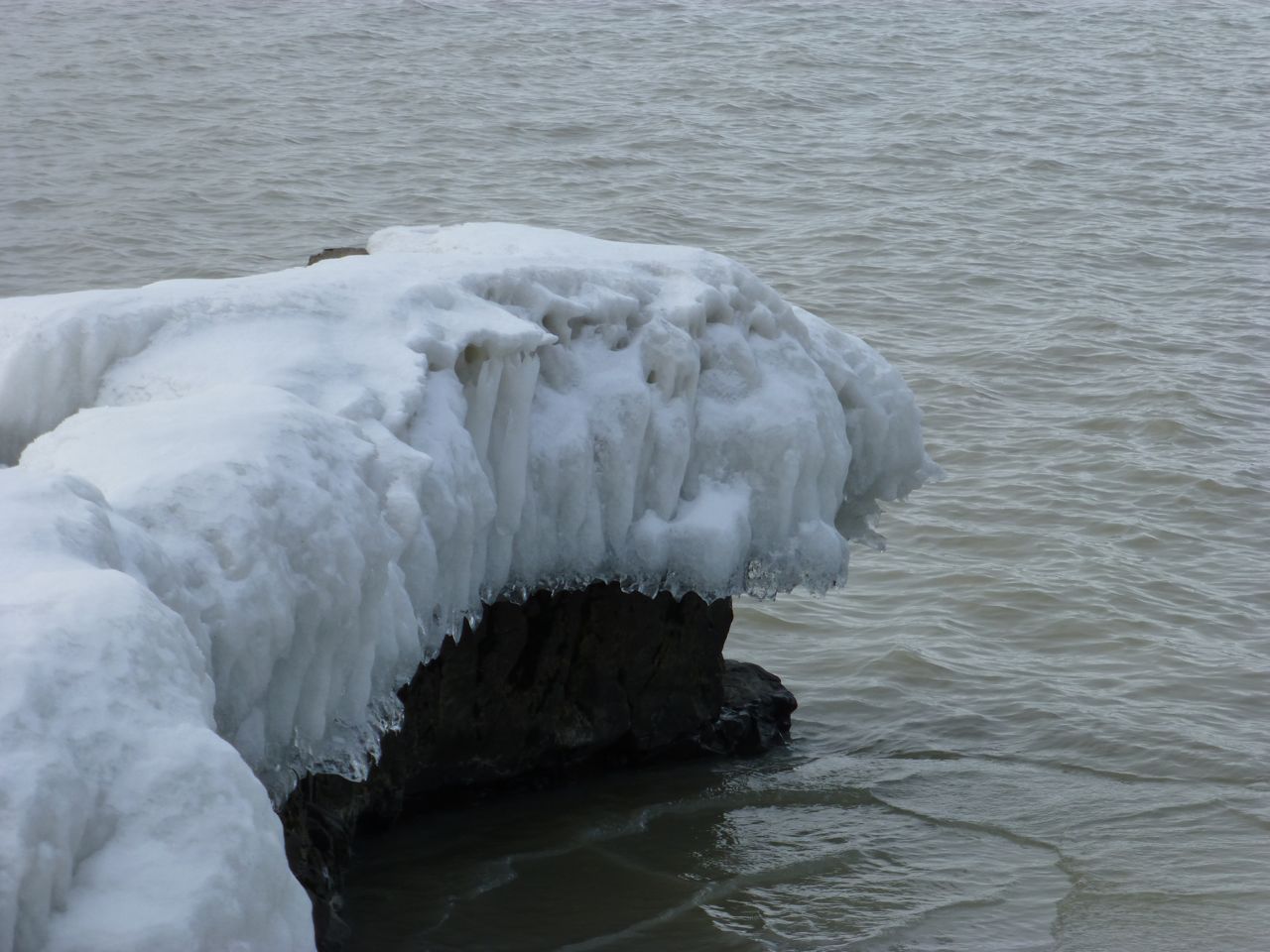
When I landed in Reykjavik three weeks ago, I found a map of Iceland made of stone and ice, frozen in the harbour. It was cold that day, with a strong wind. Now I am in the East Fjords and the wind came up again, and look what I found …

P1400396A Map of Iceland in Water and Ice

Still not perfect, but getting there.

Oh, and where am I sending this image from? Here…

whereAll day I’ve been working on Gunnar’s book Inseln im Großen Meer, or Islands in the Wide Sea, which chronicled Gunnar’s trip to the Islands of the Atlantic and the Spanish Mediterranean in 1928.  It is a beautiful book, with islands of light appearing out of the great dark sea, which is not just water but childhood and paradise, changing as the light and his mood changes, and always foreboding and dangerous, with the kind of awe usually reserved for God. Today, in East Iceland, though, all that water is more like this …

P1400580Last Night’s Photograph of the Night by the Night…

… on a retina of ice.

This, too…

P1400548See what Gunnar means?


The Horses of Iceland

You’ve no doubt seen Icelandic horses posing beautifully and looking like the horses of the gods. This is even better.

Error
This video doesn’t exist

The Beauty of Light on Water

Out of darkness, light. Look at water now …

grassview

Stream Below the Hengifoss

Flotsdalur, Iceland.

Is it water? Is it light? If so, they are not like any water or light contemporary words have made. These are the elements of the universe. This is what it looks like when you stare the universe in the eye. Look:

close1

Light Mixing With Water

… or is that Water Mixing with Light?

That’s cooked volcanic clay as a streambed. Here they are again, in a view from a mammal that can’t seem to hold steady or stop breathing and that left its tripod back in the car, but maybe it’s best that way …

Through such attention the planet sees itself. I love that.

falling

Looking Back Upstream

Sighting The Wyrm in Lagarfljót

The lake that runs to the sea from this old monastery site in East Iceland is called the Lagarfljót. It is a long and beautiful thing that catches the light from the mountains and the sky and softens them — not that they are harsh to start with. It also has a wyrm, like the monster of Loch Ness or the “Ogopogo” of Okanagan Lake of the North America’s Pacific Northwest. Cryptozoology is good for tourism. Here in the sacred birch forests of East Iceland …

P1370240

… with the elves catching the mid-day sun …

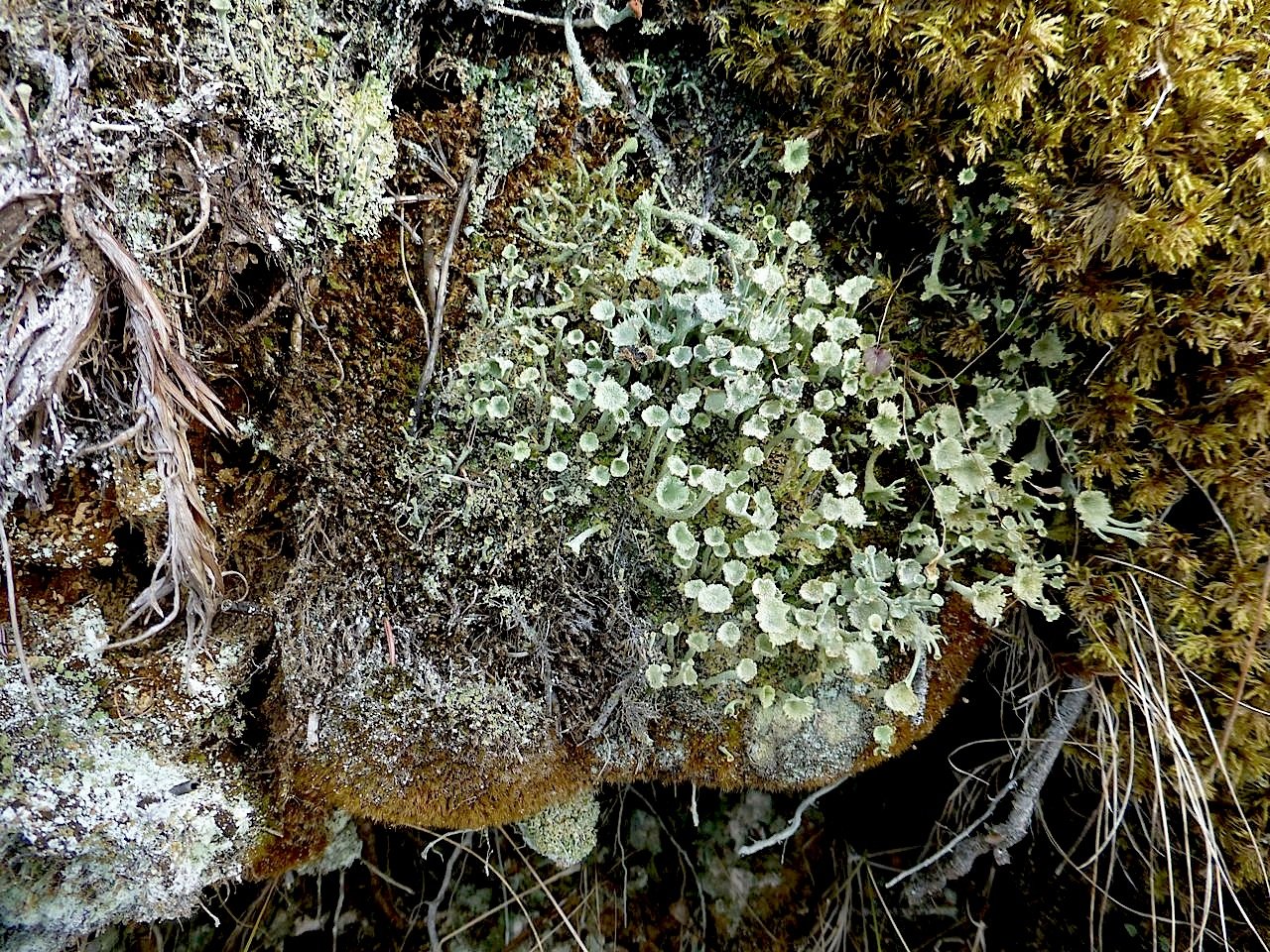
lichen

Lichen on Birch

(I hope to have the elvish connection to lichen ready for you in a couple days.)

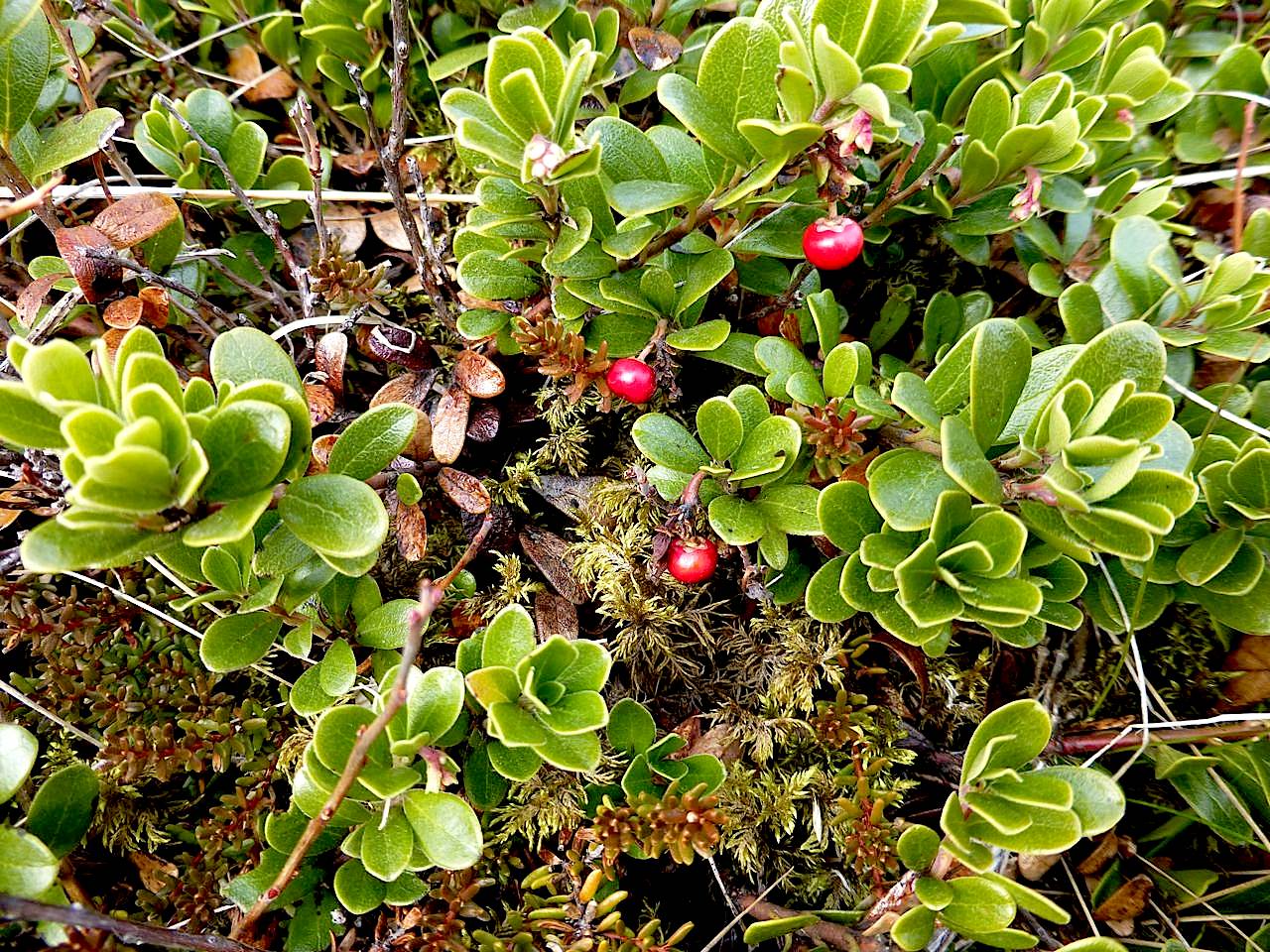
… and a moment to enjoy the red berries that the birds missed in the winter …

berries

… because I’m a poet and poets are easily distracted by pretty things (so are wyrms, whose stories are similar enough to the serpents of the Rhine and the Celtic Moselle and the Ring of the Nibelungs to raise a poet’s eyebrow or two), but finally things were looking up. The government was there first, helpful as Icelanders are …

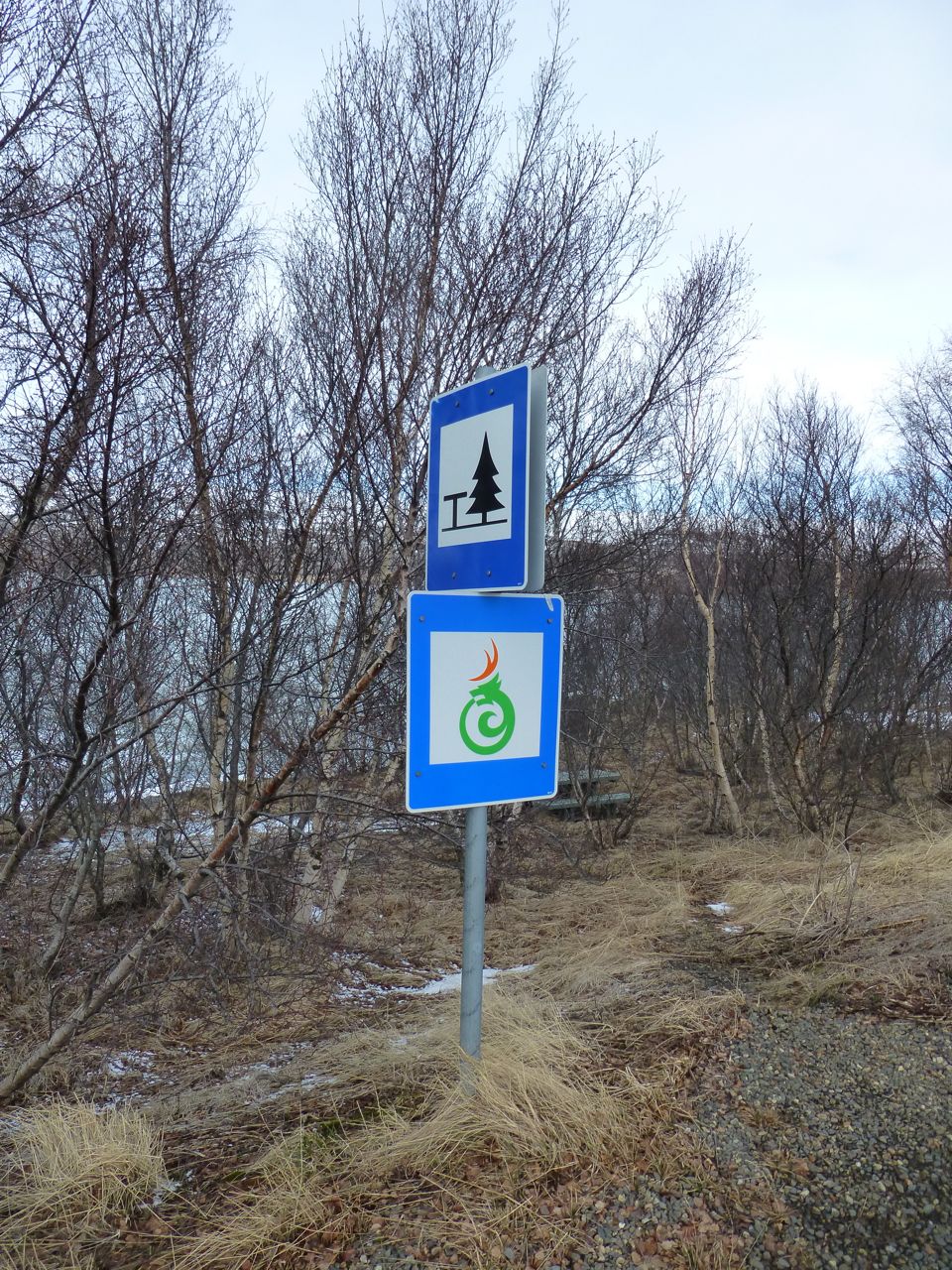
P1370118 A Good Place to See The Wyrm

Shall we? Down the trail through the old, slightly mouldering but still charming early-Nationalist picnic site, and, hey, look, already we see signs of an apex predator eating the locals…

P1370116

We Must be On the Right Track

And then I lost my doubt, because I heard the birds singing…

P1370166

See the Birds?

No, I don’t either.

There weren’t any birds, that’s why. It was the lake that was singing, like a choir of angels. That was actually better than birds.

P1370184

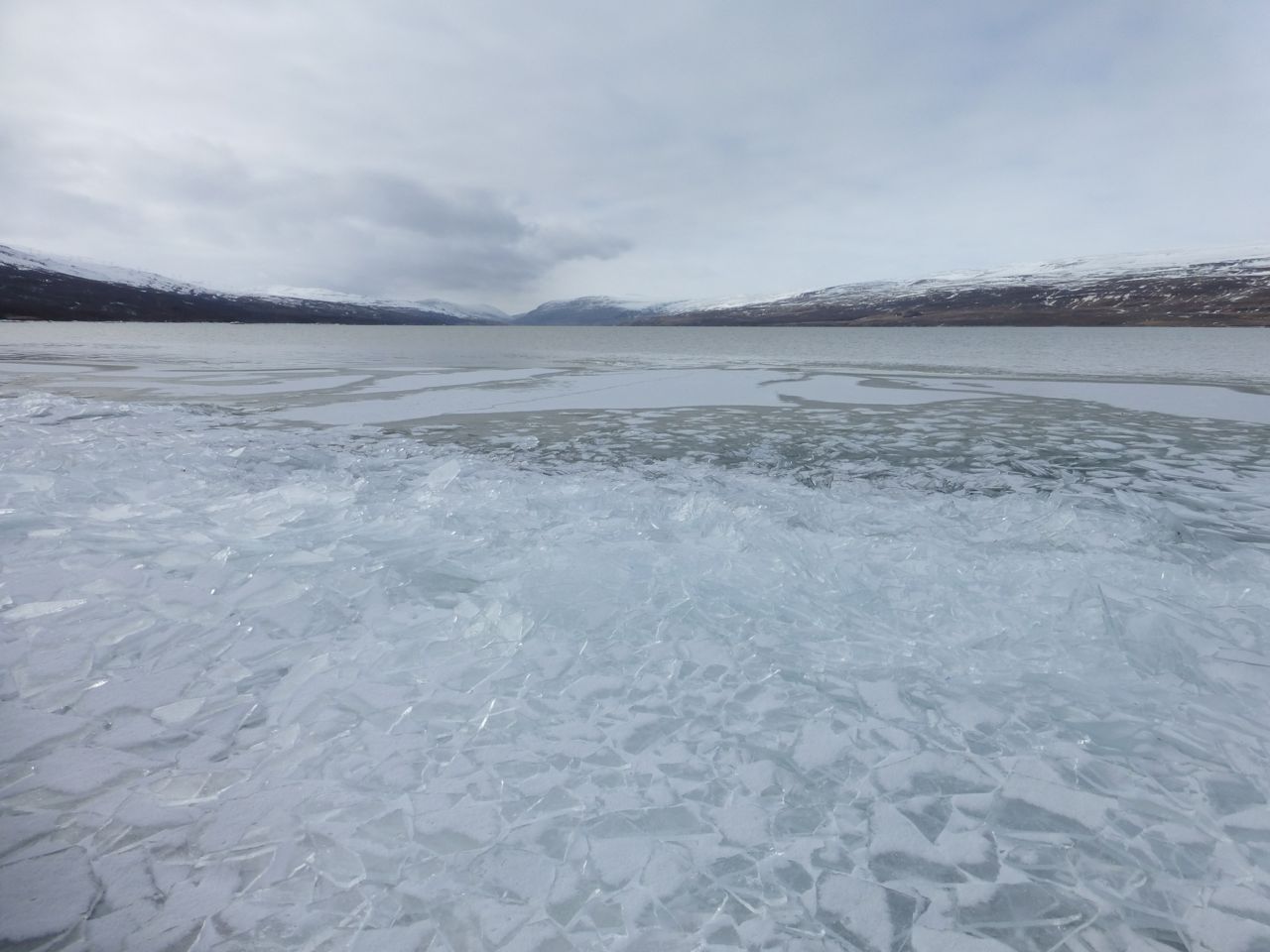
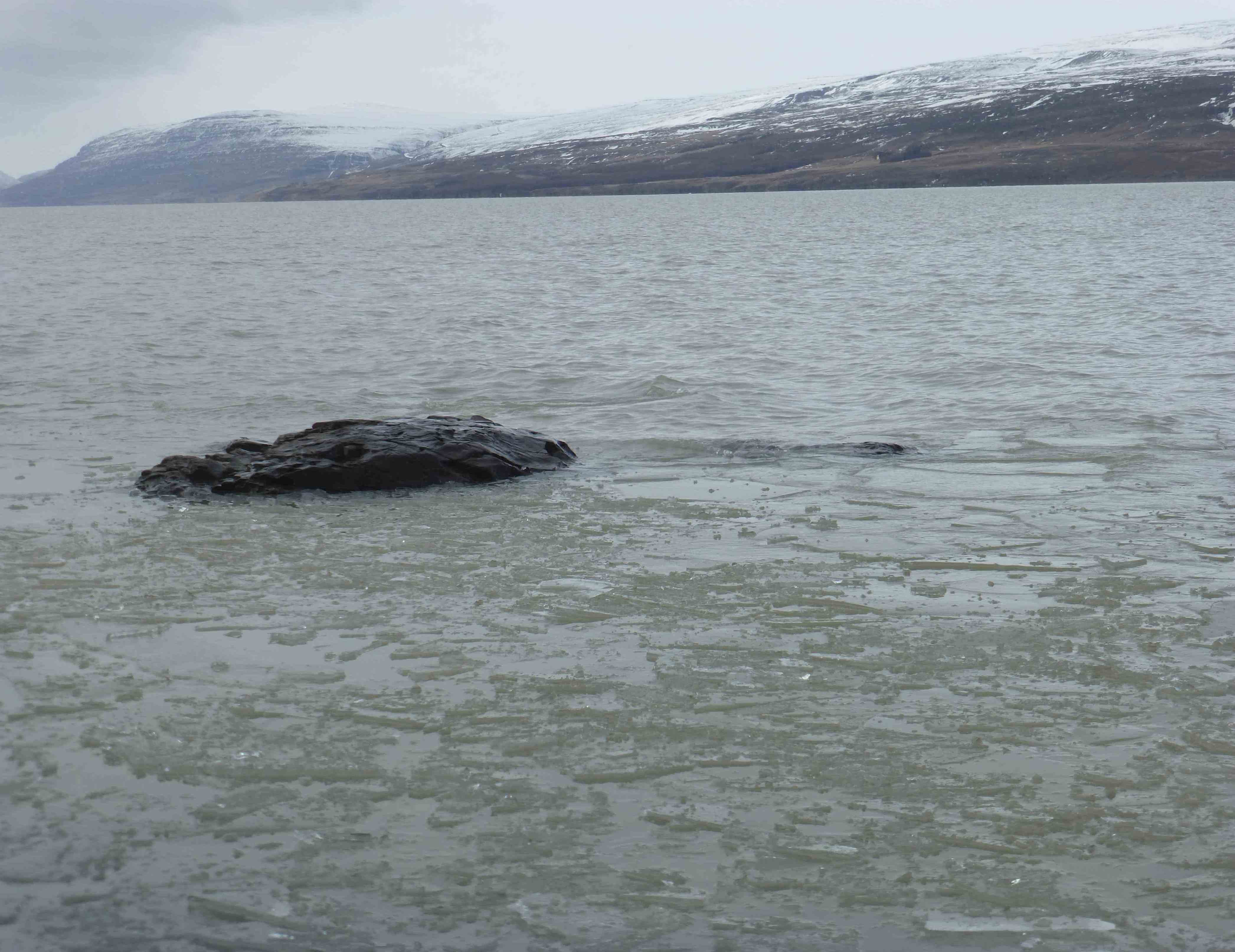
All Winter Long the Ice Has Been Singing As the Waves Break it Up and Knock it Around

Then they do it in the spring. It is haunting. What a magical lake.

And that’s when I first saw the wyrm (well, after a few more steps) …

P1360998

Wyrm

Being a Canadian and a bit biased towards polar bears, that’s what I thought it was at first. Here’s its head, so you can have a closer look …

P1370001

Wyrm Head

Note the nice ribbing. Even the Worm in Dune has that. (Look to my upcoming posting on elves and lichen for an explanation of how forms like this are cast up by stone.)

Then I turned and saw this wyrm…

wormhead3

A Dead Ringer to Tolkein’s Smaug…

… or a crocodile. Note the hump, too.

Now, to set things straight, here’s the story of the Wyrm in Lagarfljót: Read it Here. And here’s a video that played on Icelandic TV a year ago … View it Here. And here’s my warning on reading mythic imaginations literally, with photographs of the dreamtime stone that is Canada’s “Ogopogo” — or would be if there were greater general understanding of how pre-industrial people thought. Read it here. This is important stuff. A little respect for the truth of ancient story, and how it was laid down and how it was not, goes a long way towards rebuilding human relationships to the earth. To tell those stories, I am here at Skriðuklaustur.  It has been a beautiful day. Tomorrow, images of Easter in East Iceland, and if things go well the second part of my series on Gunnar Gunnarsson, Secret Agent.

The Sculptural Path to Story: an Icelandic Saga

Today, a meditation on lines, and the art and society that sprout from them, as a branch to this…
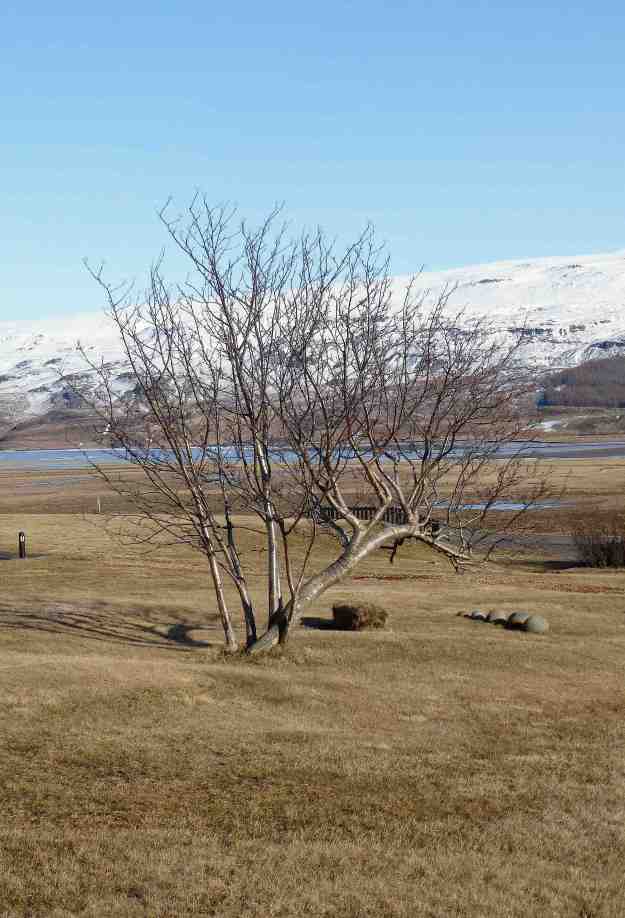
rowan2Gunnar Gunnarsson’s Rowan Tree, Skriðuklaustur, Iceland

Bending to the earth and throwing her branches into the sky. To say that these branches and twigs were hair, or a mane, or arms and fingers would be a kenning, or a skaldic pun. She has her own dignity, though, I’d say. After all, rowans are sacred to the Goddess. Their red berries glow like drops of blood in the snow, or, if you wish, the strawberry coloured lips of the Goddess of the English celts, or, if your mind wanders so far, to the lips of your first love, or your deepest. They are also a symbol of Icelandic nationalism.

Yesterday I started this meditation by talking about elves, to suggest that the earth is very much alive with human imagination, and not in a fantastical way, either. If you missed that, it’s here. Today, I’d like to talk about lines, to show how story rises from that same imagination. A couple weeks ago, I introduced this thought on my Canadian blog, Okanaganokanogan.com, with a thought from the sculptor and painter Ken Blackburn, that all writing and imagery, indeed all artistic culture, begins with a line. Here’s that post, if you’d like to see Ken and his strawberry-coloured raven. I’ve had many joyful arguments with Ken. He represented lines with panache. I argued for knots, deep wells, pools and other points of intersection between worlds. Well, look, maybe we were both right:

bubbleline1Icelandic Pool with Line, Skutustaðir

If you take the line away, you have a field, but no story.

I learned the skills for that kind of erasure by pruning fruit trees by starlight (I do not exaggerate) in the German Nordic Canadian dream that was my childhood, and learned to adapt it to the crafting of objects made out of words, which I thought for decades was writing, although it was really a form of sculpture. The addition of a line to a field, however complex, creates a tension, which human minds, structured to track game across grass and sand and to recognize the nuance and significance of the tiniest of plant forms and deviations, naturally follow. In terms of the craft which I track as a sculptor and many others lay down somewhat differently as trail makers, or writers, this is the root of story.
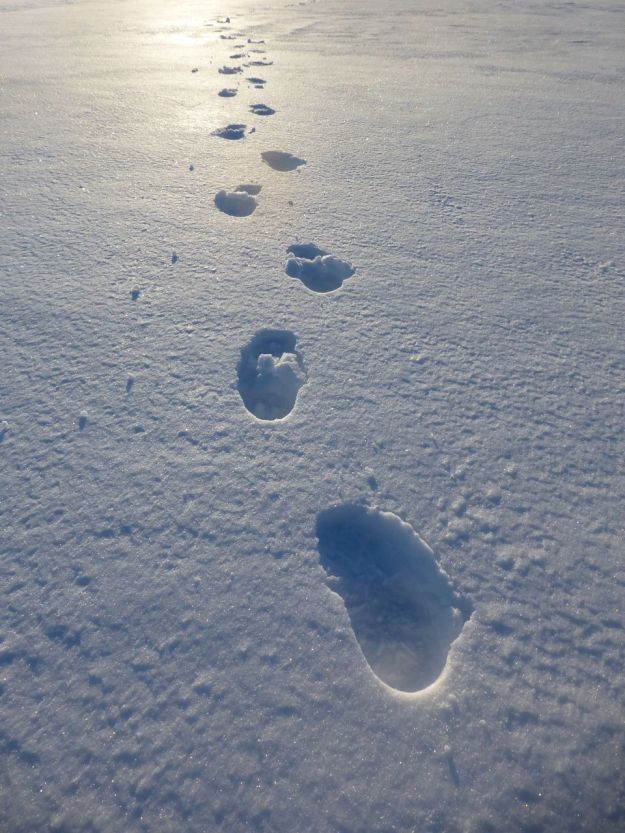
lakeelvesandice16

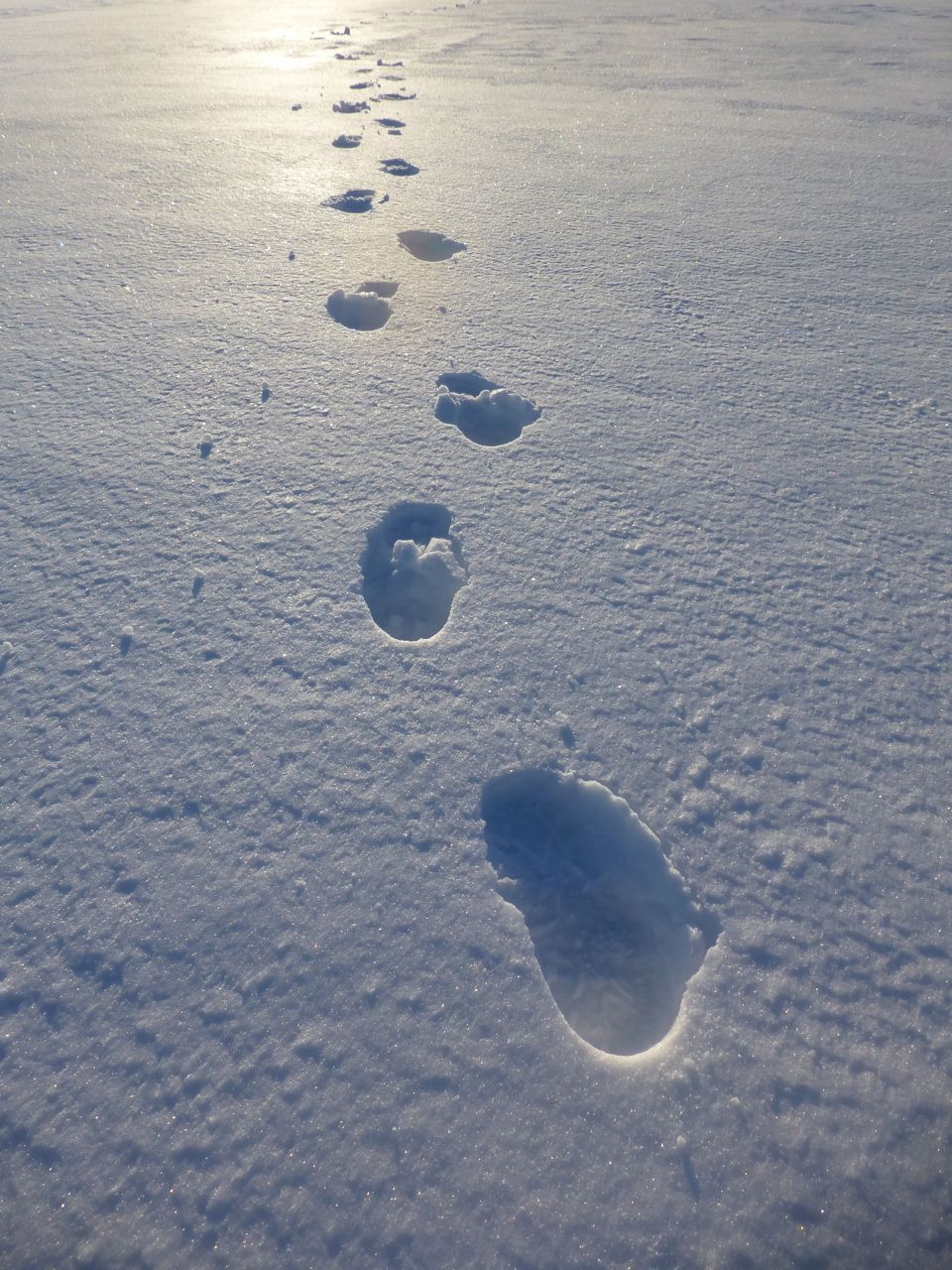
Footsteps on Lake Mývatn, Iceland

With the late afternoon sun rolling around on the horizon, like an eye. A writer looks forward here, into empty snow. A sculptor looks back into its story.

Before the line, there is indeed a pool (or a lake, a pond, a puddle, a sky, a moon, a well, a field, a face, or a room, and so on). It is endlessly fascinating but engages only one half of the split human mind. In storytelling, this is called a situation. To create story out of a situation, there must be two characters, who exchange powers at a point of transfer. That point of interchange transforms them.

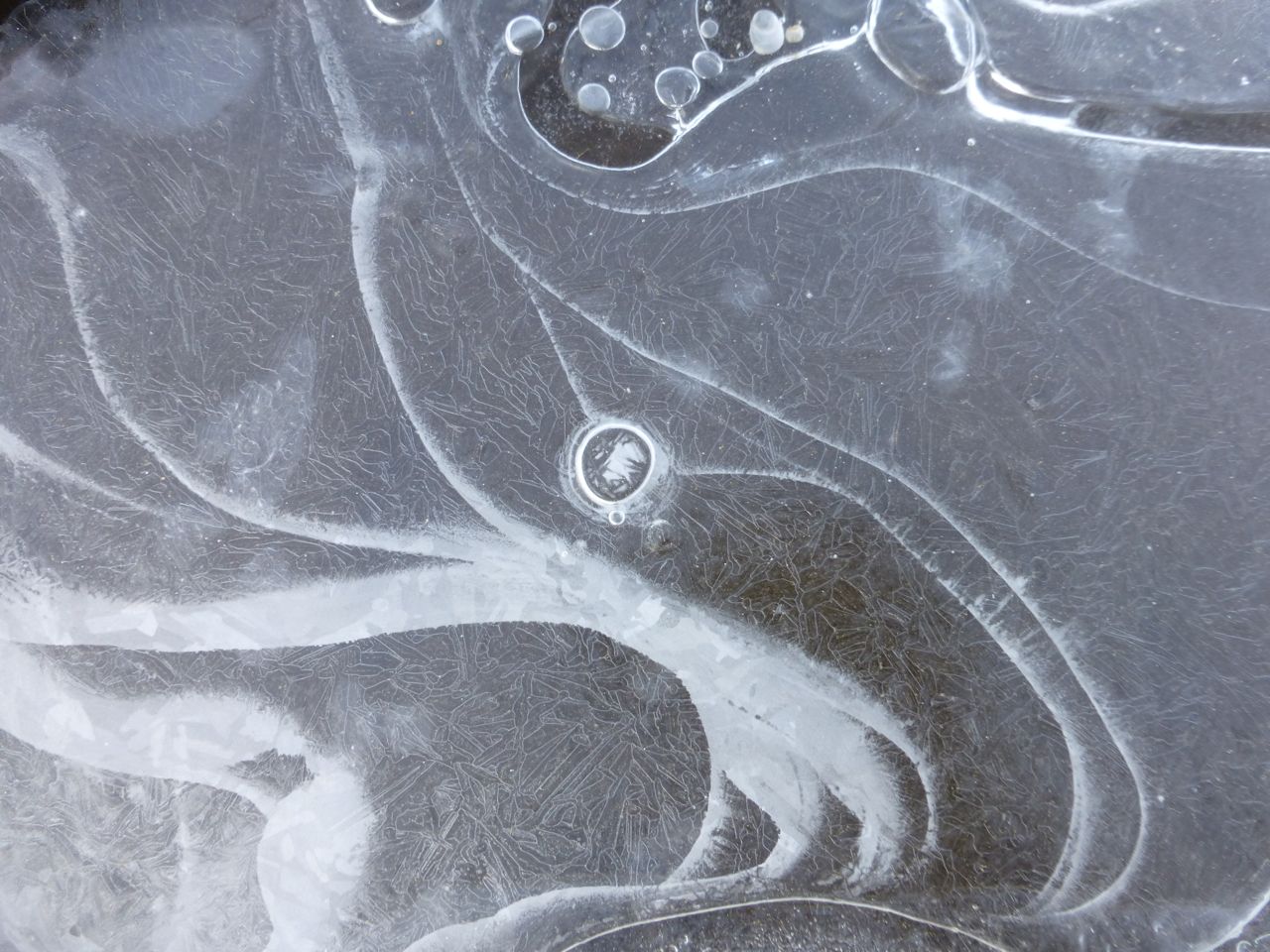
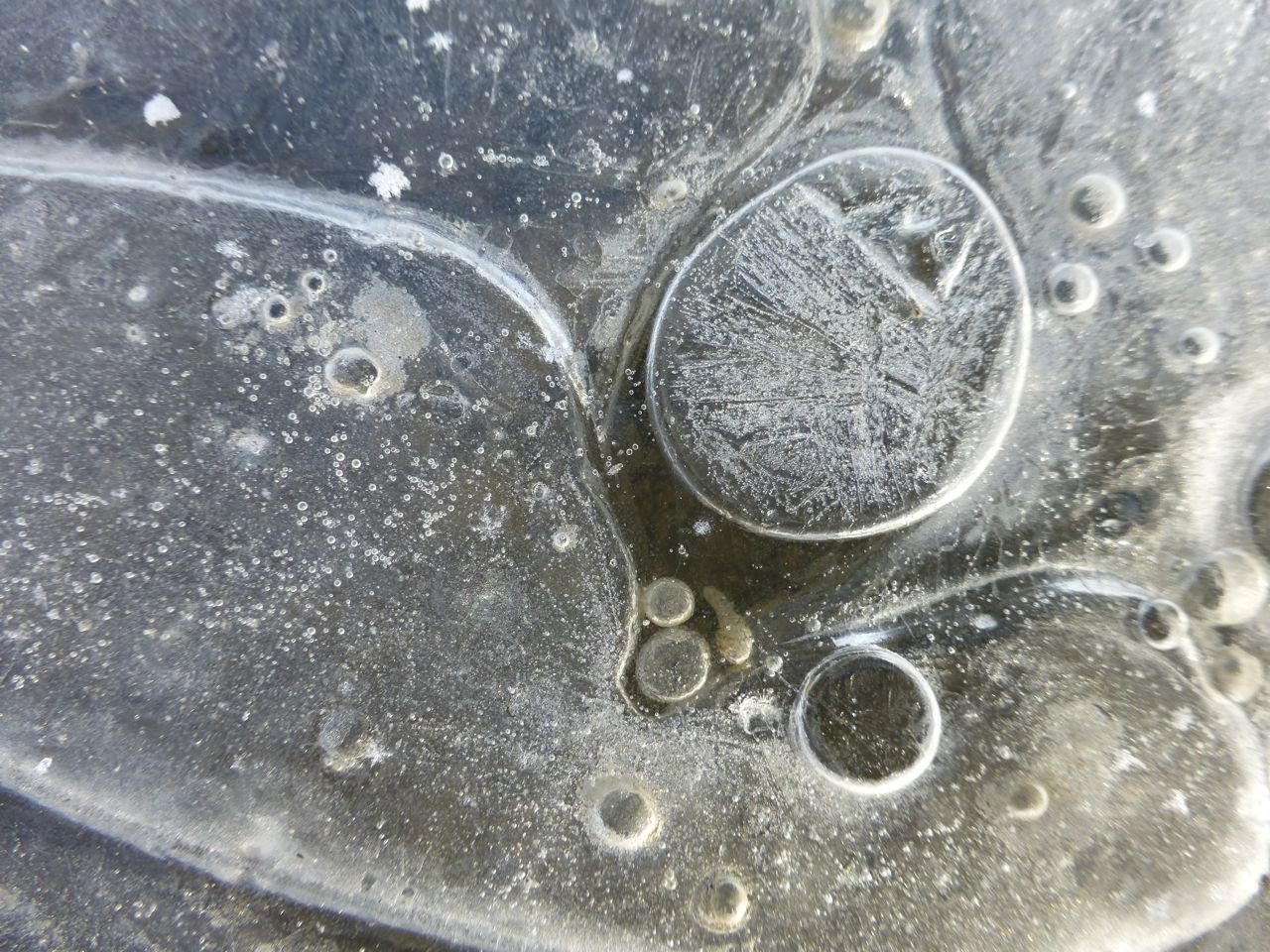
ice16

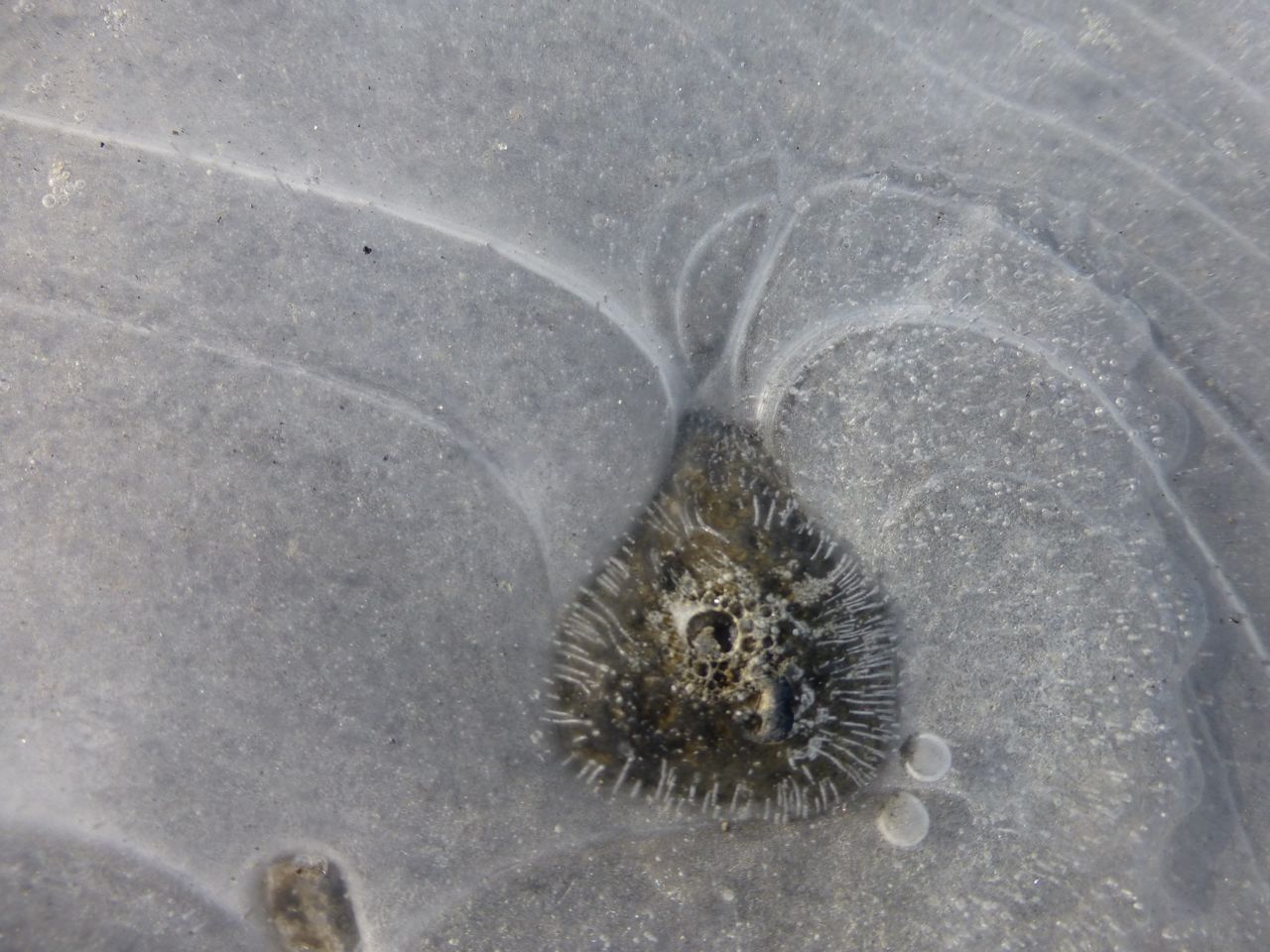
Lines of Cosmic Energy Entering and Departing a Vortex …

… or rising from it. Driveway Puddle in the Early Morning, Skutustaðir

This kind of tension (and this unresolvable paradox), will continue to generate story as long as humans last on earth. This ability to read story into the earth’s processes is the signature of humans. It is the same tension that creates a poem within the boundaries of metre, or the balance that humans call beauty, which is a coming together in complex relationship to lines…
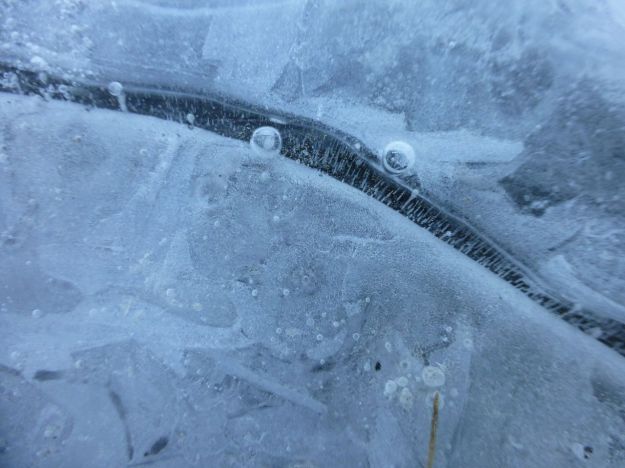
Lineice2

Beauty

Driveway Puddle at 9:30 a.m. on a March Morning, Skutustaðir

Lines, of course, don’t always have to be simple. The one above, for instance, was taken while men with orange vests were fussing over the lone gas pump a few metres away, a woman was driving around crouching me on her way to take her kids to school, and the hotel cook was banging the snow off his boots after sucking the fire out of his morning cigarette before work. Lines, or story, shall we say, can be as complex as this…

energy21

… or this …

ice28

… or this …

iceandlines09

… or this (you can probably surmise that a number of people had to drive around excited me) …

iceandlines44

… or this…

redhorse

Icelandic Horse Held in Its Field by a Line of Human Will …

… and continually at tension, between running free and being led (and fed). Notice the line in the foreground that humans have built in order to move past at speed, without stopping.

Sculptors stop. They get out of their narratives and find their stories telling themselves. The imagination that reads the human body into the sculptural forms of the land, also reads, and indeed creates, story, not as narrative but as something complete and whole in the world, that one can follow without moving at all. Pretty beautiful, I’d say. What does all this have to do with Gunnar Gunnarsson? Ah, I was getting to that. That is where you’ll find me tomorrow: in that story.

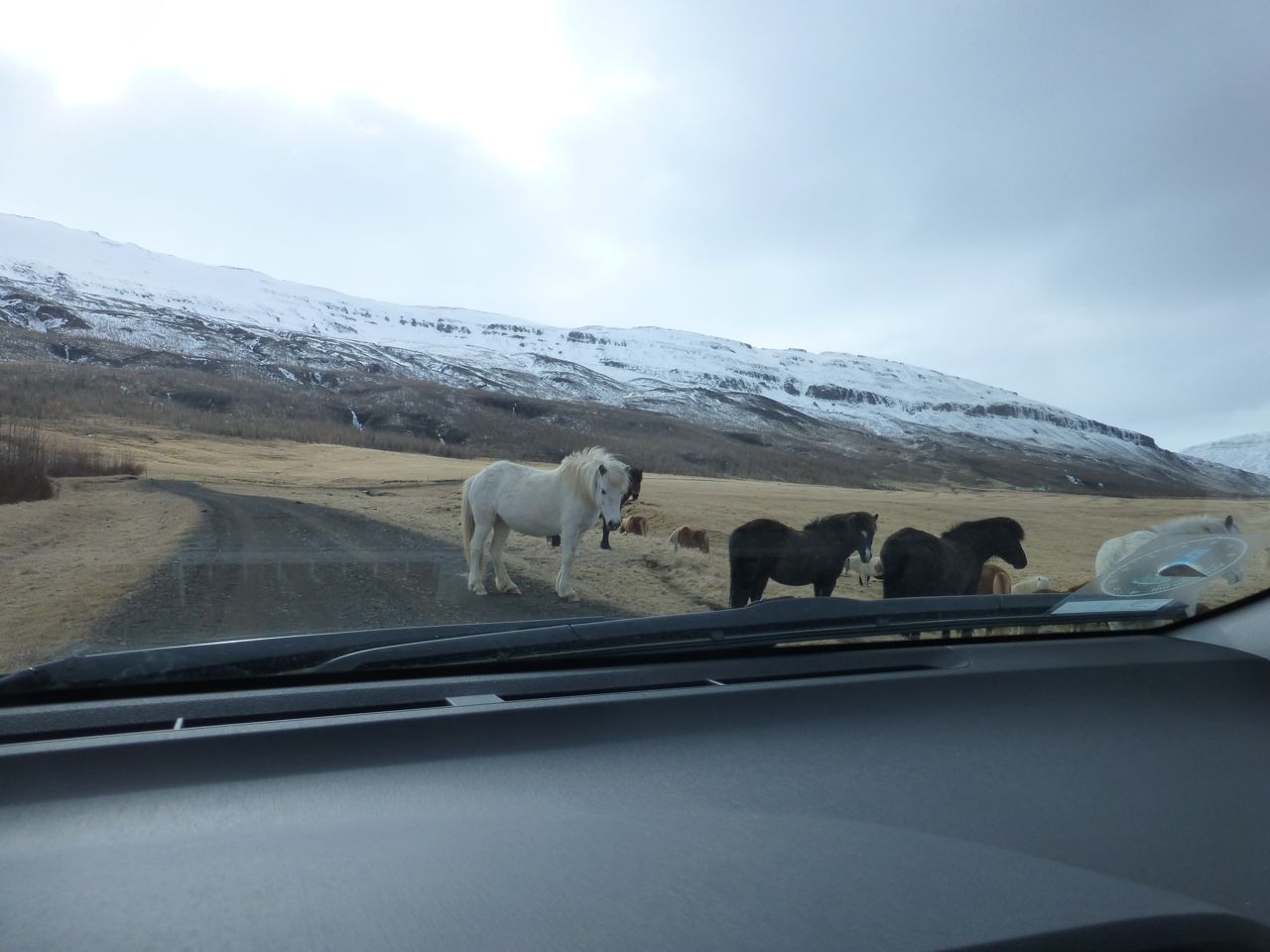
Home in Skriðuklaustur

The residency begins. Gunnar Gunnarson was there to greet me. The tree growing out of his head, that’s my wish for growth and spirit here. gunnarGunnar Gunnarson at Skriðuklaustur

Gunnar came here when there was nowhere else to go but to go back home. It was 1939. The war he had dreaded was on the horizon, and some of its shadow stuck to him. He resolved to go back farming.

reddoor

Skriðuklaustur Chicken Coop

The farming didn’t pan out all that well. My father and grandfather came to Canada from Germany with the same dream, and under very similar pressures, one after the first half of the Twentieth Century War and one after the second half of it. I am the dream they made, and so when I see things like this …

rustMy Father’s and Grandfather’s Tools at the Top of the World

The remains of Gunnar’s dream, Skriðuklaustur

… I know it is time to roll up my sleeves and get back farming. Tomorrow my work at Skriðuklaustur begins. I intend to farm here, but in words, and at a very deep level. Look for my discussion of the life in rock, as the first words from this new and old ground. It feels great here. I am here to honour Gunnar and my own ancestors, and to bring their stories together in the living ground of words. As I came close to the Klaustur, this is who saw me first …

horsesHorses in Fljotsdalur

What a great welcome!