Tag Archives: Iceland

The Out of This World Lichens of Iceland and their Gardeners

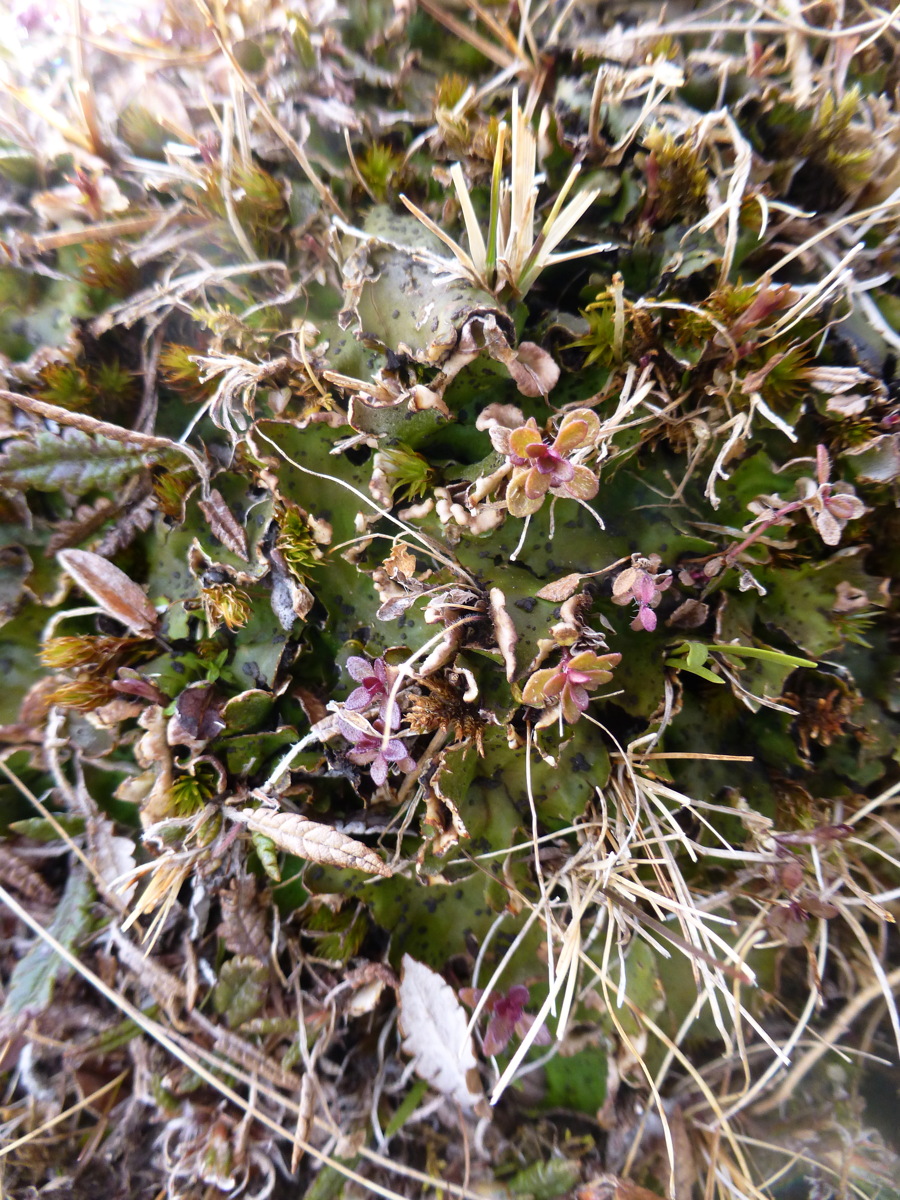
When cliff faces are too cold, lichen can do just fine by growing in a tension with heat conserving mosses.
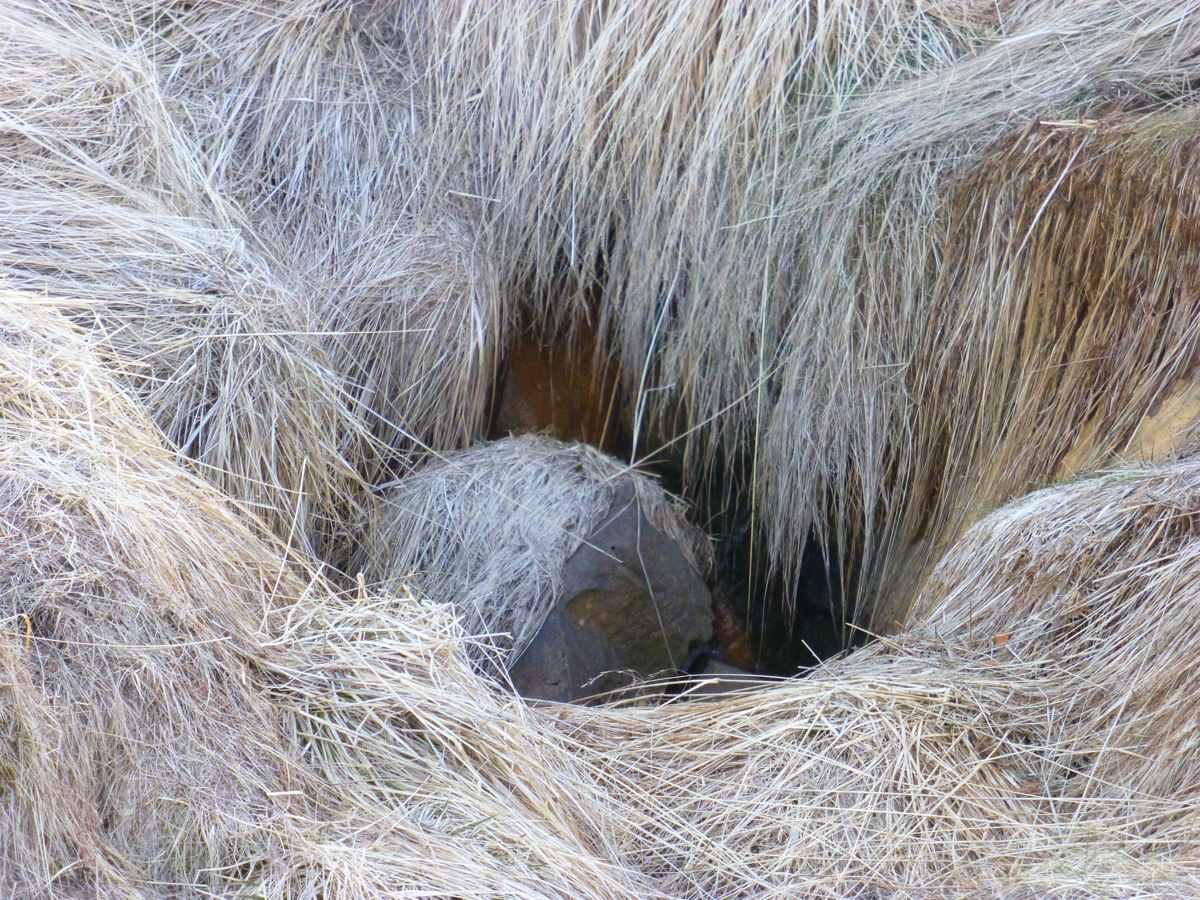
But tufts of arctic grass gnawed to mounds by sheep work just as well. Look how purslane, grass, moss and lichens all work together to create a balanced environment, conserving heat, gathering rain, relatively impervious to sheep, and even collecting soil ot of the wind. Clumps like these, and there are billions of them in Iceland, are like reefs on a continental shelf, or miniature planets in the cold of space. The missing co-conspirators? Ah…
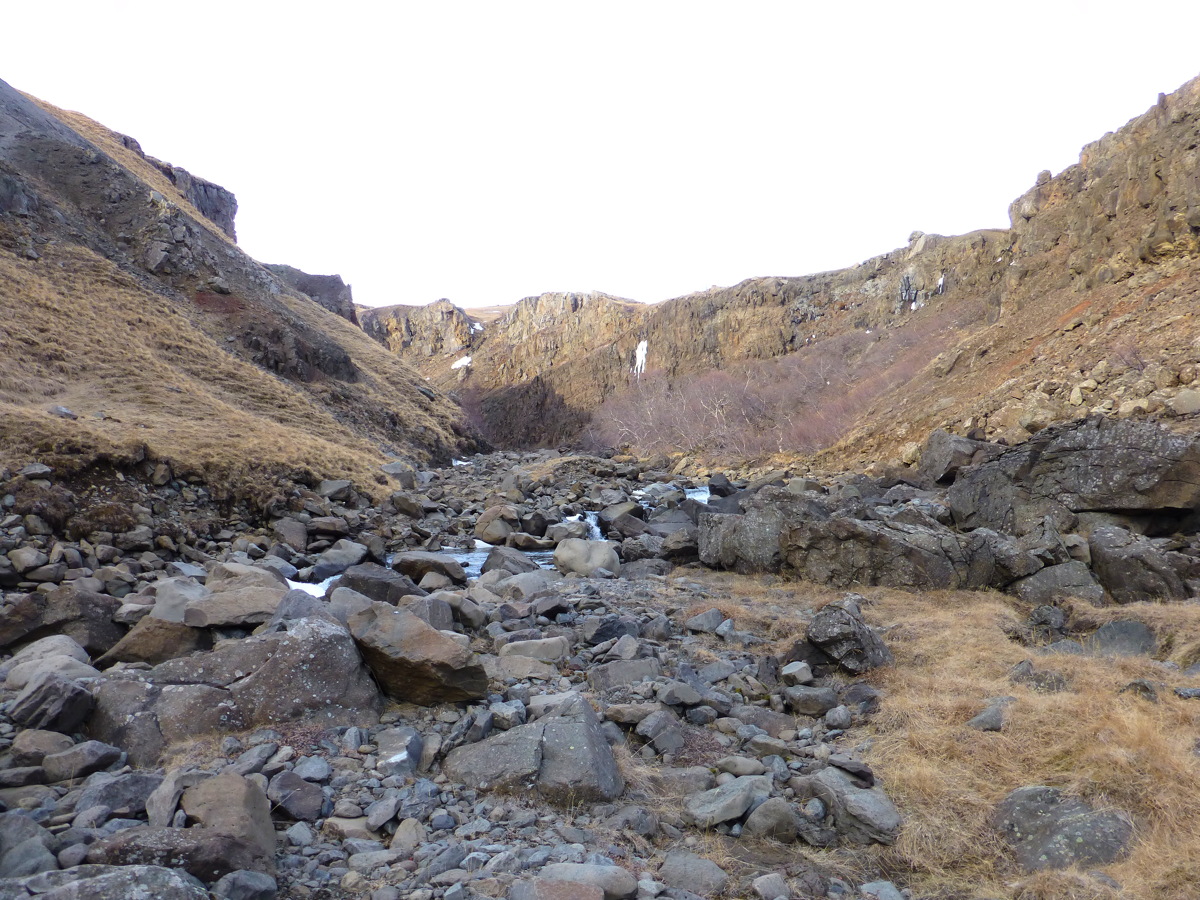
 

The Earth Gives Birth

Iceland is a “settlement” culture, not a “colonial” culture. This orientation continues today. There are times the Earth reminds the human body of its own birth.

Skriðuklaustur

At those moments, the human mind and body unite to give birth to a new self at one with the earth. That is settlement. It’s like taming a horse.

Mosfellskirkja

The most beautiful church in Iceland.

Mosfellskirkja, Mosfellsdalur

And probably the most political. Like all churches, it is a face of the state. If you want to know what political power looks like, look here. That most Icelanders don’t actually go to church is not the point. It’s not about “going to church.” It’s about the survival of an ancient balance between outward and inward lives, i.e., in modern terms, Iceland. In other words, this, too, is church:

Hafrafell, The Mountain of the Sea

And ravens. Mountain of ravens, too.

It is about holding on. So, when you come to a church in Iceland, don’t drive by. Stop.

Kirkjubær

That’s the old church in the foreground, in memory at least. But, a thousand years, what’s that? Nothing at all.

The Problem With Cairns

In Iceland, the major architectural monuments from the past are also way-finding cairns of stones passing across inhospitable terrain. They were essential for commerce and the maintaining of a low technology culture in a harsh environment. They are now essential links to the past, as important to Icelanders as, say, the pyramids in Egypt or the Strasbourg Cathedral in France. In other words, they led somewhere, and still lead somewhere important, even as people continue to try to read them.

Aimlessness at Þingvellirvatn

Unfortunately, many contemporary visitors to Iceland, being humans and liking to make their own presence into lasting magical gestures, a signature of their kind, obscure the landscapes with their mark-making. Please don’t. It’s ugly and aimless. They don’t let you do it in Paris. Respect goes a long way towards creating beauty.

Photography Out of Bounds

The National Geographic will tell you that Iceland looks like this. Kirkjufoss, they call it.

National Geographic

You will be astonished how much trespassing you have to do to get a shot from that angle. In truth, though, Iceland looks like this:

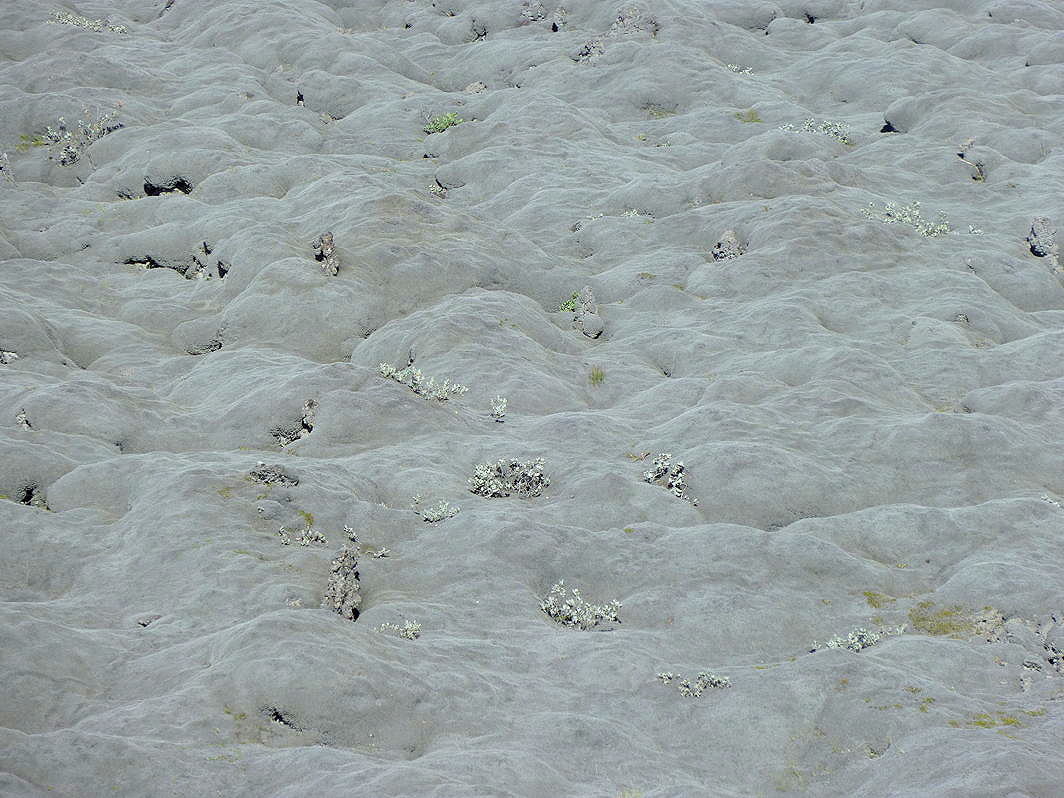
We call that moss. Those little silver plants there? That’s a forest. Please, stay on the trail. Beauty becomes photography, taken from awkward angles, with weird blurring things going on, if you don’t.

What’s in a Word: Veit

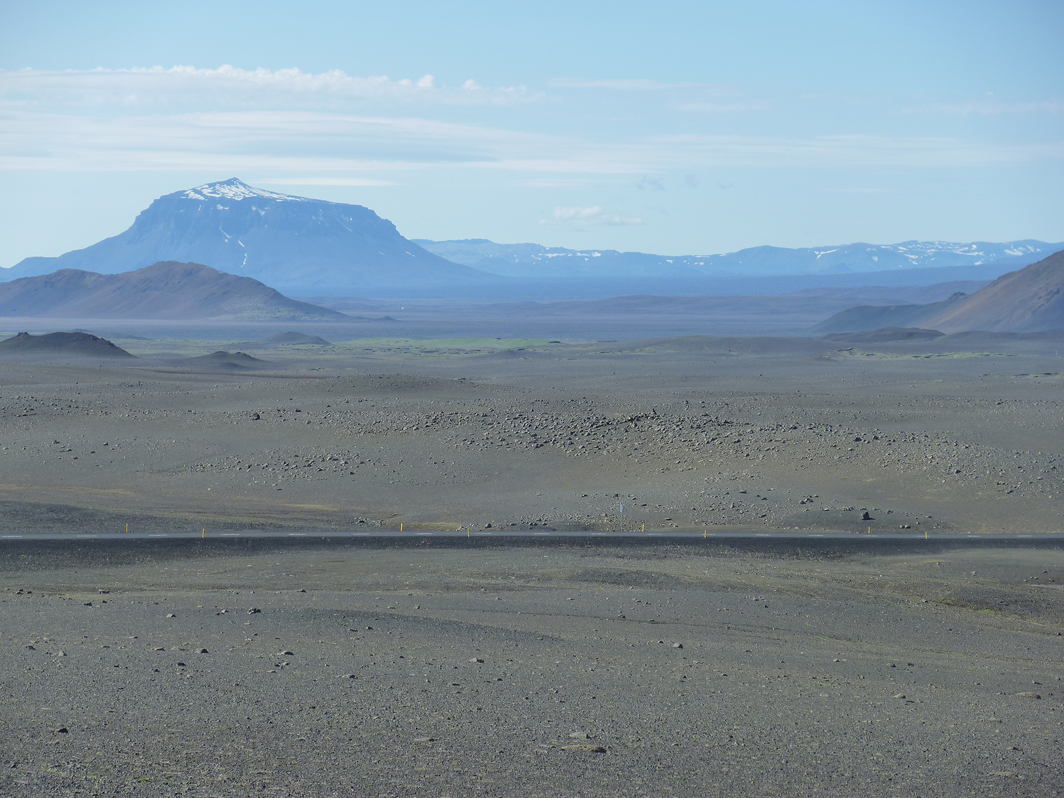
A veit is a vein. It is a space of the blood pounding in your ears, the loneliness you feel when you are alone, and the connectivity bound to that. If you are alone in the earth and connected to it, you are the earth. You are huge, and walk through yourself. Welcome to Myvatnsveit.This is the most beautiful Iceland of all, a place between other places, a place that is, in other words, not a place but a spreading expanse of time, which does not exist, between places, where humans can settle. You can’t settle in a vein. You can only walk, or drive, or die. A vein is the same space within your body: a place between, where travel takes place. We need veits (wide-ness, vistas, and their winds. Only here …… can you find yourself.

Or get lost. Although it follows the land, the road is not the map.