
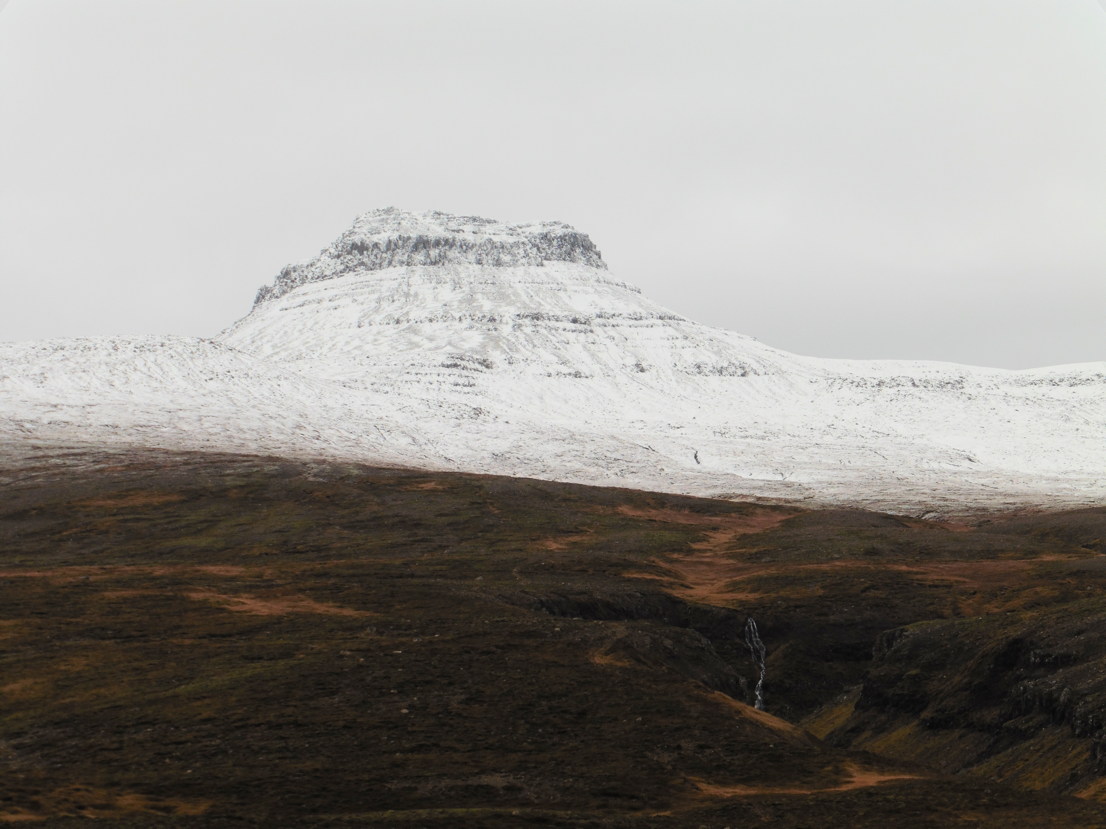
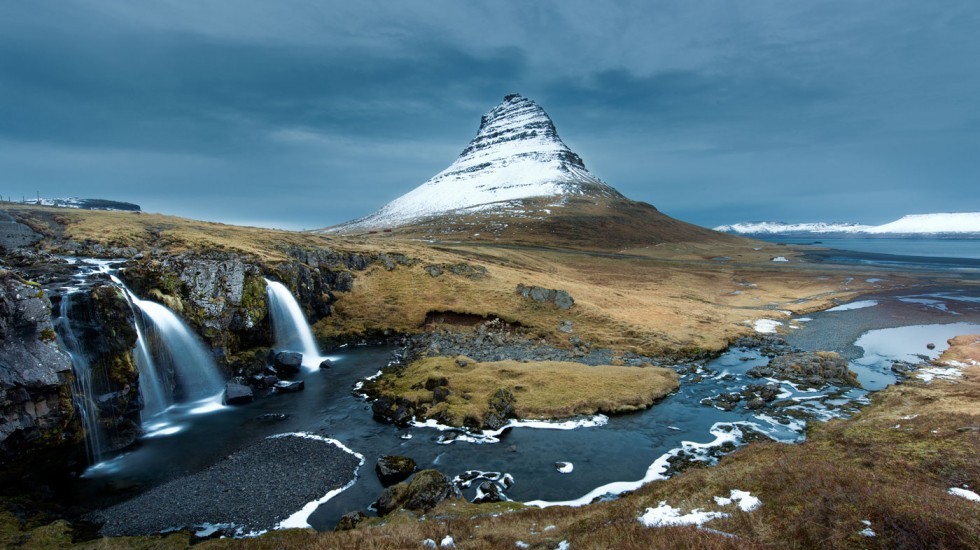
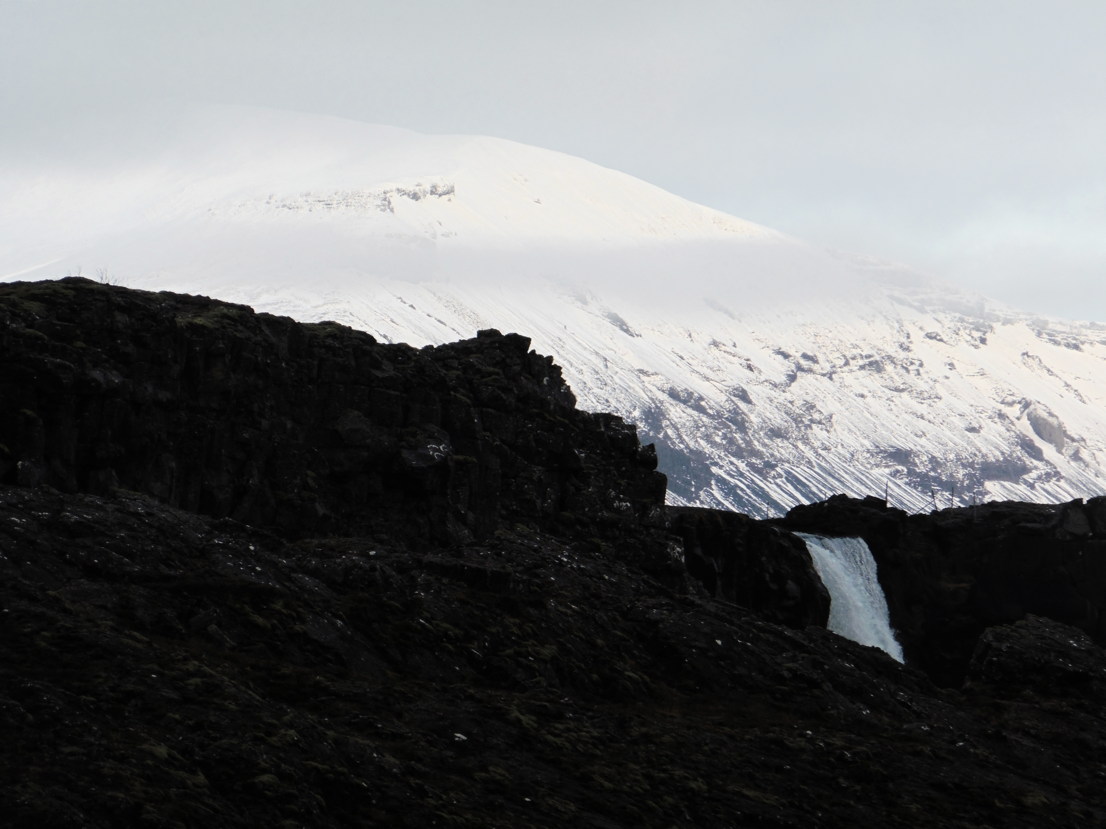
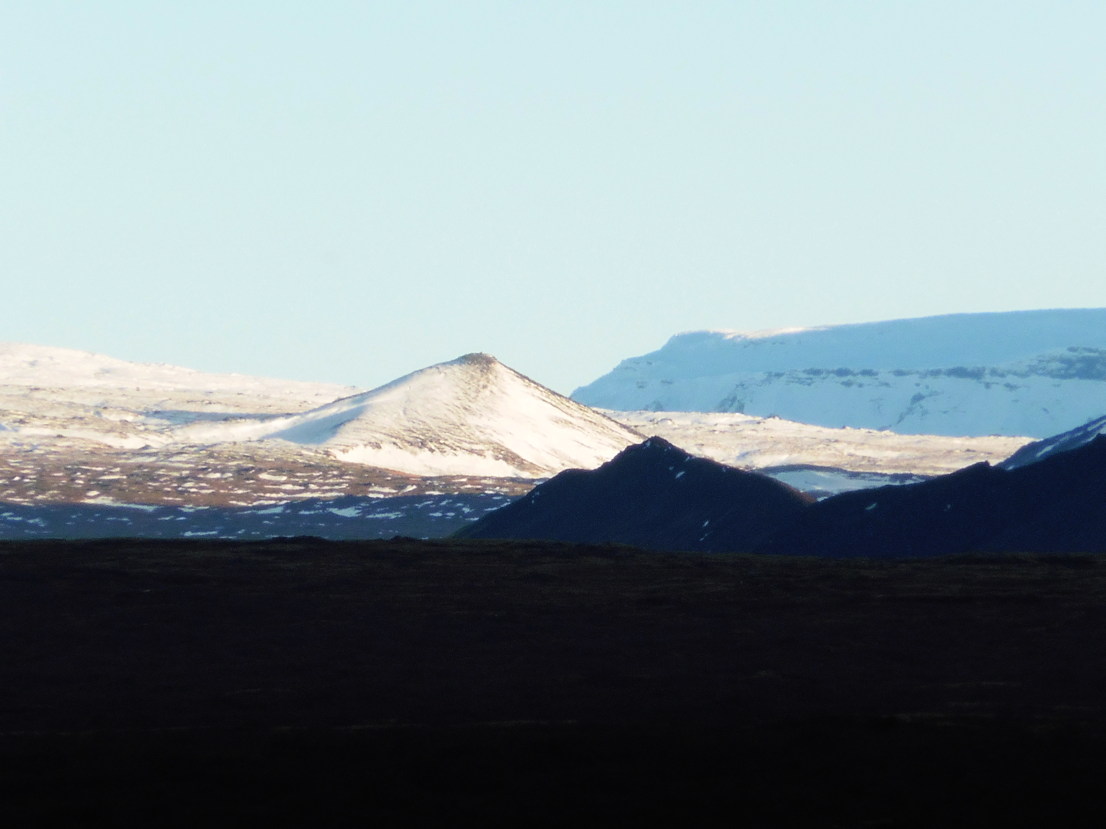
It’s beautiful on Snaefellsnes, isn’t it, when the gales blow in and the light pulls the mountains out of another world at year’s end.

And the glacier, Snaefellsjökull, is very fine when hurricane gusts lift off its fog and the sun shines from within the ice, lighting up the sea mist, and you have to brace yourself just to stand up.

Just imagine living there!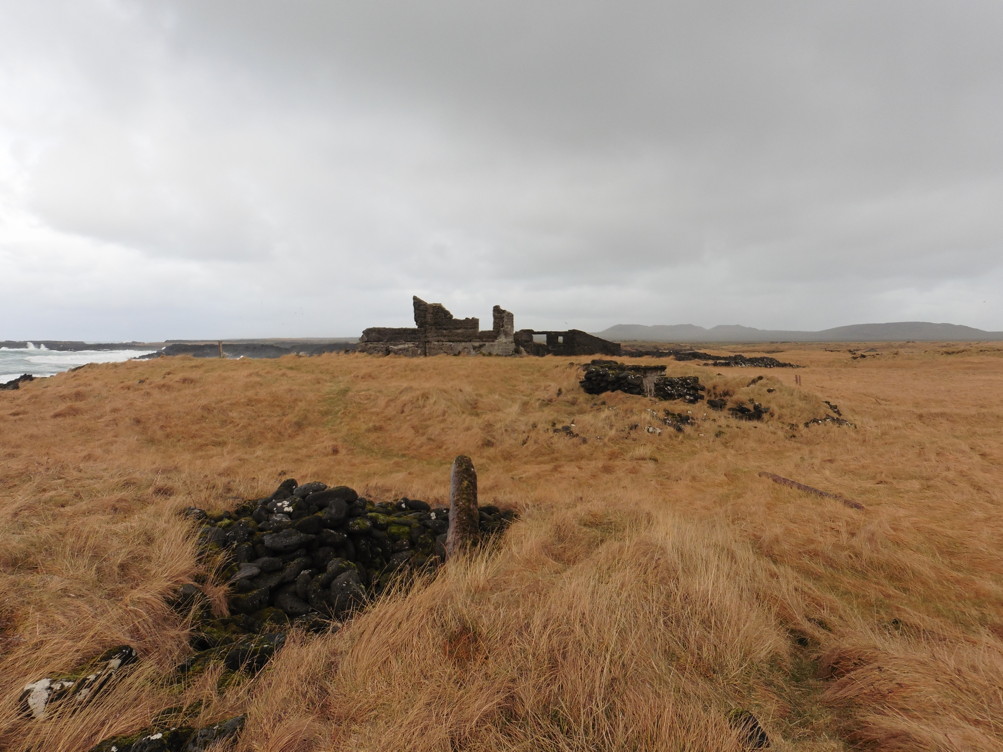
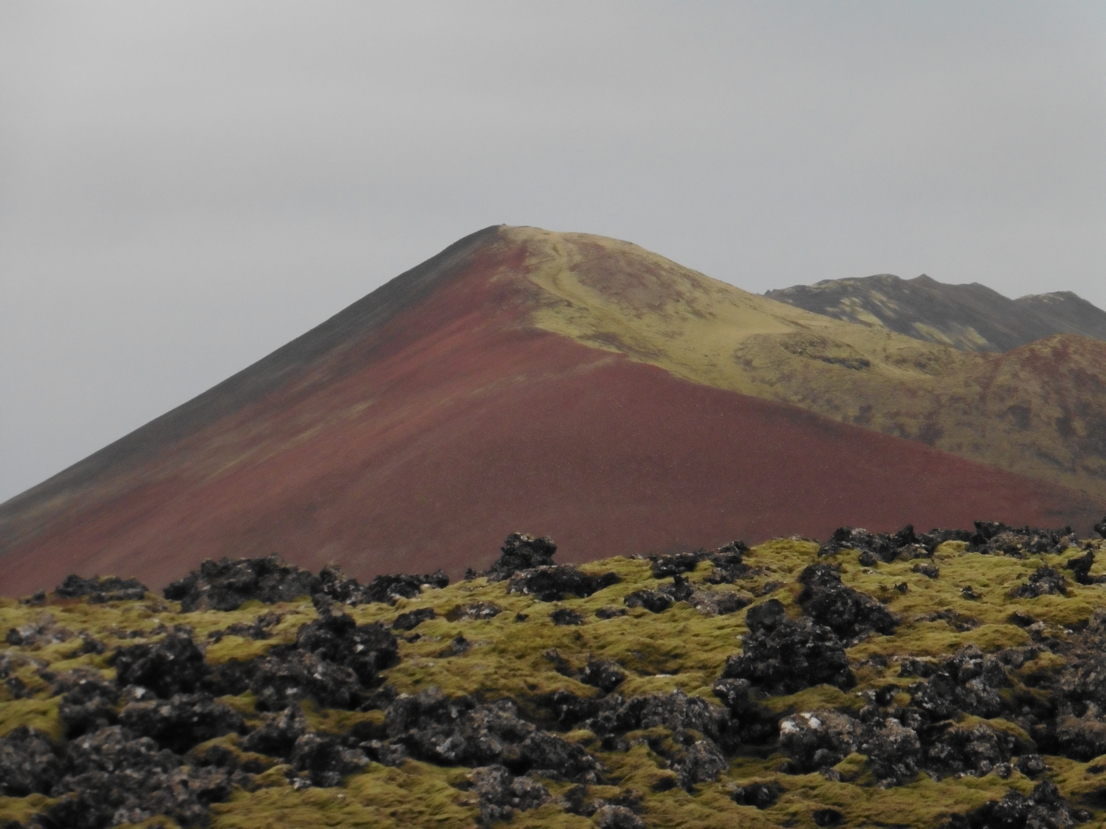
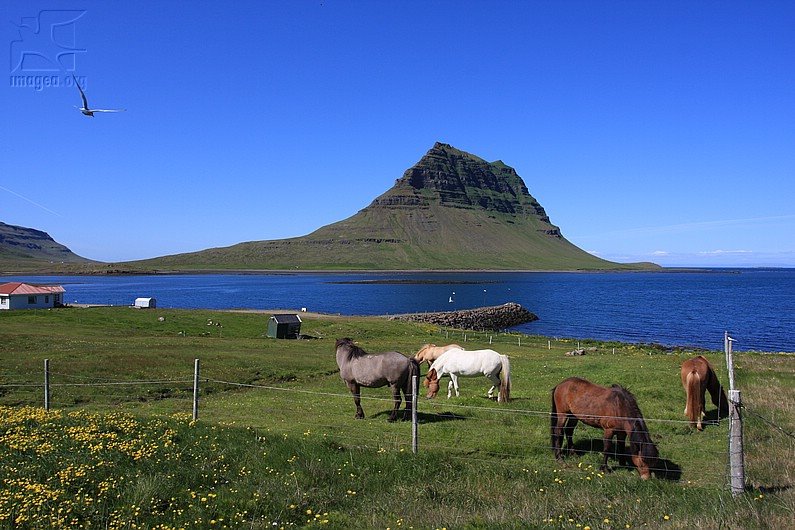
You can pick up lumps of the lava bed and make a fence, and there are ponds for your sheep and horses and the family cow, plus a little bit of Siberian driftwood.

Also pieces of shipwreck you can use to build a shelter for your cow.

And if you shift enough stones, you can even have a field out of the wind!
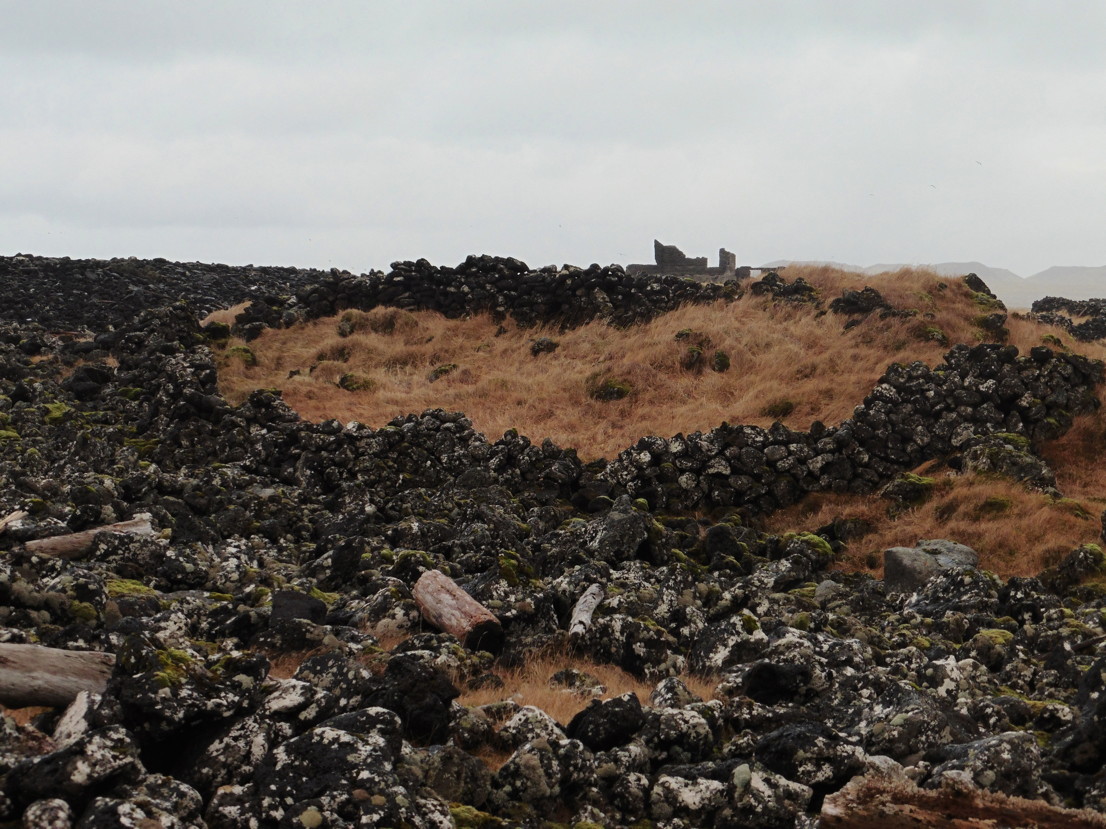
Even if you don’t shift any rocks, there’s grass for the sheep, and always the roar of the sea breaking against the lava bed.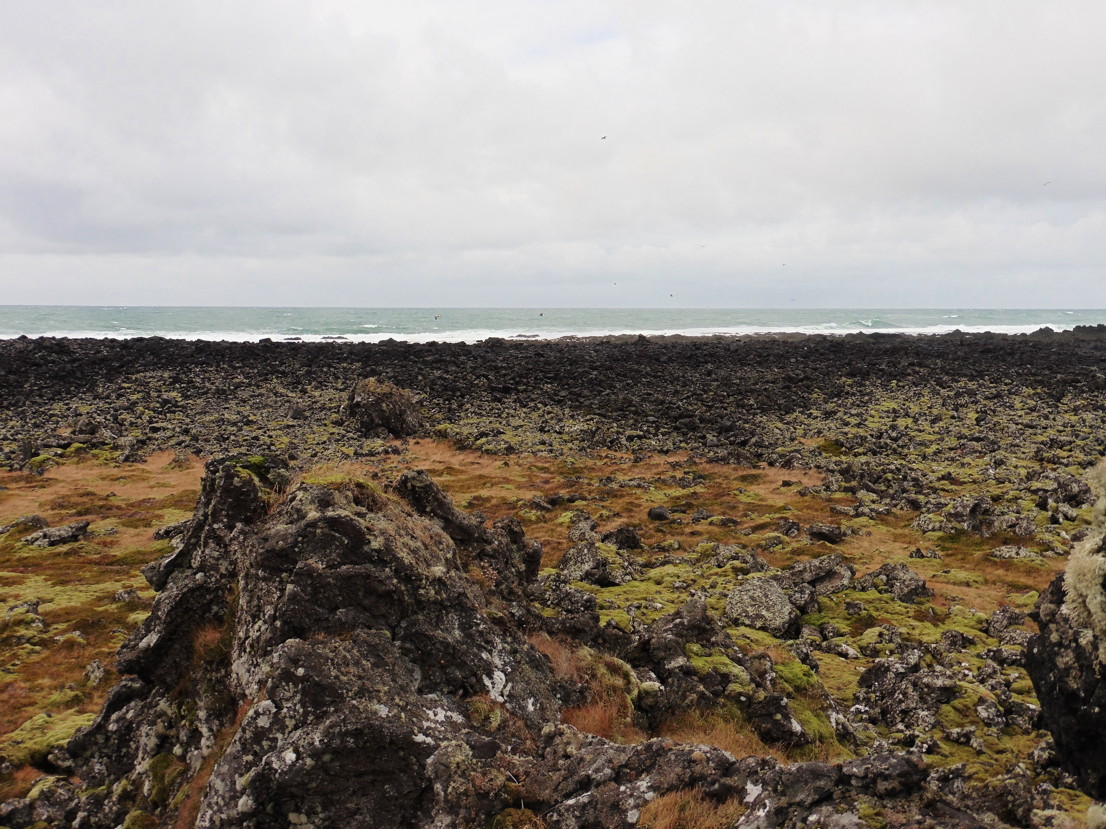
And if you lived here, this would be your view. You don’t have a “front yard”, a street, a flower bed, nothing. You step out into the North Atlantic.

And this is the modern house, and it has been abandoned. You could only pull this off at a certain stage of technological development, when there was enough economy and technology to bring in supplies but not enough to kill off the need for people to live here and catch fish in small boats, plus not enough opportunity elsewhere to replace this fierce independence with a greater comfort. Notice how even this modern concrete house is built just like a turf house, with incredible amounts of hand labour, too: small rooms connected with odd passages, most of them through the outside air, as they were built one at a time according to time, energy and need.

And always the roar of the sea.

And then the children leave for the modern world that technology has made possible, and this particular modernity, brought to this fierce, remote land at the end of the Earth, is abandoned when the old people are gone.
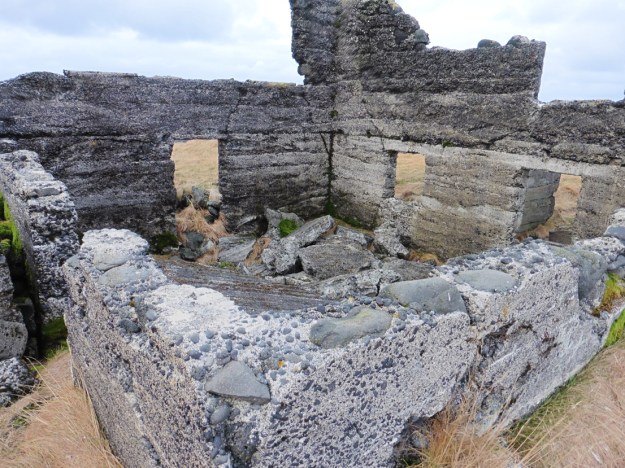
But it is out of such stubborn independence that modernity was made in Iceland.







And always the roar of the sea eating the land.
The thing to remember as a traveller is that in Icelandic culture you only need to know what you need to know. It is also a proud culture, and if that means selling you an image of vikings donated by Americans, who really like this kind of thing …
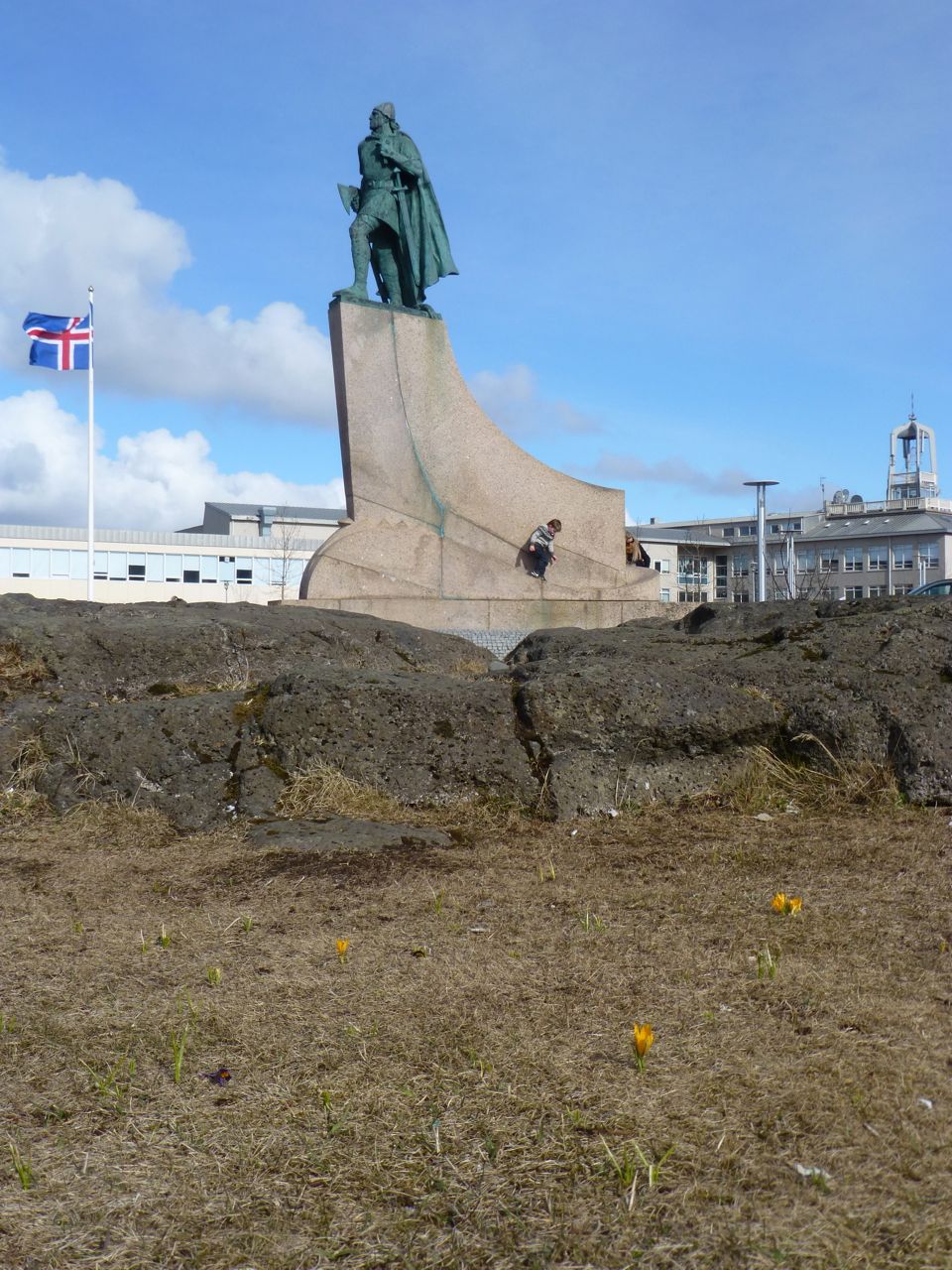
… and pride, which is real enough, instead of one of 1100 years of terrible struggle…
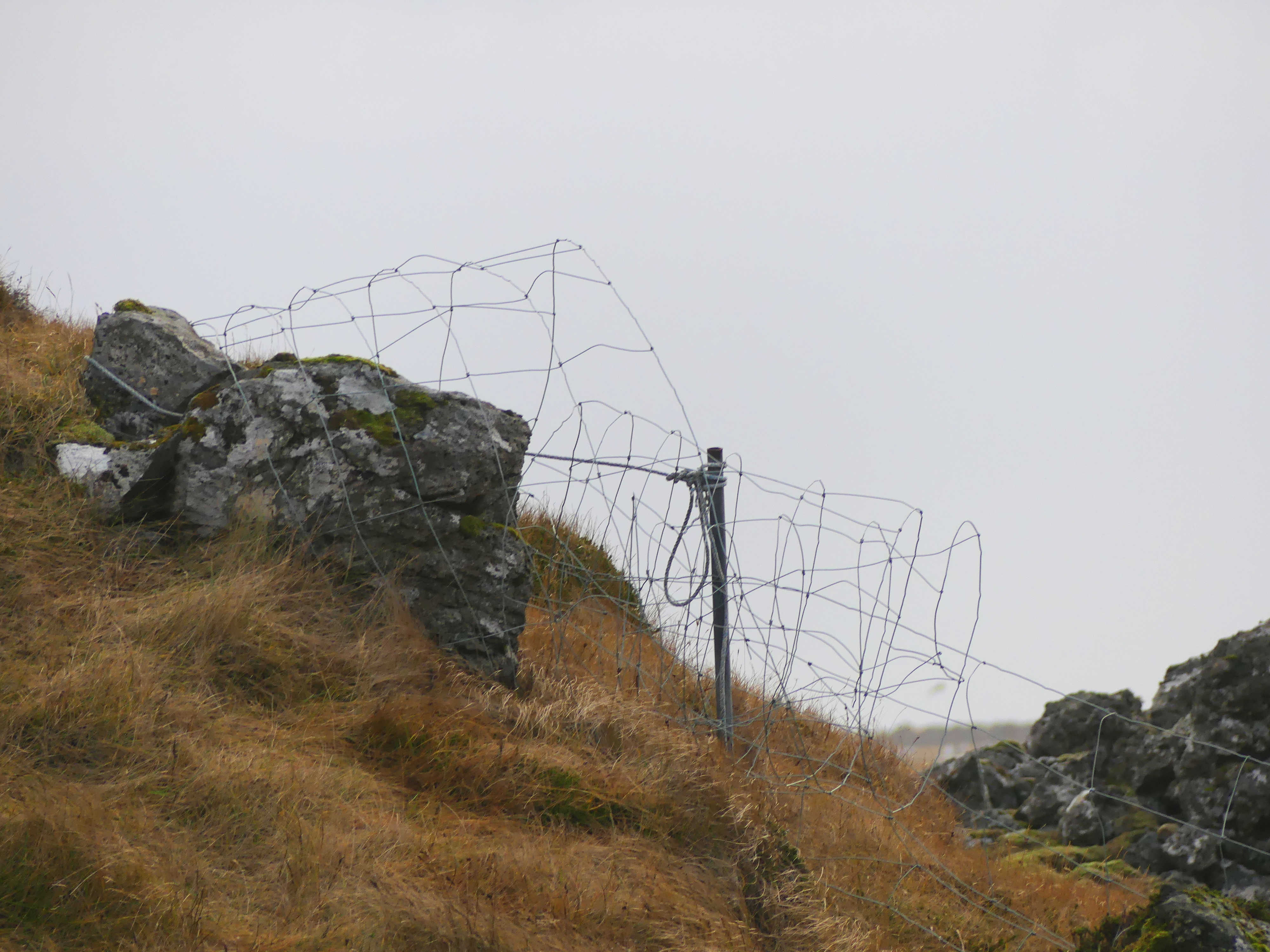
… really terrible struggle in more than a human world …

… and what would now be called isolation (but which wasn’t), in which the land is also a sea…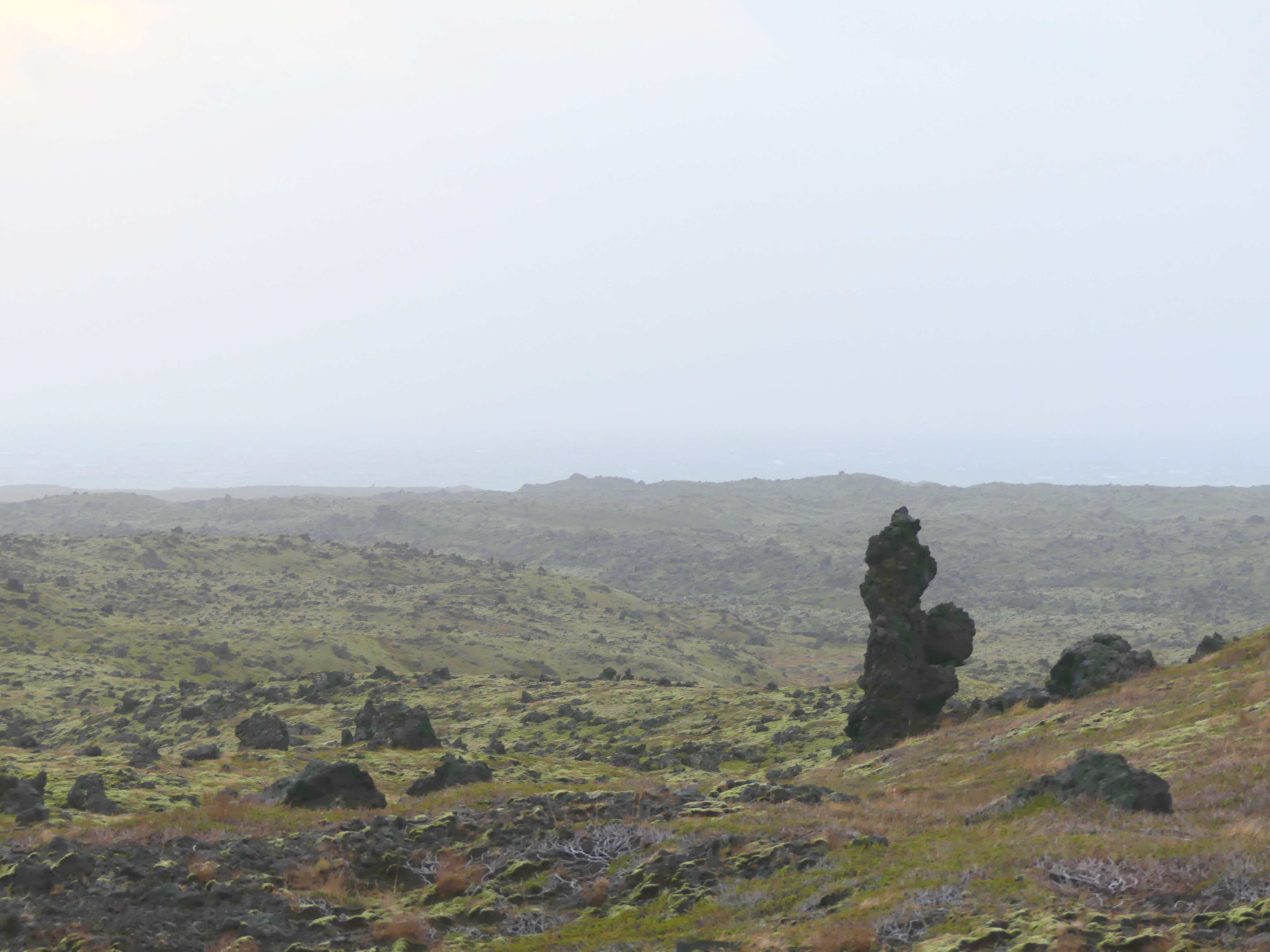
… or selling an image of bold adventure …
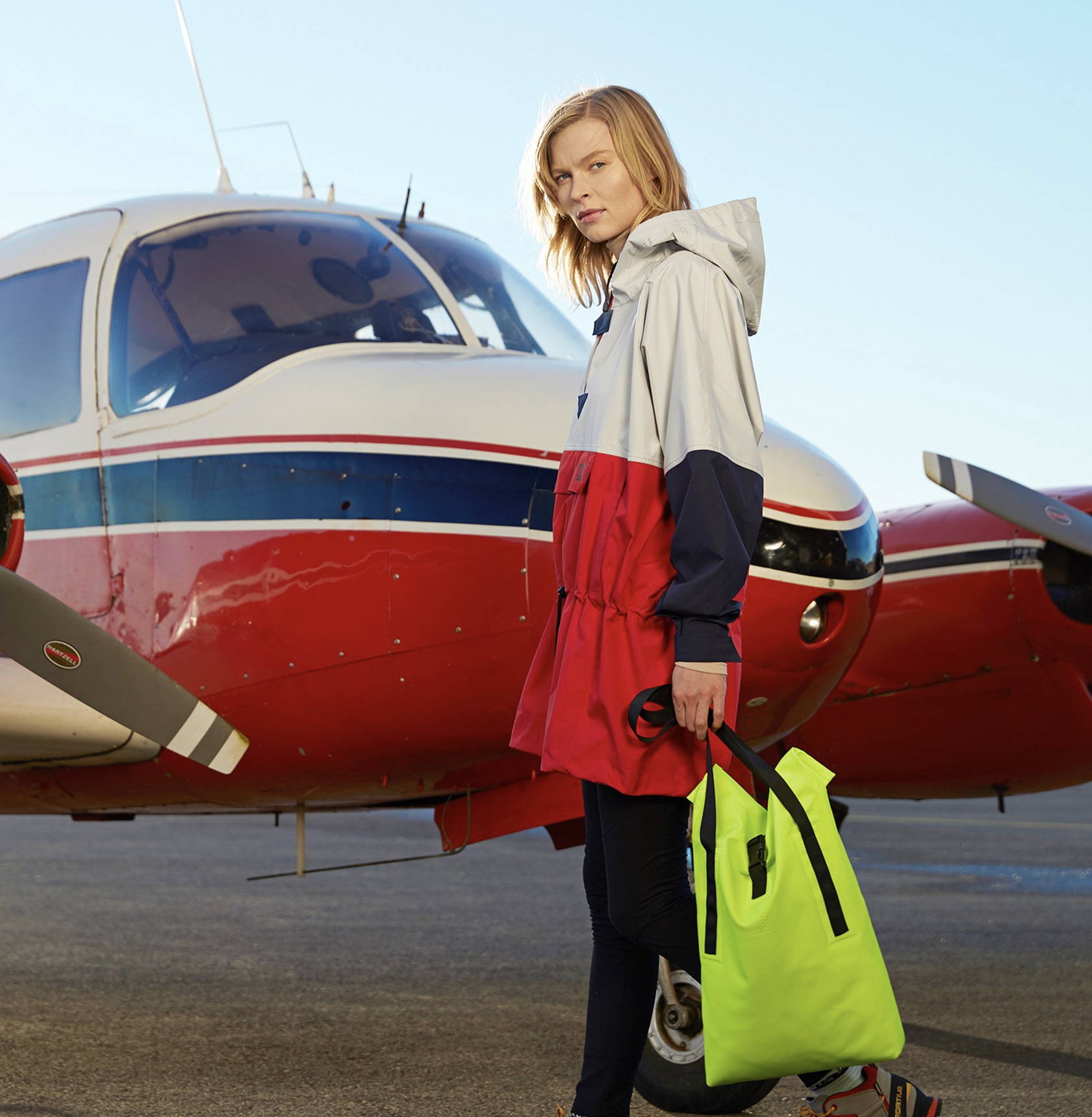
…instead of one in which there is nowhere to go to get in from the cold, well, they’ll do that. They are very genial hosts, the Icelanders. Just remember that even if comfort comes from each other …
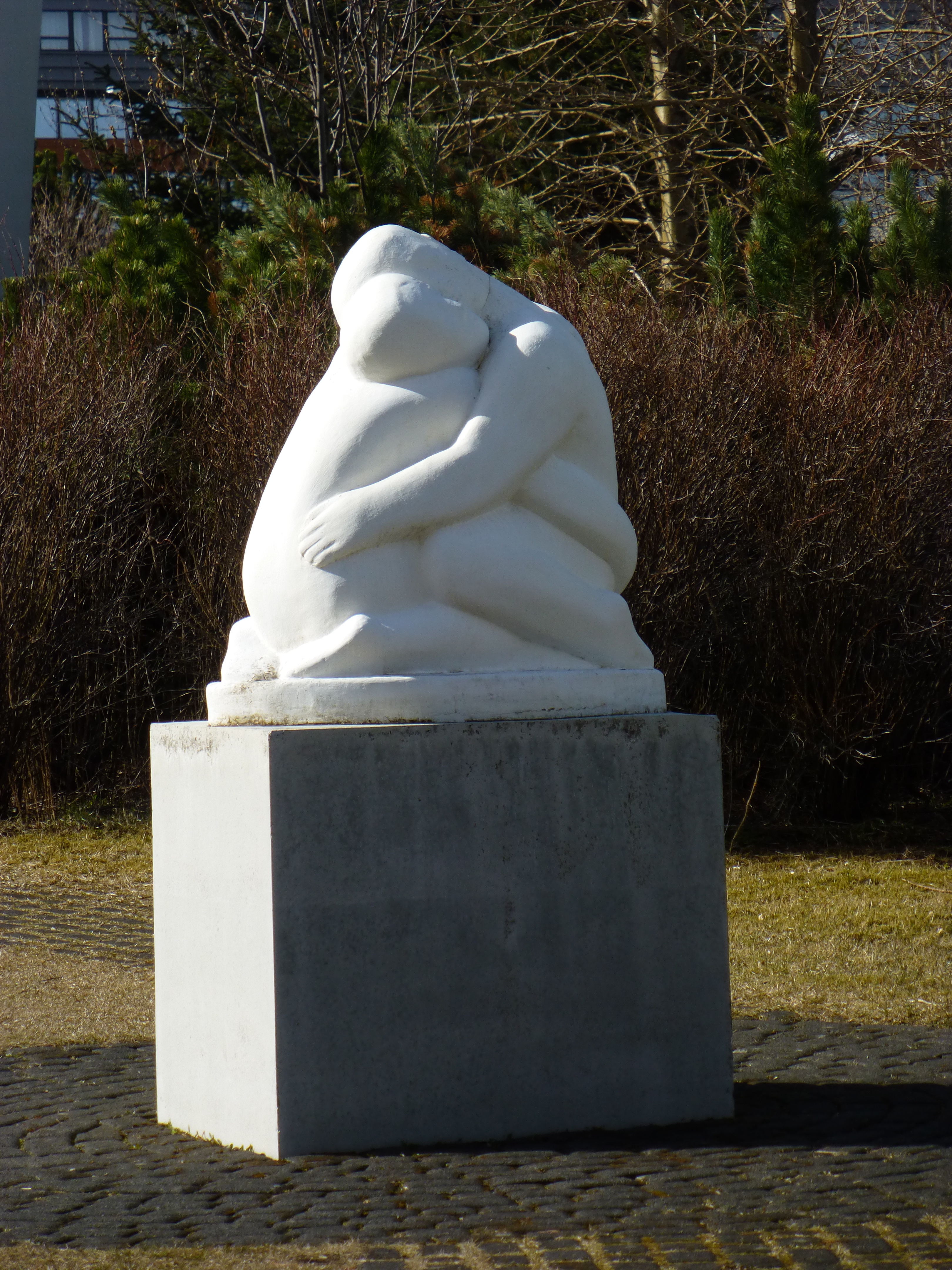
… and the images the city presents are of funkiness and crazy happiness …

… you are still on a volcano in the North Atlantic, and the sea is still eating the land from under you, the wind is still blowing … 
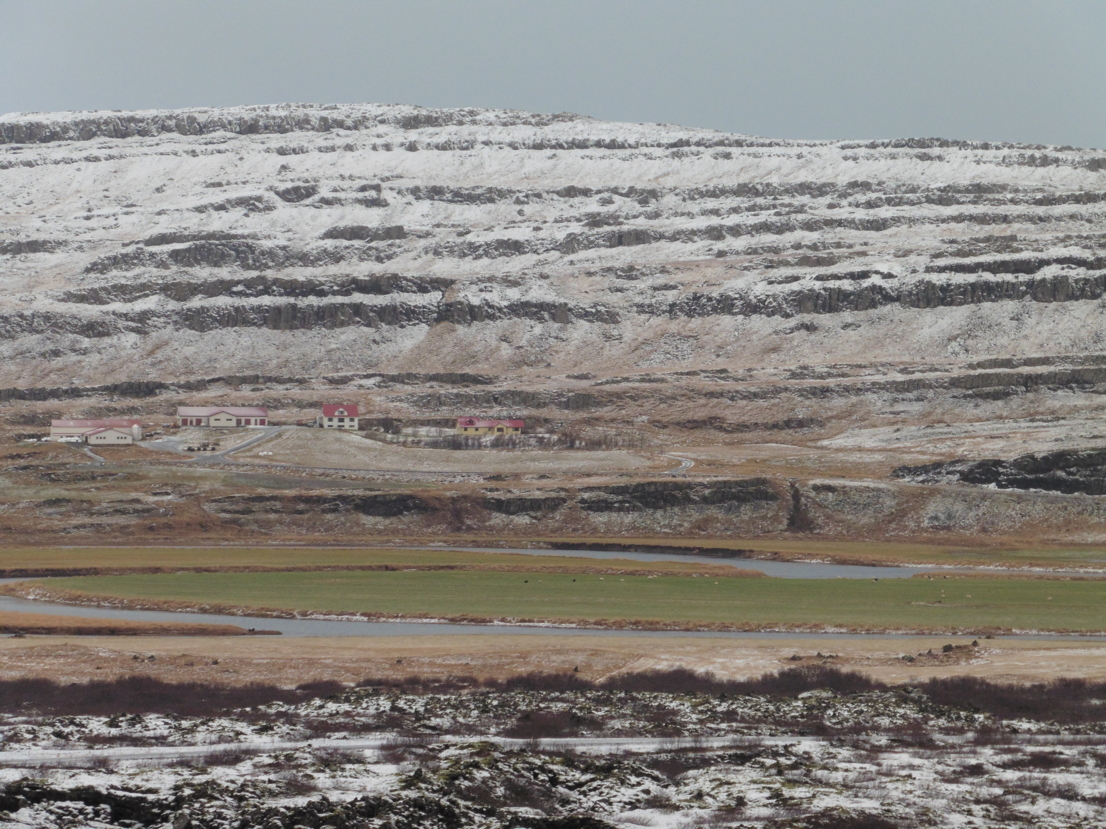
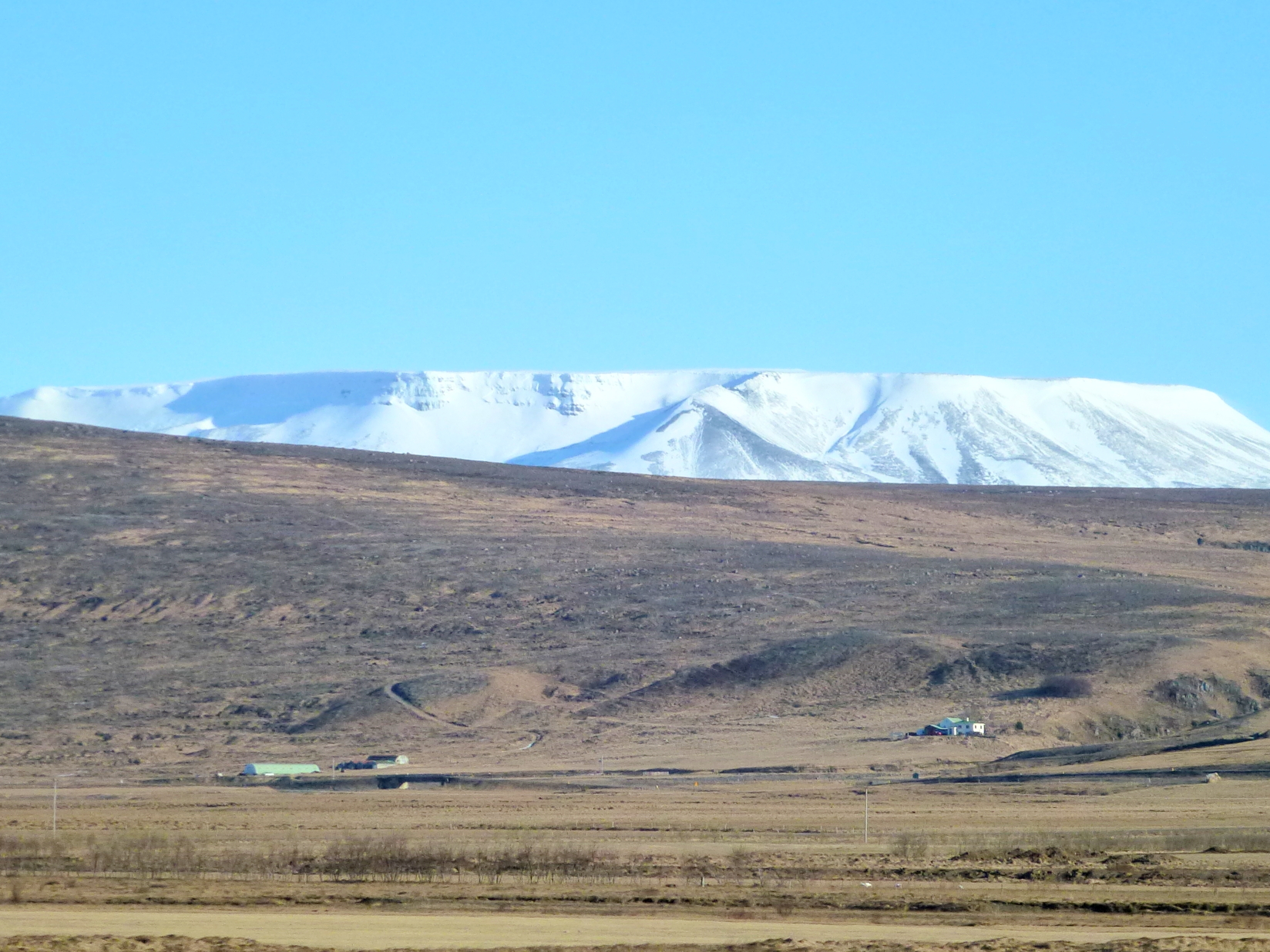
… all you have is a few sheep in an impossible place …
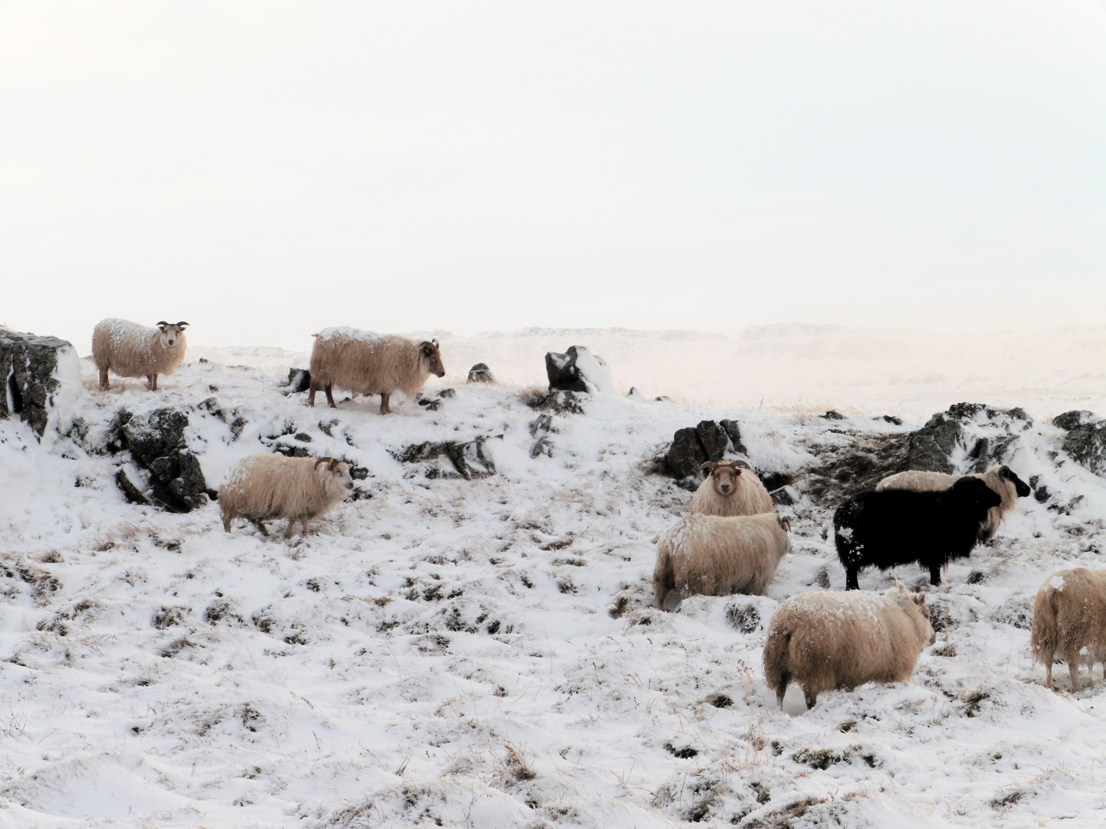
… and everyone around you knows this. With nothing else except each other you must begin.
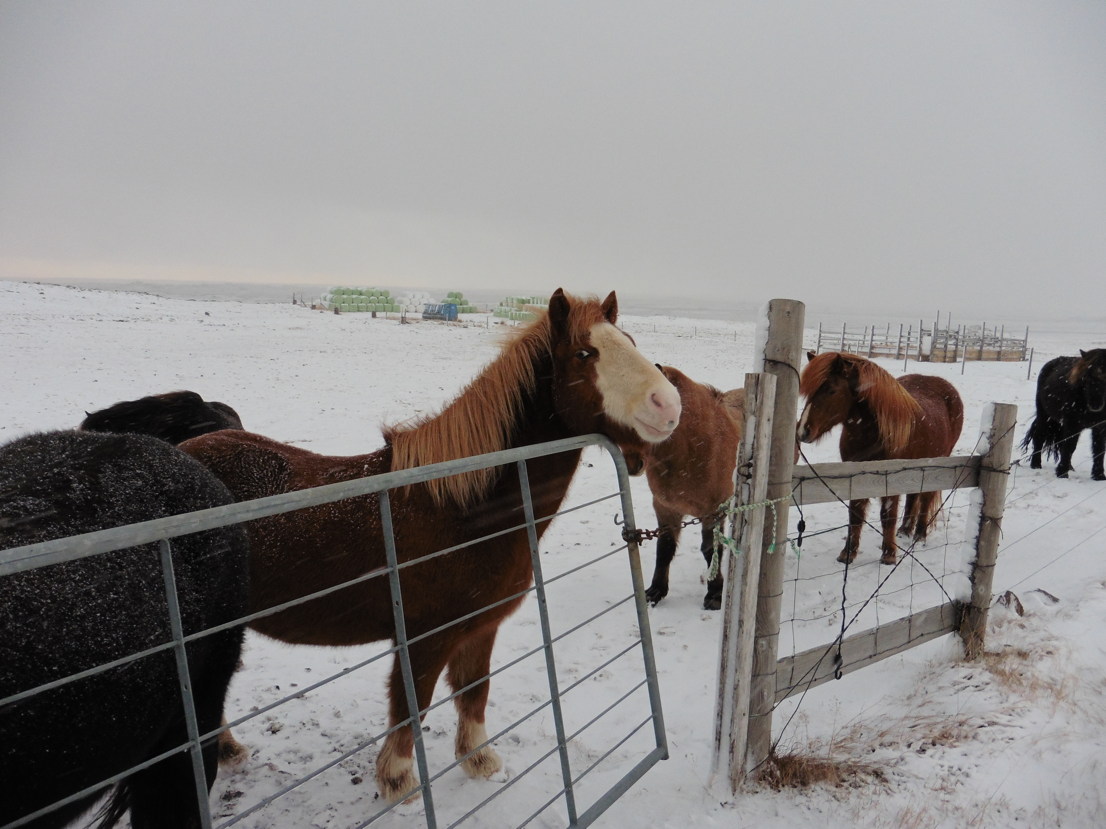
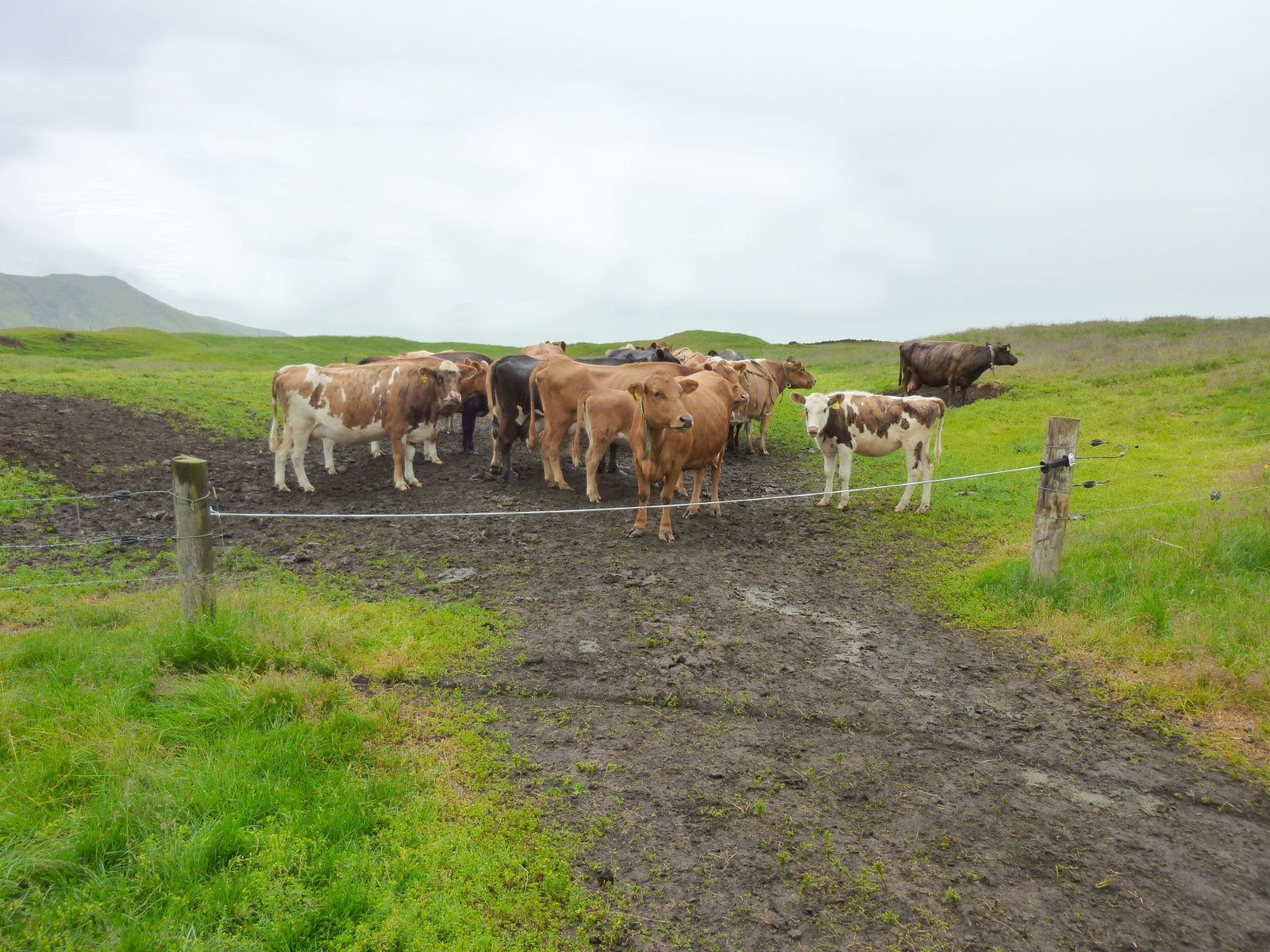





 A Farm in Iceland