Author Archives: Harold Rhenisch

Unknown's avatar

About Harold Rhenisch

www.haroldrhenisch.com

The Land of the Wind

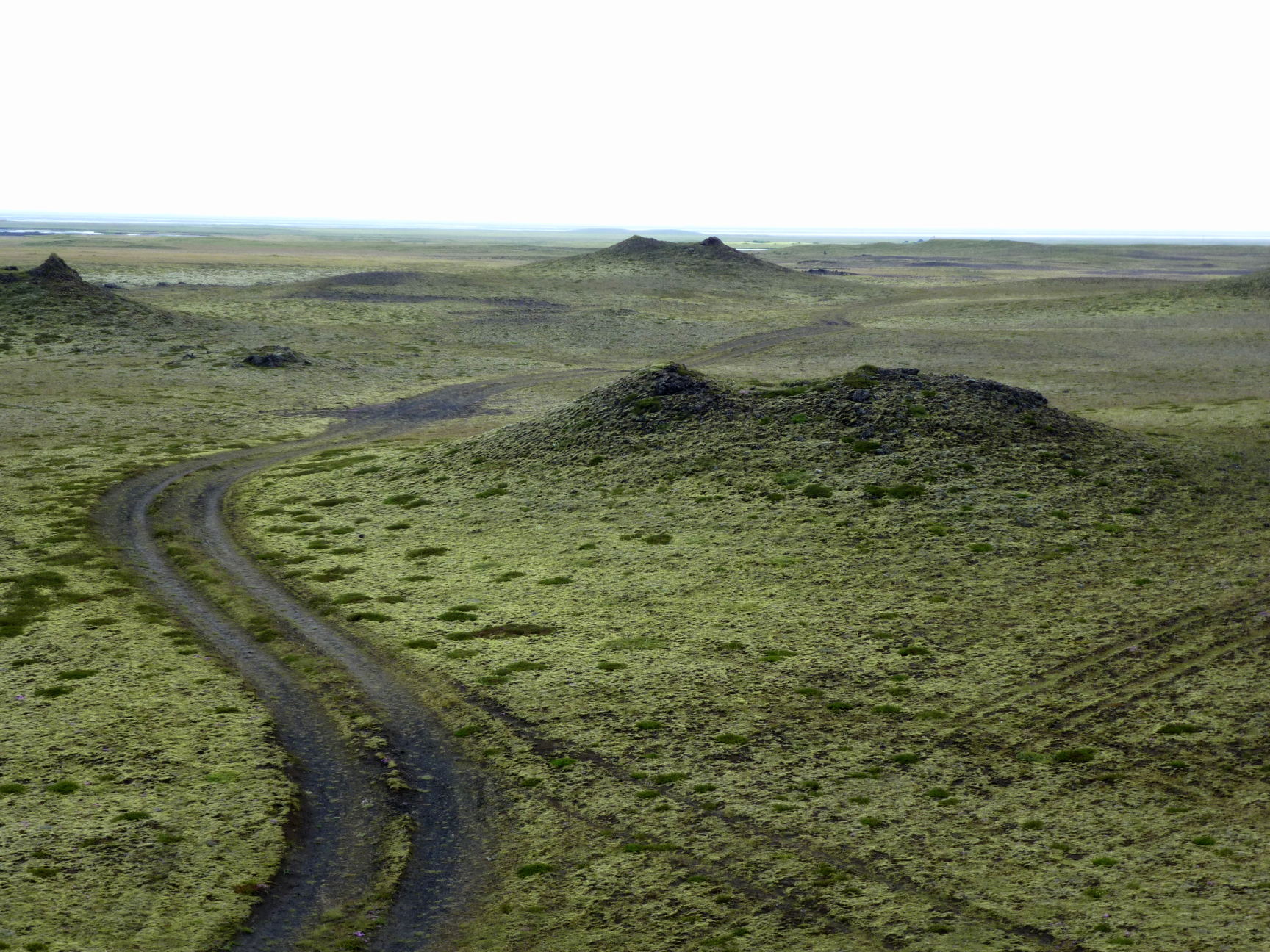
The dunes of East Iceland are pure environments of wind. The black volcanic soil is sculpted by the wind, the grasses are blown in by the wind and anchor the soil by it. They use the wind to pollinate their blooms and to disperse their seeds, as well. And the snow is blown across the dunes by the wind, forming dunes of its own, and echoing the forms of the land, as you can see in the exquisite mirrored half moon of dune and drift below.
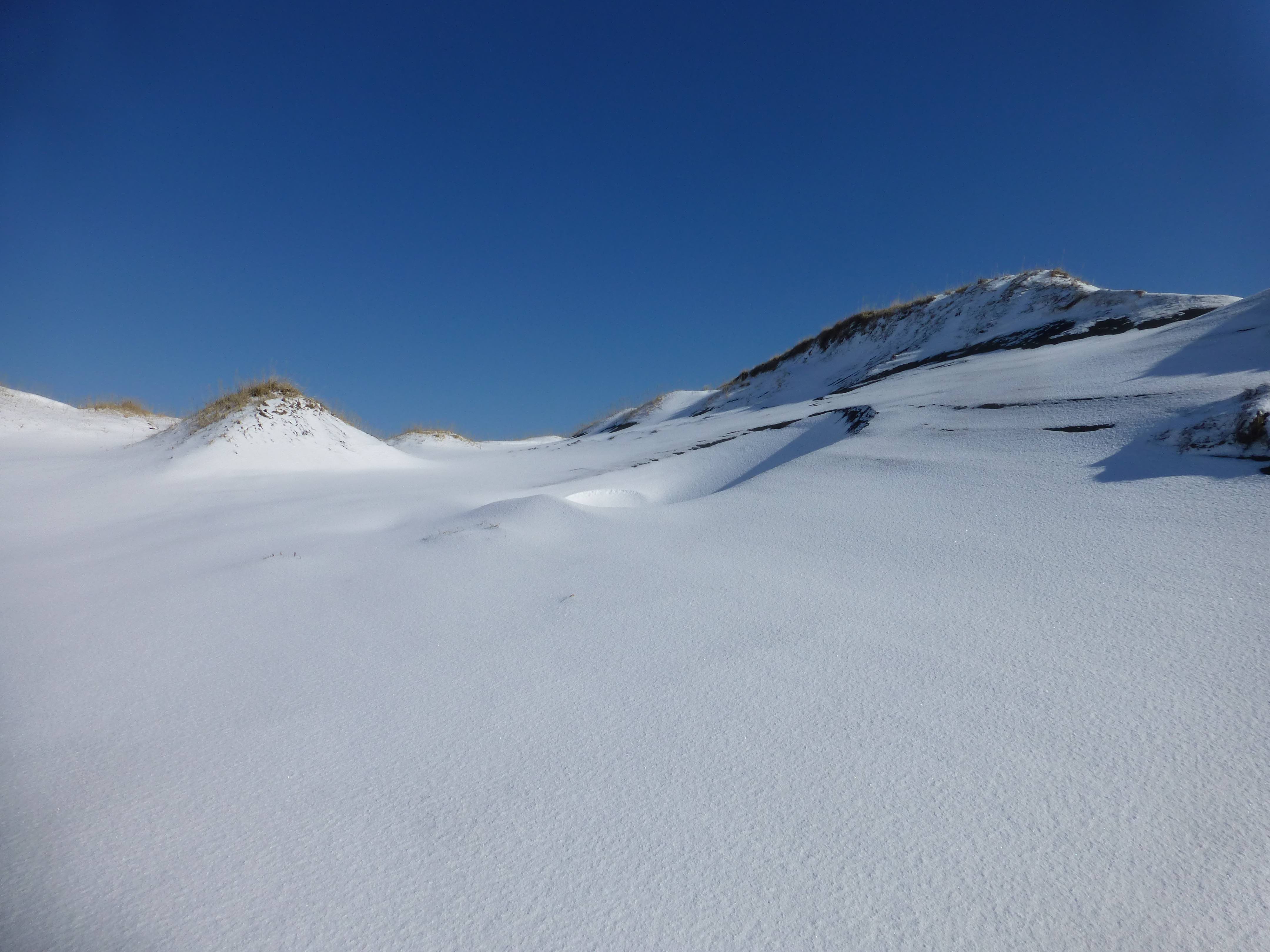
It is the place where the air above the sea becomes the air above land, a powerful place of transformation and extreme energies. It makes dunes a dangerous place for humans, a place almost simultaneously expressing the edges of human life and their absolute, grounded centre. So it is with the shore of the sea. So it is with the shore of the wind.
What Colour Should You Wear in Iceland?

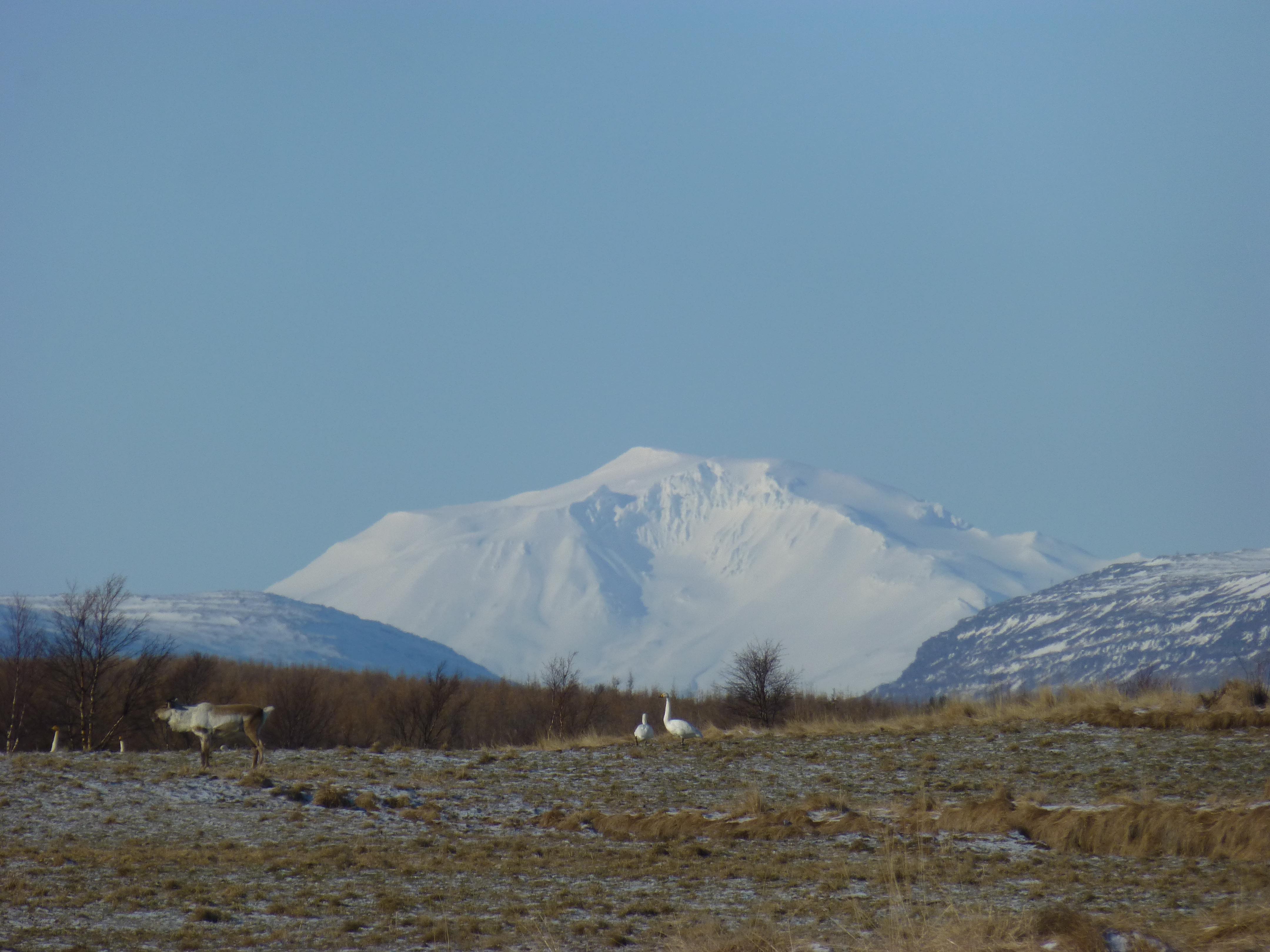
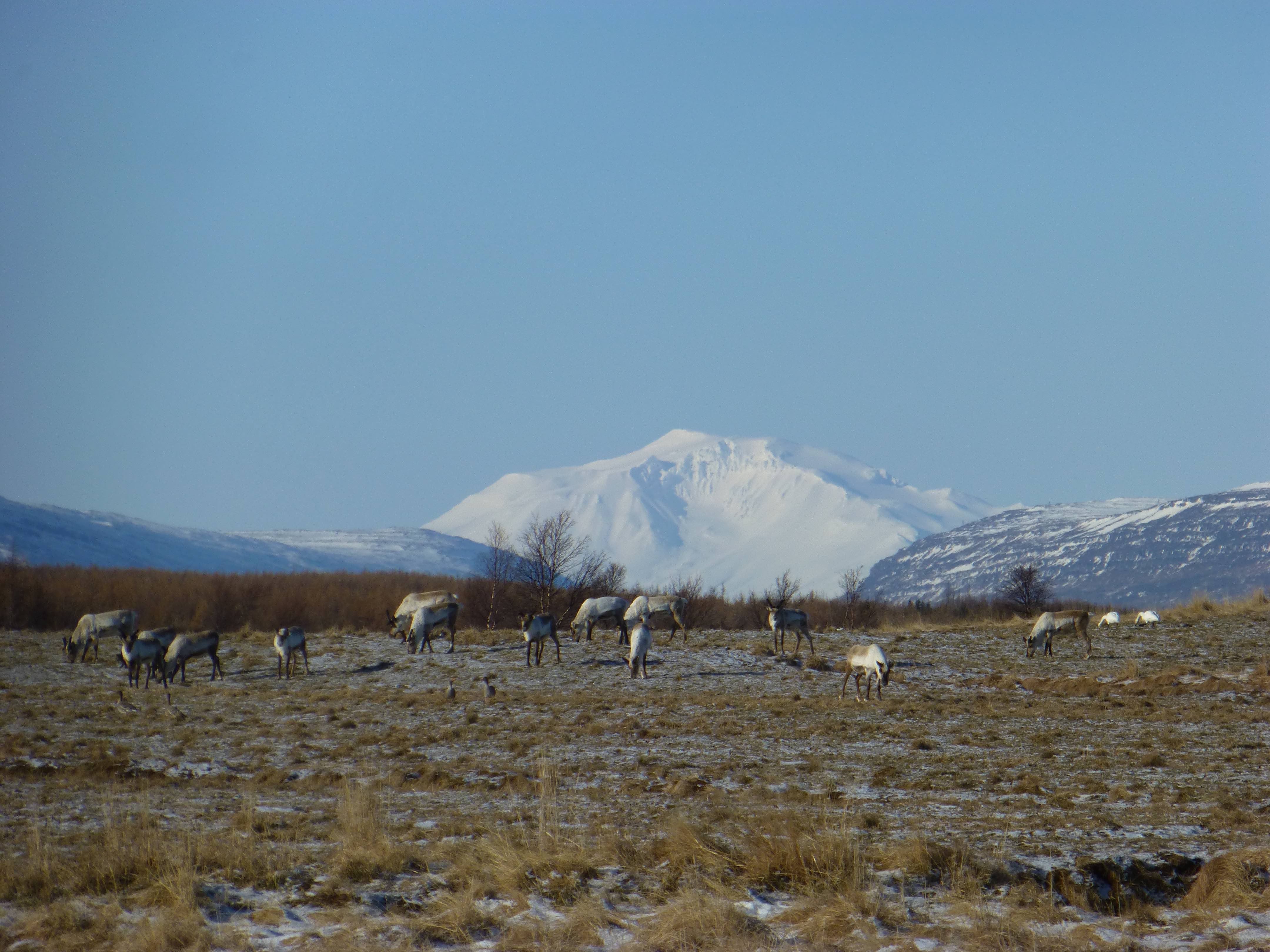
It starts innocently enough. You’re grazing with your buddies, right.

Hey, it’s a reindeer thing. If the swans and geese want to graze along with you, what’s it to you, right? There’s grass for all. No, that’s what people might thing. Reindeer? Time to split.

Bye. It’s about colour matching, I think.

When you go to Iceland in the winter, wear white.

Meeting the Earth Head On

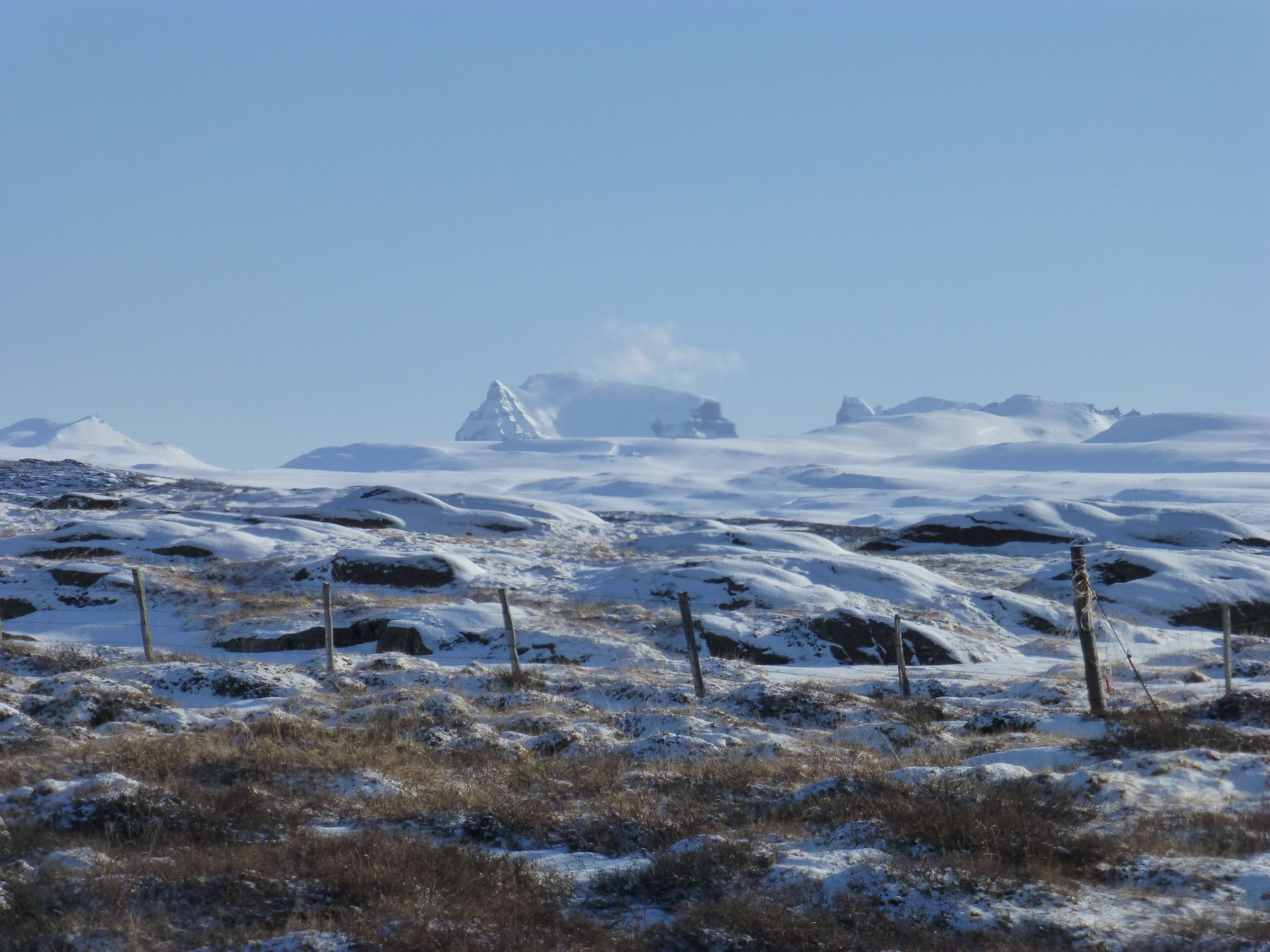
As the frailty of the fence below shows, the Icelandic way of meeting the Earth is either foolish or heroic, or both.

Grótfjall from the Dunes

The Earth is huge, and humans are small, and yet they stand up against each other, body to body. It is hardly an equal relationship… or is it? The fence stands in witness.

Not All Trolls Need Take on Animal Shape

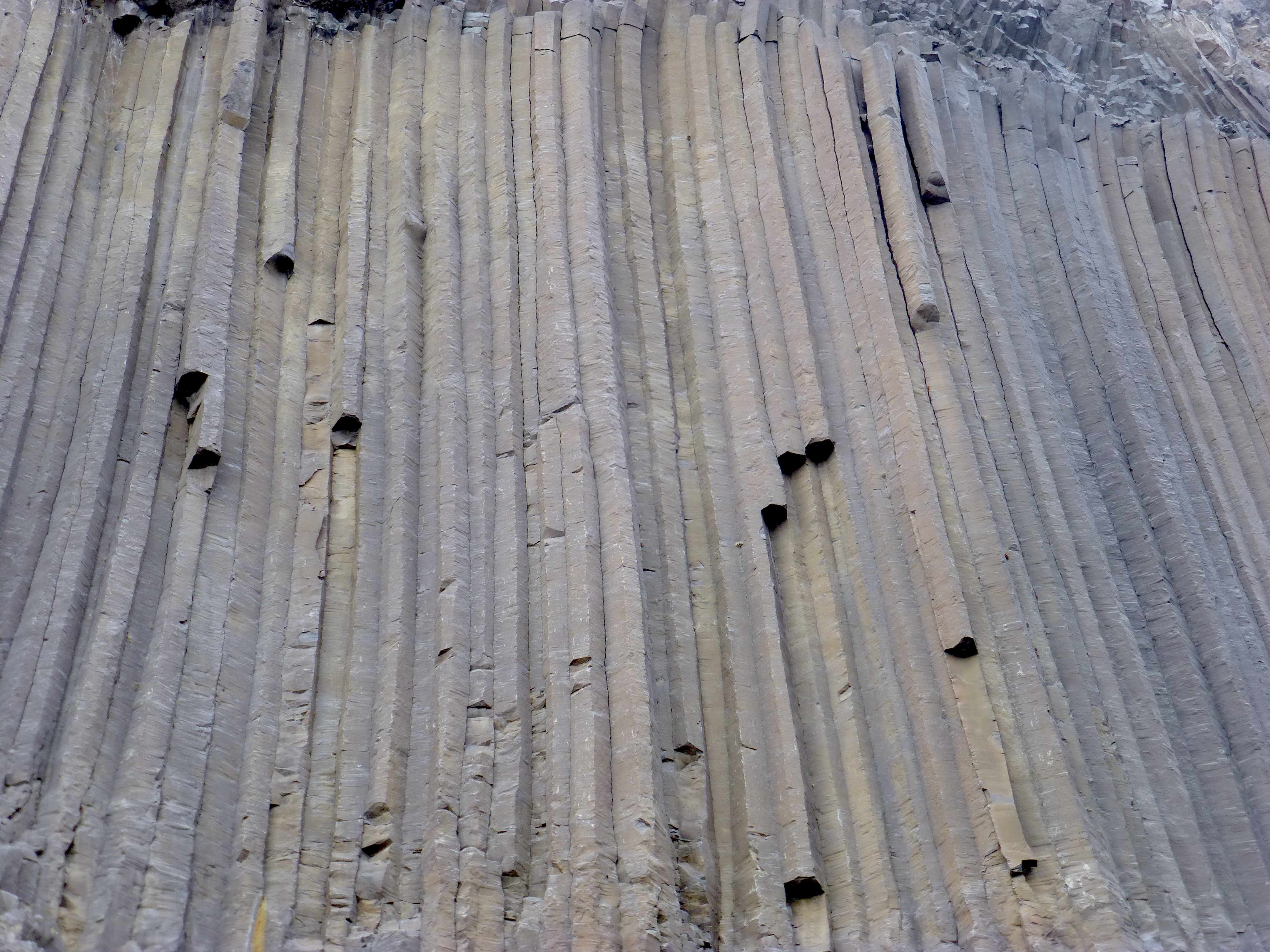
Being stone is enough when you are stone.


Litlafoss

Gunnar Gunnarsson called basalt like this the chain-linked rhymes of traditional Icelandic verse. He meant, I think, nothing is unlinked. This raven, for instance, flying above that stone…


…nests in it. Poetry is natural architecture, in Gunnar’s world.

Looking for Trolls in Iceland

Well, forget the tourist pamphlets, that collect old folktales from the 19th century. Those were created in an attempt to sort out folk stories from the many traditions of Icelandic settlers. Truth is, there are no trolls, not as a non-human, humanoid species.

Skriðuklaustur

There is, however, a human ability to centre landscapes in human form. It is this centring, this inseparability from place, that you will find in Iceland, if you wander there outside of books. The secret of trolls is the secret of recognition, because they are the same thing. Many Icelanders today look to New York or London for their mirrors. Not all. You don’t have to, either. A troll is where you find it. You are where you find yourself. Now, recognizing yourself when you see it, ah, now that’s a trick.

Eye and Body Thinking in Iceland

It is a wonderful thing that Ásmundar Sveinsson worked with in Reykjavik: to make thoughts for the eye to consider, in the parts of thought independent of the cognitive mind.

Sveinsson’s Troll Woman in Reykjavik

When viewing, remember that a troll is not a creature from fairy tale but any person deeply connected with a place. “Trolls”, in other words, are themselves the body thinking, in the parts of thought independent of the cognitive mind. Sveinsson was so independent that he remains, still, ahead of his time.

April Light on the Lagarfljót

Ice contains wisdom, of the year behind and the opening wisdom of the year to come. You can see it in the perennial sunrise and sunset colours of winter, but. April brings brighter tones, while snow storms still take the rest of the world away. It’s breathtaking. Bring your camera. Go East in April.

Leave the crowded south and its tourbusses. The great secret of Iceland is that it’s everywhere on the whole island. You don’t have to go to the crowded places. You will find there a sense of honouring and ritual. Out in the simple places, where no one else goes, you will find your self.