Category Archives: Art

The Impromptu Art Galleries of Iceland

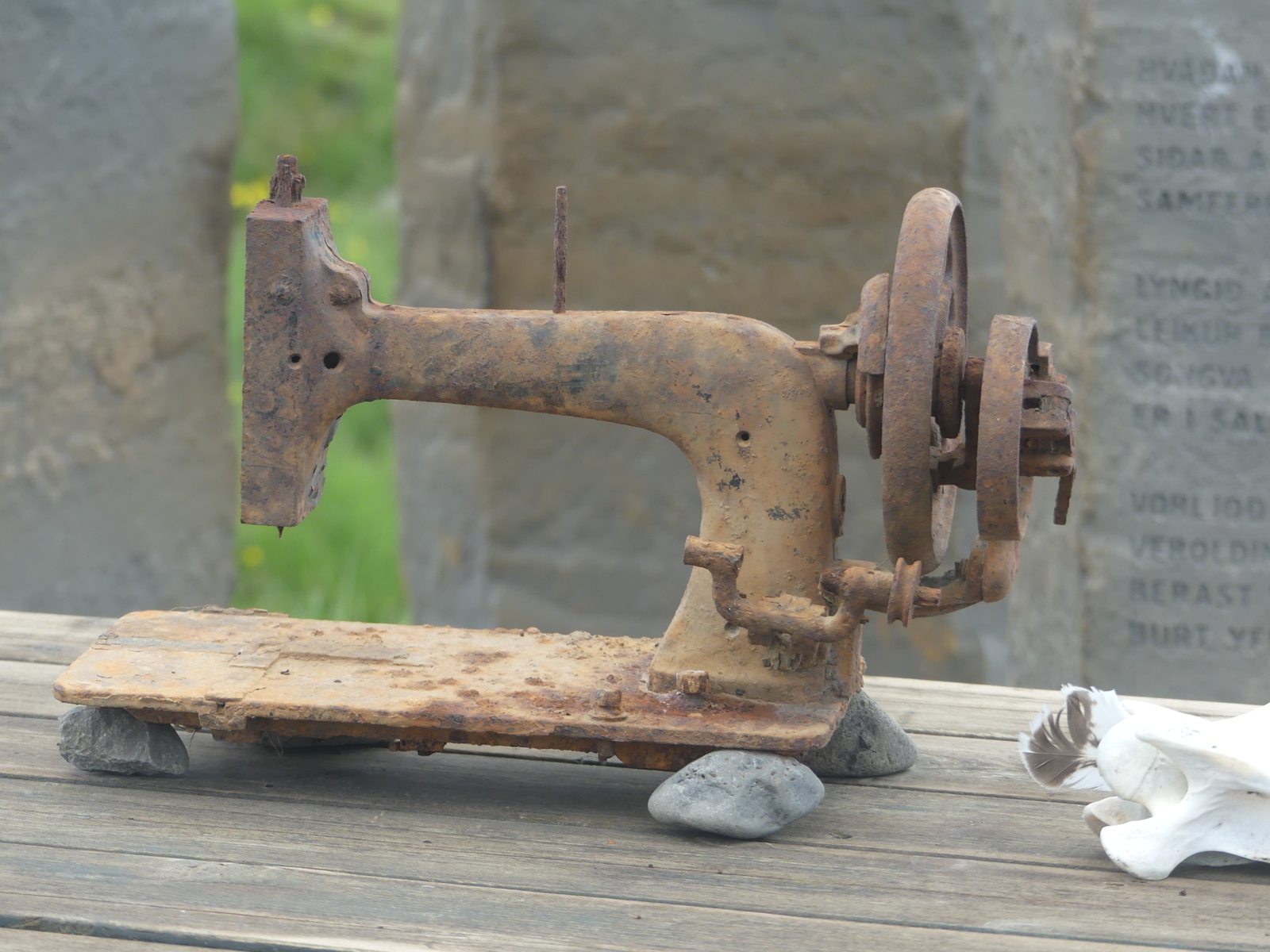
Farmer Art

Tourist Art

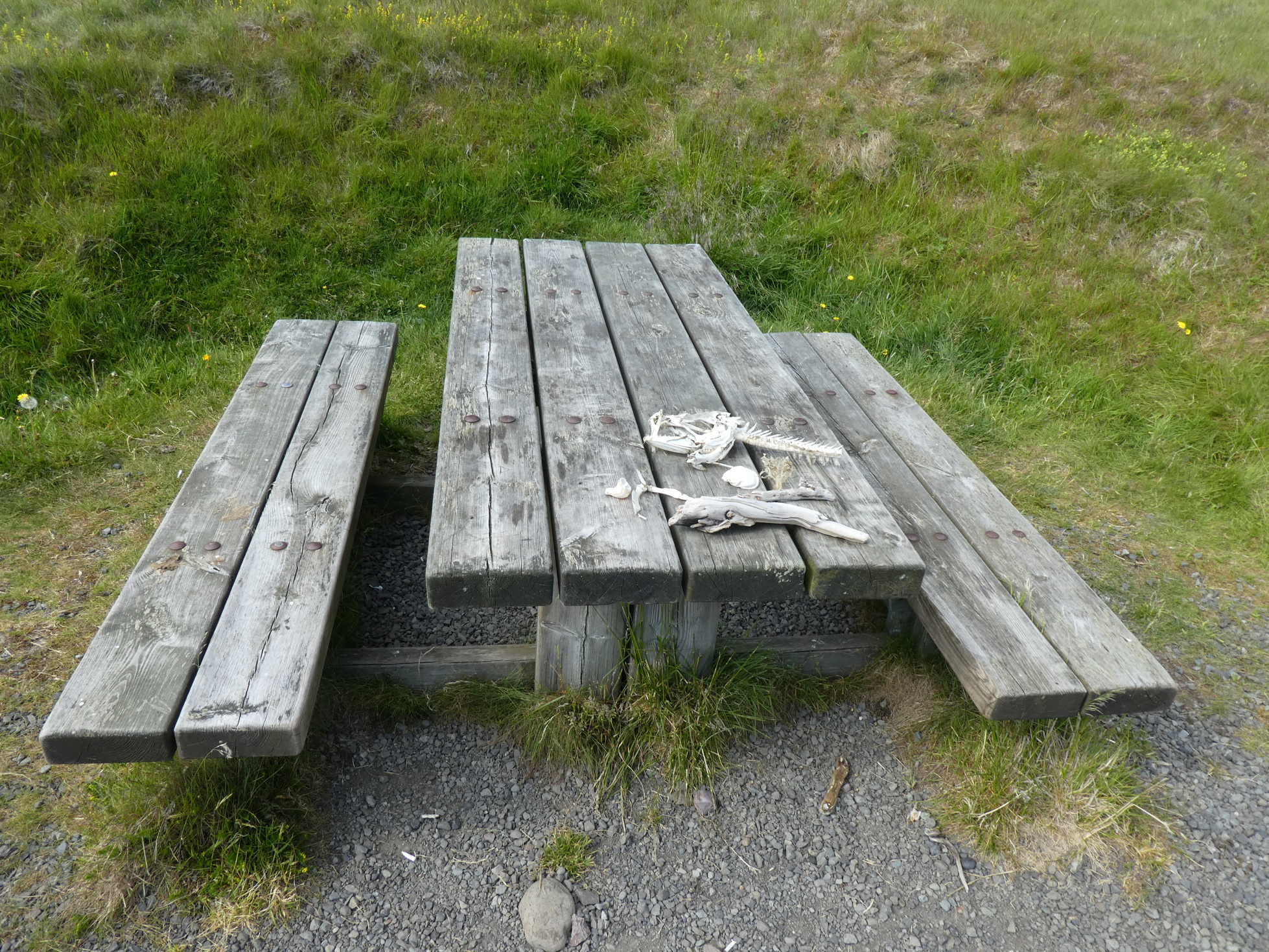
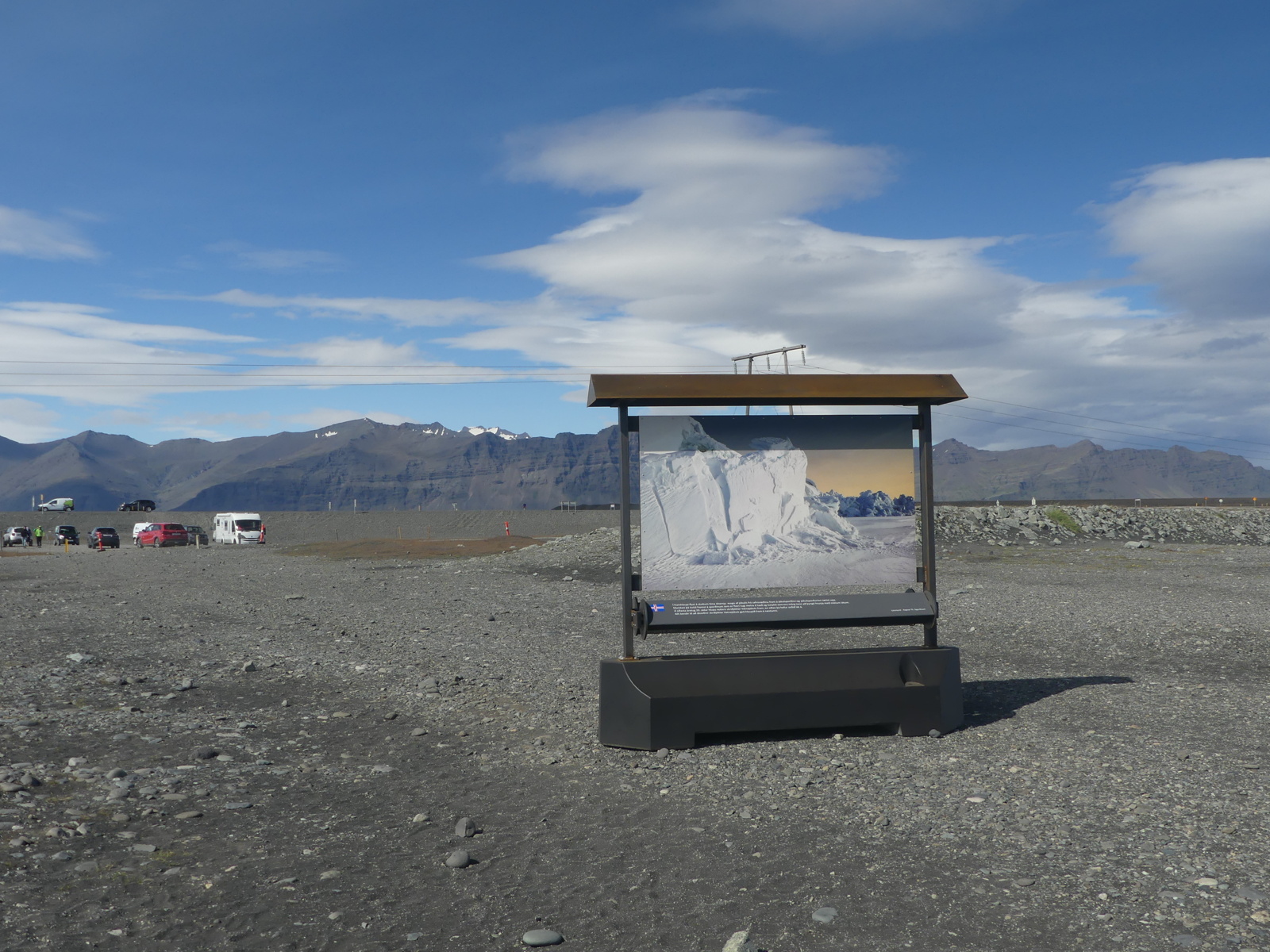
Guesthouse ArtGovernment Art

Really!

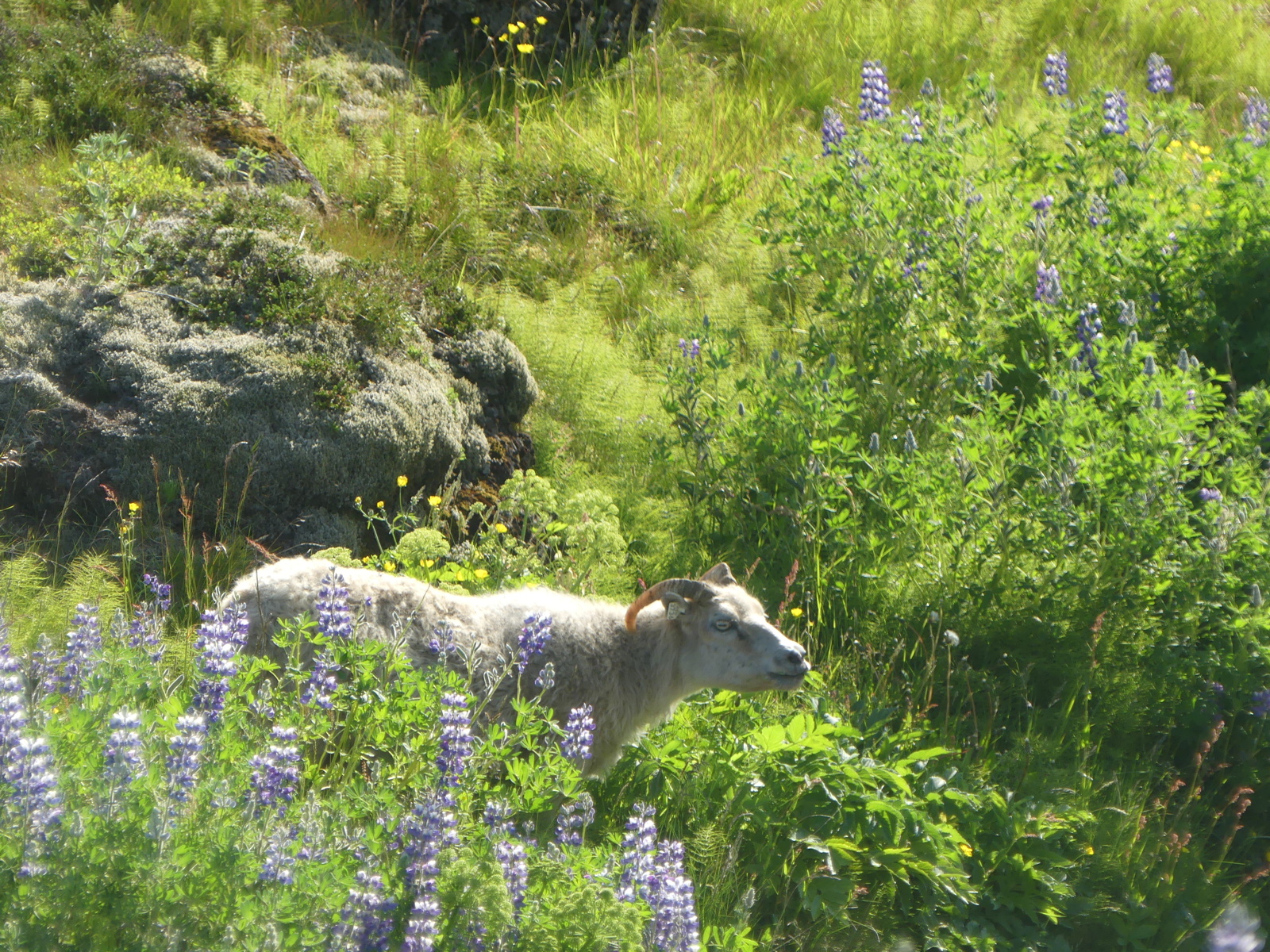
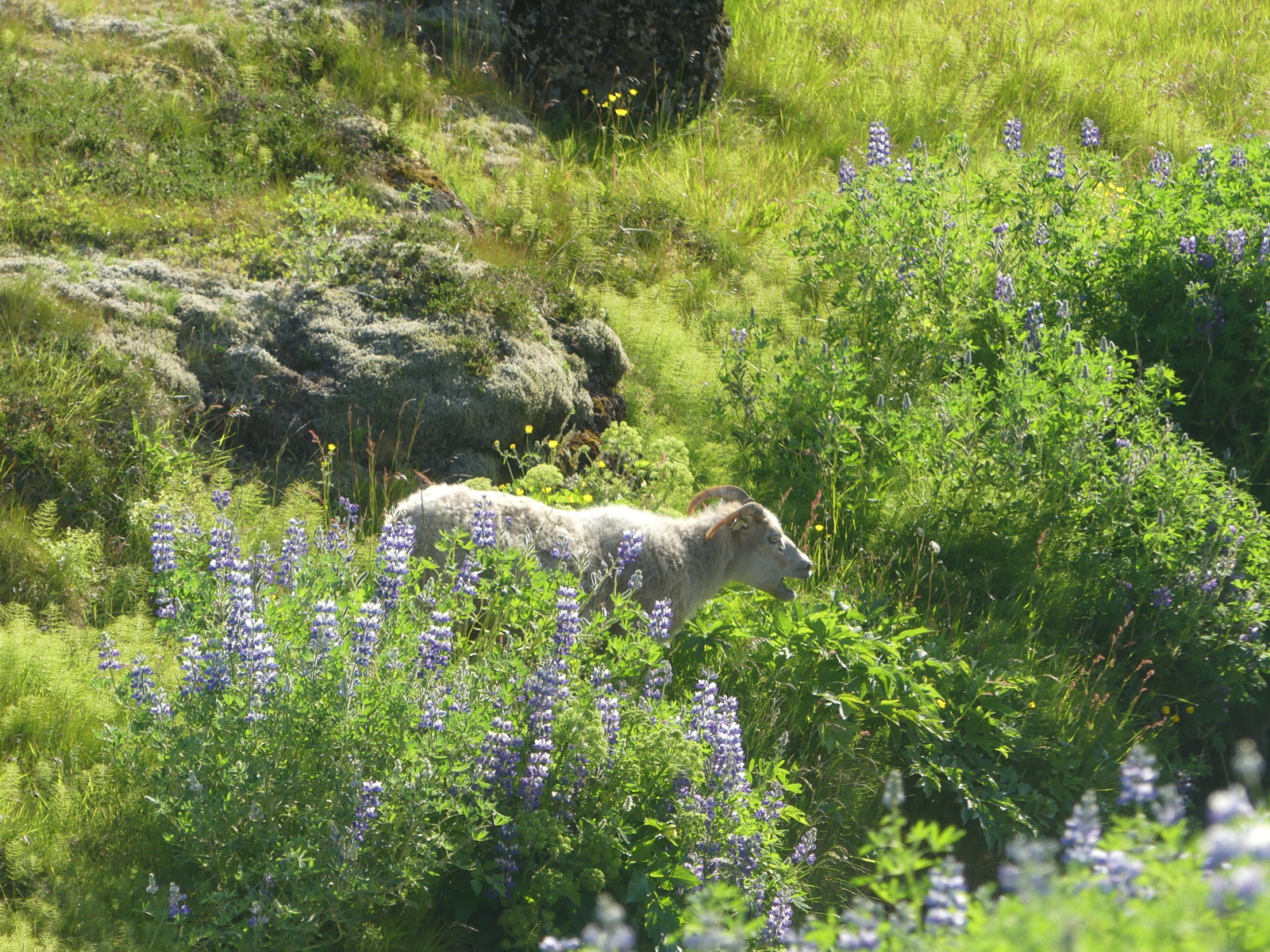
Ewe making art.

Elvish art viewer.

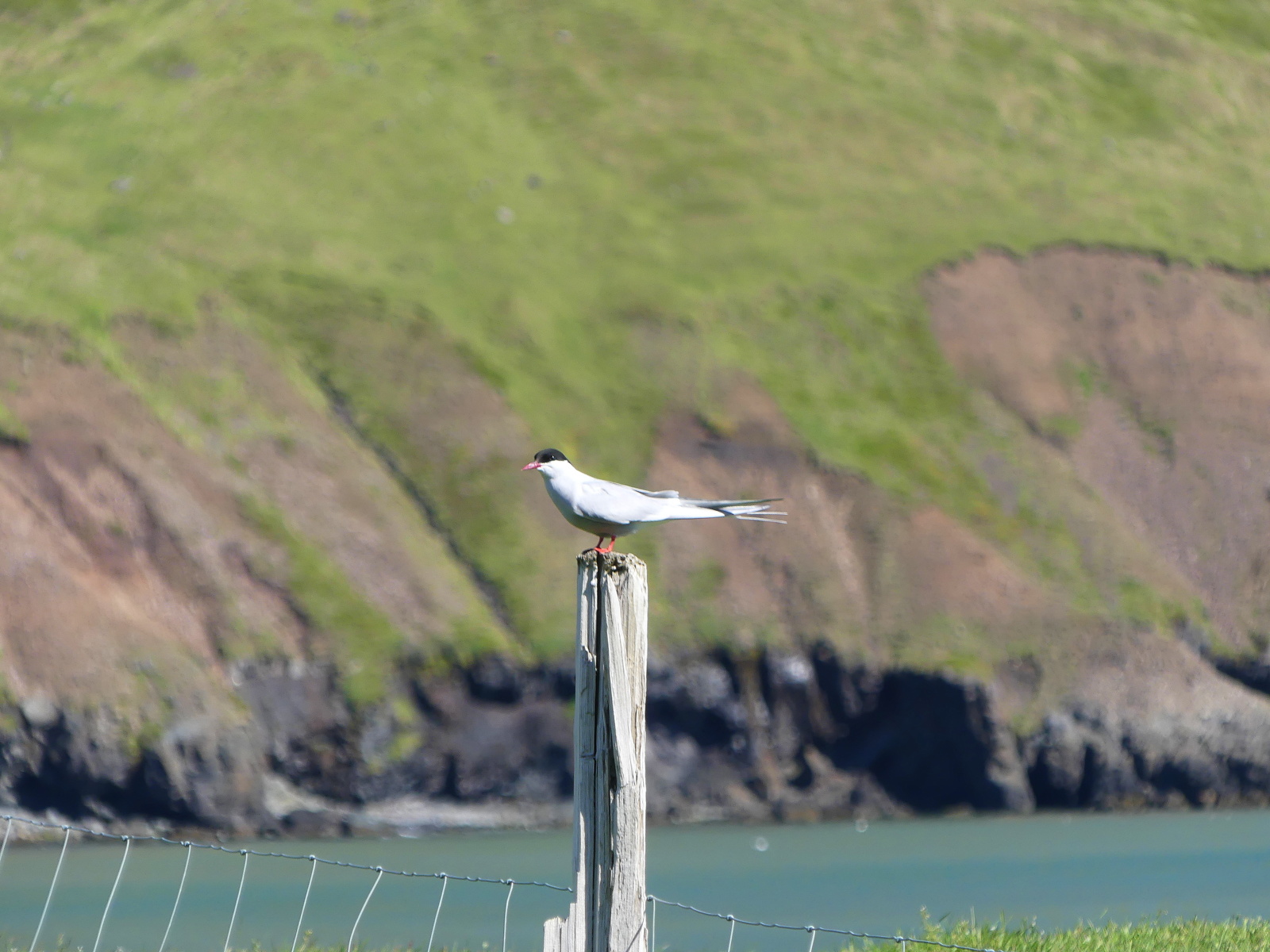
Tern  art.

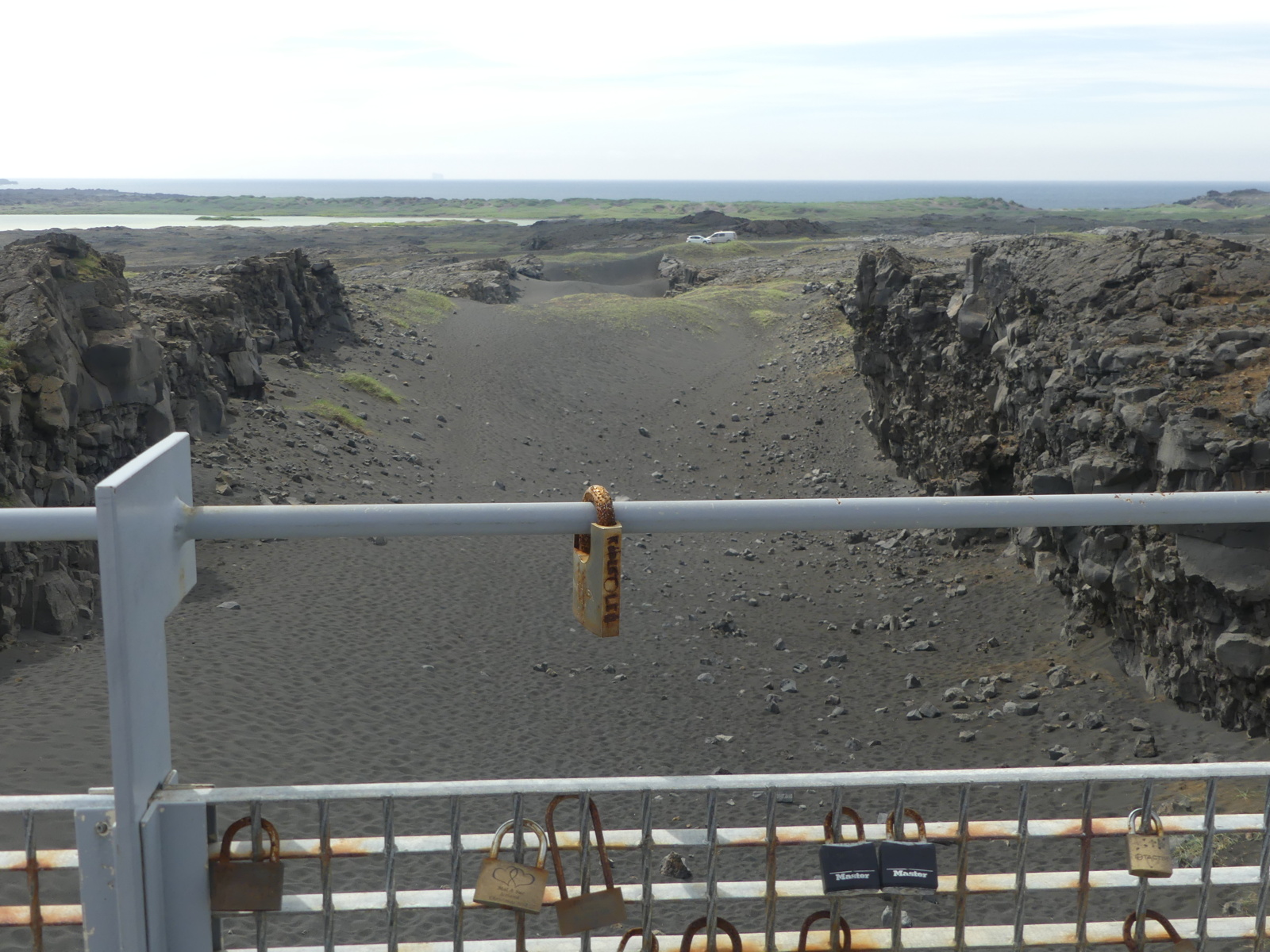
Tourists who think they are in Köln art.

Tourist art.

4×4 Art

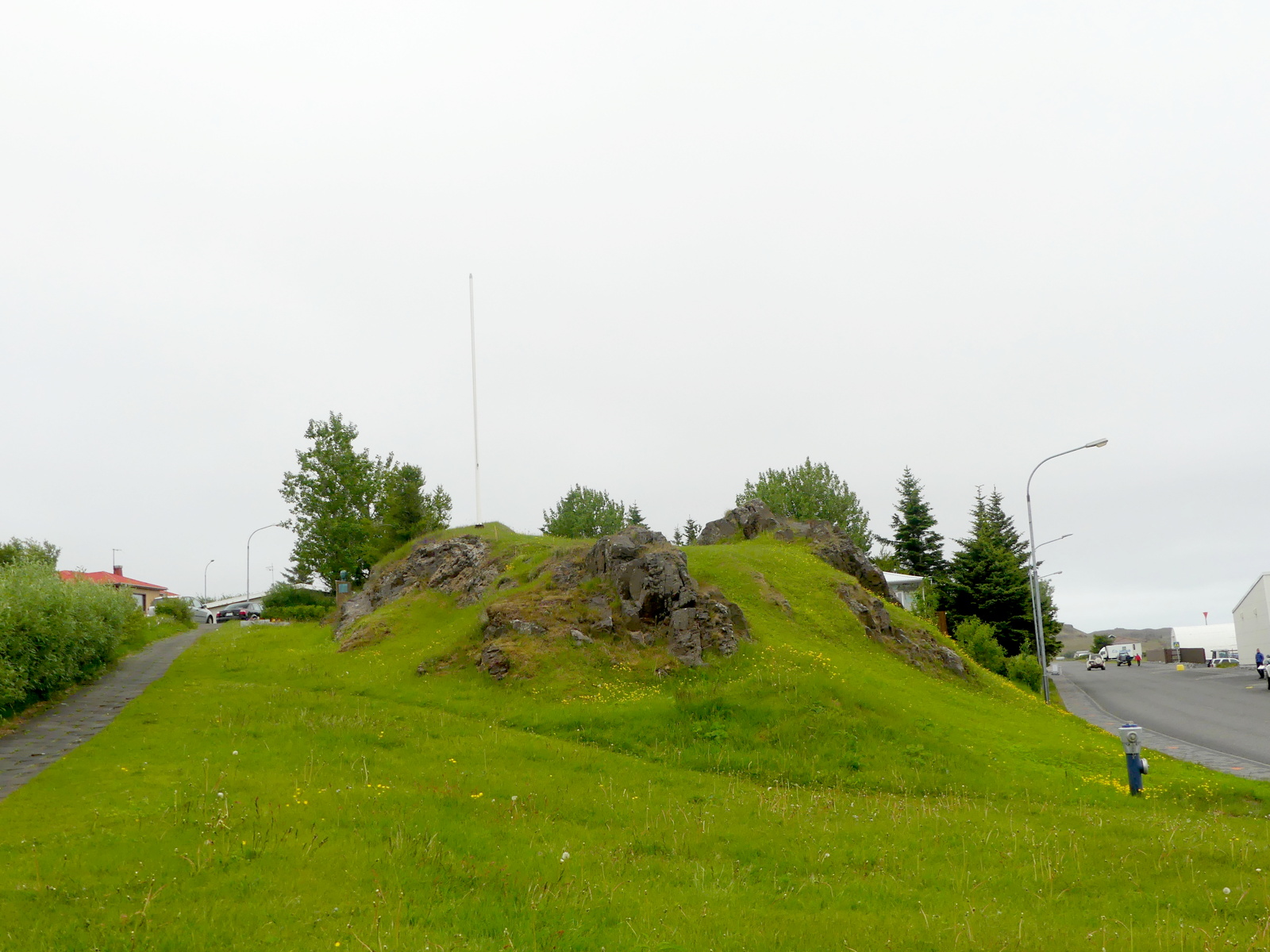
Elf art.

Local tourist board art. (Really. They lay down netting to prevent overpopulation and erosion, the bane of puffin sociability.)

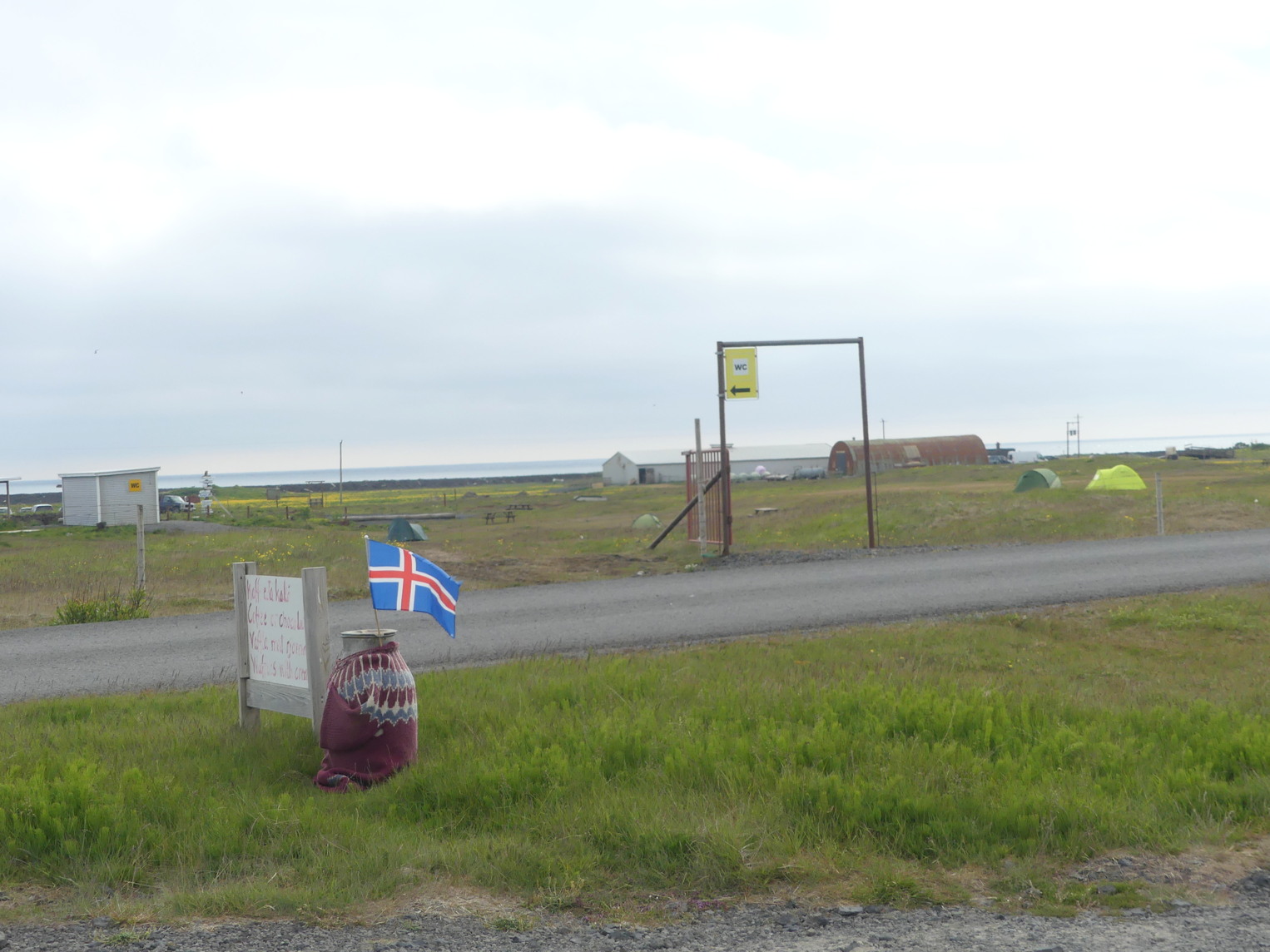
Teenagers running the wool shop and campground art.

Tourist stacking art, with tern artist.

Iceland is art!

Iceland: Not Always “Green”

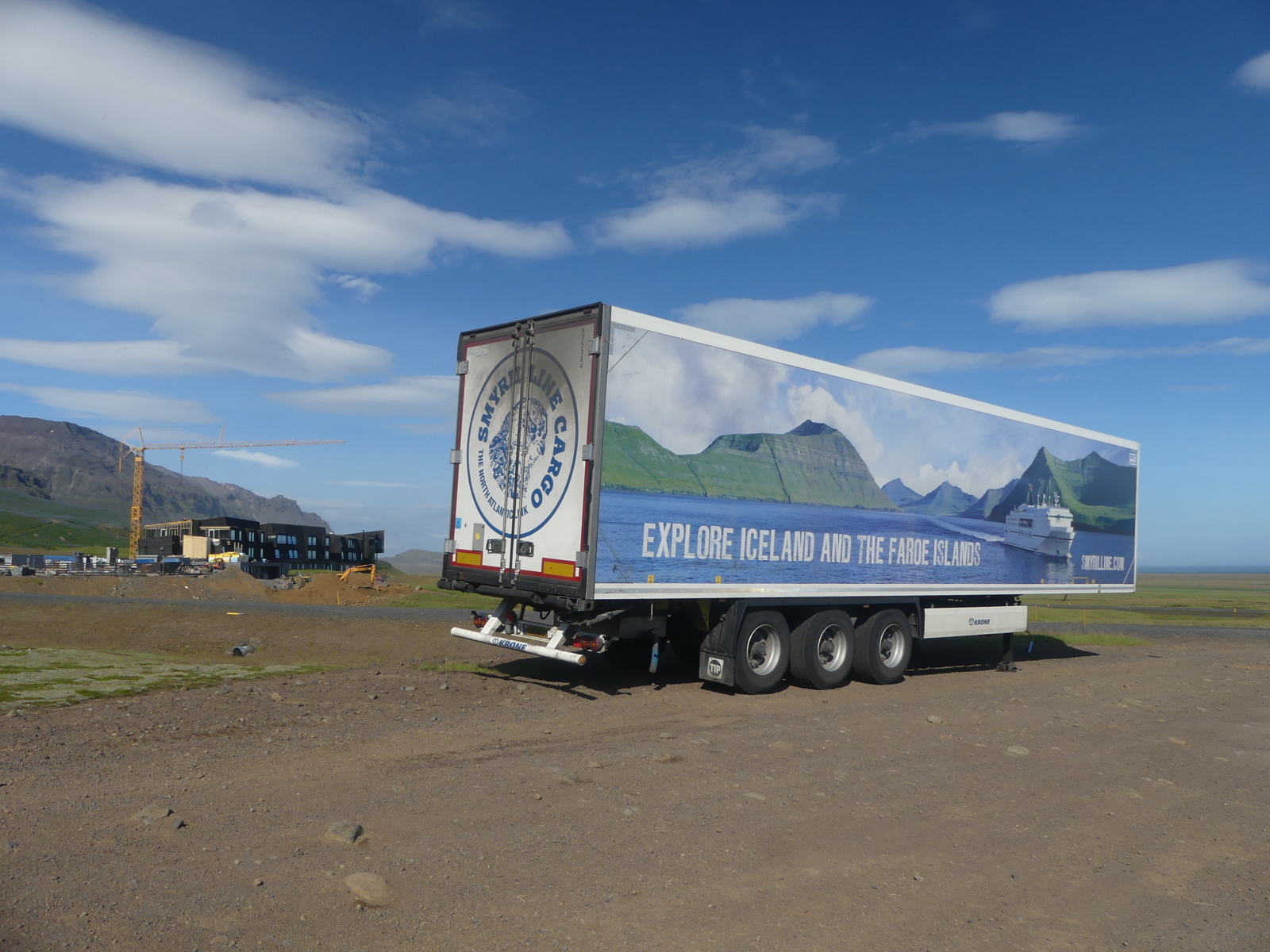
A luxury hotel for the Northern Lights Crowd on the South Coast, and in front of the construction site, surely, the most carbon-wasteful billboard imaginable. The amount of rubber that wears off those tires joins the rubber that wears off the hundreds of thousands of cars rushing past every summer, too.

But I bet the hotel is planning on letting you keep your towels for an extra day without laundering them. Truth is, the carbon footprint of the concrete that goes into every building in Iceland can hardly be paid for by being “green” for a lifetime.

Two Kinds of Icelandic Forests, Both Magical

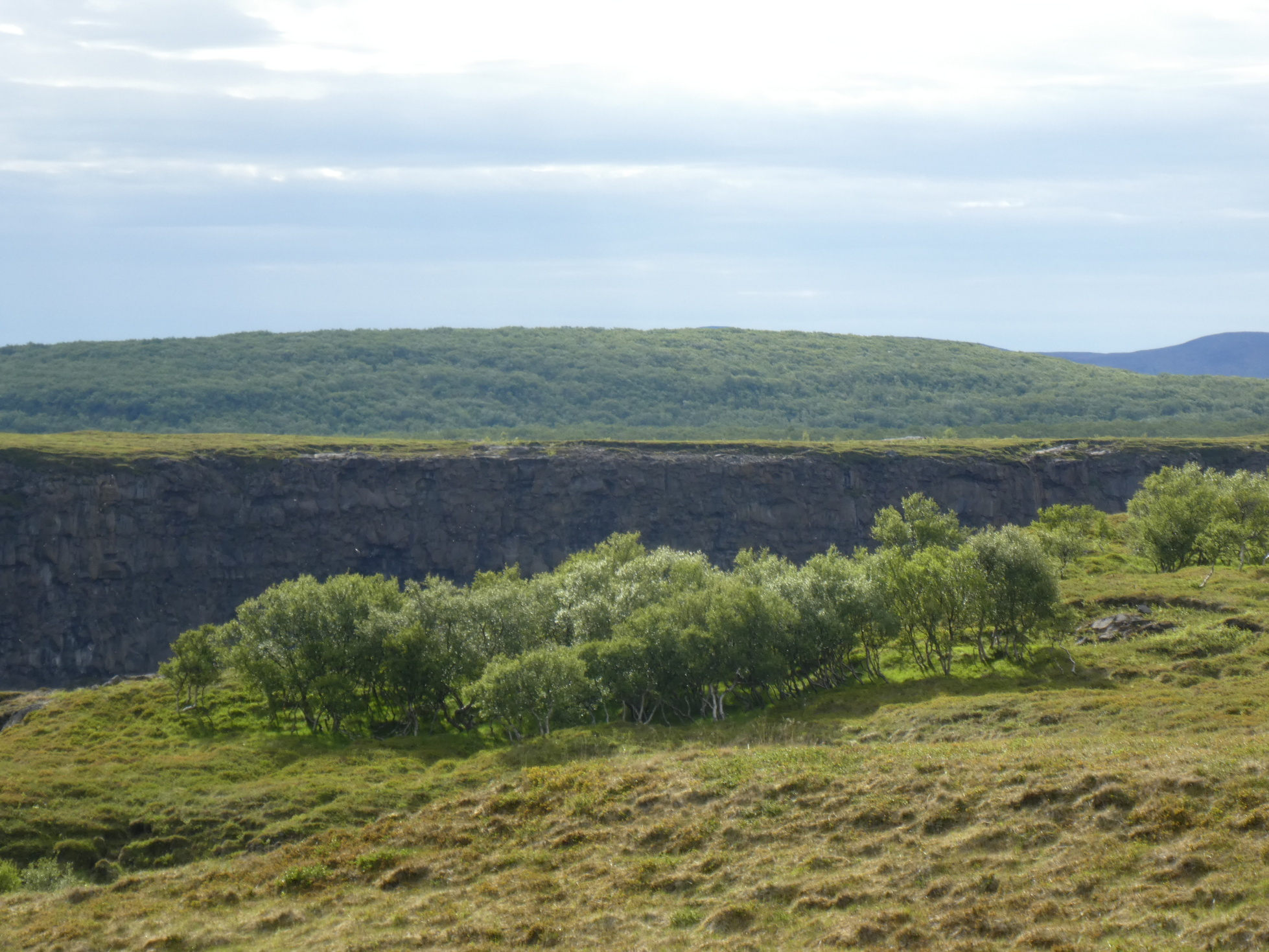
There are tall, soaring birch forests, like these in Ásbyrgi, some five metres tall, that shelter sheep…

…and their are small, intimate forests you have to lie down in a pasture to see, which shelter flies. The forest below in Neskaupstaðir might be short, and might fade and rise annually with the sun, but its trees are surely exotic and wondrous. Some of the trees are even copses of flowers.

They offer different kinds of intimacy and bring you differently into the land. In both cases, when you look up again, or step out, you are a different person. That’s because forests are persons. You become them.

Gunnar Gunnarsson, Peter Handke, and the Nobel Prize

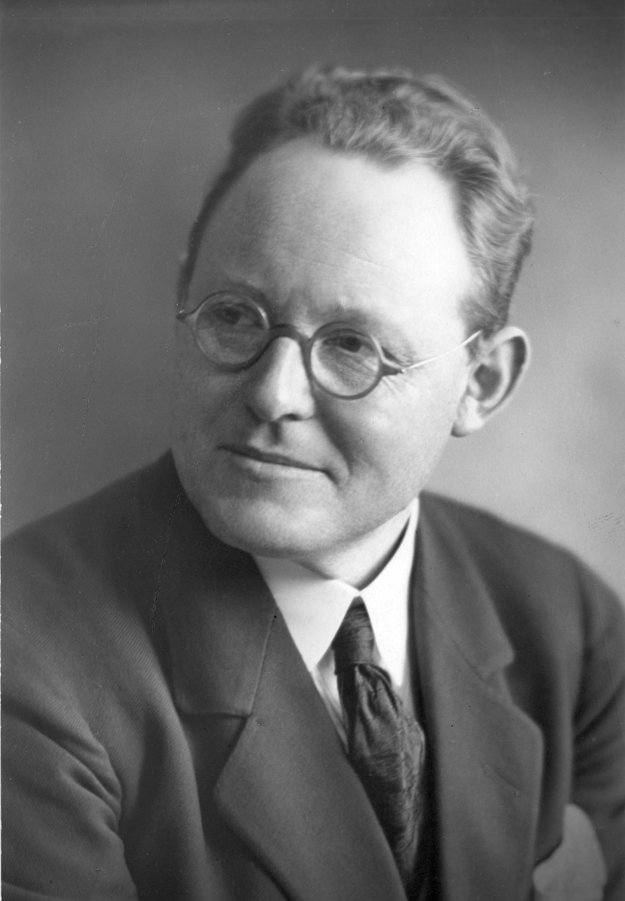
Think of it. Peter Handke, perhaps the greatest writer of the last fifty years…

peter handke

No, not in translation, but in his native German, won the prize that eluded Gunnar Gunnarsson…

… but has been spat upon for his politics, with many saying he should be stripped of his prize for his support of Serbia in the Bosnian War. Gunnar fell into the same kind of mess. In his case, he met with Hitler on the day Hitler was planning the invasion of Norway and Denmark. Gunnar had just completed a 40 city reading tour in the German Reich, including its new European colonies. In Gunnar’s case, his politics were too right wing to remain popular. The charge was laid against him that he knew of the invasion but didn’t warn anyone. Well, we’ll never know, but we do know that he invented a kind of writing that attempted to be relevant to all combatants, a mix of biography, nonfiction, fiction and fairytale. It didn’t work, but it is more than anyone else did, and is a model of possibility. His works, Inseln im Großen Meer, The Black Cliffs, Vikivaki, “Our Land”, and Advent (still in print), are a model of what we could still achieve. Now Handke has done it again, with a series of books showing how it is possible to confront right wing politics without losing one’s individuality and humanity — pressing issues for modern Europe, and no doubt why the Nobel Academy awarded him the prize — is being dismissed for his politics. What a shame to have a second guide stripped from us. They don’t come often. I’m not saying that Milosevic was not a war criminal. I’m saying that Handke showed us a path for displaced persons, a path of multilevel emotional sensitivity that included history but not its making. There’s more than one form of humanism. Did both men make huge mistakes? Yes. The choice is before us: to dismiss them for the mistakes, or to accept them as brothers for their achievements, achievements we need.

Source

Rejecting the achievements of these writers diminishes us. The time for a new one to come with the same message appears to be about fifty years.

The Eggs and Petroleum Tanks of Iceland’s Merry Bay

The Eggin í Gleðivik are one of Iceland’s national treasures. They represent the eggs of the main birds of Iceland, carved by Sigurður Guðmundsson, and set up permanently in the Djúpivogur Harbour.


Well, sure, you can show an image of them looking out to sea, all pristine and romantic like, but Iceland is neither pristine nor romantic. It is real, and it has rust.

Best to keep that in mind. Beautiful, isn’t it!

(You can read more about the eggs, and view an image without the oil tanks, here.)

Gunnar Gunnarsson and Lichen Poetry: the Price of Literacy

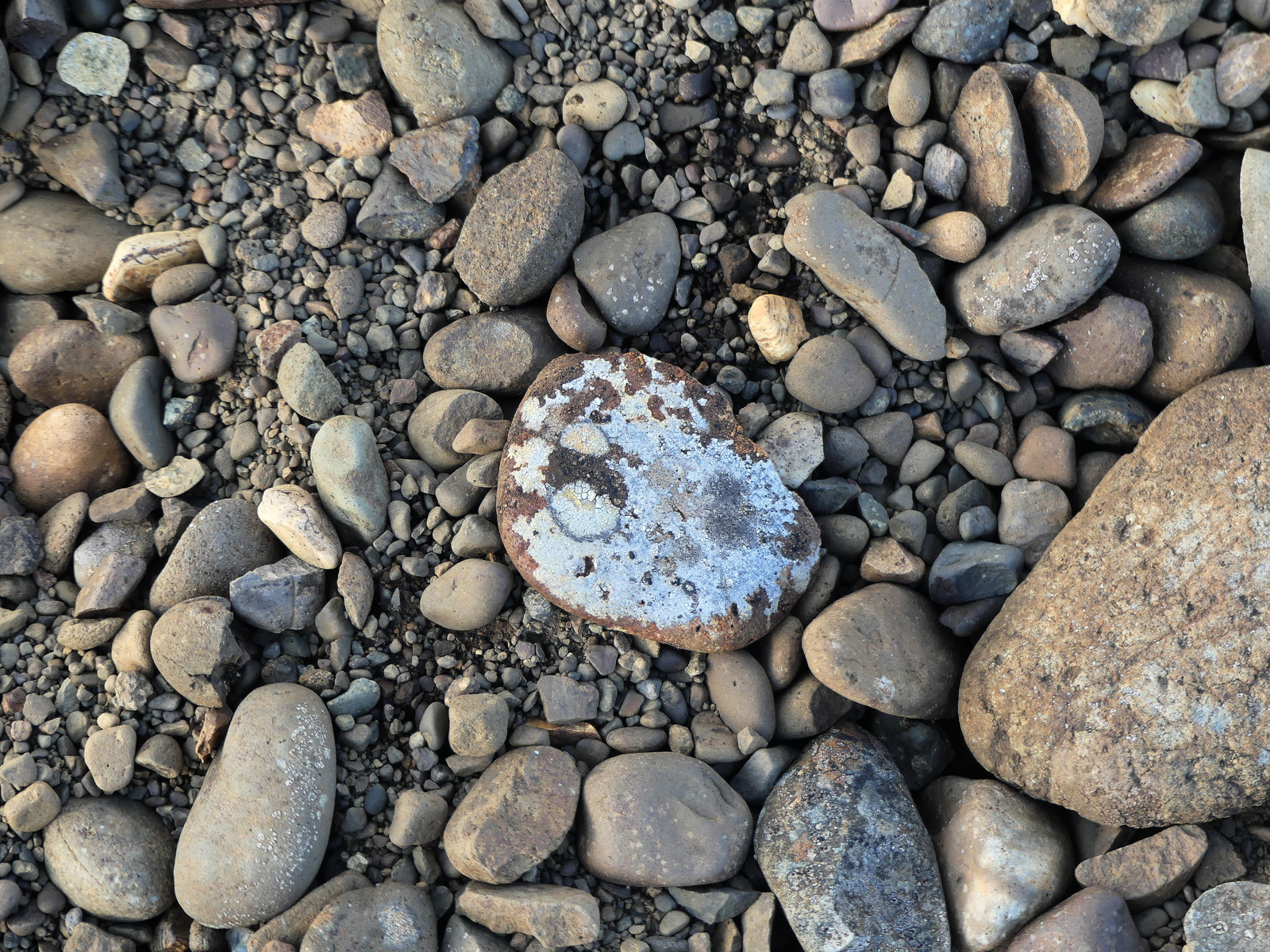
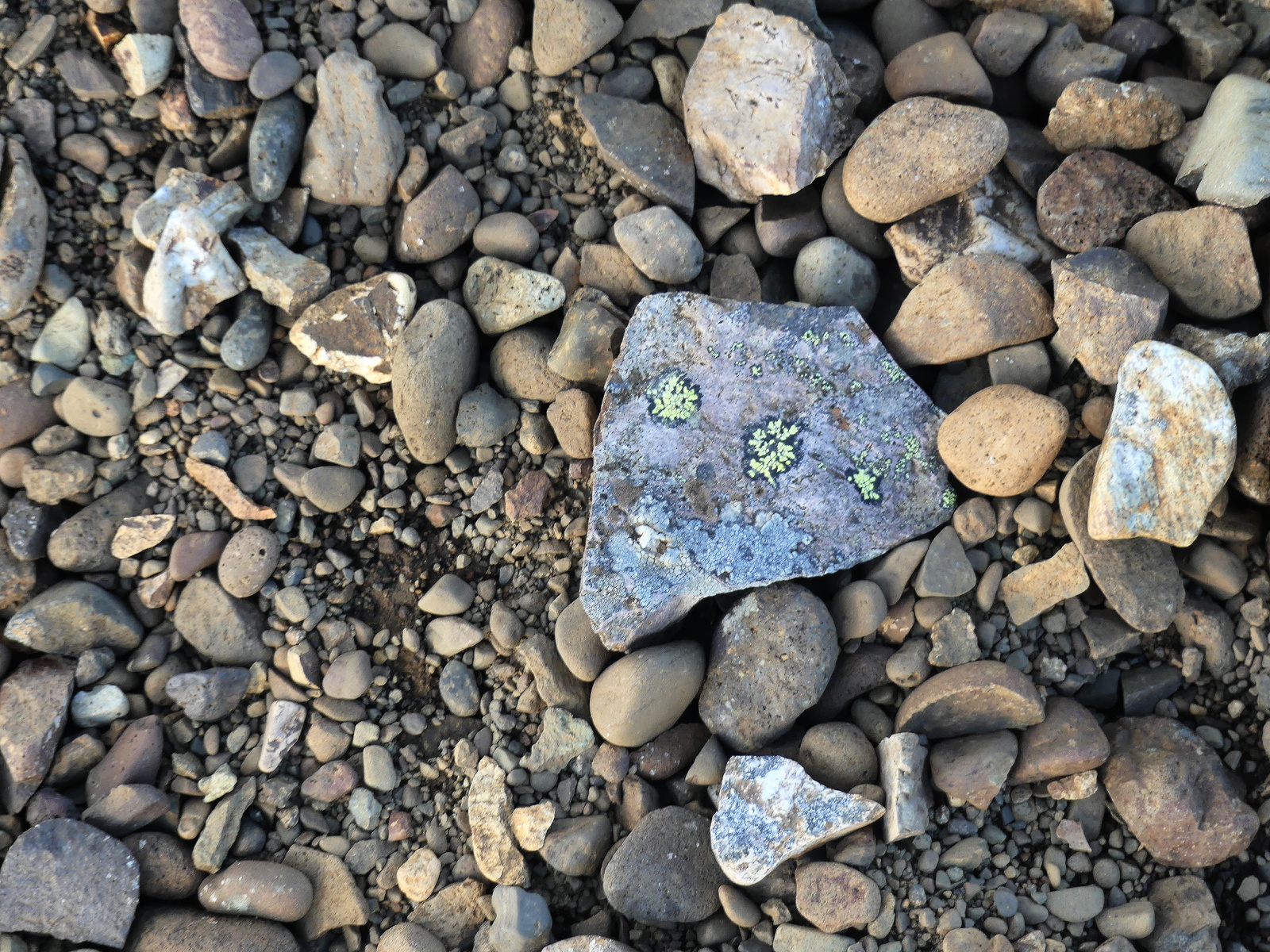
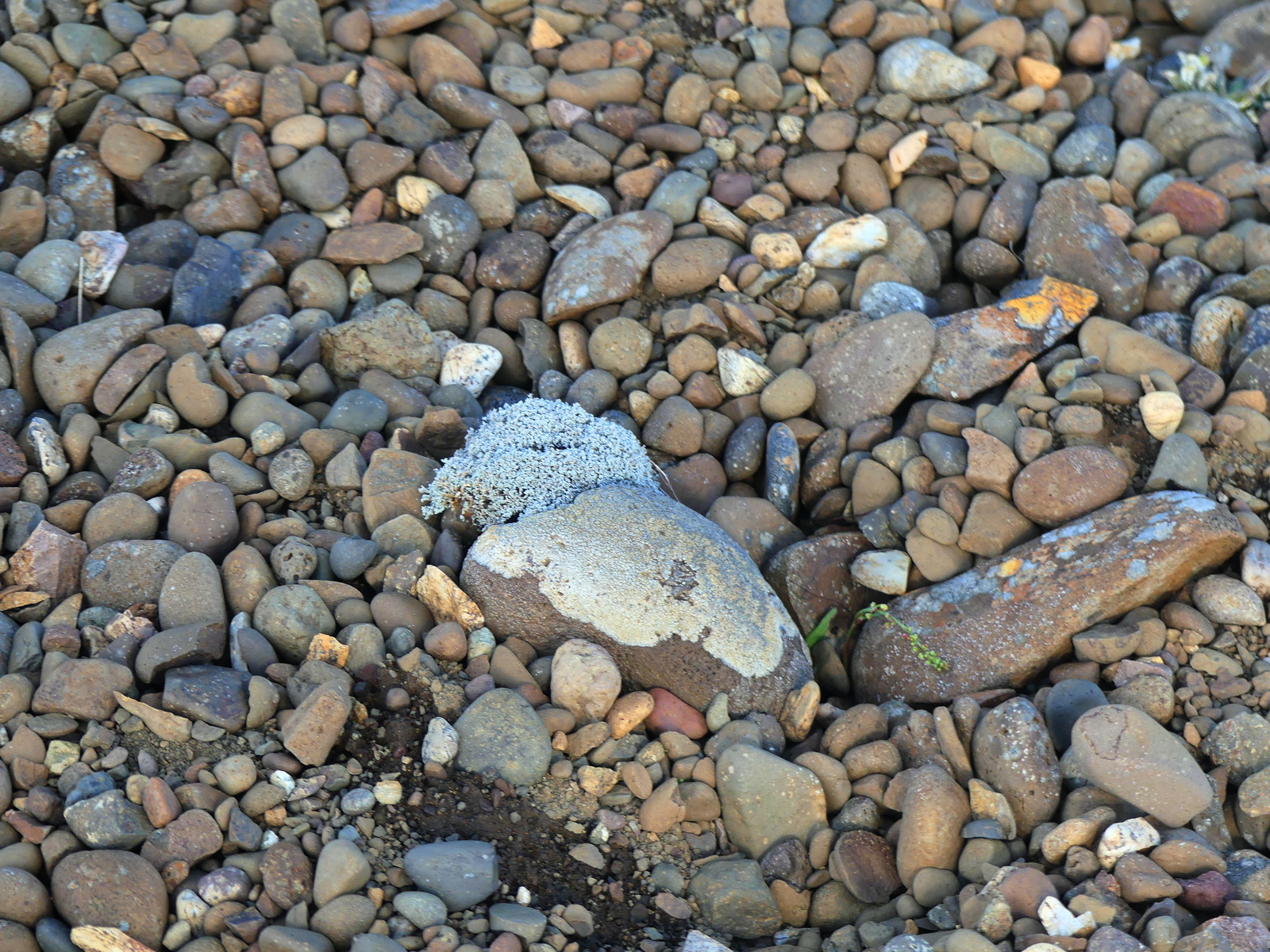
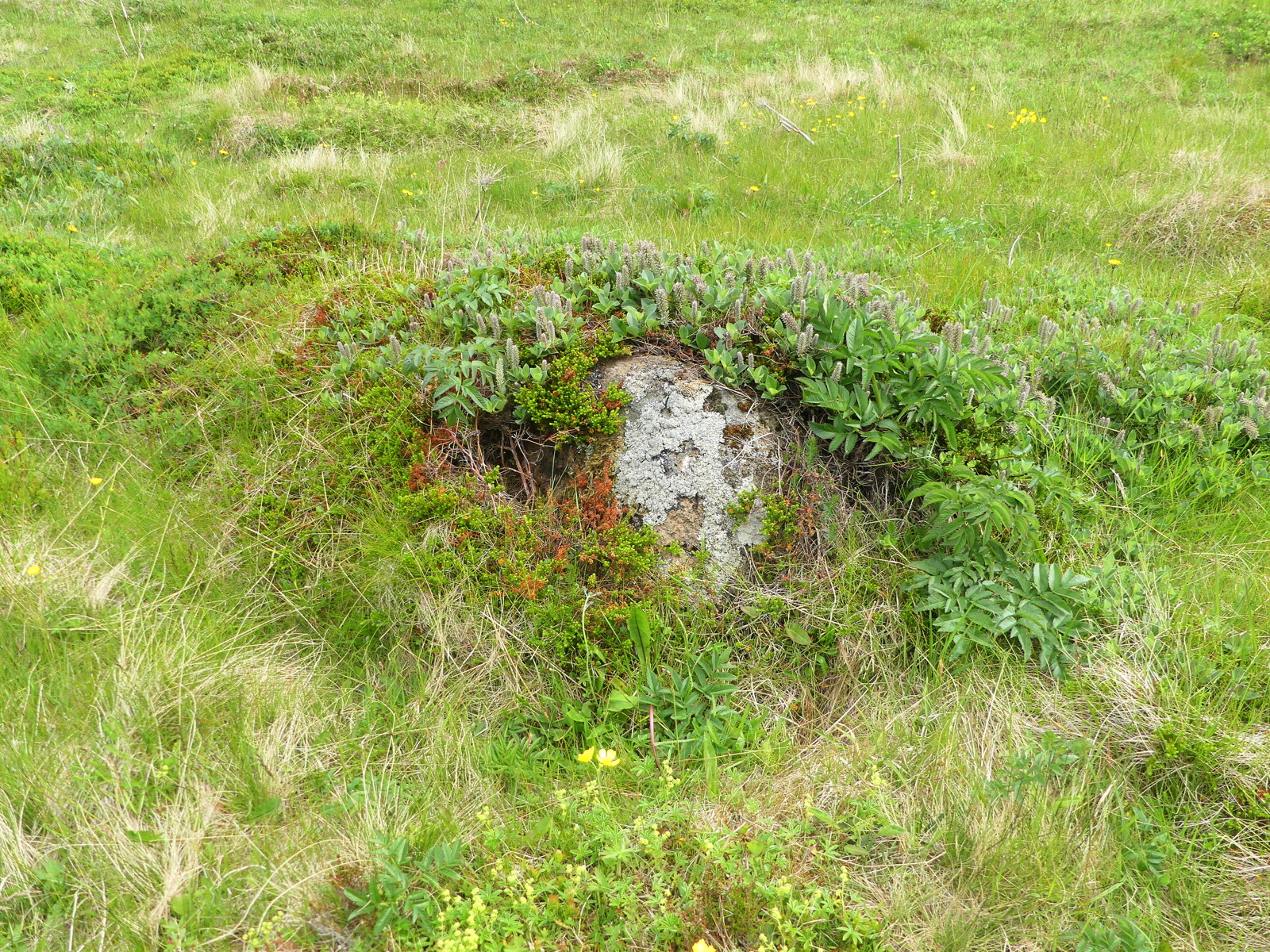
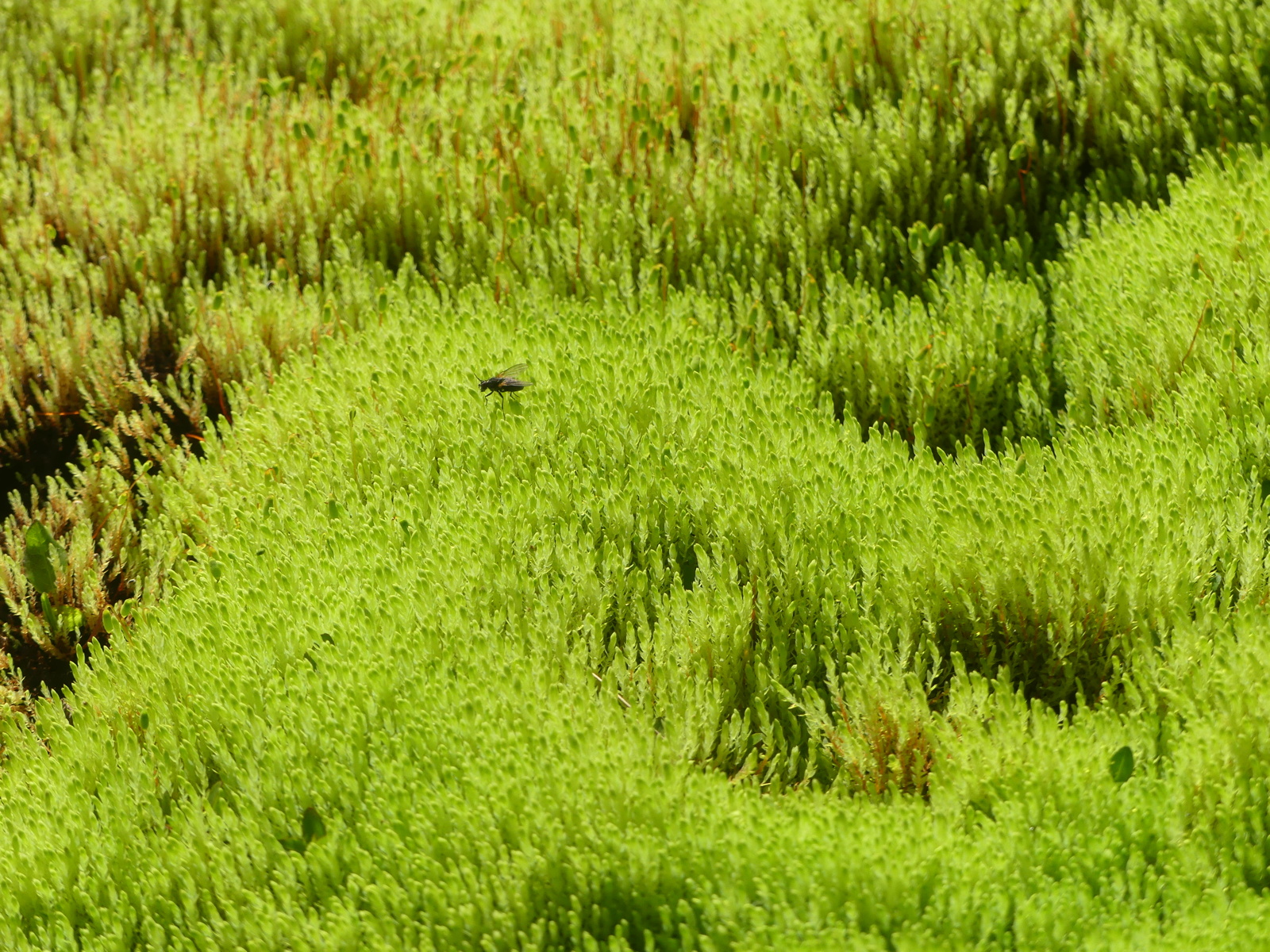
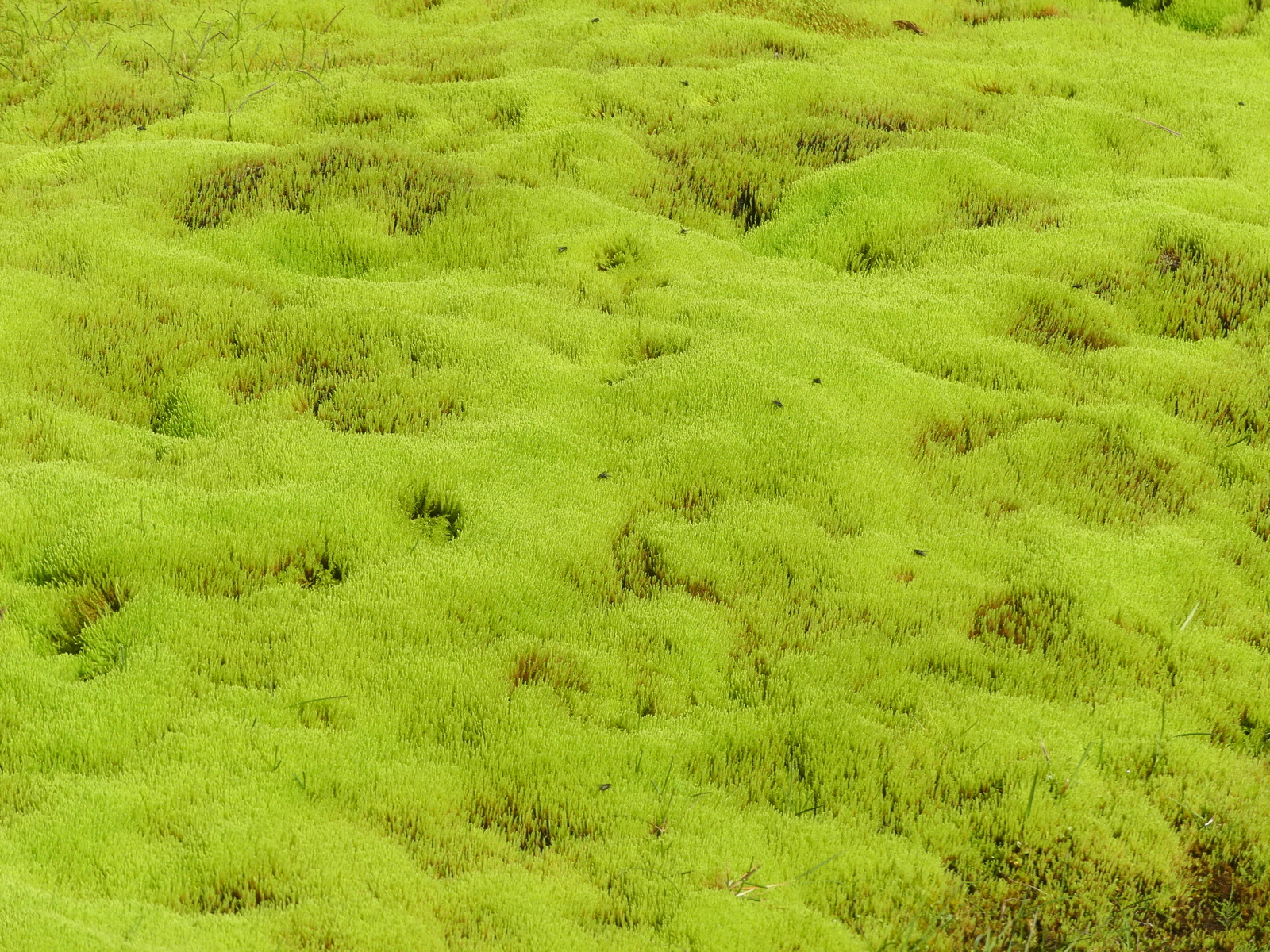
In 1907, Gunnar Gunnarsson left this.Under the spell of universal education and the promise made to all country boys that through book literacy they could be a part of the world of power, Gunnar Gunnarsson accepted a scholarship to study at the Askov School in Denmark. It ran a program for colonial boys, as a means of building belief in a unified Scandinavian country, the United States of Scandinavia, so to speak. It seemed a better idea than conquest by the Germans (again) or the violent revolutions of Nationalism that were, even then, sweeping through Europe, and which would bring their tragic consequences in 1914, the year the world ended. All that is repeating itself in the struggles between nationalism, liberalism, immigration and military alliance that is shaking Europe (and the world) right now, so it’s timely to look at what Gunnar left. Especially since the power he sought was denied, because it was always a ruse. What he left, as I said above, is this.

This is lichen, the little lick, the little læk or stream, or as we put it in English today, the little lake where the streams gather (and where we can come to lick. In fact, we are drawn to do so by a shared nature across states of be-ing.) It is a little world, or the big one in miniature.

In Gunnar’s Iceland, the one his education took him from, it was also an art form: a form of poetry.

Intriguingly, it was not written by humans; only found and read by them.

I suspect that the reading was not a matter of words, or at least the kind that appear in books.

It’s been 112 years now. The poetry is still here.


The whole literary discussion, now much out-dated, as to whether poetry is given or created by poets, replaced this art form. The readers of it knew the answer.

It still looks very fine.

~

Images from Starmyri.

Giving Thanks in Iceland

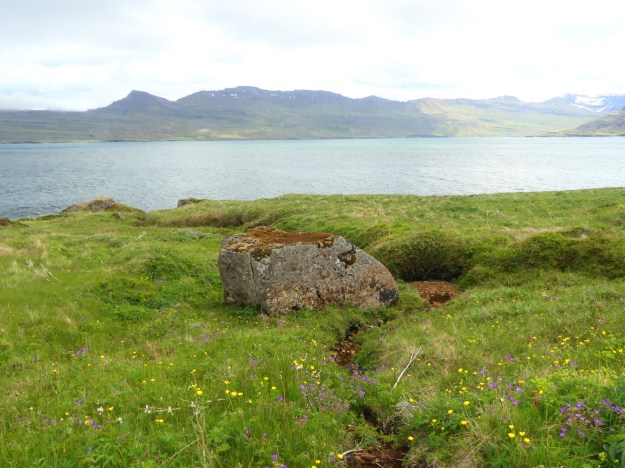
Here’s a stone marked by human tools in Neskaupstaðir. It is broken from the old sea cliff behind me, and lying on the old underwater shelf below. Note, too that it sits in a hollow.
That’s not a given. Here’s a sister rock, showing a more natural face to the world.
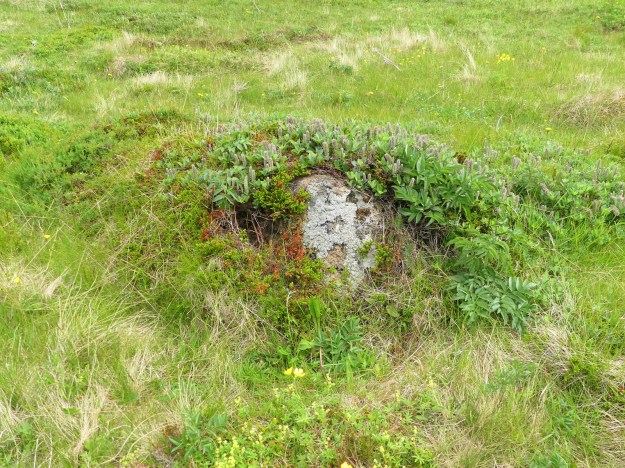
The thing is, in a country without trees, people burned peat to try to get a little warmth. Peat came from mountain bogs, such as the one that surrounded this rock…

… or this untouched one, in Njardvik, a few fjords to the North.

These bogs are lush, exotic environments. You could say they are the life of the mountain.
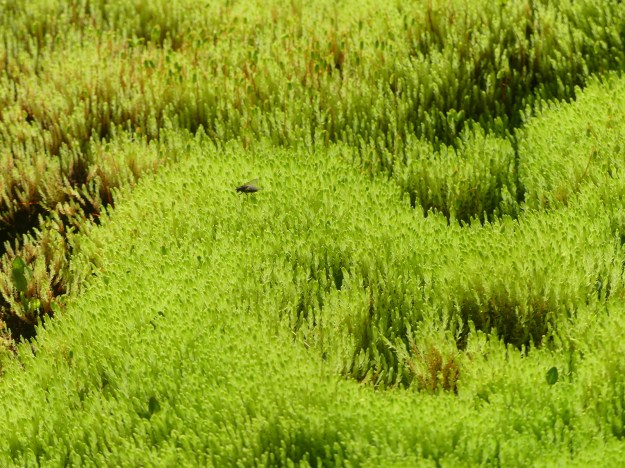
When you dig them, though, you are left with a hole and a simplified ecosystem.
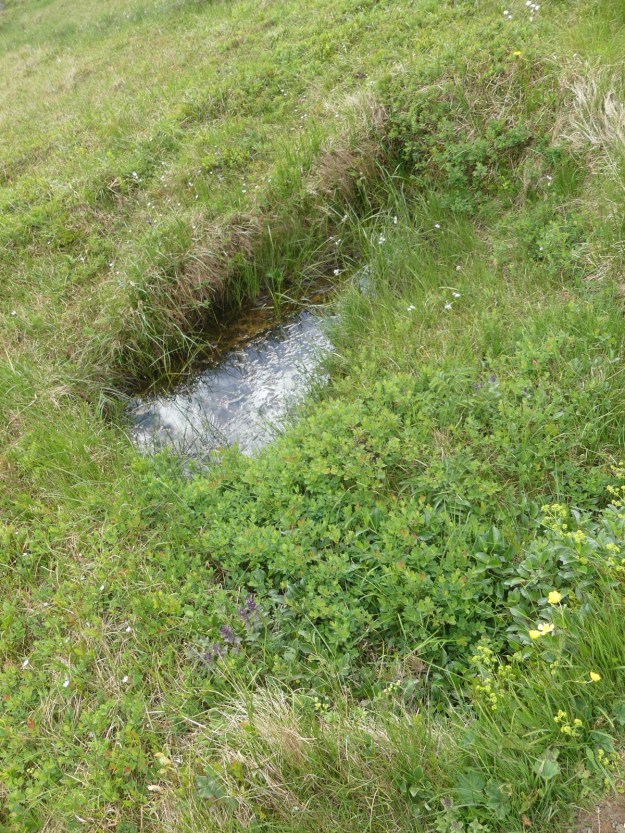

They do have the potential to rebuild, however. Here’s one in Neskaupstaðir, hard at it. A photographer could do worse than peer into holes where the Earth is healing the wounds of limited human technology and understanding.

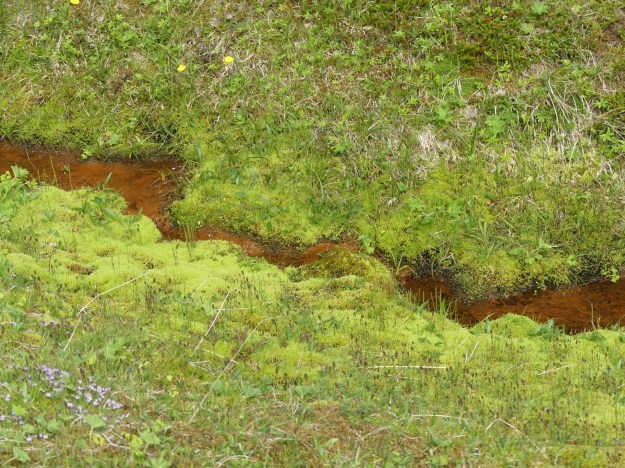
When these bogs run with water, it is often red with iron. It’s hard not to think of them as the blood of the land.
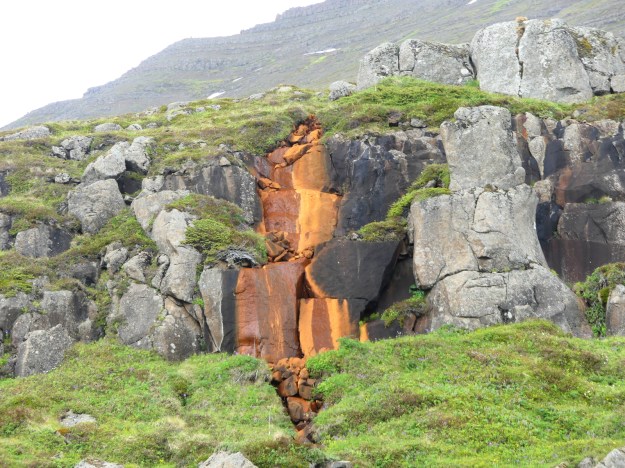
They’re quite wondrous when they spill their blood over the old sea cliffs.
And quite forlorn when, stripped of peat, they run dry out to sea.
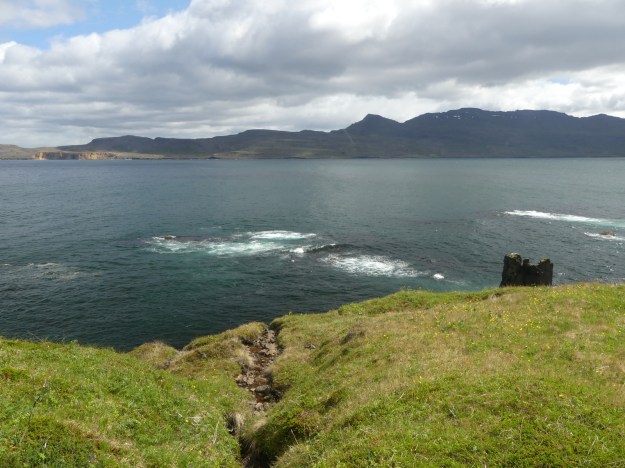
And harder yet, when you see them give birth to fantastical creatures.

These now-rare environments are the survivors of a time in which they gave life to humans in the cold. You could say, easily enough, without the long, long life and sacrifice made by these bogs, there would be no Iceland today.
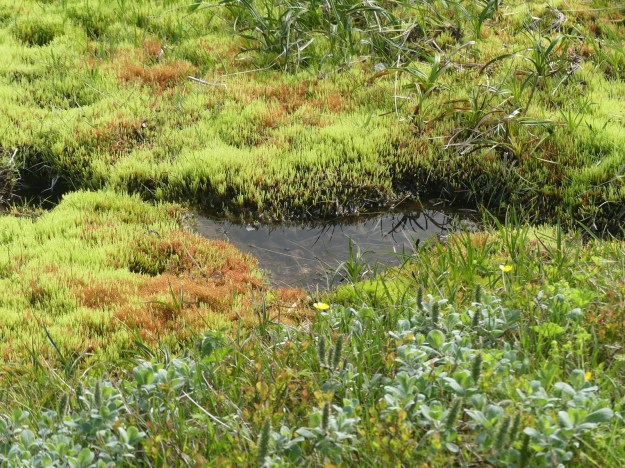
That’s why the mined-out bogs in Neskaupstaðir have been a nature preserve for nearly fifty years now. It is a way of giving thanks for life.

There’s an art to it.

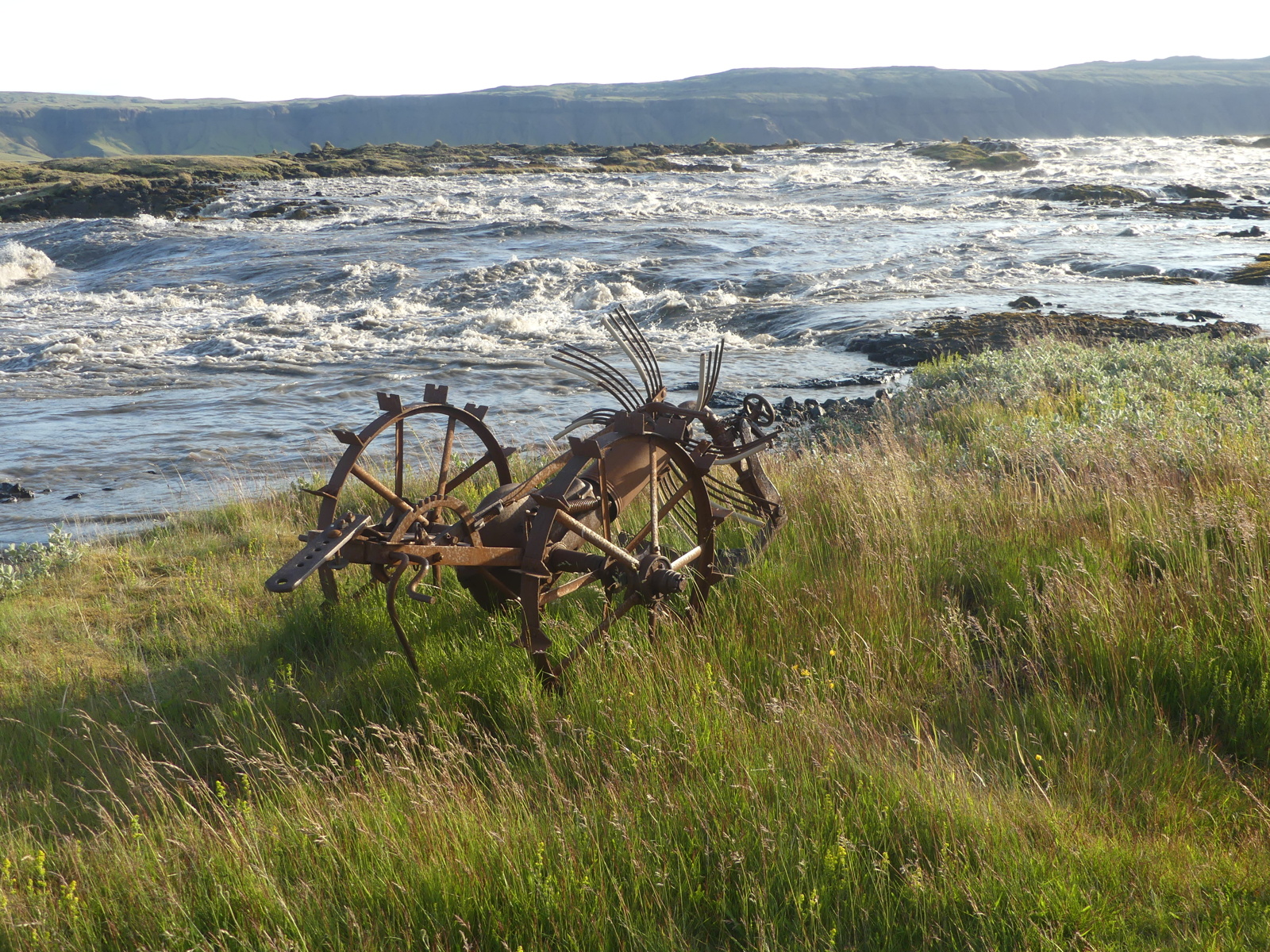
Global Culture and Gunnar Gunnarsson

When faced with mysteries, like this troll on Reykjanes …

… the global human sees its emotions instead.

The Bridge Between the Continents, Reykjanes, Iceland

Some premeditation is involved. That’s what Pinterest is for.

It’s not original, but it’s a fun bit of colonization. What would Homus Globalus do, after all, if it saw the ogre climb her staircase above Gunnar’s birth house in the Lagarfljót?

Laugh, no doubt. Should we laugh about Icelanders in their own country? The question is absurd to people who would do this:

The global human loves humans and sees them as beneficial additions to all environments. Icelanders, being isolated island people, actually invited them in. This is the same bind that drove Gunnar to Denmark in 1907, to become a published writer, and then saw him ostracized in the 1930s, because he had published in Danish. There are always these double-binds. That’s the human condition. Even in Iceland. We should be gentle on ourselves.

The Politics of Farming and the Truth of Art

A century ago, most Icelanders were farmers. Now a few thousand remain.  Their Iceland is as complex as any other. For instance, the image below shows not only rich hayfields, with some drainage issues not-yet-solved by dredging, but the results of government farm-improvement subsidies (for dredging) that are one of the ways that Iceland keeps farmers on the land. Note the older style of farming in the foreground, with the sheep at pasture on the heath.

Borgarfjörður Eystri

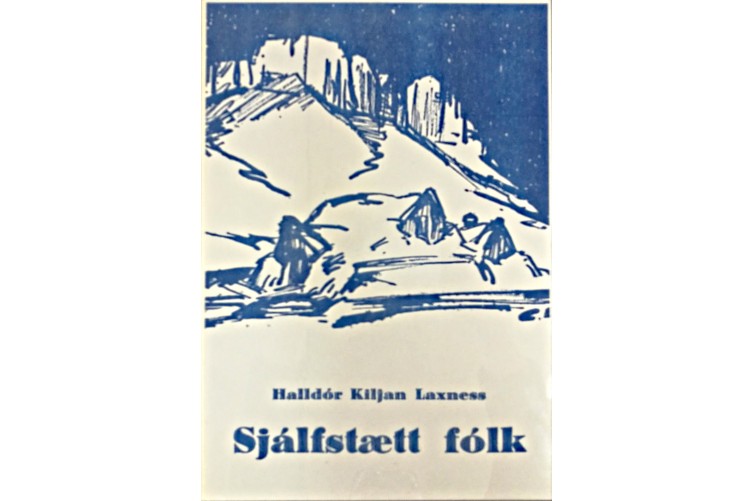
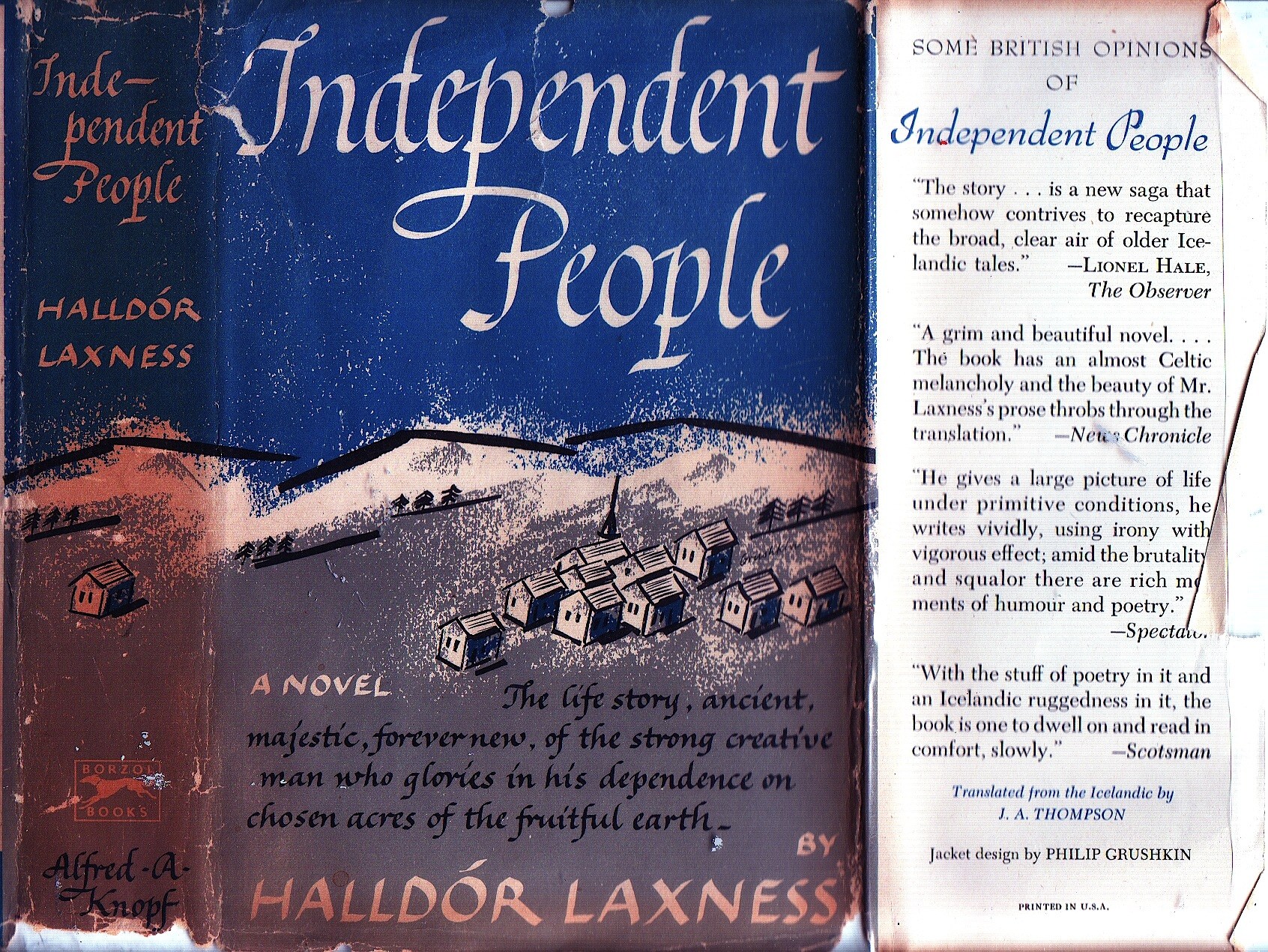
If you travel around Iceland, you will see fields like this all the time. Few look quite like this one, though. Notice how the mounds of soil dredged out to drain the land are left beside the canals from which they came. If this were a prosperous farm, they would have been levelled out across the entire field, enriching and deepening the soil. They aren’t. Rather than enriching the land, in this remote, barely-prosperous farm, the dredging remains a political calculation at best. The view is a sobering reminder that although millions of people visit Iceland for relaxation, in most of the areas one passes through people are working at their absolute limit, and within a narrow set of political parameters. This tetchy balance between freedom and control is as much Iceland today as when Gunnar was driven off his farm when his workforce went to work for the Americans instead of under his beneficent dictatorship, or when Halldor Laxness wrote his great novel of orneriness, stubbornness and endurance,

…or  Independent People.

These things aren’t just in the imagination of novelists.

The Birth of a Painter in East Iceland

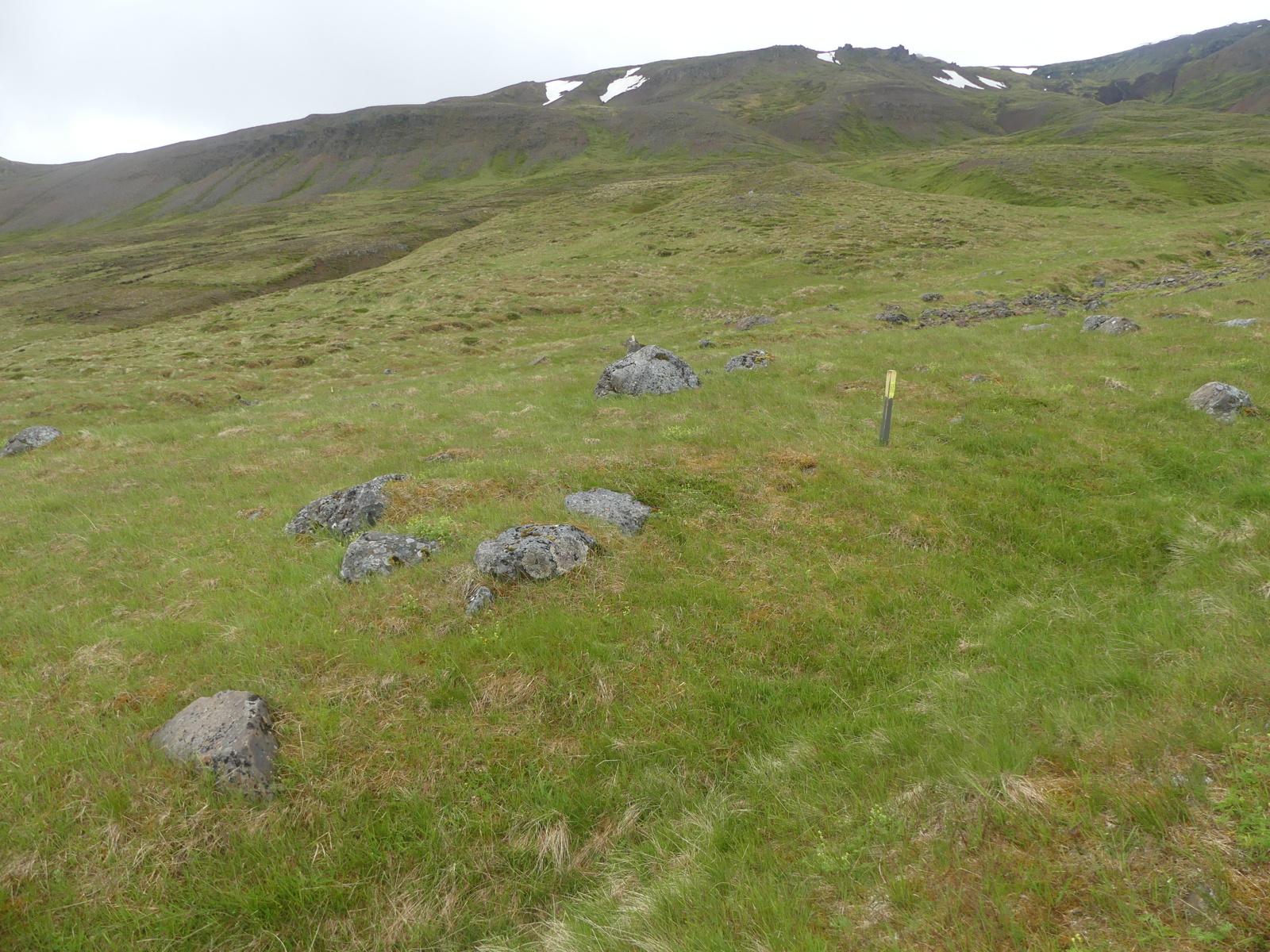
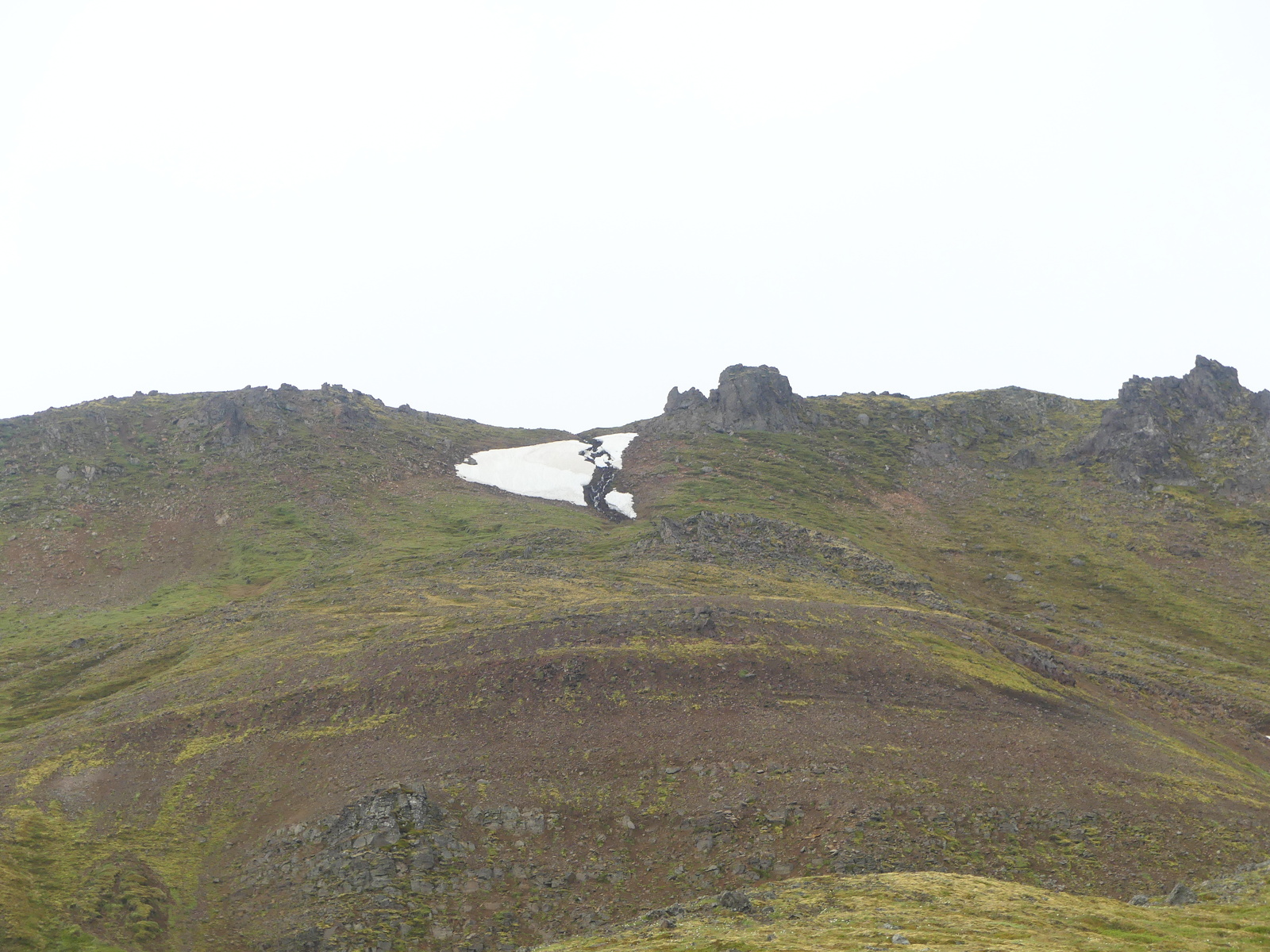
The boy Johannes Kjarval built himself a shelter out of these rocks while minding sheep.

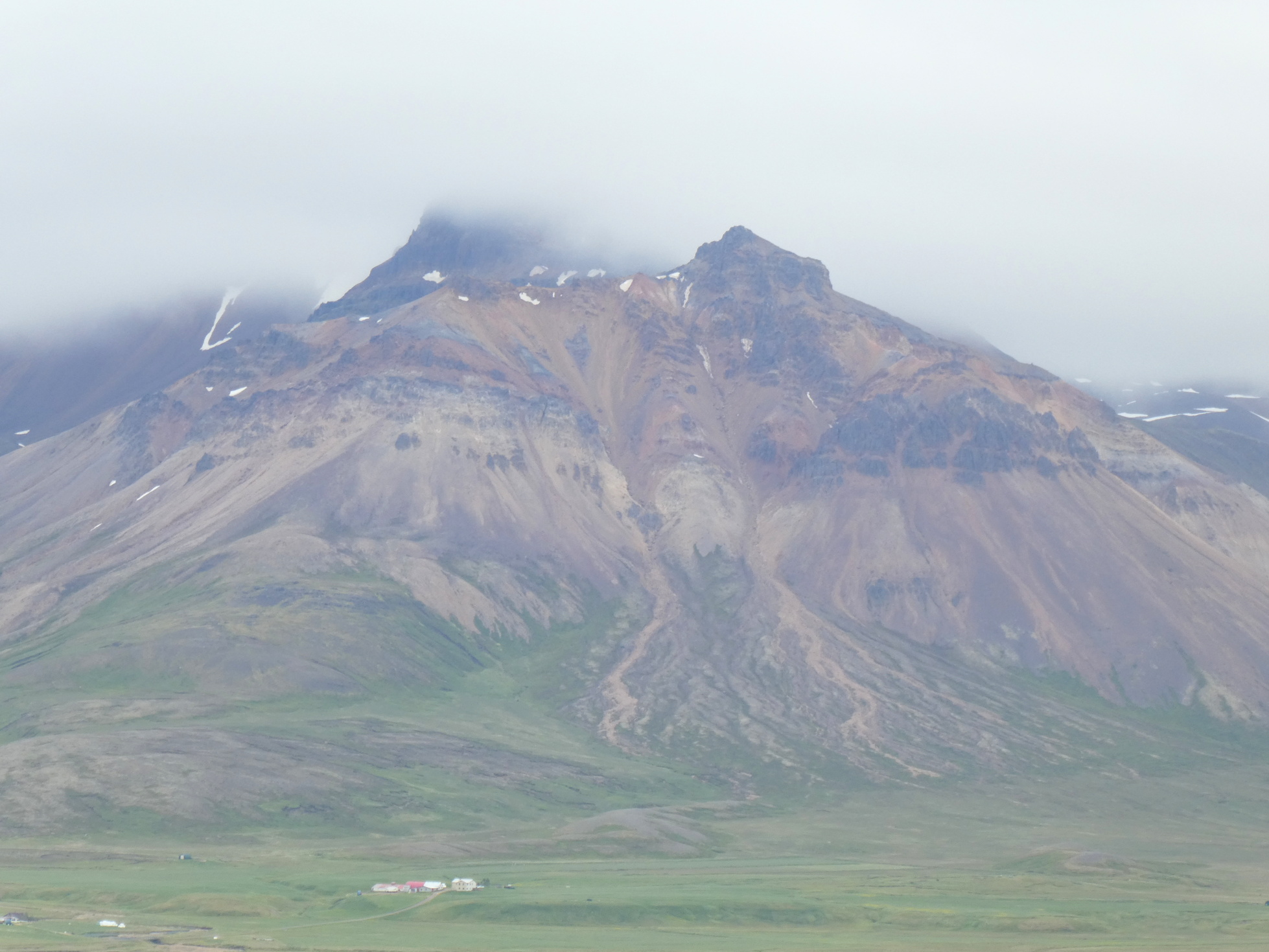
And he kept an eye on more than sheep, out there in Borgarfjörður Eystri. Trolls, for instance.


Elf horses.

Elves, even.

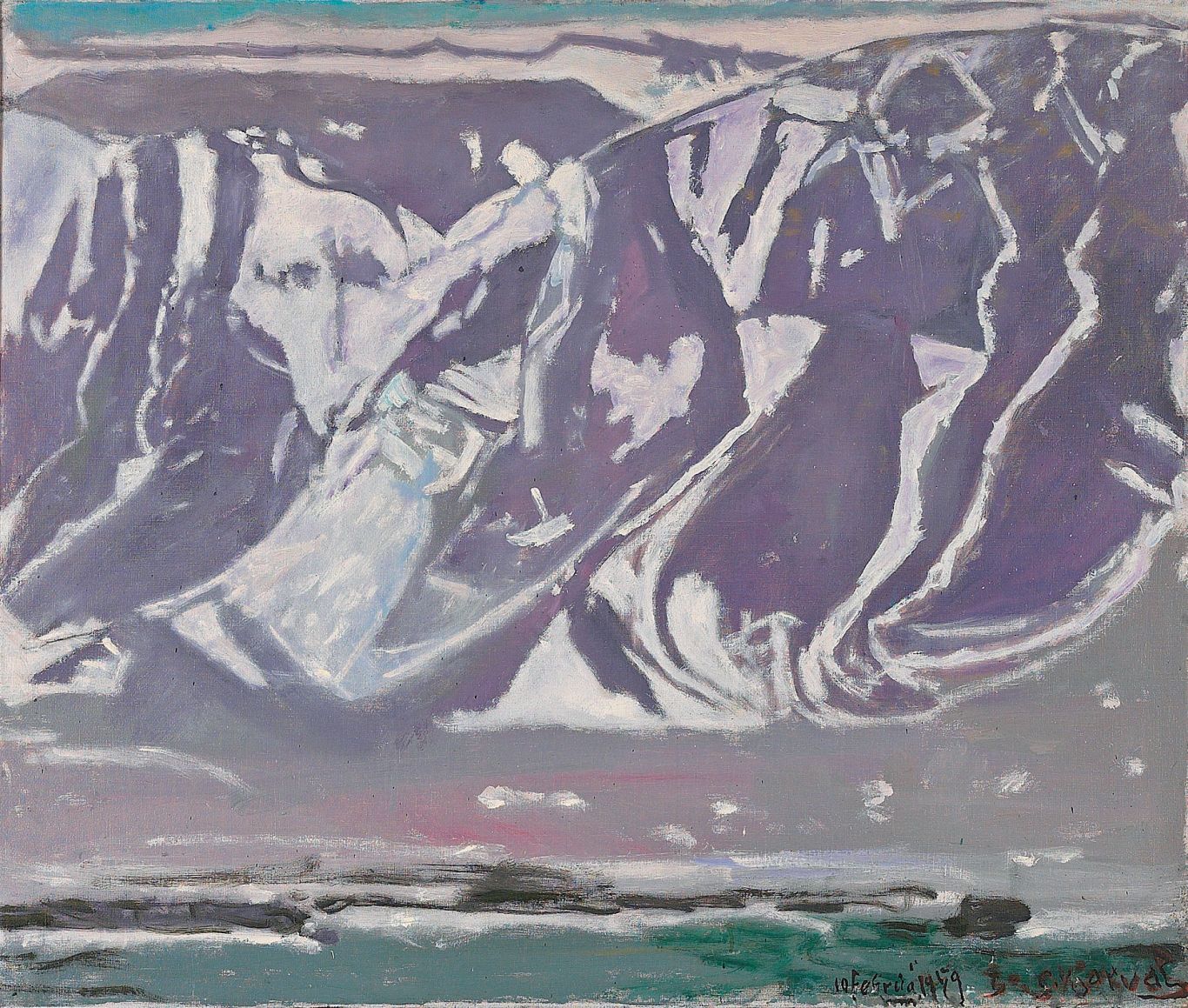
So was Iceland’s great painter created. Here’s a painting of Esja, across from Reykjavik, showing what he learned out there as a boy in the East.

There are many roots to modernism.  This is one of the most integrative.