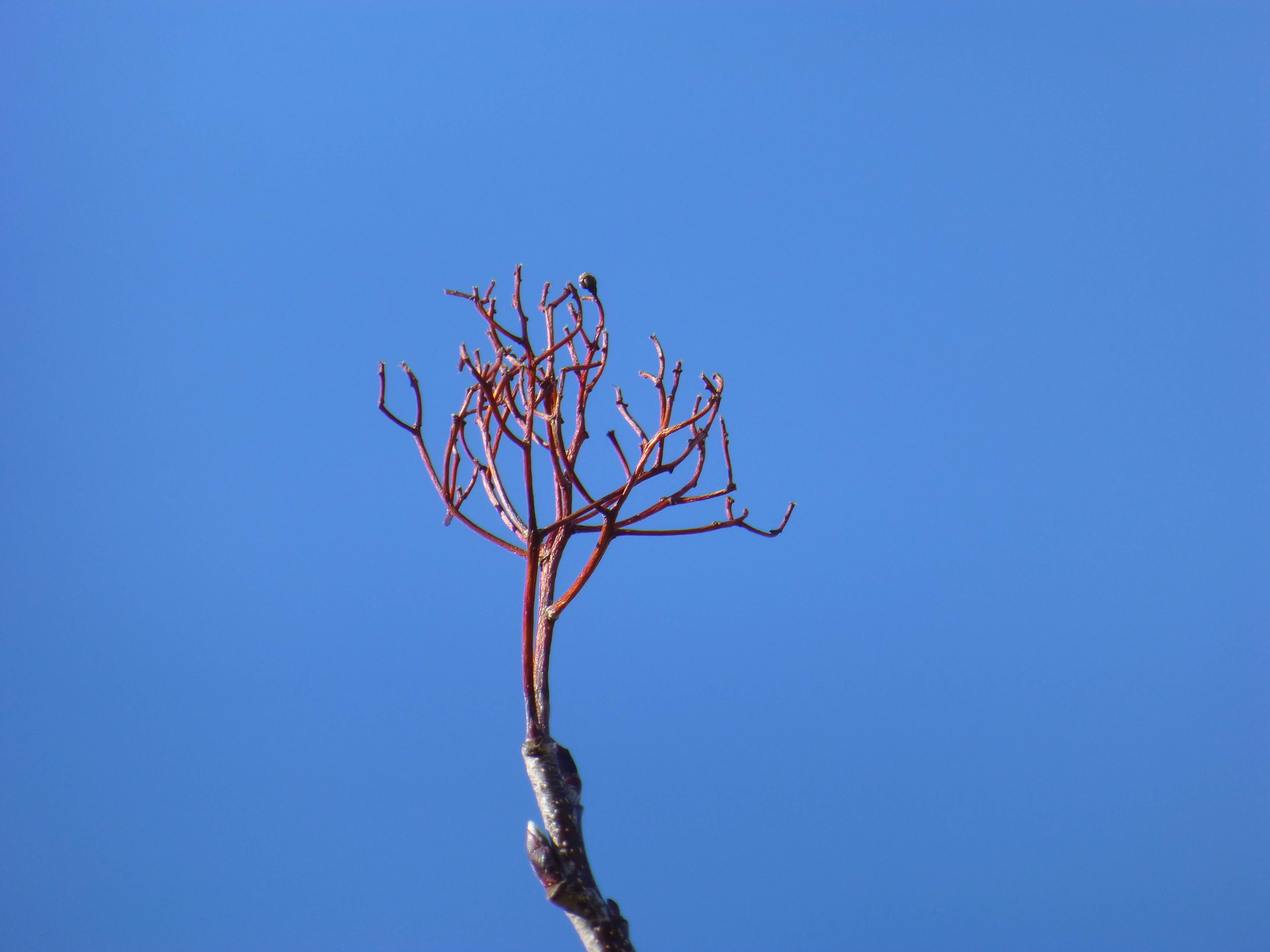
Good Friday Rowan at Skriðuklaustur
May you walk into the Earth and come out with new hands.

Good Friday Rowan at Skriðuklaustur
May you walk into the Earth and come out with new hands.

Saubæjarkirkja
Inside a church are people. Outside of a church are dark cliffs. The church is maintained by the government, because it is on this distinction, this between space, however narrow, that it draws its legitimacy, in a long history of living under colonization. Gunnar Gunnarsson turned it on its head, in his book Svartfugl, or “The Black Birds,” meaning dark-souled people (including but not limited to priests) stealing the light from others, under the influence of a bleak landscape. The English translation is The Black Cliffs — the human oppression, and its intimate relationship with the land, has been wiped clean for an American audience. That relationship, though, is vital, as it represents exactly what one sees in the church above: a portal into the self. The result was a complex book, perhaps the best book of 1932:
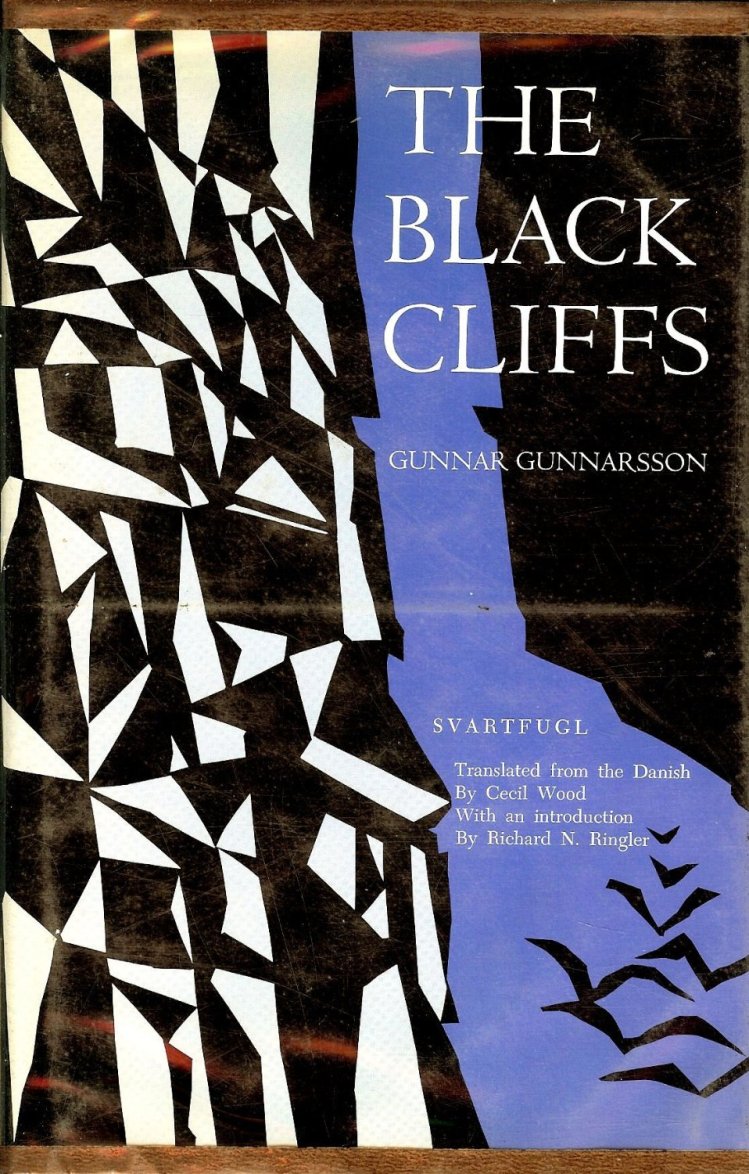
So, a self and a book, and a whole lot more.
For four weeks, I studied this stone wall above the old monastery, trying to catch it in a light that revealed it. My gut told me that these rocks were culturally-altered, but nothing came clear that I could identify — nothing that couldn’t also be explained by geological processes of decaying, exposed basalt. The archaeological team came to the same conclusion, so used the rock as support for a viewing platform … while also protecting it from the weather. Clever.

So, what do you think?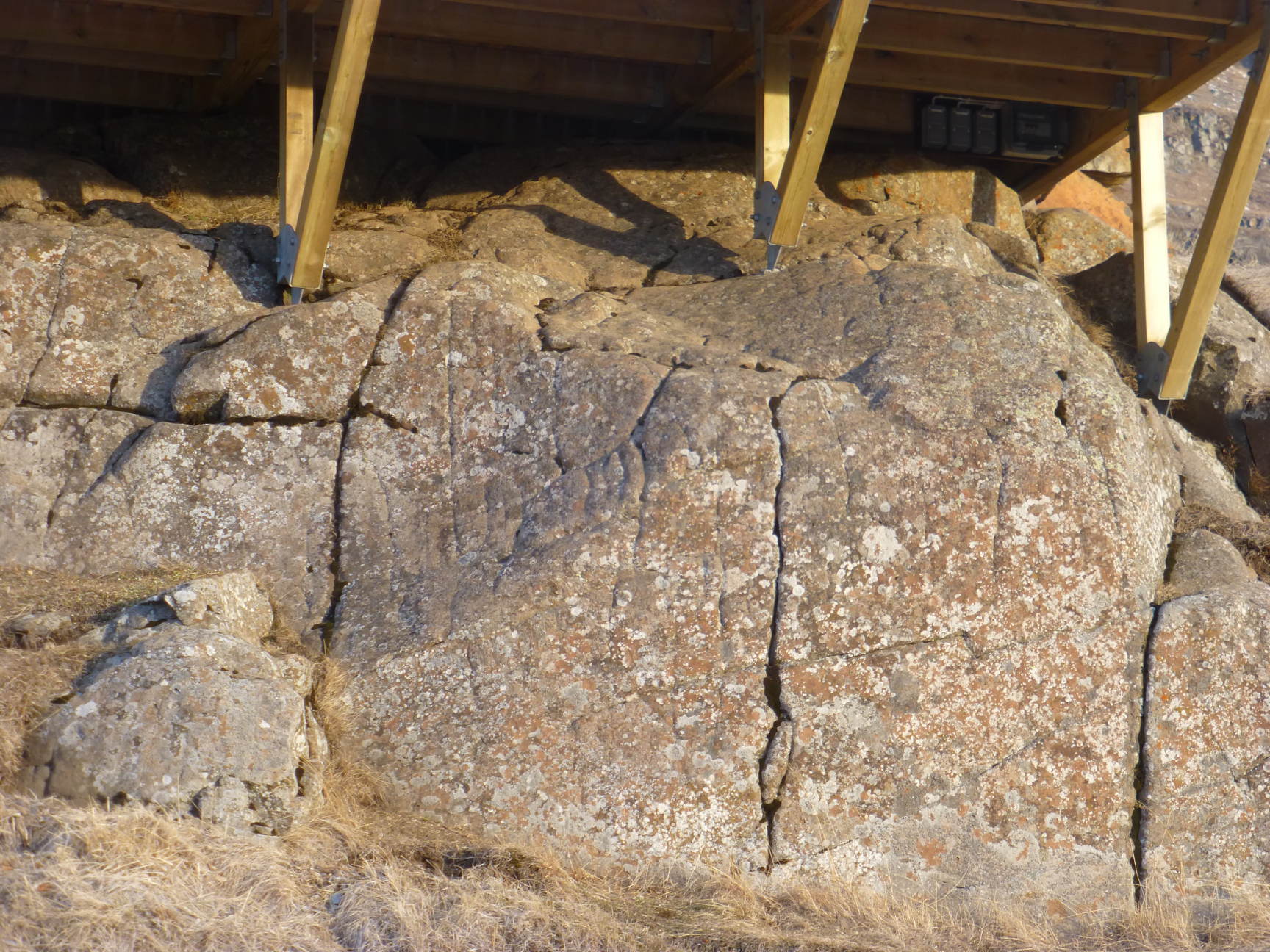
I was pretty sure that there was a raven in this sculpted gouge, worn out by some peri-glacial river long ago.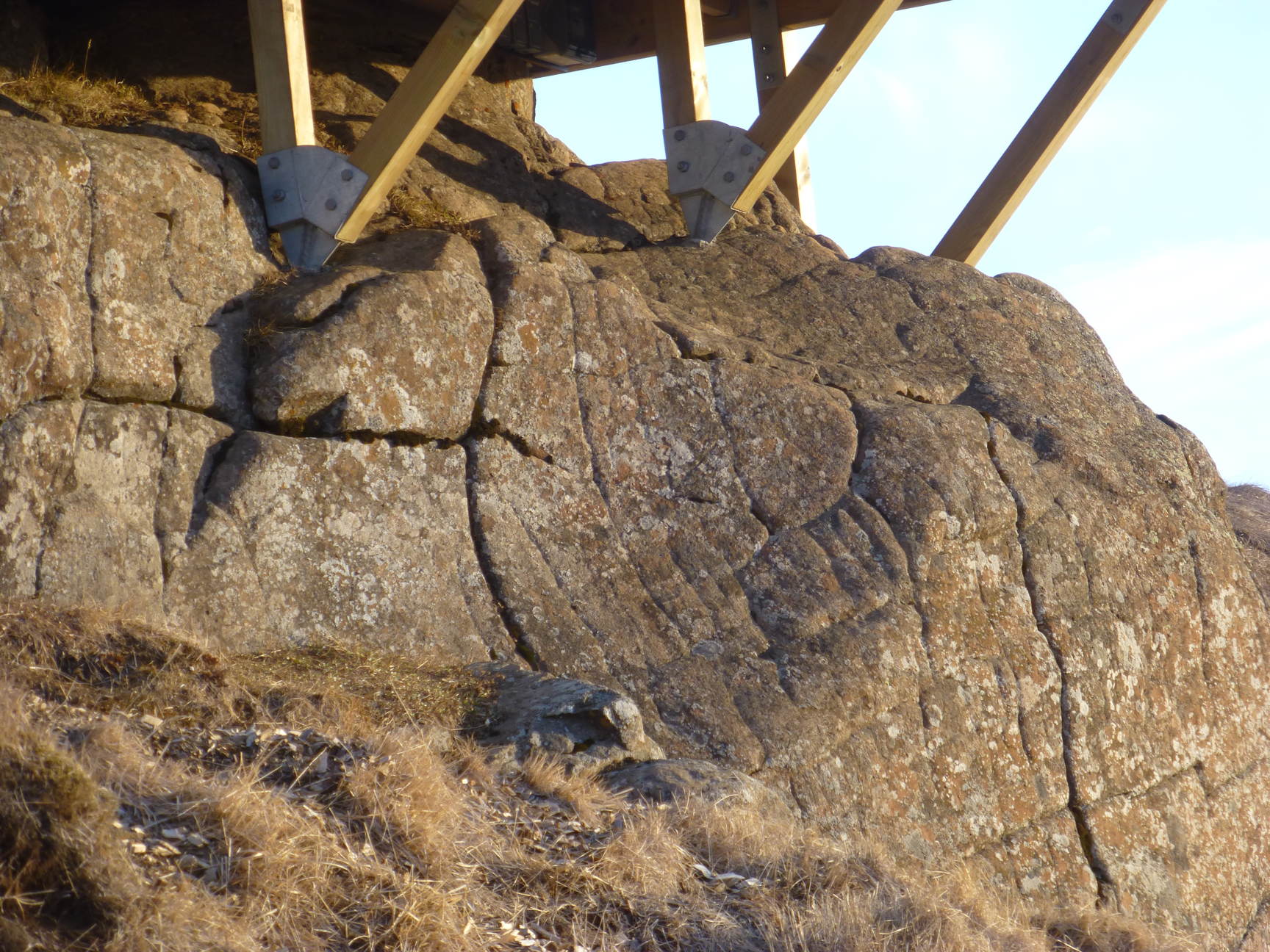
And ravens are important in Norse mythology, and, if you’ll look below the raven’s wing, the raven’s companion, the god Oðin, was known, like Christ, to hang on a cross from time to time.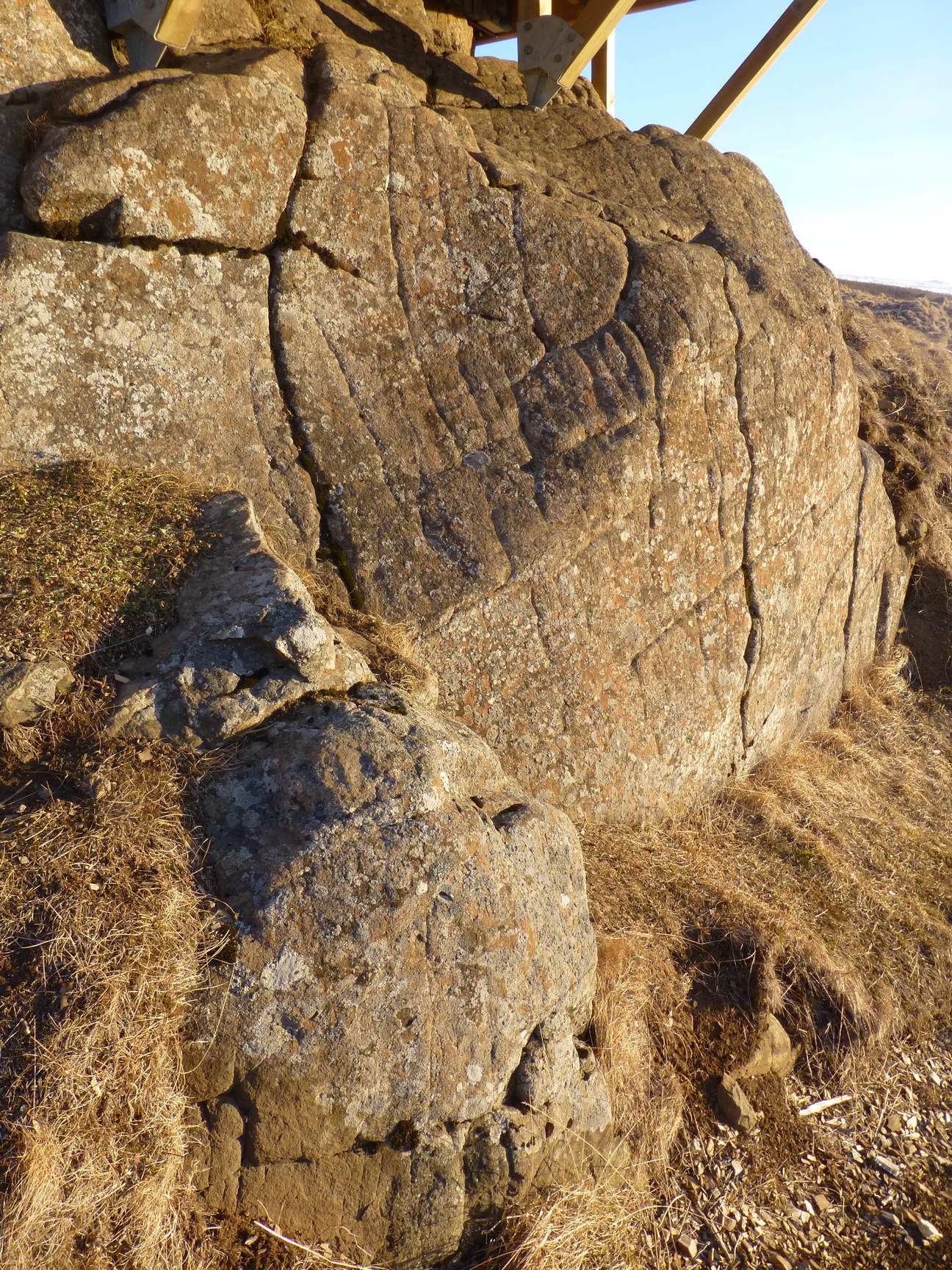
Was there a language here? It’s simply not possible to tell, although we do know that some of the patients at this hospital had come from Greenland — what kind of glyphing had they brought with them? Deep within the monastery, the rocks suggest some kind of talismanic scratching of simple crosses into the rock in the near-dark, but here, in the light?
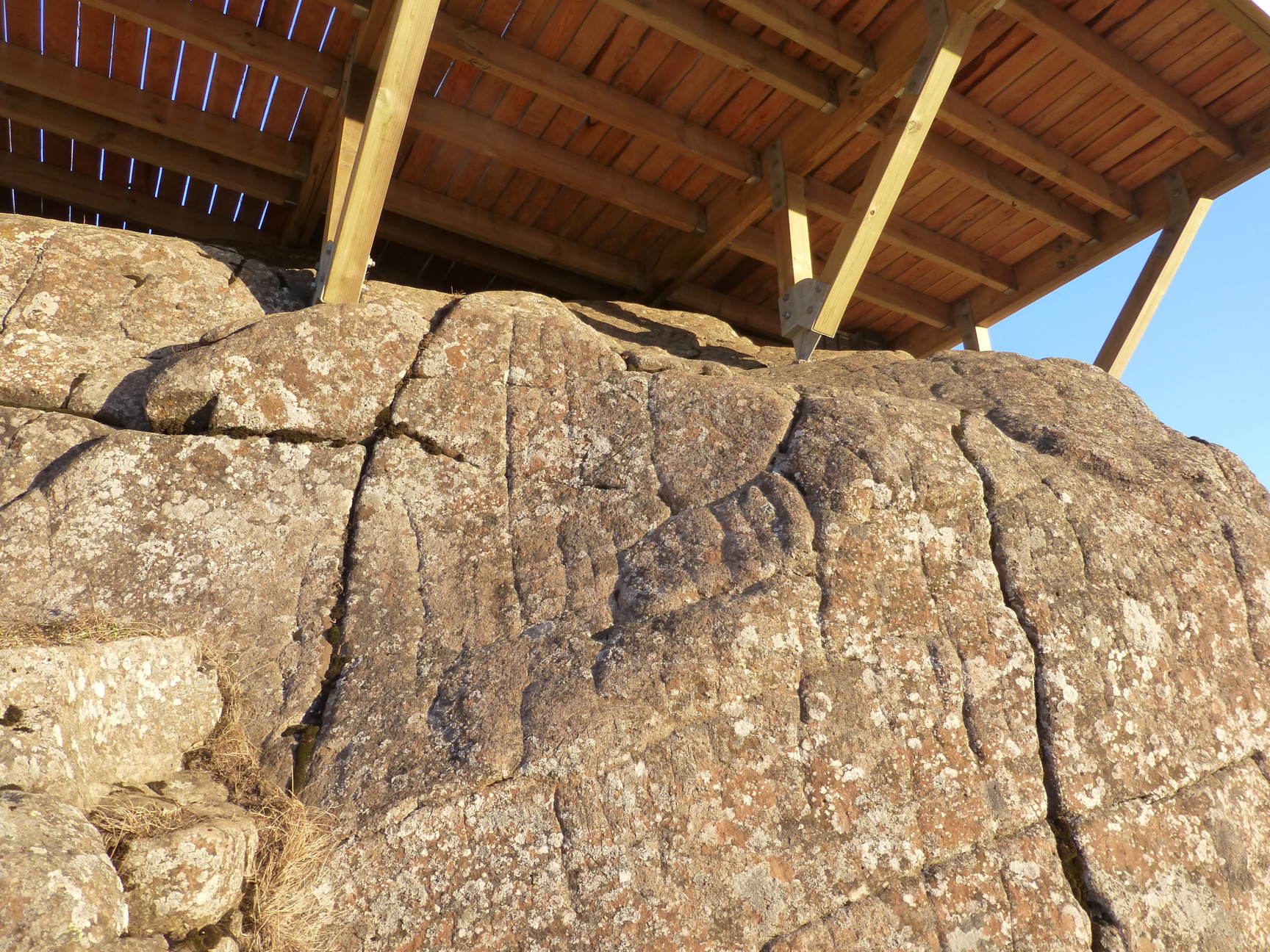 Was the old practice of tracing natural forms in the rock to gain their power. One wouldn’t have to carve. One would receive the energy, without any intermediary art. It is the reverse of normal pictograph-making, where a pattern is worn by a finger dipped in fish grease and sand and run thousands of times over the same groove, to transfer power that can then be picked up by the sea, but here, where is no sea, and no humanly-created shapes? Might they be, nonetheless, humanly-imagined and traced? Here, look again, later in the afternoon…

There was a ritual in the Monastery of Maulbronn in Germany (far older than this one), of pouring wine into a crack in the stone, so the simple monks could catch it in their fingers… so good, they said, it was “eleven finger wine.” The spirit of God in the wine, in other words, united with the spirit in the rock, a fine Christian symbol, and came to life through the hands of monks lifted to their mouths. Might the same thing have been happening here? We’ll never know, but we’ll never know if it didn’t, either.
Wandering around Reykjavik (and outside of it), a pattern emerges…

Arms down.
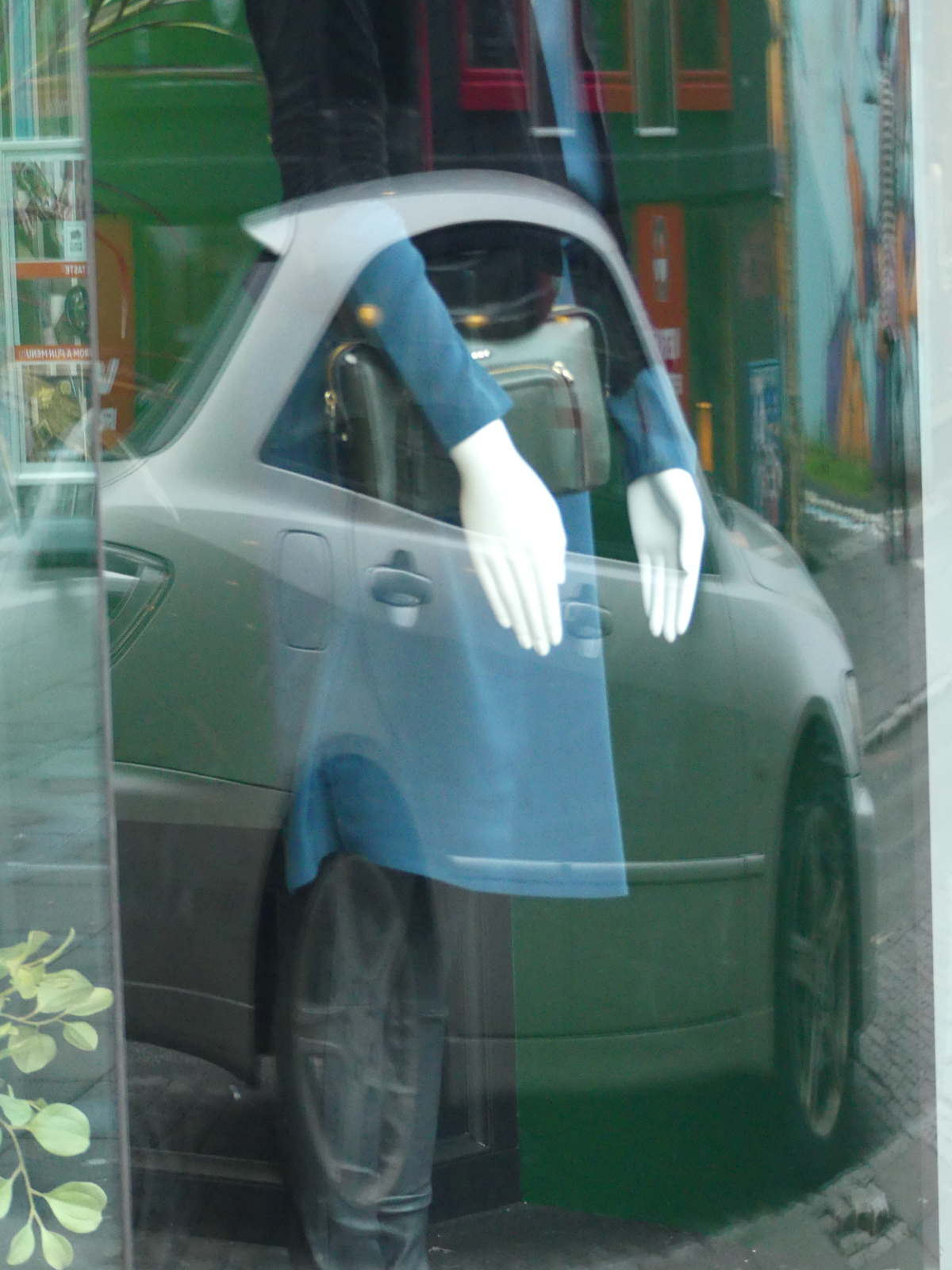
Arms down.
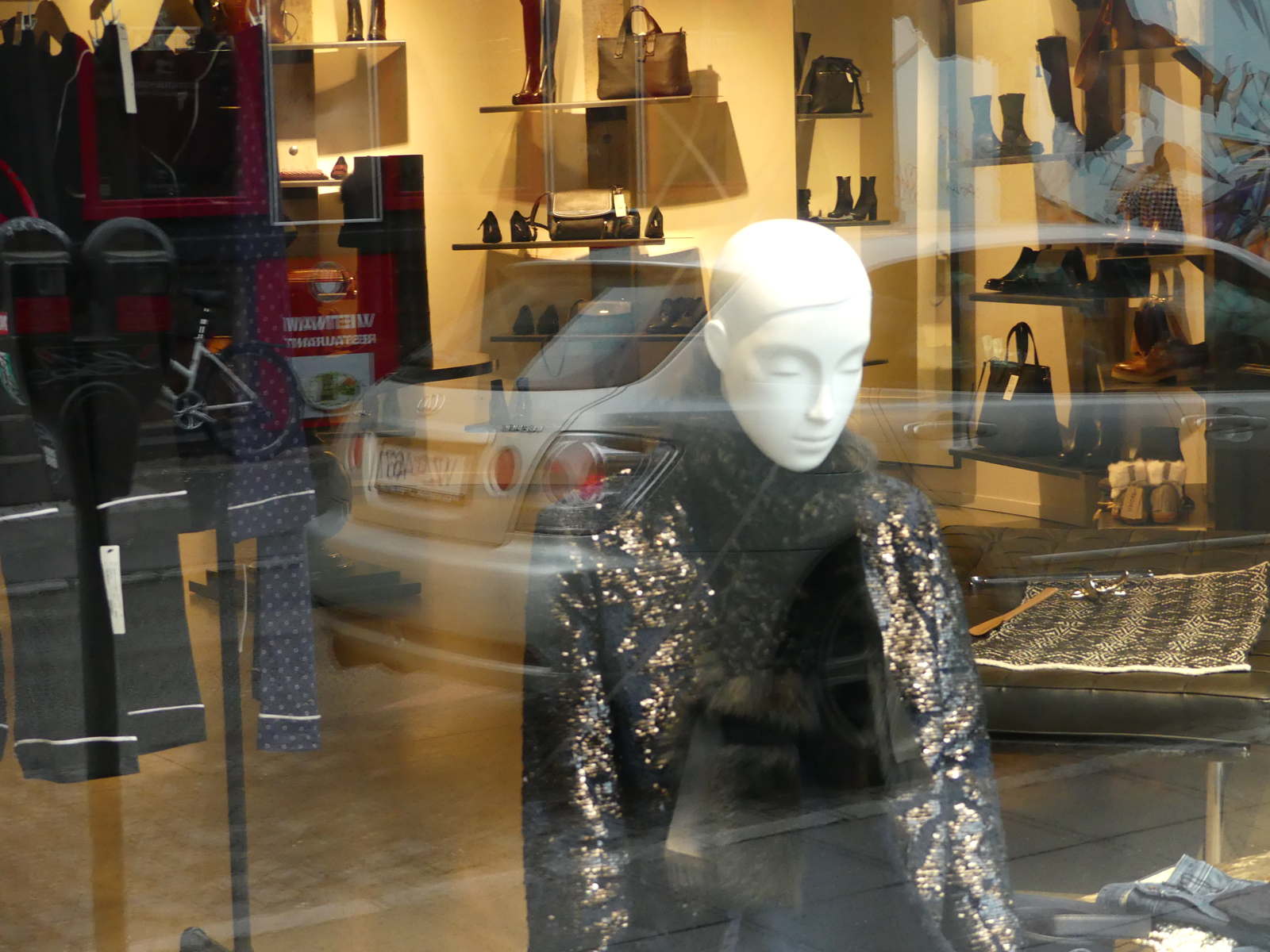
Arms down.
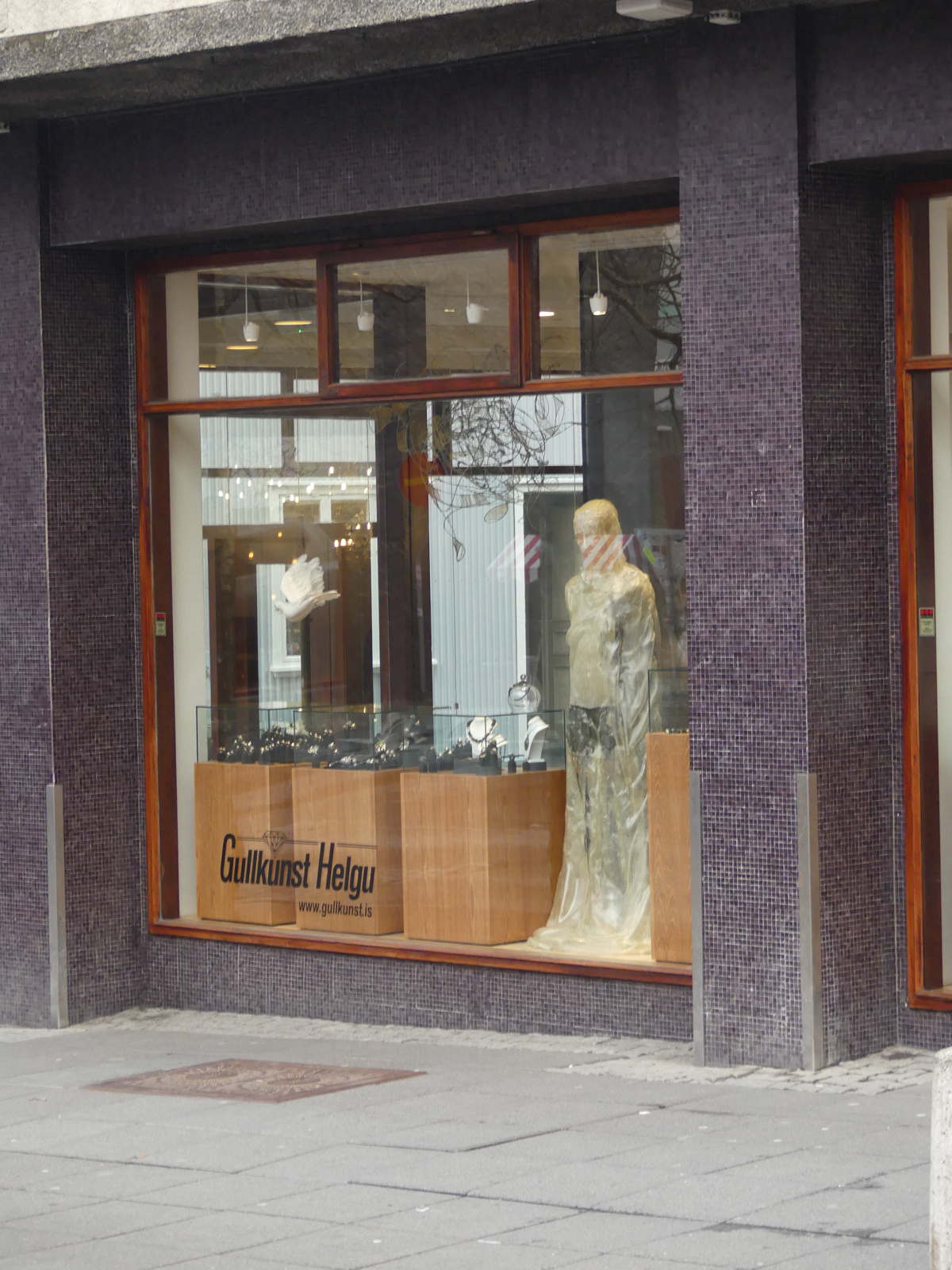
Arms down.

Arms up.
And then there’s this: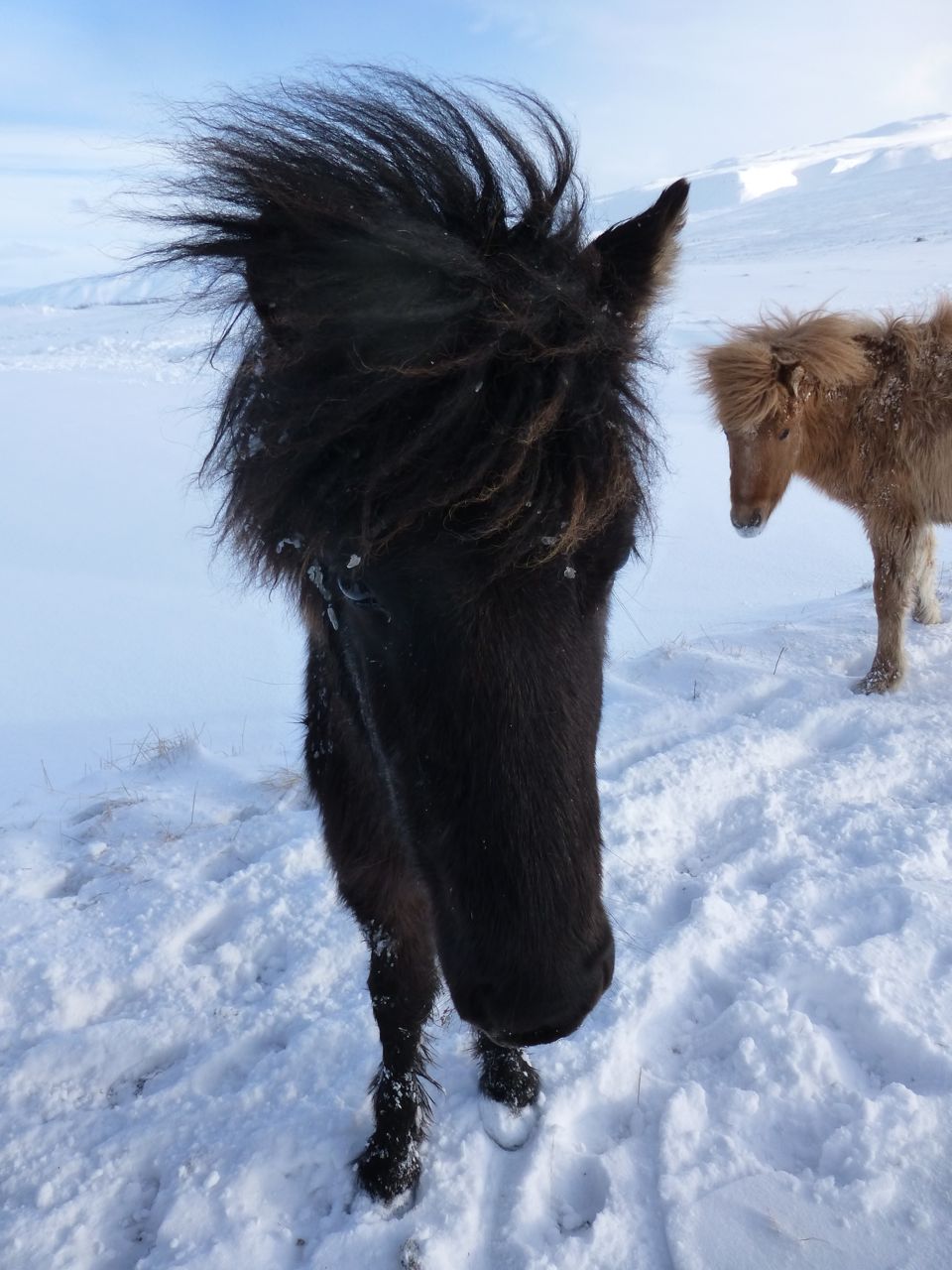
No arms at all!
These are the dimensions of respect.
Settlement is the foundational theology of Iceland. In countries such as mine, Canada, or that of my ancestors, Germany, foundational theologies tend to be about colonization, either of the land and bodies of other people or of the self. Not in Iceland.

In Reykholt, Snorri Sturluson wrote the texts that define Norse theology. If you visit Reykholt, you will soon see that these books represent the landscape around Reykholt more than any historical theology.

In short, they are more a way of settling the land the of claiming it.
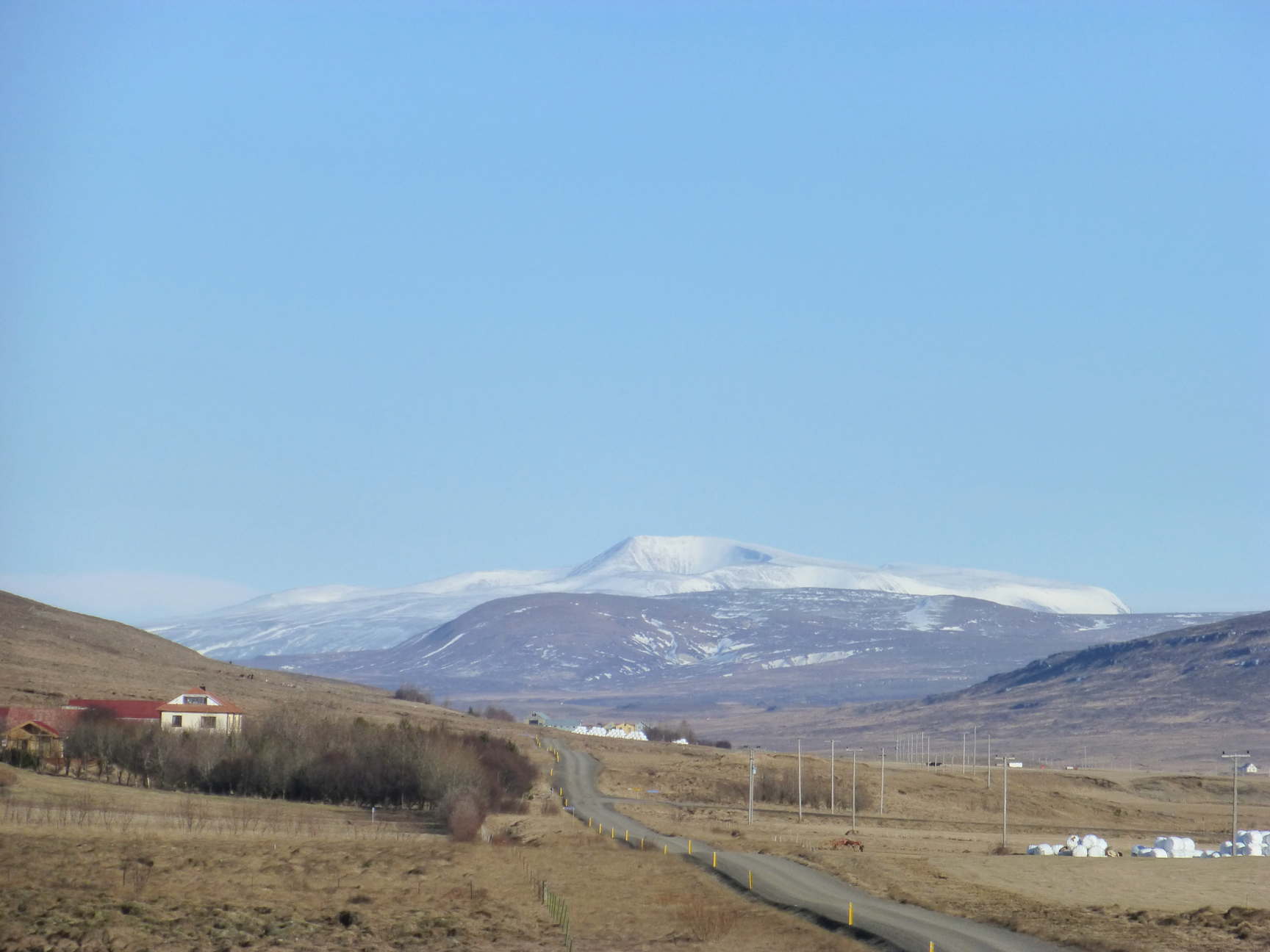
Witness the chosen motif for the altar of the old church in Reykholt. The White Christ rises as the sun…

… much like the mountain up the valley, capped with its glacier from before human time.

It is a world in which ancient binary forces, ice and fire, create a human habitat, the world, which is a kind of whirlpool in the sea of the universe, which is, really, the sea.

Human activity has eroded the primal world, but that pre-human time still delivers water and the power that defines humans.
The church itself, exists within an ancient, pagan forest, blessed as the source of nationalism. It is an accurate depiction of Icelandic culture. Sure, it’s planted, but that’s part of the point of living within a settlement.
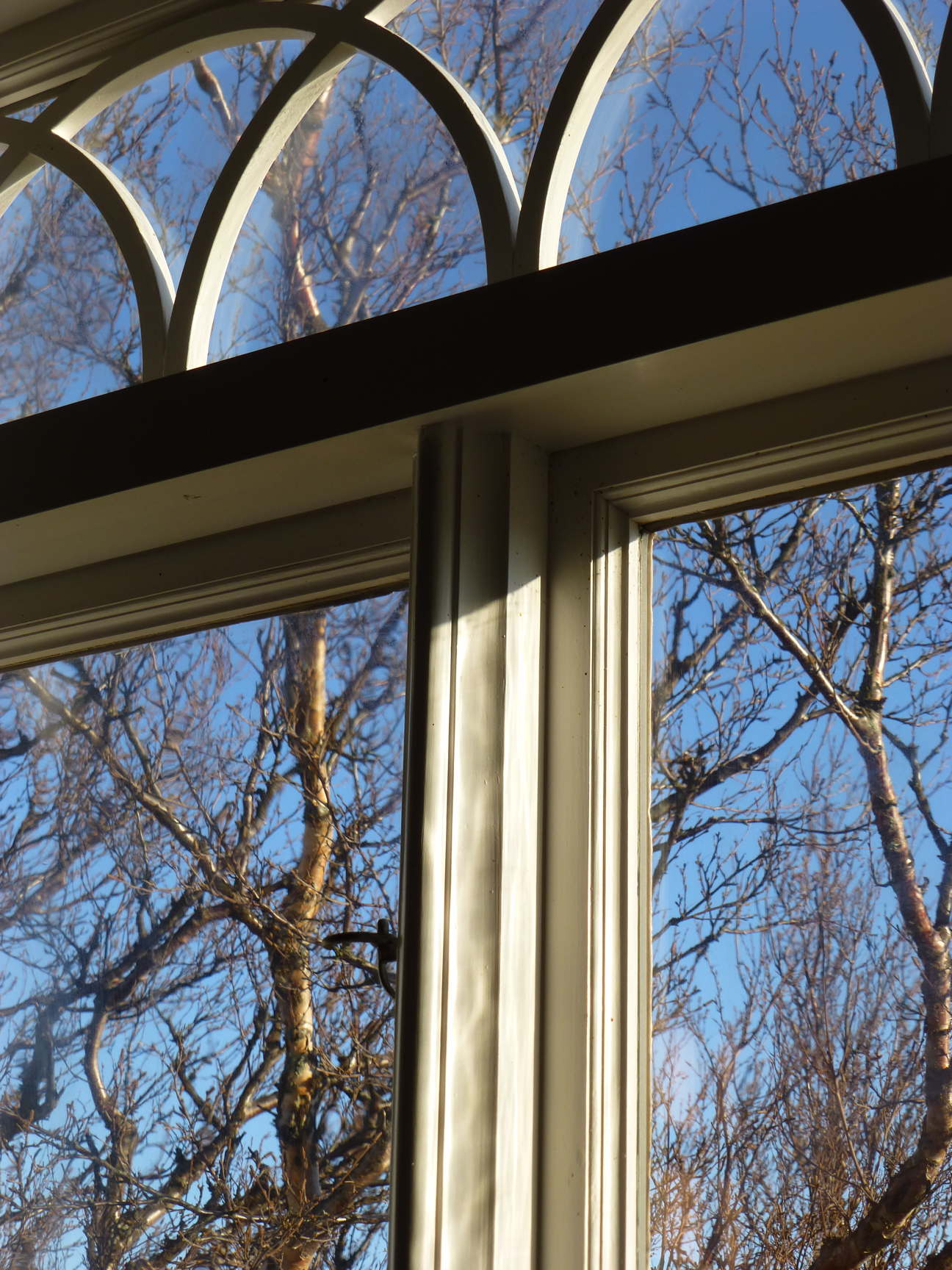
When summer comes, Icelanders don’t take to the sea, they take to the forests. They already live in the sea. It is settlement they celebrate, and that includes placing them within the forest like the old church at Reykholt. Tourists drive through the birch forests below, take a few pictures, and drive back and away to claim that they were there, but Icelanders turn off into them and settle for the summer.
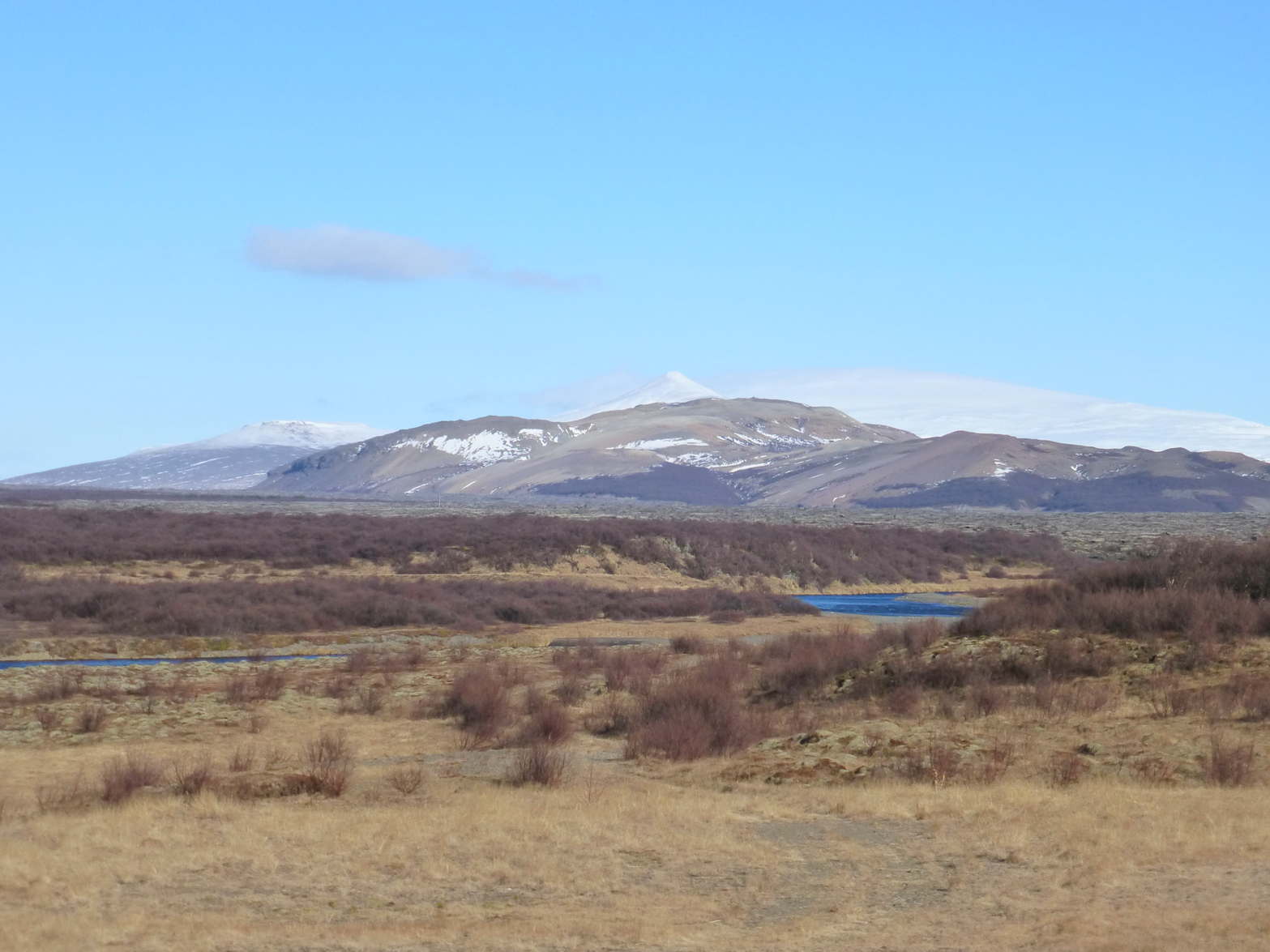
Just to the north, at Bifröst, they do it right at the bridge between worlds, and that’s the key to Iceland: this settlement right at the point at which power erupts from the land. It’s stubborn.

Perhaps, travellers to Iceland see a forest in the image below (taken at Geysir to the south east).
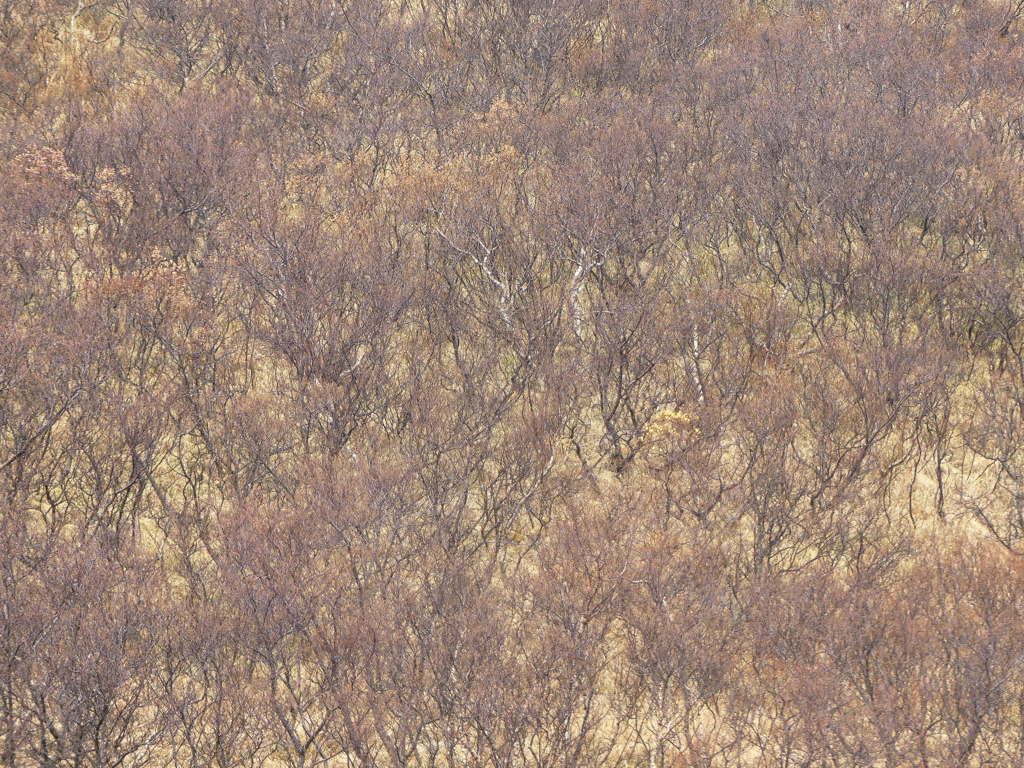
Perhaps they will call the old pre-human world nature …
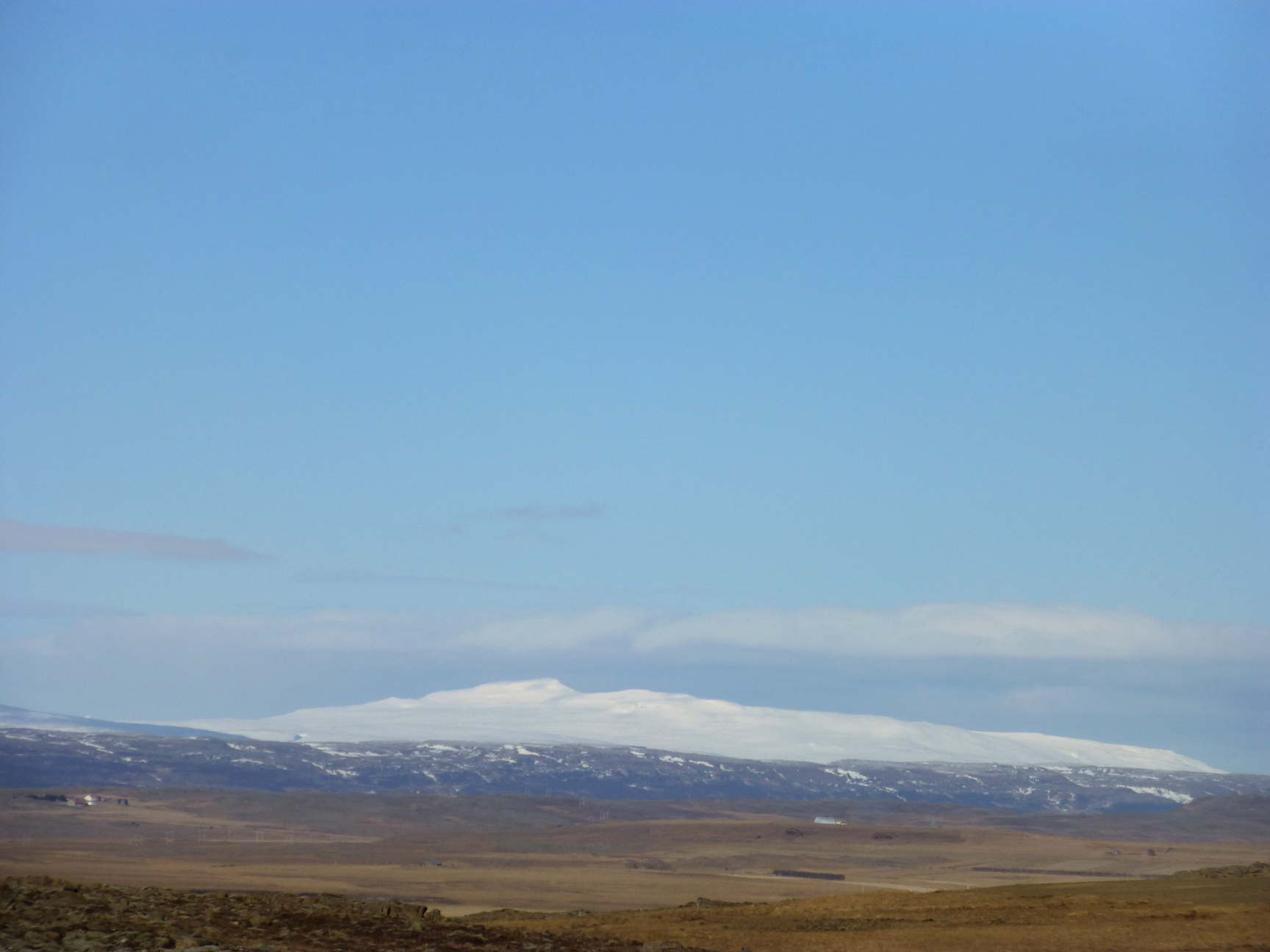
… perhaps they will even realize, in a breathless moment, that this nature is not the Garden of Eden…
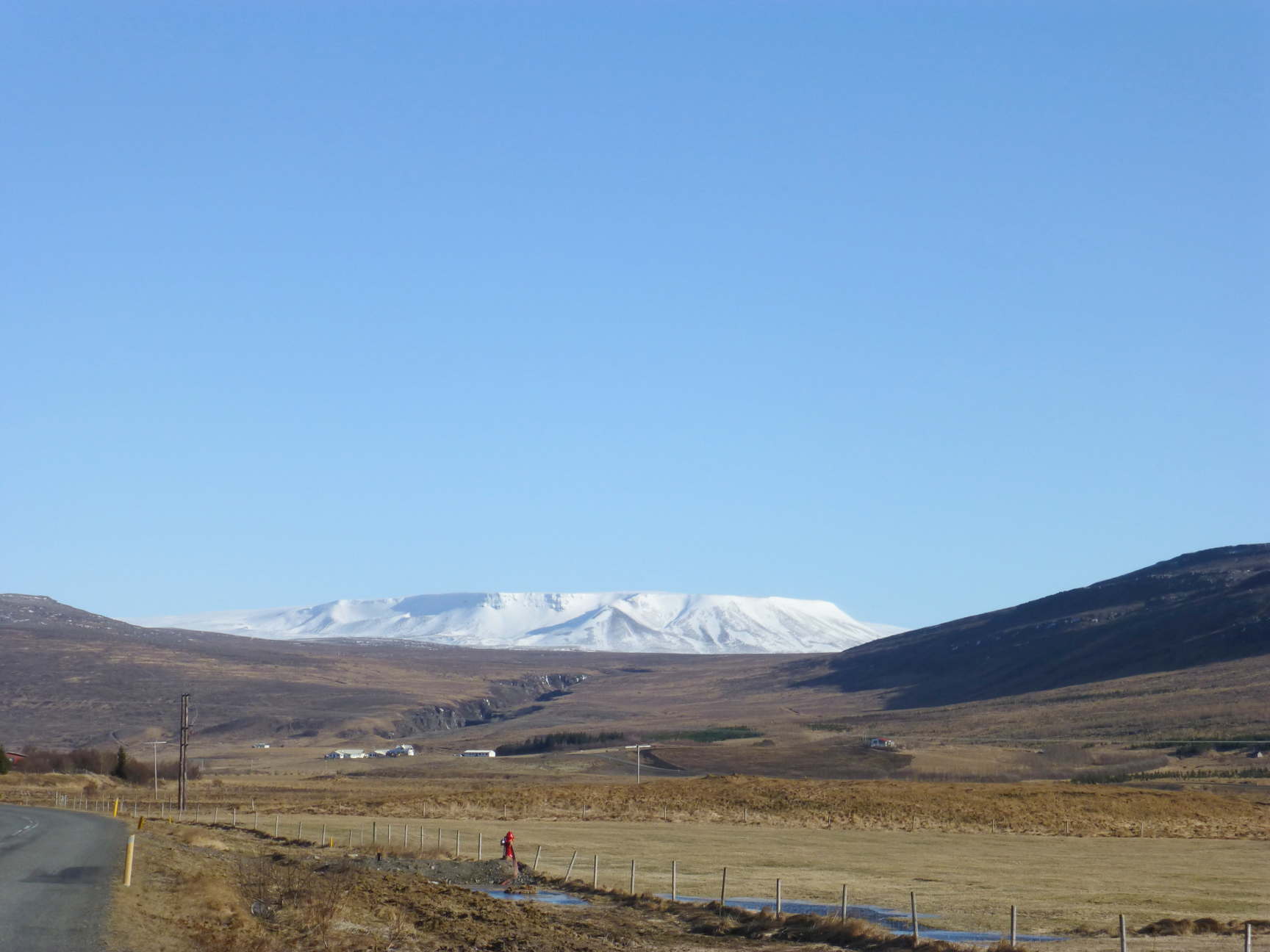
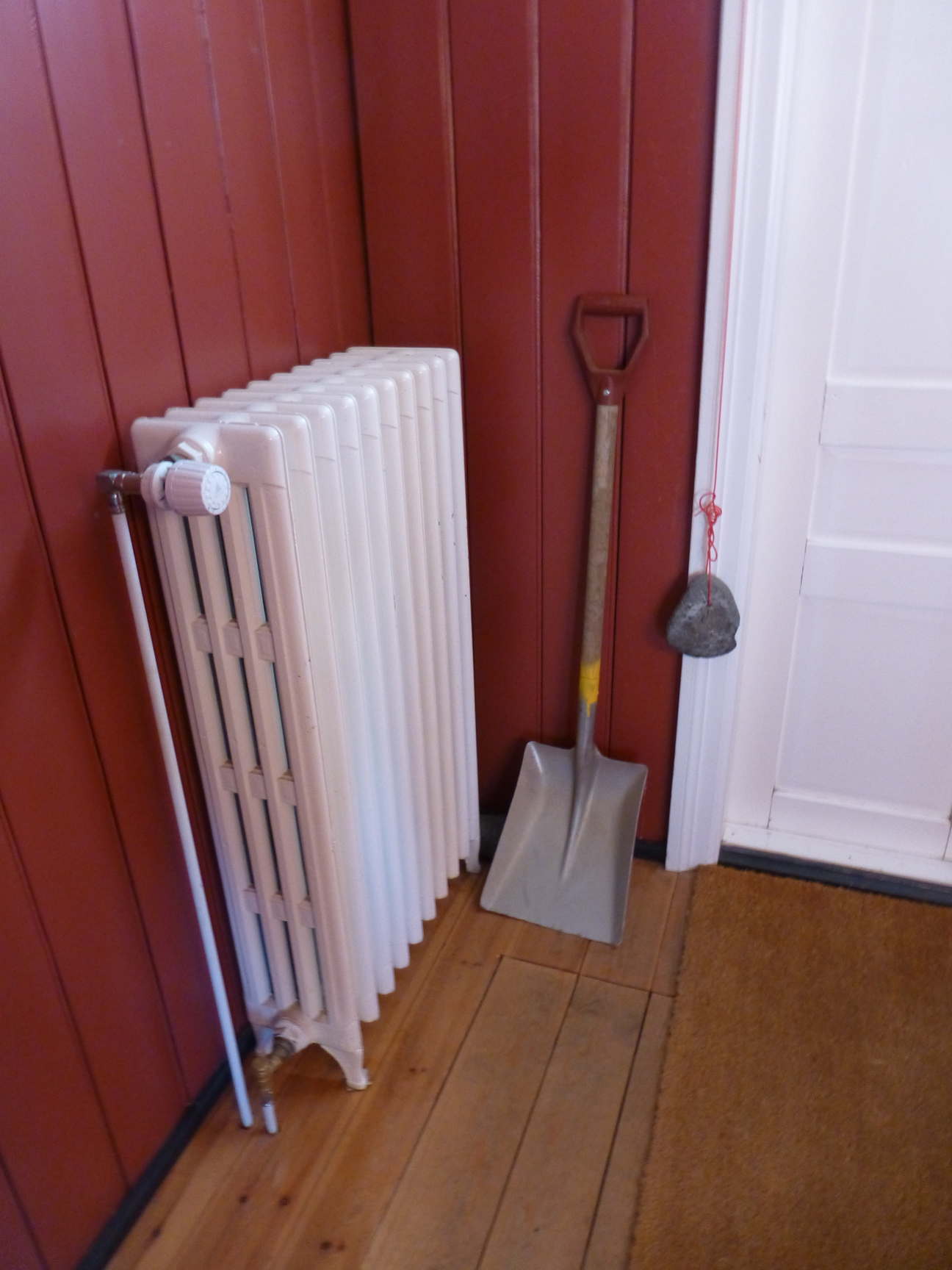
…and realize that you need tools to settle your panic in the face of such power, such as the fire hydrant in downtown (!!) Reykholt above, one of Iceland’s major urban centres, or in the pre-Christian tools facing the altar from the door to the world of the Reykholt Church below.
Balance, that’s the thing.

I mean, for those of you who can’t just drive on, because when you are at the intersection of all power in the world, either here at Bifröst …

… or here at Reykholt …
… or here in Reykjavik…

… the frame is not the golden power and will of God coming to the world out of nothing …

… but immediate and present power without symbols at all.

It’ll change you. Do you dare settle, within, in a point of balance?
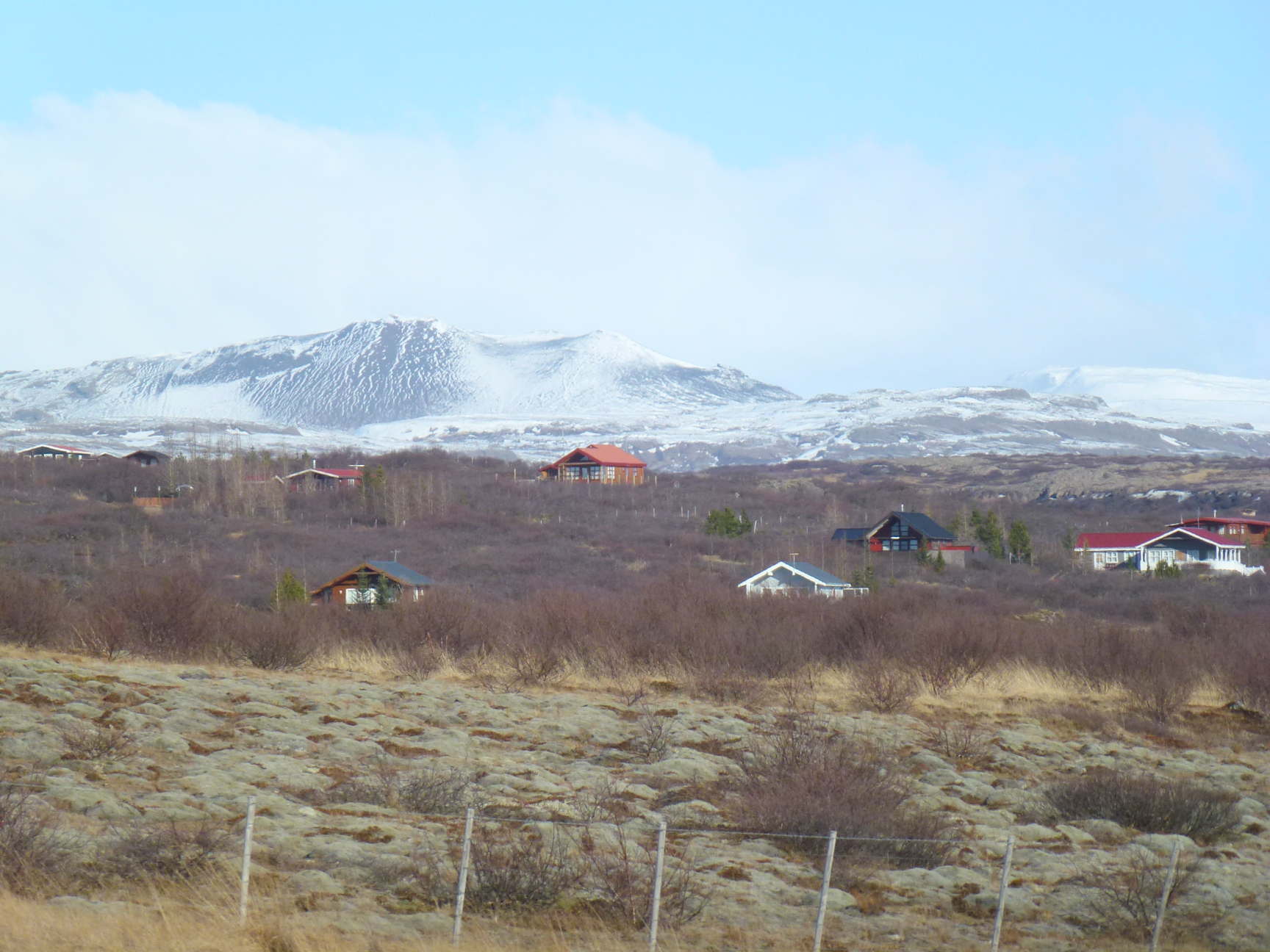
Or will you make a claim, to display your presence, such as these (illegal) tourists cairns below, above an Icelandic summer village at þingvellavatn?
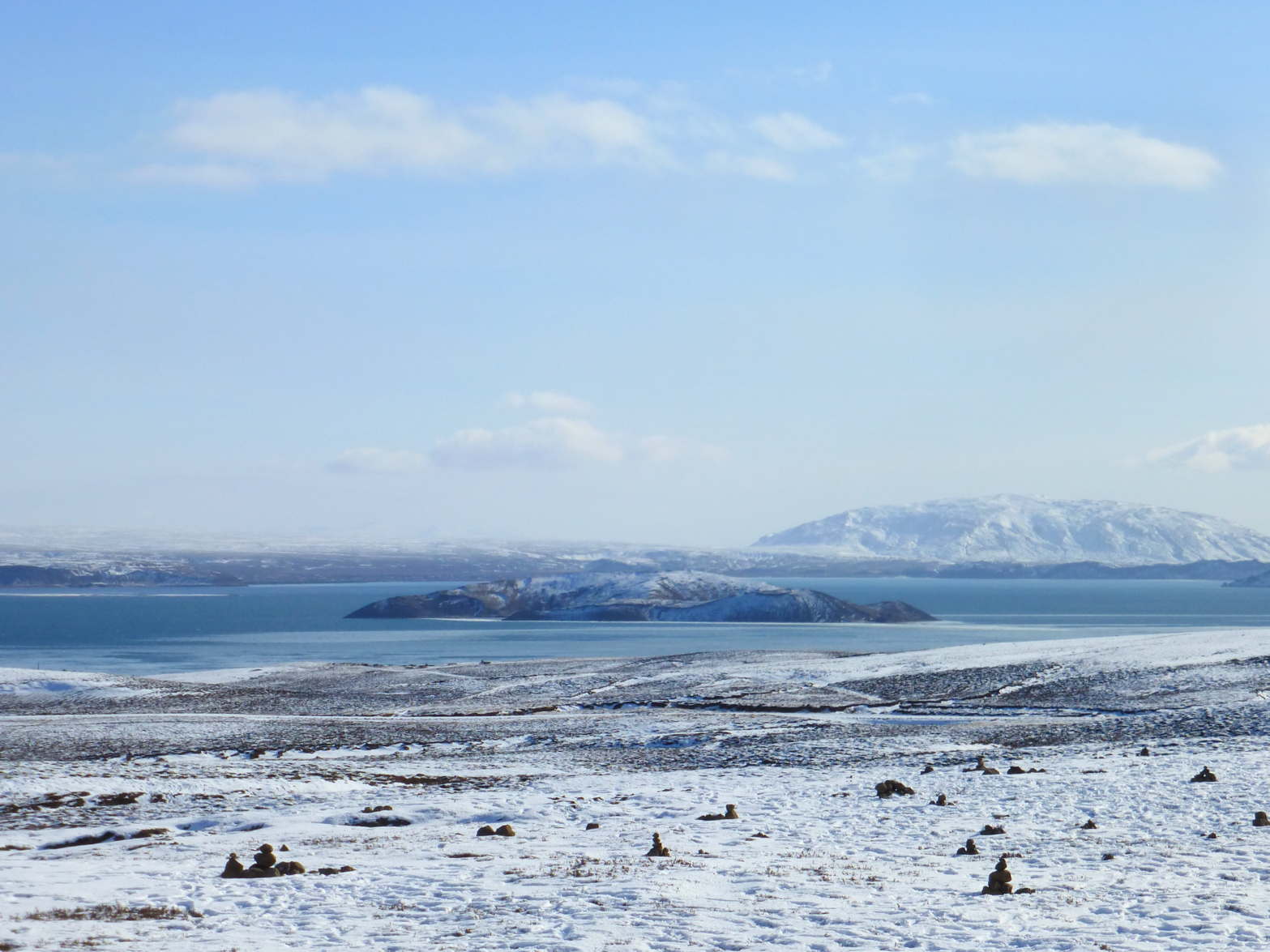
Or will you turn the ancient forest into the outflow for a hydroelectric dam?

Lagarfljot at Hallormstaðir
Don’t expect the Icelanders to tell you. They don’t have to decide these things. They already live here.
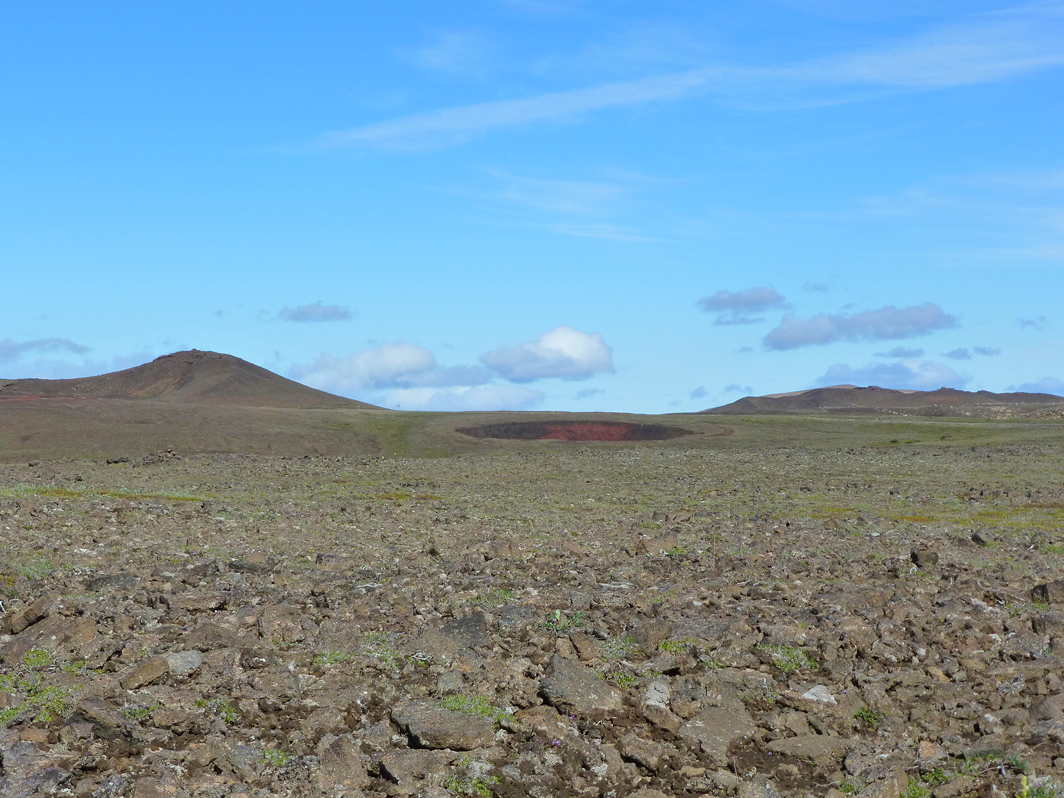
On Middle Earth.

The most beautiful church in Iceland.
Mosfellskirkja, Mosfellsdalur
And probably the most political. Like all churches, it is a face of the state. If you want to know what political power looks like, look here. That most Icelanders don’t actually go to church is not the point. It’s not about “going to church.” It’s about the survival of an ancient balance between outward and inward lives, i.e., in modern terms, Iceland. In other words, this, too, is church:
 Hafrafell, The Mountain of the Sea
And ravens. Mountain of ravens, too.
It is about holding on. So, when you come to a church in Iceland, don’t drive by. Stop.
 Kirkjubær
That’s the old church in the foreground, in memory at least. But, a thousand years, what’s that? Nothing at all.
This is Iceland. It’s not so friendly to human life, really, but it is sold to tourists, who want “real experience.”
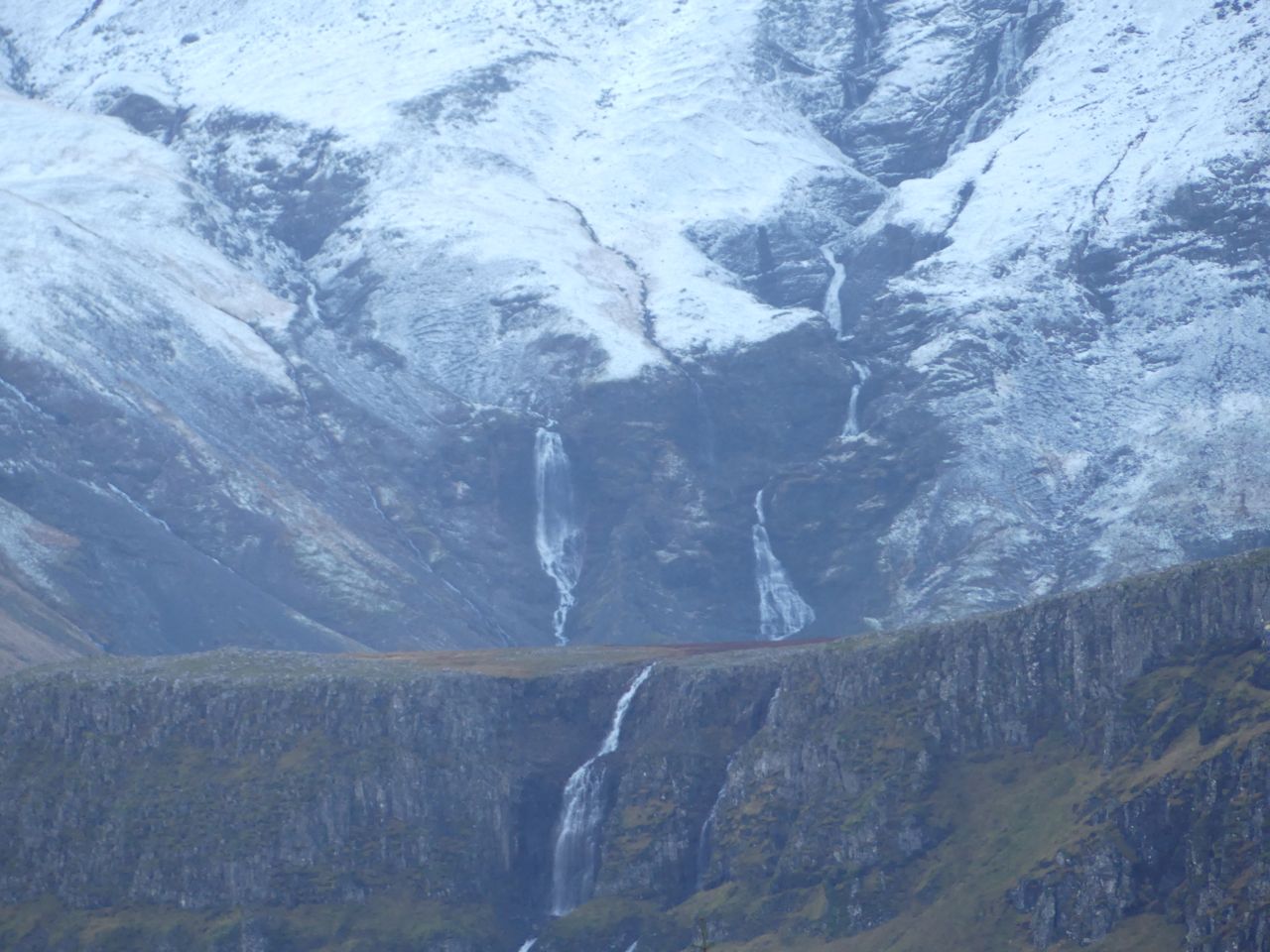
The image below, made out of the experience above, is “art” in Reykjavik. It is sold to tourists, who want to be warmly received (and want to stay warm in a place not so friendly to human life.)

That’s the art of Iceland: remaining hospitable. It is a kind of mercy. Art and beauty are reduced to a line of thought here, in a language of “eye” and “body” but not so much of mind, and that line is reduced to gentle gestures, lest the bodies of visitors scare. The language of mind (below) might just scare them off.
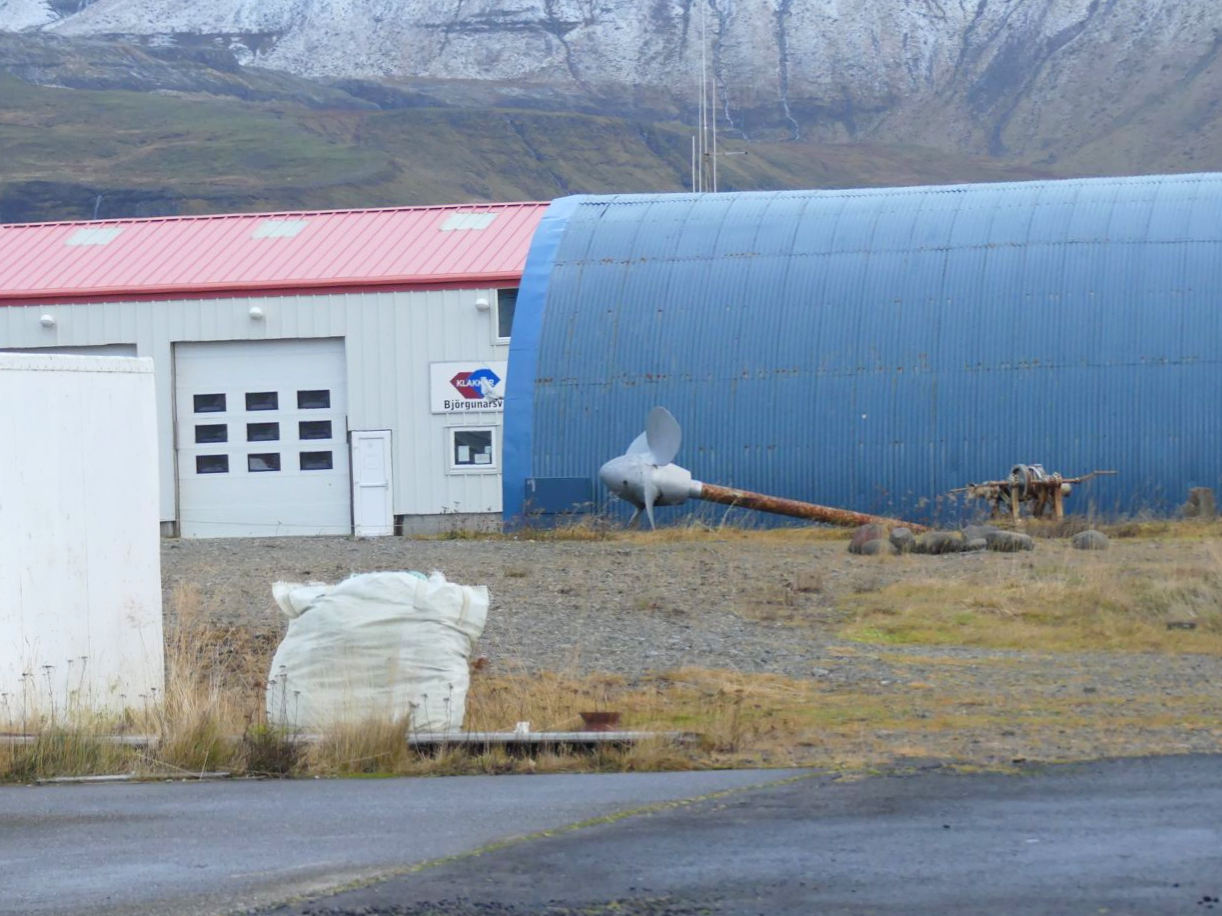 I’d love to see Iceland market it. Such beauty lies there.
 Why aren’t shipping containers, repurposed as homes, sold in souvenir shops in Reykjavik? I think it’s because Icelanders want to give people the experience they came for. They’re generous like that.

Not that there are polar bears in Iceland, but what the heck. The practice speaks to a tremendous self confidence, and the secrecy of all islanders: everyone is the island.
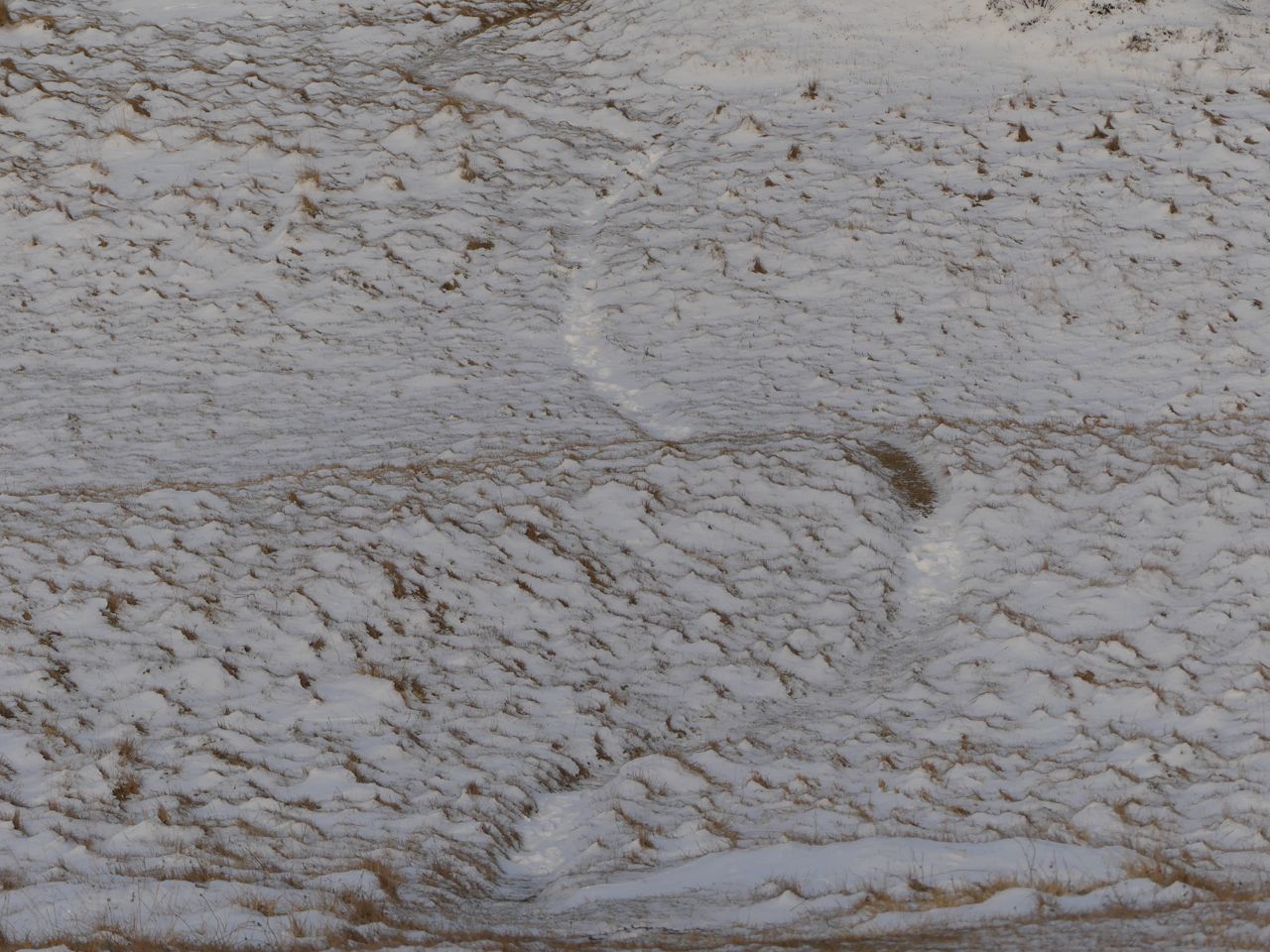 All who come remain within the gesture of arrival, until they choose to either leave or stay. Everyone gets to decide for themselves. No one will help you… unless you get lost. Then you will be brought back and warmed up, and will be once again within the gesture of the island itself. It’s the same if you try to leave. You might find yourself leaving and staying all at the same time.

The island is the one doing the speaking here. Humans are almost speechless in its face.

They never left the garden, that’s what.
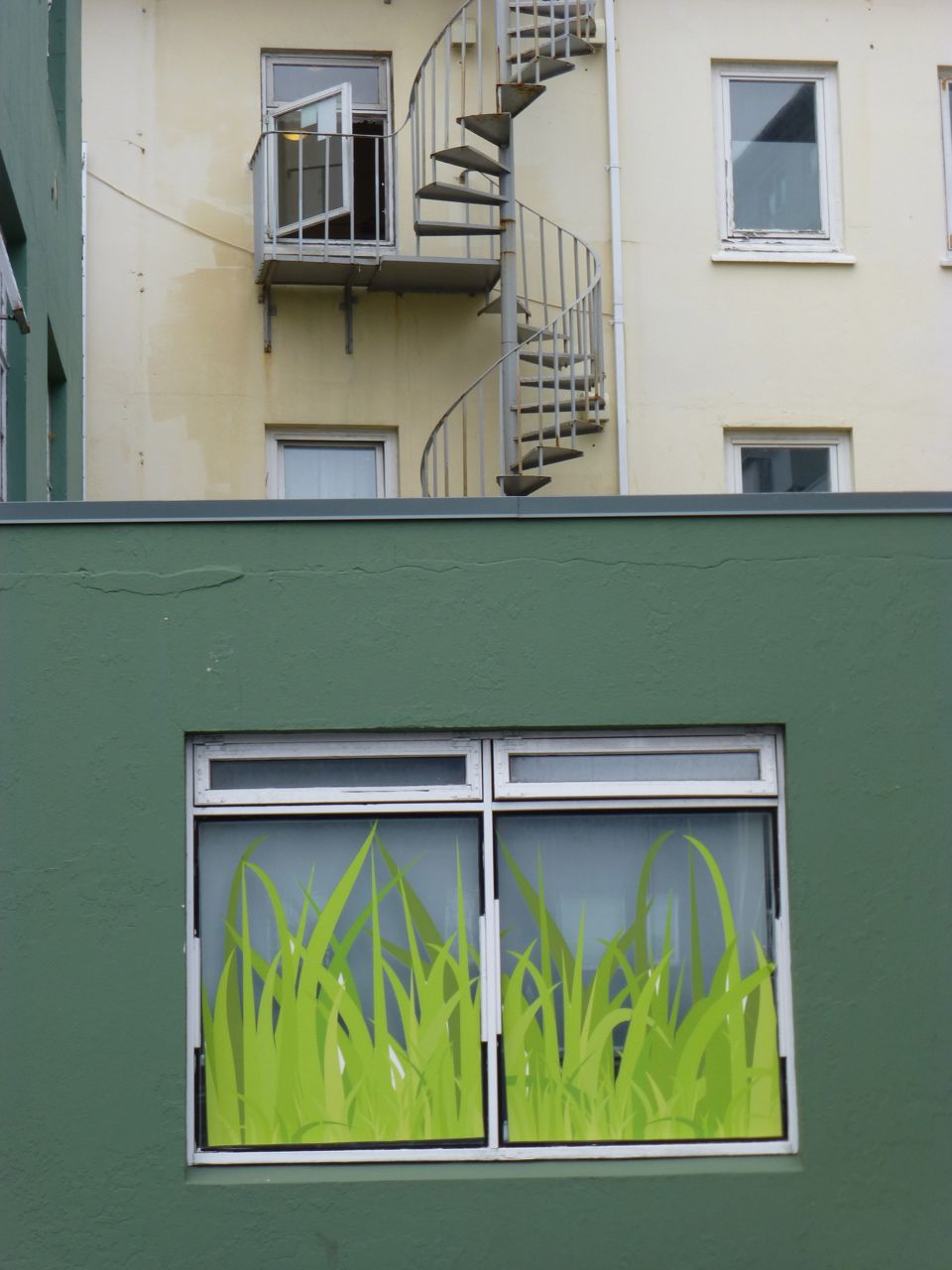
Instead of leaving through the gate and walking out into the weeds, they climbed up. It required a little virtual fiddling, but they managed it.
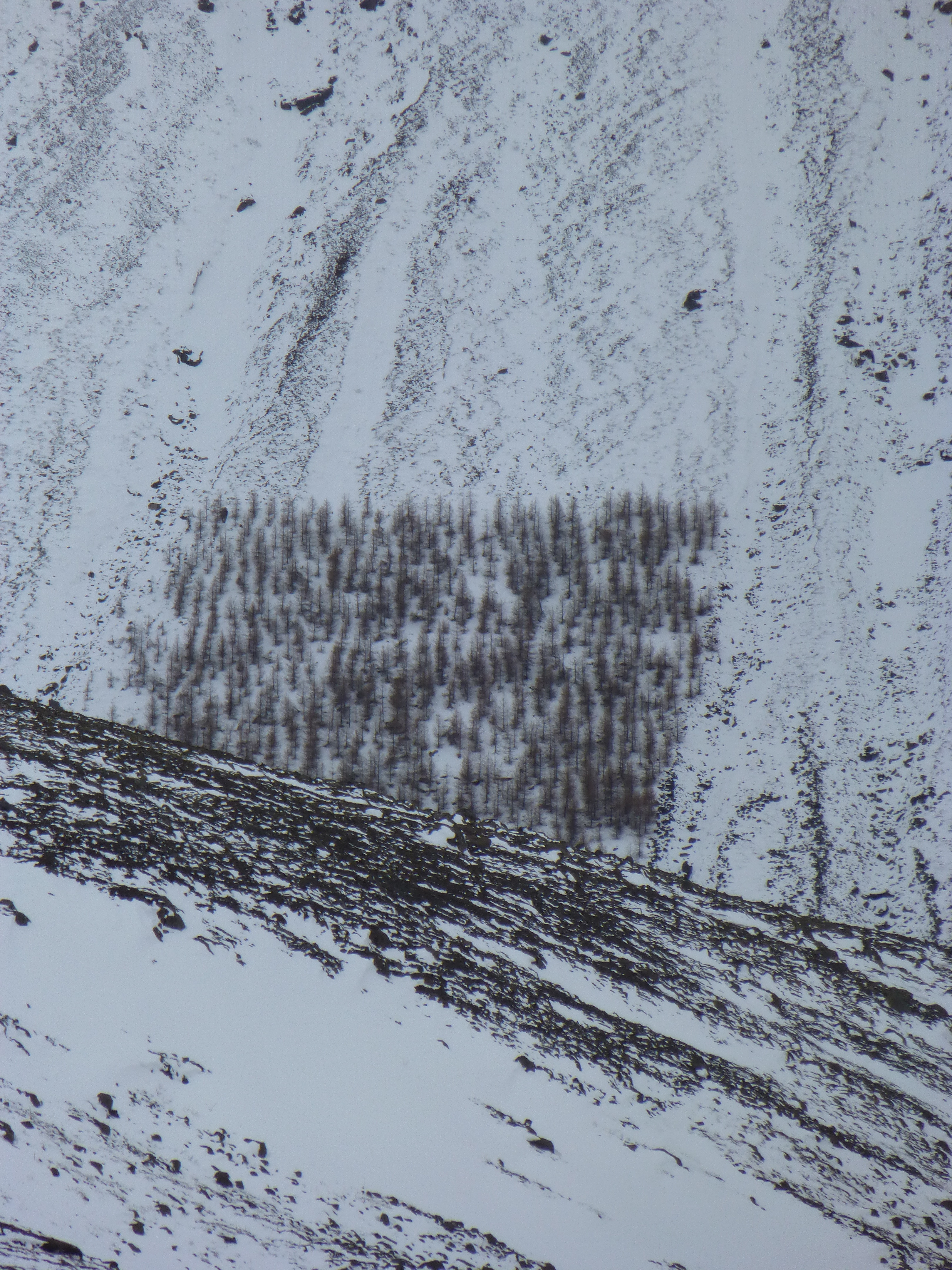
It used to have trees, and it is eaten by sheep. A little bit of replanting has been done. Here are some Siberian larches in East iceland, placed in like a quilting block.
One works with what one knows. Everything else is a compromise. Spiritually, as I showed you yesterday, the compromise is between paganism and Christianity. Environmentally, it is between earth before and after settlement. Below is an image of Iceland flowing to sea, which is called the force of wild nature.
 Well, yes… wild nature with sheep and shivering humans. Iceland is not an indigenous nation. It is a nation of settlers. Settlement is an ongoing process. It is at the root of the country’s past and future. This is what it looks like.
 Baa-aaaa!
It also looks like this:
 Reykjavik
And this:
Kirkjubær
The point is, when you live on a sub-arctic island, and keep sheep, everything is hay, as the Icelanders say, meaning that when the hay runs out in the middle of the winter you will feed your sheep anything — anything — to survive. Even this:
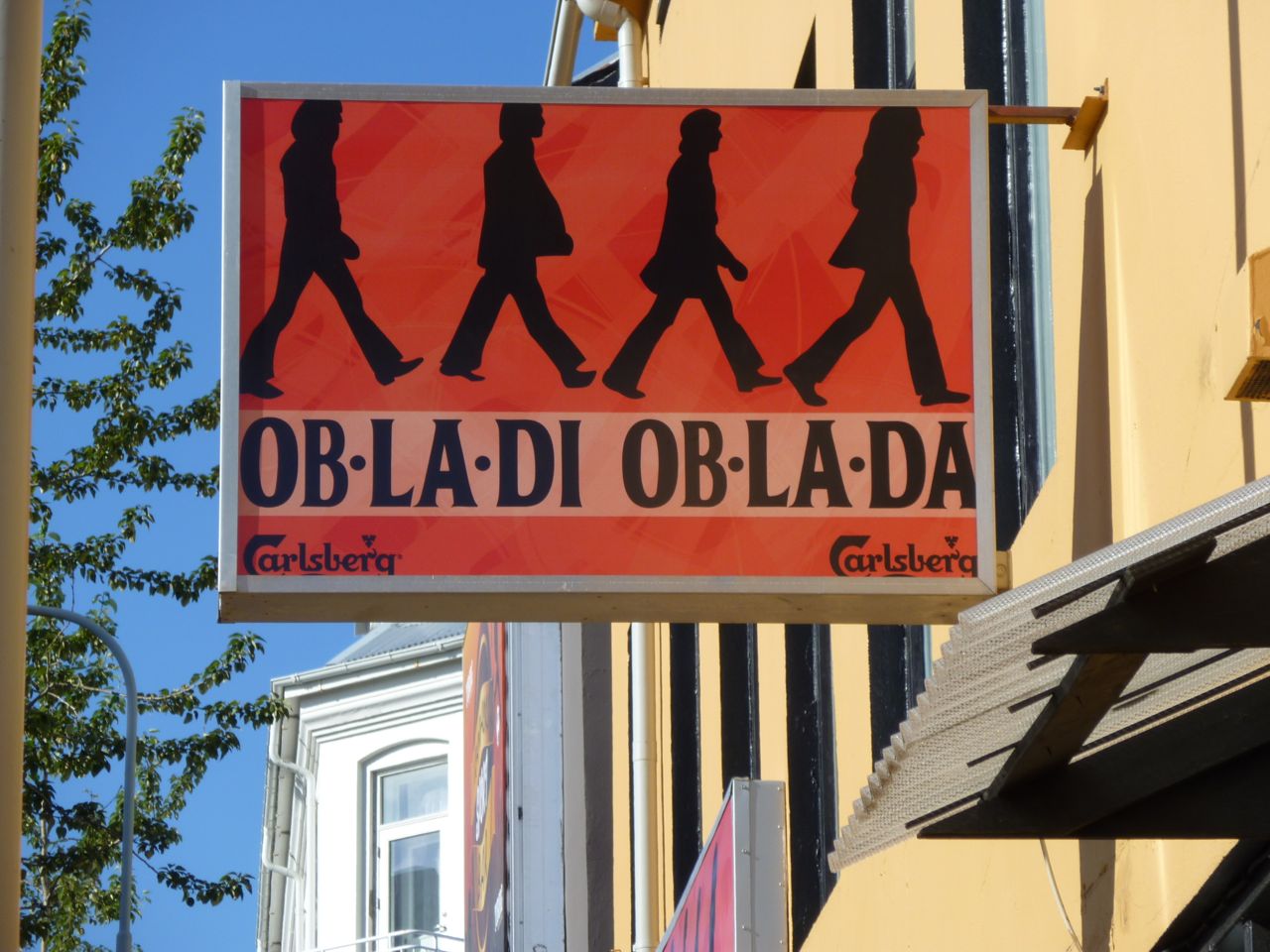 Yes, in Reykjavik even John, Paul, George and Ringo are hay. And danish beer is hay, too.
 Baaaaaaa.
Elf House, Church, School, Playground. Out of these pillars, the country is built.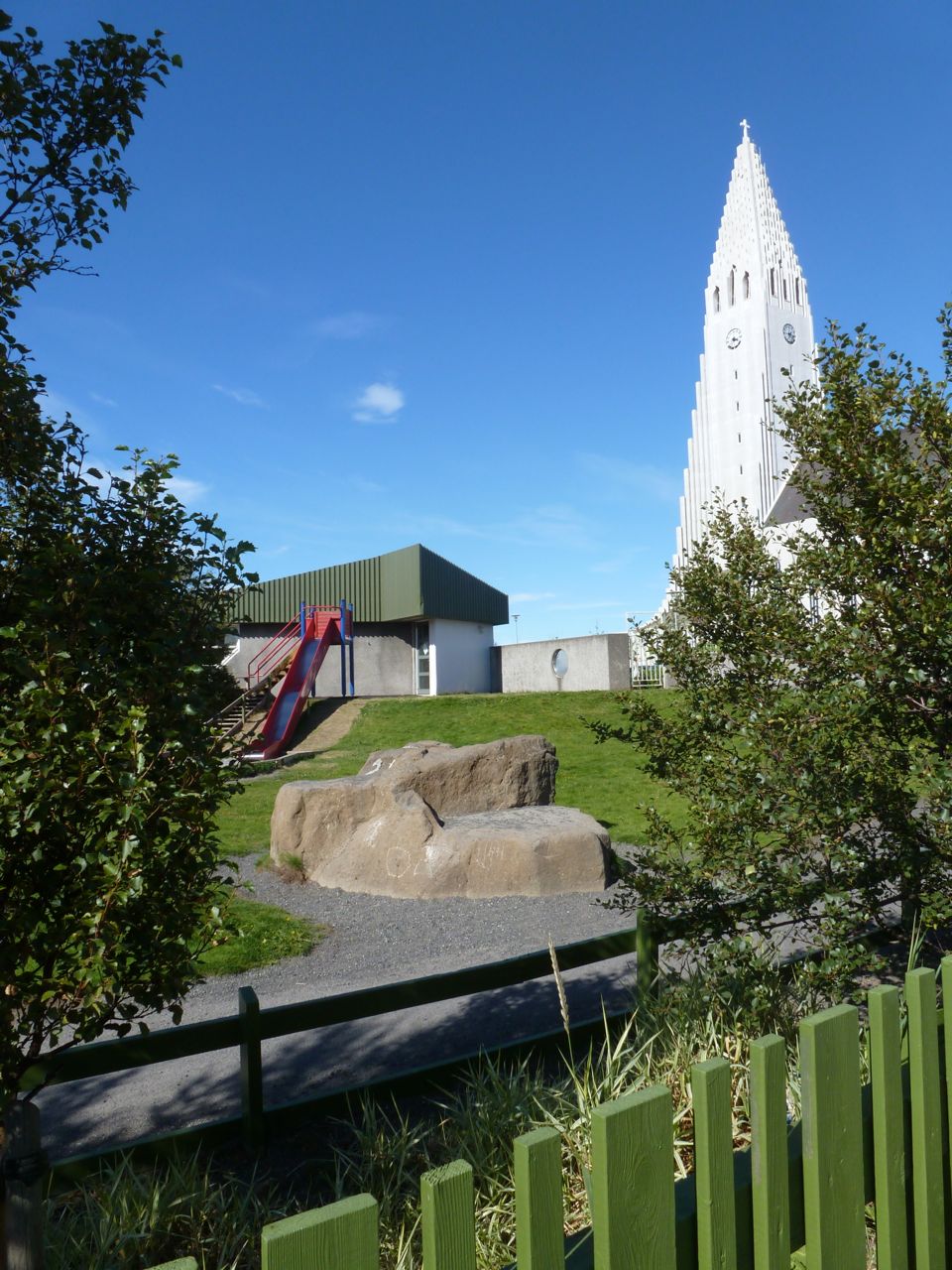 Þorgeir’s balance from the Þing (the parliament; Þorgeir was the speaker of the house, tasked with deciding the spiritual future of the country) in the winter of 999-1000, in which he decided that the country would be Christian, politically, and either pagan or Christian privately, continues to this day. Intriguingly, the Álfar, “the other people” of pagan tradition, remain hidden. One can see their homes (above, for example), as one could see pagan homes in the Christian Iceland of late 1000, but the pagan content is as hidden now as it was then. But it is OK for children to play there — children who are the foundation of the state. So, it’s not that hidden!
 A Farm in Iceland