If you scratch the surface of the Earth, you will find the sun.

Skriðuklaustur
That’s where it goes when it is dark. What “Earth” and “Sun” are, that is worth a lifetime of talk.


Werner Daitz
Werner Daitz,the architect of Hitler’s concept of claiming Lebensraum (existential space) from Poles, Lithuanians, Latvians, Estonian, Finns, Czechs, Slovaks, Jews, Serbs and Ukrainians, updated his arguments in 1943, after the debacle of Stalingrad. On the principle that the fate of no one people was at stake but of Europe as a whole, he wrote in The Europe Charter:
A healthy life is only possible when every individual being, just like every naturally-occurring community, follows the Rule of Self-Sufficiency: as a foundational principle, to live in its own space and from its own strength — which is to say to live a non-imperial life. Imperial life is an unhealthy life for an individual, just as it is for a community. And, as it is today [1943], when the Individual human being has the “freedom” to lead an unhealthy life but only at the price of its own decline or to join a partnership under the pressure of an emergent crisis, so does a family, or a family of peoples, also have the undeniable freedom to temporarily lead an unhealthy — an imperial — life. But then it must either return from the compromises demanded by emergent crisis to an autonomous life or disappear.

Ralph Giordano
The article is a chapter in Dietz’s 1943 book The Rebirth of Europe through European Socialism. Daitz inspired Gunnar Gunnarsson’s friend, the architect Fritz Höger, after he spoke to the Nordic Society, a pan-Baltic, cross-cultural association of folk-based writers, which included Gunnar. Remember, though, that “European Socialism” in this context means “Nazism” and “Rebirth” means “the normalization of life after war.” As to what that normalization means, we can thank Ralph Giordano, from Höger’s Hamburg, who hid in a basement for the duration of Daitz’s war, as his father was Jewish and “freedom” meant the freedom to die in Auschwitz. In 1989, Giordano published a book titled What if the Nazis Had Won the War. He noted that Best, who had experience administering the Danes, Estonians, Latvians and Lithuanians through the German terror, developed a four-level administrative model:
Every people must look after itself, after looking after the continental administrators [Germans].
Every people must manage its own affairs, as representatives of the German government.
The central government of every people must work within the oversight of representatives of the Race of Leaders.
Under no circumstances will a replaced people participate in the government at any level.
Brutal stuff. In the light of Best’s practical experience, it’s highly likely that Dietz meant that a return to normalcy meant a return to the world of folktale, with all other peoples replaced in order to forestall the creation of a liberal state or melting pot in which individual cultures would disappear. Höger and Gunnar, who met Daitz in 1932, took different lessons from Daitz’s existential war — different from Daitz’s above and from each others’. Höger tried to become the national architect of the Third Reich, to build buildings representing German folk traditions, and failed. Hitler wanted the imperial roman wedding cake architecture of Albert Speer. Gunnar left the continent to live the life as a modern German farmer in Iceland, in a house that Höger built.
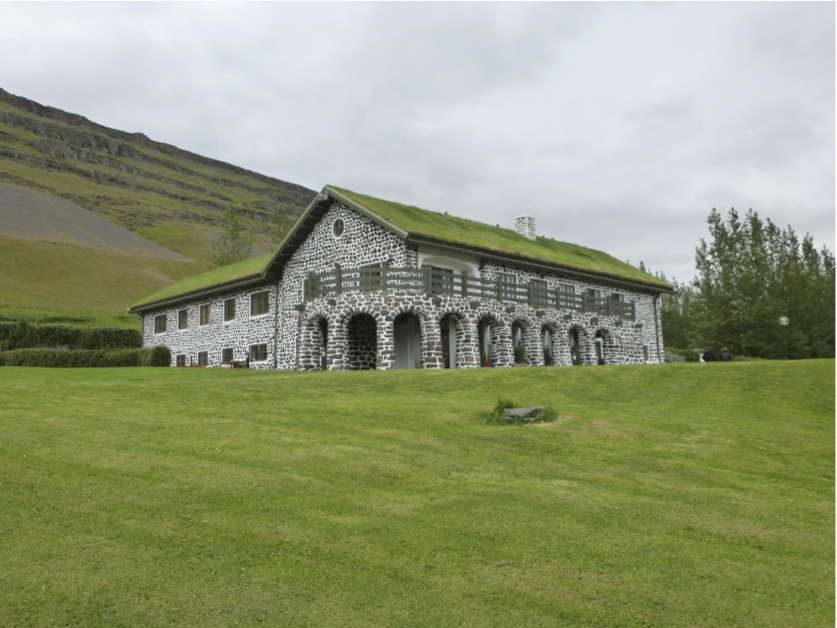
Skriðuklaustur
The idea was likely to merge German-inspired administrative skill with Icelandic farm life, to enable more people to succeed on the land. No doubt, the plan was also to avoid Hitler’s war. Note that the building’s turf roof is an echo of old Icelandic turf houses, while the stonework is solid and North-German. Well, not really. Those rocks were supposed to have been square cut, but Gunnar’s Icelandic workmen could find no cuttable stone, so on their own, independent Icelandic initiative, drove down to the Hengifossá River (to the right) and brought home some river rocks and worked with that. The result is comic. Höger was incensed. It’s kind of a fairytale house as a result, but I’m proud of those Icelanders. They broke all of Best’s rules, all at once, even before he started planning the invasion of Denmark in April, 1940. Here they are again:
Every people must look after itself, after looking after the continental administrators [Germans].
Every people must manage its own affairs, as representatives of the German government.
The central government of every people must work within the oversight of representatives of the Race of Leaders.
Under no circumstances will a replaced people participate in the government at any level.
All broken! Even more lovely: for all his ambiguity and his bad choice in friends, Gunnar got it right too and also broke most of those laws, going so far as to tell Hitler the following in March, 1940, in his speech Our Land:
But one must always have the effect on the landscape at front of one’s mind and guard against mistreatment. For the way the landscape is treated is the way the people are treated. If tastelessness becomes the norm in the Icelandic landscape, gets a roothold and spreads widely, it will soon become visible in the spiritual life of the people as well. Perhaps there are already signs of this today.
In other words, none of Speer’s architecture and its imperial pretensions in Iceland, not for Gunnar. The Icelanders would look after their land themselves. None of this kitsch:
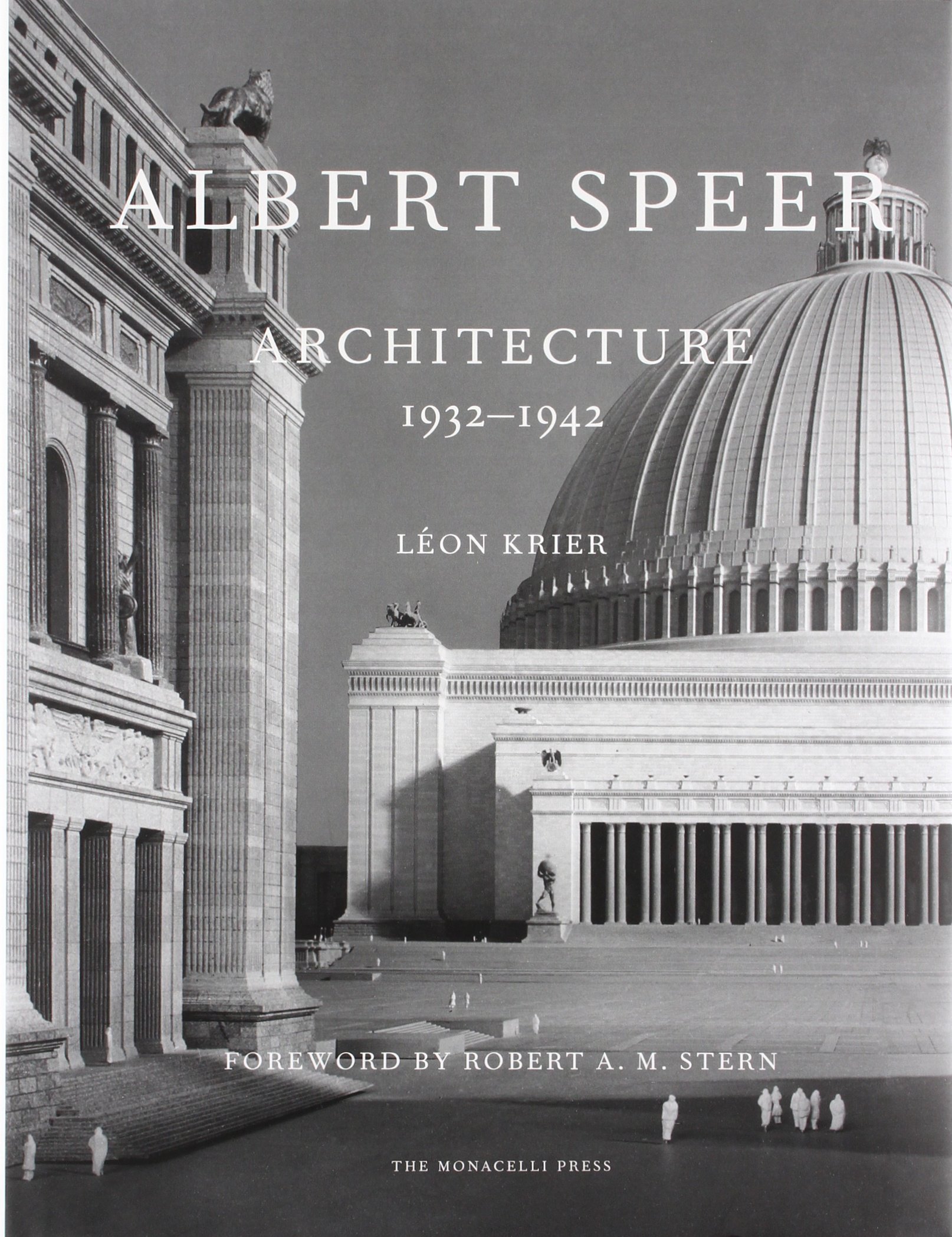
Just this:
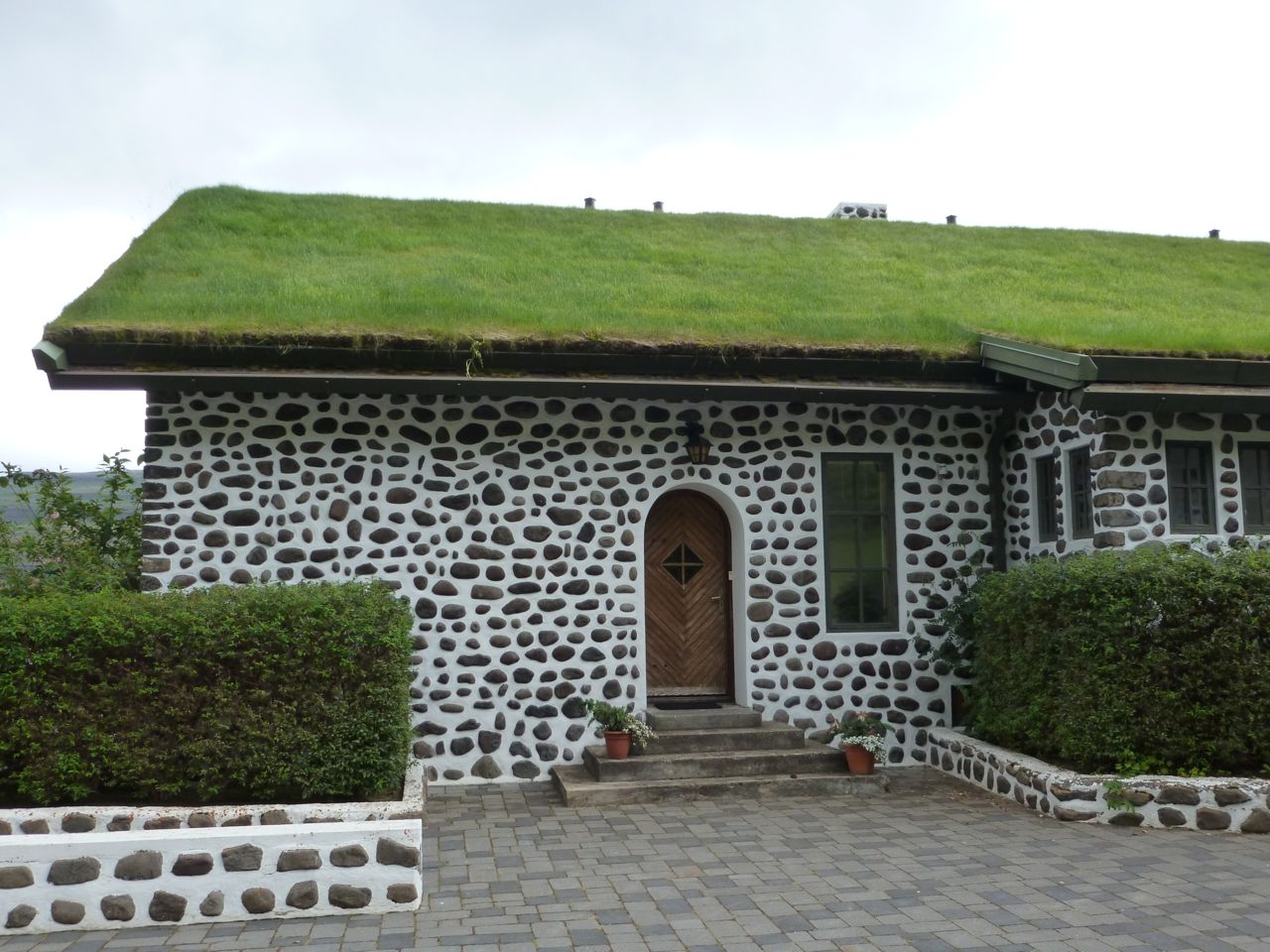
And a day’s drive to the East, this:
And, everywhere, this kind of thing:
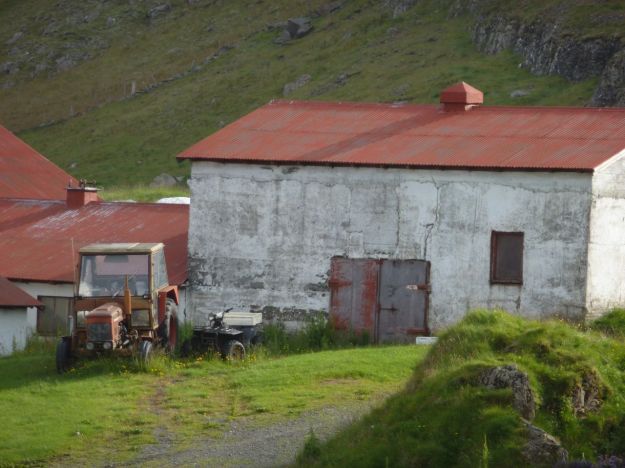 There’s more than one way to knock the stuffing out of imperialism.
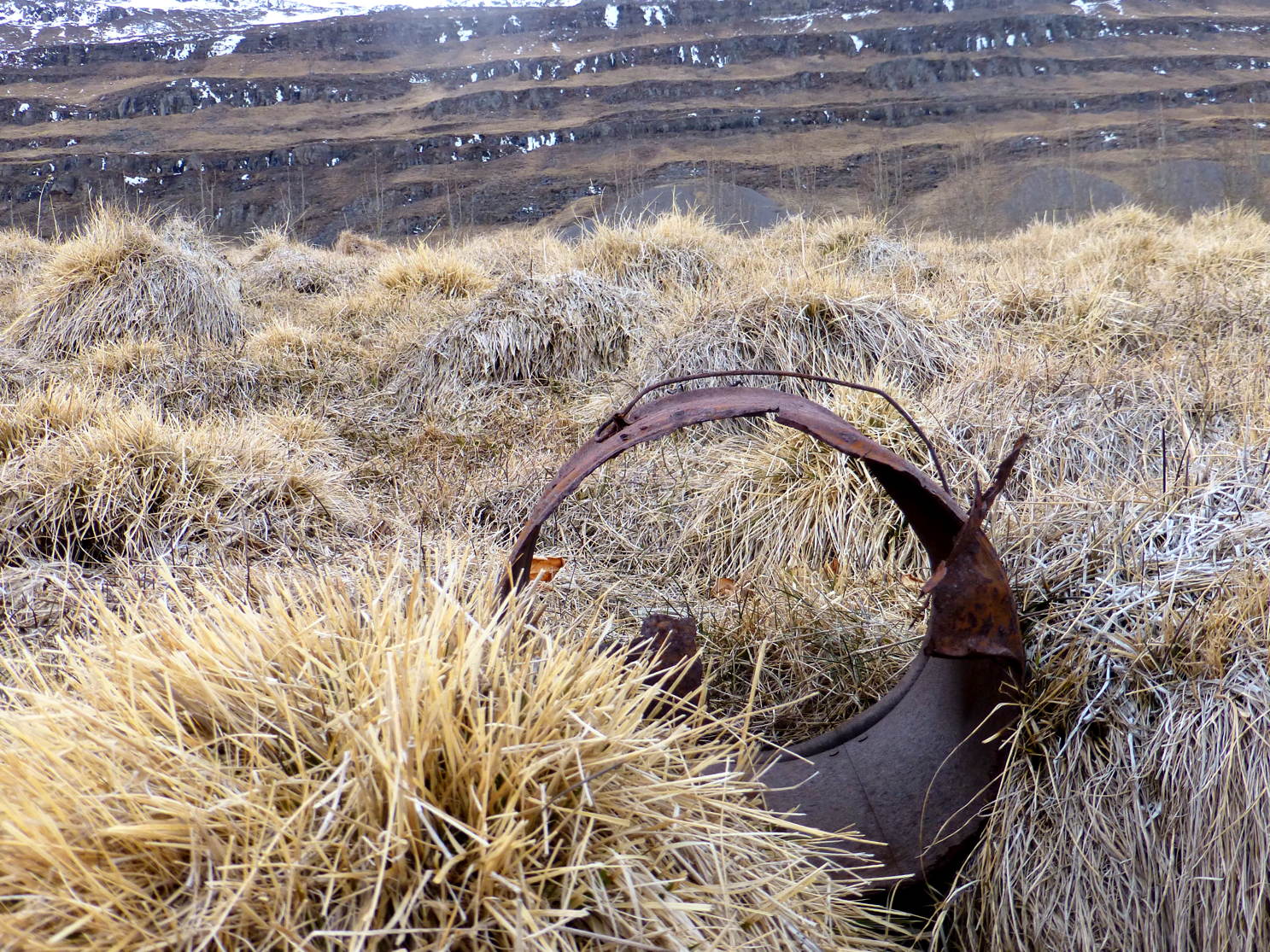 The Old Milking Bucket of Skriðuklaustur
In Germany of this period, it would have been collected, melted down, and turned into a Tiger tank. Here it’s compost.
The approach of winter on northern earth is described by the angle of the earth to the sun, but look …
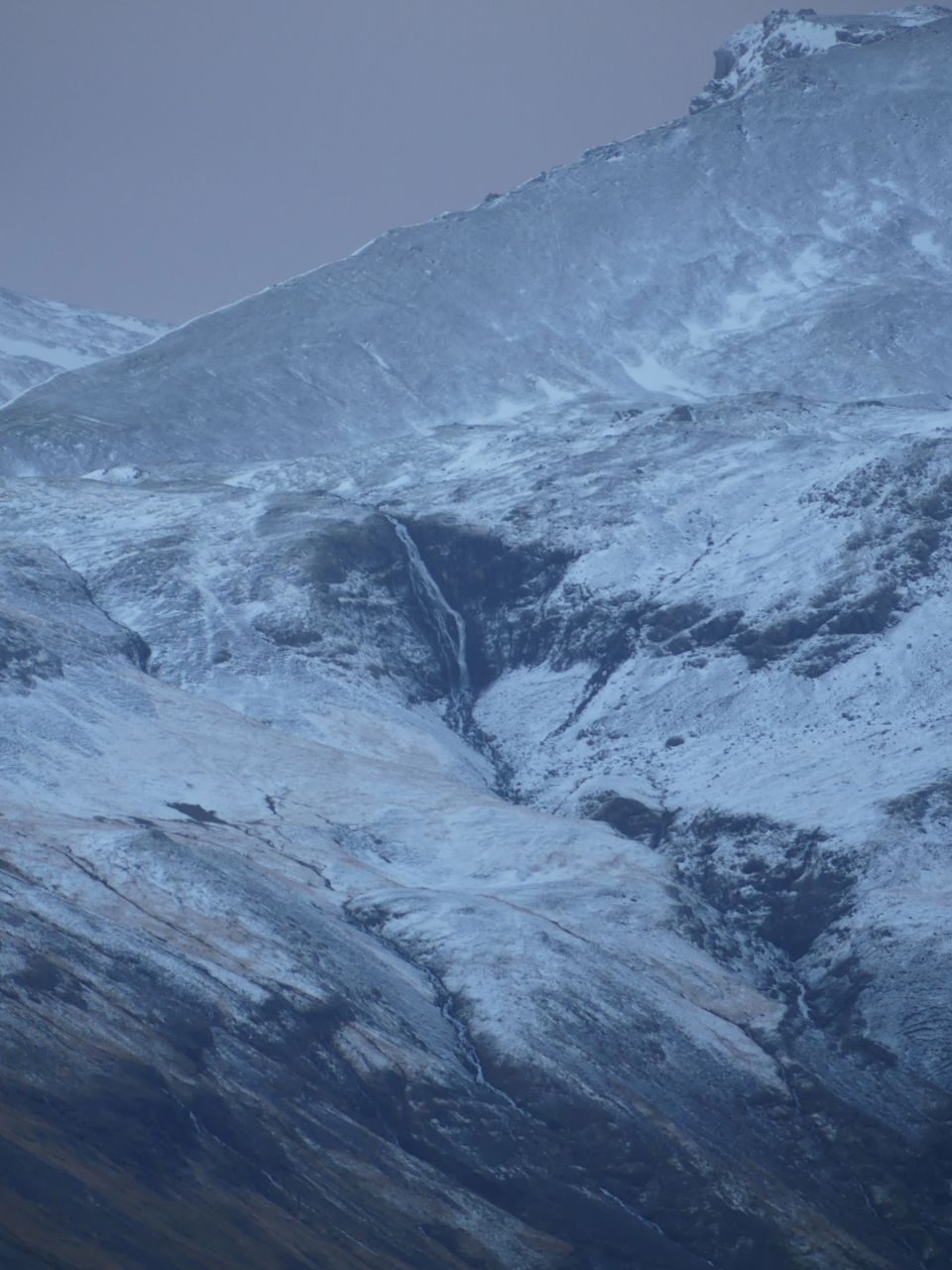 … is it not a story of light rather than mechanics? Here in Grundarfjörður, is it not a story of the light …
 …separating from the dark earth and so revealing it?
 It is not a scientific description, and yet as the light falls the earth becomes more purely light, and more purely cold.
 Light is cold, in other words. This is wisdom, too. If we’re going to beat global warming, that light is going to need the respect now given to mechanics and technology. So is the cold, because they are the same. It’s not a linear understanding; it’s a global one. It is earth-thought.
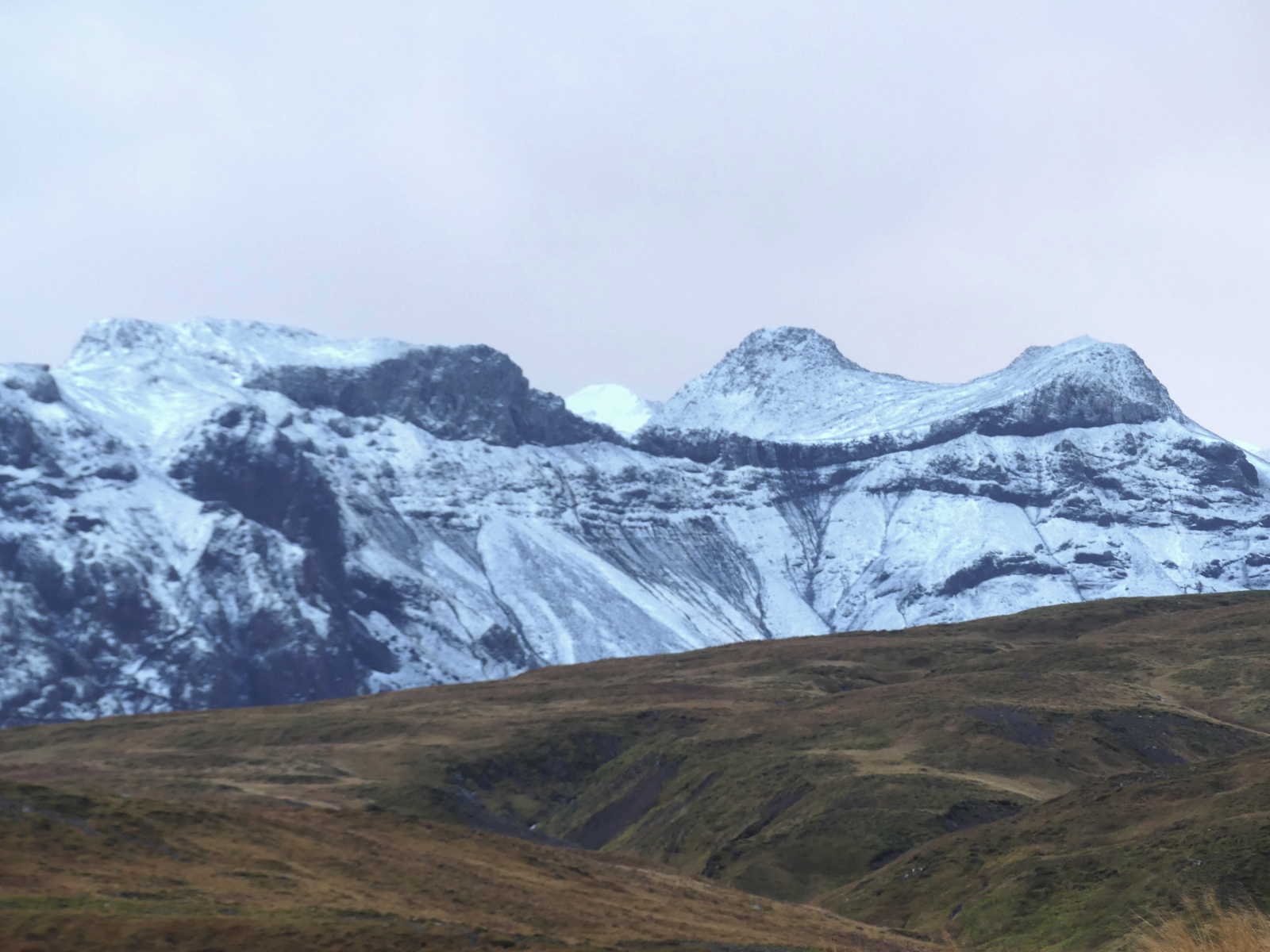 Technology is not the end to science. It’s great stuff, but it’s not the goal, whatever the goal might be, or if it is the goal, then the goal is not of this earth, and that is a judgement humans have no right to make.

These are hard ironies. If technology is the path away from the cold, it is the path away from the sun.
 Akranes
It is the path away from the earth.
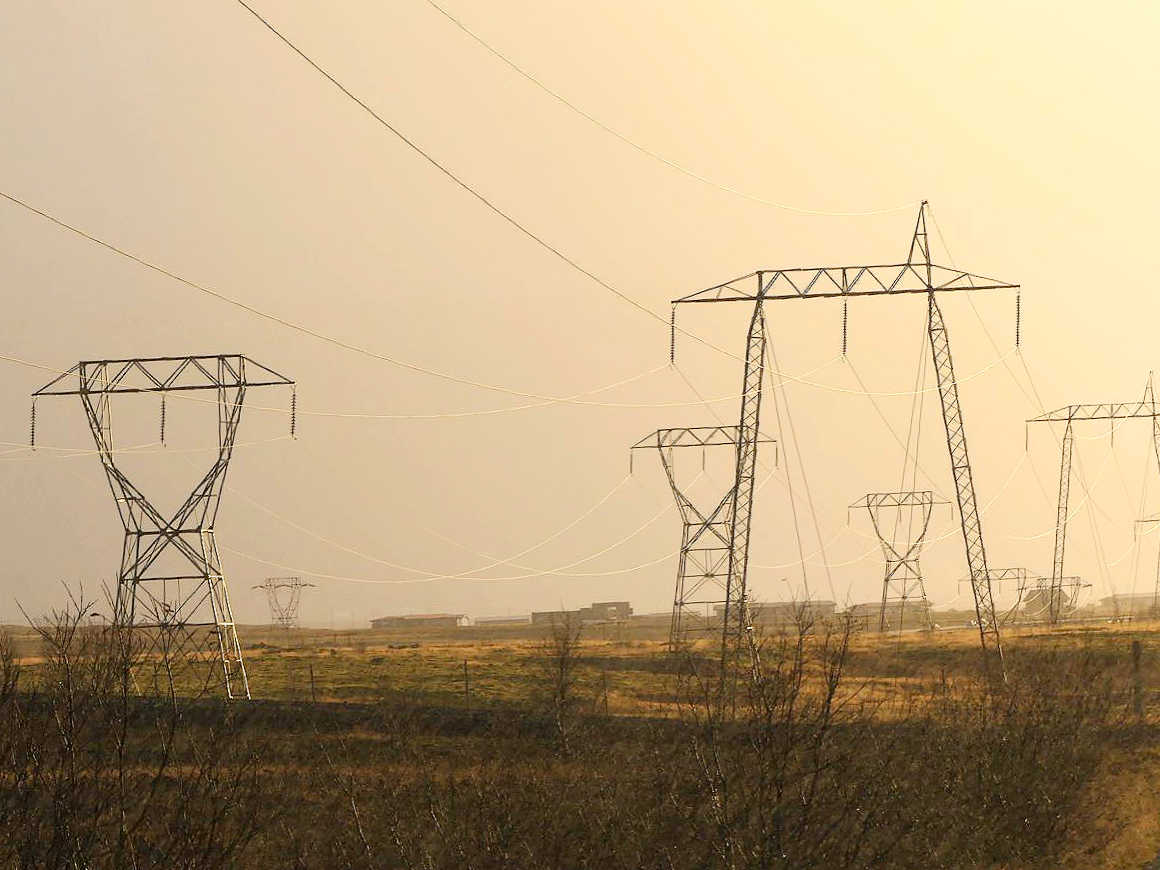 Hveragerði
The knowledge and traditions of how to live with the earth are not lost. Here are two operating manuals. There are more.


The poets still know something of the earth.
 Breiðafjörður
It can be read by the sun. They know how to do this: how to read the sun, the earth and themselves on the body’s face.
 Breiðafjörður
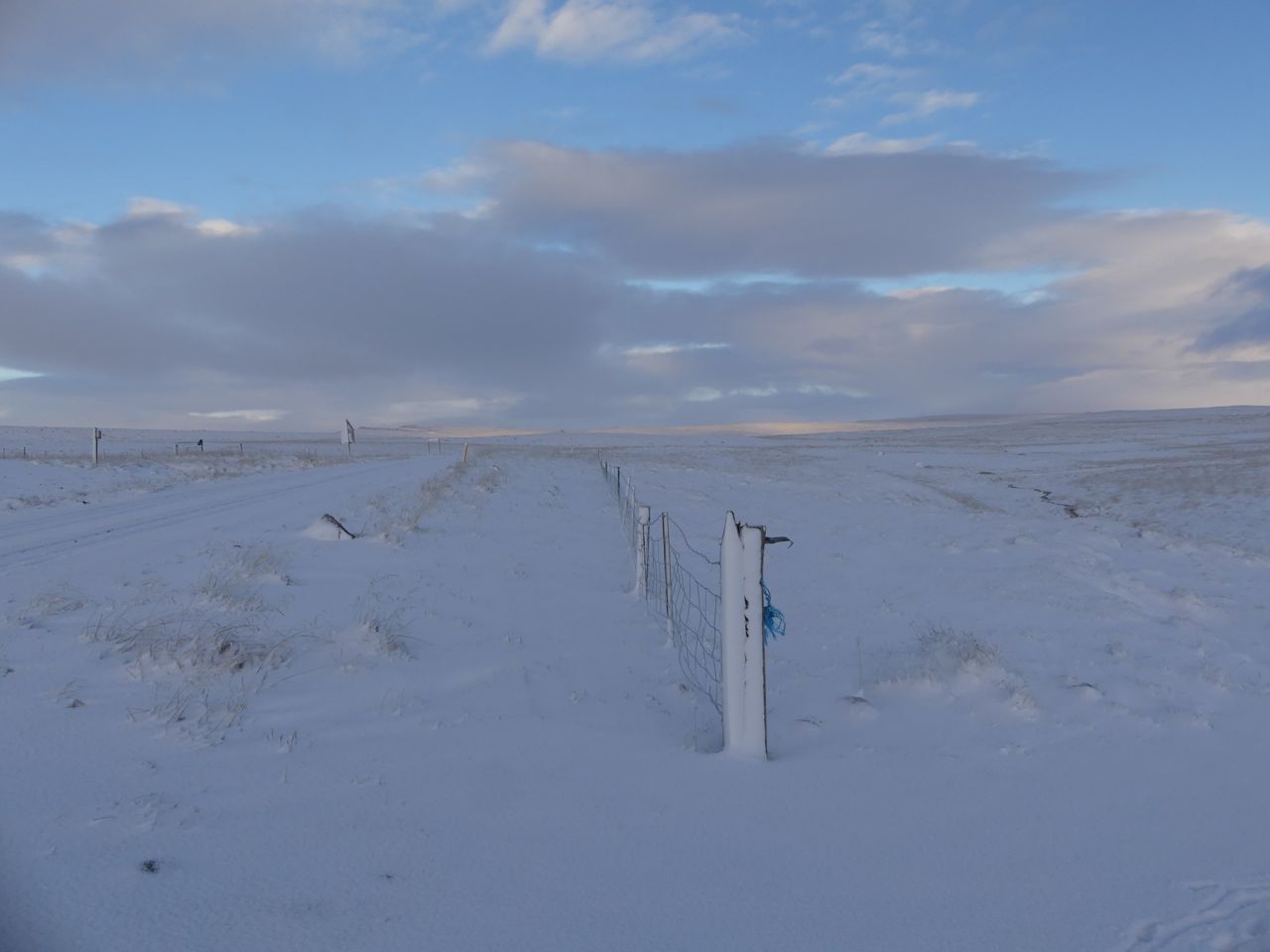
They embody the sun. Fences aren’t for the light, and yet they cut it, nonetheless, …
 Breiðafjörður
… until the world becomes a series of fences. These are hard ironies, but not causes for despair; they still catch the light.
 Grundarfjörður
We can still follow it, but one thing remains primary. We have a right to the sun, to the earth, and to the cold.
 Grundarfjörður
The cleverness of ancient methods of mediation between earth and light are a richness of capacity rooted in ancient verse forms.
 Egil
Egil
Make no mistake. This stuff can be read in detailed literary ways, and that’s an important tool for entering this technology. Read more by clicking here. Still, until you can read it in the earth, you have not entered its light.
 Goðafoss
Discarding this light, simultaneously of sun and earth and cold and warmth and mind, for physical technology is exactly what it sounds like: discarding them, and all their alternative forms of warmth…
 … for physical technology, which is important.

But the path remains the old one.
 It is to make people out of the earth. It is to bring the wanderers home.

Here’s one manual:

Here’s the obligatory legal warning to users.

Here’s another one of the manuals.

Here’s Gunnar’s quote from the title page, expanded in its original context:
He that entereth not by the door into the sheepfold, but climbeth up some other way, the same is a thief and a robber. 2 But he that entereth in by the door is the shepherd of the sheep. 3 To him the porter openeth; and the sheep hear his voice: and he calleth his own sheep by name, and leadeth them out. 4 And when he putteth forth his own sheep, he goeth before them, and the sheep follow him: for they know his voice. 5 And a stranger will they not follow, but will flee from him: for they know not the voice of strangers. John 10:1-5
Here’s its expansion:
11 I am the good shepherd: the good shepherd giveth his life for the sheep. 12 But he that is an hireling, and not the shepherd, whose own the sheep are not, seeth the wolf coming, and leaveth the sheep, and fleeth: and the wolf catcheth them, and scattereth the sheep. 13 The hireling fleeth, because he is an hireling, and careth not for the sheep. 14
In other words, look after your sheep; look after your land; be a man about this:

Gunnar left his hireling life in Europe
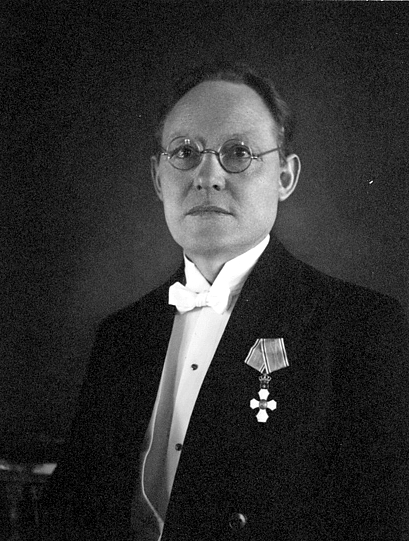
… and went to farm sheep in Iceland, from this house at Skriðuklaustur …
 … after writing that. Was it a mistake? Well, he didn’t last long there, but the commitment was real.
And so Easter comes.
And so light comes. Gunnar meant that poetry and the land and honour were one. It was not literature. It was not a metaphor. This is not a metaphor.
 The end of tools is to erase the tools.
When I left Skriðuklaustur a little less than a year ago, a fox ran beside me as I turned away from the lake towards Egilsstaðir and a glorious, sunny flight (with Air Iceland chocolate) to Reykjavik. I took it as a good omen. On my hard drive, I had the notes towards a book written during four weeks of becoming so immersed in Gunnar Gunnarsson’s work that it was written in the death-dance style of his novel Vikivaki. It is now finished and ready to find its way into the world. It begins like this:
A DICTIONARY OF ATLANTIS, by Harold Johanesson
An introduction to Gunnar Gunnarsson’s books of literary spy craft Islands in a Giant Sea, The Shore of Life, The Black Cliffs, Vikivaki, The Gray Man, and The Good Shepherd by Gunnar Gunnarsson, in the form of Vikivaki and in the light cast upon them by the essay, Our Land, which Gunnarsson presented to Hitler and Goebbels in the wartime spring of 1940.
Atlantis? Yes, Gunnar took a cruise there with his mistress and a group of Danish and German intellectuals and literary figures dabbling in racial theory, in June of 1928. The trip changed his life and set him on a twelve-year-long program as a secret spy working entirely on his own, without confiding in anyone, to change the course of the foreign and military policy of the Third Reich. Here’s the image that haunts me, of the day in the spring of 1940, just after he hoped to stand triumphantly before Hitler. Quite the opposite was the case.
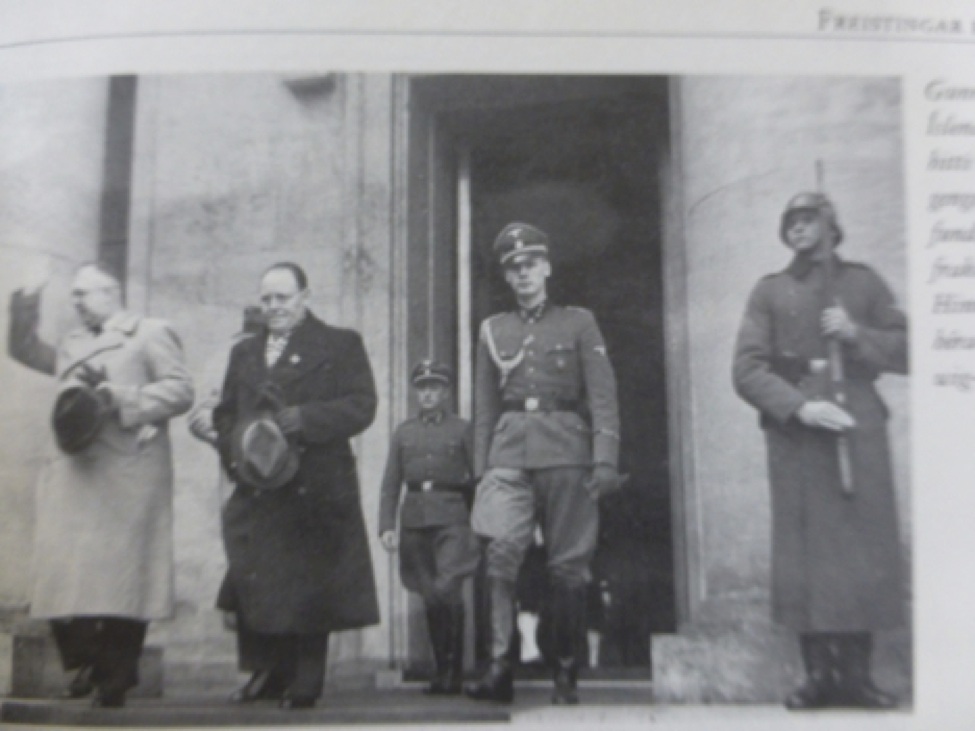
Secret Agent Gunnar (in the black coat).
Note the fencing thrust of the right leg of the SS Officer next to him. That’s Otto Baum, who would soon capture Norway for Hitler.
My book shows both what Gunnar had in mind and how his use of literature to further his cause created a genre both ancient and 75 years ahead of his time. My next tasks are to find a publisher for this book, to write a play about Gunnar’s meeting with Hitler, and to open the book up into a series of literary essays about Gunnar’s works, their form and their context. 20th Century literature has lost one of its central stories. By sheer good fortune I have found it. There is much exciting work to be done.
This is a post from my Okanagan, Canada blog. It shows some of the lessons I have drawn from my recent stay in East Iceland, and explores what Gunnar Gunnarsson meant by poverty and wealth.
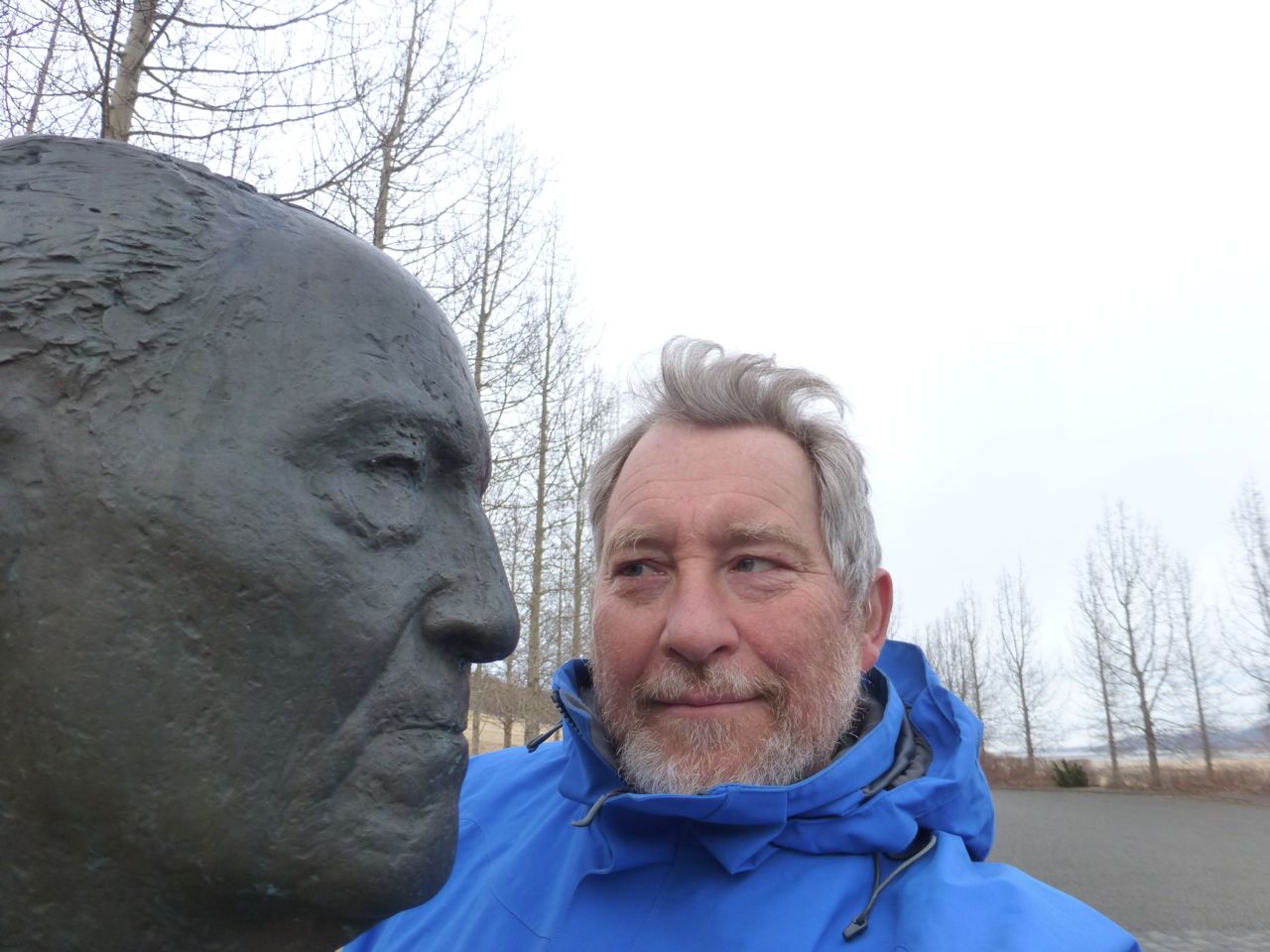 Harold and Gunnar
Sharing a last windy debate in the East.
What passes for environmentally sound practices today are deep reflections of an economic system, but they’re not green, and they’re not going to ensure either the survival of the earth or of our children. Right now, the City of Vernon, British Columbia is debating whether to keep spraying treated sewage water over indigenous grasslands, golf courses and soccer fields in infilled wetlands or to just pour it into Okanagan Lake. The issue is cost. The reason for that is that “land” and “water” are considered “raw materials”, which are “capital” in an economic system that mines the earth’s creative potential, without ever replenishing it. What I learned in Iceland over the last two months is that “land” and “water” are not raw materials, and creative potential is the only potential there is. An economic system that is complacent about wasting that potential has no future. The one green option in Vernon, to rebuild the grasslands so that the water is moved by the sun and gravity again, at reduced cost and leading eventually to no cost at all, or true wealth, is not part of the debate, although it should be leading it. Here, let me show you. Below is an image of Okanagan Landing, taken this morning, looking Southwest from the Bella Vista Hills.

Now, let me show you the image again in an annotated version, so you can see clearly the story it tells.

A Story of a Lost Environment
The indigenous grassland in the foreground has retained at least some of its capacity to move and store water and to process it into food. The vineyard to the right has mined this environment for three raw materials: “sun”, “land” and “water”, in order to increase the sale prices of the houses on the subdivision above them. The water in the lake is fossil water, left over from the melting of the glaciers 10,000 years ago. It regulates the climate, and ensures that life can live on the hills. It is not for use. The infilled wetlands and the lost grasslands above them are irrigated with water removed from the system that feeds the lake through its forests, grasslands and wetlands. It costs millions of dollars to do, against the millions of dollars of free profit from the land that the earth would otherwise have provided. What’s more, almost all of this earth has been alienated from public use, for now and forever in the future. Now, let me show you a different economic model. This one’s from Iceland.

Just one of the Kazillion Un-named Waterfalls in Iceland, Suðurdalur
Now, take a look at the annotated version below, to see the story this piece of earth tells.

This was once home. Although the over-grazing induced by poverty led to the depletion of the original birch forests here, the Icelandic system of retaining the creative capital of the environment has allowed for reforestation, without impacting future creative uses of the land, including such public uses as tourism or recreation. Future wealth has been created. What wealth was there in the past has been retained. This isn’t always quite what it seems. Here’s what that waterfall above looks like from the current road below …
 Every bit of wealth that has been removed from the cycle of this piece of earth, in the form of capitalized equipment of one form or another, has been used until it is out-dated, in the fashion of such products, and then is banked, so that the creative potential within it can continue to benefit the farm. It was never the product that was important, but what went into the product. The shape of a piece of metal is more valuable than the metal itself. Here’s that reservoir of creativity again, this time with my little rented Yaris. Someday, it will retire to a farmyard like this — where it will be no less valuable than it is today, ready for its creative energy to be mined for new purposes.

None of this is junk. In a fully capitalized system, such as the one in Vernon, this material would be melted down and recapitalized as new material, and all of the human ingenuity it contains would be lost, as would the original investment, which came from sheep grazing these hills. As such, the above image is actually an image of environmental sustainability and green thinking. So is this…

Ruined Farm, Reyðarfjörður, Iceland
Notice that the old turf-wall system has been incorporated into the new Post-World-War II system of using discarded American military materials. Ingenuity is something that Icelanders are loathe to waste, and which Canadians discard readily because in Canada’s economic system that ingenuity and the creative potential of the land it draws upon has long ago been mined, capitalized, and replaced. That all costs money. Not only that, it costs earth. I’m not romanticizing here. I mean, there are ruins in Iceland. For example, here’s a ruined turf house in Reyðarfjörður…
 And here’s the ruin of the post-War concrete house it was replaced with …
 Like the turf house, it was not built to last, because it was not removed from a natural process. It spent no creative energy. It only gave it form for a time. The thinking that went into the construction of this house utilized old scraps, such as the iron bar that used to tie the wall together above this window that looked out from the kitchen, next to the stove.
Over and over and over, the Icelandic writer Gunnar Gunnarsson pointed out that poverty is the greatest wealth. Those are the words of a man whose mother died of poverty when he was eight and who had so little economic wealth when he was young that it wasn’t a part of life at all. What then did Gunnar mean? Among other things, he meant this:
 Beach Wrack, Reyðarfjörður, Iceland
To any man who lived on what he could scrounge from land or sea, this rope would have been great wealth. It is now garbage, because it has no capital potential and thus, in a capitalized system cannot be exchanged for wealth. The seaweed that would have once fed the man’s sheep, is also now waste upon the shore — although it is as fully wealth as it was once in the past, and perhaps will be some day again. Gunnar meant more than that, though. He also meant this:
 Multiple Generations
Stock buildings (foreground), fence, turf house, and boat shed by the water … this was Gunnar’s Iceland: a country where wealth that came from human creative energy meeting the creative energy of the land was built up over time. Its products (wool, lambs, children and so forth), were created directly out of this energy. In other words, they were creative products, not the physical ones that capitalization demands. As such, they could be sold without diminishing the land’s capacity to provide more creative energy — something impossible in a capitalized system, in which the wealth follows them, extracted continually from the earth, which is compensated only with money that can only be spent on products that lie outside of the land’s cycles and which must be continually replaced, generation by generation. This is what the Vernon model has done by removing water from the earth’s own economy and placing it in a technical framework, which must nonetheless be paid for by the land. These price includes a social cost, as real as any other economic input. Not only is the transformation of water into a utility economically unviable in the long term, but it costs this:
 Close up of the Water Fall I Showed You Above, Suðurdalur
Without beauty and mystery, there is only enslavement and poverty. Let me put that another way: once the creative potential of earth has been spent, it loses all beauty and mystery and ceases to be earth. It becomes a product, and the people who live upon it become products as well. In the economic system in Vernon, British Columbia, every piece of earth gets removed at a certain point in history and “developed” — usually into subdivisions, and is no longer a part of the earth’s economy. Building that economy, however, is the goal of environmental sustainability. As the Icelandic model shows, it can be done in a couple ways, at least: one is to maintain an economy built on creative physical energy rather than on capitalization; another, perhaps more practical in our present age, is maintain that creative physical energy within the products already paid for and developed, such as this:
 Horse-Drawn Manure Spreader, Skriðuklaustur, Iceland
This piece of antiquated machinery represents the lives of hundreds of sheep and many men and women and horses who lived and worked here. It also represents the energy of its designers and creators, and of the men who mined the ore and the others that smelted it into the iron that made it, and the others that shipped it here. Withdrawals can be made from this bank of energy in the form of useful pieces of fabricated steel, which represent the social and creative energy that went into them, and which can be recombined into articles of new cleverness, not new machines, per se. Withdrawals can also be made more directly on the social capital of this machine, by turning it into art, or history, or tourism, or a deep sense of belonging, or respect, or a connection with one’s ancestors. That is what it is to be a human on this earth and of this earth. It is not a world of things. It is not a world of raw materials. It is a world of creative potentials, in which the economy is creation. The earth keeps giving us chances. It’s time to run with some of them. Here’s one…
 Not Green but Yellow and Blue
The photo doesn’t show it, but that’s a wild bee with a neon blue abdomen, on a dandelion growing in an overflow beach parking lot near Okanagan Lake. The bee lives on wild land, while domesticated bees are dying out. The dandelion has colonized land that humans have thrown away from their capital plans. It has, in other words, brought creation to it, and holds within it the potential for several new industrial ventures, which will enrich the creative potential of the land in the same way that the flower has by growing here, rather than than making withdrawals from it that it never intends to repay. Well, the earth is telling us that it is time to repay our debts. It doesn’t want our money. It wants us to create within its own economy. Rebuilding the earth would be a use of economic capital that would show a tremendous return on investment. Here, for instance:
 Saskatoons in Full Flower
Another industry in potential. These lush, fruiting bushes live on free water.
… and here …

Remains of Indigenous Gardens, Bella Vista
Yet more industry in potential.
And what are our politicians talking about? Sewage and money.
I made it! I went to a farm near the end of a valley in a remote part of Iceland, and found my way home. I now have two homes on this earth. Just look at them both in this spring full of light. First, my home in the middle of the North Atlantic …

Spring in East Iceland (Skriðuklaustur)
And then my home in the volcanic sea inland from the North Eastern Pacific …
 Spring in the Okanagan (Bella Vista & the Commonage)
Same sun, such different light. It’s so good to be home on this Earth. In celebration, I am posting this today as well on my blog about my volcanic sea, www.okanaganokanogan.com. Bless bless!
One of the attractive parts of being a human is the innocence that comes along with that. I like that. In the face of the truth (Trolls keep humans because humans keep sheep and trolls like sheep.), the myth still persists that humans keep sheep because it’s a human world. That’s sweet. Another bit of this truth thing is that humans build churches on top of elves, or, in Iceland, next door, because in Iceland things are never black and white.

Black and White and Blue, too. Mývatnssveit.
Kodak went bust because they didn’t invent a film for this.
But I jest. The thing about the elves, though, and the churches, that matters. It’s not too many cultures that don’t see such a big problem with a strata title arrangement. Gunnar comes from that land-use plan. In a strong way, his writing is an attempt to put it down in black and white print. He, of course, missed this:
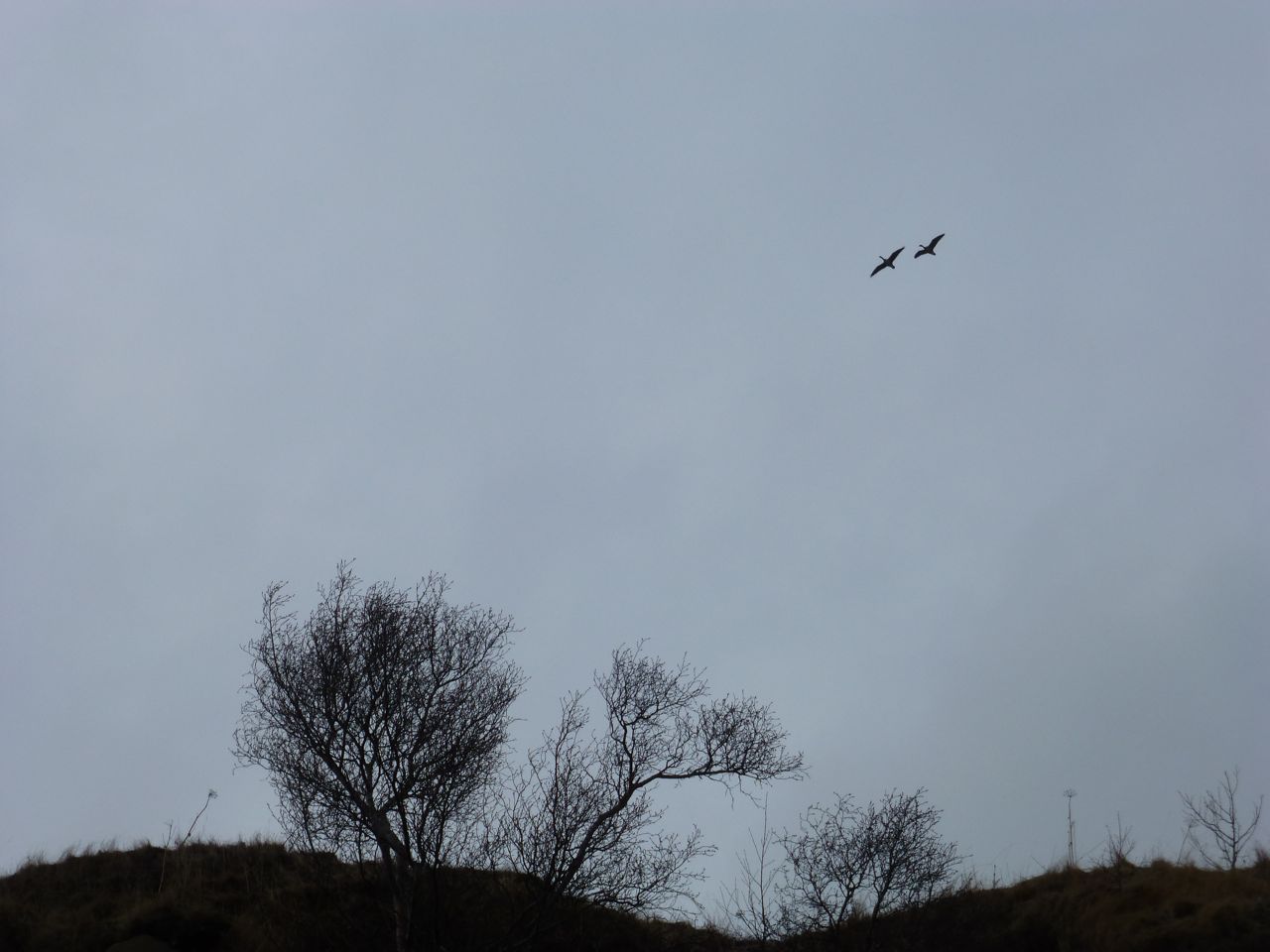
Black and Blue
Not just a blind spot for Gunnar, but for Kodak, too.
But, again, I jest. This, however, is not a jest. This is serious. If you want to understand how humans can see elves in the world science, great grand daughter of the church, is positive contains no elves and never did, there are books you can buy for that in Iceland, and they will send you here (for example)…
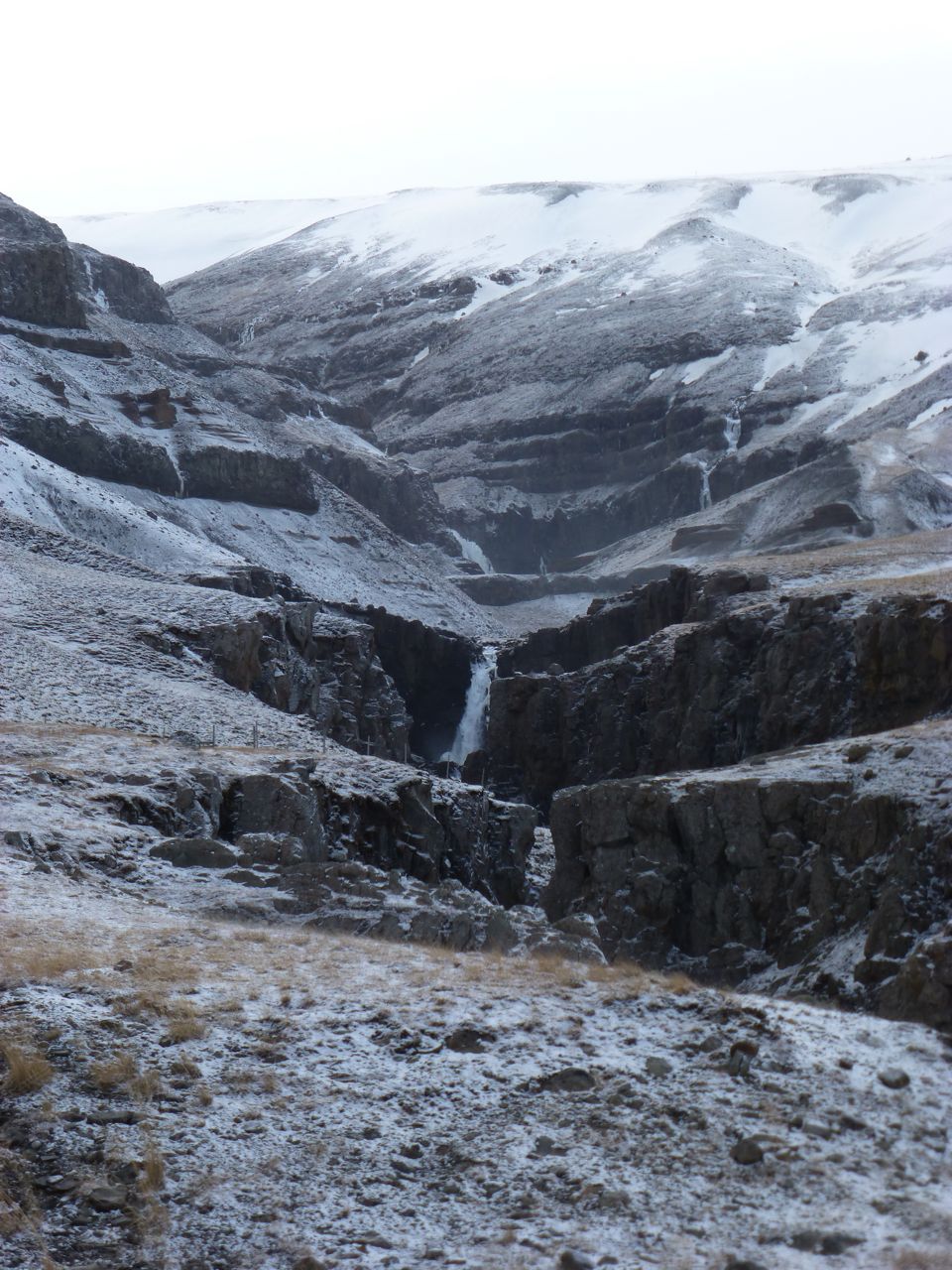
The View up to Tofúfoss and Jonsfoss from Melarett
Well, you didn’t need a guidebook for that. The thing is, the elves aren’t in the rock so much as in the human mind that is completely anchored to rock and that is an awfully hard thing to explain and shouldn’t be explained. Still, one can talk around the idea, because one consequence of it is that these elves are liable to show up anywhere, and, because people used to be really anchored to the rock, most likely around churches …

Skriðuklaustur on the Day the Geese Chose to Come and Stay
… and pretty much twenty-four hours a day, everything that goes on between those churches and those rocks is under constant surveillance. These are the people who know the truth of the matter…
 … but we’re not listening. So, that leaves a bit of time and wondering. Where are the elves? And, while we’re at it, the trolls? Well, here are some of the elves …
 Elves, Underneath the Monastery Viewing Deck
A nice new roof!
Lots of them …

A Whole City of Elves
So, if you were going to build a monastery in the East of Iceland, and it had to be near here, where the trails to the north, south, east and west crossed, then beside the elves would probably be a good idea. Now, I’m not going to get into what I think has been done to these rocks or what their secrets are (give me a couple days), but I’d like to point out that down below the monastery, there are worse things than elves.
 Things like trolls, and …
 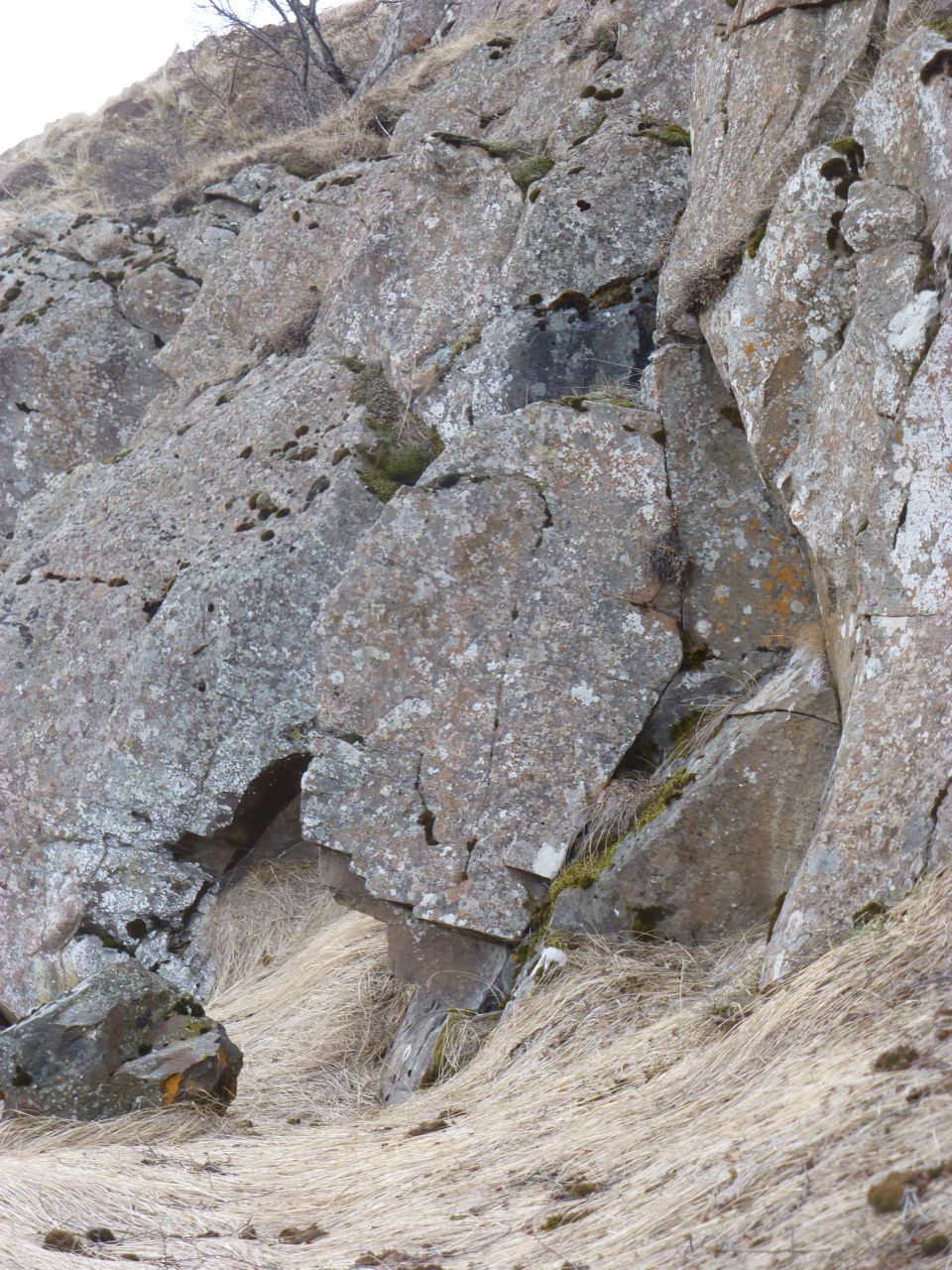 … elves under a troll enchantment. Now, to be clear: these are not Tolkein-style elves and trolls. These are some form of the human subconscious, seen through the things of the world. In this picture of psychology, however, trolls keep sheep …
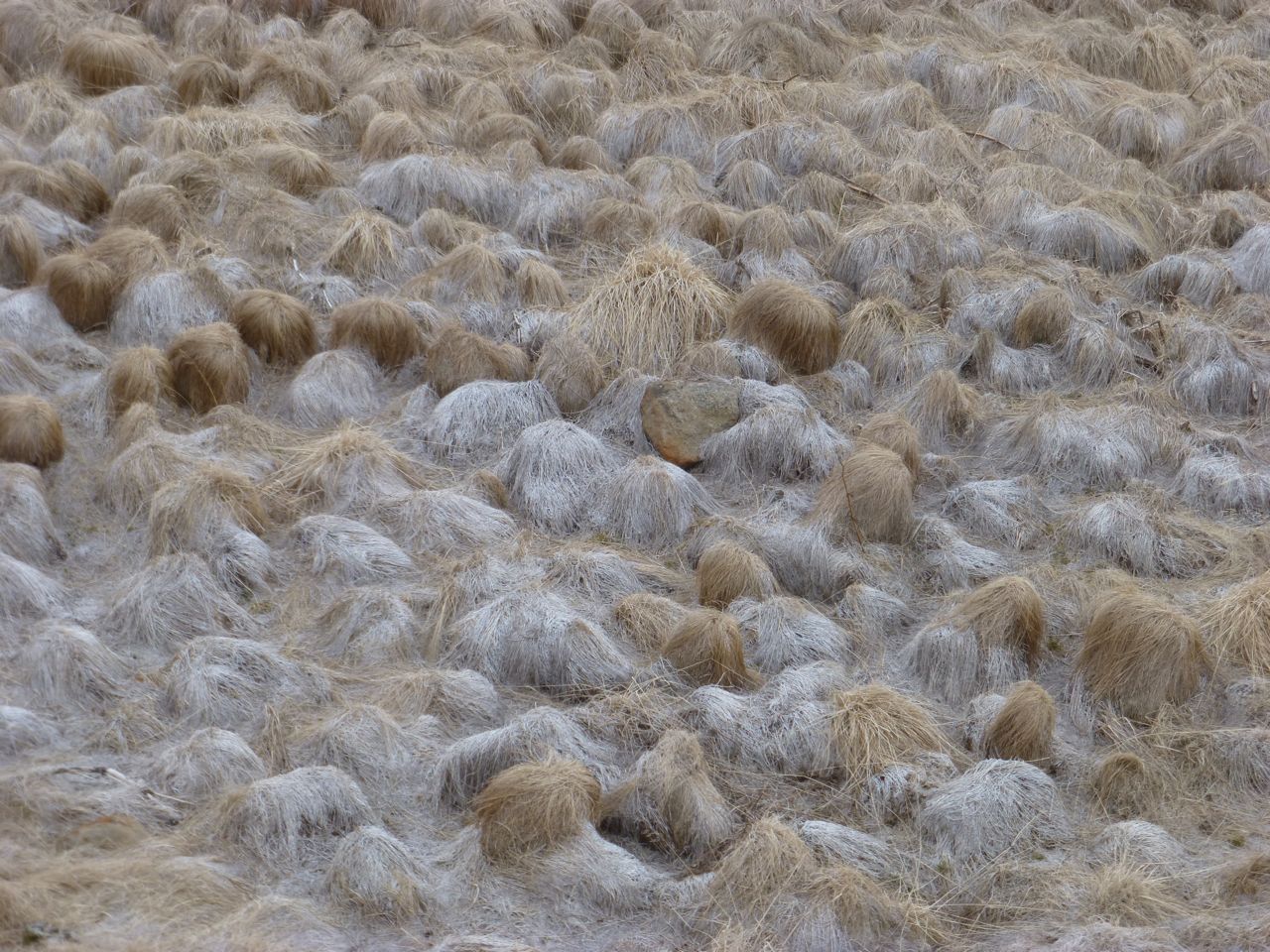
Lots of Sheep!
They are a flock that roams in a time inaccessible to human vision, but just on the edge of it. Sometimes that edge seems very close …

Pride of the Flock
At any rate, they are beautiful sheep …
 … with a faithful shepherd …

… that just happens to actually be …
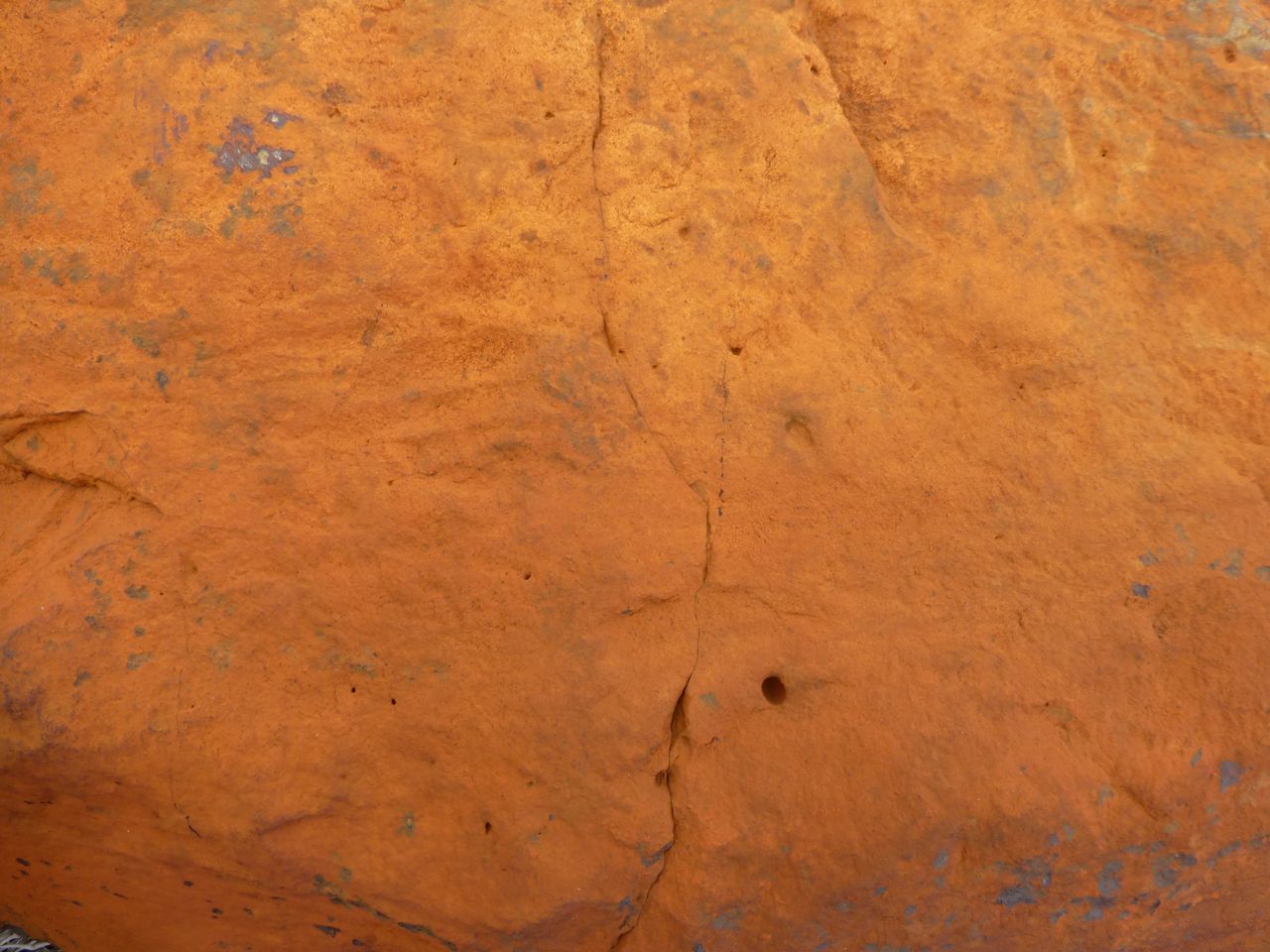 … more elves. How can you take a photograph of such a story? Cameras are tools of a scientific world, and record it well, but they’re no good at the tenuous world of perceptions, mixed with emotions and a sense of place that come to people when the land and themselves meet in a physical place that is really a kind of fire. So… time to bring out the wool again, and see where it leads.
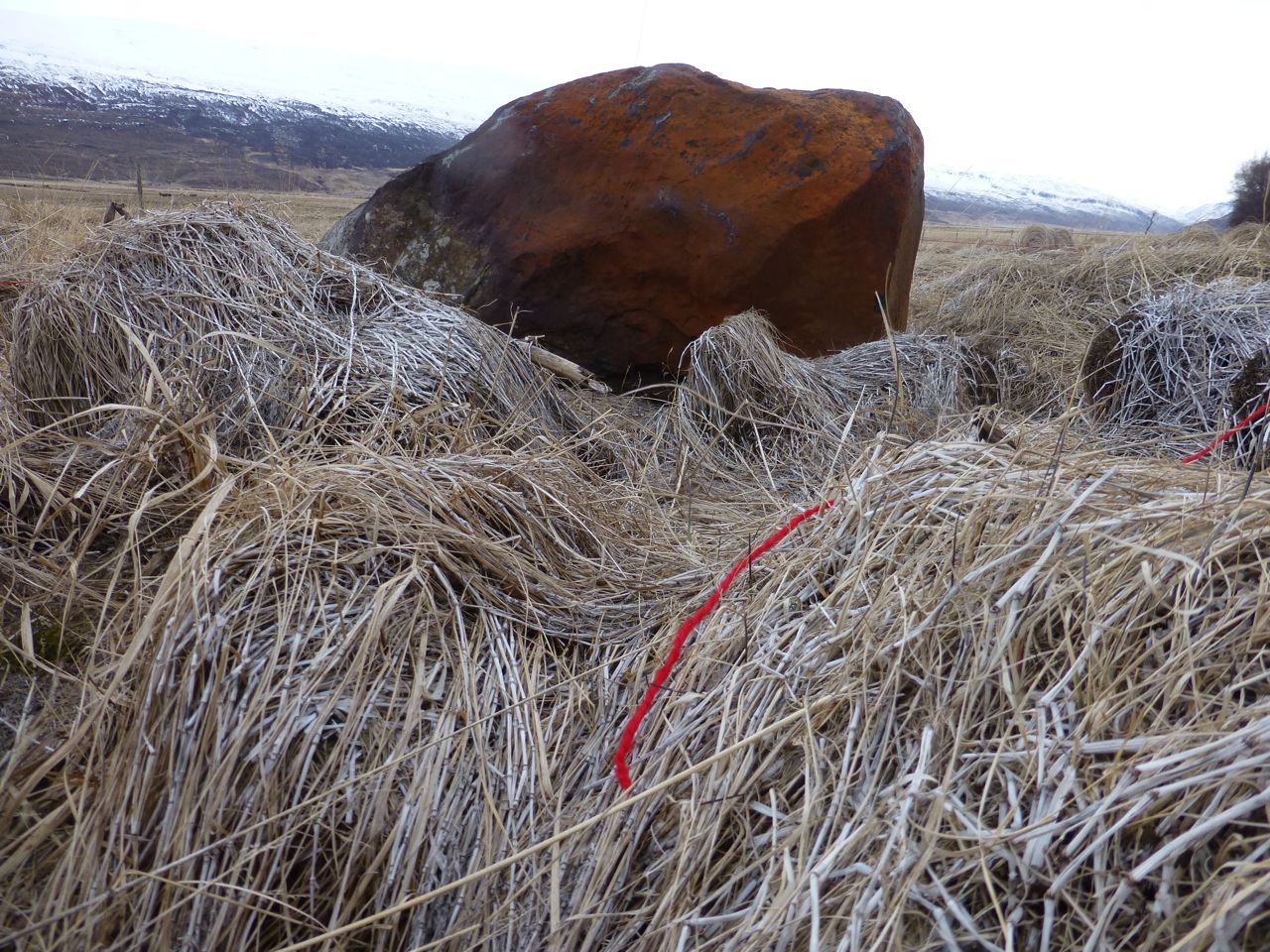
I started in the flock, in the grass, with the idea of winding between the sheep and around the shepherd in a ring, but the wind kept me from that. Sometimes, my wool (and among the sheep, and worn from three times on and off the spindle of the world, it really was feeling like tiny lines of sheep wool now, wound and bound together as the birds were when they flew upriver and over me some 15 kilometres up the valley just a couple days ago) did go among the sheep, making a trail …
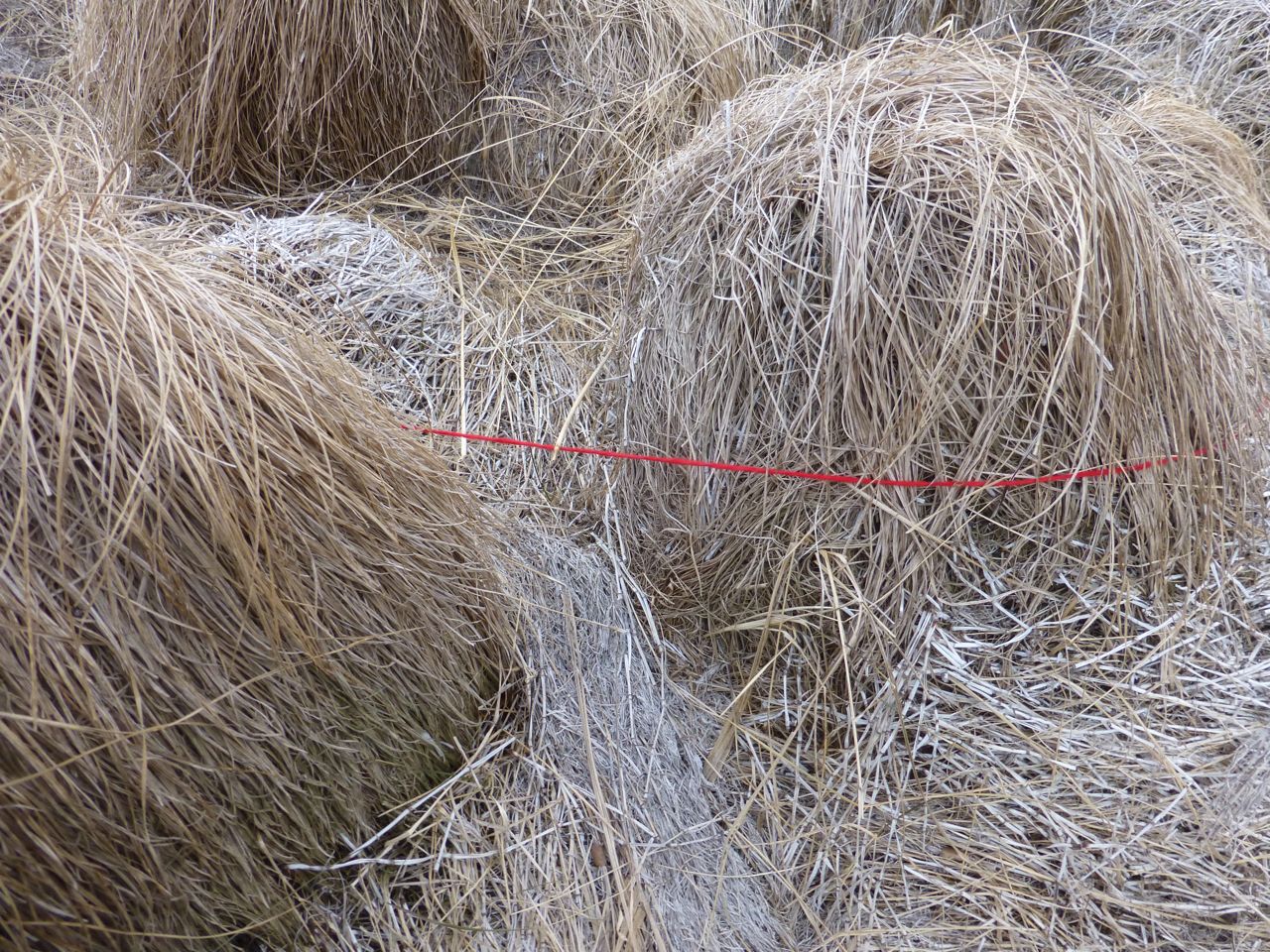
… and wandered and wove between them in the same way that sheep wander and weave the hills…
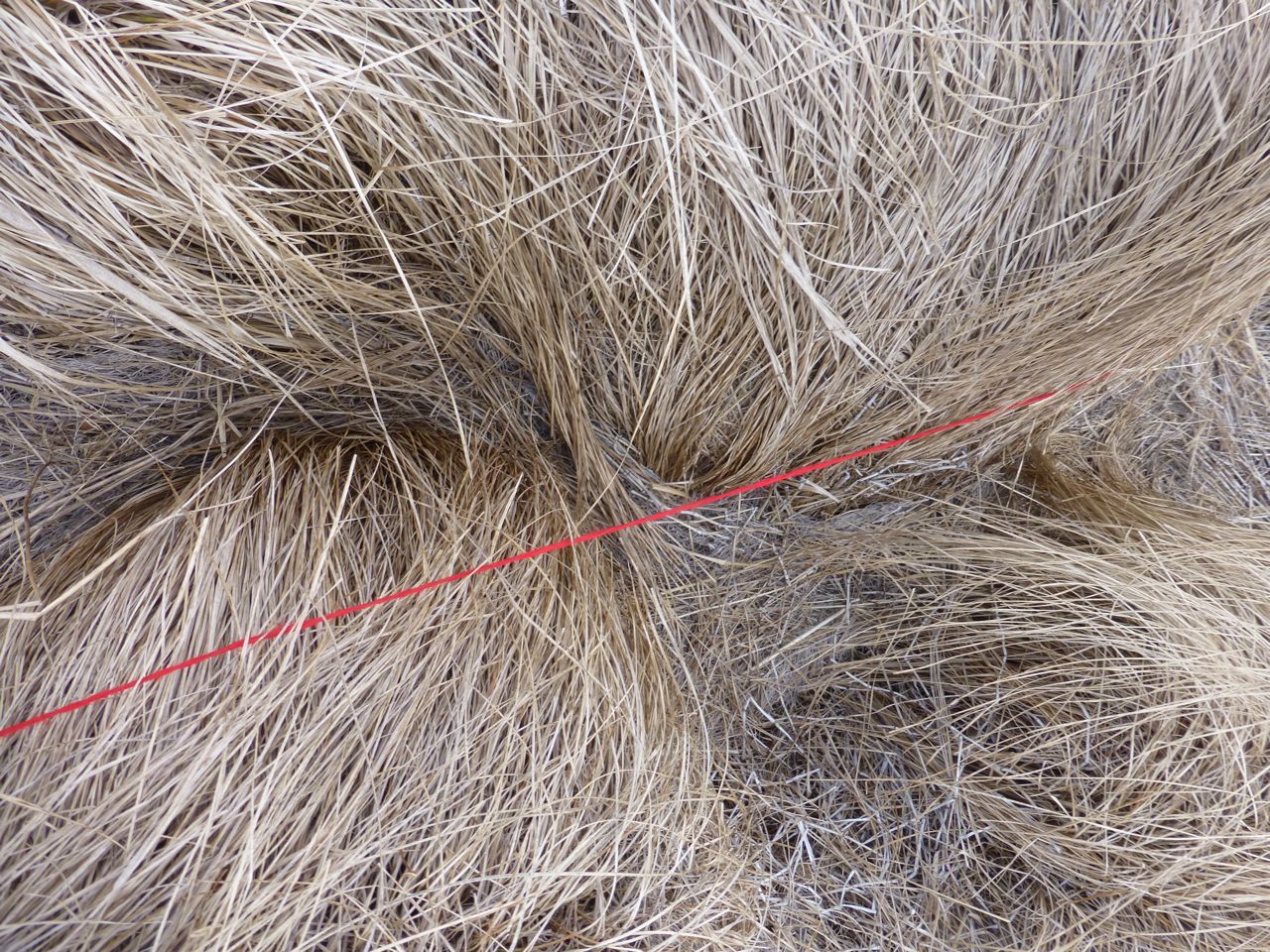
…but more often it seemed to want to hurry along over their backs …

Looking back after all my careful stepping between the sheep, I was amazed to see this pure straight line, and so I followed it as I unwound it off the spindle of the world, followed the thousands of hairs wound into its strands, reading them off with my fingers, playing them out, in a kind of tension between me and the wool and the grass and the wind, and when I felt the spindle was thinning, and knew the wool was leading me somewhere, I thought, no, this is not a story of giving it the trolls, and giving it to the elves, where would that lead? More immobility. They were, after all, in thrall. I thought, again, of the birch trees, and headed for a couple five year old saplings on the hill. Before I got there, though, I was stopped by a raven …
 … who took my wool and all its weaving into his beak. As you can see, he stands on the shoulders of a family of elves. So, I was amazed … my story that had started in the grass, and I thought would lead to a prayer for light, led to something quite different. It lead to Raven, my old friend, Odin’s memory and thought, carrying the fire away, and flying. Not only that, when I went back with my birch twig and wound my wool back on the spindle of the world, through the grass and the flock …

… under the eyes of the trolls (I felt like I was walking between worlds and needed to exercise some care, but I had my line of blood) …

No, Not One of Tolkein’s Trolls
This is the mind in it’s own earthen eye. Or a part of it.
… and under the eye of the horses, who see everything, and never go in, and walk along a different line of blood (or maybe the same one) …

… and sometimes spook, for what I now feel is good reason …
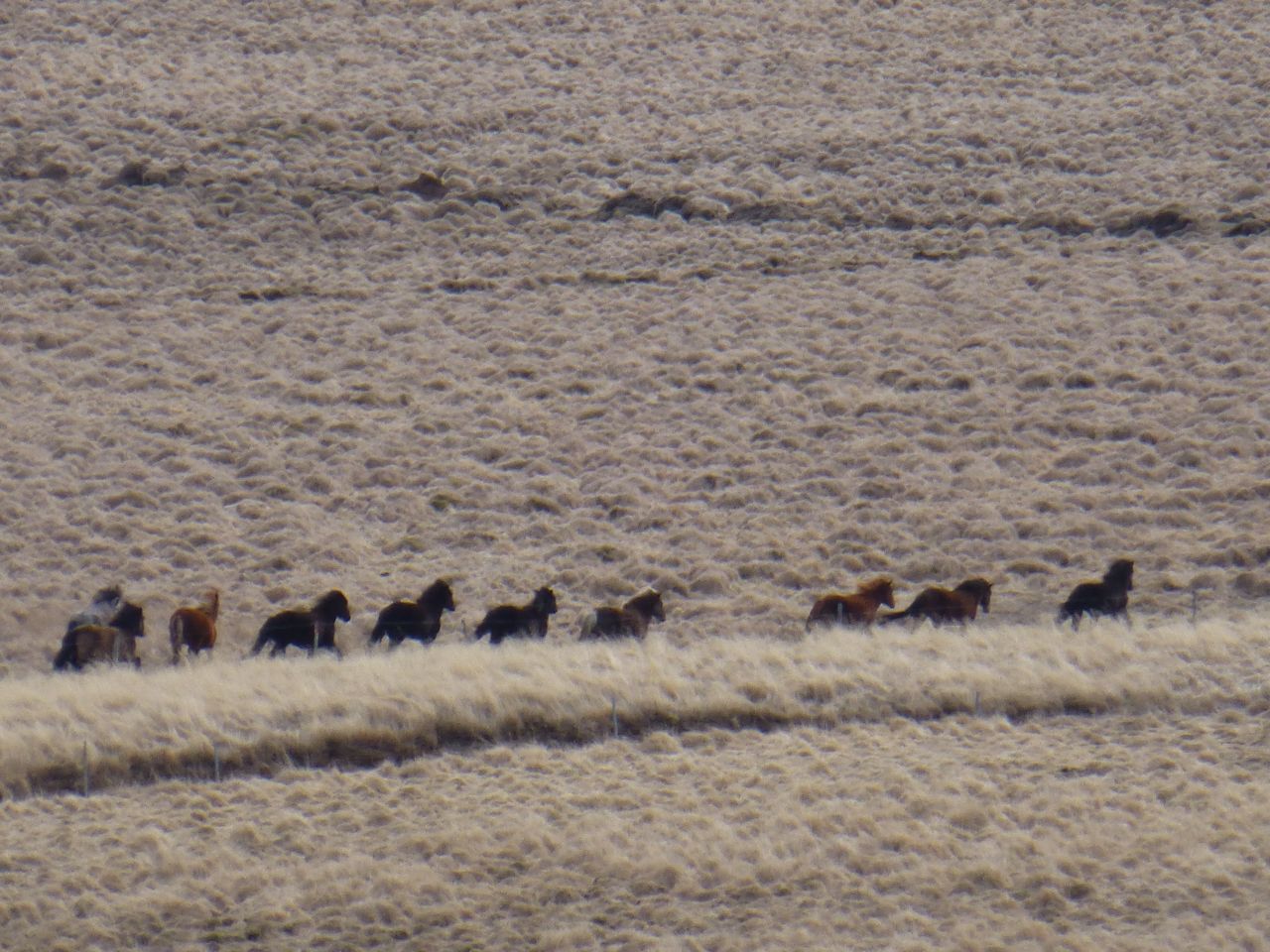
… wound my way slowly around the years of my spindle up to the rocks …
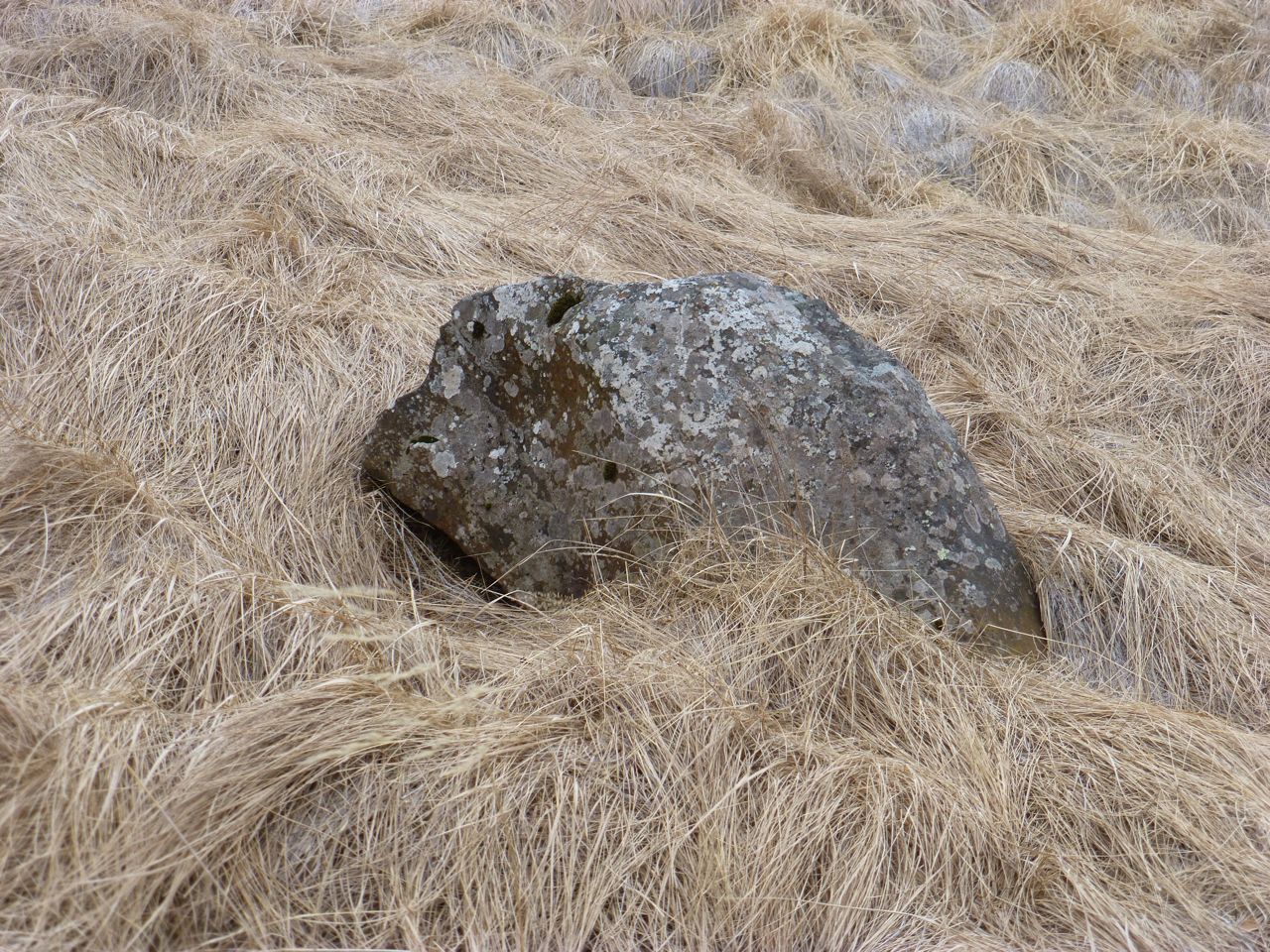 Killing Fields or What
… carefully …
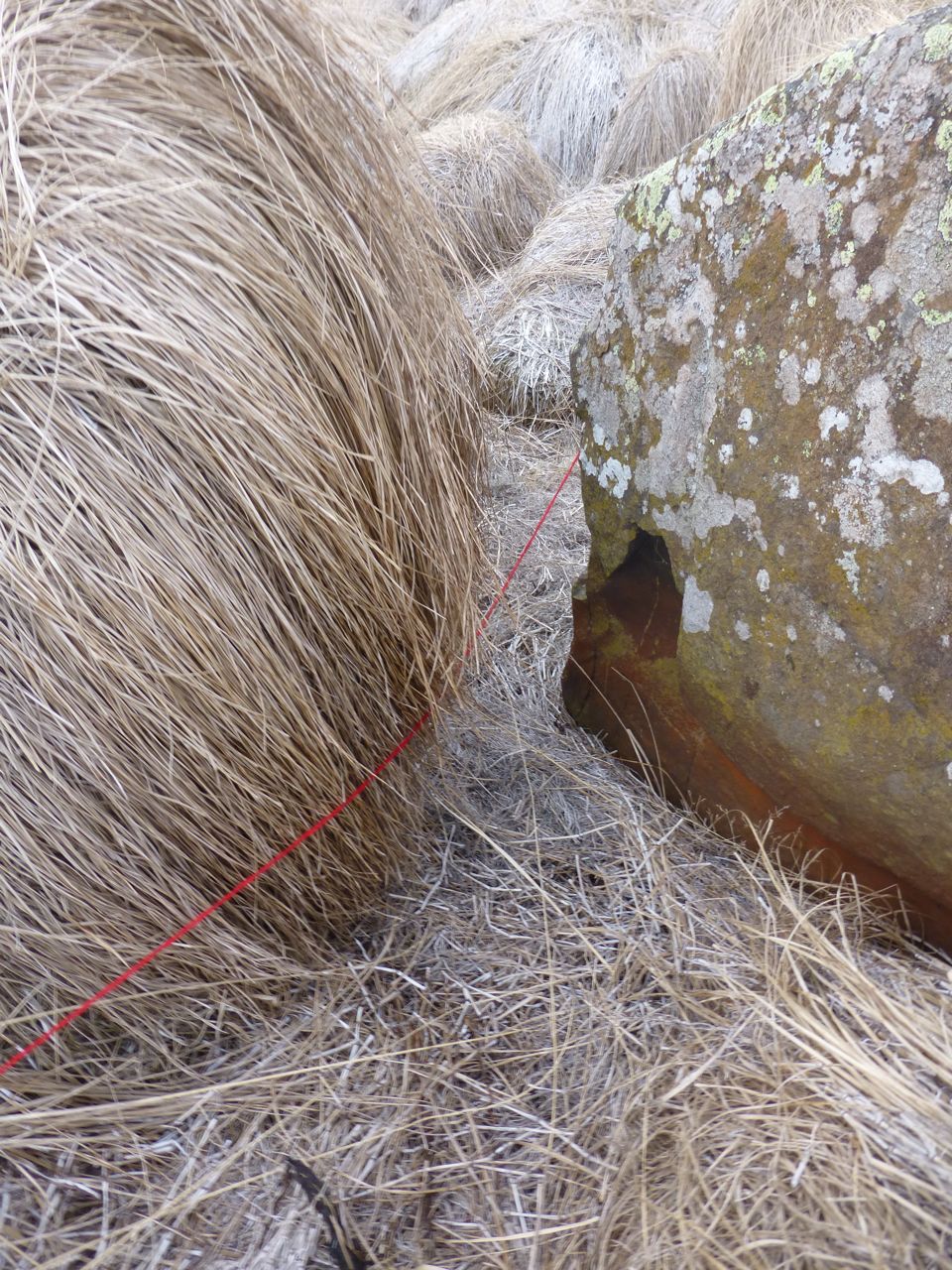
… and began to feel the line tug at me, as if I were a fish and the raven was reeling me in …

… and our fate was blowing in the wind, bound together by a living thread of will and fire …

… and yet free …
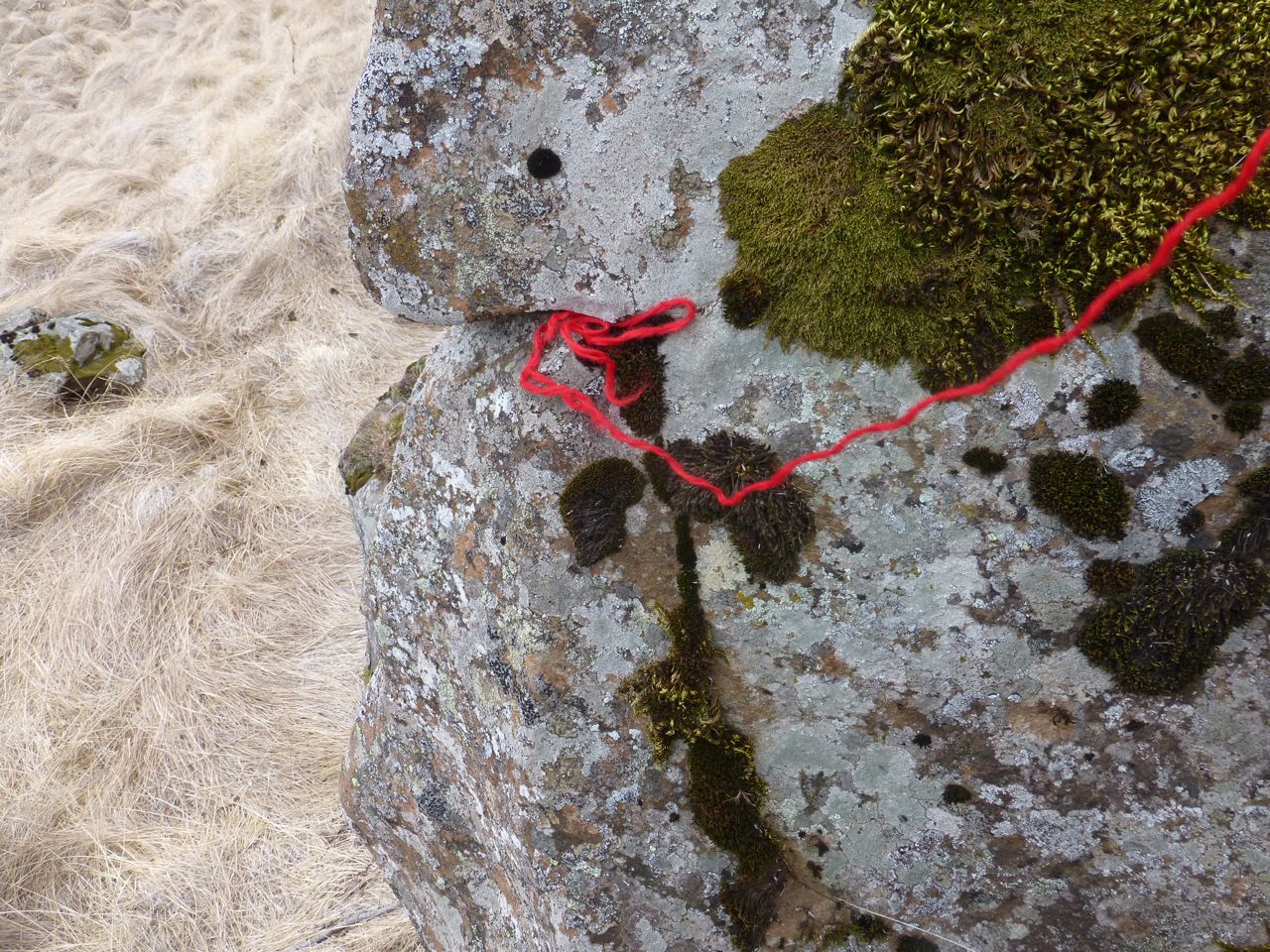 All the years were blowing in the wind. It wasn’t going anywhere. Like the birds in their flock, like the sheep in their meadow, like the elves in their stone, like the men in their church, like their prayers and the touch of their fingers to the natural crosses in the rock that wrote, I think, over time their story and now, it’s plain, writes them still…

… I enjoyed this moment of energy, and didn’t want to let it go, but all this must be set loose into their life, and so just as I went to pull my wool from the stone raven’s mouth, it broke…
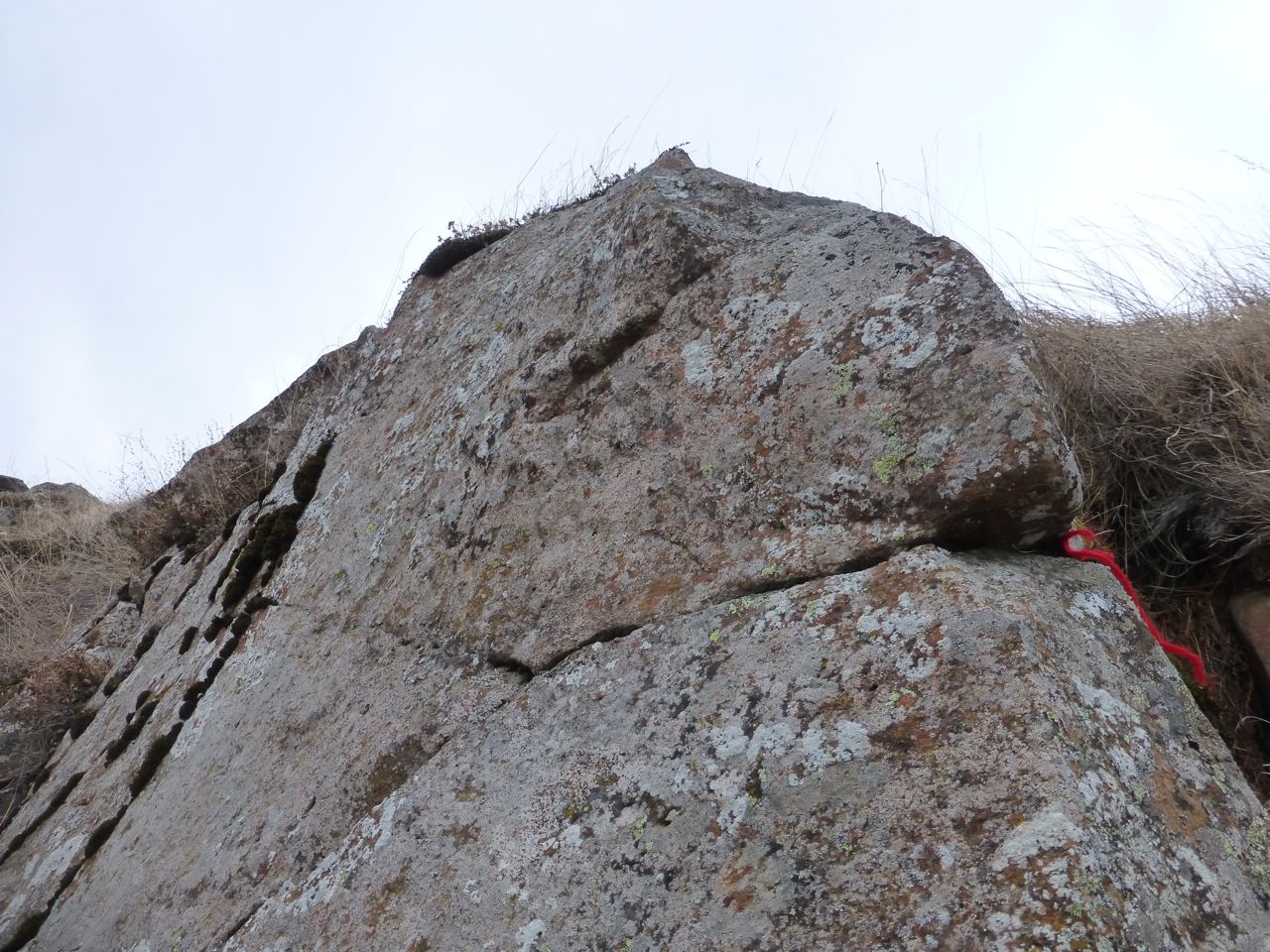 … and he flew off with the end of it …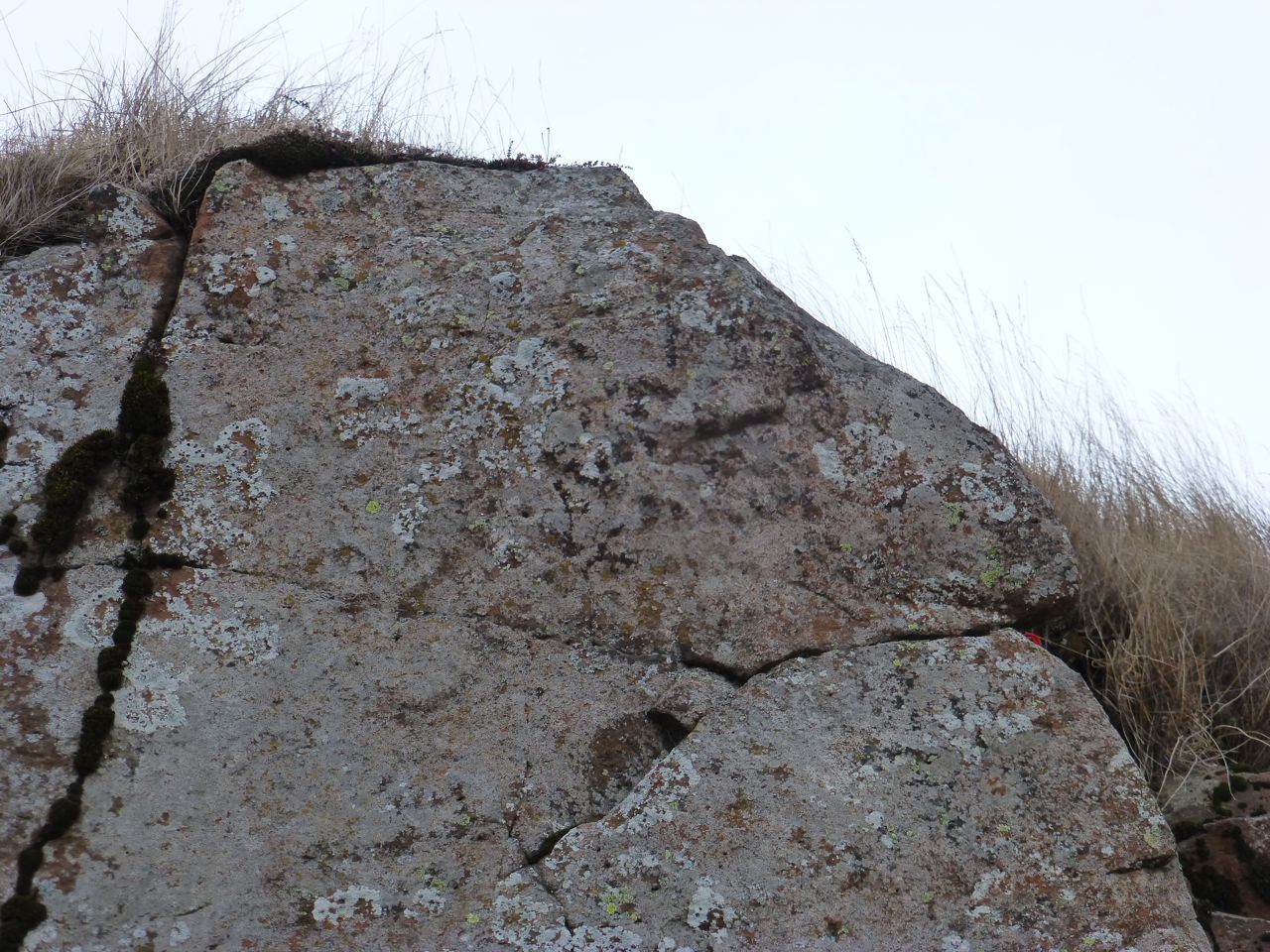
… or maybe its beginning. For four weeks now here, ravens have been following me and calling whenever they passed overhead, and I have called back in greeting, everytime. Here’s one, dealing a bit with the wind …

Sure, it’s all poetry. Yeah, it is. Tomorrow morning, I leave the Klaustur, and go to Reykjavik, where there are far more humans than ravens and poems. This afternoon, I’m going out for a word with the horses, but in my heart, well, let’s just say this, if you come here and leave the viewing platform, and walk for a month through the cloister and down through the birches and over the hill, and a horse comes out to share a word with you …

… it might be me. At any rate, enough sadness at leaving and enough joy at having been found, and think of this. When you go to those horses, and find they’ve come to you before you’ve arrived, remember, in your coming, you spoke, they heard, and in their coming, they answered.

There, a little poetry for you. I’ll be summing up in the next few days. Next, I want to show you how the sun and time and a human walking make a story out of stone. No, not one of Tolkein’s stories. Sorry. Those are written by reading books. Beautiful stories, and great for telling around a fire. Here I’ve found ones that I can walk through, and never stop walking. A fancy? There might be some fun in the telling, yes, but a fancy? No. I’ve stepped right out of the world, and into it. A riddle, that’s what, but a beautiful one. And windy.
Ah, for the writer who has it all, a dream month in East Iceland and all that Icelandic Light, when the weather breaks and it’s time for a dash to the sea in a Japanese car so small that it fits on half the width of an Icelandic gravel road but which is no good in snow or wind, what one needs is an early cup of coffee before heading through the narrow dark line cut through the drifts to the sea. This, my friends, is not what you might expect, and demonstrates some of the improvisation I have learned from Iceland in my time here. Let me lead you through the ritual of matins:
1. The Beans.
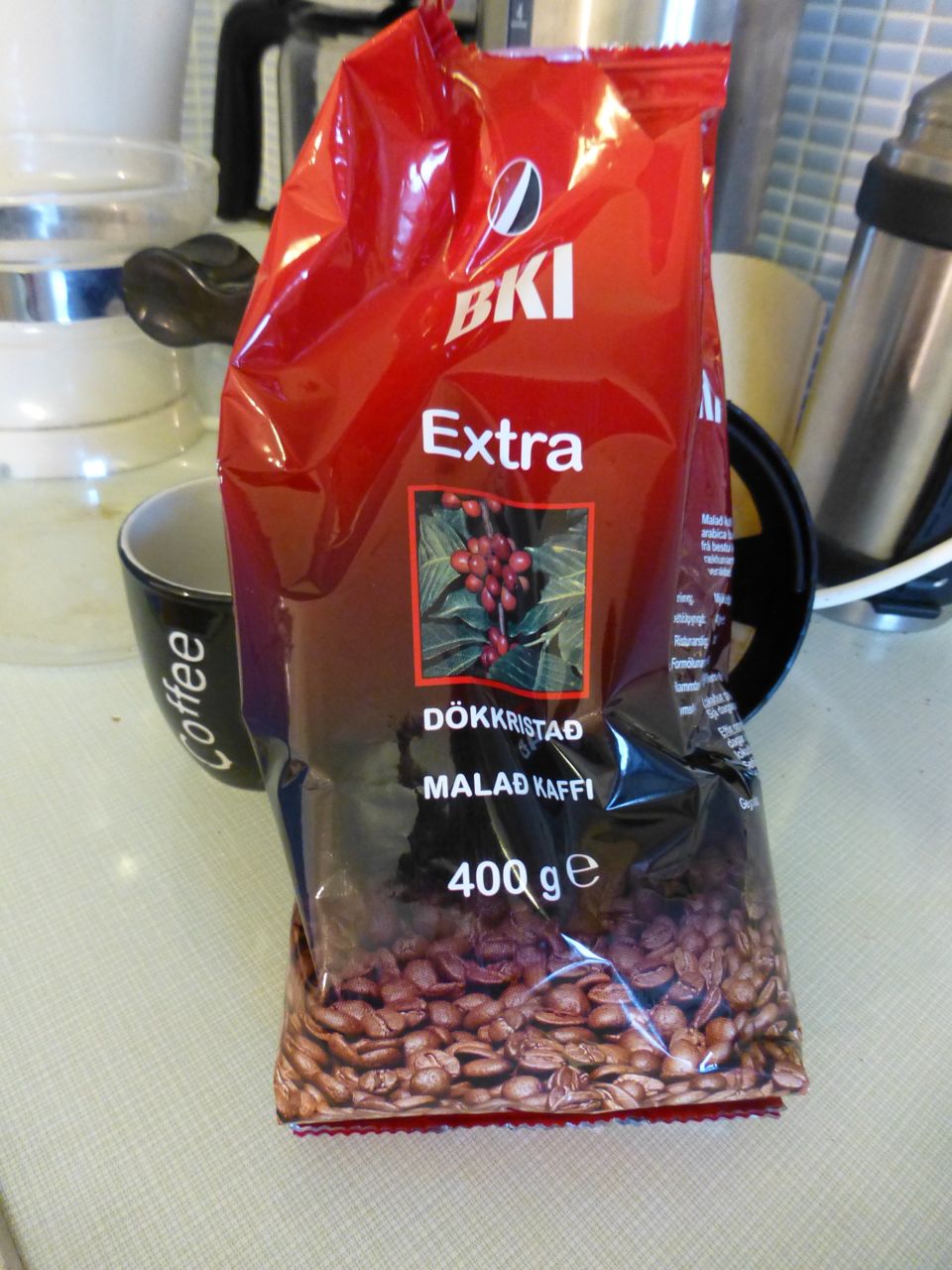
Only the Best that “Plus” has to Offer Will Do
The body is a spiritual vessel, remember. Spare no expense. $8 instead of $6. You must.
2. The Sacred Tools
 No! Don’t Touch That Thing. It is There to Deceive!
Well, actually, it needs a diaper (Third drawer down. You’re welcome.), but it’s your choice: pour in 12 cups of water to get 4 cups of coffee… and where do you think the other water goes, hmmm? Your socks will find it.
3. The Choice of a Lifetime
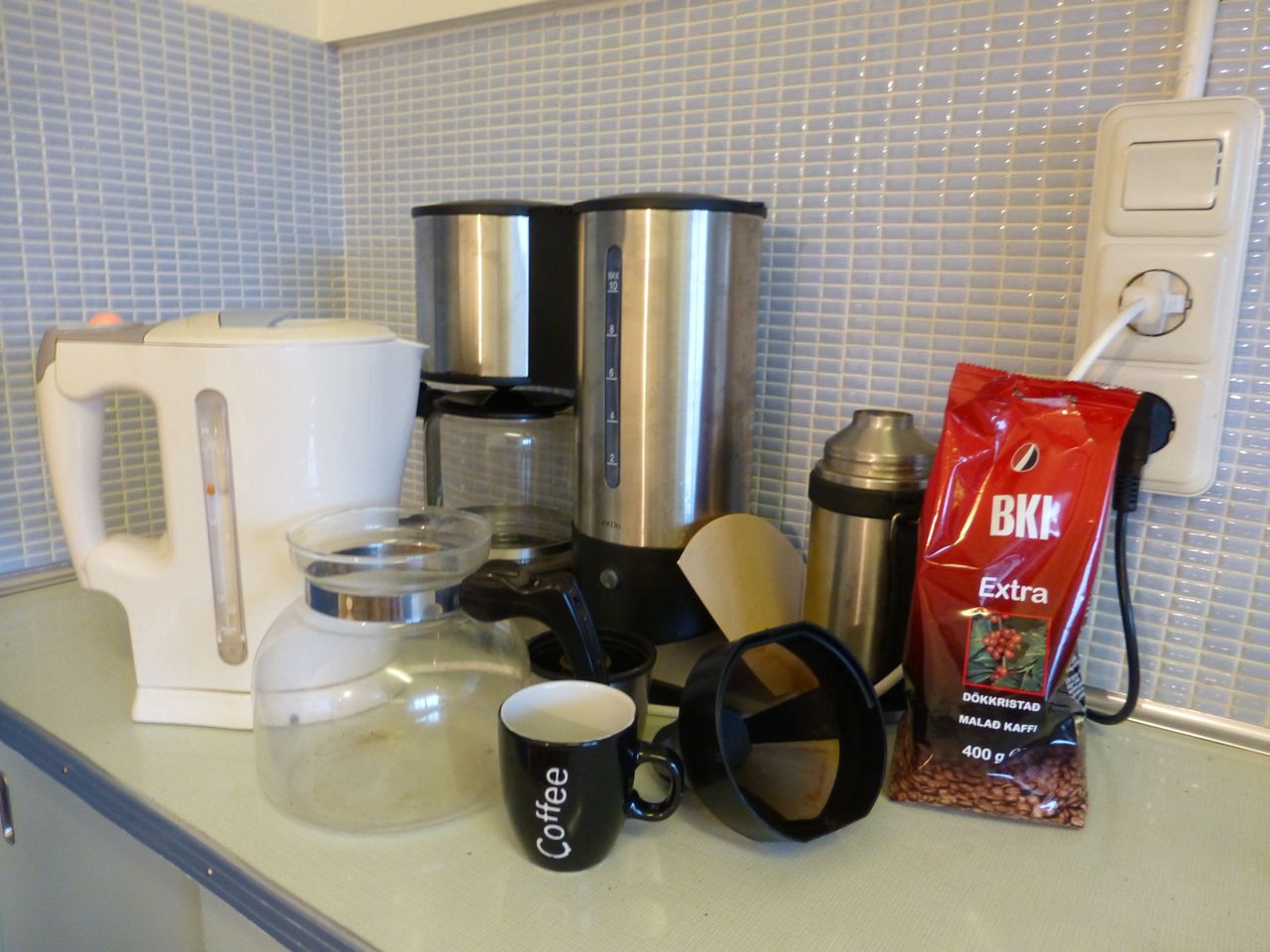 Oh, oh, oh, oh, How?
Spiritual choices are not supposed to be easy. And look at that cup. What a tease.
4. The Choice
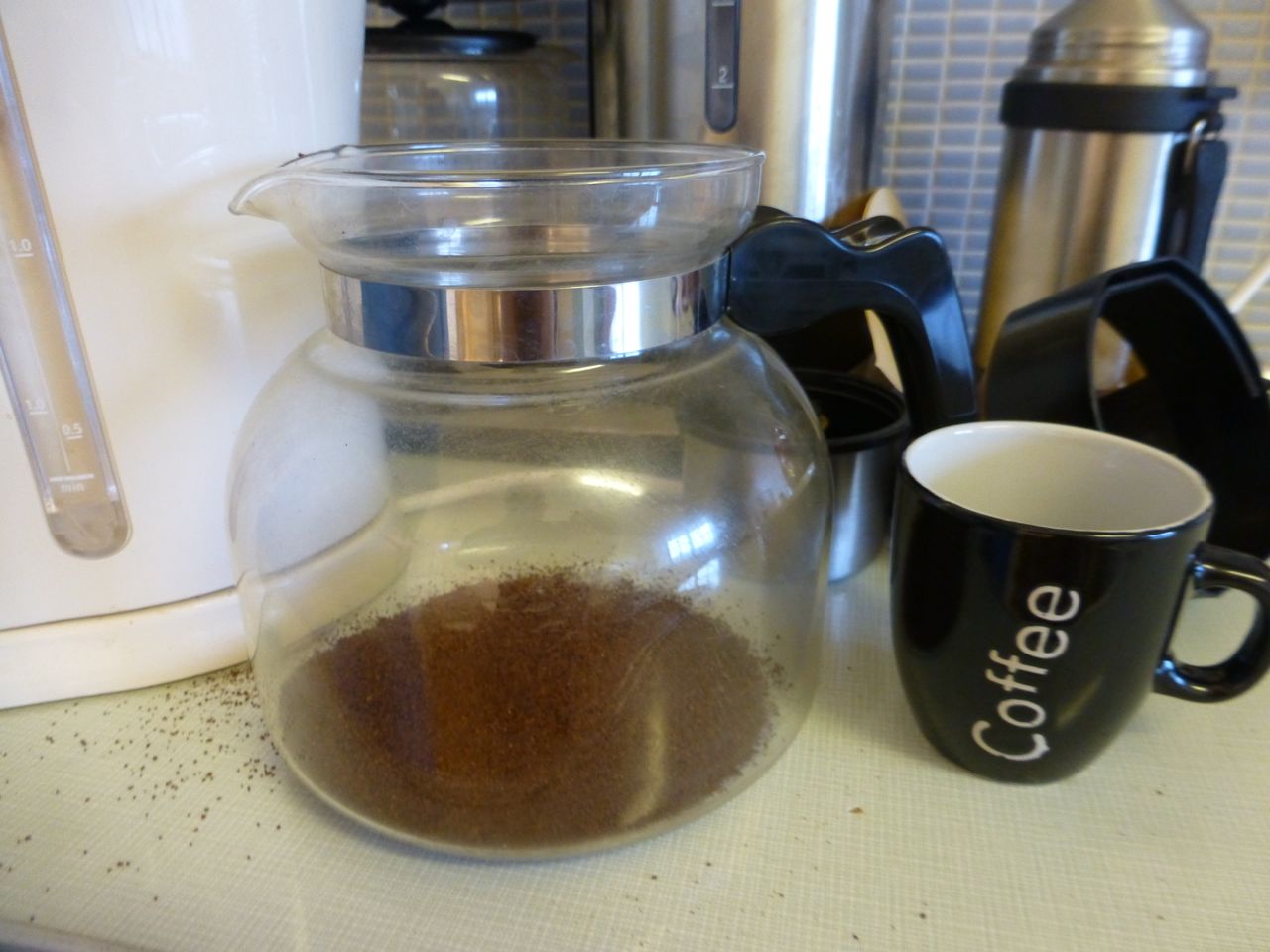 This is a variation on the Norwegian Coffee on the Back of a Canadian Stove in 1931 Method Perfected by My Grandmother, Who Was Only an Honorary Norwegian, But When You Were Starving You Were Starving, so You Look Like You Need a Cup of Coffee, Dear.
In the original method, a few drops of cold water settle the grounds and you are there! But, it proved to be rather lukewarm coffee, so… improvise!
5. Add the sacred Icelandic waters…

6. Do what Earth does when she spins wool and fate…
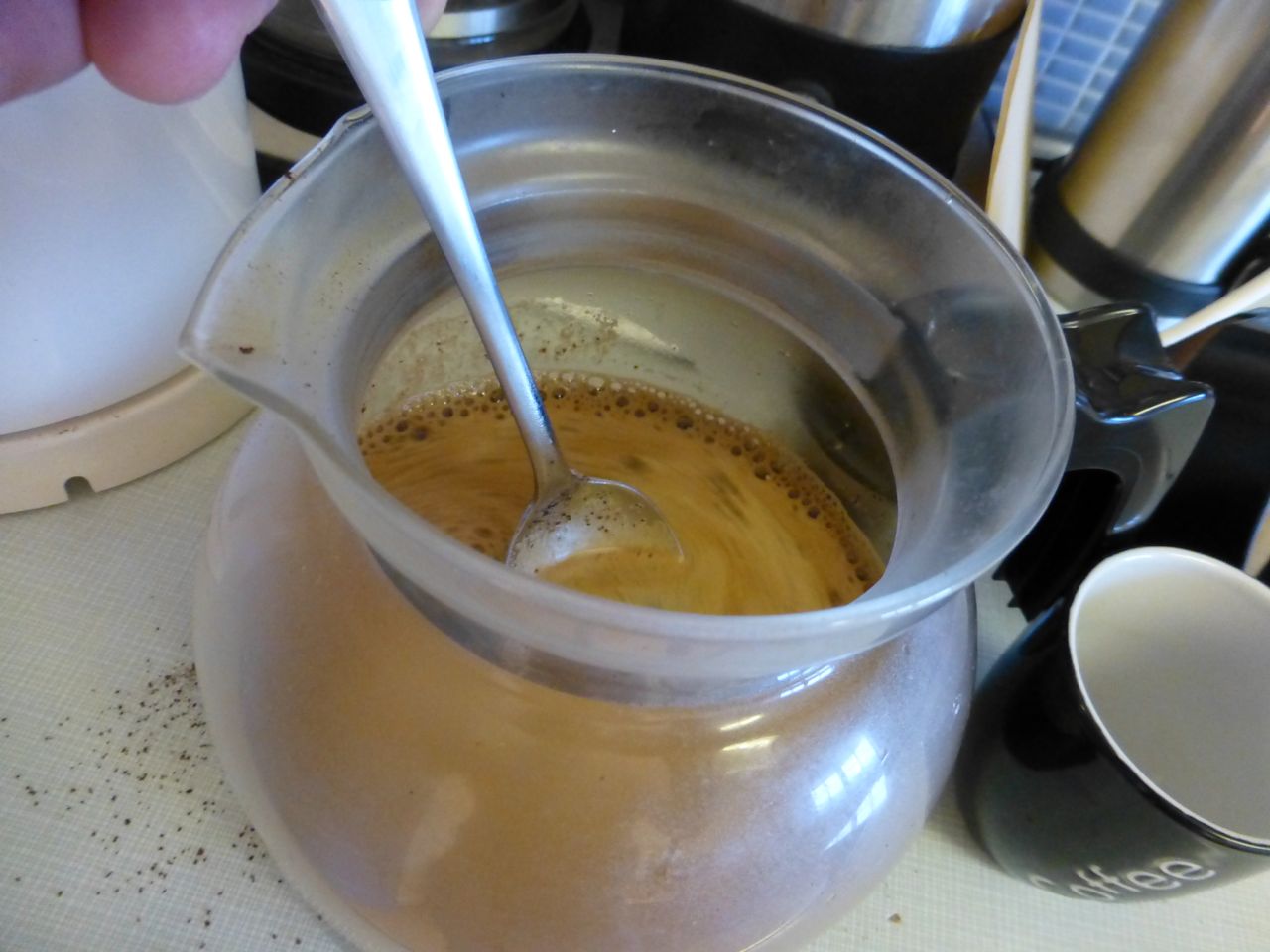
7. Attach A Fancy Fishing Net Kind of Device to the Other Coffee Pot…
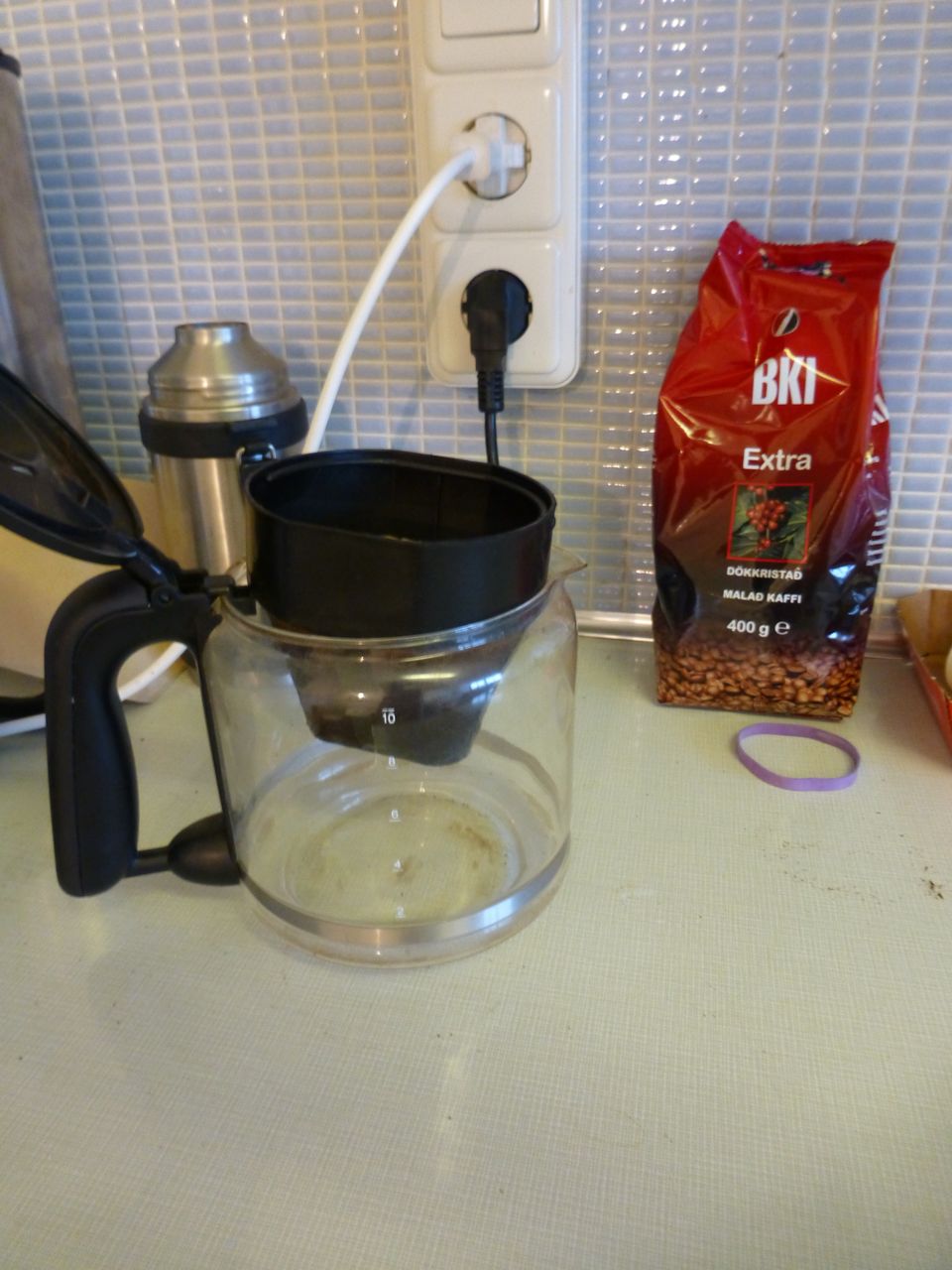 Well, it’s a bit of a strain and a shaky balance. You’d think it was meant to go in that temptress of a machine in the back or something. Be firm! Be resolute! Have faith!
8. Now for the Alchemy …
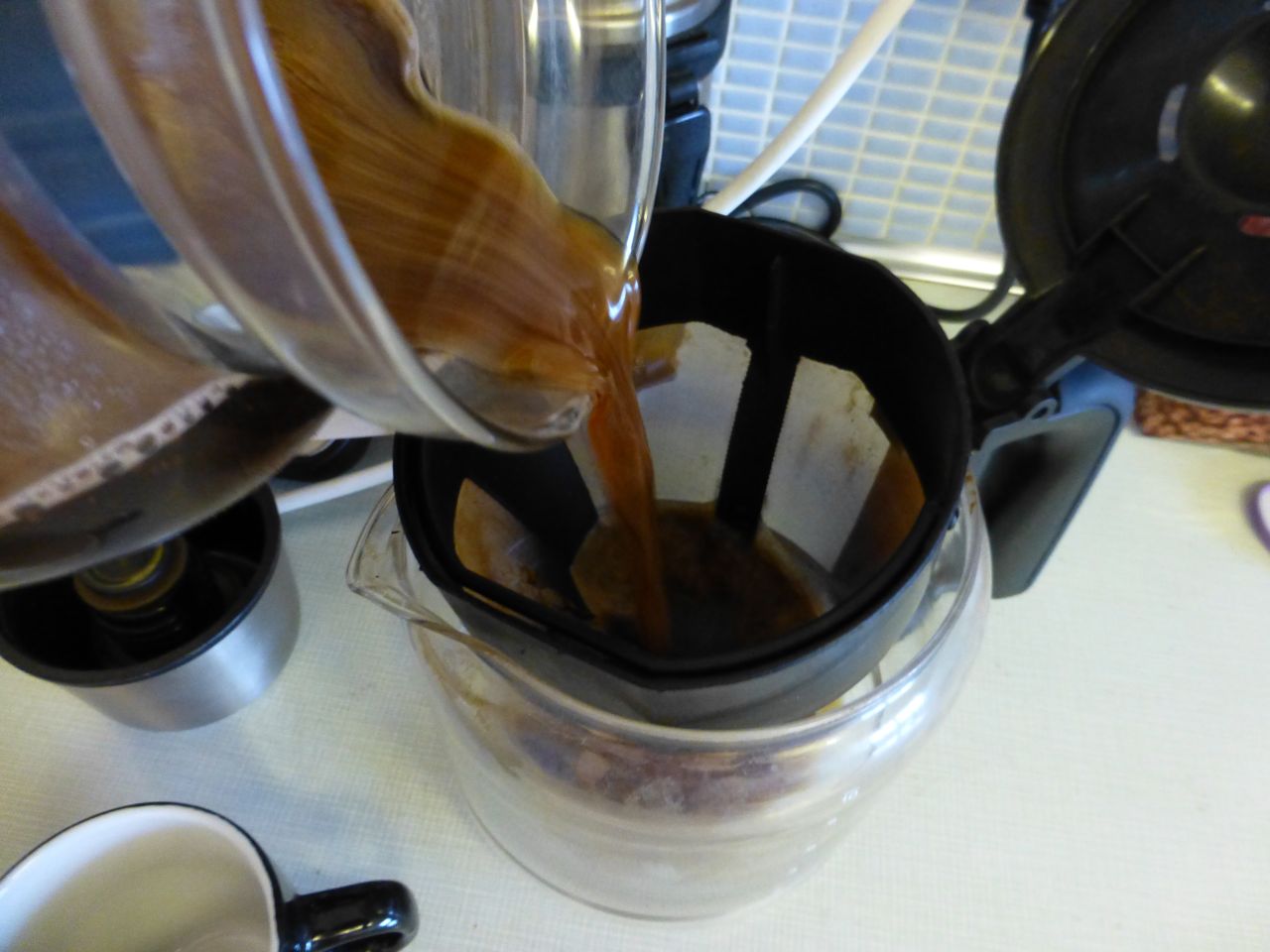
9. Now for Some Technological Suspense …

Is That All?
Wasn’t I promised Extra? Ah, you were, but look at the steam! That’s nice. Warm, like.
10. The Great Pour
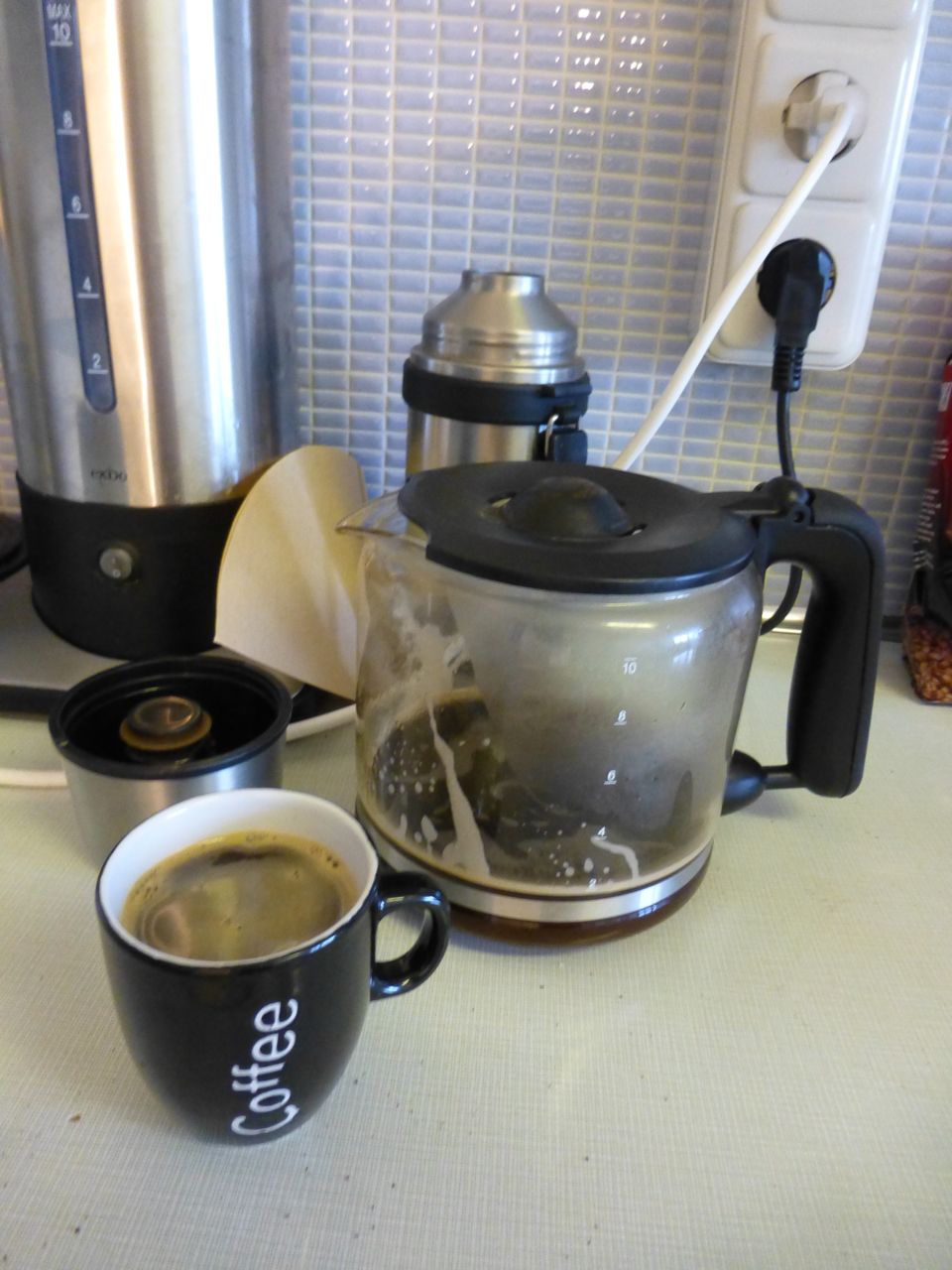
No Starbucks Barrista Could Do This For You.
For this, you have to come to Skriðuklaustur, where every day your learning begins.
11. The Moment of Truth…
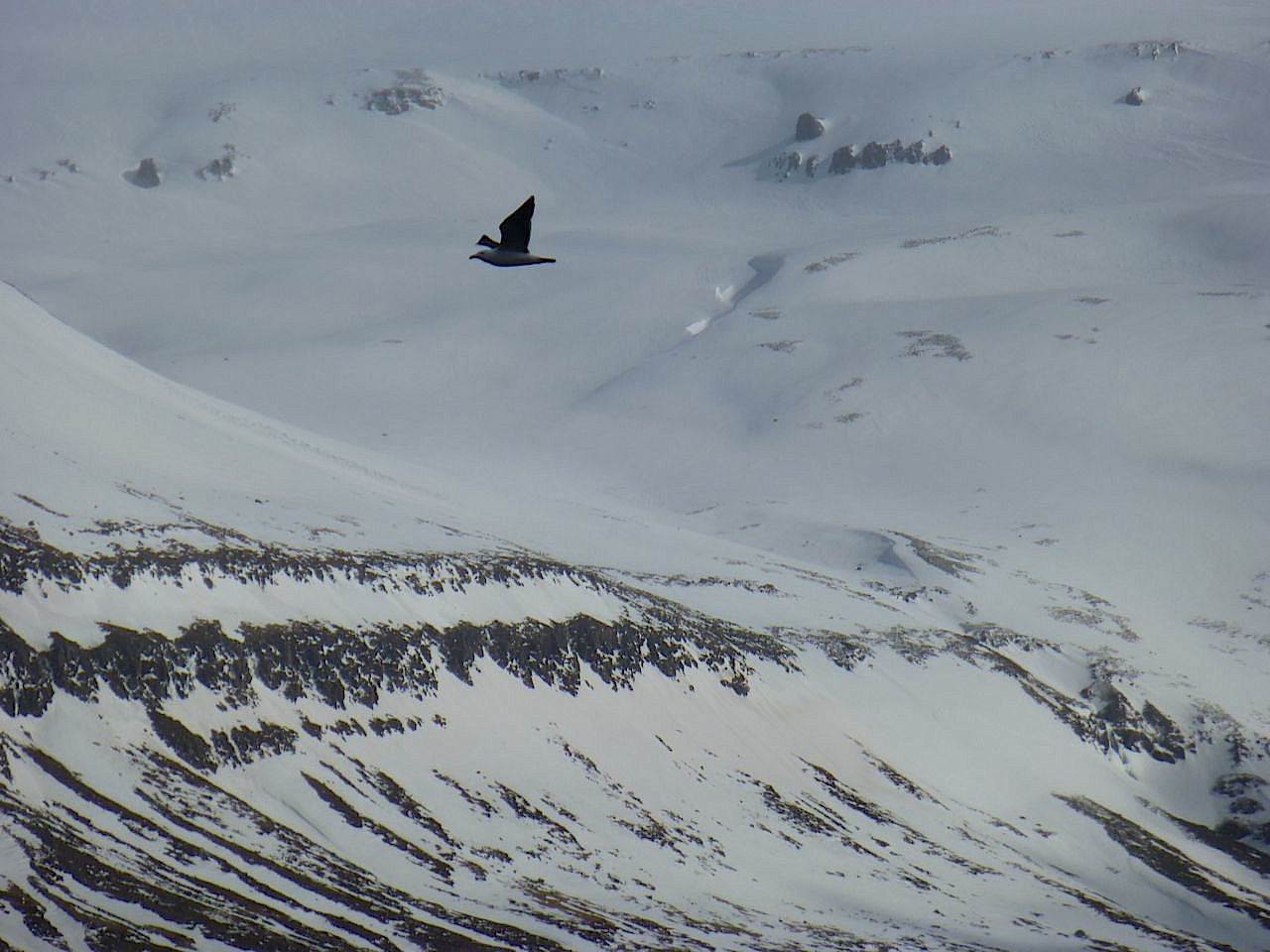 You Made it to the Sea!
Right now, Skriðuklaustur is haunted by a Canadian who spends his days hiking and meditating. Fantastic! But what does that look like on the day-to-day level, which was so important to farmers and monks? Here, for the first time, an inside view of everyday monastic life at Skriðuklaustur, Iceland — not the hiking, the meditation, the research, but the caring for the body, the Skriðuklaustur way! In the morning we can talk about the fantastical technical arrangements and clever (well, you be the judge) solutions for making a kind of alchemical coffee, but right now, dinner! Here’s the flowery decoration that brightened up Easter so, gone a little long in the tooth …

The Blossoms Have Grown Roots
Hey, that’s cool. Easter is about springing forth and all. Those are rocks I borrowed from the lake, so I could talk to them. Oh, wait … no talk about meditations!
And here are the spices, also, ahem, a little long in the tooth …
 Sweet (?) Basil Ready for the Pan
There is a 2 page set of instructions for sorting and recycling everything that passes through the kitchen, and it seems to mean business, so when my basil when, ahem, a little, well, let’s say “old”, in its really poorly-sealable but oh-so-recyclable tray in the fridge, I let it keep the willow company, and now look at it! All grown up and ready to crumble into the pan. Um… the plastic goes in … yeah, tub 3, that’s it. Done.
And now that your mouth is watering, here is the main course, the famous aðalréttir of all Icelandic menus, ta da!

Chicken and Pork Gunnar
When the store is 45 kilometres away, creativity is more in what you do with the fridge rather than what the store has to offer.
Recipe:
•Come back from hiking at 5 pm, think about dinner. Remove pork chop and slip into the 1000 year old Viking-era microwave, which has one setting: grill. Grill to thaw. People, when it’s your turn to stay here, try 30 seconds.
• Salvage what one can of the pork chop, mourn, and add a frozen chicken breast. Do not even think of touching that microwave. Put the chicken on top of the nearly-smoking pork chop, to thaw that way.
• Make tea. Drink the tea while congratulating yourself on your resourcefulness. Return. Slice the slightly-thawed chicken, mix with the pork scraps.
• Dice an onion (you bought too many, so use the whole thing), dice 3 garlic cloves (the previous writer bought too many, and there’ll be some for you, too, enjoy), melt some Icelandic butter, sautée the onions and garlic on super duper low on the big burner of the stove. Do not rush this step. Go read a chapter of a book. You get a knack for this after the first time, when you had to open some windows quickly, and you can smell the exact moment on the air when everything is just perfect. Saunter in.
• Add some chopped up parsley, because, well, it’s not enjoying the fridge anymore, and some mushrooms, because mushrooms are really cheap and high quality in Iceland, who knew, and that basil, yes, this is her time!!!! Then add the chicken pork mixture. Stir a bit. Add some cream (this is Scandinavia, and a former Danish colony, to boot, so… without cream, it’s not considered a foodstuff. Simple as that.) Add some frozen peas. Put a lid on all this. Go off and answer ALL your emails, and download and sort the pictures you took today.
The Side Dish
Here are some of the amazing arctic potatoes from Akureyri. The smaller they get, the better. No sense trying to cut off the warts and little blackened frost-got-at-them bits … they don’t appear to affect the flavour, and they are all otherwise as clean as if they had been pressure-washed by a fishing boat scouring apparatus… which, given the Icelandic respect for re-use and re-cycling, is probably the case. But what beauties they are…

Potatoes All Dressed Up
They taste a bit sweet when boiled (last fall was tough on potatoes in Iceland), so I hit upon this method: when the feta cheese in oil and herbs you can pick up beside the smjör in the grocery store is all gone and you have to find something else to dress your salad with, well, there’s oil left, right, with spices in it? That’s the Skriðuklaustur way! Into the oven for 40 minutes they go!
A little freshly-grated sea salt helps, because this is Iceland and here salt is a spice much like cream is in Denmark, and we want to be good guests. And there you have it…fridge hygiene restored, staying on top of the recycling, and when you come back all leisurely and what not, with your pictures sorted and your email mailed or deleted and a chapter of a book read, dinner is delicious. In fact, just between you and me, one could serve this in Reykjavik for about 4400 kronur, but only if you had fresh flowers.
 A Farm in Iceland
