Tag Archives: tourism

So, You Want to Go to Iceland, Do You

Going to Iceland. I don’t blame you. It’s beautiful. Gulfoss. The Golden Falls. With its eternal rainbow. What’s not to love?
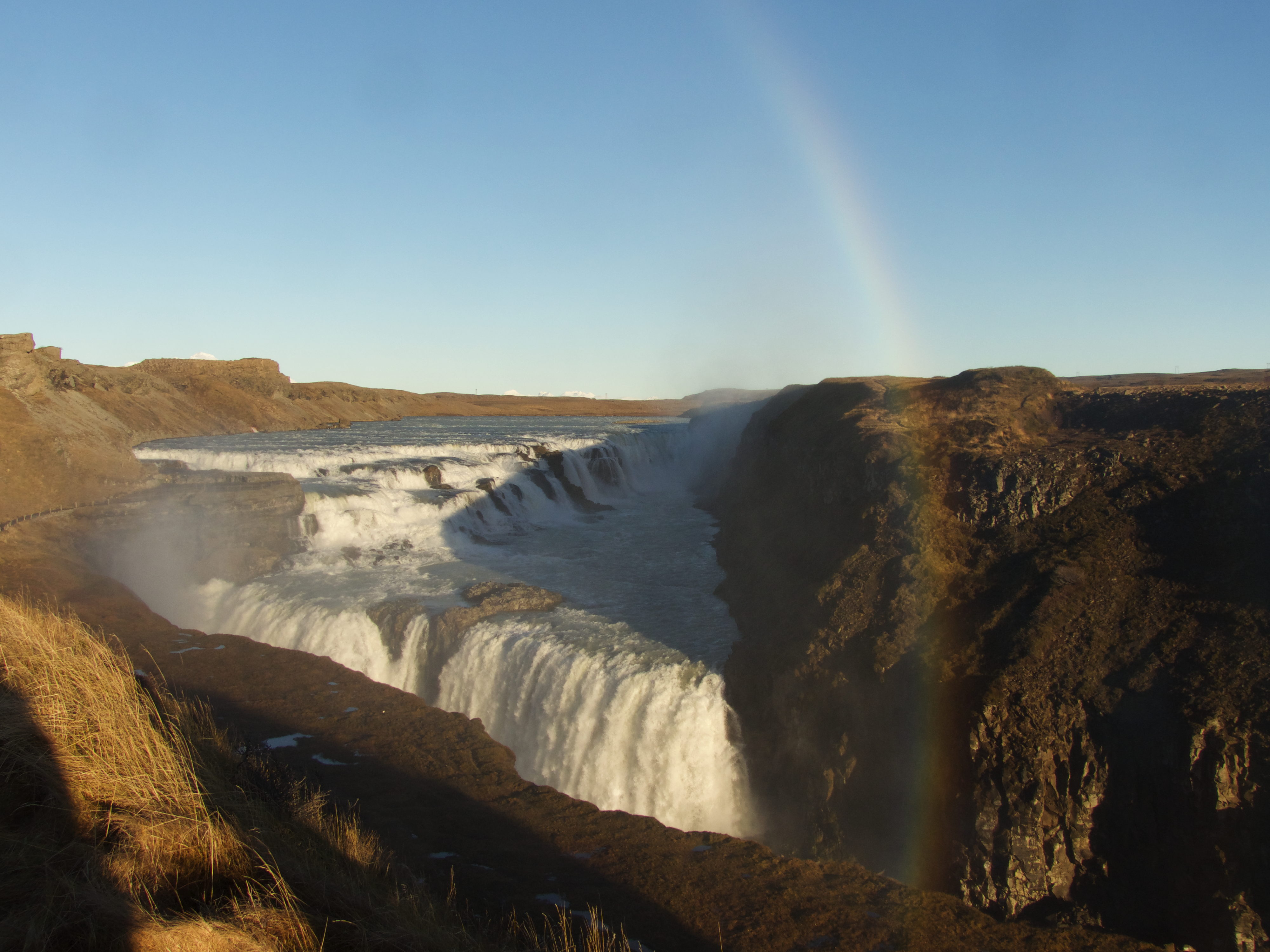
Well, this, maybe. Hey, but everybody’s as much in love with it as you are. You’re in good company. That’s nice.
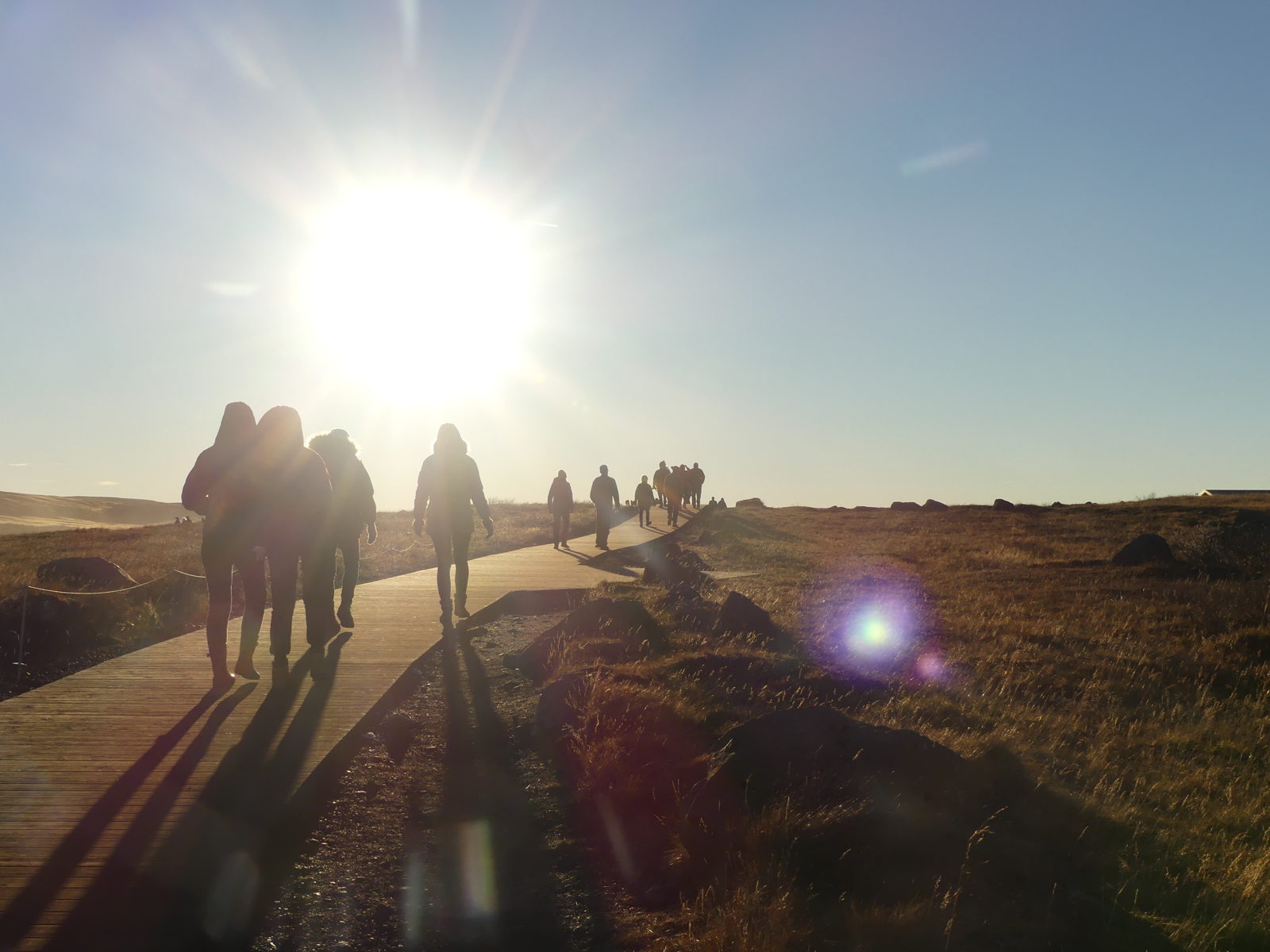
That’s not so bad at all, is it. But this?
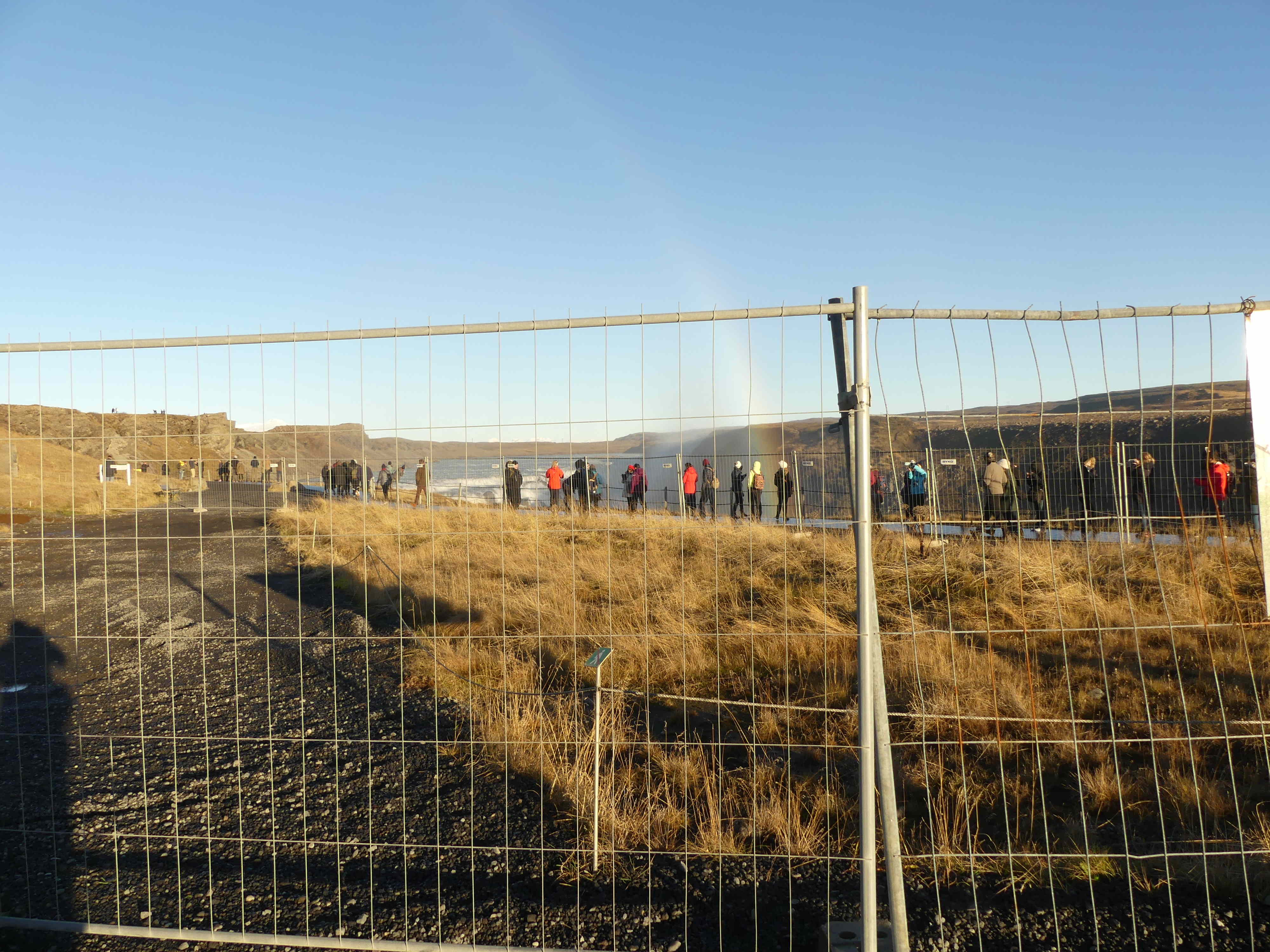
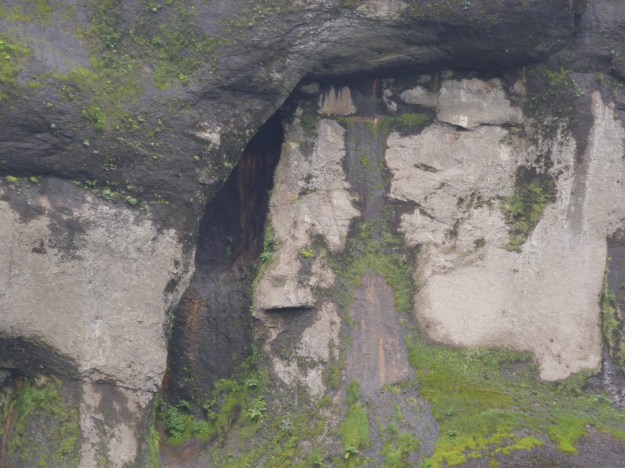
That’s OK, too. I mean, everyone is safe this way, and that’s good, plus things erode. We don’t want things to erode. Thing is, well… IF … you … turn … around … there … is … this.
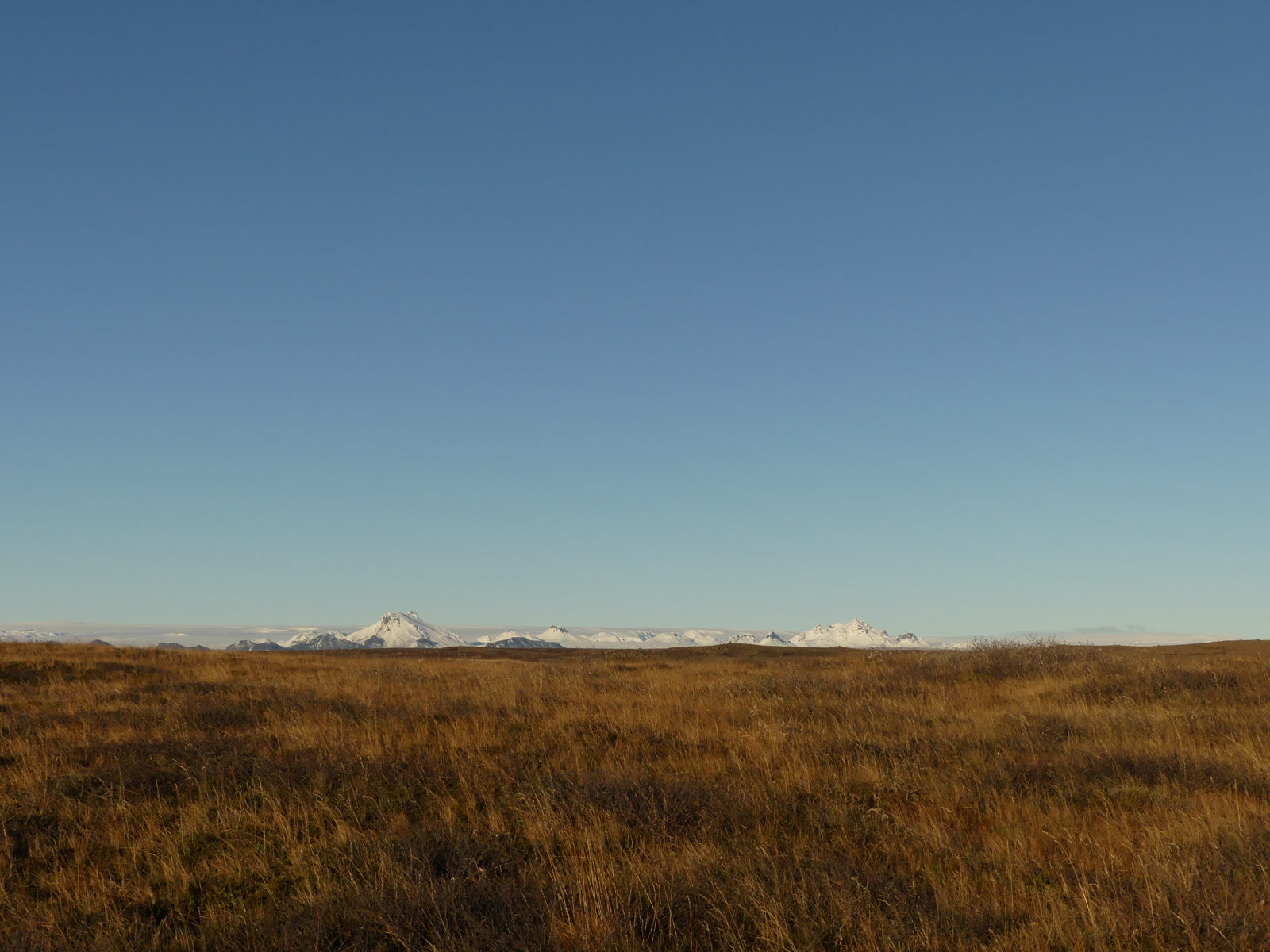
Will you go there? Likely not. There are, after all the beautiful falls. Very beautiful. There’s a path.
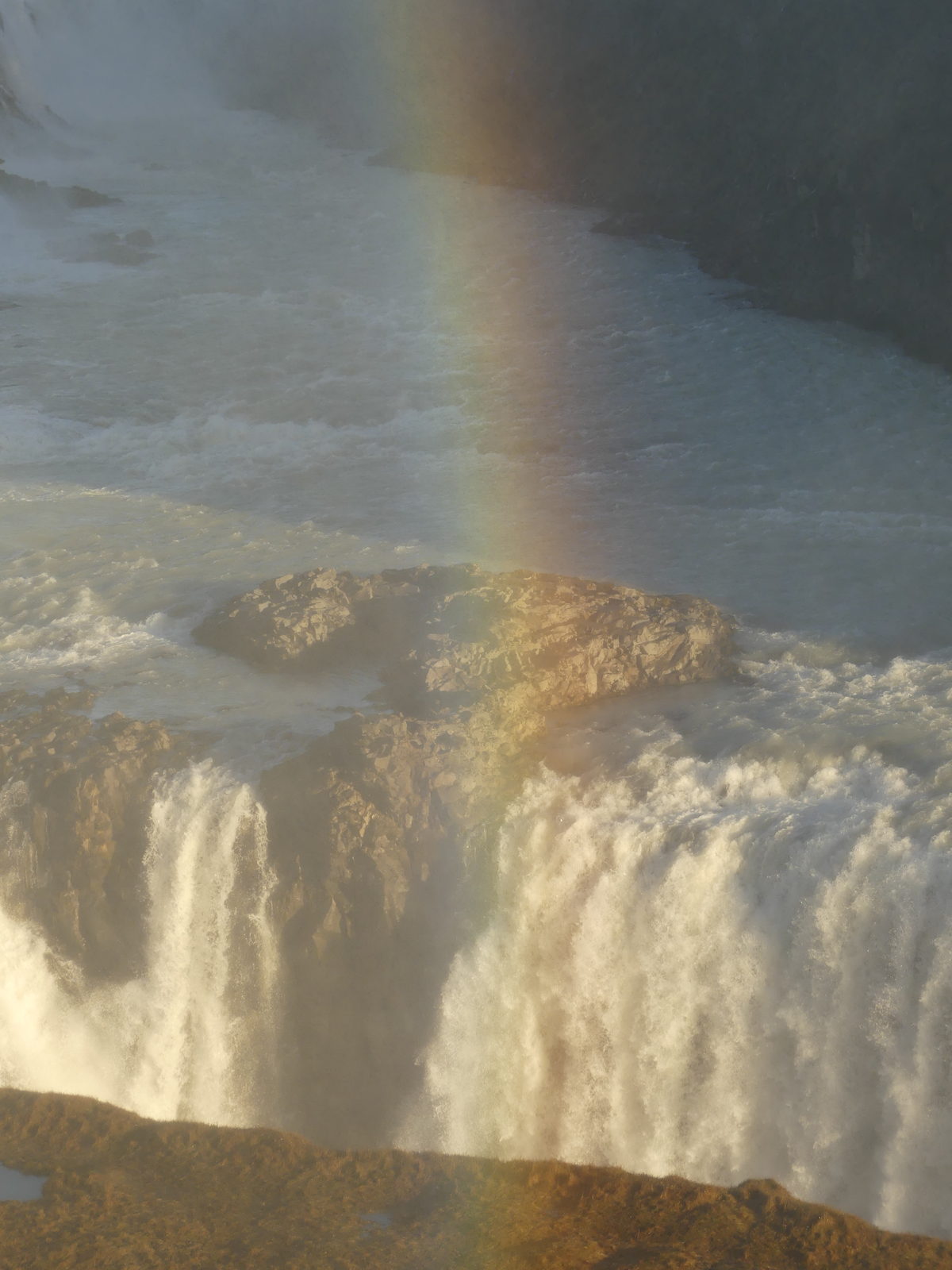
And you can always go wait for the Geysir up the road. That’s fun. It really is. It’s even more fun to watch the watchers.
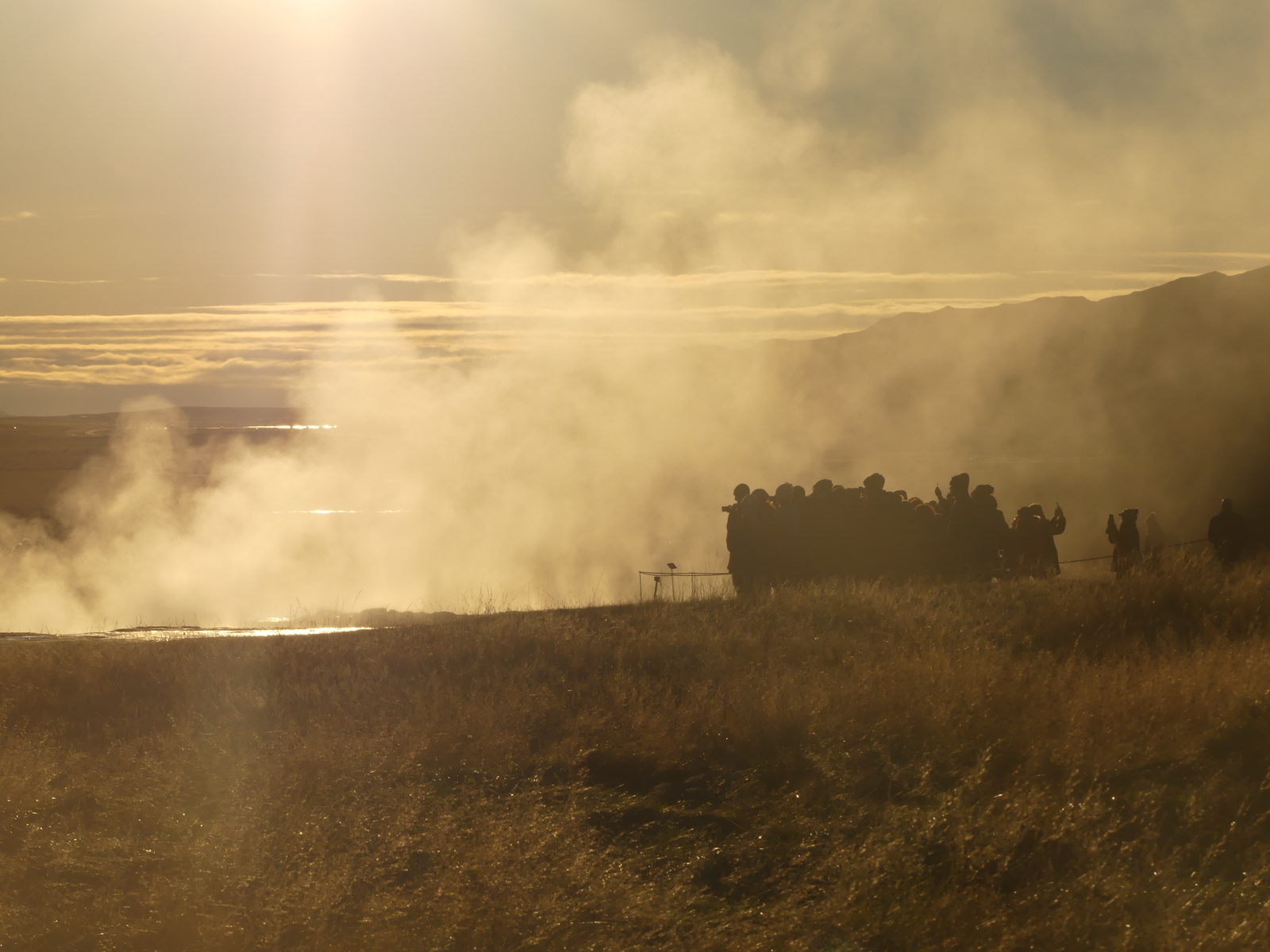
Still… IF you turn around (and miss the Geysir) …
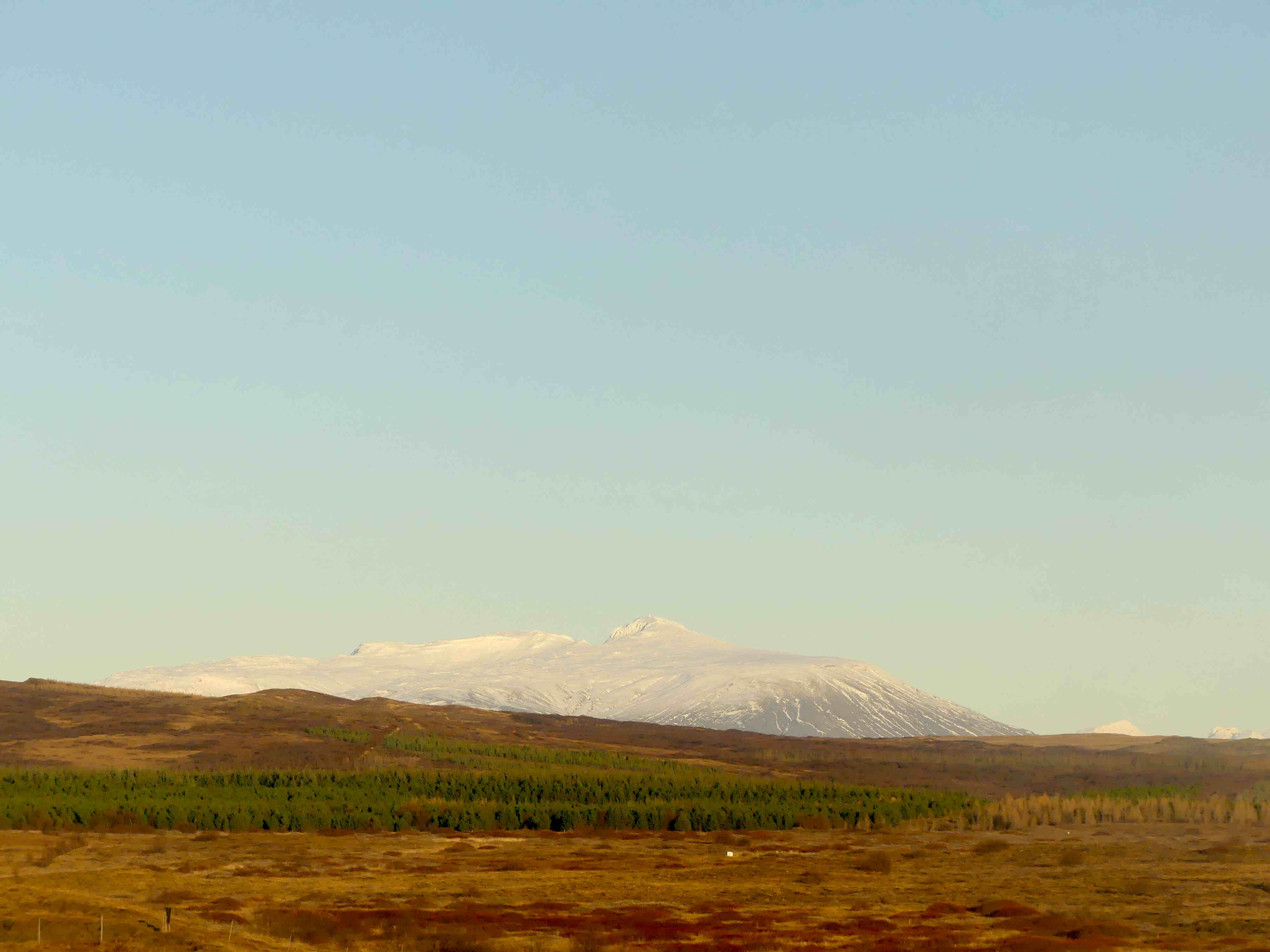
Will you go there? The Icelanders hope you won’t. They want you at the Geysir. Ahh, that’s better.

Let’s face it. That’s worth putting your back to the mountains. Or is it?

It’s a tricky dance, to be a traveller in Iceland.

Two Views of Nature in Iceland

Nature today is the process of waiting around for a moment of surprise. This hour at Geysir, is a good example.

The jolt of excitement it gives (essentially the breaking of your self-imposed exile from self in the act of waiting) especially if viewed in a crowd against which you can measure your response, is then called the power of the natural world. It is the age of advertising, psychology and science.

Half a century ago, nature was much closer. You lived in it.

It was an age of art. As a result, nature was conceived as a painting, which would then influence its observers in both spiritual and practical ways.

Well, it has grown now, as these tree plantations show. This shaping can still continue and is one of the reasons why art must be defended and continually reinvented in conversation with the earth. It is always waiting. Sometimes you just have to turn around.

The Price of Tourism in Iceland

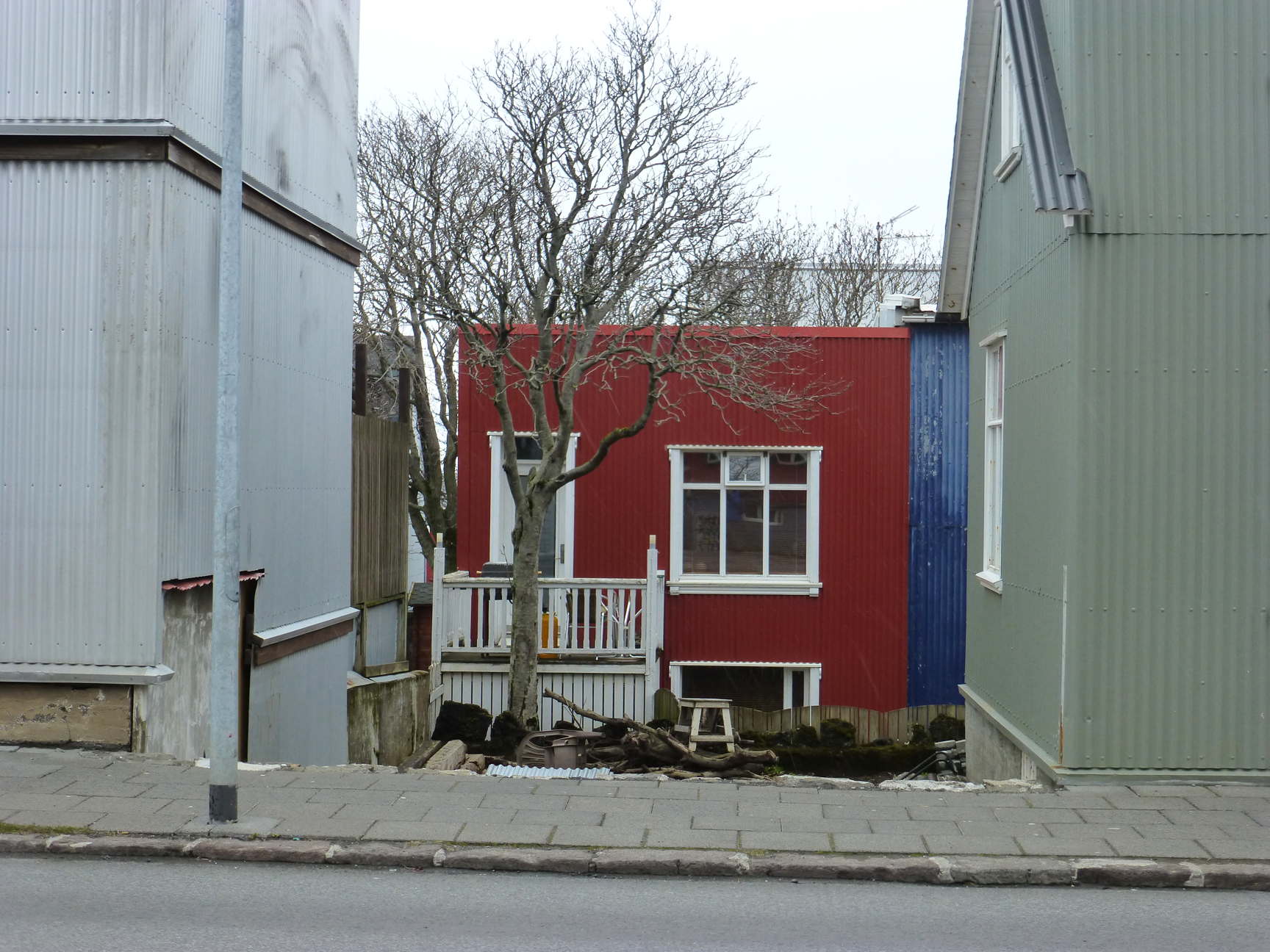
Most Icelanders live in Greater Reykjavik, and most live in beautiful subdivisions and new apartment neighbourhoods between the mountains and the sea. Everything is practical, tidy, and simple, in keeping with a people having to pay for maintaining a country in the face of large currencies and their power. Things get a little harder out in small towns and in the countryside, as they do in downtown Reykjavik. That’s the old part of town, the one with the greatest need for being rebuilt to better standards, and the only one that lower-earning Icelanders can afford to live in. It’s also the place where the (estimated 2.5 million this year) tourists settle. The significance? Tourists (like me, blush) with the power of foreign currencies behind them are displacing a vital part of Iceland. In touring the indigenous parts of Reykjavik, I have failed to run into other tourists, not in the suburbs and not here, right downtown. The separation is, sadly, complete. How could this be good for the soul?

Isn’t this a better tour than another visit to geysir in the orange muck?

The Problem With Cairns

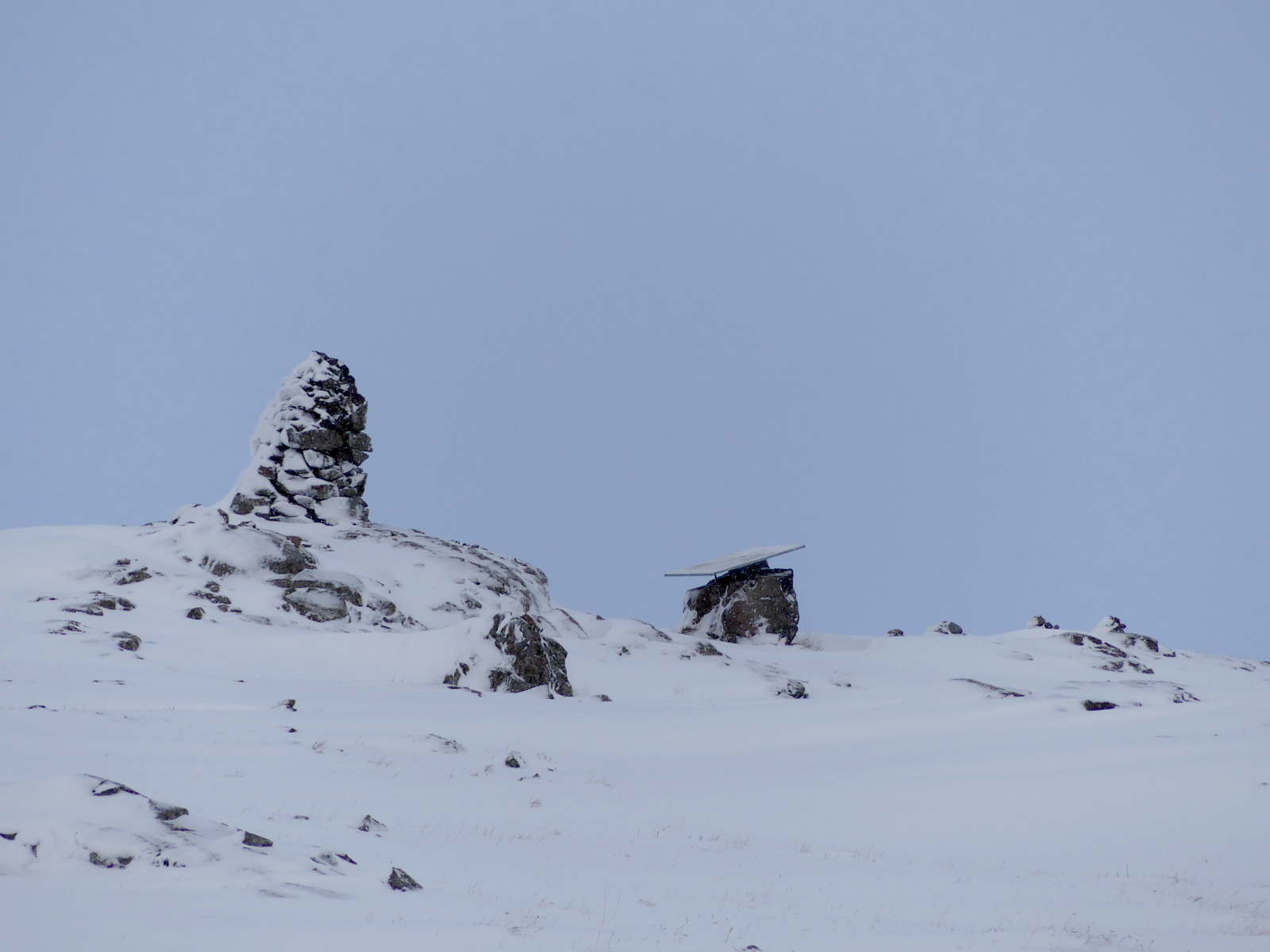
In Iceland, the major architectural monuments from the past are also way-finding cairns of stones passing across inhospitable terrain. They were essential for commerce and the maintaining of a low technology culture in a harsh environment. They are now essential links to the past, as important to Icelanders as, say, the pyramids in Egypt or the Strasbourg Cathedral in France. In other words, they led somewhere, and still lead somewhere important, even as people continue to try to read them.

Aimlessness at Þingvellirvatn

Unfortunately, many contemporary visitors to Iceland, being humans and liking to make their own presence into lasting magical gestures, a signature of their kind, obscure the landscapes with their mark-making. Please don’t. It’s ugly and aimless. They don’t let you do it in Paris. Respect goes a long way towards creating beauty.

Of Humans and Power

Most humans, unfamiliar with the Earth, try to get as close to her power as possible.

Dettifoss

They will find each other, but will be powerless. Iceland is currently financing itself on this illusion, based on a thousand-year-old tradition of hospitality. The land’s hospitality reveals itself when you turn away and walk for, oh, ten minutes into the earth.

Fossunderlendiheiði

There are also ancient traditions of Icelanders reading this mixed landscape of water, volcanoes and wind. Keeping the tradition alive has never been so important or, under the business, so difficult.

Whispering Sweet Nothings in a Farm Troll’s Ear

This troll is marked on no map, yet so many travellers have found it that access has been blocked — an unusual thing for Iceland, but necessary. I leave it for you to find it yourself. Note the old house site to the troll’s left. Yeah, on the grassy slope, and at its base. People used to live closer to trolls than they do now.

Still, take a look in the troll’s ear to the right above, and then to the goofs chatting in there, as if they were on the set of a silent movie.How can you block access to what doesn’t belong to you in the first place? How can you stop a conversation that has no sound? You can’t, but you can give it space.