Category Archives: Art

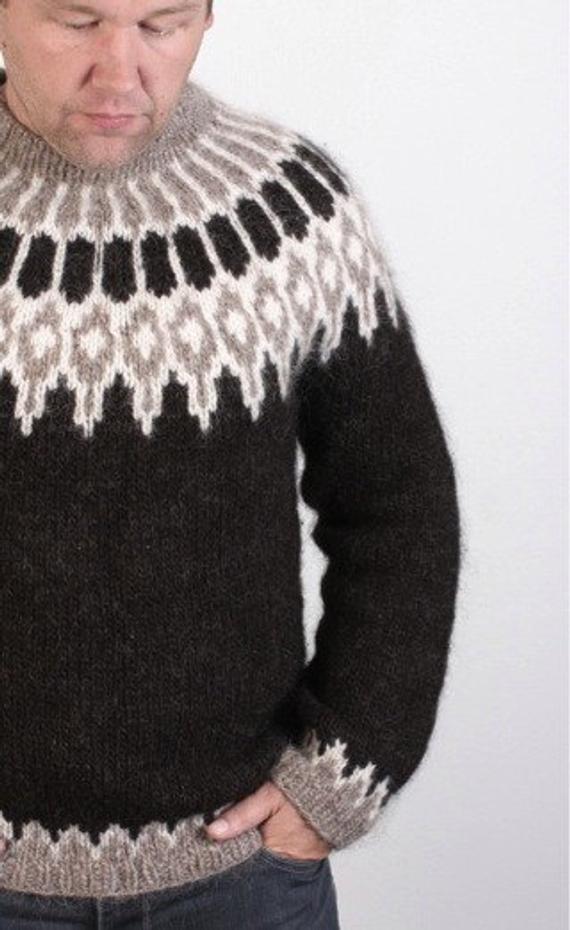
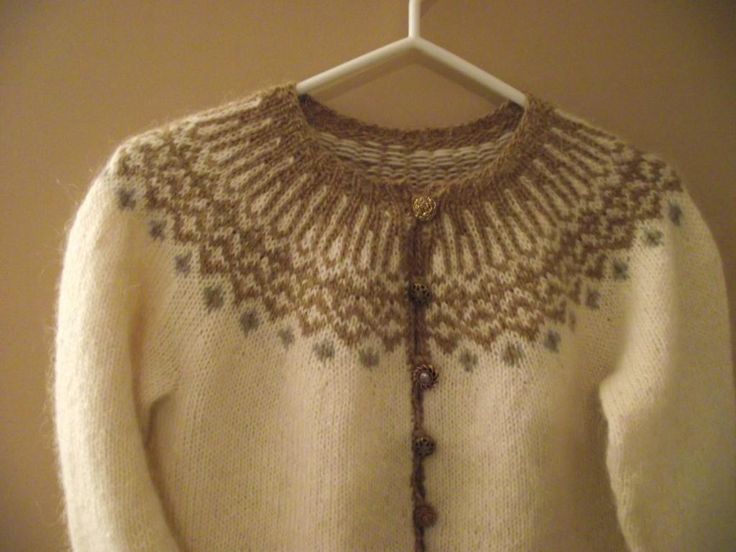
Icelandic Knitting Patterns

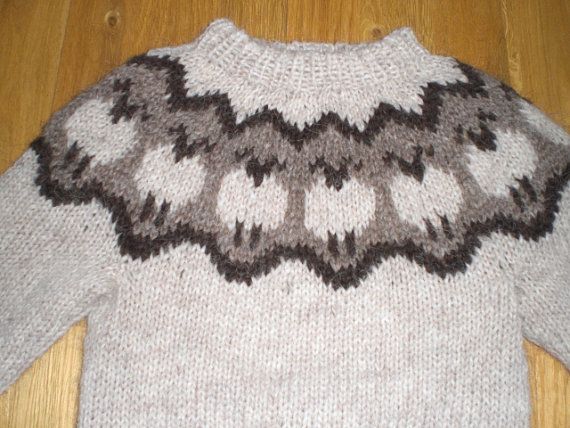
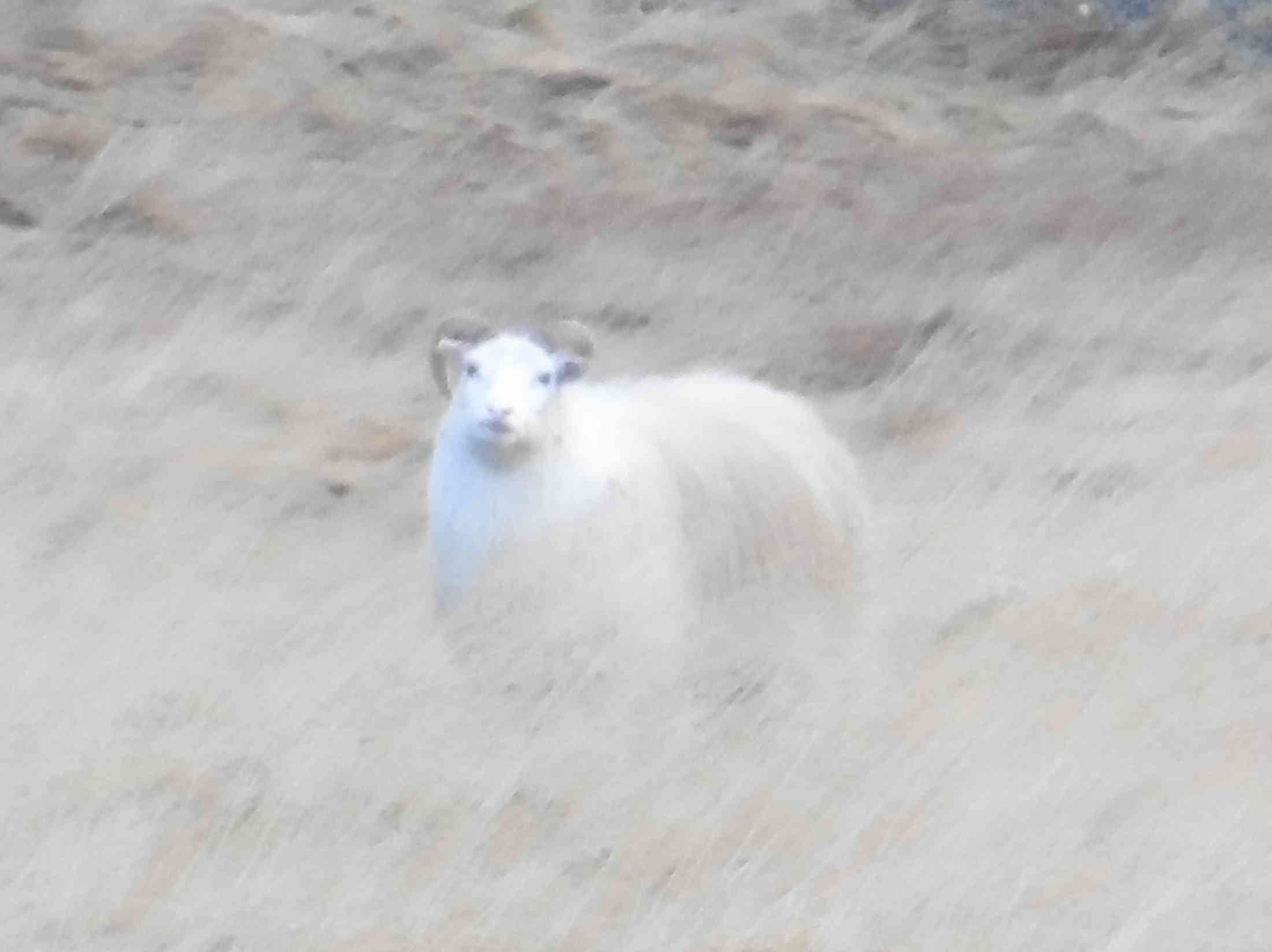
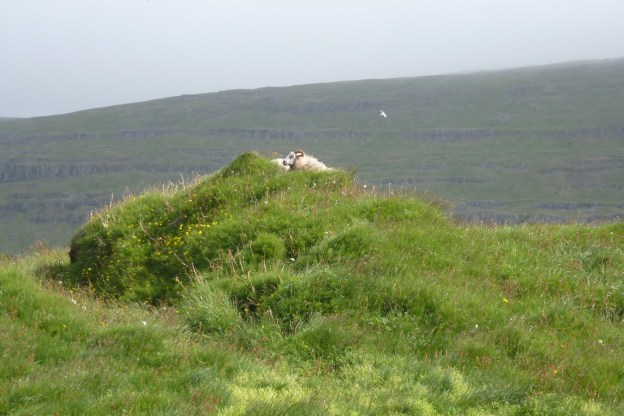
You can keep warm with a good woven sheep.

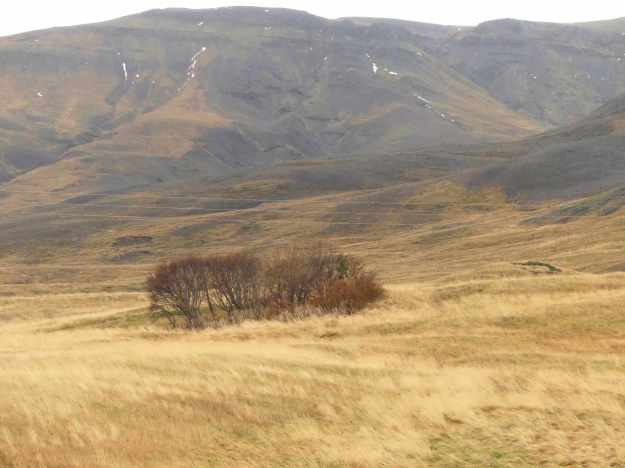
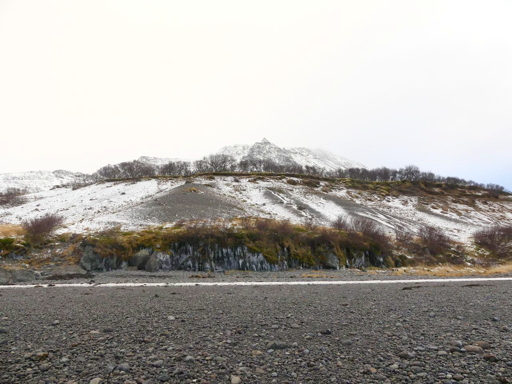
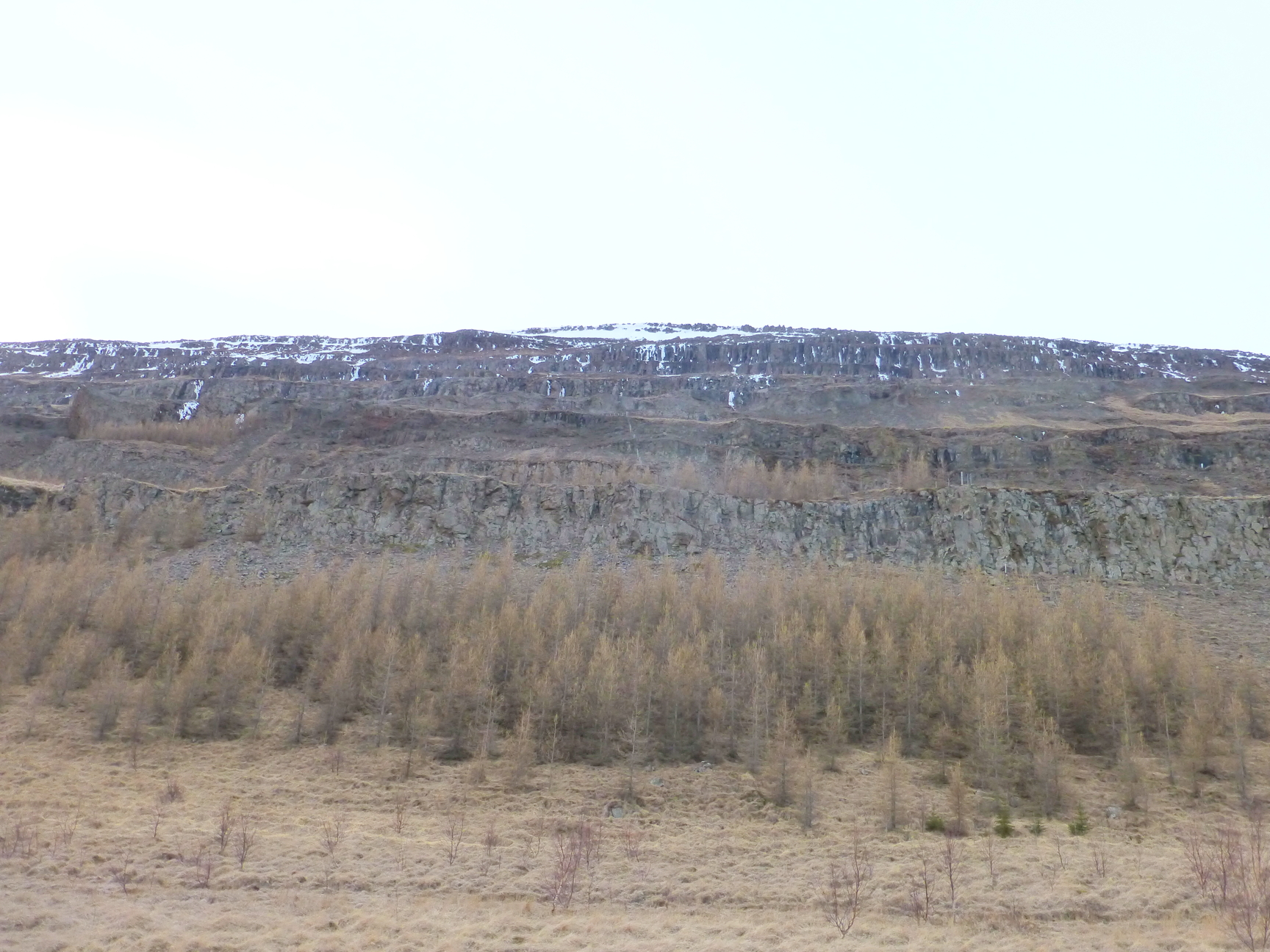
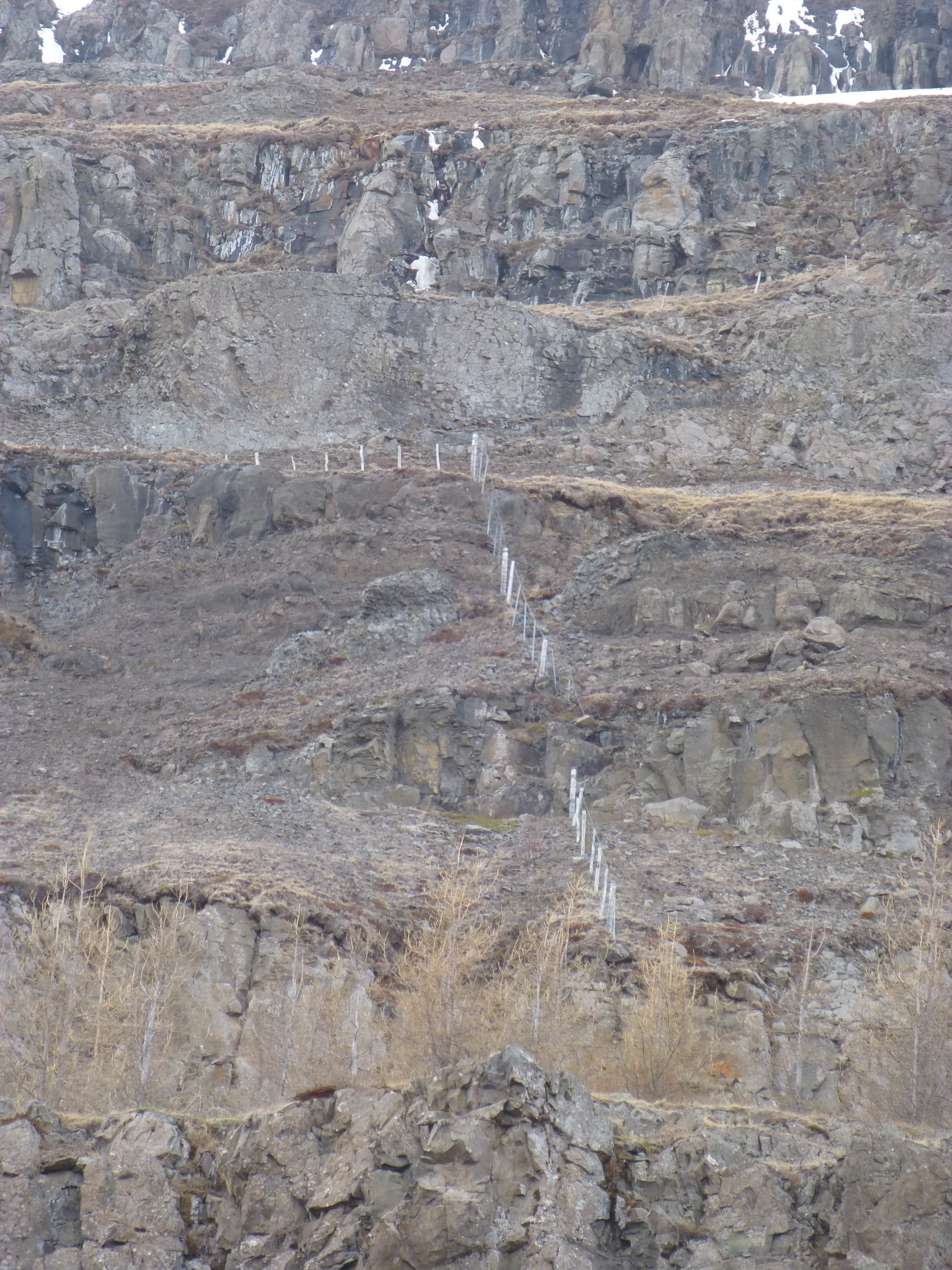
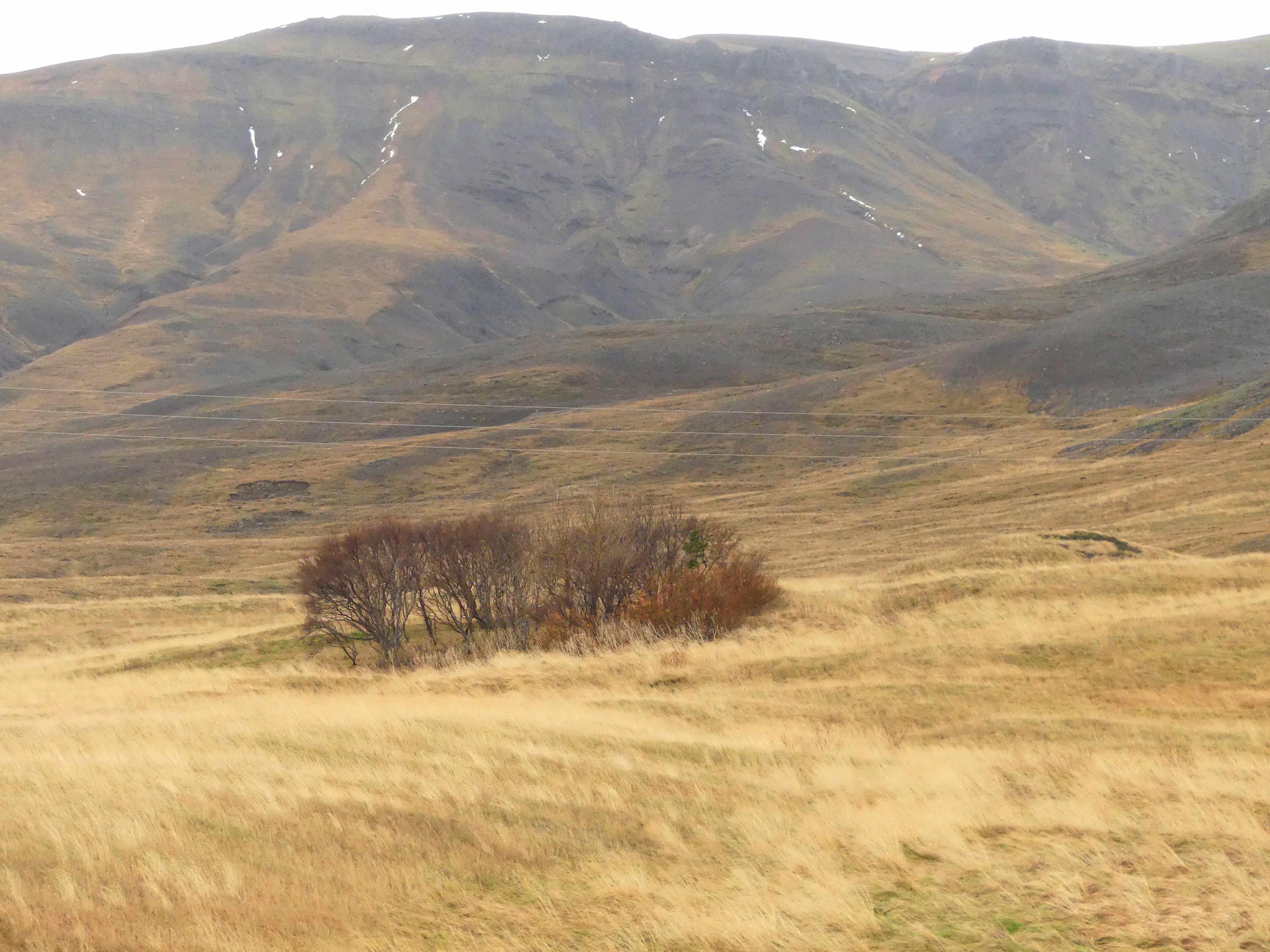
As for sheep, they knit landscapes like this, in Breiðafjörður, one stitch at a time.

Nice  banding  work!

Nice  banding  work!

Suðurdalur

A labour of love.

It requires some skill with clambering and counting stitches.

Valpjofstaður

But sheep, ah, sheep…

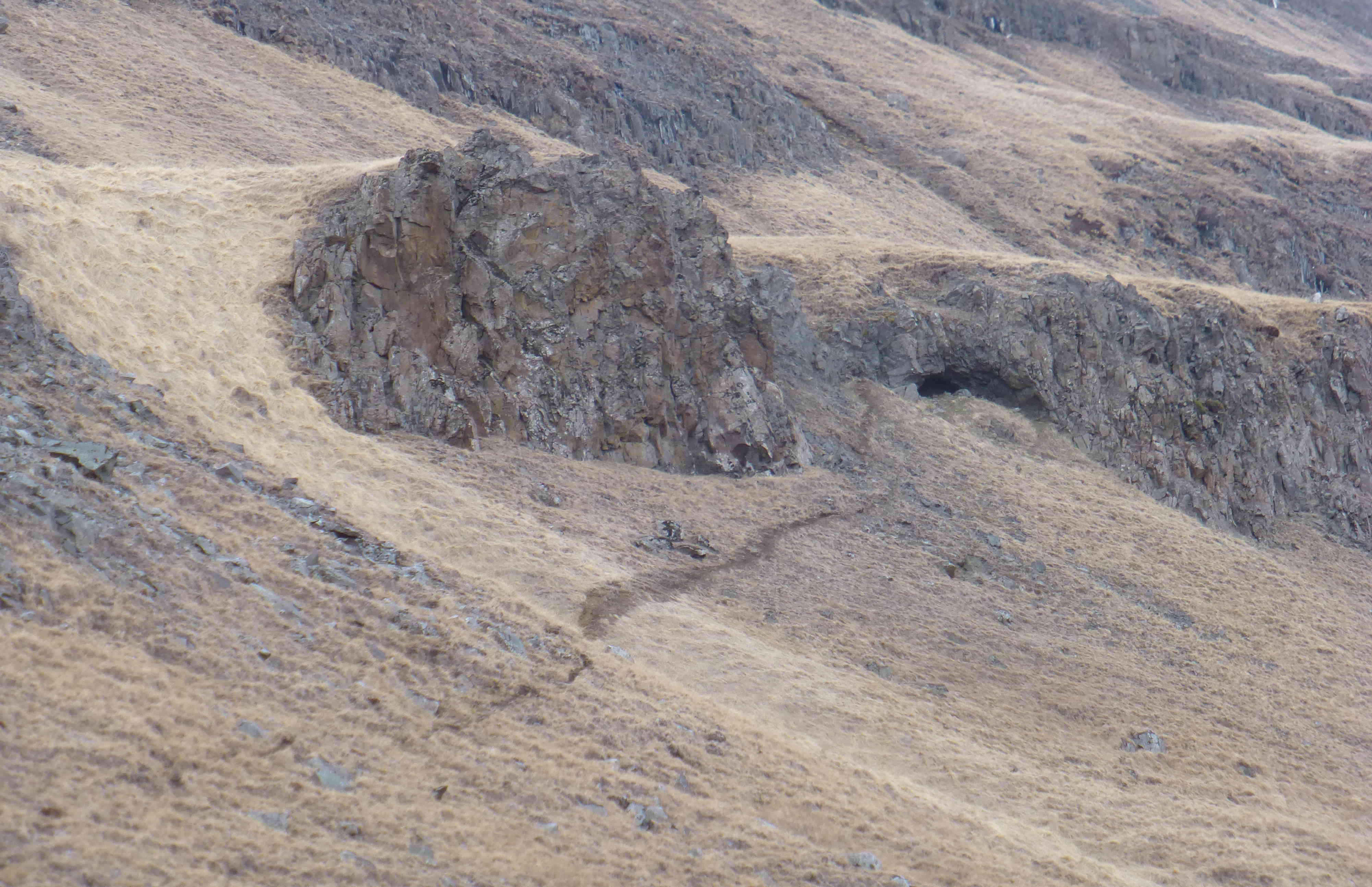
… they seek out tears in the knitting.

Sheep are tricksters. You can find them there.

Ásmundarstataðá

In this way, you can stay warm dressed in the cold land.

Grund, November

In Iceland, No Tree is Just a Tree

The altar at Hólar is an example of what a tree can be made into, in a form of technology imported to Iceland.

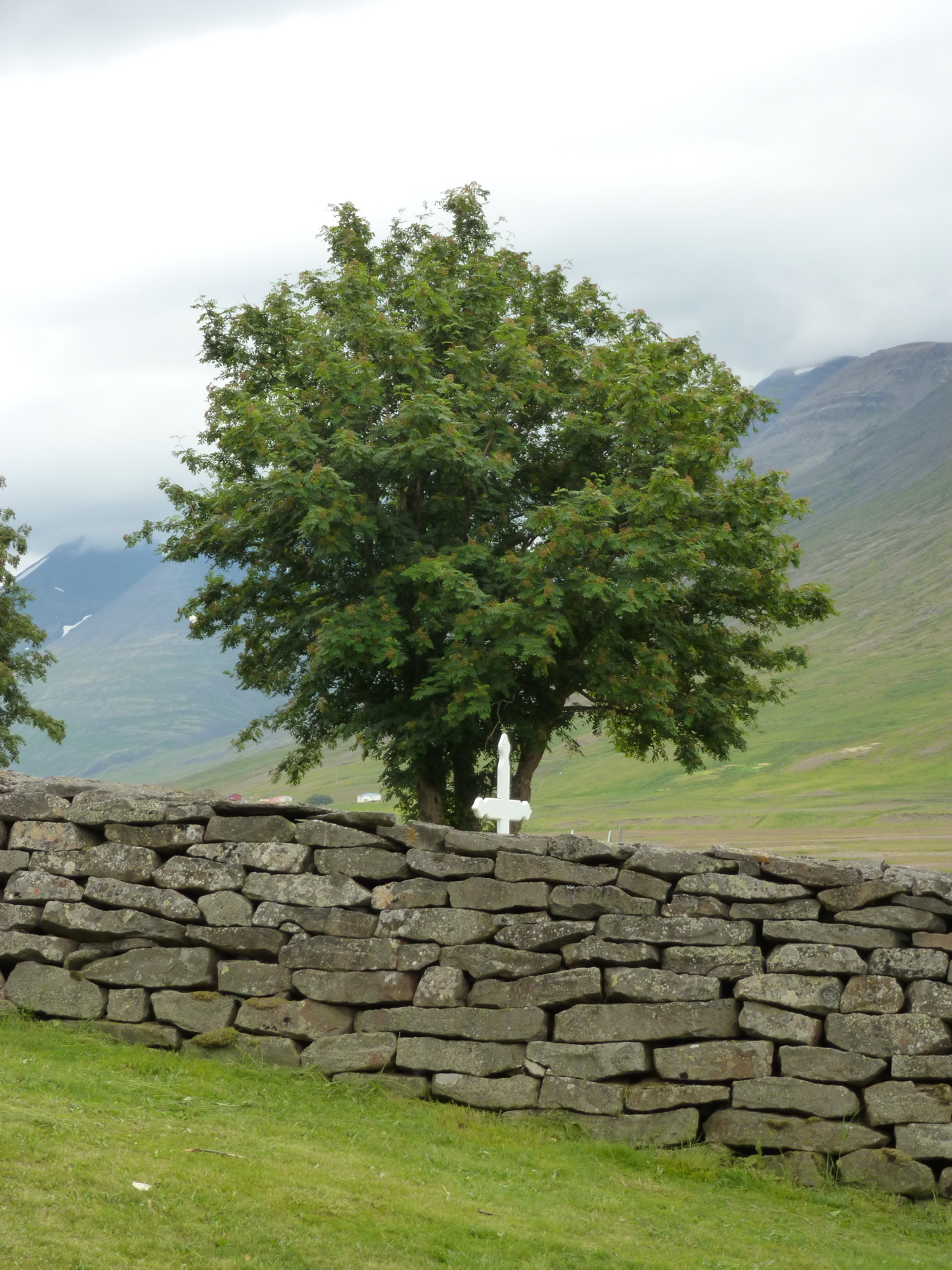
The rowan tree in the graveyard outside is an example of how pre-Christian symbols can use a tree for the same ends of contemplation and memory. The cross is a third example.

Iceland’s history walks between these poles, but always the green tree is honoured most deeply, and at the least expense. It’s good to have one’s symbols take root and look after themselves, because there’s work to do.


Homecoming in Iceland

This year I will be going to Iceland for my fifth time. People are already making fun. “Why don’t you go somewhere new?” they ask. “It’s a big world.”

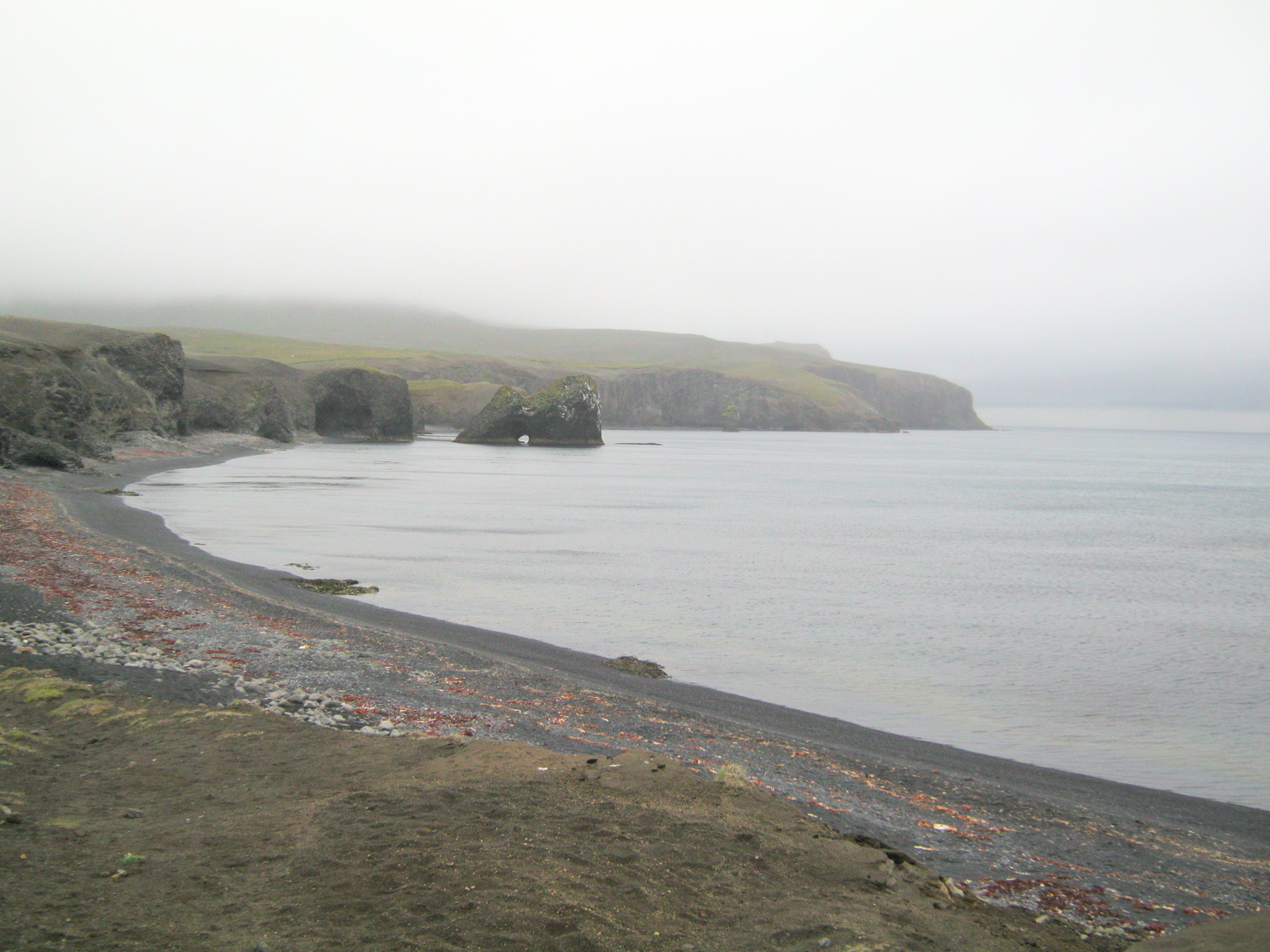
Yes, but the bay above called to me. Without seeing it, I suddenly drove off the road, parked in a meadow and started walking into the wind. Soon, I crested a headland and was here. Soon after that, I discovered that the beach was watching me as closely as I was watching it.

Seeing new things often means going home.  The land welcomes one with speech, when one is patient and listens.

Welcome to the 21st Century, Gunnar


Gunnar argued for the independence of Iceland during Germany’s military struggles of the 1940s, on the principle that the land is written in the chain-linked patterns of the Icelandic sagas, with the suggestion that the Icelanders wrote the sagas in response to the chain-link rhymes of the land.

Grundarfjördur

His observation is obvious. Equally obvious is how poor a tool such observations are for deflecting a military conqueror. Less obvious is the point that when you are from the land and have nothing and yet have to do something, you use what you have. Still, the approach has its dangers. It might stress one form of pattern, for instance, but it obscures another. So, let’s look at Gunnar’s saga again. This time, note the story of trolls and ogres written in the rock.

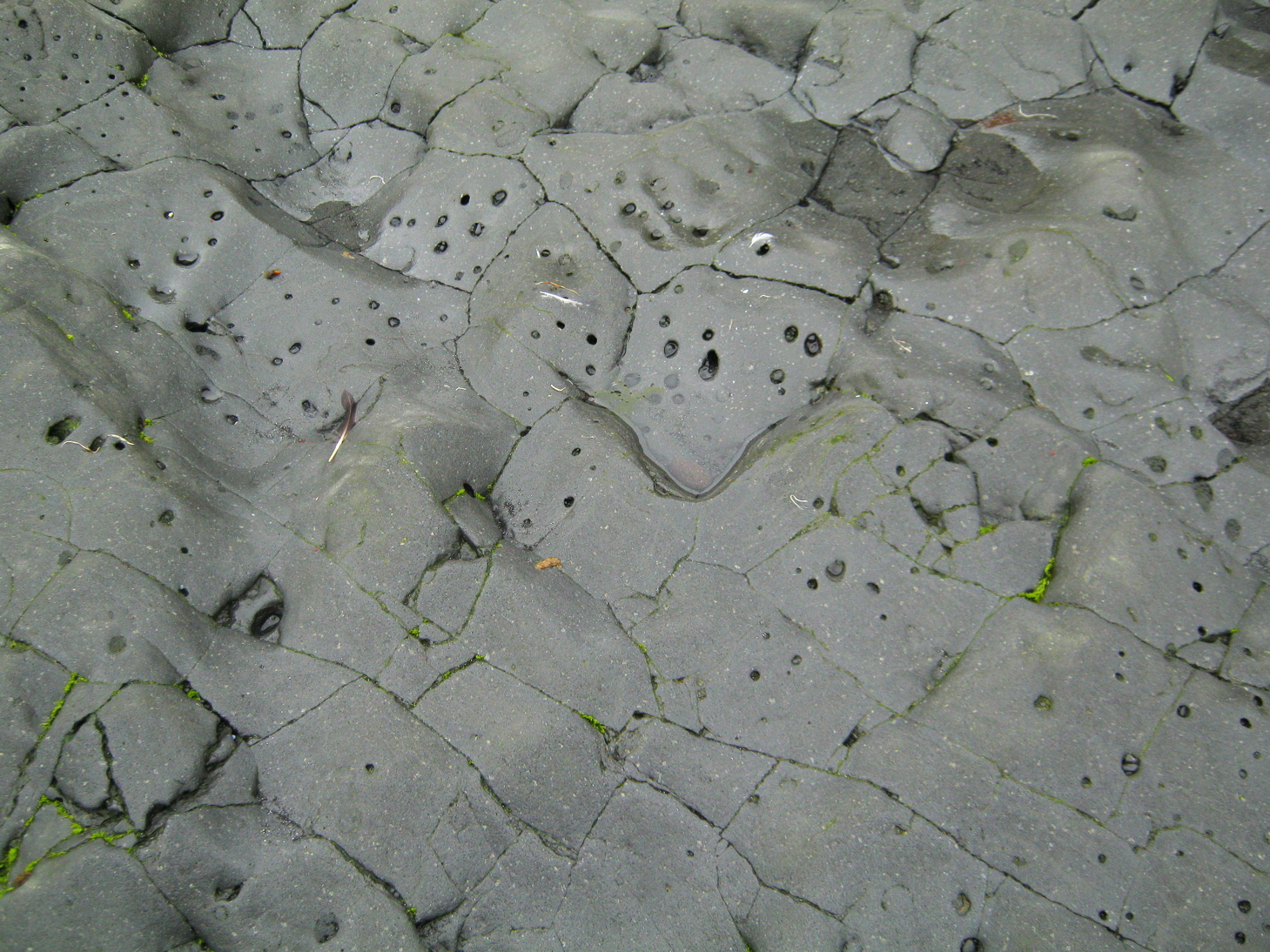
Gunnar was a humanist, a twentieth century man. This tale of ogres and epic battles is one he could have told as well, including how it generates the water of life as cold passes into warmth. That he didn’t is an example of how writers adapt to their audience. It is also an example of how we can re-read them, and free them… and us.


Icelandic Counter-Migration Techniques


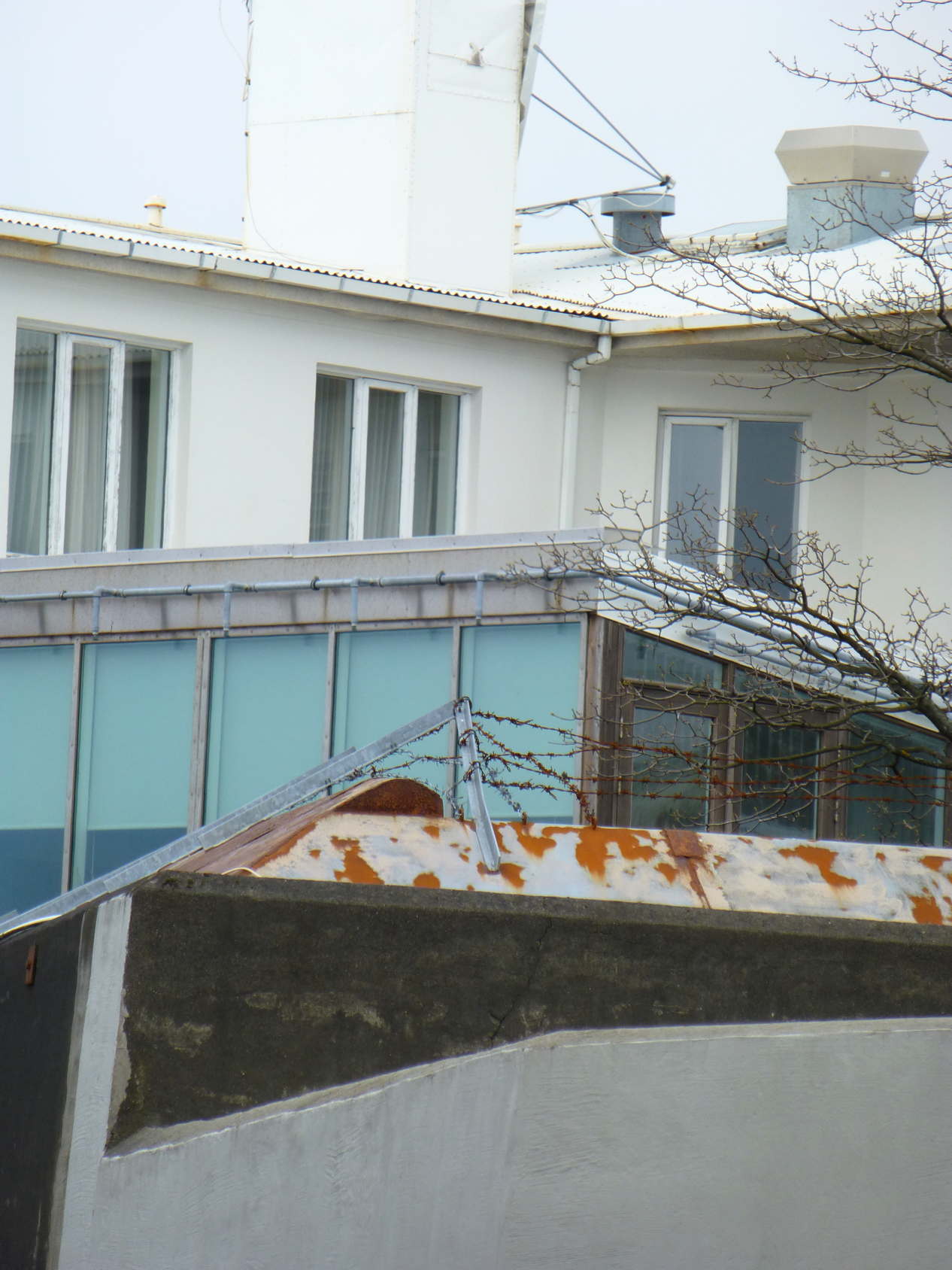
Tired of barbed wire on the rooftops?

Reykjavik.

Beats  nose  level,  I  guess.


Hofstaðir


But  I wouldn’t get too worried about it.

Kirkjubær


Where you going to go, anyway?


Skagaströnd

It’s just jewelry.

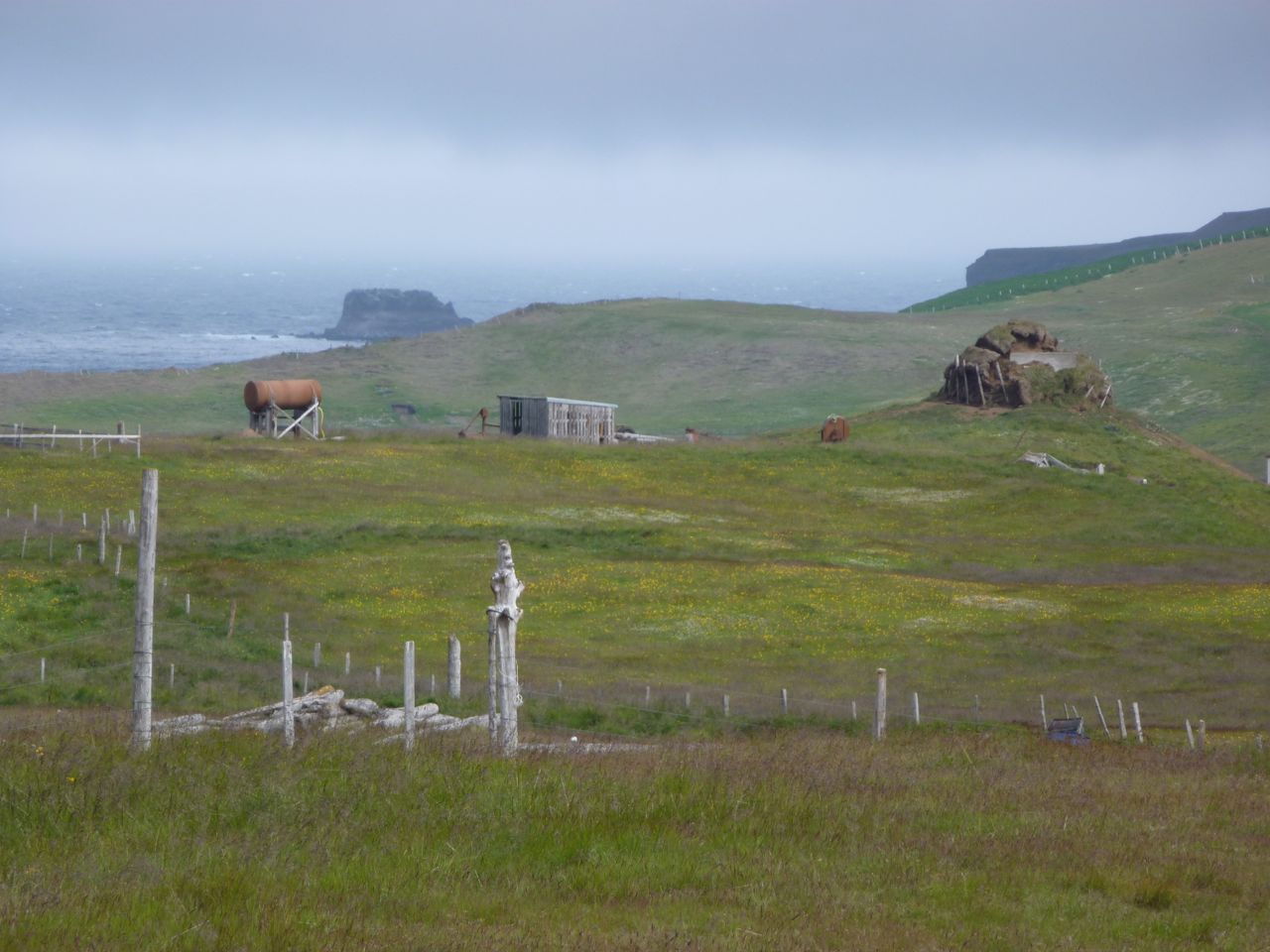
Otherwise the land would wander off into the Atlantic.

It happens. What can I say.


Living Among the Ruins: Italy and Iceland

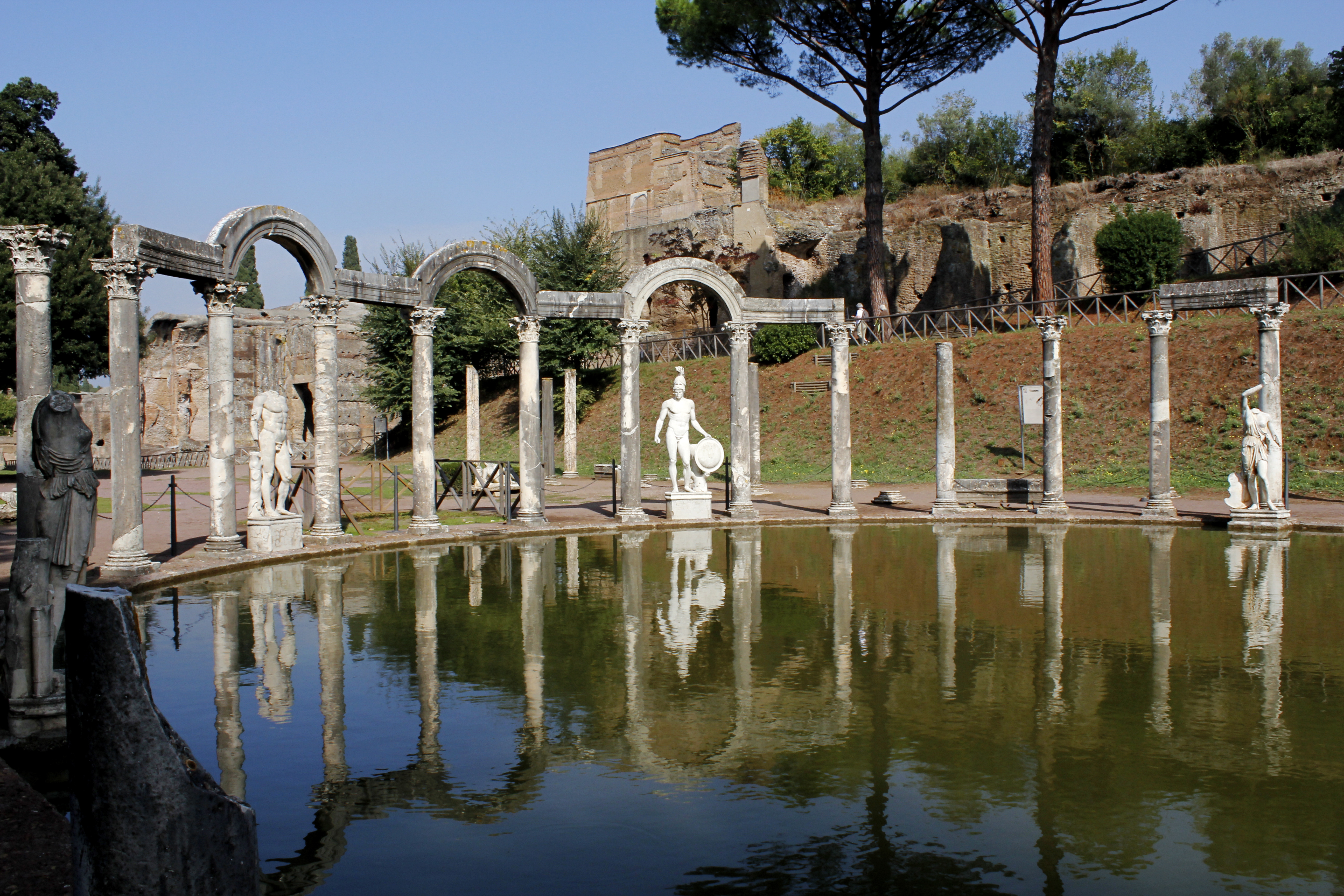
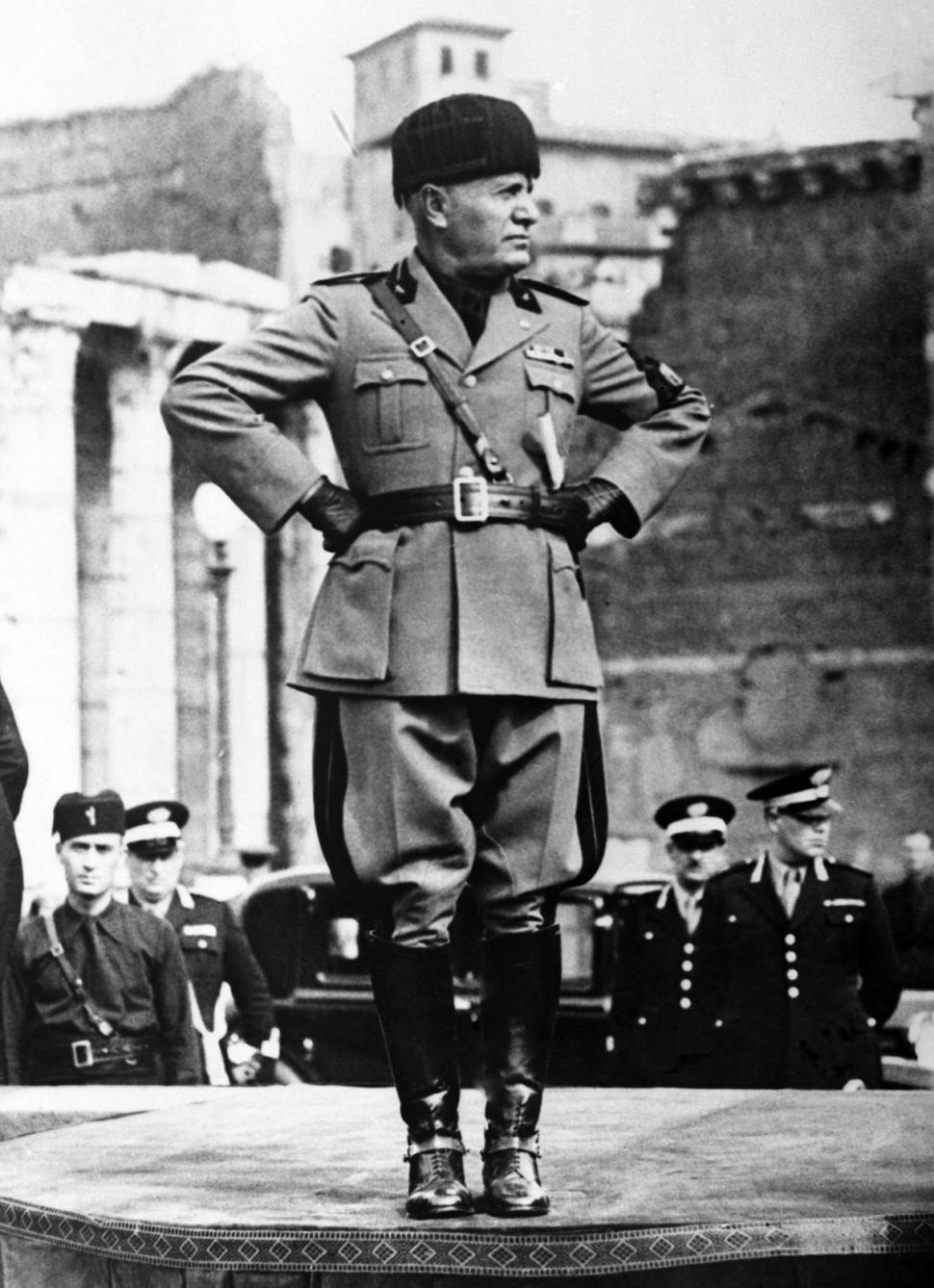
This is the kind of thing that annoyed the Icelandic writer Gunnar Gunnarsson in 1928. This is Hadrian’s Villa, built in the year 134 near Tivoli, in what is now Italy. He thought it was too bright.He meant that this man and his politics were wrong for Scandinavia (which, to him, included Baltic Germany):
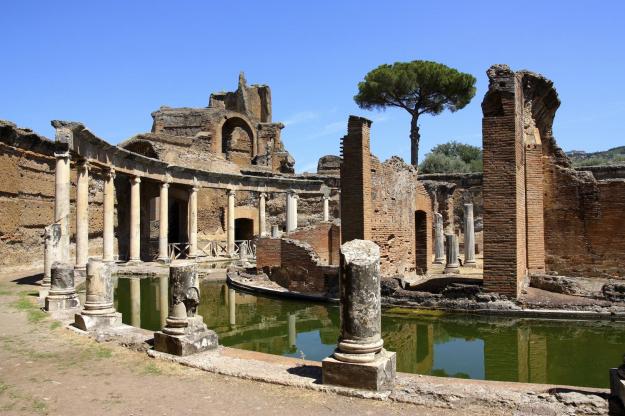
Mussolini Rejects Democratic Rule in 1928

He also meant that this version of Hadrian’s Tivoli villa was the wrong approach to art:
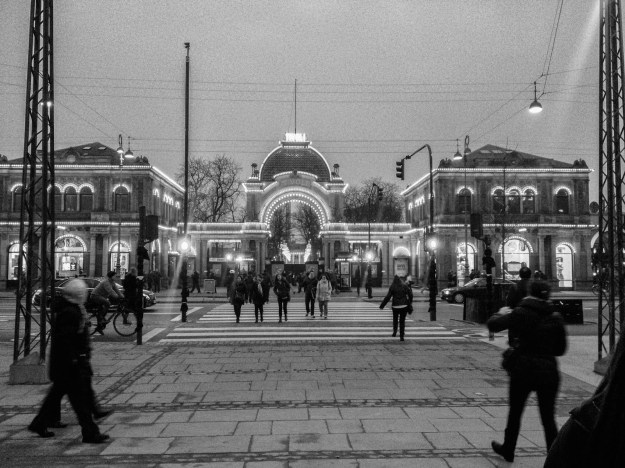
The Tivoli Gardens Amusement Park in Copenhagen

Gunnar didn’t see art as a populist entertainment. He was after something else. This is the architecture he liked:
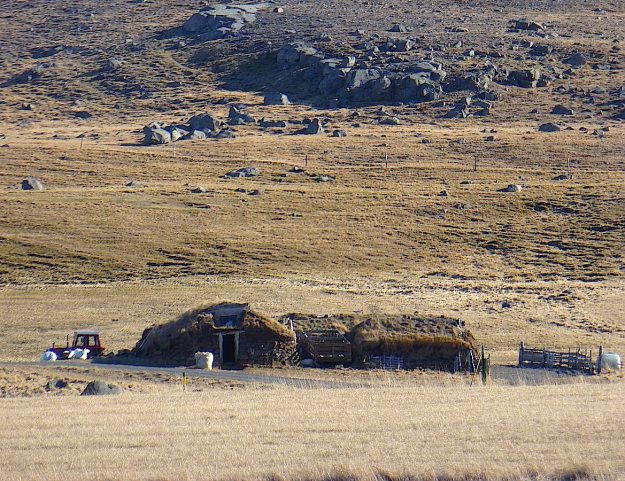
Landhus Farm, Fljótsðalur

You could consider it a part of the landscape, he said. Almost all the houses of this type are ruins now, but not like Hadrian’s ruins:
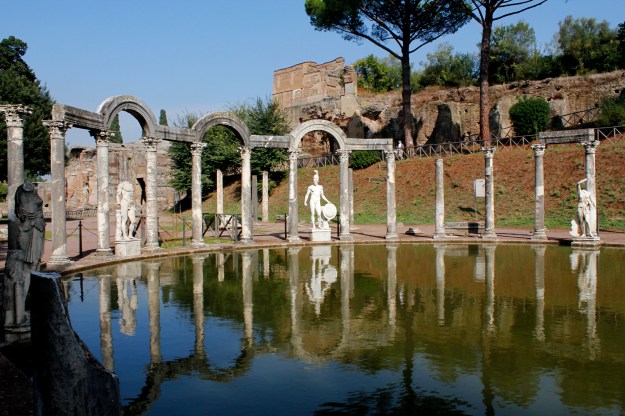
Like this:

In the 1950s onward, the Icelandic government gave away trees, as part of a nationalist program of rebuilding the eroded landscapes of the country. Out of the same impulse as Gunnar, people planted them on the sites of their former turf houses, leaving the hills, the intended recipients of the trees, bare.  The government keeps a few turf houses as museums:
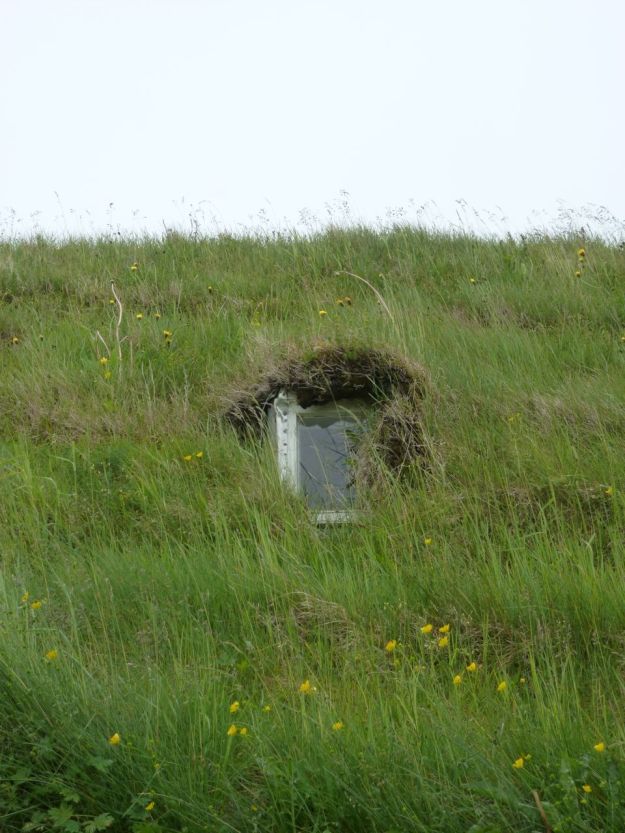
Farmhouse Window,  Bustarfell

It is the same impulse that drove Gunnar from the Tivoli Gardens. He considered that mixing northern culture, an expression of northern land and climate, with a southern one would destroy it, such as the German Reich’s turn from a people’s culture, based on farm life, to an Imperial one, as documented in the image below.
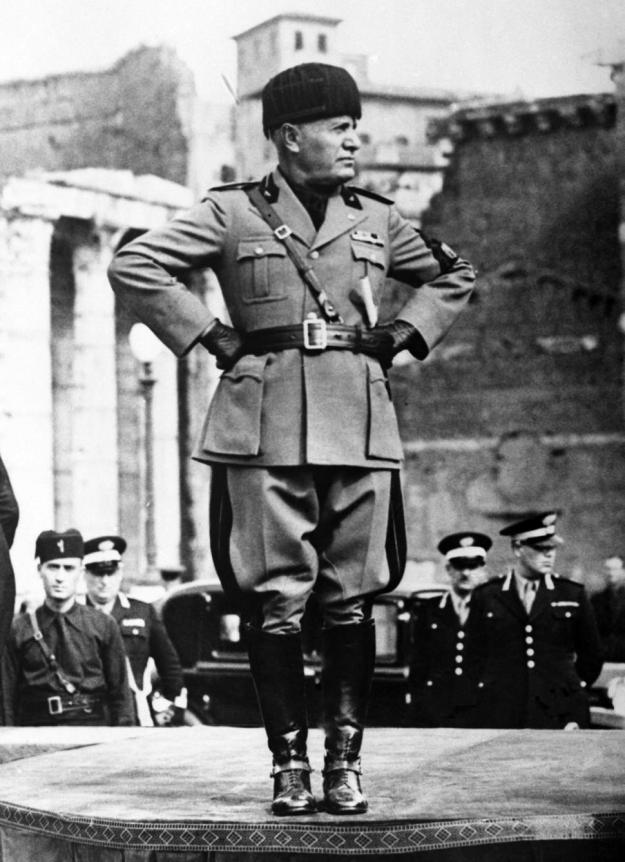
For Gunnar, independence meant to have no masters at all, and the point of modernity was to refine old folk ways. He shared that with the Italians and Germans of his day. He was more clear than they were, however, on the price of Imperialism and power exercised as force. It’s too bad he didn’t speak more clearly about this, but at least we have the ruins…
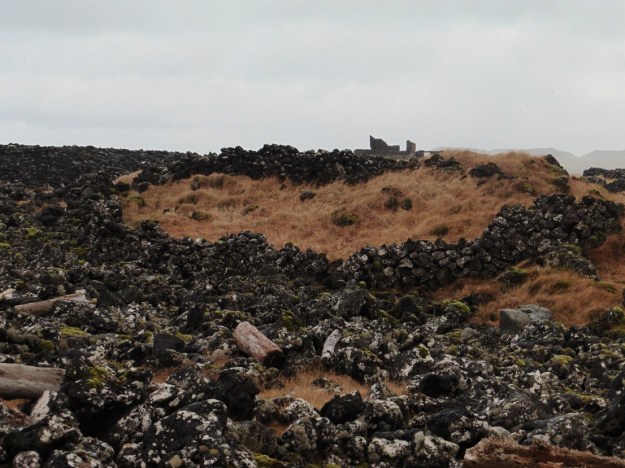
Buðahraun

… to speak…

… for him …

… now:

Sandgerði

Reykjavik is Hadrian’s Villa.
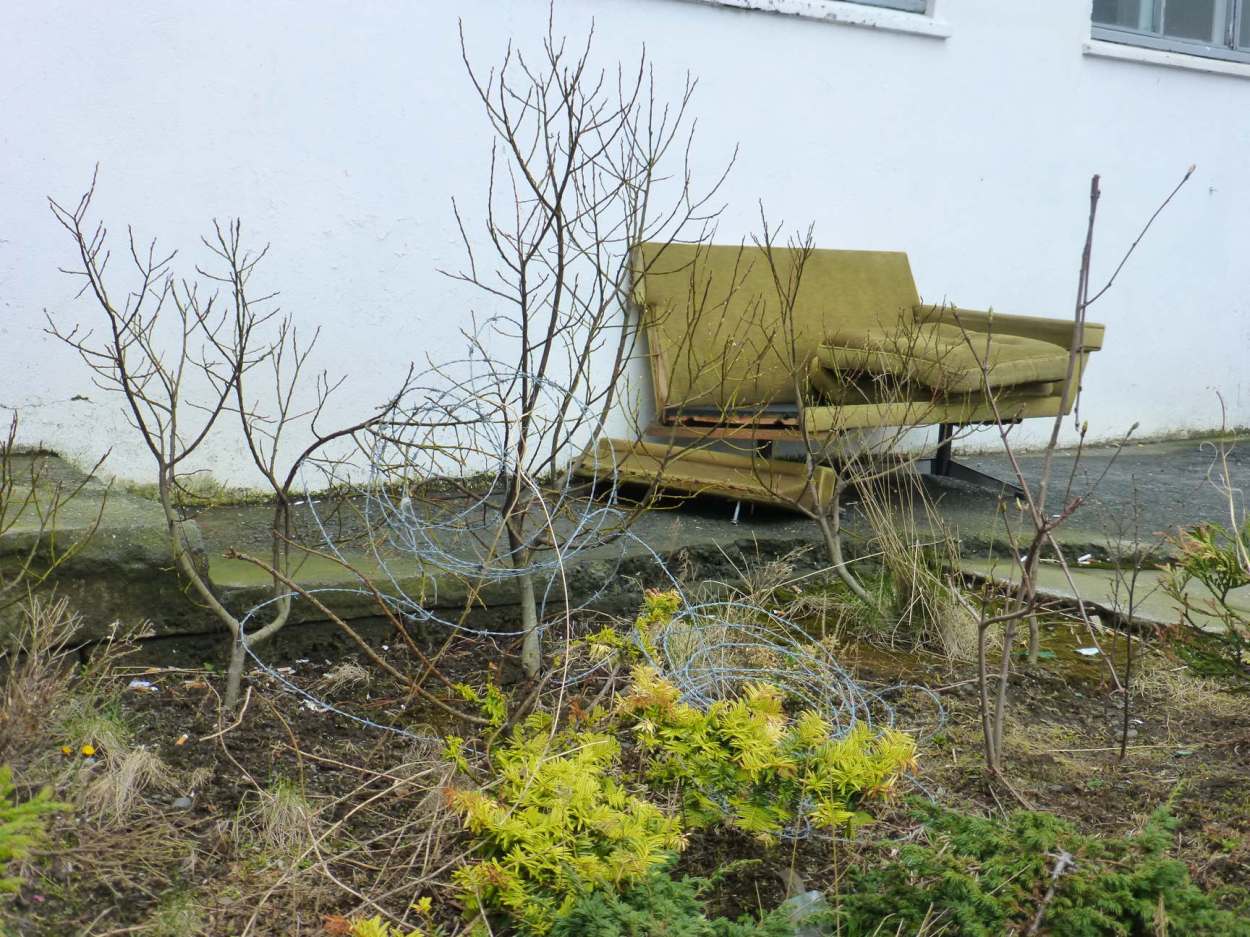
Iceland Travel Tip #2: Instead of Reykjavik 101

The  101 district of Reykjavik is famous for being trendy. It is, admittedly, a great place to stare at the architecture that replaces a view, in generic spaces full of cars, dumpsters and starlings, all most familiar and comforting…

…but  you could go to Frambuðír and have a view deep into the Atlantic and Iceland’s heart.

Easy to get to. Just fight your way out of the city, north on Highway 1, turn left at Borgarnes, and before dinner time, with the Snaefell glacier looming over you, turn left to the little church at Buðir. Park, and walk west on the path closest to the sea. Within an hour, you will be staring out of this old farmhouse.  Because you won’t want to leave, there is, conveniently, a hotel right beside the church. You can shelter there.

When you come back to Reykjavik, if you come back, you might see it more directly.

Just saying.

Icelandic Engineers Having Fun

How do Icelandic engineers have fun?


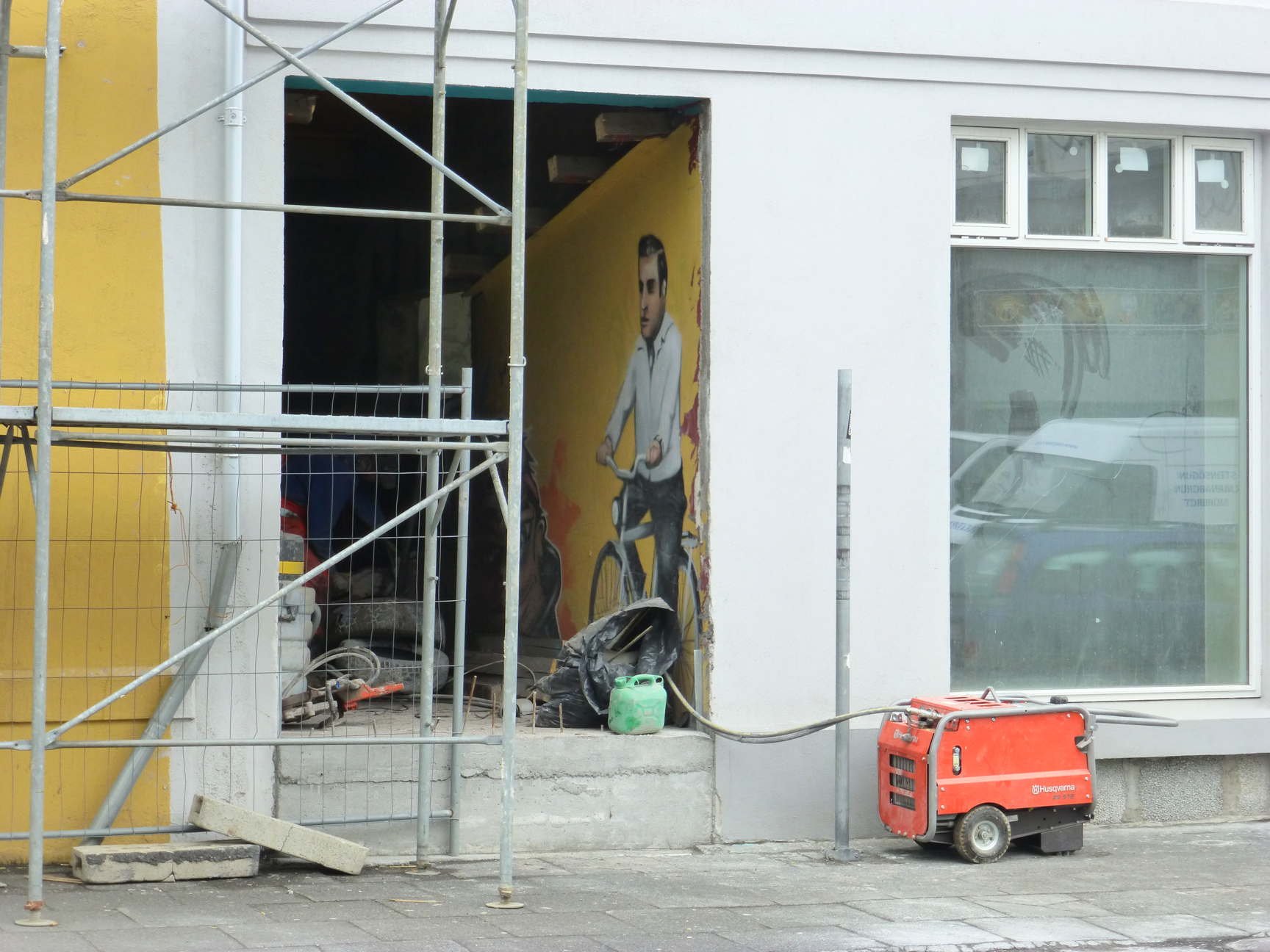
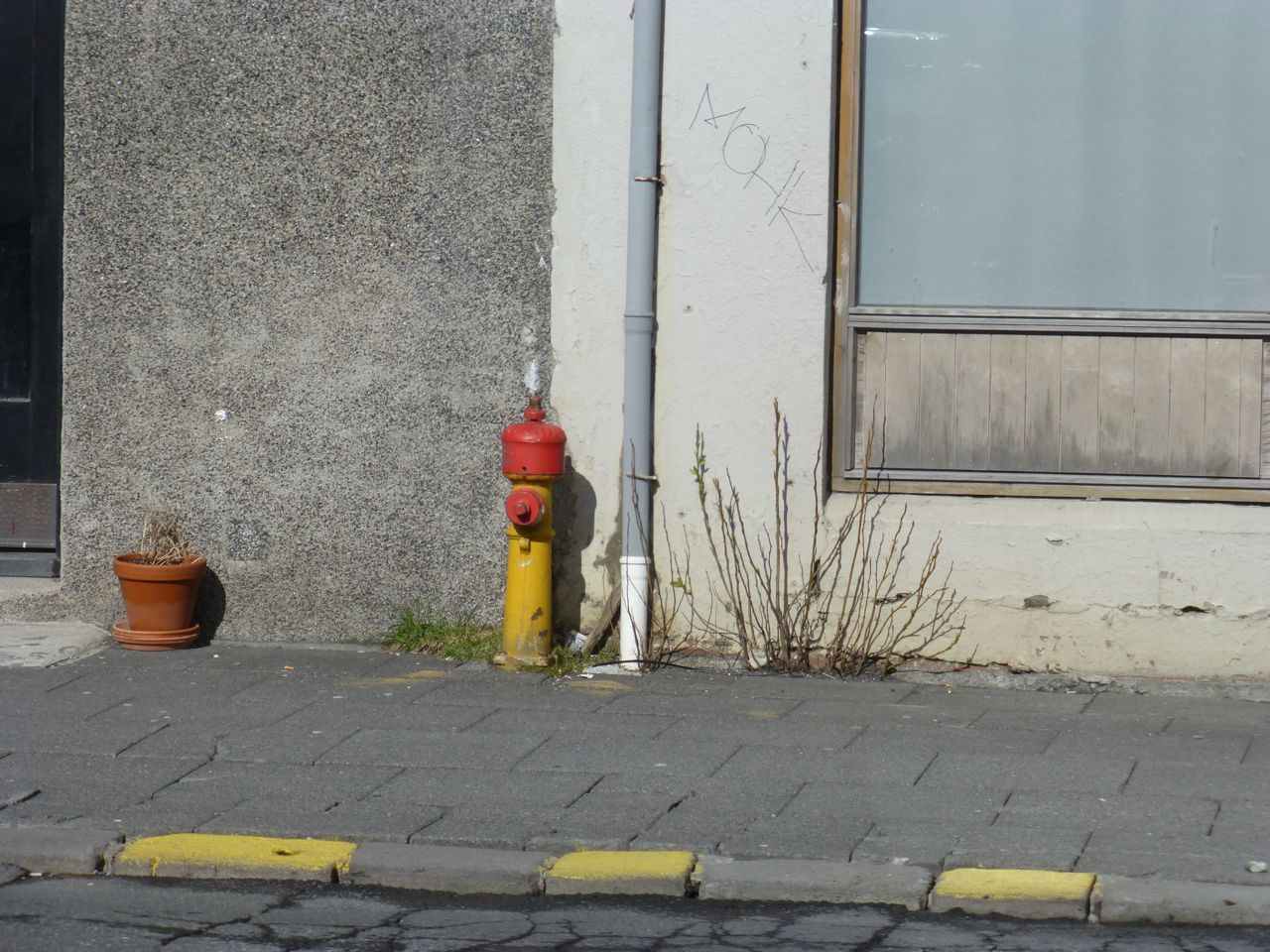
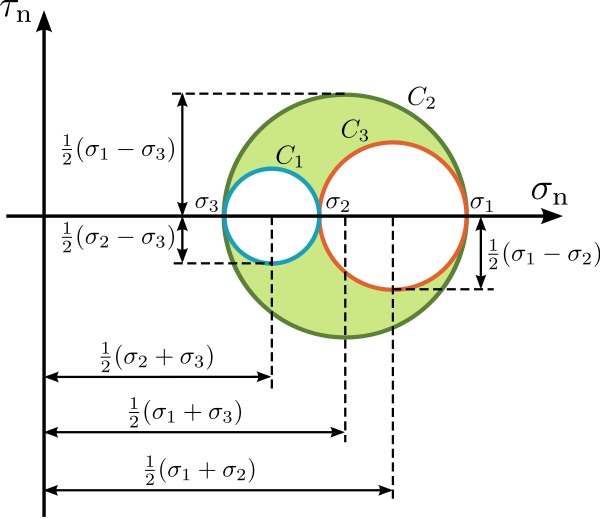
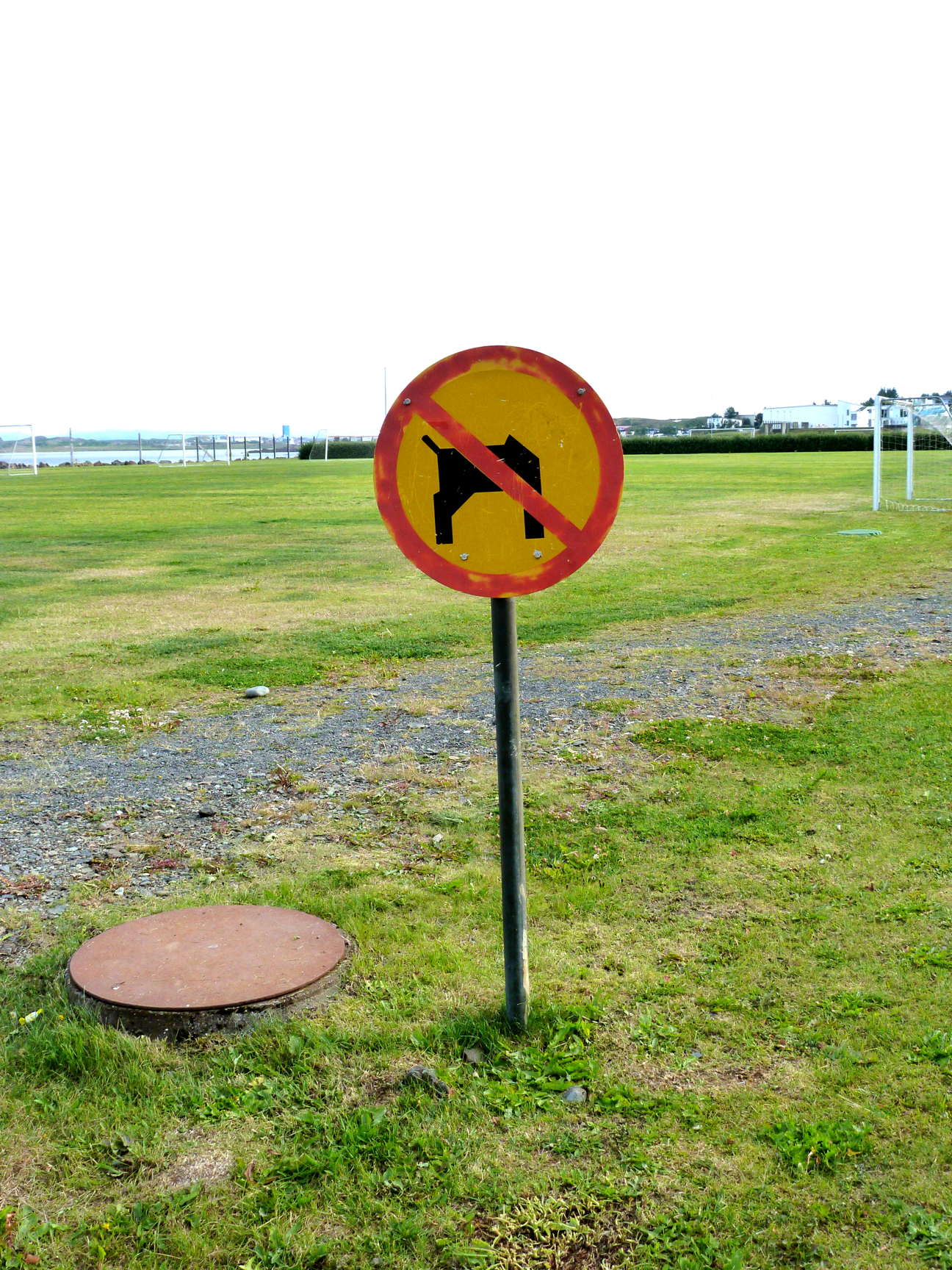
They make street art. A Mohr’s Circle is a two-dimensional representation of stresses in materials.  Compare the representation of stresses above with the more technical one below.

Nice. Here’s Wikipedia’s explanation of just why one might do this:

Internal forces are produced between the particles of a deformable object, assumed as a continuum, as a reaction to applied external forces, i.e., either surface forces or body forces. This reaction follows from Euler’s laws of motion for a continuum, which are equivalent to Newton’s laws of motion for a particle. A measure of the intensity of these internal forces is called stress. Because the object is assumed as a continuum, these internal forces are distributed continuously within the volume of the object.

So, here’s the Icelandic version again:

Lots of permutations through stress there, all delightfully witty.

And why is the Icelandic version so much more accessible and, well, fun? Ah, that’s because Icelandic engineers are well-versed in the barbs of thought and look for any chance for them to go away.

I think that’s it.