Category Archives: Huldúfolk

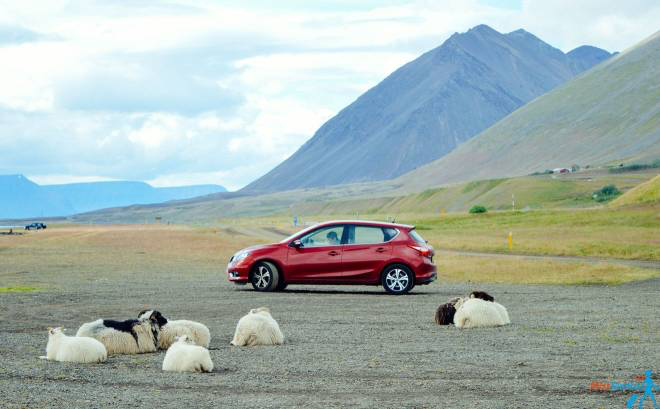
Tourist Herding in Iceland, a Class Act

There is an uncanny resemblance between these images. Note the object of the photo watching from within it.
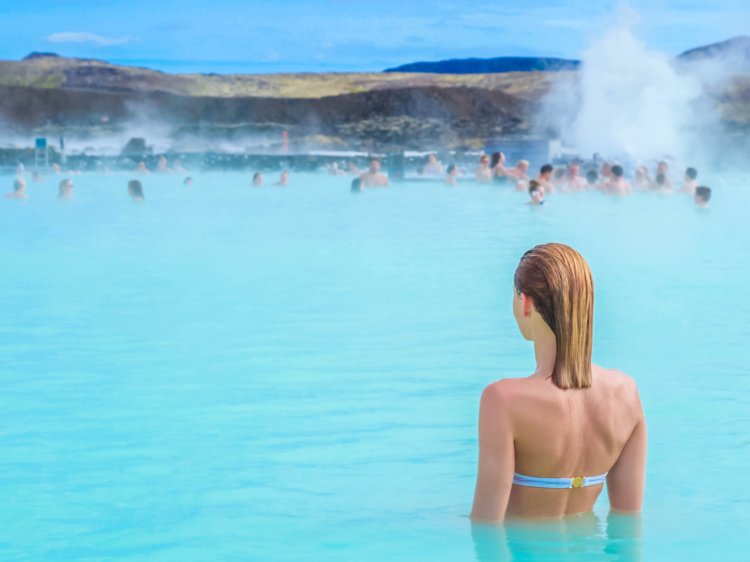
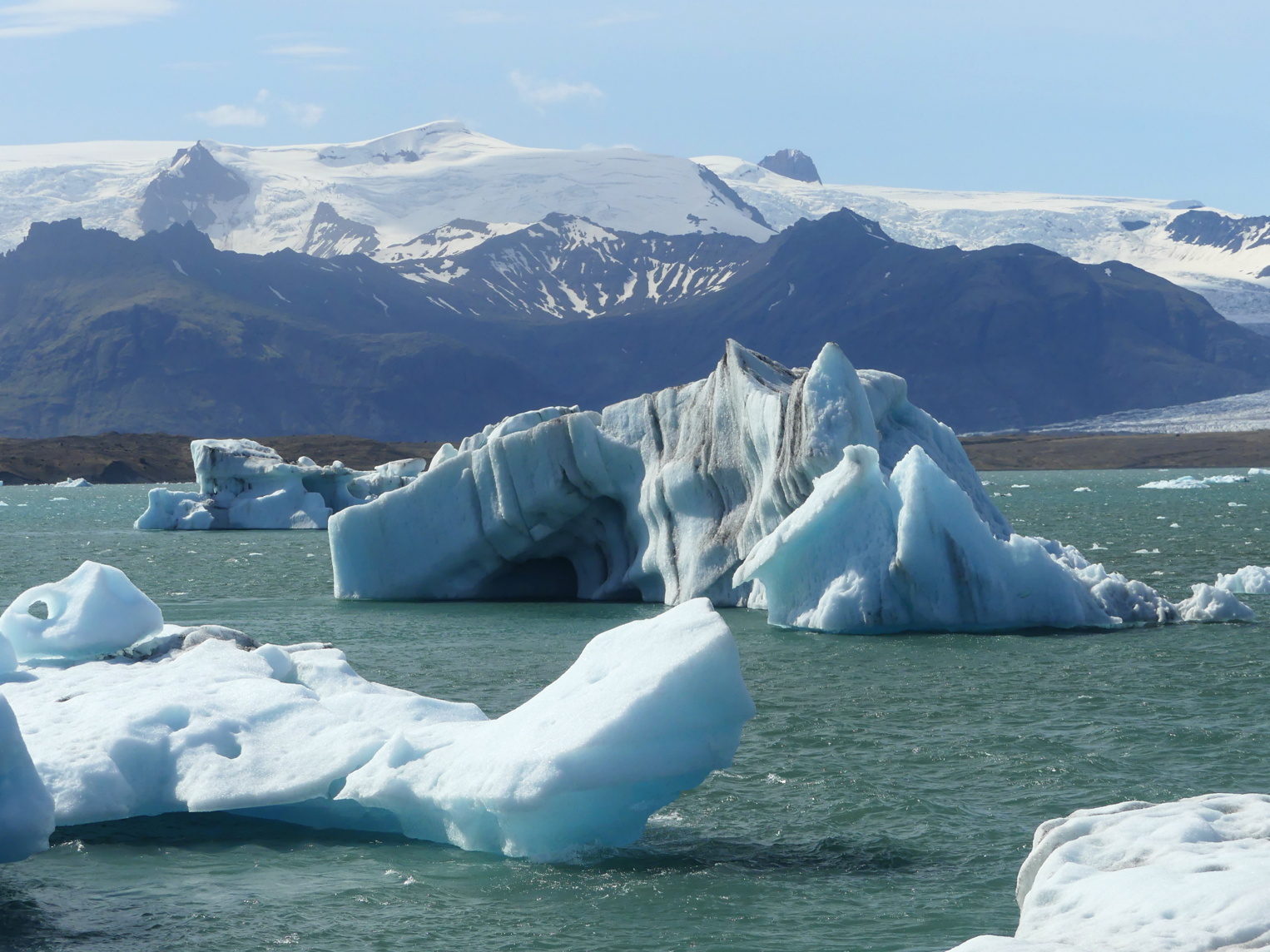
Note how she looks off to the side, leaving the balancing point as white ice.

Note the reaching out and goofy eagerness, set against nature as if it were a part of it.
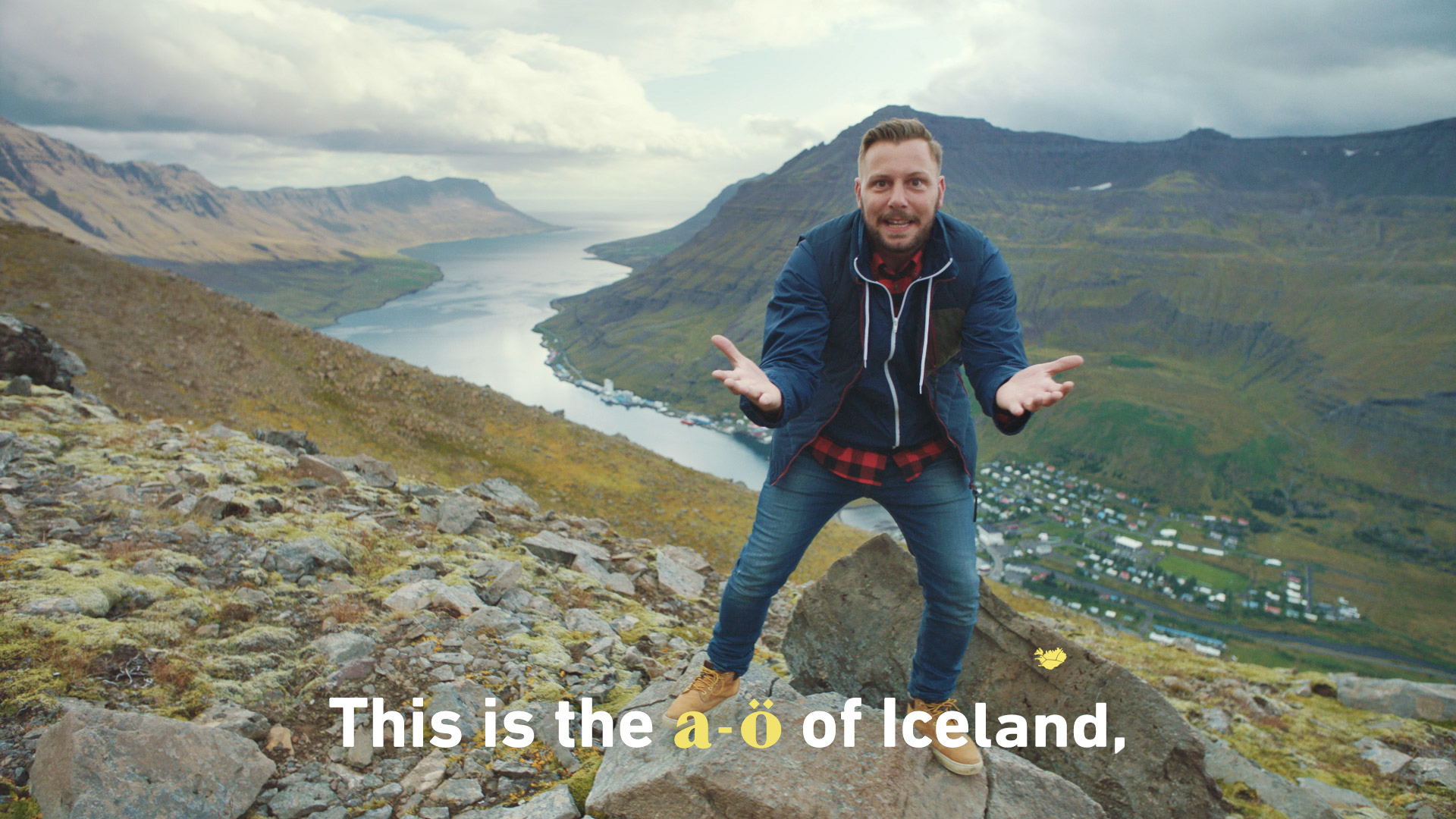
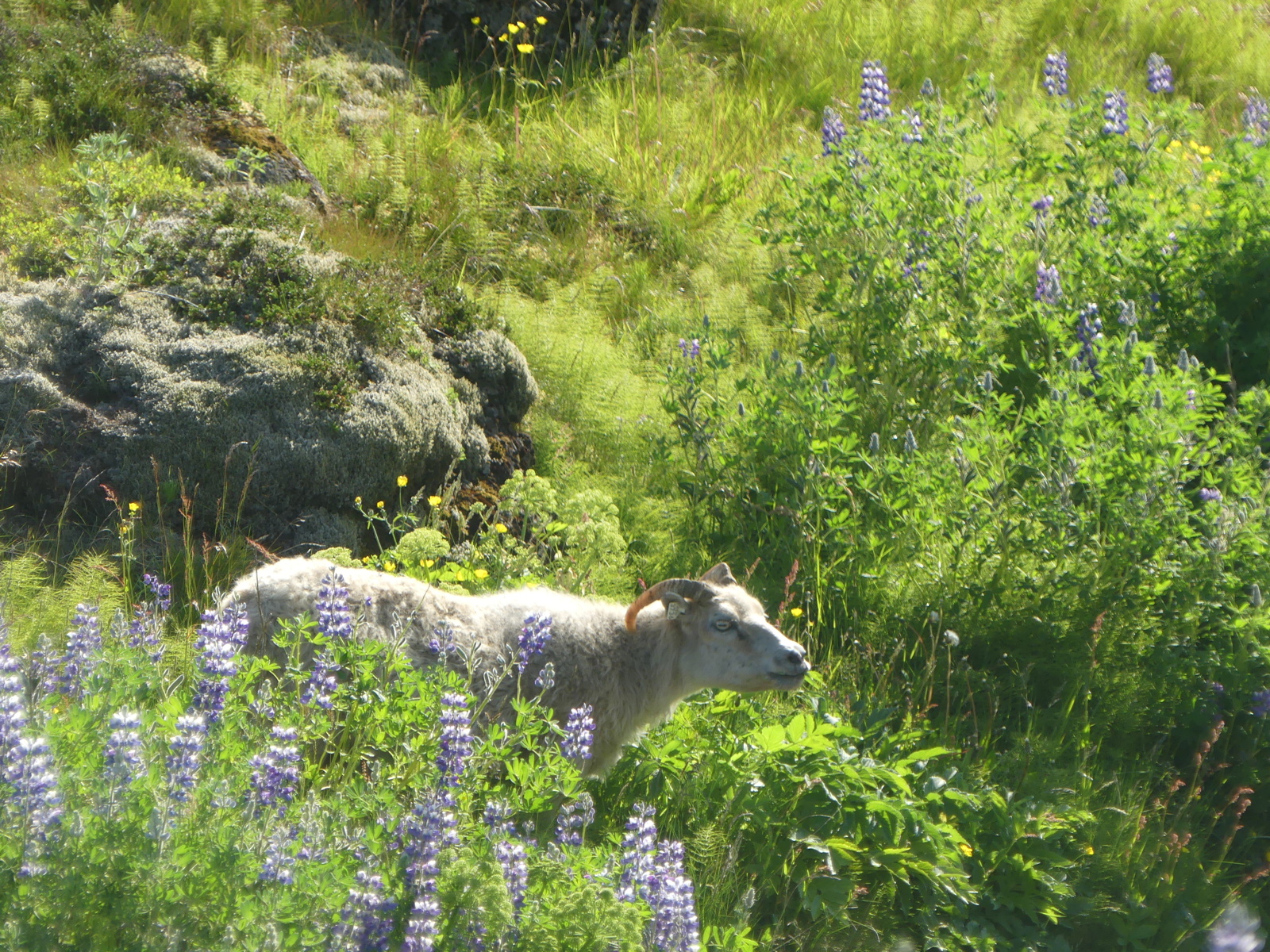

Note the cool self-assurance by which the non-human actors make the real statement in the scene.
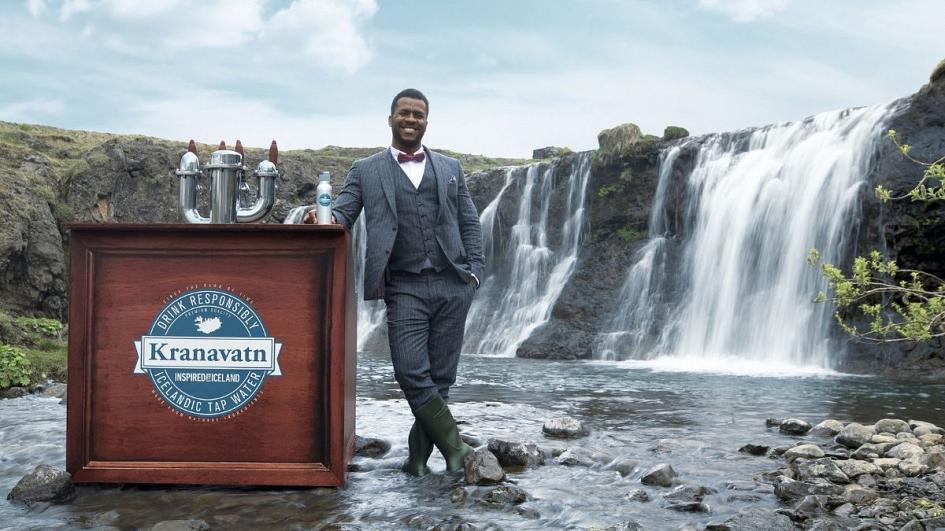
Note the fragile sense of vulnerability of modernity and the troubled gaze out of class, strengthened by class achievement yet never certain.
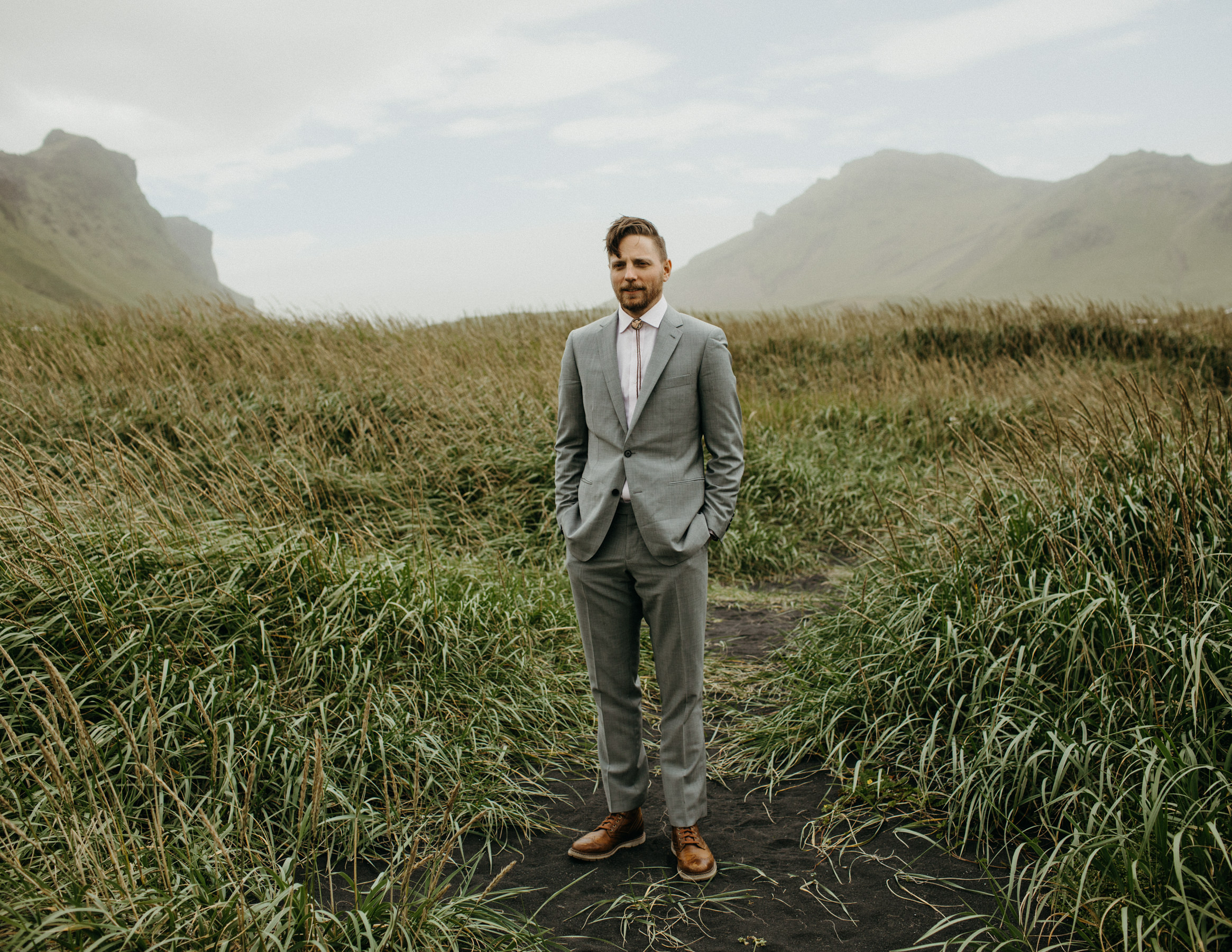
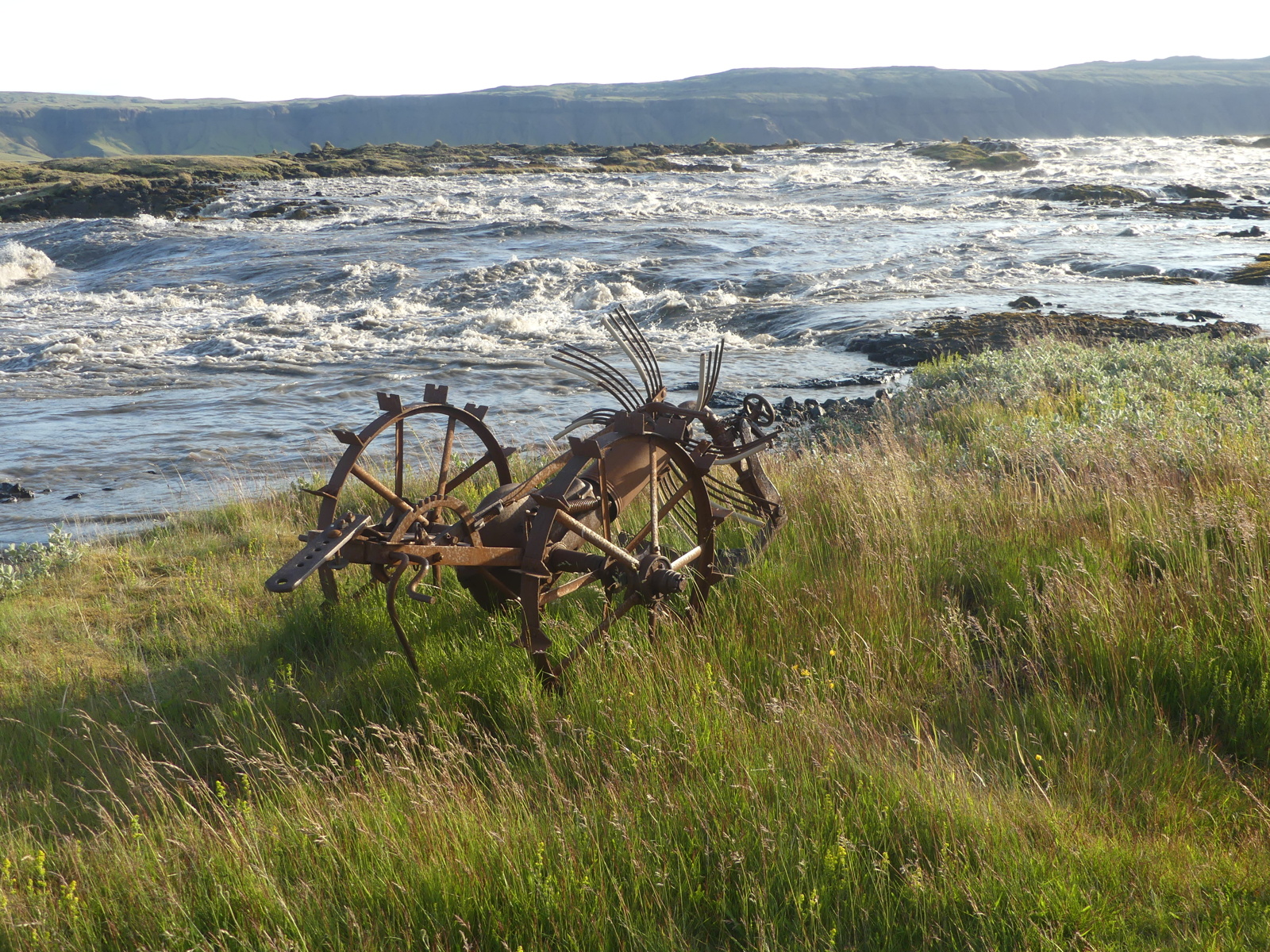
Note the deliberate dissemination of confusion. You are being led around by people who have been herdsmen and fishermen for 1100 years, after all. As Margret told me last summer, you never know who is the elf and who is the human. You never know,.
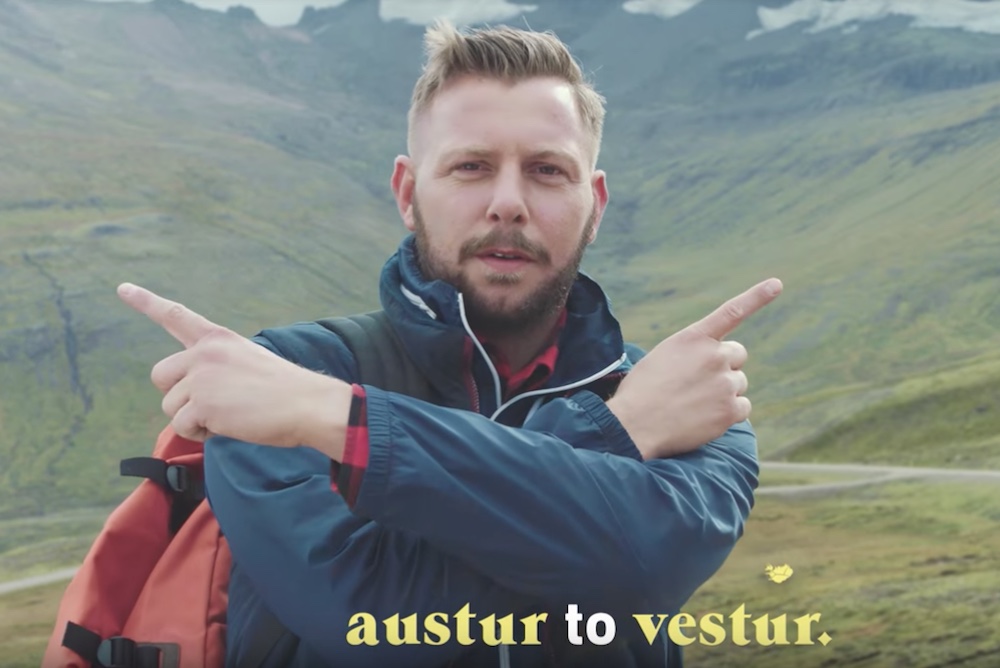
Note how Icelanders dress as the visitors do to make everybody comfortable with these arrangements.
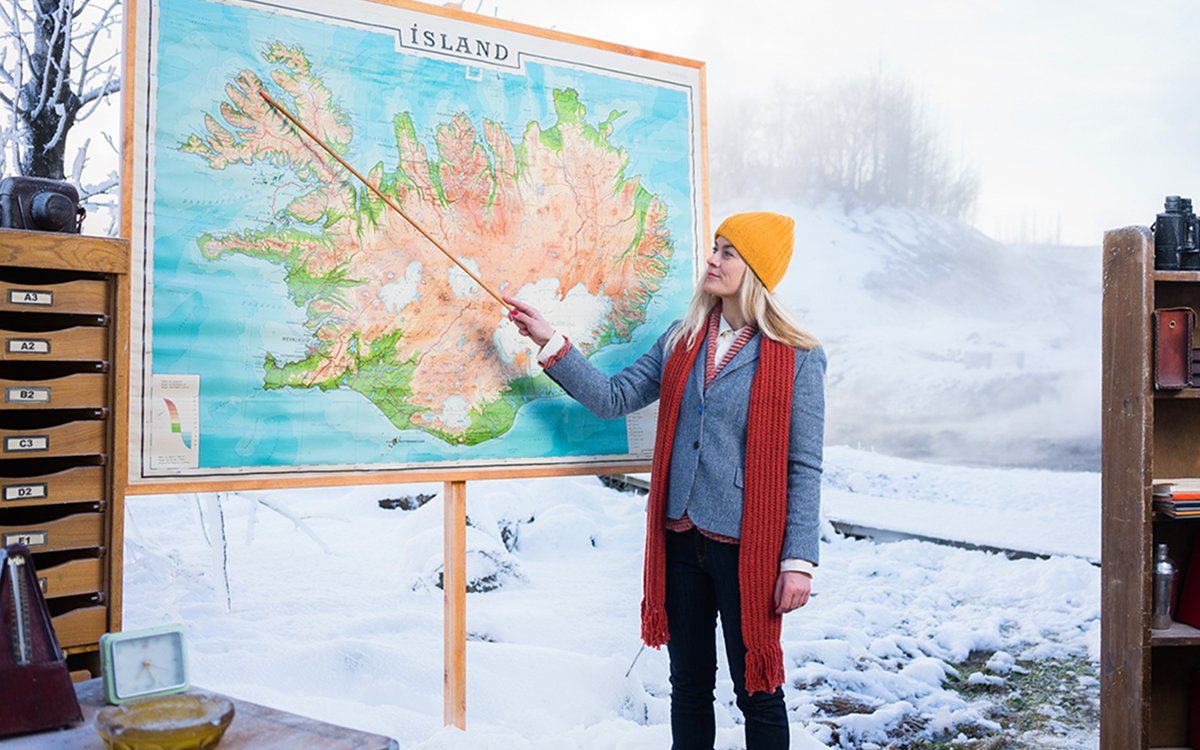
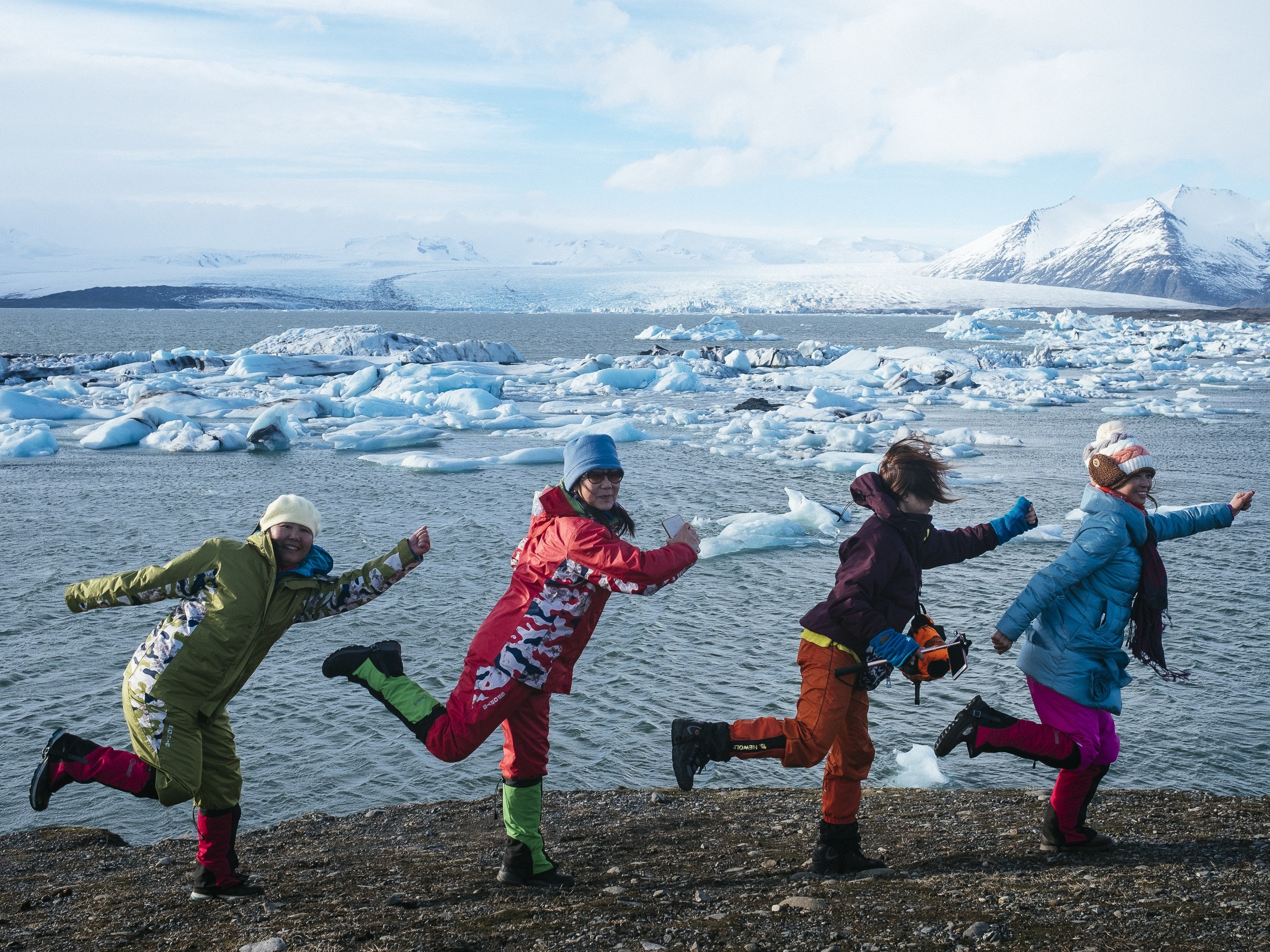
Funky, eh. Yeah, well, be strong.

Or blend in.
Two Kinds of Icelandic Forests, Both Magical

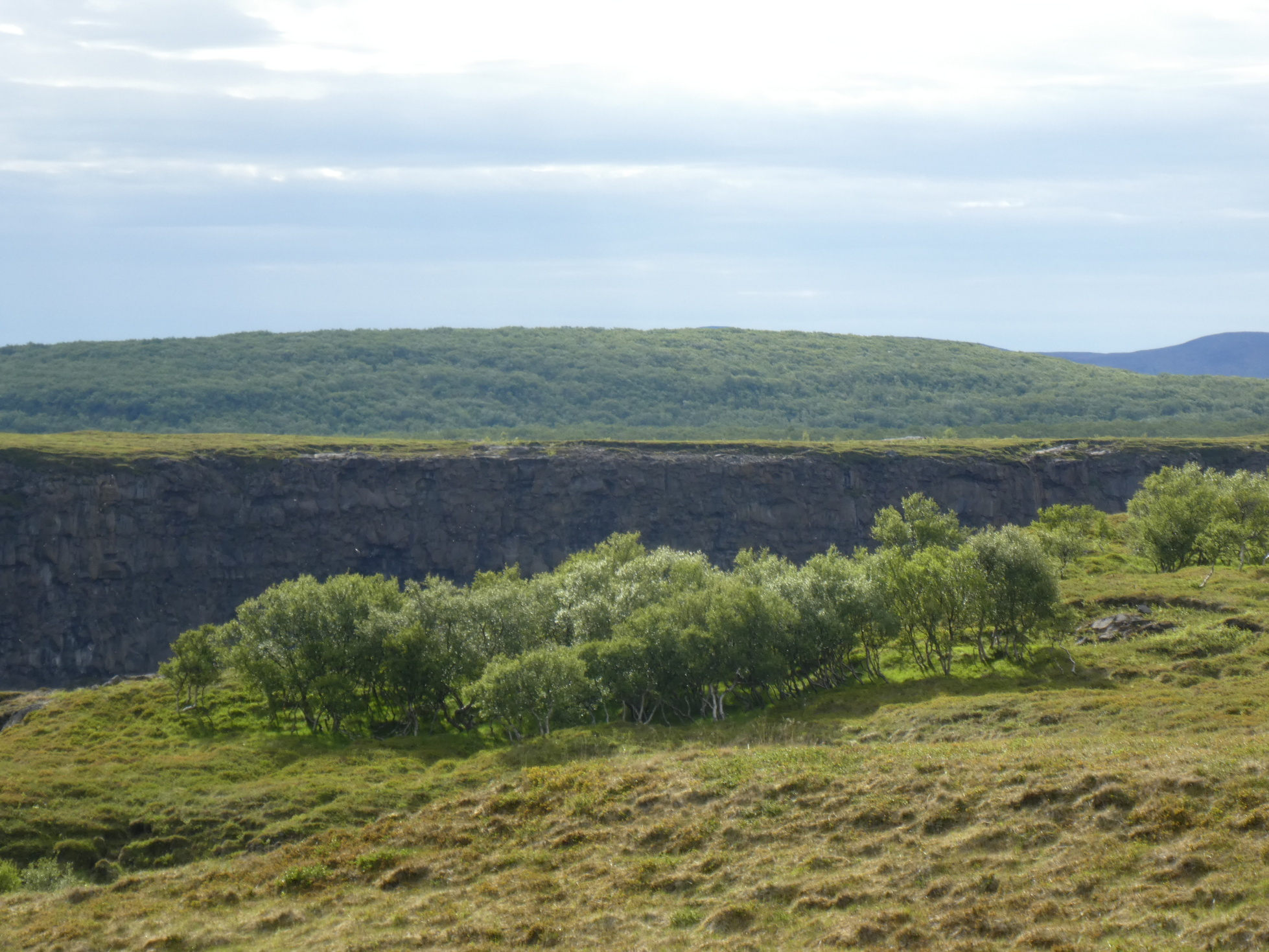
There are tall, soaring birch forests, like these in Ásbyrgi, some five metres tall, that shelter sheep…

…and their are small, intimate forests you have to lie down in a pasture to see, which shelter flies. The forest below in Neskaupstaðir might be short, and might fade and rise annually with the sun, but its trees are surely exotic and wondrous. Some of the trees are even copses of flowers.

They offer different kinds of intimacy and bring you differently into the land. In both cases, when you look up again, or step out, you are a different person. That’s because forests are persons. You become them.

The Survival of Paganism in Iceland

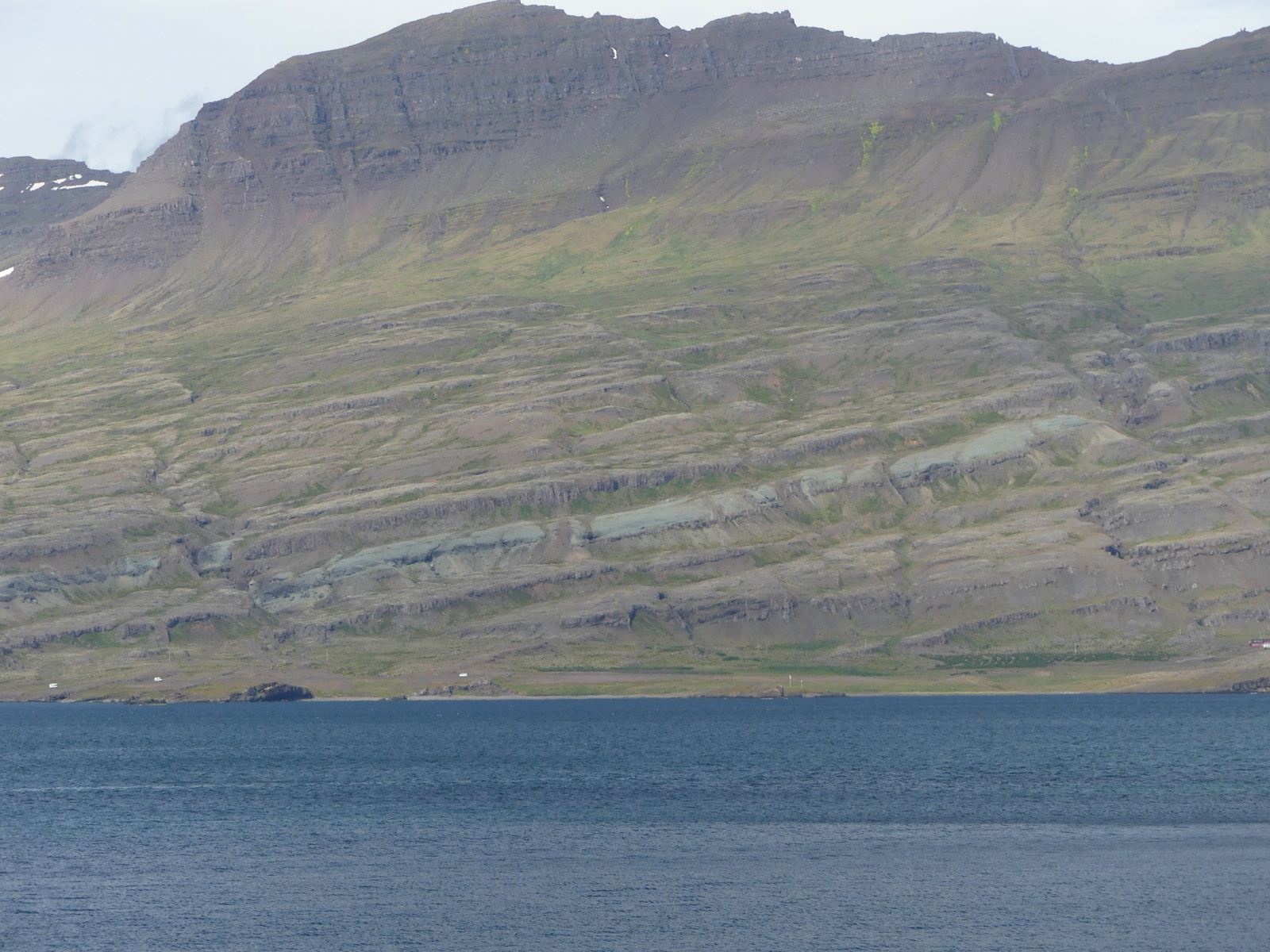
When Icelanders converted to Christianity after the decision of þorgeier the Lawgiver at the þing in 999, they allowed for private worship of pagan beliefs; public worship was reserved for Christianity. This view south from Starmyri, in the East of Iceland…


… shows just what remains of that decision, as it has worked itself out over 1,000 years +. The trolls are still watching out to sea! They’re not public, of course. That’s reserved for the separation into logical categories that is the Christian legacy, and yet there they are, only remaining in the land, where the Norse settlers placed them, after they brought them with them. Only 4% of Icelanders profess a belief in the other people, the Huldúfolk, but privately, well, that’s another matter. You simply can’t help it. That’s quite the story of survival!

Gunnar Gunnarsson and Lichen Poetry: the Price of Literacy

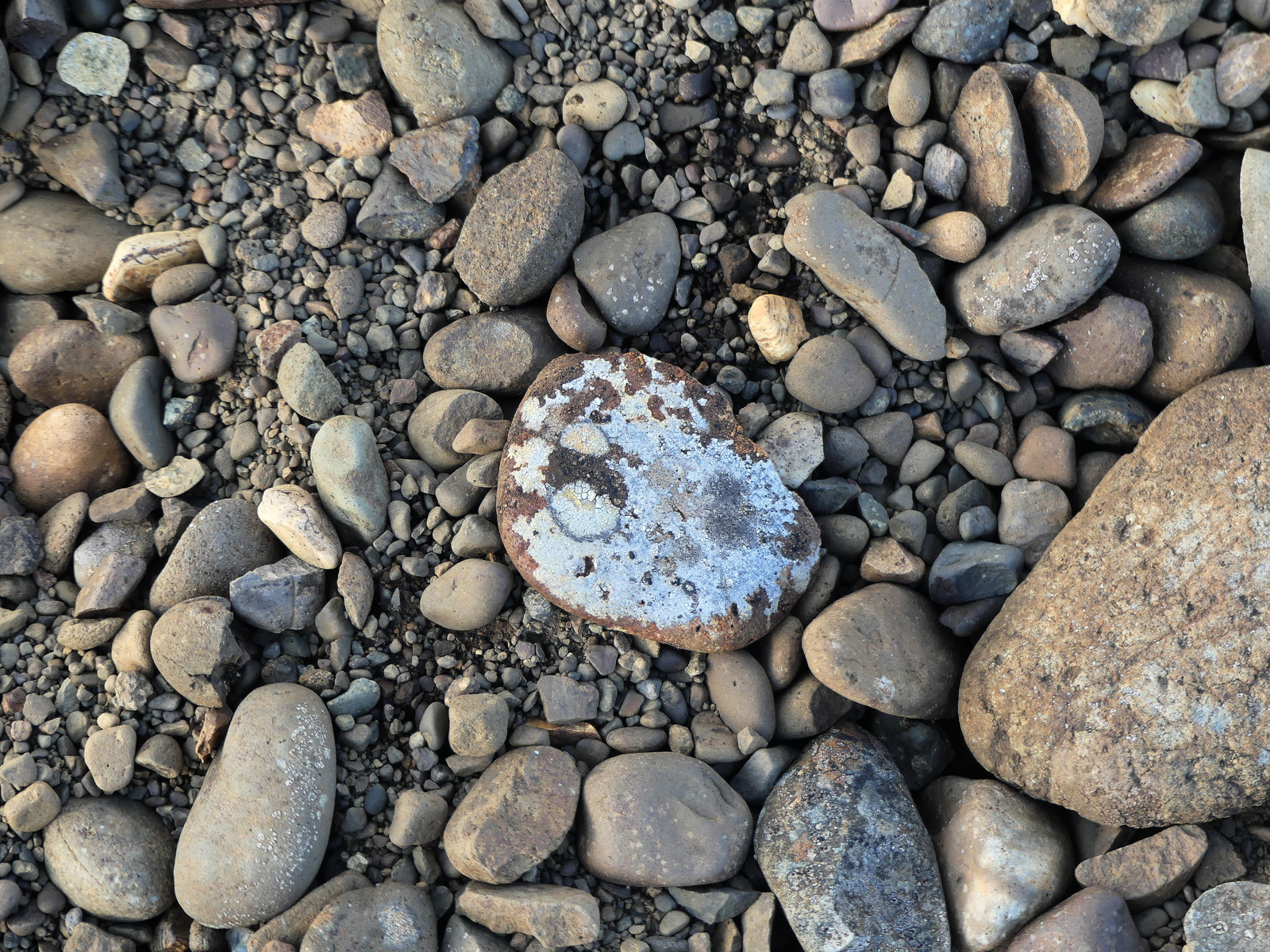
In 1907, Gunnar Gunnarsson left this.Under the spell of universal education and the promise made to all country boys that through book literacy they could be a part of the world of power, Gunnar Gunnarsson accepted a scholarship to study at the Askov School in Denmark. It ran a program for colonial boys, as a means of building belief in a unified Scandinavian country, the United States of Scandinavia, so to speak. It seemed a better idea than conquest by the Germans (again) or the violent revolutions of Nationalism that were, even then, sweeping through Europe, and which would bring their tragic consequences in 1914, the year the world ended. All that is repeating itself in the struggles between nationalism, liberalism, immigration and military alliance that is shaking Europe (and the world) right now, so it’s timely to look at what Gunnar left. Especially since the power he sought was denied, because it was always a ruse. What he left, as I said above, is this.

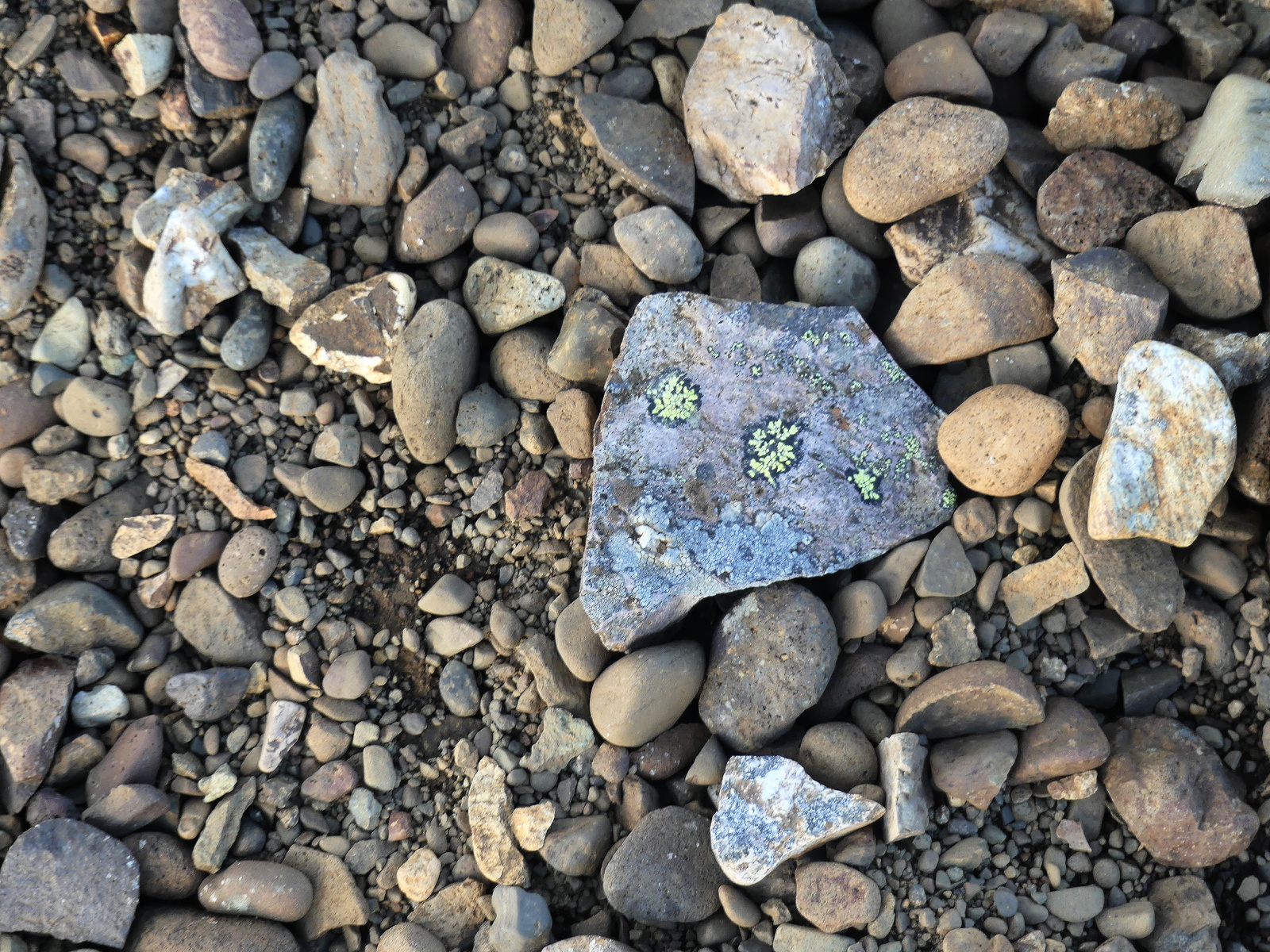
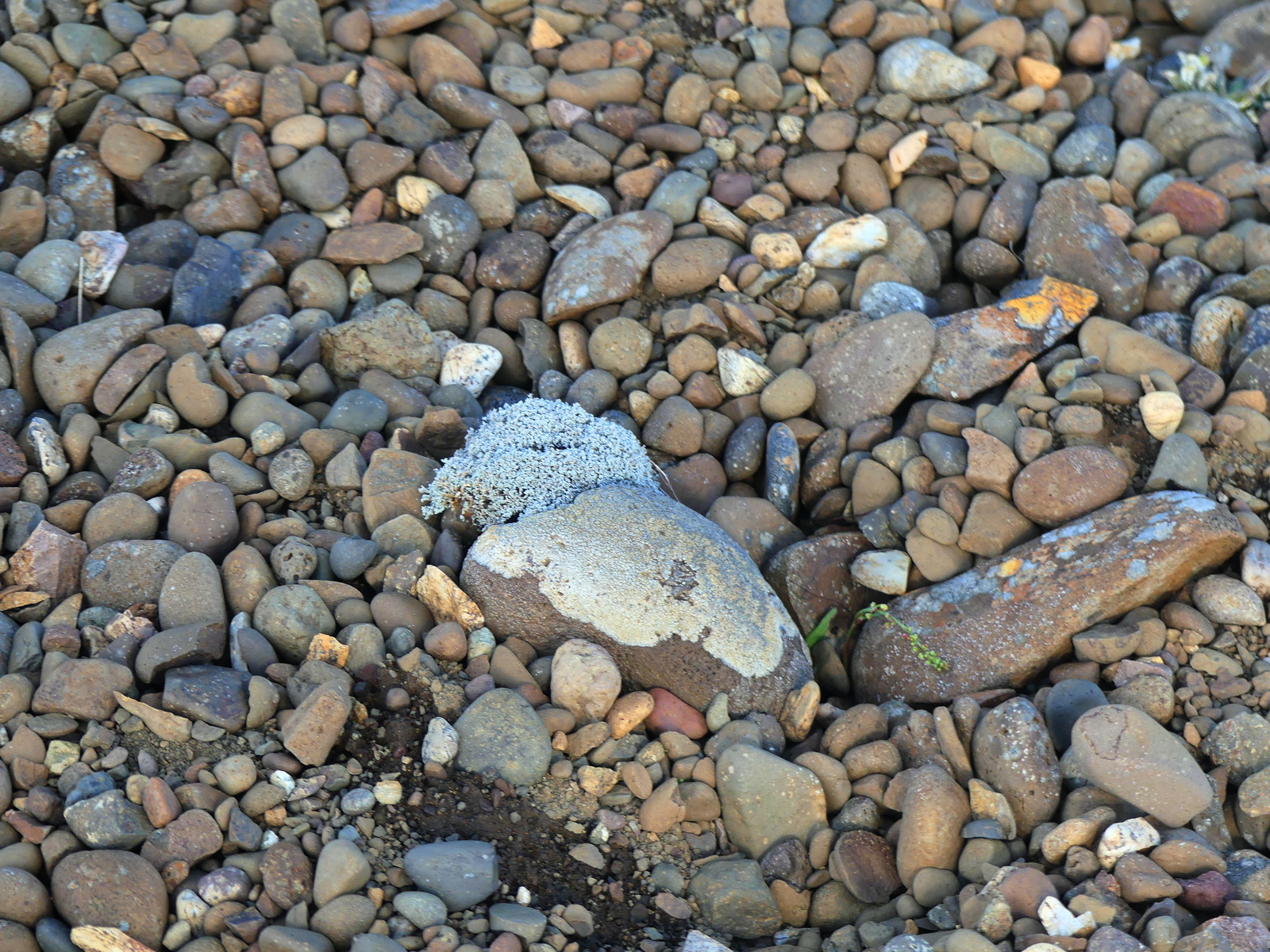
This is lichen, the little lick, the little læk or stream, or as we put it in English today, the little lake where the streams gather (and where we can come to lick. In fact, we are drawn to do so by a shared nature across states of be-ing.) It is a little world, or the big one in miniature.

In Gunnar’s Iceland, the one his education took him from, it was also an art form: a form of poetry.

Intriguingly, it was not written by humans; only found and read by them.

I suspect that the reading was not a matter of words, or at least the kind that appear in books.

It’s been 112 years now. The poetry is still here.


The whole literary discussion, now much out-dated, as to whether poetry is given or created by poets, replaced this art form. The readers of it knew the answer.

It still looks very fine.

~

Images from Starmyri.

The Green Spirit Stone of East Iceland

The view from Blábjörg.

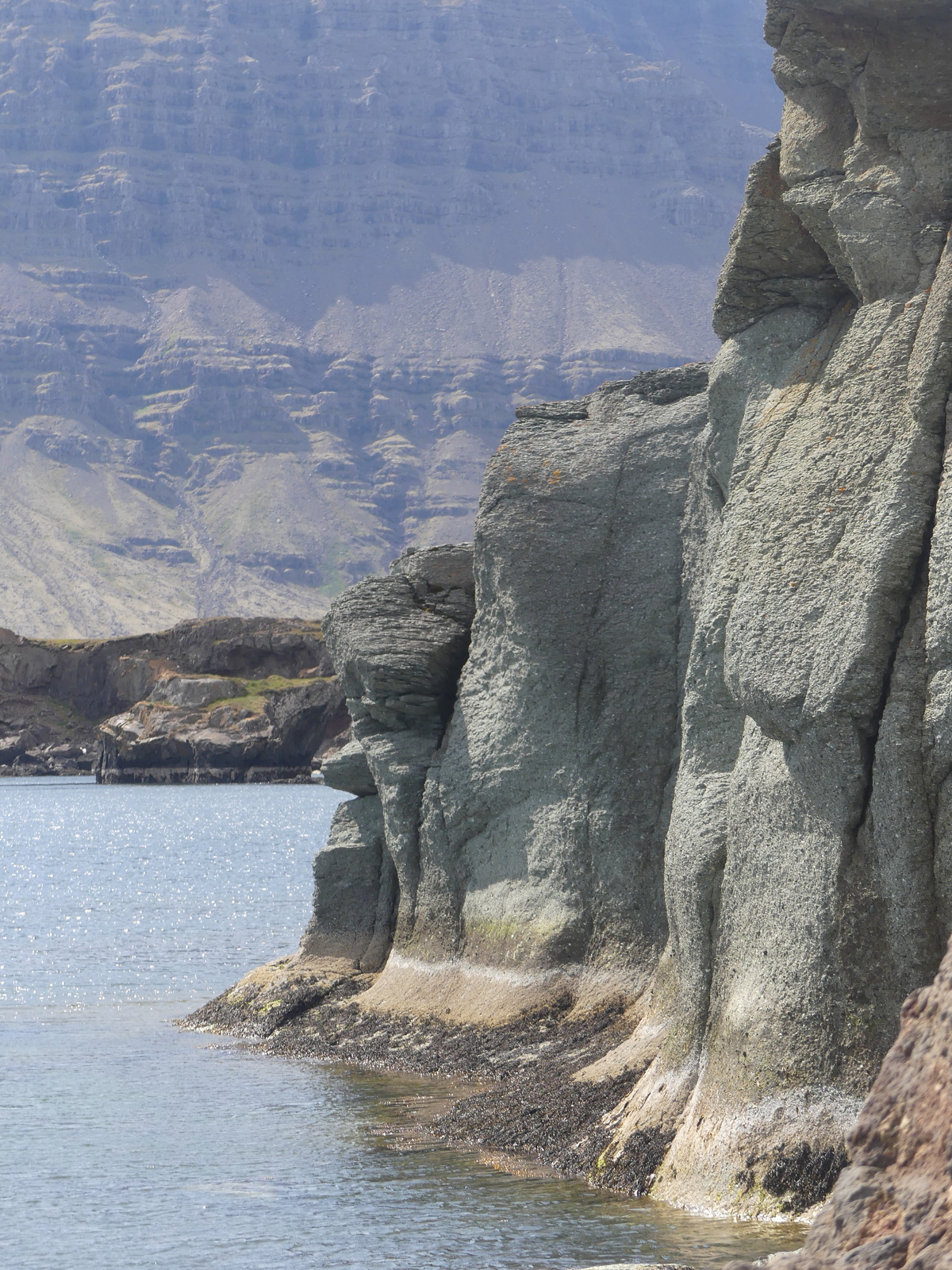
You don’t see green lava everyday. It looks like it came from the bottom of the sea, but it came from deeper, flowed across the land…

Notice the Campers Rushing Past to See All of Iceland in Three Days

… and into the sea, which has been talking with it ever since.

The thing about land and sea is they don’t rush past.

Thinking Before Thinking, a Surprise Meeting with the Elves

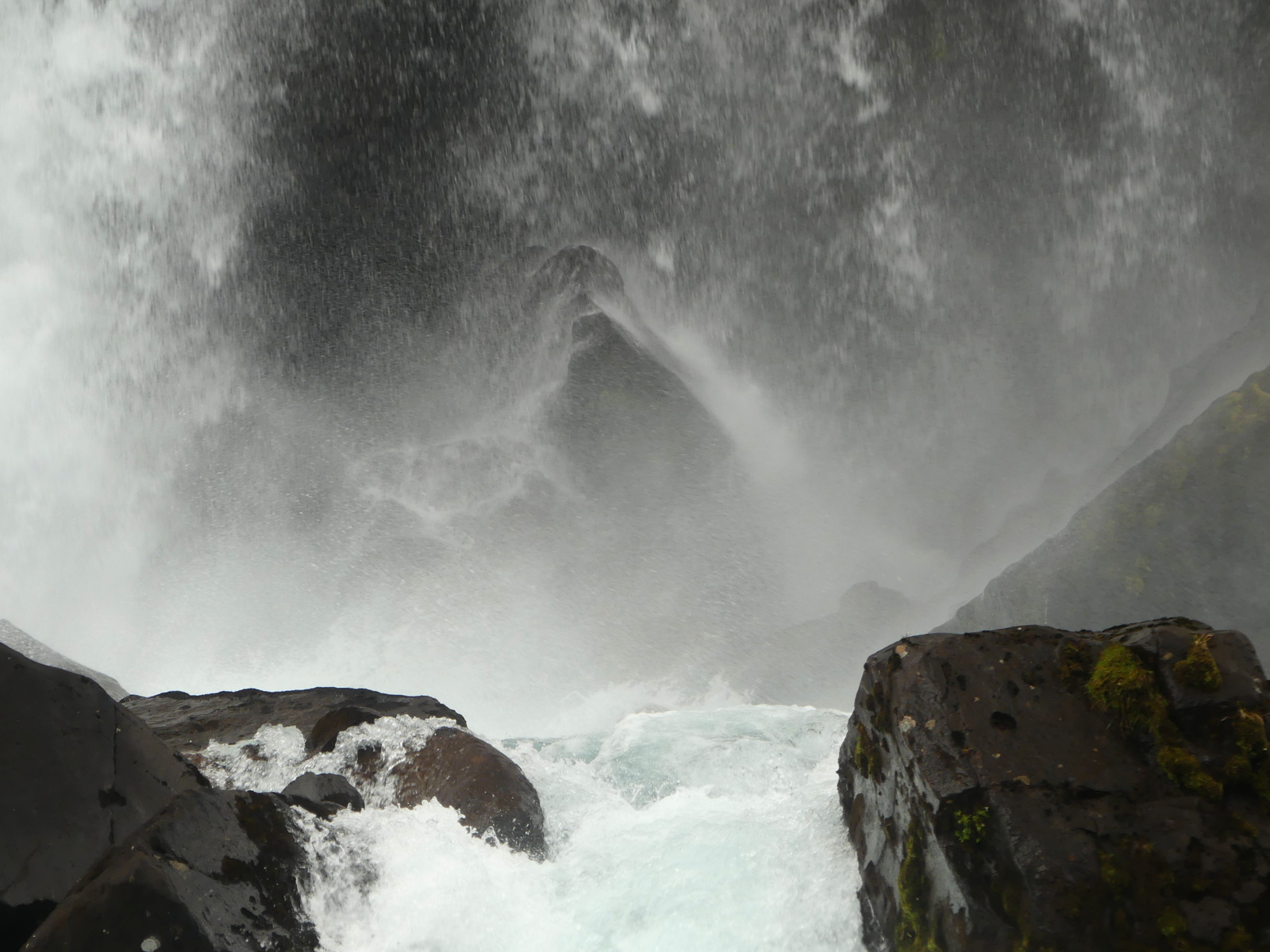
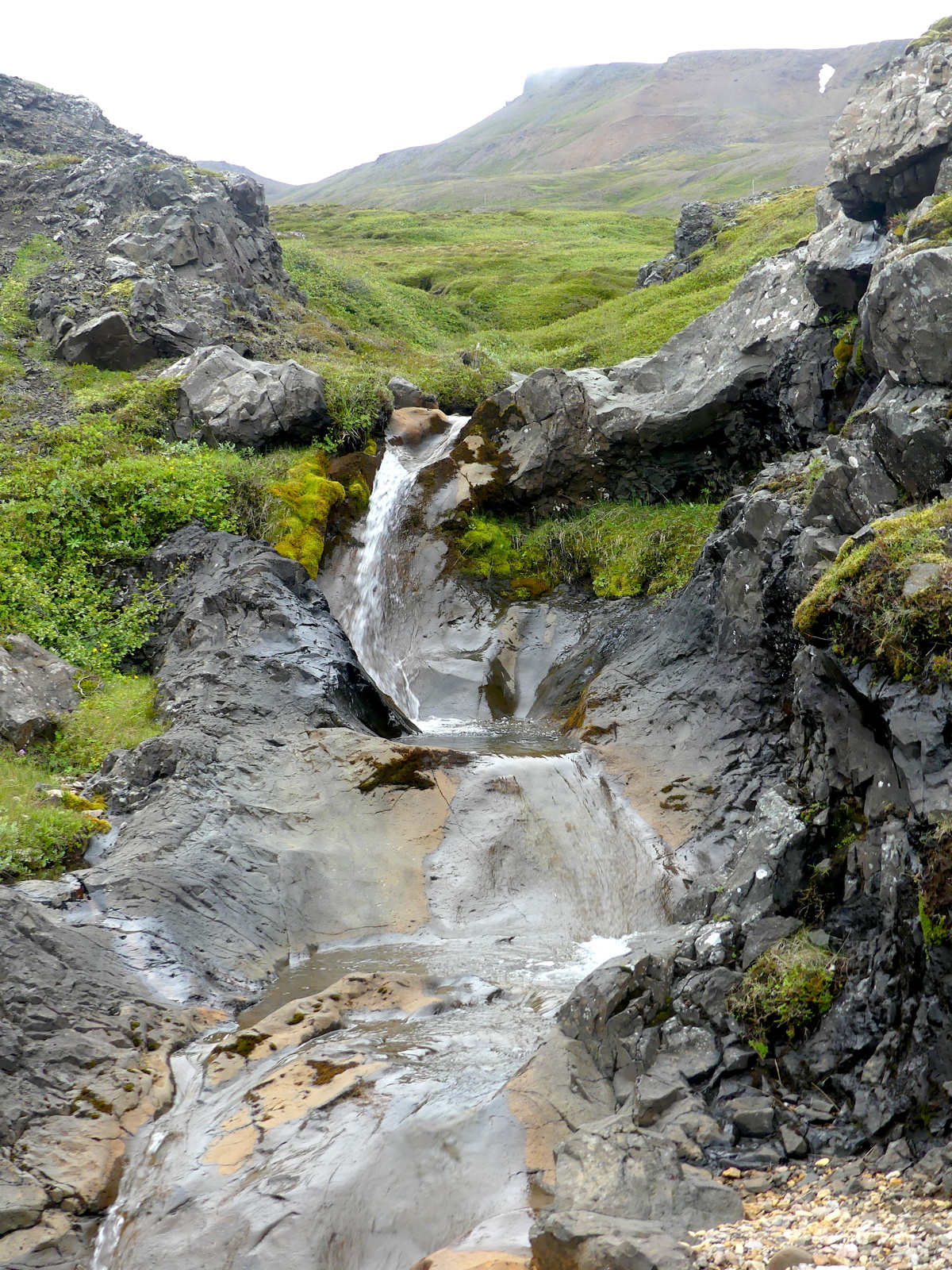
It’s one of the prettiest waterfalls in Iceland, twisting like hair, and blessed with elves.


Perhaps you can see their queen bathing below the pool? She will meet you on the banks of the Selfljót, under Ósfjall, if she wishes. Before there was sculpture made to delight the eye, which sorts information before it reaches the brain …

Ásmundarsafn

… there was the delight of the eye in landscape. The thinking self comes later. First, one is a body.

Global Culture and Gunnar Gunnarsson

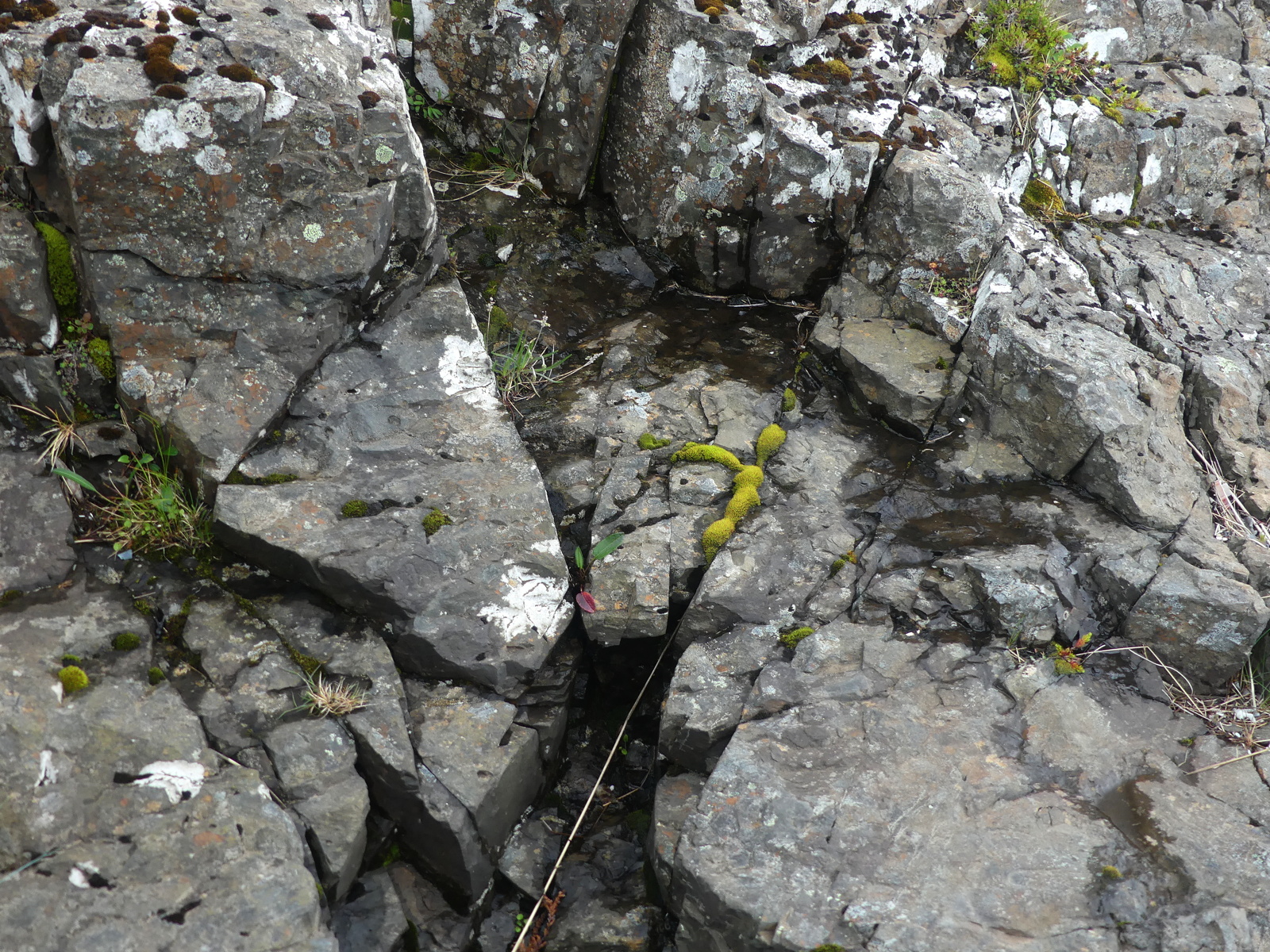
When faced with mysteries, like this troll on Reykjanes …

… the global human sees its emotions instead.

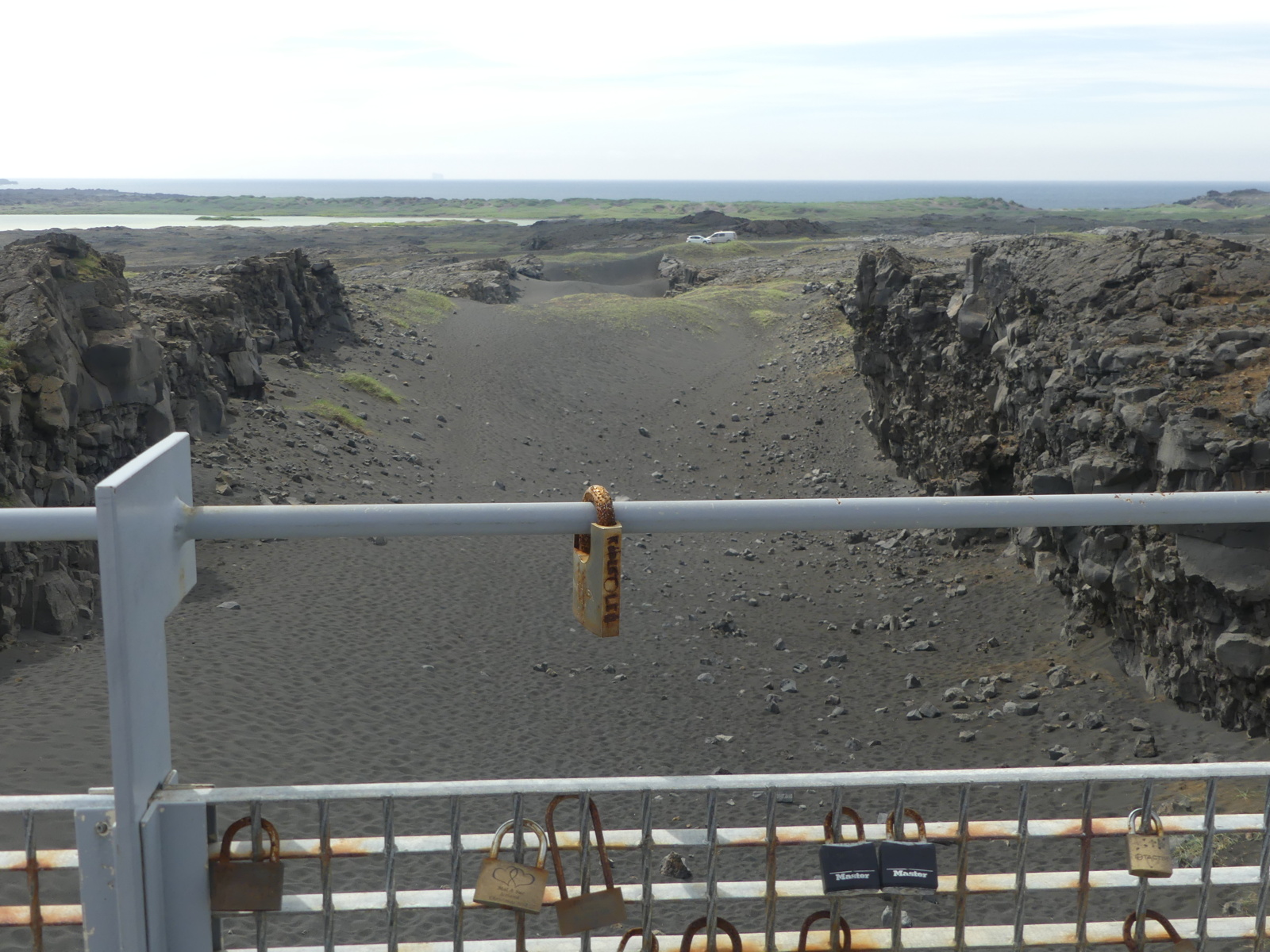
The Bridge Between the Continents, Reykjanes, Iceland

Some premeditation is involved. That’s what Pinterest is for.

It’s not original, but it’s a fun bit of colonization. What would Homus Globalus do, after all, if it saw the ogre climb her staircase above Gunnar’s birth house in the Lagarfljót?

Laugh, no doubt. Should we laugh about Icelanders in their own country? The question is absurd to people who would do this:

The global human loves humans and sees them as beneficial additions to all environments. Icelanders, being isolated island people, actually invited them in. This is the same bind that drove Gunnar to Denmark in 1907, to become a published writer, and then saw him ostracized in the 1930s, because he had published in Danish. There are always these double-binds. That’s the human condition. Even in Iceland. We should be gentle on ourselves.

Njardvik: the Green Fjord

The road along the coast behind the farm Borg races on past the Cross on the cape that keeps the ogre at bay, on to the puffins in Borgarfjörður Eystri, and back.

Few stop anymore to walk in this emerald, or to see the path this water makes as it hides itself, as all creatures from the other world do, on to test the walls of the houses of men. It is the greenest fjord in Iceland. This image is made from the old Stapavik trail, the right way to come upon it, unless you come by boat, of course. Imagine the first long boat that touched this beach, and the people that stepped ashore in wonder. They are your ancestors as soon as you get out of the car. And then what? Well, friend, then you are lost. And then you are found.