Category Archives: Huldúfolk

Glacial Tongue @ the Global Warming Show


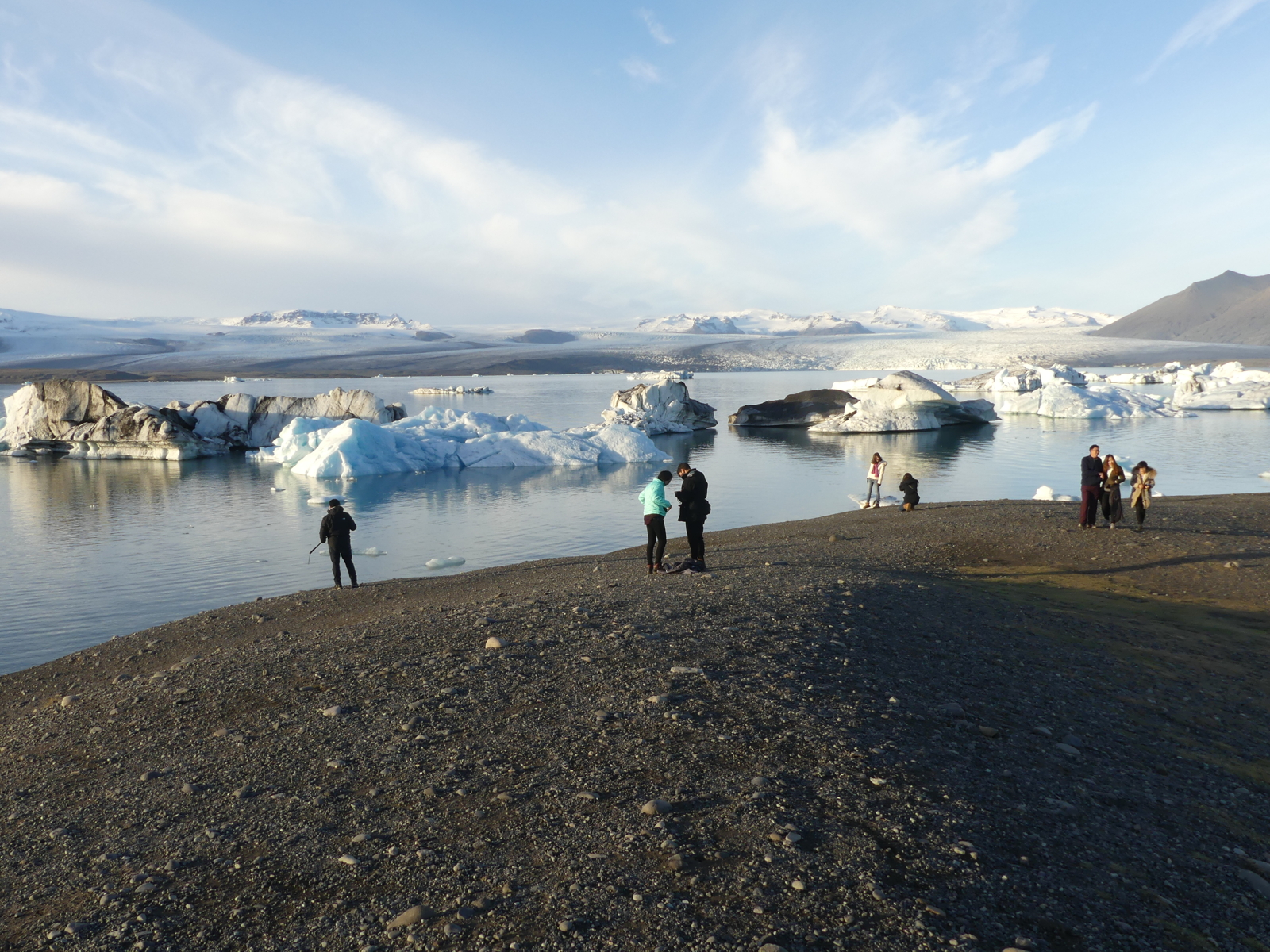
I thought I’d look up from the Glacial Lagoon …

… show of humans being beautiful for themselves and for each other by posing (warmly) within luxurious images of humanly-initiated global climate change…

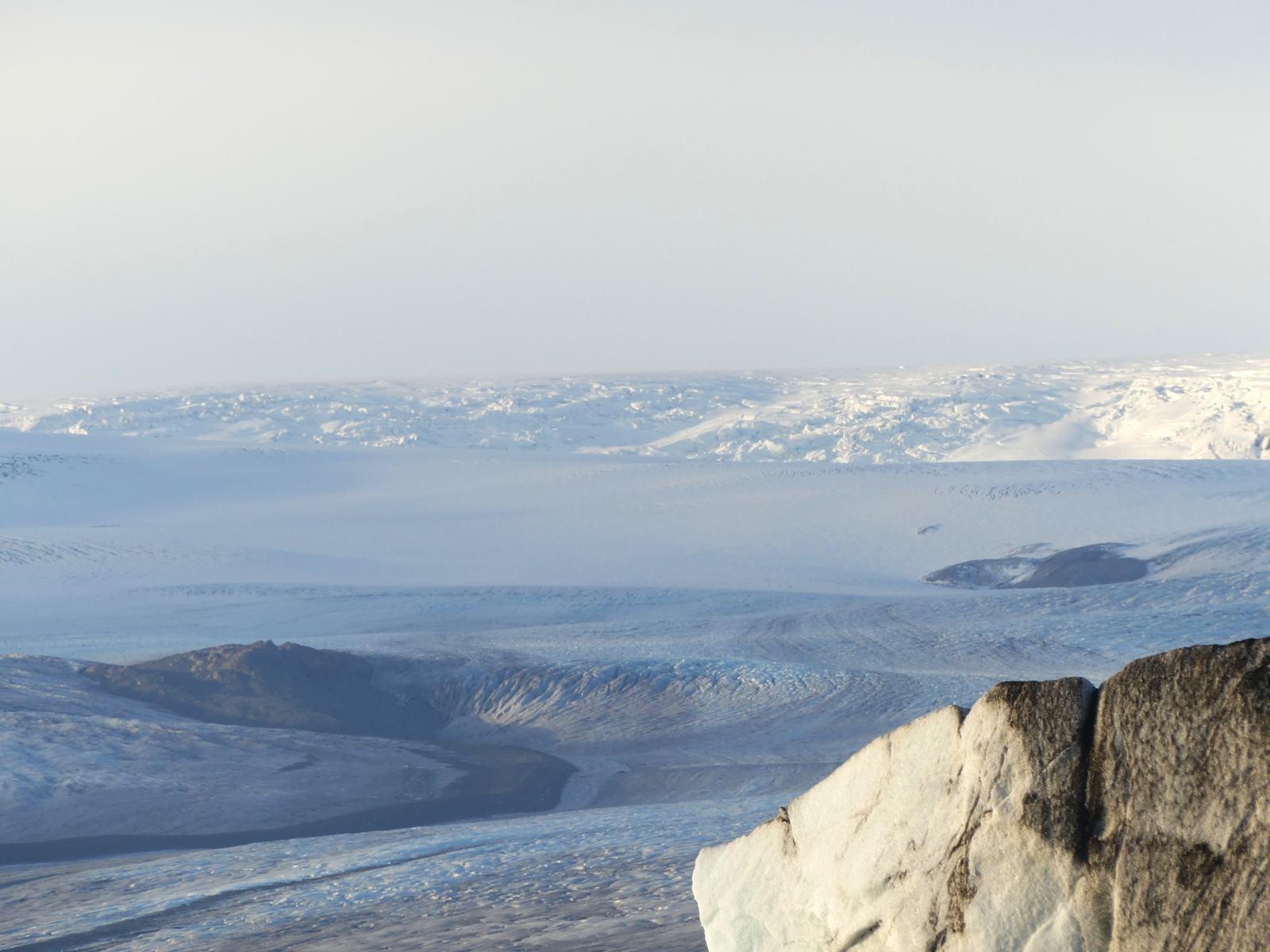
… to see what the glacier thought of all this. Ah, well, look, I’m glad it did. The cheeky thing…

… was sticking its tongue out at us! Just a tiny bit. Between compressed lips.

Which Ogre is Best?

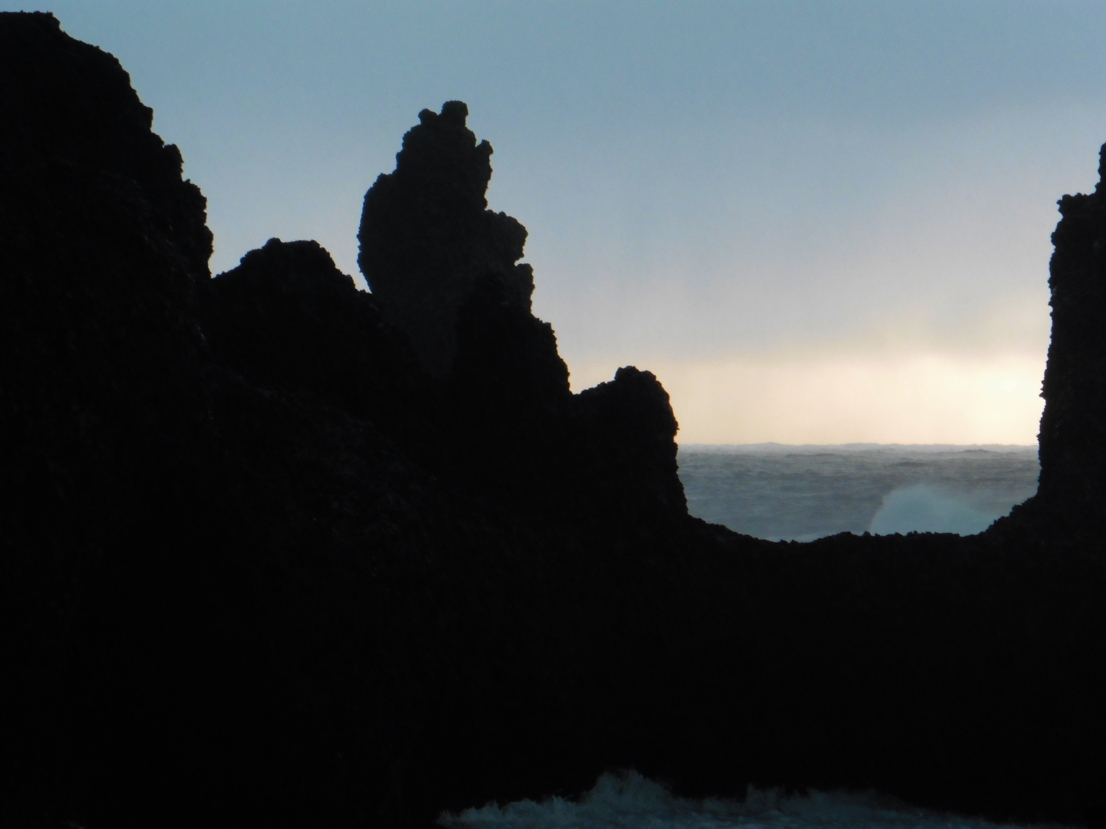
A tough choice, I know. Just a few kilometres apart, way out there on Snæfellsnes (so likely of the same species) there are the Ogres of Djúpalónsandur …


So  sweet!

…wading together out into the storm…

…and just a few kilometres west, out at Dritvik… splashing in the waves …

…the Ogres of Dritvik, the now-abandoned Second City of Iceland, staring out into the open Atlantic.

But, hey, no problem. It’s always a good day to sit back and enjoy the sights.

But watch out!

We are not kidding about the magic. Or the storm.

Magical Djúpalón: Passage Between Worlds

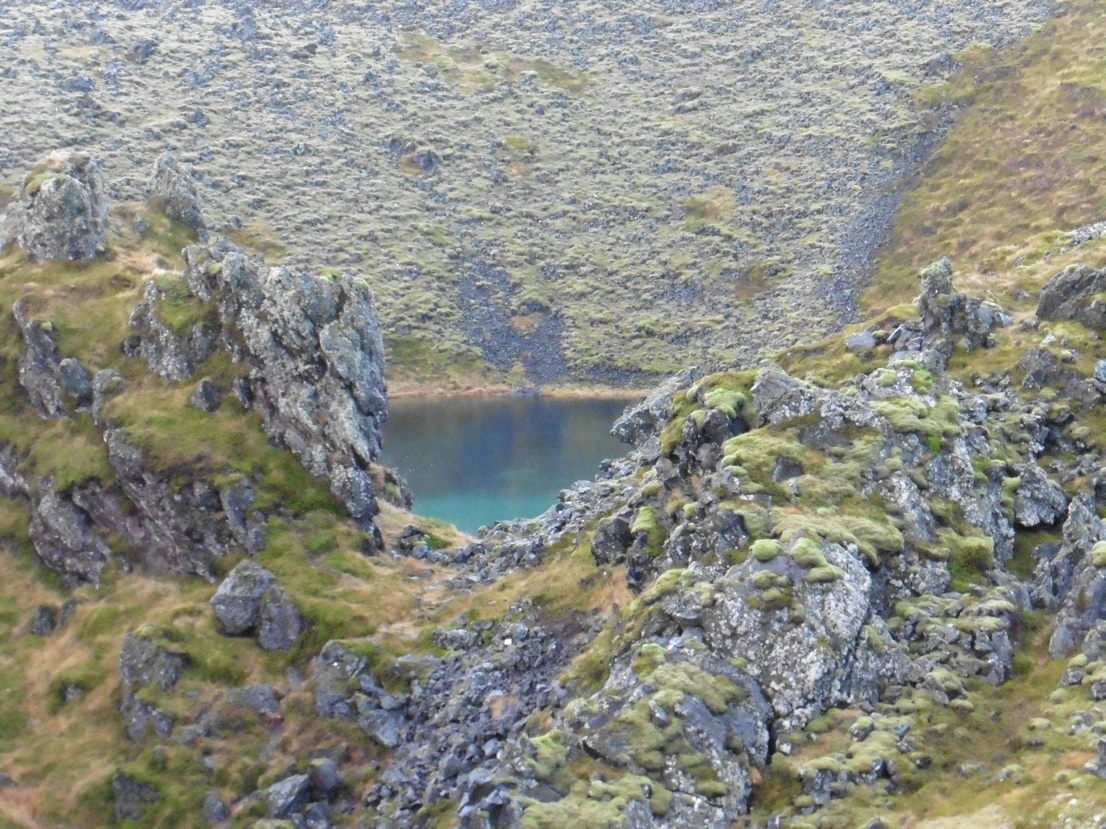
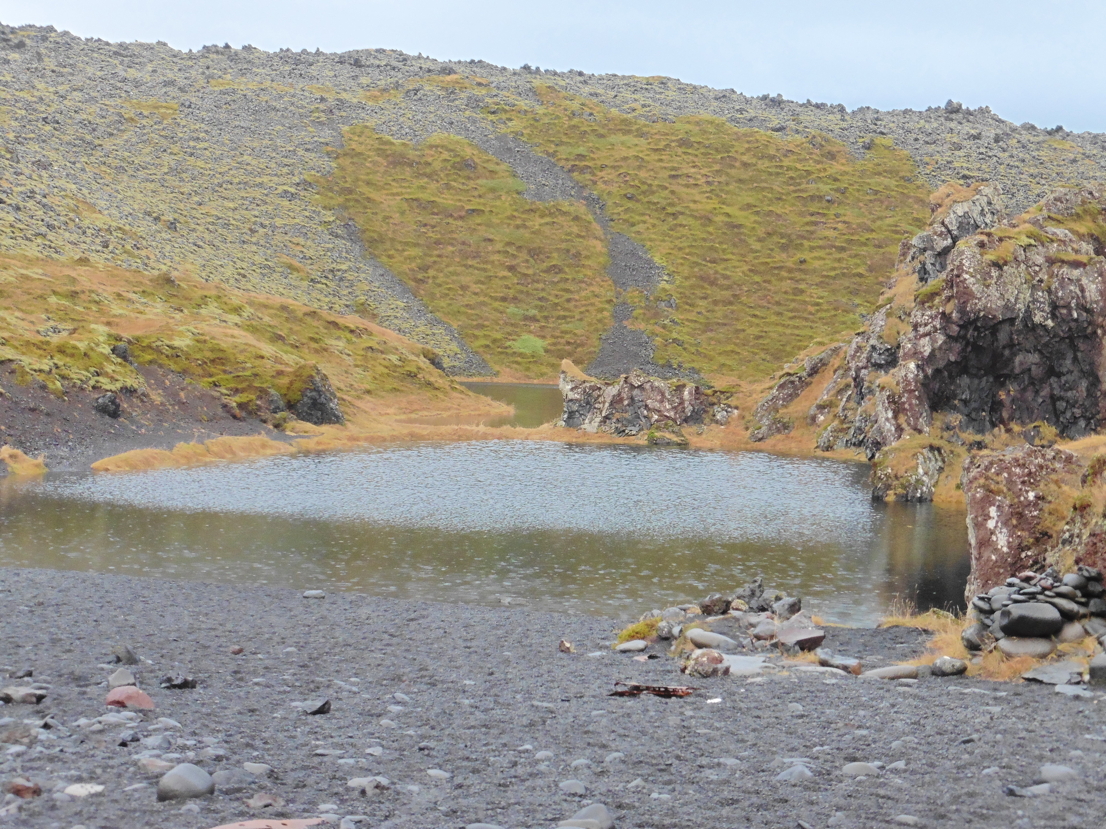
The Deep Pools at Nautastigur are fresh on their surface and salt beneath.

If you follow the Nautastigur trail down to the beach (Djúpalónsandur), you will encounter a couple ogres…

….and around the corner an elvish church, but wait, not so fast. This mountain is alive as well.

Look at it facing you from across the water. A lake that is both salt water and fresh is surely a passage between worlds. And here’s the great thing: if you come on a tour bus, the mountain will hide its secrets.

The Family Dragon is the Best

Iceland is a society of cairns. Cairns are artificial humans made out of stacked-up skulls, which allow the living to find their way in the footsteps of those who came before. Here’s one in the Berserker Lava Fields.


Here’s one in Borg.

And an artful one in Reykjavik.

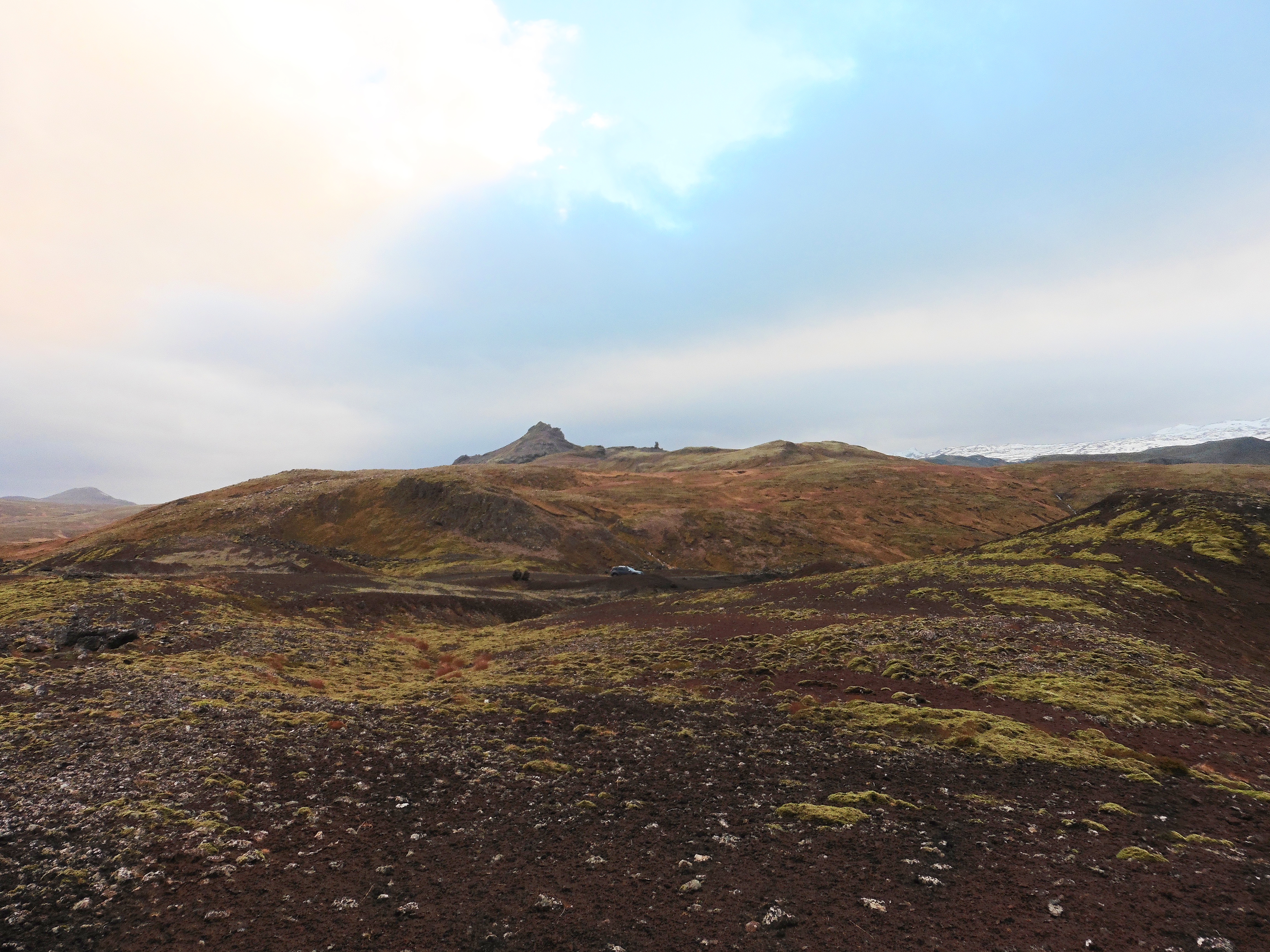
And back to the Berserker Lava Field, where a modern cairn, a 4×4, moves as the driver anticipates where you are going to be, but you have to show up there to find it. Unlike the others, it isn’t a visual cairn. It’s more like one or the whole body.

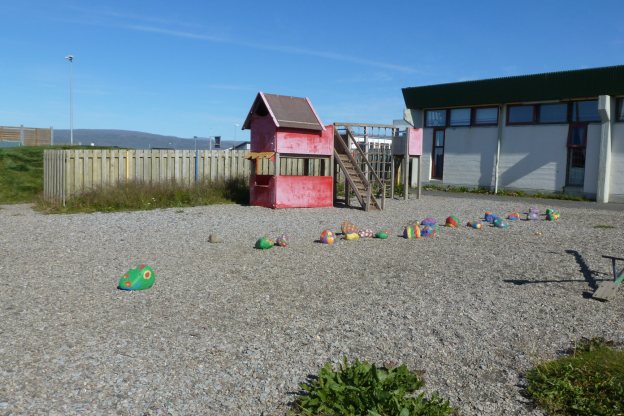
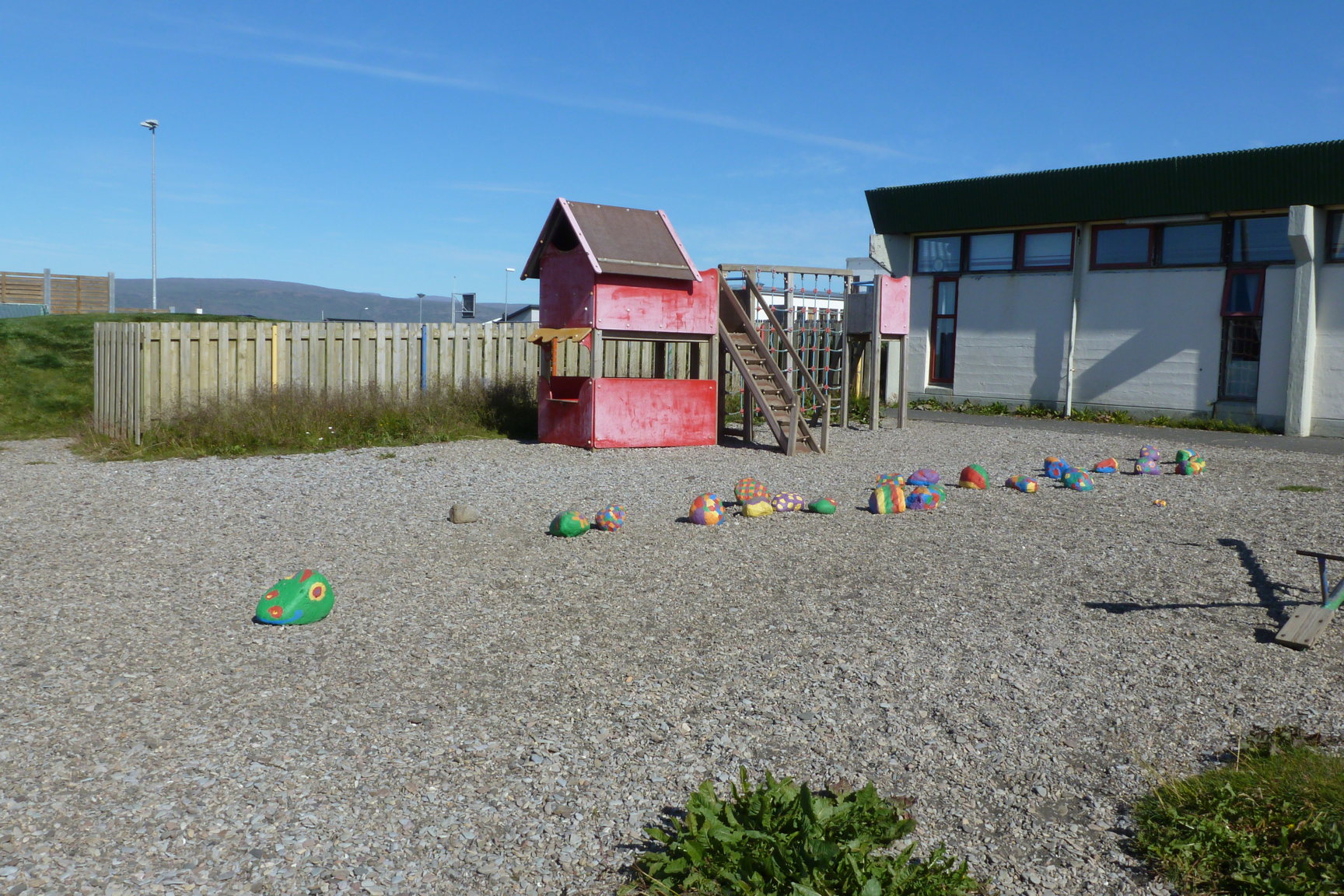
Skull training starts young. Here’s a pretty standard kid’s playground, with a build-it-yourself dragon.

The dragon you make yourself is not the one that’s going to hurt you.

Chance Sightings of the Sun


If you head East from Þingvellir and reach the height of land, and the turn off to Laugarvatn, why not stop and wait for the sun? This is elf country. They just might show. What you are looking for are rainbows almost invisible as the sun disperses the mist like a breath.

And if they don’t show, waiting is also arrival. It all depends upon which country you arrive in. Care to try? You’ve got nothing to lose!

Country of the Wind

In Langadalur, you can find a country where humans can only exist as the companions of elemental powers. To walk here is to be utterly naked in the universe. To do so with a community of people is no help. You must enter with a community of things, and live within them until you have crossed. What the Icelanders have learned in 1100 years is that when the boat doesn’t come, you had better be good at making a new community of things.

You must halter yourself to the Earth, lest you are blown away. You could say that Gunnar returned to Iceland in 1939 because he loved his land, which is true, that he was romantic, which is also true, that he was afraid, which was reasonable in 1939, and you could say that this fold east of Bifrost is an instance of creativity, which is also true, but those are just words. You pick up the Earth one stone at a time, and move them to create a body that shelters you. It is your companion. It is yourself. From their to haunting is not far.

Listen to the Mountain Sing

Here is Gunnar’s corner of Iceland. Snæfell in the distance calls the water out of the air, then sheds it and fills the valley floor with its watery self. The lake is the mountain.

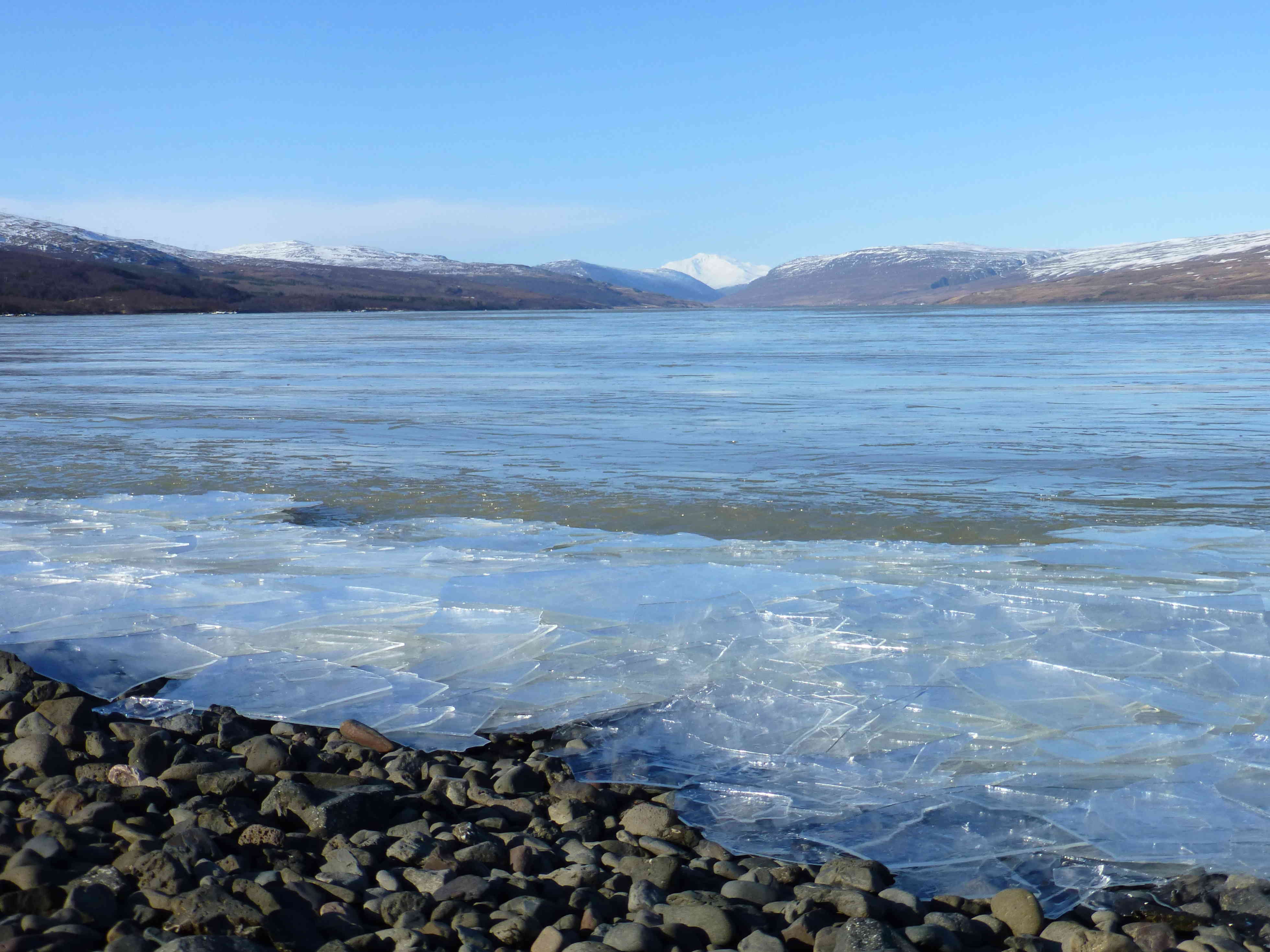
And it is here in the spring, when you stand on the shore, you can hear the mountain talk to you through the ice as it is lifted and set down by the waves lifted and set down by the breath of the mountain. It sounds like a flock of joyous birds. Really. You should go. It’s worth the trip to hear it through the birch trees, to keep walking as it grows louder and louder, and then, well, to be right inside it.

Tracking Elves in the Icelandic North

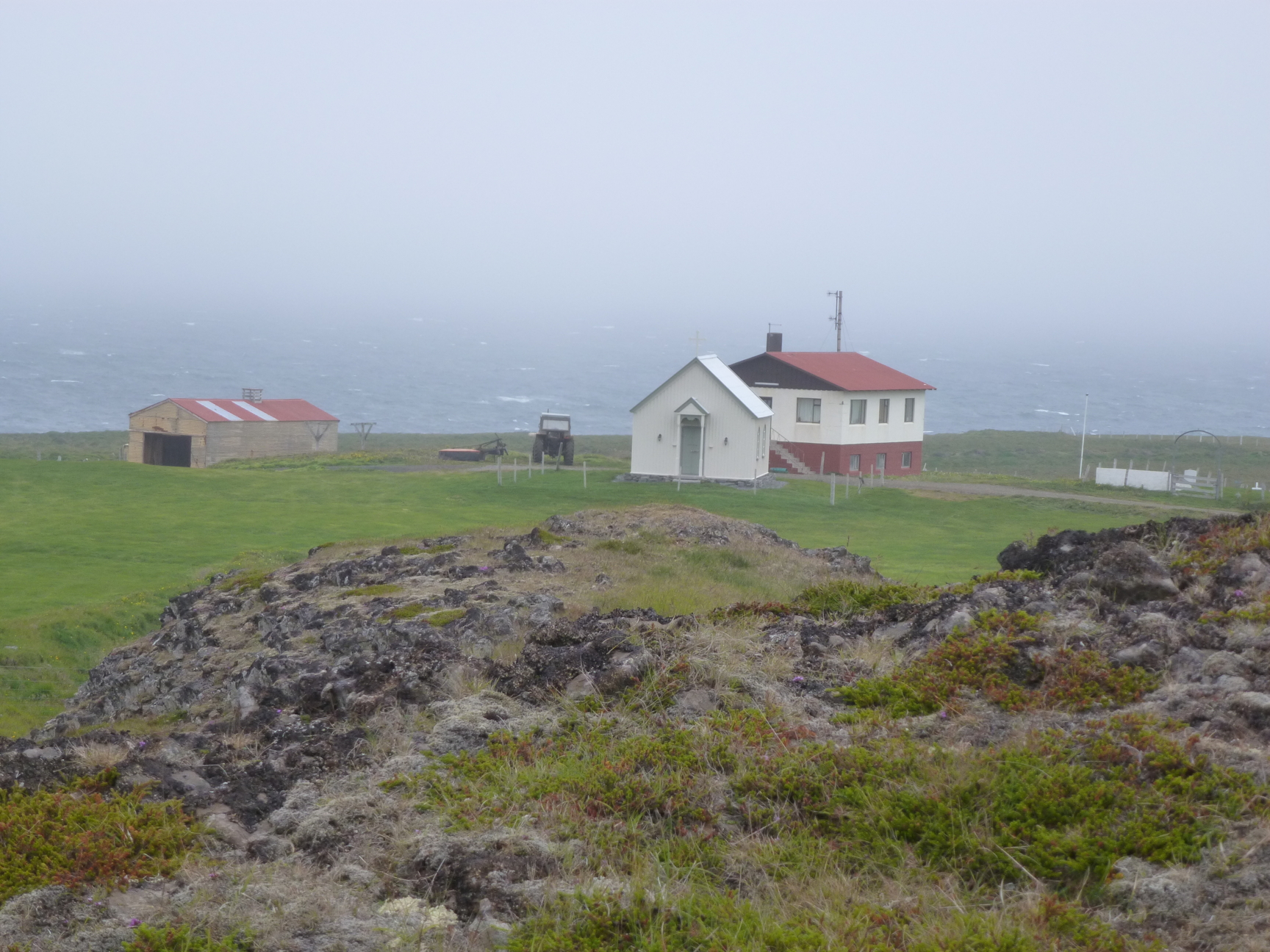
While searching for elves in North Iceland, I found this farm. It has a church and a manure spreader and a human house, so pretty well-equipped. Plus an elf house, of course.

Cold Rainy Day!

Here’s the elfin view of the, um, colonial improvements. A tractor and mower, too, as you can see, just south of the Arctic Circle. Brr.

It’s always this way. It’s not that there were elves here before humans. They came along in human heads, but they needed a place, and so houses (and churches) were allotted for them too, which means that the humans had to choose well. Here’s the view out over the human camp to the sea.

And look at the tumble of elves crowding up agains the road, unable to cross! Tut tut.

Humans are sweet. When you build a new house down by the water, in the wind, you put a graveyard in the old one, where your ancestors lived while alive. They can live on there, with their elf neighbours.

So, all in all, a good social relationship!

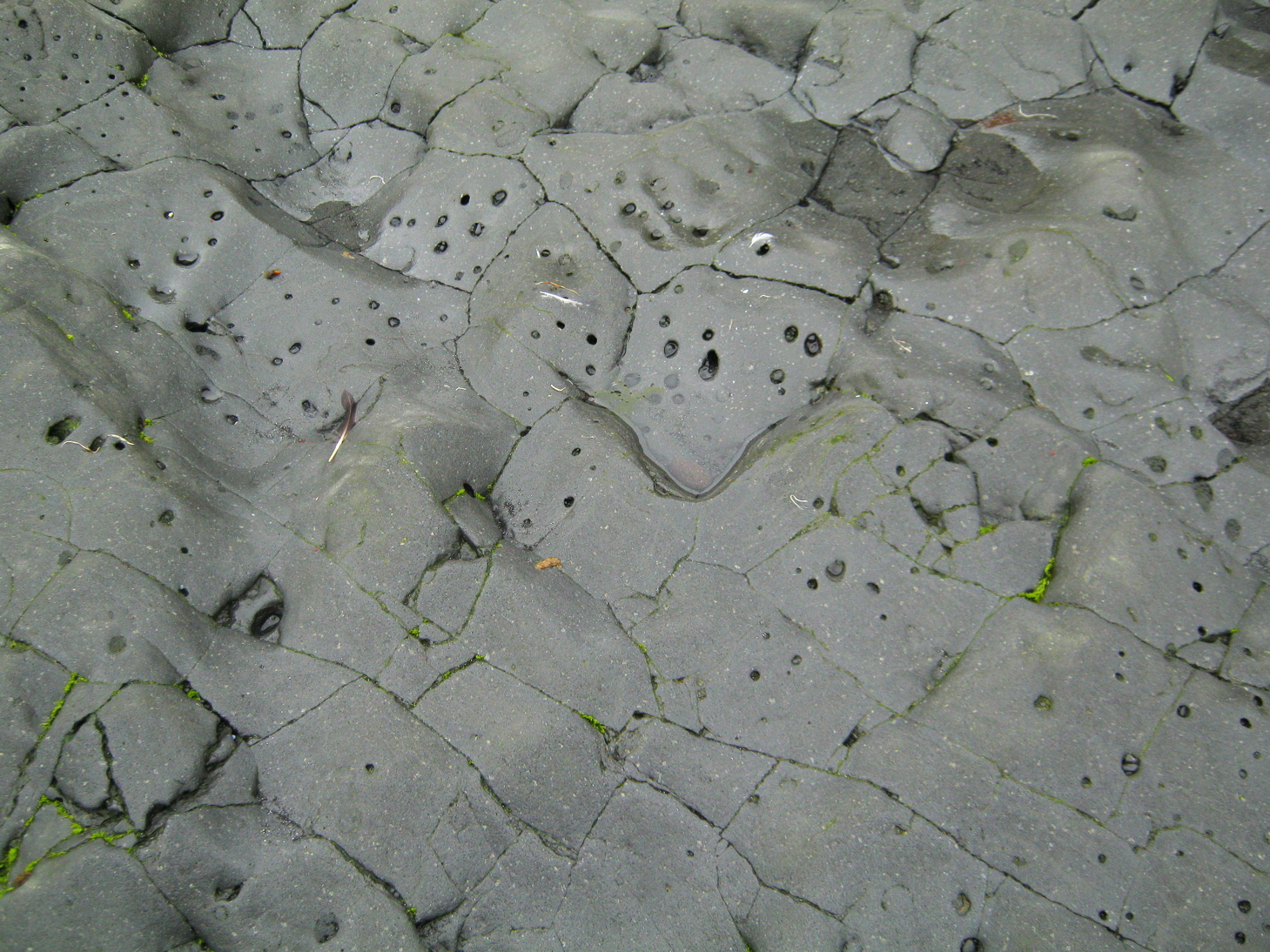
The True Inspiration for Icelandic Architecture, Promise

Here’s a turf house window in Iceland. You’ll still find a few here and there. Wonder where the idea came from?
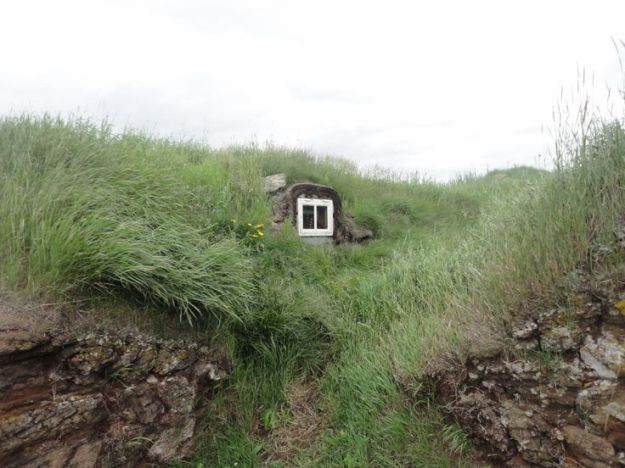
Wonder no longer.

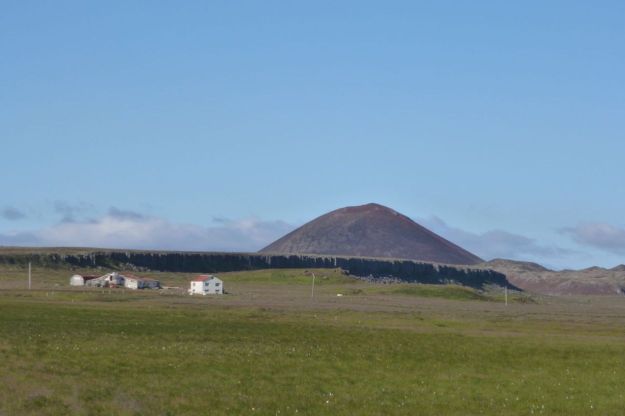
Of course, that’s old architecture. The new stuff is, like, modern and all. Or maybe not. Here are some apartments in Reykjavik, and the elf stone in front of them, where no developer was allowed to build, because it was already occupied, and you don’t want to mess with magical rocks. Where did that idea come from?

From Snæfellsnes, that’s what. All that’s happened is that people finally got the upper hand and build houses taller than the magical rocks.
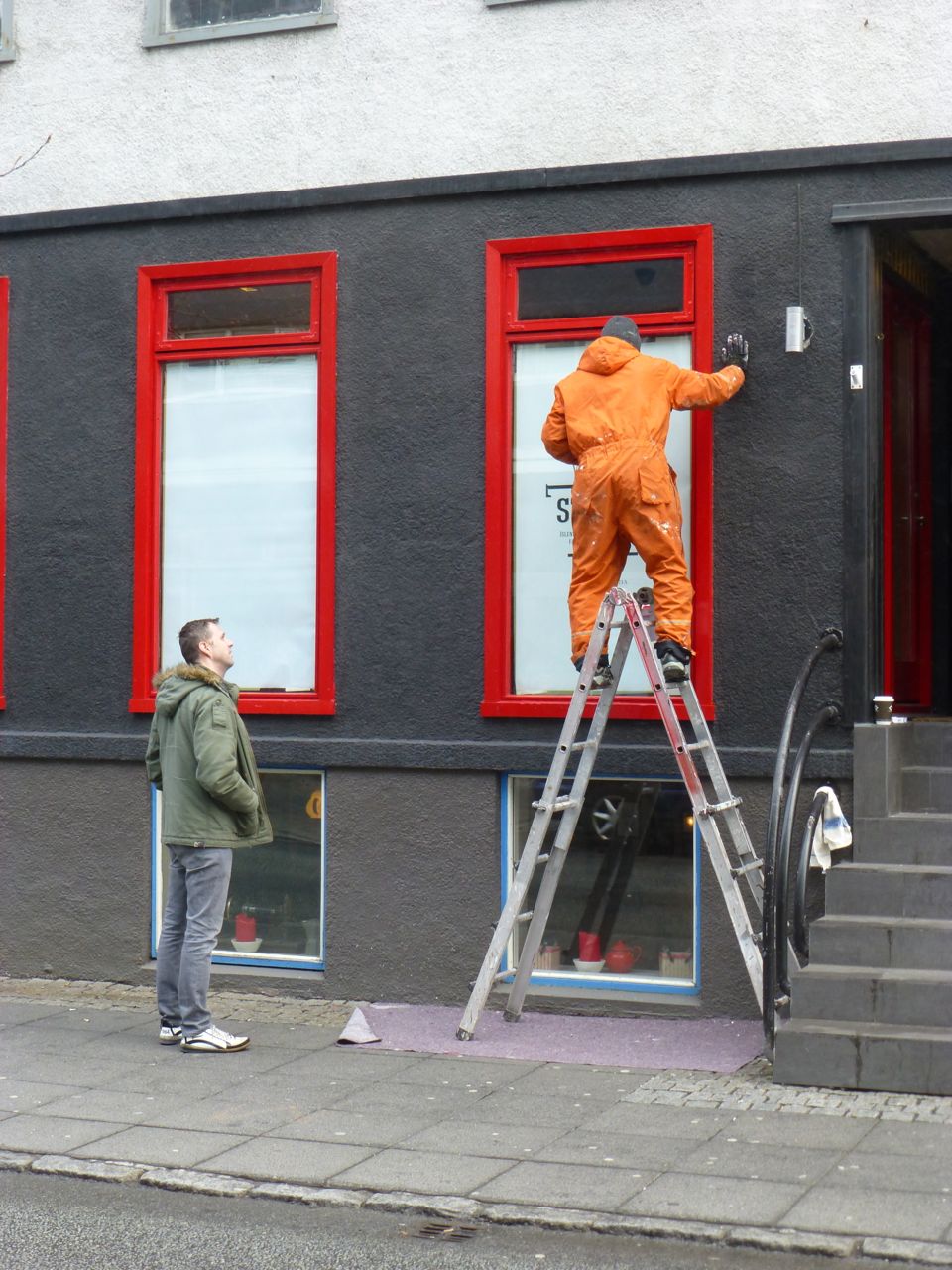
That’s simple enough, but what about finer architectural features, such as the red windows below on Laugavegur in Reykjavik. Tough one, eh?
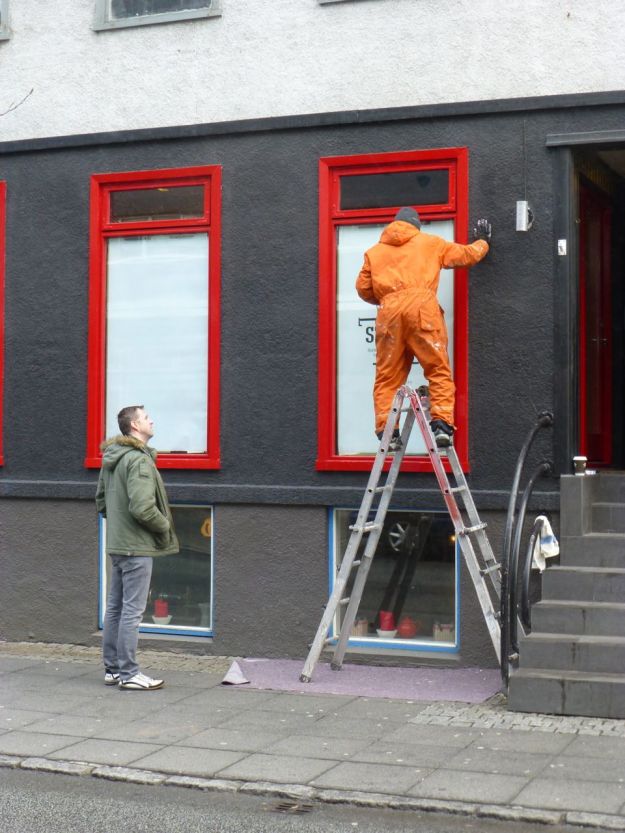
Not at all. We just need to go to the Fljotsdalur in the East and all is revealed.

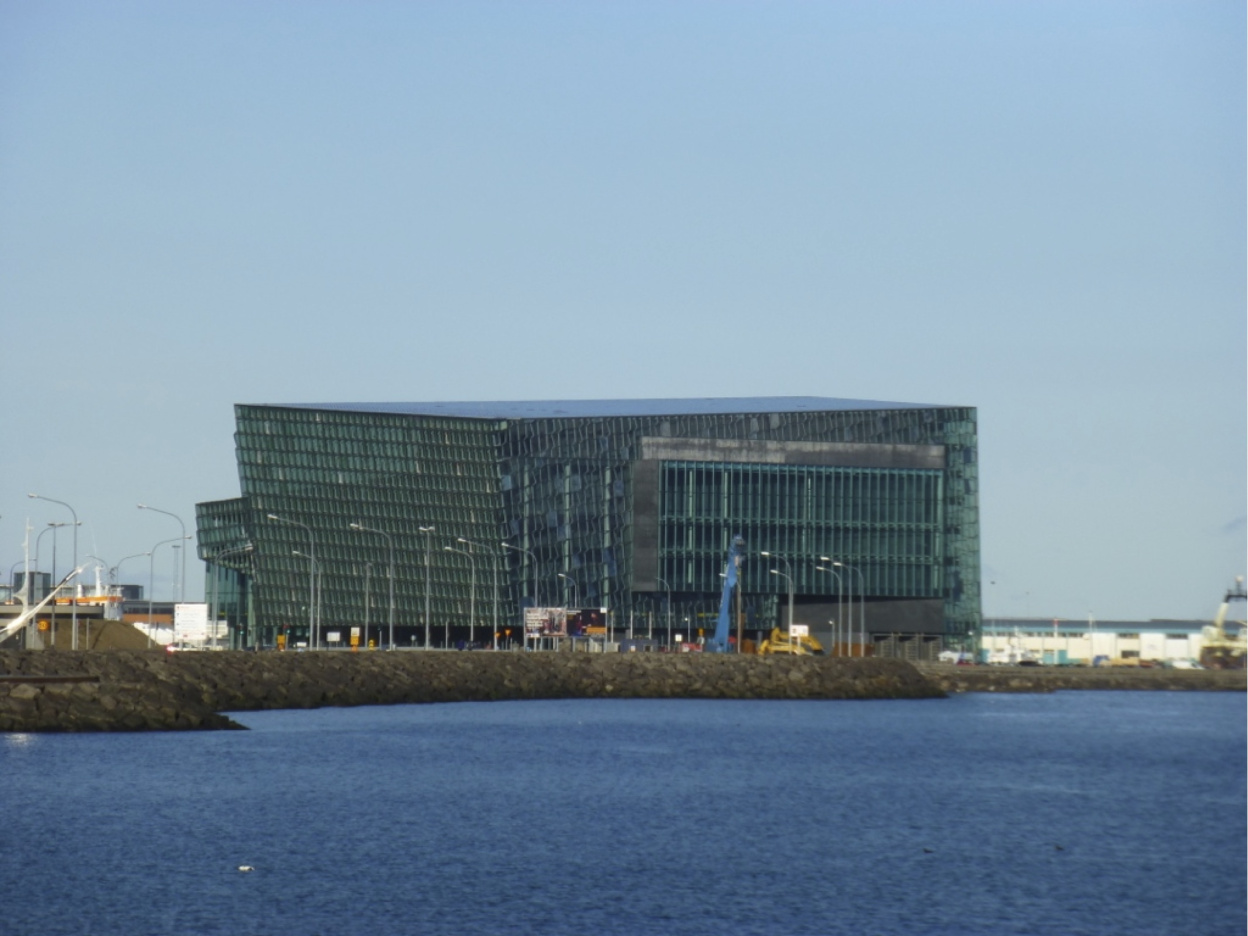
See, two red panels. Nice. Fine, but what about the really tough ones, like the Harpa concert hall?

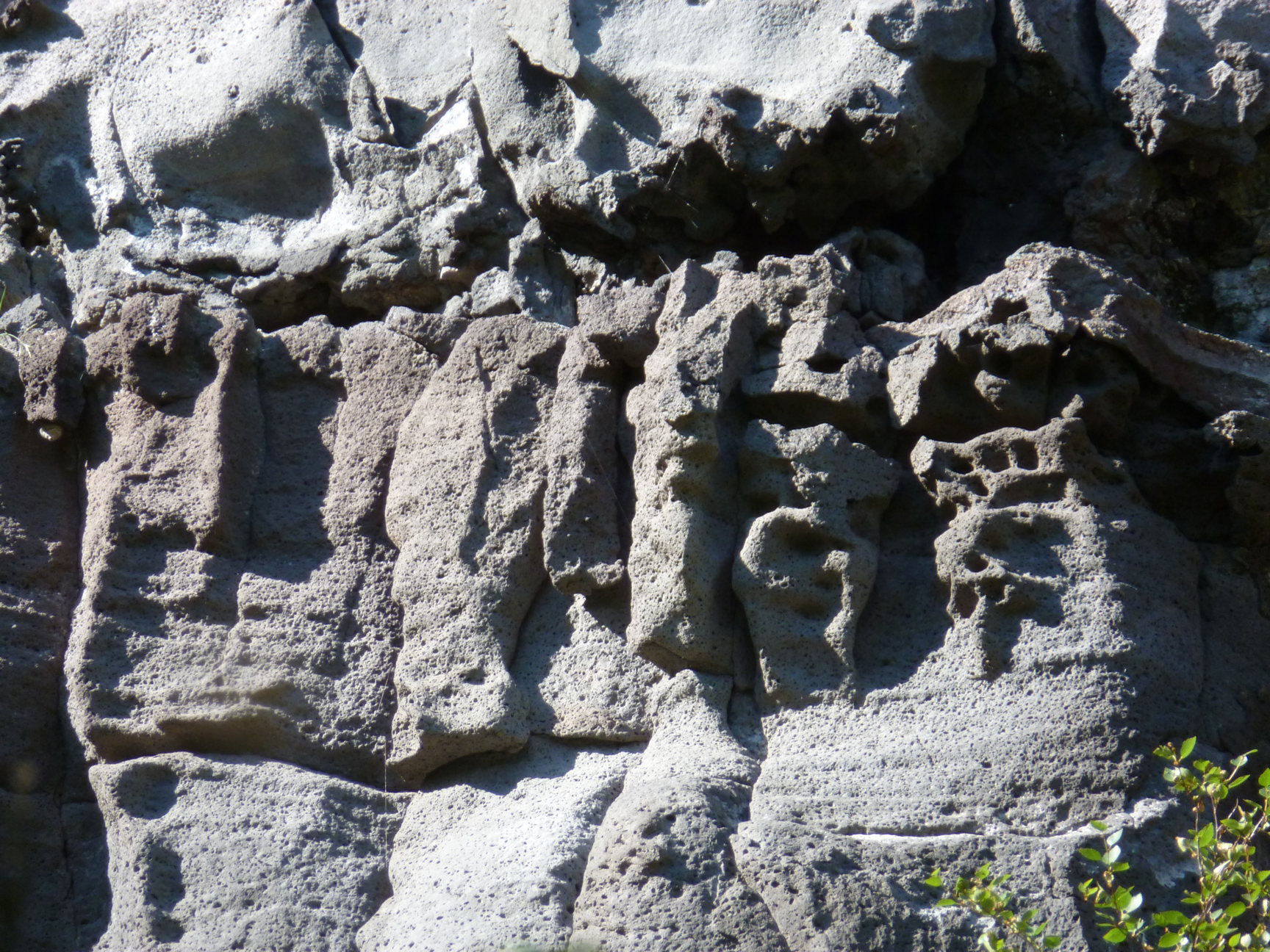
Pshaw, nothing to it. I guess you didn’t go quite far enough out on Snæfellsnes. Here you go.
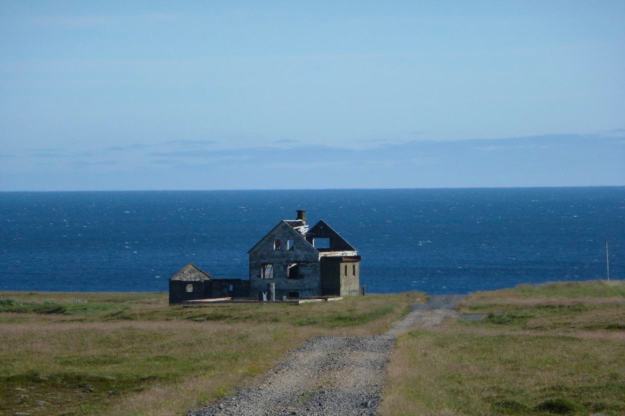
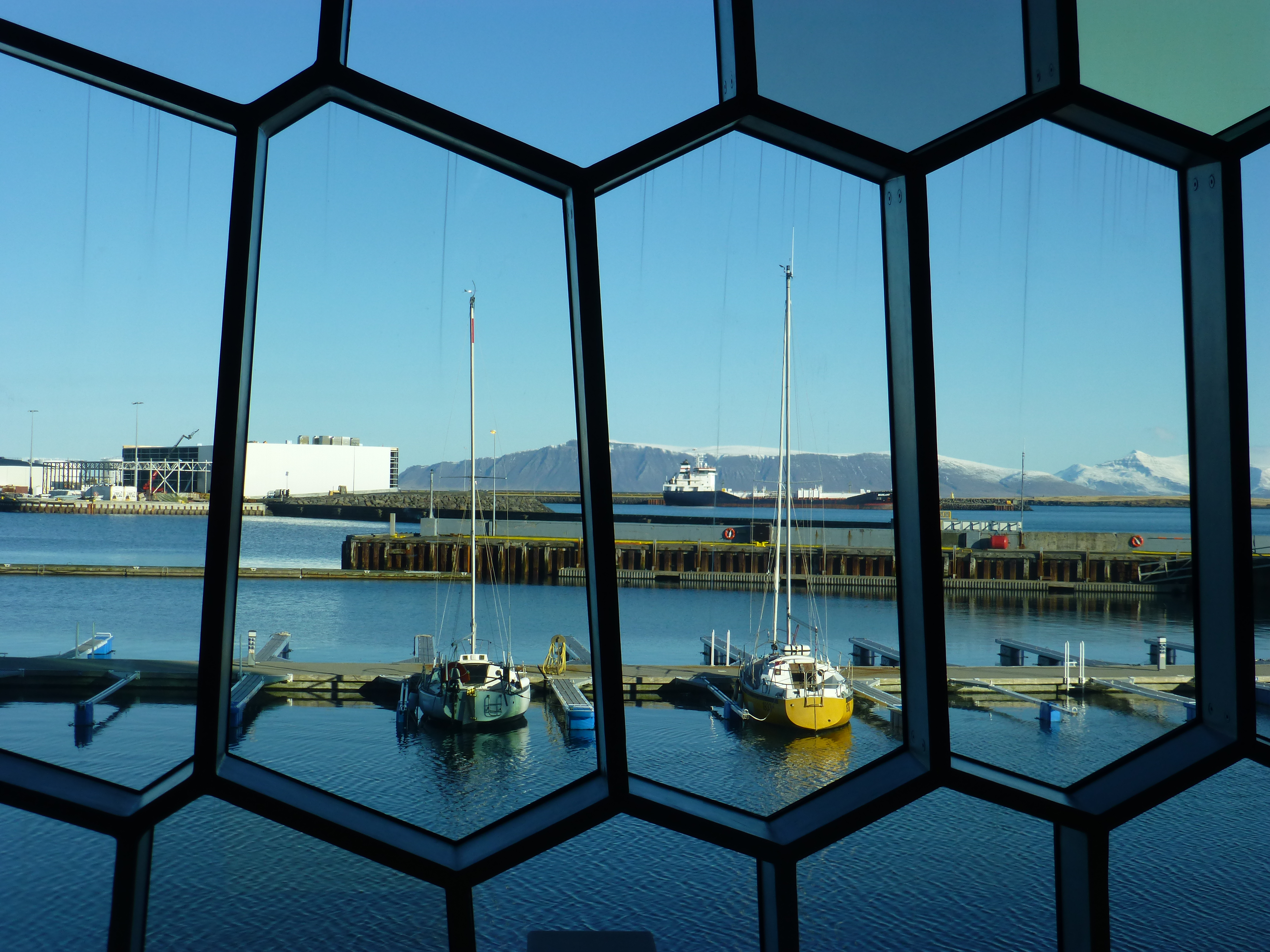
And the Harpa:

See? You can be in and out at the same time. That’s the ticket. Now, about the modern brutalism that graces the city…
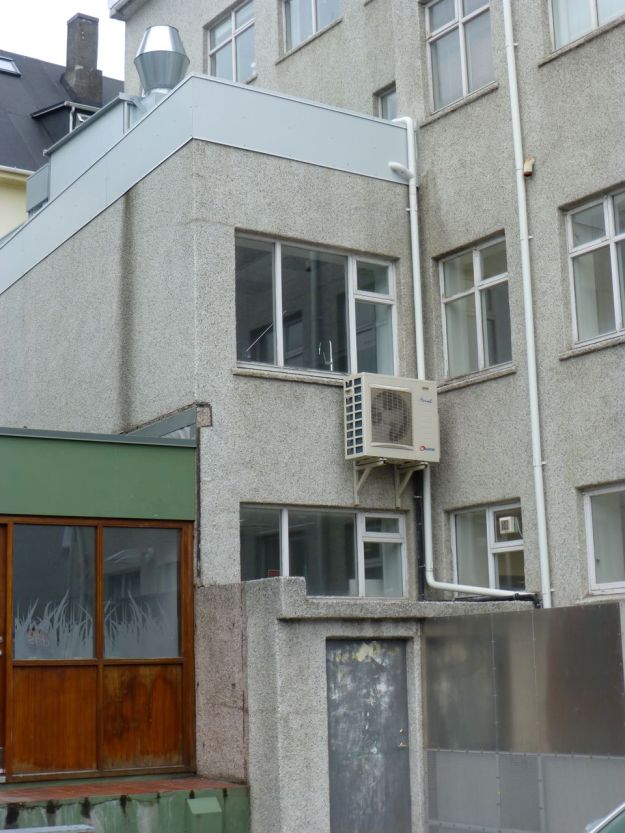
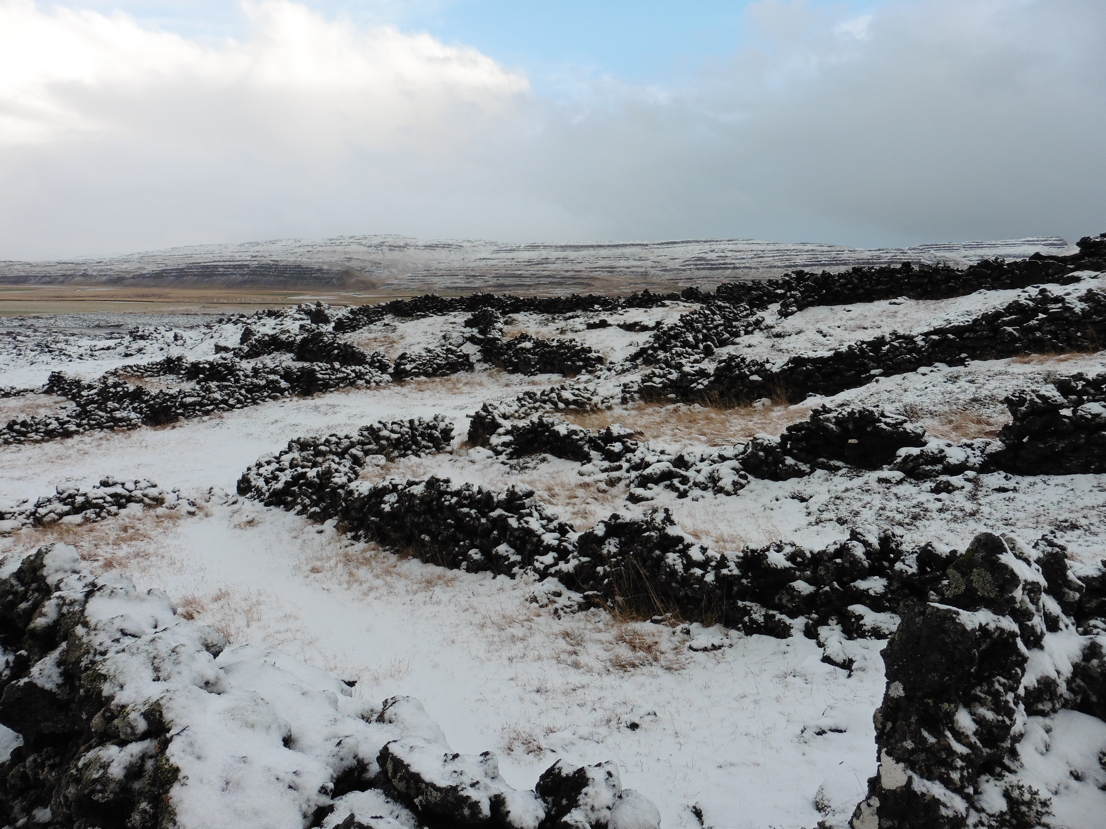
… well, not modern at all. You can see its model at Ásbyrgi, in the far North.
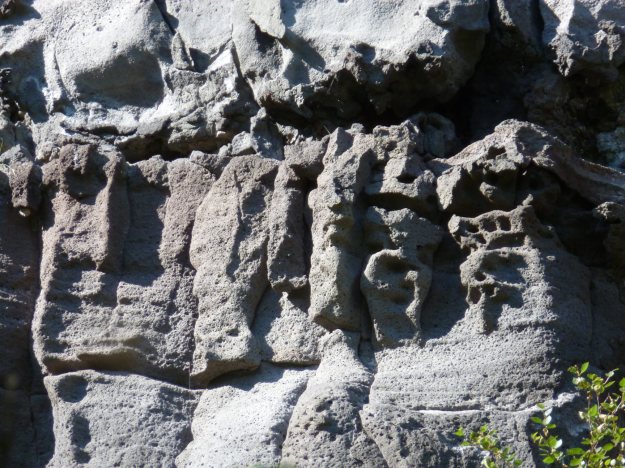
Oh, one more time. This time, note the air conditioner…

Nice, eh. Where, oh where, does that come from? Again, the far North.
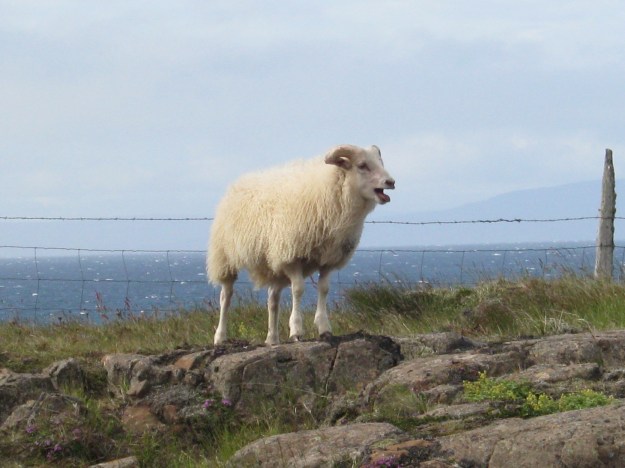
Well, just imagine the building as a flat rather than a height and you’ll see it. It is a crazy island, but if you hang around it long enough it will come into focus.
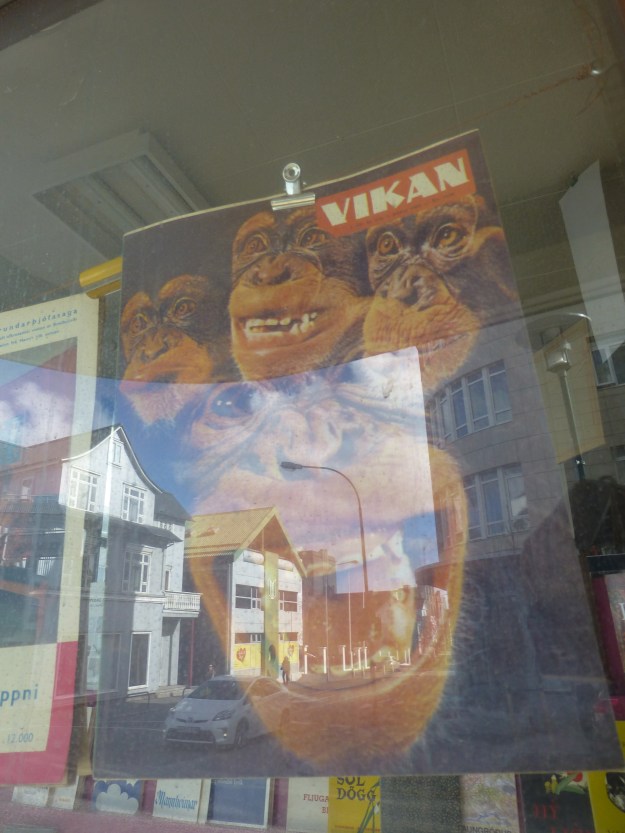
Book Laundry in Reykjavik

(Other countries launder money, but Icelanders have learned their lessons about messing with crazy stuff like that.)


Homecoming in Iceland

This year I will be going to Iceland for my fifth time. People are already making fun. “Why don’t you go somewhere new?” they ask. “It’s a big world.”

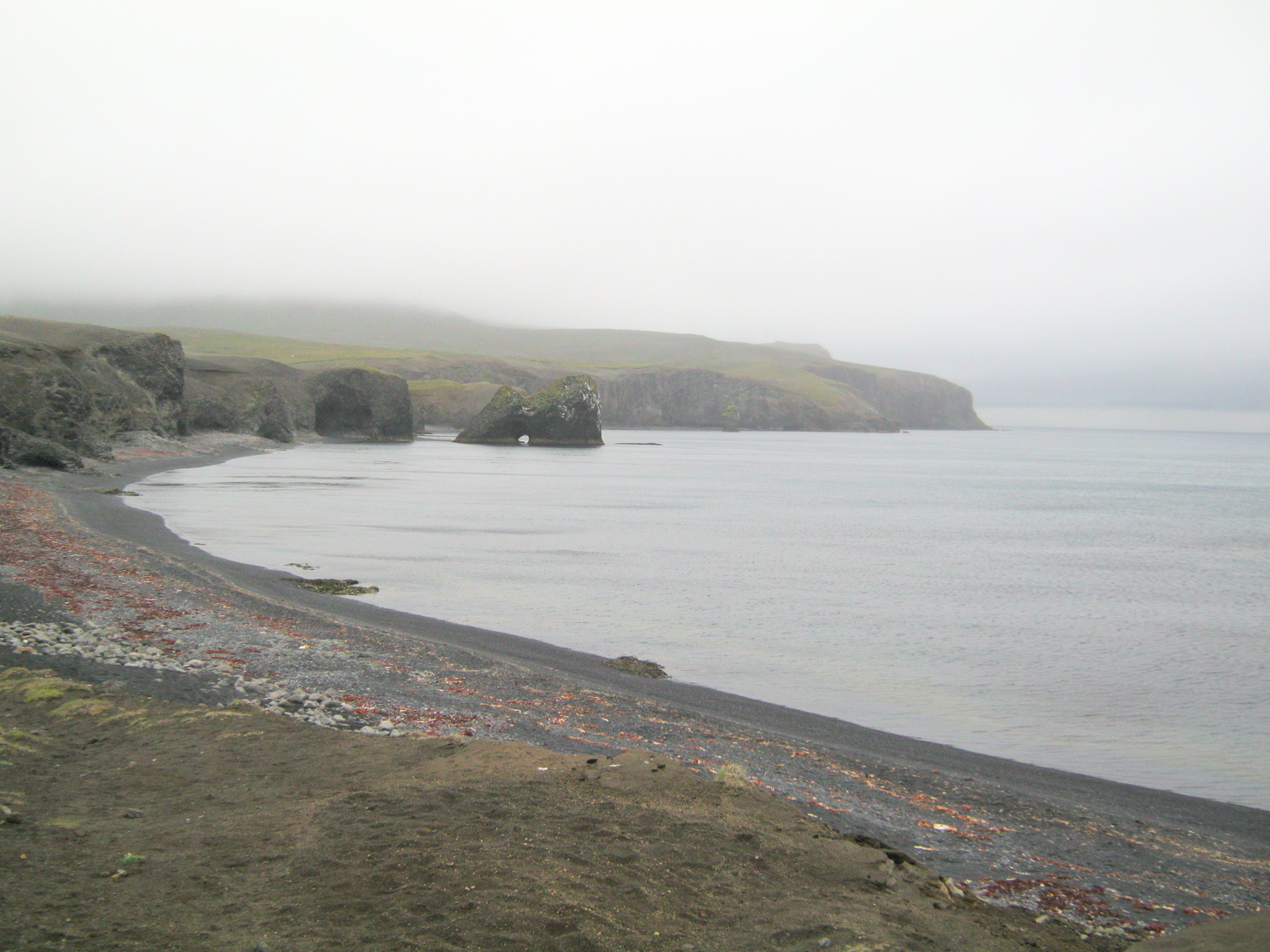
Yes, but the bay above called to me. Without seeing it, I suddenly drove off the road, parked in a meadow and started walking into the wind. Soon, I crested a headland and was here. Soon after that, I discovered that the beach was watching me as closely as I was watching it.

Seeing new things often means going home.  The land welcomes one with speech, when one is patient and listens.