On an island in the sky, everything is shore.

On an island in the sea, it’s the same. For humans, too, in their tides.
What Shore Birds in Iceland Can Teach Us
Leave a reply

On an island in the sky, everything is shore.
On an island in the sea, it’s the same. For humans, too, in their tides.
It used to have trees, and it is eaten by sheep. A little bit of replanting has been done. Here are some Siberian larches in East iceland, placed in like a quilting block.
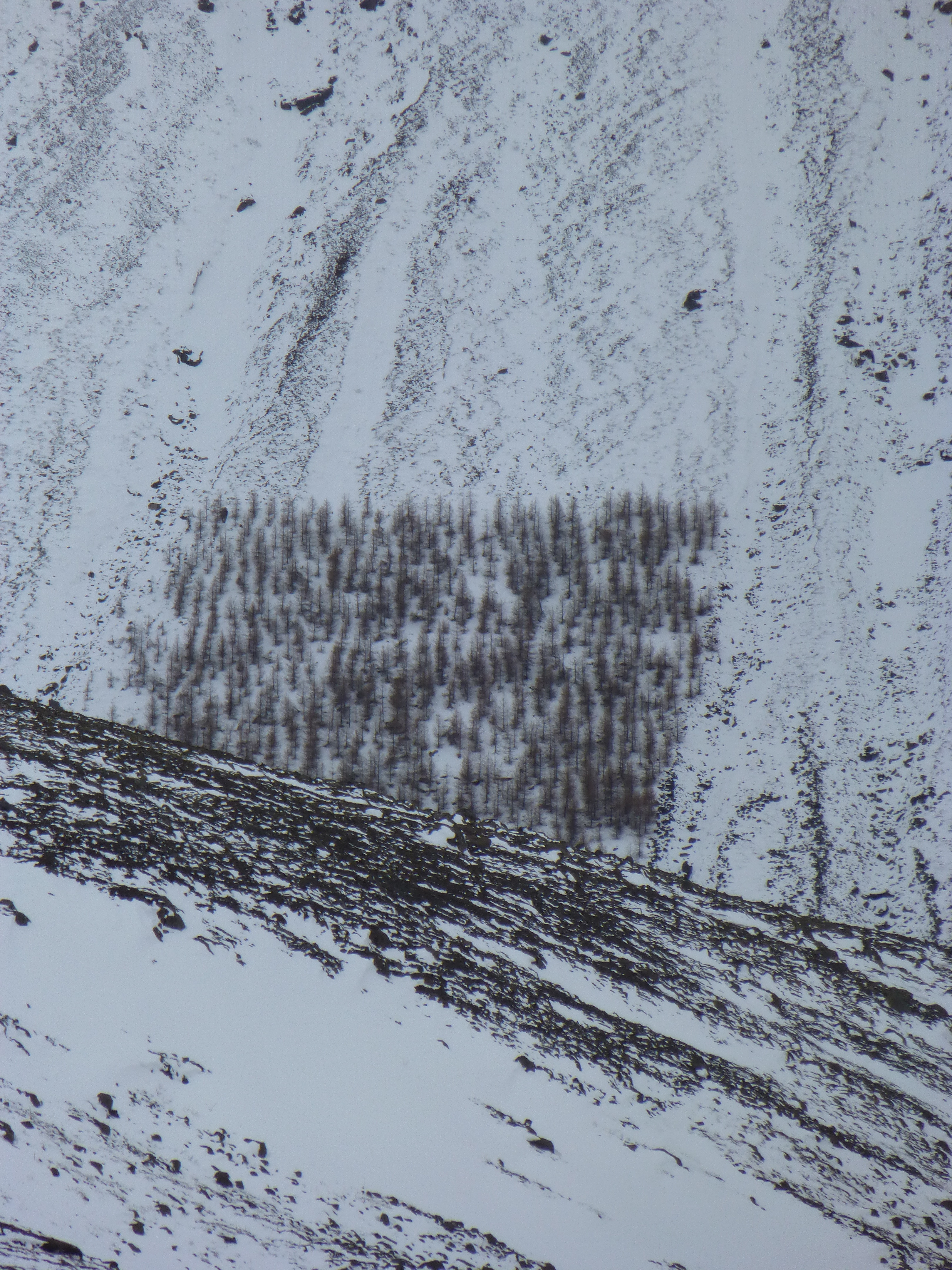
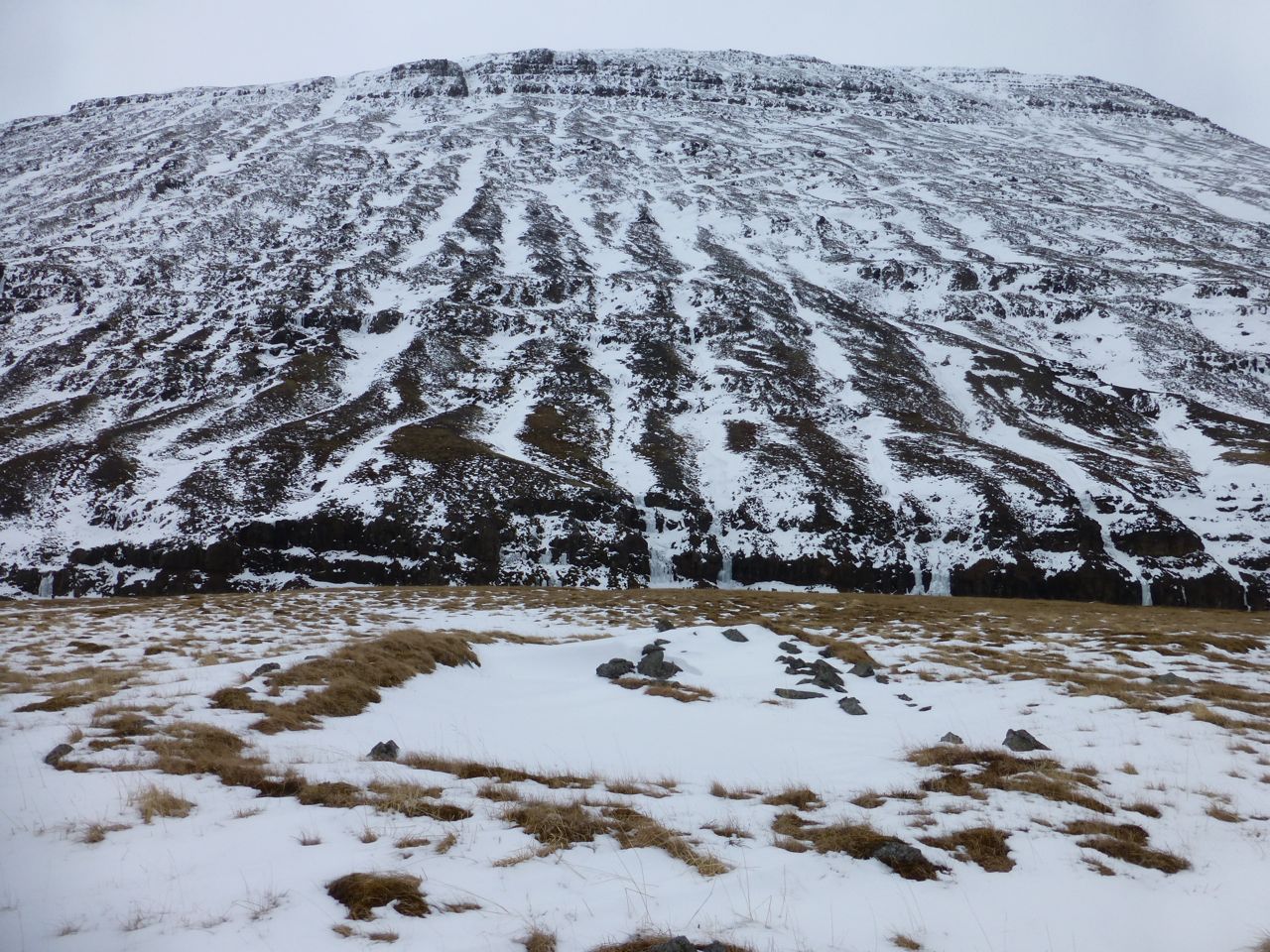
One works with what one knows. Everything else is a compromise. Spiritually, as I showed you yesterday, the compromise is between paganism and Christianity. Environmentally, it is between earth before and after settlement. Below is an image of Iceland flowing to sea, which is called the force of wild nature.
 Well, yes… wild nature with sheep and shivering humans. Iceland is not an indigenous nation. It is a nation of settlers. Settlement is an ongoing process. It is at the root of the country’s past and future. This is what it looks like.
 Baa-aaaa!
It also looks like this:
 Reykjavik
And this:
 Kirkjubær
The point is, when you live on a sub-arctic island, and keep sheep, everything is hay, as the Icelanders say, meaning that when the hay runs out in the middle of the winter you will feed your sheep anything — anything — to survive. Even this:
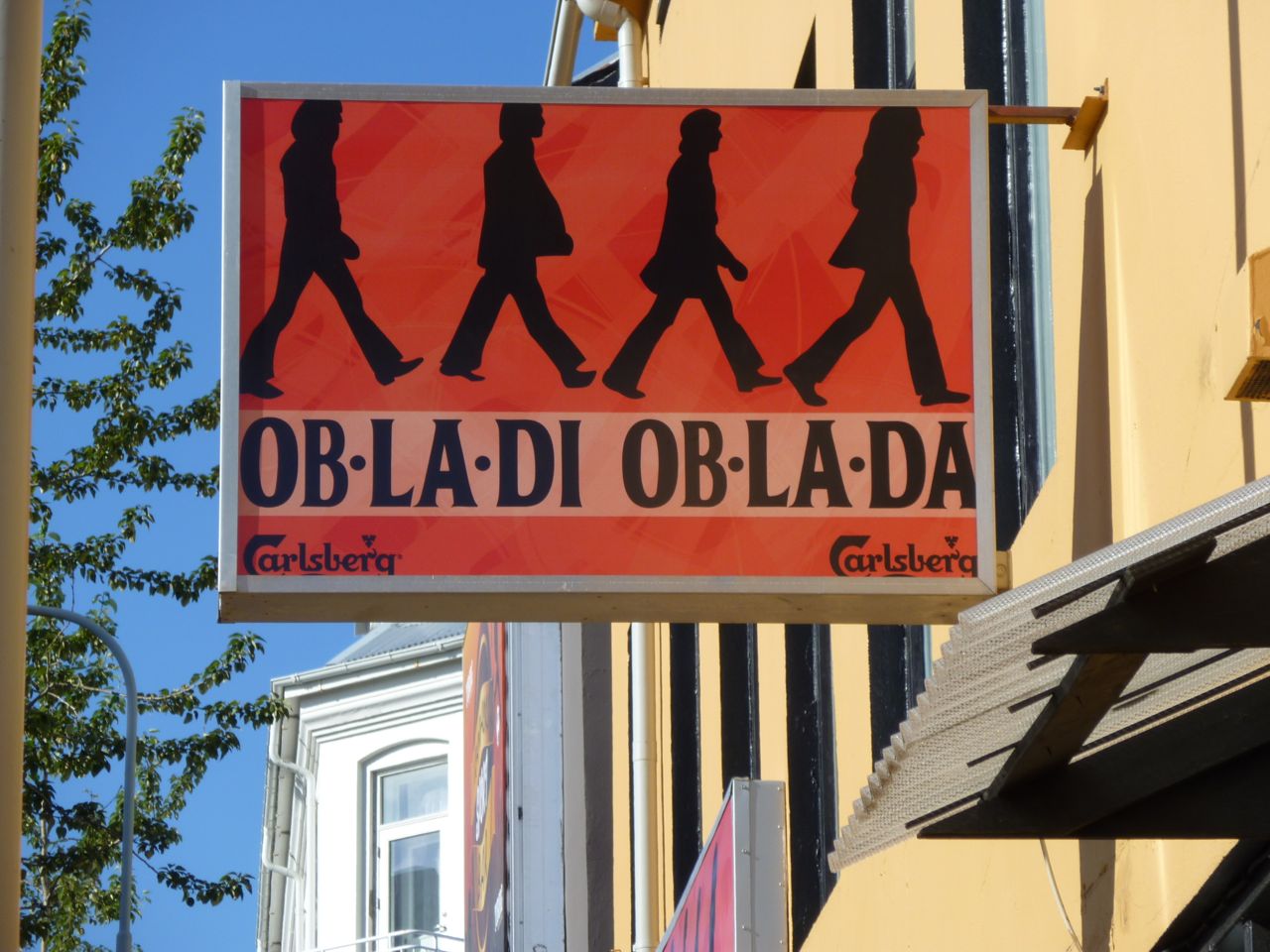 Yes, in Reykjavik even John, Paul, George and Ringo are hay. And danish beer is hay, too.
 Baaaaaaa.
In the time of Gunnar’s youth, 120 years ago, the pile of stones in the middle of this image were the foundation walls of a house large enough to seek shelter in from winter. It was just large enough to lie down in (and shut the door.) The dog could find a place once the door was shut.
 Near Viðivallagerði
A man didn’t live there. He lived outside, in what you can see here. The less time spent inside there, the better. That’s why it’s called “the world,” the space of human habitation.
Yesterday, I surmised that the Nordic eye that is neither thought nor memory, and thus not consciousness, is the body, looking out, and asked what it was that we are looking at with that eye. I suggested vision, a presence of being rendered physical.
 If that is what we are looking at, it is quite foreign to the contemporary world. Today, human eyes look out to see the social, at all times.
 But in a one-eyed landscape, is it really social, or is that just a contemporary, North American word placed on a far different manner of presence?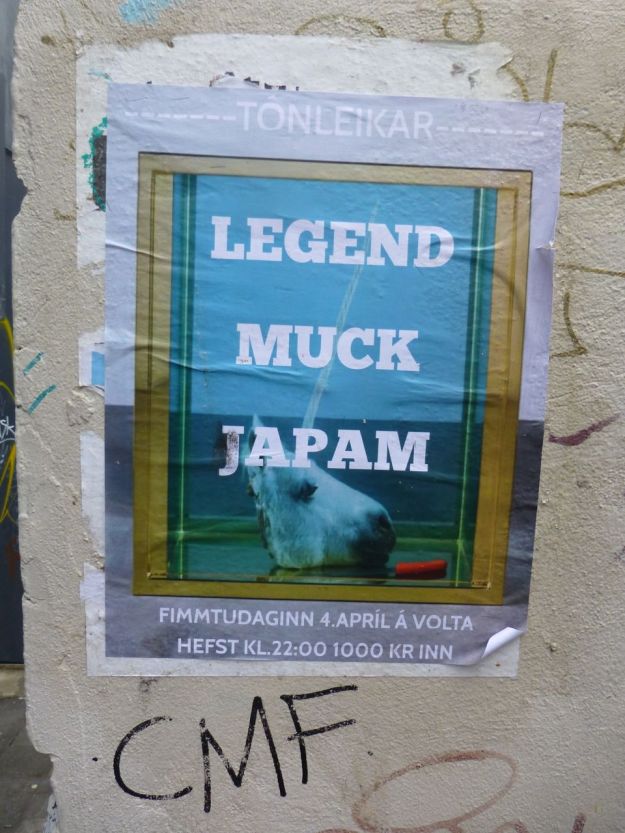
At any rate, it’s quite different from a human/non-human relationship of being, such as Iceland-outside-of-Reykjavik:
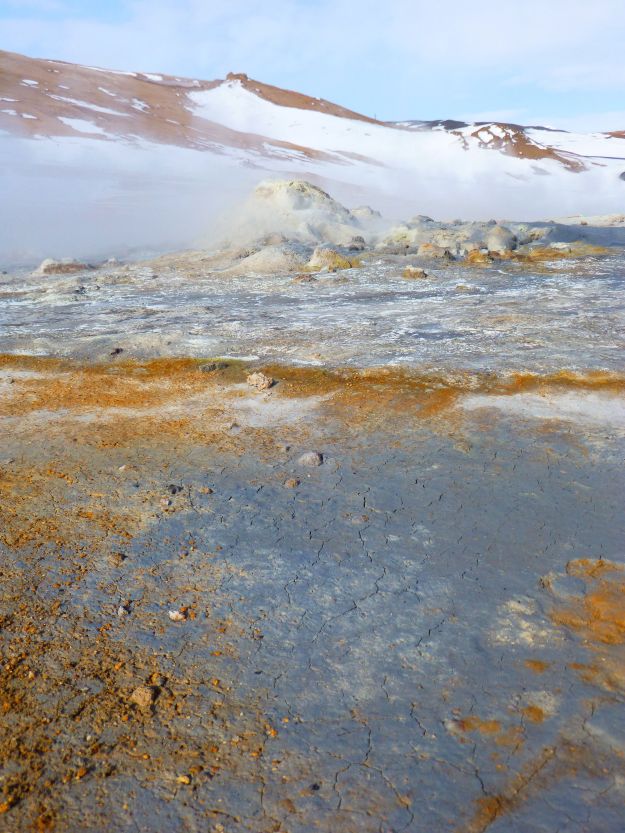
But, here’s the question: is that relationship social, too? But not “social” in terms of human-to-human interactions? 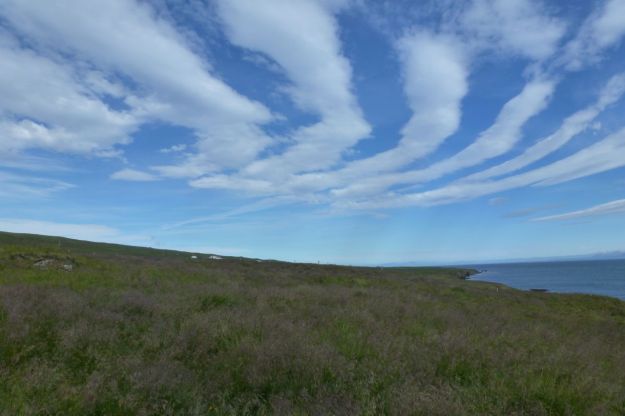
And so, we come, as we seem to always do, to another question: if there is a non-human social relationship, what is it with, or, perhaps better put, what is a human social relationship when it includes non-peoples?
 And what does that say about interhuman social relationships? Something to dream about overnight!
Oðin, the wanderer, threw his eye into the pool at the root of the world tree, to gain wisdom.
 The Icelandic Green Party Reassembles the World Tree in the Election of 2013
The nature of the wisdom a supplicant received was determined by the quality of the gift. For an eye, he got two ravens, Thought and Memory, and what else is consciousness? That’s it, for sure. Here are a few pictures of Thought and Memory in Iceland, to show you how it works.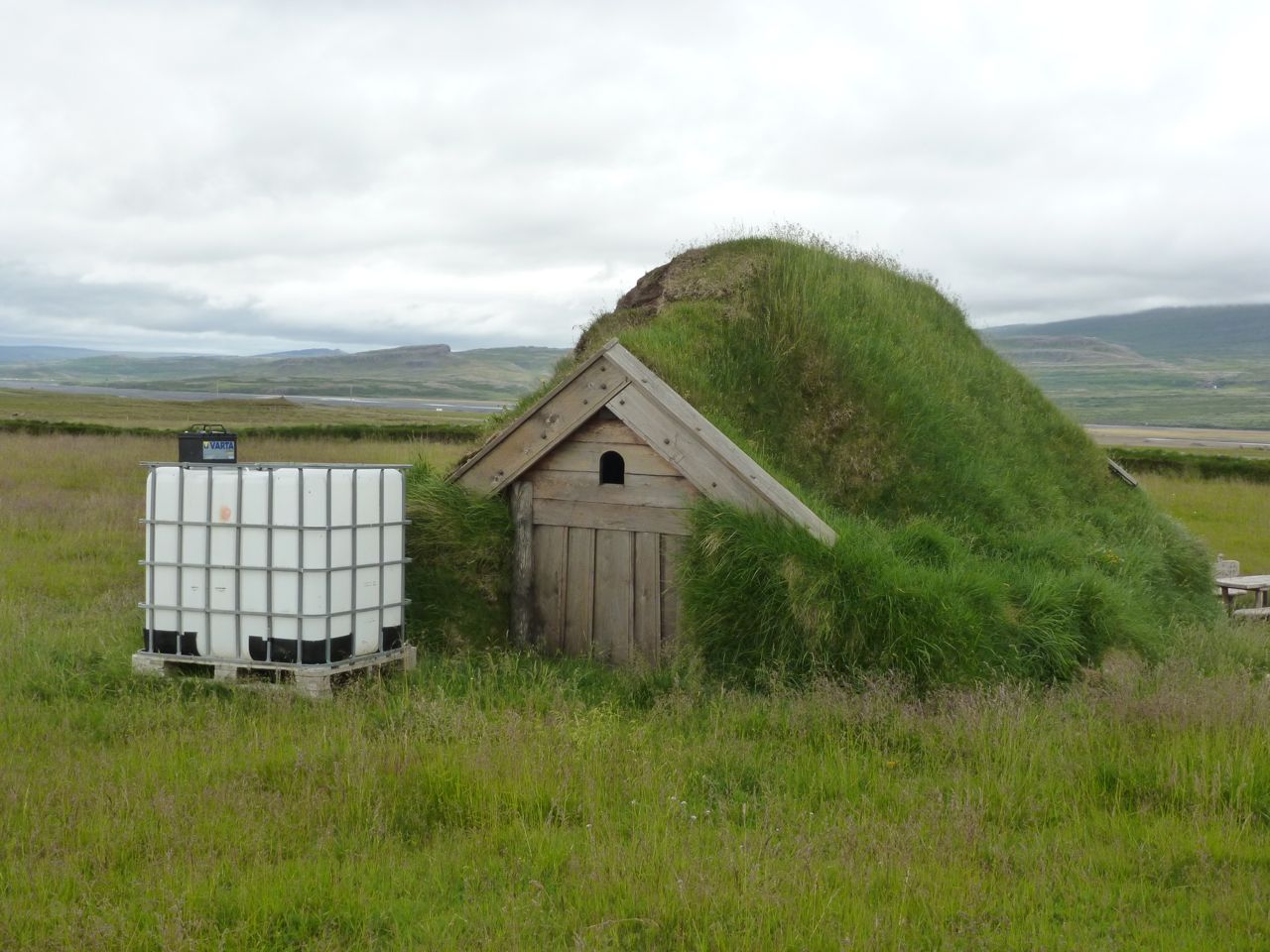 Church, Battery, and Water for Horses.
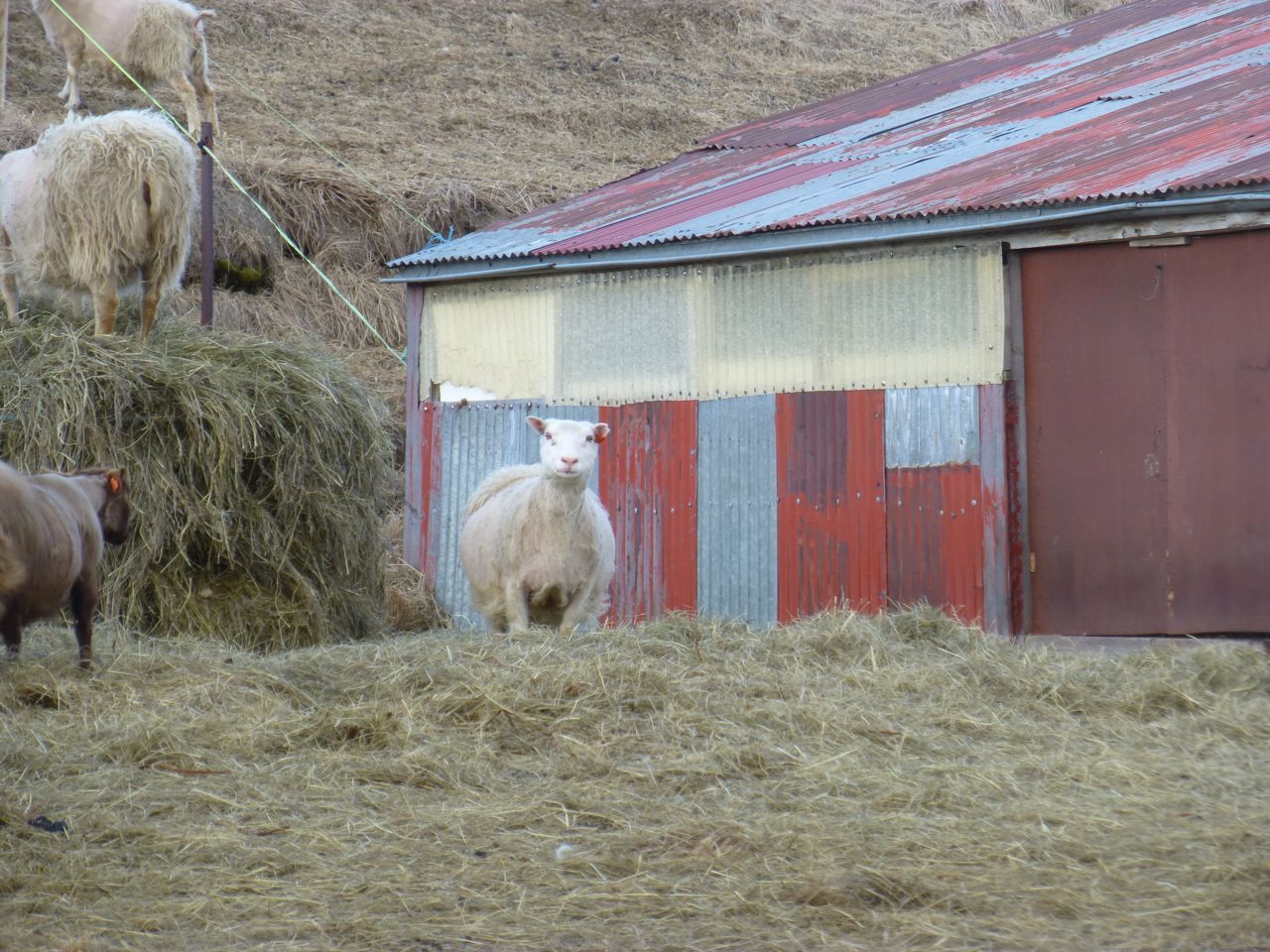
Sheep and World War II US Army Surplus
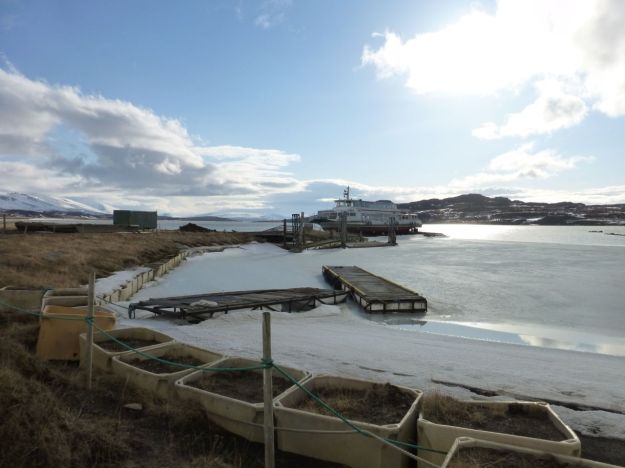 Abandoned Cruise Ship and Fish Bins, Lagarfljót
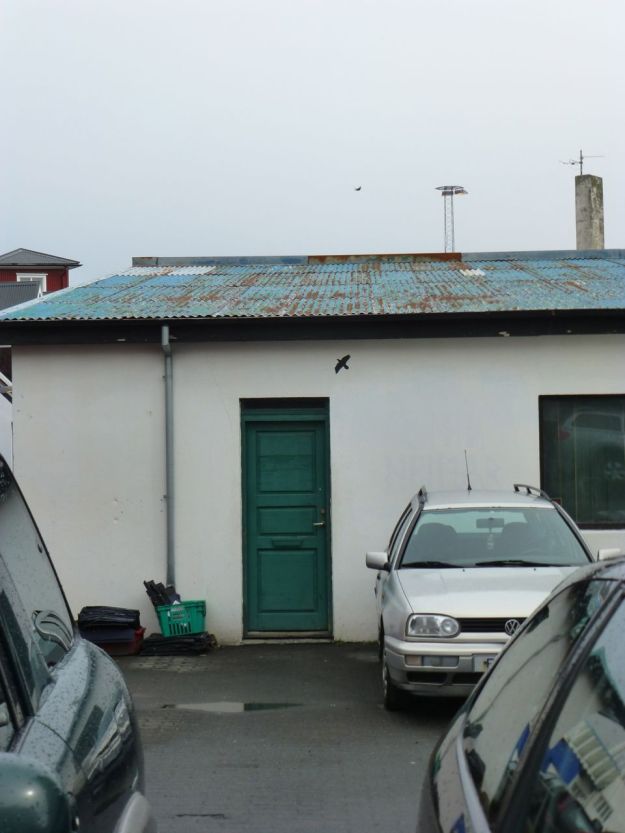 Thought and a Door… Or is That Memory and a Mouth?
Window Remembering the Sky and Thinking of the Wind
 Forest, Remembering, in Front of a House Thinking of a Waterfall
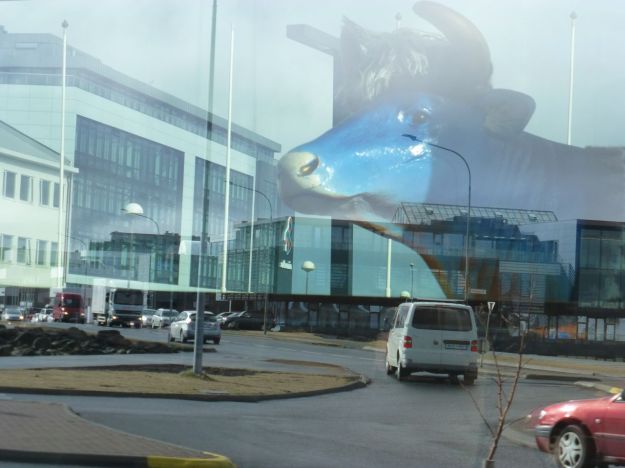 The Cow at the Hamburger Factory, Remembering Its Days as a Reality TV Show
Pretty cool, for sure, but here’s the haunting thing: what is the other eye doing? The one that is not consciousness? This?
 This?
This?  Not at all. If it’s a human image, it’s conscious. The other must have been the eye of vision. The one that doesn’t stop and notice, but flows on.


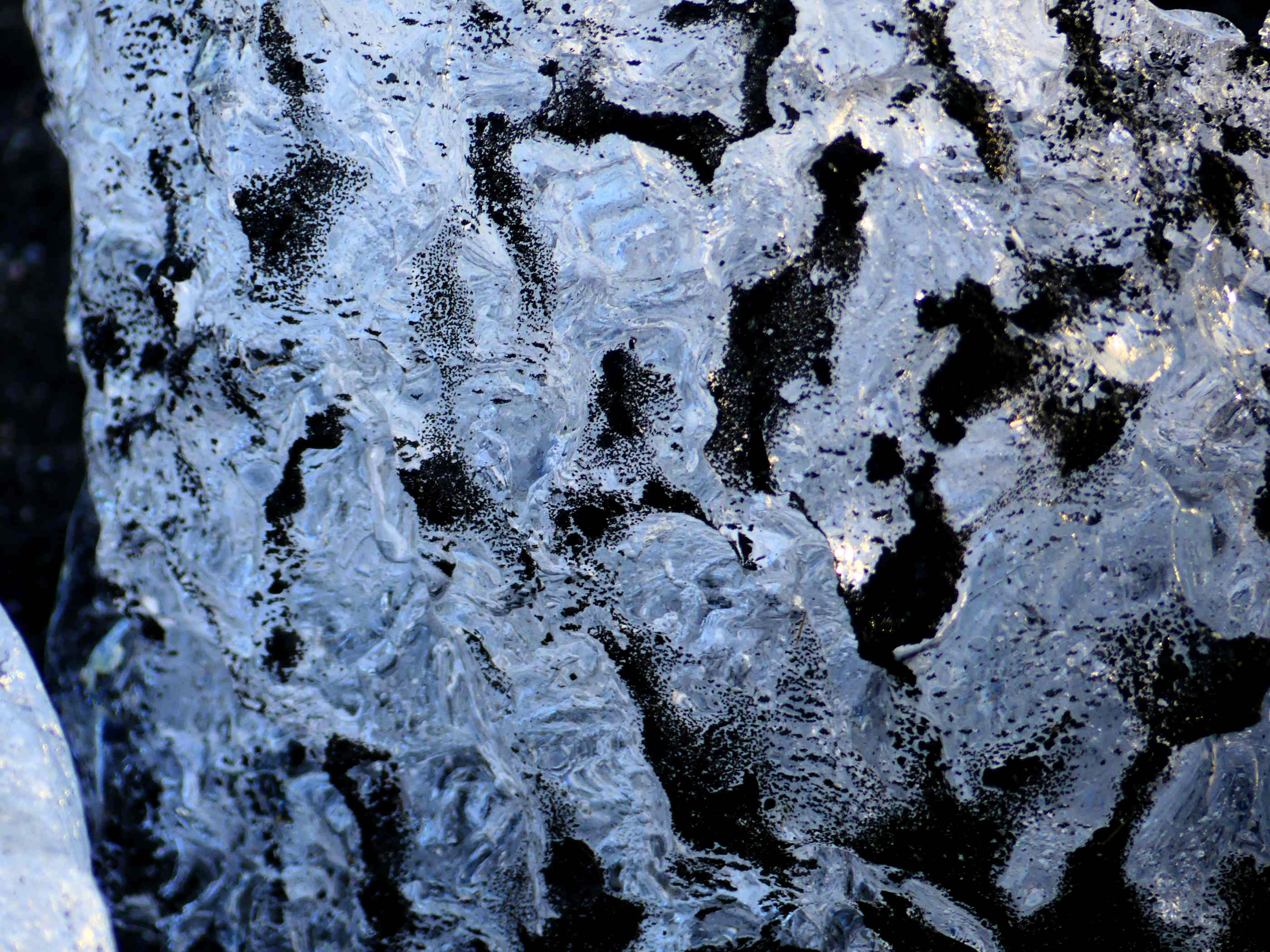
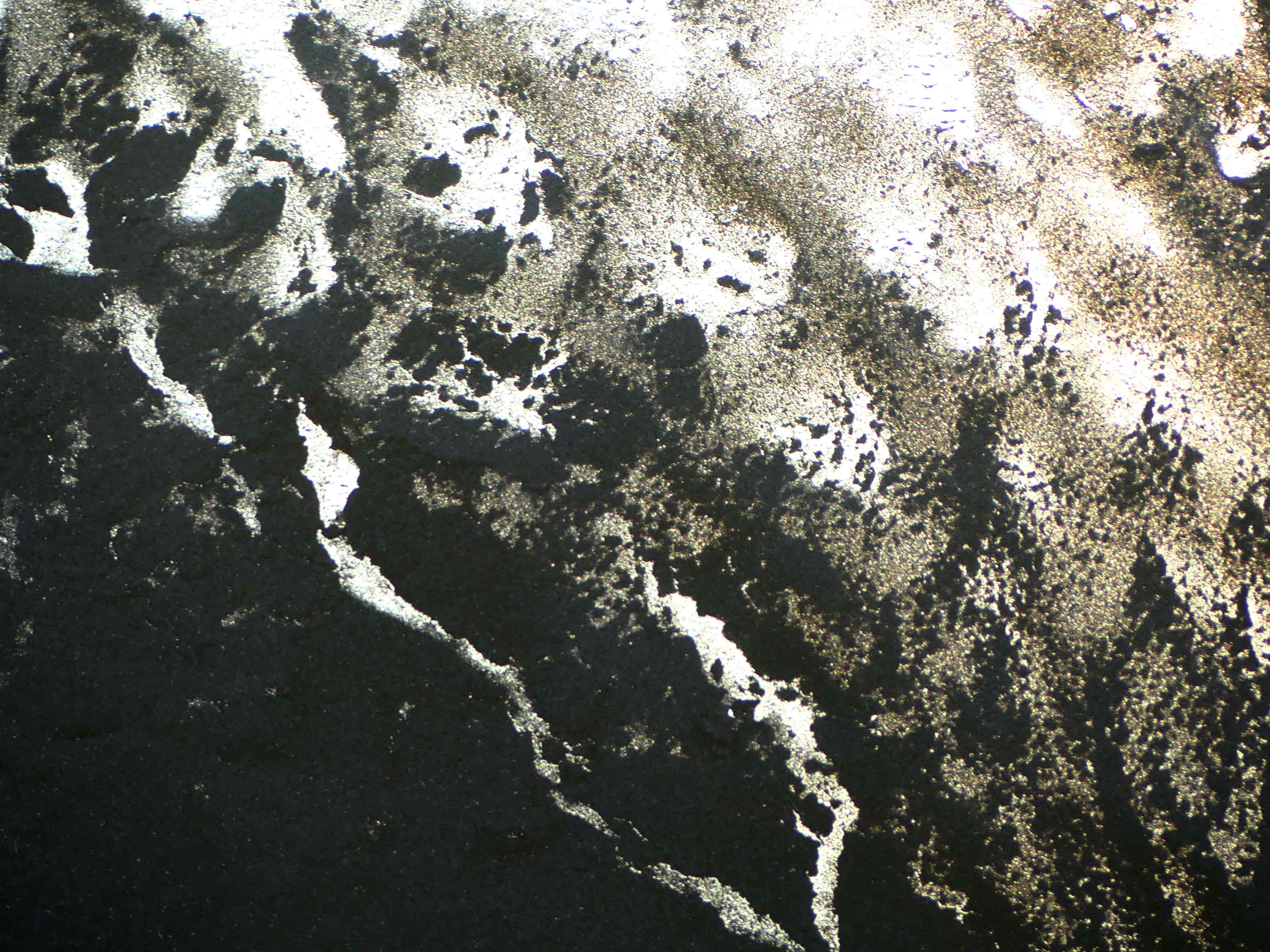

 There is, at any rate, something that’s not conscious, that is aware. So often, thought speaks of the Huldufolk, the elves and trolls that “live within the rock.” Are they the other eye? Are they us?
 What are we looking at?
Gunnar Gunnarsson described Iceland to the Germans in 1940 as “Our Land.” This land:
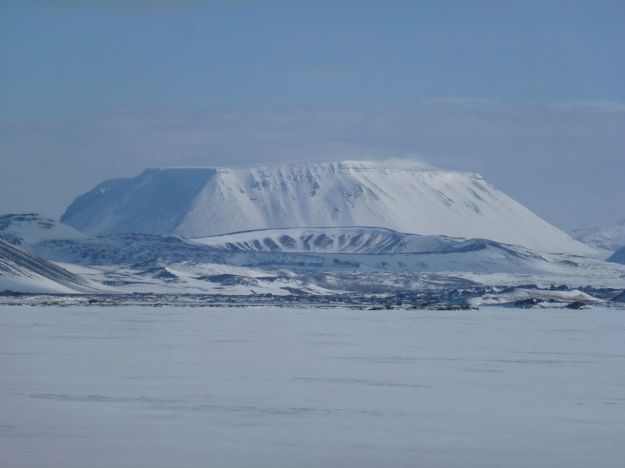
Not Exactly Germany
It was a typical game for this sly trickster.
 Gunnar Even Conned Me Out of My Hat
Doesn’t he look pleased!
Did he mean, “Your land and mine,” after his novel Blood Brothers?
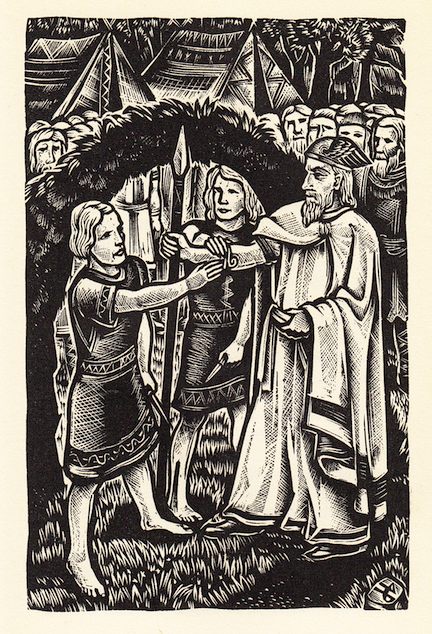
From the German Book Club Edition of 1933.
Or did he mean “The land of all Icelanders and no one else,” after his 1933 novel Vikivaki?
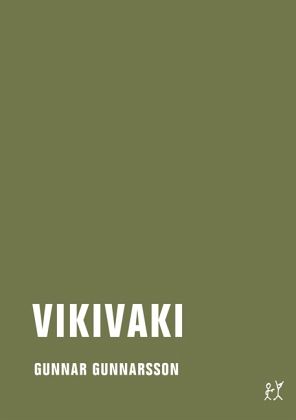
The 2011 German Edition
A ghost story combining The Little Prince, a Dance of the Dead, and Jacob’s Ladder.
Well, he was playing it both ways, as usual. But then, he was a poet.
 And to poets, answers lie in the water, the sky and the land. He meant one thing only:
 Bring no war to this place. It is who we are and all we are. No argument.
 You can read the heart here, if you’re a poet. If you’re not, isn’t it about time?
This globally precious land in a country that claims to be an environmental leader is about to be sold for tourist developement. Perhaps this image shows why it is not being made into a national park instead, which would be the responsible, wise course to meet tourism and environmental goals together.
 Note the catastrophic lava field that obliterated the original farms in modern memory, the excavator digging gravel out of the river, a forbidden practice in many countries but likely under government subsidy here, to enable farmers to stay on the land, and the farm up on the poorly-productive high country, away from that lava gick. This is a story of survival by harnessing energy to an austere, hierarchal system of political order. The fear is palpable, but the land…
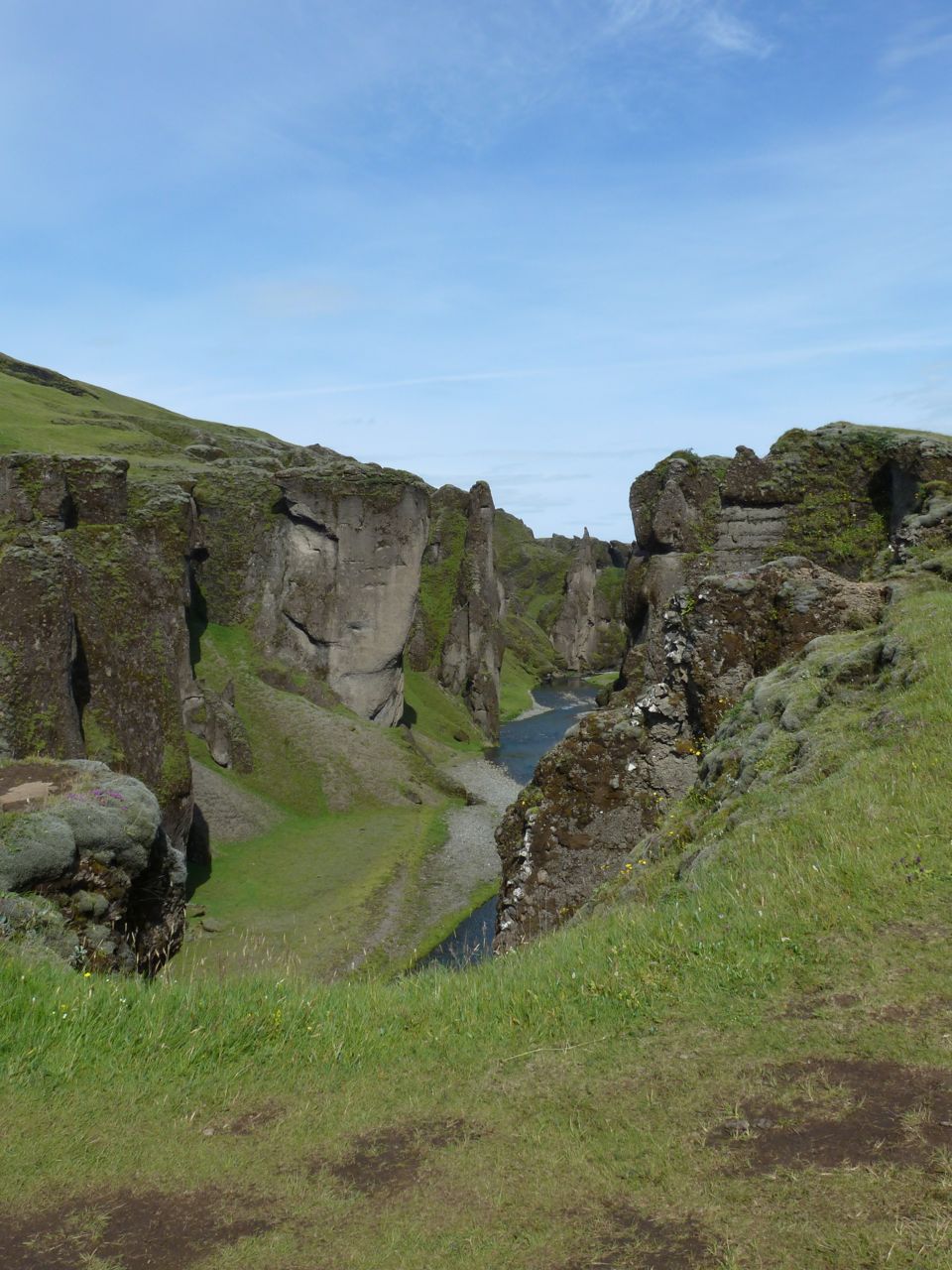
… is palpable, too. Environmental laws mean nothing if this land is not protected from crass development. The soul of the nation is here. Development is inevitable, and in true Icelandic fashion, it will be industrial and in place, and it should be. Restraint, though, is also Icelandic, and it is sorely needed here.
 This land, rich in spirit, is as fragile as Iceland. The response to the offer of sale of this land should be as robust as iceland, which means putting some teeth into environmental legislation. The alternative is to become a laughing stock. It’s not desirable, and it’s not necessary.
A massive glacial outwash canyon, of unparalleled accessibility, purity and mystery, rising above a lava field that is a graveyard on and memorial to Iceland’s past, should be a national park, but not in the new Iceland. In the new Iceland, it is for sale, to be developed as a tourism site, at a time in which Iceland has come to the bearable limit of mass tourism. A national park would have the power to develop this land on a manageable scale. It is irreplaceable, and very vulnerable.
http://icelandreview.com/news/2017/06/20/fjadrargljufur-canyon-still-sale


Erosion.
It’s hard to imagine that it isn’t part of the story of the abandoned houses in each of the two images above.


